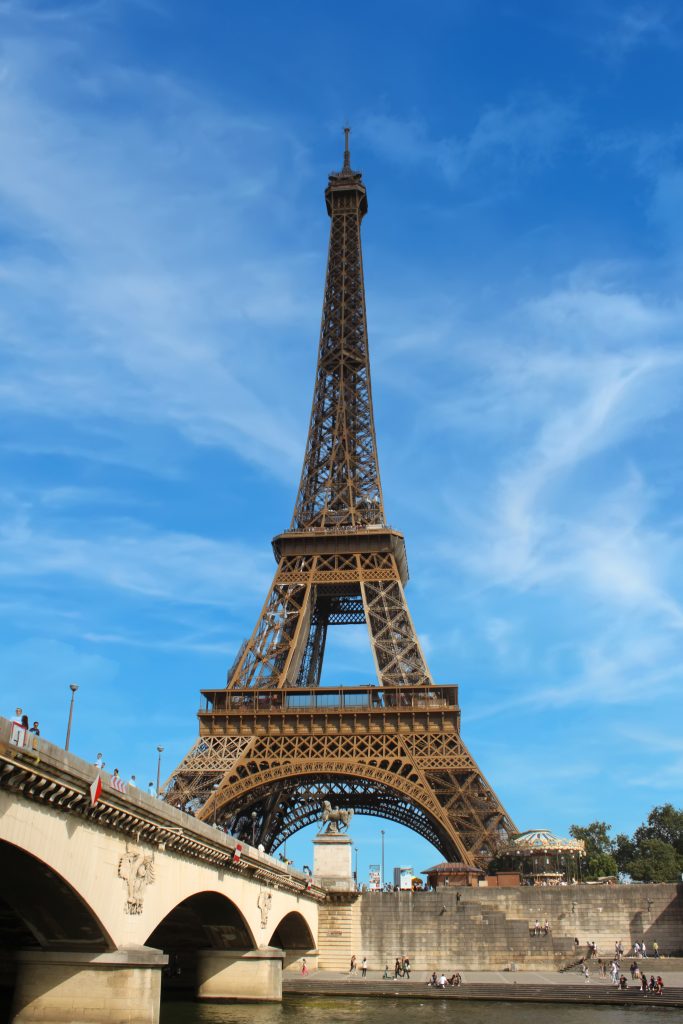
What would Paris be without its magnificent bridges? Did you know there are 37 bridges and footbridges spanning the Seine, connecting the Left Bank to the Right Bank with stops on the Ile de la Cité and Ile Saint-Louis? Paris originated on the Île de la Cité, and as the town expanded along the riverbanks, a more reliable crossing than boats became necessary. The Parisii tribe who inhabited Île de la Cité built the first bridges in Paris, the Petit Pont and the Grand Pont, in 52 BC. The grandaddy of today’s Parisian bridges is the Pont Neuf, which began construction in 1578 and remains the oldest stone bridge in the world. In the beginning, it was decorated with 381 different mascarons featuring heads of divinities from Classical mythology, as well as satyrs. In antiquity, mascarons served as protectors of homes and neighborhoods against evil spirits.

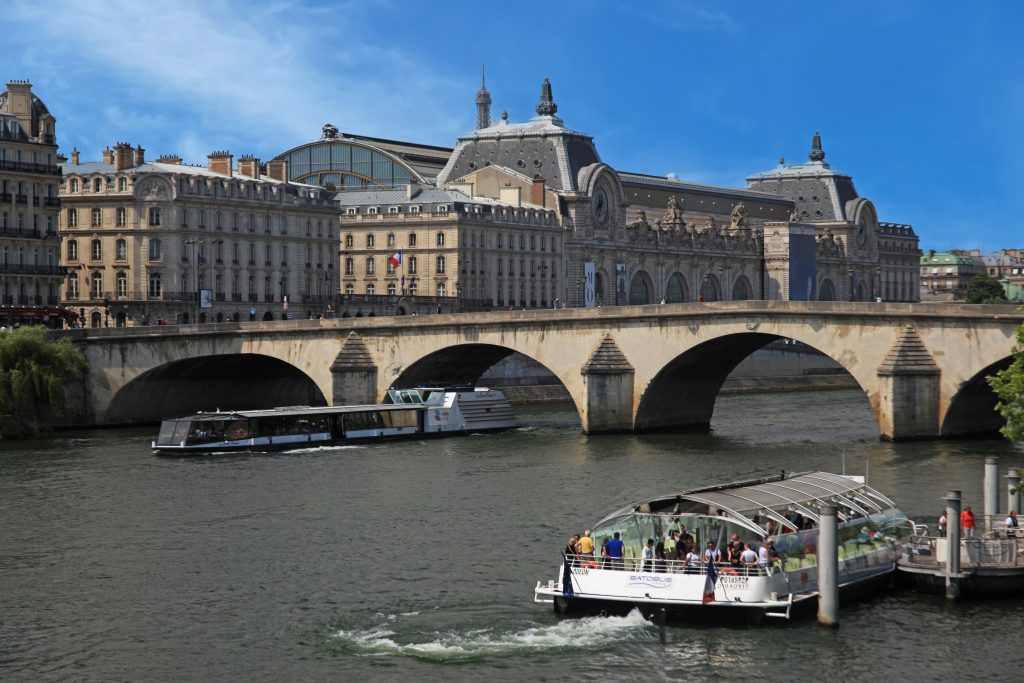
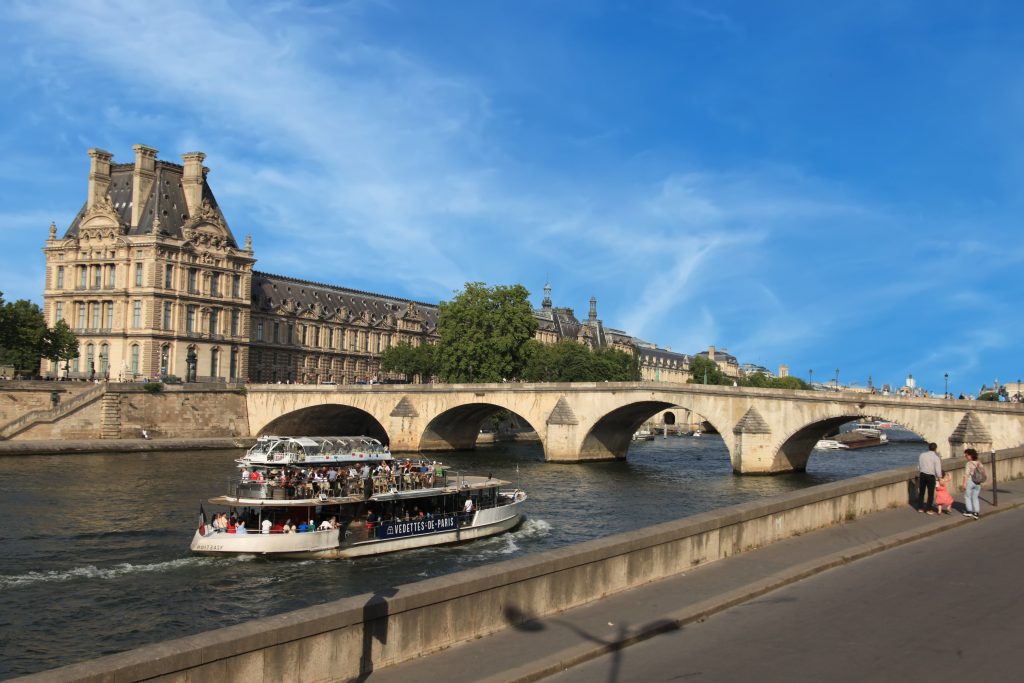
- Pont Royal was the result of the need to join the Louvre and the Boulevard Saint-Germaine in lieu of a paid ferry. Ordered by Louis XIV (The Sun King), it rose from 1685-1680 using the finest stone available in that day.
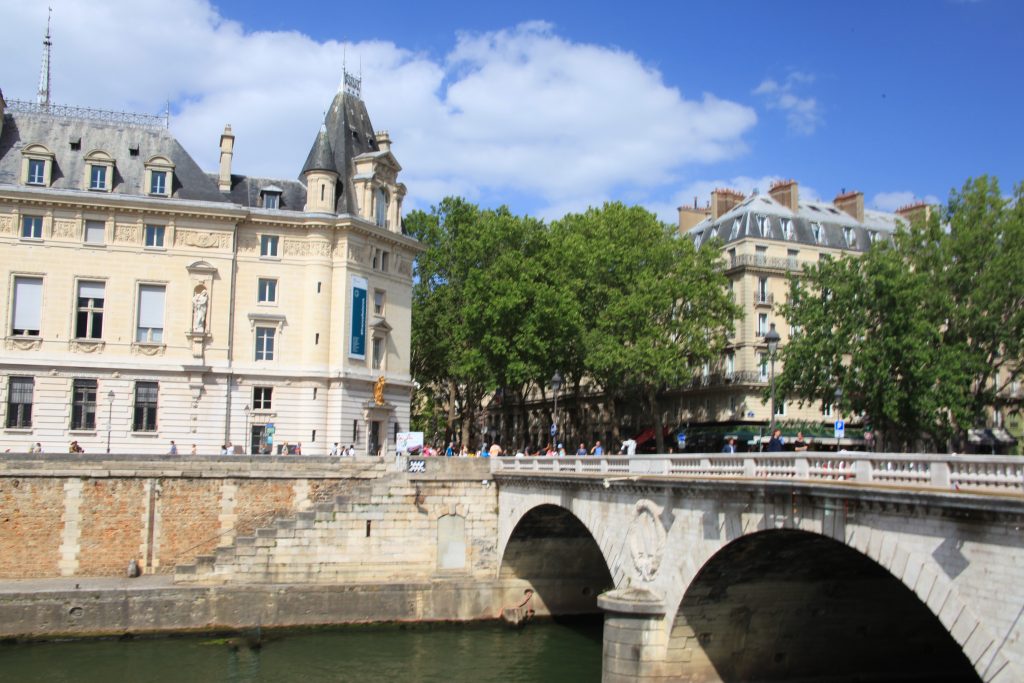
- Pont Marie was built to enable access to and from and Ile Saint-Louis in the 1700s. Its 17th century townhouses are among the most expensive real estate in the world. The Point Saint-Louis offers a great view of Notre Dame on the Ile de la Cité.
- Pont de l’Alma was constructed on the order of Napoleon III who redesigned much of the elegant city of Paris you see today into wide boulevards and parks. The Pont de l’Alma is decorated with four large statues including the one of the Zouave (French soldier), which was used to measure the level of the Seine when it flooded. Today, it has become a magnet for tourists, since it was the place where Princess Diana met her tragic death in 1997.
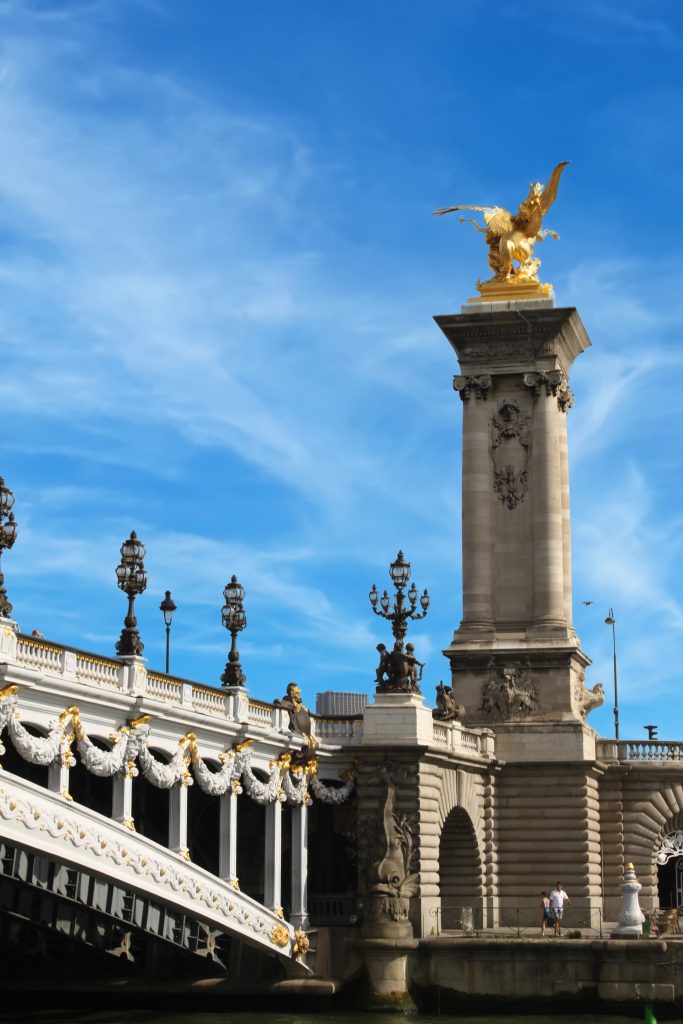
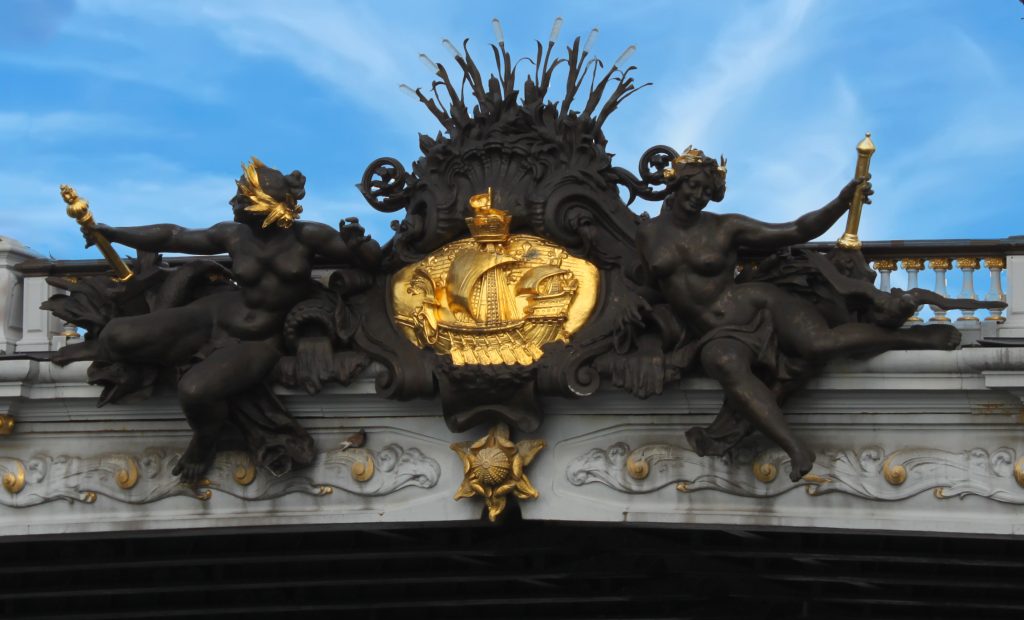
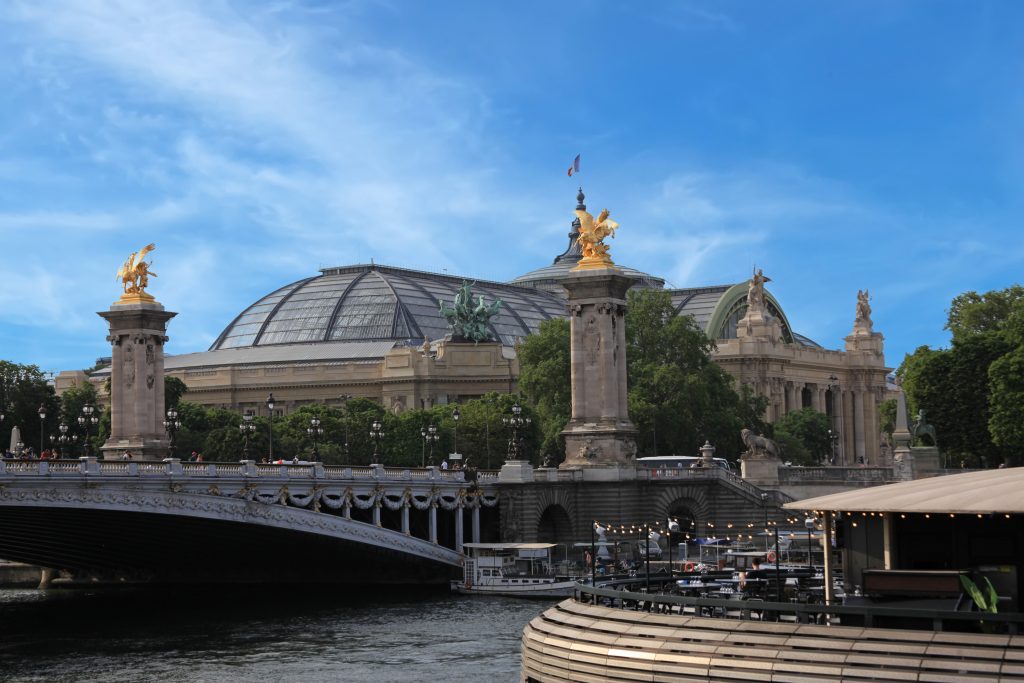
- Pont Alexandre III was created for the 1900 Universal Exhibition. Adjacent to the Grand Palais and the Petite Palais on the Right Bank, it boasts stunning gilt bronze sculptures of winged horses representing the Illustrious Arts, Sciences, Commerce and Industry. The Pont Alexandre III also has statues at the foot of the pylons that represent different eras in French history. There are also statues of lions in front of the pylons that guard the bridge.
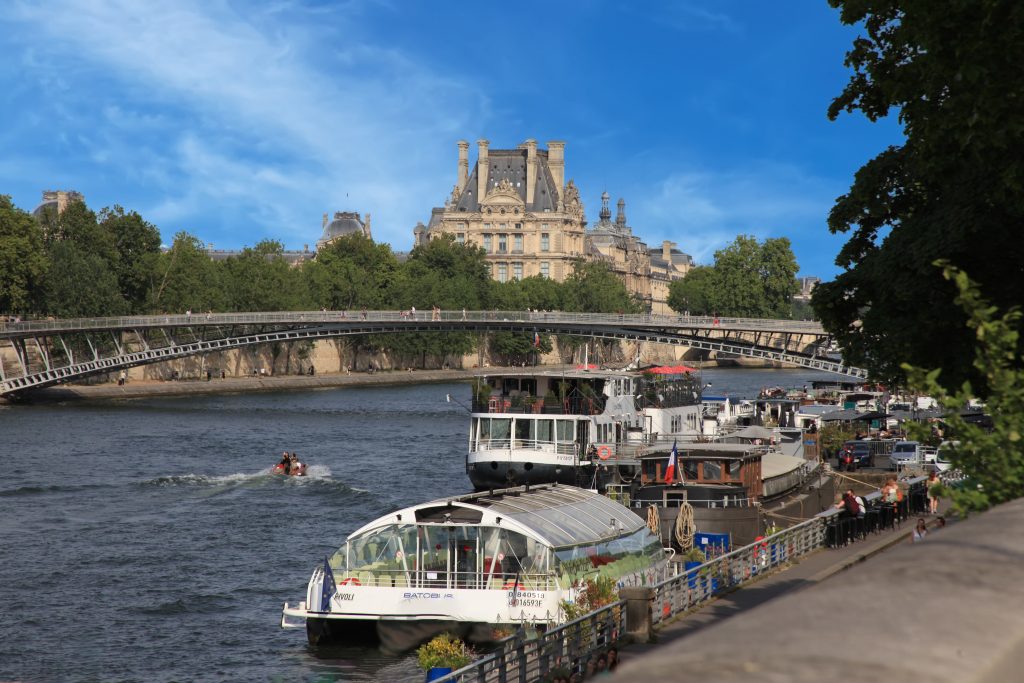
- Pont des Arts, connects the Institut de France to the Louvre Palace, and is now adorned with love locks, thanks to its attracting lovers from all over the world.

Where to Stay in Paris, France
If you’re staying near Paris’s bridges, the Left Bank neighborhoods of Saint-Germain-des-Prés and Latin Quarter offer walkable access to major spans like Pont des Arts and Pont Marie. Hotels here range from budget-friendly guesthouses to mid-range properties, putting you within reasonable distance of Notre-Dame and Île de la Cité. The trade-off is higher prices than outer arrondissements, but the location puts you at the heart of bridge-viewing territory.
The Marais district on the Right Bank sits near Pont de l’Alma and several smaller medieval bridges connecting to the islands. This neighborhood mixes boutique hotels and smaller inns among galleries and restaurants, making it livelier than some adjacent areas. It’s a good base for exploring both bridge architecture and neighborhood character without staying directly on the islands.
For budget travelers, the 11th and 12th arrondissements offer cheaper hotels with metro access to central Paris in five to ten minutes. You’ll sacrifice the immediate atmosphere of historic bridge districts, yet you gain transit convenience and room savings. Consider staying here if you prioritize seeing bridges over living within them, or if you plan to explore multiple Paris neighborhoods beyond the Seine.
If your budget allows, a small hotel on Île Saint-Louis or near Île de la Cité puts you in the heart of the bridges and medieval architecture. Rooms are limited and prices are steep, but waking up steps from centuries-old stonework with water views makes the cost worthwhile for bridge enthusiasts. Book well in advance for these locations, as availability is scarce and rooms fill quickly with tourists and regular visitors alike.
Recommended Reading
Here’s some Paris reading for you.
- Paris by Edward Rutherfurd – A sweeping historical novel that spans centuries of Parisian history, from the Middle Ages to the 20th century. With rich characters and intricate detail, it’s the perfect starting point for anyone wanting to dive deep into the City of Light’s layered past.
- Bridges of Paris by Michael Saint James – A stunning 280-page coffee table book dedicated entirely to Paris’s iconic bridges. With breathtaking photography and fascinating insights, this book is a must for anyone enchanted by the architecture and history that connect the city across the Seine.
- Renoir: Paris and the Belle Epoque by Karin Sagner-Düchting – A vivid exploration of Paris during the Belle Epoque, told through the life and art of Pierre-Auguste Renoir. This beautifully illustrated volume captures the elegance and energy of an era when many of Paris’s most beloved buildings first appeared.
- The Oracle Glass by Judith Merkle Riley – A richly imagined historical novel set in 17th-century Paris, filled with intrigue, magic, and a touch of metaphysics. With sharp wit and a compelling female lead, it’s both a thrilling read and a unique perspective on the darker corners of Parisian history.
- Insight Guides: France – A visually engaging travel guide that covers the cultural, historical, and geographic richness of France, including in-depth features on Paris. Ideal for travelers who want both inspiration and practical advice in one beautifully designed package.
Tours to Consider
- Paris Top Sights Half Day Walking Tour with a Fun Guide
- Big Bus Paris Hop-On Hop-Off Tour with Optional River Cruise
- Paris Seine River Hop-On Hop-Off Sightseeing Cruise