
Everyone imagines visiting Japan during hanami, strolling beneath clouds of pink cherry blossoms. But did you know that hanami comes in other colors and in other seasons too?
Japan’s age-old tradition of “flower viewing” historically happened eight times a year, and most travelers don’t know about the other eye-popping flower spectacles that have been drawing crowds and inspiring haiku poets for centuries.

These flowers are native to Japan, and many of them can be glimpsed growing naturally in the wild, but centuries of cultivation have produced blooming extravaganzas that are every bit as impressive as the famous clouds of pink.
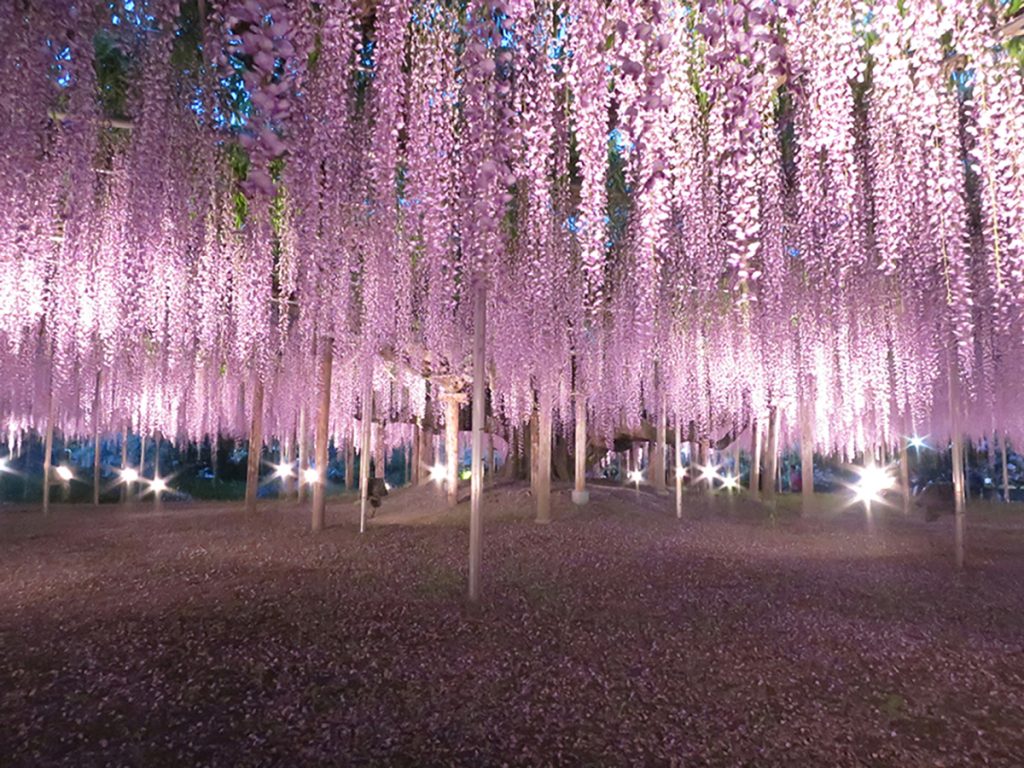
Come with me and let’s take a year-long tour of all the hanami flower displays, to discover the secret messages that have inspired Japanese artists through the ages!
Because in Japan, a flower is not just a flower—this fellow is surrounded by an Instagram-worthy display of peonies, but his attention is elsewhere, and any Edo Period raconteur would understand immediately why Kunisada didn’t depict him ogling that courtesan and her attendants under the cherry blossoms instead.
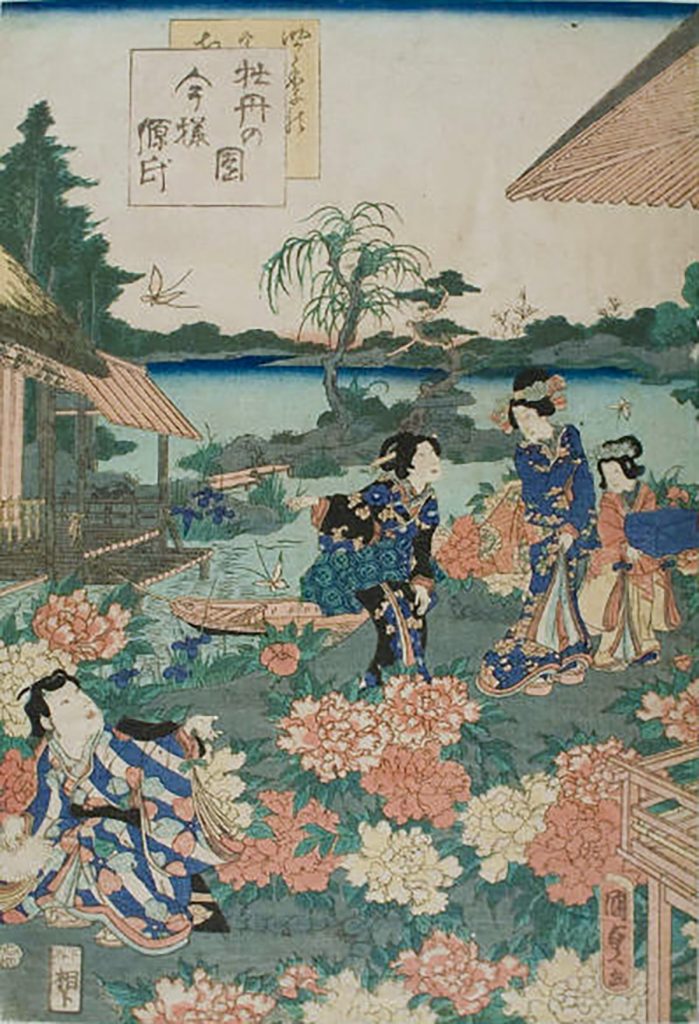
Each flower is associated with messages and meanings stemming from how it grows, how it was used, or when it blooms. When Murasaki Shikibu was releasing The Tale of Genji chapter by chapter at the imperial court in the Eleventh Century, the blooms tied to a message delivered as much meaning as the poem they accompanied. These traditional flowers not only represent the season in which they burst forth, they’re associated with human traits and feelings, based on their nature.
Plum blossoms: Perseverance has never been so pink
When they bloom: Feb 15 – Mar 15
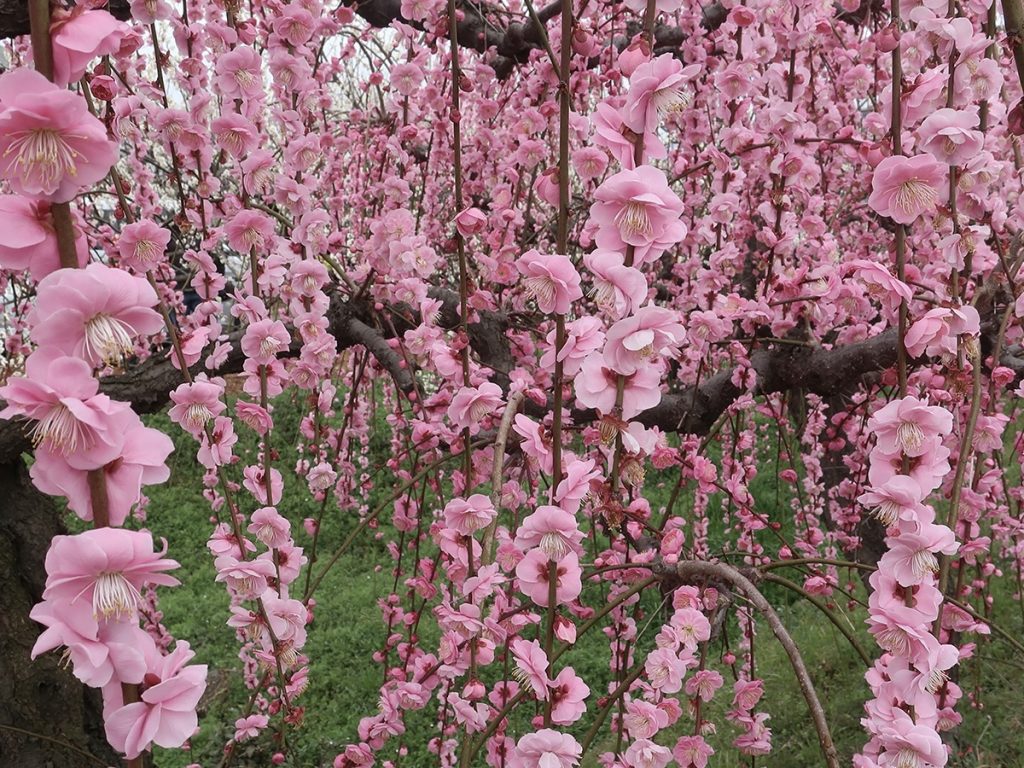
Plum trees explode like popcorn in late winter, when the rest of the plant world is still bare and brown. One of the most iconic and poignant subjects for late winter paintings and poems is a snowstorm blanketing blooming plum trees with a frosting of white, like these at the famed plum garden Kairakuen, in Mito.
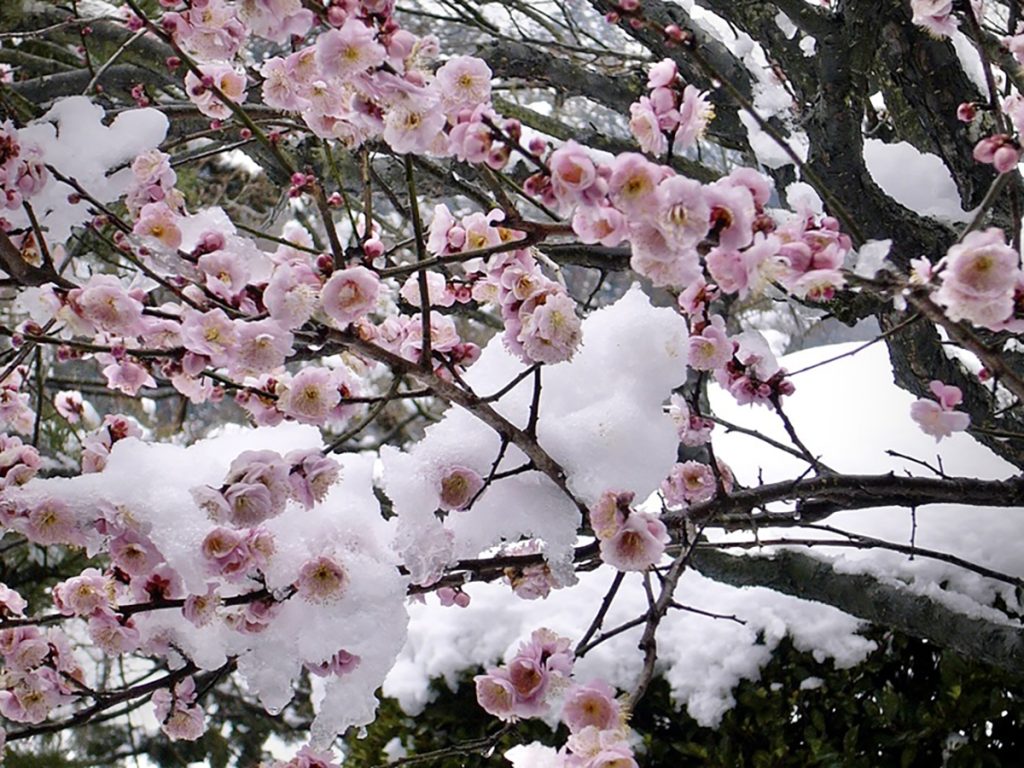
Because they bloom at the end of a long winter, and are the first sign of spring, plum blossoms have come to symbolize hope, toughness and perseverance.
Not very anxious
to bloom,
my plum tree.
–Issa (1763-1828)
The poet Issa is complaining that he’s getting old and isn’t it about time for his patience to be rewarded after a lifetime of hard work?
Because plum blossoms symbolize persistence rewarded, shrines with “Tenjin” in their names plant spectacular groves to signal that this is the place for students to make an offering and pray that years of diligent study be rewarded with good entrance exam results (announced in early March, right during plum blossom season).
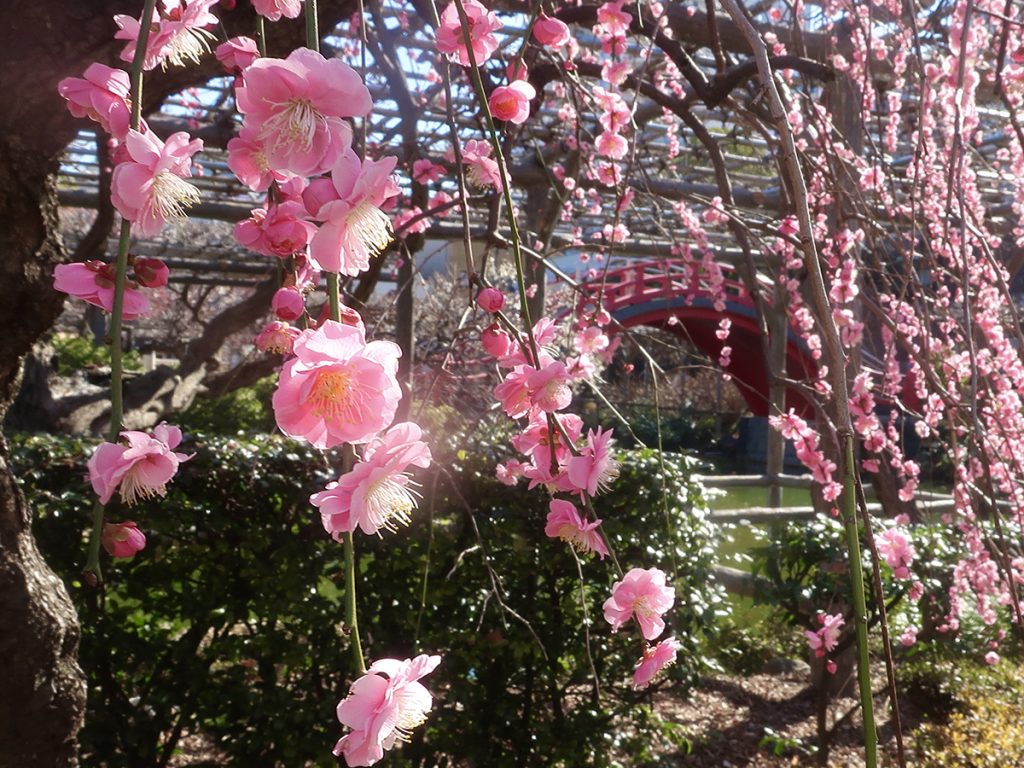
But plum trees are also prized for the beauty of their trunks and branches, and nowhere have shapely trees been blooming more exuberantly for centuries than at the Jonangu Shrine gardens in Kyoto. This shrine was established in the year 794, its gardens already several hundred years old when Murasaki Shikibu was inspired to make plum blossoms one of the recurring themes in the world’s first novel, The Tale of Genji.
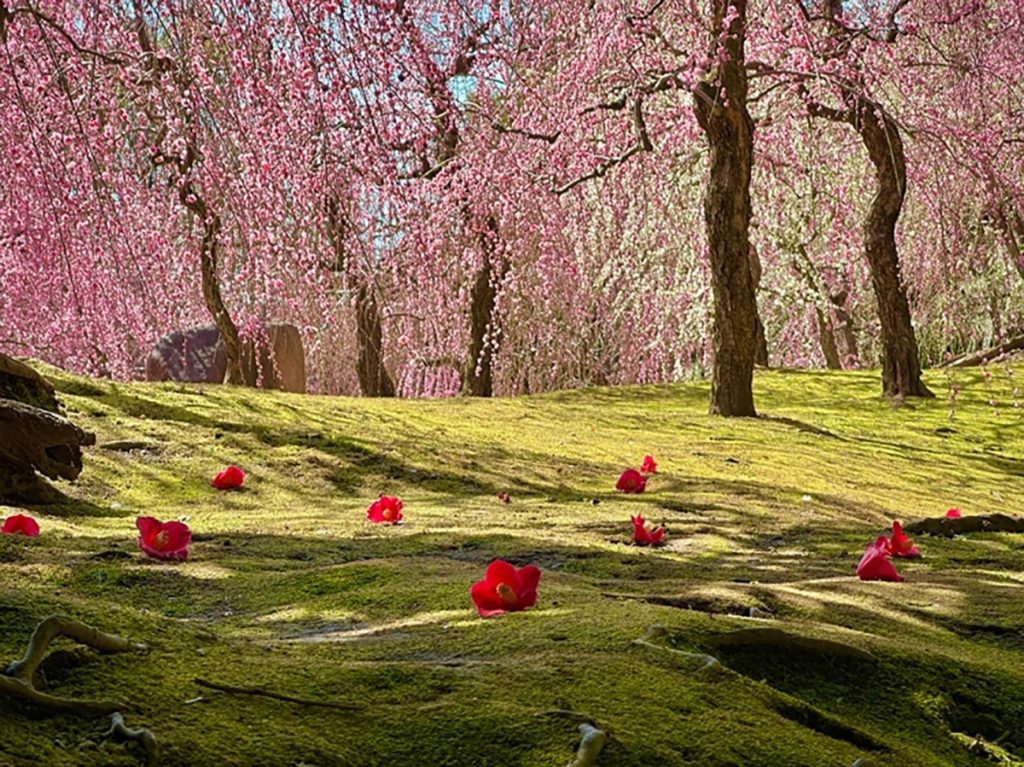
You might notice another flower in this photo that’s also been cultivated in Japan for centuries, but camellias will never be celebrated like the others. They may come in countless gorgeous shapes and sizes, but the flowers drop off the tree intact, all too uncomfortably reminiscent of a samurai losing his head!
Cherry blossoms: Japan’s favorite metaphor for life
When they bloom: Mar 25 – Apr 7
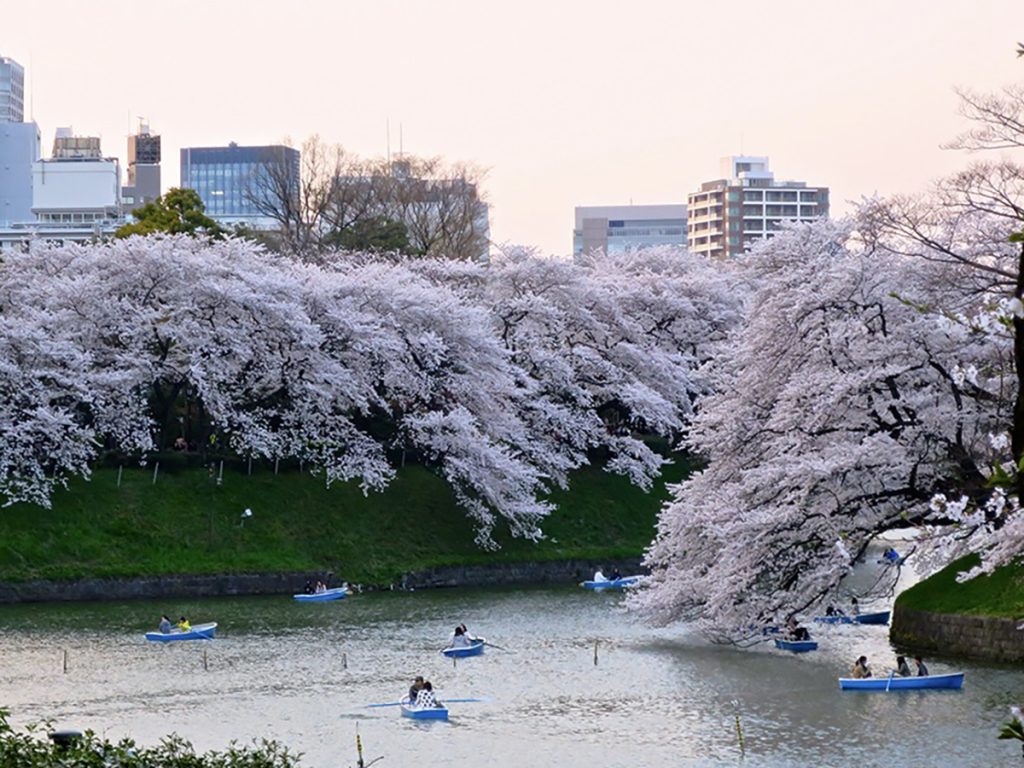
The cherries’ only fault:
the crowds that gather
when they bloom.
—Saigyō (1118-1190)
These days, travelers are obsessed with trying to guess when to swoop in to catch the peak moment of pinkness, believing that seeing the trees in full bloom will deliver cherry blossom season at its finest.
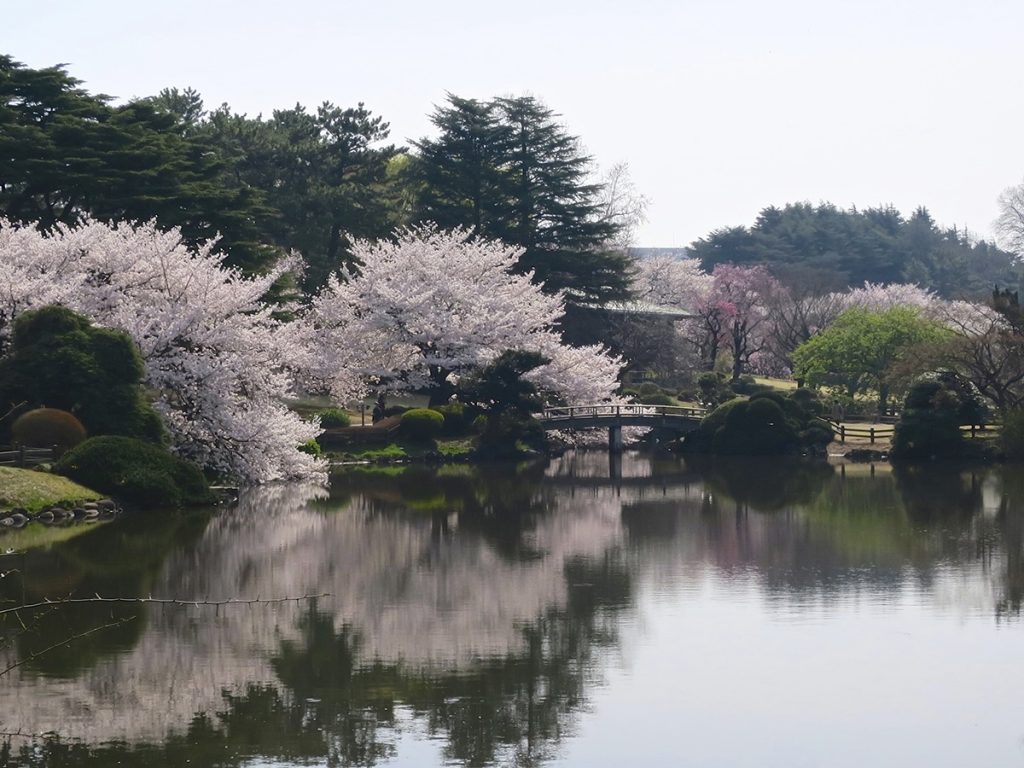
But the reason cherry trees are beloved by the Japanese is that their short seven-day lifespan is such a perfect metaphor for our own. Seeing cherry trees in full bloom isn’t satisfying without the anticipation of waiting for the first buds to burst, watching the trees become more beautiful with each passing day, reveling with loved ones in times of good fortune and peak pinkness, then watching as the petals fade and drift down like snow, until they wash away in a river of pink.
They’re beloved for the same reasons the haiku poets love melancholy, loss and winter as much as they treasure joy, new life and spring.
Every year, the short cherry blossom season reminds us that there can be no true happiness without sadness, there can be no joy of togetherness without melancholy and solitude, and that no celebration of birth is greater than the appreciation of a life well lived after someone is gone.

The cherry blossoms
in my abandoned hometown
blooming just the same.
–Issa (1763-1828)
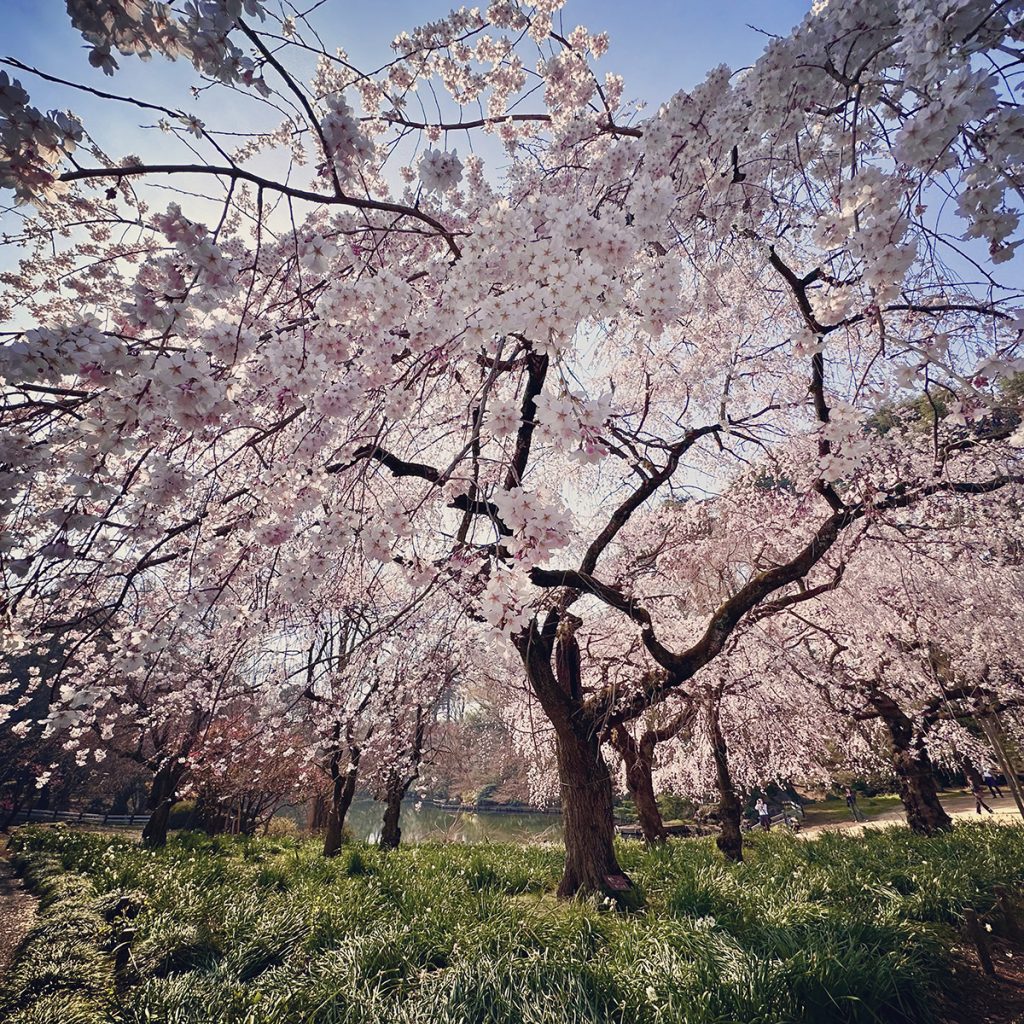
What a strange thing!
To be alive
beneath cherry blossoms..
–Issa (1763-1828)
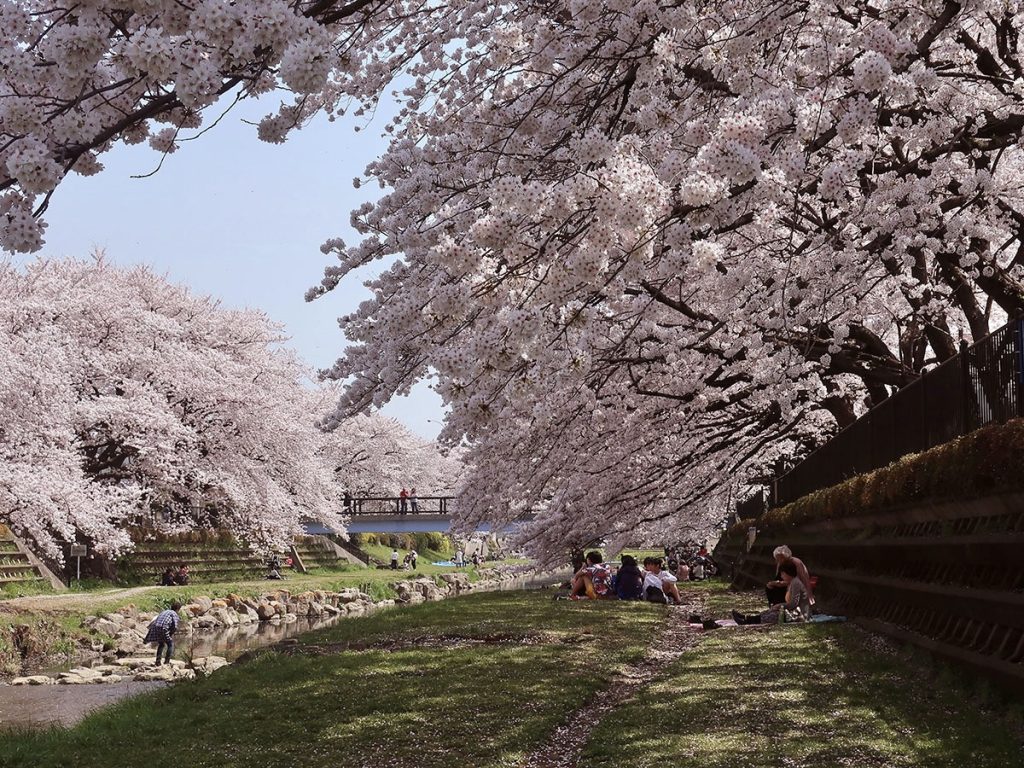
Under the cherry blossoms
strangers are not
really strangers.
–Issa (1763-1828)
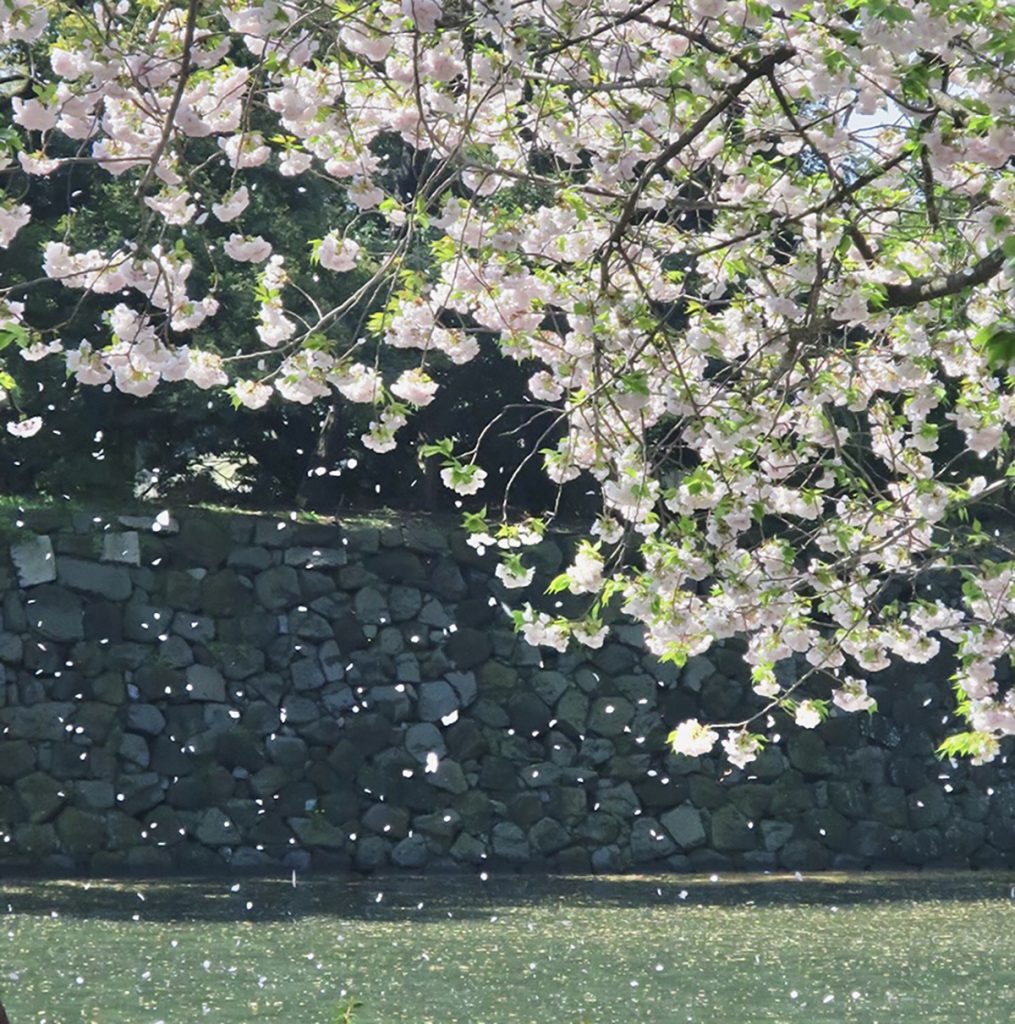
Into the soup, the salad,
everywhere,
cherry blossoms fall.
—Bashō (1644-1694)
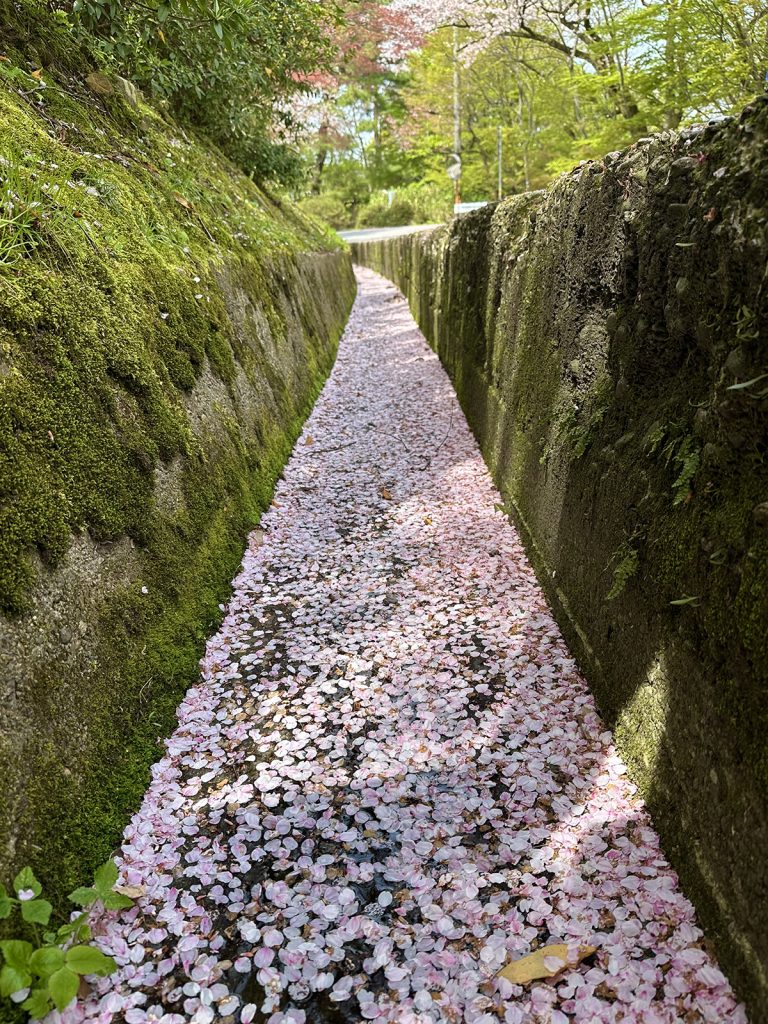
They blossom, and then
we gaze, and then the blooms
scatter, and then…
—Onitsura (1661-1738)
Azaleas: There is such a thing as being too beautiful
When they bloom: Apr 15 – 30
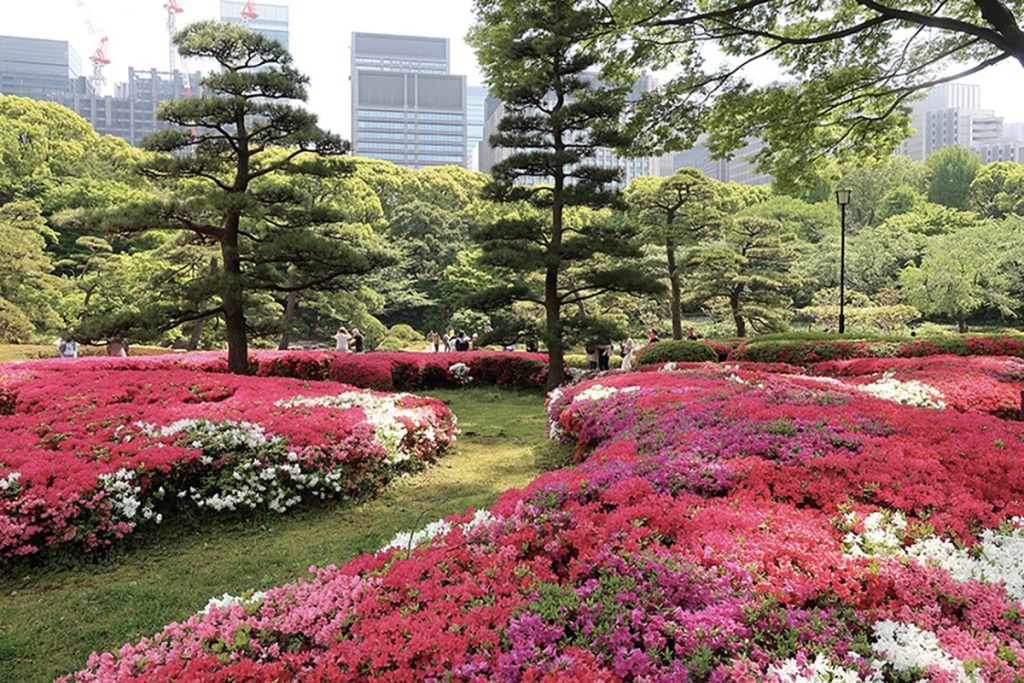
Azaleas are blooming;
In this remote mountain village
the boiled rice is white.
—Buson (1716-1784)
Buson uses azaleas to point out how lucky a mountain village is to be so remote that even in April when the azaleas flower, they are still eating white rice. Their less-fortunate brethren in the lowlands who are more accessible to the shōgun’s tax collectors were stripped of the lion’s share of their rice crop months ago, and by the time the azaleas bloom, they’re surviving on millet.
But once you see how Japan’s gardeners have transformed this humble native shrub into truly mind-boggling azalea displays—with brilliant blooms covering every centimeter of the perfectly shaped bushes—you’ll see why they more often stand for over-the-top flamboyance.
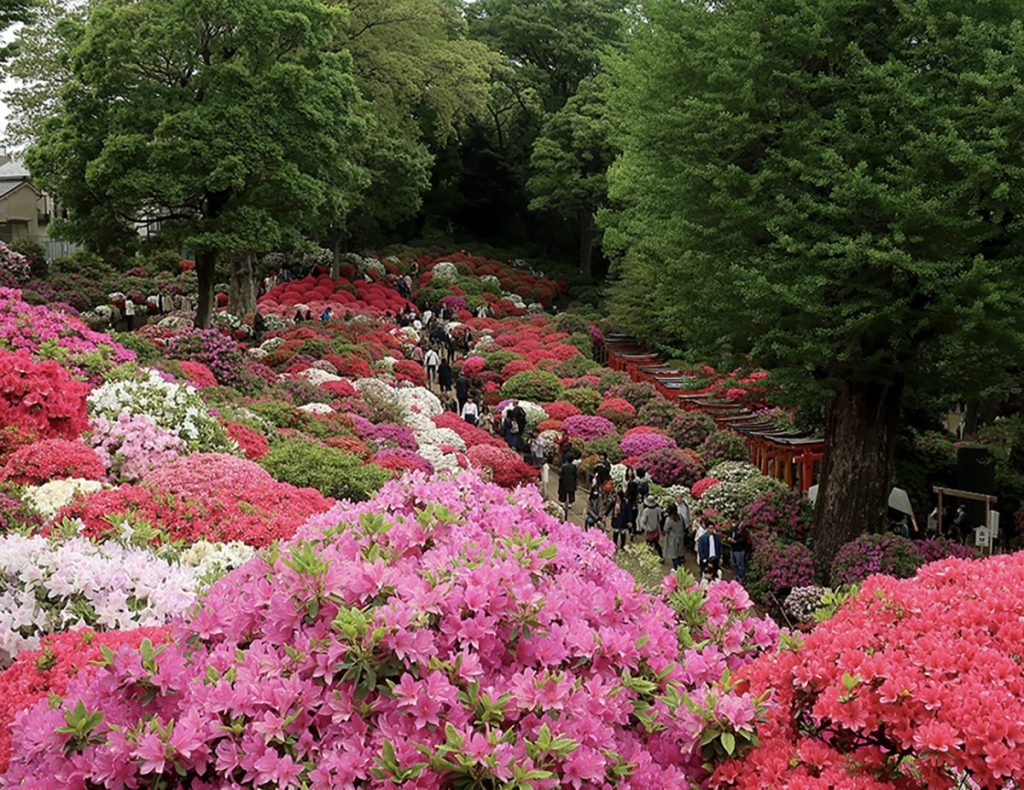
You’ll be asking the same question I once asked a Japanese friend: Why does everyone love the cherry blossoms so much, when you have these?
And you know what she said? “They just last too long.”
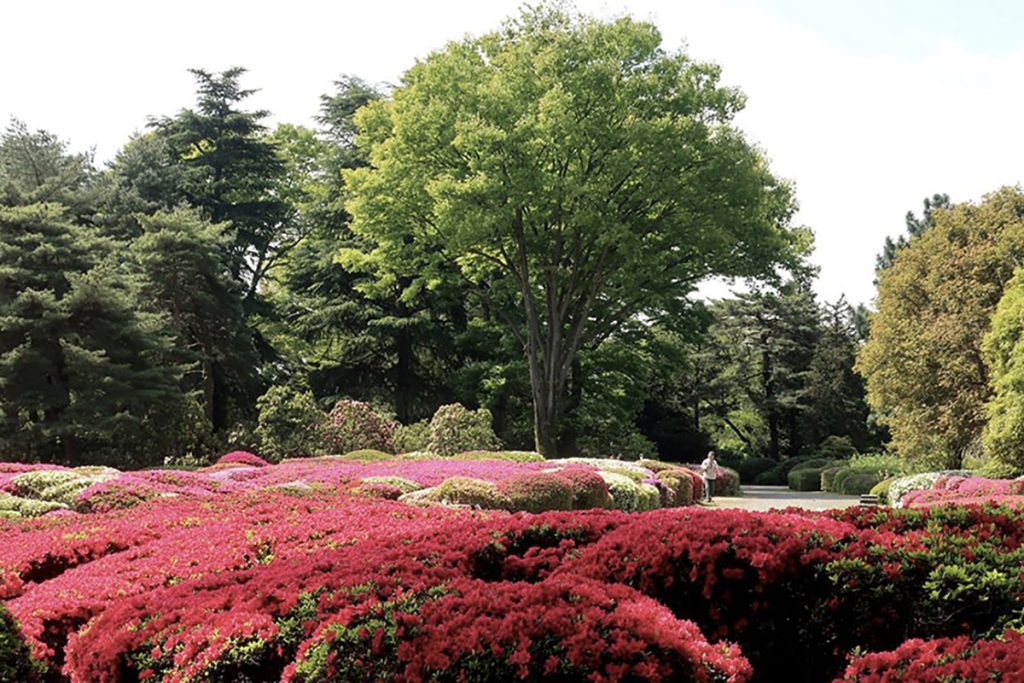
The poet Bashō captures this only-in-Japan criticism perfectly in his poem about azaleas blazing away so endlessly that the extraordinary becomes commonplace.
Azaleas arranged in a pot,
Chopping cod in the shade—
a woman.
—Bashō (1644-1694)
Peonies: Like cigars, but for women
When they bloom: Apr 15 – 30
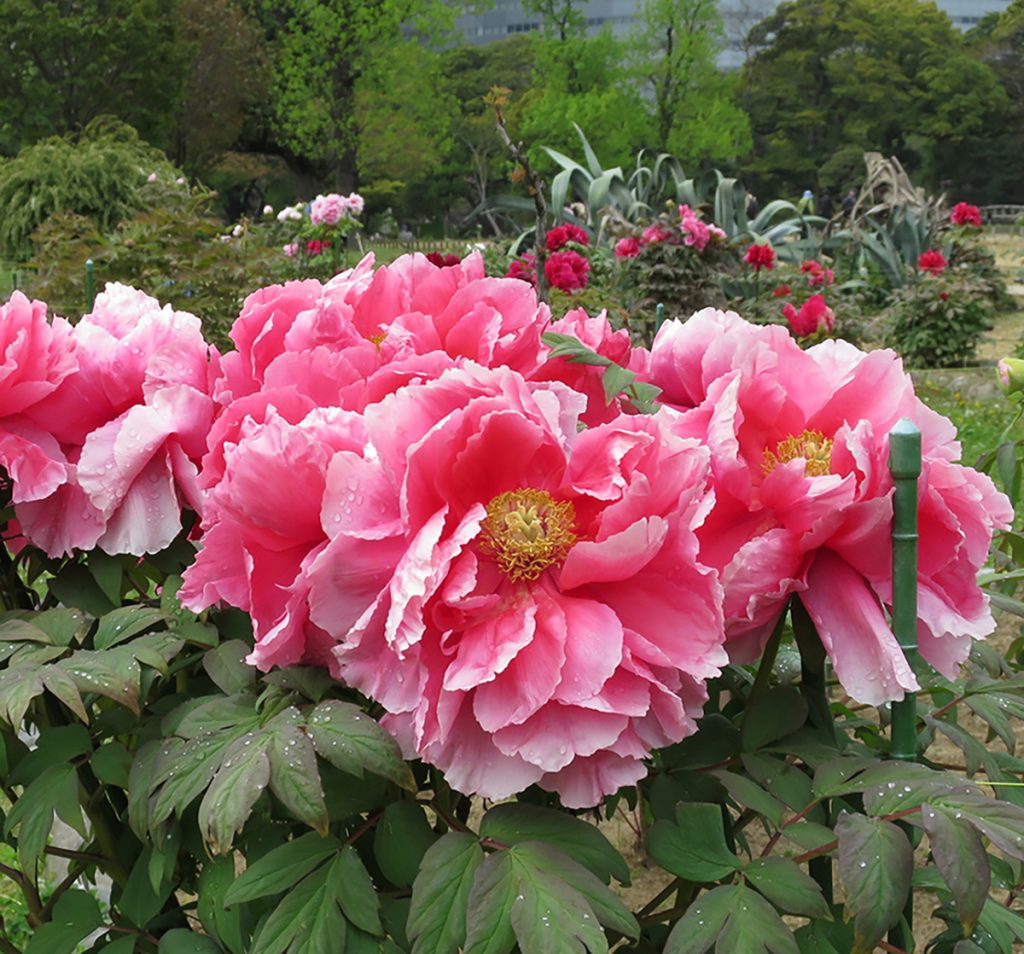
A bee
staggers out
of the peony.
—Bashō (1644-1694)
No surprise, the poet isn’t really talking about bees here. He’s also describing a man’s morning-after feeling when he has spent the night with a high-ranking courtesan. If you’ve read The Samurai’s Octopus, you may have noticed how often peonies make an appearance in the walled pleasure quarter of Yoshiwara. Courtesans bent on enticing new patrons dress their entourages in peony-themed robes when it’s time to reel in their latest catch, and the pleasure house known as the House of Peonies is a none-too-subtle reference equating an unfolding peony with womanly desire. In the Edo Era, when someone mentioned a peony, it was the female equivalent of bananas and cigars.
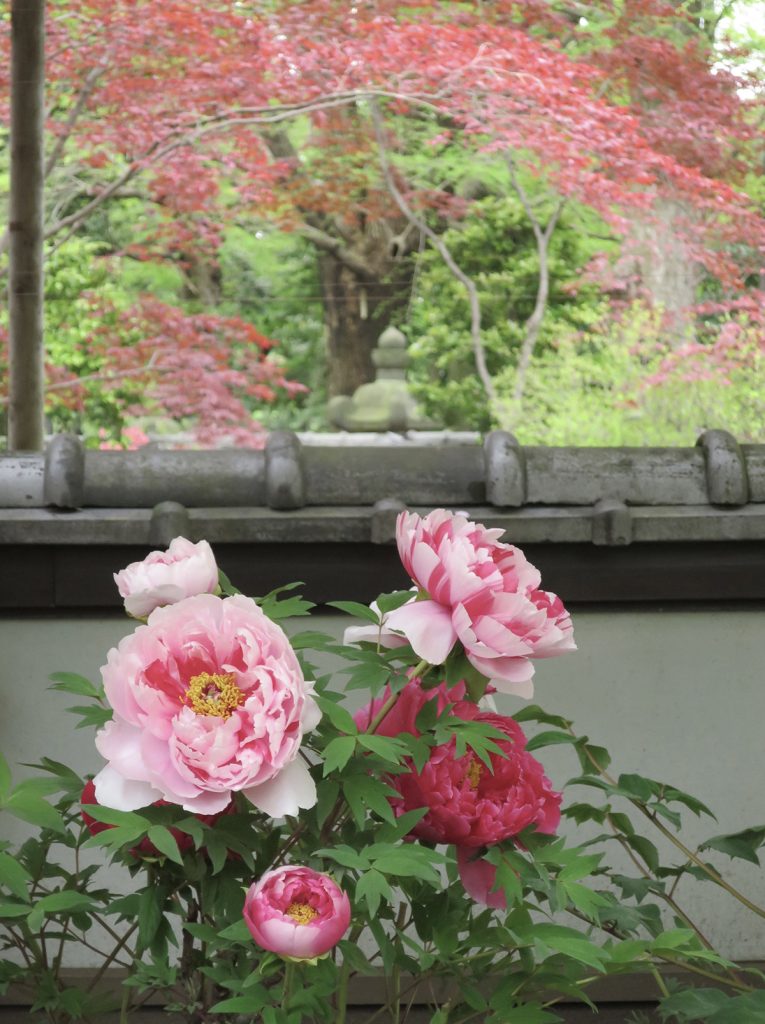
When the peonies bloomed,
it seemed as though there were
no flowers around them.
—Kiitsu (1796-1858)
I think you’ll agree that when gazing at peonies, it’s hard to focus on anything else. Which was also true the first time someone sat in the presence of one of Yoshiwara’s flamboyant first-rank courtesans.
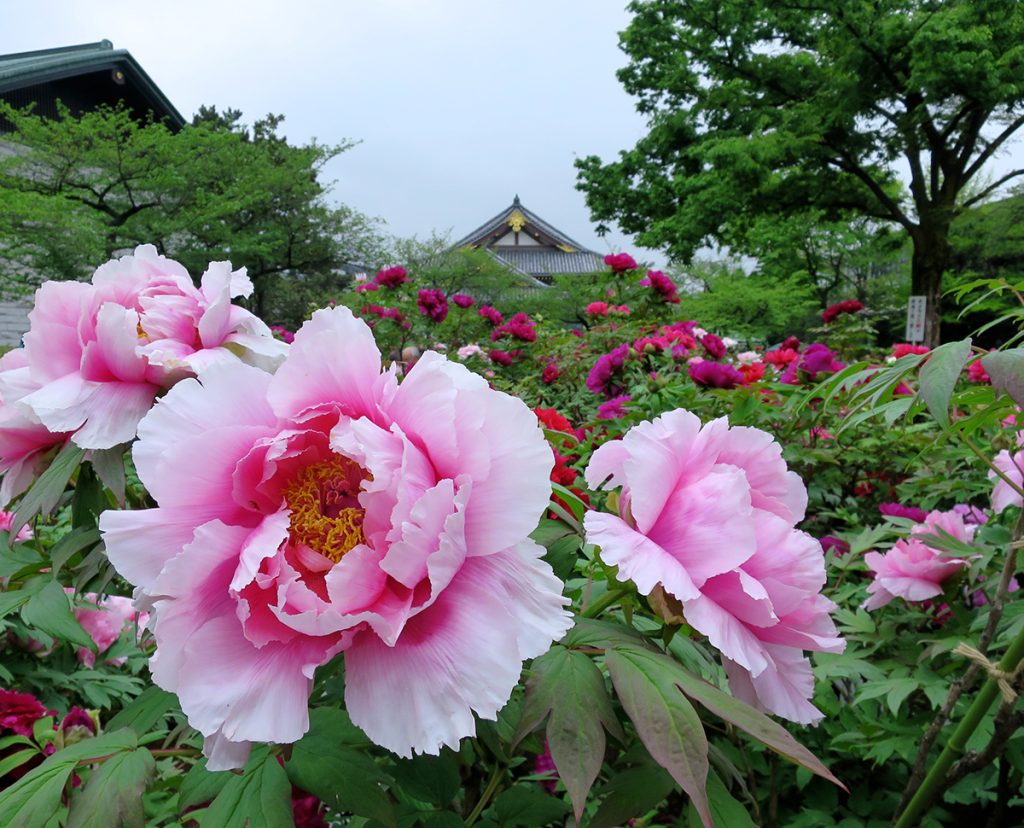
A few rare peony gardens like this one at Nishiarai Daishi temple overwhelm with dinner plate-sized flowers as far as the eye can see.
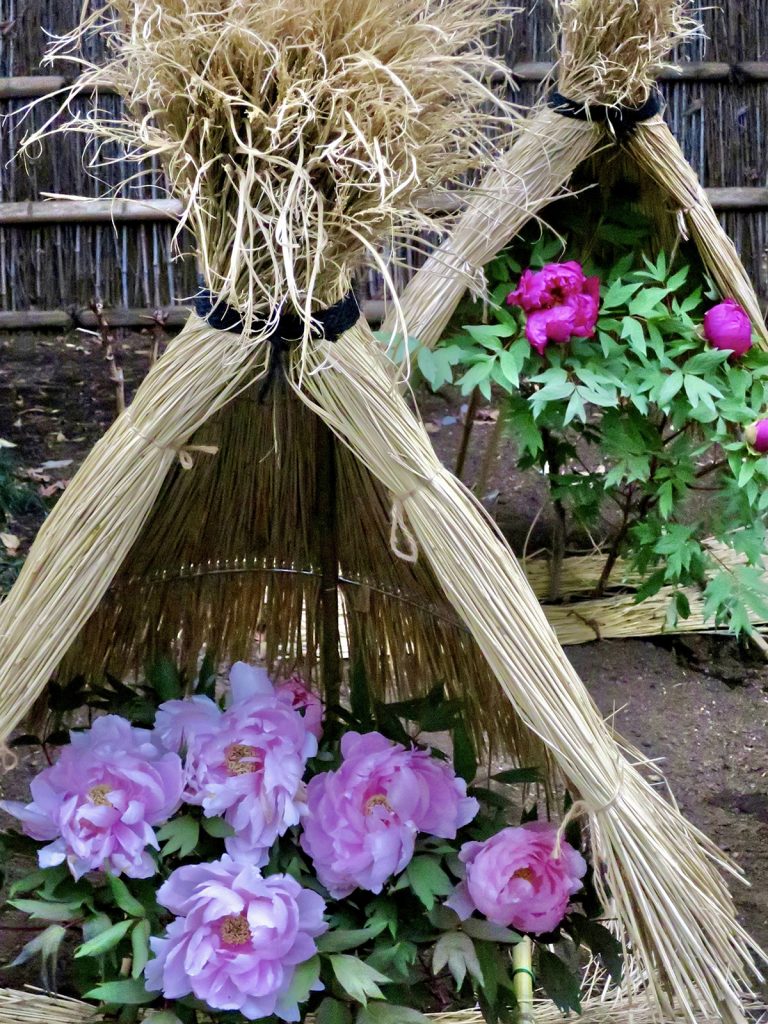
But the more traditional way to enjoy peonies is to appreciate hothouse blooms one by one, displayed under straw tents to shield them from the snow,
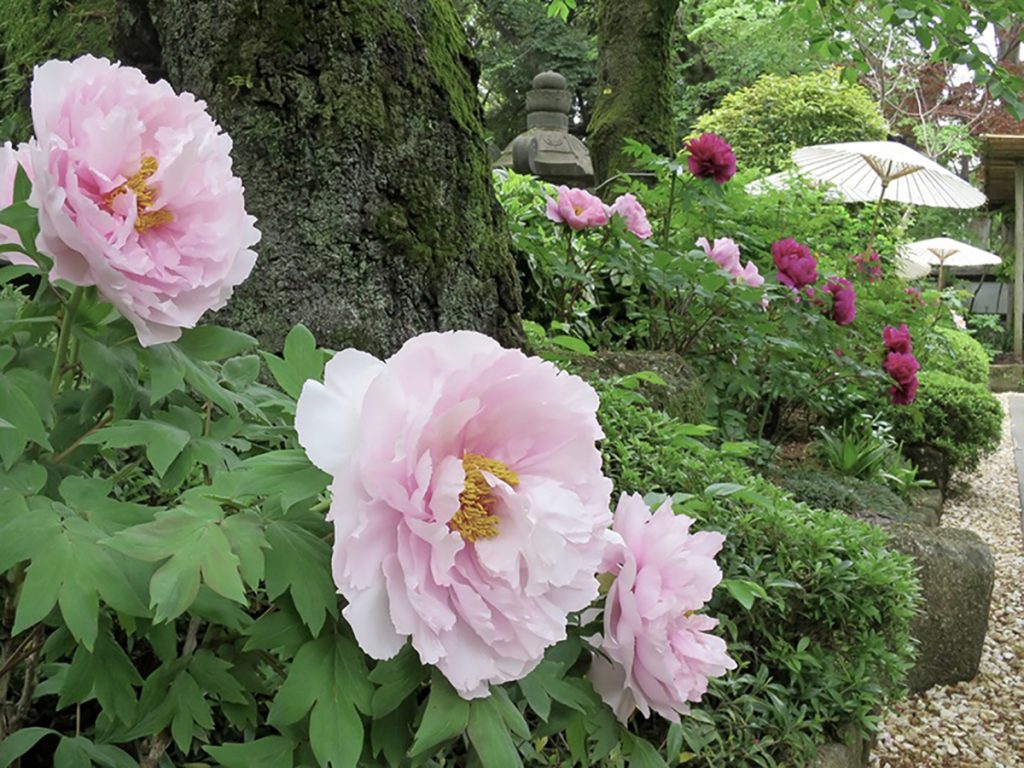
or parasols to spare theses hand-raised hybrids’ delicate petals from the withering sun.
Like the courtesans of Yoshiwara, right up to the moment they shed their finery in a heap of fallen petals, a peony’s job is to stir our appetites with their luxurious muchness and seductive fragrance. And then…
The peonies have fallen;
we parted
without regret.
—Hokushi (1665-1718)
Wisteria: The flowers of power
When they bloom: Apr 21 – May 7
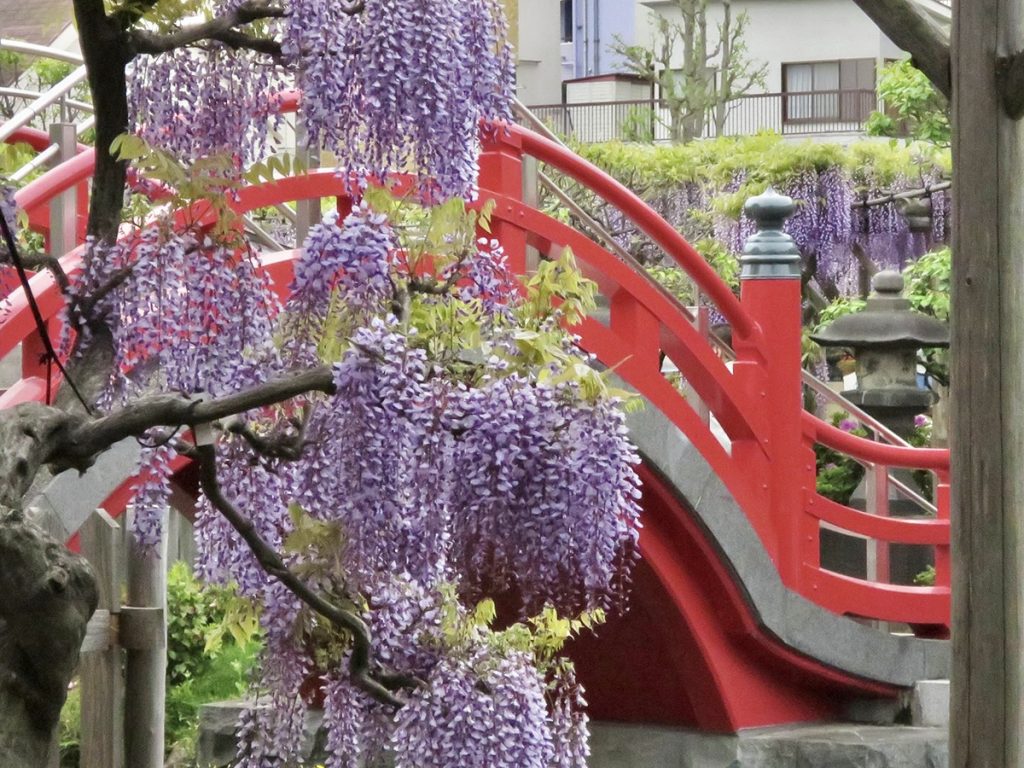
I come weary,
in search of an inn—
Ah! These wisteria flowers!
—Bashō (1644-1694)
The wisteria vines at the inn that the poet Basho has been trudging toward are a reliable landmark, because they long outlive human beings. Once you’ve seen the truly massive and ancient examples in Japan, it will come as no surprise that they symbolize longevity, grace and elegance.
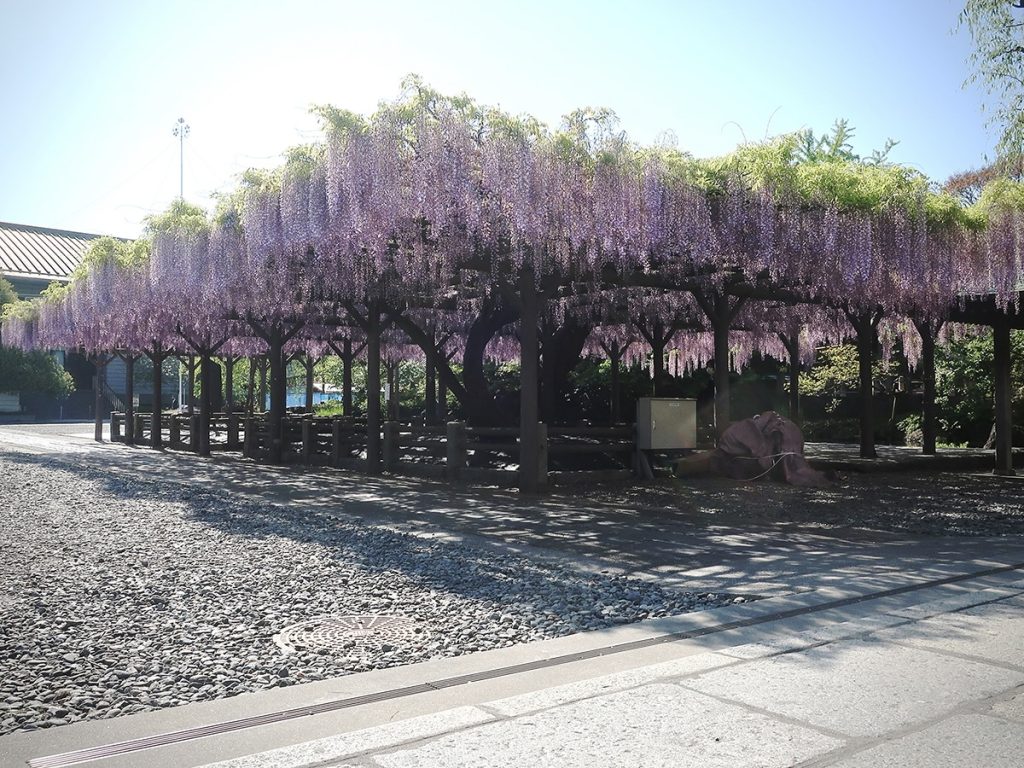
Nobody embodied these traits as thoroughly as the legendary Fujiwara family, who managed to rule Japan through marriage politics from 794 to 1160. Their name literally means “wisteria field” and their grip on power was as far-ranging and enduring as the great wisteria vines still cultivated today.
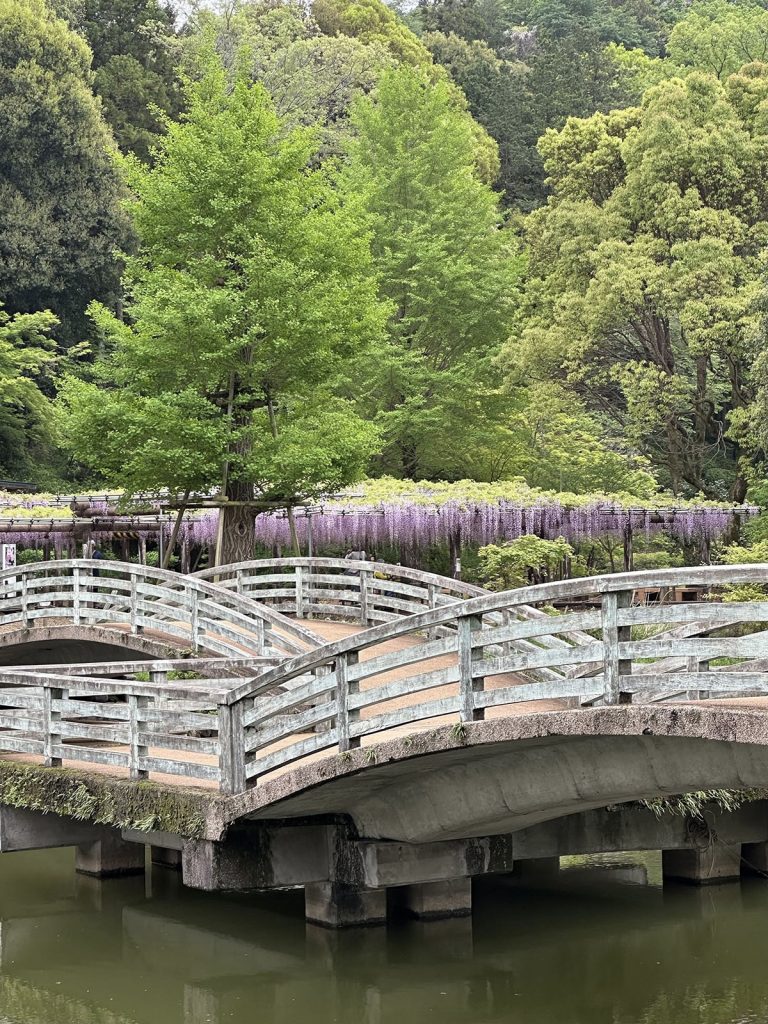
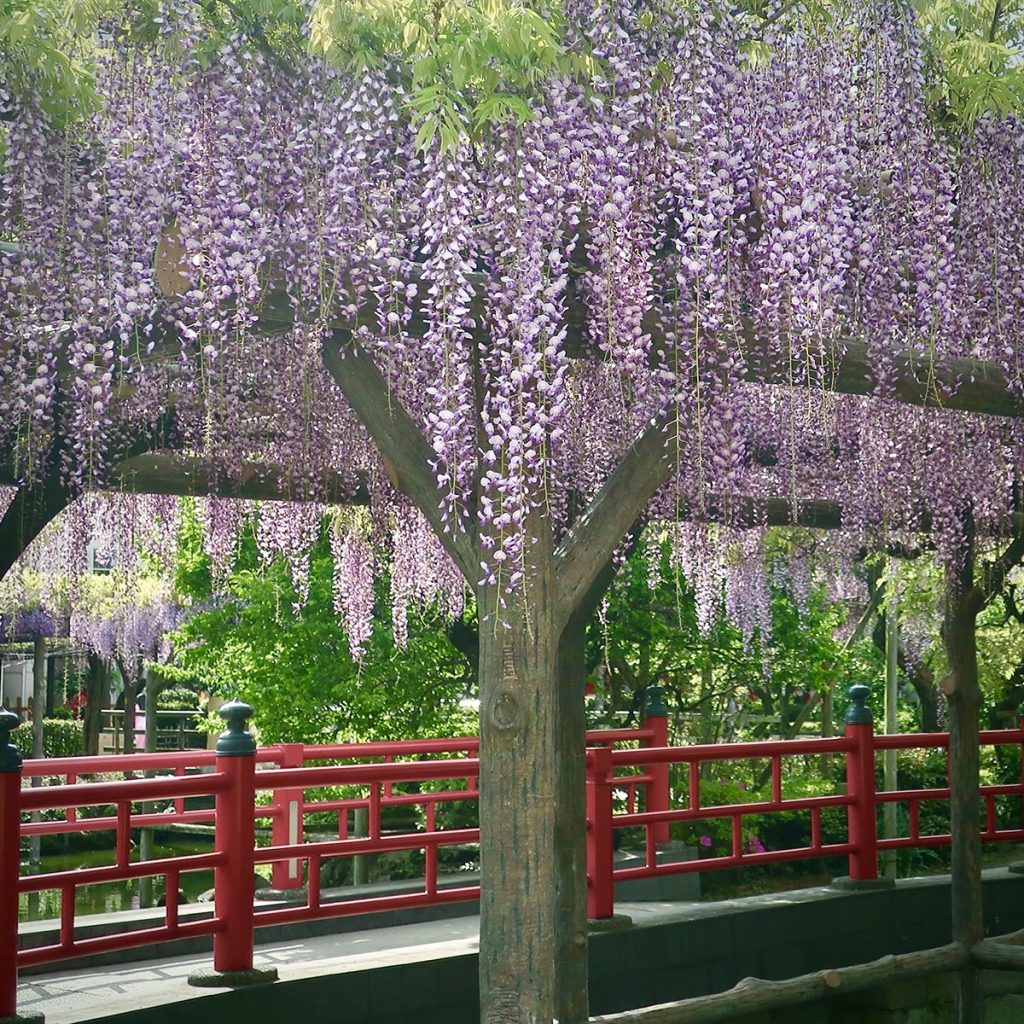
In their centuries of ascendency, they sponsored artists and writers to consolidate their hold over the politics and culture of Japan, and it was impossible to imagine a world beyond the one defined by curtains of purple wisteria.
Iris: Friend of warriors, enemy of mosquitoes
When they bloom: May 25 – June 7
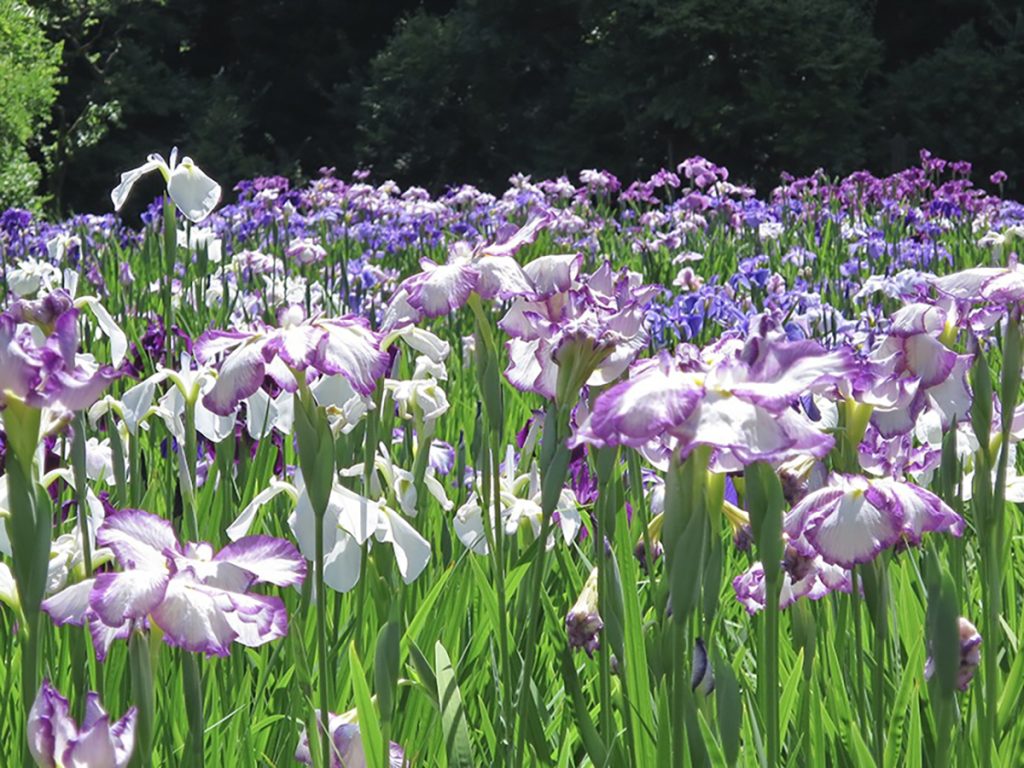
Japanese iris sit atop their swaying stems like so many purple butterflies, but their name in Japanese is shōbu, which sounds like the word for “fight.” On May 5th (which used to be known as Boys’ Day) fathers and sons traditionally fight mock battles with their sword-shaped leaves, then relax together by soaking in a hot bath with floating iris leaves.
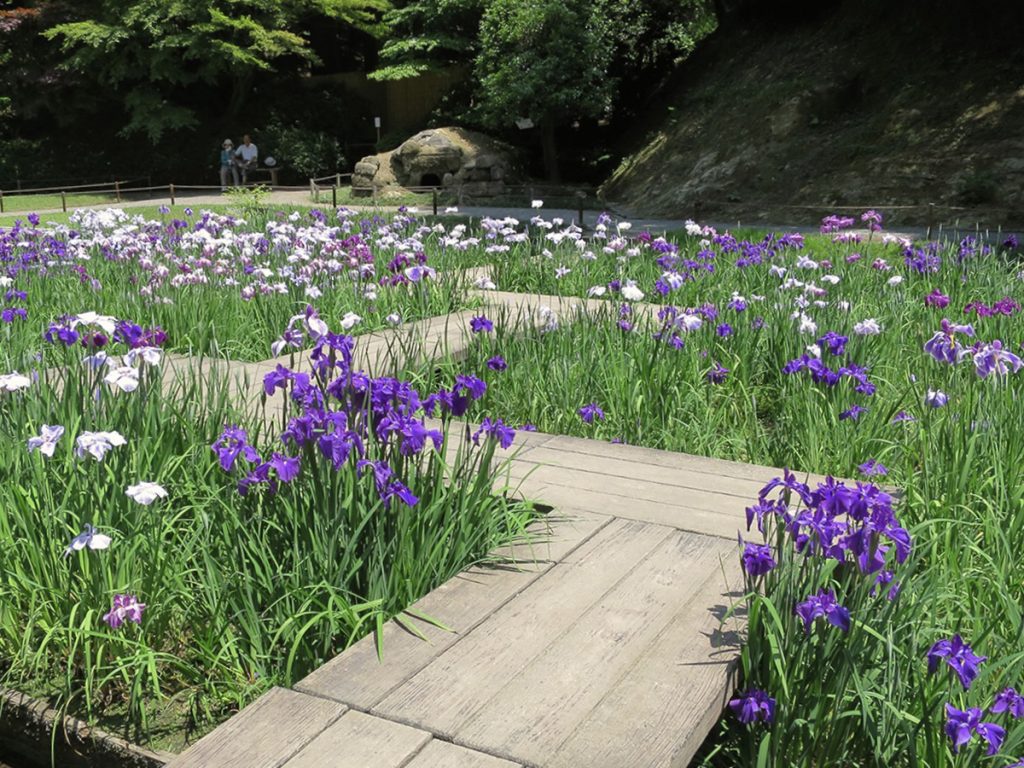
This was more than a nice bath and a chat with dad—a good dip in a shōbu-yū was also believed to drive out evil spirits (aka disease). Iris leaves actually do repel mosquitos and snakes, so it was a short leap for the Japanese of yore to imagine they might be effective against unseen menaces as well.
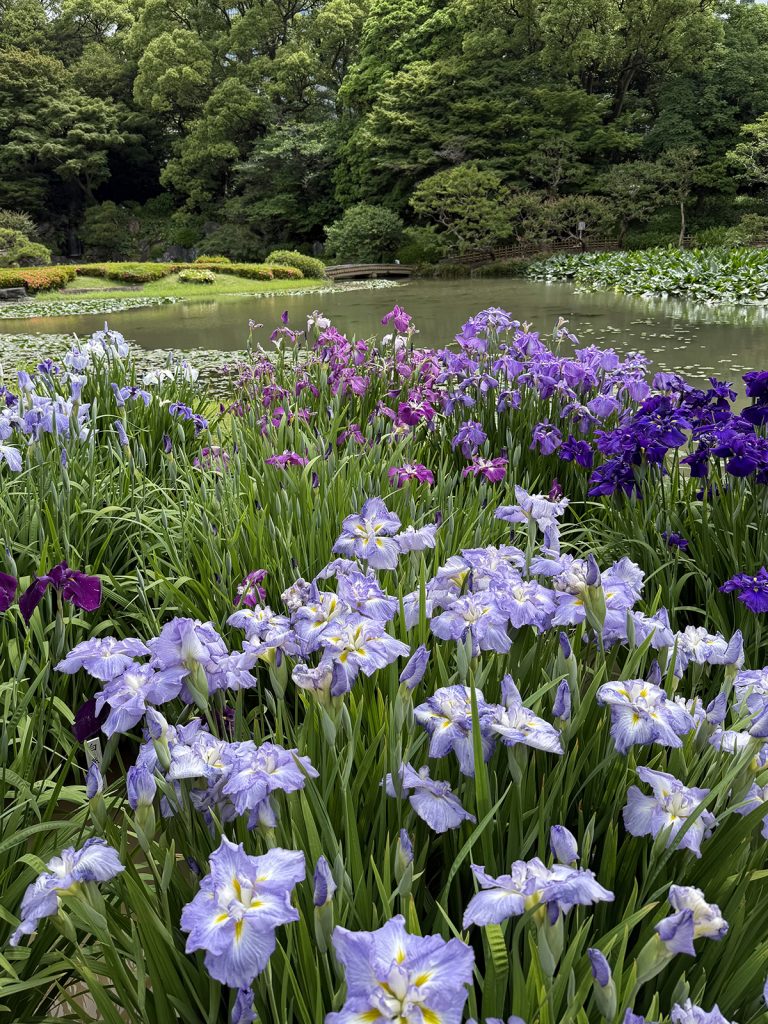
And that’s why the itinerant poet Basho wrote this particular poem thanking his host for a parting gift of new sandals, which had purple ties representing his friend’s hope that they would keep the poet safe on his journey.
Irises blooming
on my feet,
straw sandals laced in blue.
—Bashō (1644-1694)
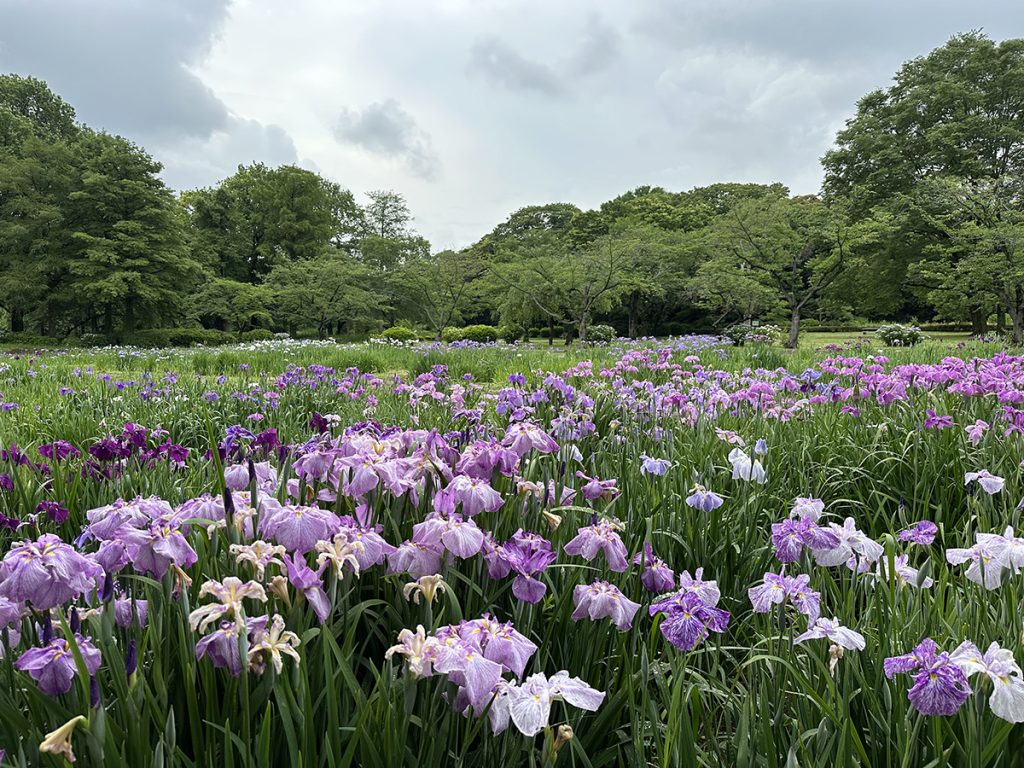
Bush clover: The classic autumn flower you never notice…until it’s all around you
When it blooms: Sep 15 – 30
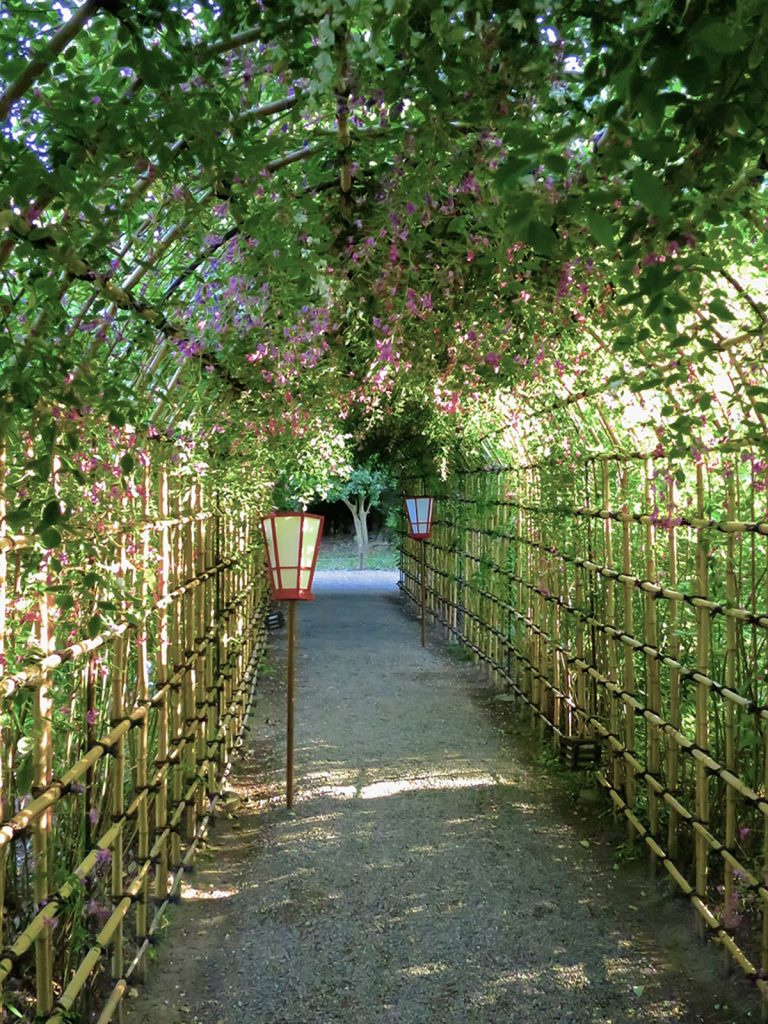
The autumn haze—
At my feet,
bush-clover flowers.
—Buson (1716-1784)
Ever since it was compiled in the Eighth Century, the collection of classic Japanese poetry called the Manyōshu (Book of a Thousand Leaves) was a must-read for any Japanese man daring to call himself “educated.” For centuries, the secret code used by the elite to communicate with each other was by sending messages that referred to poems in that tome. Nobody but those privileged enough to be educated in the Manyōshu could hope to decipher the meaning in these dispatches disguised as verse.
And in typical Japanese style, it’s not the most obvious players that convey the most meaning.
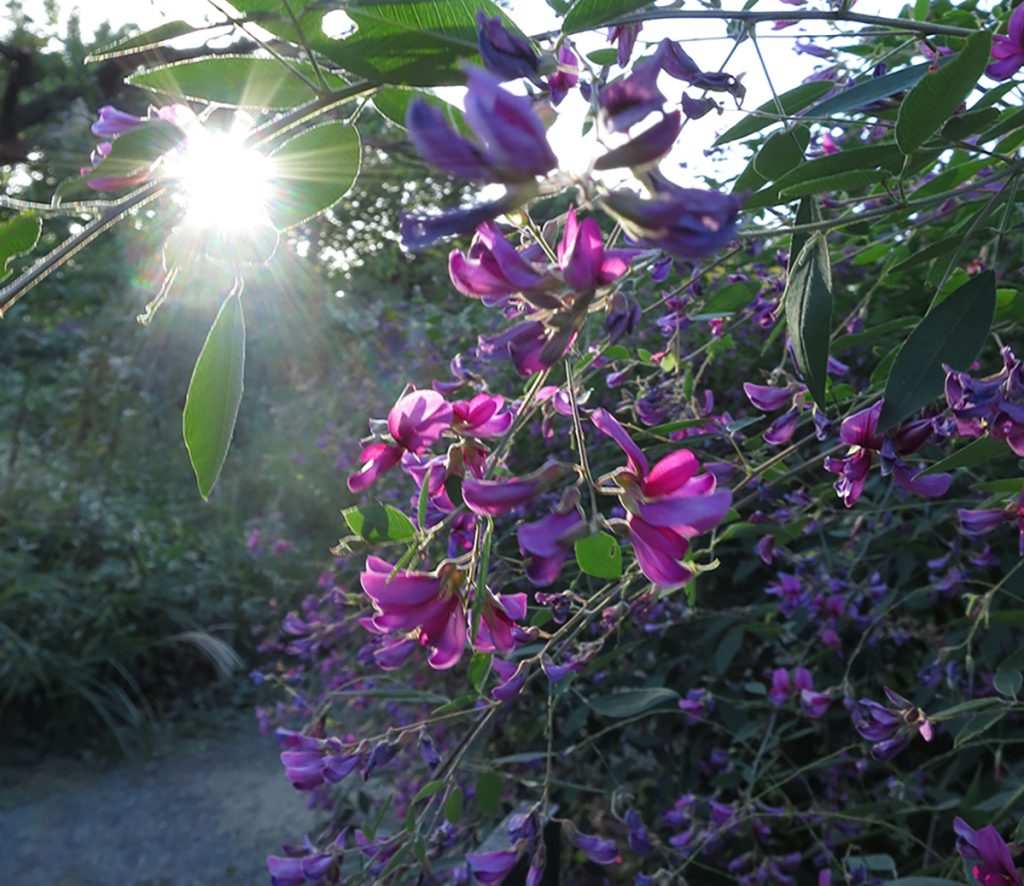
Cherry blossoms (signifying the brevity and pathos of human life) are mentioned 42 times. Plum blossoms (hope and perseverance) are cited 118 times. But do you know which flower is mentioned most of all? The flower whose modest pink blooms and tidy clusters of leaves are synonymous with subtlety and contemplation. The humble bush clover gets a whopping 141 mentions.
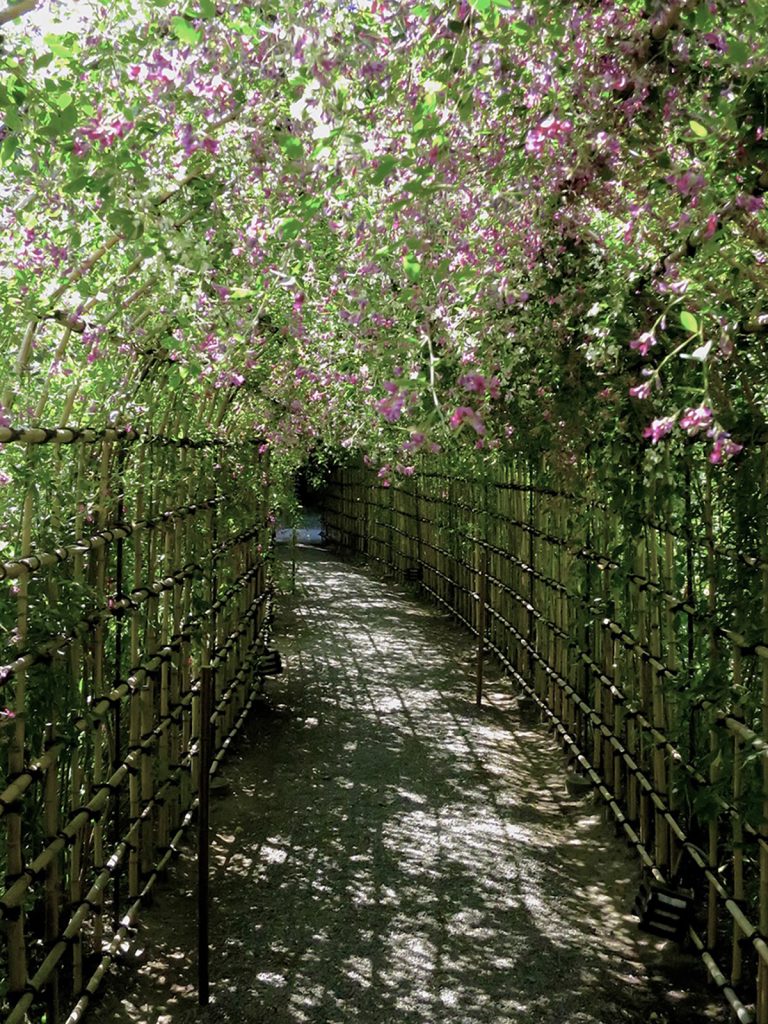
Left to grow naturally, it’s a rather ungainly bush, but Edo Period aristocrats hit upon a way to turn it into a garden centerpiece: grow it on bamboo frames so it forms a tunnel of green, with clusters of fragrant pink blossoms wafting before strolling guests’ eyes, inspiring them to outdo each other in the poetry competition that was sure to follow.
Chrysanthemums: The imperial flower
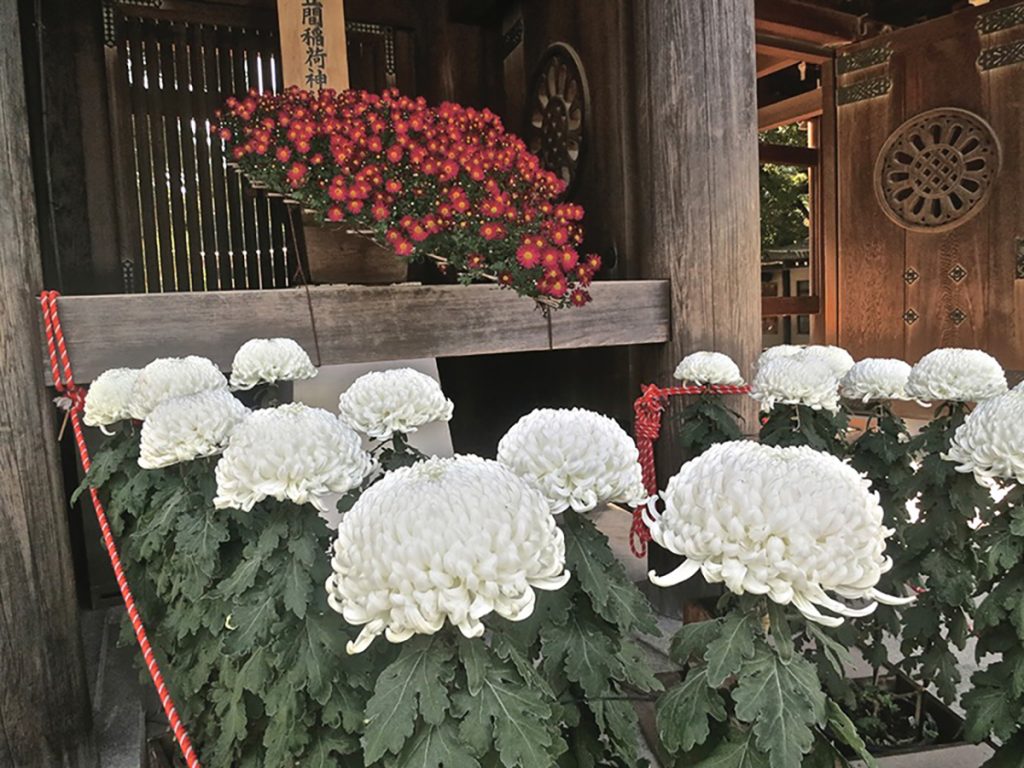
Before the white chrysanthemum
the scissors hesitate
a moment.
—Buson (1716-1784)
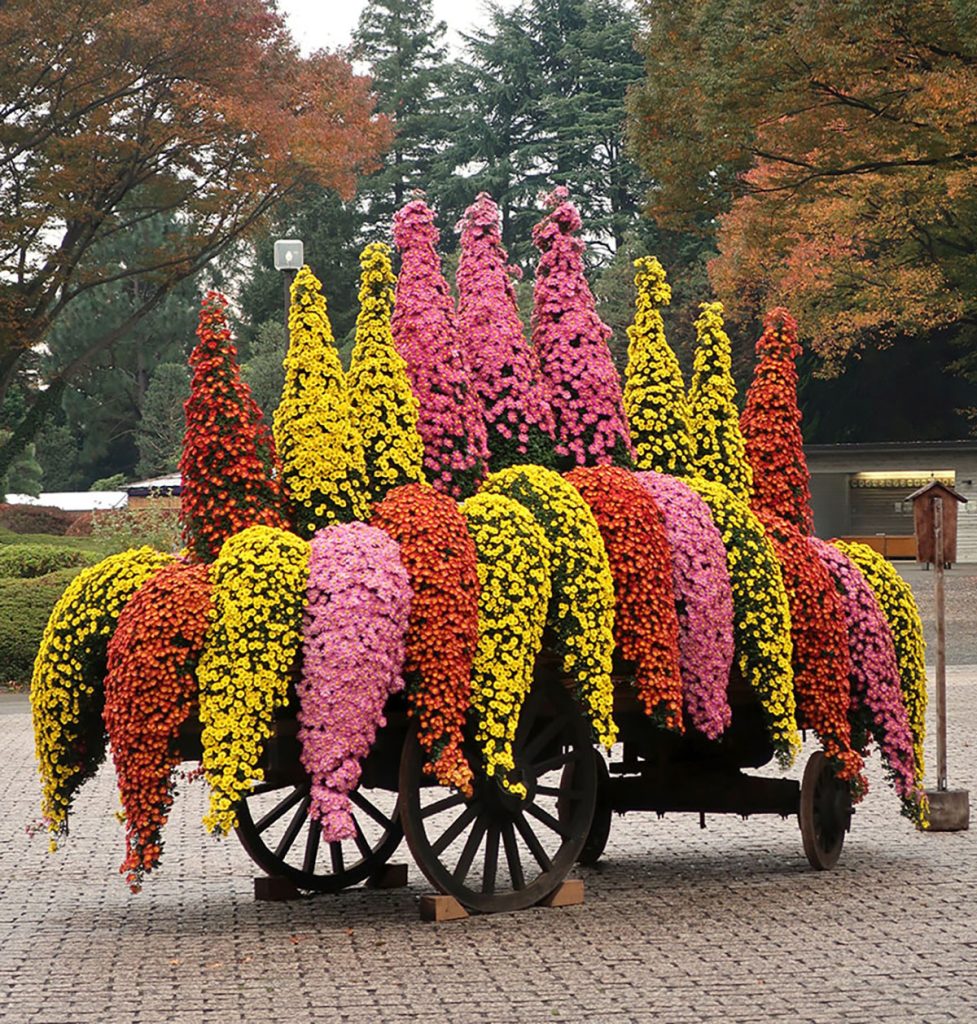
Autumn’s last hurrah in Japan has always been the chrysanthemum, but the fusty flowers so disrespected everywhere else have been the exclusive symbol of Japan’s imperial family for over a thousand years, so chrysanthemum cultivation has attained levels of mastery unmatched anywhere else in the world.
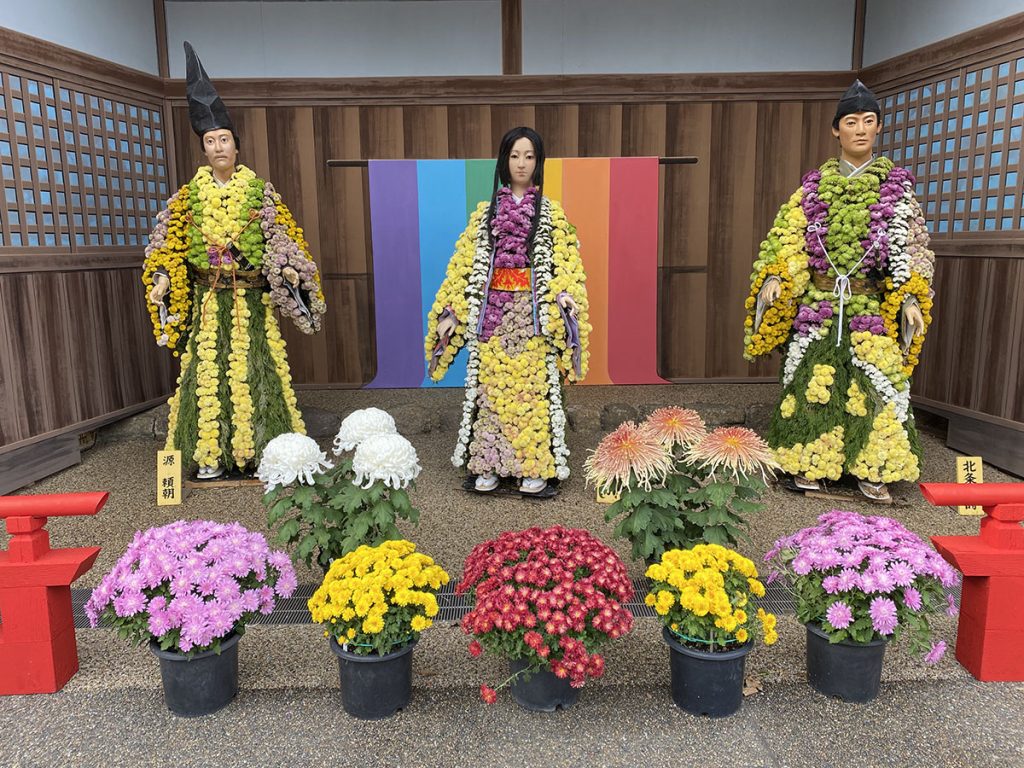
If you’re lucky enough to be in Japan in November, don’t miss the displays that pit modern horticulturists against each other, as they vie to out-do each other with blooms as big as your head, rare hybrids, and bonsai versions that would be awe-inspiring even before you discover that the giant display stems from a single plant.
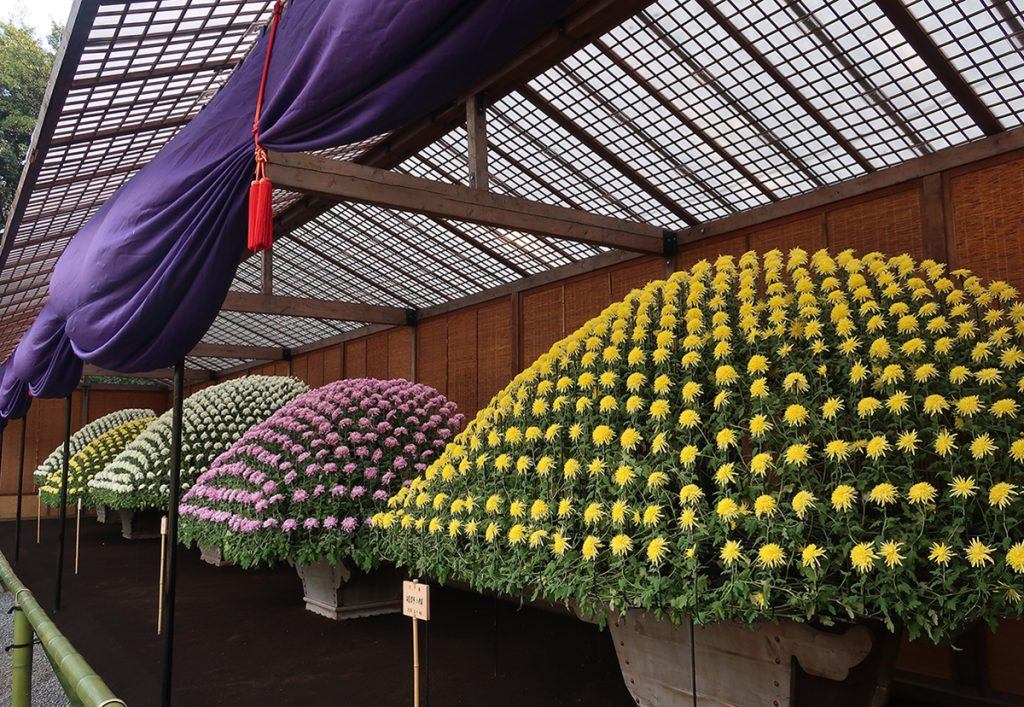
Once you’ve ogled a chrysanthemum competition or two, you’ll smile at this classic poem too:
Chrysanthemum growers,
you are the slaves
of chrysanthemums!
—Bashō (1644-1694)
I hope this stroll through the many seasons of hanami has inspired you to seek out some of these spectacles yourself, and be rewarded by the joy of visiting Japan when the hordes of pinkness-chasing tourists are gone, the hotel rates return to normal, and only language you hear exclaiming at the eyepopping beauty of the flowers is Japanese.
Recommended Reading
Fiction
- The Samurai’s Octopus by Jonelle Patrick—A gripping historical mystery set in 1784 Edo. The plot weaves through the walled pleasure quarter of Yoshiwara, where a young servant girl must cut through the tangled web of a blackmailer and a murderer in search of the family she never knew.
Poetry
- The Essential Haiku translated by Robert Hass—As a master of the art himself, two-time National Poet Laureate Robert Hass translates this collection of poems by the three haiku masters Bashō, Buson, and Issa , his choice of words elegantly conveying the deeper meanings written into in the original Japanese.
- Haiku: Summer-Autumn; Haiku: Autumn-Winter; Haiku: Spring translated by R.H. Blyth—The definitive word-for-word reference translation of all the most famous haiku.
- The Manyōshu: The Nippon Gakujutsu Shinkokai Translation of One Thousand Poems translated by Donald Keene
Non-fiction
- Symbols of Japan: Thematic Motifs in Art and Design by Merrily C. Baird — A beautifully organized exploration of Japan’s recurring visual symbols, from animals and plants to mythic figures and auspicious motifs, revealing the layers of meaning woven through Japanese art and design.
- Flowers of Japan: Great Works of Japanese Woodblock Printing by Amélie Balcou — A graceful survey of floral imagery in Japanese woodblock prints, celebrating the blossoms, seasons, and poetic sensibility that have long shaped Japan’s artistic imagination.
- Japanese Ikebana for Every Season by Yuji Ueno and Rie Imai, photography by Noboru Murata — A practical and elegant introduction to the Japanese art of flower arranging, showing how seasonal materials, balance, and simplicity can create arrangements with quiet beauty and cultural depth.
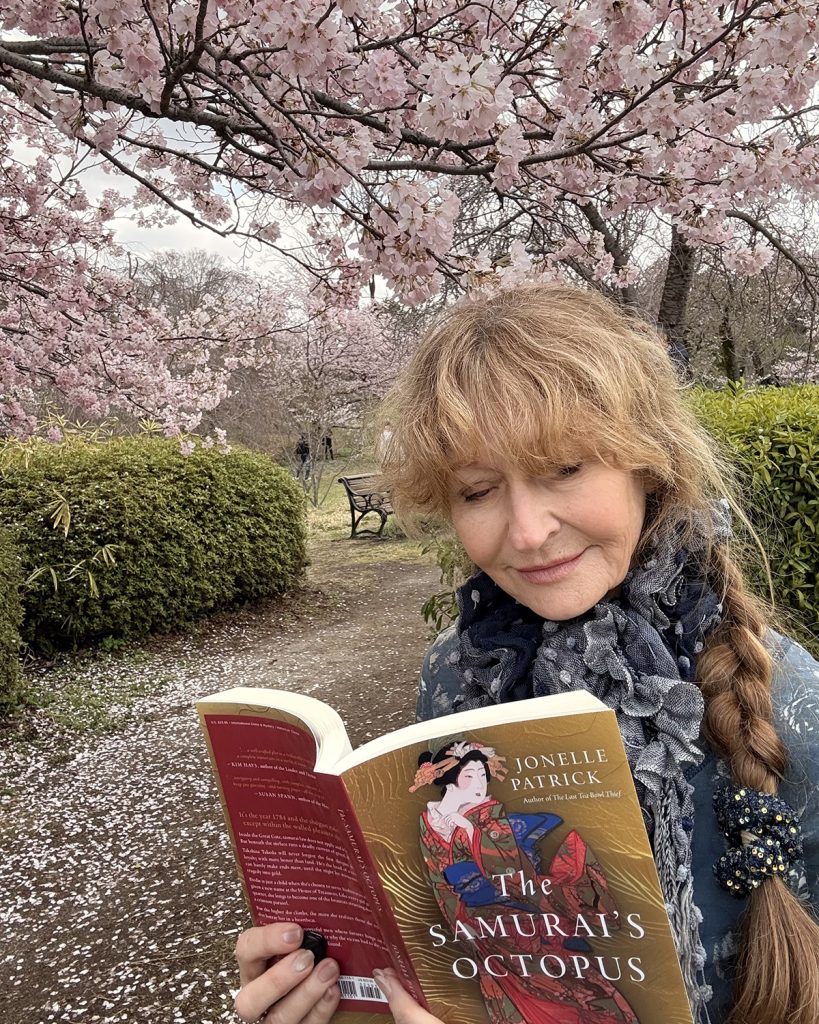
Jonelle Patrick is the author of The Samurai’s Octopus and five other novels. She was awarded a cultural visa by the Japanese government for writing about Japan, and regularly contributes to Japanagram, The Tokyo Guide I Wish I’d Had, and Only In Japan. A graduate of Stanford University and the Sendagaya Japanese Language Institute, she’s a member of the Mystery Writers of America, International Thriller Writers, Sisters in Crime, and the Historical Novel Society. She lives in Tokyo and San Francisco.
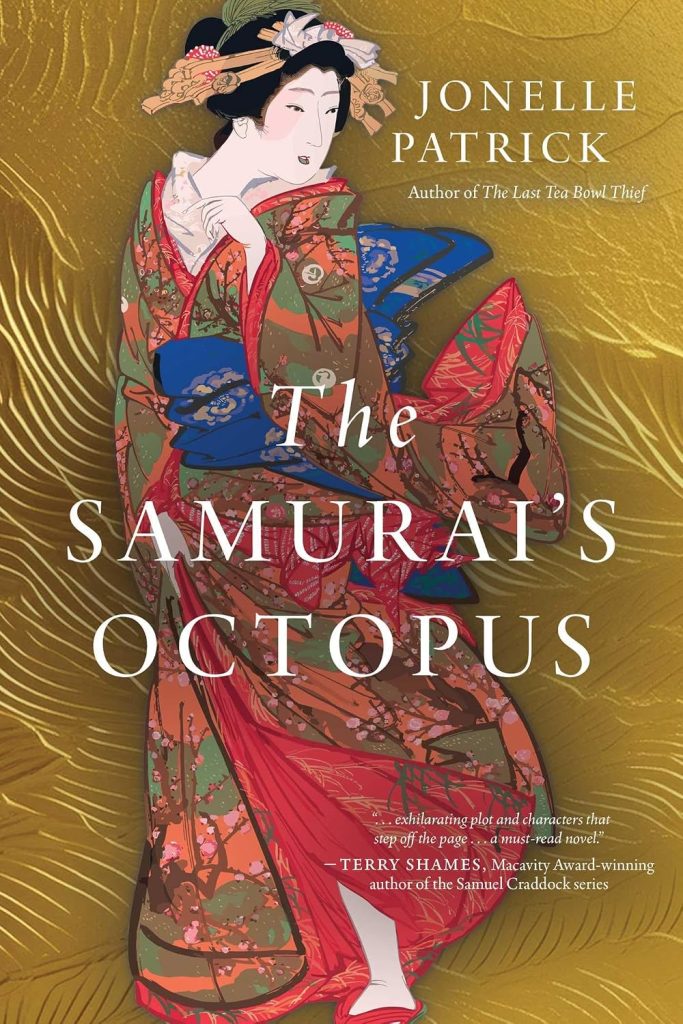
Photo Credits: Unless otherwise indicated, all photographs are by Jonelle Patrick.
