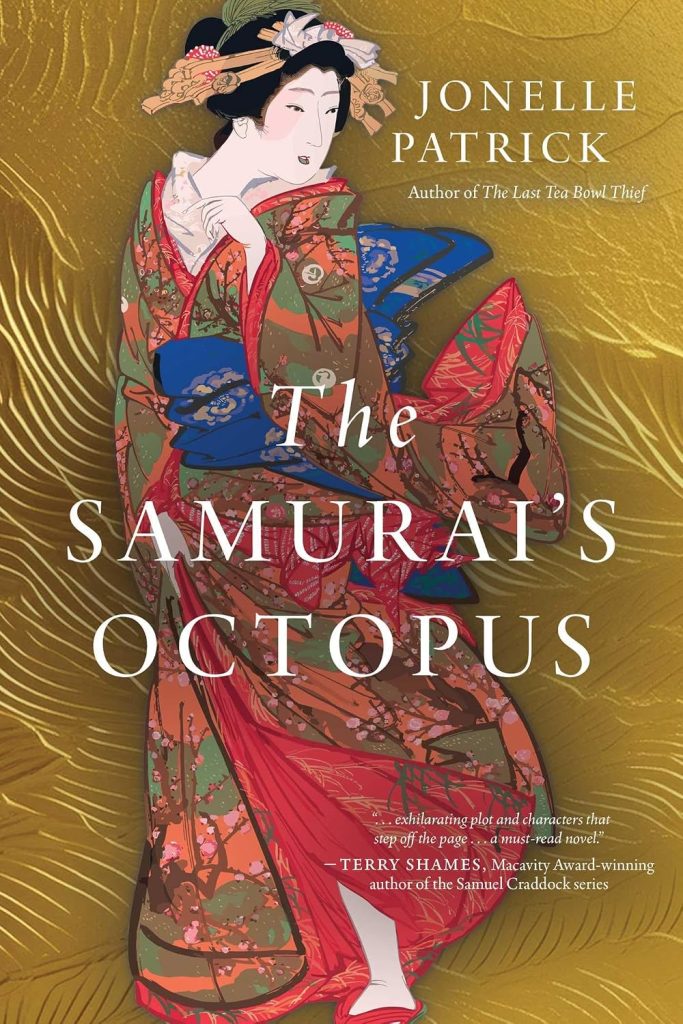
Historical novelists are always ferreting about for genuine historical places to inspire book scenes and suggest plot twists, because even the most detailed academic research can’t beat lighting a stick of incense at the very shrine where the shōgun sent his prayers to heaven, or gazing up at a Sixteenth Century castle and understanding at a glance how hard it would be to conquer. If you were writing The Samurai’s Octopus and looking for day trips from Tokyo that would whisk you back in time to samurai-era Japan, these three destinations really deliver!
Nikko
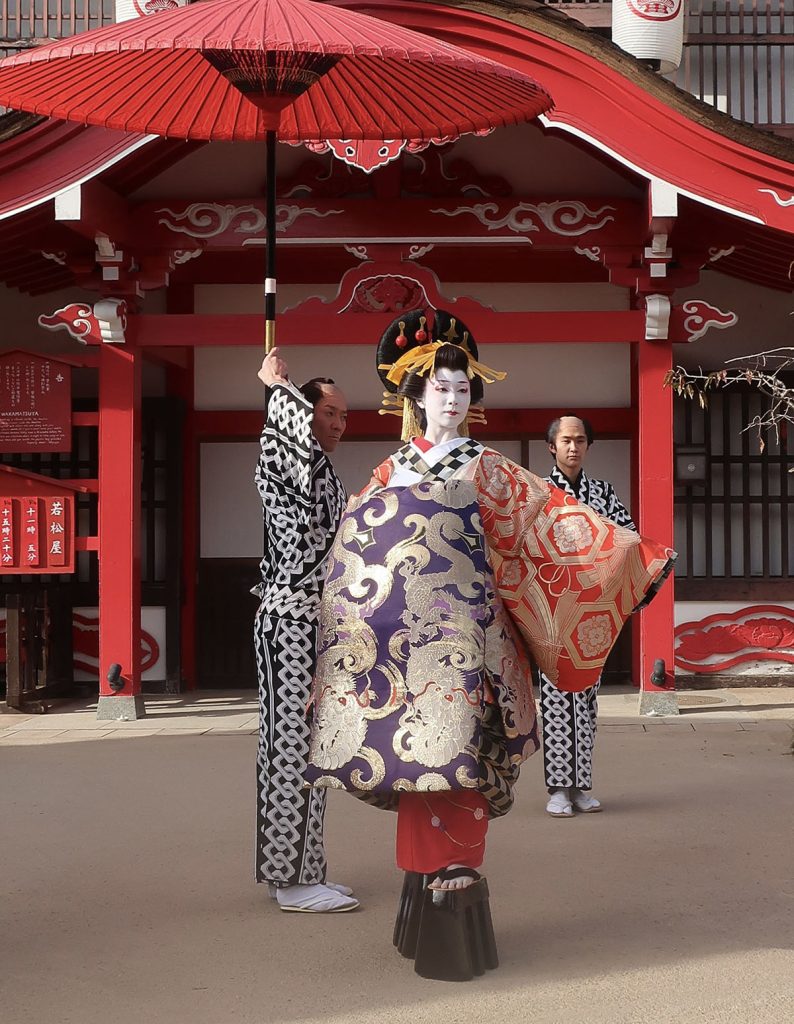
Let’s immerse ourselves in samurai era life, visit the World Heritage Site shrine and tomb of the first shōgun, and marvel at a spectacular example of Japan’s most beloved art
Nikko not only hosts the World Heritage shrine where you can see the original hear-no-evil, speak-no-evil, see-no-evil monkey carving and visit the grave of Japan’s first shōgun, it’s home to two delightful only-in-Japan theme parks. One invites you to wander around a historically authentic samurai village, watch courtesan parades, swing a samurai sword and solve a ninja maze. The other is an astonishing park filled with models of famous world monuments and landscaped with thousands of living bonsai trees, all grown perfectly to scale.
Attraction #1: The Nikkō Toshōgu Shrine
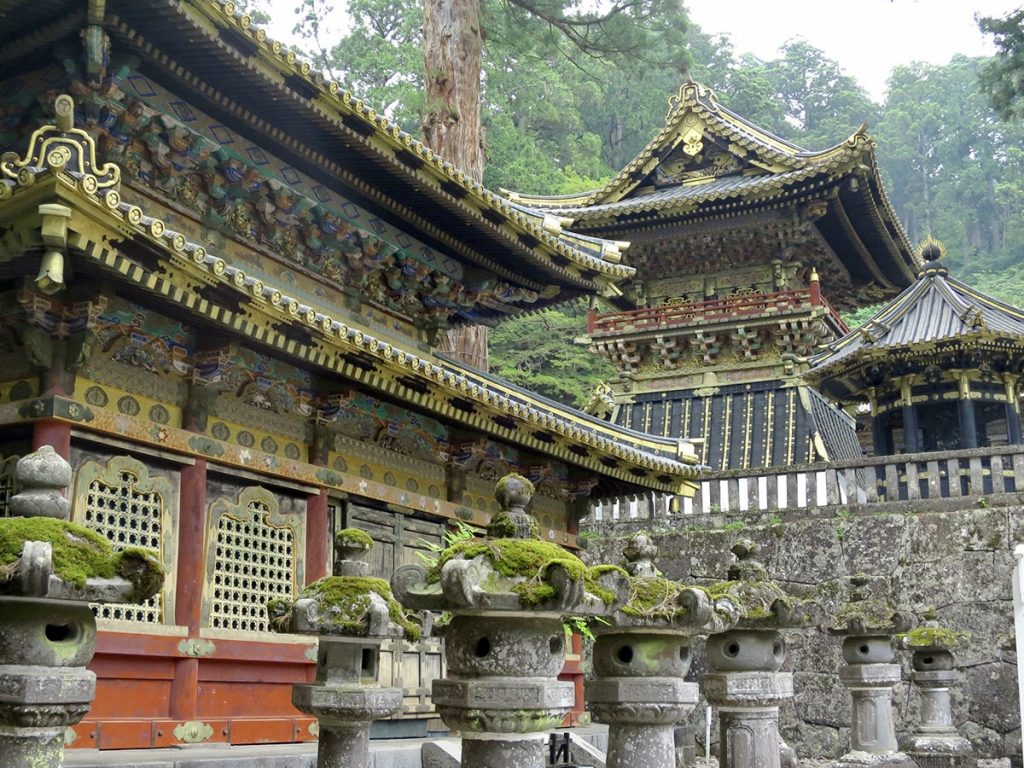
There’s no greater “power spot” in all of Japan than the Nikko Toshogu Shrine, which dates from 1617 and combines the good luck abode of a dragon, the tomb of the mightiest shōgun of all time, and spectacular gilded buildings worthy of its World Heritage Site status.
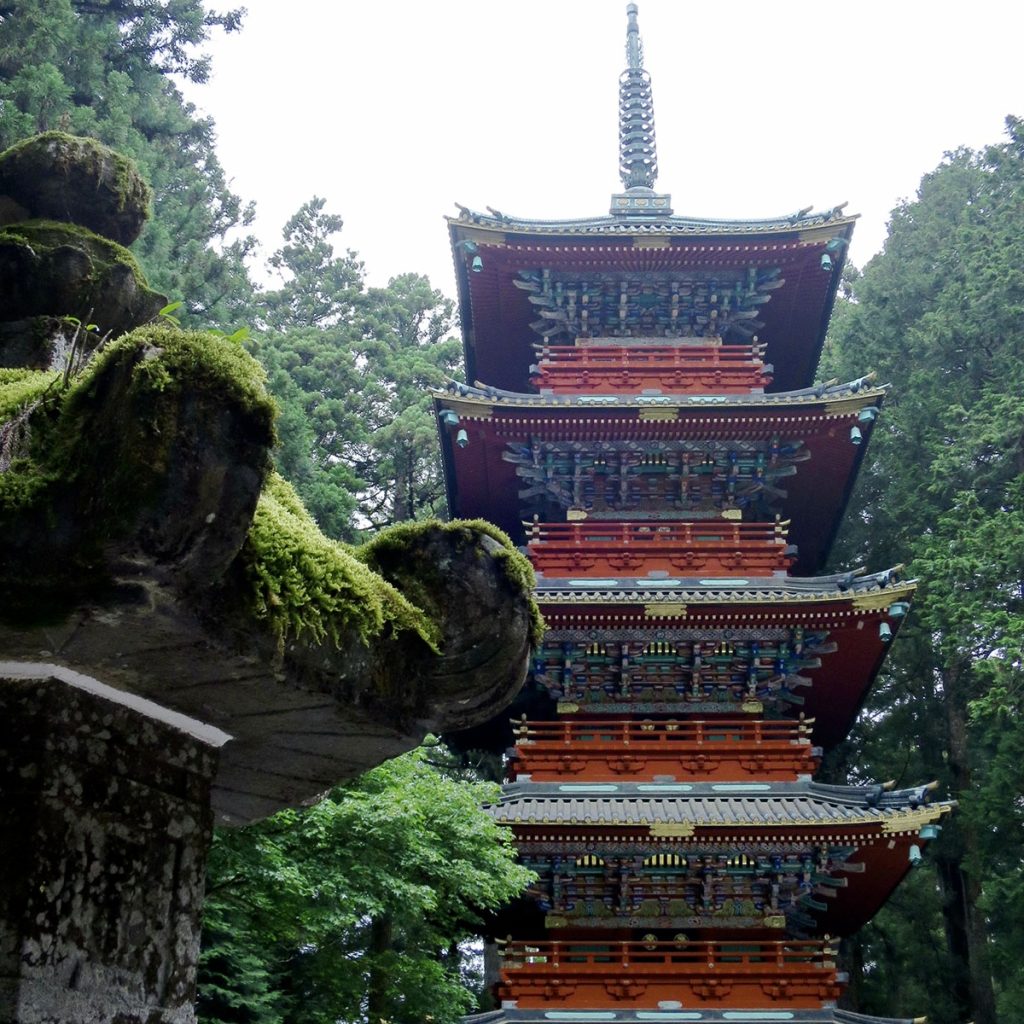
This shrine boasts intricate architecture decorated in multicolored lacquer and gold, a gorgeous five-story pagoda and mossy lanterns galore. We’ll see the original hear-no-evil, speak-no-evil, see-no-evil monkey carving
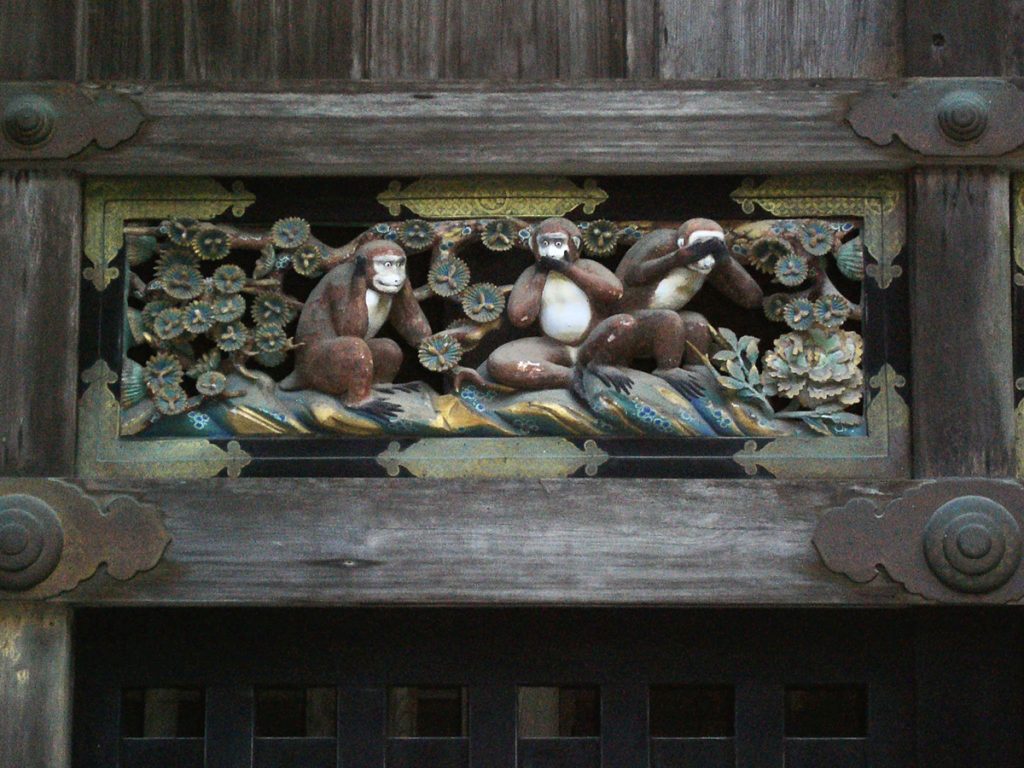
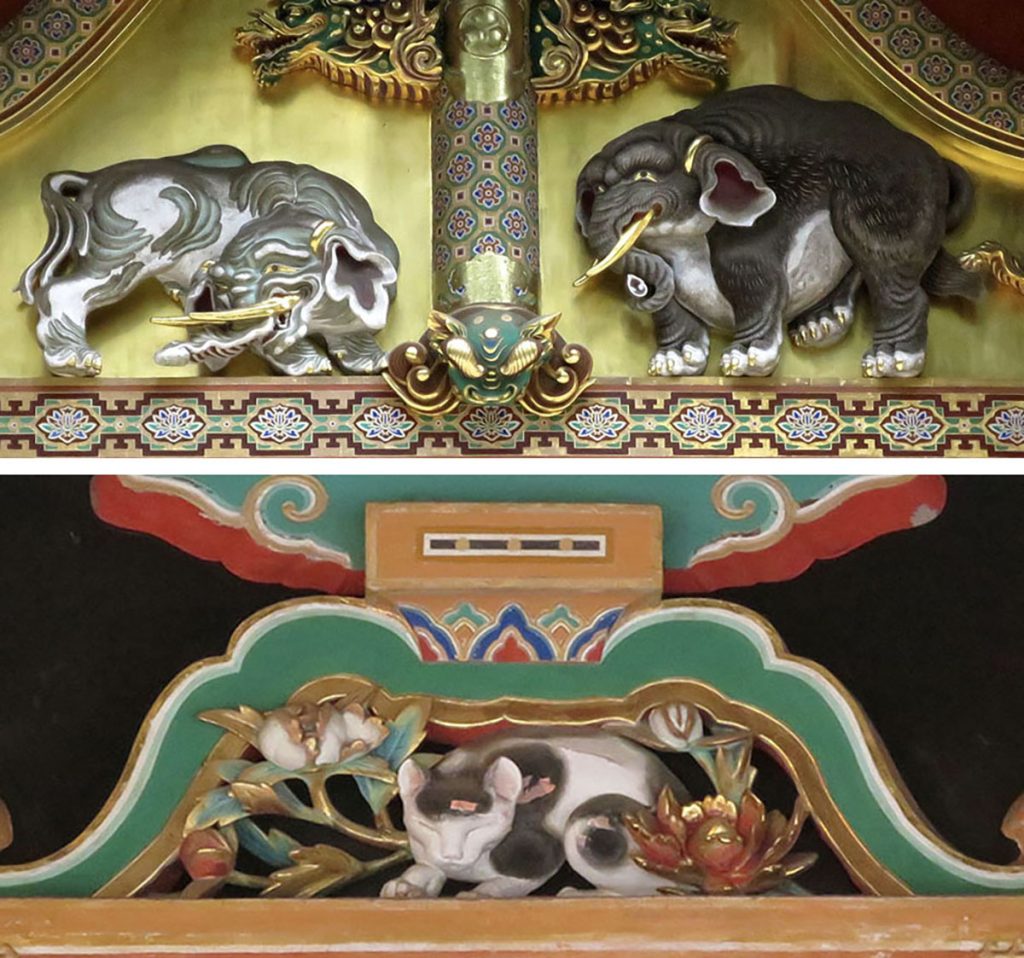
and hunt down a few lovely easter eggs, like the furry elephants with claws (carved by someone who obviously had never seen a real elephant) and the famously elusive sleeping cat.
It’s also where the first shōgun —Ieyasu Tokagawa—is buried. His solemn tomb is as grand and awe-inspiring as befits Japan’s most legendary leader.
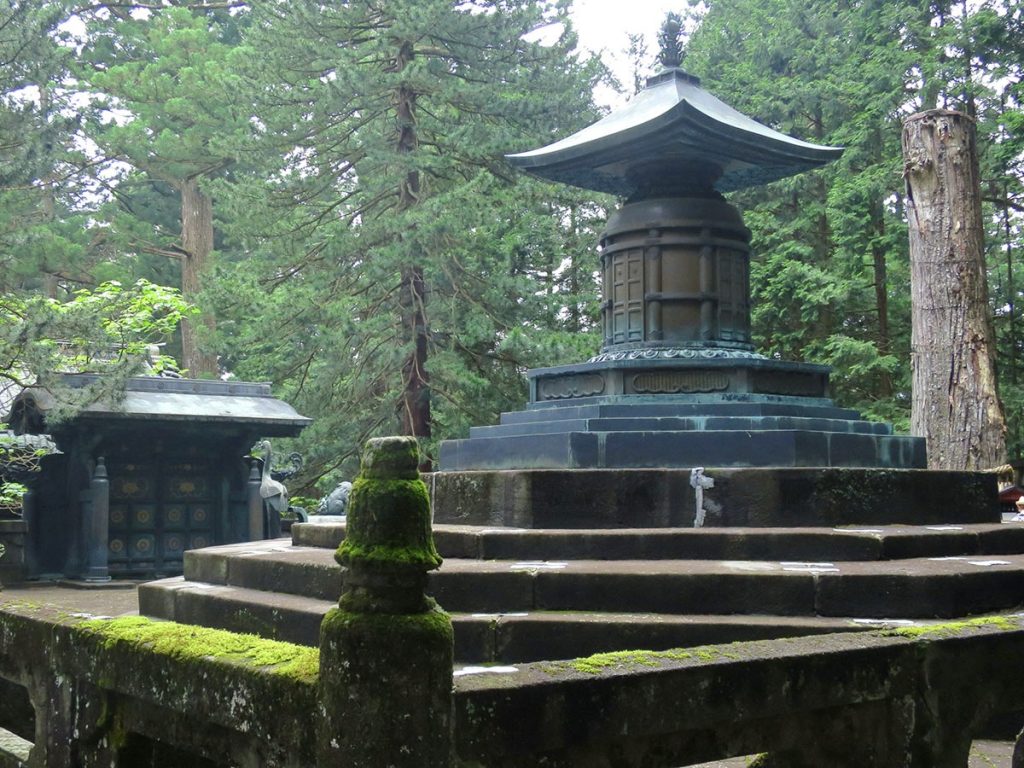
(If we were writing the sequel to the award-winning 2025 production of James Clavell’s Shōgun, this would be the inspiration for Lord Toranaga’s grave.)
Attraction #2: Nikkō Edomura (Edo Wonderland)
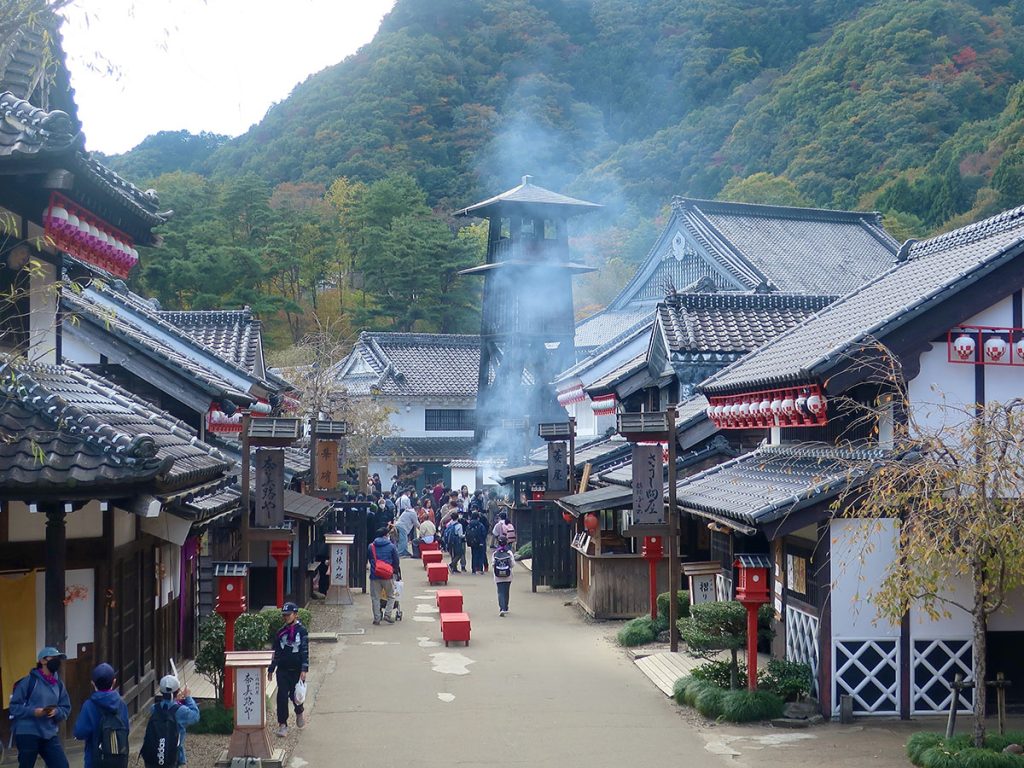
The best place in all of Japan to be immersed in historically accurate samurai life is Edomura, an entire village built to recreate daily life during the nearly three hundred years when the shōguns ruled Japan (from 1603 to 1868).
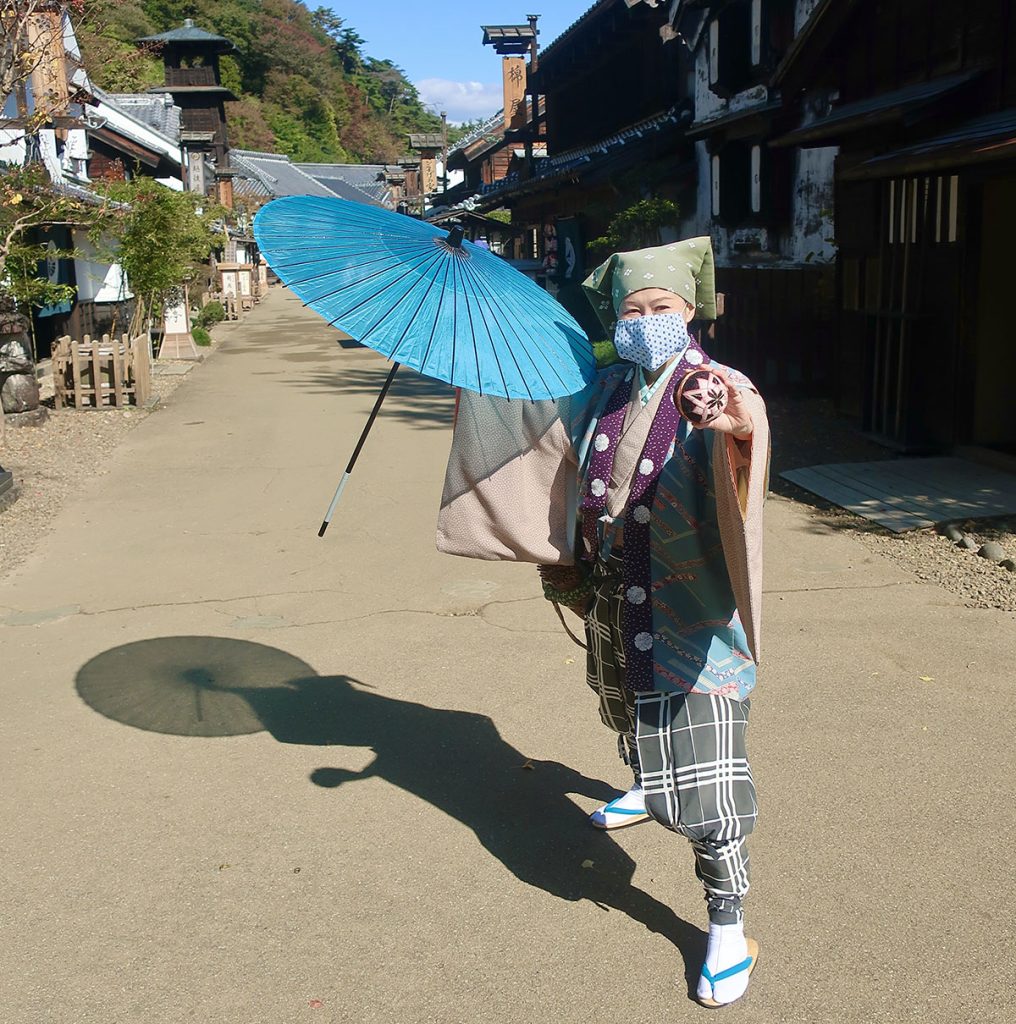
Staff members dress in Edo Period clothing and we can, too. Tell me you’re not longing to be the villain in The Samurai’s Octopus, wearing the kind of face-concealing hat that kept the shōgun from discovering you’ve been spending your stipend in forbidden ways!
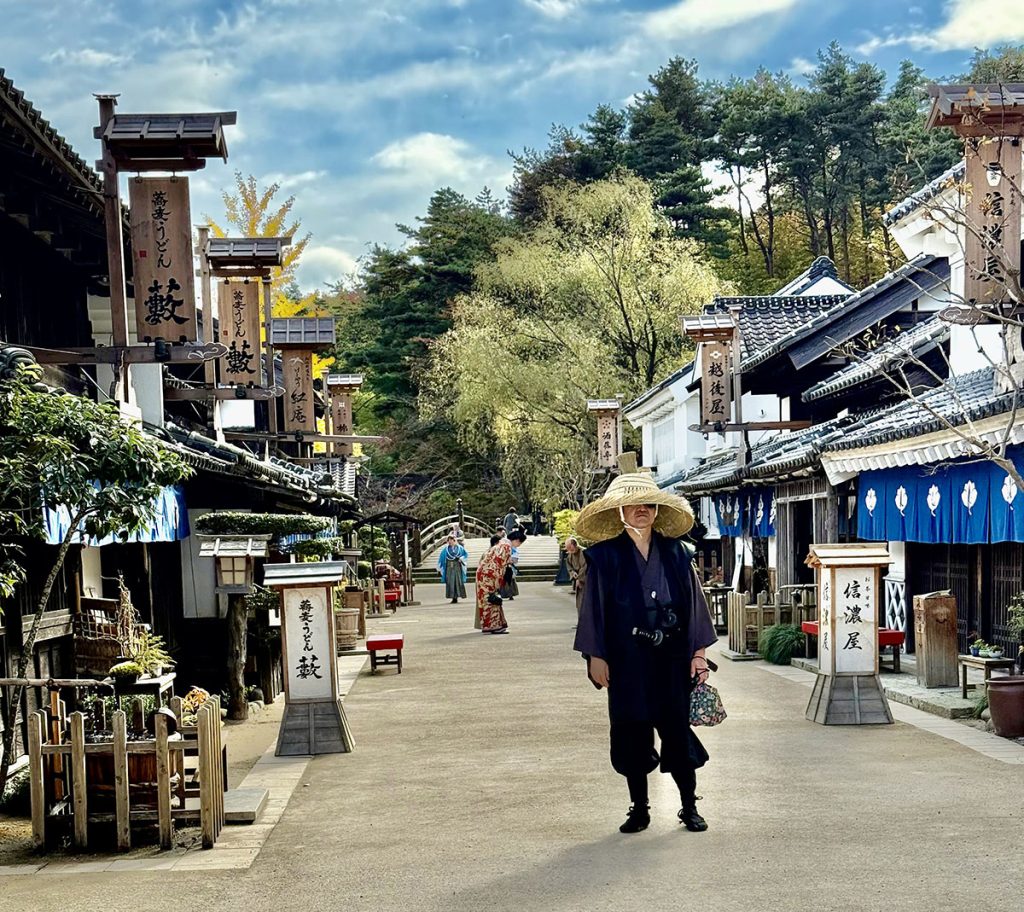
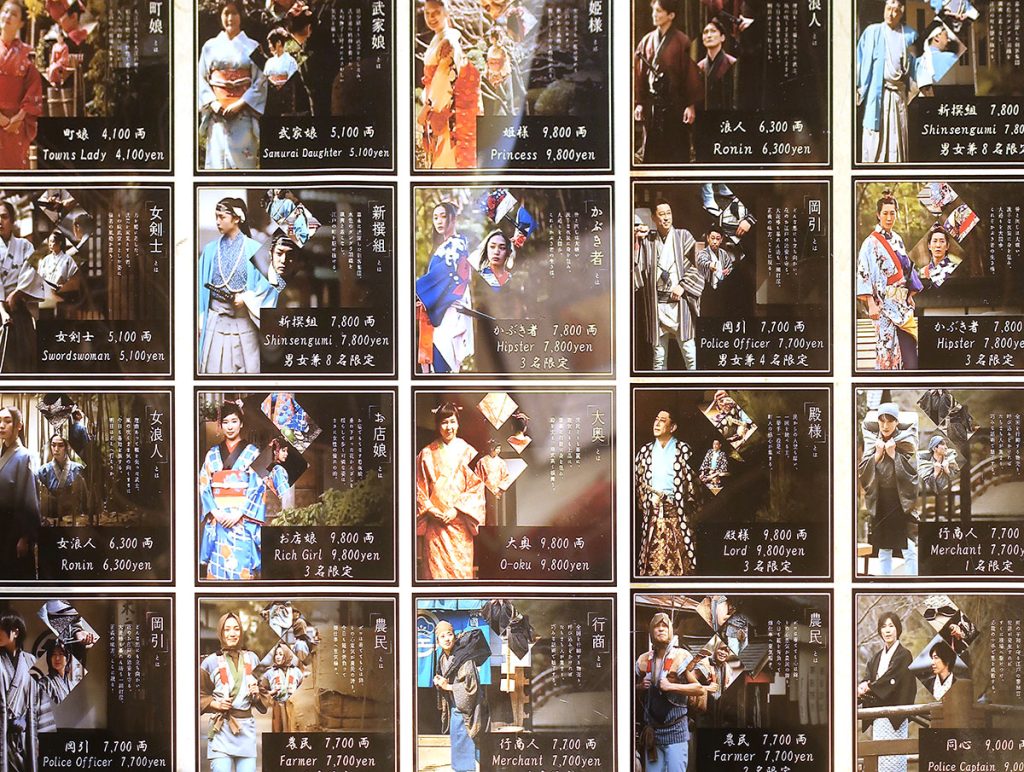
There’s a shop right near the entrance where we can choose from over forty high-quality costumes, get help putting them on, then walk around all day snapping photos of ourselves in a setting that’s as authentic as our clothing. What makes this experience unique for history buffs is that the costumes are historically correct and depict people from all walks of life—farmers, merchants, shine maidens, police—not just the usual samurai and geisha.
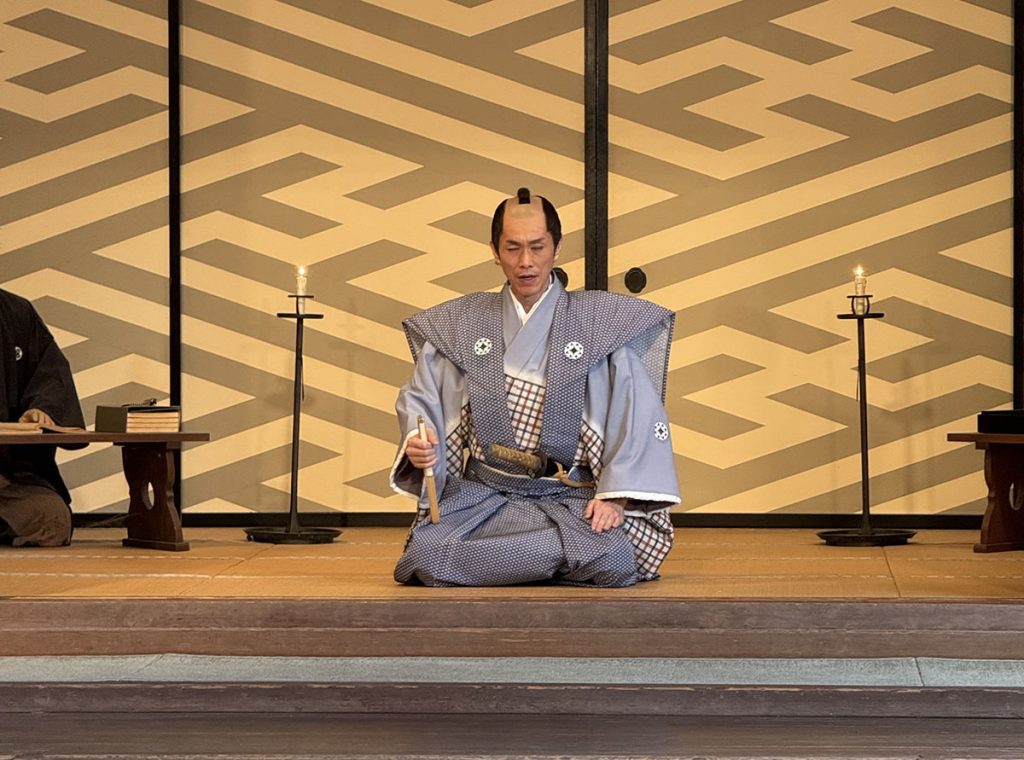
The park buildings range from a stately samurai mansion with a private garden and teahouse to shops selling traditional Japanese crafts, with staff members giving demonstrations on how they were made and used.

Edomura is especially helpful to historical researchers because it gives us the opportunity to experience rare aspects of samurai-era life and be confident they’re accurate. They’re so accurate, in fact, that this park is a popular destination for Japanese elementary school history trips. There are hands-on workshops on horseback archery and samurai swordsmanship, or we can learn the ins and outs of law and order by visiting the jail and armory, then watch a live comic performance of a trial by magistrate.
There’s a life-sized ninja maze that’s harder to escape than one might expect, and a mind-bending “ninja trick house” built with angles so diabolically deceptive, it’s hard to walk through it and keep your balance!
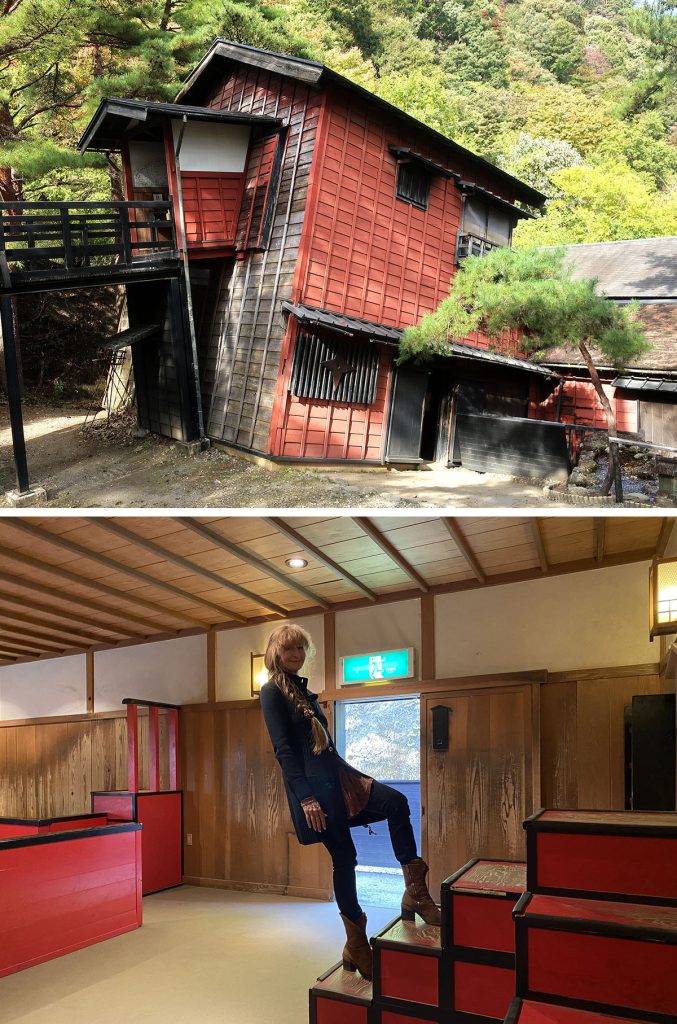
There are also two theaters, one for live stage performances by ninja and courtesans, and one showing a stream of shorts featuring fascinating facts about geisha, oiran, ninjas, firefighting and Edo Period life. I’ve been to Edomura a number of times, because it’s the only place in Japan where they regularly perform authentic oiran parades, like the ones in The Samurai’s Octopus. All movies and live shows are included in the price of admission.
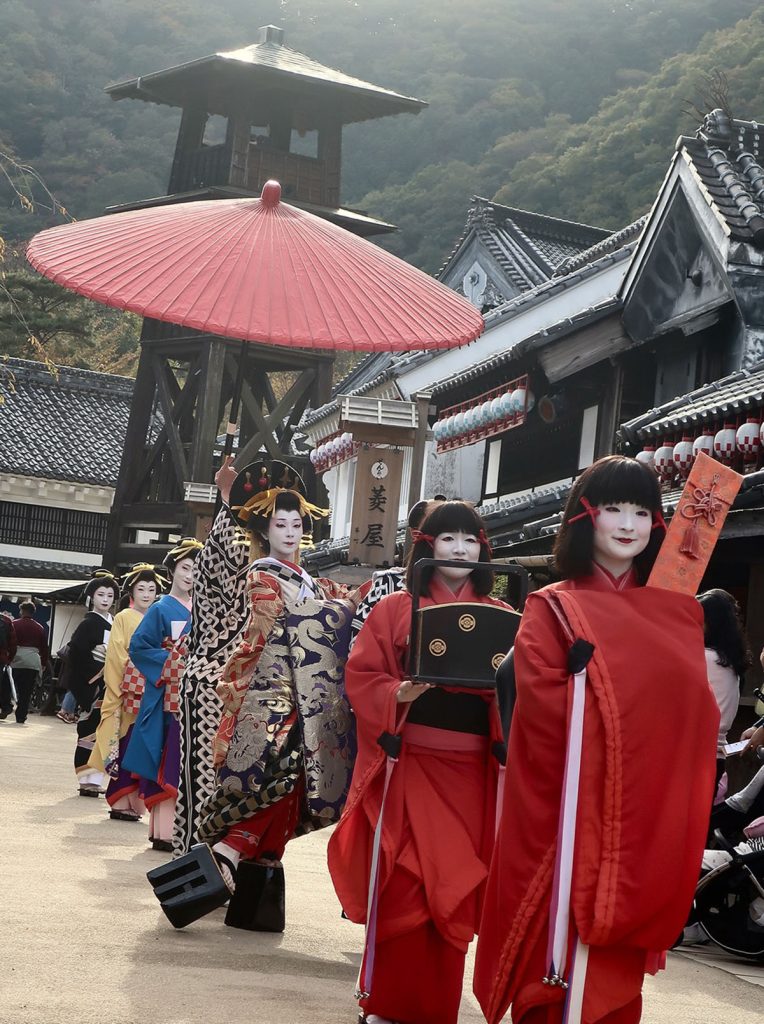
Attraction #3: Tōbu World Square
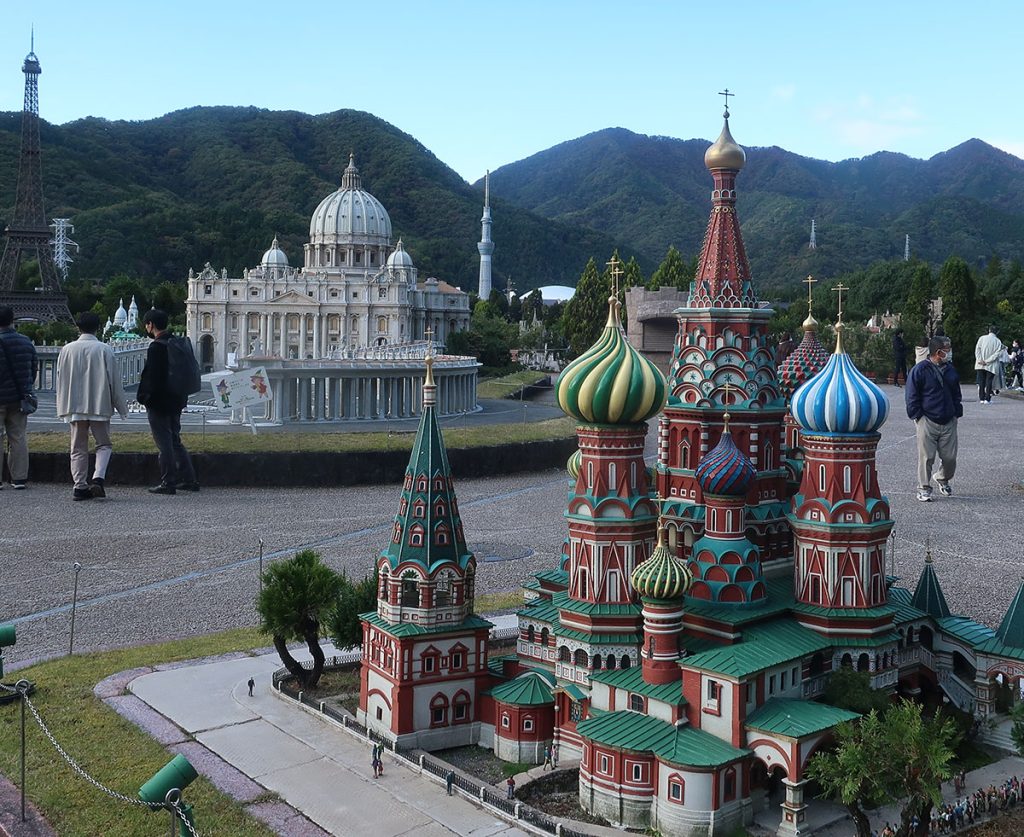
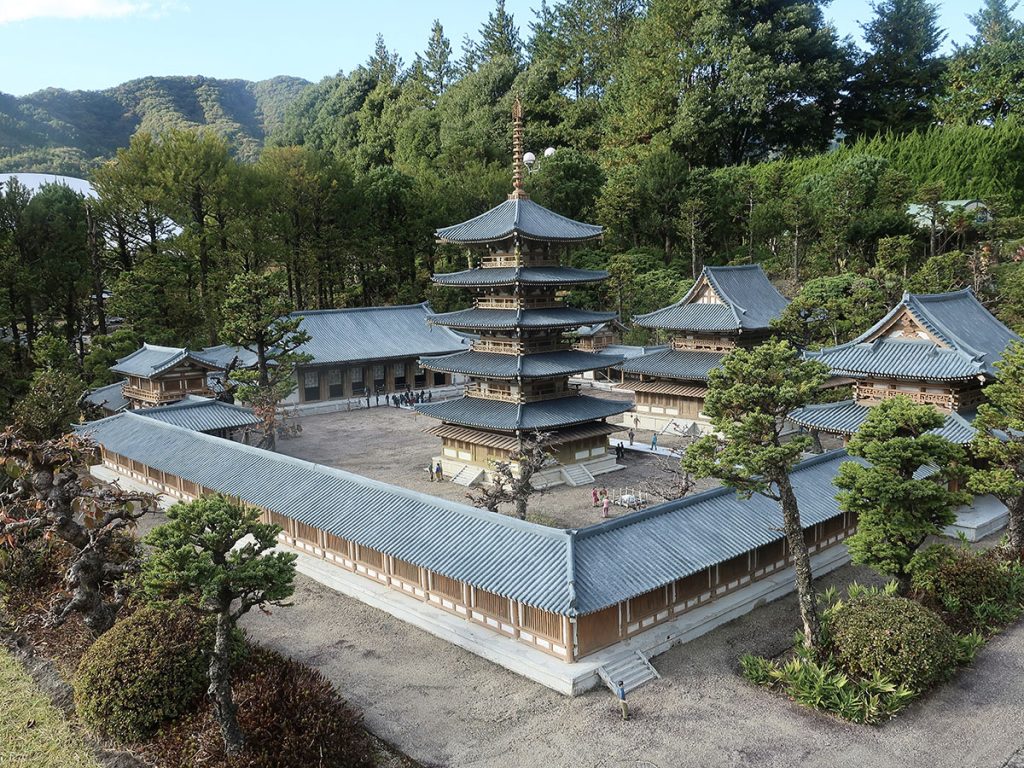
Nikko is also home to a quirky theme park where we can visit over a hundred astonishingly detailed world monuments in a day. But that’s not what makes it such a must-see, only-in-Japan destination. The models at Tobu World Square are so detailed and accurate that if you take a picture and do an online image search, it’ll deliver photos of the real landmark.
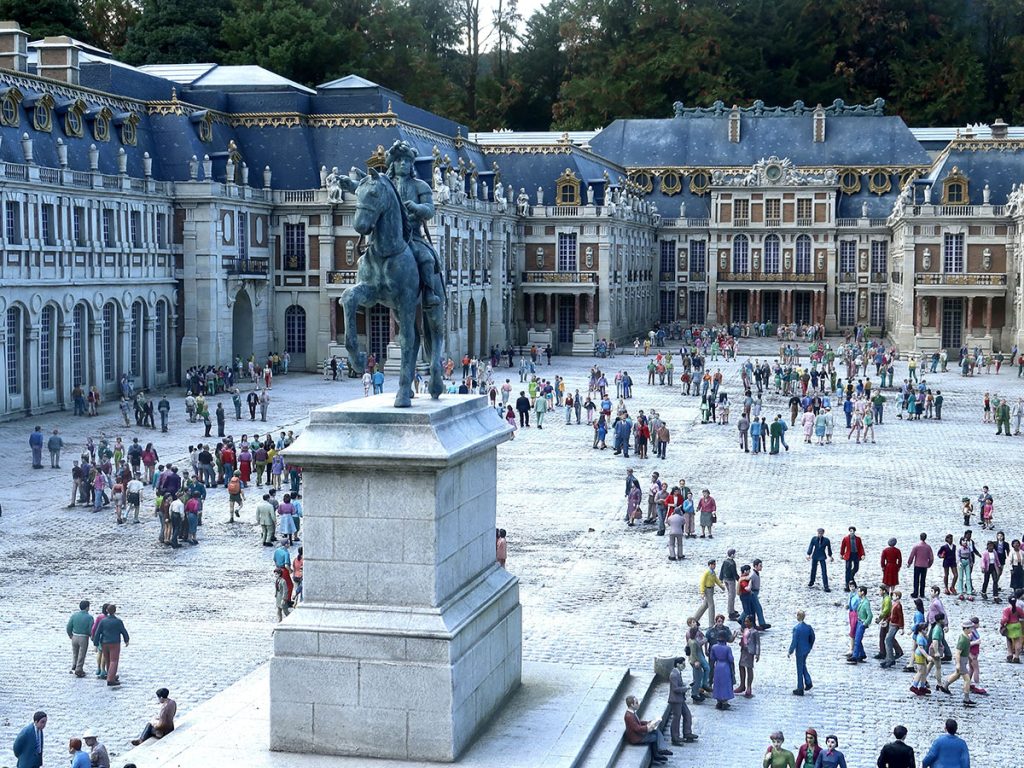
In addition to iconic international sights, we can see what all the most famous shrines and temples in Japan look like, without the crowds.
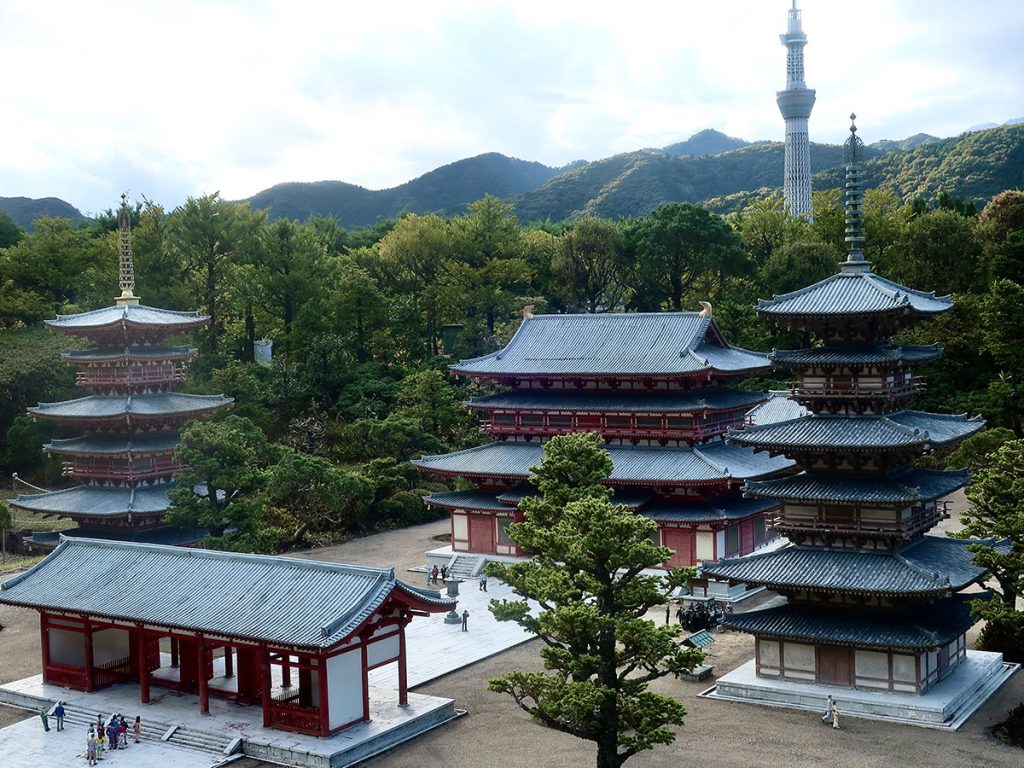
If we look closer, we’ll be rewarded by the model-makers’ burning desire to surprise and delight. There are a multitude of figures in every scene, and always a few doing something amusing and unexpected.
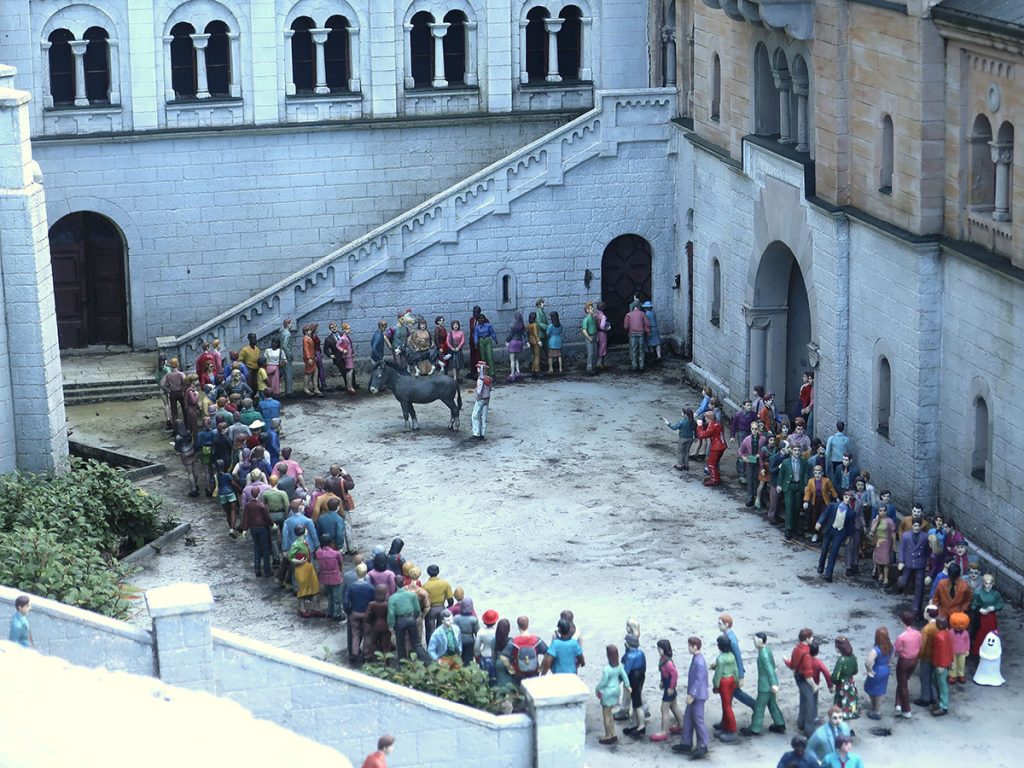
The scene itself often captures a surprising or legendary moment in its history. For example, what looks like a massive imperial military exercise at China’s Forbidden City
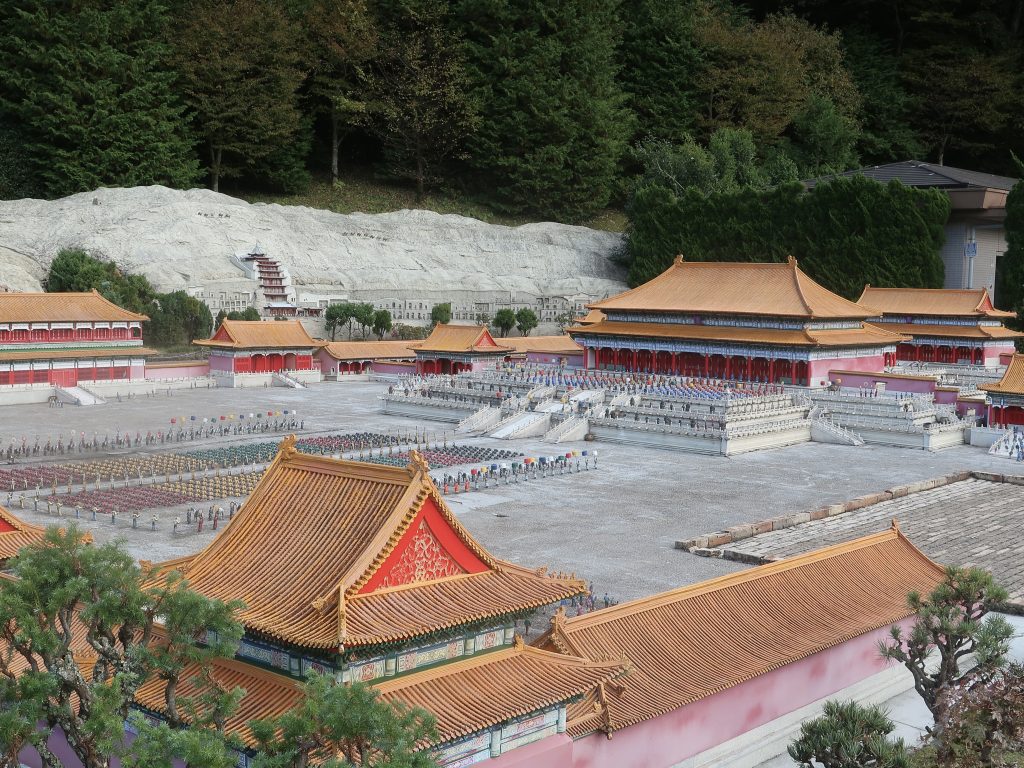
is actually a snapshot of the filming of The Last Emperor, complete with ladder-balancing cinematographers.
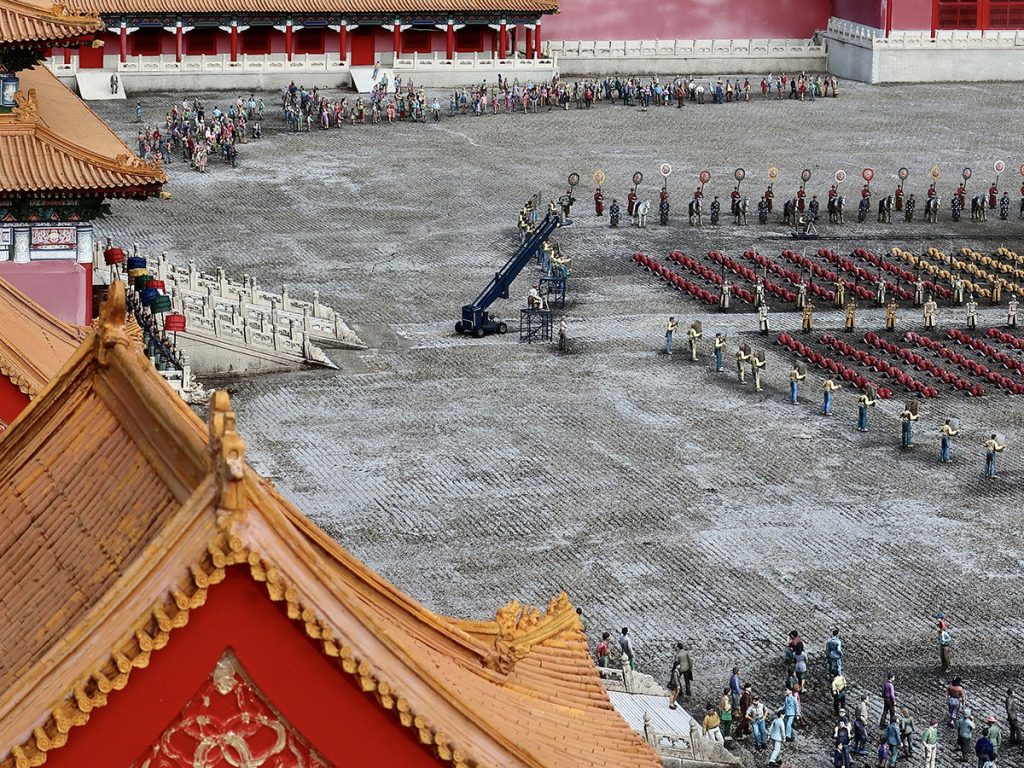
But the most astonishing thing about this theme park is that every single tree and bush in the landscaping around the models is a living bonsai, perfectly trained to match the scale of the buildings. How they cultivate thousands of miniature trees on such a grand scale is one of the great mysteries of Japan, and that alone is worth the price of admission.
Destination #2: Odawara
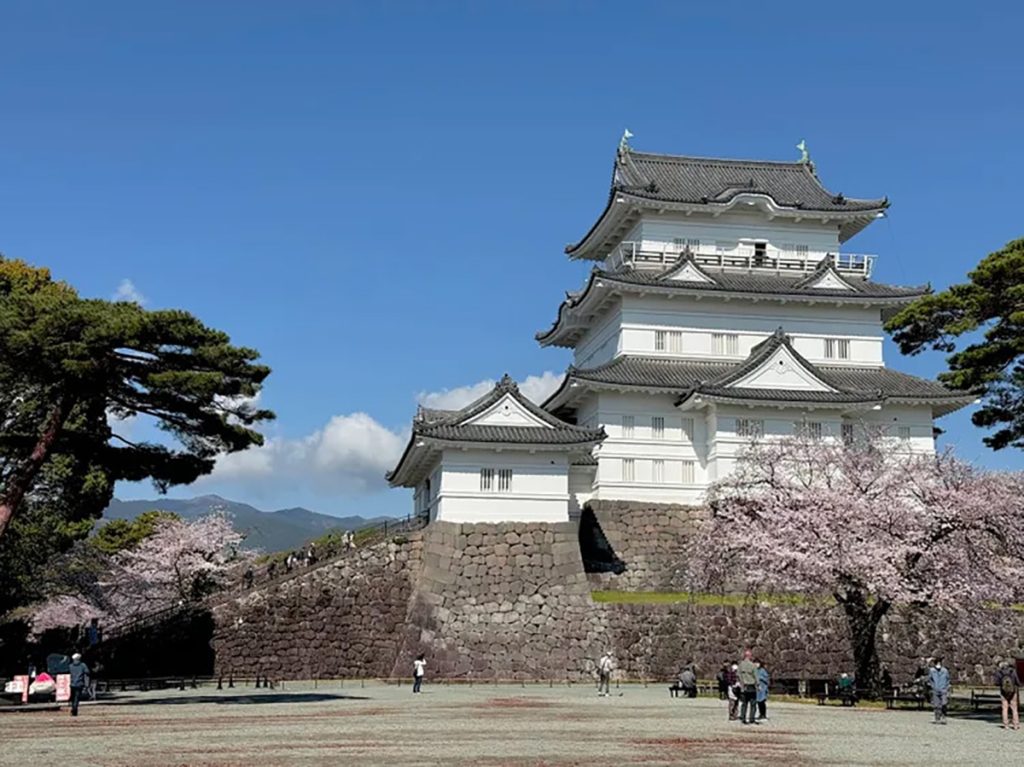
A pristinely restored samurai castle, complete with the fortifications that made samurai strongholds so hard to attack, plus excellent museums to explain how it all works
We don’t have to spend hours on the bullet train to see one of the top castles in Japan and learn what it was like to live like a samurai lord. Odawara is an easy day trip from Tokyo, and the best place in Japan to experience the clever ways they made it nearly impossible to conquer one of their castles.
Odawara Castle was first constructed in 1185, but it wasn’t until 1495 that the Hodo clan took over and reshaped it in its current form, designed to be seen—and impress—from afar. In The Samurai’s Octopus, Takahisa Takeda doesn’t need to ask directions to this five-story, three-tiered confection of a stronghold, because it sits atop a stout stone wall and can be seen for miles before he passes through the impressive copper-clad gate.

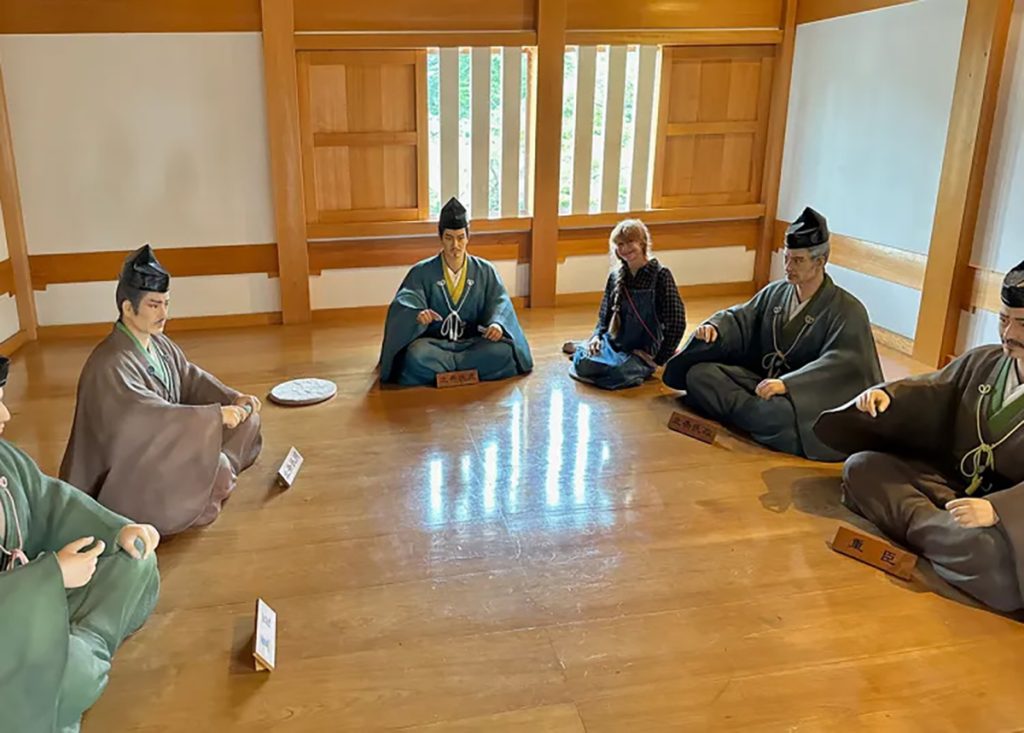
He’s not invited to take a seat among the council of lords meeting in the room above it—but we are!—as they strategize about tactics like dropping head-sized stones through the trap doors in the floor onto the unsuspecting heads of rival warlords’ marauding armies.
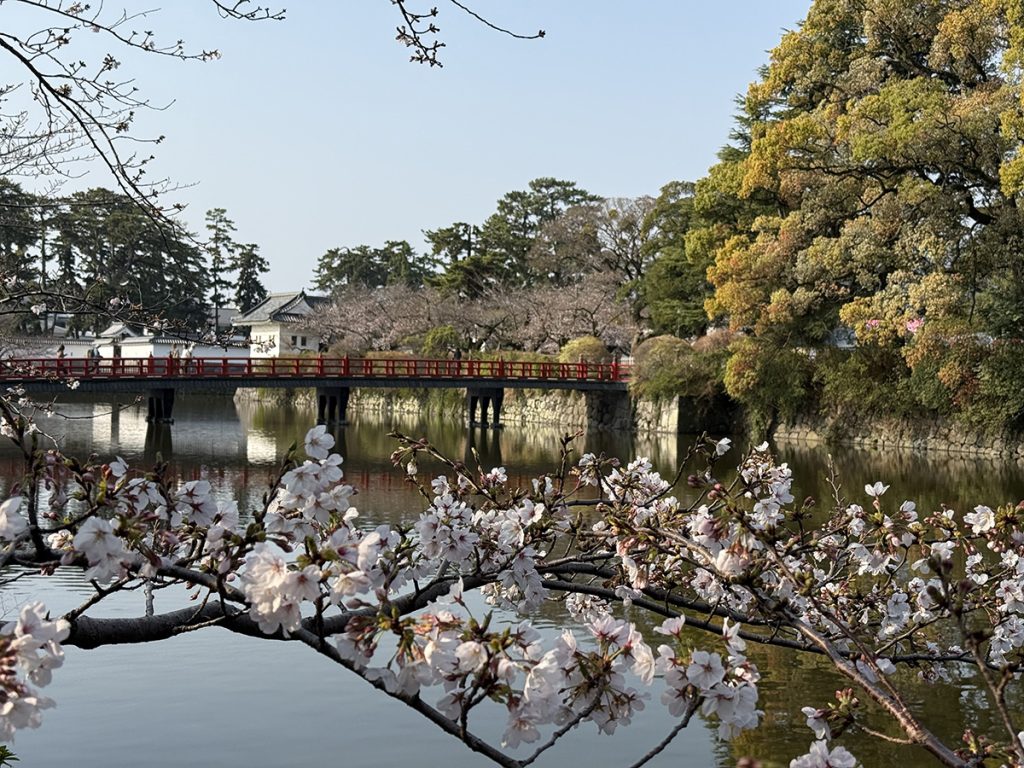
The keep is protected by not one, but two moats—a grand outer barrier lined with cherry trees and a smaller one surrounding the keep, which is now spanned by a picturesque red lacquer bridge and planted with thousands of iris that bloom at the end of May.
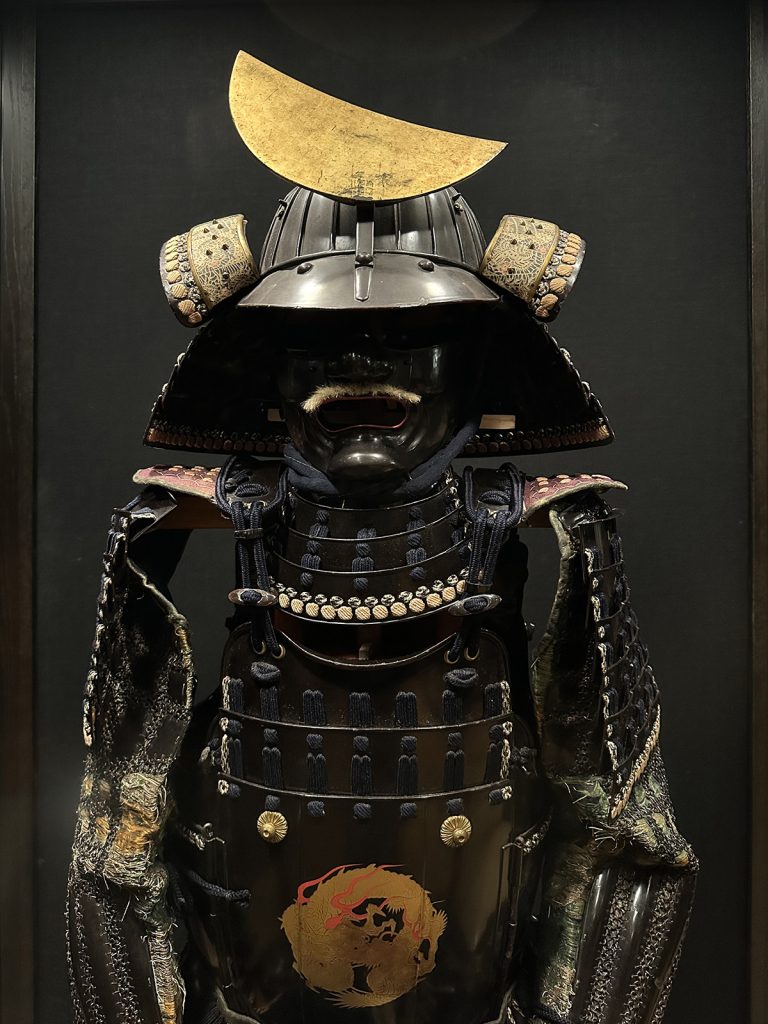
There are three beautifully designed museums on the grounds with clear explanations in English. The Samurai Museum features well-preserved helmets and armor, along with dramatizations that make samurai battle techniques as exciting as a video game.
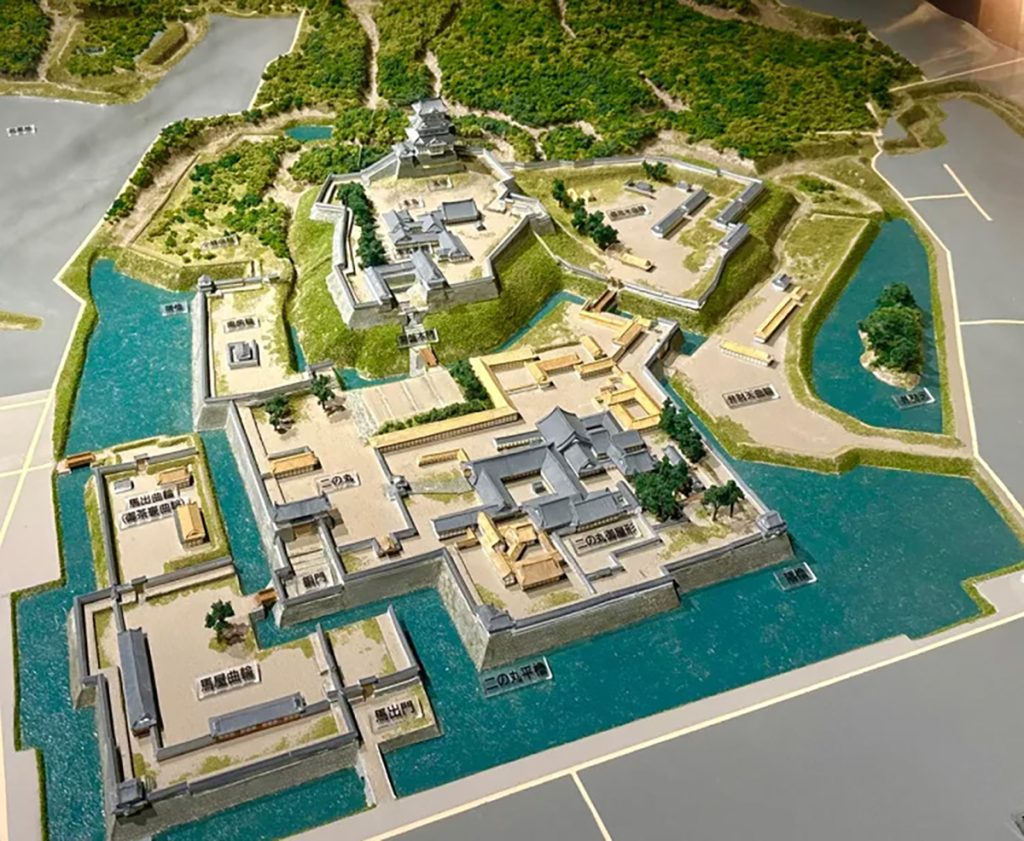
The Castle Museum divulges how Japanese castles were constructed, the fiendish strategies for defending them, and highlights the extensive network of craftsmen and traders who made castle life possible.
The Ninja Museum delves into all things ninja, from how they dressed to the tricks they employed as the most deadly of assassins. Odawara Castle is also a fabulous only-in-Japan backdrop for what will probably become the first photo we show friends back home, because we can pose for them dressed as Hodo clan warriors, ninja assassins, or aristocratic samurai ladies.

The small shop in the castle’s Samurai Museum rents reasonably priced costumes, including some in childrens’ sizes.
If we time our visit for early May, we can catch the historic Hodo Festival, which celebrates five hundred years of samurai history with a parade of townspeople all proudly dressed in armor and veils as their Hodo clan ancestors.
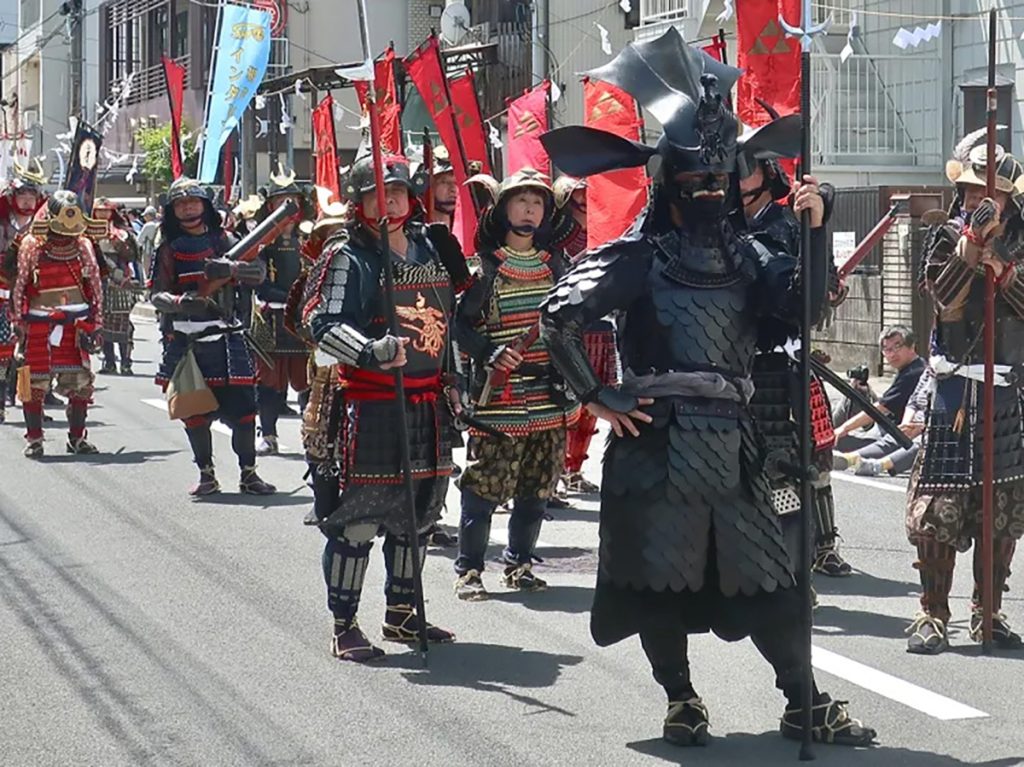
Throughout the festival, they stage impressive demonstrations of samurai fighting techniques, from swordsmanship to
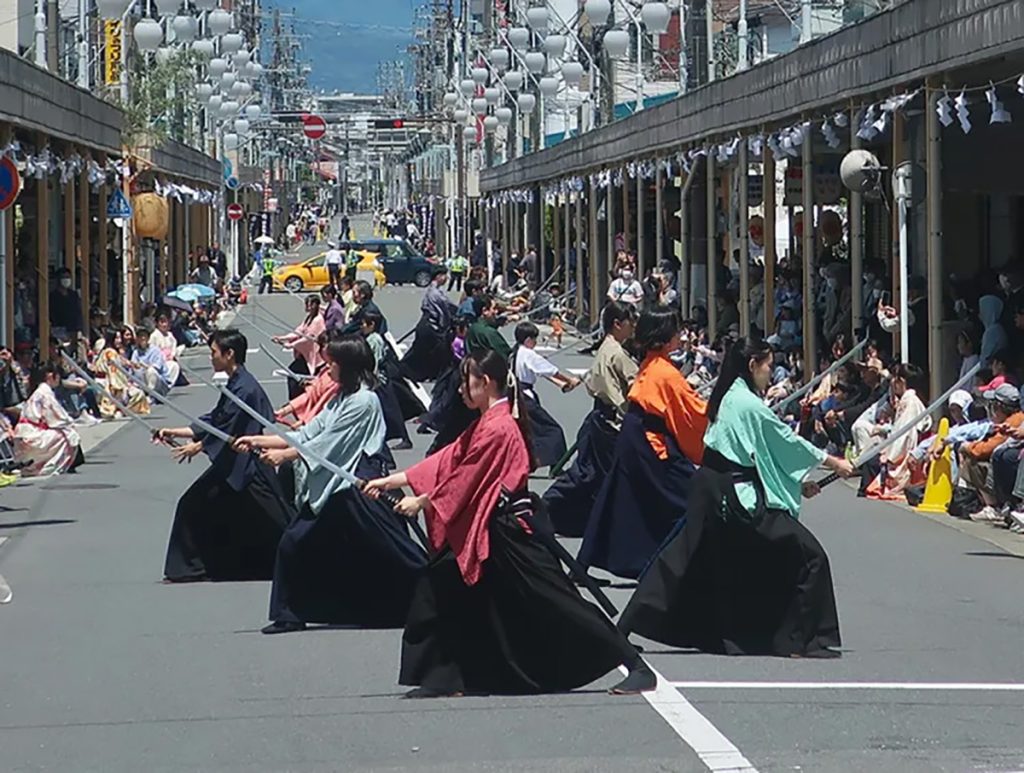
antique musket blasts.

Destination #3: Kamakura
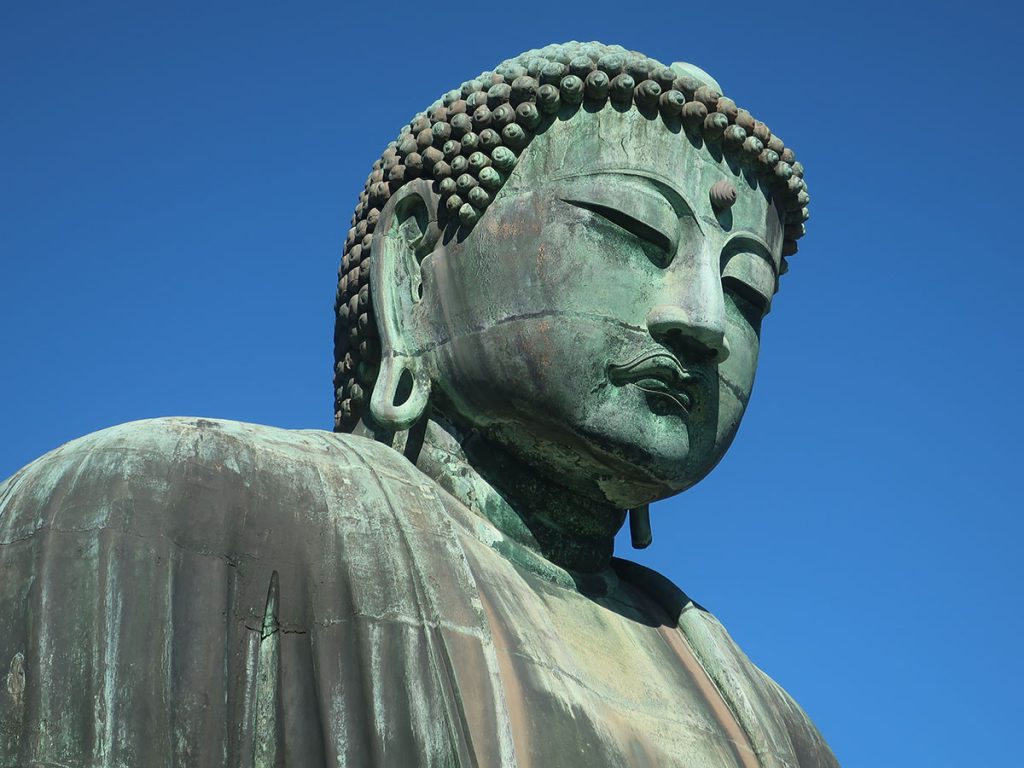
Historically unique and entertaining shrines and temples, all in one place
Kamakura isn’t a big town, but it’s wall-to-wall entertaining shrines and temples. Let’s head over to see the Giant Buddha first, before the crowds arrive. This Daibutsu is a National Treasure, and the biggest bronze Buddha in Japan.
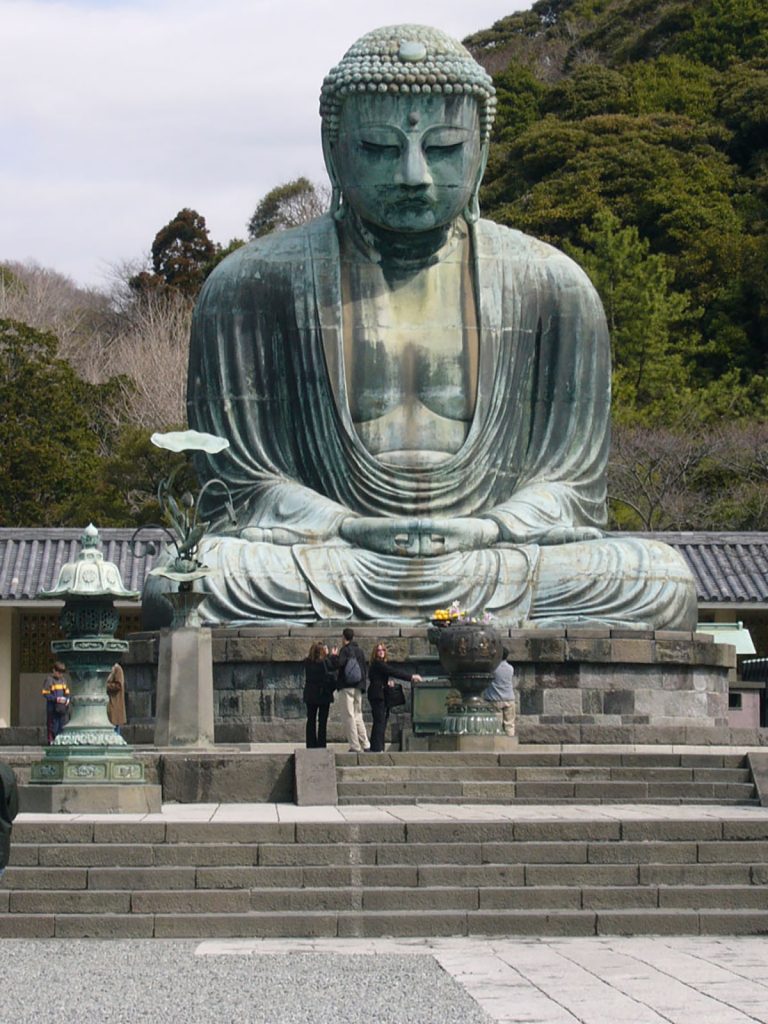
If you think that the technology of yore was primitive compared to today’s, consider that this enormous figure was cast and assembled in the year 1248, and has survived earthquakes, floods and tsunamis. Want to go inside and see how it was made? It only costs ¥10 (.6 cents US).
Just down the street is Hasedera,
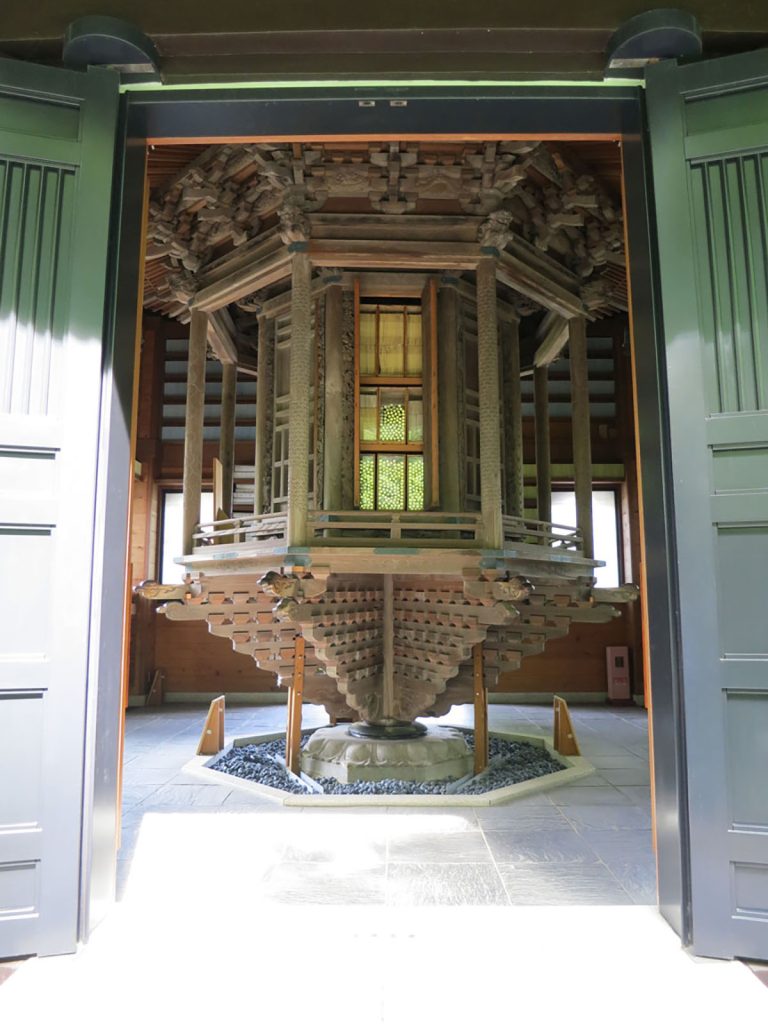
home to the eleven-faced Kannon figure that’s the tallest wooden statue in Japan. Clocking in at 9.1 meters (31 feet) tall, this figure is entirely covered in gold leaf. Legend has it that twin figures were carved from one sacred tree near Kyoto, and while one was enshrined at a temple in Nara, the other was tossed in the ocean so the deity could choose another region to help. It washed ashore in Kamakura, and the Hasedera temple was constructed to enshrine it in 736. It’s forbidden to take pictures of this sacred figure, but we can spin the enormous nearby prayer wheel if we’re lucky enough to be there on one of the days that’s allowed.
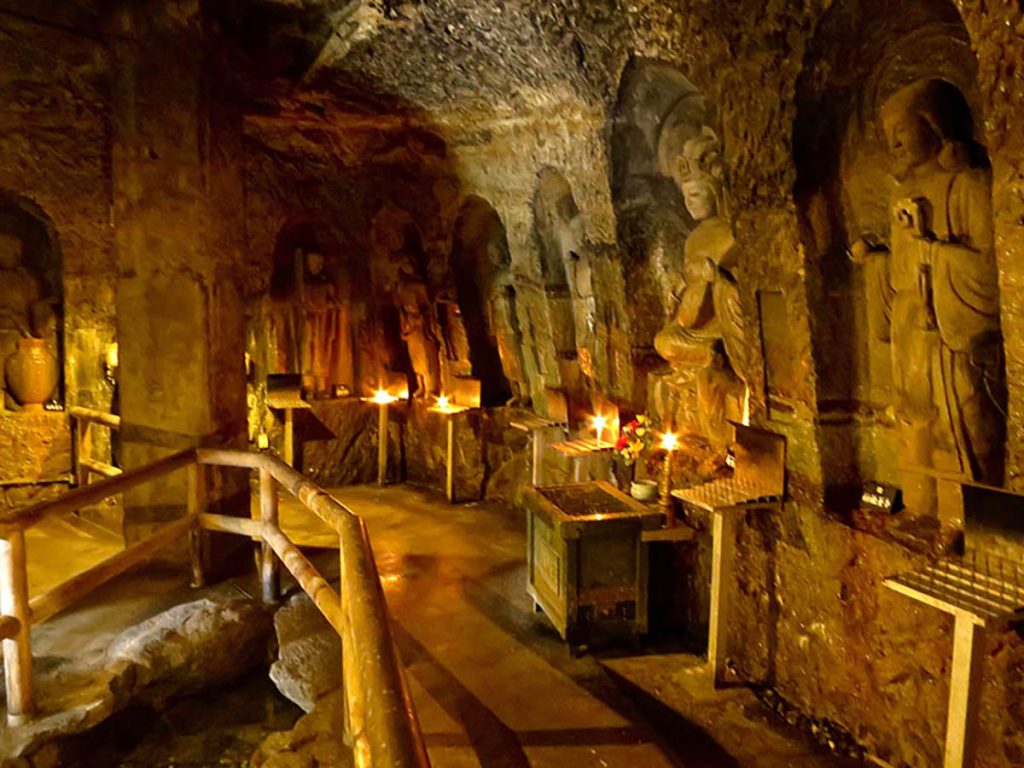
There’s also an amazing underground grotto to explore, with a multitude of Benten figures in niches throughout the caverns.
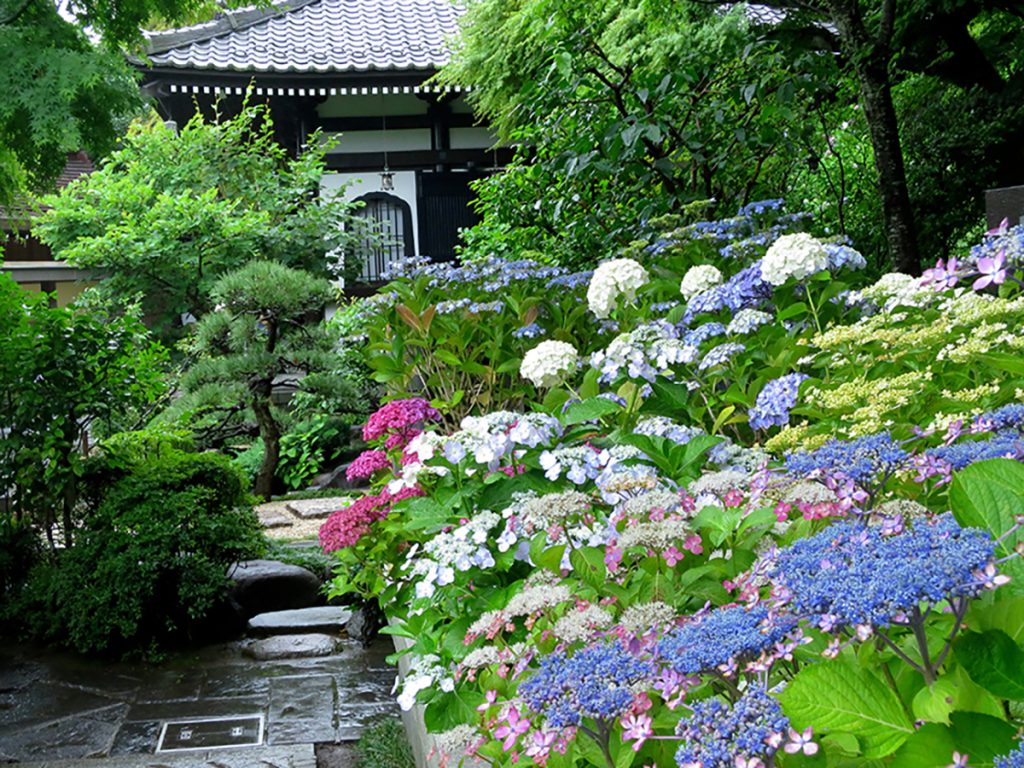
If we happen to be there in June, let’s roam through the hydrangea gardens, which draw visitors from all over Japan.
Now let’s return to Kamakura Station and stroll down the promenade leading to the grand torii gate at the Tsurugaoka Hachimangu Shrine.
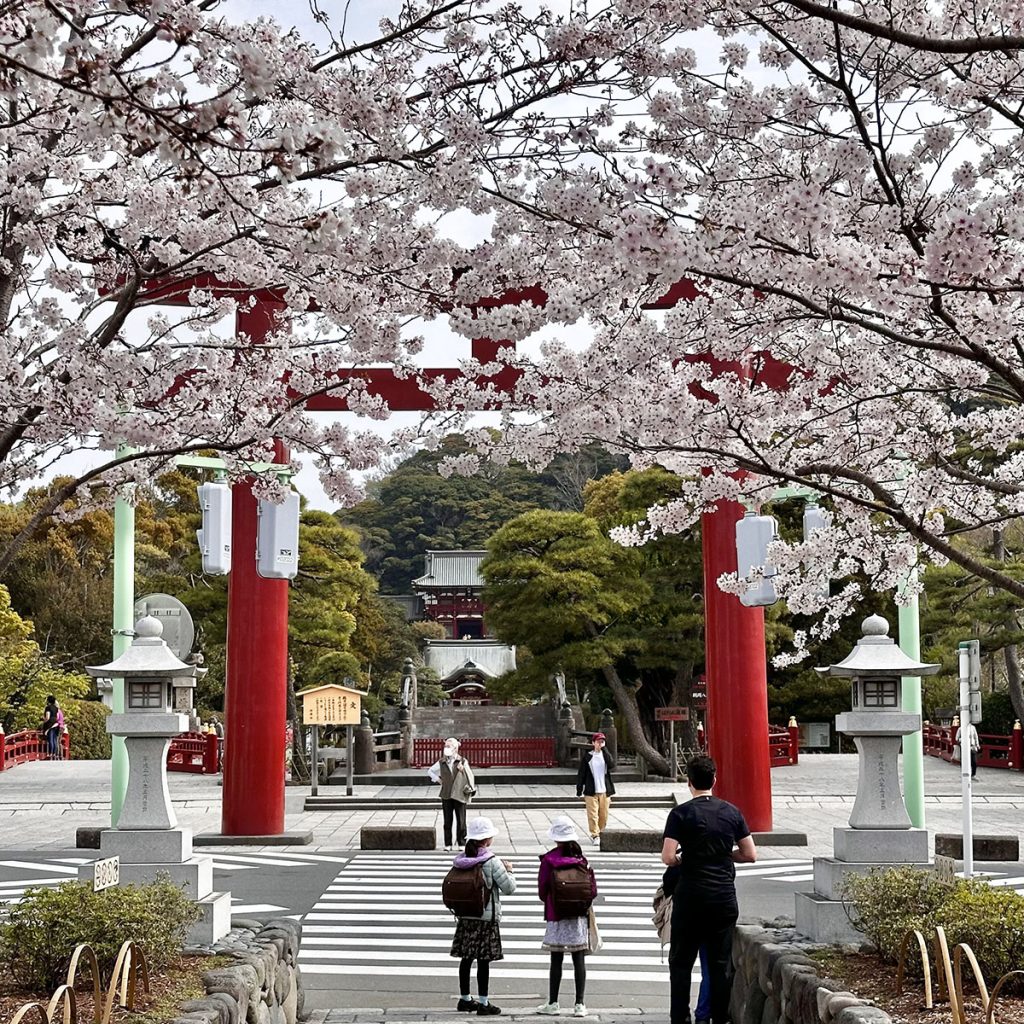
At the end of March, this walk becomes a pink tunnel of cherry blossoms, a delightful introduction to the imposing red and gold shrine built in 1191 by Minamoto no Yoritomo—the legendary leader who became the hero of dozens of kabuki plays—after the Minamoto clan defeated the Tairas and moved the capital city to Kamakura.
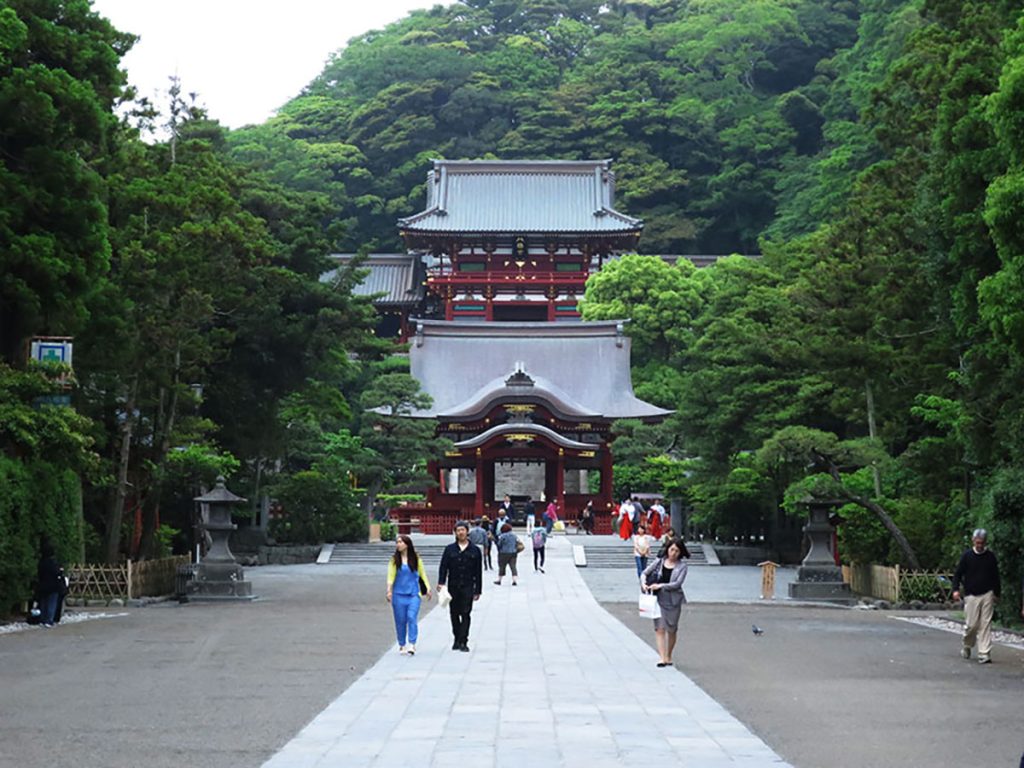
This is a great place to see traditional weddings being performed in the open air pavilion on the way to the main sanctuary, and twice a year (at their spring and fall festivals) this shrine stages traditionally attired yabusame horseback archery competitions that are open to the public.
Our next destination is an unusual shrine called Kamakura-gu, which specializes in casting out all sorts of evil in amusing ways. Let’s buy a dish and throw it against one of the sacred rocks to banish toxic people from our lives,
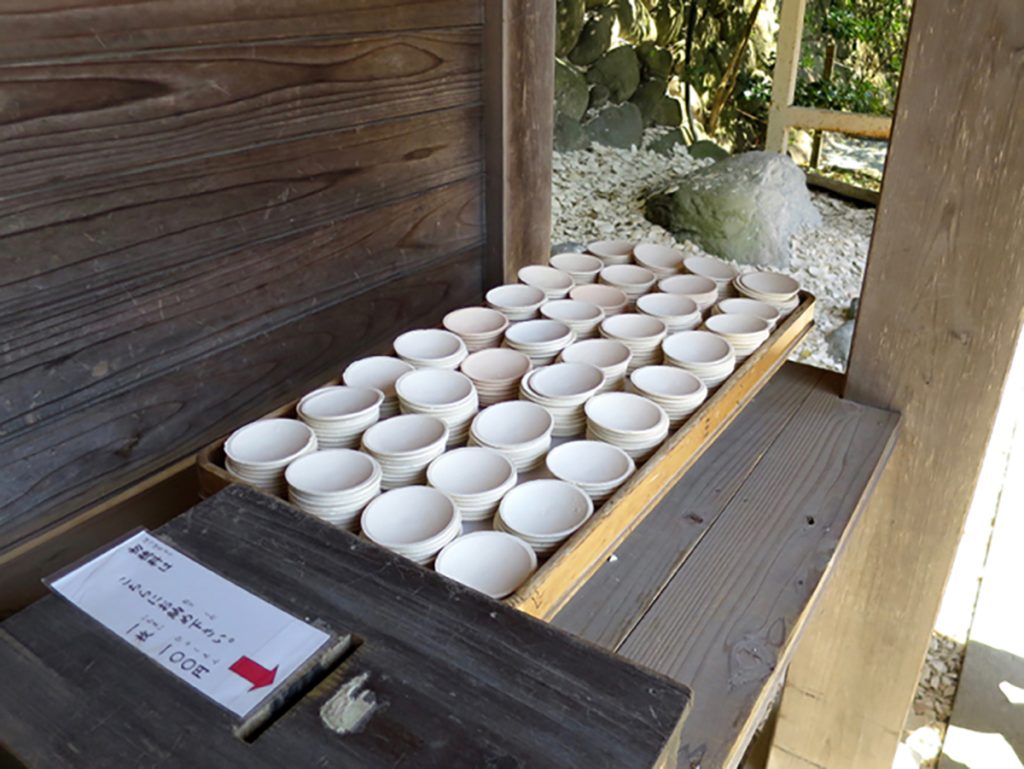
then pick out a red lion clapper to drive out any demons roosting in our houses.

Beyond the sanctuary is a carved wooden figure of a seated samurai, which is said to have healing powers if you make an offering and rub the body part that’s ailing.
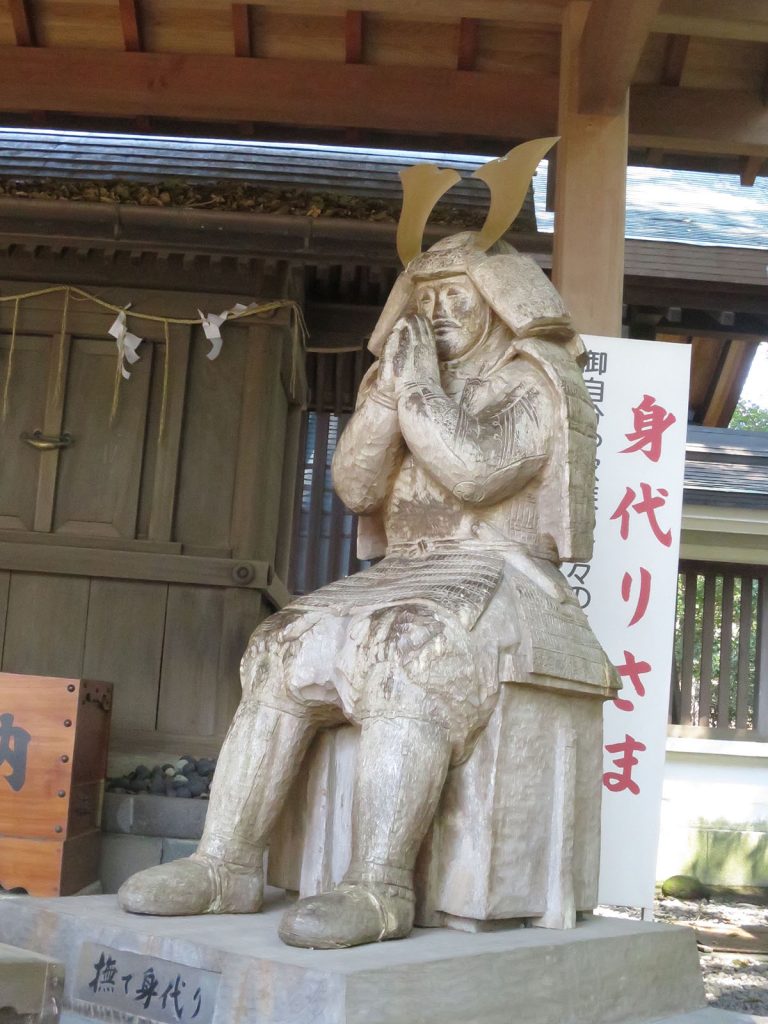
It represents Murakami Yoshimitsu, a warrior so loyal he exchanged helmets with his lord in battle and sacrificed his own life so his lord could escape to fight another day. If we stroll around the path through the back garden, we’ll pass by the cave where Prince Morinaga was imprisoned for nine months in 1334 by his arch-enemy, the head of the Ashikaga clan, then executed as the Ashikaga troops fled the capital.
If we’re ready to give our weary feet a rest, let’s stop in at Hokoku-ji, an especially beautiful Rinzai (Zen) temple built in 1333 that’s also known as the Bamboo Temple.
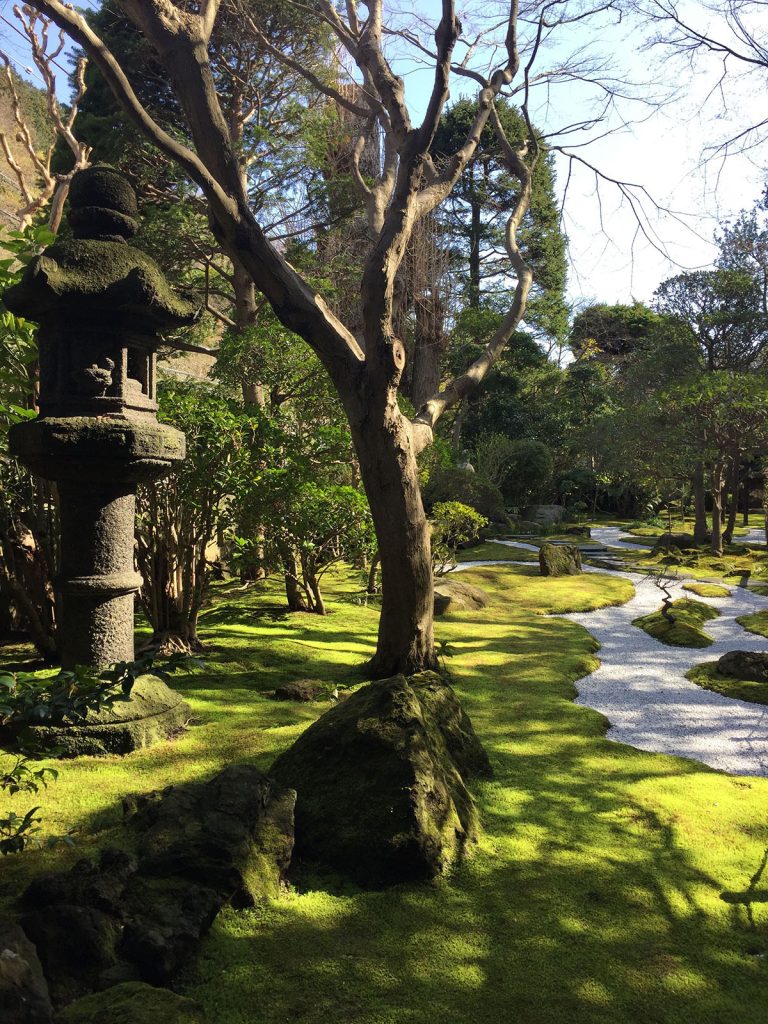
We’ll stroll through its towering bamboo grove
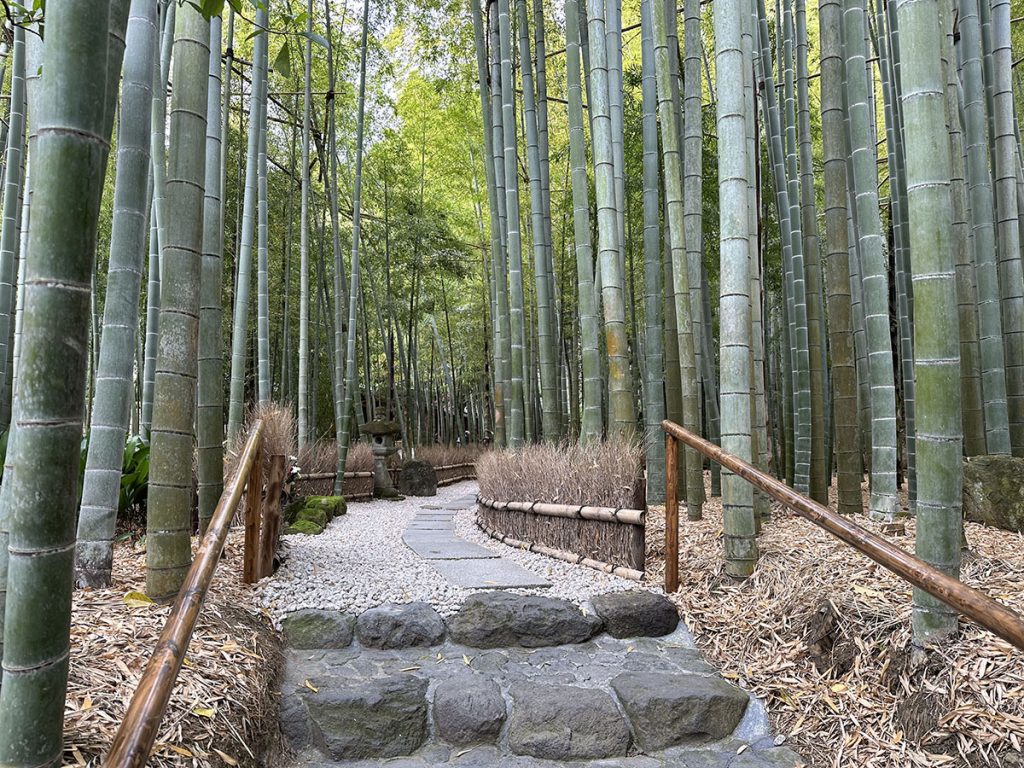
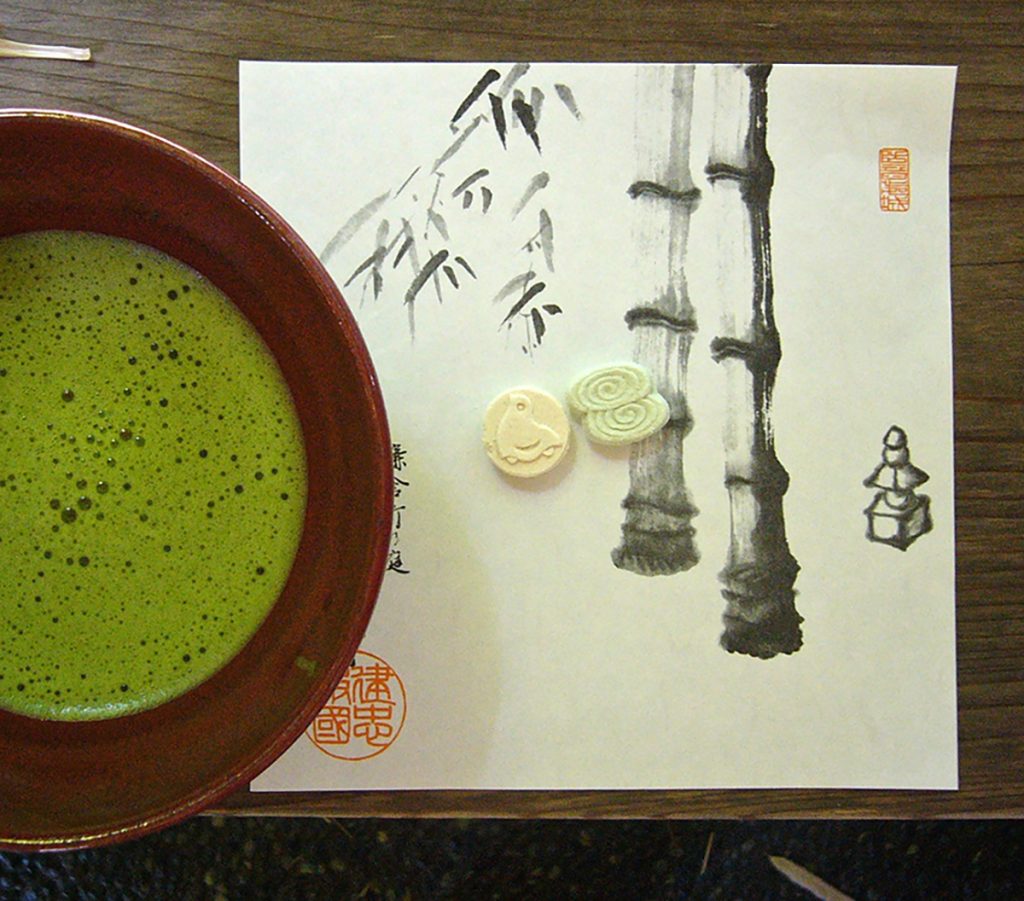
and enjoy the serenely mossy gardens, then stop in at the teahouse, where we can sip a bowl of freshly whisked matcha while contemplating the greenery.
On the other side of Kamakura Station are two ancient shrines with unusual features worth seeing. Let’s stop in at the Zeni-Arai Benten Shrine and double our money! This is known as the “Money-Washing Shrine” because ever since the leader of the Hojo clan visited in 1257, any cash washed in the shrine’s spring is supposed to double within the year.
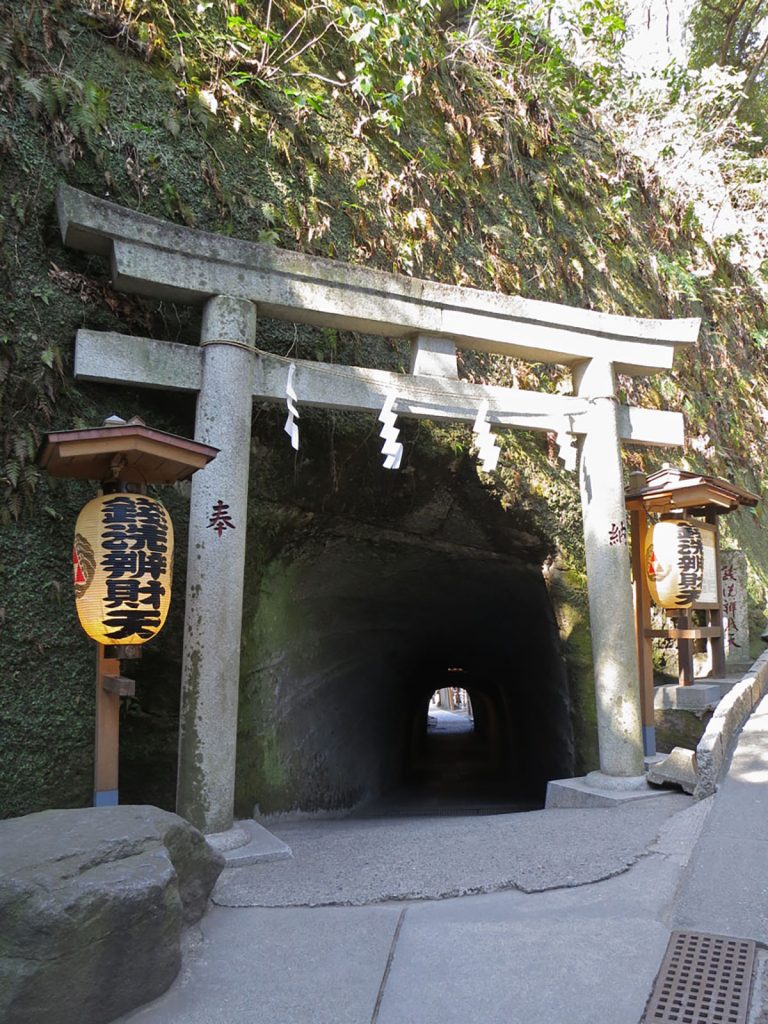
The entrance tunnels through the living rock and emerges into a grotto with the kind of streams, rocks and waterfalls that are most attractive to Shinto gods. Notice the baskets in front of the little altars for the hardboiled egg offerings worshippers bring to curry favor with Benten, the goddess of financial reward? She famously manifests as a snake, and eggs are her favorite food.
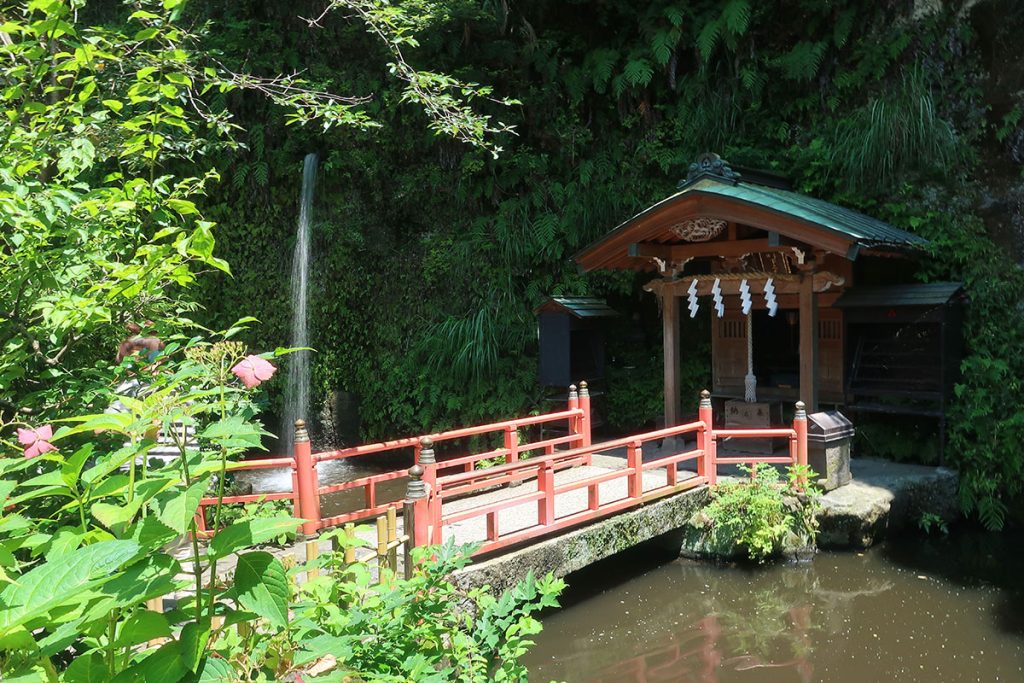
On the far side of the grotto is the cave with the money-washing spring. For a ¥100 (62 cents US) donation at the shrine shop, we can rent a basket for the money we’d like to double, then step inside the cave and use one of the dippers to pour water from the stream over it.
A short walk from the money-washing shrine is Sasuke Inari Shrine, the best fox shrine in all of Japan. It was founded in the Twelfth Century after Minamoto no Yoritomo was visited by a divine white fox in a dream and told when and where to attack his enemies. We’ll climb through a lovely tunnel of orange torii gates and magically emerge into another world.
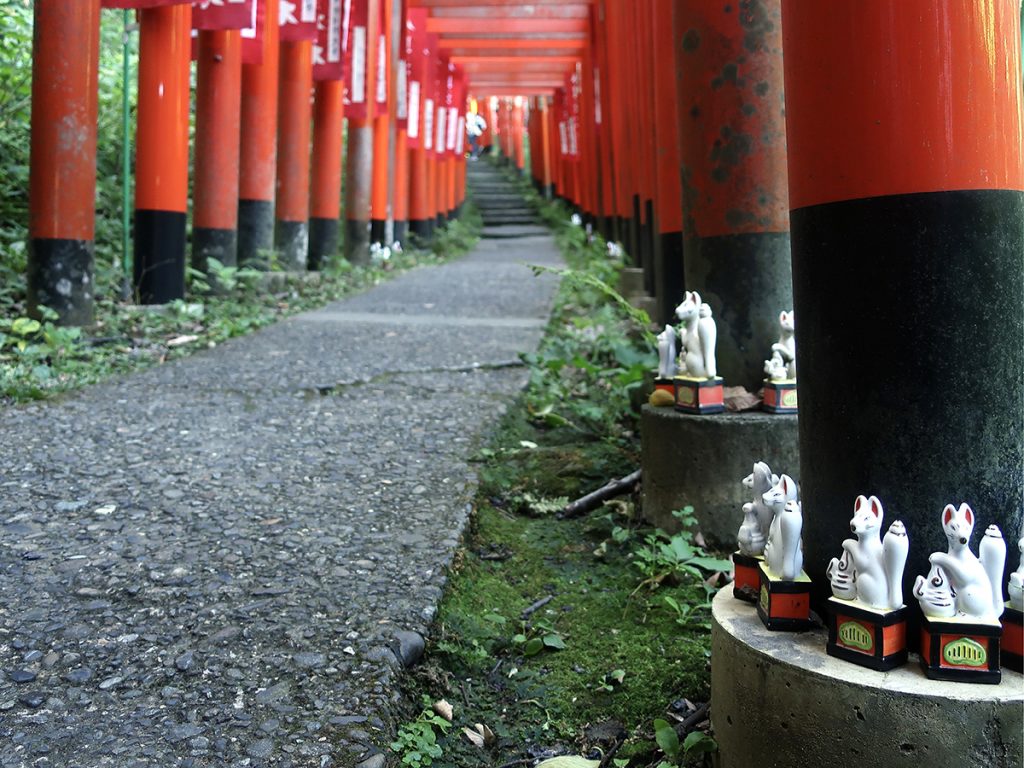
The shrine is set in a lush forest, and its footpath wends upward past mossy miniature villages filled with thousands of commemorative white fox figures left as offerings by pilgrims.
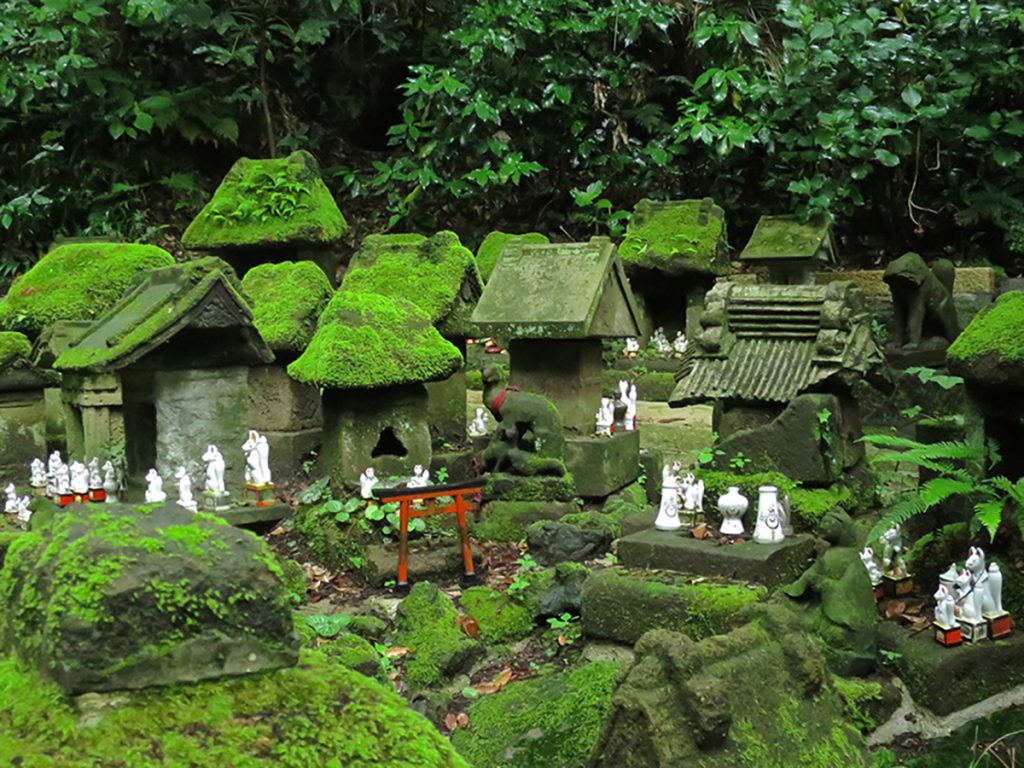
(For as little as ¥1500 ($9.36US), you can buy one at the shrine stand and add it to the population, or take it home, which is unusual, since removing sacred items is not always allowed at shrines.)
After taking these three history-packed day trips, I think we’ve got more than enough inspiration to start writing, don’t you? If you read The Samurai’s Octopus, I guarantee you’ll recognize some of the places you’ve just been!
Recommended Reading
Fiction
- The Samurai’s Octopus by Jonelle Patrick – A gripping historical mystery set in 1784 Edo. The plot weaves through the walled pleasure quarters of Yoshiwara, following a young servant girl and a desperate samurai caught in a web of greed, deception, and murder.
- Shōgun by James Clavell – The monumental, epic saga of John Blackthorne, an English ship pilot shipwrecked in 1600s feudal Japan. It chronicles his dramatic rise through the ranks of the samurai amidst a fierce, high-stakes political struggle for the ultimate military dictatorship.
- The Ronin’s Mistress by Laura Joh Rowland — A mystery woven around the Forty-Seven Ronin, bringing Edo-period politics, honor, vengeance, and courtly danger into a suspenseful historical tale.
- The Cloud Pavilion by Laura Joh Rowland — Part of the Sano Ichiro mystery series, this novel evokes the shadowed corridors of Tokugawa Japan, where samurai codes, family secrets, and political intrigue collide.
- Shinju by Laura Joh Rowland — The first Sano Ichiro mystery, set in 17th-century Edo, with a samurai investigator navigating murder, forbidden love, rigid hierarchy, and the perilous etiquette of the shogun’s world.
- The Samurai’s Wife by Laura Joh Rowland — A historical mystery that draws the reader into the refined yet dangerous world of Kyoto nobility, samurai households, hidden crimes, and ceremonial elegance.
- The Teahouse Fire by Ellis Avery — Set later, during Japan’s Meiji transformation, this beautifully written novel looks back toward the fading samurai world as Western influence, tea ceremony, and social upheaval reshape Japanese life.
- The Last Concubine by Lesley Downer — A romantic historical novel set as the Tokugawa shogunate collapses, following a young woman swept into the dangerous final years of the samurai order.
- The Courtesan and the Samurai by Lesley Downer — A vivid tale of love, exile, survival, and reinvention during the turbulent end of the shogunate, when old codes of loyalty and honor were giving way to a new Japan.
- Across the Nightingale Floor by Lian Hearn — A fictionalized, fantasy-tinged Japan inspired by samurai culture, clan rivalry, hidden assassins, and codes of loyalty, ideal for readers who want atmosphere rather than strict history.
- The Harsh Cry of the Heron by Lian Hearn — A later volume in the same Japanese-inspired epic, rich with warrior houses, political peril, inheritance, betrayal, and the melancholy beauty of a changing realm.
Non-Fiction
- A Stranger in the Shogun’s City: A Japanese Woman and Her World by Amy Stanley – A Pulitzer Prize-finalist biography that chronicles the defiant life of Tsuneno, a rebellious woman who fled her rural village for Nineteenth Century Edo. Based on a treasure trove of surviving family letters, it offers an extraordinary, rare look at the city’s vibrant social life before the arrival of Western ships.
- Everyday Life in Traditional Japan by Charles J. Dunn – An incredibly detailed social history that brings the formal structure of Tokugawa-era society to life. It provides a complete look at how different classes—from authentic samurai and merchants to actors and outcasts—lived, worked, dressed, and built their homes.
- Japanese Castles 1540–1640 by Stephen Turnbull and Peter Dennis — A richly illustrated guide to the powerful castles of Japan’s turbulent Sengoku and early Edo periods, when daimyo strongholds became the dramatic backdrops for siege warfare, territorial ambition, and the rise of centralized rule.
- Shrines & Temples: The Essential Guide to Etiquette, History, and Sacred Rituals by Momo A. — A helpful cultural companion for understanding Japan’s sacred spaces, from how to behave respectfully at shrines and temples to the rituals, symbolism, and spiritual traditions that still shape daily life.
- Buddhism and Shintoism in Japan: Exploring Buddhist Temples and Shinto Shrines in Japan by Karina Naha and Kiara Igarashi — A gentle introduction to Japan’s two great spiritual traditions, guiding readers through the serene world of Buddhist temples and the lively, nature-rooted practices of Shinto shrines.
- The Samurai: The History of Japan’s Legendary Warrior Caste by Rod Johnson — A clear and engaging history of Japan’s famed warrior class, tracing the samurai from their early emergence through the clan wars, codes of honor, political influence, and eventual transformation in the modern age.
- The Life and Times of Tokugawa Ieyasu, Japan’s Greatest Ruler by A.L. Sadler — A biography of the formidable shogun who unified Japan after generations of conflict, established his capital at Edo, and founded the Tokugawa order that would shape Japanese life for more than two centuries.
- Underdogs of Japanese History: 11 Tales of Iconic Characters Who Prevailed Against the Odds… or Didn’t by Kyota Ko — A lively collection of lesser-known Japanese lives, spotlighting resilient, surprising, and sometimes unlucky figures who struggled against fate, power, poverty, or history itself.
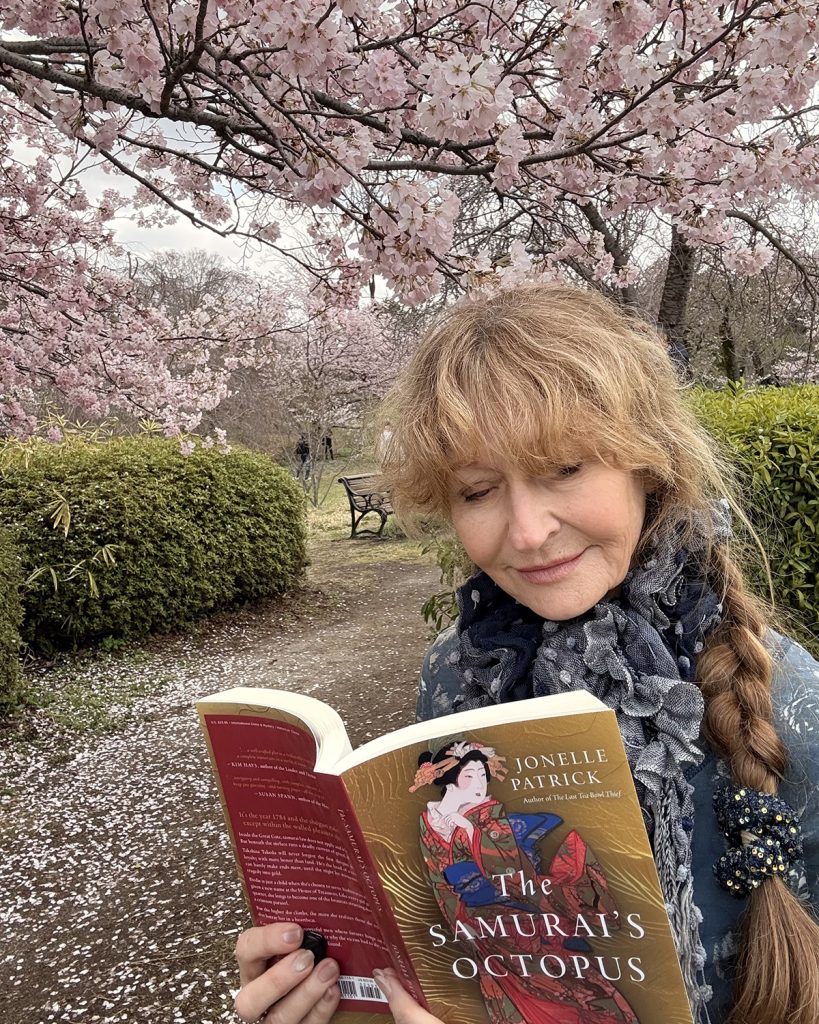
Jonelle Patrick is the author of The Samurai’s Octopus and five other novels. She was awarded a cultural visa by the Japanese government for writing about Japan, and regularly contributes to Japanagram, The Tokyo Guide I Wish I’d Had, and Only In Japan. A graduate of Stanford University and the Sendagaya Japanese Language Institute, she’s a member of the Mystery Writers of America, International Thriller Writers, Sisters in Crime, and the Historical Novel Society. She lives in Tokyo and San Francisco.