
Come with me and be a historical novelist for a day, and let’s research everything we’d need to know to write The Samurai’s Octopus! Any book set in the Edo Period (1603-1868) begs us to seek out the secrets of samurai society, from the highest of the high to the lowest of the low. Let’s roam around Tokyo gazing at their courtesans’ sumptuous robes, feeling archers aiming at our hearts as we pass beneath castle ramparts, and stroll through the gardens where poetry competitions and firefly-catching parties drew the crème de la crème of Edo Era society.
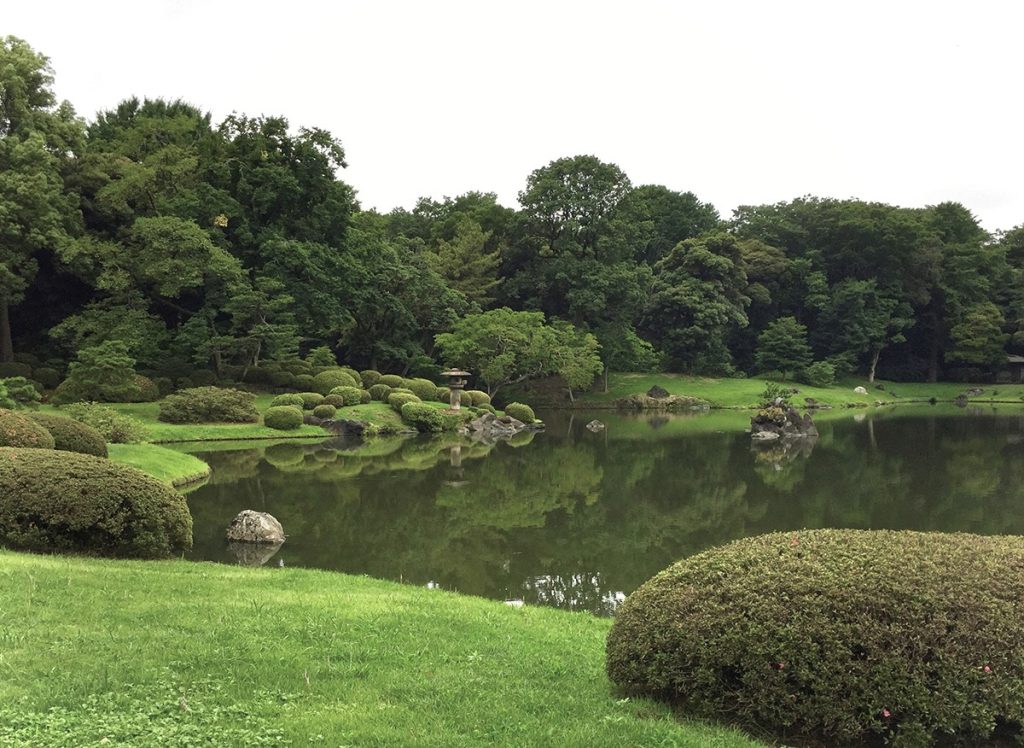
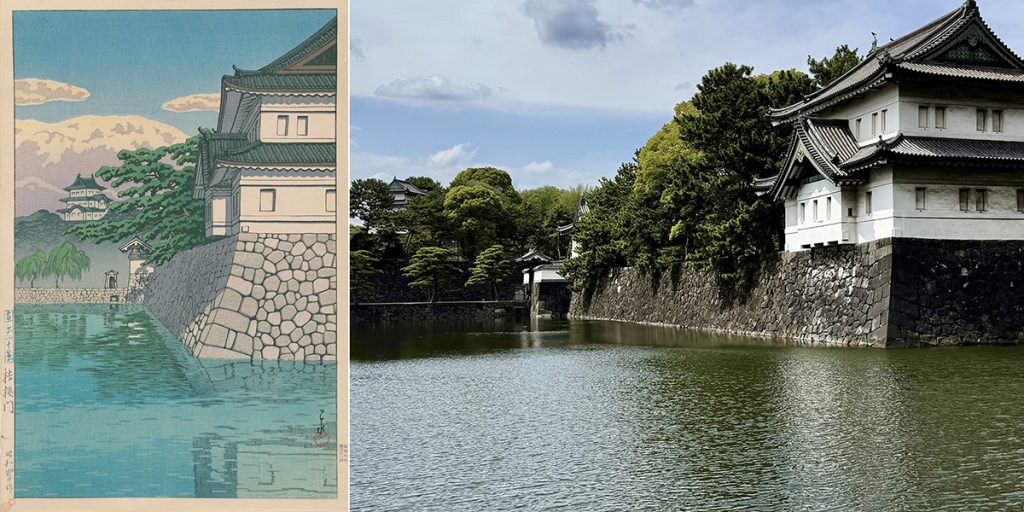
The book takes place in 1780s Tokyo (known then as Edo), so let’s start at Edo Castle which is now within the grounds of the Imperial Palace. This is where the shōgun granted audiences and the bureaucratic cogs who propelled the wheels of government dispensed (and withheld!) their favors.
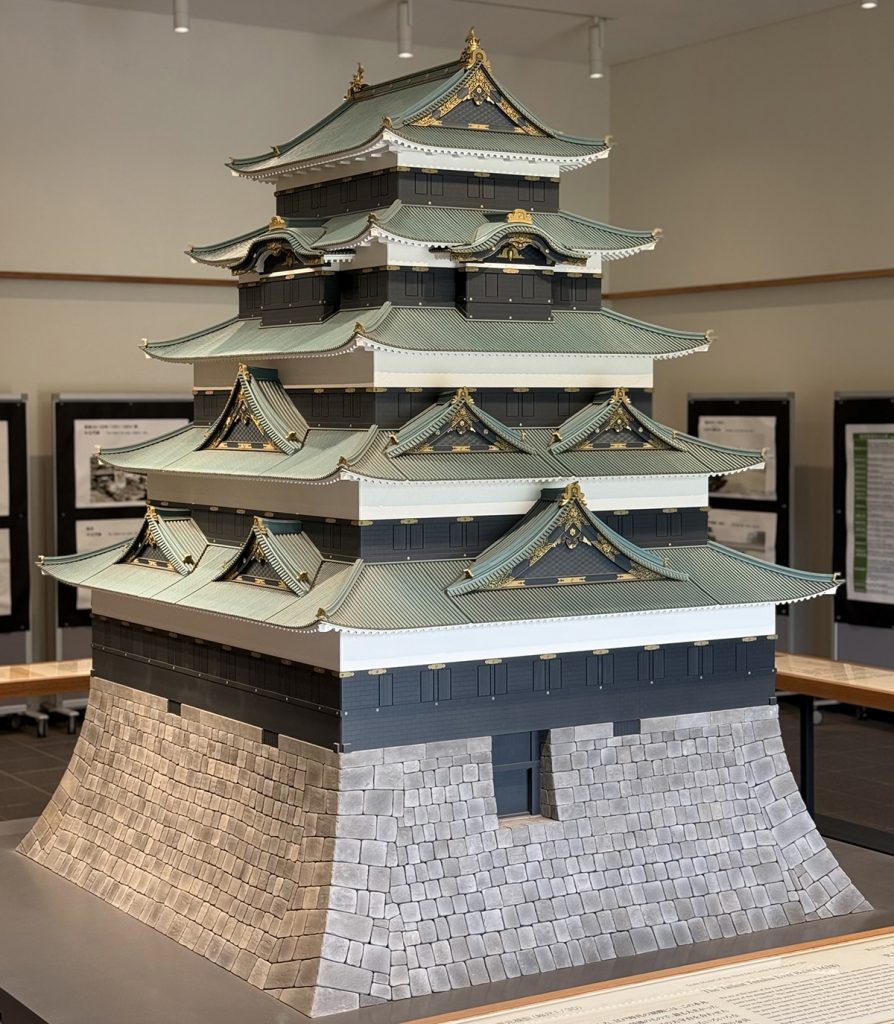
Model of The Great Edo Palace
The grandest castle in all the land survived the Great Meiwa Fire of 1772—when the crime that sparked the events in The Samurai’s Octopus takes place—but it did burn in 1883 and the impressive keep that looked like a cross between a military fortification and a wedding cake was never rebuilt. But there is a fine scale model of it in the East Palace Garden
and the impressive stonework survived, so we can still cross the Imperial Palace moat, shiver as we pass through the massive fortified wooden gates,
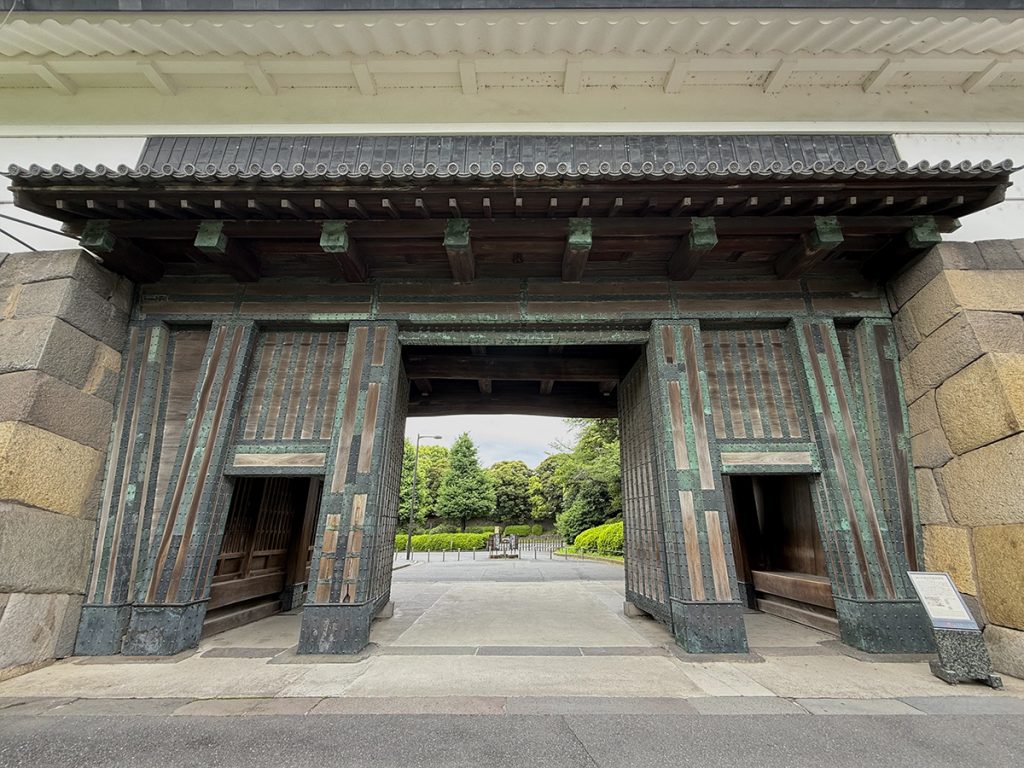
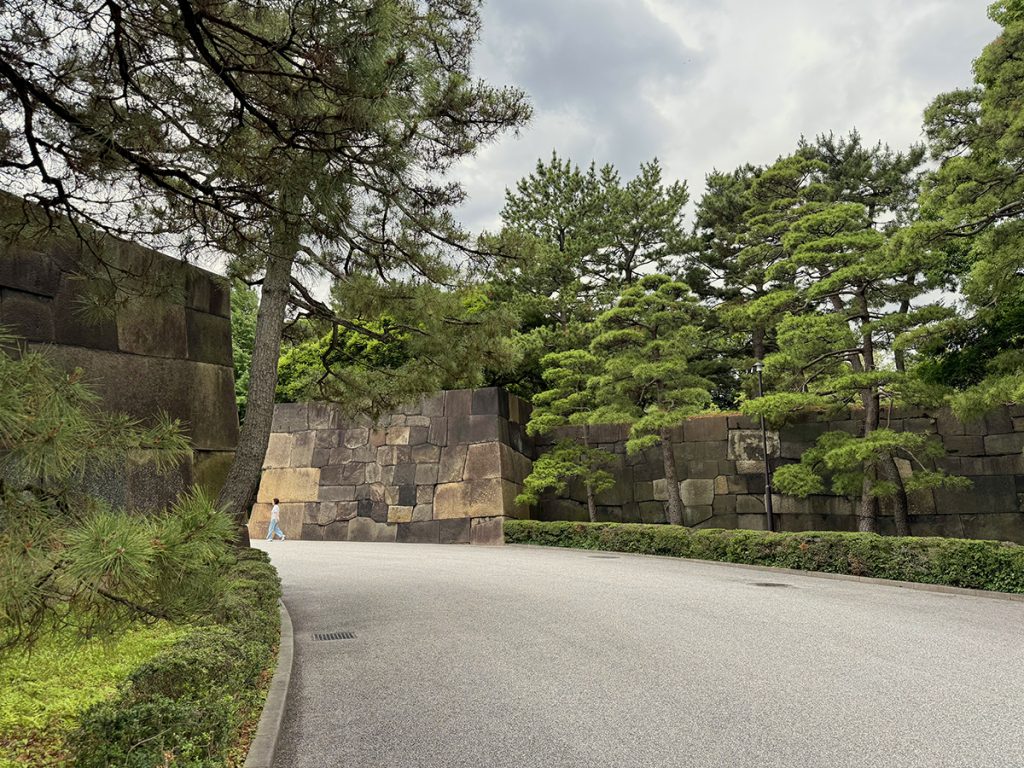
and wend our way between the towering stone walls. It’s not hard to imagine unseen archers stationed up above, arrows nocked!
Now let’s go full immersion and head to the Fukagawa-Edo Museum, where the lighting cycles through day and night as we meander through a reconstructed samurai-era town.
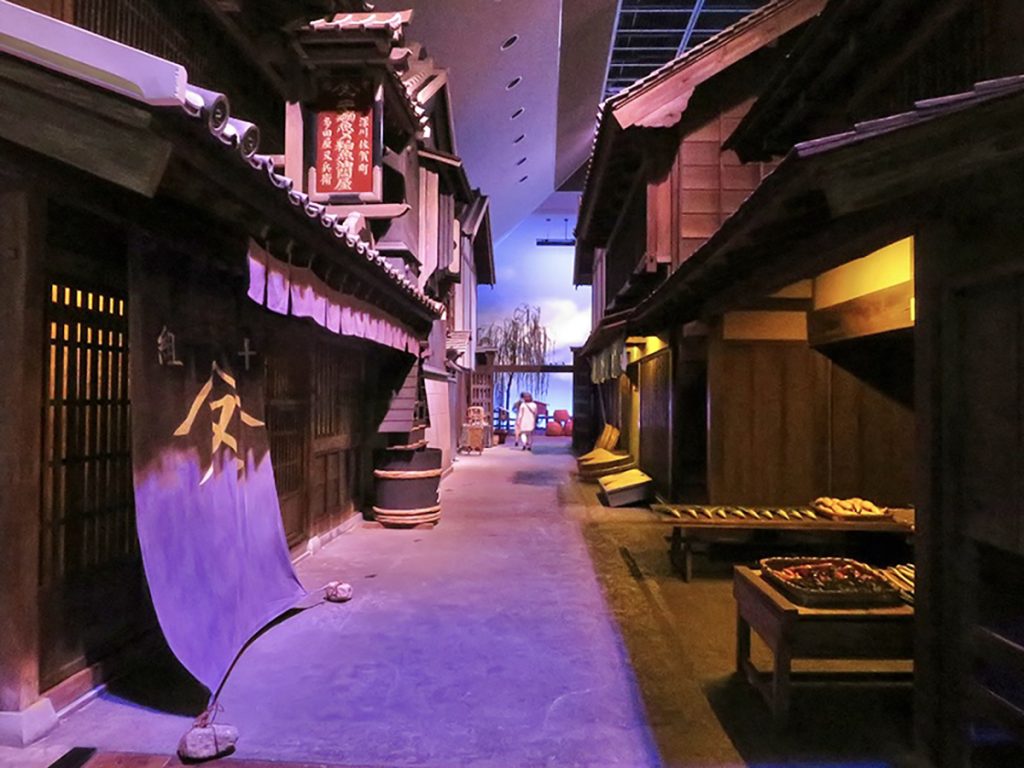
Exploring the shops and houses — that look as though the townspeople just stepped out for a moment — will give us a hands-on sense of how the common people lived in feudal Japan.
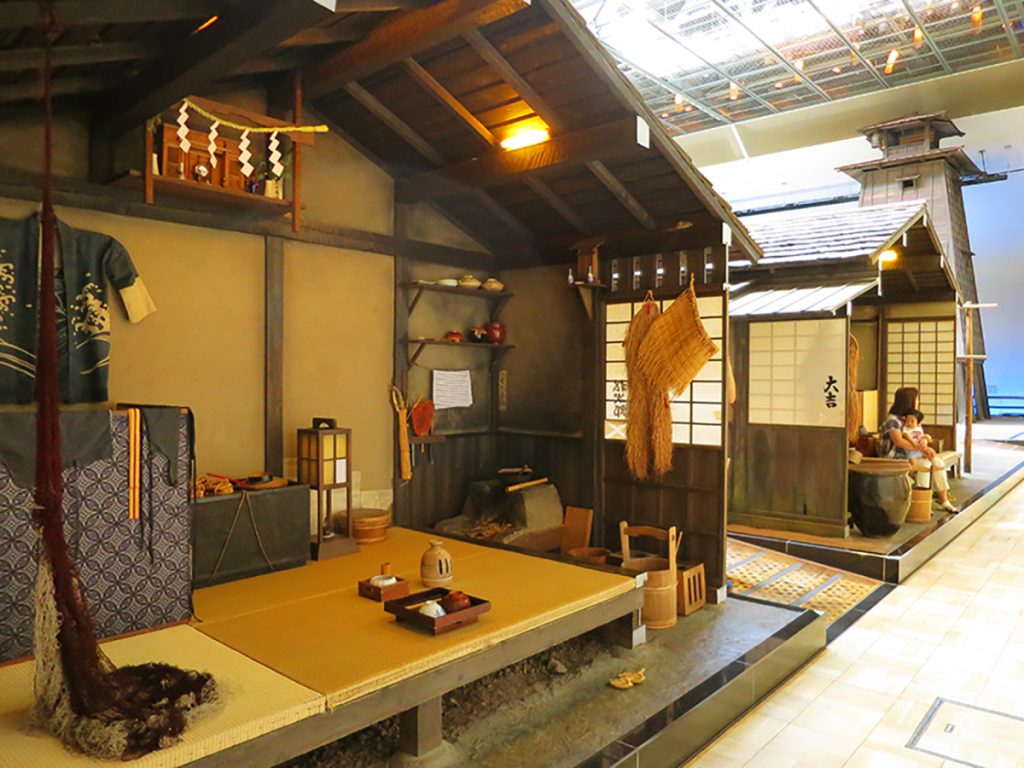
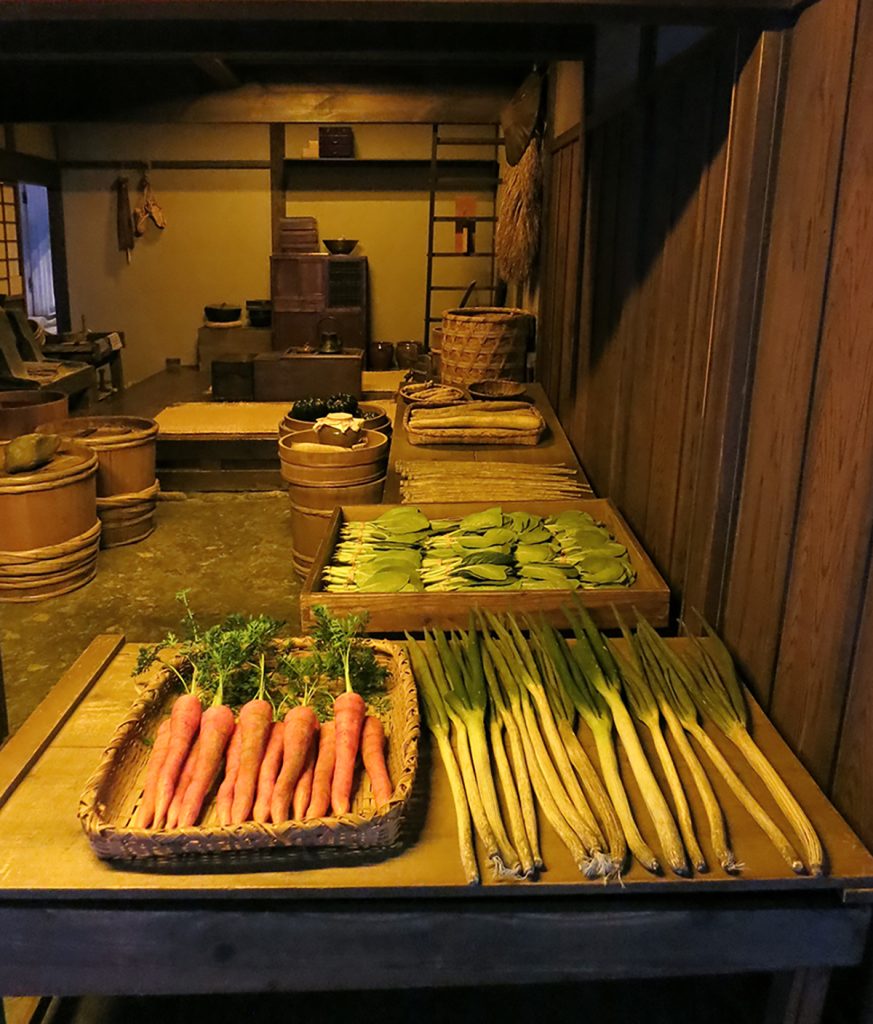
How hard is it to shoulder a noodle-seller’s portable stand? What kind of produce did they sell at the vegetable shop?
How big were the bales of rice that were a unit of currency, and had to be delivered by masterless samurai who couldn’t get other jobs?
Now that we’ve got a feel for the place, let’s meet the players!
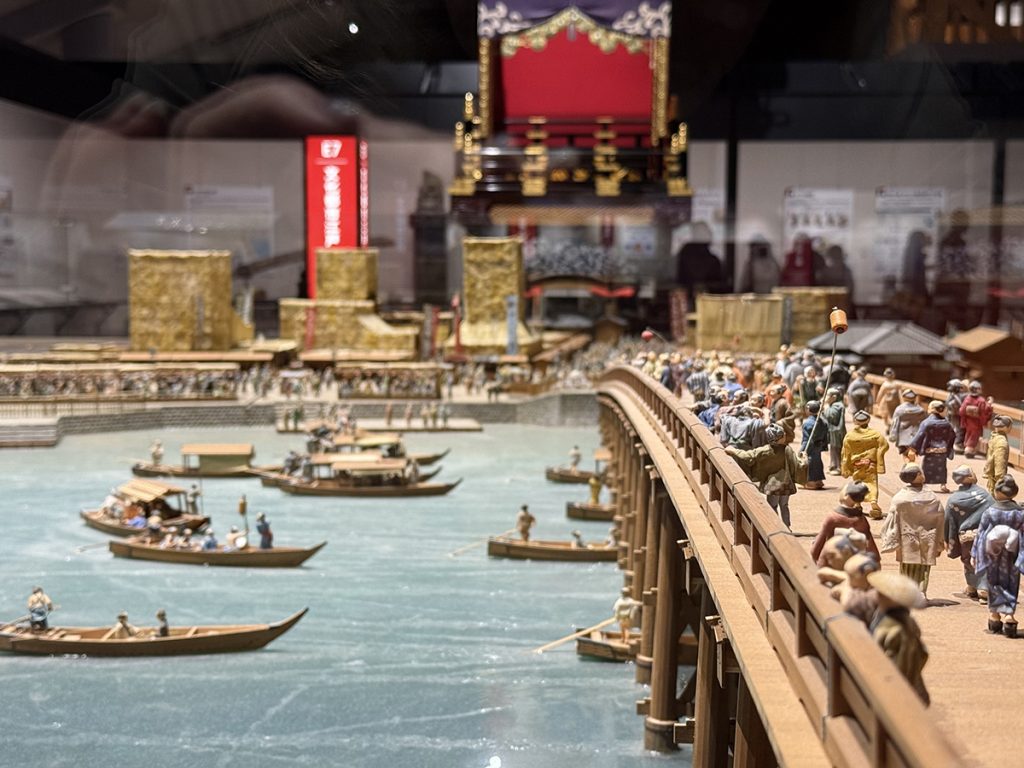
The Samurai Experience
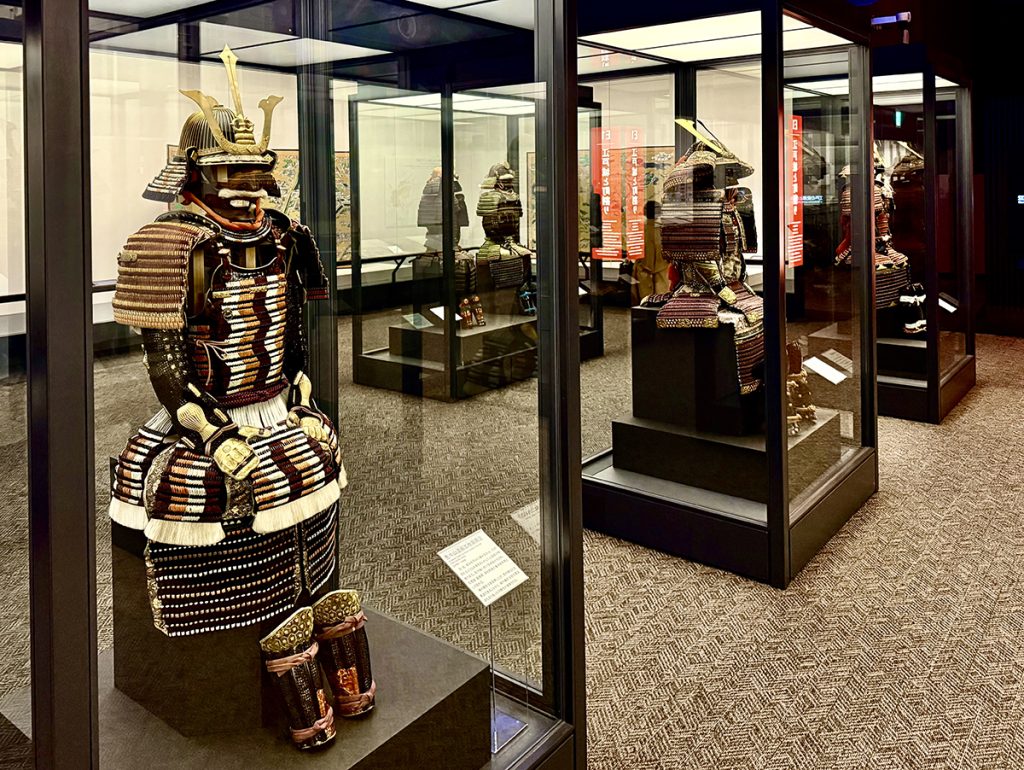
The Edo-Tokyo Museum is where we’ll get to know everyone from the high-ranking samurai official who would do anything to hide his crime, to the courtesan’s child attendant whose search for her mother threatens to bring him to justice. Right inside the museum entrance is an impressive display of samurai armor representing the ruling clans of Japan
and the scale model of a daimyō warlord’s mansion will do nicely as a reference for the villain’s house, don’t you think?
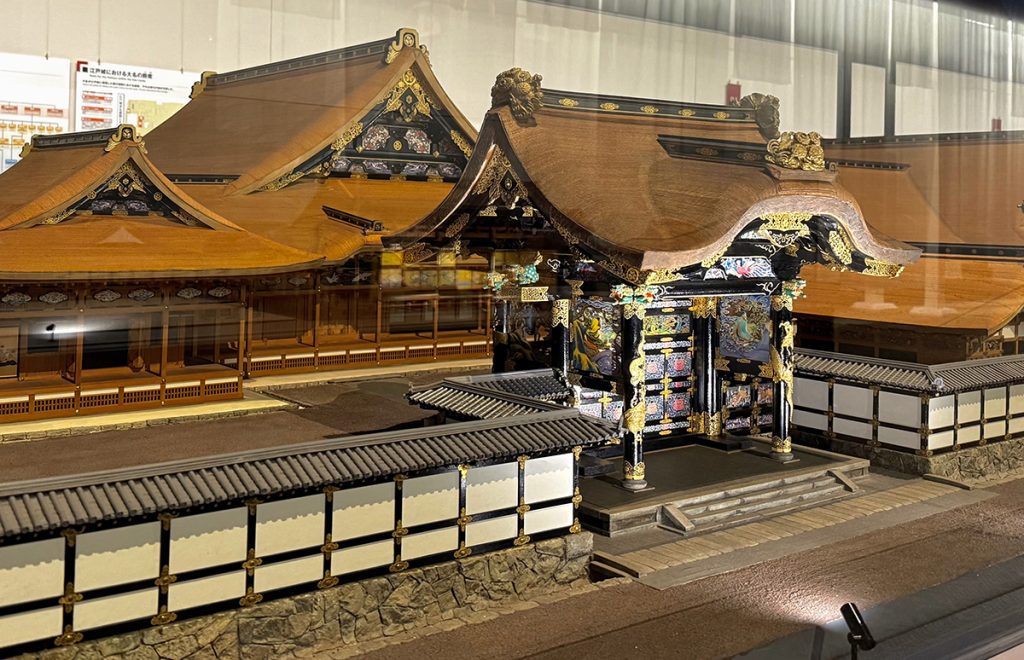
This sprawling compound unlocks the secret of how the Tokugawa clan could keep the title of shōgun in the family and deliver nearly three hundred years of peace and prosperity to a collection of provinces that had been battling for centuries. One of the many crafty ways the first shōgun Ieyasu Tokugawa ensured his allies’ loyalty and weakened his enemies was to require all the regional warlords to live in the capital city of Edo every other year.
In keeping with their status, they had to build extravagant compounds like this, and support their families and thousands of retainers in the style to which they were accustomed. Maintaining two extensive residences drained their coffers, and being away from their home turf every other year left them little time—or money—for rebellion.
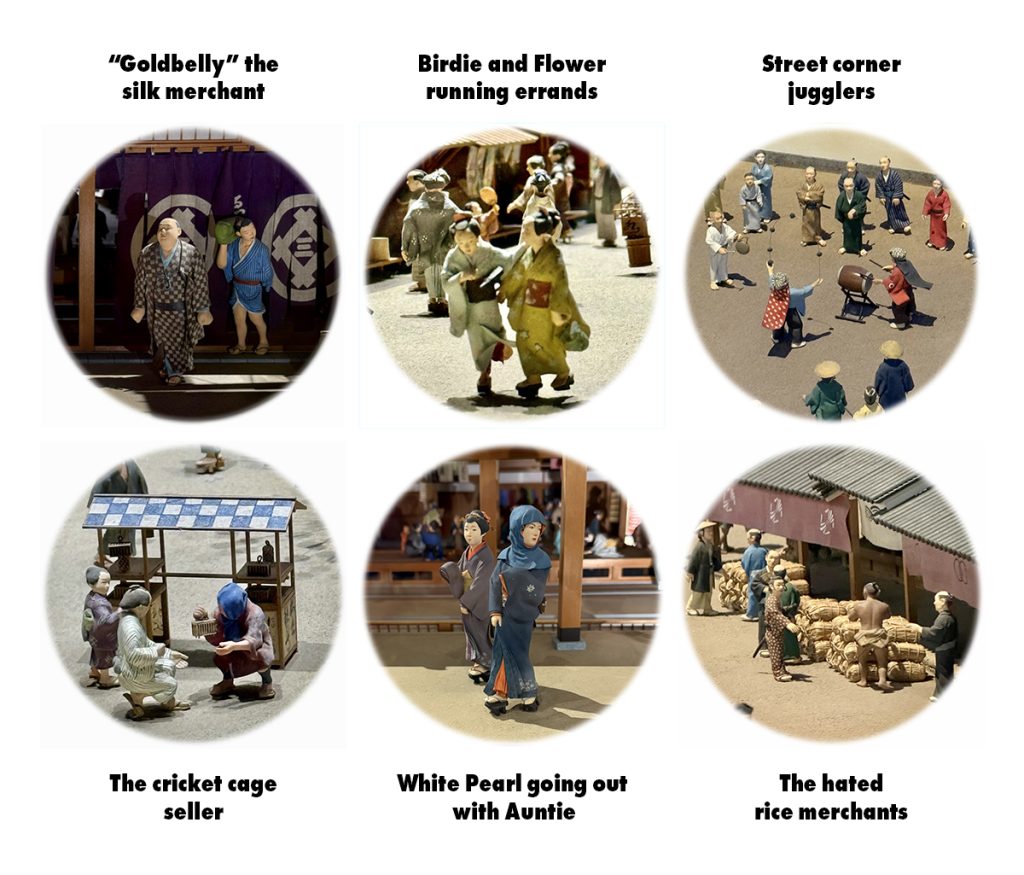
But this policy is also what made the city of Edo expand from a mosquito-ridden fishing village in 1603 to a million souls by 1721. All those warlords and their entourages needed to be fed, clothed, and entertained, and the magnificent model of Edo-period street life next to the armor display
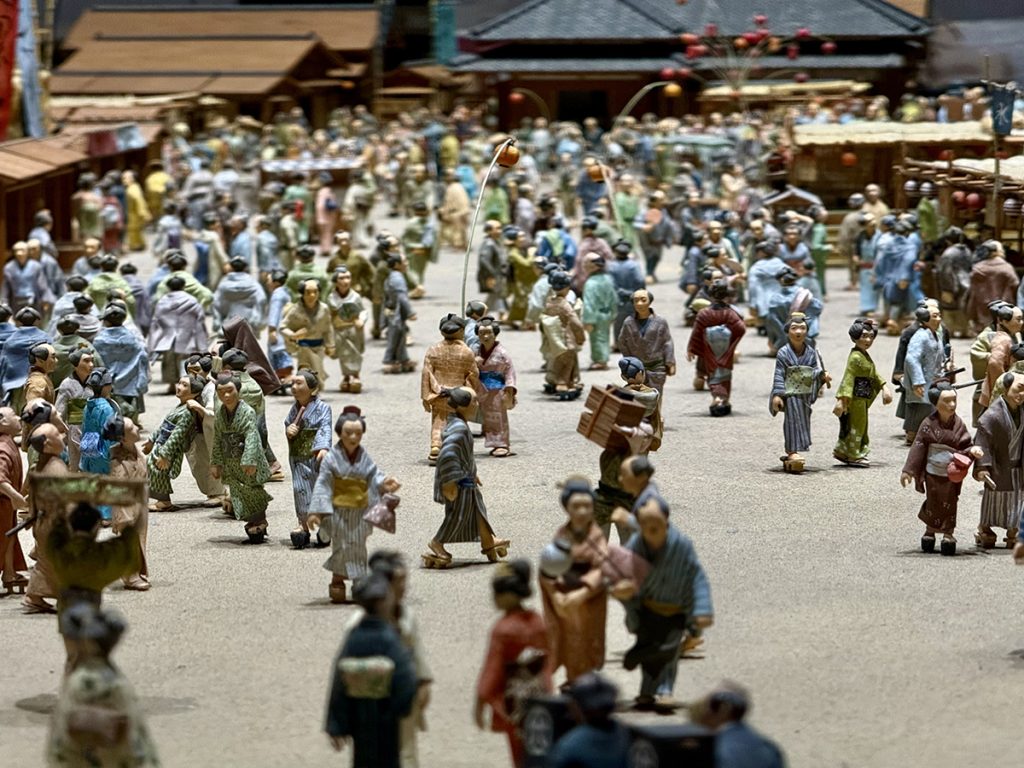
(and the even bigger one downstairs showing the bustling section of town near the Nihonbashi Bridge) gives us an idea of the wide range of people and professions that kept the metropolis afloat. Let’s look closer at the figures—can you believe each one is unique?—and find some good models for characters in our book.
A Look at the Merchant Class
The next gallery—which is all about the rise of the merchant class—is a goldmine of information for historical novelists and history buffs, too. How much did a bowl of rice cost in the 1700s? How much did a laborer get paid in a year? What kind of goods made the merchants rich? When The Samurai’s Octopus opens in 1784, the regional daimyōs have been prevented from fighting each other for nearly two hundred years, but long years of peace have brought prosperity and a different kind of strife. The samurai at the top of the social pyramid were rich in land and influence, but the merchants at the very bottom controlled all the gold.
And that’s a fact that will be the foundation of our story—the Tokugawa shōguns were so good at preventing insurrection that life in the 1700s was less about swords and castles, and more about keeping everyone entertained, so they didn’t cause trouble.
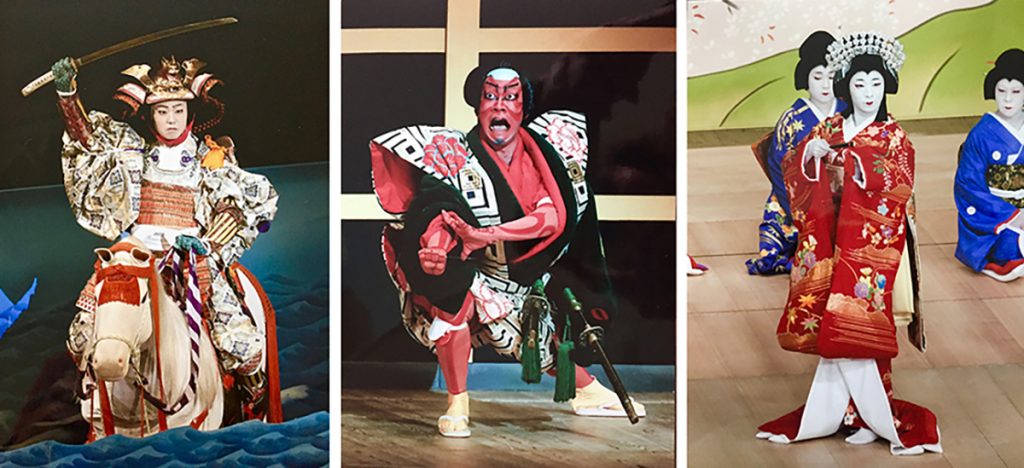
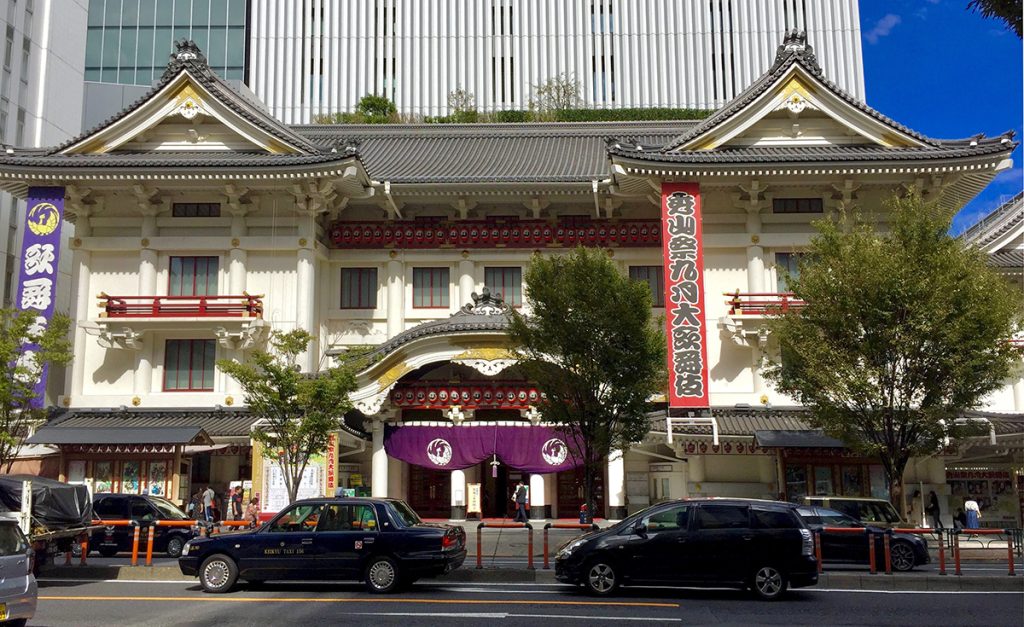
Which meant the entertainment had to be good! It was so good that some of these spectacles are still selling tickets today. Elaborate productions on the kabuki stage mesmerized the masses, and the performances that got rave reviews in the 1700s are still being produced at the Kabuki-za Theatre in Higashi-ginza.
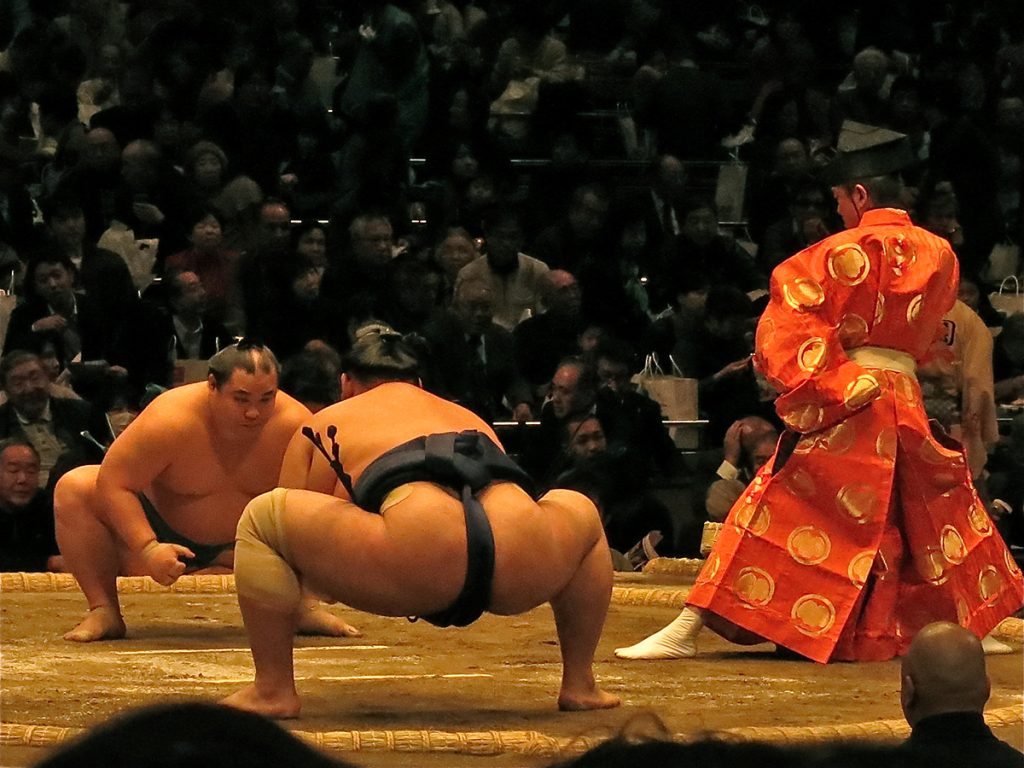
Fifteen-day sumo tournaments are still drawing sold-out crowds at the Ryōgoku Kokugikan Museum and Sumo Arena, and although the seats are more comfortable now, the stage extravaganzas and rules of the ring are unchanged since the 1700s.
The top actors and athletes became celebrities whose likenesses were captured by ukiyo-e woodblock print artists every time a new play opened or champion was crowned, and prints of Yoshiwara’s top courtesans modeling the latest fashions were snapped up by style-hungry samurai wives.
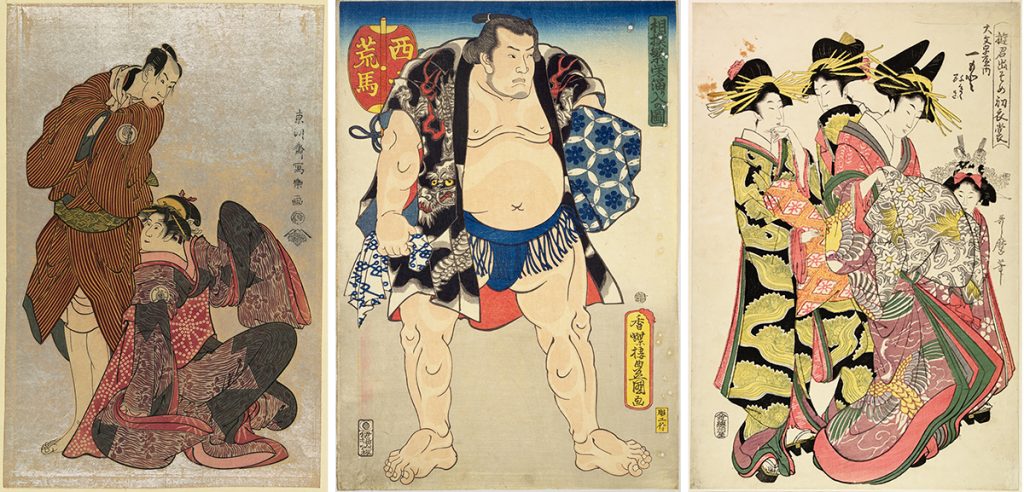
The collections in the Ōta Memorial Museum and the Sumida Hokusai Museum are fine examples. They’re displayed in elegant frames with scholarly commentary today, but these images of actors, sumo wrestlers and courtesans were originally fan pin-ups and fashion plates that were sold at every corner newsstand.
The Courtesans
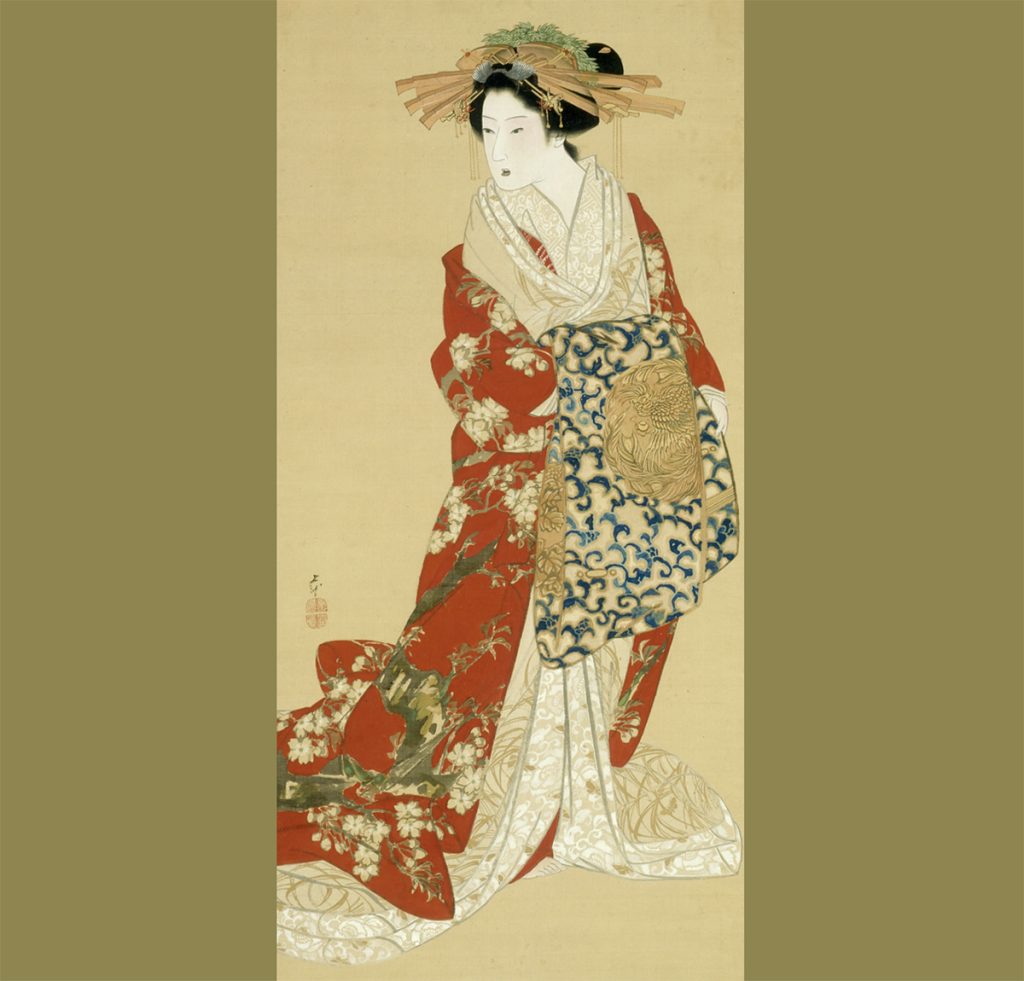
It’s the courtesans of Yoshiwara who have the biggest starring role in The Samurai’s Octopus, though, and they’re a little harder to hunt down in modern day Japan, because they no longer exist. Their closest living heirs are the geisha, but in the 1700s, geisha were still just dull sparrows playing background music. The peacocks of the pleasure quarter were the celebrity idols known as oirans, whose brand was the opposite of restrained elegance.
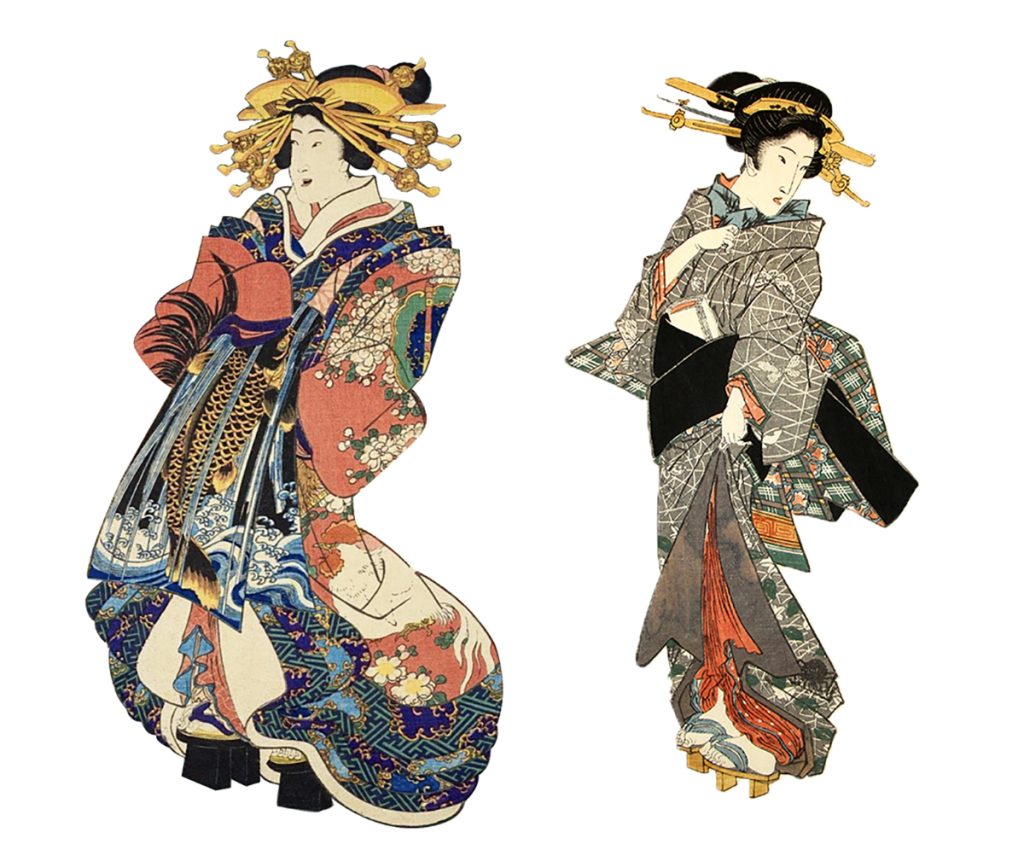
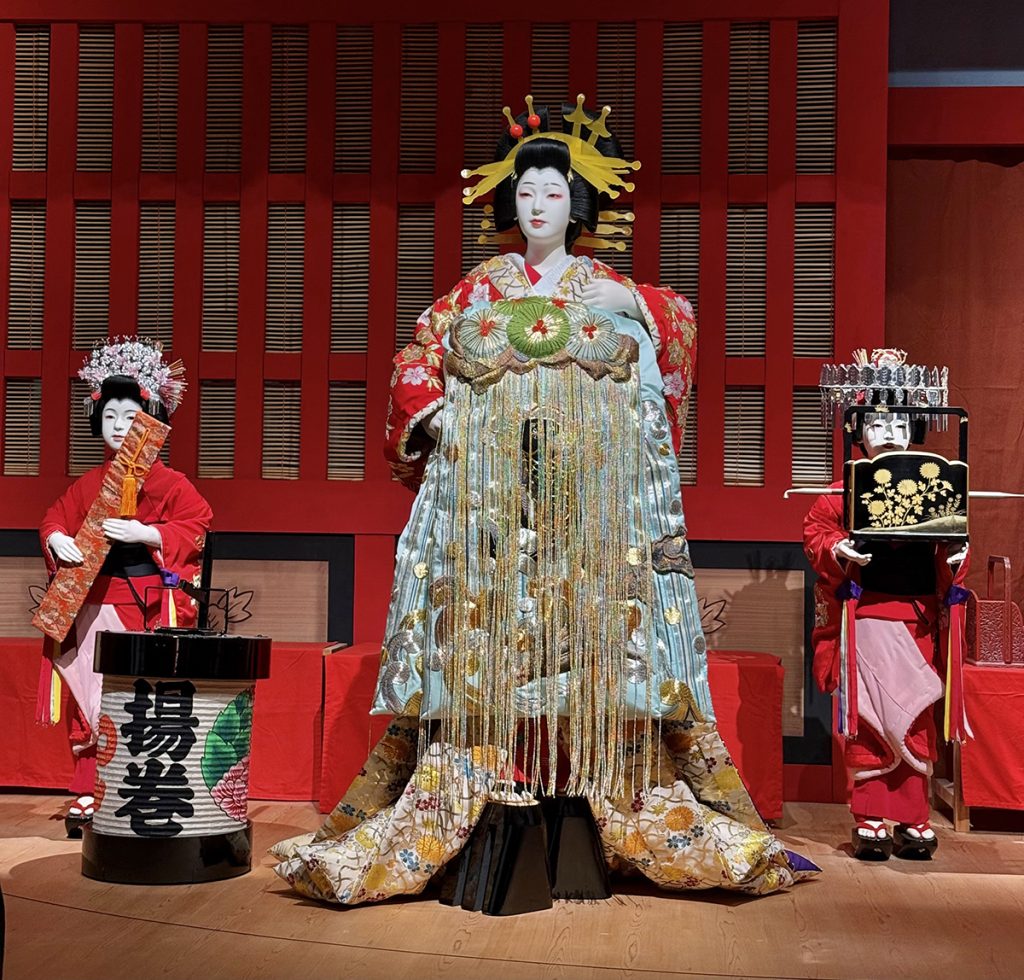
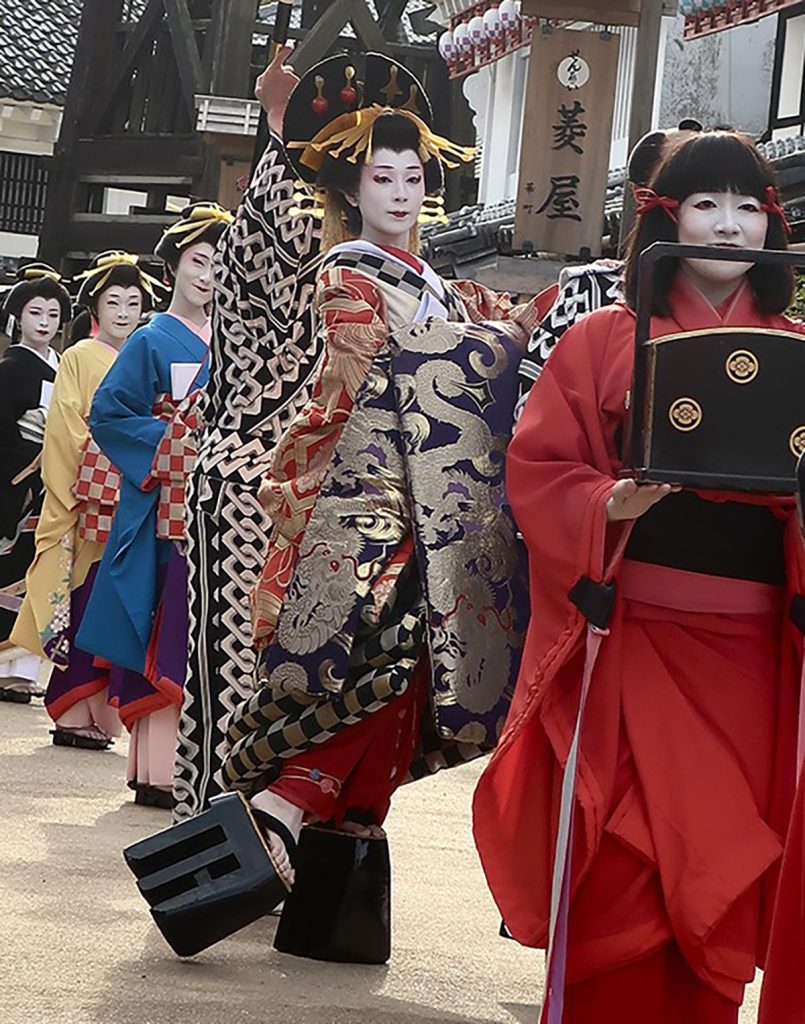
They wore seven layers of riotously patterned kimonos, dressed their hair in towering confections that make Marie Antoinette’s hairdo look like Casual Friday, and promenaded down the boulevard in thonged platform sandals that made them three handspans taller. This display of an oiran and her attendants in their sumptuous robes at the Edo-Tokyo Museum is an example of the kind of outfits and glittering hair ornaments worn by White Pearl and her child attendants, Birdie and Flower.
But what made men spend such eye-watering sums on them? Weren’t they just prostitutes in fancy clothes? To understand how they became so much more, we need to hit the history books with our highlighters (see the recommended reading list at the end of this piece) and learn that the number one problem stemming from all those warlords and their retainers living in Edo was that men in the capital city outnumbered women two to one. Too many men competing for too few women spawns all kinds of violence and vice, so instead of letting crime fester underground all over the city, the shōgun cleverly confined prostitution to the walled pleasure quarter of Yoshiwara, where it could be licensed, regulated, and (not least of all) taxed.
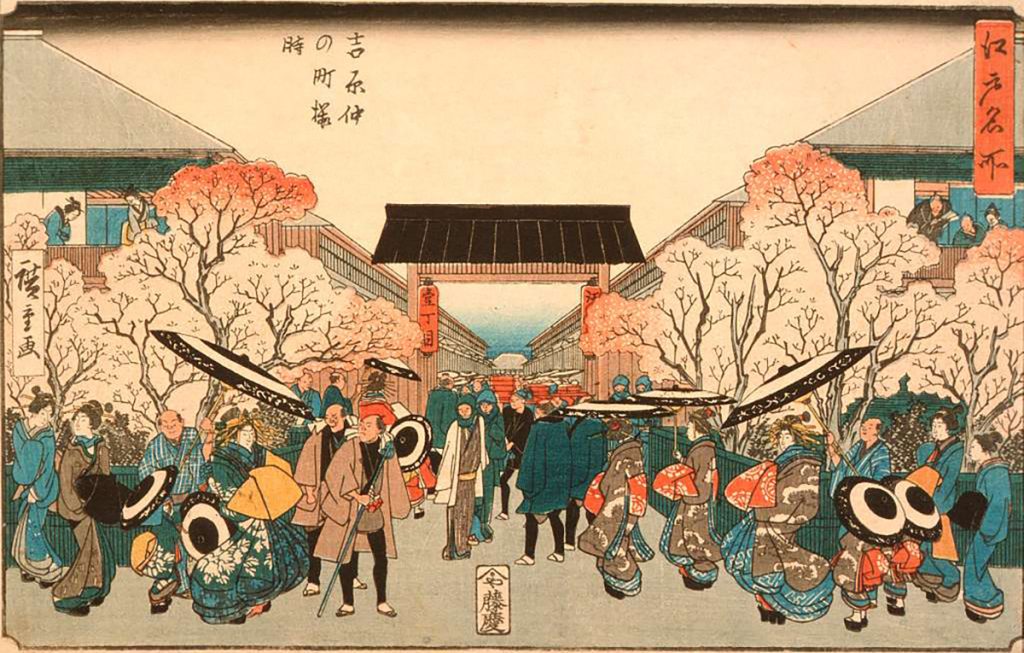
The Life Within Yoshiwara
Men from all walks of life visited Yoshiwara, and it was the only place merchants were allowed to rub elbows with samurai as equals. Once a man crossed the moat and passed through the Great Gate, his status depended only on how much money he spent and how stylishly he spent it. Much of the merchants’ pent-up frustration at being treated like the lowest of the low even though they were the richest of the rich flowed to Yoshiwara’s pleasure houses and their first-rank courtesans, because in Yoshiwara, wealthy patrons were treated like royalty.
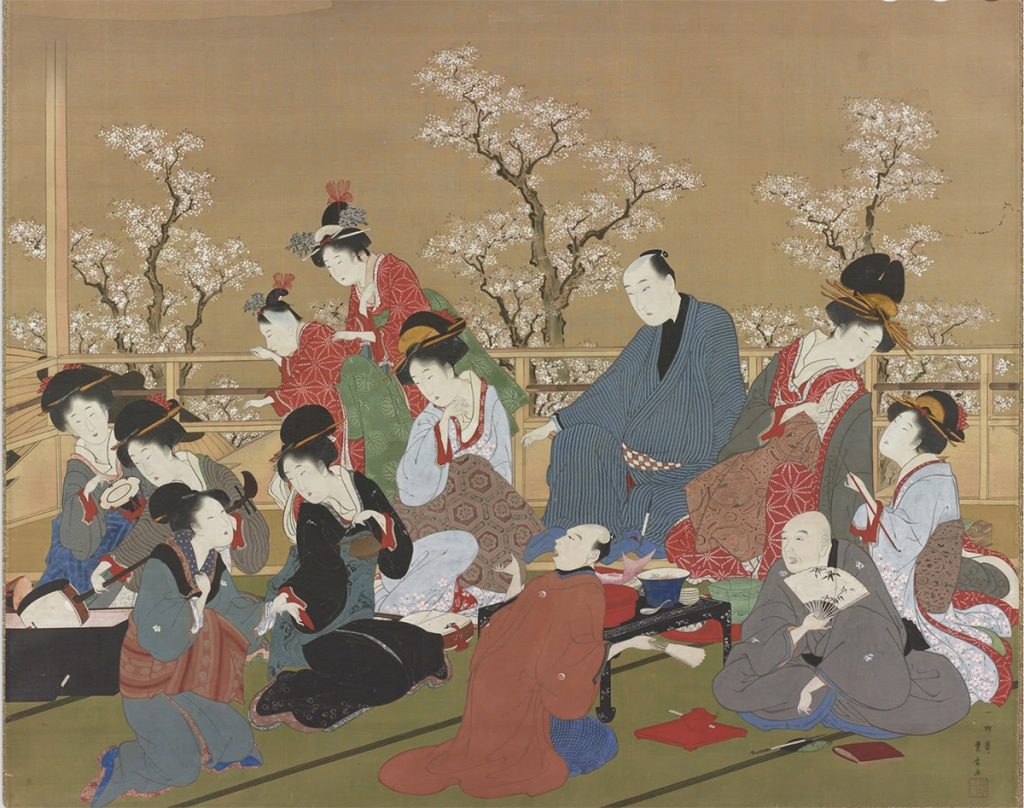
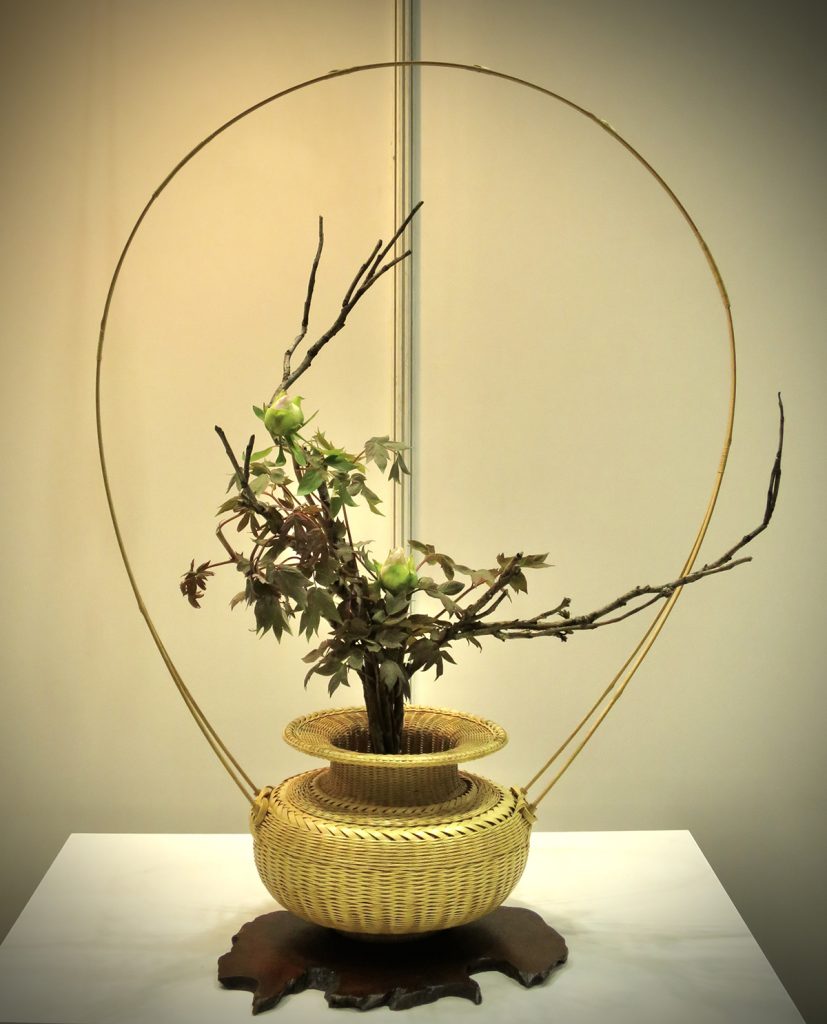
Oirans dressed like princesses and were trained in the effete etiquette and arts of the aristocracy. We can get a sense for how difficult it was to become one by signing up for a Sogetsu Kaikan ikebana flower arranging class,
committing half a day to learning tea ceremony or making an appointment to be photographed in oiran robes, makeup and wig. Any man who could boast he was the patron of a first-rank oiran was acknowledged by one and all as a man who deserved respect.
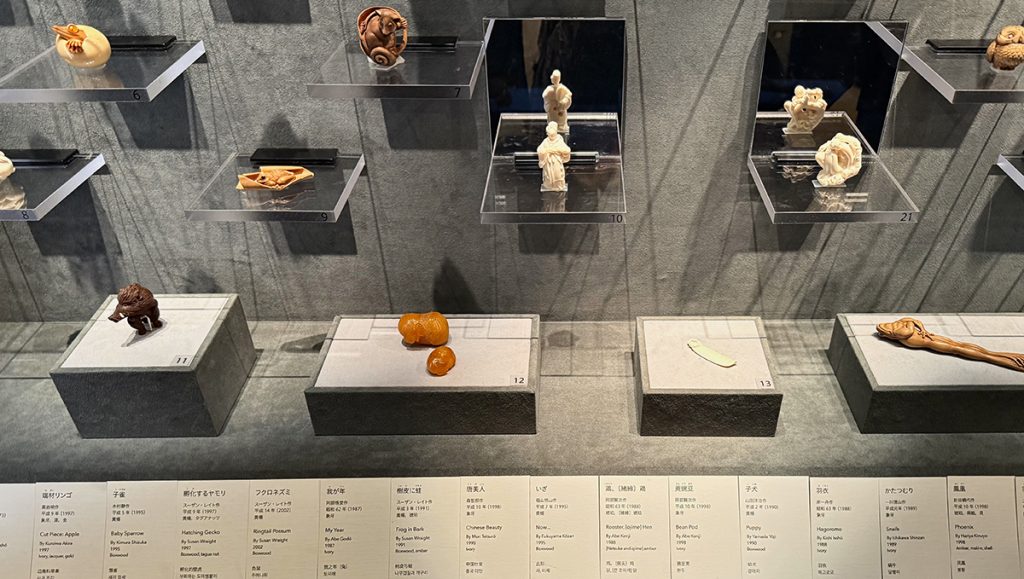
And that sends us in search of a netsuke collection. Because even merchants rich enough to afford the attention of a first-rank oiran were forbidden to dress more lavishly than their samurai overlords. Naturally, they devised clever ways to evade the fashion police, including lining their sedate robes with brilliantly patterned silk, dyeing their kimonos with intricate patterns that looked plain from a distance, and commissioning precious netsuke beads from famous artists.

The tiny, exquisite carvings that kept a man’s tobacco pouch from slipping through his sash play a pivotal role in The Samurai’s Octopus, and the best netsuke collection in Tokyo is at the Tokyo National Museum. It’s an eye-popping display of tiny figures carved from precious materials, displayed like jewels in its own second floor gallery.
Gorgeous Gardens
And finally, The Samurai’s Octopus needs a setting for the moon-viewing party that Tokyo’s most extravagant lord puts on to display his latest toy.
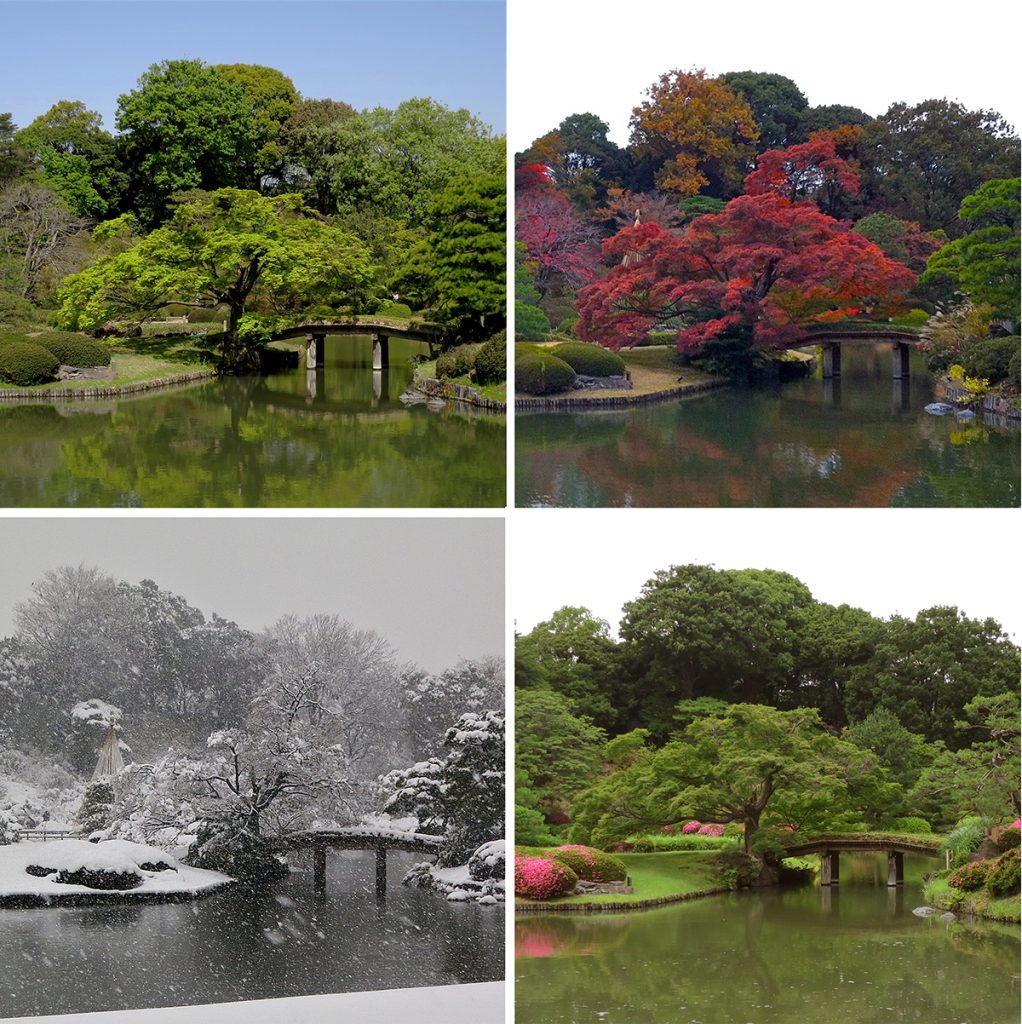
Let’s end our day with a relaxing stroll around the magnificent pond at Rikugi-en Garden, which invites visitors to discover the 88 views from famous waka poems hidden in its scenery.
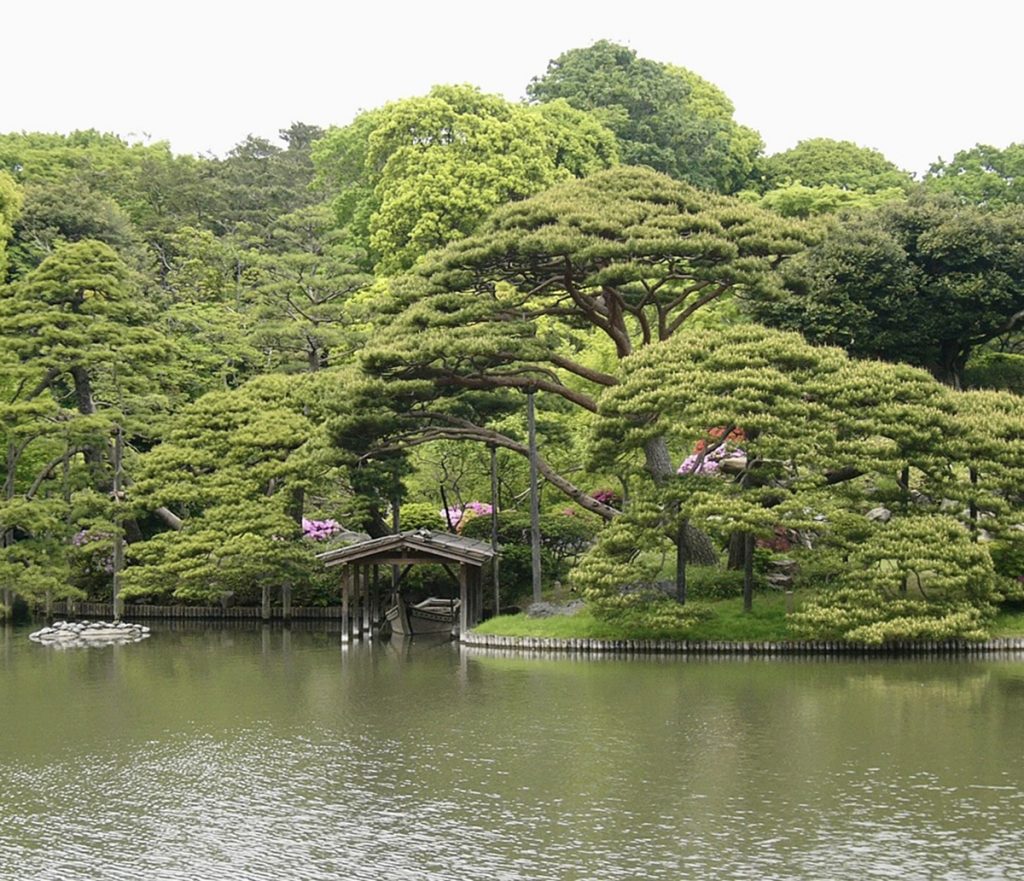
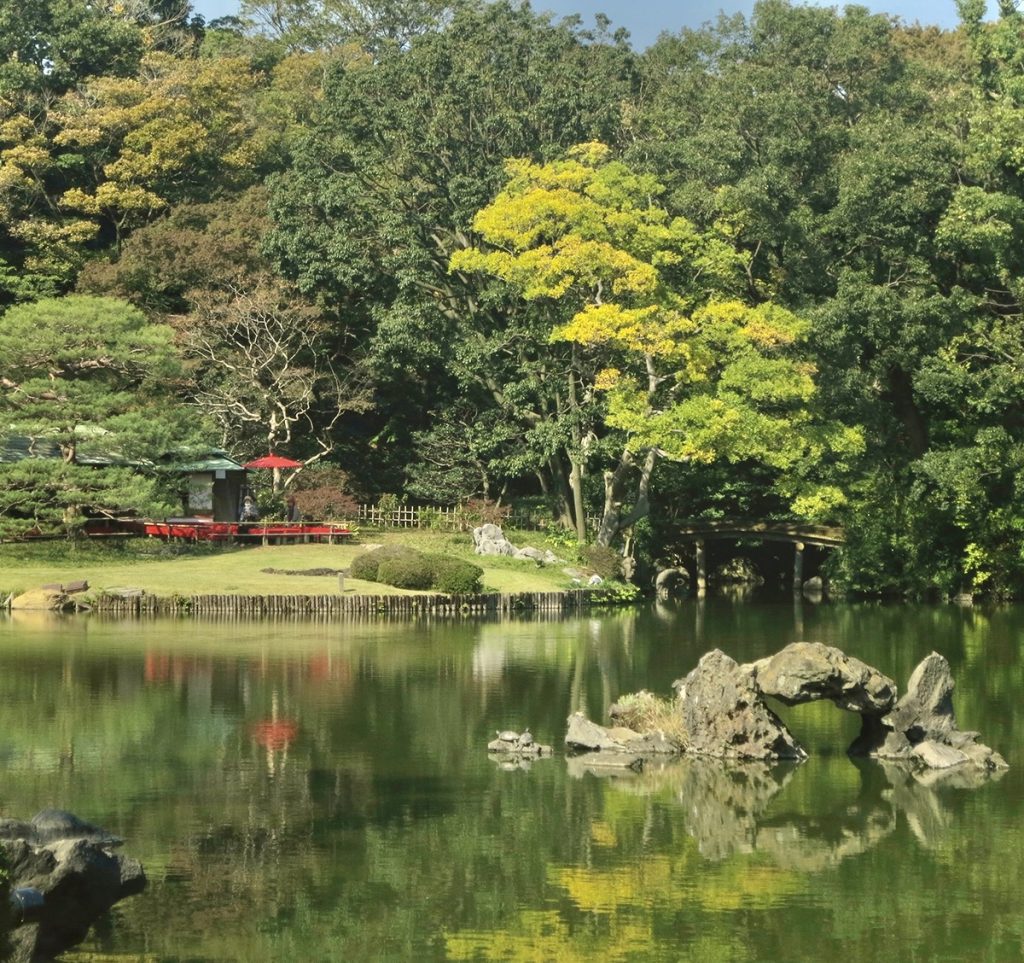
Built in 1702 by the fifth Tokugawa shōgun’s chamberlain, it’s everything an ideal Japanese garden should be—gorgeous in every season and designed around a lovely lake, it presents an exquisitely composed view around every turn. There’s even a teahouse where we can rest our weary feet and sip a bowl of matcha for ¥500.
But what about the REAL Yoshiwara? Does it still exist?
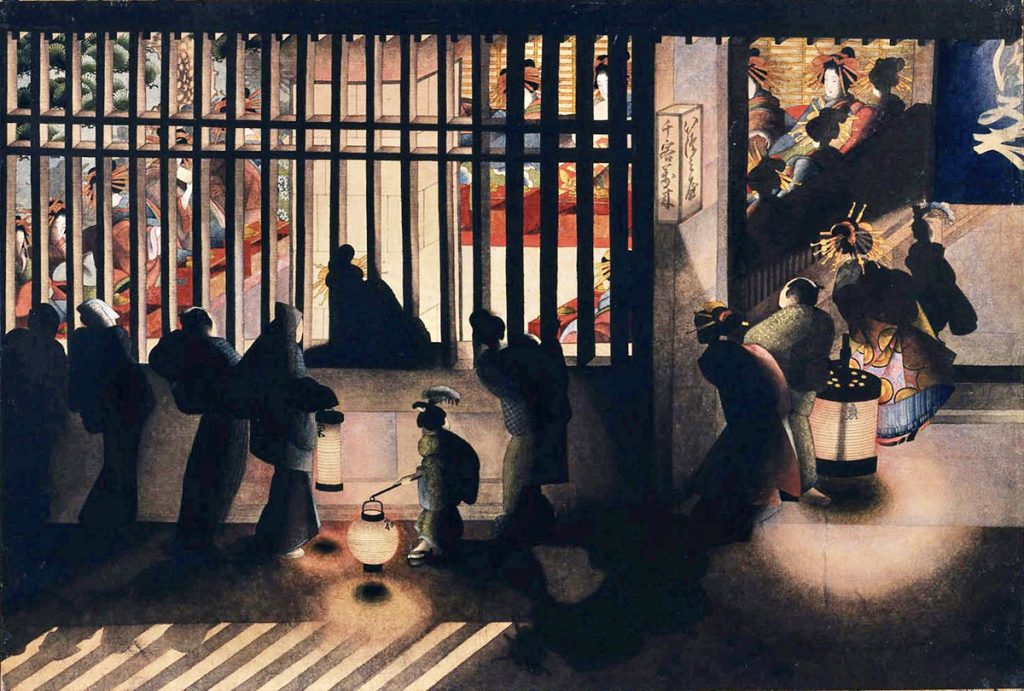
It does, but these days we won’t glimpse much splendor there. The actual streets of Yoshiwara still exist—if you search with your map app, due north of Sensō-ji Temple in Asakusa you’ll see the Yoshiwara Shrine on a corner of Nakanocho-dori (Center Street). Oiran processions made their stately way down this street to long-ago patrons awaiting them at the elite teahouses on Ageya-dori. The square of streets surrounding Center Street are unchanged since the 1780s, but the nine-foot-deep moat that surrounded Yoshiwara’s walls is now buried under busy boulevards, and the elegant teahouses and brothels that lined its five streets and avenues have been replaced by grimy “clubs” and apartment blocks that sadly fail to echo its past glory. If you look hard, though, there are a pair of historical markers on Center Street at Yoshiwara’s old northeastern boundary, where the Great Gate once stood
Recommended Reading
Fiction
- The Samurai’s Octopus by Jonelle Patrick – A gripping historical mystery set in 1784 Edo. The plot weaves through the walled pleasure quarters of Yoshiwara, following a young servant girl and a desperate samurai caught in a web of greed, deception, and murder.
- Shōgun by James Clavell – The monumental, epic saga of John Blackthorne, an English ship pilot shipwrecked in 1600s feudal Japan. It chronicles his dramatic rise through the ranks of the samurai amidst a fierce, high-stakes political struggle for the ultimate military dictatorship.
- Musashi by Eiji Yoshikawa — A sweeping classic of Japanese historical fiction following Miyamoto Musashi, the legendary swordsman, through duels, discipline, wandering, love, and the hard forging of a warrior’s soul.
- Taiko by Eiji Yoshikawa — A grand novel of Japan’s 16th-century upheavals, centered on Toyotomi Hideyoshi’s astonishing rise from peasant origins to one of the most powerful unifiers in Japanese history.
- The Thousand Autumns of Jacob de Zoet by David Mitchell — A richly textured novel set at the Dutch trading post of Dejima in Nagasaki, where samurai authority, forbidden love, trade, medicine, and intrigue converge at the edge of a closed Japan.
- The Tokaido Road by Lucia St. Clair Robson — An adventurous historical novel inspired by the famous revenge of the Forty-Seven Ronin, following a noblewoman’s perilous journey along Japan’s great road of inns, temples, spies, and swordsmen.
Non-Fiction
Books About Daily Life in the Samurai Era
- A Stranger in the Shogun’s City: A Japanese Woman and Her World by Amy Stanley – A Pulitzer Prize-finalist biography that chronicles the defiant life of Tsuneno, a rebellious woman who fled her rural village for 19th-century Edo. Based on a treasure trove of surviving family letters, it offers an extraordinary, rare look at the city’s vibrant social life before the arrival of Western ships.
- Everyday Life in Traditional Japan by Charles J. Dunn – An incredibly detailed social history that brings the formal structure of Tokugawa-era society to life. It provides a complete look at how different classes—from authentic samurai and merchants to actors and outcasts—lived, worked, dressed, and built their homes.
All About Yoshiwara
- The Nightless City: Geisha and Courtesan Life in Old Tokyo by J.E. de Becker – A foundational, illuminating text originally written in the late 19th century that serves as a direct history of the Yoshiwara Yukaku. It functions as a meticulous study detailing the strict rules, internal governance, legal frameworks, and day-to-day realities of old Tokyo’s licensed quarters.
- Yoshiwara: Geishas, Courtesans and the Pleasure Quarters of Old Tokyo by Stephen and Ethel Longstreet – A deeply atmospheric narrative history charting the rise and fall of Yoshiwara from its founding in the early 1600s to its mid-20th-century decline. The book vividly charts how a swampy outpost evolved into the absolute epic center of Japanese nightlife, entertainment, and luxury.
Yoshiwara Fashion, Make-up, Hairstyles, and Entertainment
- Utamaro and the Spectacle of Beauty by Julie Nelson Davis – An art history study focusing on the celebrated ukiyo-e woodblock print artist Kitagawa Utamaro. It provides a sharp visual analysis of his famous portraits, revealing how fashion, makeup trends, elaborate hairstyles, and the overall spectacle of the courtesans were actively manufactured for the public eye.
Geisha Life, Fashion, and History
- Geisha by Liza Dalby – A landmark anthropologic masterwork written by the only Western woman ever fully accepted and trained into the geisha community. Mixing personal memoir with deep academic research, it delivers an unparalleled look at the complex training, intricate fashion hierarchies, musical traditions, and modern preservation of the profession.
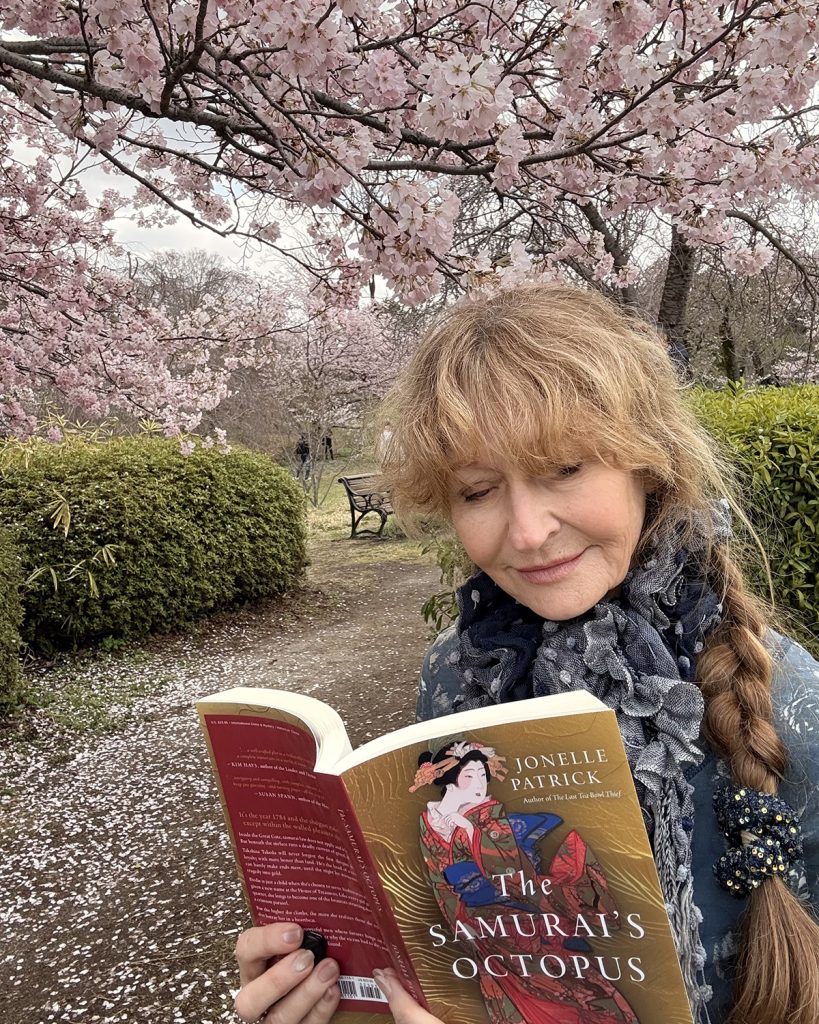
Jonelle Patrick is the author of The Samurai’s Octopus and five other novels. She was awarded a cultural visa by the Japanese government for writing about Japan, and regularly contributes to Japanagram, The Tokyo Guide I Wish I’d Had, and Only In Japan. A graduate of Stanford University and the Sendagaya Japanese Language Institute, she’s a member of the Mystery Writers of America, International Thriller Writers, Sisters in Crime, and the Historical Novel Society. She lives in Tokyo and San Francisco.
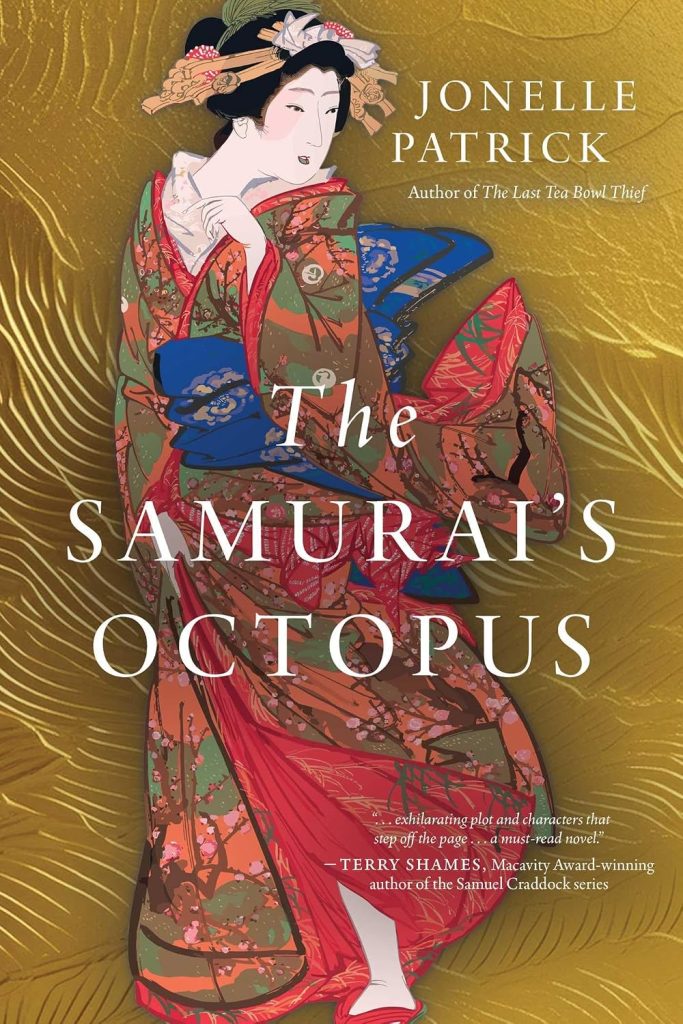
Image Credits: Unless otherwise indicated, all photographs are by Jonelle Patrick. Historical woodblock prints are public domain and credited to their respective artists.
