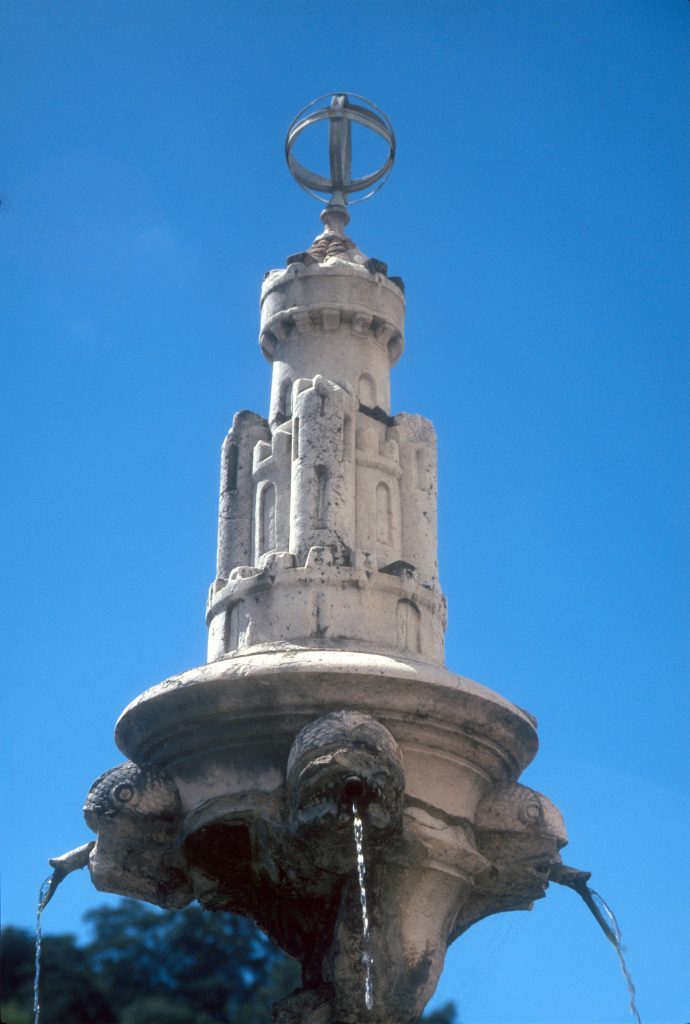
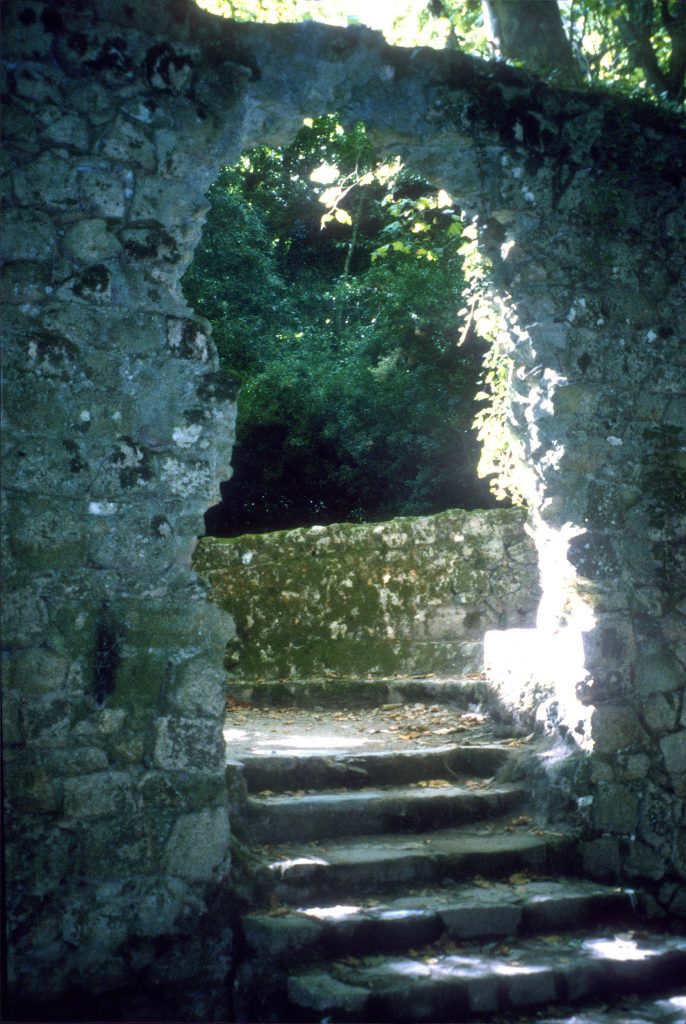
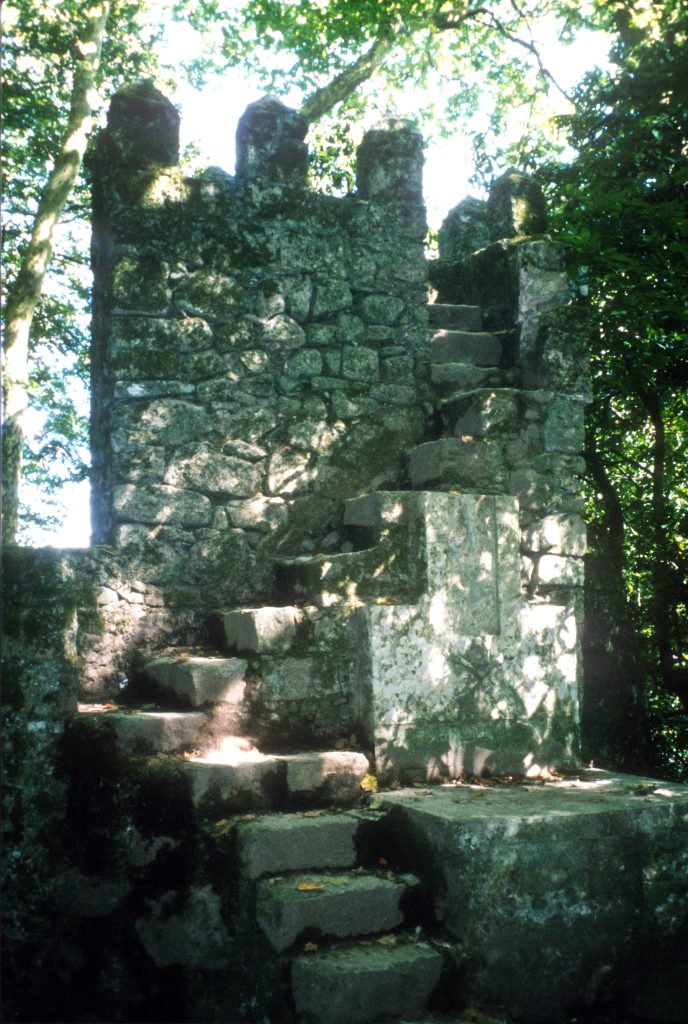
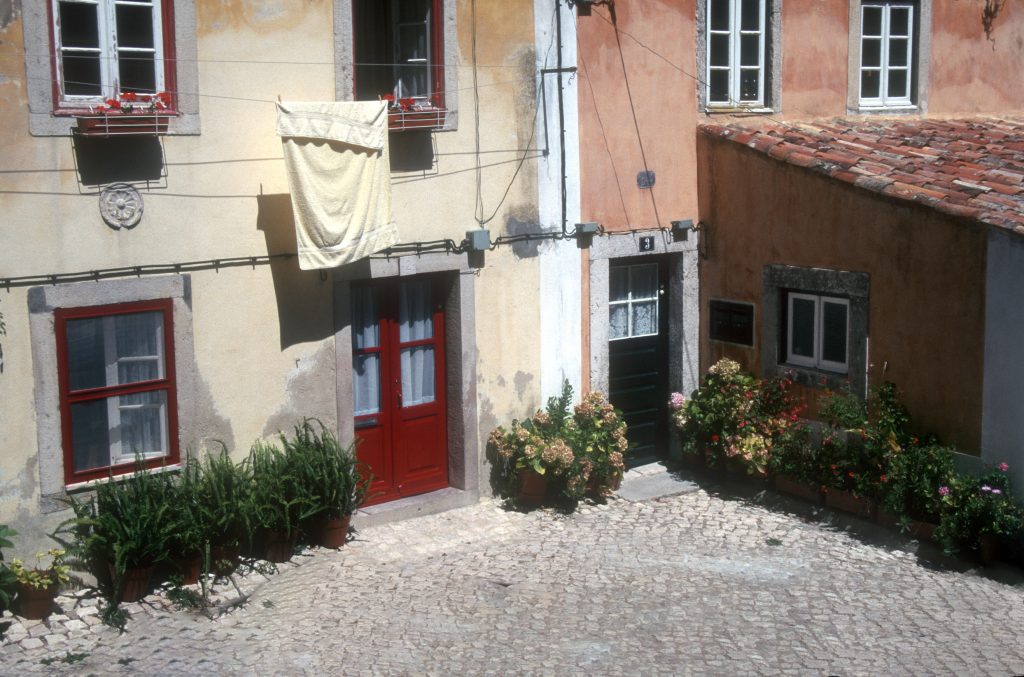
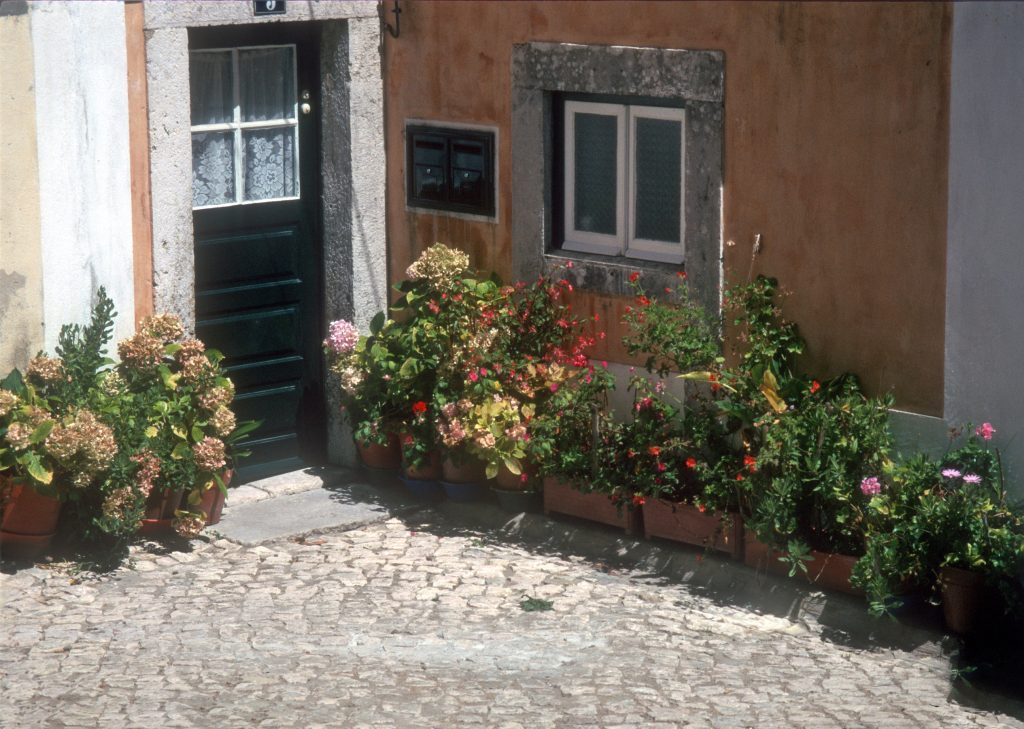
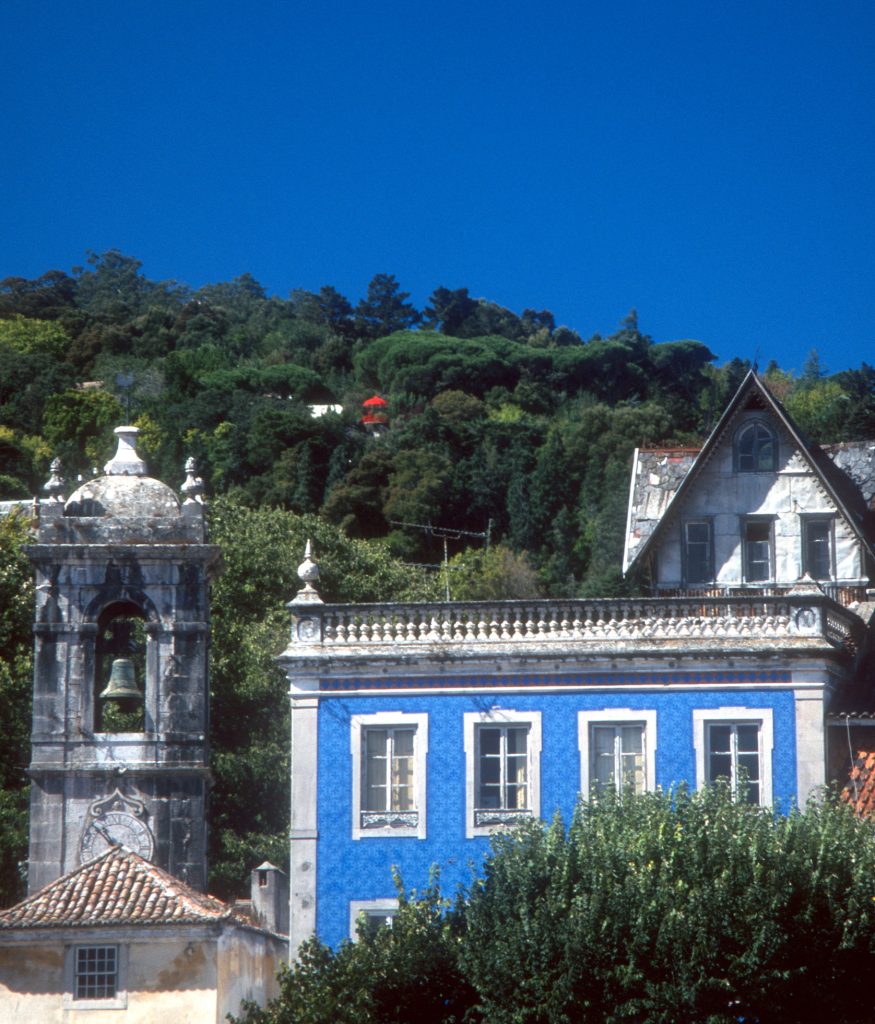
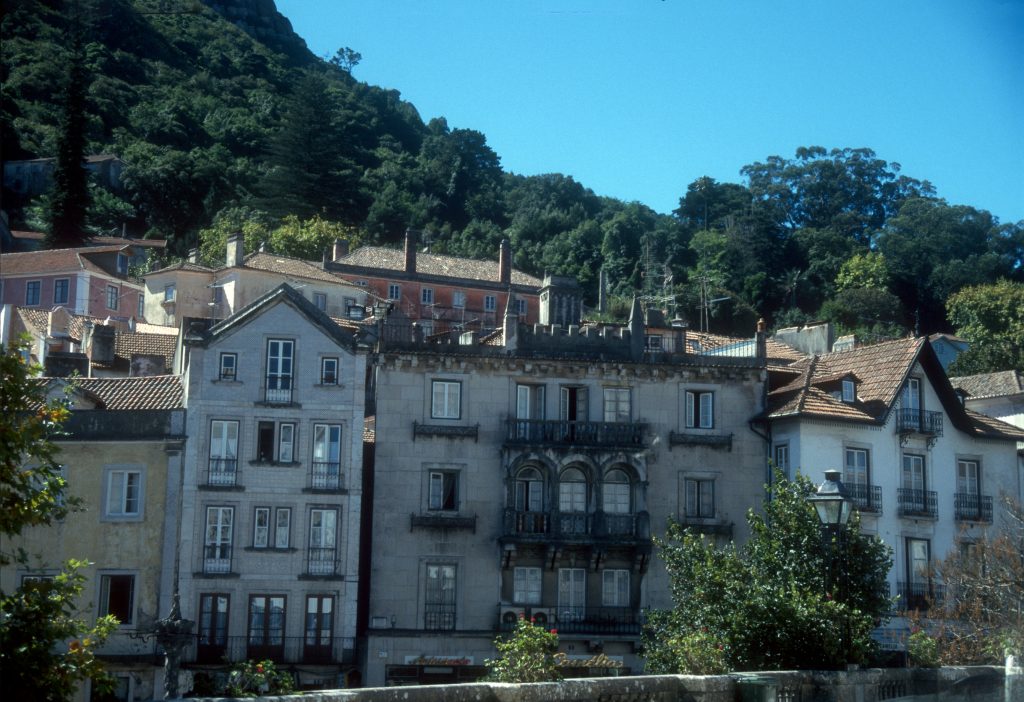
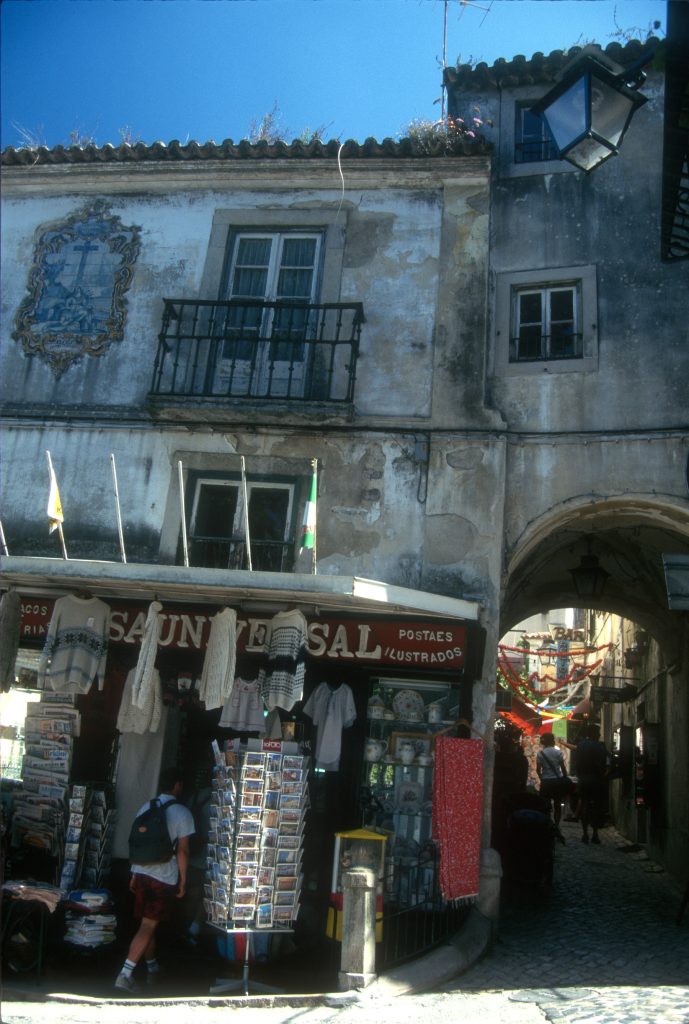
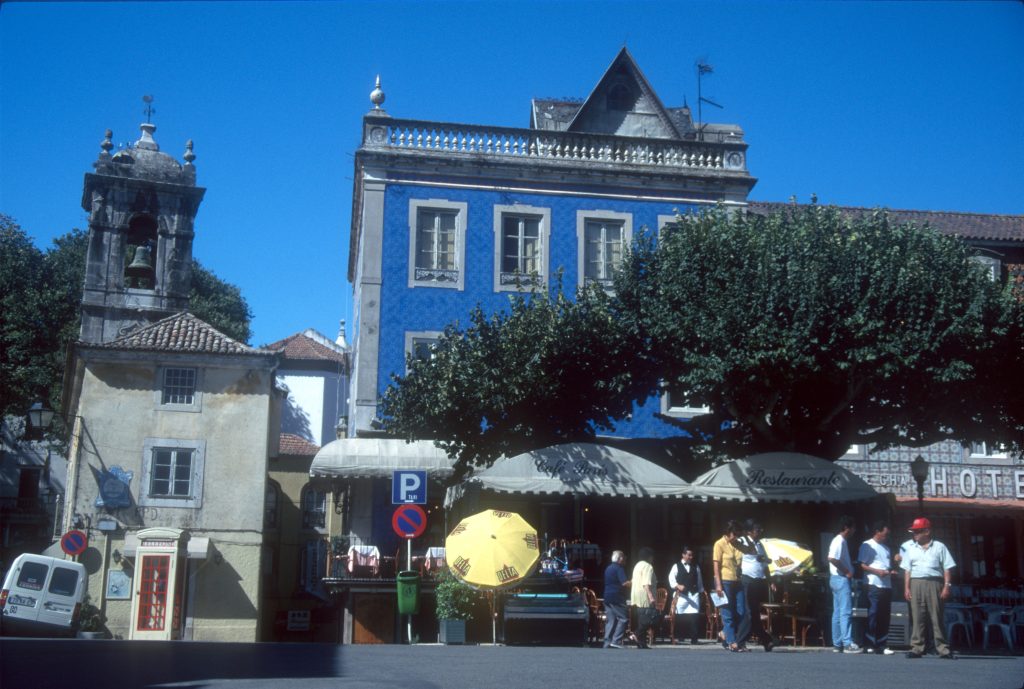
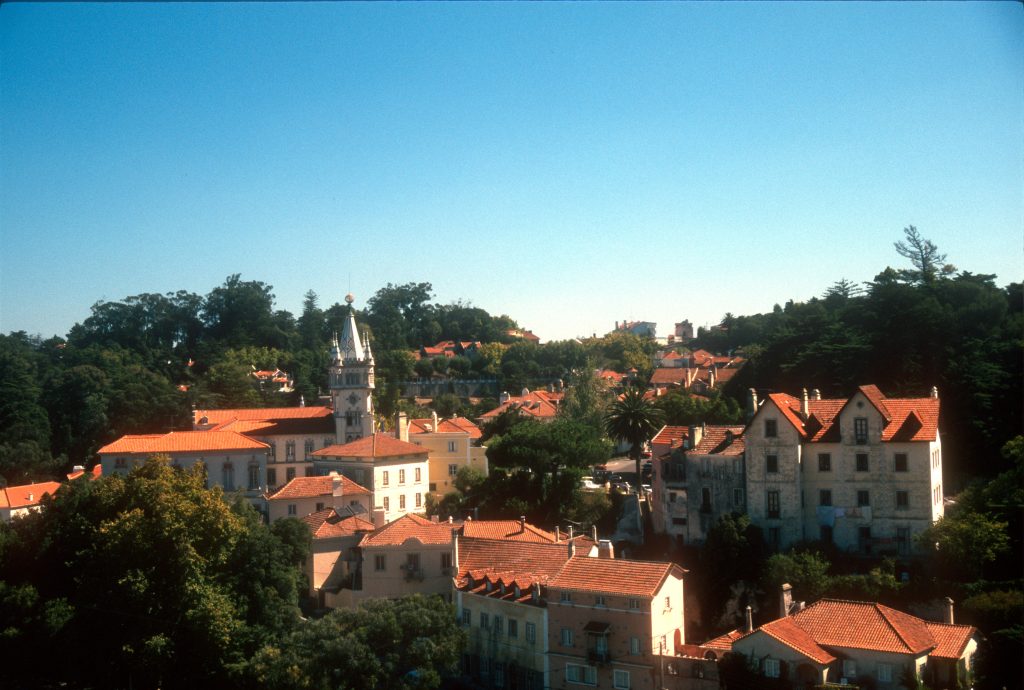
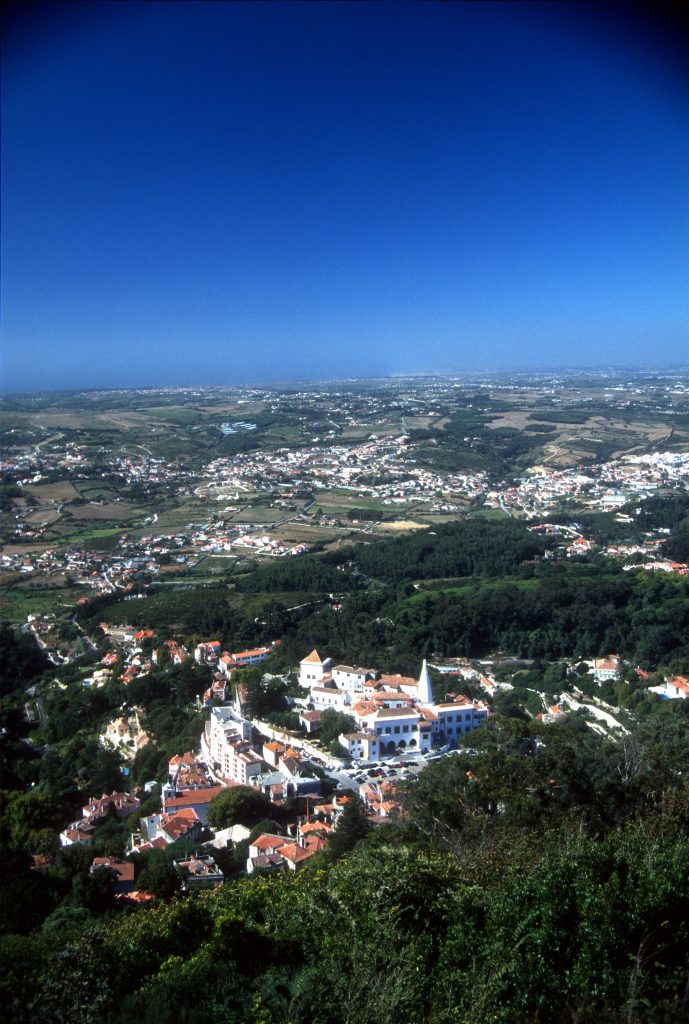
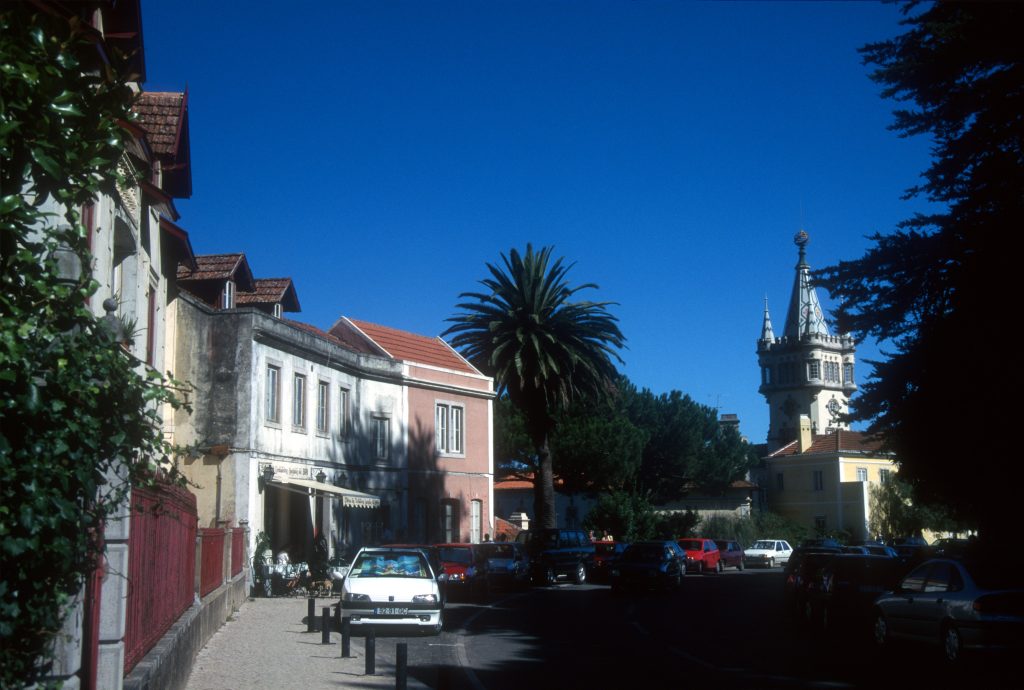
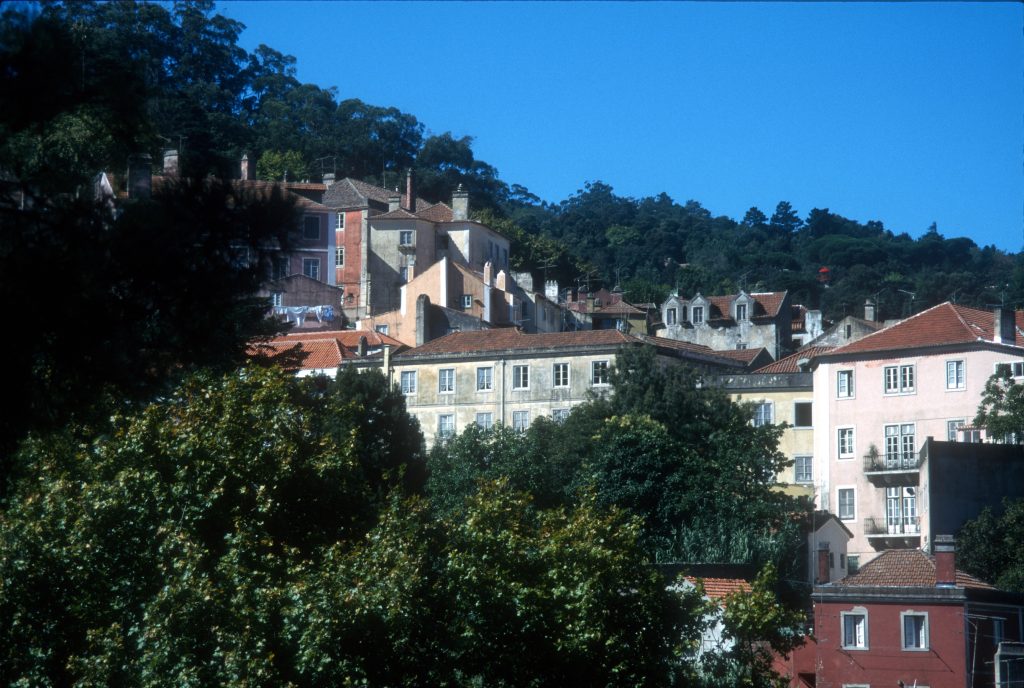
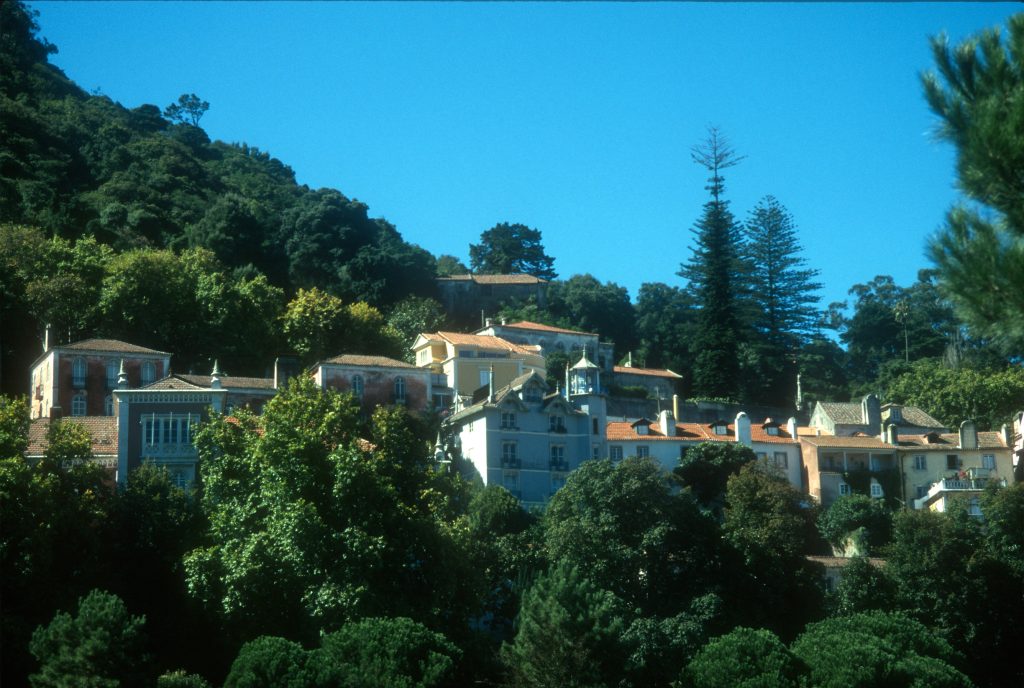
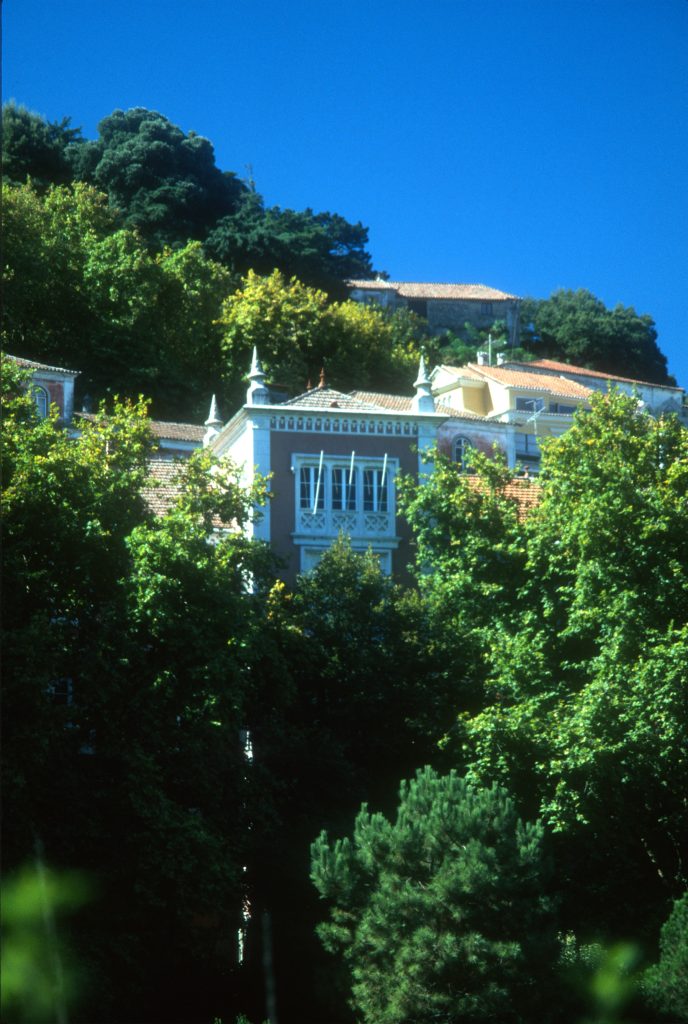
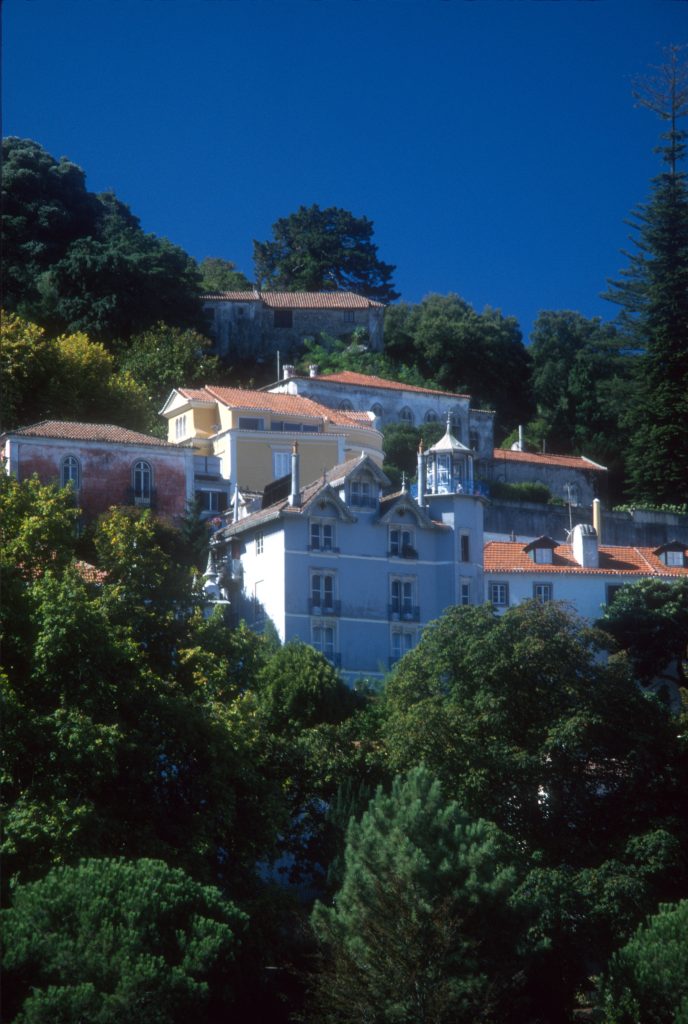
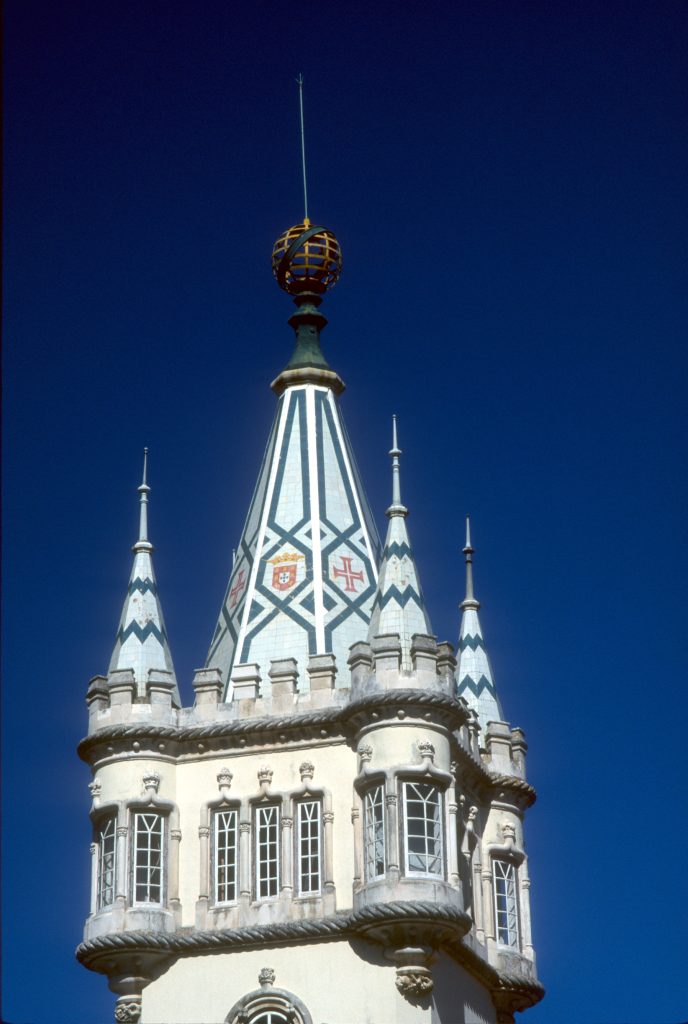
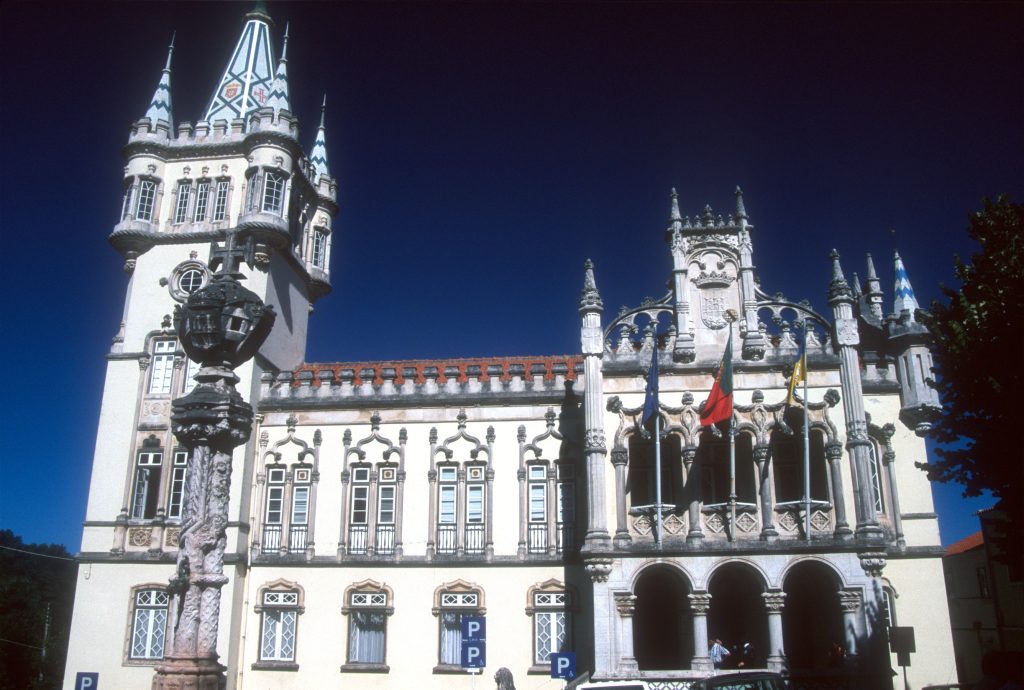
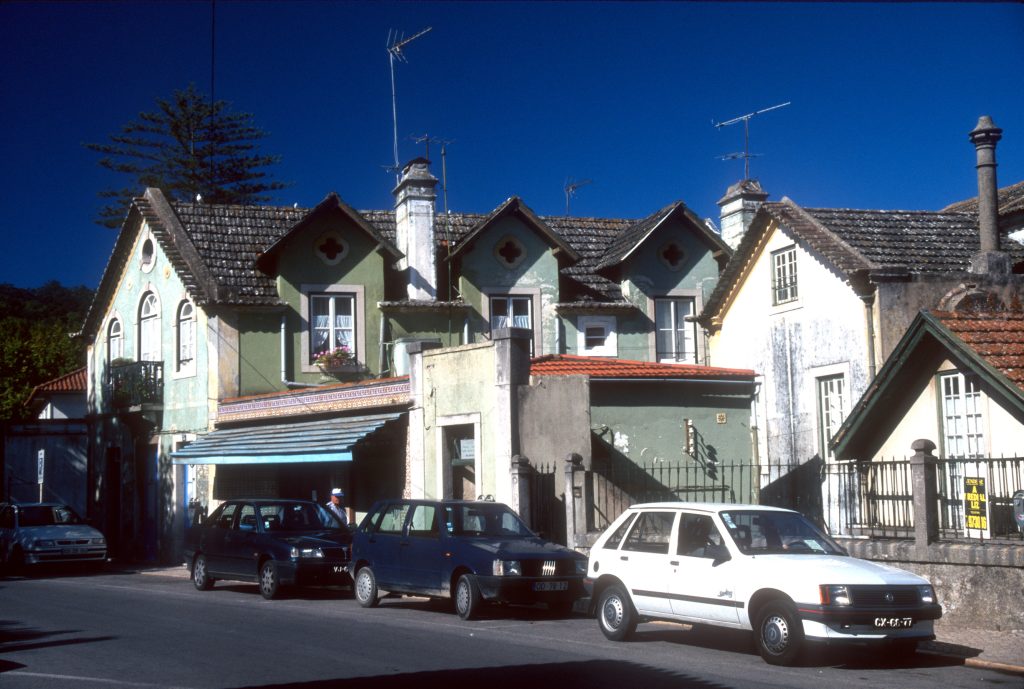
High in the folds of the Serra de Sintra, where the Atlantic’s salt air curls inland and forests drink in the clouds, lies a town that feels like a dream made solid. Sintra is not merely picturesque—it is an enchantment rendered in cobblestones and azulejo tiles. Writers from Lord Byron to Hans Christian Andersen fell under its spell, and you can see why: this hillside town is a layering of centuries, draped in greenery and romance, its air tinged with the perfume of camellias and the faint tang of the sea.
Historical Context
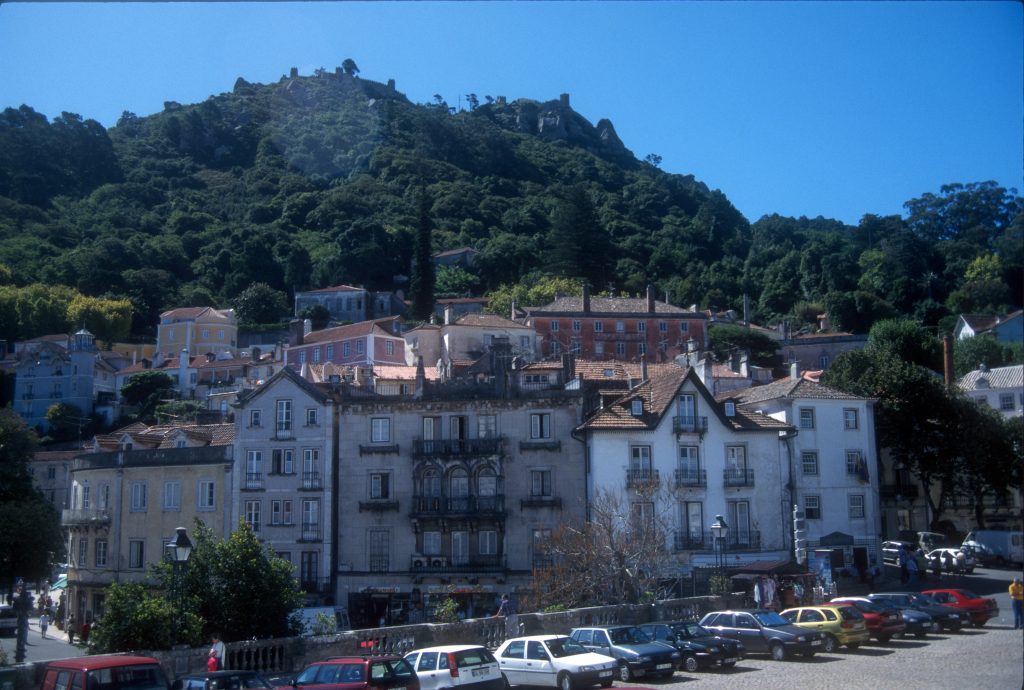
Sintra’s story stretches far beyond the pastel façades and pastry shops of today. The Romans came first, drawn by the region’s fertile slopes and cool springs. The Moors fortified the high crags, leaving a hilltop castle whose walls still command the skyline. After the Christian reconquest in the 12th century, Sintra became a rural retreat for Portuguese royalty, prized for its cooler climate during Lisbon’s sweltering summers.
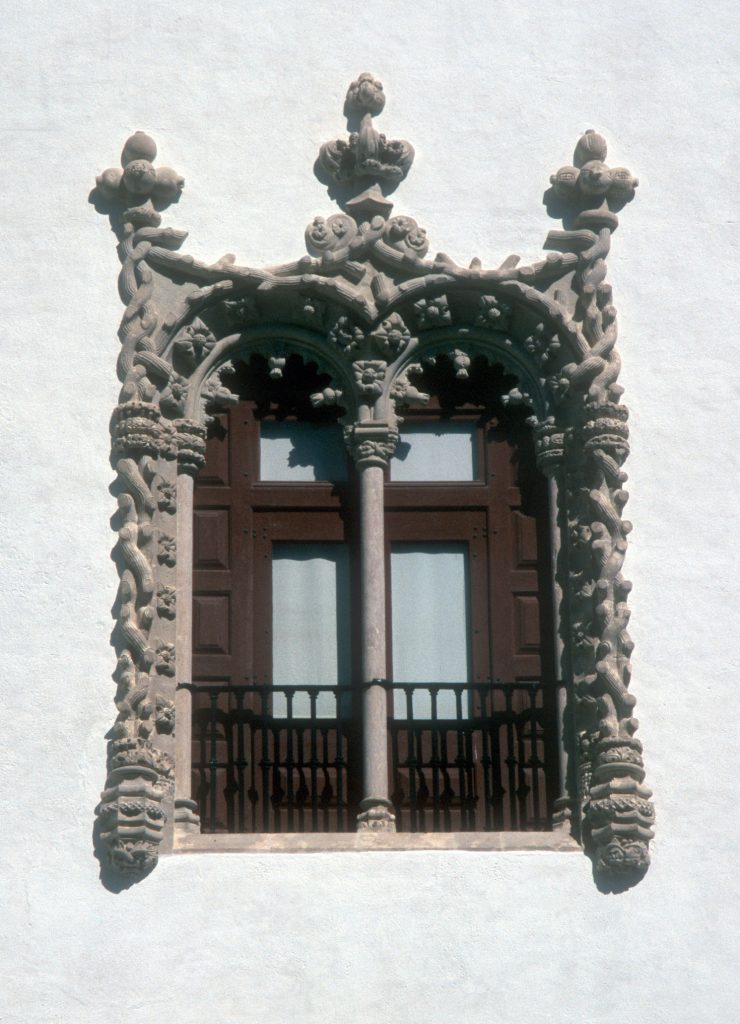
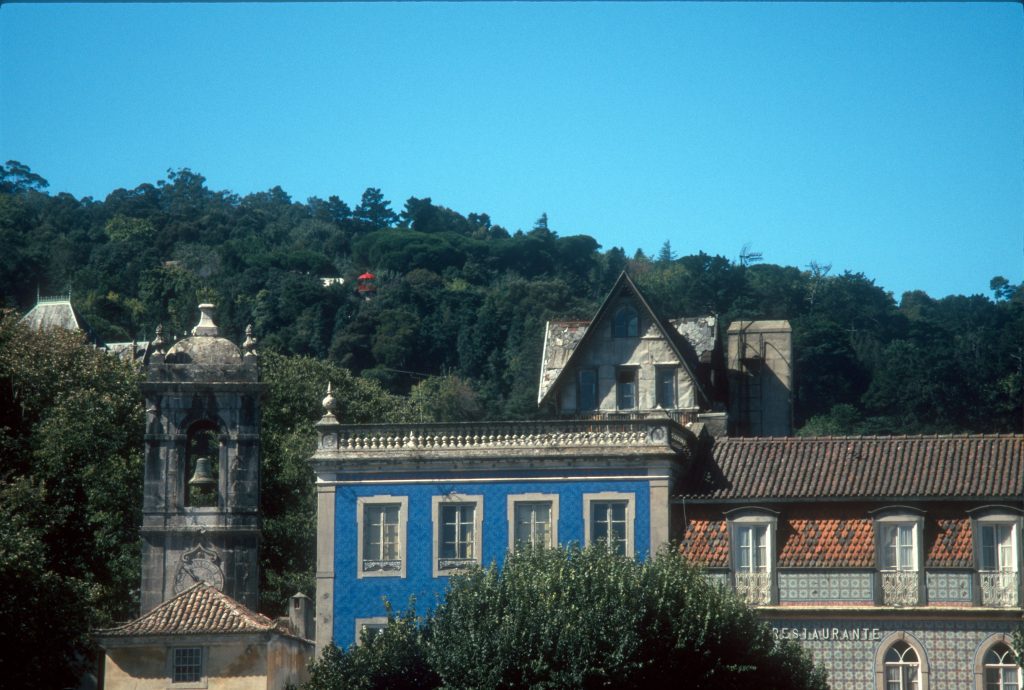
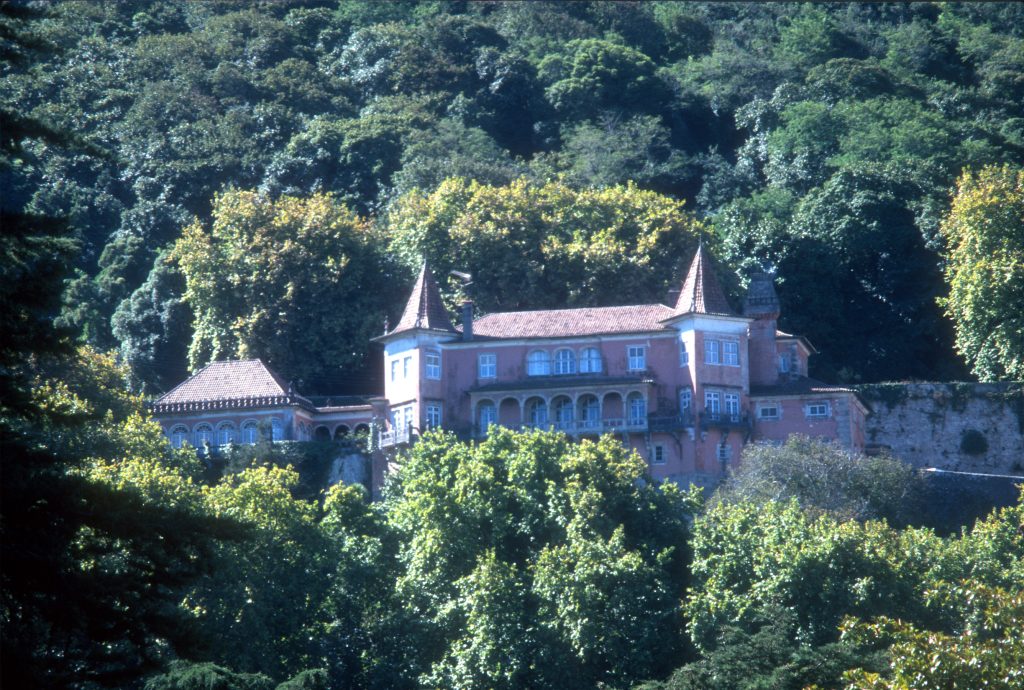
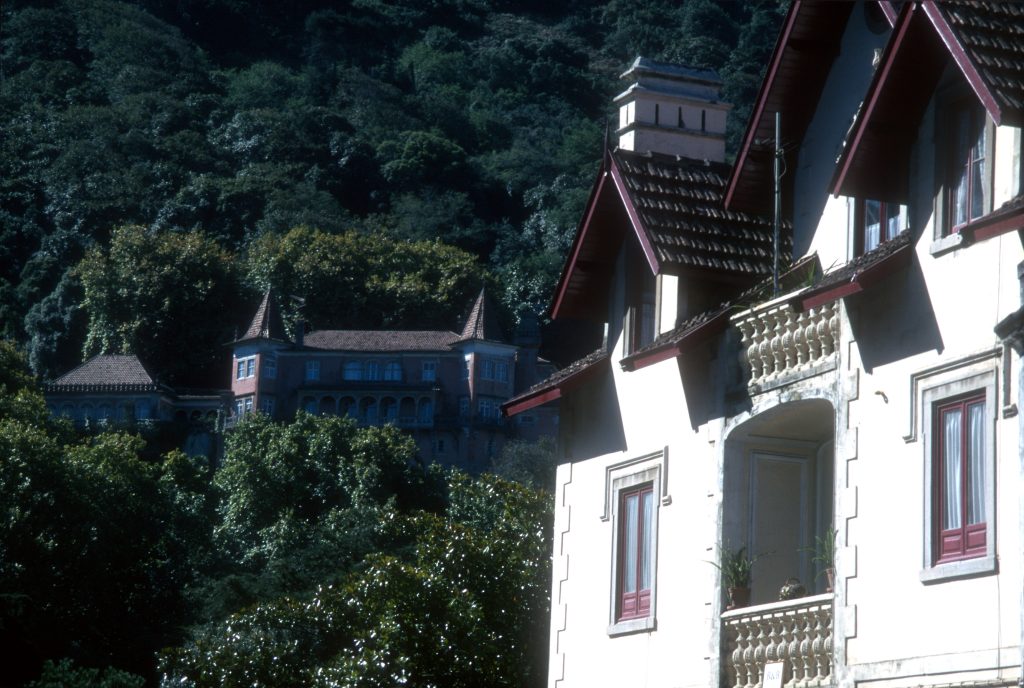
The 15th and 16th centuries brought Gothic and Manueline architecture to the royal palace in the town’s heart, while the Romantic era of the 19th century transformed Sintra into a European sensation. Wealthy aristocrats, artists, and monarchs built whimsical mansions, exotic gardens, and follies in styles ranging from neo-Moorish to neo-Gothic, creating a kind of architectural theatre set against the lush hillsides.
Palácio Nacional de Sintra
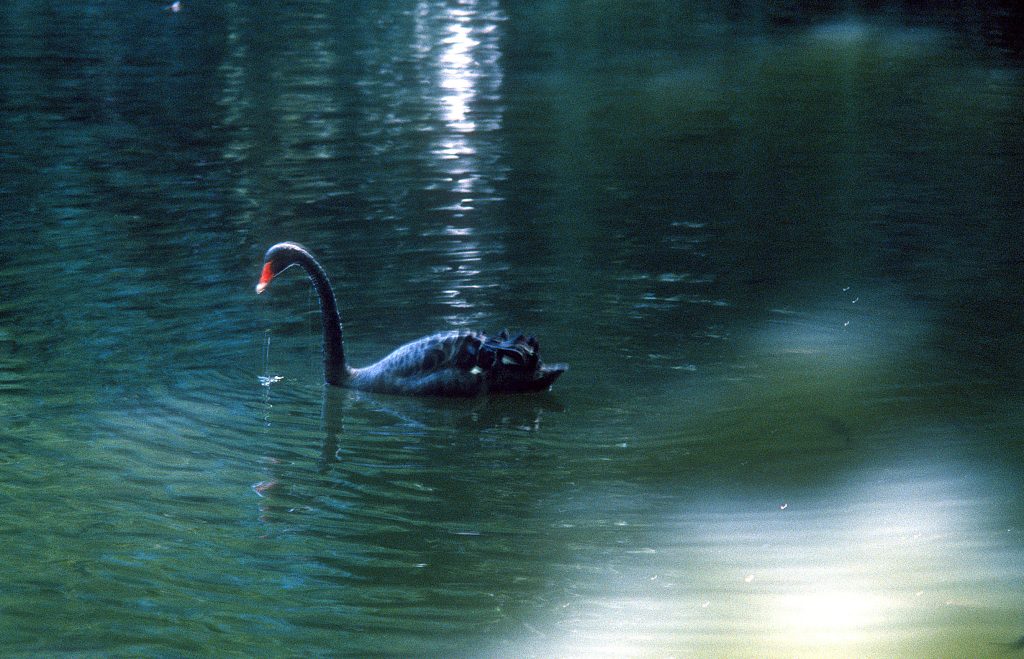
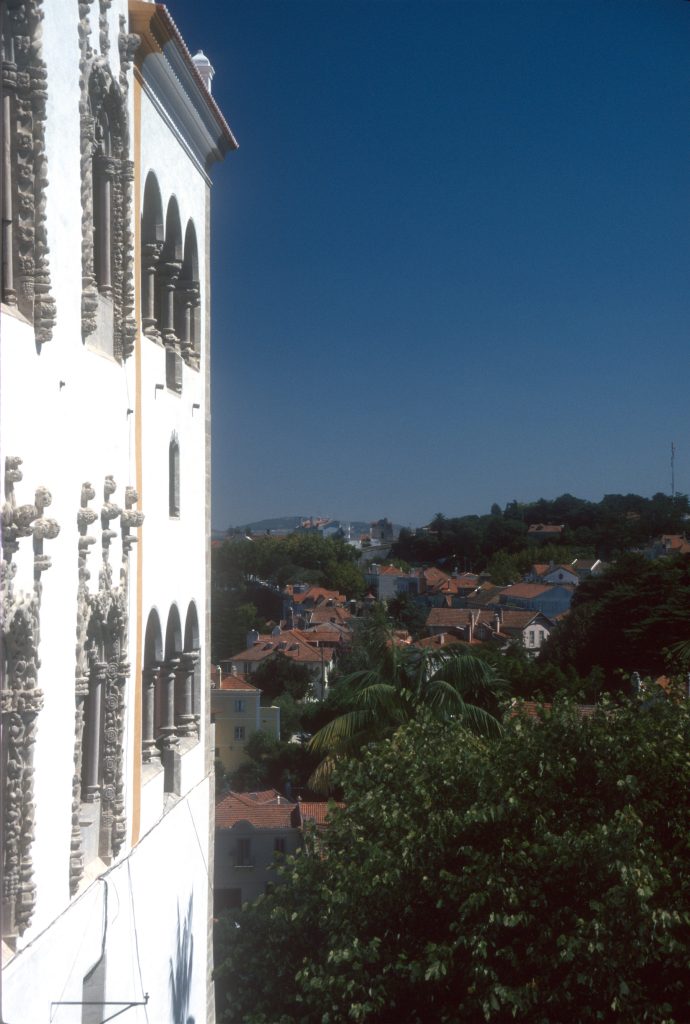
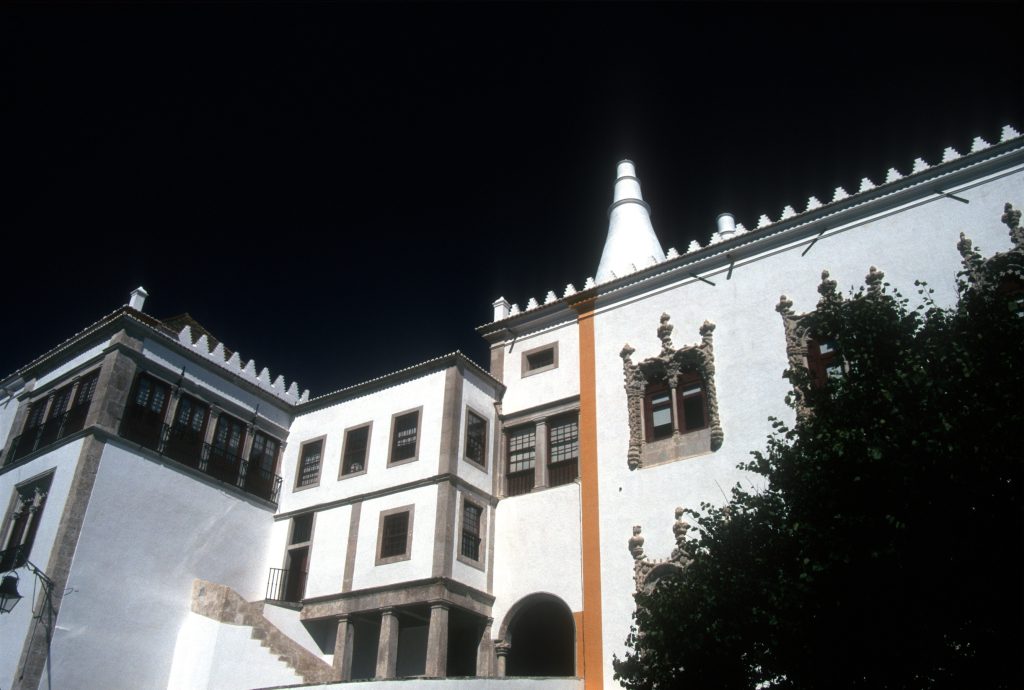
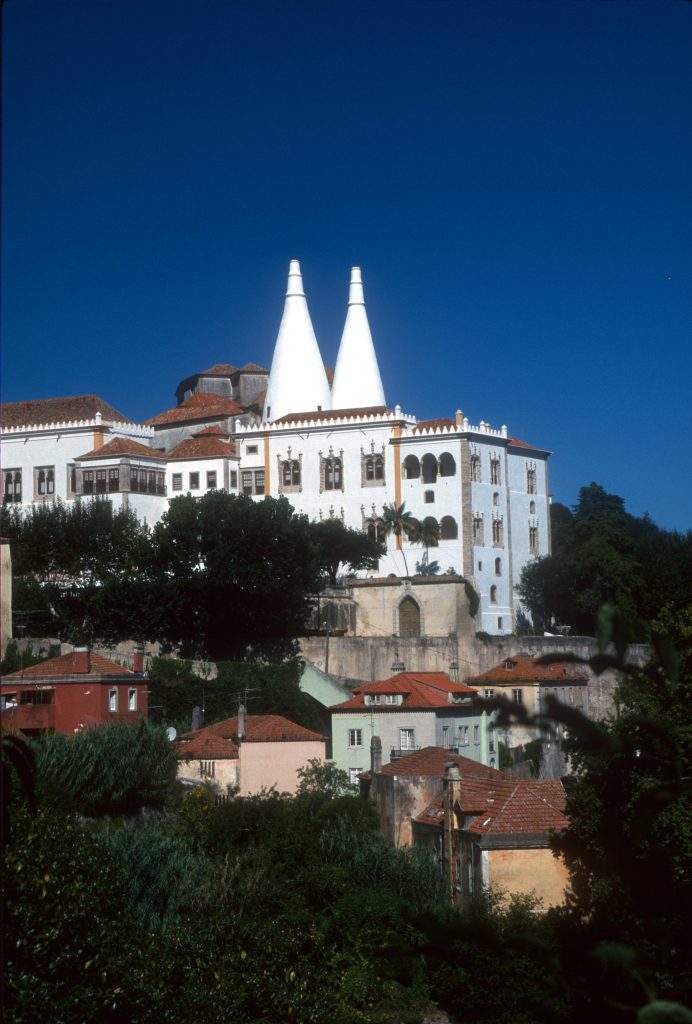
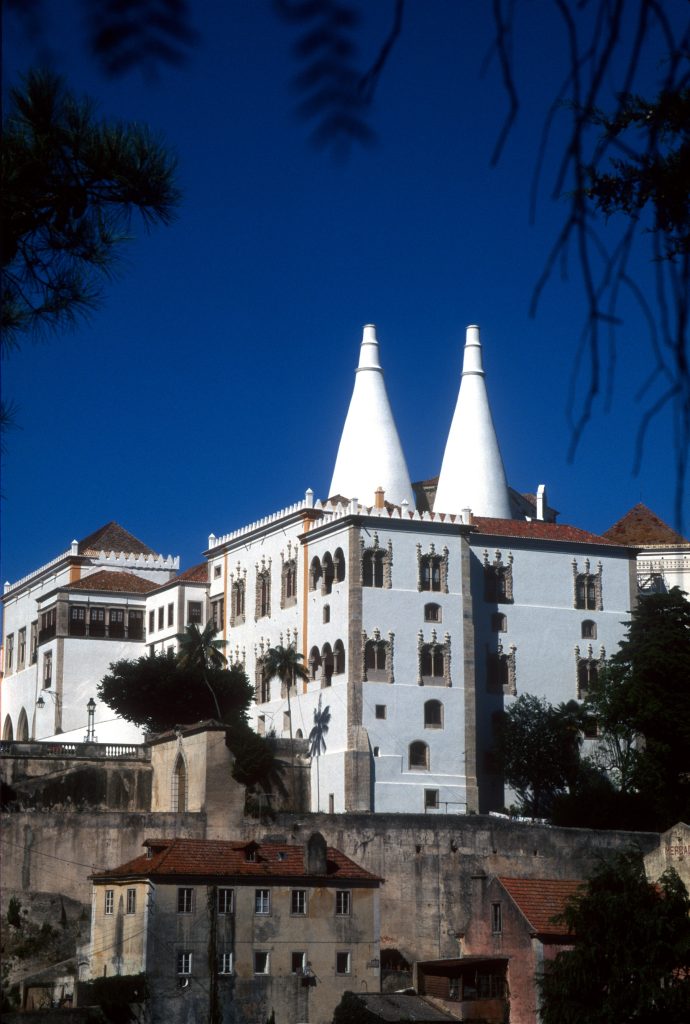
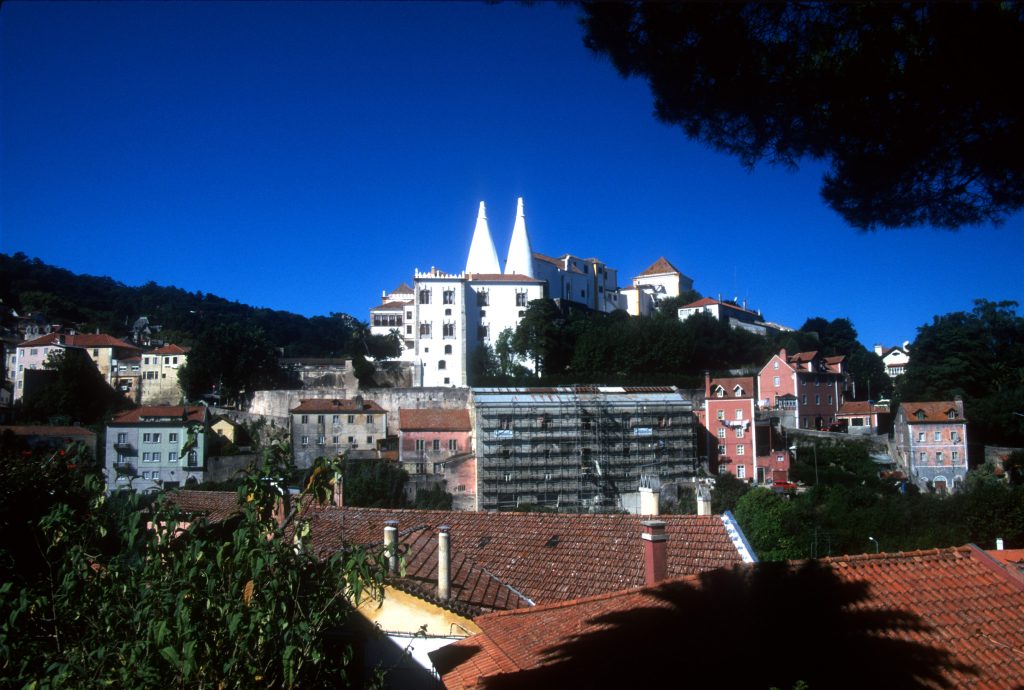
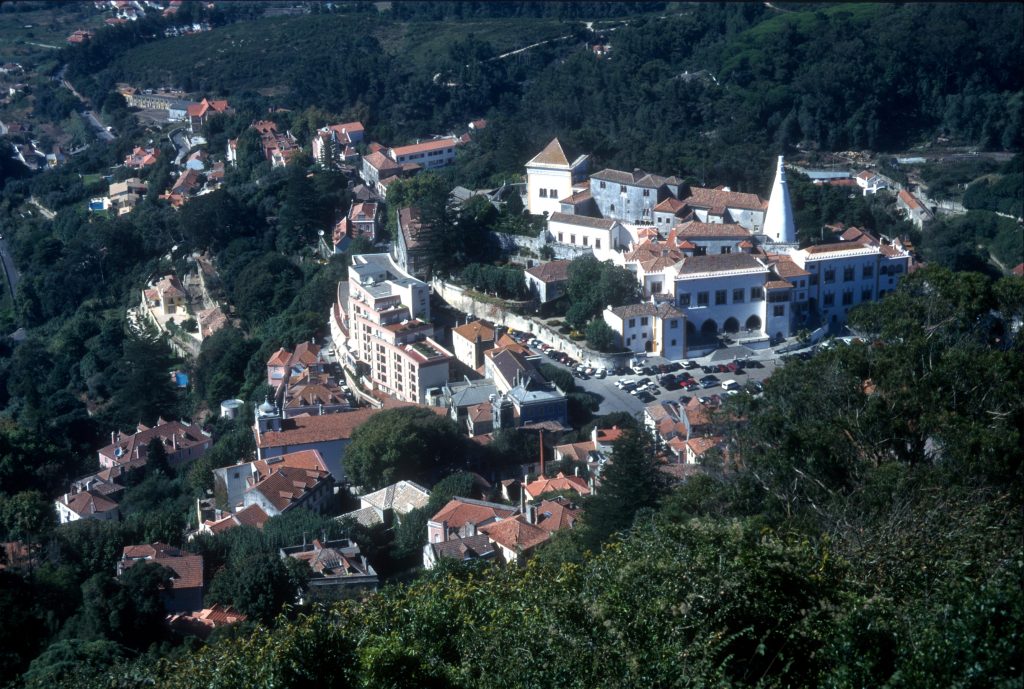
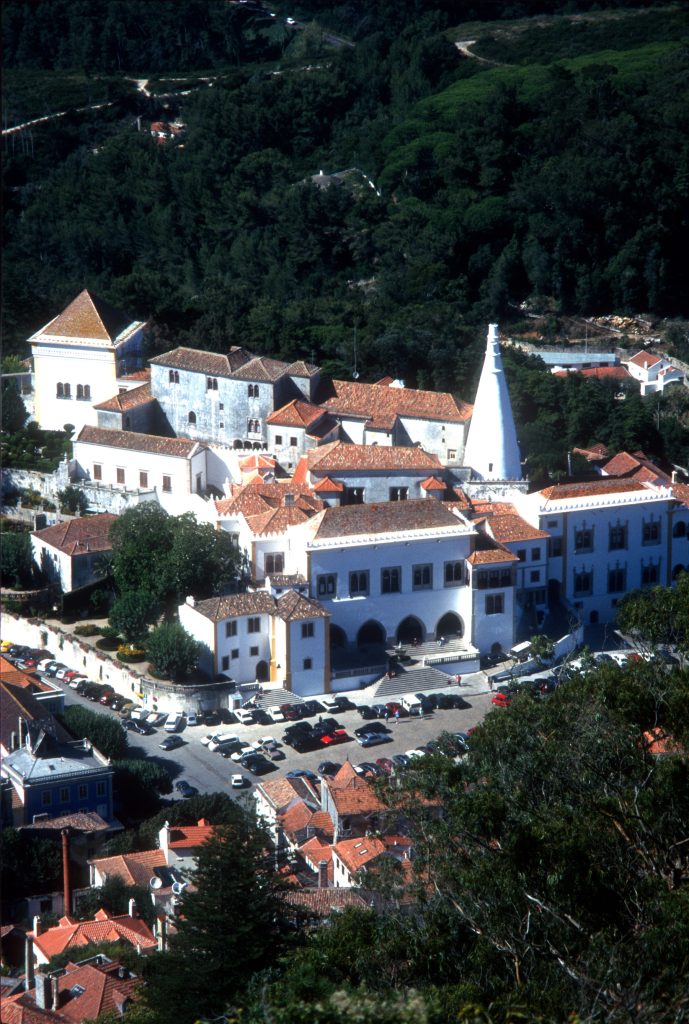
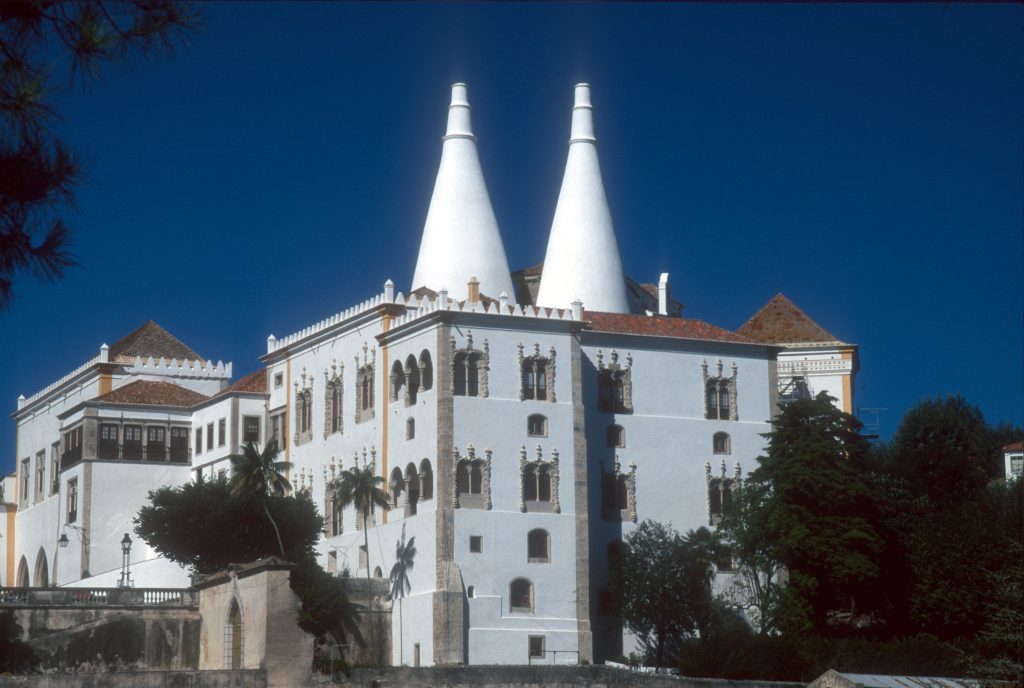
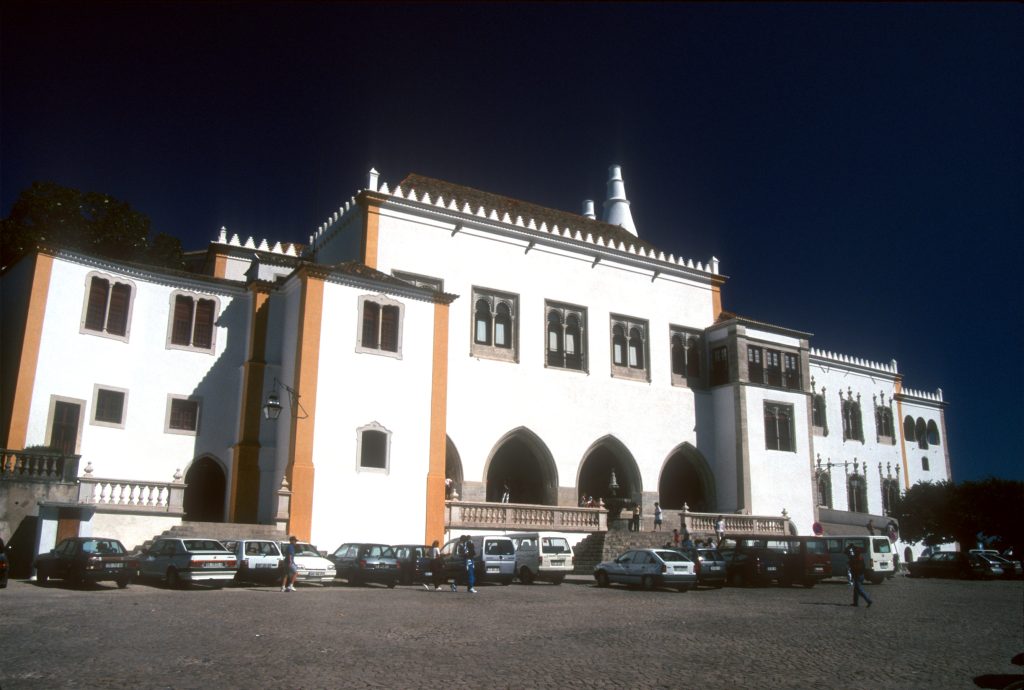
Begin in Sintra’s historic center, a warren of narrow lanes winding toward the twin conical chimneys of the Palácio Nacional de Sintra. This royal palace, with its whitewashed walls and intricate tilework, has been at the heart of the town for over 500 years. Inside, you’ll find rooms adorned with swan and magpie motifs, Moorish-style courtyards, and some of Portugal’s oldest azulejos.
The Palácio Nacional de Sintra is more than just a photogenic centerpiece—it’s a living document of Portugal’s royal history, layered over centuries.Its origins stretch back to the Moorish period, when a fortified residence stood on the site. After King Afonso Henriques took Sintra in the 12th century, successive monarchs expanded and transformed the structure. By the late 14th century, under King João I, it became the preferred summer retreat for the Portuguese court, largely thanks to Sintra’s cooler mountain air. João’s additions included the graceful Swan Room (Sala dos Cisnes), whose ceiling panels are each painted with a single swan—a symbol of his son’s engagement to an English princess.
Manuel I Imprints His Legacy
In the early 16th century, King Manuel I (namesake of Portugal’s ornate Manueline style) left his own indelible mark. He introduced exuberant tilework—some of the earliest azulejos in Portugal—along with the famous Magpie Room (Sala das Pegas). Here, each ceiling panel bears a magpie holding a banner reading “Por bem” (“For good”), a sly response to gossip at court about the king’s attentions to a lady-in-waiting.
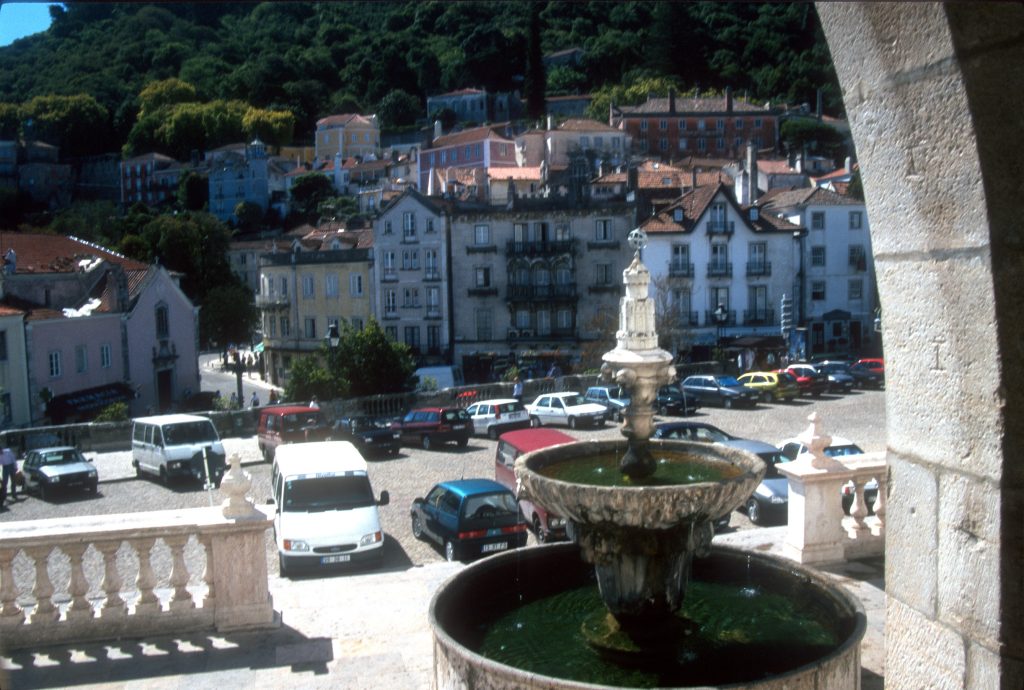
The palace’s design blends Gothic, Manueline, Moorish, and Mudéjar influences. The Arab Room echoes with Islamic geometric patterns and delicate latticework, recalling the palace’s medieval Islamic roots. Light-filled courtyards with fountains provided cooling breezes and a private refuge for the royal family.
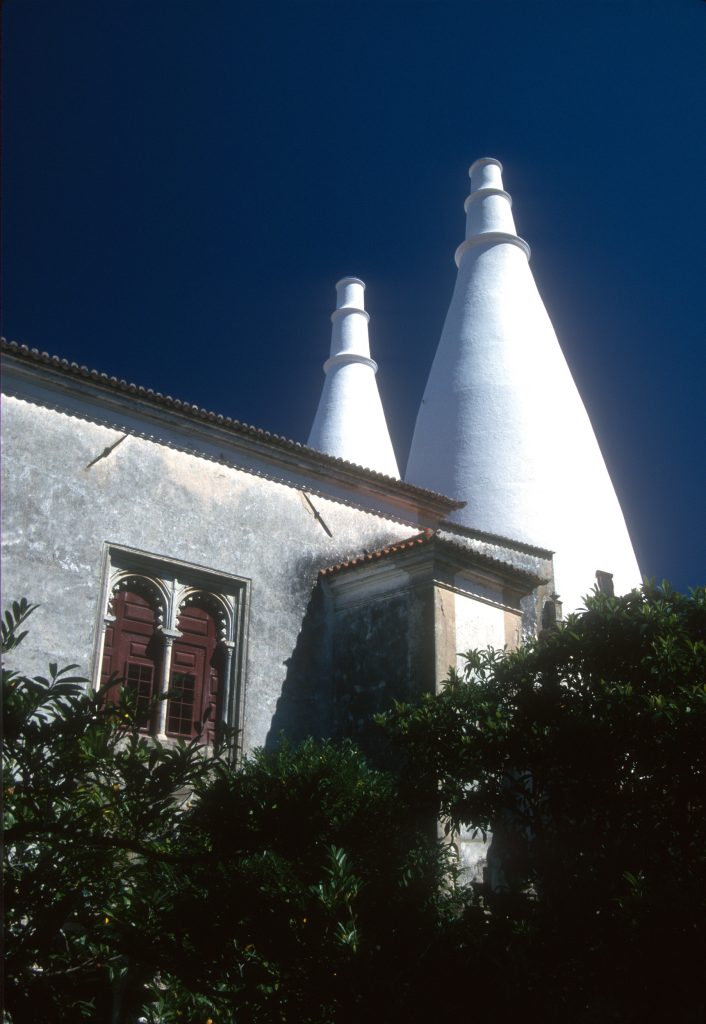
The most visible emblem, however, towers above the building: the twin conical chimneys rising from the Great Kitchen. These 33-meter-high funnels are unique in Europe and date from the 14th century, when they vented the enormous hearths used to feed the royal household.
Over five centuries, the palace saw moments of political intrigue, royal births and deaths, and the daily rhythms of court life—banquets, councils, and receptions for foreign envoys. Even after the Portuguese monarchy moved its main residence to Lisbon, the Palácio Nacional remained a favorite for summer escapes until the 19th century.
Follow the Footsteps
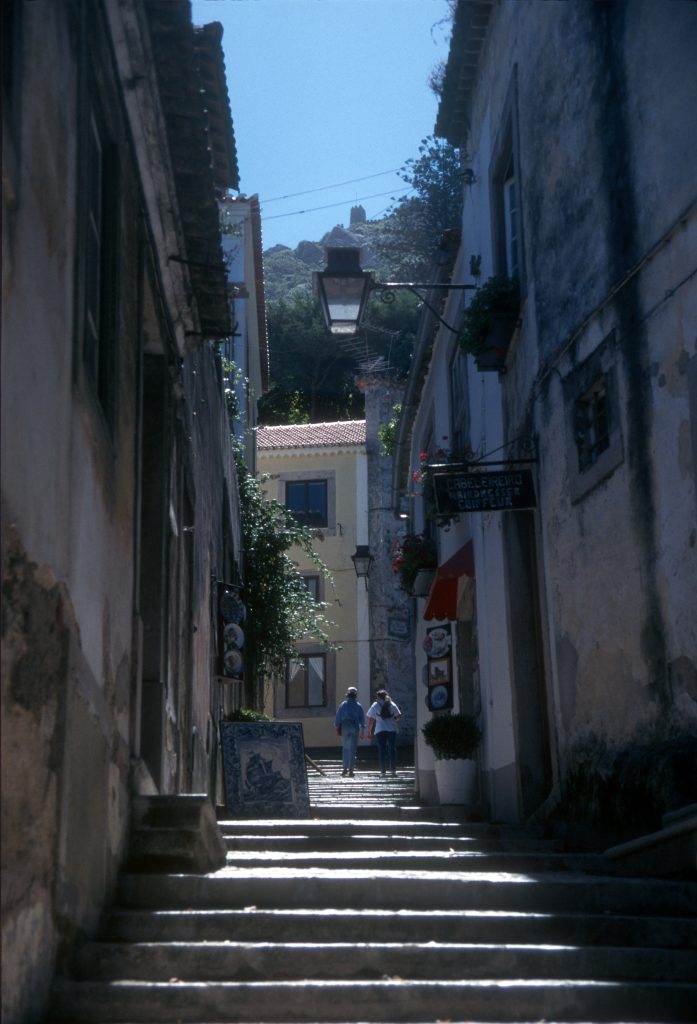
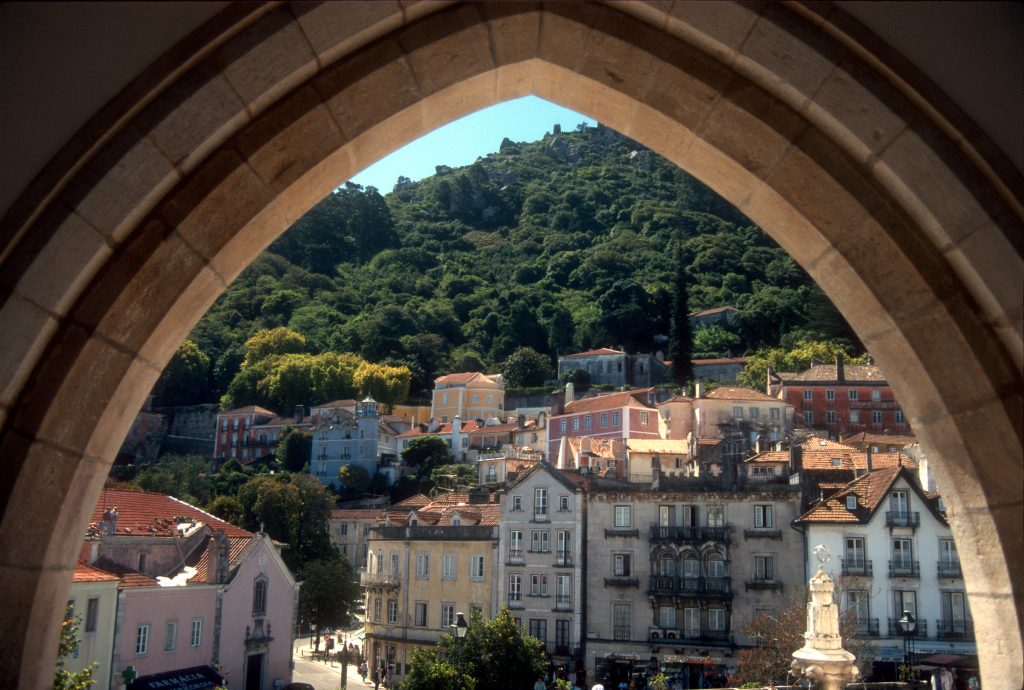
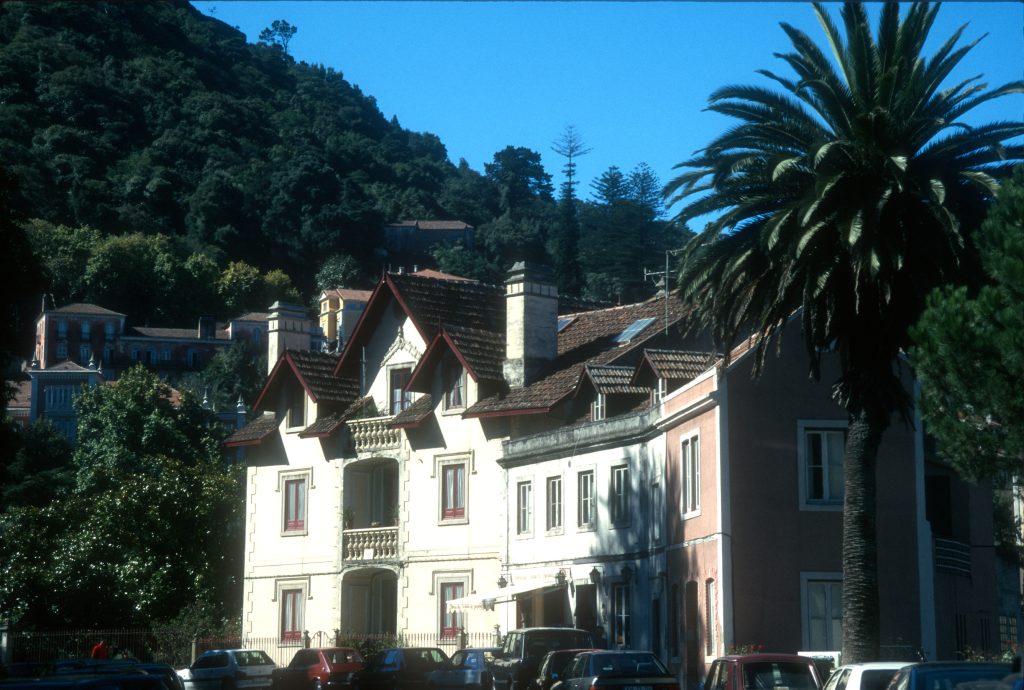
Step outside and let the streets lead you past 18th-century townhouses, cafés perfumed with travesseiros—Sintra’s almond and egg-yolk pastries—and tiny shops selling cork handicrafts and embroidered linens. Bougainvillea tumbles over garden walls, and wrought-iron balconies frame views toward the sea.
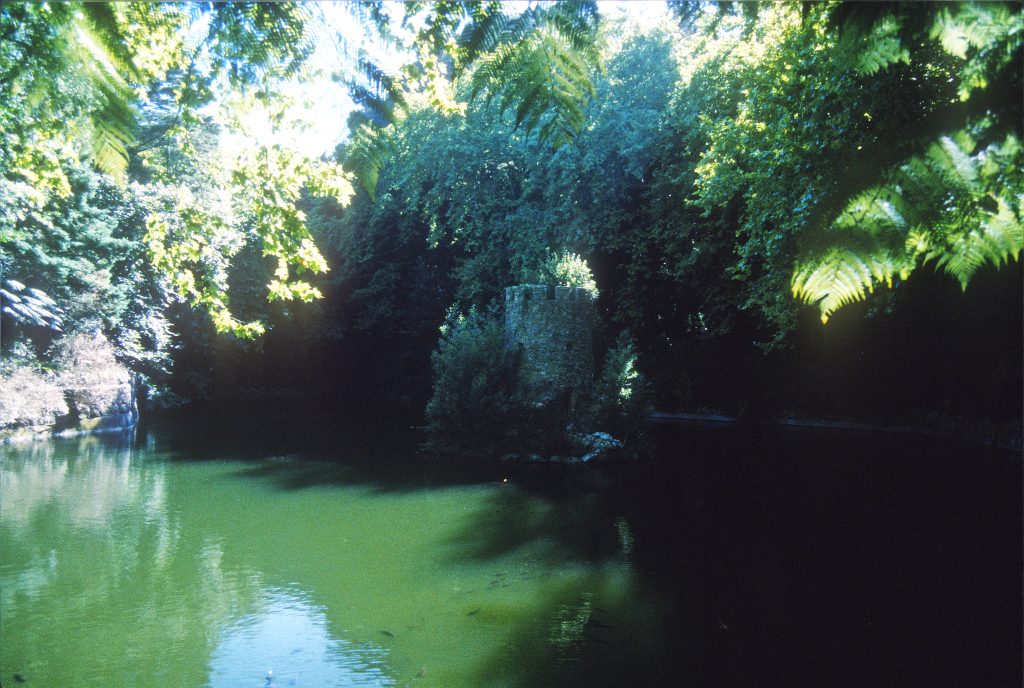
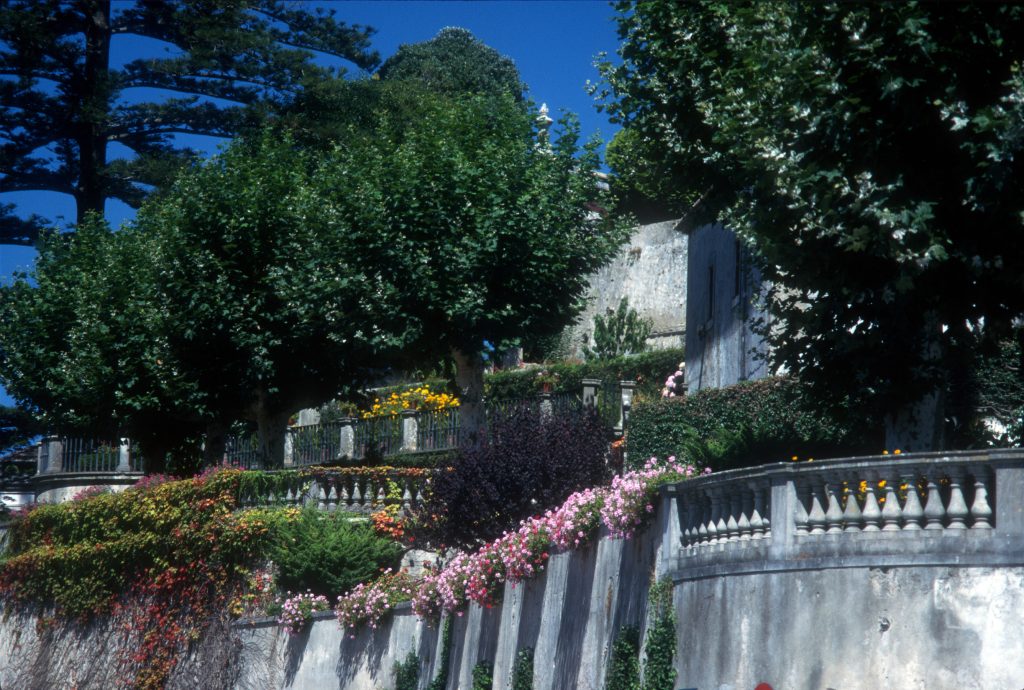
Climbing higher brings you to the Quinta da Regaleira, a Gothic fantasy of turrets, spires, and lush gardens. From the water-filled Initiation Well spiraling into the earth to the network of grottoes and pathways, it is as much an allegory in stone as a country estate. The gardens are thick with ferns, camellias, and the sound of trickling fountains, a microcosm of Sintra’s eternal green.On the edge of town, Seteais Palace stands as a neoclassical vision, now an elegant hotel, its sweeping arch framing a perfect view toward the Atlantic. A stroll through its terraced grounds reminds you that Sintra’s allure has always been its blend of cultivated beauty and untamed landscape.
UNESCO World Heritage Site
Today, Sintra balances its UNESCO World Heritage status with the life of a working town. Commuters to Lisbon share the train with day-trippers, and while tour groups crowd the palace steps at midday, quiet moments still abound—early morning on the cobbled lanes, a shaded bench in the Parque da Liberdade, or a late-afternoon glass of vinho verde on a balcony.
Sintra has also become a haven for artists, writers, and culinary innovators, with galleries tucked into old stables and restaurants serving reimagined Portuguese classics. Yet, even with these modern touches, the town’s essence remains timeless: a place where architecture, landscape, and legend meet in harmonious conspiracy.
Where to Stay in Sintra, Portugal
Sintra’s compact town center offers several appealing options for where to stay. The historic core around Sintra Vila has small hotels and guesthouses within walking distance of the train station, the main square, and Pena Palace. Properties here tend to be charming converted estates or traditional Portuguese buildings, putting you close to restaurants and shops. If you prefer quieter surroundings, the leafy neighborhoods spreading uphill from the center host family-run guesthouses and bed-and-breakfasts tucked among gardens and quiet streets.
For budget-conscious travelers, Sintra has a good selection of hostels and simple guesthouses throughout town. These are often housed in older buildings that reflect local architecture, and staff can point you toward trailheads for walks to Quinta da Regaleira or Pena Palace. Mid-range hotels cluster near the train station and along the main commercial streets, offering reliable comfort without fussy frills.
If you want more space and garden grounds, look toward the outskirts of Sintra proper. Several larger hotels and quintas (traditional Portuguese estates converted to guest lodging) sit on the surrounding hillsides, offering views over the forested landscape. These properties require a short walk or taxi ride to reach the town center and main attractions, but they provide a more relaxed base for exploring the region.
Most accommodations fill quickly during summer months and weekends, so booking ahead is wise. The town’s steep terrain means some guesthouses sit on slopes with stairs; if you have mobility concerns, ask specifically about ground-floor rooms or level access when you book. Sintra’s rail link to Lisbon makes it possible to stay in the capital and day-trip, but overnight stays let you explore the cool, quieter hours in early morning or dusk when the palace grounds feel less crowded.
Recommended Reading
Fiction:
- Night Train to Lisbon by Pascal Mercier – Though set largely elsewhere, its meditations on Portugal suit a Sintra state of mind.
- The Maias by José Maria de Eça de Queirós – A Portuguese classic offering rich context for the country’s 19th-century society.
- Baltasar and Blimunda by José Saramago – A lyrical, historically rooted novel from Portugal’s
Non-Fiction & History:
- Sintra, Portugal: The History of the City Travel Guide by Ibrahim Lloyd – A detailed, illustrated travel-history guide to Sintra, exploring its rich heritage from its medieval roots through its Romantic era, its palaces, gardens, and status as a cultural landmark.
- Portuguese Tilework by João Castel-Branco Pereira – For those intrigued by Sintra’s azulejo artistry.
- Sintra: A Glorious Eden by Malcolm Jack – This book is the first dedicated history and evocation of the royal town of Sintra in Portugal to appear in English. Byron, who loved it above most other places, dubbed it ‘a glorious Eden’.
Tours to Consider:
- Small Group Tour to Sintra, Pena Palace, Cabo Roca and Cascais
- Private Half Day Tour to Sintra and Pena Palace from Lisbon