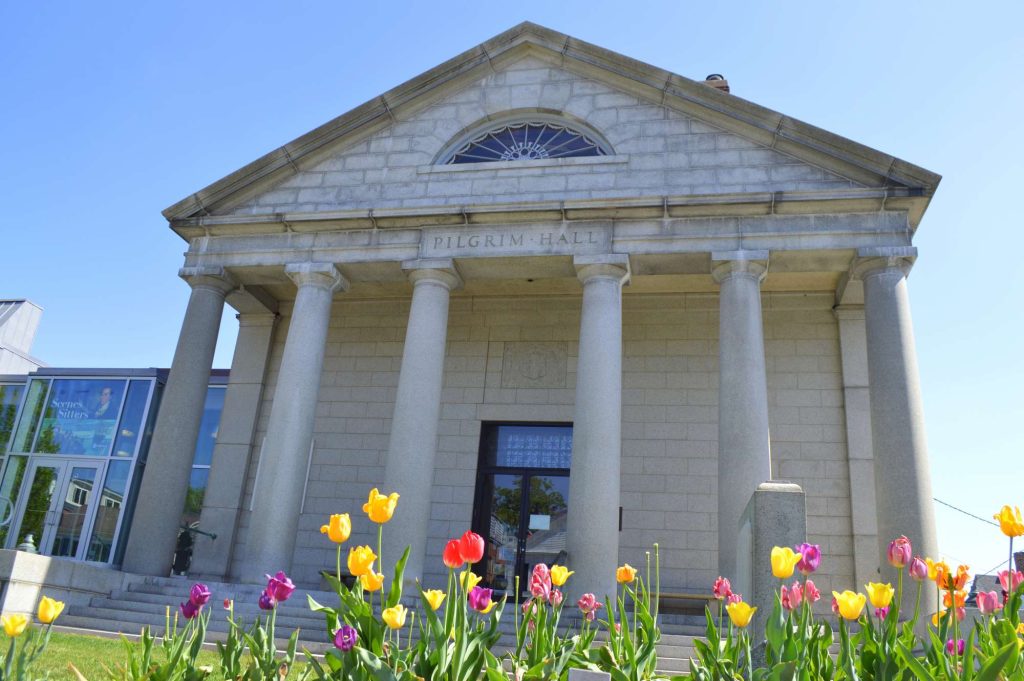
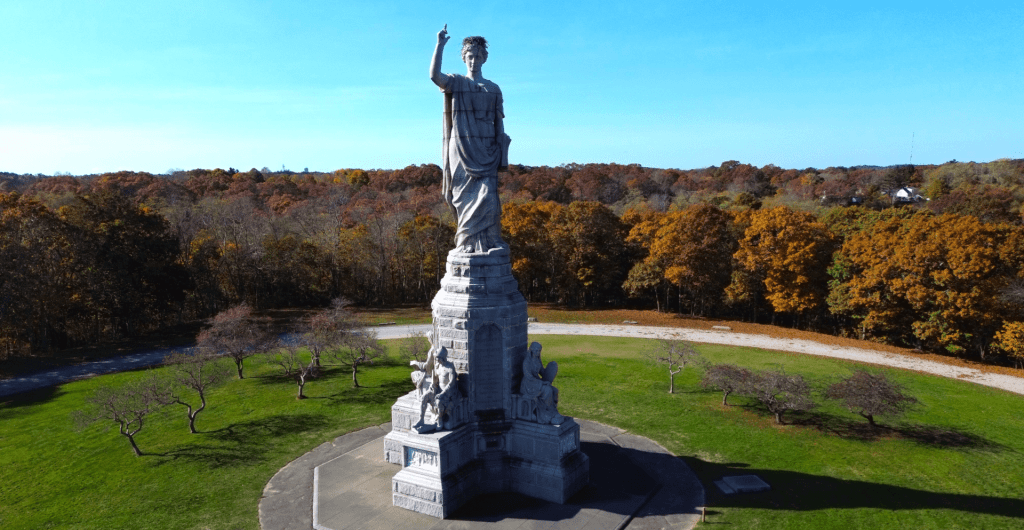
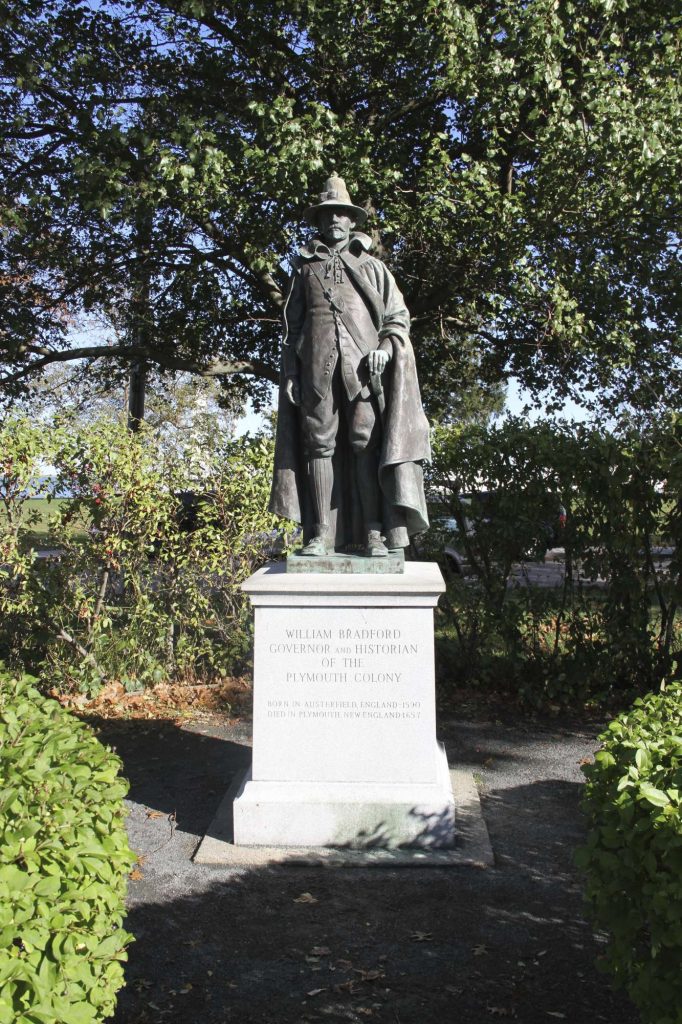
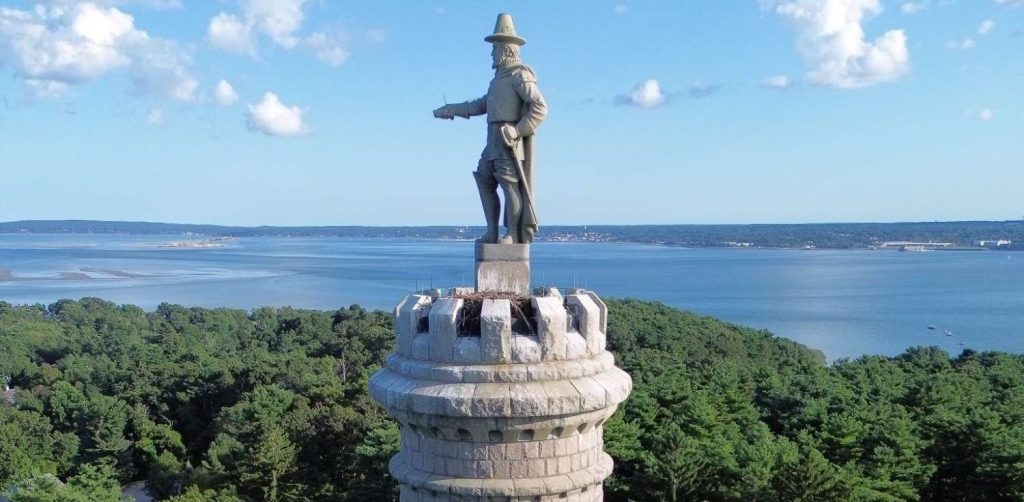
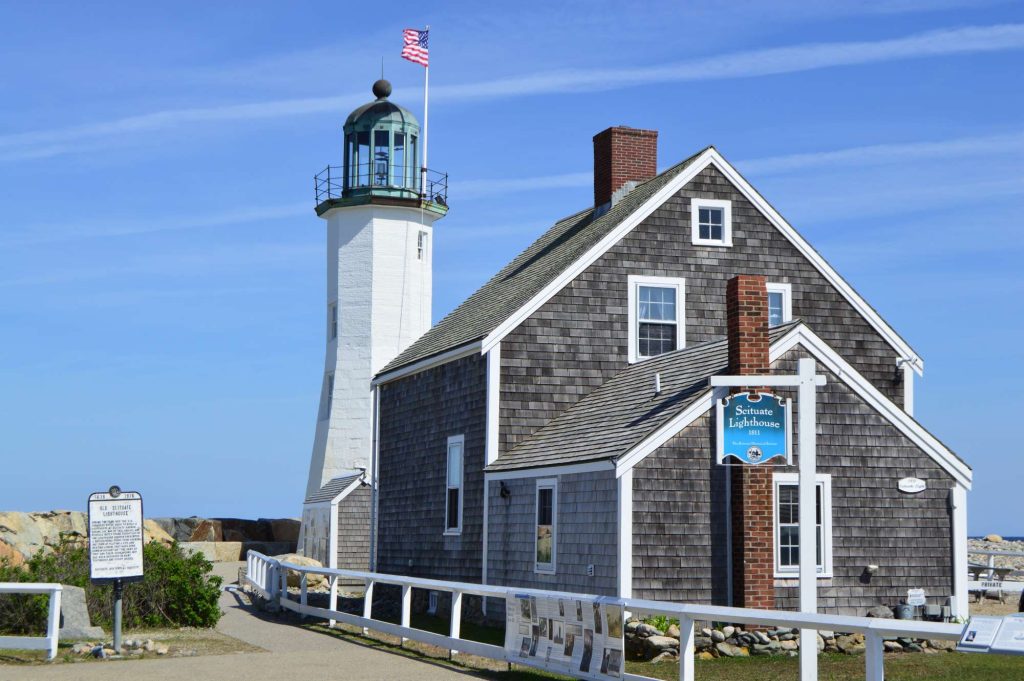
Each November, as kitchens across America fill with the scent of roasting turkey and the rustle of gathered family, our minds drift to a windswept New England shoreline—where weary travelers came ashore seeking not just land, but liberty. And while Thanksgiving has grown into something grander, louder, and more butter-laden than the settlers could have imagined, a visit to Plymouth, Massachusetts lets us quiet the noise and walk—quite literally—in their footsteps.
Mayflower Arrival
In 1620, the Mayflower made landfall at Patuxet, a coastal settlement of the Wampanoag people. These religious separatists, later mythologized as Pilgrims, crossed a brutal Atlantic in pursuit of spiritual freedom. They arrived too late to plant crops in a harsh winter, and half would not survive to spring. But through fragile diplomacy with local tribes—most notably Squanto, an enslaved man returned by the English—some form of alliance emerged. The so-called “First Thanksgiving” likely occurred in the fall of 1621, a modest harvest celebration shared between approximately 50 remaining colonists and an estimated 90 Wampanoag.
While later centuries wrapped the holiday in tales of harmony and abundance, the truth is far more complex: survival, hardship, cautious cooperation, and the looming shadow of future conflict. But it remains one of the foundational narratives of American history.
Preserving Plymouth
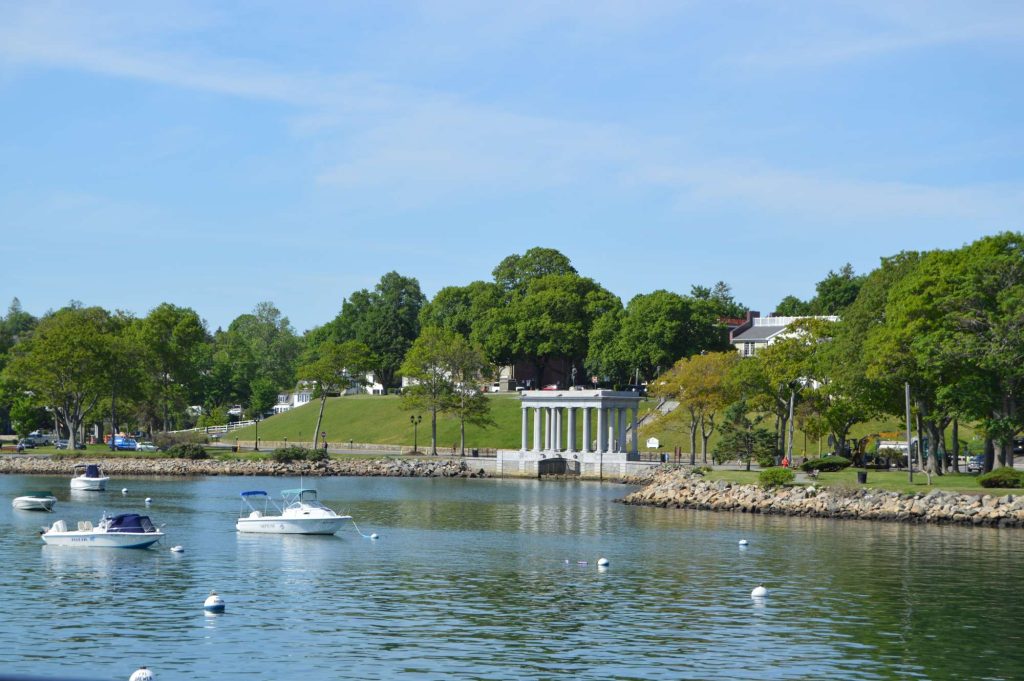
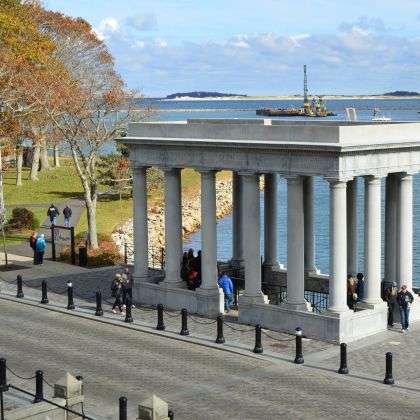
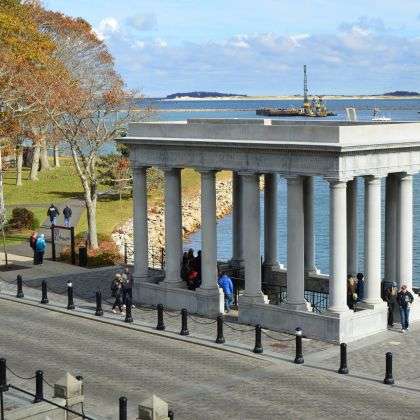
Today, Plymouth remains committed to preserving and presenting its place in this national memory. Begin your visit at Plymouth Rock, perhaps America’s most symbolic yet underwhelming boulder. Nestled beneath a neoclassical portico, it draws reverent visitors year-round, especially during Thanksgiving week. Though there’s no evidence the Pilgrims ever landed on it, the Rock has become an emblem of American origin.
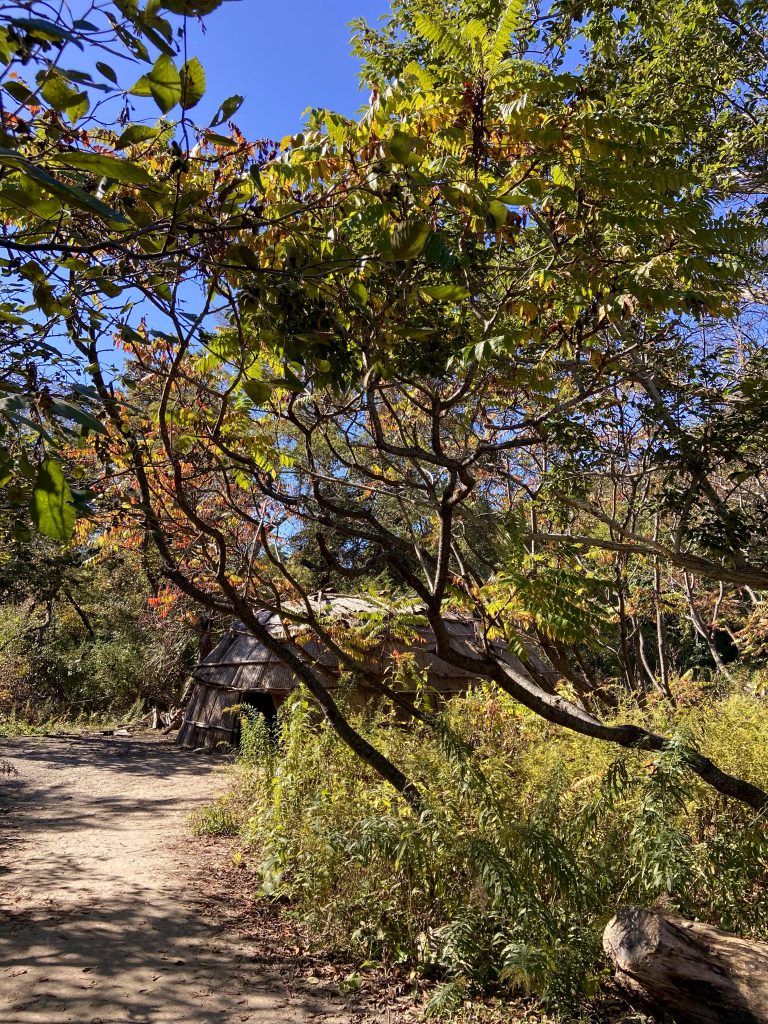
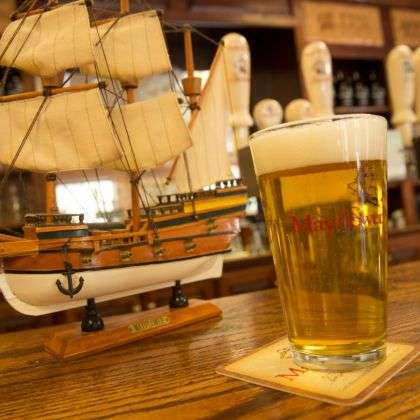
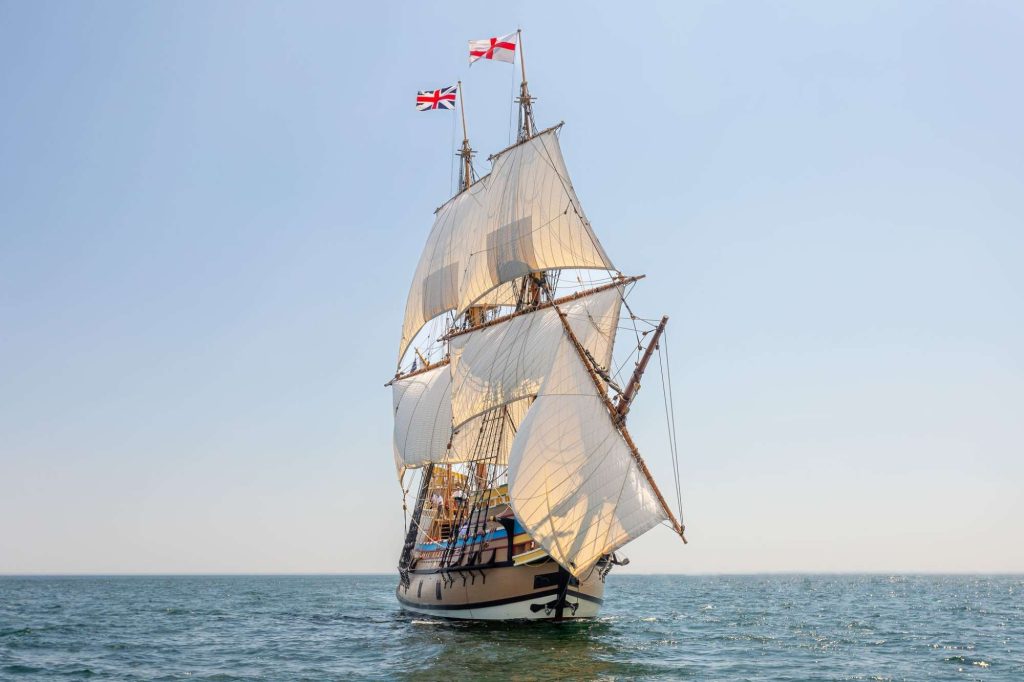
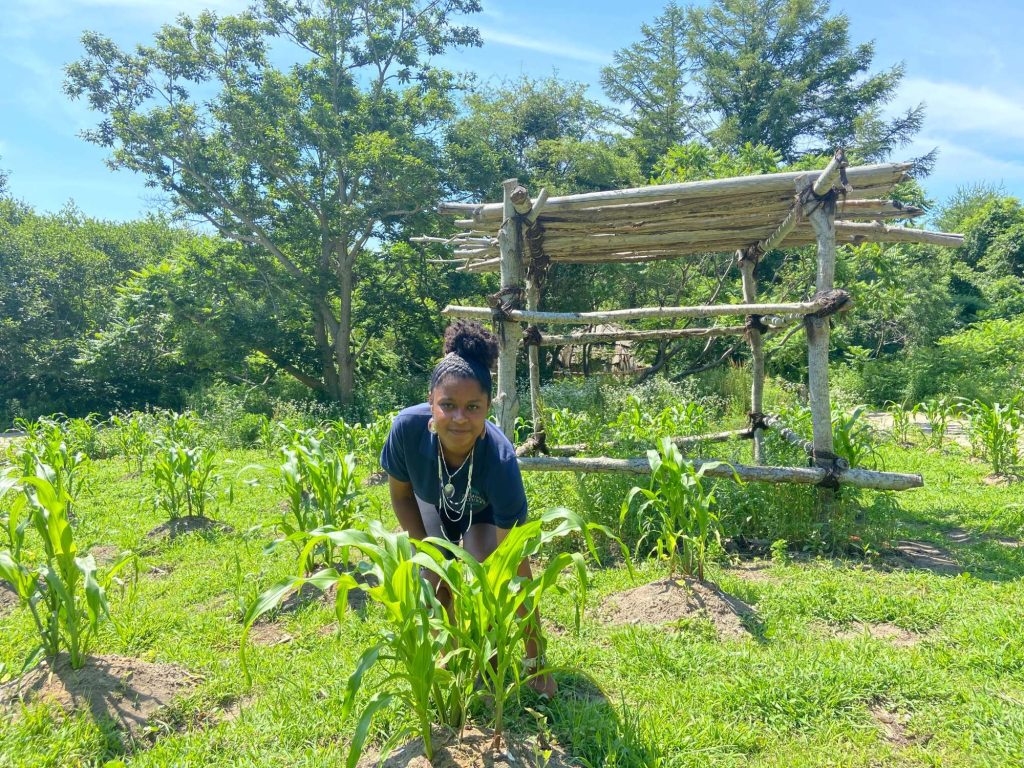
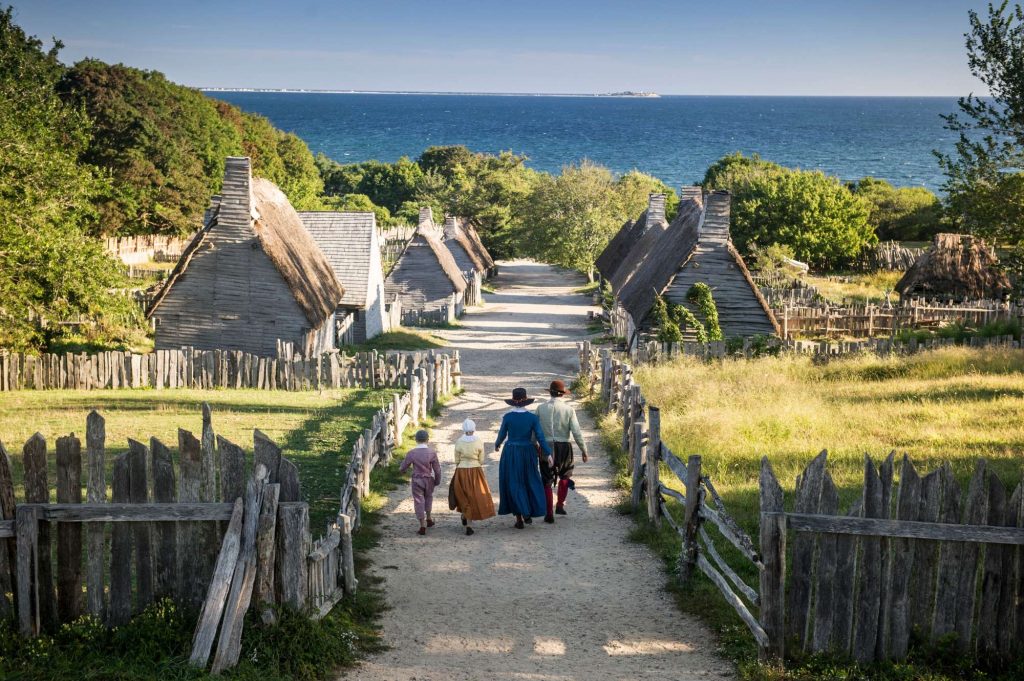
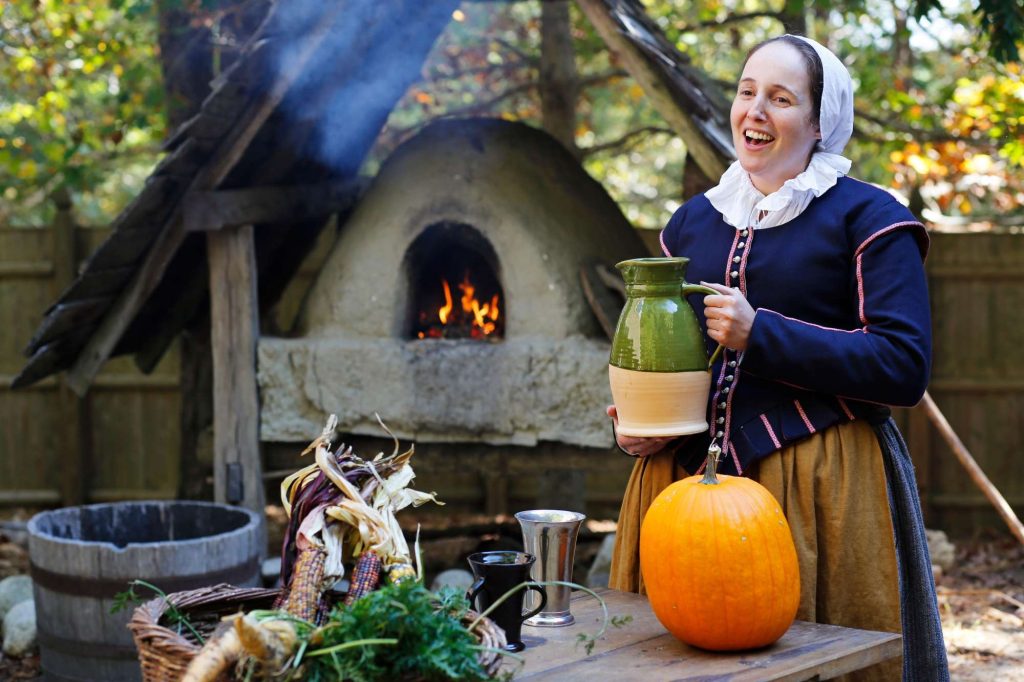
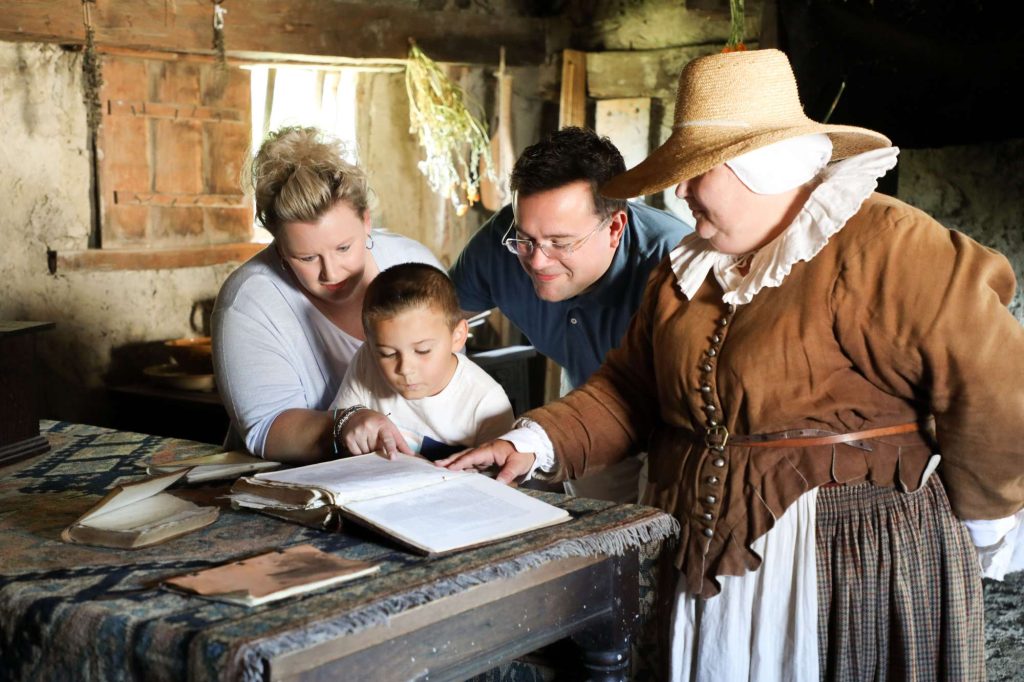
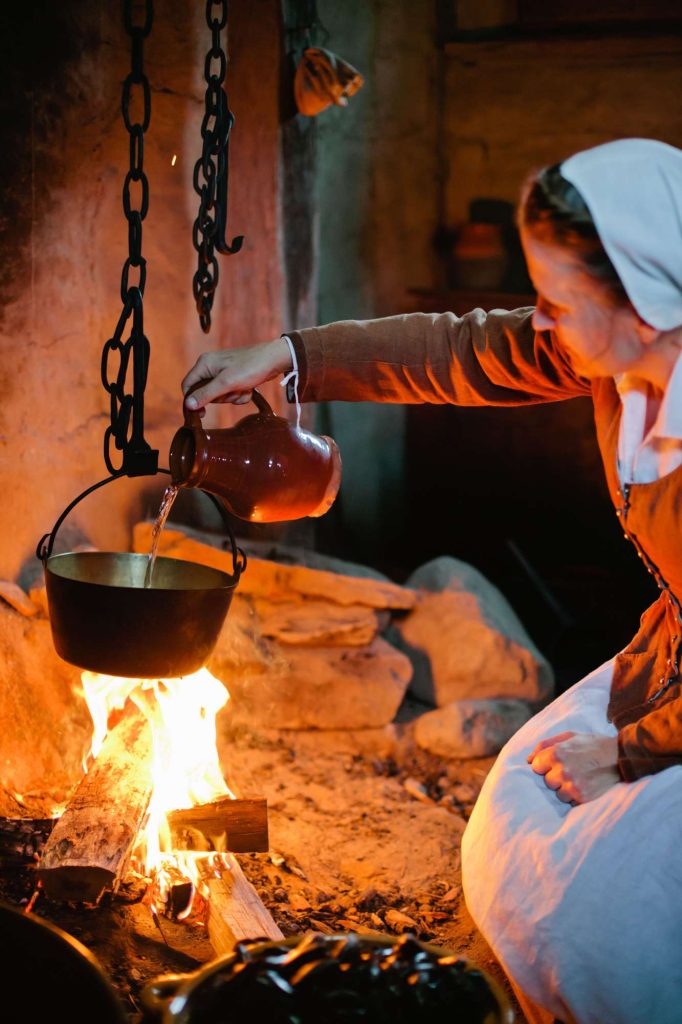
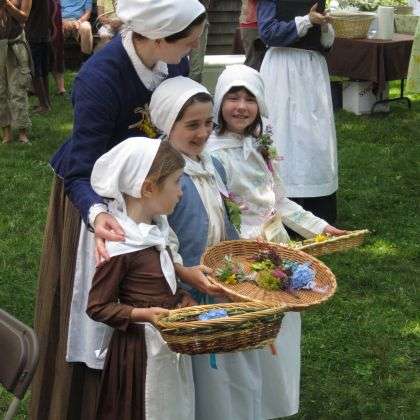
More authentically immersive is Plimoth Patuxet Museums (formerly Plimoth Plantation), a carefully recreated 17th-century village on the banks of the Eel River. Costumed interpreters embody the roles of Pilgrim and Wampanoag residents, answering questions in character and adding remarkable nuance to the narrative. Hear the crackle of hearth fires, smell smoked eel hanging by the rafters, watch flax being spun and salted cod prepared with period tools only. A short walk takes you to a reconstructed Wampanoag Homesite, where modern-day Indigenous interpreters share their cultural traditions, perspectives, and resilience. Down at the harbor, you’ll find the Mayflower II, a full-scale reproduction of the original vessel, meticulously constructed and sailed from England in 1957. Climbing aboard and stooping through the cramped tween decks, you gain visceral understanding of what 66 days at sea in those conditions must have felt like. Salt air, creaking wood, and a constant gentle sway beneath your feet.
Hometown Holiday
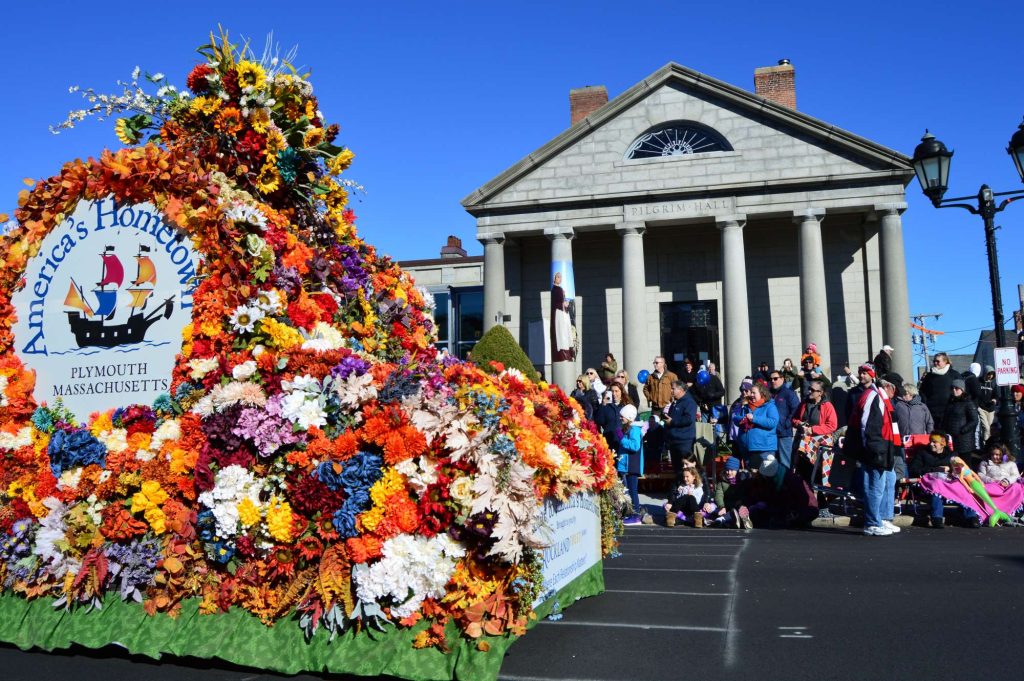
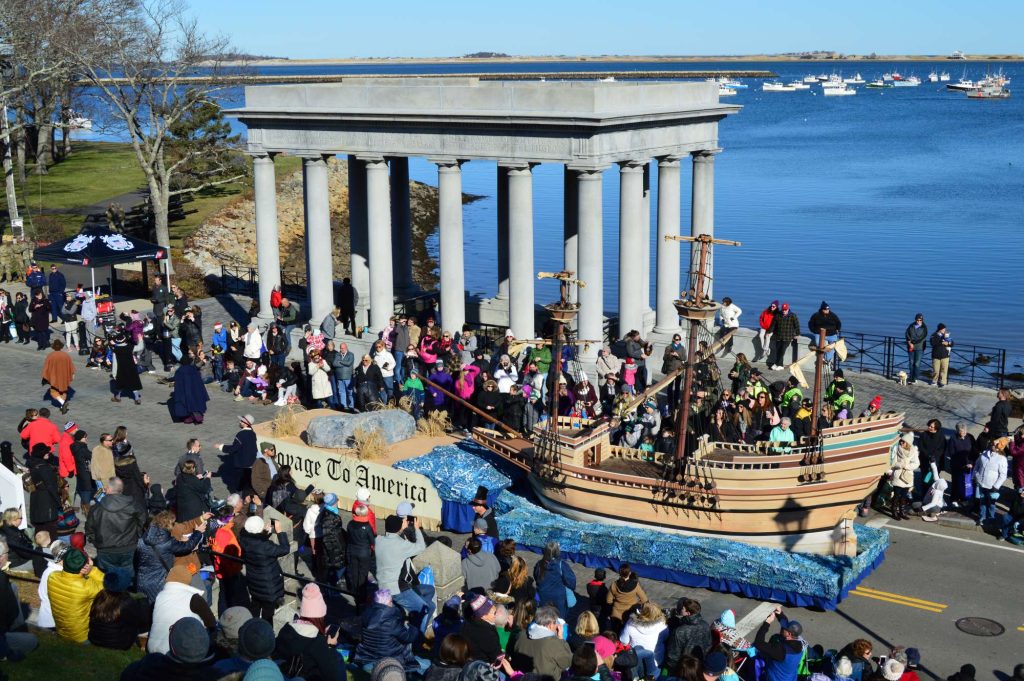
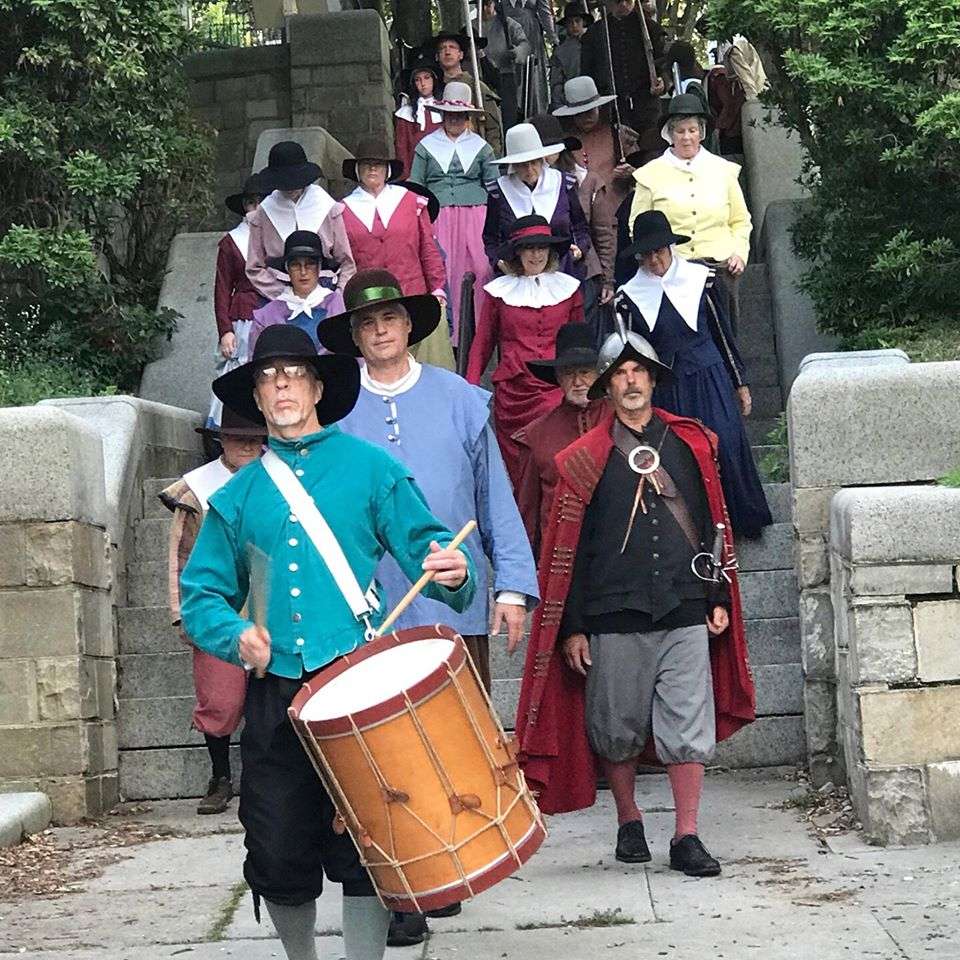
On Thanksgiving Day, Plymouth pulls out all the stops. America’s Hometown Thanksgiving Celebration is a multi-day festival held the weekend before the holiday, featuring historical reenactments, concerts, colonial artisans, and a nationally televised parade with marching militias, Native dancers, vintage military vehicles, and Pilgrim cosplayers.
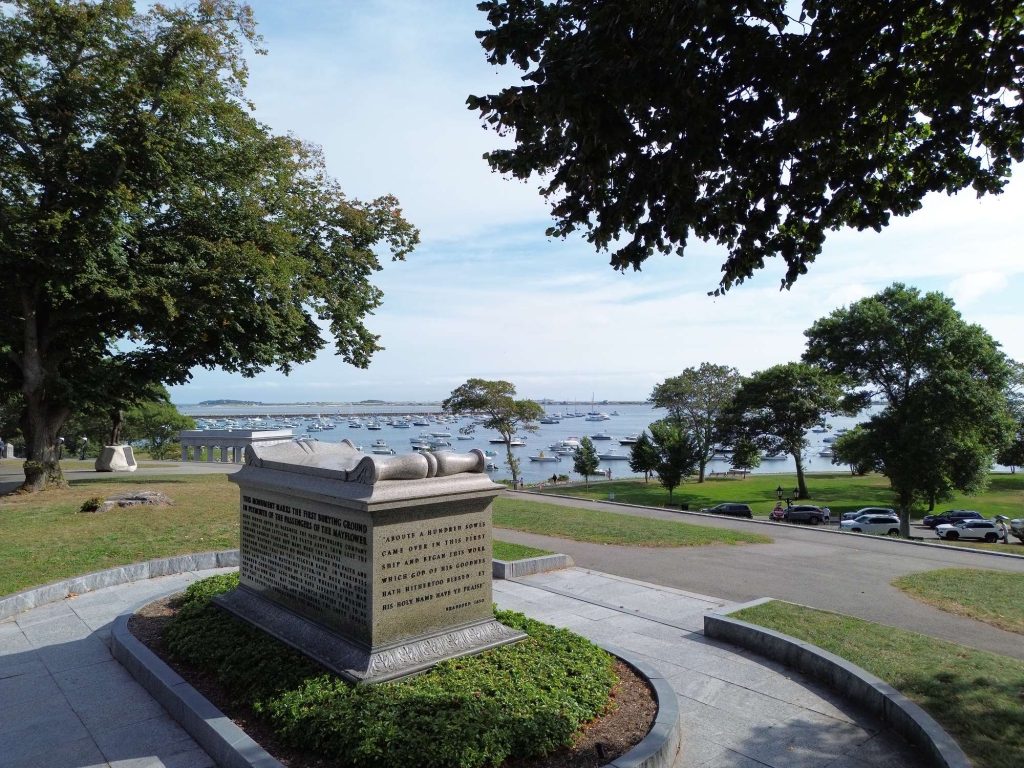
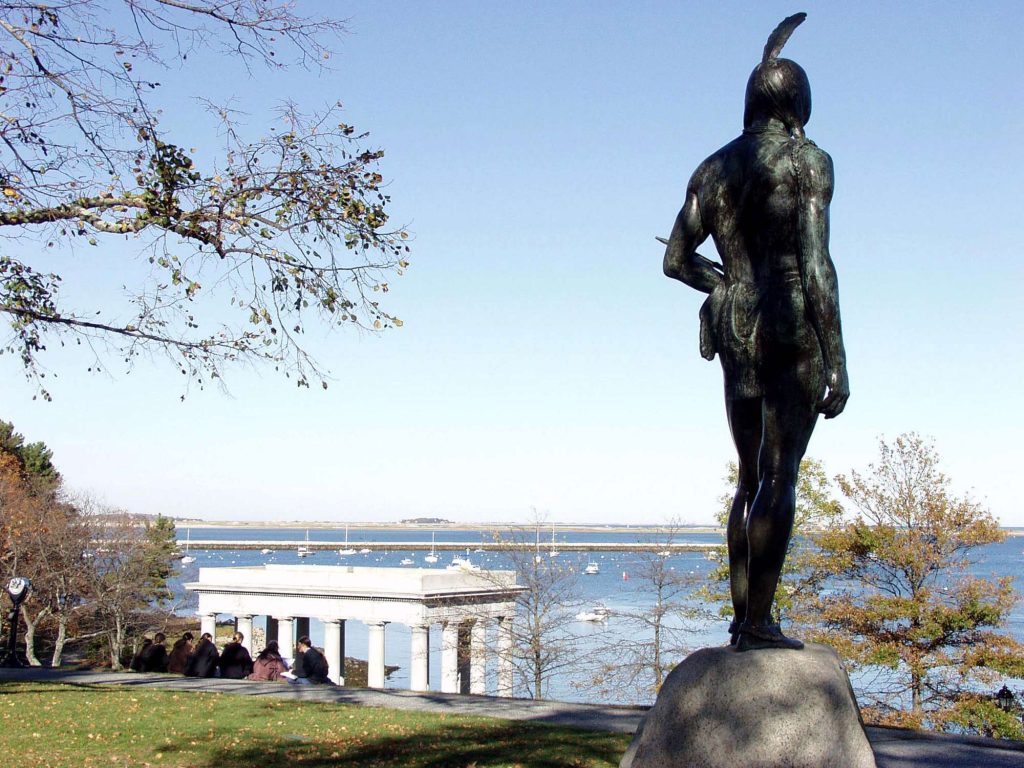
But the town embraces reflection. The National Day of Mourning, held on Cole’s Hill since 1970 by Native Americans of New England, reminds us that the Thanksgiving we commemorate for gratitude and survival also marks the beginning of centuries of displacement, disease, and cultural erasure for Indigenous peoples. From this hilltop, one can gaze out at Plymouth Harbor and hold both histories at once.
Visiting Plymouth at Thanksgiving is not just celebration—it’s education. A reminder that history is not a static pageant but a palimpsest of triumph and tragedy, myth and memory. And few places in America capture that layered truth quite like this humble seaside town.
So perhaps this year, as you pass the cranberry sauce and debate who gets the last crescent roll, raise a toast to the true beginning—not just of a meal, but of a nation’s complex origin story. And if history calls, Plymouth awaits you—modest, reflective, enduring. The tides still lap at the same shore, and in the wind you may hear echoes of both prayer and protest.
Where to Stay in Plymouth, United States
Plymouth’s downtown waterfront offers several hotels within walking distance of the Mayflower II, Plymouth Rock, and Cole’s Hill. The Hilton Garden Inn and other chain properties cluster near the harbor, offering reliable amenities and water views. These centrally located hotels put you steps away from the main historical sites, though expect higher rates during peak season and holidays.
For budget-conscious travelers, motels and independent hotels line Route 6 heading north from downtown, roughly three to five miles from the waterfront district. These properties offer reasonable rates and free parking, making them practical bases for exploring Plymouth’s attractions. You’ll need a car to reach downtown, but the cost savings make it worth the trade-off, especially for families or longer stays.
If you prefer quieter surroundings, nearby towns like Manomet, a few miles south along the coast, and Kingston, just inland to the west, offer guesthouses and bed-and-breakfasts with a more residential New England feel. These options give you breathing room from the tourist corridor while keeping Plymouth’s historical sites within a 15 to 20 minute drive. The surrounding communities also offer easier access to Myles Standish State Forest and other regional natural areas if you want to explore beyond colonial history.
Book accommodations several months in advance for Thanksgiving week or summer visits. The shoulder seasons of spring and fall bring smaller crowds, lower prices, and comfortable weather for exploring Plymouth’s historic streets and waterfront paths.
Recommended Reading
Fiction:
- Mayflower Bride by Kimberley Woodhouse — A romantic and faith-centered retelling through the eyes of a young passenger.
- The Winthrop Woman by Anya Seton — Though not strictly Plymouth-based, this sweeping colonial novel captures the ethos of early Puritan New England.
- Caleb’s Crossing by Geraldine Brooks — Set on nearby Martha’s Vineyard, it offers a rare Indigenous perspective during the same era
Non-Fiction:
- Mayflower: A Story of Courage, Community, and War by Nathaniel Philbrick — A meticulously researched, deeply human portrait of the Pilgrims and their fraught relationship with the Wampanoag.
- This Land Is Their Land: The Wampanoag Indians, Plymouth Colony, and the Troubled History of Thanksgiving by David J. Silverman — A powerful corrective to the traditional Thanksgiving narrative.
- A Great and Godly Adventure: The Pilgrims and the Myth of the First Thanksgiving by Godfrey Hodgson — Explores the political and theological motivations behind the voyage and what we’ve made of it since.
Tours to Consider