
In a rain-soaked clearing at the Pacific’s edge, a simple fort of rough-hewn logs rose against the wild Oregon winter. Here, at Fort Clatsop, the weary Corps of Discovery found refuge at journey’s end—a chapter of endurance, survival, and the forging of a nation’s destiny.
Pacific Ocean Arrival
In December 1805, after more than a year trekking across an uncharted continent, Meriwether Lewis and William Clark arrived at the Pacific Ocean with their Corps of Discovery. Exhausted and buffeted by relentless rain, they chose a site along the Lewis and Clark River to build their winter quarters. Lewis and Clark chose the name Ft. Clatsop as a sign of respect and acknowledgment of the Clatsop tribe, who inhabited the southern shore of the Columbia River and the northern Oregon coast. The Clatsops traded with the expedition, sharing local knowledge, food, and supplies that sustained the explorers through the difficult winter.
Fort Clatsop was home to the Corps of Discovery from December 1805 to March 1806. Here, they documented new species, mapped the coastline, and prepared for the arduous journey back. Though the original fort was lost to time, today’s faithful reconstruction preserves the spirit of one of America’s greatest explorations. “The winds violent Trees falling in every direction, whorl winds, with gusts of rain Hail & Thunder, This kind of weather lasted all day, Certainly one of the worst days that ever was!” wrote William Clark on December 16, 1805. This vivid description captures the relentless storms that battered the fort, making daily life and construction exceedingly difficult, while the persistent rain and damp conditions led to widespread illness among the men. The monotonous diet of elk meat only deepened their discomfort. The Corps’ journals frequently describe challenges preserving meat in the wet climate, resulting in spoilage and food shortages. Additionally, inadequate clothing and shelter intensified the men’s suffering through the harsh winter months.
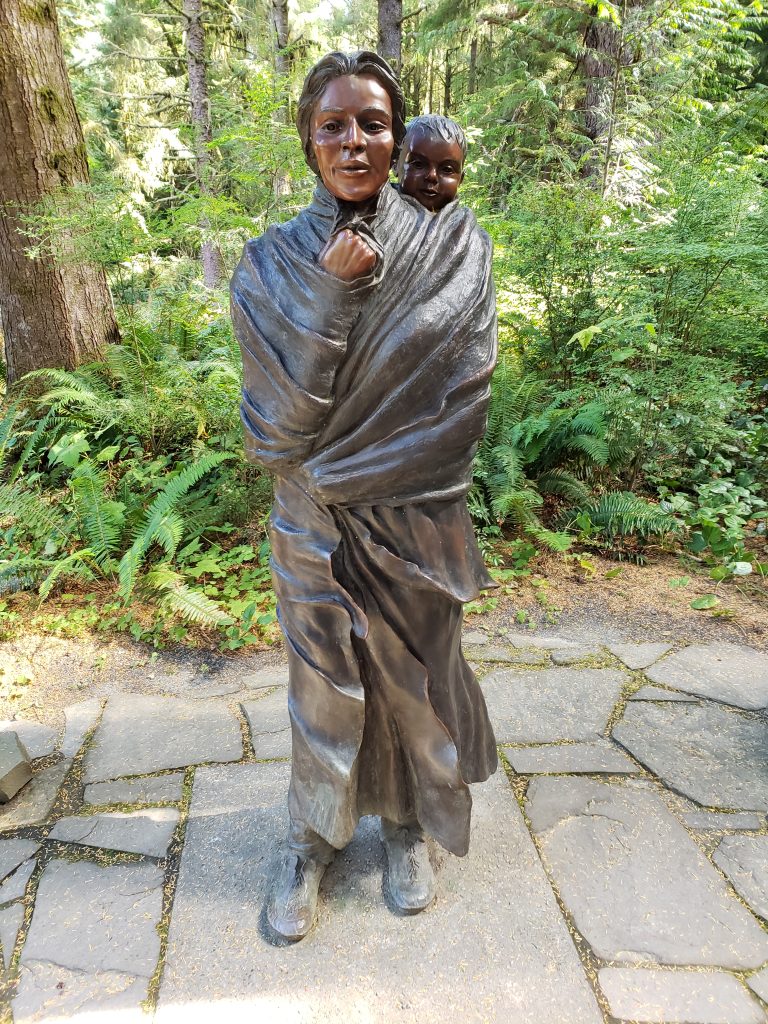
Despite the Hardships
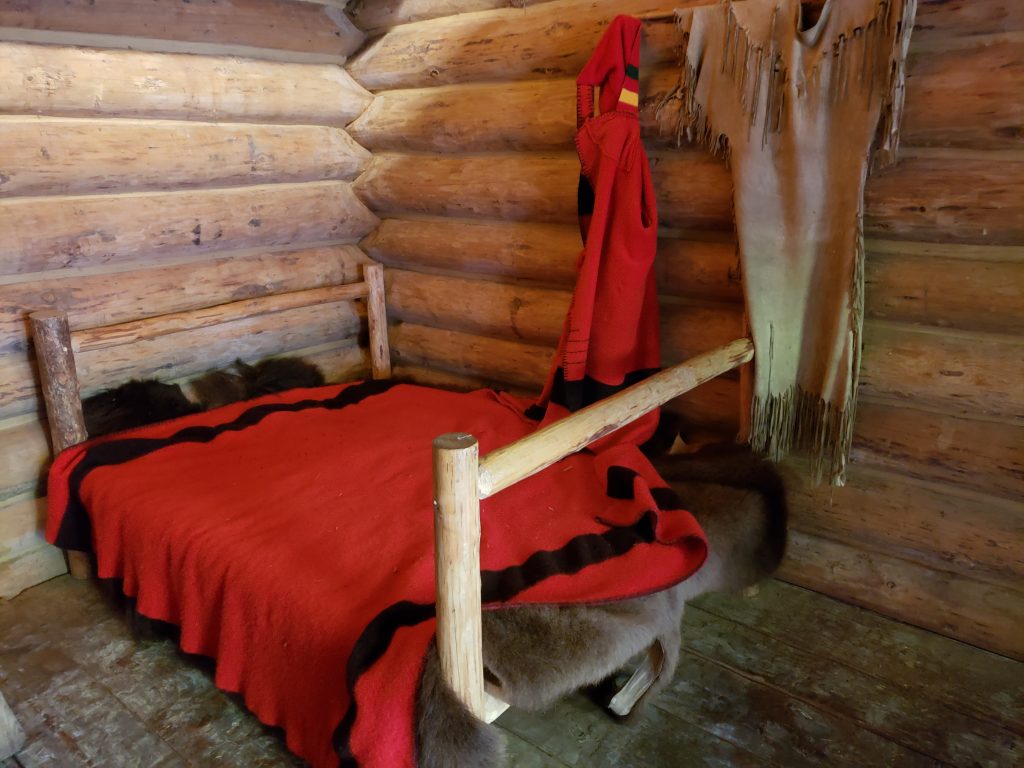
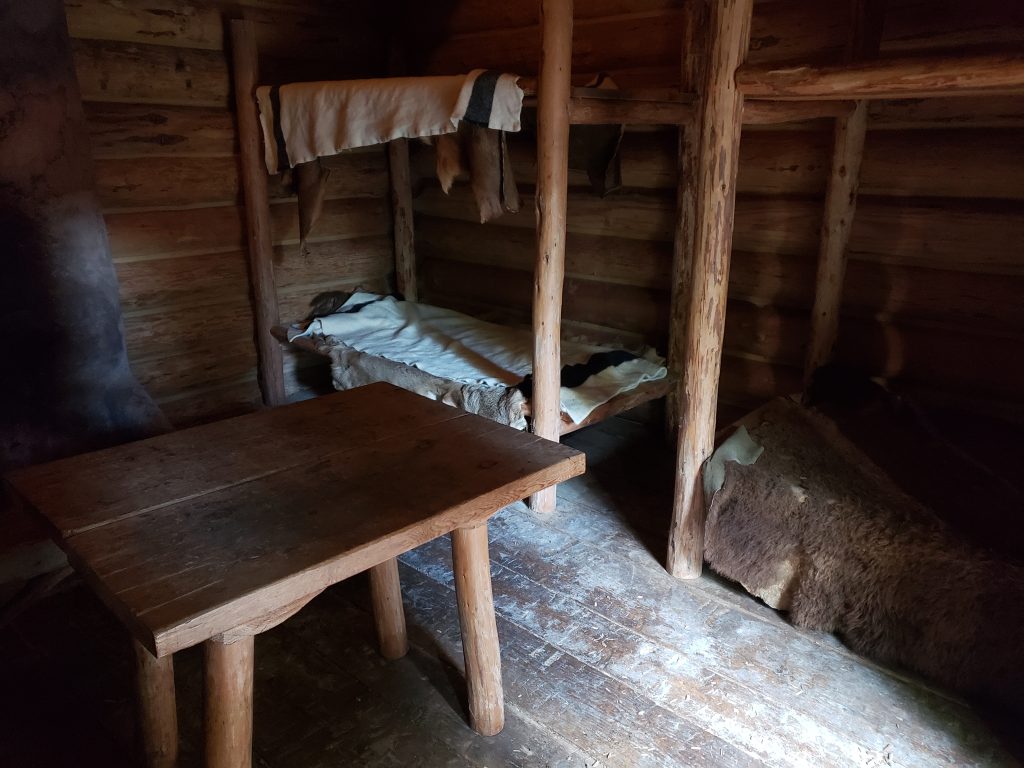
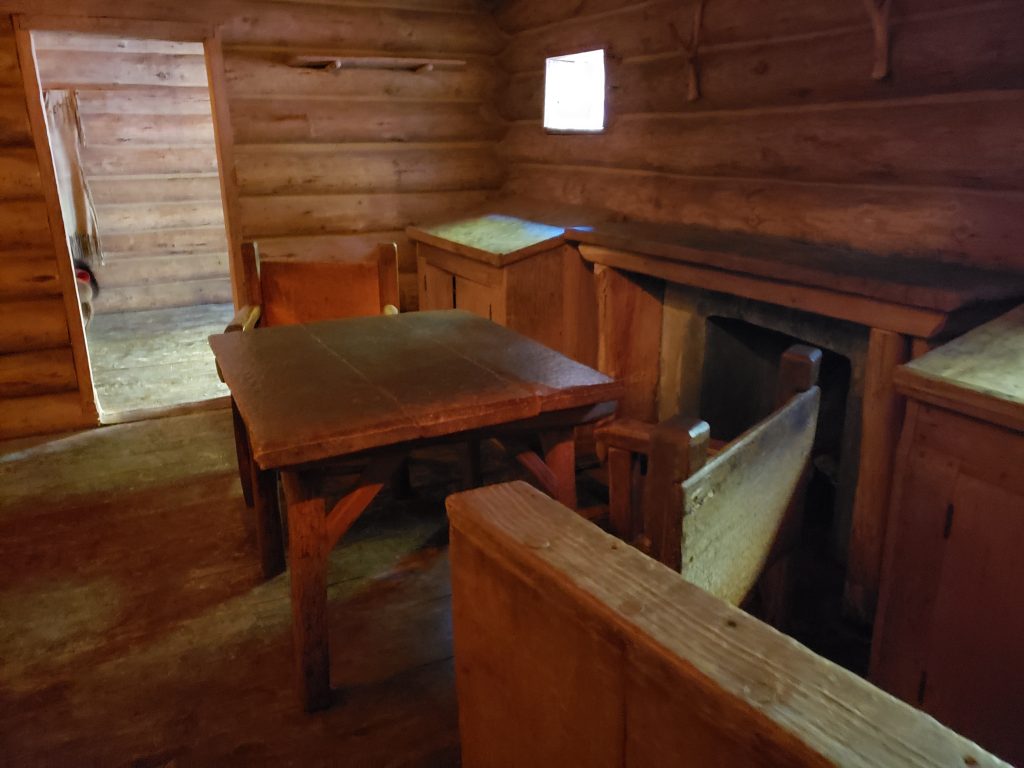
Walking through Fort Clatsop today, you can almost feel the damp chill that settled into every timber and threadbare cloak. The scent of wet earth mingles with sharp pine tang. Inside the dim quarters, replica bunks, rustic fireplaces, and journal-writing desks evoke the daily struggles and small victories of the Corps.
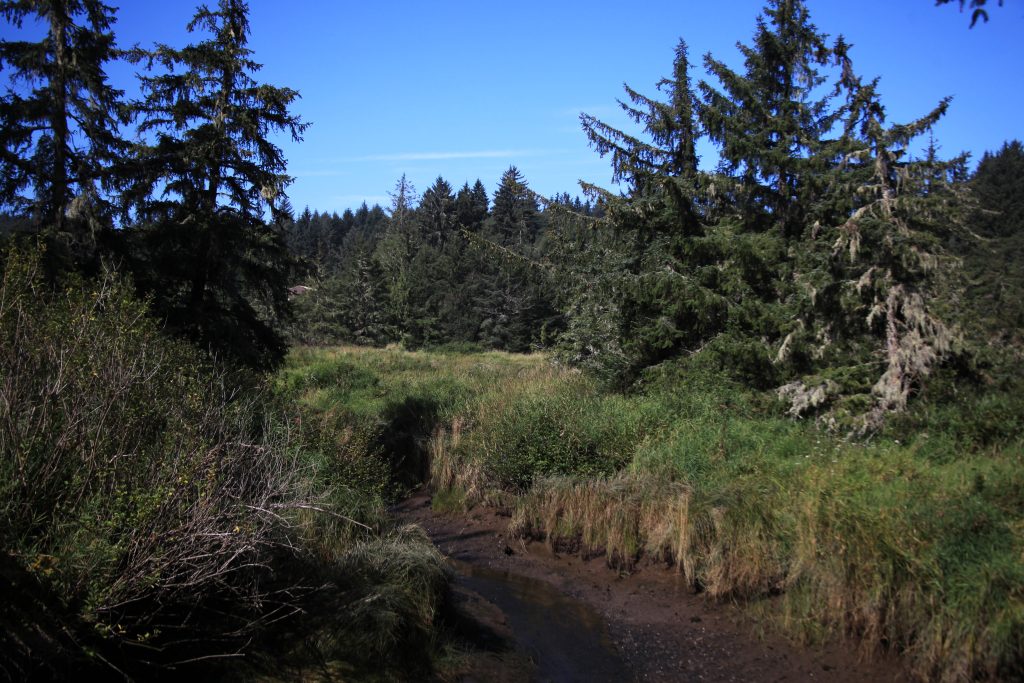
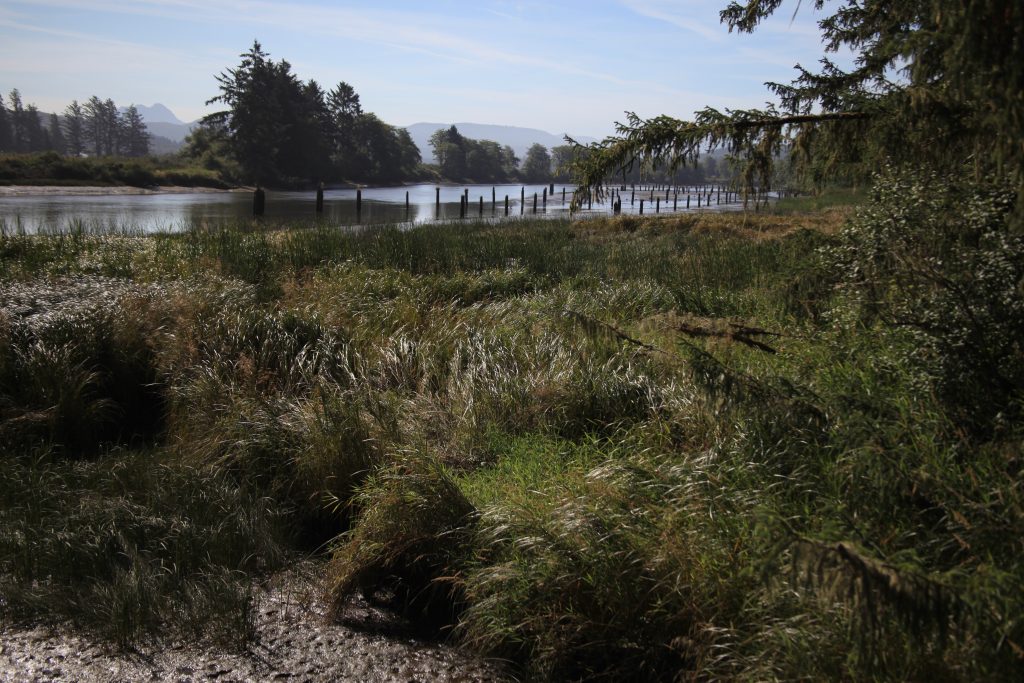
Outside, the surrounding woods stand silent and dripping, as they did in 1805. Interpretive trails wind through lush undergrowth while the nearby river meanders quietly toward the distant, thundering Pacific.
What You Can See Today
To see these painted buildings at their most majestic, visit Strada Nuova—now known as Via Garibaldi. This narrow, elegant street was laid out in the mid-16th century to display Genoa’s architectural might. Here, a procession of noble palaces—Palazzo Rosso, Palazzo Bianco, Palazzo Tursi, and others—stand shoulder-to-shoulder in classical harmony, adorned with illusion and iconography.
- The Reconstructed Fort: Built to authentic specifications in 1955 and carefully maintained, the fort features seven rooms clustered around a central parade ground, offering a glimpse into frontier military life. The sturdy log walls are fashioned from hand-hewn spruce and fir, while the small cabins—each scarcely larger than a modern shed—include bunk beds, writing desks, and simple fireplaces. Officers and enlisted men shared close quarters, with only basic comforts carved from the unforgiving landscape. The scent of raw timber, the heavy iron latches on the doors, and the narrow, dark interiors immerse visitors in the hardship and ingenuity of the Corps’ winter survival.

- Visitor Center and Museum: Rich exhibits showcase Lewis and Clark’s artifacts, maps, and journals, alongside detailed accounts of their encounters with native peoples and the challenges they faced.
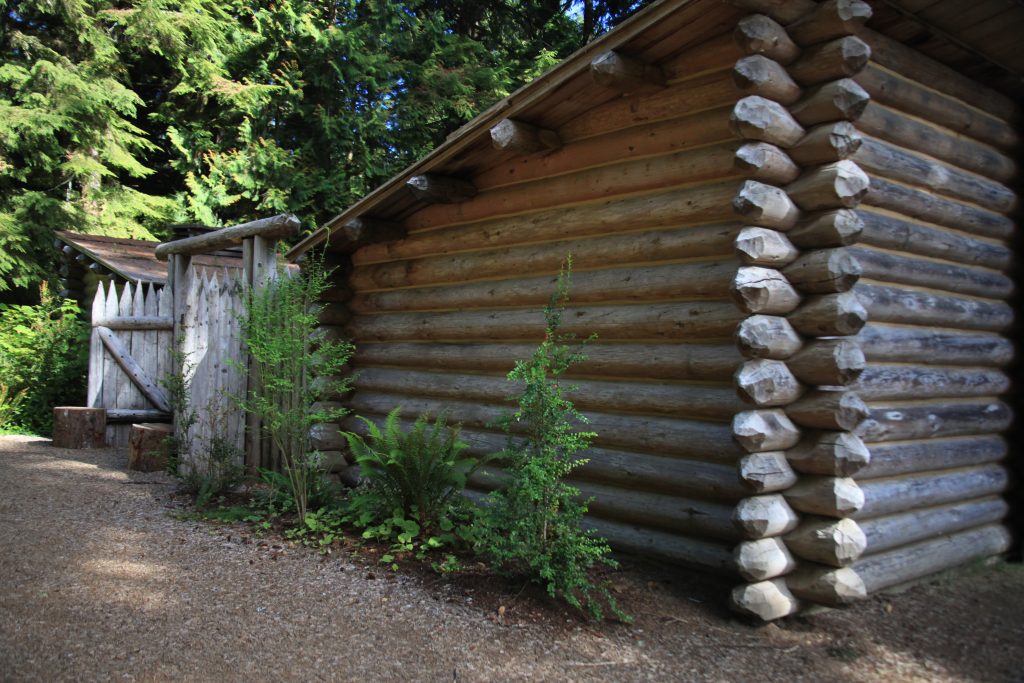
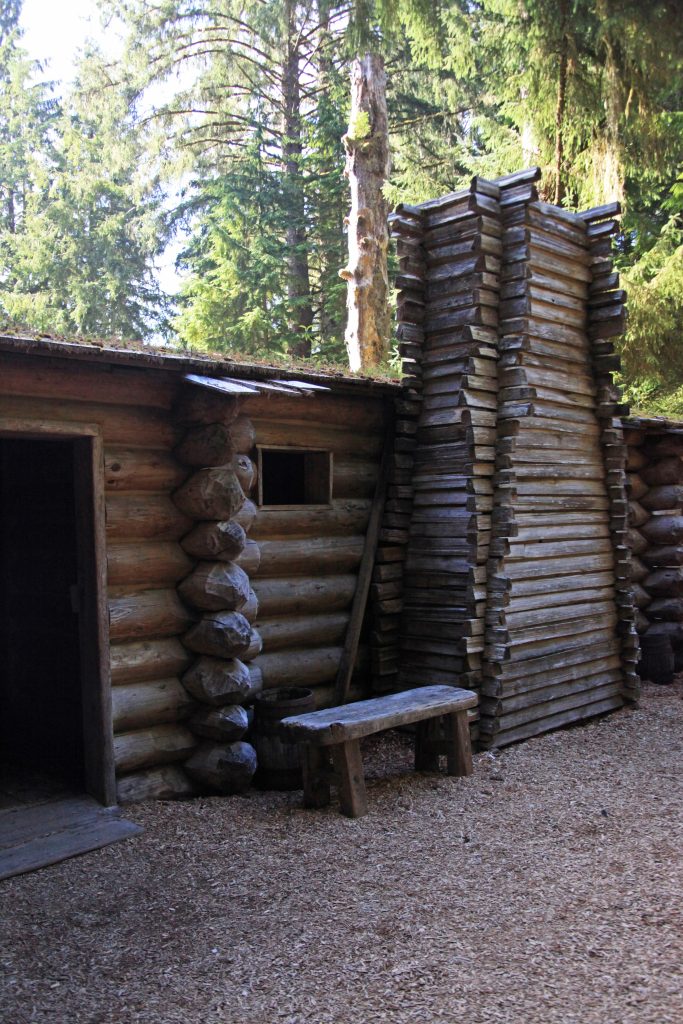
- Living History Demonstrations: Rangers and reenactors bring the past vividly to life with demonstrations of flintlock shooting, candle making, journal writing, and survival skills.



- Fort to Sea Trail: This 6.5-mile trail traces the path the explorers might have taken from their winter quarters to the ocean, offering hikers sweeping views and a tangible connection to the expedition’s spirit of discovery.
A Testament to Fortitude
Fort Clatsop stands today not merely as a historic site but as a testament to American exploration, perseverance, and cultural encounter. It reminds visitors of the extraordinary challenges the Corps of Discovery endured and honors the Indigenous communities whose assistance and knowledge made their journey possible.
Stand at the fort’s weathered gates, close your eyes, and listen to the forest’s whisper and the distant call of the sea. In that moment, you are not merely visiting Fort Clatsop—you are touching the raw edge of a bold and uncertain dream.
Where to Stay in Fort Clatsop, United States
Astoria, just a few miles west of Fort Clatsop, has the most lodging options for area visitors. The downtown waterfront offers several hotels, from budget chains to small inns, many overlooking the Columbia River. This location puts you within a short drive of the fort while still giving you access to Astoria’s restaurants and shops in the evening.
Cannon Beach, about 20 miles south, offers a different kind of base for a longer stay. The beach town has numerous hotels, vacation rentals, and bed-and-breakfasts along the coast and near the main business district. Many travelers choose this area for its quieter atmosphere and direct beach access, preferring day visits to Fort Clatsop over overnight stays nearby.
For those seeking a quieter experience near the monument, Warrenton and nearby small towns offer modest motels and family-run lodges at lower prices. These communities sit minutes from Fort Clatsop and offer straightforward accommodations without the premium costs of more established tourist areas. The trade-off is fewer dining and entertainment options, though basic services remain available.
RV parks and campgrounds in the region serve vehicle travelers, particularly around Astoria and nearby state parks. Several offer full hookups and amenities, making them practical for families or anyone preferring flexibility during their stay. These options tend to be less expensive and put you in direct contact with the natural setting of the Pacific Northwest coast.
Recommended Reading
- To the Far Blue Mountains by Louis L’Amour – While broader in setting, it captures the spirit of western exploration.
- Undaunted Courage by Stephen E. Ambrose – A riveting, novelistic history of Lewis and Clark’s epic journey.
- Lewis and Clark Through Indian Eyes edited by Alvin M. Josephy Jr. – A compelling collection of Indigenous perspectives on the expedition.
- The Journals of Lewis and Clark edited by Bernard DeVoto – The original words of the explorers, chronicling each hardship, wonder, and discovery.
