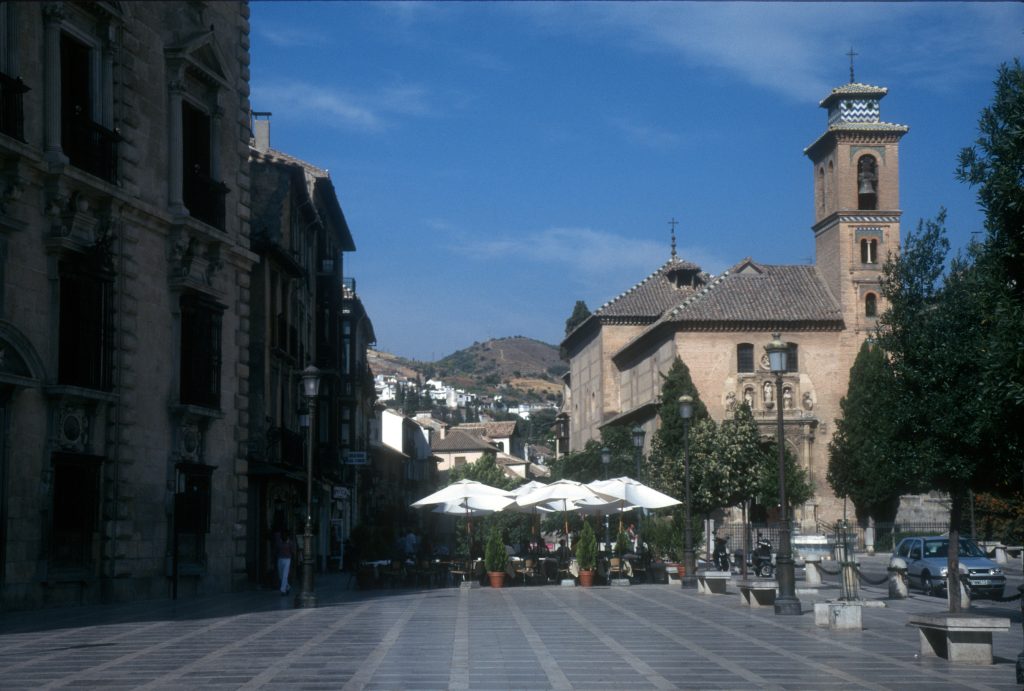
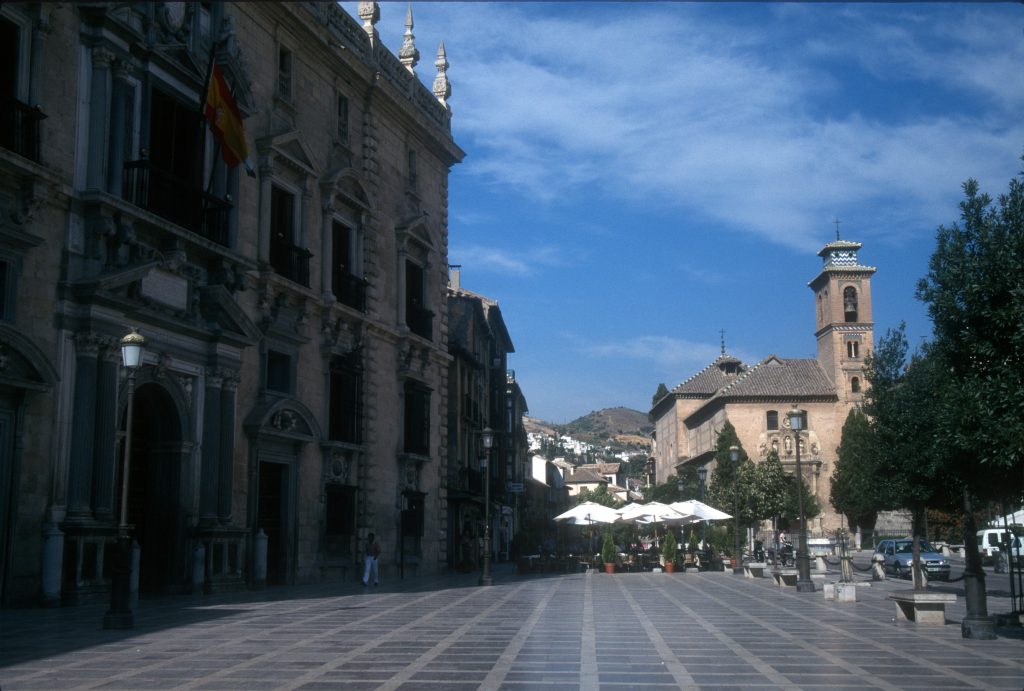
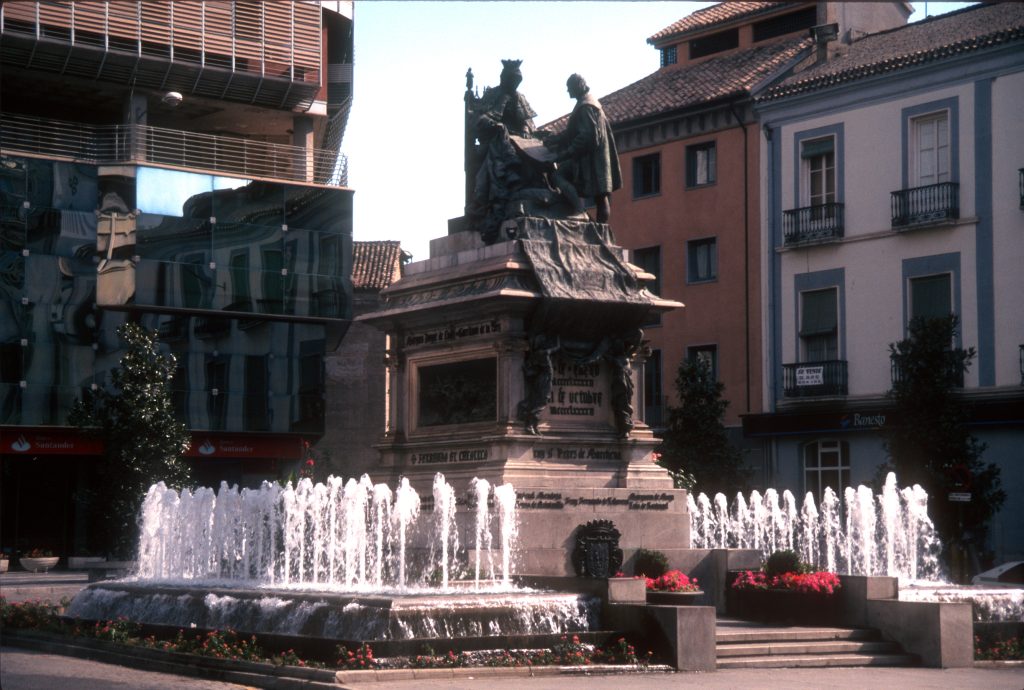
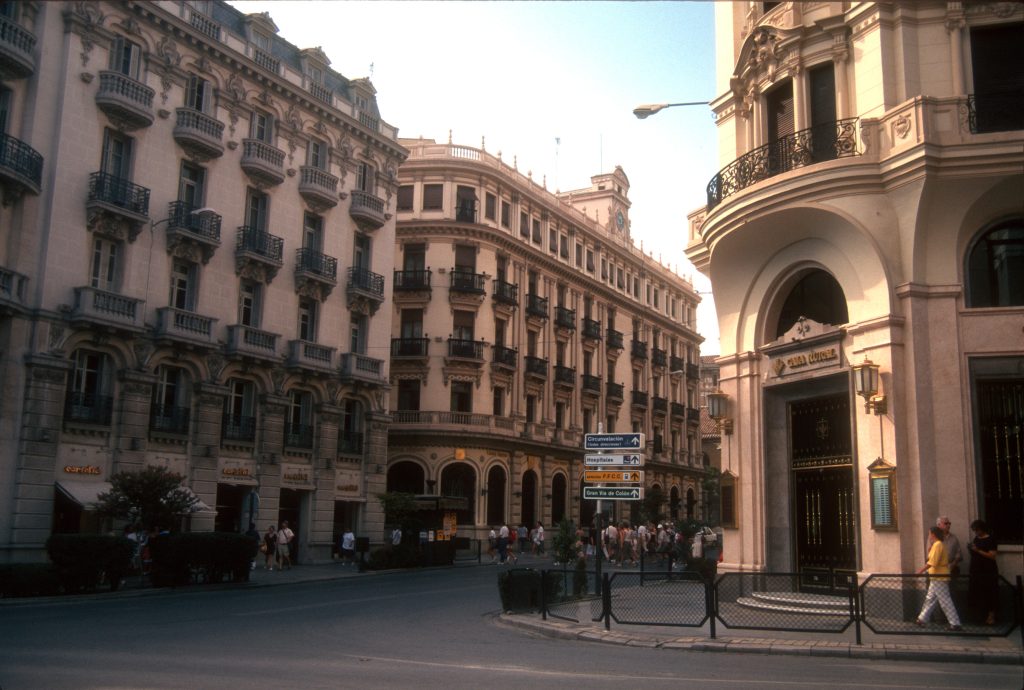
High in the Sierra Nevada foothills, where jasmine mingles with orange blossoms and the past hangs sweet and sorrowful in the Andalusian air, there lies a city that once ruled the dreams of kings—and still captivates the hearts of travelers. Granada is not a place you visit. It is a place that stays with you.
Where Empires Clashed
Granada’s story is one of cultural fusion and dramatic conquest, a tale woven through empires. Founded as an Iberian settlement and shaped by Roman rule, the city flourished under the Nasrid dynasty, the last Muslim rulers of Spain. For over two centuries, from the mid-1200s to 1492, Granada was the glittering capital of Al-Andalus, the final bastion of Moorish power on the Iberian Peninsula.
During the Nasrid era, Granada shone as a jewel of intellect, art, and architecture. Its rulers were scholars and patrons of poetry, calligraphy, and garden design. Though the kingdom shrank after centuries of Christian reconquest, the Nasrids transformed Granada into a city of unmatched refinement. Life within the Alhambra, their royal citadel, offered a world of order, beauty, and measured luxury—but also one of fragility, as internal rivalries and shifting alliances with Christian kingdoms gradually unraveled their rule.
The end came in 1492 after a ten-year campaign by Ferdinand of Aragon and Isabella of Castile, known as the Catholic Monarchs. The final Battle of Granada was more siege than clash—an attritional squeeze where Muslim defenders, led by Emir Muhammad XII (Boabdil), held the city through deteriorating conditions. Boabdil surrendered the keys to the Alhambra on January 2, 1492, starved of allies and resources. Legend has it he looked back at his lost palace and wept as he rode away, prompting his mother to say: “You do well to weep like a woman for what you could not defend like a man.
Moorish Elements Remain
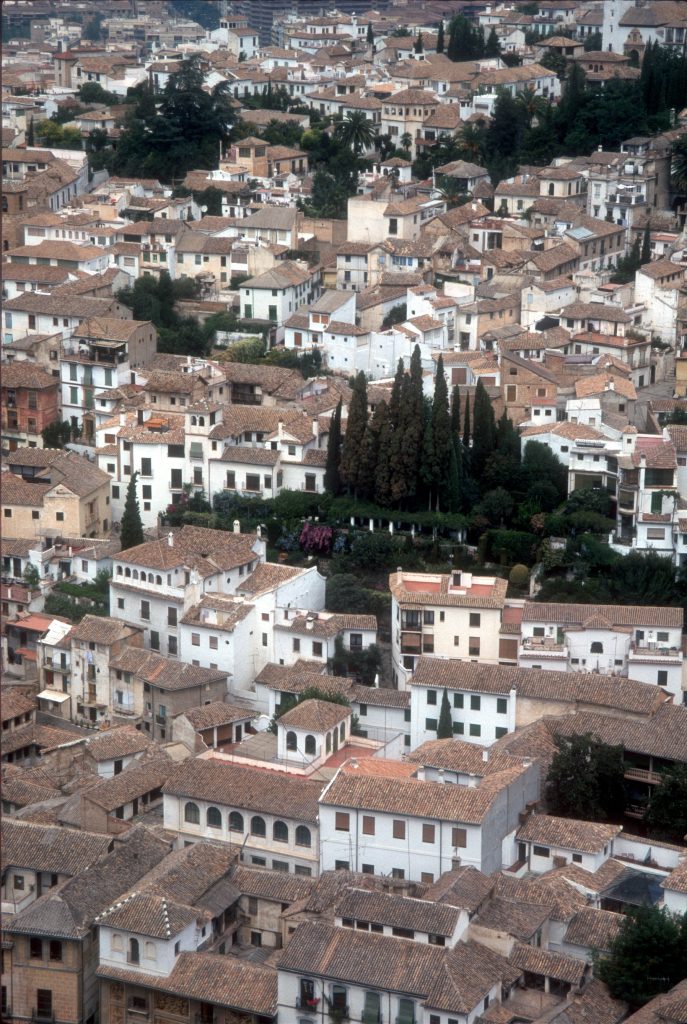
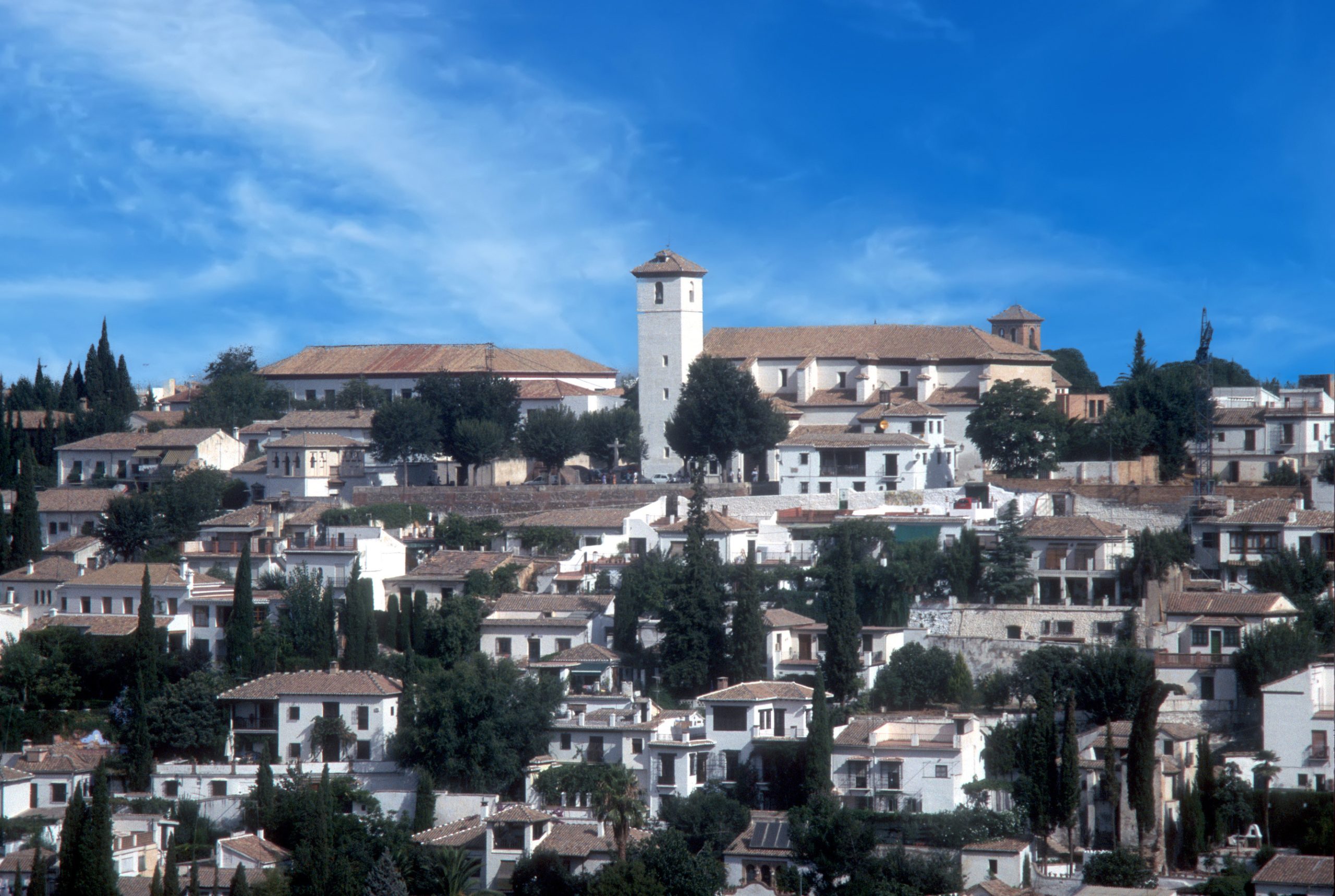
Granada is best explored slowly, like a love letter discovered in an antique desk. The Albaicín, Granada’s ancient Moorish quarter, is a labyrinth of whitewashed homes, flower-draped balconies, and cobbled alleys that wind like ribbons up the hillside. The sounds of trickling water from ancient fountains, the fragrance of grilling aubergine, and echoing flamenco chords fill the air. Every step is a conversation with time.
The Alhambra
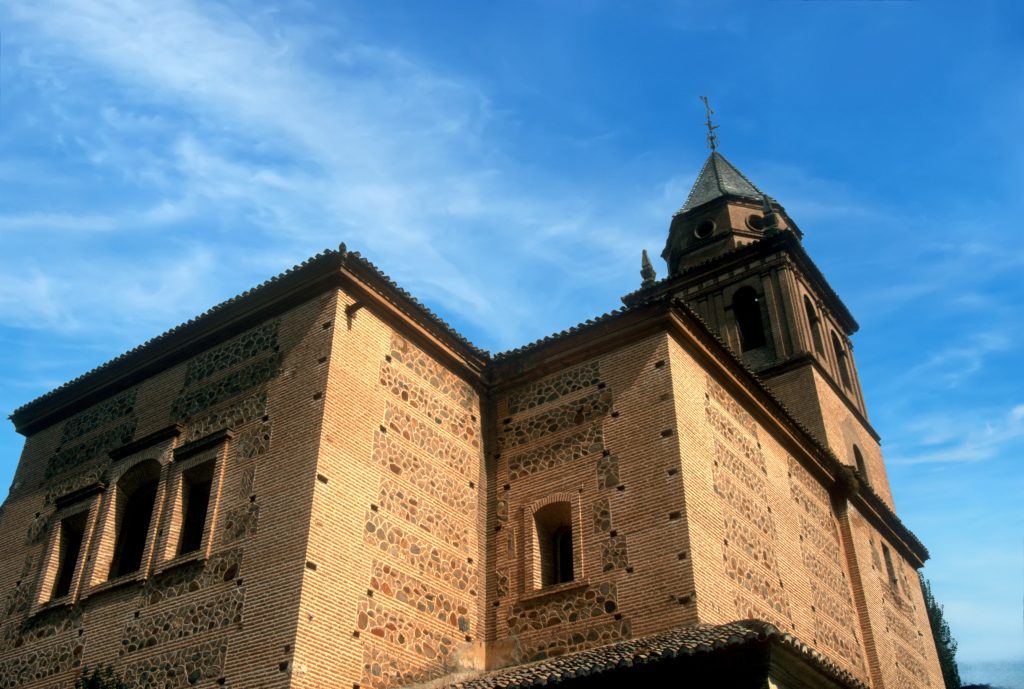
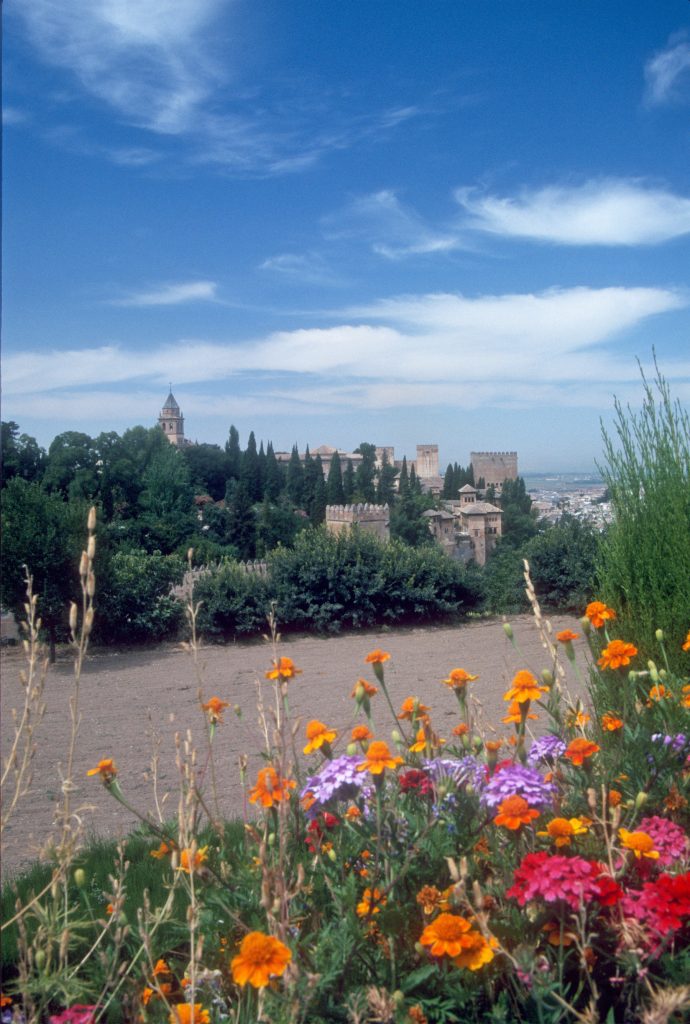
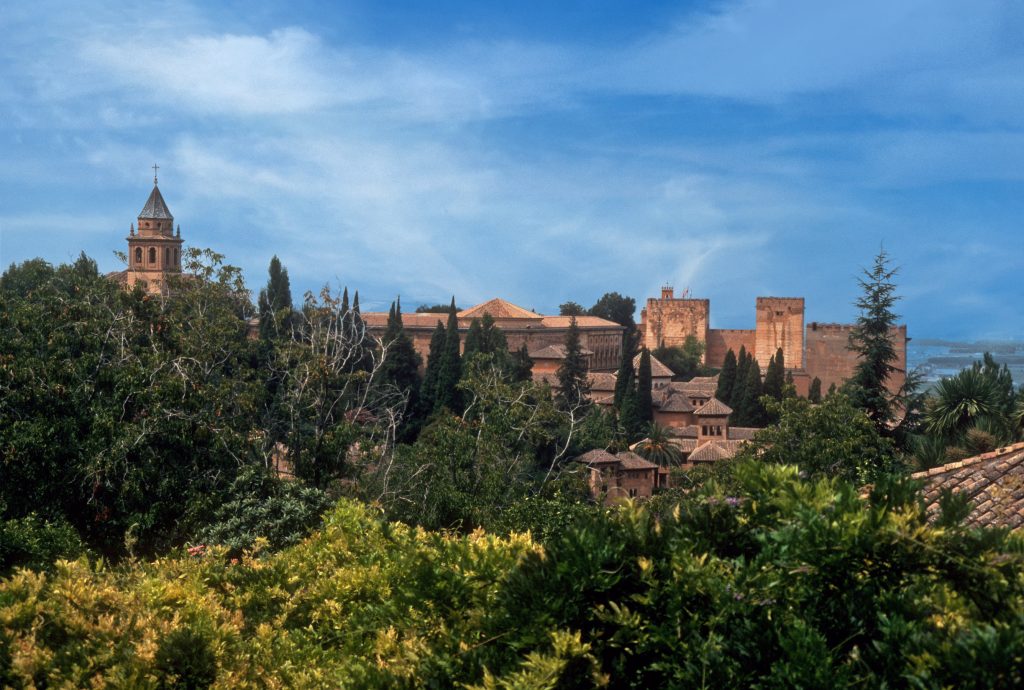
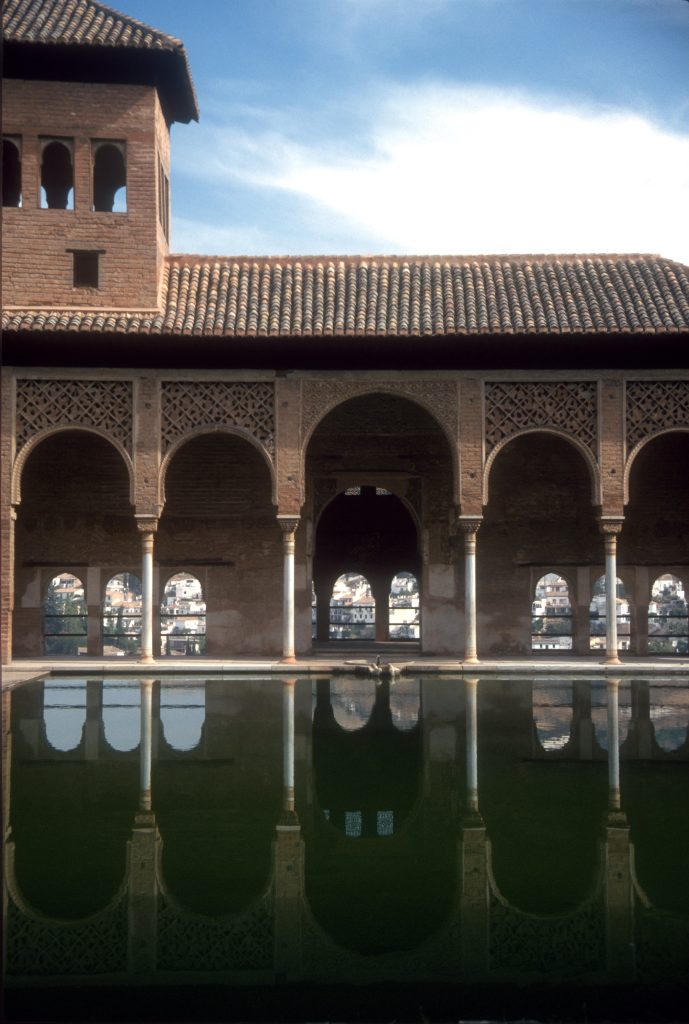
A crown of stone and story, the Alhambra is less monument than city within a city. Its name, derived from the Arabic al-Qal’a al-hamrā, means “The Red Fortress,” and its rose-hued walls shimmer at dusk like embers. But inside those walls lie three distinct worlds: the **Nasrid Palaces, the Palace of Charles V, and the Alcazaba.**
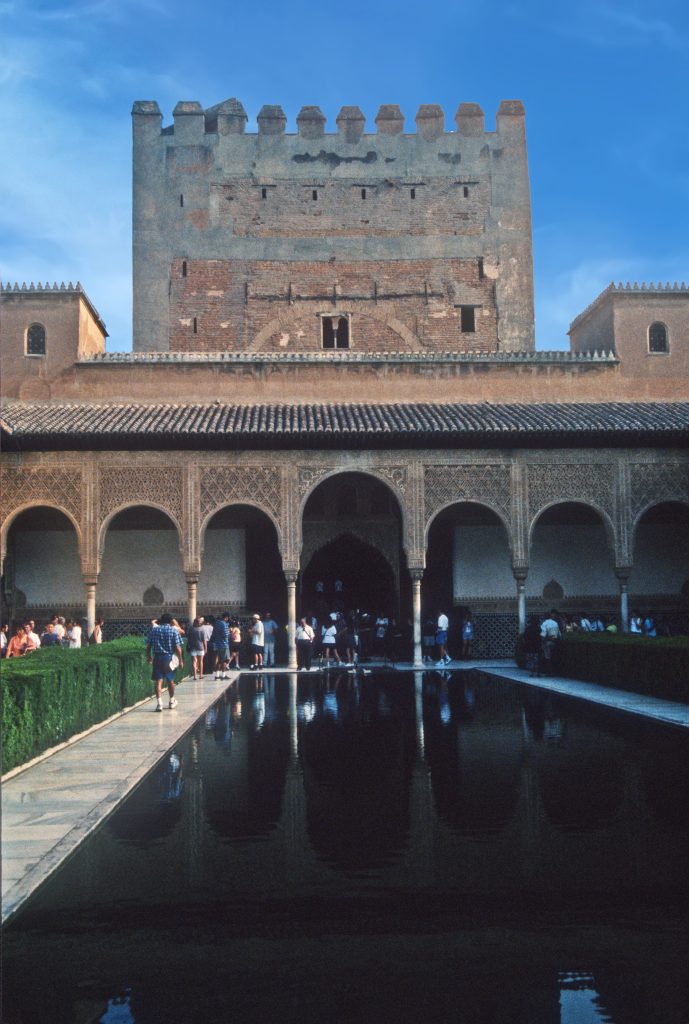
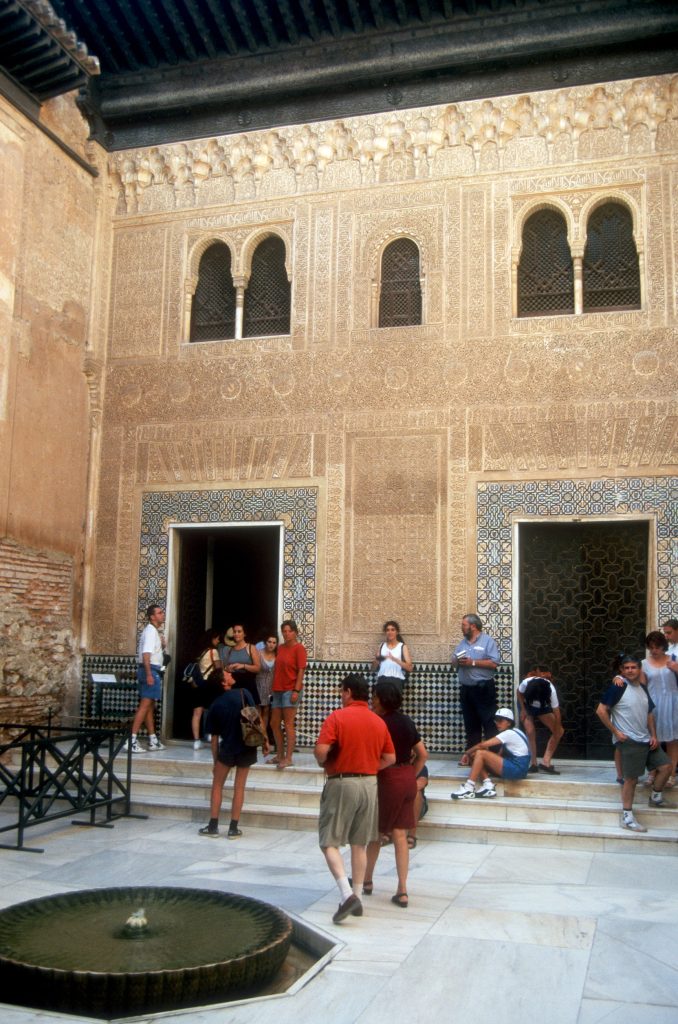
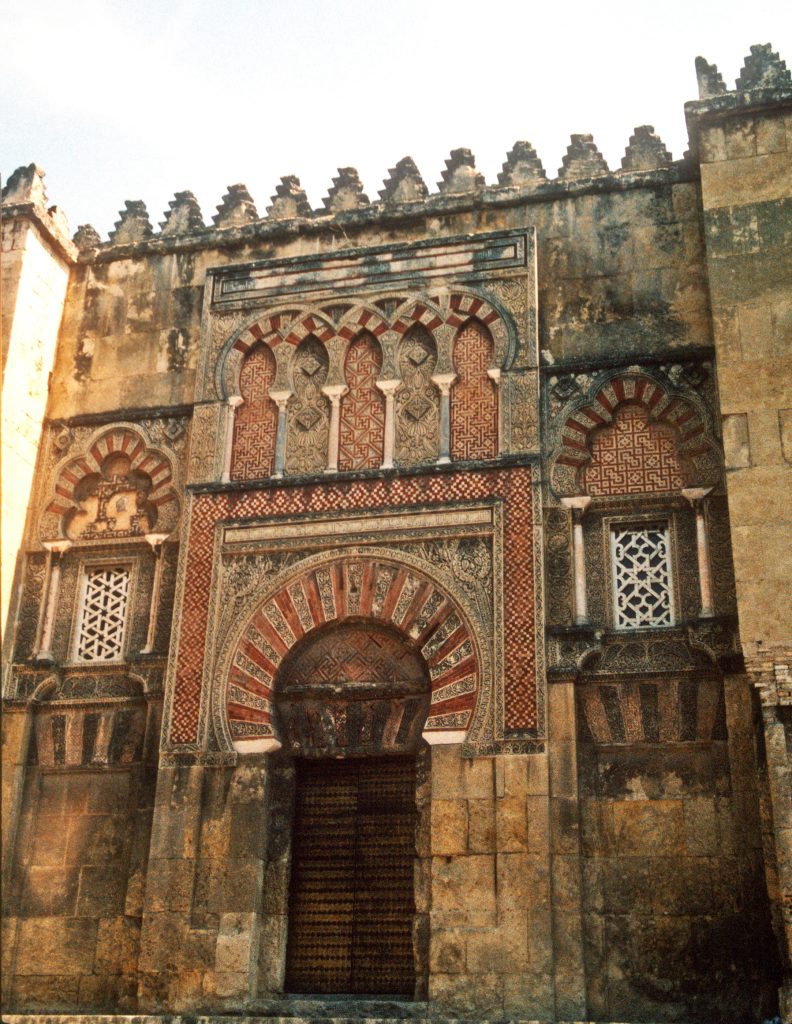
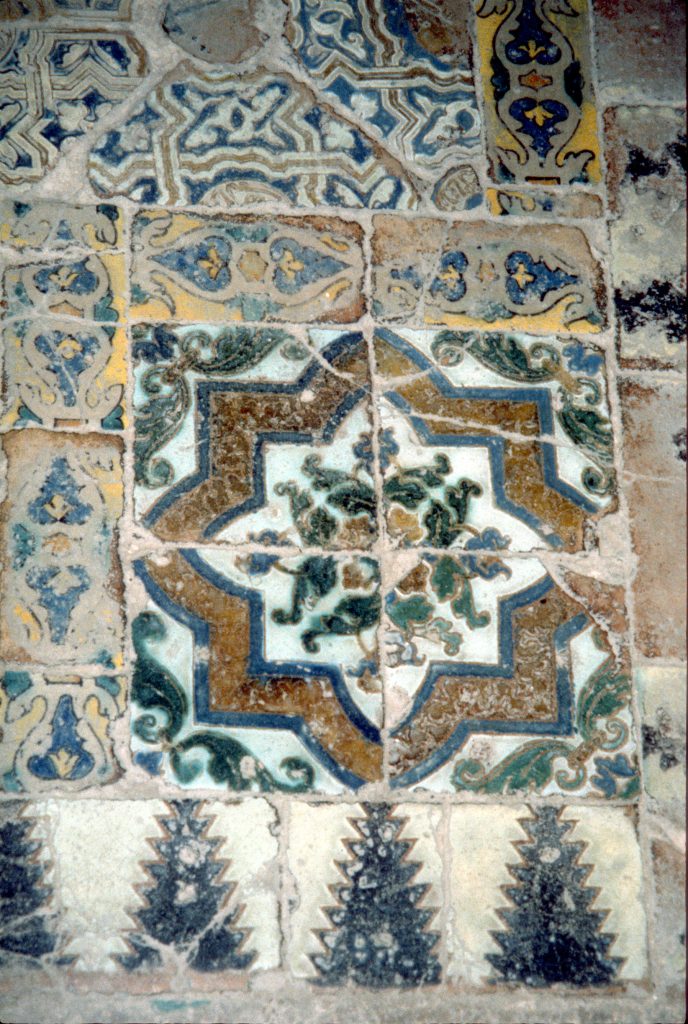
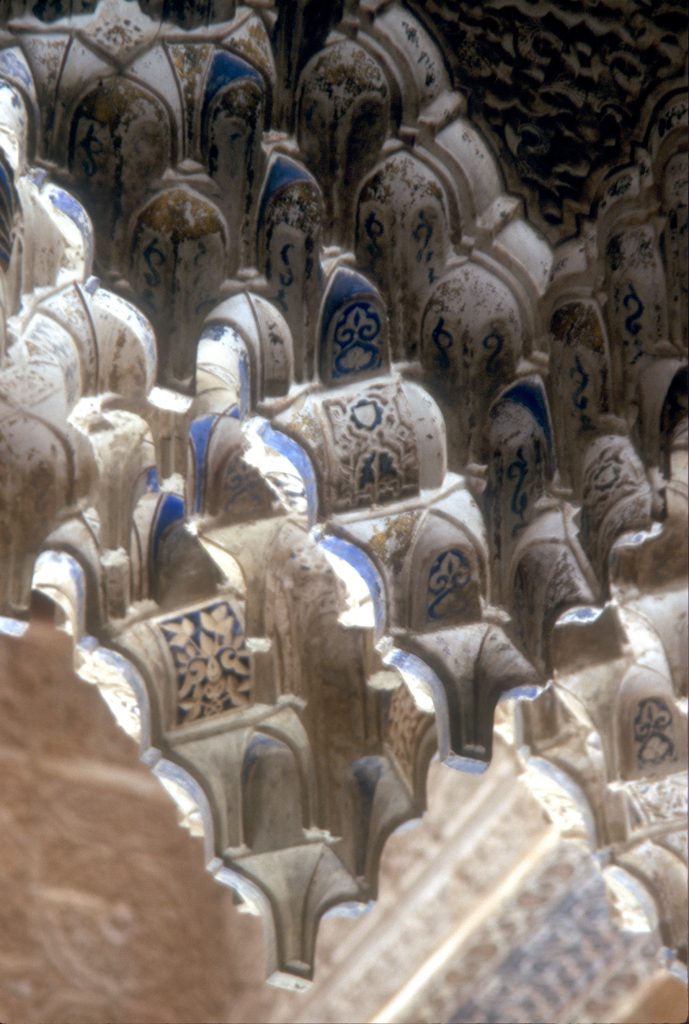
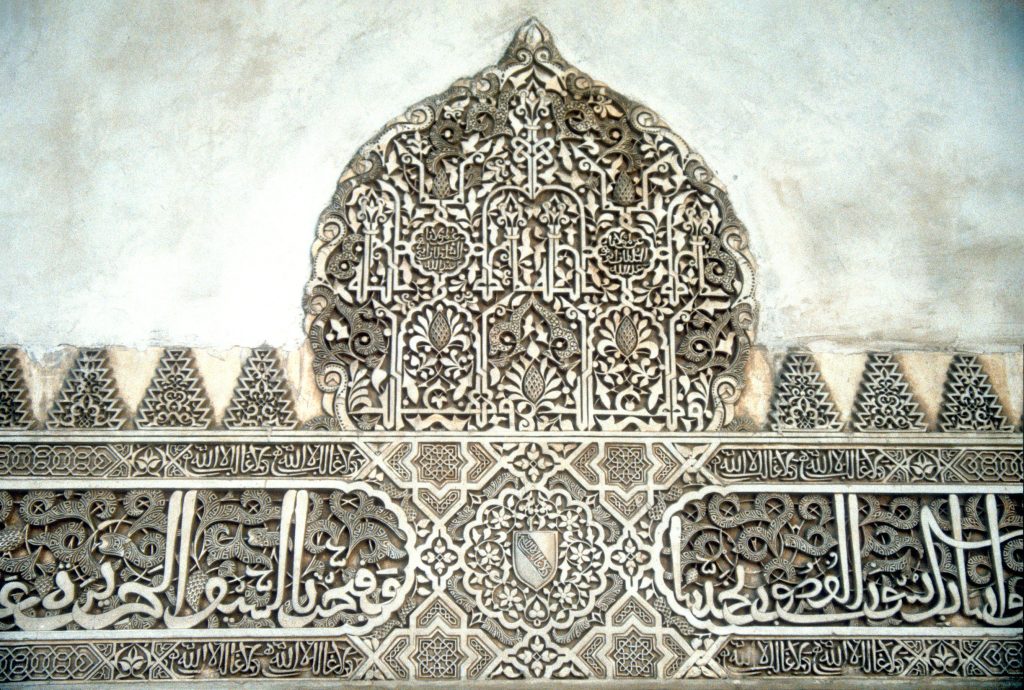
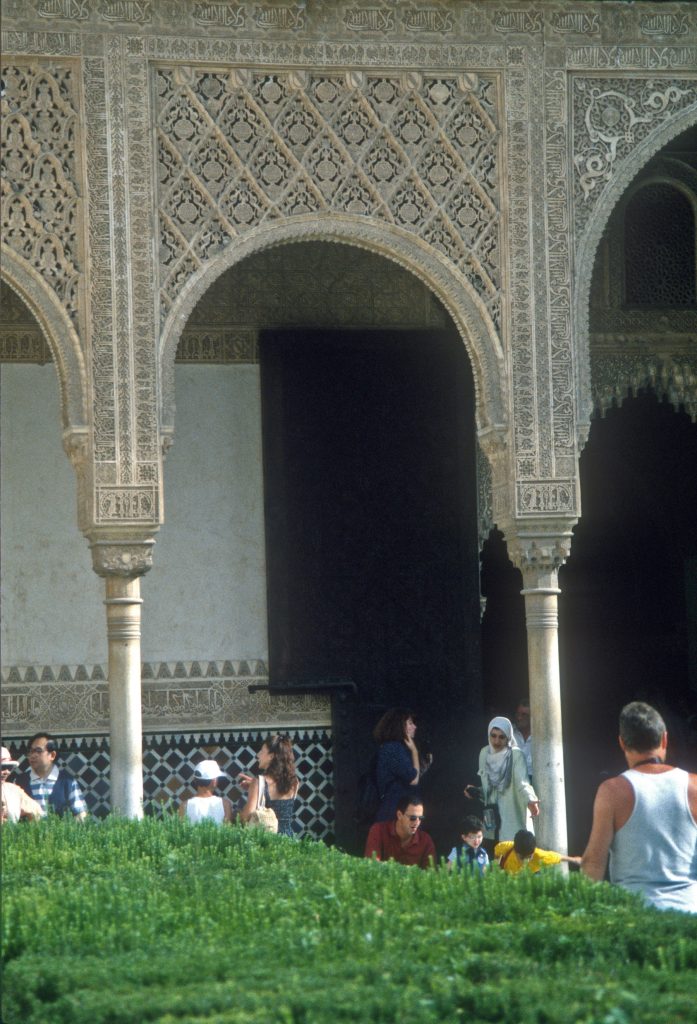
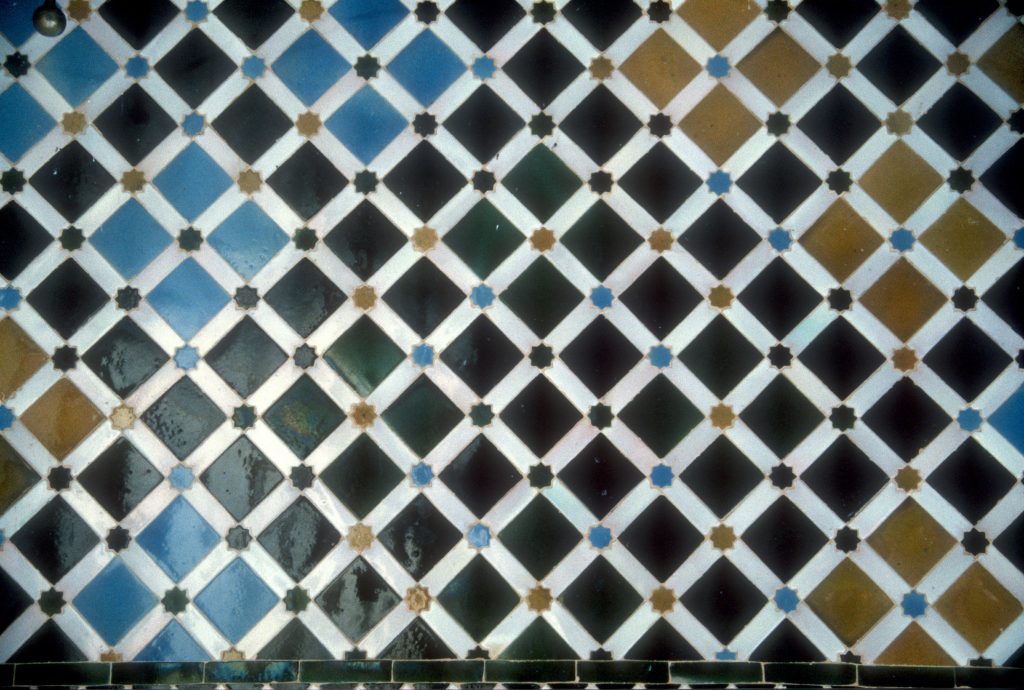
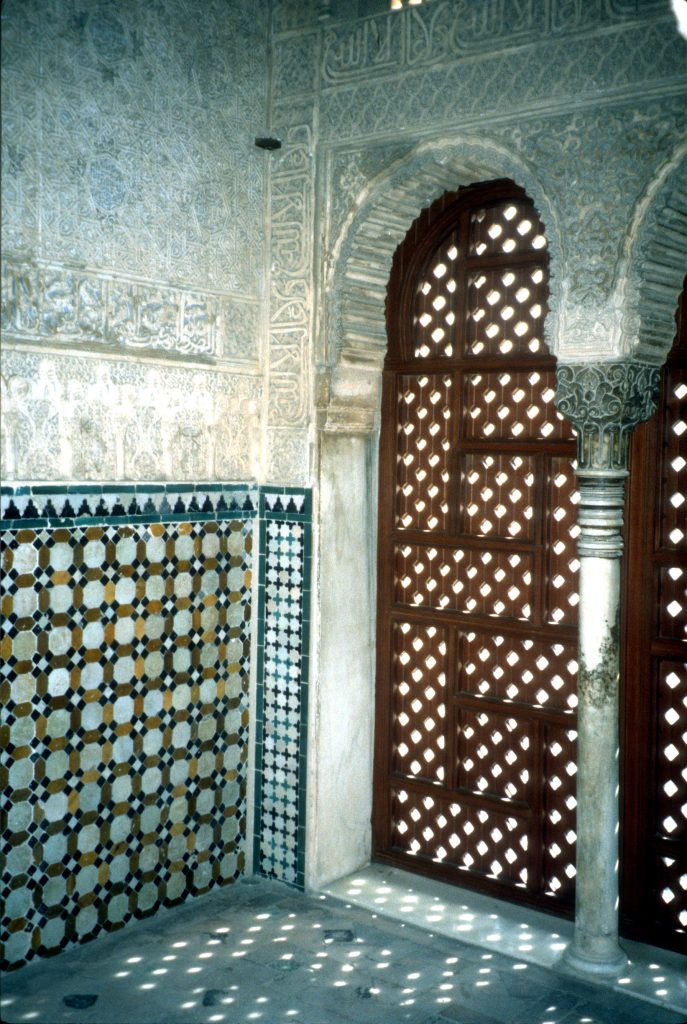
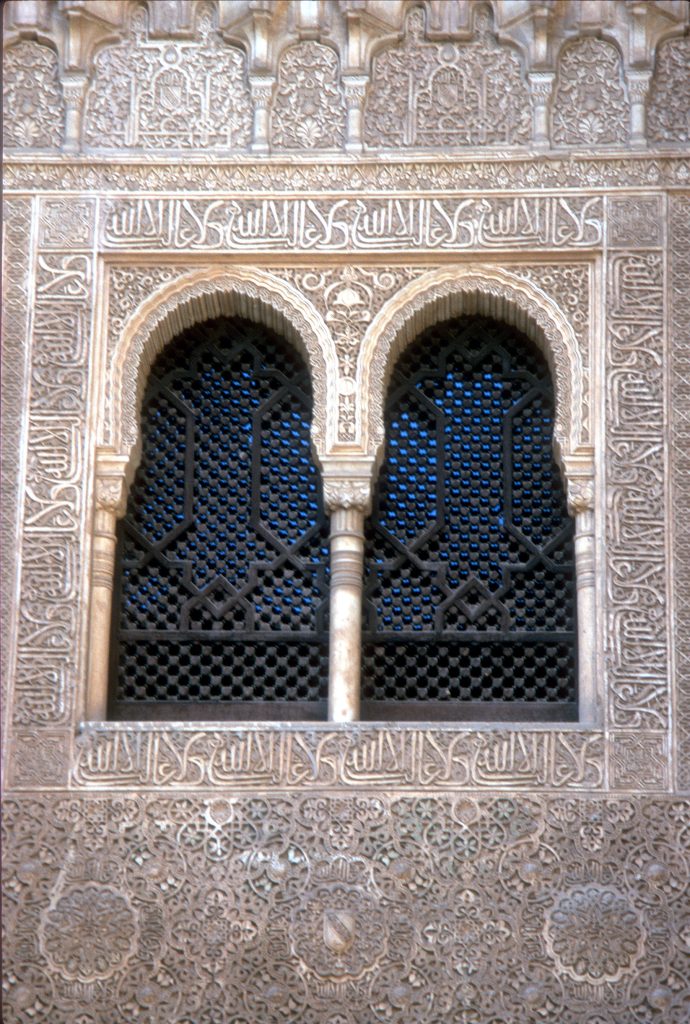
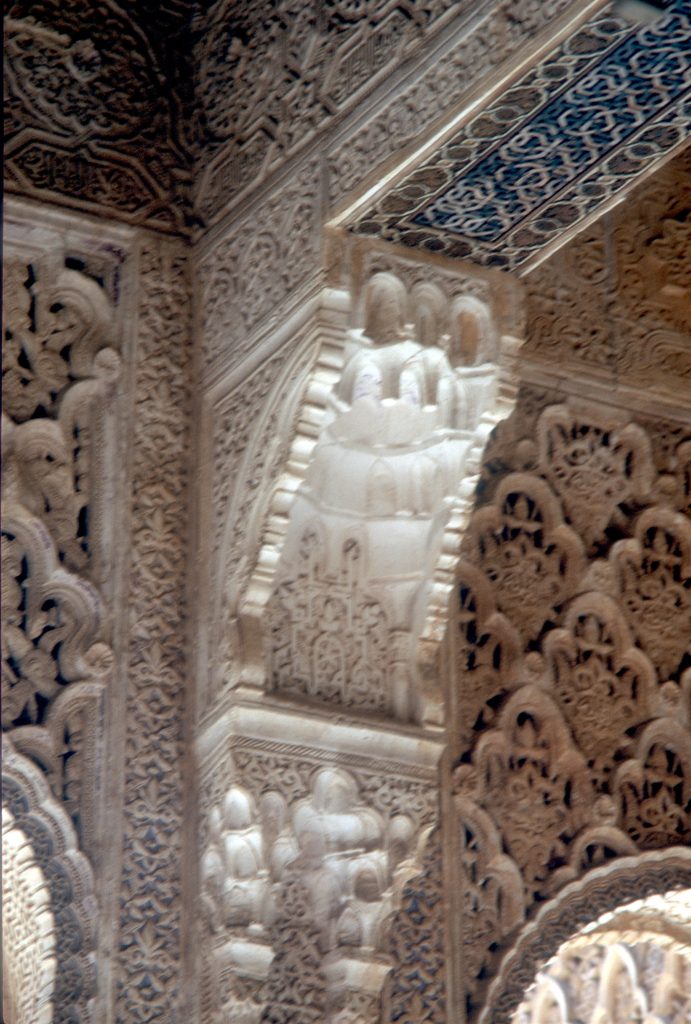
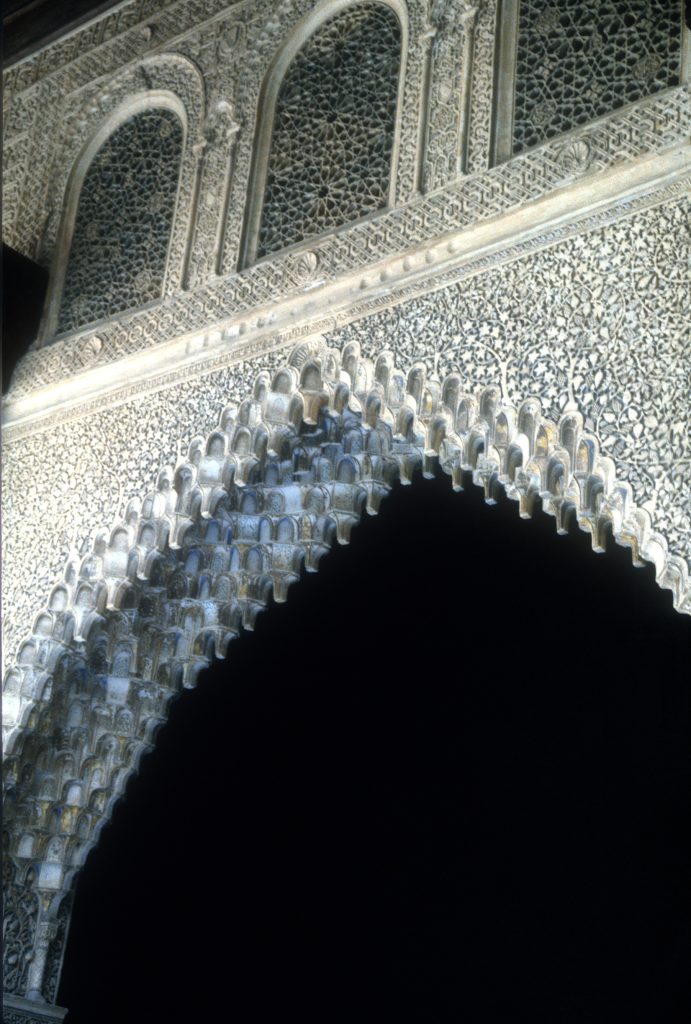
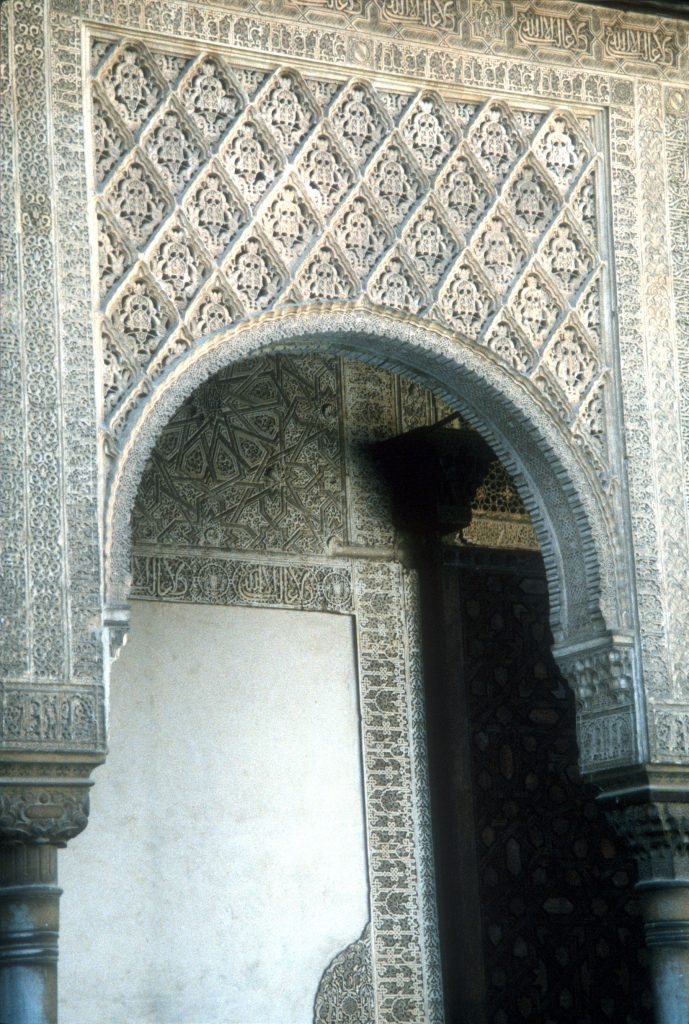
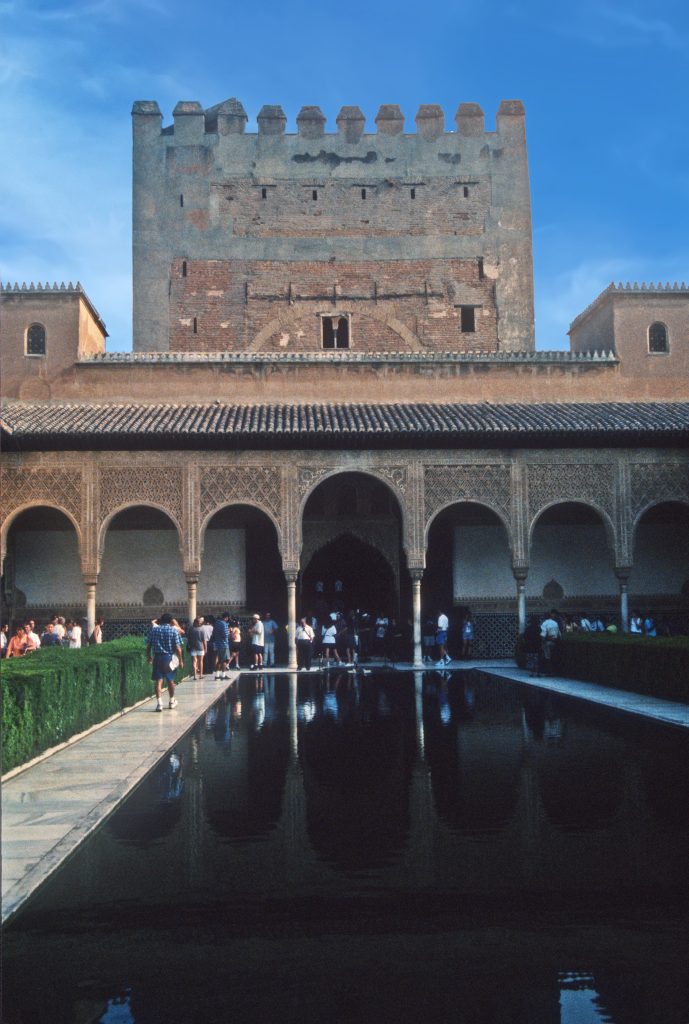
- The Nasrid Palaces: The Nasrid Palaces are the soul of the Alhambra. Built to dazzle both emissaries and enemies, these interconnected courtyards and chambers offer a sensual immersion into Islamic art and philosophy. Inscriptions of Quranic verses dance across walls in Kufic script. The muqarnas ceilings—resembling stalactites carved from plaster—catch and scatter light like lace.
The Court of the Lions is its crown jewel. The Hall of the Abencerrajes, where legend says a noble family was betrayed and murdered, and the Hall of the Two Sisters, with its kaleidoscopic dome, hint at the intrigue and beauty of palace life.
Life in the Alhambra balanced politics with pleasure. The royal harem was a secluded women’s court within the palace complex. Protected and heavily guarded, it was not merely a residence but a network of chambers and gardens designed for comfort and spiritual tranquility. Poets wrote verses celebrating rose water and privacy; women of influence, though invisible to the court, often shaped policy behind veiled doors.
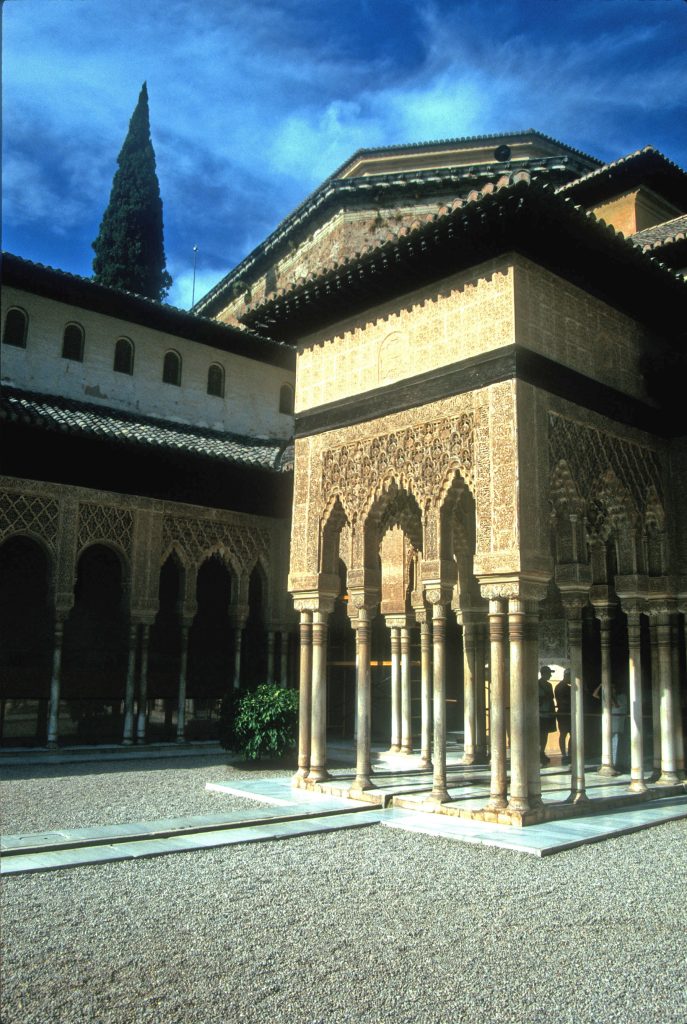
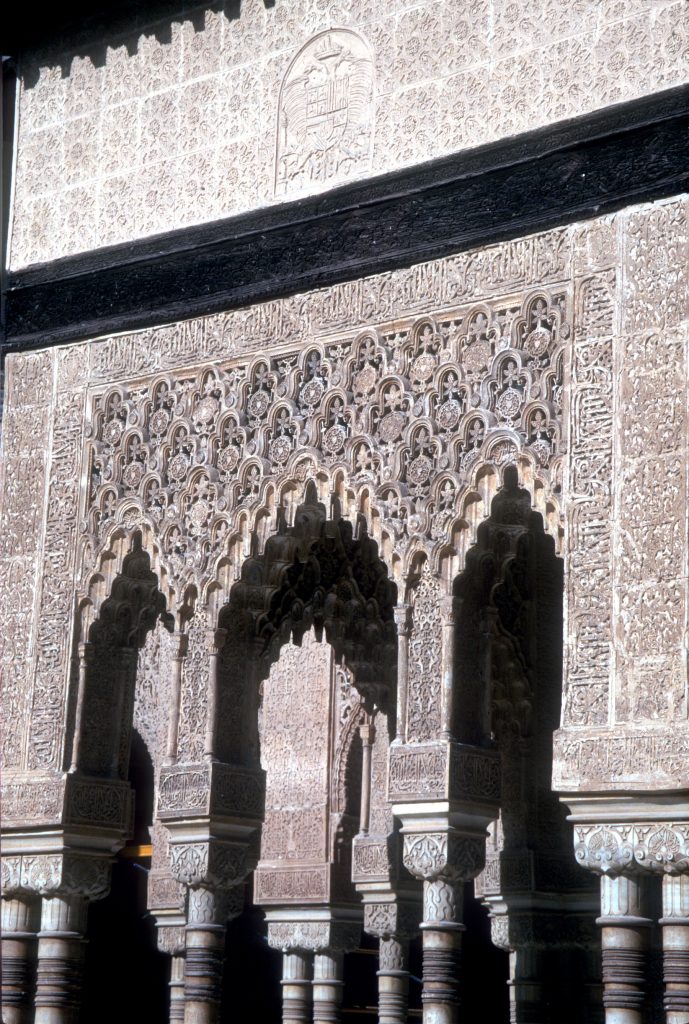
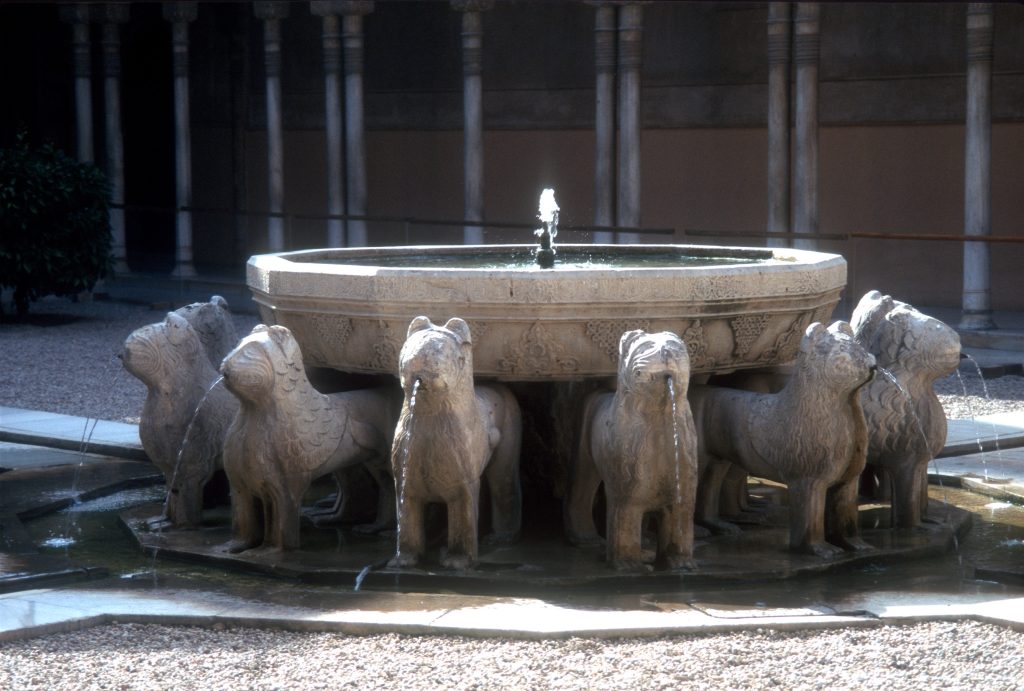
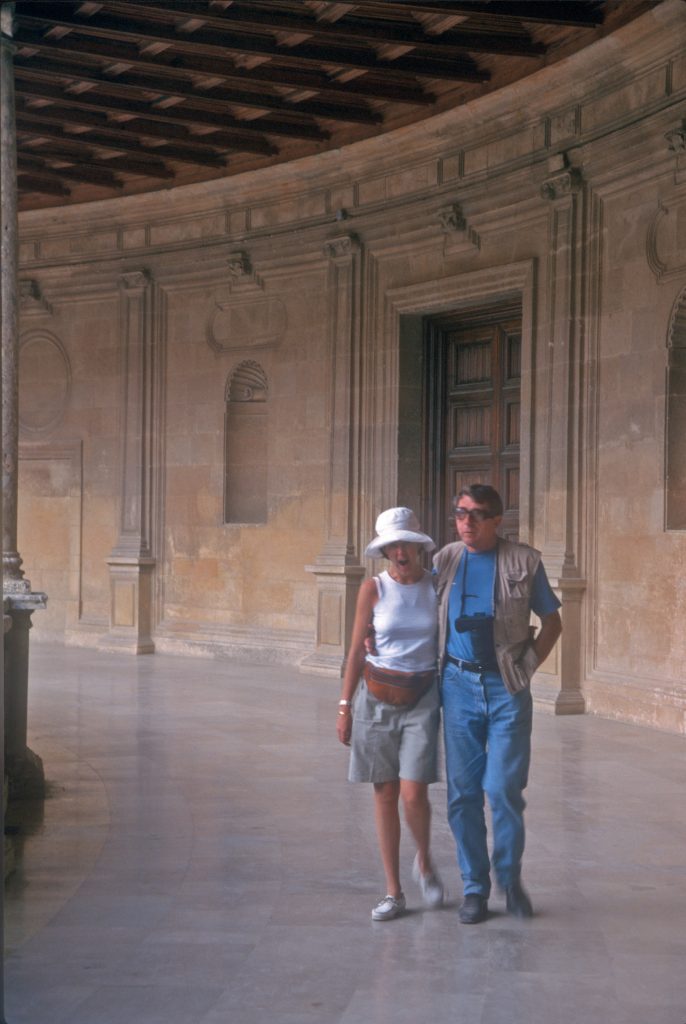
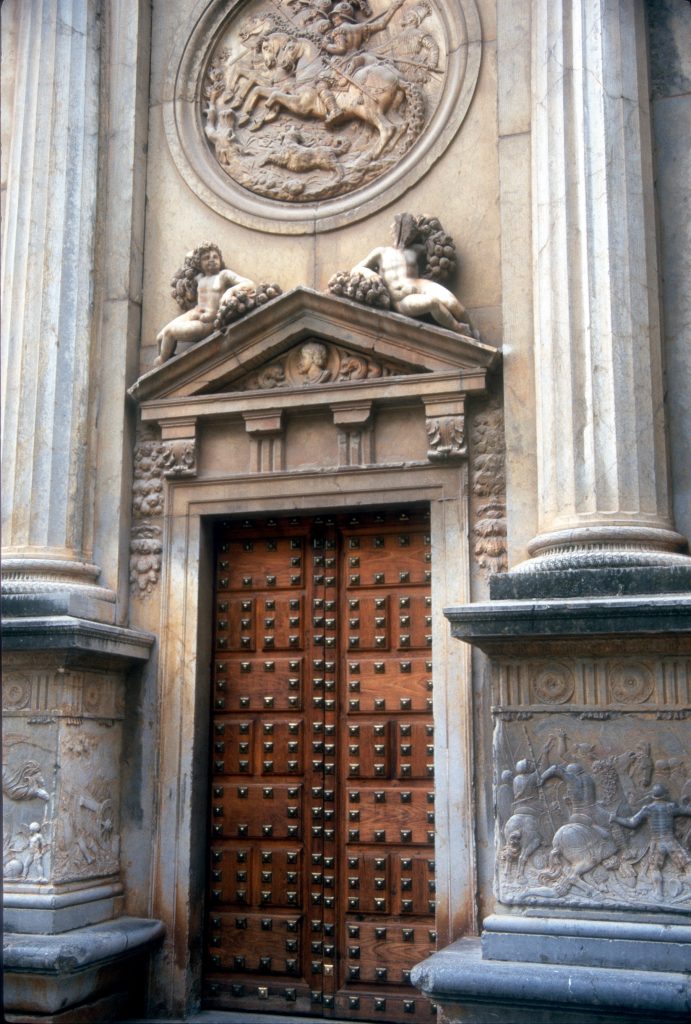
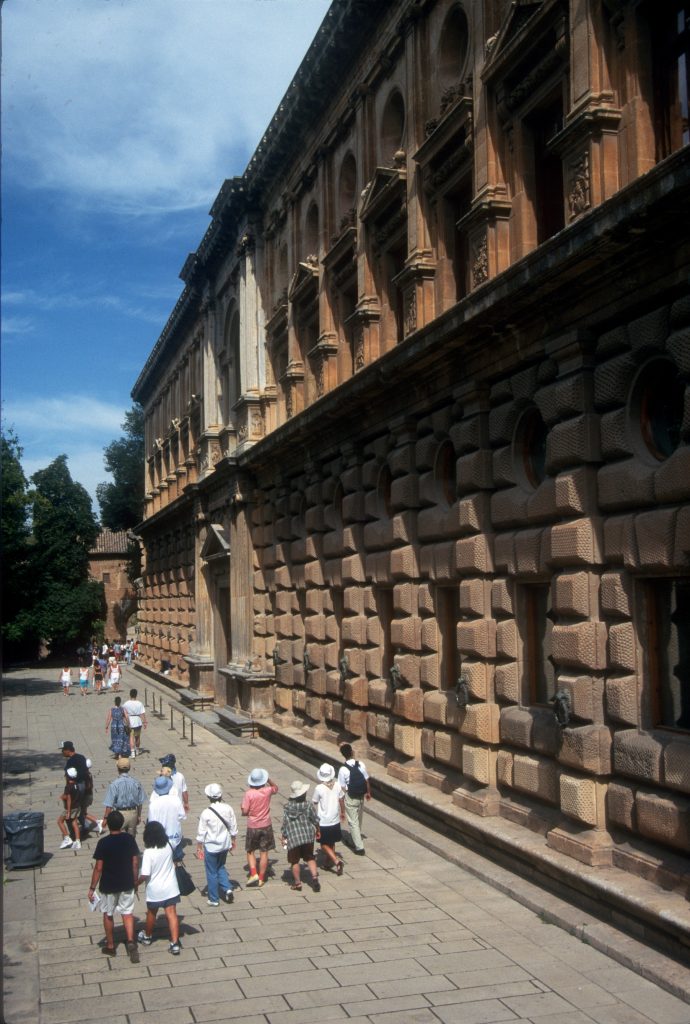
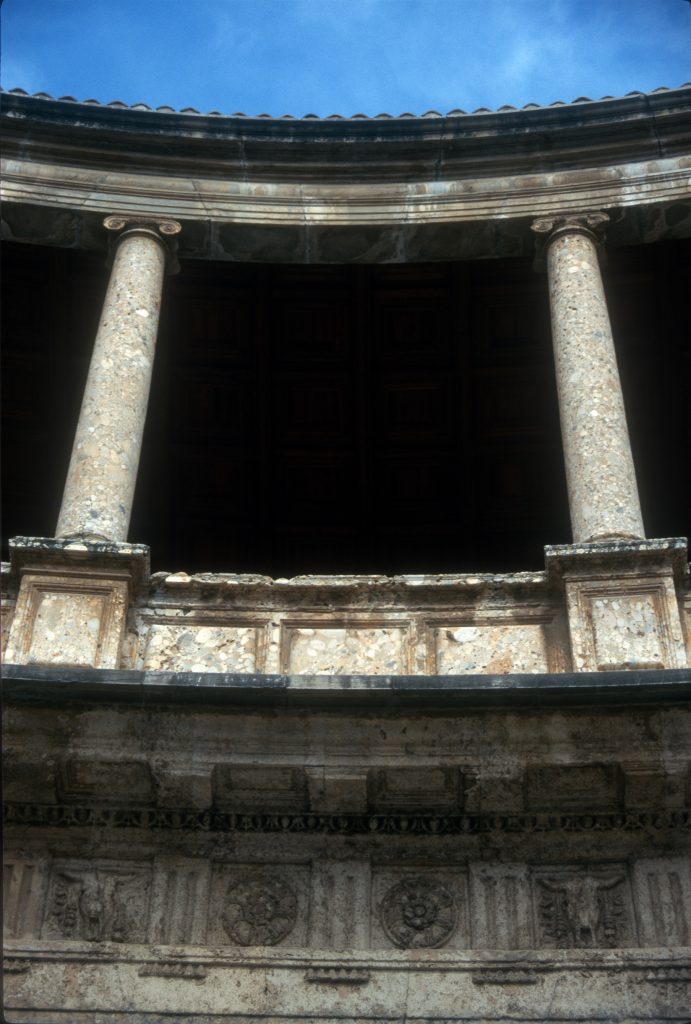
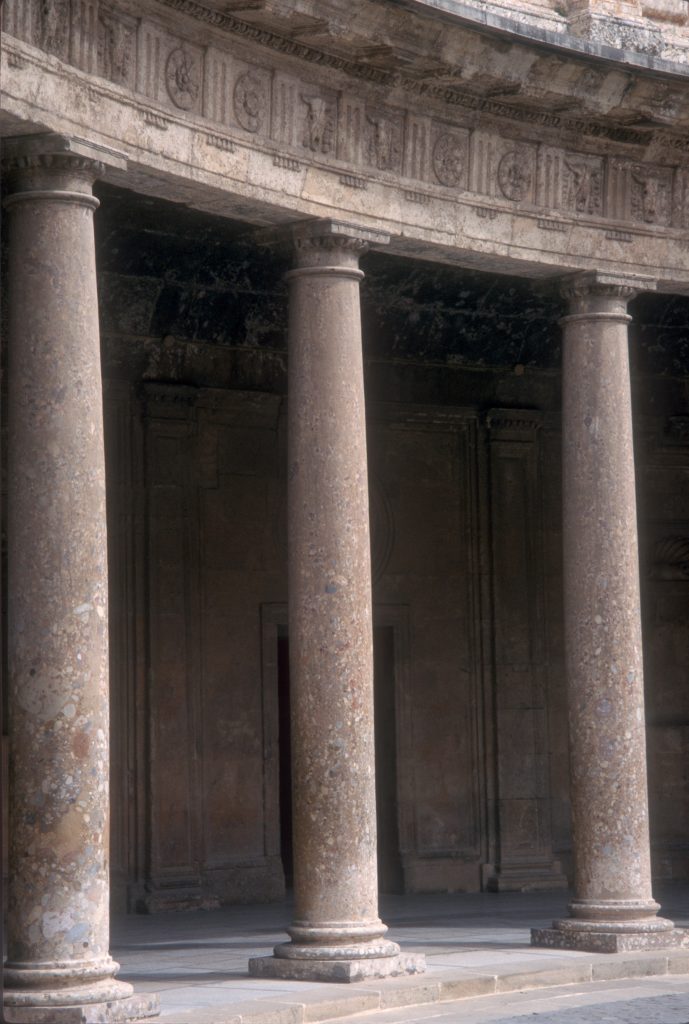
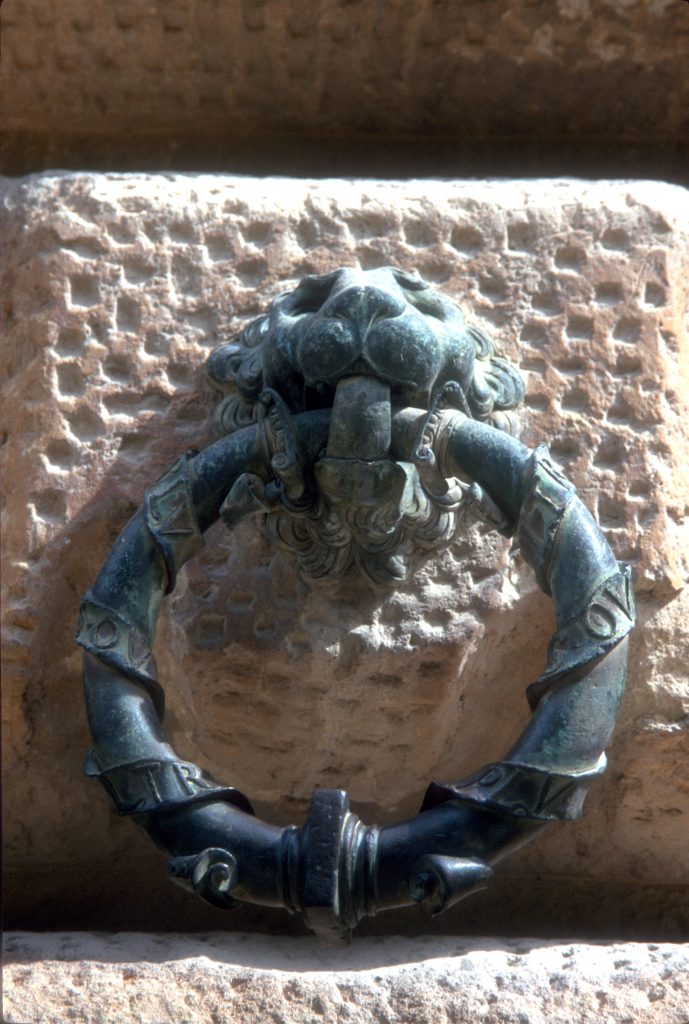
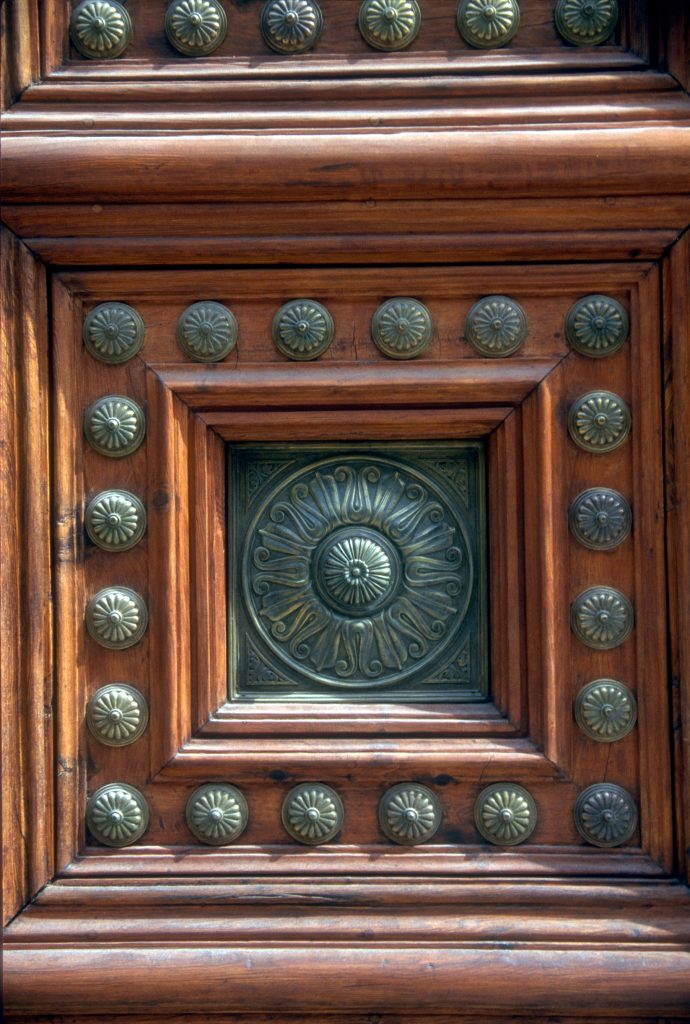
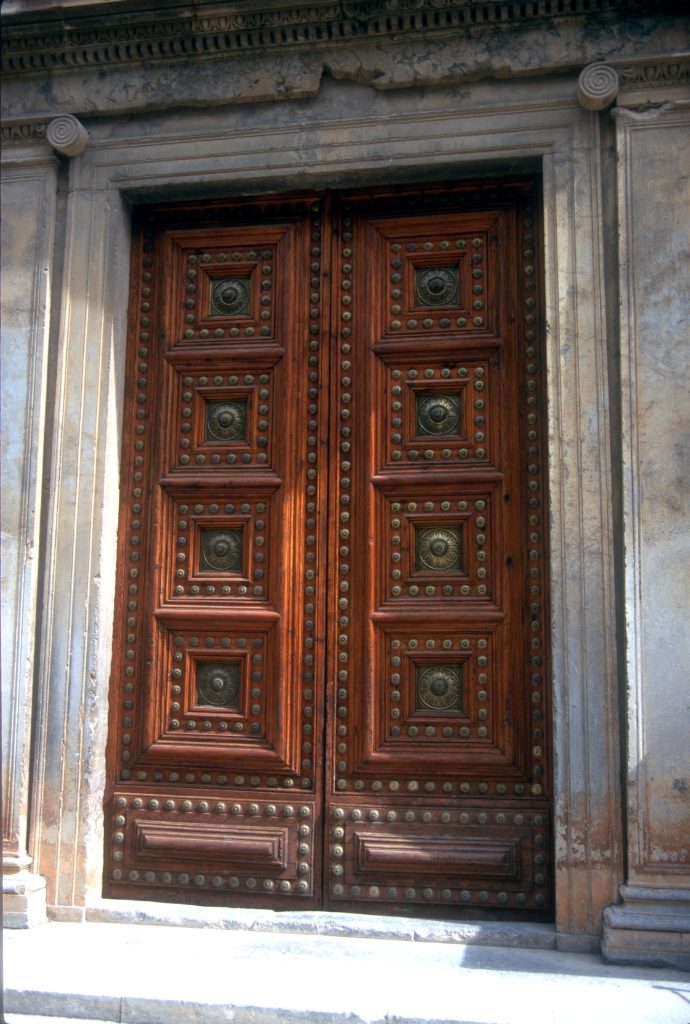
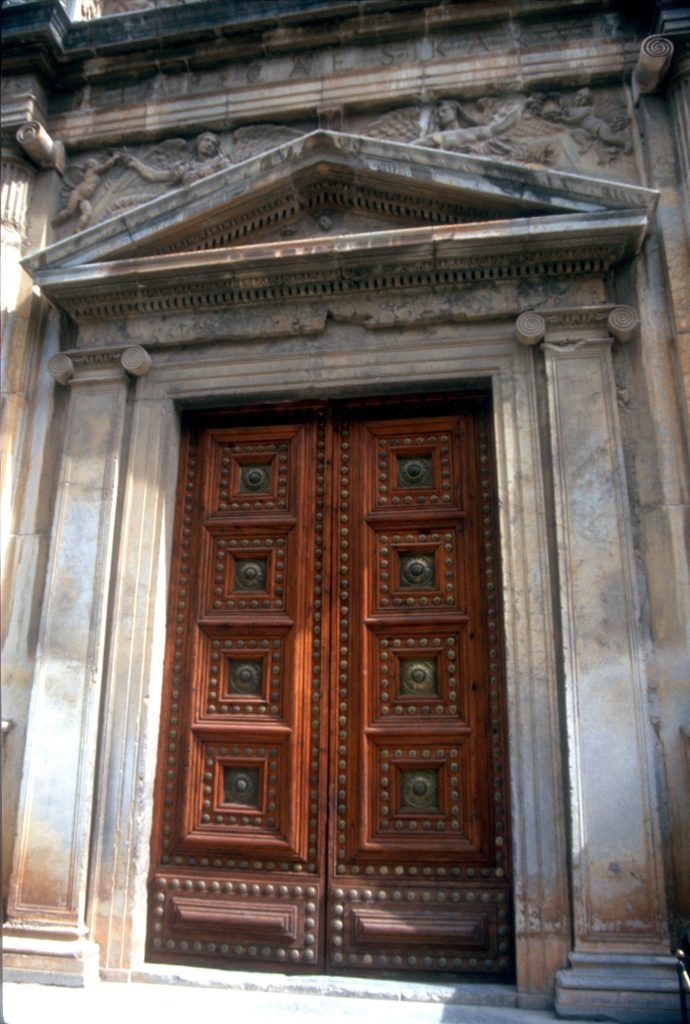
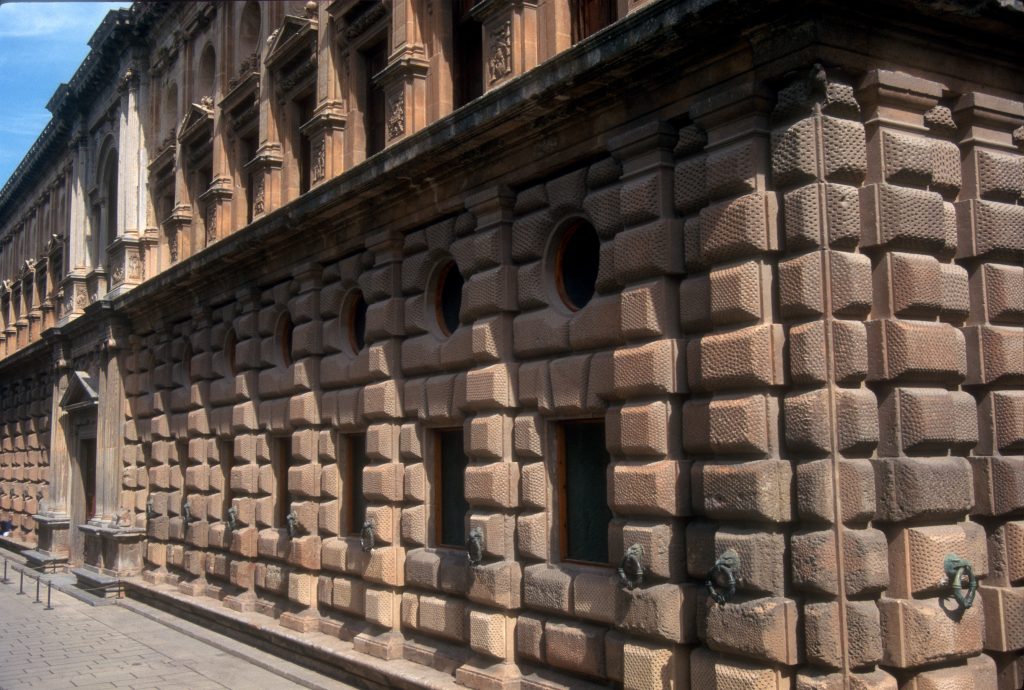
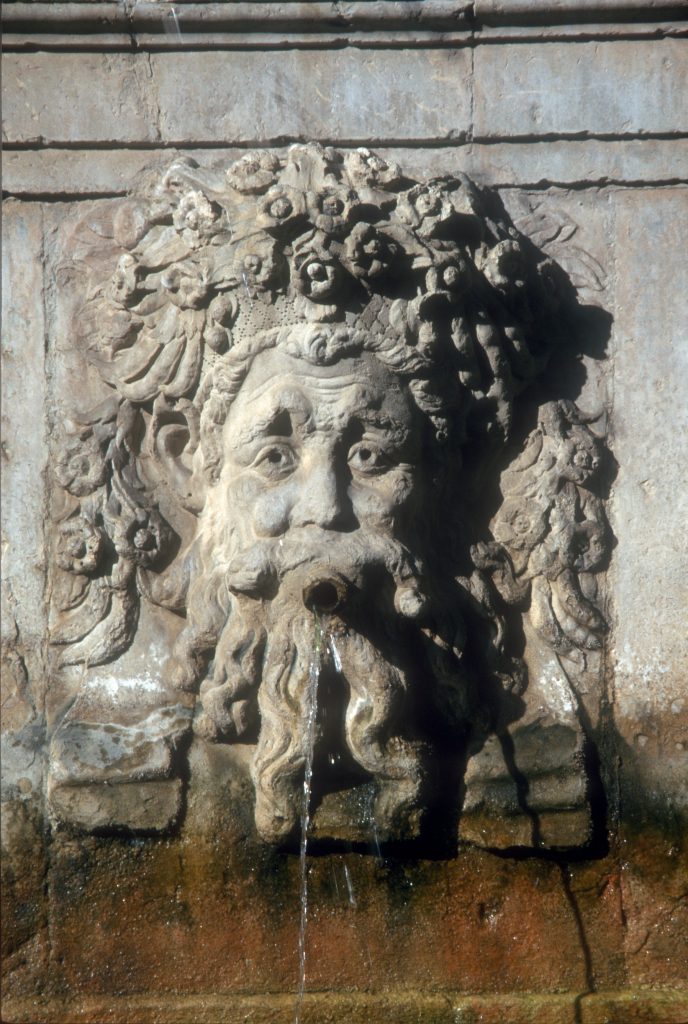
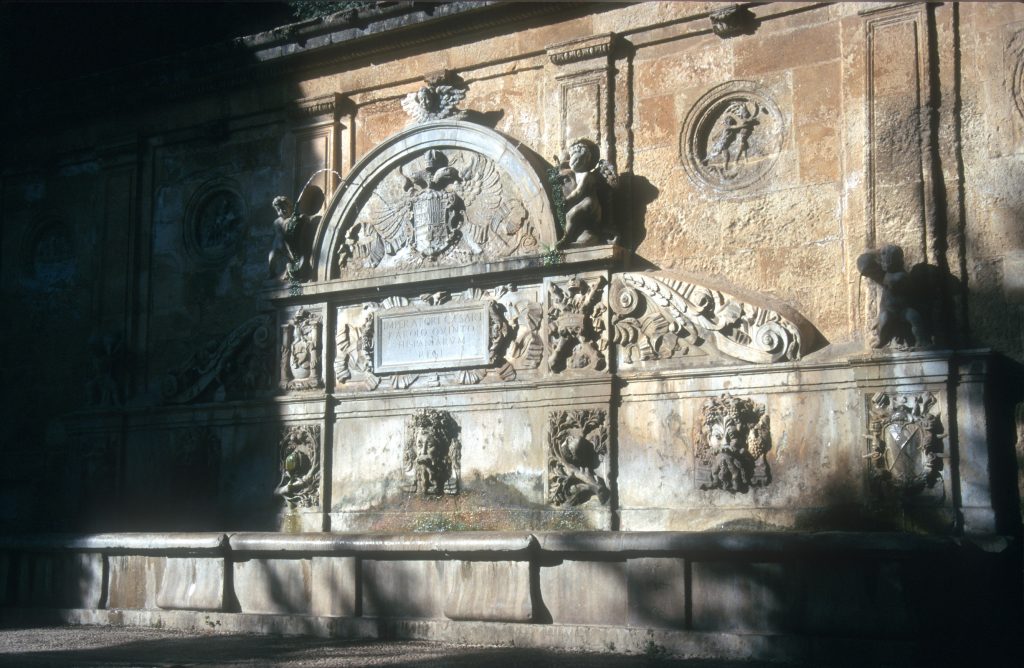
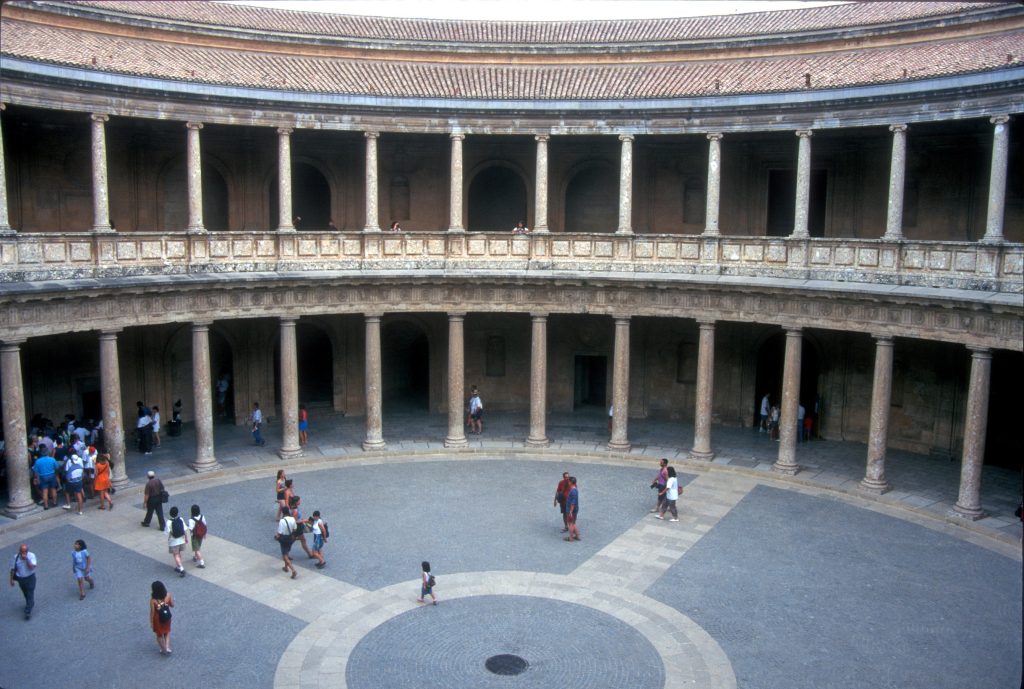
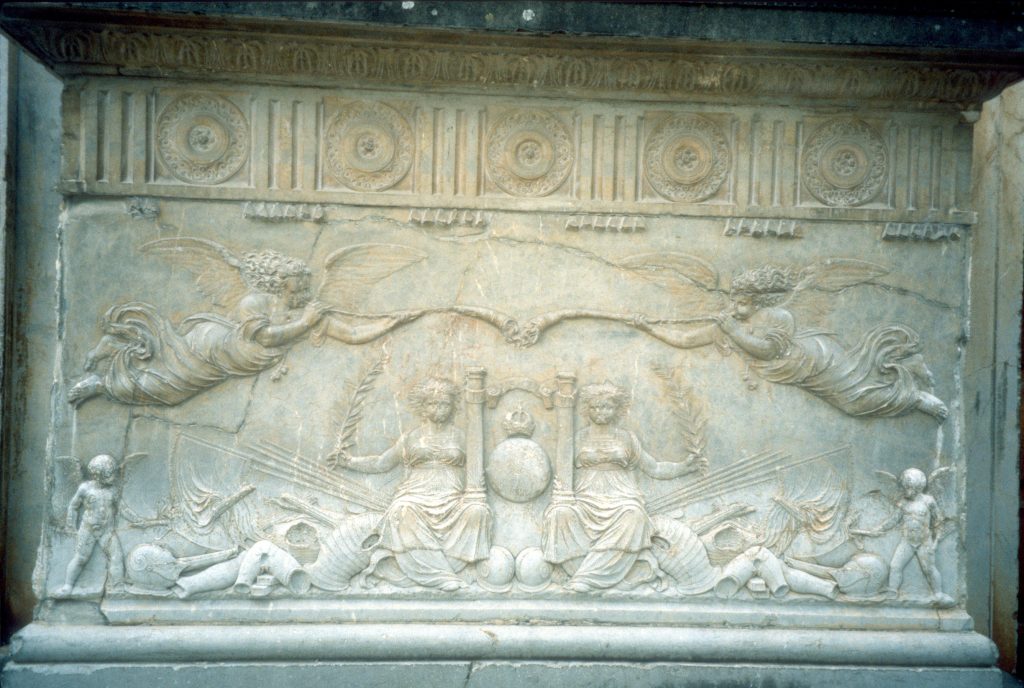
- The Palace of Charles V: Inserted into the heart of the Alhambra in the 16th century, this Renaissance palace reflects the ambitions of Spain’s new imperial identity. Emperor Charles V, eager to establish his legacy, constructed this monumental building as a statement of power and permanence. Its round central courtyard—an architectural rarity in Renaissance Europe—is both majestic and unsettling in its imposition upon the Islamic delicacy surrounding it.
Though unfinished, the palace houses the Alhambra Museum, showcasing ceramics, carved wood, textiles, and remnants of Nasrid glory.
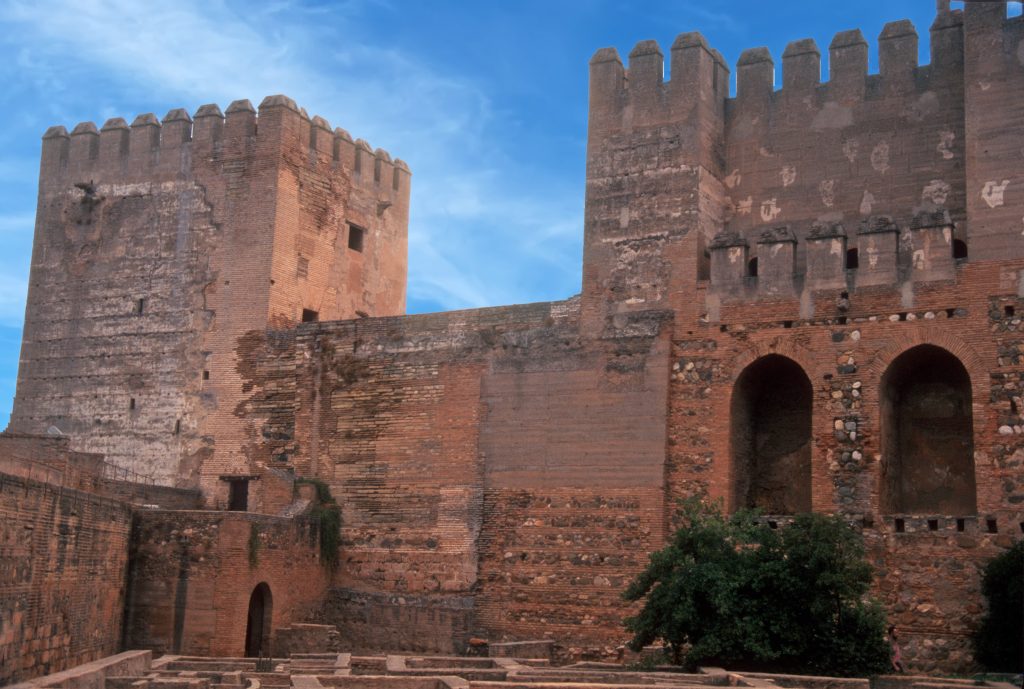
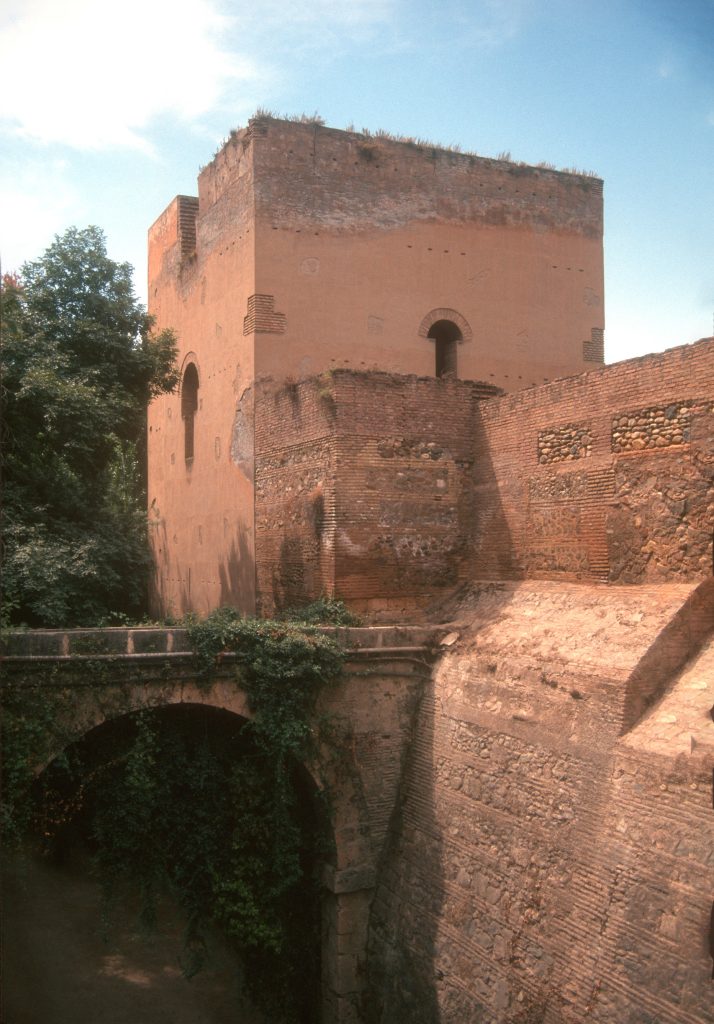
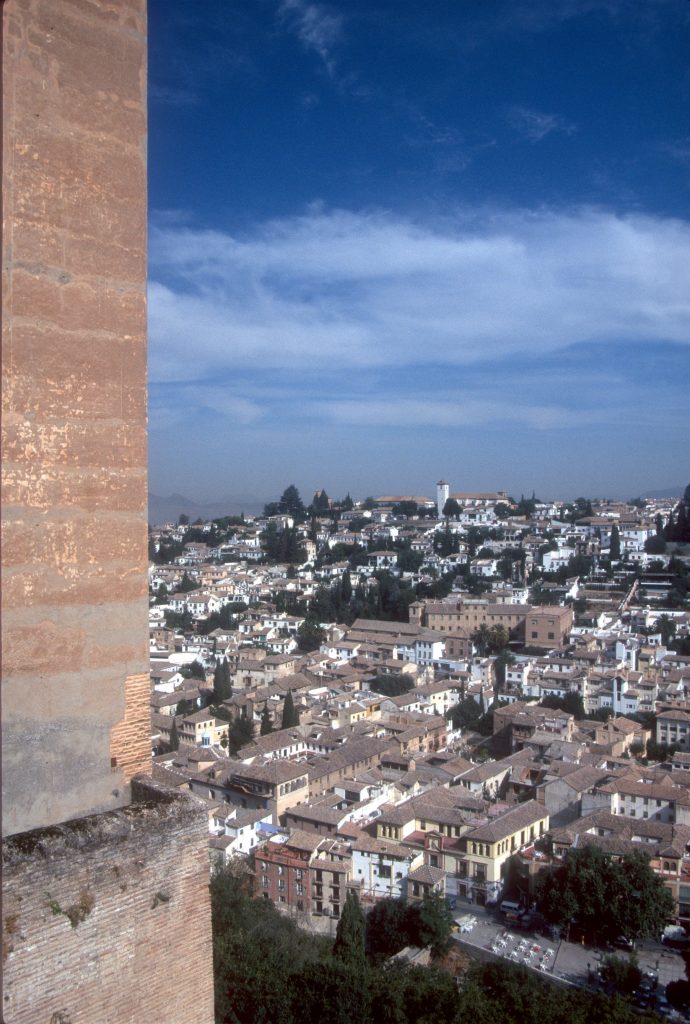
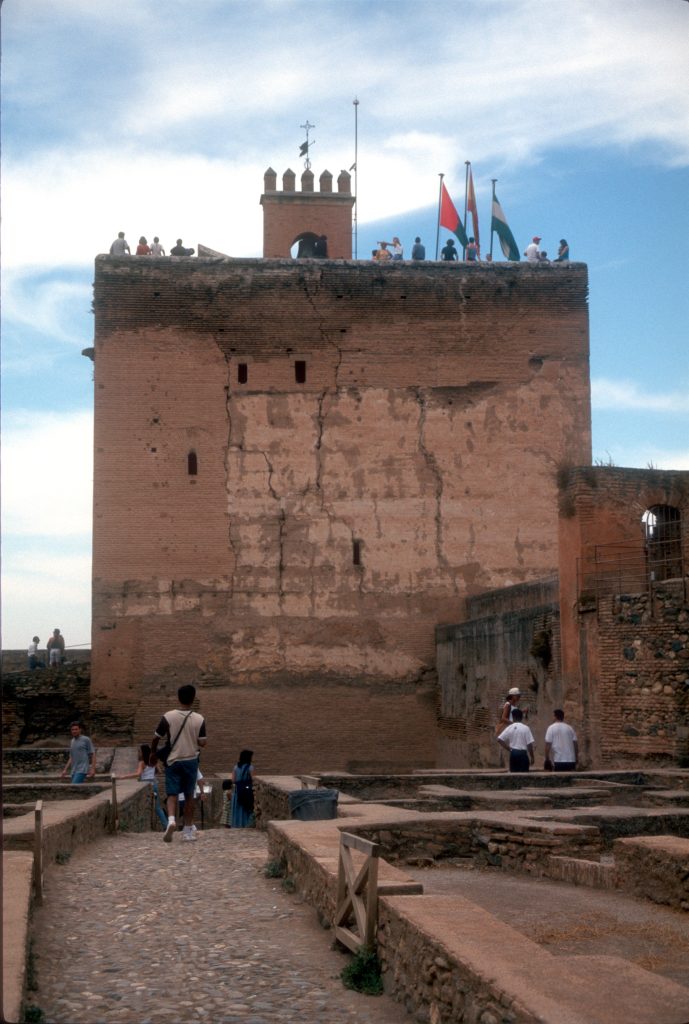
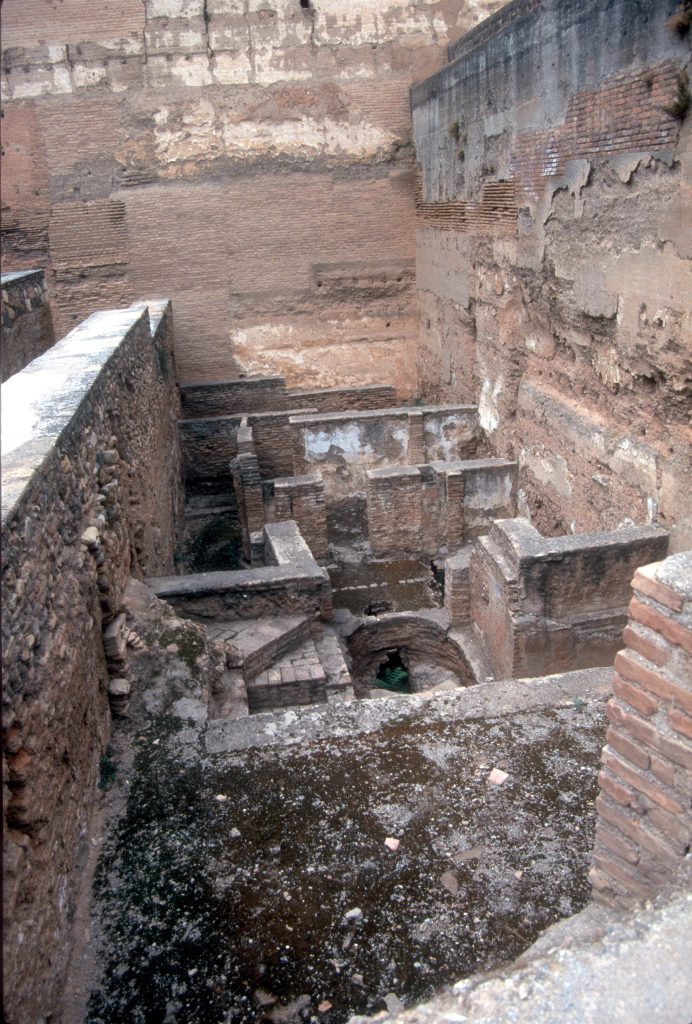
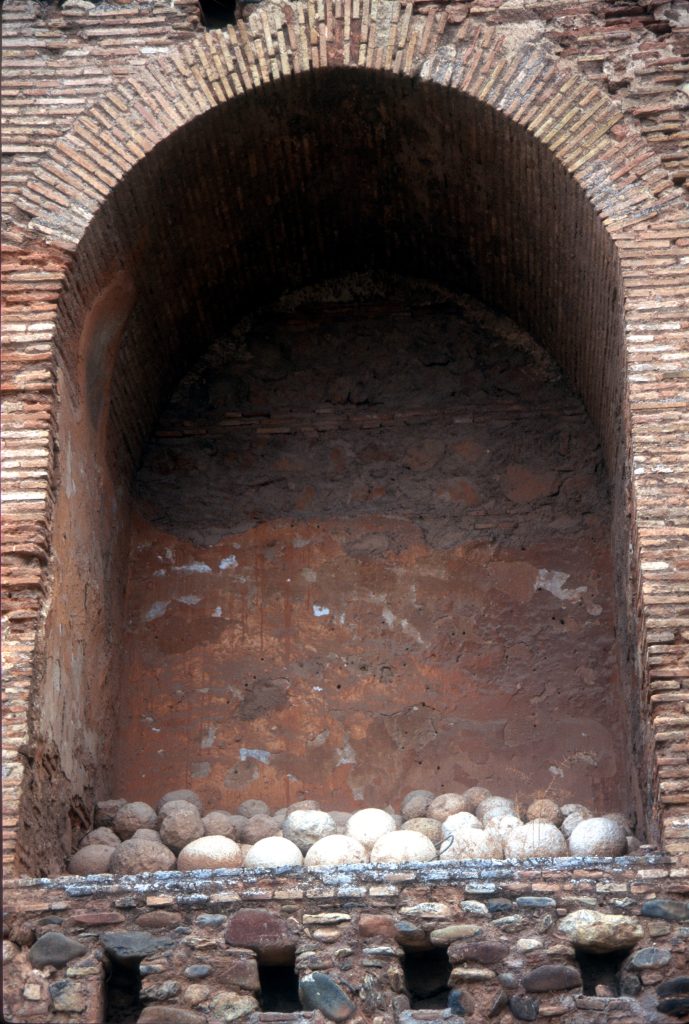
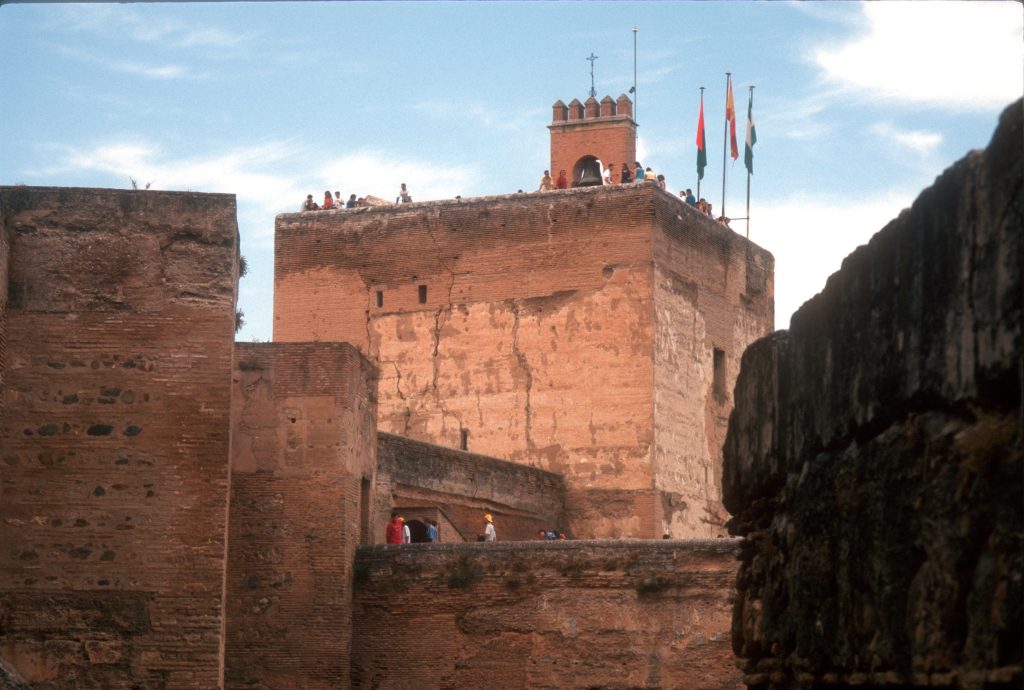
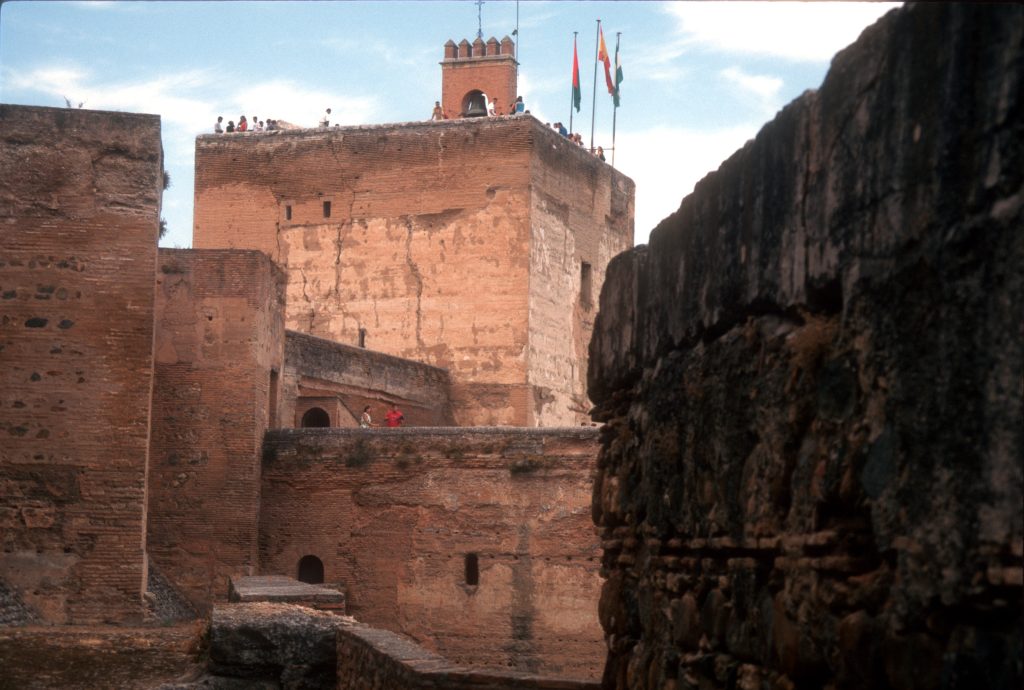
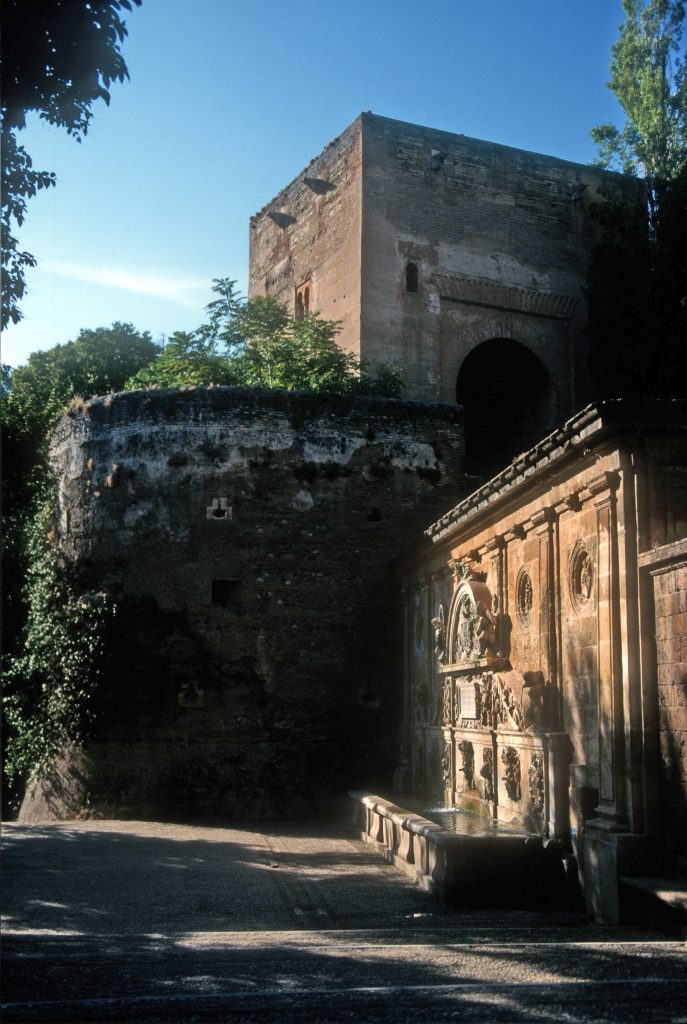
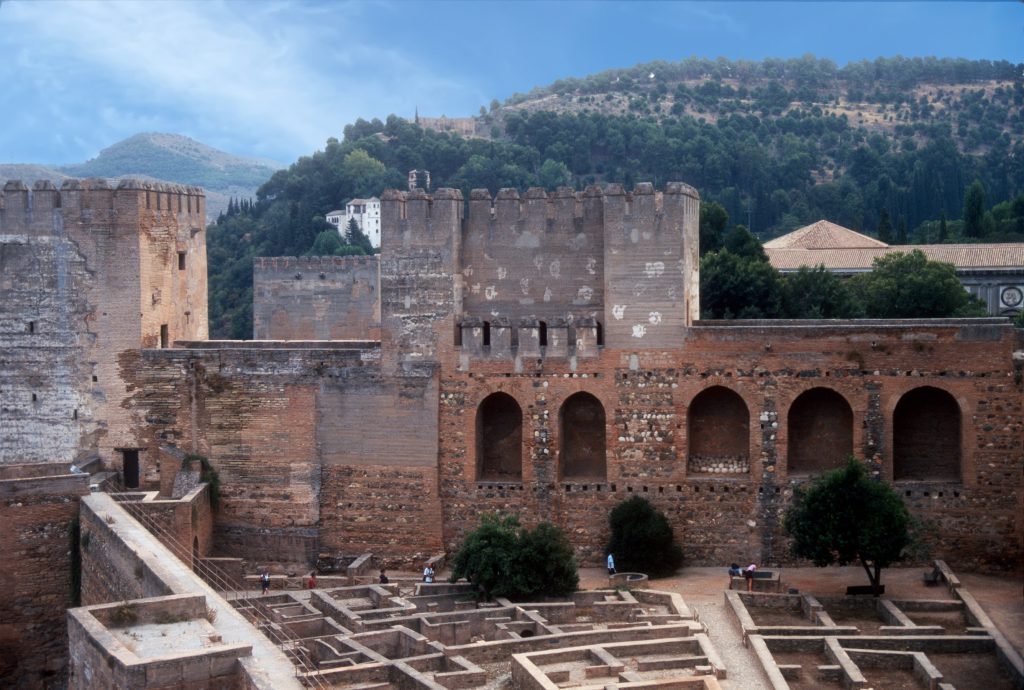
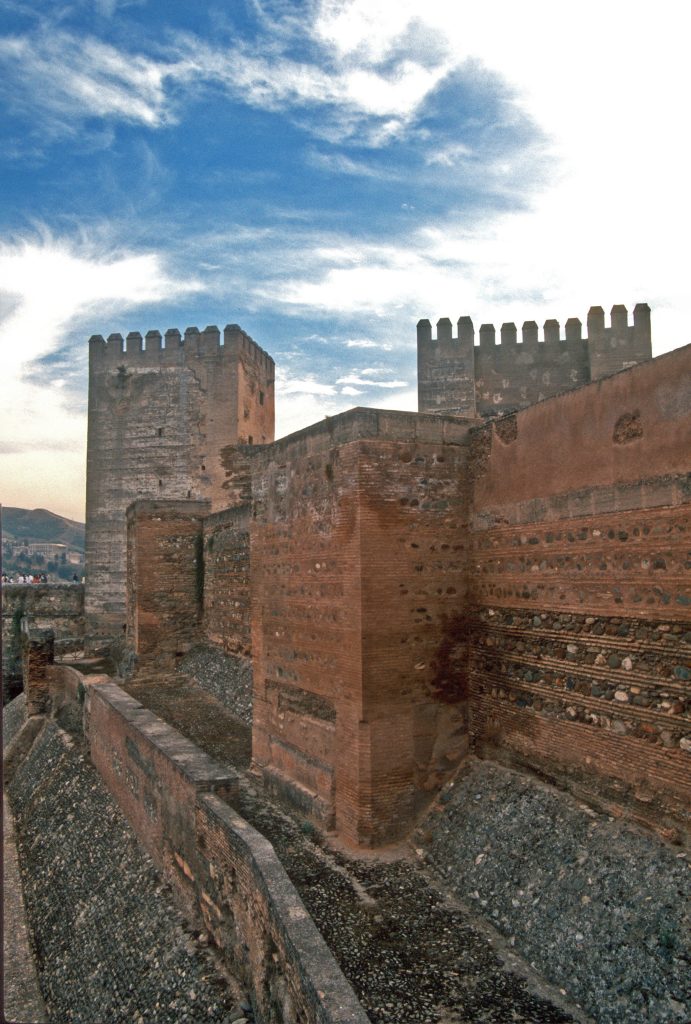
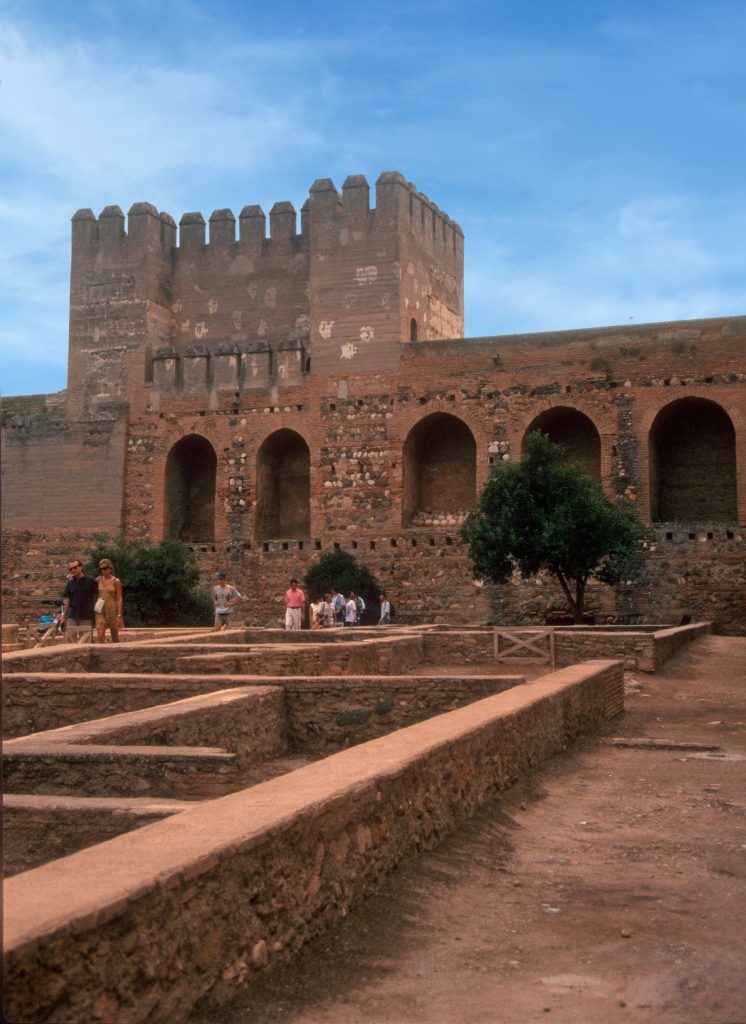
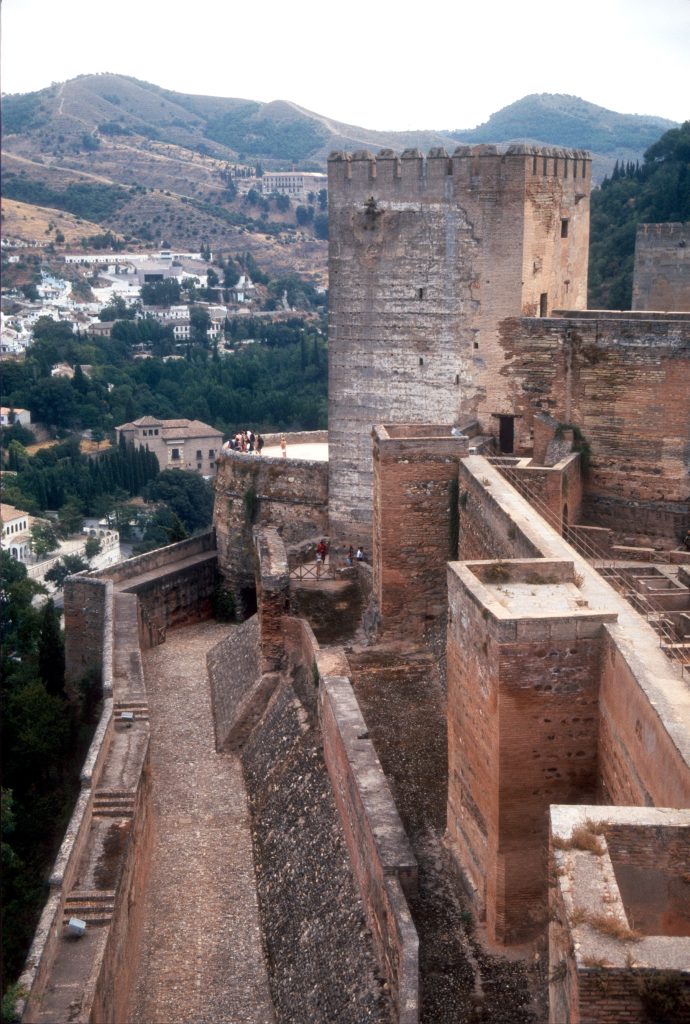
- The Alcazaba: The oldest part of the Alhambra, the Alcazaba is a fortress built for war. Its square towers and defensive walls offer a military counterpoint to the palace’s poetic grandeur. From the watchtower, the Torre de la Vela, the views sweep across Granada’s tiled rooftops, the Albayzín, and the plains beyond. It was here that the Castilian banner rose after Boabdil’s surrender, and it is here that history feels most tangible.
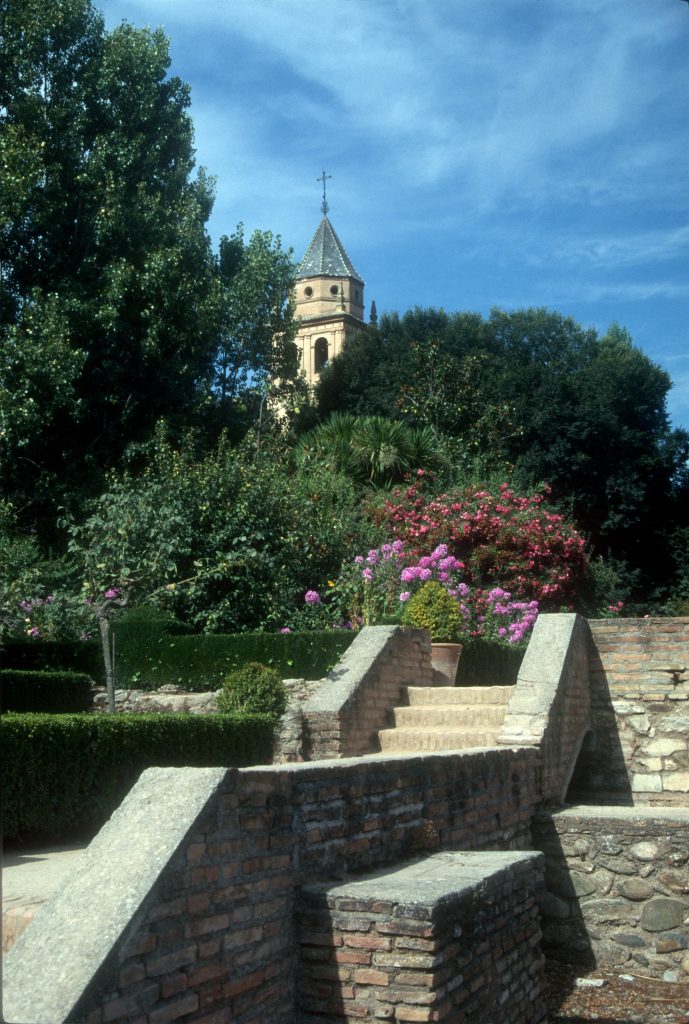
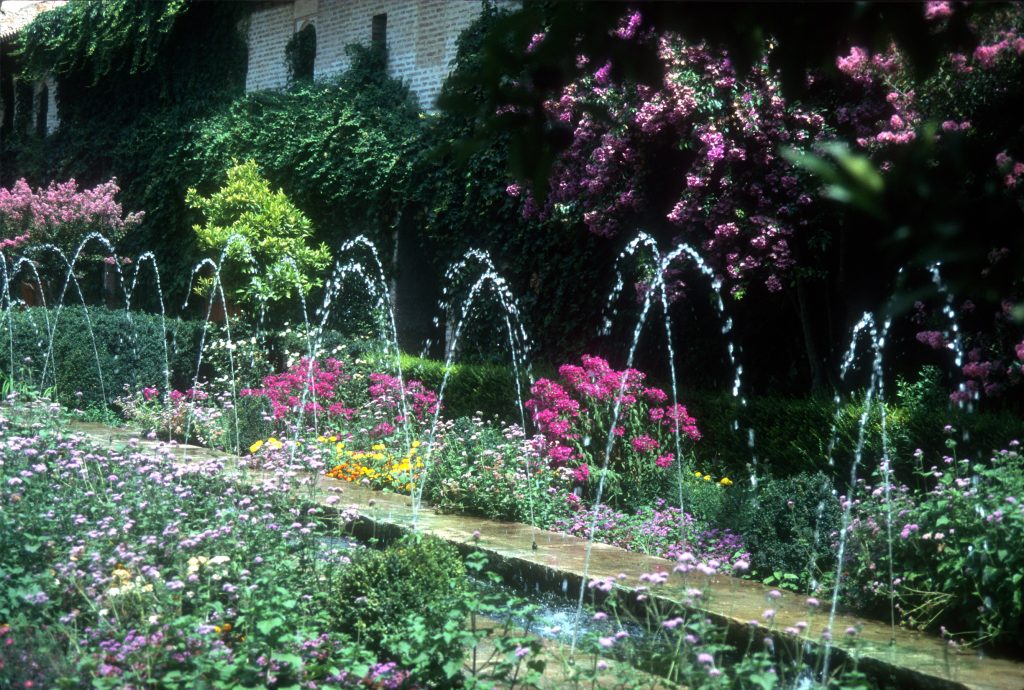
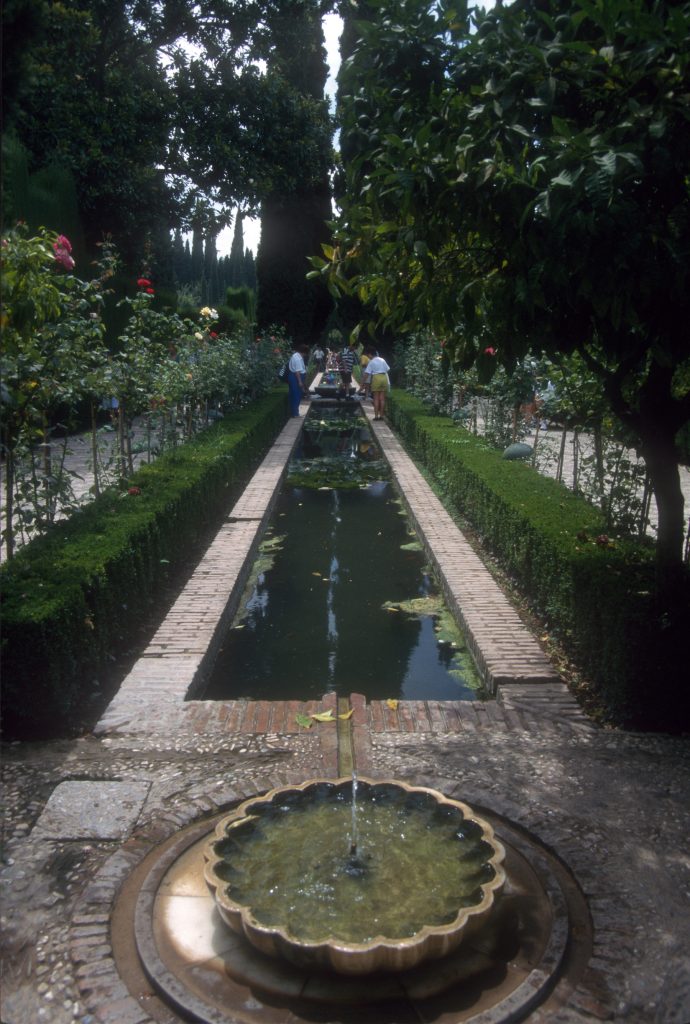
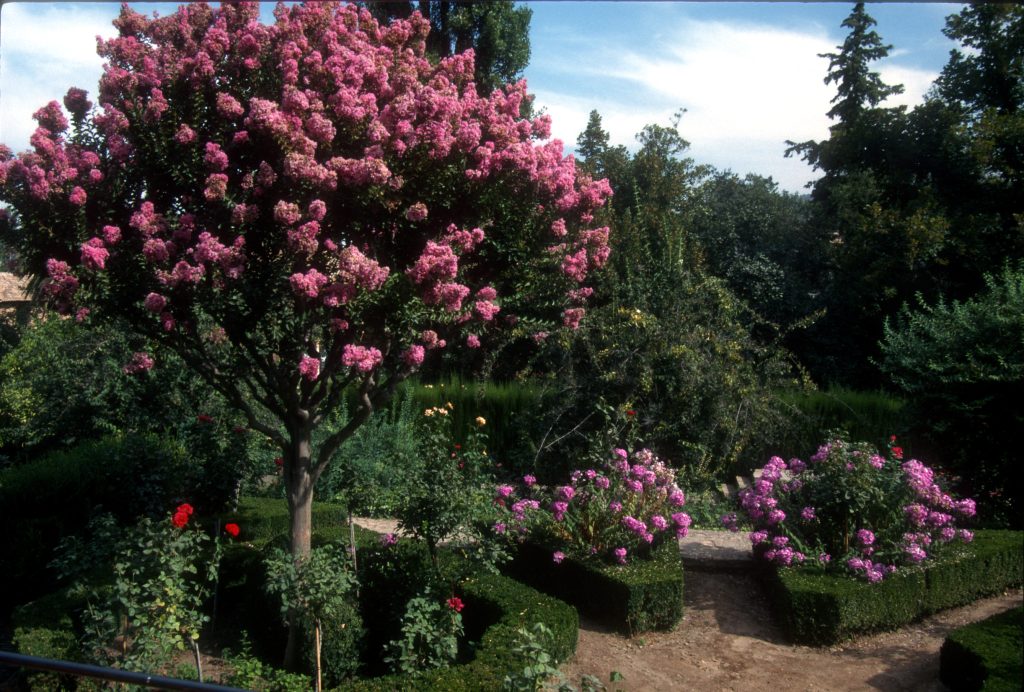
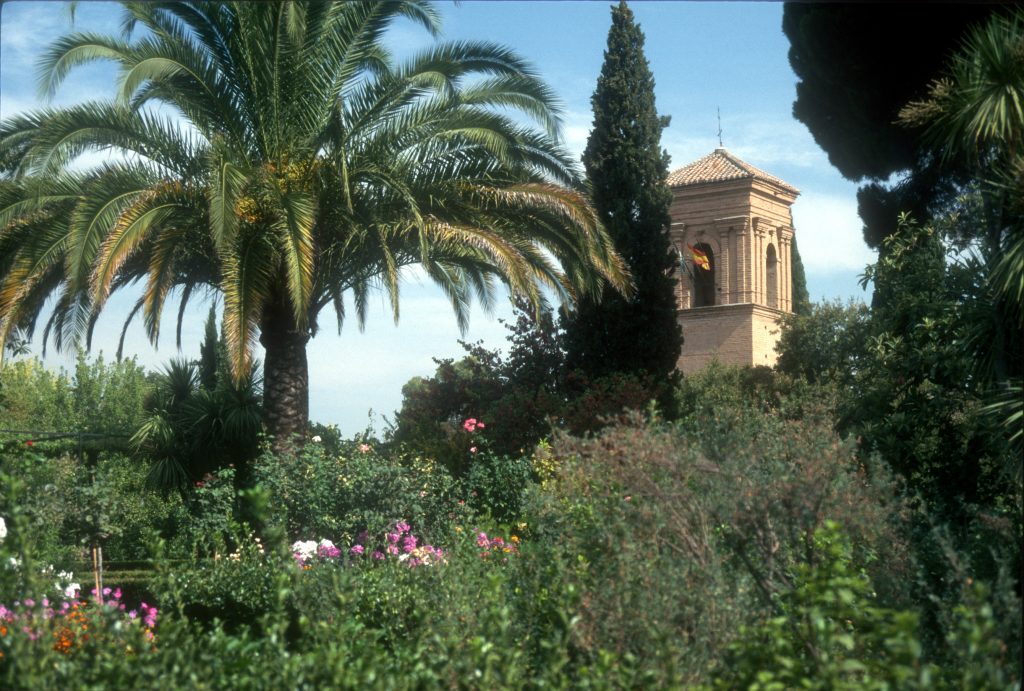
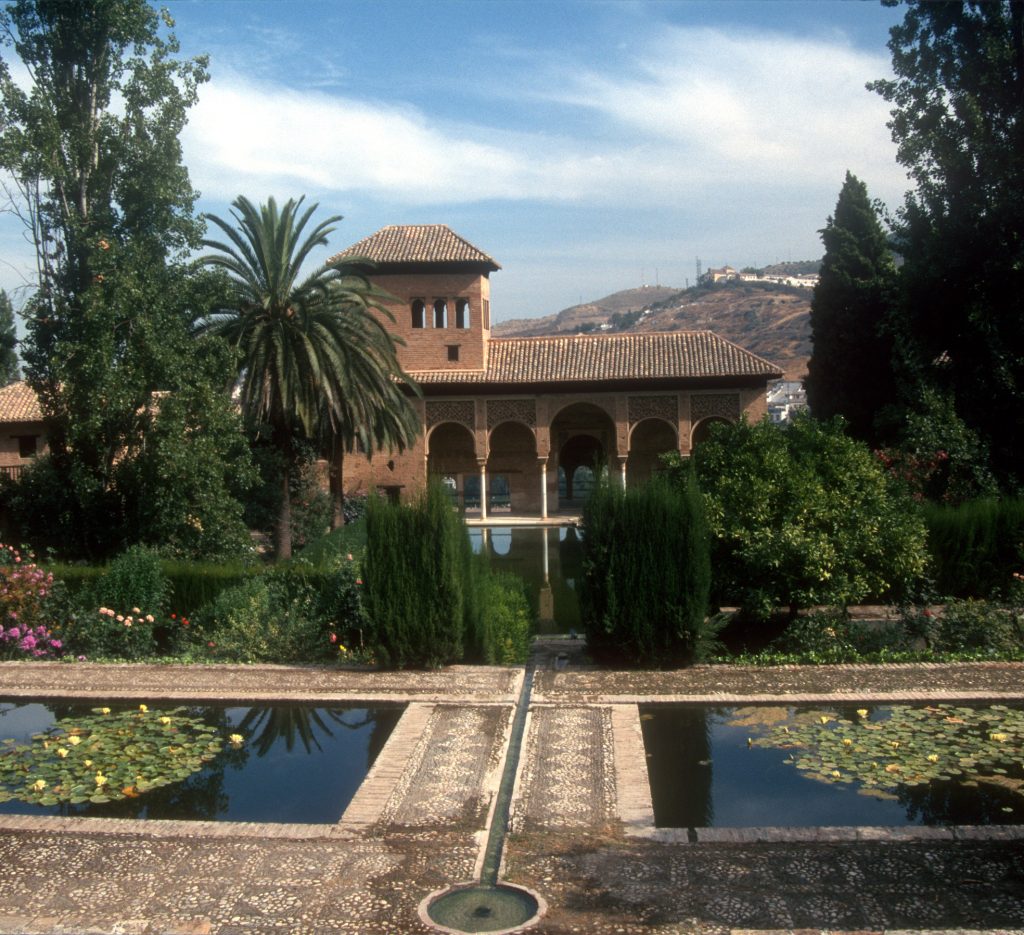
- The Generalife Gardens: No visit is complete without wandering the Generalife, the summer palace and gardens of the Nasrid sultans. Here, amid myrtle hedges and pomegranate trees, the air cools and the spirit lifts. Water channels and fountains offer a music all their own. The term “Generalife” likely derives from “Jannat al-Arifa,” or “the Architect’s Garden,” and walking here is like inhabiting a vision of paradise from Islamic poetry. The gardens were both sanctuary and symbol—order, geometry, and divine harmony made green.
The Cathedral and Catholic Legacy:
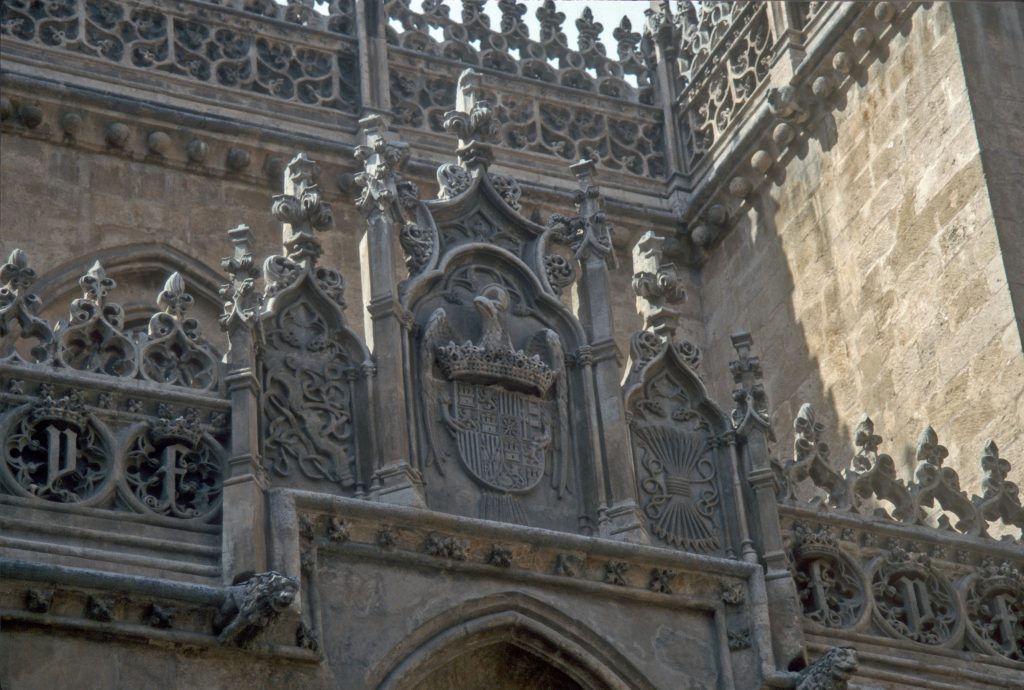
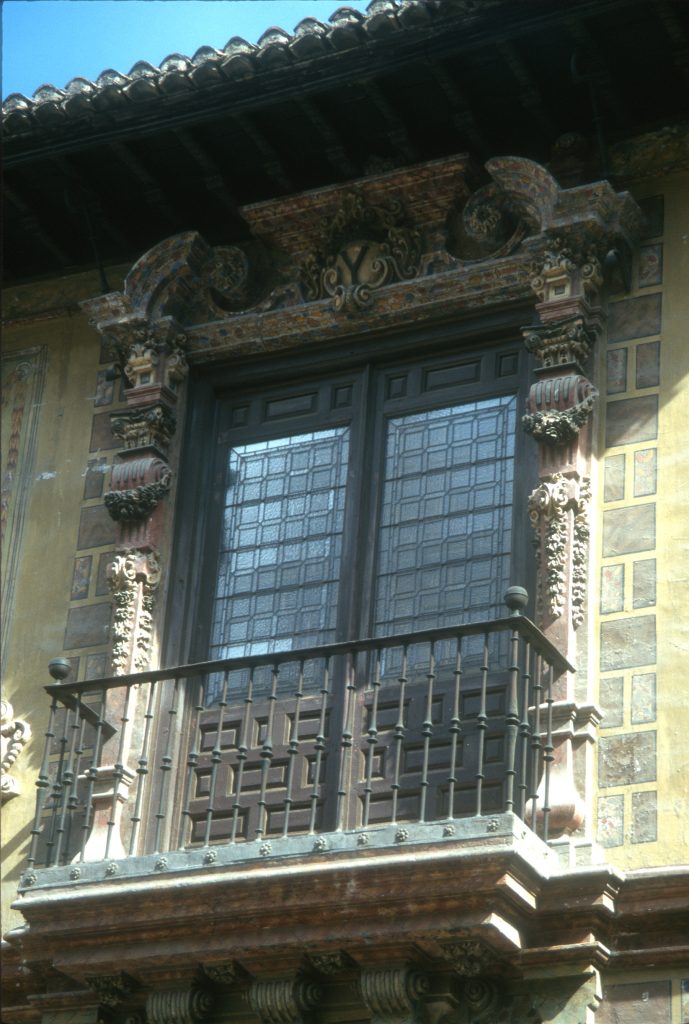
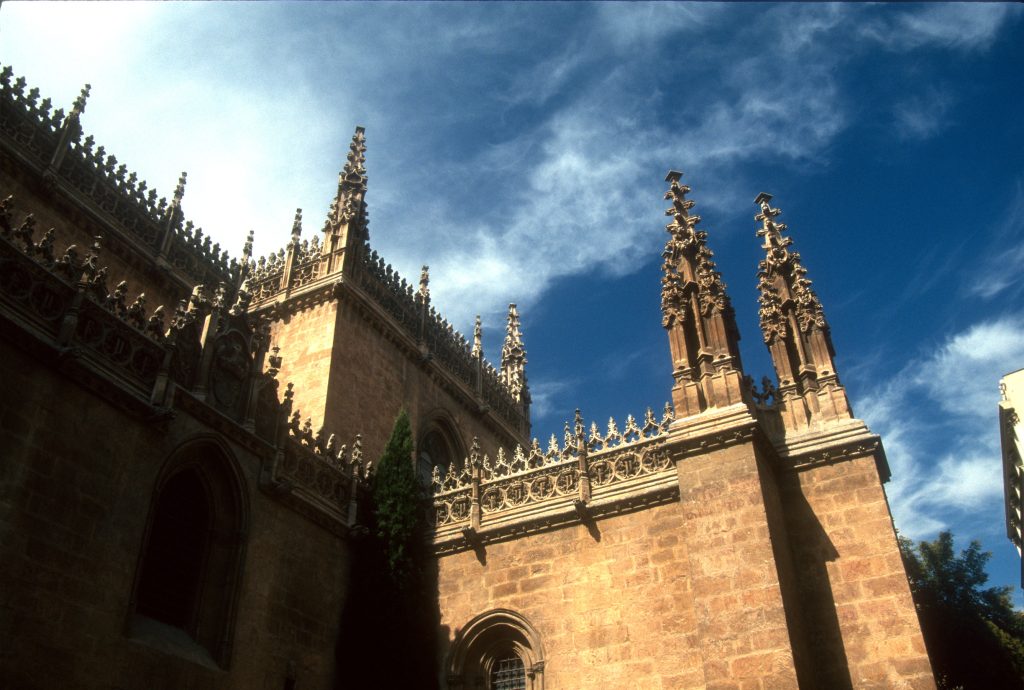
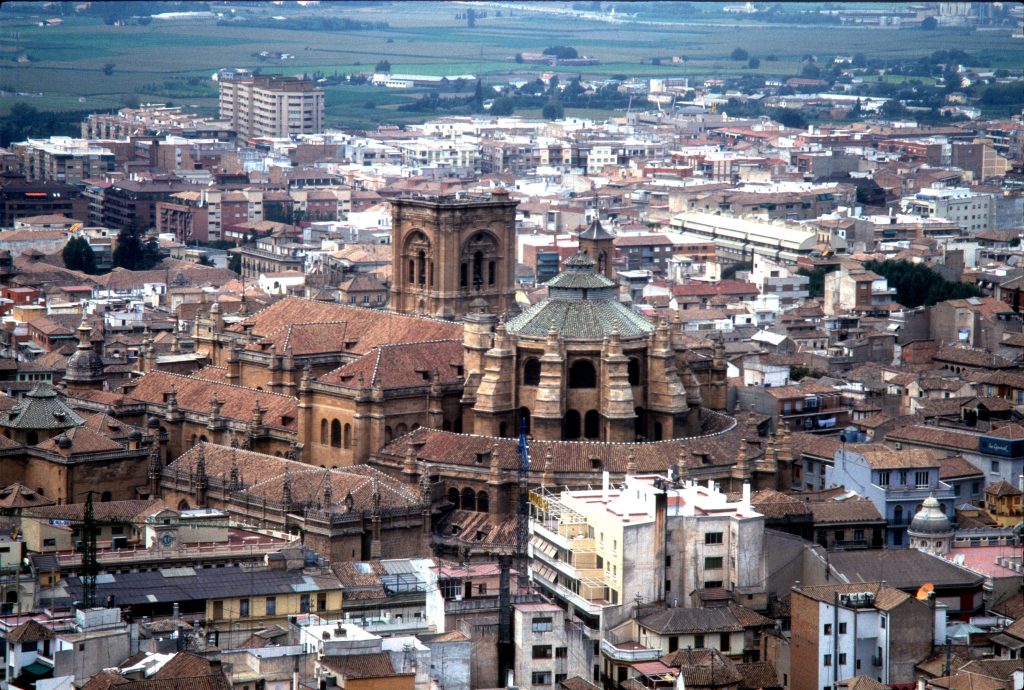
After the Reconquista, Ferdinand and Isabella made Granada a cornerstone of Catholic identity. The soaring Granada Cathedral, begun in 1523, stands as a bold statement of religious triumph. Built over the site of the city’s central mosque, it seamlessly blends Gothic foundations with a soaring Baroque interior and Renaissance flourishes.
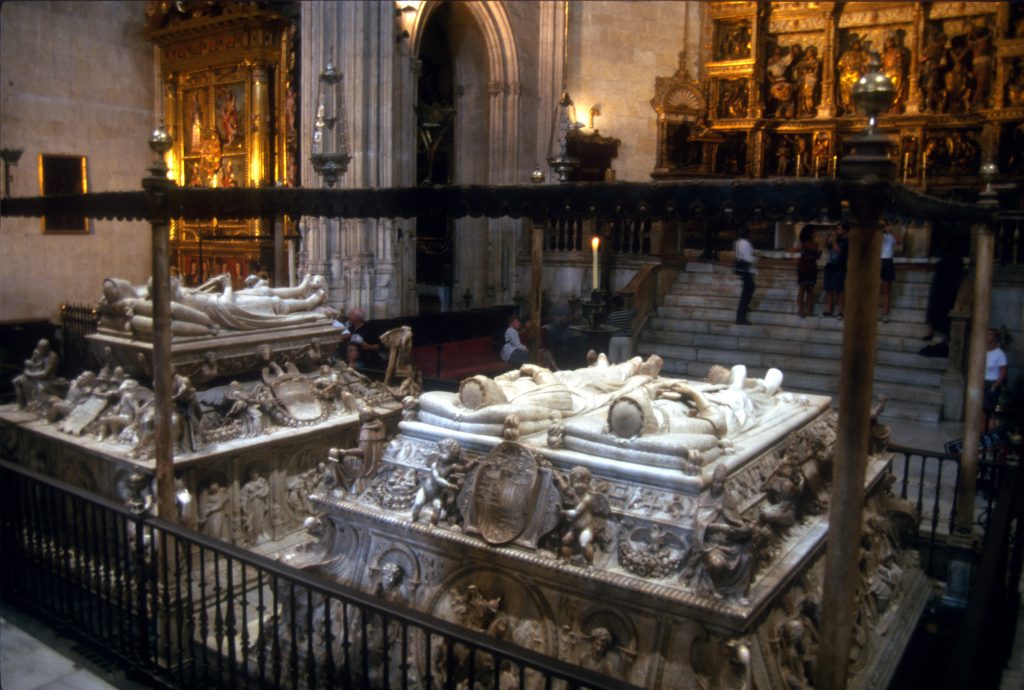
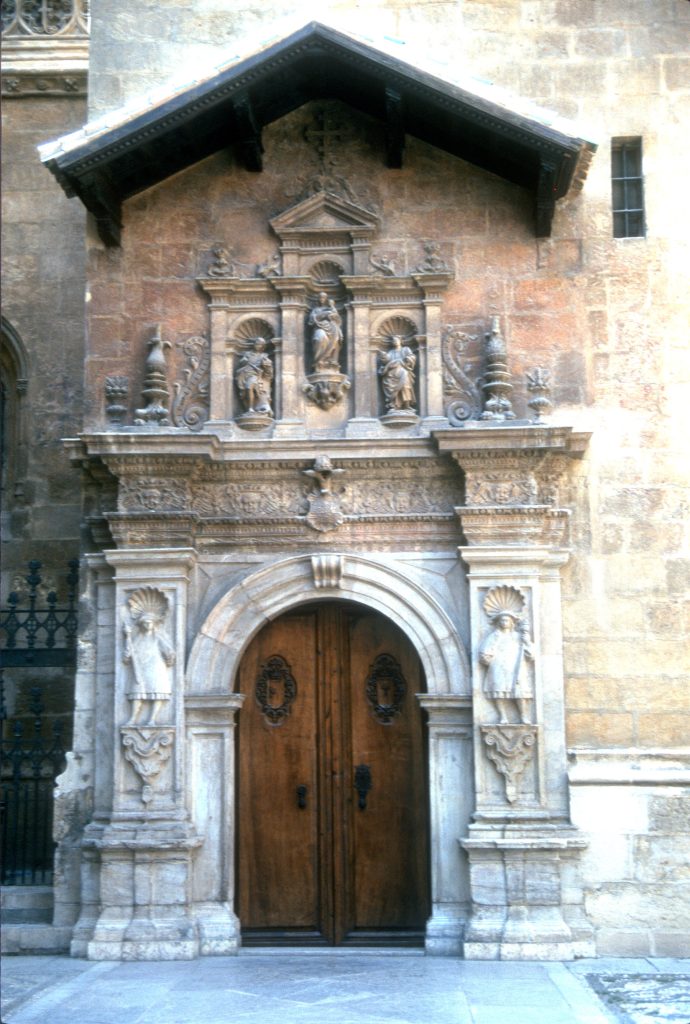
The adjacent Royal Chapel (Capilla Real) holds the tombs of Ferdinand and Isabella, sculpted in Carrara marble.
Here lies a nation’s turning point, literally carved in stone. The Chapel also houses a museum with the monarchs’ personal effects, including Queen Isabella’s crown and scepter—symbols of Spain’s unification.
Other Historic Sites:
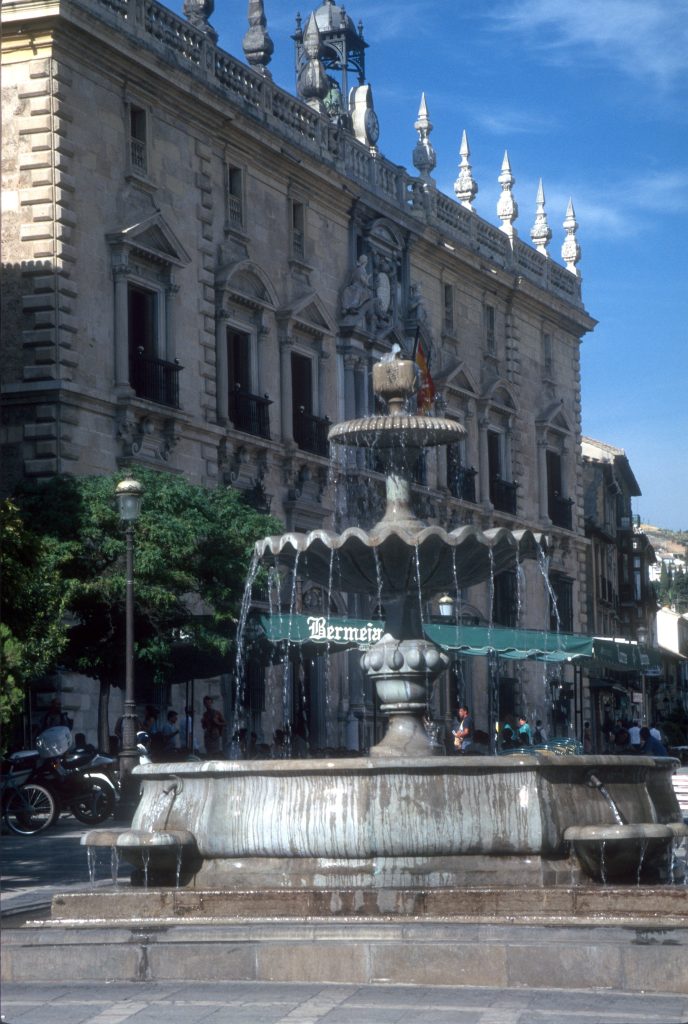
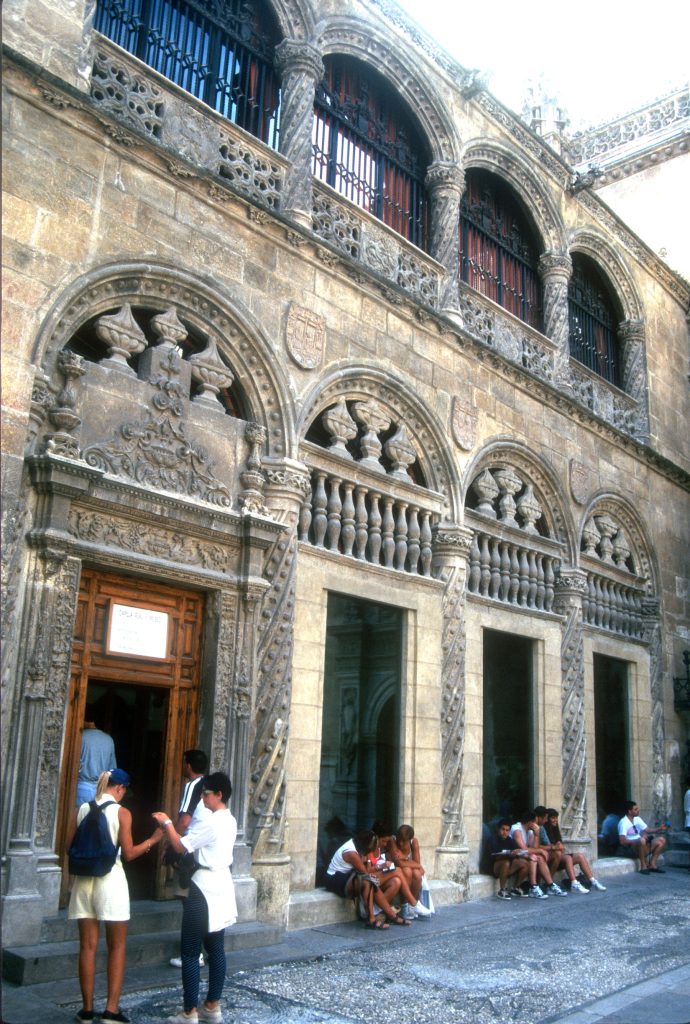
and merchant’s market, is the only surviving alhóndiga from Moorish Spain. Its horseshoe arch and Arabic inscriptions transport visitors to the days of bustling trade.
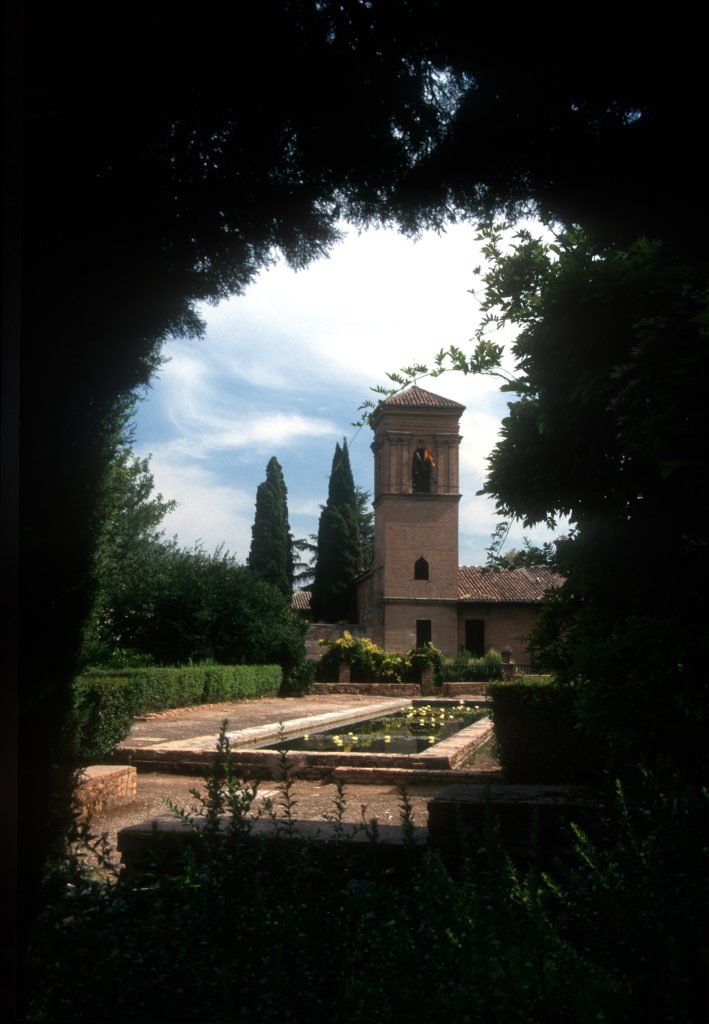
The Monastery of San Jerónimo, a Renaissance jewel, and the Cartuja Monastery, a Baroque masterpiece of excess and ornament, reveal the evolving artistic language of post-Reconquest Spain. The Dar al-Horra, former palace of Boabdil’s mother, offers a rare, intimate glimpse into Nasrid domestic architecture.=
Blended City Today
Granada is a tapestry woven from its many layers. Students of the Universidad de Granada gather in sunlit plazas that sultans once ruled. Local artisans restore wooden ceilings with Nasrid techniques. Sacromonte, Granada’s old gypsy quarter, hosts flamenco performances in caves carved from soft rock, and this dual inheritance is the city’s greatest gift. It doesn’t flatten its past into a single story. Instead, each voice—Moorish, Catholic, Roma, modern—sings its own stanza.
Granada is not simply a destination; it is an inheritance. Its palaces and plazas hold the longing and legacy of what was lost and what remains. To walk its streets is to trace the rise and fall of civilizations written not in conquest, but in tile, plaster, and prayer. And when you leave, you may find—like so many before you—that Granada has quietly settled in your heart, whispering its stories long after you’ve gone.
Where to Stay in Granada, Spain
The Albaicín neighborhood, Granada’s old Moorish quarter below the Alhambra, provides the most atmospheric base for exploring the palace and the city’s Islamic heritage. Guesthouses and small hotels on narrow cobblestone streets offer authentic character and walkability to major sites. Expect modest rooms and steep stairs, but the location puts you minutes from the palace gates, surrounded by the architecture that shaped Granada’s medieval period.
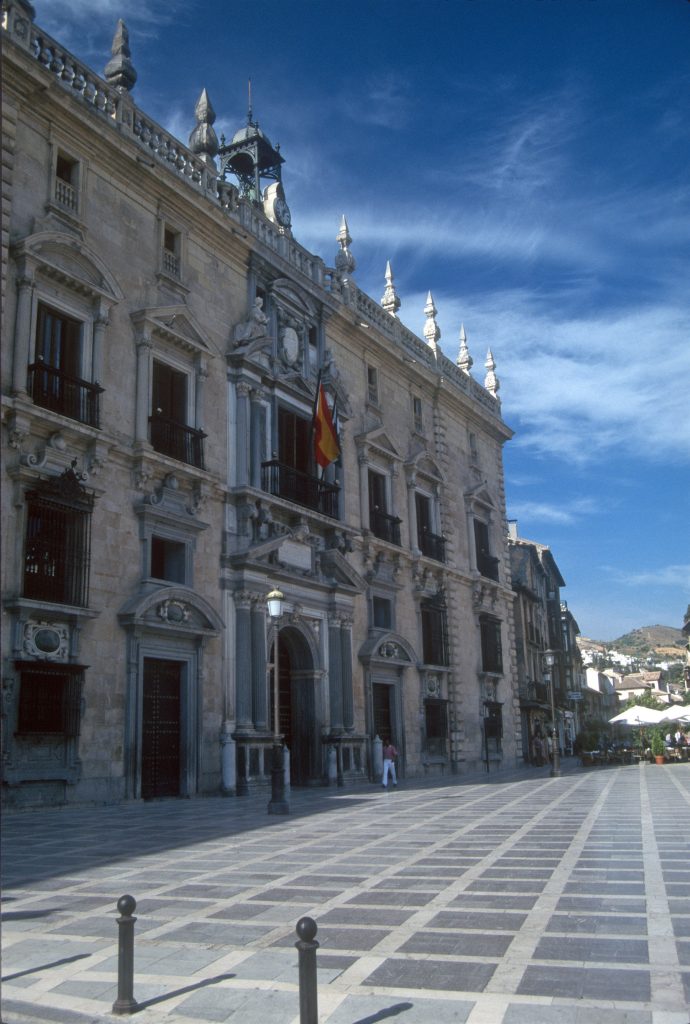
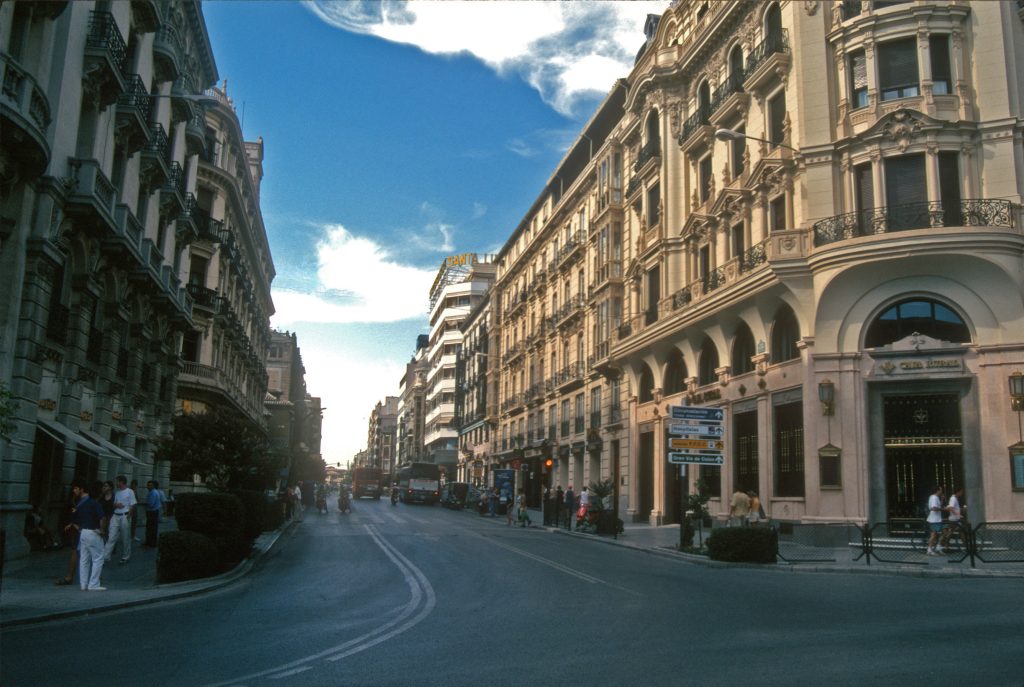
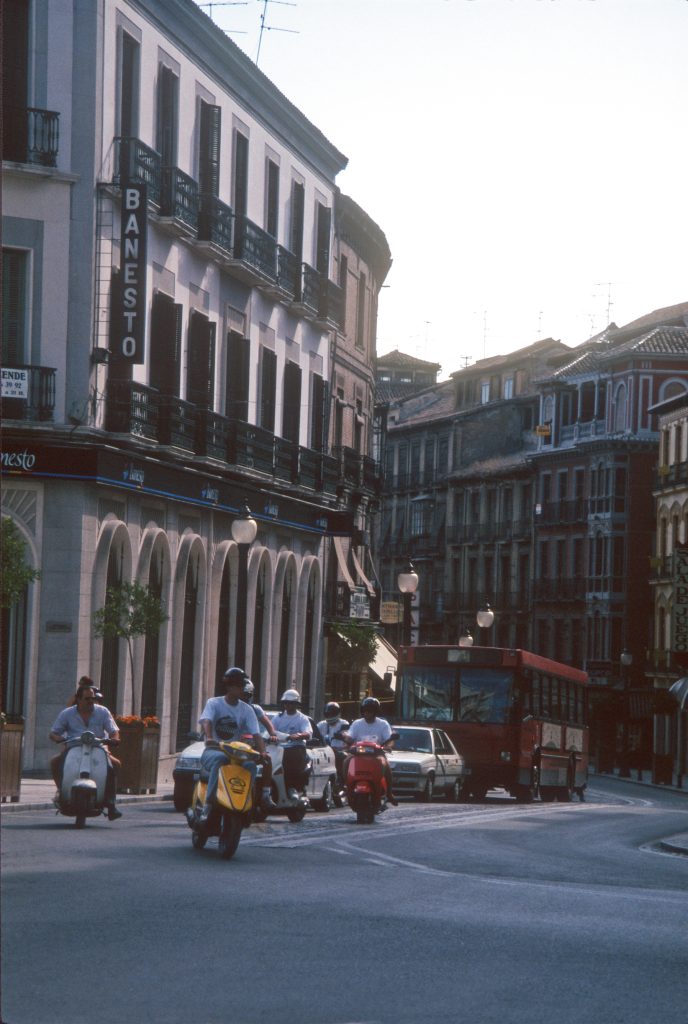
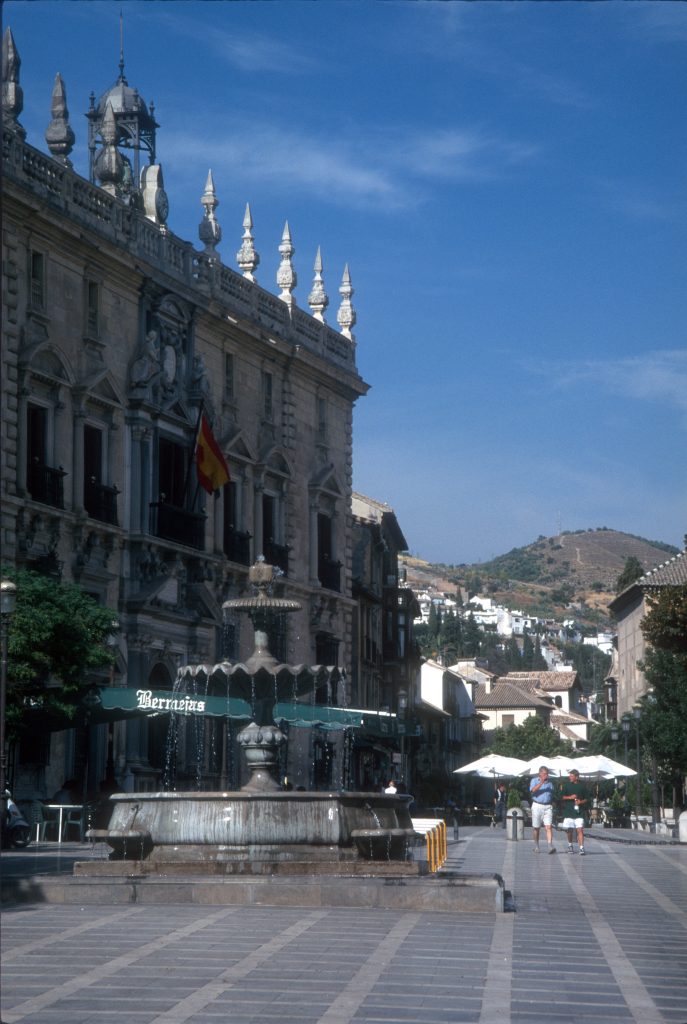
The city center around Plaza Nueva and Calle Reyes Católicos has more conventional hotels with easy access to restaurants, shops, and the cathedral. This area bridges old and new Granada, placing you near both historical landmarks and modern services. Hotels here tend to have elevators, larger rooms, and ground-floor entrances that many travelers prefer after climbing hillside streets all day.
For budget-conscious visitors, neighborhoods east of the center near the university offer clean, inexpensive hostels and small pensions with easy walkability to major sites. These areas are less touristy than the Albaicín but remain accessible by local buses and short walks to the Alhambra. The tradeoff is less medieval atmosphere for lower prices and a glimpse of everyday Granada life.
Whichever neighborhood you choose, book accommodations with a view in mind: many hillside hotels offer glimpses of the palace from terraces or upper floors, and waking to that sight grounds your stay in Granada’s layered history. Confirm accessibility if stairs concern you, since Granada’s hilly terrain means many older properties lack elevators.
Recommended Reading
- The Ornament of the World by María Rosa Menocal – On convivencia, the coexistence of Muslims, Christians, and Jews in medieval Spain.
- Granada: A Pomegranate in the Hand of God by Steven Nightingale – A poetic memoir blended with historical inquiry.
- The Alhambra by Washington Irving – A romantic reflection on the palace by the 19th-century American writer.
- Granada: A Novel of Moorish Spain by Alexander Grace – A sweeping historical novel set during the final days of the Moorish Kingdom. It follows a Jewish woman, an Arab scholar, and a Spanish knight whose destinies intertwine as the city of Granada falls in 1492. The book vividly portrays the end of Muslim Spain, cultural collision, and the human cost of conquest.
- Shadow of the Swords by Kamran Pasha —A sweeping tale set against the backdrop of the Crusades and the fall of Muslim Spain, this novel weaves political betrayal and passionate love into the final years of Al-Andalus, capturing the emotional intensity of Granada’s last stand.
- The Last Queen by C.W. Gortner — Told through the voice of Juana of Castile, daughter of Ferdinand and Isabella, this richly imagined novel offers a compelling look at the dynastic consequences of the fall of Granada—and the deep personal costs of empire.
- Isabella: The Warrior Queen by Kirstin Downey —This meticulously researched biography brings Queen Isabella of Castile vividly to life, tracing her rise from a politically vulnerable princess to one of the most powerful monarchs in European history. Downey presents Isabella not just as a devout Catholic ruler, but as a bold strategist, military leader, and patron of exploration and empire. From the fall of Granada to the financing of Columbus’s voyage, this work delves into Isabella’s complex legacy with nuance, admiration, and clarity.
- The Moor’s Last Stand: How Seven Centuries of Muslim Rule in Spain Came to an End by Elizabeth Drayson —A beautifully written narrative history of Boabdil, the last Nasrid ruler of Granada, and the extraordinary events leading up to the fateful surrender in 1492. Drayson blends political history with lyrical insight, making this a perfect companion for those intrigued by the human dimension of Granada’s twilight years.
- Blood and Faith by Matthew Carr – A sobering look at the forced conversions and expulsions after 1492.
Tours to Consider:
- Alhambra & Generalife Skip the Line Premium Tour including Nasrid Palaces
- Premium Half Day Tour of the Alhambra of Granada