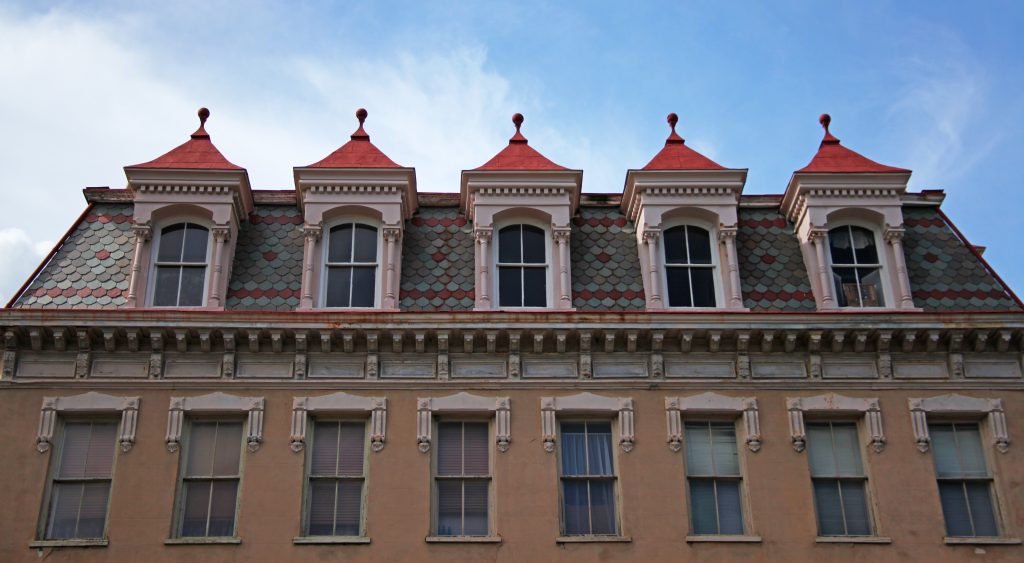
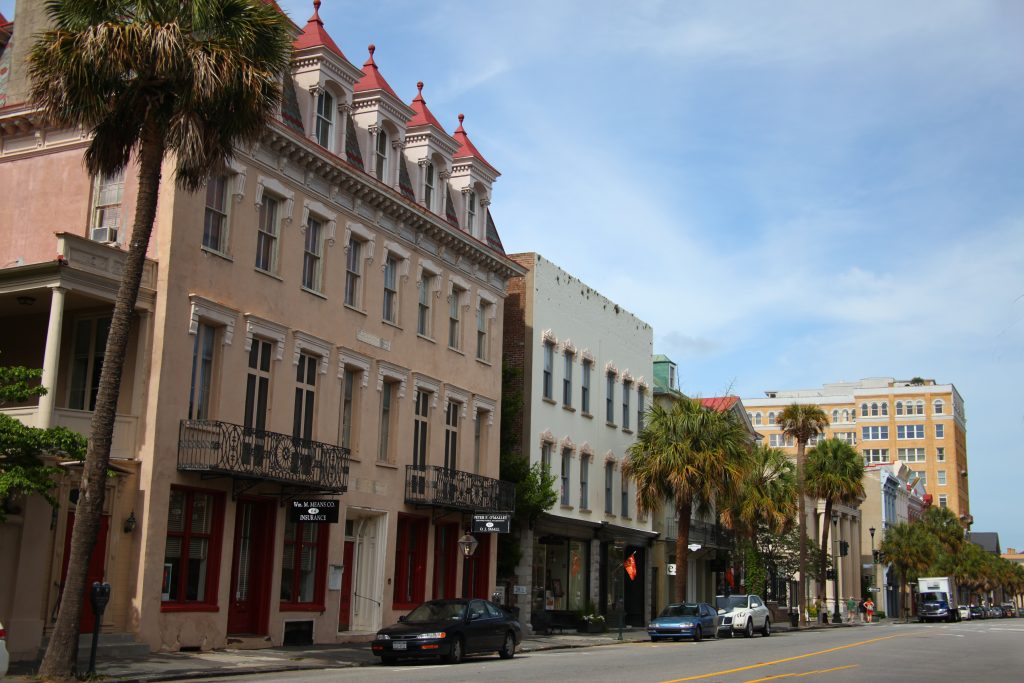
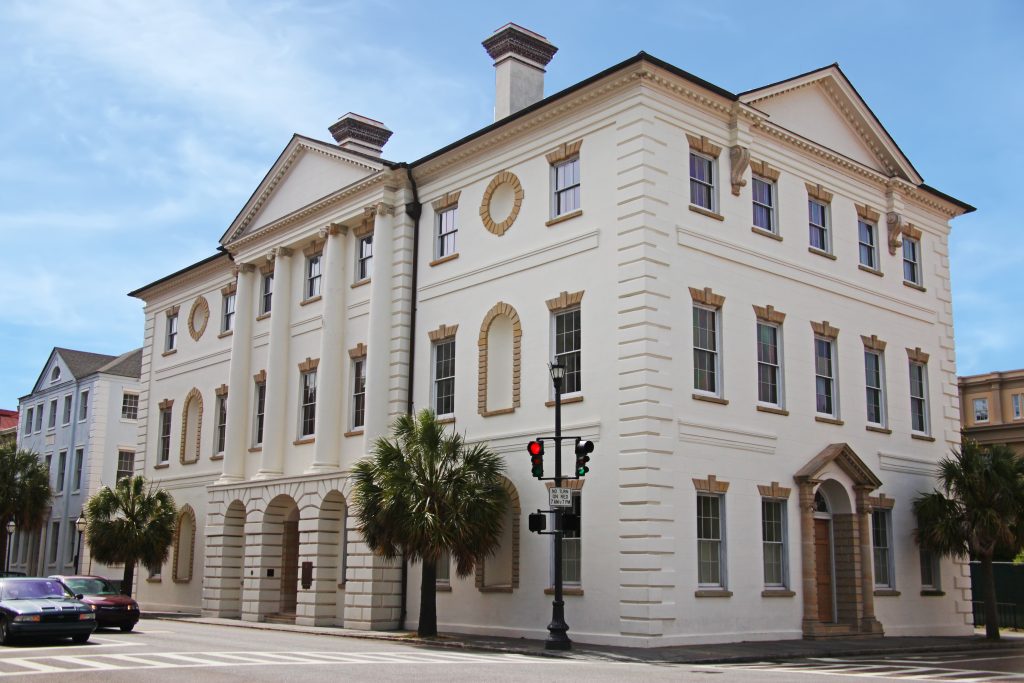
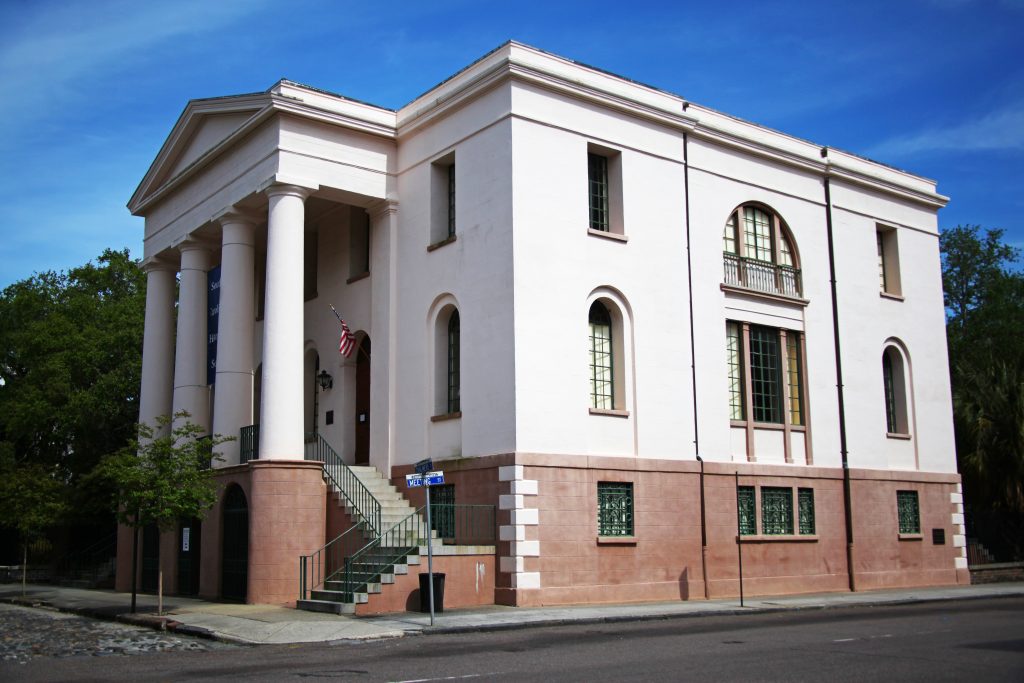
Charleston is a city where history lingers in the air like summer jasmine. Along its cobblestoned streets, beneath wrought-iron balconies and moss-draped oaks, one feels the weight of centuries: the genteel grace of antebellum society, the scars of slavery, the boom of Civil War cannons, and the quiet resilience of survival after disaster. To walk through Charleston is to traverse a palimpsest of American history at once romantic and sobering, luminous and shadowed.
Carolina’s Crown
Founded in 1670 as Charles Towne in honor of King Charles II, Charleston became the beating heart of the Carolina colony and eventually one of the wealthiest cities in the American South. Its prosperity flowed from rice, indigo, and cotton plantations built on the brutal labor of enslaved Africans and African Americans. By the mid-18th century, Charleston was a cosmopolitan port second only to Boston and Philadelphia in cultural sophistication, with theaters, libraries, and a flourishing mercantile class.
The city’s wealth, however, became its burden. Charleston became a hub of the transatlantic slave trade, with nearly half of all enslaved Africans brought to North America estimated to have entered through nearby Sullivan’s Island, known as the “Ellis Island of slavery”—a legacy central to Charleston’s story.
Charleston was also a crucible of the American Revolution. In 1776, its defenders famously repelled a British assault on Fort Sullivan, later renamed Fort Moultrie. During the Civil War, Charleston became the site of the first shots fired at Fort Sumter in April 1861, an event that set the nation ablaze. Natural disaster, too, shaped the city: devastating fires, hurricanes, and the catastrophic earthquake of 1886 all threatened Charleston’s survival. Yet through each trial, the city rebuilt, retaining an extraordinary concentration of historic buildings that make its district one of the most beautiful in America today.
Shaped by Sea, Slaves and Faith
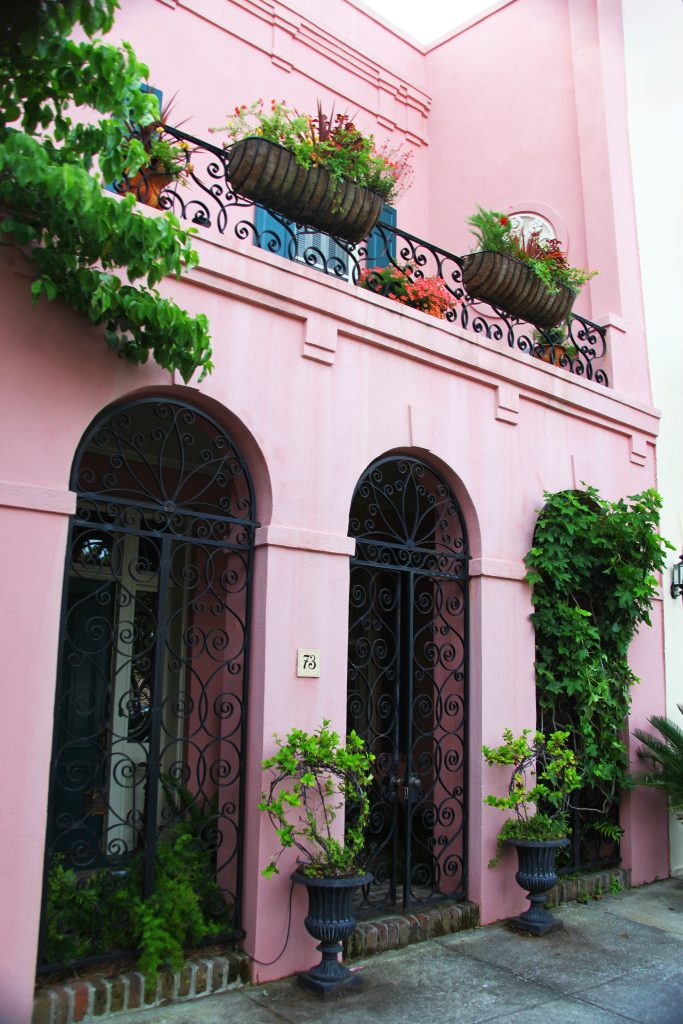
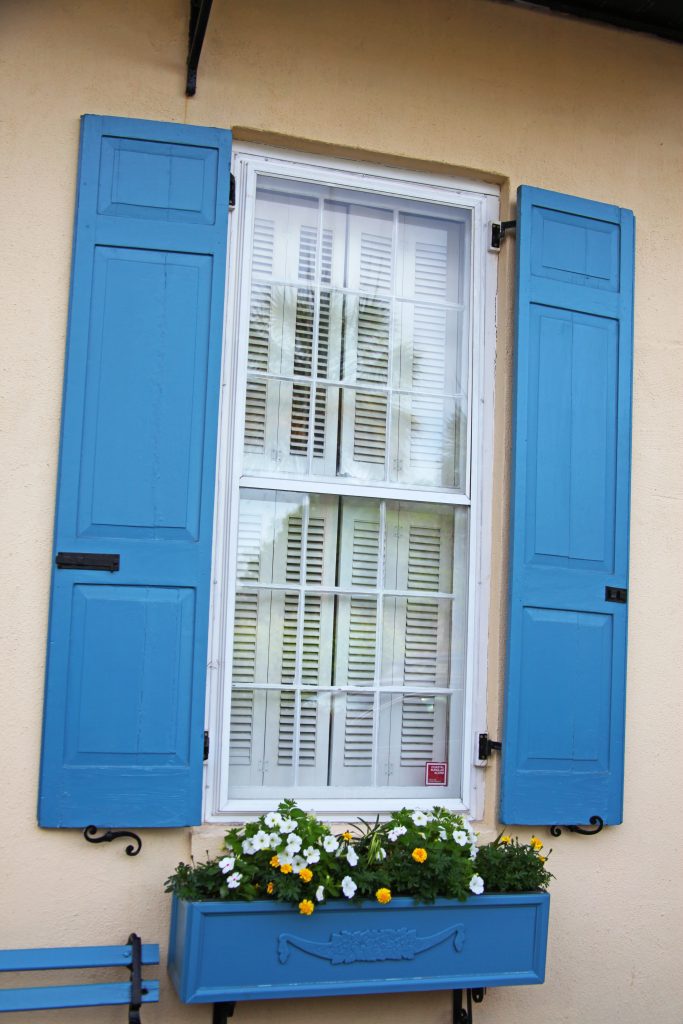
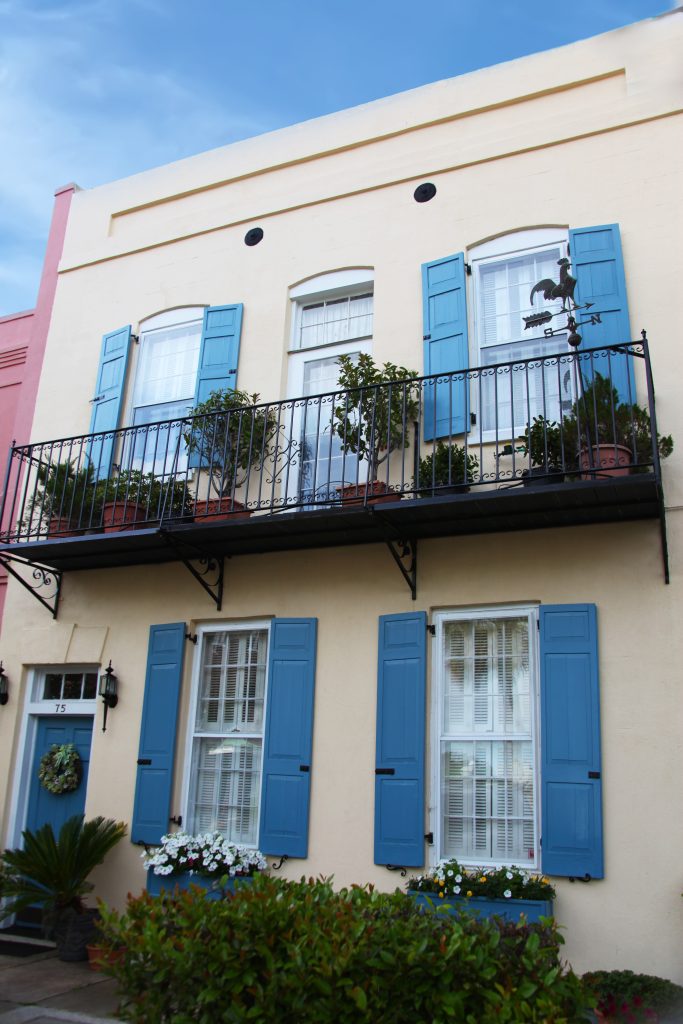
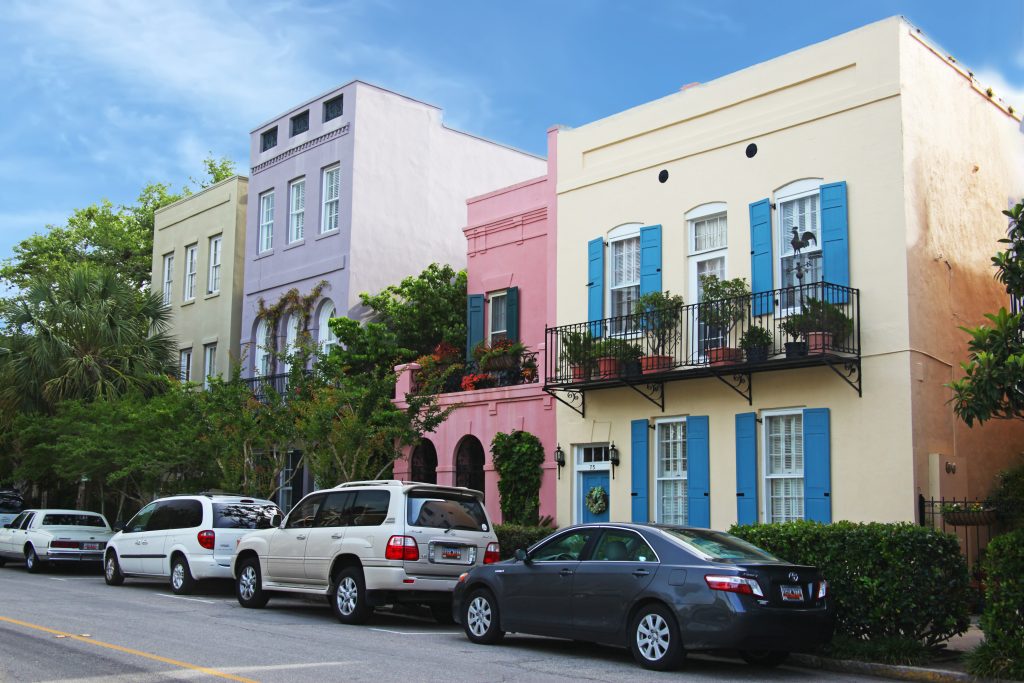
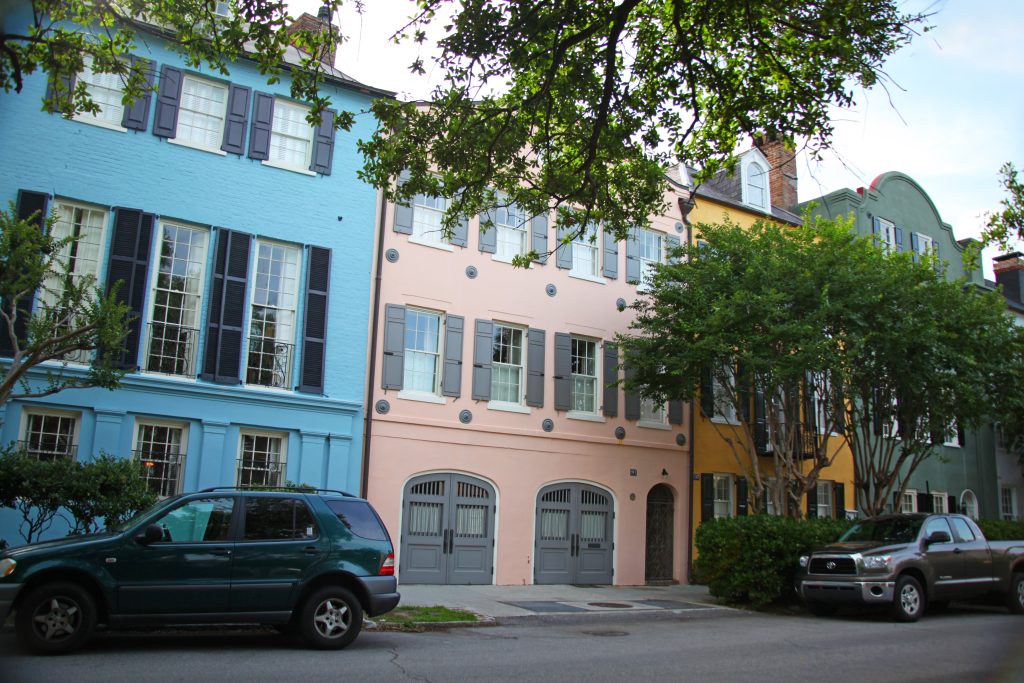
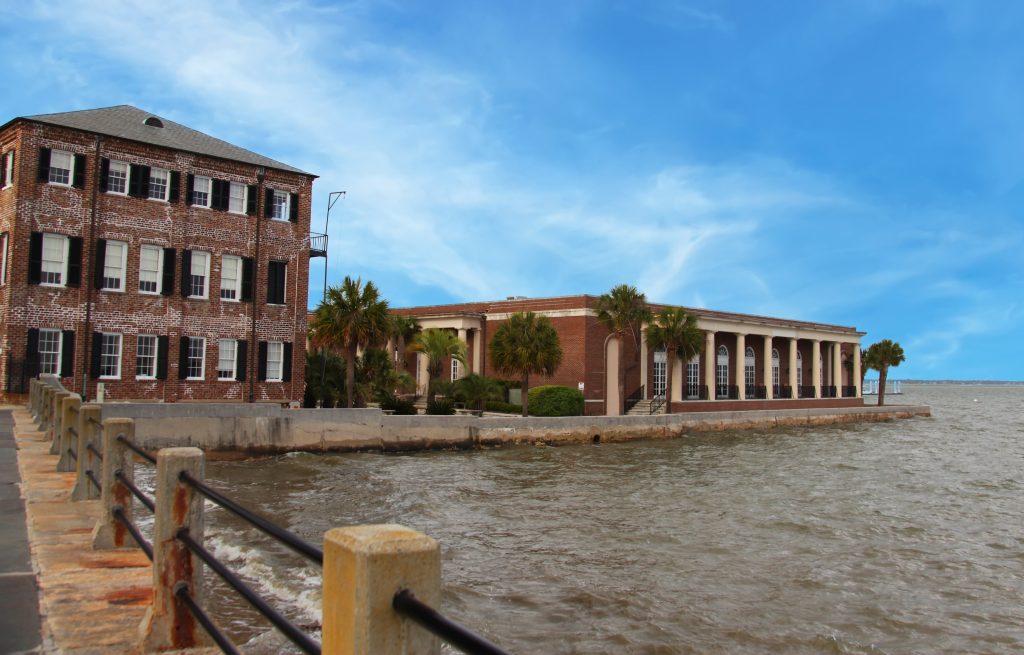
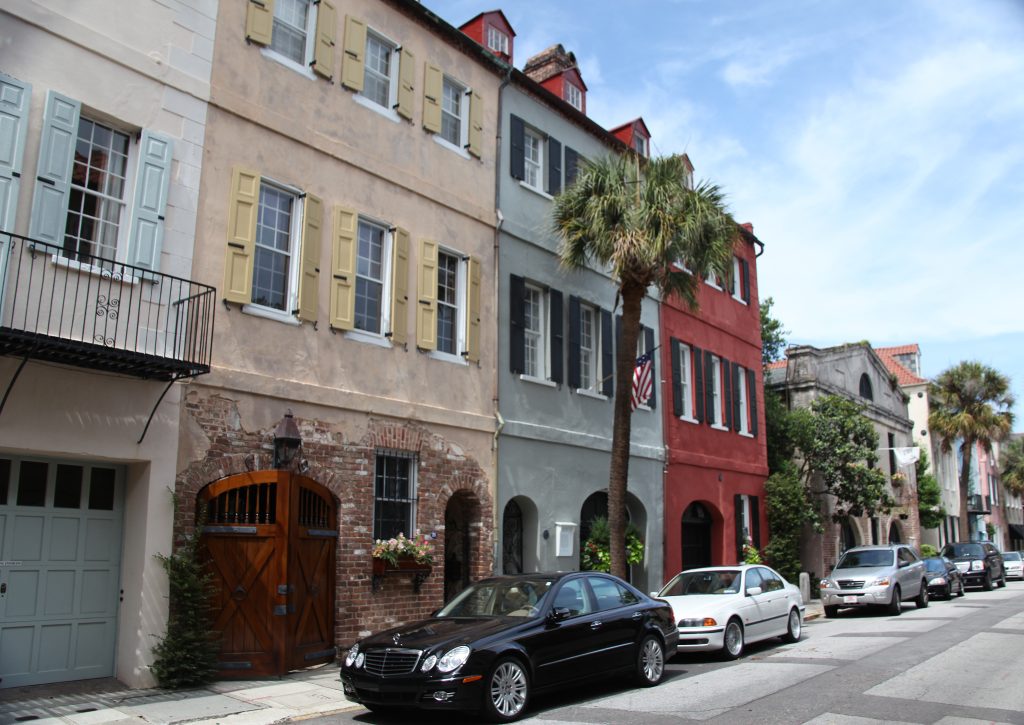
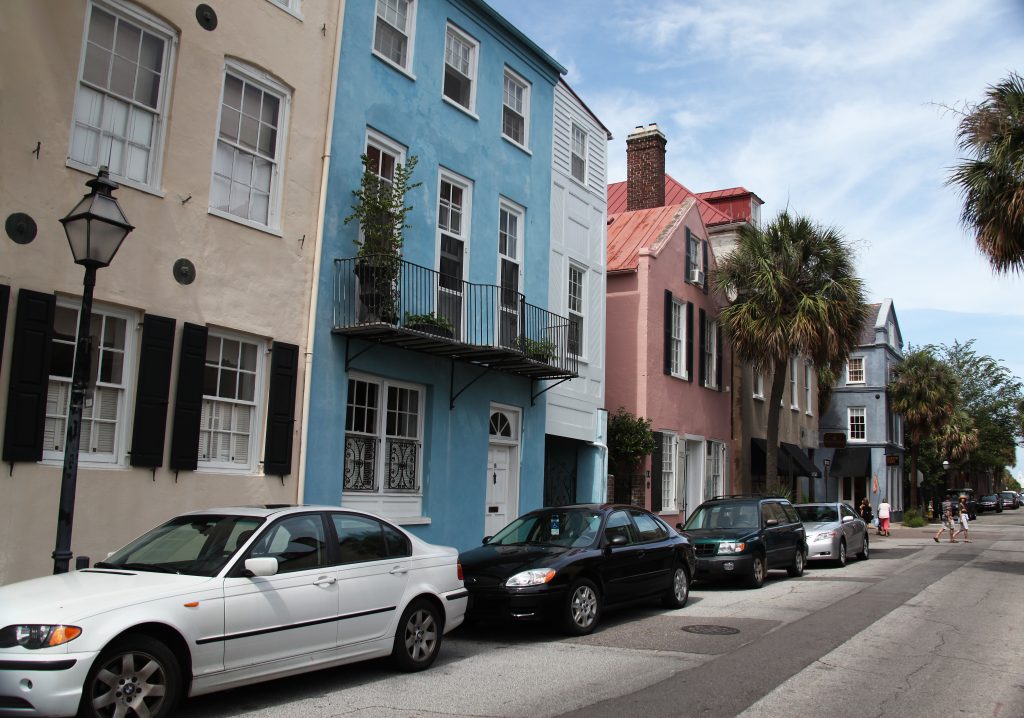
A walk through Charleston immerses you in textures and scents. Along East Bay Street, pastel-colored townhouses known as Rainbow Row glow in sherbet hues, their shutters casting striped shadows in the afternoon light. The Battery—a sea wall promenade lined with grand antebellum mansions—offers sweeping views of Charleston Harbor, where gulls wheel above and the salty breeze carries echoes of clashing fleets.
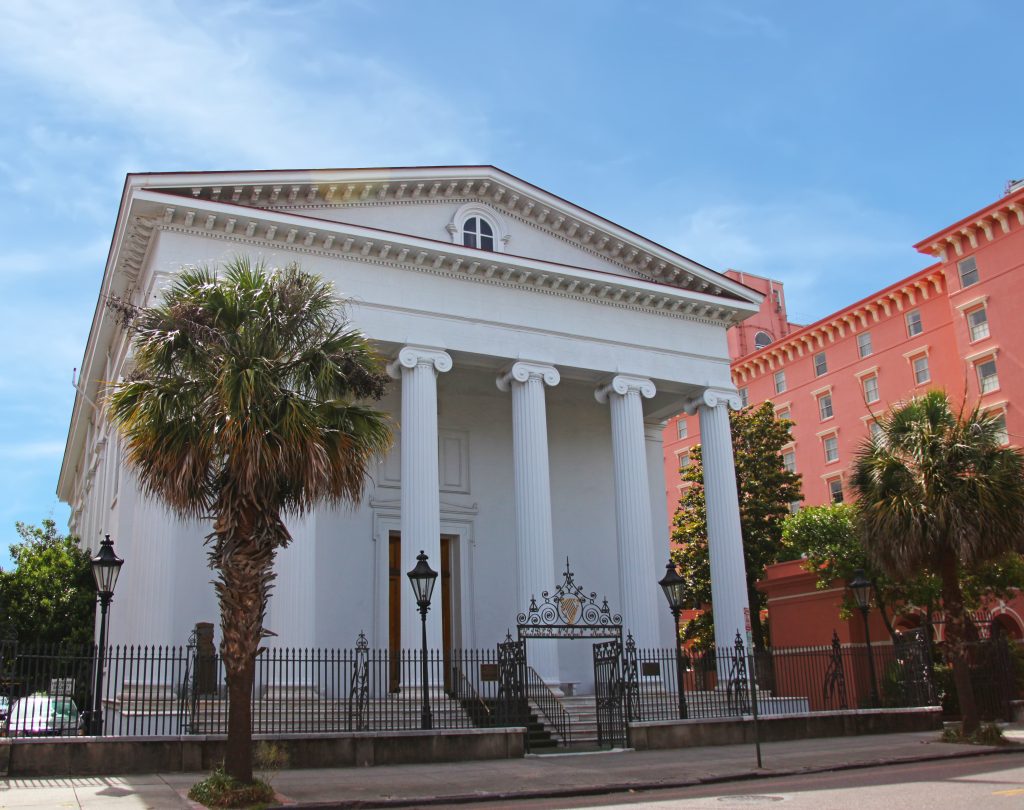
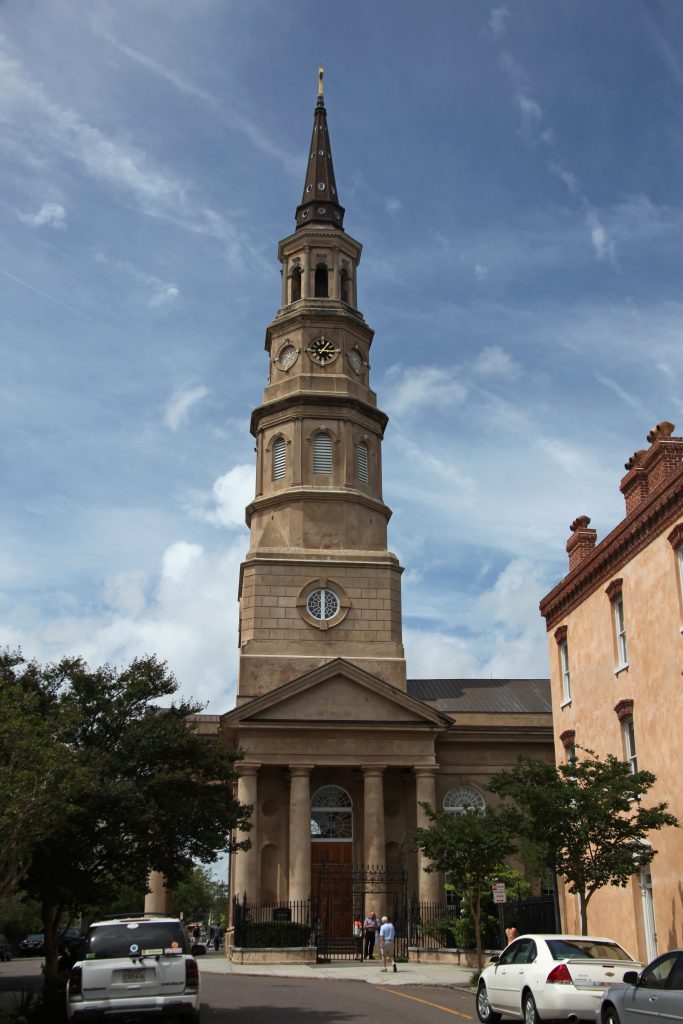
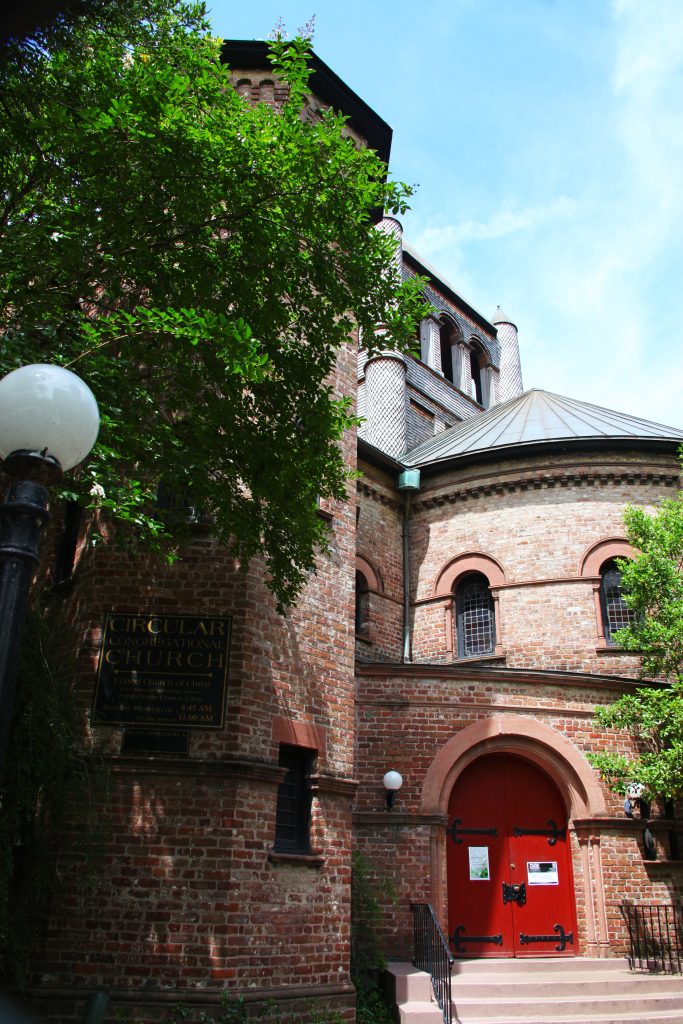
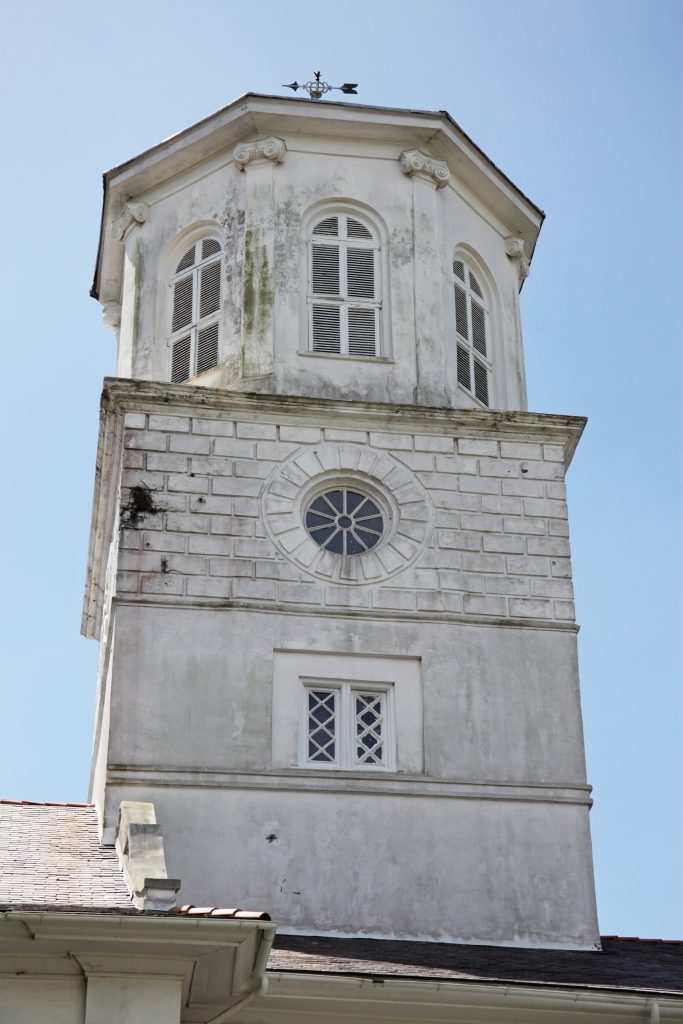
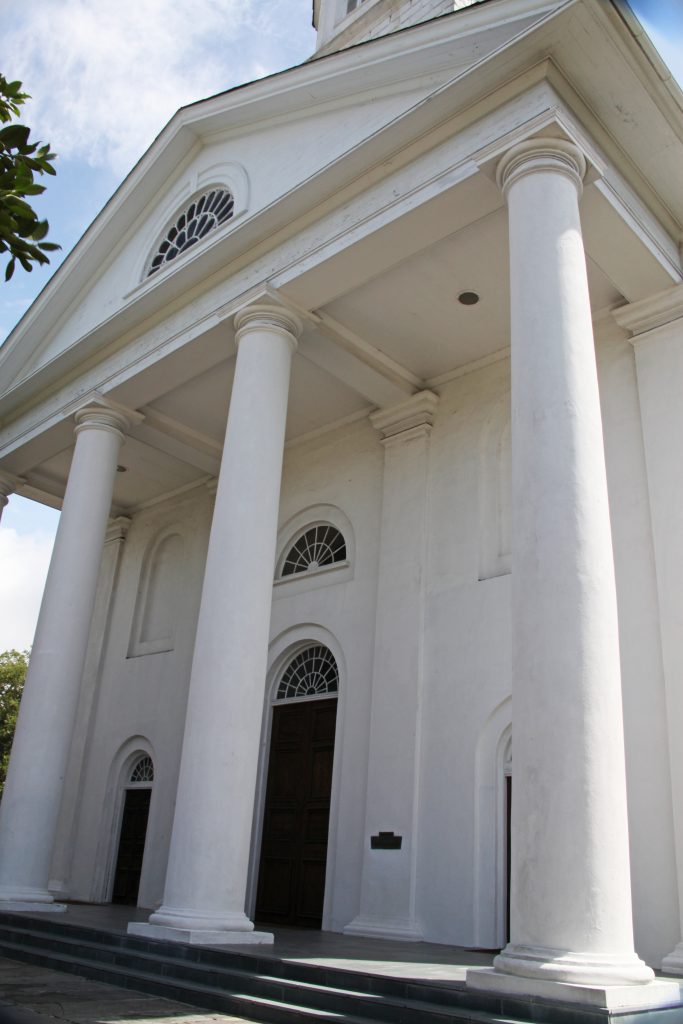
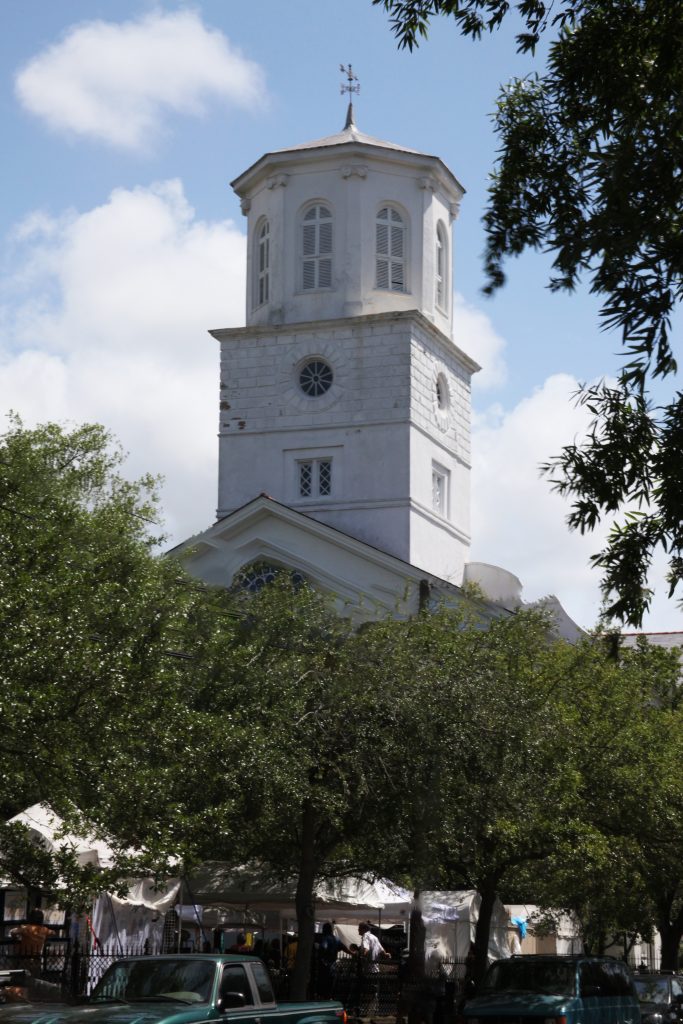
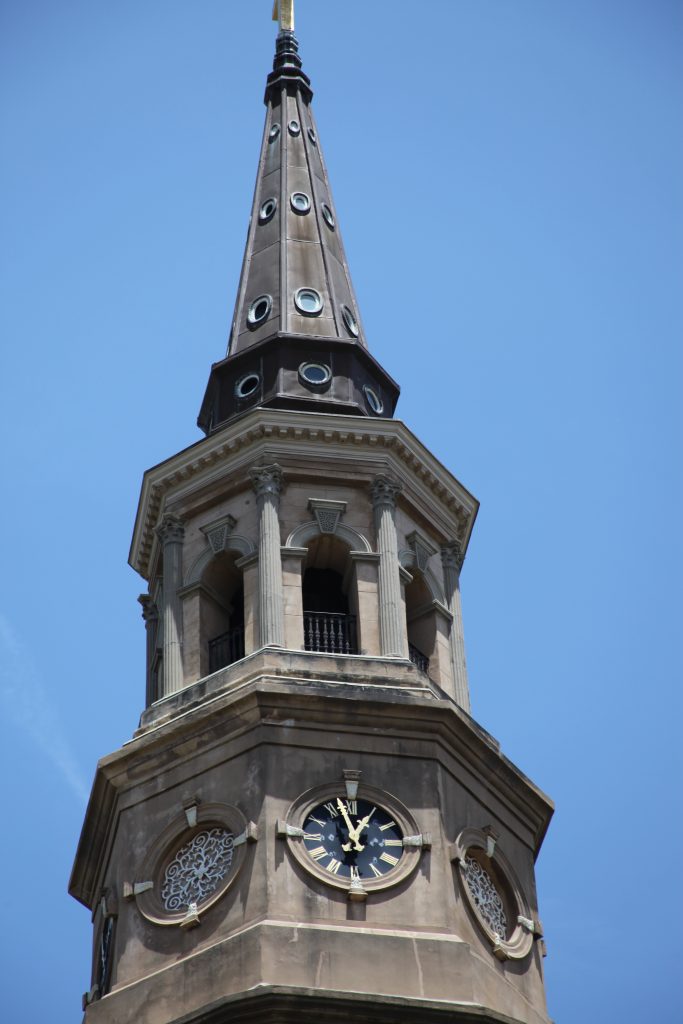
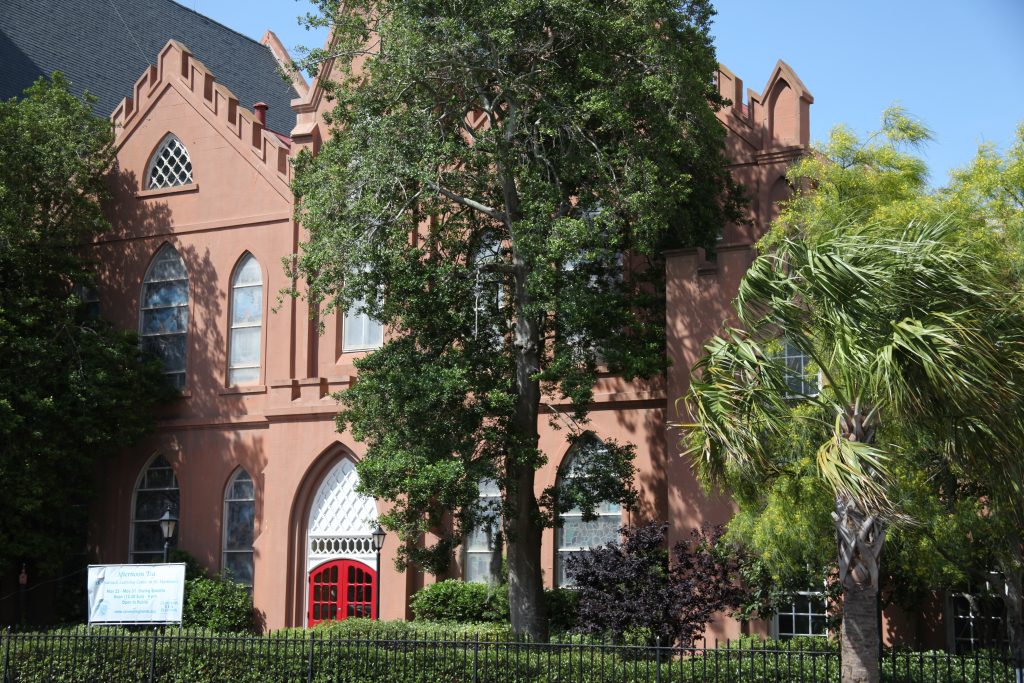
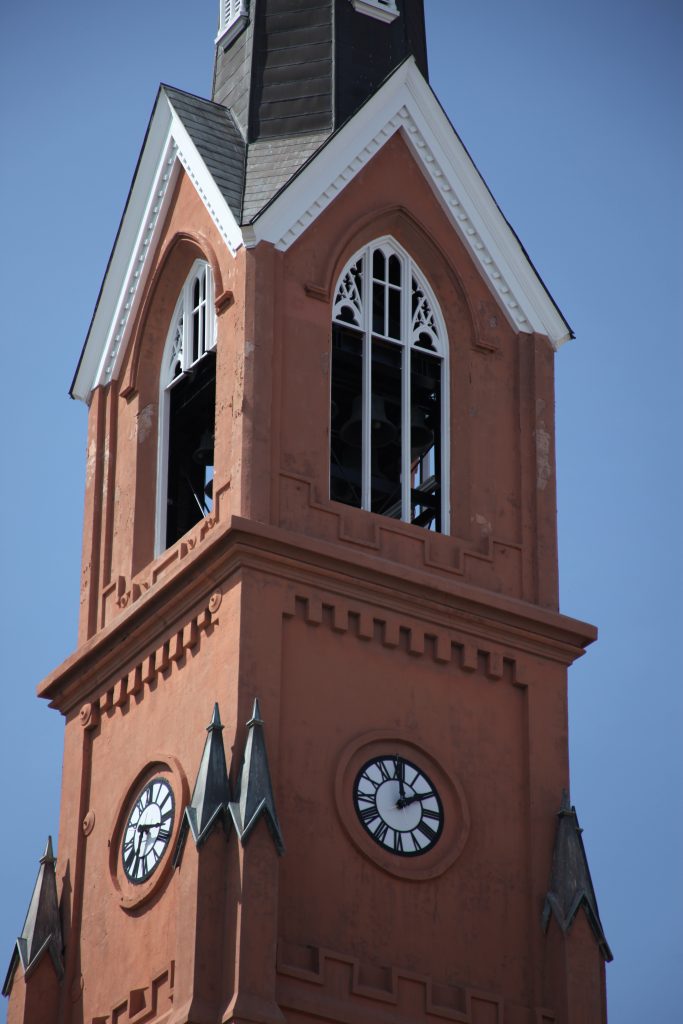
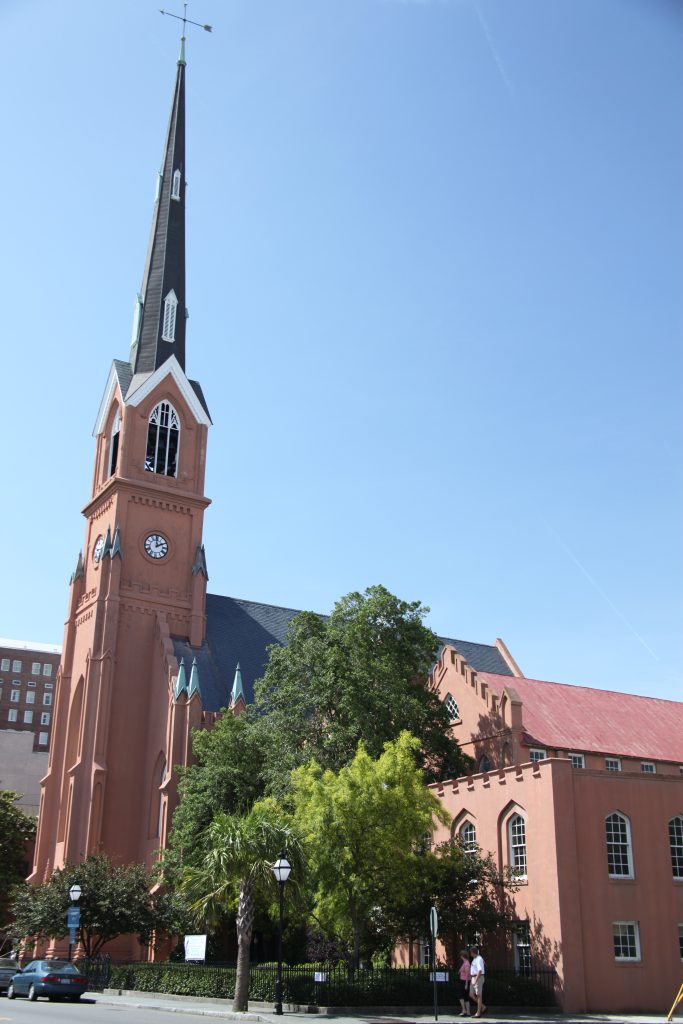
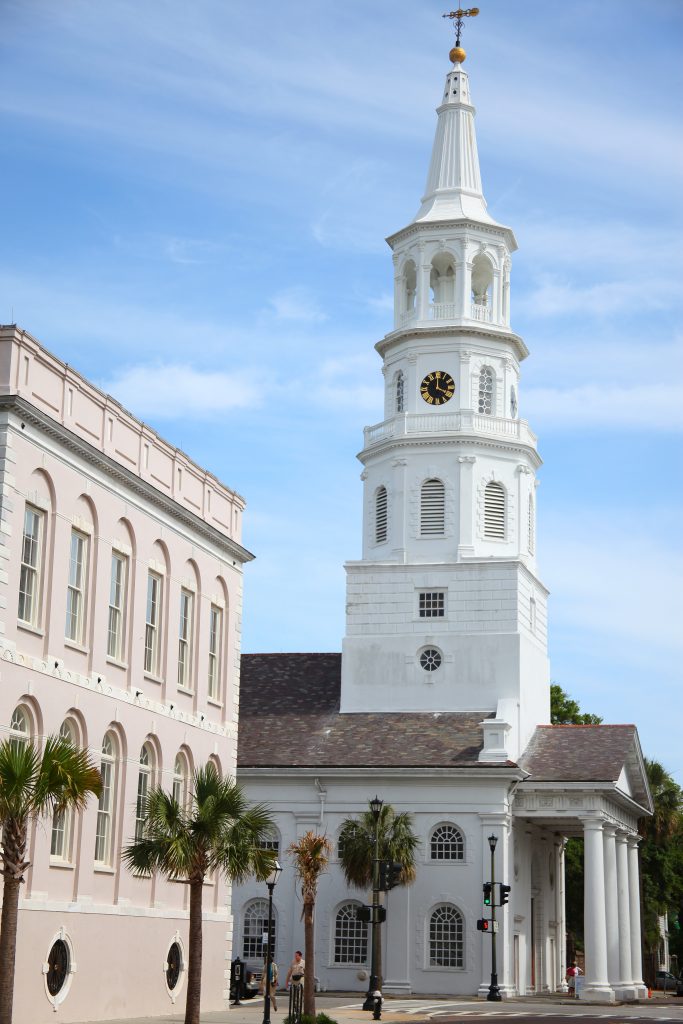
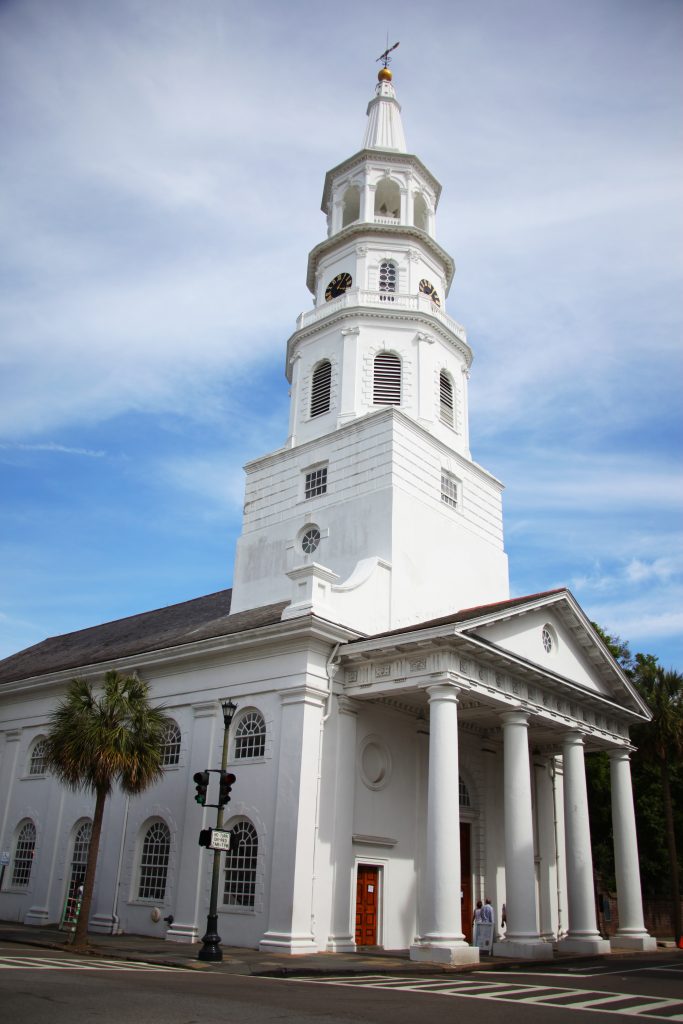
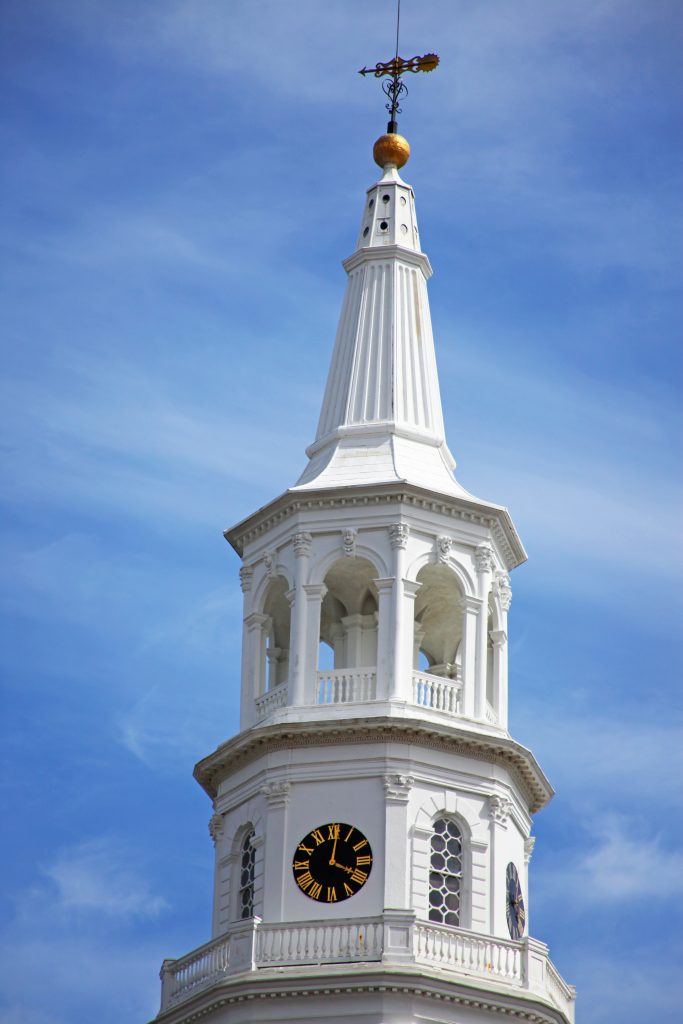
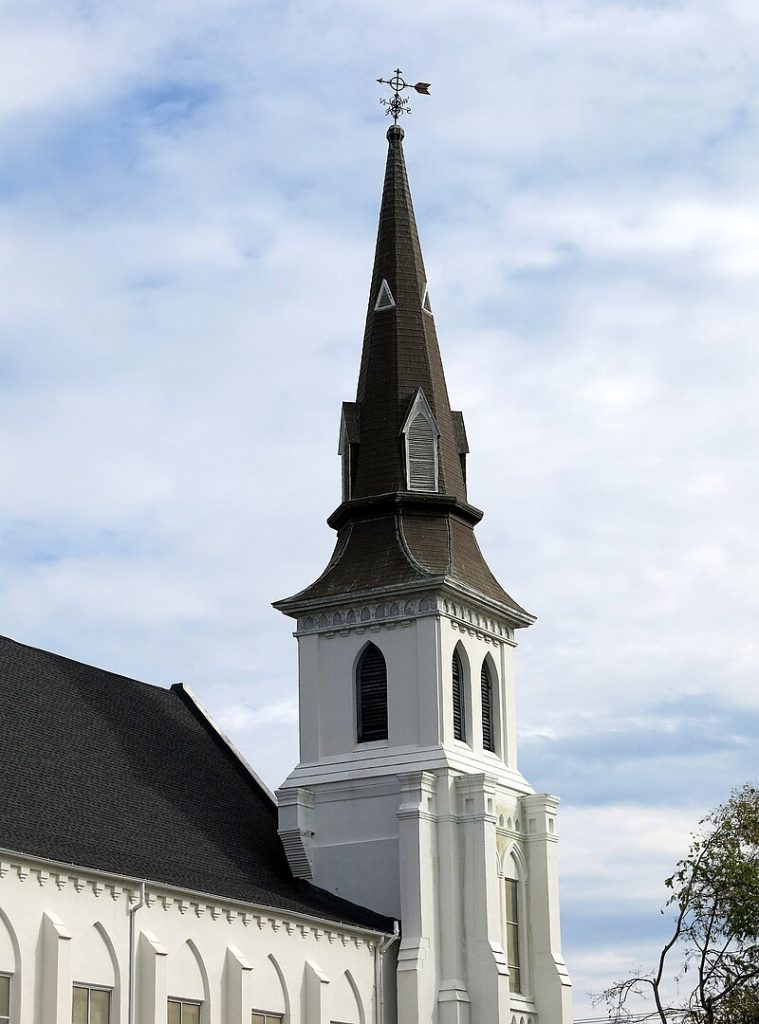
The city’s churches rise like sentinels. St. Michael’s Episcopal Church, dating to 1761, still tolls the bells that George Washington once heard. Its white steeple gleams over the intersection of Meeting and Broad Streets, famously nicknamed the Four Corners of Law—where federal, state, municipal, and ecclesiastical powers converge. Mother Emanuel AME Church, founded in 1817, embodies both faith and resilience, having endured arson, earthquake, and most recently the tragic 2015 shooting that shook the nation.
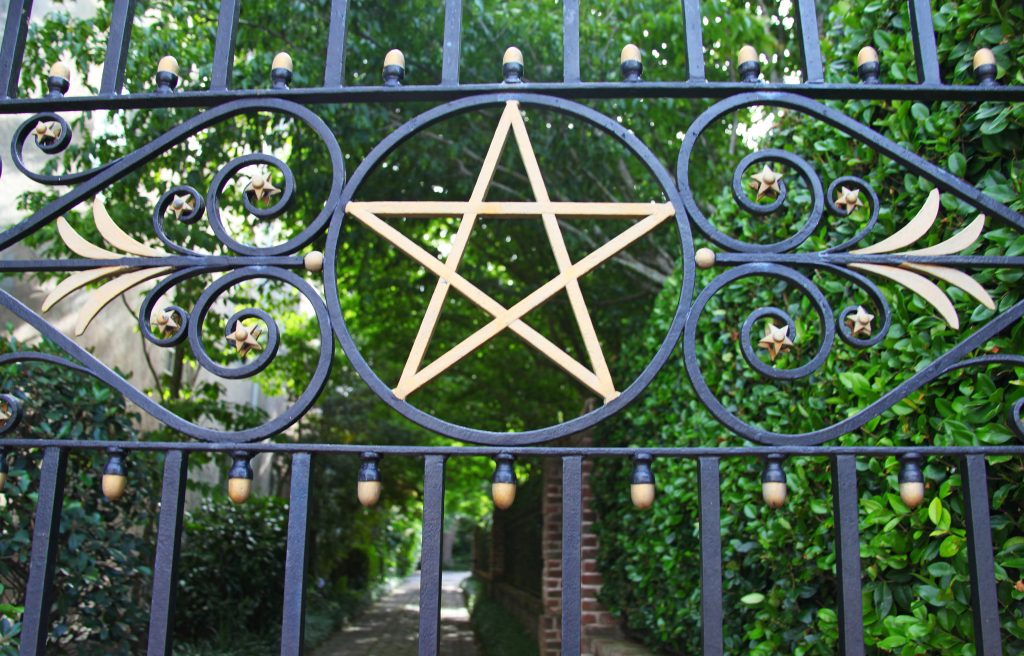
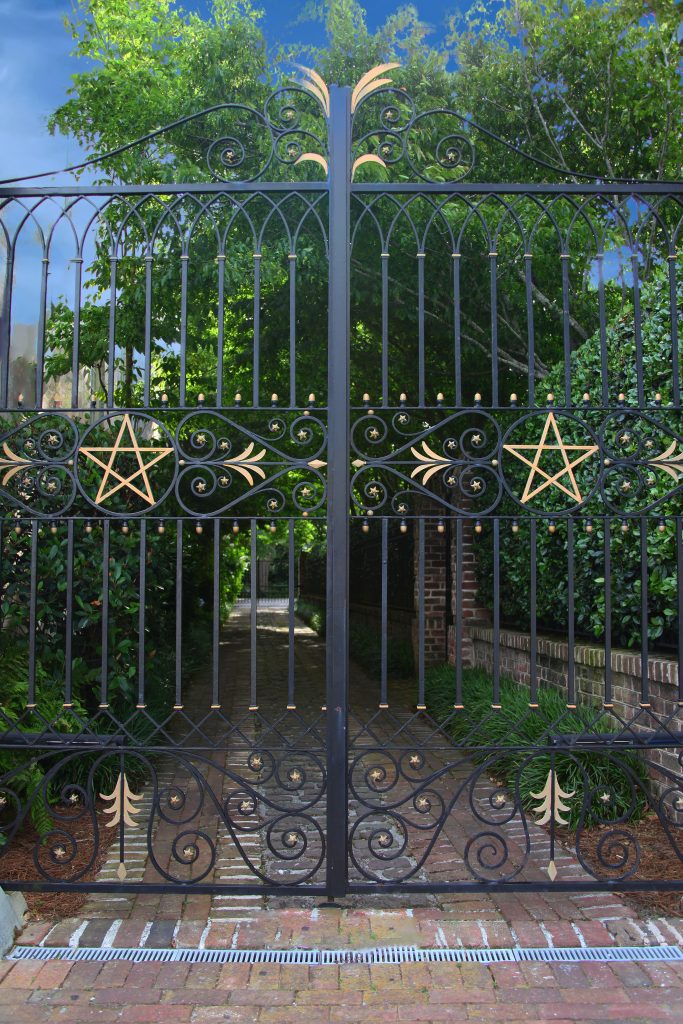
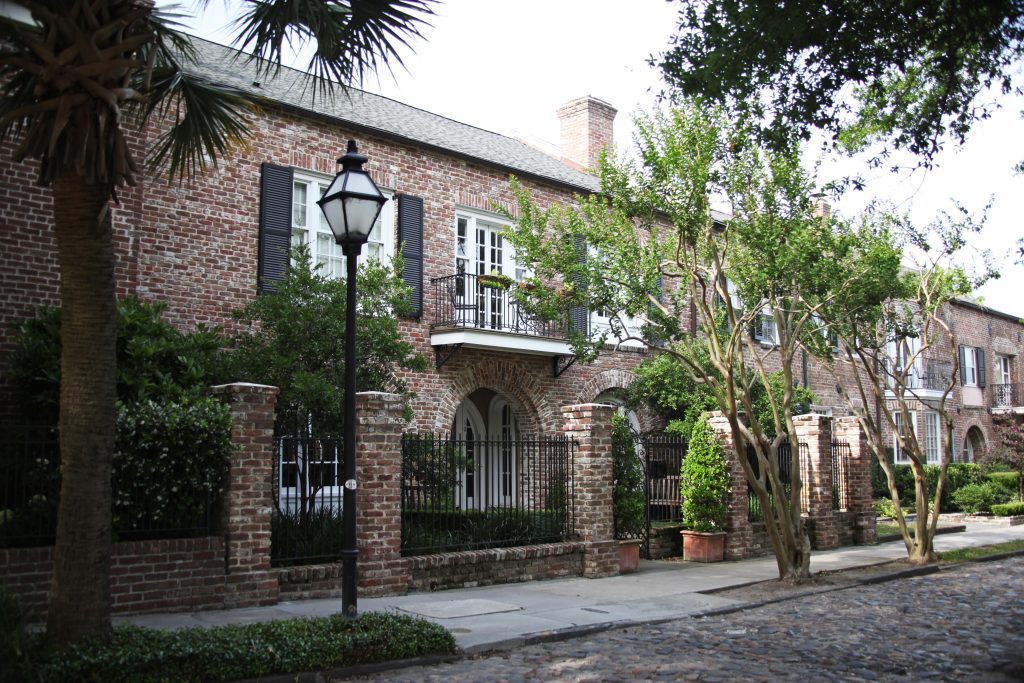
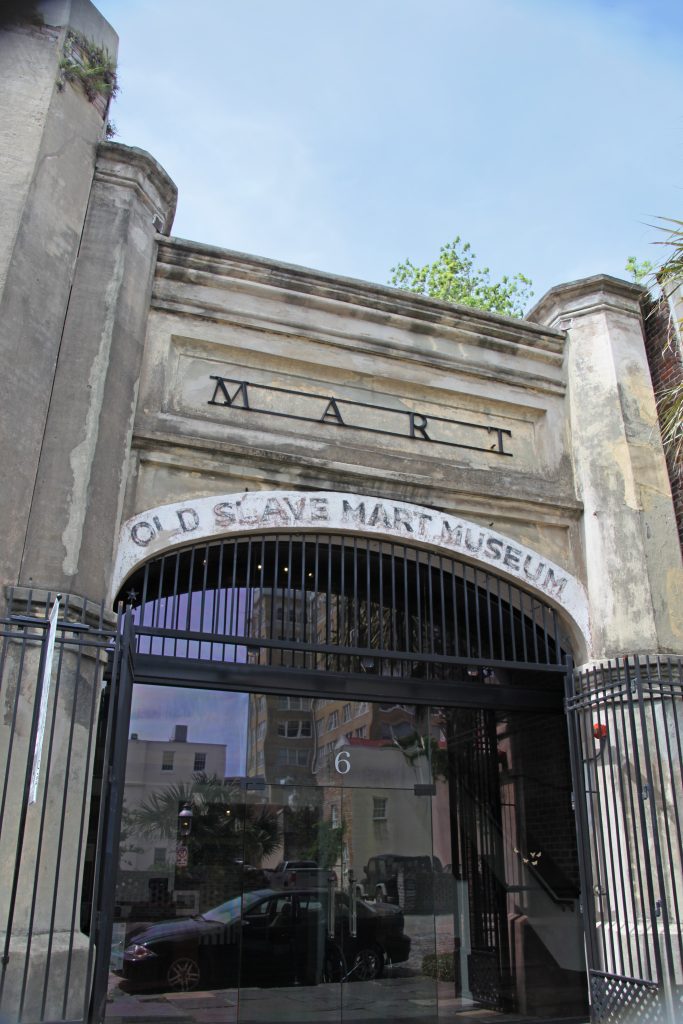
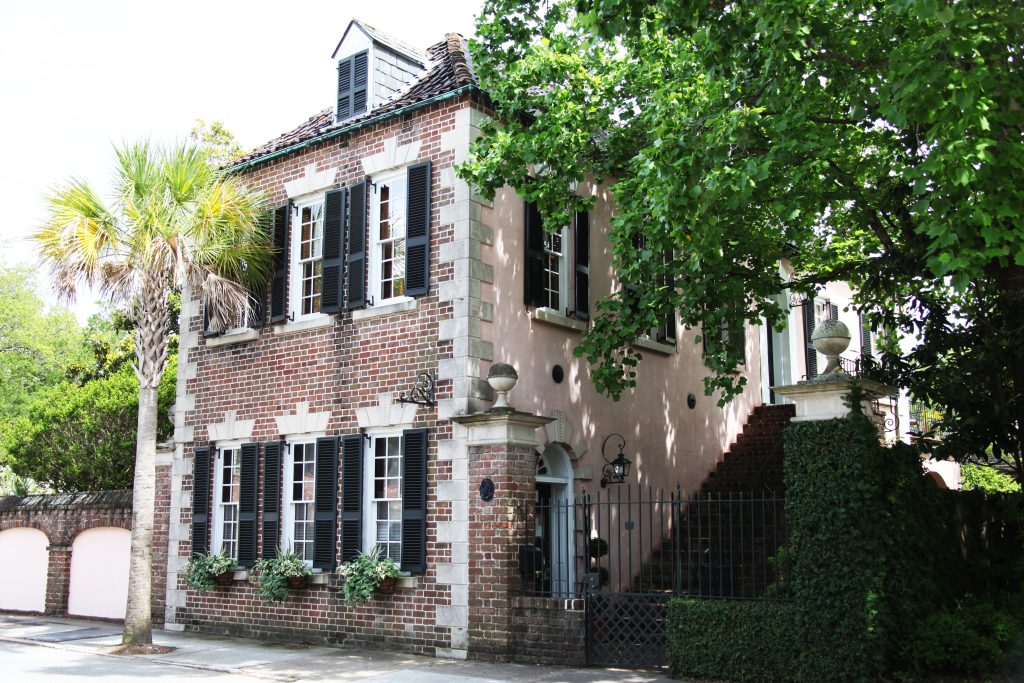
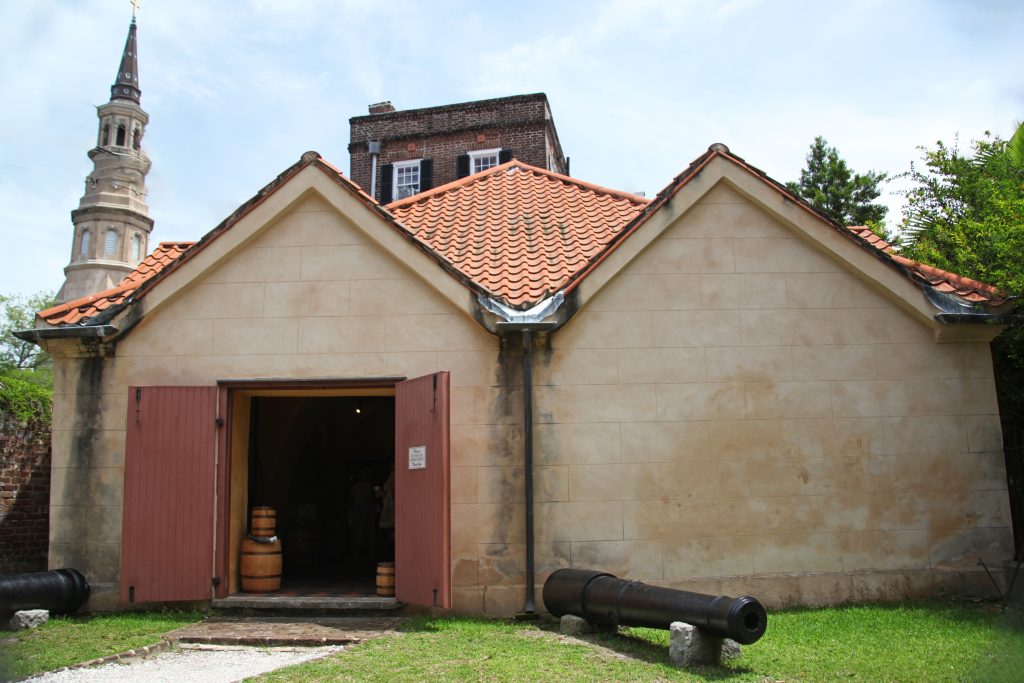
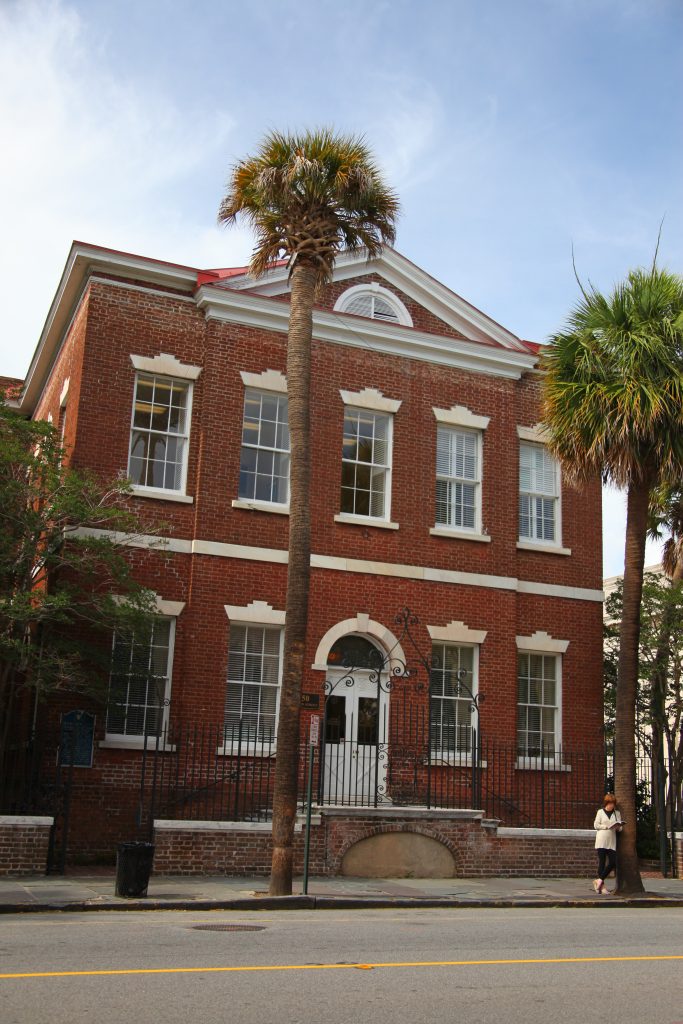
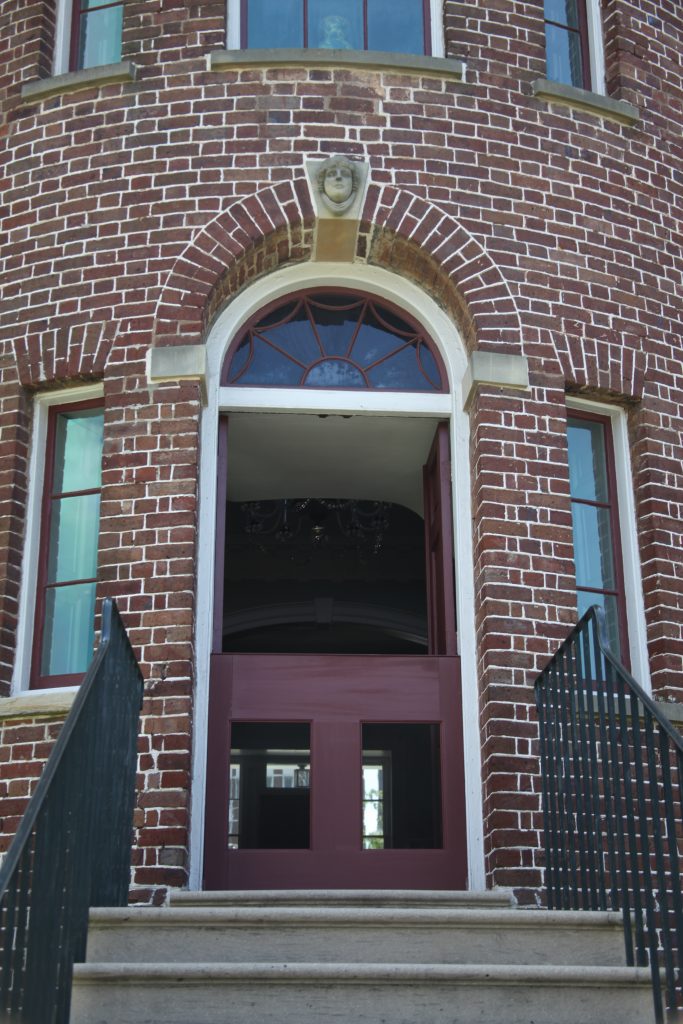
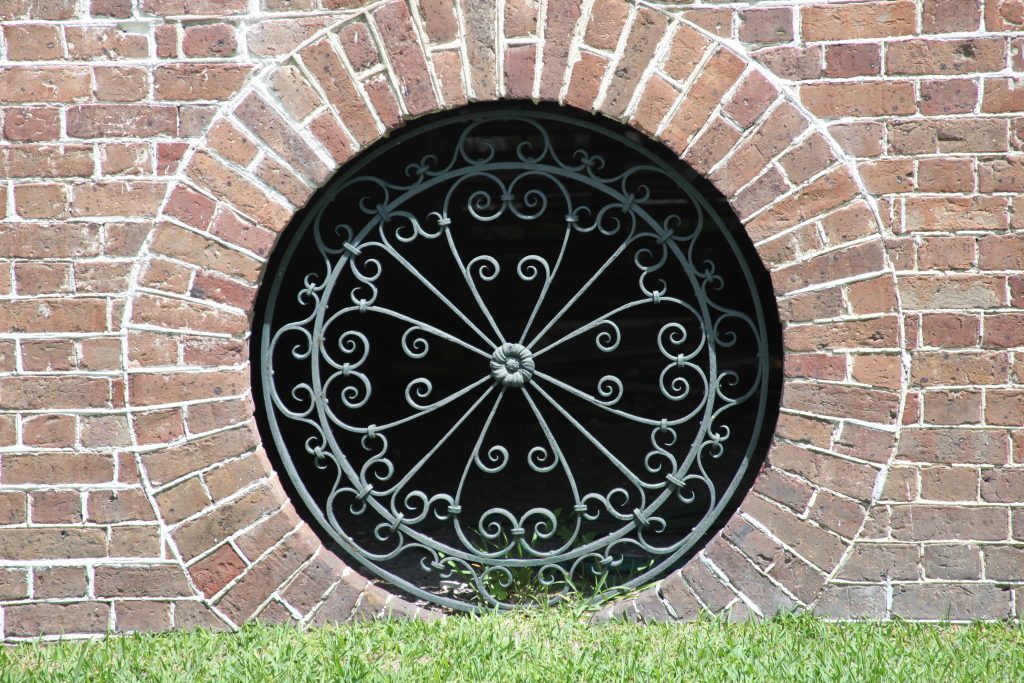
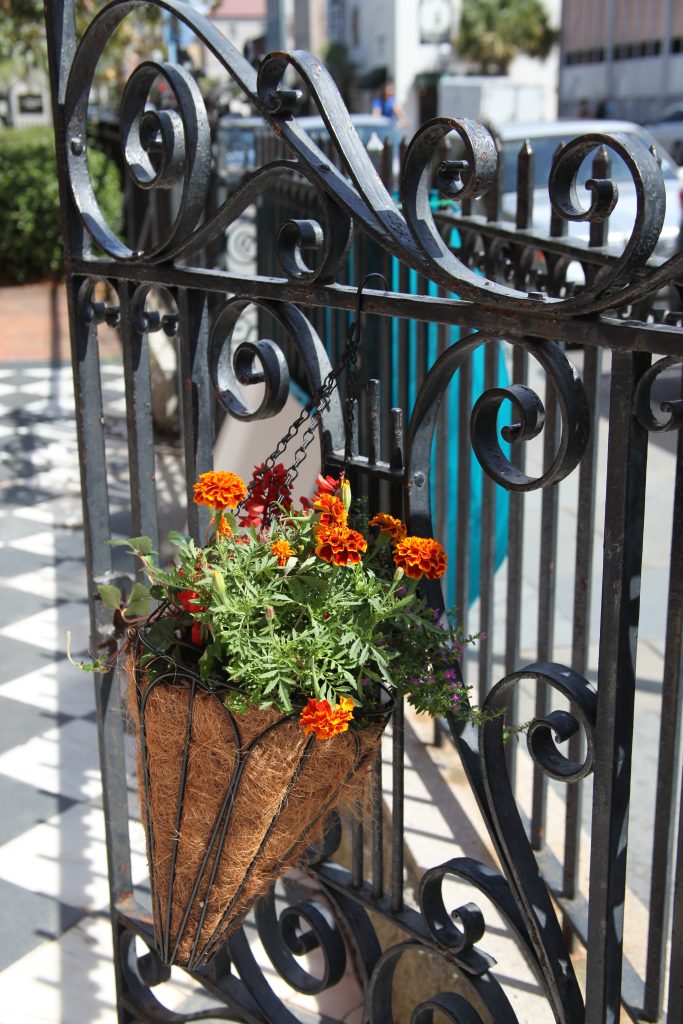
The built environment everywhere whispers of the past. Brick warehouses along the harbor recall Charleston’s maritime trade. Slave Market structures still stand on Market Street, where goods and once people were bought and sold. Elegant wrought-iron gates, many designed by master blacksmith Philip Simmons, testify to the endurance of African American craftsmanship. And through it all, live oaks draped in Spanish moss arch over lanes of worn cobblestones, dappling the ground with shifting light.
Strolling Charleston’s Streets
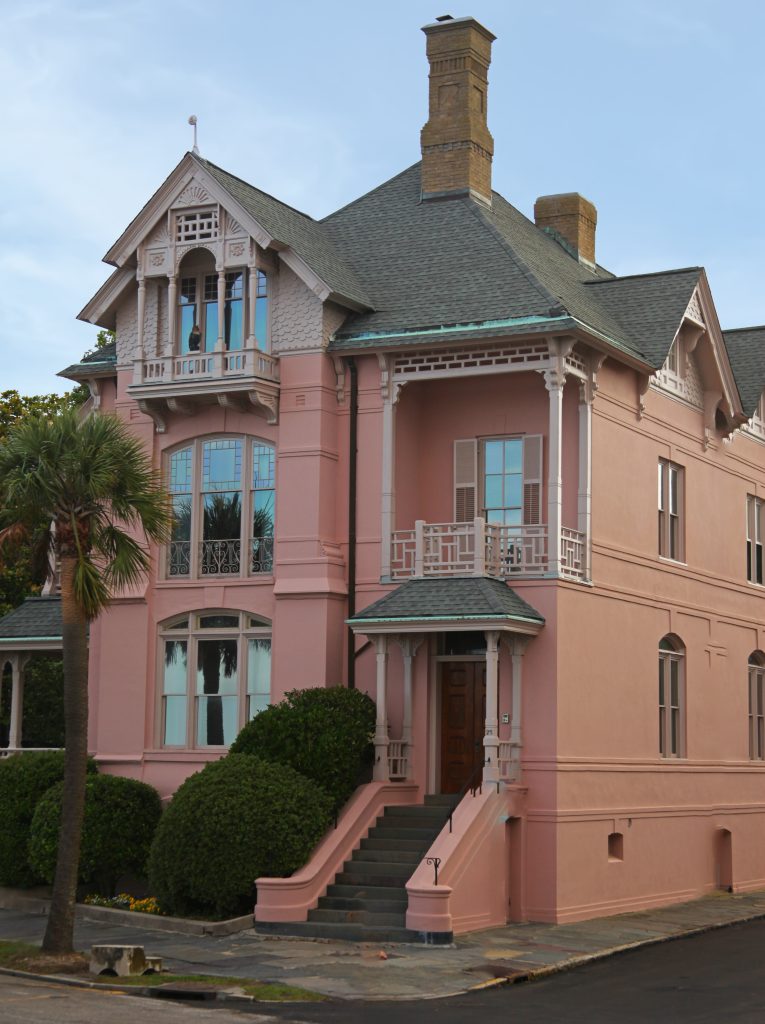
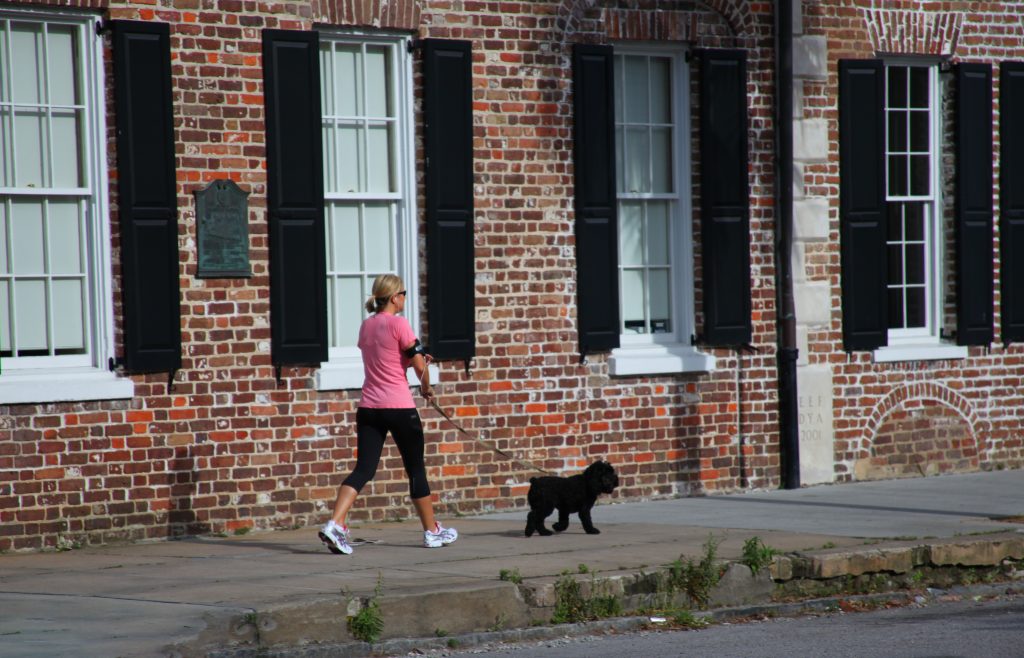
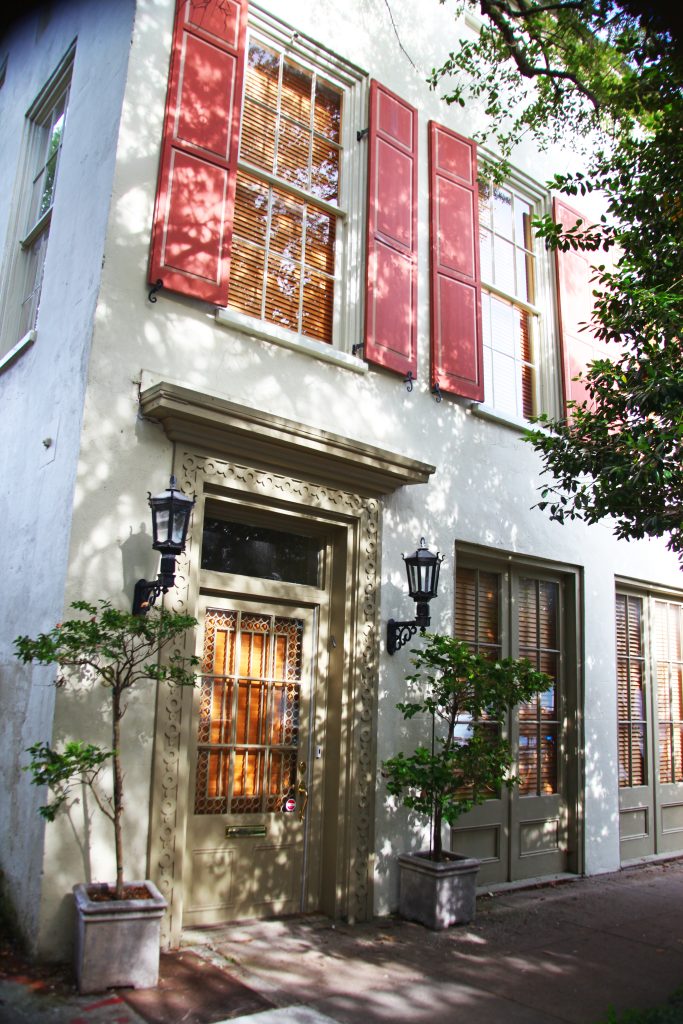
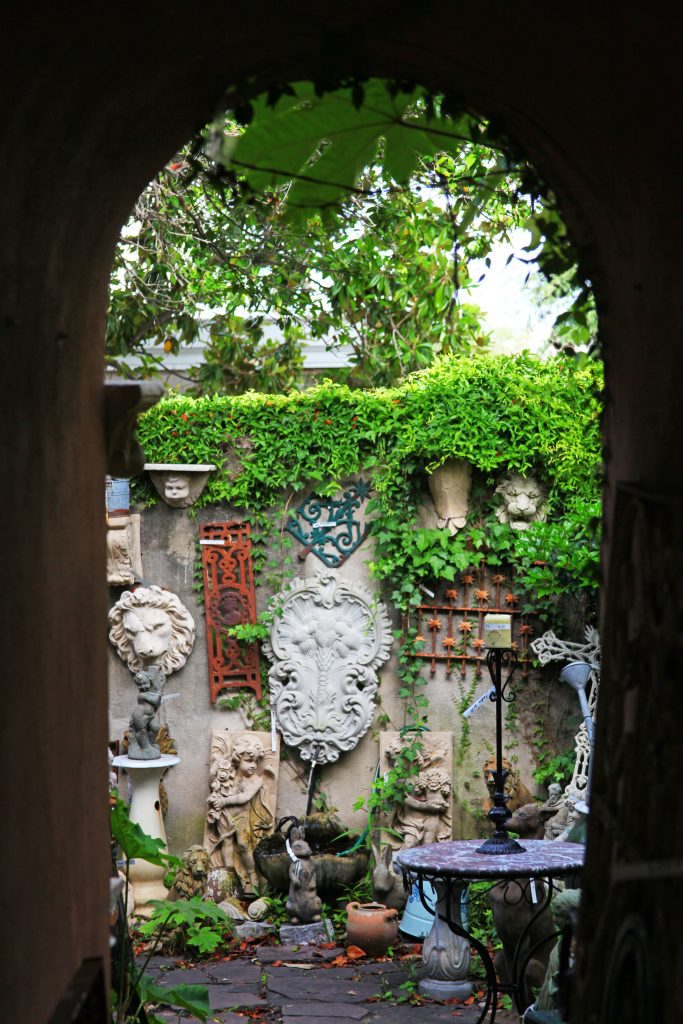
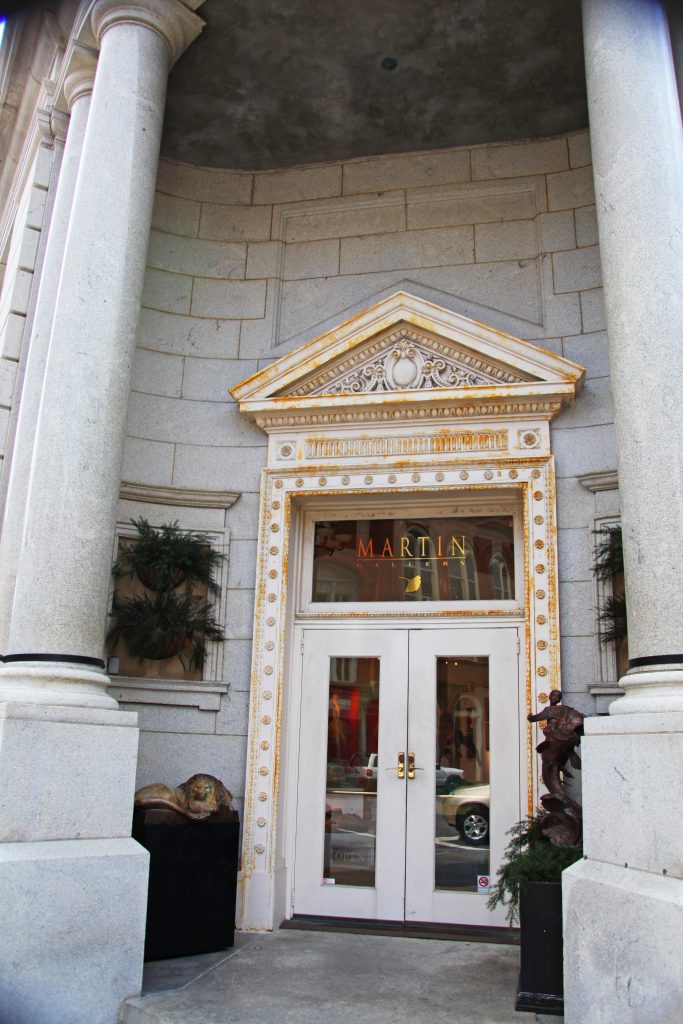
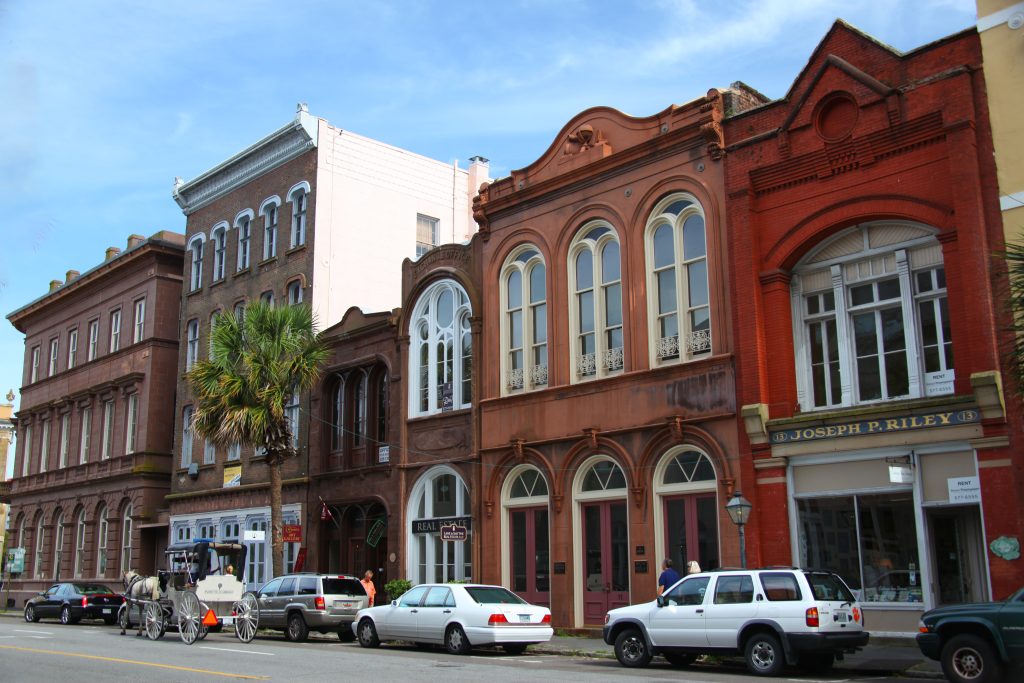
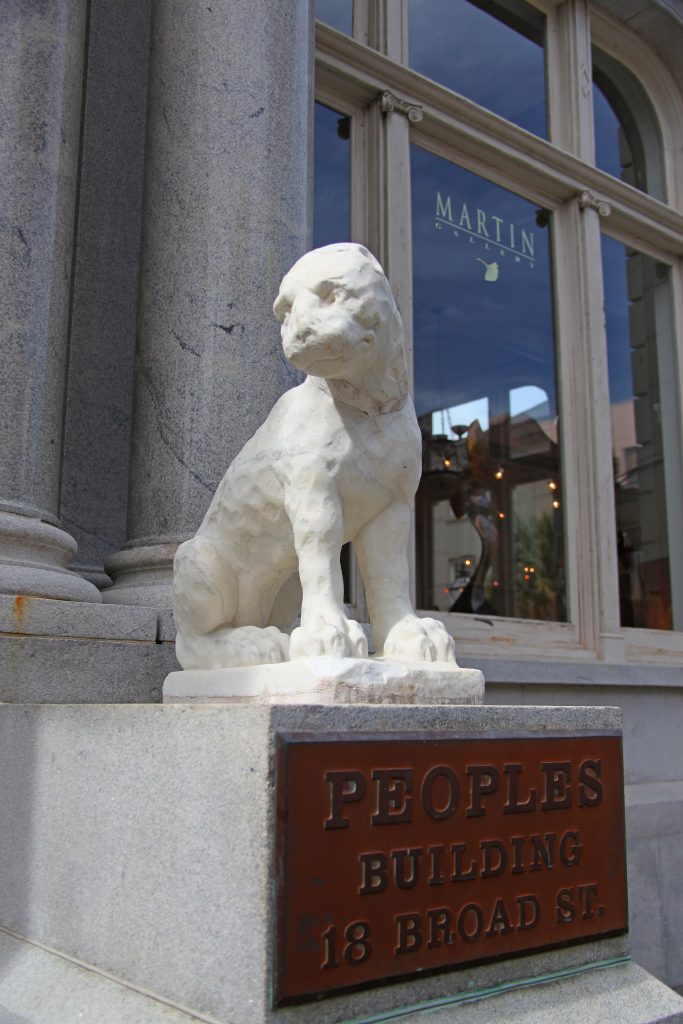
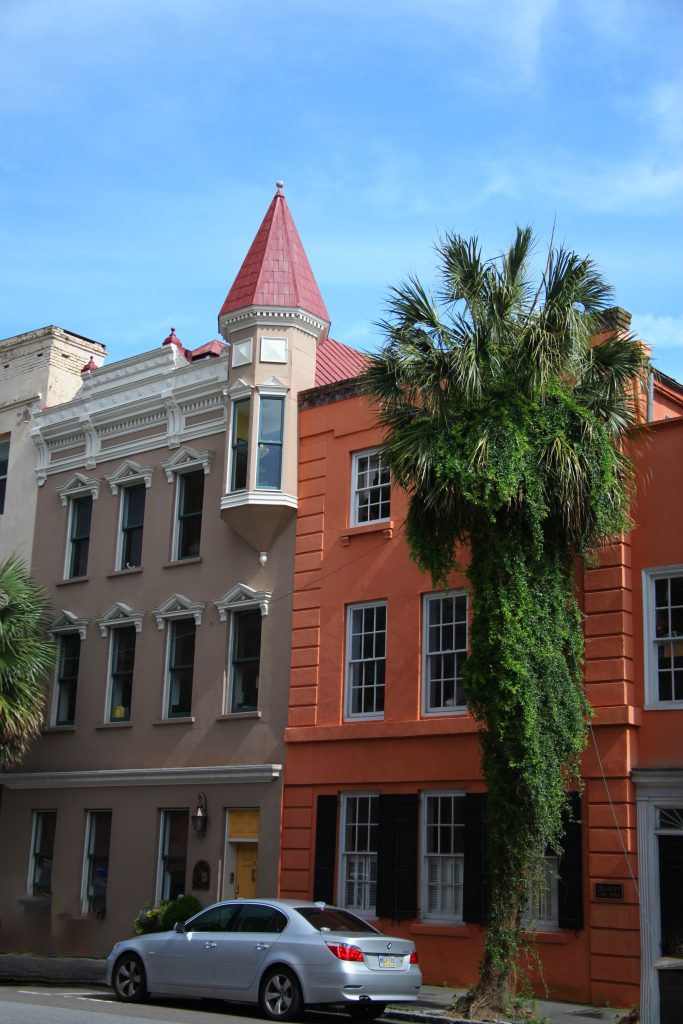
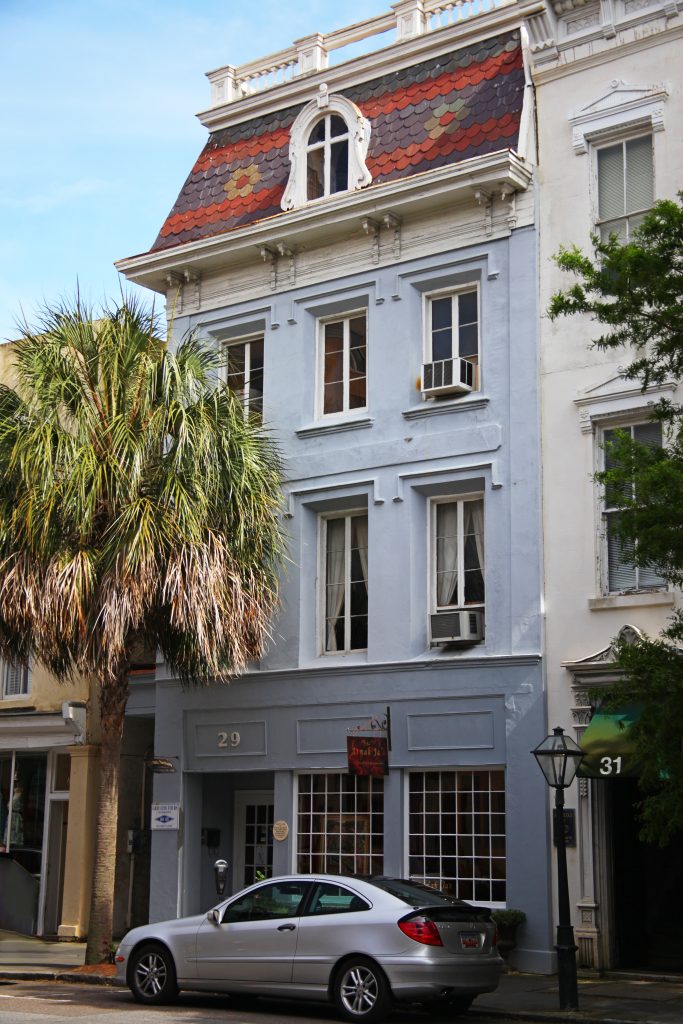
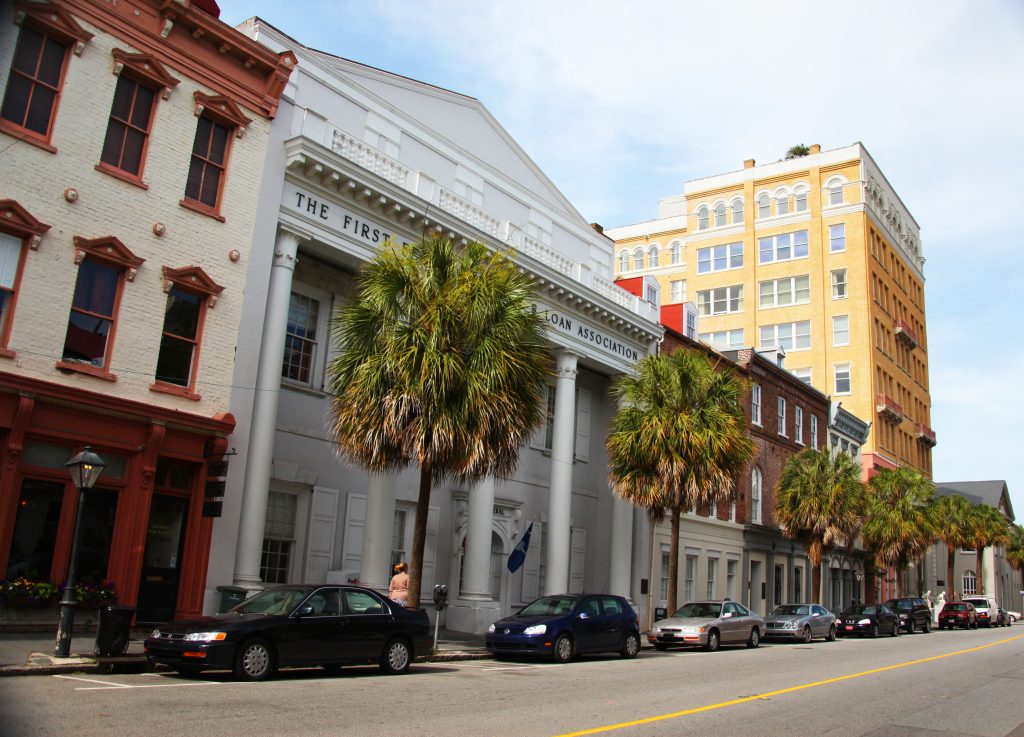
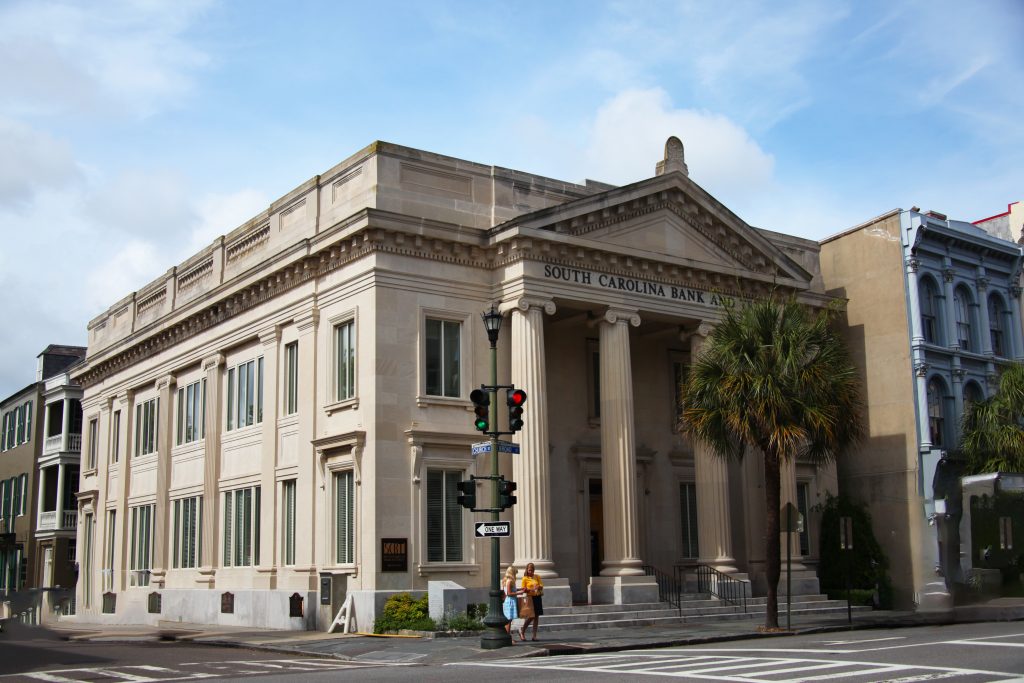
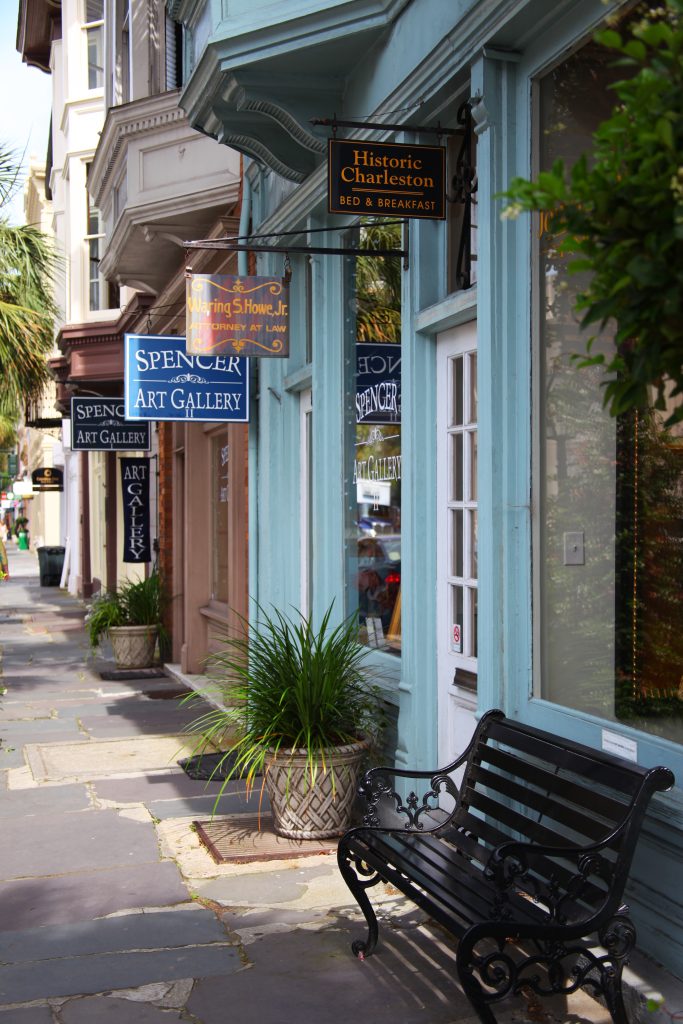
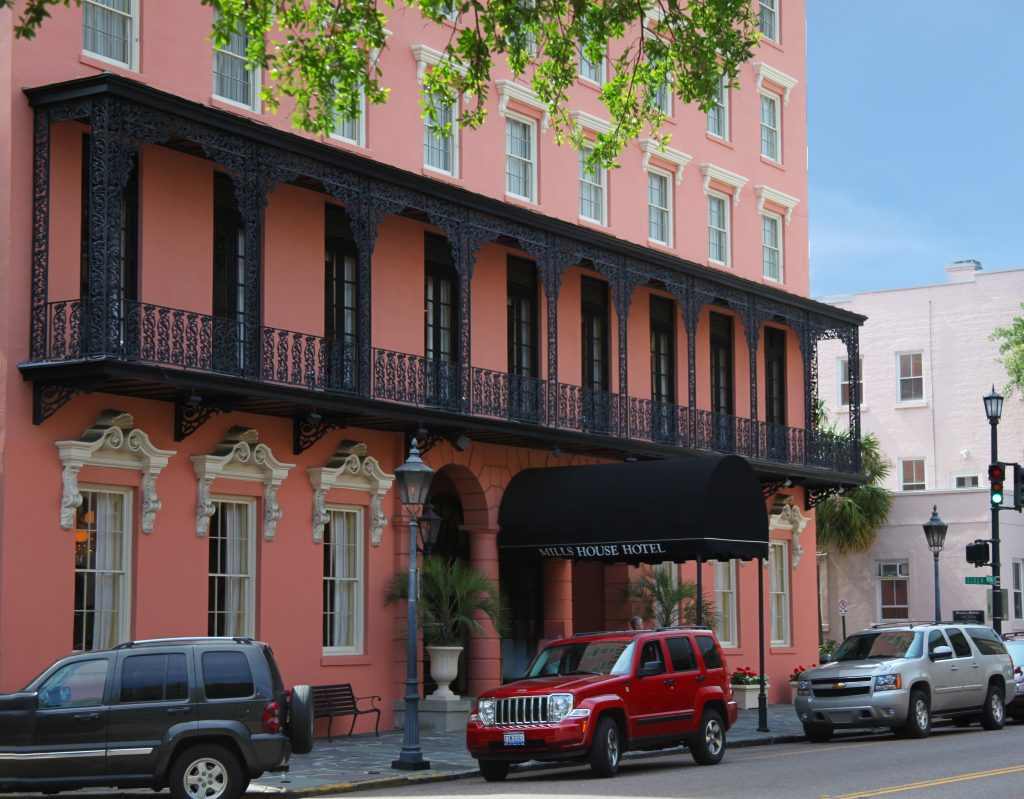
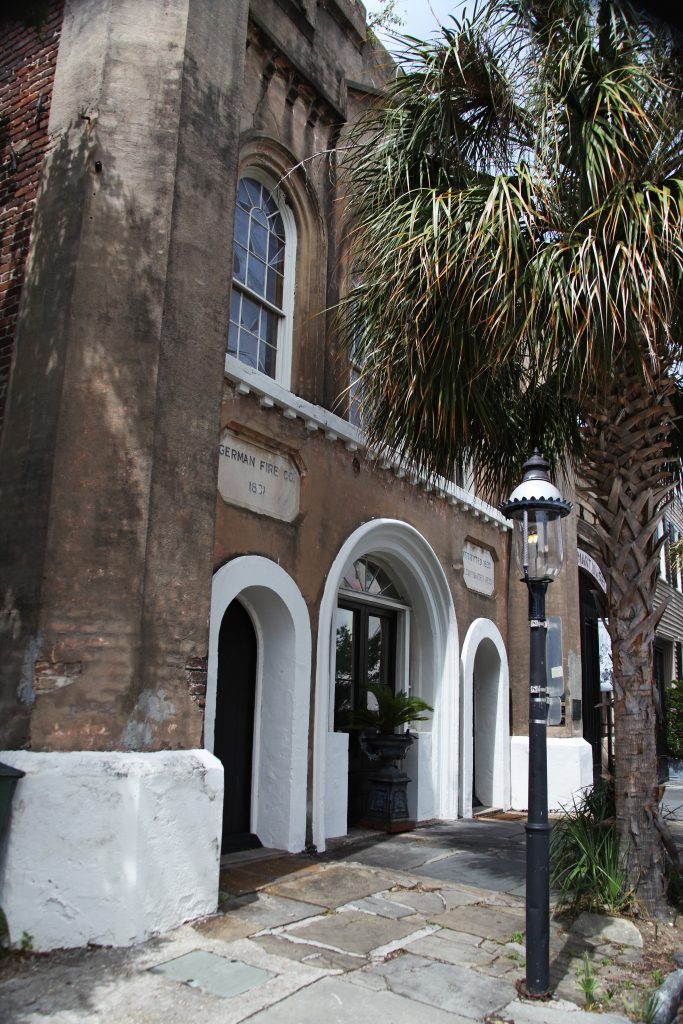
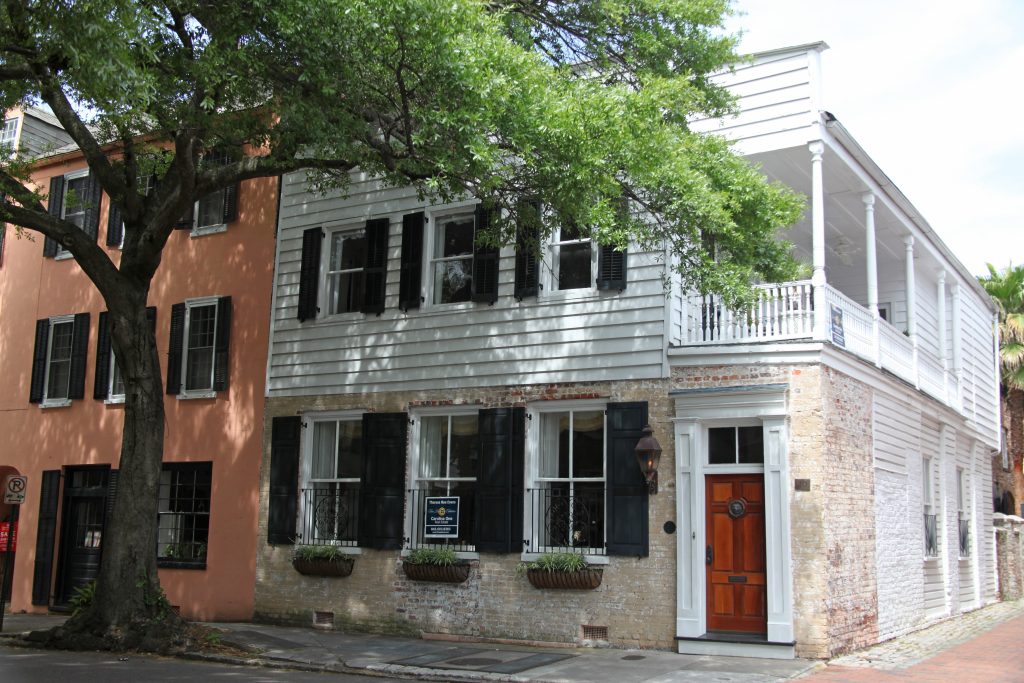
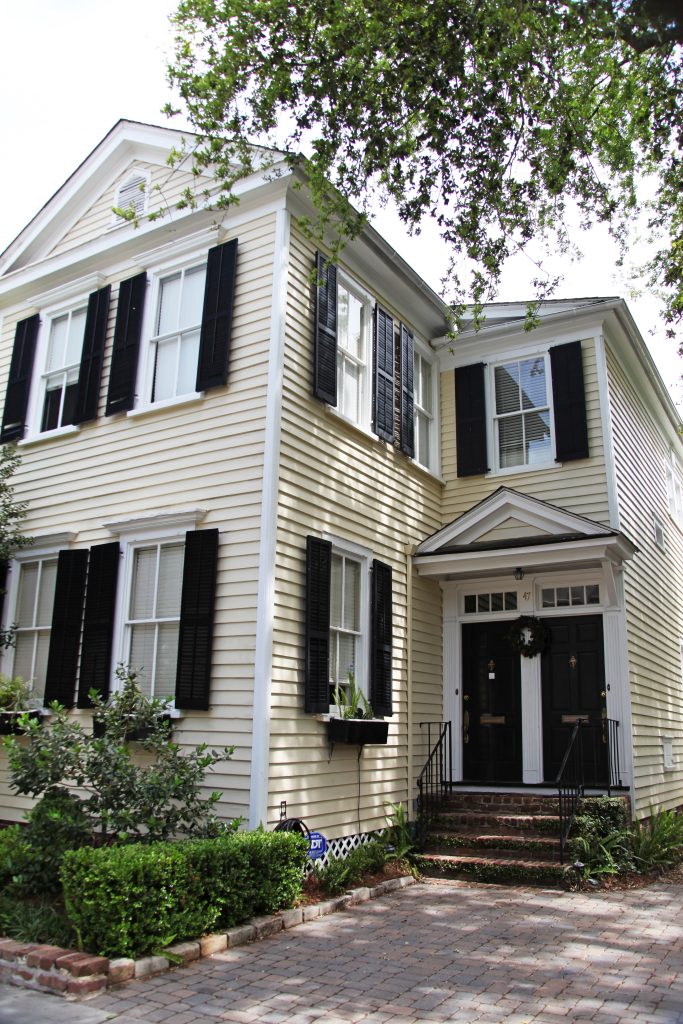
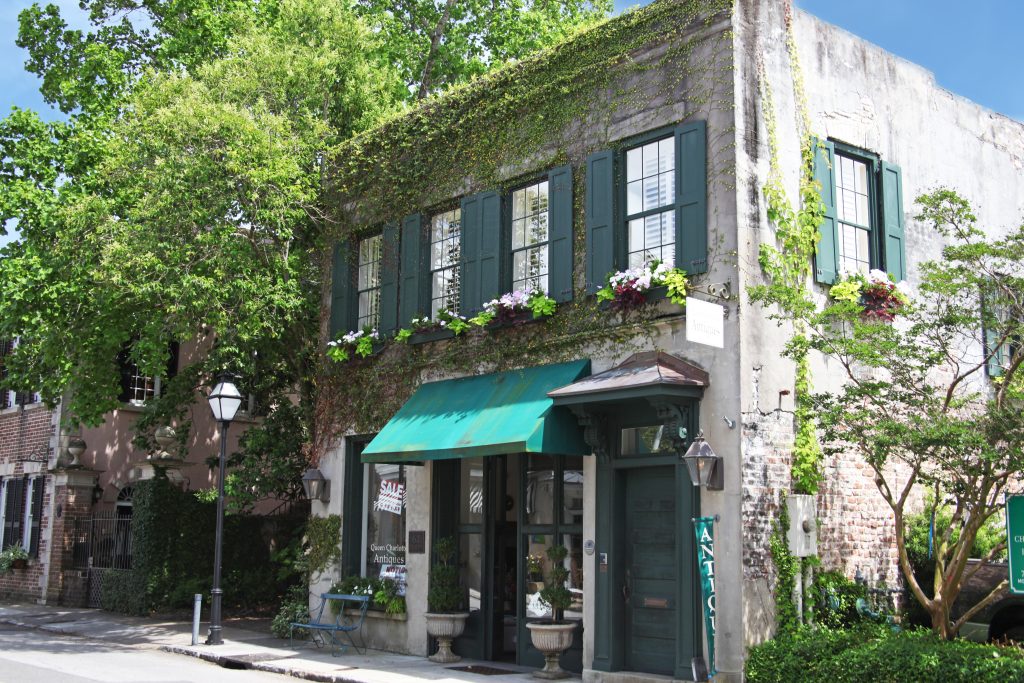
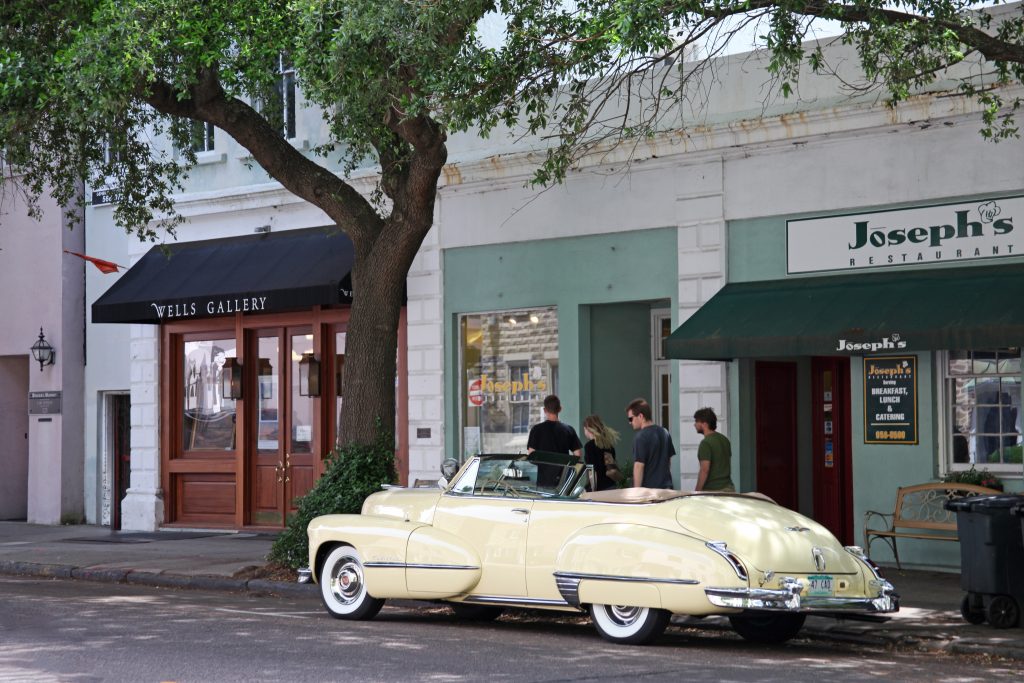
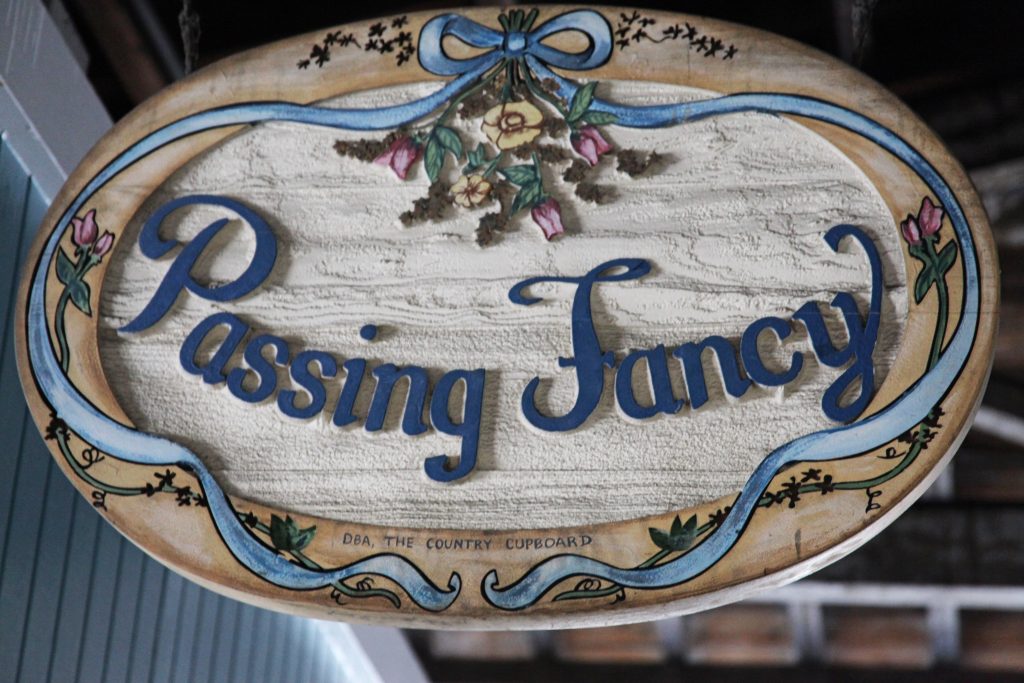
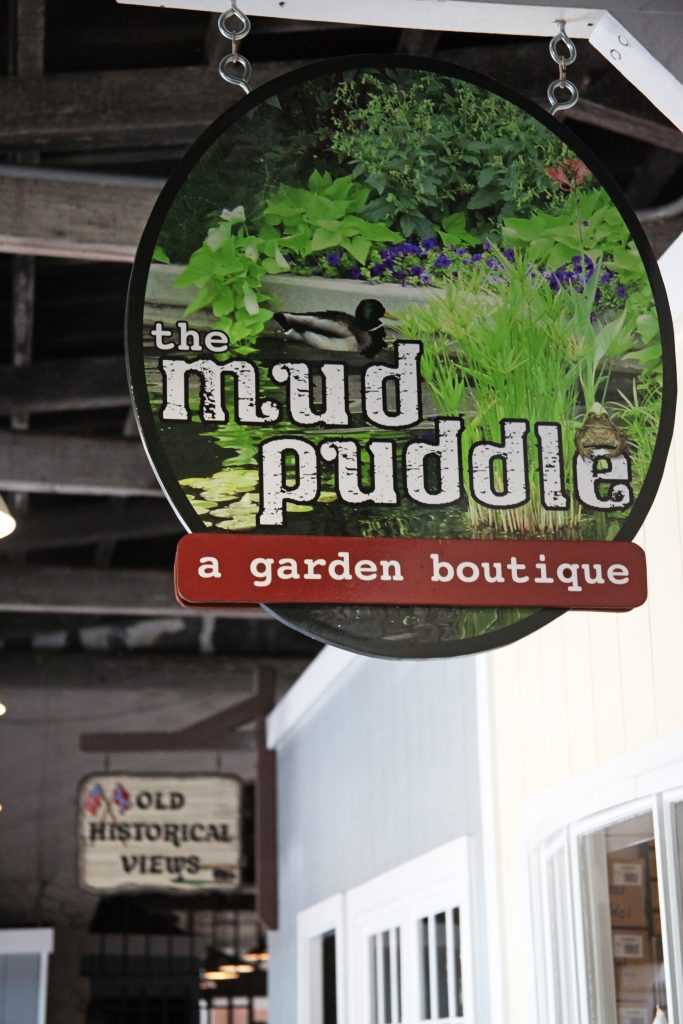
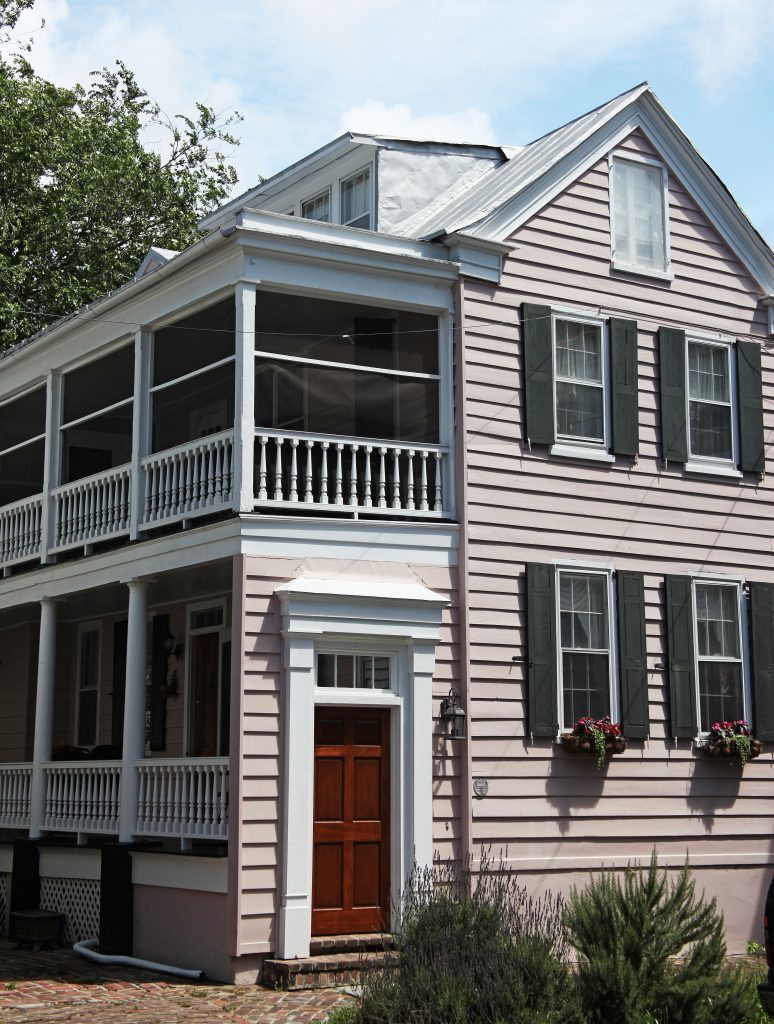
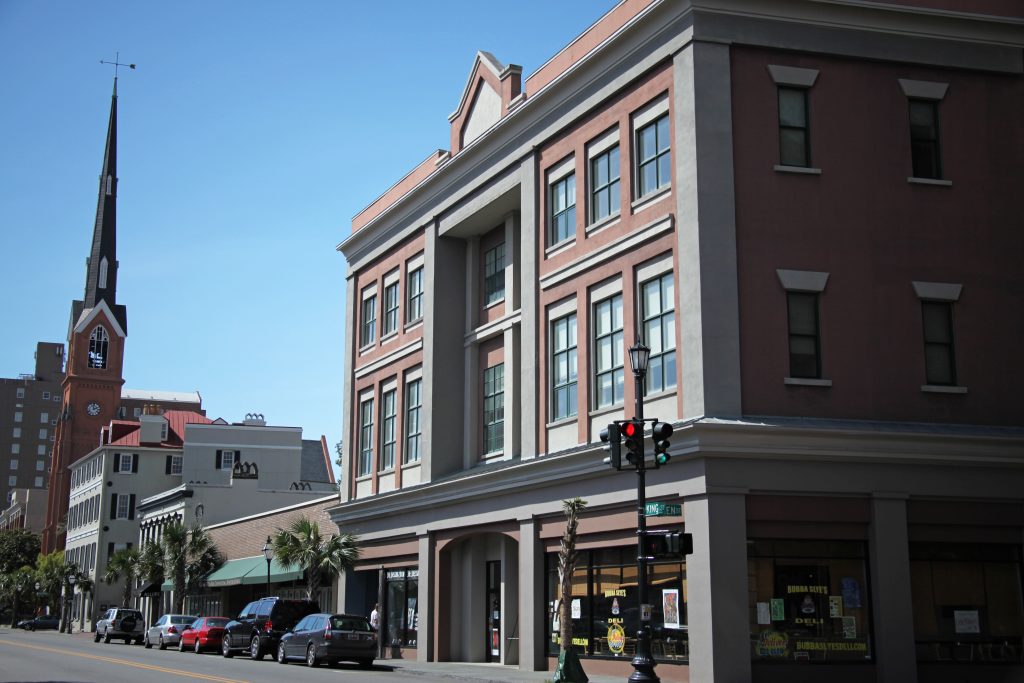
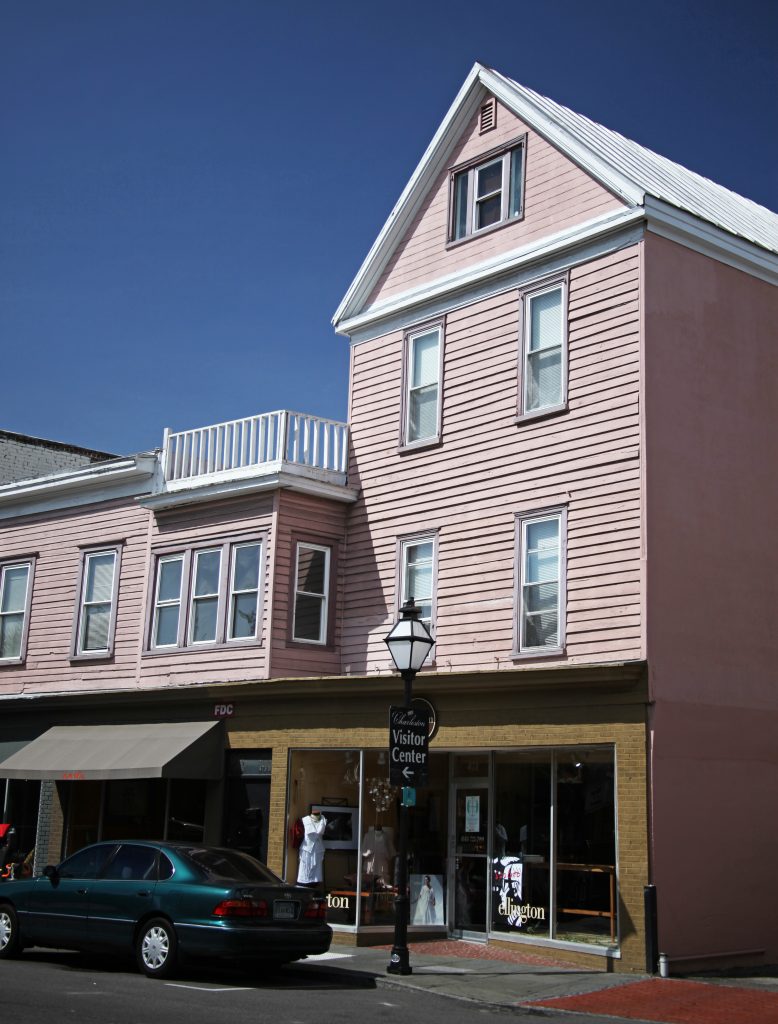
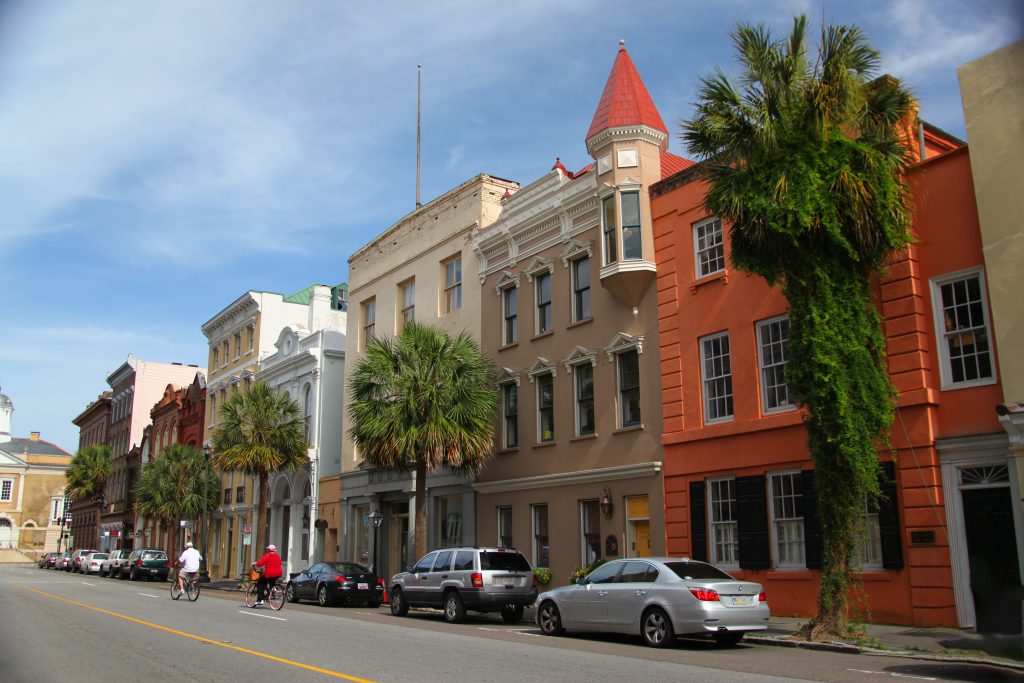
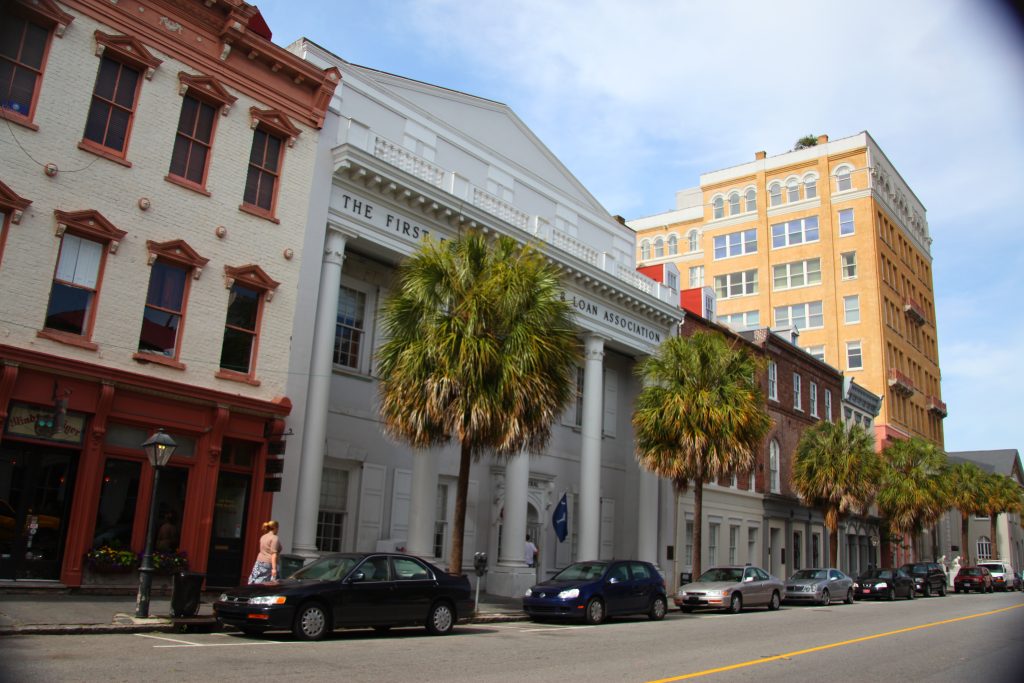
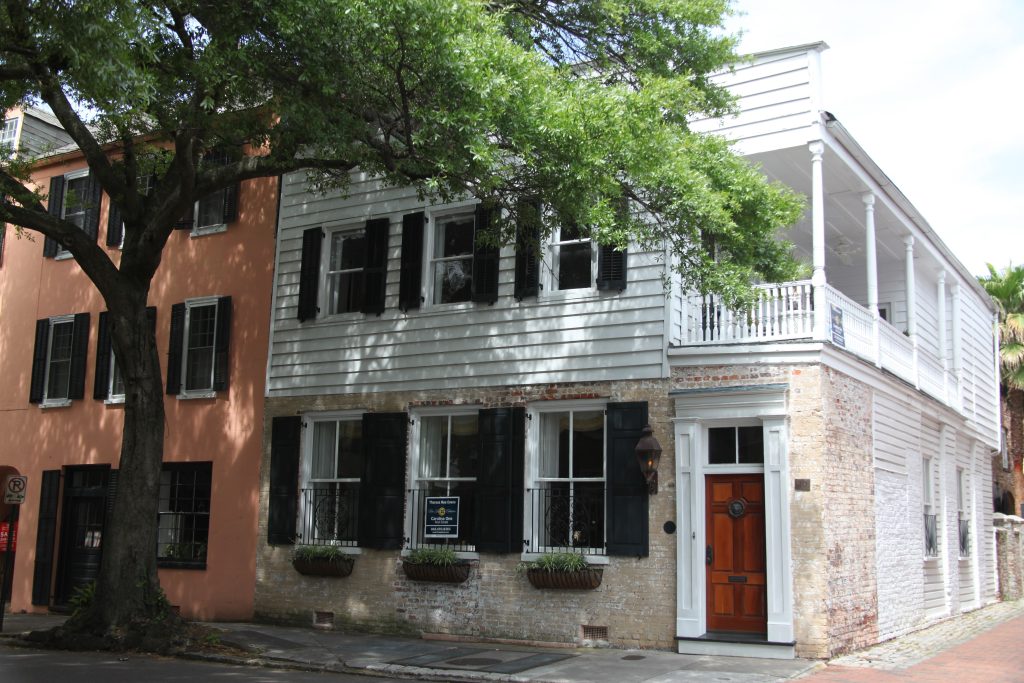
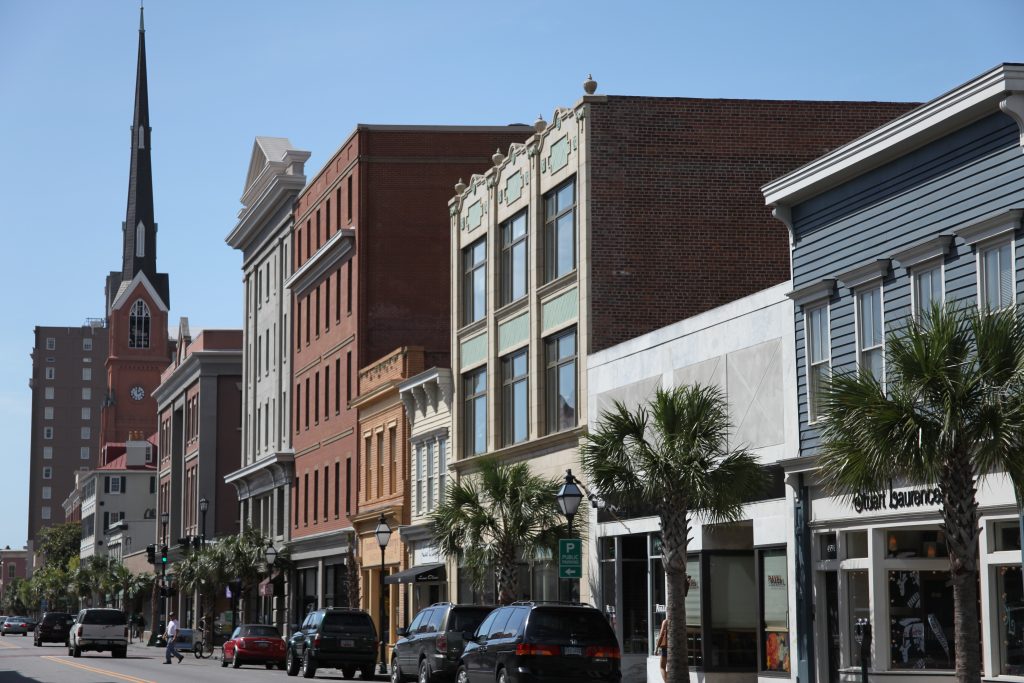
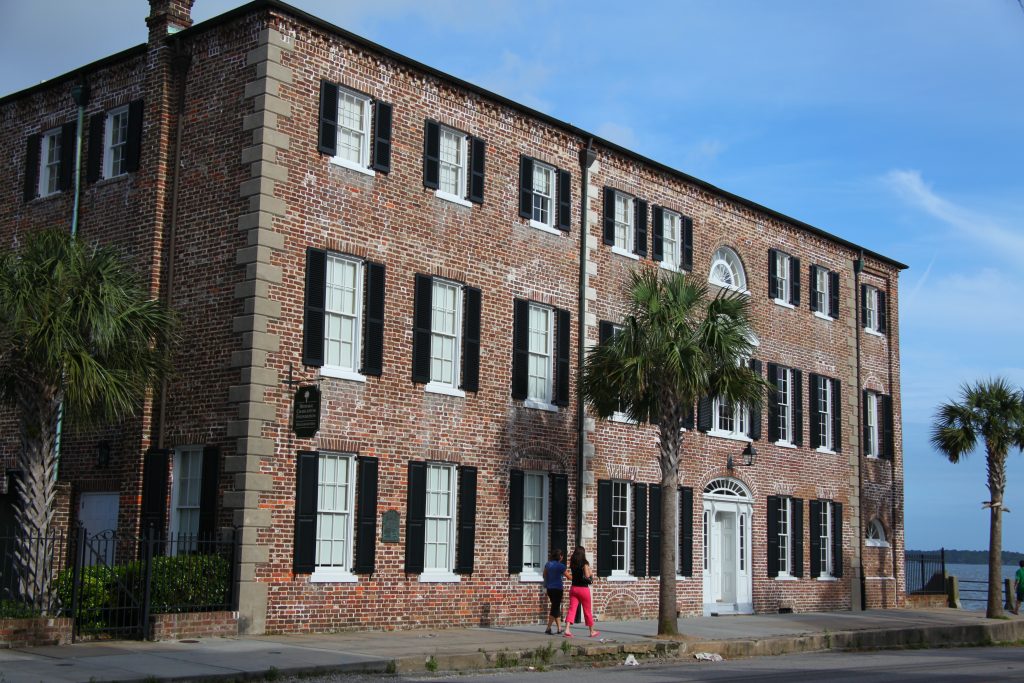
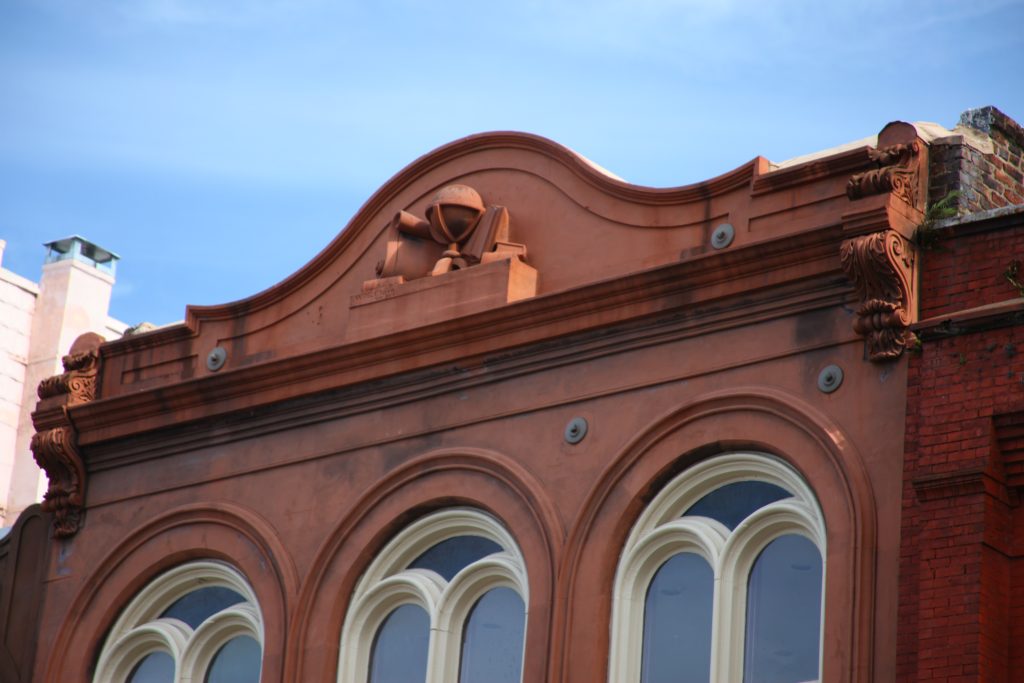
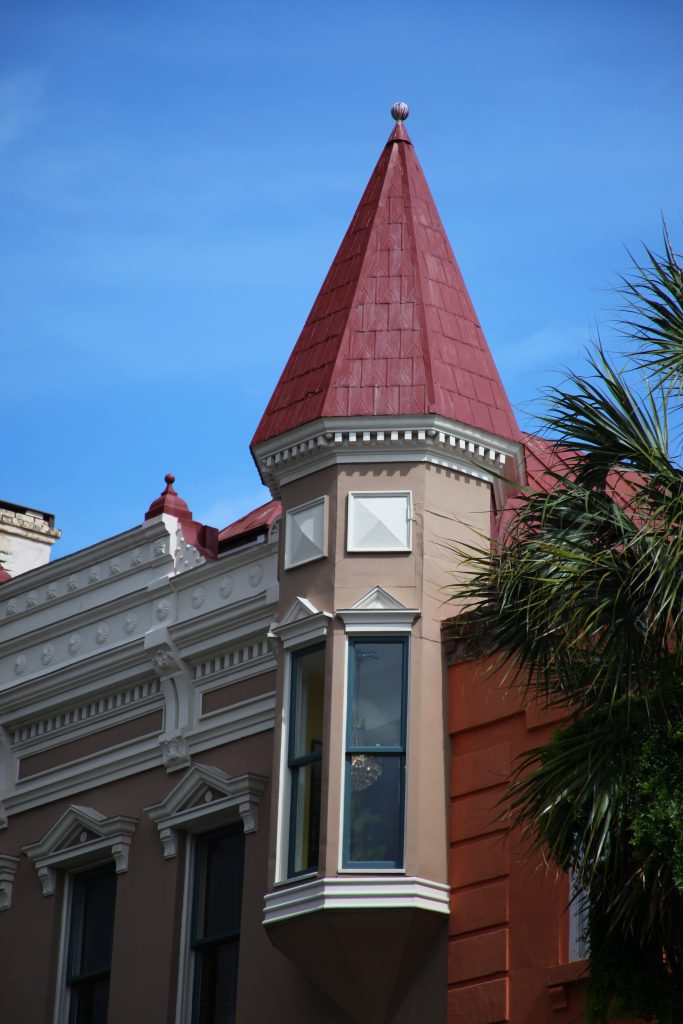
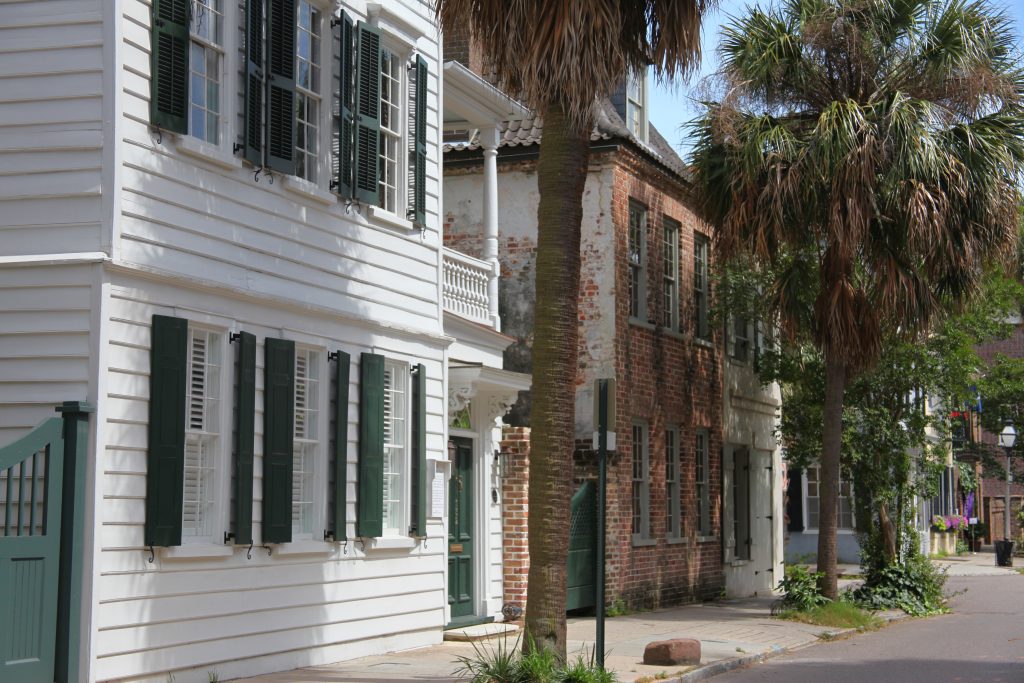
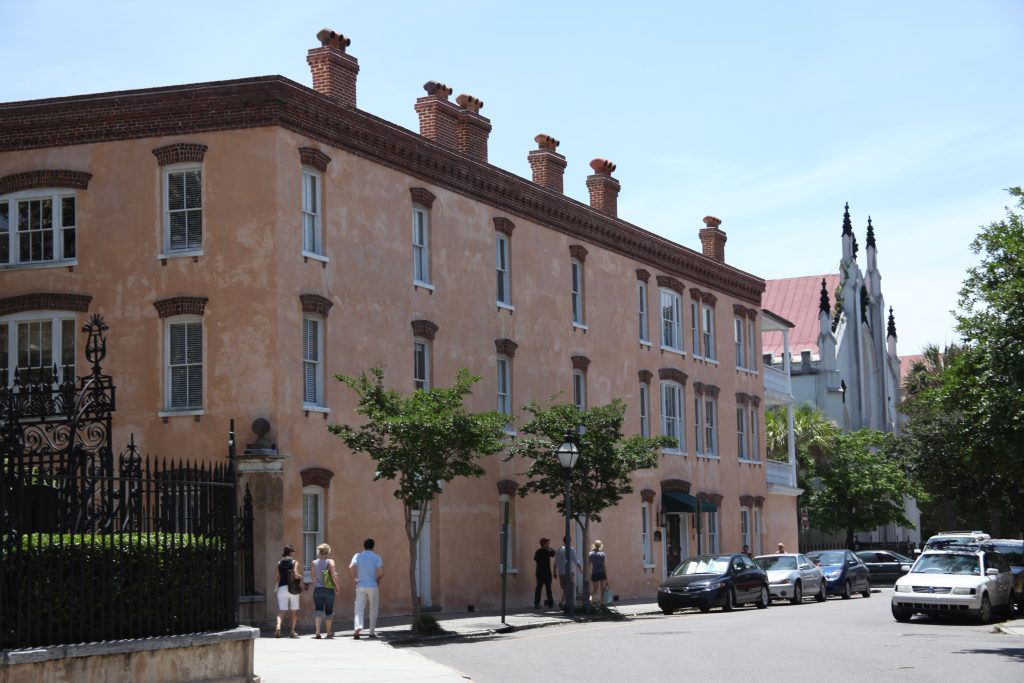
To wander Charleston on foot is to drift through a living museum where cobbled lanes are galleries and inhabited houses are exhibits, their porches swept, their piazzas spilling with laughter. The city rewards lingering. On King Street, once the main commercial thoroughfare for carriages and wagons, elegant 19th-century buildings now house boutiques, bookstores, and antique shops. Cast-iron storefronts and tall sash windows set the street’s distinctive rhythm; inside, sunlight pools across polished wood floors, illuminating displays of art, textiles, and fine hats.
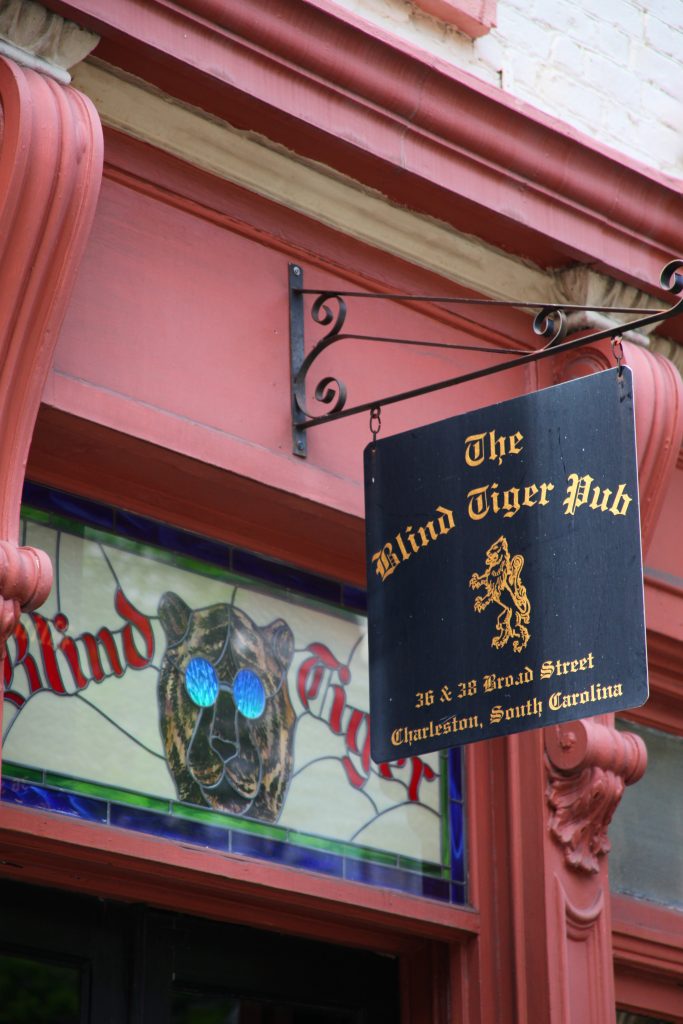
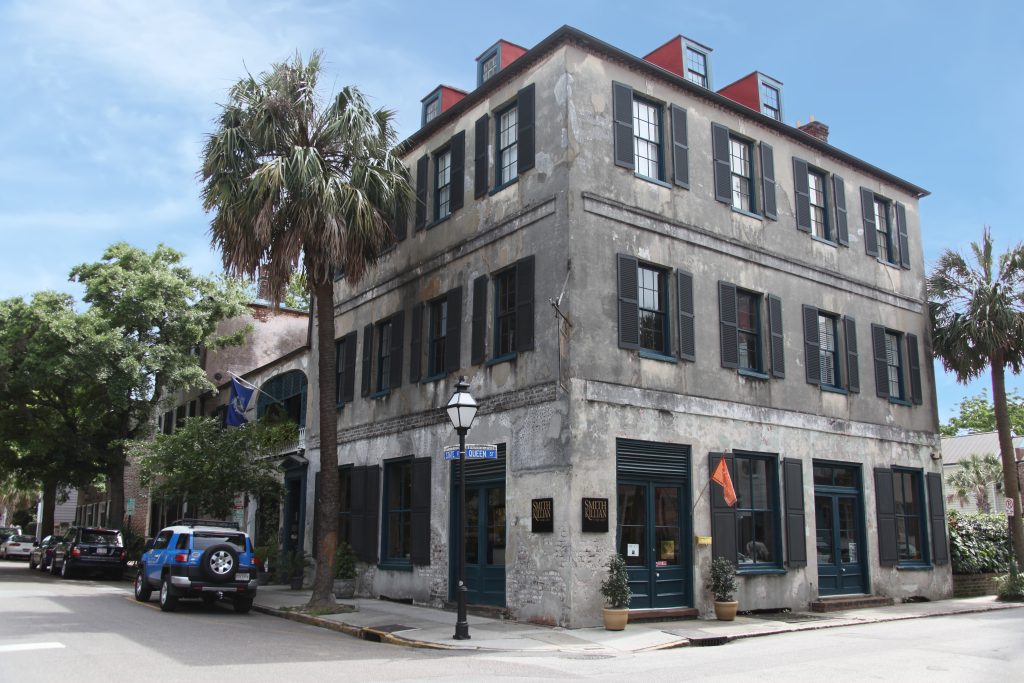
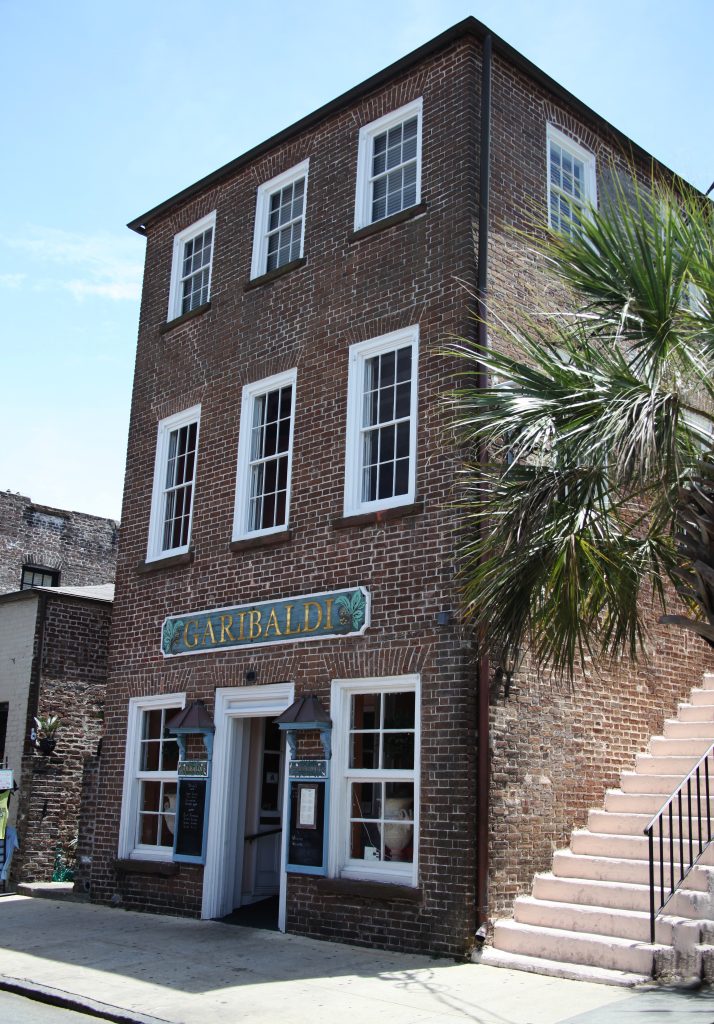
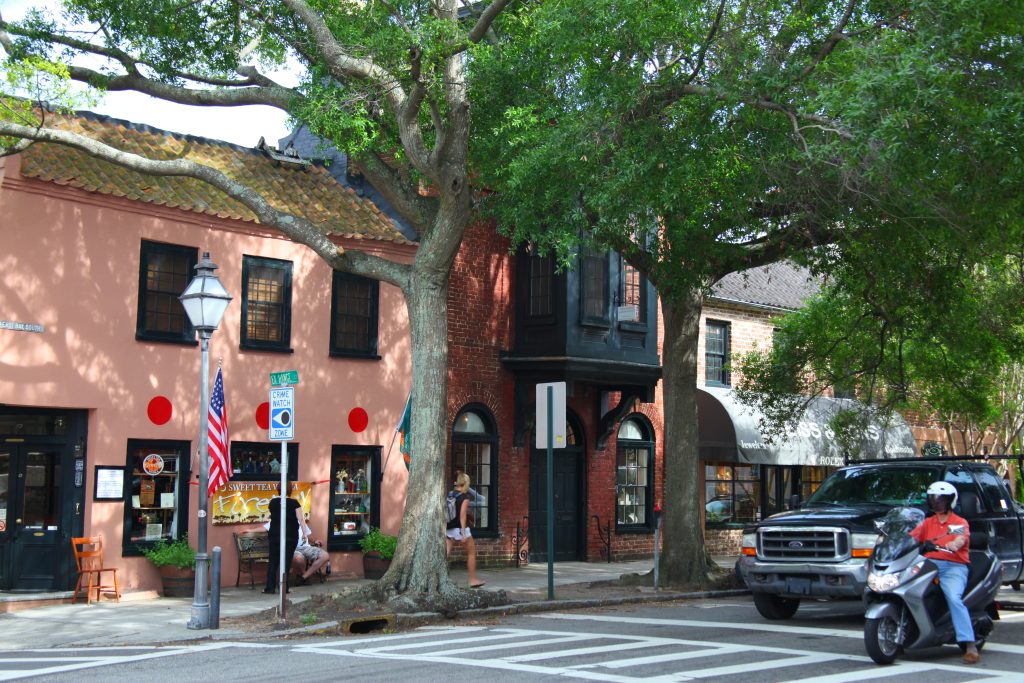
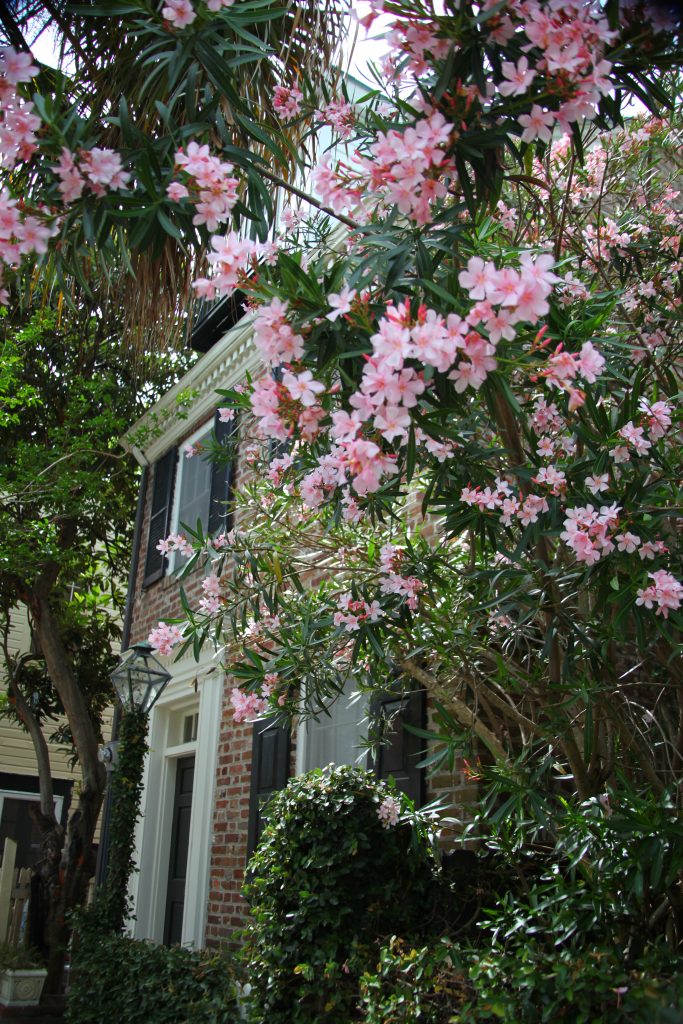
Step off King into Queen Street or Broad Street, and you’ll find restaurants tucked into centuries-old brick warehouses, their interiors alive with candlelight dancing off original beams and plaster. Cafés spill into shaded courtyards where coffee aromas mingle with magnolia blossoms from nearby gardens. Many of these former warehouses now serve shrimp and grits, biscuits, and Lowcountry cuisine instead of the dry goods and indigo they once held.
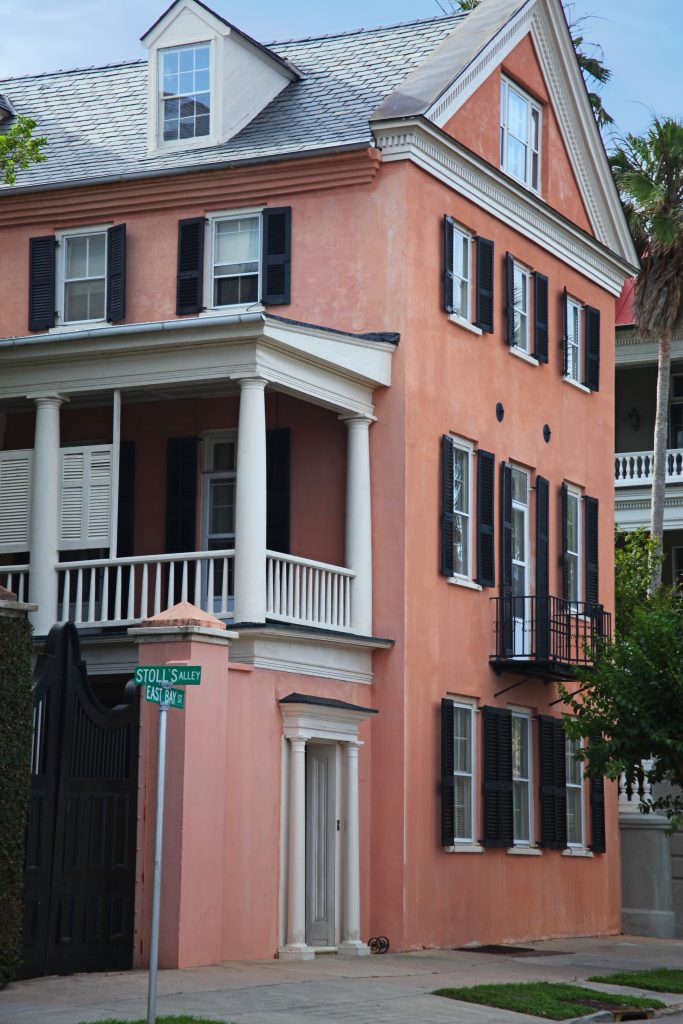
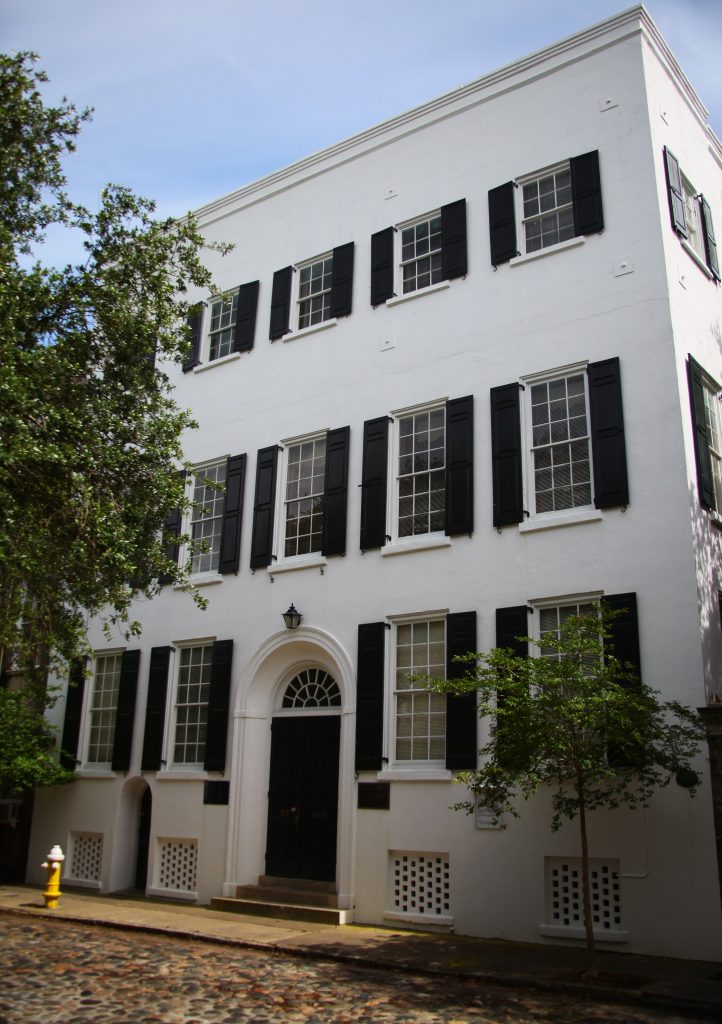
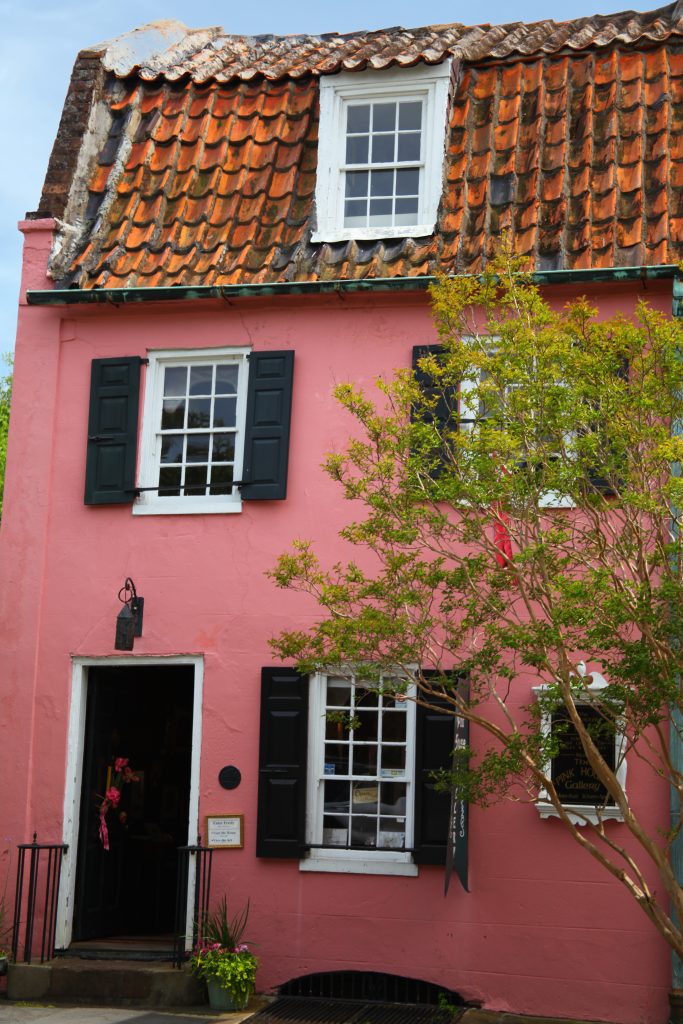
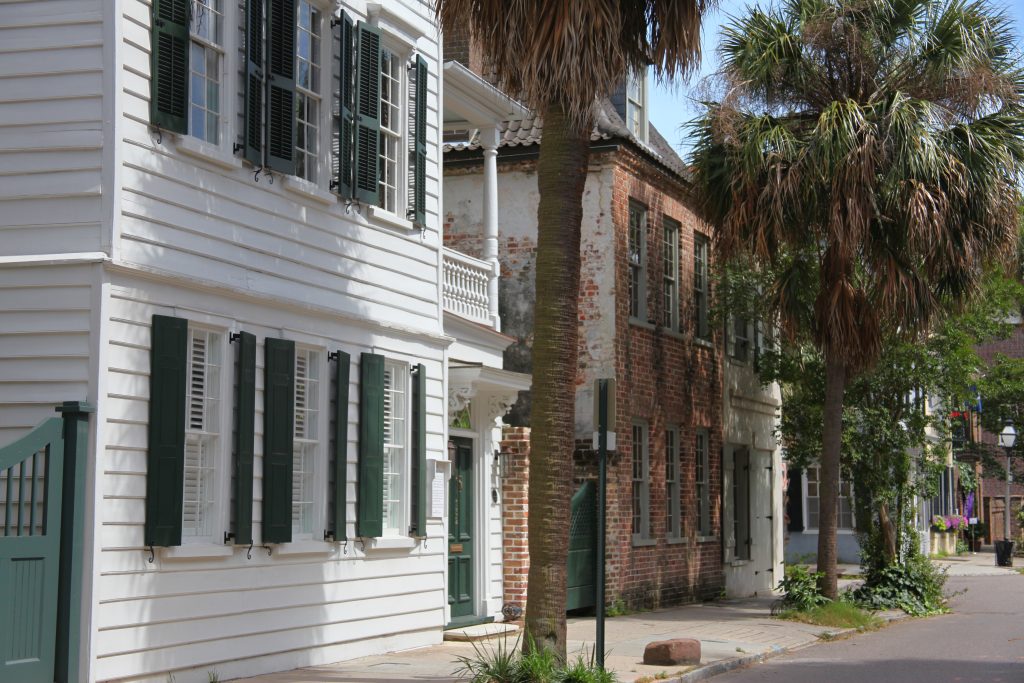
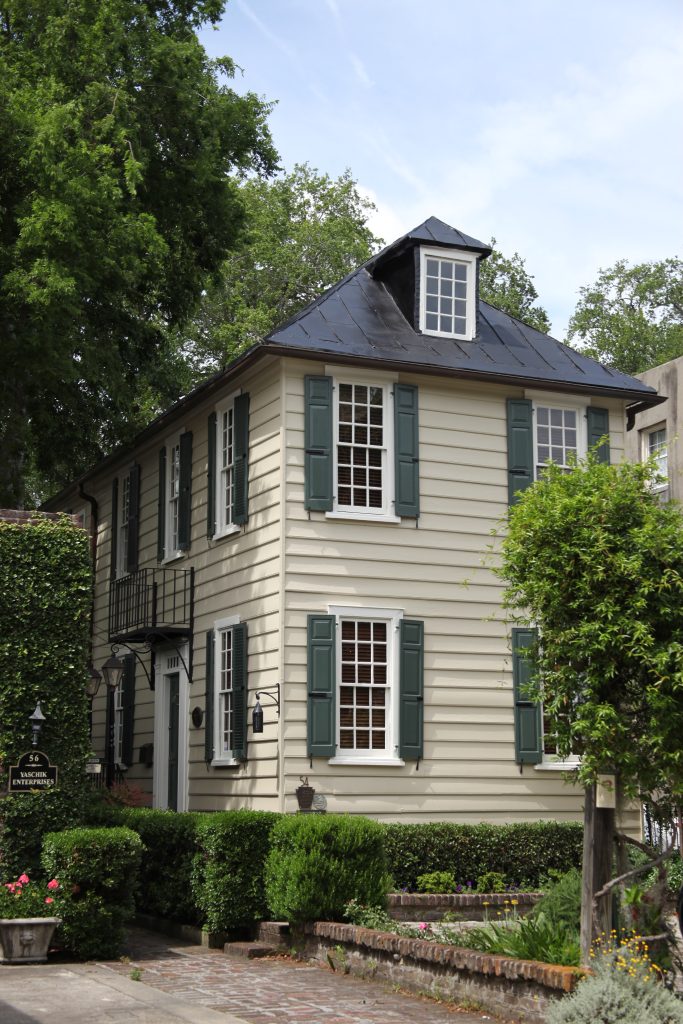
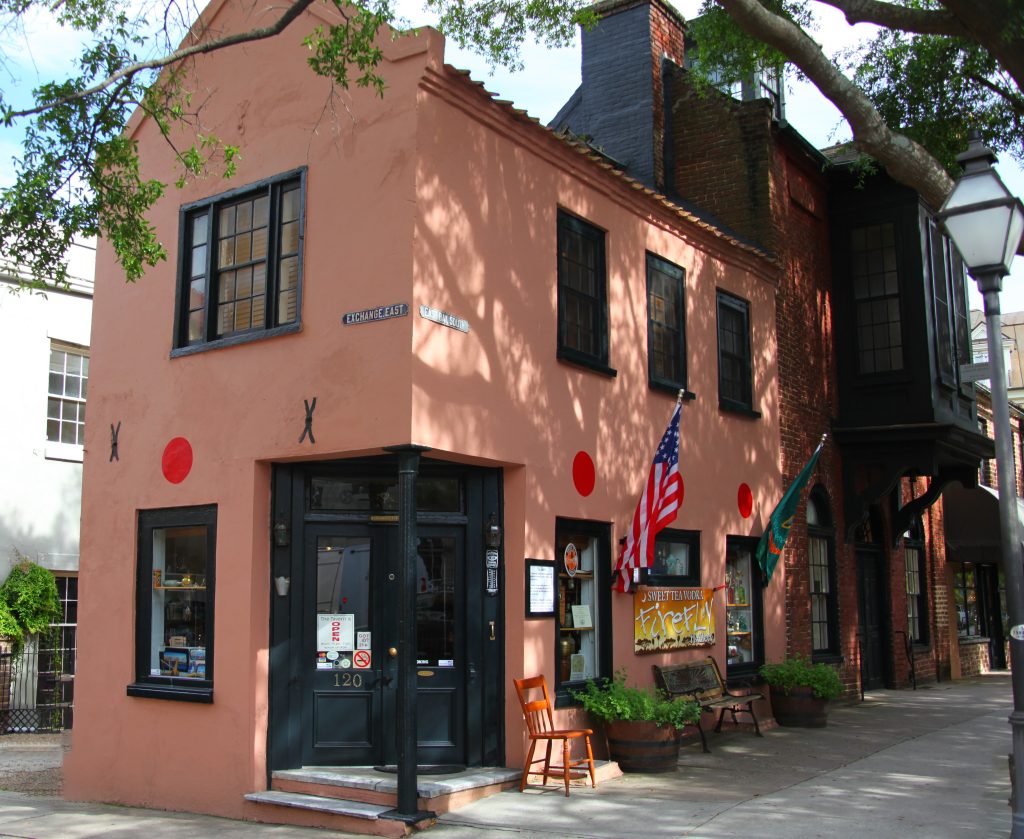
On East Bay Street, the pastel facades of Rainbow Row front residences, law offices, shops, and galleries. Their narrow stoops, iron railings, and fanlighted doors hint at Georgian origins, yet behind them you might discover a jeweler’s workshop or contemporary Southern art galleries. The experience is less like visiting a historic district than inhabiting one—everyday local commerce unfolding within walls that have witnessed centuries of change.
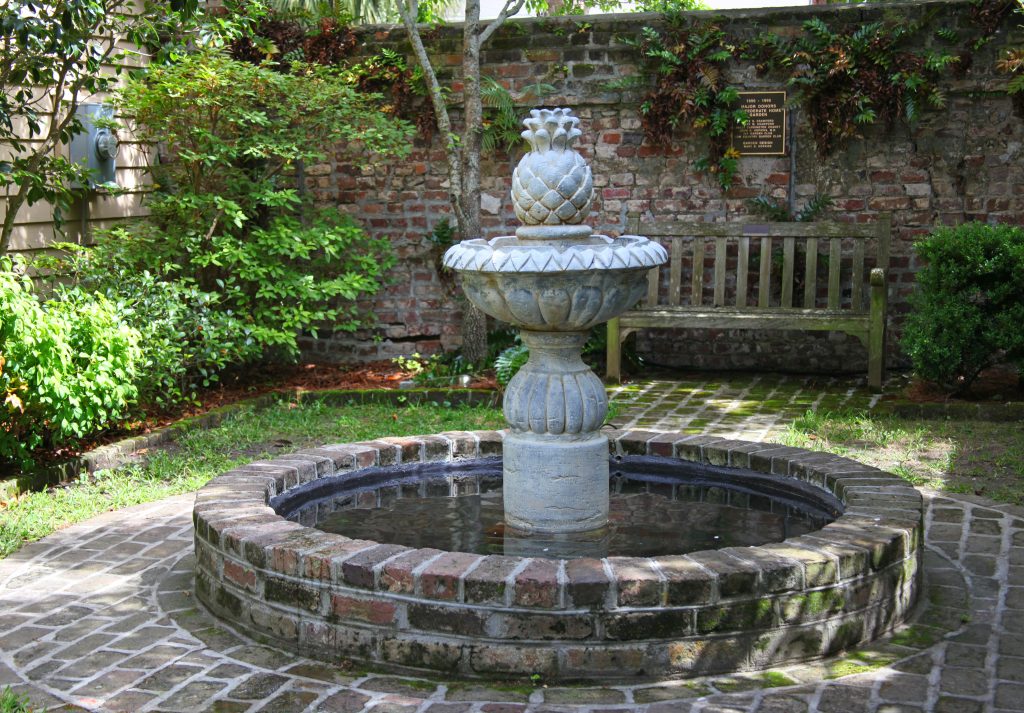
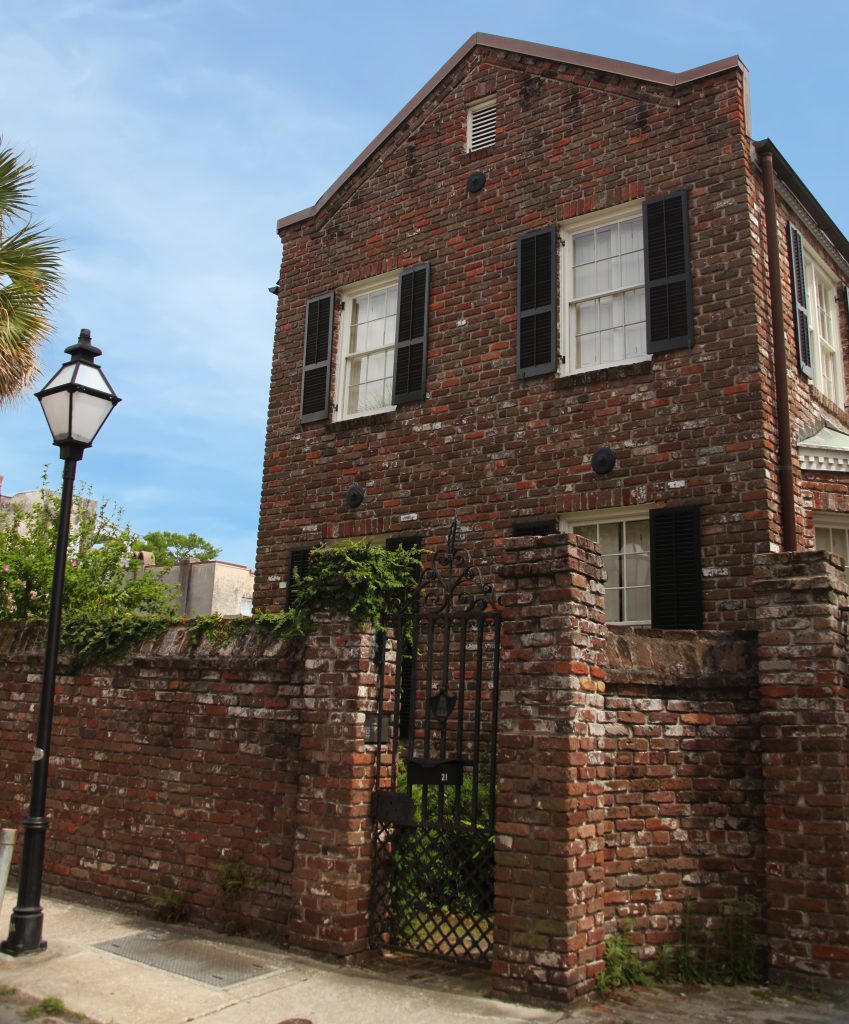
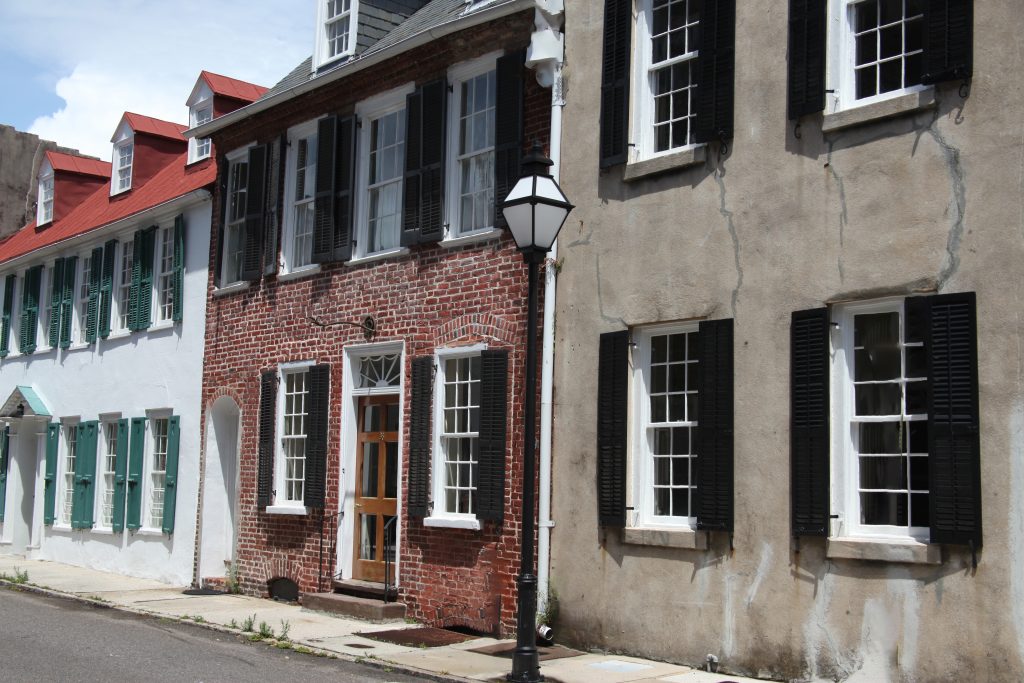
Charleston’s hidden passages hide their own surprises. Along Philadelphia Alley, once called Dueler’s Alley for the duels fought there, brick walls now frame a shaded passage lined with ivy. Around the corner, Unity Alley or Longitude Lane beckon, narrow as corridors and paved in uneven cobbles, their gas lamps flickering at dusk. A quiet café or intimate wine bar might emerge suddenly at the end of such a lane, as if Charleston’s history and hospitality conspire in secrecy.
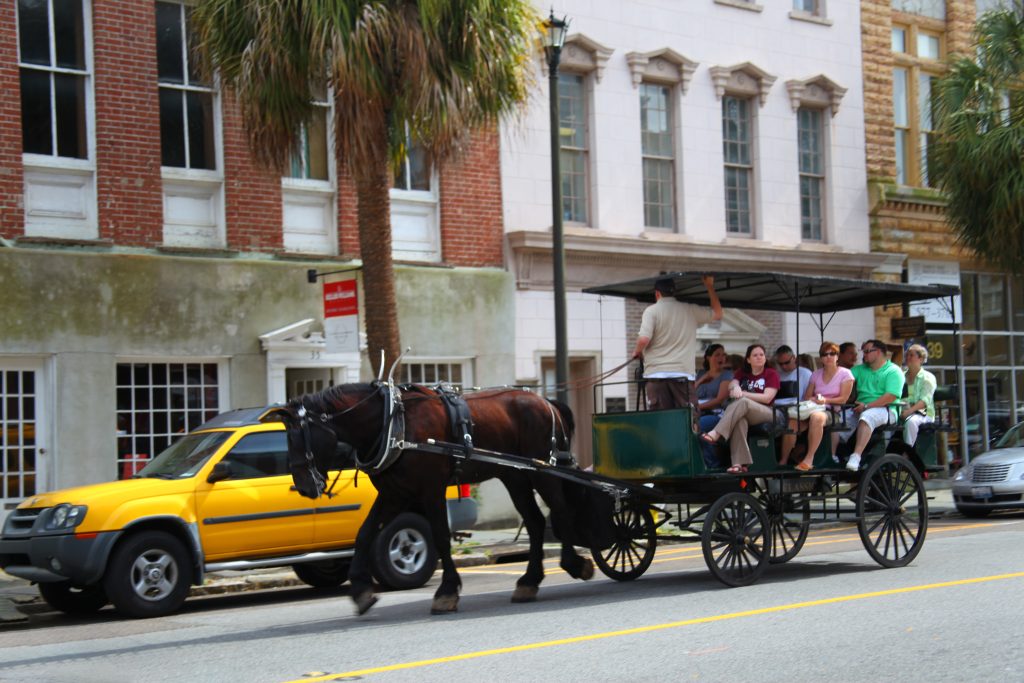
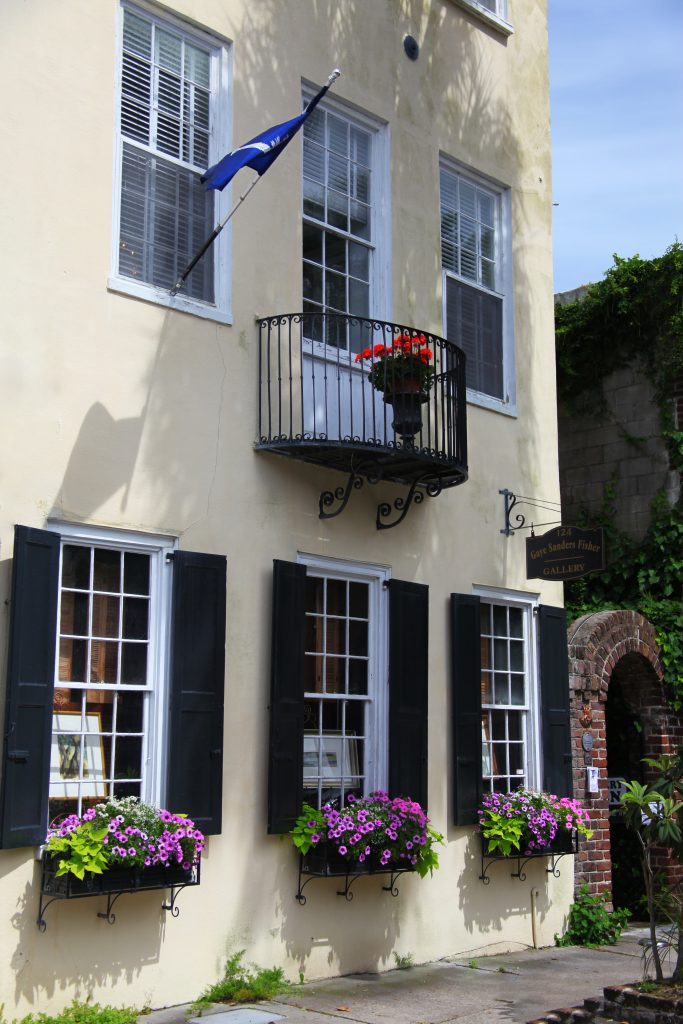
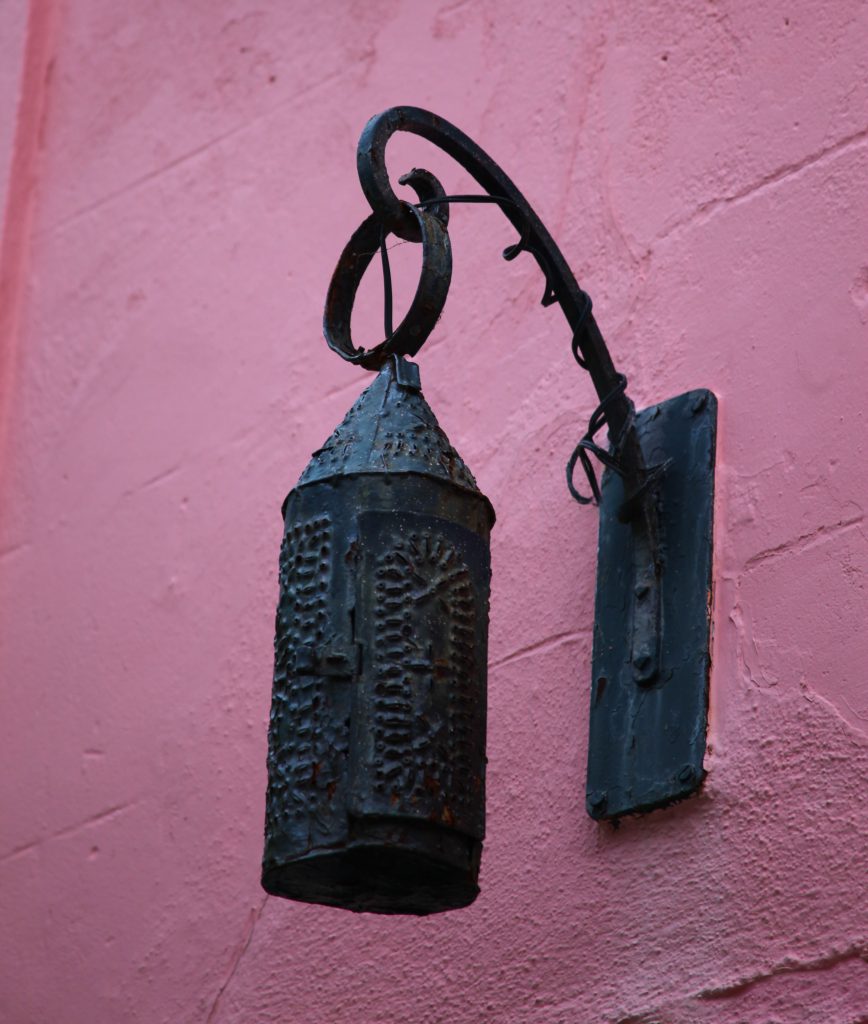
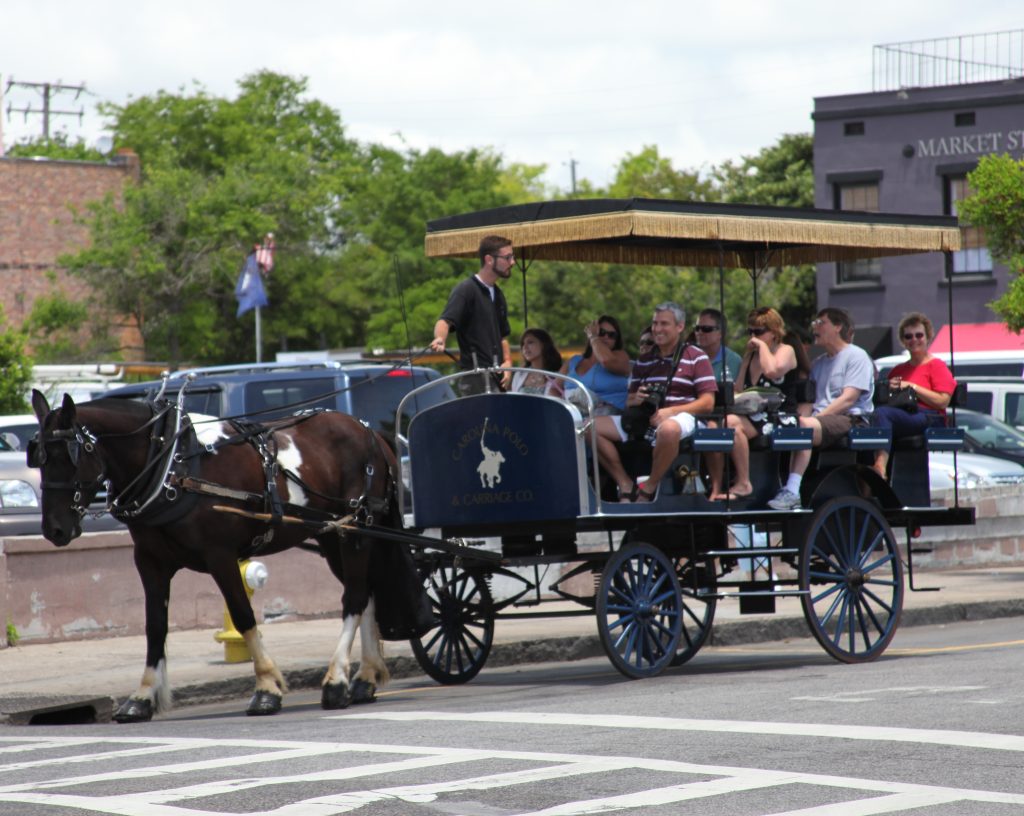
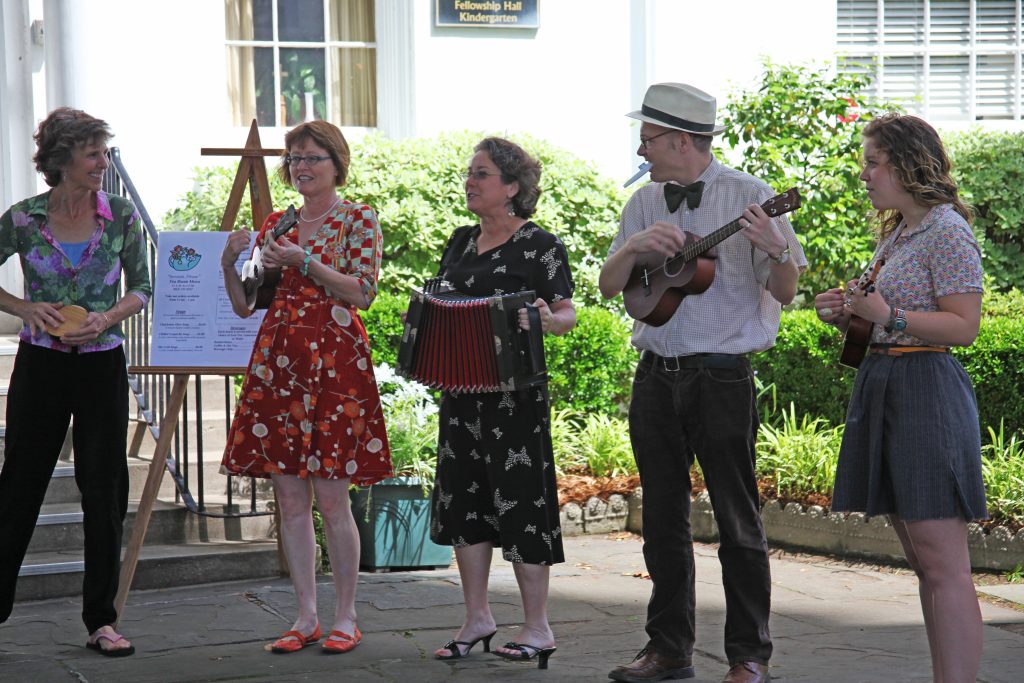
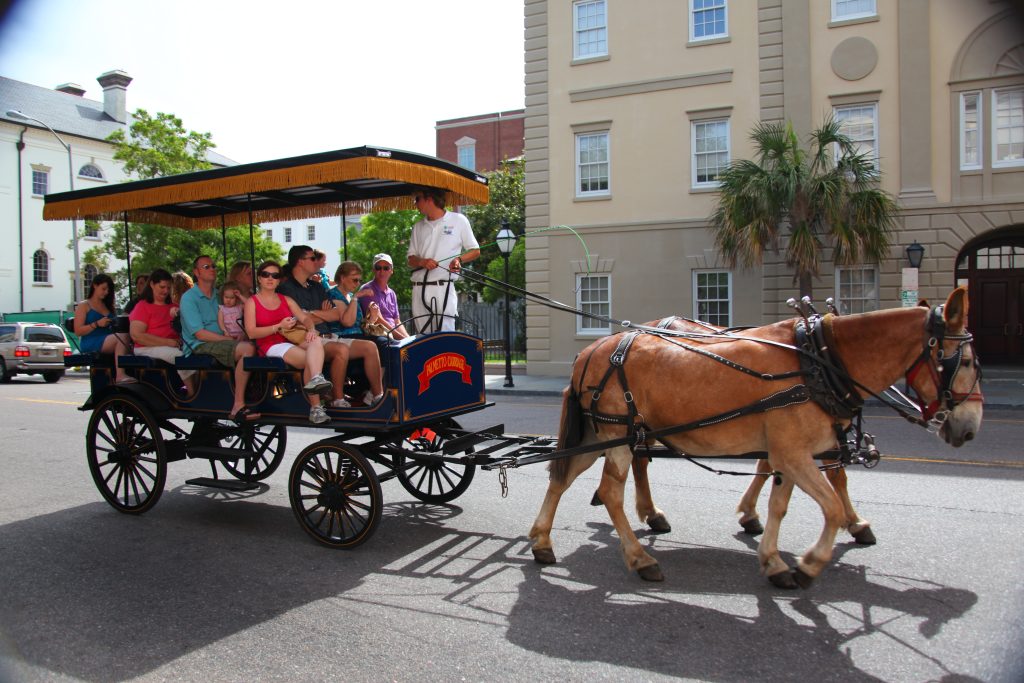
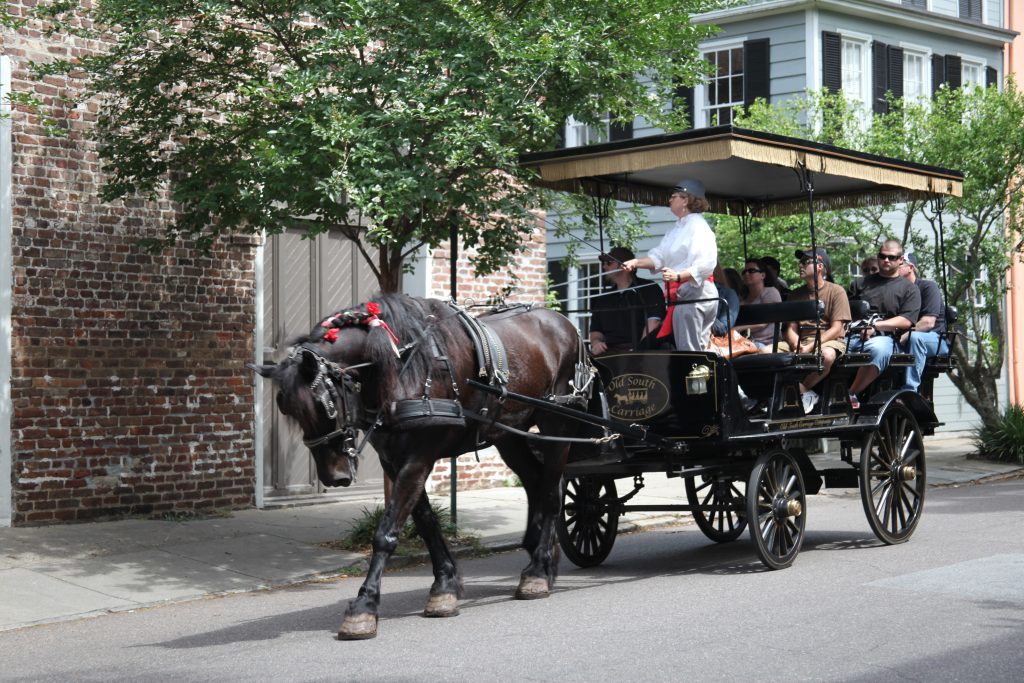
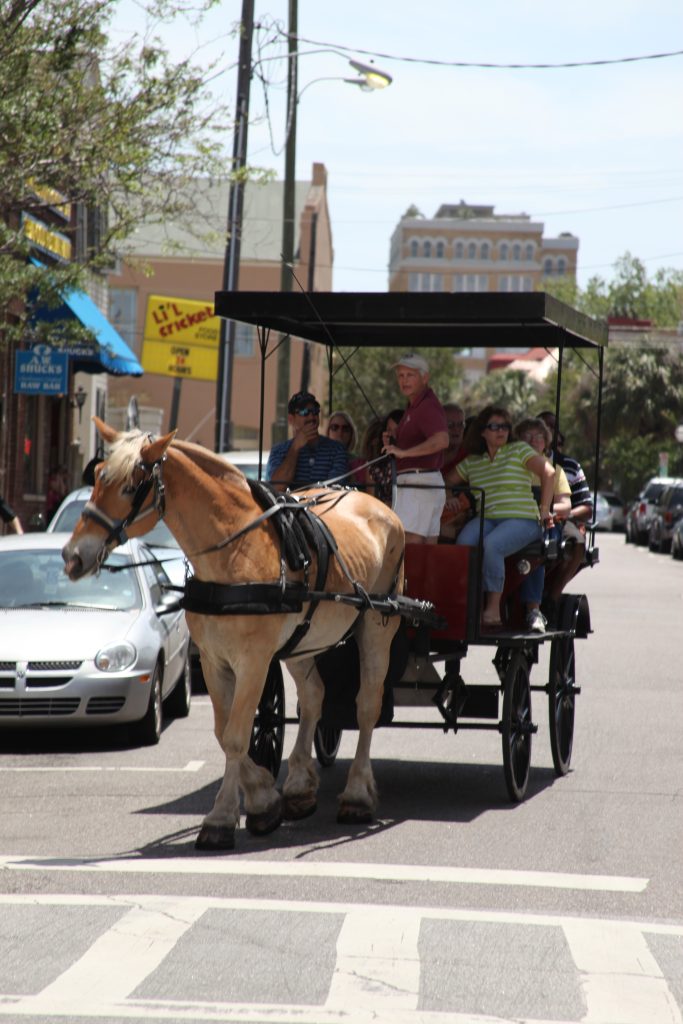
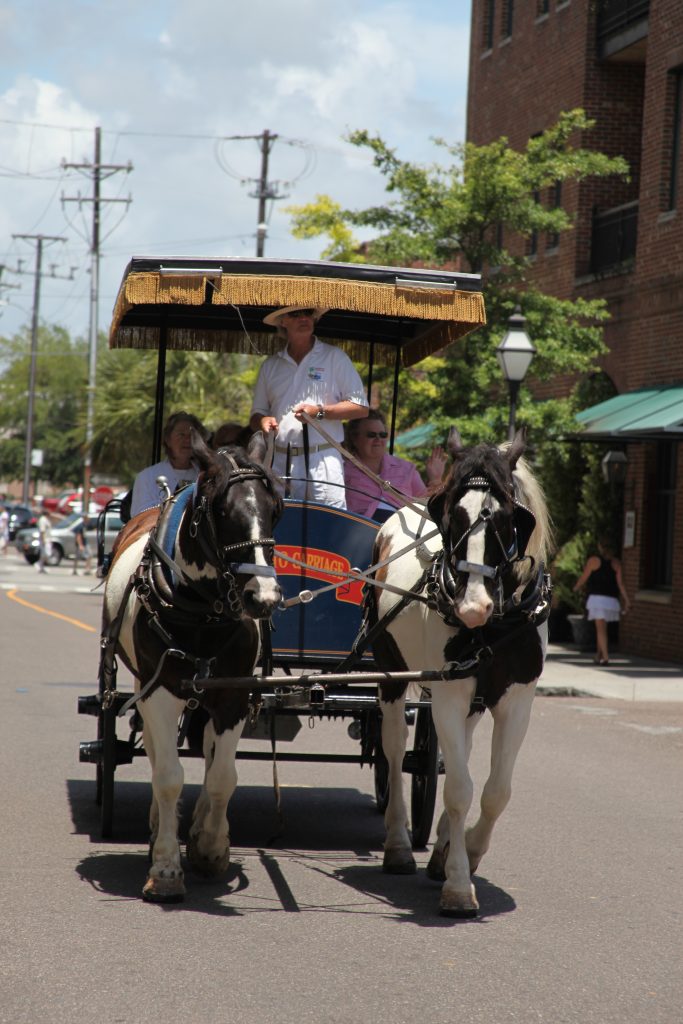
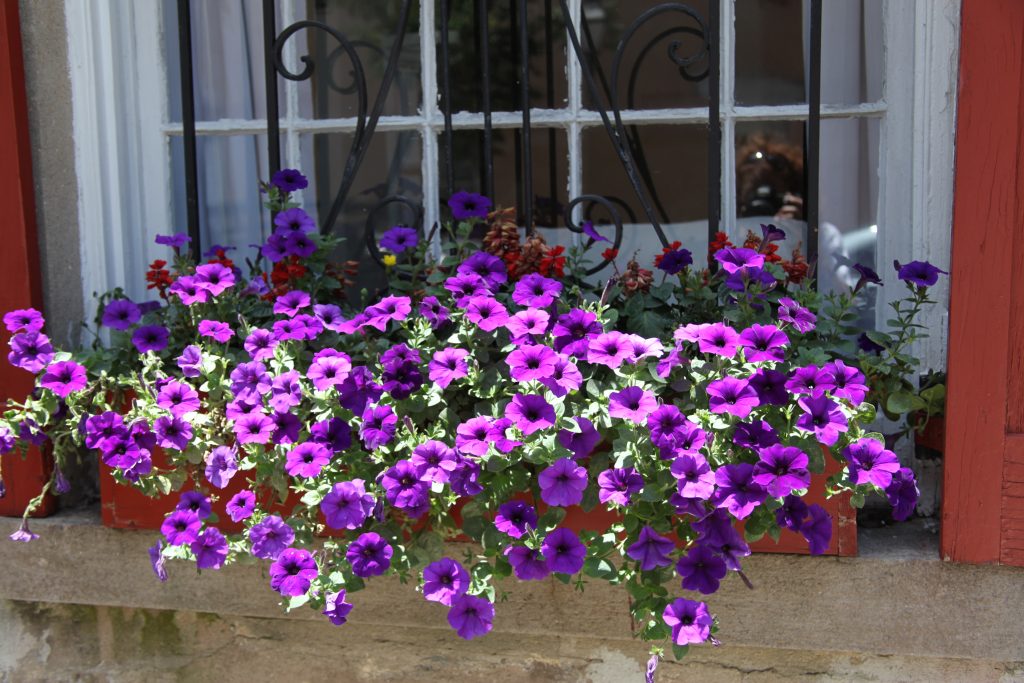
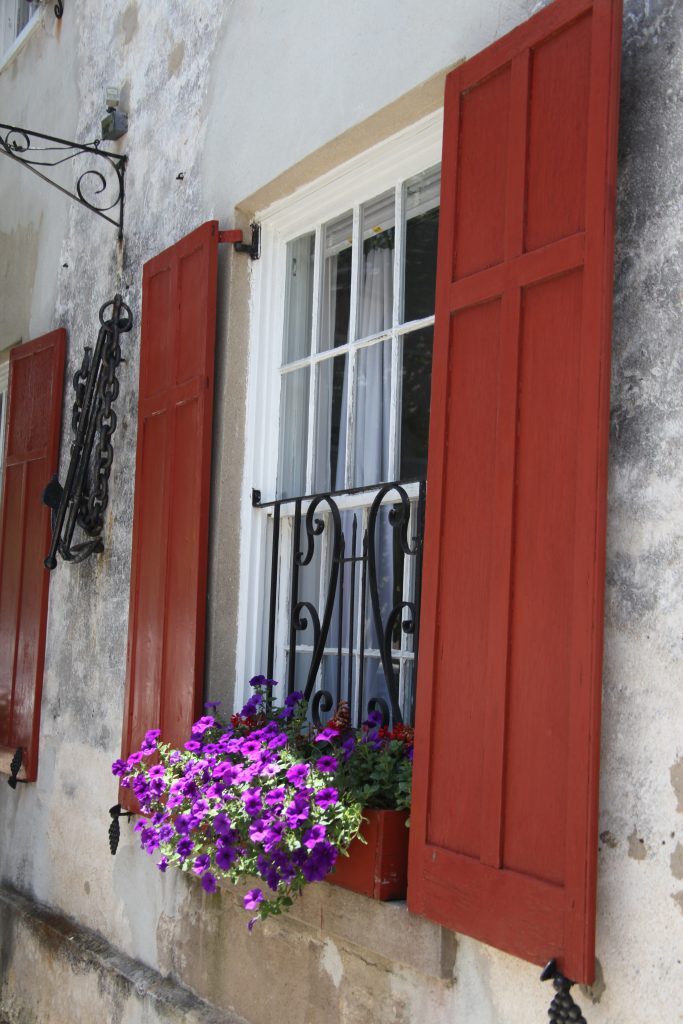
Evening transforms the city anew. Lantern light glows through louvered shutters as music drifts from jazz clubs and piano bars tucked into historic storefronts. The clatter of horse-drawn carriages echoes off brick facades, reminding visitors of 19th-century rhythms. To sit at a sidewalk table in the French Quarter, sipping wine beneath wrought-iron balconies, is to feel Charleston’s centuries collapse into the present.
What to See in Charleston
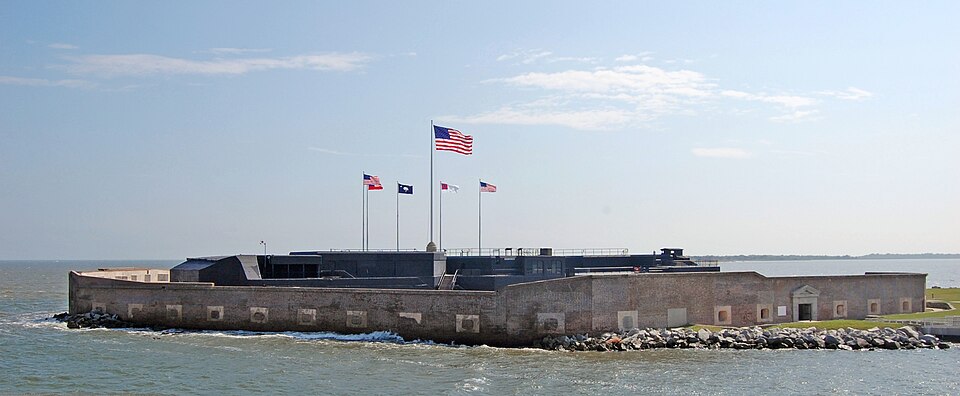
Rising from an island at the mouth of Charleston Harbor, Fort Sumter is hallowed ground: in April 1861, Confederate artillery opened fire on Union troops, igniting the Civil War. The fort, begun after the War of 1812, remained unfinished when war broke out. Today, visitors arrive by boat and step onto the battered brick walls that once endured a 34-hour bombardment. The ruins, scarred and weathered, speak less of military glory than of history’s weight—the flashpoint where a divided nation came undone.
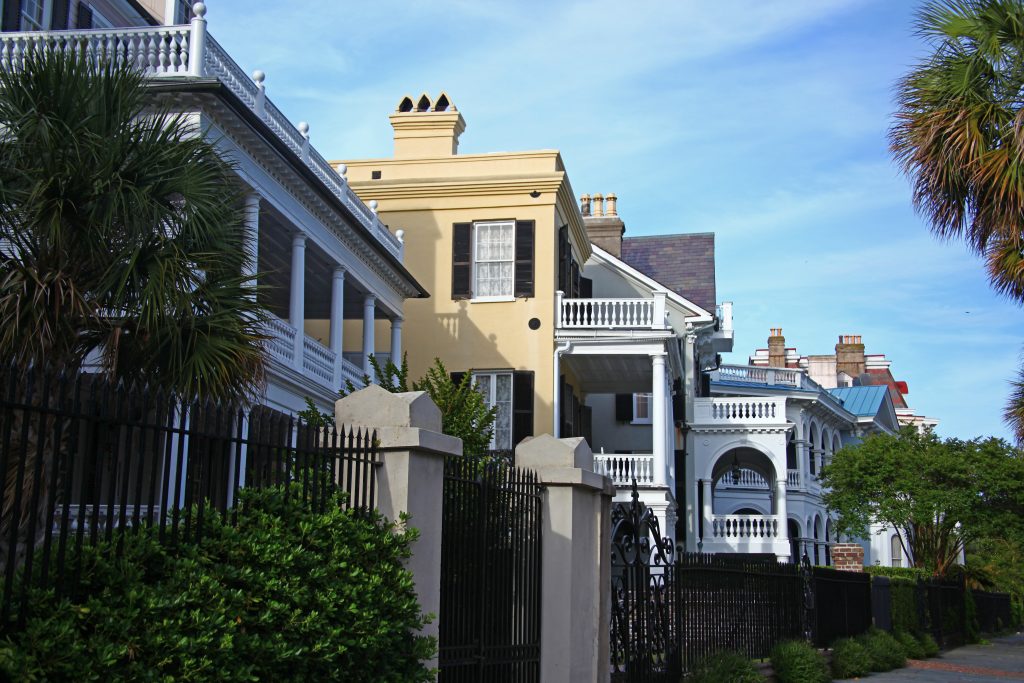
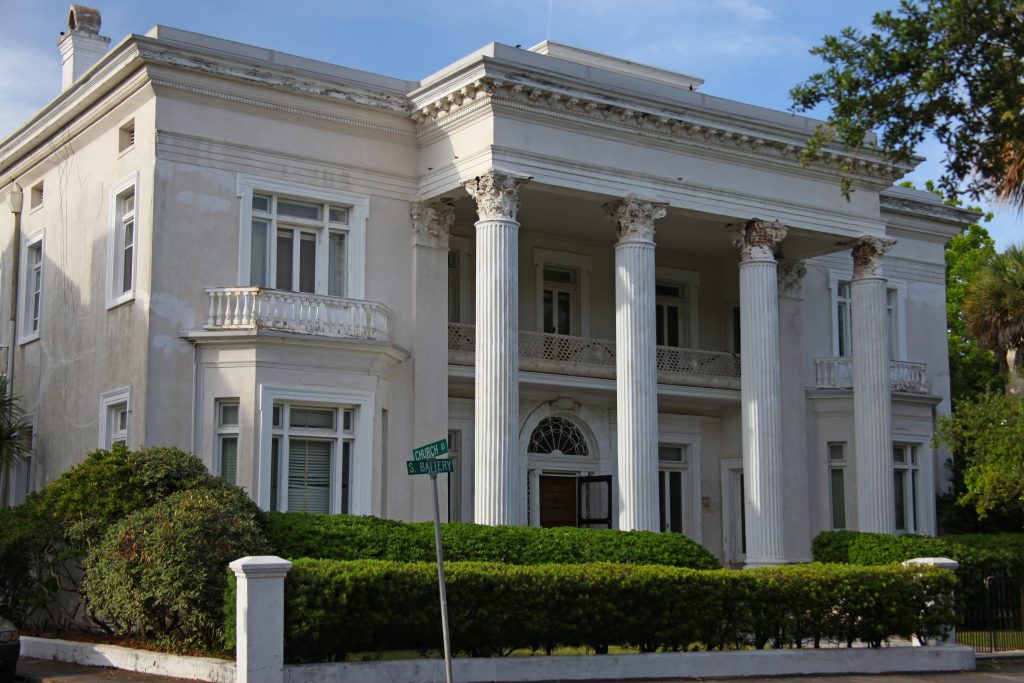
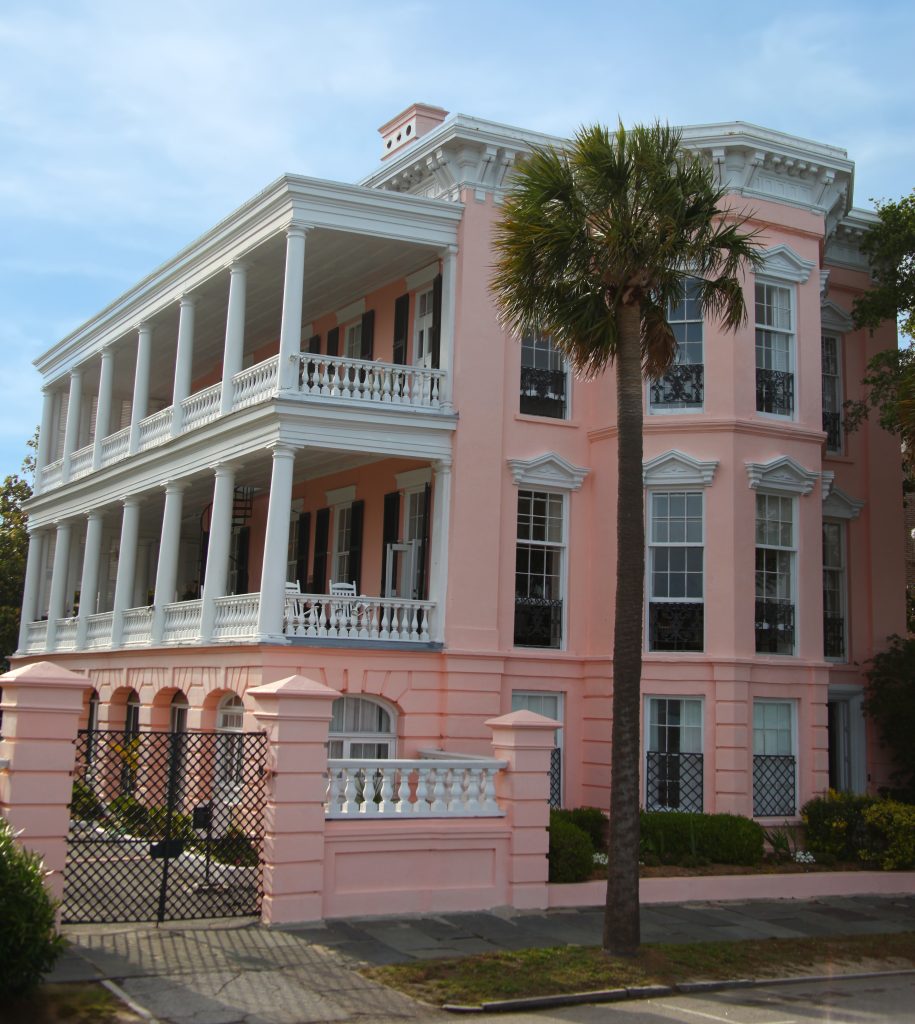
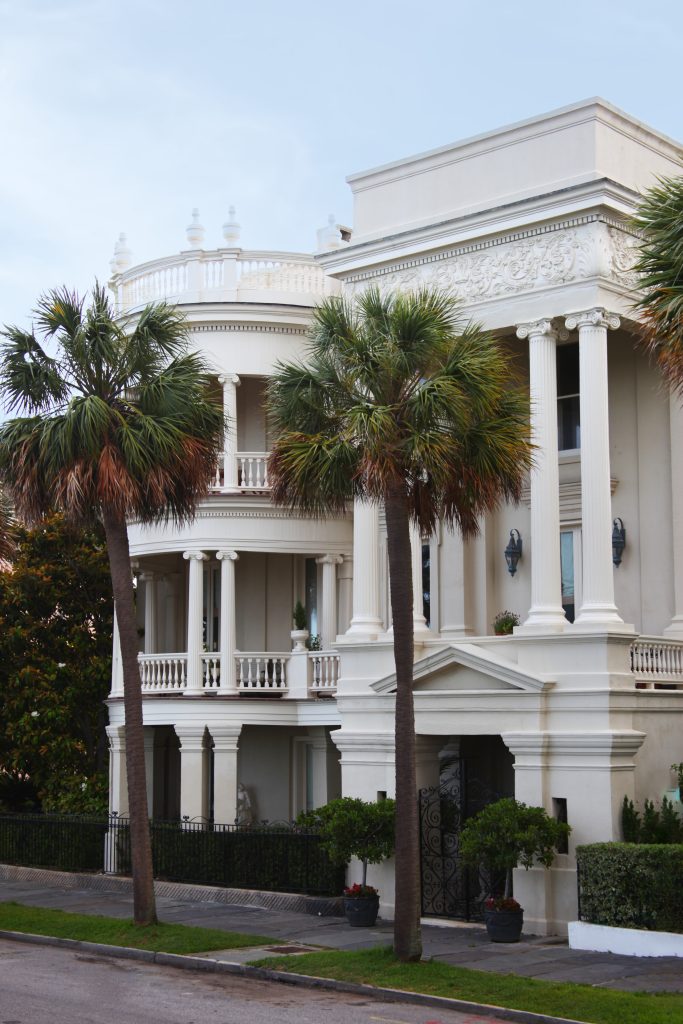
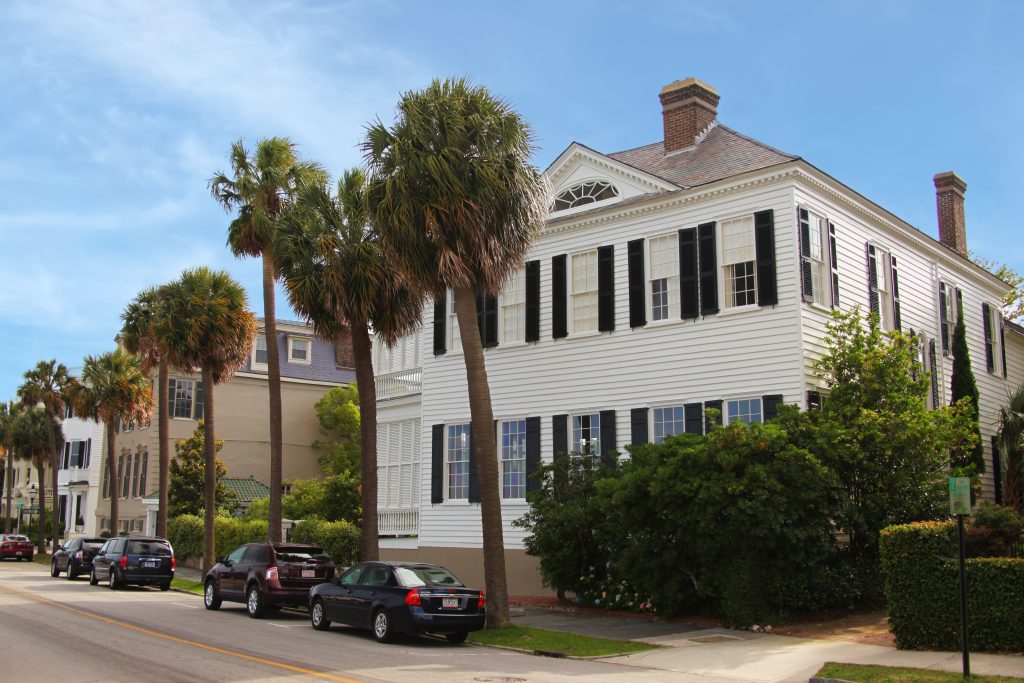
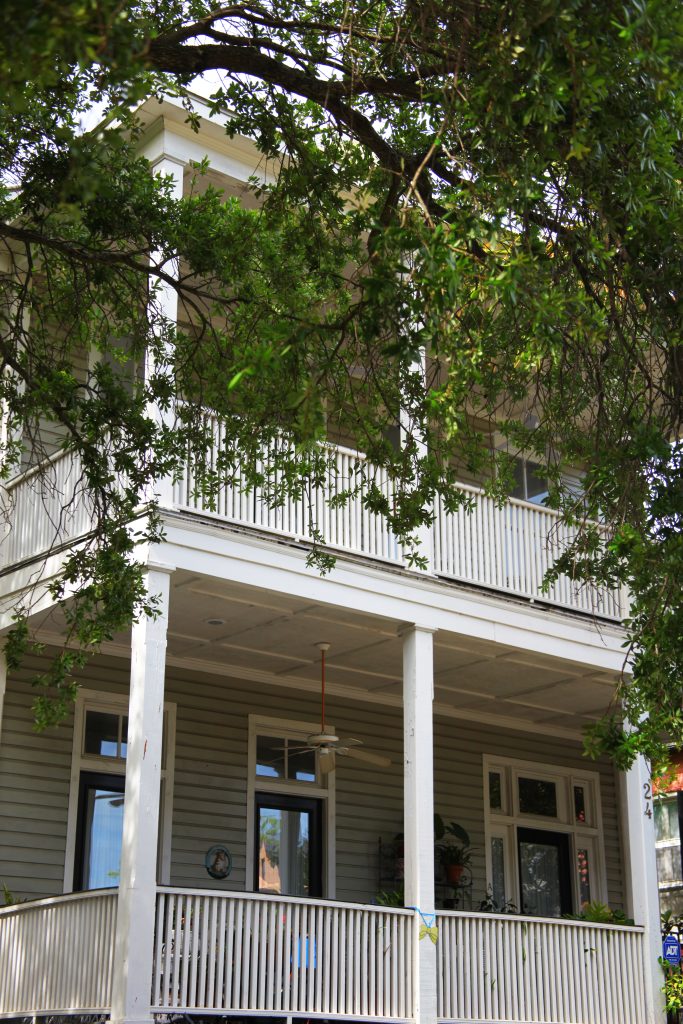
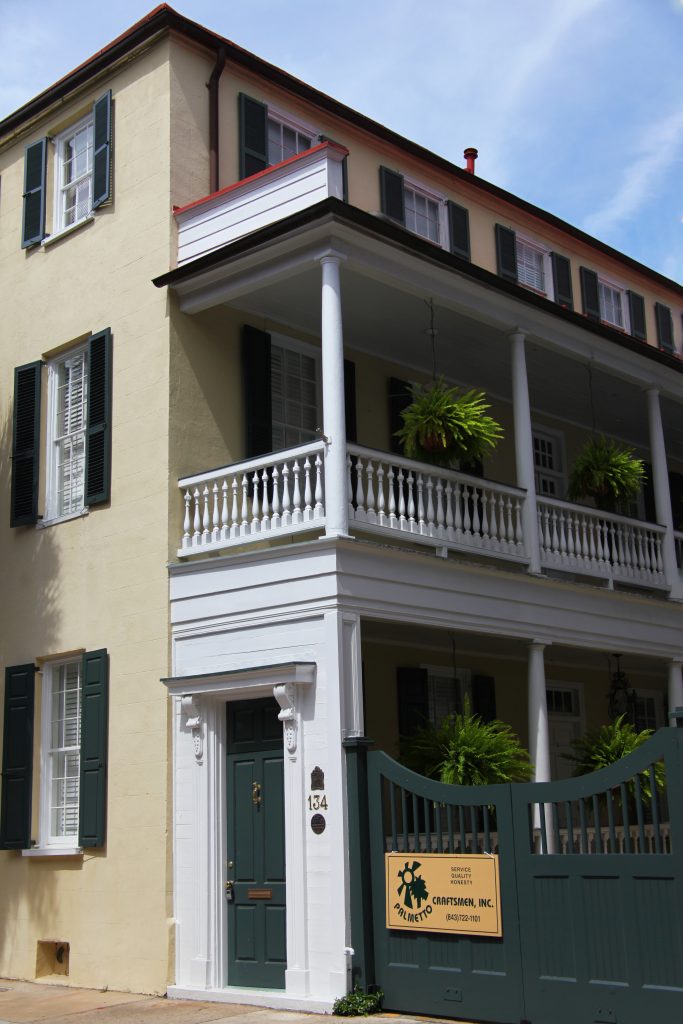
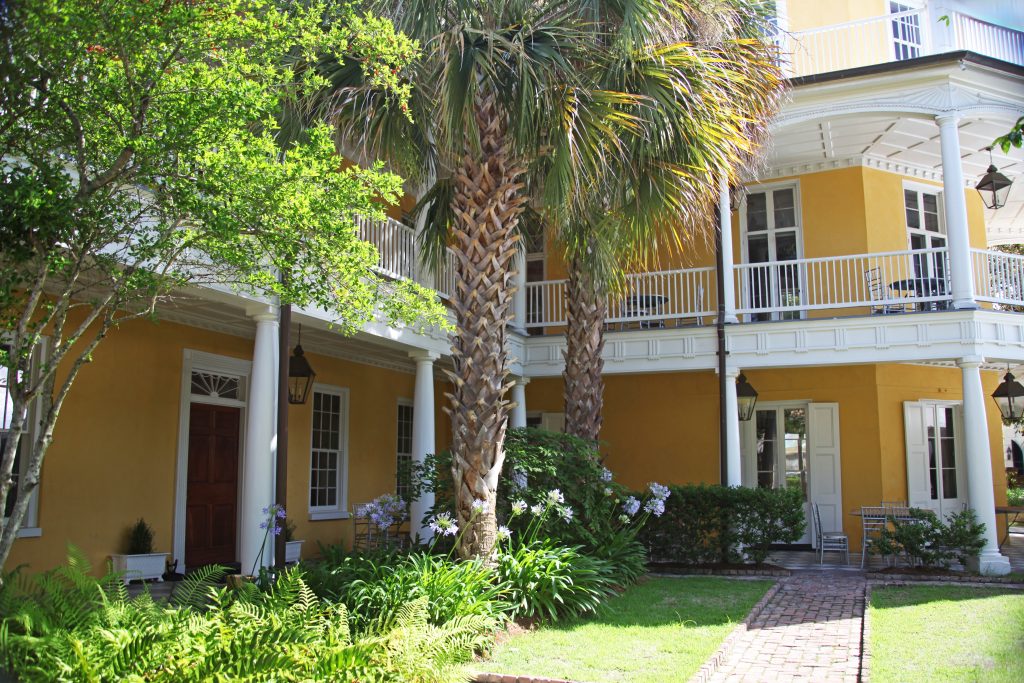
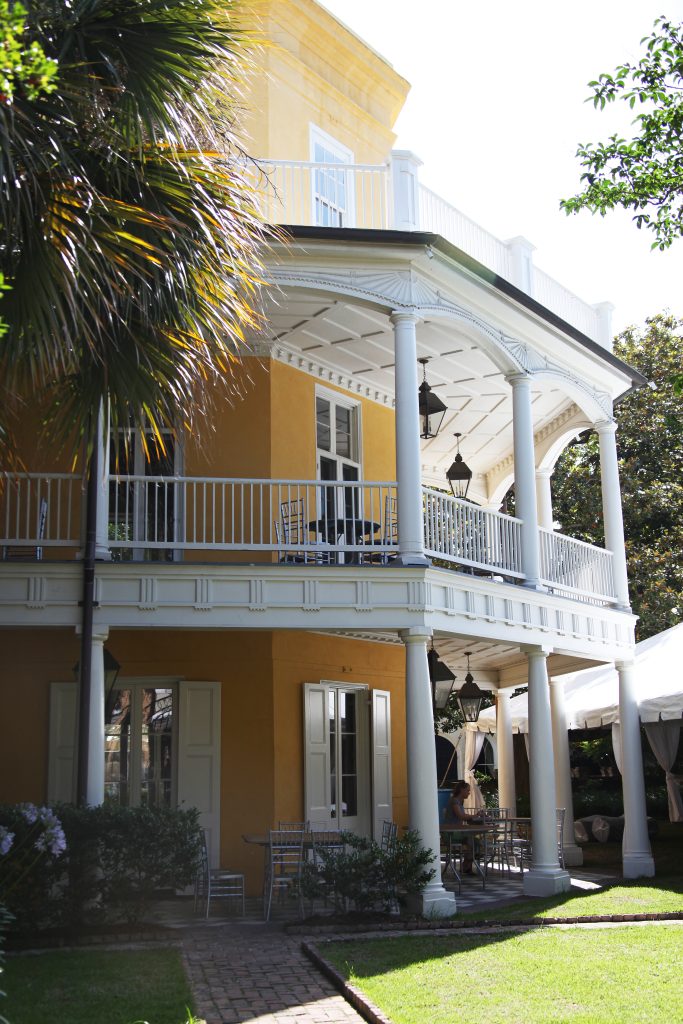
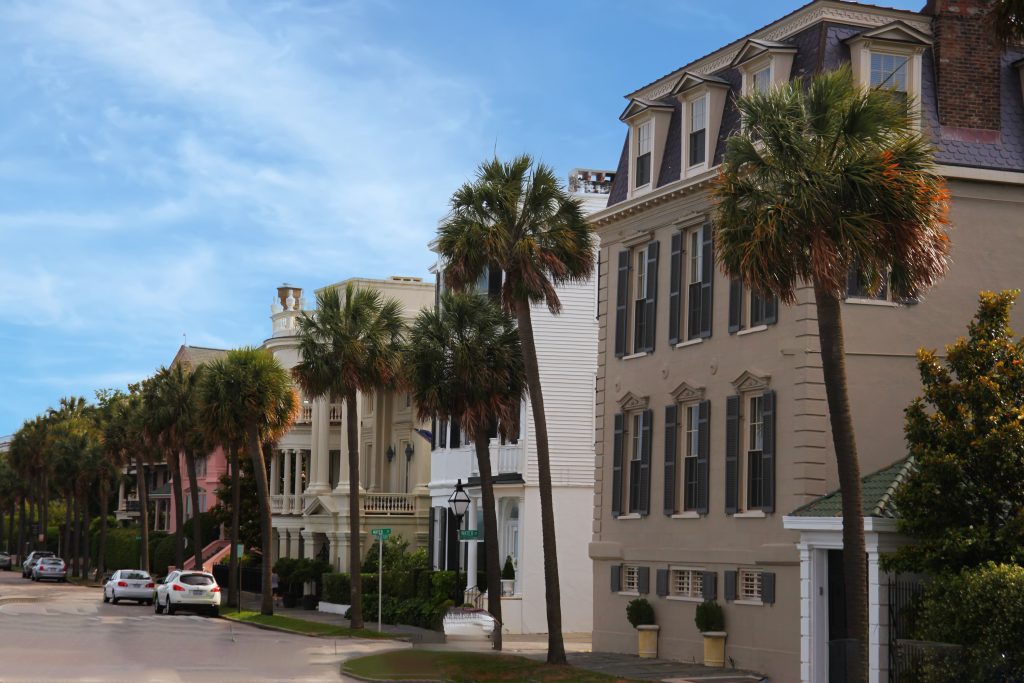
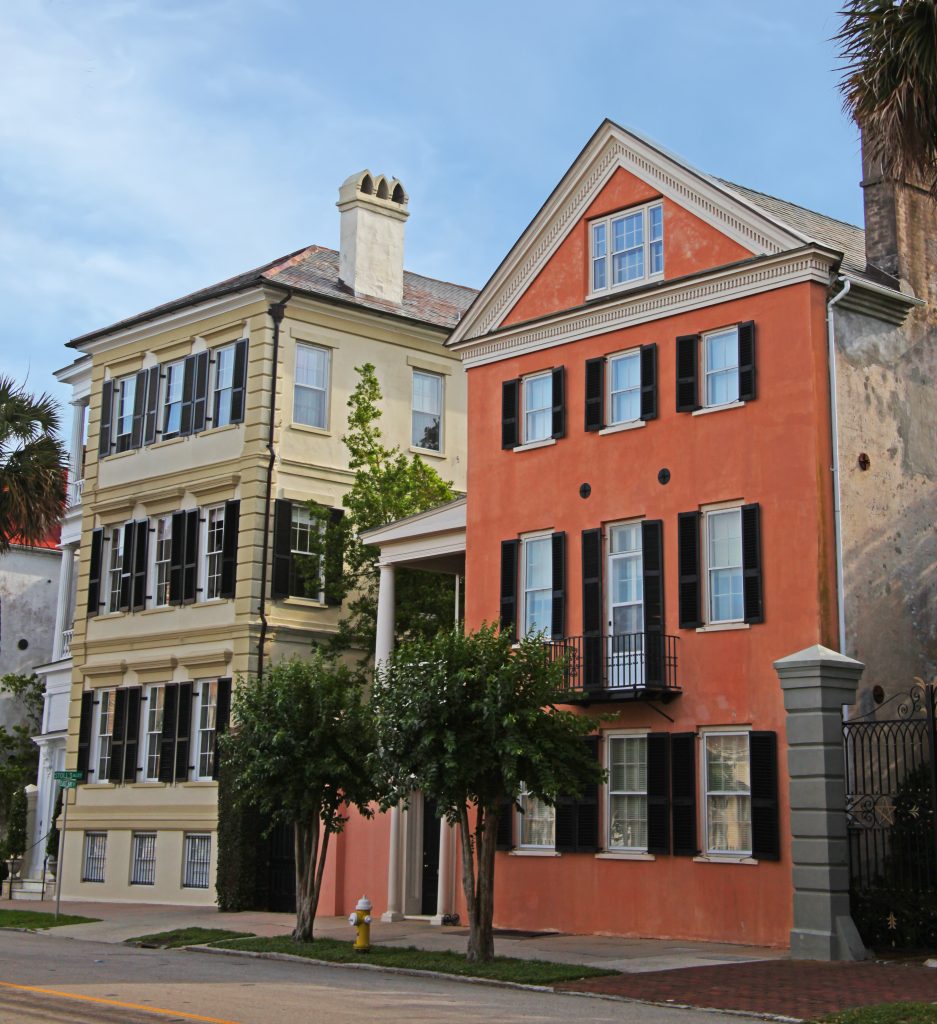
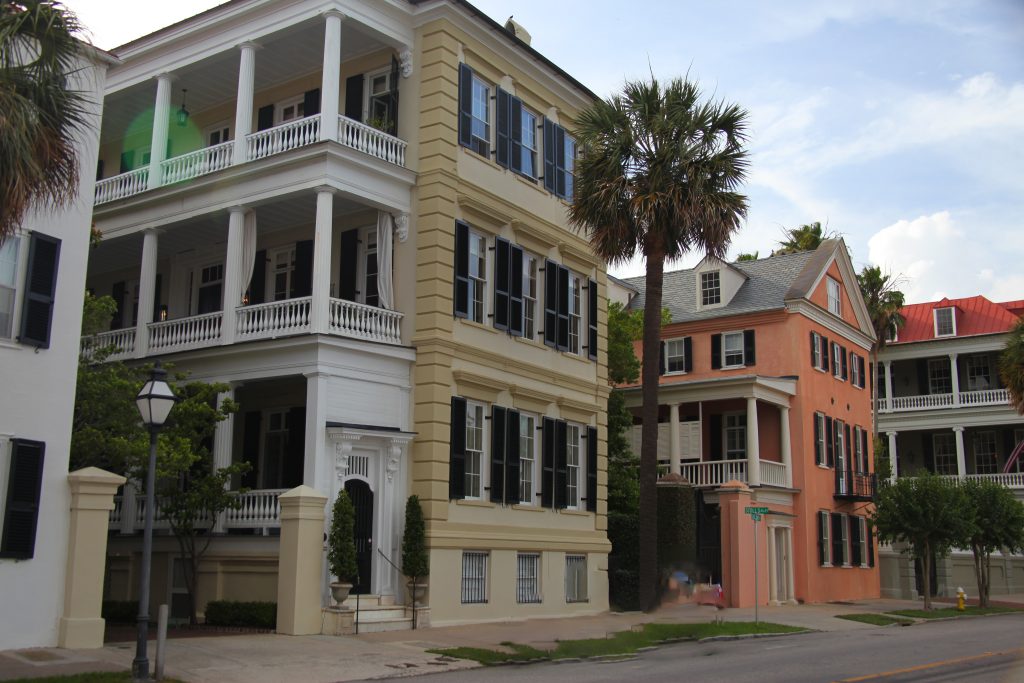
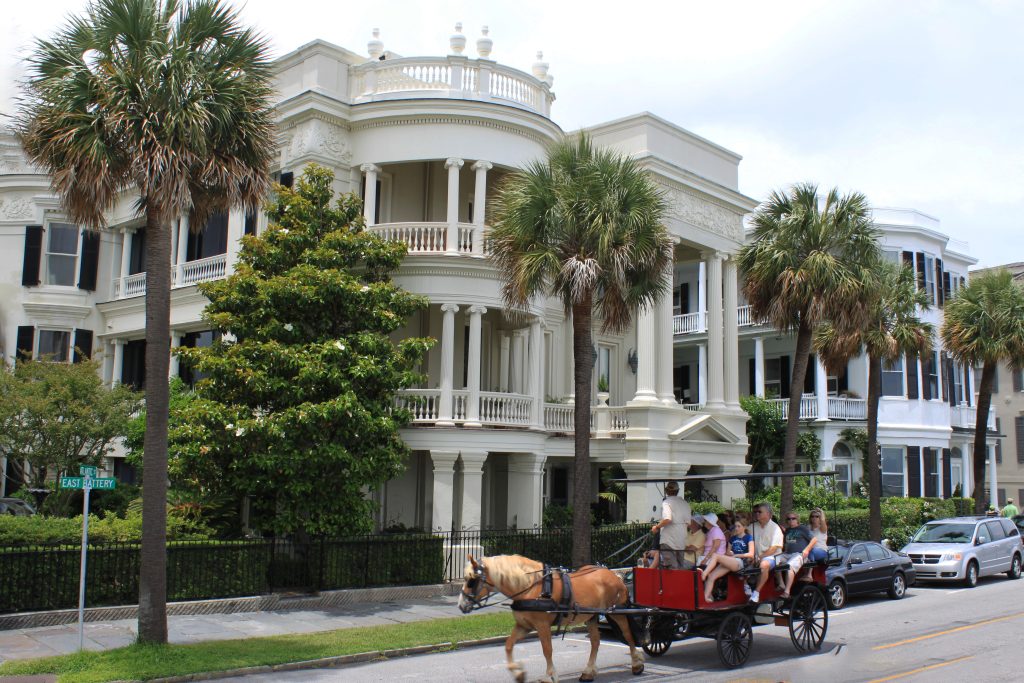
The Battery is Charleston’s grand promenade stretching along the southern tip of the peninsula, bordered by antebellum mansions with sweeping verandas and double piazzas. Built in the early 19th century as a defensive seawall, it evolved into a fashionable destination for carriage rides by the 1830s. White Point Garden, shaded by live oaks and dotted with cannons, mortars, and monuments, preserves remnants of Charleston’s martial past. Standing at sunset with harbor breezes, one senses why the city’s elite chose this perch for their showpiece homes. On the evening of April 12, 1861, Charleston’s elite gathered on the piazzas of their Battery mansions, sipping champagne as they waited for Confederate guns to open fire on Fort Sumter across the harbor.
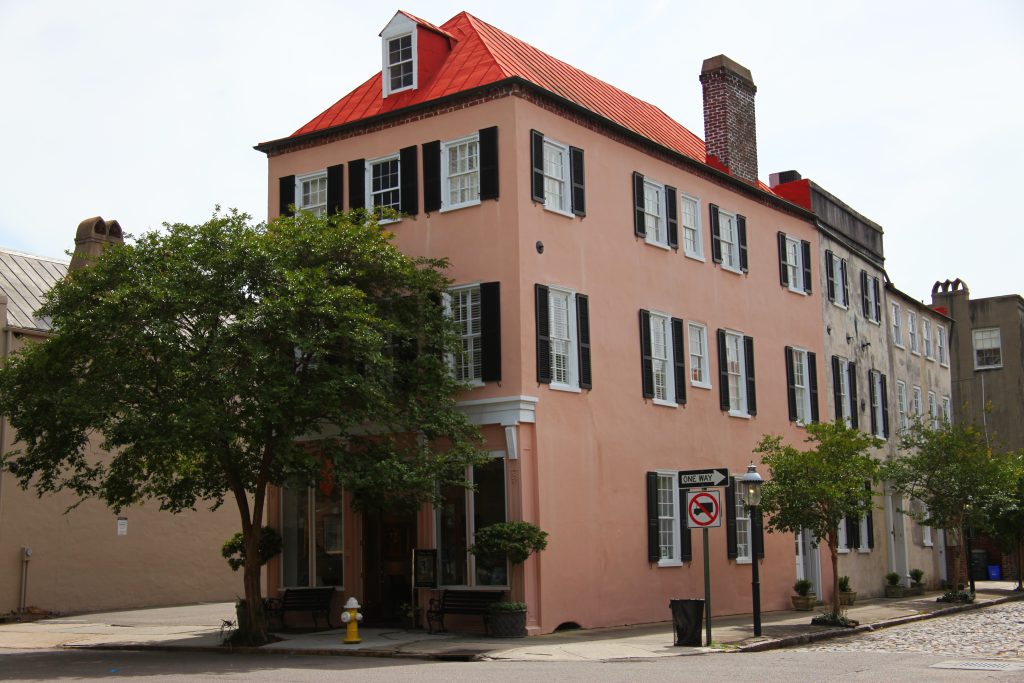
Perhaps Charleston’s most iconic streetscape, Rainbow Row is a series of thirteen pastel-painted Georgian townhouses along East Bay Street in shades of pink, blue, and yellow. Originally built in the 1740s, they served as shops and residences for merchants in the city’s bustling trade. By the early 20th century, they had fallen into disrepair, but preservationists in the 1930s and ’40s restored them to the cheerful Caribbean colors that give the row its name. Today, their facades are as famous as any postcard, yet each door conceals a history of commerce, family, and survival.
St. Michael’s Episcopal Church
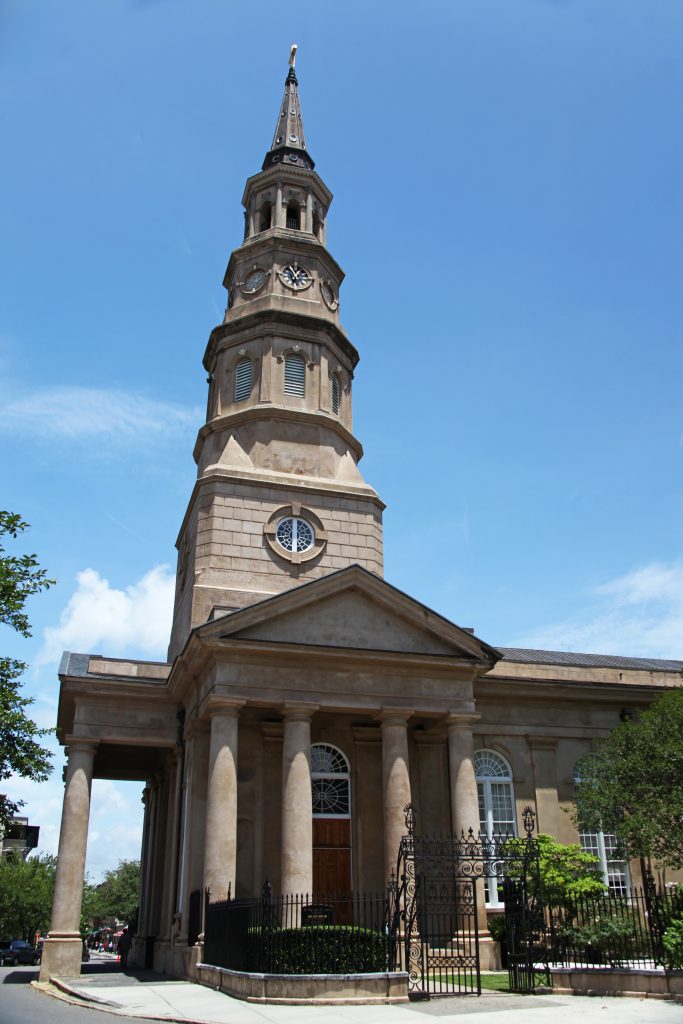
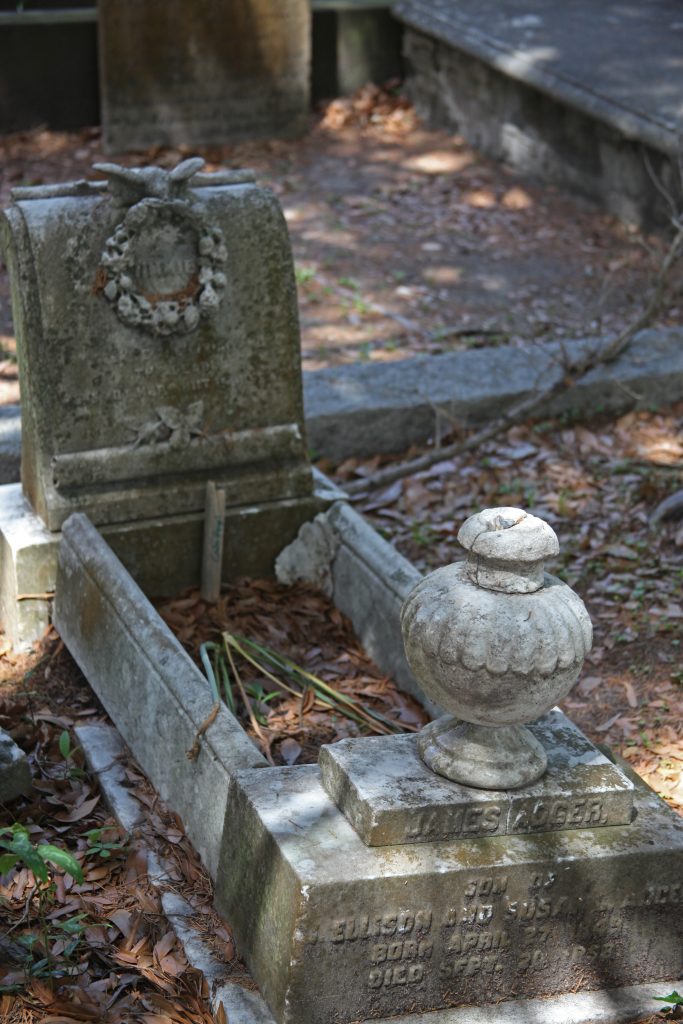
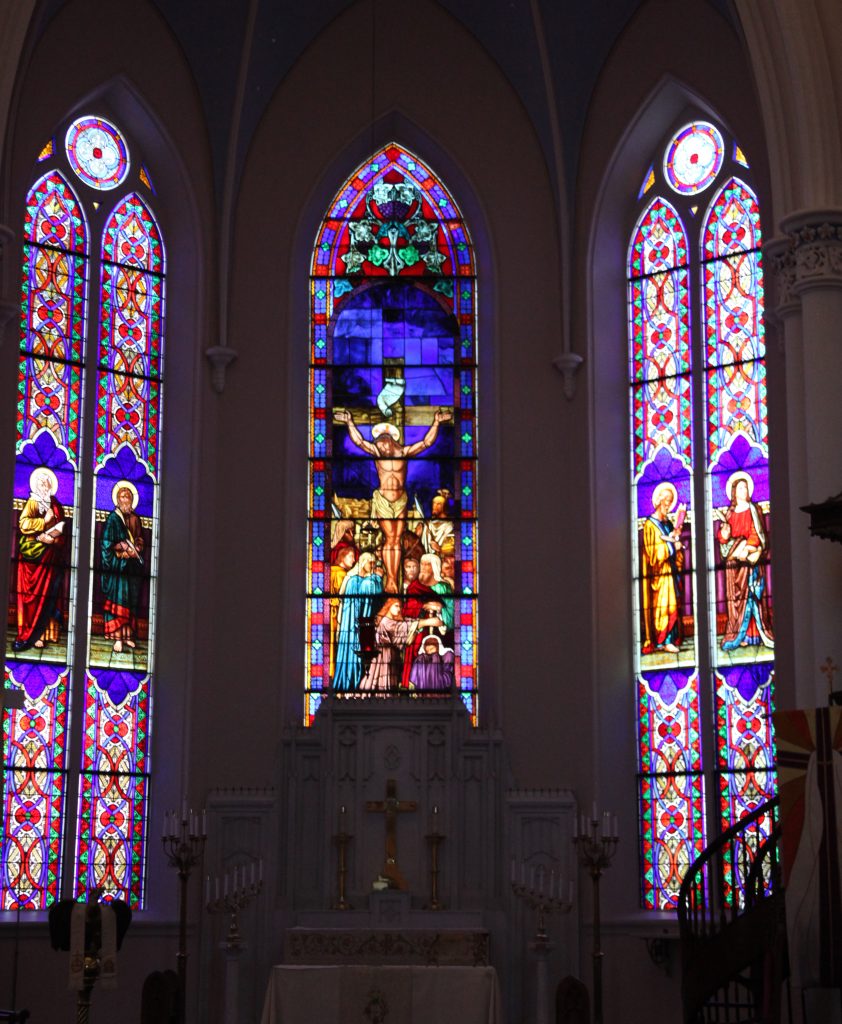
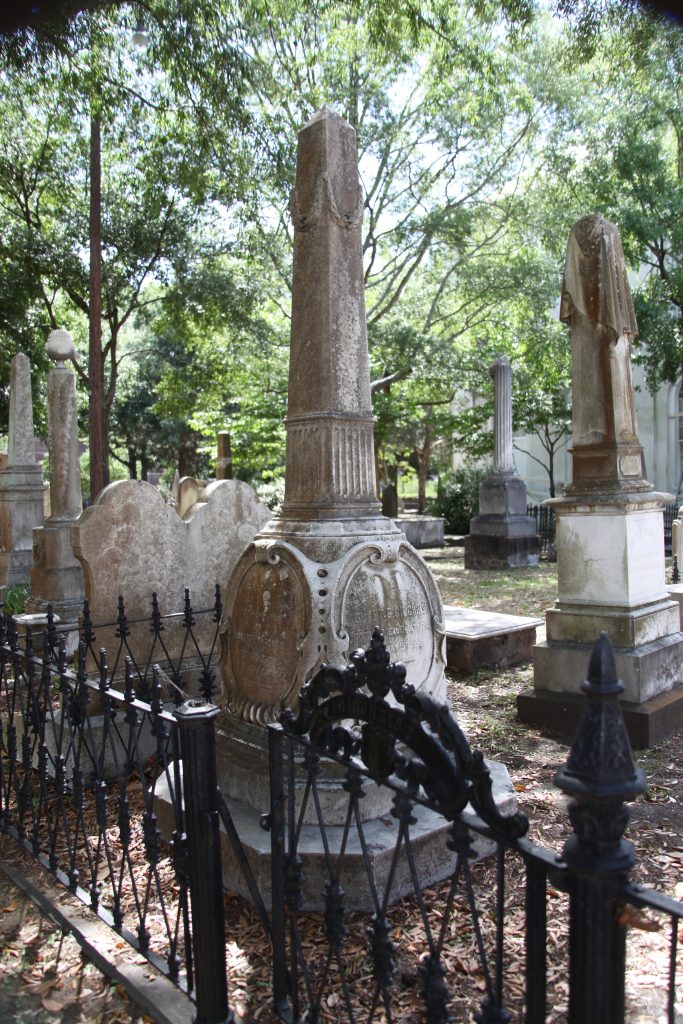
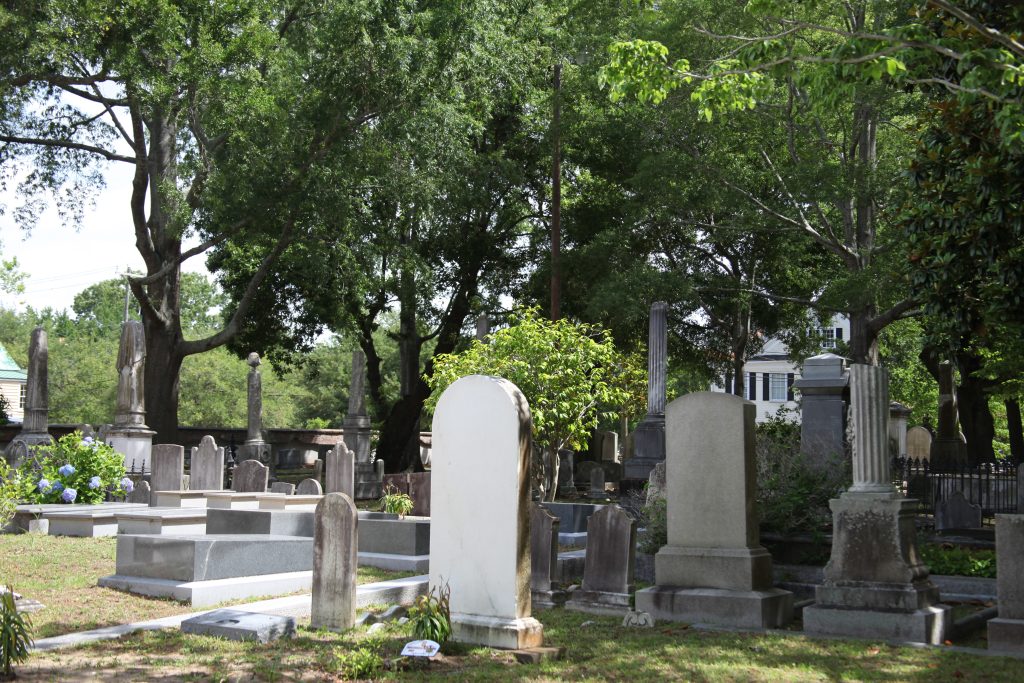
Completed in 1761, St. Michael’s Church is Charleston’s oldest surviving church and a masterpiece of Georgian ecclesiastical design. Its gleaming white steeple has served as a navigational landmark for ships at sea. Inside, the original pews remain where George Washington and Robert E. Lee both sat here, and the ringing of its 18th-century bells—cast in London and twice recast after war damage—still marks the hours. From the churchyard’s centuries of gravestones, Charleston’s identity as the “Holy City” emerges—etched in stone and skyline.
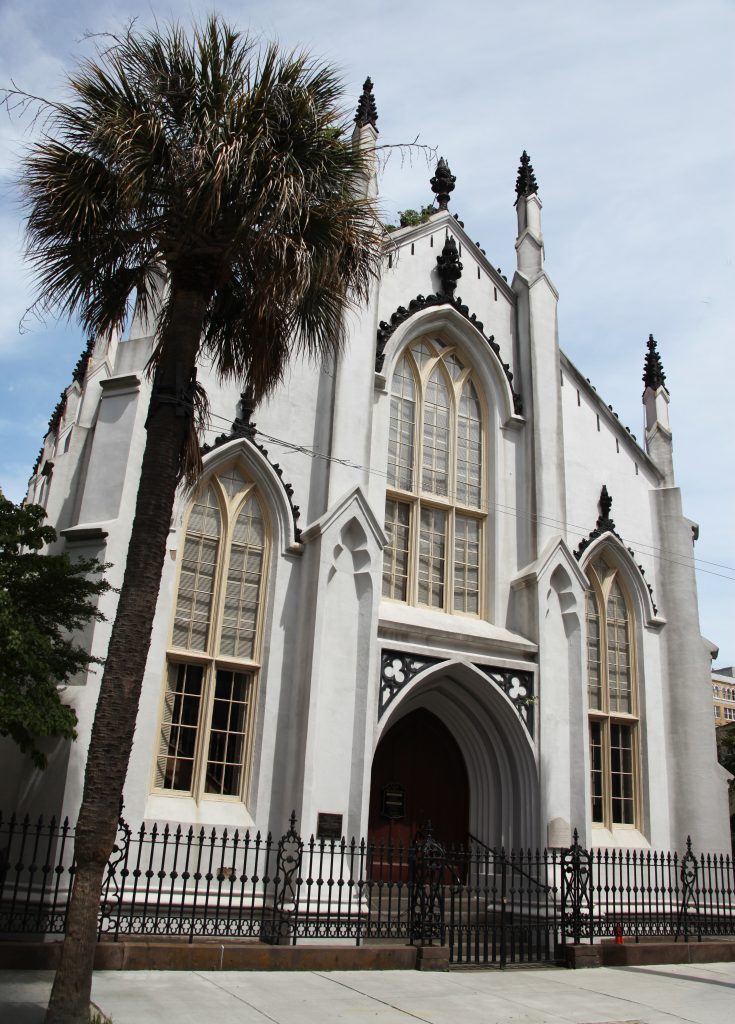
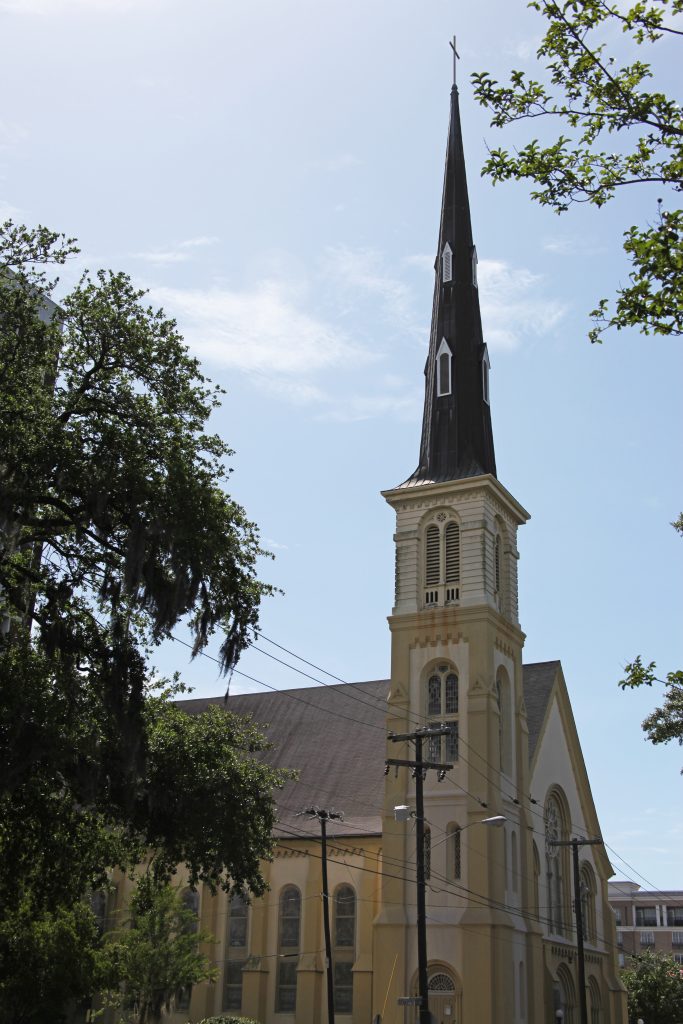
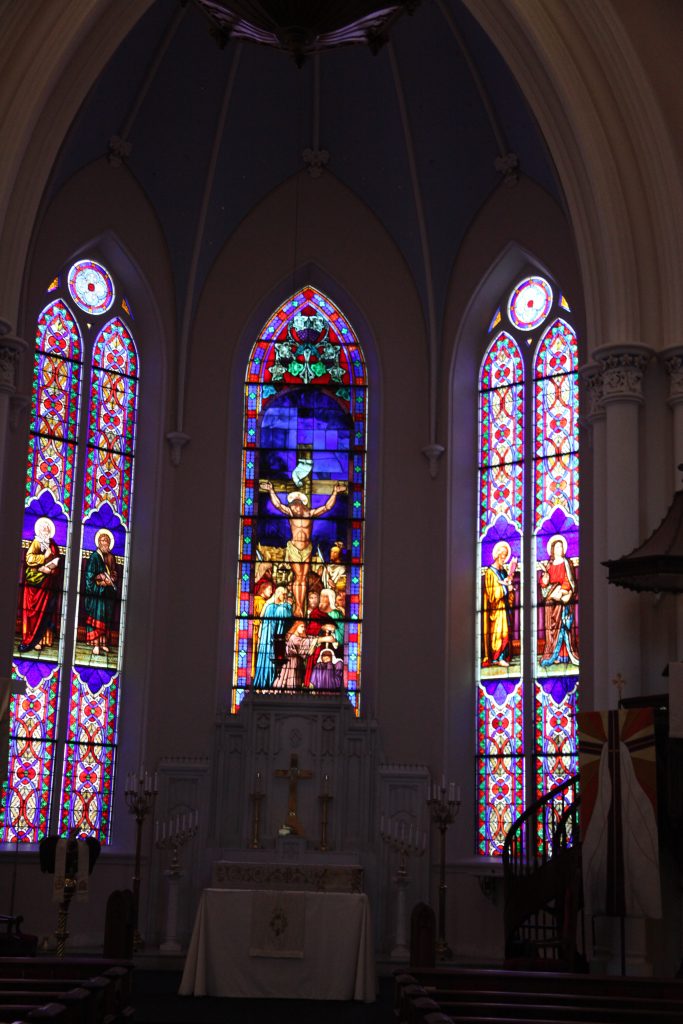
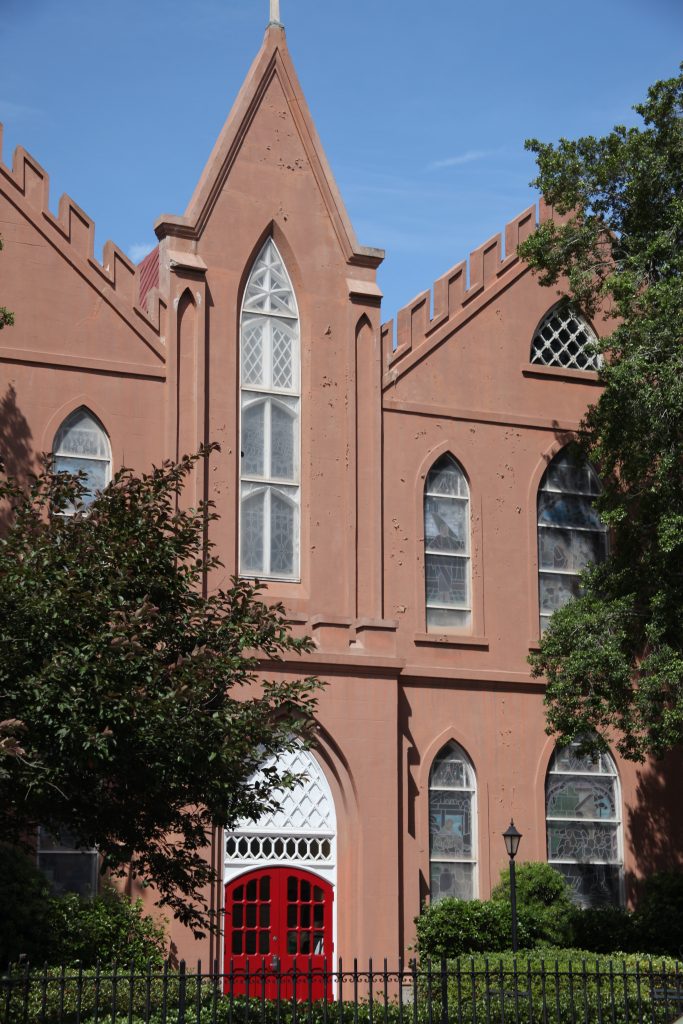
Founded in 1817, Mother Emanuel is the oldest African Methodist Episcopal church in the South and among the oldest Black congregations in America. Its history intertwines with resilience and struggle: early leader Denmark Vesey planned an enslaved uprising in 1822, leading to the destruction of the church’s original building. Rebuilt in 1891 in Gothic Revival style, it became a center of faith and activism. Tragedy struck again in 2015 when nine worshippers were murdered in a racially motivated attack. Yet the church endures, a living symbol of faith that hate cannot diminish.
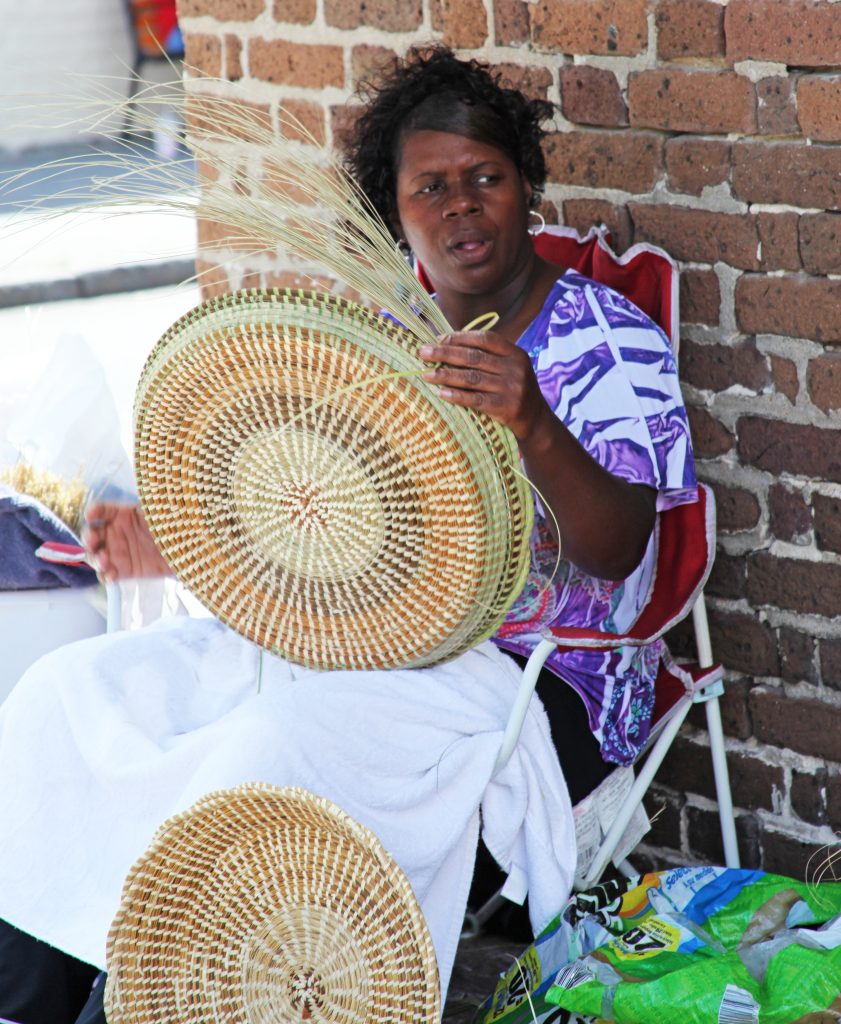
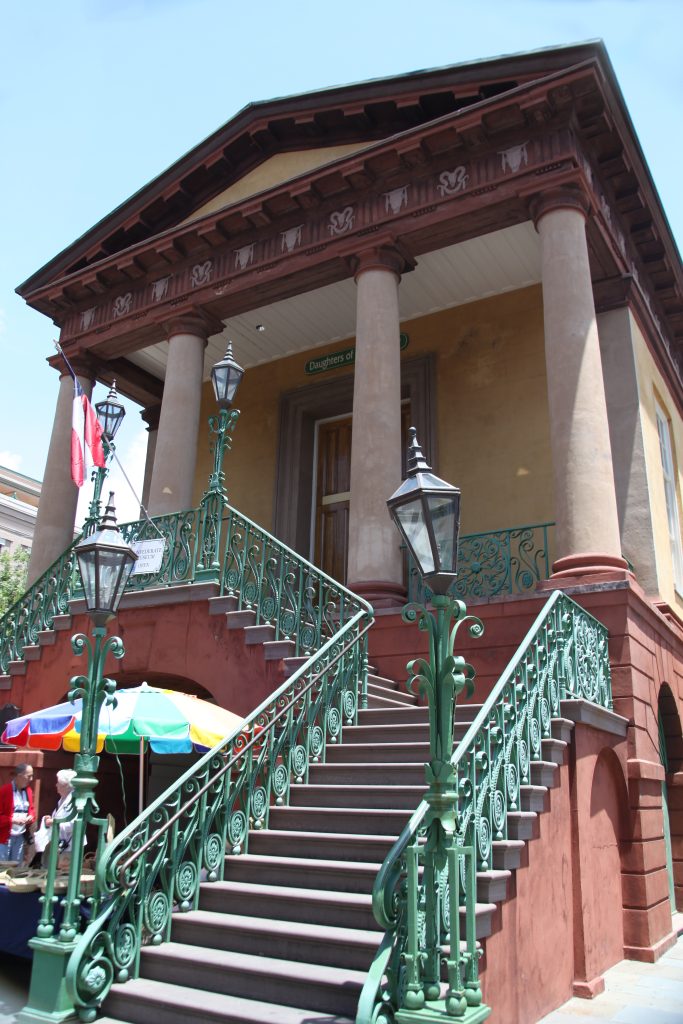
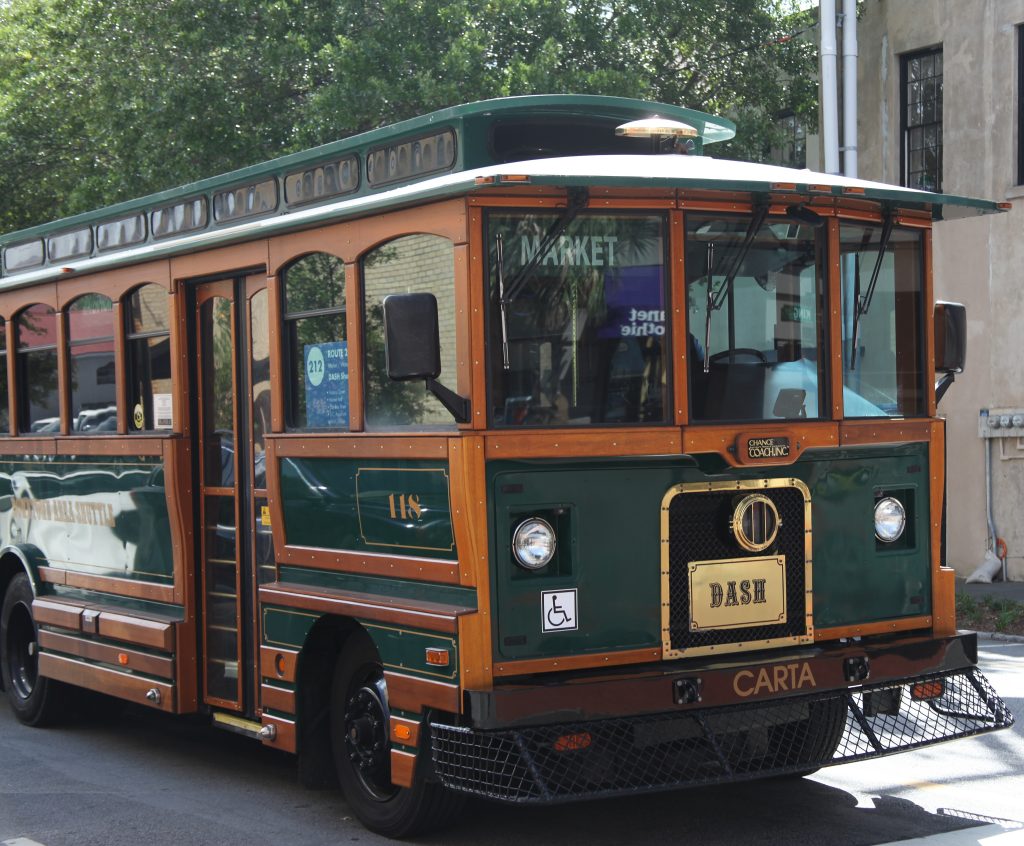
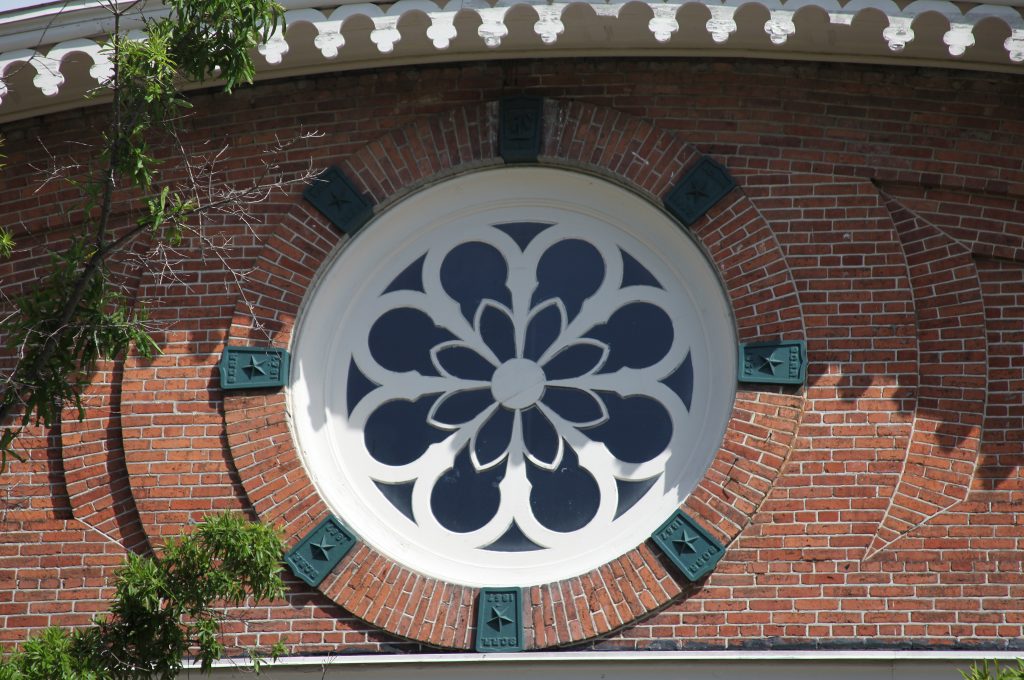
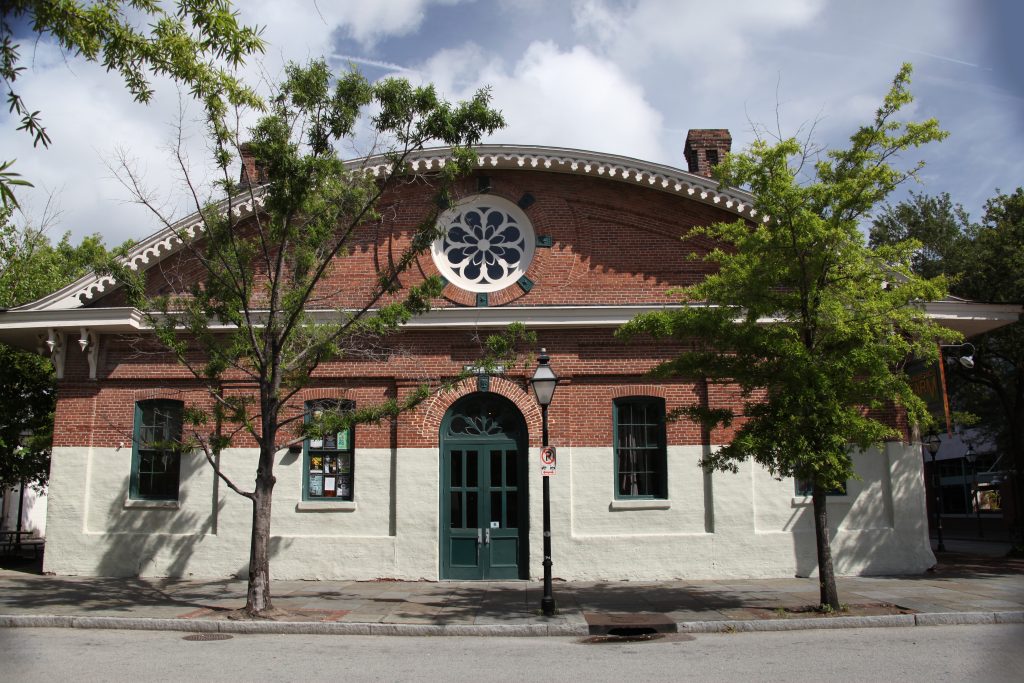
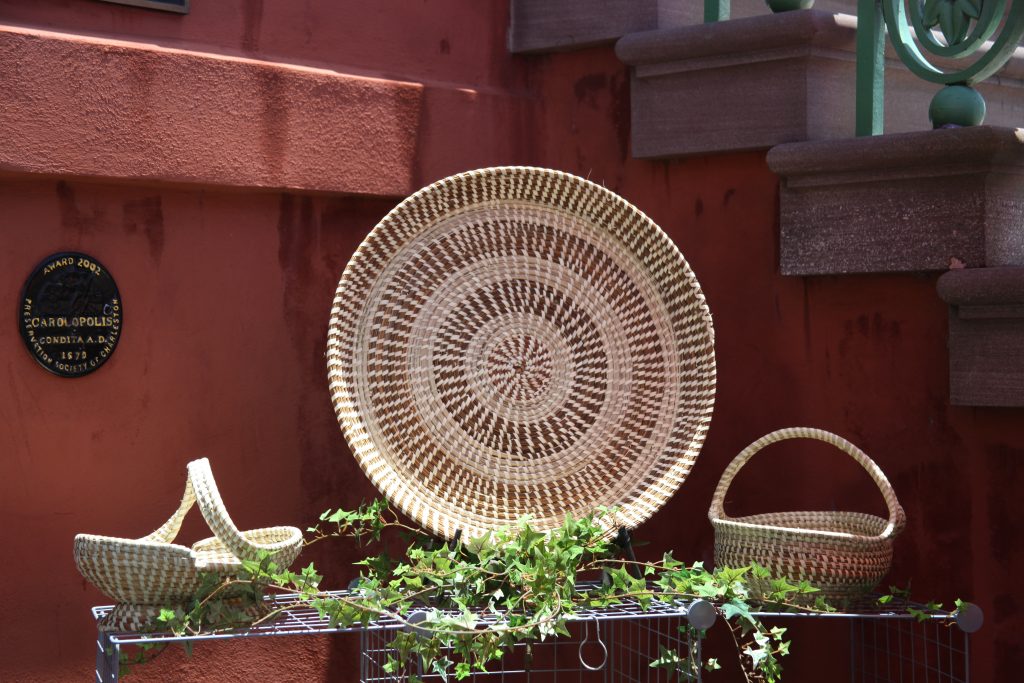
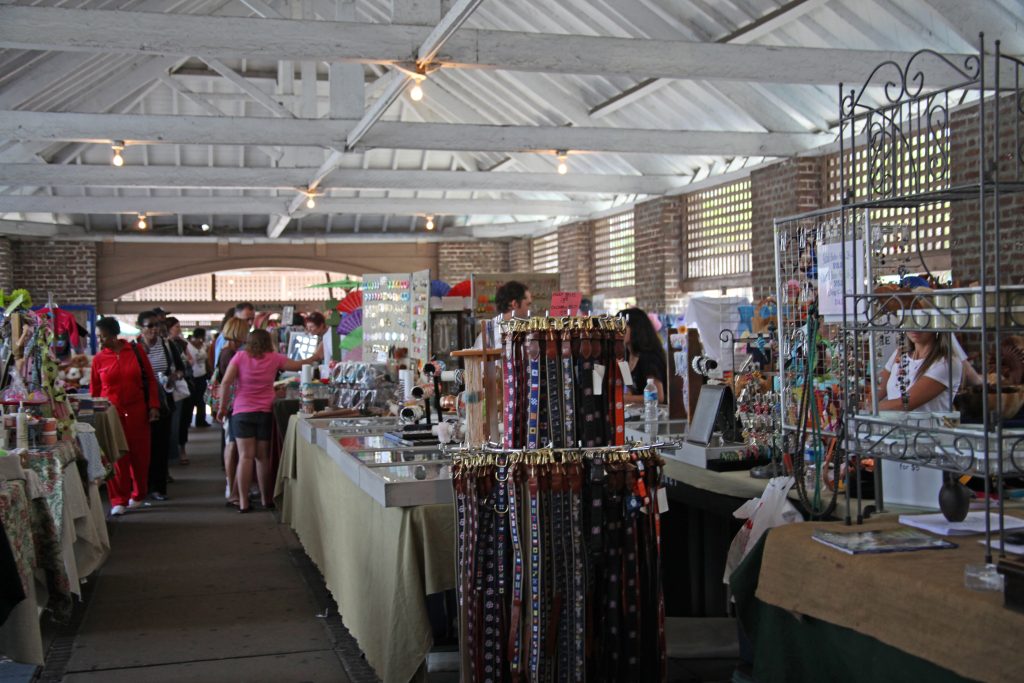
Stretching four blocks from Meeting Street toward the harbor, Charleston City Market has been the commercial heart of Charleston since the 1790s. Once, food vendors and butchers crowded the sheds; today, artisans sell crafts, most notably Gullah sweetgrass baskets, a tradition rooted in West African heritage. The long, low sheds built between 1804 and 1830 survive as a rare example of an early American market complex. To wander here is to glimpse continuity across centuries—trade, chatter, and craft still echoing.
Historic Plantations
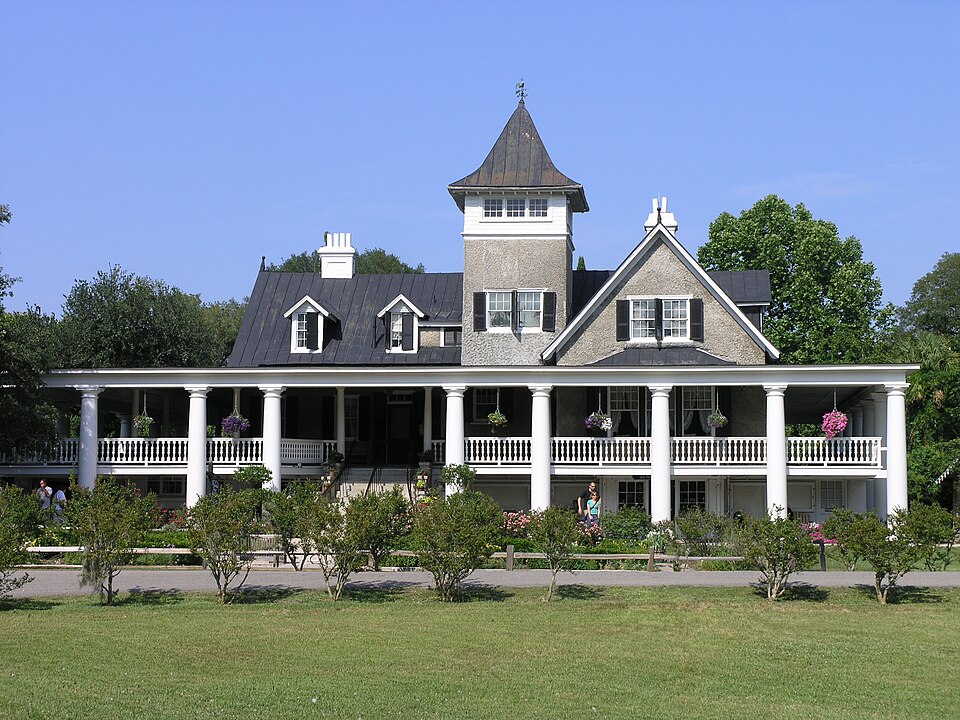
Just beyond the city, plantations preserve the Lowcountry’s layered past. Drayton Hall (1742), an elegant Palladian house, is remarkable for being unrestored—no electricity, no plumbing, just original 18th-century walls bearing centuries of wear. Middleton Place offers terraced gardens, America’s oldest landscaped gardens, created in the 1740s; its grounds also interpret the lives of enslaved Africans who built and sustained its grandeur. Magnolia Plantation, established in 1676, is famed for its romantic gardens, blooming year-round with camellias and azaleas. Together, these estates reveal Charleston’s wealth and its human cost.
Aiken-Rhett House
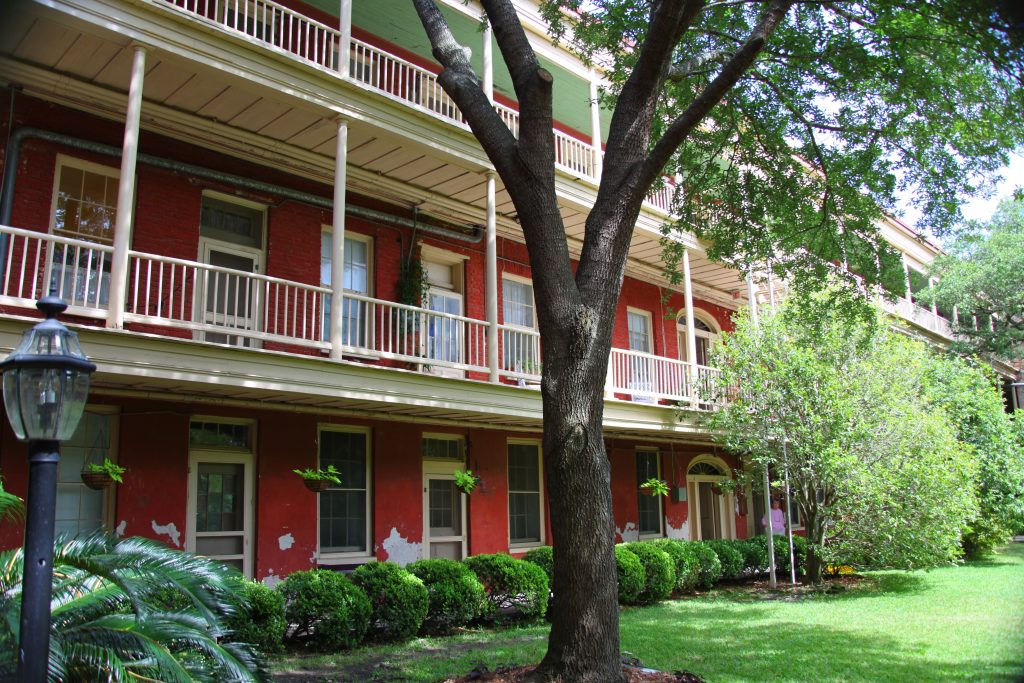
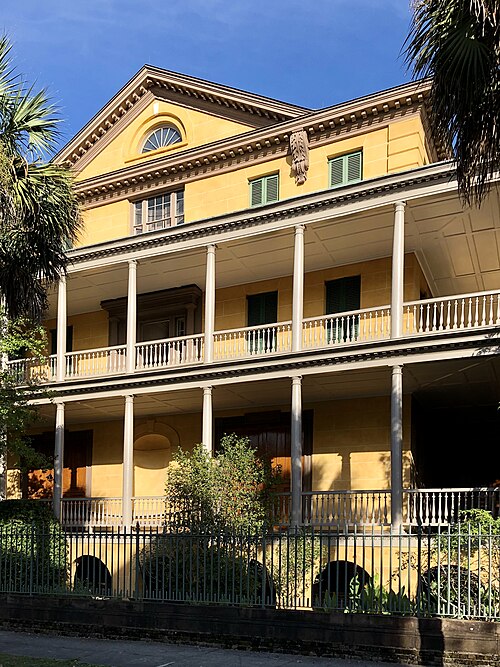
Unlike the polished plantation houses, the Aiken-Rhett House (c. 1820) is preserved in “arrested decay,” where visitors see original paint, wallpaper, and furnishings fading exactly as they did when the family left. Most striking are the preserved outbuildings: slave quarters, kitchens, and stables that offer an unvarnished look at urban slavery in Charleston. Few American sites present such a complete antebellum complex, both elegant and raw.
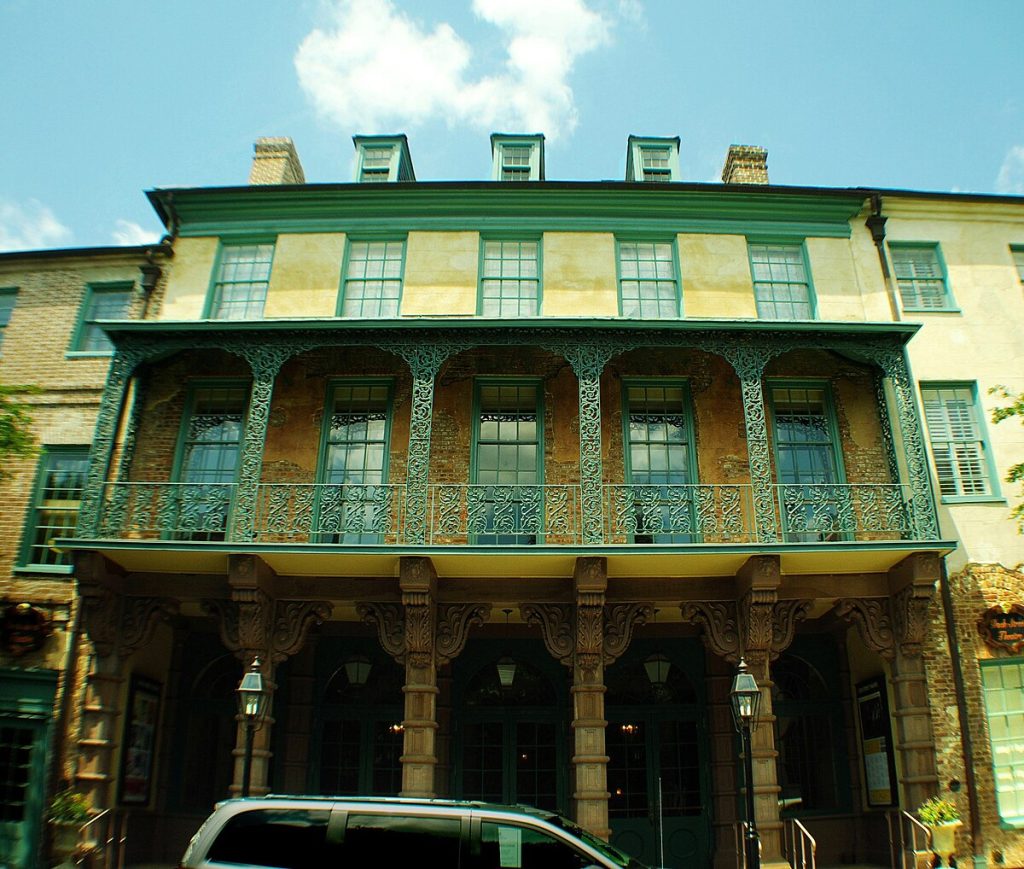
The Dock Street Theatre, which first opened in 1736, was America’s first purpose-built playhouse and staged operas and comedies for a cosmopolitan colonial audience. Destroyed by fire, it was rebuilt in 1809 as Planter’s Hotel, then restored as a theatre in the 1930s. Today, performances still happen beneath its ornate balconies and chandeliers. To sit in its gilded auditorium is to share three centuries of Charleston’s cultural legacy.
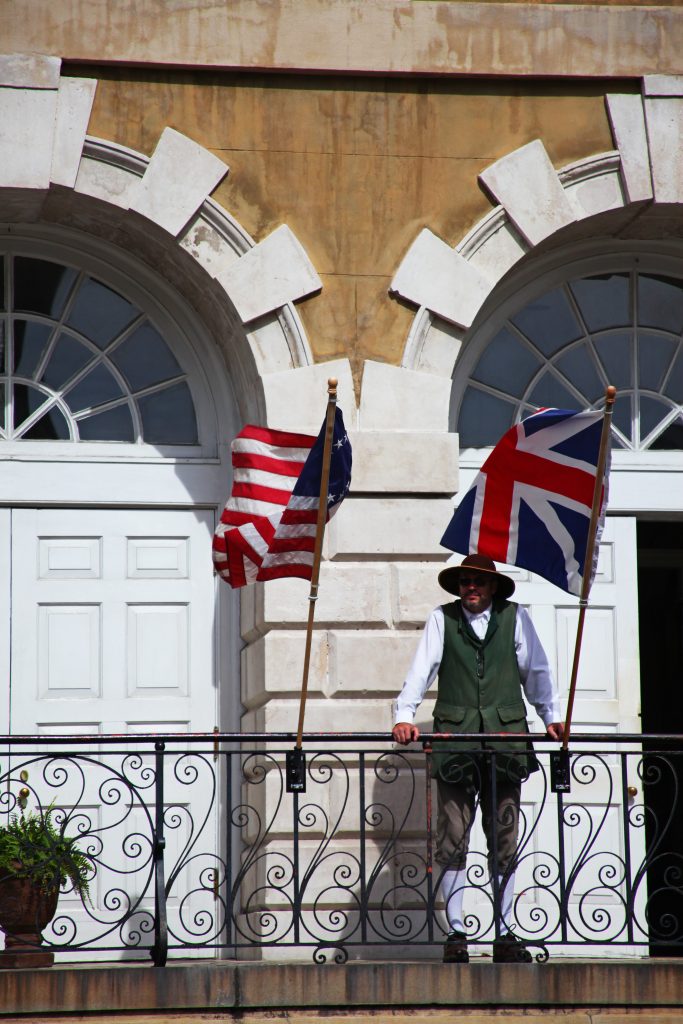
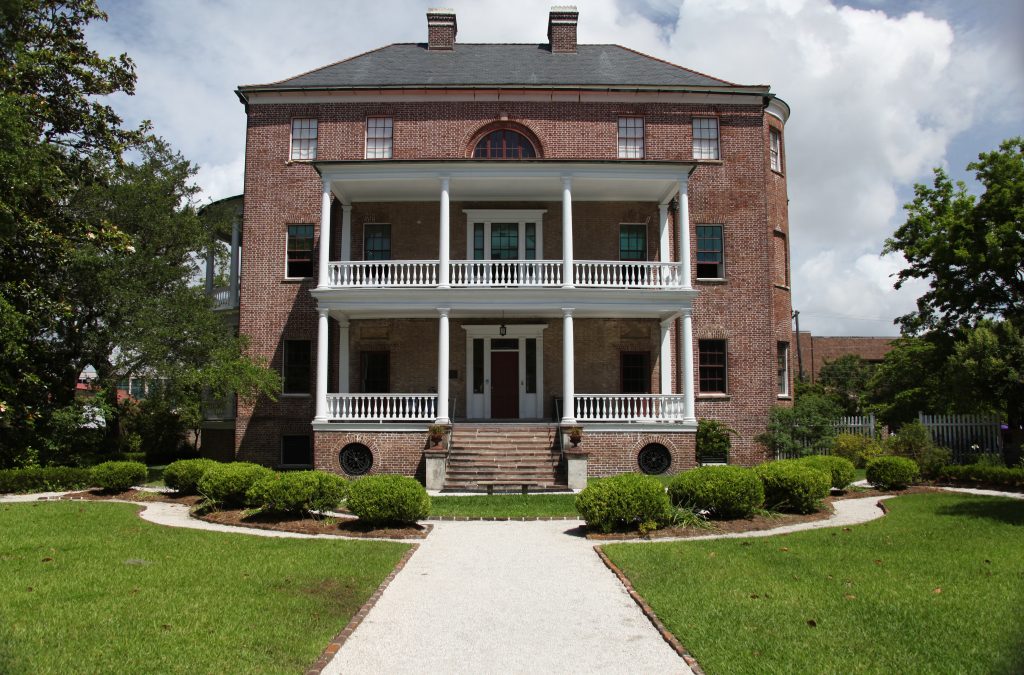
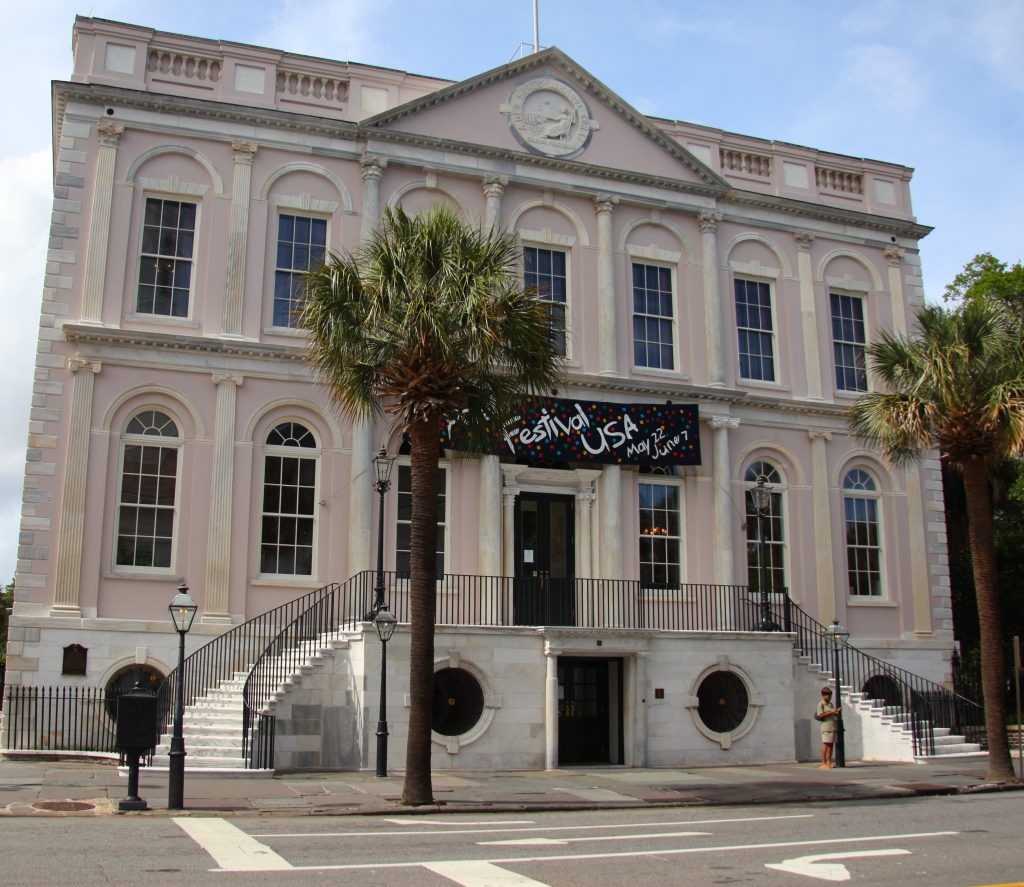
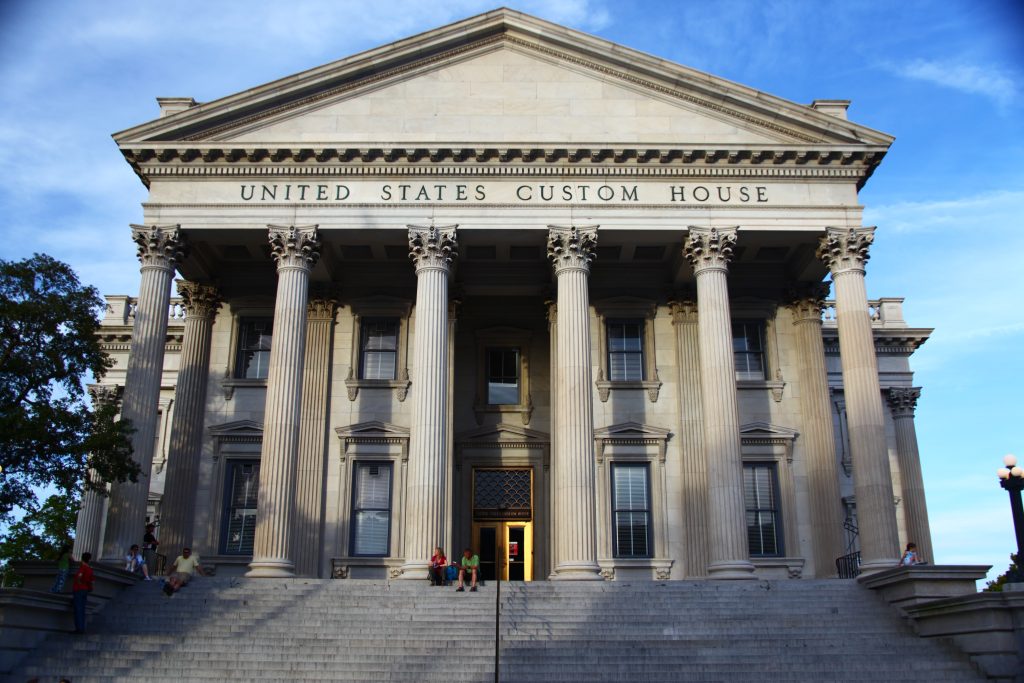
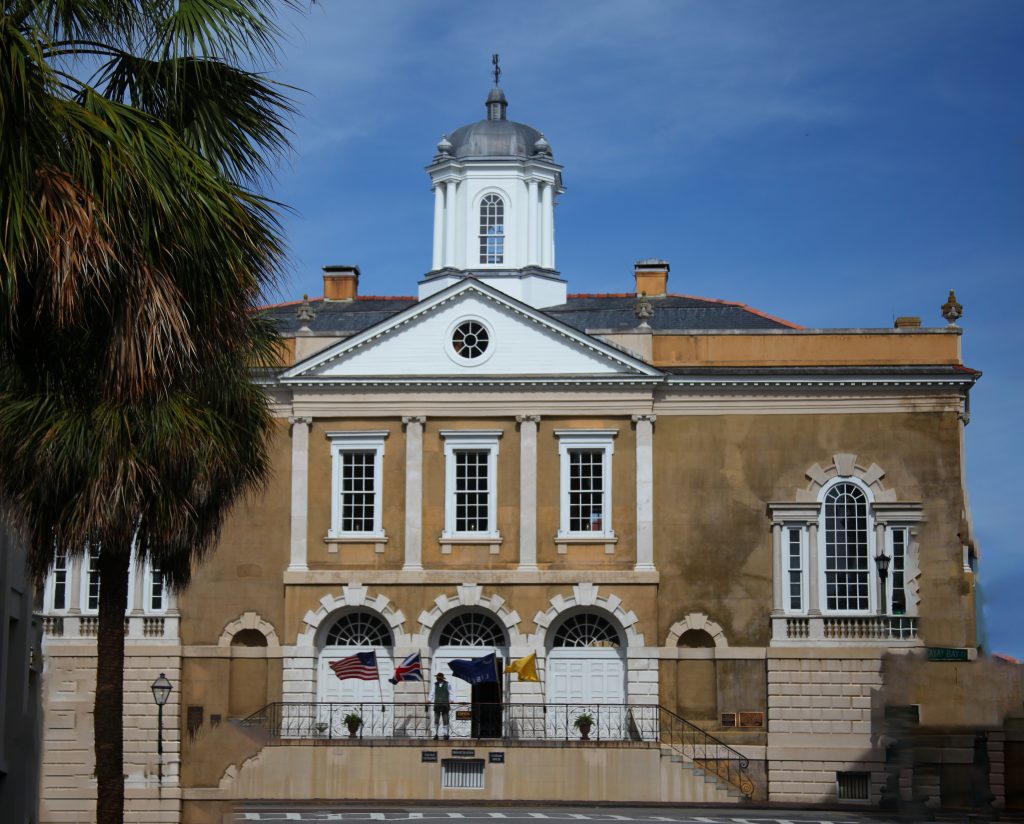
Built in 1771 as a custom house, this Palladian-style building soon became central to Charleston’s civic life. Patriots met here to debate independence and hear the Declaration of Independence read publicly for the first time in South Carolina. During the British occupation, its basement served as a Provost Dungeon holding prisoners in grim conditions. Today it is a museum that captures both Charleston’s revolutionary fervor and the darker realities of wartime imprisonment.
Historic Stories and Figures
Charleston’s history comes alive through dramatic characters and events. Patriot leader and designer of the famous “Don’t Tread on Me” flag Christopher Gadsden lived here. The abolitionist Denmark Vesey, a free Black man, organized a major planned slave revolt in 1822; though foiled, his story remains a cornerstone of Charleston’s African American heritage. Robert Smalls, born enslaved in nearby Beaufort, famously commandeered a Confederate ship and sailed it to freedom in 1862, later becoming a U.S. Congressman.
The city’s social history is equally vivid: wealthy women presided over elaborate rice-planting dynasties, while Gullah Geechee communities—descendants of enslaved West Africans—preserve distinct traditions of language, crafts, and cuisine that still shape Charleston today.
Awaiting UNESCO World Heritage Status
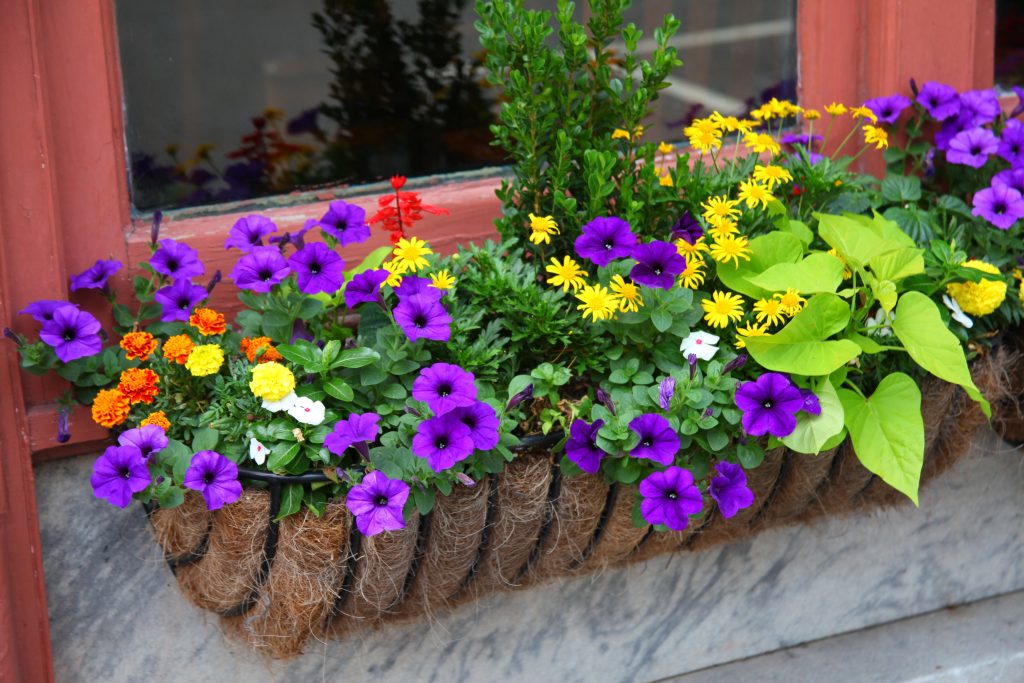
Today Charleston thrives as a cultural capital, balancing preservation with reinvention. King Street bustles with boutiques and cafés, where carriage tours clip-clop past gardens heavy with azaleas and camellias.
Yet Charleston does not shy away from its painful history. The International African American Museum, newly opened on the waterfront, tells the stories of the enslaved, their descendants, and the diaspora, standing on the site where so many first arrived in America. The restored Old Slave Mart Museum, housed in an antebellum auction gallery, presents unflinching interpretation of Charleston’s slave-trade legacy. Sites like Drayton Hall and Middleton Place interpret plantation history through architectural grandeur and the stories of those enslaved who built and sustained it.
Charleston’s story is woven from resilience. Its architecture bears the scars of war and earthquake, yet retains its beauty. Its gardens bloom despite hurricanes. And its people, a vibrant mix of cultures, continue to redefine the city—not as a relic of the past, but as a place where history informs the present.
Yet Charleston remains far more than a city frozen in amber. It is alive with the rhythms of jazz and Gullah spirituals, the scent of she-crab soup wafting from kitchens, the laughter of children chasing gulls along The Battery. It is a place where the past lingers, yet the present pulses with vitality, complexity, and constant renewal.
When you leave Charleston, you carry more than memories of its cobblestones and steeples. You carry the awareness that America’s story—its contradictions, struggles, and triumphs—is written here in brick and stone, in shadow and sunlight, in every moss-draped oak along the harbor’s edge.
Where to Stay in Charleston, United States
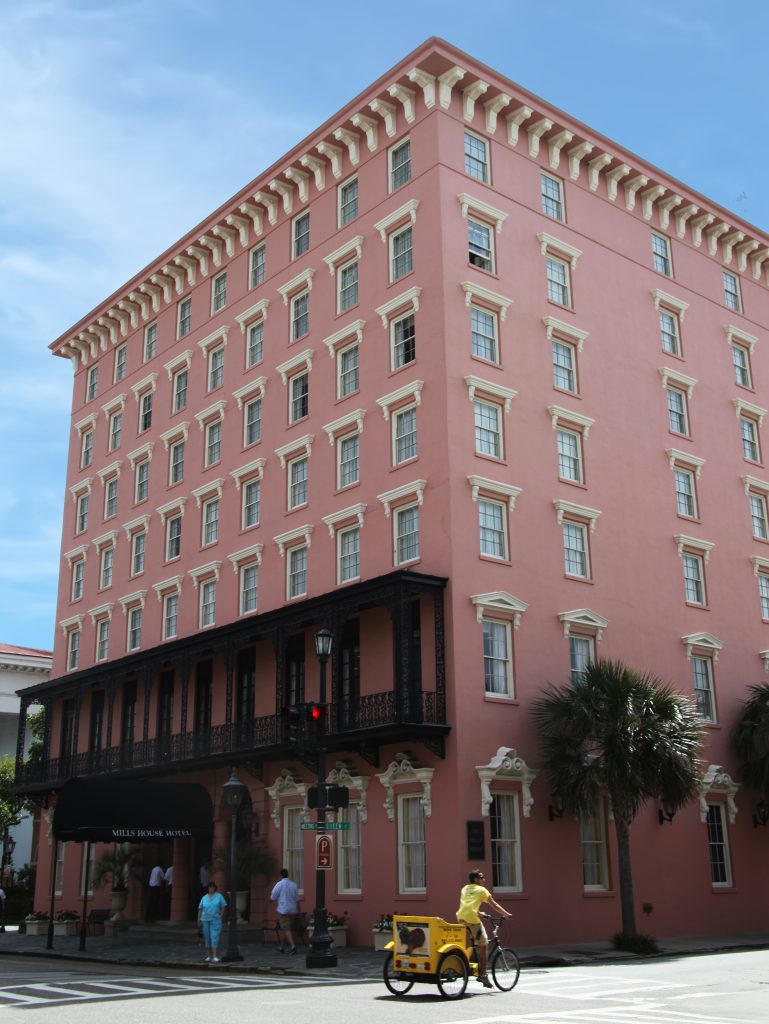
For a classic Charleston experience, stay in the Historic District or nearby. The area’s antebellum mansions, cobblestone streets, and Spanish moss-draped oaks create an authentic backdrop for exploring the city’s past. Hotels like The Vendue and The Spectator range from upscale to mid-range, while smaller bed-and-breakfasts occupy period homes throughout the district. Parking can be tight on narrow streets, but walking lets you see the architecture and monuments at your own pace.
If you prefer quieter surroundings and easier access to water views, consider the Battery or South of Broad neighborhood. This southern edge of the peninsula offers historic hotels and residential inns, many overlooking Fort Sumter and the harbor. The calm streets make morning walks especially pleasant, and the city’s main attractions remain within easy walking distance.
For budget-conscious travelers, neighborhoods north of the Historic District offer reliable chain and local hotels at lower rates. King Street and the Market Hall area offer good mid-range accommodations with easy walkability to the central sights. These locations trade some period charm for convenience and cost savings, which works well if you plan to explore rather than linger in your room.
Avoid the far northern suburbs unless you have a specific reason to go there. The farther you go from the peninsula, the more you’ll need to drive, but Charleston rewards those who stay close enough to walk the historic core at dawn or dusk when the light and pace feel especially good.
Recommended Reading
Fiction:
- The Invention of Wings by Sue Monk Kidd – A richly imagined novel inspired by the Grimké sisters of Charleston, early abolitionists whose lives were bound up in the contradictions of Southern society.
- Bastard Out of Carolina by Dorothy Allison – Though set in South Carolina more broadly, this powerful novel explores the complexities of Southern identity and family.
- Porgy by DuBose Heyward – The 1925 novel that inspired Porgy and Bess, rooted in Charleston’s Gullah culture.
- The House on Tradd Street by Karen White – A modern gothic mystery set amid Charleston’s historic houses.
- Charleston by Alexandra Ripley (1981) – A sweeping historical novel that follows a South Carolina family through the turbulence of the Civil War and Reconstruction. Ripley, who later wrote Scarlett, the sequel to Gone With the Wind, set this earlier work in Charleston itself, capturing both the city’s grandeur and its devastation.
Non-Fiction:
- Charleston! Charleston! The History of a Southern City by Walter J. Fraser, Jr. – The definitive history of Charleston, tracing its growth from colony to modern city.
- Denmark Vesey’s Garden by Ethan J. Kytle and Blain Roberts – Examines how Charleston has remembered and forgotten slavery across generations.
- Invention of Wings: The Grimké Sisters by Gerda Lerner – A scholarly look at Charleston-born Sarah and Angelina Grimké, pioneering abolitionists and feminists.
- Gullah Culture in America by Wilbur Cross – A vivid account of the Gullah Geechee heritage that thrives in Charleston and the Lowcountry.
- Drayton Hall: The Creation and Preservation of an American Icon by Drayton Hall Preservation Trust – A concise illustrated history of Drayton Hall, exploring its 18th-century Palladian design, family legacy, and preservation as one of Charleston’s most iconic landmarks.
Tours to Consider
- Historic Charleston Guided Sightseeing Walking Tour
- Charleston’s Old South Carriage Historic Horse & Carriage Tour