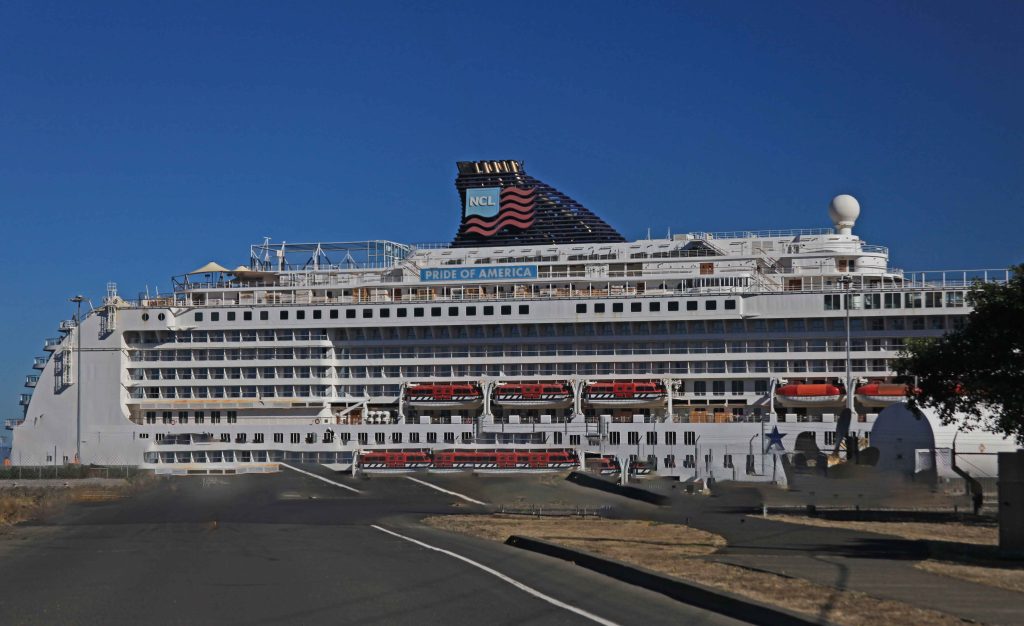
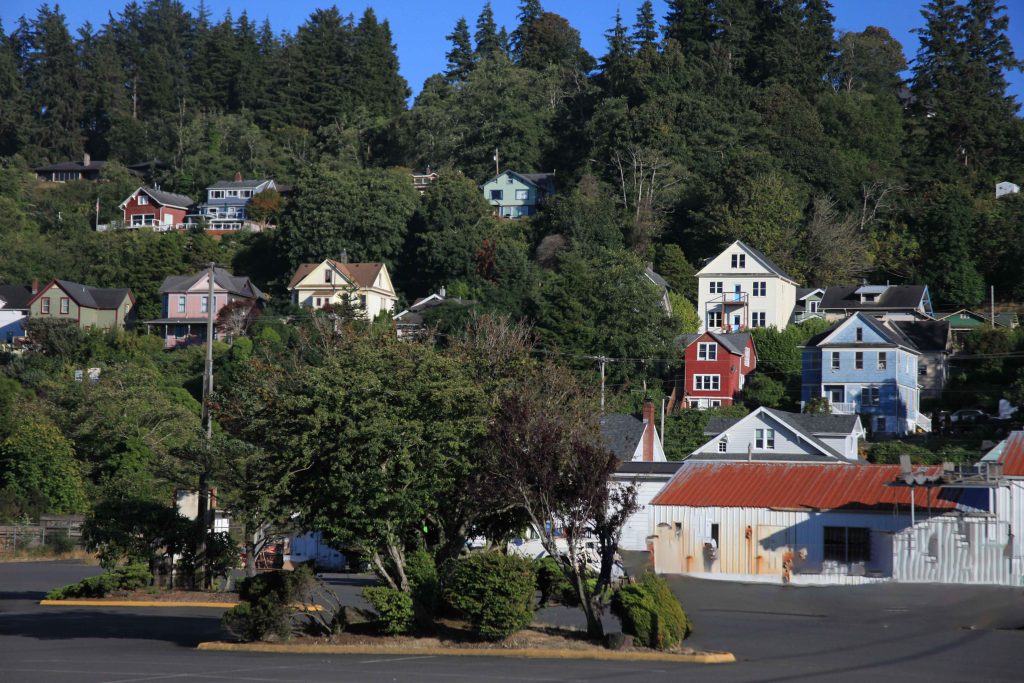
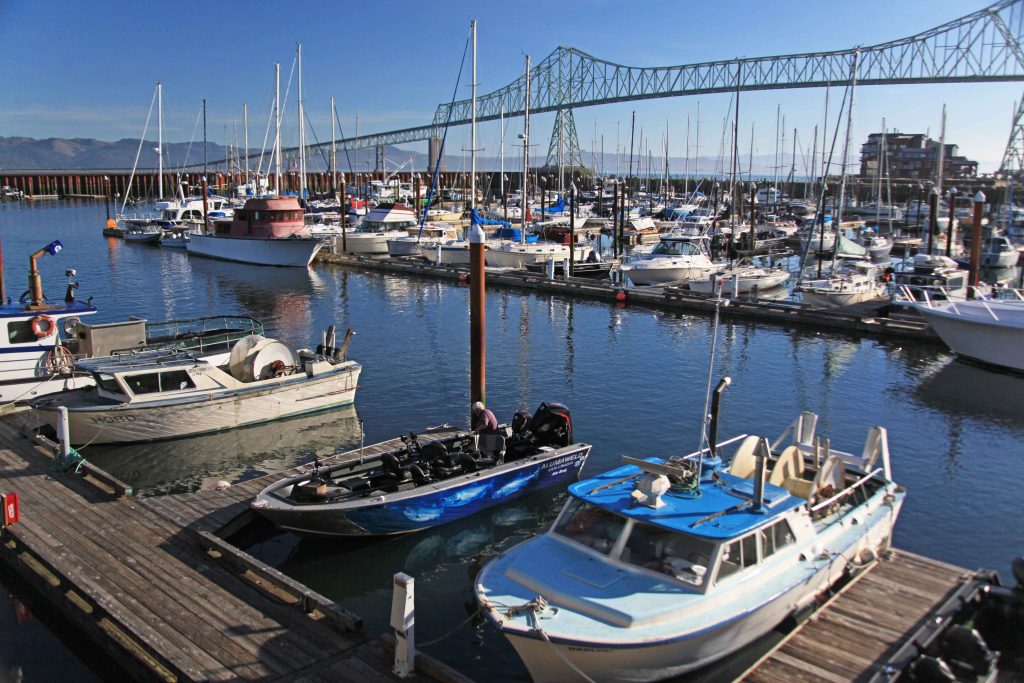
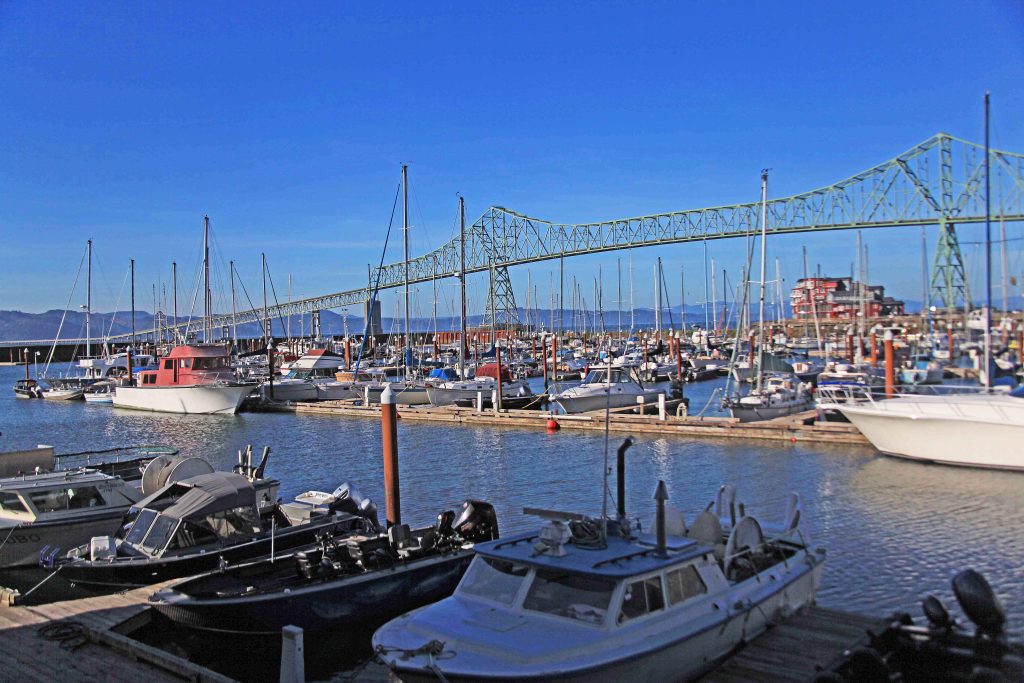
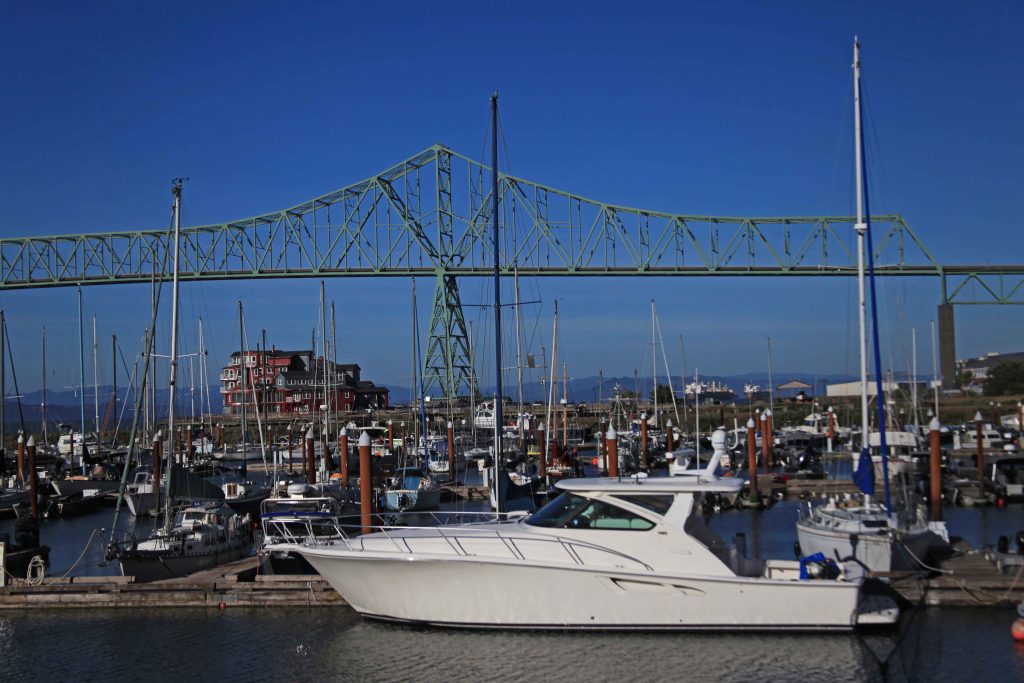
Perched at the rugged northwestern edge of Oregon, where the Columbia River takes its final breath before spilling into the Pacific, lies a windswept town laced with brine, timber, and history. Astoria is America’s oldest settlement west of the Rockies, a place where Victorian turrets peer over fog-bound hills, where Lewis and Clark met the edge of a continent, and where salmon canneries once bustled with a rhythm long since stilled. This is where America’s western frontier paused to catch its breath, salted by sea air and sweetened by old-growth forests.
America’s First Western Outpost
Astoria’s story began with maritime dreams and Manifest Destiny. Named for John Jacob Astor, whose American Fur Company established Fort Astoria in 1811, this town was the first permanent U.S. settlement on the Pacific Coast. It changed hands during the War of 1812, briefly flying British colors before American control was restored under the Treaty of Ghent. The town became a vital hub for fur trading, timber, and fishing, growing rapidly through the 19th century as Finnish, Scandinavian, and Chinese immigrants arrived in pursuit of opportunity and work.
By the early 1900s, Astoria had become a thriving port known for salmon canneries, shipbuilding, and access to the vast forests of the Oregon Coast Range. Fires and floods scarred Astoria repeatedly, yet the town always rose again, its bones rebuilt in Queen Anne spires, Art Deco facades, and weathered wharves.
Reflections of the Past
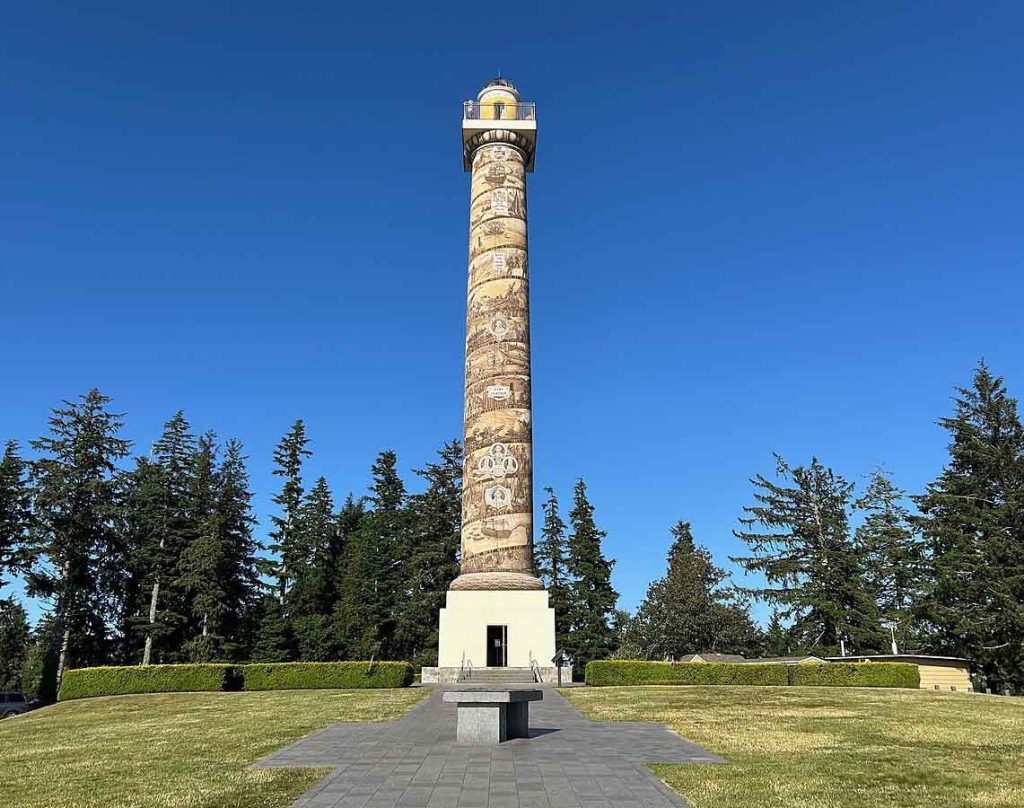
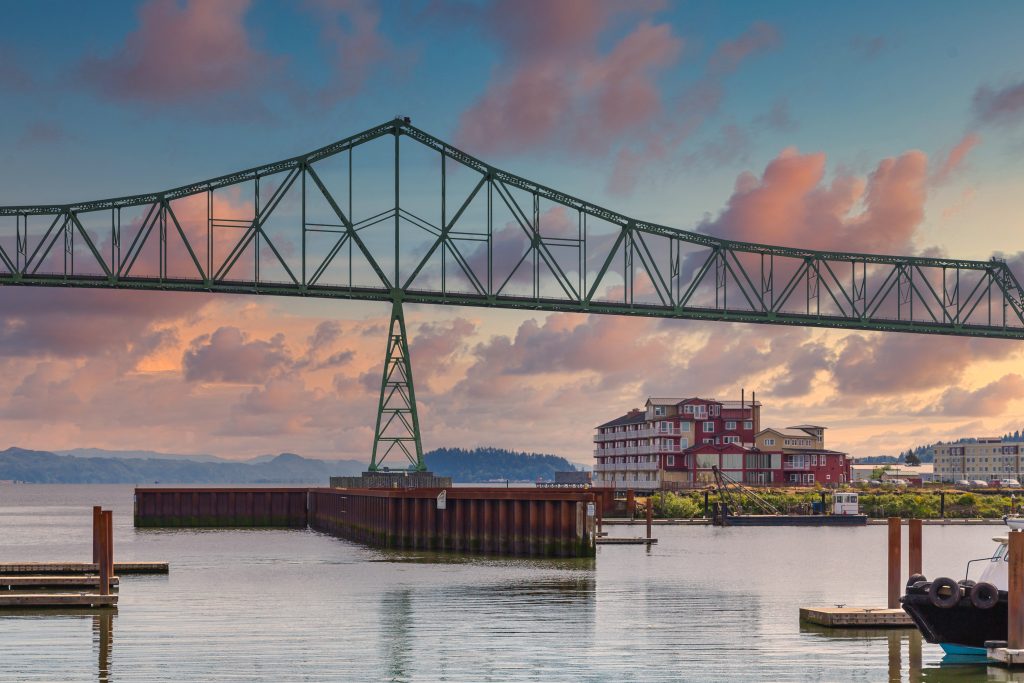
Walking the hills of Astoria, ghosts of the past drift through the river fog. Stroll along Commercial Street and you’ll pass carved cornices and ghost signs, breathing in briny air mixed with the toasty aroma of roasted coffee from a tucked-away café. Overhead, the Astoria Column stands sentinel on Coxcomb Hill, a fluted spire etched with westward expansion’s story, crowned by a swirling mural of Lewis and Clark’s arrival. Climb its spiral staircase (all 164 steps!) and you’ll be rewarded with sweeping views of the Columbia River meeting the Pacific, cruise ships drifting seaward, freighters queuing beneath the steel ribbon of the Astoria-Megler Bridge, and perhaps even Washington’s forested shoreline beyond.
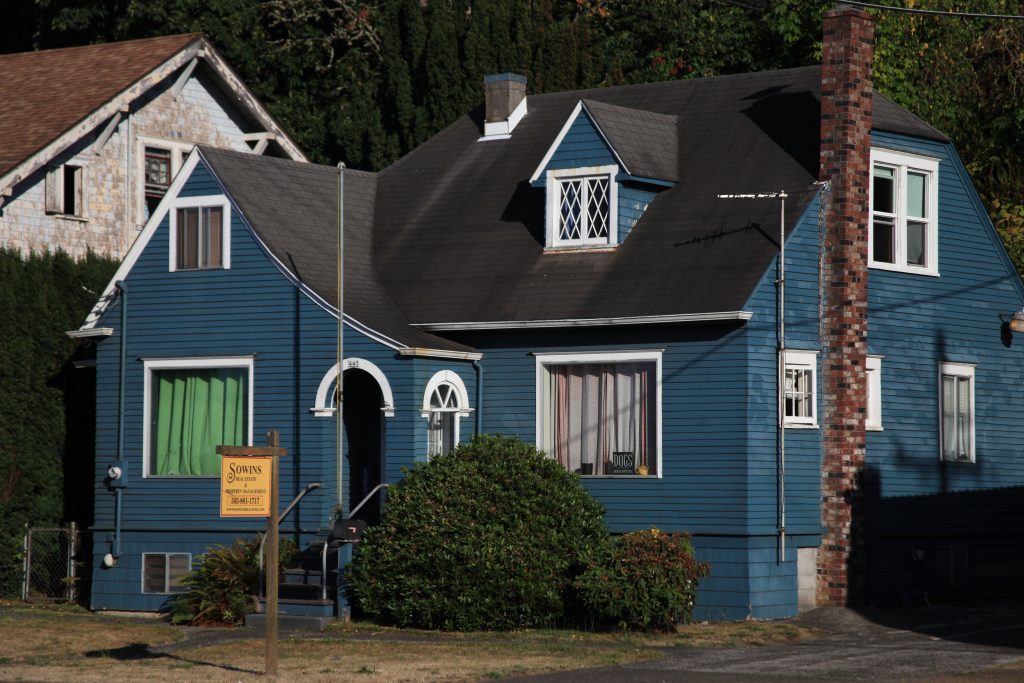
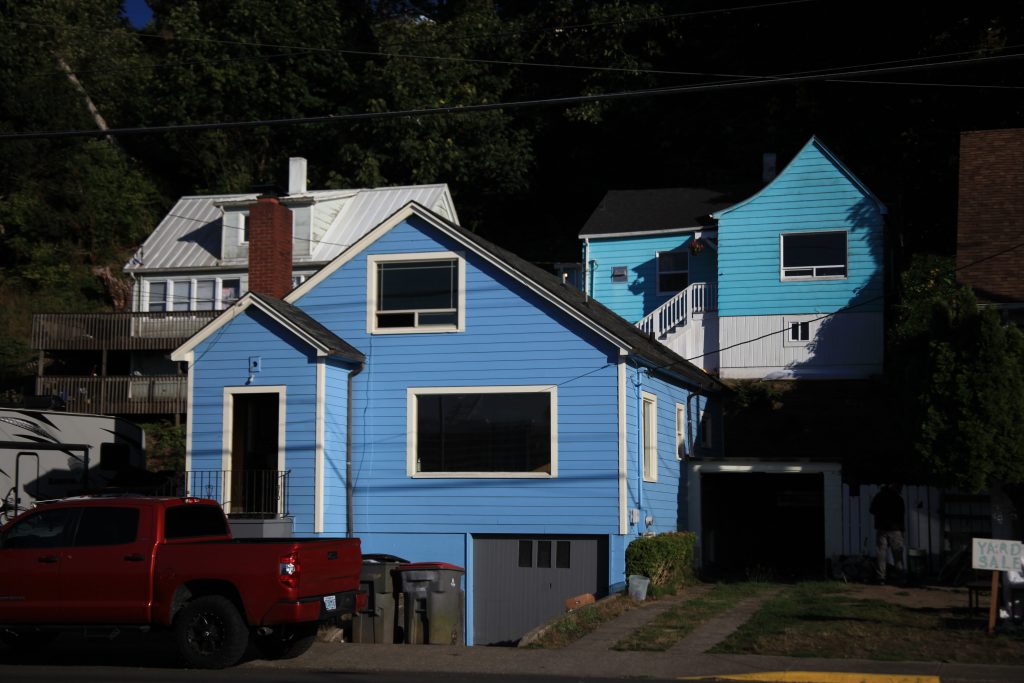
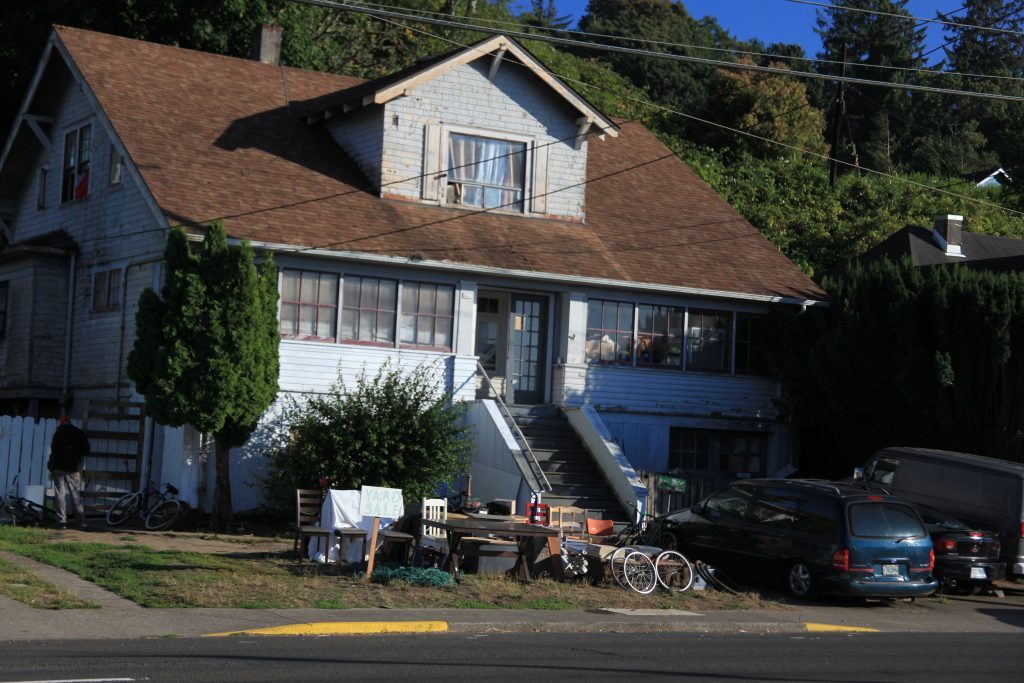
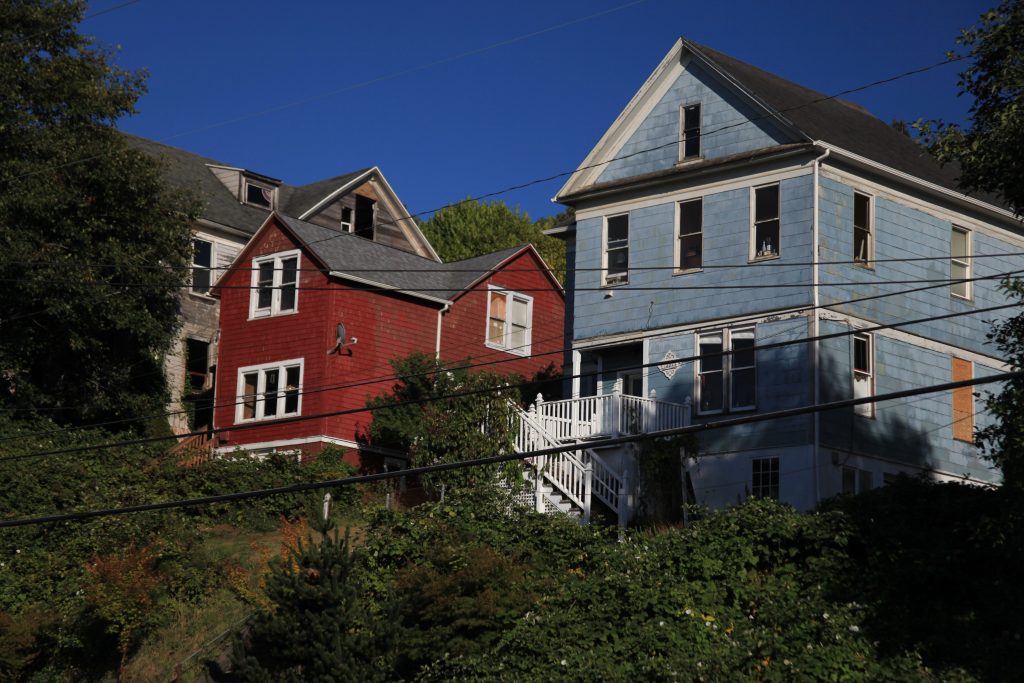
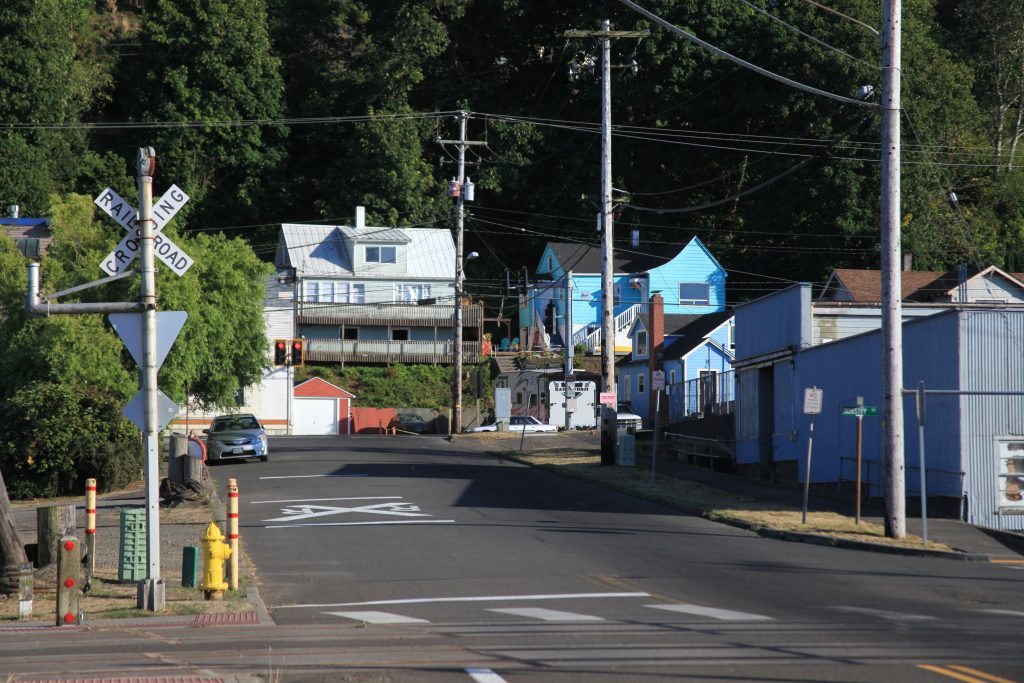
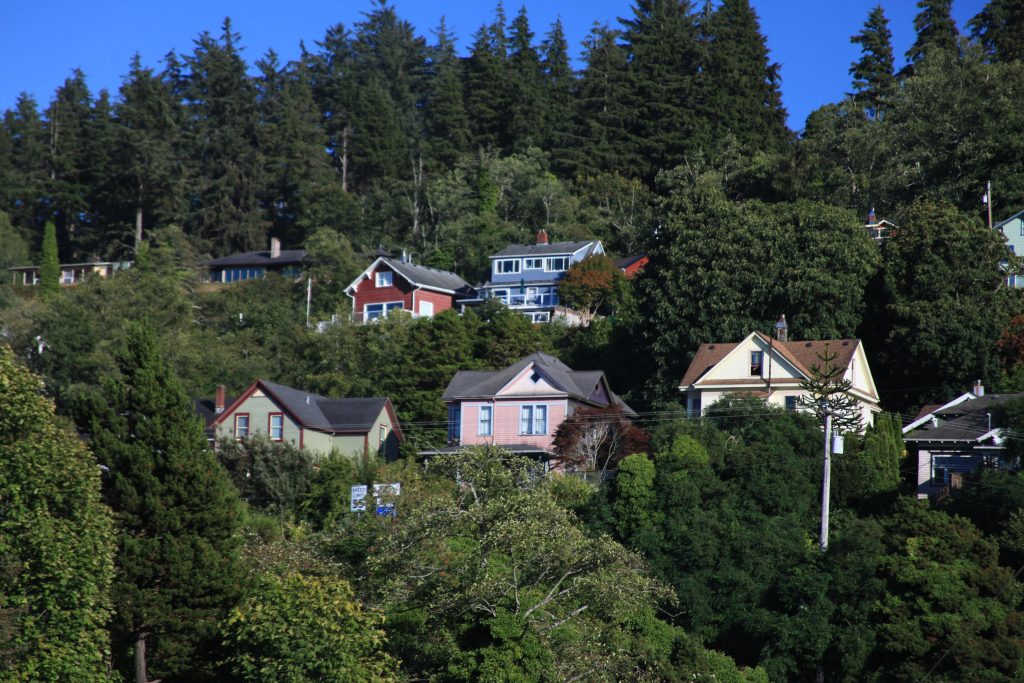
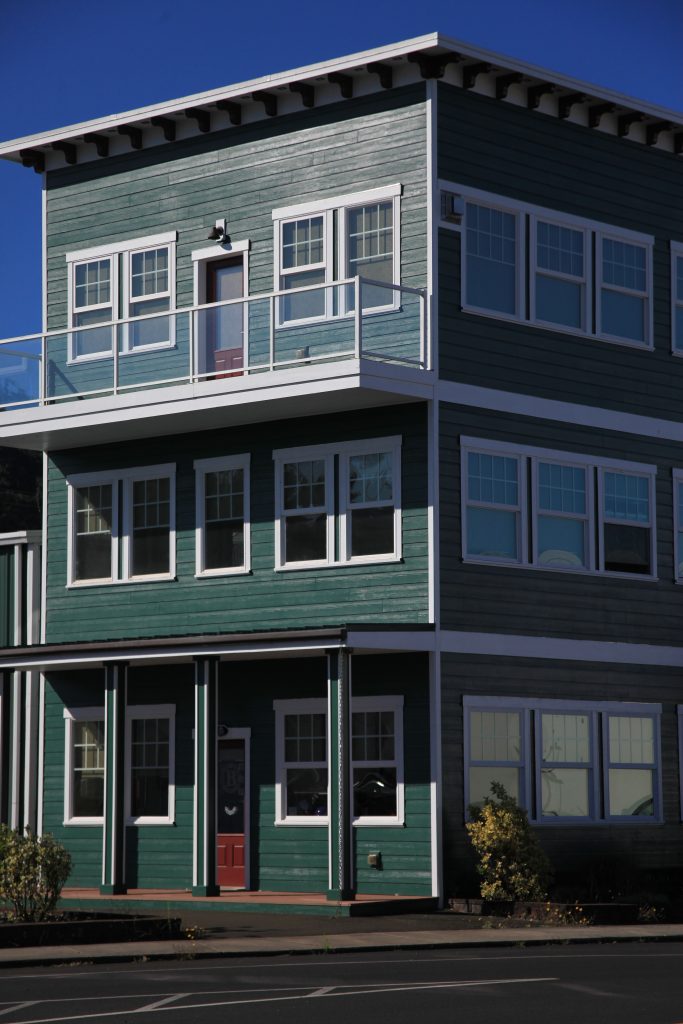
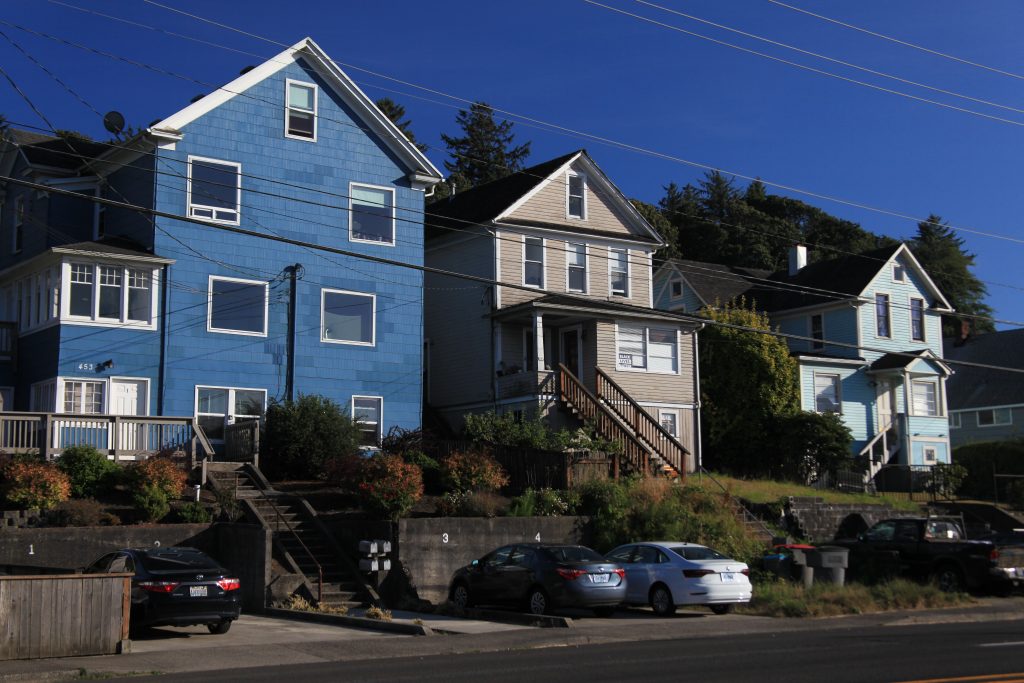
Nestled along these dramatic slopes are rows of gabled color-washed Victorian and Craftsman homes, some wearing coats of eggplant and mossy green, others blushing in rose or clapboard white with robin’s-egg trim. This architectural kaleidoscope emerged from 19th-century wealth and immigrant pride, as Finnish and Scandinavian settlers vied for ever-more elaborate gingerbread trim and hand-carved banisters.
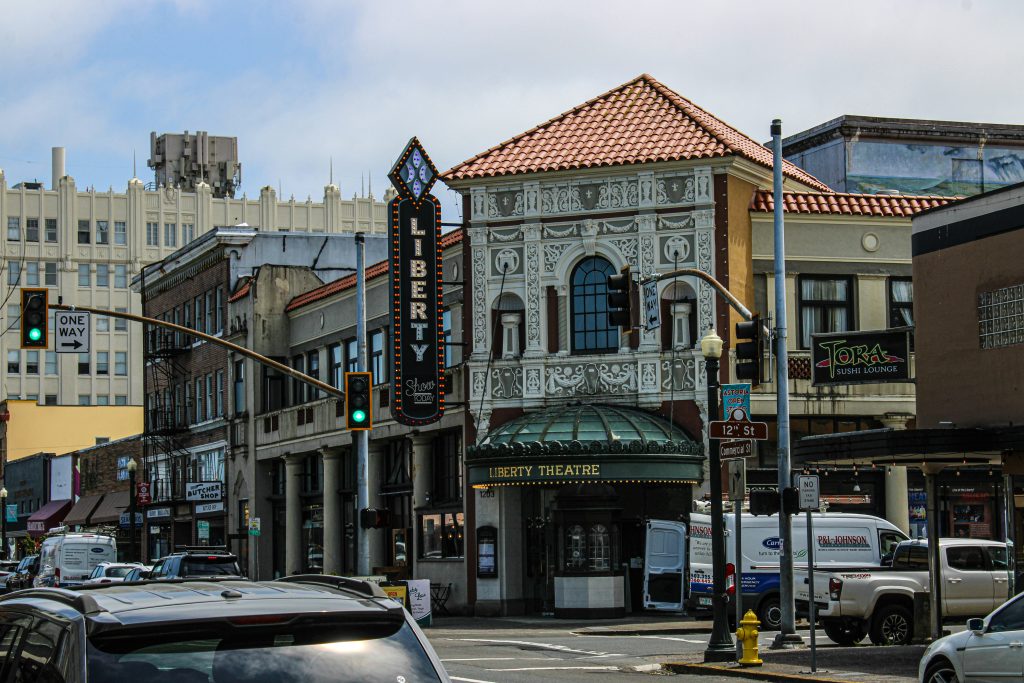
In the heart of town, the Liberty Theatre commands Old-World grandeur. Completed in 1925, it was modeled after an Italian Rococo opera house, its ceiling still aglow with twinkling stars and painted clouds. Once host to vaudeville acts and silent film orchestras, it now showcases everything from jazz to Shakespeare with its gilt balconies and velvet curtains lovingly restored. Nearby, the Garden of Surging Waves, a pocket park honoring Astoria’s Chinese heritage, adds another cultural layer to this mosaic town.
The Columbia River Maritime Museum immerses you in Astoria’s seafaring heritage—treacherous bar crossings, shipwrecks, and legendary Coast Guard rescues—set against the rolling river. Outside, the Lightship Columbia, a retired floating lighthouse, offers a rare chance to step aboard a sentinel of the sea.
From the clapboard boardwalks of Pier 39, where the scent of smoked salmon still drifts in the air, to the preserved Flavel House Museum, the 1885 mansion of a river pilot turned business tycoon, Astoria reveals itself in layers: nautical grit, architectural grace, and the soul of a town that remembers.
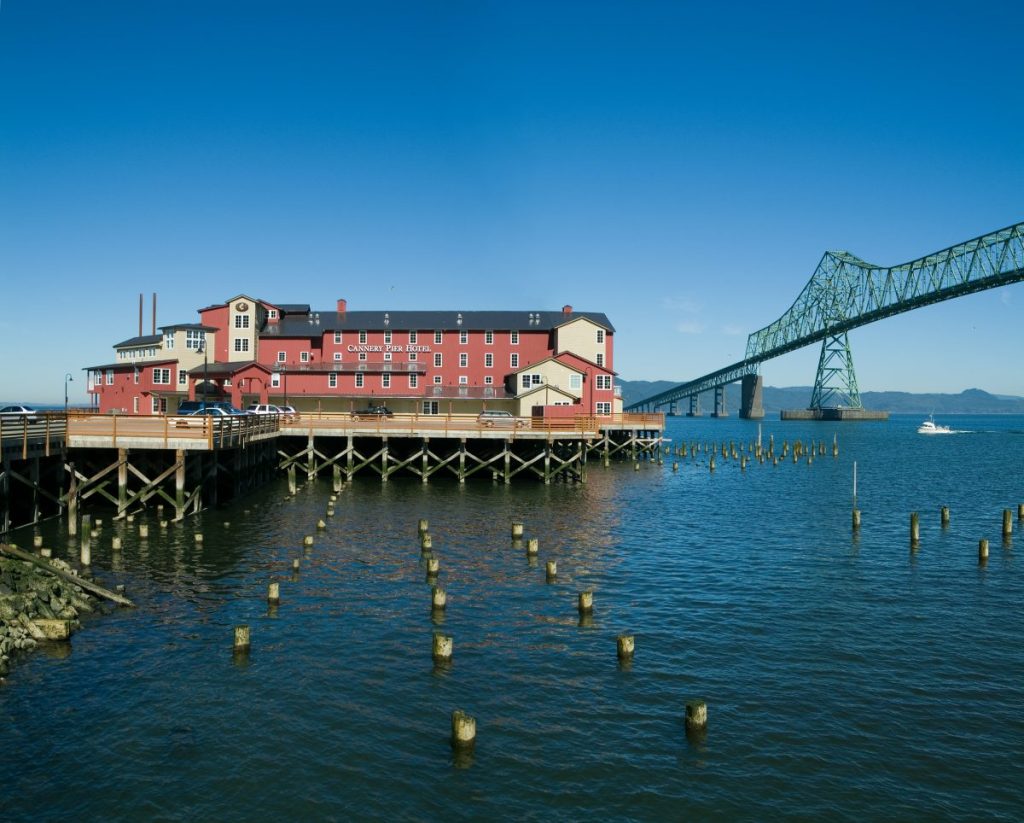
Venture toward the waterfront to discover old cannery remains now transformed into galleries, distilleries, and charming eateries. Along the Astoria Riverwalk, a disused trolley car clanks along rusted rails, offering a breezy, narrated ride past docks, nesting cormorants, and remnants of the town’s industrial heyday. Film buffs may recognize the town’s photogenic Victorian homes and misty shores from The Goonies and Kindergarten Cop—Astoria has always known how to pose for a close-up.
Committed to Preservation
Astoria today is a town in bloom, artistically, architecturally, and culturally, while still anchored to its storied past. Historic preservation isn’t an afterthought here—it’s a way of life. Wander through Uniontown, once the beating heart of the Finnish community, where reimagined boarding houses, working-class cottages, and public saunas now serve as bakeries, bookstores, and artisan studios. The old net-drying sheds still cling to the river’s edge, weathered but defiantly beautiful.
The Liberty Theatre continues to beat at the town’s cultural heart, hosting local music festivals, classic film nights, and visiting symphonies beneath its starlit ceiling. On Sundays, the Astoria Sunday Market spills into the streets, offering everything from heirloom apples and sea-glass jewelry to painted oars and handmade woolens, many crafted by descendants of immigrants who once fished these same waters.
And though the canneries are mostly gone, their wooden bones live on in distilleries pouring aquavit and smoky bourbons, or airy cafés where you can sip espresso with your feet hanging off the wharf, seals barking in the distance.
There’s still a salty edge to Astoria. Sea air cleans the windows. The gulls know about your lunch before you do. But the pace is gentler now, perfect for contemplative walks, literary afternoons, and impromptu discoveries: a weathered Fresnel lens gleaming in a museum corner, a folk concert in a firehouse, or a hidden garden blooming in the shadow of an old brick chimney.
Whether you arrive on foot, by ferry, or through Pacific mist, Astoria invites you to linger and let the past brush your shoulder as the wind whips in from the sea. It’s a town that speaks in maritime bells and echoing gull calls, in shipwreck tales and brave crossings, in salmon bones and iron tracks. Come listen. The story unfolds, one tide at a time.
Where to Stay in Astoria, United States
Astoria offers lodging options for every budget and preference. The downtown waterfront, centered on the Columbia River, offers the closest access to historic sites like the Flavel House Museum and the Goonies house. Hotels and bed-and-breakfasts here put you within walking distance of restaurants, antique shops, and the riverfront promenade. Expect to pay a premium for waterfront views and proximity, but you’ll save time reaching the main attractions.
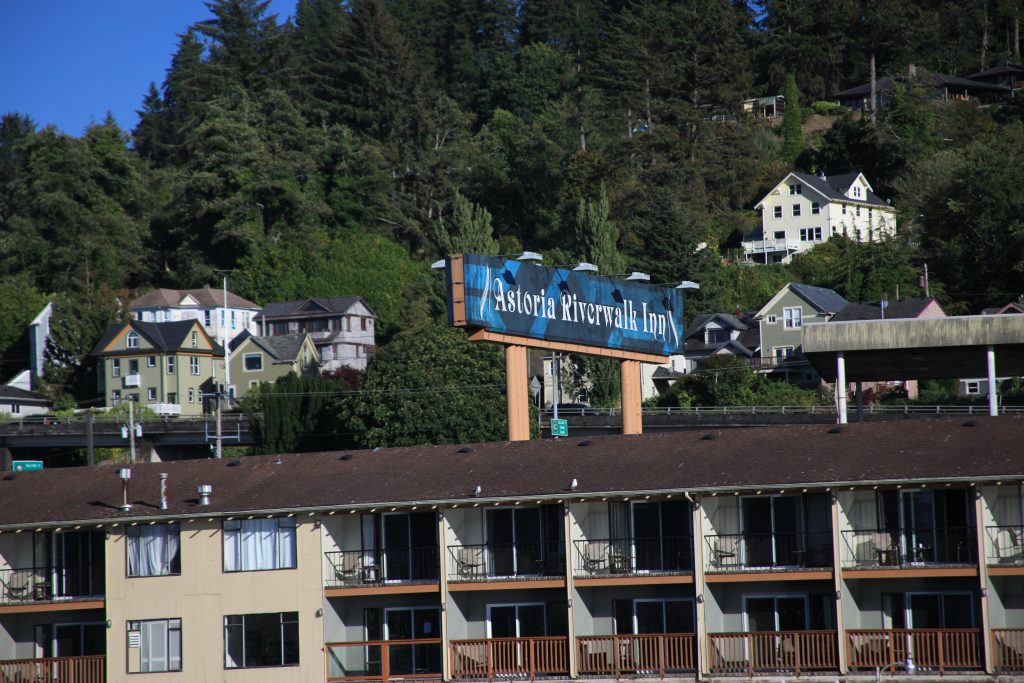
For budget-conscious travelers, chain hotels and independent motels line the Highway 30 corridor just outside downtown at lower rates. These properties are a short drive from the historic district, typically five to ten minutes by car. The trade-off is less walkability and fewer views, but you gain parking convenience and quieter surroundings if that appeals to you.
Guesthouses and vacation rentals throughout Astoria’s residential neighborhoods offer another option, especially for longer stays. Many homeowners rent rooms or full cottages through platforms like Airbnb and Vrbo. These often feature local character and sometimes kitchenettes, which can help reduce meal costs. Check reviews carefully to confirm downtown proximity if walkability matters to you.
Peak season runs June through September and weekends fill rooms quickly, so book ahead. Off-season stays from October through April offer lower rates and fewer crowds, though expect rainy weather and reduced hours at some attractions. Call ahead to confirm seasonal hours at smaller inns and guesthouses during winter months.
Recommended Reading
Let these books accompany you to Astoria, or carry you there in imagination:
- A River Lost: The Life and Death of the Columbia by Blaine Harden: This sweeping family saga follows three generations of lumbermen as they rise and fall with the fortunes of America’s forests. While not set specifically in Oregon, the industrial and ecological themes closely mirror the boom and bust of Astoria’s logging legacy.
- Trask by Don Berry —Set in the Oregon coastal wilderness of the 1840s, this lyrical novel follows a fur trapper and would-be empire builder as he pushes deep into uncharted terrain. Berry’s prose captures the primal allure of the forests and the moral ambiguity of frontier ambition.
- The Jump-Off Creek by Molly Gloss —A deeply authentic portrayal of a widowed homesteader in 1890s Oregon, this novel immerses readers in the hard-scrabble life of the Pacific timber country. Quiet, powerful, and steeped in natural detail, it evokes the same landscapes that shaped Astoria’s timber years.
- Astoria: John Jacob Astor and Thomas Jefferson’s Lost Pacific Empire by Peter Stark: A gripping account of the ambitious expedition that birthed the town, as thrilling as any frontier novel.
- A River Lost: The Life and Death of the Columbia by Blaine Harden: Non-fiction history of the Columbia River, tracing how the river was harnessed, industrialized, and the environmental and cultural consequences for the Pacific Northwest. Detailed portrait of the river that shaped the region, its people and ecology.
Tours to Consider