
Wrapping Up the Past
A marvelous array of new historical novels has emerged just in time for the holidays—spanning from Bronze Age Egypt to the ballrooms of Regency London, from a ghost-haunted Alabama plantation to a library where time turns in on itself. These books are gifts in every sense of the word. And so, in the spirit of the season, The Historic Traveler is proud to present our 2025 Holiday Book Guide—a celebration of the newest historical fiction treasures we’ll be curling up with all winter long.
Can’t wait? Look for new tomes from favorites Ken Follett, Philippa Gregory, Kate Quinn, Marie Benedict, Dan Brown, Wilbur Smith, Isabel Allende and Madeline Martin.
Let’s unwrap the wonders, shall we?
Strange Hotels, Hidden Libraries, and Books That Refuse to Stay Quiet

Some novels invite you to step through a door and vanish. In The White Octopus Hotel by Alexandra Bell, that door opens for a London art appraiser who finds herself pulled into a Belle-Époque hotel in the Swiss Alps—one that seems to drift through time, carrying its guests from the trenches of WWI to a jazz-laced 1930s and back to the eerie stillness of modern grief.
There’s more magic in the stacks of The Astral Library by Kate Quinn, where characters across centuries seek solace and rebellion inside a Boston reading room that seems to hold more than paper and ink. Quinn offers a love letter to the very idea of libraries as refuge.
The Secret Book Society by Madeline Martin takes that love of books and turns it into an act of resistance. Set in Victorian England, this stirring novel follows a group of women who form a clandestine book club to push back against repression, censorship, and social expectation. A tribute to female resilience—and the power of literature to liberate.
And if ghost stories are more your holiday pace, The Missing Pages by Alyson Richman is an exquisite entry. This dual-timeline novel begins aboard the Titanic with Harry Widener, a young book collector who actually lived. Decades later, in the 1990s, a Harvard student uncovers ghostly mysteries in the Widener Library at Harvard tied to his fate. Richman blends tragedy, love of books, and the supernatural into a sweeping historical tale.
Women Who Refused to Vanish

Historical fiction is at its finest when it gives voice to those the footnotes forgot. Canticle by Janet Rich Edwards follows a 13th-century girl who flees a forced marriage and finds sanctuary with the Beguines—a community of mystic women quietly defying Church and empire.
Junie by Erin Crosby Eckstine tells the story of a young enslaved girl in Alabama, haunted—literally and emotionally—by the sister she lost. A ghost story and a survival story, rooted in the tangible horrors of bondage and the fragile tenderness of family.
The Good Daughters by Brigitta Dale brings us to suffragette-era Britain, where friendship, betrayal, and sacrifice simmer under the banner of equality. These are women fighting for the right to vote—and for the right to be fully seen.
And in Lady Like by Mackenzi Lee, we’re treated to something more playful: a Regency romp with razor-sharp wit, where a clever young woman tiptoes the fault lines of gender, reputation, and scandal.
Queens, Pharaohs, and the Politics of Power

No holiday guide would be complete without a few crowns—though these aren’t fairy tale tiaras. Daughter of Egypt by Marie Benedict transports us to the era of Hatshepsut, the pharaoh whose name history tried to erase. The novel cuts between her reign and a modern archaeologist’s battle to reclaim her legacy.
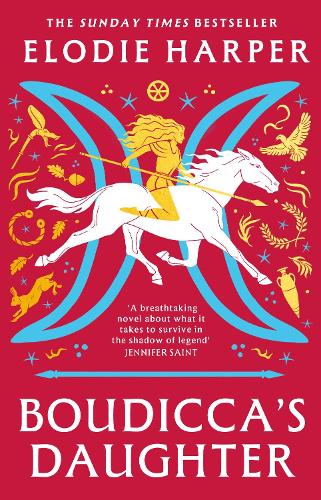
In Boudicca’s Daughter by Elodie Harper, we meet a girl left behind after Rome crushed her mother’s rebellion. The novel is a vivid portrait of ancient Britain under occupation, where survival was an act of resistance.
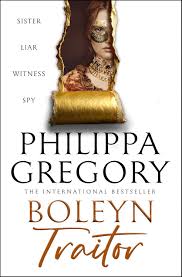
The Boleyn Traitor by Philippa Gregory returns us to Tudor England through the eyes of Jane Boleyn—sister-in-law to Anne, widow of George, and a woman caught in the dangerous game of royal favor. Gregory asks: Was Jane a liar, or the last player left standing?
Gothic Shadows and Literary Hauntings
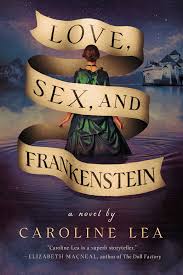
Love, Sex & Frankenstein by Caroline Lea takes us to the infamous 1816 summer at Lake Geneva, where Mary Shelley, Percy, Byron, and Polidori wrestle with passion, genius, and darkness. Lea reimagines not just the birth of Frankenstein, but the hunger and rivalry behind it.
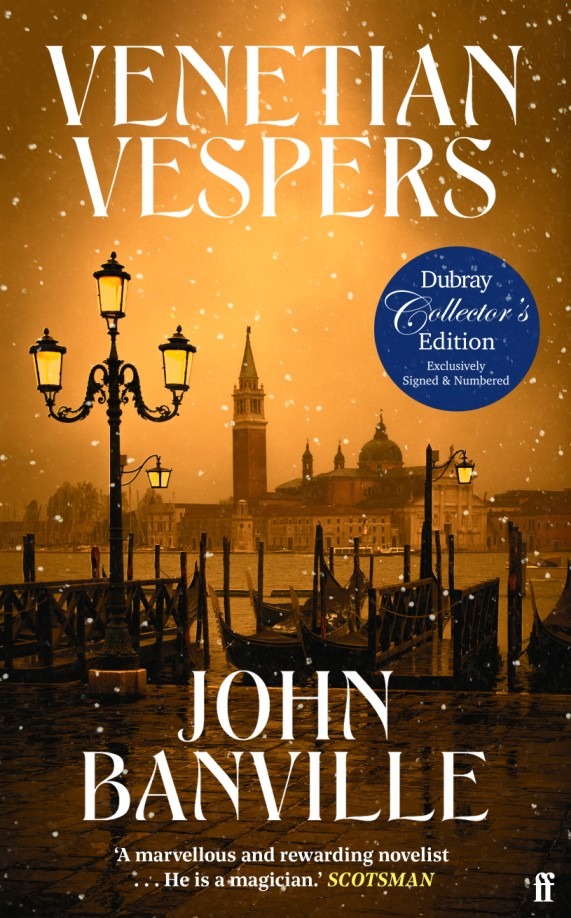
For something more contemplative, Venetian Vespers by John Banville is a melancholy meditation on memory, art, and loss, told through the fading lens of an aging narrator in a crumbling Venetian palazzo.
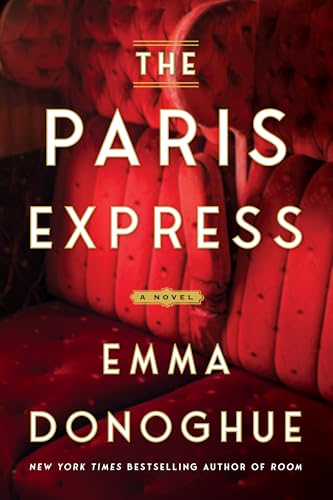
And in The Paris Express by Emma Donoghue, readers are dropped into the aftermath of an 1895 train derailment, as secrets unravel within the claustrophobic confines of a Paris-bound carriage. It’s a historical thriller in a single setting—taught, human, and electric.
Revolutions, Exiles, and the Pulse of History
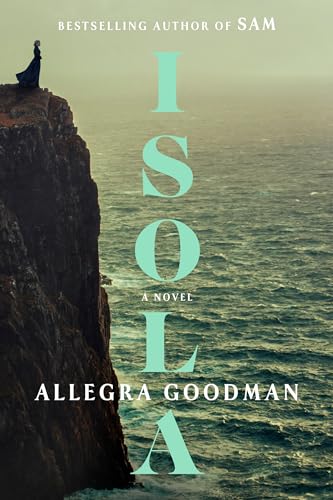
In Isola by Allegra Goodman, a 16th-century French noblewoman is marooned on an island in the Gulf of St. Lawrence, forced to fight for her life amid ice and isolation. A survival story wrapped in lyricism.
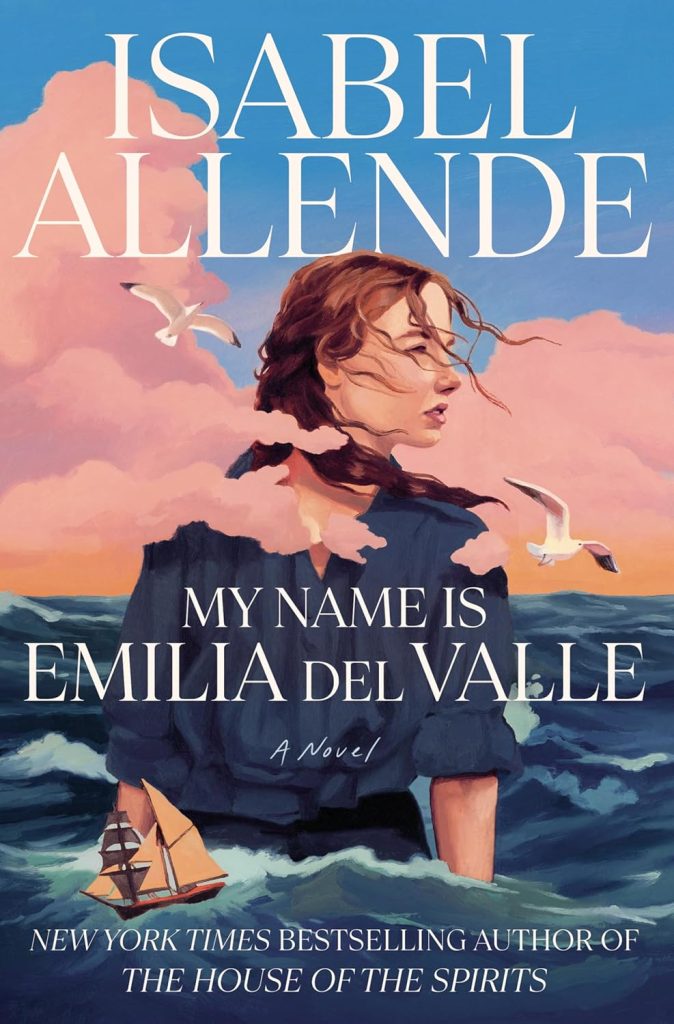
My Name Is Emilia del Valle by Isabel Allende burns with revolutionary fire. The titular journalist navigates 19th-century Chile, exile in San Francisco, and the slow-blooming flower of love and justice.
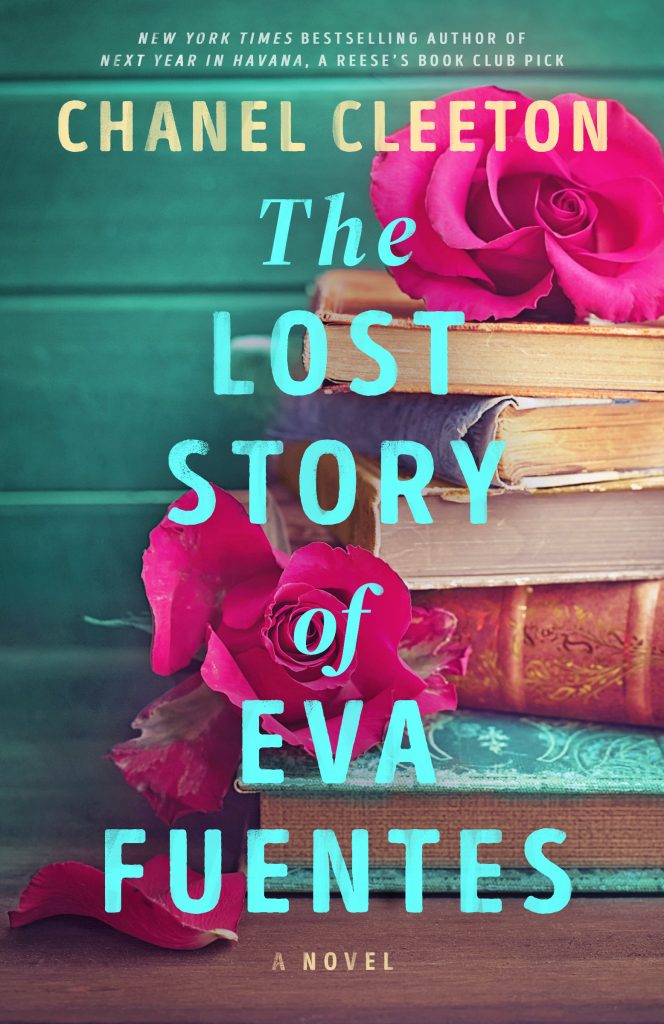
The Lost Story of Eva Fuentes by Chanel Cleeton offers a multigenerational tale of Cuban exile, love, and a mysterious hidden book. The story flits from Havana to London to Boston, weaving a tapestry of identity and memory.
Secrets, Time Travel, and a Dash of Danger

The Book of Lost Hours by Hayley Gelfuso is a lush interwar novel that merges magical realism with espionage. A secret library with the power to warp time may hold the key to betrayals both personal and political.
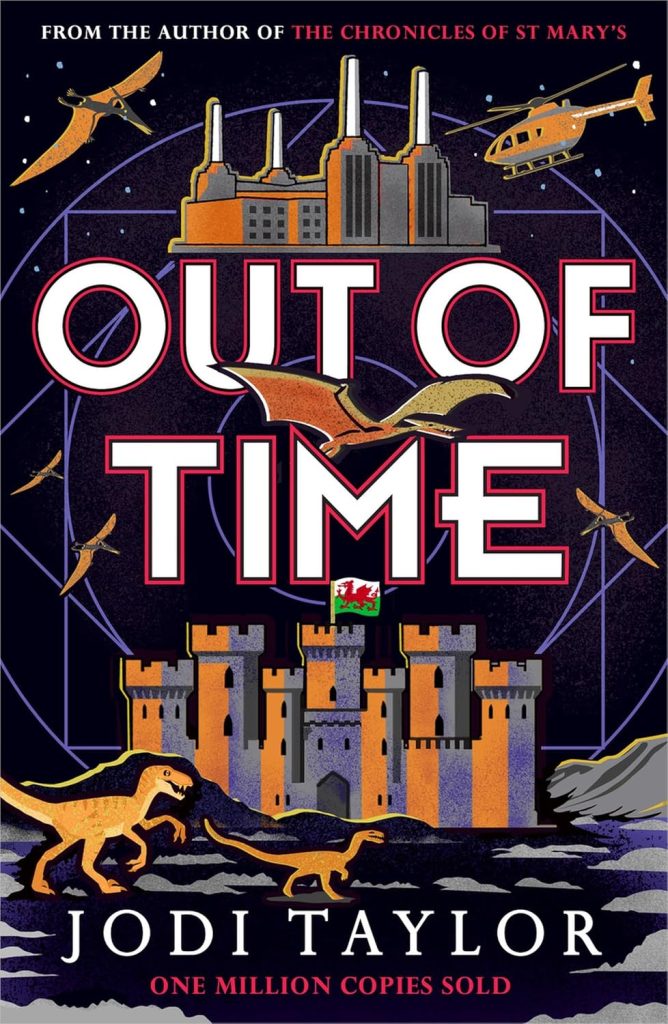
Out of Time by Jodi Taylor continues her Time Police series, offering a rollicking romp across eras with wit, chaos, and some very risky historical interventions.
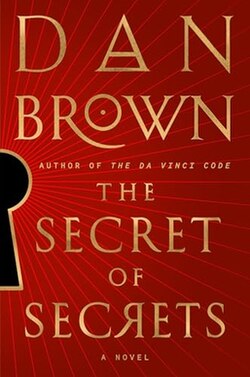
And in The Secret of Secrets by Dan Brown, Robert Langdon returns—this time racing from Washington to Prague in a puzzle-laced thriller involving noetic research and ancient documents.
Epic Sagas and Sweeping Adventure

House of Two Pharaohs by Wilbur Smith delivers dynastic drama in ancient Egypt—rivalries, romance, and the brutal calculus of power, the latest in the prolific author’s long-running Egyptian series.
Circle of Days by Ken Follett traces the building of Stonehenge in a vividly imagined prehistoric Britain. This prequel to The Pillars of the Earth explores the origins of awe and ambition.
Amity by Nathan Harris is a post–Civil War odyssey that follows siblings fleeing Louisiana into Mexico. Along the way: bandits, betrayal, and the painful birth of freedom.
The Porcelain Menagerie by Jillian Forsberg offers court intrigue and artistic obsession in 18th-century Dresden, where artisans of porcelain find themselves entangled in the politics of beauty.
Two Non-Fiction Noteworthies
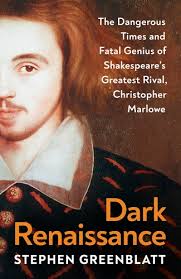
Dark Renaissance by Stephen Greenblatt is a penetrating biography of Christopher Marlowe, Shakespeare’s doomed but dazzling rival. Greenblatt traces Marlowe’s double life as poet and spy in 1580s England, painting a portrait of genius sharpened by danger. Vivid, erudite, and electric, it reminds us that the Renaissance was as shadowy as it was sublime.
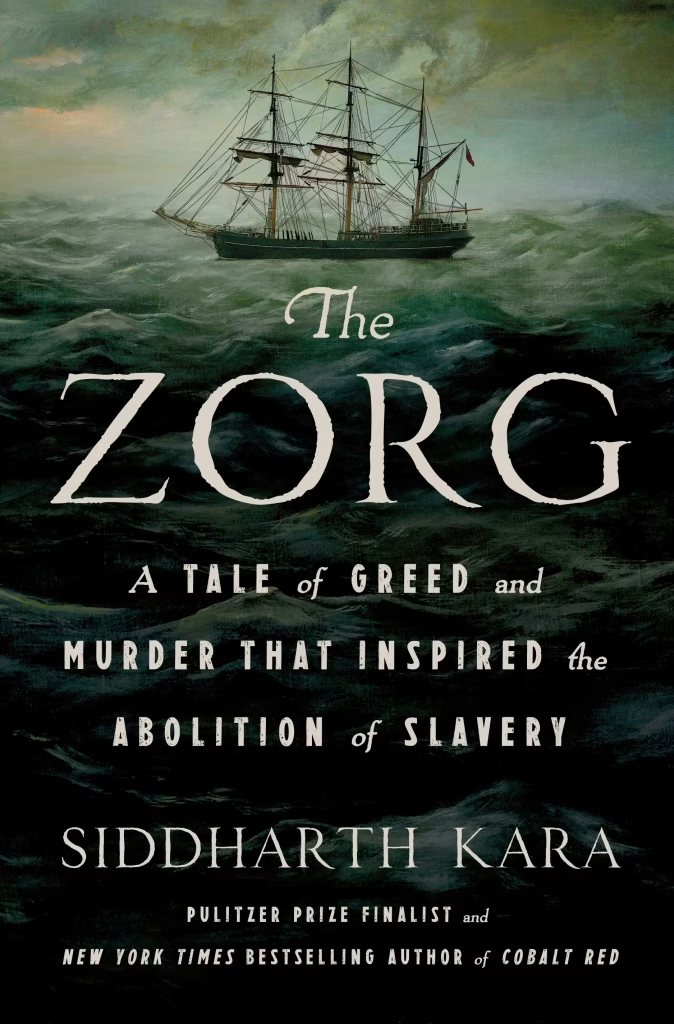
The Zorg by Siddharth Kara is a non-fictional, meticulously researched reckoning with the 1781 Zong slave ship massacre. A gut-punch of a book that belongs on every shelf.
Enjoy Your Holiday Reads!
Give a gift of one of these to your friends who share your love of historic novels, add these to your wish list when friends ask. Or just hint!
With tales of queens and suffragettes, books that haunt and books that heal, the Fall 2025 Holiday Guide proves that fascinating history—especially in fiction—never stops unfolding.Stay up on what’s hot! Don’t miss our running list of the season’s most buzz-worthy releases: the Hot 25 Historic Novels—updated monthly with reviews, surprises, and soon-to-be-favorites.
