
The concept of celebrating the New Year dates back over 4,000 years to ancient Mesopotamia, where the Babylonians held elaborate festivities during the spring equinox to honor renewal and divine favor. The ancient Egyptians aligned their New Year with the annual flooding of the Nile, while the Chinese have celebrated the Lunar New Year based on their lunar calendar for millennia.
The Gregorian calendar, introduced by Pope Gregory XIII in 1582, established January 1st as the official start of the new year for much of the Western world. Since then, cultures across the globe have merged ancient rituals with modern customs, creating unique and vibrant ways to ring in the new year—many of which are still practiced today.
From symbolic foods to fiery spectacles, these traditions reflect hopes for prosperity, protection, and fresh beginnings.
Global New Year’s Traditions Still Practiced Today
Scotland: Hogmanay and First-Footing

Scotland’s Hogmanay celebration is rooted in Viking midwinter festivals. One of its core traditions is “first-footing”—the first person to enter a home after midnight is believed to determine the household’s luck for the year. A tall, dark-haired man bearing gifts like coal or whisky is considered especially auspicious.
Still practiced today: Many Scottish families continue the first-footing ritual, and Hogmanay remains a major celebration with fire festivals and street parties.
South Africa: Throwing Out Old Furniture

In some parts of South Africa, particularly in Johannesburg, it was once common to toss old furniture or appliances out of windows to symbolically rid the home of the past year’s burdens.
Still practiced today: Though now discouraged due to safety concerns, the symbolism remains and is reflected in thorough house cleanings and decluttering rituals.
Spain and Latin America: Eating 12 Grapes at Midnight
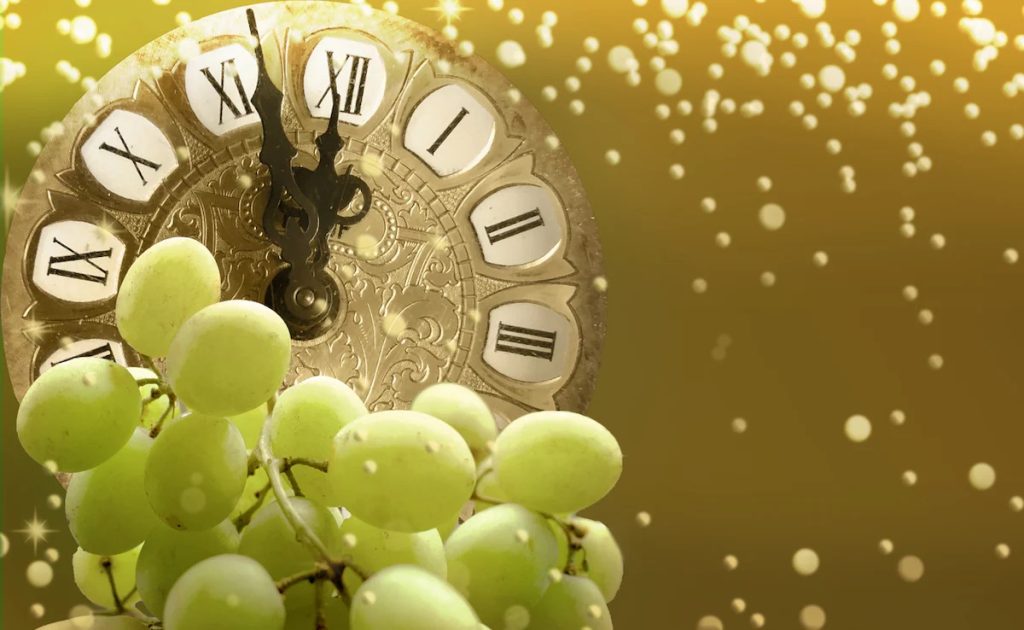
This beloved tradition began in Spain and spread to Latin America. At the stroke of midnight, people eat 12 grapes—one for each chime of the bell—to ensure good luck for each month of the coming year.
Still practiced today: Supermarkets sell special pre-packaged grapes, and families gather to perform the ritual just as the clock strikes twelve.
Japan: Joya no Kane and Soba Noodles
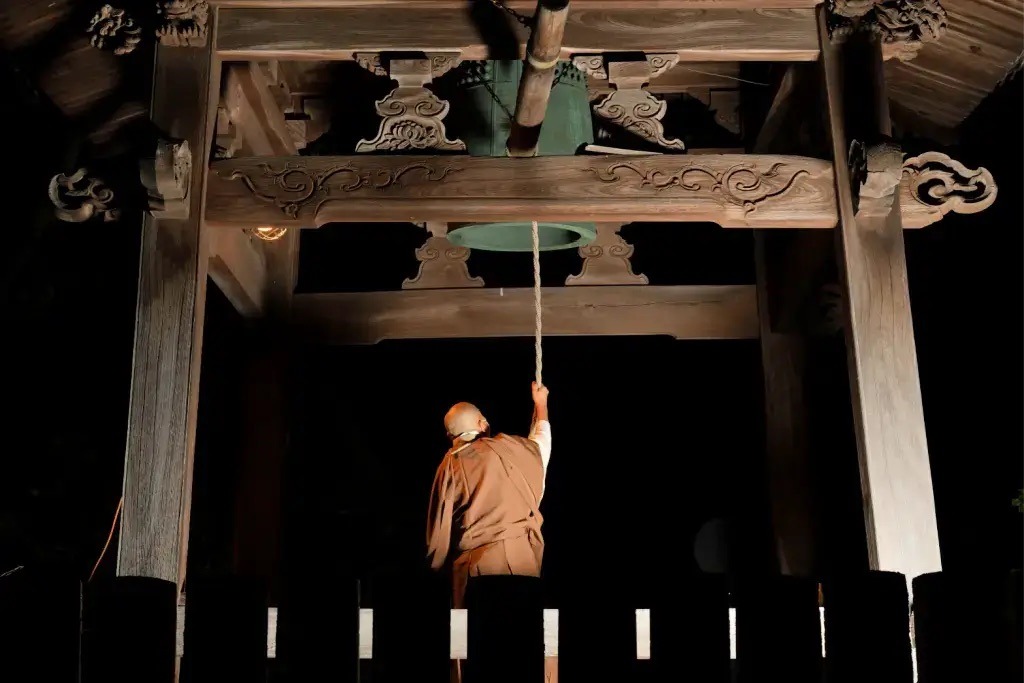
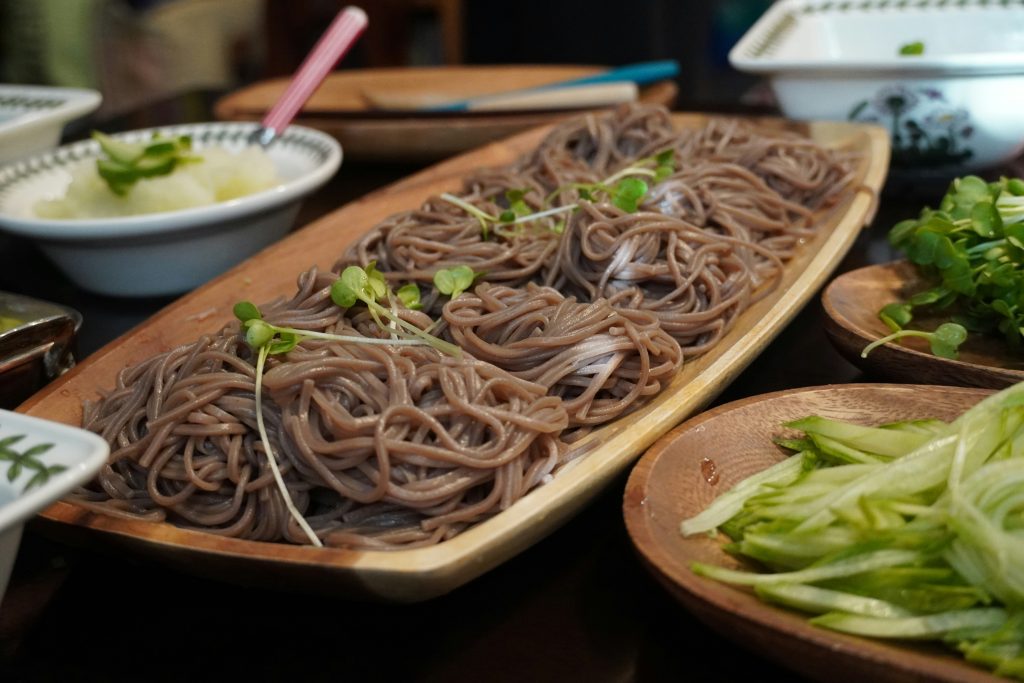
In Japan, the New Year (Shōgatsu) is one of the most important holidays. At midnight, Buddhist temples ring their bells 108 times during a ritual called Joya no Kane, symbolizing the cleansing of 108 human sins. Families also eat toshikoshi soba, or “year-crossing noodles,” which represent longevity and resilience.
Still practiced today: Temples across Japan continue this ceremony, and soba is a staple of New Year’s Eve meals.
Denmark: Smashing Plates

Danes save chipped or unused dishes throughout the year and smash them on the doorsteps of friends and family at midnight. The larger the pile, the more friends and good fortune the recipient is said to have.
Still practiced today: Many Danish homes still wake up to a clatter of crockery—an exuberant and noisy blessing of sorts.
Colombia and Ecuador: Burning the Old Year
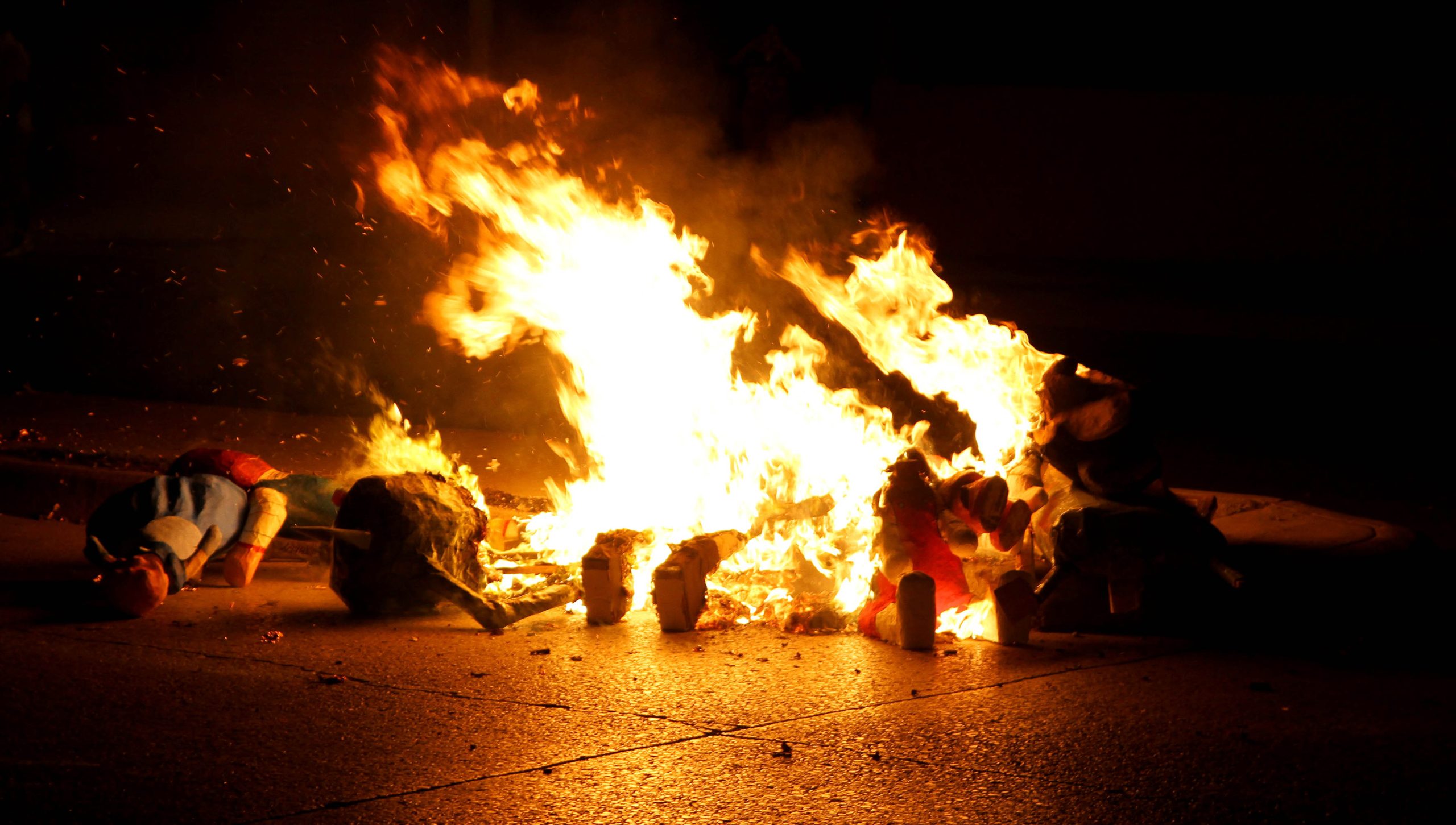
In Colombia and Ecuador, people create life-size effigies called “Año Viejo” (Old Year), often modeled after politicians or cultural icons. At midnight, the effigies are burned, symbolizing the purging of bad memories and mistakes.
Still practiced today: Streets are filled with homemade effigies, and families and communities gather for their ceremonial burning.
Philippines: Round Shapes and Polka Dots
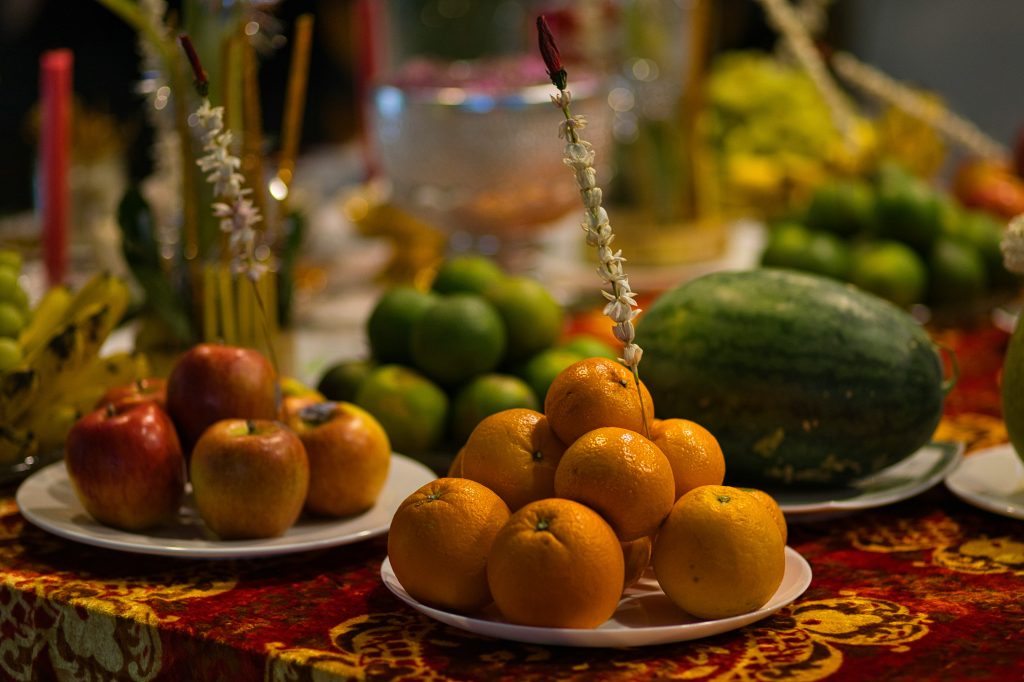

Filipinos celebrate New Year’s Eve with an abundance of round shapes—coins, fruits, and polka-dotted clothing—to symbolize wealth and prosperity. Tables are decorated with 12 round fruits, and many people carry coins in their pockets, shaking them at midnight for good fortune.
Still practiced today: The emphasis on circular symbolism remains widespread throughout the Philippines.
Brazil: Jumping Waves and White Clothing
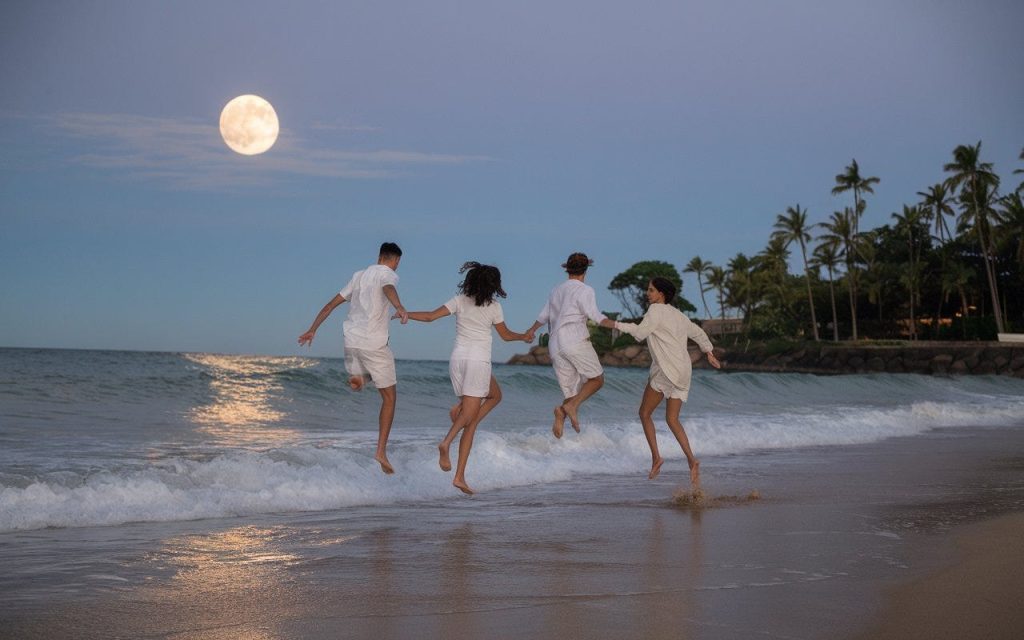
In Brazil, many people wear white for peace and head to the beach to make offerings to Yemanjá, the Afro-Brazilian goddess of the sea. It’s customary to jump seven waves, making a wish with each leap.
Still practiced today: Coastal cities like Rio de Janeiro see thousands gather on beaches in white clothing, flowers in hand, hoping for blessings from the sea.
Greece: Hanging Onions and Pomegranate Smashing
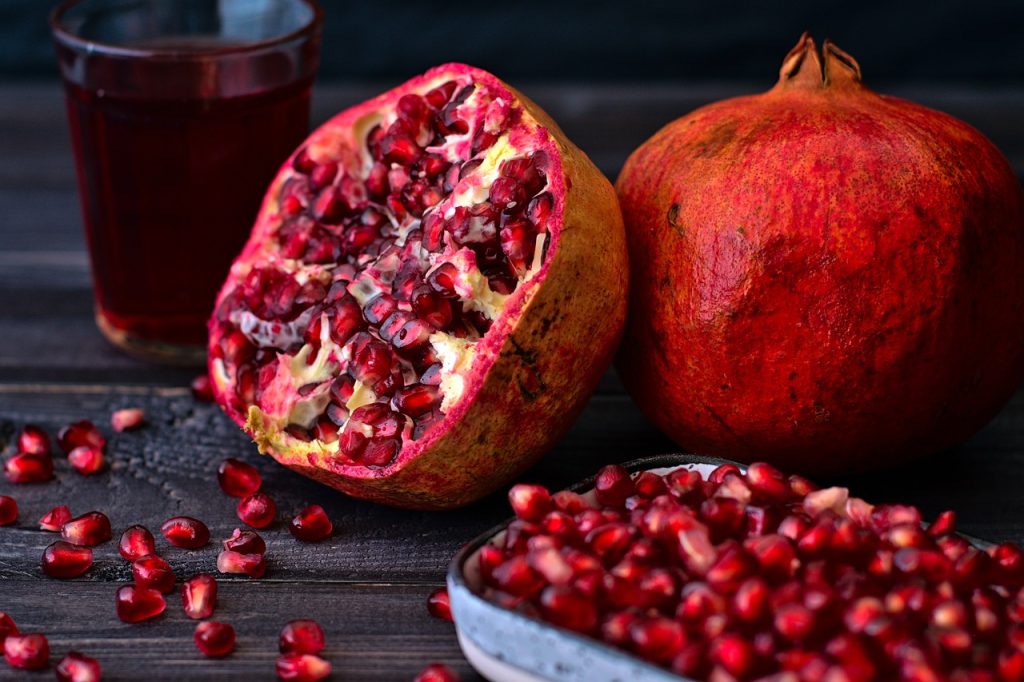
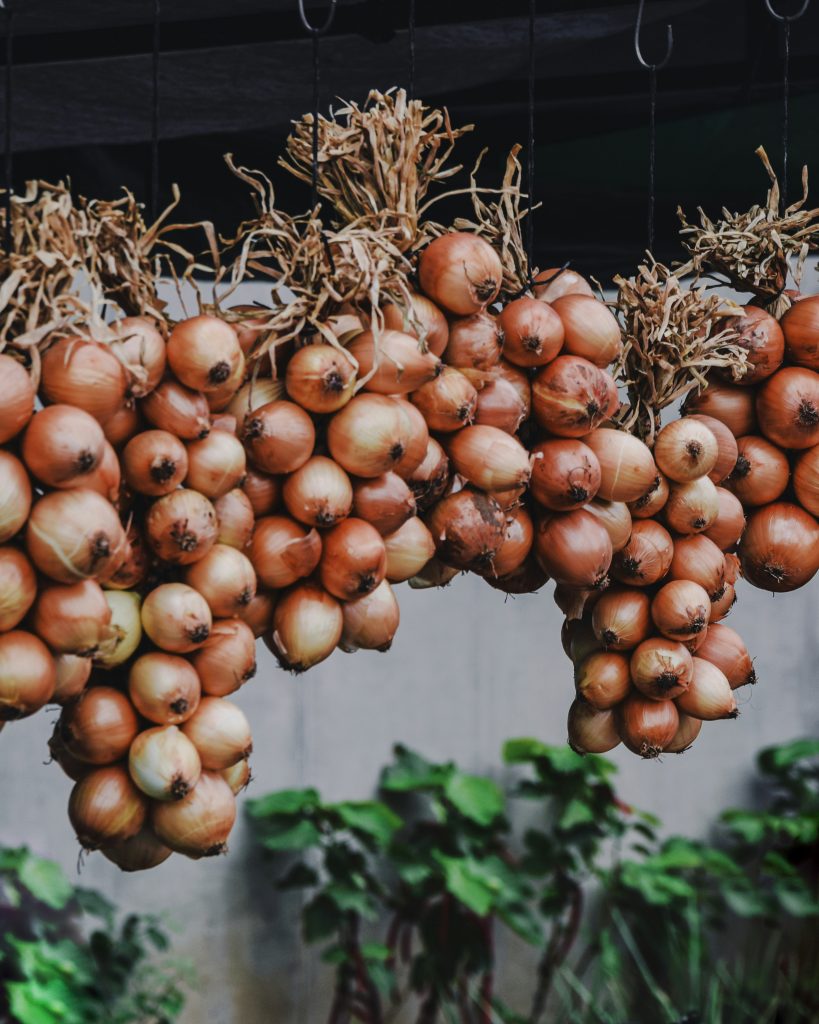
In Greece, onions are hung on doors as a symbol of growth and rebirth. On New Year’s Day, pomegranates are smashed on the threshold—the more seeds that scatter, the more luck for the household.
Still practiced today: Both onion hanging and pomegranate smashing remain vibrant parts of Greek New Year customs.
Iran: Nowruz and the Haft-Seen Table
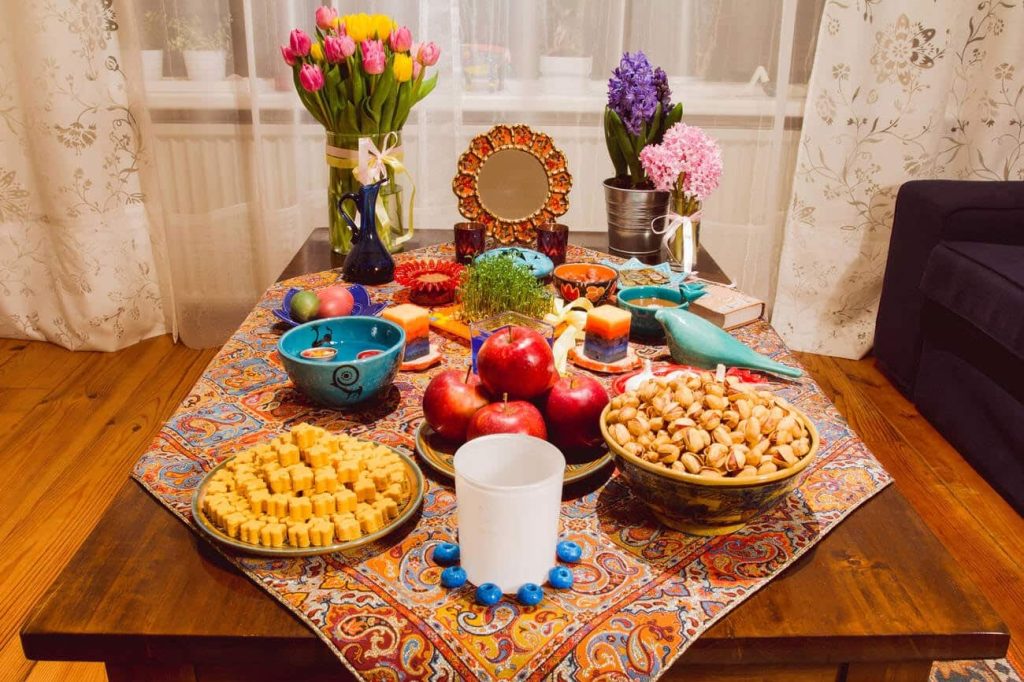
Although Nowruz, the Persian New Year, occurs in March, its ancient traditions reflect many New Year themes. Families prepare a Haft-Seen table, featuring symbolic items like apples, garlic, and coins to invite health, love, and prosperity.
Still practiced today: Nowruz is celebrated in Iran and across the Persian diaspora, with many rituals linked to fire, springtime, and family.
Thailand: Songkran Water Festival
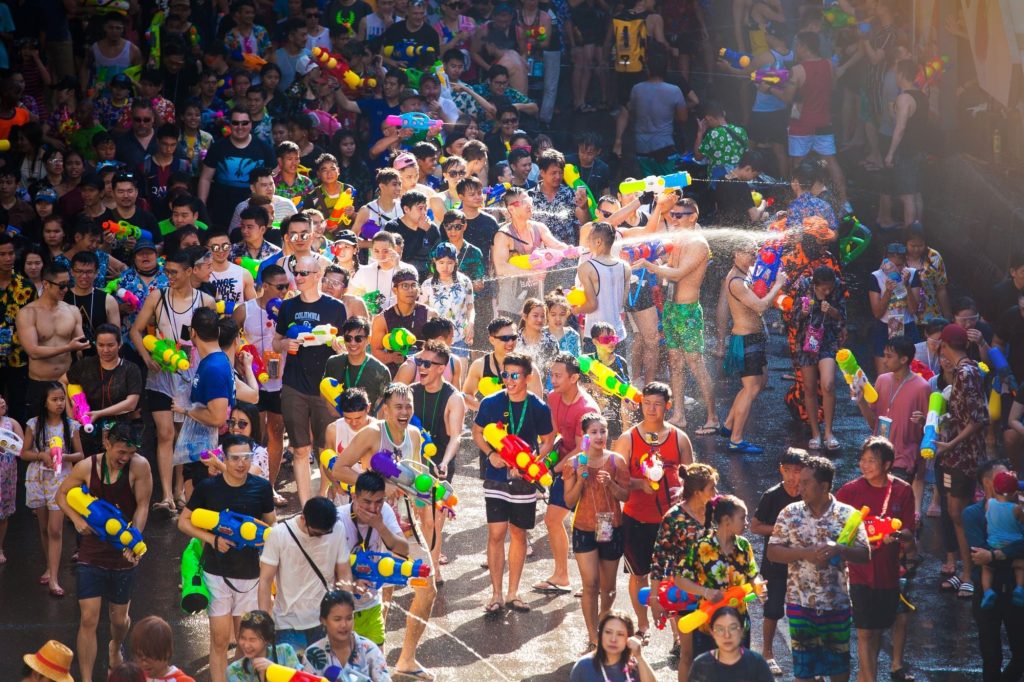
The Thai New Year, or Songkran, occurs in April and features massive water fights. Splashing water symbolizes spiritual cleansing and washing away the misfortunes of the past year.
Still practiced today: Songkran is Thailand’s biggest public celebration, drawing locals and tourists alike.
Russia: Grandfather Frost and the New Year Tree
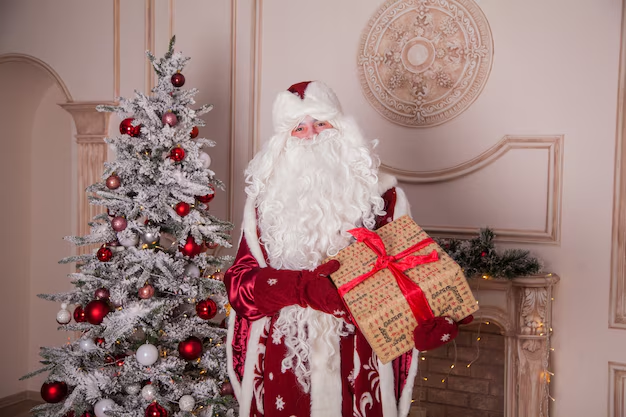
During the Soviet era, religious holidays were discouraged, so Russians adapted Christmas customs into New Year’s celebrations, complete with Grandfather Frost (Ded Moroz) and a New Year tree.
Still practiced today: Russians still exchange gifts on New Year’s Eve, and Ded Moroz brings presents, often accompanied by his granddaughter, Snegurochka.
What We Wear to Welcome the Year
Across cultures, clothing plays a powerful symbolic role in New Year’s celebrations, often reflecting hopes for prosperity, peace, protection, or renewal. In Brazil, white is worn head-to-toe to invite peace and harmony, while Filipinos favor polka dots and coin-adorned garments to attract wealth. In Japan, some don their finest kimono for temple visits, often choosing colors associated with luck and health. In China, red is worn for Lunar New Year, symbolizing good fortune and driving away evil spirits. In Scotland, celebrants may wear kilts for Hogmanay, emphasizing cultural pride and ancestral connection. Around the world, dressing with intention—whether formal, traditional, or themed—is a meaningful part of the ritual of stepping into a new year.
Recommended Reading
- Festivals of the World by Elizabeth Breuilly and Joanne O’Brien
— A visually rich guide to global religious and secular festivals, including New Year traditions from various cultures. - Celebrations Around the World by Katy Halford
— An engaging children’s book highlighting traditions from every continent, including New Year’s customs in diverse countries. - Encyclopedia of New Year’s Holidays Worldwide by William D. Crump
— A comprehensive, culture-rich reference exploring New Year celebrations worldwide, detailing the traditions, beliefs, foods, and symbolism behind over 300 global customs. - Holidays, Festivals, and Celebrations of the World Dictionary by Cherie D. Abbey
— A comprehensive reference that explains how cultures around the globe celebrate key dates—including many surprising New Year practices. - 365: A Daily Creativity Journal by Noah Scalin
— While not a traditional cultural guide, this book inspires personal renewal and reflection—a perfect companion to New Year transformation and ritual.
All images are for illustrative purposes only and remain the copyright of their respective owners.
