
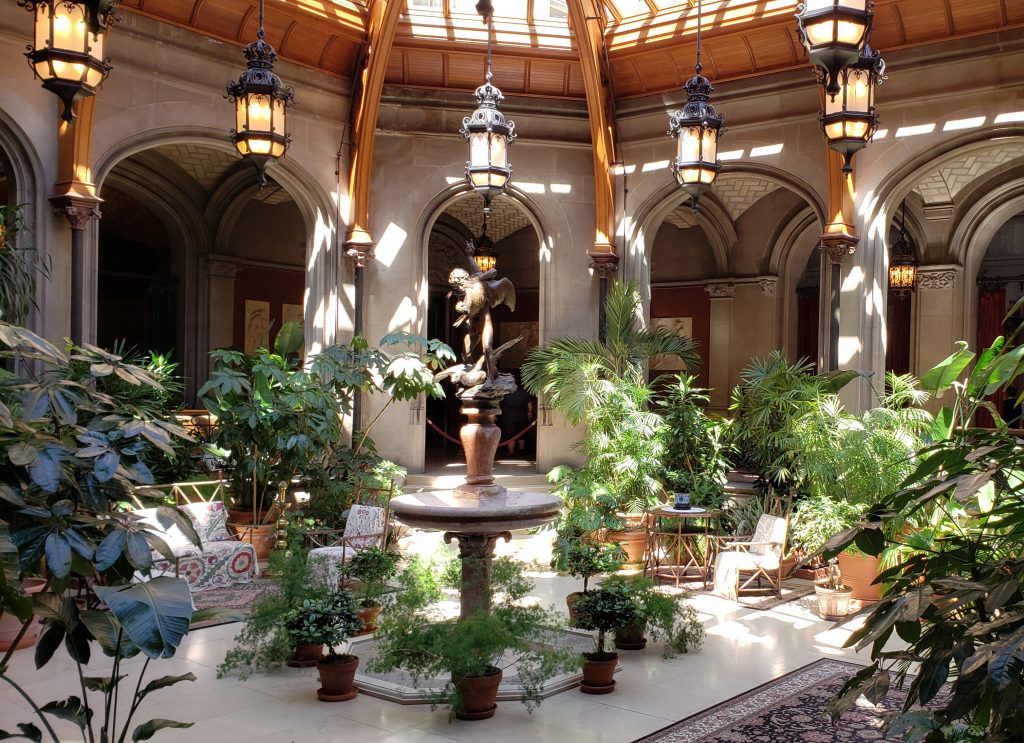
Imagine what it might have been like to live in a French Chateau-styled showplace of 178,926-square-feet surrounded by beautifully manicured lawns and gardens, with a backdrop of the wooded Blue Ridge Mountains. That was the life of George Vanderbilt II– grandson of Cornelius Vanderbilt, the ferry and railroad magnet.
The largest private home in America– and considered one of the most beautiful mansions in the world– Vanderbilt’s Biltmore Estate bucked the Gilded Age fashion of building a “summer home” in Newport RI, the Gold Coast of Long Island or Hyde Park, NY, by instead creating a masterpiece of elegance in the back country of North Carolina. He discovered this “lovely mountain escape” when visiting his mother on several occasions when she vacationed in the Asheville area.
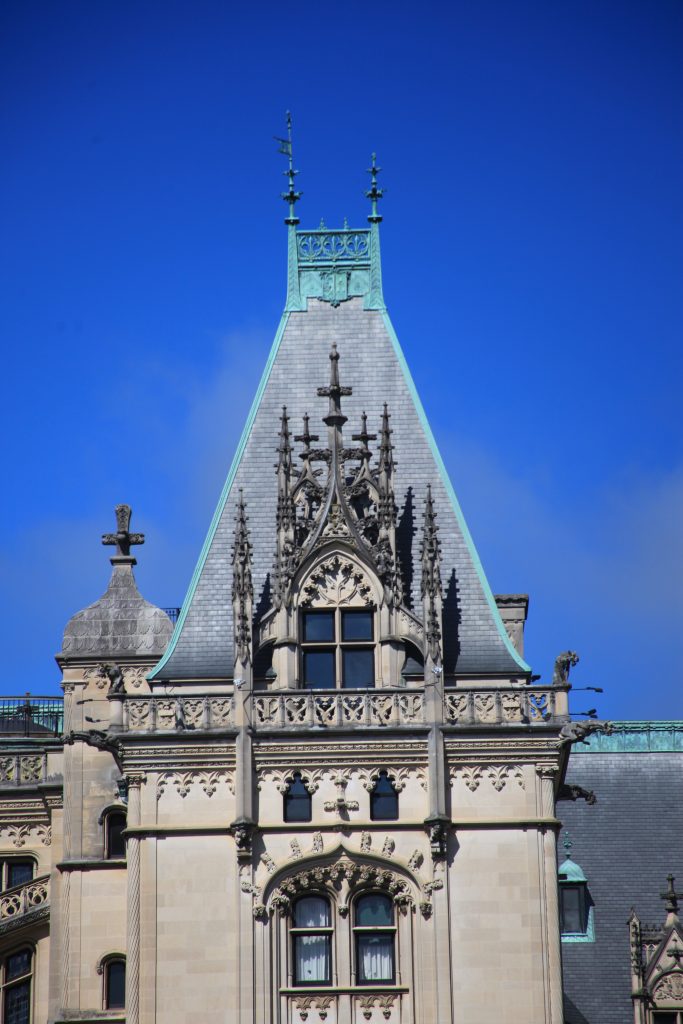
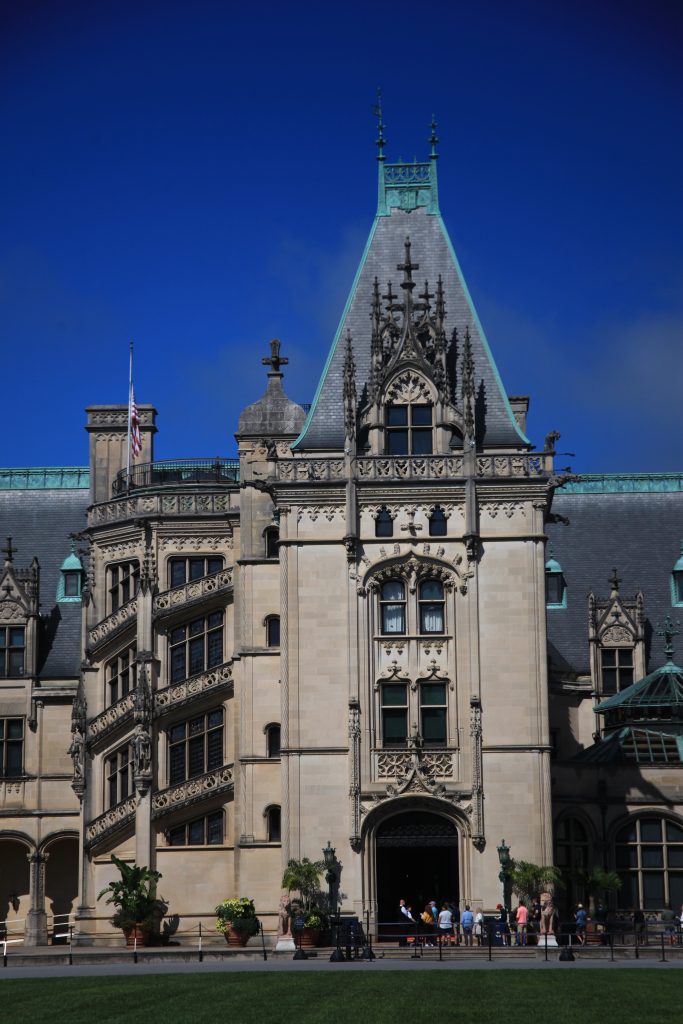
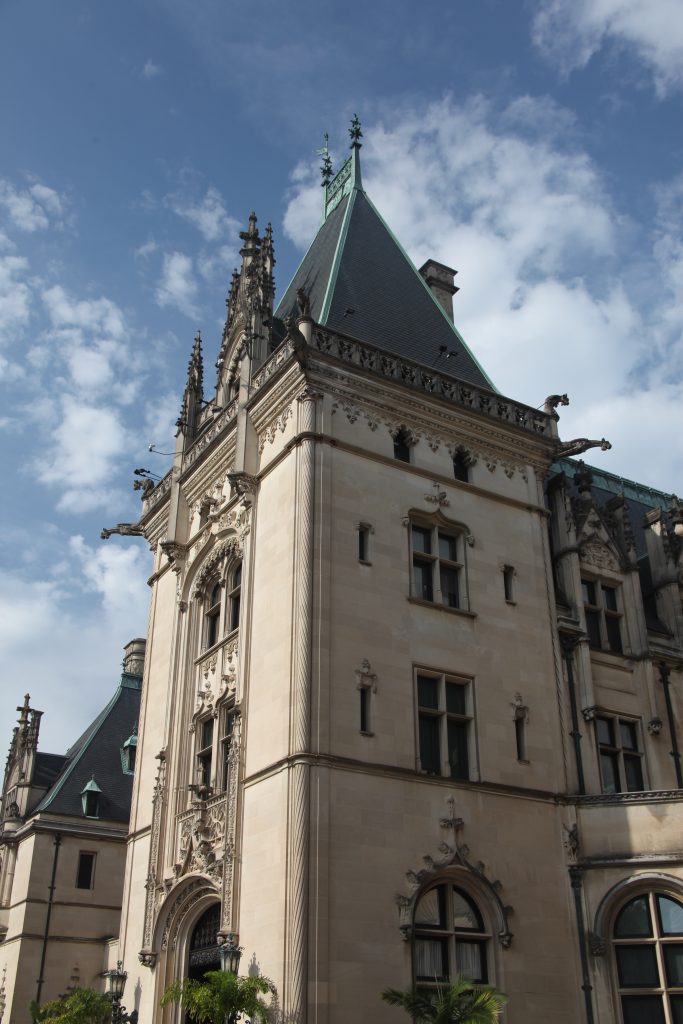
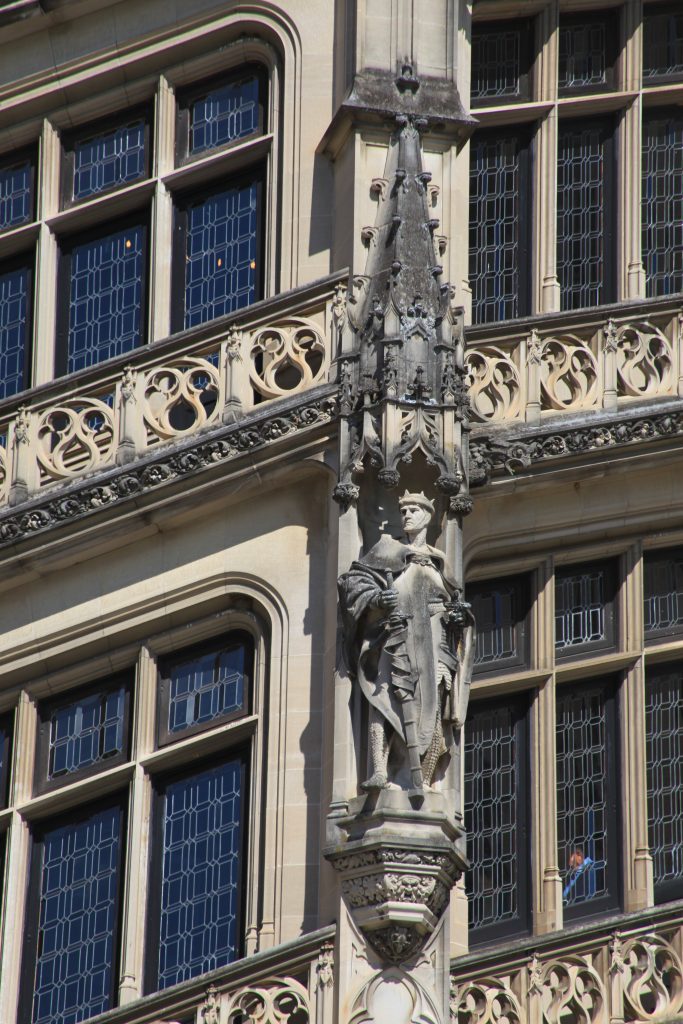
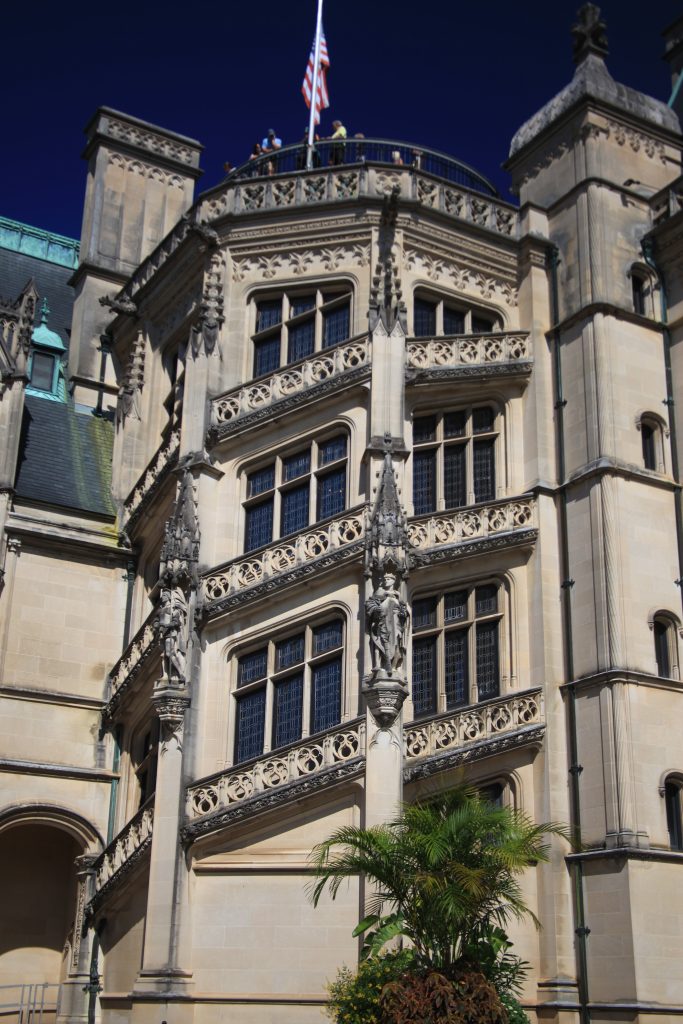
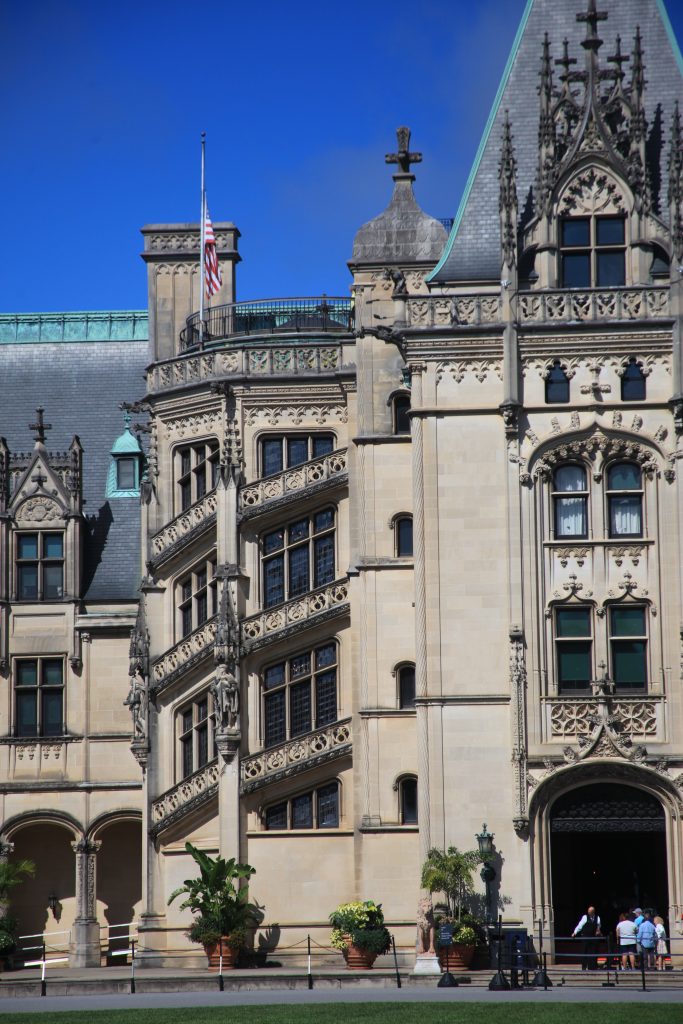
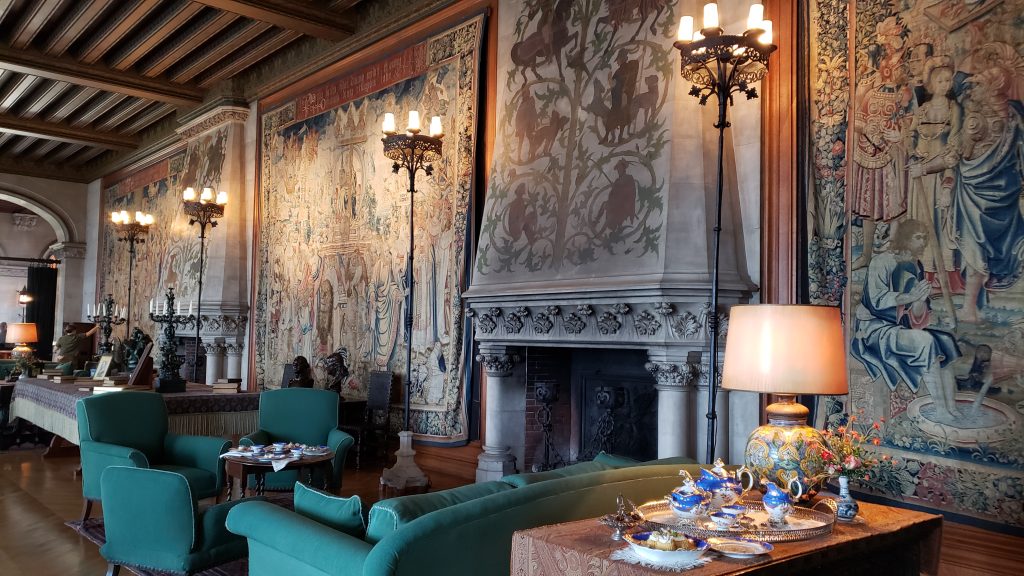
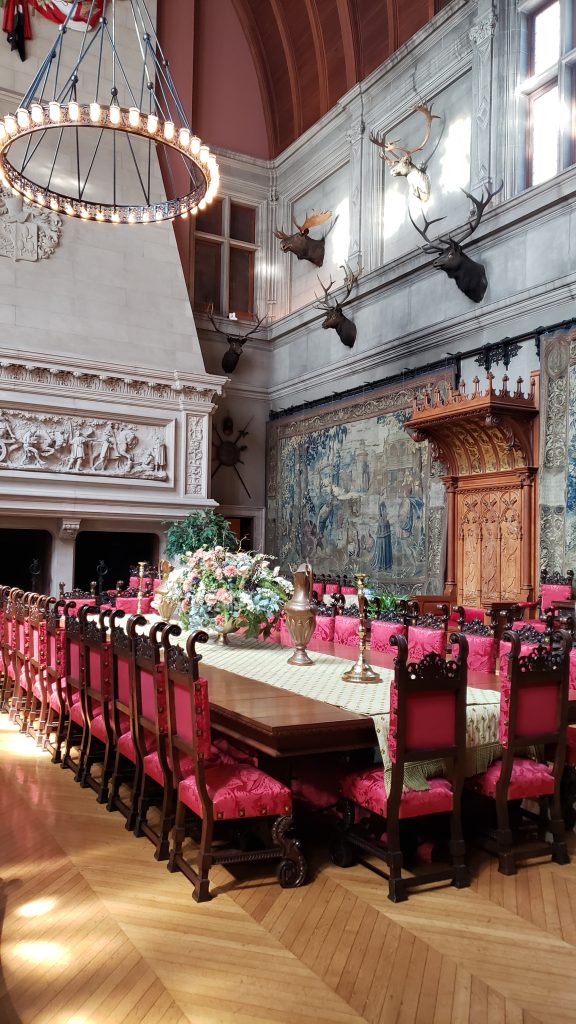
It took him a long while to acquire the nearly 700 parcels, including 50 farms, to assemble his vision. It required building a railhead to haul in all the building materials and the workers. Construction began on the Chateauesque- style mansion in 1889. The opulent estate debuted on Christmas Eve 1895 to a roster of Vanderbilt’s family and friends. They encountered 250 rooms including in its main house of 35 bedrooms, 43 bathrooms, 65 fireplaces, and 3 kitchens. All of this was designed by Richard Morris Hunt, who conceived and built the façade and Great Hall of the Metropolitan Museum of Art’s Fifth Avenue building, the pedestal of the Statue of Liberty and many Fifth Avenue mansions since destroyed.
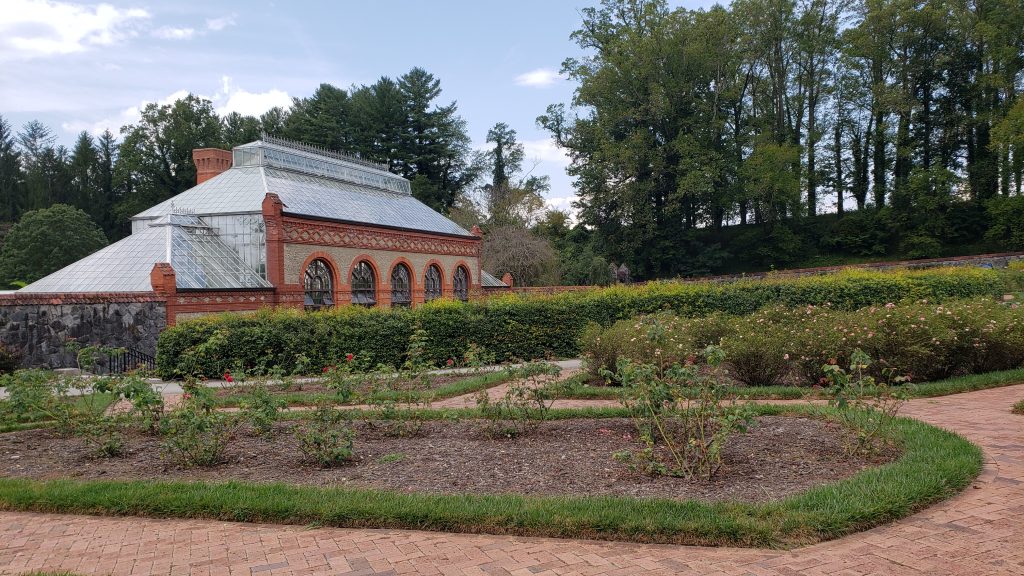
The grounds were the purview of Frederick Law Olmsted, the master who designed Central Park. Originally, the estate was comprised of 125,000 acres of woodland and gardens, and today still features:
- 8,000 acres of gardens, forests, farmlands, wildlife habitats, and original estate structures
- The Deer Park (250 acres)
- Landscaped gardens (75 acres)
- The Walled Garden (4 acres)
- The 3-mile-long Approach Road, from which the house is hidden until you reach the final momentous turn!
- And a soaring glass-ceilinged Garden Conservatory
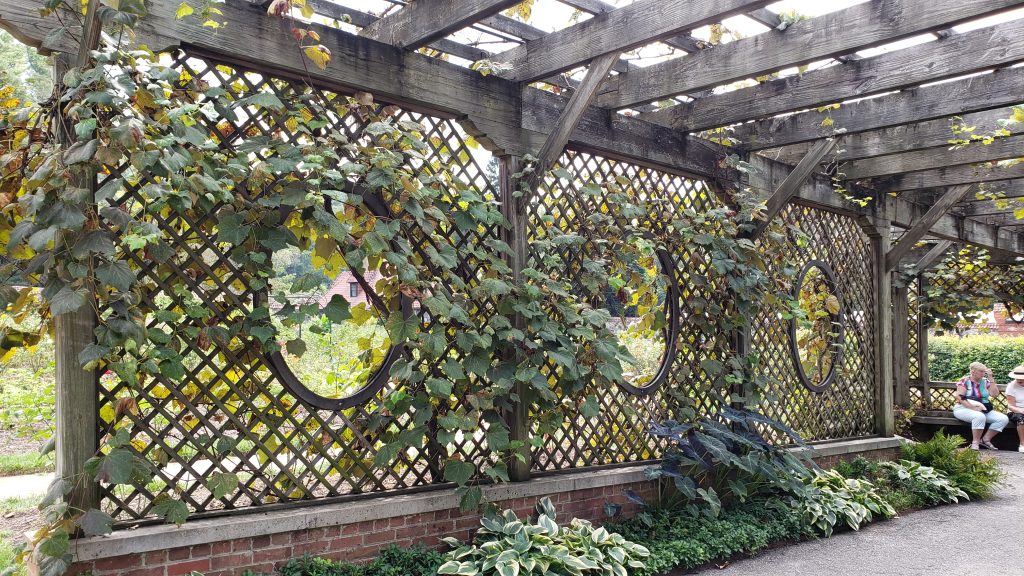

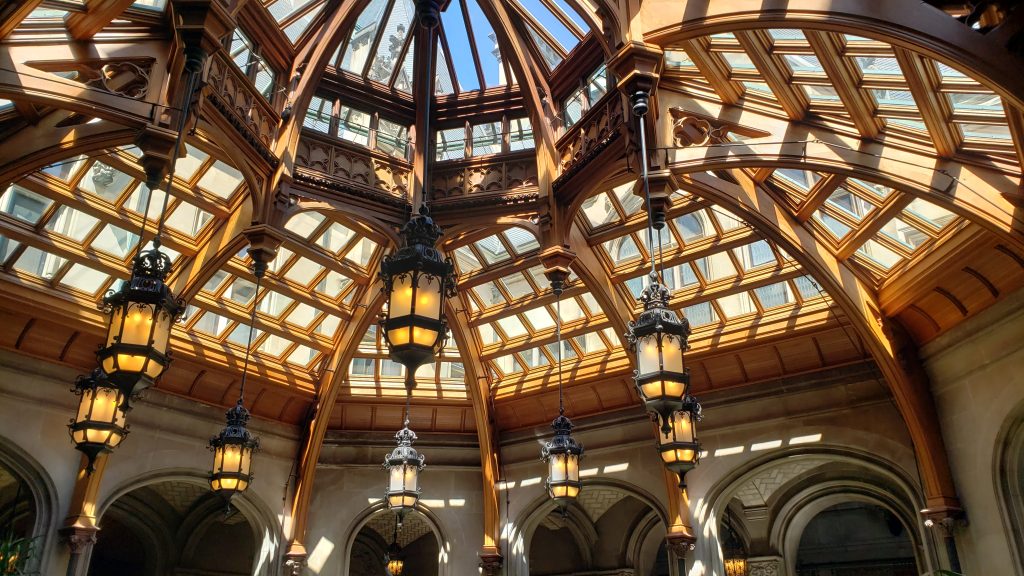
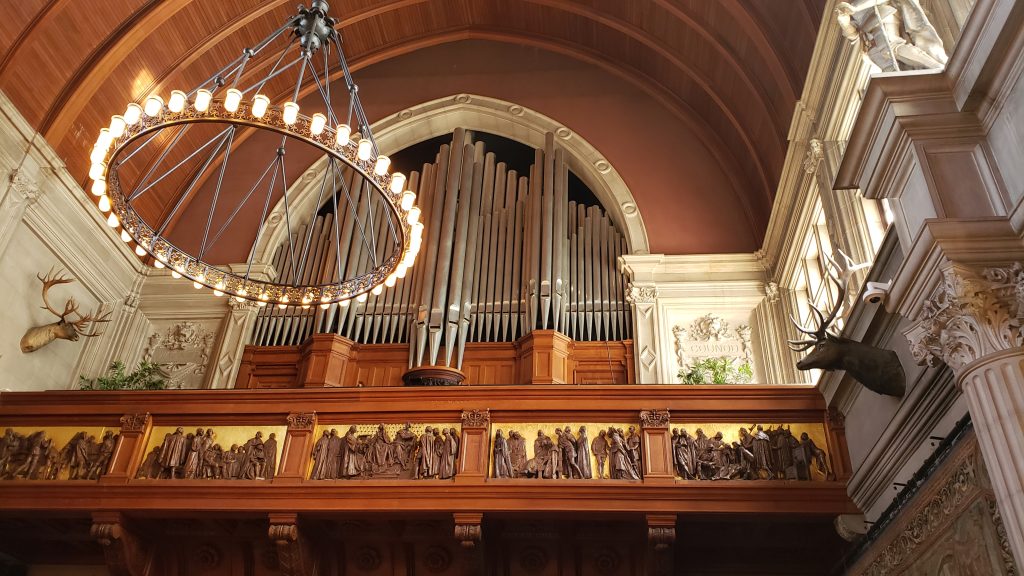
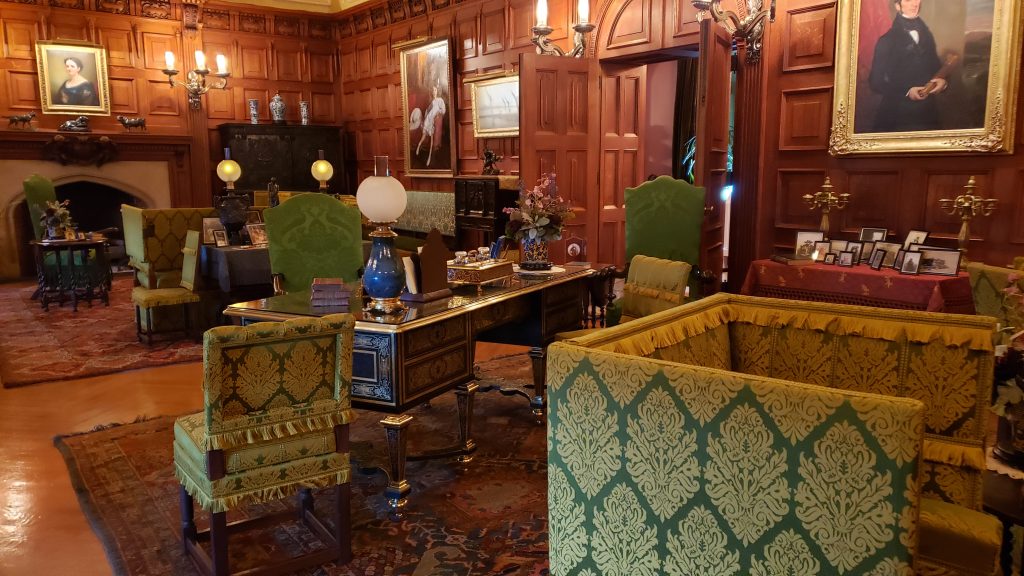


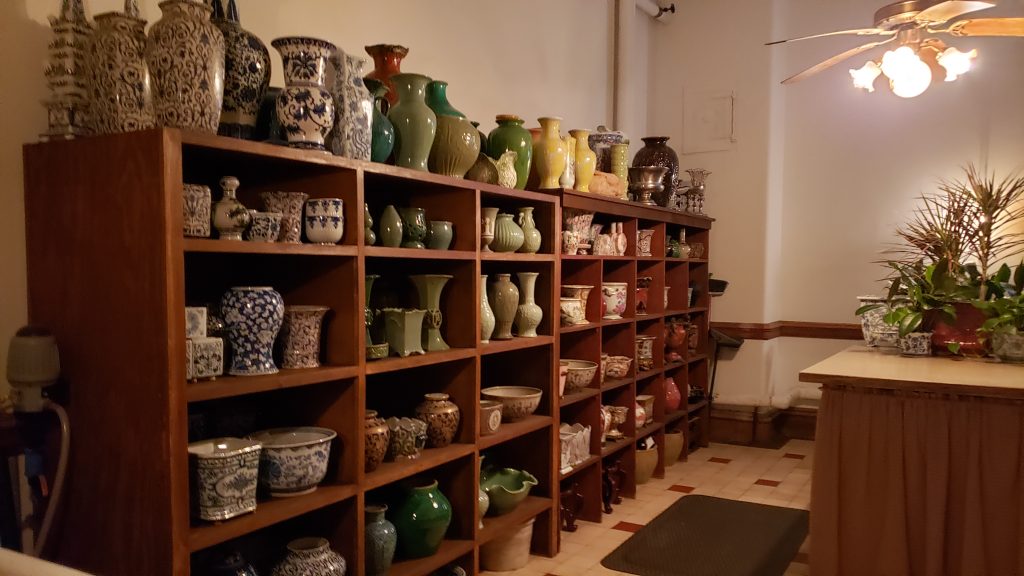



One of the remarkable aspects of this story is that when Vanderbilt first purchased the land, it had been stripped of much of its timber. Vanderbilt and Olmsted conceived a tree farm to grow the new trees needed to repopulate the estate. That led to Vanderbilt establishing America’s first Forestry School, run by two of his handpicked directors and forest managers, Gifford Pinchot and Dr. Carl Schenck. You can still see evidence of it today, including the residences and teaching rooms of young men who would graduate from the program.
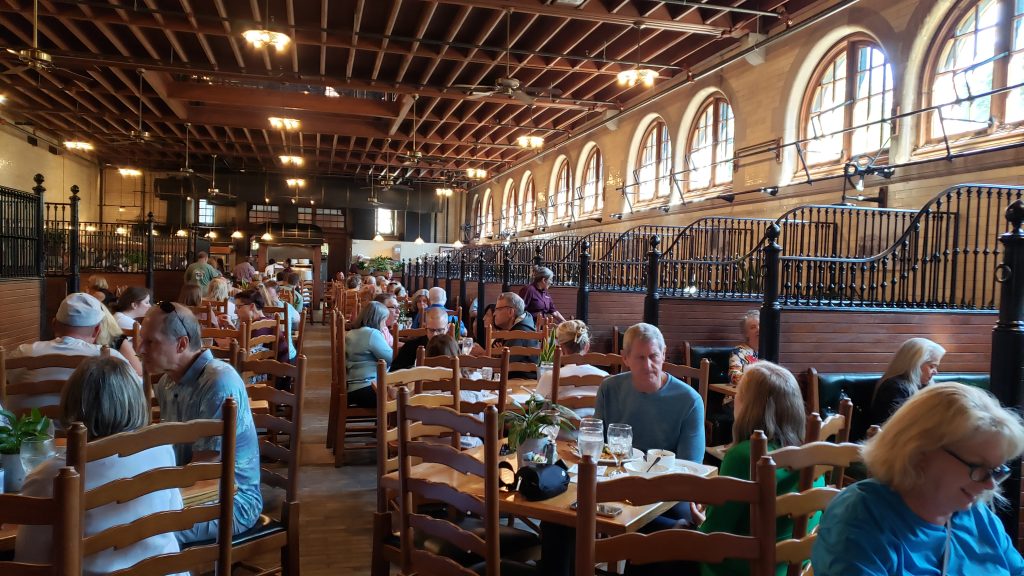
The Biltmore Estate is still in the hands of Vanderbilt’s family, who are meticulous shepherds of their heritage. You can tour the extraordinary original mansion with its stunning architectural design; elegant rooms retaining much of the original furnishings or furniture from the period; and the practical backstairs area managed by a household staff of 40. You can also dine in a delightful redesign of the original stables. There is also an elegant hotel on the estate lands that offers fine dining and well-appointed rooms, most of which feature a view. And by the way, the family still lives in homes on estate lands so they are often seen on the grounds making sure that their ancestor’s intention of exceptional hospitality never waivers.
Where to Stay in Asheville, United States
Asheville’s downtown offers several reliable options within walking distance of the Biltmore Estate and local restaurants. The downtown area features a range of hotels from budget chains to independent properties, with many housed in historic buildings that reflect the city’s architectural character. Staying downtown keeps you close to galleries, shops, and dining without needing a car for evening activities.
For visitors seeking proximity to the Biltmore itself, the residential neighborhoods immediately surrounding the estate have guesthouses and bed-and-breakfasts within a short drive. These properties tend to offer quieter settings and often include owners who can share local knowledge about the area’s history and attractions.
The South Slope neighborhood, a few miles from downtown, has become a popular lodging area with hotels and inns mixed among breweries and shops. This neighborhood is less crowded than downtown but still walkable and well-connected by short drives to both the Biltmore and other regional attractions.
If you prefer chain hotels with familiar amenities, the I-40 corridor west of downtown has numerous options at varying price points. These locations are convenient for travelers with cars and offer easy access to regional highways, though they lack the character of downtown or neighborhood properties.
Recommended Reading
I can’t more highly recommend reading this account before you go: The Last Castle: The Epic Story of Love, Loss, and American Royalty in the Nation’s Largest Home by Denise Kiernan. For fiction, try Under a Gilded Moon by Joy Jordan-Lake, These Tangled Threads by Sarah Loudin Thomas or Maid to Match by Deeanne Gist.
