
In an age of fast fashion, digital everything, and mass construction, there’s something sacred about places that endure. And when a space once meant for worship, transit, justice, or commerce finds new life as a place for books and quiet thought? That’s adaptive reuse at its most poetic.
Across the globe, bookstores are being lovingly tucked into former churches, train stations, courthouses, barns, guildhalls and even boats—each one a sanctuary for stories, both those on the shelves and those etched into the buildings themselves. These are not just retail spaces—they’re destinations. The creak of a wooden beam, the echo under a vaulted ceiling, or the rumble of a passing train offers not just ambiance but context: books may be the contents, but place is part of the narrative.
Here’s a literary tour through some of the world’s most captivating bookstores brought to life through creative reuse—and what they tell us about memory, community, and imagination.
UK
Barter Books — Alnwick, Northumberland, England
Setting: Victorian railway station (opened 1887)
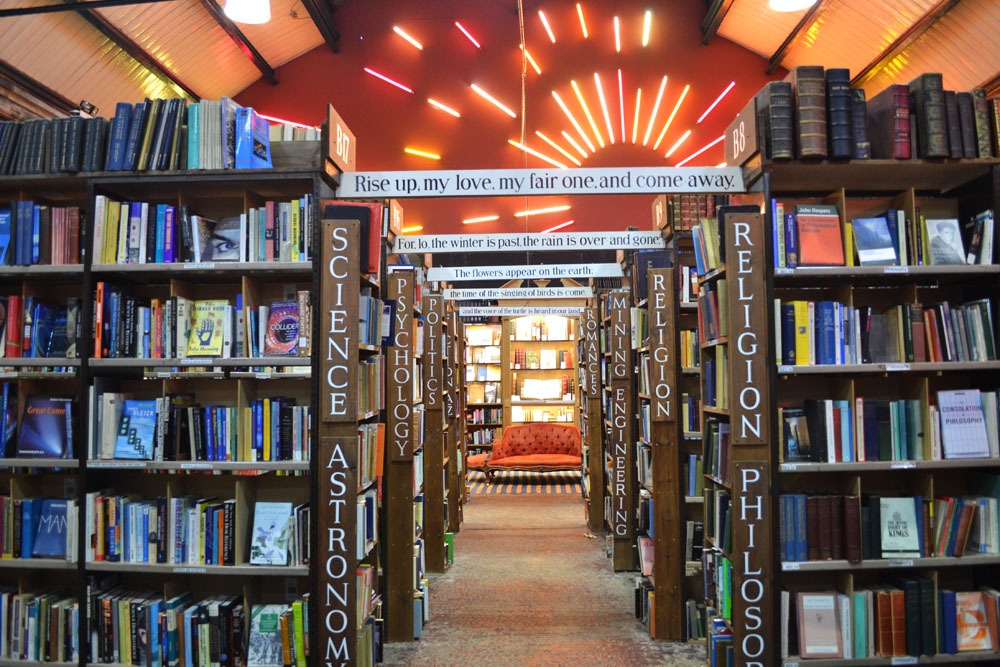
Housed in a former rail station designed by William Bell, Barter Books is one of Europe’s largest second-hand bookstores. The space features high-arched windows, murals of literary greats, cozy waiting-room nooks, and a model train circling overhead. Visitors can trade books for store credit and sip coffee in the old Station Buffet café. It was also here that the now-iconic “Keep Calm and Carry On” poster was famously rediscovered.
Guildhall Library Bookshop — London, England
Setting: Victorian neo-Gothic guild hall and library (built 1872)

Tucked within the historic Guildhall Library in the City of London, this small but specialized bookshop offers titles on London’s rich history, vintage maps, and archival materials. The setting—a neo-Gothic civic hall with stained glass, soaring columns, and centuries of civic legacy—provides a grand backdrop. Though modest in size, it’s a rare example of a bookstore operating within a ceremonial guild space, blending literary curation with architectural gravitas.
Waterstones – Bradford, England
Setting: Victorian Gothic Wool Exchange
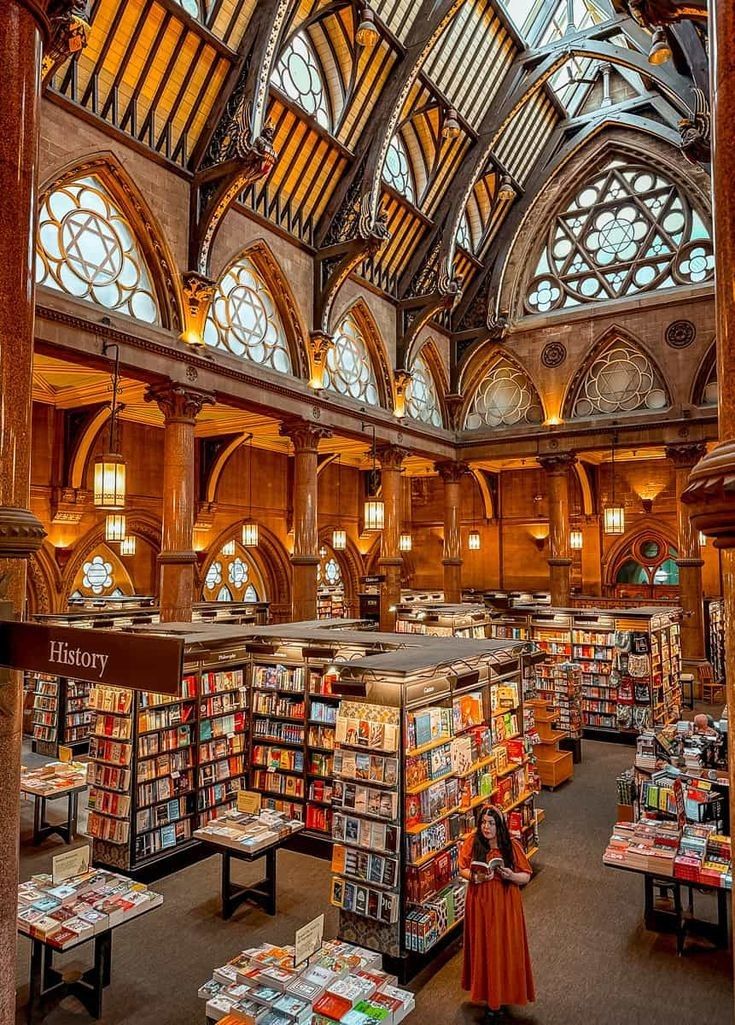
Nestled in Bradford’s old city center, this Waterstones branch occupies a stunning Grade II-listed former wool exchange. Its grand exterior of carved stonework and arched windows hints at its 19th-century roots. Inside, soaring ceilings, columns, and period detailing create a majestic browsing experience, merging Edwardian elegance with literary modernity.
Word on the Water — London, UK
Setting: 100-year-old Dutch canal barge
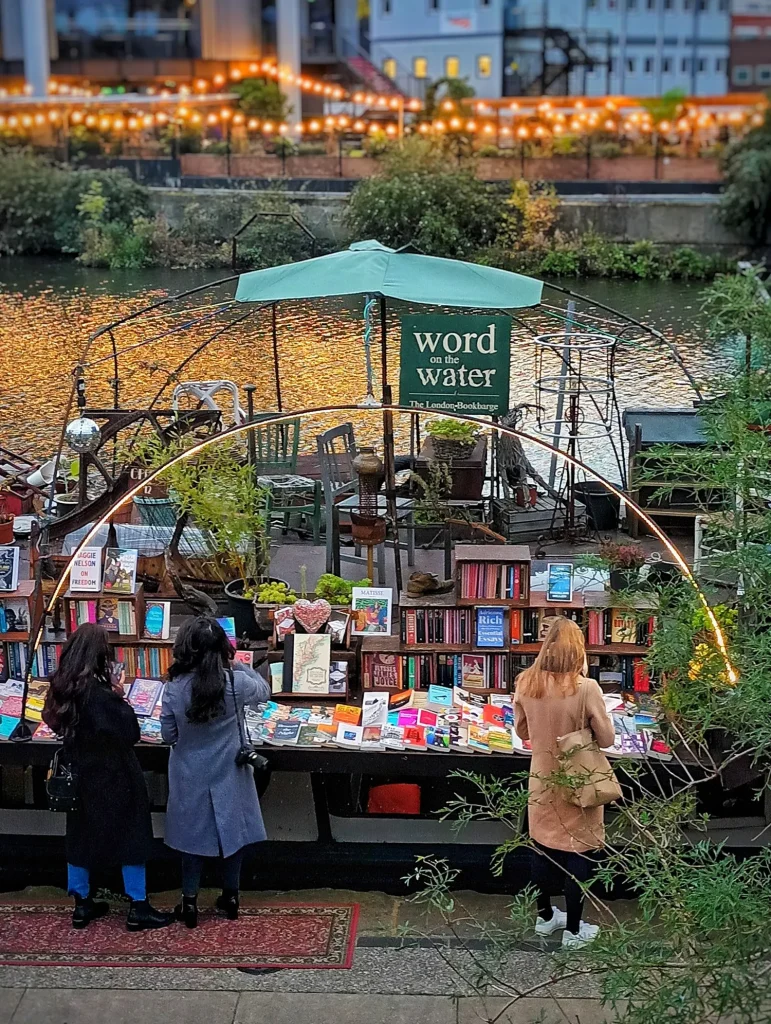
This floating bookstore glides along London’s Regent’s Canal, stocked with fiction, nonfiction, poetry, and music. The boat is open year-round, with a wood-burning stove inside and authors performing on the roof deck in summer. It’s quirky, cozy, and entirely unexpected—books bobbing on the Thames with dogs, ducks, and Dickens.
The Continent
Libreria Acqua Alta — Venice, Italy
Setting: Canal-side building with gondolas inside
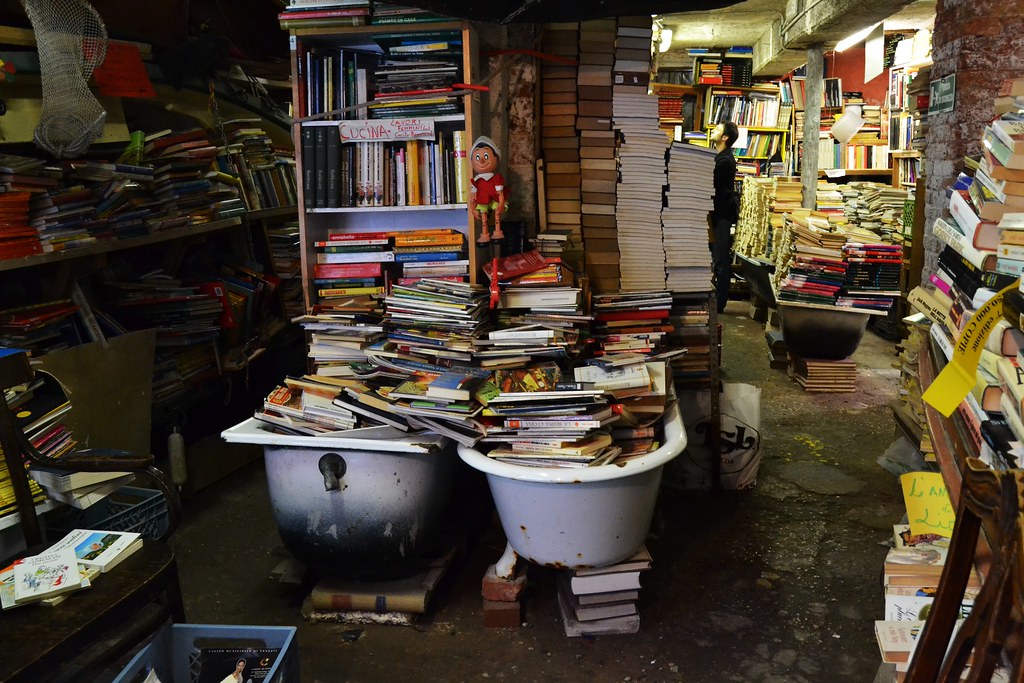
This Venetian marvel quite literally embraces the flood. Located where the canals meet cobbled alleys, books are stored in bathtubs, waterproof bins, and even a full-sized gondola in the center of the store. In the back courtyard, damaged books have been turned into a stairway. When the water rises, the shop floats on.
El Ateneo Grand Splendid — Buenos Aires, Argentina
Setting: Early 20th-century opera house
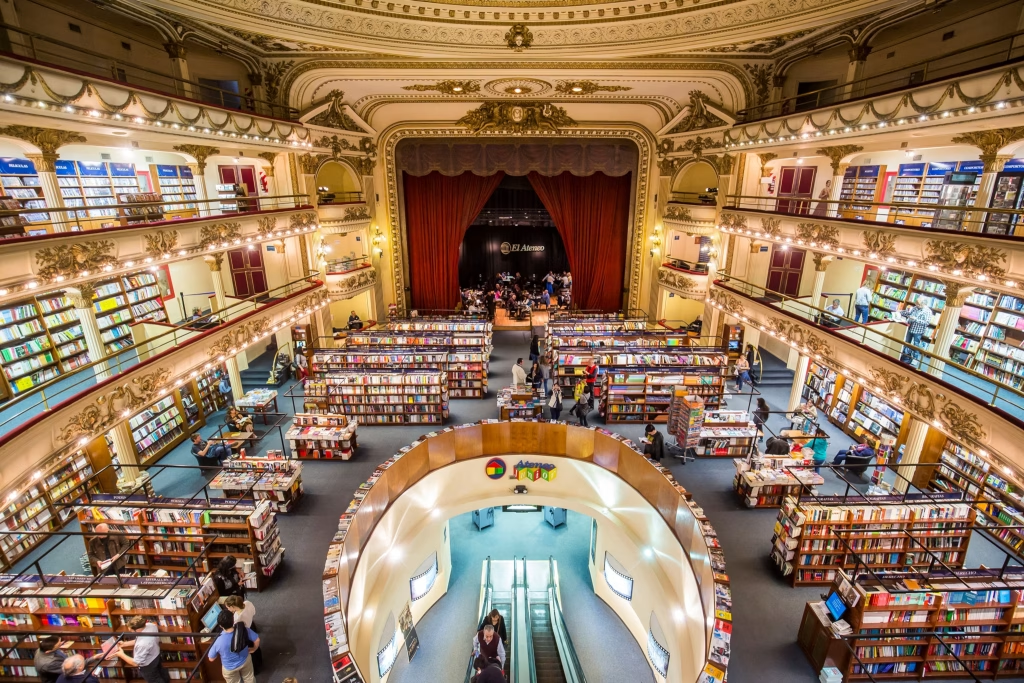
The gold standard of grand book palaces, El Ateneo Grand Splendid retains its original frescoed ceiling, ornate balconies, and stage—where a café now sits. Red velvet curtains still hang. Once the site of tango concerts and live radio shows, today it’s filled with hushed footsteps and literary reverence. More than a million visitors a year stop in, many just to witness the spectacle.
Fnac @ Atocha Station — Madrid, Spain
Setting: Aisles in the 1892-era iron-and-glass train shed (old Atocha terminal)

Madrid’s iconic Estación de Atocha, originally opened in 1892 and redesigned in later years, retains a stunning tropical garden under its grand iron-and-glass canopy. Within the former passenger shed, several retail spaces now operate—including a large Fnac store offering books, music, and electronics. The integration of a major cultural retailer into a refurbished railway terminus exemplifies commercial adaptive reuse on a grand scale.
Boekhandel Spoorzicht — Uithuizermeeden, Netherlands
Setting: Historic train station
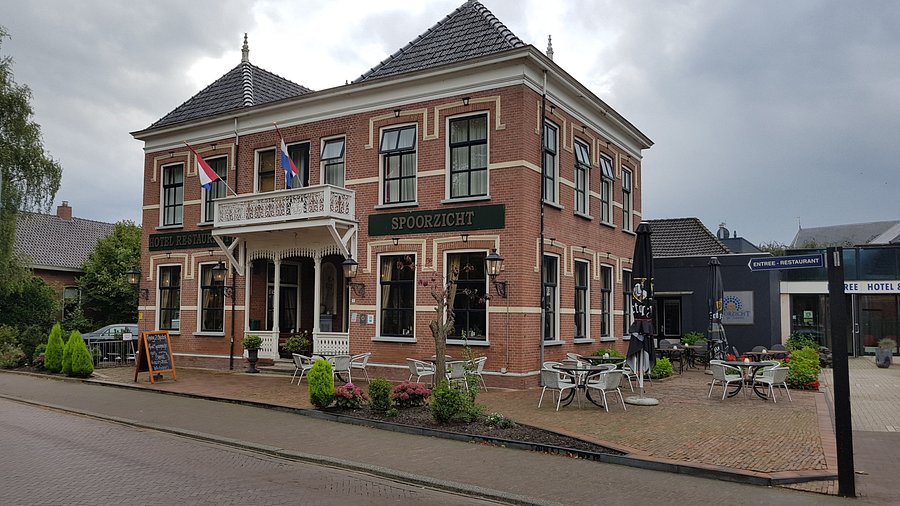
This station bookstore proves that a place built for movement can also be about pausing. Once a Dutch rail stop, the building now stocks secondhand books and is a serene reading spot. Shelves sit beneath the station’s vintage signage and ticking clock. Trains still pass, echoing the journeys offered by the printed word.
Atlantis Books — Santorini, Greece
Setting: Cave house on cliffside
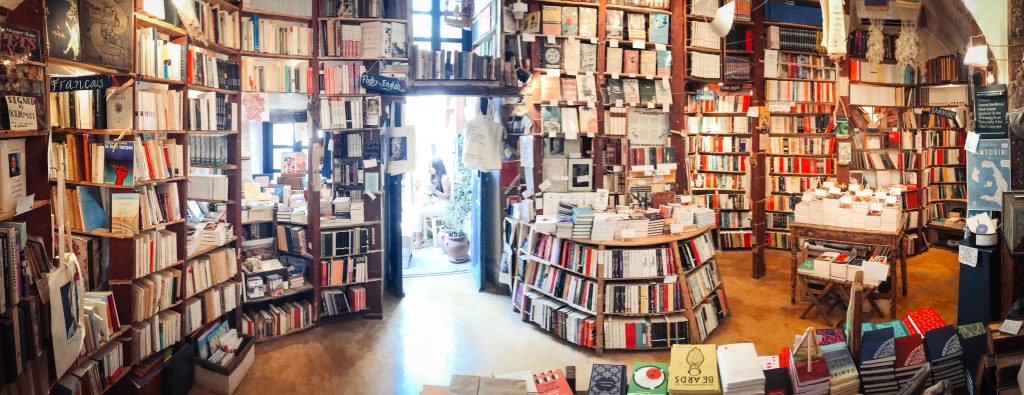
Founded by literary nomads, this small bookstore is burrowed into a cliffside in Oia. Once a traditional cave home, its arched walls are now bursting with books. Outside, the Aegean Sea shimmers; inside, it smells of ink and sun-baked plaster. During the day, cats and tourists meander through. At night, it becomes a gathering place for poetry readings under string lights.
Ler Devagar — Lisbon, Portugal
Setting: Former printing press factory in LX Factory
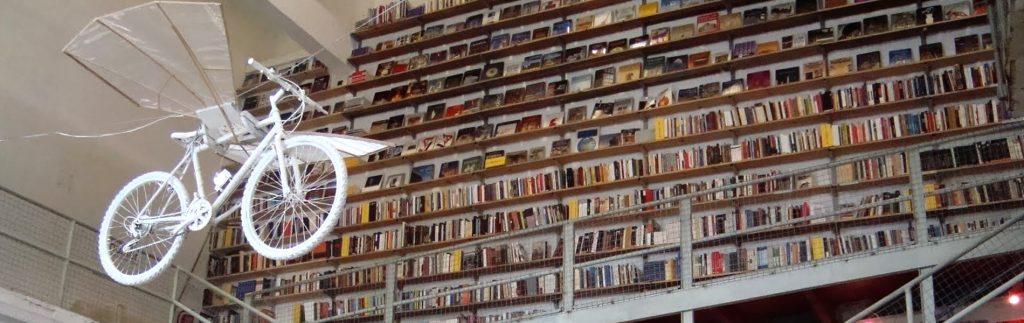
Housed in a cavernous 19th-century print works building, this industrial-chic store features massive shelving, mezzanine walkways, and a flying bicycle sculpture suspended from the ceiling. It’s a temple to both the printed word and industrial design, located in Lisbon’s artsy LX Factory district. “Read Slowly” (the name’s translation) is both branding and invitation.
Boekhandel Dominicanen — Ghent, Belgium
Setting: Reclaimed Dominican monastery church
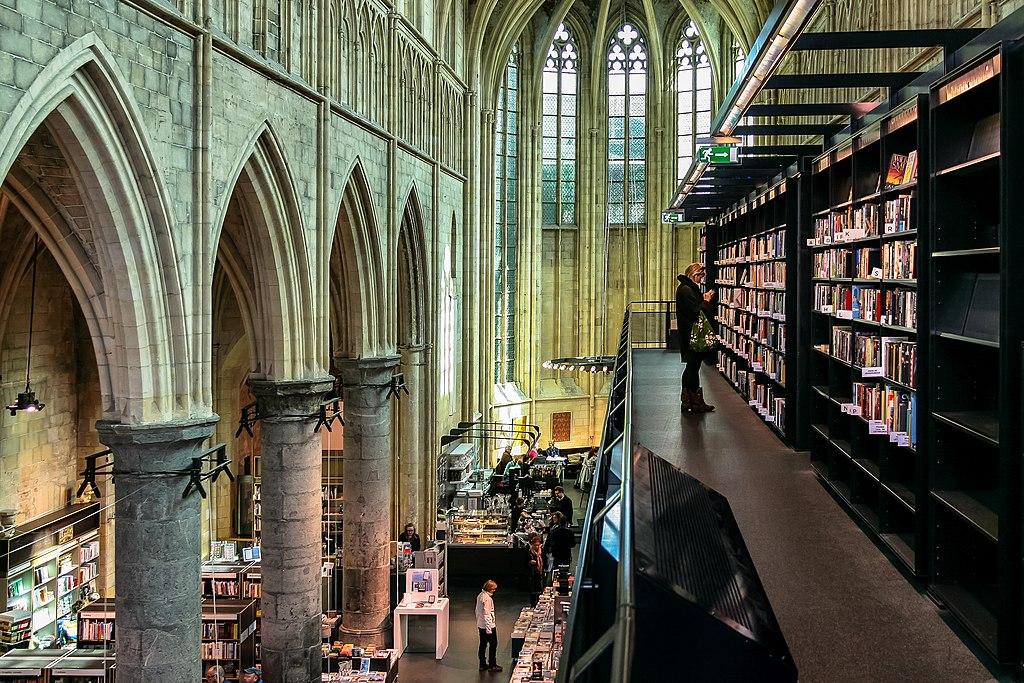
Not to be confused with its Maastricht cousin, this Belgian store likewise gives fresh life to Gothic ecclesiastical architecture. Books line modern shelves where monks once prayed. The store preserves medieval stained glass and ribbed vaulting, mixing faith and fiction. It offers an atmosphere of stillness where stories resound louder than sermons.
Waanders In de Broeren – Zwolle, Netherlands
Setting: 15th-century Dominican Church
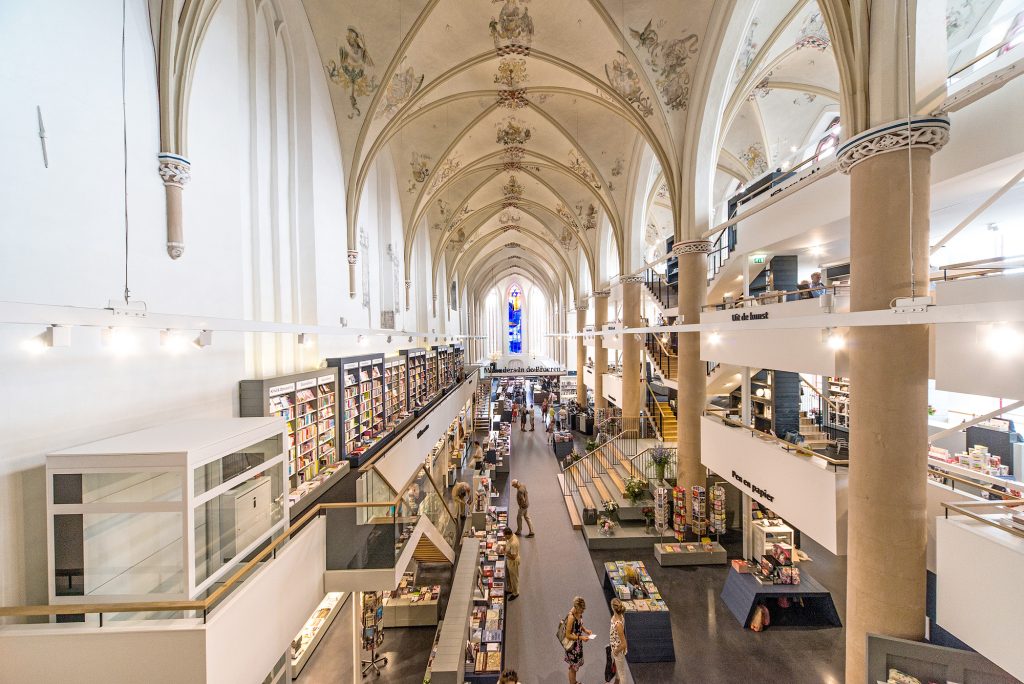
This stunning bookstore resides within a 15th-century Dominican church, preserving its original stained glass windows, pipe organ, and ceiling frescoes. Modern steel and glass structures have been added to house bookshelves, creating a harmonious blend of old and new.
Café Pushkin – Moscow, Russia
Setting: Aristocratic Mansion
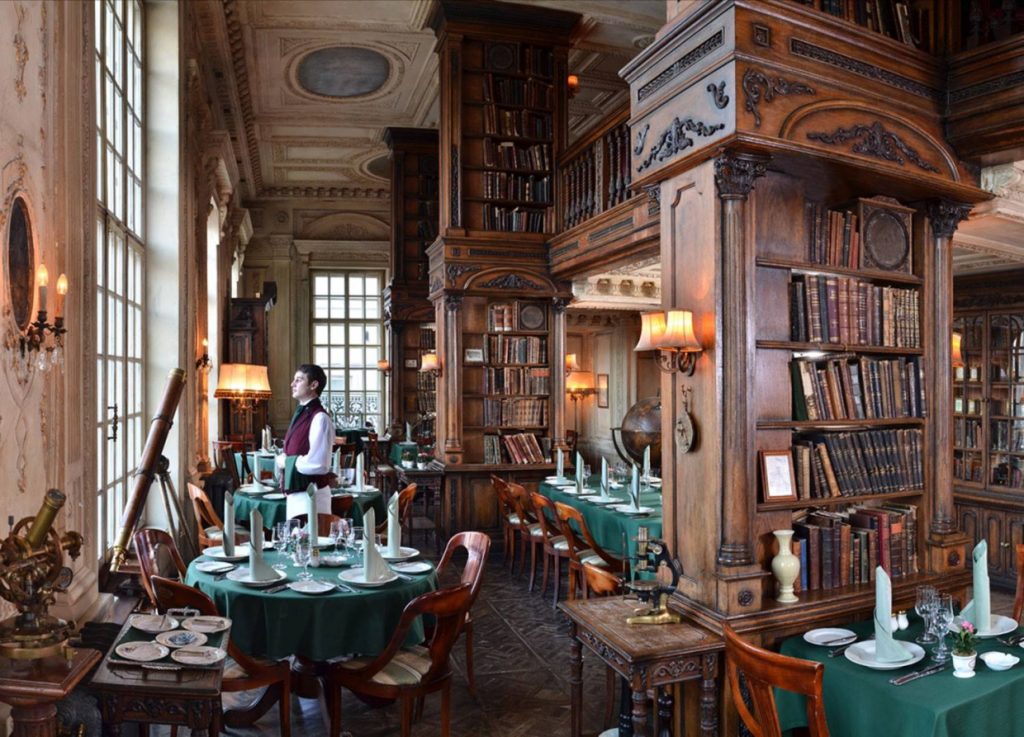
While technically a café-bookstore hybrid, Café Pushkin evokes the romanticism of Russia’s literary golden age. Housed in a Baroque mansion from the early 19th century, it features wood-paneled walls, antique globes, and bookshelves stacked high in its library-themed dining room. A tribute to Pushkin himself, it’s a place where books, history, and cuisine collide.
Central and South America
Livraria Cultura – São Paulo, Brazil
Setting: Historic Movie Theater
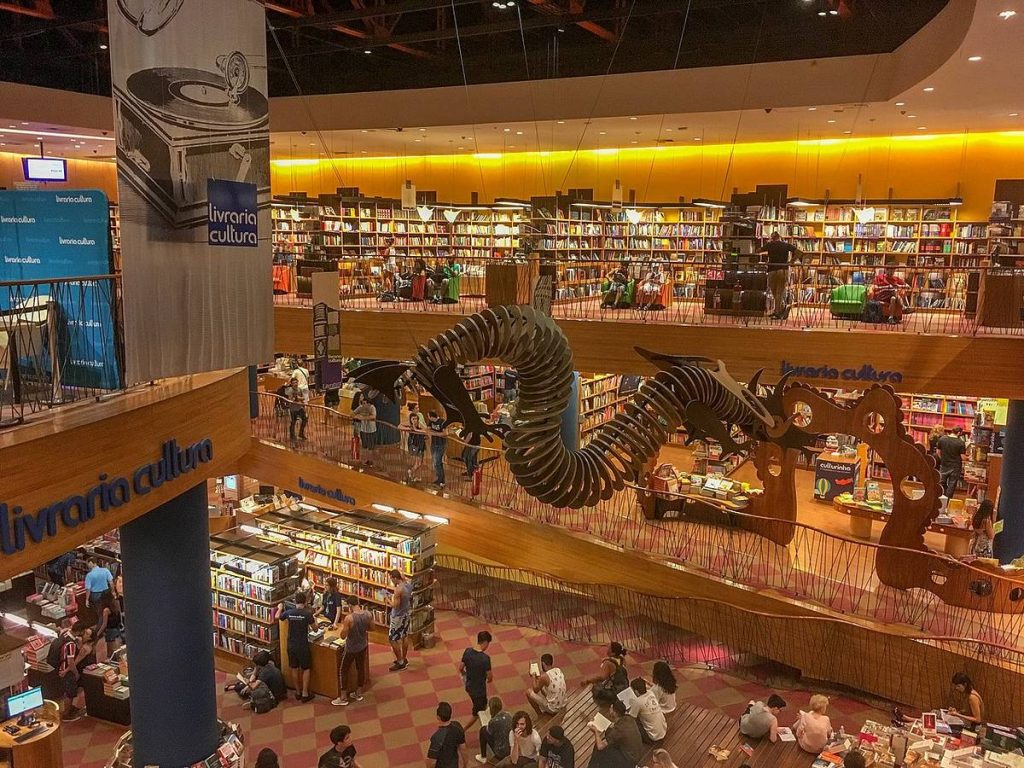
Located in a former movie theater, Livraria Cultura retains the building’s original architectural features, including its grand façade and spacious interiors. The bookstore offers a vast collection of books and hosts cultural events, blending literary pursuits with historical ambiance
Cafebrería El Péndulo – Mexico City, Mexico
Setting: Historic Mansion
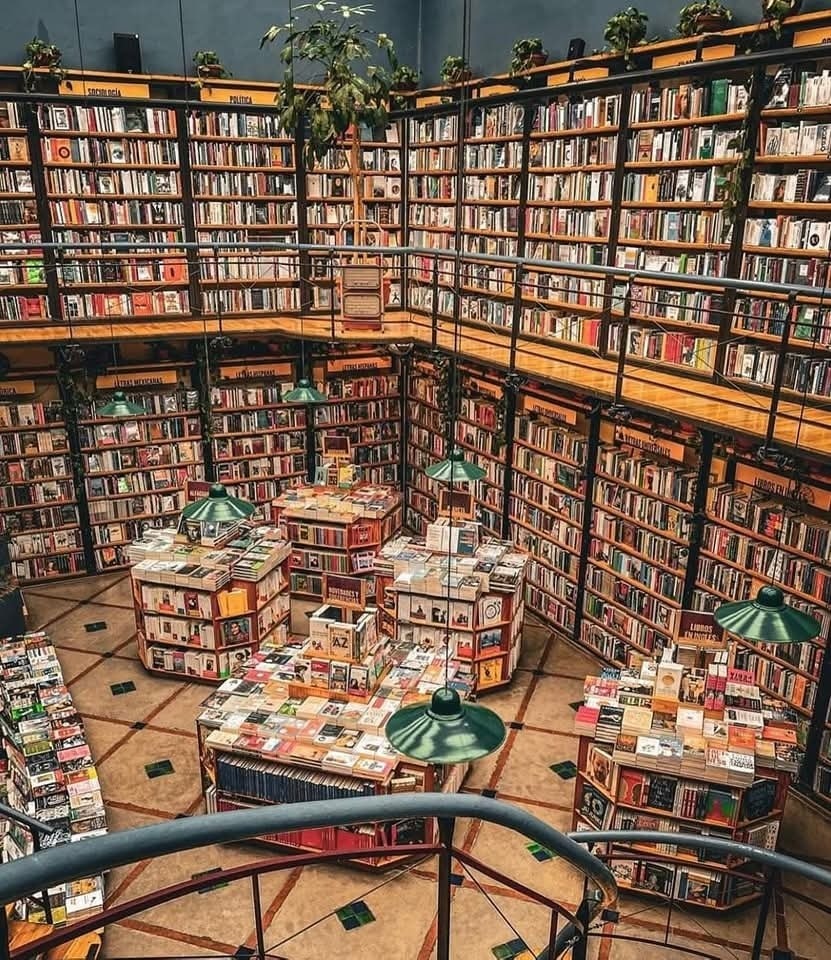
This bookstore and café is set within a historic mansion, featuring lush greenery, towering bookshelves, and a cozy atmosphere. It serves as a cultural hub, hosting live music and literary events, all within the charm of its historic setting.
Asia
Sinan Books Poetry Store – Shanghai, China
Formerly: 1932 Orthodox Church
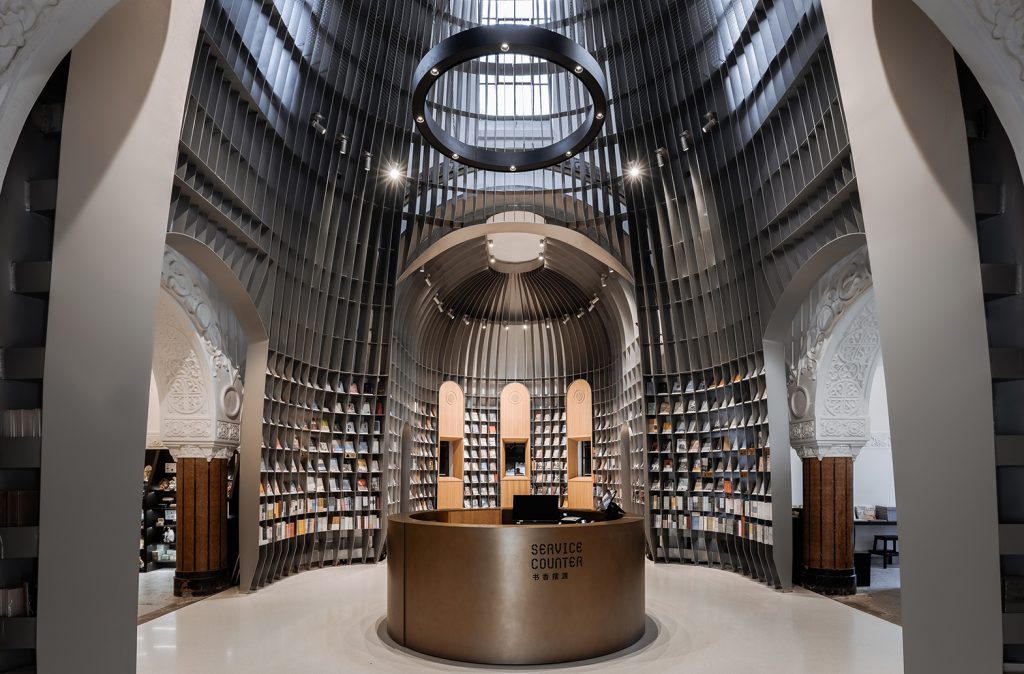
Located in a former Orthodox church built in 1932, this bookstore specializes in poetry and features a minimalist design that accentuates the building’s original architectural elements. The transformation preserves the church’s historical essence while creating a serene space for literary exploration.
Gu Wu Xuan Bookstore – Hangzhou, China
Setting: 1932 Historic Residence
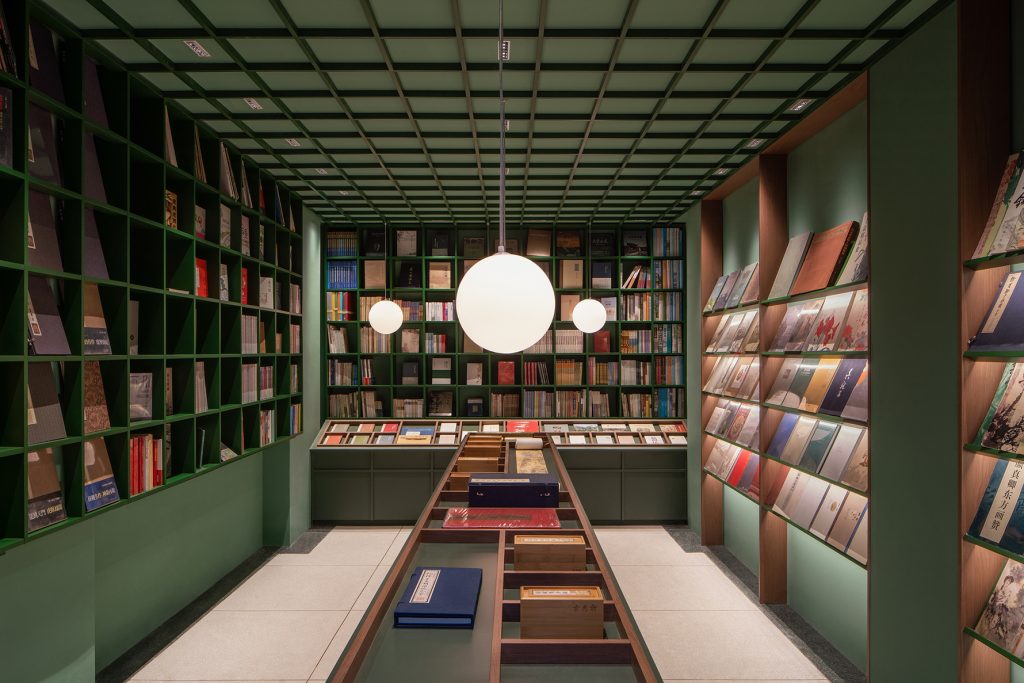
This bookstore occupies a residence dating back to 1932, once home to scholar Zhang Taiyan. The renovation maintains the building’s historical character while introducing modern design elements, creating a space that serves as both a bookstore and a museum.
112-Year-Old Anglican Church Bookstore – Beijing, China
Setting: 1907 Anglican Church
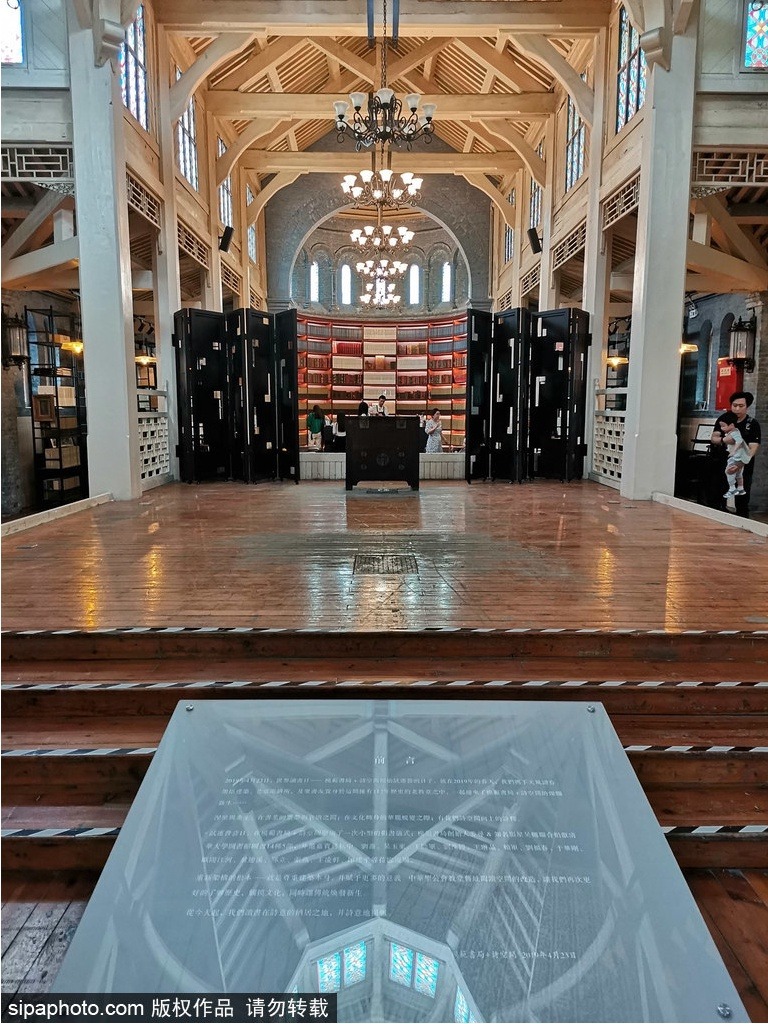
Hidden within Beijing’s hutongs, this bookstore is housed in a church built in 1907, the earliest Anglican church in northern China. The transformation into a bookstore preserves the building’s historical architecture, offering visitors a unique cultural experience.
US
The Last Bookstore – Los Angeles, USA
Setting Art Deco Bank Building
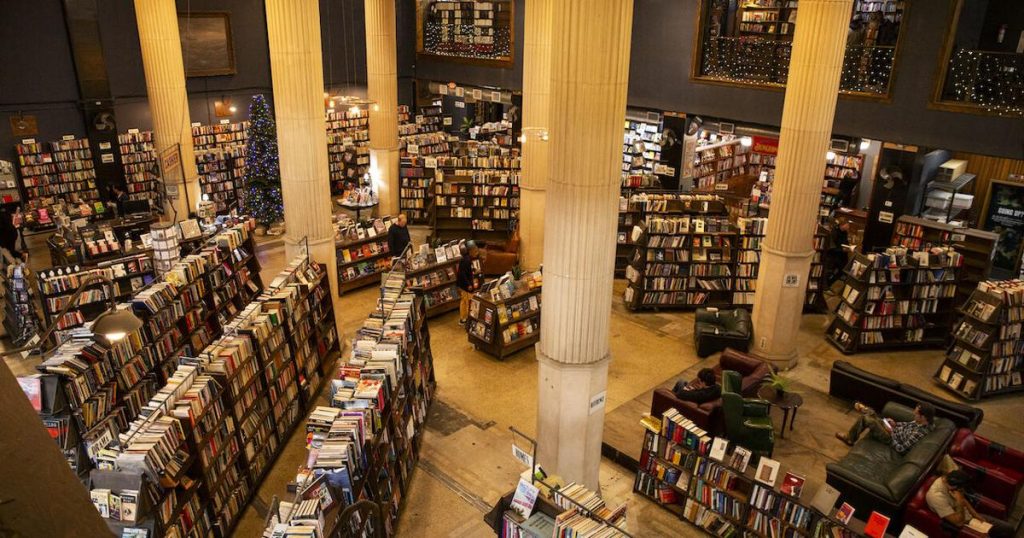
This iconic indie bookstore resides in a former bank in downtown LA, complete with marble columns, massive vaults (now repurposed as reading nooks), and 20,000 square feet of literary wonder. The Last Bookstore is renowned for its creative book installations—including a tunnel made entirely of books—and its mix of new, used, and rare titles.
Old Corner Bookstore – Boston, USA
Setting 1718 Apothecary
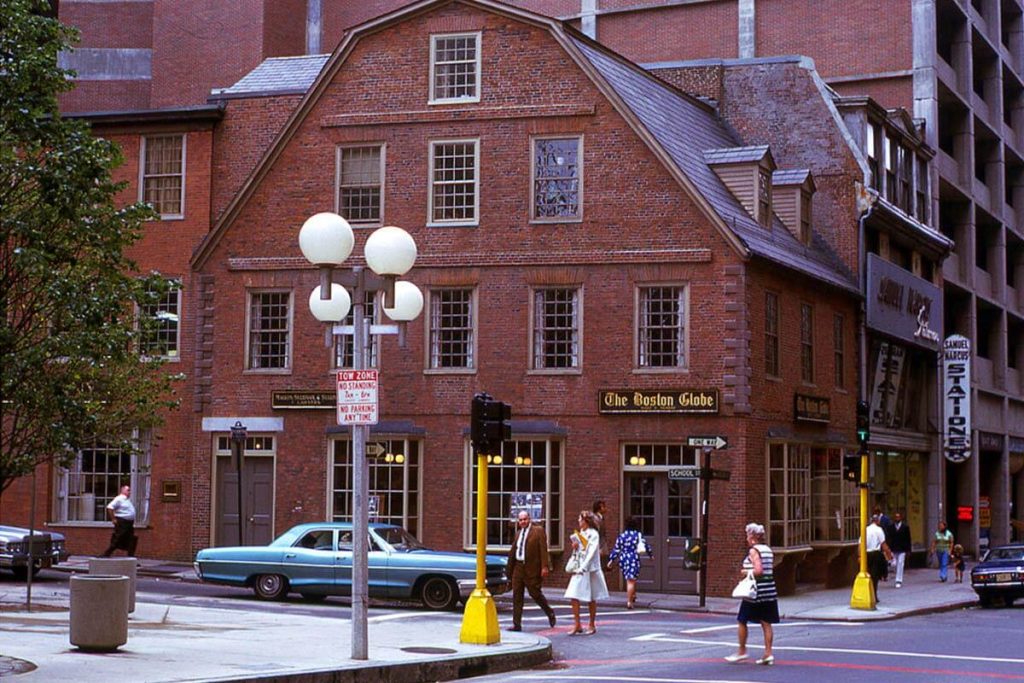
Constructed in 1718, this building became a bookstore in 1828 and played a pivotal role in American publishing history. It was home to Ticknor and Fields, the publisher of literary giants like Thoreau and Hawthorne. Though no longer a bookstore, its legacy endures as a historic site on Boston’s Freedom Trail.
The Book Loft — Columbus, Ohio, USA
Setting: Series of pre–Civil War buildings
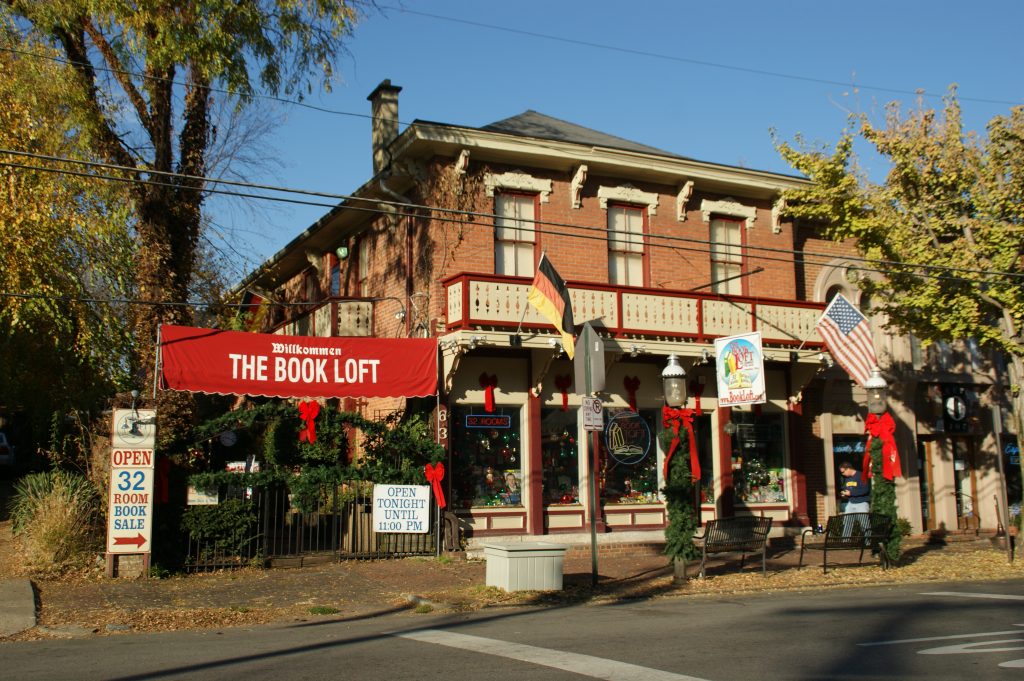
One of the largest independent bookstores in the U.S., The Book Loft sprawls across 32 rooms in a series of conjoined 19th-century structures—former saloons, a general store, and even a movie theater. It’s not so much a store as it is a self-guided maze of discovery, with winding hallways, floor-to-ceiling books, and creaky floorboards underfoot. It’s a puzzle, a portal, and a pilgrimage all at once.
Baldwin’s Book Barn — Chester County, Pennsylvania, USA
Setting: Five-story stone barn (built c. 1822)
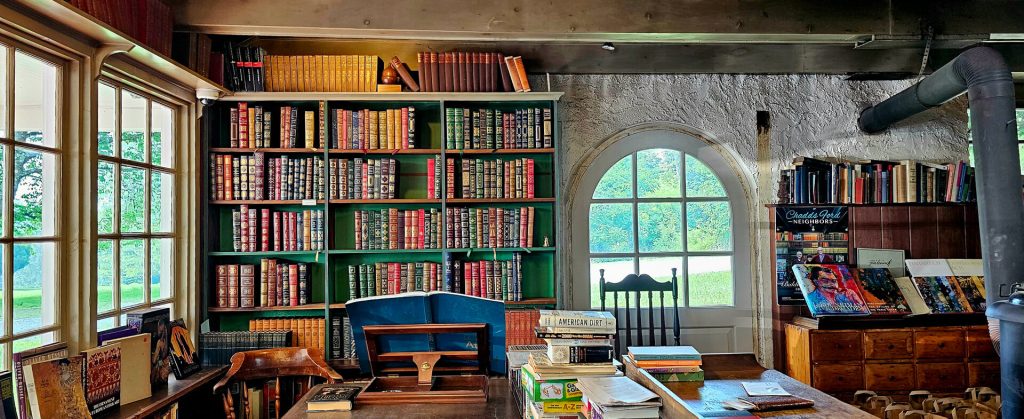
Nestled in the countryside, this historic barn holds more than 300,000 used and rare books, along with antique maps and prints. Wooden rafters, a cast-iron stove, stone walls, and small-paned windows give it an almost Tolkienian charm. Family-run for generations, it’s as much a historic site as it is a bookstore.
Jefferson Market Library — New York, NY, USA
Setting: 19th-century courthouse turned library
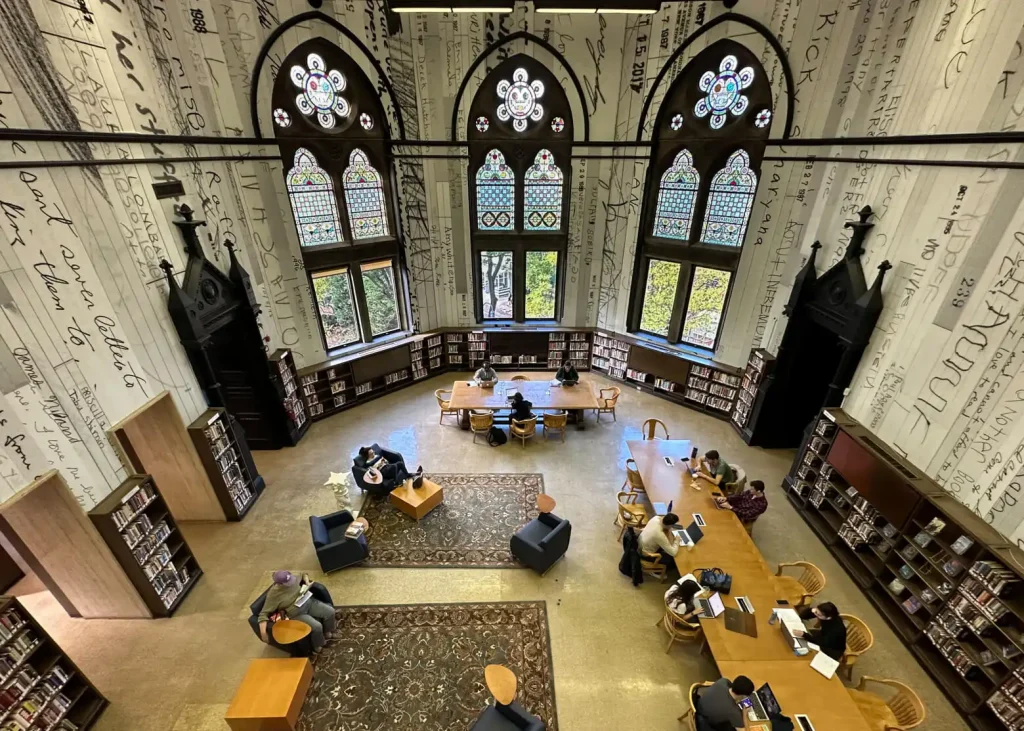
Once a Victorian Gothic courthouse in Manhattan’s Greenwich Village, the Jefferson Market Library is a textbook case of architectural resurrection. Saved from demolition in the 1960s by a public campaign, it became a branch of the New York Public Library. The turreted red-brick structure now houses books where judges once presided. A reminder that public access to knowledge is its own kind of justice.
Opera House & Yates Bookshop Building — Lexington, Kentucky, USA
Setting: Ornate 19th-century opera house and bookseller
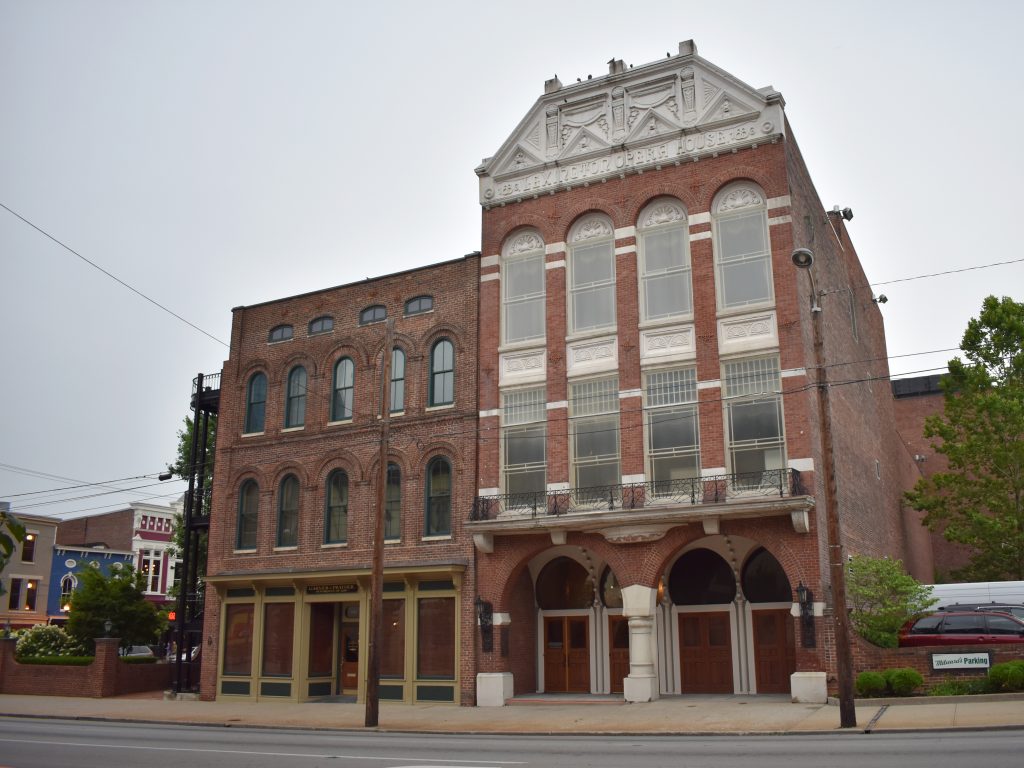
This pair of adjoining buildings once held Lexington’s Opera House and the beloved Yates Bookshop. With carved stone details and iron balconies, the facade still stands as a tribute to literature and performance. While the original bookstore is no longer active, the structure’s preservation tells a layered story of cultural reuse.
Rizzoli Bookstore – New York City, USA
Setting: Beaux-Arts Office Building
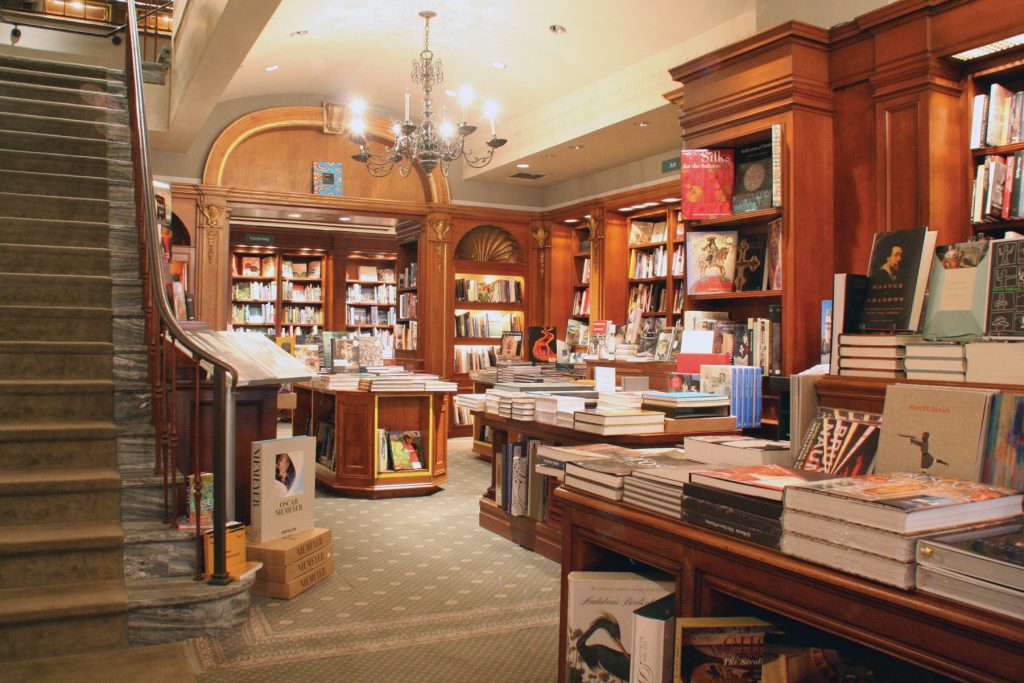
Located in a 19th-century Beaux-Arts building, Rizzoli’s flagship store boasts 18-foot ceilings, neoclassical details, and Italian-inspired design elements. The space exudes elegance, offering a curated selection of books in an atmosphere reminiscent of European salons.
Beacon Hill Books & Café – Boston, USA
Setting: Historic Brownstone Townhouse
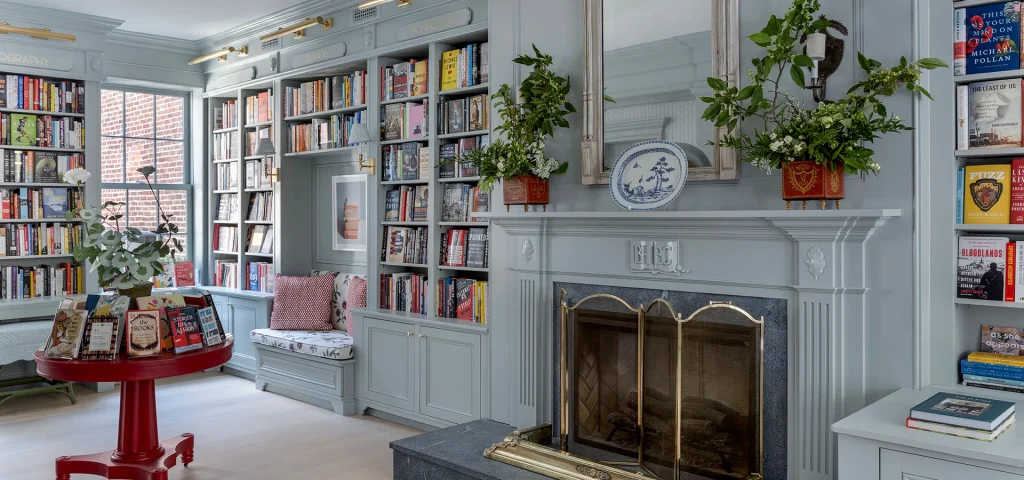
After a significant renovation, this charming bookstore and café opened in a historic brownstone on Charles Street. With its cozy, residential feel and a café serving light meals, it has quickly become a beloved literary spot in the Beacon Hill neighborhood.
Why Adaptive Reuse Matters in Book Culture
Adaptive reuse isn’t just an architectural trend—it’s a cultural necessity. In many of these cases, it’s the bookstore that saves the building, not the other way around. As churches empty, factories close, and transport systems evolve, historic buildings become vulnerable to decay or demolition. Bookstores—rooted in permanence, attention, and community—offer the perfect counterforce.
Books, after all, are containers of memory. So are buildings. Put them together, and you get magic.
- Preserving embodied energy and reducing demolition waste
- Celebrating local heritage through function
- Creating literary landmarks that blend old and new
- Building cultural gathering places in cities and rural towns alike
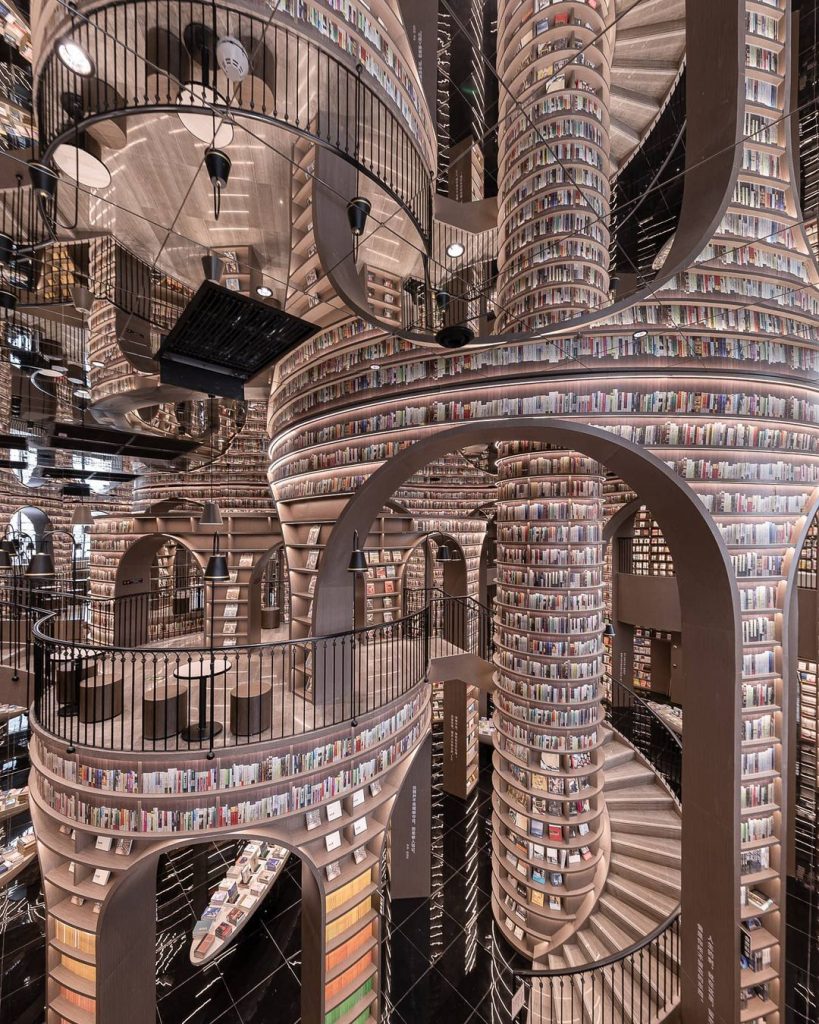
The Soul of the Bookstore Is the Space Around It
Today, the idea of a bookstore inside a train station or barn might seem novel—but it’s really a return to roots. Before the chain stores and online giants, books lived among the people—in churches, kitchens, trunks, and stalls. That they now find homes in buildings too valuable to erase says something hopeful: we still believe in beauty. We still value meaning. And we still want places that slow us down and let us think. In a world obsessed with what’s next, there’s something revolutionary about remembering where we’ve been—especially when it’s bound between covers and housed beneath centuries-old beams.
Recommended Reading
Non-Fiction
- The Little Bookstore of Big Stone Gap by Wendy Welch
Memoir of an Appalachian couple who open a used bookstore in a small Virginia town—celebrates community, storytelling, and slow living. - The Library: A World History by James W. P. Campbell & Will Pryce
A sweeping and beautifully illustrated global survey of library architecture and cultural meaning, tracing the evolution of libraries from ancient Mesopotamia to the present. - The Diary of a Bookseller by Shaun Bythell
Wry, Scottish chronicle of daily life running a used bookshop in Wigtown, Scotland’s “Book Town.” - Books Do Furnish a Room by Leslie Geddes-Brown
Explores the way books interact with interior space—showcasing bookstores, libraries, and private collections. - The Bookshop Book by Jen Campbell
A worldwide tour of the strangest, most wonderful bookshops—full of history, eccentricity, and inspiration. - Bookstores of the World: The Ultimate Around-the-World Tour for Bibliophiles and Bookshop Lovers by Jean-Yves Mollier & Patricia Sorel
A lavishly illustrated global survey of outstanding bookstores, exploring iconic shops from Paris to Seoul and beyond.
Fiction
- The Paris Library by Janet Skeslien Charles
Set during WWII, this novel follows a young woman working at the American Library in Paris as Nazi occupation threatens the written word. A dual timeline connects her wartime courage with a lonely teenager in 1980s Montana. - The Last Bookshop in London by Madeline Martin
Set during the Blitz, a timid young woman finds purpose working in a dusty London bookshop while bombs fall around her. It’s a story of resilience, found family, and the healing power of stories in the darkest times. - The Bookshop on the Corner by Jenny Colgan
A burned-out librarian in London relocates to a remote Scottish village to open a mobile bookshop in a converted van. It’s a heartwarming and whimsical ode to fresh starts, community, and book love. - The Lost and Found Bookshop by Susan Wiggs
After a family tragedy, a woman inherits her family’s struggling bookshop in historic San Francisco. As she restores the shop, she uncovers generations of secrets hidden between the pages. - The Bookshop by Penelope Fitzgerald
Set in a small 1950s English coastal town, this novella follows a widow who opens a bookshop in a damp, haunted house—against quiet but fierce local resistance. Dry wit and literary melancholy make this a cult classic. - The Bookseller’s Secret by Michelle Gable
Set in 1940s London and modern-day England, this dual-timeline novel follows real-life author Nancy Mitford as she runs a bookshop during the war. Though historical, the tone is gossipy, literary, and breezy rather than grim. - The Little Venice Bookshop by Rebecca Raisin
Set in romantic Venice, this is a sunny tale of a woman escaping heartbreak by running a crumbling bookshop on the canals. A travel-and-bookshop dream perfect for fans of feel-good fiction.
All images are for illustrative purposes only and remain the copyright of their respective owners.
