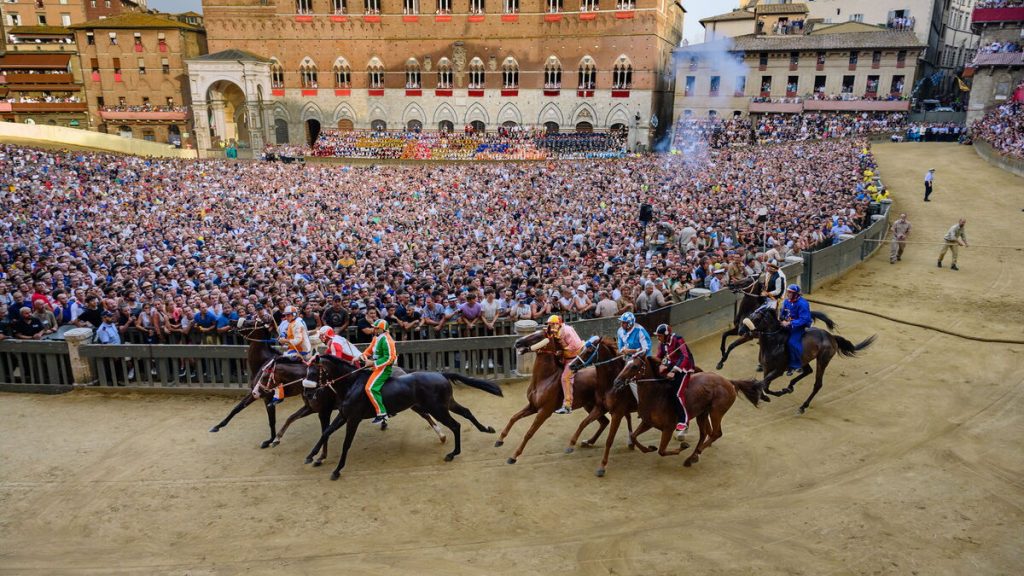
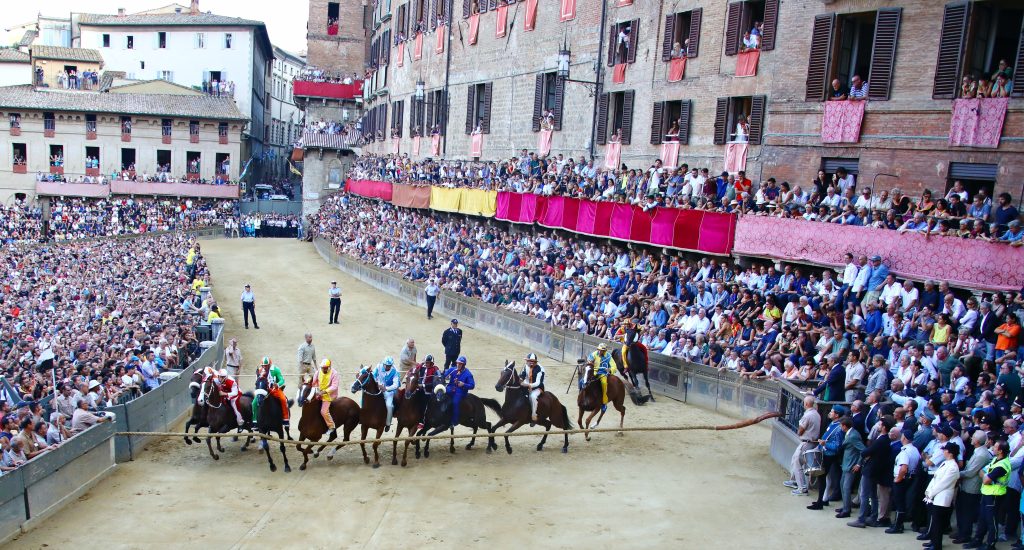
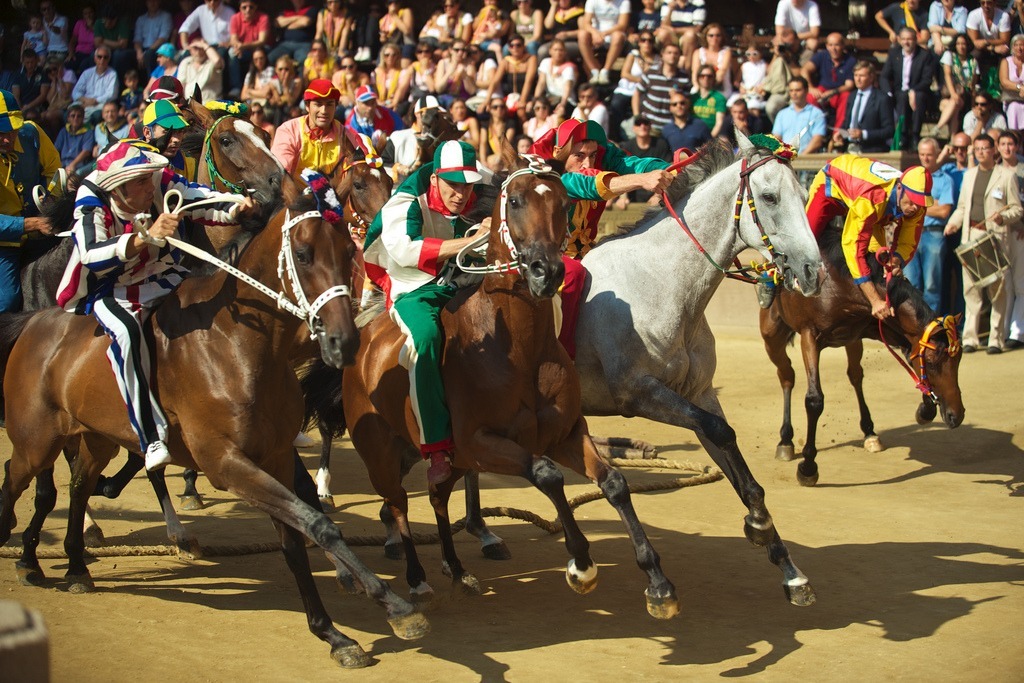
There are cities that dazzle with monuments, and then there are cities like Siena, where the streets themselves are the monument, an undulating web of medieval lanes, sun-warmed bricks, and the echo of ancient rivalries. Perched on the hills of Tuscany, Siena remains a breathtaking testament to civic pride, religious devotion, and the timeless rhythms of Italian life. But nothing whips up civic loyalty more than the twice annual Palio di Siena, a horse race through the narrow streets of the city that has been run for more than 500 years! When each of 10 neighborhoods (contrade: or city wards) rally around their local rider in a show of fevered local fandom. In some ways, Sienna hasn’t seemed to have left the Medieval age!
Sienna Rising
Founded during the time of the Etruscans and later expanded by the Romans, Siena flourished in the Middle Ages as a wealthy banking and trade center. By the 13th and 14th centuries, it was one of Europe’s leading cities, famed for its art, architecture, and fierce independence.
Central to Siena’s medieval identity was its bitter rivalry with nearby Florence, a clash of ambitions that played out in wars, trade disputes, and cultural competition. The Battle of Montaperti in 1260 marked Siena’s greatest triumph, when its forces famously defeated the larger Florentine army in a bloody and pivotal confrontation. For a time, Siena eclipsed its rival, flourishing artistically and economically. However, after suffering from the Black Death in 1348 and a series of political upheavals, Siena gradually waned, while Florence rose to Renaissance glory. Despite this, Siena preserved its Gothic soul with remarkable tenacity, shunning the Renaissance flamboyance that transformed Florence.
Today, Siena is not just a city, but a living embodiment of Gothic Italy, its spirit enshrined in its streets, traditions, and a towering cathedral.
The Center of It All
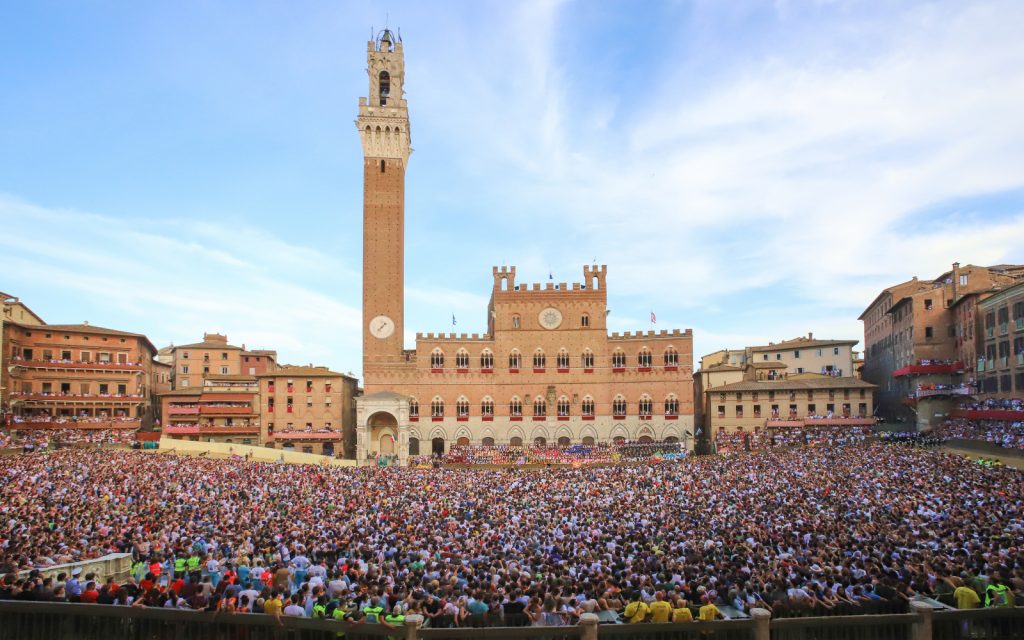
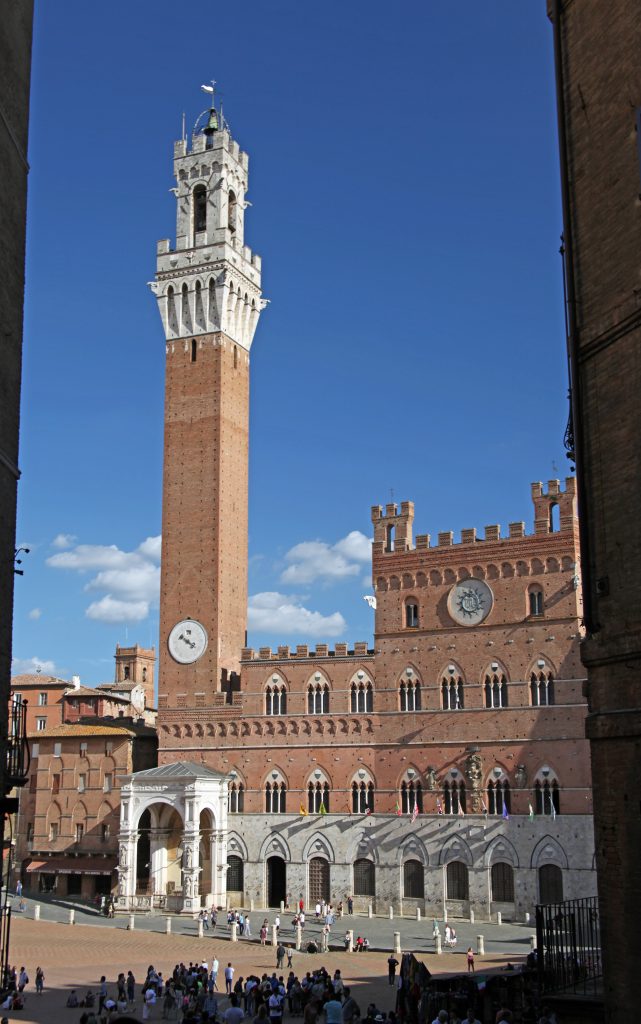
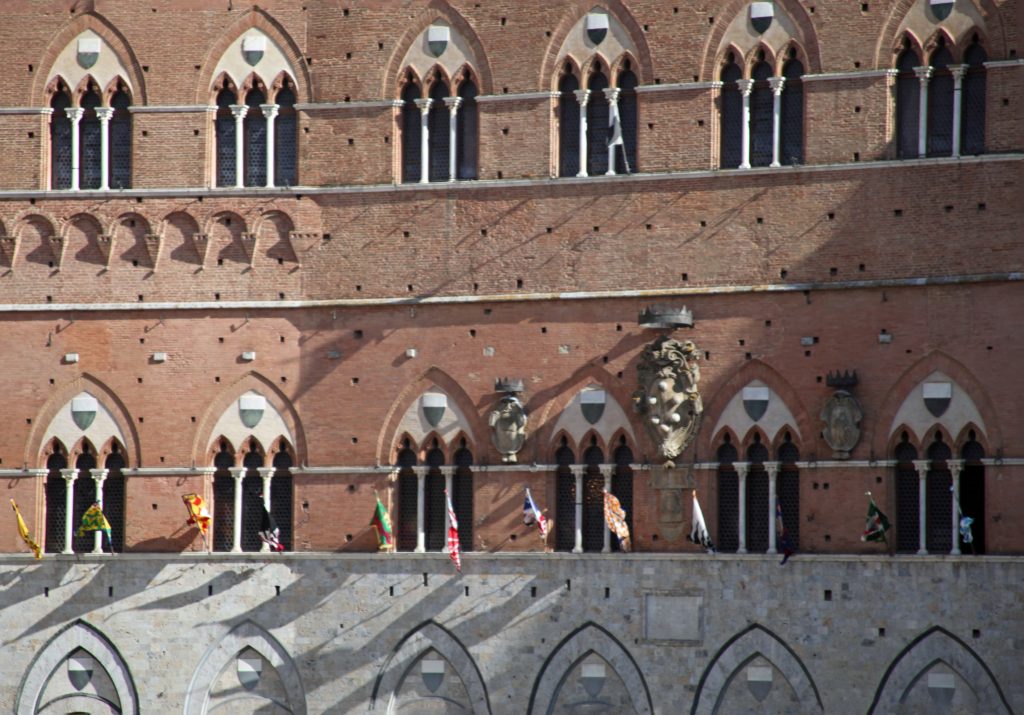
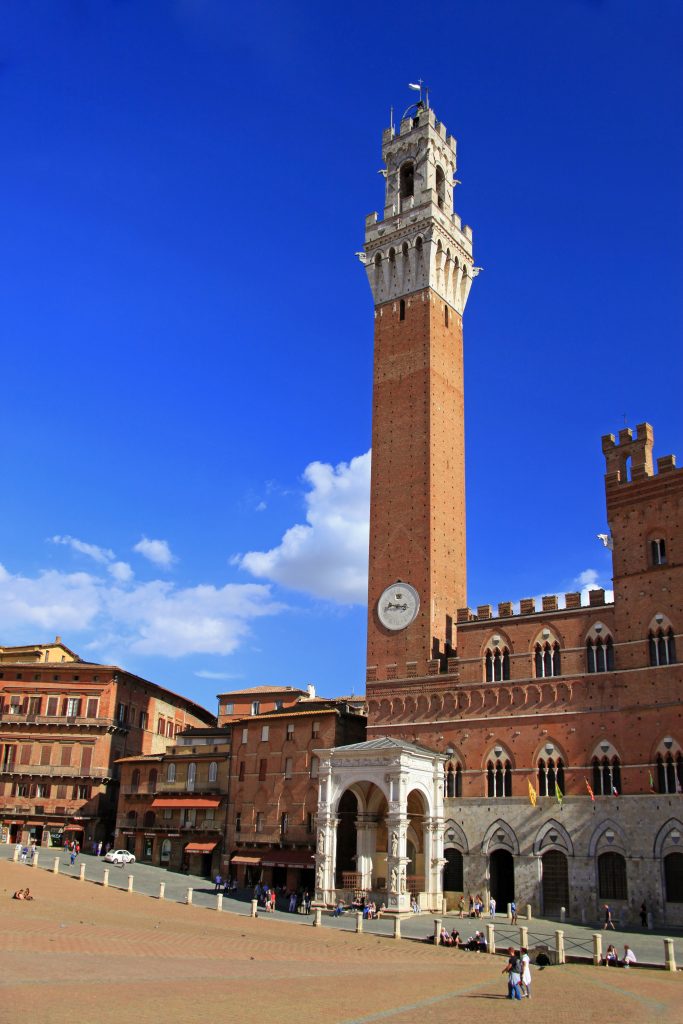
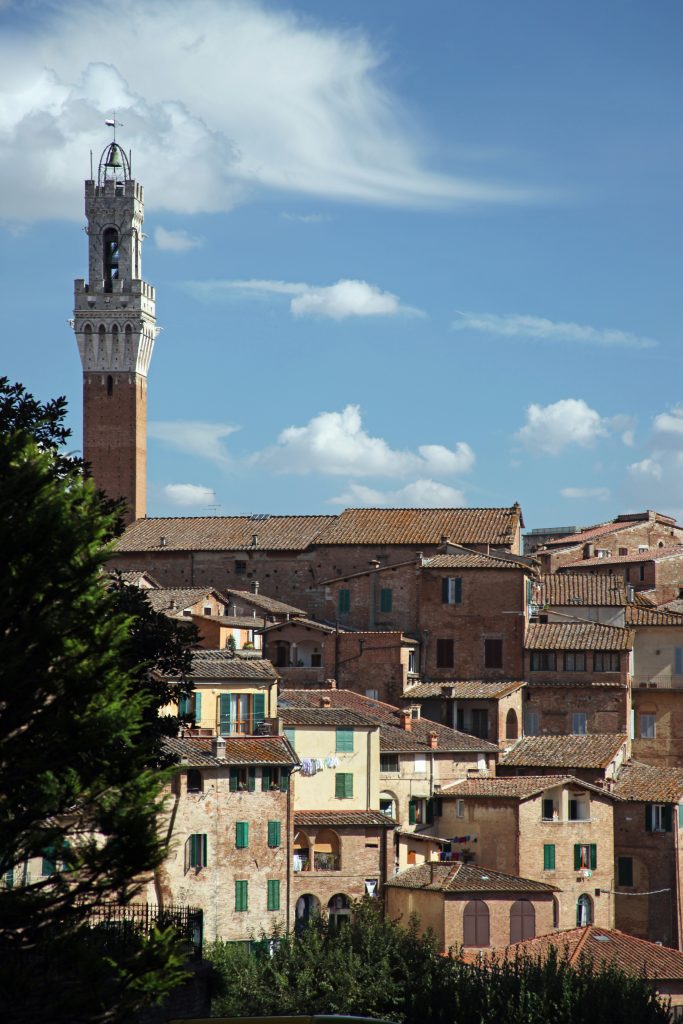
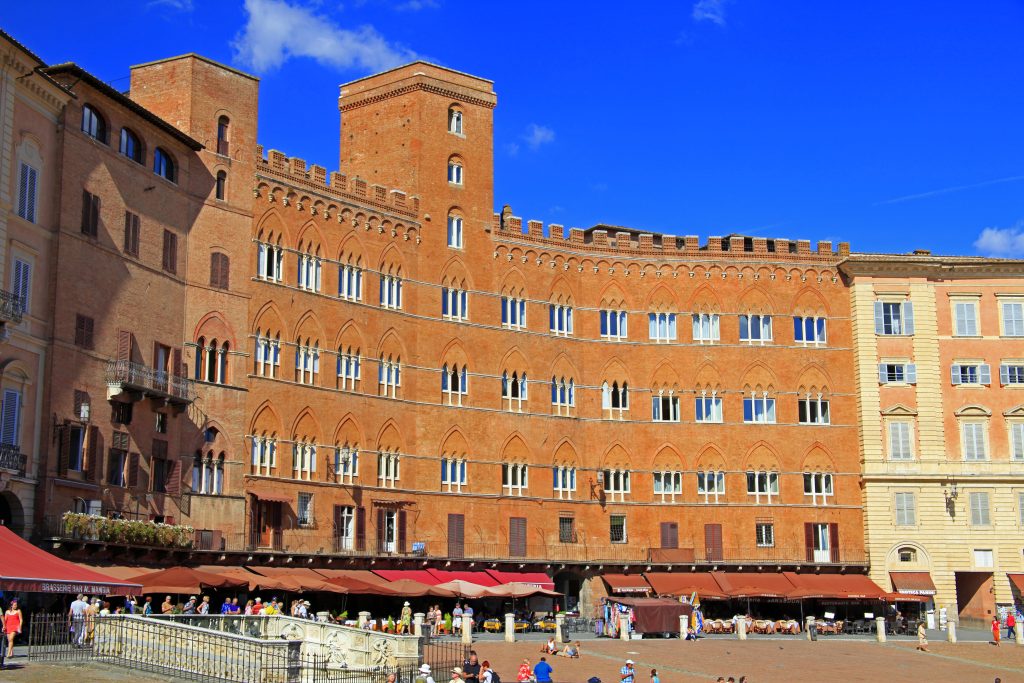
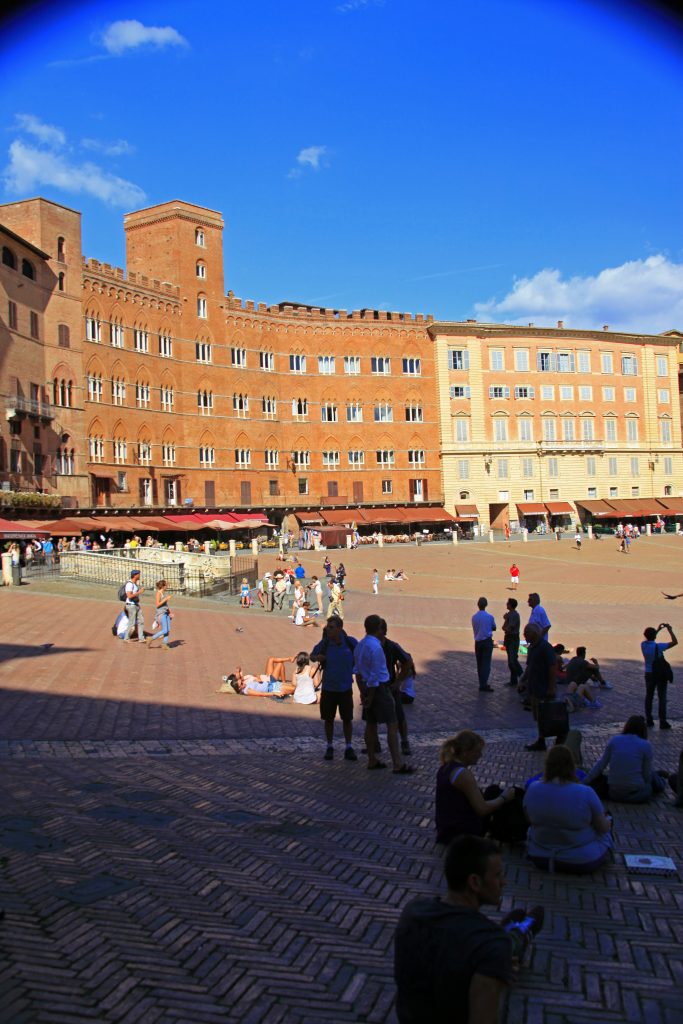
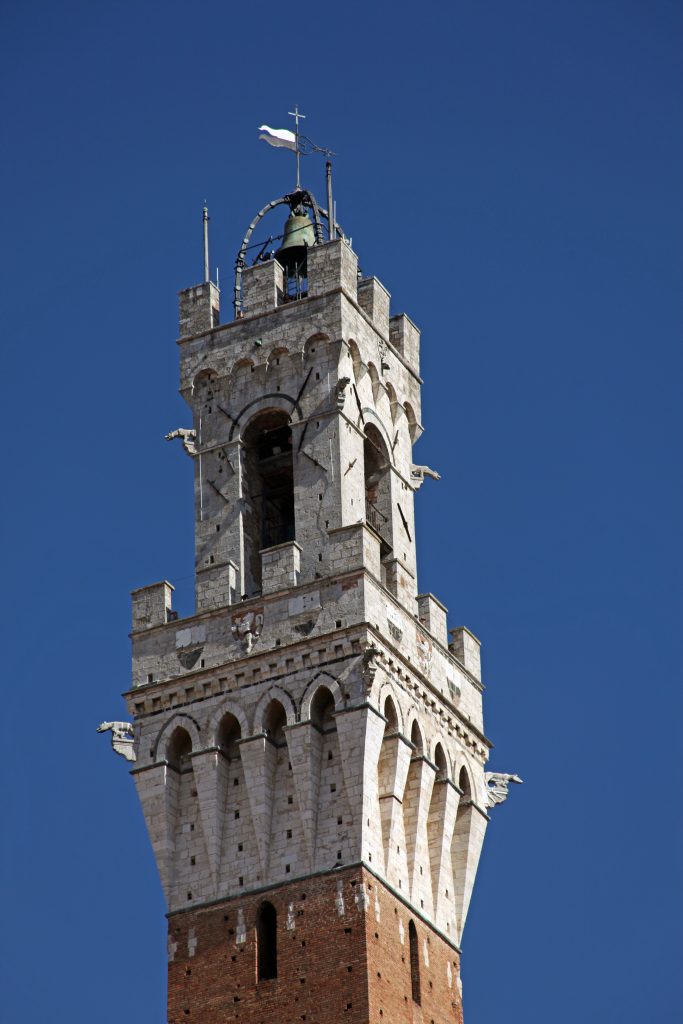
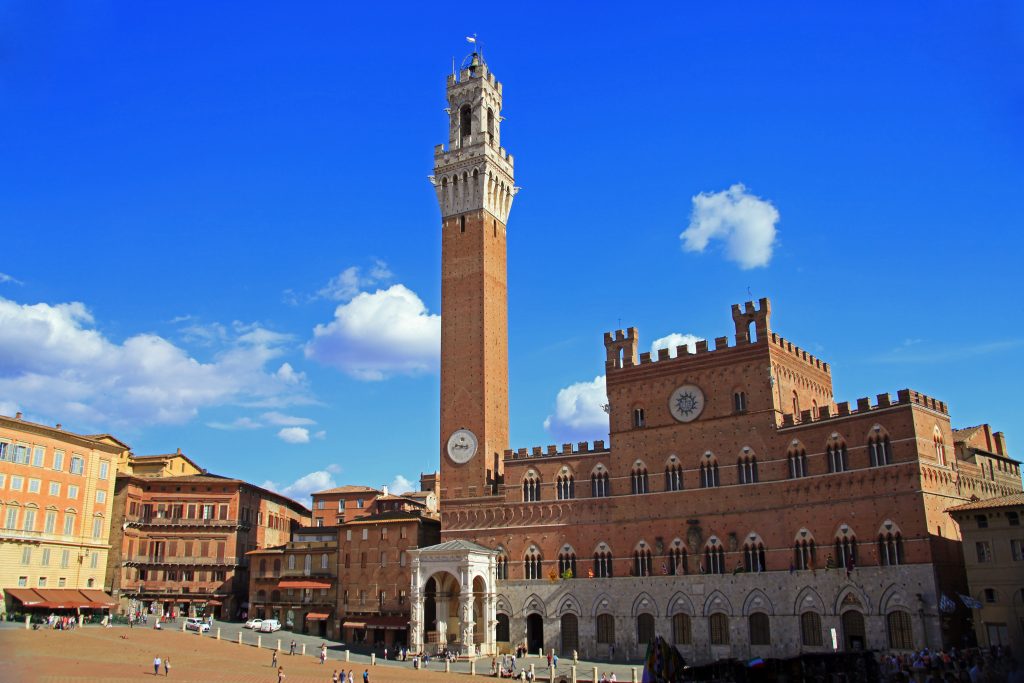
At Siena’s heart lies the Piazza del Campo, a shell-shaped square that gently slopes toward the commanding Palazzo Pubblico and its slender Torre del Mangia. When built, the pencil-like campanile was one of the tallest secular towers in medieval Italy. At 102 meters (335 feet), it is now Italy’s second tallest after Cremona Cathedral‘s Torrazzo. The tower is named for its first bellringer, Giovanni di Balduccio, nicknamed Mangiaguadagni (‘Profit eater’) either for his spendthrift tendency, idleness, or gluttony.
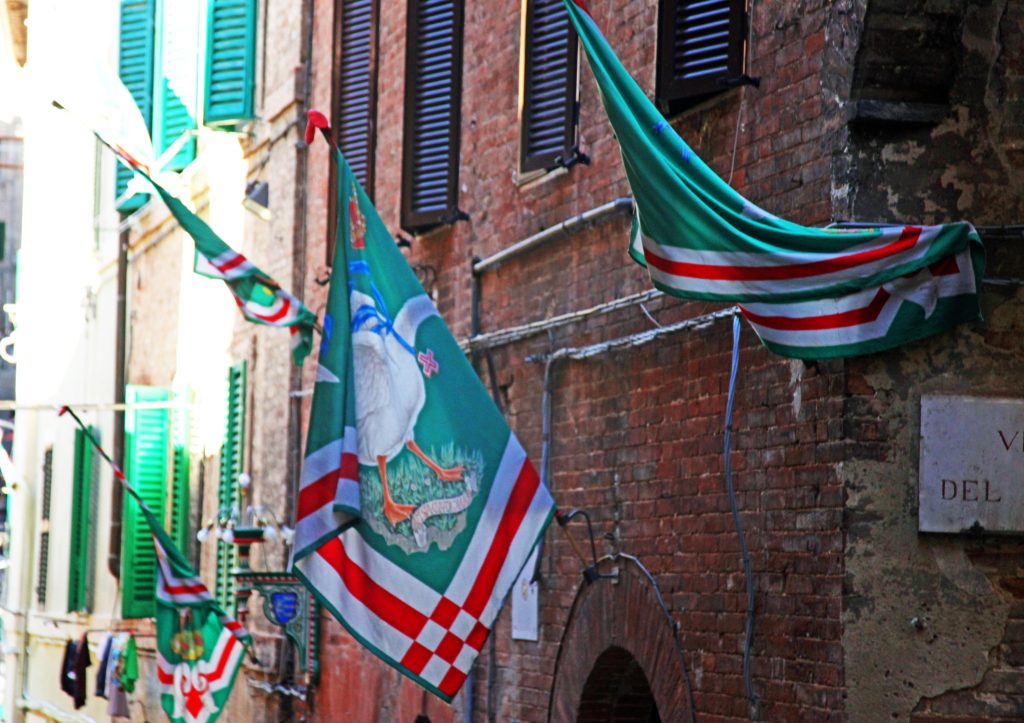
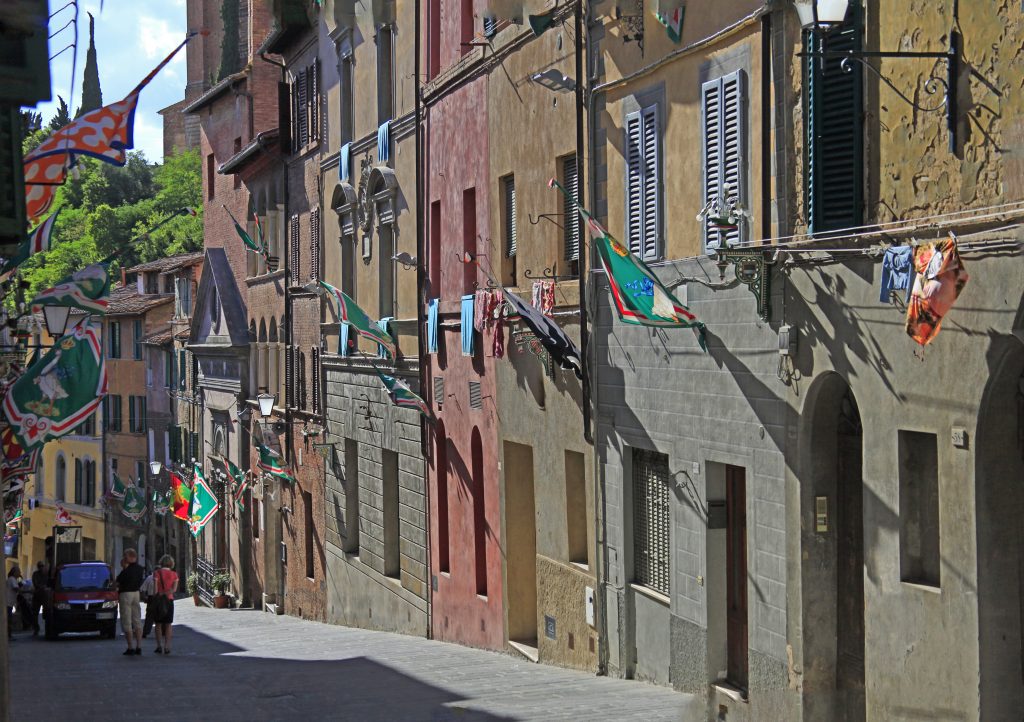
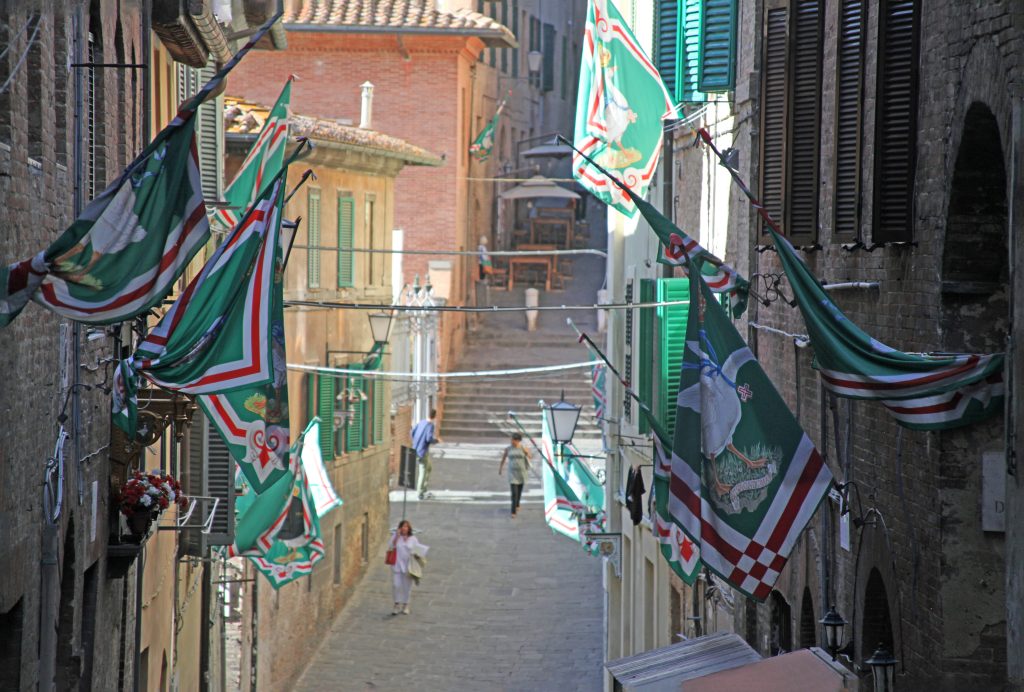
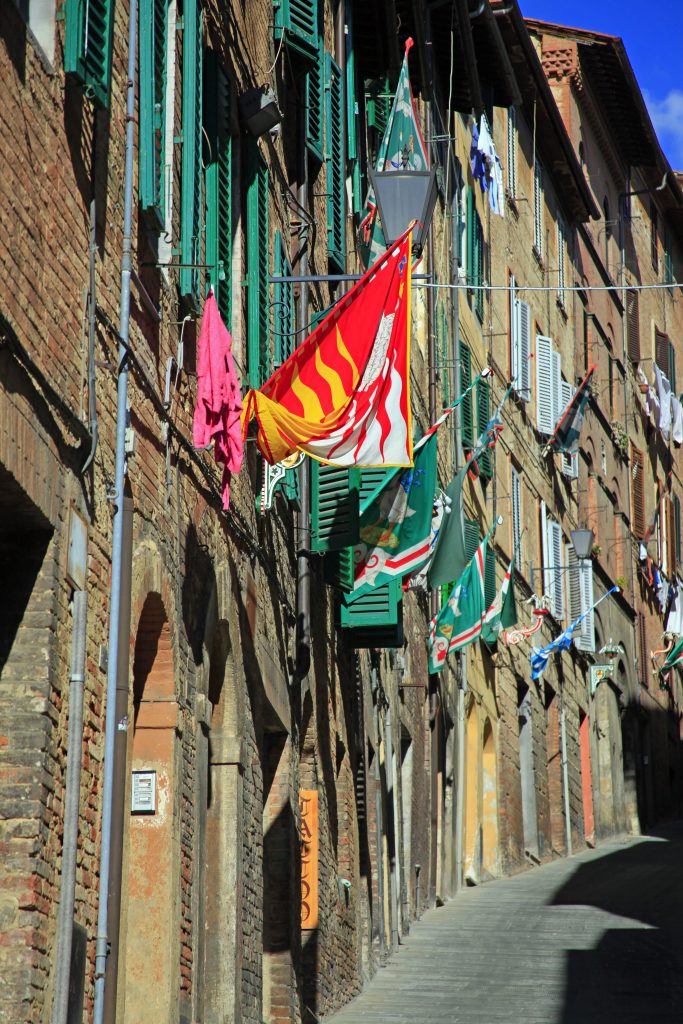
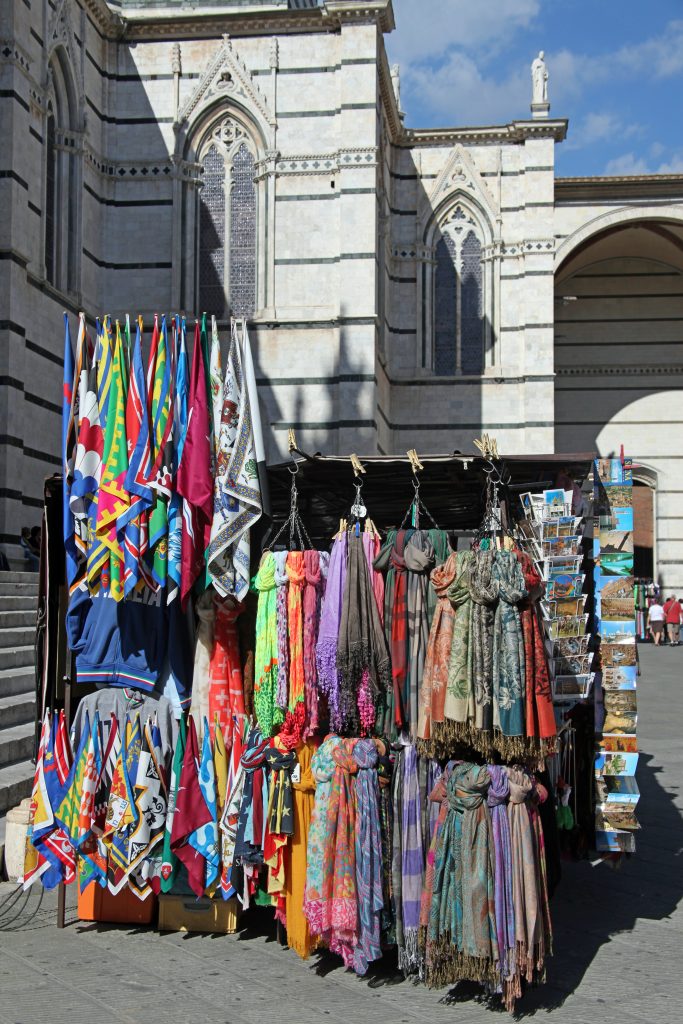
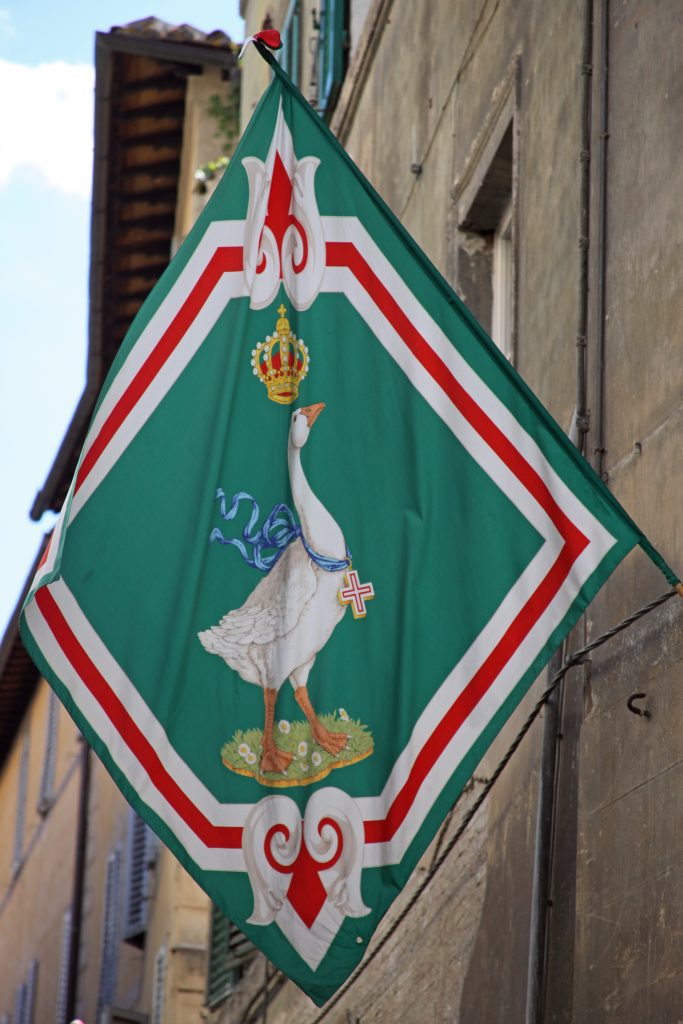
It is here in this square overseen by the tall tower, that you will find the spirit of Siena comes to life most vividly during the Palio, that storied horse race held twice each summer since the 17th century. Representing 10 of the city’s 17 contrades, riders hurtle bareback around the Campo’s tight circuit in a thunderous, colorful spectacle of medieval pageantry, civic pride, and raw emotion. Don’t miss the individual contrades’ banners flying from buildings, bridges and above streets for weeks before cheering on the competitors. And yes, there tends to be a lot of drinking going on: on the sidelines and spilling out of the cafes and establishments during the heydays of the festival!
A Vision in Black and White
But don’t stay put in the Piazza del Campo, there is much more to see.
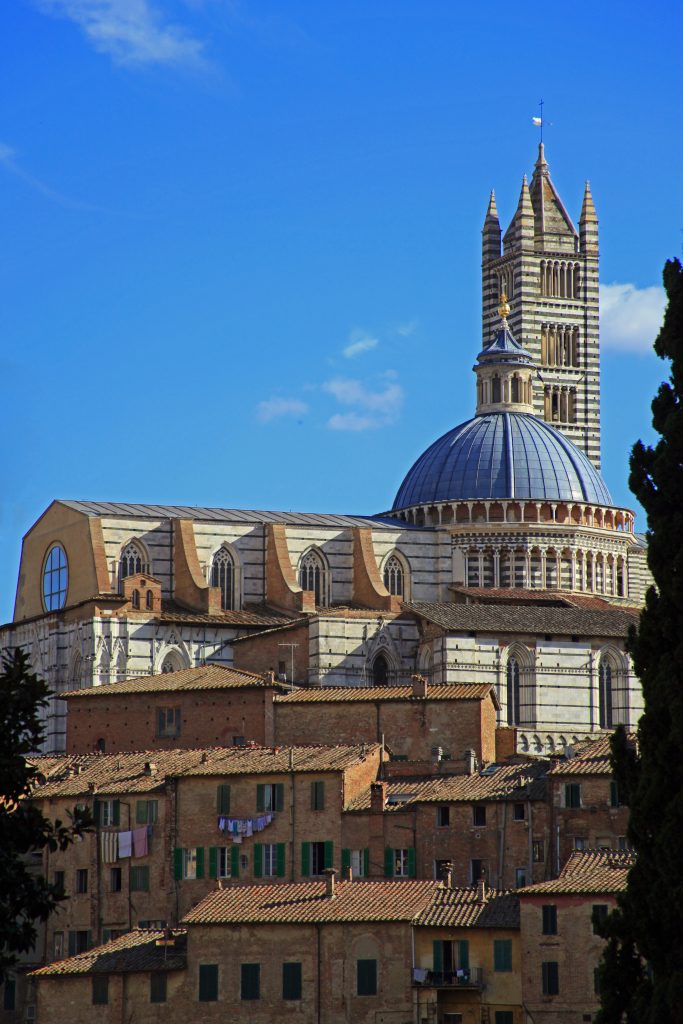
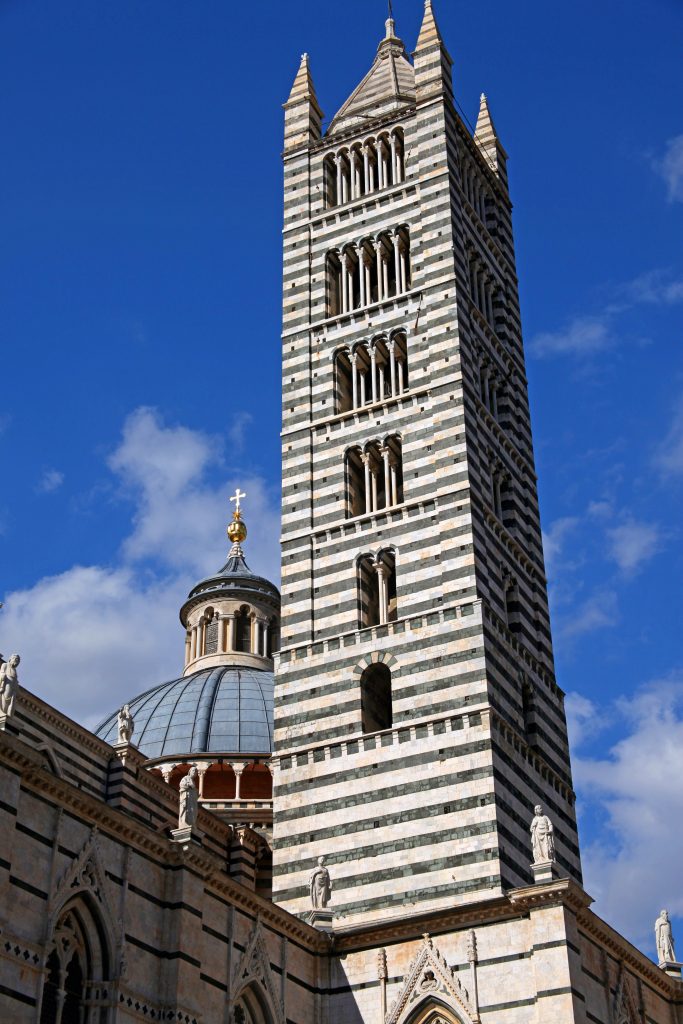
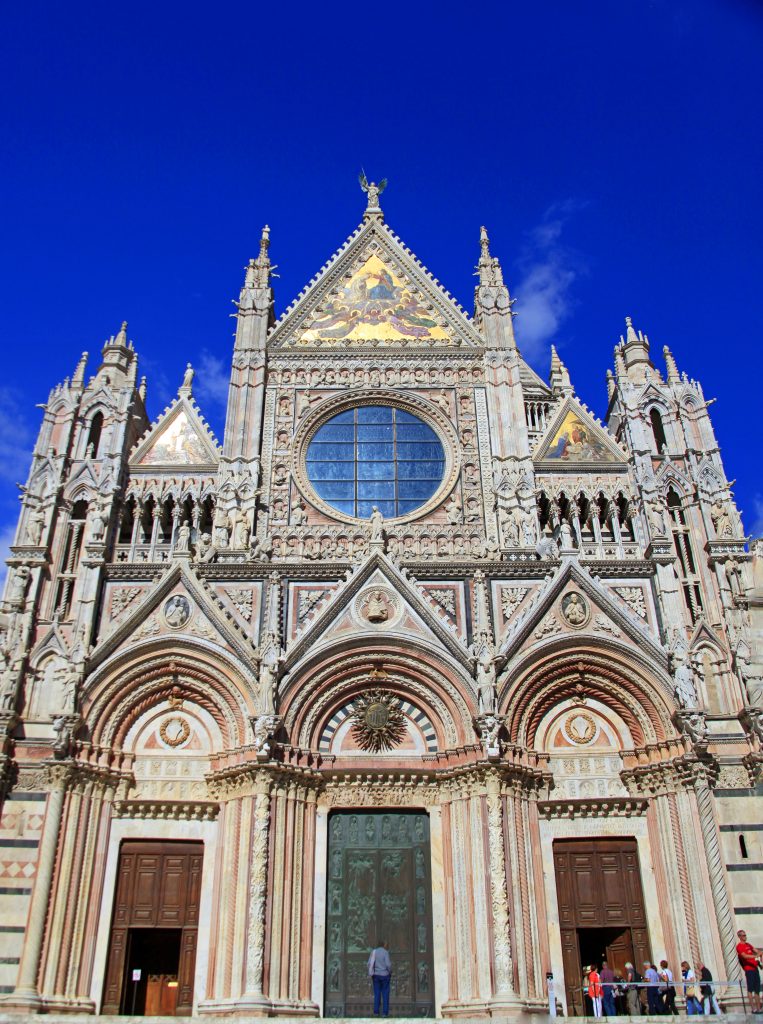
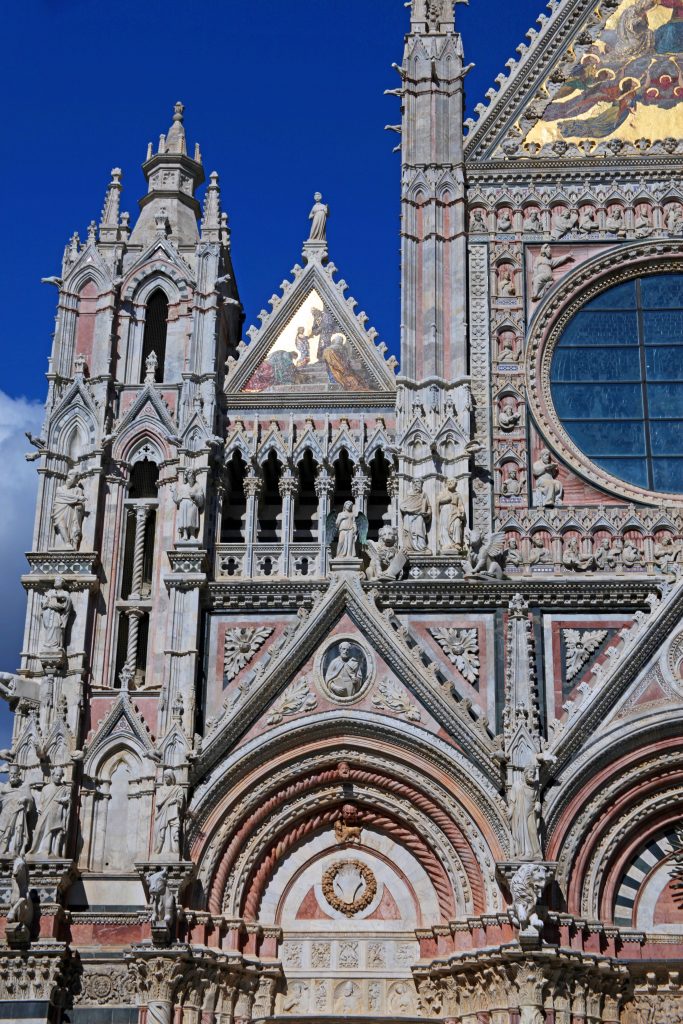
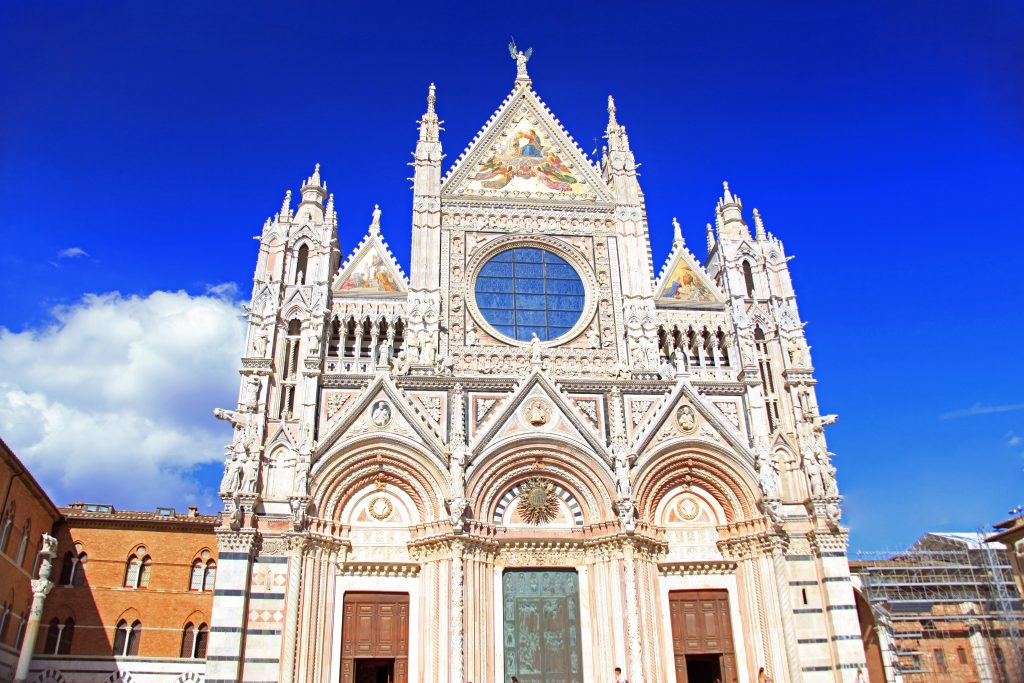
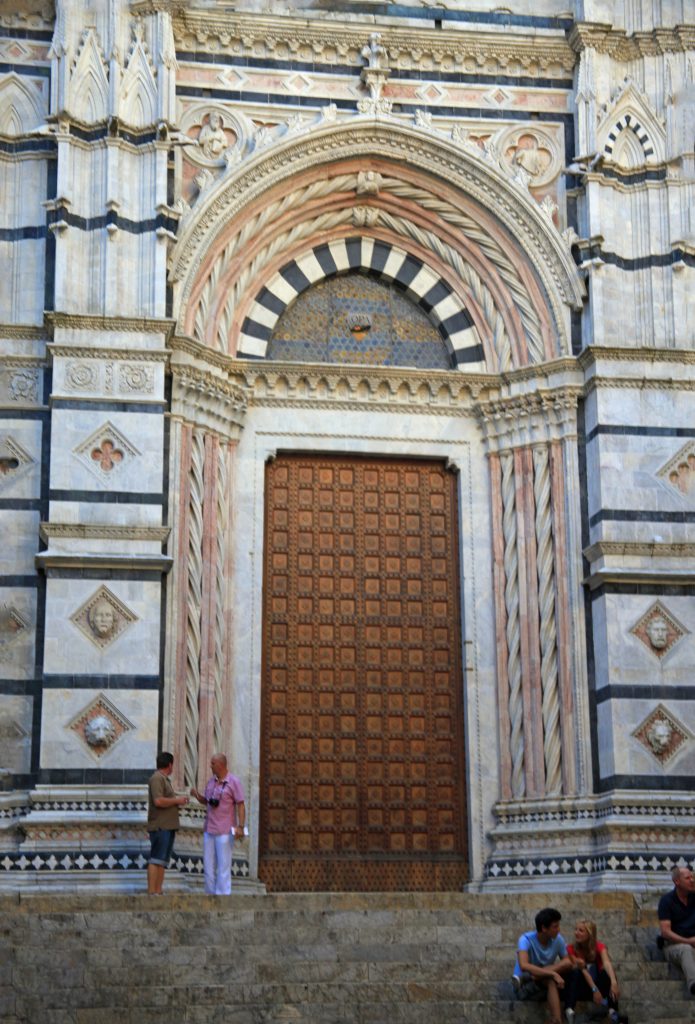
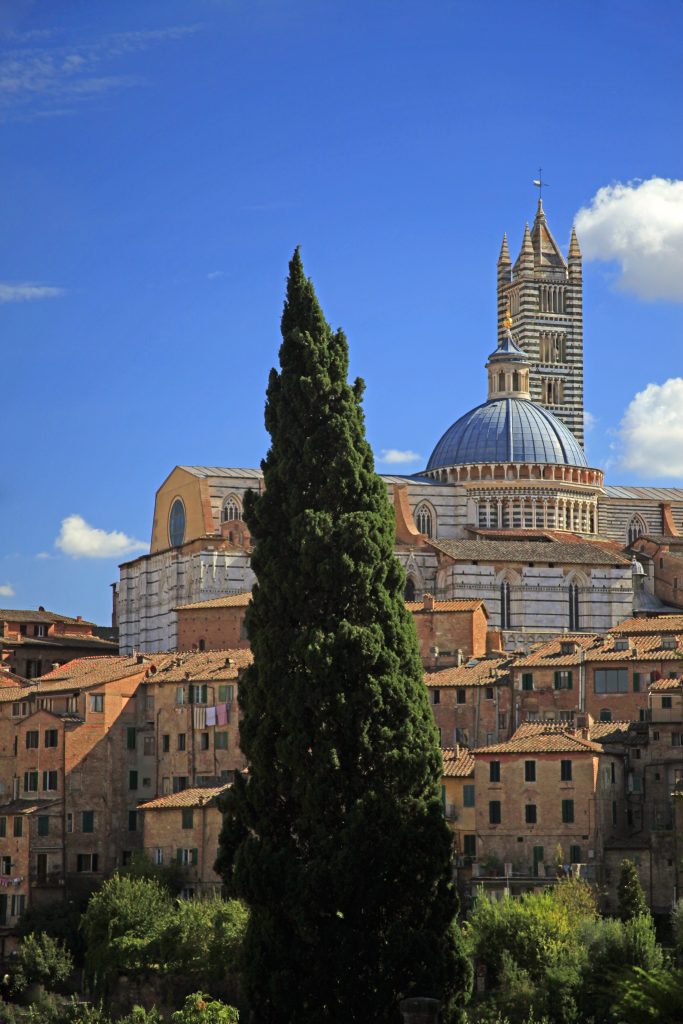
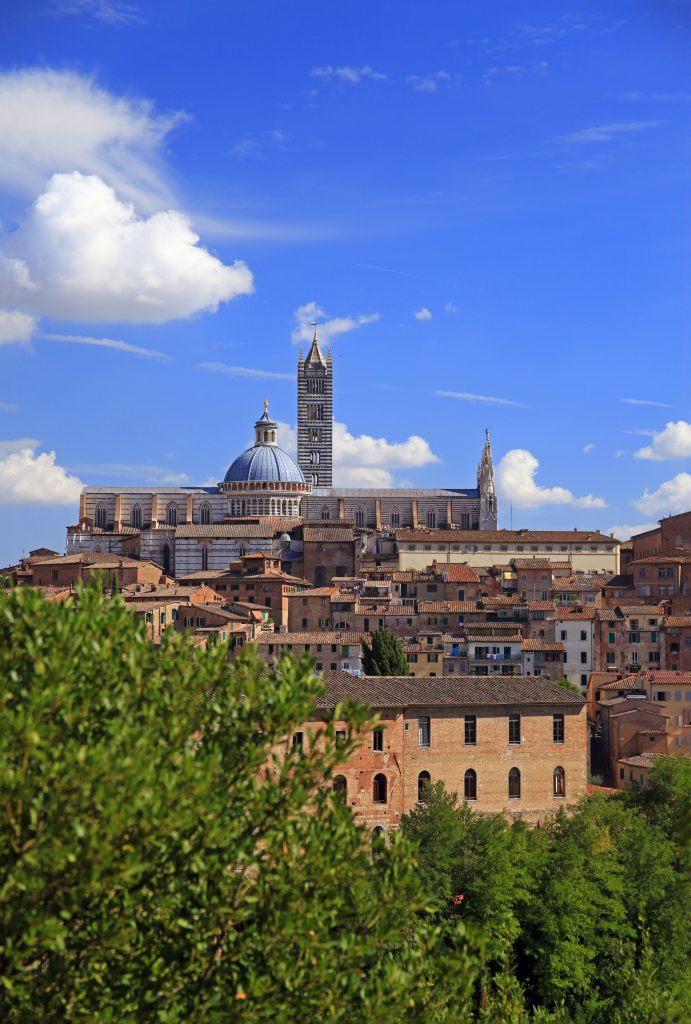
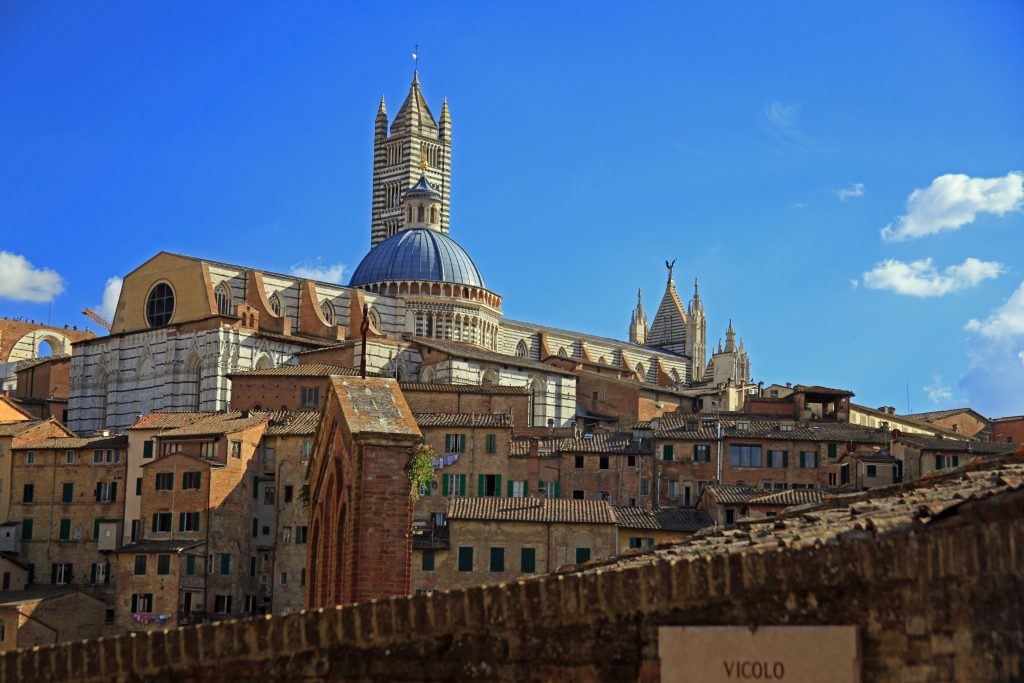
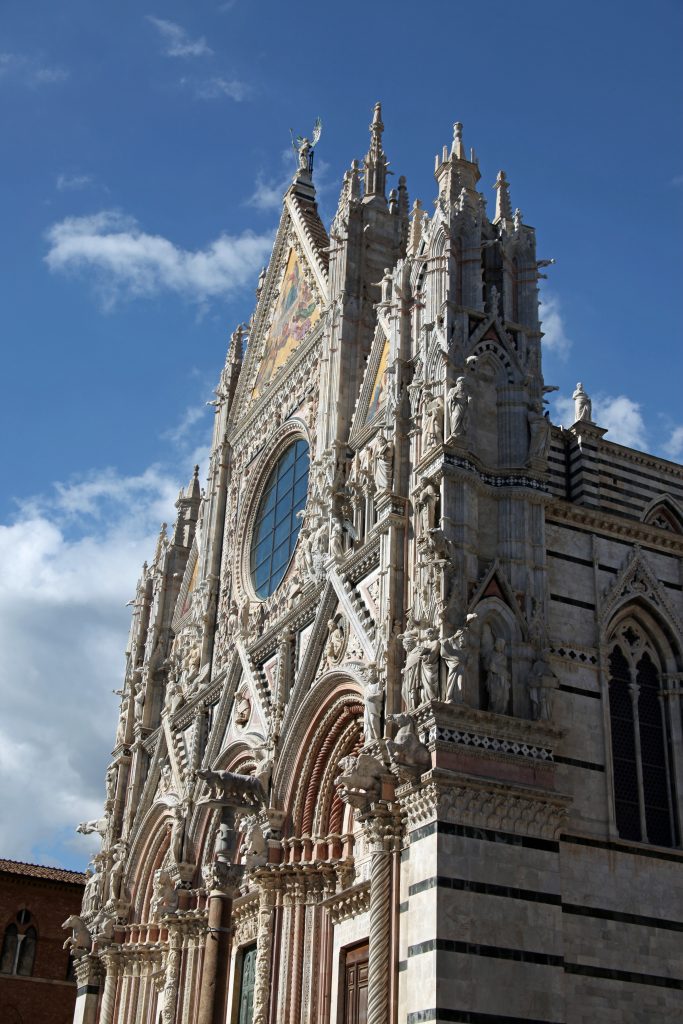
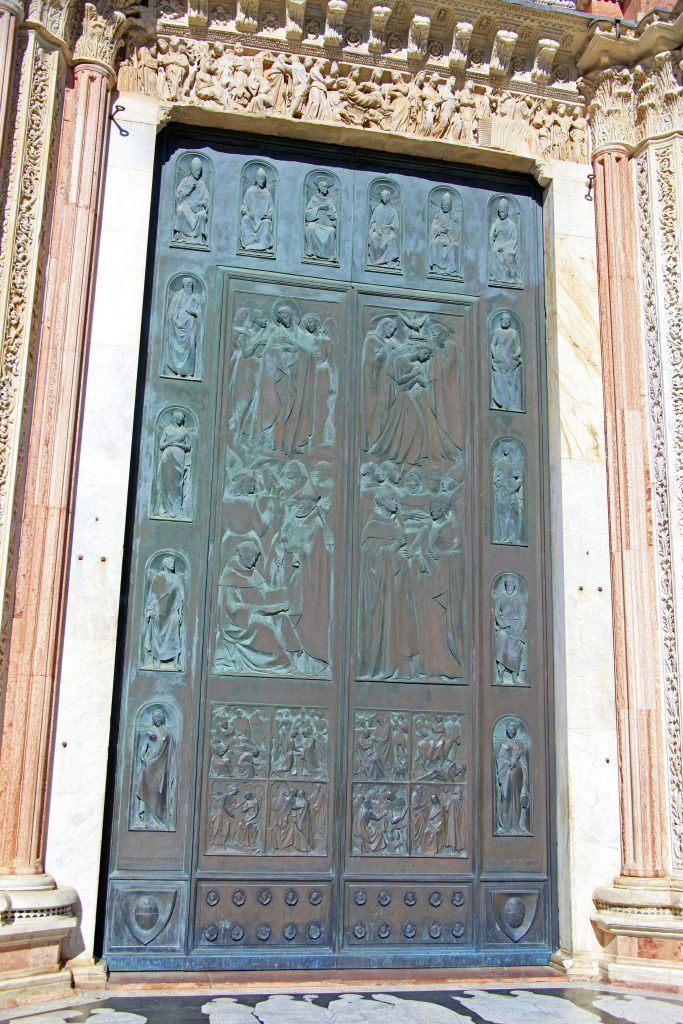
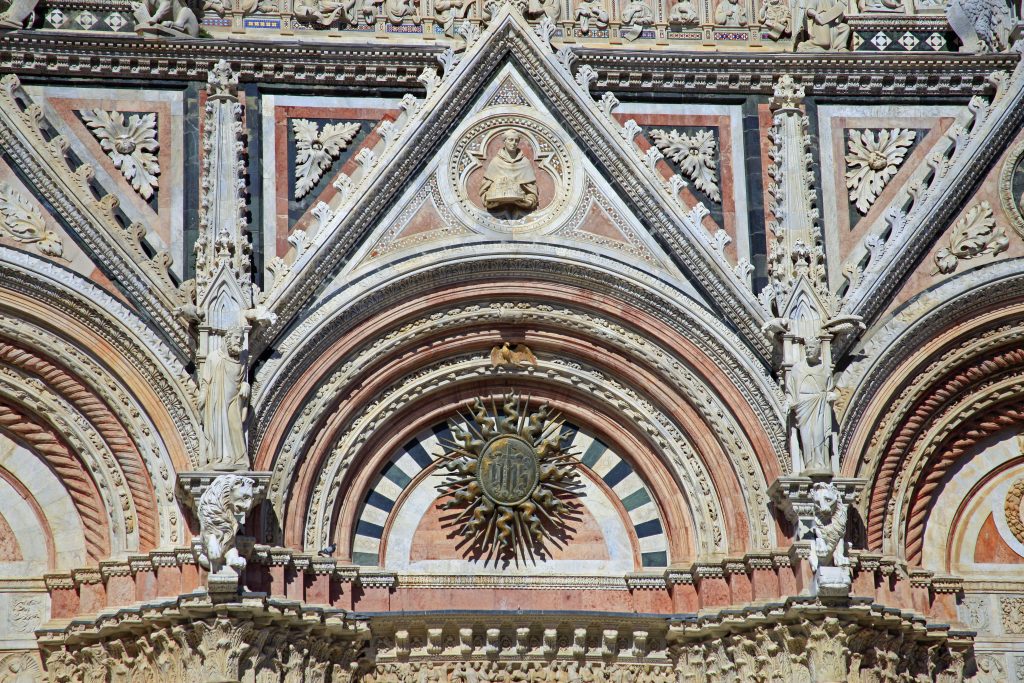
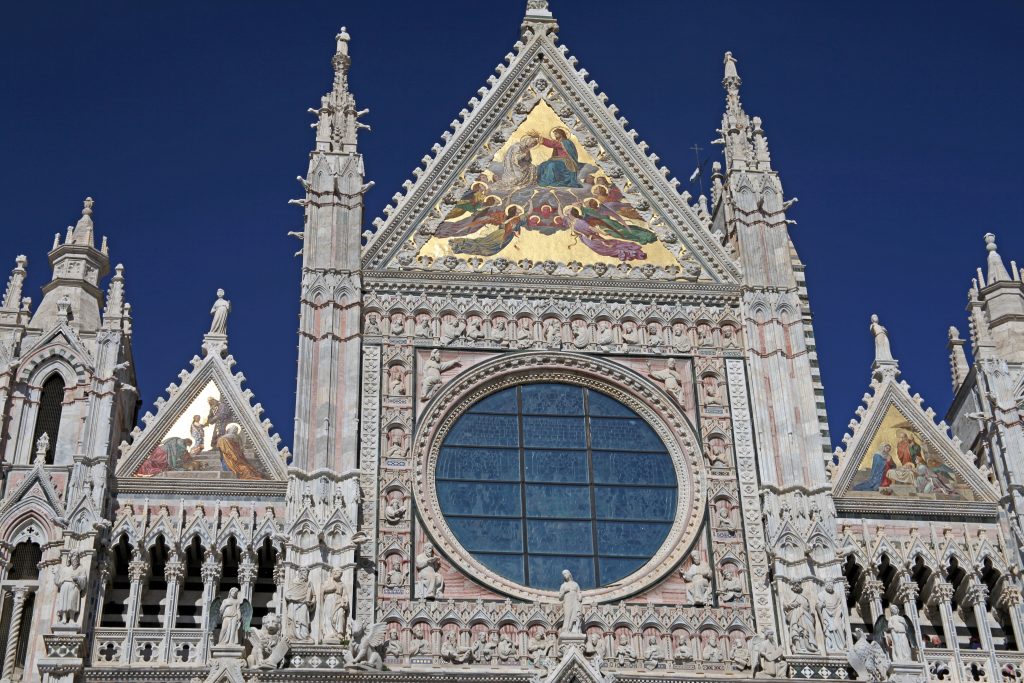
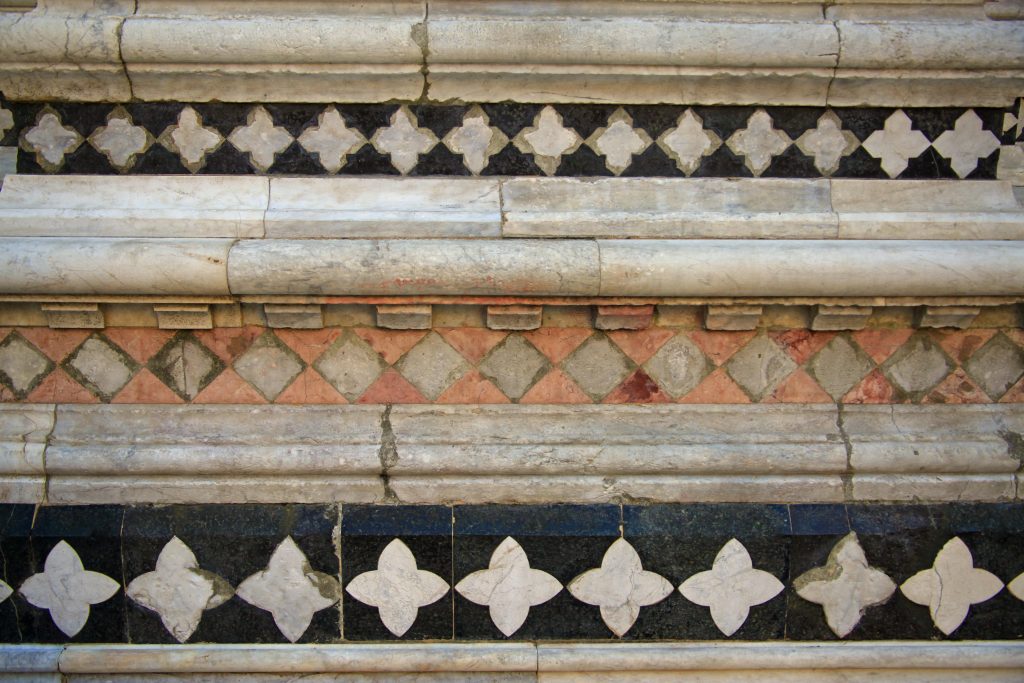
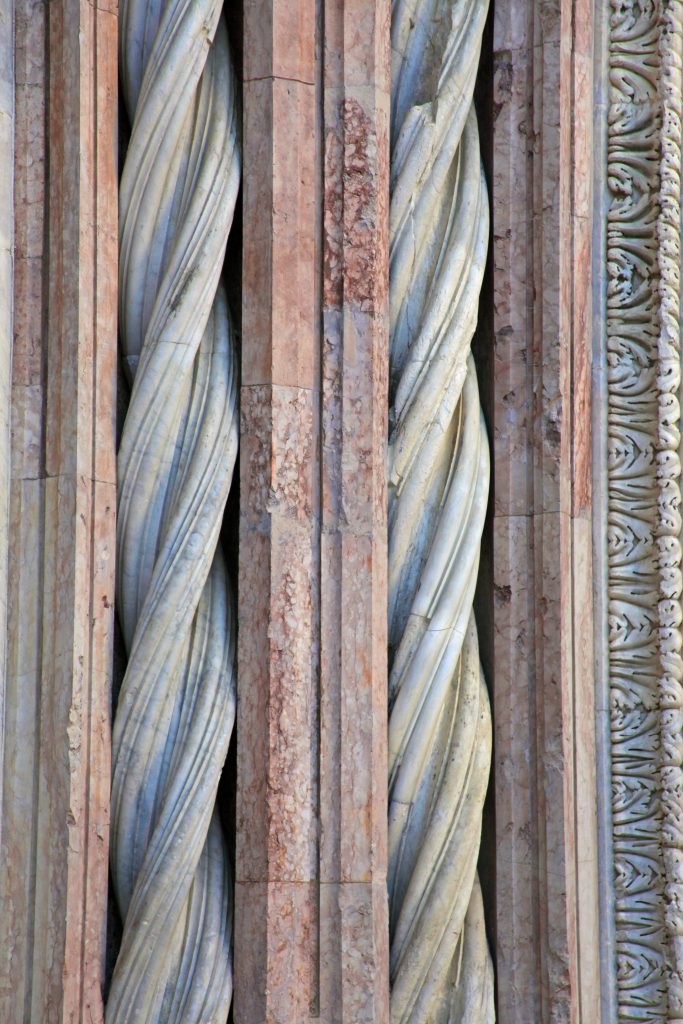
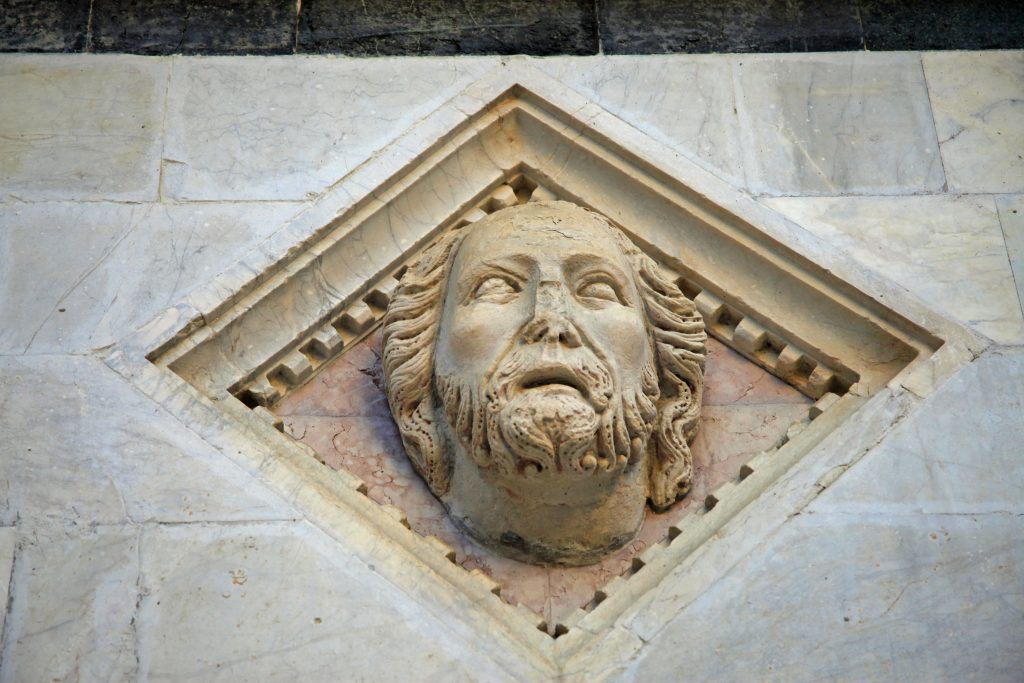
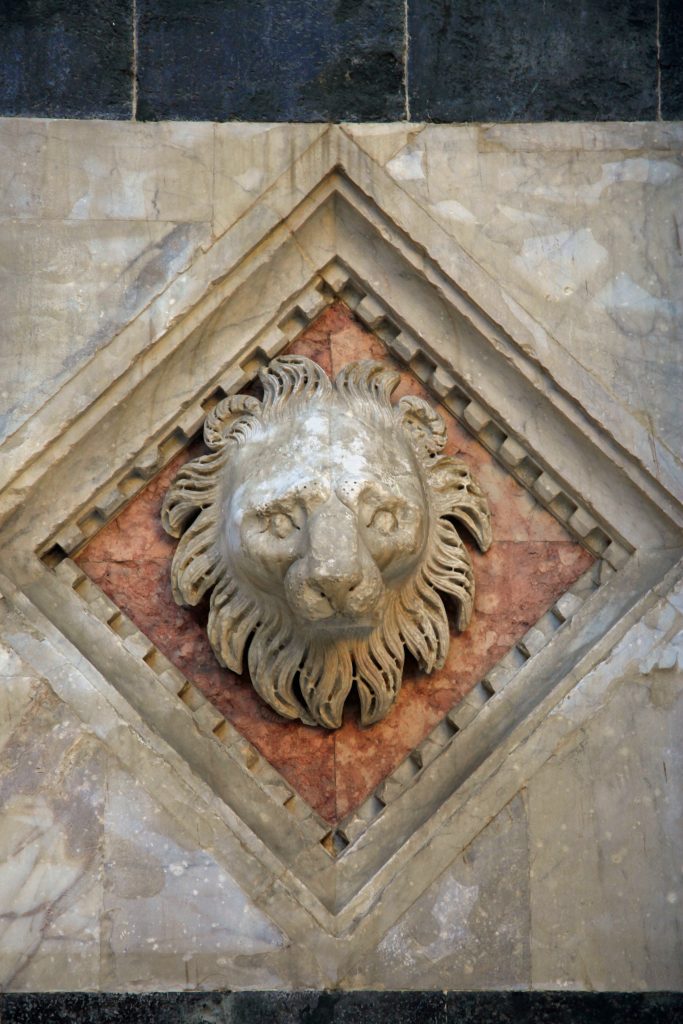
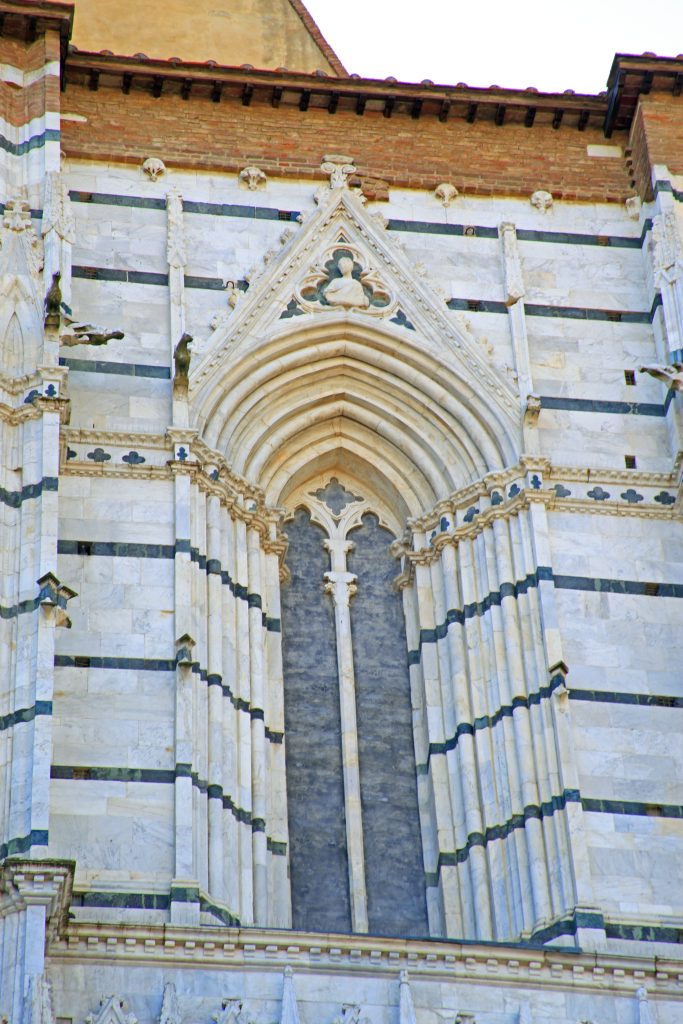
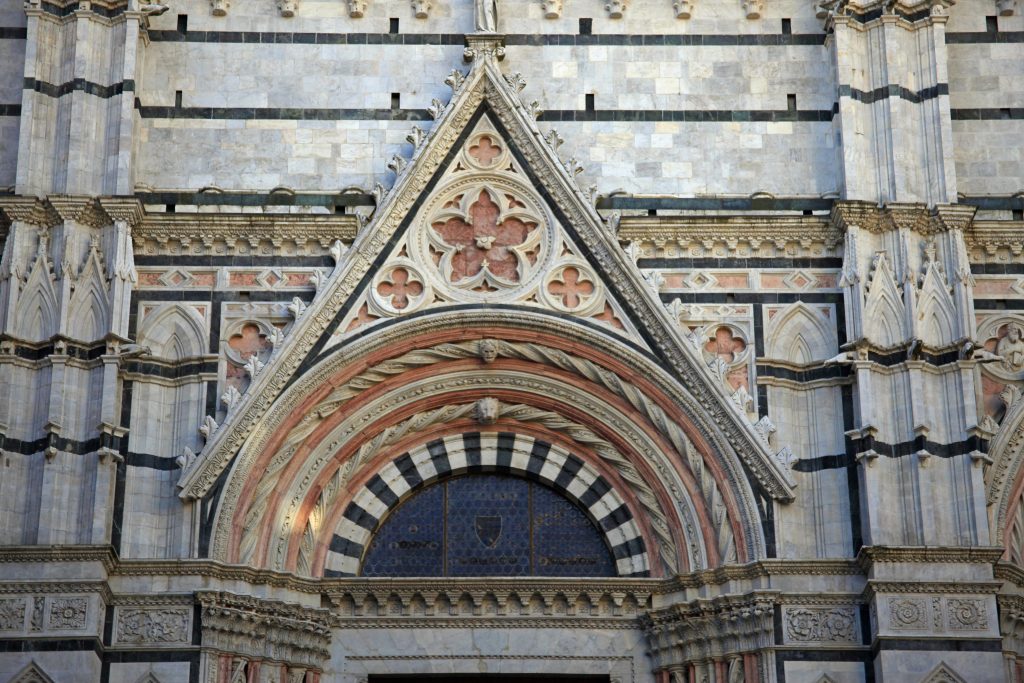
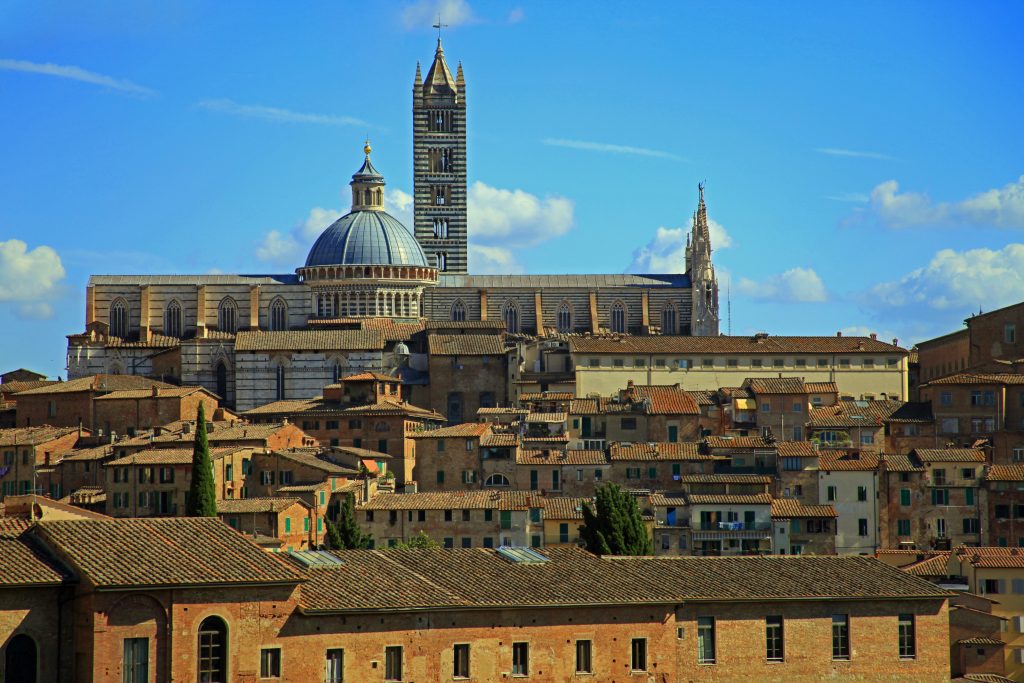
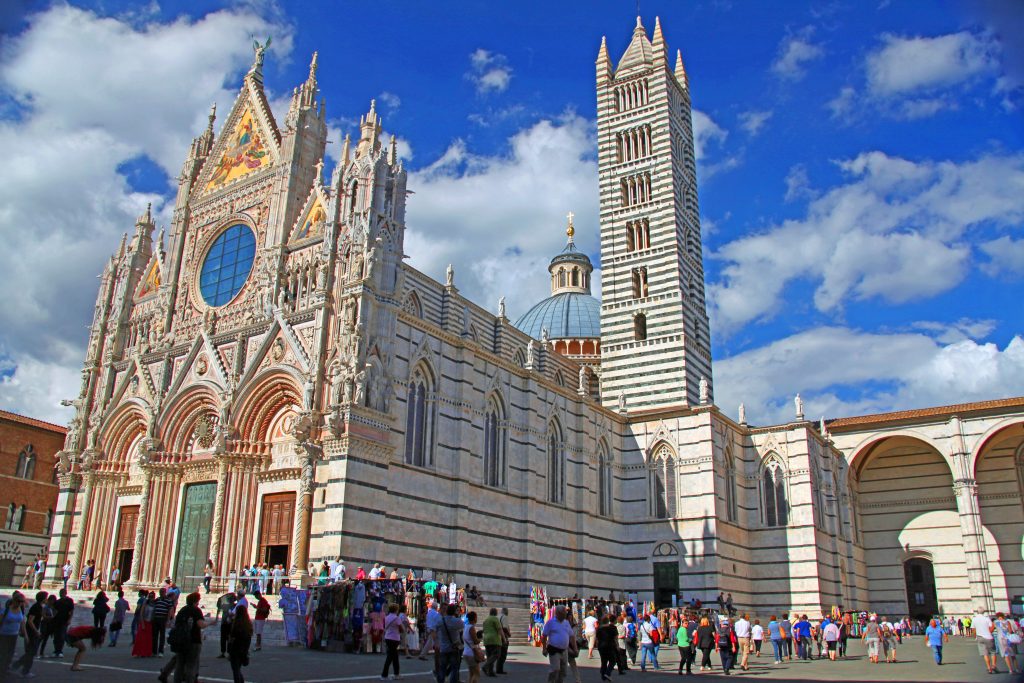
Siena’s cathedral, the Duomo di Siena, rises like a marble vision against the sky, a glorious marriage of black and white stone, intricate mosaics, and dizzying verticality. Its façade is a festival of Gothic exuberance: saints and angels whirl across the sculpted surface, while inside, the eye is drawn skyward by striped columns and gilded ceilings. The Piccolomini Library within shelters luminous frescoes by Pinturicchio, celebrating the grandeur of Renaissance humanism.
Wander beyond the great square and cathedral, and you’ll discover other treasures:
- Santa Maria della Scala: Once a medieval hospital, now a sprawling museum complex revealing the city’s devotion to charity and faith.
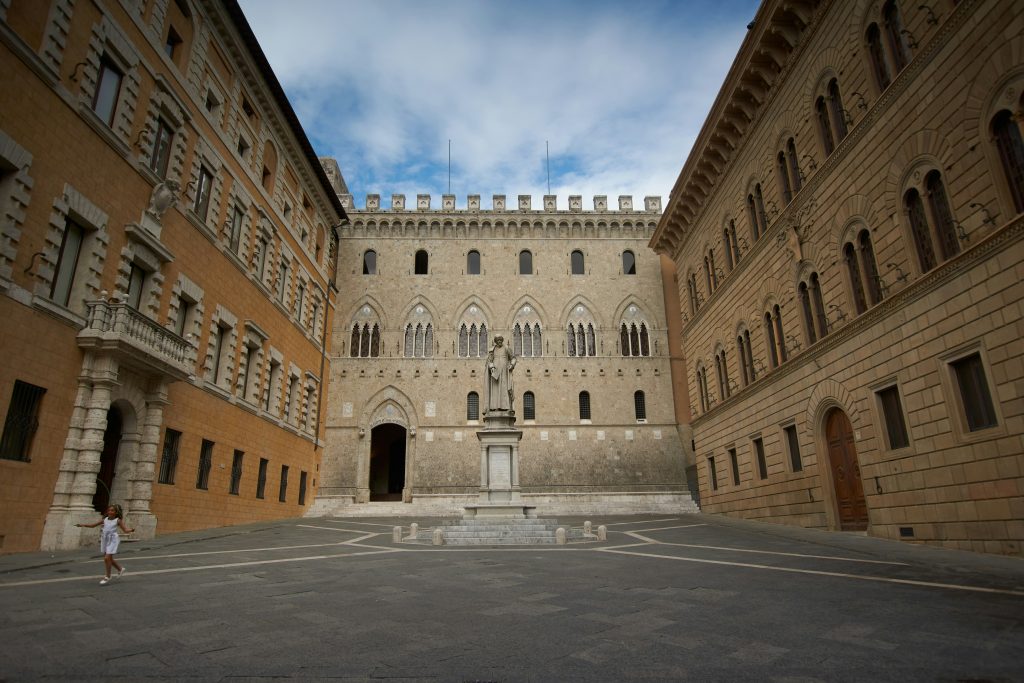
- Palazzo Salimbeni: Home to the Monte dei Paschi di Siena, the oldest surviving bank in the world, its Gothic grandeur a quiet testament to the city’s financial prowess.
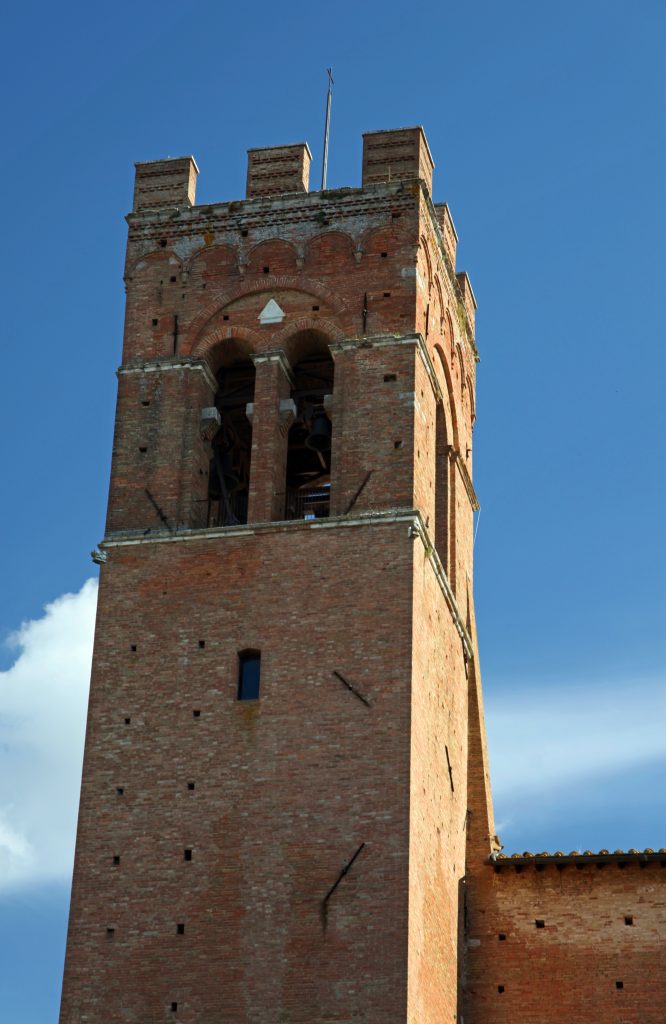
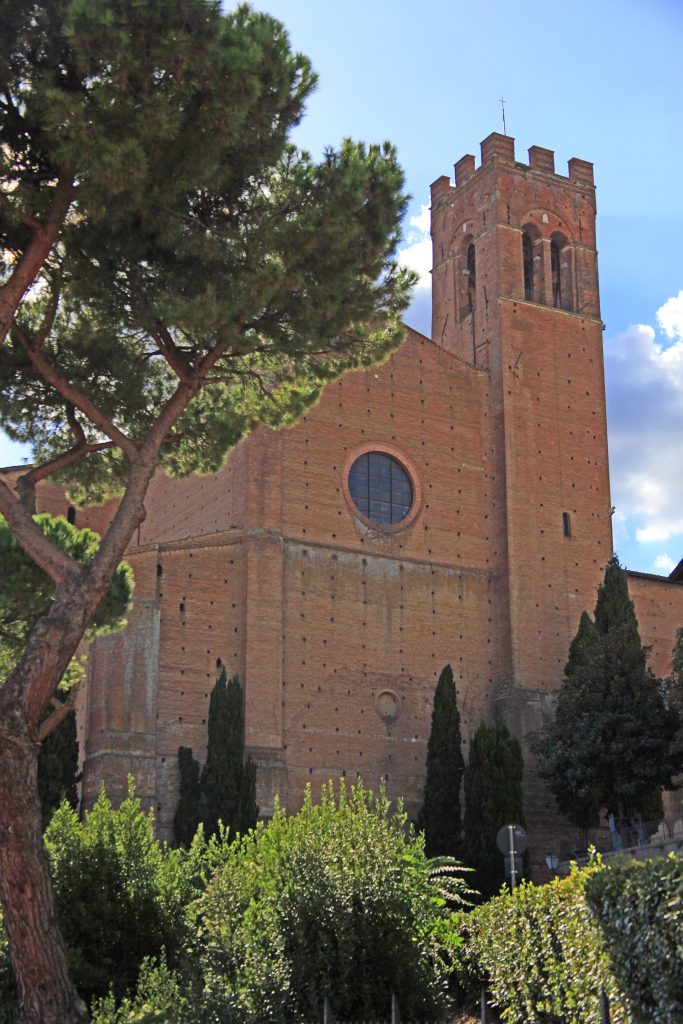
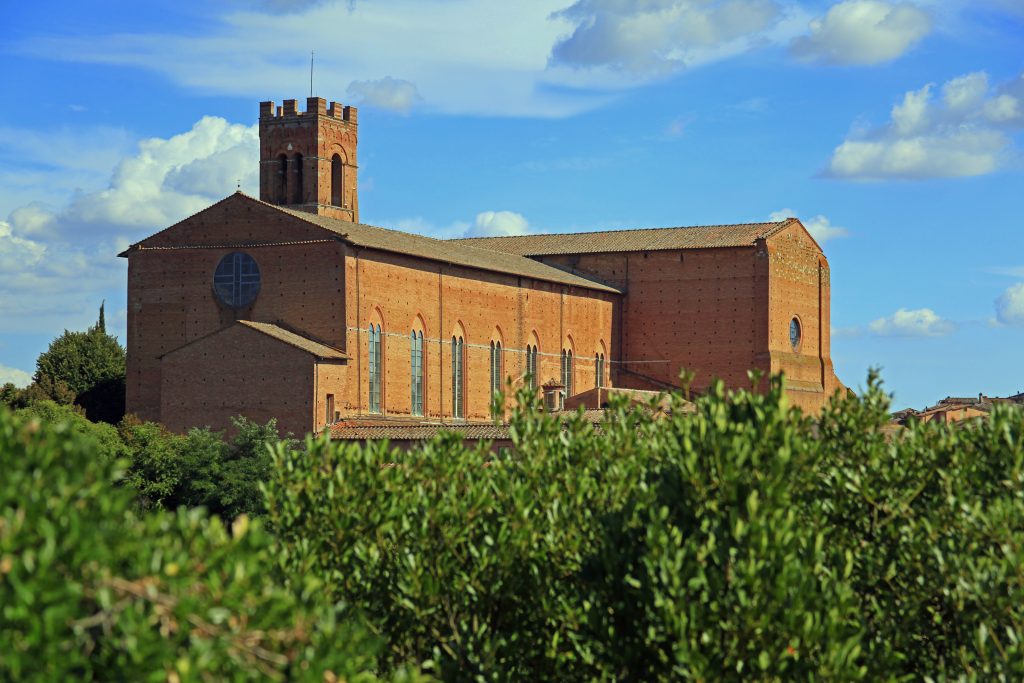
- Basilica of San Domenico: A stark, powerful brick church housing relics of Siena’s beloved patroness, Saint Catherine.
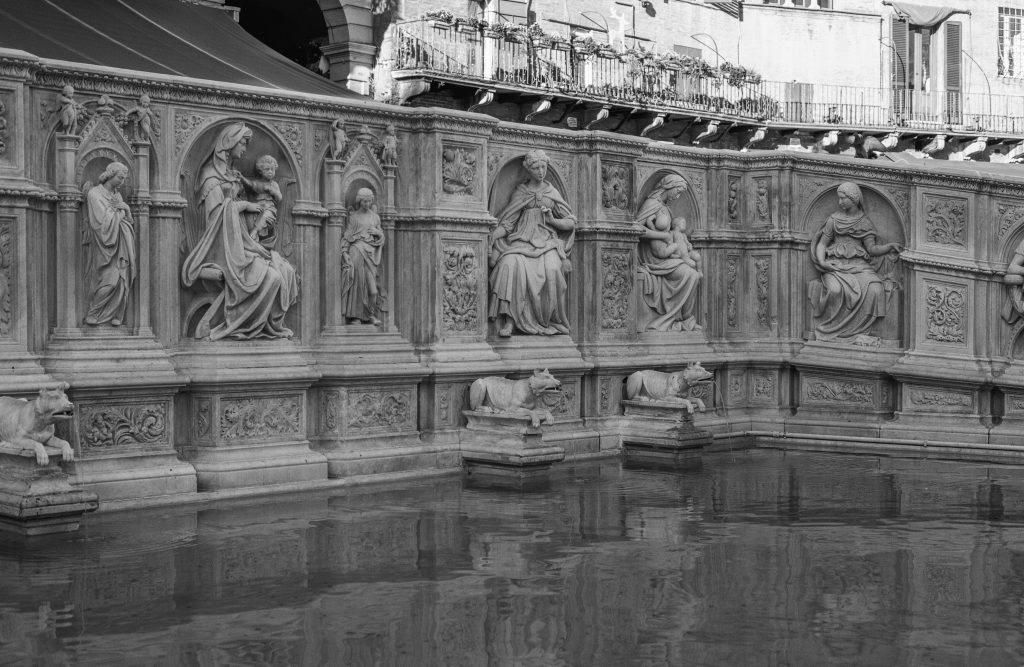
- Fonte Gaia: A joyful fountain at the top of the Campo, with delicate sculptural panels depicting the virtues and legends of the city.
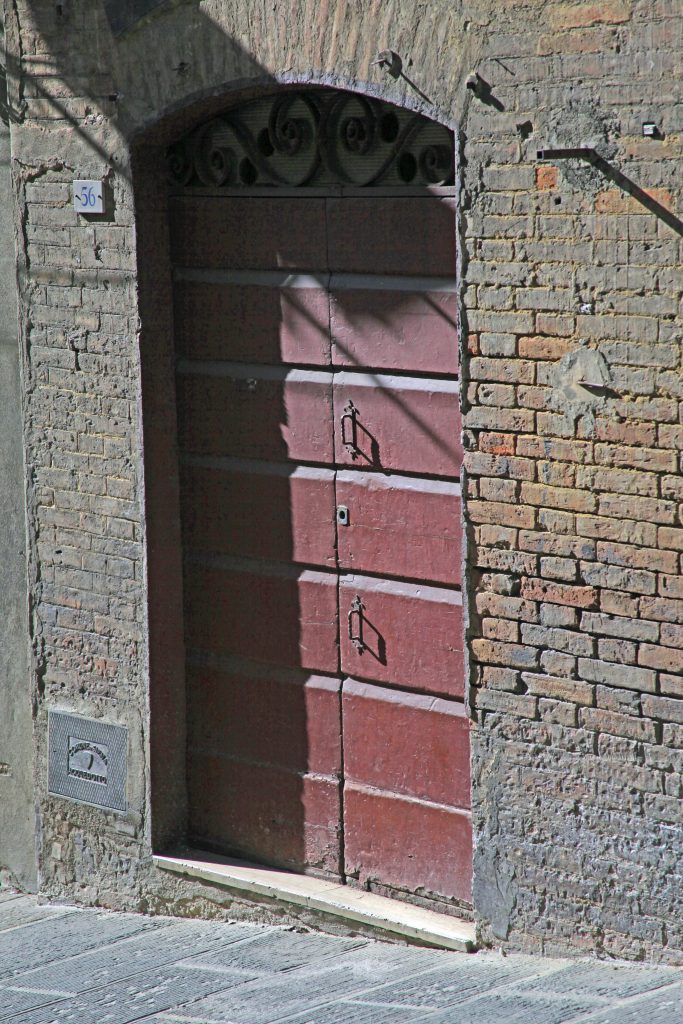
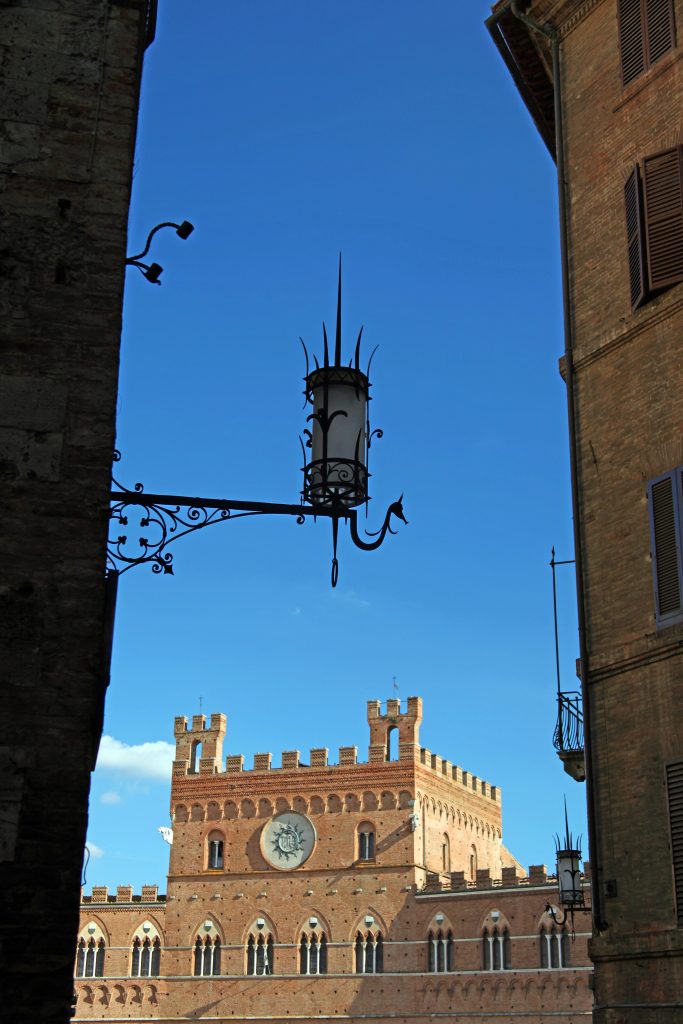
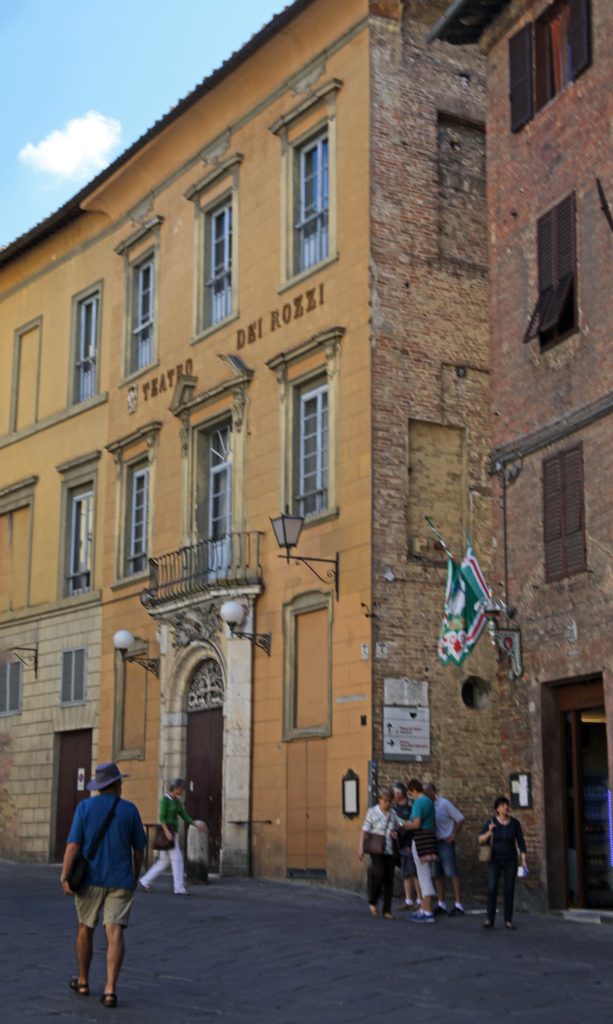
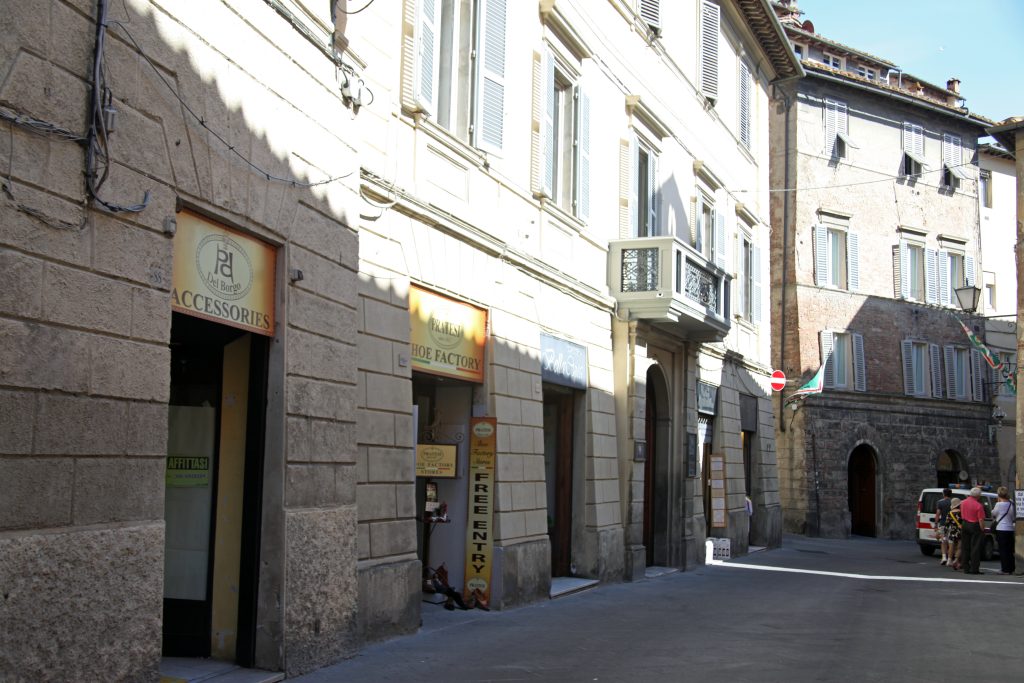
The streets themselves hum with history, shuttered windows, battered doorways, and timeworn flags overhead whispering of bygone alliances and enduring rivalries. Every building is a story in itself. You wonder what has gone on behind those balconies and heavy wooden doors. You cannot help but imagine yourself living a Medieval or Renaissance life when striding up and down the hilly cobblestoned streets of Siena.
Contrade in Control
Today, Siena remains fiercely proud of its medieval soul. The contrade continue to weave the social fabric of the city, their banners and traditions carefully passed from generation to generation. The Palio is no mere performance, it is a ritual, a lifeblood that binds neighbor to neighbor and past to present. Contemporary visitors are welcomed not as distant spectators, but as temporary citizens of a living medieval republic, invited to share its festivals, its food, and its fiercely beating heart.
So linger a little longer beneath Siena’s crimson skies. Stand at the center of the Campo and turn in slow wonder, feeling the centuries breathe around you. In Siena, the stones remember, the thunder of hooves, the lilt of a troubadour’s song, the soft sighs of pilgrims and poets. Here, history is not preserved behind glass, it walks beside you, alive and glorious.
Where to Stay in Siena, Italy
Siena’s compact medieval core sits within the city walls, and staying here puts you steps from the Piazza del Campo and the cathedral. The narrow streets and pedestrian-only zones mean you’ll walk everywhere, so proximity matters more than parking. Hotels in this zone range from family-run three-star properties to smaller boutique options; rates climb sharply during the Palio races in July and August, so book well ahead if you’re visiting then.
Just outside the walls, the neighborhoods around Porta Romana and Porta Pispini offer good value without sacrificing walkability. You’ll find guesthouses and converted Renaissance palaces here, many with courtyards or gardens that give you breathing room after a day navigating the maze-like streets. These areas are quieter than the center but still only a five or ten minute walk to the main sights.
If you’re visiting during peak season or traveling on a tighter budget, consider staying in the surrounding hills or smaller towns within thirty minutes of Siena. The Val d’Orcia and Crete Senesi regions have agriturismos and country hotels that offer authentic Tuscan hospitality, vineyards, and olive groves. The trade-off is that you’ll need a car, but you gain access to the broader landscape and the slower rhythm of rural Tuscany.
For any stay in Siena proper, ask your hotel about the city’s ZTL (limited traffic zone) rules if you’re driving. Most central accommodations have arrangements with nearby parking garages or can direct you to legal spots outside the walls. Once parked, you won’t need your car again; Siena rewards walking.
Recommended Reading
- The Daughter of Siena by Marina Fiorato — Set in 1723, this novel delves into the intrigue surrounding Siena’s famed Palio horse race. As alliances shift and secrets unravel, a young woman navigates the treacherous waters of love and politics in a city where tradition and power collide.
- Juliet by Anne Fortier: A modern woman uncovers medieval secrets entwined with the legend of Romeo and Juliet, weaving through the landscapes of Siena.
- The Scribe of Siena by Melodie Winawer — A richly detailed historical novel blending science, art, and romance. Neurosurgeon Beatrice Trovato travels from modern-day New York to 14th-century Siena, where she uncovers the story of painter Gabriele Accorsi and the mystery surrounding the Black Death. As she becomes enmeshed in the city’s fate, the boundaries between past and present blur.
- The Gothic Enterprise: A Guide to Understanding the Medieval Cathedral by Robert A. Scott: An insightful exploration of the architectural and spiritual forces that shaped buildings like Siena’s Duomo.
- Siena: City of Secrets by Jane Tylus: A beautifully layered portrait of Siena’s enduring mysteries, traditions, and spirit
Tours to Consider:
- Siena Walking Tour with Audio and Written Guide by a local
- Discover the Medieval Charm of Siena on a Private Walking Tour