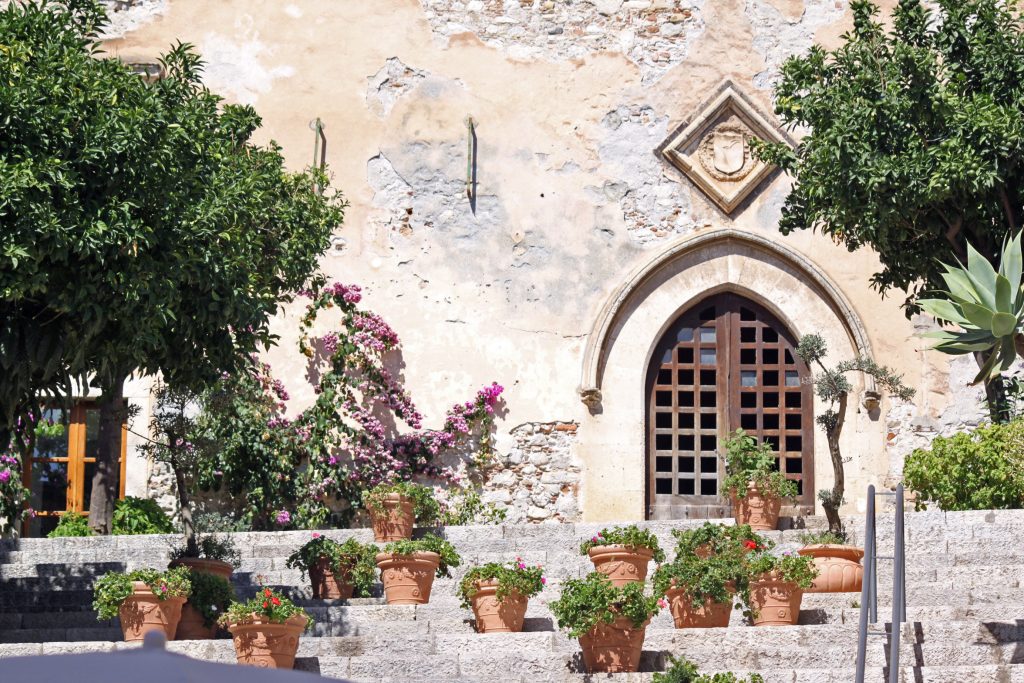
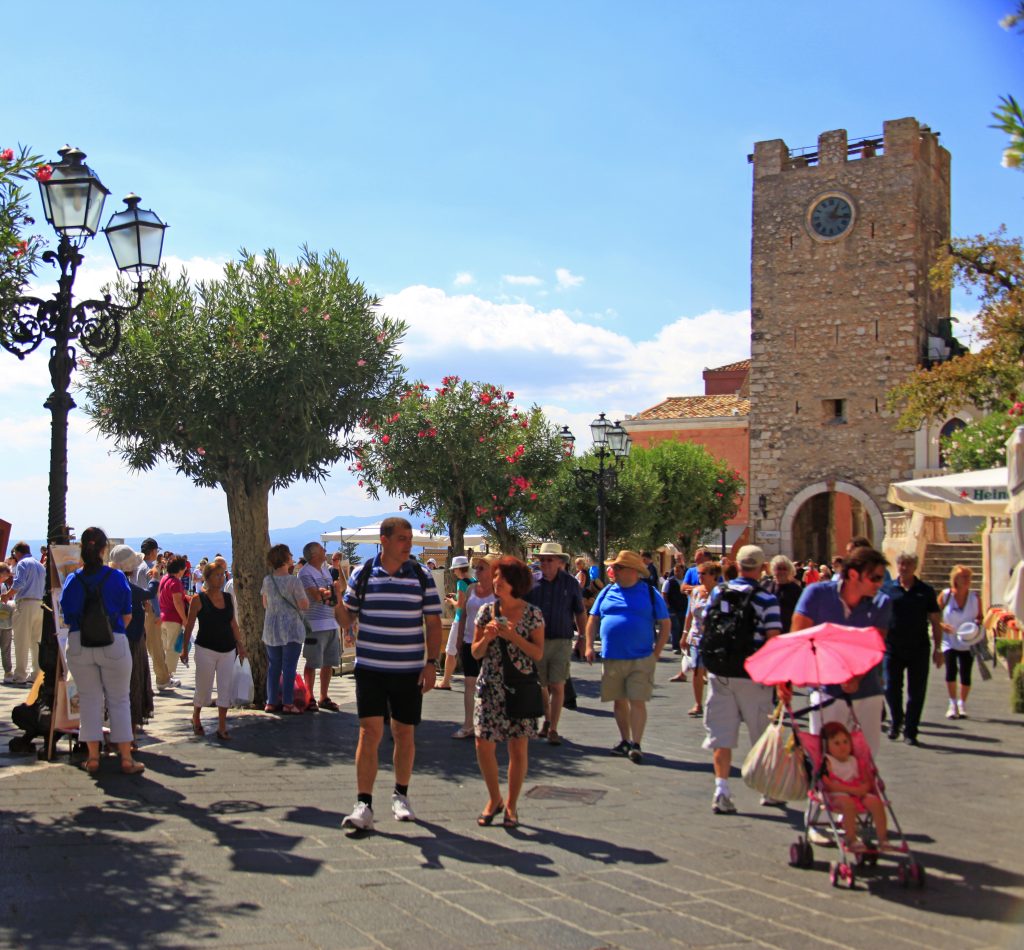
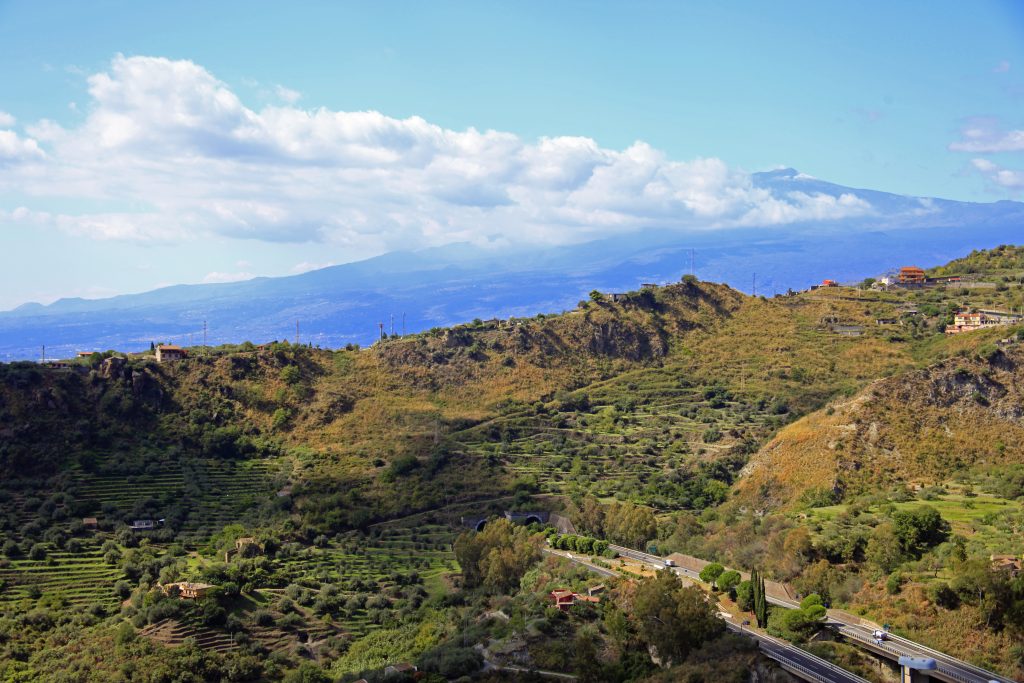
Imagine standing on a plaza that opens to reveal a puffing Mt. Etna across a breathtaking, wide expanse of scenic Sicily, and then turning 180 degrees to take in a village of unsurpassed charm beckoning you away from the cliff edge.
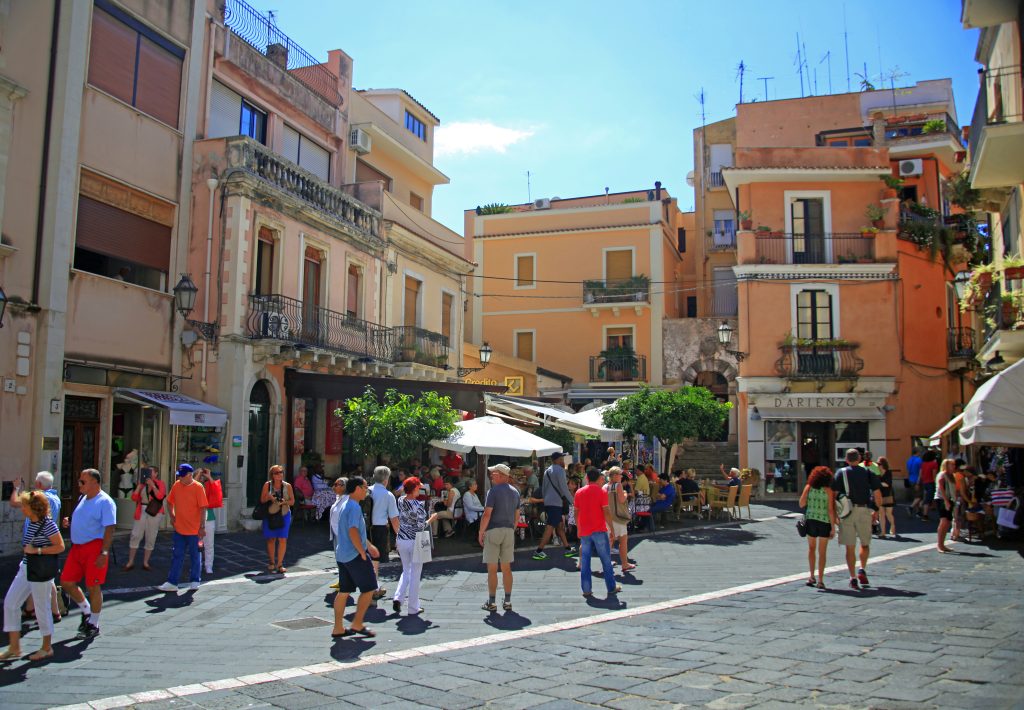
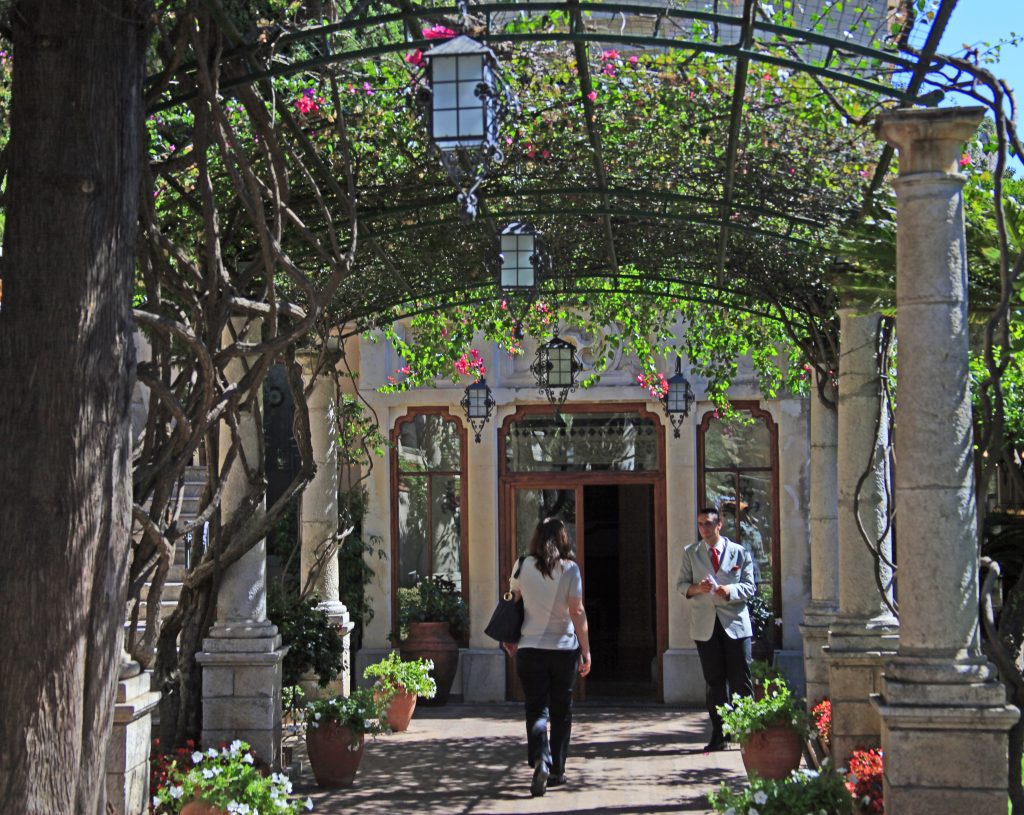
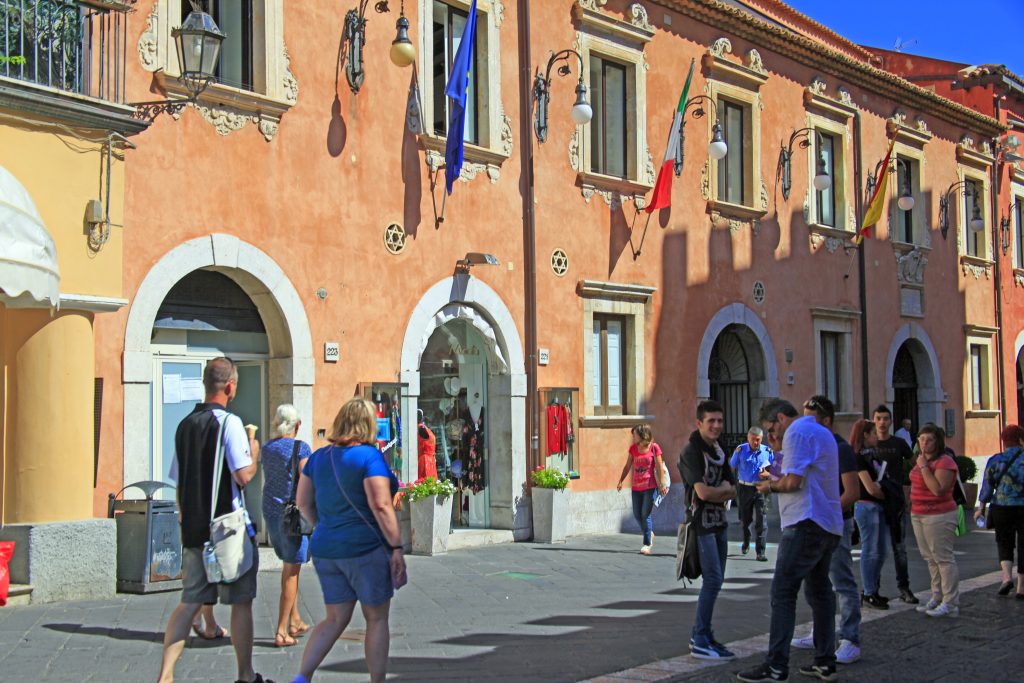
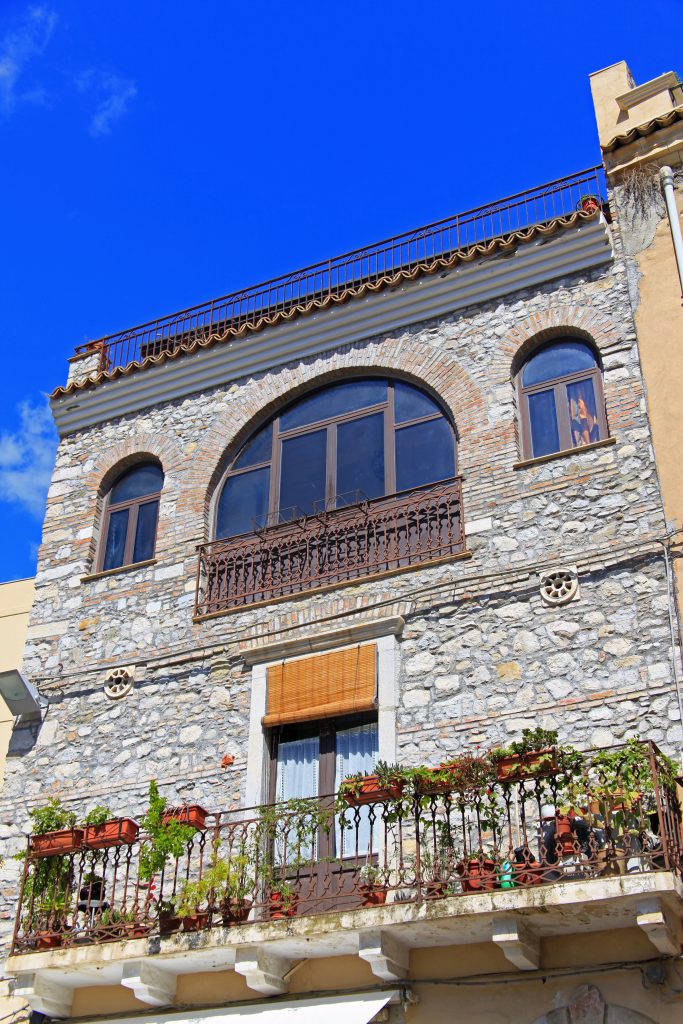
That, in a nutshell, is Taormina! This very walkable small town, with its 16th to 18th-century often-balconied buildings, is as inviting as you will find in Southern Italy. On a summer day, every vista is crystal clear, and every resident brings their own sunshine.
Coveted Perch
Taormina has been a tourist magnet since the 18th century when the European aristocracy discovered its gorgeous scenery, welcoming hostelries, and ancient Greek and Roman Amphitheater. It was a key stop on the European “Grand Tour,” touted by no less than Johann Wolfgang von Goethe.
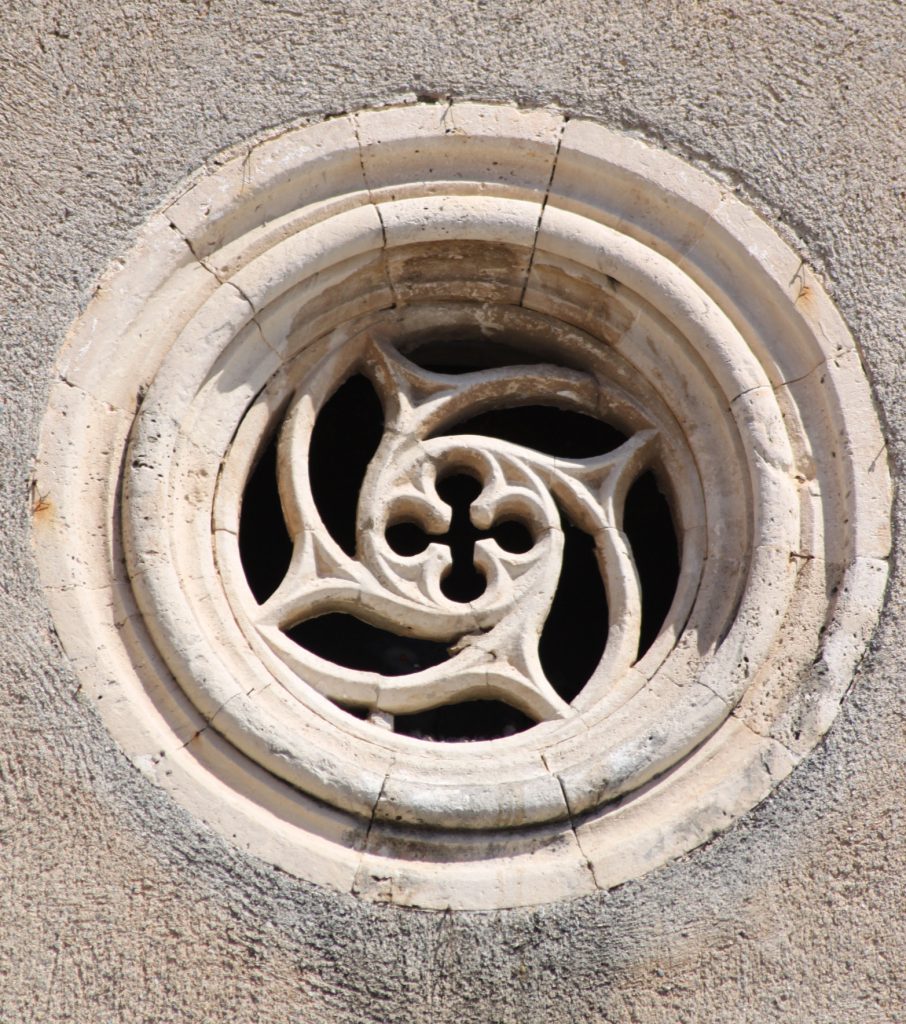
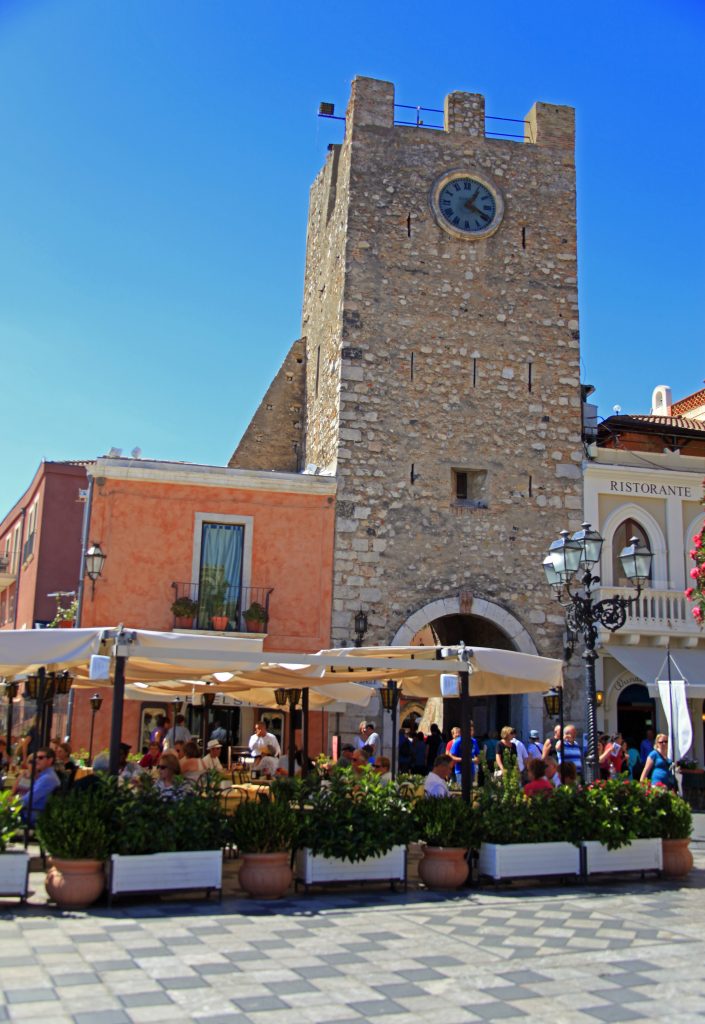
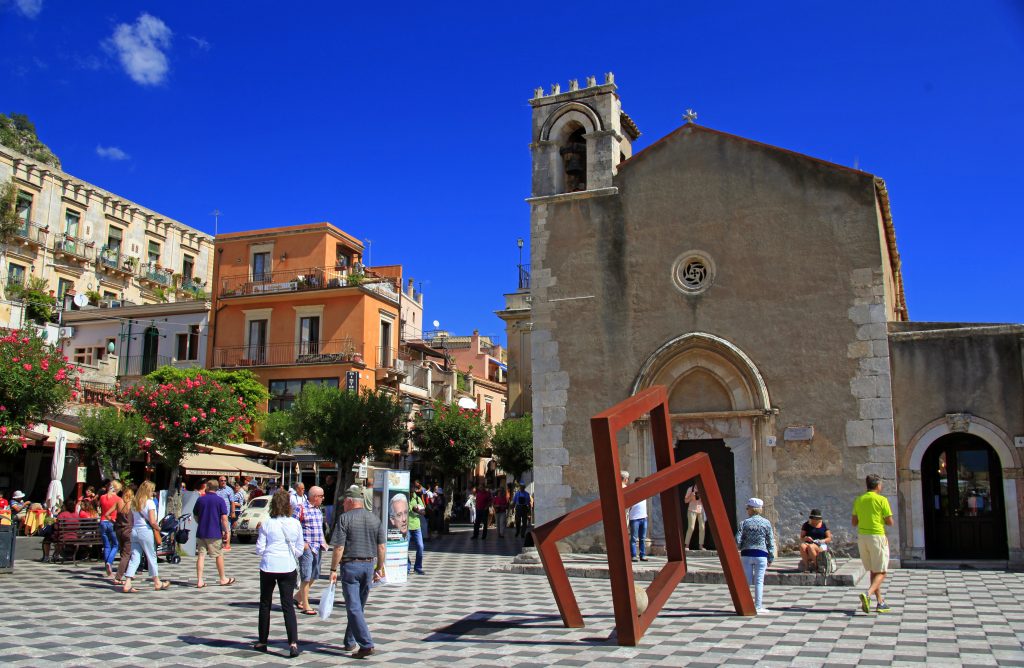
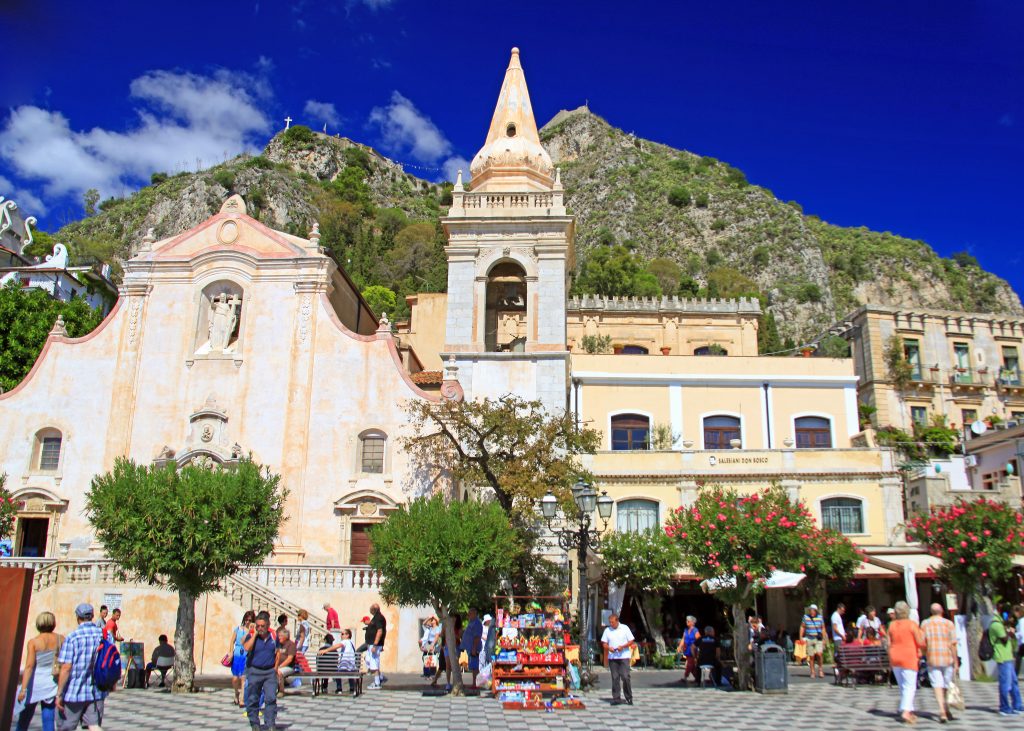
But Taormina has been an attraction for a very long time, from a military and trading standpoint. Its structure reflects more than 3000 years of history. In 734 BC, the Greeks established a colony named Naxos nearby and later developed the settlement on the hilltop known as Tauromenium. In 212 BC, the Romans conquered the city during the First Punic War, incorporating it into their growing empire. Seven hundred years later, the town was beset by the Saracens, who were victorious and built a fort on top. Their stay was short-lived, however, as the Normans reconquered Sicily in the 11th century. You will see crenelated towers around the village that are medieval Norman towers or feature the arched windows of Arab design. One of the most iconic is the clock tower in the Piazza IX Aprile that punctuates the square overlooking Mt. Etna.
Charm Beckons
You can arrive in Taormina by car or bus over winding roads from the port of Messina 31 miles away (about a 45-minute drive), or you can ride the Mazzarò Cable Car (circa 1928) up from Isola Bella, the rocky beach with inviting warm water 820 feet below the cliff. But once you arrive, you may not want to leave!
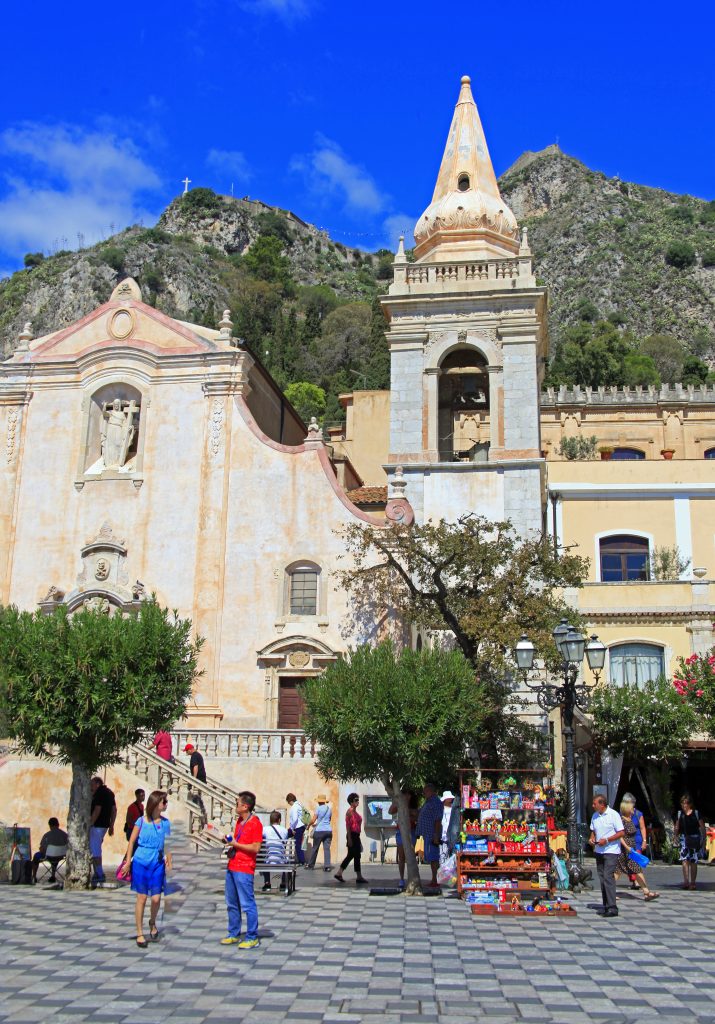
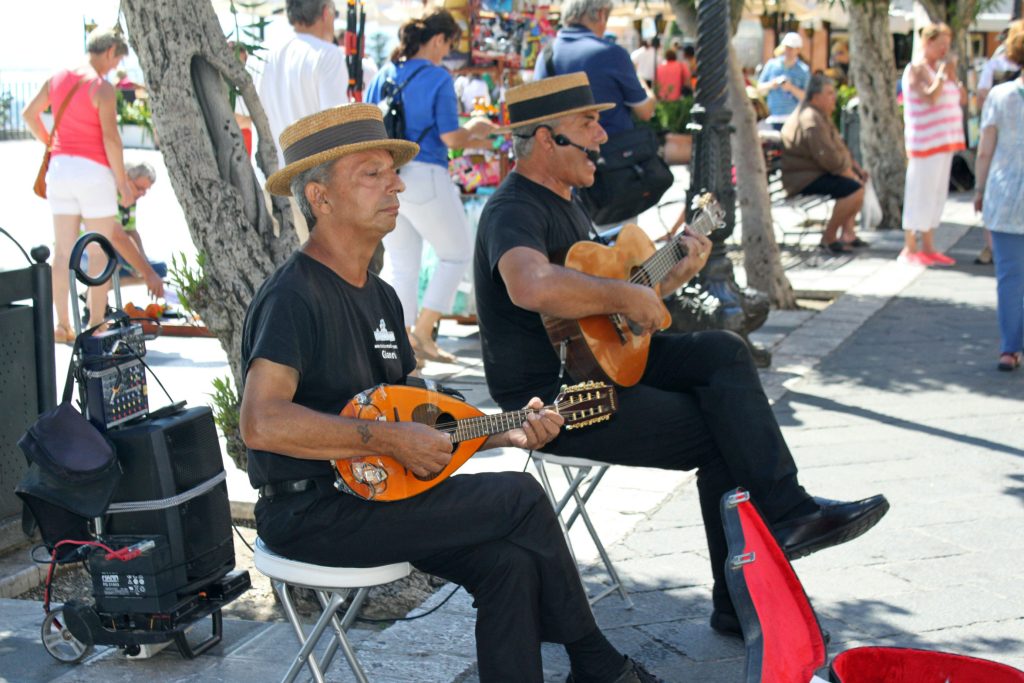
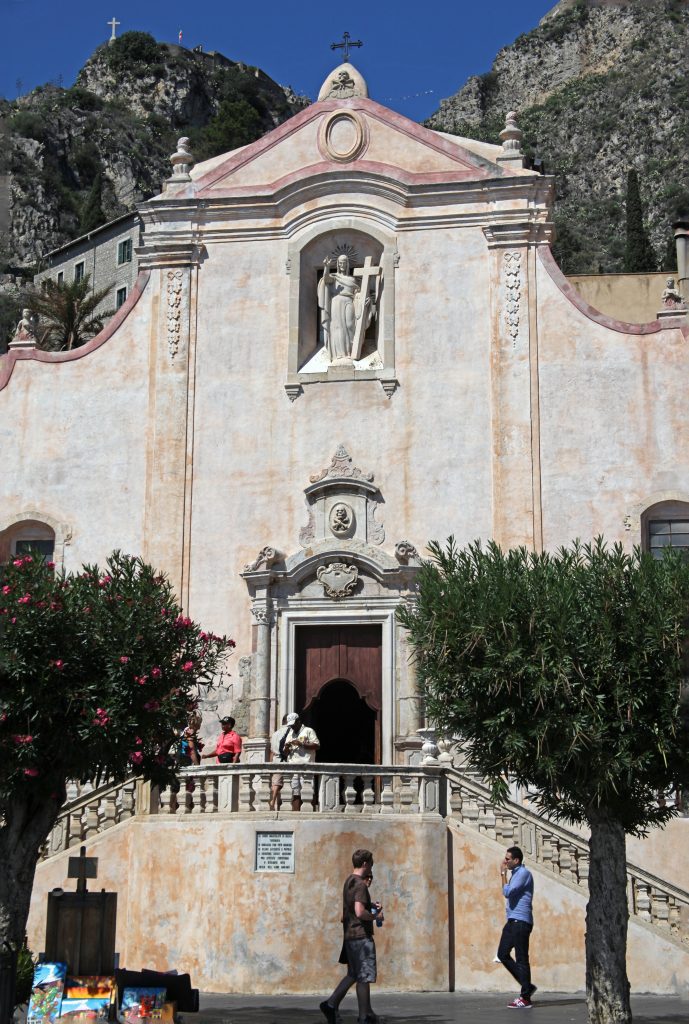
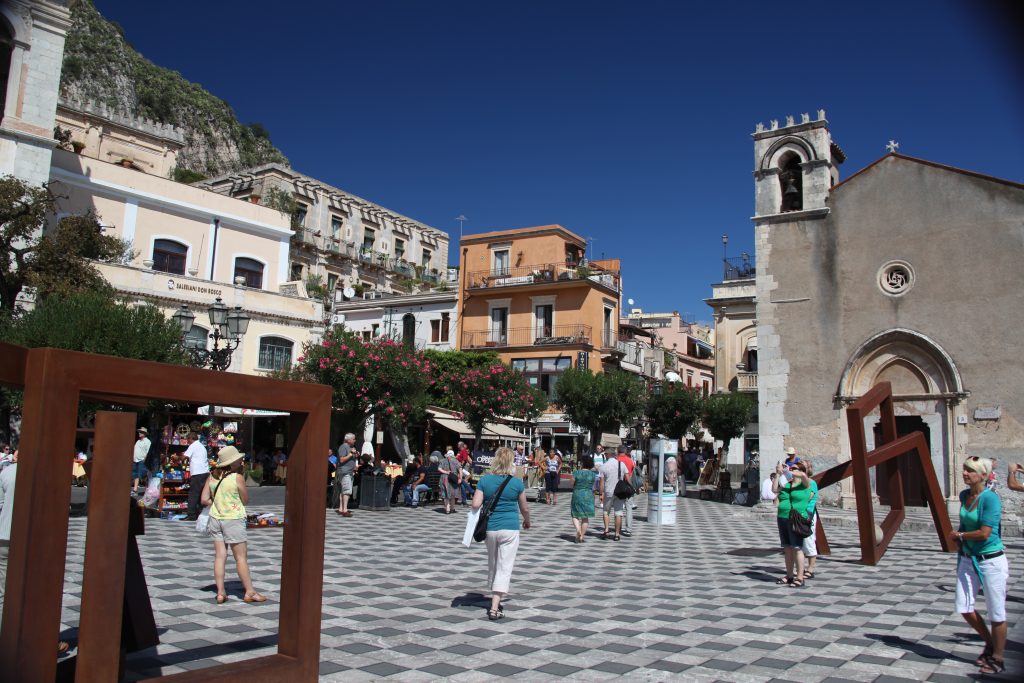
Piazza IX Aprile, with its stunning views, is also a hive of activity, often with street musicians filling the air with lilting instrumentals. Beside the clock tower is Chiesa di San Giuseppe (Church of St. Joseph), dating from the second half of the 1600s, striking for its beautiful baroque facade that overlooks the square. Its double staircase provides a lovely symmetry, and once you enter, the portal is crafted with a variety of marbles quarried from the Taormina hillsides.
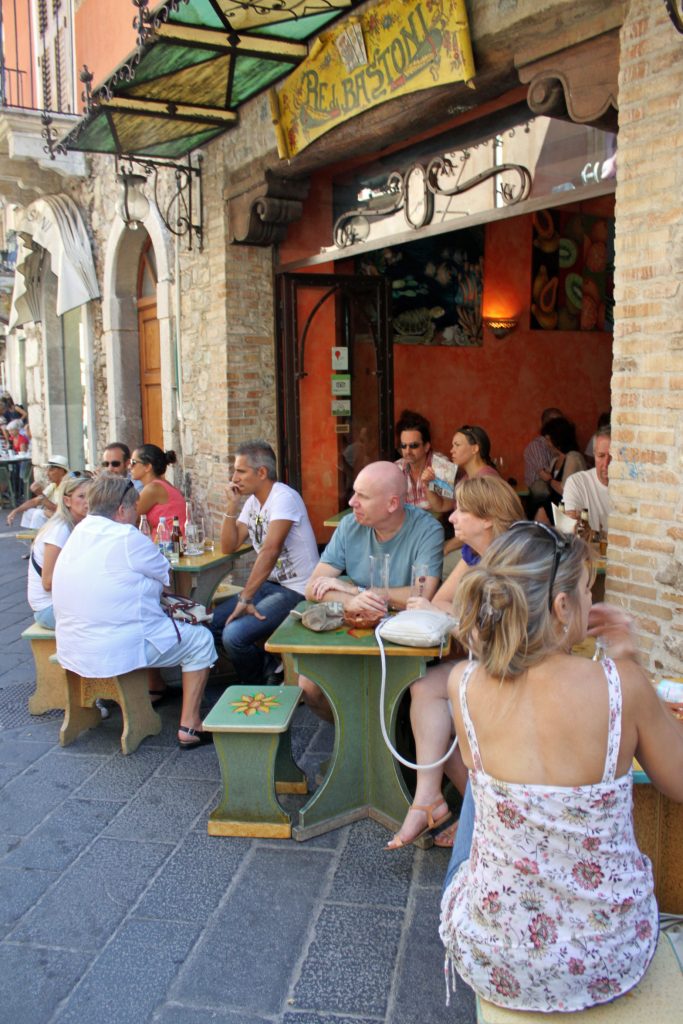
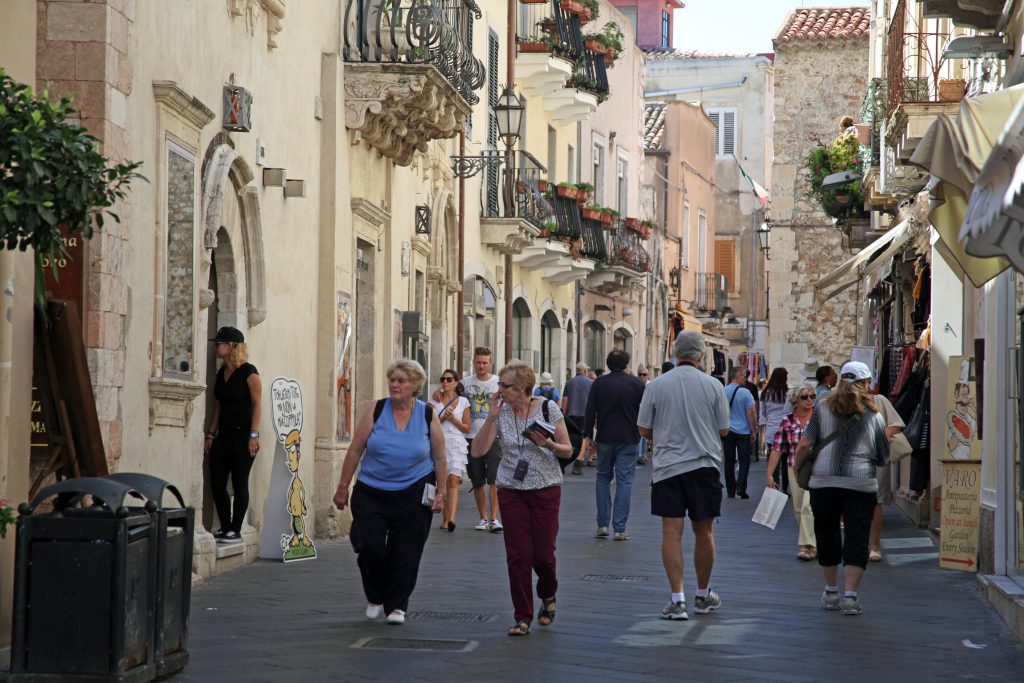
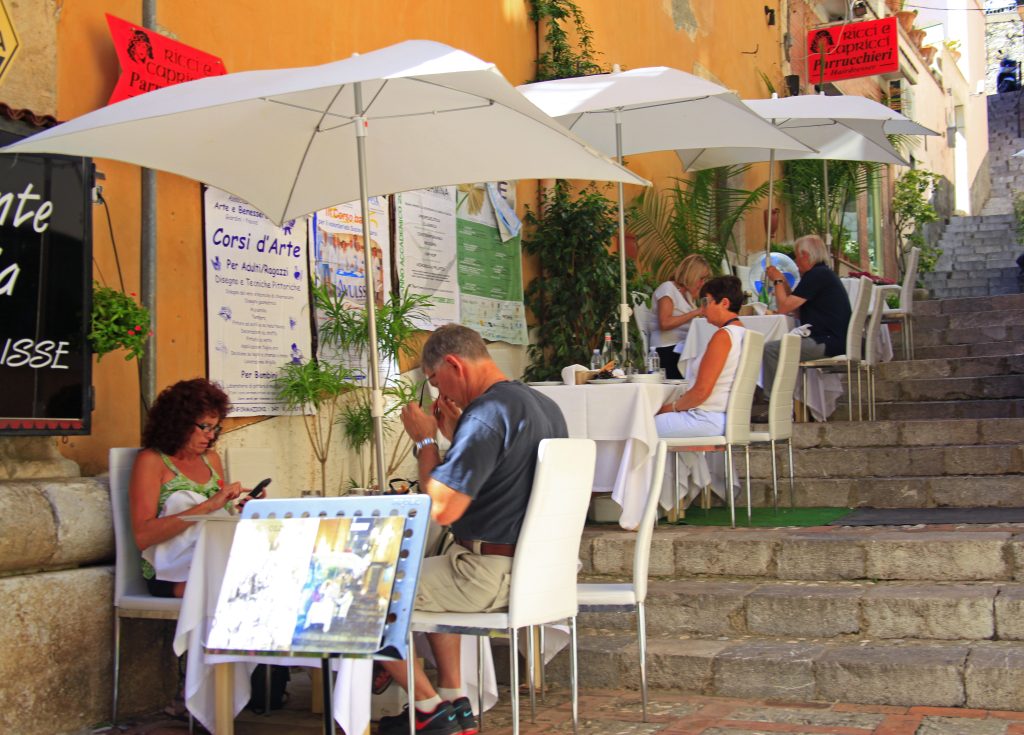
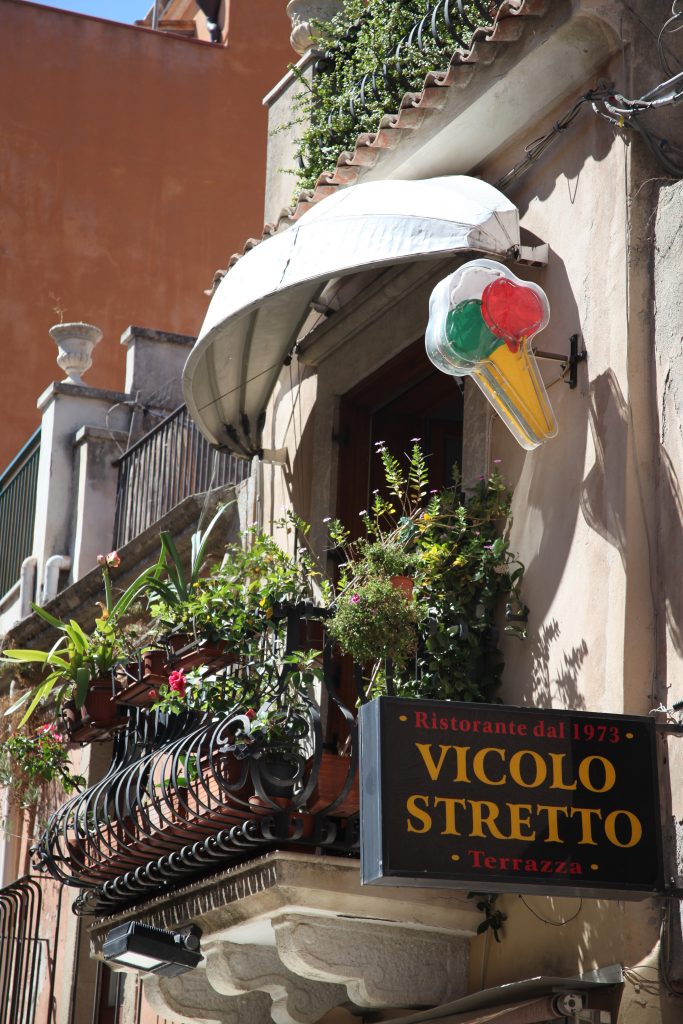
Next, step into the Corso Umberto, the street that runs the length of the village. It is packed with elegant boutiques, tempting eateries, and one-of-a-kind shops.
Architectural Treasures
Sites you definitely want to see as you stroll through town are:
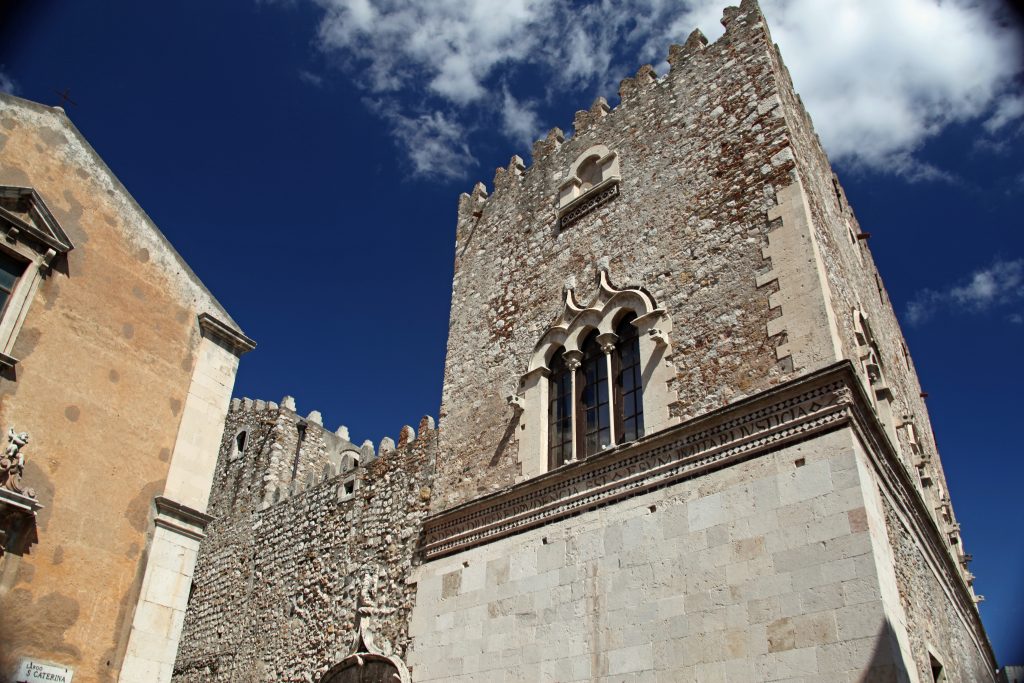
- Palazzo Corvaja: Built in the 14th century and named for a famous Taormina family which owned it from 1538 to 1945. With its Gothic tower, arched windows, and blend of Arab, Norman, and Gothic styles, it stands at right angles to the church of St. Catherine of Alexandria.
- Duomo di Taormina: This medieval cathedral, constructed in the 13th century, is an imposing fortress-like church of stone, with a pink marble nave and a revered Byzantine Madonna.
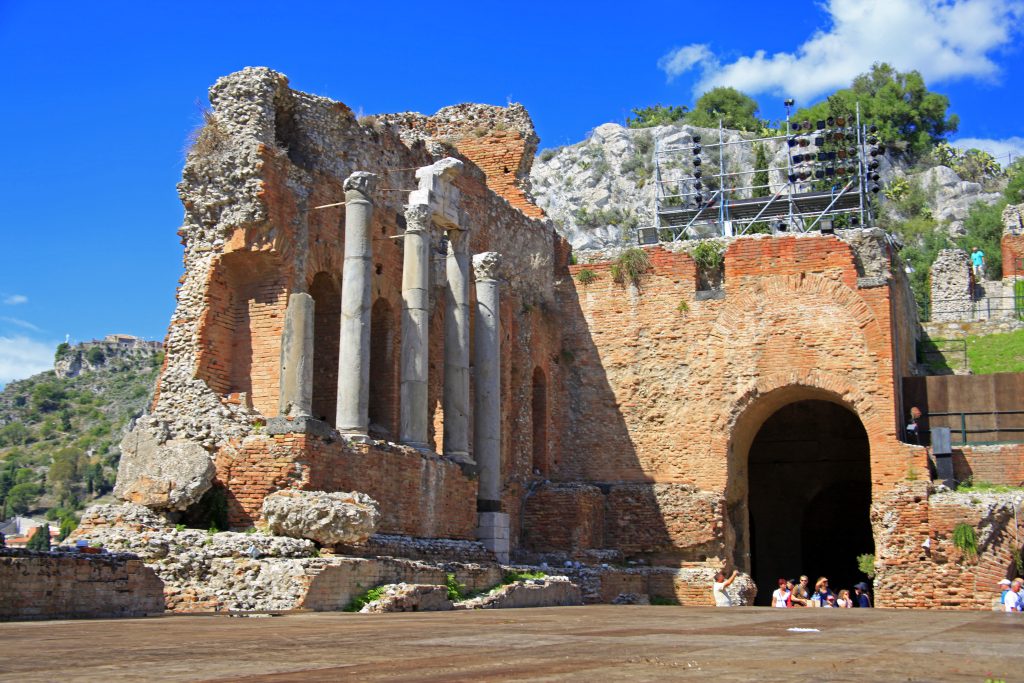
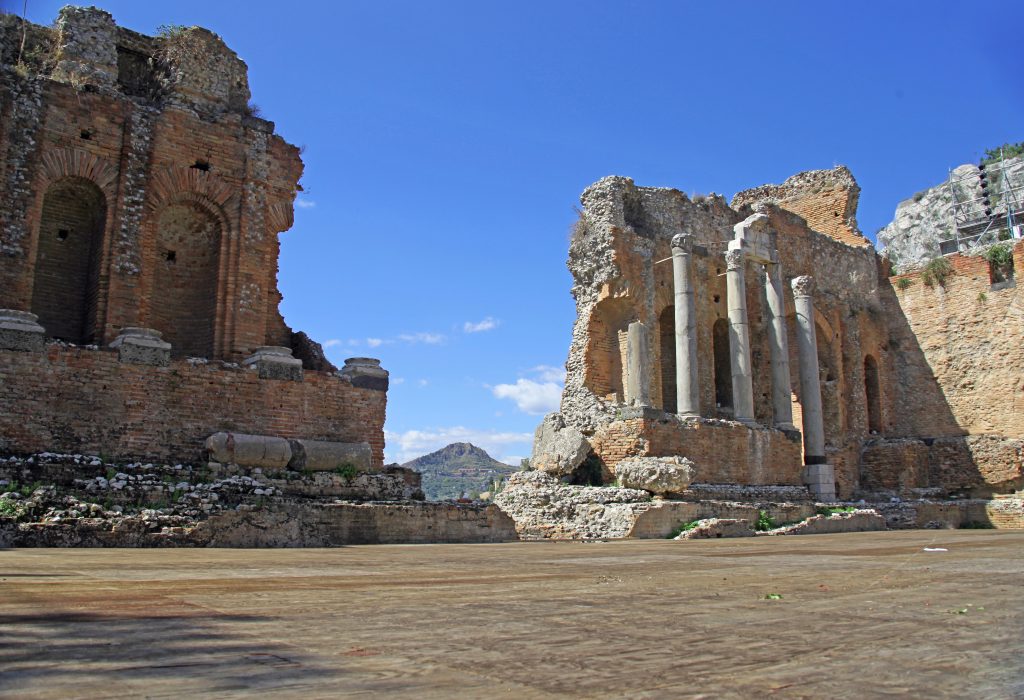
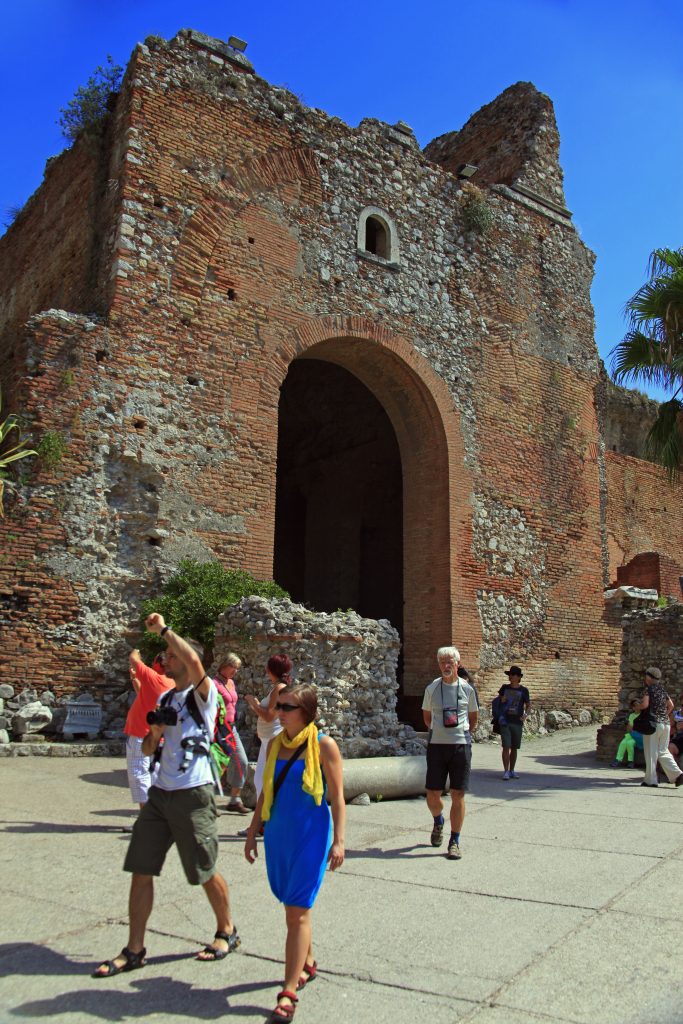
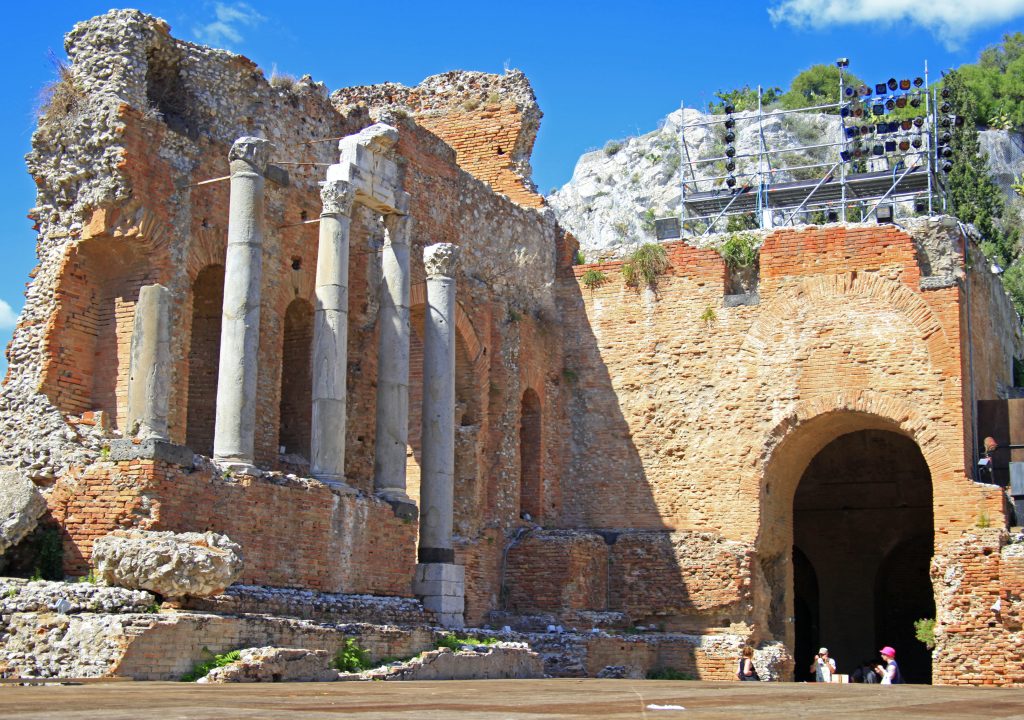
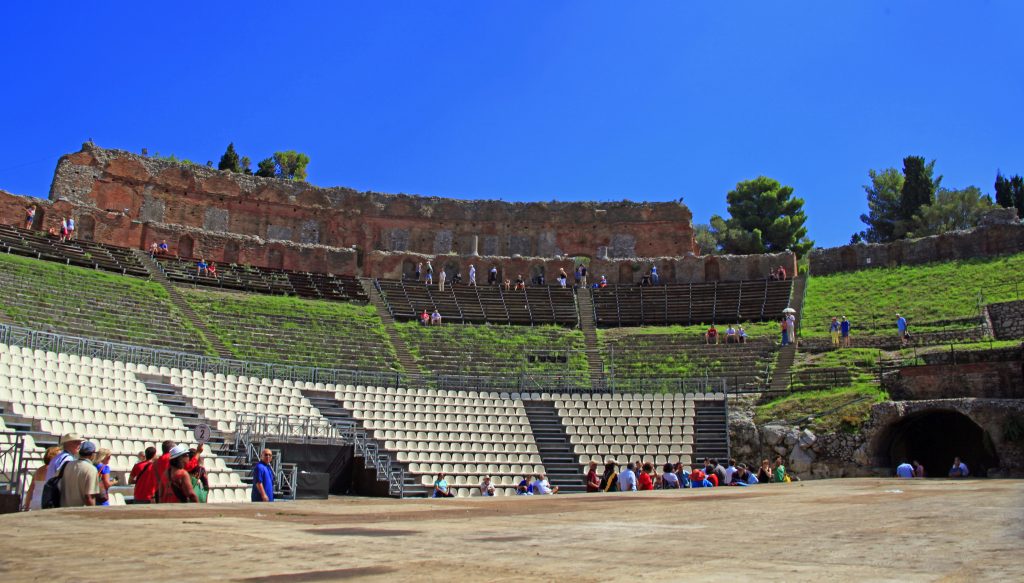
- The Ancient Theatre of Taormina: Originally constructed by the Greeks and later expanded by the Romans, this amphitheater is the second largest of its kind in Sicily. Built primarily of brick yet reflecting Greek layout, it offers sweeping views of Mount Etna and the Ionian Sea. Though much of the seating is gone, the proscenium and scena backdrop are impressively preserved, providing a magnificent stage for operatic and theatrical performances to this day.
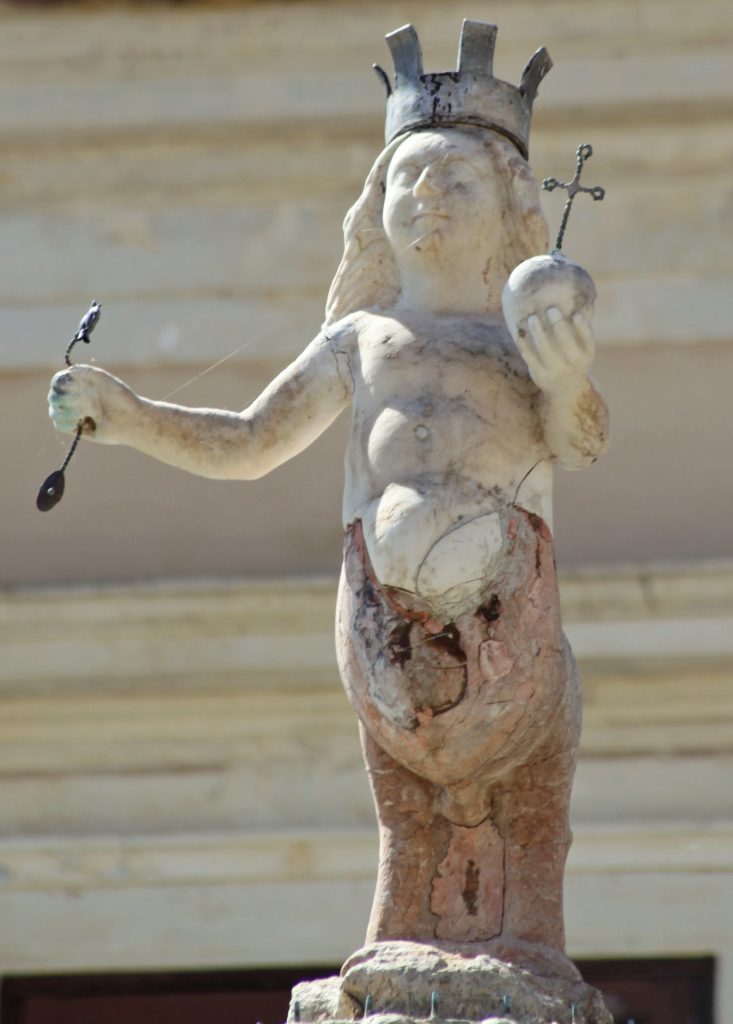
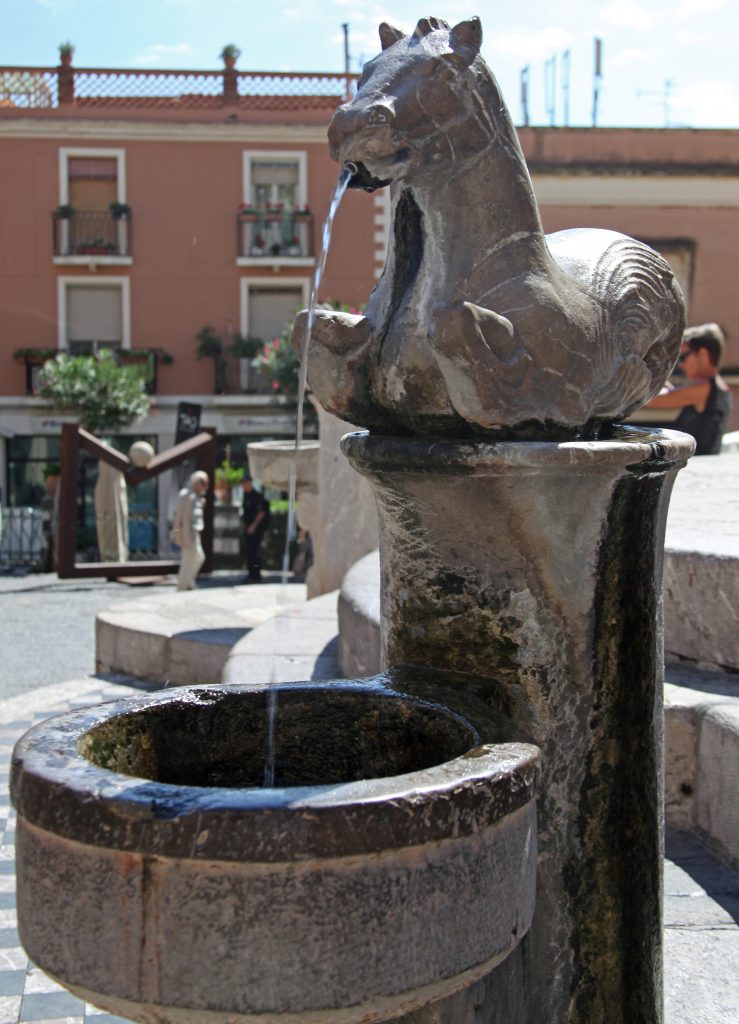
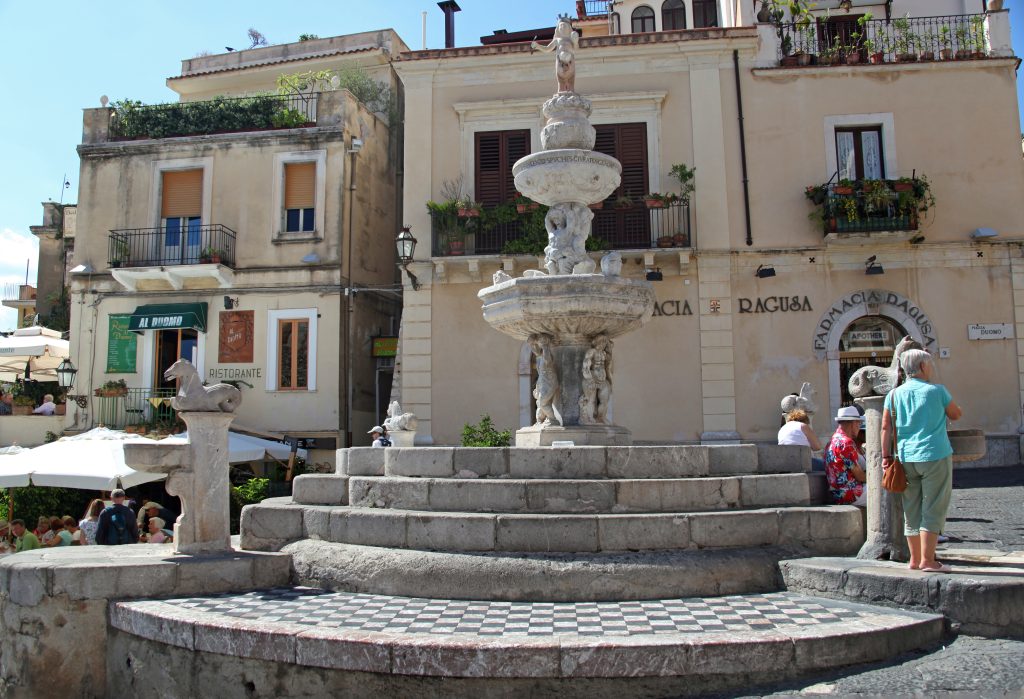
- Piazza Duomo: A charming square centered around the Duomo and a beautiful Baroque fountain adorned with a centaur statue, symbolizing Taormina. The fountain, built in 1635, is one of the town’s most beloved landmarks.
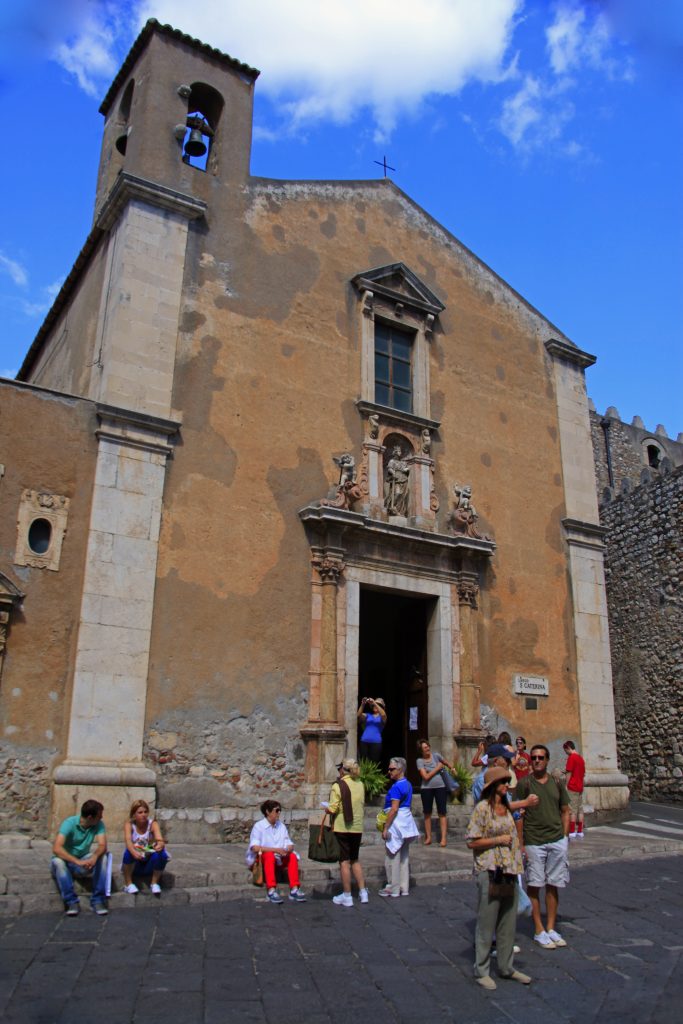
- Church of St. Catherine of Alexandria: Dating to the 17th century, this small but elegant church features a Roman temple foundation beneath it—a fascinating glimpse into the layers of history that define Taormina.
- Porta Catania and Porta Messina: These ancient city gates mark the historical boundaries of Taormina. Porta Catania, constructed in the 15th century, bears the Aragonese coat of arms, reflecting the town’s medieval heritage.
Local Crafts
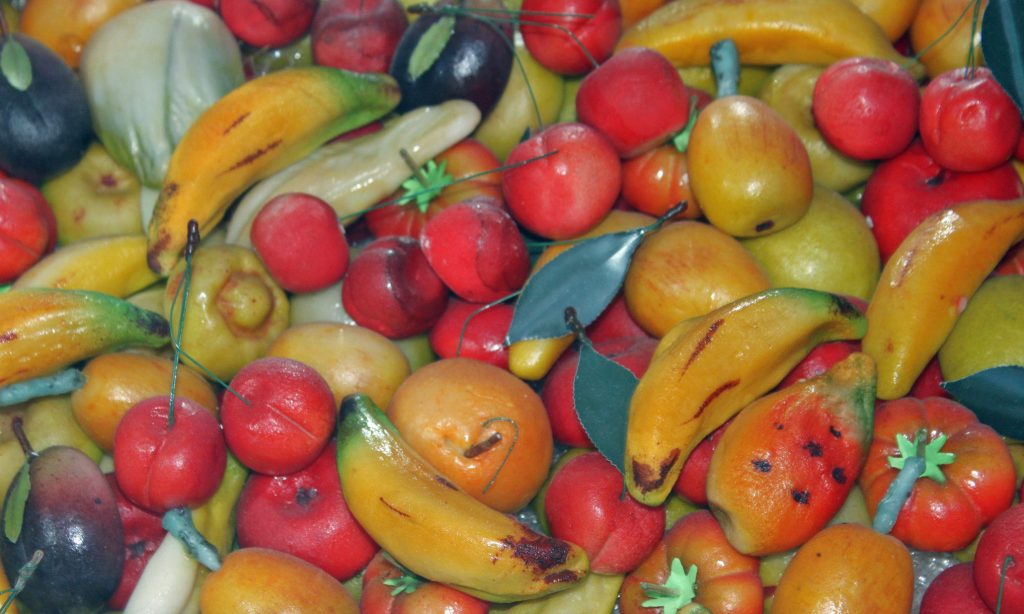
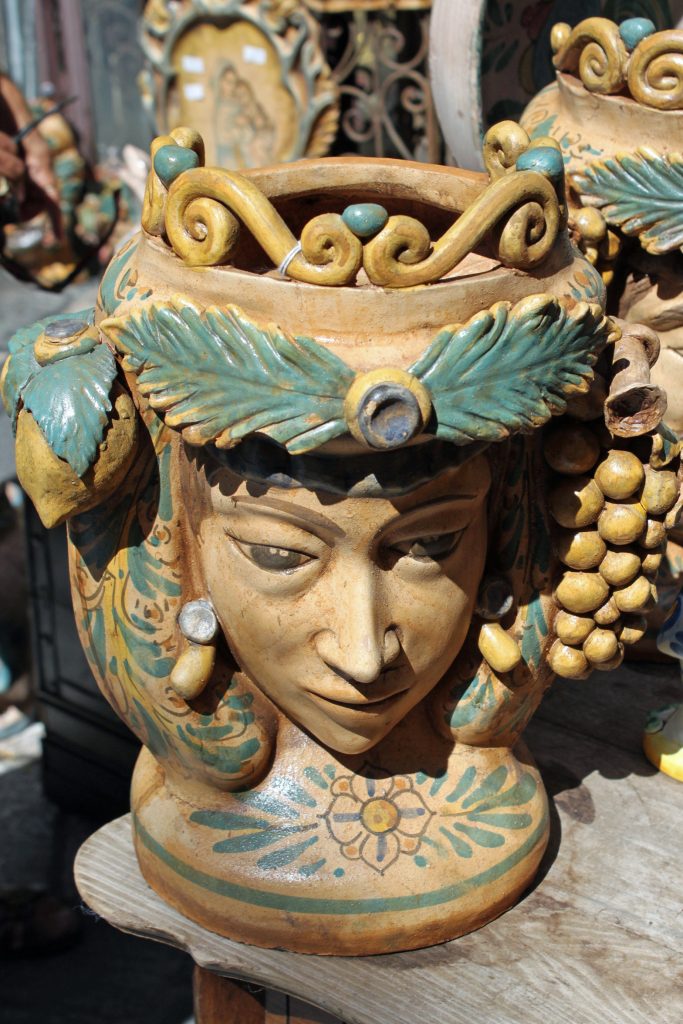
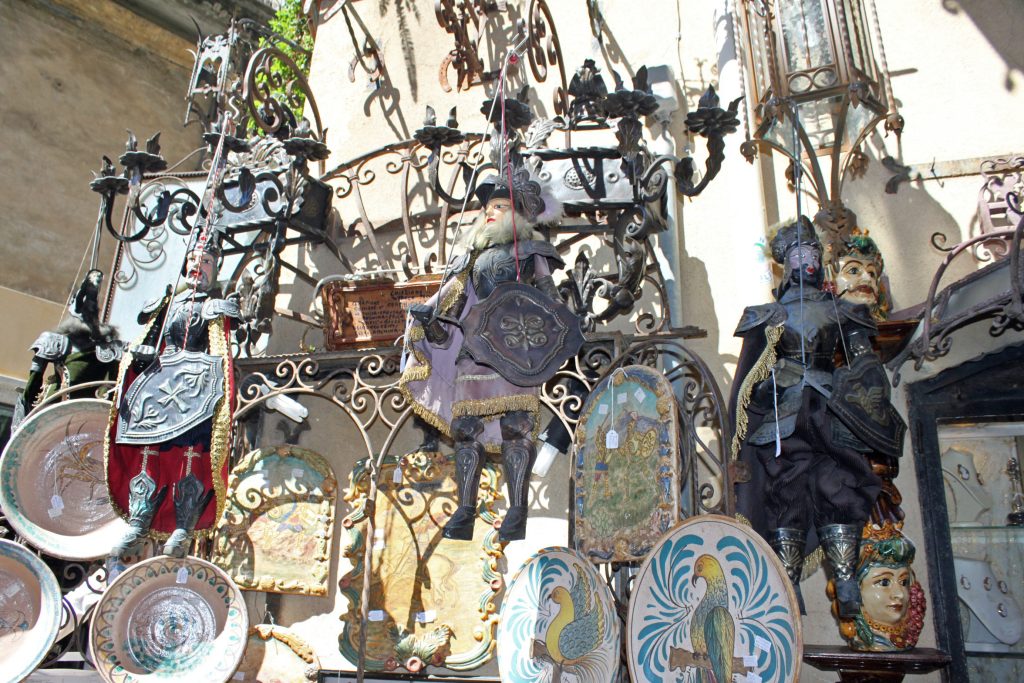
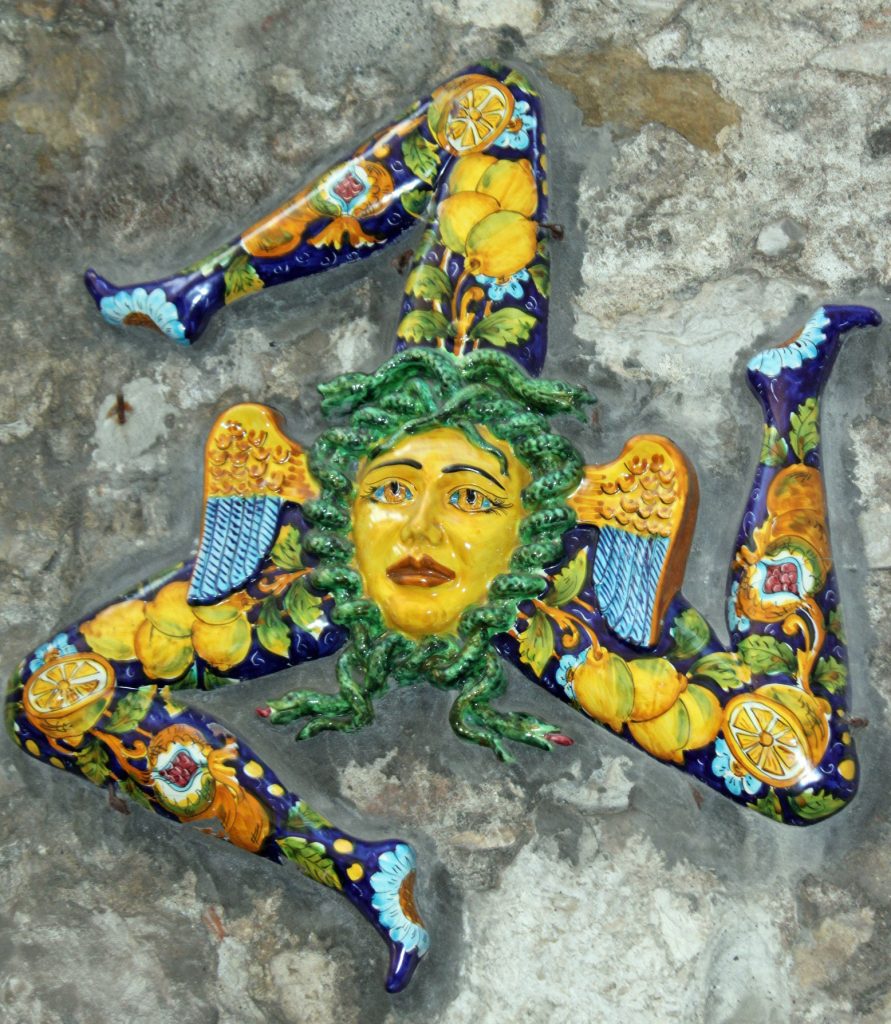
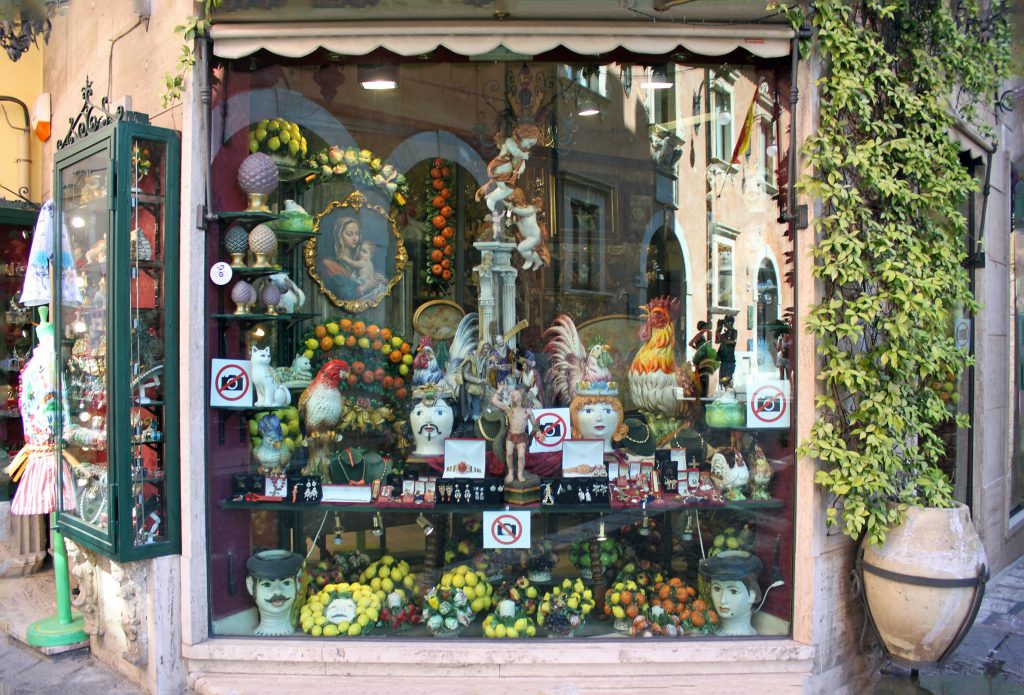
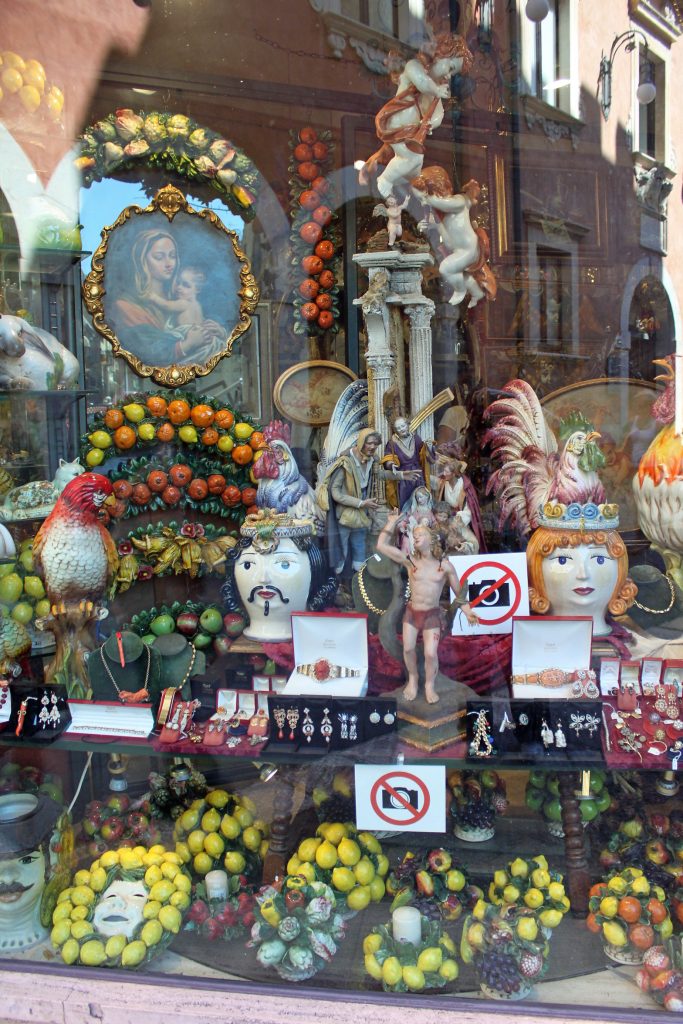
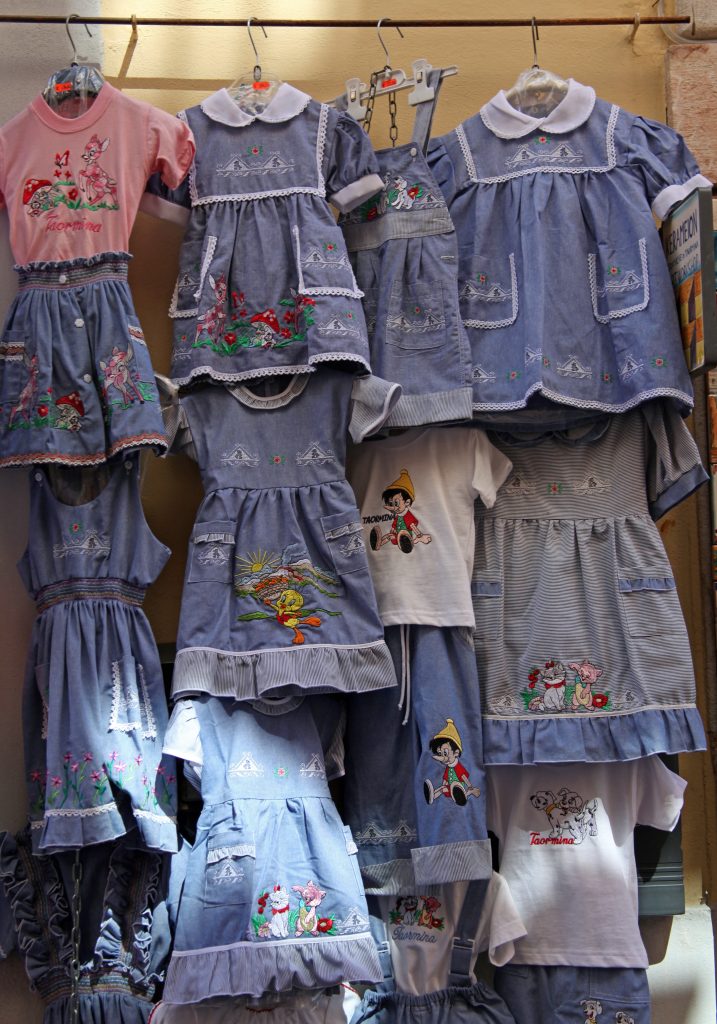
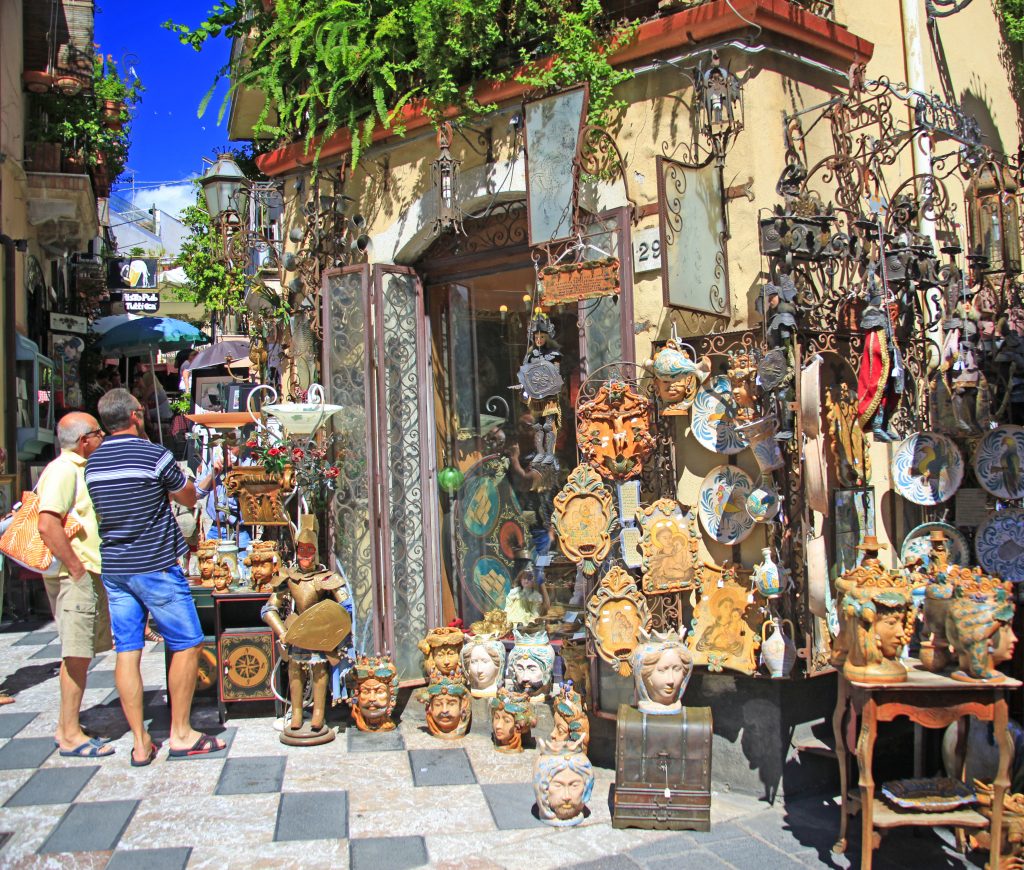
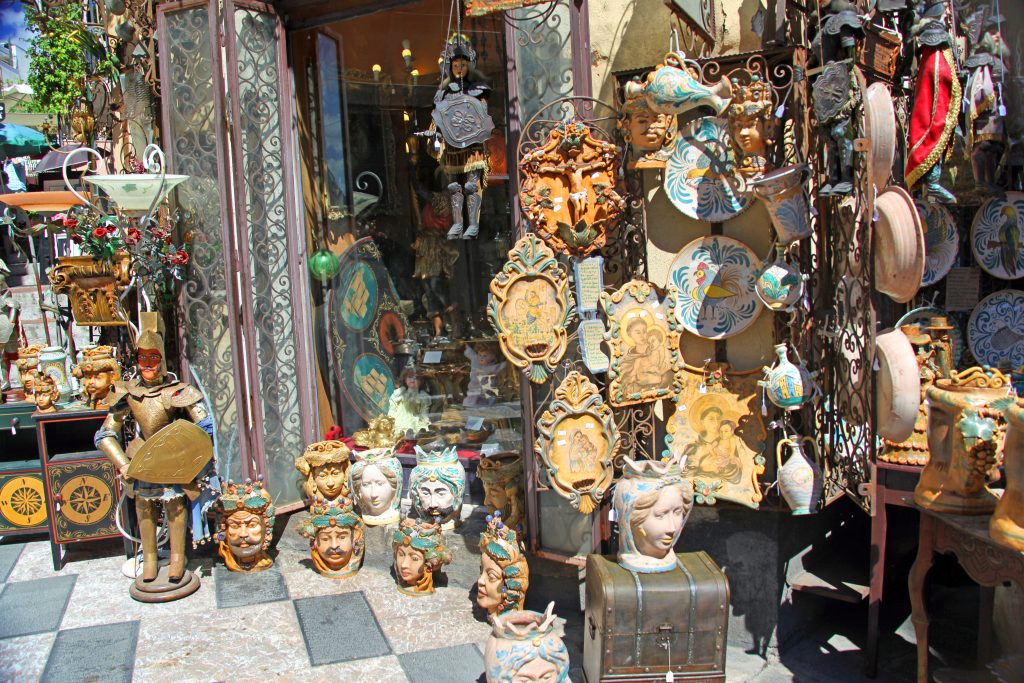
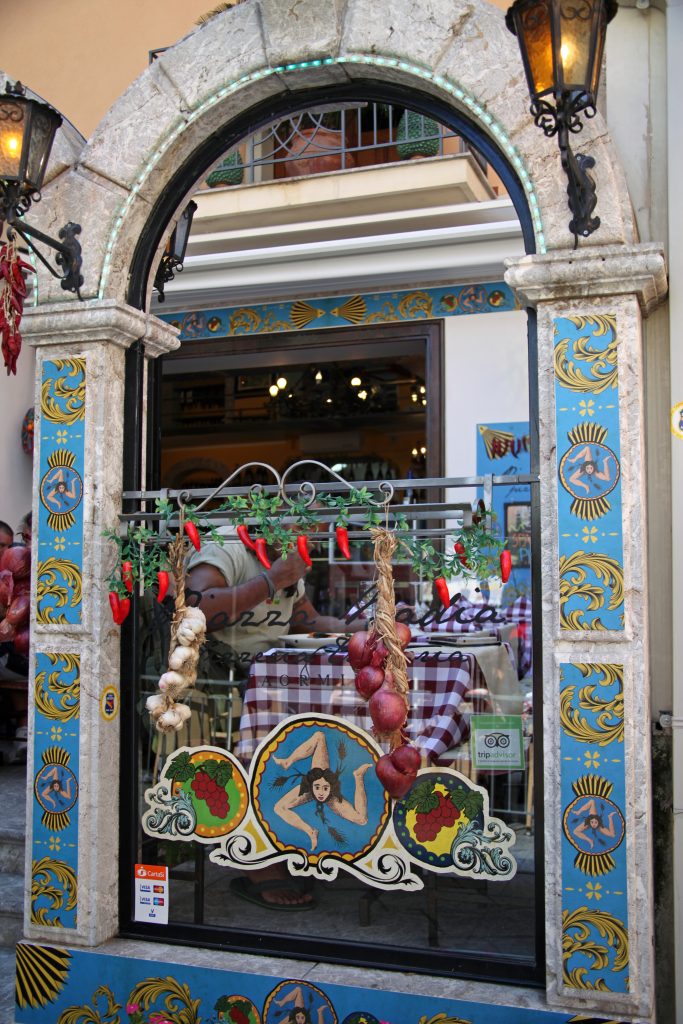
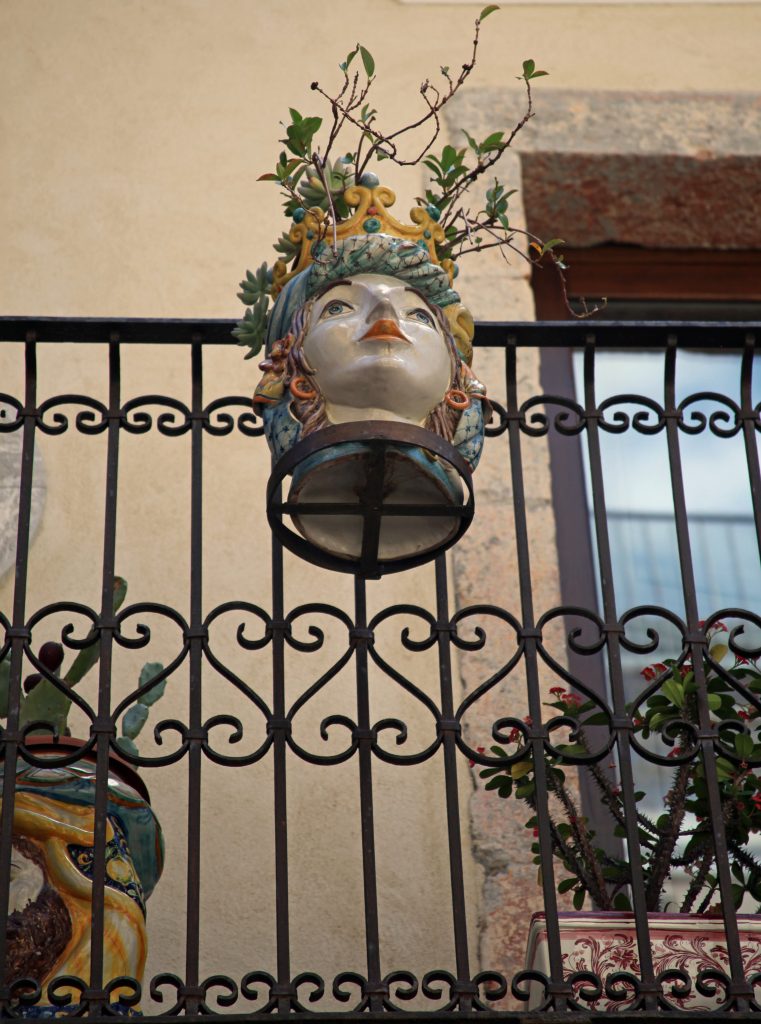
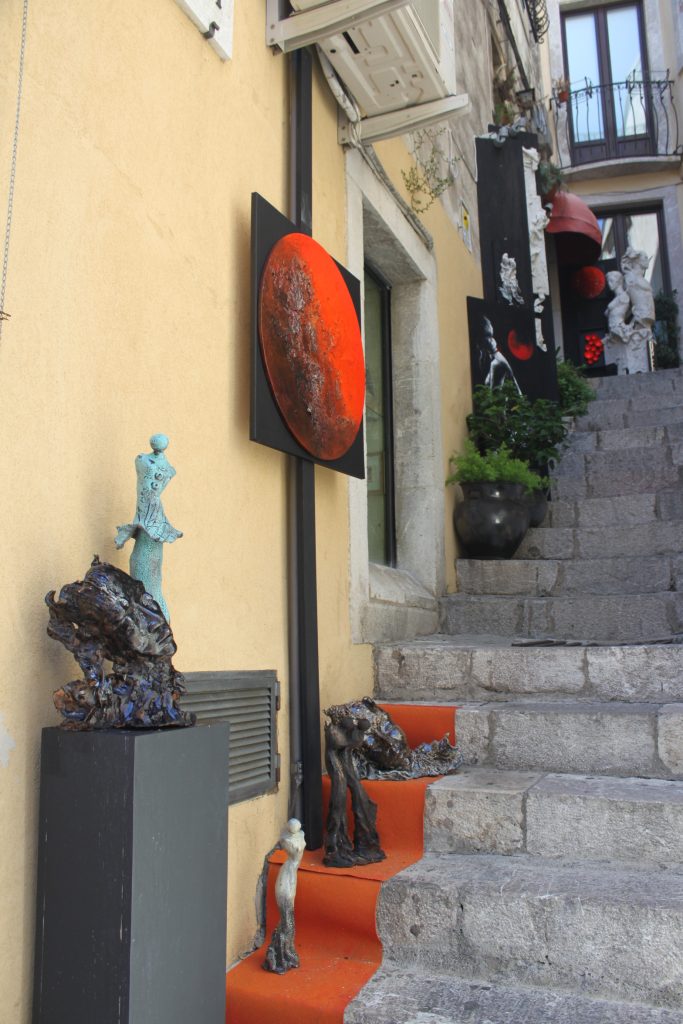
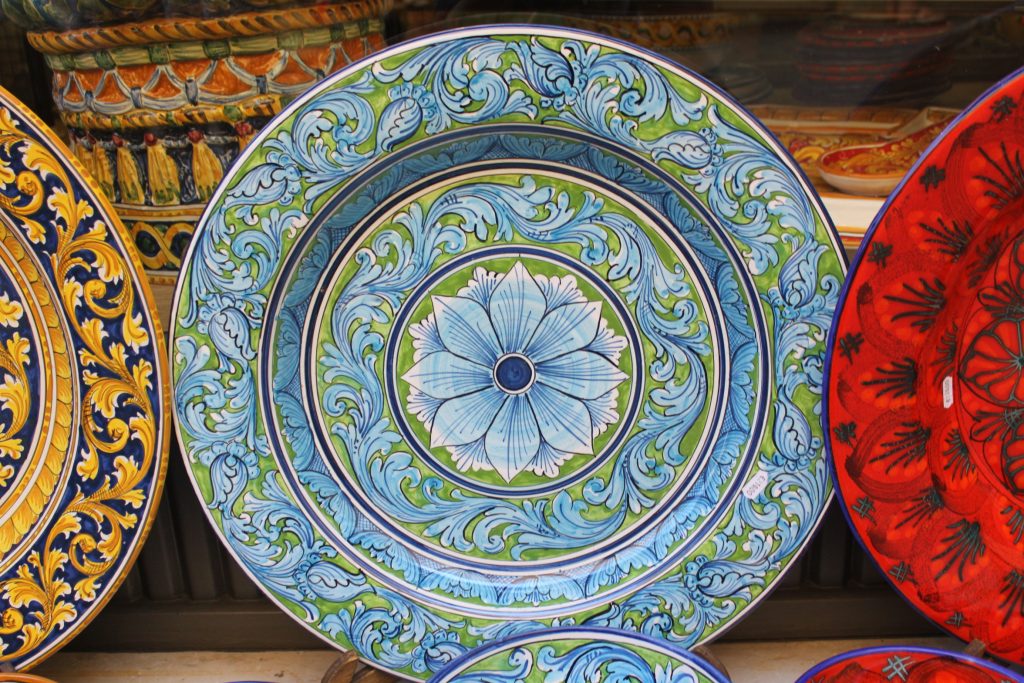
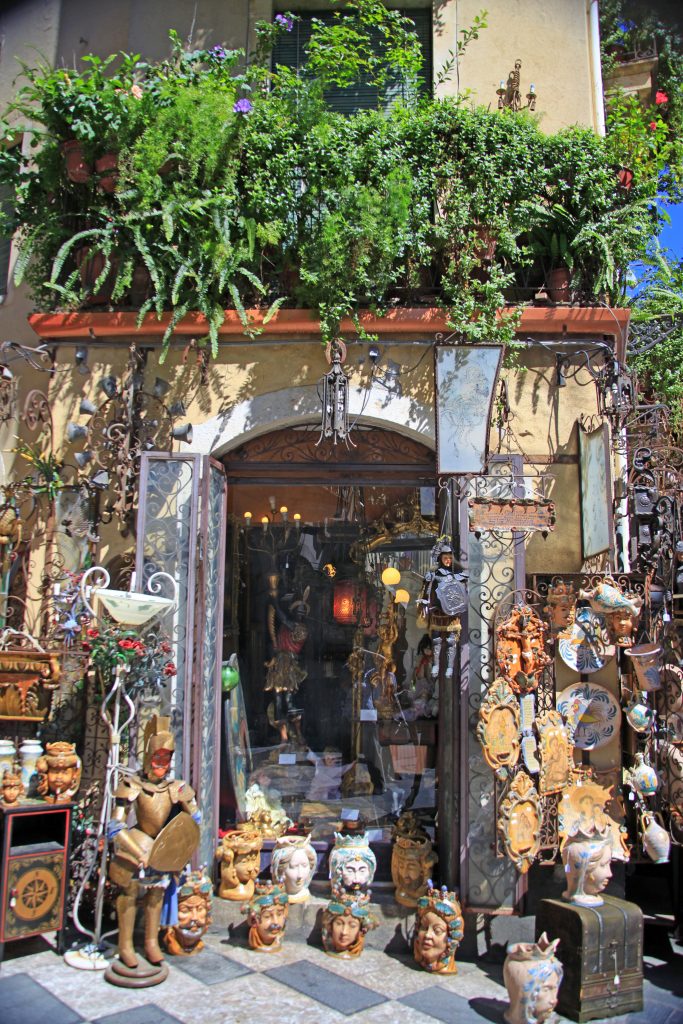
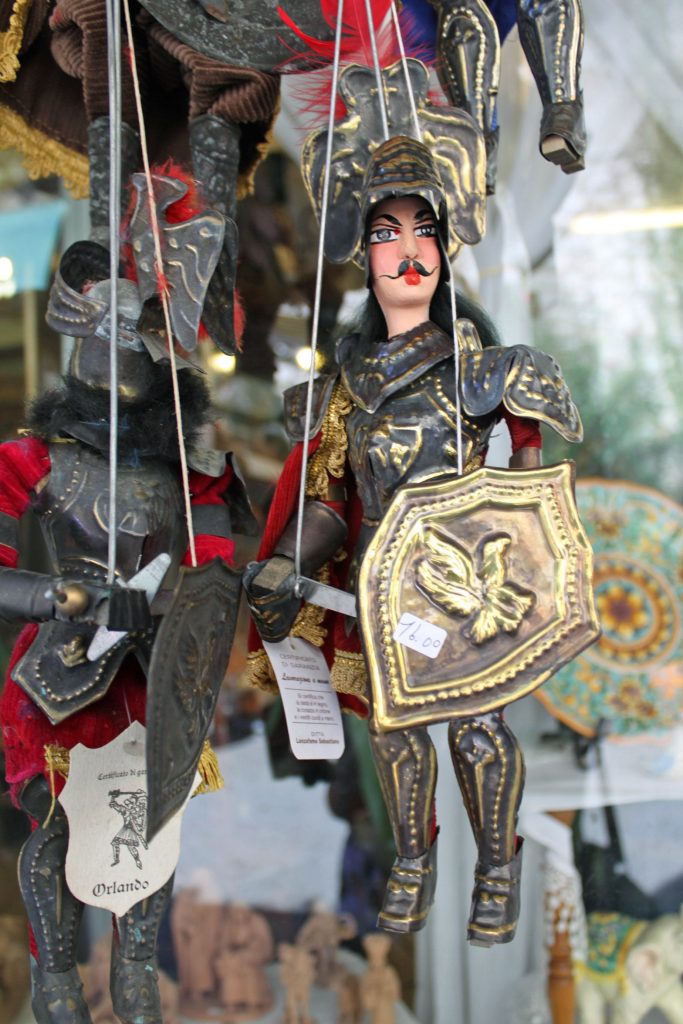
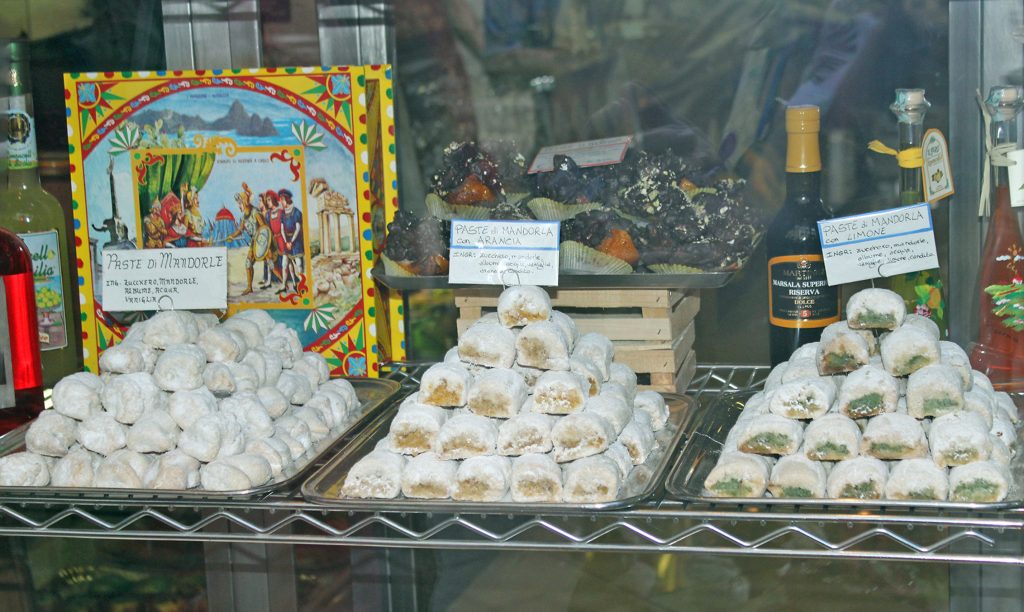
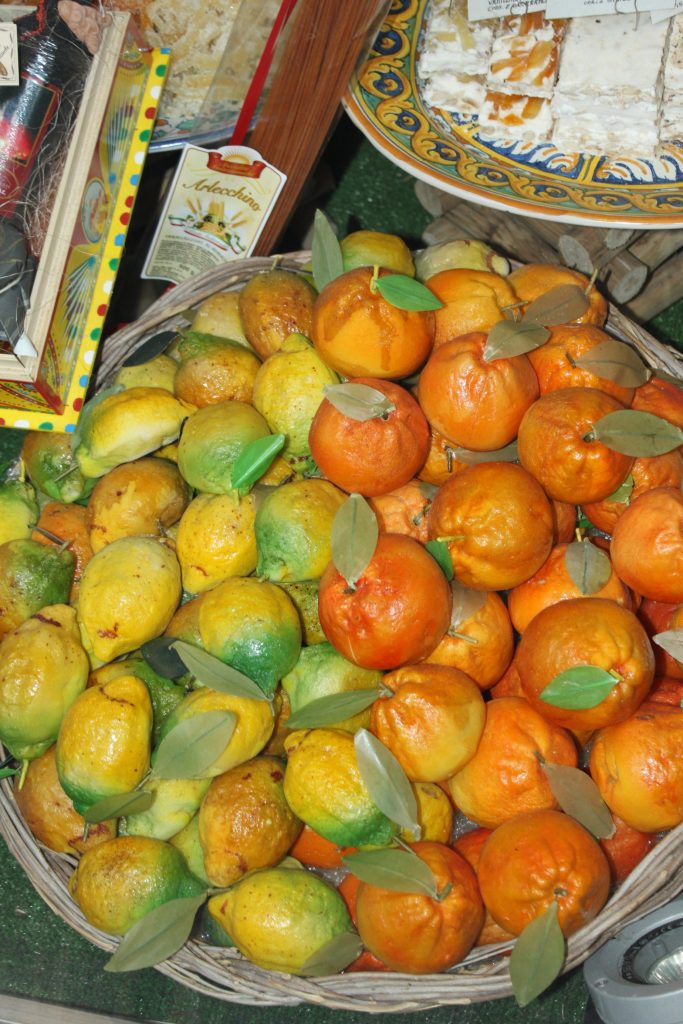
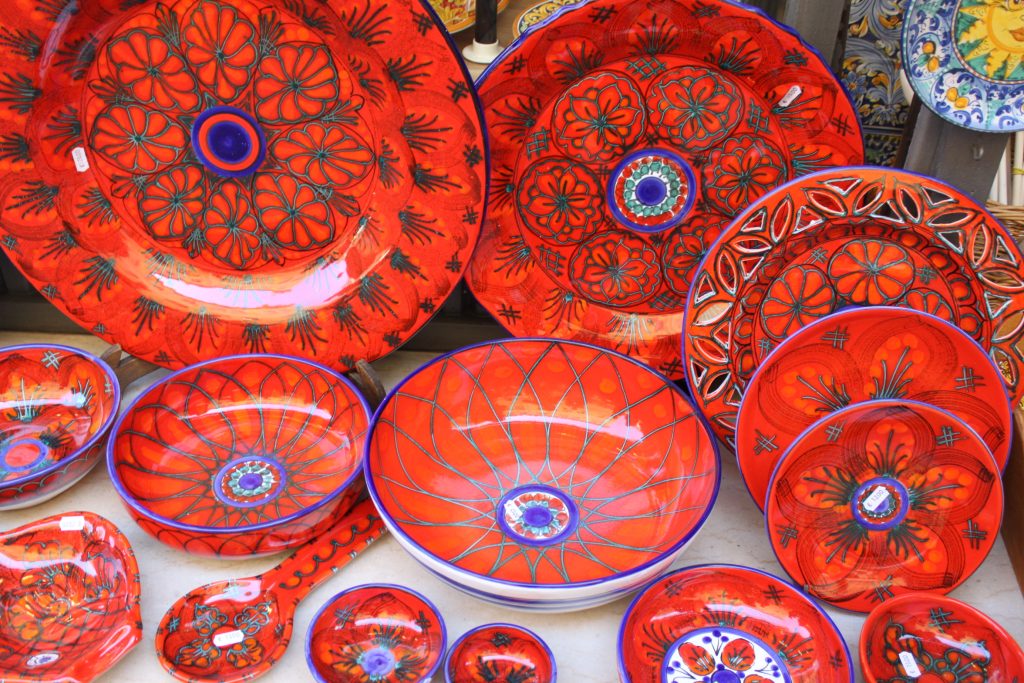
Now, you are definitely going to want to go shopping in Taormina to take advantage of the gorgeous brightly colored and intricately patterned Sicilian ceramics; local embroidered hand-stitched linens, tablecloths, and lace accessories; jewelry crafted from rich red coral sourced in Sicily’s Mediterranean waters; exquisitely crafted marionettes—knights, kings, and mythical figures—hand-painted and assembled with careful detail in concert with the island’s traditional puppet theater; and local olive wood carvings made into into bowls, cutting boards, religious icons, and home décor. But don’t leave town without some of the Marzipan Fruits that line the windows of confectioneries — realistic marzipan confections, lovingly shaped and painted to resemble peaches, figs, cherries, and prickly pears. Taormina’s pastry shops offer dazzling displays of these sweet, edible works of art.
In the Neighborhood
Now if that’s not enough and you want to wander a bit further, you might want to also consider exploring:
- Villa Comunale Gardens: These lush, meticulously landscaped gardens were created by an English noblewoman, Lady Florence Trevelyan, in the late 19th century. The gardens are dotted with whimsical “Victorian follies”—decorative brick towers and structures—along with exotic plants, fountains, and winding paths offering spectacular views over the sea and Mount Etna.
- Isola Bella: Sometimes called the “Pearl of the Ionian Sea,” this tiny island at the foot of Taormina is connected to the mainland by a narrow strip of beach that appears and disappears with the tide. It’s a nature reserve today, famed for its rocky beauty, lush greenery, and crystal-clear waters.
- Palazzo Duchi di Santo Stefano: An elegant example of Sicilian Gothic architecture, this 14th-century palace belonged to the noble De Spuches family. It features intricate lava stone decorations and an impressive battlemented roofline.
- The Saracen Castle (Castello Saraceno): High above Taormina, this ancient fortress, believed to date from the Byzantine or Saracen periods, crowns Mount Tauro. Though mostly in ruins, it offers extraordinary panoramic views over Taormina, the coast, and inland to Etna.
Your Welcome Awaits
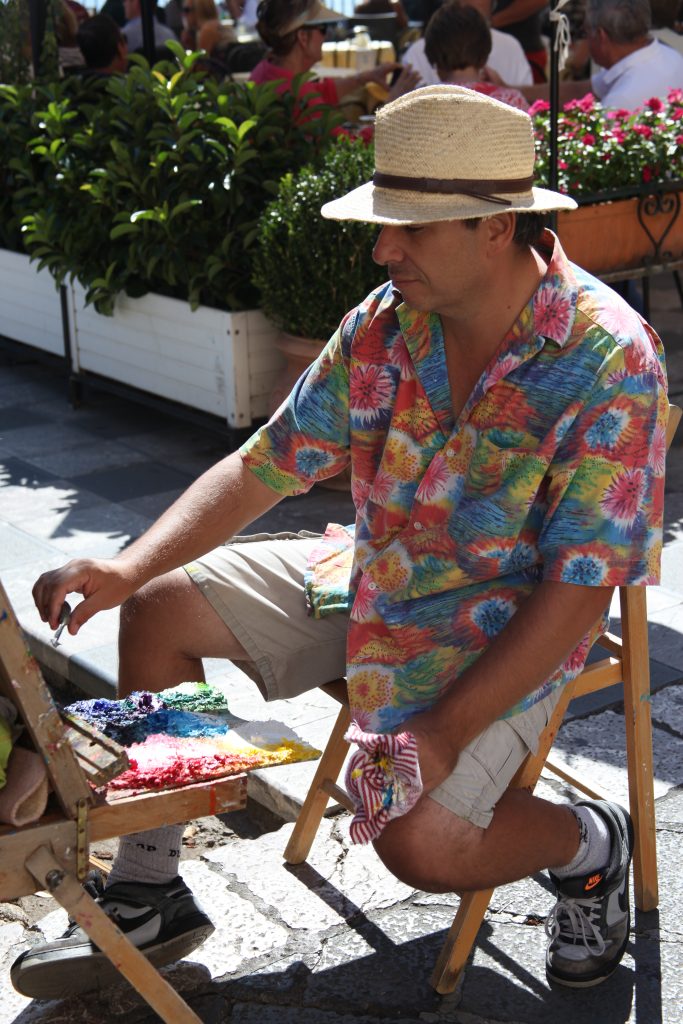
Today, Taormina remains a magnetic retreat for artists, writers, and travelers. Festivals, concerts, and local celebrations fill its squares, while the traditions of hospitality that once welcomed aristocratic tourists continue to charm modern visitors. The village is a living gallery of culture, cuisine, and history.
Once you amble by all of the shops, inns, churches, and bistros, the amphitheater awaits you. From its ancient benches, gazing over the volcanic majesty of Etna and the endless blue of the Mediterranean, you too will understand why Taormina has dazzled visitors for millennia. The Greeks knew what they were doing!
Where to Stay in Taormina, Italy
Taormina’s accommodations range from luxury clifftop hotels to family-run guesthouses, most concentrated in the compact historic center or along the coastal strips below. The main Corso Umberto and surrounding medieval streets have smaller hotels and bed-and-breakfasts within walking distance of shops, restaurants, and the famous Teatro Antico. These central locations mean you’ll pay a premium for proximity to the action, but you can reach major sights on foot.
For a more relaxed setting, consider the Mazzarò beach area at the base of the cliff, connected to town by cable car. Several hotels and resorts sit directly on or steps from the sand here, offering sea views and direct beach access that the hilltop center cannot match. The tradeoff is that Mazzarò is quieter and more resort-focused, with fewer of the traditional restaurants and bars that characterize the old town.
If you want to avoid peak tourist density, the villages of Castelmola (higher and inland) or smaller towns nearby like Giardini-Naxos (the ancient Greek beach settlement just south) offer calmer alternatives with easier parking. These locations require a short drive or bus ride to reach Taormina’s main attractions, but they often provide better value and a less crowded experience, especially in summer months.
Book well in advance during April through October, as Taormina fills quickly. Many smaller hotels close November through February, so confirm availability if you’re traveling in the low season. Parking can be difficult in the old town center itself; hotels often have arrangements with nearby garages or lots, so ask about parking when you reserve.
Recommended Reading
- The Silent Duchess by Dacia Maraini – A compelling novel set in Sicily that explores the complex layers of Sicilian society.
- A House in Sicily by Daphne Phelps – A charming memoir capturing the spirit of Sicily through the story of an inherited villa in Taormina.
- A Cypress in Sicily by Howard Agg – A beautifully written novel inspired by Sicily’s landscapes and lore.
- Taormina: Sicily’s Jewel of History and Splendor by Almash Saba – A richly detailed exploration of Taormina’s unique history and enduring appeal.
Tours to Consider:
- Taormina Walking Tour with Audio and Written Guide by a Local
- Private Taormina Walking Tour & Greek Theatre
This Article was featured in the Spring 2025 issue of The Historic Traveler Magazine.