
World’s Fairs were never meant to last.
They arrived with fanfare and fireworks, rose from fields and marshes like theatrical sets, dazzled millions, then—almost on cue—vanished. Or so it seemed.
Yet if you know where to look, America’s great expositions never truly left. Their buildings were too beautiful, their landscapes too thoughtfully designed, their civic ambitions too bold to simply be carted away with the souvenir stands and midway rides. Instead, they lingered—quietly reshaped into museums, universities, parks, naval bases, and cultural districts that still define their cities today.
This is adaptive reuse at its most poetic: temporary dreams that became permanent civic gifts.
Grand Imaginings
From the Centennial International Exhibition of 1876 through the Texas Centennial Exposition of 1936, American World’s Fairs served as national mirrors. They reflected industrial confidence, technological wonder, artistic aspiration, and—often—political messaging about America’s place in the world.
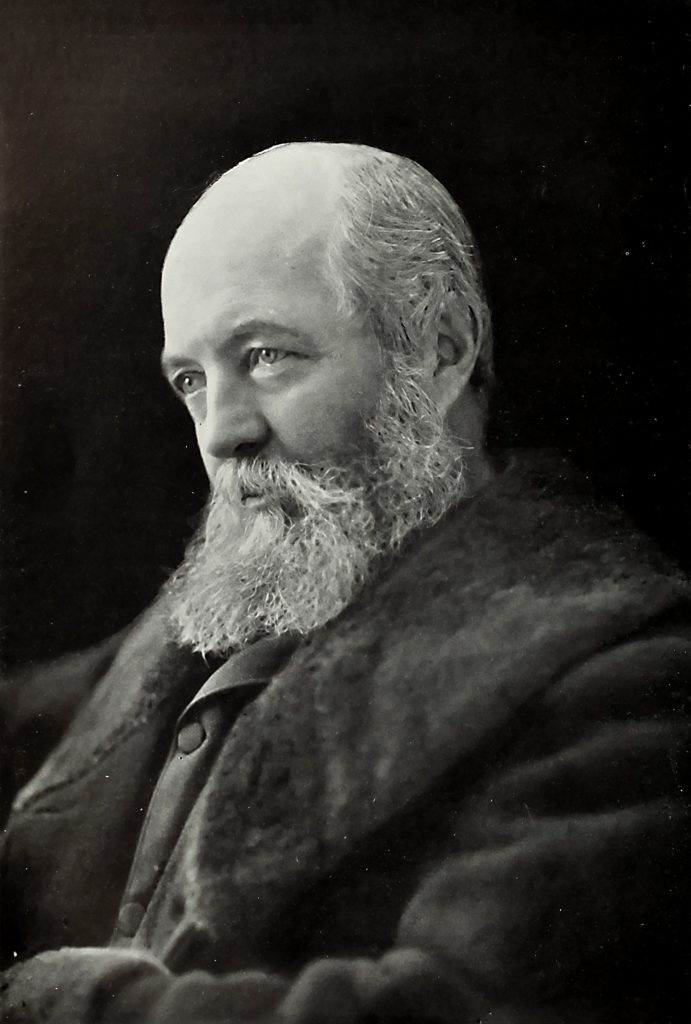
Most exposition architecture was deliberately ephemeral, constructed of staff (a plaster-and-fiber mixture) over wood frames. Yet planners consistently anchored these fairs in ambitious landscape design, monumental axes, and at least one or two structures meant to endure. Frederick Law Olmsted and his sons were frequently involved, ensuring that even when buildings disappeared, the land itself retained memory.
What followed was not accidental preservation—but pragmatic imagination. Cities, universities, and governments repurposed fairgrounds to meet emerging needs, turning spectacle into service.
Here is a look at adaptive reuse in action: expositions that still shape America, staring from the beginning.
Centennial International Exhibition (1876) — Philadelphia, Pennsylvania
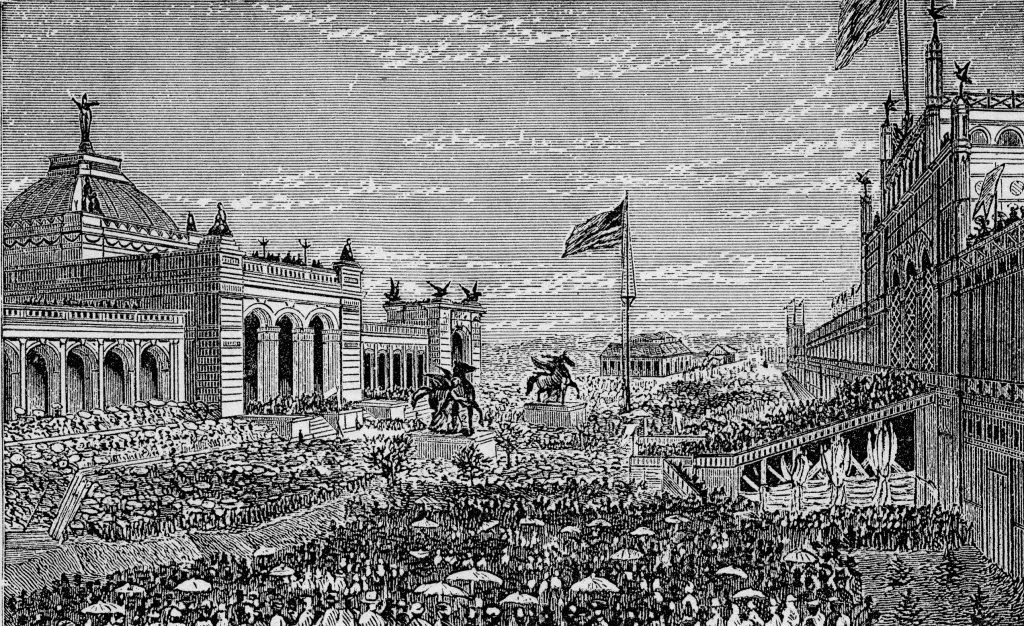
America’s first World’s Fair was nothing short of a declaration. Machinery Hall alone covered 14 acres and thundered with the sound of Corliss steam engines powering the future. Visitors encountered Alexander Graham Bell’s telephone and the earliest glimpses of a mechanized age.
Yet what remains today offers a gentler—but no less meaningful—continuation.
Memorial Hall, with its soaring glass and iron dome, now houses the Please Touch Museum—a joyful, hands-on world designed for children. Where once visitors admired fine art in hushed reverence, today families move through interactive exhibits, laughter echoing beneath the same grand arches. It is a transformation that feels entirely in keeping with the democratic spirit of the original fair.
Step outside, and you are in Fairmount Park, one of the largest urban park systems in the country. Wide lawns, tree-lined paths, and river views have absorbed the fair’s footprint so completely that history feels like a whisper beneath your feet.
World’s Columbian Exposition (1893) — Chicago, Illinois
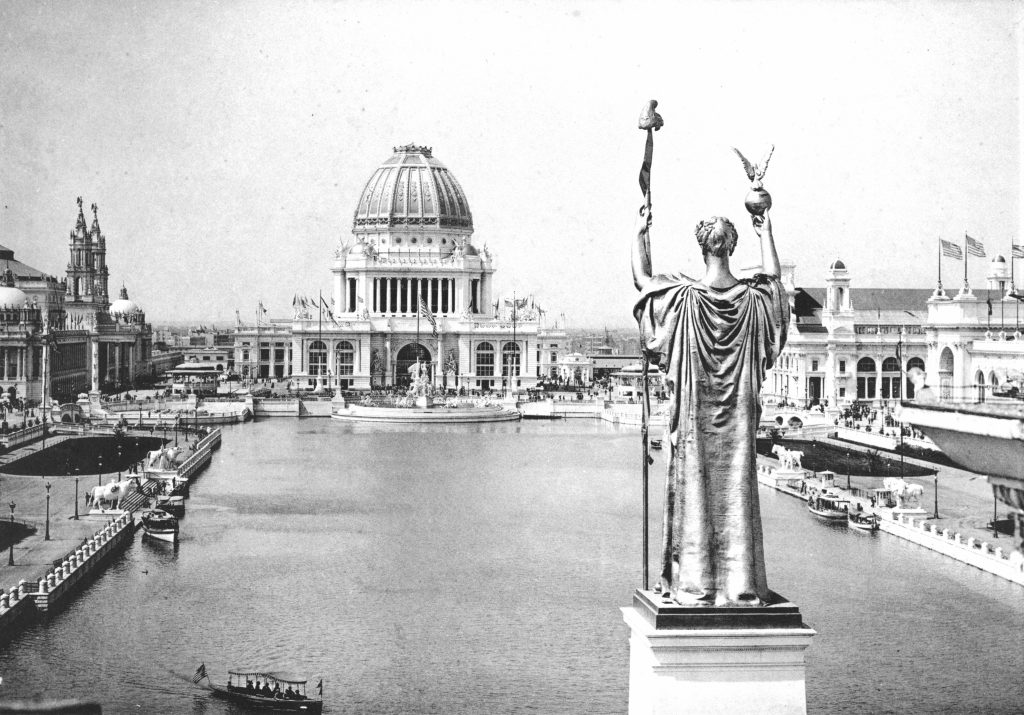
The White City was perhaps the most dazzling illusion ever created in America—gleaming neoclassical buildings reflected in lagoons, illuminated at night by electric light that felt almost magical to its visitors. Today, its legacy is layered into the landscape.
The Museum of Science and Industry, housed in the former Palace of Fine Arts, is the only major building that survived. Its classical façade still hints at the grandeur of the fair, but inside, the focus has shifted from fine art to innovation—submarines, space travel, and interactive science exhibits that continue the fair’s celebration of progress.
Outside, Jackson Park unfolds in long, open stretches of green, with lagoons and wooded islands that trace Olmsted’s original design. But it is the Midway Plaisance that offers the most evocative connection.
Once the site of the fair’s amusements—where the first Ferris Wheel rose and global cultures were staged for curious crowds—the Midway is now a broad, linear park. Today, it is filled with playing fields, walking paths, and students from the University of Chicago passing through. Yet its unusual width and axial design still betray its past life as a place of spectacle and curiosity.
Stand there, and you can almost feel the echo of music, motion, and wonder.
Louisiana Purchase Exposition (1904) — St. Louis, Missouri
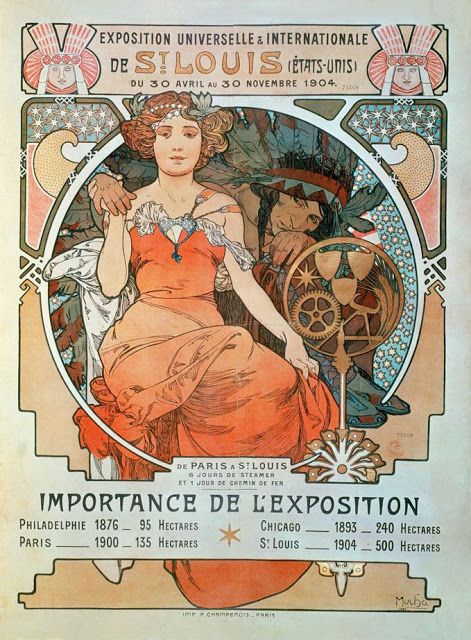
The 1904 fair was immense—more than 1,200 acres—and intended to showcase America’s rise as a global power. It introduced visitors to everything from new foods (including the ice cream cone, by popular legend) to entire reconstructed villages from around the world.
Today, that ambition has settled into something enduring and refined.
Forest Park is now one of the great urban parks of America—larger than Central Park, yet somehow more intimate in its unfolding. At its heart stands the St. Louis Art Museum, evolved from the Palace of Fine Arts. Its grand staircase and classical façade still feel like an entrance to something ceremonial.
Nearby, the Missouri History Museum and St. Louis Science Center continue the educational mission of the fair, while lakes, bridges, and tree-lined paths invite quieter exploration.
What was once spectacle has become continuity—a place where culture, leisure, and history coexist effortlessly.
Alaska–Yukon–Pacific Exposition (1909) — Seattle, Washington
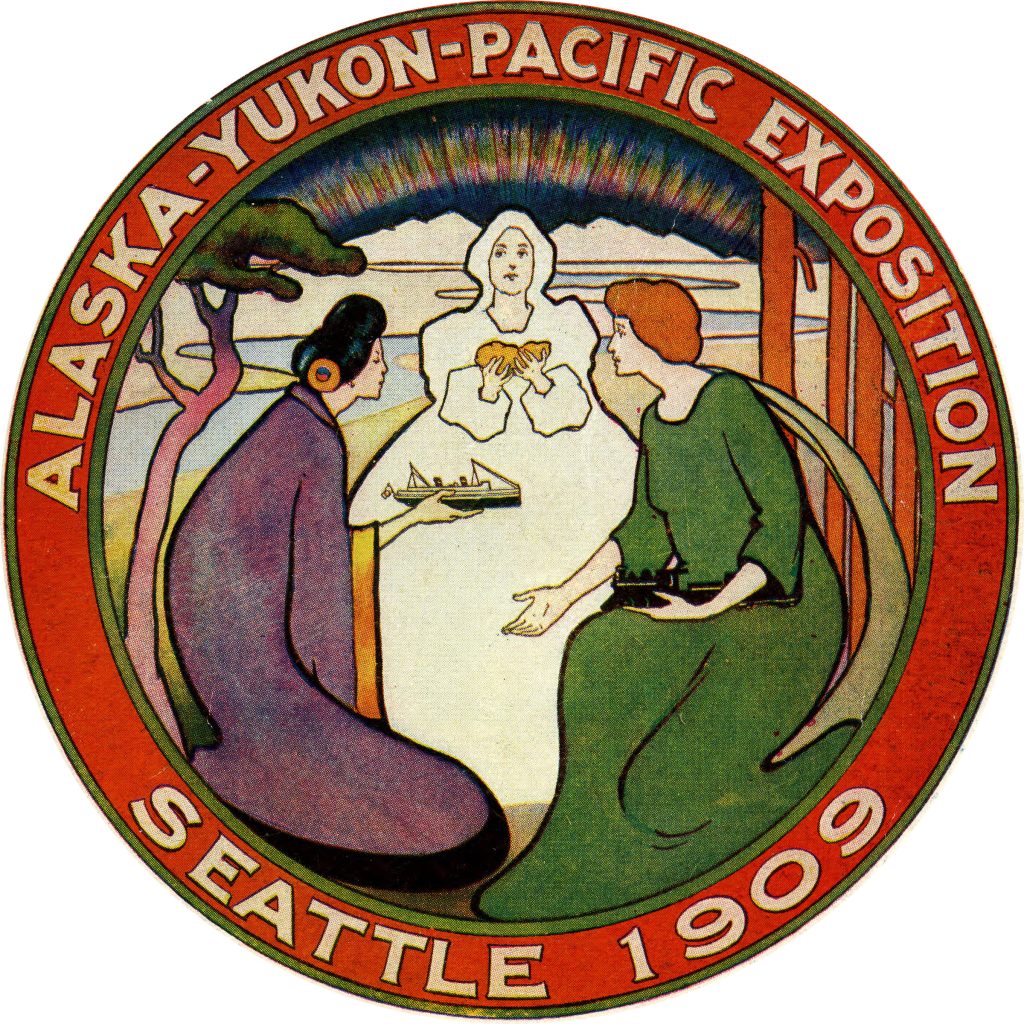

This fair celebrated the promise of the Pacific Northwest and America’s growing connection to Asia and Alaska. Its design was elegant and deliberate, with a central axis culminating in a framed view of Mount Rainier.
That axis still exists.
Today, it forms the heart of the University of Washington campus, known as Rainier Vista. Walk this long, open lawn, and on a clear day, the mountain appears exactly as it did to fairgoers over a century ago — perfectly framed, almost theatrical.
The surrounding collegiate Gothic buildings feel permanent, scholarly, and grounded, yet the layout beneath them is pure exposition design—order imposed on landscape, now repurposed for learning.
Panama–Pacific International Exposition (1915) — San Francisco, California
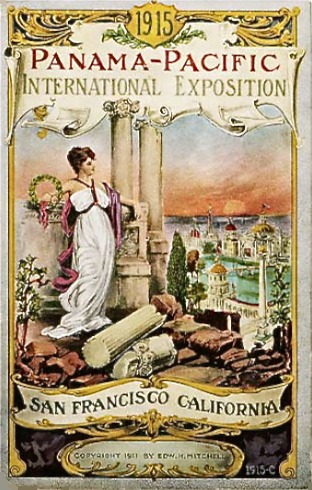
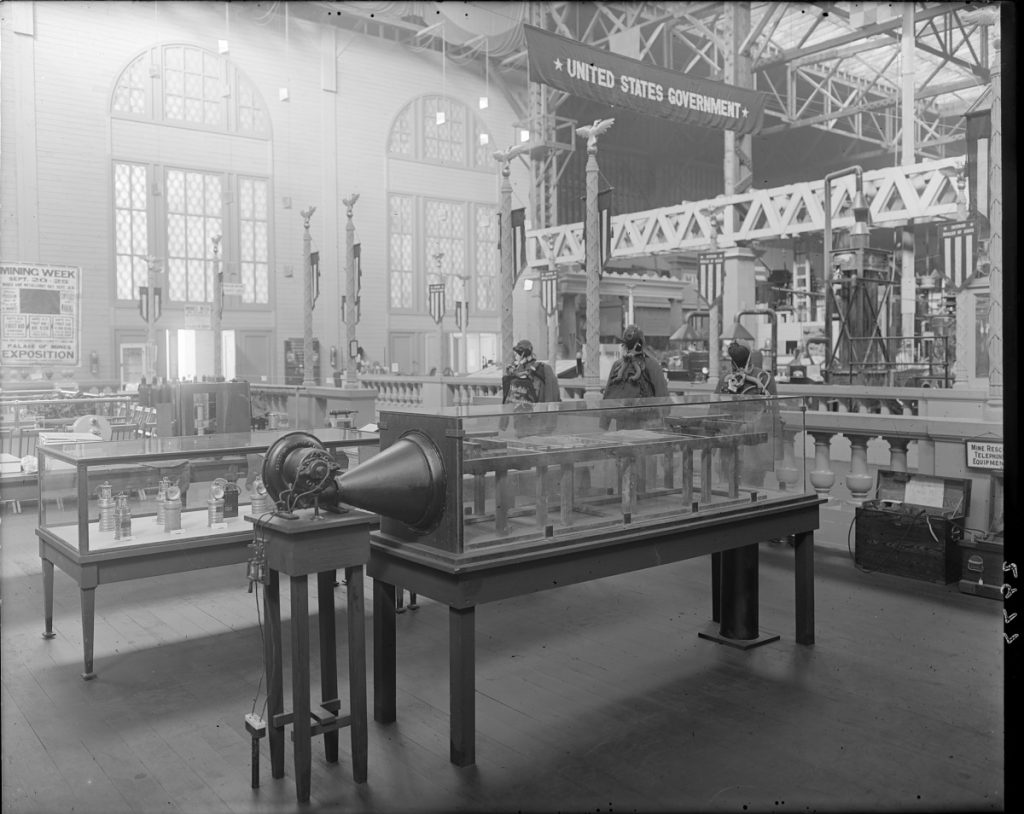
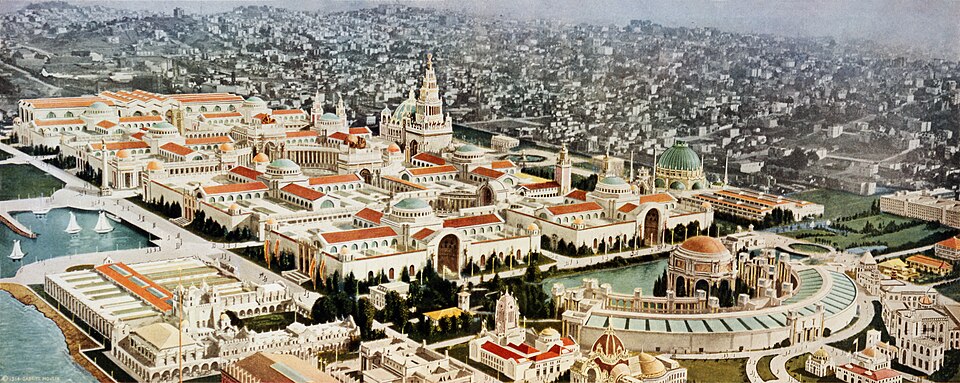
Built as a declaration of resilience after the 1906 earthquake, this fair was both celebratory and deeply symbolic. What remains is its most poetic fragment: The Palace of Fine Arts.
Set beside a tranquil lagoon, its classical rotunda and colonnades feel almost dreamlike—less a building than a memory made visible. Rebuilt in the 20th century to preserve its form, it now hosts exhibitions and events, but its greatest role is simply to exist.
Visitors linger here—walking slowly, photographing reflections, sitting quietly. It is one of the rare places where a World’s Fair structure still feels like a piece of theater suspended in time.
Panama–California Exposition (1915–1916) — San Diego, California
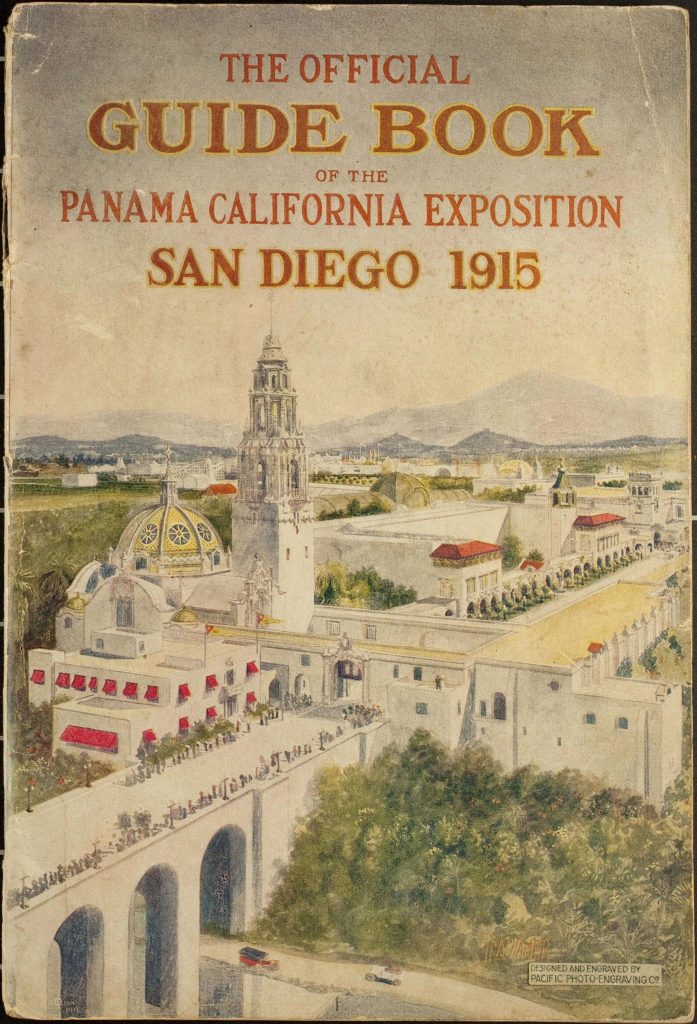
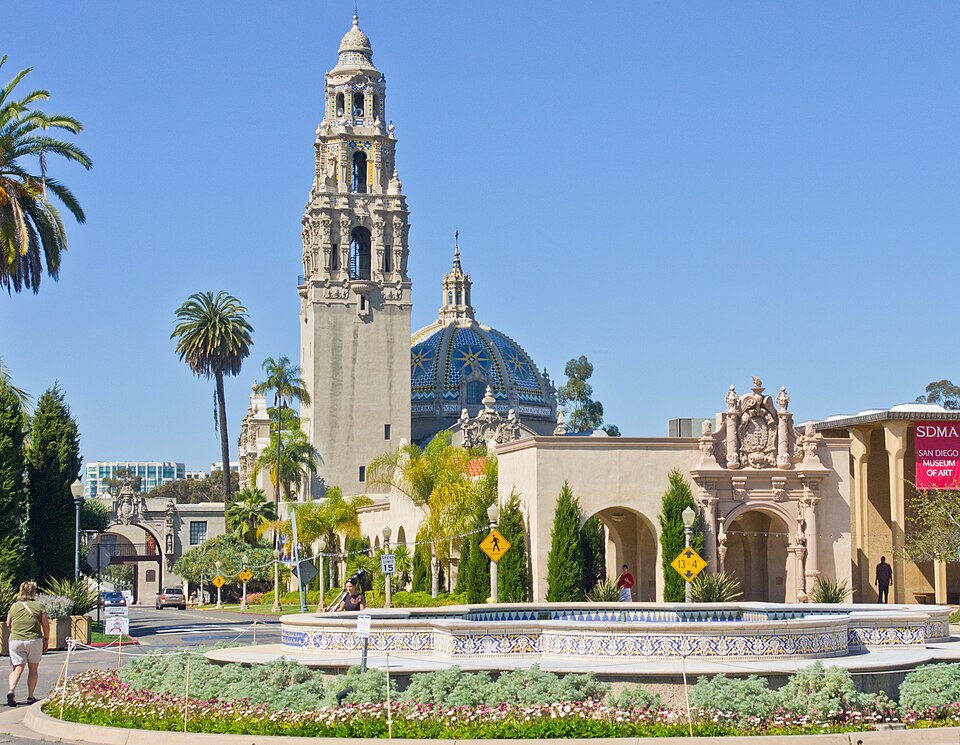
Unlike most fairs, this one never truly left. Balboa Park is perhaps the most complete and immersive legacy of any American exposition. The Spanish Colonial Revival buildings—ornate, sun-warmed, and intricately detailed—form a cohesive architectural dream.
Today, they house:
- The San Diego Museum of Art
- The Museum of Us
- The Museum of Natural History
- The San Diego Air & Space Museum
And beyond them, gardens unfold—cactus, rose, and botanical—alongside the world-famous San Diego Zoo.
This is not adaptive reuse as preservation. It is adaptive reuse as evolution.
Texas Centennial Exposition (1936) — Dallas, Texas
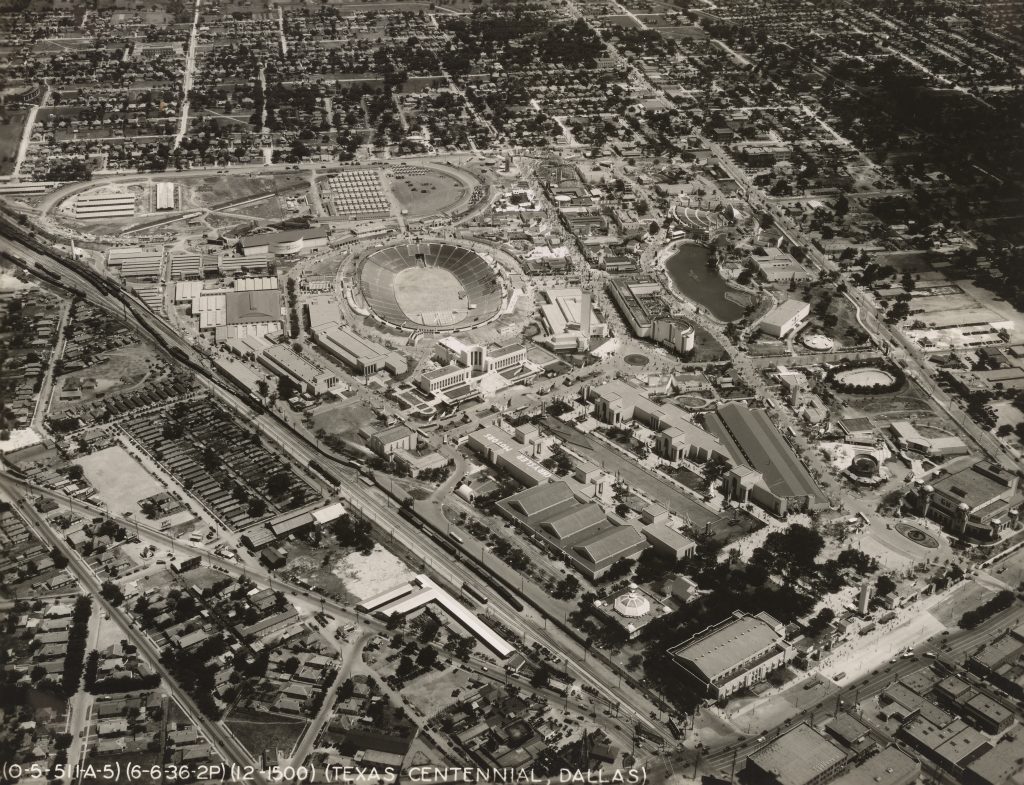
Built during the Great Depression, this fair was a bold assertion of Texas pride and American resilience. Its architecture—streamlined, geometric, and modern—embraced the Art Deco style with confidence. Today, Fair Park remains one of the most extraordinary surviving exposition sites in the world.
Walking through it, you encounter a rare concentration of intact buildings, now housing:
- The African American Museum, one of the largest of its kind in the nation
- The Museum of the American Railroad, celebrating the machinery that built the country
- The Texas Discovery Gardens, offering a softer, botanical counterpoint
Murals still adorn the buildings—vivid, narrative, unmistakably of their era. And each year, the State Fair of Texas brings the grounds back to life, echoing the energy of the original exposition.
Here, more than anywhere, the fair has not disappeared. It simply returns, again and again.
These sites reward historically curious travelers. You can stroll a university quad, picnic in a park, or attend a museum exhibition—often unaware that you are standing inside a former World’s Fair. The gift here is the continuation of wonder — a quality our world is sorely in need of!
Recommended Reading
Non-Fiction
- The Devil in the White City by Erik Larson — A masterful intertwining of brilliance and darkness, where the triumph of the 1893 World’s Fair unfolds alongside a chilling shadow in Gilded Age Chicago
- Grand Illusions: Chicago’s World’s Fair of 1893 by Neil Harris — A richly detailed exploration of the vision, spectacle, and cultural ambition that shaped America’s most dazzling exposition
- All the World’s a Fair: Visions of Empire at American International Expositions, 1876–1916 by Robert W. Rydell — A compelling examination of how the 1893 World’s Fair redefined American identity, innovation, and global influence
Fiction
- The Last Palace by Norman Eisen — A sweeping narrative that moves through time and place, reflecting on power, legacy, and the enduring imprint of historic spaces
- Chicago by Day and Night by Henry Blake Fuller — A vivid, contemporary portrait of Chicago during the World’s Fair, capturing the energy, contrasts, and social rhythms of a city in transformation
Image Credits: Mesutcaninla and Antoine Taveneaux via Wikimedia Commons.
