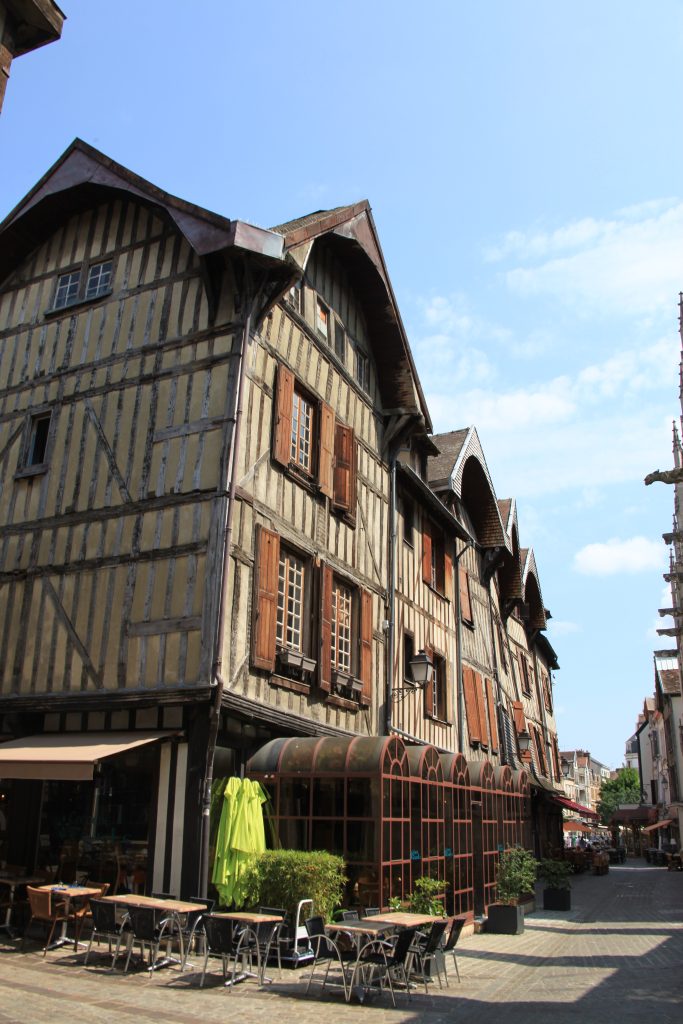
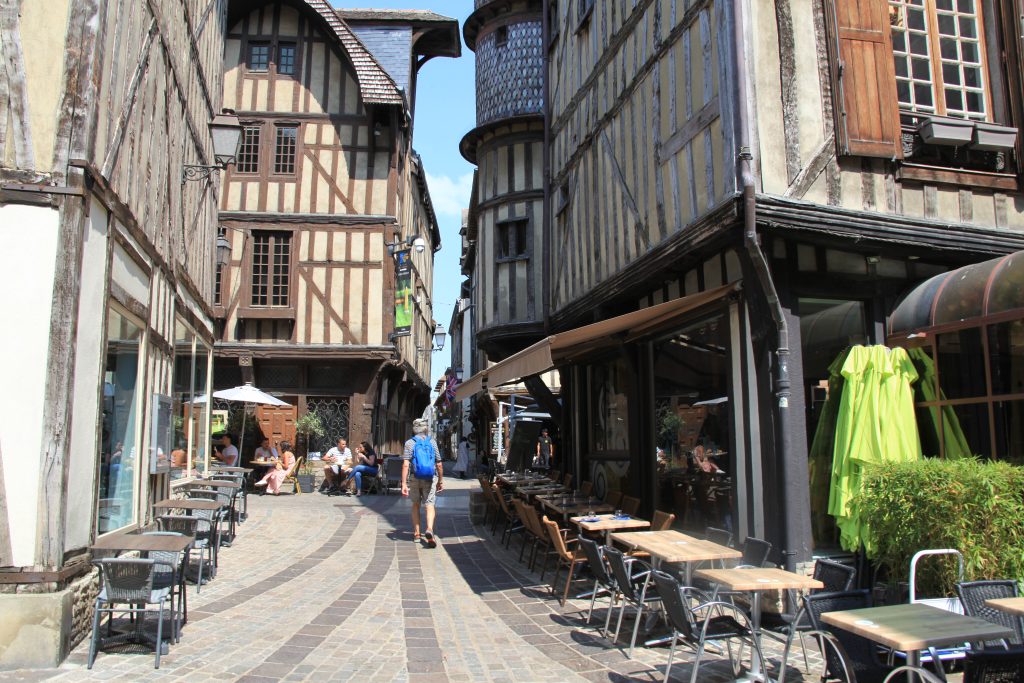
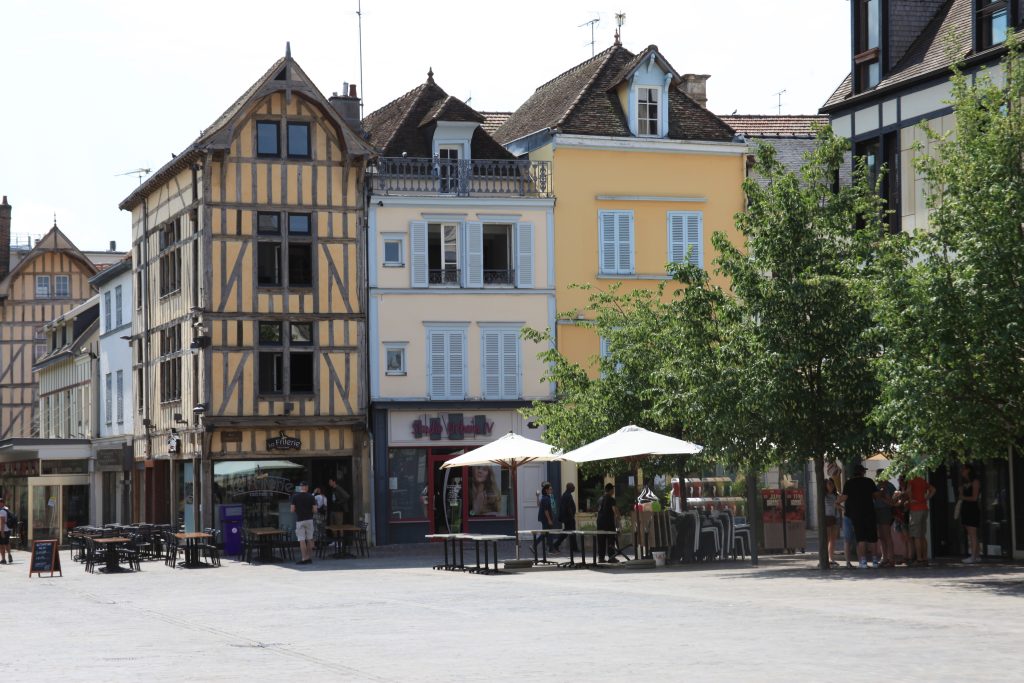
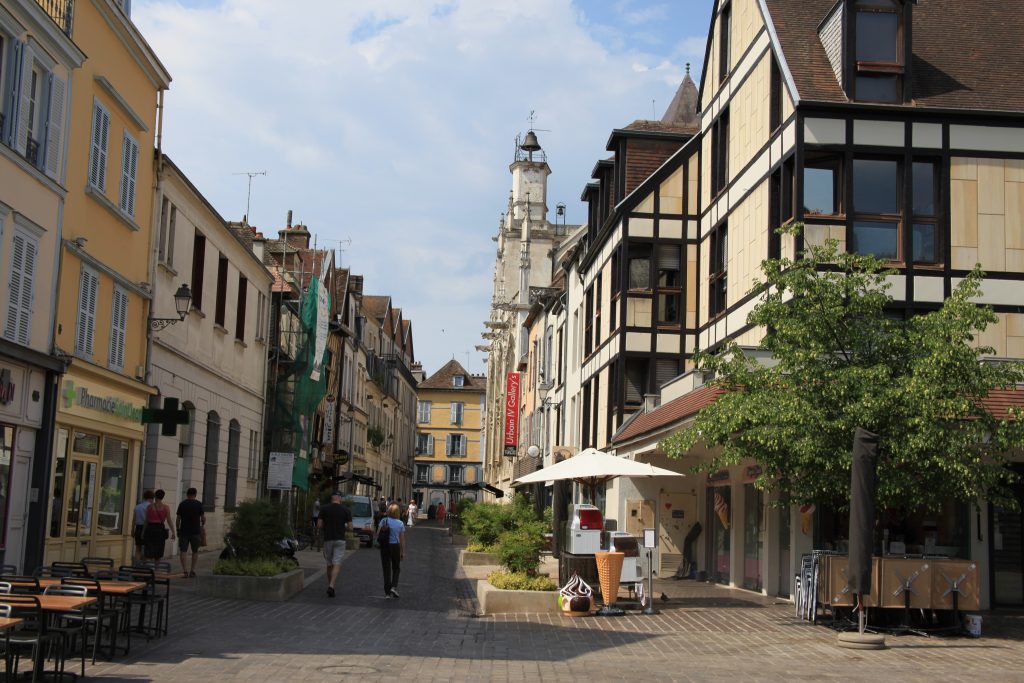
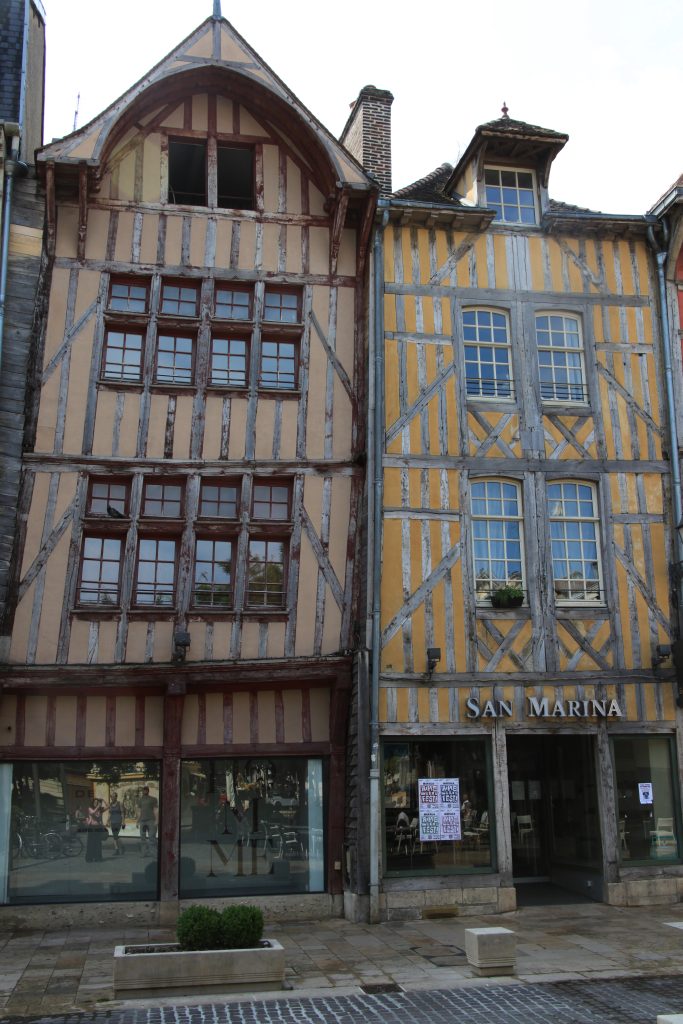
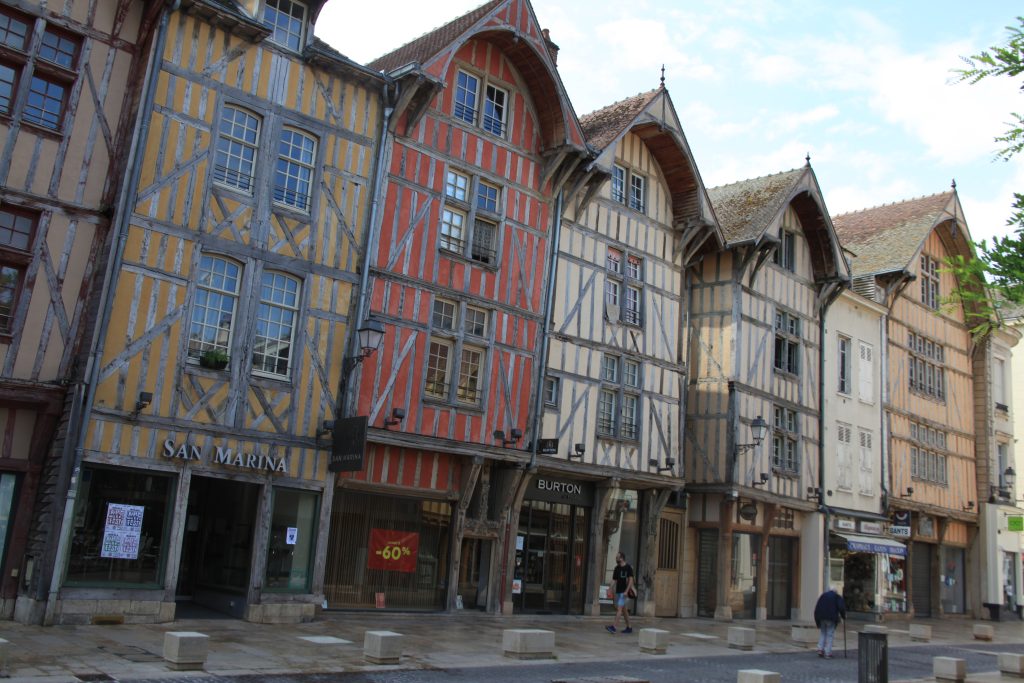
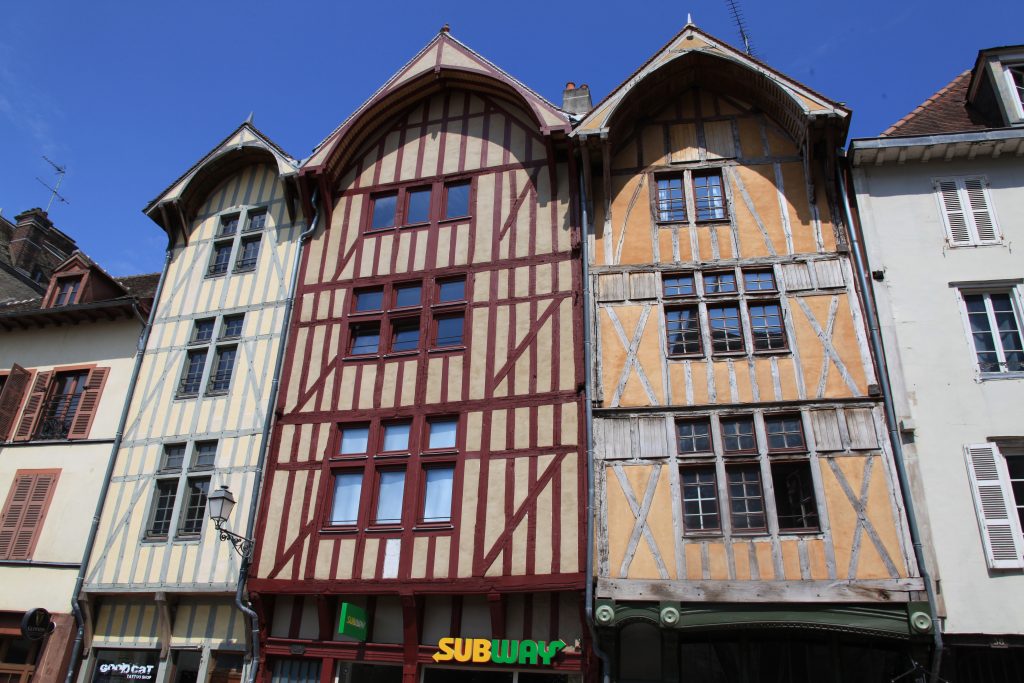
Troyes, nestled in the Champagne region of northeastern France, wears its history like a second skin rather than flaunting it with grandeur. With its half-timbered houses, Gothic cathedrals, and winding cobbled alleys, Troyes is a medieval jewel that still gleams with its original luster. To walk through its ochre and rose-tinted lanes is to feel time fold softly around you. This is no city of rubble. This Troyes, France travel guide invites you to experience a town where the past isn’t preserved behind glass, but woven into everyday life.
Home of Medieval Fairs
This section of the Troyes, France travel guide highlights the city’s rich medieval market culture and its legacy as a trading hub. Troyes has been a cultural and economic crossroads since Roman times, flourishing most dramatically in the Middle Ages. As the capital of the historic Champagne region, it was renowned for its lavish medieval fairs—international markets of silk, spices, wool, and precious metals that drew merchants from across Europe.
Under the Counts of Champagne, Troyes became a center of commerce, letters, and faith. It was here that the Troyes Codex—one of the earliest references to the Knights Templar—was drafted, and where Chrétien de Troyes composed Arthurian romances that shaped the European literary tradition.
However, a devastating fire in 1524 destroyed much of the city, yet the Troyens rebuilt it in splendid fashion. As a result, what stands today exemplifies breathtaking 16th-century Renaissance urban planning interwoven with surviving Gothic and medieval treasures.
Bouchon de Champagne
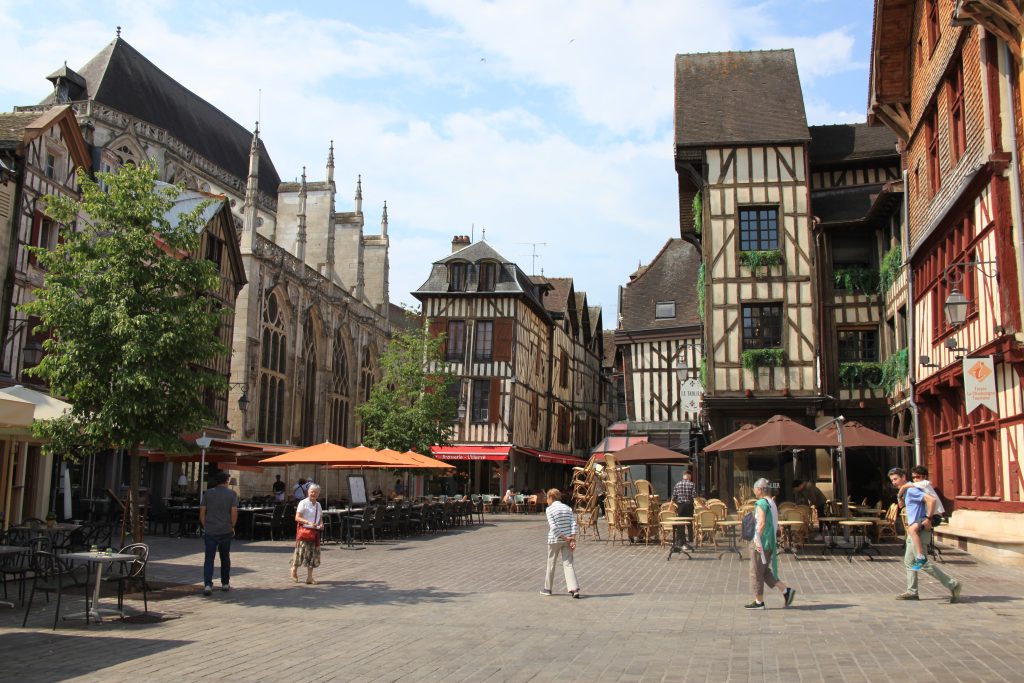
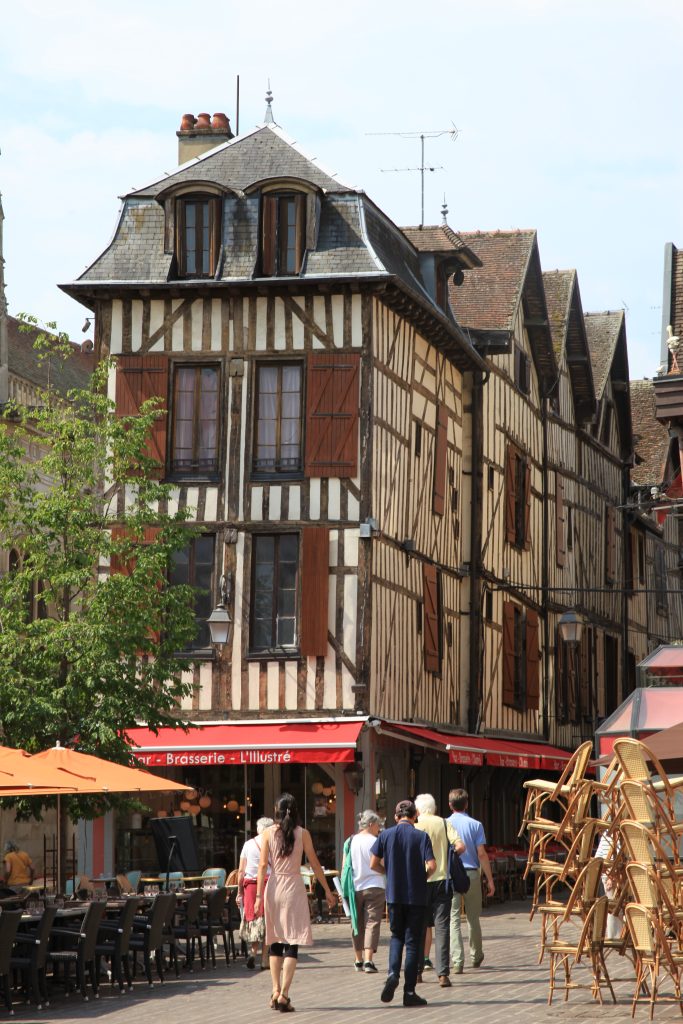
Begin in the “Bouchon de Champagne,” named for the city center’s resemblance to a champagne cork when viewed from above. Within this delightfully walkable quarter beats the heart of Troyes.
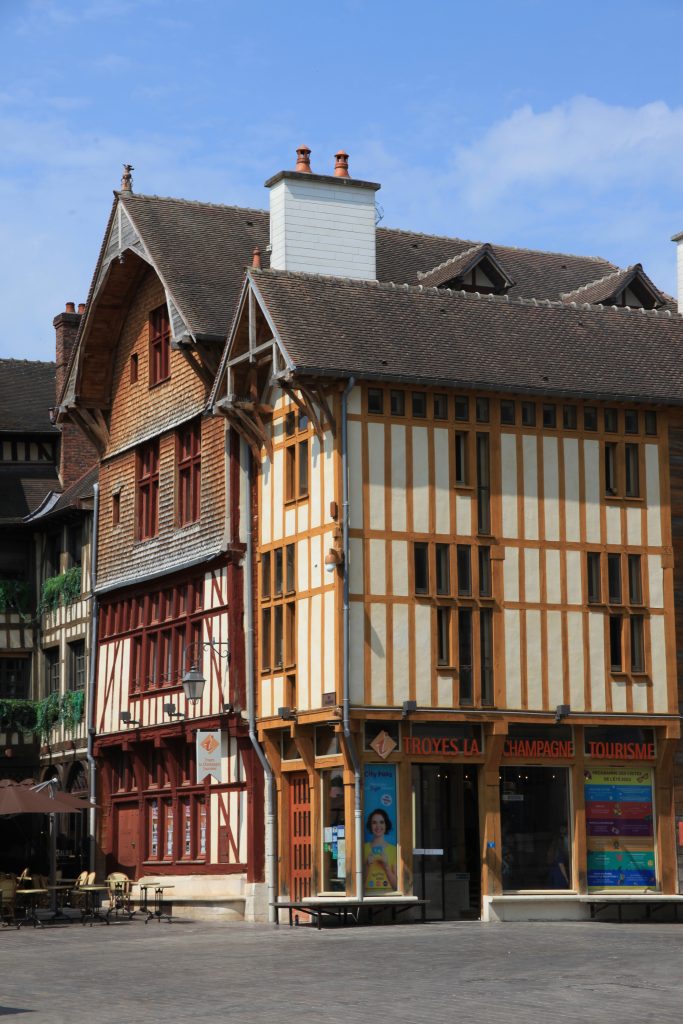
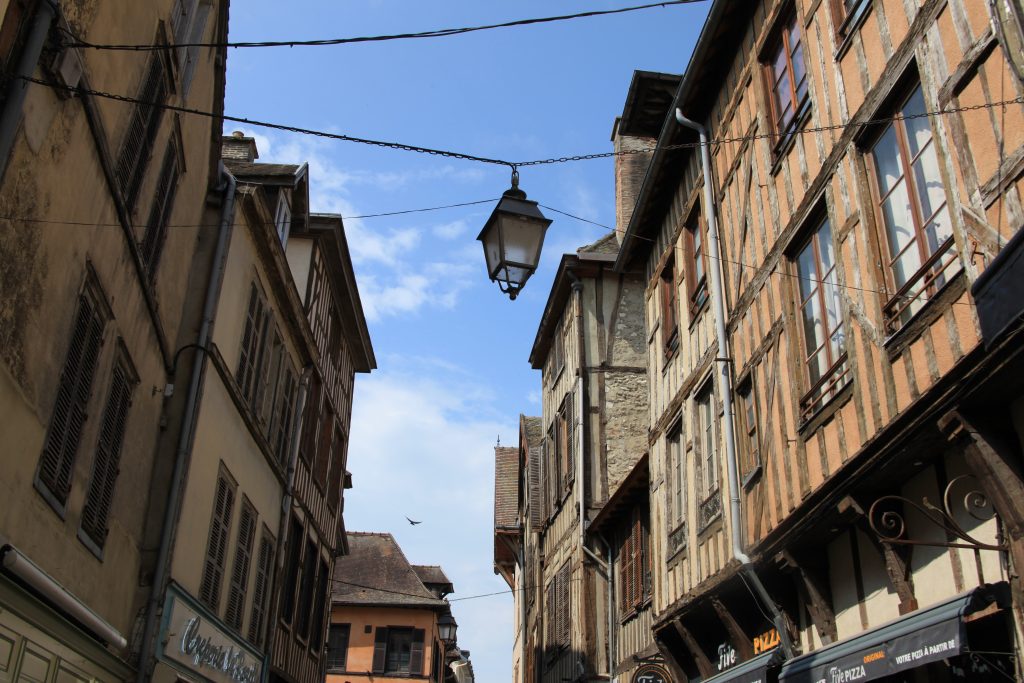
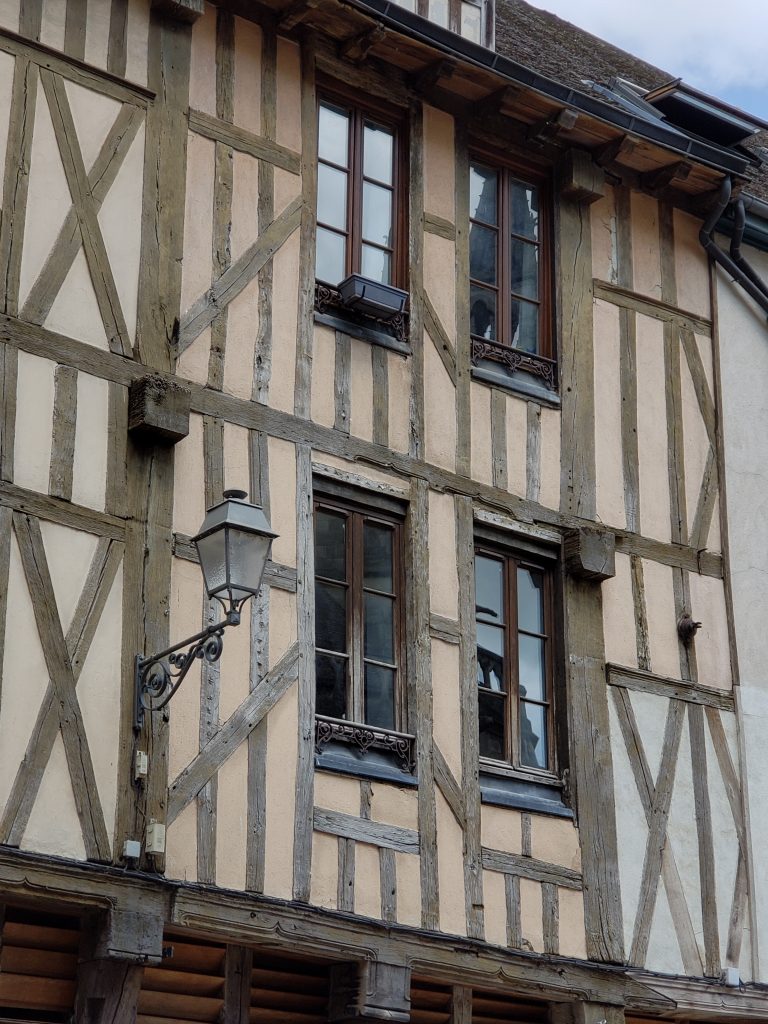
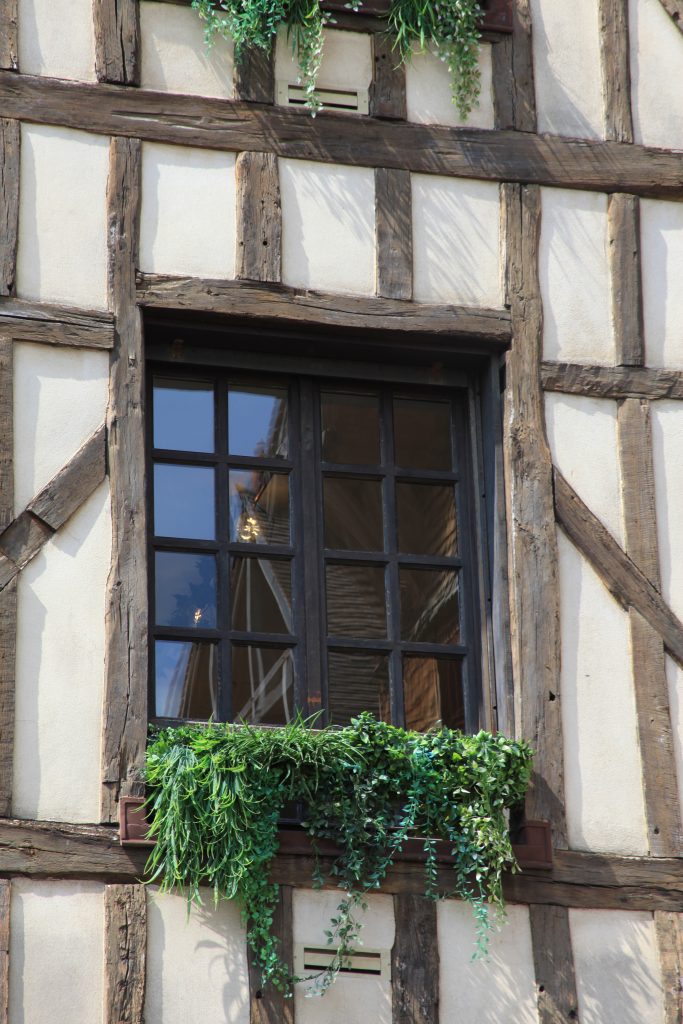
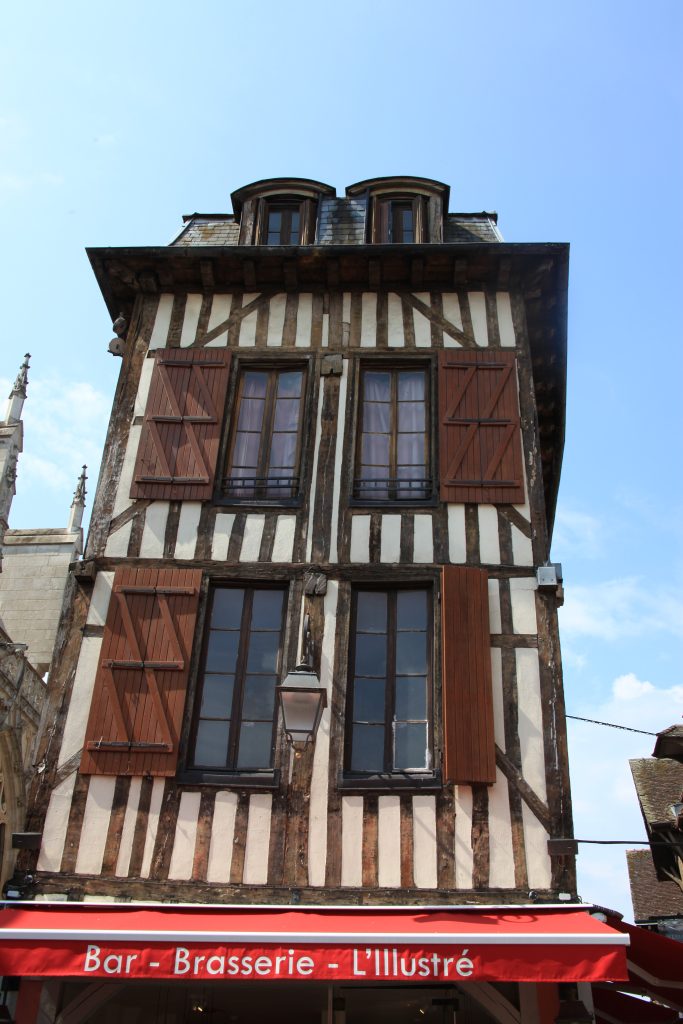
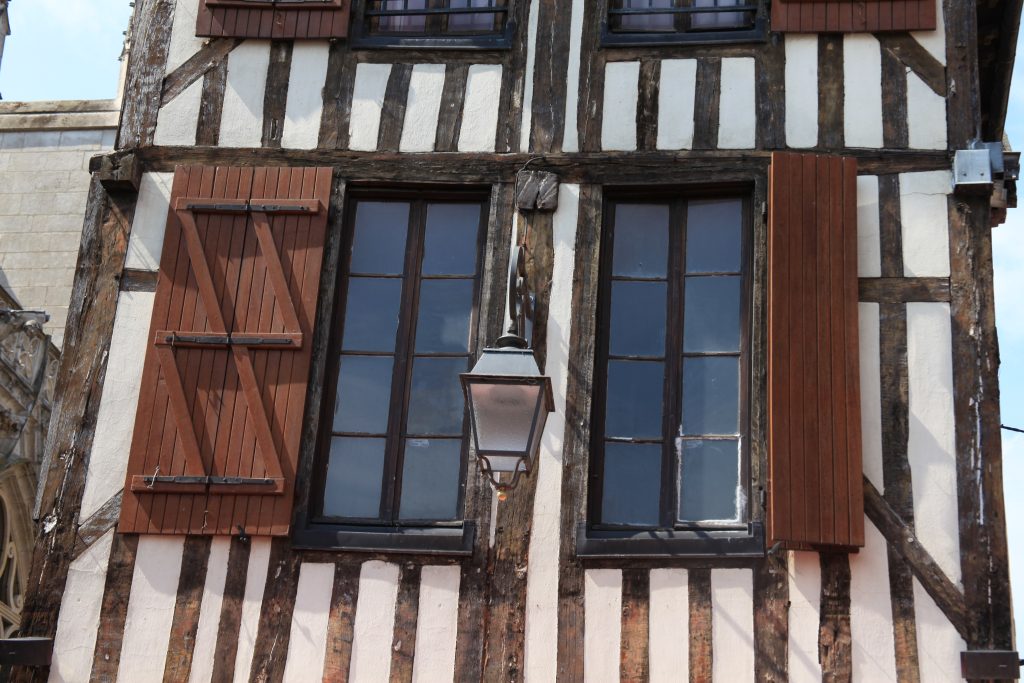
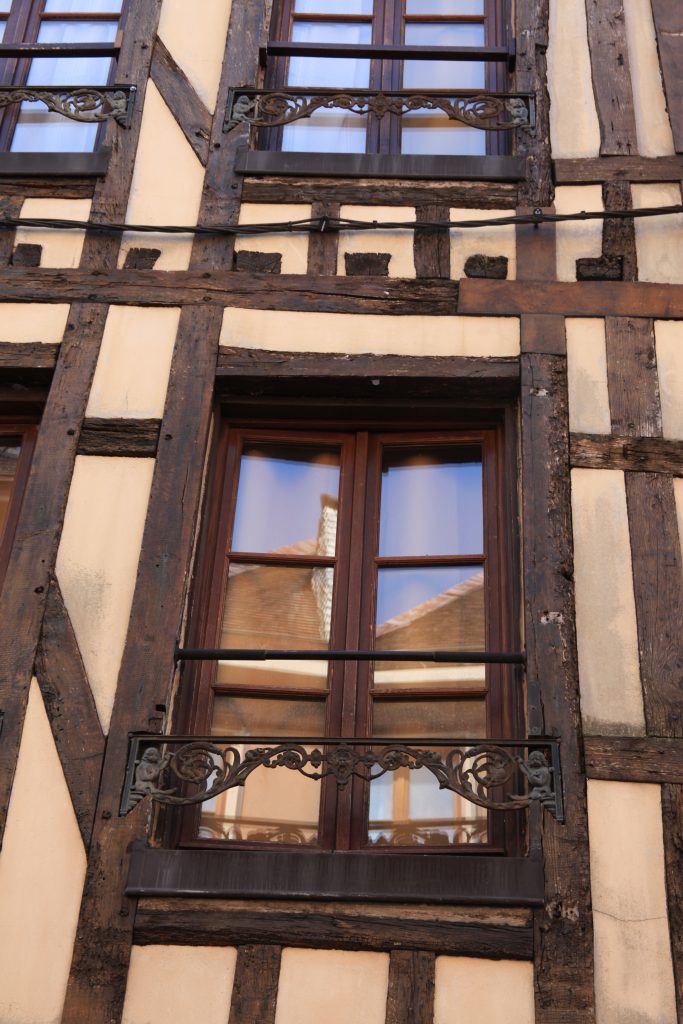
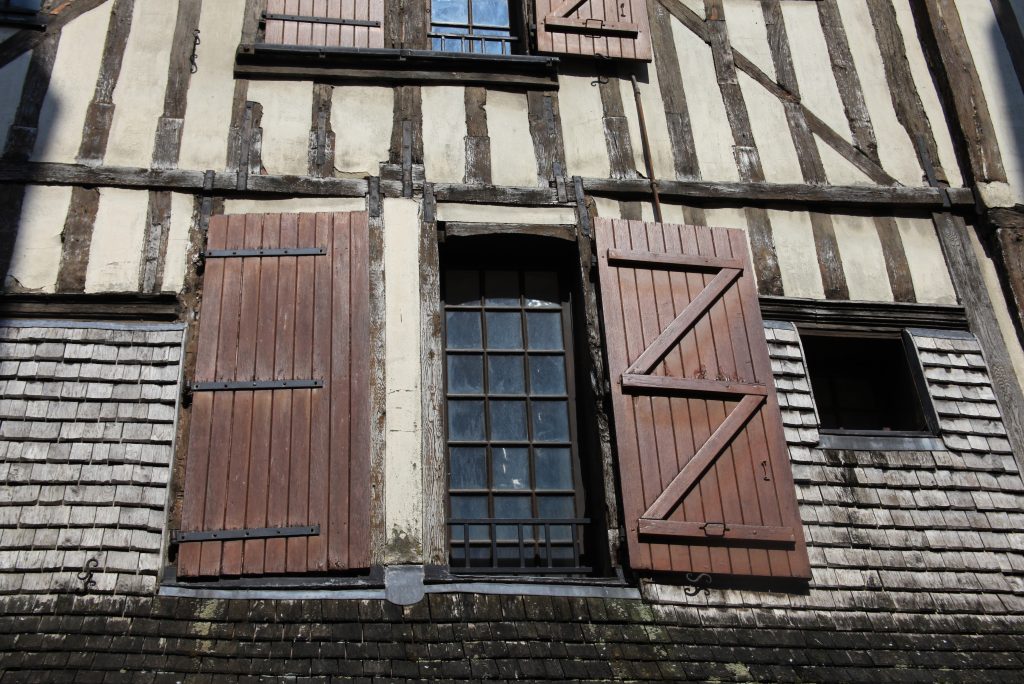
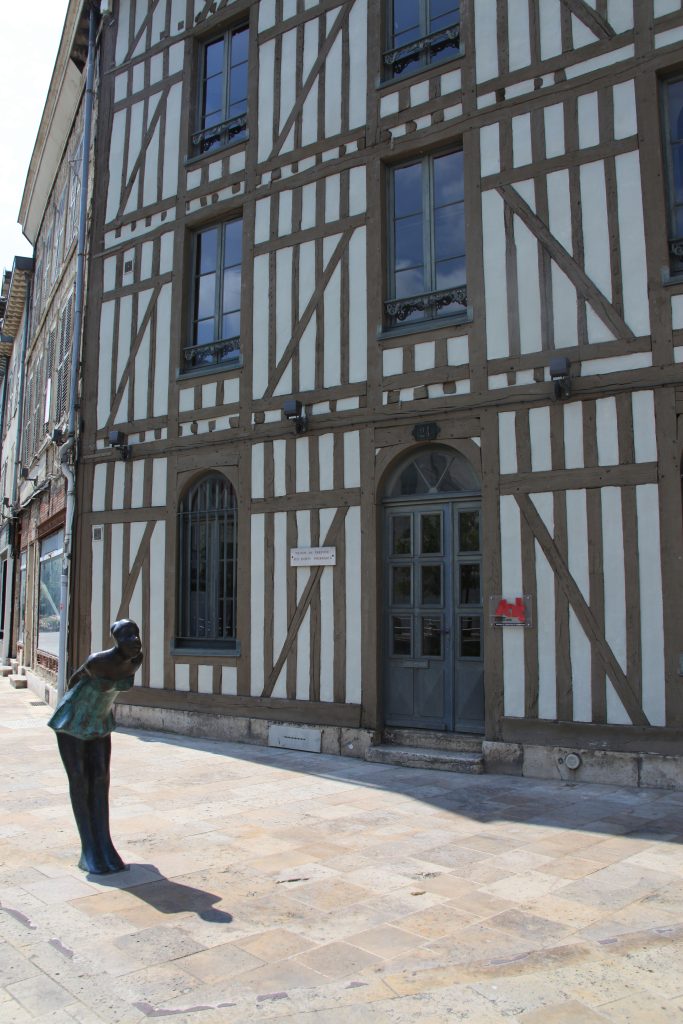
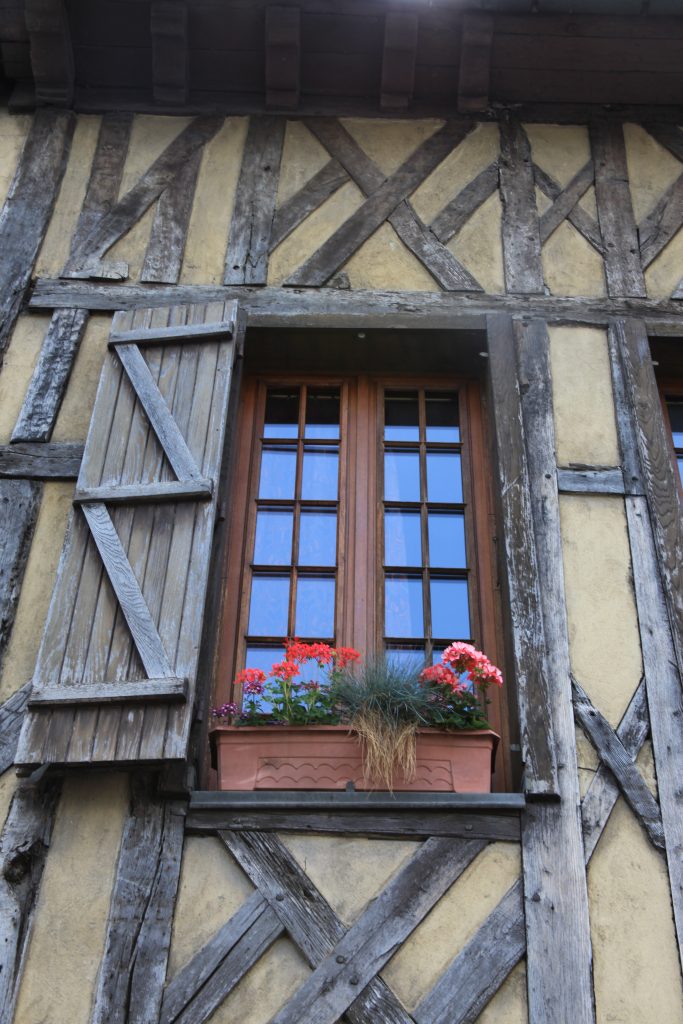
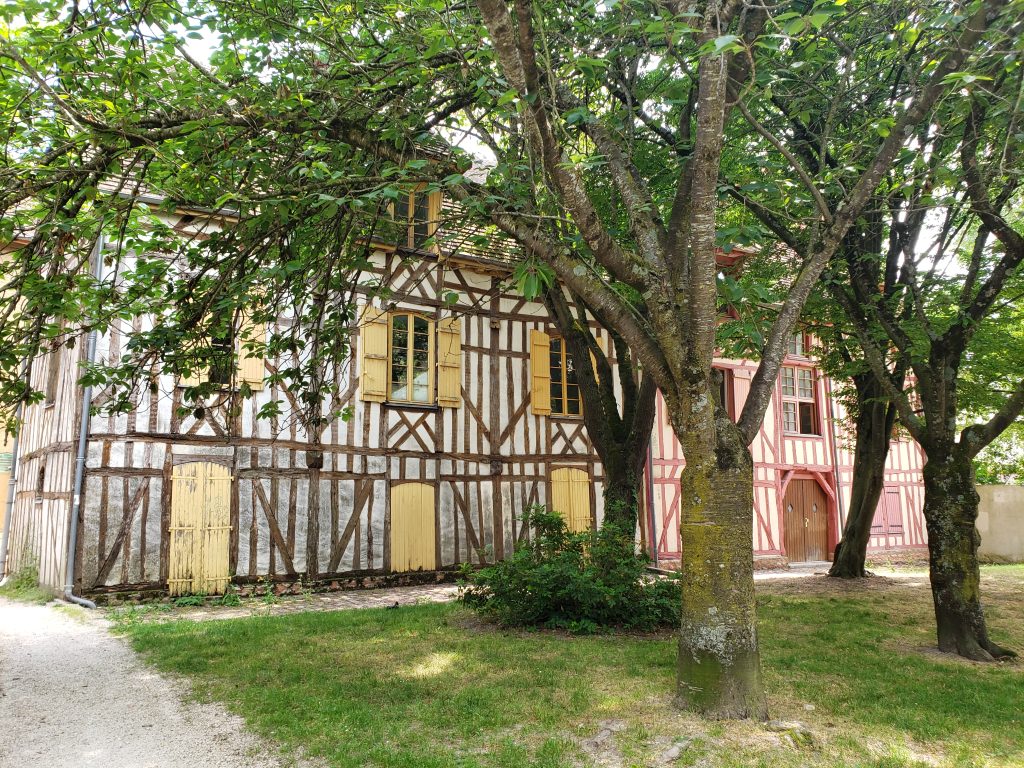
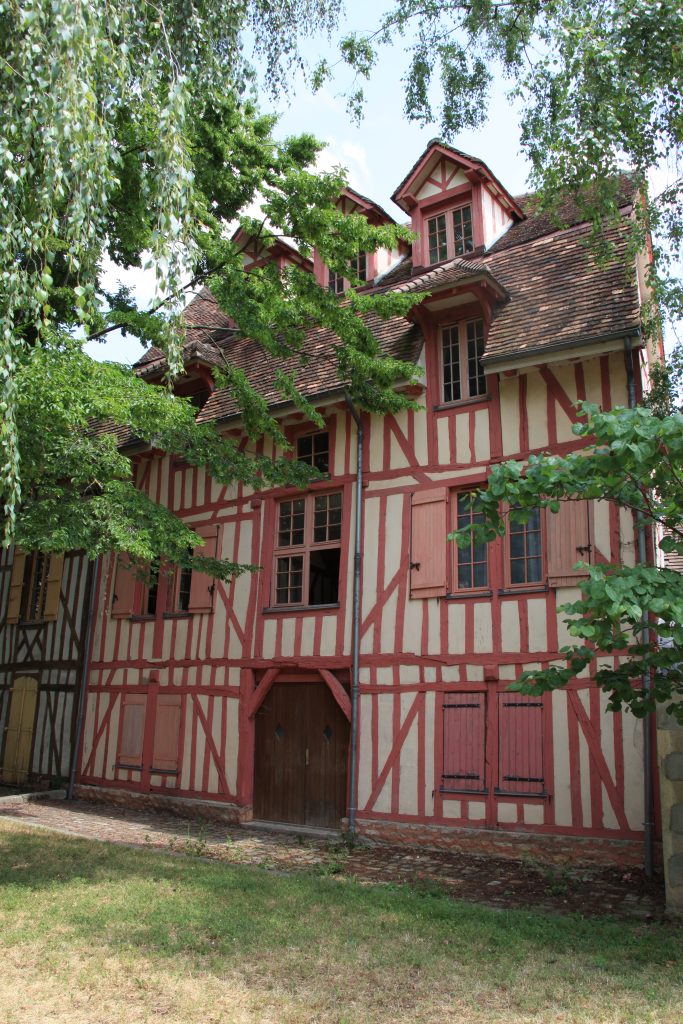
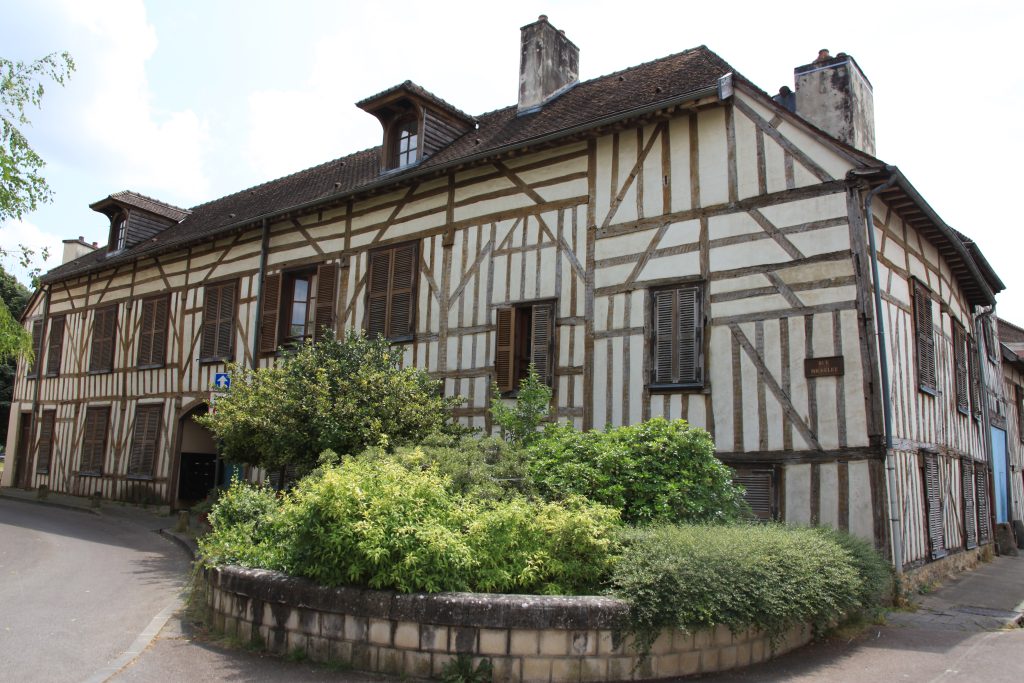
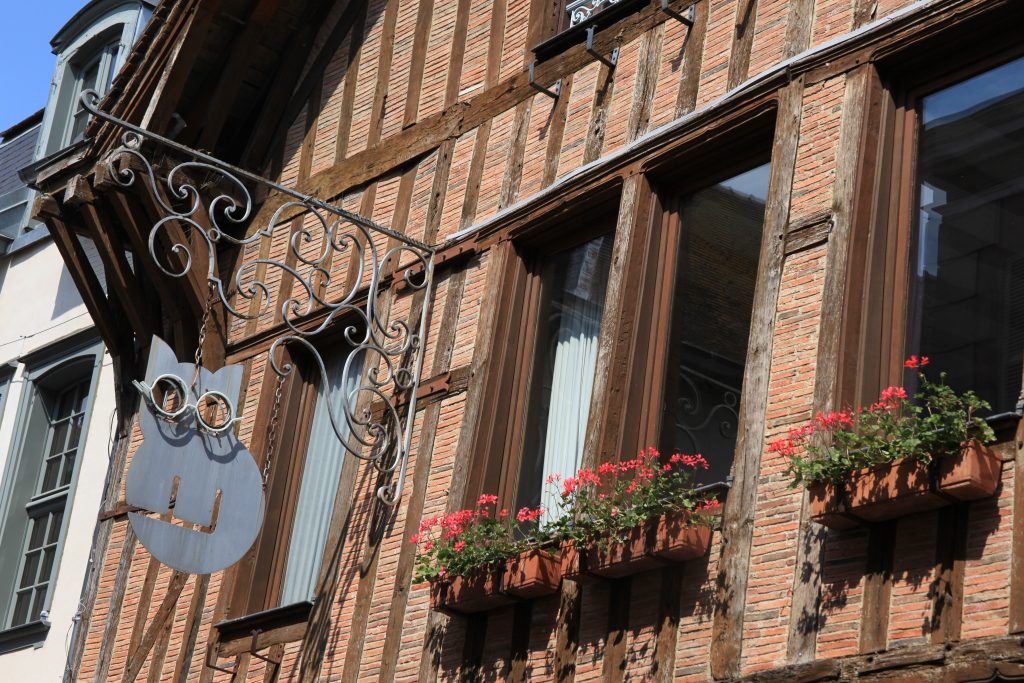
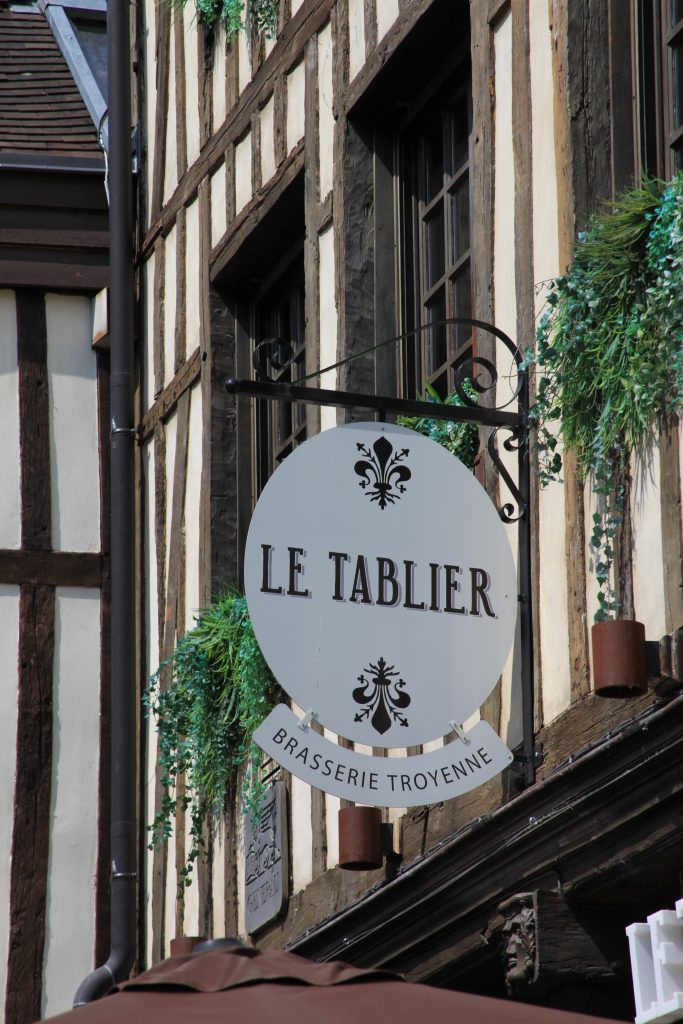
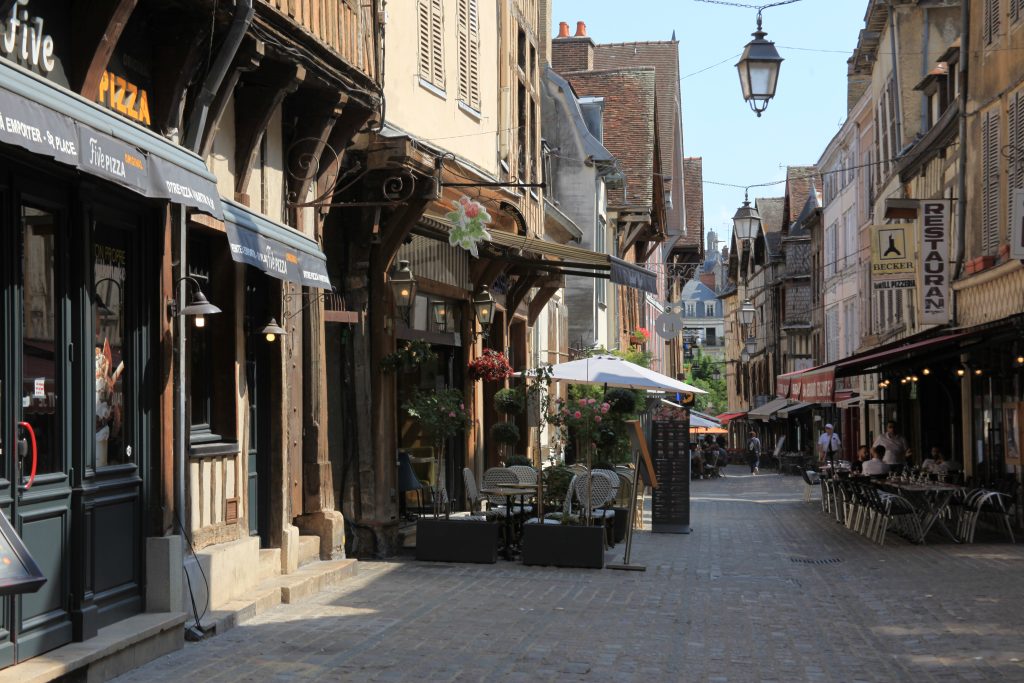
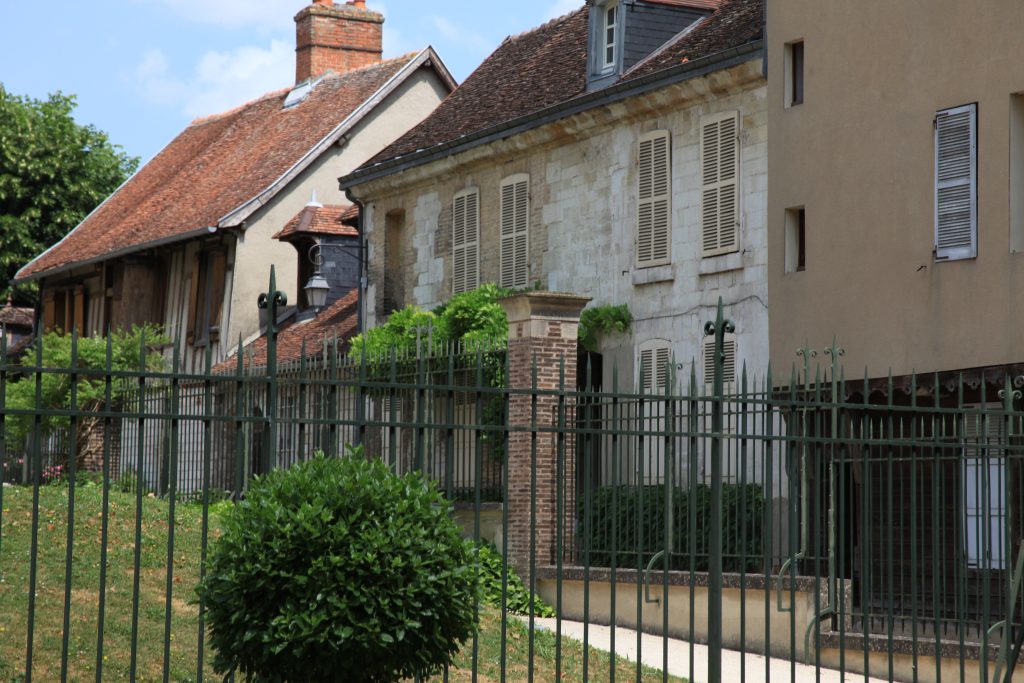
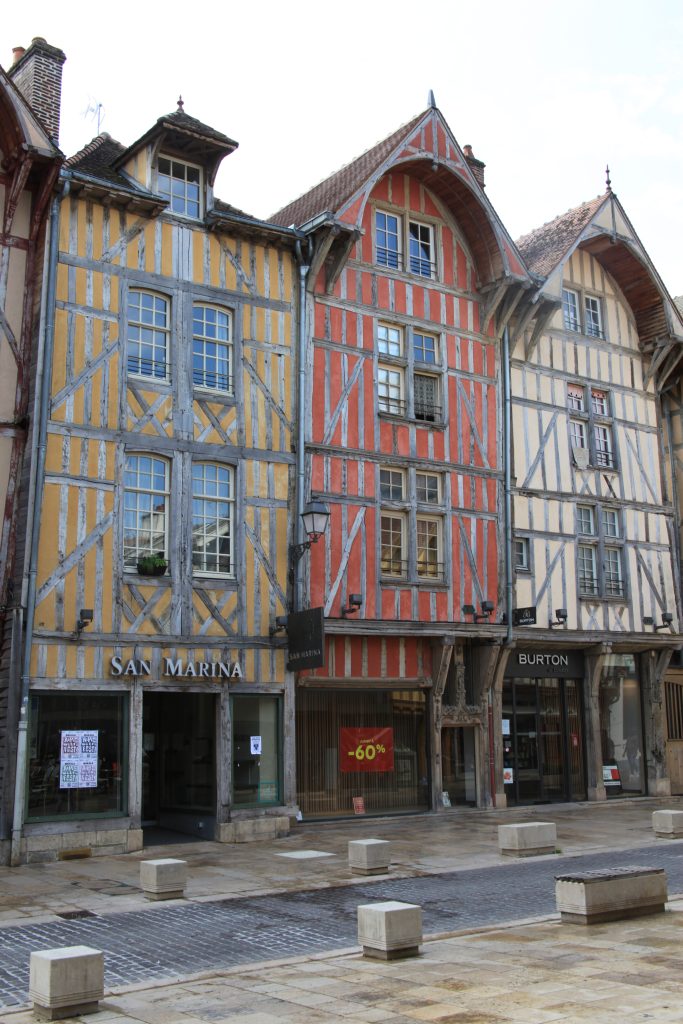
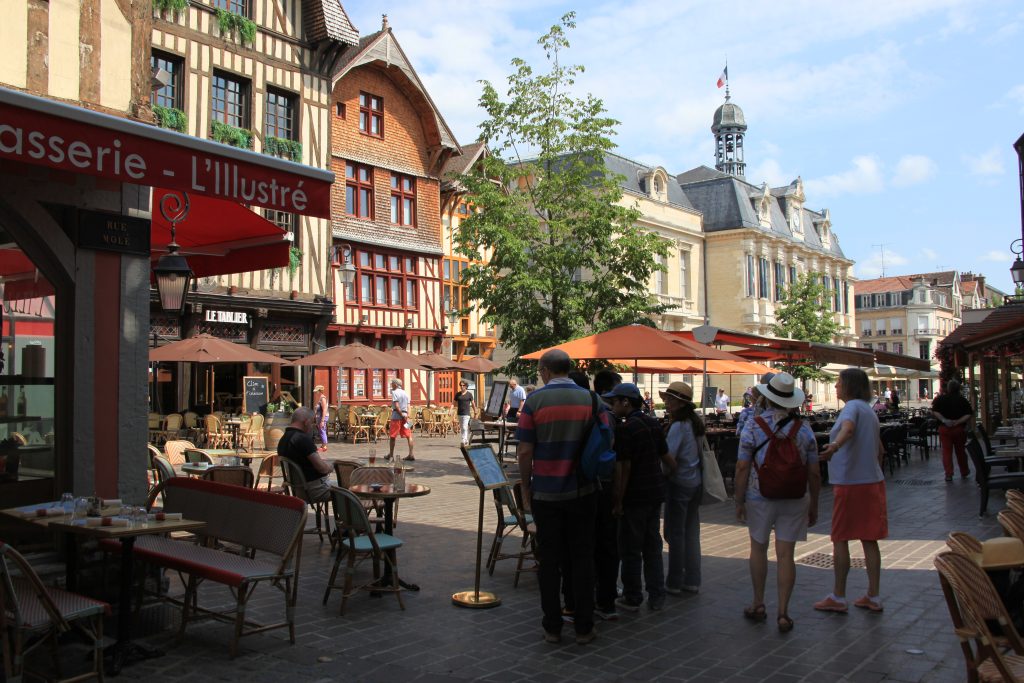
The timber-framed houses—some leaning, some stately, all splendid—stand painted in muted pastels: dusty teal, lavender-grey, sunflower yellow. Their exposed wooden beams zigzag across facades like calligraphy, adorned with wrought iron signs and antique shopfronts. It’s as if an illuminated manuscript had leapt off the page and become a city.
Make your way to Rue Champeaux or Rue Émile Zola, where each building competes with its neighbor for quaintness. Flowers overflow from boxes. A carved face peers from the lintel. One building may date to the 1400s, the next from the 1550s—both beautifully preserved and actively used today.
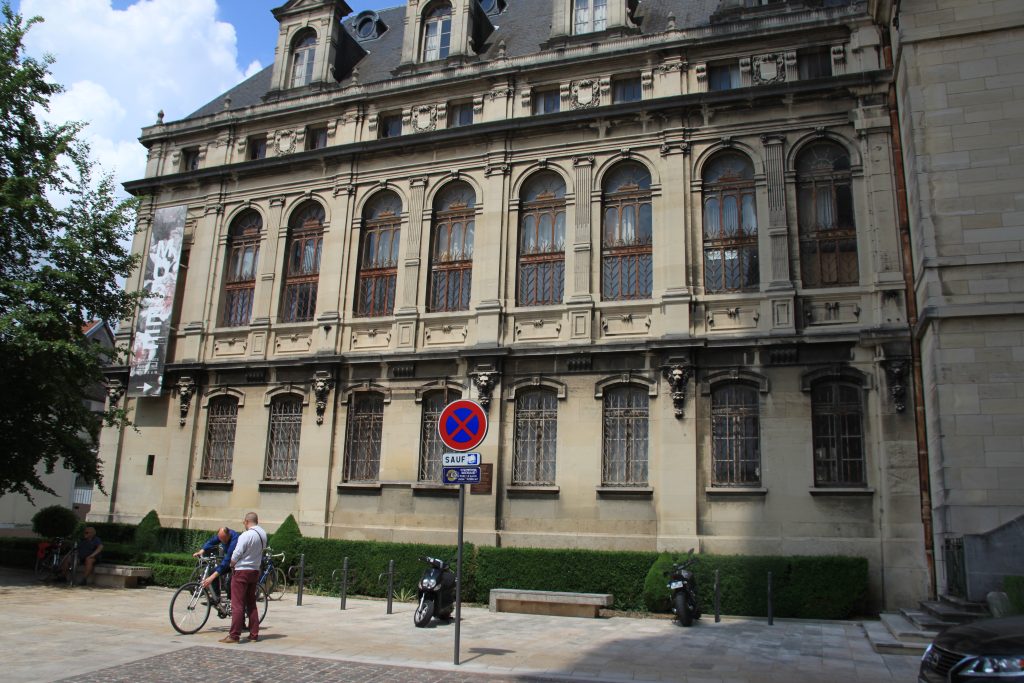
For example, no visit would be complete without pausing at the Hôtel de Vauluisant, a magnificent 16th-century mansion now housing the Museum of the Hosiery Industry and the Museum of Troyes’ History. Its Renaissance facade and slate rooftops make it one of the city’s finest residences.
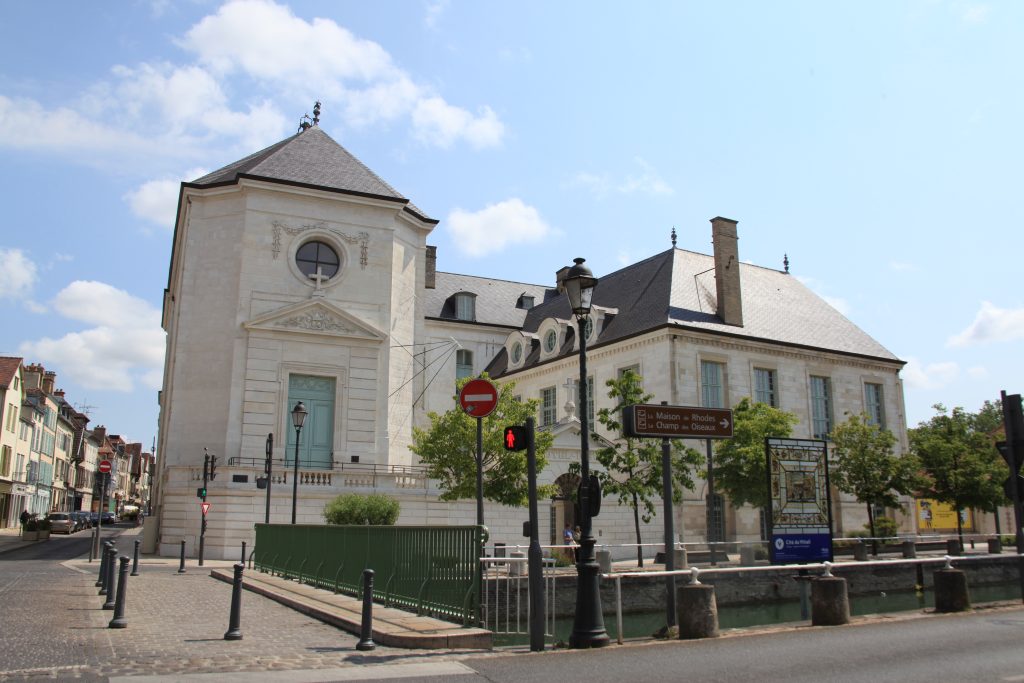
In addition, the Maison de l’Outil et de la Pensée Ouvrière, or Museum of Tools, occupies another striking structure and displays one of the world’s most astonishing collections of traditional craftsmen’s tools—each presented not as utility, but as art. It speaks to the town’s soul: reverence for work, for making, for beauty rooted in use.
For the Worshipful
Nearby, the Church of St. Madeleine is a triumph of Gothic and Flamboyant architecture. It holds what is arguably France’s finest surviving jubé (a carved Renaissance rood screen)—so intricate it seems laced from stone.
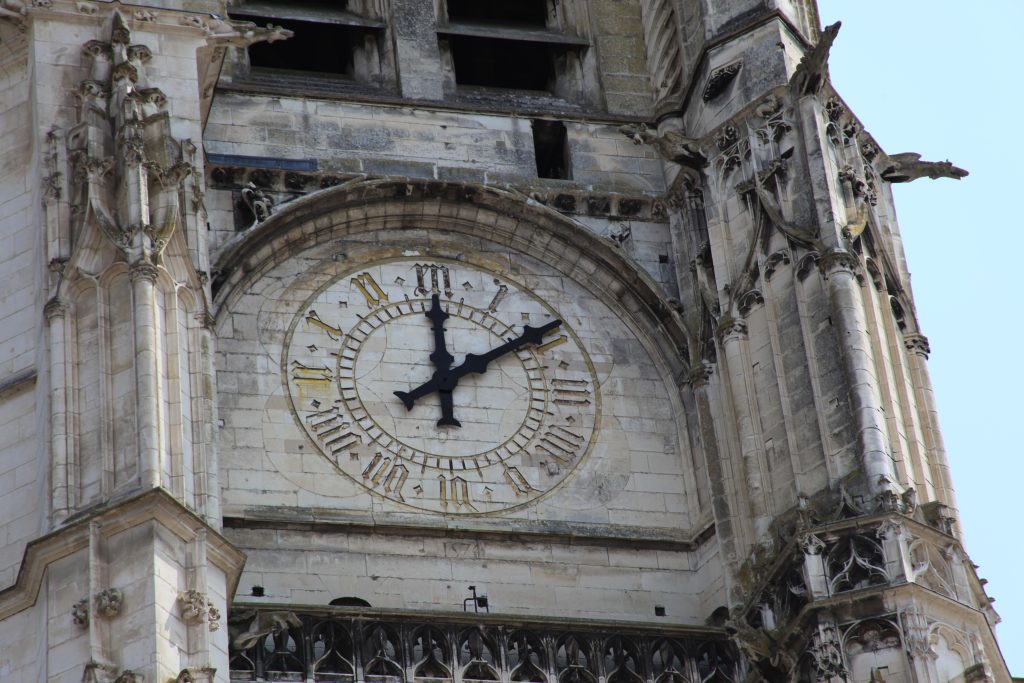
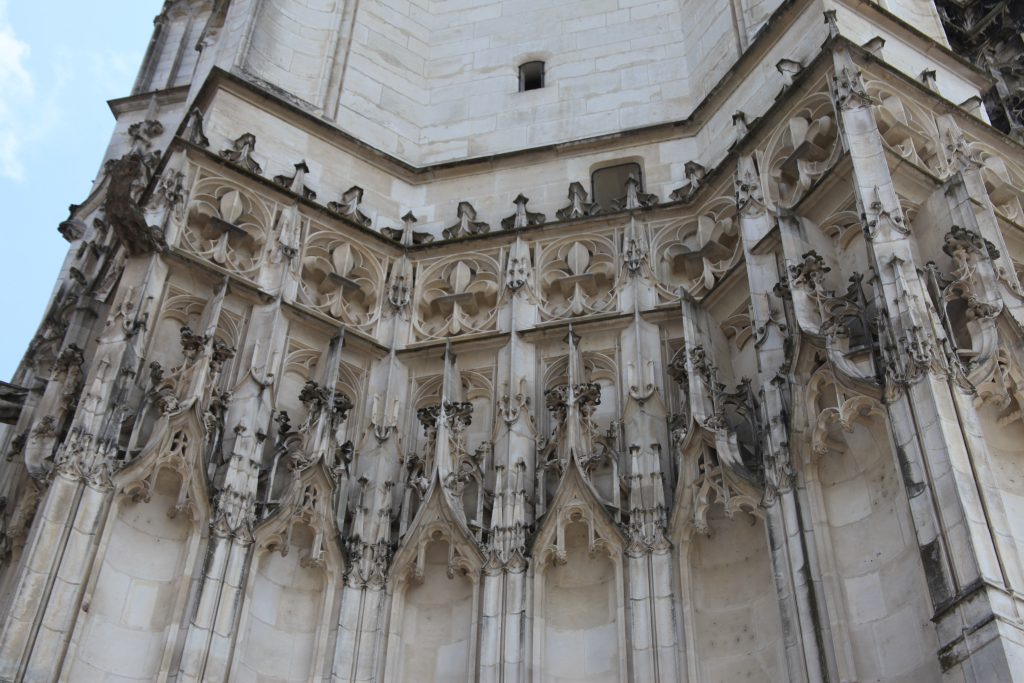
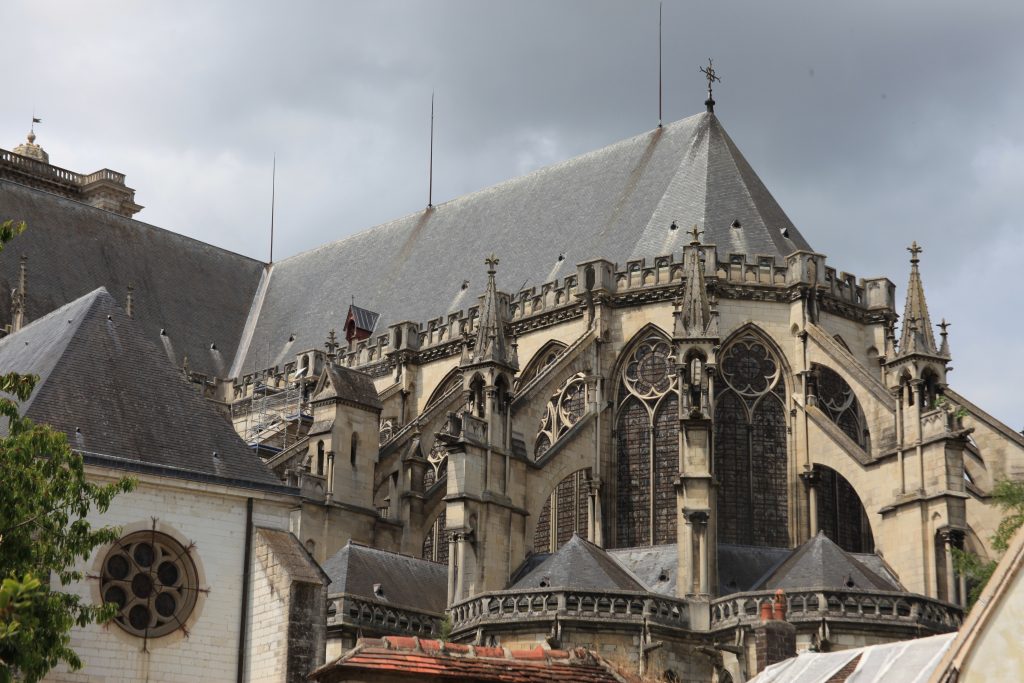
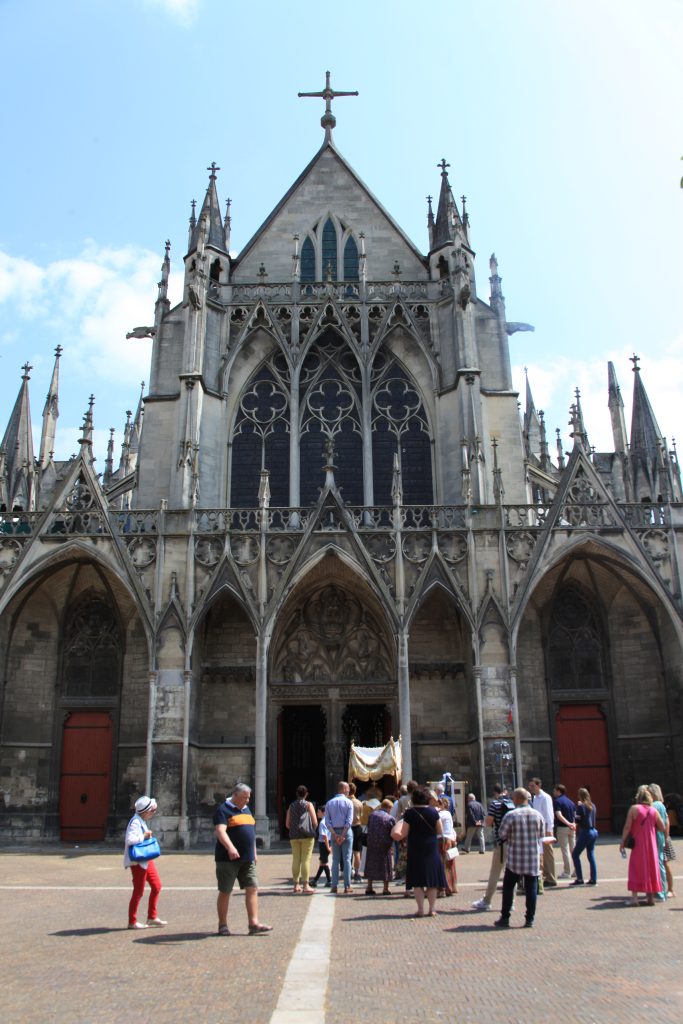
Troyes’ spiritual center, the Cathédrale Saint-Pierre-et-Saint-Paul, is a marvel of High Gothic construction. Begun in the 13th century and never completed, it nonetheless stands as something extraordinary. Step inside and be enveloped by the kaleidoscopic light of France’s most exquisite stained glass, much of it original to the 13th and 16th centuries.
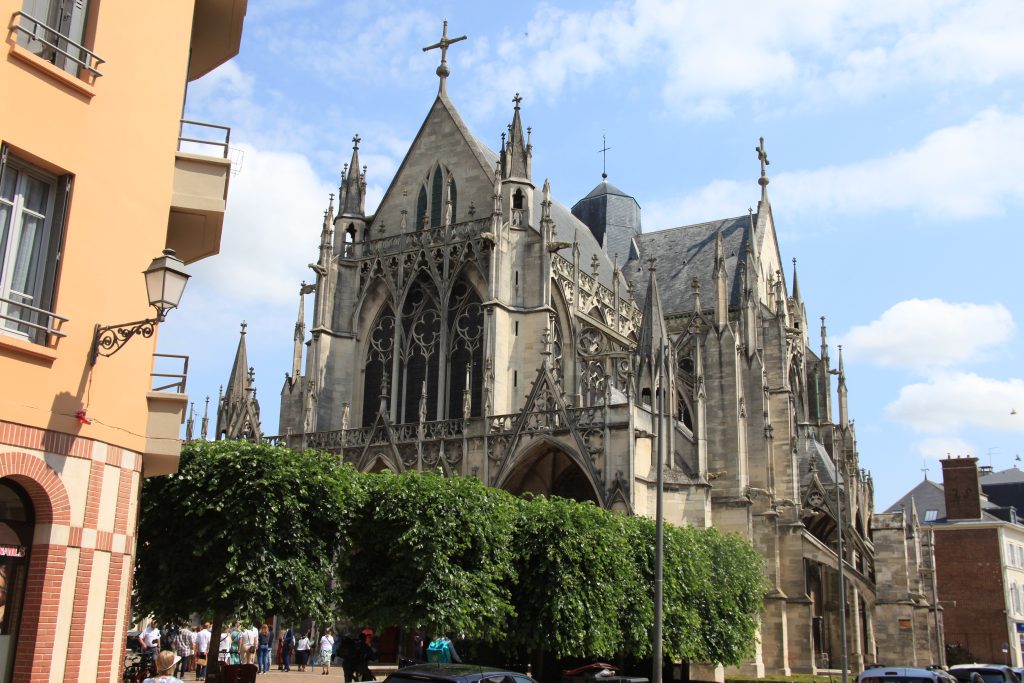
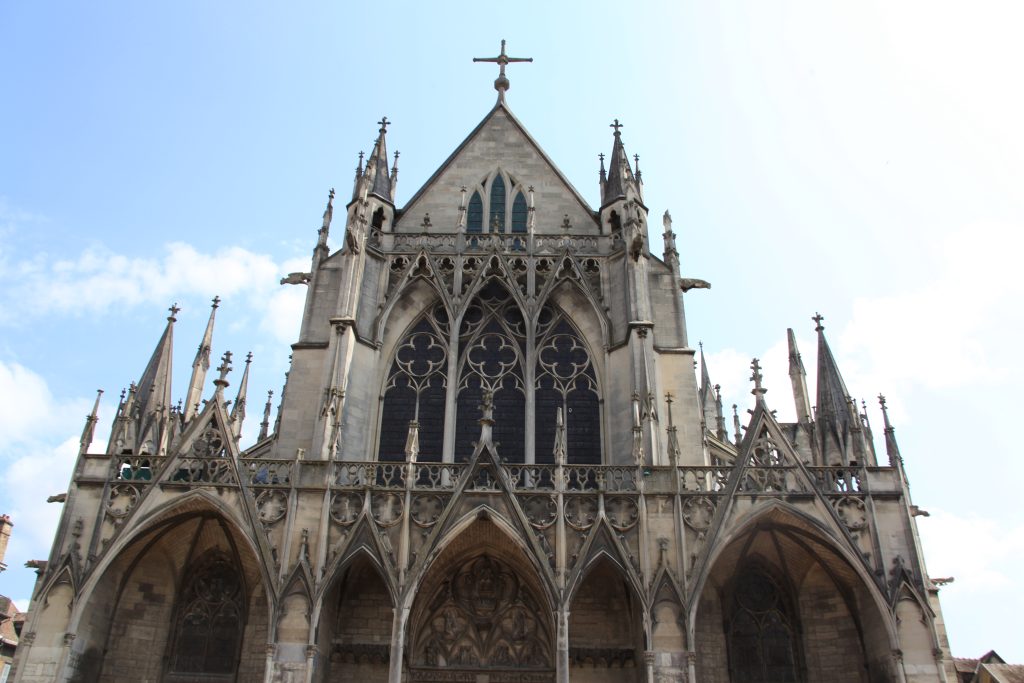
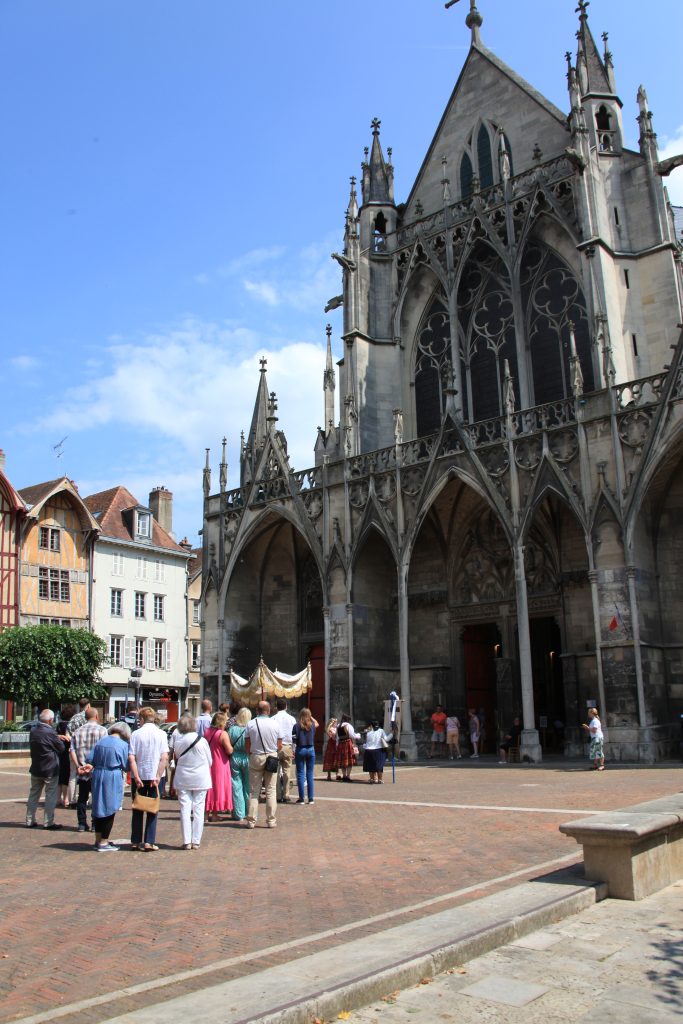
Also worth visiting are the Basilique Saint-Urbain, built by Pope Urban IV in his native city, and the Église Sainte-Madeleine, where wood carvings, vaulted ceilings, and intimate scale create a quieter, more contemplative experience.
Wander and Explore
Here are some other noteworthy landmarks to explore.
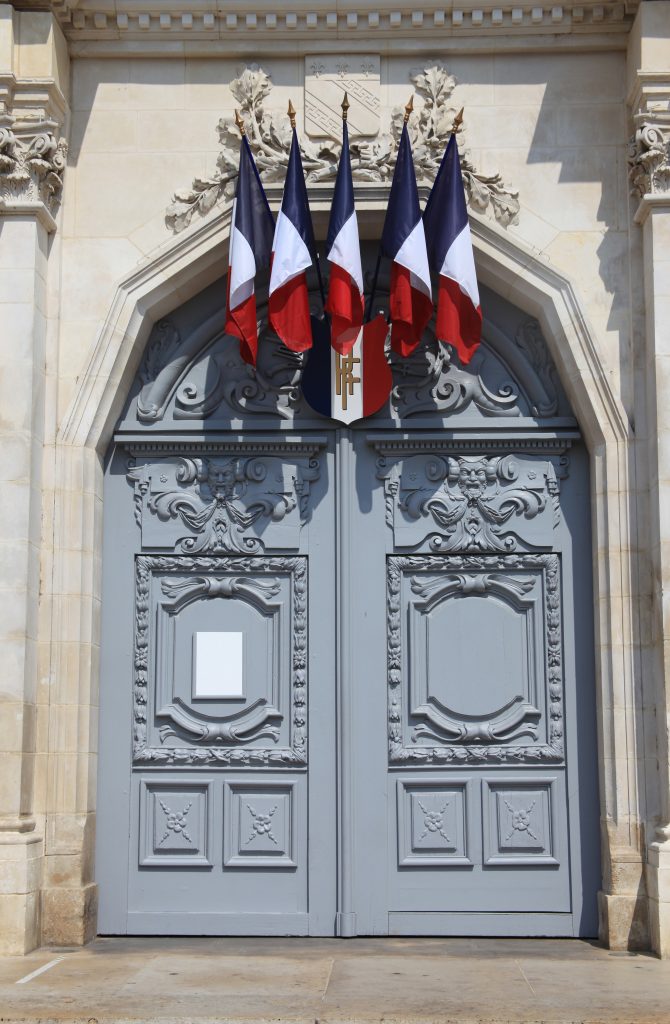
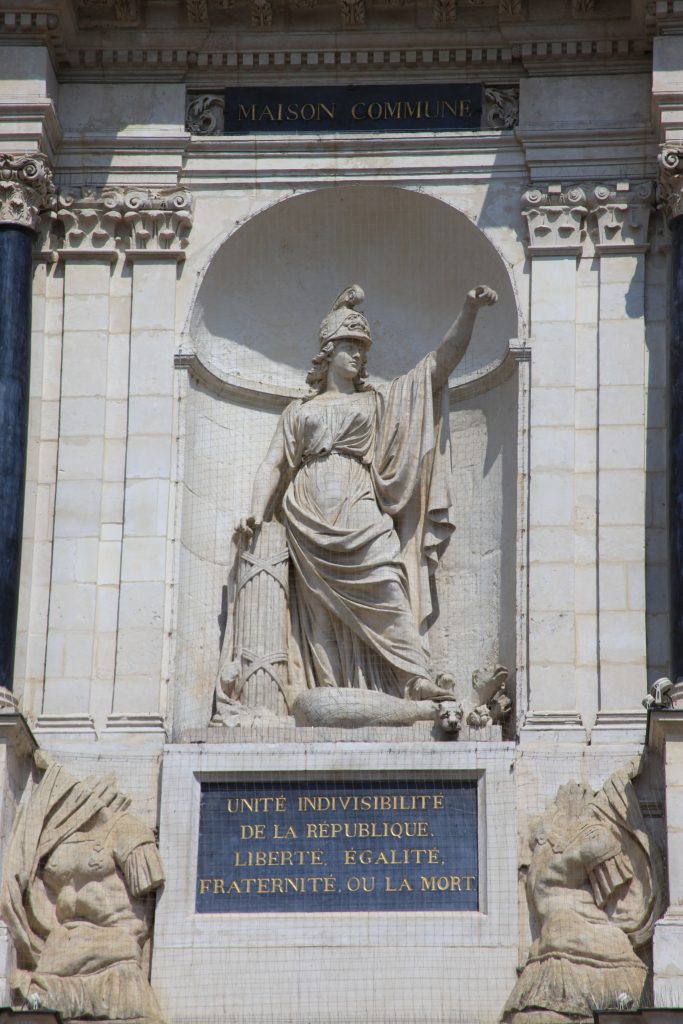
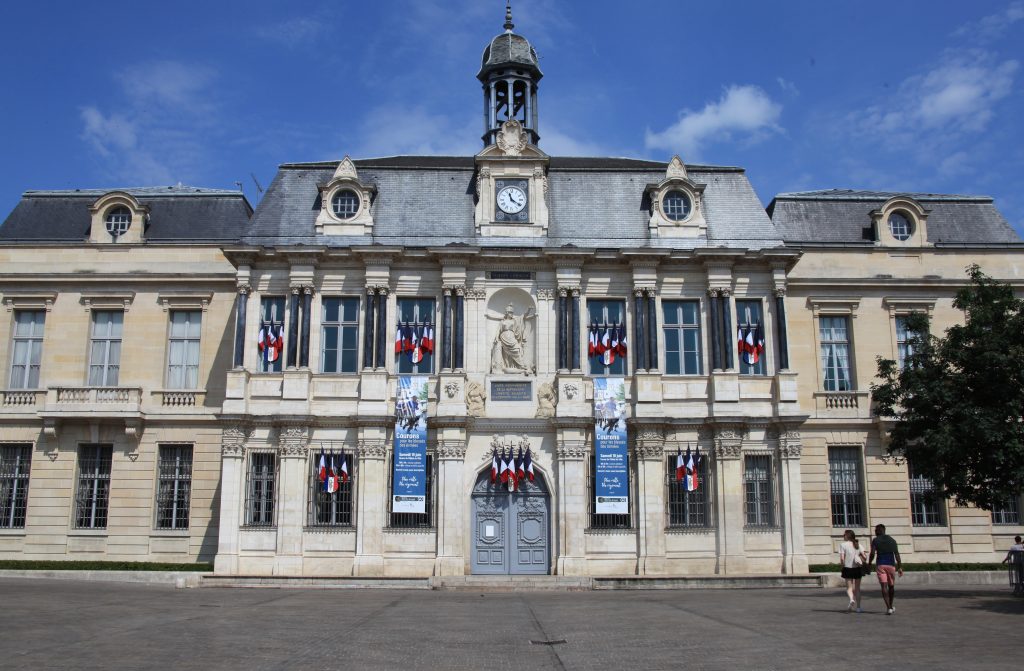
- Hôtel de Ville (Town Hall) – A commanding neoclassical building dating to the early 17th century, with elegant arcades and intricate stonework.
- Hôtel de Mauroy – Now home to the Maison de l’Outil et de la Pensée Ouvrière, this former guild house is among the most stunning half-timbered buildings in the city.
- Abbaye Saint-Loup – Founded in the 9th century, this former Benedictine monastery houses the Museum of Fine Arts and Archaeology, with a beautiful cloister and scholarly history.
- La Ruelle des Chats (Cat Alley) – Not a building but an atmospheric architectural feature: this narrow medieval lane was built so tightly that cats could leap from one rooftop to another.
- Synagogue Rachi de Troyes – A reconstruction of the medieval synagogue honoring Rashi, the great Jewish scholar born in Troyes in the 11th century.
- Place Jean Jaurès and former covered markets – The civic heart of Troyes, once home to public markets, guildhalls, and bustling medieval trade.
How They Lived
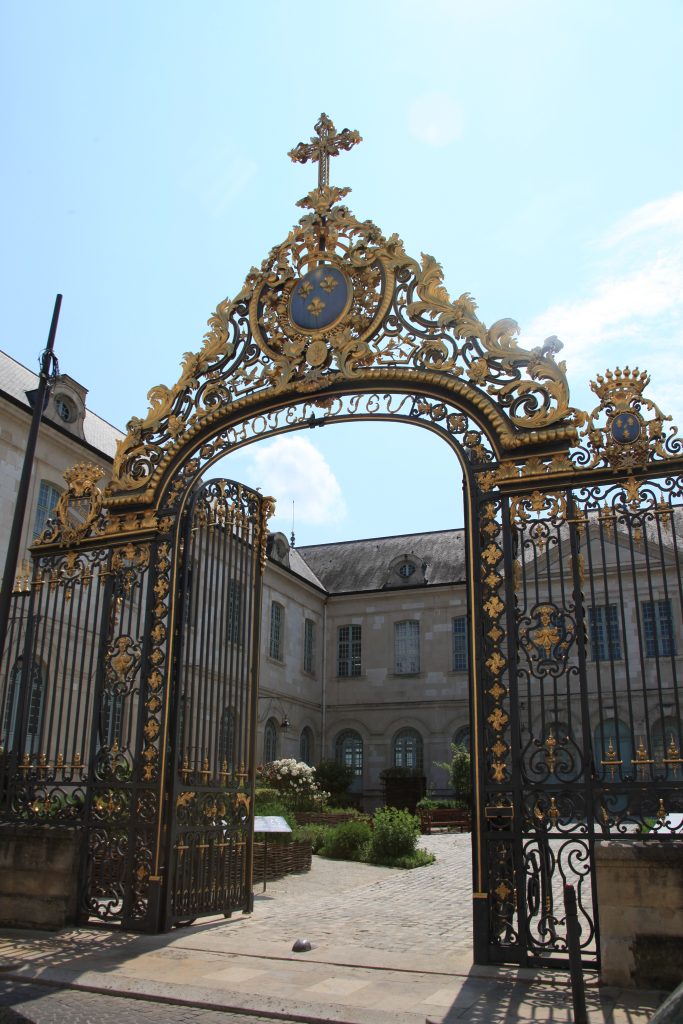
And here you can view the facades of the homes of the nobility:
- Hôtel du Petit Louvre – Once home to noble families, this Renaissance residence showcases Troyes’ flair for private architecture with refined symmetry and period embellishments.
- Cour du Mortier d’Or – A picturesque enclosed courtyard offering a hidden glimpse into 16th-century Troyes, with rare double galleries and timberwork.
- Hôtel Juvénal des Ursins – A grand 16th-century townhouse built for a powerful local magistrate, boasting Gothic and early Renaissance elements and now home to rotating exhibitions.
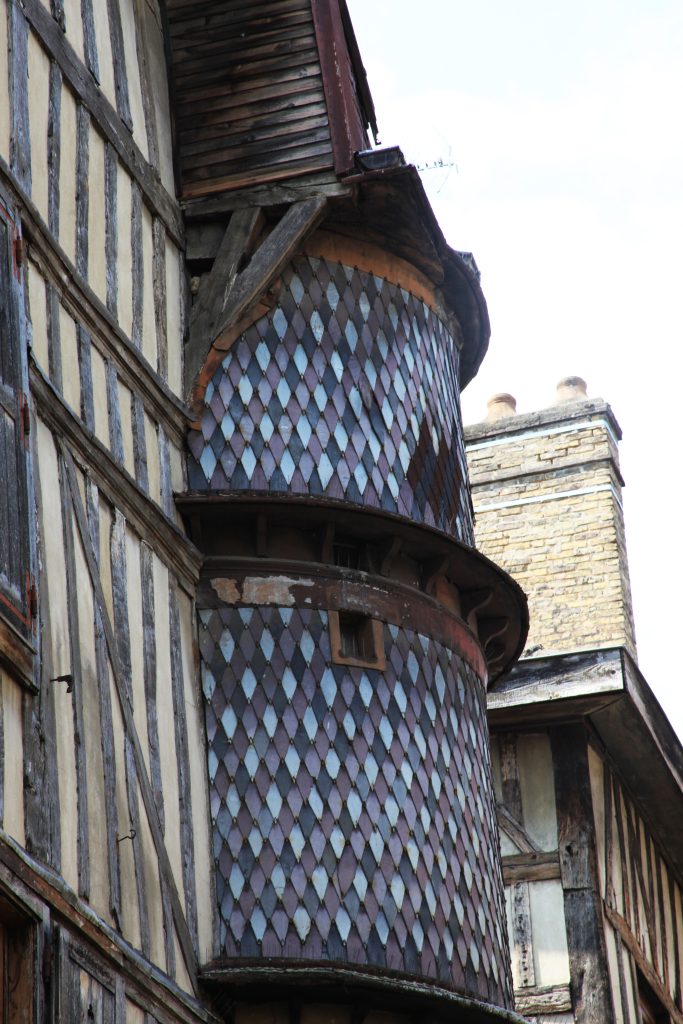
Hôtel de Marisy – A late Gothic manor that once belonged to a prominent Troyes family, retaining ornate window casings and corner turrets that reflect its aristocratic heritage.
Legacy Alive Today
Troyes has gracefully embraced its heritage with practicality. Many of its oldest homes now house bookstores, artisan chocolatiers, vintage clothiers, and wine bars under centuries-old beams. Locals pedal to market. The walls they pass have witnessed revolution, fire, and renewal.
A Living Heritage in Everyday Life
The city’s textile legacy subtly endures today. Troyes is home to several outlet villages featuring French and global brands, a nod to its heritage as France’s knitwear capital. Meanwhile, its culinary scene, rooted in regional Champagne cuisine, remains unpretentious and deeply satisfying.
Visitors arrive for the architecture—but linger for the atmosphere. You’ll hear church bells mingling with children’s laughter in Place du Marché au Pain. Smell baking baguettes drift down stone alleys. Watch sunlight shimmer across timbered gables.
Restoration Renews Spirit
Troyes is not a city of minute details and devoted restoration, of slow artistic living. To visit is to be reminded of how art and architecture, story and stone, continue to shape not only how we live but how we remember.
So take your time exploring Troyes. Sit on a shaded bench while the bells mark the hour. Wander a street where Templar knights and Champagne traders once walked. Peer through a window and watch your reflection mingle with five hundred years of history. In Troyes, the past lives on. It still speaks.
Where to Stay in Troyes, France
The Old Town, centered around the cathedral and its half-timbered streets, offers the most atmospheric base for your stay. Hotels here put you within walking distance of Troyes’ medieval heart, though rooms tend to be smaller with period charm rather than modern amenities. The Hôtel de la Monnaie and similar properties in this zone offer ideal starting points for morning walks through narrow rue Champeaux before crowds arrive.
For more space and contemporary comfort, newer hotels along avenue Joffre and north of the Old Town’s business district offer straightforward accommodations at reasonable rates. These areas are a ten- to fifteen-minute walk from the cathedral and offer better parking if you’re traveling by car. You’ll sacrifice some atmosphere but gain reliable wifi, proper work desks, and breakfast buffets that fuel a full day of sightseeing.
Smaller guesthouses and chambres d’hôtes scattered through residential neighborhoods strike a middle path. Local tourist offices can connect you with family-run options that cost less than hotels and provide genuine contact with people who know the city well. These tend to include thoughtful details like kitchen access or home-cooked breakfast recommendations that point you to where locals actually eat.
If you’re staying several days, consider lodging within the Old Town itself, even if the room is compact. The real value of Troyes emerges at dusk when tour buses leave and narrow streets return to themselves, easiest when your hotel is already there. The walk to the cathedral at closing time or a quiet courtyard for an evening aperitif, though brief, justifies the trade-off with accommodation size.
Recommended Reading
To walk the cobbled streets of Mykonos in spirit, or prepare for your real-world adventure, immerse yourself in these captivating books:
- The Forest Lover by Susan Vreeland — A novel celebrating the spirit of craftsmanship and beauty in overlooked corners, echoing the ethos of Troyes’ artisan past.
- The Illuminator by Brenda Rickman Vantrease — A medieval tale of faith, rebellion, and illuminated manuscripts that mirrors the artistic fervor of Troyes’ literary roots.
- The Burning Chambers by Kate Mosse — Set in 16th-century Languedoc during the Wars of Religion, the novel captures the vibrant, volatile atmosphere of a French town on market day, where fairs and festivities clash with political intrigue.
- The Burning Times by Jeanne Kalogridis — Follows Sybille, a midwife turned abbess gifted with supernatural vision, as the Inquisition interrogates her—interweaving court intrigue, witchcraft, the plague, and the plight of the common folk.
- Brethren by Robyn Young — A sweeping saga of faith and betrayal set in 13th-century Europe, as a young knight is drawn into the shadowy intrigues of the Templars and the waning Crusades.
- The Gothic Enterprise: A Guide to Understanding the Medieval Cathedral by Robert A. Scott — A non-fiction deep dive into the cathedral culture that flourished in cities like Troyes.
- The Knights Templar: A New History by Helen Nicholson — A well-researched account of the legendary order so closely tied to Troyes’ historical record.
- Life in a Medieval City by Joseph and Frances Gies–This engaging work offers a vivid portrayal of daily life in 13th-century Troyes, exploring its bustling markets, religious practices, and the social dynamics of its inhabitants.
- A City in Conflict: Troyes during the French Wars of Religion by Penny Roberts — Roberts provides an in-depth analysis of Troyes during the tumultuous 16th century, examining how the city navigated the challenges of religious strife and political upheaval.
- Insight Guides: France – With a staggering 84.7 million foreign visitors in 2013, France is the world’s most visited country – in fact, the only one in the world to receive more than 80 million. Be inspired to visit by the new edition of Insight Guide France, a comprehensive full-colour guide to this beautiful and varied country, home to “joie de vivre” and the first country whose cuisine has been declared a “world intangible heritage” by UNESCO.
Tours to Consider