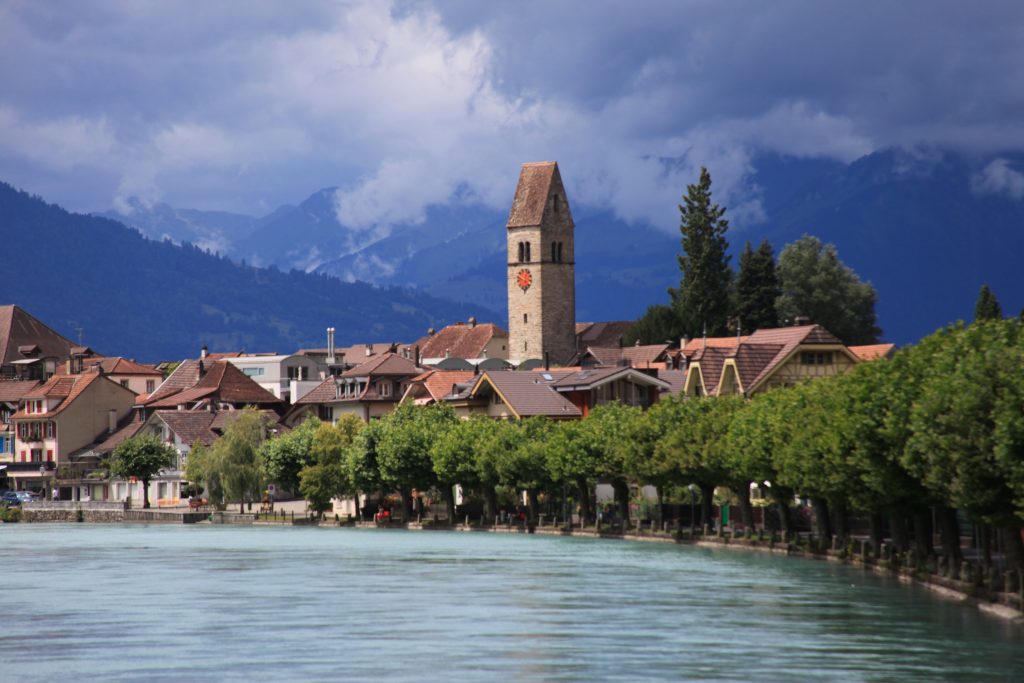
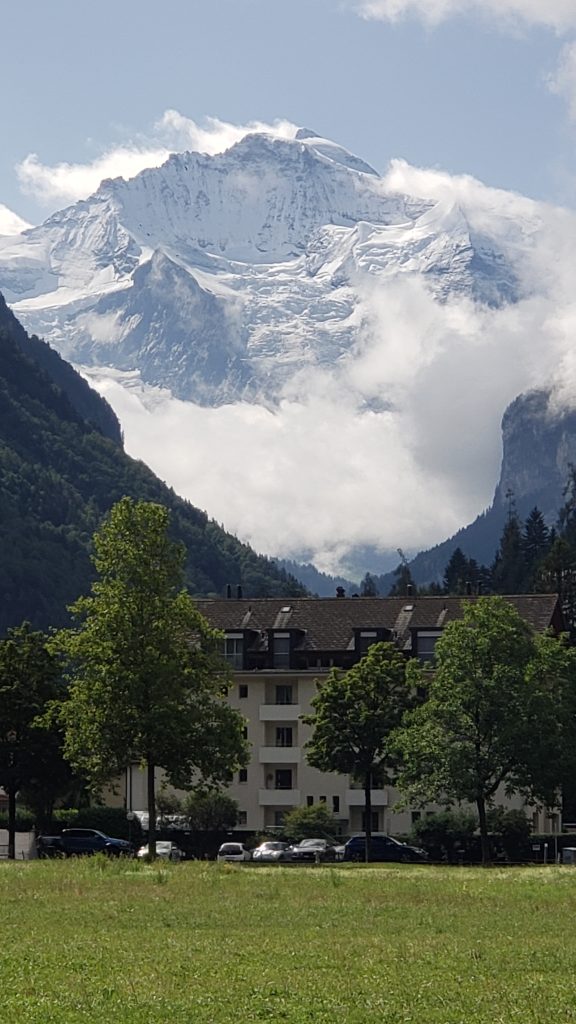
About 2000 feet up in the Swiss Alps, tucked between Lake Brienz and Lake Thun is Interlaken (a word that means between the lakes.) This picturesque resort, situated amidst tremendous natural beauty, has been drawing both summer and winter tourists for two centuries. Mountain climbers, skiers, hikers, photographers, and nature lovers have flocked here. Straddling the Aare river, the area began as a monastery, became a castle and market town, and eventually consolidated two villages into Interlaken, where by 1800 the regional landscapes of painter Franz Niklaus König and other Swiss artists were fueling a tourist and residential boom. A world-renowned spa, completion of the railway to the mountain, steamship service on both the Thun and Brienz, and the city’s position as a gateway to the famed Alpine peaks of Eiger, Mönch and Jungfrau were an irresistible draw.
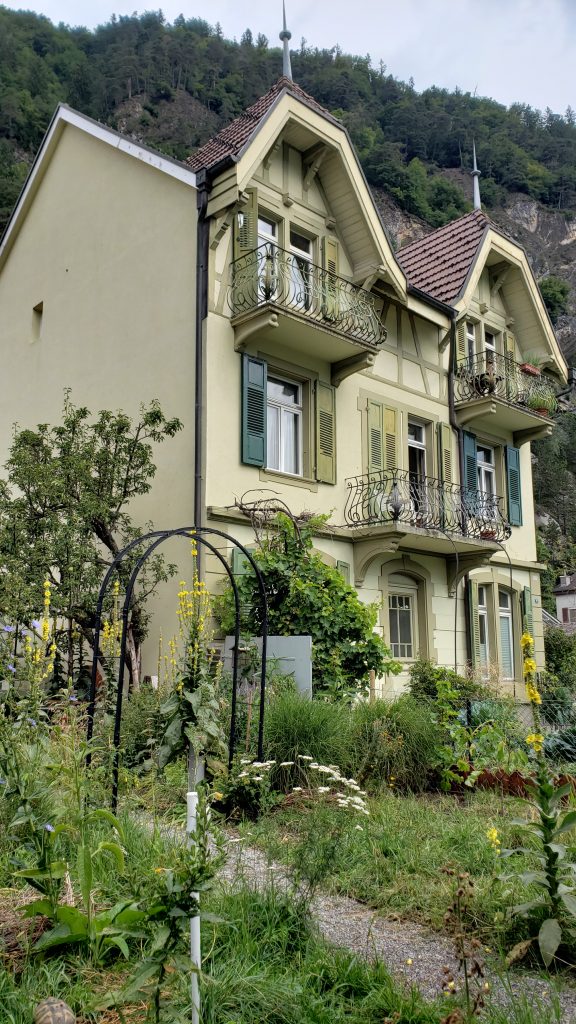
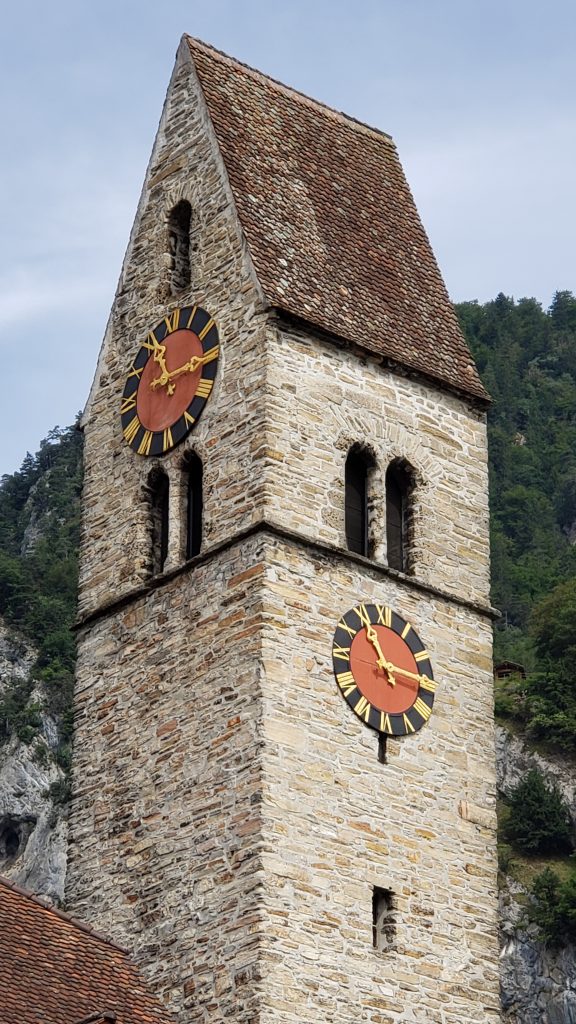
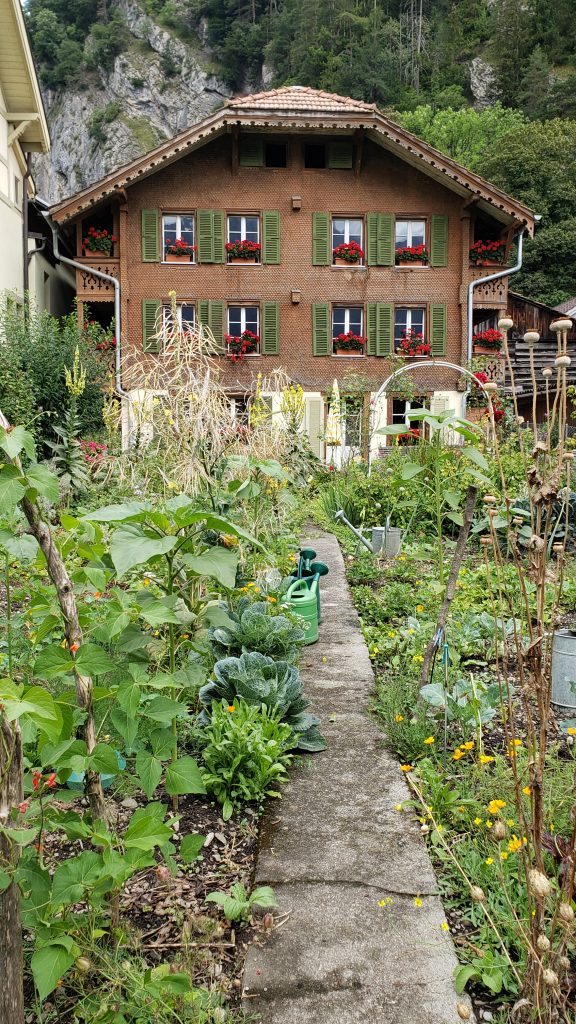
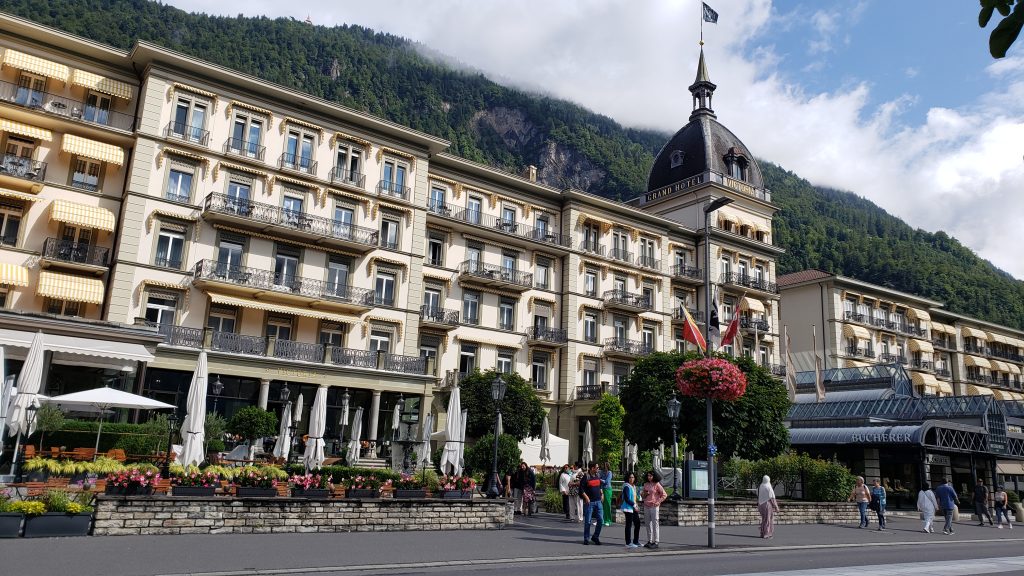
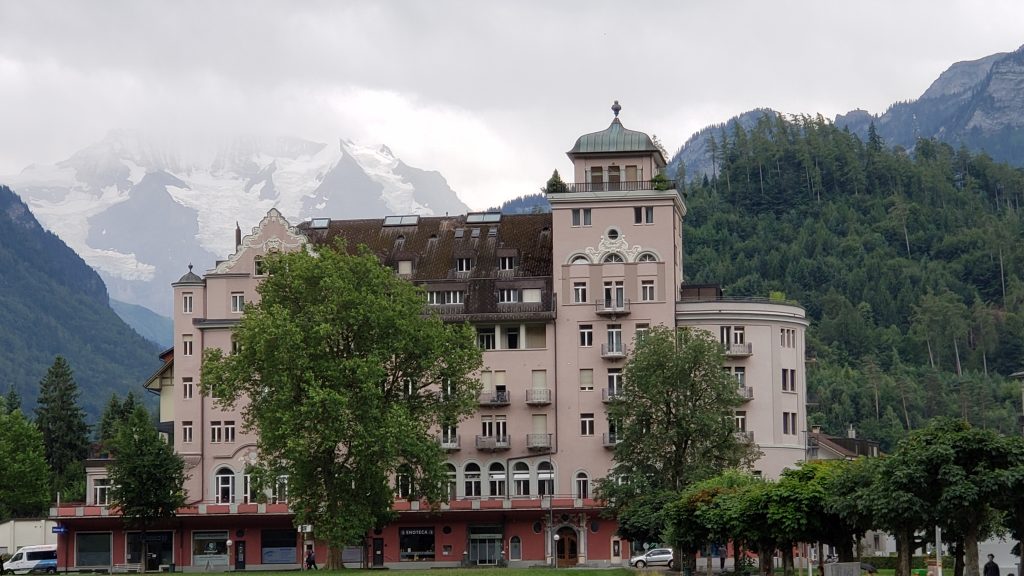
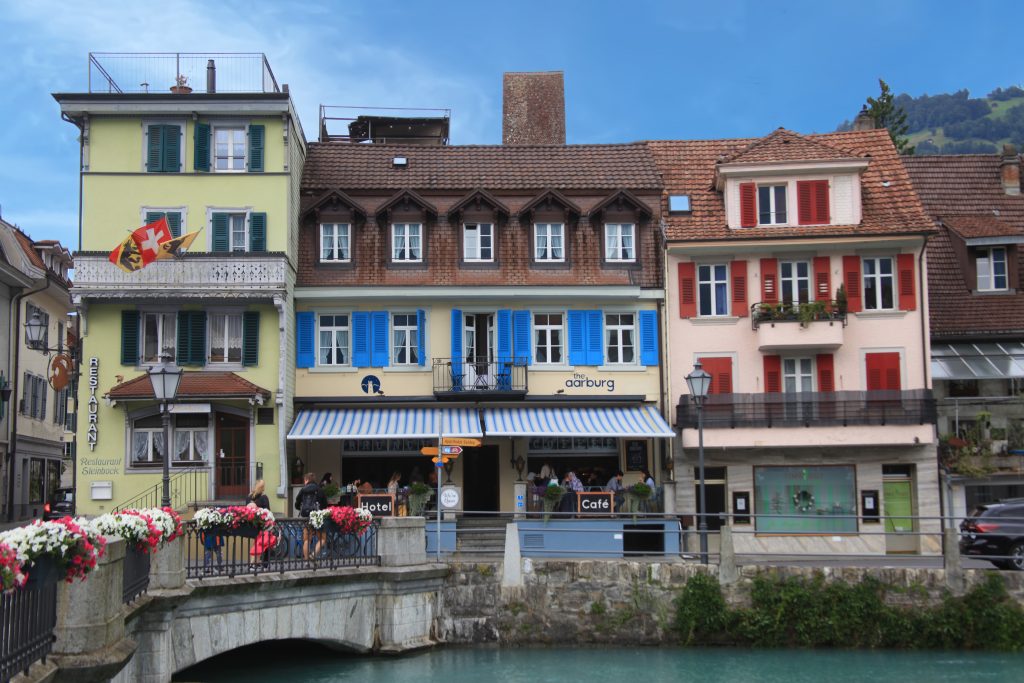
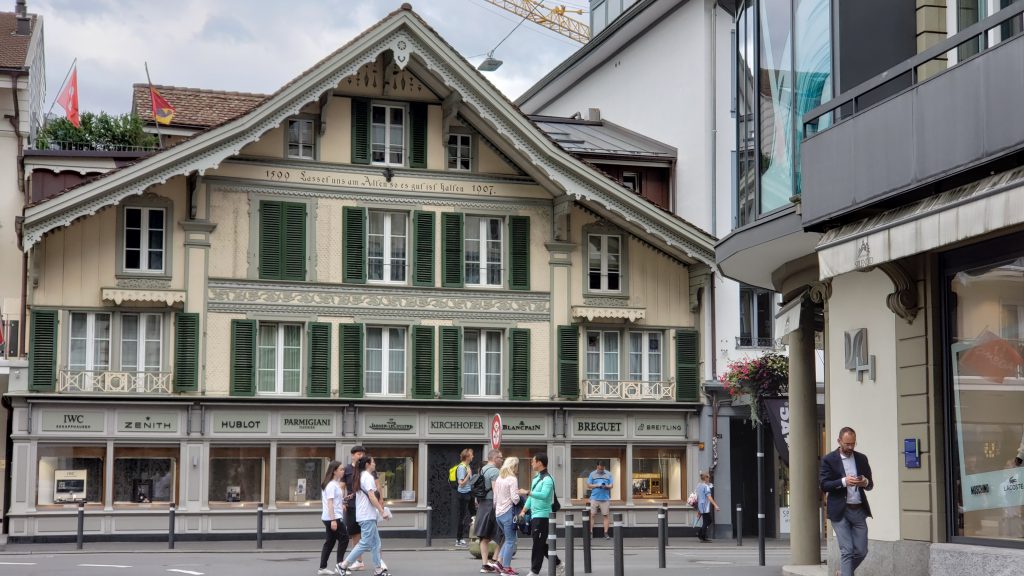
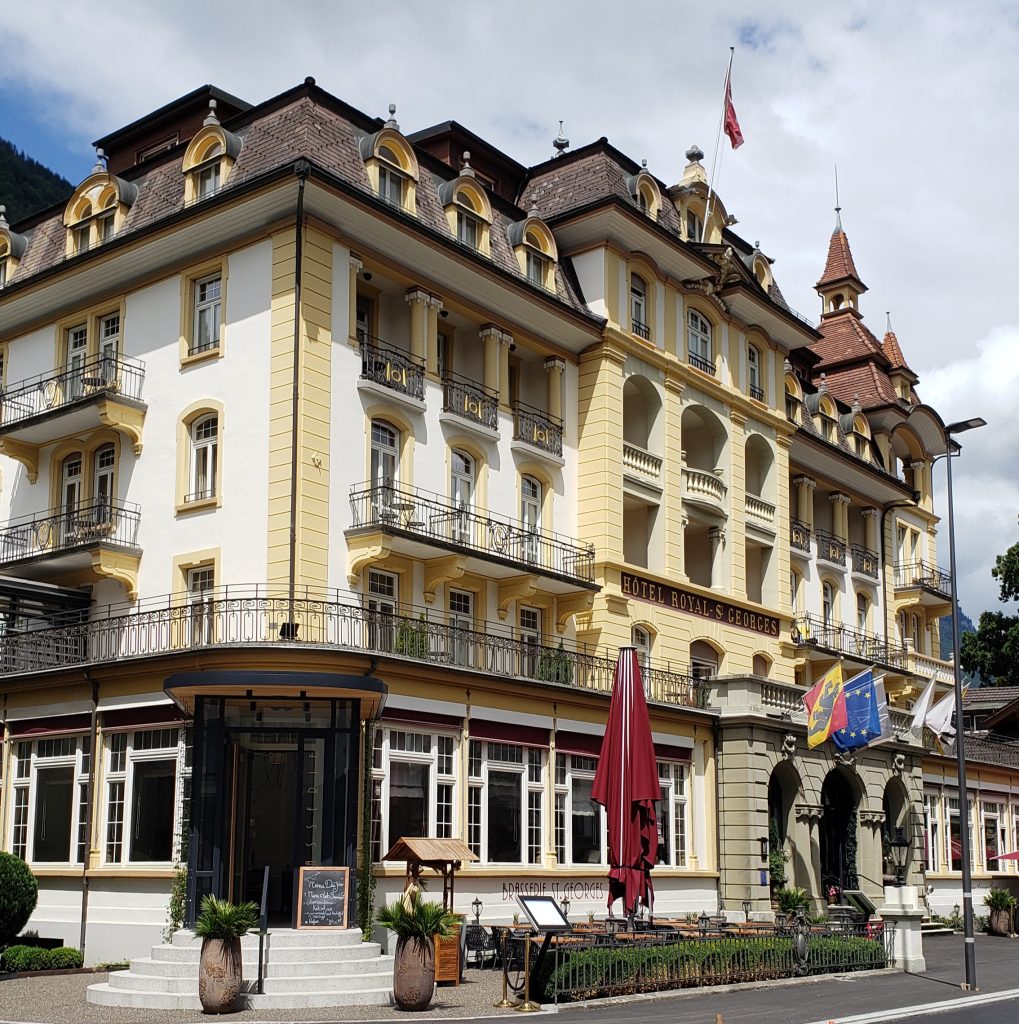
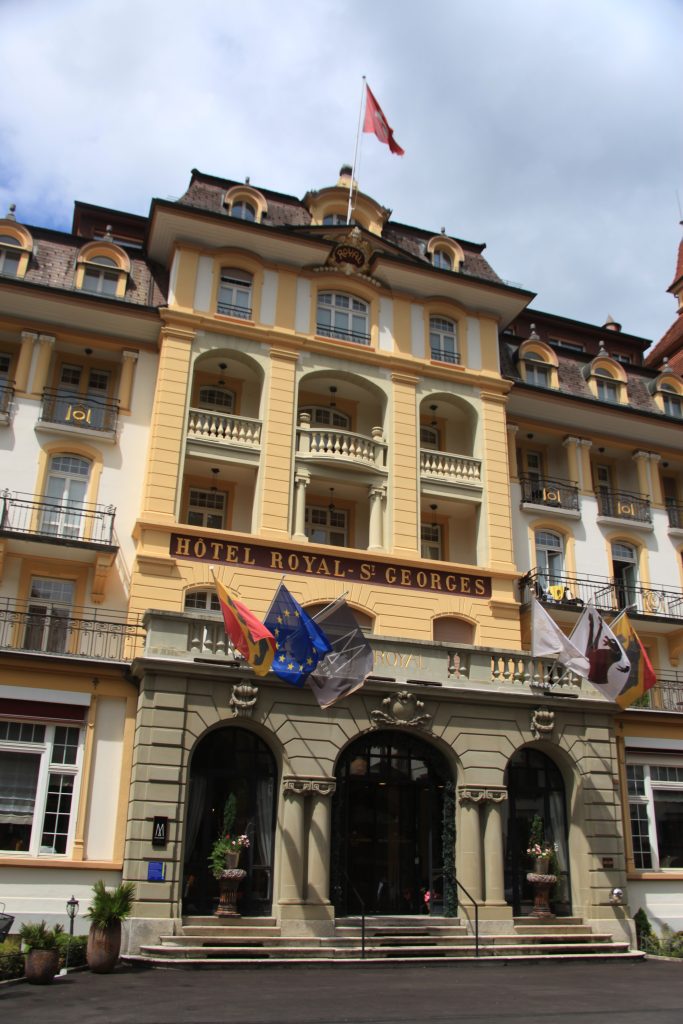
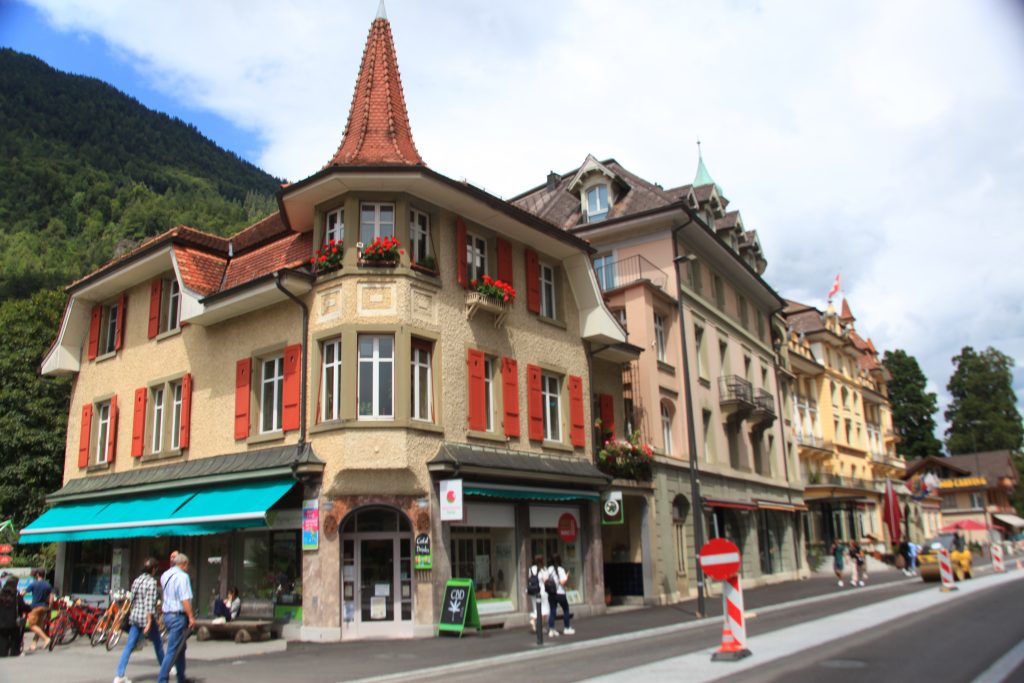
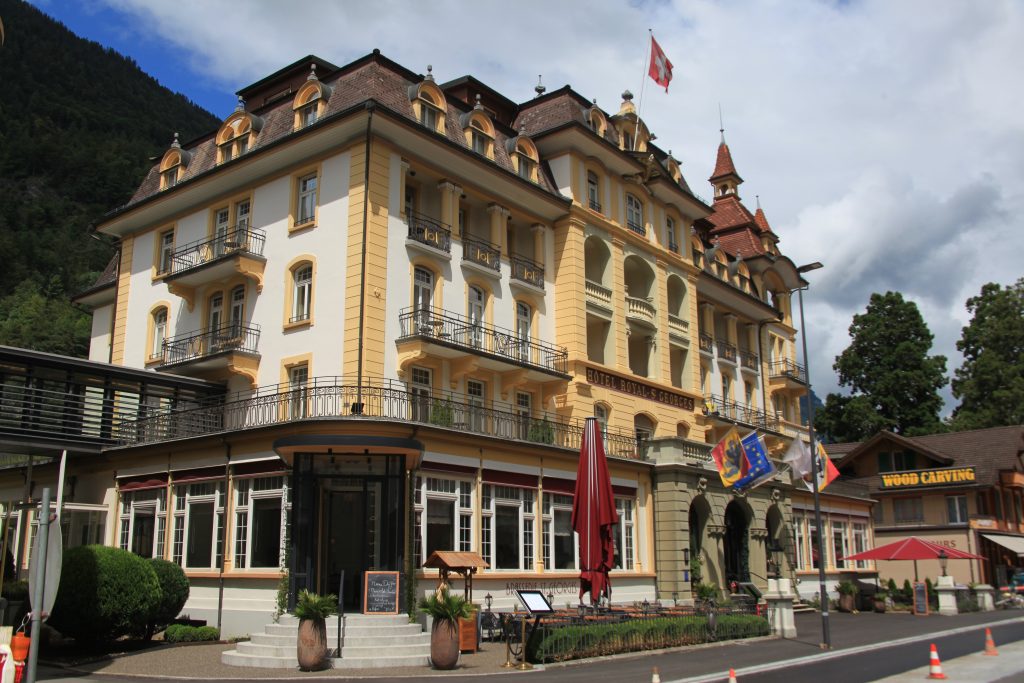
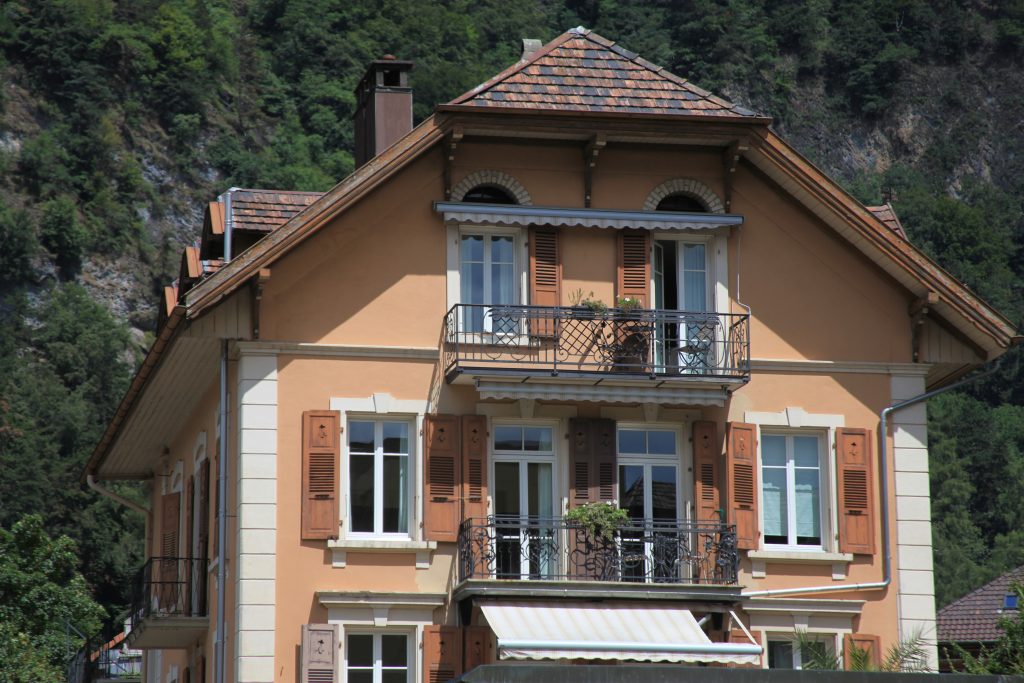
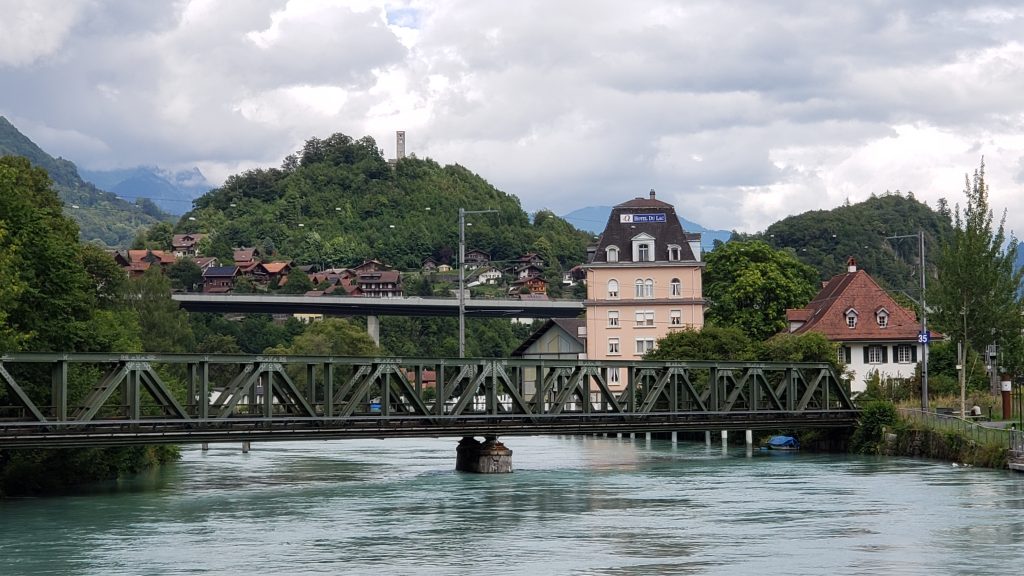
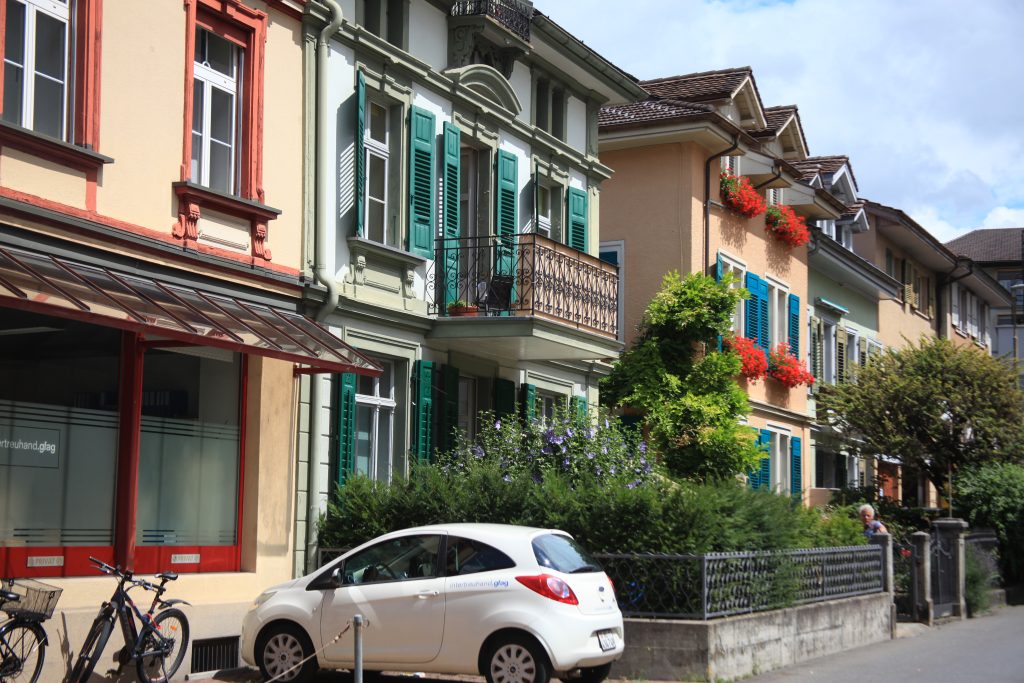
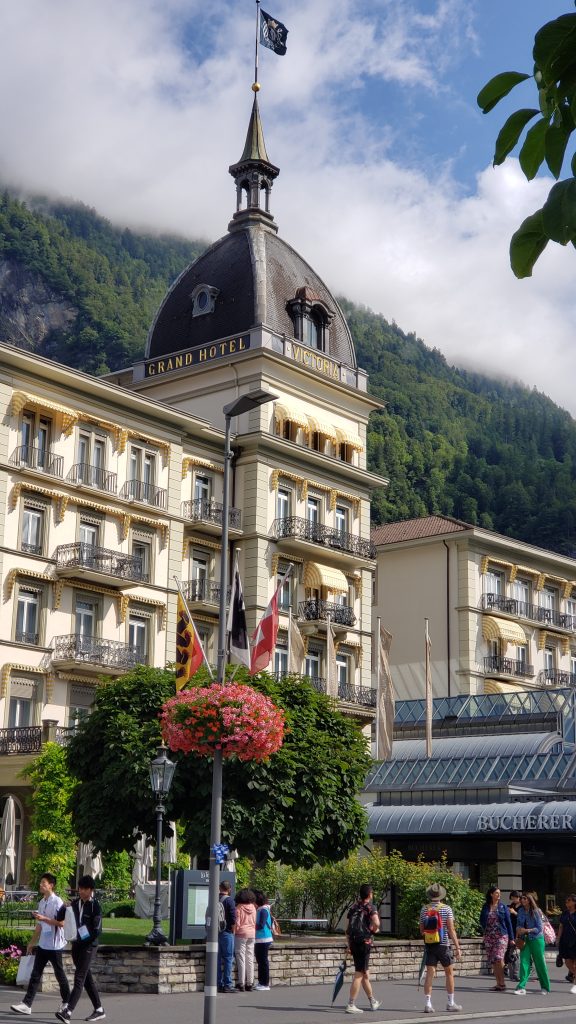
Today, the town is anchored by the Victoria-Jungfrau Grand Hotel, a classic turn-of-the-century luxury property, and in the city’s west, the Hotel Royal St. Georges. You’ll find Victorian storefronts beside classic chalet-style buildings. Wander Northeast across the river bridge to see lovely vistas of vintage buildings hugging the waterside, a charming square and church that was the heart of the old city of Unterseen before it merged into Interlaken, and an historic old medieval mill sluice spanning the river. You can walk for some distance along the riverside, enjoying the peaceful residences that span from historic to modern, many with lovely gardens.
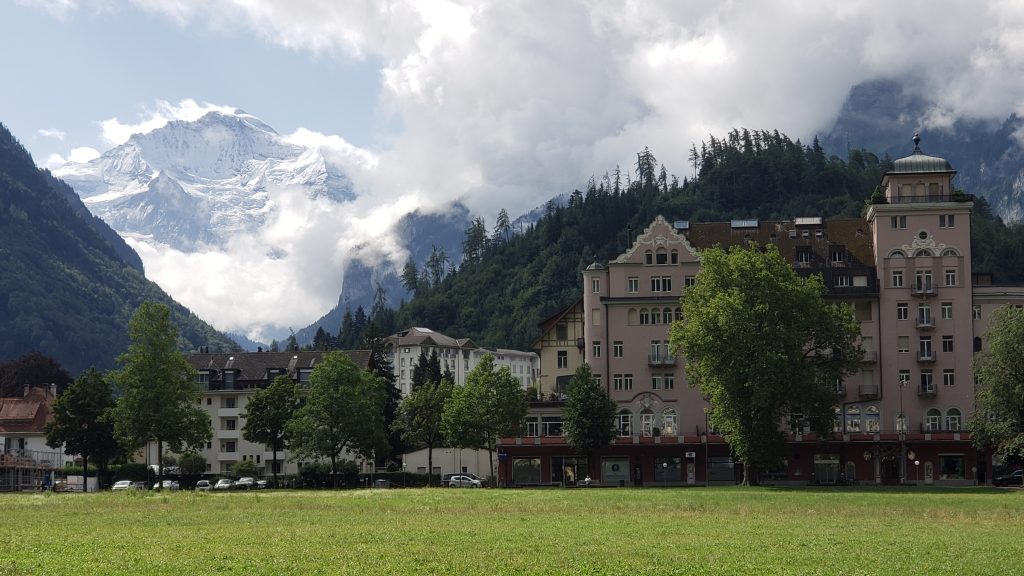
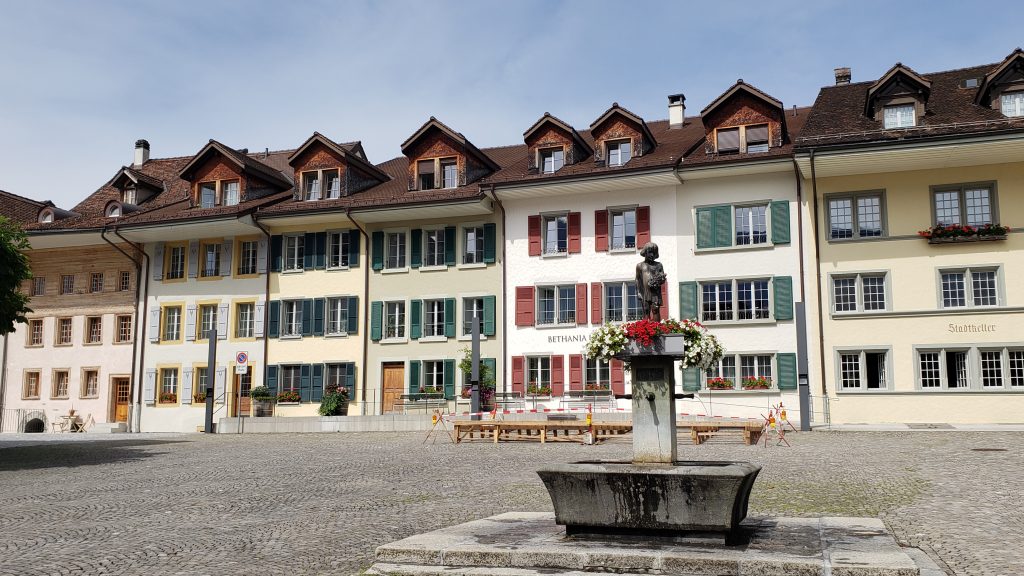
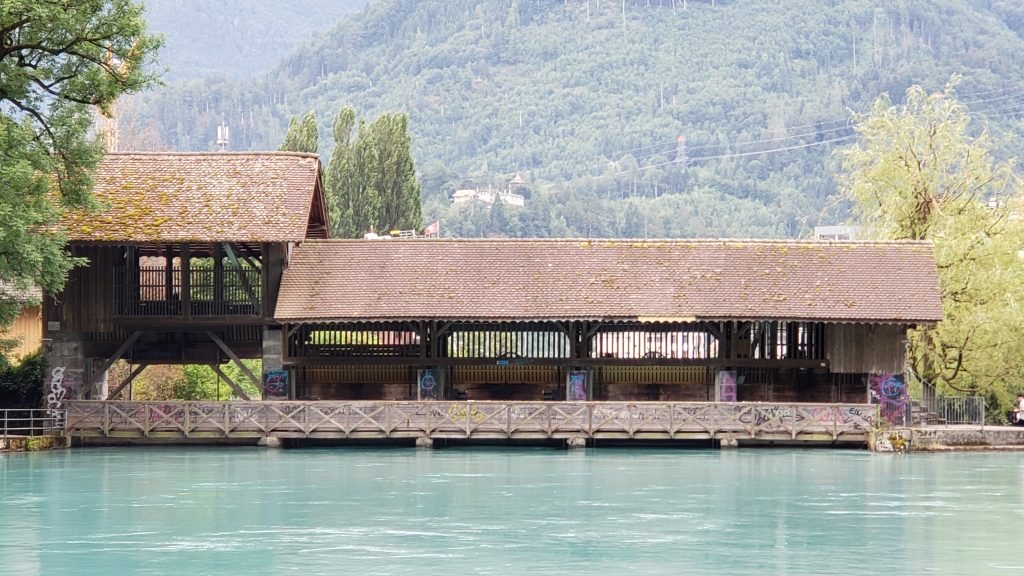
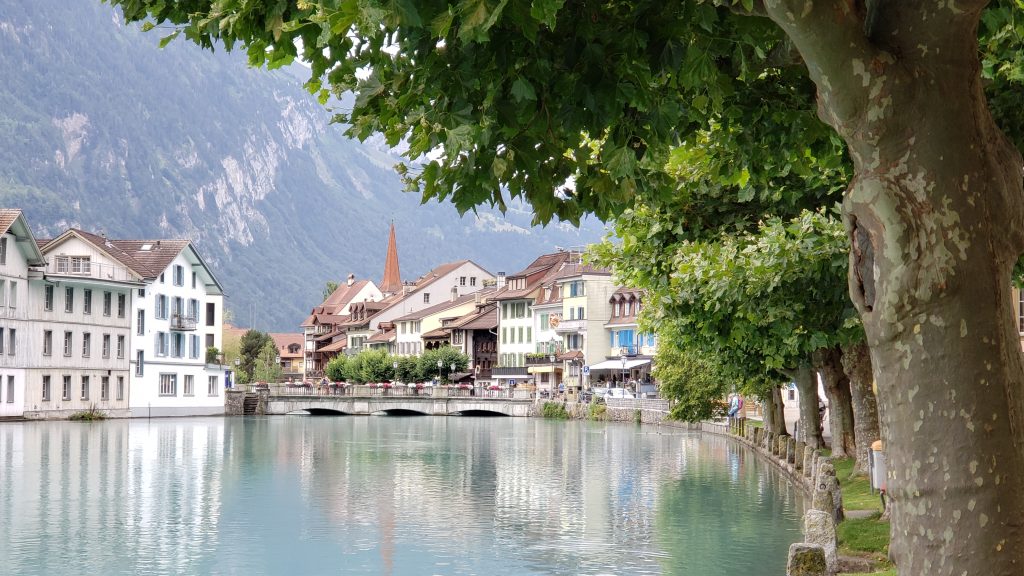
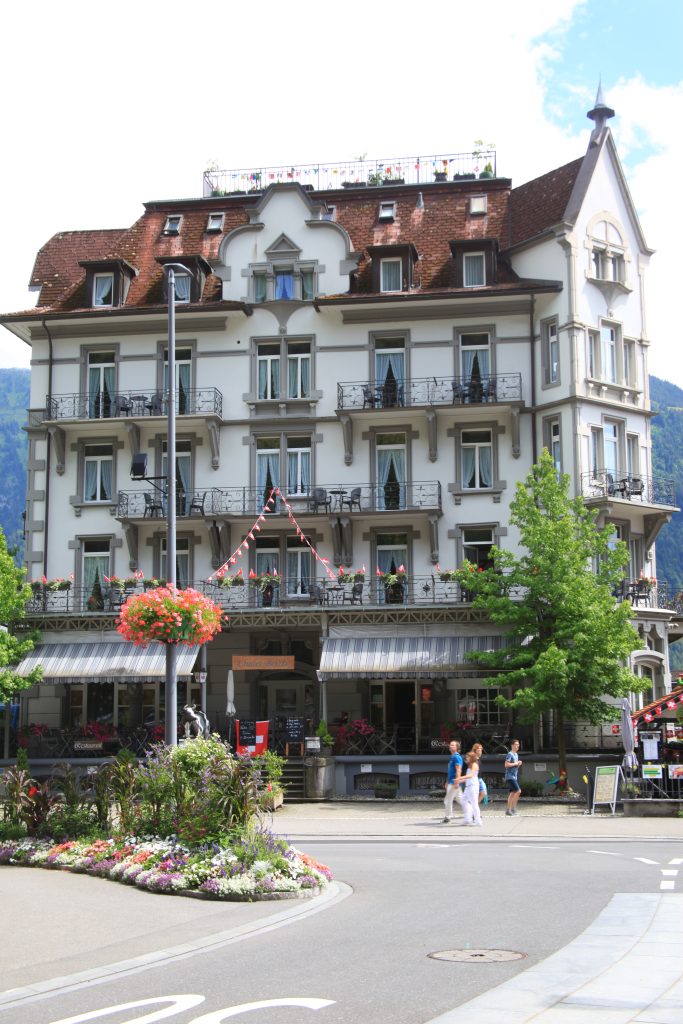
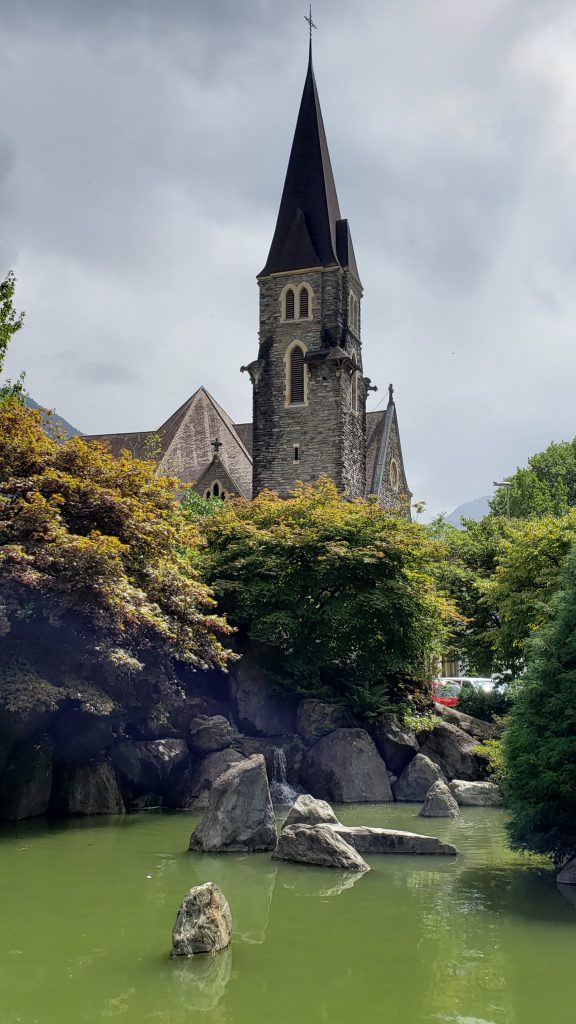
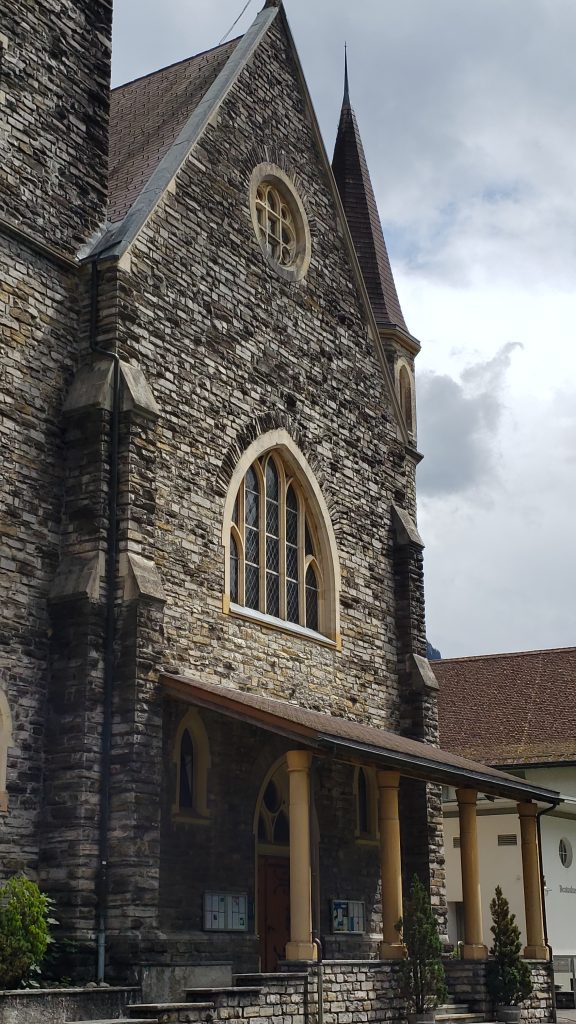
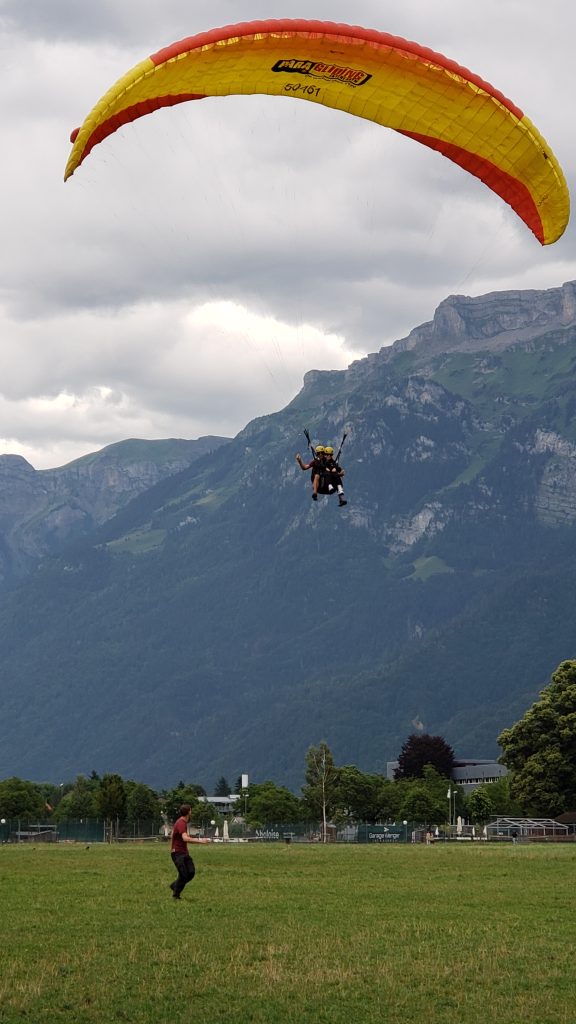
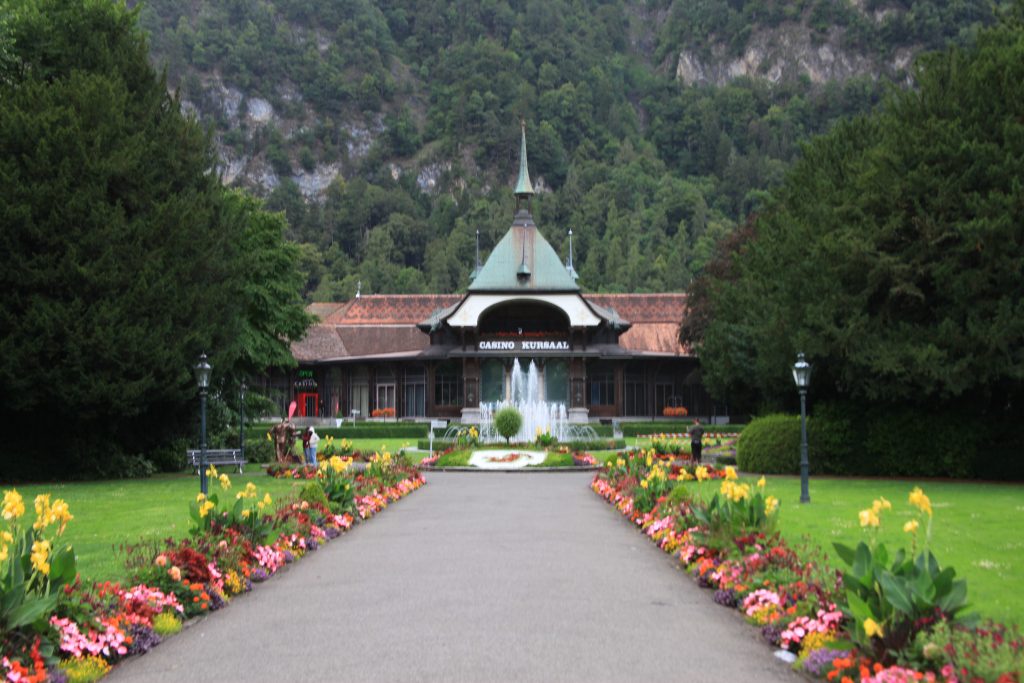
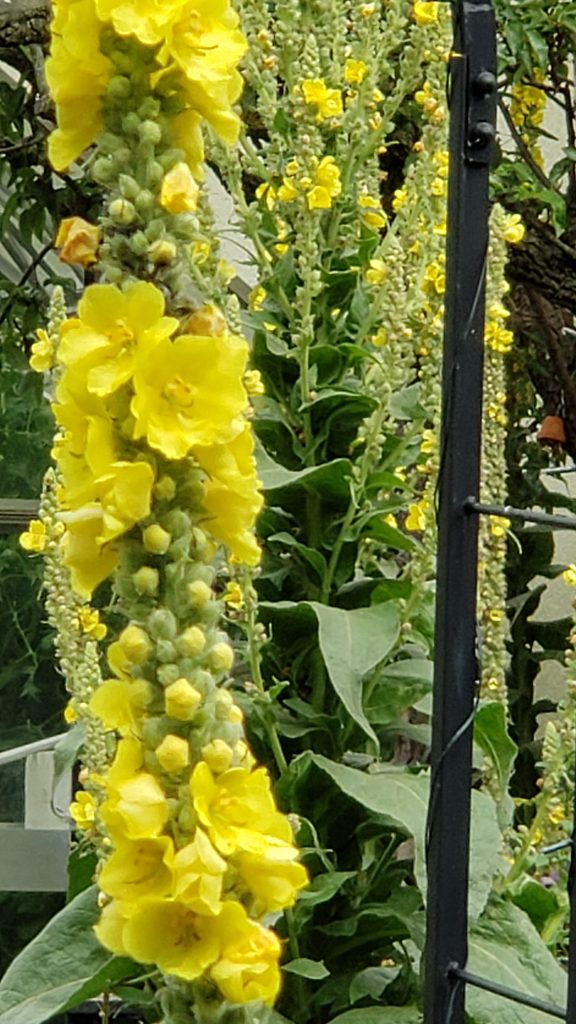
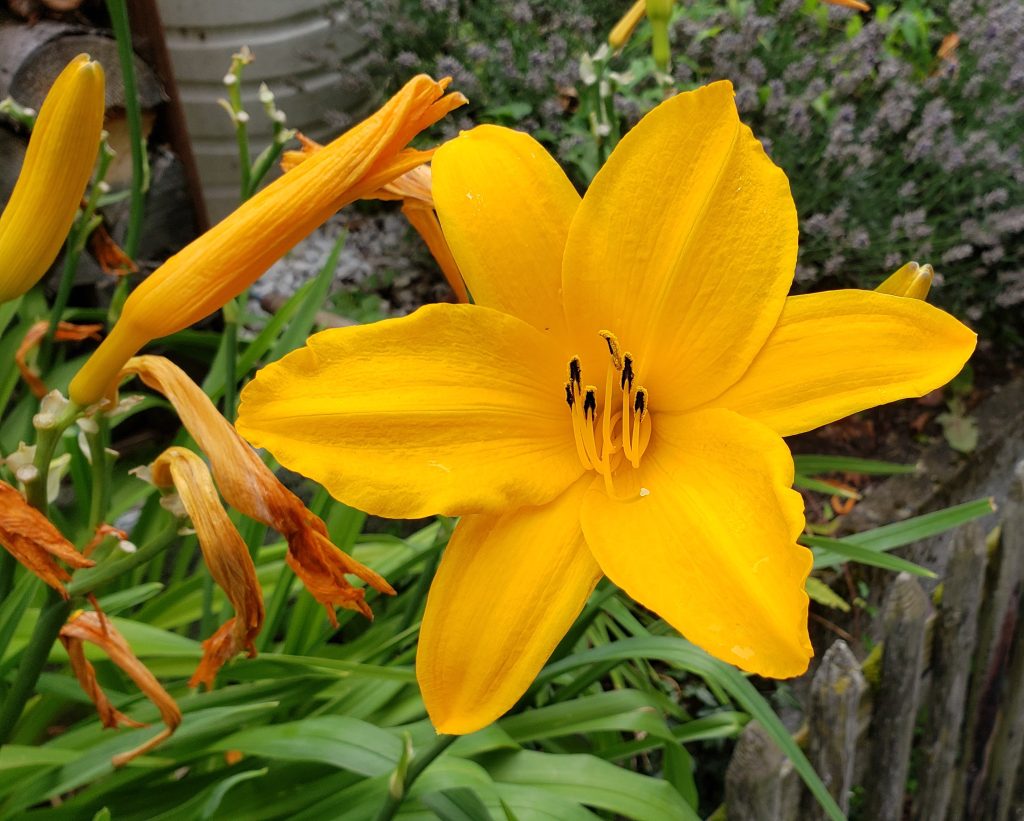
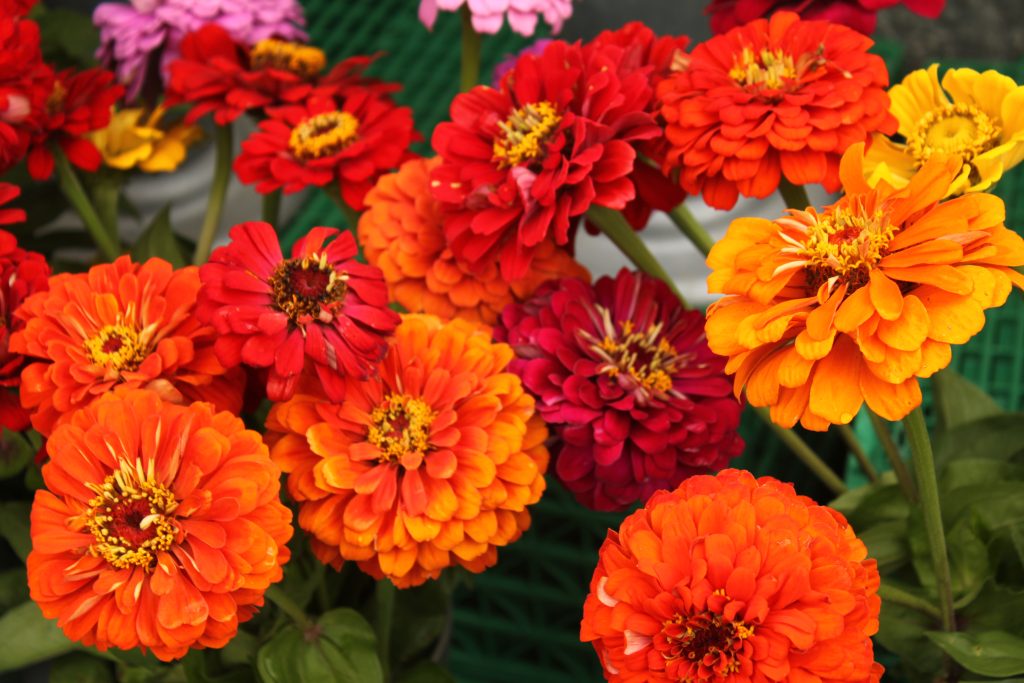
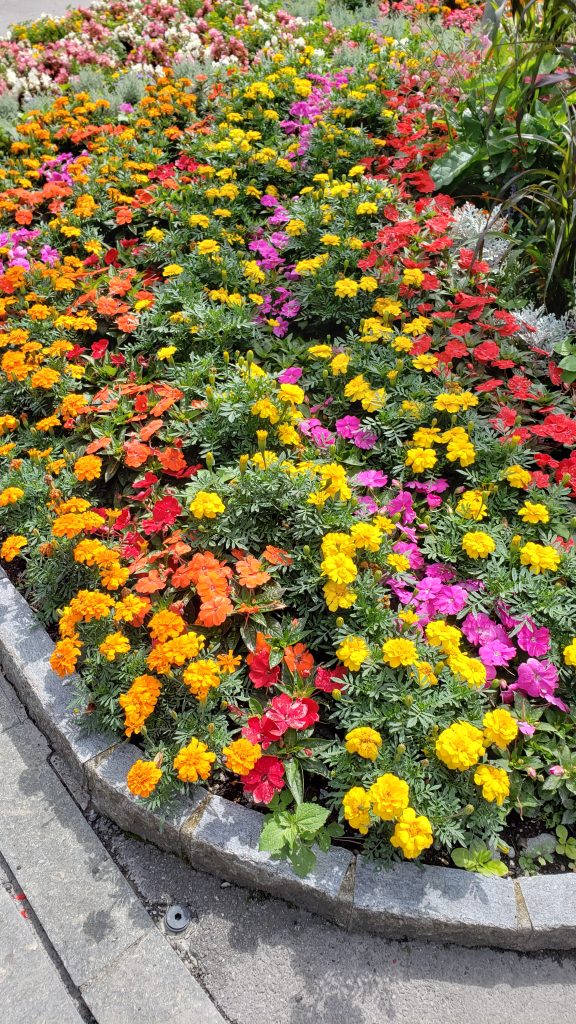
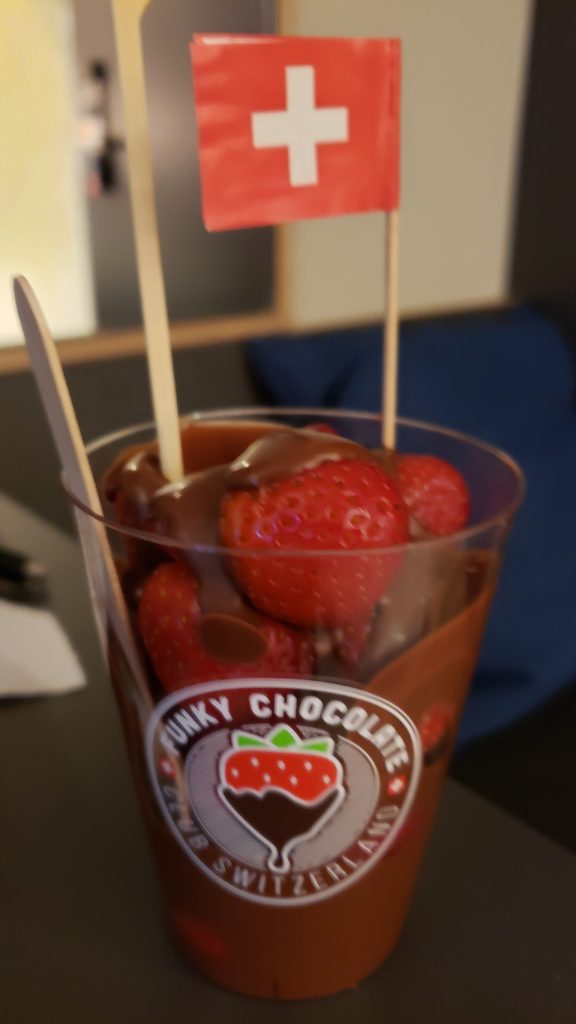
Retrace your steps back into town past the commercial heart (where you can find my favorite Funky Chocolate shop featuring rich hot fudge poured over a cup full of strawberries), with the Victoria-Jungfrau Grand Hotel on the left and Hohematte Park’s open space on the right, where tandem hang gliders drop off the mountain cliff in a steady stream, winging their way down into the meadow. Across the expanse stretch stunning views of the snowcapped mountains and vivid green parkland. Keep traveling west and you’ll encounter the flower-lined entrance to Interlaken‘s casino. Next you’ll stroll into an older section of town with vintage hotels, shops, and eateries. But don’t miss the stone-towered Schlosskirche (Castle Church).
If you’re looking for adventure in the Swiss Alps, it’s easily found—including the Jungfrau Railway, Europe’s highest railway to the top of the world. You take the Eiger Express tri-cable car (seats 12 people) from Grindelwald Terminal to the glacier with stunning views, then board a railway built inside a mountain to the peak. You are right on top of two of the leading Alpine peaks, Eiger and Jungfrau. All I can say is DRESS WARM—even in summer!
Where to Stay in Interlaken, Switzerland
Interlaken sits between two lakes in a valley, making it an ideal base for exploring the Bernese Oberland. Most travelers stay in the town center, where hotels and guesthouses line the main streets just steps from the train station. This central location lets you reach hiking trailheads, lakes, and local restaurants without a car, though it gets crowded during peak season from June through September.
The Höheweg, Interlaken’s main promenade, features a range of mid-range hotels and small family-run establishments. Hotels here offer mountain views and sit within a five to ten minute walk of shops and cafes. Budget-conscious travelers will find hostels and simple guesthouses scattered throughout town, many with shared kitchens and common areas to meet other visitors.
If you prefer quieter surroundings, neighborhoods along the Aare River or toward Wilderswil offer a more residential feel while staying close to town. These areas offer smaller hotels and bed-and-breakfast options for travelers seeking a calmer base. The trade-off is a slightly longer walk or brief bus ride to reach the central station and main attractions.
Book accommodations well in advance for summer travel or around major Swiss holidays. Many properties here cater to hikers and outdoor enthusiasts, so staff are accustomed to advising on trail conditions and equipment rentals. Winter months from December through February bring fewer tourists and lower room rates, though snow can affect mountain roads and limit high-altitude excursions.
Recommended Reading
Here’s some Alpine reading for you.
- The Swiss Summer by Stella Gibbons – A charming, evocative novel capturing the quirks and charms of Swiss village life through the eyes of an Englishwoman seeking peace and transformation amidst alpine beauty.
- Damnation by Peter Beck – A gripping Swiss thriller where high finance, political intrigue, and deadly secrets converge in the shadowy peaks of the Swiss Alps.
- Slow Train to Switzerland by Diccon Bewes – A delightful travel memoir retracing a Victorian-era tour through Switzerland, blending history, humor, and modern reflection on a timeless landscape.
- The Gilded Chalet by Padraig Rooney – A literary journey through Switzerland, uncovering the lives of famous writers who sought refuge or inspiration among the snow-covered mountains and glittering lakes.
- Charlotte Aimes: The Great Alpine Adventure by Libby O’Loghlin – A spirited young adult adventure set in the Swiss Alps, full of mystery, discovery, and the thrill of alpine exploration.
- Eiger Dreams: Ventures Among Men and Mountains by Jon Krakauer – A compelling collection of essays delving into the lives and minds of climbers drawn to the awe-inspiring, dangerous heights of the Alps and beyond.
- Insight Guides: Switzerland – A beautifully illustrated travel companion packed with expert tips, cultural insights, and detailed maps to help you explore Interlaken and beyond with confidence.
Tours to Consider
- Interlaken 3-Hour Guided E-Bike Tour with a Farm and Ancient Villages Visit
- Guided Excursion to Jungfraujoch, Grindelwald and Lauterbrunnen from Lucerne