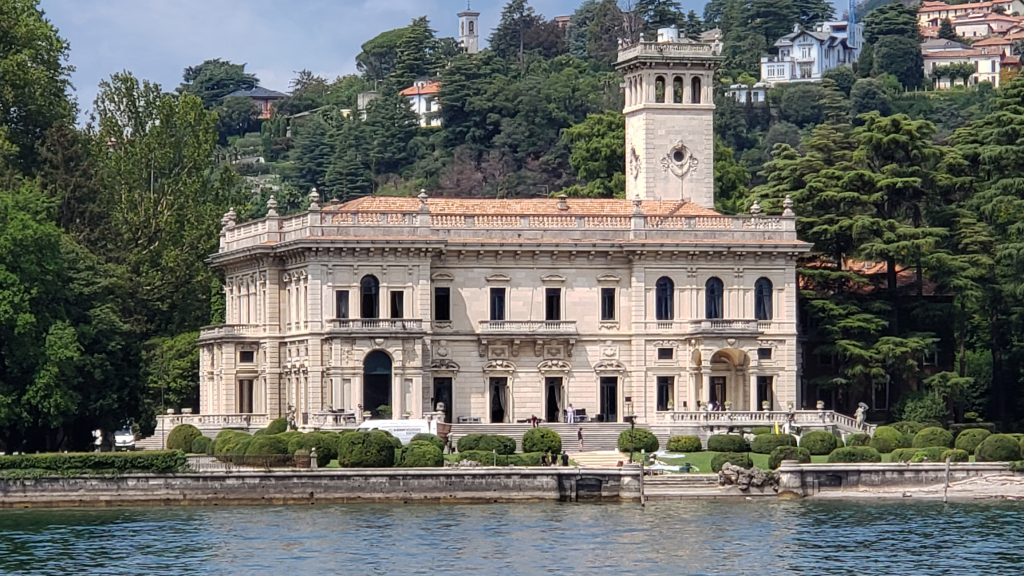
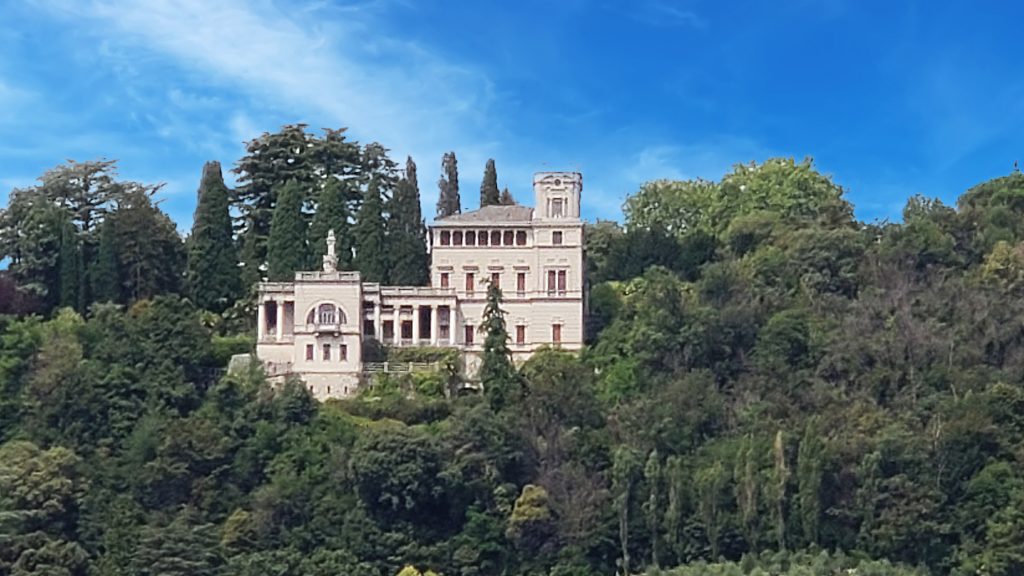
If the Lake Como of your imagination is glittering water beneath the snow-flecked Alps, you’d be right. But before you picture George Clooney’s villa, step into the city of Como itself—where Romans built walls, medieval merchants transformed silk into gold, and Renaissance artists left legacies of stone and fresco. This lakeside capital is not merely a gateway to its famous waters—it is a living museum centuries deep and surprisingly cosmopolitan beneath its cobblestones.
A Quiet Bay
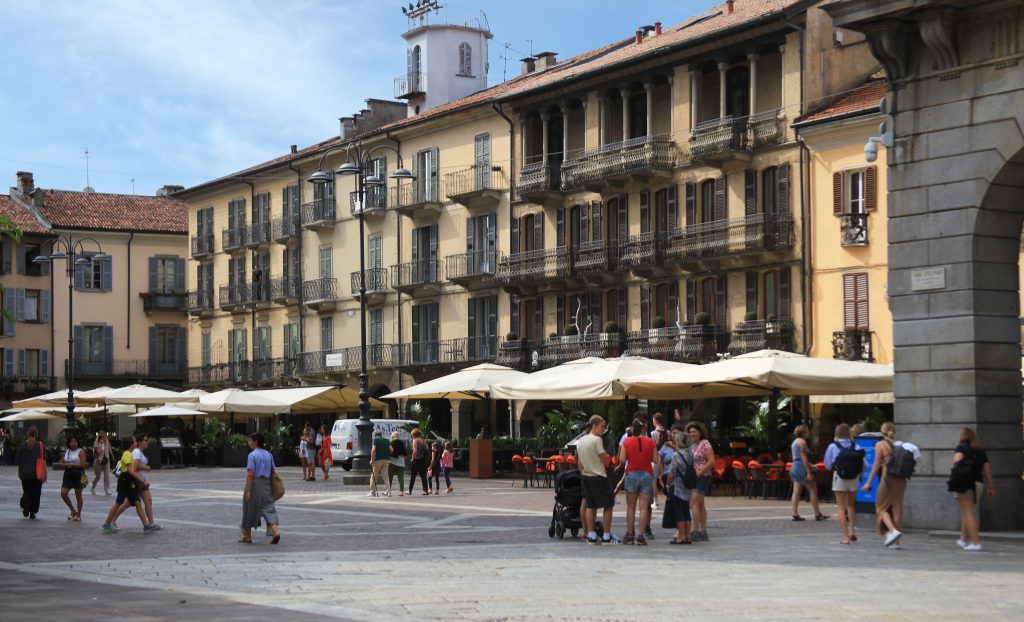
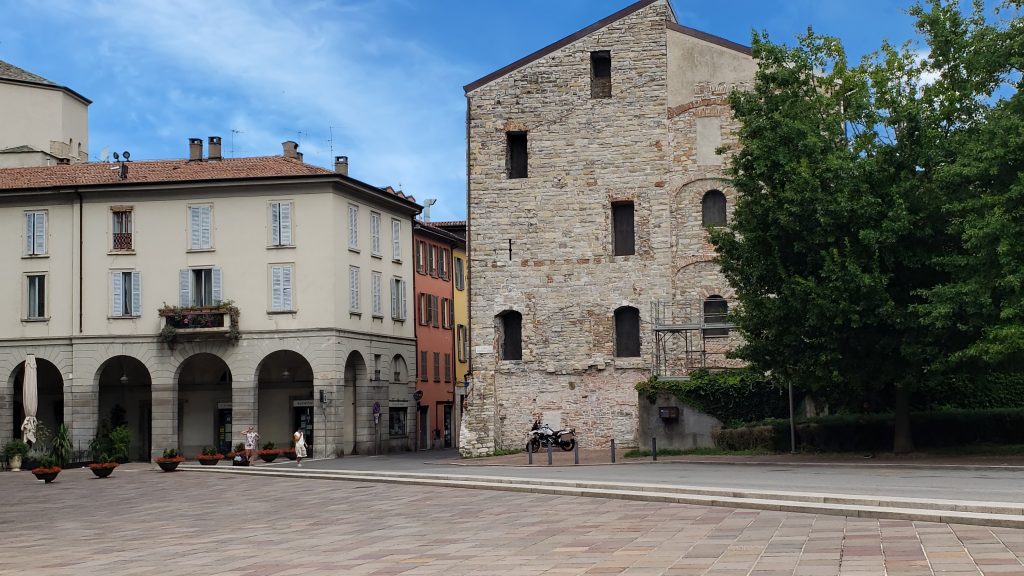
Como’s story stretches back to the Iron Age, when Celtic tribes settled its sheltered bay. The Romans arrived in the 1st century BC, promptly straightening its streets, erecting defensive walls, and establishing Novum Comum as a regional hub. Under Julius Caesar, Como became a colony for veterans, and by the Middle Ages it was thriving as part of the Lombard League—a proud member in the centuries-long chess match between Milan and the Holy Roman Empire.By the 14th century, Como had found a lucrative identity: silk. Introduced by Ludovico Sforza, Duke of Milan, the craft took root in the humid lake air that proved perfect for silkworms. Como silk soon clothed popes, princes, and palaces, and even today, the city is one of the world’s most important silk producers. Wars came and went—the French, the Spanish, the Austrians—but the city held its own, adapting with each wave of power until joining a unified Italy in 1859.
Streets of Stonework
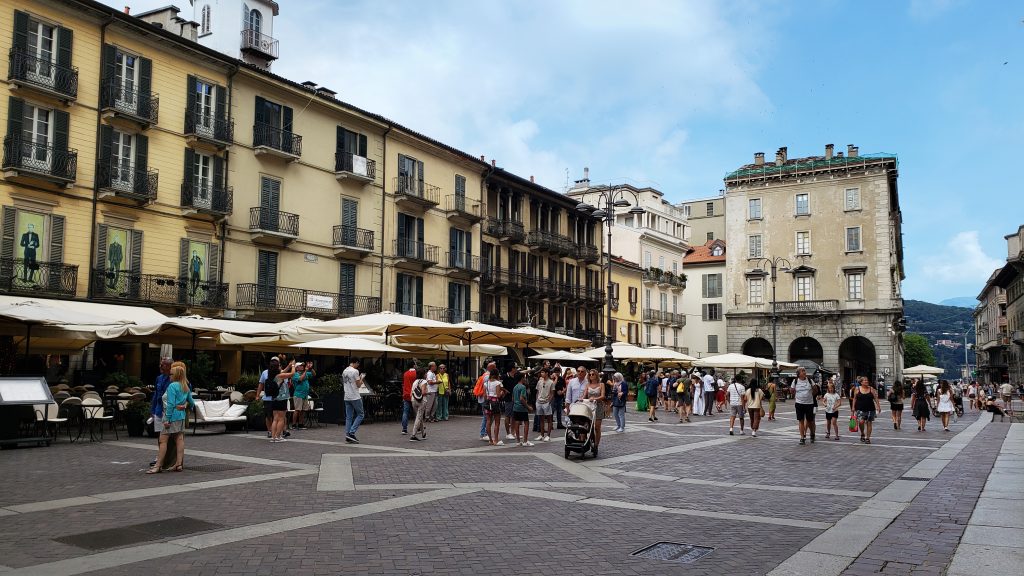
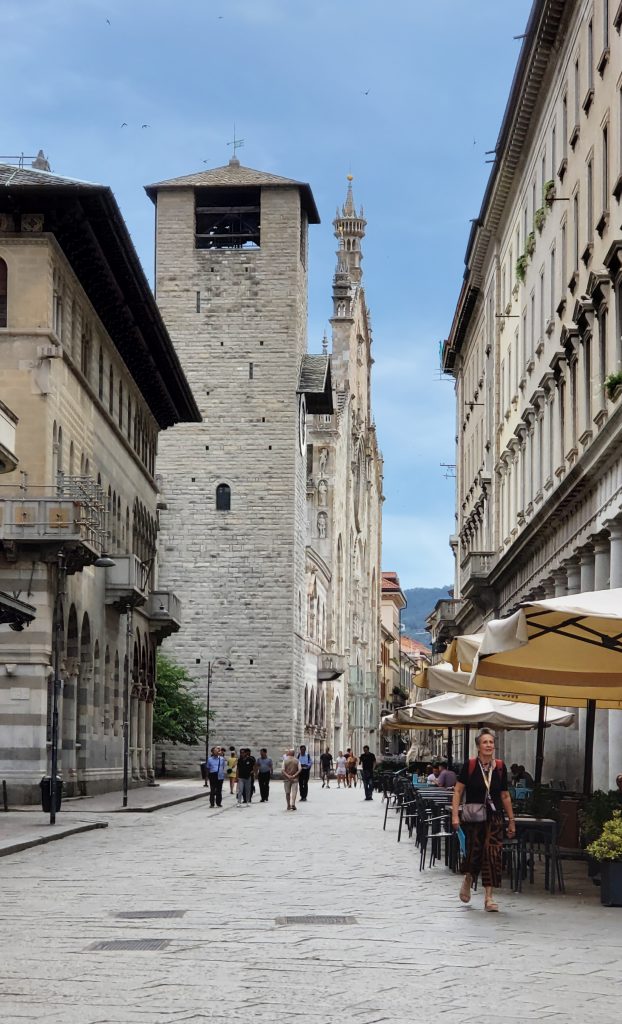
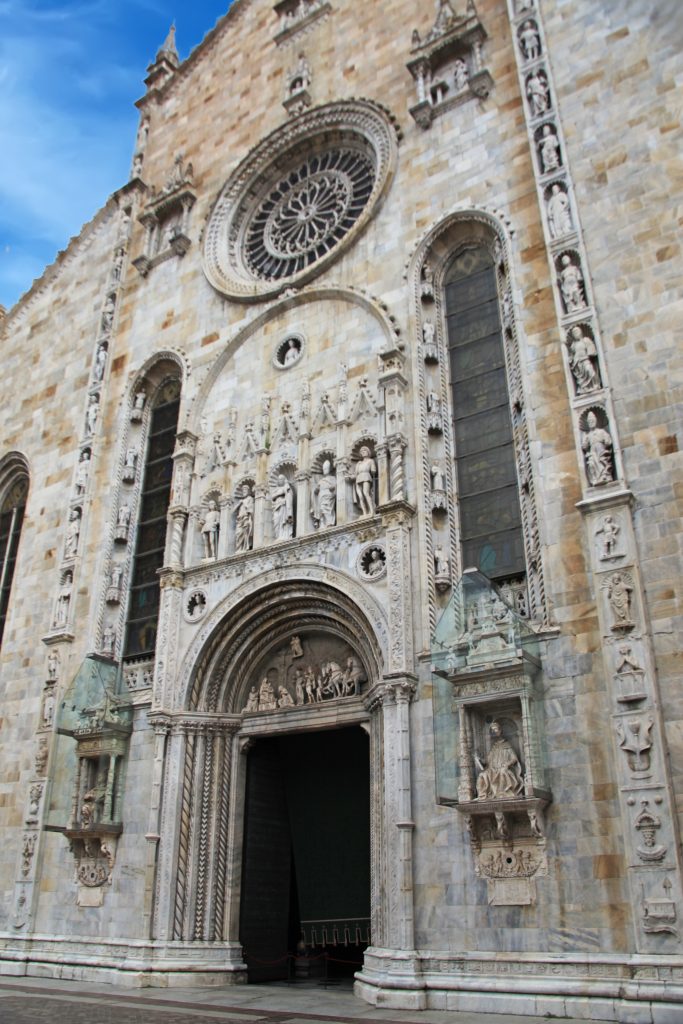
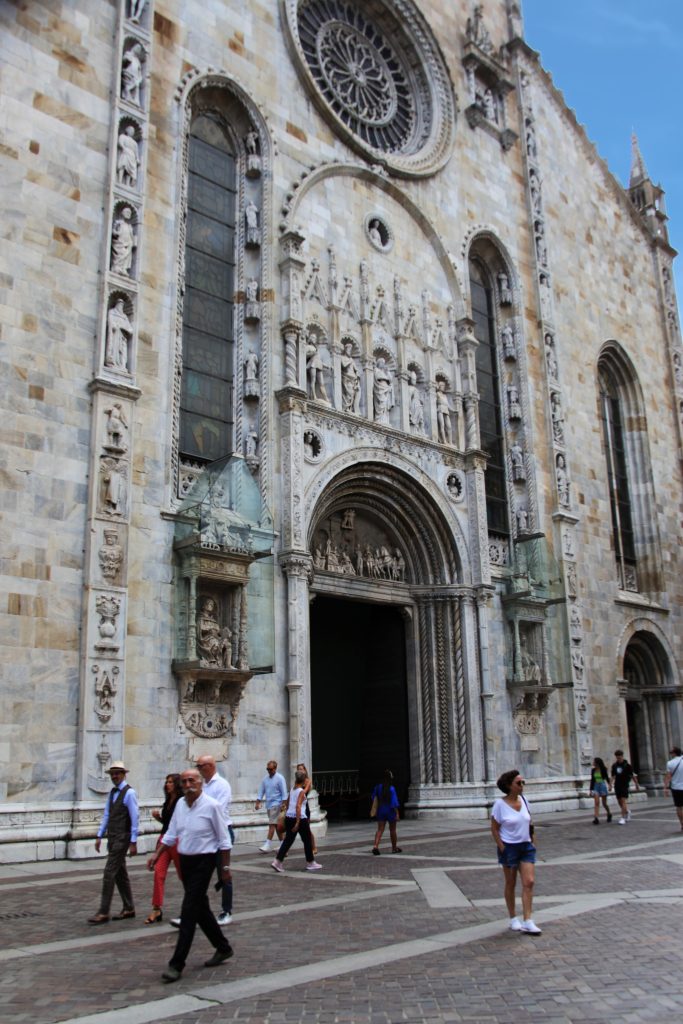
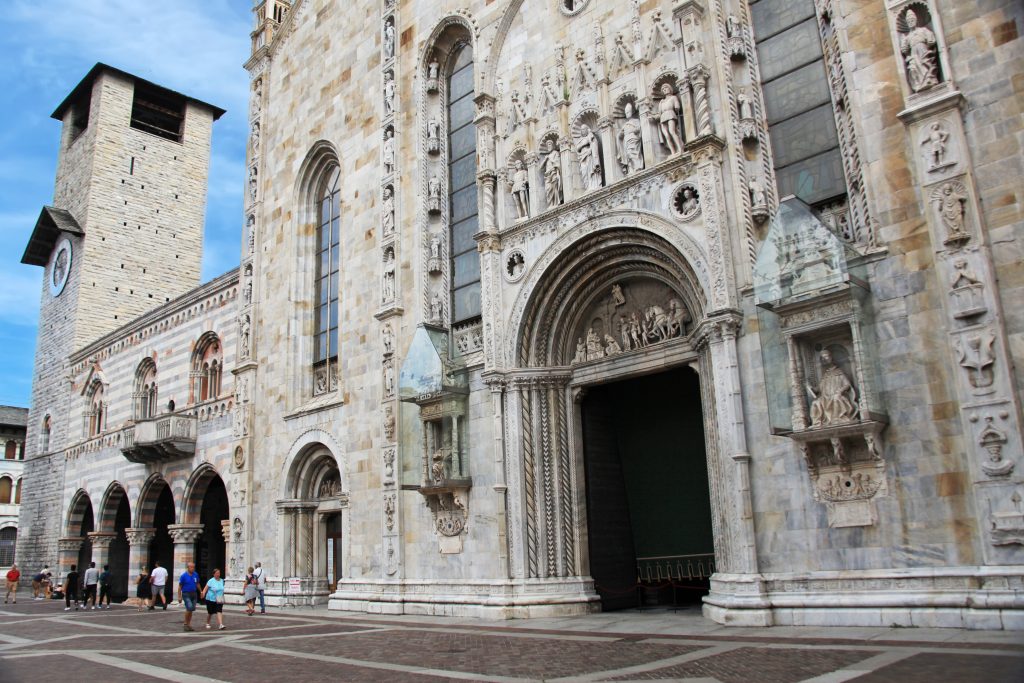
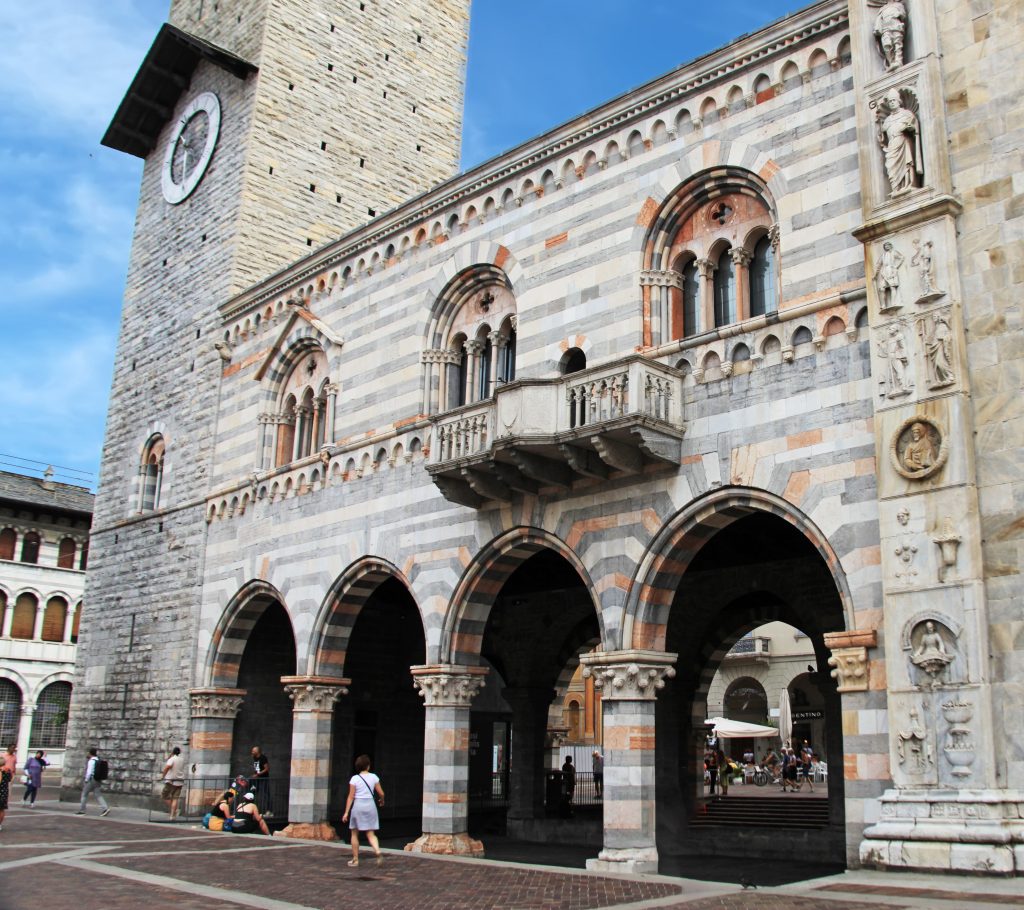
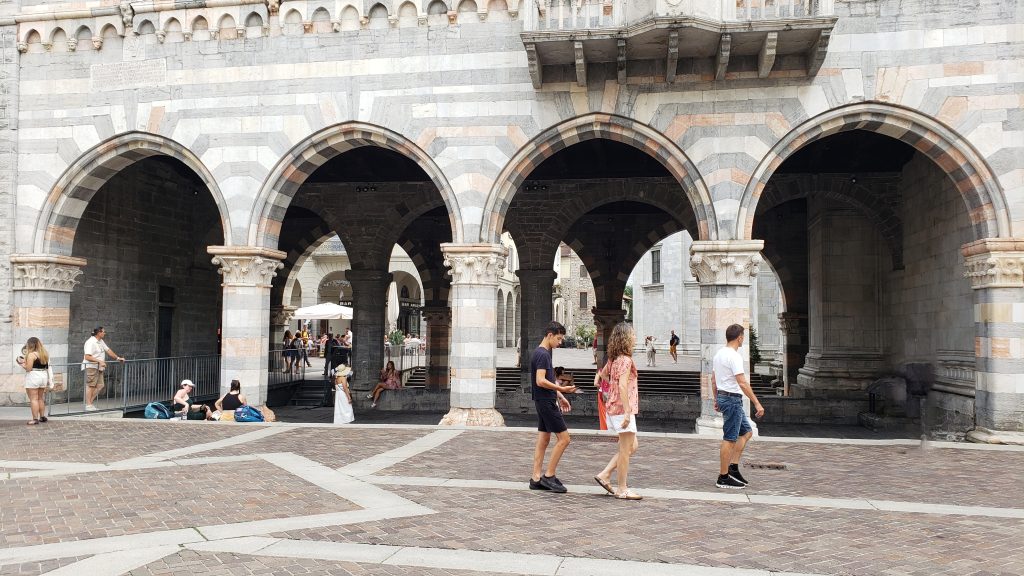
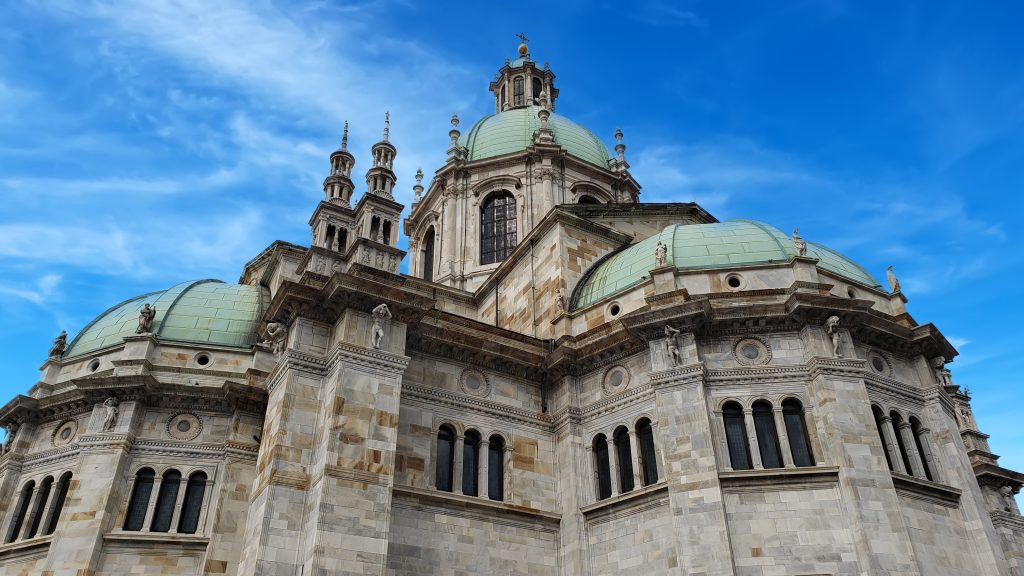
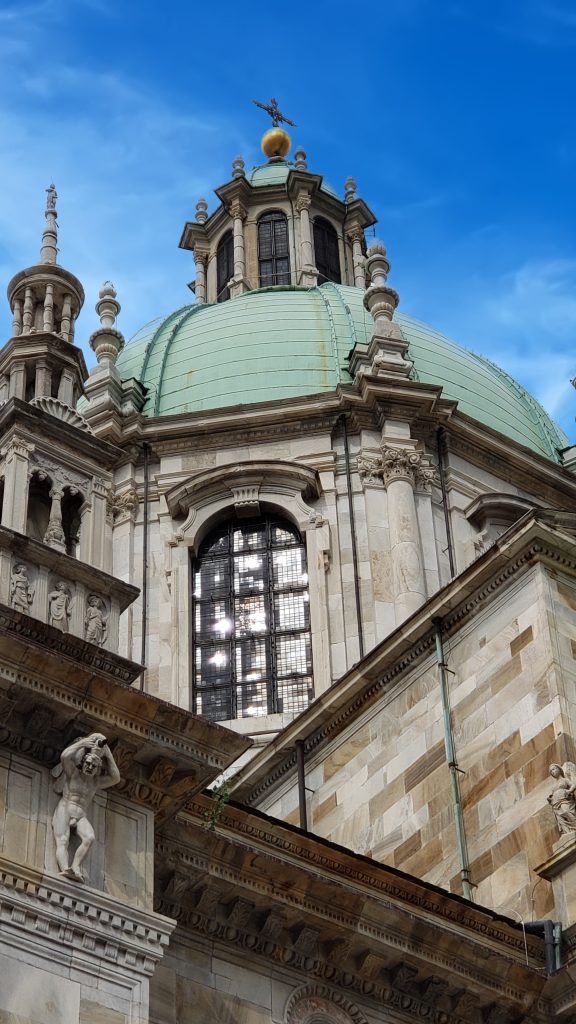
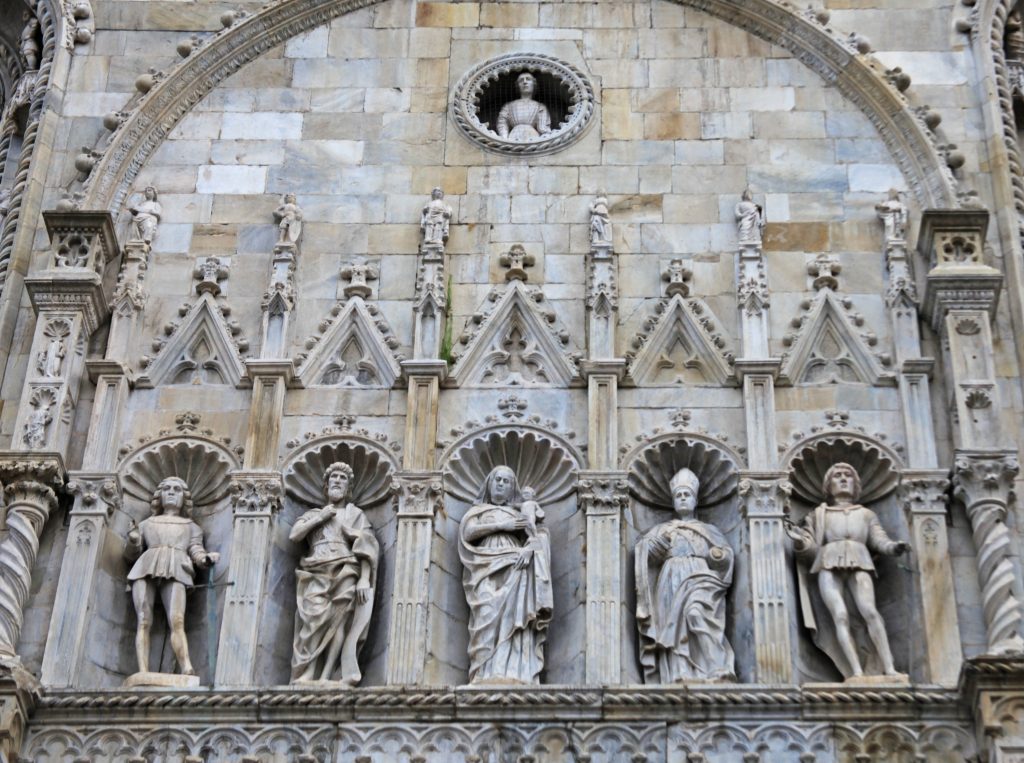
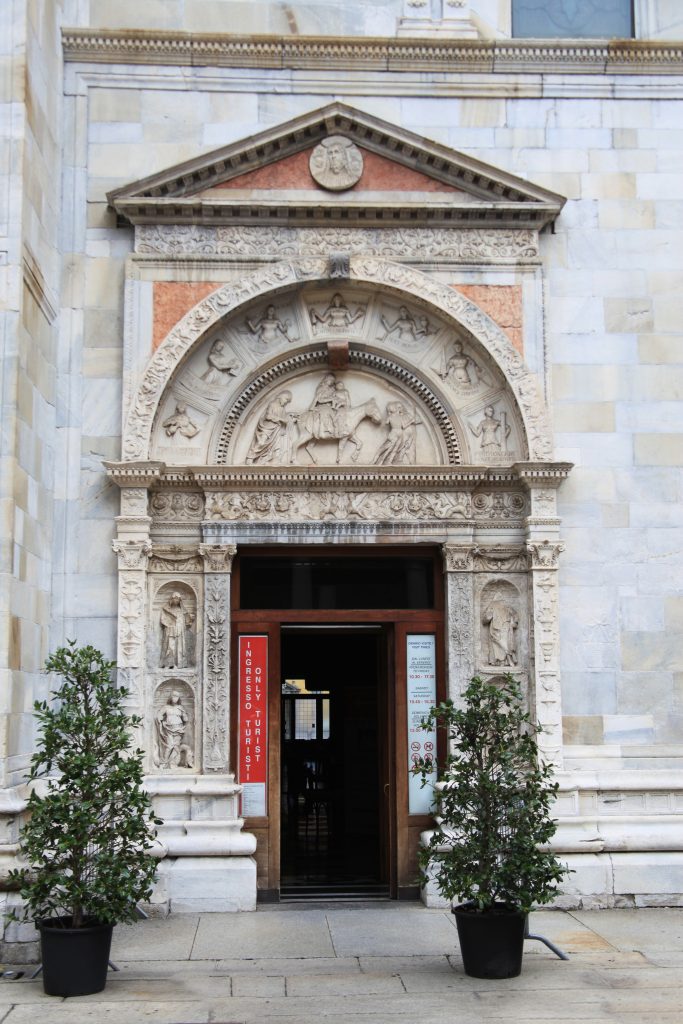
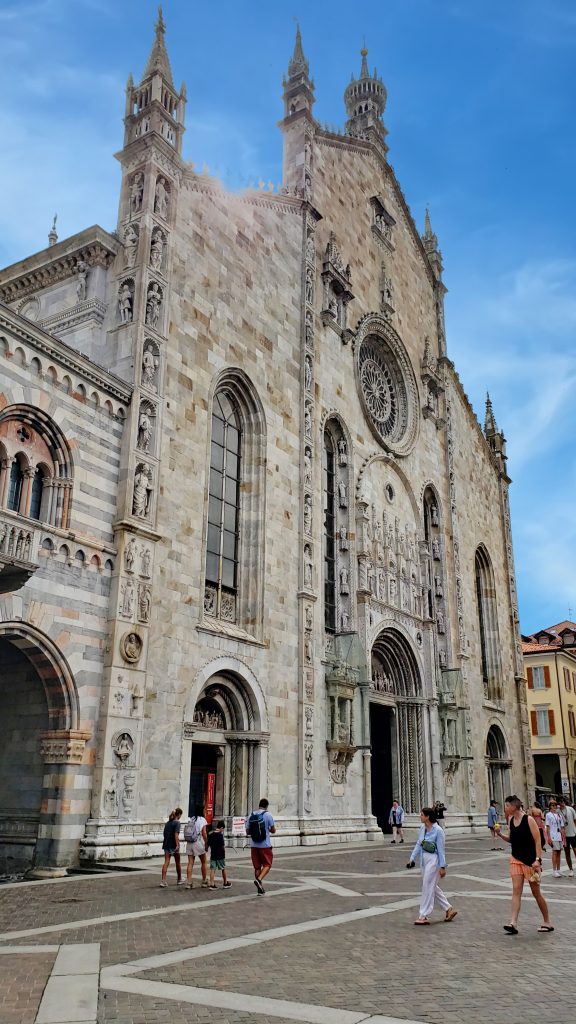
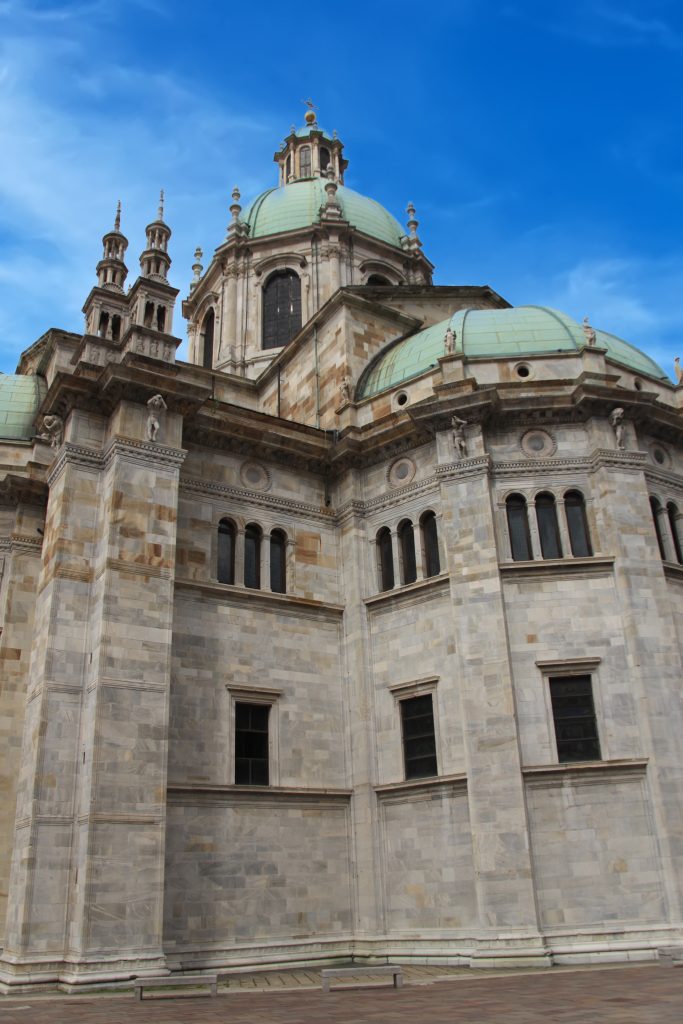
Como’s heart is Piazza del Duomo, where the Gothic-Renaissance Cathedral of Santa Maria Assunta rises in pale marble. Its façade is a stonemason’s masterwork—traceried windows, saints’ statues, and fantastical beasts—and stepping inside is like crossing into a cool, dim jewel box of columns and painted vaults. Across the piazza, the Broletto, the 13th-century town hall, still flaunts its candy-striped façade of white, grey, and pink stone.
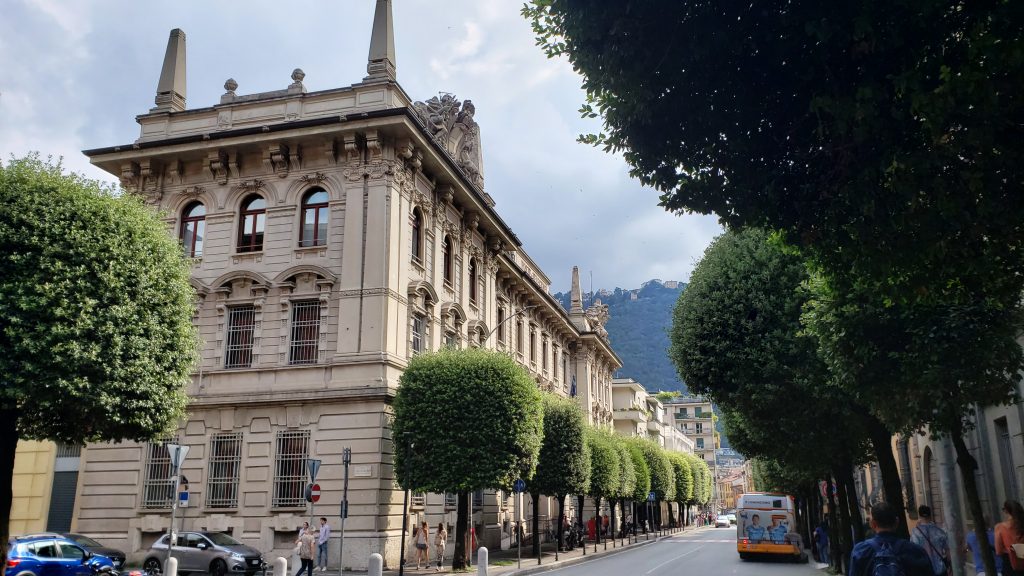
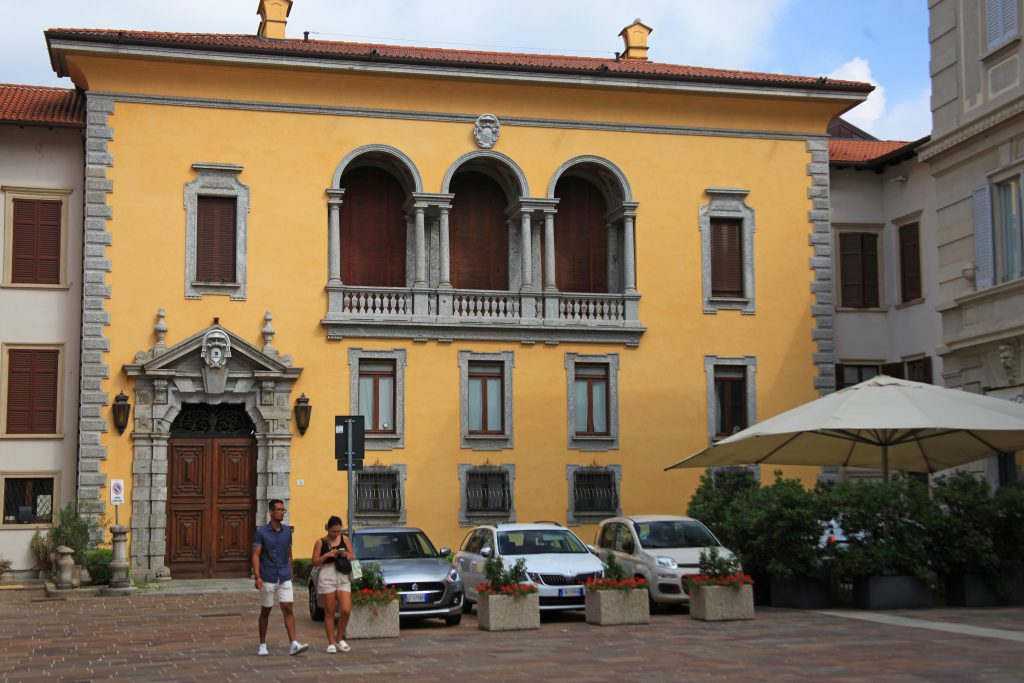
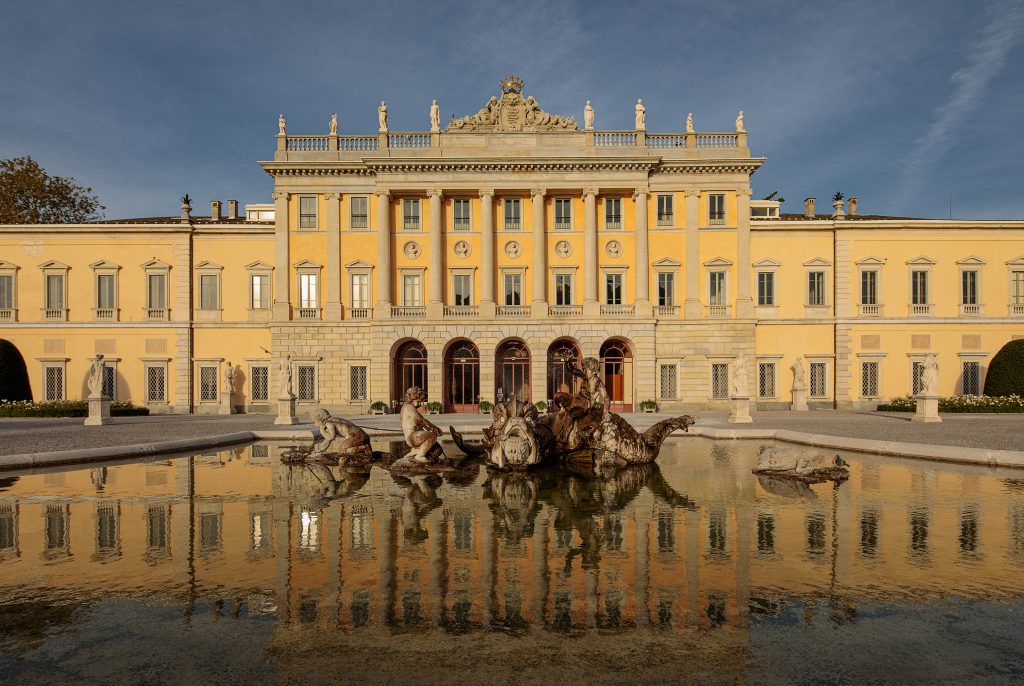
Venture beyond the historic core and you’ll find another Como: the gracious boulevards and villas of the 19th and early 20th centuries. The city’s industrial wealth—rooted in silk—brought Art Nouveau townhouses with curling iron balconies, neoclassical villas framed by formal gardens, and a string of lakeside mansions whose facades glow cream and ochre in the afternoon light. The Villa Olmo, an 18th-century neoclassical masterpiece, became the stage for glittering receptions and political congresses, later welcoming Napoleon, Garibaldi, and visiting royals. The early 1900s ushered in the Liberty style, Italy’s Art Nouveau, and Como’s architects embraced it with floral-tiled façades, bow windows, and sweeping staircases.
Waterfront Invitation
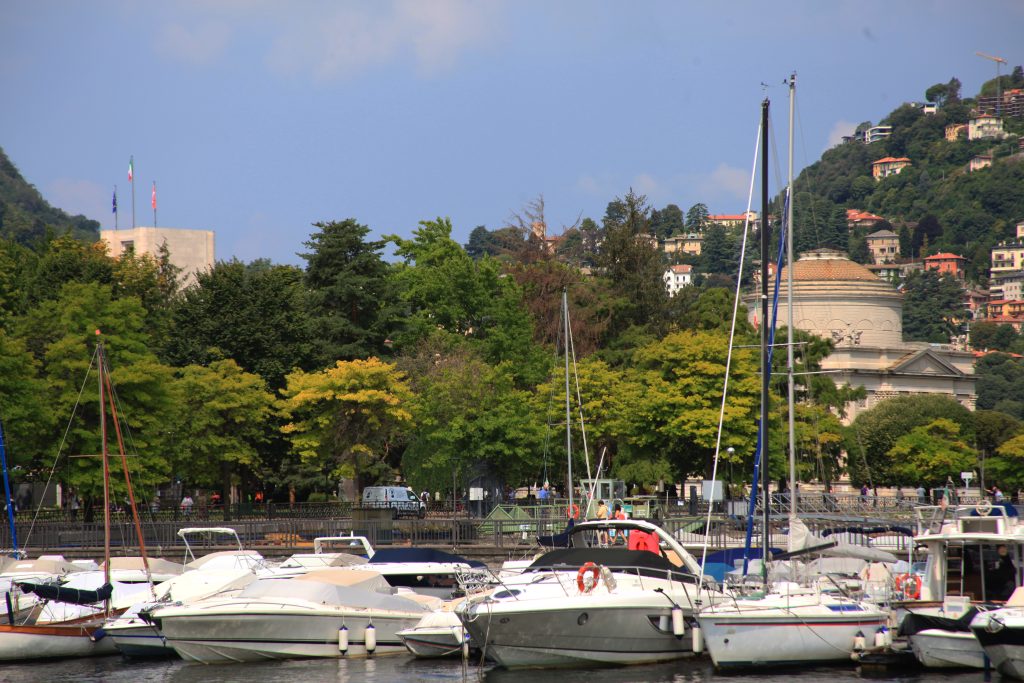
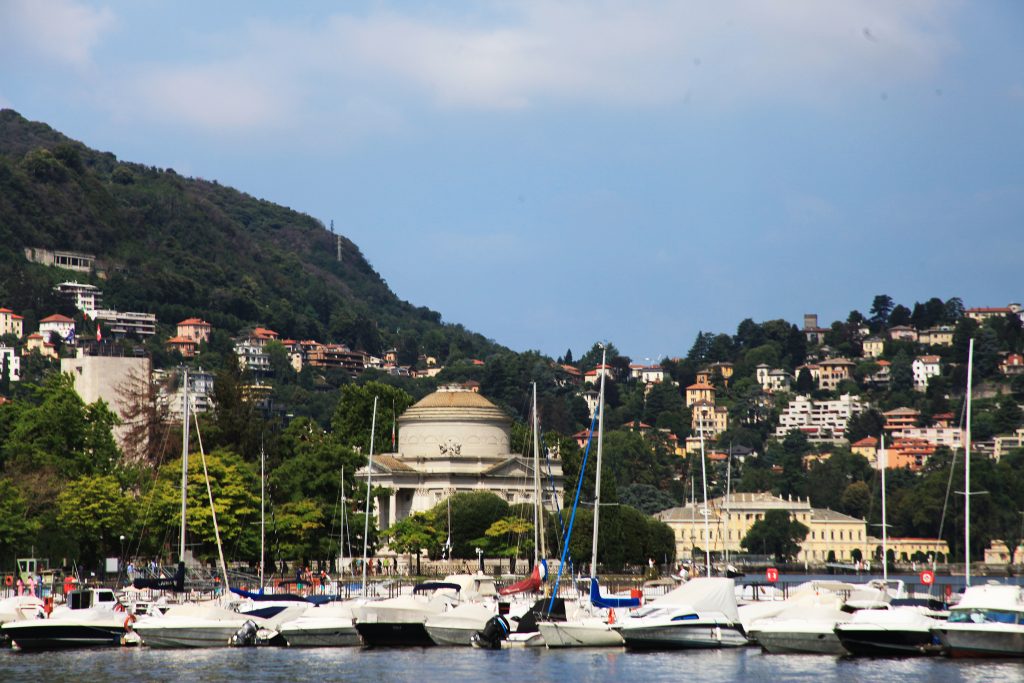
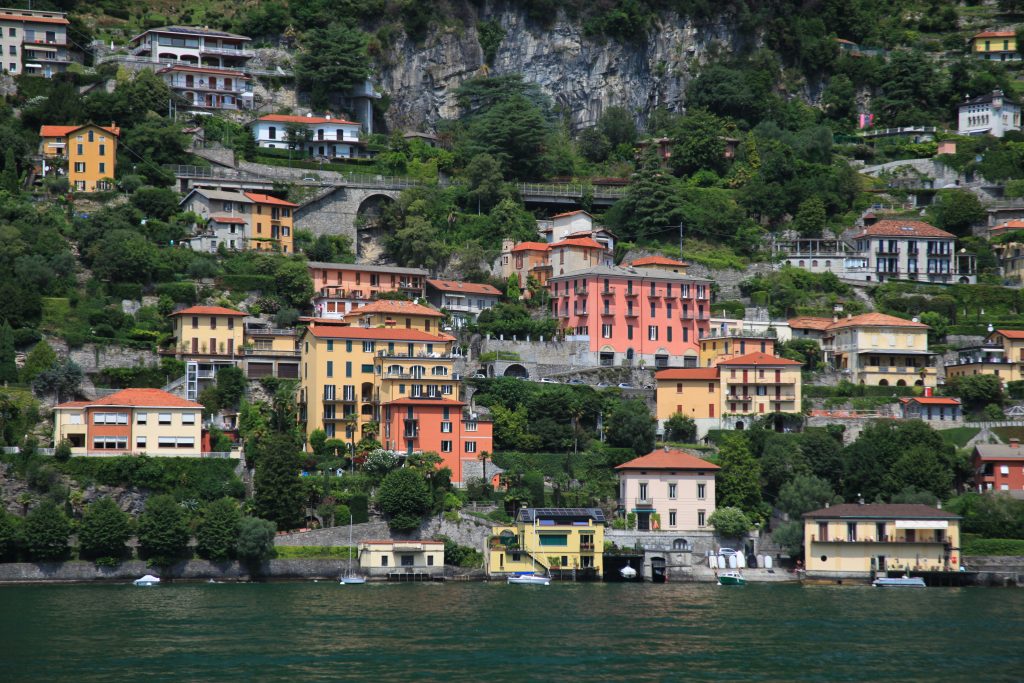
The waterfront is Como’s living salon. Ferries nose in and out of the harbor in an unhurried ballet, their hulls mirrored in the glassy water. Along the Passeggiata Lino Gelpi, families, cyclists, and strolling couples share the paved promenade under a canopy of plane trees. Across the lake’s surface, you can see the steep green flanks of the mountains folding into the water, dotted with pastel hamlets.
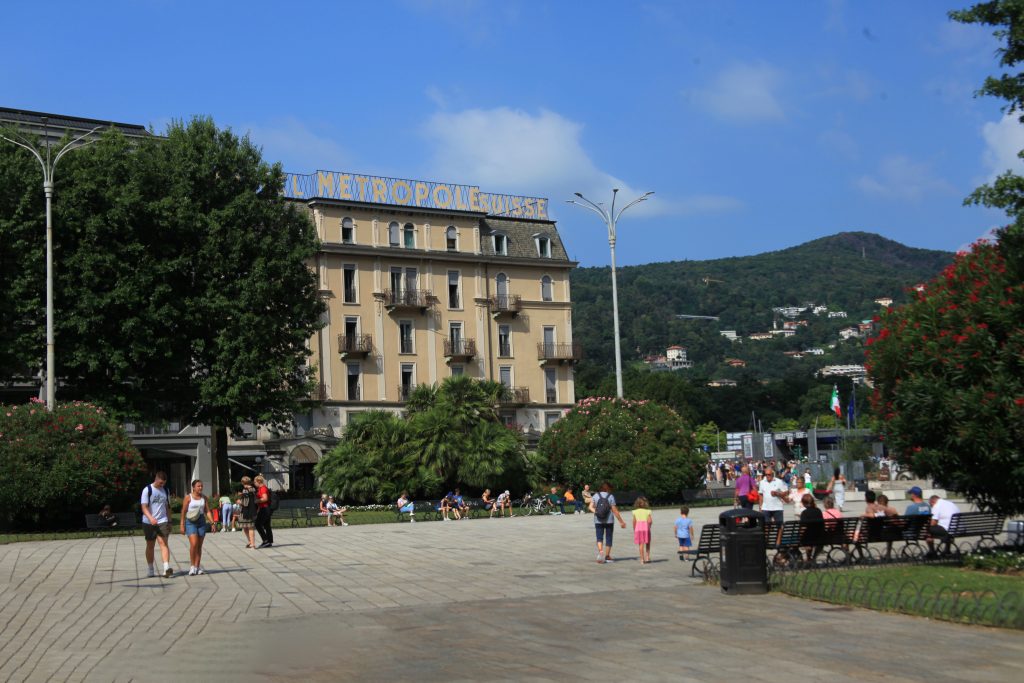
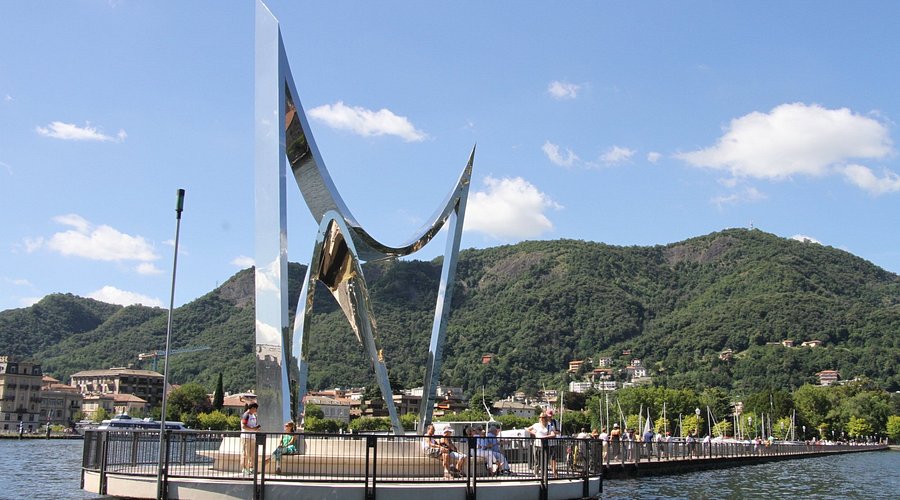
Modern sculpture stands alongside historic piers, the most striking being Daniel Libeskind’s gleaming “Life Electric,” a tribute to Alessandro Volta, which seems to twist the sunlight itself into an architectural gesture. Cafés with shaded terraces spill toward the promenade, where the air smells faintly of espresso, baking brioche, and the faint mineral tang of the lake. At sunset, the water blushes to rose, and the façades of the grand hotels—Palace Hotel, Metropole Suisse—catch fire in the fading light, a scene as theatrical as any opera curtain call.Follow the medieval lanes toward the water and you’ll hear the echo of footsteps under the vaulted arches of Porta Torre, a hulking 12th-century gate that once guarded the southern approach. For a literal shift in perspective, take the Funicolare up to Brunate, a clifftop village where the rooftops of Como lie like a patchwork quilt and the lake snakes into the distance. On a clear day, you can almost see the shimmer of Milan.
Modern-Day Connection
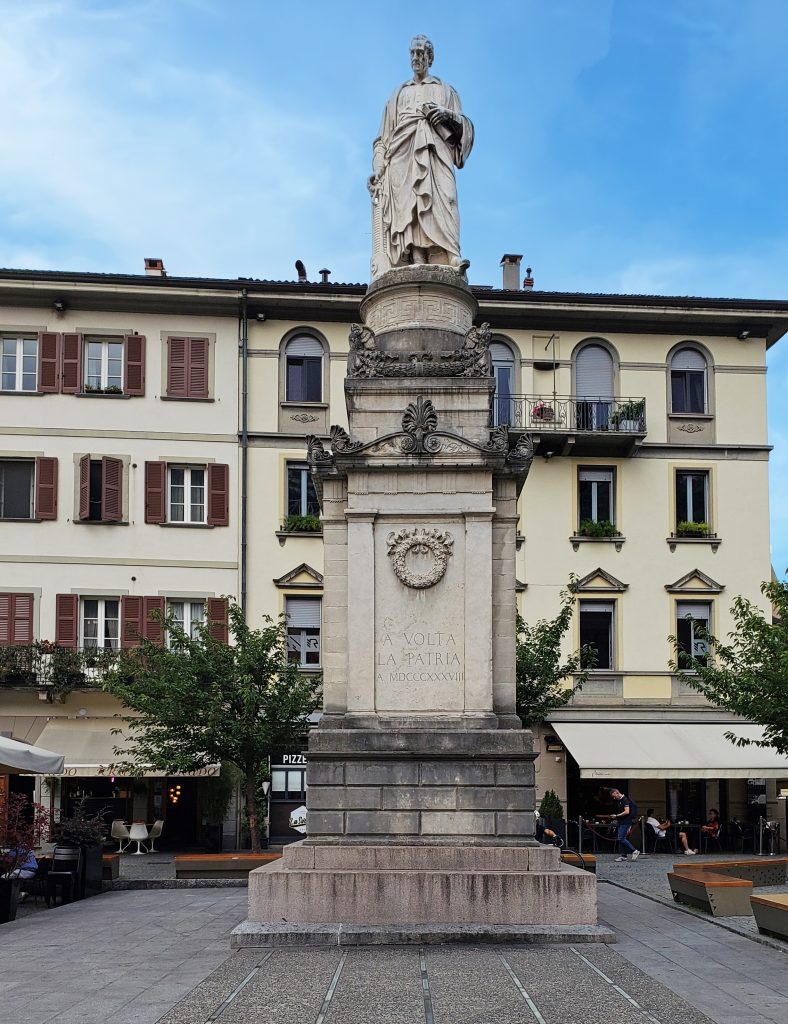
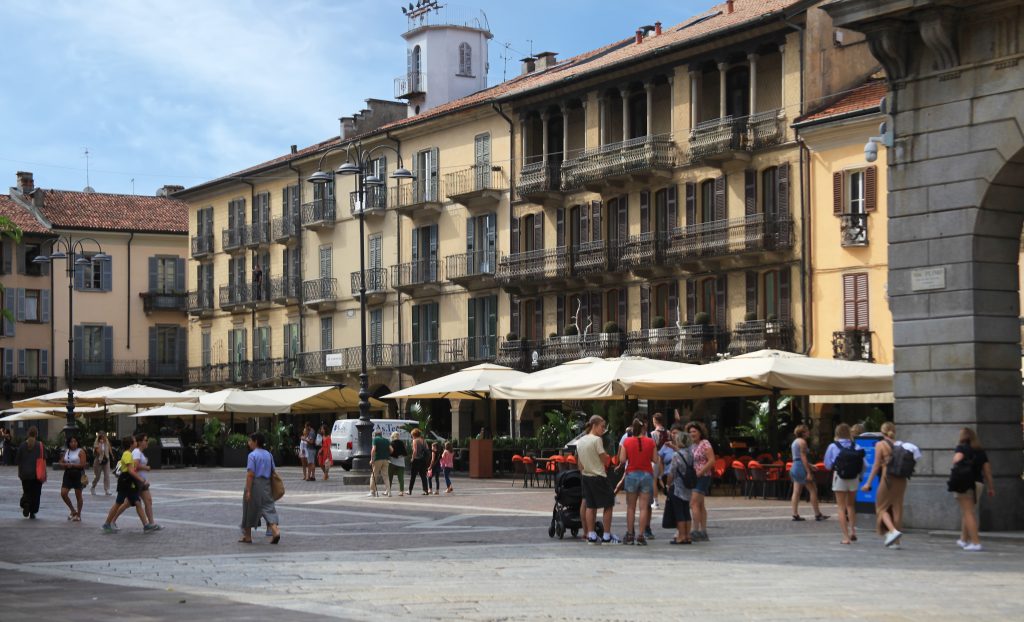
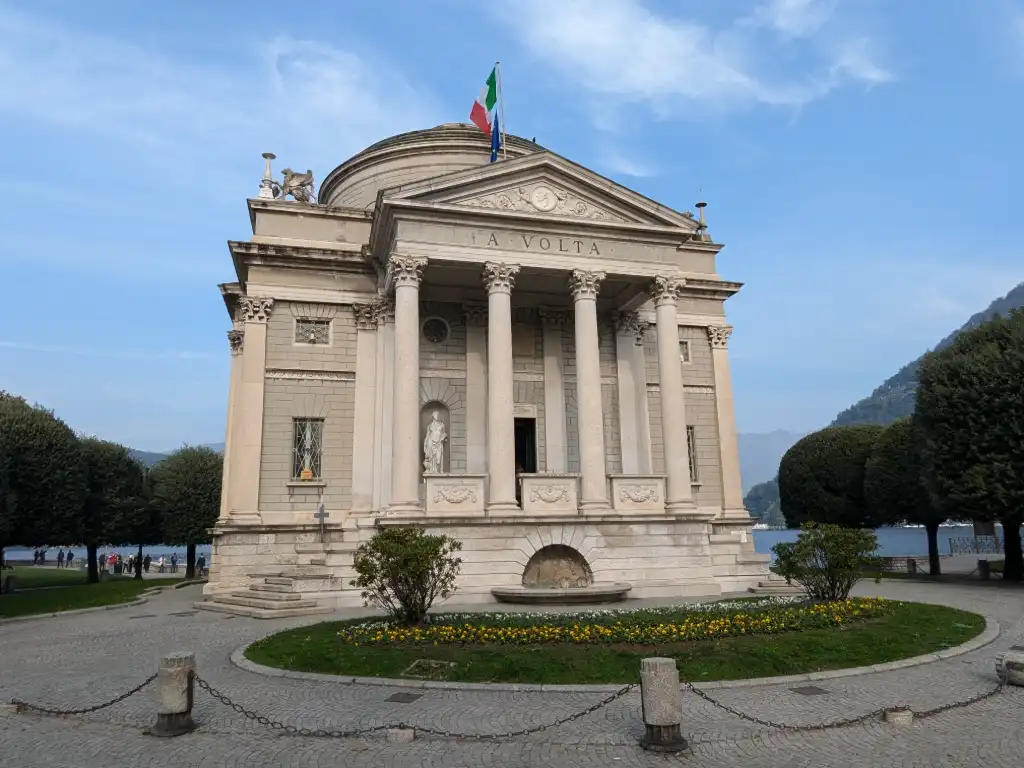
While silk weaving continues—refined by technology and luxury branding—Como has also embraced its role as a cultural and culinary center. The Tempio Voltiano pays homage to native son Alessandro Volta, inventor of the electric battery, with an almost shrine-like collection of his instruments. Art galleries, boutique hotels in repurposed palazzi, and seasonal festivals keep the historic core humming. And though the world knows the lake for its villas and regattas, it’s the city itself that locals prize for its balance: industry and beauty, heritage and innovation.Sip an espresso on the Piazza Cavour, watching ferries glide out across the lake, and you’ll understand—Como is not simply a prelude to the lake. It is the reason the lake became legendary.
Where to Stay in Como, Italy
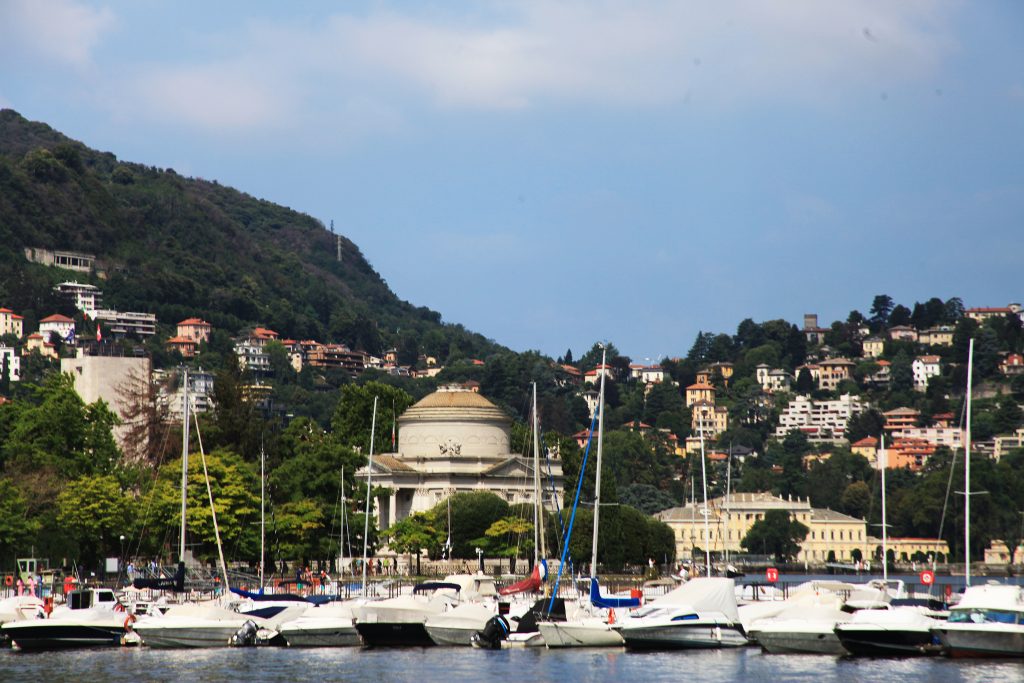
Como’s compact size concentrates most hotels in the city center near the waterfront and main piazza, within easy walking distance of the cathedral and ferry terminals. The lakefront area around Piazza Cavour has classic three- and four-star hotels with water views, though they book quickly during summer (June through August) and command premium rates. If you prefer quieter surroundings, the neighborhoods just inland from the waterfront, particularly around Via Cinque Giornate and Via Nino Bixio, offer smaller hotels and guesthouses at moderate prices with less tourist congestion.
Budget travelers can find basic one- and two-star hotels throughout the city center, staying within walking distance of everything for under 80 euros per night. Guesthouses and bed-and-breakfasts dot the side streets near the cathedral, often run by families who know the lesser-known restaurants and historical details about the city. These smaller places frequently lack elevators and air conditioning, so confirm amenities before booking if either matters to you.
For a different pace, consider staying in one of the smaller towns on Como’s western shore, such as Cernobbio or Torno, reachable by local bus or ferry in 15 to 30 minutes. These villages retain more of the region’s original character as working towns rather than pure tourist destinations, and hotels here tend to be quieter and less expensive while still offering lake views and access to Como’s main attractions via public transport.
Book accommodation well in advance if traveling between May and September, as the combination of good weather and school holidays fills rooms quickly. The shoulder seasons of April and October offer mild weather and fewer crowds, making them good times to visit if your schedule permits. Winter (November through March) brings rain and occasional fog off the lake, but hotels offer substantial discounts and a genuine local atmosphere without tour groups.
Recommended Reading
Fiction
- A Month on the Lake by H.E. Bates – A tender, sun-drenched novel set against the languid elegance of Como.
- The Betrothed (I Promessi Sposi) by Alessandro Manzoni – Italy’s most beloved historical novel, partly set in Lombardy, capturing the social fabric of the 17th century.
- The Garden of the Finzi-Continisby Giorgio Bassani – A historical novel set in northern Italy during the rise of Fascism, portraying the insulated life of an aristocratic Jewish family as political oppression closes in.
Non-Fiction & History:
- Como and the Italian Lakes by Dana Facaros and Michael Pauls – A detailed cultural and historical guide.
- Silk: The Amazing Story of the Fine Thread That Weaves Our Lives by Aarathi Prasad – Includes Como’s role in Europe’s silk history.
- Volta and the Electric Batteryby John Munro – For those curious about Como’s most famous inventor.
Bonus Walking Guide
Walking the Waterfront: Como’s Lakefront Promenade from History to Horizon
Starting Point: Piazza Cavour
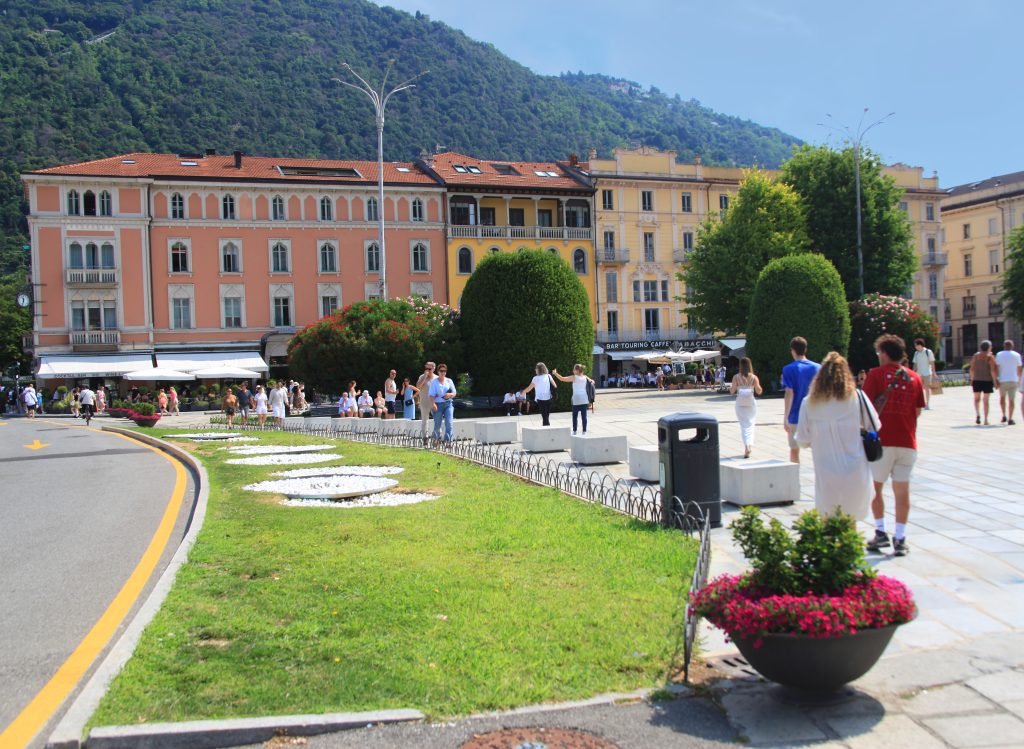
Begin in the broad, open Piazza Cavour, the city’s gathering space at the edge of the historic core. In the 19th century, this was a busy docking area for steamships and cargo boats, and you can still see the maritime pulse of the city in the comings and goings of ferries and hydrofoils. Before you set off, note the elegant façades of the Metropole Suisse Hotel, family-run for over a century, and the Palace Hotel with its Belle Époque balconies gazing across the harbor.
Stop 1: The Darsena & Ferry Terminal
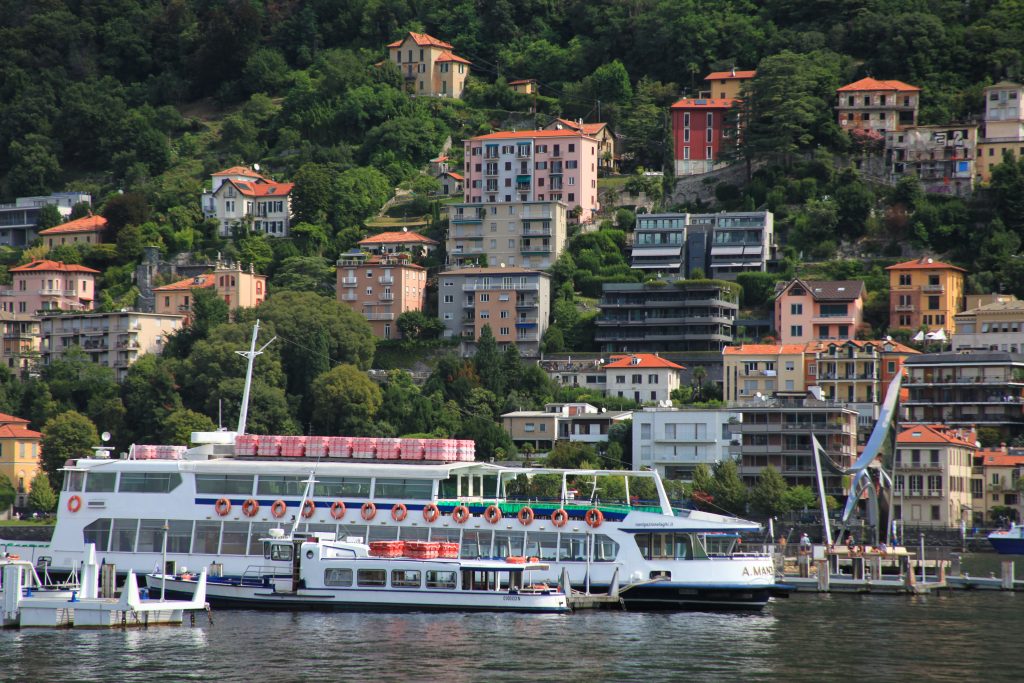
A short stroll east along the quay brings you to the Darsena, Como’s principal ferry terminal. It’s been the heartbeat of lake transport since the late 1800s, when steamships carried silk merchants and summer holidaymakers between towns. Today, polished white ferries and slender hydrofoils pull in and out, their wakes leaving lace-like patterns across the water.
Stop 2: Passeggiata Lino Gelpi
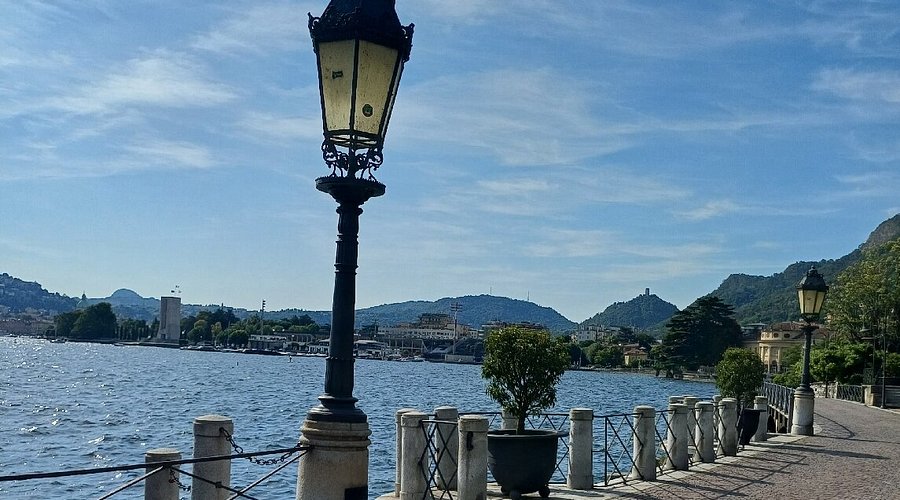
From the Darsena, continue onto the Passeggiata Lino Gelpi, the tree-shaded promenade that skirts the curve of the bay. The plane trees—planted in the early 20th century—create a living canopy, dappling the pavement with shifting light. Here, Como’s past and present mingle: modern sculptures punctuate the path, while across the water you see pastel villas and wooded slopes, much as 19th-century travelers described them in letters home.
Stop 3: Life Electric Sculpture
Midway along the promenade stands Daniel Libeskind’s Life Electric (2015), a gleaming stainless-steel tribute to Alessandro Volta, Como’s most famous son. Its twin arcs twist skyward like a lightning bolt captured in motion, reflecting both water and sky. It sits on a small pier—pause here to watch the ferries in motion and the sailboats heading out toward the open lake.
Stop 4: Tempio Voltiano
Continue to the small neoclassical rotunda of the Tempio Voltiano (1927), built to mark the centenary of Volta’s death. Inside, display cases hold his scientific instruments, letters, and portraits—reminders that this tranquil waterfront helped inspire a man whose work lit the modern world. Step outside to the gardens for one of the best panoramas across the lake.
Stop 5: Villa Olmo
A longer but rewarding leg of the walk takes you westward from the Tempio Voltiano along a quieter stretch of promenade to Villa Olmo, an 18th-century neoclassical mansion that has hosted Napoleon, Garibaldi, and visiting royalty. Its sweeping lawn rolls down to the water, framed by century-old trees. Public exhibitions are often held inside, but even if closed, the exterior—with its stately columns and symmetrical wings—is worth the approach.
Optional Return by Boat
From Villa Olmo, you can retrace your steps to Piazza Cavour on foot or take a short hop back by boat, seeing the promenade from the water as 19th-century visitors would have when they arrived for an evening promenade before dinner.
Tips for the Walk
- Best time: Early evening, when the lake catches the last gold of the day and locals take their passeggiata.
- Pace: The full loop from Piazza Cavour to Villa Olmo and back is about 3 km (just under 2 miles), easy walking.
- Bring: Camera, water, and if you linger for sunset, a light sweater—Alpine evenings can be cool even in summer.