
Where Sugar Once Ruled
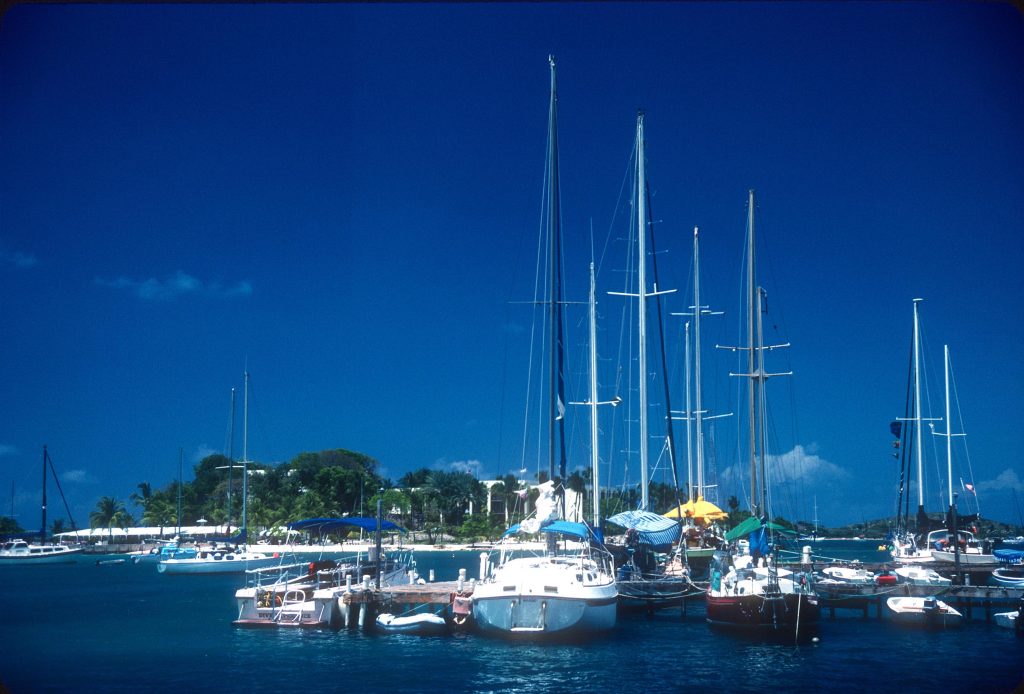
St. Croix unfolds cobblestone by cobblestone, veranda by veranda, fieldstone by faded plantation field.
The largest of the U.S. Virgin Islands, St. Croix carries within it the layered architecture of empire: Danish symmetry, French flair, Spanish stone, African memory. From the candy-colored porticoes of Christiansted to the weathered grandeur of old sugar estates, it is an island where the past is not buried—it is built in.
Here, wind moves through old great houses. Tamarind trees shade crumbling aqueducts. And in the stillness of cane ruins, you can hear the labor, longing, and life that once coursed through the island’s soil.
A Colonial Crossroads
Though it flies the American flag today, St. Croix was once a jewel in the crown of Denmark’s colonial empire. After brief occupations by Spain, the Netherlands, and the Knights of Malta, the island became a Danish colony in 1733, eventually serving as one of the Caribbean’s most profitable sugar producers.
By the mid-18th century, over 150 plantations covered St. Croix, worked by thousands of enslaved Africans under brutal conditions. Sugar, molasses, and rum flowed from the island’s ports, enriching Europe while carving deep scars into the island’s landscape and memory.
In 1917, Denmark sold the Virgin Islands to the United States—but St. Croix’s Danish heart still beats quietly, in street names, building styles, and the quiet geometry of its towns.


Christiansted and Frederiksted: Towns of Stone and Story
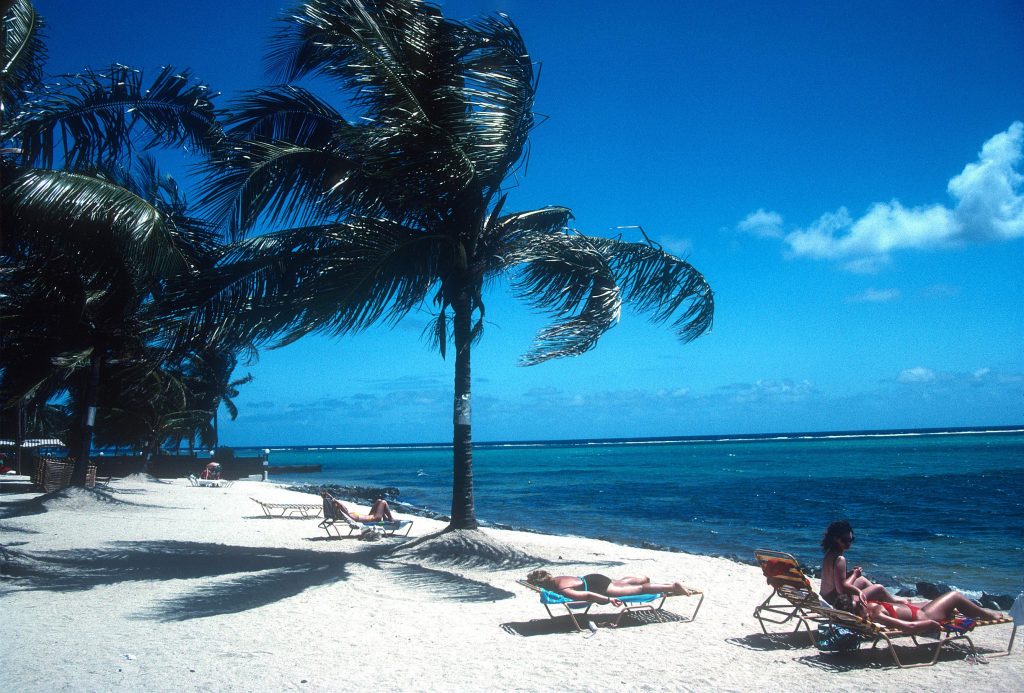
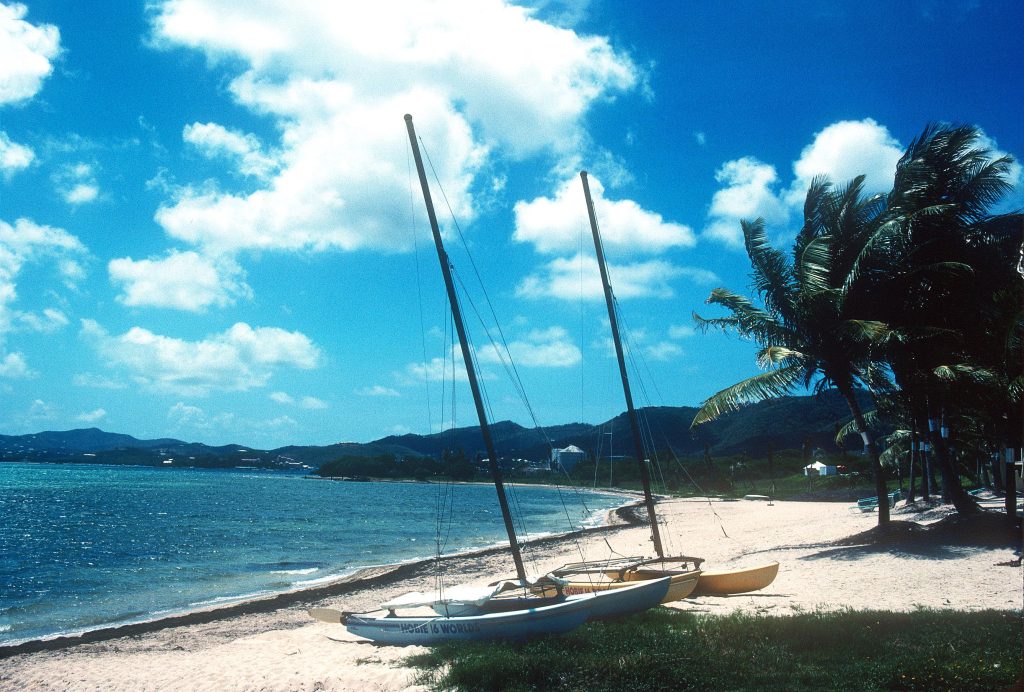
St. Croix is anchored by two towns—each distinct, each bearing its own chapter of history.
Christiansted
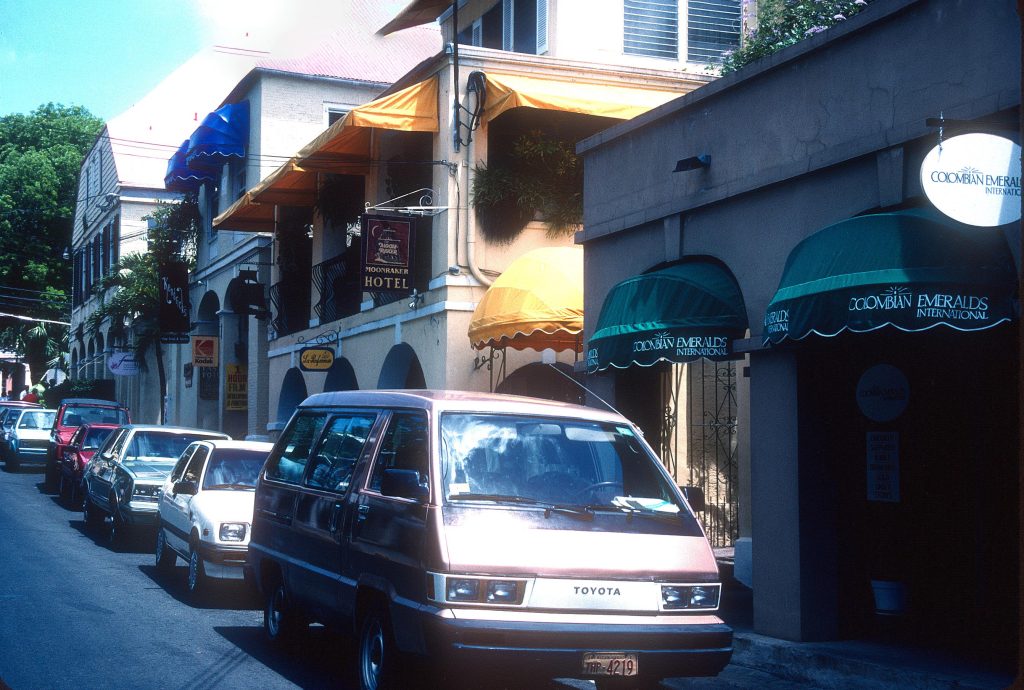
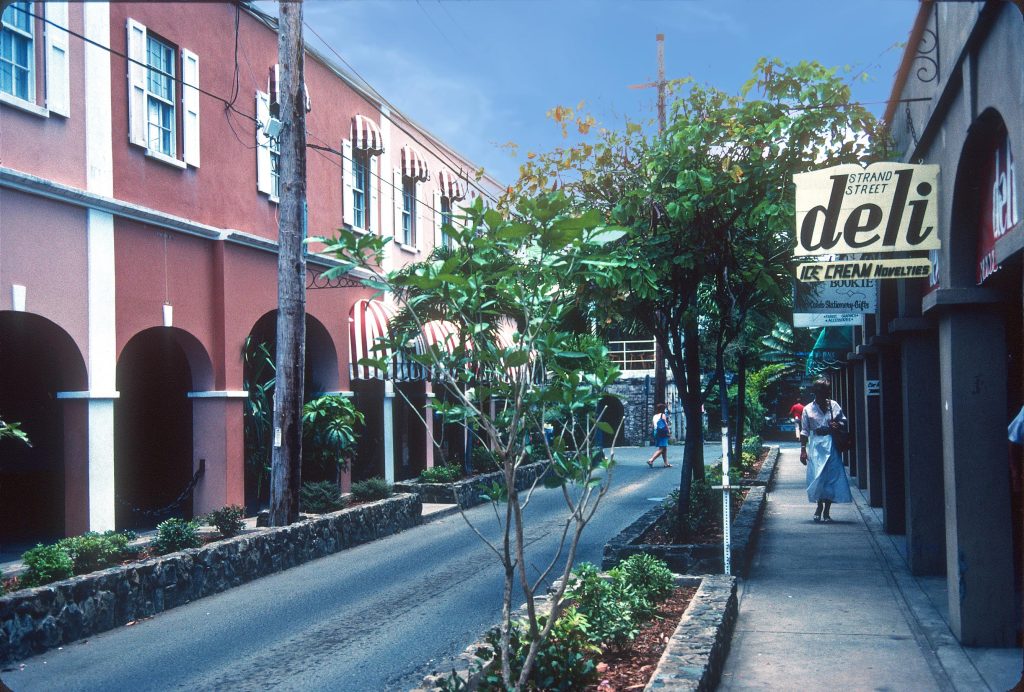
Founded in 1734, Christiansted served as the colonial capital under Danish rule. It remains a treasure of Georgian architecture: pastel buildings with intricate fretwork, covered arcades, and coral-stone foundations.
Highlights include:
- Fort Christiansværn (1749), a Danish fort painted a brilliant yellow, once used to guard the harbor and later house imprisoned rebels.
- The Scale House, where enslaved people were weighed and sold—one of the island’s most haunting sites.
- The Christiansted National Historic Site, preserving the waterfront and administrative heart of the Danish West Indies.
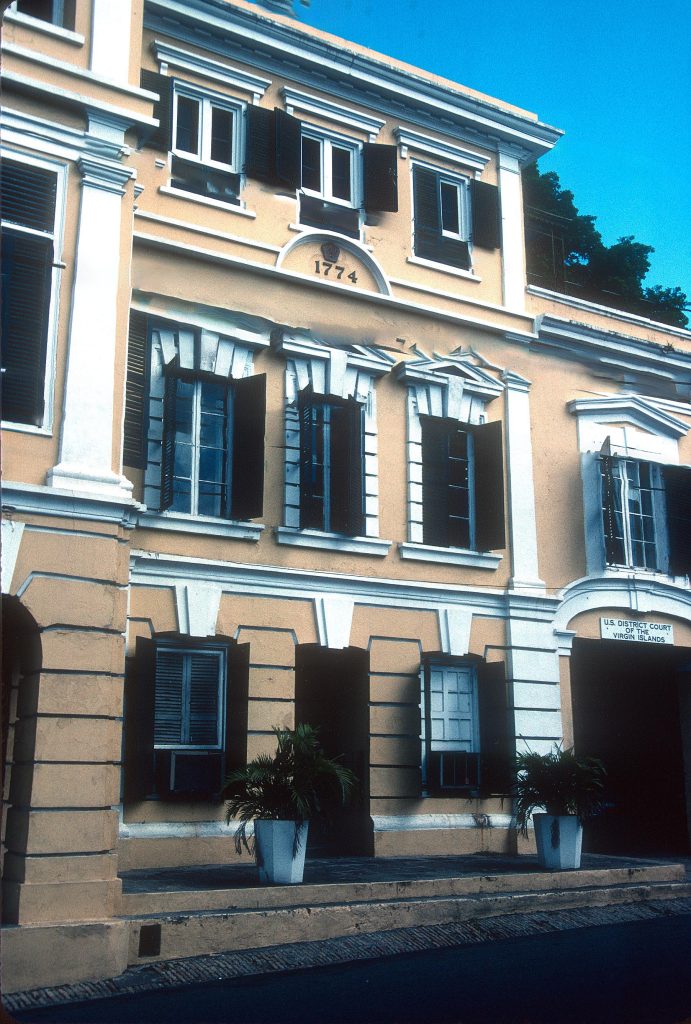
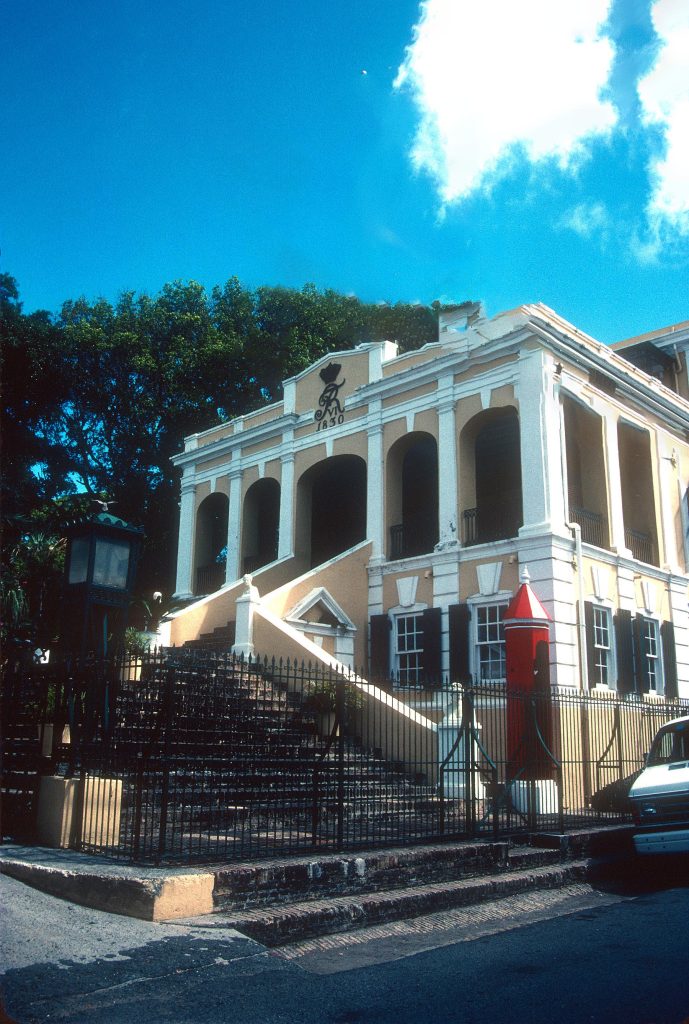
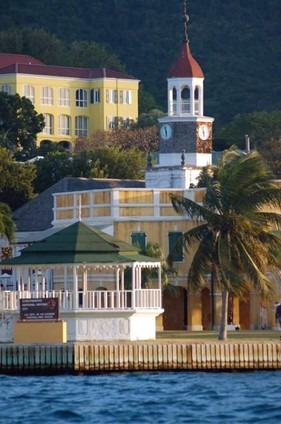
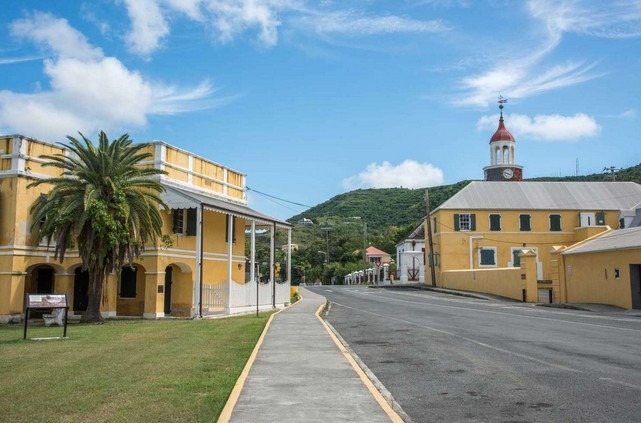
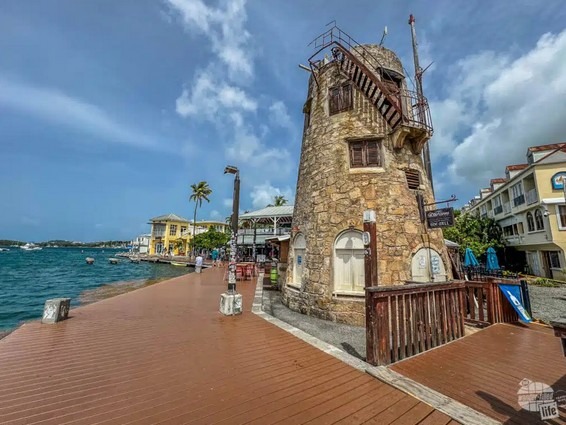
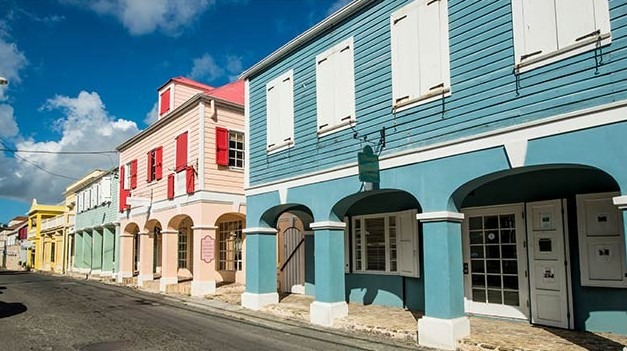
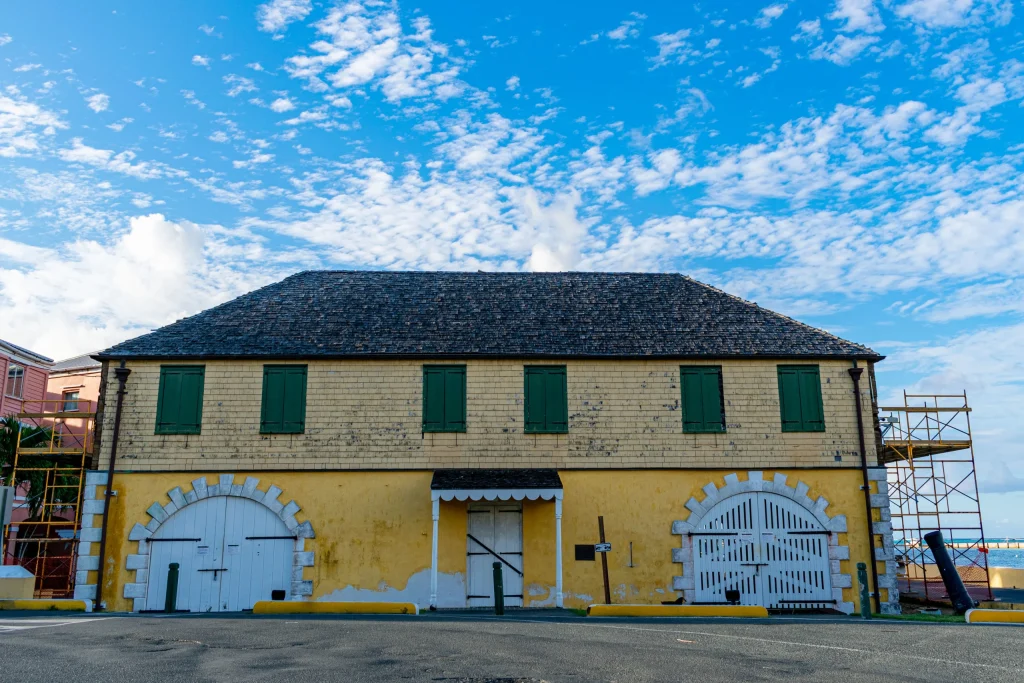
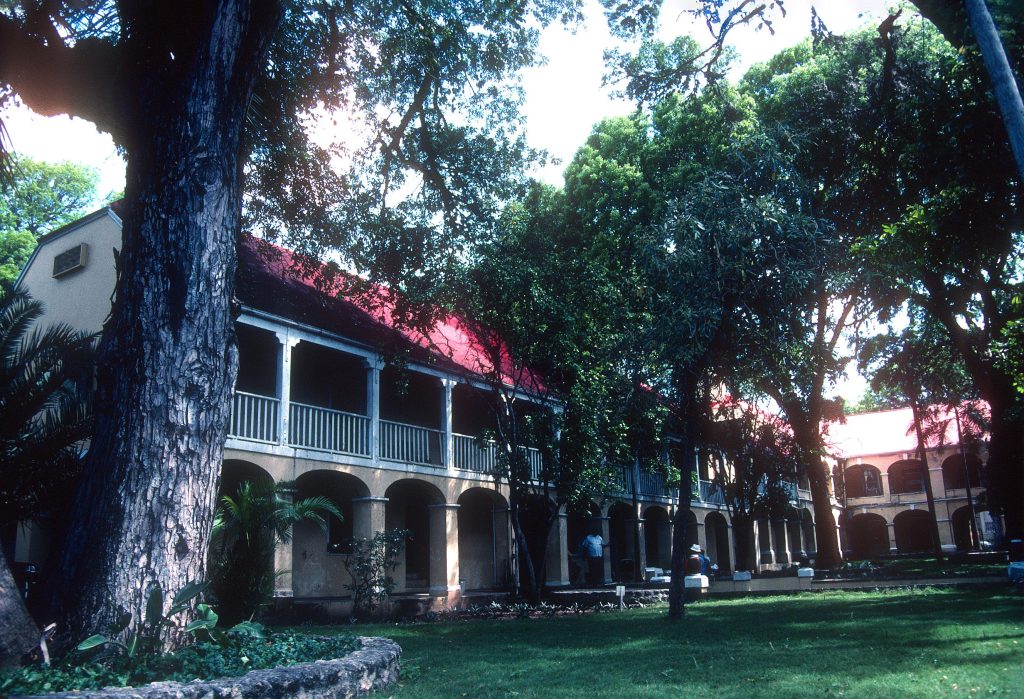
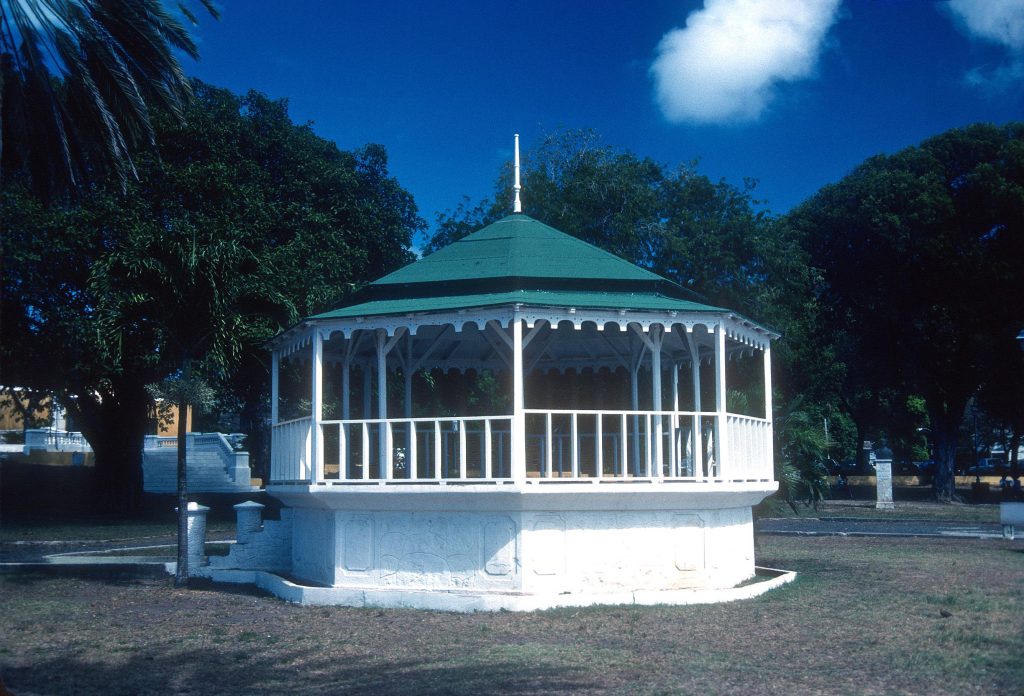
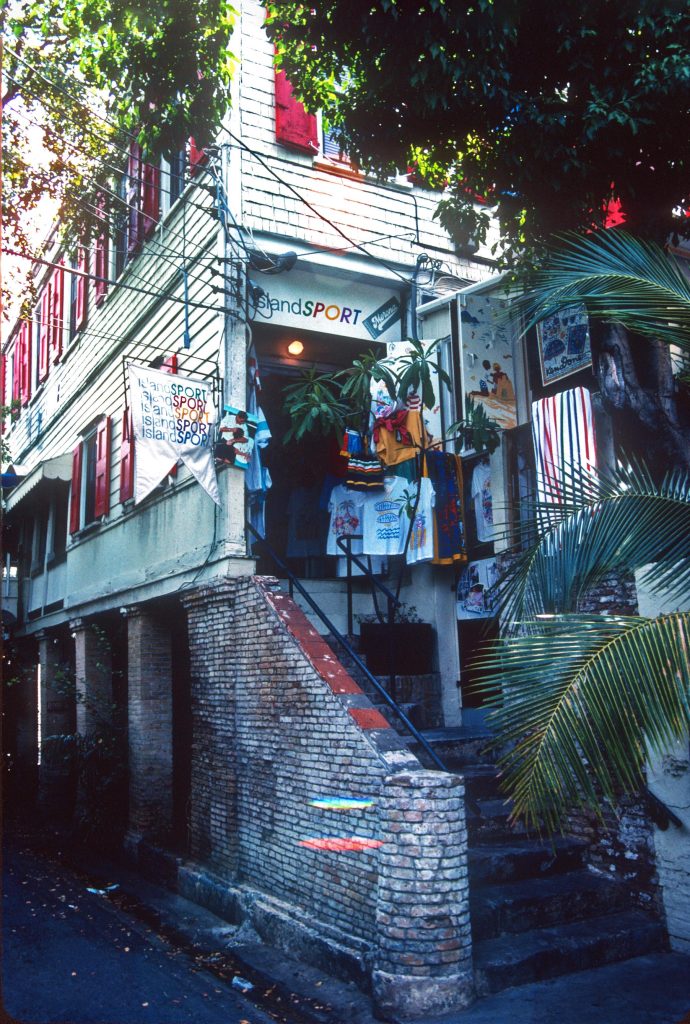
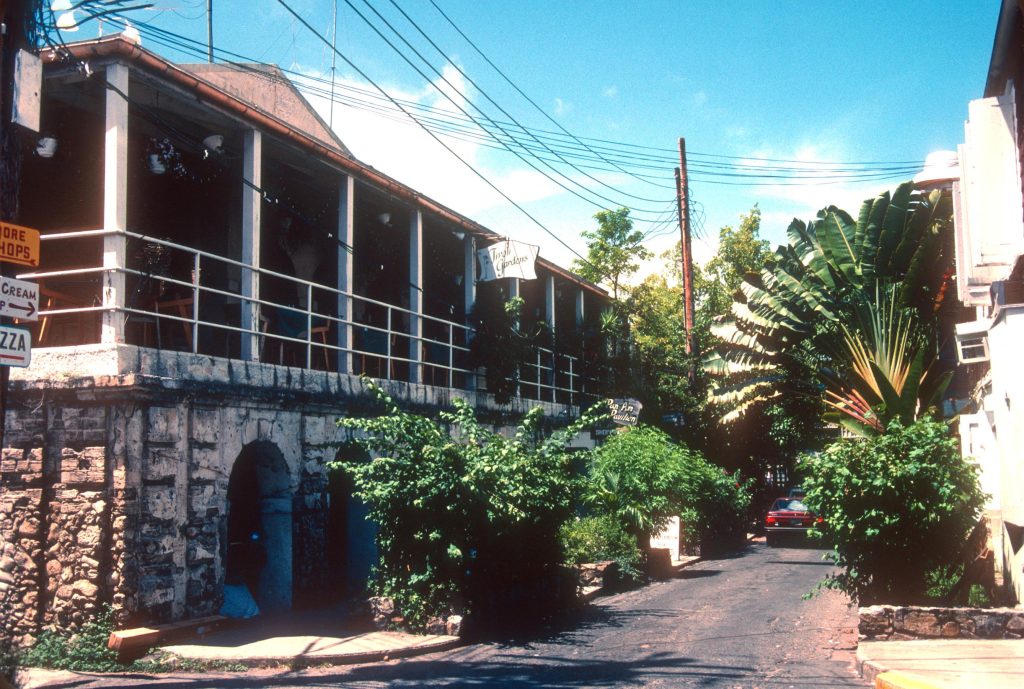
Today, Christiansted is a walkable blend of cafes, galleries, and living history. Step into a courtyard and you’ll often find bougainvillea, calypso music, and echoes of 18th-century elegance.
Frederiksted
On the island’s western shore, Frederiksted feels quieter—sleepier—but no less storied. It was here, in 1848, that enslaved Crucians demanded and won their emancipation, led by Moses Gottlieb, better known as General Buddhoe.
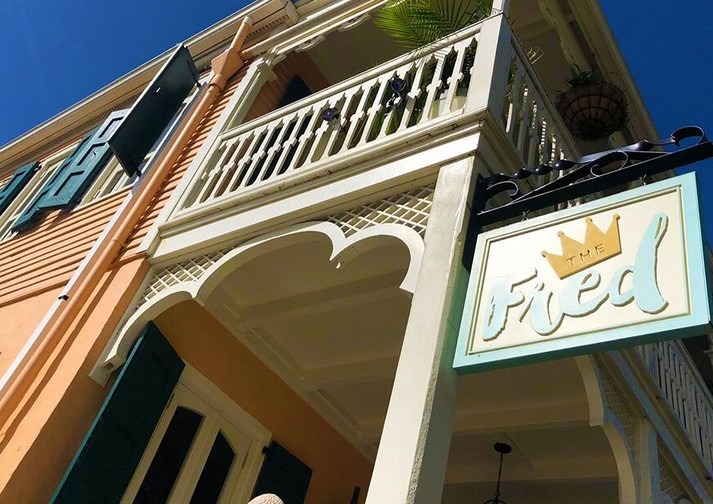
Don’t miss:
- Fort Frederik, where Danish Governor Peter von Scholten stood on July 3, 1848, and declared an end to slavery in the Danish West Indies.
- The Victorian-style waterfront, rebuilt after a British attack in 1867, now dotted with market stalls and colonial charm.
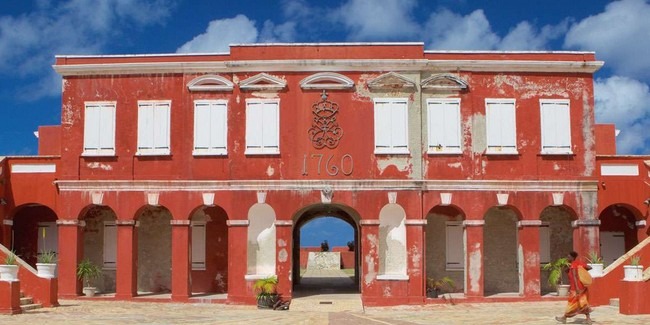
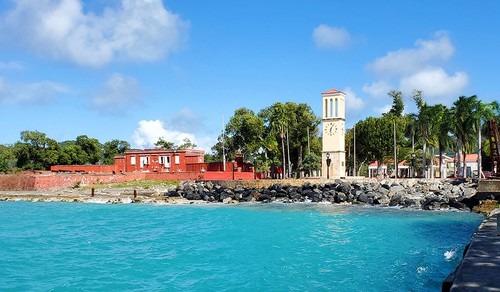
Frederiksted is also the island’s gateway to crystal-clear diving reefs, rainforests, and sunset that spills gold over the sea.
Plantations That Still Stand
While many of St. Croix’s great houses fell into ruin after emancipation, several have been preserved or restored, offering intimate, often solemn glimpses into the island’s plantation history. These are not decorative stops—they are landscapes of memory, where beauty and brutality once walked hand in hand.
Estate Whim Museum
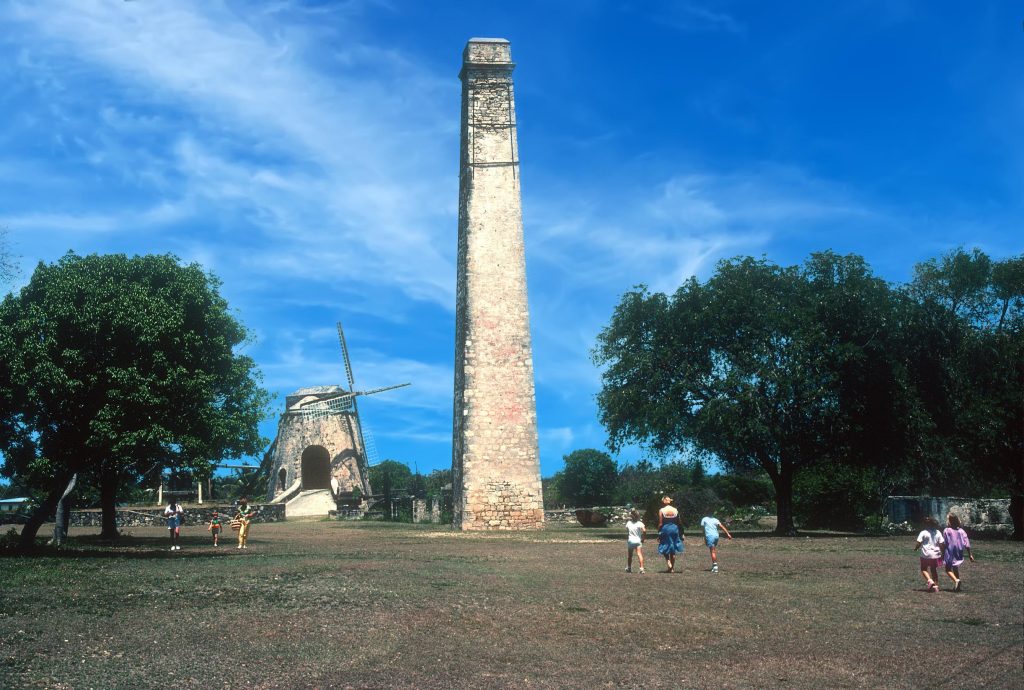
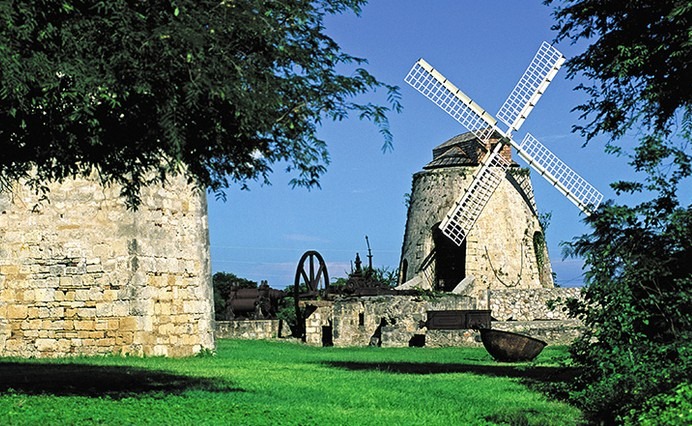
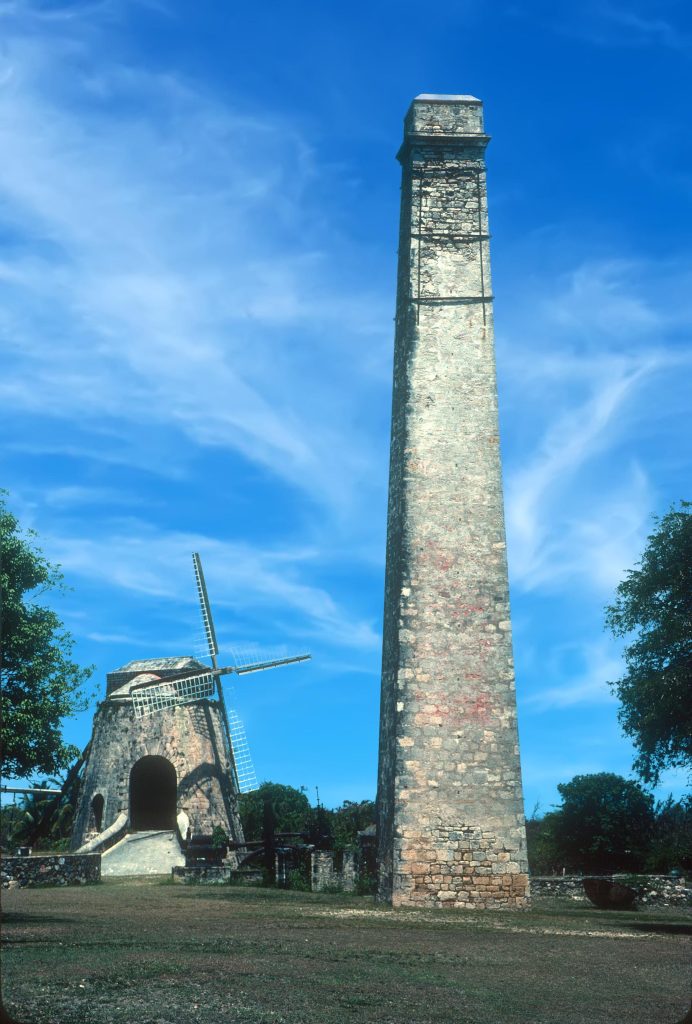
The most fully restored plantation on the island, Estate Whim includes a great house, sugar mill, cookhouse, and slave quarters. Interpreters offer historical context about enslaved life, sugar production, and colonial architecture.
- Built in the 1700s, the estate once spanned over 1,000 acres.
- Today it is managed by the St. Croix Landmarks Society and remains an essential site of historical reckoning.
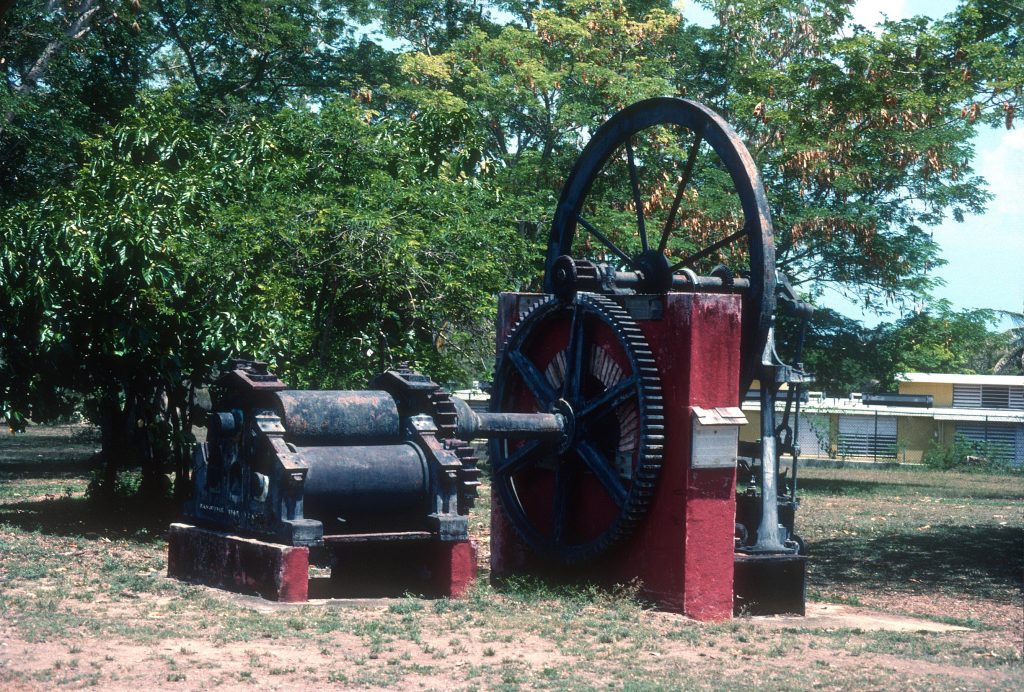
Estate Mount Washington
A privately owned and carefully restored sugar plantation near Frederiksted. Visitors can explore the ruins of the windmill, boiling house, and other structures, often by appointment. Its grounds retain the haunting beauty of a site reclaimed by both history and vegetation.
Little La Grange
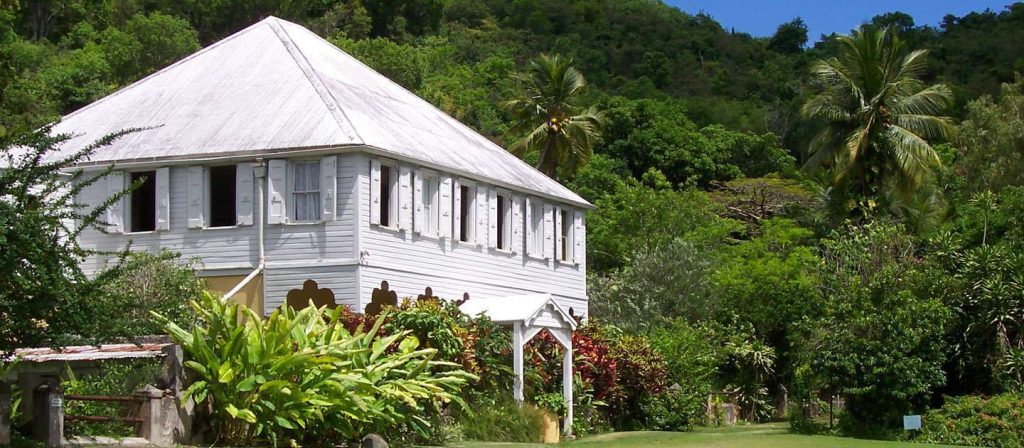
Now part of the Lawaetz Family Museum, this former plantation is preserved as both a family homestead and cultural site. The Lawaetz family were among the later Danish settlers, and their legacy is told here through photographs, furnishings, and gardens.
- The site also includes archaeological remnants of enslaved workers’ quarters.
Estate Butler’s Bay
Visible from the road and often visited on guided tours, Butler’s Bay features two windmills and the remains of a great house overlooking the sea. Once a rum-producing estate, it’s a powerful example of how the island’s natural beauty coexists with its history of forced labor.
These plantations are not sanitized recreations—they are quiet witnesses to centuries of Caribbean life, and the complexities of freedom, memory, and preservation.
St. Croix Today: Cultural Crossroads and Creative Calm
Modern-day St. Croix is a tapestry of influences: African, Danish, Caribbean, American, and wholly Crucian. The island has a slower pulse than its sister isles — less cruise-driven, more grounded. It is known for its festivals, steel pan music, botanical gardens, artist enclaves, and food that fuses centuries of migration and flavor.
Visitors can:
- Hike through the rainforest in the west or the cactus-dotted East End Reserve
- Visit a vodou temple in Christiansted
- Dine on fungi and saltfish or sip mamajuana in a moonlit courtyard
- And snorkel over the only underwater national monument in the U.S. at Buck Island Reef
St. Croix invites not just relaxation, but reconnection—to land, legacy, and the many layers that shape this remarkable place.
Where to Stay in St. Croix, United States
Christiansted, the historic downtown waterfront district, offers the most convenient base for exploring St. Croix’s colonial architecture and museum sites. The town has small hotels and guesthouses within walking distance of the harbor, Fort Christiansvaern, and the scale house museum. This central location puts you steps from restaurants and shops while keeping you in the heart of the island’s documented history.
The North Shore beaches near Cane Bay and Salt River provide quieter lodging options if you prefer a more relaxed setting. Several family-run guest houses and small resorts operate in these areas, offering direct beach access and proximity to some of the Caribbean’s best preserved shipwrecks and underwater sites. The North Shore tends to be less crowded than Christiansted while still providing easy access to historical sites inland.
If you want apartment-style accommodations with kitchen facilities, vacation rentals scattered throughout the island offer practical alternatives to traditional hotels. These properties range from renovated plantation cottages to modern condos and allow you to prepare meals at a lower cost while staying longer. Many vacation rentals are concentrated in or near Christiansted and the Northshore areas.
For a deeper historical immersion, consider small historic inns located in plantation-era buildings or converted sugar-estate properties. These properties offer authentic period settings and often provide insights into the island’s architecture and daily life under Danish rule. Staff at these smaller establishments typically have strong knowledge of local historical sites and can direct you to less-visited attractions that larger hotels might overlook.
Recommended Reading
Fiction
- The Long Song by Andrea Levy
Though set in 19th-century Jamaica, this novel captures the complexity, dignity, and wit of a woman born into slavery and raised during emancipation—resonant with St. Croix’s own arc. - Sugar Money by Jane Harris
A Caribbean-set novel following two brothers sent to reclaim enslaved workers, this tale is rich in tension, atmosphere, and historical insight. - Night of the Silent Drums by John L. W. Clark
Based on the 1733 St. John slave revolt (then part of the Danish West Indies), this novel is harrowing, historically grounded, and intimately tied to the islands’ shared history.
Non-Fiction
- Slave Society in the Danish West Indies by Neville A.T. Hall
A foundational scholarly work examining the systems of slavery and resistance on islands like St. Croix. - The Umbilical Cord: The History of the United States Virgin Islands from Pre-Columbian Era to the Present by Harold W. L. Willocks
The Umbilical Cord is a nonfiction history of the United States Virgin Islands, including St. Croix, St. Thomas, and St. John. Harold W. L. Willocks traces Indigenous history, European colonization, slavery, Danish rule, and the transfer to the United States. - Divers Information on the Romantic History of St. Croix by Florence Lewisohn
Divers Information on the Romantic History of St. Croix is a concise nonfiction history of the island from early European contact through later colonial development. Florence Lewisohn presents key events, local traditions, and historical figures connected to St. Croix. - Time Longa’ Dan Twine: Notes on the Culture, History, and People of the U.S. Virgin Islands by Arnold R. Highfield
Sainte Croix 1650–1733 is a scholarly history of St. Croix during its French colonial period before the island passed to Danish rule. Arnold R. Highfield examines plantation development, colonial administration, and the social conditions that shaped the island’s early modern history.
