
Where Sugar Built a Mansion, and Ghosts Still Walk the Marble Floors
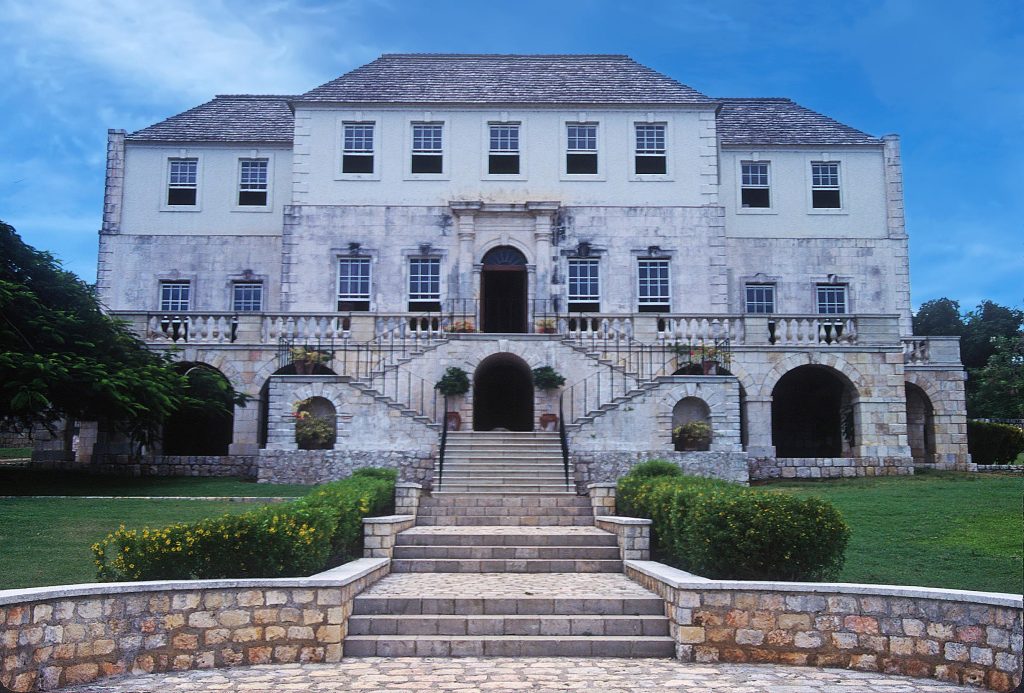
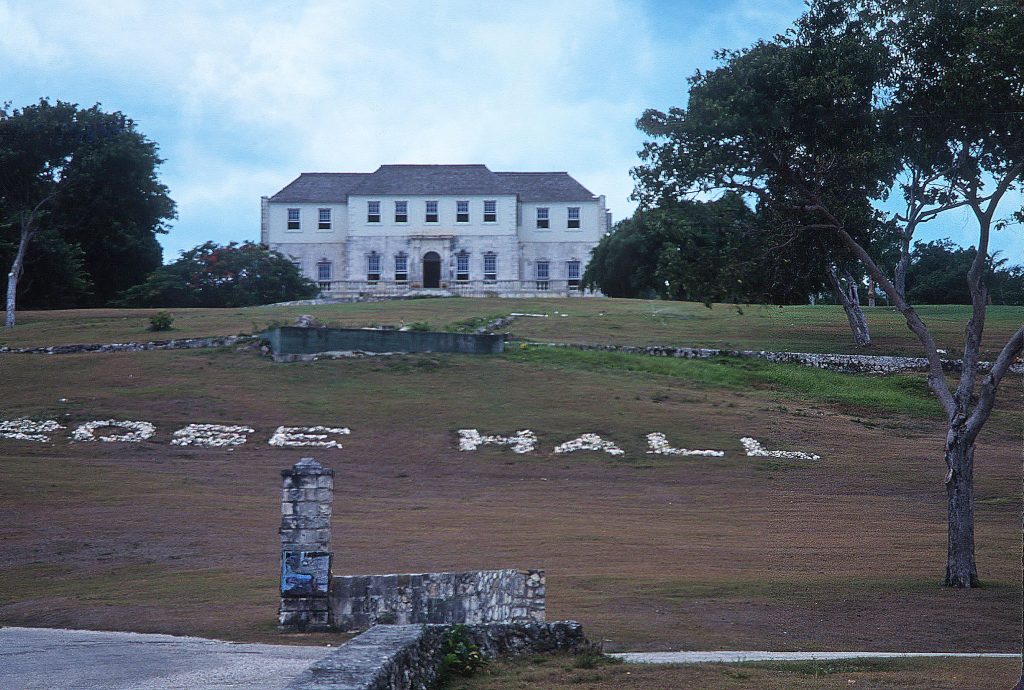
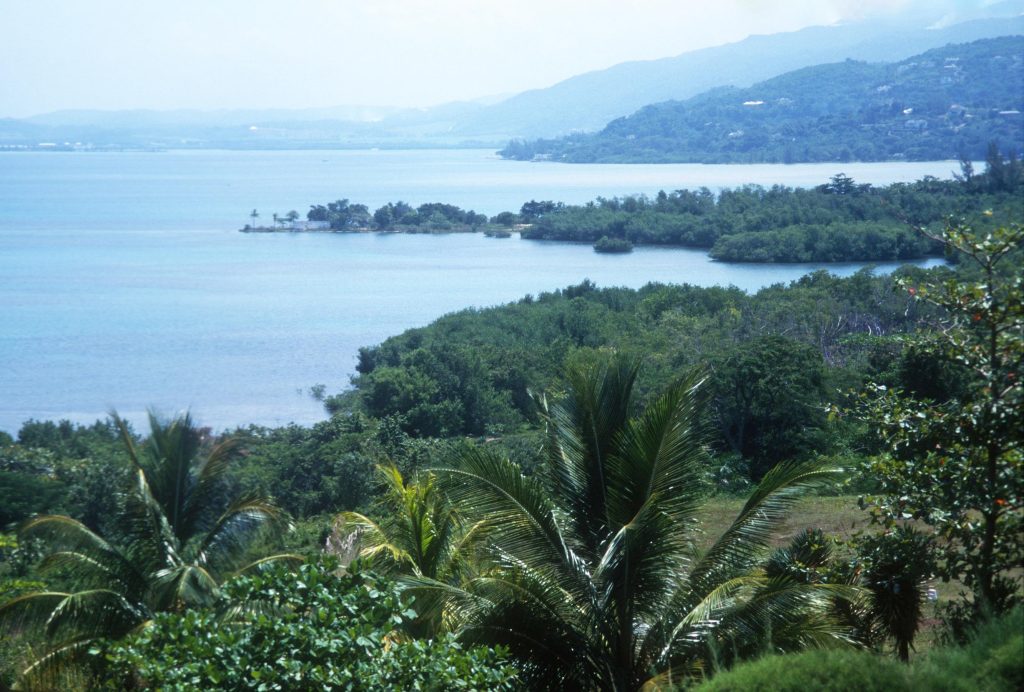
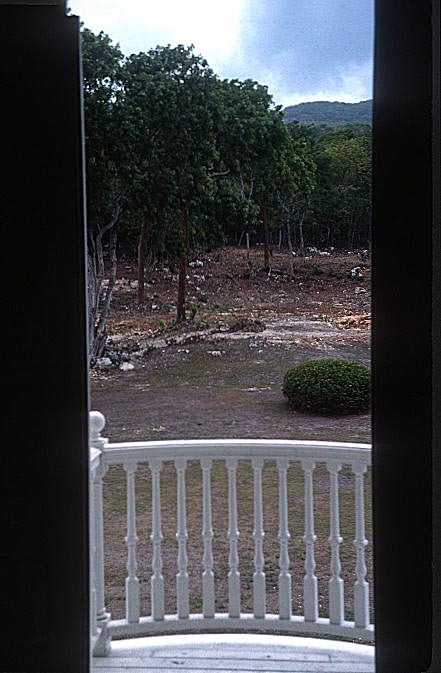
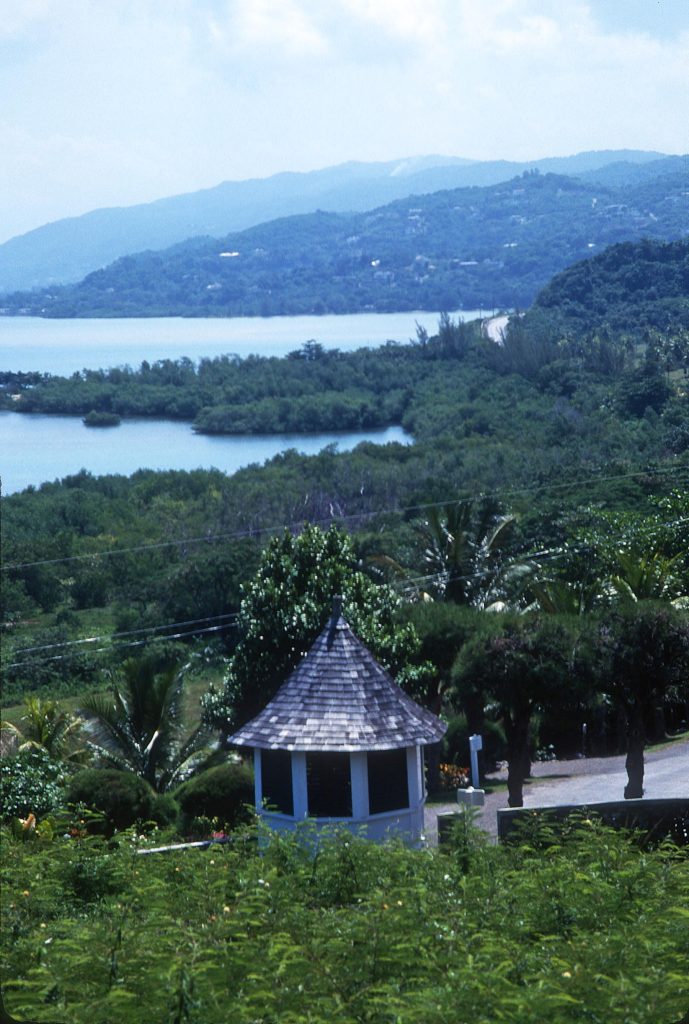
High above the surf-laced shorelines of Montego Bay, tucked into the hills like a watchful eye, sits Rose Hall—white against green, grand against sky. It is the most famous of Jamaica’s great plantation houses, a place of opulence, violence, whispers, and allure.
By day, it is beautiful: wide verandas open to sea breezes, mahogany staircases gleam, and the cane fields below shimmer in tropical haze. But by dusk, something changes. Shadows stretch. Doors seem to remember. And the legend of the White Witch of Rose Hall stirs again.
Rose Hall is more than a house. It is a mirror of Jamaica’s colonial past, a stage for its darkest chapters, and a ghost story that has lasted for more than two centuries.
Sugar, Slavery, and the Rise of a Plantation Empire
The story of Rose Hall begins with sugar—the gold of the Caribbean in the 18th century. Jamaica, under British rule, became one of the world’s largest sugar producers, powered by brutal systems of enslaved African labor.
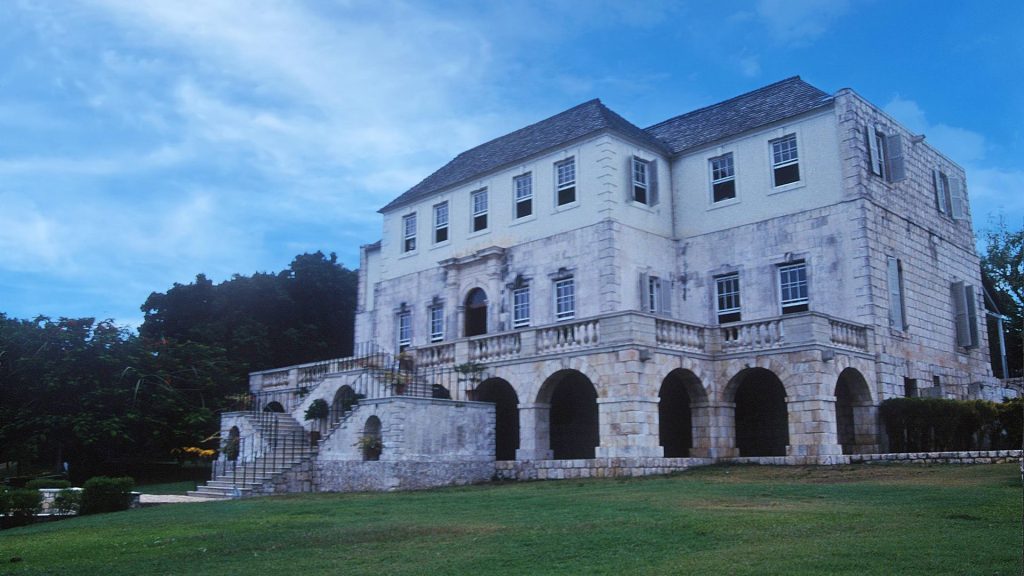
In 1770, Rose Hall was built by John Palmer, a wealthy English planter. Perched on over 6,000 acres of sugarcane fields, the house was a monument to power: Georgian symmetry, imported stone, hand-carved woodwork, and a commanding view of the coast below. It was not merely a residence; it was a declaration.
At its peak, over 250 enslaved people worked the estate. Their labor paid for chandeliers, ball gowns, and English china. Their lives were lived in darkness so the Hall could shine. Like many plantation homes of the West Indies, Rose Hall was both breathtaking and brutal — a paradox built in limestone.
The White Witch of Rose Hall
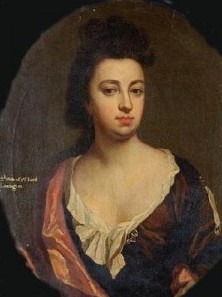
And then came Annie Palmer—or so the story goes.
According to legend, Annie was born in Haiti, orphaned, and raised in the dark arts of voodoo before moving to Jamaica and marrying John Palmer’s grand-nephew, also named John. She was said to be beautiful, cruel, and deadly. Over time, she reportedly murdered three husbands and countless lovers, including enslaved men she seduced and then disposed of when bored.
The local people, it is said, feared her as a witch—able to summon spirits, poison men, and curse those who crossed her. Eventually, she was killed in her own bed, possibly by a former lover, and buried in a nearby tomb… though some say she was never truly laid to rest.
The story is likely a romanticized fiction, built from fragments of oral history, Gothic invention, and tourism’s hunger for the supernatural. There is no historical evidence that Annie Palmer committed any murders, and some scholars believe she never lived in the house at all.
But the legend endures—because it tells a truth beyond facts: that places remember pain, and that beauty built on suffering cannot sleep easily.
The Hall Today: Restoration and Restlessness
After falling into ruin in the 20th century, Rose Hall was restored in the 1960s by John and Michele Rollins, American entrepreneurs who spared no expense in returning the house to its former grandeur. The marble floors were polished. The great mahogany staircase was rebuilt. The chandeliers returned.
Today, visitors can tour the lavishly restored interior, including:
- The grand ballroom, with its view of the Caribbean Sea
- The bedrooms where Annie supposedly cast her spells
- The cellar, thought to have once held enslaved workers
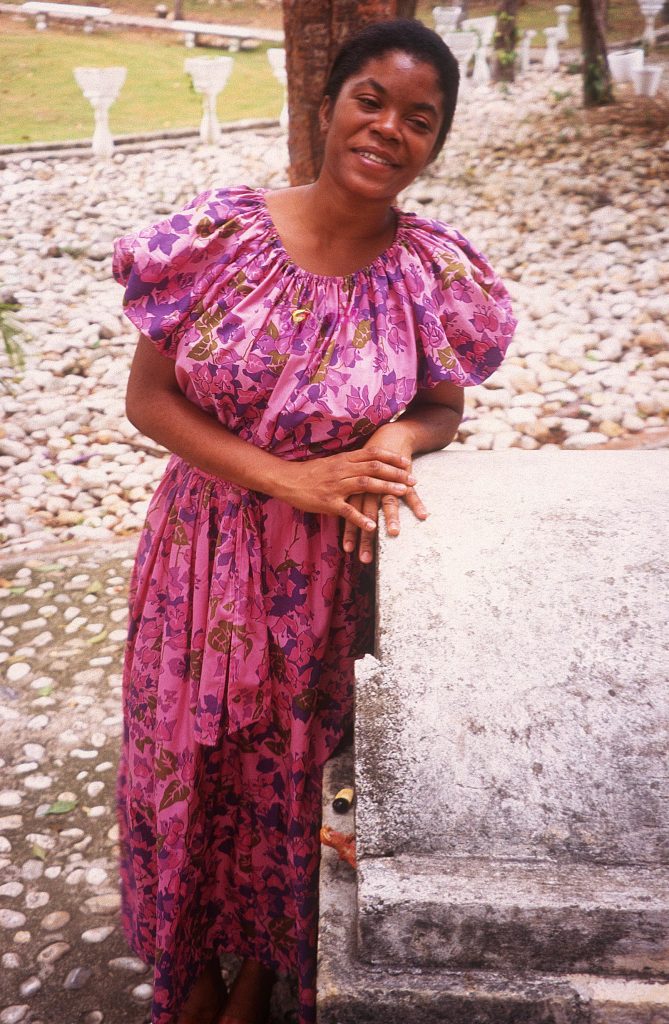
- And the tomb of the White Witch, still standing under the trees
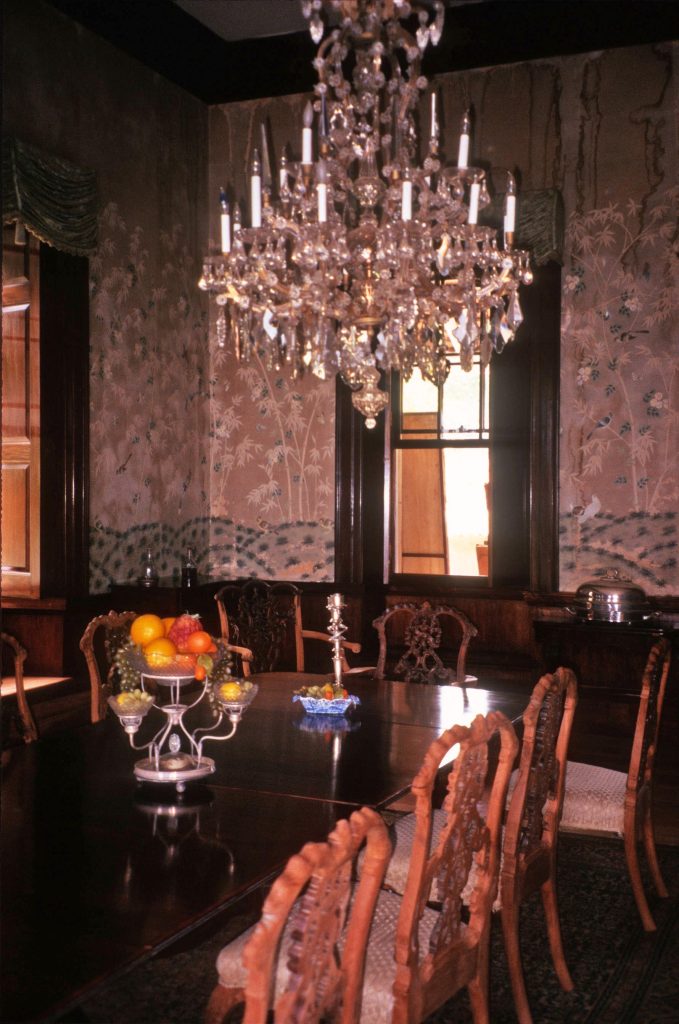
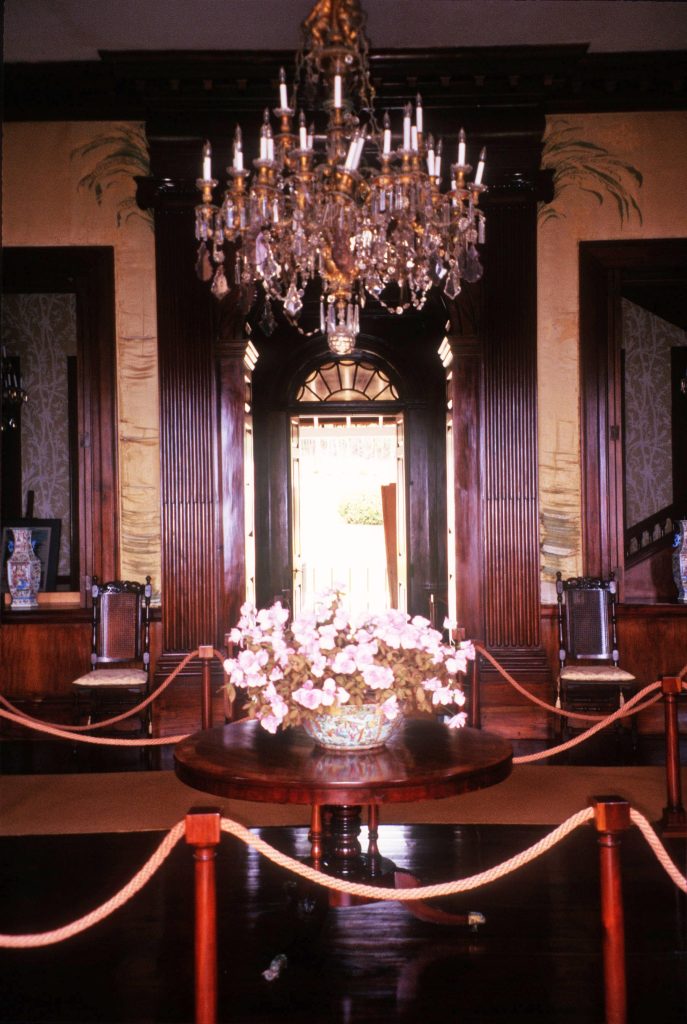
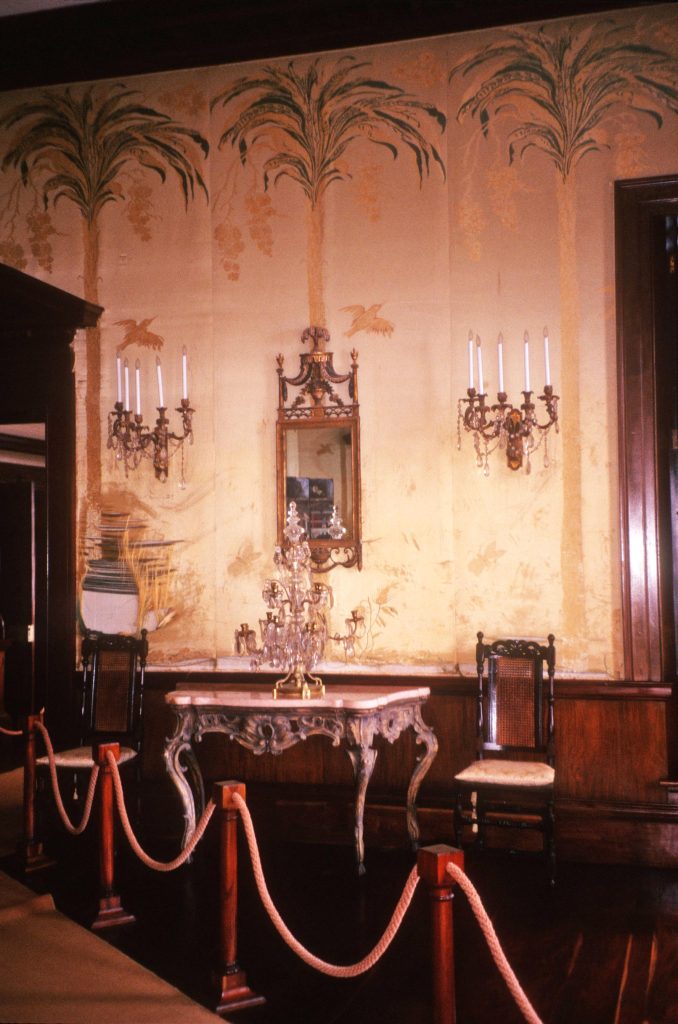
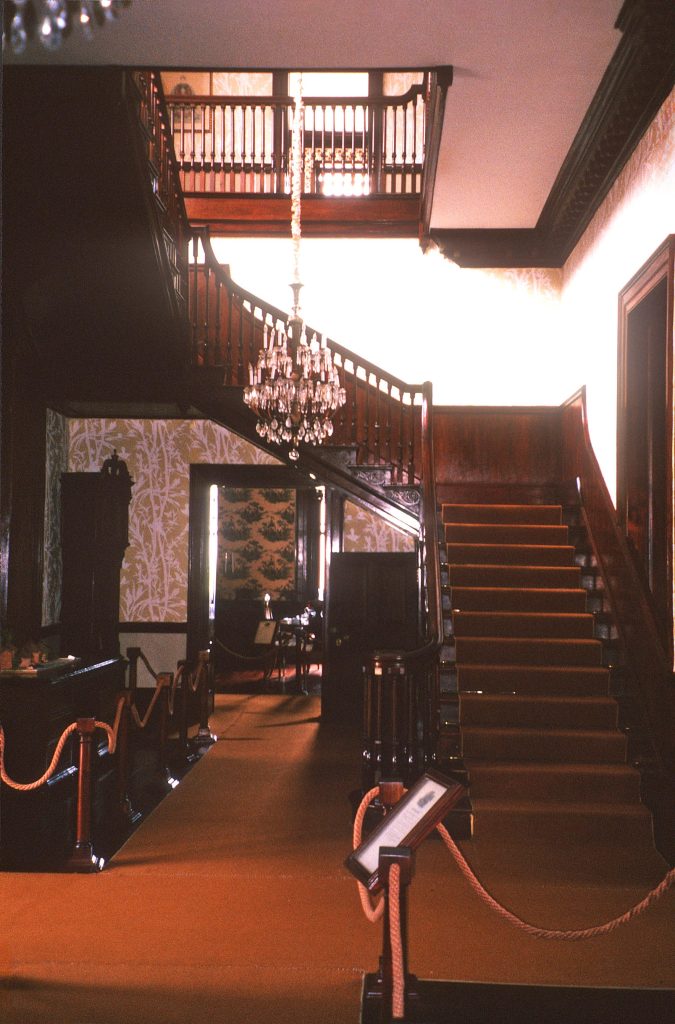
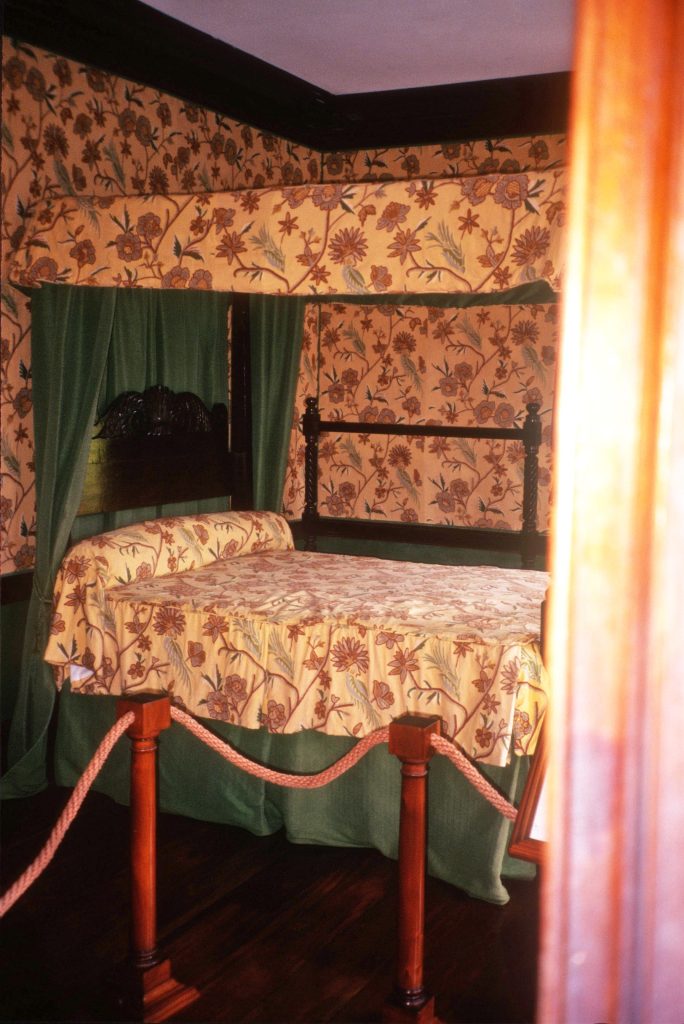
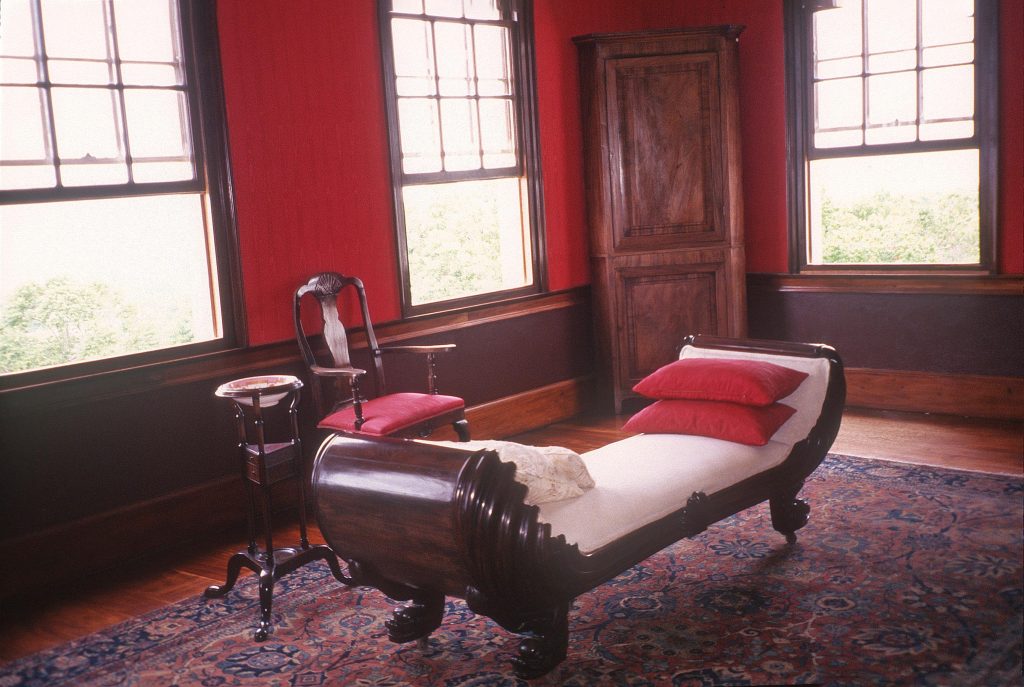
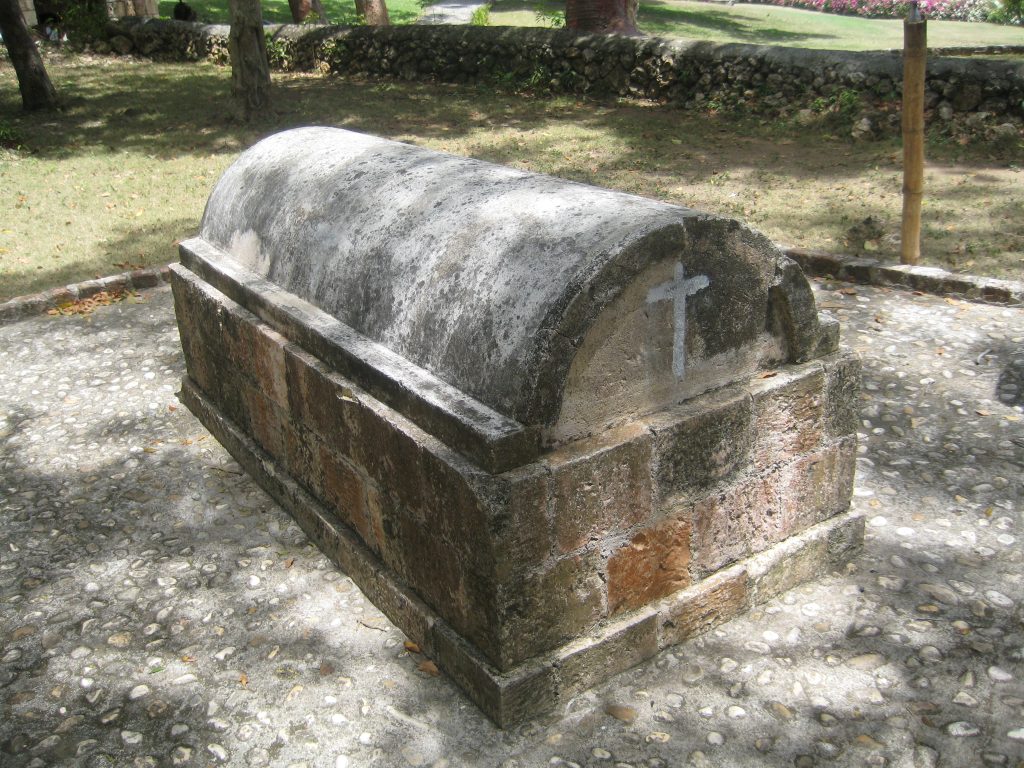
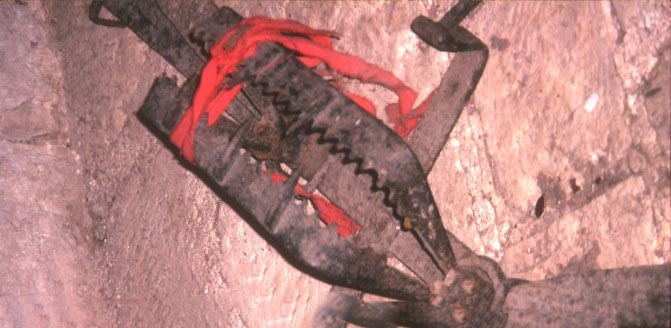
By day, the tour explores the architectural and historical legacy of the house. But at night, Rose Hall opens its doors for haunted candlelit tours, where guides tell Annie’s story in hushed tones, and guests sometimes swear they feel cold fingers brush their arms.
Some say they’ve seen her — in the mirror, on the staircase, looking out over the sea.
The Story Beneath the Legend
While the tale of Annie Palmer draws curious visitors, Rose Hall also offers a crucial opportunity for deeper reflection. Behind the romance lies the reality of Jamaica’s colonial violence—of enslaved people who lived, worked, resisted, and died on these grounds.
Today, Rose Hall acknowledges this past. Some tours now include discussions of slavery, resistance, and the estate’s complex legacy. There are efforts to name the unnamed. The house stands not only as a remnant of grandeur, but as a reminder.
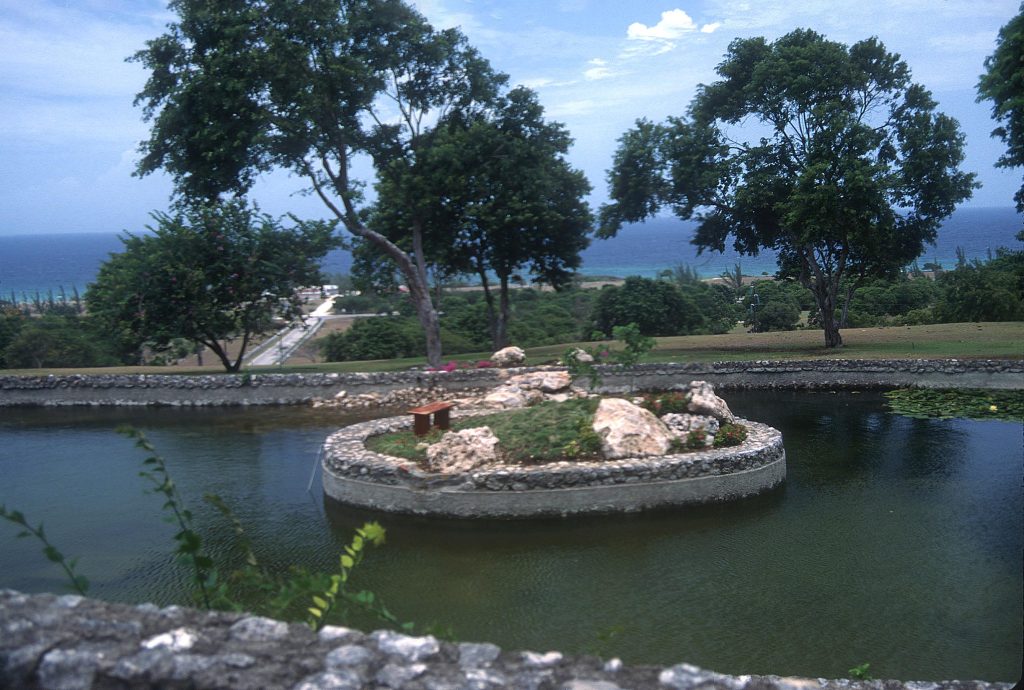
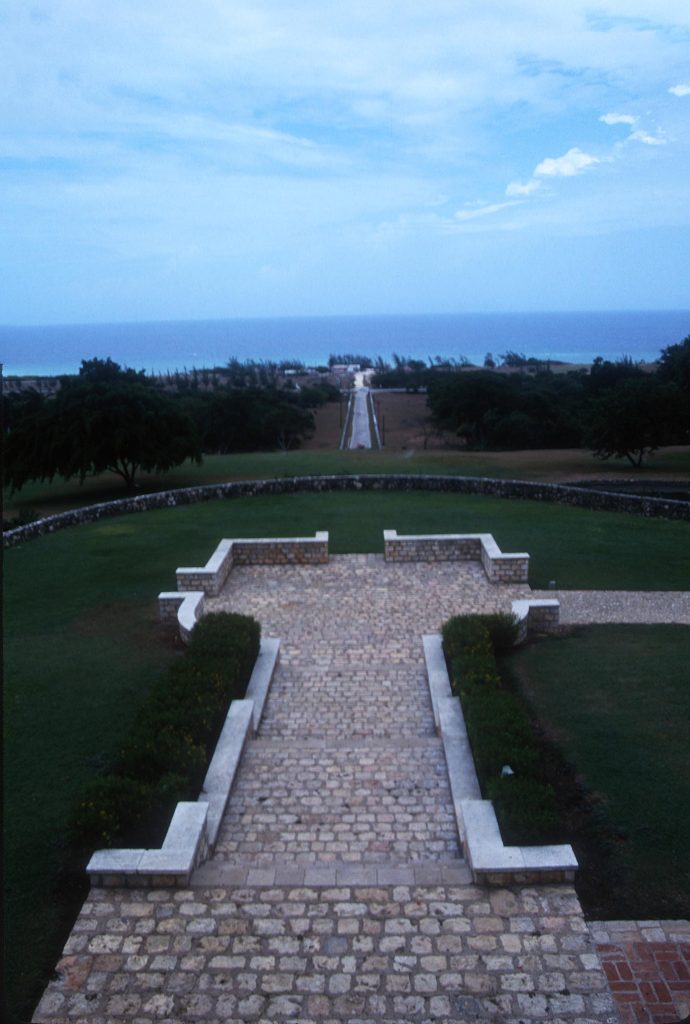
Rose Hall glows at twilight — white stone against hibiscus-red sky. From the hillside, you can see the sea that once carried sugar and sorrow in equal measure. Inside, chandeliers sway. Mirrors reflect centuries. And somewhere between myth and memory, a woman in white waits.
Whether she ever lived or not, her legend forces us to look. Not just at ghosts — but at the ground beneath our feet.
Where to Stay in Rose Hall, Jamaica
Montego Bay is the main hub for visitors to Rose Hall, located about 15 minutes away by car. The area has large resort chains like Hyatt Ziva and Half Moon Resort, which offer all-inclusive packages and beachfront access. If you prefer a quieter base closer to the plantation itself, Ironshore offers smaller boutique hotels and villa rentals within five minutes of Rose Hall.
For budget-conscious travelers, Montego Bay’s Hip Strip has guesthouses and smaller hotels at lower price points, though they are more crowded and touristy. These accommodations work well if you want to explore local restaurants and shops after visiting the estate. The tradeoff is noise and less beachfront access compared to the large resorts.
Many visitors stay in one of the all-inclusive resorts and take a short excursion to Rose Hall as a day trip. This approach lets you enjoy meals and activities at the hotel while still visiting the site. If you stay outside the resorts, arrange transportation in advance, as Rose Hall is not walkable from most accommodations.
The private villa rental market in Ironshore and the surrounding hills is worth considering if you travel with a group. These homes offer more space and privacy than hotel rooms and often include kitchen facilities. Local travel agents in Montego Bay can recommend properties that suit your budget and proximity preferences to Rose Hall.
Recommended Reading
Fiction
- The White Witch of Rosehall by Herbert G. de Lisser
A 1929 Jamaican novel that helped popularize the legend of Annie Palmer. Atmospheric and pulpy, it’s the origin of the myth that endures today. - Wide Sargasso Sea by Jean Rhys
Though set in Dominica and Jamaica more broadly, this haunting novel explores madness, colonialism, and Creole identity through the eyes of the “madwoman in the attic” — a vital Caribbean reimagining of Jane Eyre. - The Book of Night Women by Marlon James
A powerful, unflinching novel set on a Jamaican plantation in the early 1800s, telling the story of enslaved women’s rebellion and mysticism — raw, lyrical, and unforgettable.
Non-Fiction
- The White Witch of Rosehall by Herbert G. de Lisser
The story dramatizes plantation life, folklore, violence, and supernatural fear surrounding one of Jamaica’s most famous great houses. - Jamaica Plantation Life: Capital and Control in a Colonial Economy by B.W. Higman
The book provides important historical context for understanding estates such as Rose Hall and the broader world of the Jamaican planter class. - A History of Jamaica by Clinton V. Black
A concise, accessible history of Jamaica, including the development of the sugar industry, slavery, and post-emancipation society. - If These Walls Could Talk: Stories from Jamaica’s Great Houses by Diane Browne
An illustrated look at the great plantation houses of Jamaica, with insights into architecture, slavery, and folklore.
