
Andalusian Ambition Meets Empire Extension
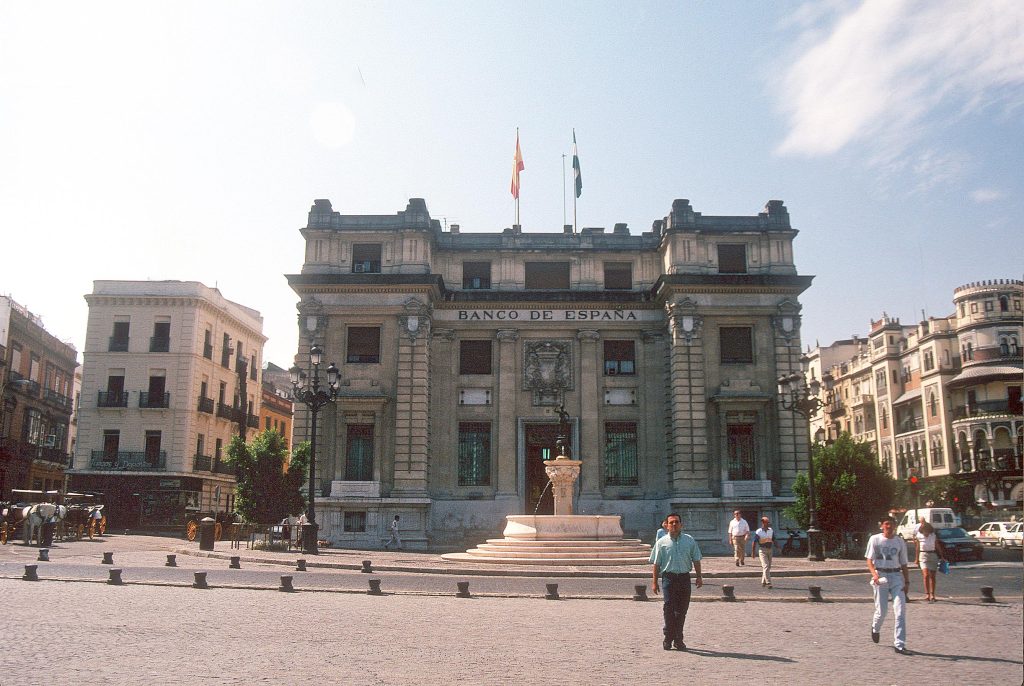
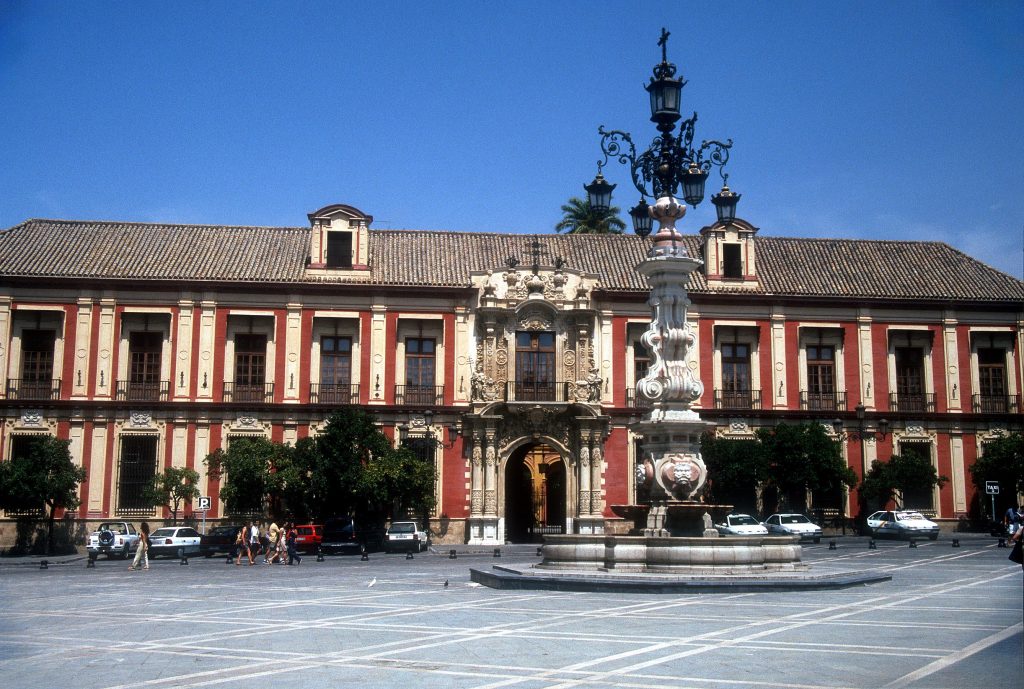
The citrus-sweet air and golden stucco walls, of Seville, or Sevilla in its native tongue, belie the importance of this Andalusian capital is the history of Spain. It is a place of long echoes and layered splendor, where Romans, Moors, Catholic kings, and painters have all left their mark in arches, spires, and tiled courtyards.
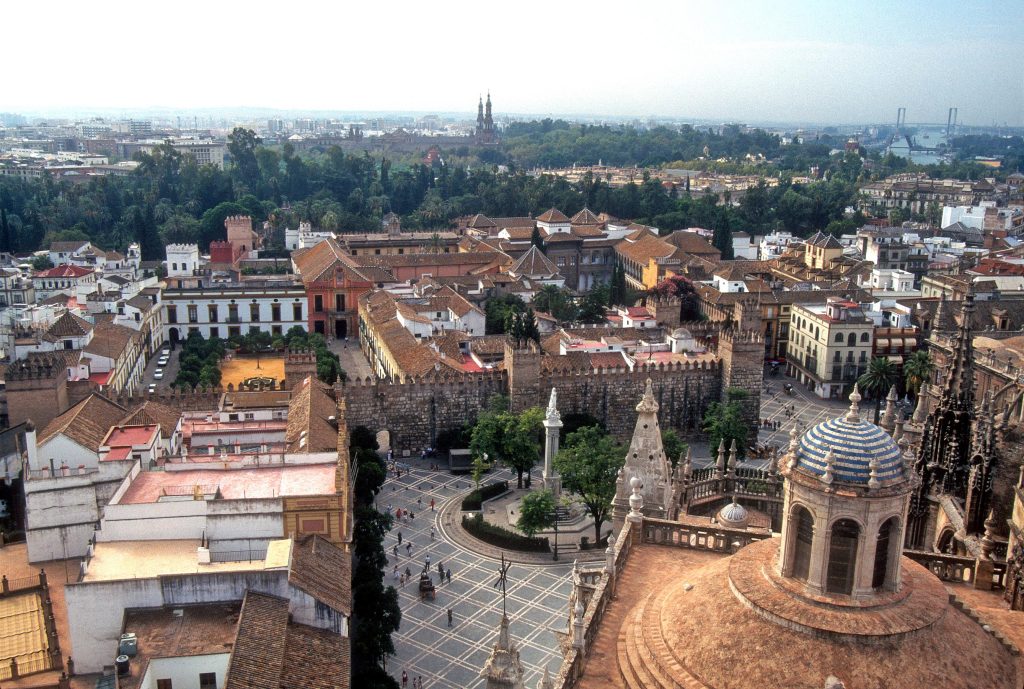
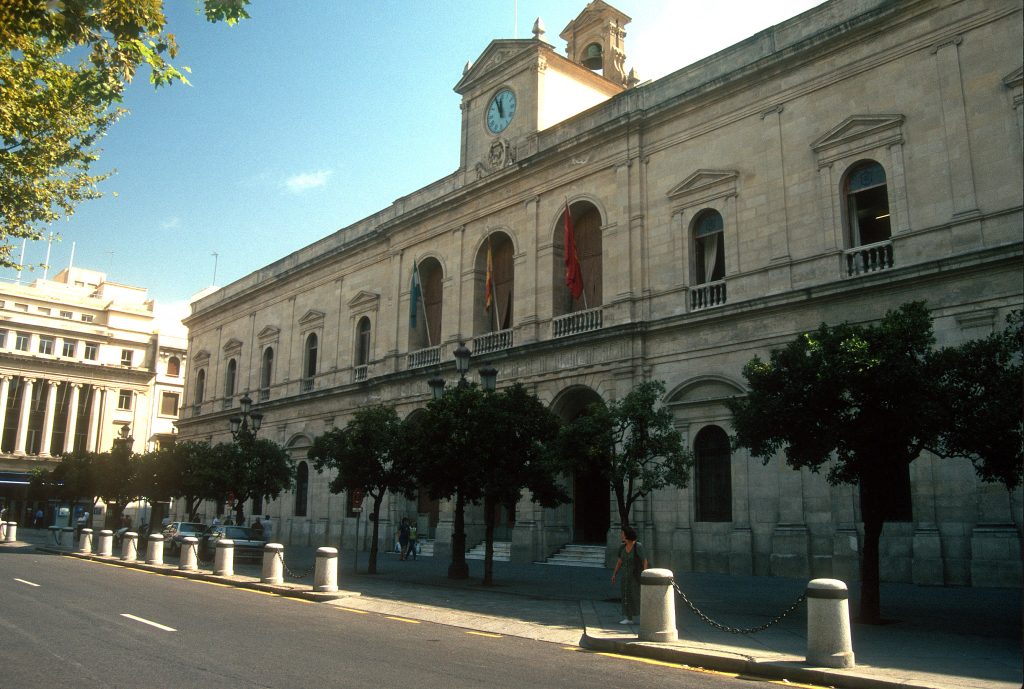
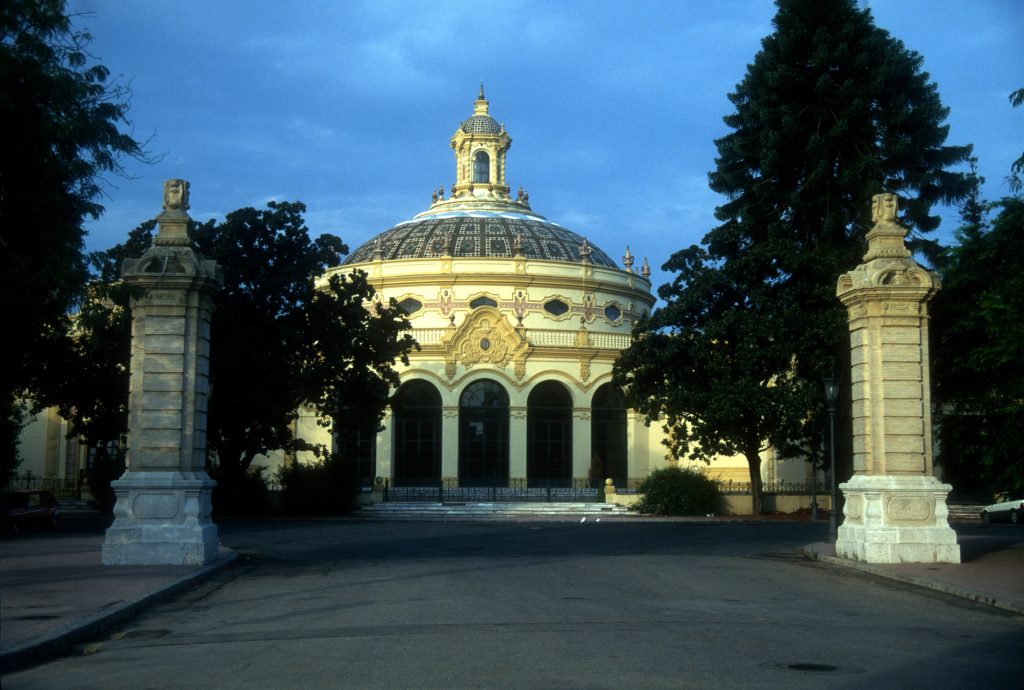
It is a city of processions and palaces, of heat and holiness, of labyrinthine alleys and lantern-lit squares. It is where the past is not a museum piece — it’s a living ritual, a lace veil lifted again each spring, a courtyard where jasmine climbs, a flamenco dancer’s heel echoing against centuries of tile.
To walk through Seville is to trace the arc of Spanish history, one stone at a time.
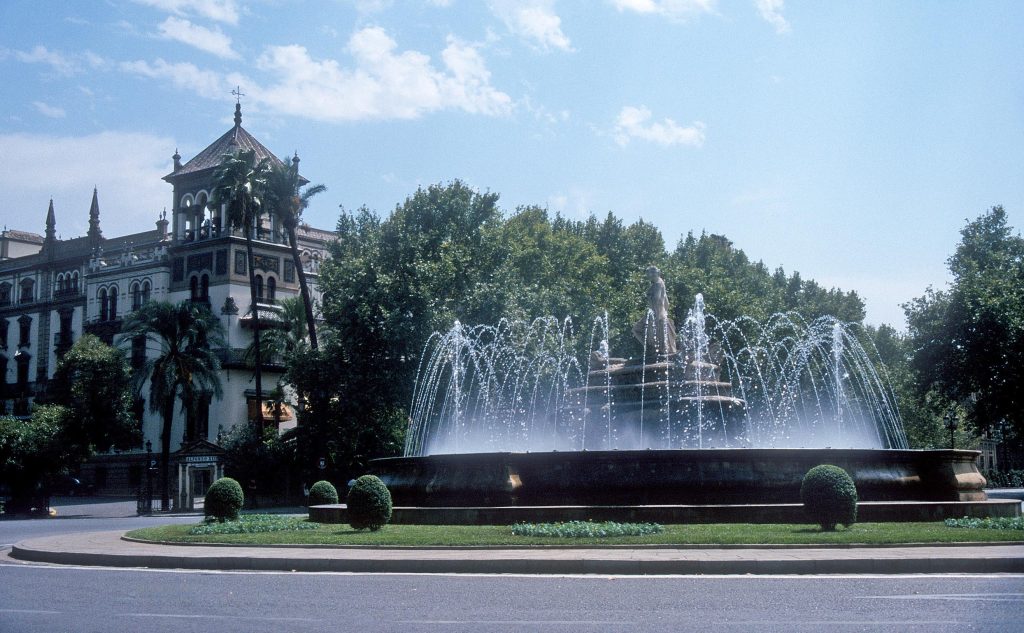
A Roman Foundation, A Moorish Heart
Seville’s roots go deep. It began as Hispalis, a Roman outpost near the Guadalquivir River, flourishing with forums, aqueducts, and an early taste for drama. Later, under the Visigoths, it retained strategic importance, but it was with the arrival of the Moors in 711 that Seville began to bloom.
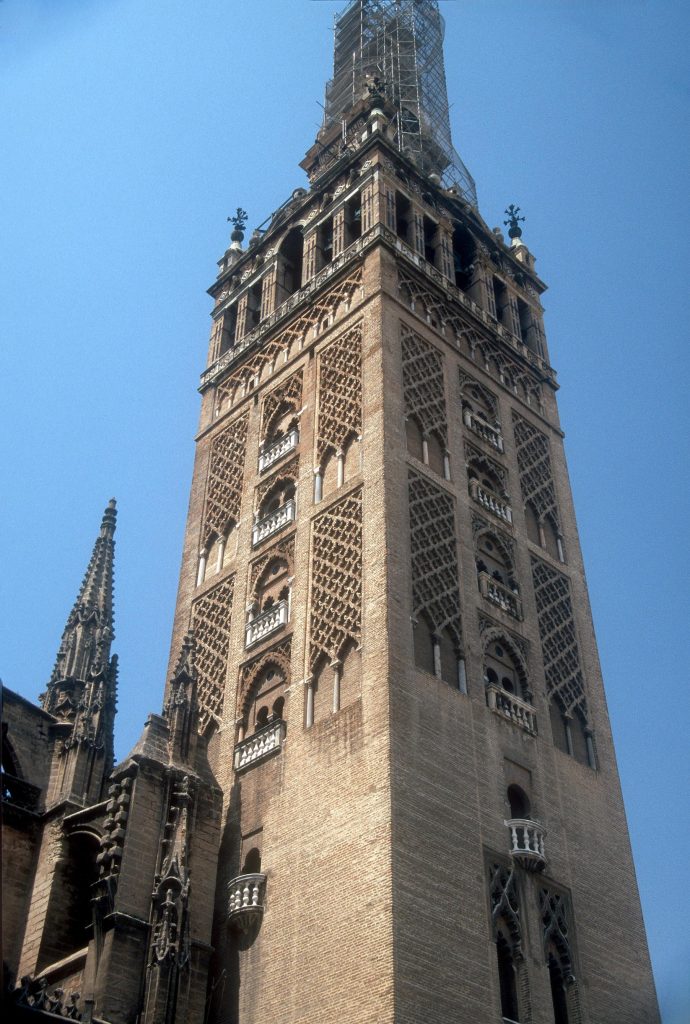
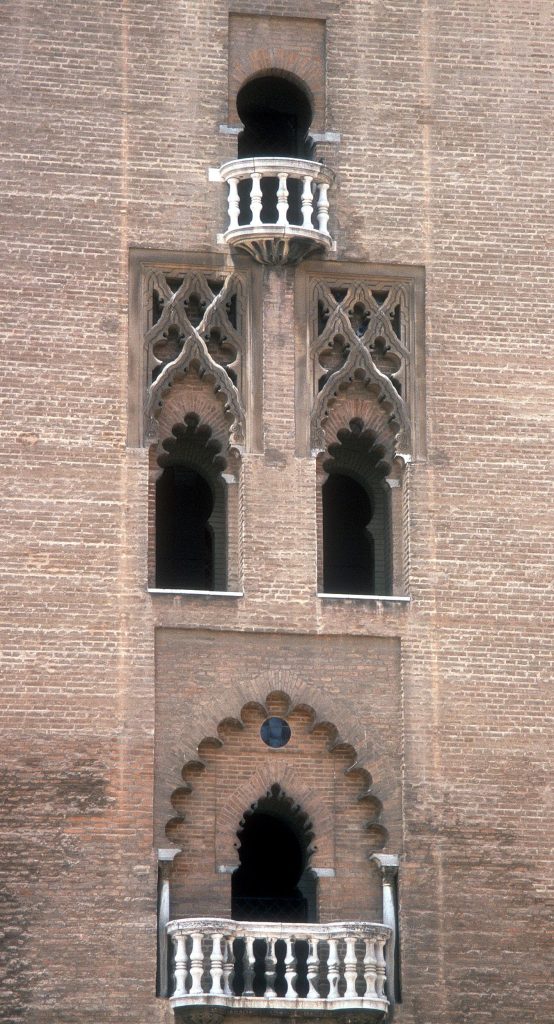
As the capital of Al-Andalus, Seville became a hub of Islamic architecture, science, poetry, and irrigation — transforming the city into a network of gardens, palaces, and ornate mosques. The Almohads, ruling in the 12th century, left perhaps the city’s most iconic legacy: the base of the Giralda Tower, originally the minaret of the Great Mosque.
When Christian forces under Ferdinand III conquered the city in 1248, they didn’t erase the Islamic influence. Instead, they layered Catholic Spain atop Islamic foundations, creating the unique visual language that defines Seville today: Mudéjar — a style where Moorish design meets Gothic form, and Christian devotion wears Arabic script like jewelry.
A Capital of Empires and Spirit
Seville’s rise to prominence was no accident. Its strategic location on the Guadalquivir River, with direct access to the Atlantic, made it a key inland port — first for the Romans, and later for Moorish rulers who transformed it into a center of art, learning, and irrigation. But its true ascendance came under Catholic rule, and with it, the convergence of faith and empire.
After the Reconquista, Seville became a favored seat of the Catholic Monarchs, Ferdinand and Isabella. It was here, within these very city walls, that a Genoese sailor named Cristóbal Colón — Christopher Columbus — petitioned for royal backing to cross an ocean no European had yet dared.
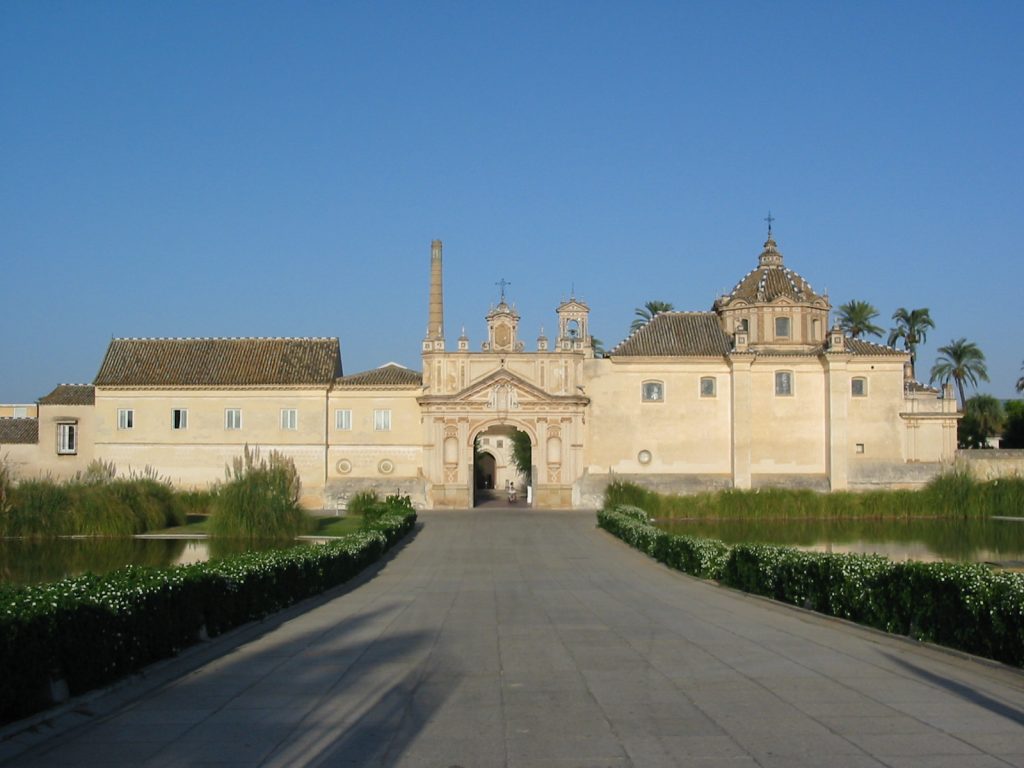
Though their court moved between cities, Ferdinand and Isabella spent significant time in Seville, overseeing governance, religious reform, and military organization. In nearby Santa María de las Cuevas Monastery (now the Monasterio de la Cartuja), Columbus is said to have stayed and reflected as he awaited the monarchs’ decision — a choice that would ultimately change world history.
After Columbus’s voyage in 1492, Seville became the official port of entry for goods and wealth from the New World. With the establishment of the Casa de Contratación, or House of Trade, all fleets from the Americas were required to pass through Seville. As a result, the city transformed into the beating commercial heart of the Spanish Empire, brimming with silks, silver, spices — and the shadows of conquest.
The legacy of Ferdinand and Isabella lives on not only in royal symbols carved into churches and palaces, but in the very trajectory of the city: from Moorish stronghold to Christian crown jewel, and eventually, to imperial gateway.
The Cathedral: Stone, Sky, and Sovereignty
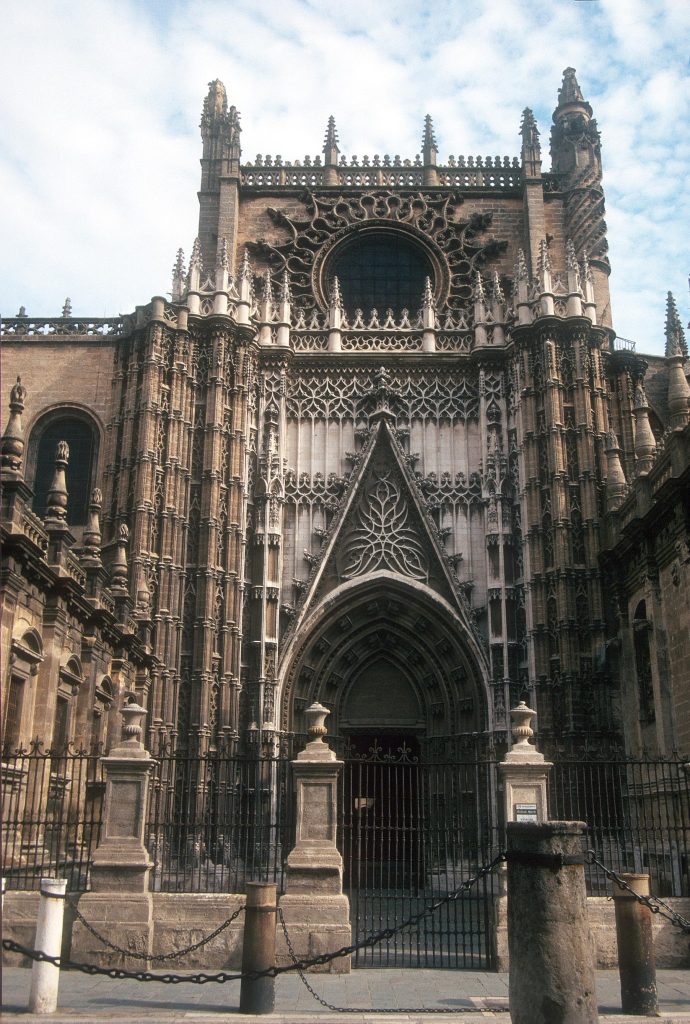
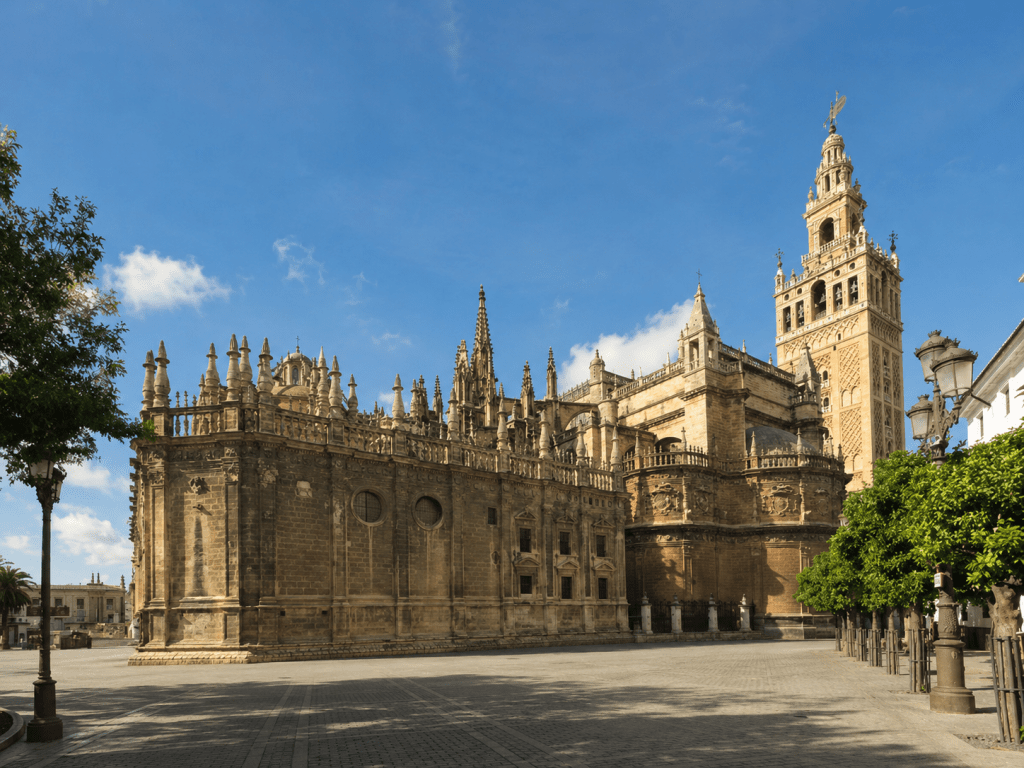
Seville is home to the largest Gothic cathedral in the world, and standing beneath its stone vaults feels more like entering a universe than a building. Constructed beginning in 1401 atop the ruins of the city’s mosque, the Catedral de Santa María de la Sede is an act of ambition and faith in stone. Legend says the builders proclaimed, “Let us make a church so beautiful and so grand that those who see it finished will think we are mad.”
Inside, you’ll find:
- The Giralda Tower, once a minaret, now crowned with a Renaissance belfry — one of Seville’s enduring symbols. You can still ascend its ramped spiral (designed for horses, not stairs) to gaze across the city’s golden rooftops.
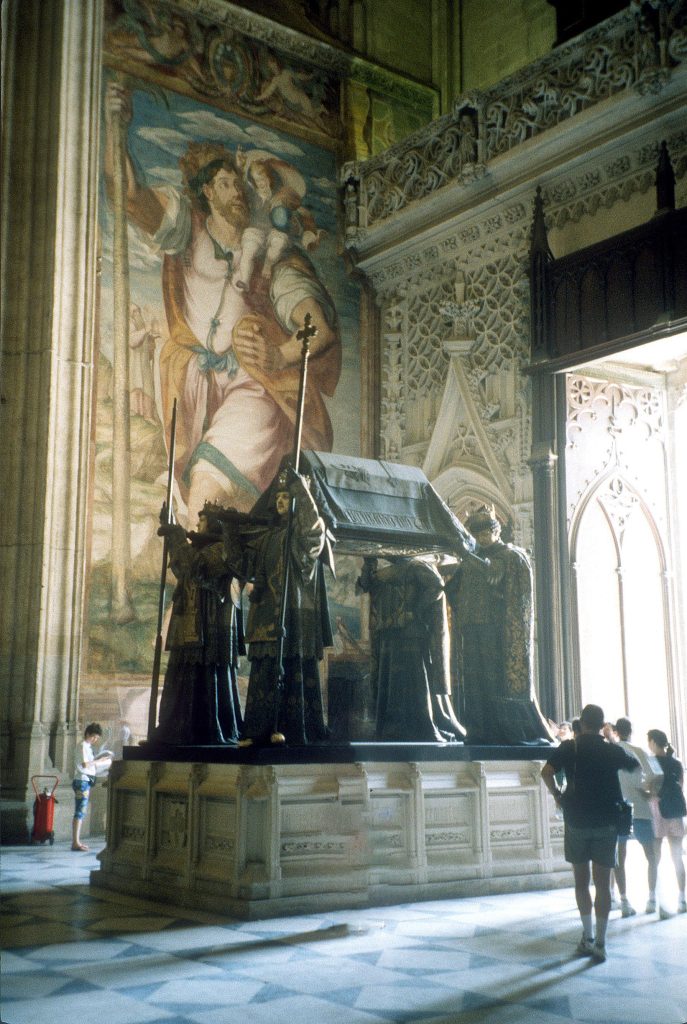
- The Tomb of Christopher Columbus, whose remains lie here (though disputed), under a grand sculptural tribute carried by four heraldic kings.
- A vast main altarpiece, over 60 feet high, carved in extraordinary detail — a forest of saints and stories in gold.
The cathedral is not just a monument. It’s a repository of empire, of glory and grief, and of Seville’s claim as the gateway to the New World.
The Alcázar: A Palace of Paradise
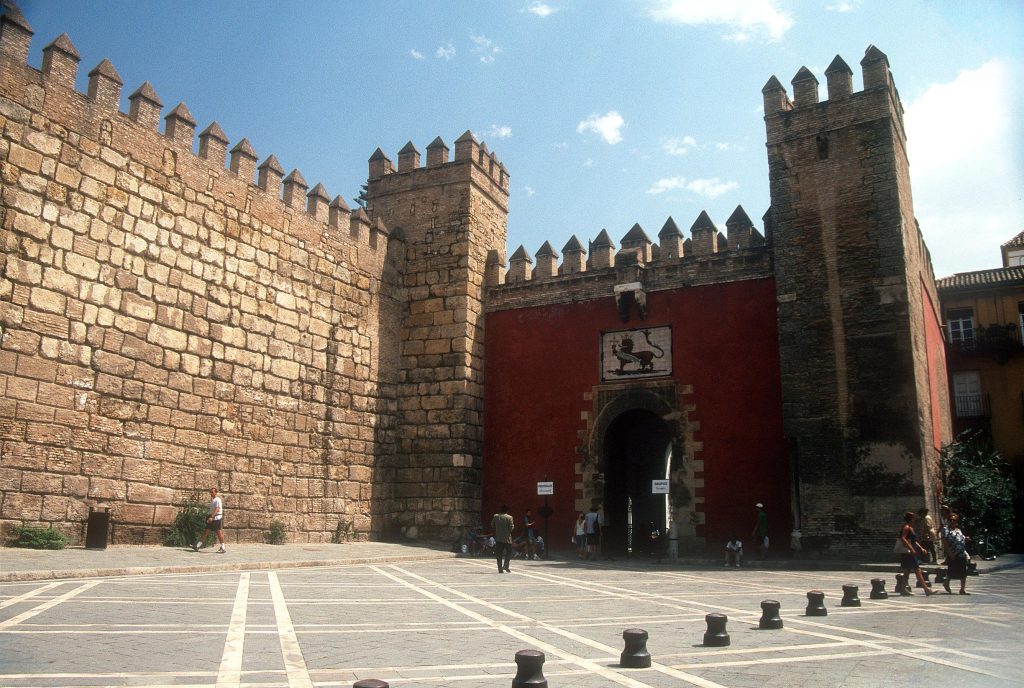
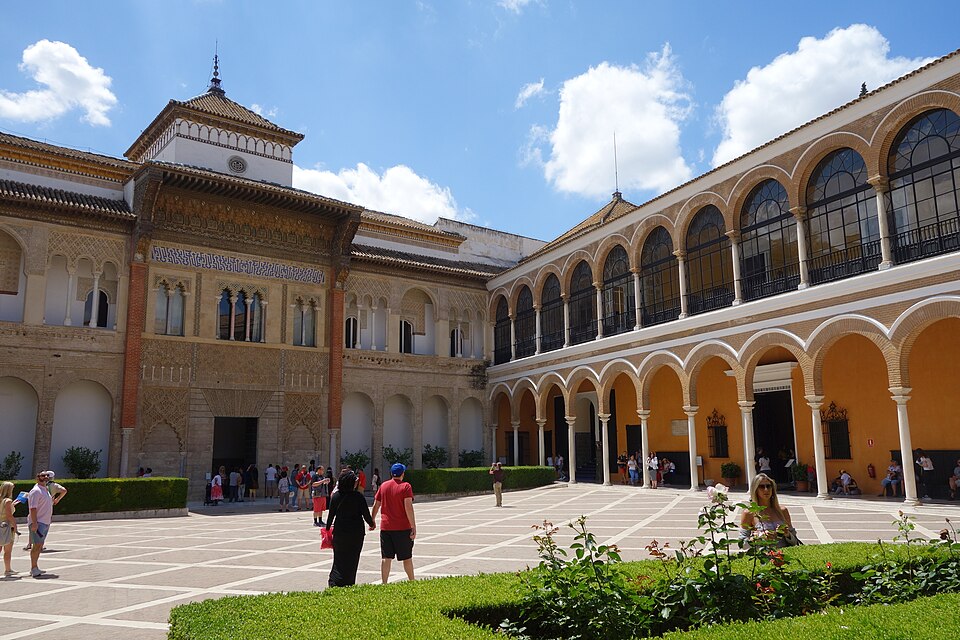
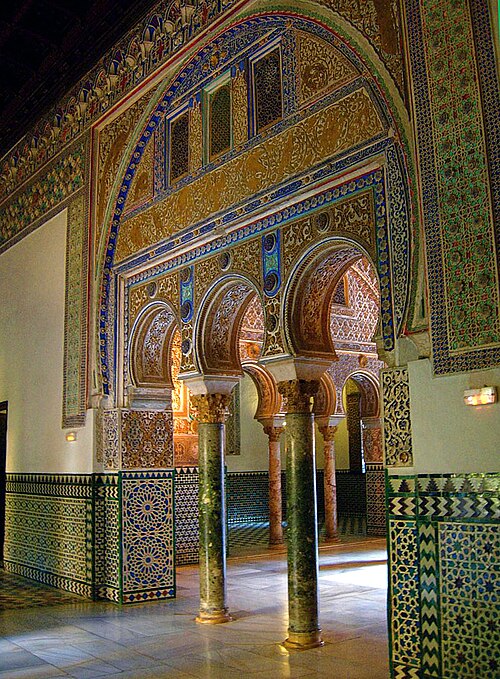
Directly across from the cathedral stands the Real Alcázar, a masterpiece of Islamic, Gothic, Renaissance, and Baroque architecture — perhaps the most exquisite symbol of Spain’s palimpsest past.
Though begun as a fortress for Muslim rulers in the 10th century, the Alcázar was later expanded by Castilian monarchs, especially Pedro I in the 14th century, who employed Muslim craftsmen to build him a palace in the Mudéjar style. The result is a place of almost unearthly beauty:
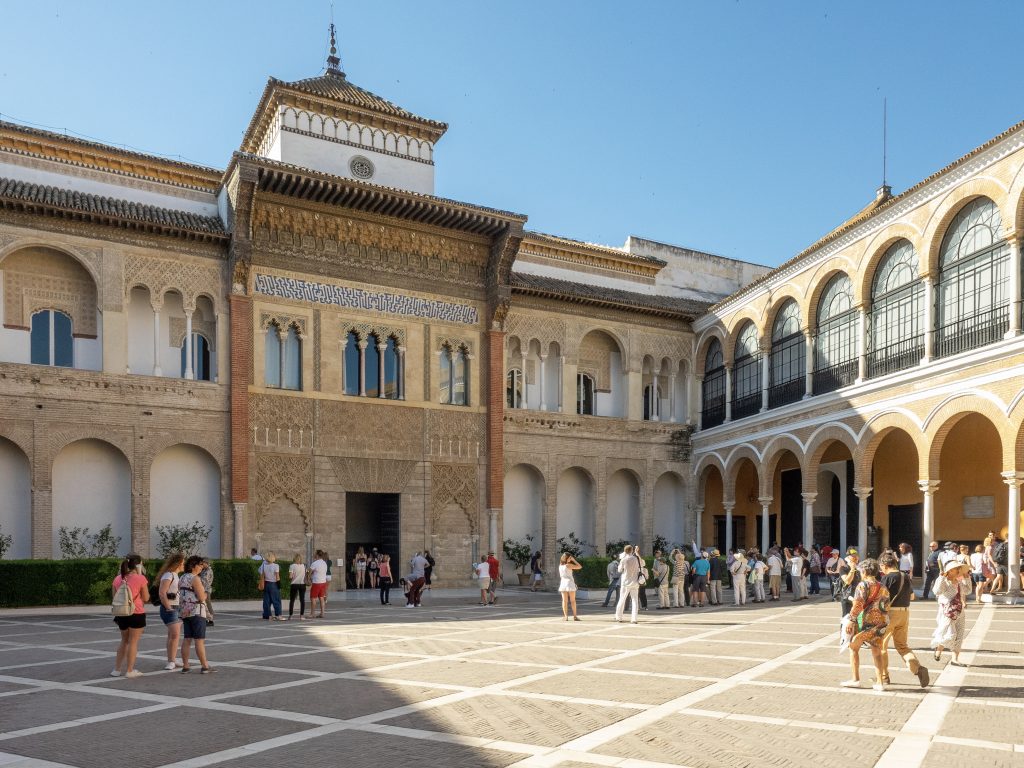
- Arched courtyards with horseshoe doorways and calligraphic stucco
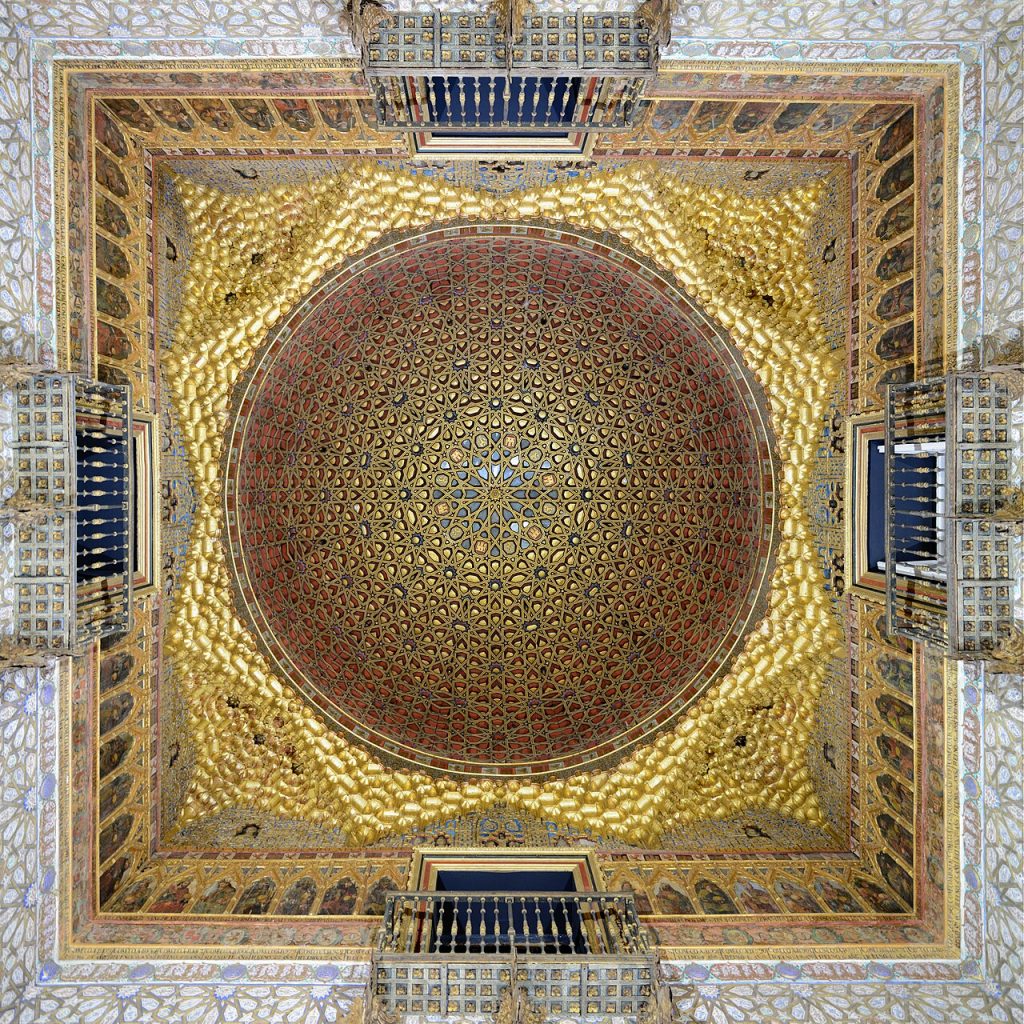
- Ceilings carved like honeycombs of stars
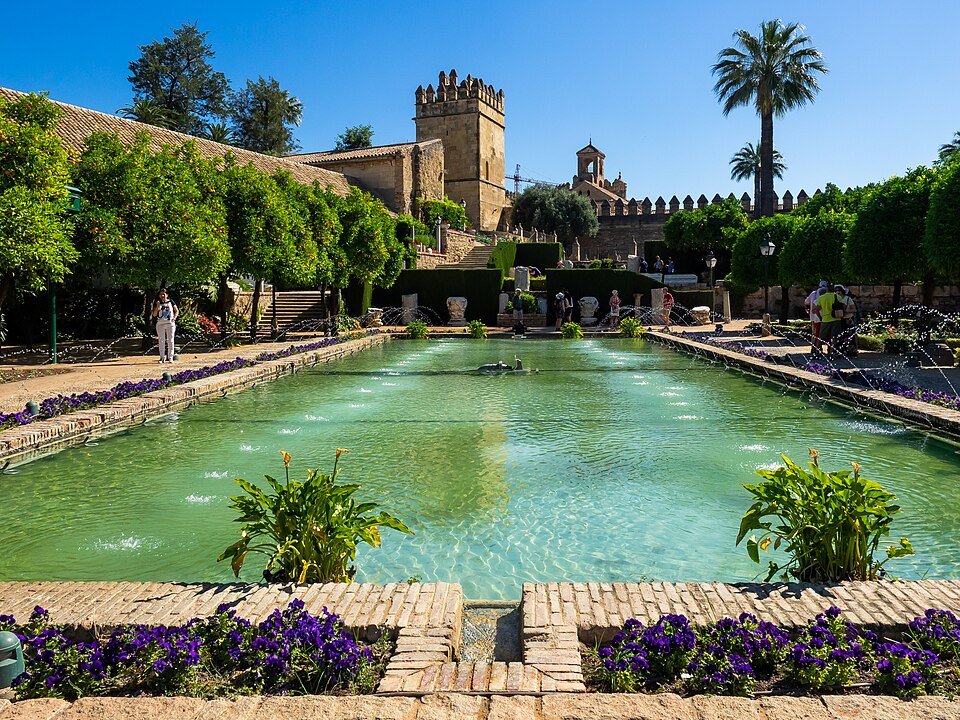
- Reflecting pools and fountains where water murmurs like a prayer
- Tilework so intricate it reads like geometry in bloom
The Alcázar is still used as a royal residence, making it the oldest active palace in Europe. It also featured in Game of Thrones as the palace of Dorne — but even that epic tale seems modest beside its true history.
Wander its gardens, where peacocks roam, and citrus trees still perfume the breeze, and you may forget the century entirely.
Casa de la Contratación and Sala de los Almirantes
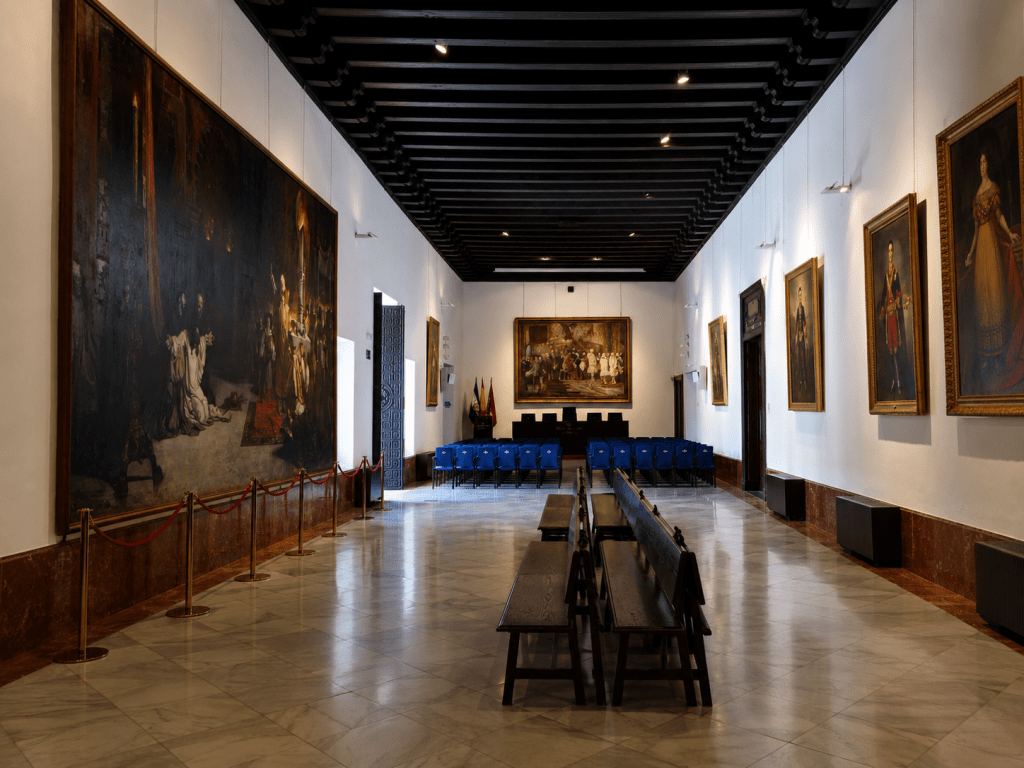
There is a barrel-vaulted hall known as the Hall of the Admiral, or in Spanish, the Sala de los Almirantes is located in the Casa de la Contratación section of the Alcázar. This room played a key role in Spain’s maritime and imperial history. It’s where high-level meetings took place concerning navigation, exploration, and trade with the New World — and it was deeply tied to the administration of Spain’s overseas empire.
Notable details about the room:
- The barrel-vaulted ceiling gives it its distinctive architectural shape — long, echoing, almost chapel-like.
- It was here that navigators, cartographers, and royal officials gathered to plan and regulate voyages across the Atlantic.
- Some sources suggest Christopher Columbus may have been received here or nearby during his many interactions with the court regarding his expeditions.
- The room’s architecture, though more austere than other sections of the Alcázar, reflects its function as a place of statecraft and strategy, rather than royal leisure.
The Archive of the Indies
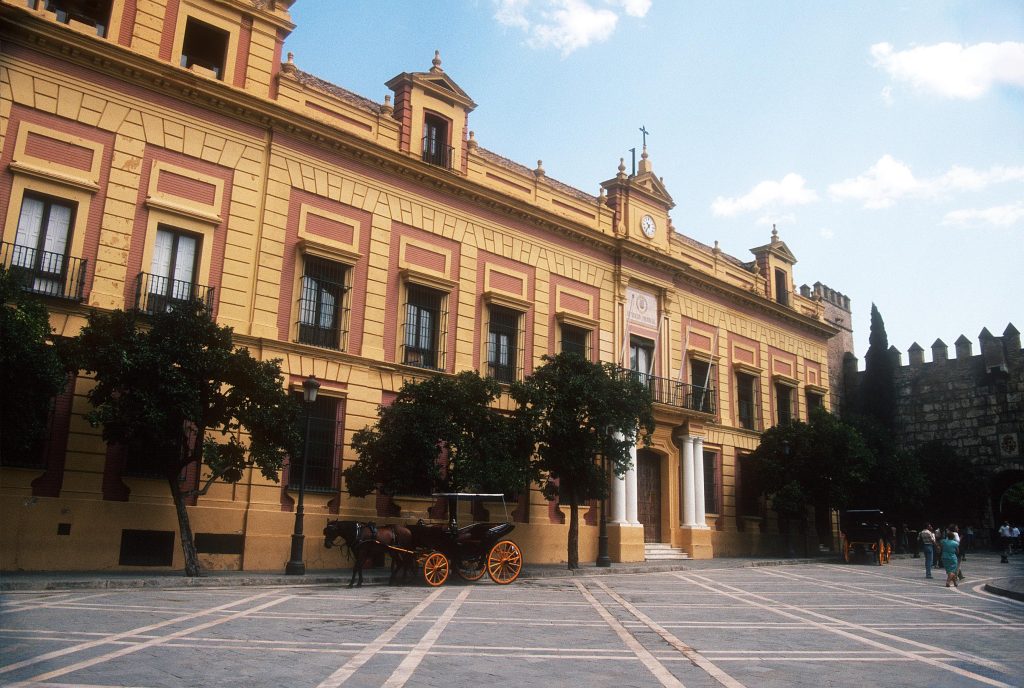
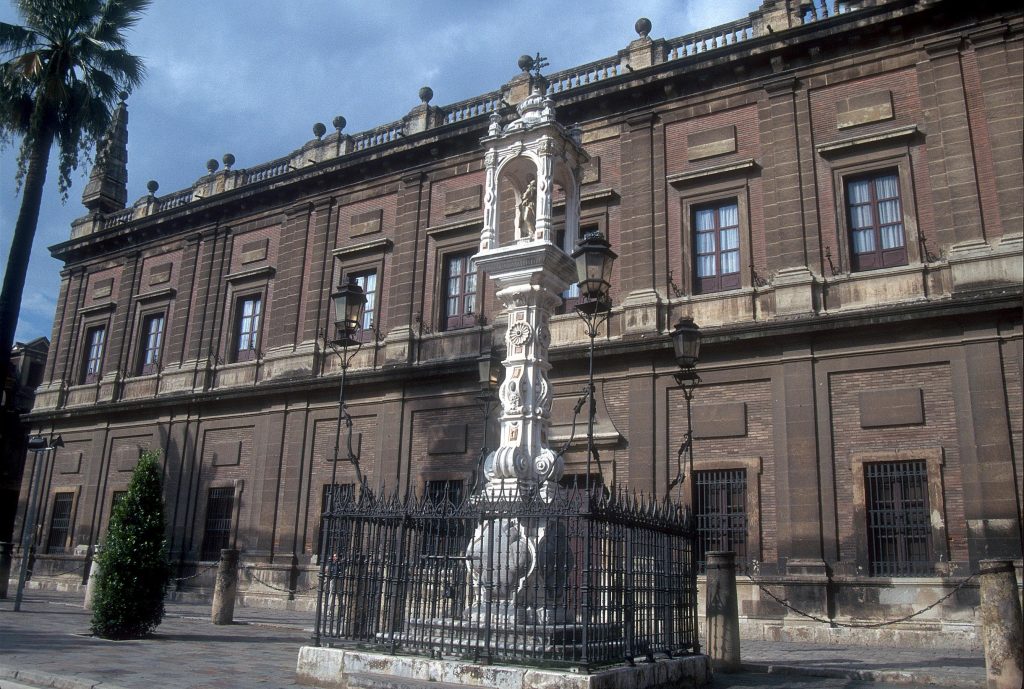
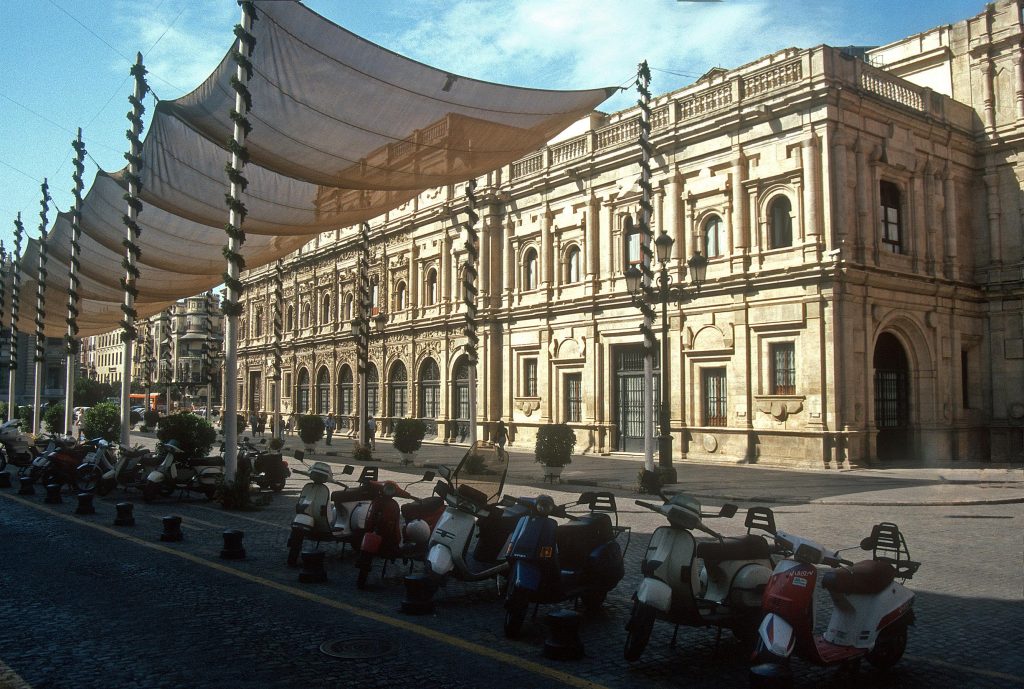
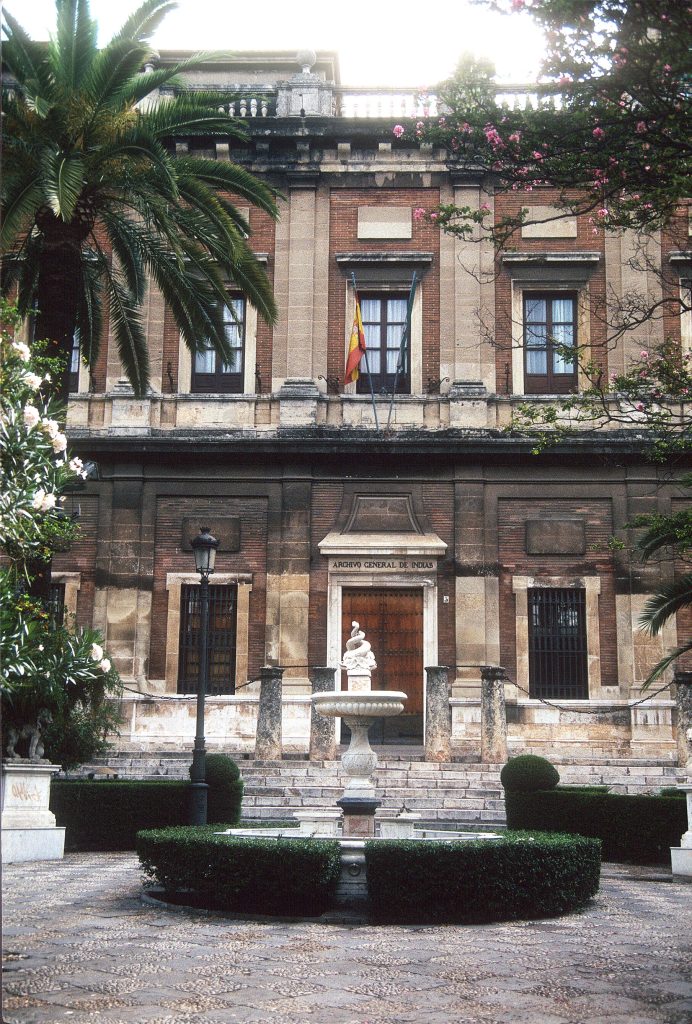
Tucked between the cathedral and the Alcázar is a quieter building with global significance: the Archivo General de Indias. This 16th-century Renaissance structure houses over 43,000 volumes and 80 million documents chronicling Spain’s vast empire in the Americas and Asia.
Here lie the letters of Cortés, Pizarro, and Magellan — the paperwork of conquest, conversion, and colonization. The archive reminds us that Seville was once the commercial heart of the Spanish Empire, with exclusive rights to trade with the New World. Every ship, cargo list, and colonial official once passed through Seville’s Casa de Contratación, making it the nerve center of an empire upon which the sun never set.
Barrio Santa Cruz and the Soul of the City
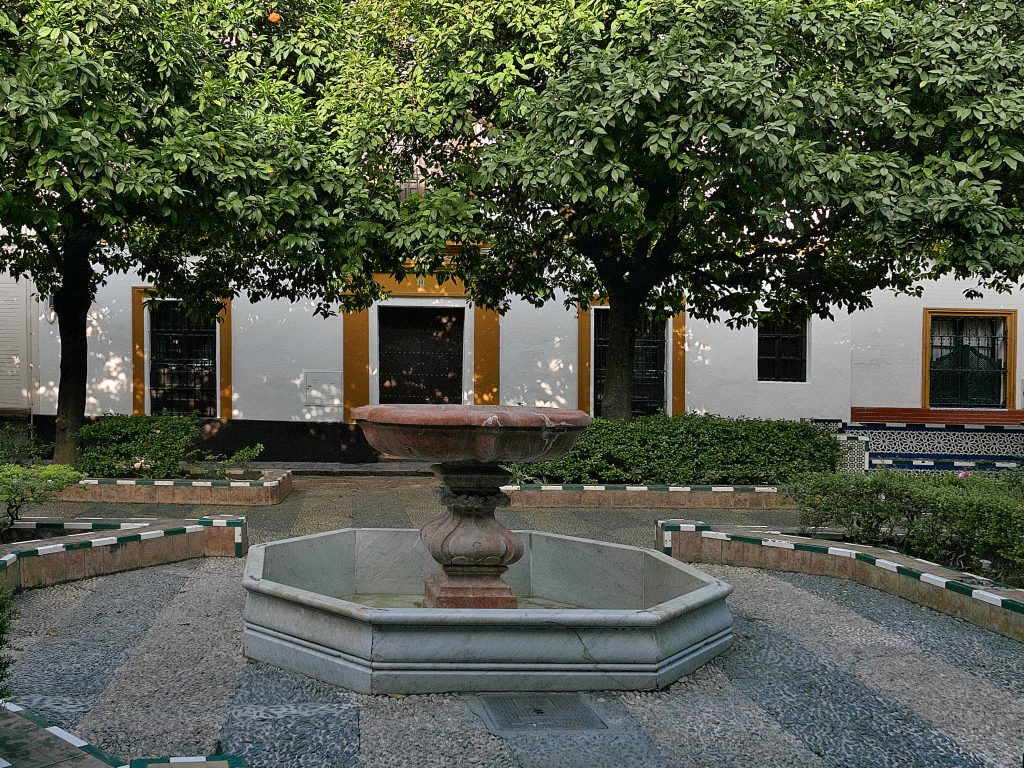
Seville’s most picturesque quarter — and one of its most poetic — is the Barrio de Santa Cruz, once the city’s Jewish quarter before the 1492 expulsion. Today, it’s a neighborhood of whitewashed houses, orange trees, and shadowed courtyards, where alleys bend like whispered stories.
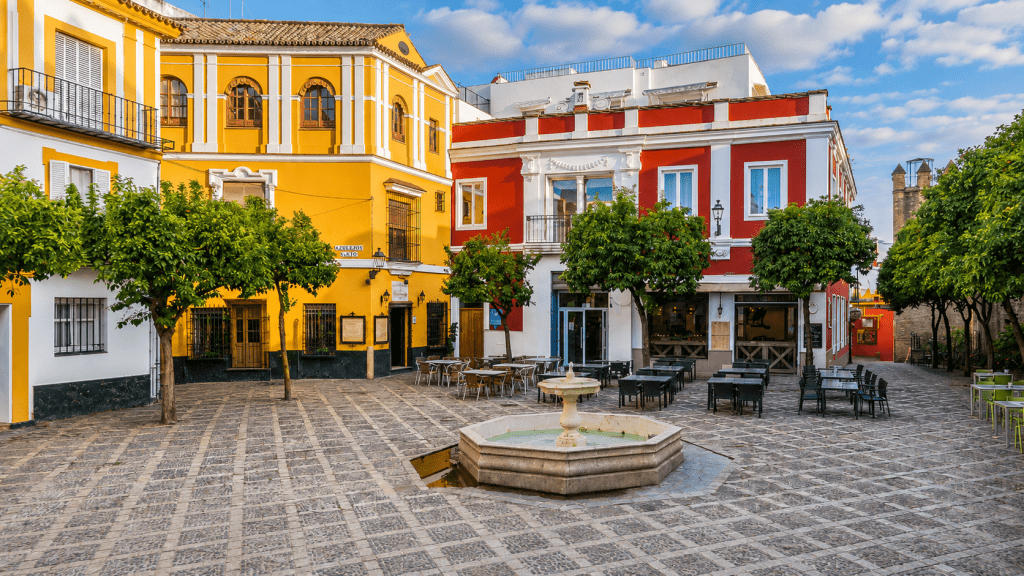
- Discover Plaza de Doña Elvira, said to be the birthplace of Don Juan.
- Peek through wrought iron gates into tiled patios dappled with light.
- Listen for flamenco — not from a stage, but from an open window.
Despite its beauty, Santa Cruz carries the memory of Seville’s lost Jewish community, expelled and scattered after centuries of coexistence. Their presence lingers not in monuments, but in the hush between footfalls on ancient stone.
Plaza de España and the Park of Poets
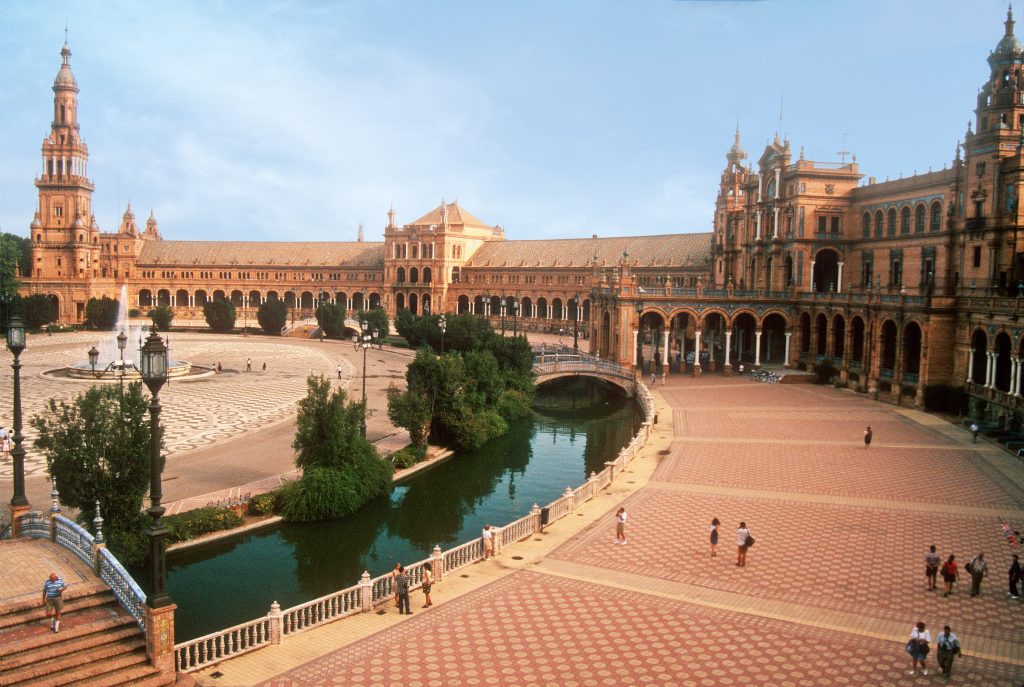
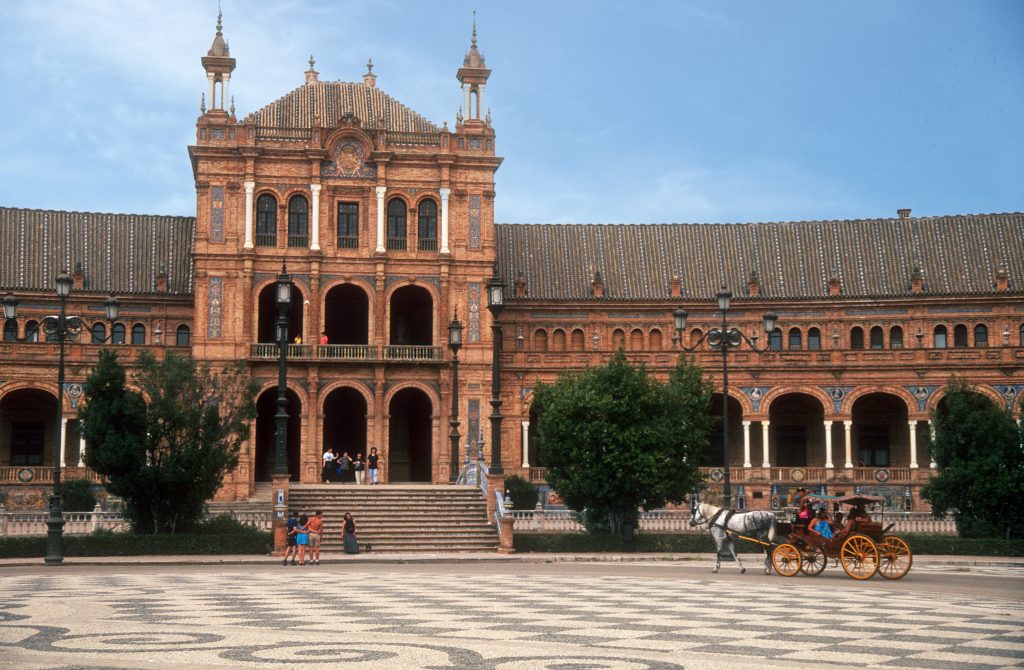
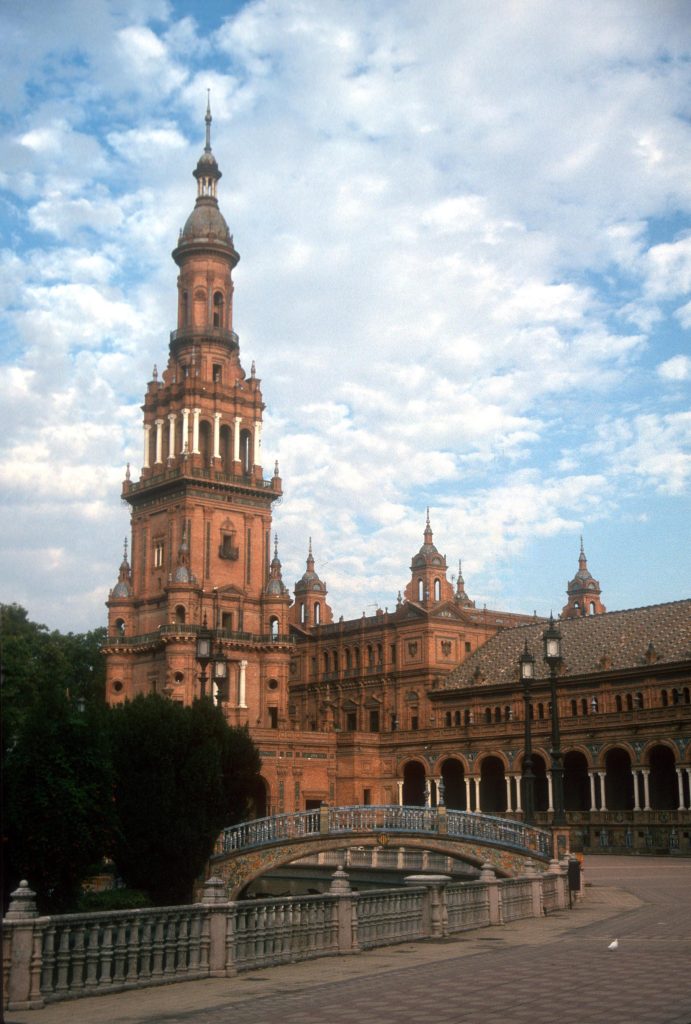
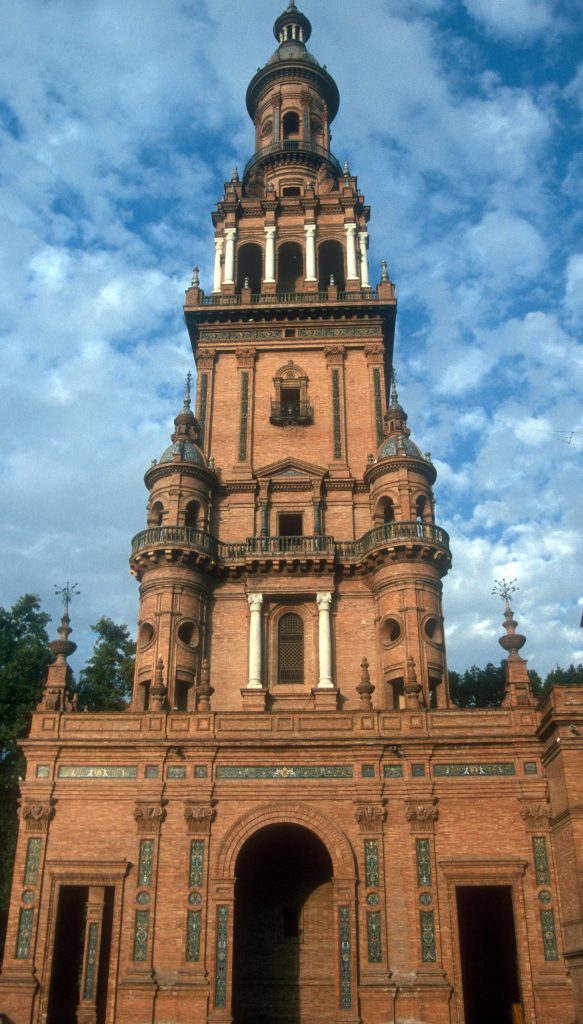
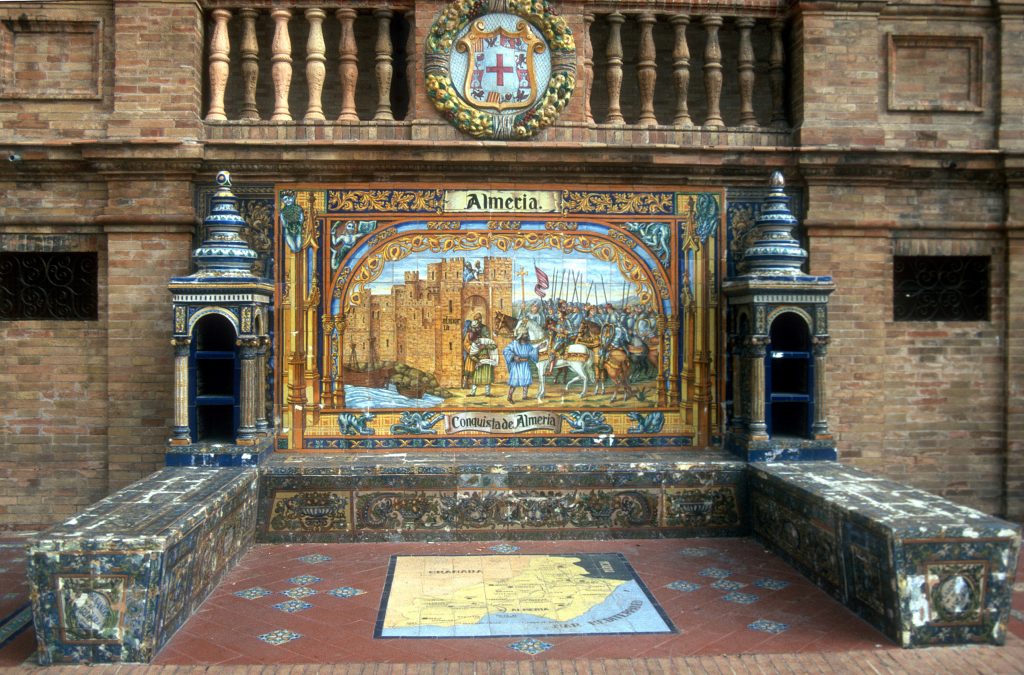
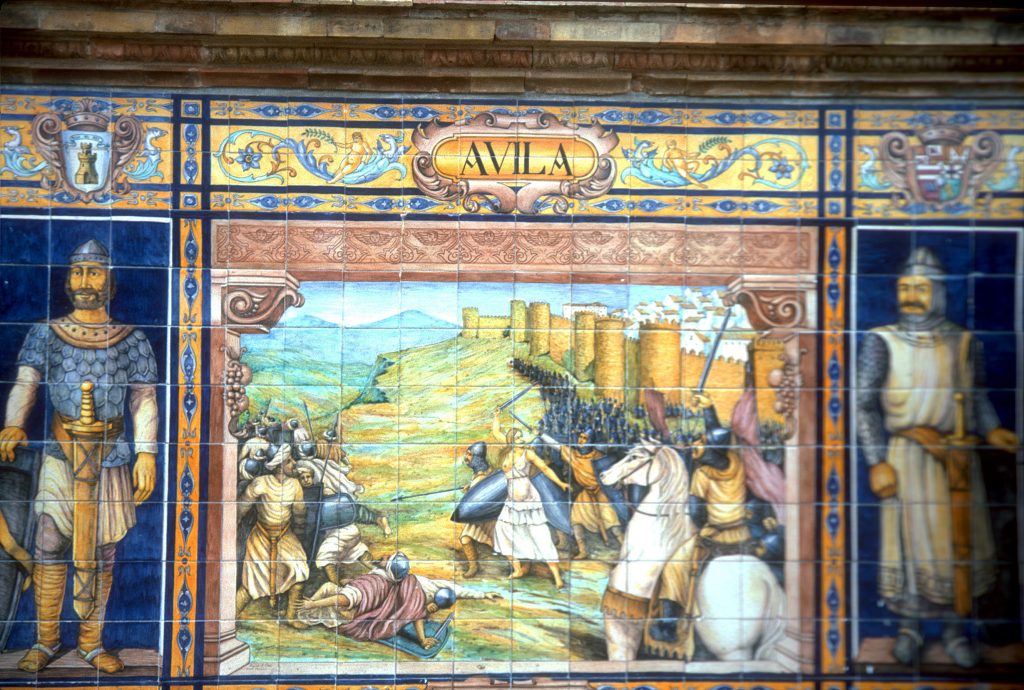
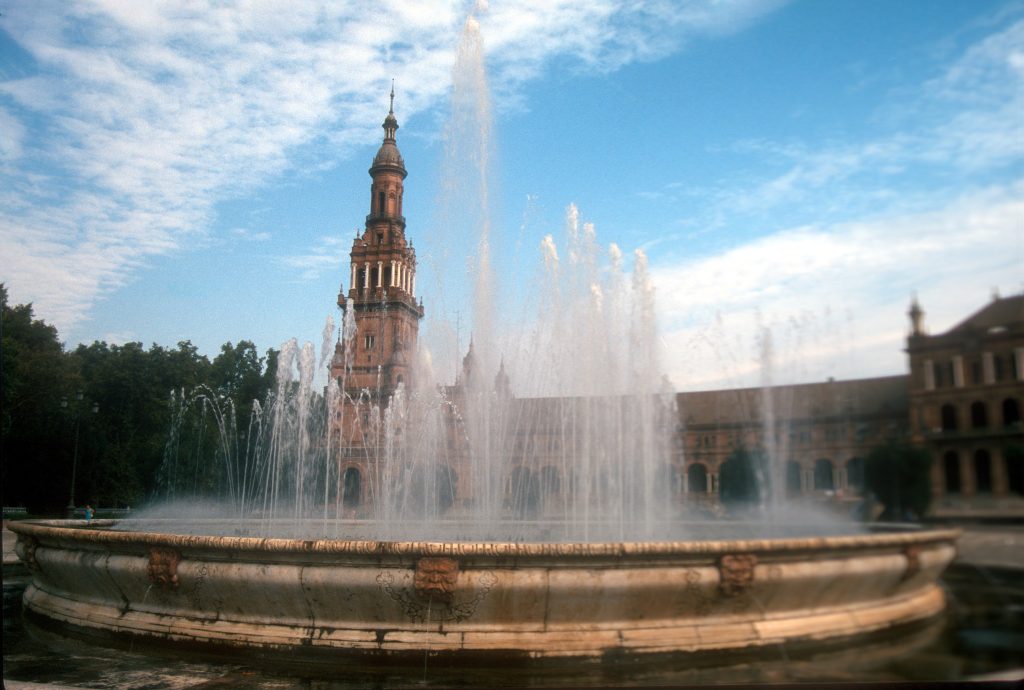
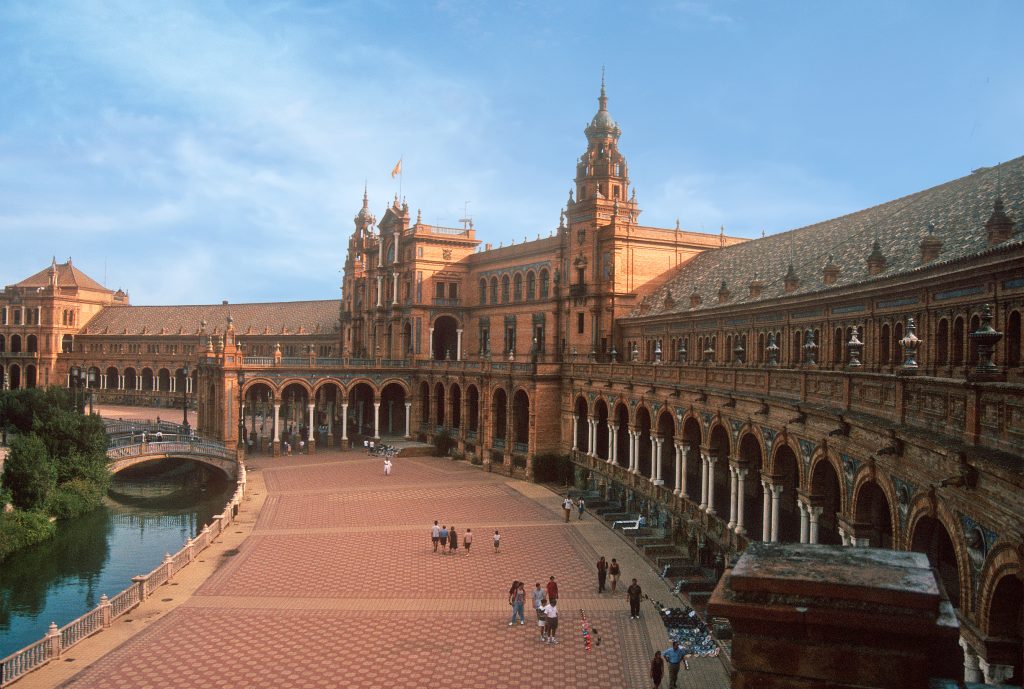
Seville’s most dramatic public space is the Plaza de España, built for the 1929 Ibero-American Exposition. Its sweeping half-moon arc is flanked by tiled alcoves representing each Spanish province, all overlooking a canal and grand fountain.
The architecture blends neo-Mudéjar, Renaissance Revival, and art deco — a reminder that Seville is not frozen in time but continues to build echoes of its own past. Rent a rowboat. Sit beneath a lamp post. Watch the light gild the curved colonnades.
Adjacent lies Parque de María Luisa, a poetic, tree-shaded refuge filled with fountains, pigeons, and benches tiled with verse — a favorite of lovers, readers, and dreamers since the 19th century.
Flamenco: The City’s Heartbeat
To speak of Seville and not speak of flamenco would be to miss the sound of its soul. Born of Gypsy, Moorish, Jewish, and Andalusian roots, flamenco is not simply music — it is lament, defiance, devotion.
You’ll hear it best not in a tourist tablao, but in a small peña or late-night tavern, where a singer’s voice cracks on the edge of memory, and the dancer becomes a silhouette of fire and shadow.
Every clap, heel, and cry is a reminder: history lives not just in monuments, but in the body.
Recommended Reading
Fiction
- The Seville Communion by Arturo Pérez-Reverte
A literary thriller wrapped in ecclesiastical secrets, architectural beauty, and moral ambiguity — all set against the haunting backstreets of Seville. - The Queen’s Vow by C.W. Gortner (already listed, but worth repeating)
Follows Queen Isabella I, much of it unfolding during her time in Seville — including courtly intrigue, her marriage to Ferdinand, and the religious tensions that would define her reign.
- Cathedral of the Sea by Ildefonso Falcones
Though centered in Barcelona, this sweeping historical novel captures the grandeur, brutality, and religious politics of Spain’s golden age — echoed in Seville’s own cathedral and Alcázar.
Non-Fiction
- Seville, Córdoba and Granada: A Cultural History by Elizabeth Nash
A lyrical, in-depth exploration of Andalusia’s great cities, blending political history, architecture, and the arts. - The Ornament of the World by María Rosa Menocal
A profound account of the cultural flourishing in medieval Spain under Muslim rule, including the roots of Seville’s architectural and intellectual legacy. - The Flamenco Tradition in the Works of Federico García Lorca and Carlos Saura: The Wounded Throat by Rob Stone
A study of flamenco’s soul through the words of Spain’s greatest modern poet — a key to understanding the emotion behind Seville’s most famous art form. - Empire of Cotton by Sven Beckert
Though global in scope, this book provides insight into Seville’s role in colonial trade, empire-building, and the commodities that shaped the modern world.
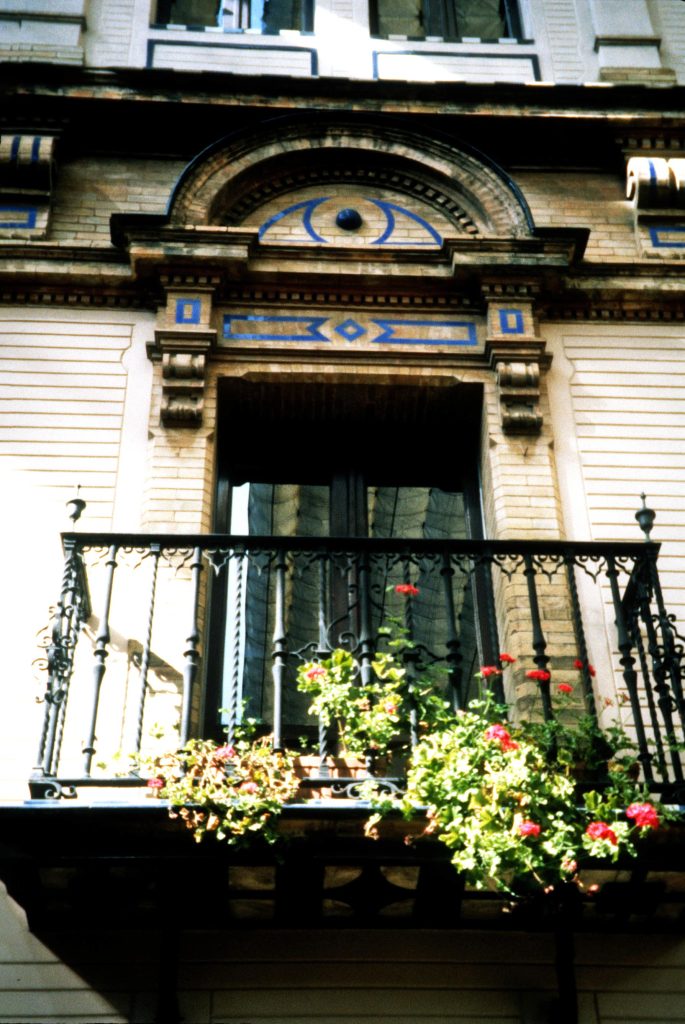
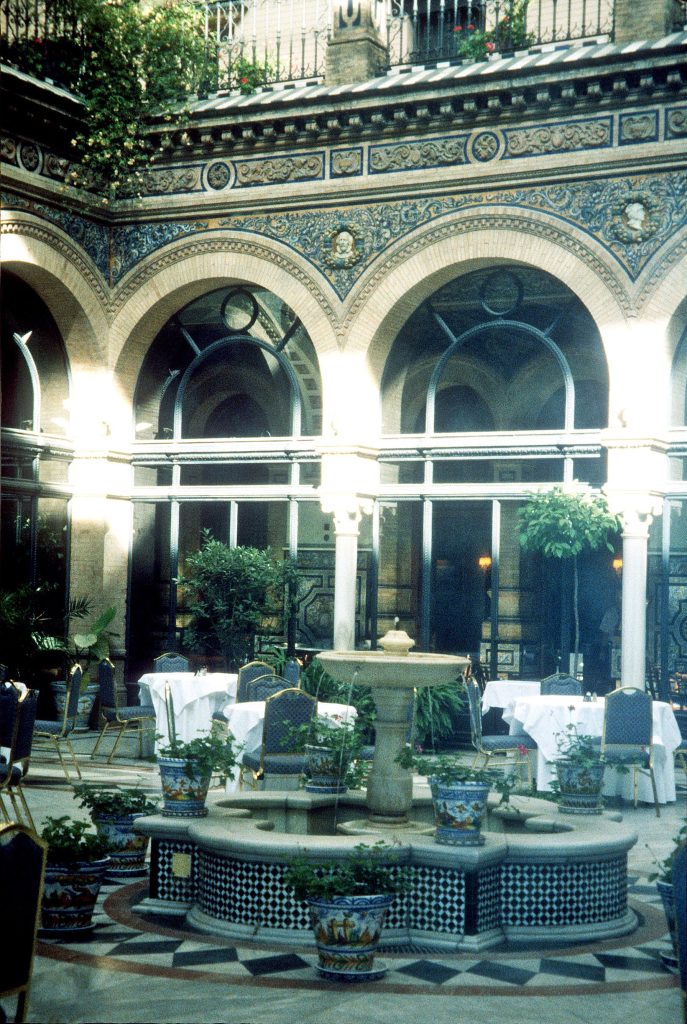
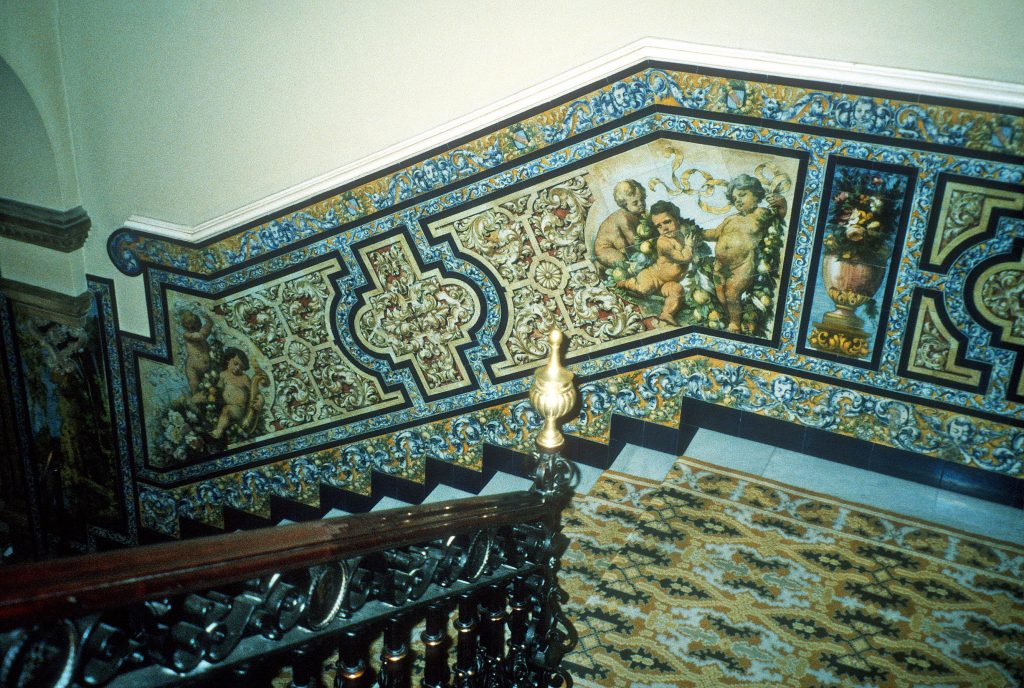
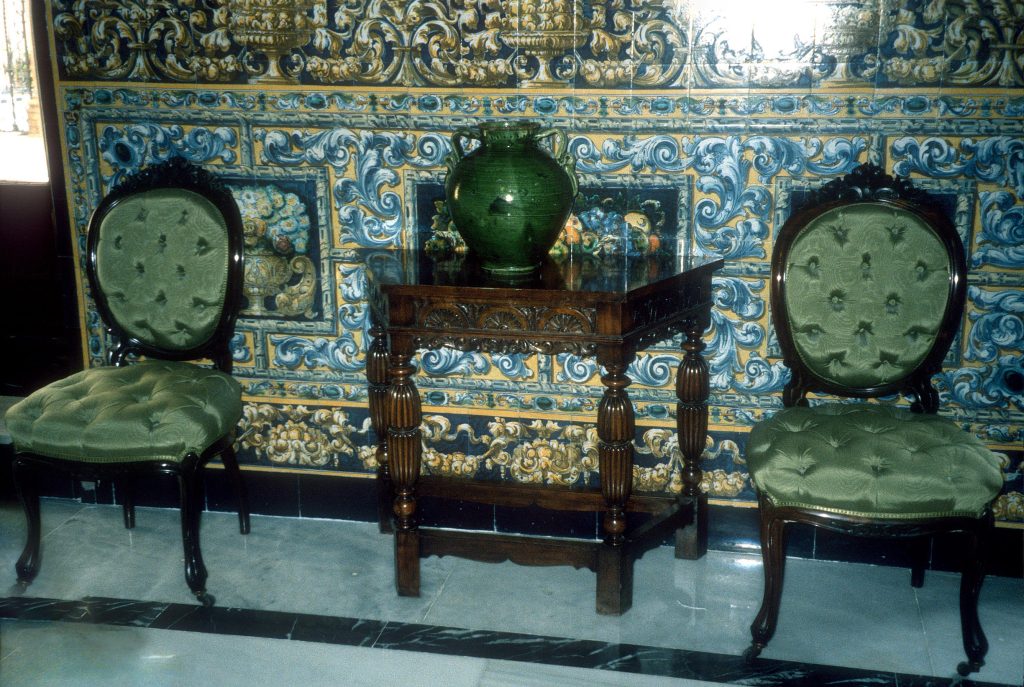
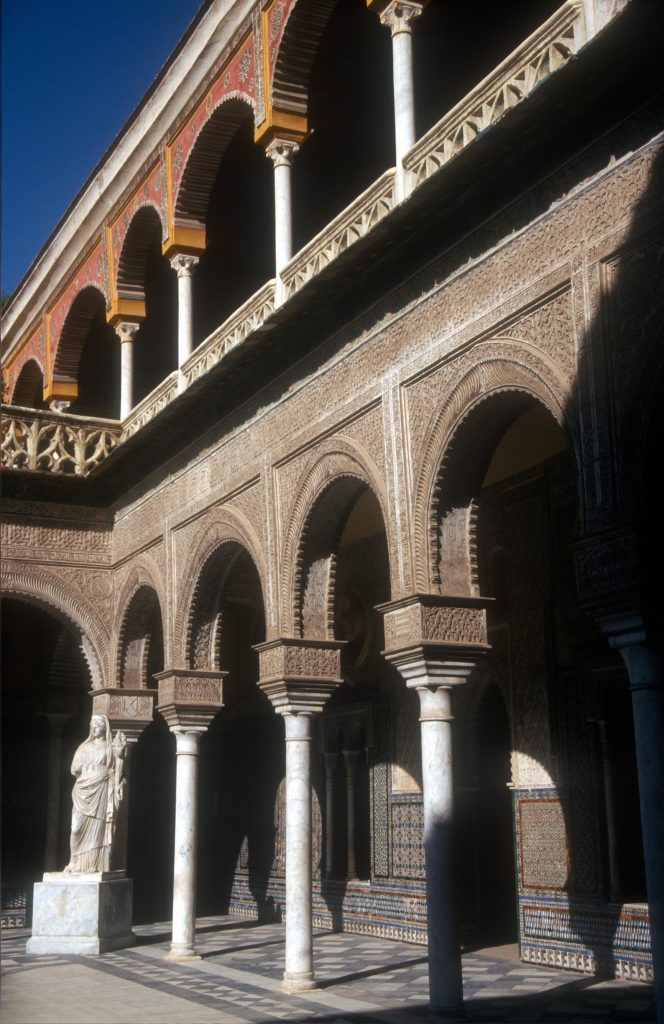
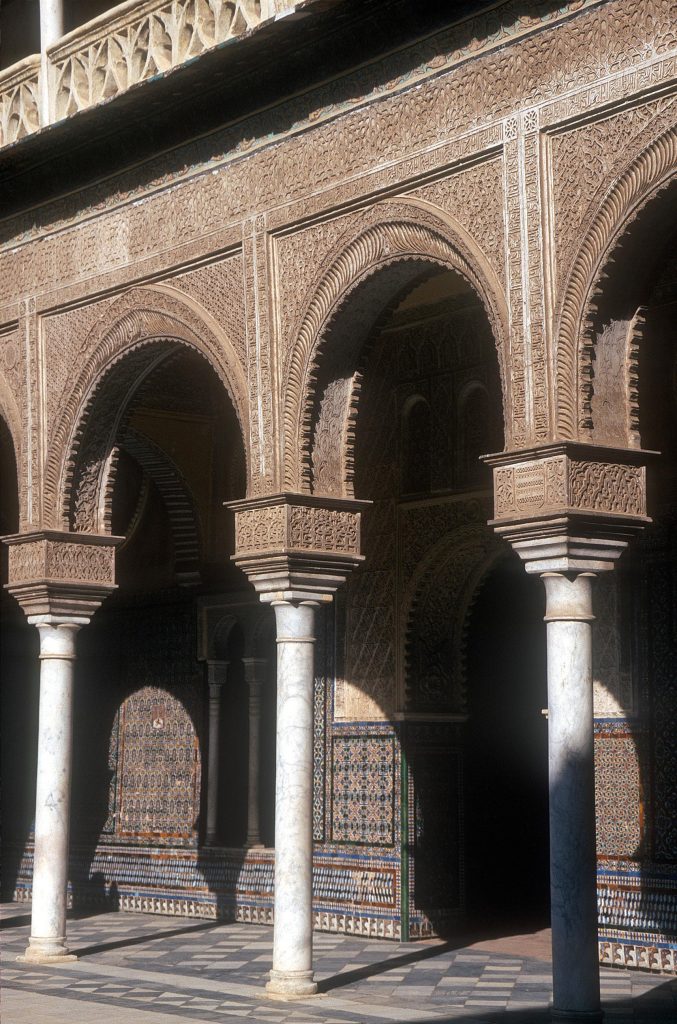
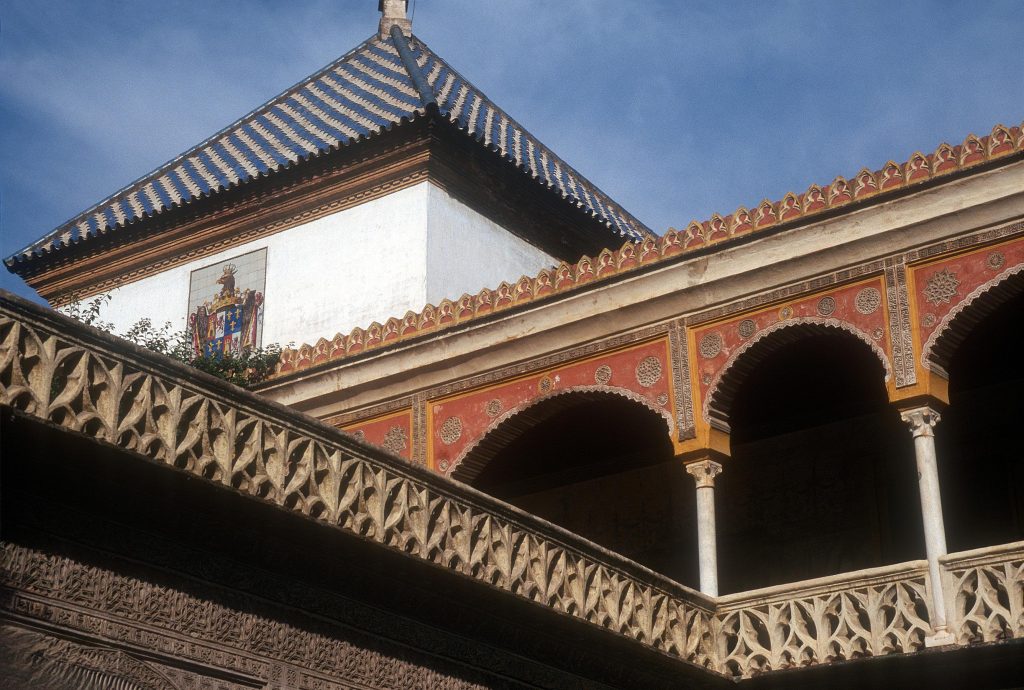
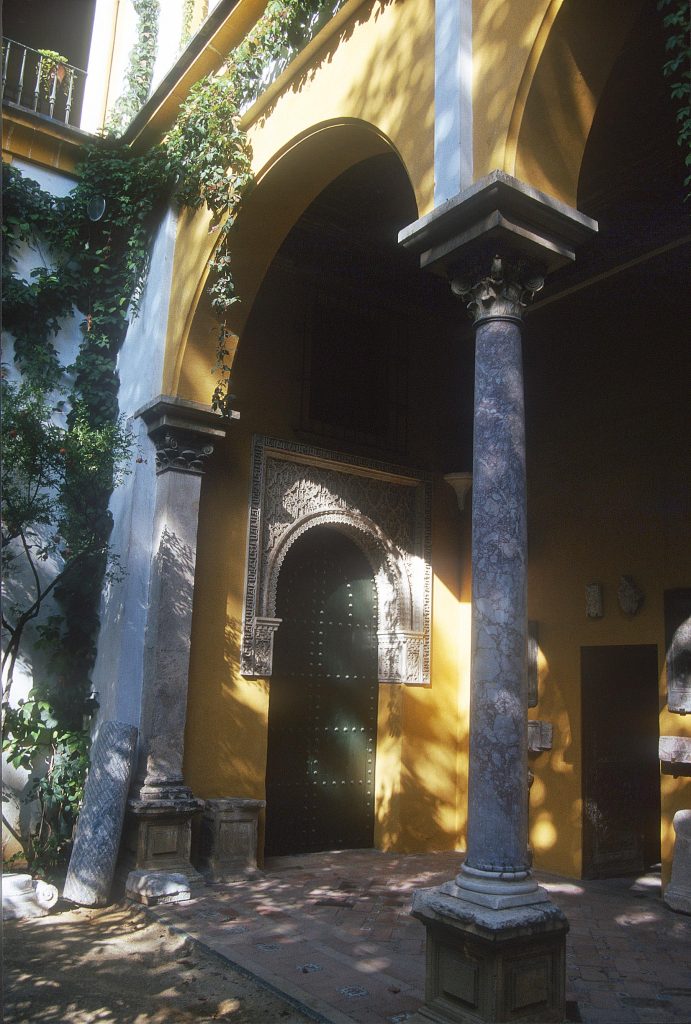
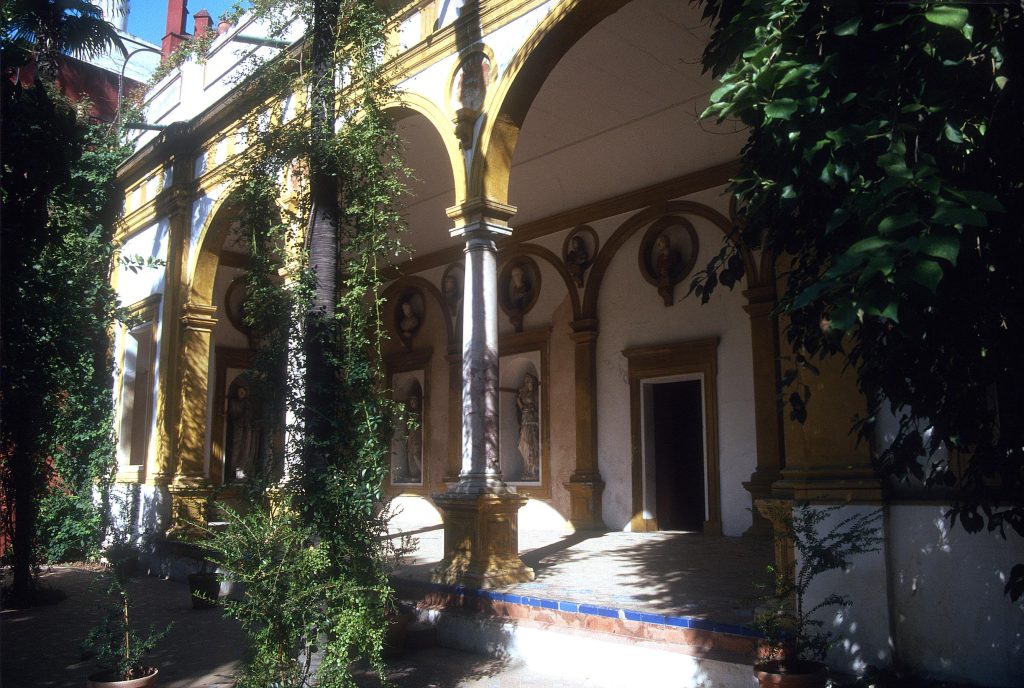
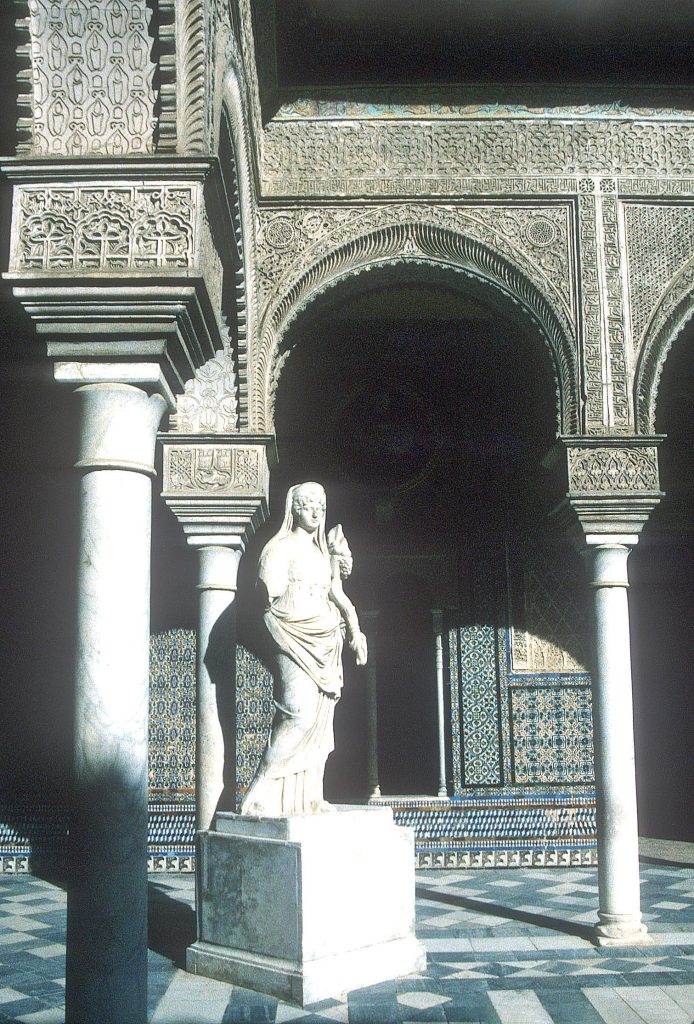
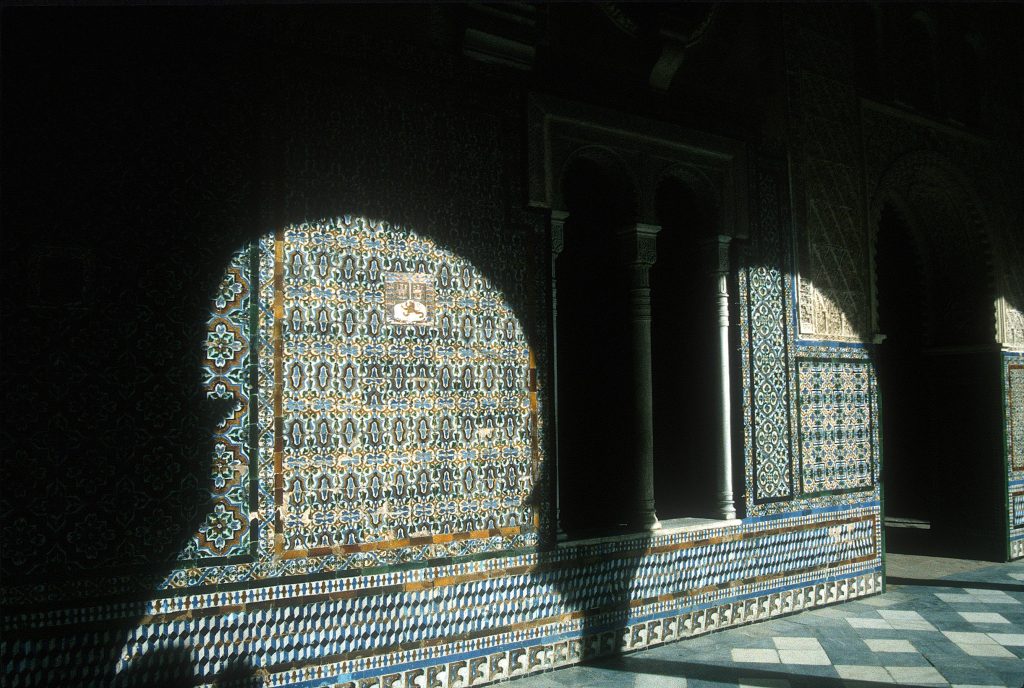


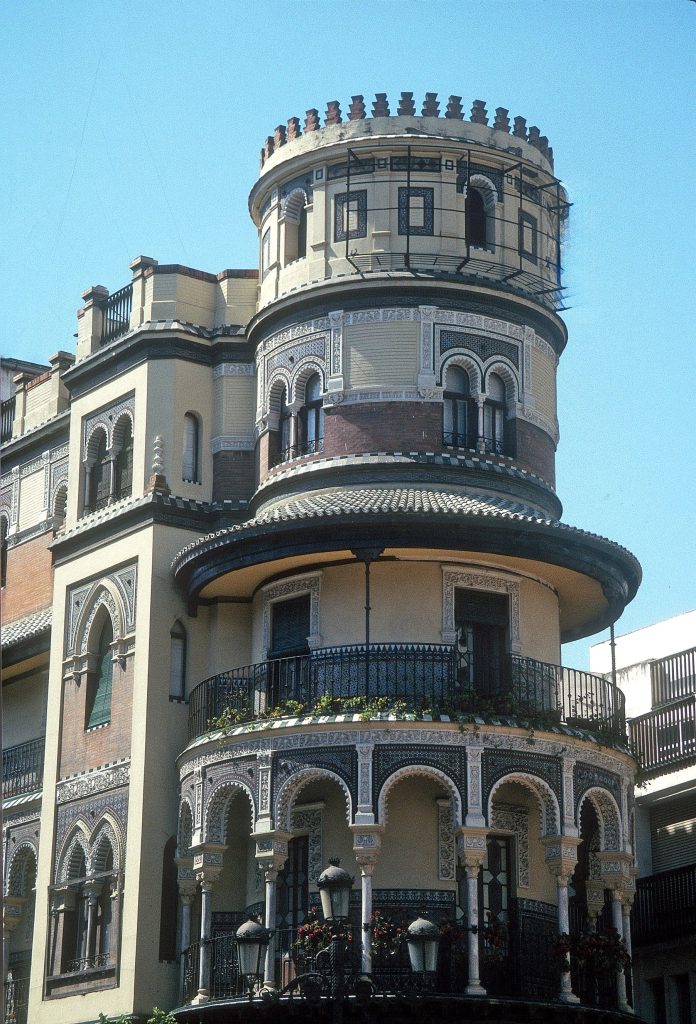
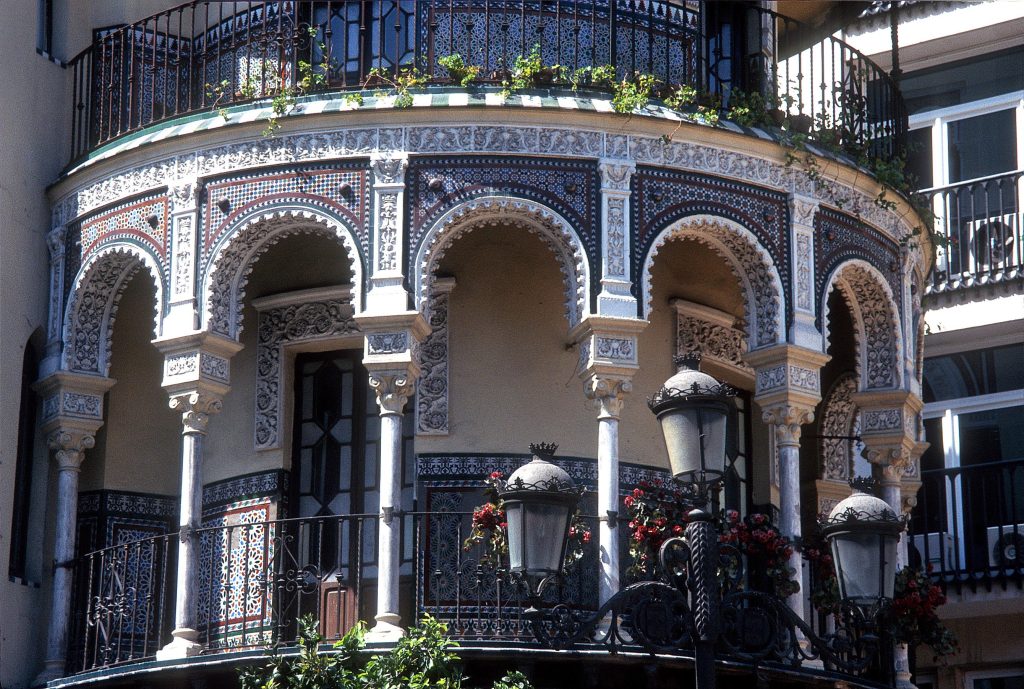
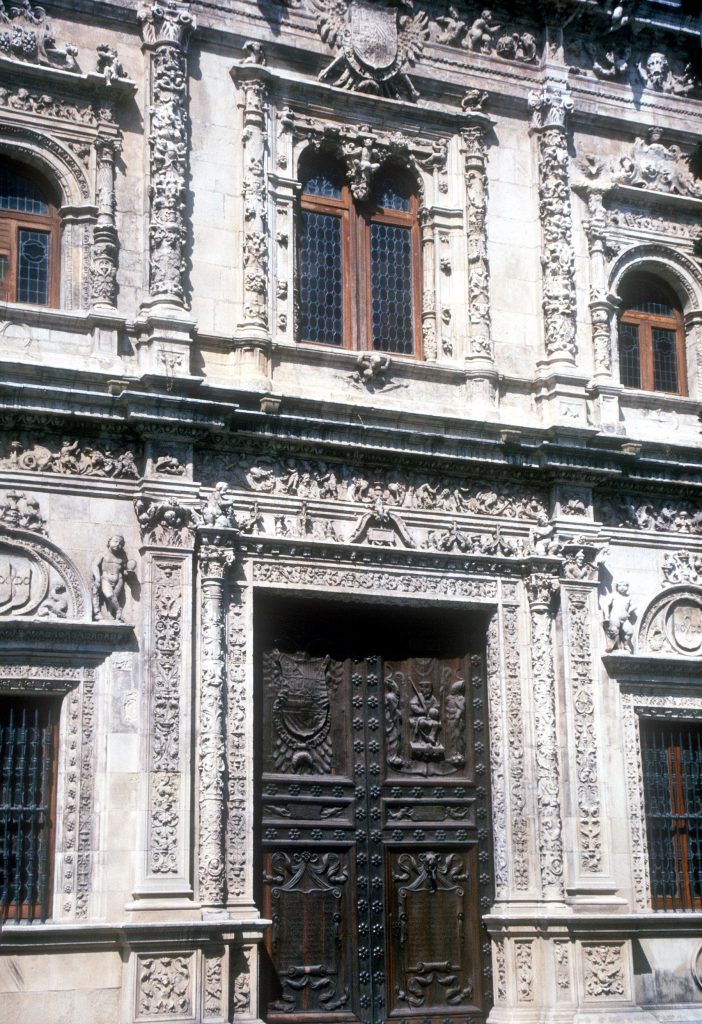
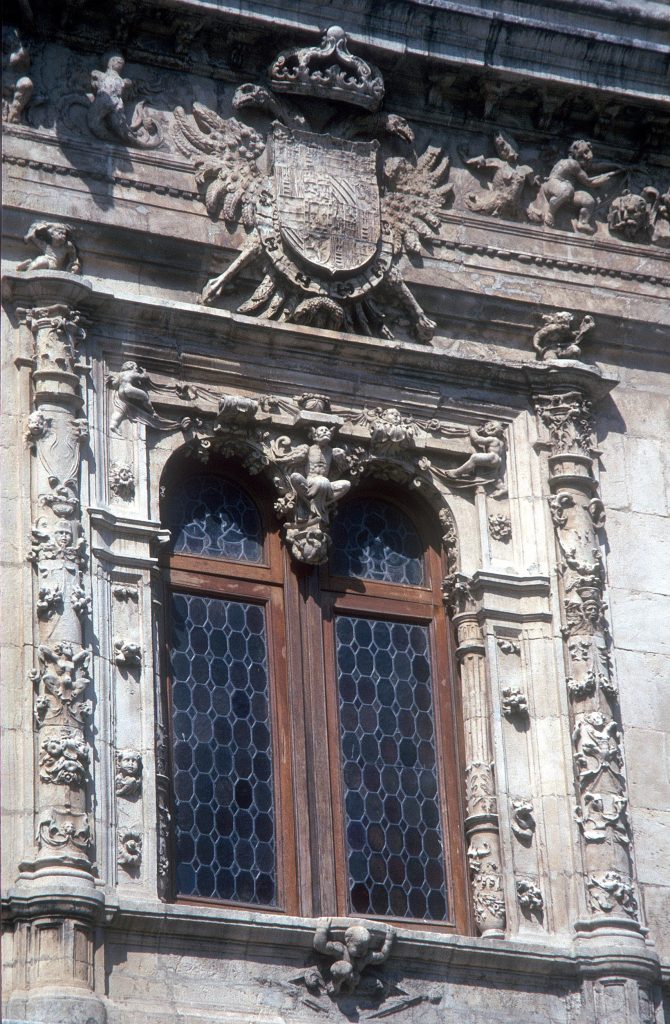
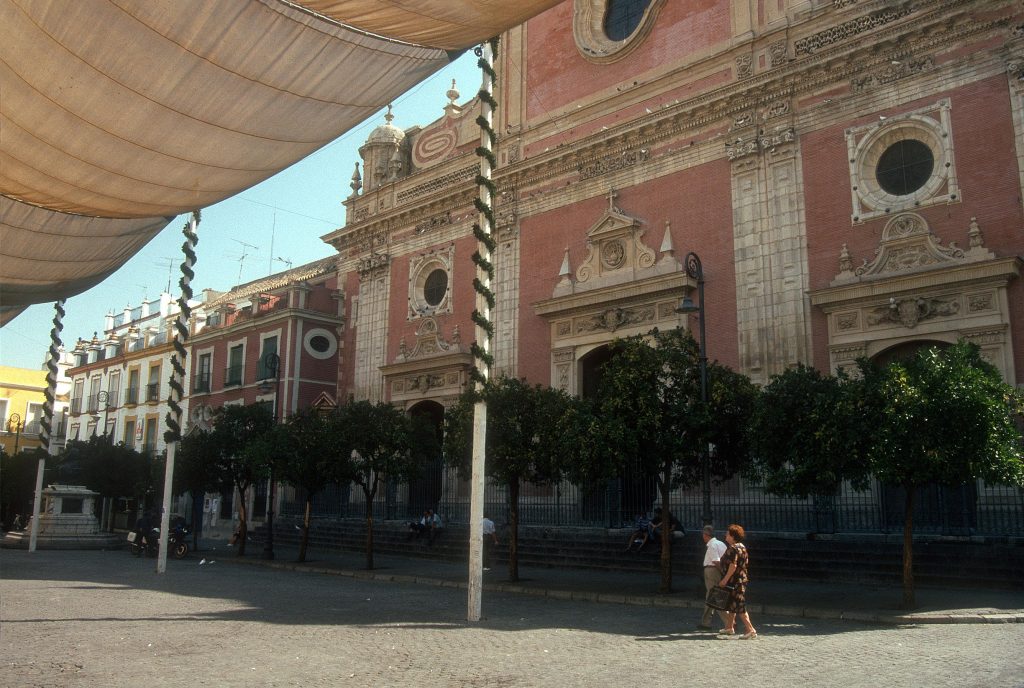
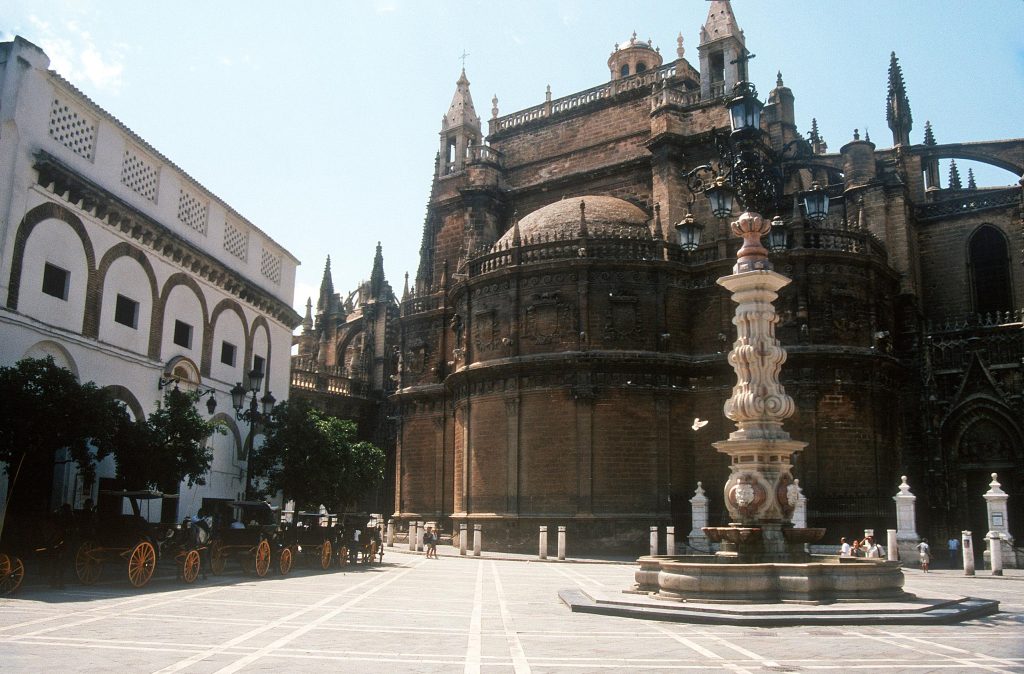
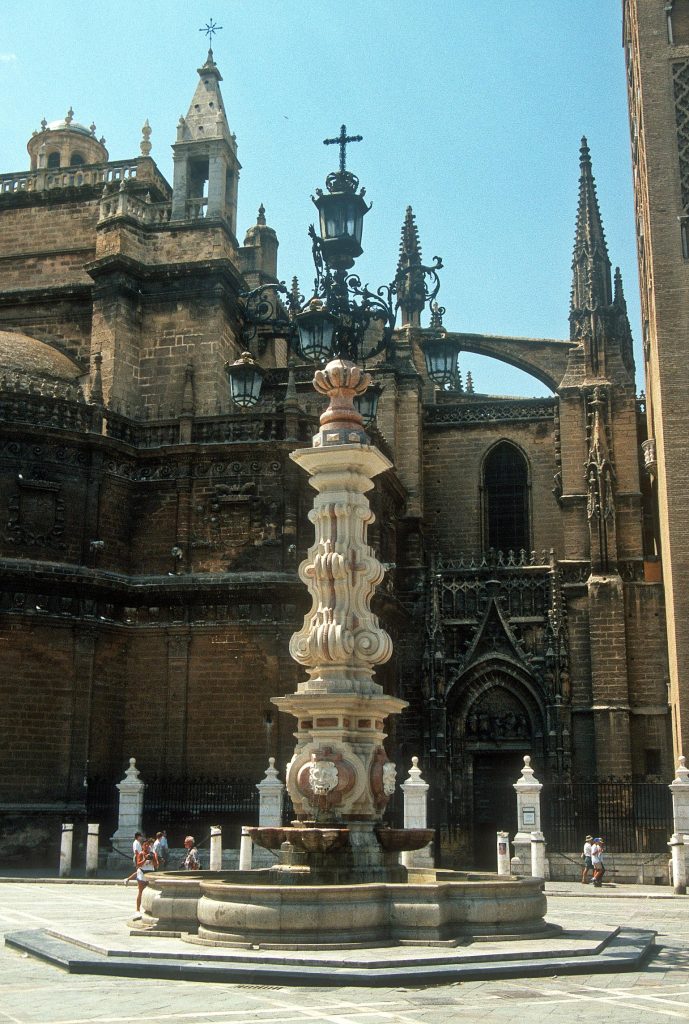
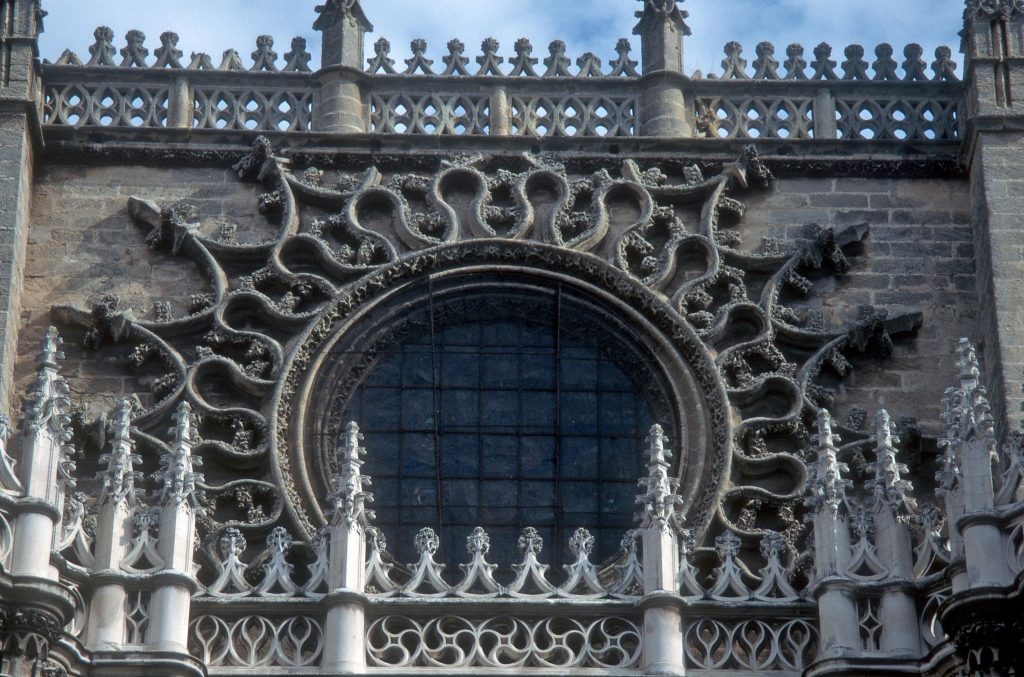
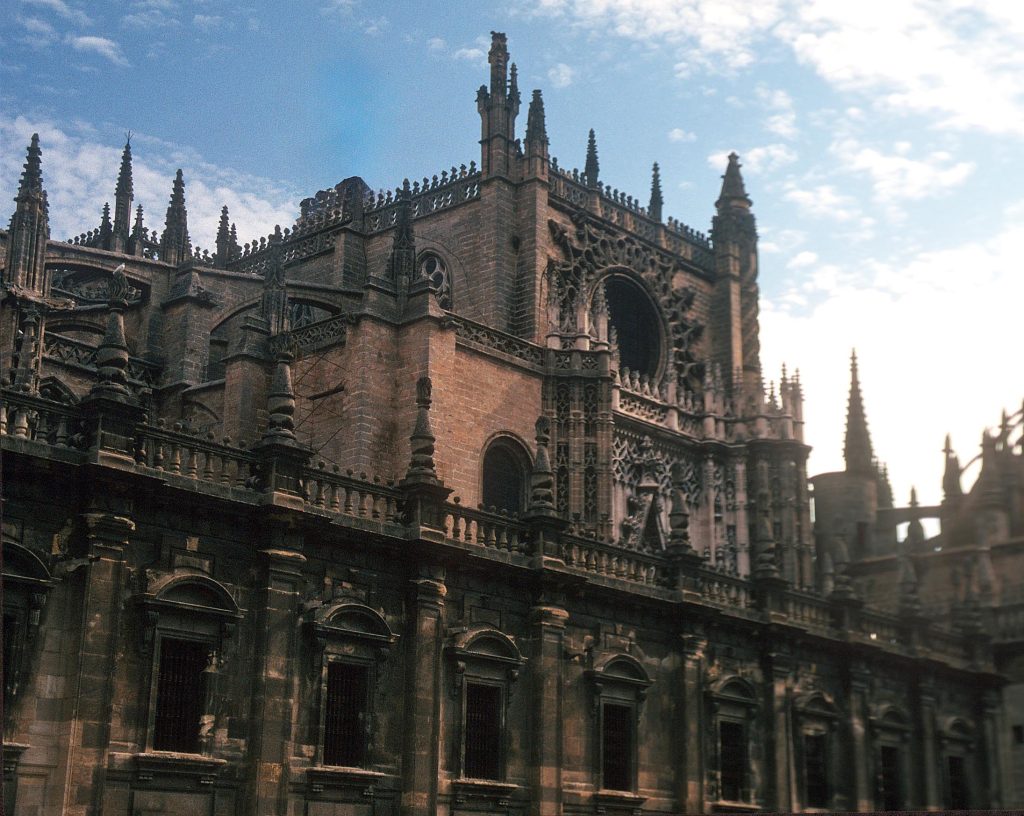
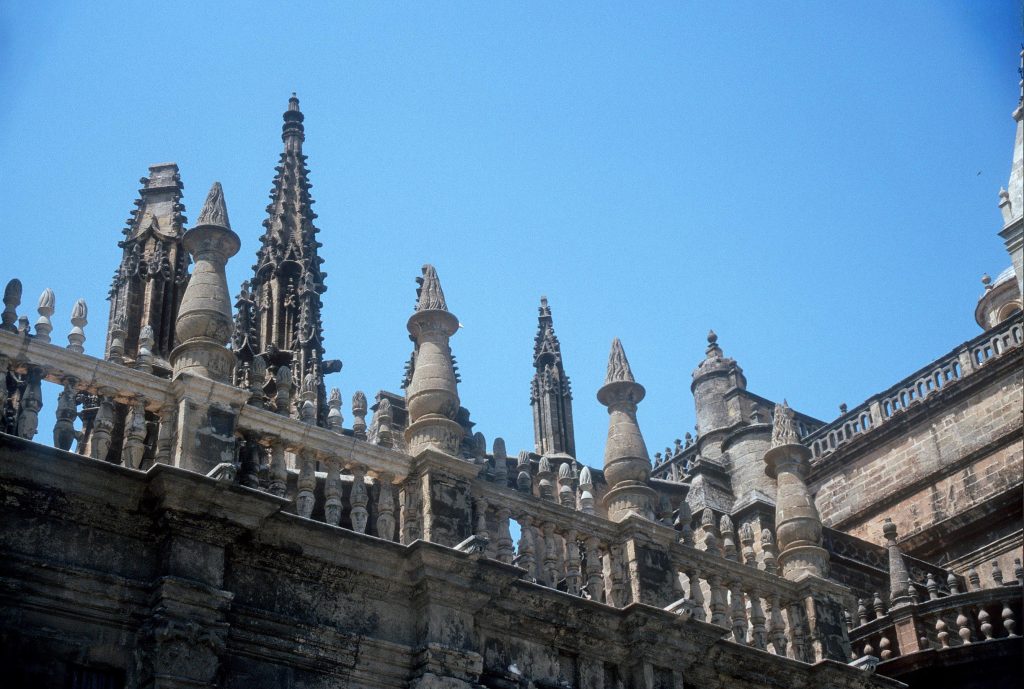
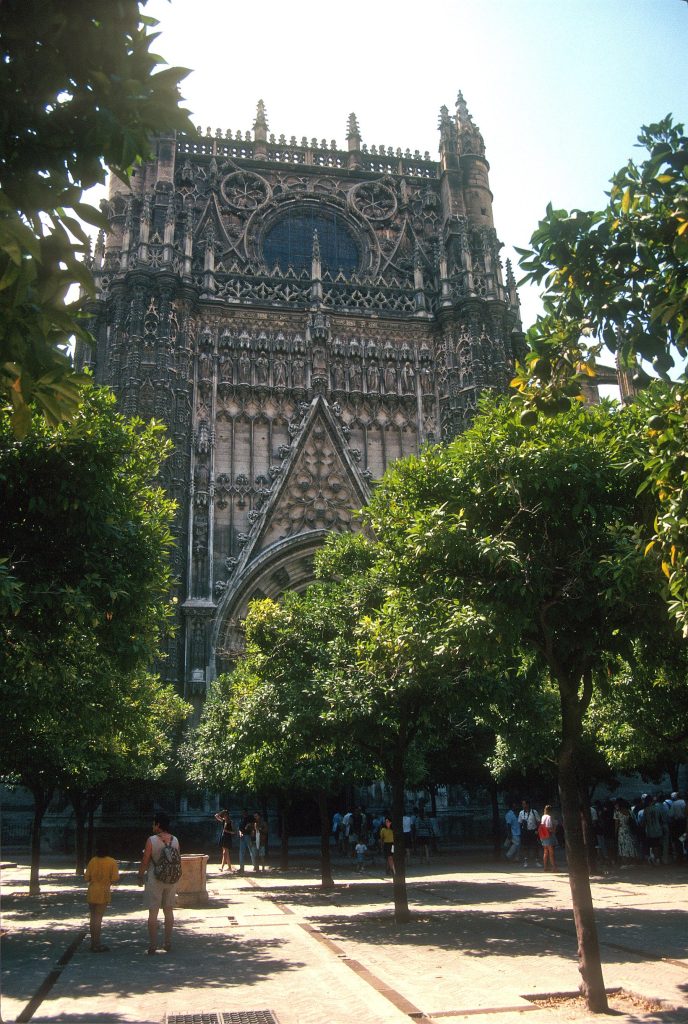
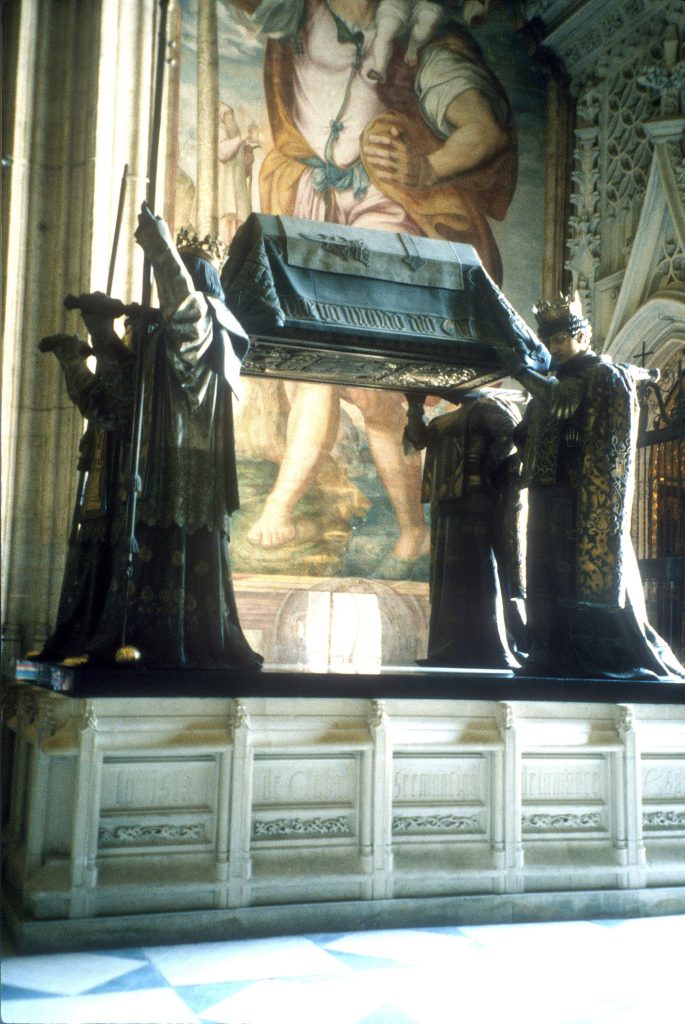
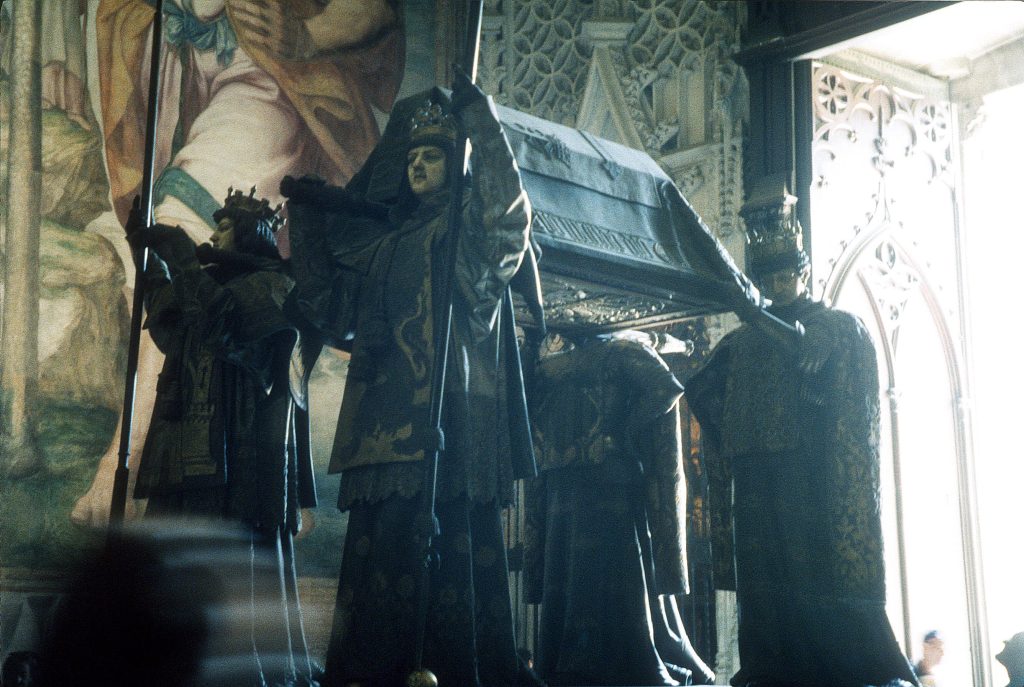
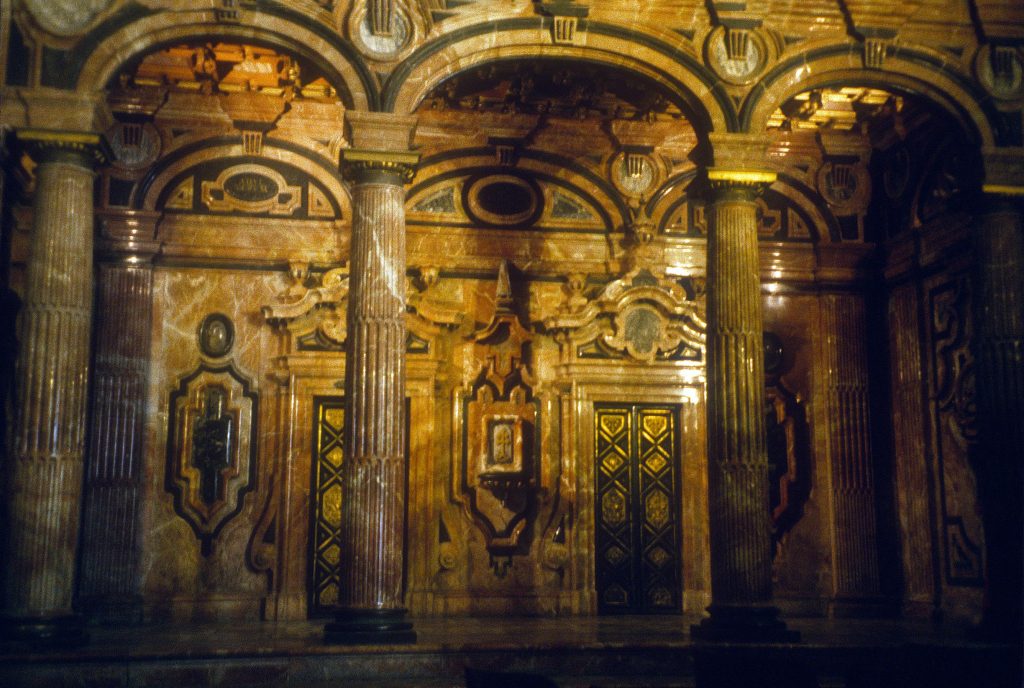
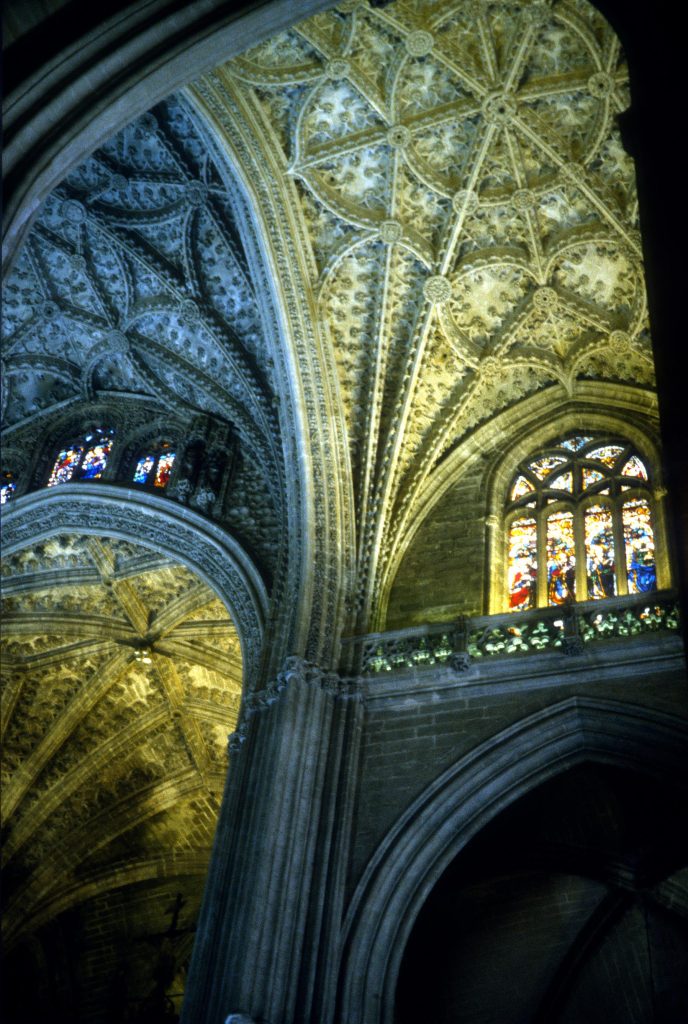
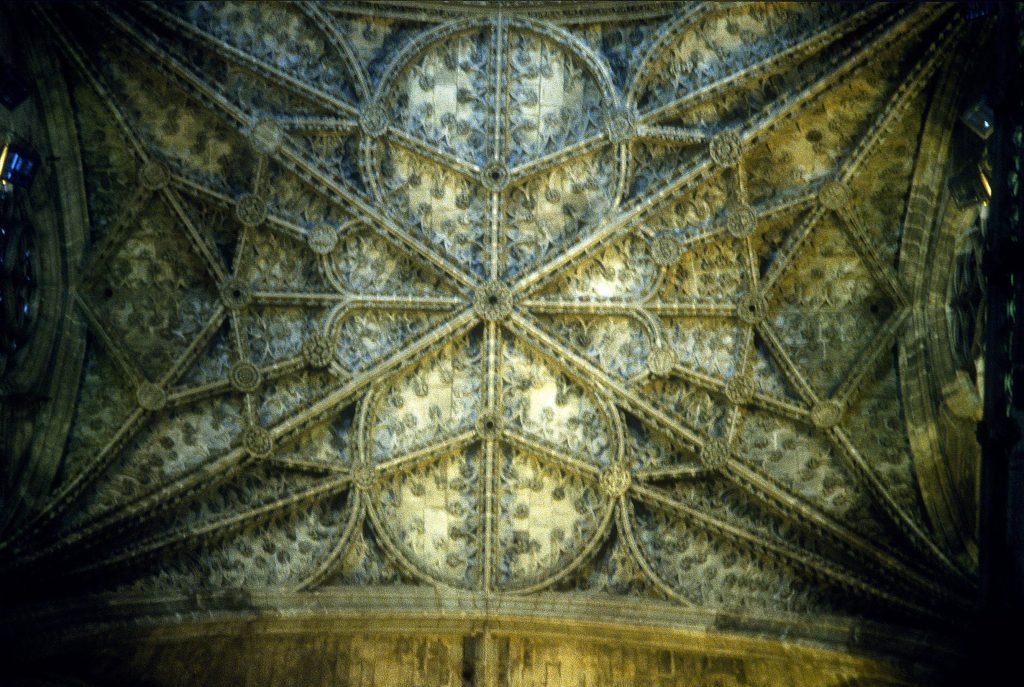
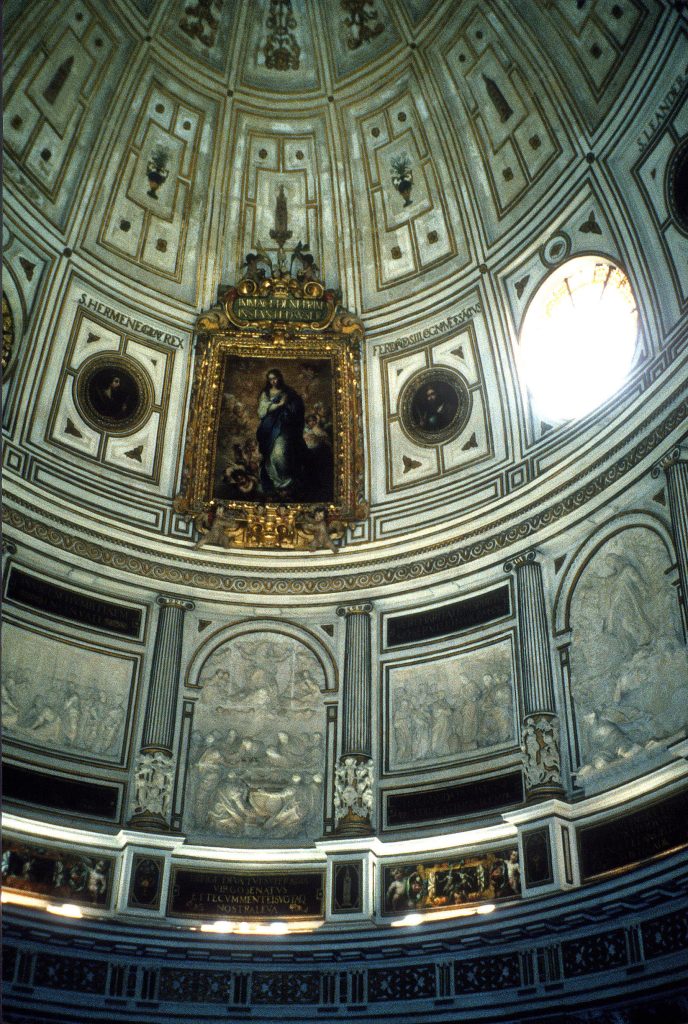
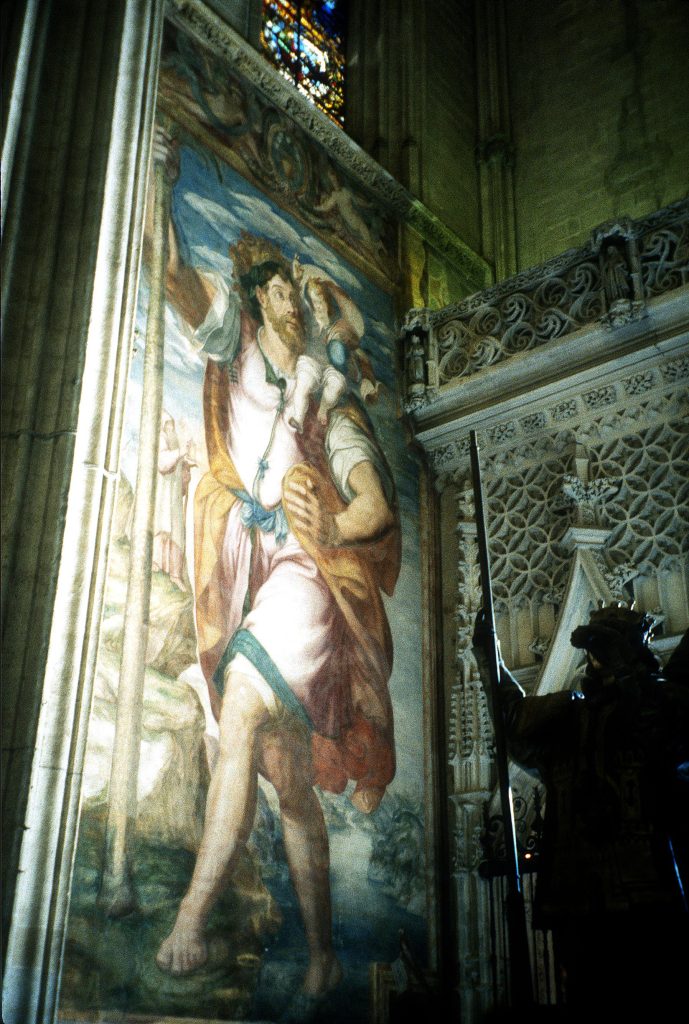
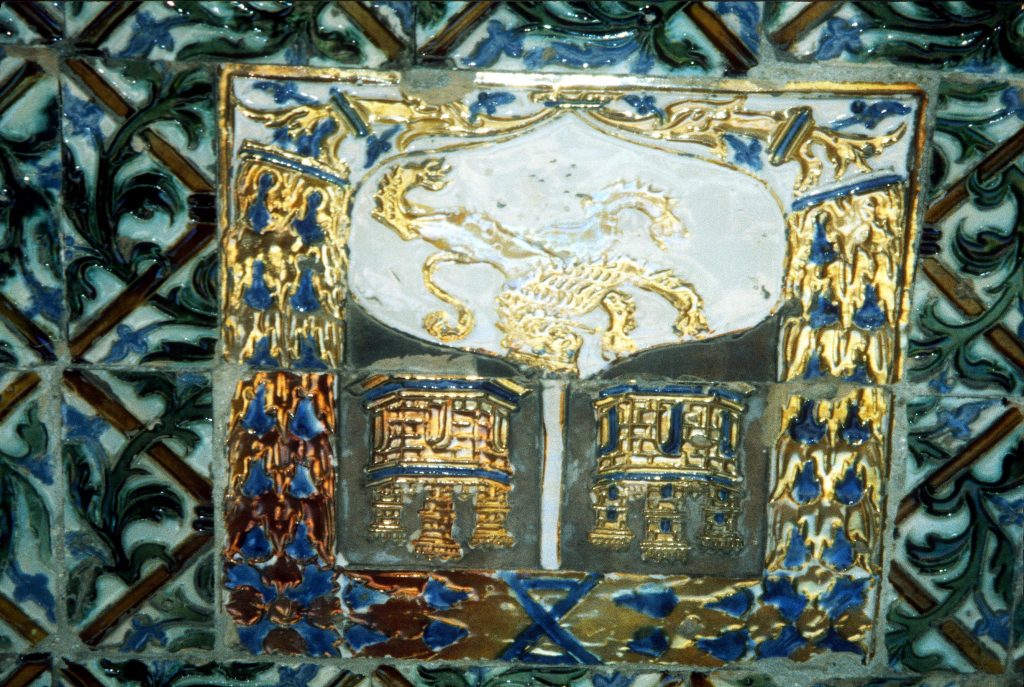
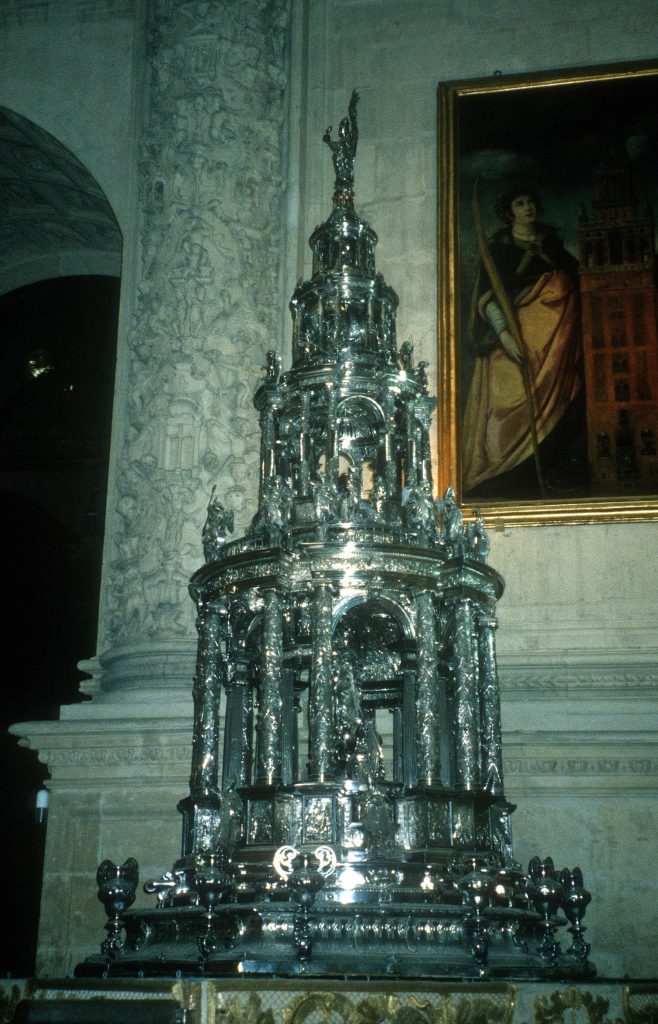
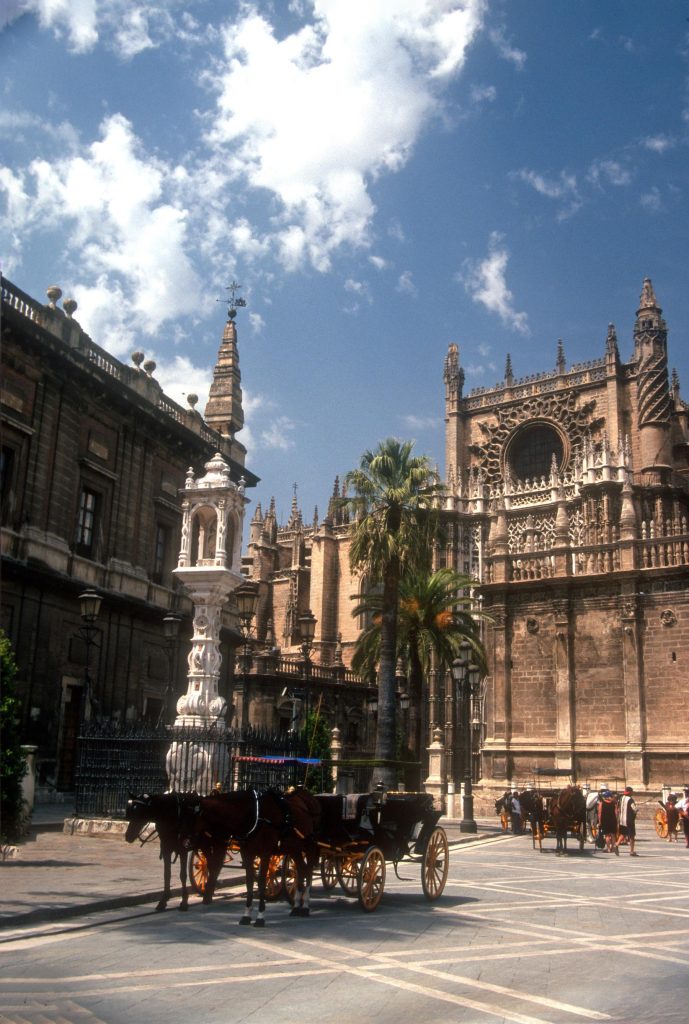
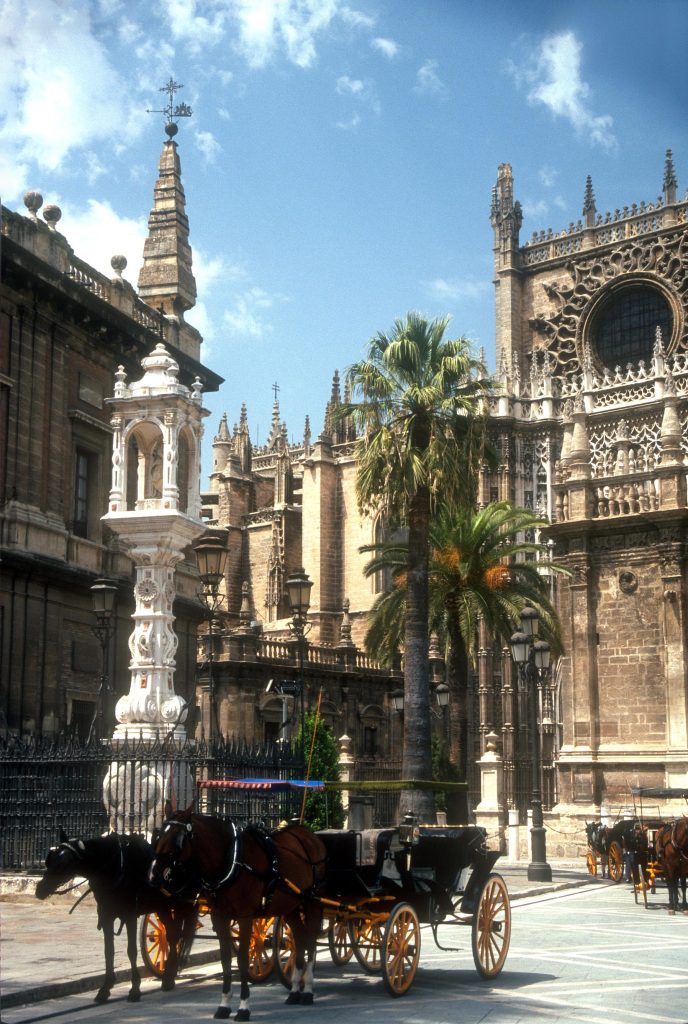
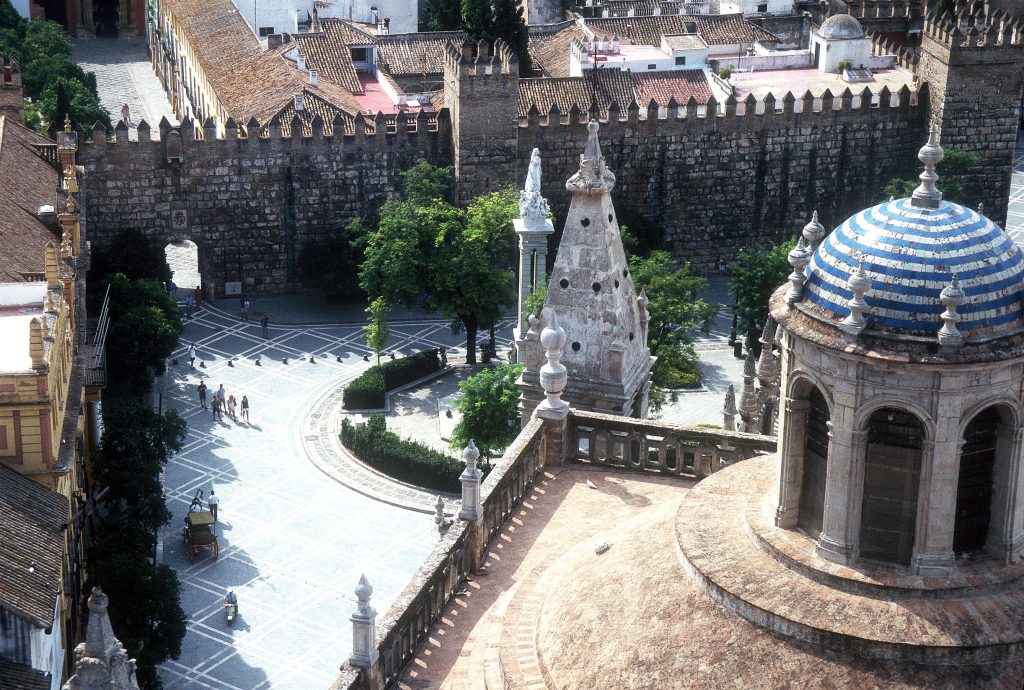
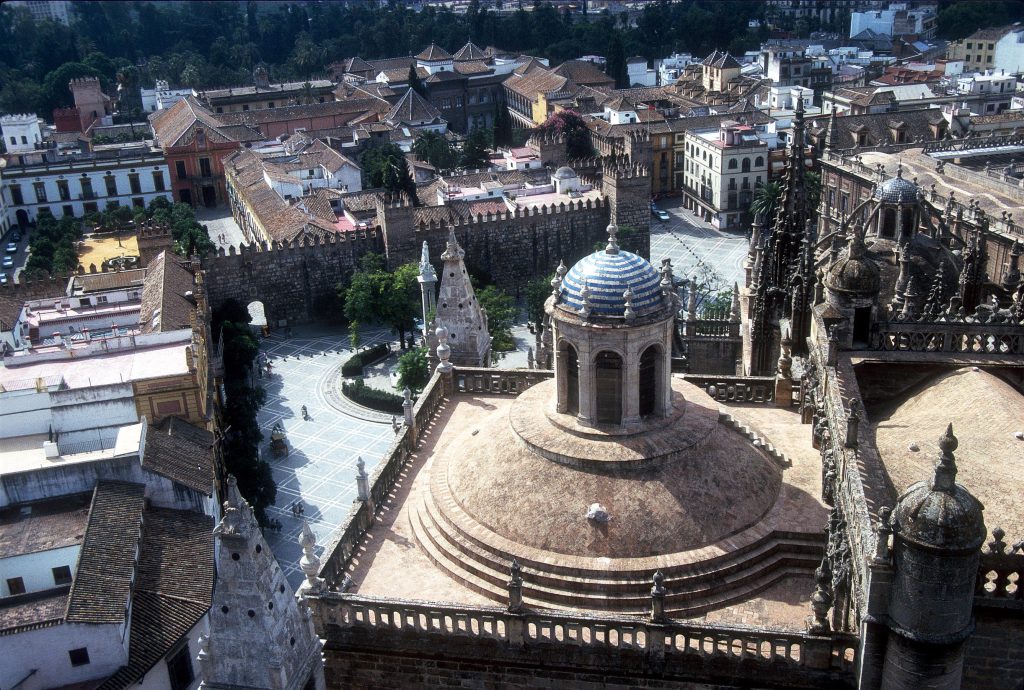
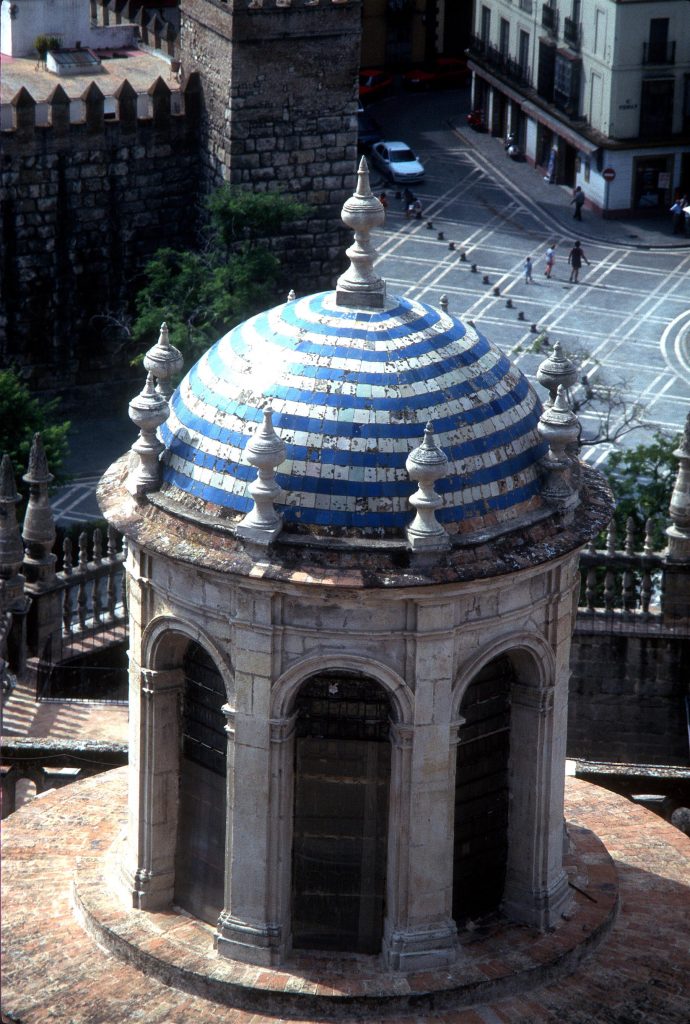
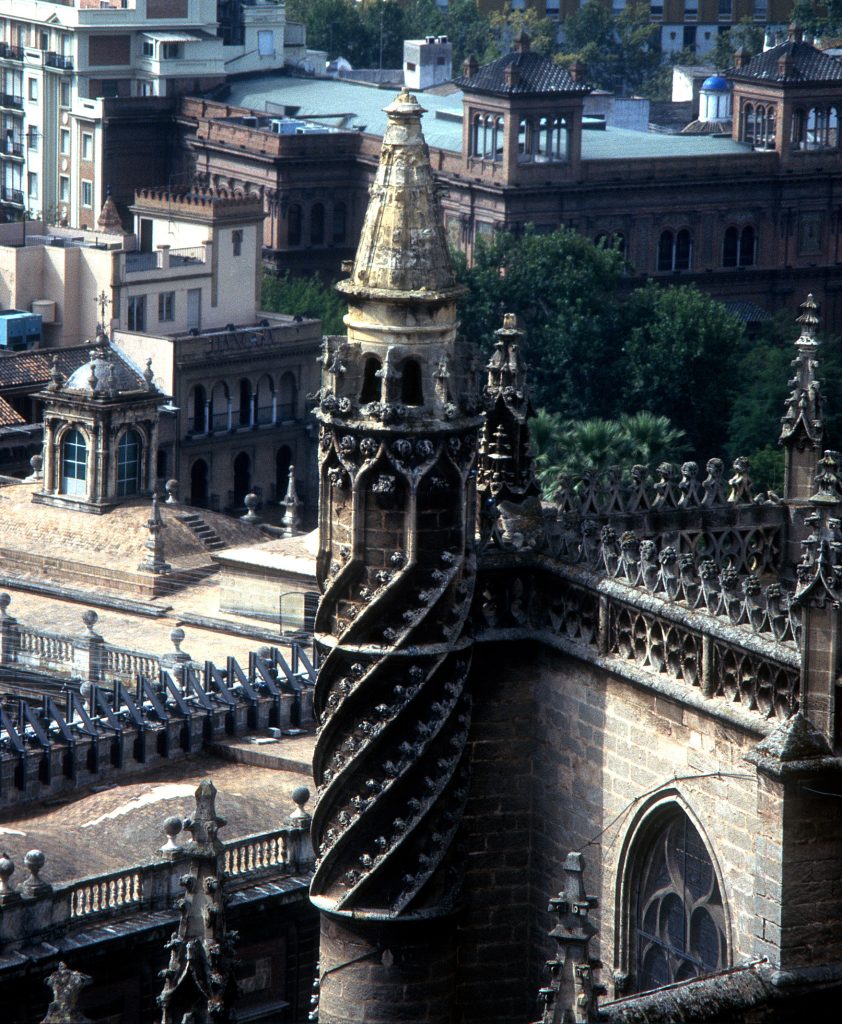
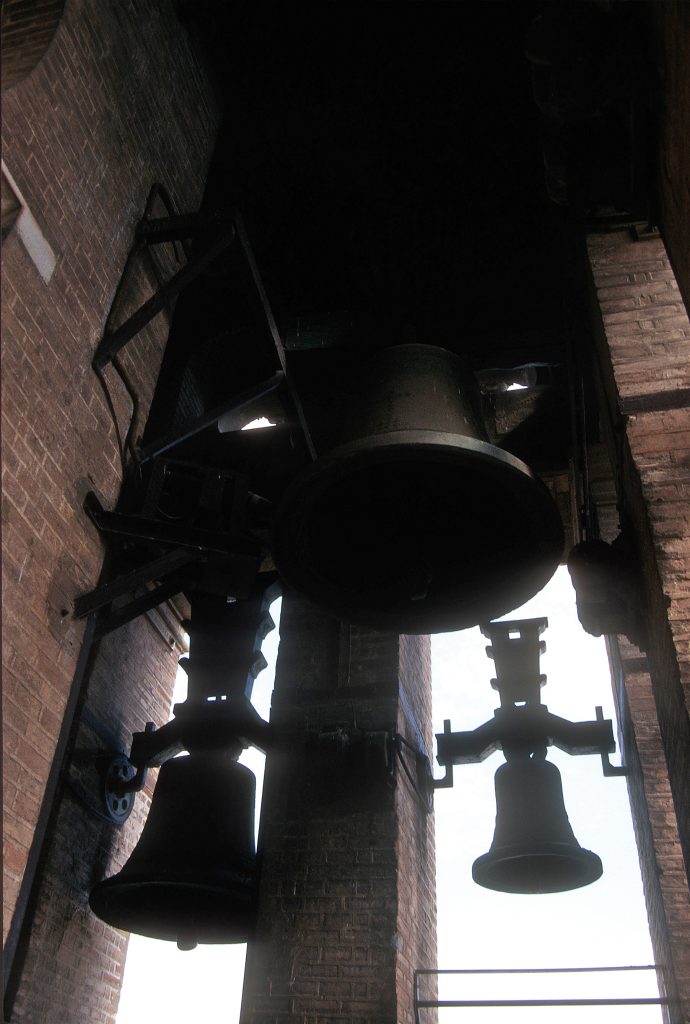
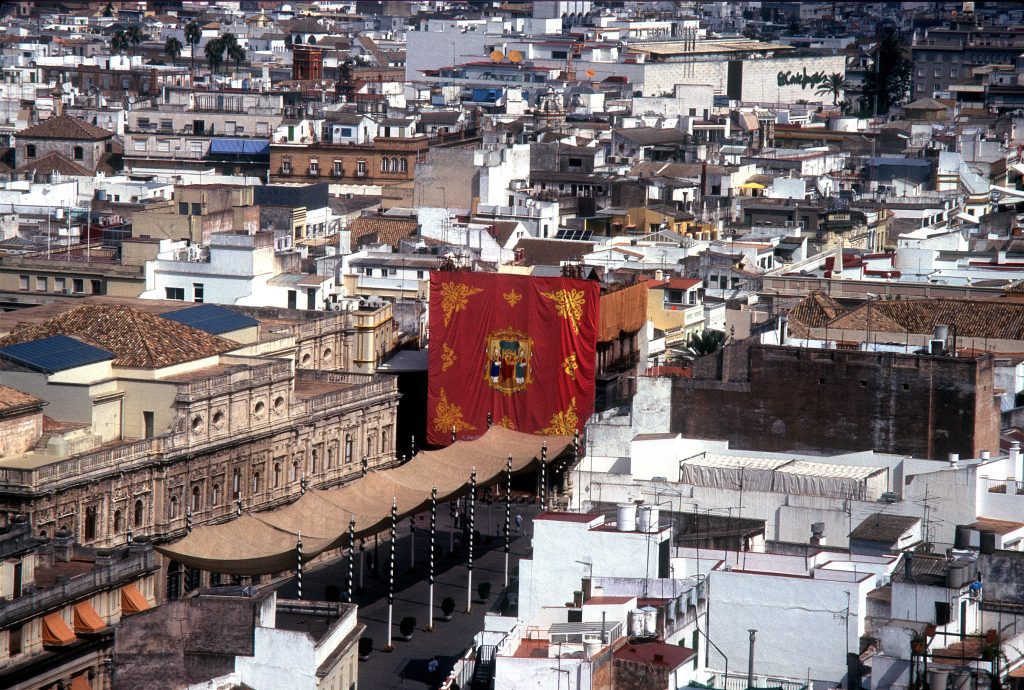
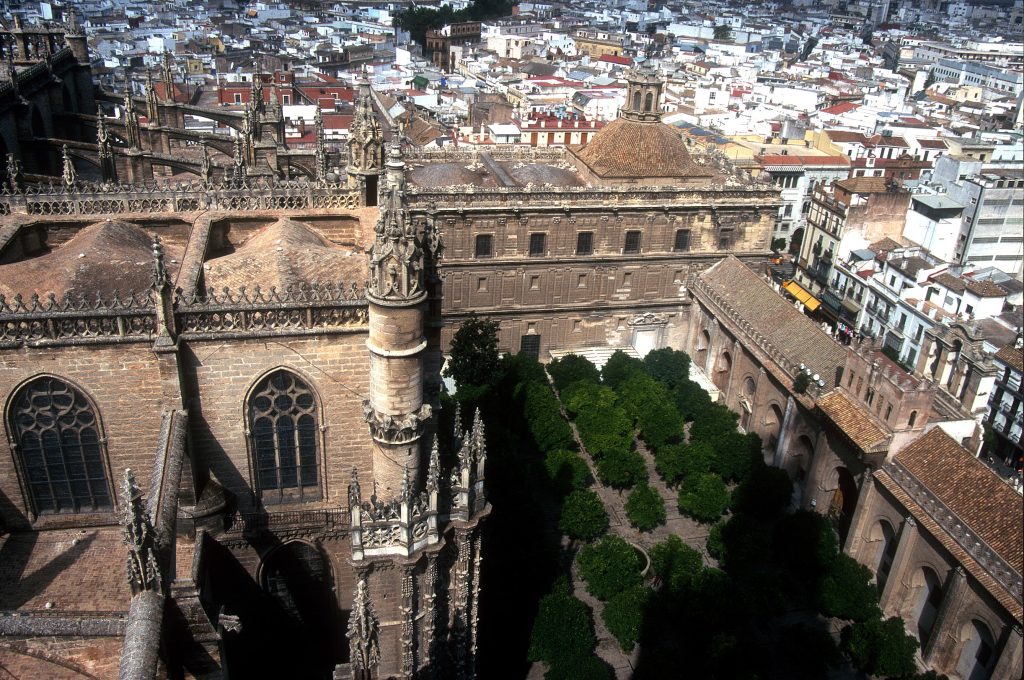
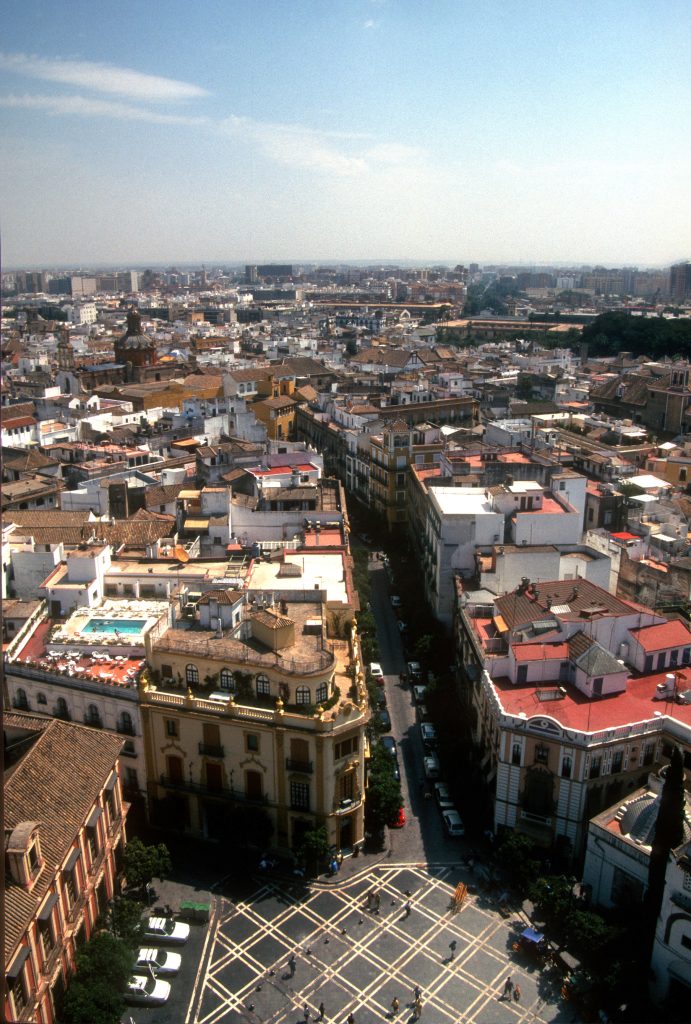
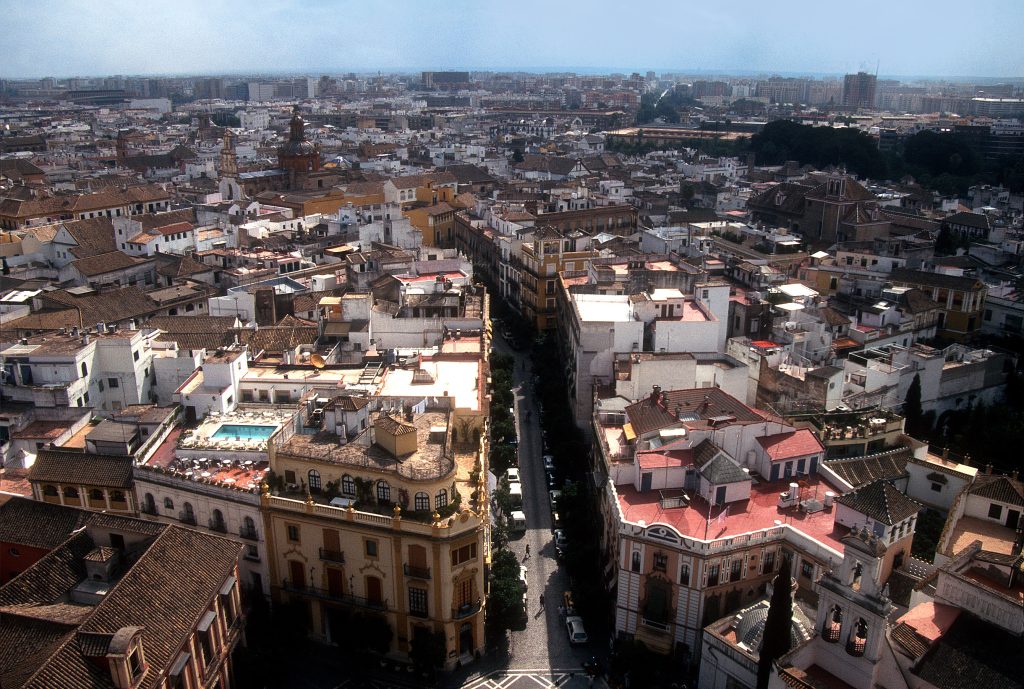
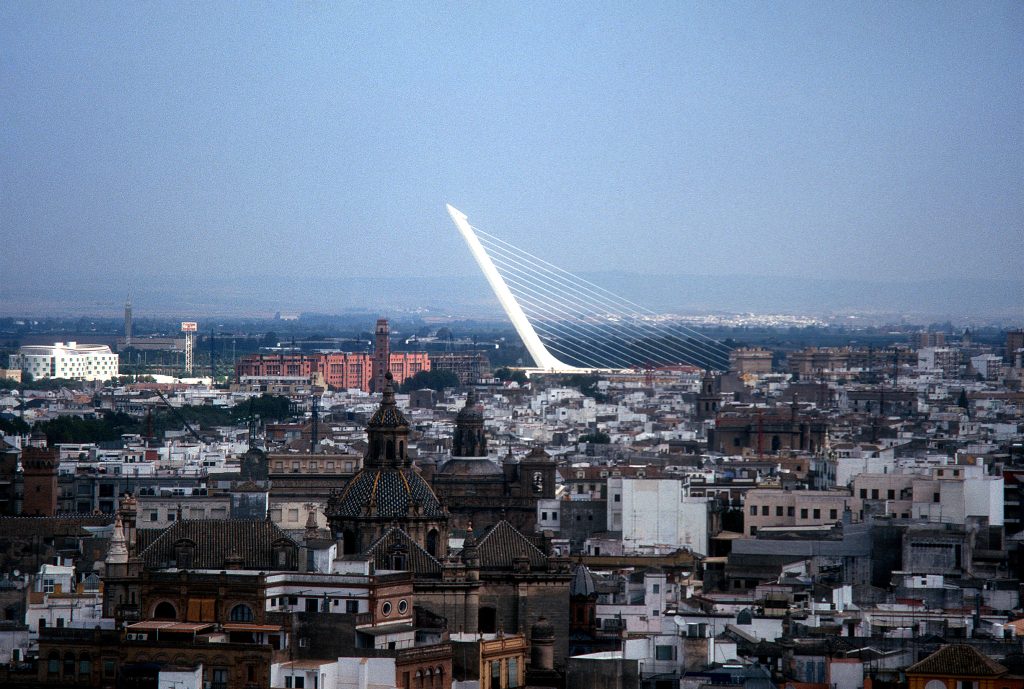
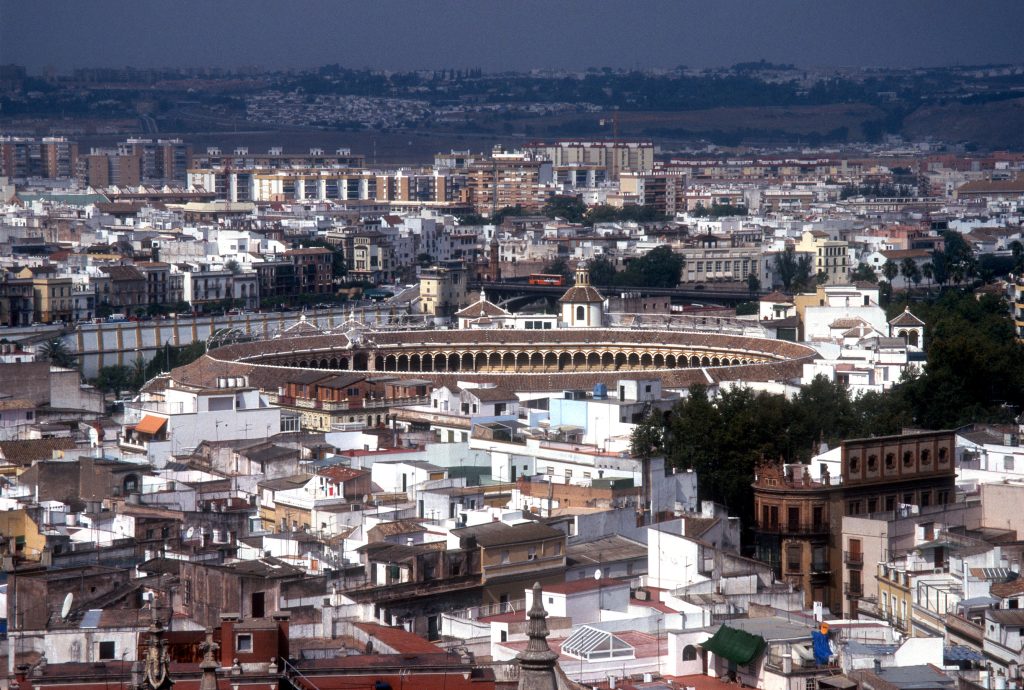
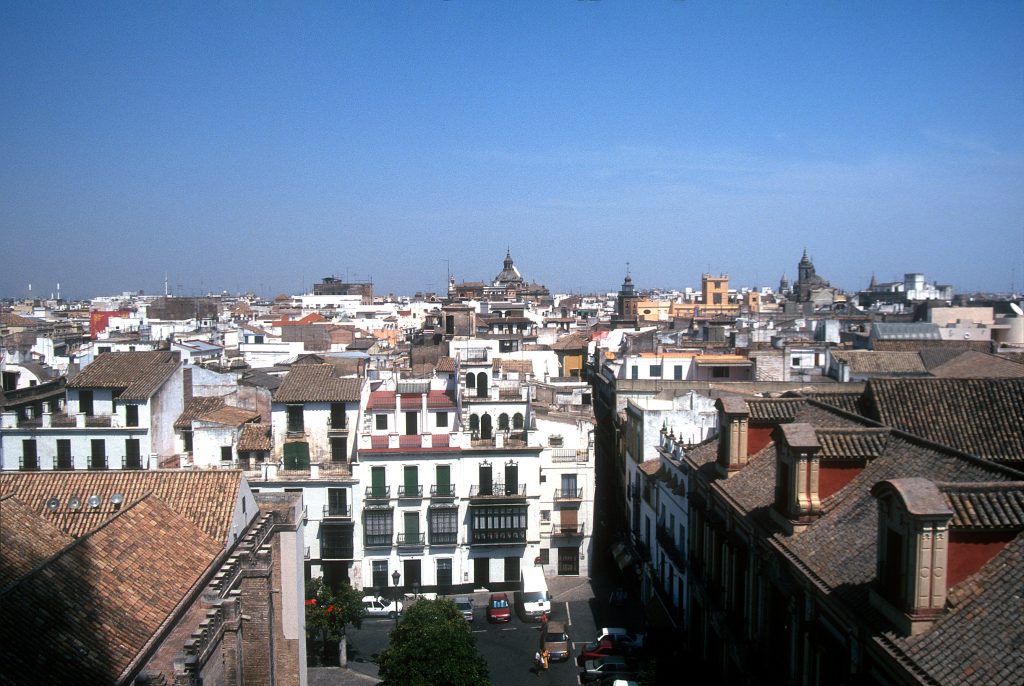
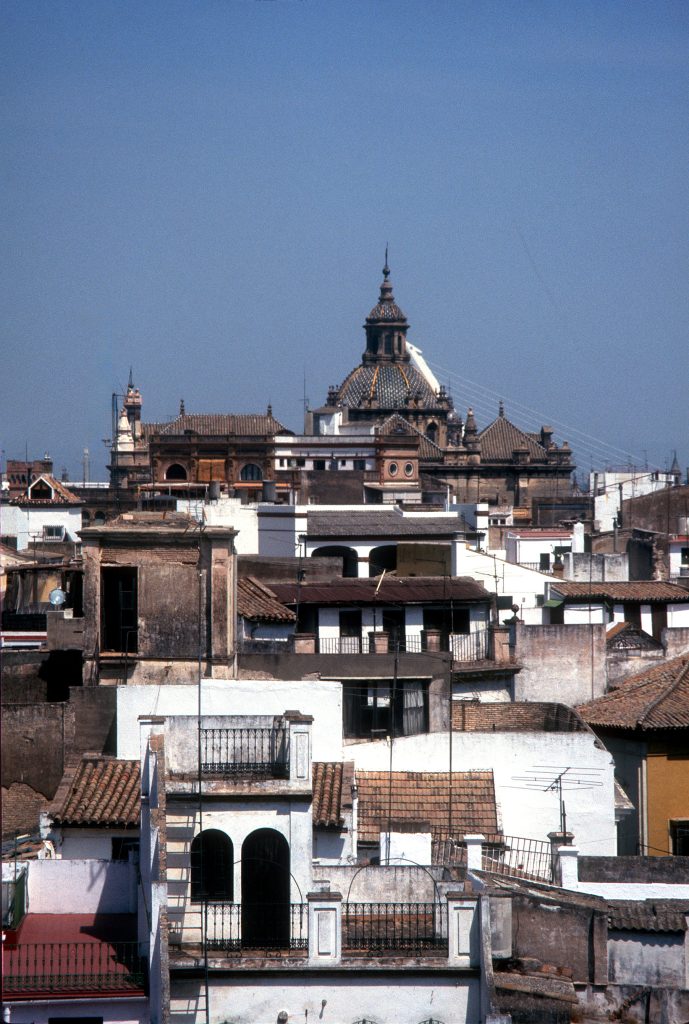
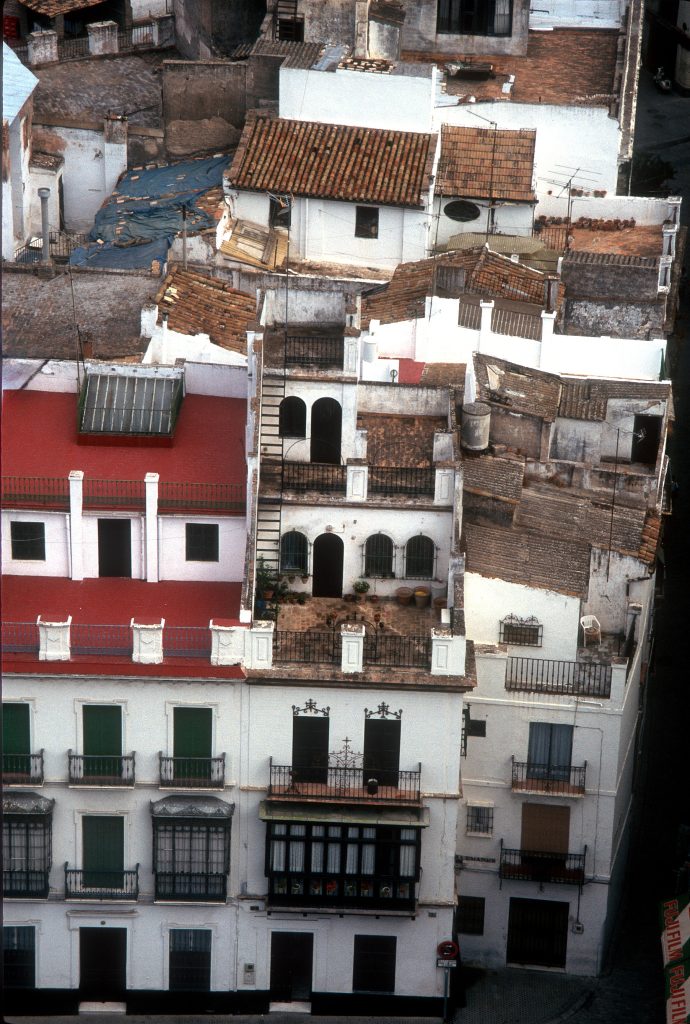
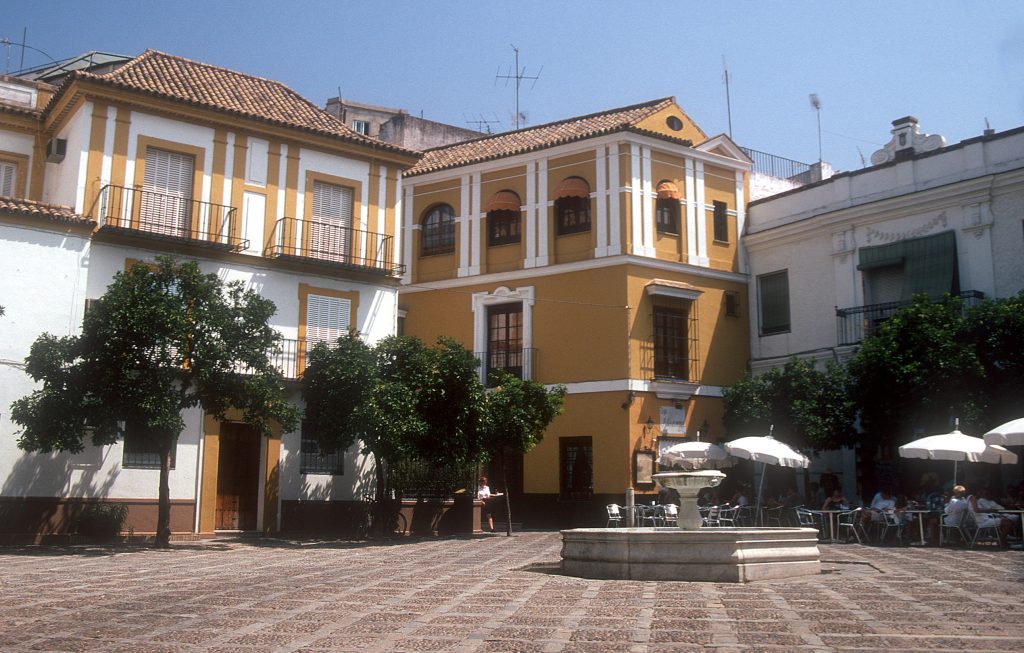
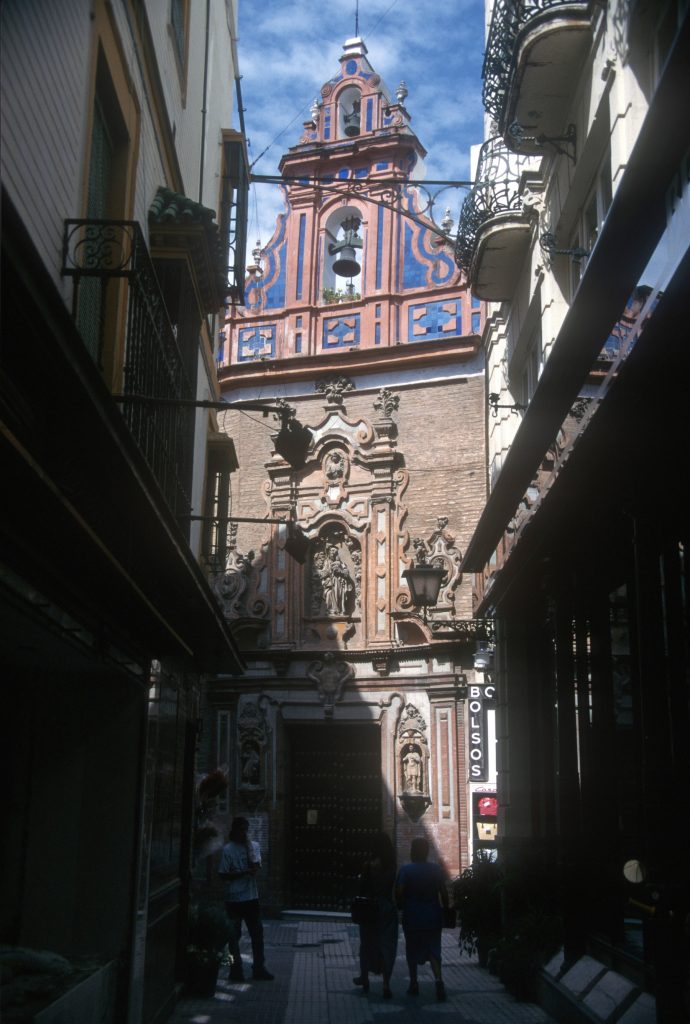
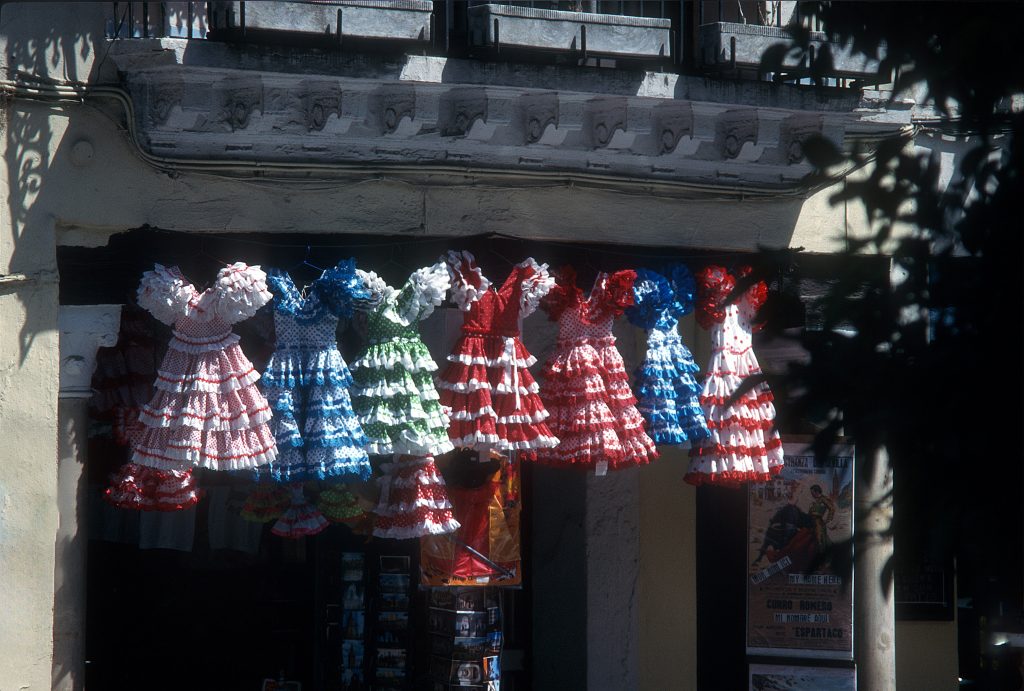
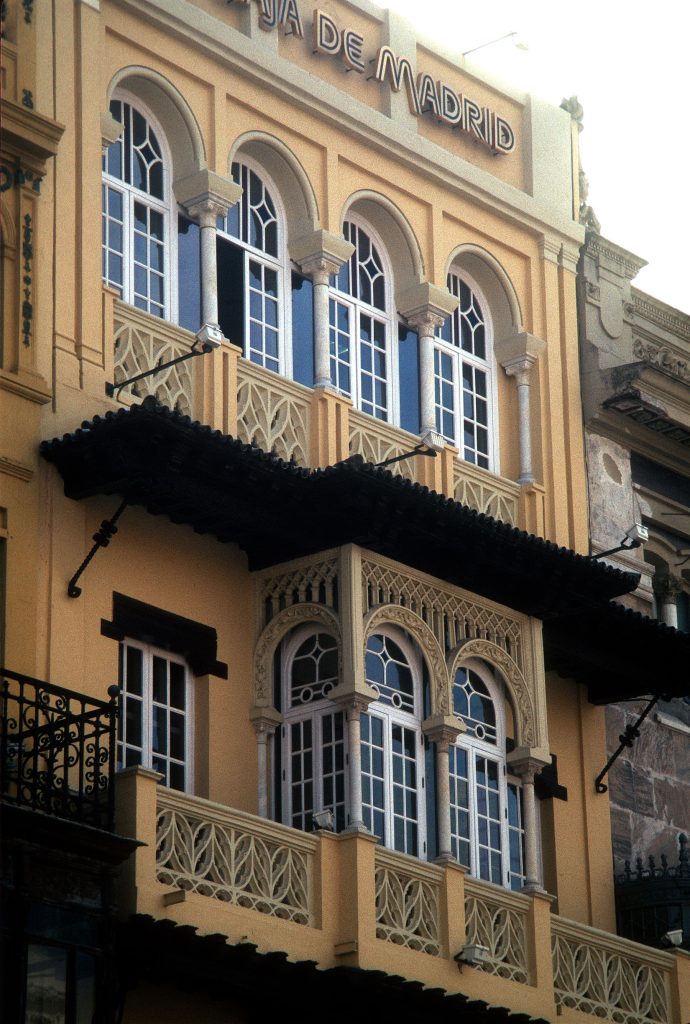
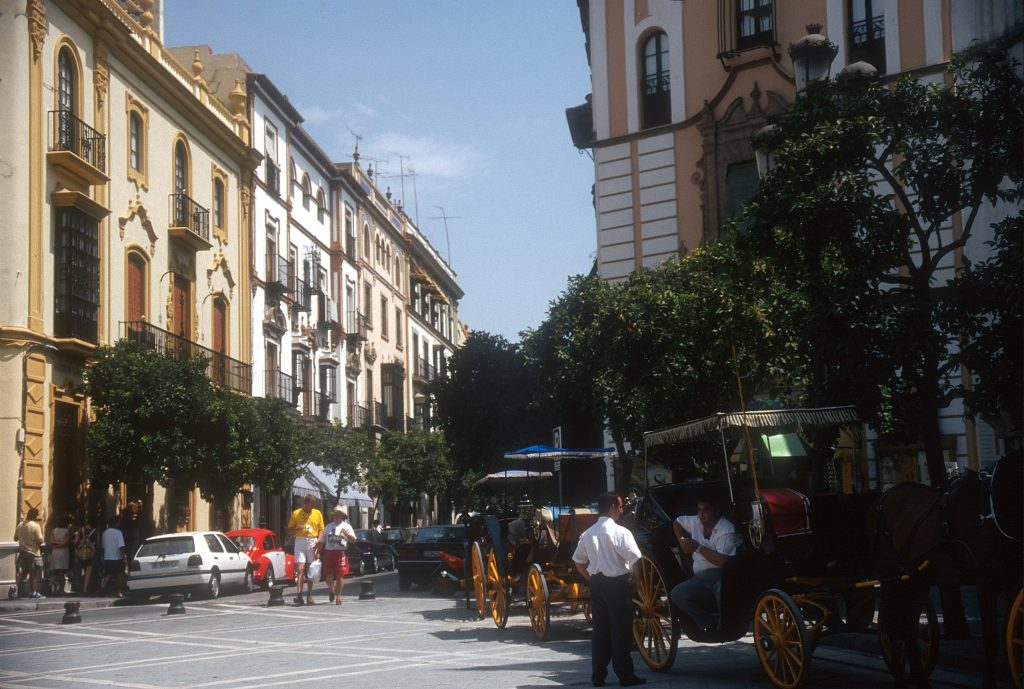
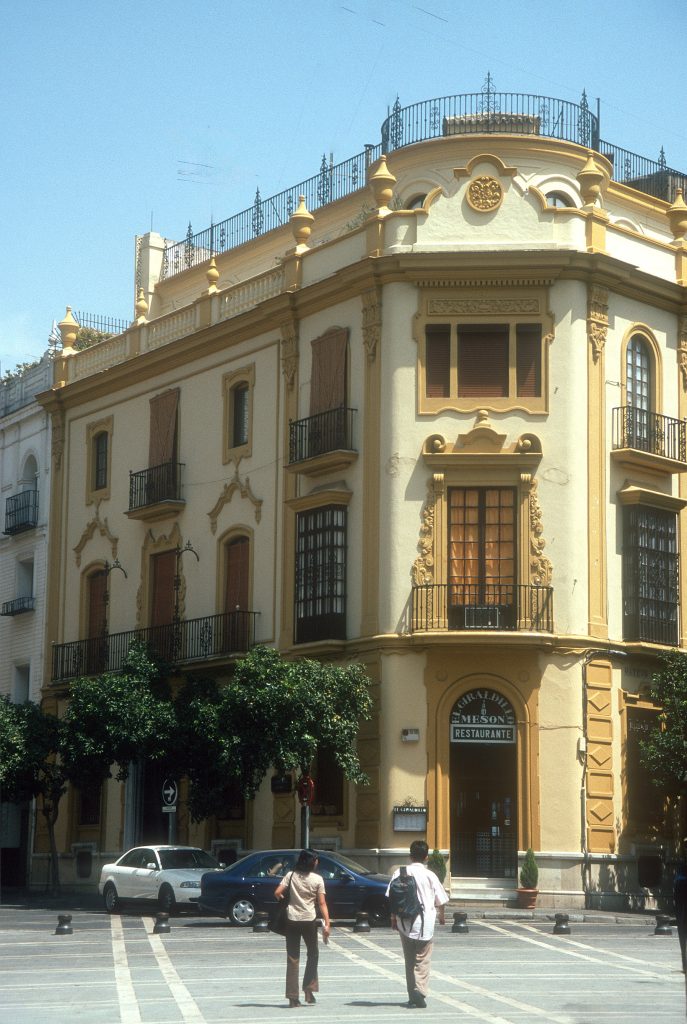
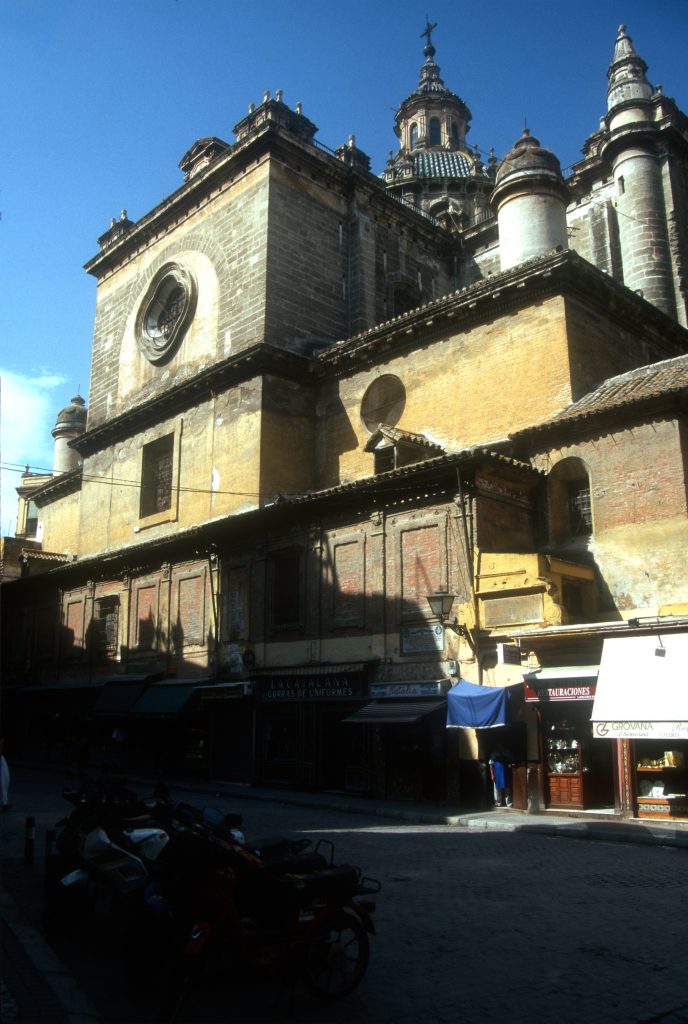
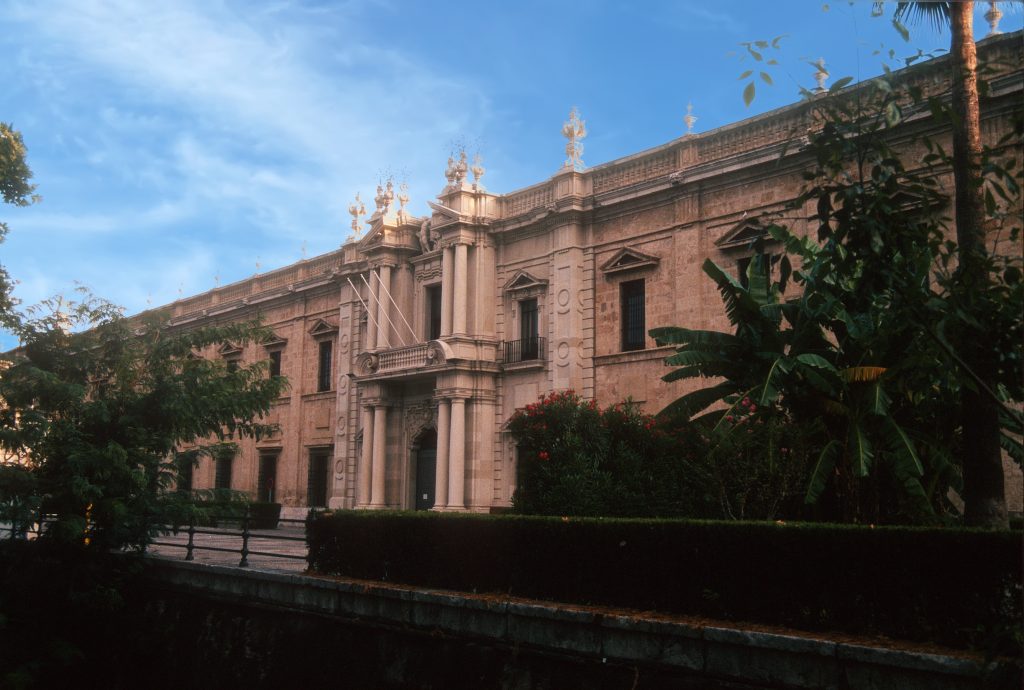
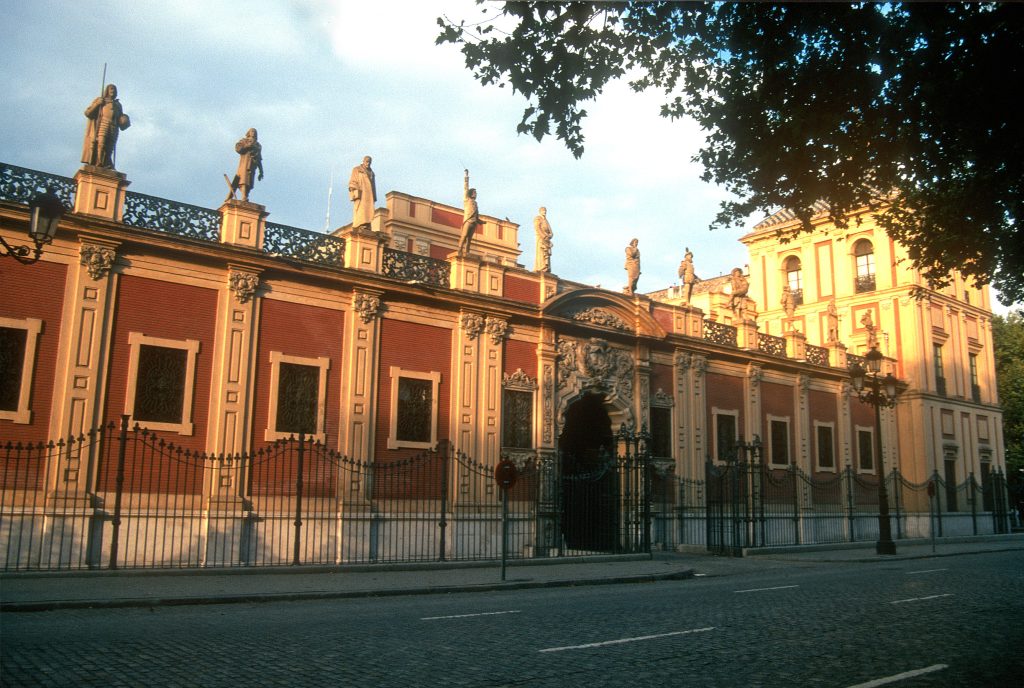
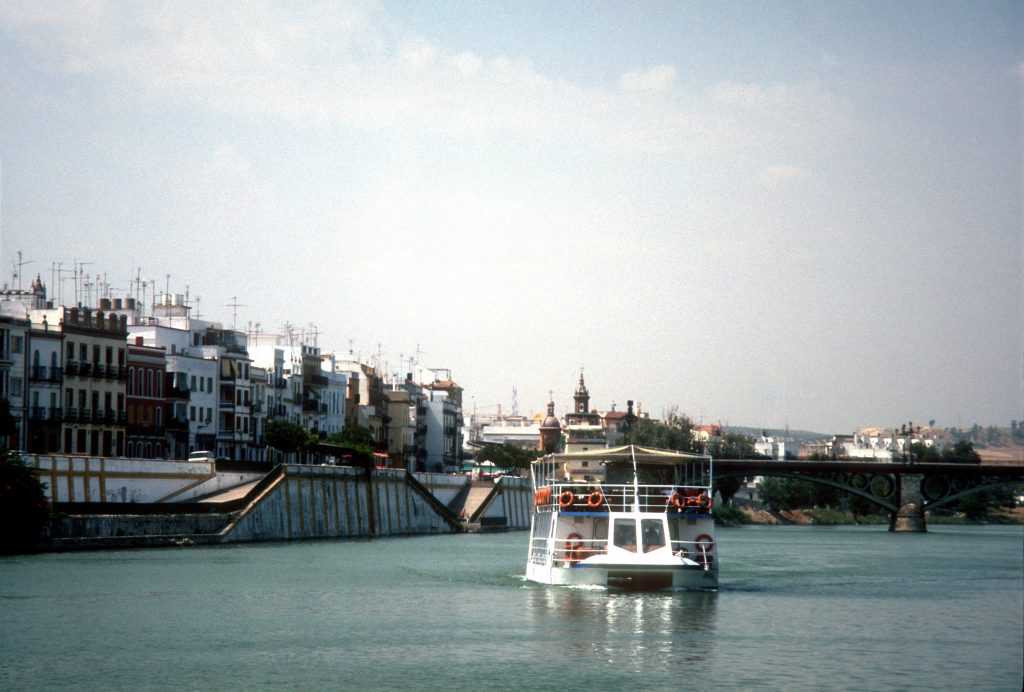
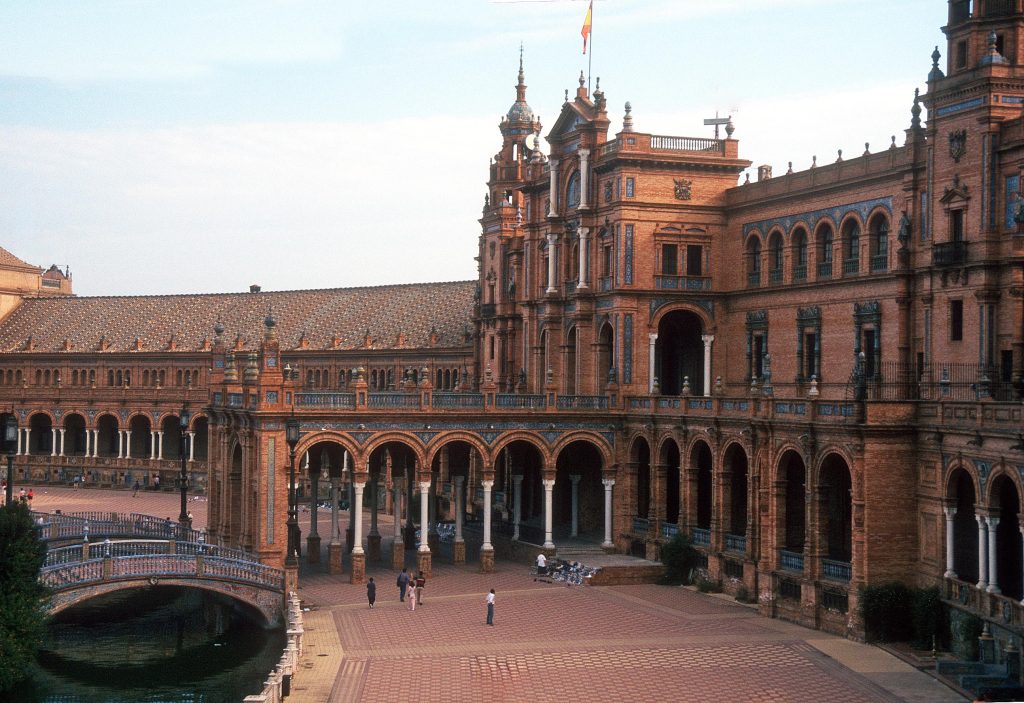
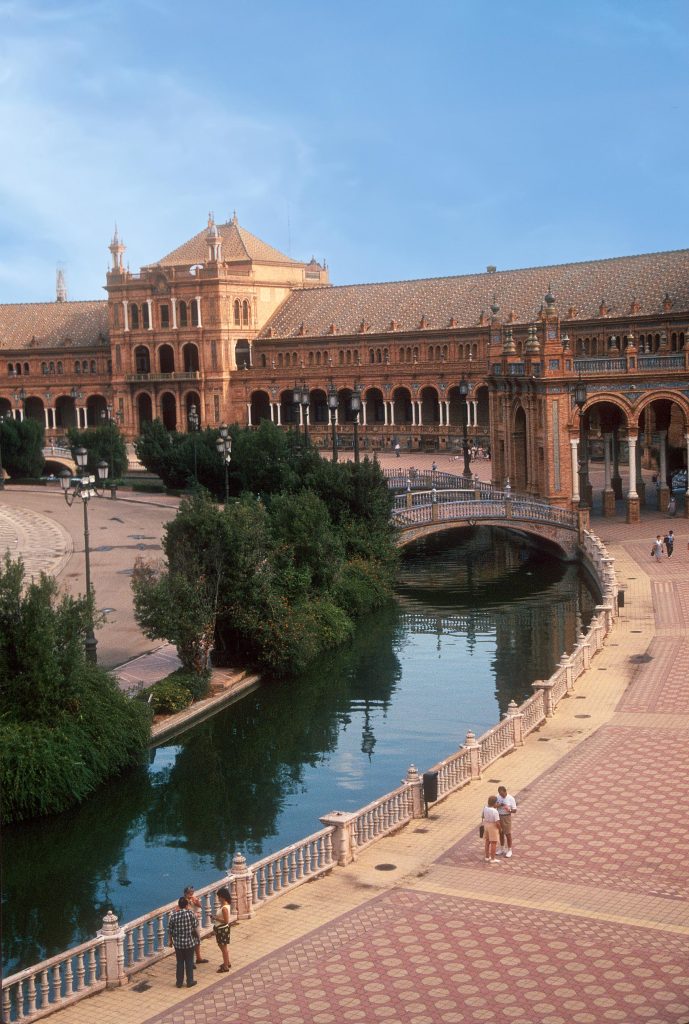
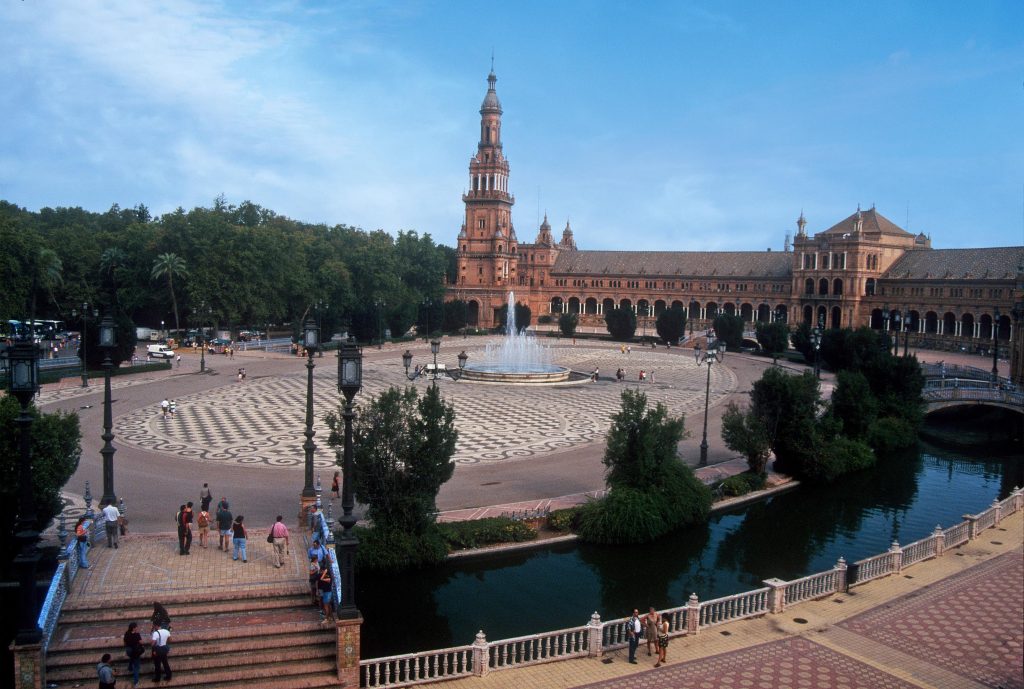
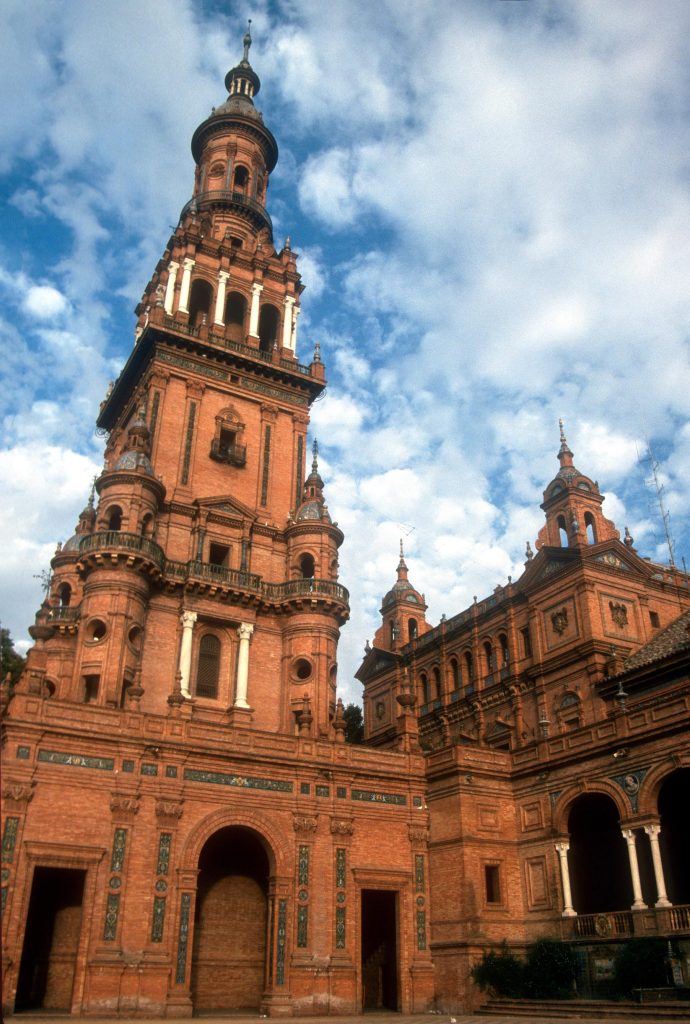
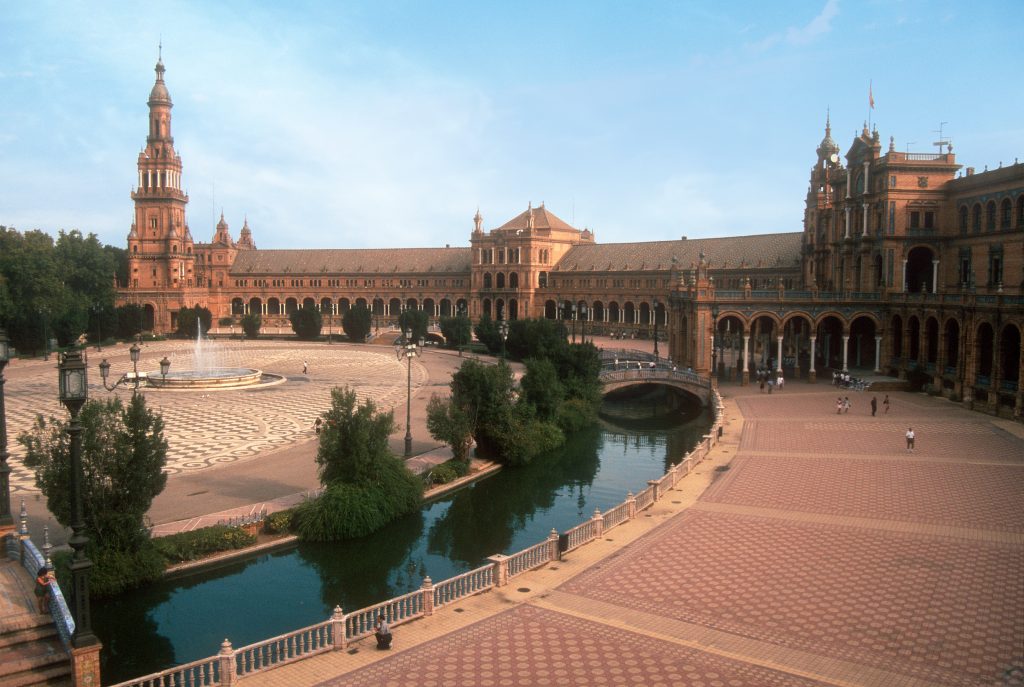
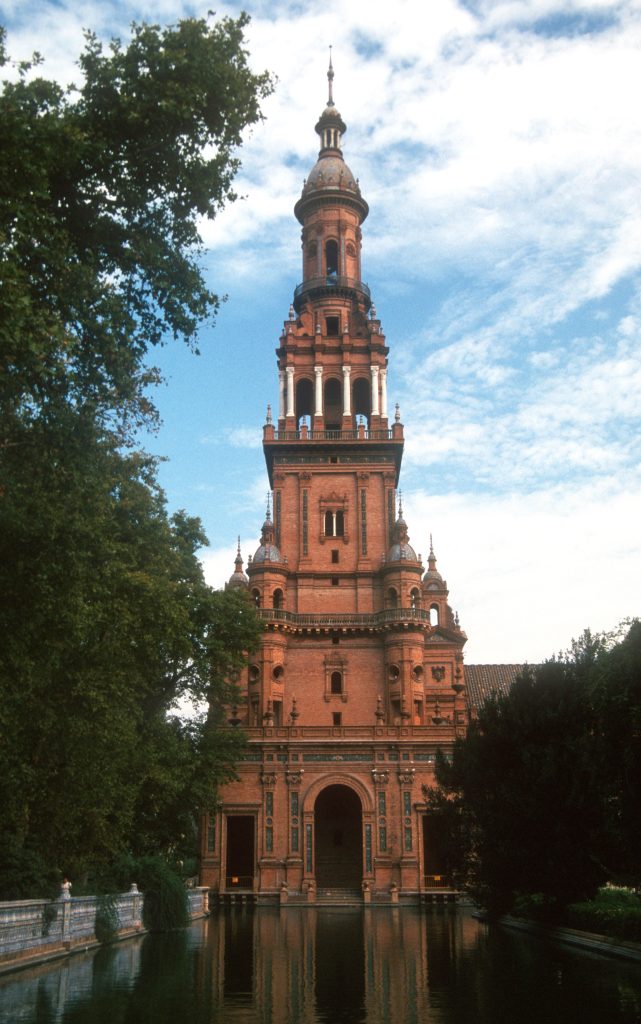
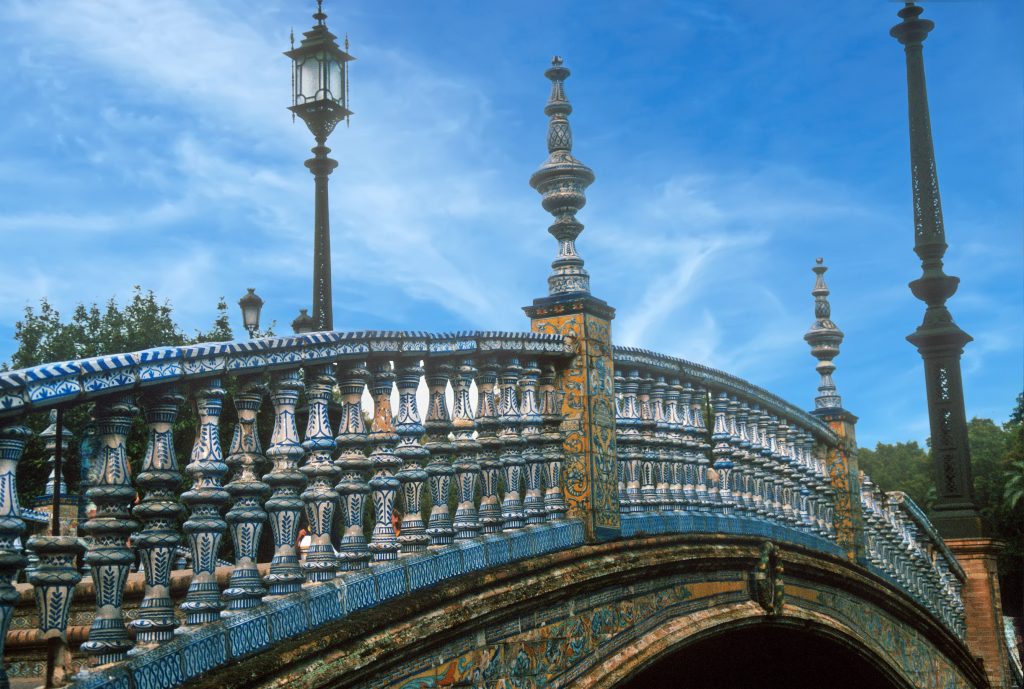
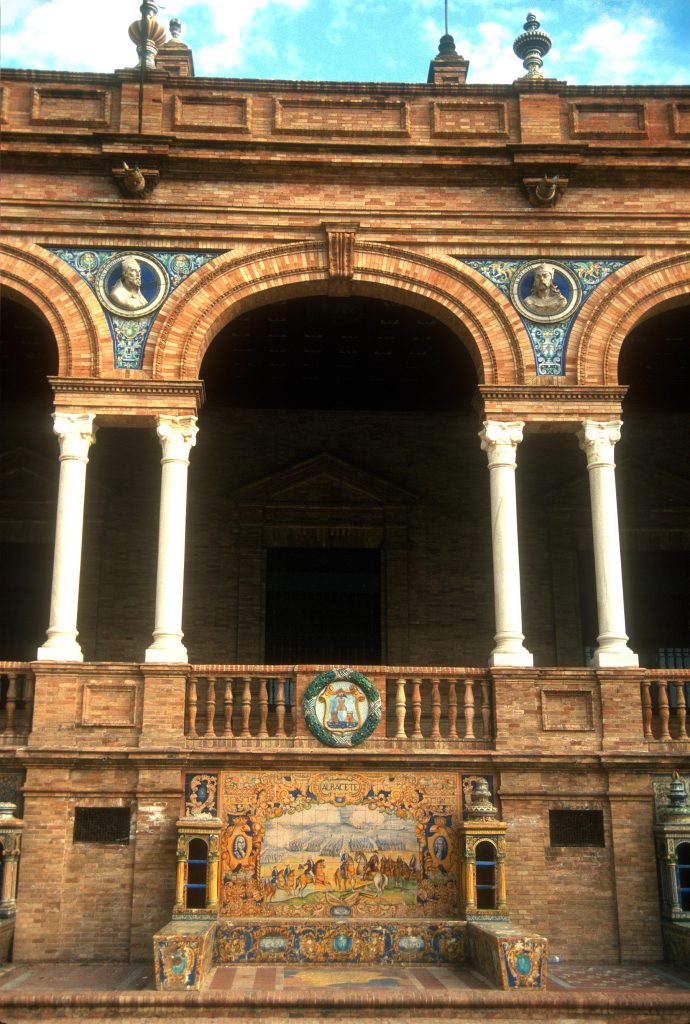
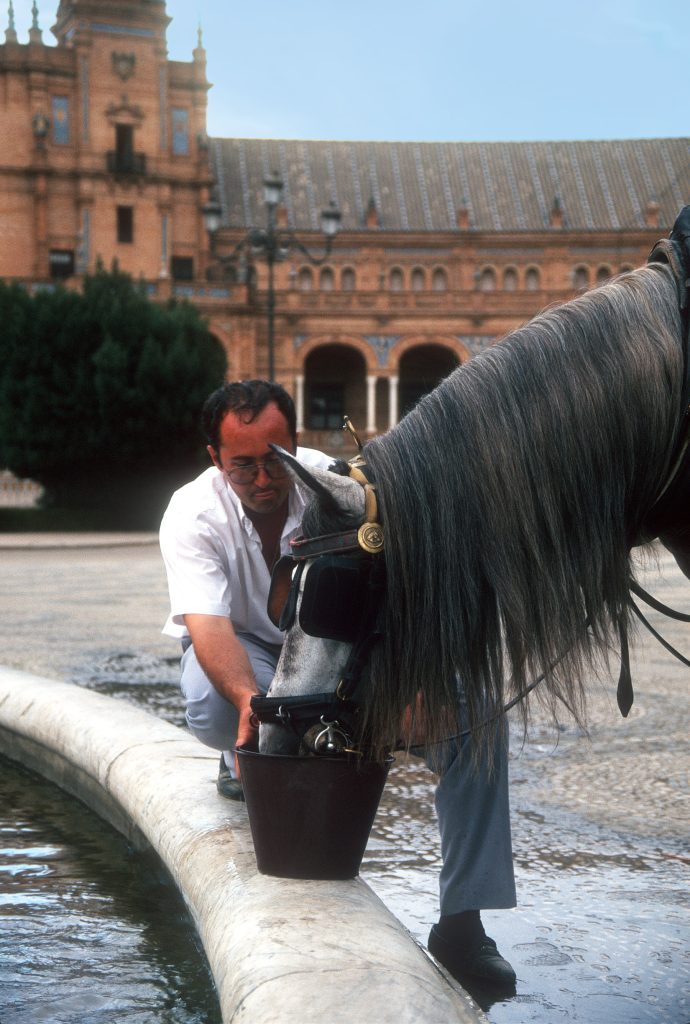
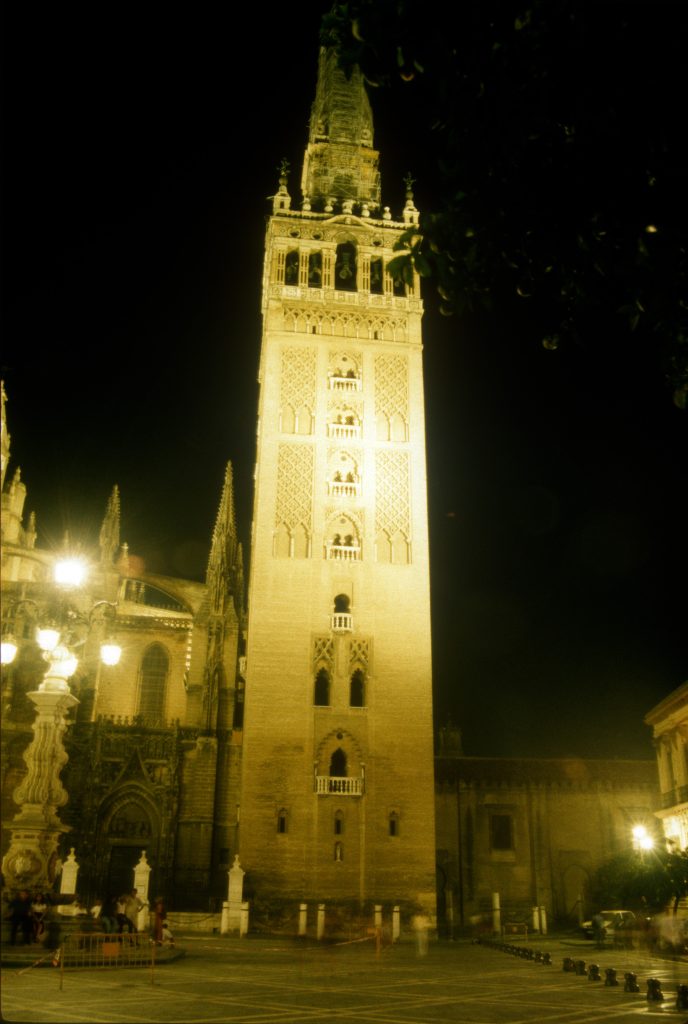
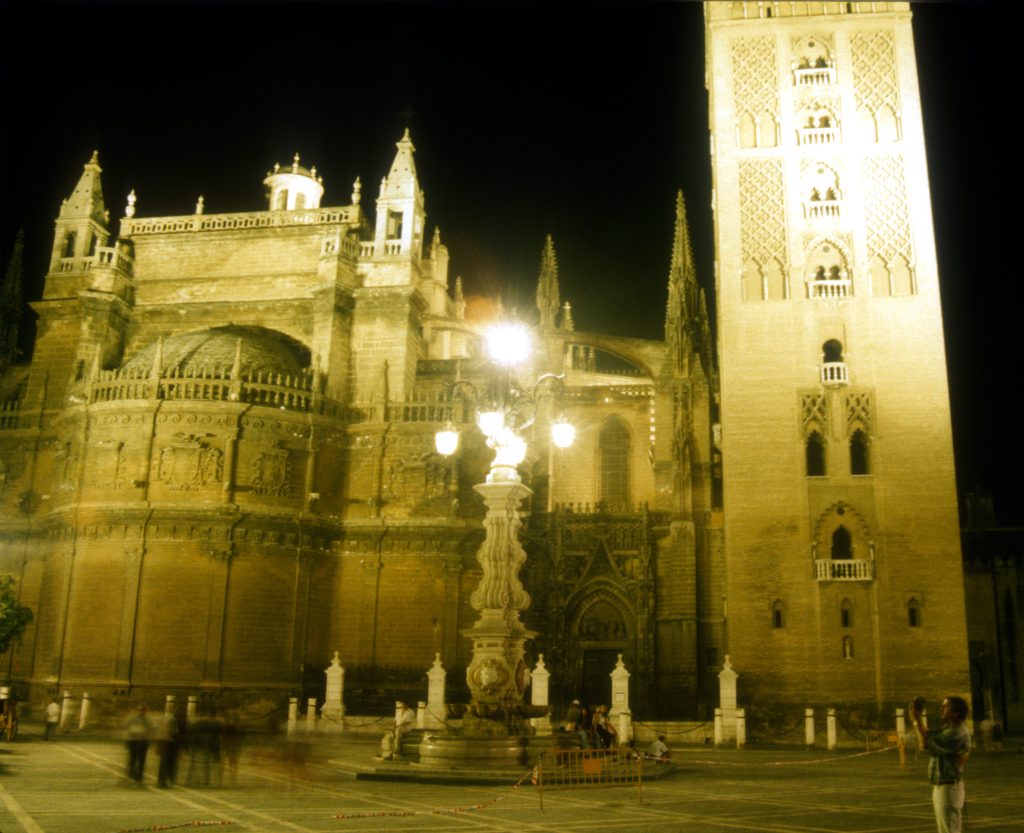
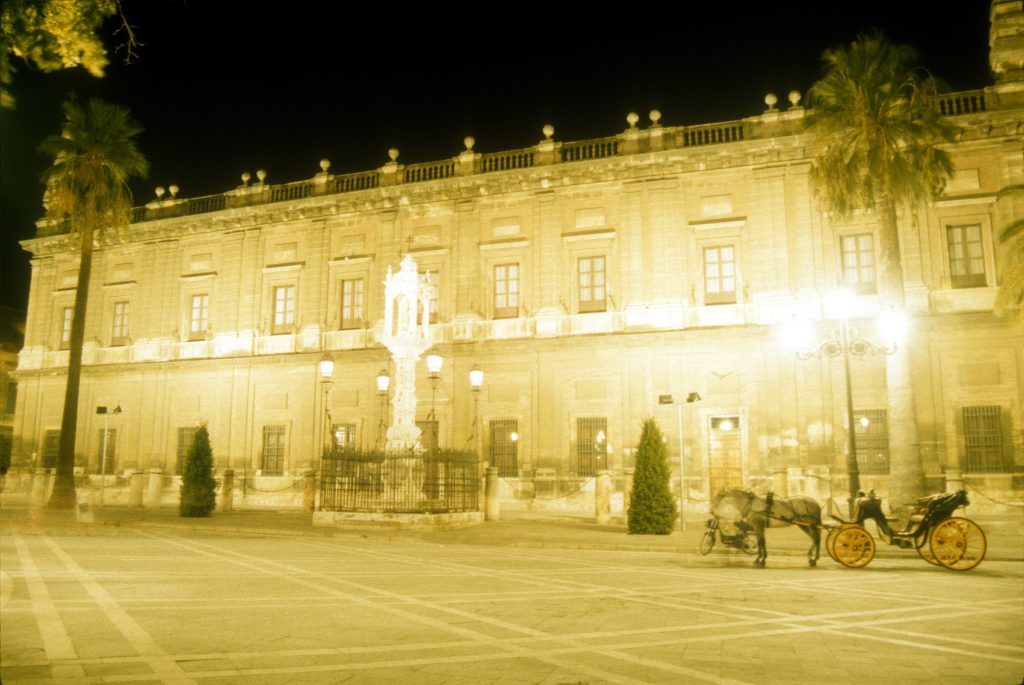
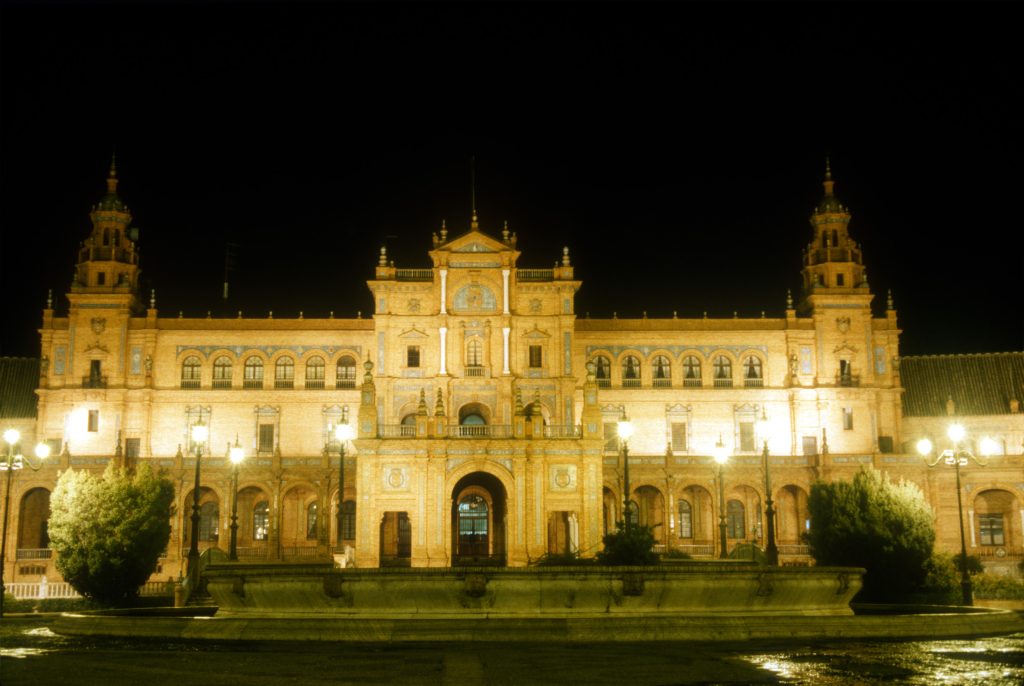
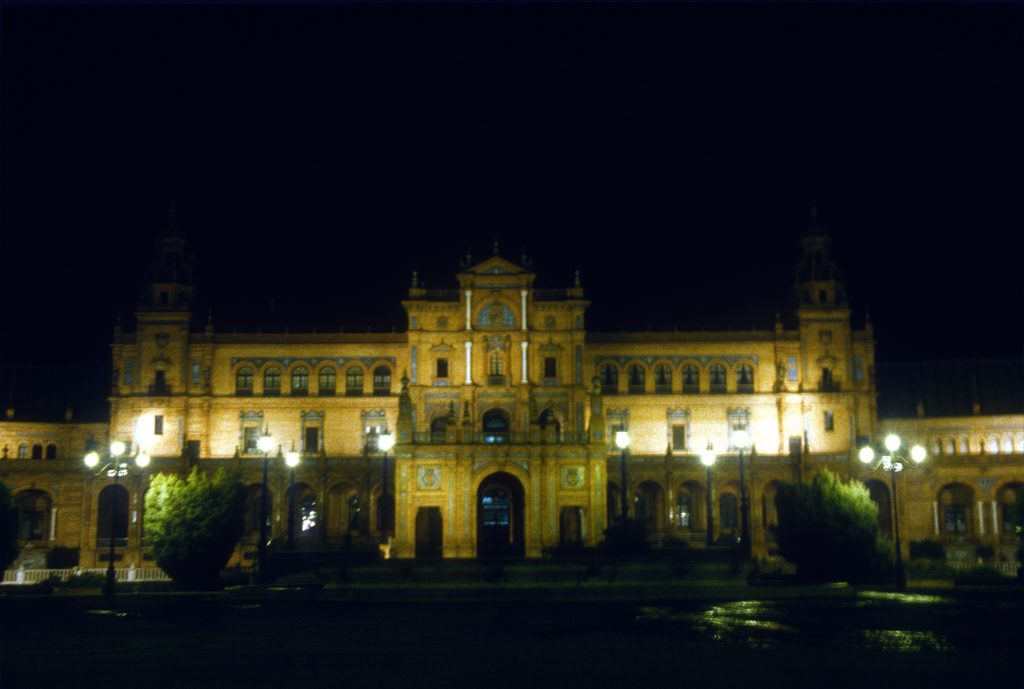
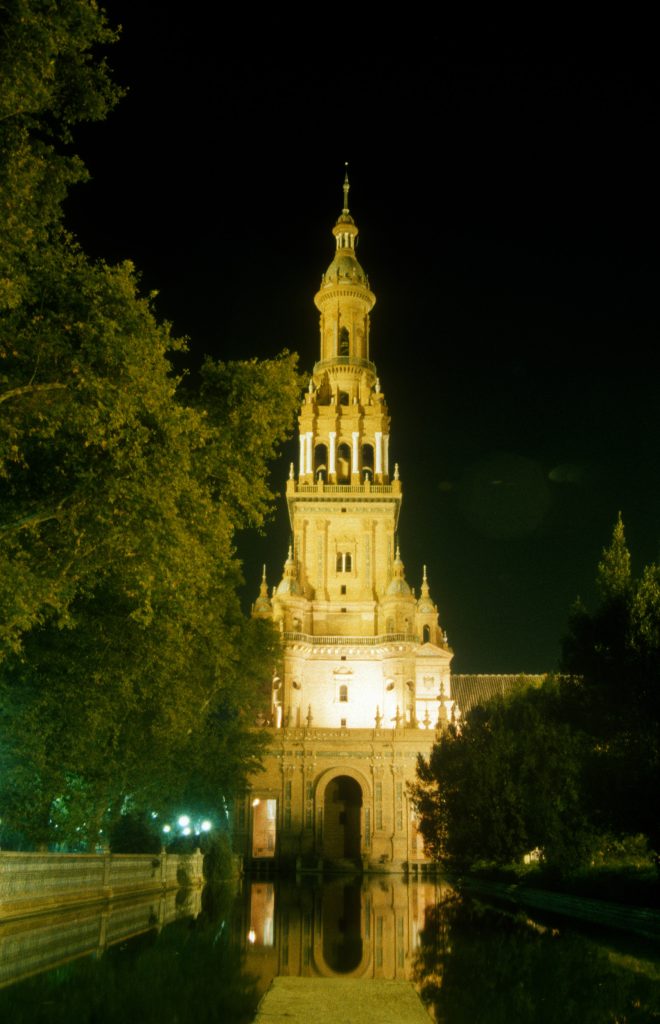
Image Credits: Calidius, Giulio Negroni, Sailko, Howardcorn33, FlyingCrimsonPig, Asterion, Alvesgaspar, Luckyz, Ajay Suresh, and José Luis Filpo Cabana via Wikimedia Commons.
