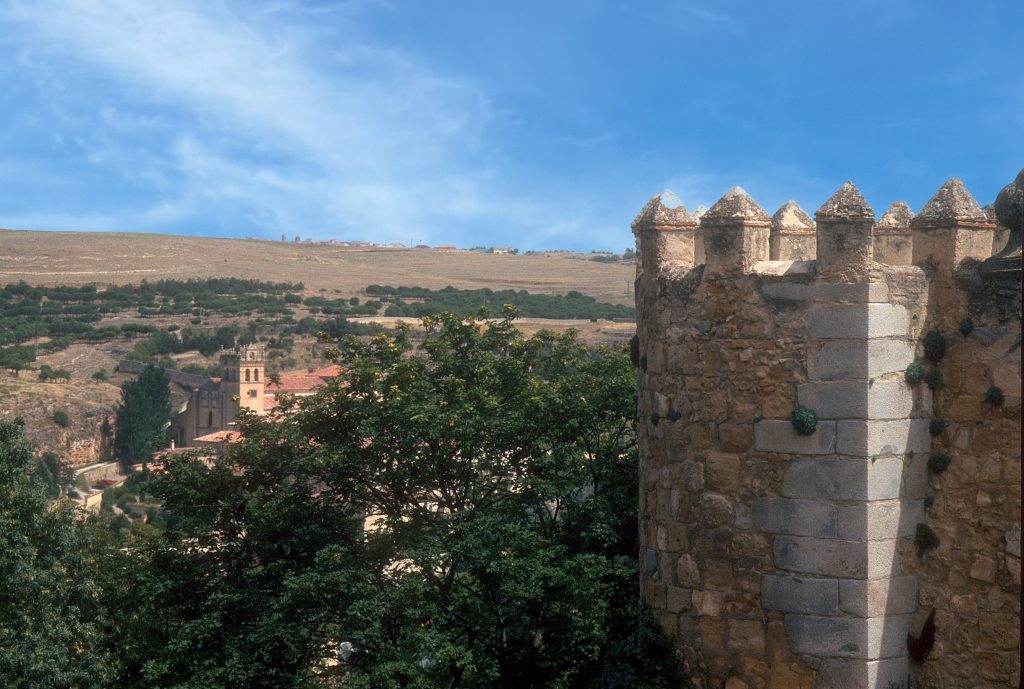
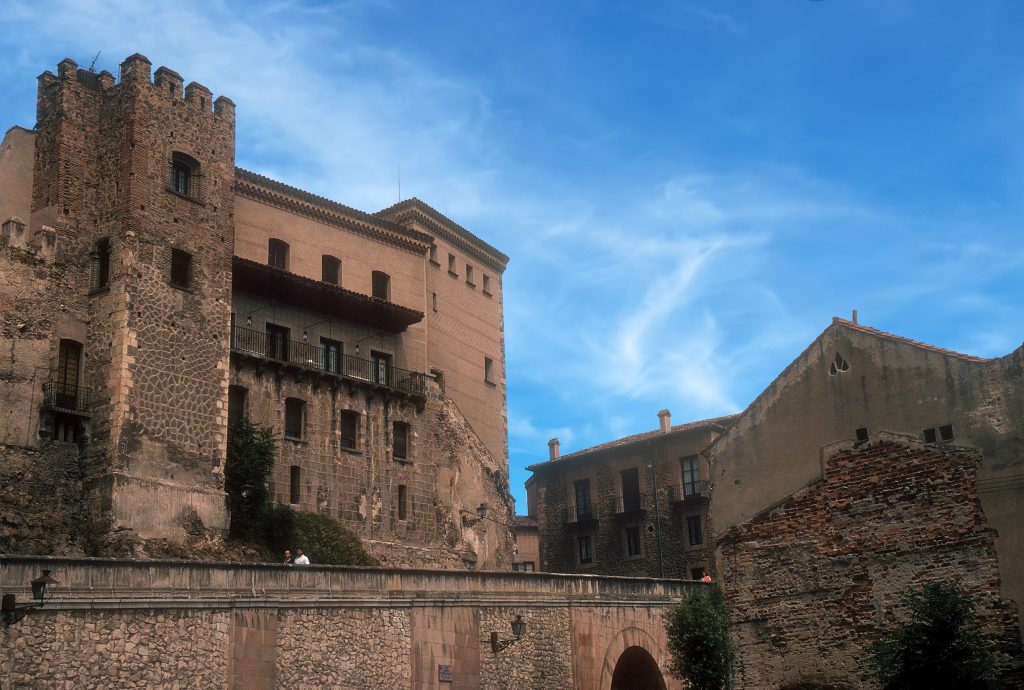
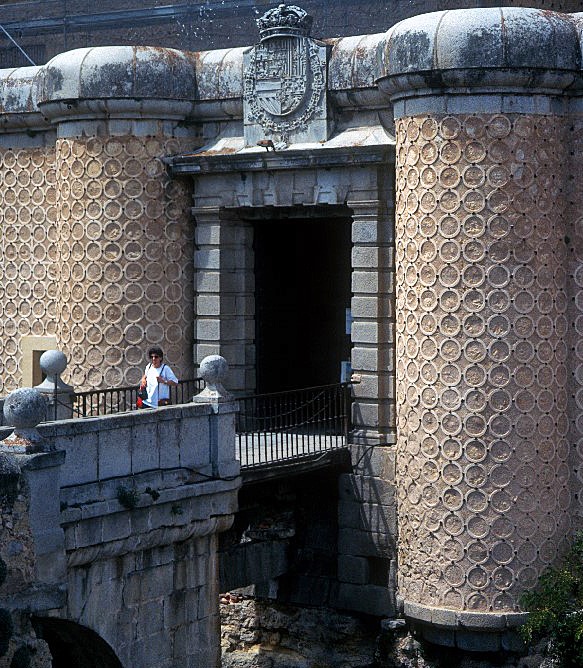
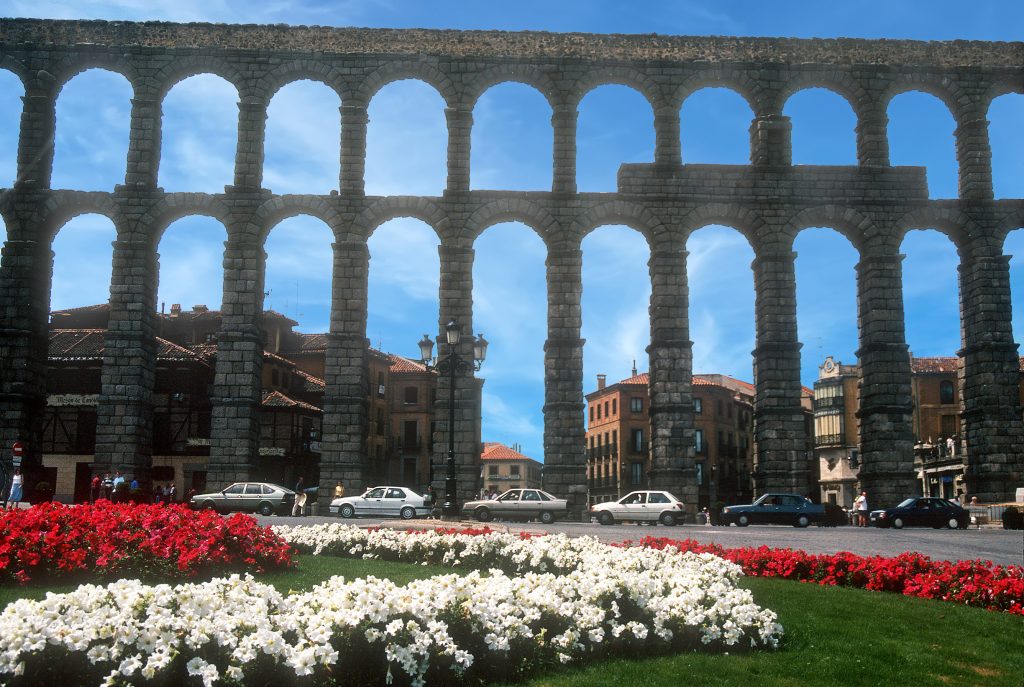
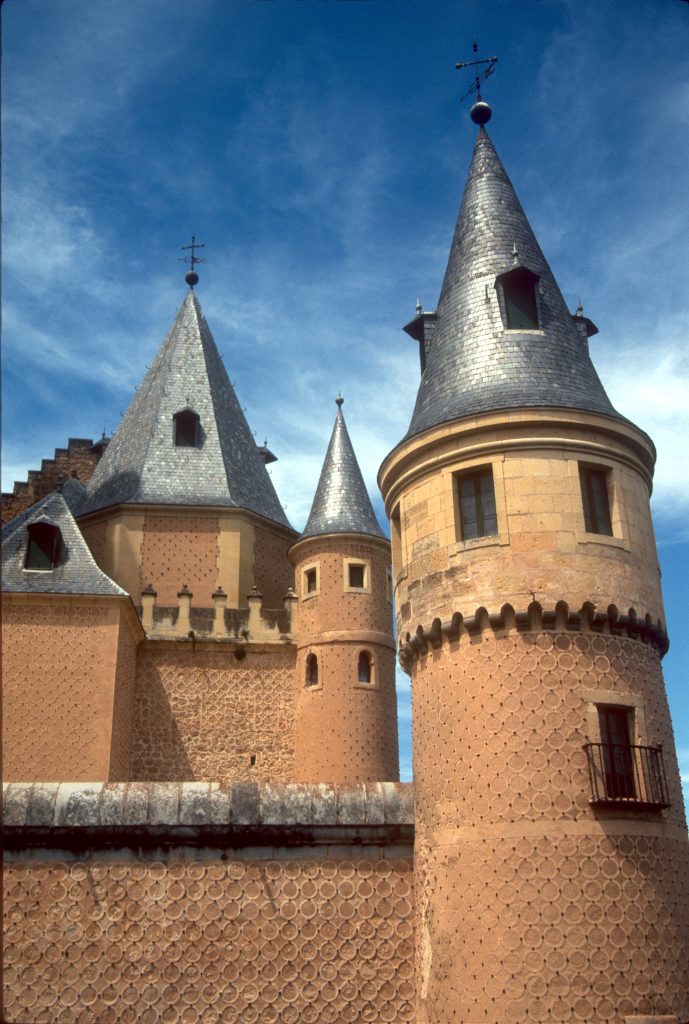
Perched on a golden ridge above the plains of Castile, Segovia dazzles the eye like a fairytale mirage. It greets you first with its impossible aqueduct, marching in perfect Roman precision across the cityscape, and then draws you upward toward its storybook Alcázar, turreted like the castle of a medieval romance. To wander Segovia is to walk inside the layered dreams of emperors, bishops, kings, and poets—a city so saturated with history that every stone seems to tell a tale.
Segovia’s Significance
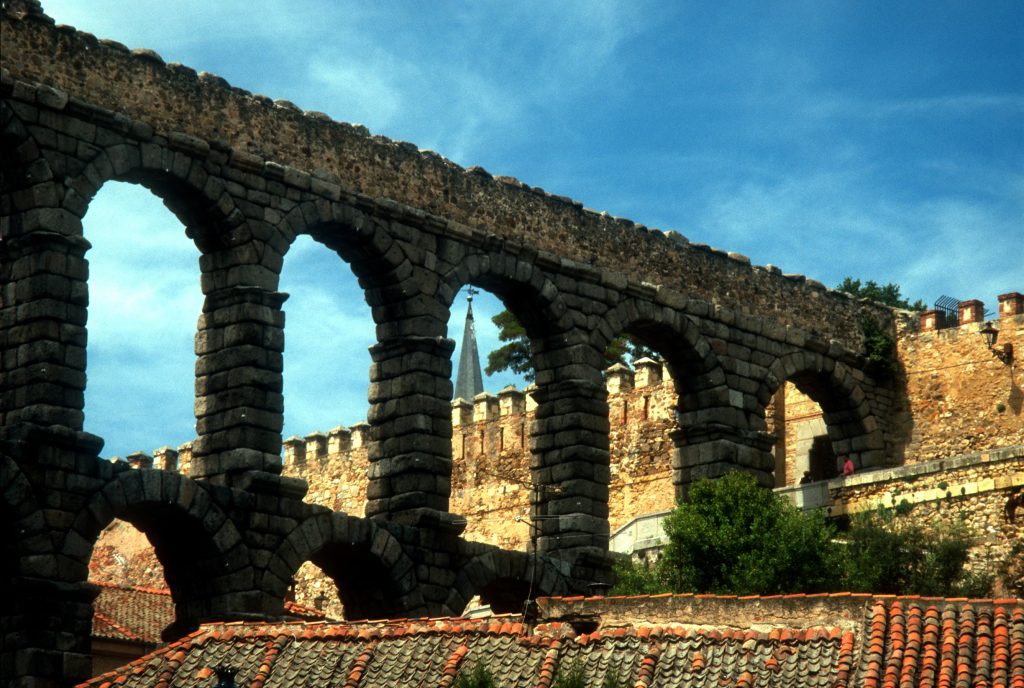
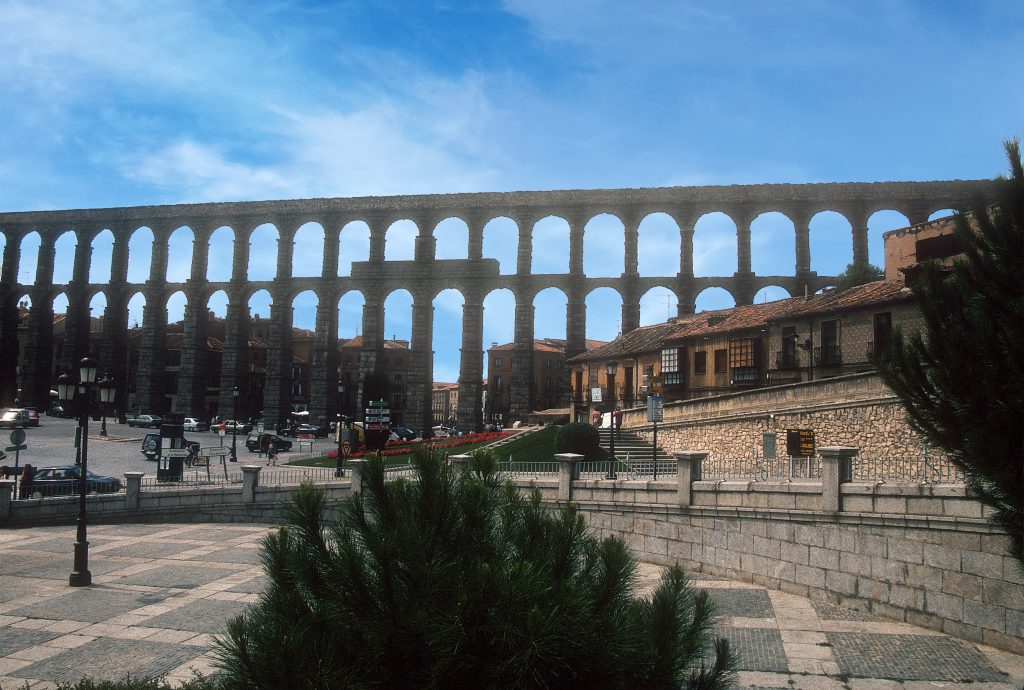
Segovia’s roots extend deep into antiquity, but it was the Romans who gave it an enduring claim to fame. The Aqueduct of Segovia—constructed in the late 1st or early 2nd century AD under Emperor Domitian or Trajan—remains one of the finest and best-preserved Roman engineering feats in existence. Consisting of more than 160 arches, it carried mountain water from the Frío River nearly 10 miles to the urban heart, a daily miracle of stone that still stuns modern engineers.
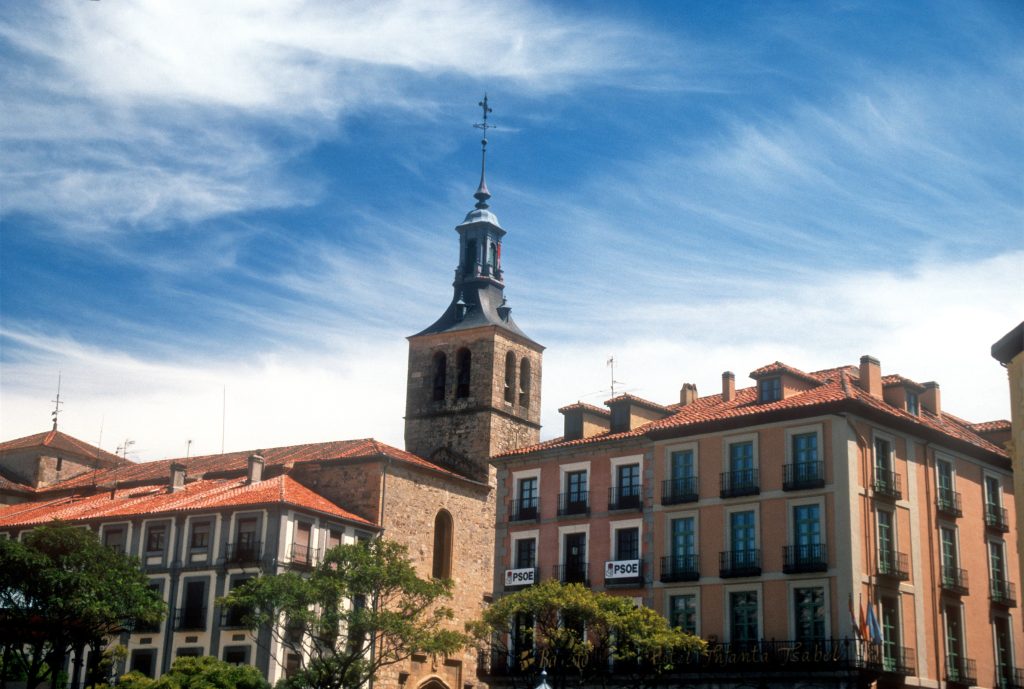
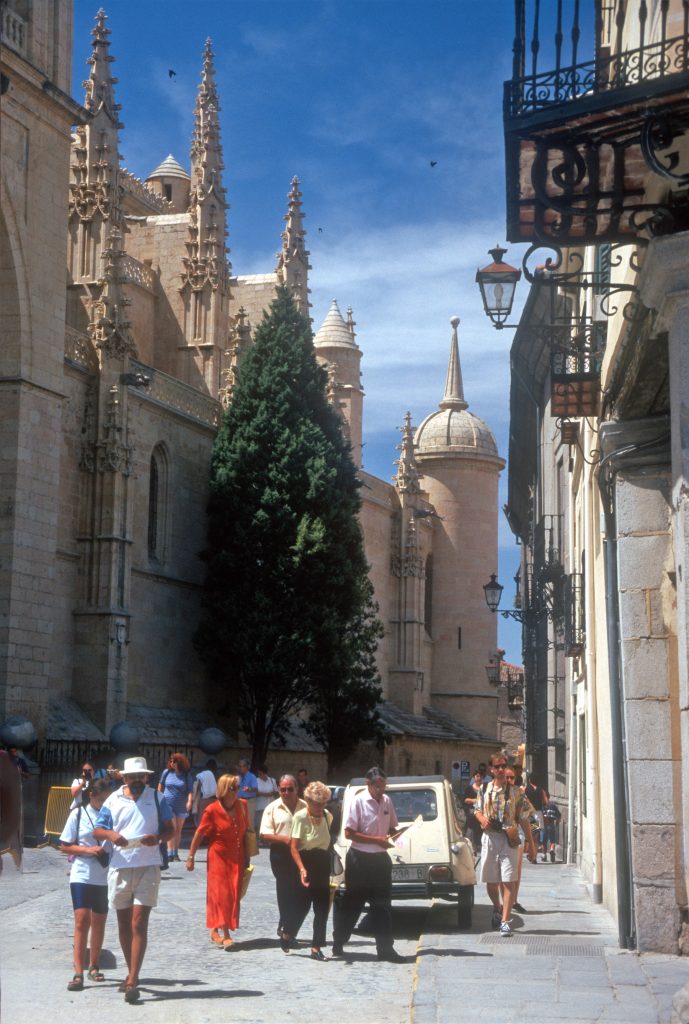
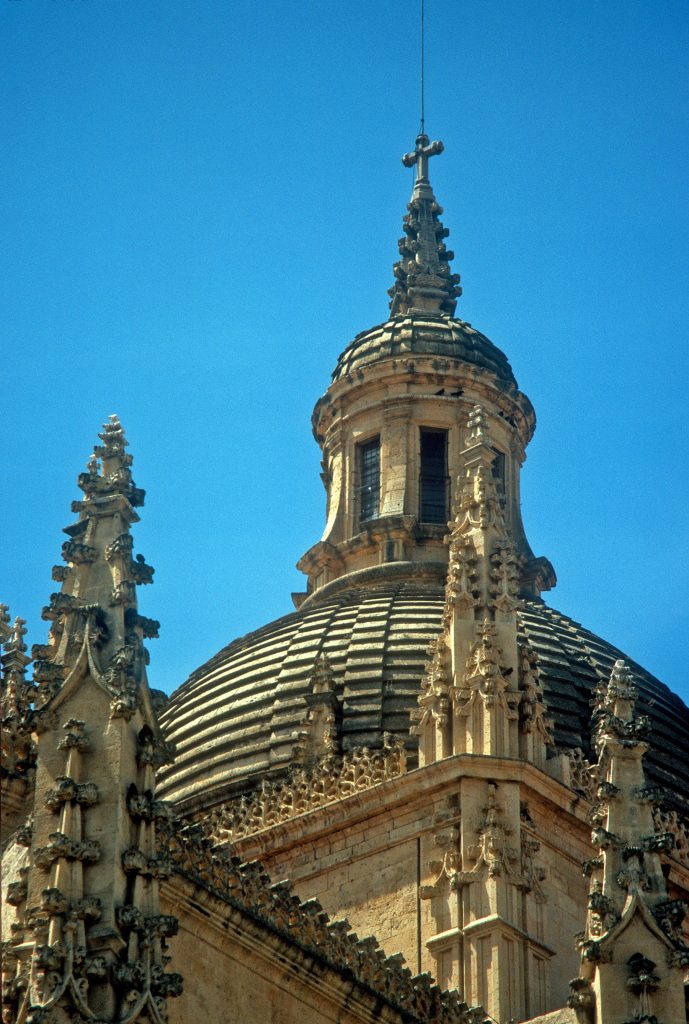
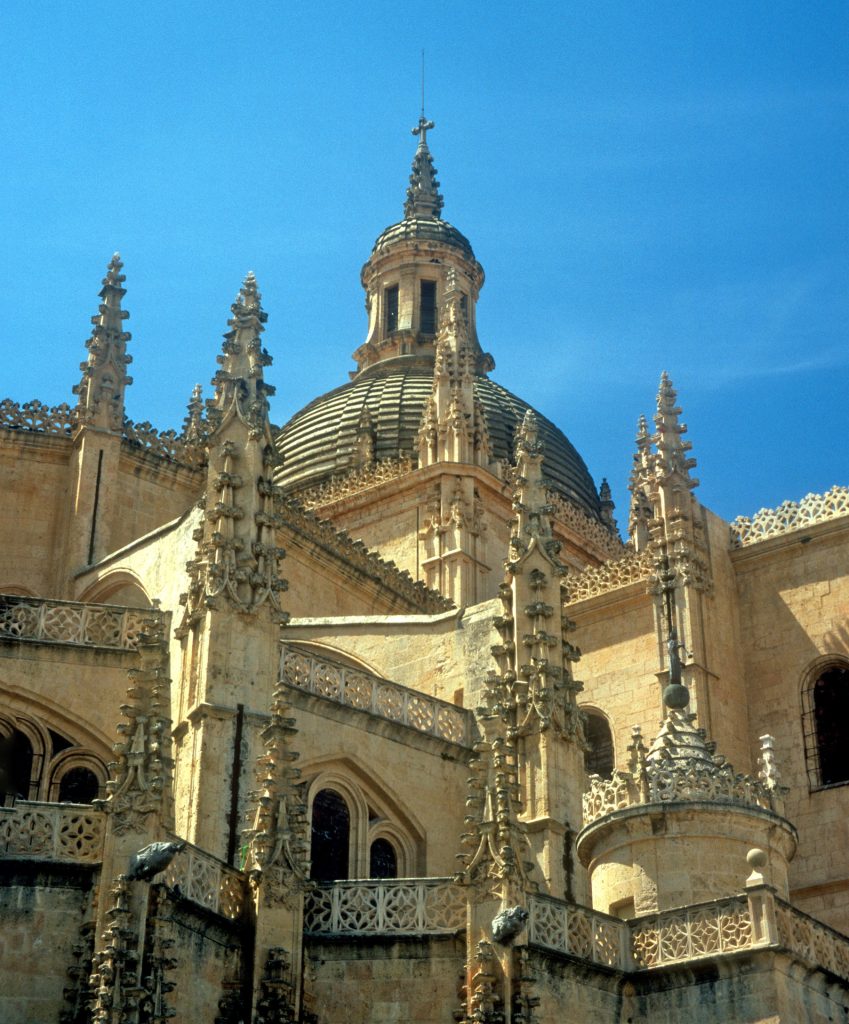
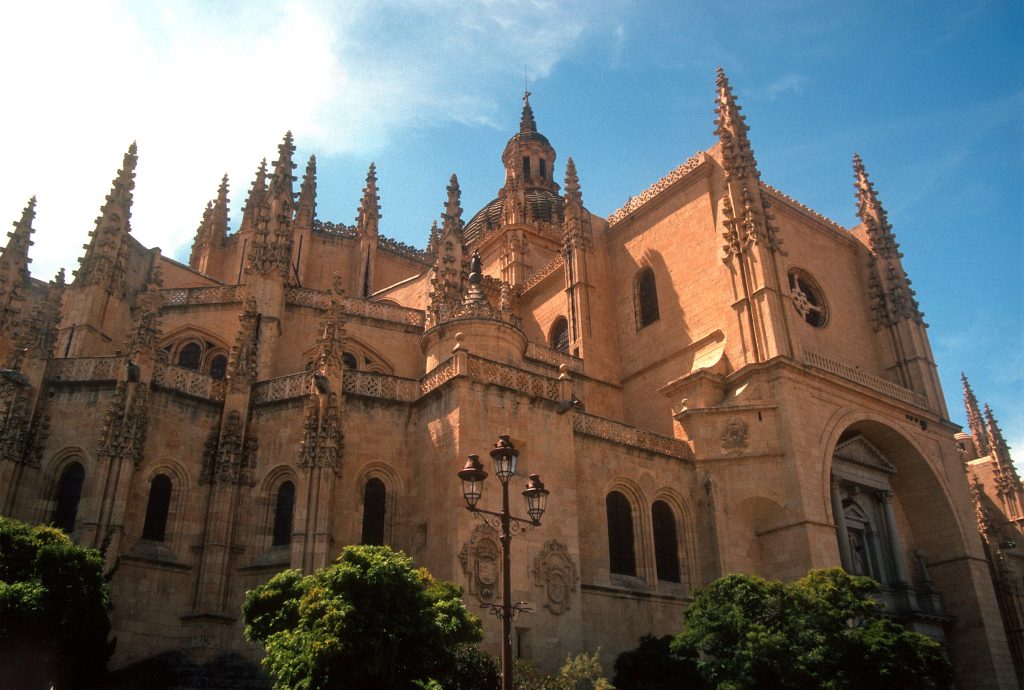
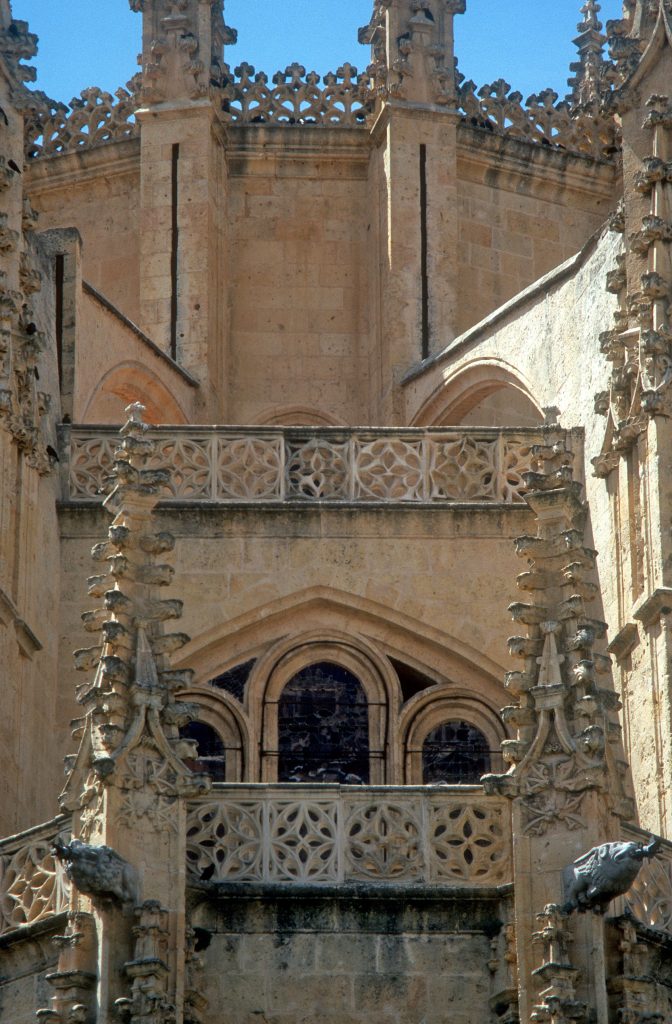
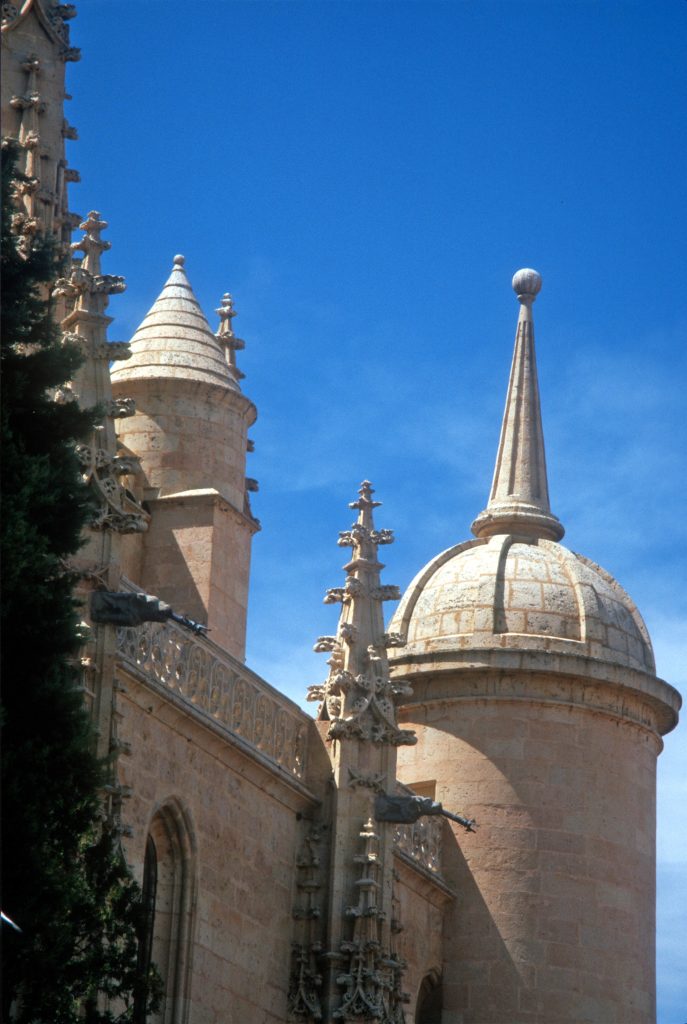
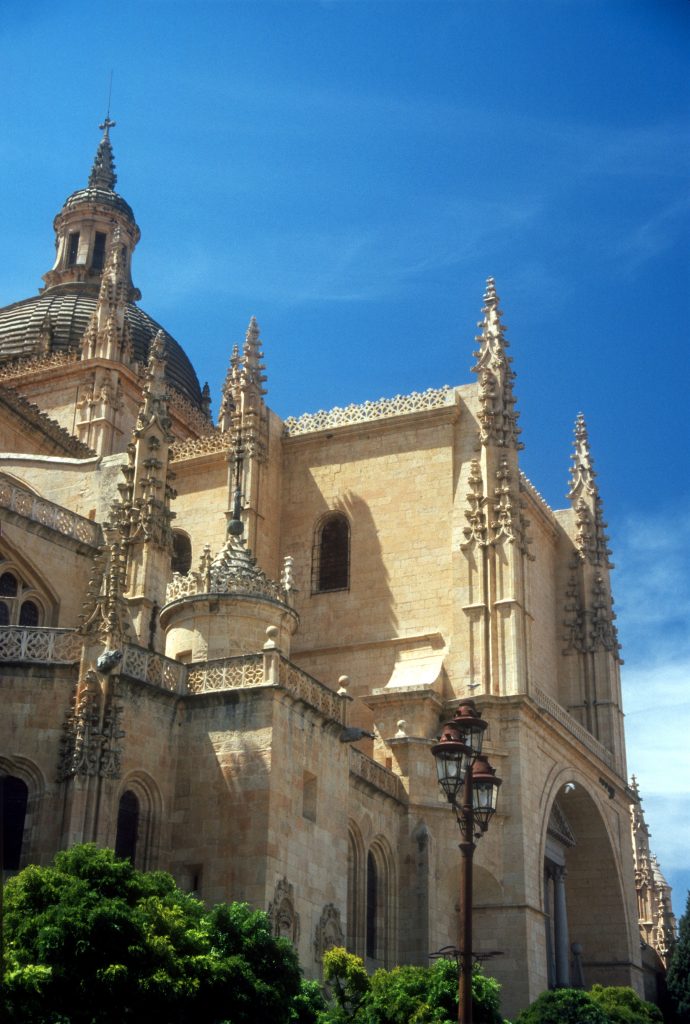
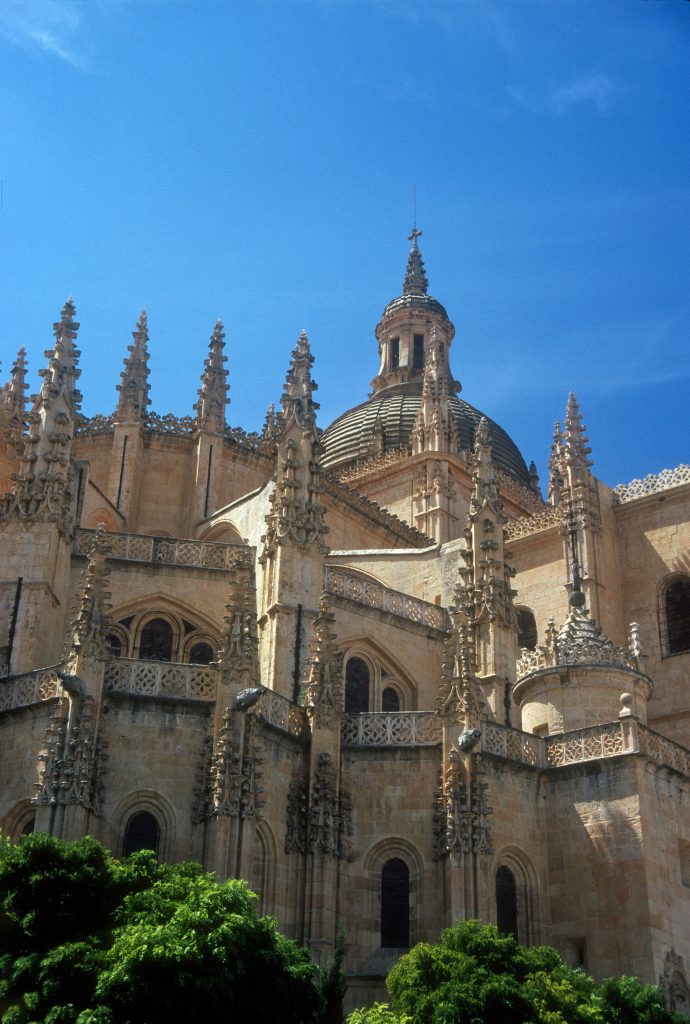
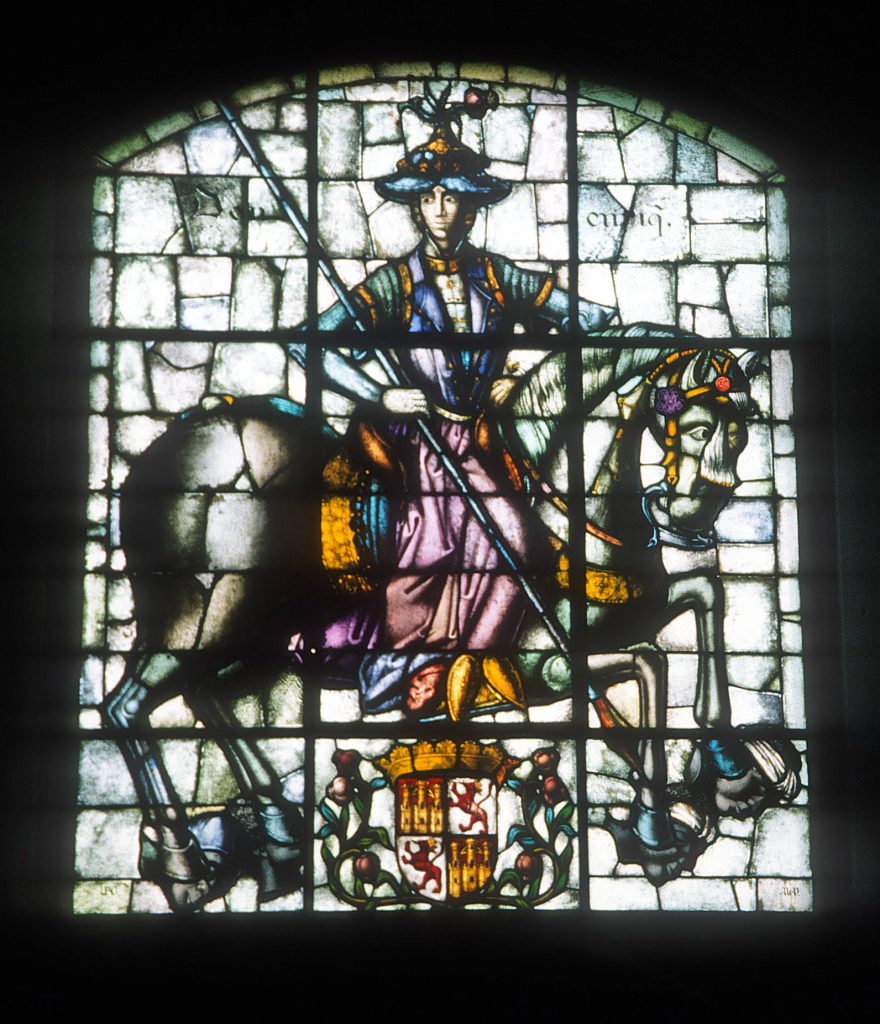
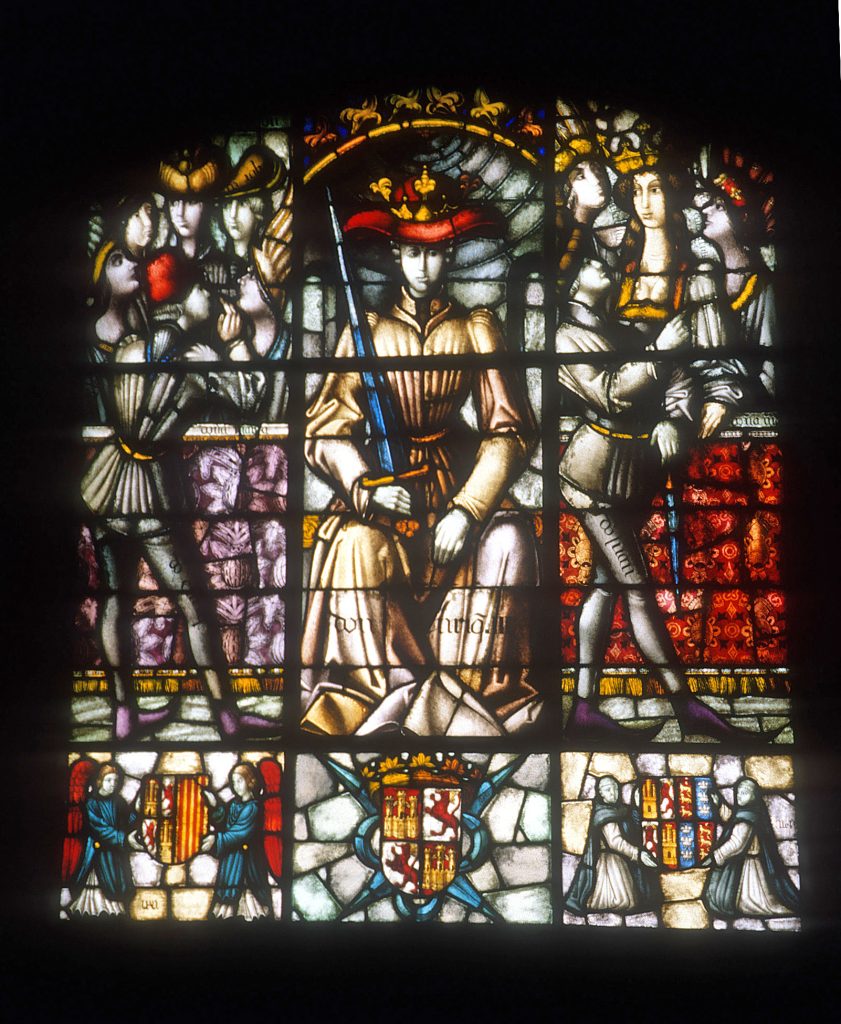
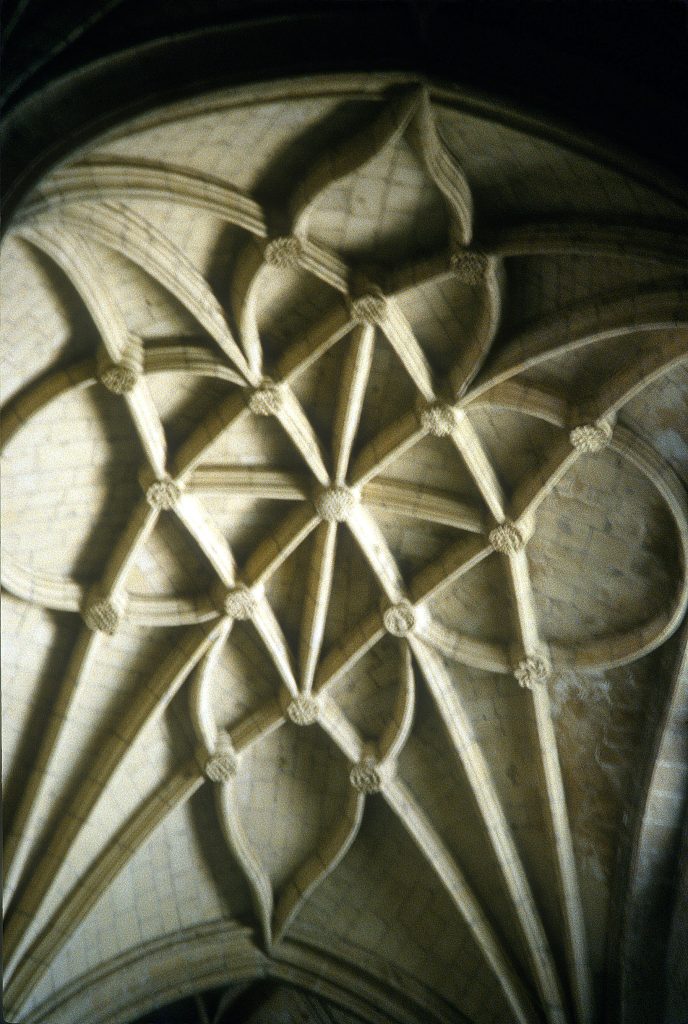
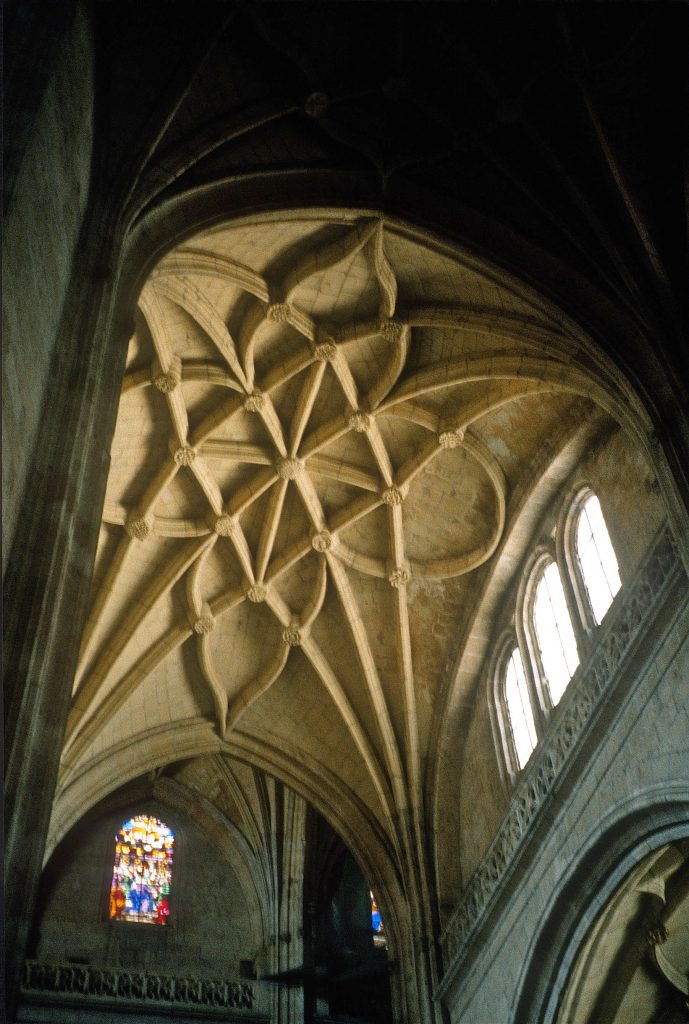
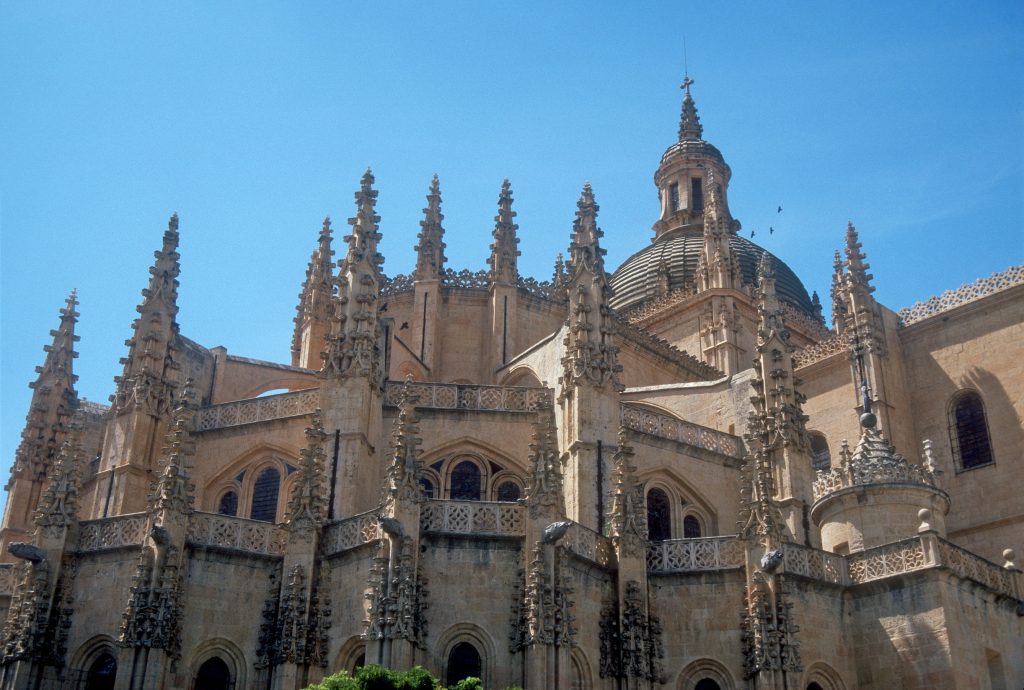
By the Middle Ages, Segovia had become a crown jewel of the Kingdom of Castile. Its wool trade brought prosperity, and its streets filled with aristocratic mansions and ecclesiastical powerhouses. The Alcázar, originally a fortress and later a royal palace, was favored by monarchs from Alfonso VIII to Isabella of Castile, who was proclaimed Queen here in 1474 before uniting Spain with Ferdinand of Aragon. The Gothic cathedral, rising like a golden ship at the Plaza Mayor, became one of the last great cathedrals of Spain—consecrated in 1768 and often called “the Lady of Cathedrals” for its grace.
Segovia also became a center of Jewish life in Spain, until the expulsion of 1492. The Jewish Quarter still speaks of that vanished world with quiet cobblestones and remnants of synagogues. In every corner of the city, one feels the overlapping imprints of empire, monarchy, and faith.
A Sensory Walk Among the Stones
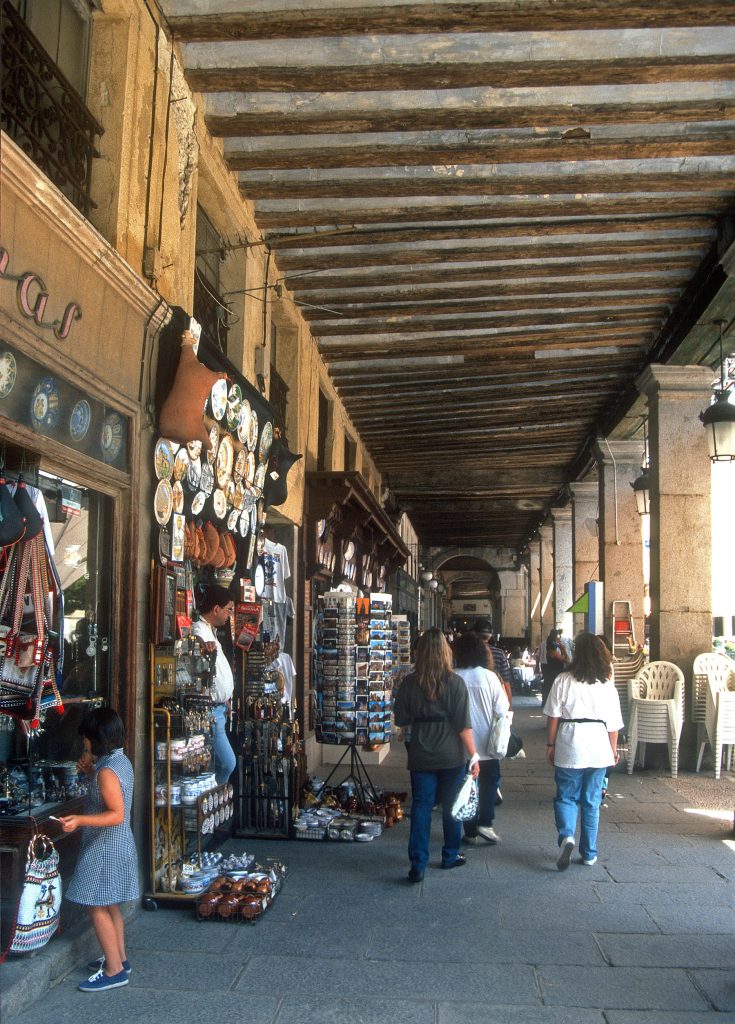
Segovia is a city for walkers—slow walkers—because every step requires a pause to look. The Aqueduct dominates the approach, its rough-hewn granite blocks stacked without mortar, glowing honey-colored in morning light. Children play at its feet while locals sip coffee beneath arches that once bore the lifeblood of Rome.
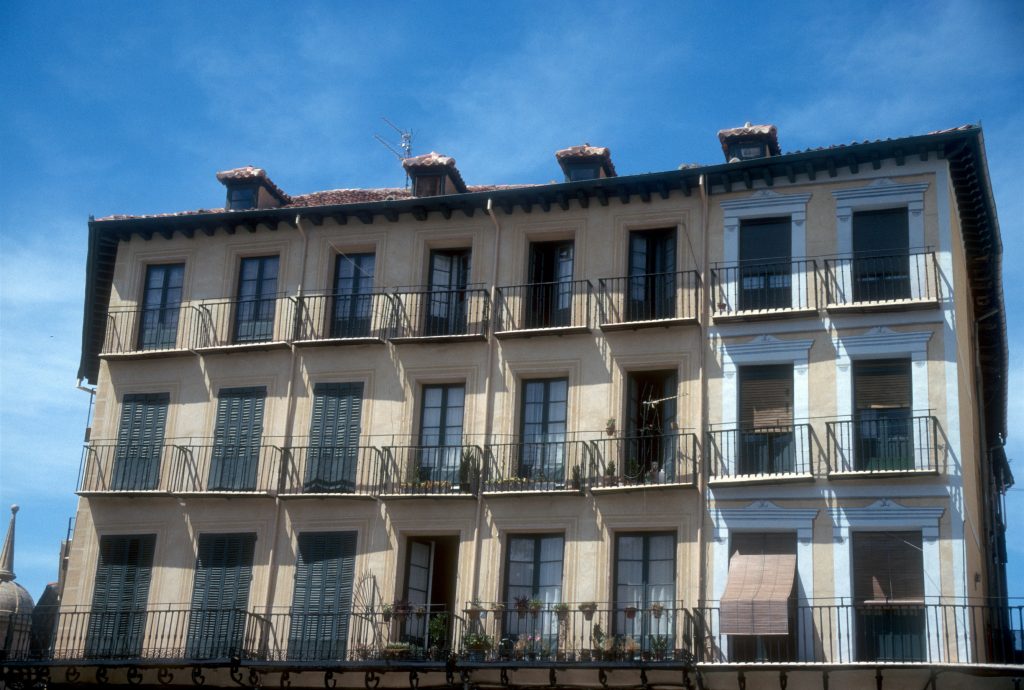
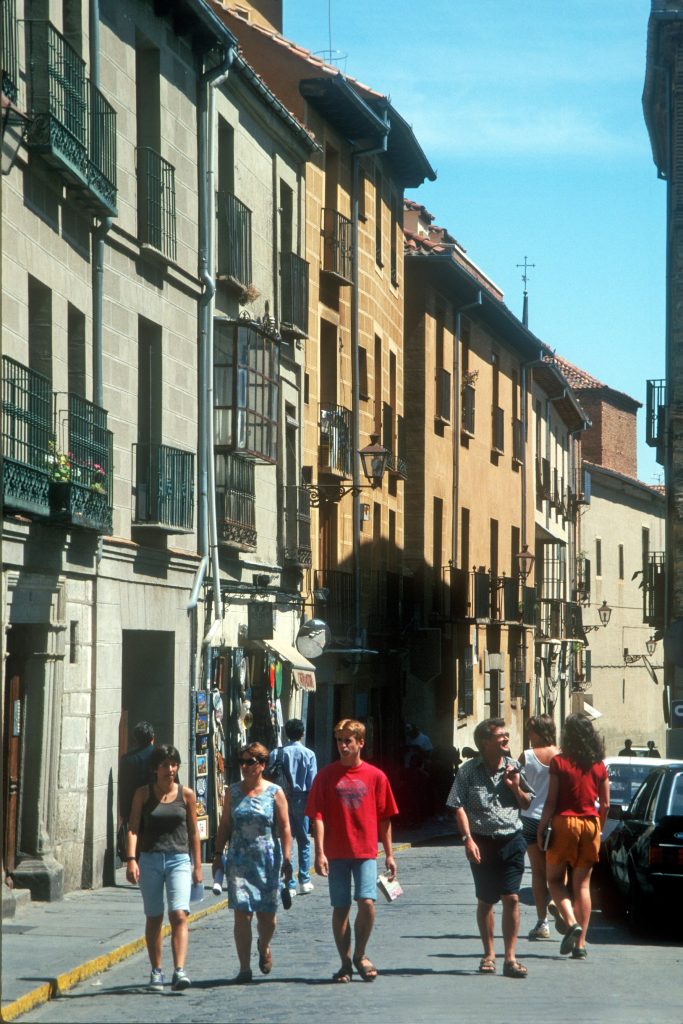
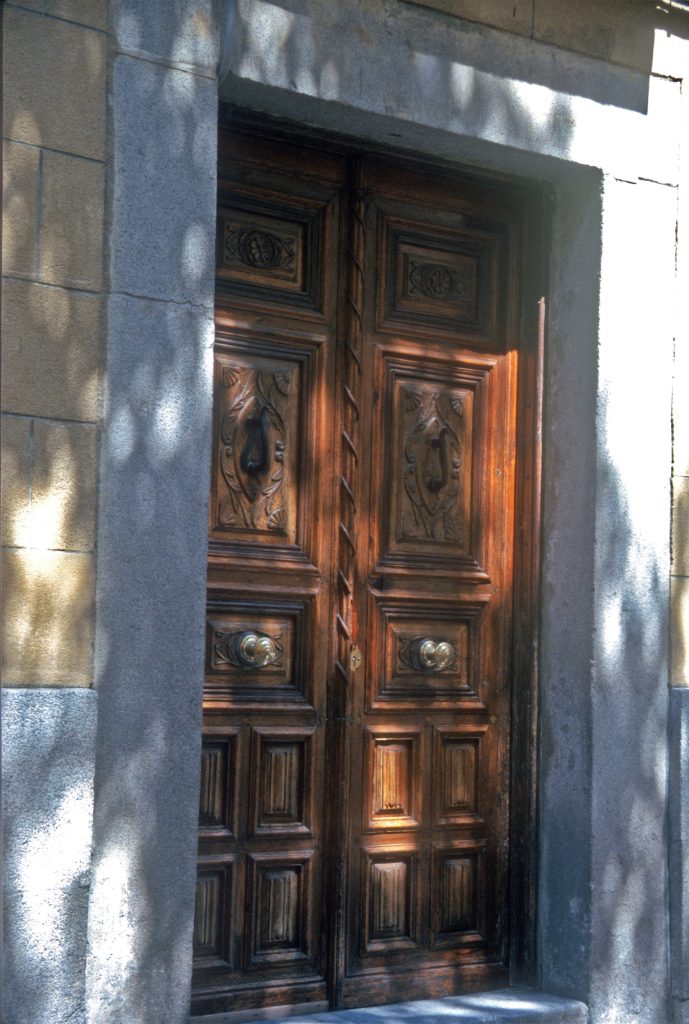
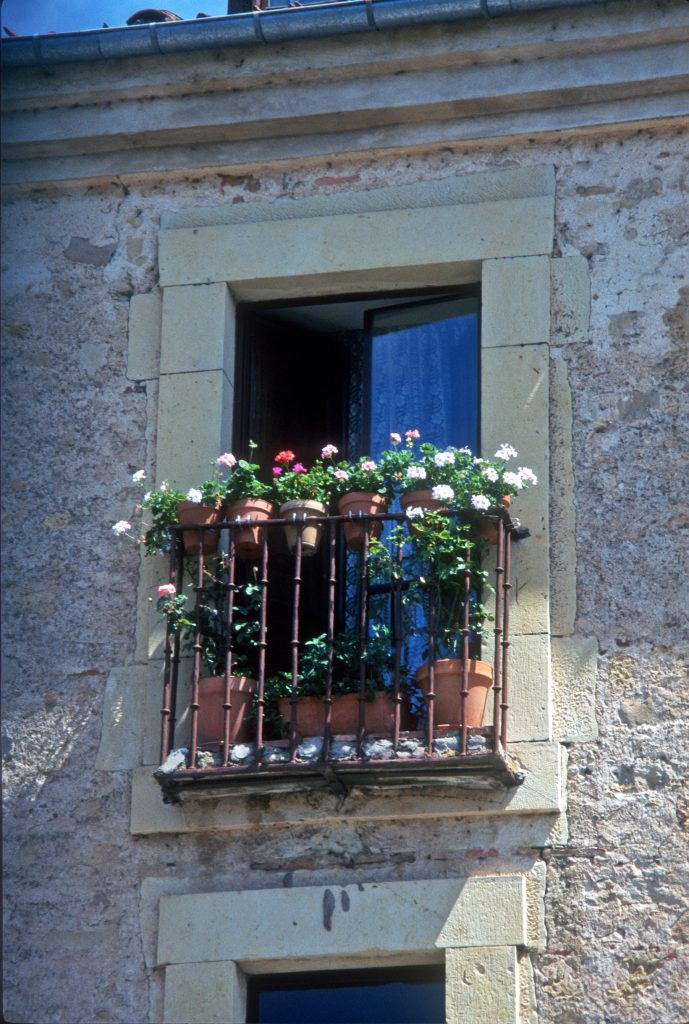
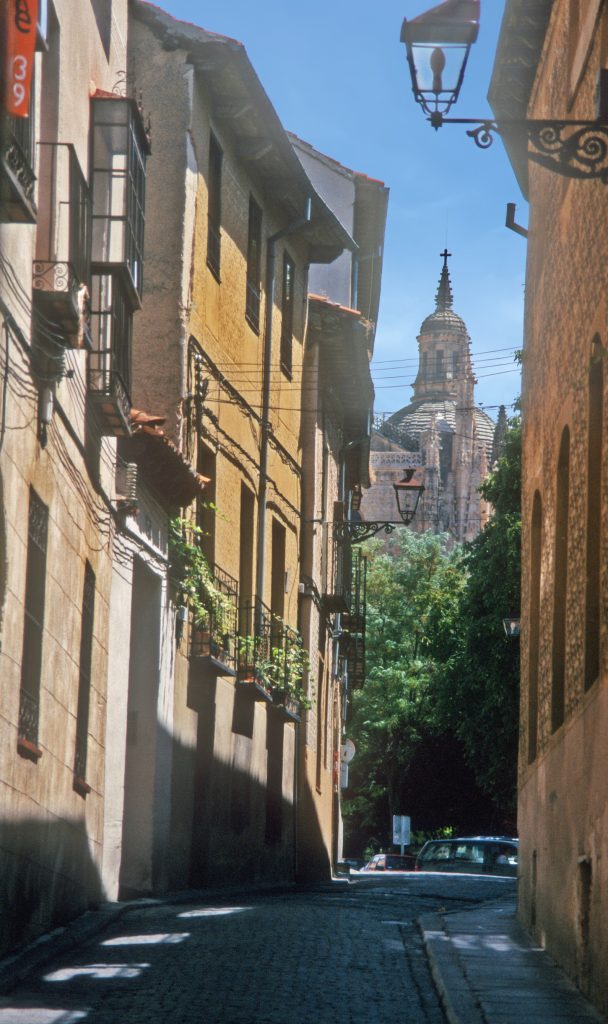
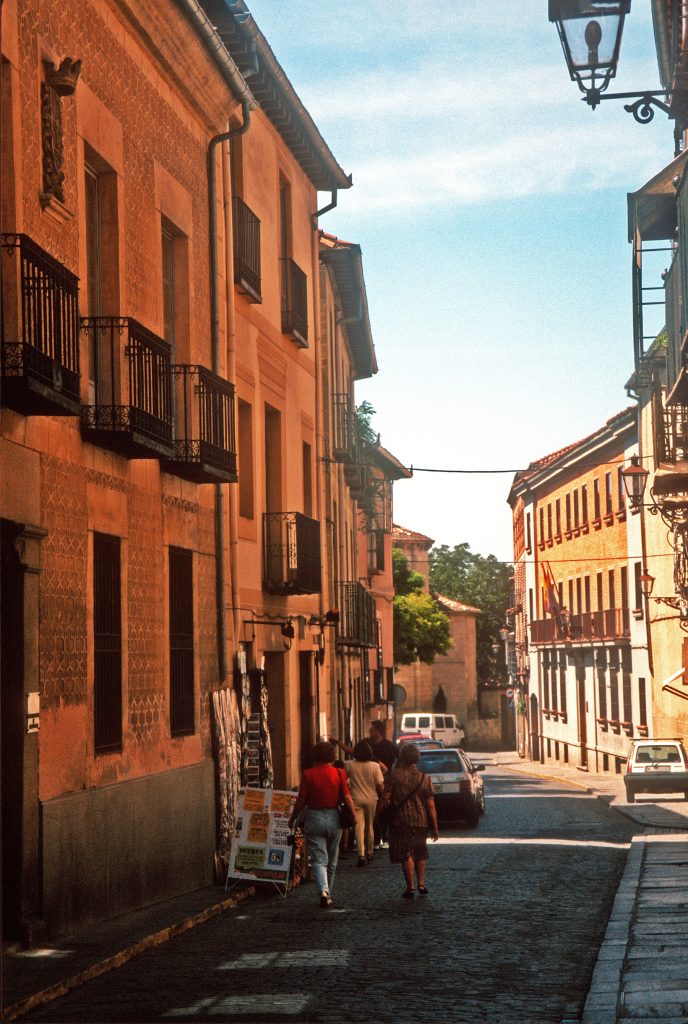
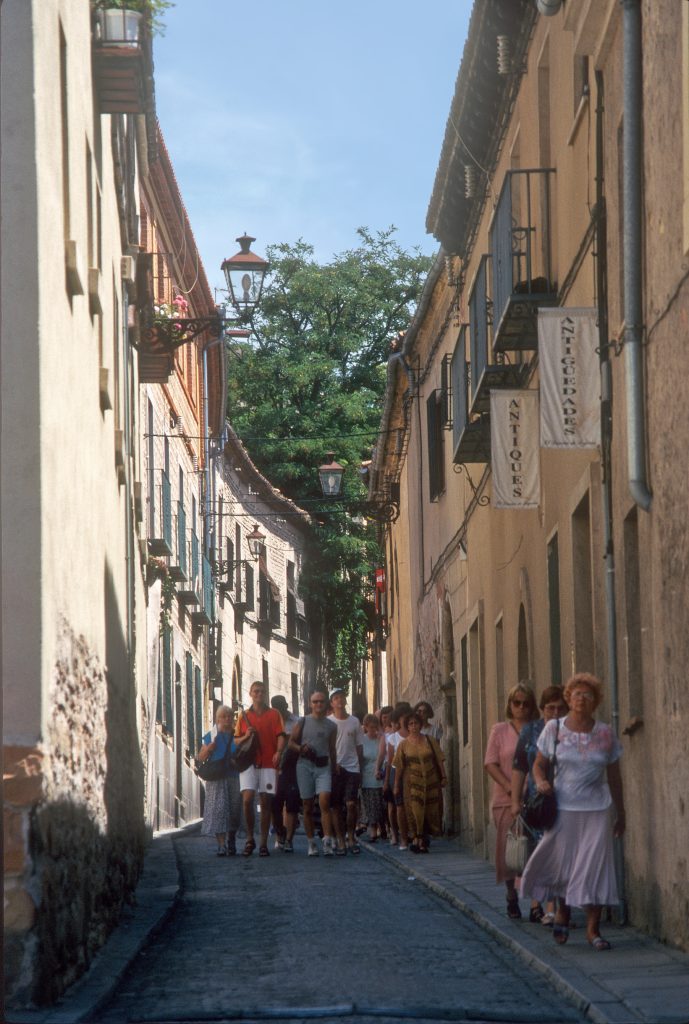
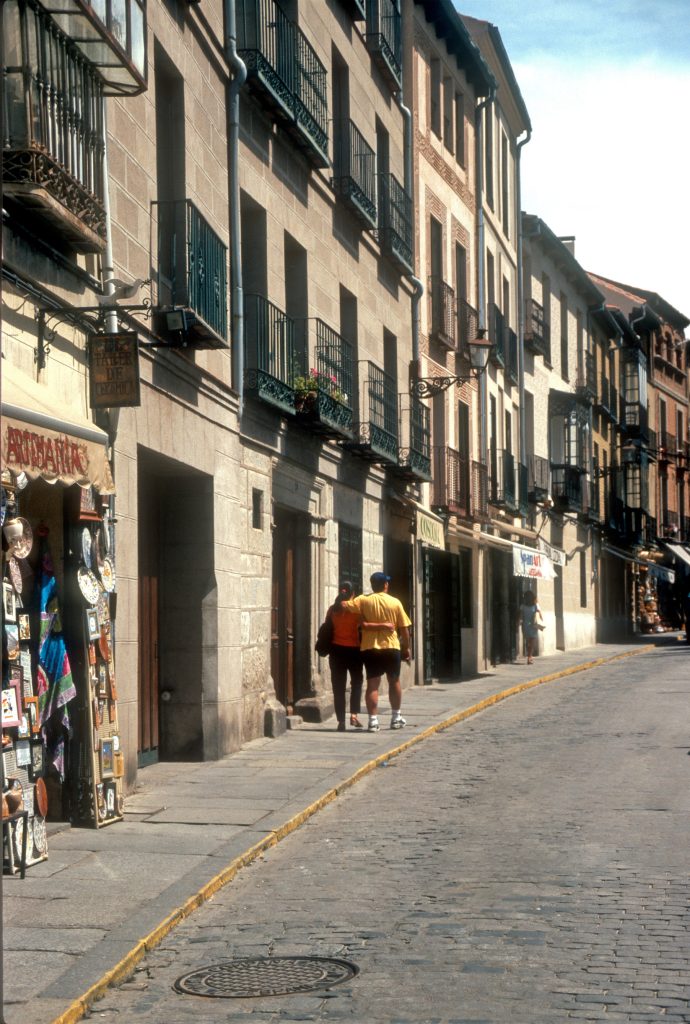
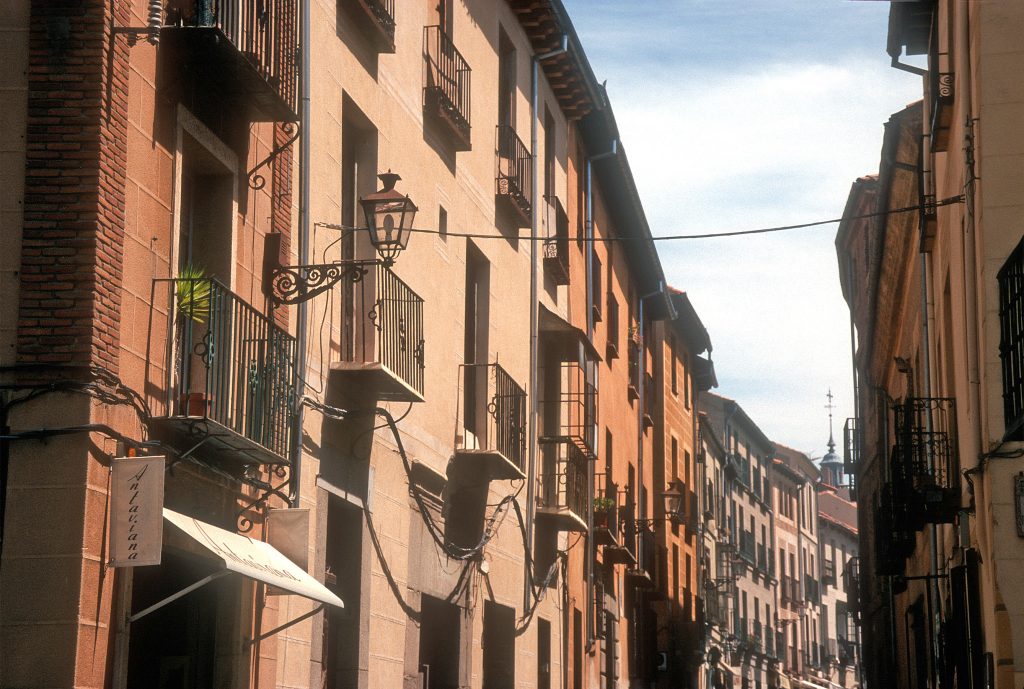
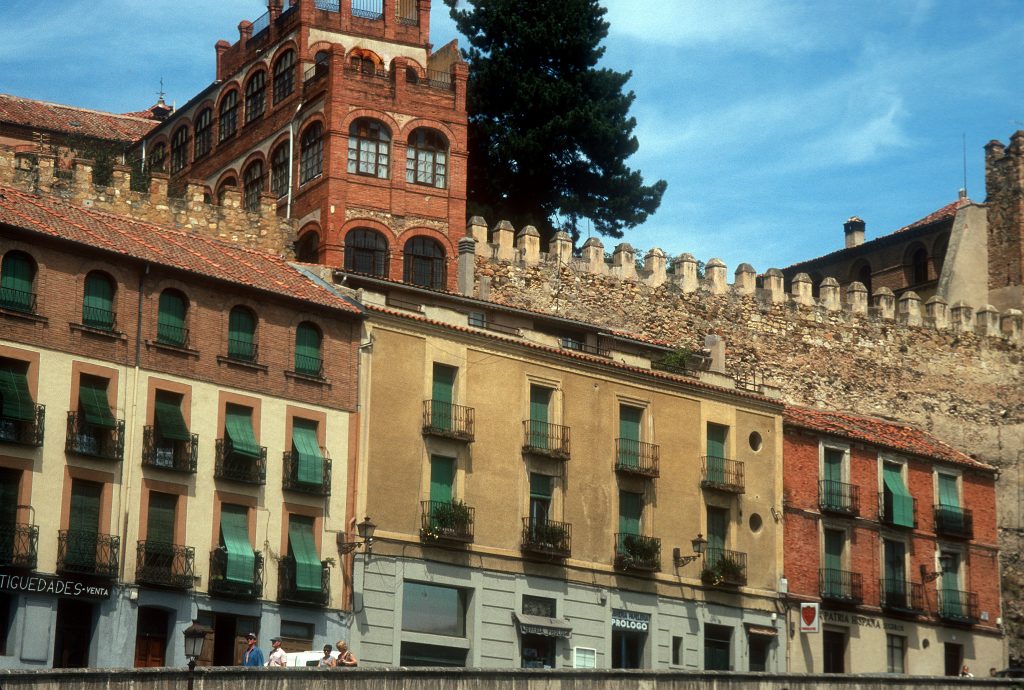
The medieval lanes twist upward into the old city, their walls thick with Castilian character: wrought-iron balconies, Mudejar brickwork, coats of arms carved in stone. Along Calle Real, pastry shops tempt with the almond-sweet delicacy known as ponche segoviano, while taverns offer cochinillo asado—roast suckling pig so tender it is famously cut with the edge of a plate.
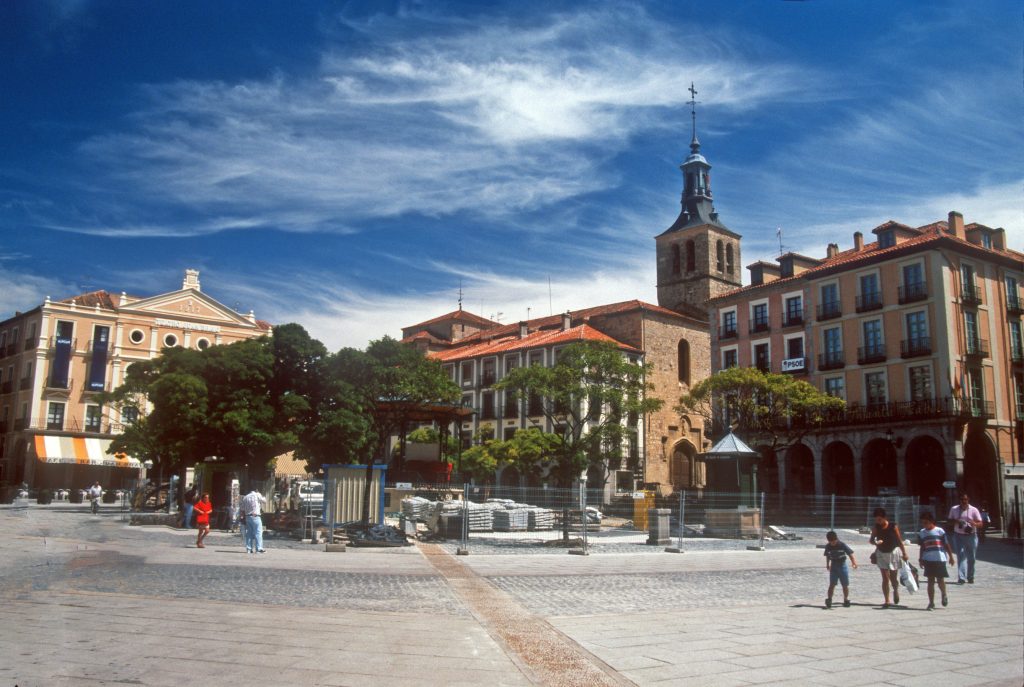
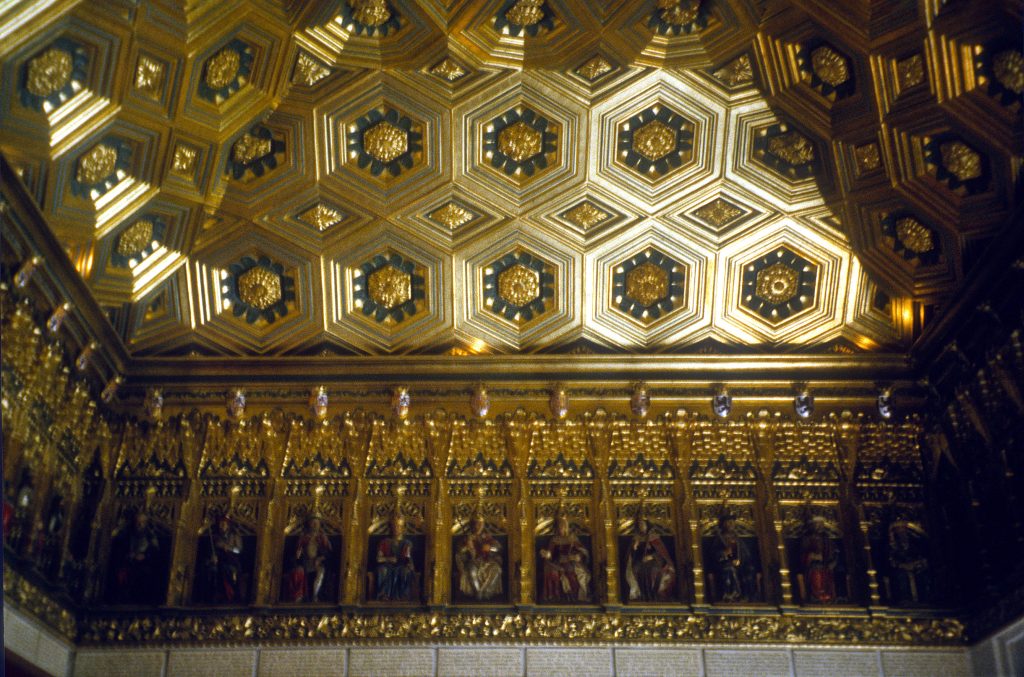
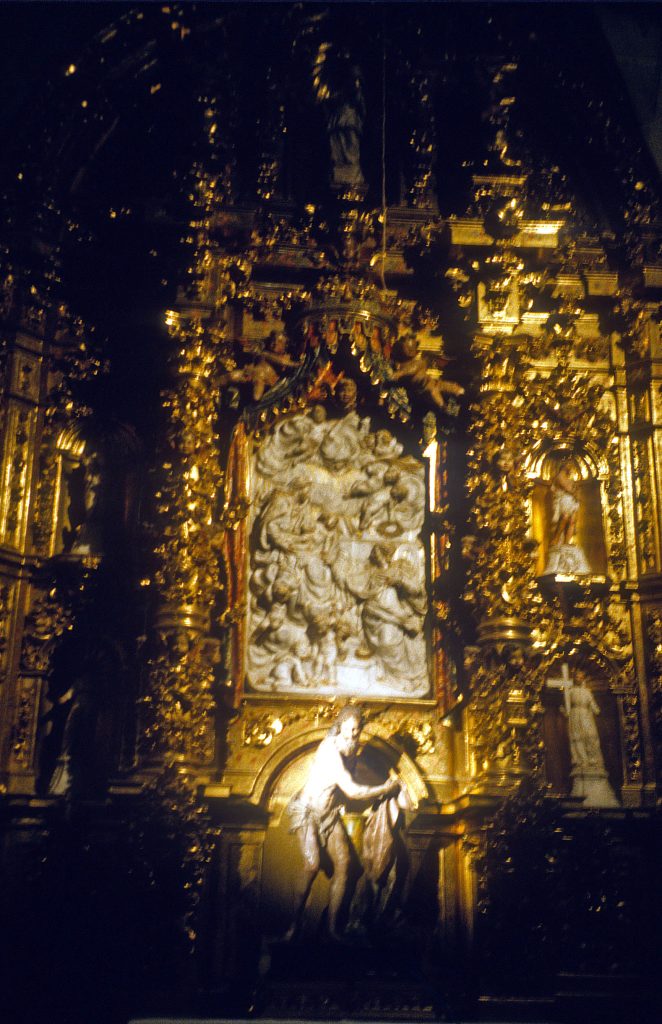
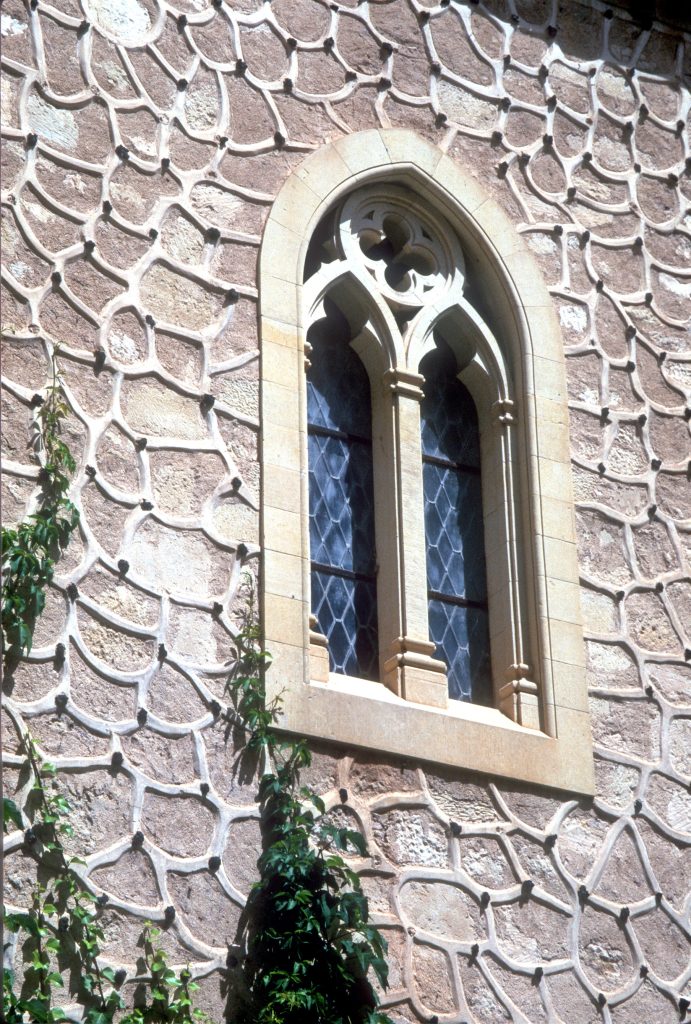
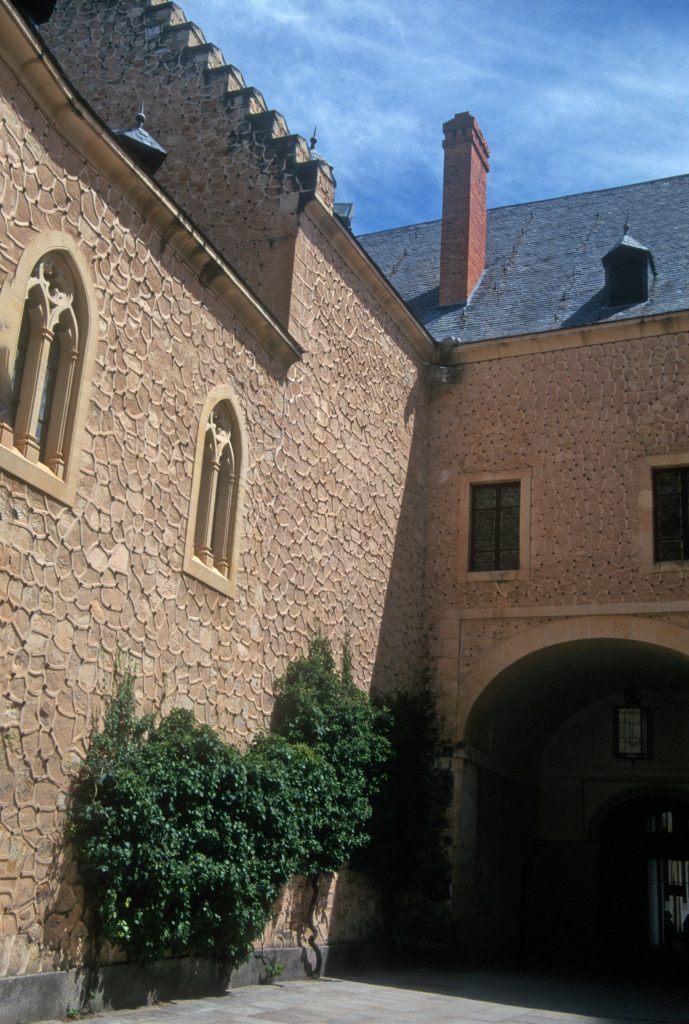
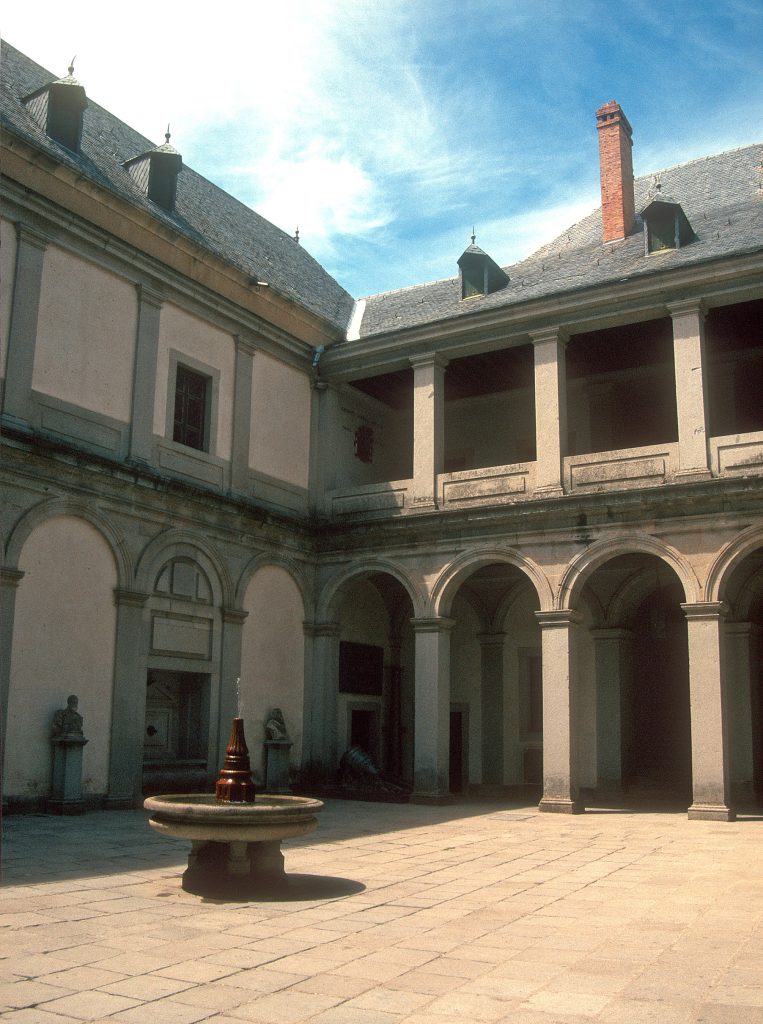
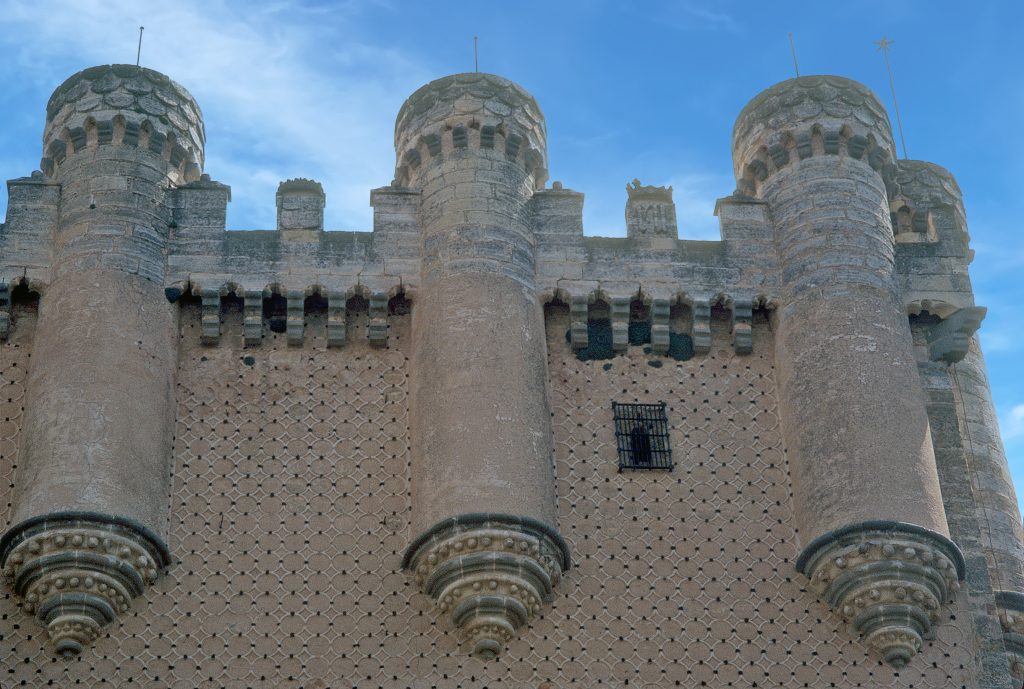
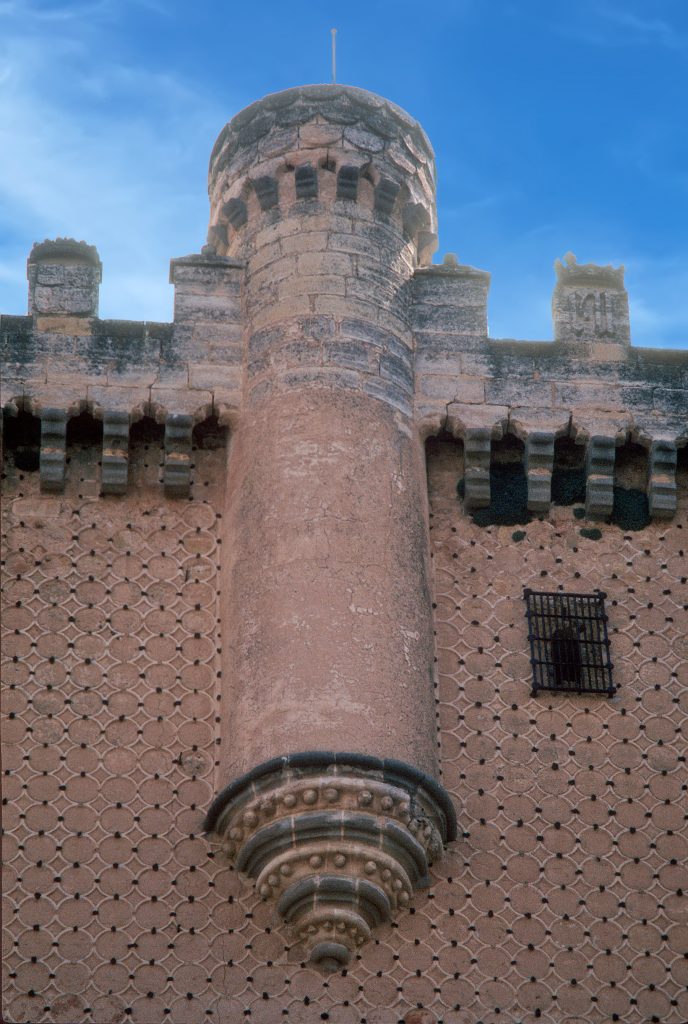
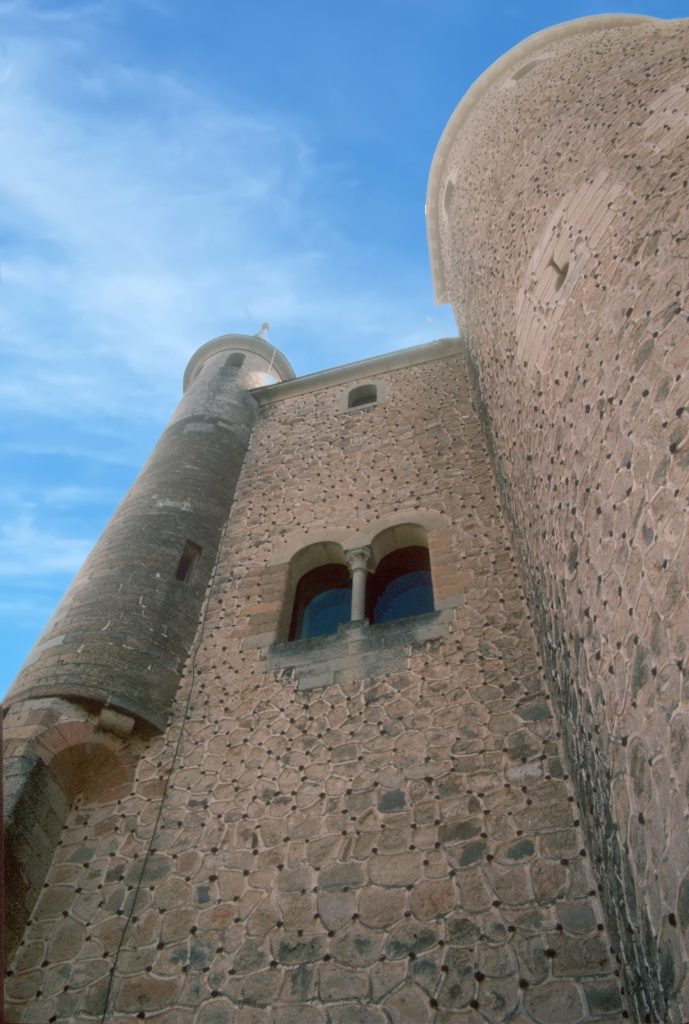
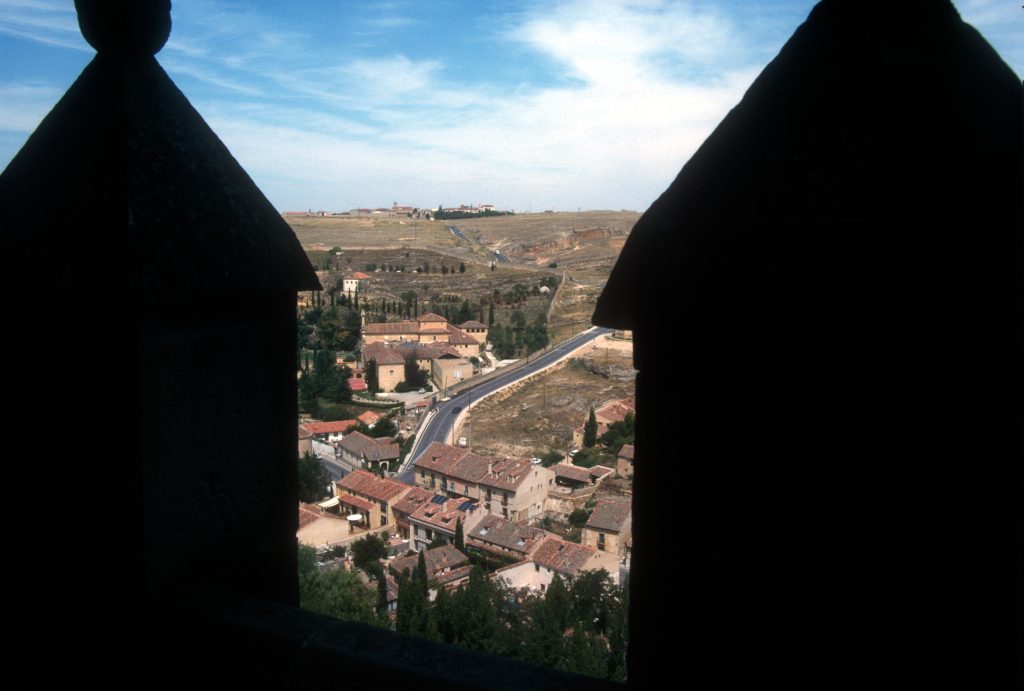
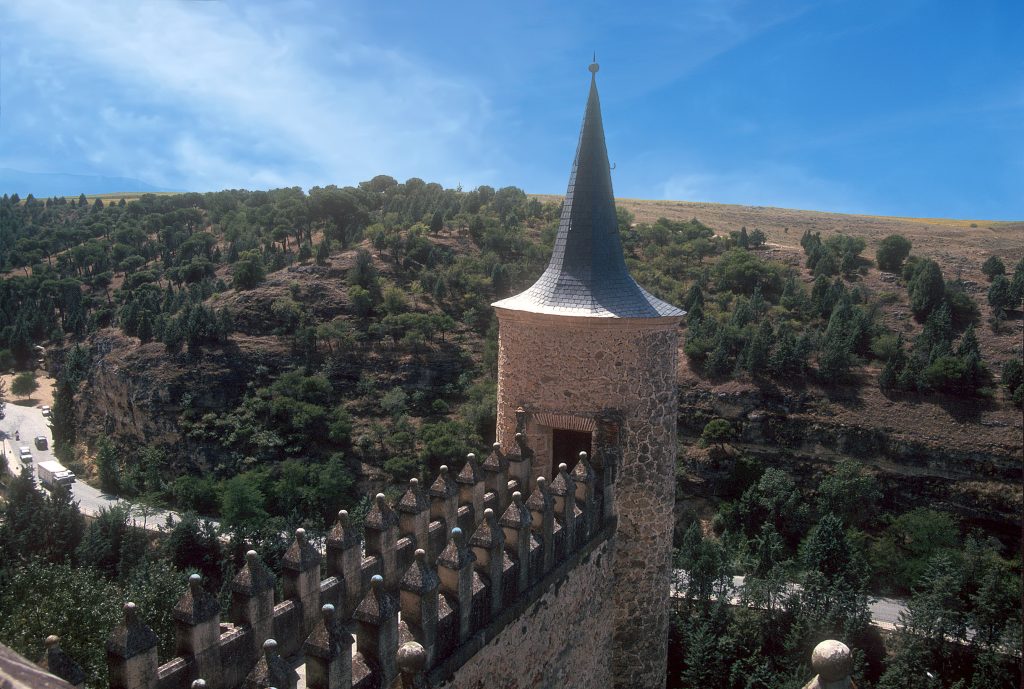
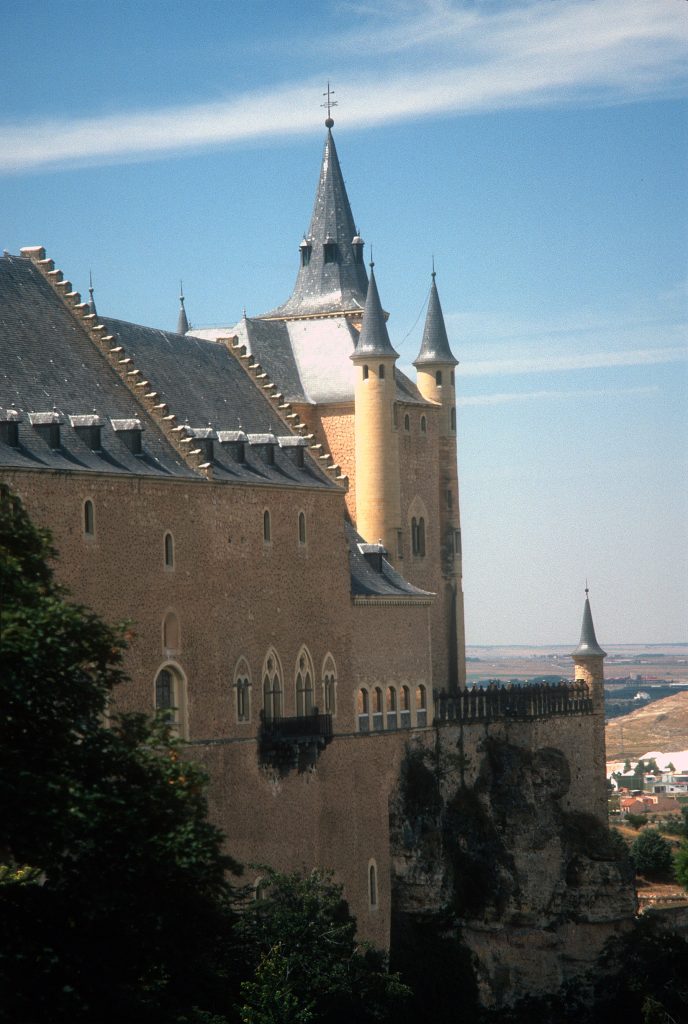
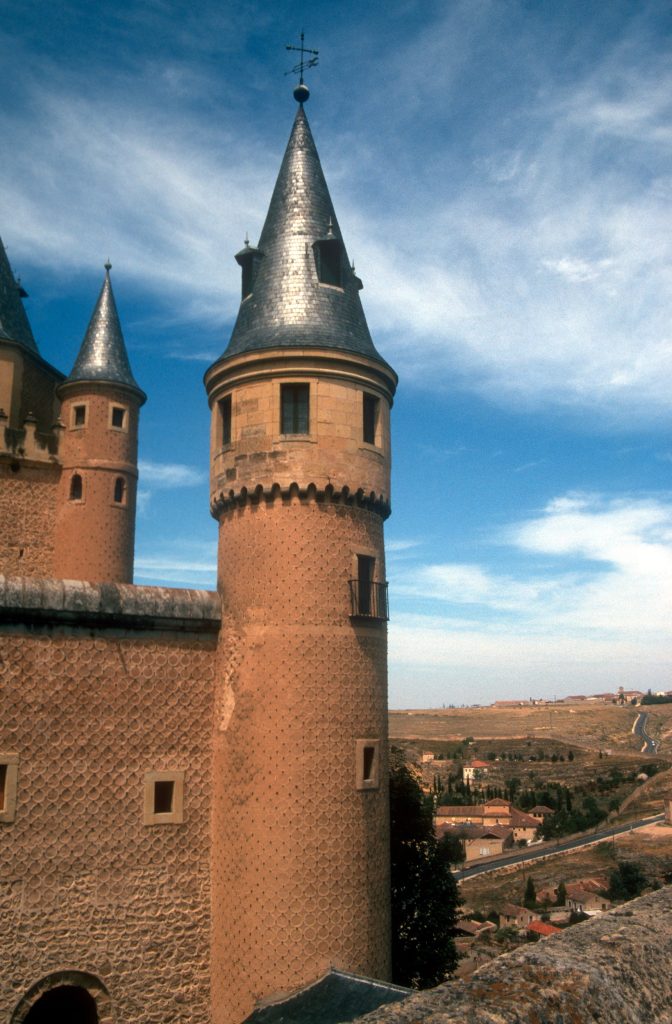
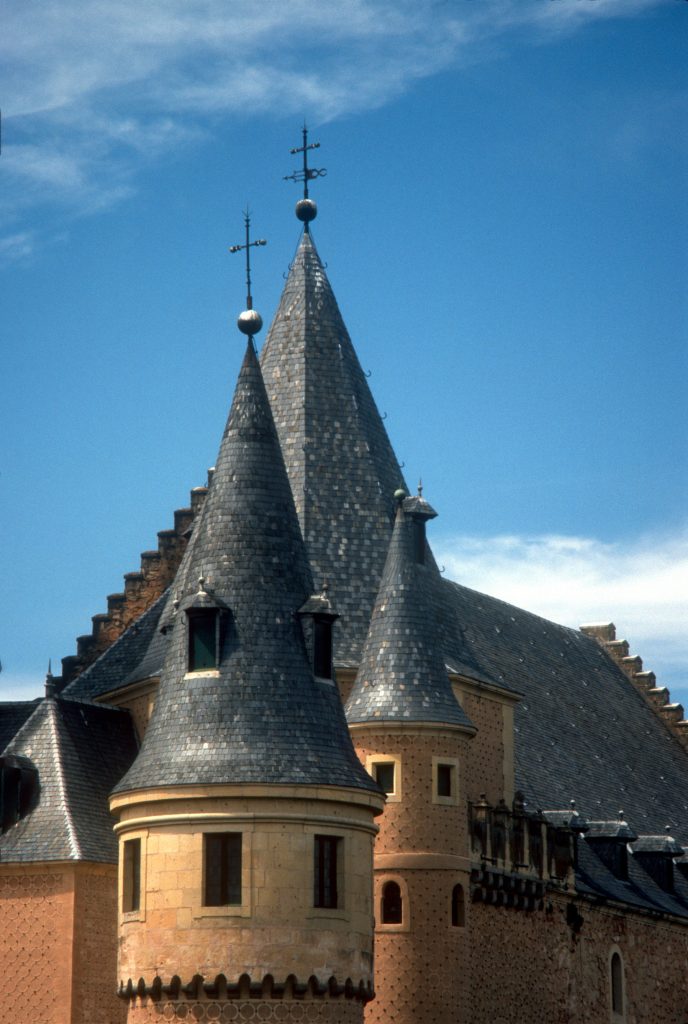
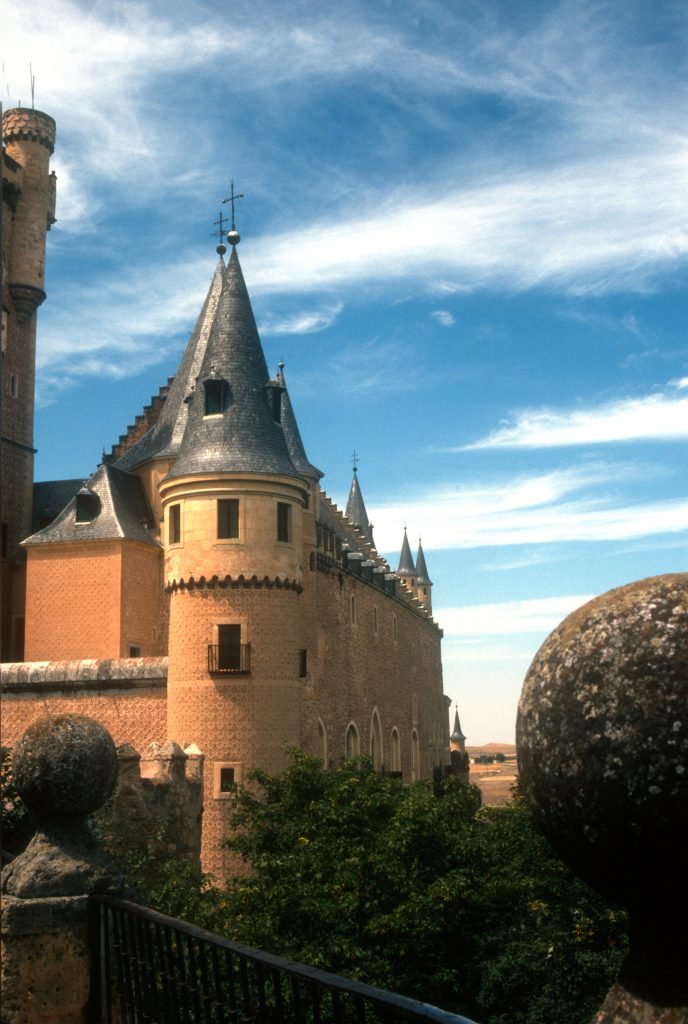
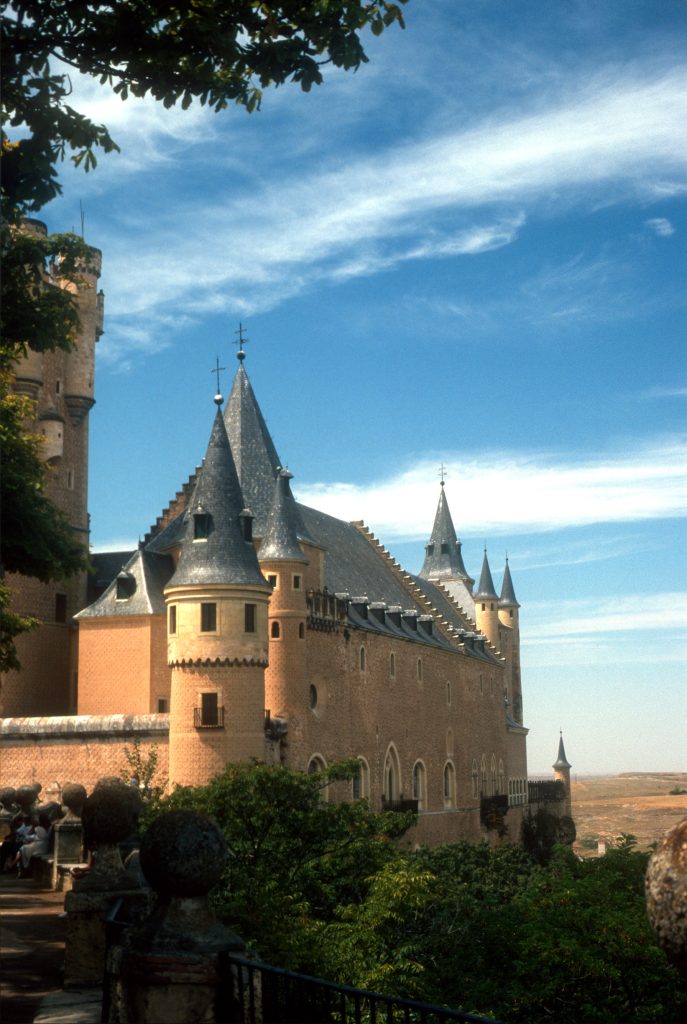
At the city’s summit, the Alcázar soars with blue-slate turrets that inspired Walt Disney’s Cinderella Castle. Inside, one wanders through gilded halls, a chapel echoing with prayers of royalty, and armories that recall Castile’s military might. From the tower, the view sweeps across ochre plains where Don Quixote himself might have tilted at windmills.Nearby, The Cathedral rises with pale Gothic spires, its cloister calm and luminous. The Plaza Mayor outside still hosts festivals, processions, and markets where Segoviaans gather much as they did centuries ago. And beyond the city walls, rolling Castilian countryside unfurls—a tapestry of fields and ridges punctuated by the Sierra de Guadarrama mountains.
UNESCO World Heritage Site
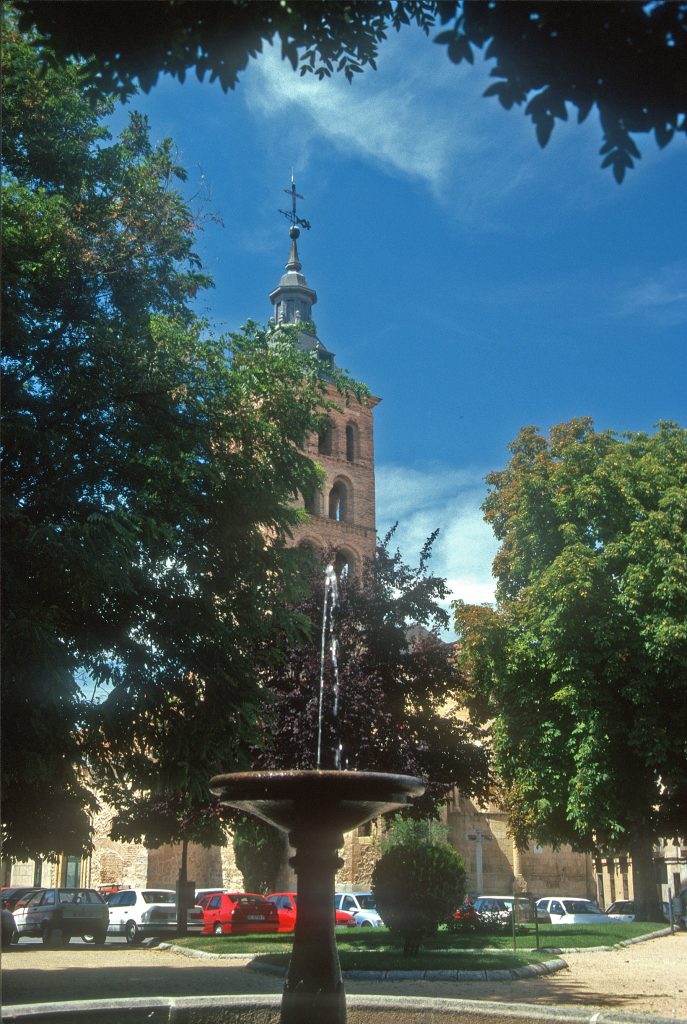
Today Segovia retains its small-city charm while welcoming visitors from around the world. It is a UNESCO World Heritage Site, celebrated not only for its monuments but for the way history remains seamlessly woven into everyday life. Students linger on the steps of Romanesque churches, grandmothers shop in arcaded plazas, and weddings spill out of Renaissance courtyards.
The aqueduct no longer carries water, yet it carries memory—a monument to endurance. The Alcázar, once a royal palace, later a state prison, now houses a museum where you can gaze upon tapestries, armor, and portraits of monarchs who once ruled half the world. And in Segovia’s kitchens, traditions remain alive: cochinillo roasted in wood-fired ovens, red wines poured generously, and pastries layered with almonds and custard as if to sweeten centuries of history.
Segovia is less than an hour from Madrid by train, making it an easy day trip. Yet it deserves more—an evening walk beneath lamplight, a quiet morning when the mist drifts around the aqueduct, time enough to let history breathe around you.
At heart, this is a city of endurance. Its aqueduct has outlasted empires; its cathedral testifies to centuries of faith; its Alcázar still looks ready to welcome monarchs. To walk here is to be reminded that history is not confined to books or museums—it lives in arches, plazas, kitchens, and the laughter of a modern Castilian afternoon.
Where to Stay in Segovia, Spain
Segovia’s compact historic center makes staying within the old town walls ideal if you want to wake up to castle views and be steps from the Roman aqueduct. Hotels like the Parador de Segovia sit on the hill overlooking the Alcázar, though they come at premium rates. More budget-friendly options cluster near Plaza Mayor, where you’ll find modest three-star properties and family-run guesthouses within walking distance of the cathedral and main attractions. Staying here means you can explore on foot without needing a car, and the narrow stone streets retain their medieval character even after the day-trip crowds leave.
If the old town feels crowded or pricey, the newer districts just outside the walls offer solid alternatives at lower cost. The area near the train station has several two and three-star hotels catering to business travelers and tourists, with bus connections to the historic center taking just five or ten minutes. These neighborhoods lack romantic atmosphere but provide reliable comfort and easier parking if you’re driving. You trade ambiance for convenience and savings, which makes sense if you plan to spend most daylight hours in the old town anyway.
For a different pace, consider the small towns within twenty or thirty kilometers of Segovia, such as Turégano or Cuéllar, where rural hotels and casas rurales (country guesthouses) offer quiet countryside stays. These spots put you outside the tourist flow while keeping major sites reachable by a short drive. Many travelers prefer this approach if they want to explore Segovia without the hotel-room atmosphere, returning to a more peaceful base each evening. The trade-off is spending time in transit rather than lingering in the center after sunset.
Book accommodations several months ahead if you’re visiting in peak season (April through October), when school holidays and good weather draw European families. Many smaller hotels fill quickly, especially those with Alcázar or aqueduct views. Winter offers lower prices and fewer crowds, though some rural properties close or reduce hours. Spring and early fall strike a reasonable balance between weather, availability, and the experience of seeing Segovia without shoulder-to-shoulder crowds at every viewpoint.
Recommended Reading
Fiction & Literary Atmosphere
- The Maias — Eça de Queirós. A Portuguese classic steeped in 19th-century Lisbon–Sintra society; its mood is pure Romantic Portugal.
- The Book of Disquiet — Fernando Pessoa. Fragmentary, poetic meditations that match Pena’s sense of drifting between reality and dream.
- The City and the Mountains — José Maria de Eça de Queirós. A lyrical exploration of Portugal’s landscapes and contrasts
History, Architecture & Gardens
- Sintra: A Glorious Eden — Gerald Luckhurst. The definitive guide to Sintra’s designed landscapes, including Pena’s park.
- The National Palace, Sintra — José Custódio Vieira da Silva. A richly illustrated guide to the architecture, decoration and history of the 14th-century royal palace in Sintra, Portugal.
- Portuguese Tilework — João Castel-Branco Pereira. Context for the azulejos that grace Pena’s cloisters and halls.
Tours to Consider:
- Segovia Walking Private Tour 3 hours with tickets included
- Segovia from the Aqueduct to the Alcazar: A Self-Guided Audio Tour
- Private 3-hour Walking Tour of Avila with official tour guide