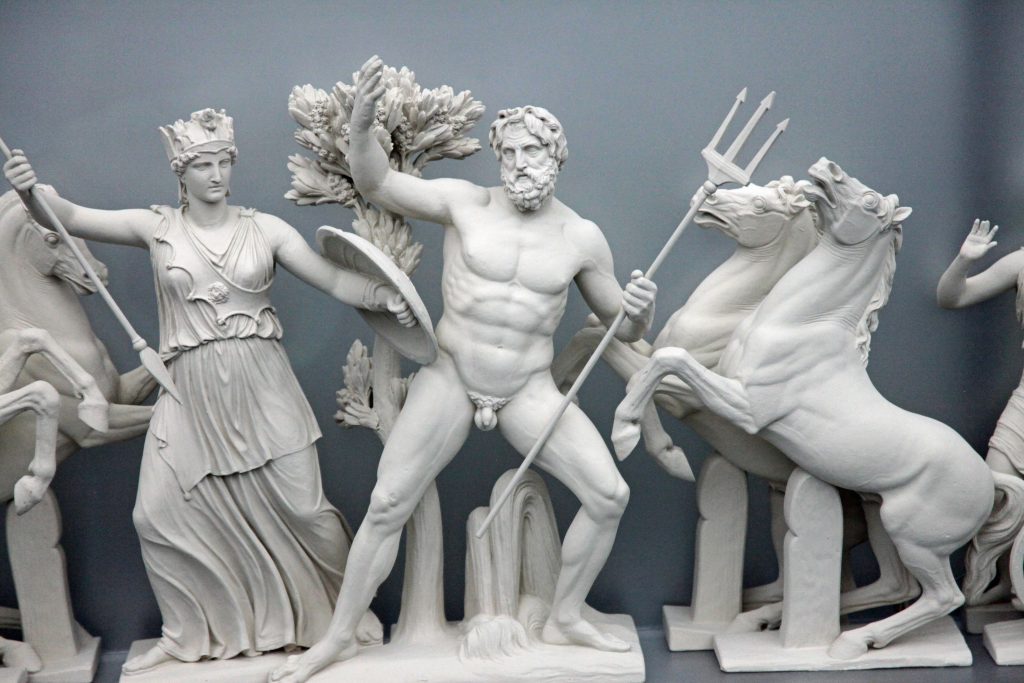
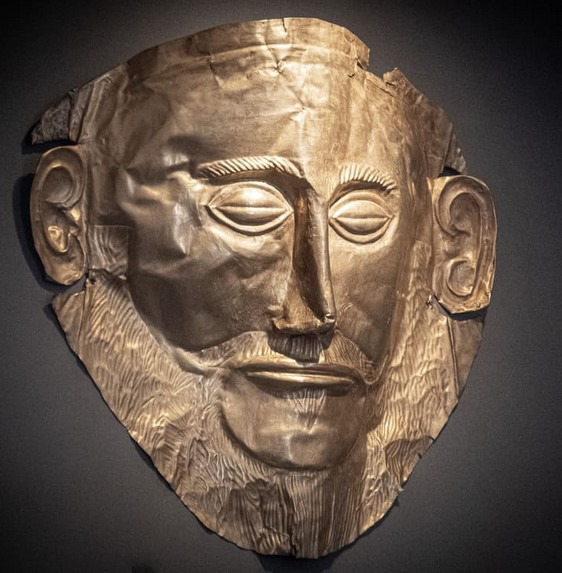
Greek myth holds that Poseidon and Athena warred over who could give the city the best gift, with the victor becoming its namesake patron. Poseidon struck the earth with his trident, bringing forth a well. Athena won the honor by offering the first domesticated olive tree. Athens, one of the world’s oldest cities, has flourished continuously for 3,400 years since the 11th millennium BC. Considered the “cradle of Western Civilization” and birthplace of democracy, Greece’s history was meticulously recorded by its scribes, philosophers, and mythologists, and much of it has been passed down to us today. Fueled by the riches and successes of its Mycenaean warriors, who dominated the ancient world around 1400 BC, its rulers built the classic temples and structures whose ruins you can still see atop and around the city. But Roman, Byzantine, and Ottoman conquerors also left their marks.
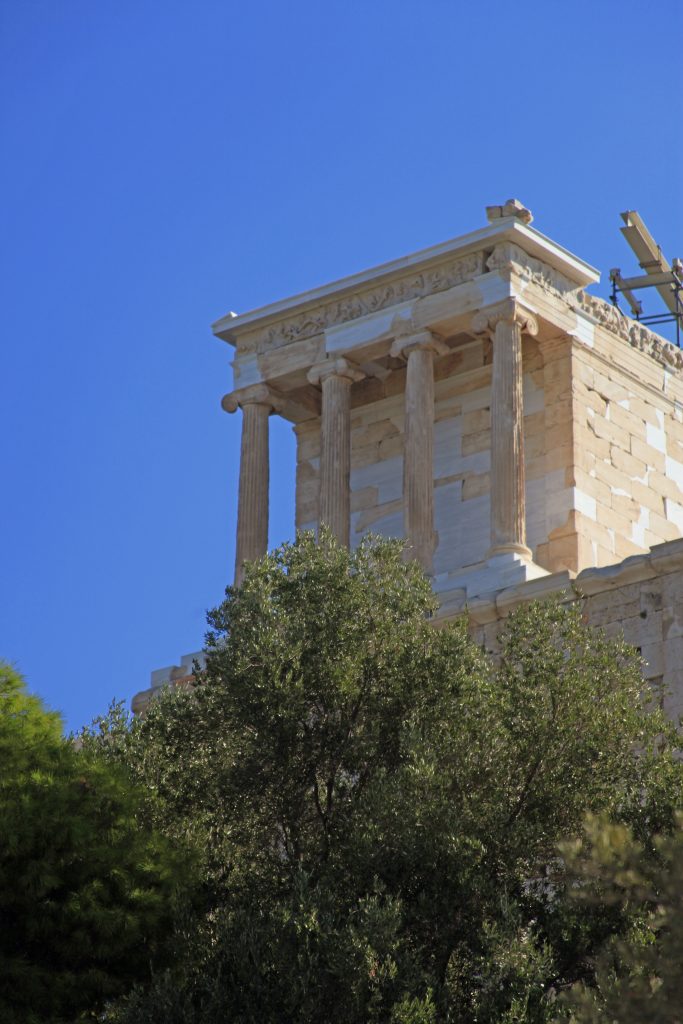
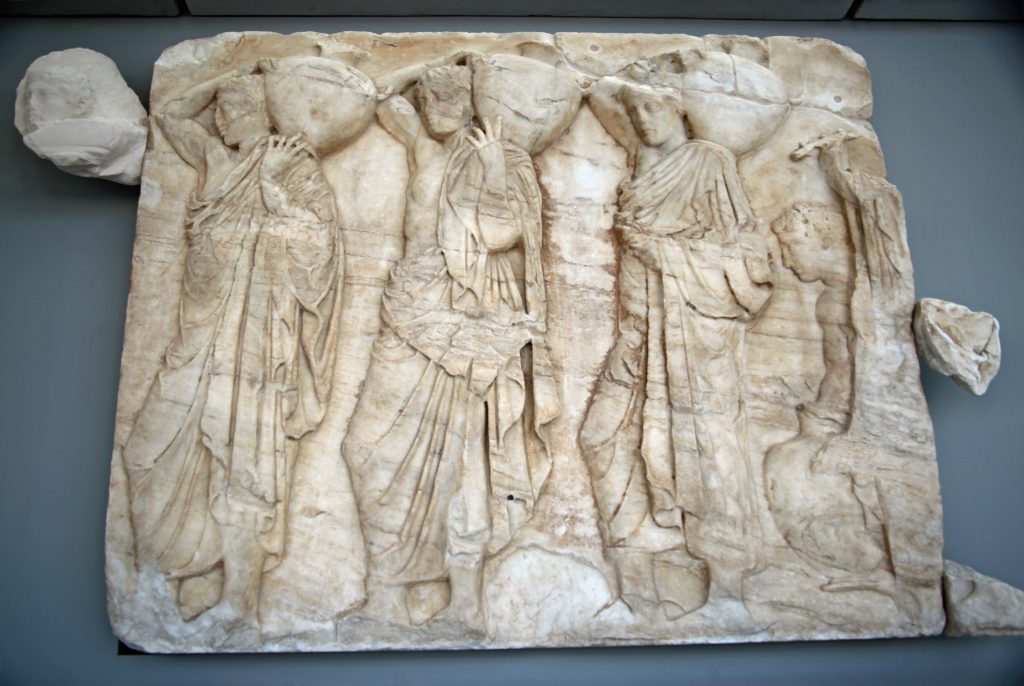
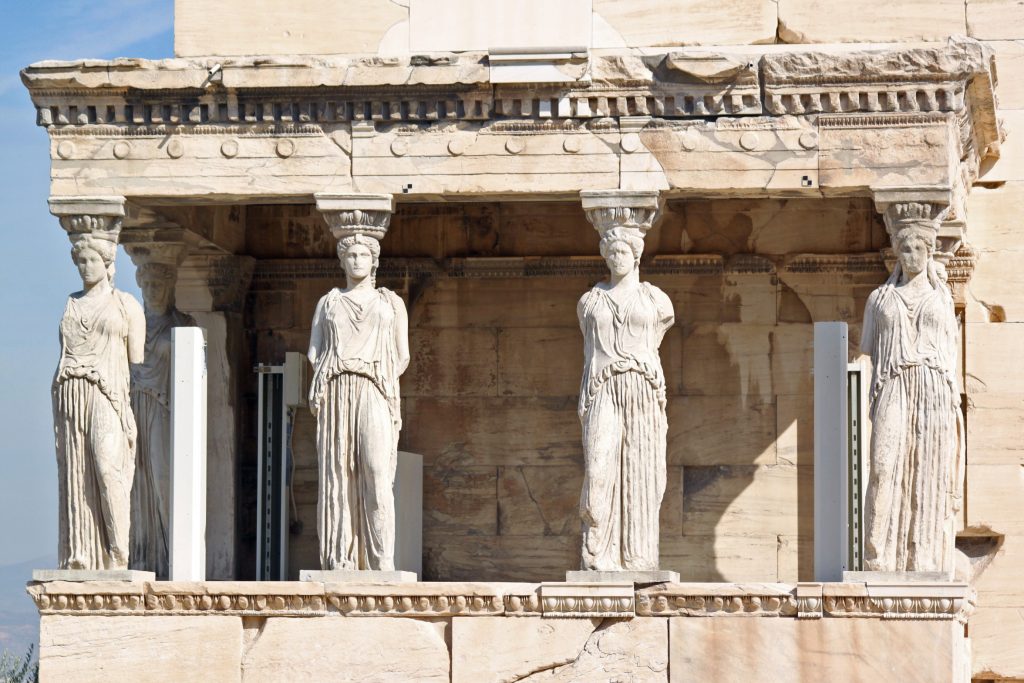
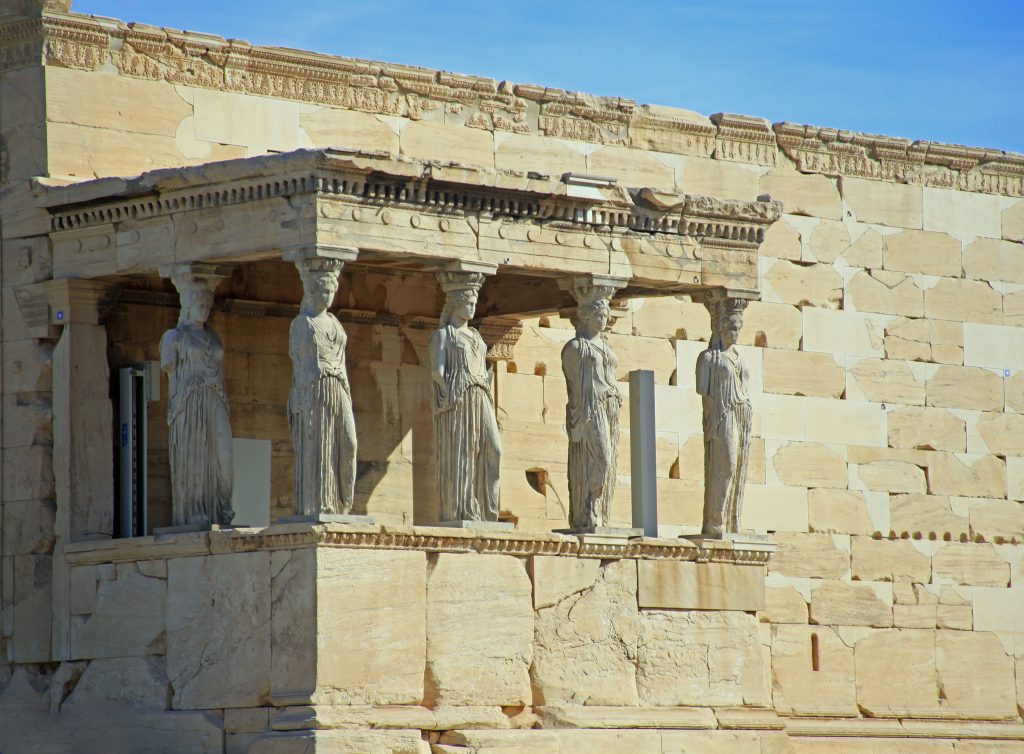
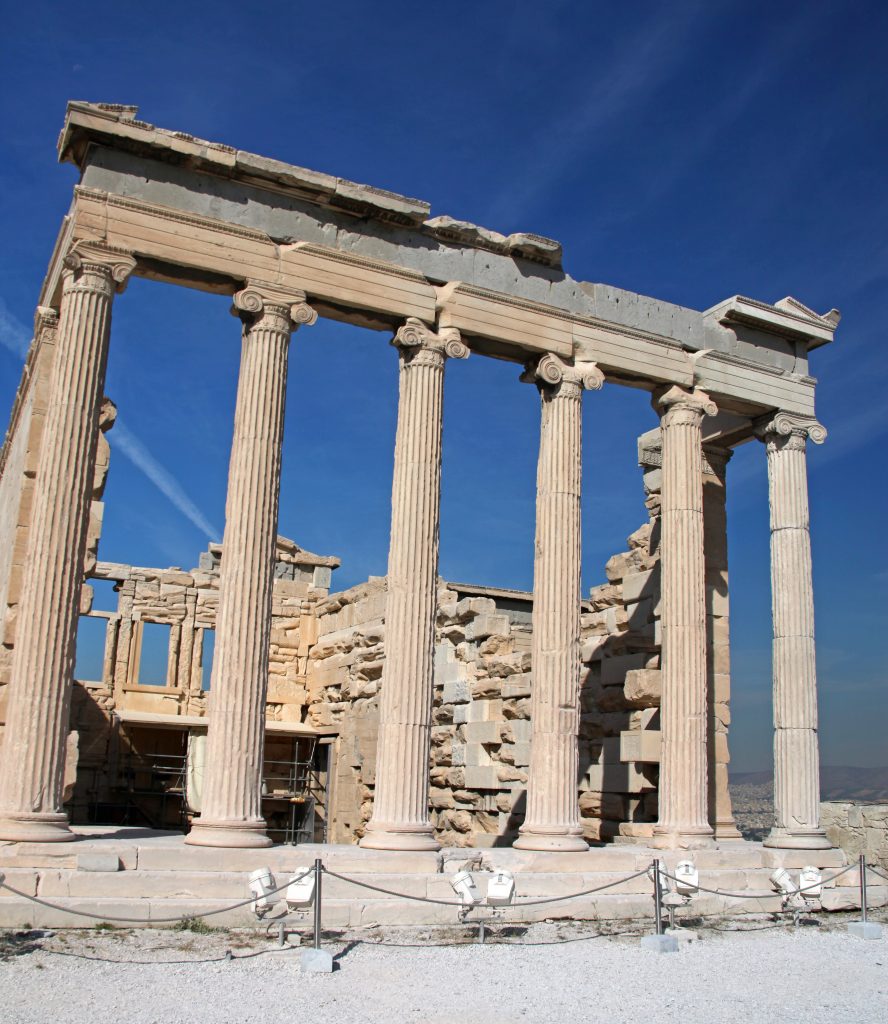
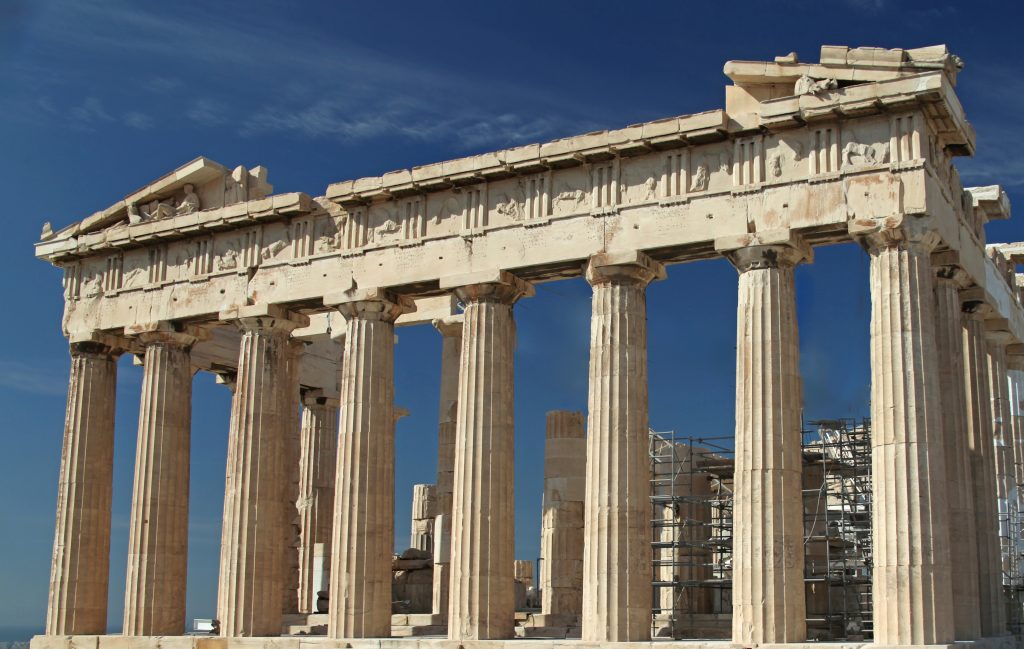
Undoubtedly, what comes to mind first is the Parthenon on the Acropolis, gleaming marble in the light, built in the 5th century BC as thanksgiving for the Hellenic victory over the Persian Empire during the Greco-Persian Wars—dedicated to the goddess Athena. How many buildings throughout history have drawn inspiration from its classical architecture? Though many were spirited away to England’s Lord Elgin and the British Museum, a few of the intricately carved, lifelike friezes remain. Also not to be missed are the caryatids, female figures that support the roof of the nearby Erechtheion, also dedicated to Athena. You can learn and see more at the Acropolis Museum at the base of the mount.
What other ruins might you overlook with your sites focused on the Parthenon?


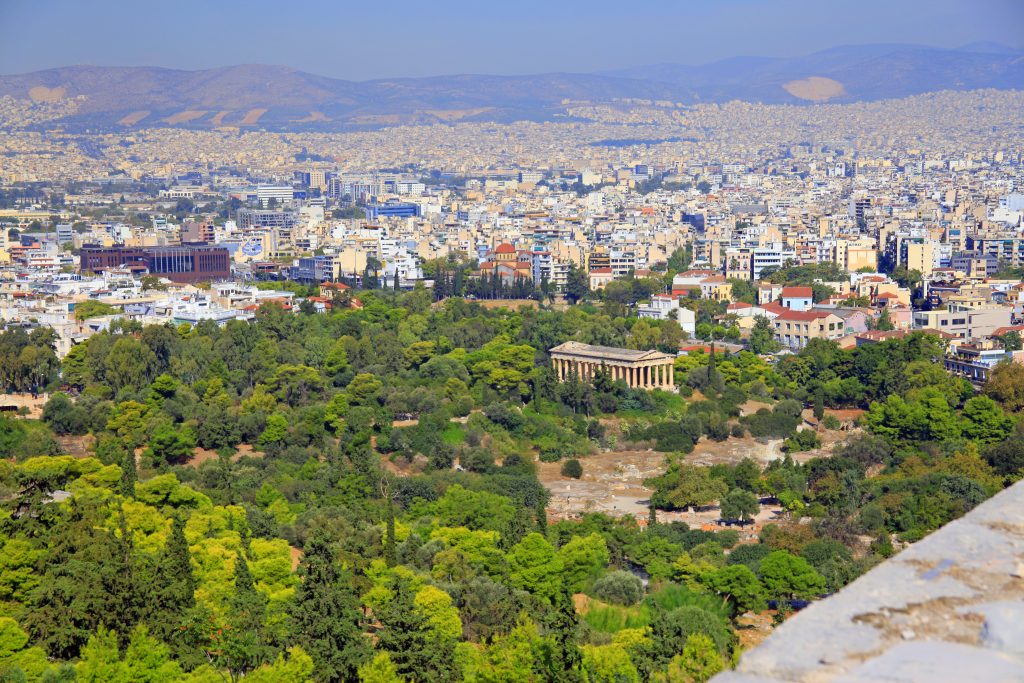
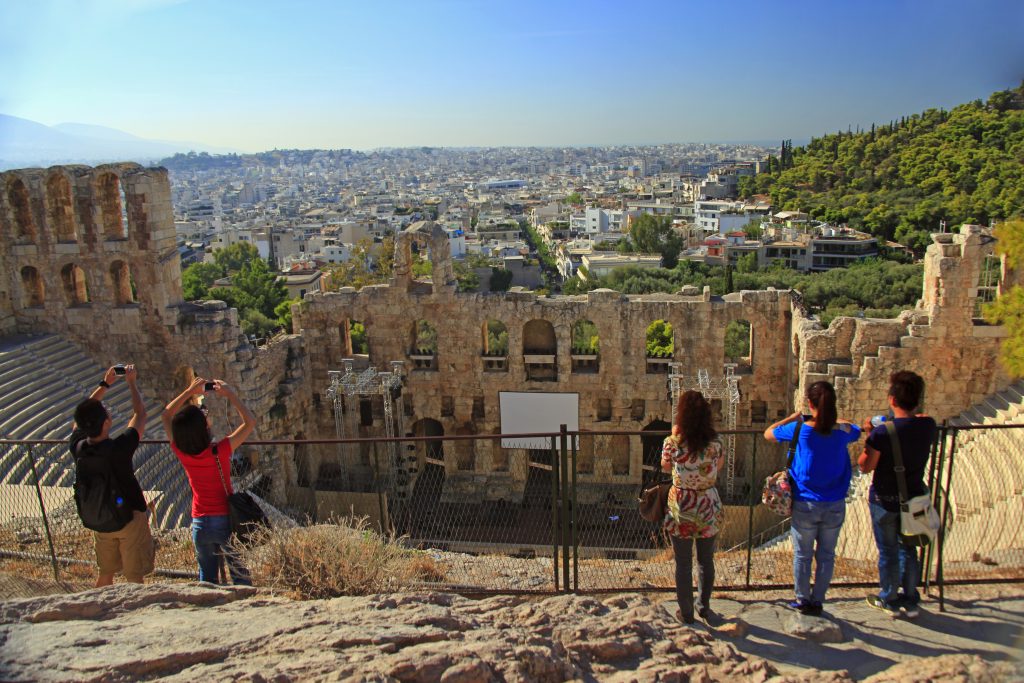
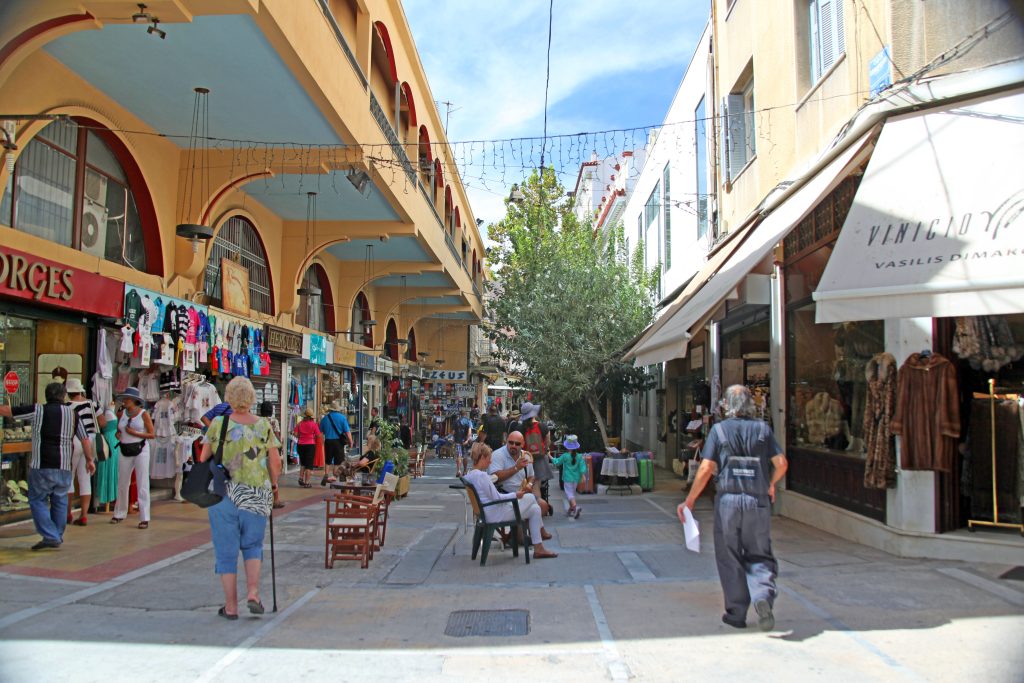
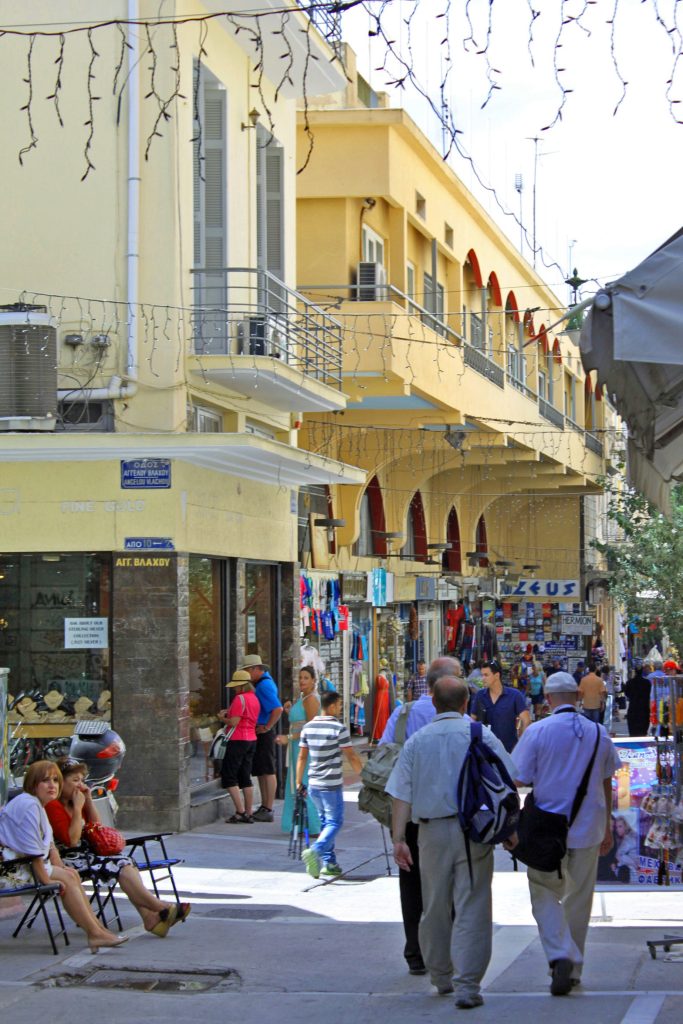
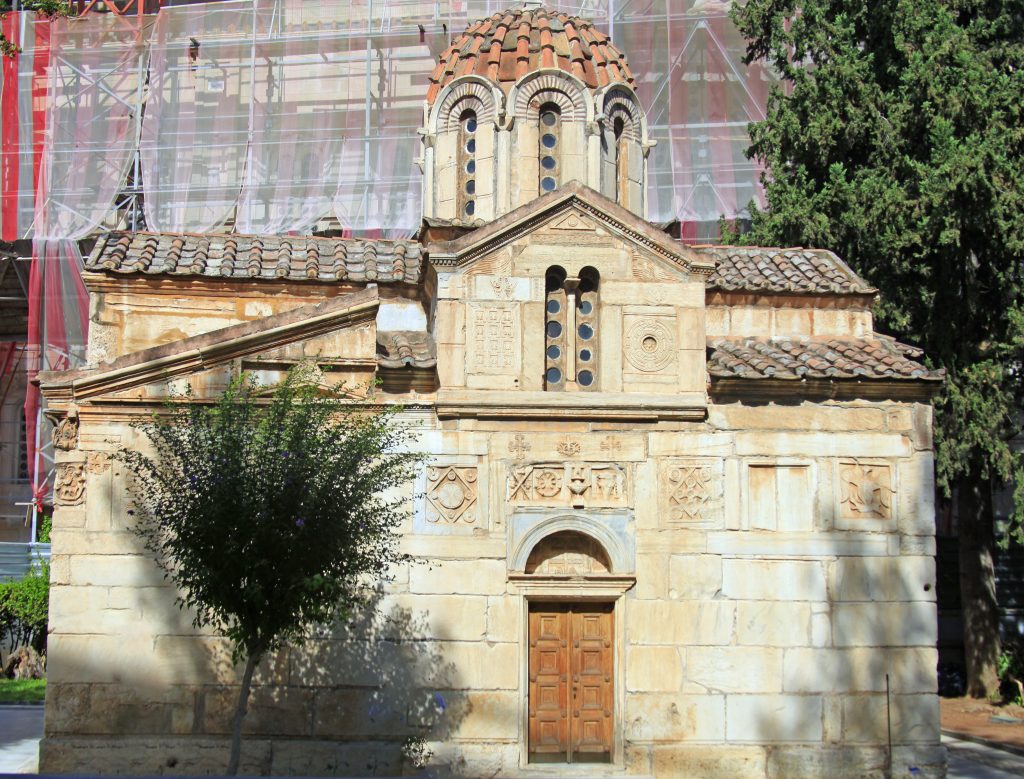
Want to experience a temple nearly as it was originally built? Try the Temple of Hephestus, with a complete roof, sitting amidst trees, easily visible from the Parthenon or any high place in the city. You can also see the remains of the Ancient Agora of Athens, where the city’s political functions centered and both Pericles and Socrates once walked. Check out the ruins of the Temple of Olympian Zeus, which is 600 years old, with 104 Corinthian columns, though only a handful remain today. This vast temple, begun in the 6th century B.C., was the site of an ancient outdoor sanctuary dedicated to Zeus. On the southern slopes of the Acropolis, you’ll find the Odeon of Herodes Atticus (the “Herodeon”), the world’s oldest and finest open-air theater from AD 161, seating 5000. It is remarkably well preserved and hosts public performances, including an annual festival. Performers including the ballerina Margot Fonteyn, the diva Maria Callas, and the singer Liza Minnelli have graced its stage. Also, don’t miss the massive Panathenaic Stadium, built in the 5th century for games, religious festivals, and athletic competitions—the world’s only entirely marble arena. If you can spare a day, visit the National Archaeological Museum to see ancient Greek sculpture, metalwork, vases, and jewelry, then wander down to the Plaka, whose narrow cobblestone alleys wind through the neighborhood at the Acropolis foothills. You’ll find quaint shops selling jewelry, clothes, ceramics, and souvenirs alongside sidewalk restaurants and family-run taverns serving authentic Greek food. You’ll also discover the jewel-like Church of Kapnikarea, a small Byzantine church nestled in the heart of the bustling Plaka.


Where to Stay in Athens, Greece
Plaka, the neighborhood directly below the Acropolis, offers the most atmospheric place to stay for first-time visitors. Hotels here range from budget guesthouses to mid-range properties, each offering views of ancient monuments. The narrow, winding streets get touristy at peak season, but the location cuts travel time to most major sites.
For a quieter base with good transit access, try Kolonaki or Syntagma. Both neighborhoods offer reliable hotels and convenient metro access to Plaka and other districts. Syntagma is more commercial and central; Kolonaki offers a residential feel with local cafes and shops. Either option places you within walking distance of the National Archaeological Museum and Parliament.
If you prefer seaside lodging, the coastal areas of Glyfada and Voula are about 30 minutes from central Athens by metro or bus. These neighborhoods offer beach access and a slower pace, though you’ll spend more time commuting to the Acropolis and ancient sites. Hotels here tend to be newer and well-maintained, with the best weather from May through September.
Budget travelers often stay in Omonia or Exarchia, working neighborhoods north of Syntagma where guesthouses and hostels cost less. Both areas have grittier energy and less tourism infrastructure, but they offer authentic glimpses of everyday Athens with reliable public transport. Book accommodations with strong reviews, since hotel quality in these zones varies more than in central tourist areas.
Recommended Reading
Here’s some ancient world reading for you.
- Fire from Heaven by Mary Renault – The first in Renault’s acclaimed trilogy on Alexander the Great, this novel brings his early years vividly to life. From his complicated relationship with his parents to the forging of his bold spirit, it’s a deeply human portrait of a legendary figure destined to change the world.
- Kassandra: A Tale of Love, War, and One Woman’s Destiny by Alison Blasdell – A reimagining of the Trojan prophetess Cassandra, cursed to see the future but never be believed. Set against the backdrop of ancient Greece, this novel weaves love, fate, and female power into a story as timeless as myth itself.
- Glory and the Lightning by Taylor Caldwell – A sweeping classic about Aspasia, the brilliant and controversial lover of Pericles. Through her eyes, we witness the drama and ideals of Athens at its peak—its glory, politics, art, and the cost of greatness.
- Insight Guides: Greece – A richly illustrated travel guide filled with cultural insights, historical background, and practical travel tips for exploring the ancient and modern beauty of Greece. Perfect for those drawn to mythology, ruins, or just dreaming of the Aegean.
Tours to Consider
- Athens: Acropolis, Parthenon Guided Walking Tour
- Athens: Acropolis, Parthenon and Acropolis Museum Guided Tour
- City Sightseeing Athens, Piraeus & Beach Riviera Hop-On Hop-Off Bus Tours