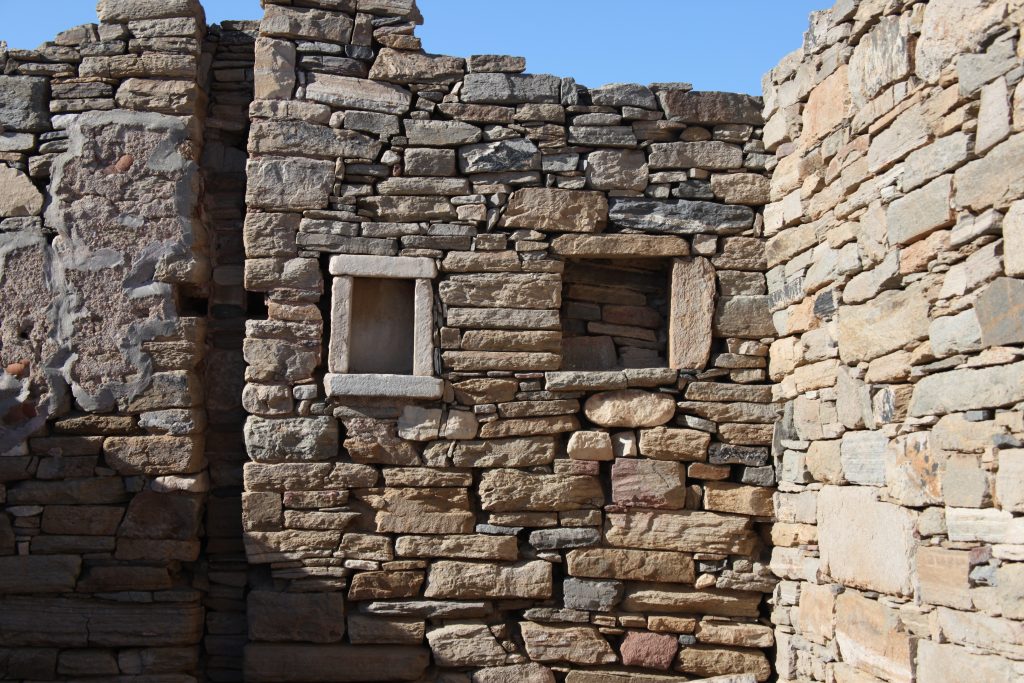
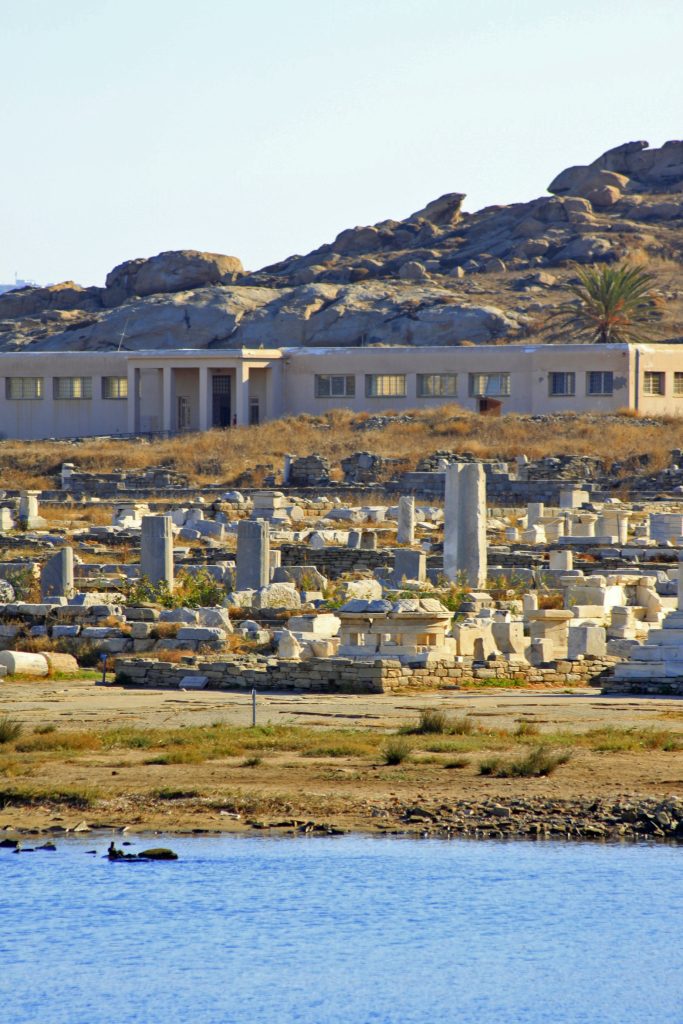
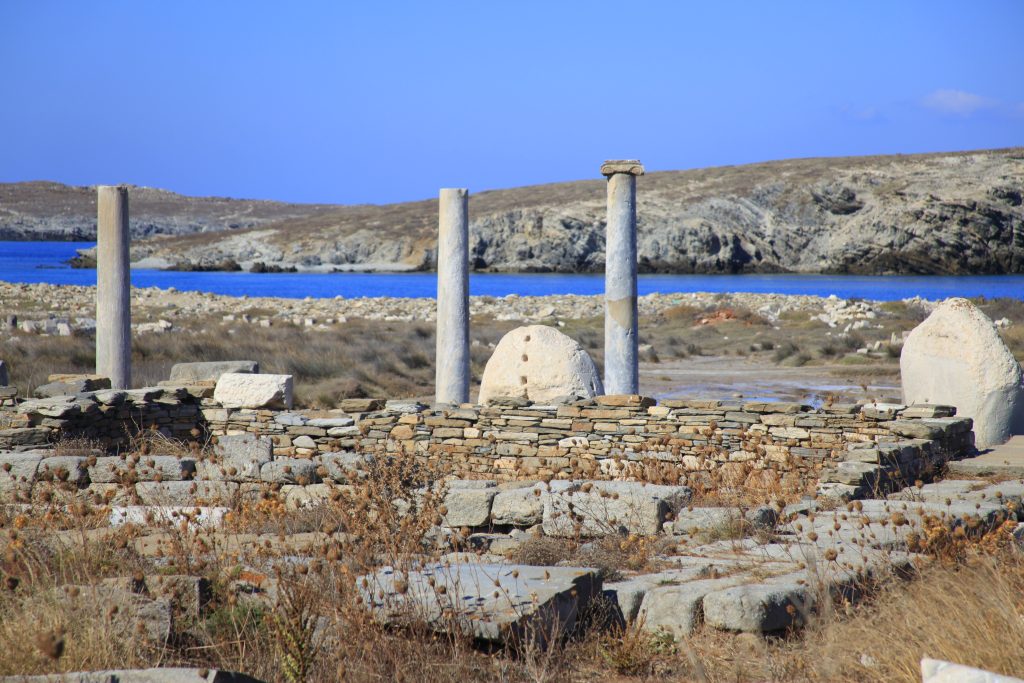
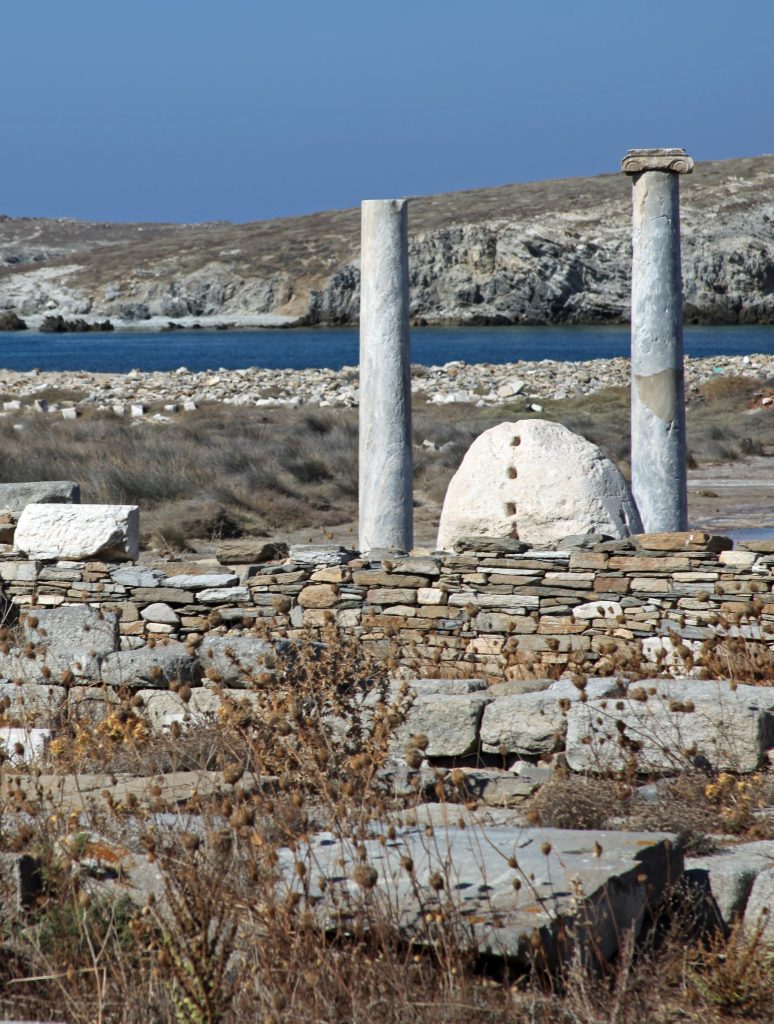
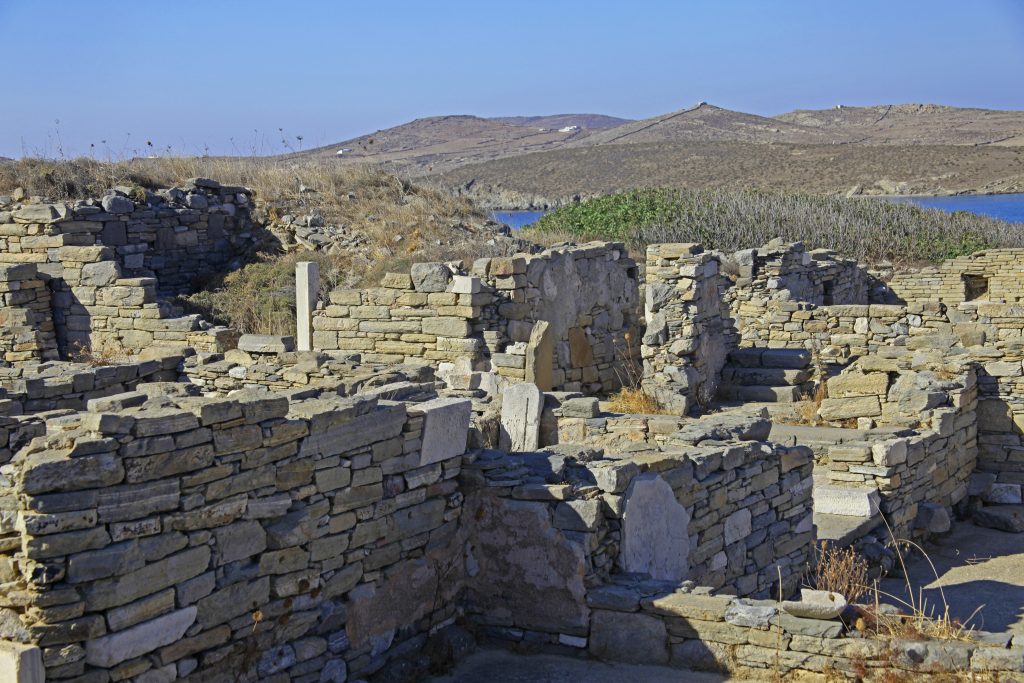
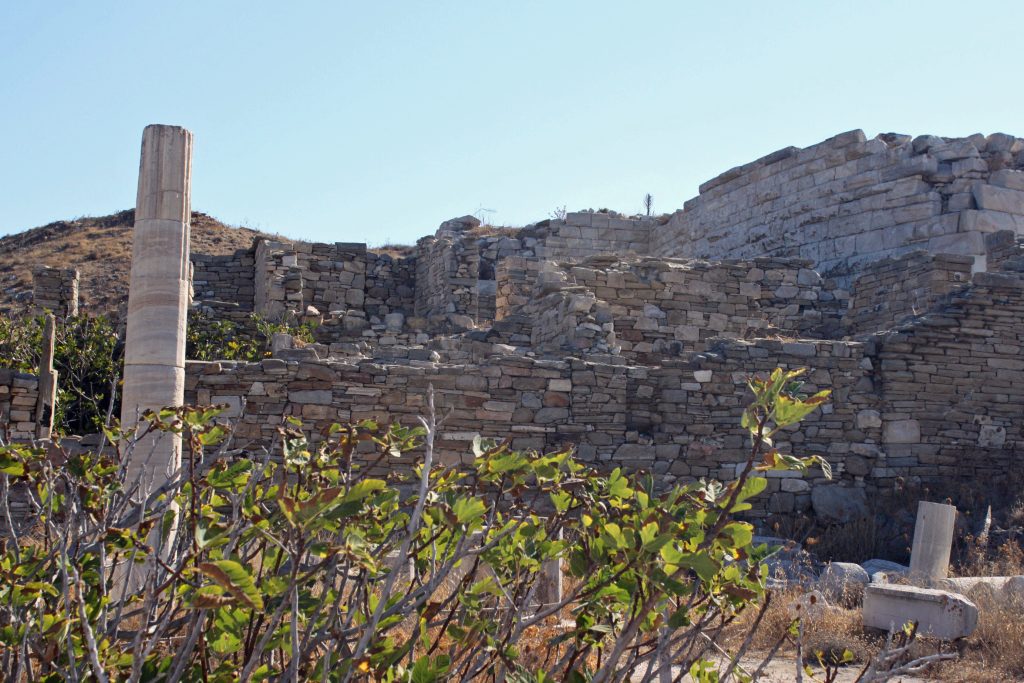
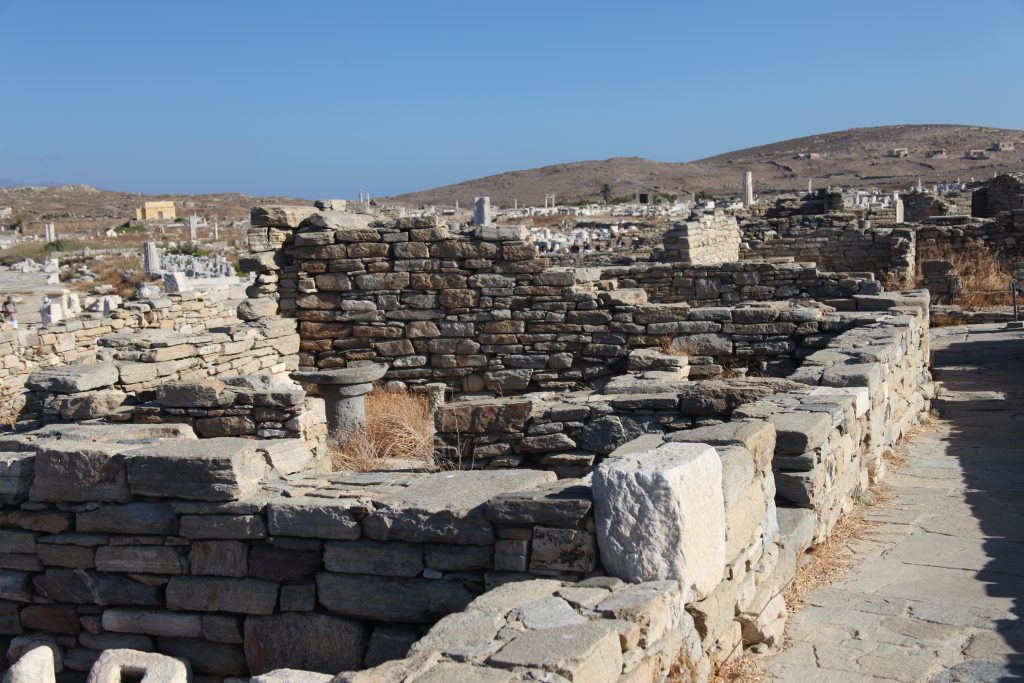
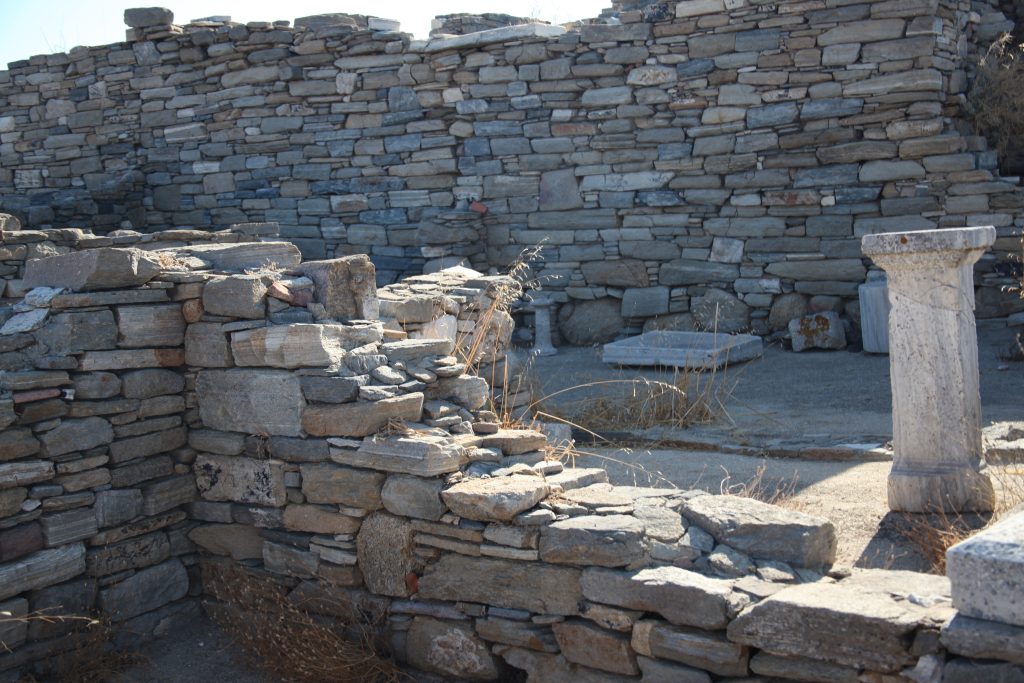
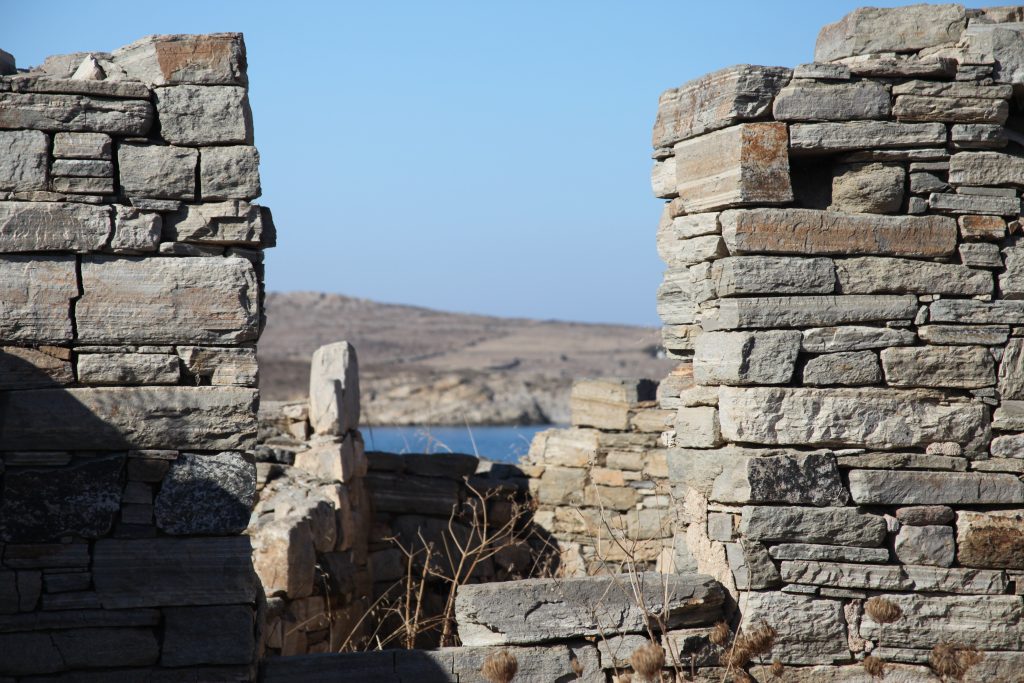
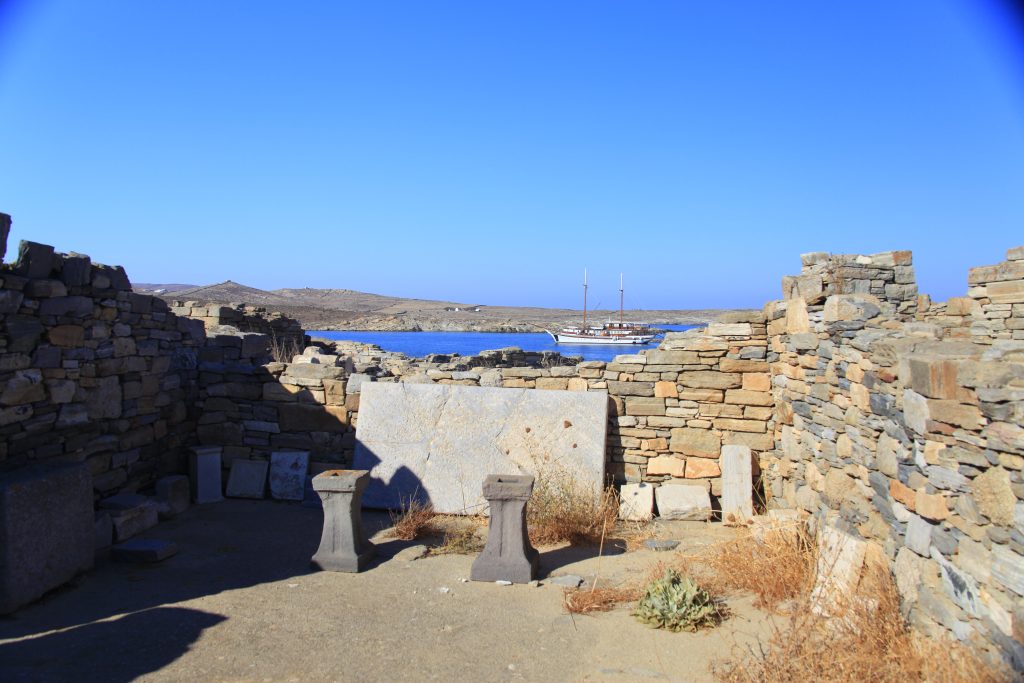
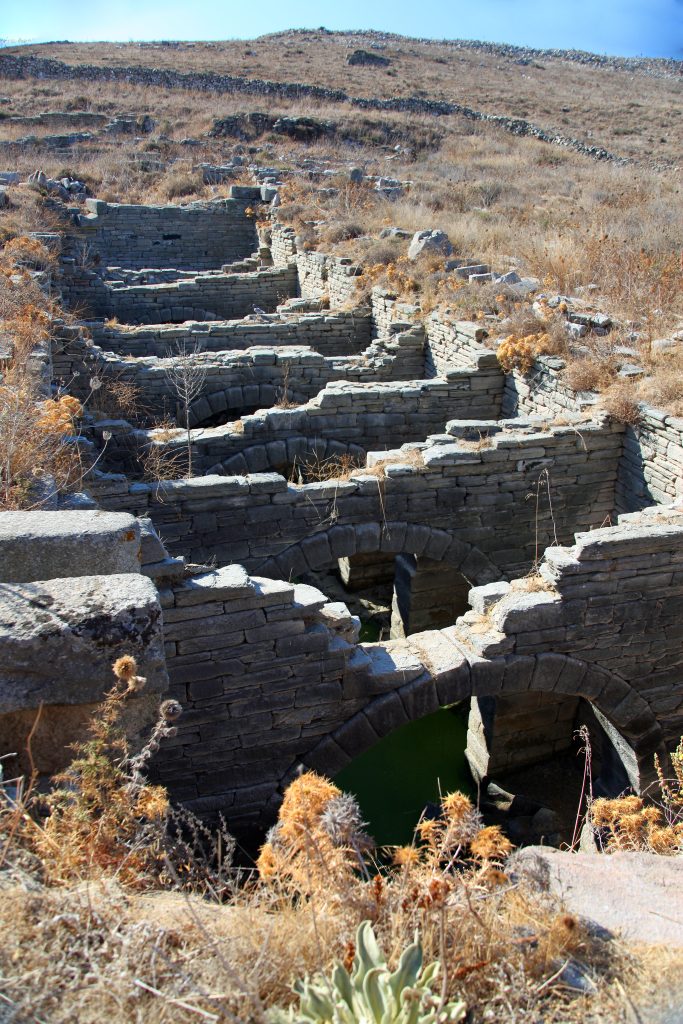
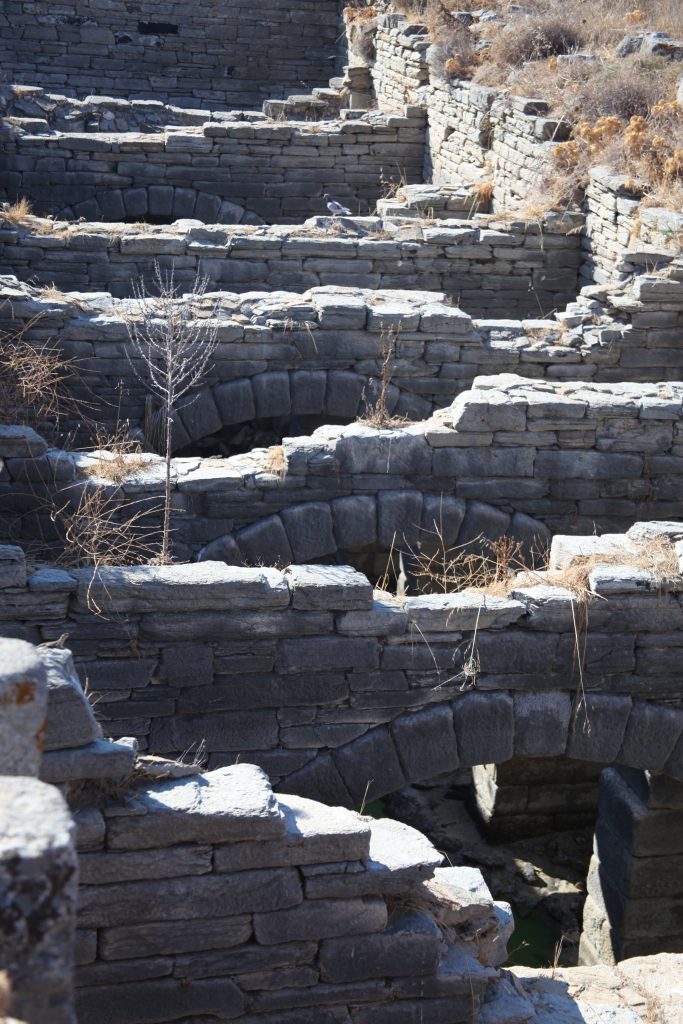
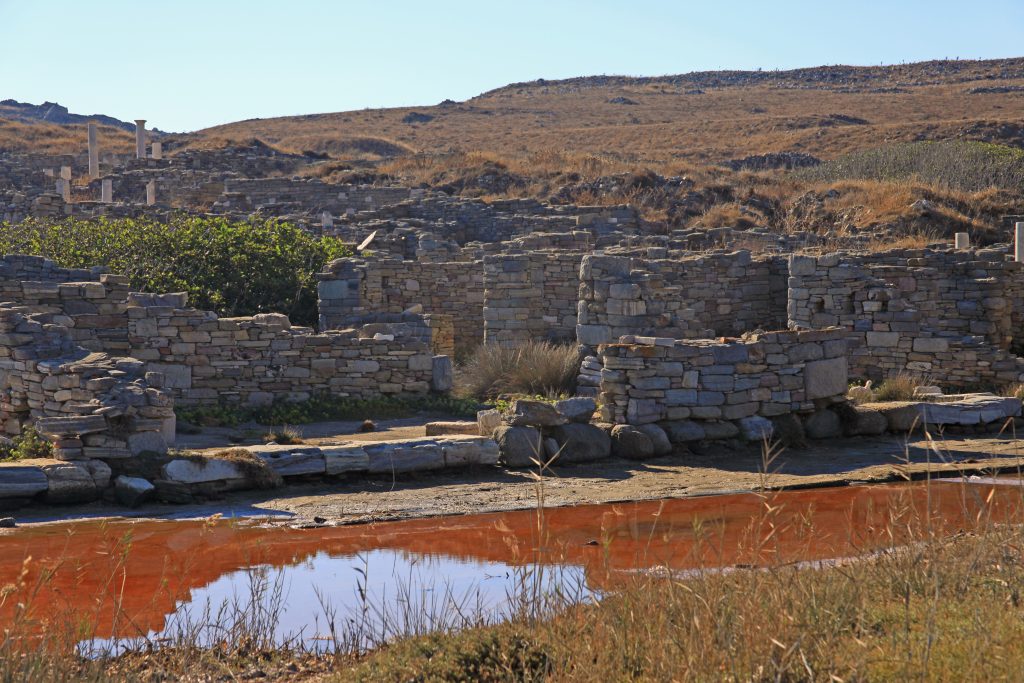
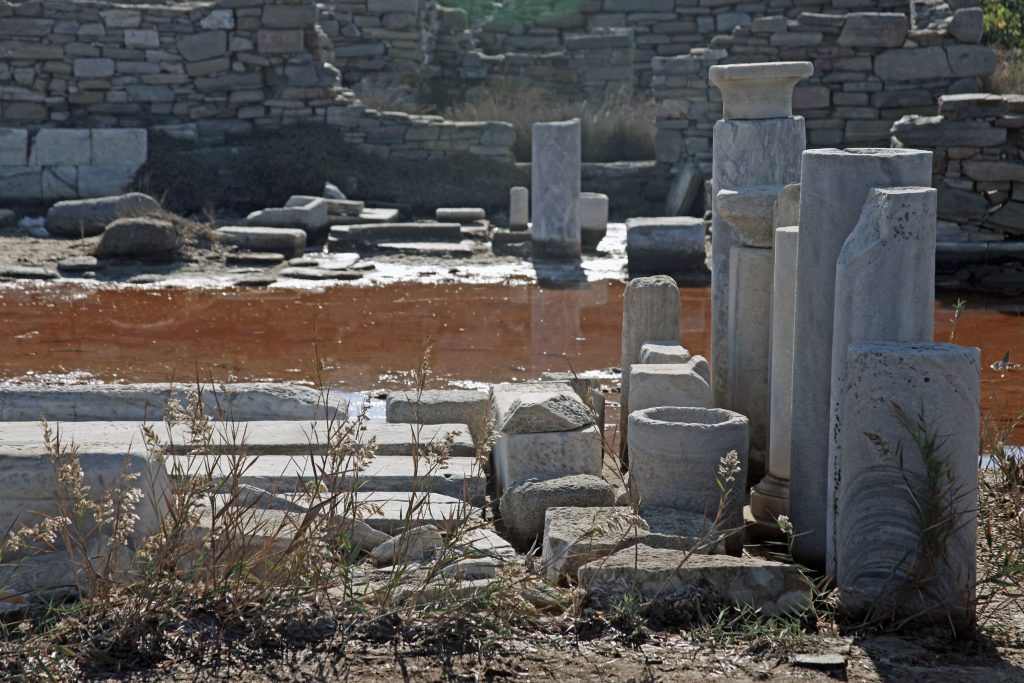
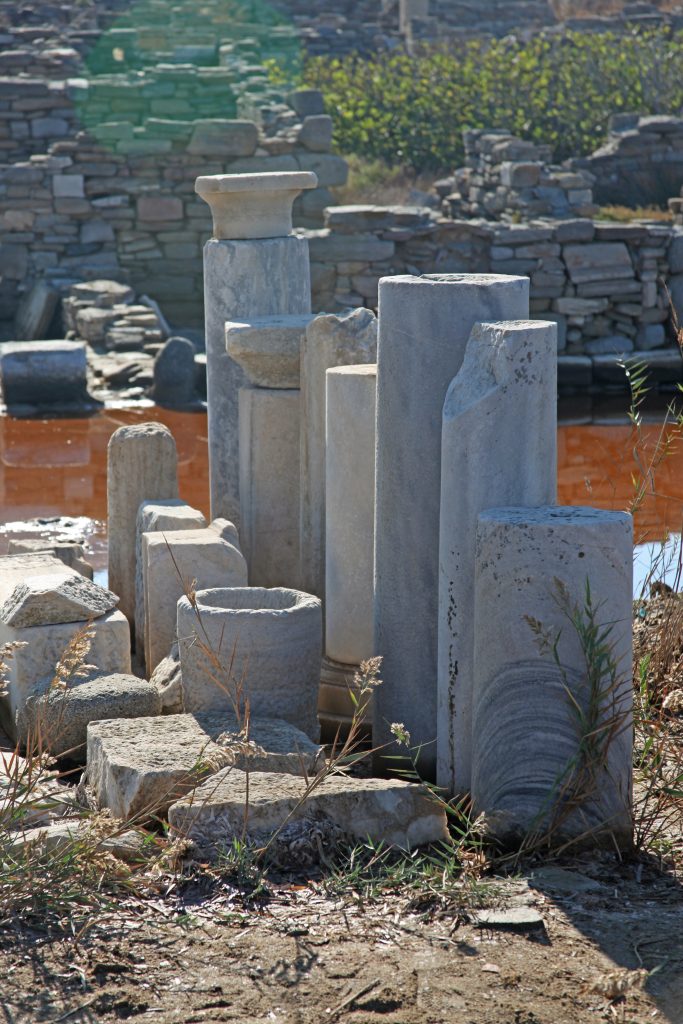
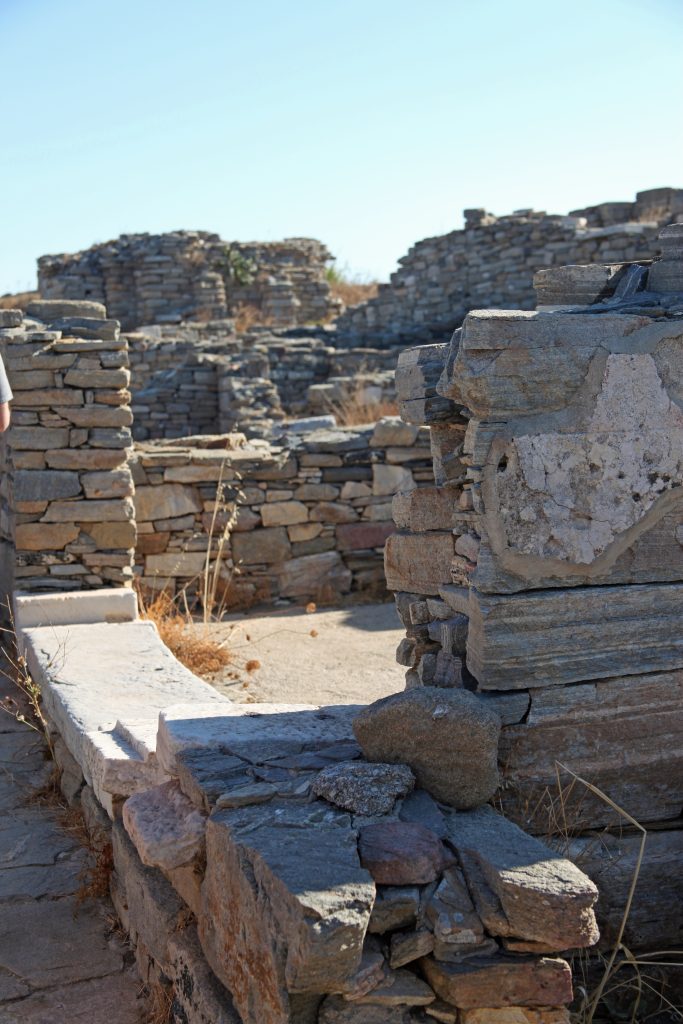
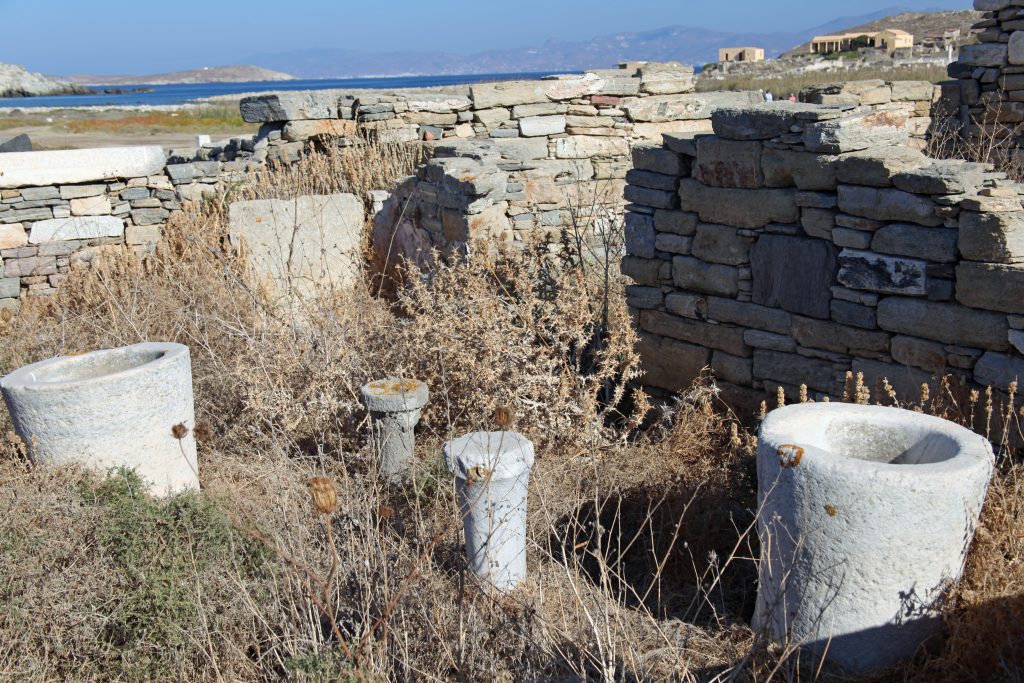
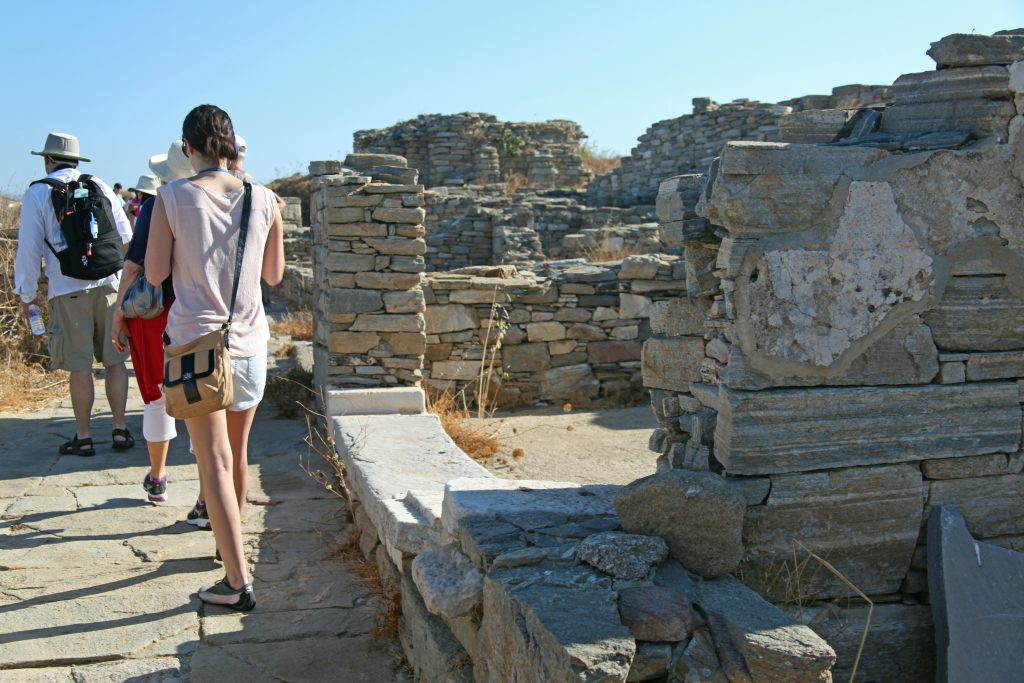
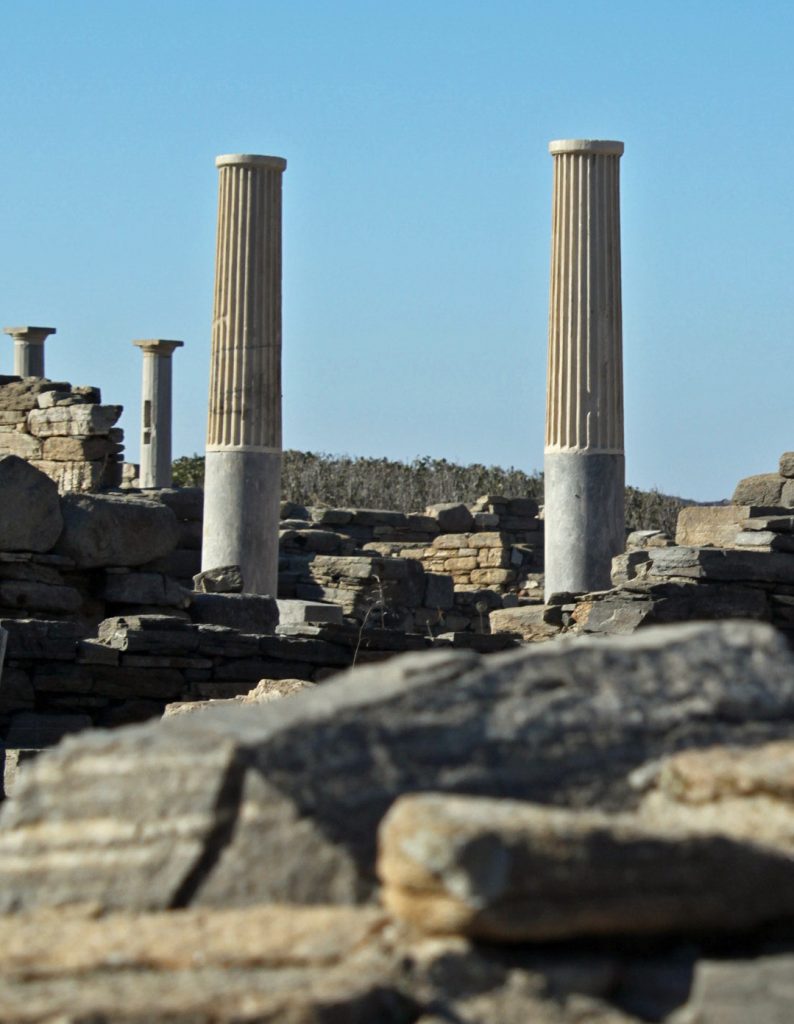
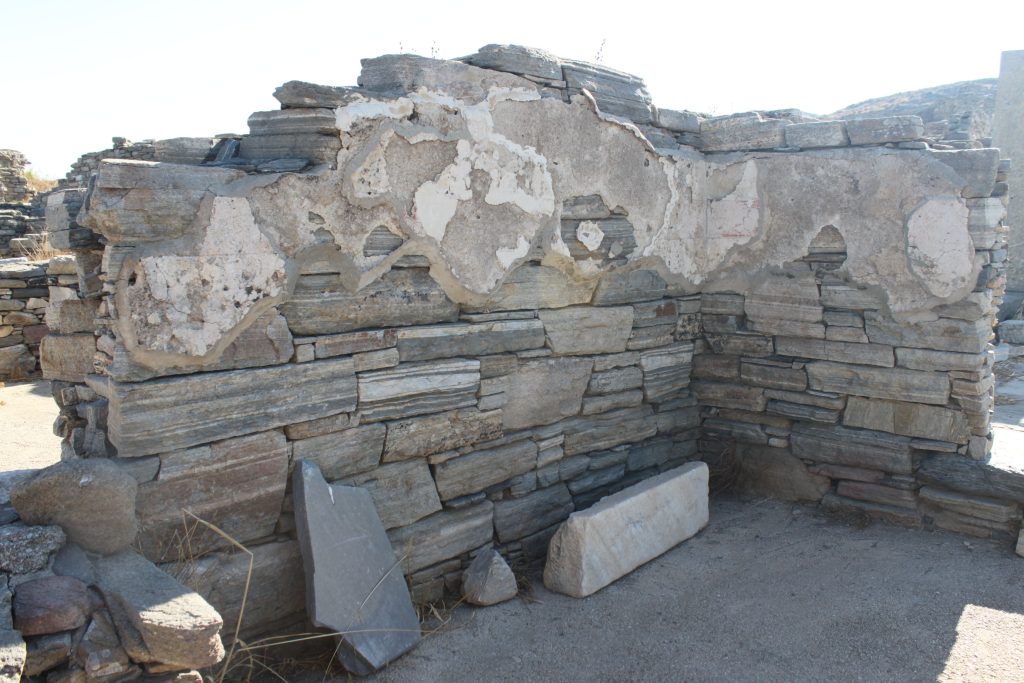
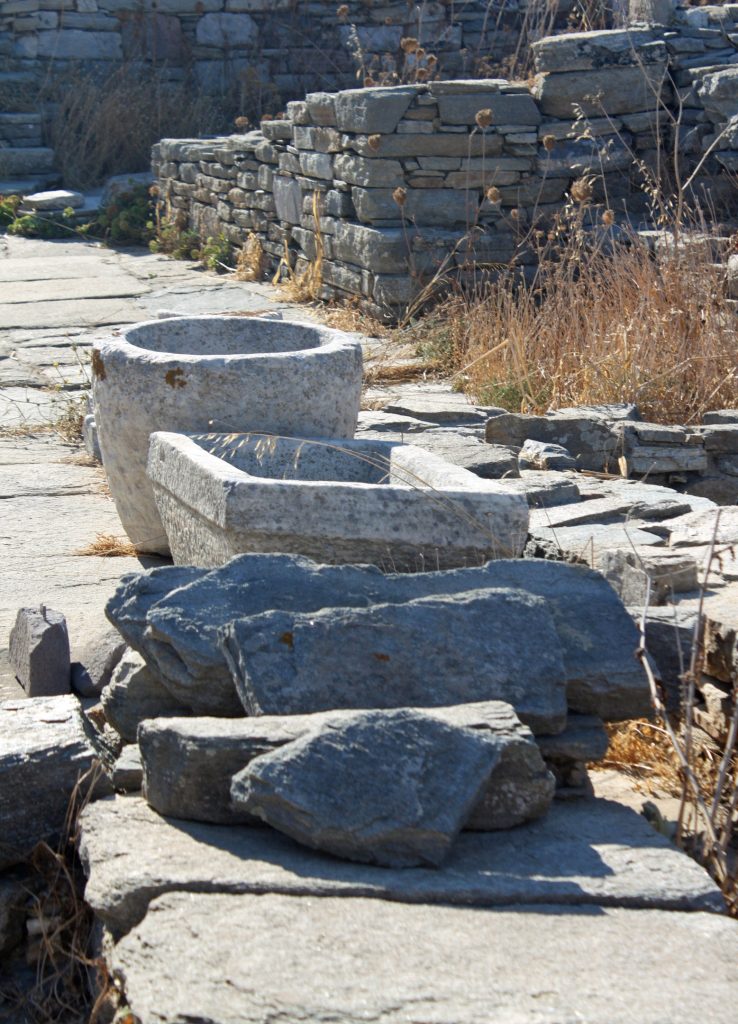
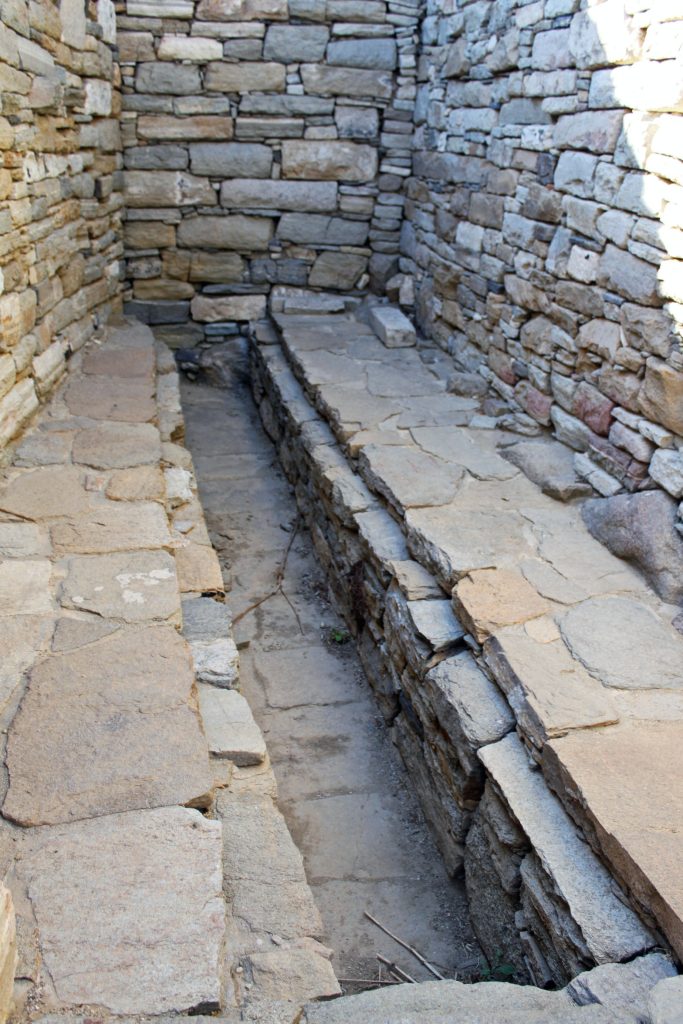
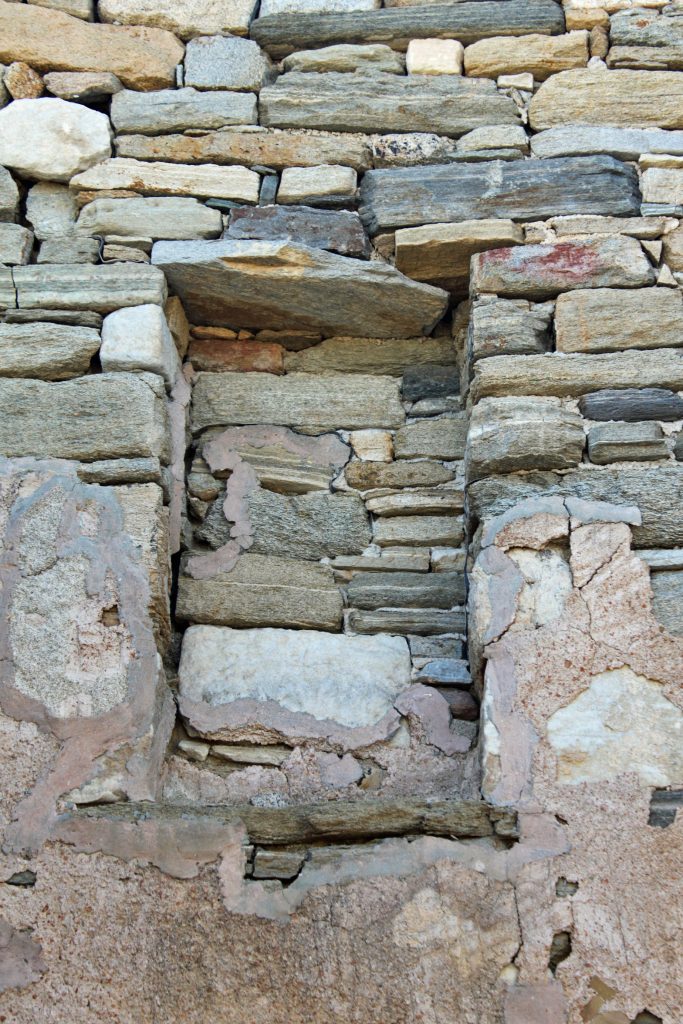
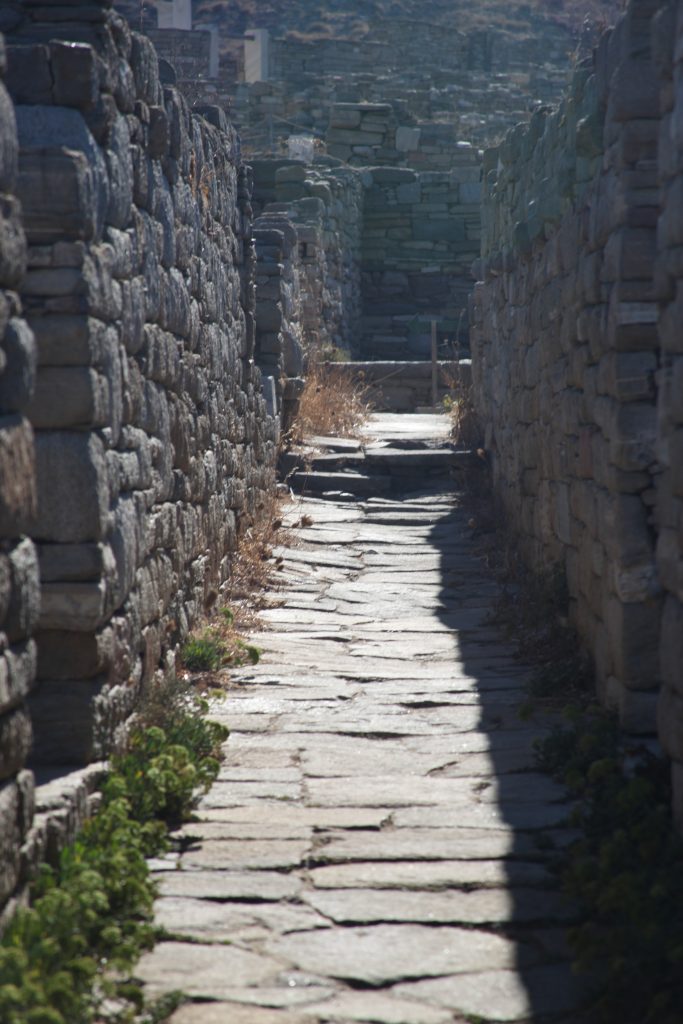
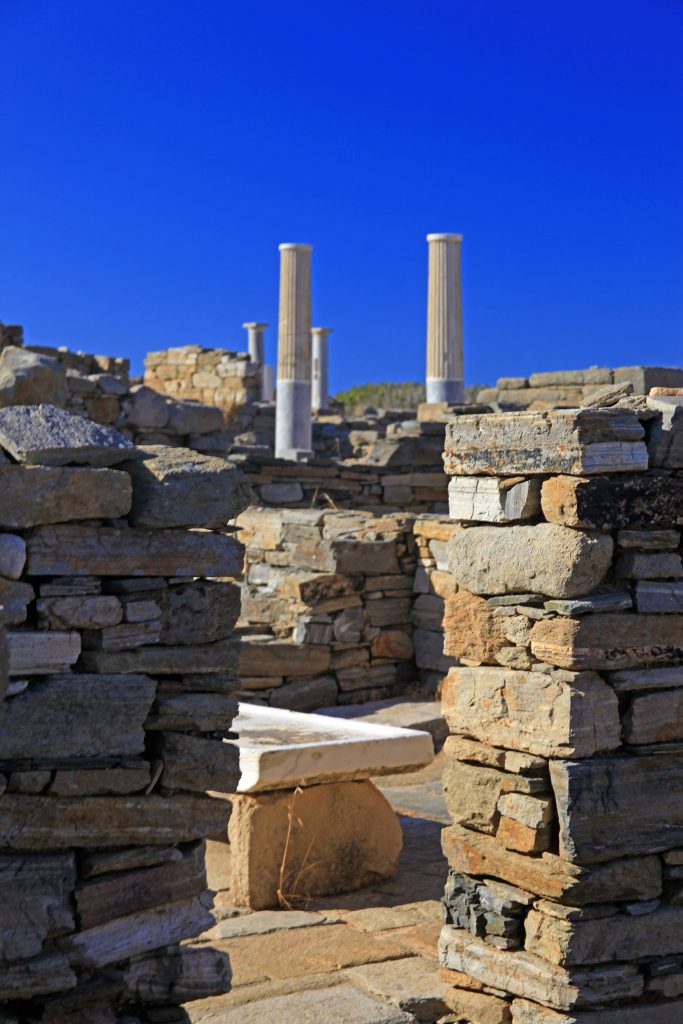
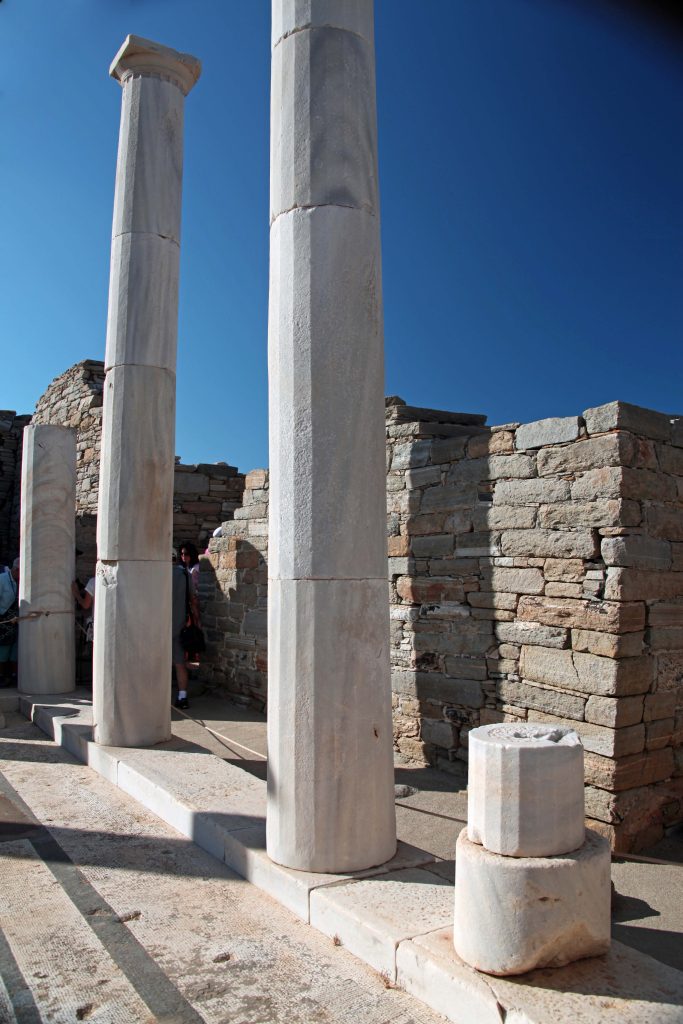
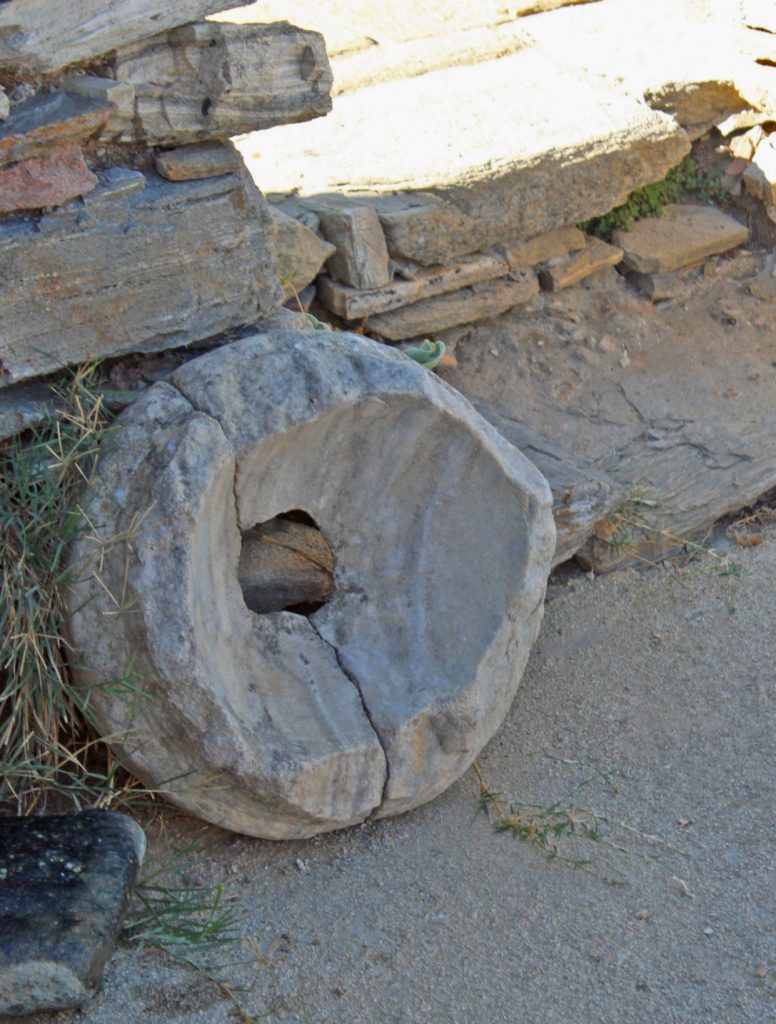
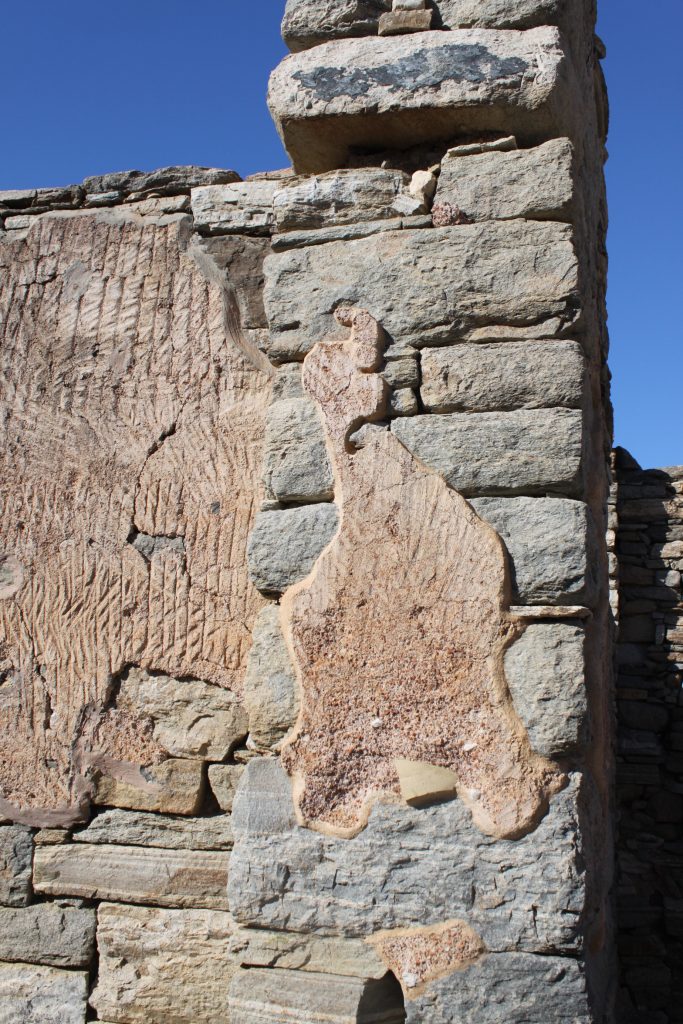
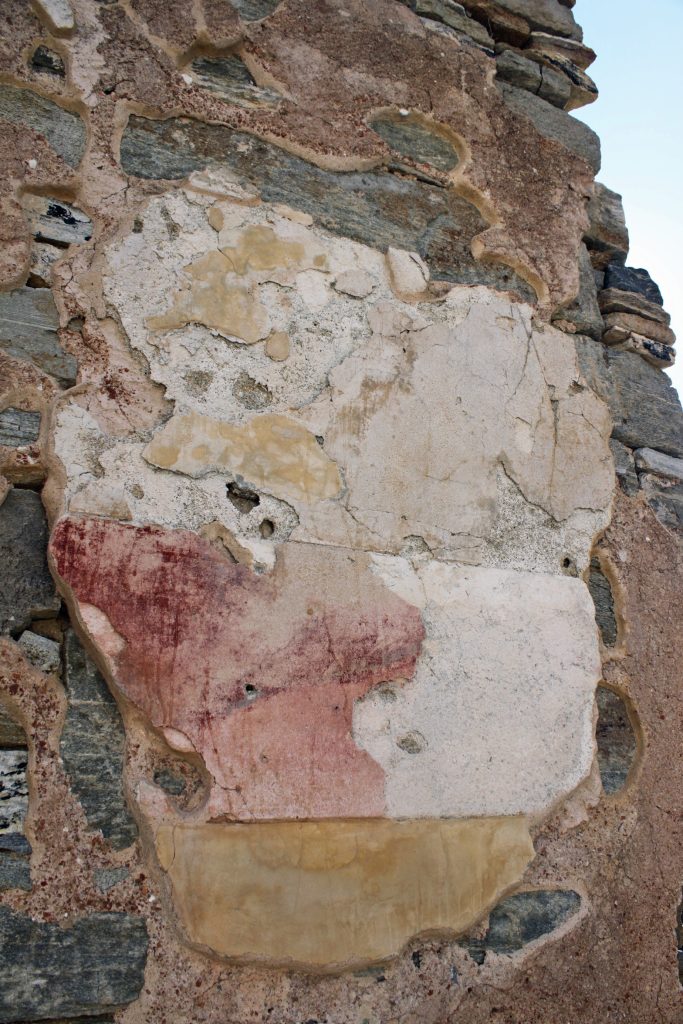
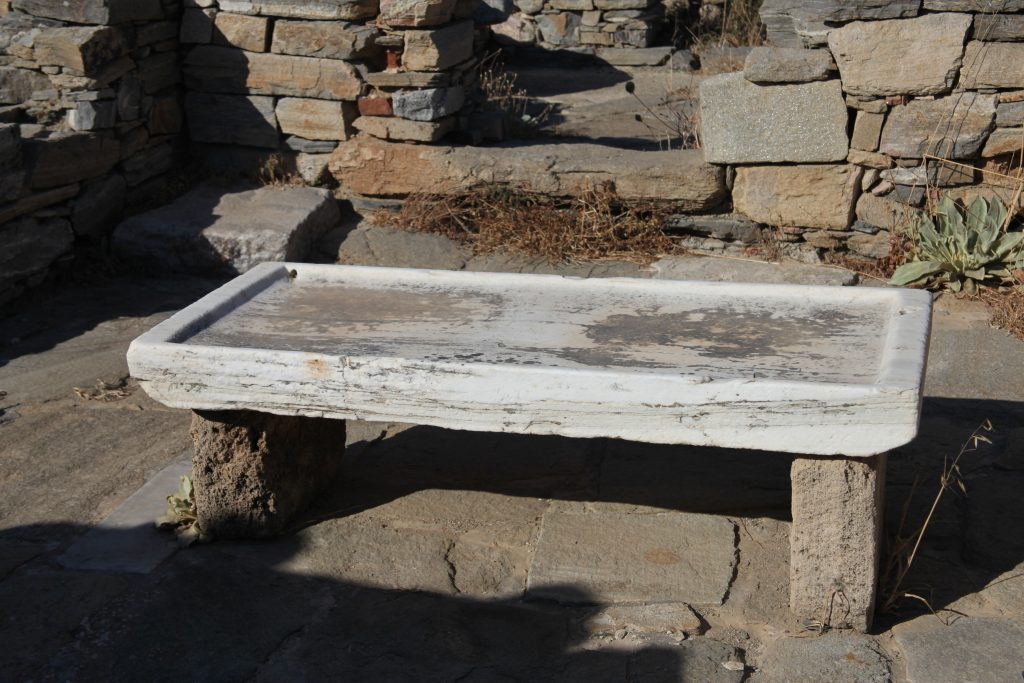
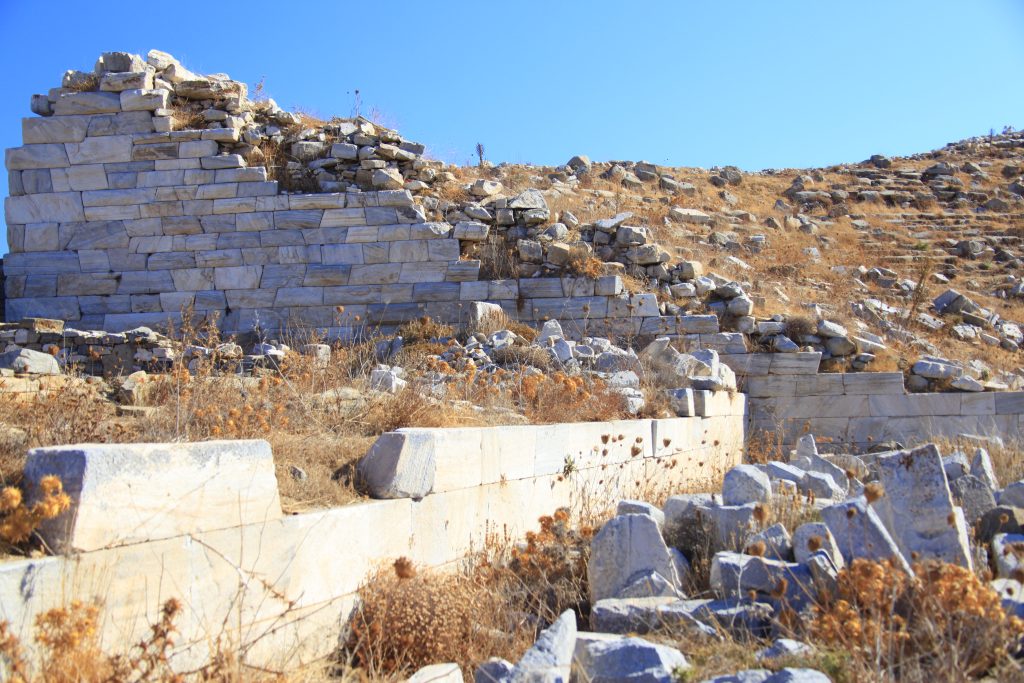
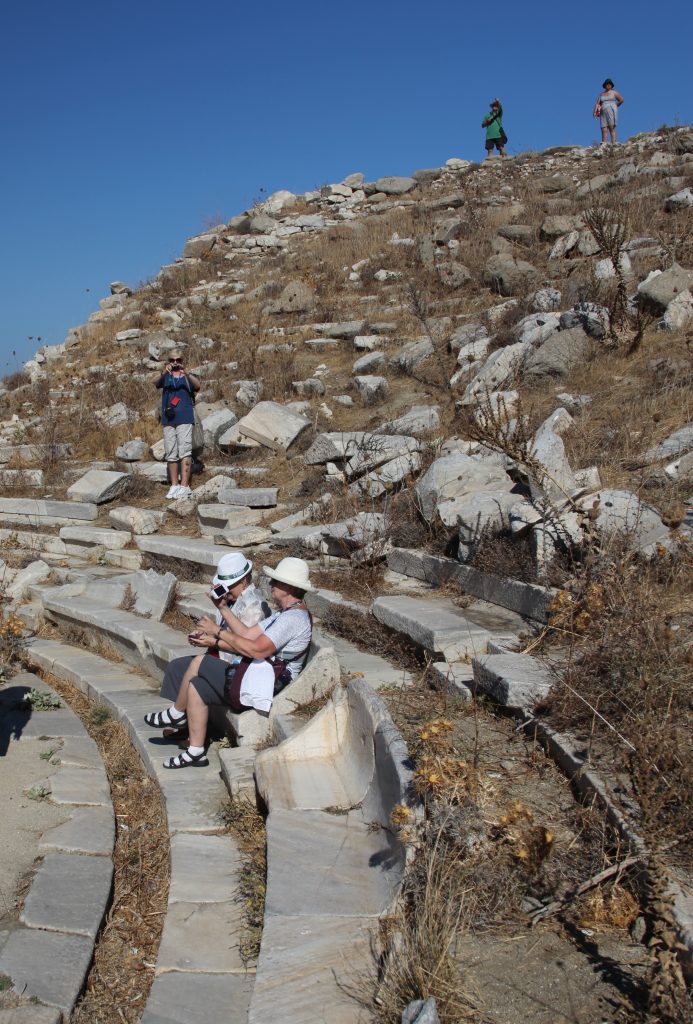
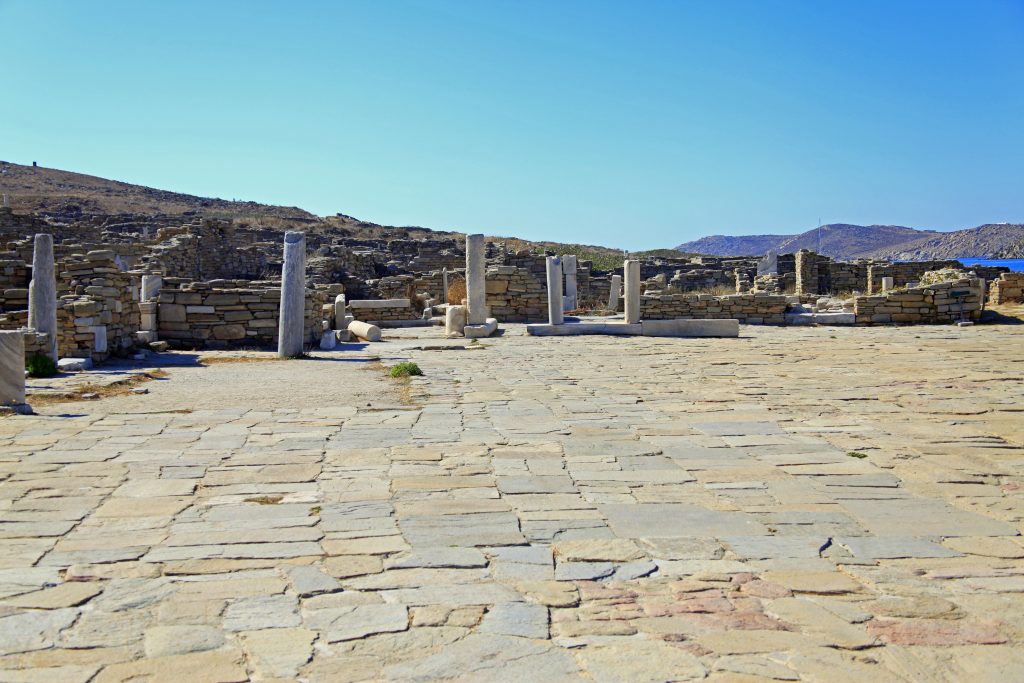
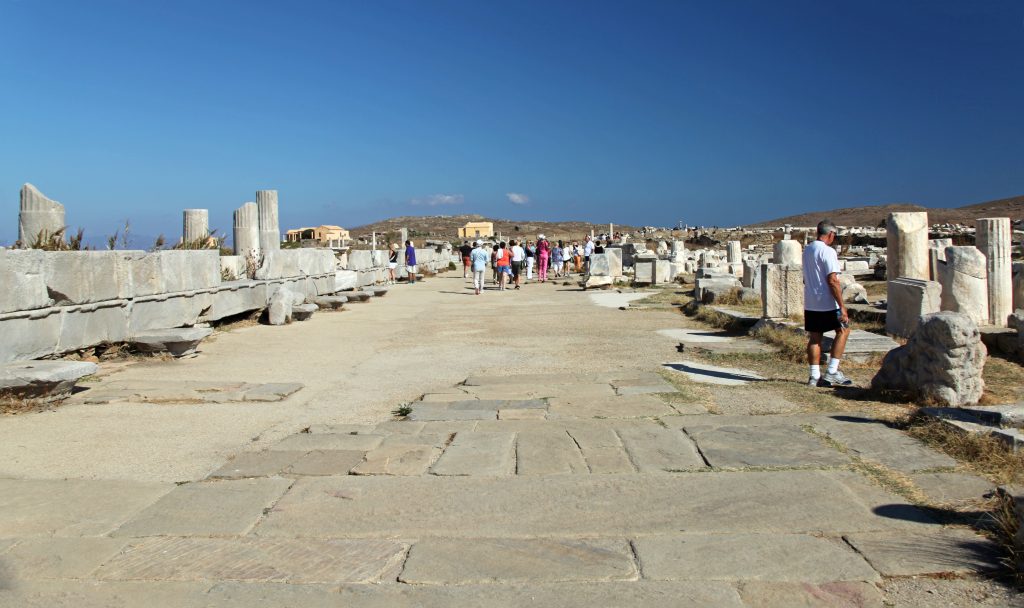
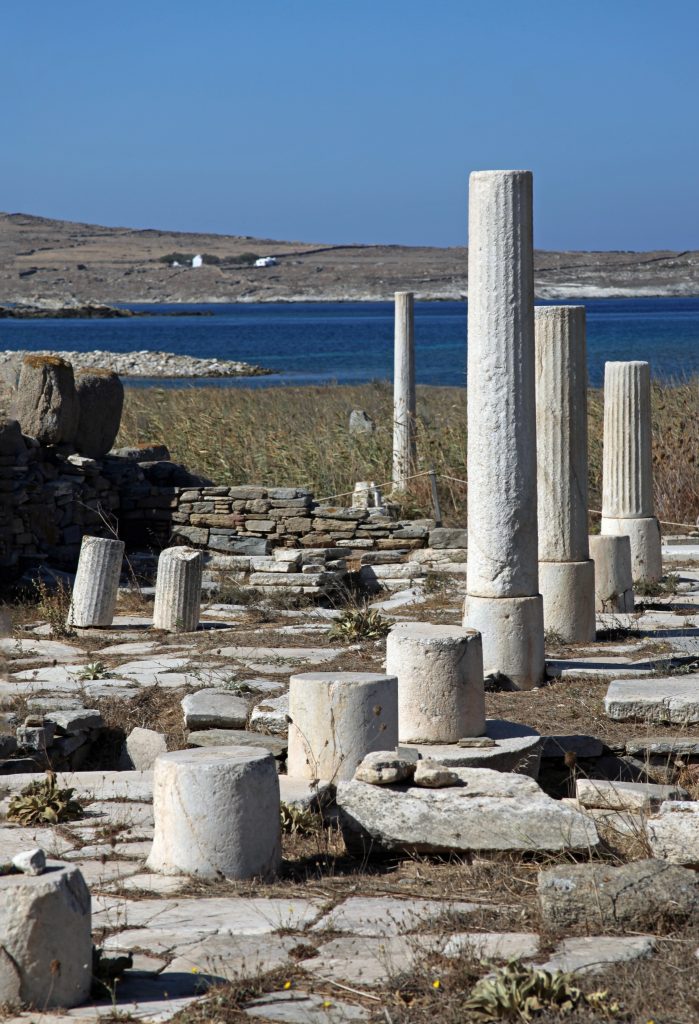
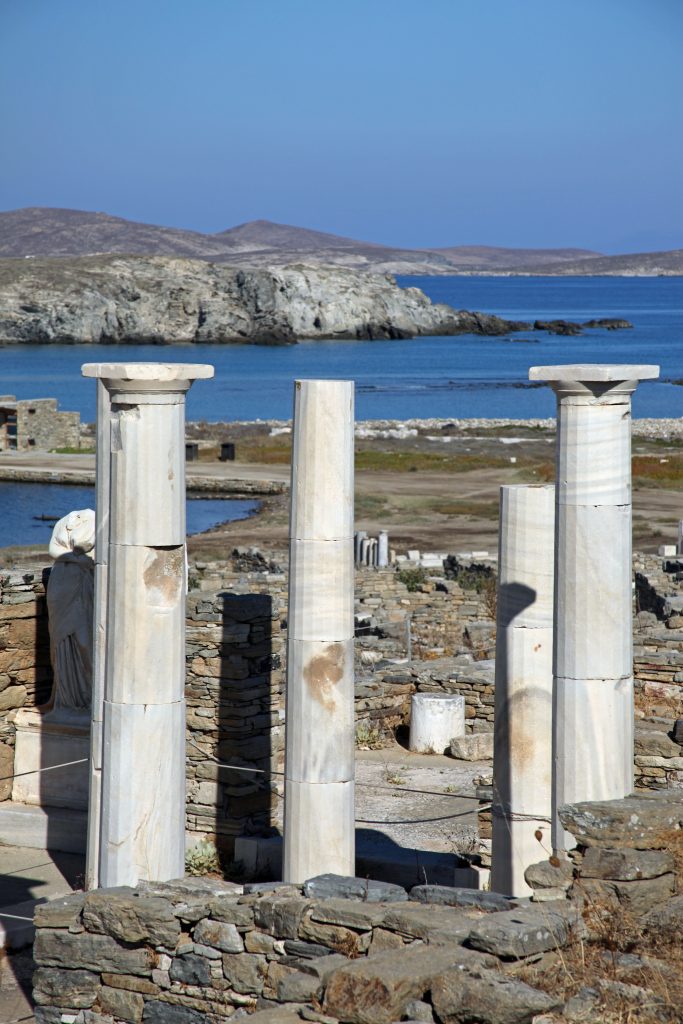
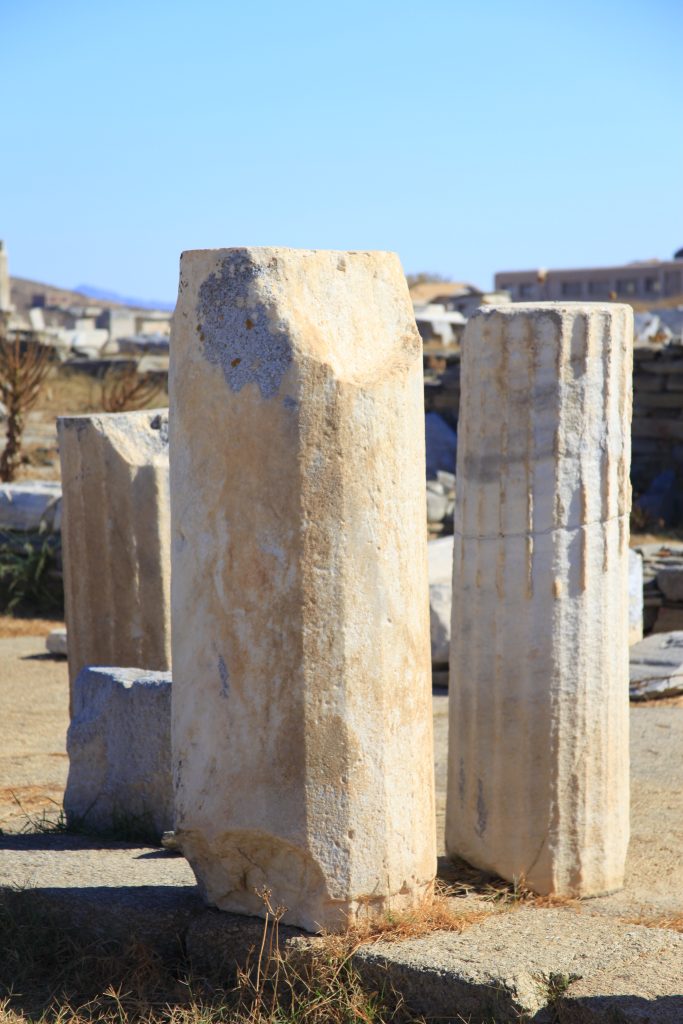
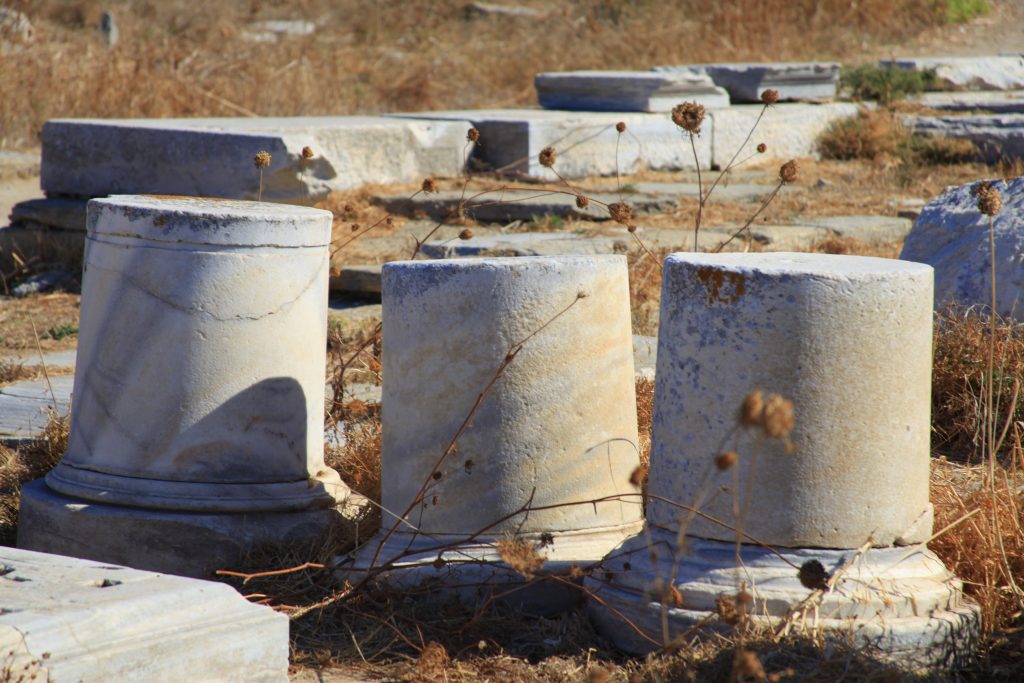
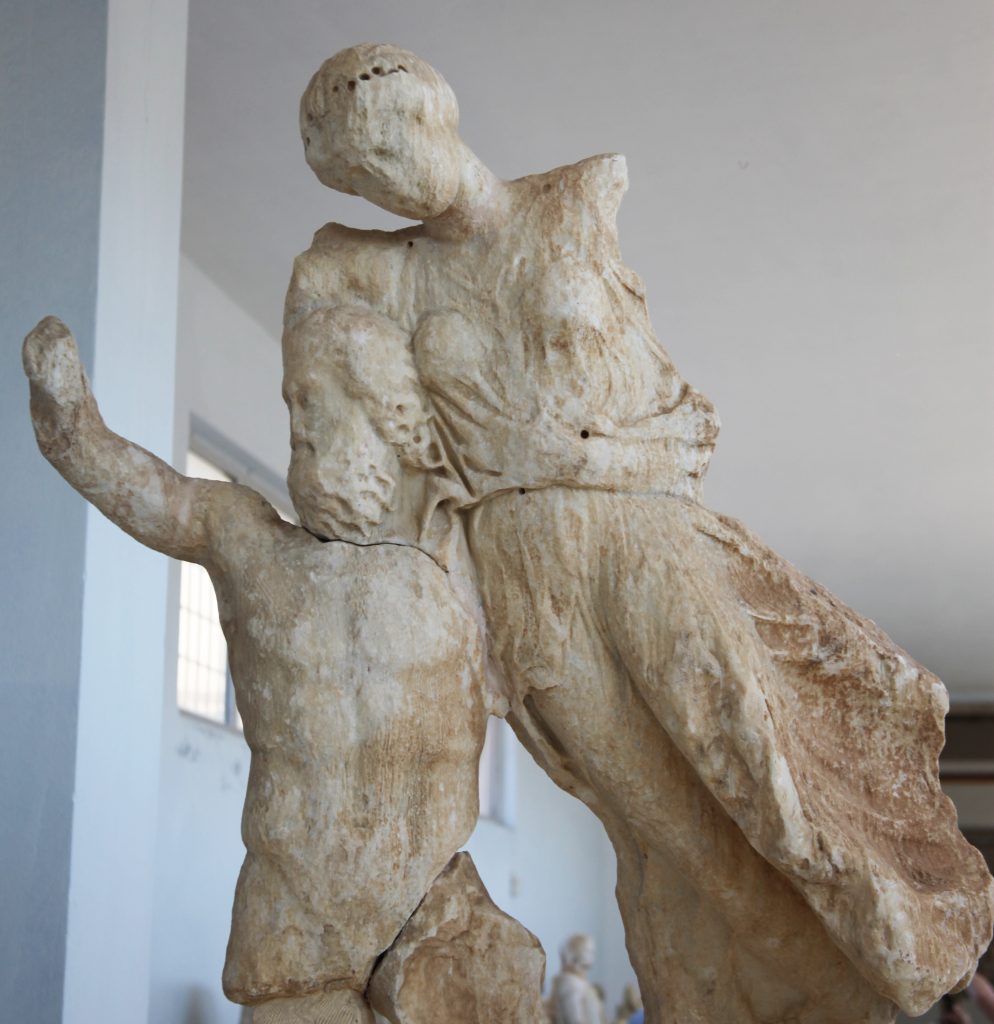
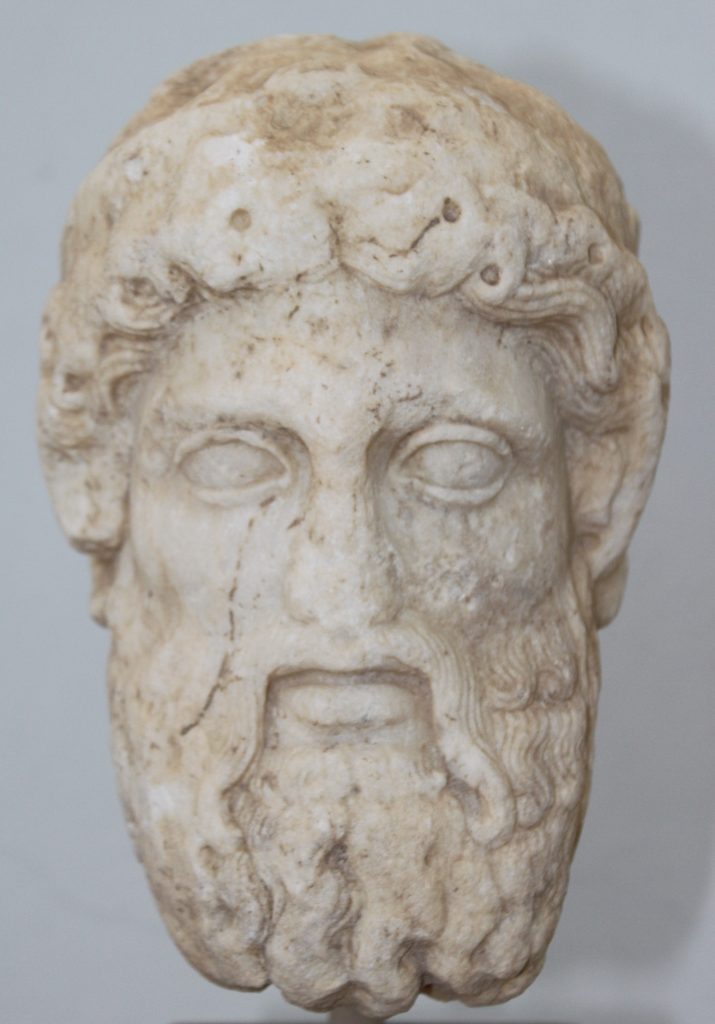
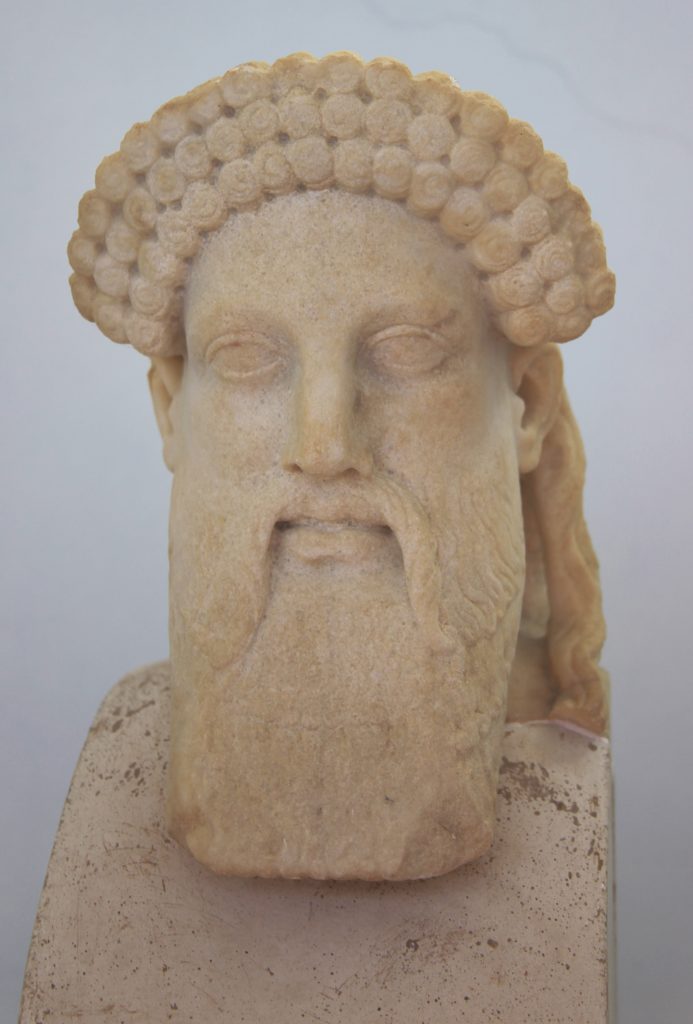
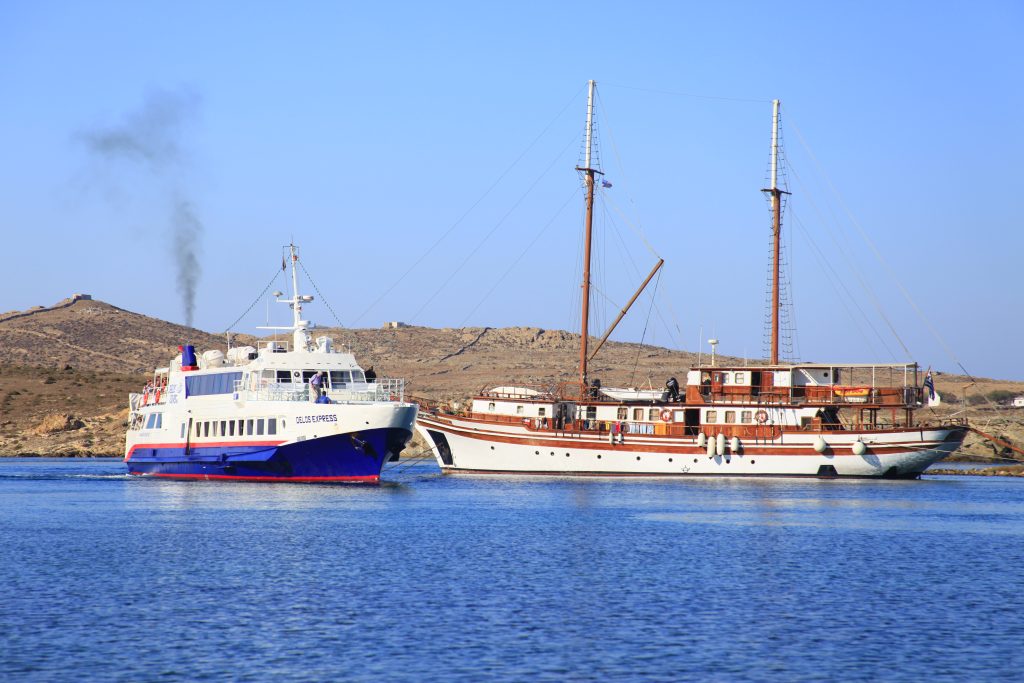
It’s hard to believe that such a tiny patch of rocky land—barely a mile across—once commanded the attention of gods and empires alike. Yet there it lies, shimmering in the bright Aegean light, the birthplace of divine twins Apollo and Artemis, and one of the most spiritually resonant archaeological sites in the world. Delos is no sleepy ruin; it pulses with ancient grandeur and quiet reverence. To stand amid its sun-bleached columns and temple stones is to brush against the very breath of myth, Delos, the sacred island.
Mythical Origins
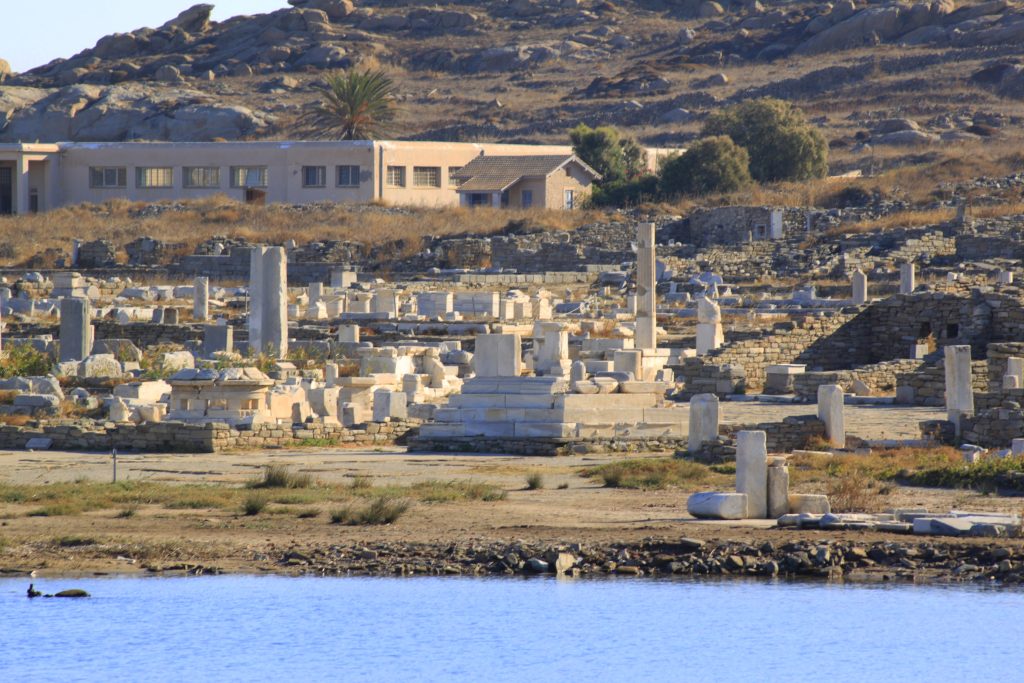
Delos’s mythic identity is carved into its origin story. According to legend, Leto, pregnant by Zeus, was banished from every land by a jealous Hera. It was only here—on a floating, desolate island—that she found refuge to birth her radiant twins: Apollo, god of light and music, and Artemis, goddess of the moon and the hunt.
That tale alone would make Delos sacred. But the island soon became far more than divine nursery. By the 7th century BCE, it was a powerful religious sanctuary, drawing pilgrims from across the Hellenic world. The Delian League, led by Athens, was formed here in the 5th century BCE, and its treasury housed in Apollo’s temple. Delos was neutral and revered, considered too holy for death or birth; pregnant women and the dying were exiled to nearby Rhenia.
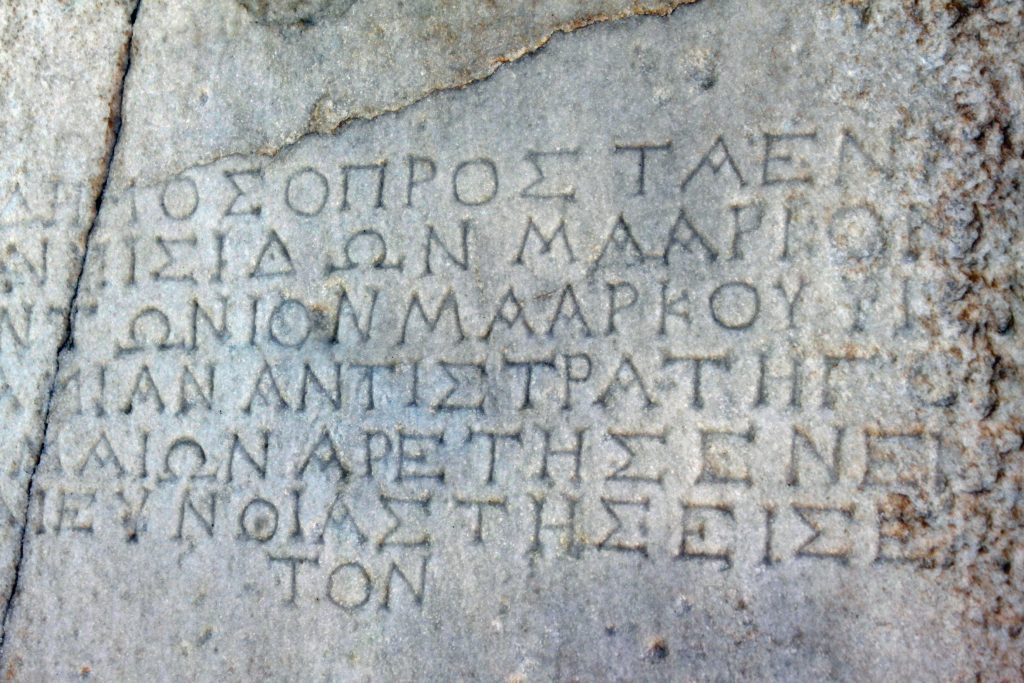
In the Hellenistic and Roman periods, Delos became an affluent trading port and cosmopolitan hub. Merchants, politicians, and worshippers left behind grand homes, shrines, and sanctuaries—a city of marble, mosaic, and Mediterranean prosperity. But all empires fade. After brutal sackings in 88 and 69 BCE and the waning of its religious allure, Delos was slowly abandoned to silence.
Uninhabited, but Riches Remain
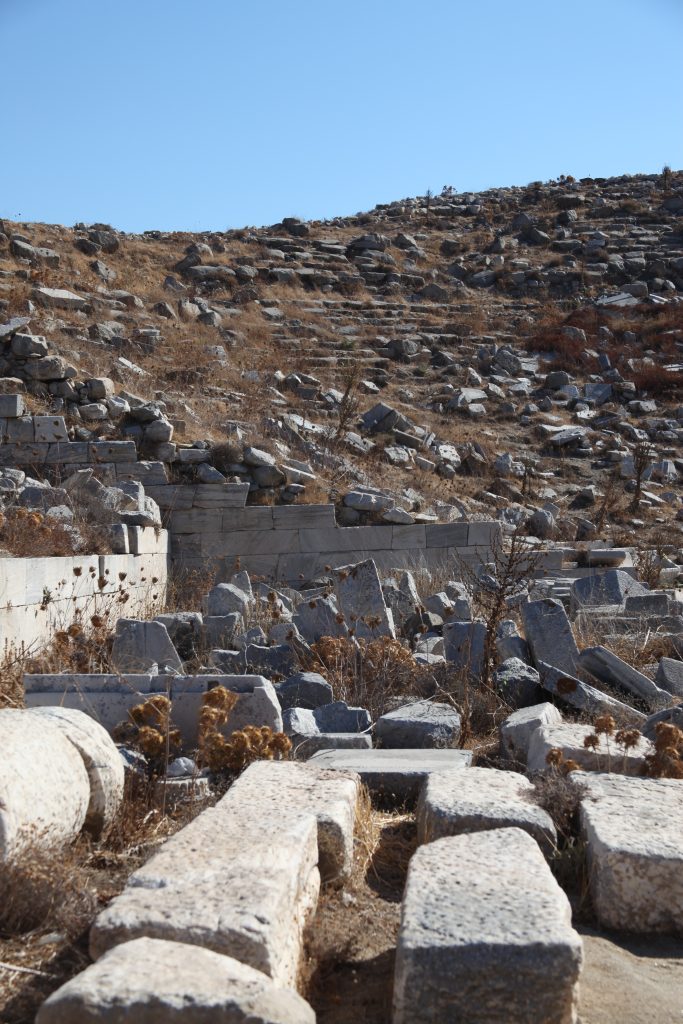
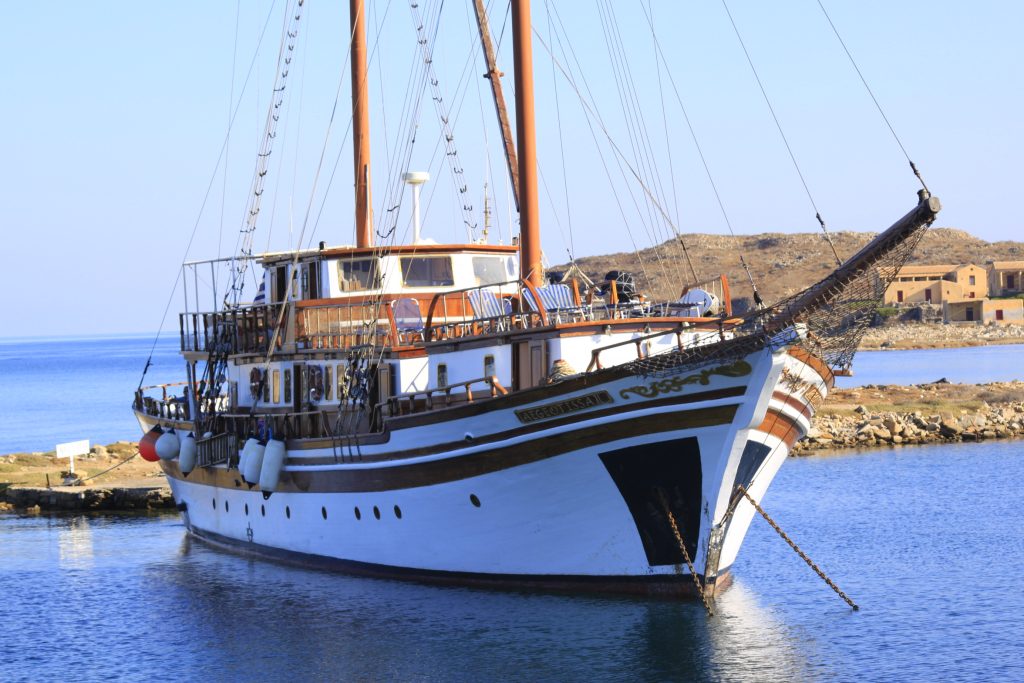
Today, Delos is uninhabited—but far from empty. You arrive by boat from Mykonos, stepping onto a dock once trod by merchants from Asia Minor, Egypt, and Greece. The wind hums low across the ruins. The scent of thyme and salt air mingles with the hush of history.
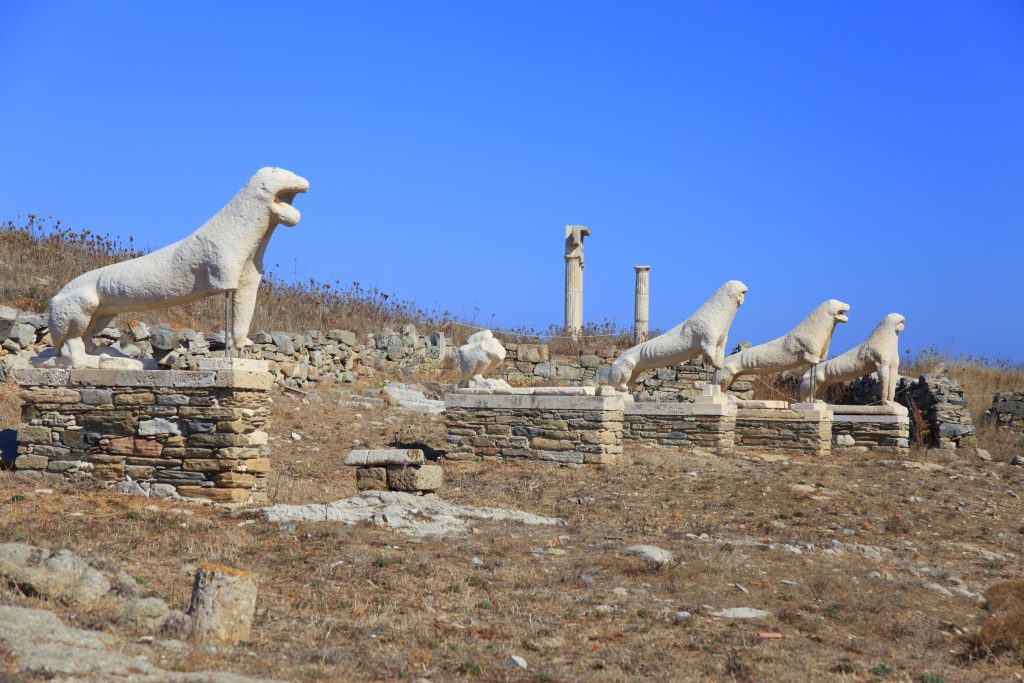
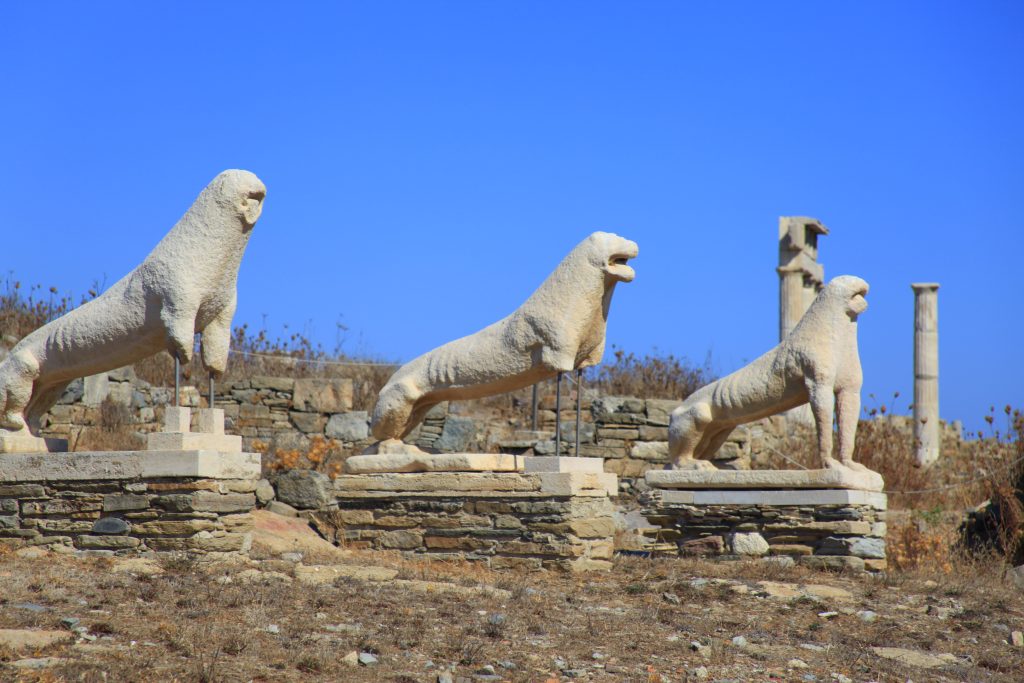
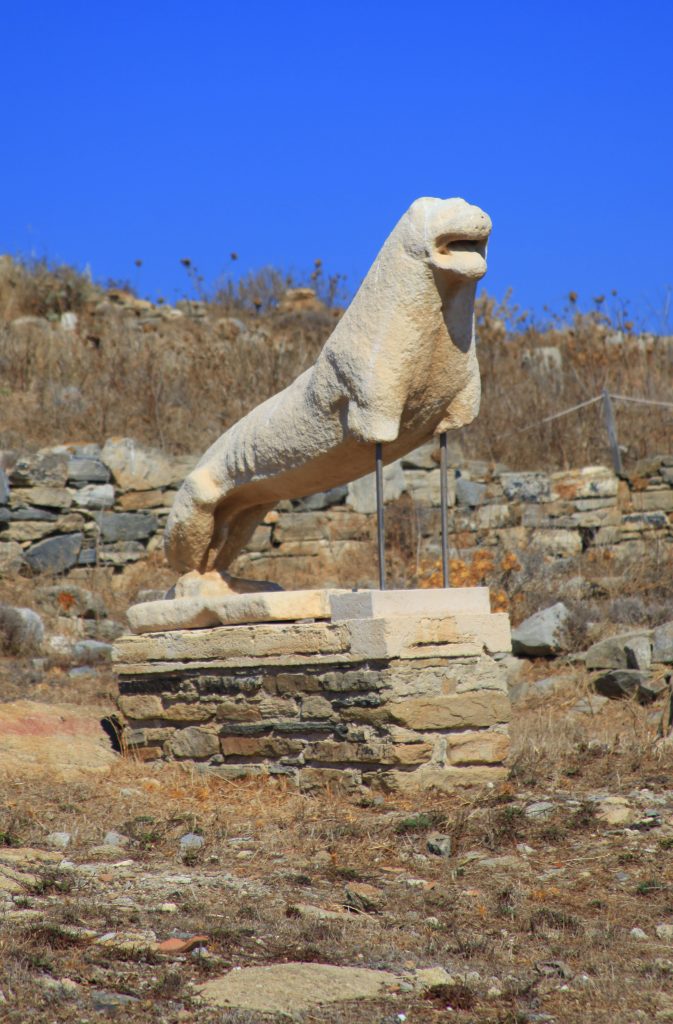
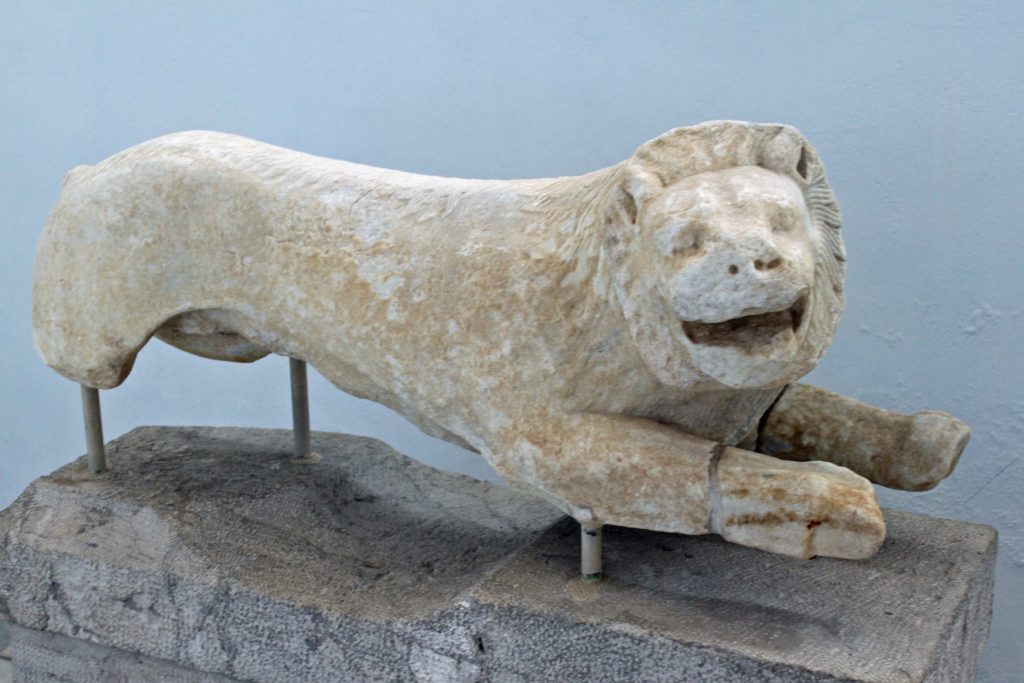
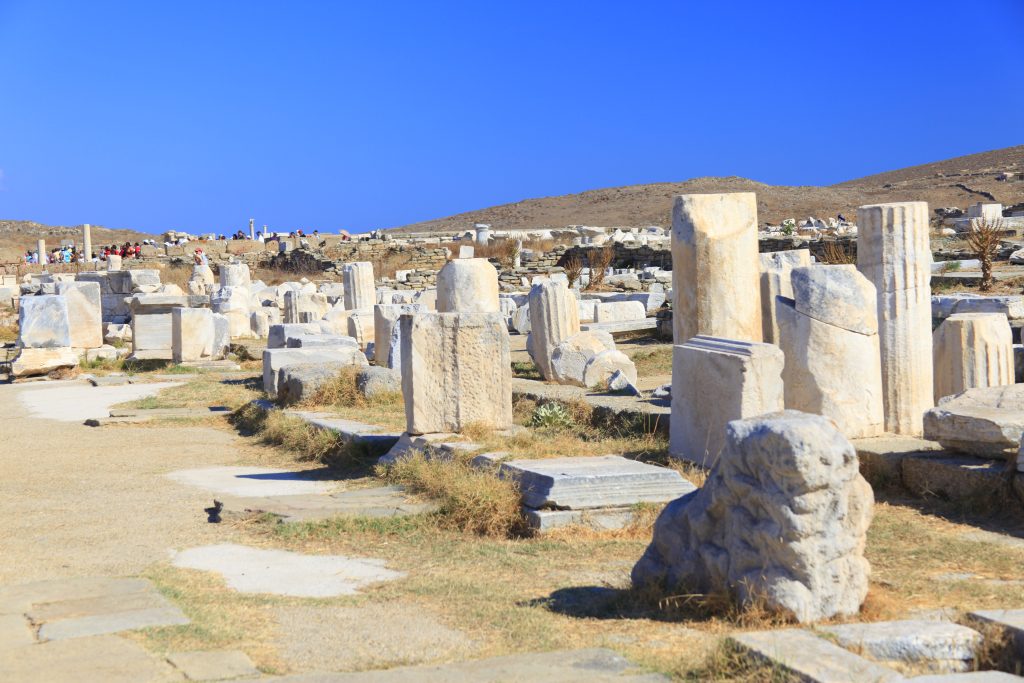
Wander up the Sacred Way, where pilgrims once processed toward the Sanctuary of Apollo. Peer at the fragmented yet majestic Temple of the Delians, once housing a colossal statue of Apollo himself. Seek out the Terrace of the Lions—marble guardians whose wind-worn faces still survey the Sacred Lake, where the god was said to have been born.
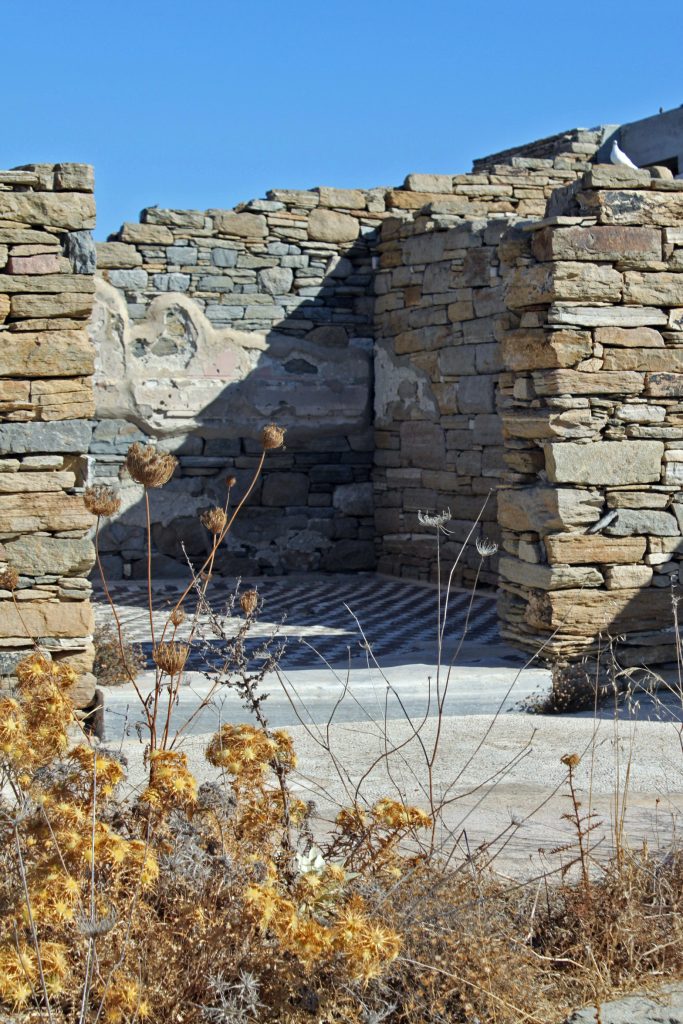
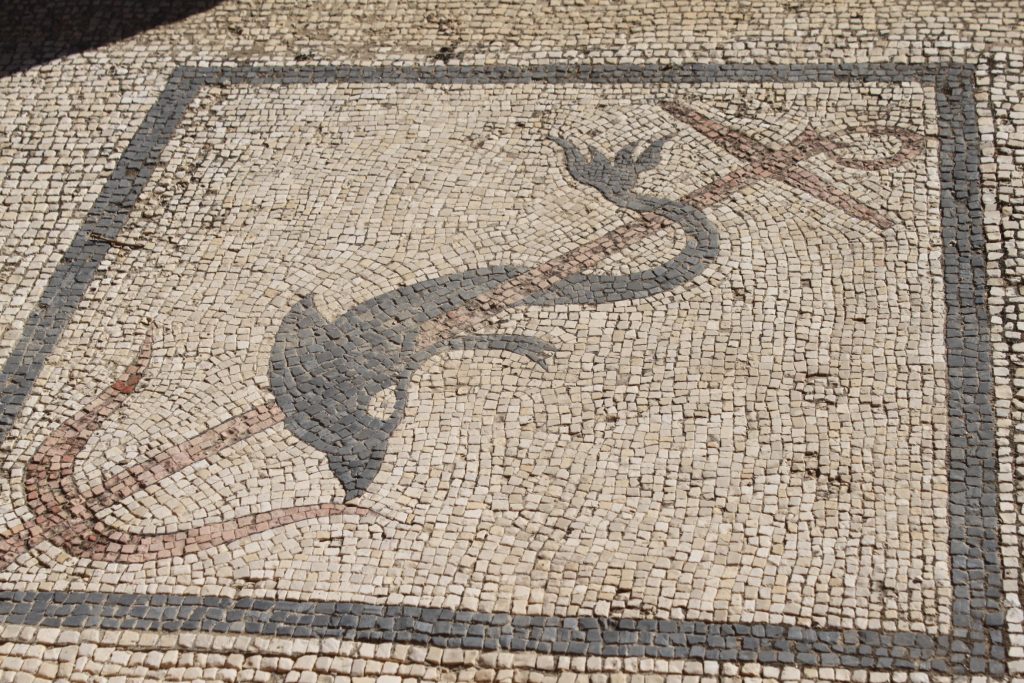
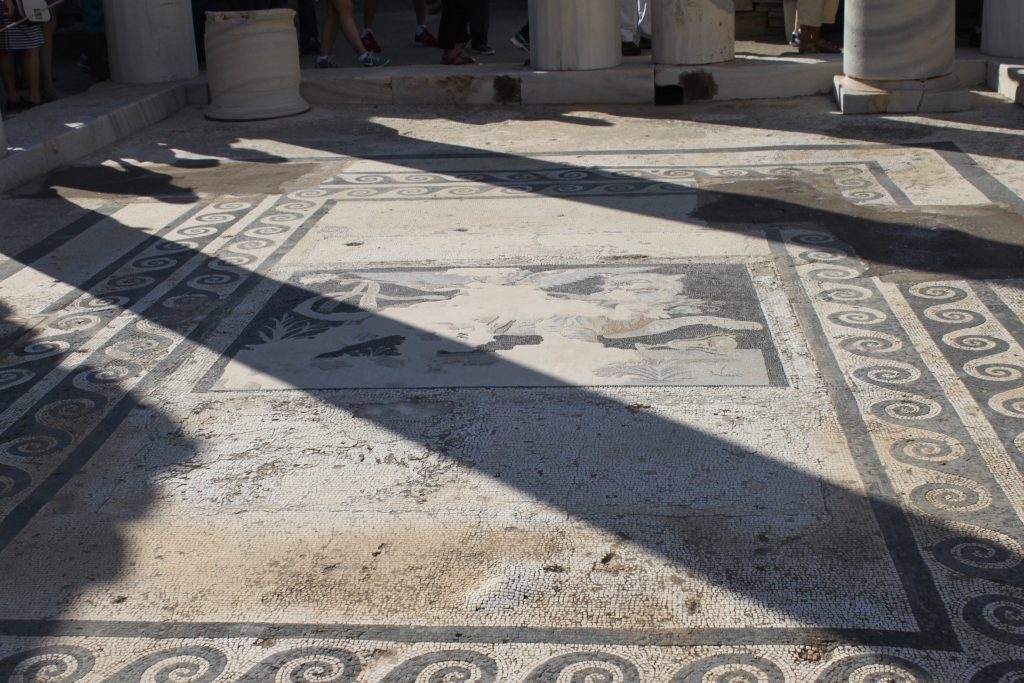
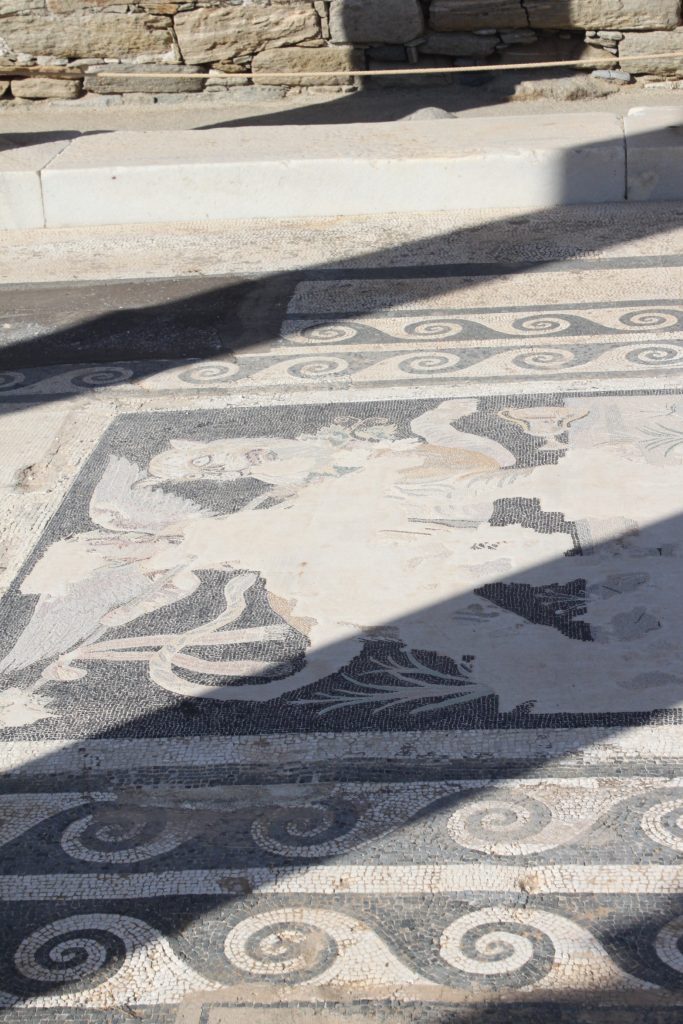
One can stroll the once-luxurious residential quarter, admiring floor mosaics of dolphins, lions, and mythic creatures in the Houses of Dionysus, Cleopatra (not that Cleopatra), and the Trident. The Agora of the Italians hints at Rome’s commercial sway, while Syrian, Egyptian, and Phoenician sanctuaries speak to the island’s eclectic spiritual melting pot.
And above it all, hike up Mount Kynthos for a panoramic view of surrounding islets, the Aegean stretched like hammered silver to every horizon. There, the voices of the past whisper most clearly.
An Island Diversion Worth Taking
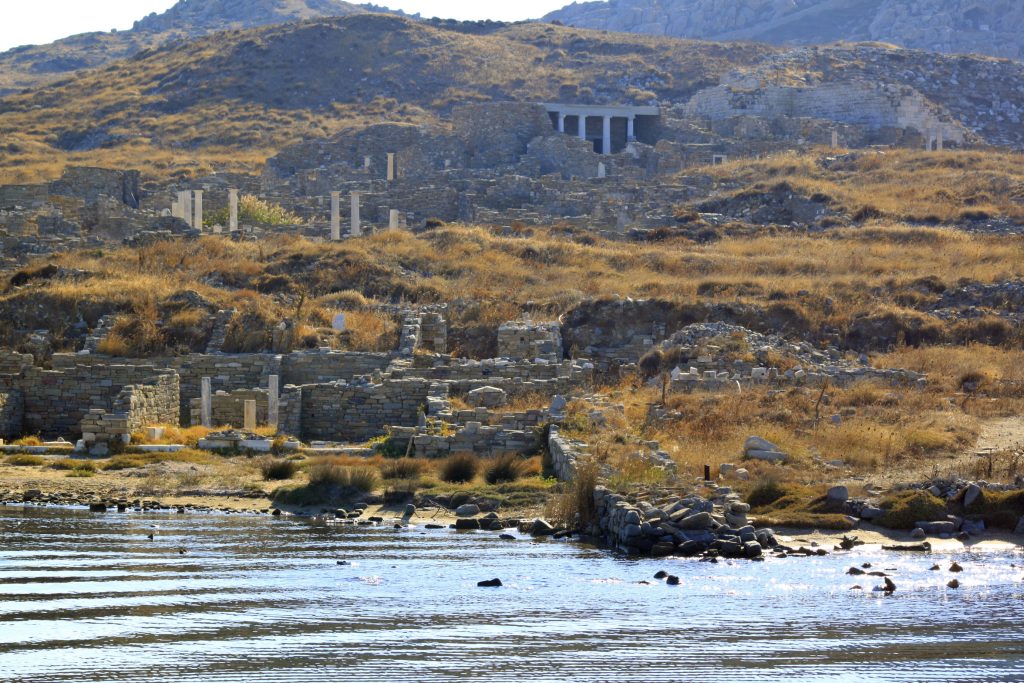
Delos remains one of the most extraordinary archaeological sites in the world, a UNESCO World Heritage Site that feels untouched by modernity. With no permanent population, shops, or distractions, the island is pure immersion—raw history, unmarred by tourist gloss.
It is a reminder of what sacredness once meant: not glittering cathedrals or packed temples, but isolation, silence, devotion. Delos asks you to slow down, to listen. It offers the rarest of modern gifts: a full step out of time.
Where to Stay in Delos, Greece
Delos has no hotels or guesthouses, since the island is an archaeological site with no permanent residents and limited day-trip infrastructure. Most visitors stay on nearby Mykonos, just 30 minutes away by ferry, where you’ll find everything from budget guesthouses to luxury resorts. The main town of Mykonos offers the most convenient access to Delos ferries, which depart multiple times daily from the port.
If you prefer a quieter base, consider staying in one of Mykonos’s smaller villages like Ano Mera or Ornos. These areas sit inland from the nightlife scene, offer more affordable options, and still provide easy ferry access. Guesthouses and family-run hotels here tend to be less expensive than beachfront properties, while still maintaining good connections to the port.
For budget travelers, Mykonos Town has several affordable hotels and rooms to rent, though prices rise significantly during summer months. Book accommodations well in advance if visiting June through September. The ferry crossing is brief enough that you can stay anywhere on the island and comfortably day-trip to Delos, making your choice of lodging more about your preferred atmosphere and budget than proximity to the archaeological site itself.
Recommended Reading
Fiction and Myth-Inspired Novels
- The King Must Die by Mary Renault – A vivid retelling of the Theseus legend that captures the world of ancient Greek sanctuaries.
- The Golden Mean by Annabel Lyon – Offers insight into the psyche of Aristotle, with echoes of Apollo’s rational wisdom.
- House of Names by Colm Tóibín – A haunting reimagining of Greek myth that evokes Delos’s tragic and sacred ambiance.
Non-Fiction and Historical Resources
- Delos‑Mykonos: A Guide to the History and Archaeology by Konstantinos Tsakos – Scholarly examination of the Sanctuary of Apollo on Delos, including archaeological findings and historical context.
- The Birth of the Gods and the Origins of Agriculture by Jacques Cauvin – For those curious about prehistoric sacredness and cultural shifts.
- Parasites of the God: Accountants, financiers and traders on Hellenistic Delos by Véronique Chankowski – Freed from Athenian tutelage in 314 BC, at a time of geopolitical changes that marked the beginnings of the Hellenistic period in the Aegean world, Delos gradually consolidated its political and economic independence. During the third and second centuries, the Delian community redefined the central place that the island had continually occupied in the economic, financial and cultural flows of the Mediterranean.
Closing Invitation or Reflection:
If you ever long to hear the silence of centuries… go to Delos. Let the wind carry the hymns once sung to Apollo. Let the stones recall the footsteps of priests and prophets. Let your eyes rest where gods were born, and time was once made sacred.
Tours to Consider
- Ancient Delos Tour
- Half Day Delos Tour of Mykonos from the Cruise Ship Port
- Delos Day Trip from Mykonos
- Full Day Cruise to Delos and Mykonos Islands from Paros