Christchurch, often called the “Garden City” of New Zealand, is known for its willows dipping into the River Avon and its English roses blooming in tidy parks. But beneath this genteel exterior lies a story of pioneering ambition, colonial vision, and remarkable resilience. The city’s 19th-century founders dreamed of creating an Anglican stronghold at the Empire’s far edge, where Gothic spires would rise above sheep pastures and civilization could be transplanted whole. Though earthquakes in recent decades shattered many spires, Christchurch remains a city where history endures—etched in stone, stitched into gardens, and carried in its people’s hearts.
Anglican Vision
Founded in 1850 by the Canterbury Association, Christchurch was intended as a model Anglican settlement and a transplanted English cathedral city. The name honored Christ Church, Oxford, alma mater of many of its founders. From its earliest days, Christchurch balanced pastoral prosperity with ecclesiastical gravitas.
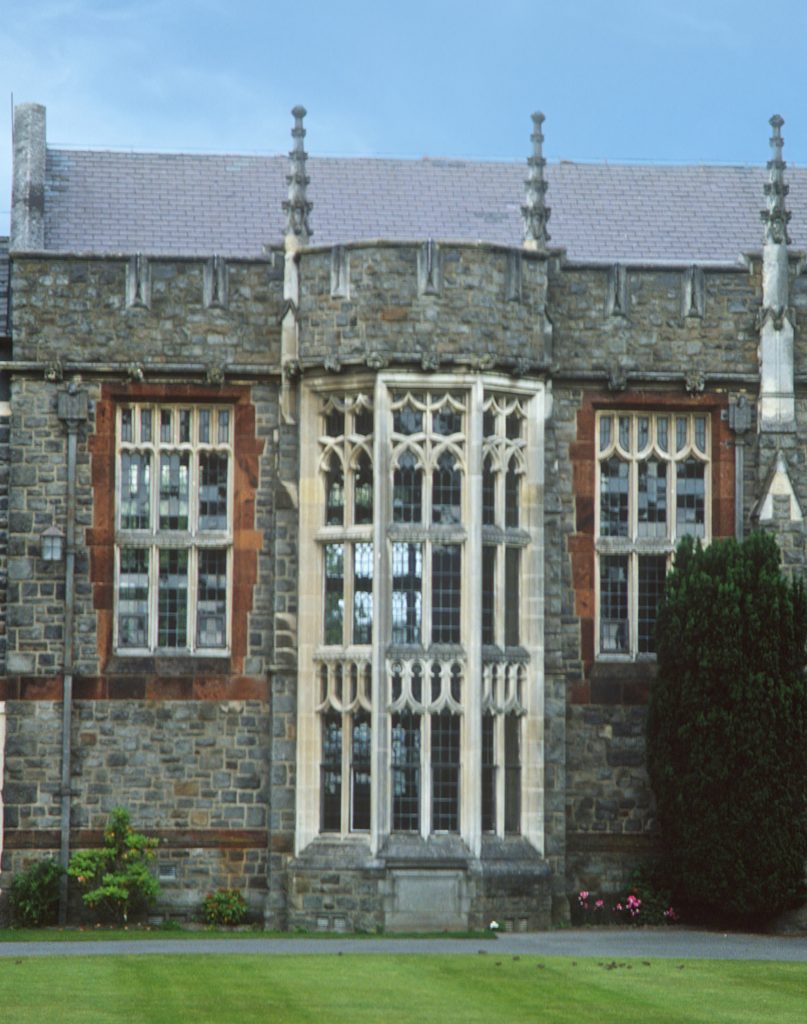
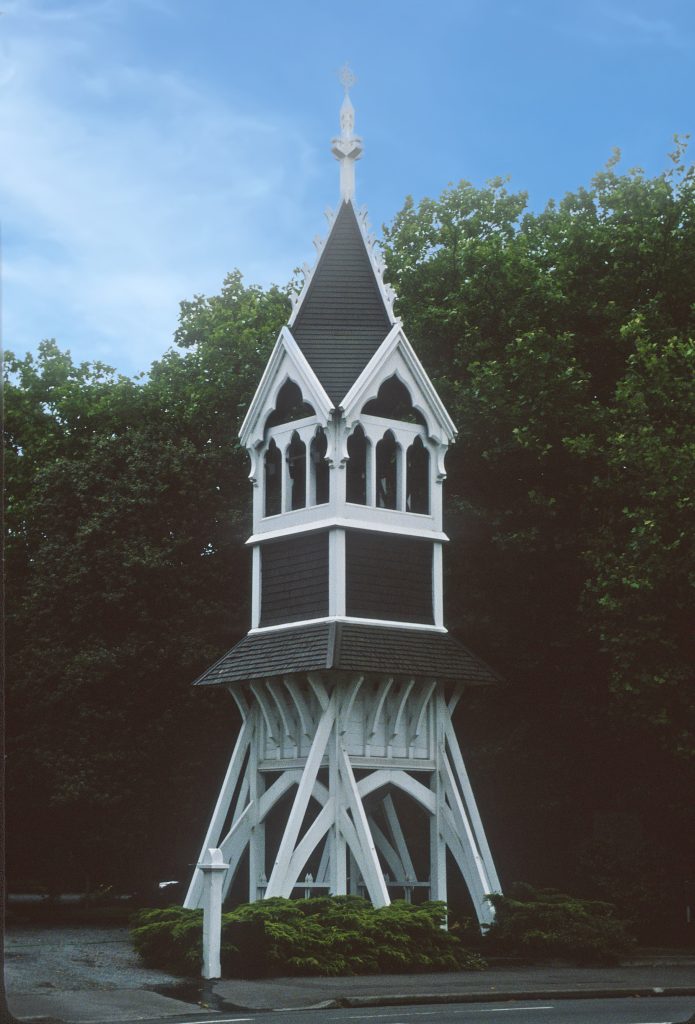
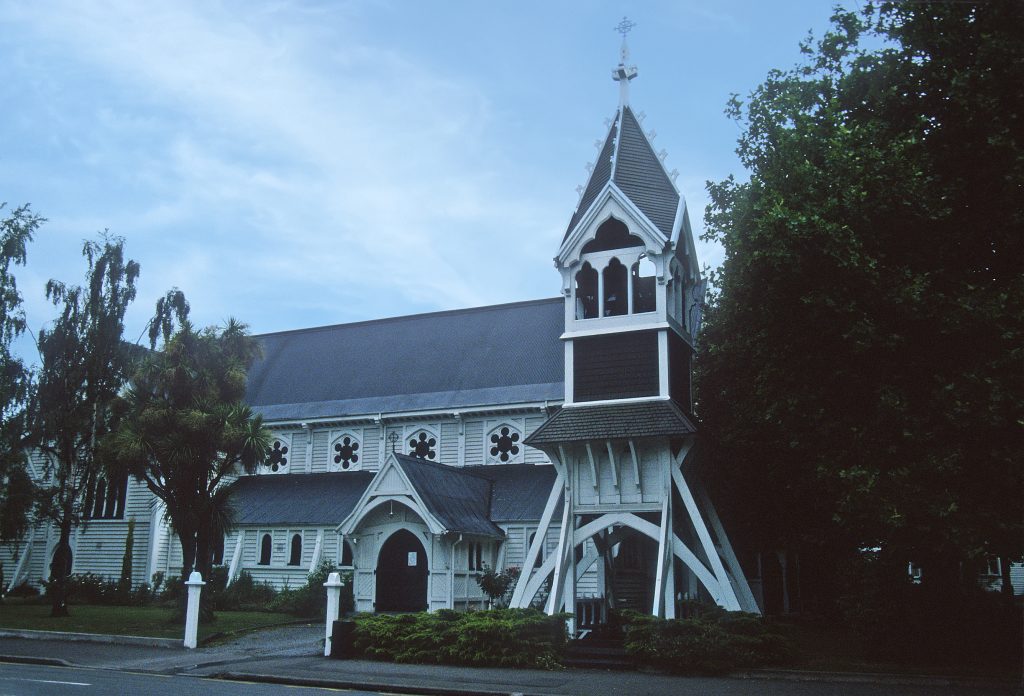
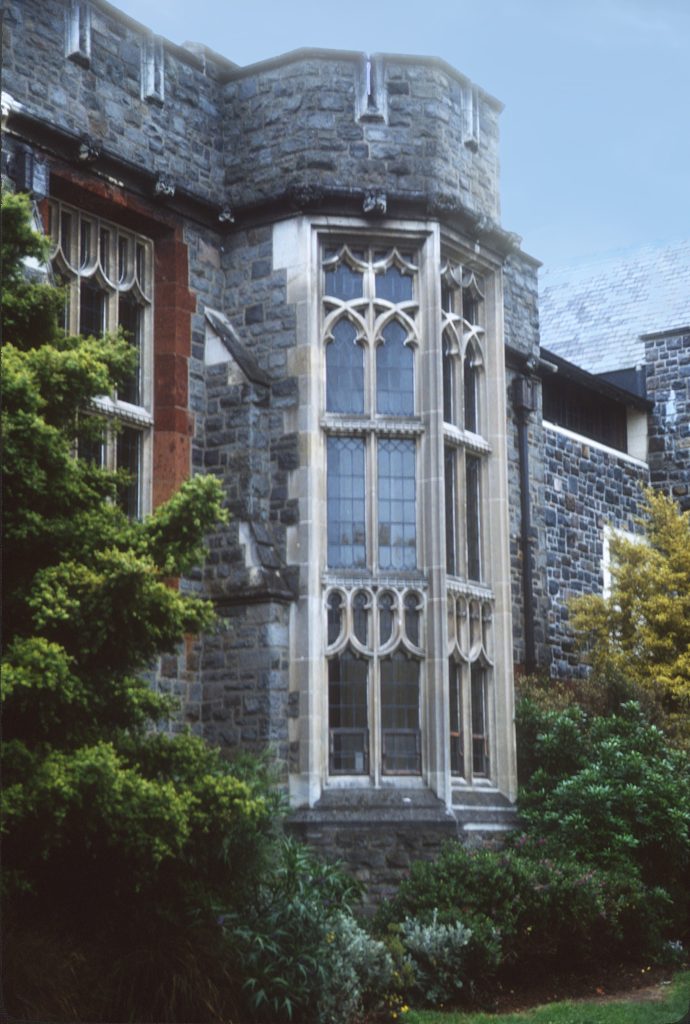
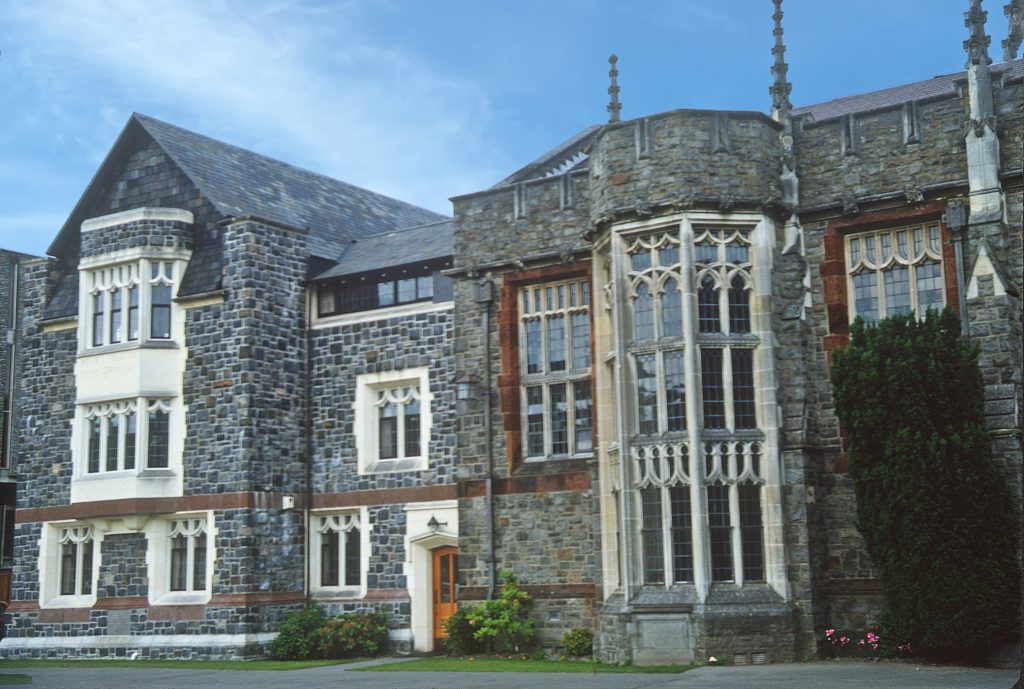
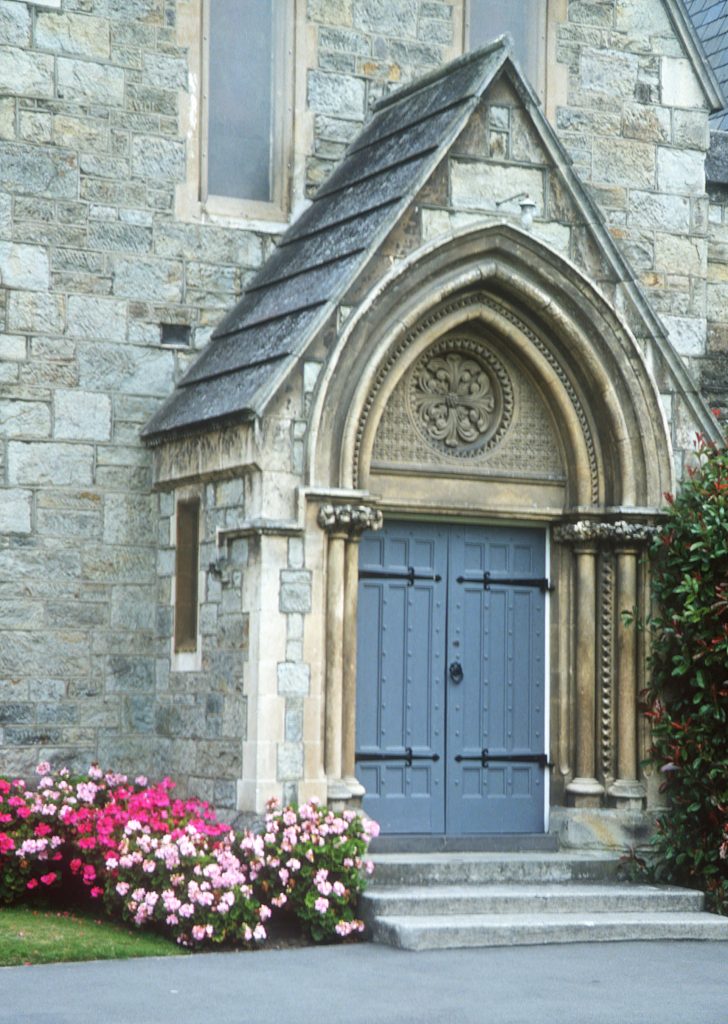
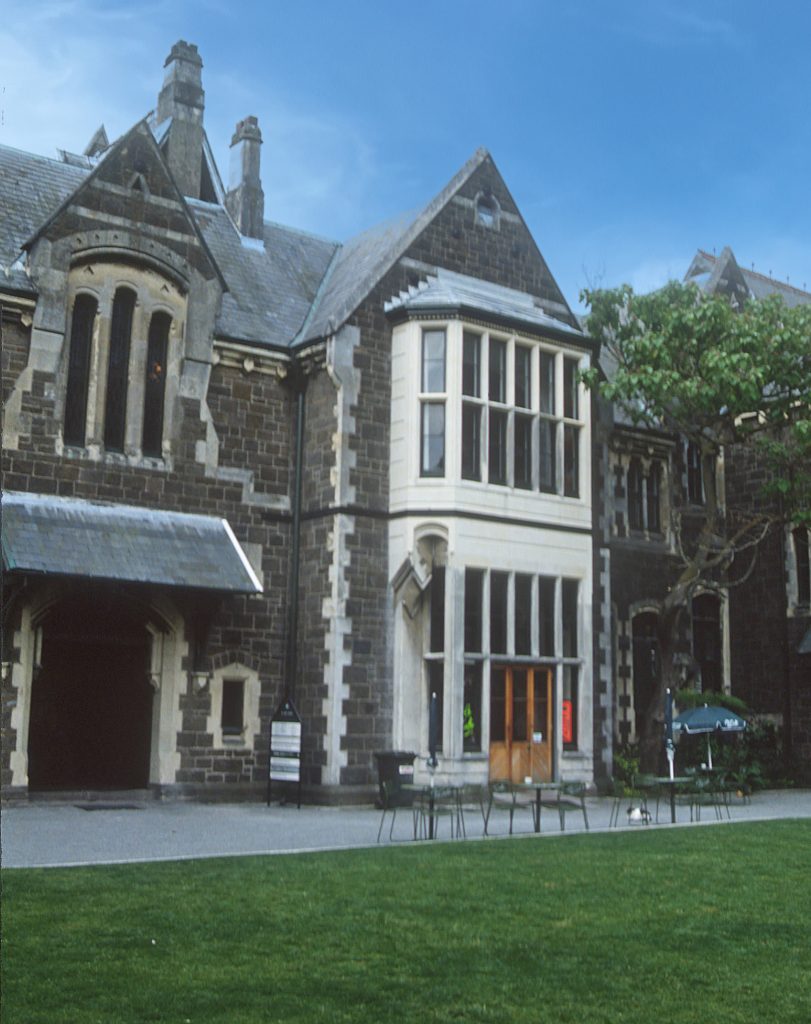
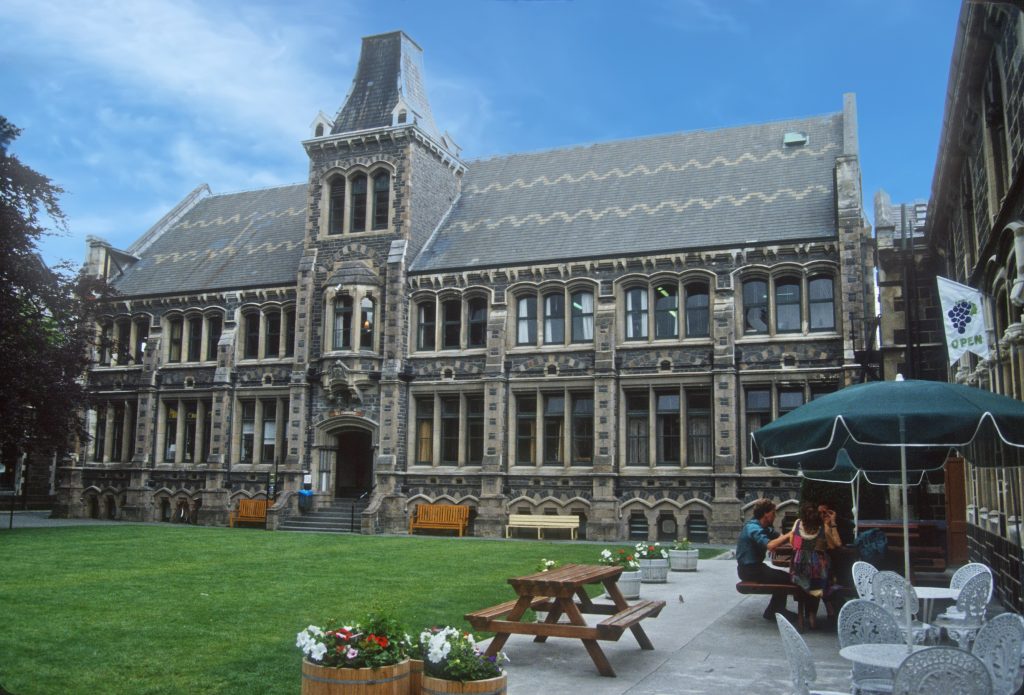
Surveyor Edward Jollie laid out a neat grid plan as English settlers arrived on the so-called “First Four Ships,” bringing pianos, prayer books, and a conviction that New Zealand could be a new Eden for church and crown. The Gothic Revival style dominated early architecture, with stone churches, schools, and civic buildings that echoed medieval Europe, giving Christchurch the distinctive aura of an English cathedral city transplanted abroad.
Yet this transplanted dream rested on much older roots. The Ngāi Tahu people had inhabited the Canterbury plains for centuries, their Māori history interwoven with the colonial story, though often marginalized throughout the 19th century. Today, bicultural recognition gives depth and nuance to the city’s identity.
Christchurch’s devastating 2010 and 2011 earthquakes profoundly altered much of the city’s historic fabric. What makes Christchurch’s story compelling is that it’s not just about what was built, but about what was broken, lost, or painstakingly saved.
Historic Landmarks
Christchurch Cathedral (1864–1904)
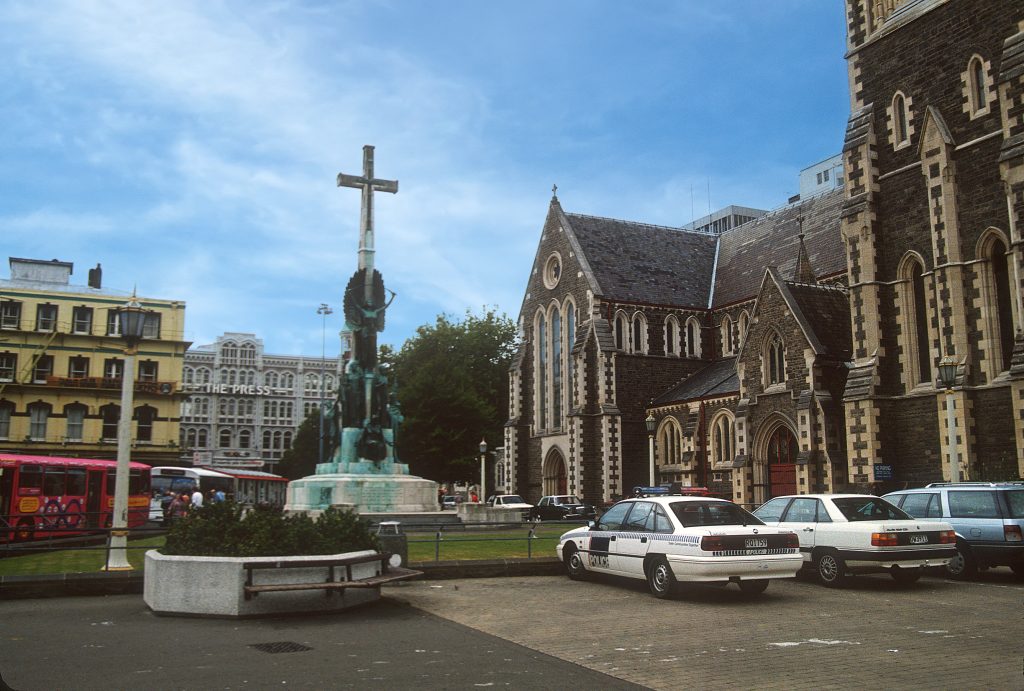
Designed by architect George Gilbert Scott, this heart of the city long symbolized Christchurch’s identity. Damaged severely in the 2010 and 2011 earthquakes, its broken spire became an emblem of loss and endurance. The good news is that painstaking restoration is now underway, with plans to reopen in the late 2020s. For now, visitors can see both the ruined structure and the nearby Transitional Cathedral, also known as the Cardboard Cathedral—a striking modernist work by Shigeru Ban that honors the city’s spiritual continuity.
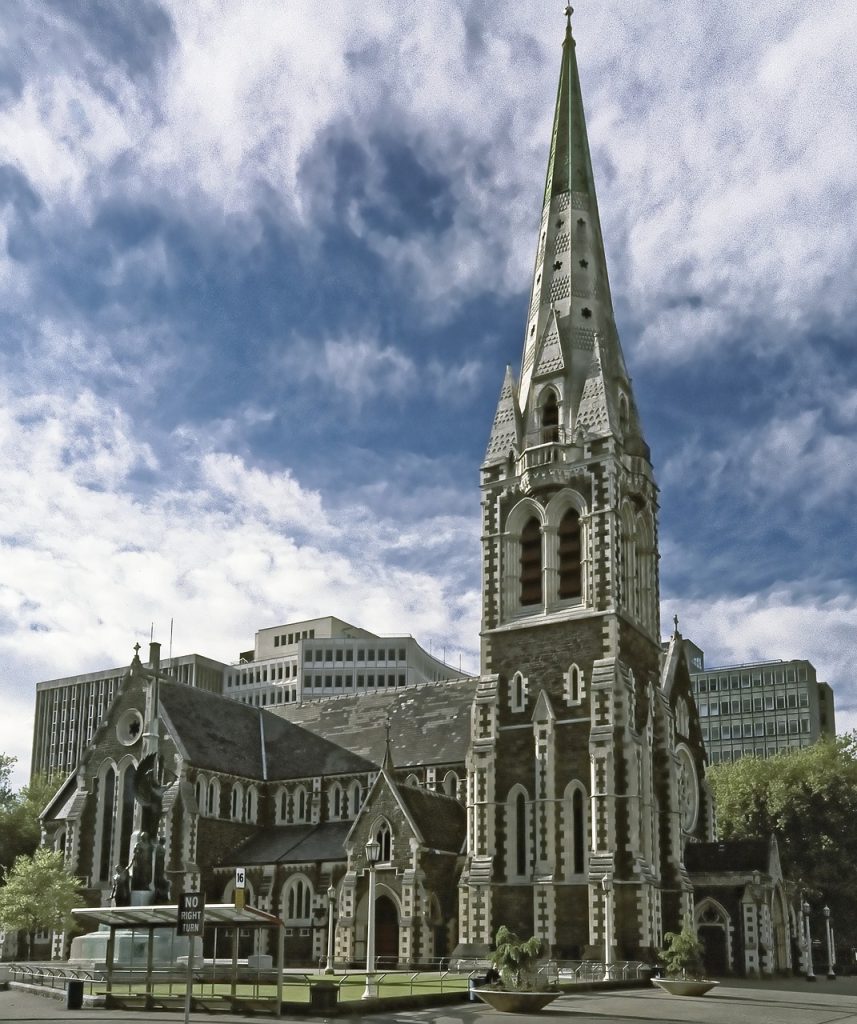
Provincial Council Buildings (1858–1865)
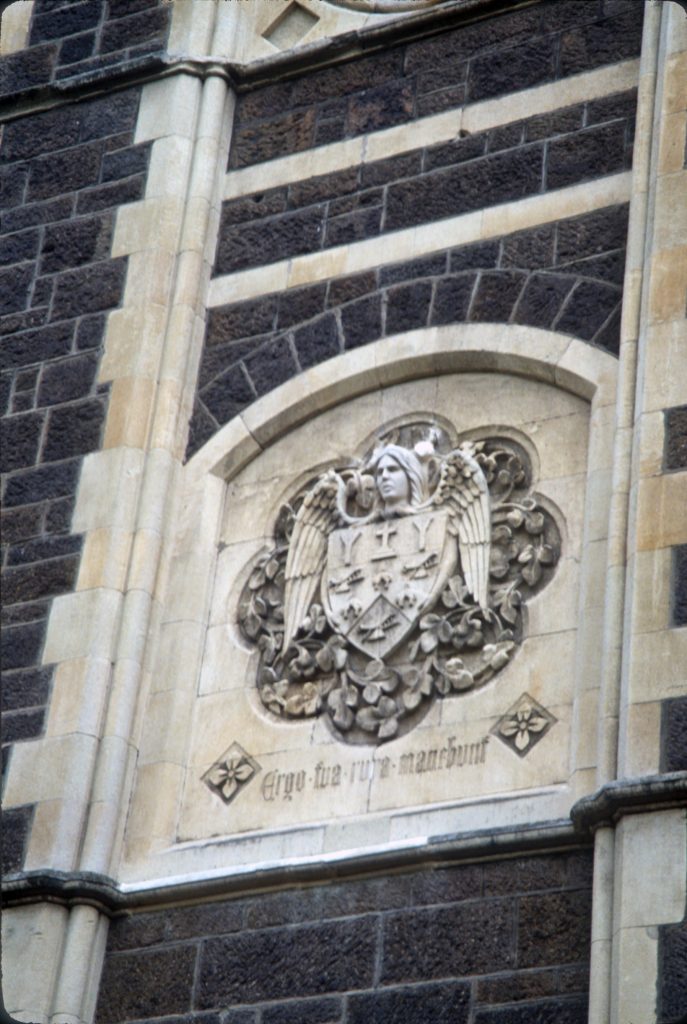
These Gothic Revival stone buildings remain the only surviving provincial chambers in New Zealand. Although damaged in the earthquakes, key sections are being stabilized and restored with fragments of their decorative stonework still visible.
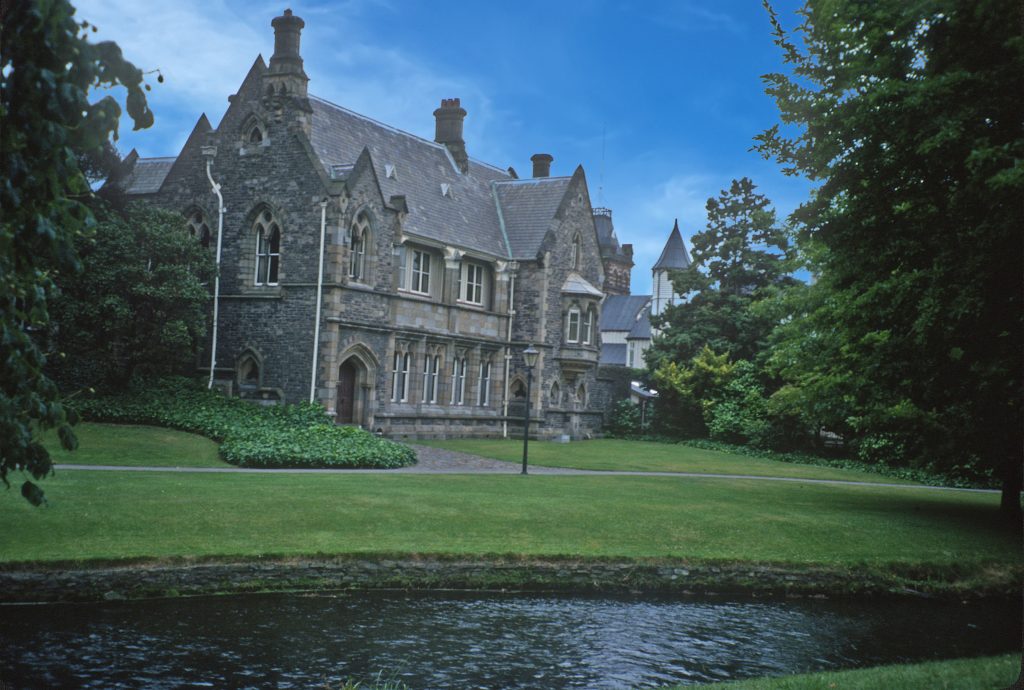
Canterbury Museum (founded 1867)
Though currently under redevelopment, the museum preserves the region’s layered past—from Māori taonga (treasures) to Victorian curiosities collected by settlers. Its storied façade, with Gothic battlements, speaks to the Victorian hunger for both knowledge and permanence.
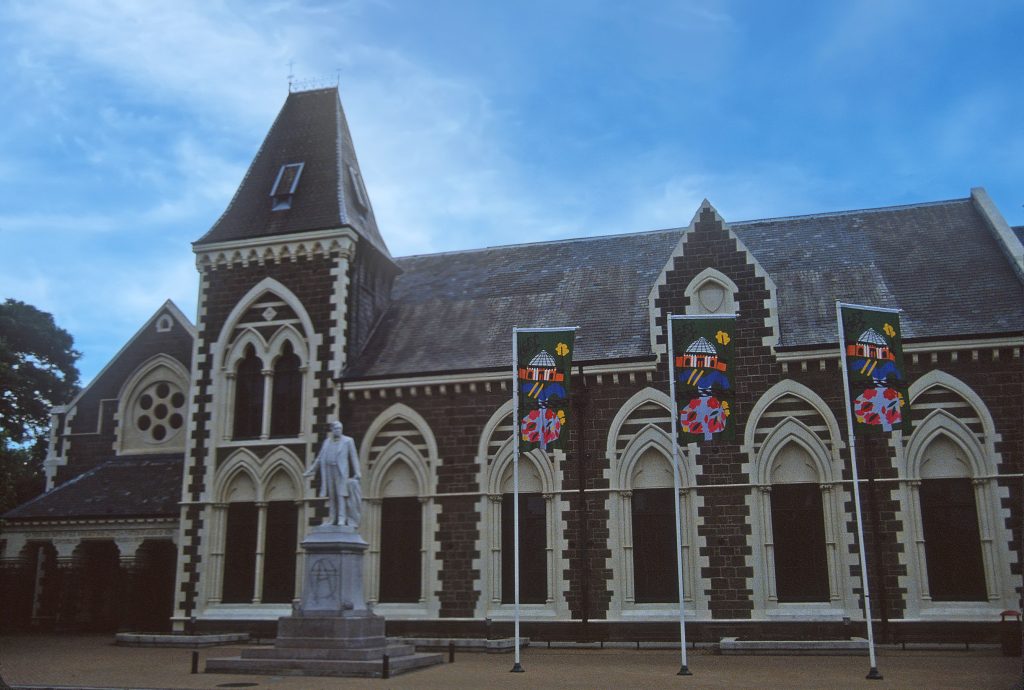
Botanic Gardens and Hagley Park (established 1863)
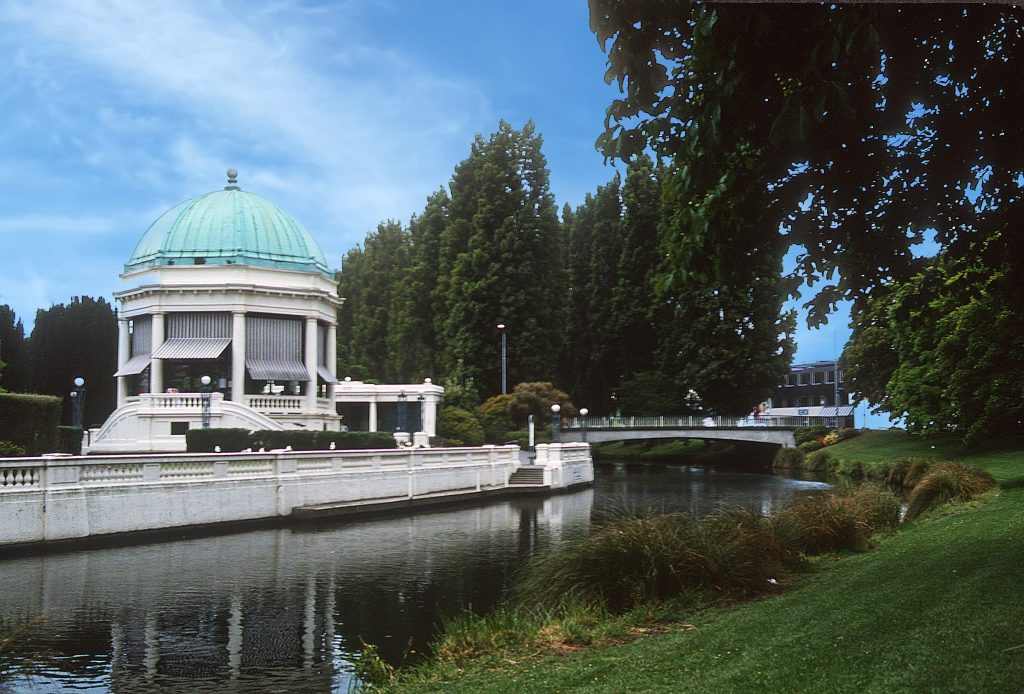
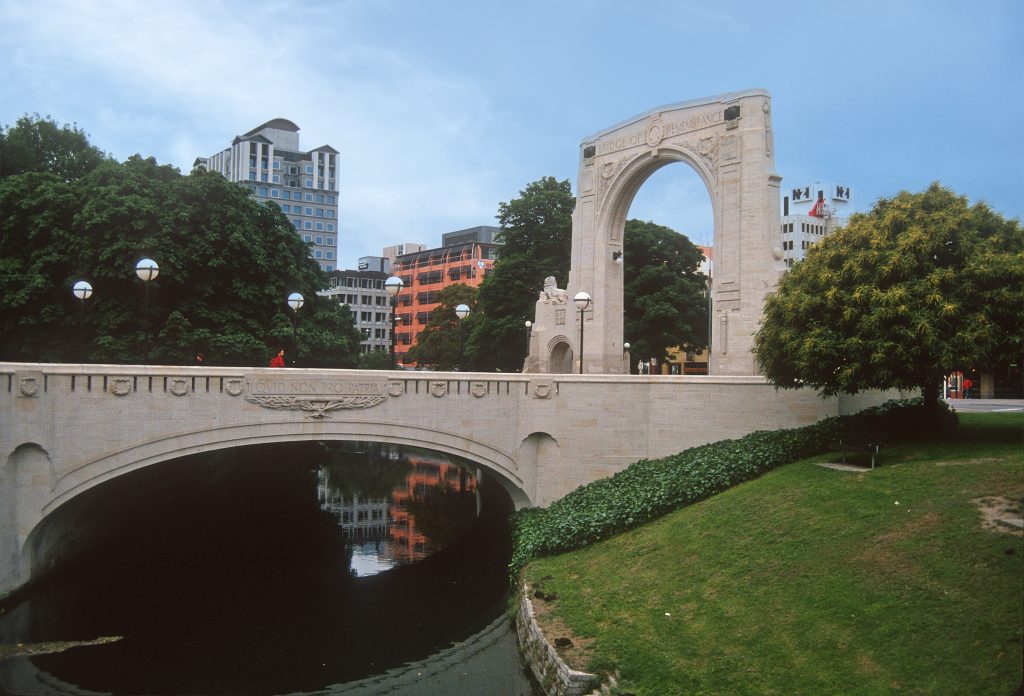
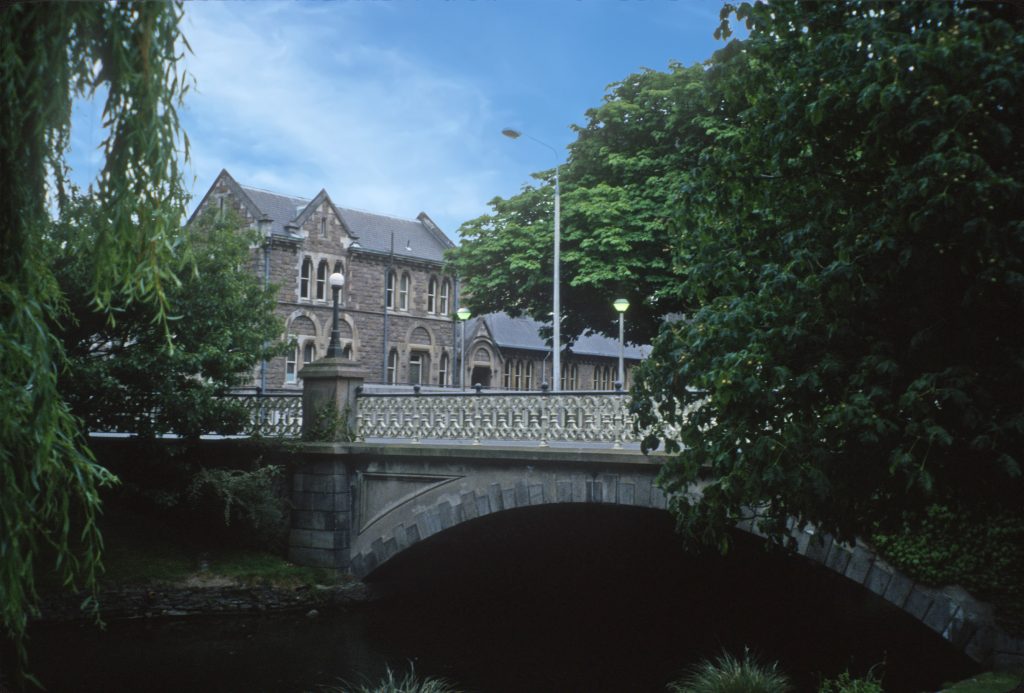
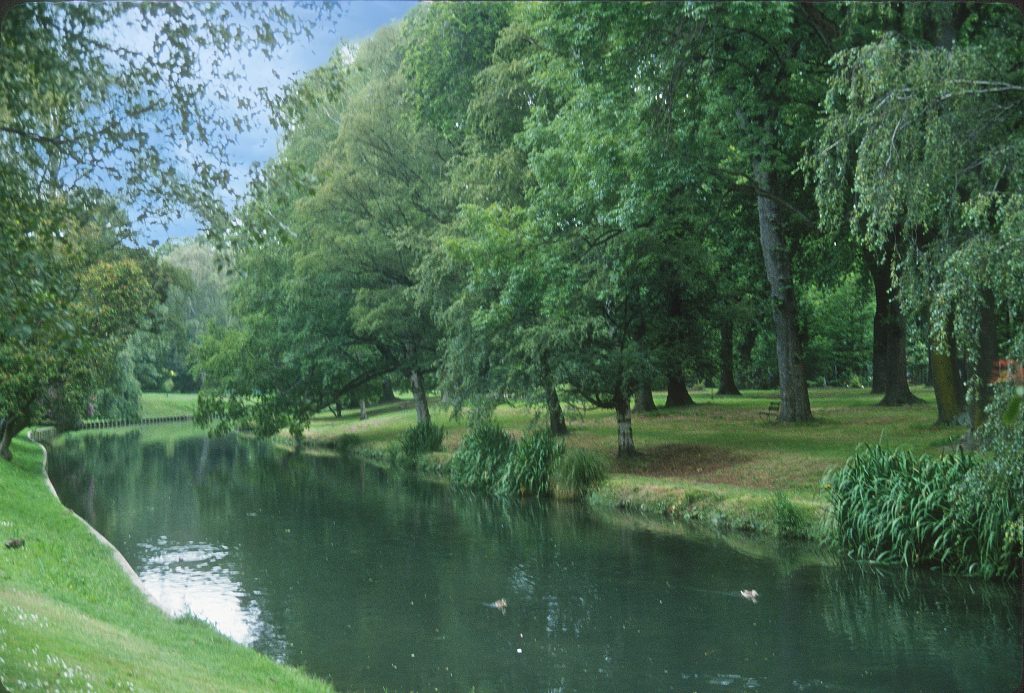
While stone structures shattered in the earthquakes, Christchurch’s great parklands endured unscathed, preserving one of the city’s most beloved colonial legacies. Here English oaks and exotic specimens, planted in the 19th century to evoke a European Eden, still line the Avon River as it curves gently past willow-shaded lawns.
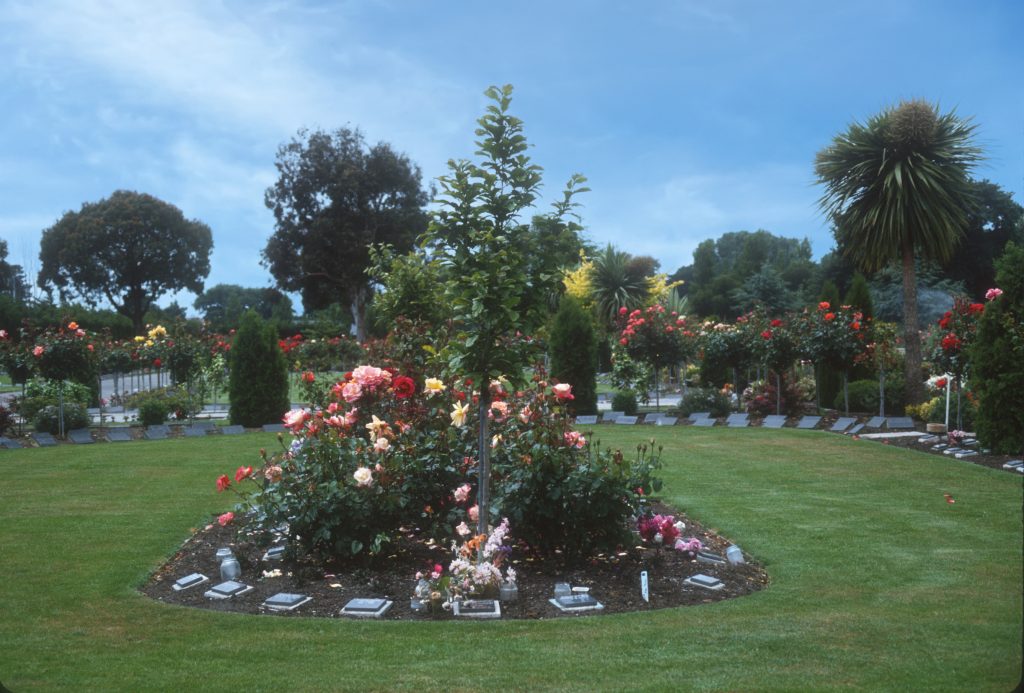
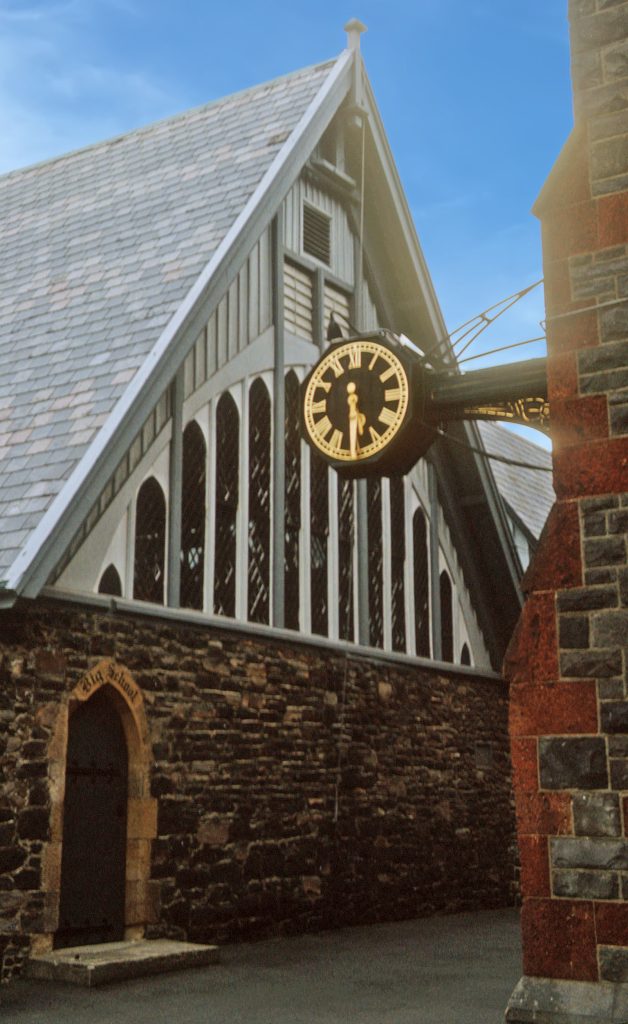
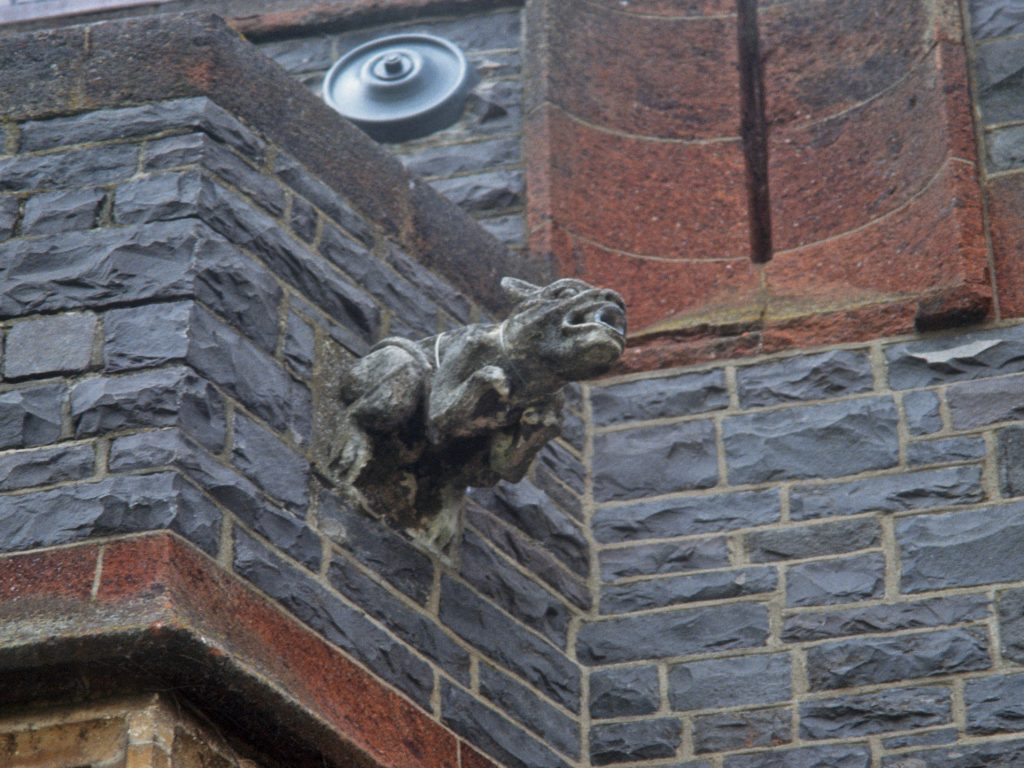
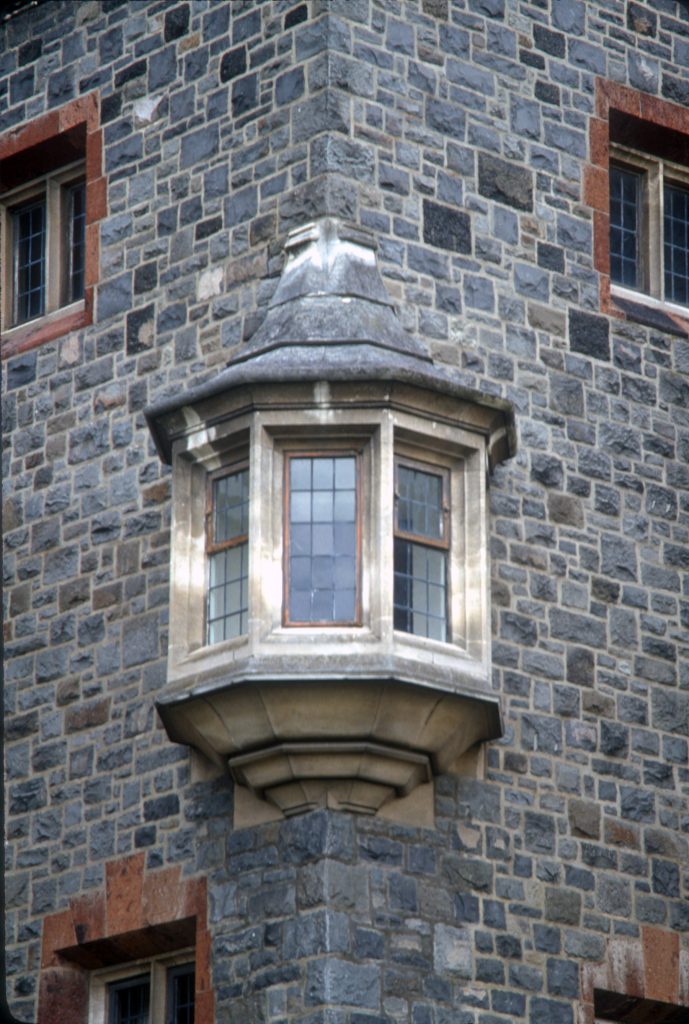
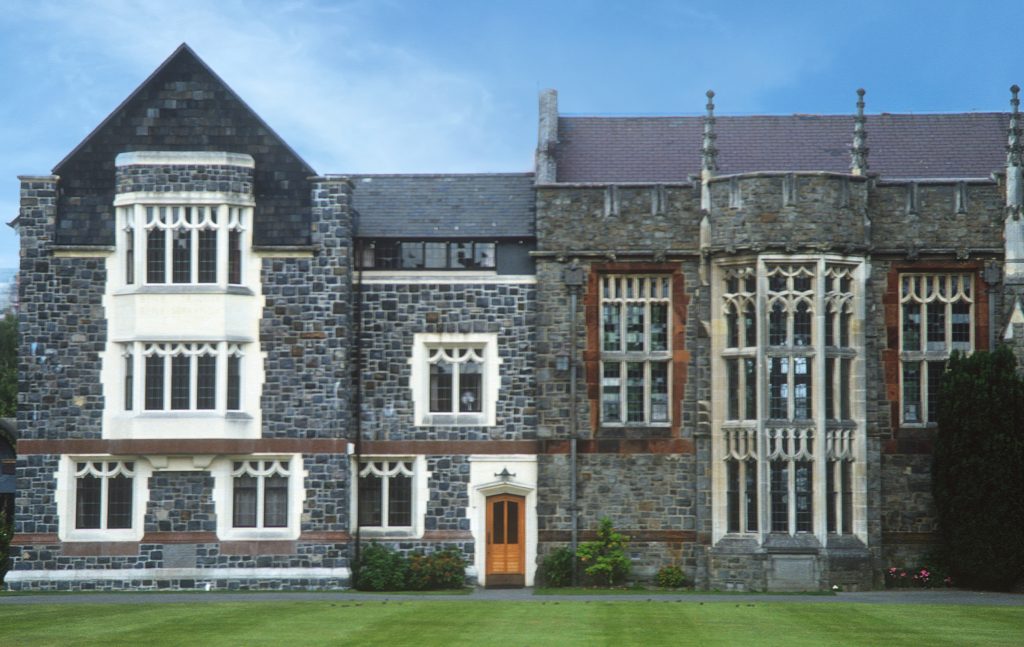
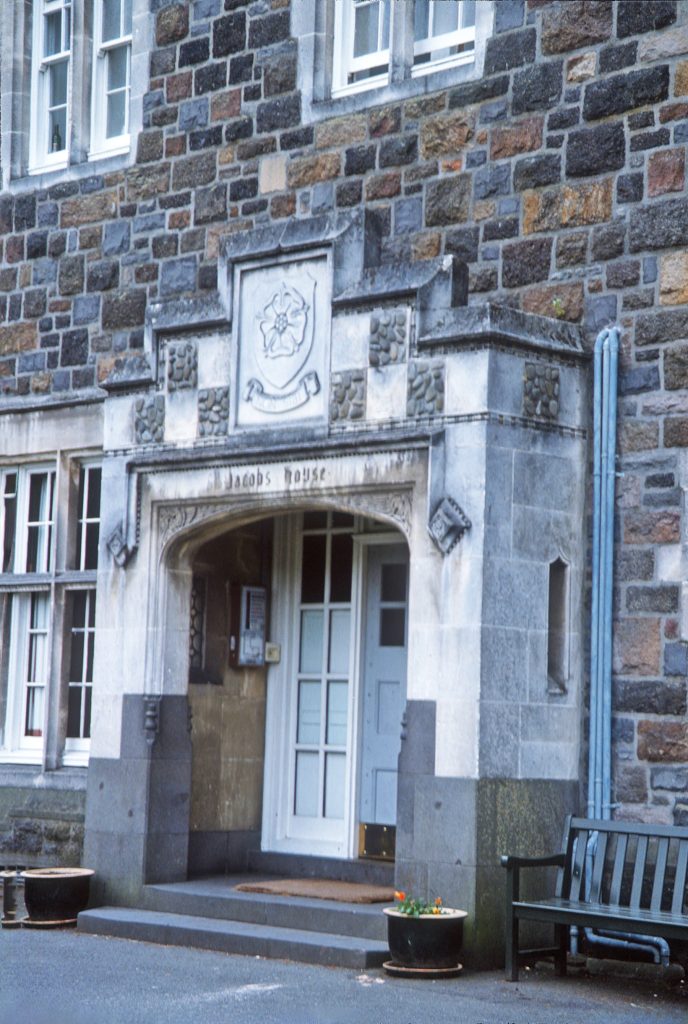
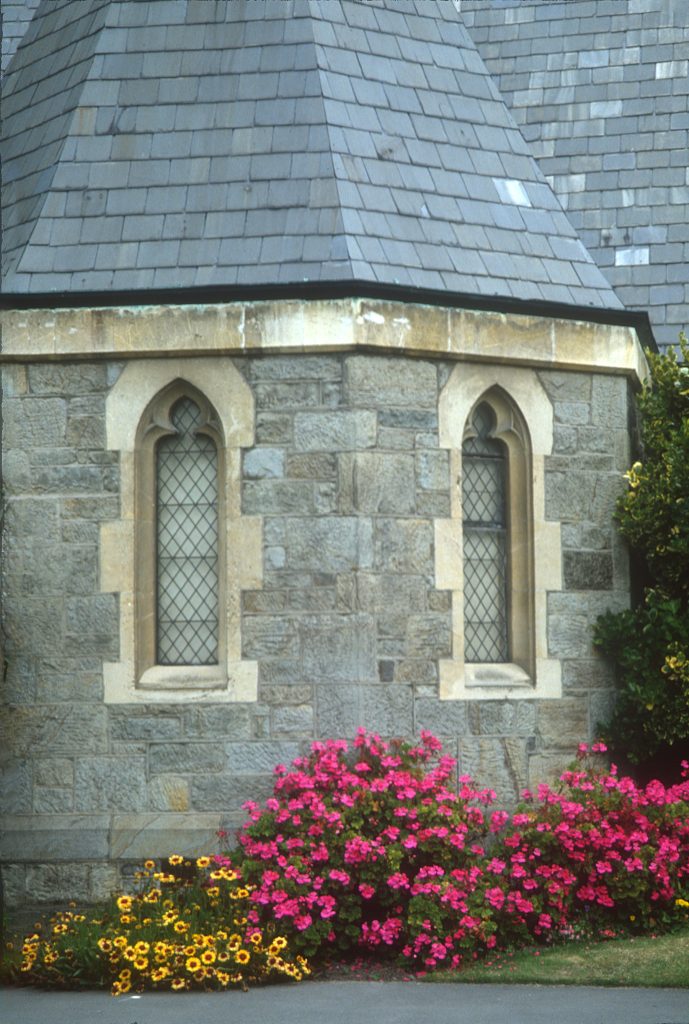
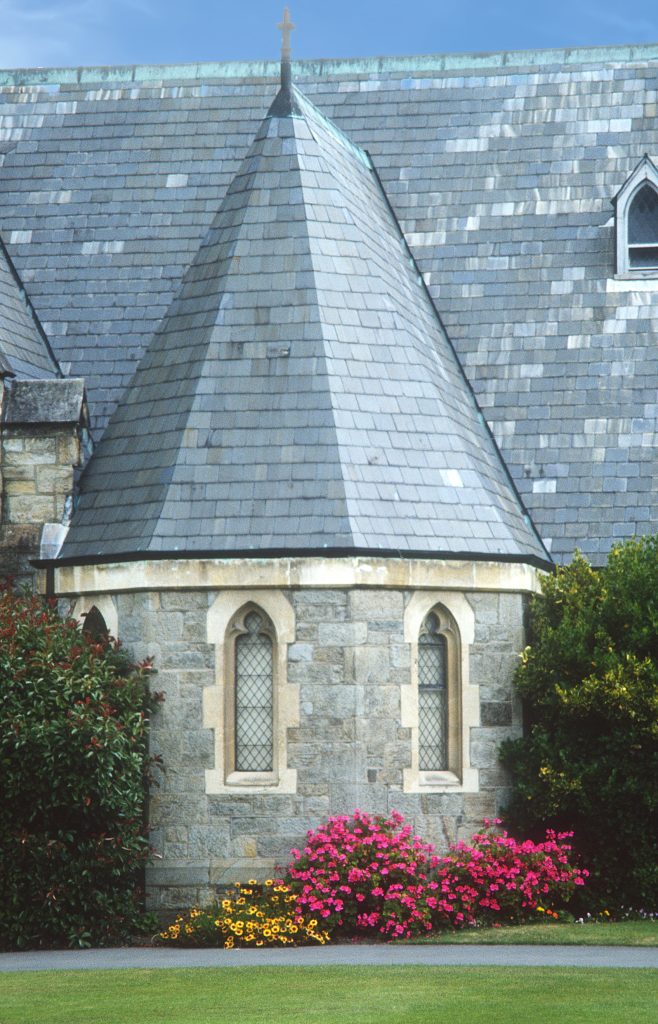
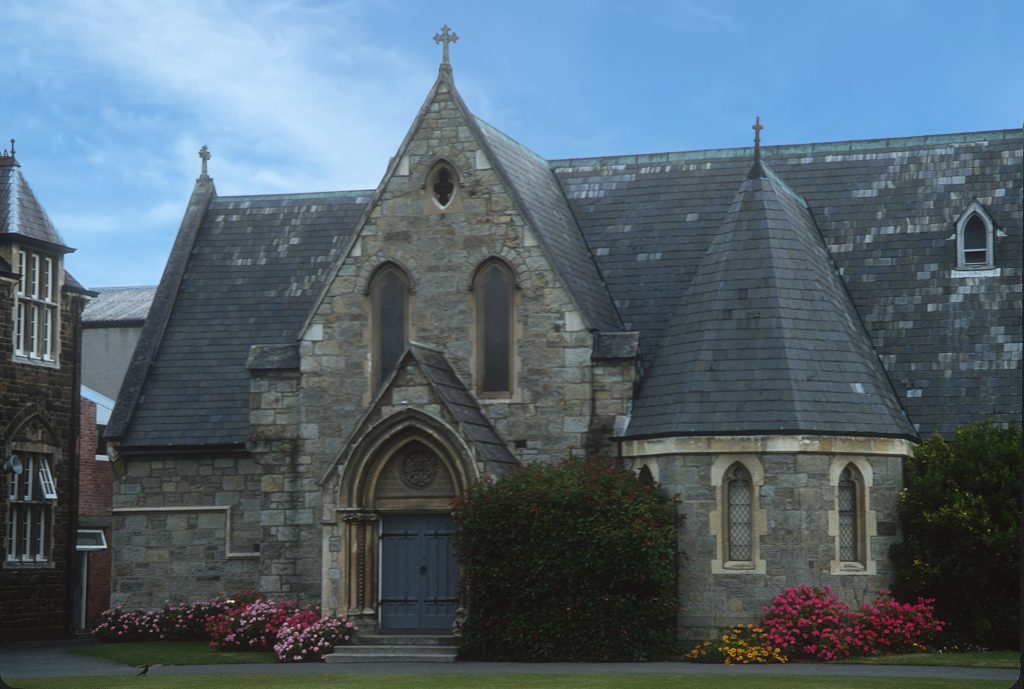
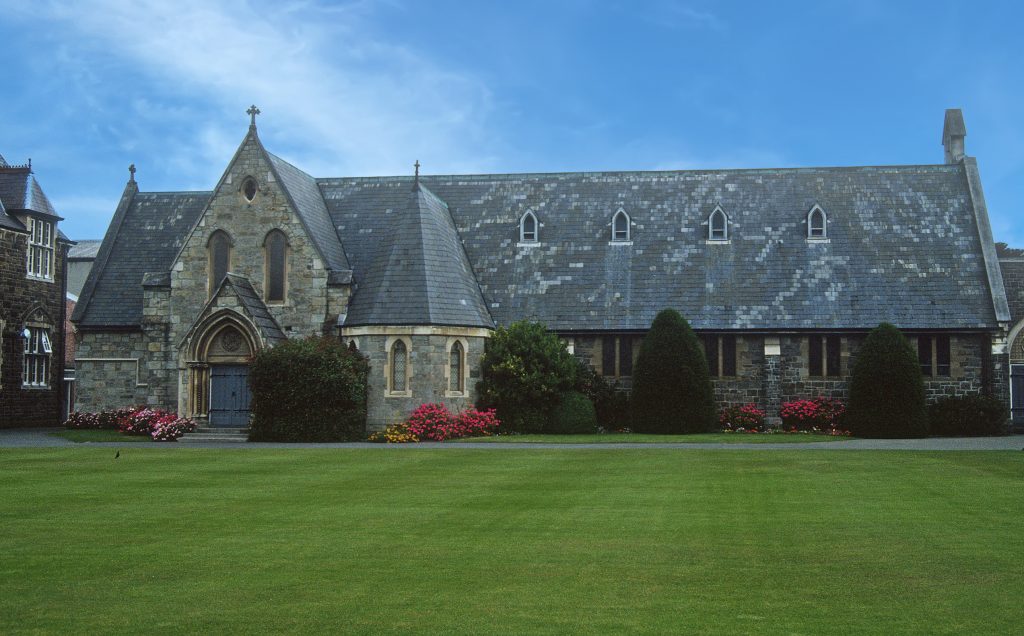
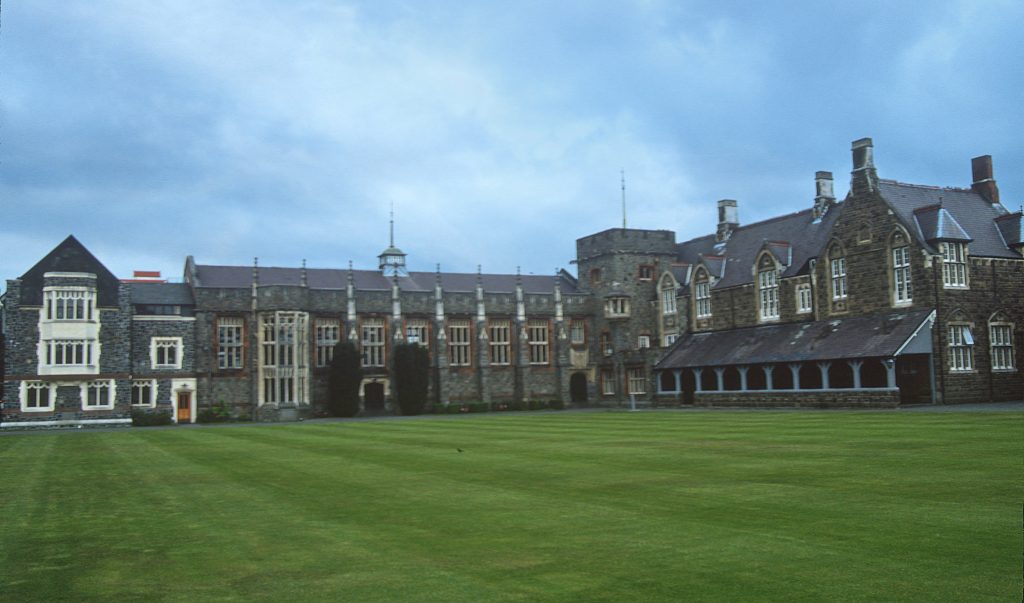
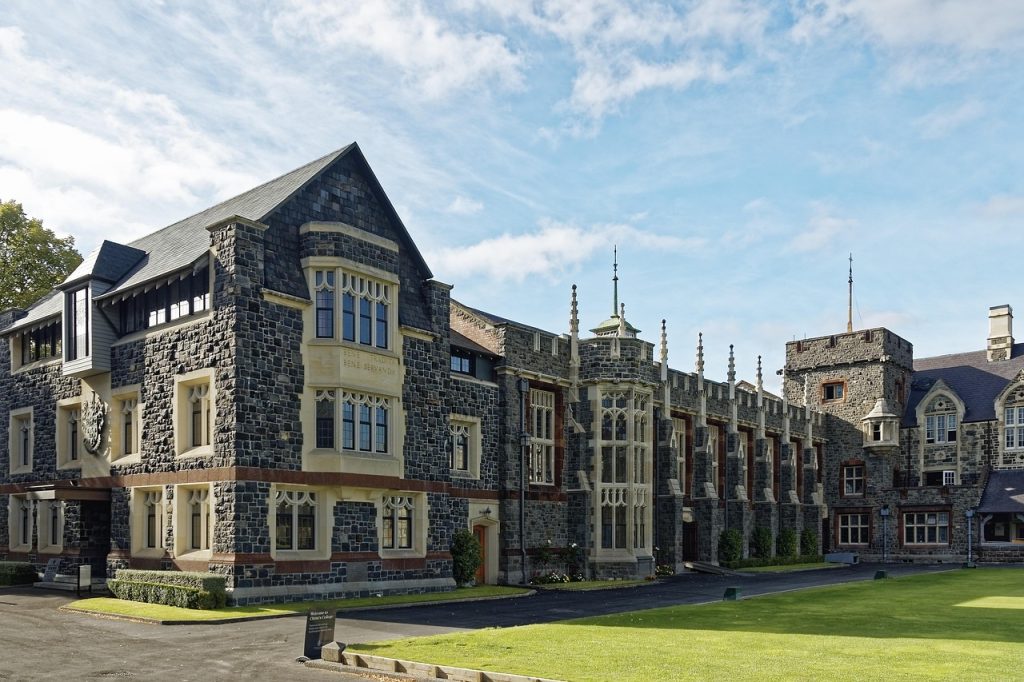
Christ’s College (founded 1850), modeled on England’s great public schools, remains one of New Zealand’s oldest boys’ institutions. Its quadrangles and stone buildings, though damaged, still evoke the colonial determination to replicate English traditions in the South Pacific.
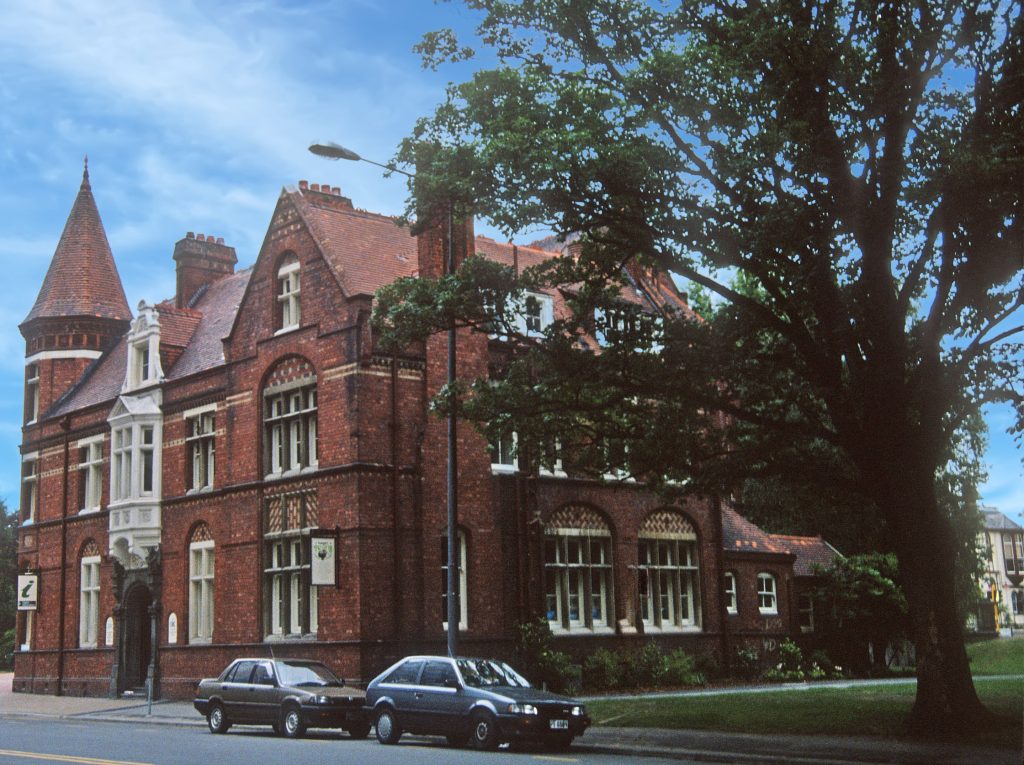
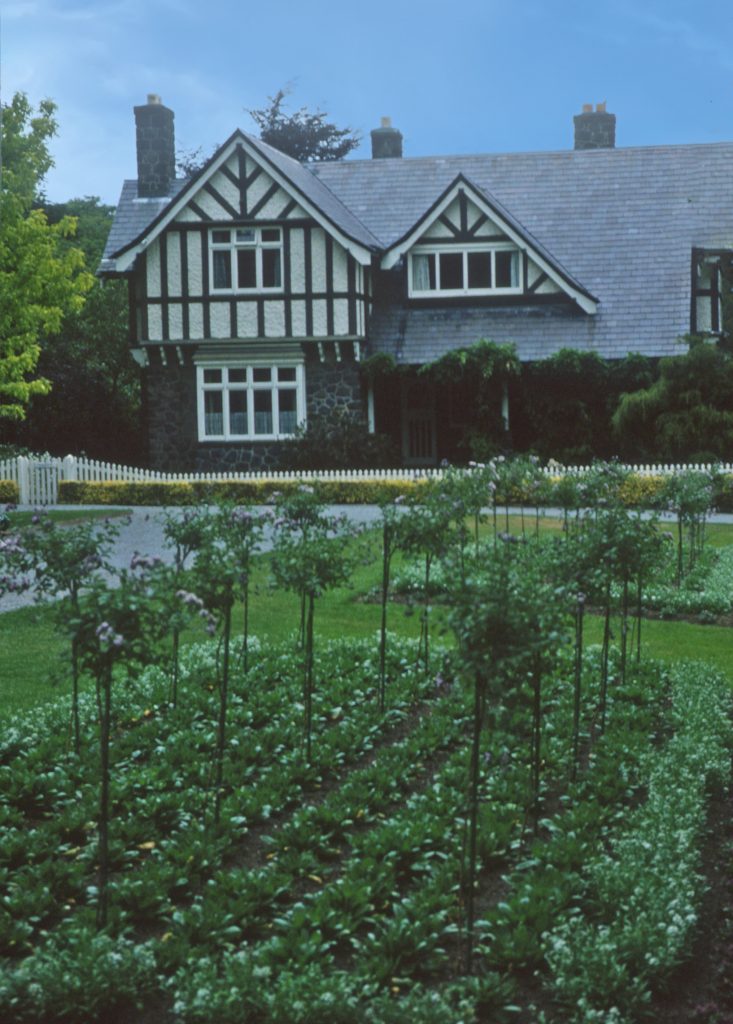
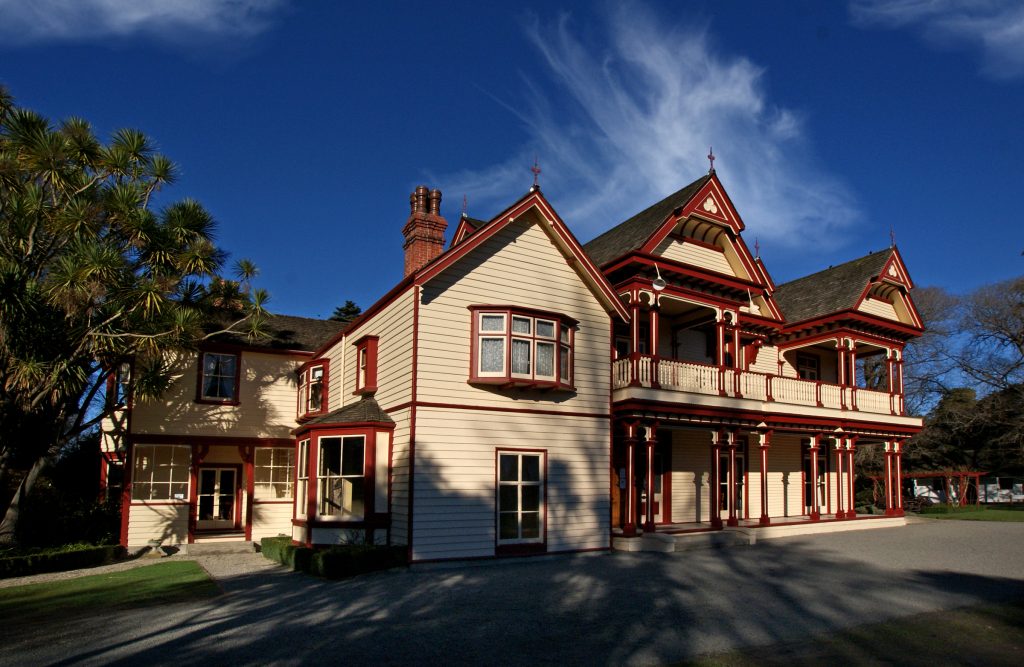
Across the city, Victorian villas and Edwardian houses survive, many lovingly restored. Notable survivors include Riccarton House, built for the pioneering Deans family, and the grand homesteads of wealthy sheep barons who built fortunes from wool.
Resurrection of Christcurch
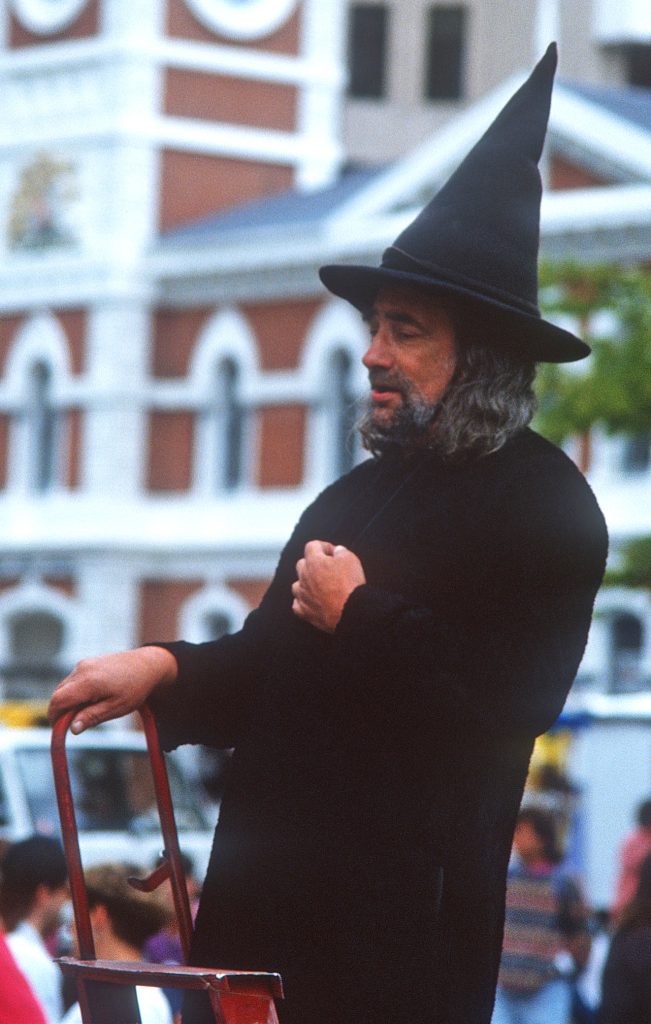
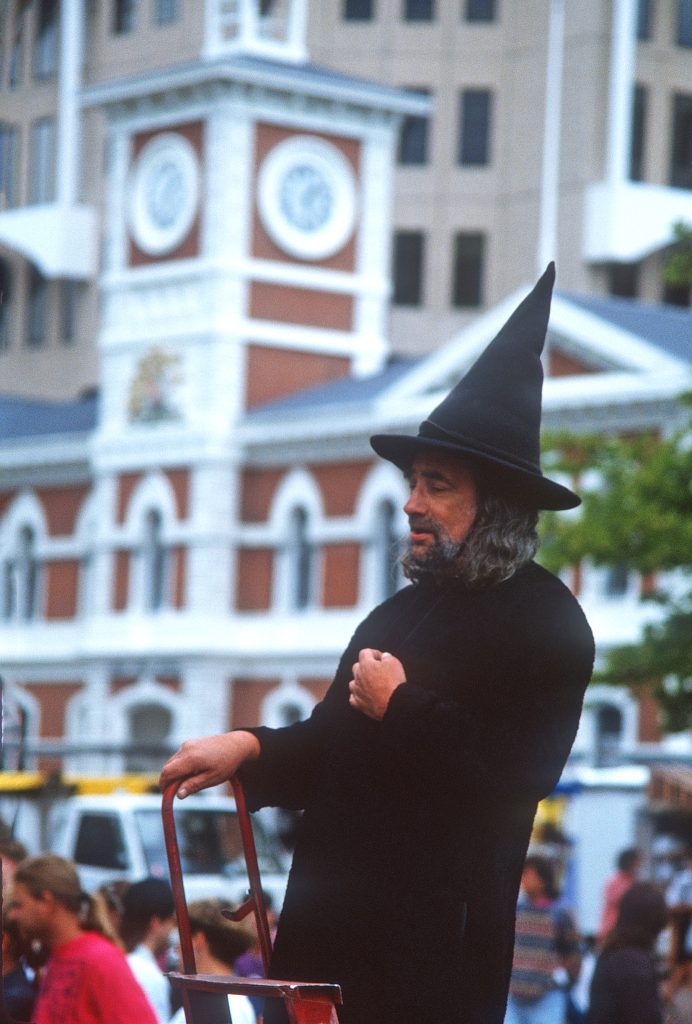
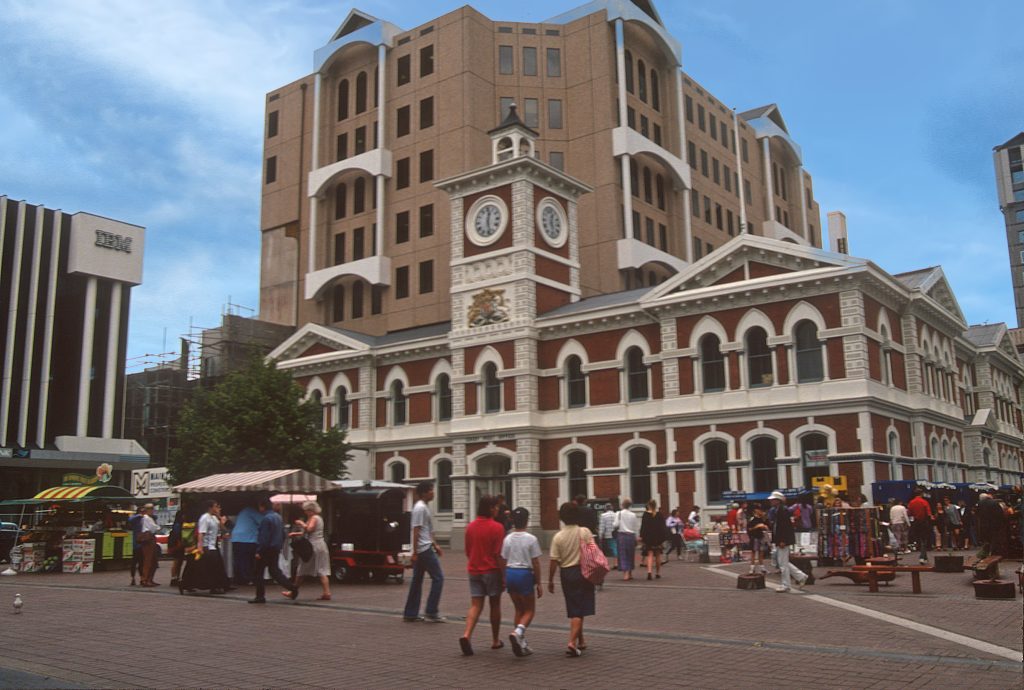
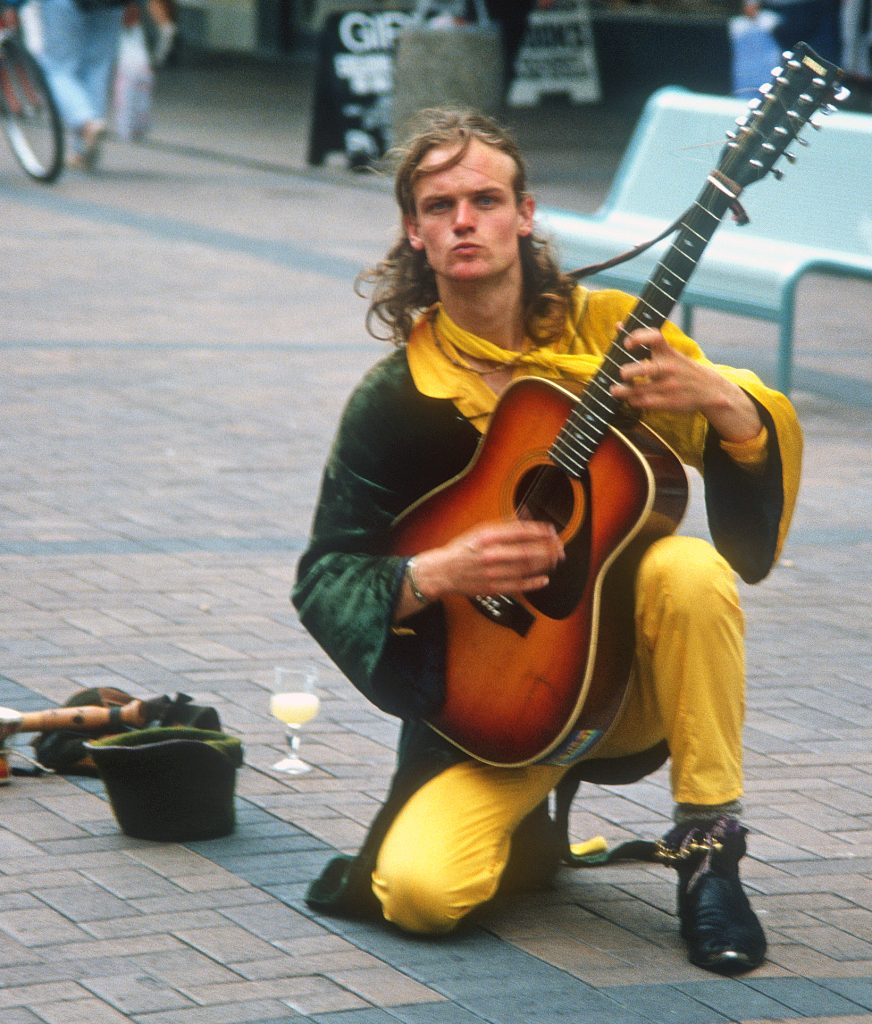
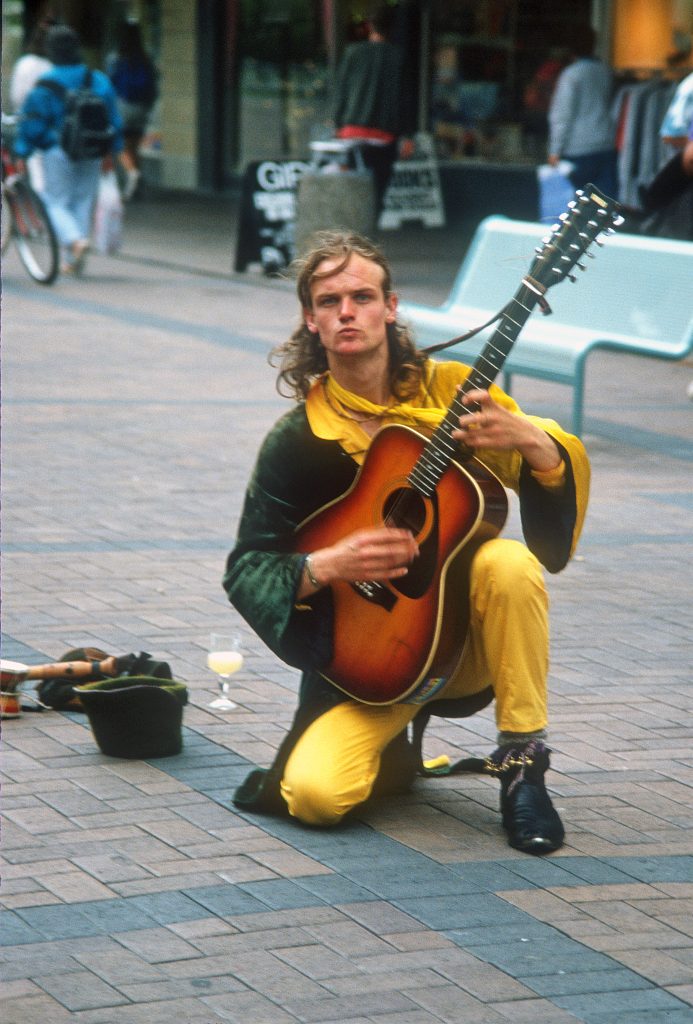
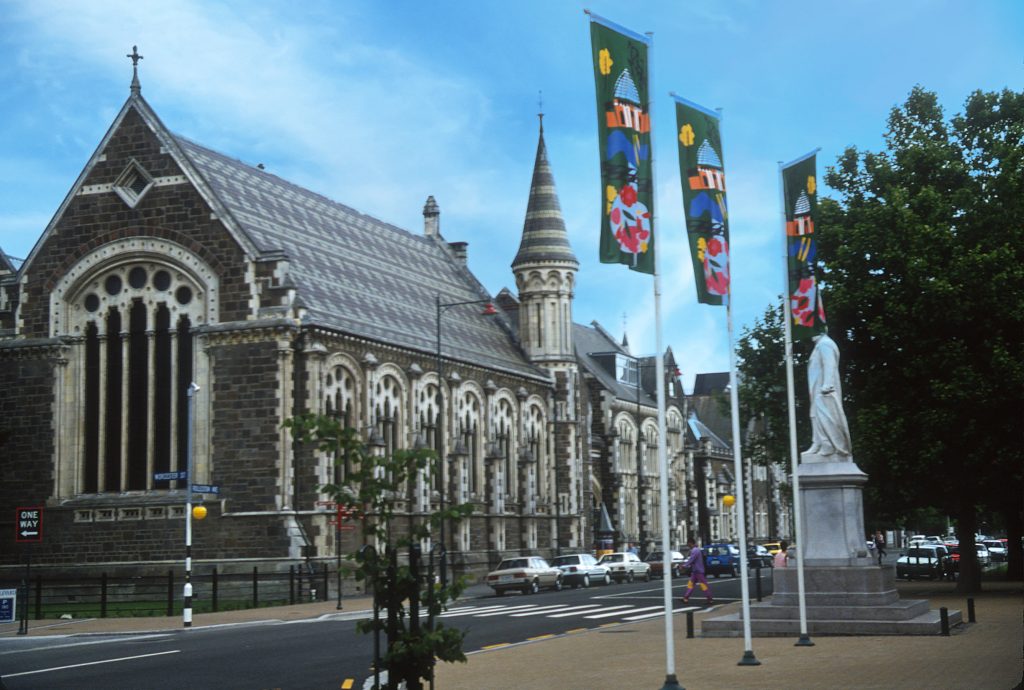
Walk through Cathedral Square today and you will see both absence and resilience: cranes hover above the battered stones of Christchurch Cathedral, while buskers strum guitars and food stalls fill the air with spice and coffee. Along Worcester Boulevard, the Arts Centre—the University of Canterbury’s former home—has been painstakingly restored, its cloisters now echoing with new voices.
In the Botanic Gardens, roses nod in the breeze while magnolia’s scent mingles with the murmur of the Avon. Flat-bottomed punts glide past, steered by young men in Edwardian-style boaters, as if time has paused to preserve the colonial dream. Yet murals on city walls speak of Māori identity and resilience after the quake, weaving new voices into the city’s fabric.
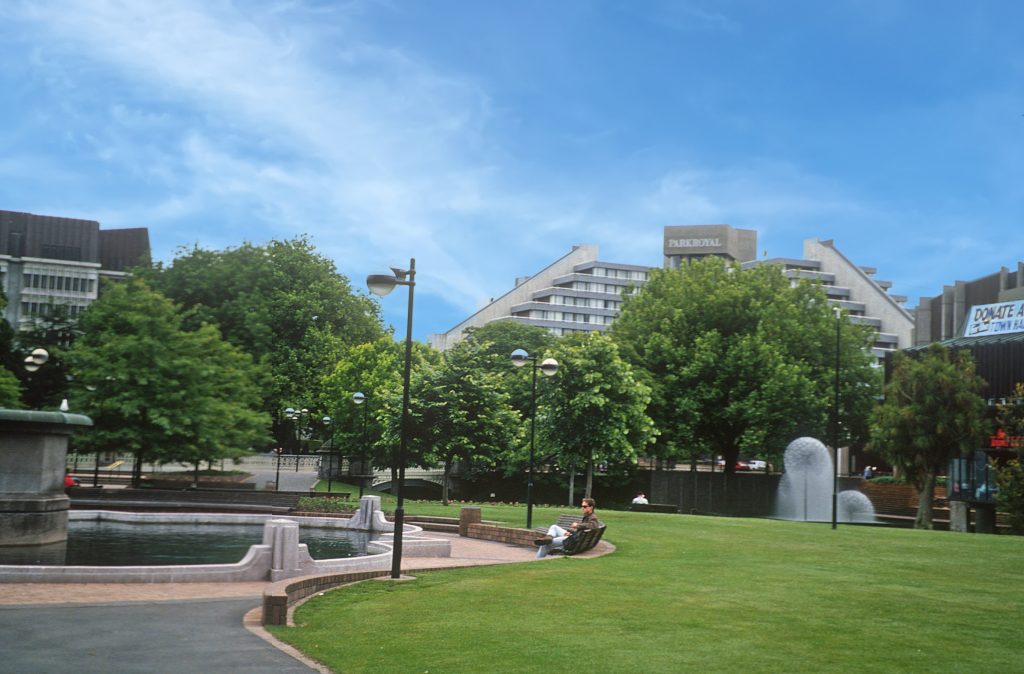
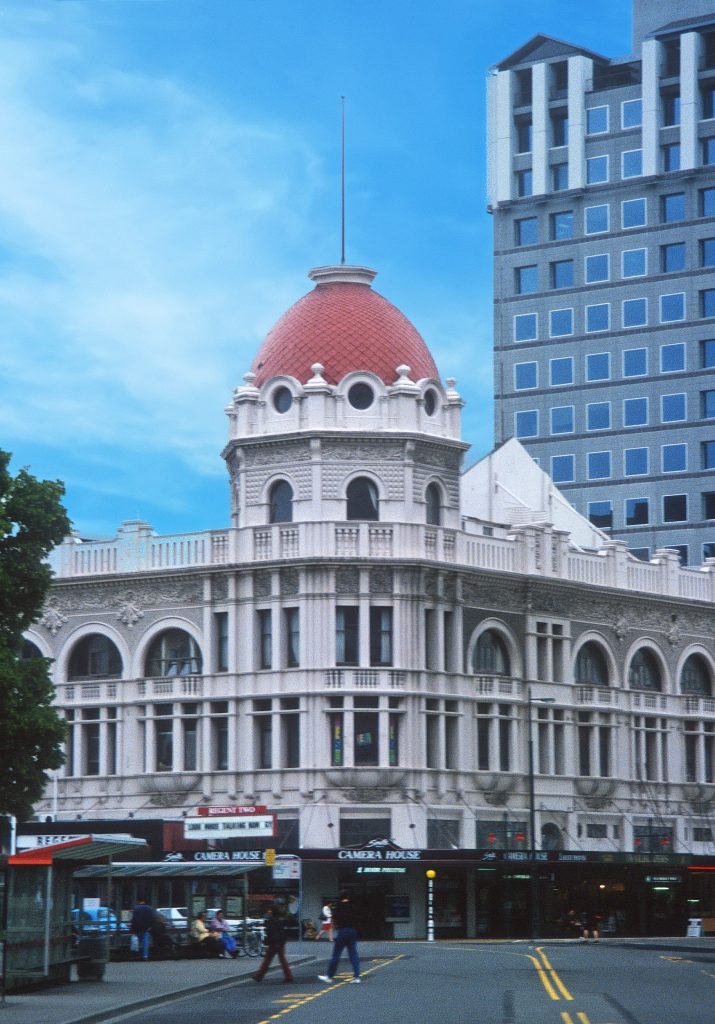
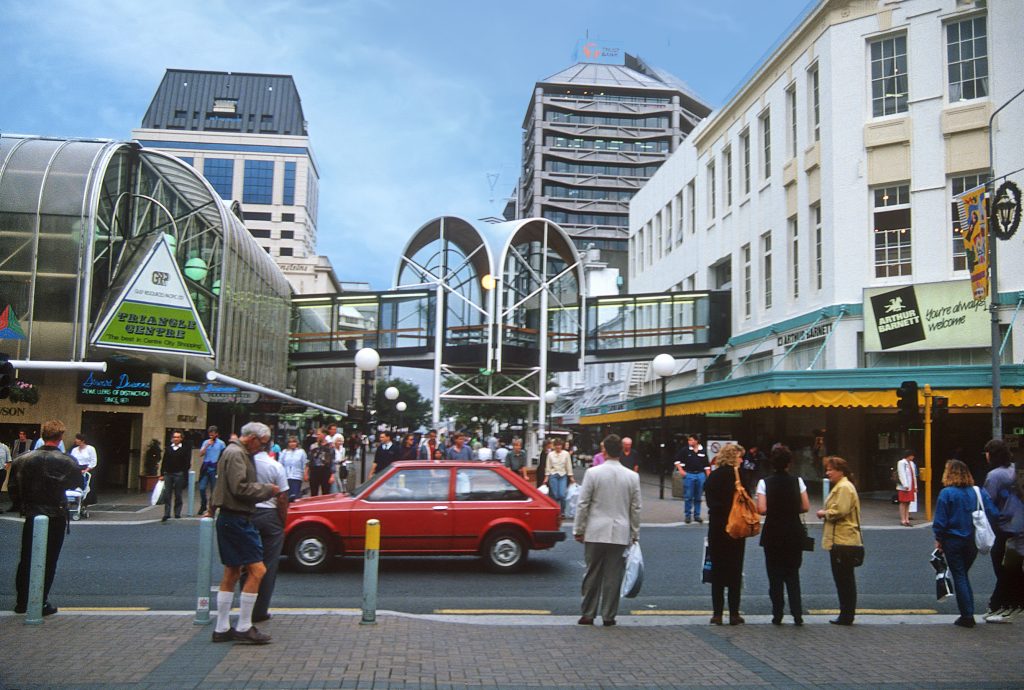
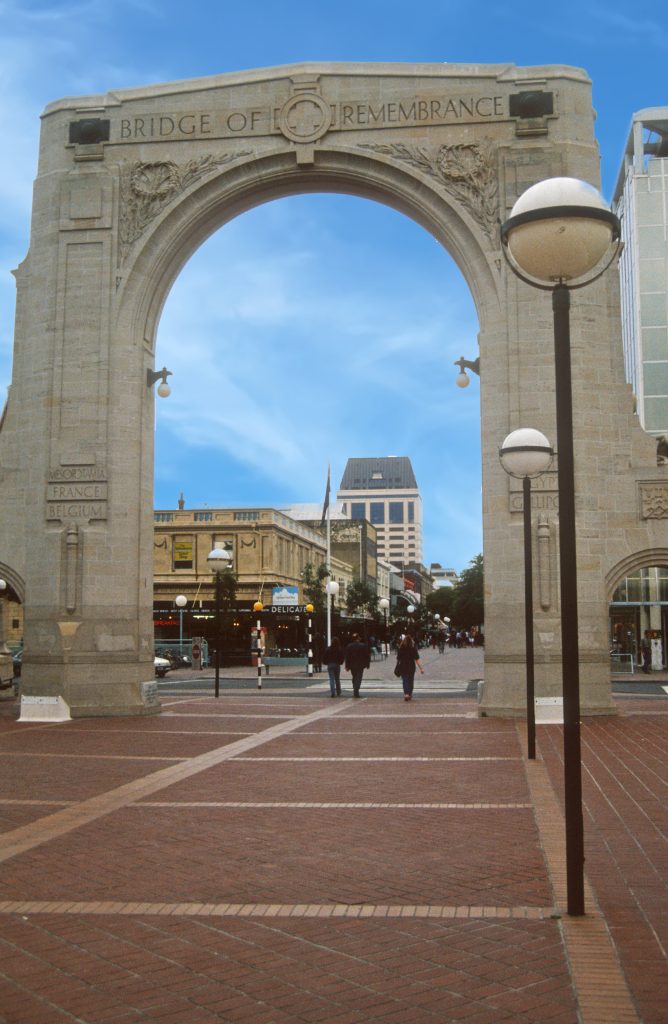
Christchurch is a city where history has been violently interrupted, yet not erased. The earthquakes destroyed over 1,000 heritage buildings, but they sparked a profound conversation: what do we preserve, what do we release, and what do we build anew? The result is a city where Gothic stone stands beside cardboard cathedrals, old villas nestle beside bold glass towers, and a pioneering past lives on in new forms.
Heritage tours now include grand survivors alongside ruins and memorials, telling a more layered story of fragility and resilience. The Rocks of Sydney echo convict grit; Christchurch’s stones echo endurance through natural upheaval.
Where to Stay in Christchurch, New Zealand
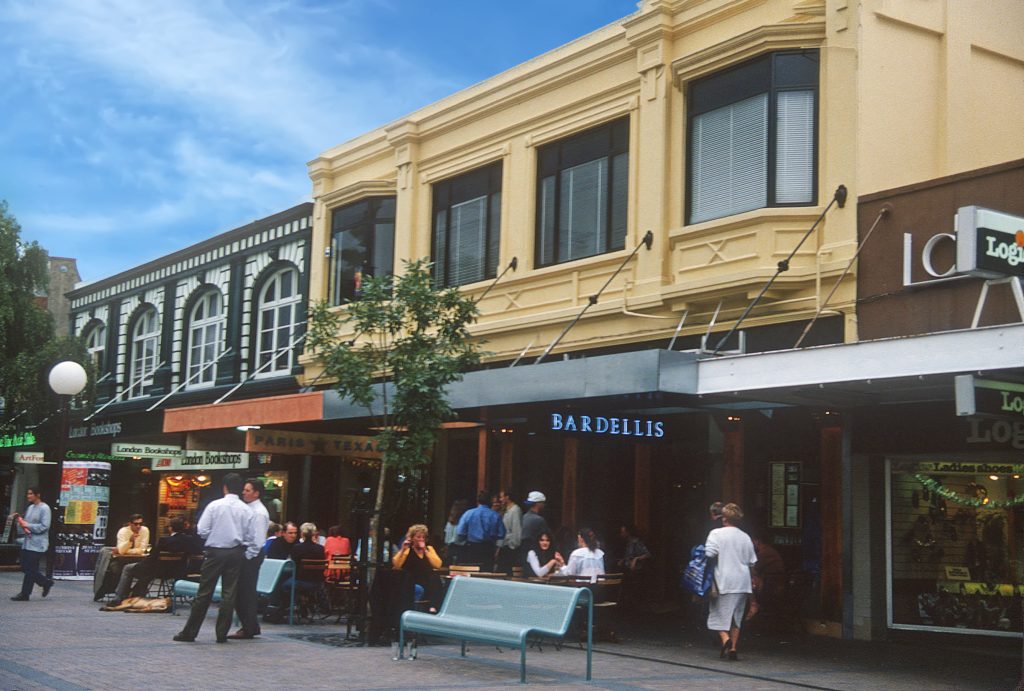
For a central location within walking distance of the rebuild, the Cathedral Quarter and nearby streets offer boutique and mid-range hotels close to shops, cafes, and the city’s heart. These areas offer good foot traffic and reasonable public transport access. The Distinction Christchurch Hotel and similar properties in this zone offer comfortable rooms at moderate prices.
If you prefer quieter surroundings with garden spaces, Riccarton and Merivale sit just south of the city center and offer several bed-and-breakfasts along with small hotel options. These areas tend to be calmer while staying just a short drive or bus ride from downtown attractions and restaurants. You’ll find more local shops and neighborhood character here than in the tourist center.
The Addington and Sydenham areas to the south and west offer budget-friendly motels and holiday parks if you’re watching costs. They’re less polished than central options but functional, and they’re closer to some of the city’s outer heritage sites. A rental car proves more useful from these locations, though bus connections exist.
For travelers seeking a riverside setting with nearby walking paths, properties along the Avon River offer a more relaxed pace while remaining accessible to central sights. These tend to be smaller hotels or apartment-style rentals rather than major chains, and many owners know the city’s historical and rebuilt landmarks well. Book ahead during peak summer months, especially December through February.
Recommended Reading
Fiction
- The Garden Party and Other Stories by Katherine Mansfield – Subtle, lyrical short stories by New Zealand’s most celebrated writer, capturing colonial society’s tensions and quiet revelations.
- The Luminaries by Eleanor Catton – Though set on the South Island’s West Coast goldfields, this Booker Prize winner evokes the era of 19th-century settlement and its atmospheric landscapes.
- Man Aloneby John Mulgan – A landmark New Zealand novel exploring isolation, masculinity, and national identity during the interwar years. The story follows an English immigrant struggling to find belonging in a harsh rural landscape shaped by colonial legacy. This is a standalone novel and John Mulgan’s only work of fiction.
Nonfiction
- Victoria Square: Cradle of Christchurch by Geoffrey Rice – This book explores the history of Victoria Square as the birthplace of Christchurch, tracing its significance from early Māori occupation through colonial settlement and urban development. It examines social, political, and cultural change through the lens of a single civic space. This is a standalone historical work.
- Christchurch Ruptures by Katie Pickles – A historical analysis of how the 2011 Christchurch earthquakes reshaped the city’s identity, social fabric, and urban narrative. Pickles examines the cultural, colonial, and spatial implications of the seismic events and argues that the rupture marked a transformative point in Christchurch’s history. This is a standalone non-fiction work in the BWB Texts series.
- The Story of Christchurch, New Zealand by Henry F. Wigram – A foundational historical narrative of Christchurch’s early settlement and urban development, originally compiled in the early 20th century. This work traces the city’s colonial planning, civic institutions, and geographic setting on the Canterbury Plains. It has been reprinted in modern editions, making this classic history available to contemporary readers.
- Ngā iwi o te motu = 1000 Years of Māori Historyby Michael King – A concise, comprehensive overview of Māori history spanning approximately a thousand years, explaining origins, cultural development, and responses to European contact. King explores key themes such as migration, society, leadership, land, and the Treaty of Waitangi, situating Māori history within a long-term narrative. This standalone non-fiction work provides essential context for understanding Māori in Aotearoa.
Tours to Consider