
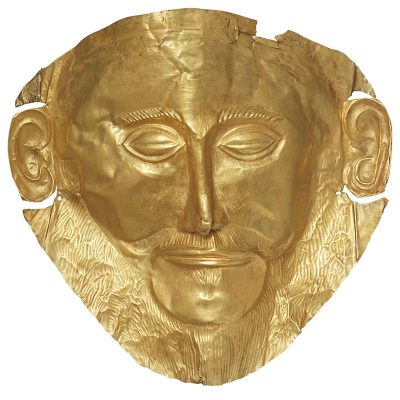
It is a strange sensation to stand face to face with someone from 3,500 years ago—especially when that face is hammered in gold, deathless, and wrapped in myth. But such is the experience at Athens’ National Archaeological Museum, where the famed Mask of Agamemnon rests behind glass, serene and glinting, as if still dreaming of war and kingship.
Founded in 1829 and permanently housed since 1889 in a neoclassical building on Patission Street, the National Archaeological Museum of Athens is Greece’s most important museum and one of the world’s great temples of ancient memory. It was established in the fervent decades following Greece’s independence from the Ottomans, a time when the young nation sought to reclaim not only its land but its legacy. The museum today holds more than 11,000 artifacts, spanning Neolithic village tools, Mycenaean splendor, Hellenistic bronzes, and Classical statuary so heartbreakingly perfect the marble seems to breathe. But if one artifact embodies the layered mystery of Greece itself, it is the Mask of Agamemnon.
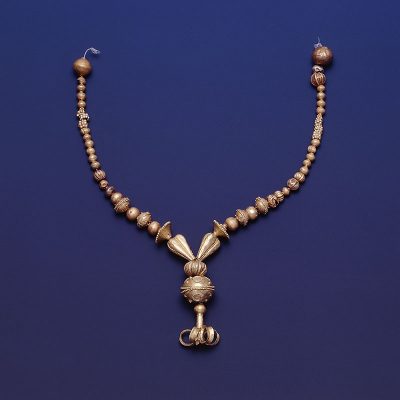
The Golden Mask
Nestled within the Mycenaean collection, one of the museum’s most atmospheric sections, the mask seems to radiate its own quiet light. Shaped in gold leaf with almond eyes, arched brows, and a solemn mustache, the funerary mask was unearthed by German archaeologist Heinrich Schliemann in 1876 at Mycenae, north of the Peloponnese. When Schliemann first uncovered it, he sent a telegram proclaiming, “I have gazed upon the face of Agamemnon!
It was an electrifying assertion. Agamemnon, the high king of Homer’s Iliad and leader of the Greek forces at Troy, was betrayed by his wife Clytemnestra in a tale of vengeance and blood. But scholars now agree this mask predates the Trojan War by at least 300 years. It almost certainly does not belong to Agamemnon. Yet the name persists—for there is poetry in it, and legend clings so easily to gold.
In person, the mask is surprisingly small. But its power lies in drawing you close, compelling you to meet its gaze. One cannot help but imagine the hands that shaped it, and the hands that buried it in reverence over a long-dead king’s face.
Other Treasures Not to Miss
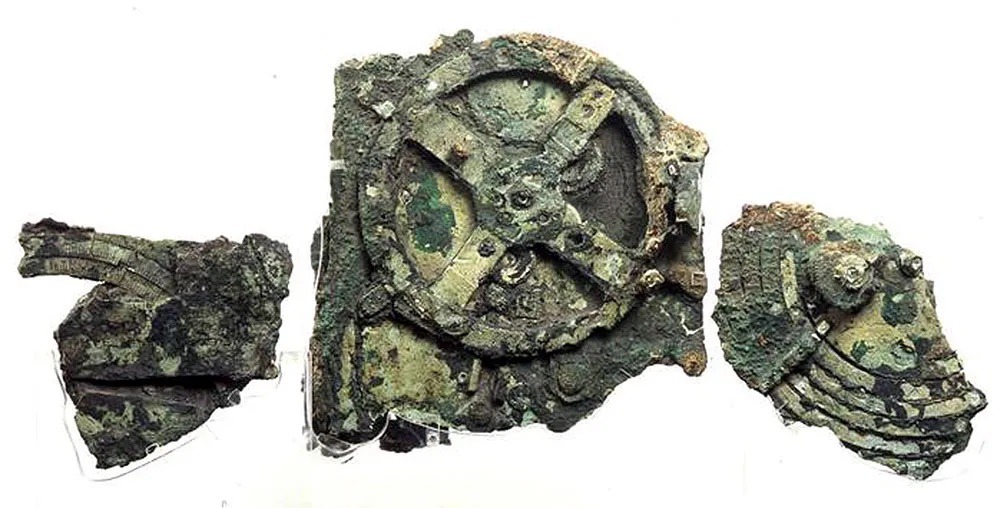
The Antikythera Mechanism – Often called the world’s first computer, this remarkably intricate device from the 2nd century BCE used interlocking bronze gears to predict astronomical movements. It was salvaged from a shipwreck off Antikythera and still baffles scholars today.
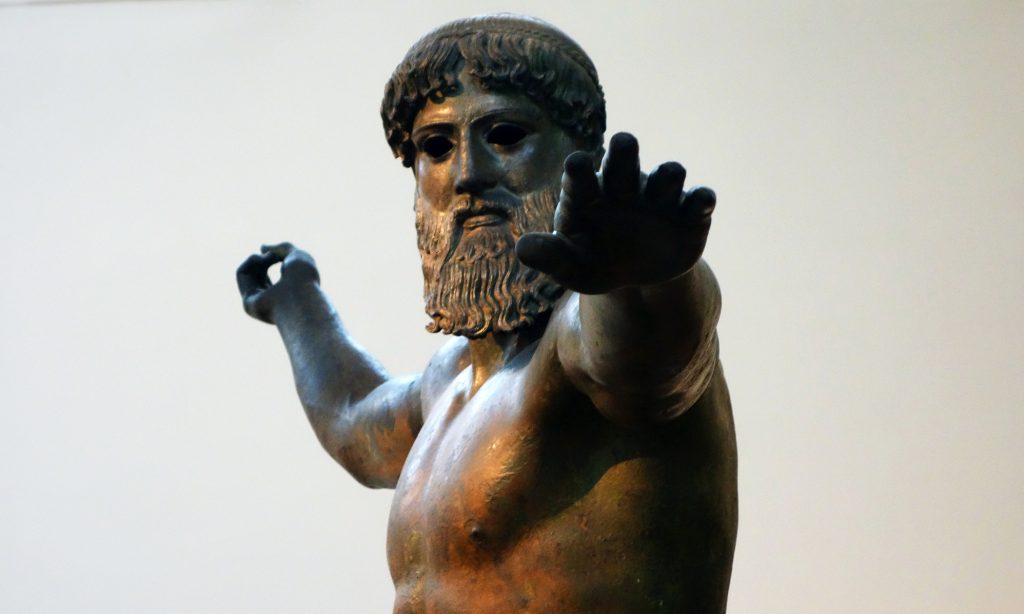
With one arm flung forward and the other poised to strike, this larger-than-life figure recovered from the sea radiates tension, power, and the perfect Classical balance of the Bronze Statue of Poseidon (or Zeus). No one knows for certain if he once held a trident or a thunderbolt.
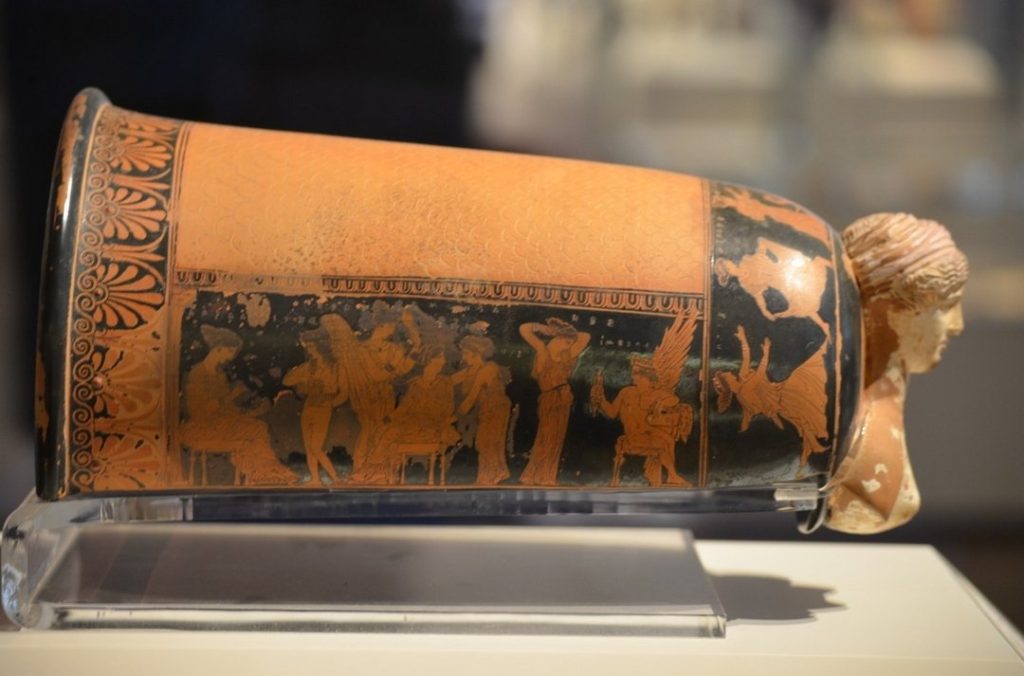
The Epinetra of Aphrodite – A delicate painted ceramic used by noble women for grooming, decorated with scenes of courtship. A quietly sensual piece revealing the beauty rituals of ancient Greek life.
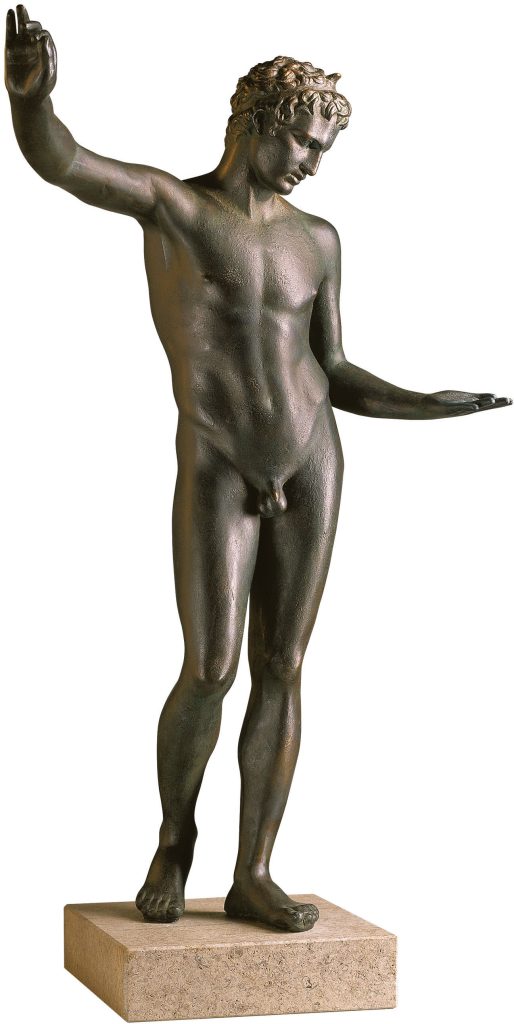
The Youth of Marathon – This impossibly elegant bronze statue of a young man, pulled from the sea in 1925, holds the gaze of eternity. Though he may lack certain attributes, he could represent Hermes—or perhaps a victorious athlete. He commands your attention.
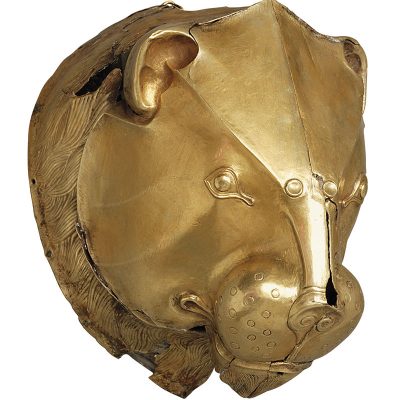
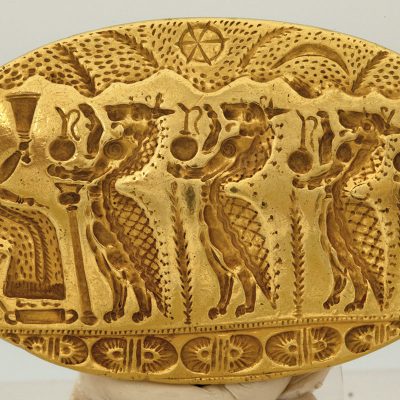
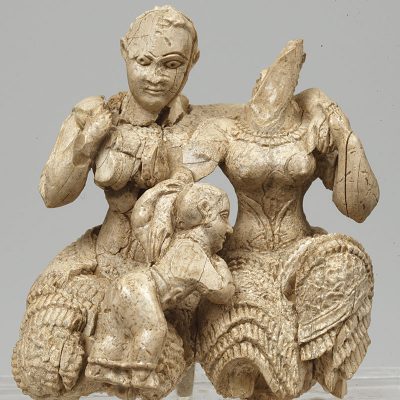
The Mycenaean Gold Death Masks (including lesser-known ones) – Beyond the famous Agamemnon mask, several others from Grave Circle A showcase the reverence, craftsmanship, and wealth of Mycenae’s elite.
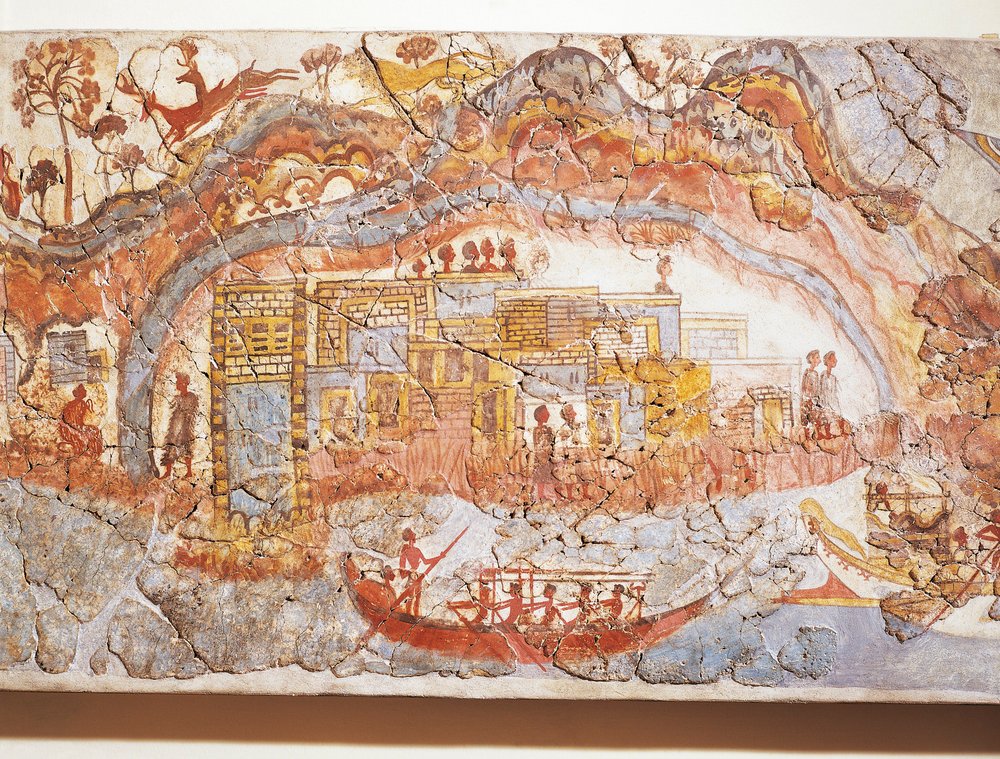
The Thera Frescoes (replicas) – Although the originals remain on Santorini, the museum’s reconstructions offer a vivid window into Minoan life: saffron gatherers, blue monkeys, and sailing ships float across impossibly colorful ancient walls.
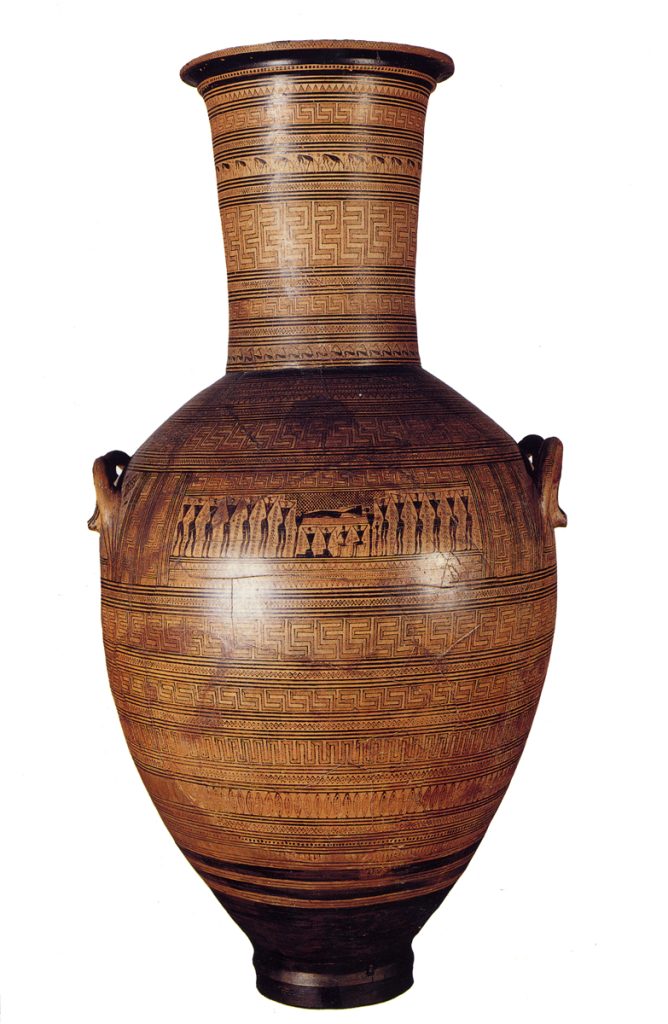
The Dipylon Amphora – Towering over five feet tall, this funerary vase from the Geometric period (circa 750 BCE) displays rows of mourners with raised arms in stylized grief. A masterpiece of emotional depth carved in pattern and form.
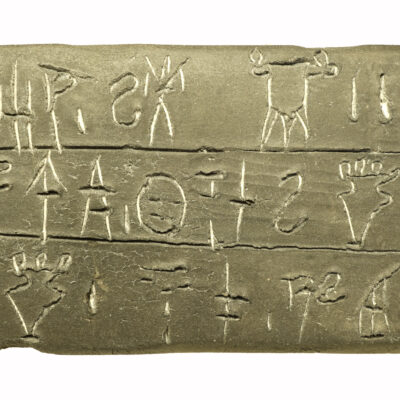
Linear B Tablets – These modest clay tablets bear the earliest written form of Greek, recording palace inventories, taxation, and bureaucracy—proof that administration, too, is ancient.
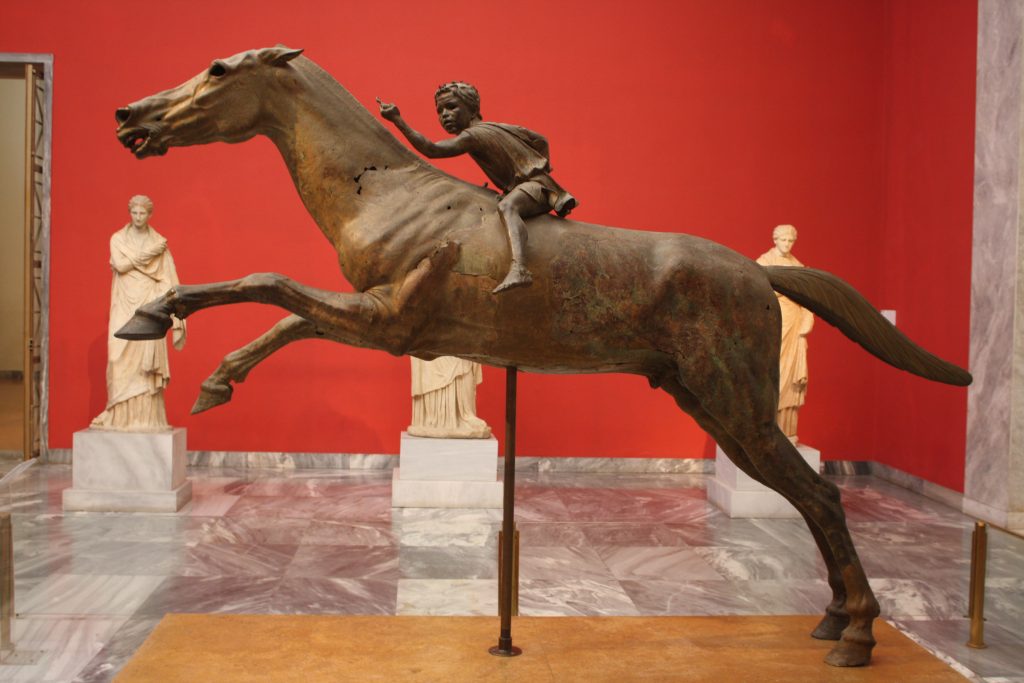
The Artemision Jockey – A bronze horse and rider brimming with wild motion and youth, recovered in pieces from a shipwreck. The boy’s fierce expression of concentration as he gallops into eternity is unforgettable.
The Kouroi and Korai Statues – These early Archaic figures—youthful, stiff, and serene—mark Greek sculpture’s first steps toward naturalism and grace.

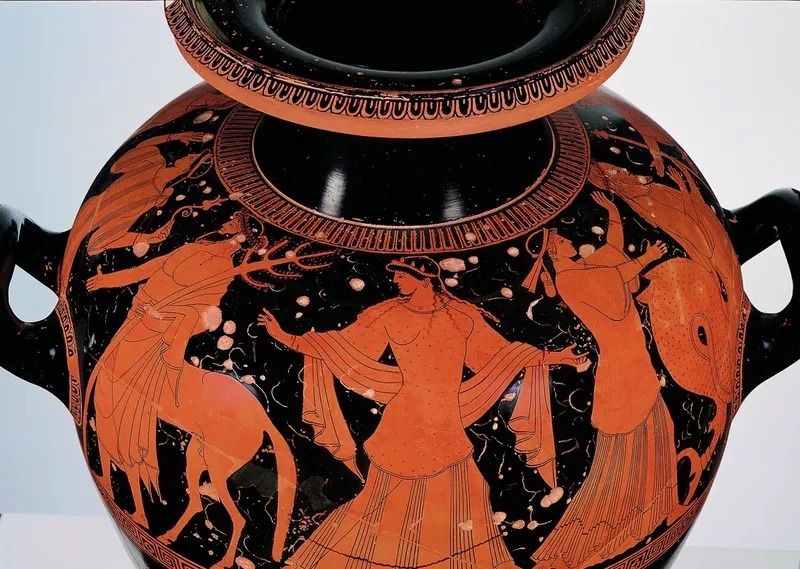
The museum’s vast ceramic collection spans millennia, but its black-figure and red-figure vases from the 6th to 4th centuries BCE are particularly dazzling. From Dionysian revels to battlefield valor, these vases serve as both art and archive—each a window into the rituals, humor, mythology, and daily life of ancient Greece. Look especially for works by Exekias and the Andokides Painter—true masters of line, form, and narrative.
A Visit That Will Last a Lifetime of Memories
If you’re fortunate enough to walk the polished halls of the National Archaeological Museum, take your time. Linger among Cycladic figurines and Mycenaean gold. Let the cool stone air surround you and imagine a world where gods dined with kings, where the line between myth and memory was drawn not in ink but in dust and gold. And when you stand before the mask, don’t wonder if it belonged to Agamemnon. Ask instead why it still haunts us.
Where to Stay in Athens, Greece
The Plaka district’s small hotels and family-run guesthouses put the National Archaeological Museum within walking distance, making it the most convenient base for museum visits. Most accommodations are modest but comfortable, with rates reflecting the central location. Staying in Plaka puts you near the Acropolis and other ancient sites, but street noise from restaurants and bars can linger into the evening.
For a quieter base, Kolonaki offers upscale hotels and well-maintained mid-range options along tree-lined streets. This area sits north of the museum and offers restaurants, cafes, and shops with far less tourist density than Plaka. The neighborhood offers good metro access, letting you reach other Athens sites while staying clear of the busiest areas.
Budget travelers often head to Omonia Square or nearby side streets, where hostels and small hotels offer lower rates. The area has improved in recent years and sits near public transportation. Be aware that some streets near the square have a rougher character, so research specific properties and their immediate surroundings before booking.
If you prefer a modern hotel with reliable amenities, the Syntagma area near Parliament Square offers established chains and business-class properties. This location offers straightforward access to the museum via metro or short taxi ride, plus reliable restaurants and shops. The neighborhood is orderly and safe, though it feels functional rather than atmospheric beside older Athenian quarters.
Recommended Reading
To extend your visit or prepare for it, consider these excellent reads:
- The Tombs of Agamemnon: Mycenae and the Search for a Hero by Cathy Gere – A cultural history of Schliemann’s excavation and the mythmaking behind it.
- The King Must Die by Mary Renault – A richly imagined novel about Theseus and early Greek kingship, grounded in Bronze Age archaeology.
- The Greeks: A Global History by Roderick Beaton – Sweeping and accessible, this recent history places artifacts like the mask in their full historical context.
- The Iliad by Homer (translated by Caroline Alexander or Robert Fagles) – Because Agamemnon’s legend, whether true or not, still speaks to us in epic thunder.
Some images are for illustrative purposes only and remain the copyright of their respective owners.
