By Marlene Wagman-Geller, from the Winter issue of The Historic Traveler Magazine
The first law for a secret agent is to get his geography right.—Ian Fleming, The Man with the Golden Gun
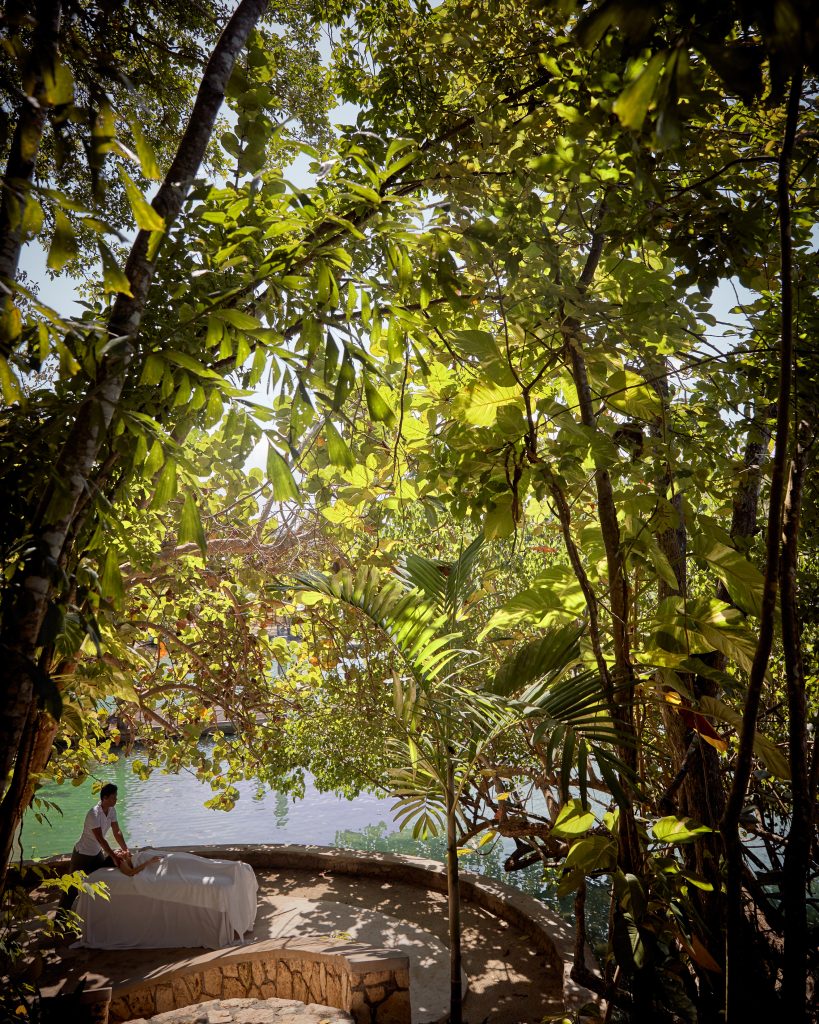
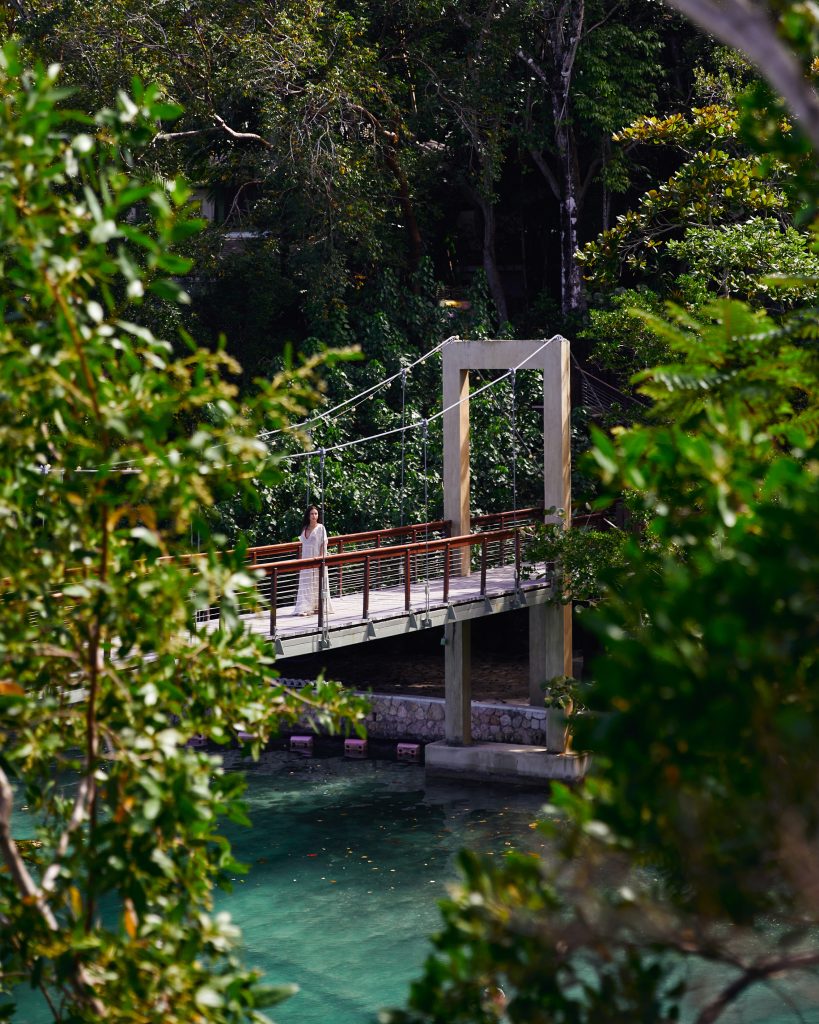
In her 1964 hit “Downtown,” British singer Petula Clark suggested that when life makes you lonely, you can always go downtown—a sentiment that resonates with another proven antidote to the blues: a tropical paradise steeped in literature and history. Few resorts match the pedigree of Jamaica’s Goldeneye, a Caribbean Garden of Eden.
If the island’s palms could speak, they would tell a riveting tale. The first inhabitants were the Taino Indians who christened their land Xaymaca, meaning “land of wood and water.” (English words derived from their Arawak language: hammock, hurricane, tobacco, barbeque, and canoe.) Christopher Columbus, the first Pirate of the Caribbean, claimed the island for Spain, which exploited it to enrich the royal coffer. The British conqueror transformed Jamaica into a massive sugar plantation that became the nexus of the slave trade. The imperialist colonizers lived in magnificent plantations, drank the local rum, and sexually exploited their enslaved workers. Jamaica declared its independence in 1962, retaining its status within the British Commonwealth.
Ian Fleming, the author of James Bond, arrived at this bouillabaisse of sugar, slavery, and sex and left his literary mark; his wartime experience explains how the quintessential English sophisticate ended up in Jamaica, then a British Empire outpost. In 1943, Her Majesty’s Secret Service dispatched Colonel Fleming to Jamaica to investigate Nazi U-boats in the Caribbean in a mission codenamed Goldeneye. Seduced by “the peace and silence and cut-offness from the madding world,” the dashing intelligence officer declared upon his plane’s departure from Kingston, “I have made a great decision. When we have won this blasted war, I am going to Jamaica to lap it up, swim in the sea, and write books.
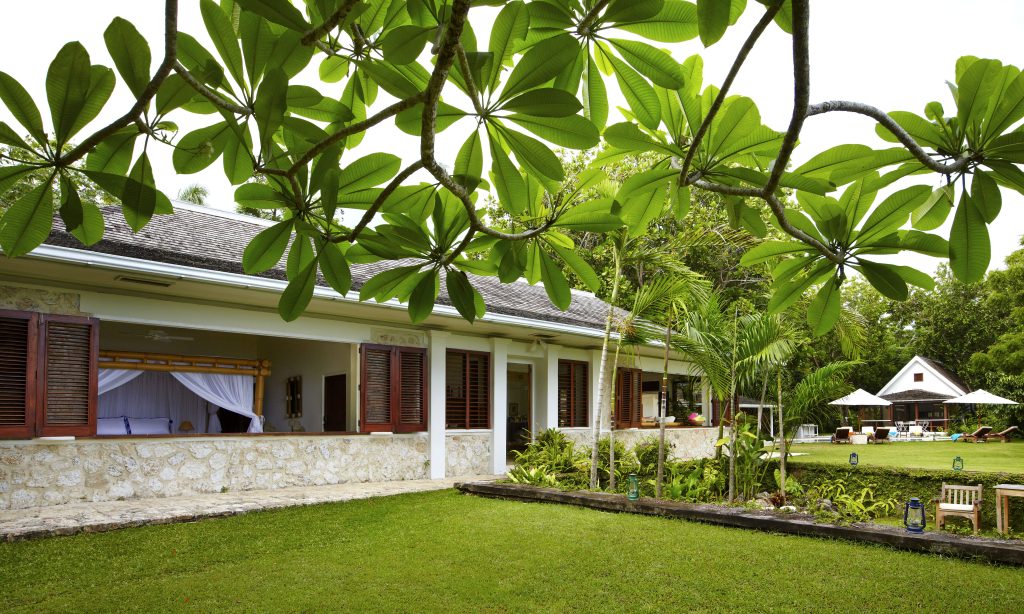
Three years later, Fleming made good on his vow when he found sanctuary in Oracabessa, the banana port town whose name means Golden Head, in Jamaica’s Bay. He telegraphed the local realtor: “PRAY PAUSE NOT. For his retreat that nestled against the ocean where he skinny-dipped, Fleming purchased fifteen acres on the site of a former donkey track. On his desk blotter, Ian sketched his dream bungalow, which he christened Goldeneye.
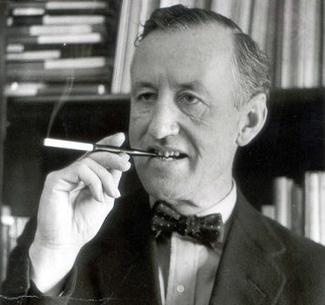
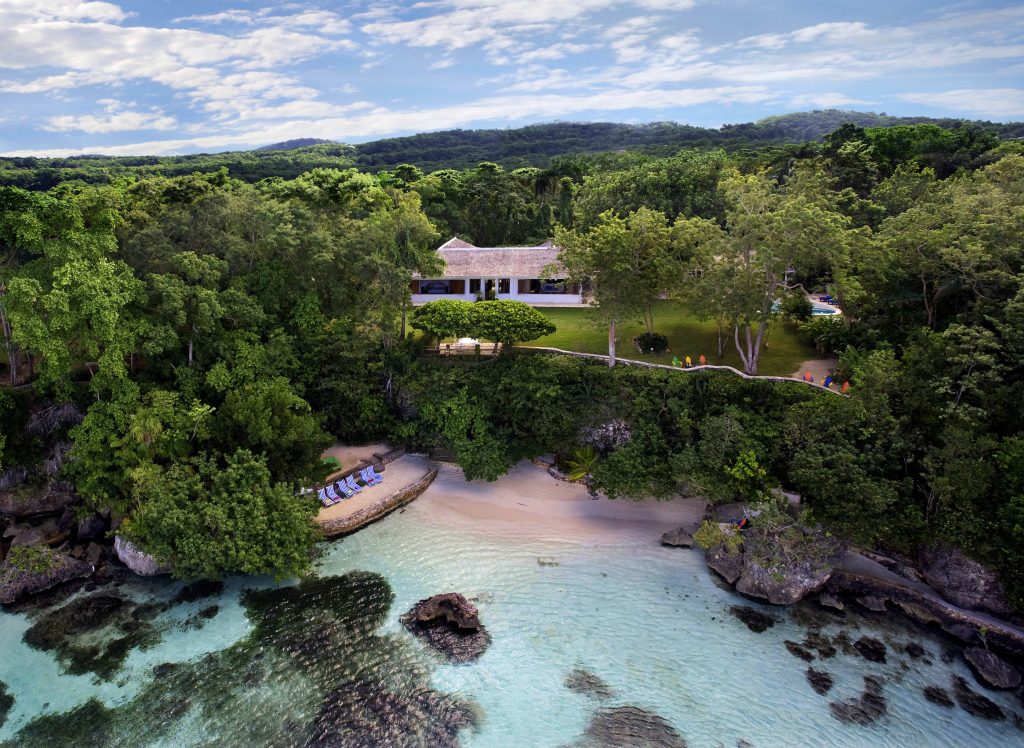
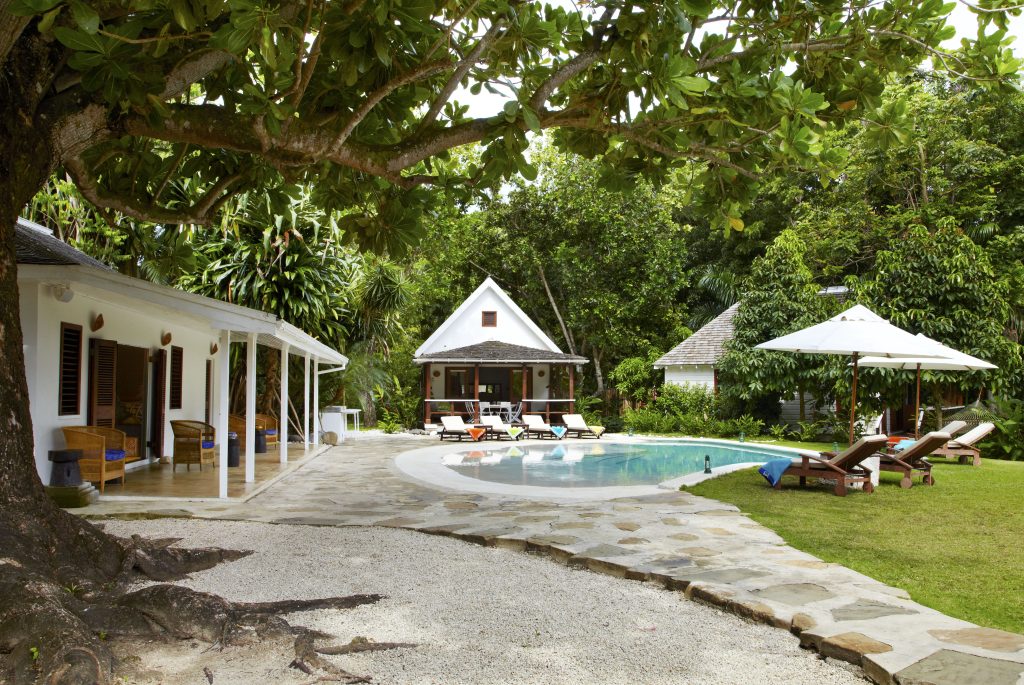
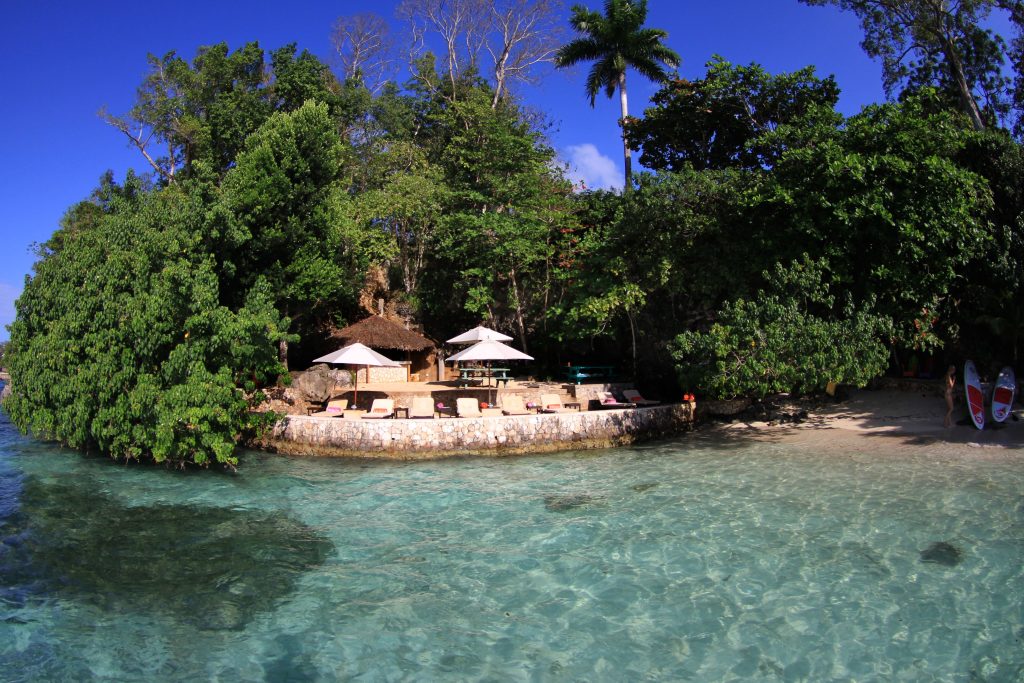
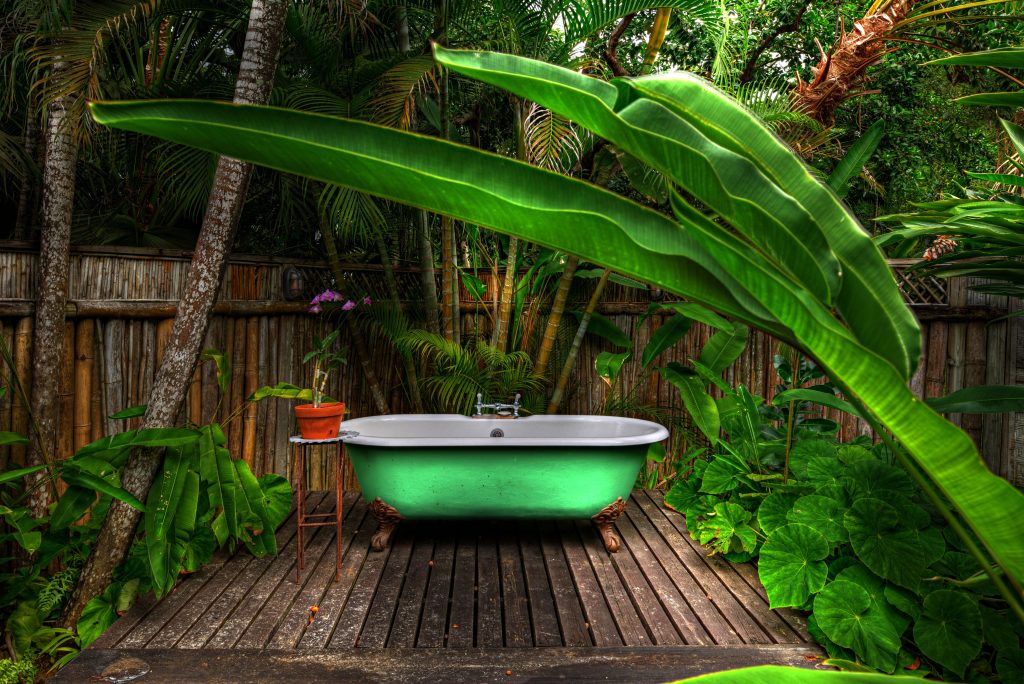
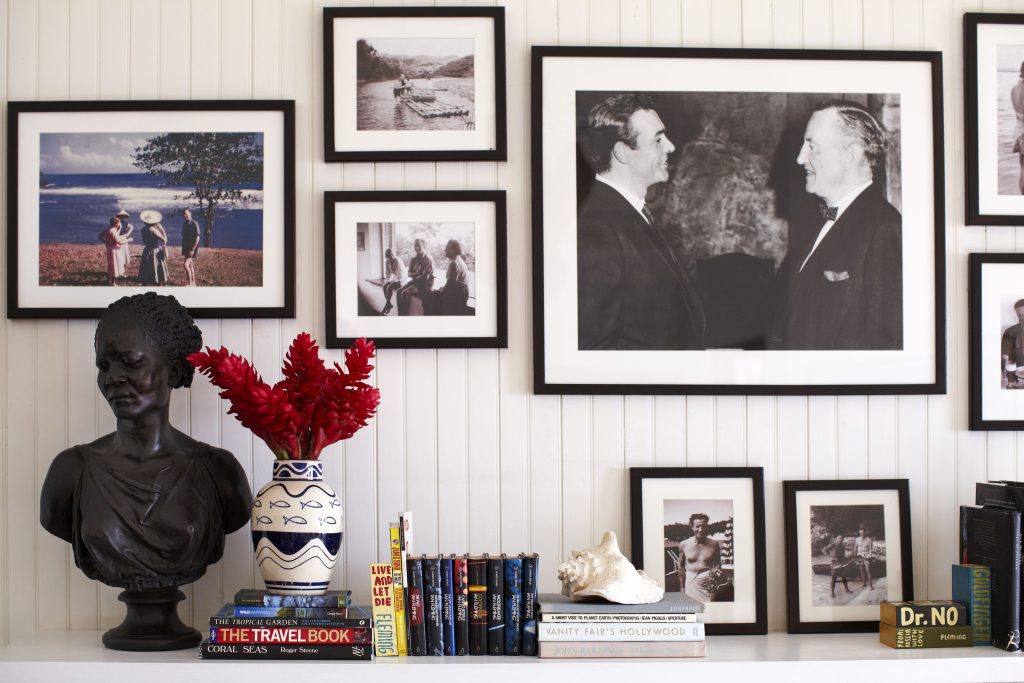
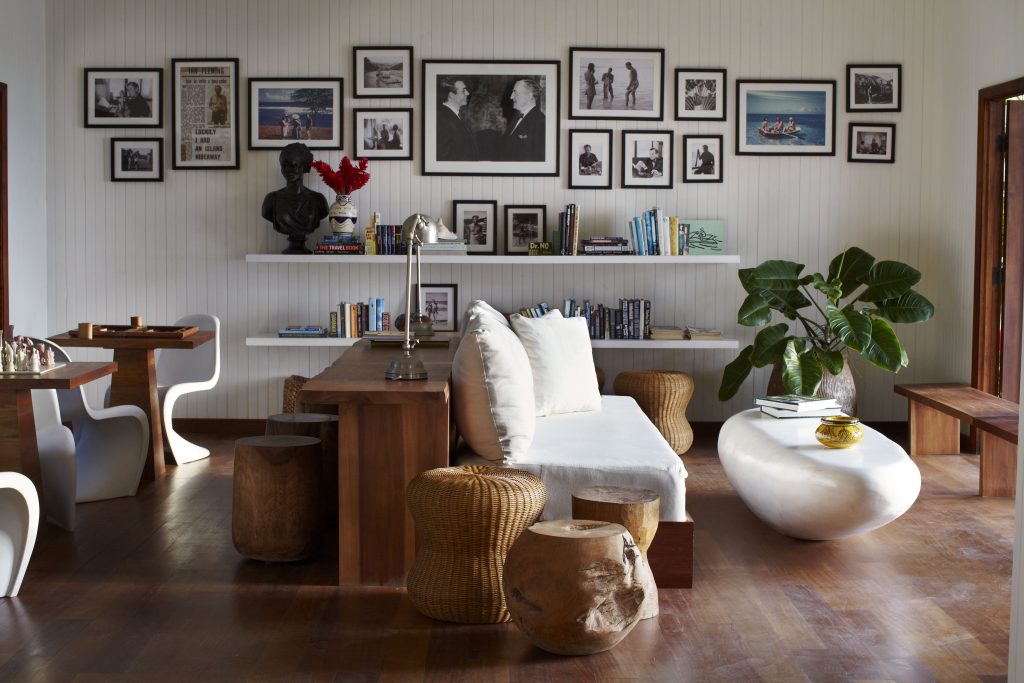
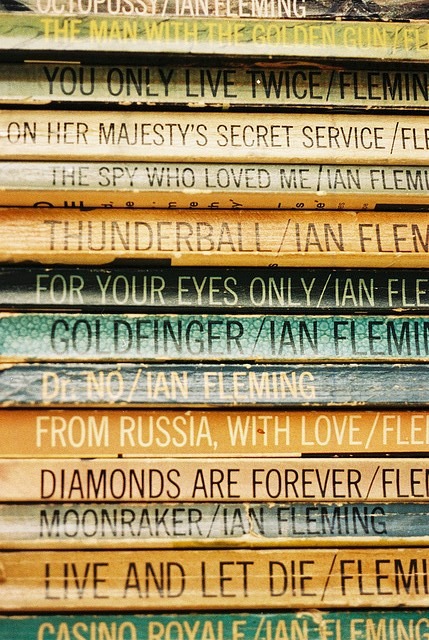
In a 1964 *Playboy* interview, Fleming explained the name originated from Carson McCullers’s novel *Reflections in a Golden Eye* and his wartime operation. The code name 007 derived from a prefix on World War II British intelligence files; he christened his spy “James Bond” after his ornithologist neighbor. The protagonist embodied the Walter Mitty fantasy of its writer, though they shared interests in gambling, golf, and women, Dr. No, Live and Let Die, and The Man with the Golden Gun were set in Jamaica.
The author penned all twelve Bond novels in his seaside sanctuary. The home served as a gathering place for writer-friends Truman Capote, Graham Greene, Noel Coward, and Evelyn Waugh. Other celebratory guests included Loelia, the Duchess of Westminster, Lucian Freud (Sigmund’s grandson), Katharine Hepburn, and Errol Flynn, who completed his autobiography My Wicked, Wicked Ways during his stay. Sir Anthony Eden, British Prime Minister, arrived in 1956 to take a breather after the Suez crisis. Before he departed, he planted a tree in the garden, thereby inaugurating a tradition honored by future guests Harrison Ford, Pierce Brosnan, Harry Belafonte, Quincy Jones, Jim Carrey, Johnny Depp, Dennis Hopper, Willie Nelson, Martha Stewart, and Bill Clinton. Signs at the base of the trees identify the names of those who planted them. Sting wrote “Every Breath You Take,” and Bono composed the theme song to the Goldeneye film—both while staying at the storied residence. Other notable guests who signed Goldeneye’s guestbook included Michael Caine, Sean Lennon, Princess Margaret, Ralph Lauren, and Yoko Ono.
Fleming lived in Goldeneye with his wife, Ann, whom he married at Port Maria’s Town Hall; playwright Noël Coward, who lived in Firefly Villa, served as best man. Their only child Caspar had the nickname 003-and-a-half. The Flemings employed housekeeper Violette and houseboy Hall.
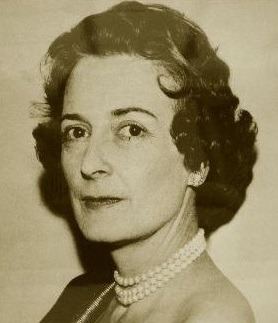
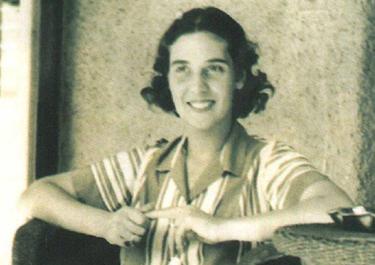
While Casino Royale became a breakaway success, Fleming’s marriage did not. Fleming became smitten with neighbor Blanche “Birdie” Blackwell, a Jewish colonial heiress whose family fortune derived from rum. Ann was devastated when “the spy” she loved fell in love with another. When the Flemings traveled to England, Blanche planted flowers in Goldeneye’s garden. Ann, ungrateful for the other woman’s gift, tore up the flowers and hurled them into the sea. When her friend visited, Ann pointed to Blanche’s home, Bolt, and remarked, “On the left is the house of Ian’s Jamaican wife. You may look, but I cannot.” Blanche must have taken comfort knowing that Ann, unlike James Bond, was not licensed to kill. The title of John Gardner’s spy novel, Nobody Lives for Ever, came to pass when Ian died in 1964—Caspar’s twelfth birthday.
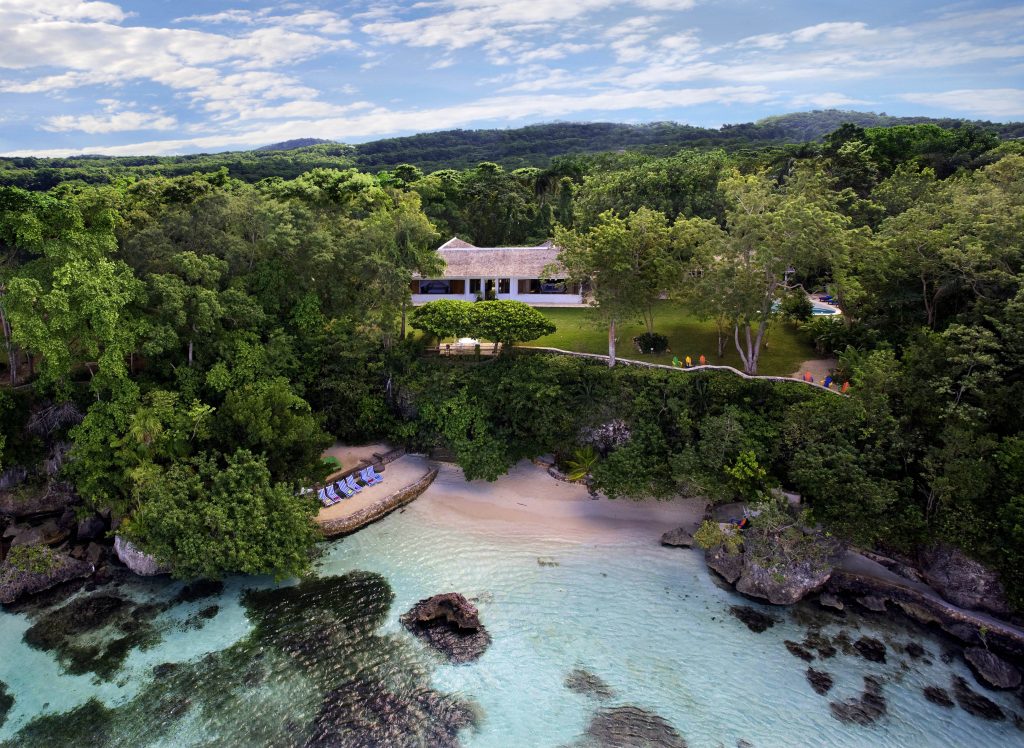
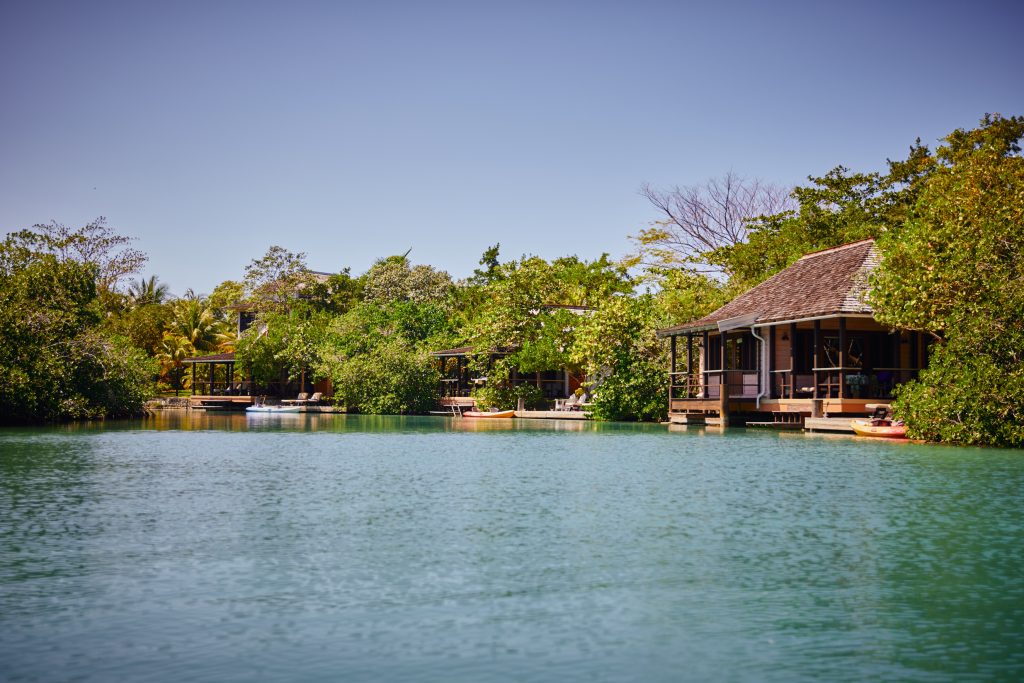
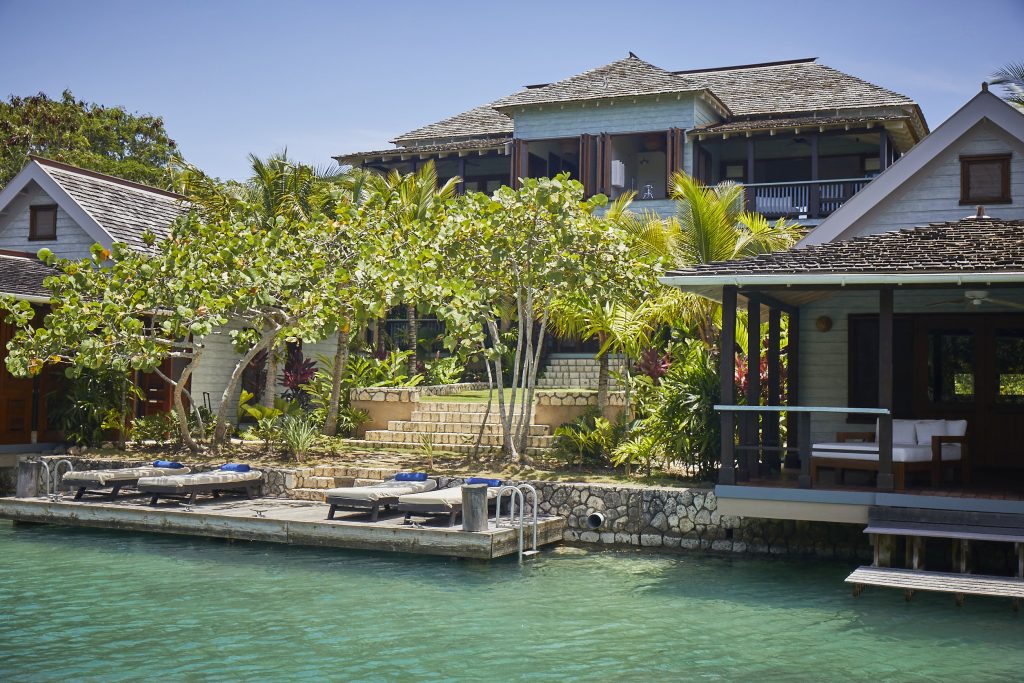
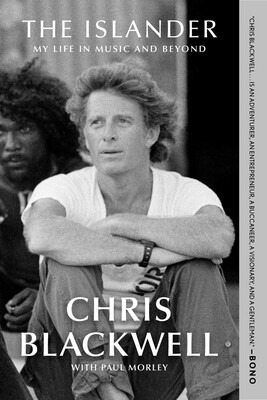
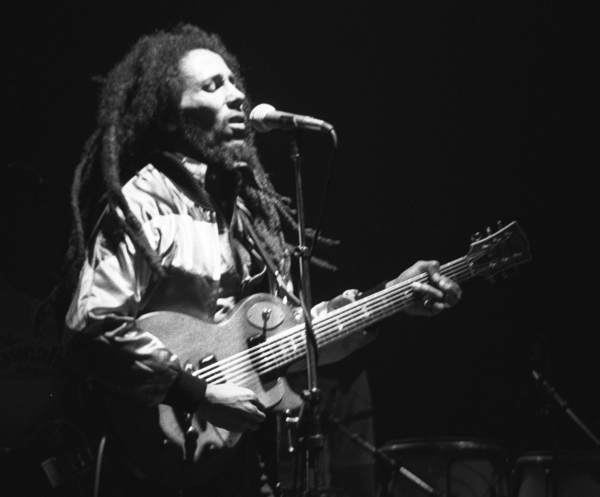
Twelve years after Ian’s death, Blanche’s son Christopher Blackwell purchased Goldeneye. As the multi-millionaire founder of Island Records, he had propelled Bob Marley into a reggae legend. Blackwell, who had added twenty-five acres to his tropical empire, built several cottage-hotels set among giant banyan trees and banana palms.
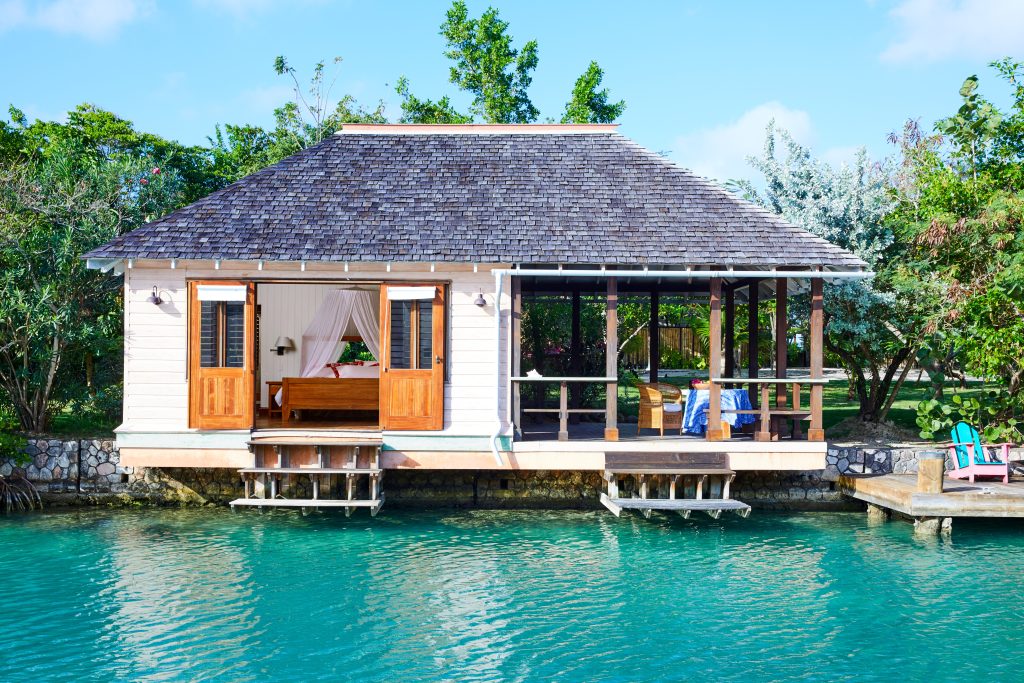
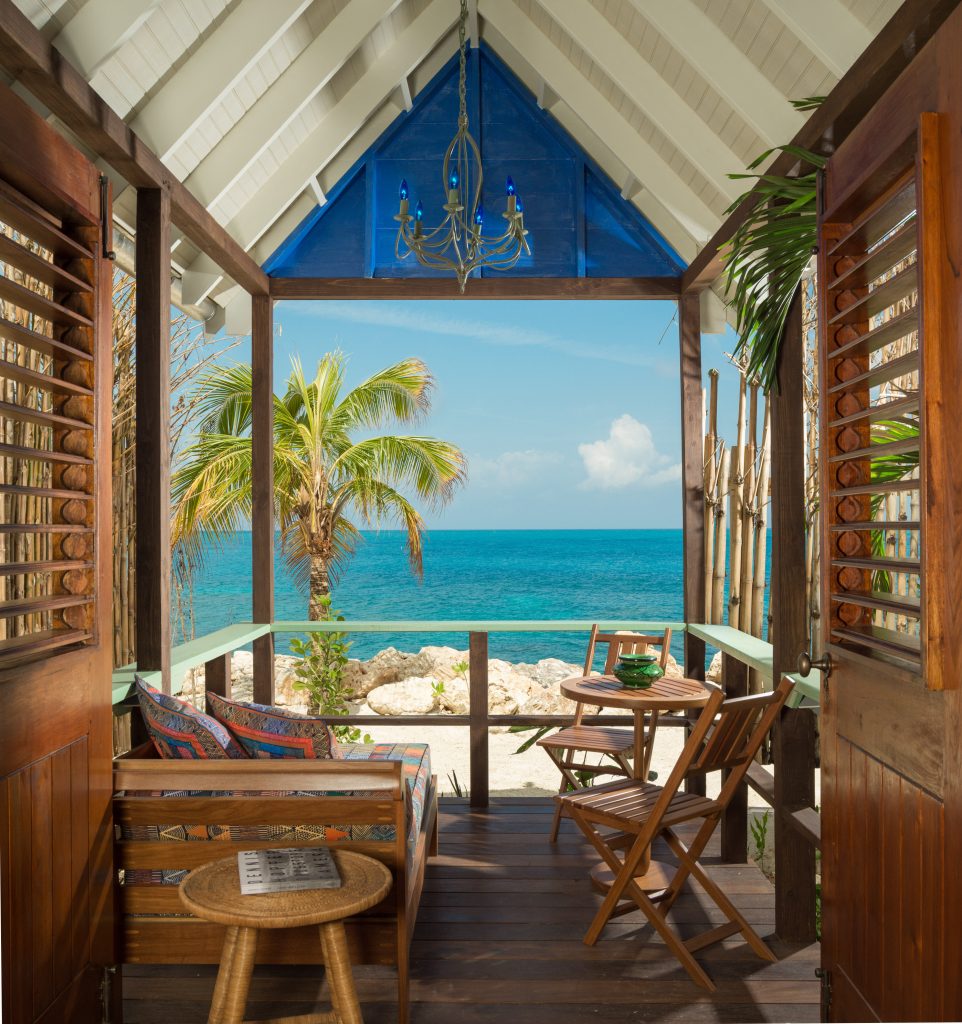
Their bedrooms bear the names of Bond babes—Honey Chile, Domino, Solitaire—each as seductive as its literary and cinematic namesake. (None are named Pussy Galore, either because of its suggestiveness or because Ian had modelled that Bond girl after Blackwell’s mother.)
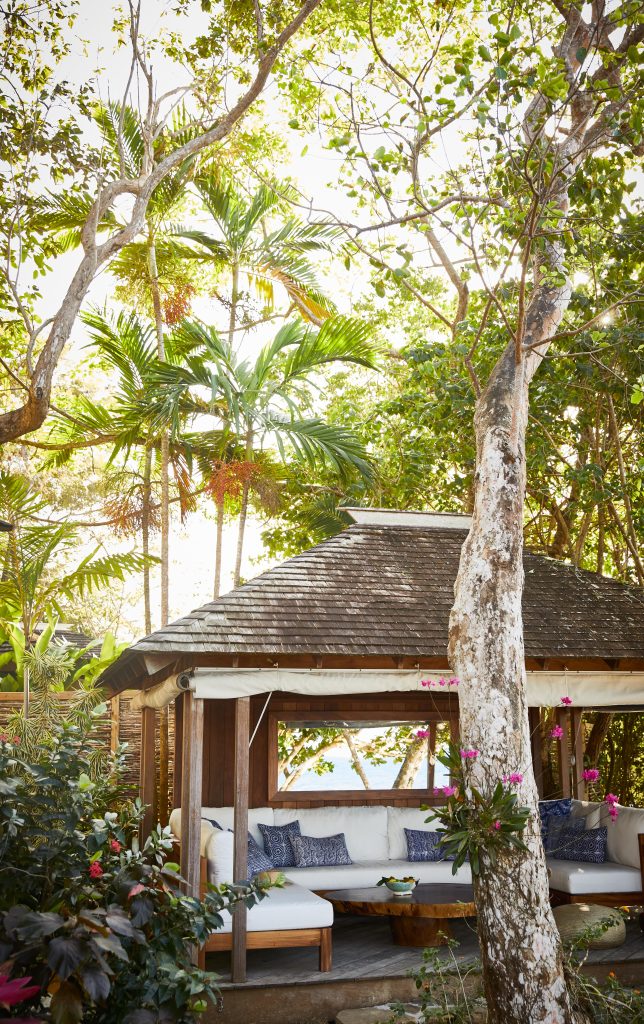
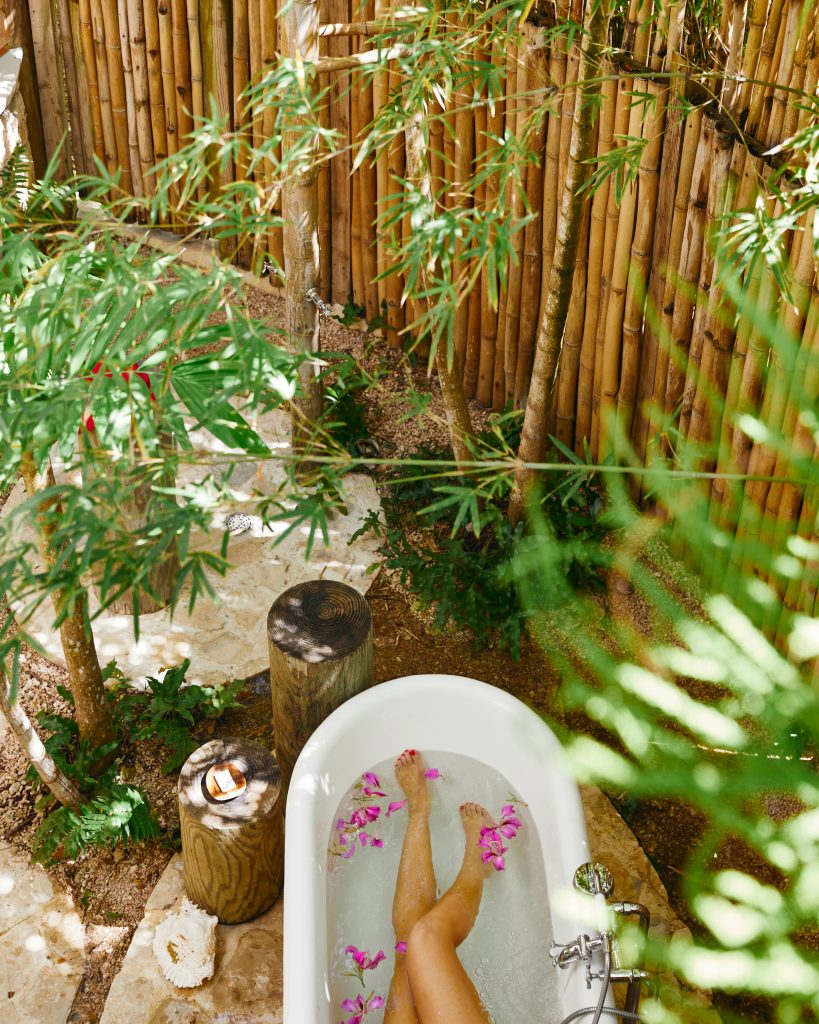
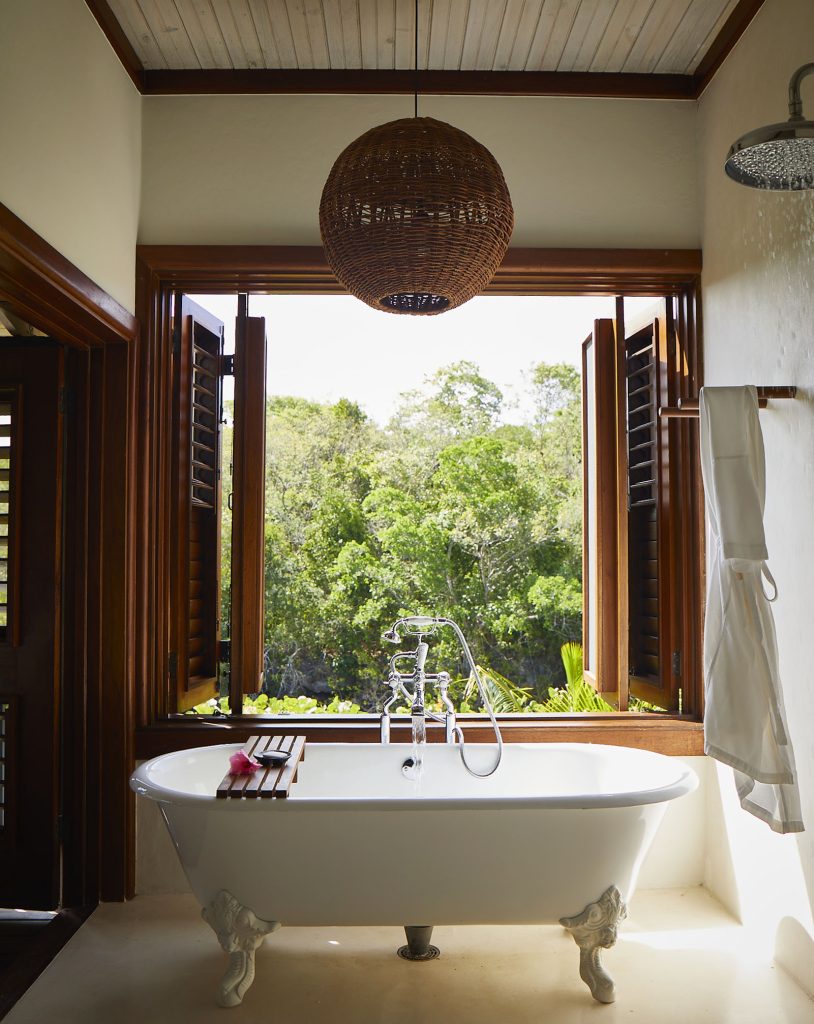
Each cottage features an outdoor shower, clawfoot tubs, and verandas. In the place where Noël Coward, Prime Minister Winston Churchill, and the Queen’s Mum once navigated the rutted road from Ocho Rios to Goldeneye in Old Jamaica, today’s guests arrive via Ian Fleming International Airport, situated five miles from the resort.
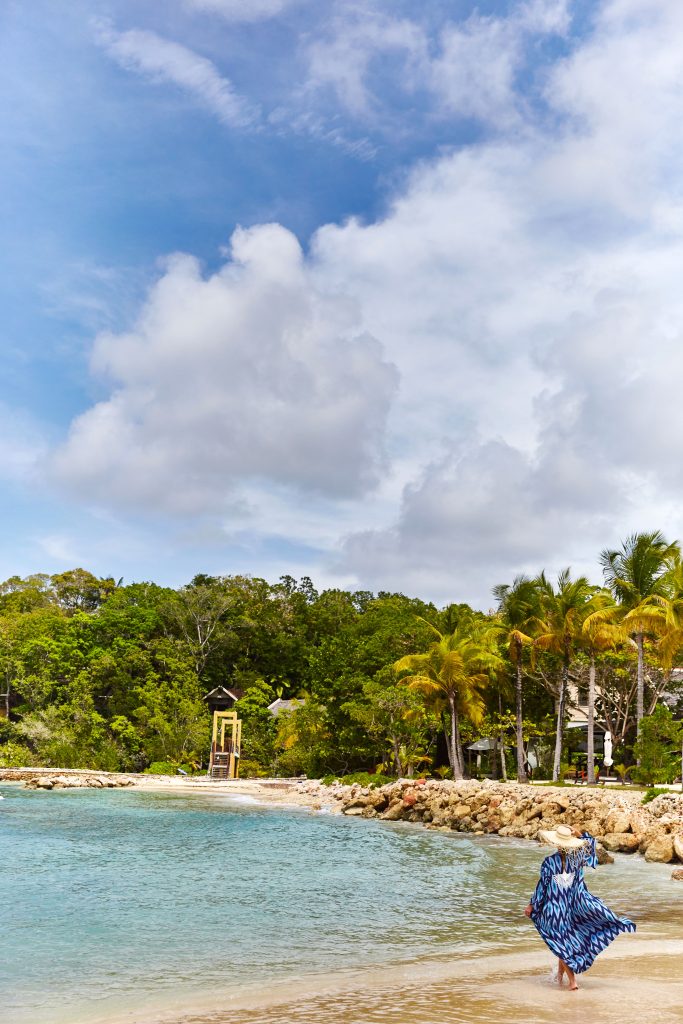
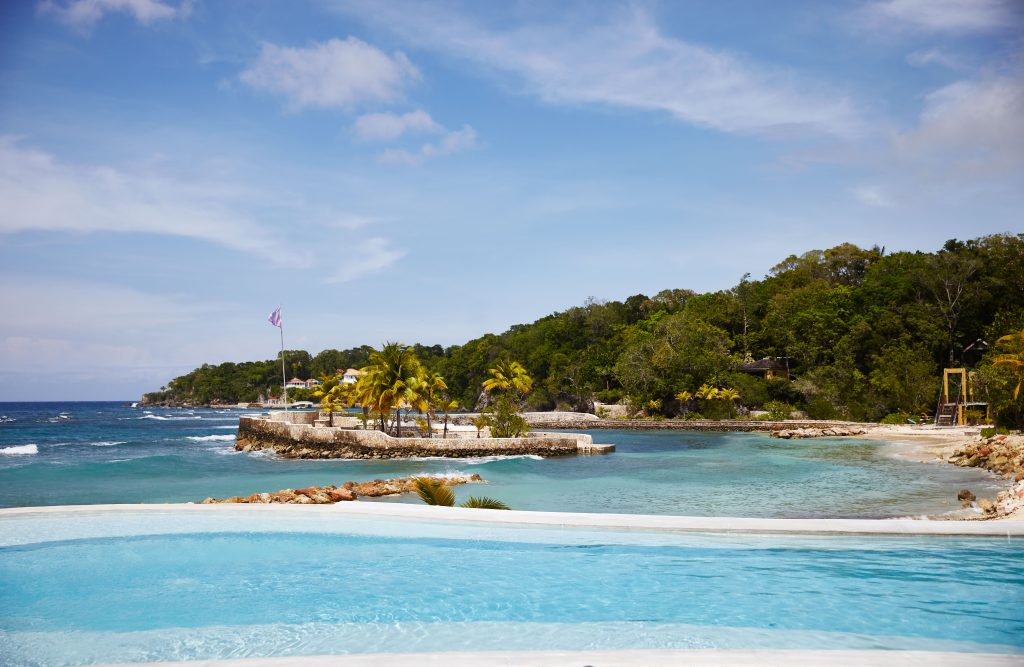
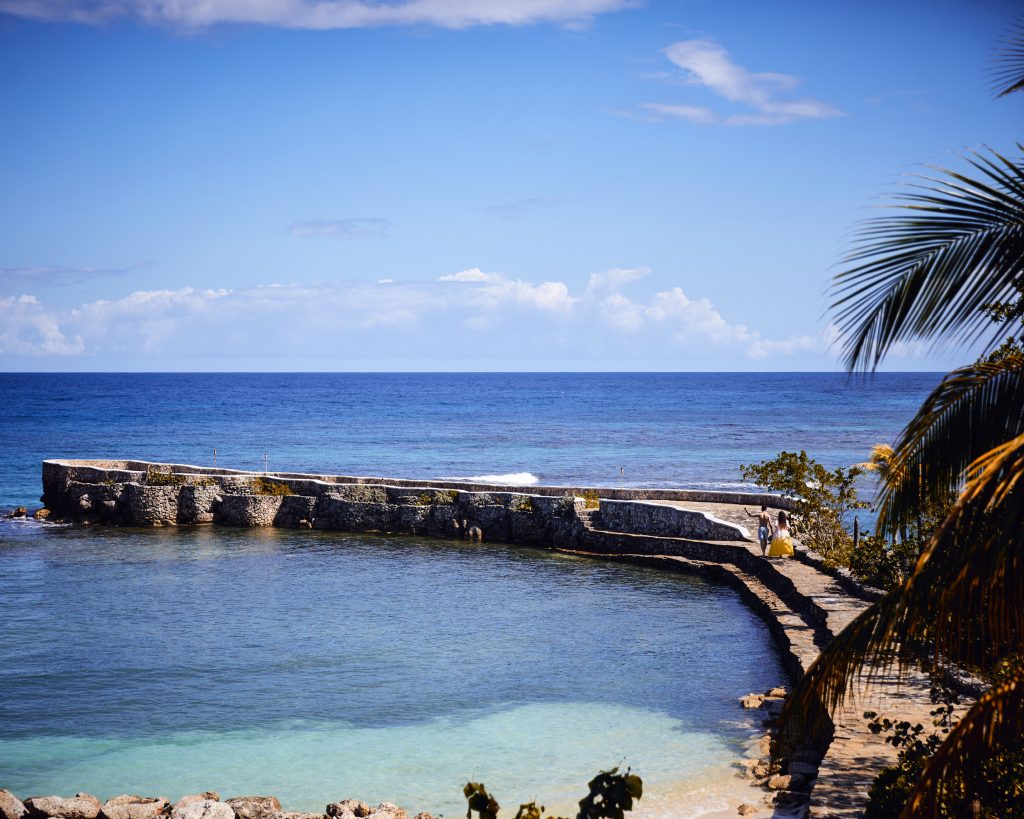
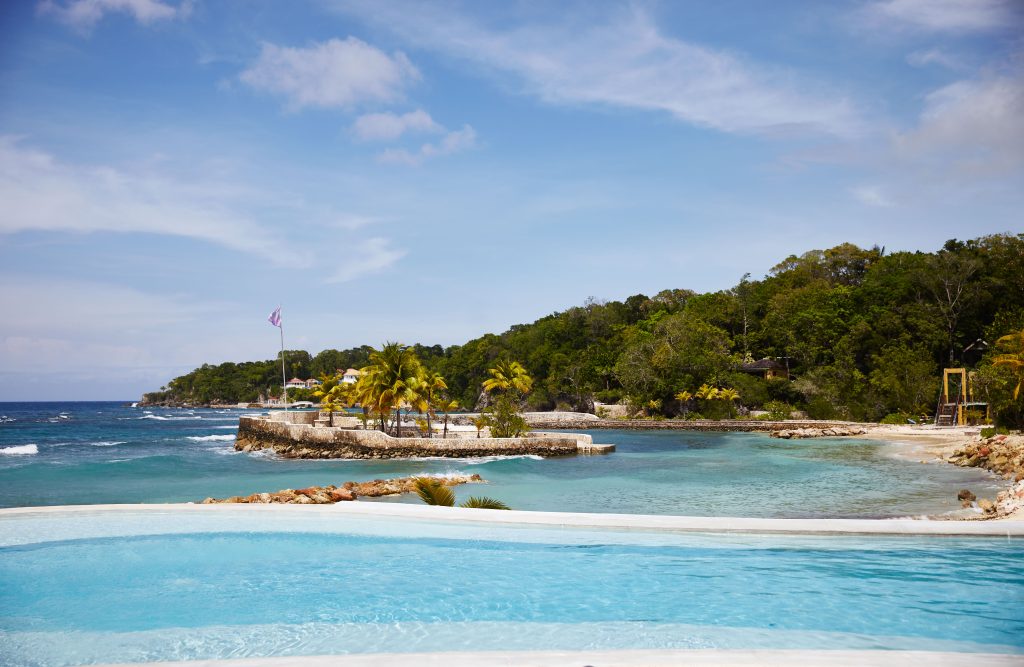
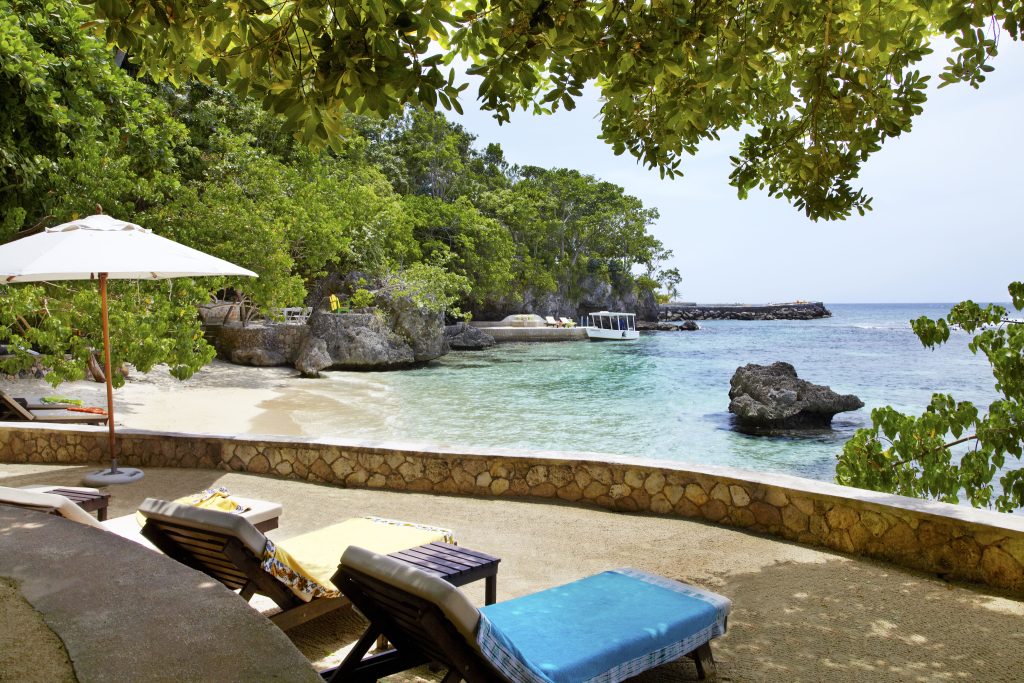
While all the cottages ooze charm, the crown jewel is Goldeneye’s private beach, perched on a cliff above coral reefs. Noël had pronounced the view “Unbelievable,” but the playwright was unimpressed by the home’s spartan appearance and dismissed it as “Goldeneye, Nose and Throat.” Not anymore.

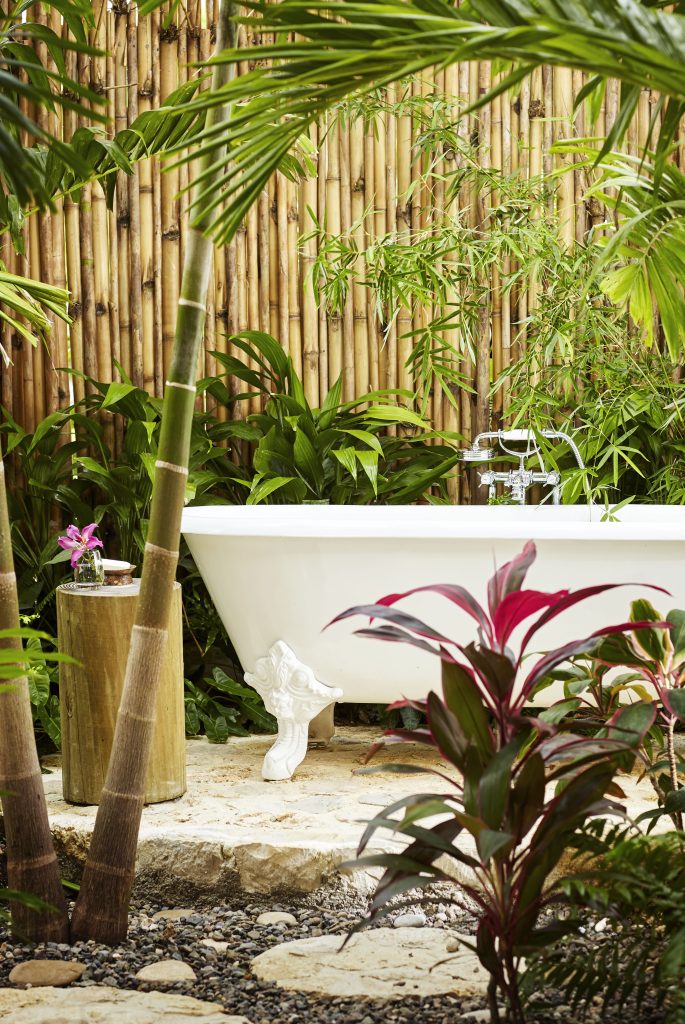
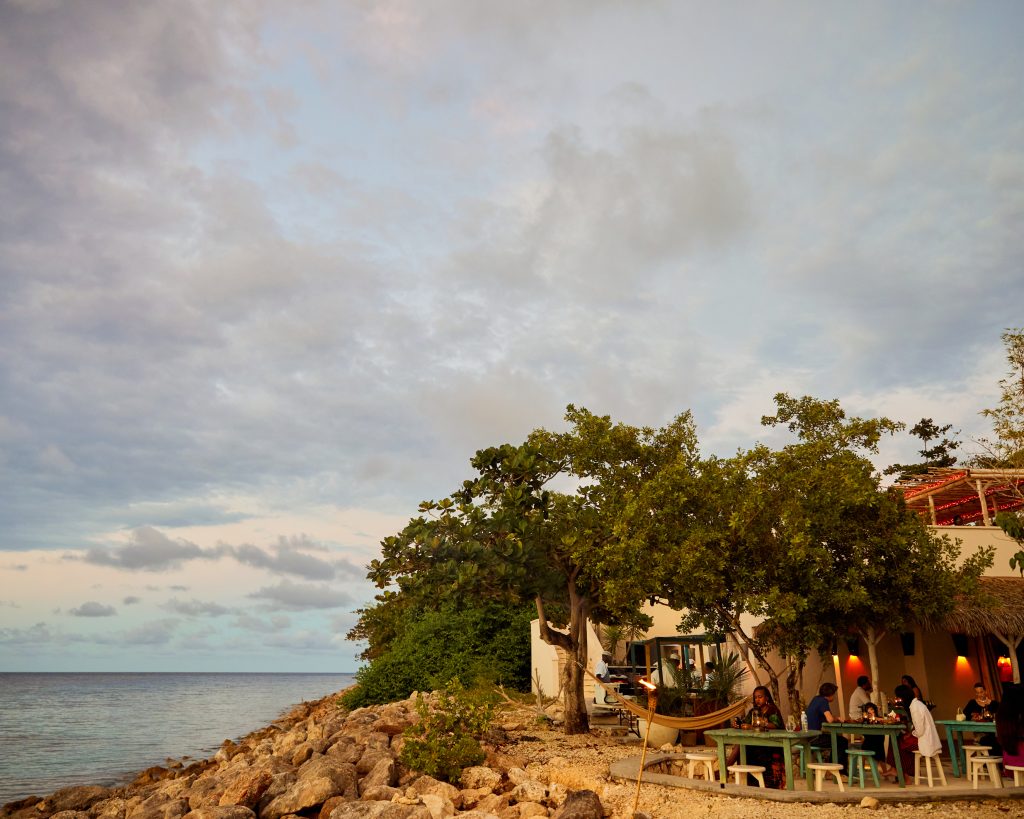
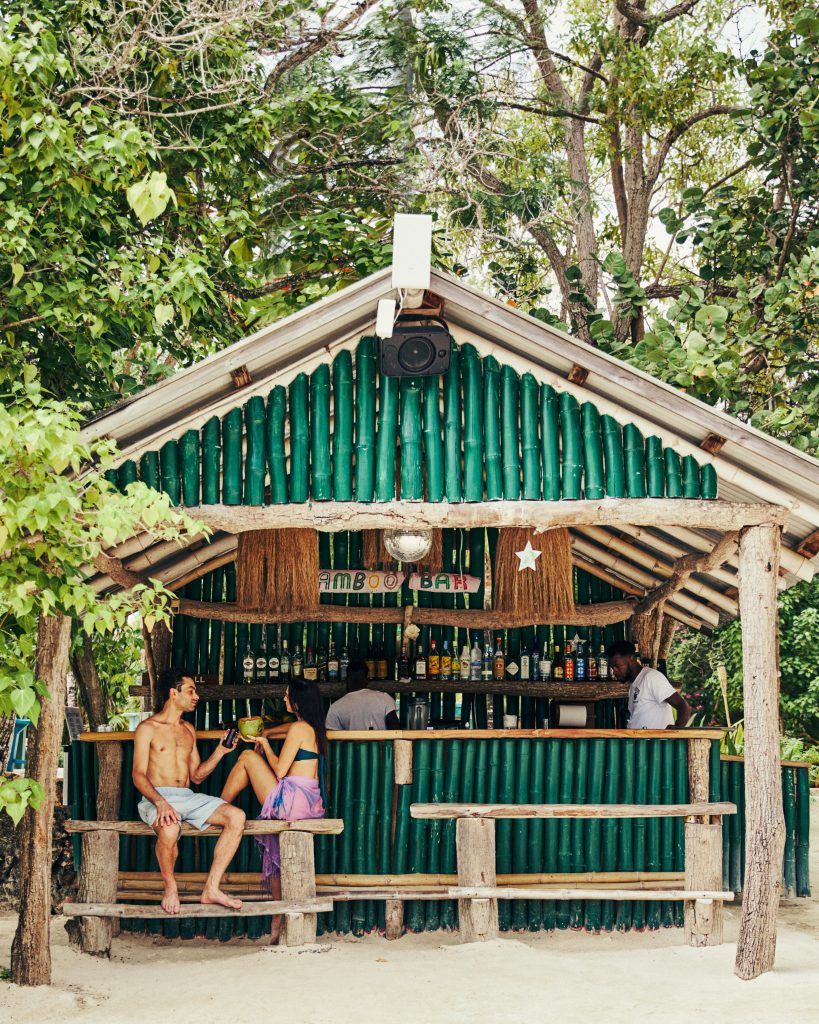
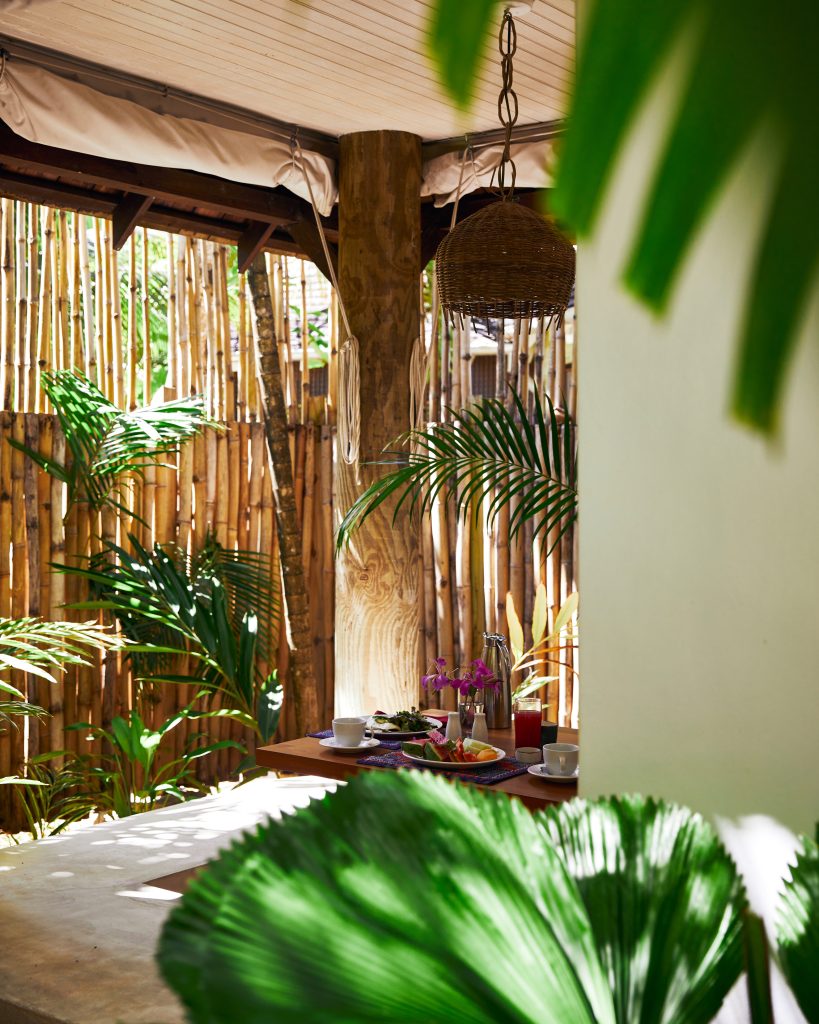
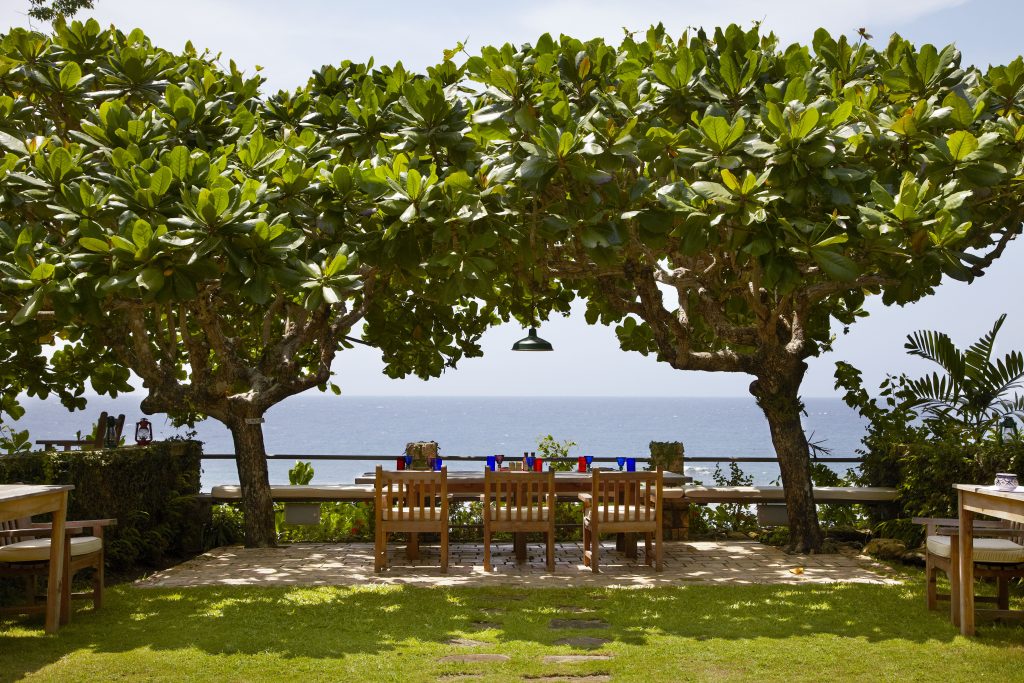
The tropical paradise features a private pool with a grill carved into rock. While Noël groused that housekeeper Violette’s food was “so abominable I used to cross myself before eating it,” island dining itself deserves far more generous superlatives. Spicy specialties such as jerk chicken, jerk pork, curried goat, and smoked marlin are followed by rum cream pie for dessert, though Fleming himself reportedly prized the ability to make a good Bearnaise sauce in a woman alongside double-jointedness, his actual diet mainly consisting of seventy cigarettes a day and vodka. He would have approved of the resort’s traditional drink, a concoction of rum, syrup, and lime. In No Time to Die, James Bond downed Blackwell Rum.
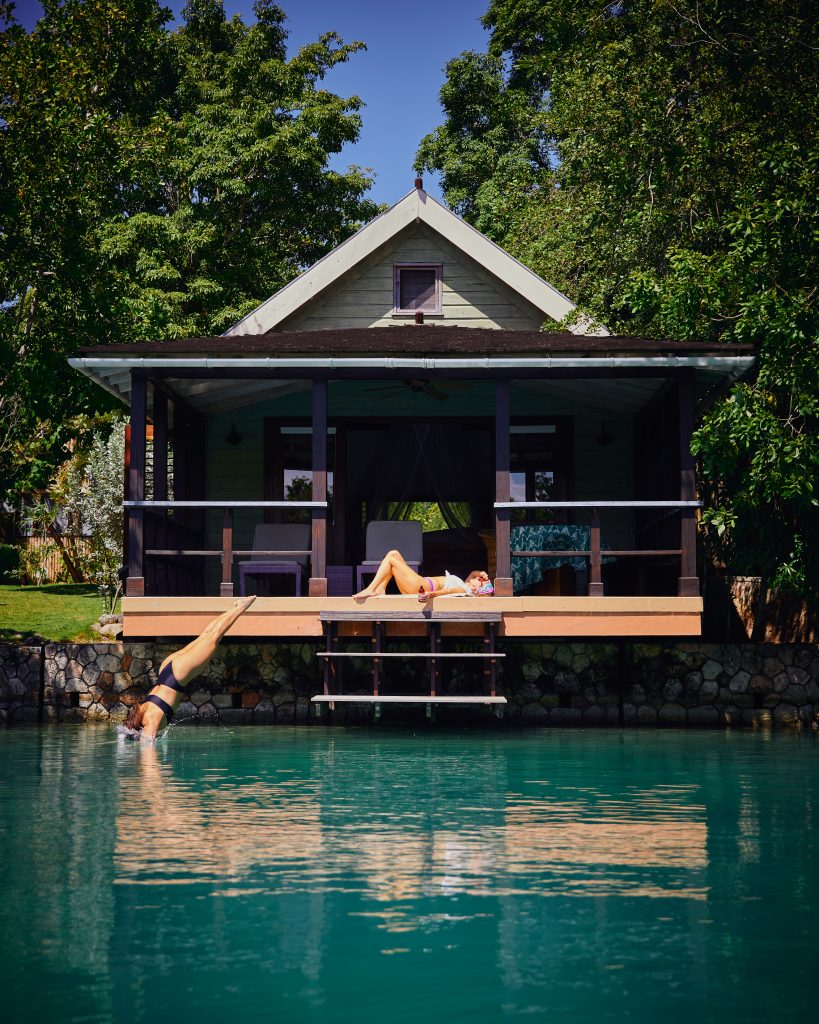
Appropriate dinner attire, such as a dinner jacket like Bond might wear, would be fitting island attire, though optional. For those seeking outdoor activities, the hotel offers kayaking, snorkeling, or glass-bottomed boat tours through turquoise water. For those with 007 stamina, a 100-yard swim across a narrow channel is achievable. Unlike a Bond villain’s Blofeld tank, the pristine water holds no piranhas.
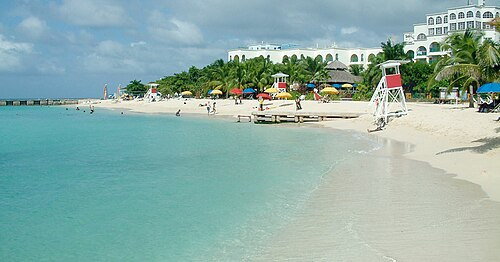
Gazing at the turquoise sea, you can imagine Ursula Andress, the first Bond actress, stepping from the surf like a Caribbean Venus. However, a difference is– while the Renaissance goddess emerged naked–Ursula, in her role as Honey Rider in Dr. No, wore an ivory bikini. Screen adaptations have made the bathing suit so iconic that an auction house sold it for $45,000 to Robert Earl, Planet Hollywood’s co-founder. No doubt the author’s wraith viewed the Caribbean beach’s name, Laughing Waters, as symbolic given the exorbitant price of the skimpy fabric.
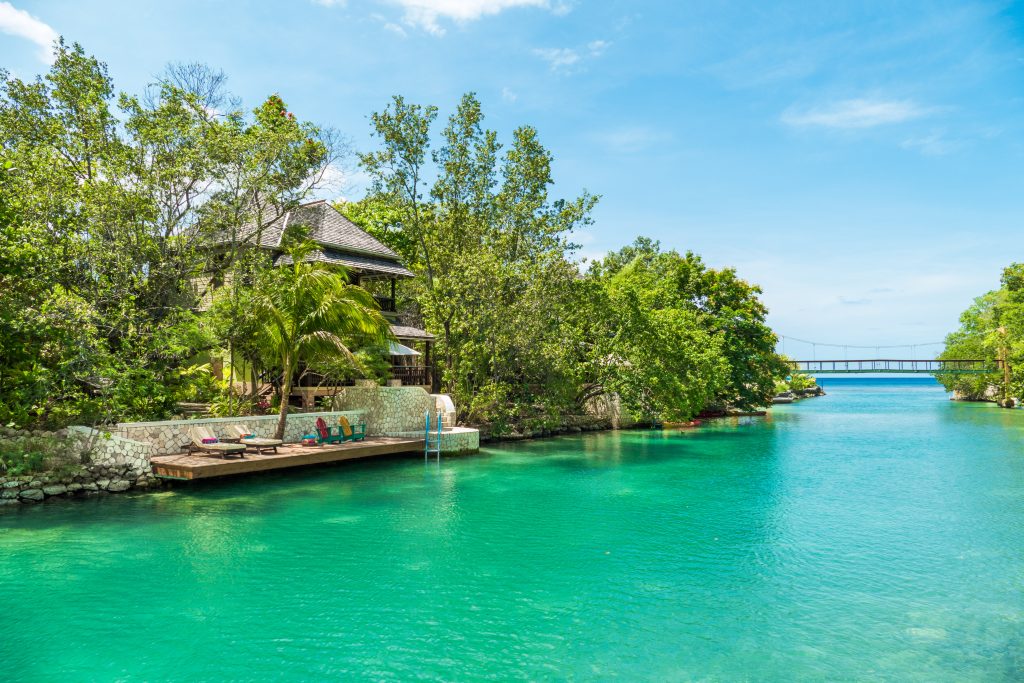
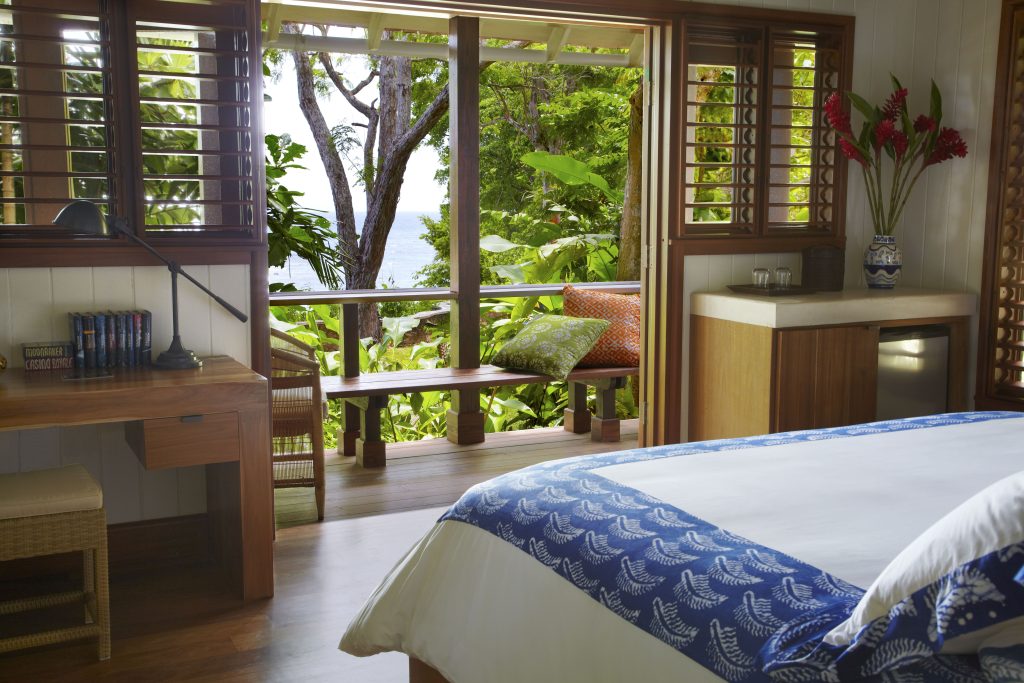
Likely the best perk of all is sensing the ghostly presence of the British expatriate, silk cravat at neck, cigarette holder in one hand, gin glass in the other. To summon his spirit, visitors can recline on the original Flemming chaise lounge. They can also view the author’s original desk, fashioned from blue mahogany wood, sitting in a corner of his bedroom. On the desk, James Bond typed on his gold-plated typewriter, the spy who could seduce a woman in four languages. The unique piece of furniture displays a framed photograph of Fleming in a polka-dot bow tie, cigarette in hand.
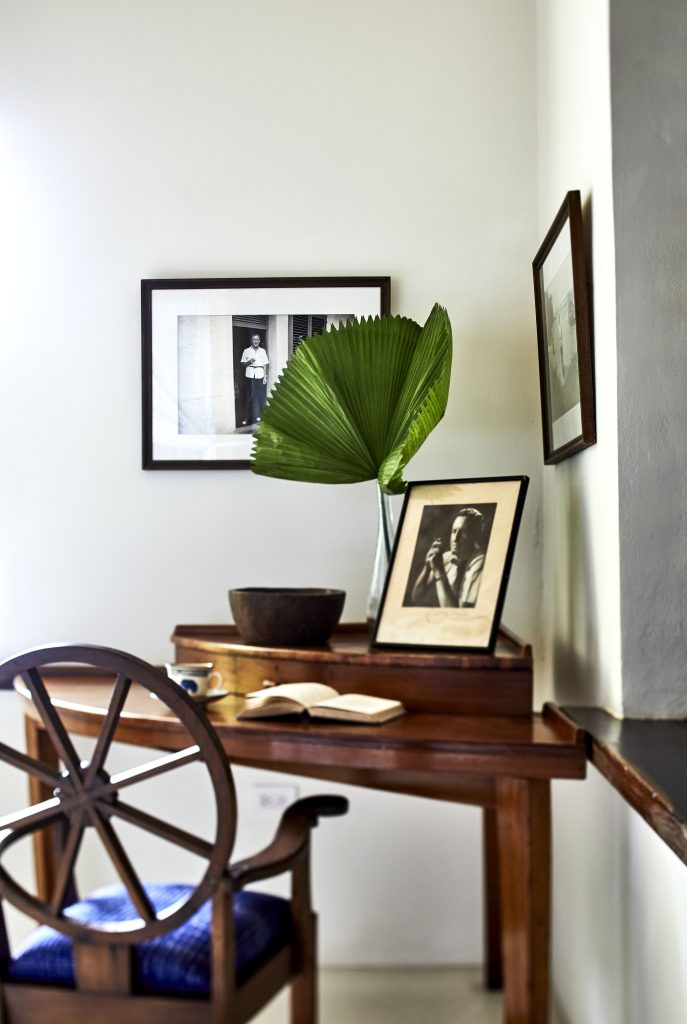
Fleming kept the shutters closed on his oversized windows, so he wouldn’t be distracted by birds, flowers, and sunshine outside. Perhaps the desk and Jamaican charm will also lead guests to the peace and silence and cut-offness from the madding world that can spark literary inspiration. As Blackwell remarked of the author, “One of the things he said was he couldn’t have written the books without being in a location like this, because of how it made him feel.
When visiting Fleming’s Jamaican hideaway, guests can heed his advice from Chitty Chitty Bang Bang, the children’s book he dedicated to his son Caspar: “Never say ‘no’ to adventures. Always say yes, otherwise you’ll lead a very dull life.
Guests will depart Goldeneye feeling like a Fleming martini: shaken and stirred. COST: Rates vary by season, but as James Bond says in Goldeneye, the price is “Shocking. Positively shocking.” (However, the cost is still cheaper than the ivory bikini)
Where to Stay in Oracabessa, Jamaica
Oracabessa offers several accommodation options for different budgets and travel styles. The town offers modest guesthouses and small hotels within walking distance of the waterfront, with easy access to local restaurants and the beach. For a more upscale experience, the north coast near Oracabessa offers established resorts and villa rentals catering to visitors seeking comfort and amenities. Many travelers base themselves in nearby towns like Saint Ann’s Bay or Runaway Bay, a 15 to 20 minute drive away, which offer a wider selection of hotels.
If you prefer to stay in Oracabessa, the waterfront near town center keeps you close to the local character and daily rhythms. Small family-run hotels and guesthouses here offer affordability and staff who know the area well and can guide you to authentic dining and local activities. The trade-off is simpler amenities than larger resorts, but the location and genuine hospitality often compensate.
For travelers seeking resort-style accommodations with pools, spas, and organized activities, the north coast beaches and hillsides within 10 to 15 minutes of Oracabessa offer several options. These properties range from mid-range hotels to luxury villas, many offering ocean views and direct beach access. This option works well if you’re using your accommodation as a home base for day trips to Oracabessa and other nearby attractions.
Book accommodation well in advance during peak winter season, especially between December and April. The shoulder seasons of May to June and September to November often offer better rates and fewer crowds while still providing pleasant weather for exploring the area.
Recommended Reading
- Ian Fleming’s James Bond novels
- Ian Fleming: The Complete Man by Nicholas Shakespeare —A comprehensive new biography based on private archives, revealing Fleming’s wartime intelligence work, literary creation of Bond, and Jamaican years.
- Ian Fleming by Andrew Lycett — A rich and accessible portrait of Fleming’s life and influences, from Eton to Naval Intelligence to his iconic literary success.
- The World Is Not Enough: A Biography of Ian Fleming by Oliver Buckton — A thoughtful modern biography that revisits the Bond creator’s personal history and examines how his inner world shaped 007.
- The Life of Ian Fleming by John Pearson — A classic work written by Fleming’s former assistant, offering a near-contemporary insider’s look at the man behind Bond.
- Goldeneye: Where Bond Was Born – Ian Fleming’s Jamaica by Matthew Parker —A vivid exploration of Goldeneye estate, the Jamaican cultural-political landscape of the 1950s–60s, and how the island shaped Bond’s mythology.
- The Islander: My Life in Music and Beyondby Chris Blackwell with Paul Morley — A memoir tracing Blackwell’s musical empire, Jamaican identity, and how he preserved and reimagined Goldeneye as a sanctuary for creativity.

Marlene Wagman-Geller
Marlene Wagman-Geller earned her Bachelor of Arts from York University and her teaching credential from the University of Toronto and San Diego State University. She taught high school English at Sweetwater High School in National City, California. Reviews from her thirteen books have appeared in The New York Times, The Washington Post, The Chicago Tribune, and The Huffington Post, as well as several magazines. When not researching or writing, she devotes her time to her guilty pleasures: a Starbucks run (venti latte, nonfat milk, extra hot, extra foam) and reading.
She is the author of these books on literary and historic destinations:
A Room of Their Own: Home Museums of Extraordinary Women Around the World (Marlene Wagman-Geller
Women’s Home Museums of the Northeast: A Guidebook by Marlene Wagman-Geller