By Amy Bizzarri
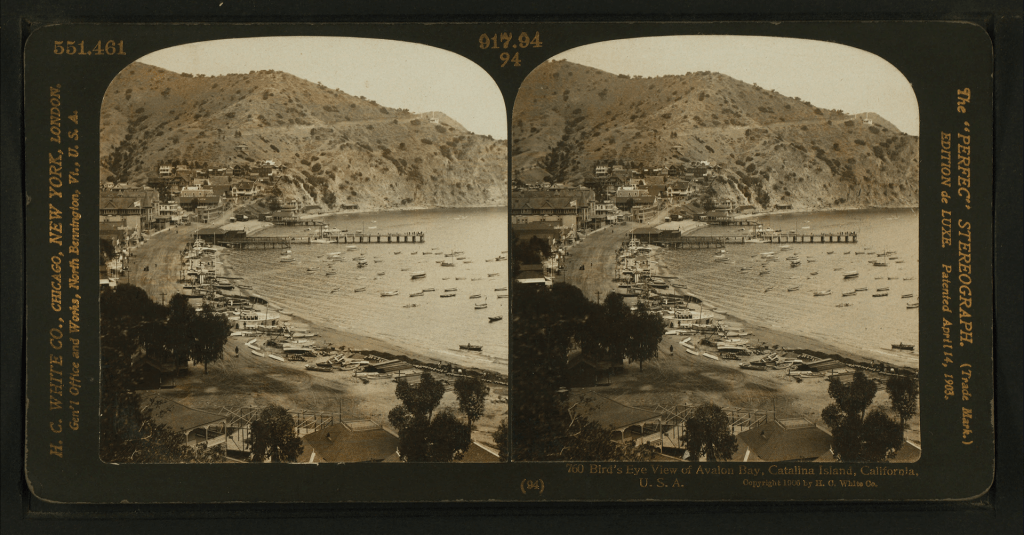
Just 22 miles off the coast of Los Angeles, Catalina Island became Hollywood’s secret stage, where stars escaped the spotlight and filmmakers found their dream backdrop. With its Mediterranean ambiance, dramatic cliffs, and vintage glamour, Catalina embodies California’s cinematic history—a postcard-perfect island where natural beauty meets old-school star power, all kissed by a sea breeze.
From Tongva Canoes to Tinsel Town
Long before cameras rolled on the island, Catalina was home to the Tongva people, who called it Pimu. These early inhabitants were skilled mariners who navigated the waters in handcrafted ti’at canoes. One of Pimu’s most prized resources was steatite (soapstone), which the Tongva carved into cooking pots, jewelry, and ceremonial items—artifacts found throughout coastal California that evidence the island’s central role in an ancient regional trade network.
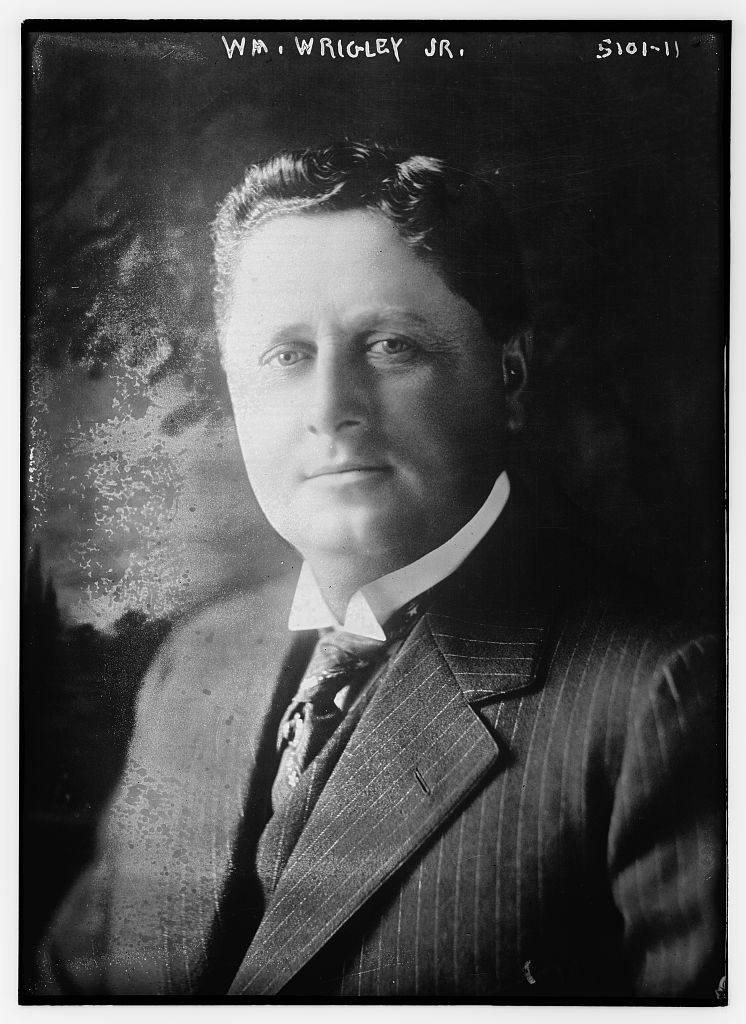
Spanish explorers arrived in the 16th century and renamed the island Santa Catalina. Over time, it became a haven for smugglers, miners, and ranchers. But the island’s transformation began in 1919 when chewing gum magnate William Wrigley Jr. bought it. Wrigley envisioned Catalina as a public paradise, investing in infrastructure and building the now-iconic Catalina Casino, even bringing the Chicago Cubs here for spring training.
Hollywood quickly followed. Catalina’s turquoise waters stood in for the South Seas in dozens of films. Cecil B. DeMille shot scenes here in the 1920s, and the island hosted stars including Charlie Chaplin, Clark Gable, and Marilyn Monroe, who briefly lived in Avalon before her rise to fame.
In a memorable twist of movie history, a 1924 silent Western left behind a herd of bison! Their descendants, brought in for filming and never retrieved, still roam the hills of the islands’ interior today.

Cinematic Landmarks
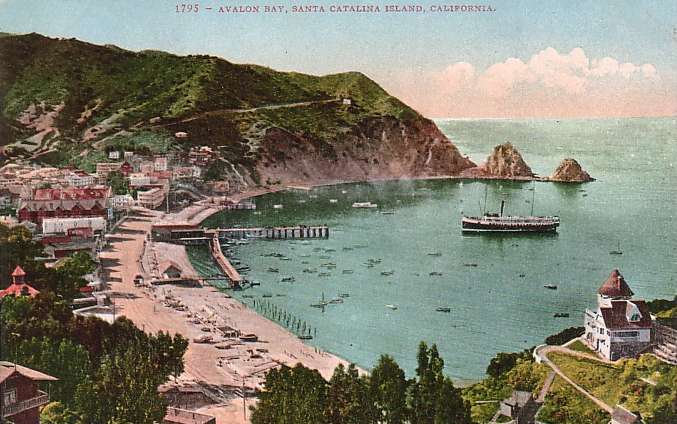
Start your Catalina adventure in Avalon, where the palm-lined promenade evokes a vintage postcard. The Catalina Casino is the crown jewel: despite its name, it has never been a gambling hall, but rather a 1929 Art Deco masterpiece featuring a circular ballroom and the Avalon Theatre, one of the first designed for talkies. Its acoustics were so impressive that Radio City Music Hall engineers studied them. Today, you can still catch classic movies in this historic theater.
Upstairs, the circular ballroom that once hosted big band dances now operates as a roller skating rink. Visitors can lace up vintage-style skates and glide across the wooden floor, just as William Wrigley Jr. imagined when he built it in the 1920s. Skating beneath the domed ceiling with panoramic views of Avalon Bay and ocean stretching into infinity feels like stepping into a classic film scene.
Natural Wonders
The Wrigley Memorial & Botanic Garden showcases native plants and honors William Wrigley Jr.’s legacy, which shaped much of Catalina’s infrastructure and conservation approach. Just beyond Avalon’s edges, the rugged interior opens to home the famous Catalina bison herd, a living relic of Hollywood’s golden age.
Bison were brought to Catalina in 1924 for filming The Thundering Herd, a silent Western. 14 bison were shipped from Yellowstone and released on the island’s west end. Over the decades, the herd grew to over 600, raising ecological concerns, but the Catalina Island Conservancy now carefully manages the population at around 100.
To explore Catalina’s wild side, hop aboard one of the open-air biofuel Hummers operated by the Catalina Island Company. Their Bison Expedition Tour takes you deep into the island’s interior, traversing canyons and spotting wildlife while your guide shares insights about endemic species like the Catalina island fox.
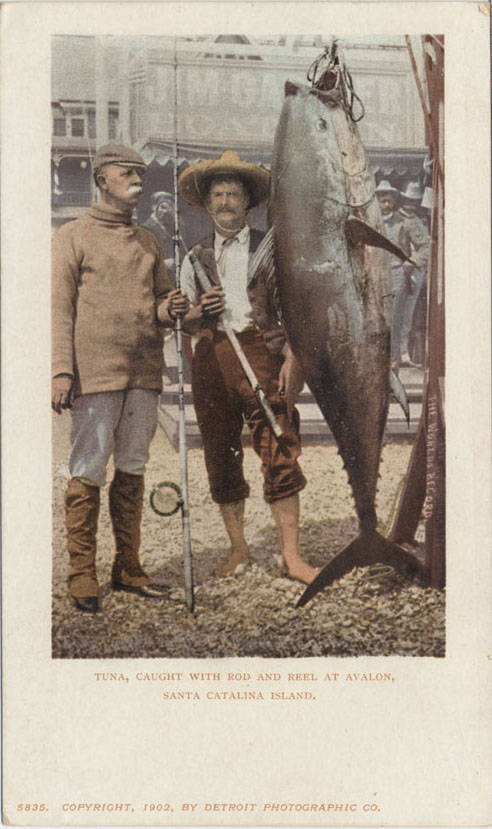
Winston Churchill caught a record-breaking marlin off Catalina’s coast in 1929, and decades later, Natalie Wood’s mysterious final night unfolded in these same waters.
Catalina Museum for Art & History
If you want to truly understand the island’s layered identity, visit the Catalina Museum for Art & History in the heart of Avalon. Permanent exhibits trace the lives of the Tongva people (who called the island Pimu), Spain’s arrival, and Catalina’s transformation into a glamorous getaway under William Wrigley Jr.’s vision. Rotating exhibitions explore Catalina Clay ceramics to contemporary island artists, while rare photographs and film memorabilia spotlight the island’s starring role in early Hollywood.
Film buffs will especially appreciate the museum’s cinematic connections: Catalina doubled for the South Seas in dozens of silent films, and the museum explores the legacy of productions like The Vanishing American, which left behind the now-famous bison herd, in vivid detail. You’ll also find nods to stars who vacationed or lived here—Marilyn Monroe, Errol Flynn, and Charlie Chaplin among them.

Local Favorites
Whether traveling solo, with a partner, or with the whole family, Catalina offers something uniquely enriching for every kind of traveler.
From the moment you step off the ferry, time slows.
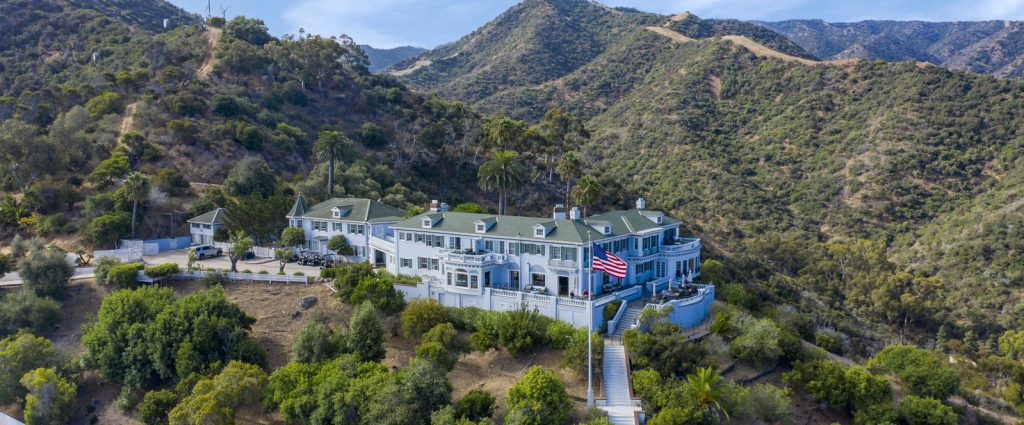
On my last solo visit, I stayed at Mt. Ada, Wrigley’s former mansion and now luxury inn. Perched high above Avalon Bay, it commands panoramic views and evokes a Gatsby-esque grandeur. I sipped Earl Grey tea on the terrace as morning fog lifted, revealing California sunshine.
For dinner, Avalon Grille is a must-visit. Their Pacific halibut with braised papaya and pineapple celebrates the island’s maritime bounty, while the coastal chic ambiance offers the perfect place to unwind after a day of exploration. And to toast Catalina’s legacy perfectly, order the signature Wrigley Martini.
If you’re craving something casual, Descanso Beach Club offers a laid-back meal with unbeatable views. Their Spicy Ahi Poke Bowl stands out, featuring sushi-grade tuna tossed with sesame oil, avocado, pickled cucumber, seaweed salad, and furikake over rice. Best of all, you can enjoy it beachside with your toes in the sand and waves lapping just feet away. Descanso is one of California’s rare beach bars where you can legally sip a cocktail, so pair your poke bowl with a chilled Descanso Mule or crisp sauvignon blanc and soak in the sun-drenched serenity.
Where to Stay in Catalina Island, United States
Avalon, Catalina’s main town, offers the widest range of accommodations. The Hotel Metropole sits directly on the waterfront, offering ocean views and convenient access to restaurants and shops. For budget-conscious travelers, smaller hotels and guesthouses throughout downtown offer comfortable rooms at a lower cost. These walkable neighborhoods put you steps from the pier, museums, and dining options.
If you prefer a quieter setting, Two Harbors on the island’s isthmus offers a more remote experience. The Banning House Lodge is the primary lodging option, offering a rustic feel and access to hiking trails and less-crowded beaches. This location suits travelers seeking escape from busier Avalon and focusing on nature and outdoor activities.
For those seeking mid-range comfort with a touch of personality, several smaller hotels and vacation rentals operate throughout Avalon’s residential neighborhoods. These properties often feature kitchenettes or full kitchens, which help reduce meal costs during your stay. Booking accommodations with beach or harbor views costs more, so decide what matters most for your trip before comparing options.
Reserve rooms well in advance, particularly during summer months and weekends. Ferry schedules mean most visitors arrive by boat, making proximity to the pier a practical consideration. Spring and fall bring pleasant weather with fewer crowds, making them ideal for securing availability and better rates.
Recommended Reading
- Catalina Island: Another Harbortown Historyby Gayle Baker A concise, photo-rich overview of Catalina’s evolution; Ideal for first-time visitors or history buffs looking for a quick yet comprehensive read.
- Santa Catalina Island: Its Magic, People and Historyby William Sanford White This beautifully illustrated volume offers personal anecdotes, rare photographs, and insider stories from the Wrigley era and beyond.
- Catalina by Sea: A Transportation Historyby Jeannine L. Pedersen & The Catalina Island Museum A richly illustrated regional history focused on the evolution of transportation to and from Santa Catalina Island.

Amy Bizzarri, a Chicago-based author, journalist, educator, and certified mermaid, brings expertise across multiple disciplines. A passionate historian with a flair for vintage glamour, she trained at Florida’s legendary Weeki Wachee Springs, where underwater performance embodied old Hollywood charm. Her book Iconic Hollywood Dishes, Desserts and Drinks celebrates cinema’s golden age through recipes inspired by silver screen legends. Whether she’s diving into Catalina’s cinematic past or channeling Esther Williams in a spring-fed lagoon, Amy brings nostalgia, storytelling, and sparkle to every piece she writes.
All high-resolution modern images © Catalina Island Company