
Christmas, celebrated by billions across the globe, is far from a monolithic holiday. Though rooted in Christian theology—the celebration of the birth of Jesus Christ—the customs surrounding Christmas have been shaped by centuries of local folklore, climate, cultural crossovers, and even political revolutions.
Beyond the twinkling lights and familiar carols lie age-old practices involving witches, radishes, roller skates, and spicy fried chicken. Many of these traditions are still thriving—woven into the fabric of local identity and family celebration.Let’s take a journey through some of the most interesting, surprising, and enduring Christmas traditions from around the world.
1. Italy: La Befana, the Christmas Witch
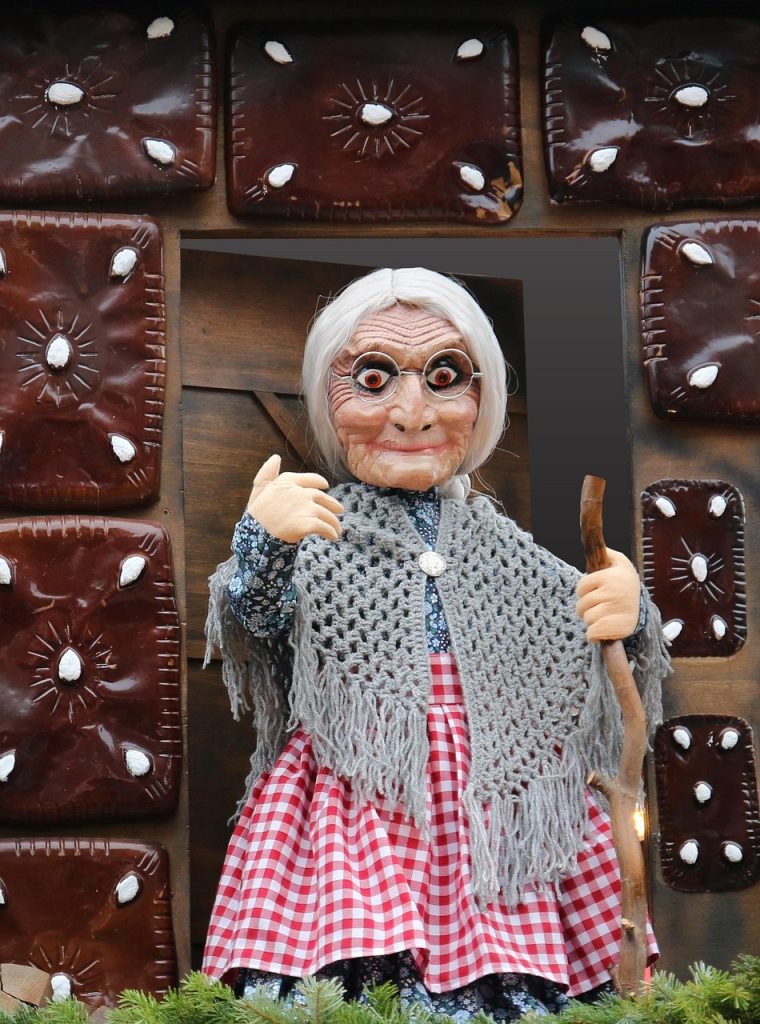
In Italy, children eagerly await La Befana, not Santa Claus. This kindly old witch flies on a broomstick and delivers candy and small gifts on January 6, the Feast of the Epiphany. According to legend, the Three Wise Men invited her to see baby Jesus, but she delayed—and still flies around today searching for him.Still practiced today: Italian children hang stockings for La Befana, who leaves chocolates and fruits for the good, and coal (often sweetened sugar “coal”) for the naughty.
2. Austria & Germany: Krampus and the Frightening Side of Christmas
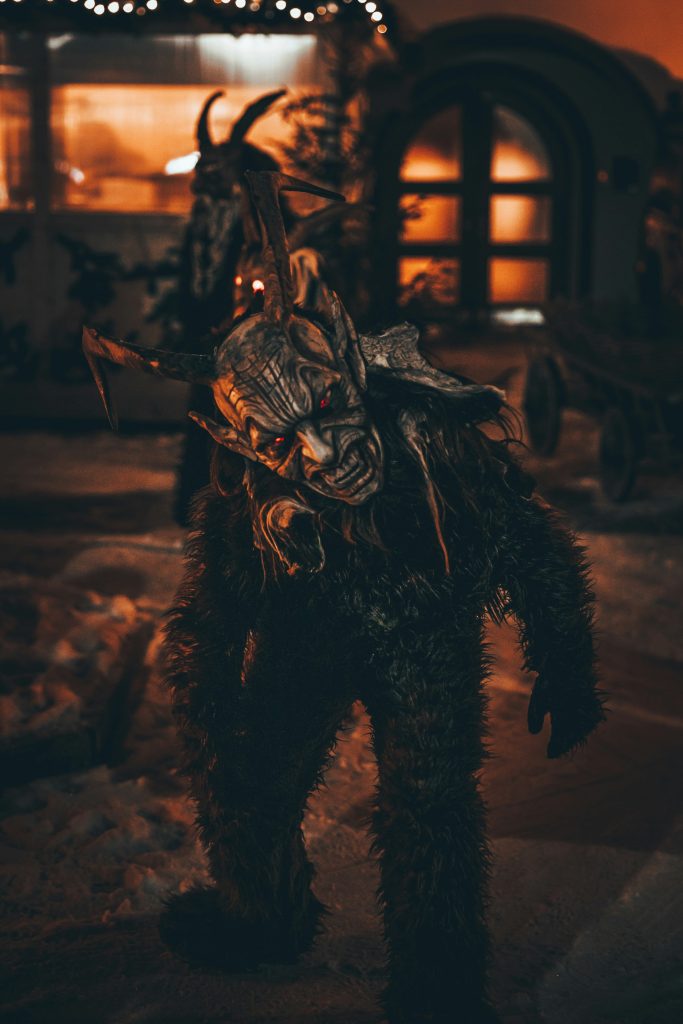
Santa’s helper in the Alpine regions isn’t an elf—it’s Krampus, a horned, demonic creature who punishes misbehaving children. On Krampusnacht (December 5), men dress in furs and wooden masks, parading through streets and sometimes chasing people with chains or sticks.Still practiced today: Krampus runs and festivals are widely popular in Austria, southern Germany, and parts of Eastern Europe, blending ancient pagan rites with Catholic tradition.
3. Catalonia (Spain): The Pooping Log and the Defecating Man

Catalonia boasts not one but two hilariously earthy Christmas traditions:
- Caga Tió (“Poop Log”): A smiling log is “fed” every night starting December 8, covered with a blanket to keep it warm. On Christmas Eve, children beat it with sticks to make it “poop” presents and candy.
- El Caganer: A figurine of a man defecating, hidden in Nativity scenes. He represents humility and fertility.
Still practiced today: Caga Tió is a beloved tradition in Catalan households. You’ll also find Caganer figurines of celebrities and politicians sold widely at Christmas markets.
4. Japan: KFC Christmas Dinner
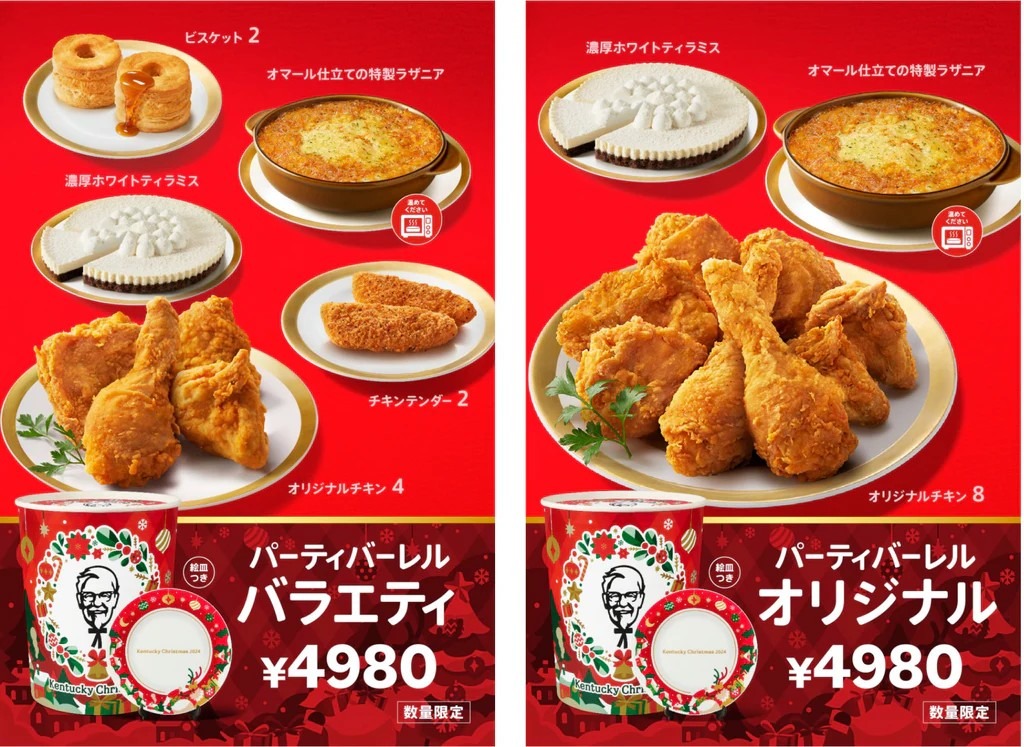
In Japan, where Christmas isn’t a national holiday and Christianity is practiced by only a small percentage, a marketing campaign in the 1970s turned KFC fried chicken into a traditional Christmas meal.Still practiced today: Japanese families pre-order “Christmas Chicken” weeks in advance, complete with cake and champagne. Some even dress up for their festive KFC dinner.
5. Venezuela: Roller-Skating to Mass
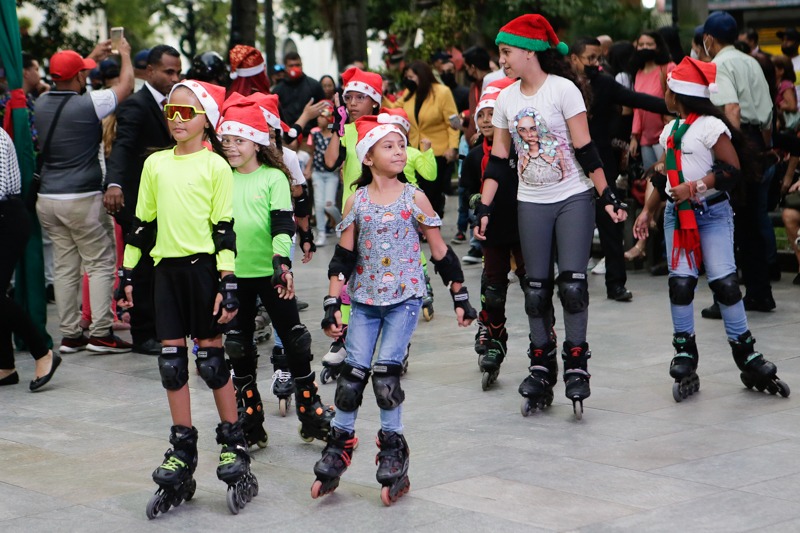
In Caracas, Venezuela, it’s customary to roller-skate to Christmas morning mass. Streets are closed to cars so people—often in groups—can glide to church in the early hours.
Still practiced today: Though affected by recent crises, this whimsical tradition lives on in many neighborhoods, especially among children.
6. Ukraine: Spider Webs on the Christmas Tree
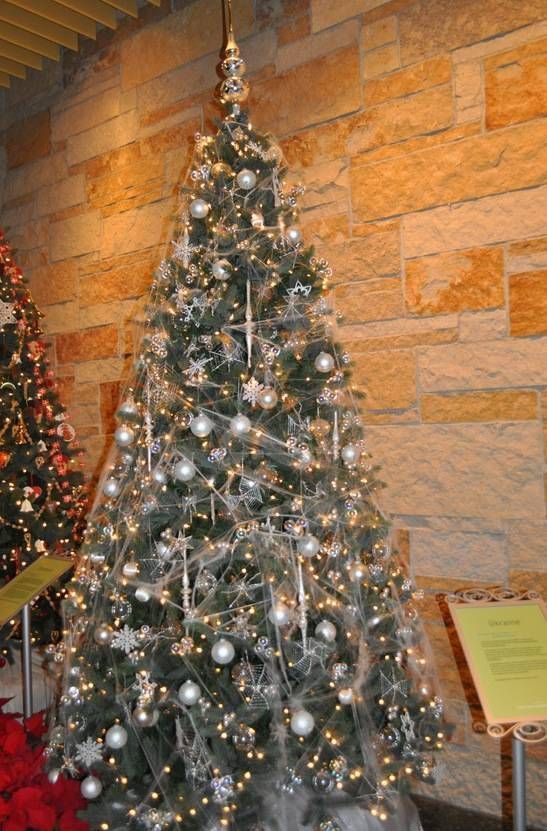
Ukrainian Christmas trees are often decorated with silver or gold spider webs. According to legend, a poor widow had no money for ornaments. Spiders spun webs overnight that turned to gold in the morning.
Still practiced today: Many Ukrainian families hang “lucky spider” ornaments on their trees for good fortune in the coming year.
7. Ethiopia: Ganna with White Robes and Bamboo Balls
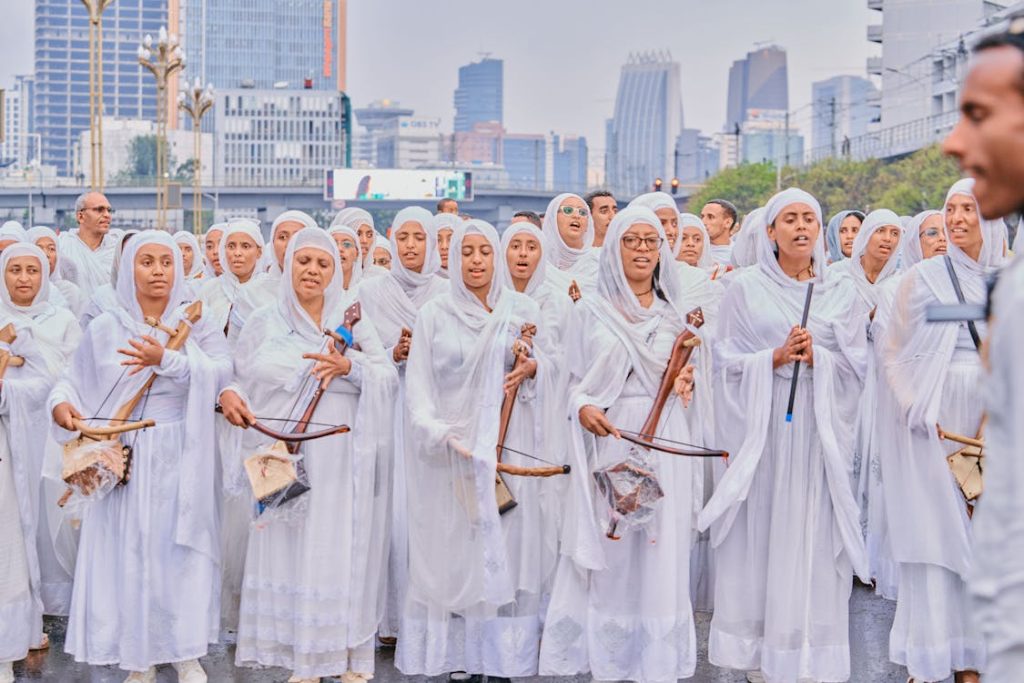
Ethiopian Orthodox Christians celebrate Ganna on January 7, wearing traditional white robes (shamma) and attending mass that lasts for hours. The day also includes playing a traditional game—similar to hockey—believed to have been played by the shepherds.
Still practiced today: Ganna celebrations are central to Ethiopian Christian life, often including feasts of doro wat (spicy chicken stew) and injera.
8. Sweden: St. Lucia’s Day and the Crown of Candles
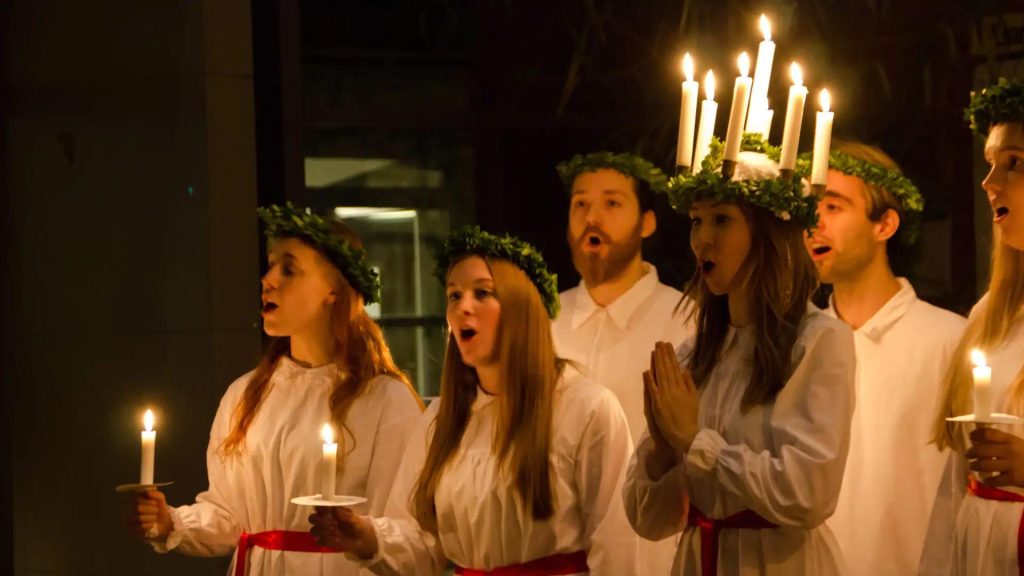
On December 13, Sweden celebrates St. Lucia’s Day, honoring a martyr who brought food to persecuted Christians by lighting her way with a crown of candles. A girl (often the eldest daughter) wears a white gown and candle crown, leading a procession and serving saffron buns (lussekatter).
Still practiced today: Churches, schools, and homes hold Lucia processions, with children singing traditional songs. It marks the start of Sweden’s holiday season.
9. Philippines: Giant Lantern Festival
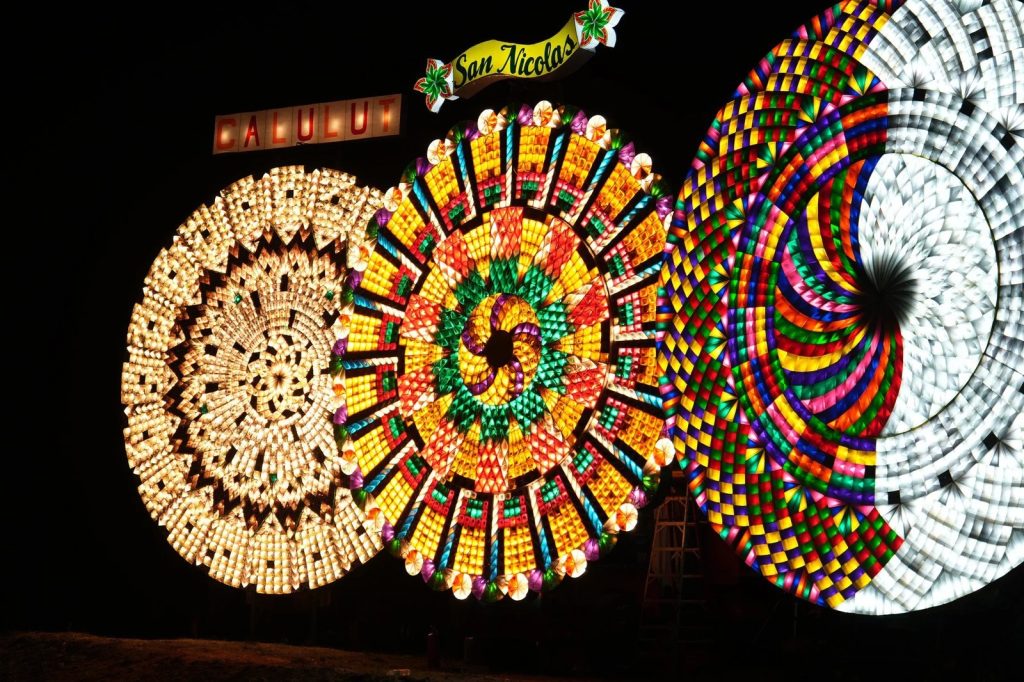
In San Fernando, Philippines (dubbed the “Christmas Capital of the Philippines”), communities compete in the Ligligan Parul—a festival showcasing giant, kaleidoscopic lanterns, some as big as 20 feet in diameter.
Still practiced today: The festival draws thousands each year and symbolizes hope and unity, reflecting Filipino resilience and devotion.
10. Spain & Latin America: 12 Grapes at Midnight
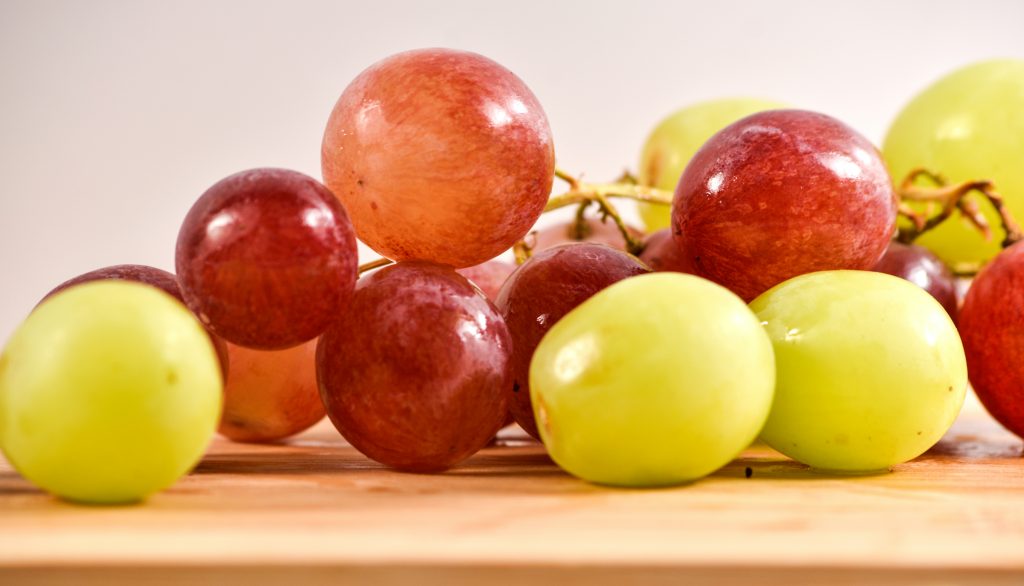
In Spain, Mexico, and many Latin American countries, it’s traditional to eat 12 grapes at midnight on New Year’s Eve (which often blends into extended Christmas celebrations). One grape per bell chime is eaten for luck in each month of the coming year.
Still practiced today: Supermarkets sell special grape packs, and families prep their “uvas de la suerte” for the countdown
11. Iceland: 13 Yule Lads
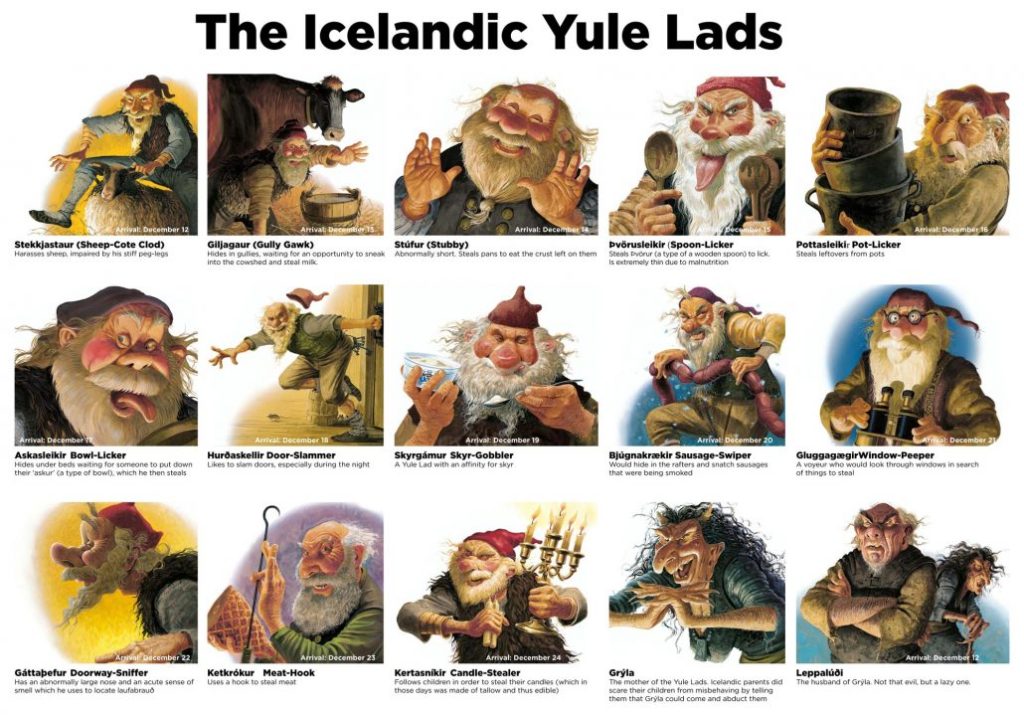
Instead of just one Santa, Iceland has 13 mischievous Yule Lads, each with a unique personality (like Spoon-Licker or Door-Slammer). They descend one by one starting 13 days before Christmas, leaving gifts or rotten potatoes in children’s shoes.
Still practiced today: Icelandic kids still place shoes in windows to receive nightly surprises. The folklore is also taught in schools and celebrated with theatrical performances.
12. Mexico: Las Posadas and the Piñata
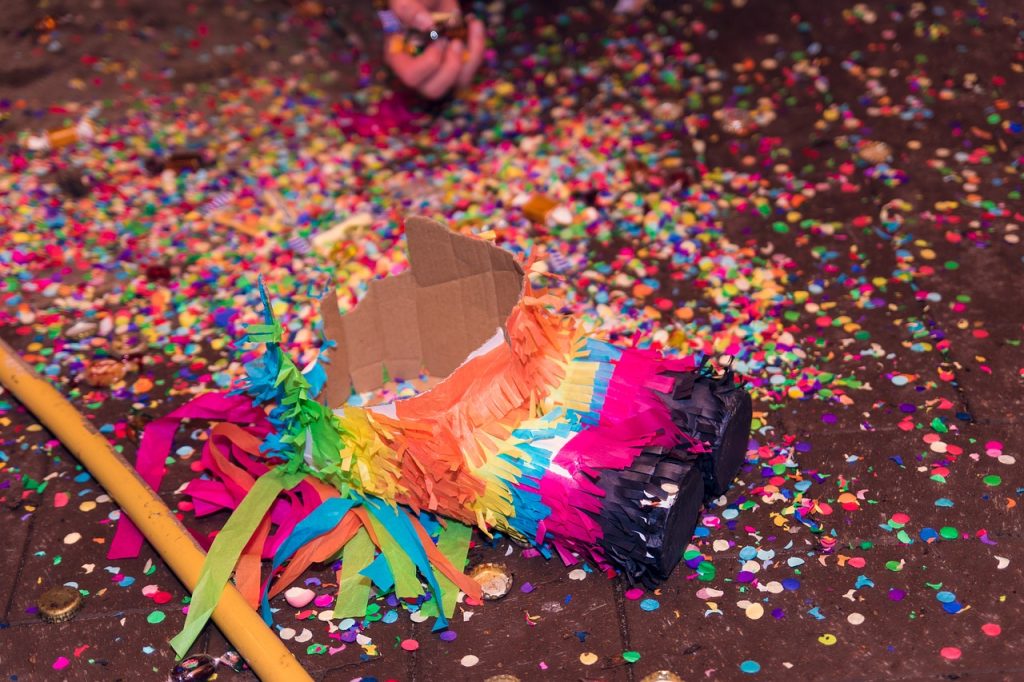
In Mexico, Las Posadas is a nine-night reenactment of Mary and Joseph’s search for lodging. Participants travel house to house singing carols until they are welcomed with food, drink, and often a star-shaped piñata.
Still practiced today: Communities across Mexico and parts of Central America hold processions, culminating in a joyful Christmas Eve celebration with tamales and fireworks.
13. Finland: Christmas Sauna
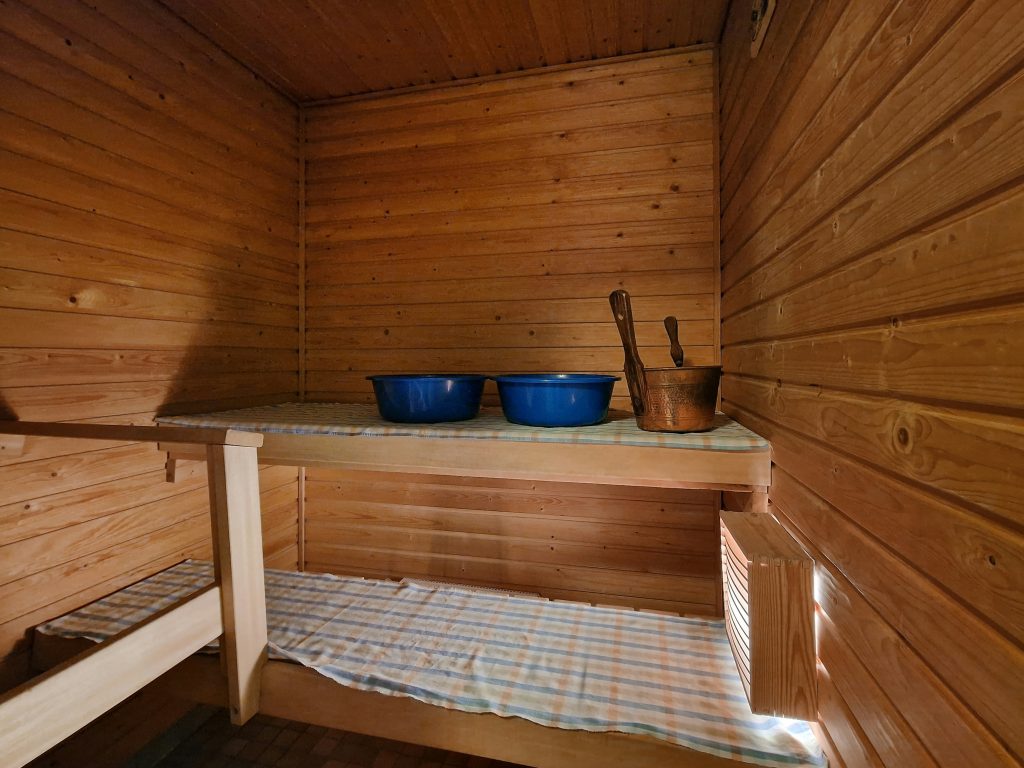
In Finland, Christmas Eve includes a visit to the sauna, seen as a sacred, purifying ritual. It’s believed that spirits visit the sauna after the family has bathed.
Still practiced today: Many Finnish homes maintain this tradition, with families enjoying a quiet sauna session before the festive meal.
14. France: Shoes by the Fireplace
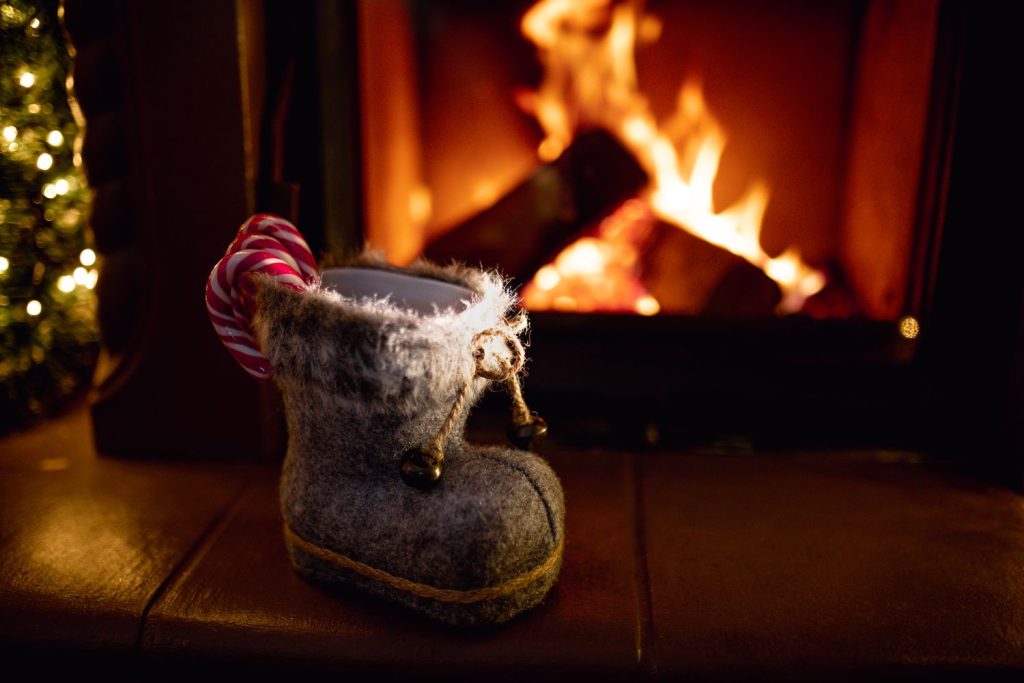
In France, children place shoes by the fireplace instead of stockings for Père Noël (Father Christmas) to fill with sweets and toys. Naughty children may find a whip (symbolic, not literal) left by Père Fouettard, his darker counterpart.
Still practiced today: The tradition of the shoes continues, particularly in rural regions and Alsace, often alongside Christmas markets and Nativity scenes.
15. Bulgaria: Odd-Numbered Dishes and No Meat
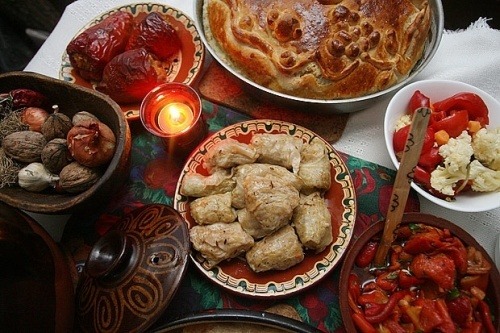
In Bulgaria, Christmas Eve dinner is a meatless affair with an odd number of dishes—usually 7, 9, or 11—symbolizing abundance. It includes items like stuffed peppers, beans, nuts, and dried fruits. The meal begins only once the first star appears.
Still practiced today: Many Bulgarians observe this tradition strictly, preserving its Orthodox Christian and pagan roots.
16. Wales: Mari Lwyd (The Gray Mare)
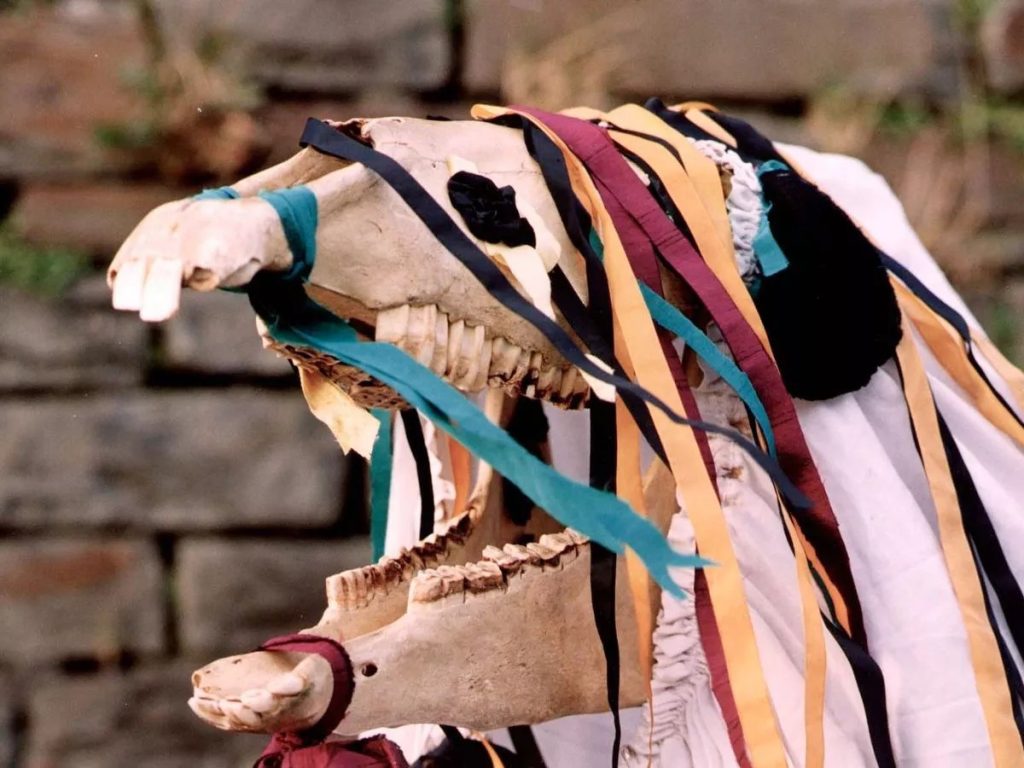
In Wales, the Mari Lwyd tradition involves a hobby horse with a ghostly horse skull draped in ribbons. Revelers go door to door, engaging in rhyming battles with homeowners before being invited in for food and drink.
Still practiced today: Revived in many Welsh towns, Mari Lwyd is part of a broader cultural resurgence of Celtic folklore.
One Holiday, Many Worlds
What unites all these customs—from candle-lit girls in Sweden to pooping logs in Catalonia—is the spirit of gathering, storytelling, generosity, and hope. While modern commercialization has flattened some of these nuances, millions continue to cherish and revive traditions that connect them to their ancestors and communities.
In honoring the local alongside the universal, Christmas becomes not just a religious or commercial holiday—but a mirror of cultural imagination, expressing joy in uniquely human ways.
Recommended Reading
Here’s a curated list of books to help you or your readers further explore the rich tapestry of Christmas around the world:
- Christmas Around the World by Lesley Sims
— A beautifully illustrated children’s guide to Christmas customs in different countries—perfect for families and educators. - The World Encyclopedia of Christmas by Gerry Bowler
— A thorough, surprising, and often humorous look at global Christmas history, legends, food, and rituals. - Christmas in Ritual and Tradition, Christian and Pagan by Clement A. Miles
— A classic text diving into the origins of European Christmas customs—perfect for the history lover. - A Christmas Compendium by J.G. Rhea
— Packed with folklore, carols, myths, and oddball facts from around the world. - Merry Christmas! Celebrating America’s Greatest Holiday by Karal Ann Marling
— Focuses on how America shaped (and reshaped) the modern image of Christmas.
All images are for illustrative purposes only and remain the copyright of their respective owners.
