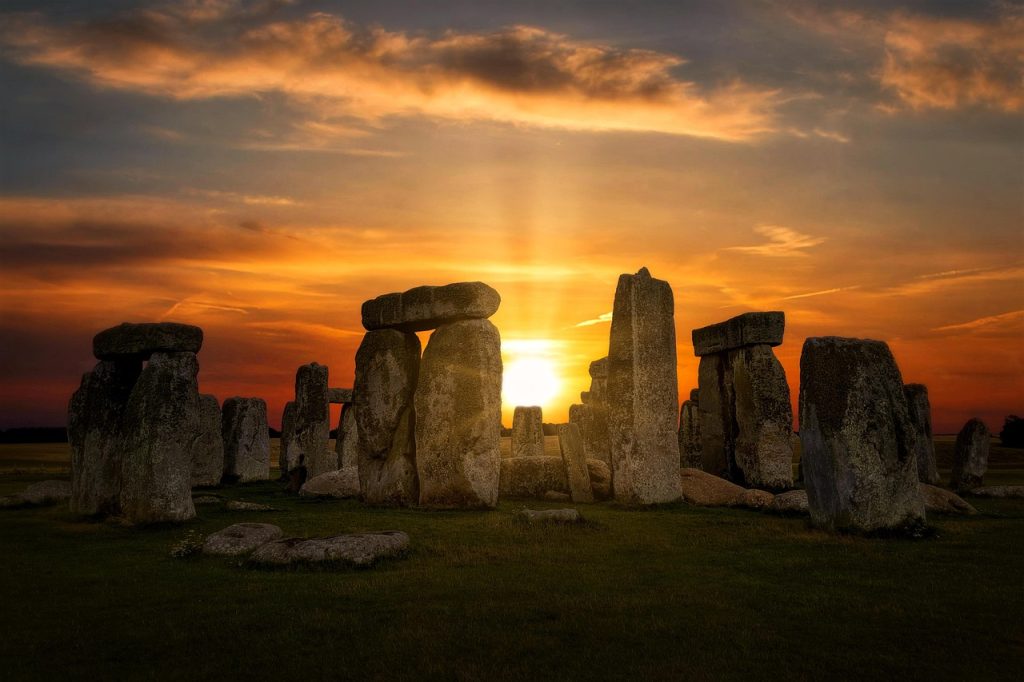
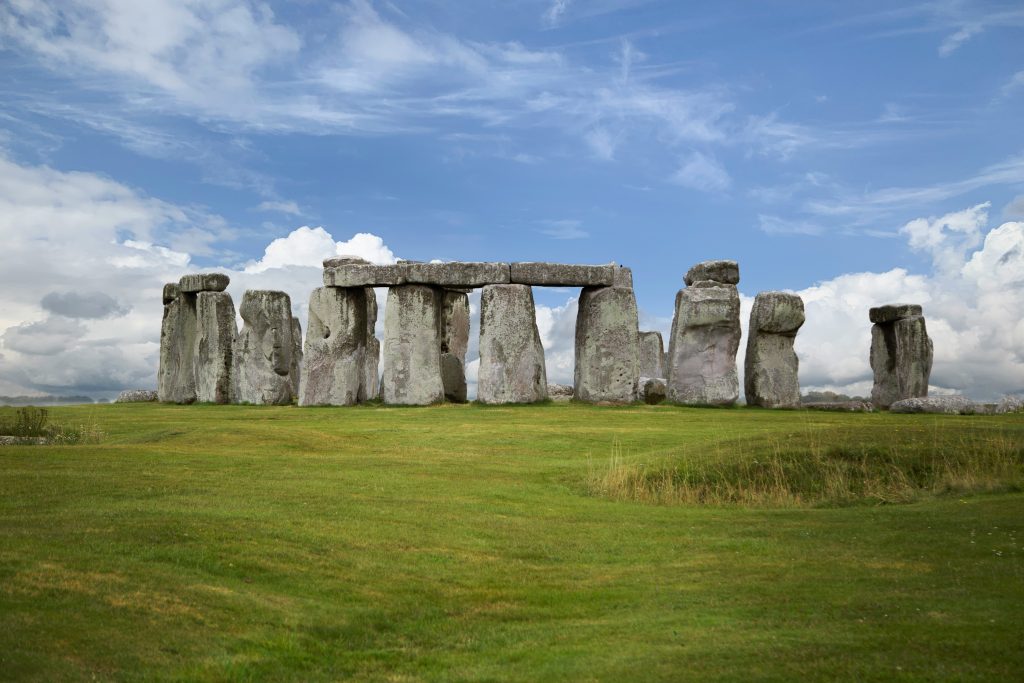
An unknowable mystery that conjures visions of gowned druids and unfathomable rituals.
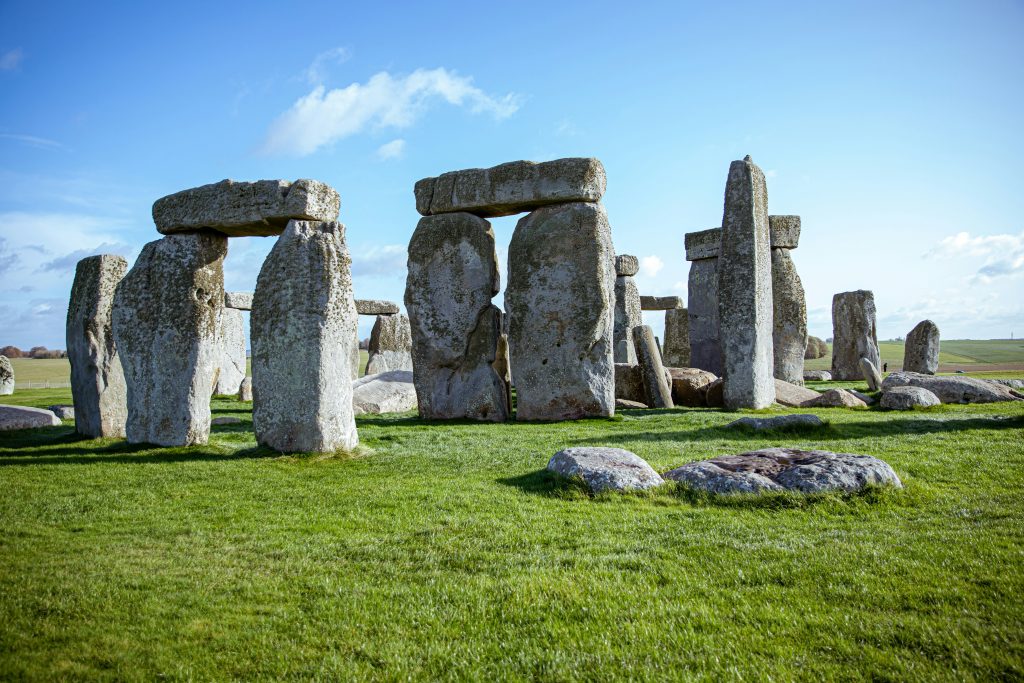
Stonehenge—a name so iconic it borders on the mythic. But this Neolithic monument in Wiltshire, England, does not need for legend to embellish its stature. Construction began around 3000 BCE with a circular earthwork enclosure and continued over a millennium in several stages, reaching its most recognizable form by approximately 1600 BCE. Some stones came from nearby Marlborough Downs; others—the distinctive bluestones—were hauled over 150 miles from the Preseli Hills in Wales, likely via waterways and rudimentary sled systems. This transportation feat reveals sophisticated planning, deep communal cooperation, and a reverence for sacred geographies. Who were its astonishing creators?
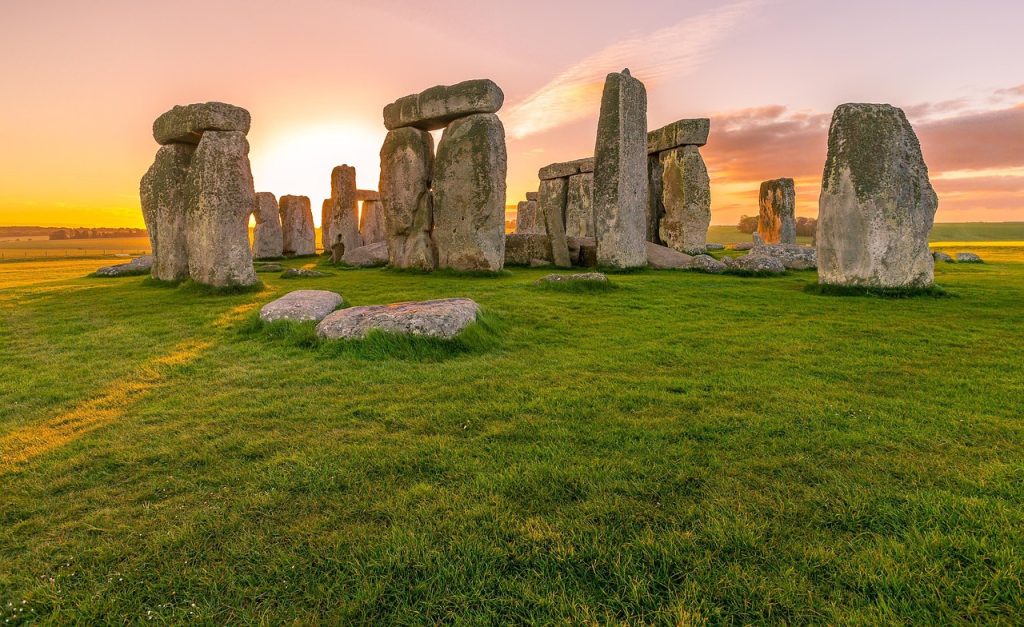
Excavations led by archaeologist Mike Parker Pearson have revealed that Stonehenge was part of a much larger ritual landscape, including Durrington Walls—a nearby settlement and feasting complex—likely home to the builders. The archaeological evidence of pig bones, pottery, and tools paints a picture of great seasonal gatherings. Stonehenge, then, was never an isolated monument. It was the sacred epicenter of a region-wide expression of community, death, and cosmology.
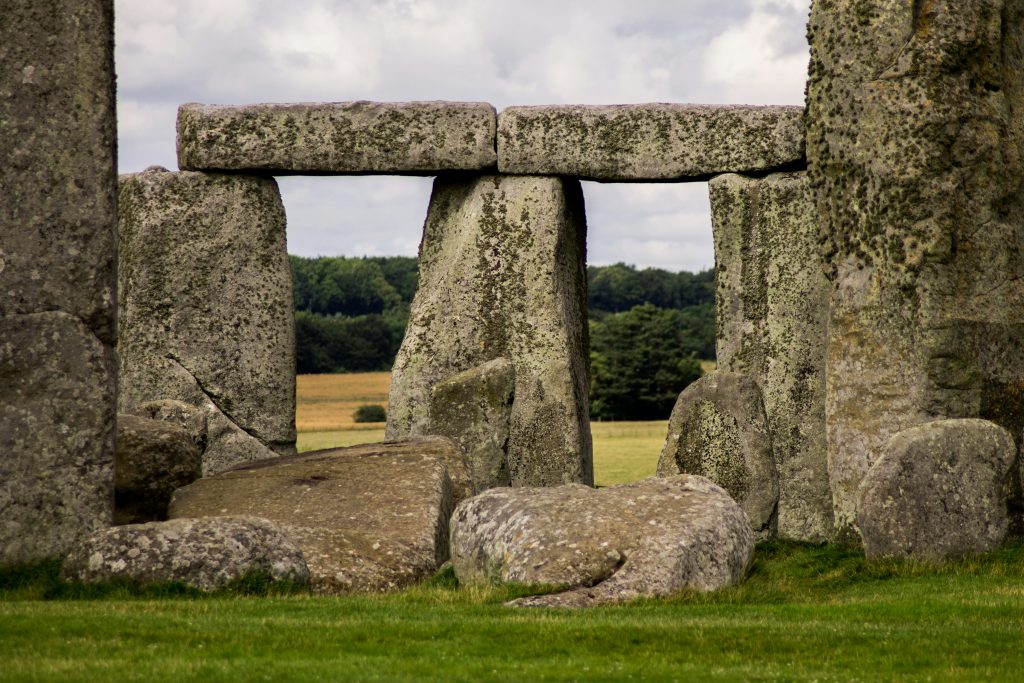
Its standing stones, especially the towering sarsens arranged in a horseshoe of trilithons, are part of a wider European tradition of megalithic construction. Across the British Isles and western Europe, stone circles and alignments—such as Avebury, Callanish, Carnac, and the Ring of Brodgar—were raised from 4000 BCE onward. While each site has its own character, they share common themes: orientation to celestial bodies, placement near water, and association with burial. These structures speak of a cultural network that stretched across great distances and endured for centuries, transmitting knowledge without writing, and belief systems that shaped entire landscapes.
A Glimpse into the Ancestors of the Stones
While their names are lost to time, the people who built Stonehenge were no strangers to complexity, collaboration, and cosmology. Emerging from Britain’s late Neolithic communities around 3000 BCE, these early agrarian societies were already skilled in engineering, astronomy, and ritual when they began constructing what would become one of the world’s most iconic monuments.
They lived in timber longhouses or circular huts, gathered in kin-based groups, and organized their lives around seasonal rhythms. Their world was one of stone axes, polished flint tools, woven textiles, and domesticated livestock. They cultivated barley and wheat, raised pigs and cattle, and relied heavily on seasonal feasting as a way to mark time, unify communities, and perhaps honor their dead.
Recent discoveries at nearby Durrington Walls—a vast settlement just two miles from Stonehenge—suggest this area may have served as a living counterpart to Stonehenge’s ritual dead. Archaeologists uncovered traces of hundreds of homes and the remains of enormous feasts, particularly pig bones from animals slaughtered in winter. This seasonal convergence points to a complex ritual calendar and highly organized ceremonial culture.
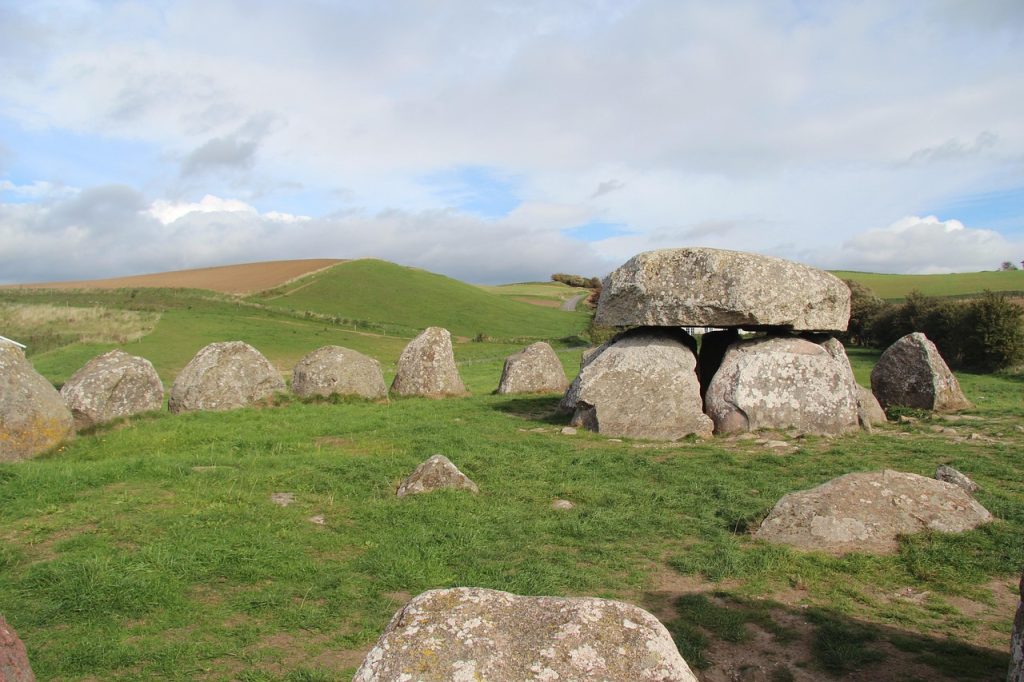
Burial practices in the region offer further insight. Long barrows—elongated earthen mounds—dot the landscape and often contain the bones of multiple individuals, possibly ancestors revered by the community. Over time, these burial mounds gave way to more individual or elite cremation burials. In the earliest phase of Stonehenge, cremated remains were placed within its surrounding ditch, making it one of Britain’s largest Neolithic cremation cemeteries.
These ancient Britons were not building in isolation. Across the British Isles and Western Europe, similar traditions of megalithic architecture flourished. These communities shared knowledge across long distances, transmitting a sacred architectural language without writing—through memory, myth, and movement.
What they left behind in earth and stone speaks to a people profoundly connected to their environment, the cosmos, and the mystery of life and death. Their worldview is gone, but not erased. It whispers still through lintel and mound, inviting us to imagine, to honor, and to remember.
In the Mists…
Stand at Stonehenge at dawn, when the mist clings like old stories and the sheep still mumble in the dew. The great trilithons arc toward the rising sun like colossal parentheses in a sacred sentence. Touch the pitted surface of a sarsen stone—it is cold, grave, and uncompromising, yet strangely human. The air smells of wet chalk and wind-scoured lichen. And in the hush, you might hear a skylark burst into song, as if announcing an unseen procession.
The visitor’s path encircles the stones, respectfully distant but close enough to awe. You walk, you linger, you listen. Interpretive signs provide theories.. Yet the monument remains aloof—familiar yet unknowable.
Stonehenge endures not just because it is old, but because it is unfinished. Not in structure, but in meaning. Each generation brings new tools, new hypotheses, new reverence. Whether you approach it through archaeology or astrology, via drone mapping or druid rites, it reflects back your own yearning for origin and order.
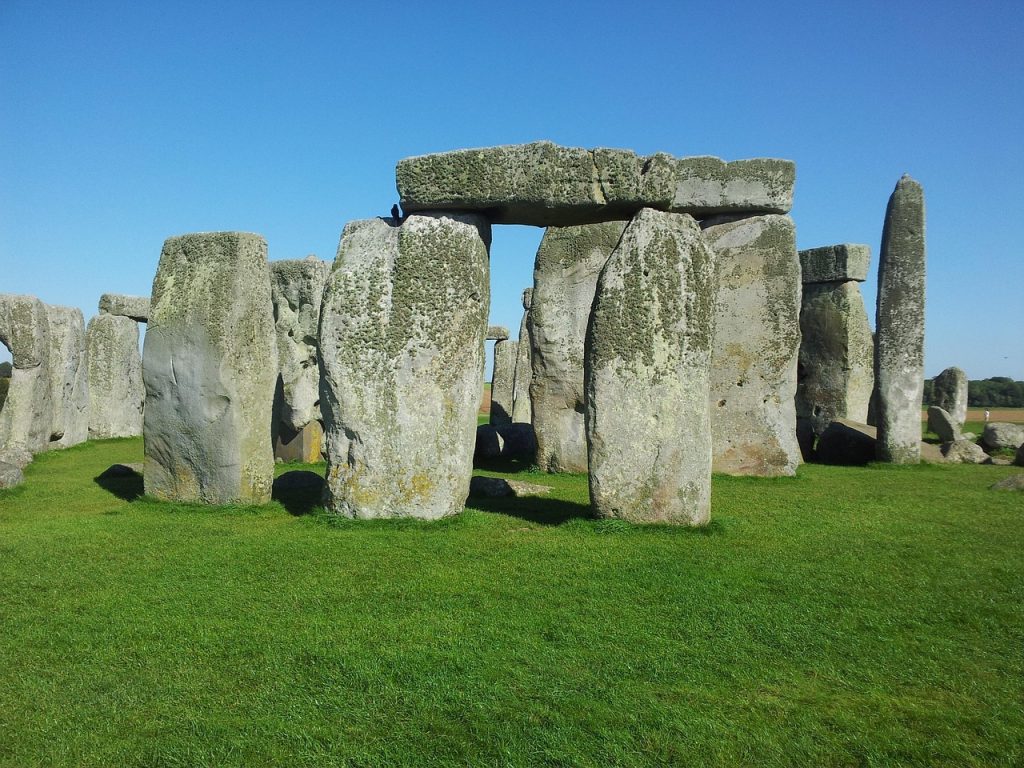
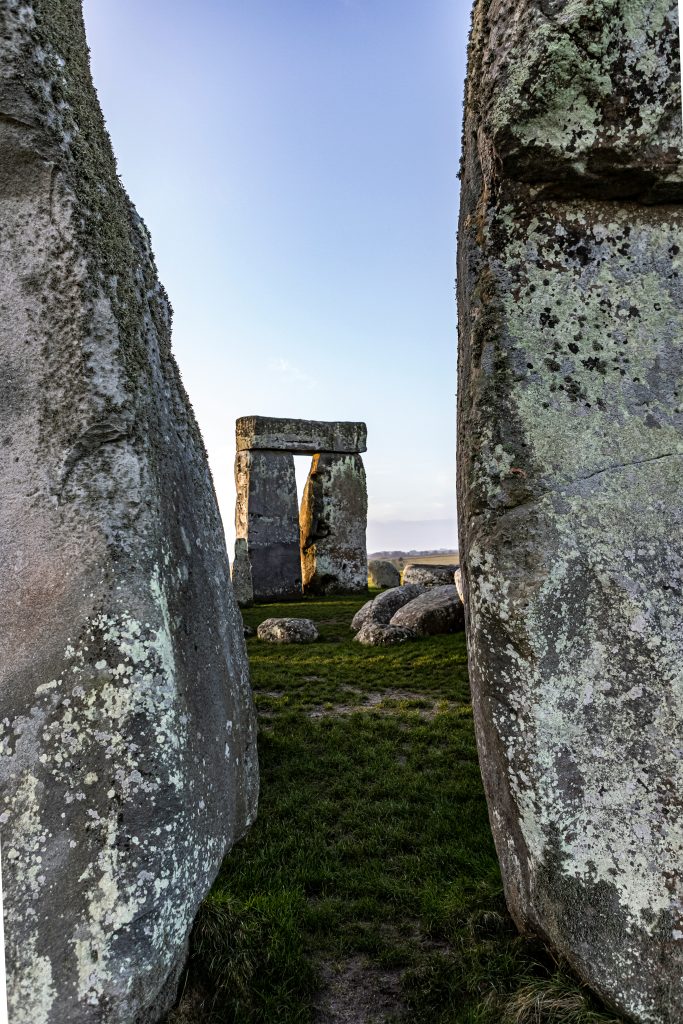
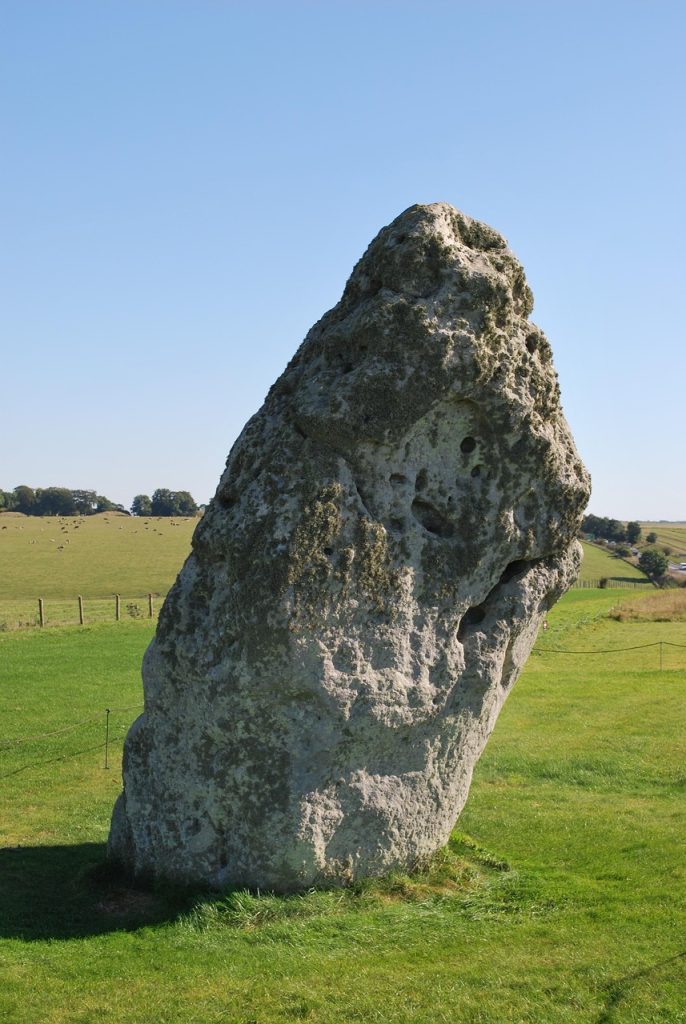
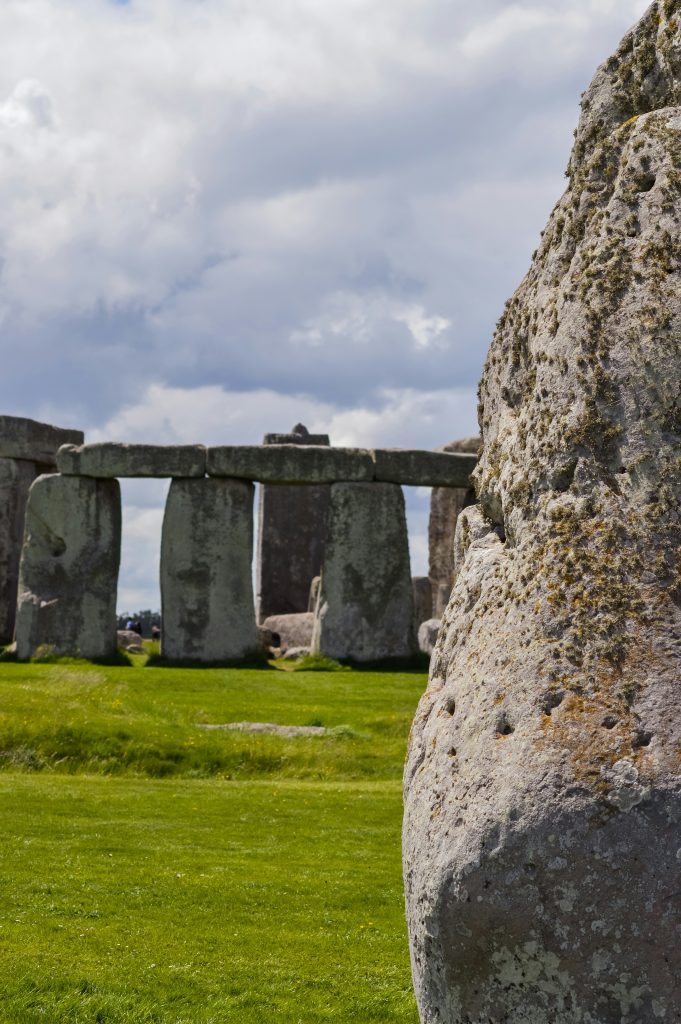
The surrounding landscape is now protected, but Stonehenge still faces modern pressures: tourism, traffic, and the delicate balance between preservation and access. And yet, in midsummer, people still gather to witness the solstice sun piercing the heart of the circle, as it has for four millennia. There is something beautifully human in that persistence.
Stonehenge does not offer easy answers, but it does offer a threshold. Come with your questions and your quiet. Walk the perimeter. Let time bend a little. In these ancient stones, there is no final chapter—only the invitation to keep reading the story etched in earth and sky.
Where to Stay in Stonehenge, United Kingdom
Salisbury, a market town three miles south of Stonehenge, offers the closest lodging options and makes an excellent base for visiting the monument. The town has a range of hotels and guesthouses, from the historic Red Lion Hotel on High Street to smaller bed and breakfasts run by local families. Most visitors find Salisbury convenient because it’s walkable, has good restaurants, and sits near the River Avon, yet it takes only 10 minutes by car or bus to reach Stonehenge itself.
If you prefer countryside surroundings, the village of Amesbury, just two miles from the stone circle, provides a quieter alternative with several small hotels and inns. This area feels less touristy than Salisbury and puts you very close to the monument, making it ideal for early morning visits when light conditions are best for photography. The Amesbury area also has easy access to other Neolithic sites, including Woodhenge and the Cursus, which lie within a short drive.
For budget-conscious travelers, the Stonehenge Campsite sits near the monument itself and offers both camping pitches and basic chalets. Staying on-site means you can visit at dawn or dusk when fewer crowds gather, though amenities are minimal compared to hotel stays. The campsite books up quickly during summer months, so advance reservations are essential.
Wiltshire’s larger towns of Trowbridge and Devizes, each about 15 miles away, provide more dining and entertainment options if you want a broader base for exploring the region. From either town, Stonehenge is a 20 to 25 minute drive, making them practical if you plan to spend several days visiting multiple archaeological sites across Salisbury Plain. These towns have chain hotels and independent accommodations at various price points, plus nearby attractions like Caen Hill locks and Devizes Museum.
Recommended Reading:
- Stonehenge: A New Understanding by Mike Parker Pearson – An accessible and compelling look at recent archaeological discoveries.
- Sarum by Edward Rutherfurd – A sweeping novel that brings 10,000 years of Salisbury Plain to life, including the building of Stonehenge.
- The Druids by Ronald Hutton – A measured history of the people often (wrongly) associated with Stonehenge.
- Circe by Madeline Miller – While not directly about Stonehenge, this novel’s themes of myth, magic, and isolation resonate.
- The Old Ways by Robert Macfarlane – A lyrical meditation on ancient paths, including a haunting passage on Stonehenge.
Tours to Consider: