

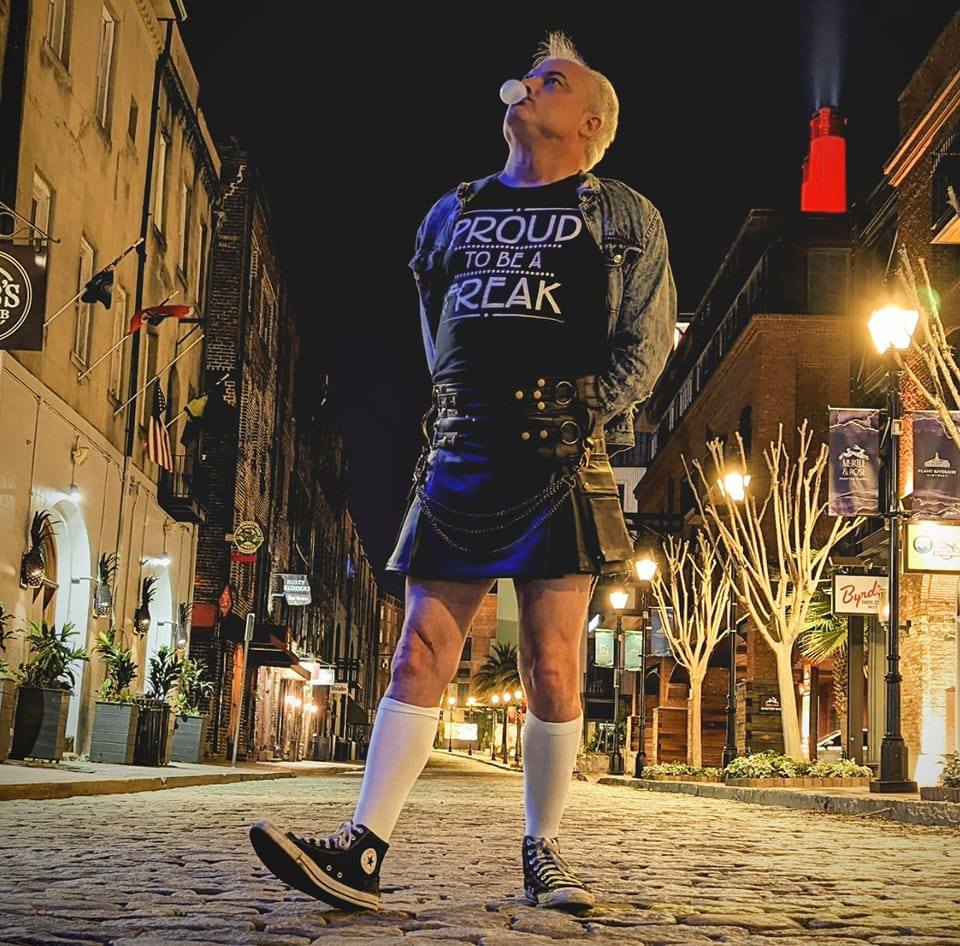
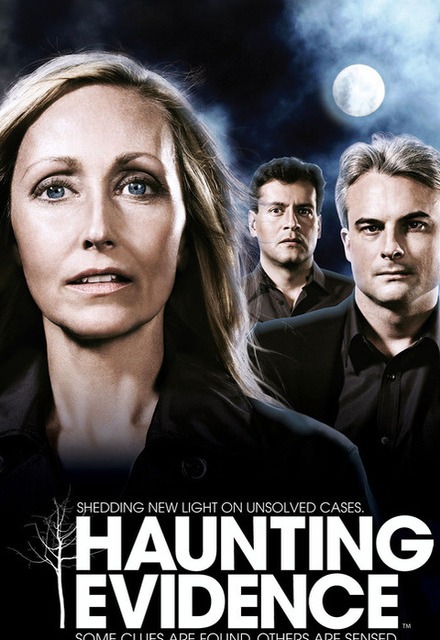
In keeping with our “Spirited Fall” theme, our expert this time is Ghost Investigator Patrick Burns. Patrick, who hosts an acclaimed ghost tour in Savannah, GA as The Guy in The Kilt, honoring his Celtic origins, was also one of the cohosts of the show Haunting Evidence for three seasons on truTV and Court TV. He has spent much of his life seeking to understand and record the paranormal. Therefore, we thought it would be fun to have him give us a tour of some of the leading haunts in historic places in the US and the UK. Then stick around for a quick round-up of 20 leading historic haunts in more international locations!
Jackie: Patrick, tell me about your youth and your passion for unexplained phenomena—ghosts, hauntings, the paranormal. How did all of this begin for you? What sparked it early on?
Patrick: I had a pretty normal childhood. I was the youngest of four boys, so naturally, my older brothers liked to tease me. Ghosts were one of their favorite tools. They’d say, “Patrick, the ghost is going to get you,” or “There’s a ghost in your closet.” My parents meant well and assured me there was no such thing, but that’s how it started.
I didn’t have any encounters of my own as a kid. What really changed everything was the death of my brother Billy. He died in 1985, when I was 16 and he was 22. Billy’s death launched me into this lifelong search. I needed something to reaffirm my own beliefs—something spiritual, something that told me this isn’t all there is. I wanted to know, even if the odds were remote, that I might be reunited with him and others I’ve loved and lost. That was the beginning of it all: my quest to understand the paranormal, our place in the universe, and the mystery of life itself.
Jackie: How did that quest take shape? What did you do to pursue it?
Patrick: I started reading everything I could about the paranormal—ghosts, hauntings, UFOs, cryptids, Bigfoot. Anything that dealt with unexplained phenomena.
As a teenager, I didn’t have any personal encounters, but I did visit supposedly haunted sites and read obsessively. My first real experiences didn’t start until I was about 20. That’s when I began encountering things that made me say, “Okay, something is happening here. We don’t have answers for all of it.”
Jackie: And what kinds of manifestations have you personally encountered?
Patrick: You name it, I’ve probably experienced it. I’ve seen full-bodied apparitions. I’ve interacted physically with people who were there—and then gone. I’ve heard phantom voices when no one else was around, and others with me heard them too. I’ve smelled things that weren’t there, felt touches on my skin or in my hair.
It never happens the same way twice. I don’t claim to be psychic or clairvoyant. Sometimes I’ll have a couple of experiences in a week, and then nothing for years. I can’t pinpoint a pattern. But I suspect that, because I go looking, whatever’s out there knows I’m seeking it. And maybe it waits until I let my guard down, until I’m not ready with a camera, and then—boom. Something happens in a flash. It’s gone just as fast, and you’re left trying to make sense of it.
Jackie: So when was your first ghost encounter?
Patrick: That would’ve been about a year and a half after Billy passed. I was at my friend Gene’s house. He had a few people over and they were using a Ouija board and crystals. I was skeptical—open-minded, but not convinced.
They were asking questions, getting what they thought were answers, and then Gene suggested we take the board to these old farm ruins nearby. The legend was that a man had murdered his family there in the 1800s. The house was gone, but the ruins were still visible in the woods.
So we went. Everyone was in that heightened state of “woo woo” energy. I wasn’t buying it. I wandered off, about 40 or 50 feet away, and I started hearing rustling in the trees. Not animal sounds—steady movement. Then I saw the branches part, and there was a face. White skin, black eyes, black features. Just standing there, staring at me.
We held eye contact for several seconds. I was frozen. Then I broke the gaze, screamed, and ran. Gene later said he saw it too—not with his eyes, but in his mind. Back at the house, he sketched the face. It was exactly what I’d seen. That was the moment I realized—this is real. I needed to be more careful. I was entering unknown territory.
Jackie: Yet you continued. How did this evolve into a career—one that blends science and respect for the spirits?
Patrick: It has become my full-time work But it has never been about the money. I was a cast member on Haunting Evidence for three seasons on truTV and Court TV. That’s how I began making a name for myself.
My wife and I co-authored a book about the paranormal about 15 years ago. And about 20 years ago, I visited Savannah, Georgia for the first time. I fell in love with it and moved there 11 years ago. No regrets—one of the smartest decisions I’ve ever made.What’s ironic is that I am scared of this stuff. But my curiosity always wins out. I want to understand it. That drive overrides the fear. My instinct isn’t fight or flight—it’s to stay, to observe. And that keeps pulling me back in.
Jackie: What kind of equipment do you typically use?
Patrick: I used to go by “Ghost Geek” online. I was obsessed with tech—any tool that could document or measure environmental variables. Not just EMF meters, but anything that tracked temperature, light levels, humidity, air pressure.
Because we don’t know what we’re dealing with, I wanted a complete environmental picture. For instance, people often report a sudden drop in temperature in the presence of a spirit. I’ve experienced that myself—what we call a cold spot. But one piece of data isn’t enough. You need a trend, a timeline. So I focused on logging everything: time-stamped data, location-based readings. Only then can we begin to make sense of why something might be happening.
Jackie: Do you have a theory about why some spirits linger in a particular place?
Patrick: Yes, and it’s something I talk about often during my tours. First, we have to define what we mean by “ghost.” To me, a spirit is the essence of who we are—our soul, our consciousness, our identity. That energy doesn’t just disappear when the body dies. According to the first law of thermodynamics, energy can’t be destroyed. It transforms. So, something survives physical death.
Now, ideally, that energy levels up. It moves on to what I call the next dimension—whether that’s heaven, nirvana, the light, whatever you believe. That’s a free spirit. Those who have crossed over properly can still visit us, communicate subtly, send signs. But they’ve moved on.
A ghost, on the other hand, is a spirit that hasn’t crossed over. It’s stuck—trapped between life and death. Why? Maybe they fear judgment for what they did in life. Maybe they don’t even realize they’re dead, especially if their death was sudden or traumatic. Or maybe they’ve got unfinished business, like Patrick Swayze’s character in the movie Ghost, where he stayed to solve his own murder. Whatever the reason, being stuck like that—remaining earthbound—is a kind of spiritual limbo. And I believe that’s what creates a haunting.
Jackie: Let’s turn to some of the haunted historic sites you’ve encountered across the U.S. Tell me about a few that stand out—and the spirits tied to those places. I guide you through based on the list you previously supplied me.
Patrick: Absolutely. Let’s start on the West Coast. The Queen Mary in Long Beach is extraordinary. She began as a luxury ocean liner in the 1930s, then became a troop transport in WWII, nicknamed the “Grey Ghost.” She carried thousands of soldiers—and some never made it across.
After it was decommissioned in 1968, Long Beach bought it, cut the engines, and turned it into a hotel and convention center. I’ve done several investigations on the ship and had some of the most compelling experiences of my life there. Cold spots, disembodied voices, unexplained footsteps—you name it.
People talk about a little girl named Jackie haunting the first-class pool. She never existed in the logs, but something—something—is playing that role. There are stewards still seen walking the halls in 1930s attire, and the most famous haunting is the engine room. A crew member was crushed during a watertight door drill. They say he survived for a time, trapped. I once investigated the engine room alone. I heard voices—one yelling, “Hey!”—but each time I followed the sound, no one was there. That ship holds stories we’ll never fully uncover.

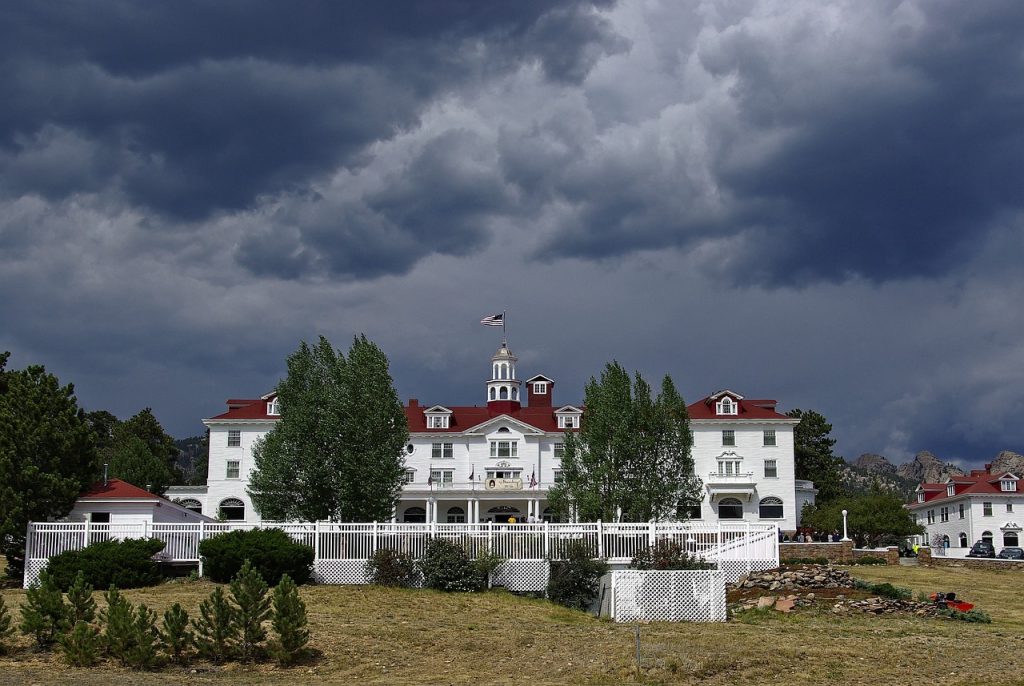
Jackie: The Stanley Hotel in Colorado is legendary. Tell me about that.
Patrick: It’s the inspiration for The Shining. Stephen King stayed there, experienced something he couldn’t explain, and the rest is literary history. The hotel’s music hall is famously haunted—you can hear phantom orchestras. Ironically, that’s where I met my wife Marley at a paranormal conference. Some say the land’s Native American roots contribute to the activity. Others cite the high mineral content of the soil. Whatever the cause, The Stanley is a beautiful, eerie place.
Jackie: Let’s head to the Old West—Virginia City and the Washoe Club.
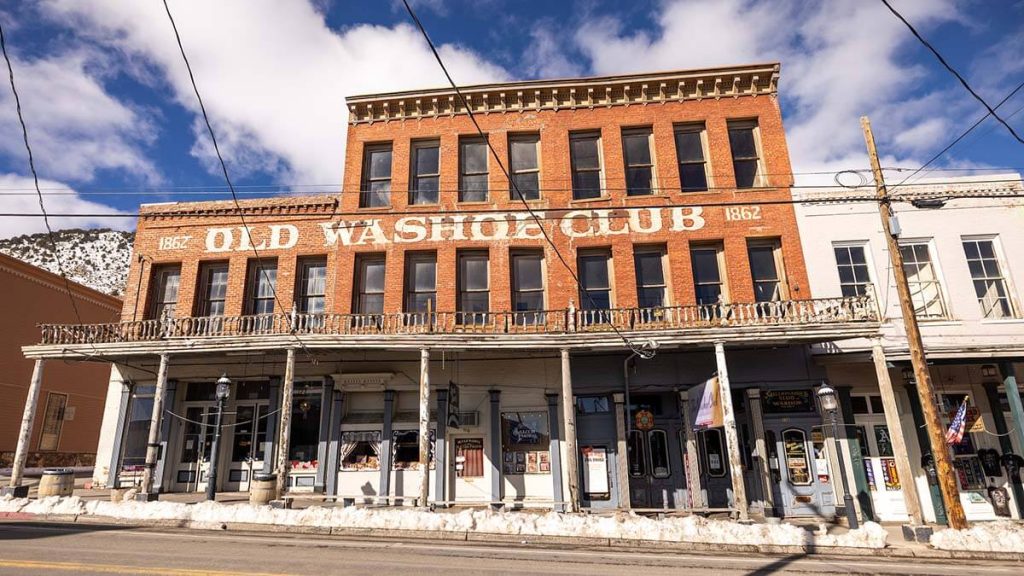
Patrick: That place is fantastic. Once a Millionaire’s Club and saloon, it’s mostly abandoned above the ground floor. During my investigation, I heard music—saloon-style piano—and the unmistakable murmur of voices, like a party or poker game was underway. There’s no specific ghost tied to it, just a lingering energy from its days as a booming mining town. But the activity is constant. It’s one of the most vivid Old West haunts I’ve experienced.
Jackie: What about Bodie, the ghost town?
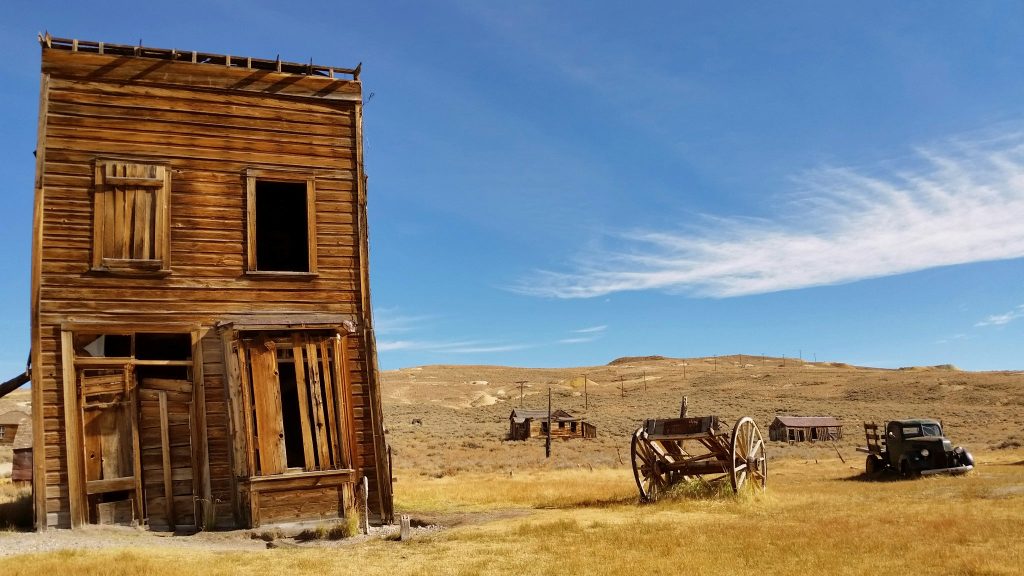
Patrick: Bodie is preserved in “arrested decay”—not restored, but not allowed to deteriorate further. It’s completely uninhabited. I went during off-season with a small group, and we had the entire town to ourselves. We conducted EVP sessions there—recording electronic voice phenomena— and at one point asked, “Do you understand the nature of your condition?” A voice came through—clear as day—saying, “A ghost.” It was so direct, so self-aware. That moment has stayed with me. There’s an eerie, sacred stillness to Bodie. I could spend a week there easily.
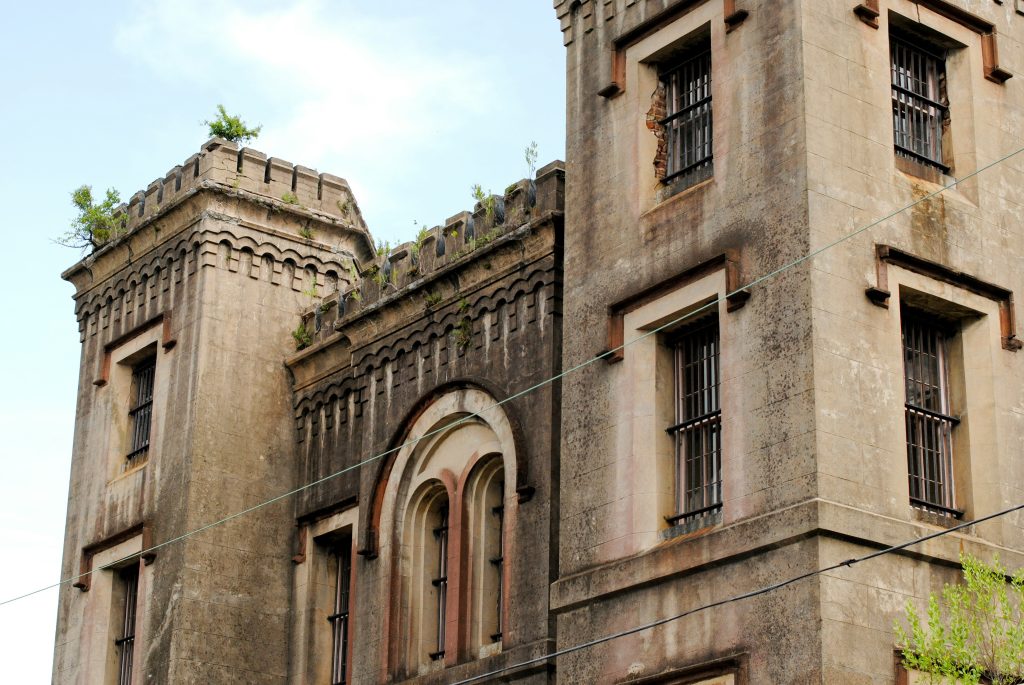
Jackie: Now let’s swing down to Charleston. The Old Jail?
Patrick: That place is Gothic, inside and out. I was there for a radio contest event, leading a group of 50. While alone in the restroom beforehand, I heard doors opening and closing—but no one else was there. Later, during our tour, a heavy iron cage door moved—sliding visibly along the wall. Everyone screamed. I saw the scuff marks myself. Half the group left on the spot. It’s as haunted a jail as any I’ve ever visited.
Jackie: Give me a haunting from your home city—Savannah.
Patrick: Savannah is a paranormal goldmine. It’s a city built on its dead. Literally. The sidewalks and squares cover old burial grounds—some marked, many not. It’s a beautiful place, full of Spanish moss and Southern charm, but beneath that charm is a deep, layered history of war, disease, and slavery.
One of the most haunted places I’ve investigated here is the Sorrel-Weed House. People report apparitions, disembodied screams, and inexplicable sensations of dread. There’s a story that the original owner’s wife committed suicide after discovering his affair with a young enslaved woman—and both women are said to haunt the house today.
I’ve recorded EVP there that still gives me chills. Savannah is one of those places where you don’t have to go looking for the paranormal. It finds you.
When we moved here in 2014, we found a dream apartment—1500 square feet, vaulted ceilings, exposed brick, hardwood floors… and way underpriced. We later found out why. Doors opened and closed on their own. We heard heavy boots crossing the floor. Our cats would track invisible shapes across the room. Light bulbs exploded—literally burst. The clincher? Years earlier, construction workers discovered skeletal remains beneath the building. Savannah is a city built over the dead. That apartment has never kept tenants for long. I’m not surprised.
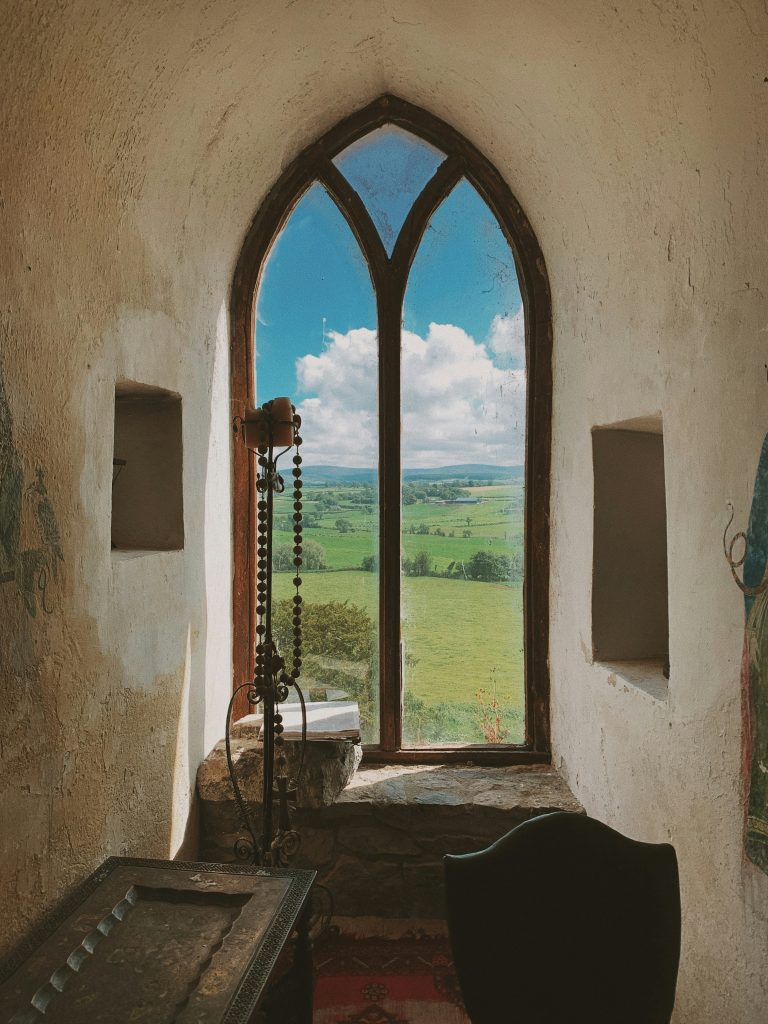
Jackie: Let’s jump across the pond. Tell me about Leap Castle.
Patrick: Leap Castle is raw medieval history. There’s a torture chamber, and a drop-shaft lined with iron spikes used to execute prisoners. Leap hides secrets of bloodshed within its “Bloody Chapel,” where a priest was murdered during mass. The sinister “Elemental,” a spirit said to emit the stench of death, has also made its presence known. During our investigation in the upstairs chapel, we picked up EVP—in French. Turns out, a French au pair once worked there. The current owner, Sean, was stunned. They rarely hear her spirit anymore, but she spoke to us that night. That was a goosebumps moment.
Jackie: And finally—give me one good story from Scotland.
Patrick: In the Highlands, we visited the Clava Cairns—Neolithic stone circles near Culloden. Marley and I were both sick with the flu. Miserable. But when we stepped into the center of one of the circles… we stopped coughing. Completely. It was surreal. We stayed for several minutes, breathing clearly. The moment we stepped out of the circle, the coughing returned. We tried again—nothing. Just once. Whatever energy resides in those stones, it did something. That experience wasn’t just paranormal—it was deeply spiritual.
Jackie: Thank you for spending this time with me.
20 of the Leading Hauntings in Historic Buildings Outside of the U.S.
1. Tower of London (1078, London, England) — A symbol of royal power, betrayal, and bloodshed, this fortress has hosted monarchs, prisoners, and executions. Most famously, Anne Boleyn is said to haunt the grounds, drifting near the site of her beheading, clutching her head beneath her arm.
2. Edinburgh Castle (12th century, Edinburgh, Scotland) — Perched atop an ancient volcanic plug, this iconic Scottish stronghold has seen sieges, executions, and imprisonment. The ghostly echoes of a headless drummer and shadowy figures are reported in its stone vaults and winding corridors.
3. Château de Brissac (11th century, Brissac-Quincé, France) — This towering Loire Valley château hides a tragic past. The “Green Lady,” believed to be the spirit of a noblewoman murdered by her husband, roams the halls in a flowing green gown, her face contorted and hollow-eyed.
4. Poveglia Island Asylum (18th century ruins, Venice Lagoon, Italy) — Once a quarantine island and later an asylum, this is now one of the most feared places in Italy. Said to be cursed by plague victims and tormented souls, it remains abandoned and shrouded in dread.
5. Banff Springs Hotel (1888, Alberta, Canada) — Built in the grand Scottish baronial style in the Canadian Rockies, this historic hotel is home to spectral guests: a bride who fell down the staircase and a ghostly bellhop who checks guests into rooms that don’t exist.
6. The Ancient Ram Inn (1145, Wotton-under-Edge, England) — This timber-framed inn was built atop pagan burial grounds and a former gallows. Guests have reported physical attacks, spectral sightings, and a chilling atmosphere said to stem from centuries-old unrest.
7. Dragsholm Castle (1215, Zealand, Denmark) — Denmark’s most haunted fortress boasts over 100 resident ghosts, including the “White Lady,” whose skeleton was found walled inside the castle, and the spectral horse of James Hepburn, seen galloping through the grounds.
8. Monte Cristo Homestead (1885, Junee, New South Wales, Australia) — Australia’s most haunted house was home to a prosperous family touched by tragic deaths. Apparitions, mysterious lights, and violent poltergeist activity plague this otherwise stately mansion.
9. Himeji Castle (1333, Himeji, Japan) — This elegant white fortress hides a tale of sorrow: Okiku, a servant falsely accused of theft, was thrown into a well. Her ghost is said to rise nightly, counting dishes before unleashing a scream that curdles the blood.
10. Raynham Hall (1620, Norfolk, England) — Famous for the spectral “Brown Lady,” captured in a 1936 photograph descending the grand staircase. She’s believed to be Lady Dorothy Walpole, doomed to an eternal twilight walk through her ancestral home.
11. Akershus Fortress (1299, Oslo, Norway) — A former royal residence, military base, and Nazi prison. Ghostly encounters include a faceless woman in black, echoing footsteps, and Malcanisen, a phantom hound said to appear before death strikes.
12. Bhangarh Fort (17th century, Rajasthan, India) — Often called the most haunted place in India. Legend holds that a cursed love affair caused the city’s fall. Today, it’s abandoned—entry is forbidden after dusk, under threat of danger or madness.
13. Hell Fire Club (1725, Dublin Mountains, Ireland) — Built with stones from an ancient passage tomb, this isolated hunting lodge became a den of occult ritual. Visitors still report guttural voices, cloven-hoofed shadows, and a lingering scent of sulfur.
14. Fort George (1749, Halifax, Nova Scotia, Canada) — A star-shaped bastion known for spectral soldiers and eerie phenomena in its tunnels. Apparitions are often seen pacing the walls, and disembodied voices echo after hours in locked barracks.
15. Crumlin Road Gaol (1846, Belfast, Northern Ireland) — This grim prison housed political prisoners and was the site of multiple executions. Paranormal investigators have documented moans, shadows, and an oppressive chill in the execution chamber.
16. Ballygally Castle (1625, County Antrim, Northern Ireland) — Lady Isobel Shaw, locked in a tower by her husband, is said to gently knock on guest room doors in this charming seaside castle-turned-hotel. Her spirit remains benevolent, but unmistakable.
17. La Recoleta Cemetery (1822, Buenos Aires, Argentina) — This lavish necropolis is home to Argentina’s elite—and their restless spirits. Most famously, Rufina Cambaceres, said to have been buried alive, is rumored to roam in her elegant white dress.
18. Château de Veauce (15th century, Allier, France) — Lucie, a maid who died of heartbreak, is often seen near the castle’s spiral stair. Her apparition—pale, sorrowful, and silent—is said to appear only to those who walk alone in the early hours.
19. Moosham Castle (13th century, Salzburg, Austria) — Nicknamed “Witches’ Castle” for its grim role in 17th-century witch trials. Moosham’s halls echo with the sobs of the condemned, and many report being followed by cold drafts and unseen presences.20. Carlsten Fortress(1658, Marstrand, Sweden) — This granite fortress once imprisoned Lasse-Maja, a flamboyant thief who lived part of his life disguised as a woman. Laughter and footsteps in empty corridors are attributed to his irrepressible spirit.
Where to Stay in Savannah, Georgia
Savannah’s historic district is the natural base for exploring the city’s ghost stories and colonial past. The area around Forsyth Park and the riverfront offers convenient access to Patrick Burns’ documented investigation sites and the squares where his research centered. Hotels and guesthouses line the historic streets, with many housed in restored antebellum buildings that add to the experience of staying in a place so tied to the city’s history.
For budget-conscious travelers, bed and breakfasts scattered throughout the historic district provide comfortable rooms at lower prices than larger hotels. These family-run establishments often have knowledgeable owners who can point you toward local ghost tours and historical landmarks. The Bonaventure area, just outside the main district, offers affordable chain hotels with easy access to downtown via short drives or trolley rides.
If you prefer more amenities, larger hotels near the riverfront provide reliable service and on-site restaurants. These properties cater to both history tourists and business travelers, so you’ll find modern conveniences alongside the historical atmosphere. Parking is available at most hotels, though the historic district itself is best explored on foot or by carriage tour.
For an immersive experience, consider staying on one of Savannah’s historic squares themselves. Forsyth Park, Chippewa Square, and Madison Square all have small hotels and restored inns within walking distance of their moss-draped oaks and the sites Burns documented. This location puts you steps away from evening ghost walks and the quieter, more atmospheric streets where the city’s colonial and Civil War histories feel most present.
