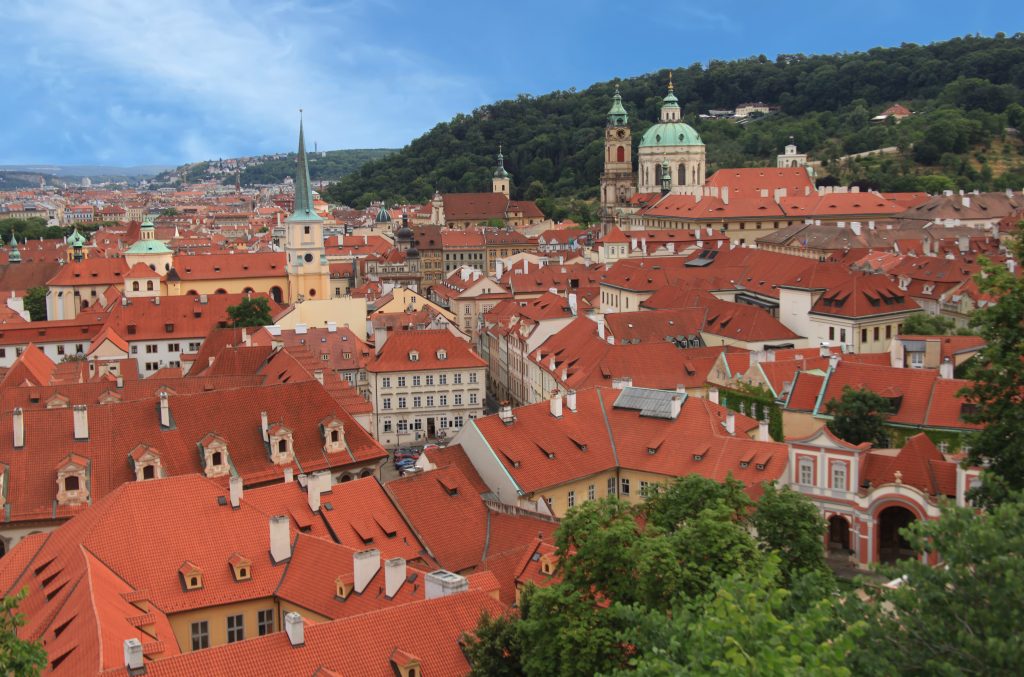
It begins with a whisper along the cobblestones of the Golden Lane, a shimmer in the air above Charles Bridge at dawn, a strange sense that time itself bends ever so slightly in Prague. Prague is a city of mirrors and mysteries, a sacred geometry etched into a medieval heart where saints walked, emperors schemed, and alchemists whispered to the stars.
Forged in a Crucible
Founded in the 9th century, Prague grew from the fortified castle of Vyšehrad. Prague’s fortunes rose and fell with Europe’s great tides of change. In the 15th century, it became the cradle of the Hussite Wars, fierce religious uprisings sparked by reformist preacher Jan Hus, who was burned at the stake in 1415. His martyrdom ignited a national movement that forever defined Czech identity and religious independence.
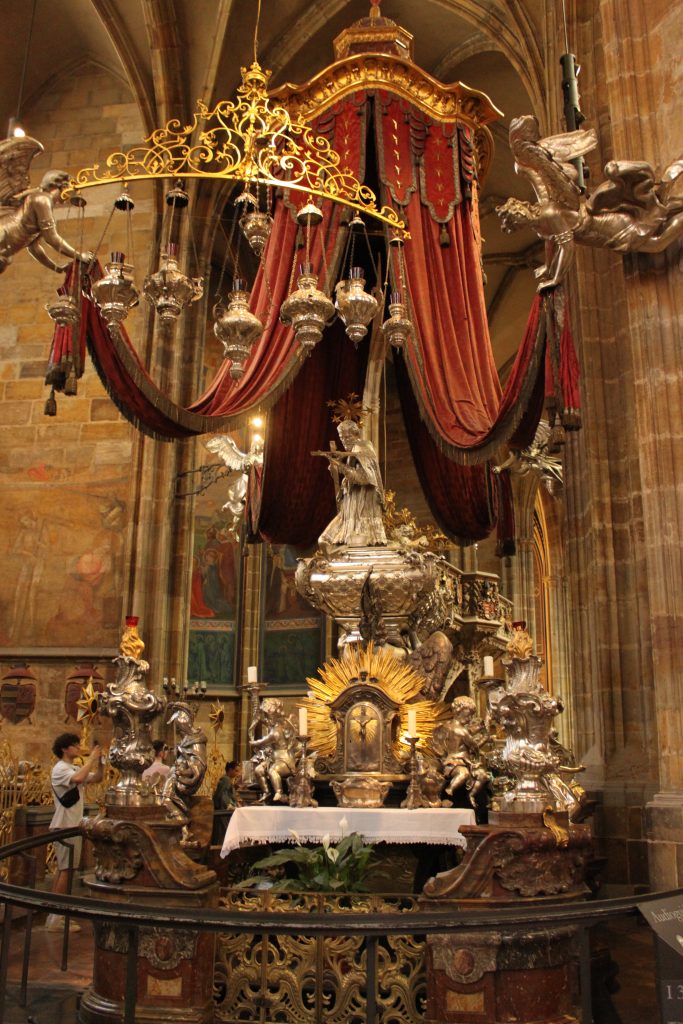
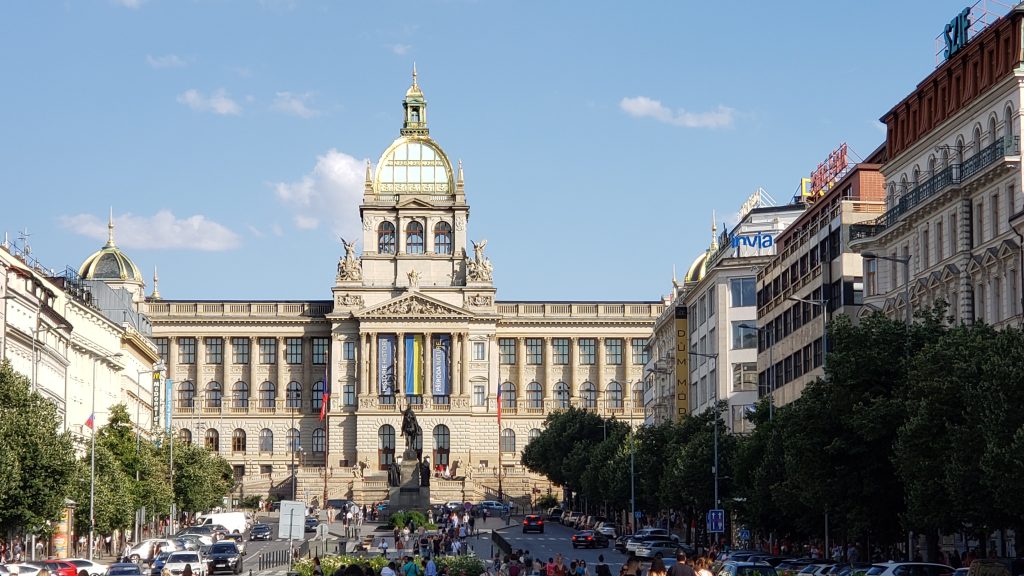
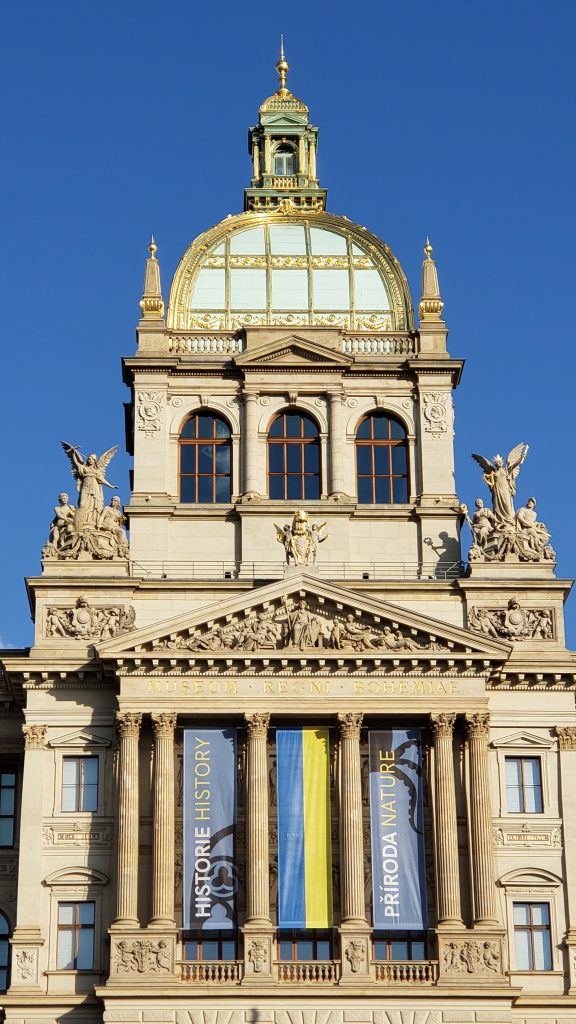
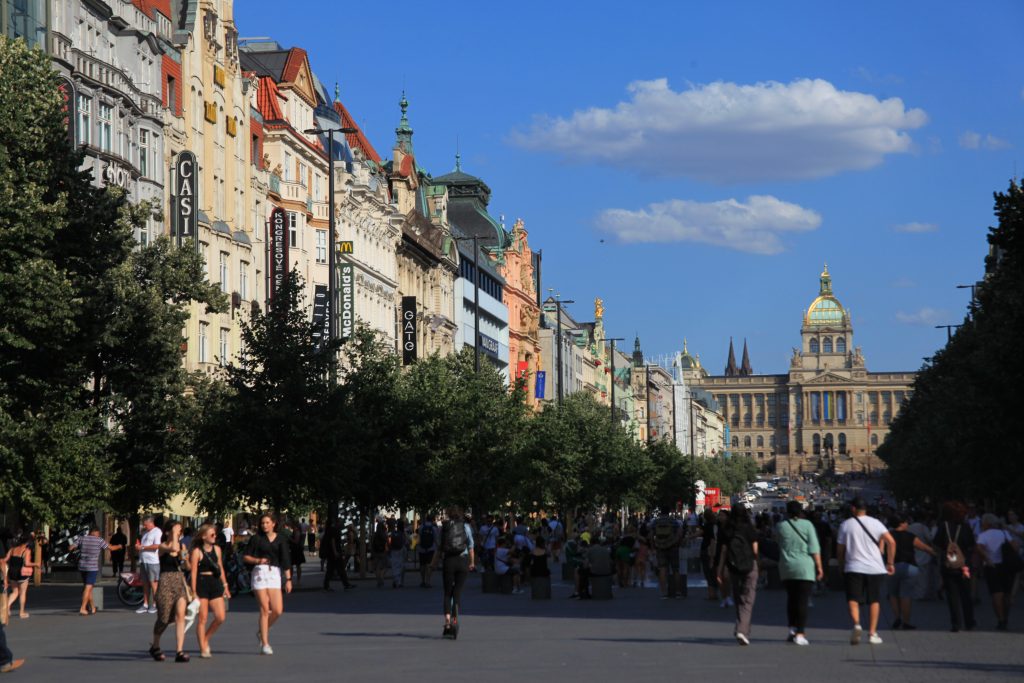
Another figure looming large in Prague’s early history is Duke Wenceslas I of Bohemia, known to many simply as Good King Wenceslas. (Yes, as in the Christmas carol!) Born in the early 10th century and ruling from Prague Castle, Wenceslas was a pious and learned leader whose Christian faith often clashed with the paganism and political violence of his time. He championed education, recruited clerics from Bavaria, and spread Christianity throughout Bohemia. But his noble ideals and refusal to adopt harsher feudal tactics led to his assassination by his own brother, Boleslav, in 935. Wenceslas, martyred and later canonized, became the patron saint of the Czech lands. His remains now lie enshrined in the Chapel of St. Lawrence. Wenceslas Square. Vitus Cathedral, where pilgrims still kneel.
In the centuries that followed, Prague endured the Thirty Years’ War, saw Czech nationalism rise and fall, and eventually came under Habsburg rule. Even during periods of repression, intellectual life thrived through universities, secret salons, and scientific societies buzzing with subversive thought. In the 19th century, the Czech National Revival reignited interest in the Bohemian language and culture, making Prague the beating heart of a cultural renaissance.
The Golden Years
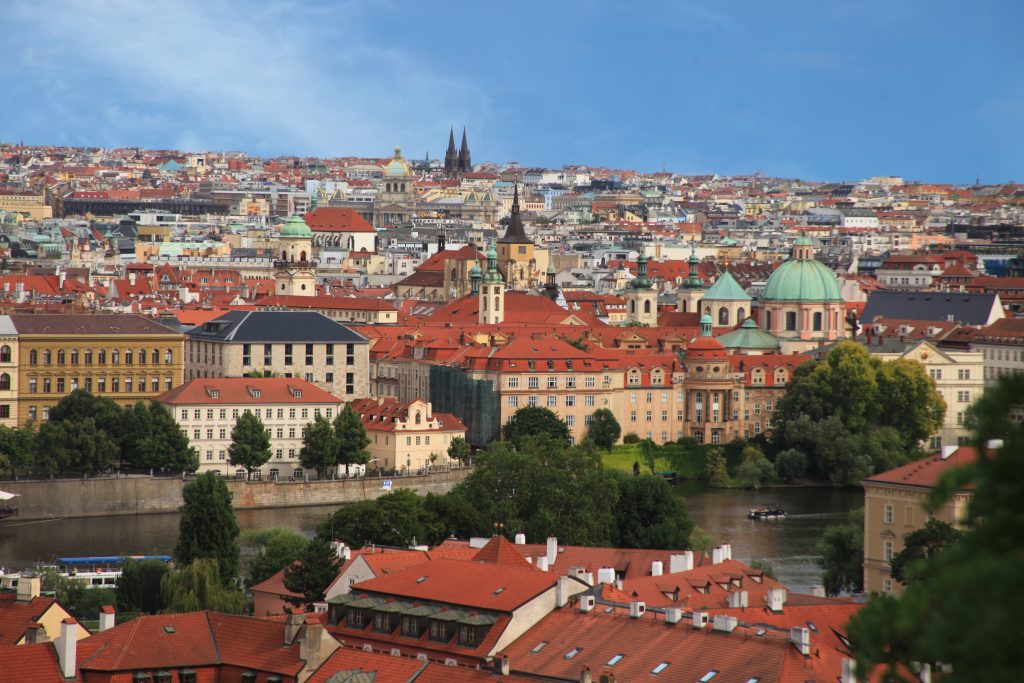
Prague reached its zenith as the capital of the Kingdom of Bohemia and later as the seat of the Holy Roman Empire under Emperor Charles IV. But it was under Emperor Rudolf II (1576-1612) that Prague became not just a political and artistic capital, but the mystical heart of Europe.
Rudolf was more than a patron of the arts and sciences; he was obsessed with unlocking the universe’s secrets. His court welcomed astrologers, magicians, and alchemists like John Dee and Edward Kelley, transforming the city into a hub of esoteric inquiry and experimentation. In fact, many of Prague’s streets were laid out along energetic ley lines by Rudolph to maximize the city’s power and prosperity. During his reign, Prague became less an imperial capital than a metaphysical one, a place where arcane knowledge and human ambition danced dangerously close.
Prowling Prague
Bisected by the Vltava River, the best way to experience this city of stunning views is to split your time between Prague‘s Upper Town and Lower Town on the West side and Old Town Square on the East side.
The Upper Town/Castle District (Hradčany):
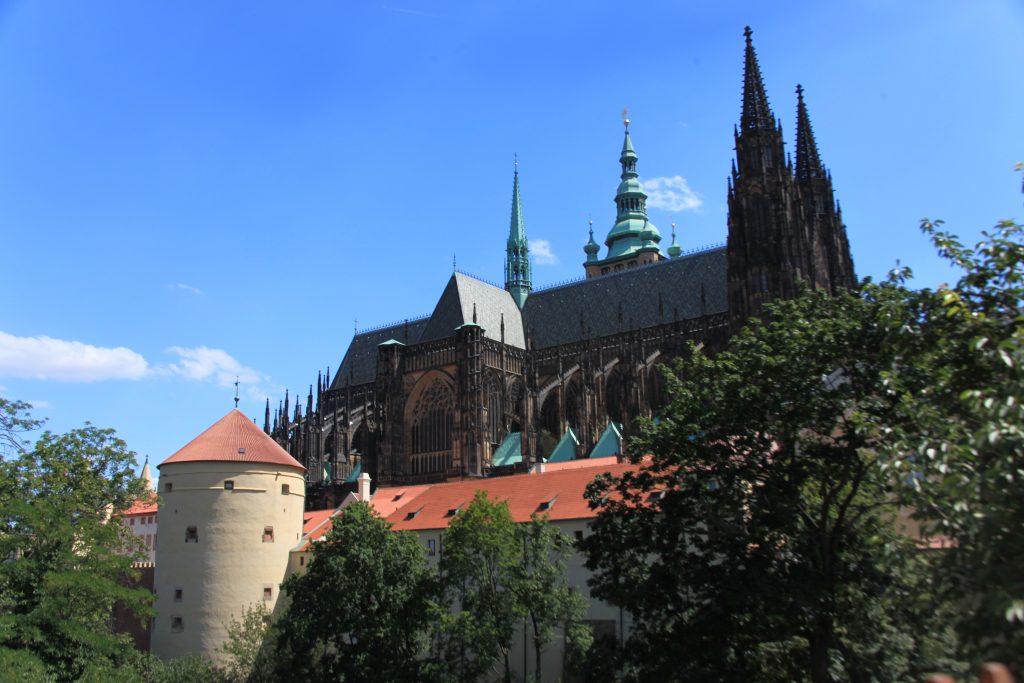
Perched high above the Vltava, Hradčany’s Upper Town is the crown of Prague, home to the majestic Prague Castle and its sweeping courtyards. This quarter, historically the seat of monarchs, churchmen, and courtiers, carries a ceremonial stillness. Its cobbled lanes wind past noble palaces, including the Schwarzenberg and Archbishop’s Palace, their facades etched with Renaissance sgraffito or gilded trim. The neighborhood’s quiet grandeur is punctuated by the stately Loreto pilgrimage site with its melodic carillon and the Strahov Monastery, whose Philosophical Hall—lined floor to frescoed ceiling with ancient tomes—leaves historians speechless. Hradčany stands as a world unto itself: noble, contemplative, and imbued with imperial echoes.
The Lower Town (Malá Strana):
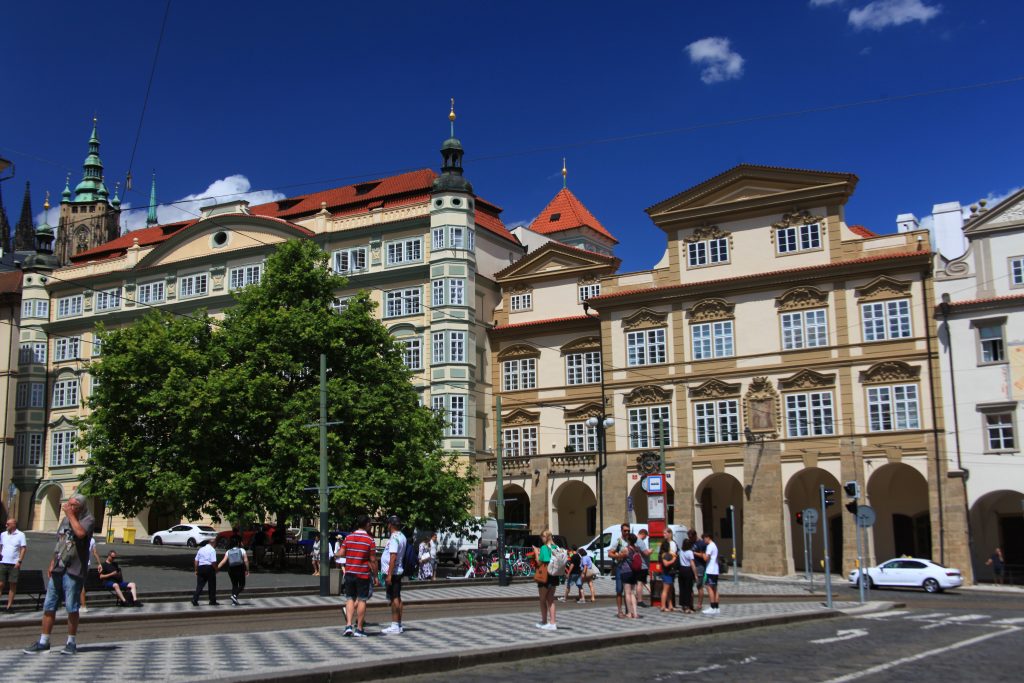
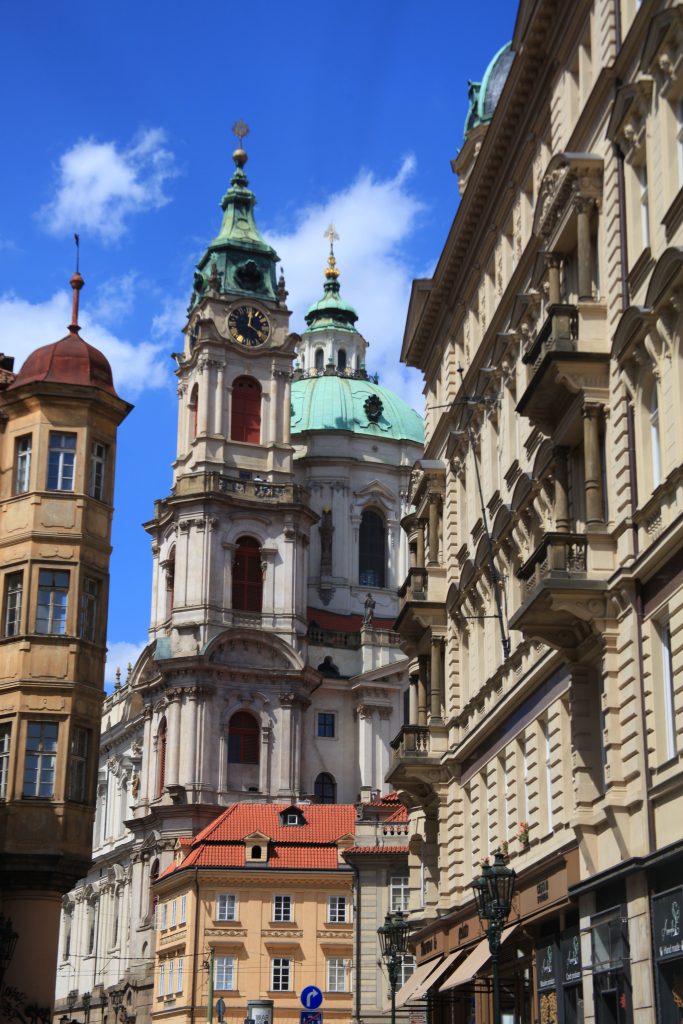
Malá Strana, tumbling down the castle hill to the Vltava‘s banks, is where Prague‘s mystical heart begins to beat louder. Once home to artisans, Jesuits, and dignitaries, this baroque jewel box still brims with secrets. Lavish 17th-century townhouses flank lantern-lit alleys that open onto hidden gardens or mossy stairwells. You’ll find the Church of St. Nicholas here, its green dome and interior frescoes a triumph of High Baroque, along with the Wallenstein Palace and its roaming peacocks and mannerist grottos. This is also the quarter of the alchemists, where legend says gold was pursued and angels were consulted in smoky cellars. To walk Malá Strana is to trace the hidden geometry of Prague’s metaphysical soul.
What To See in the Castle District
Wander through the castle district where the air seems thick with whispers from the past. Here are Prague’s key historic landmarks, each carrying the city’s rich legacy:
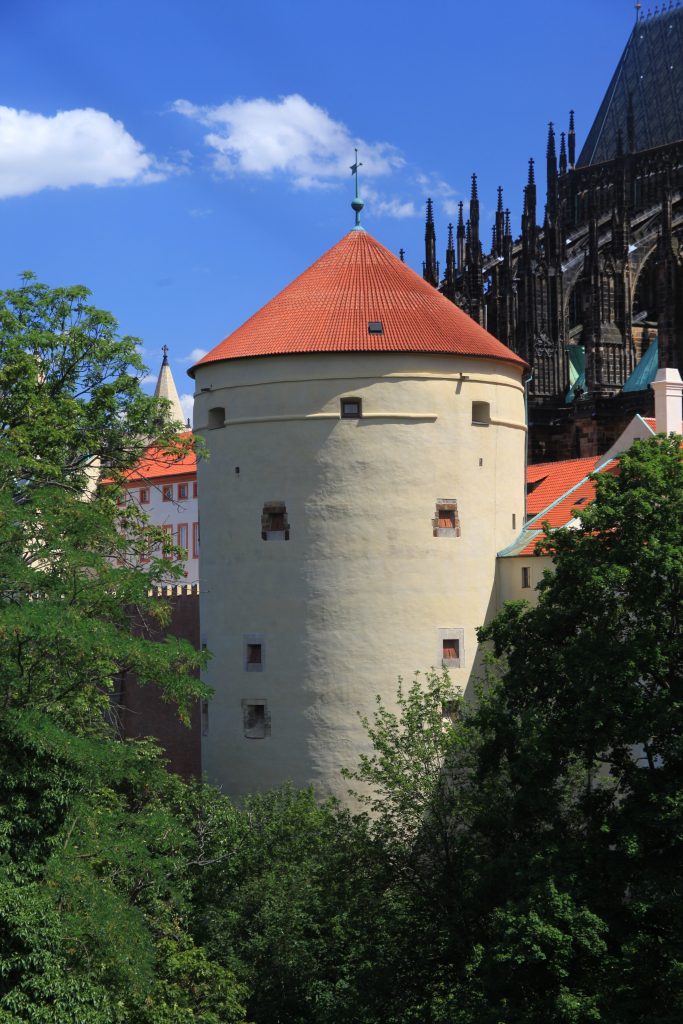
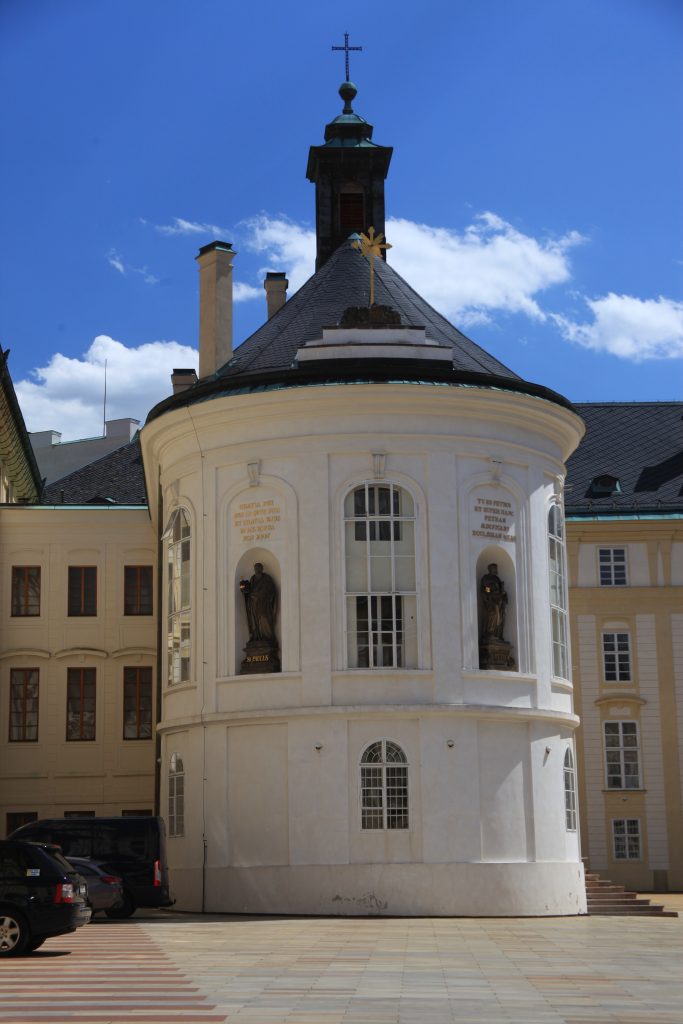
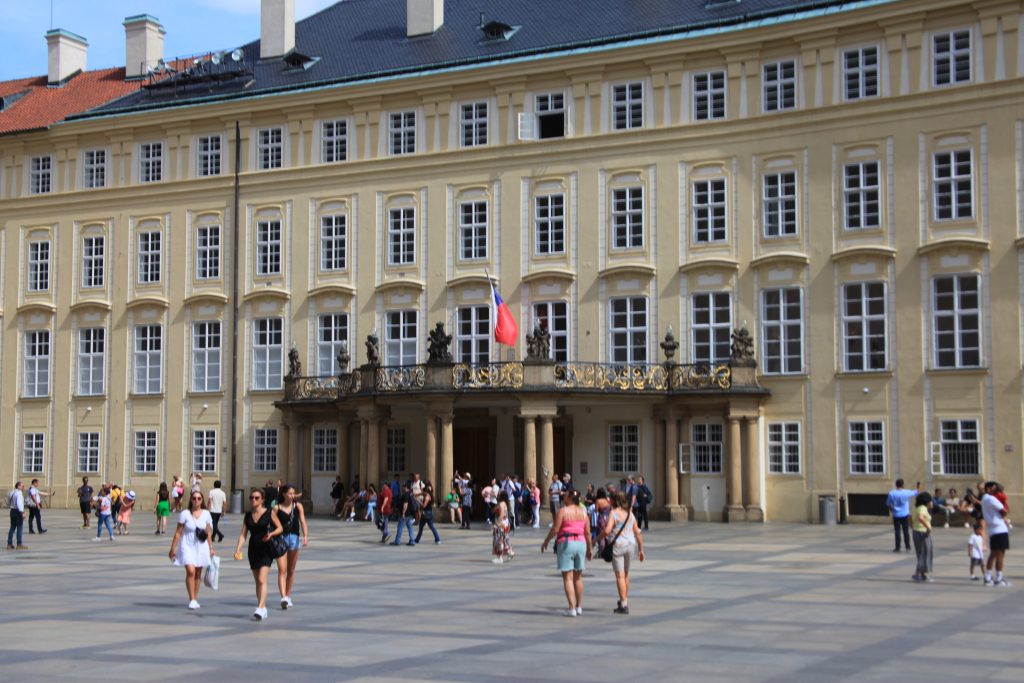
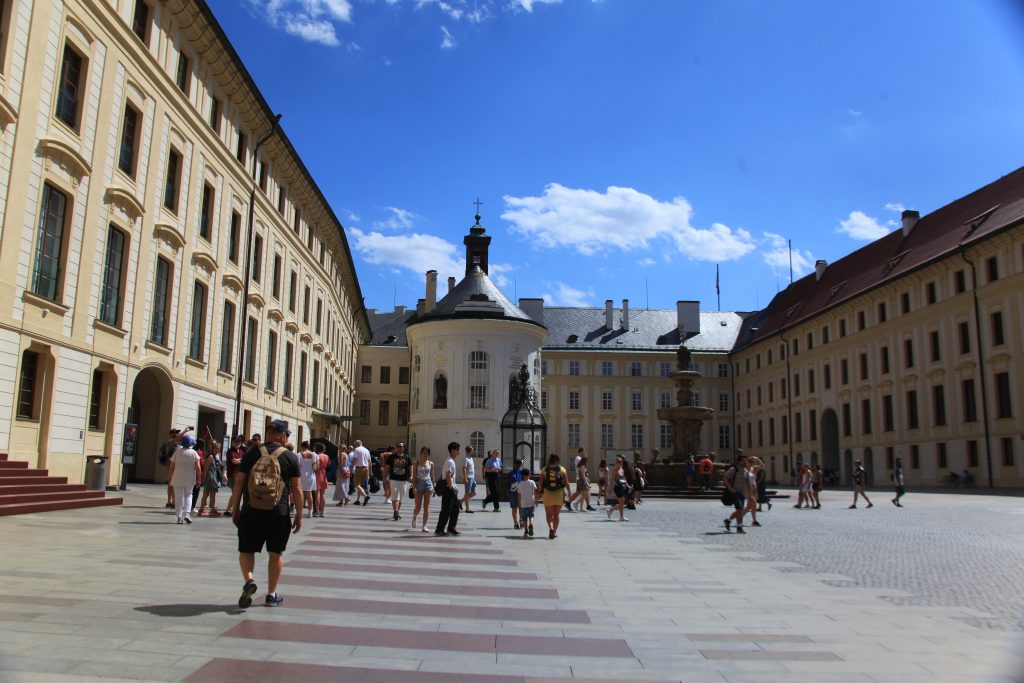
- Prague Castle (Pražský hrad): The largest ancient castle complex in the world, dating from the 9th century, it has been rebuilt and expanded through Romanesque, Gothic, and Renaissance periods. Explore the Old Royal Palace, with its vaulted Vladislav Hall used for banquets and jousts. Don’t miss the Story of Prague Castle exhibit, which traces the city’s royal lineage.
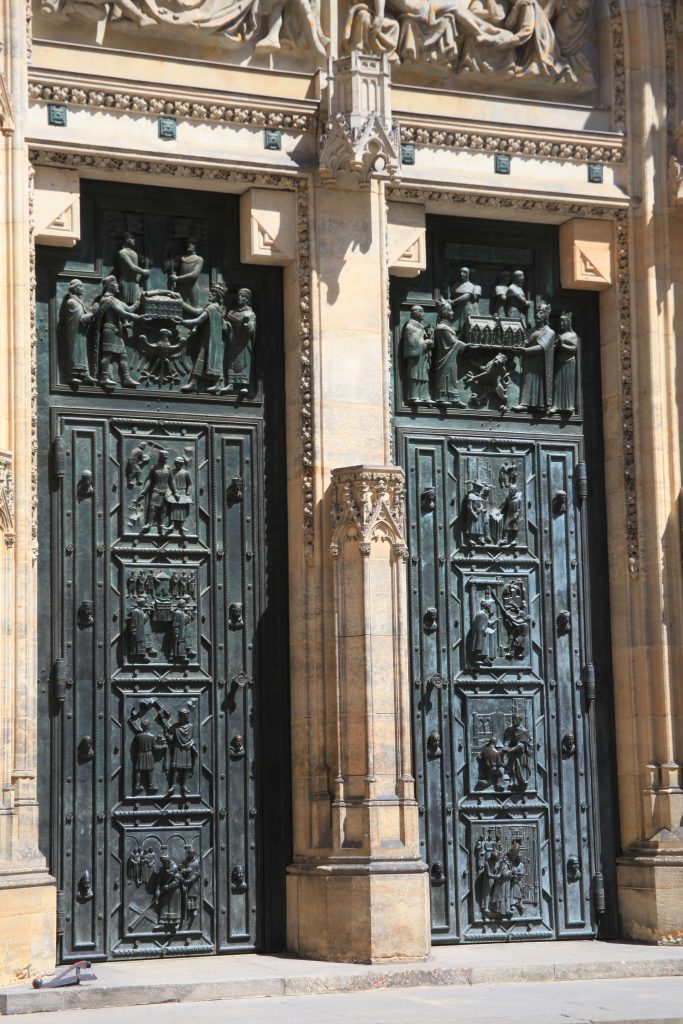
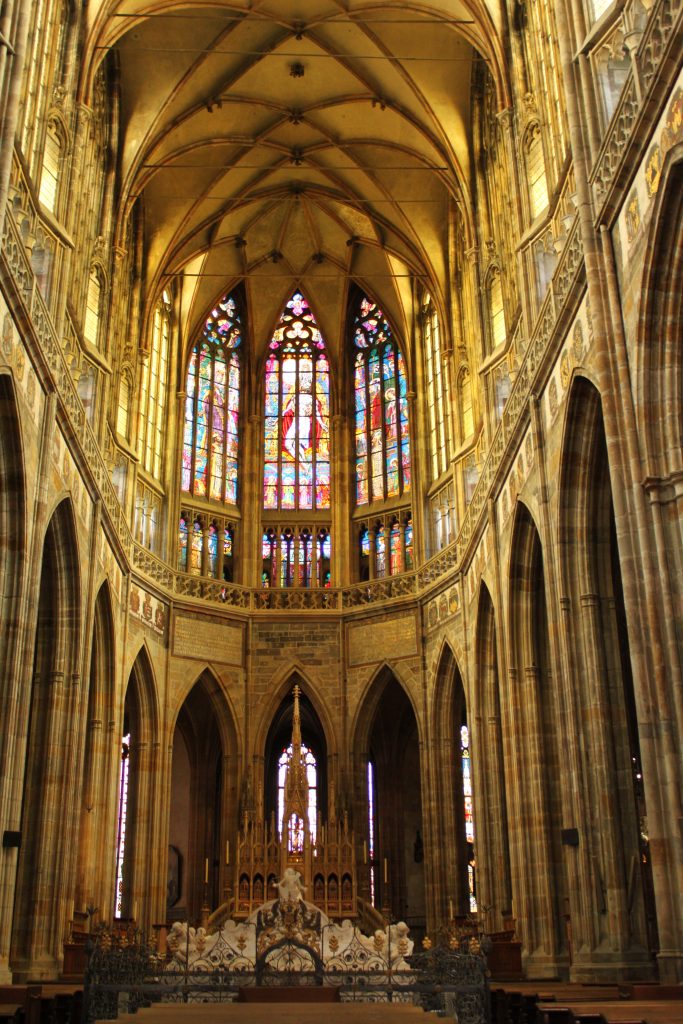
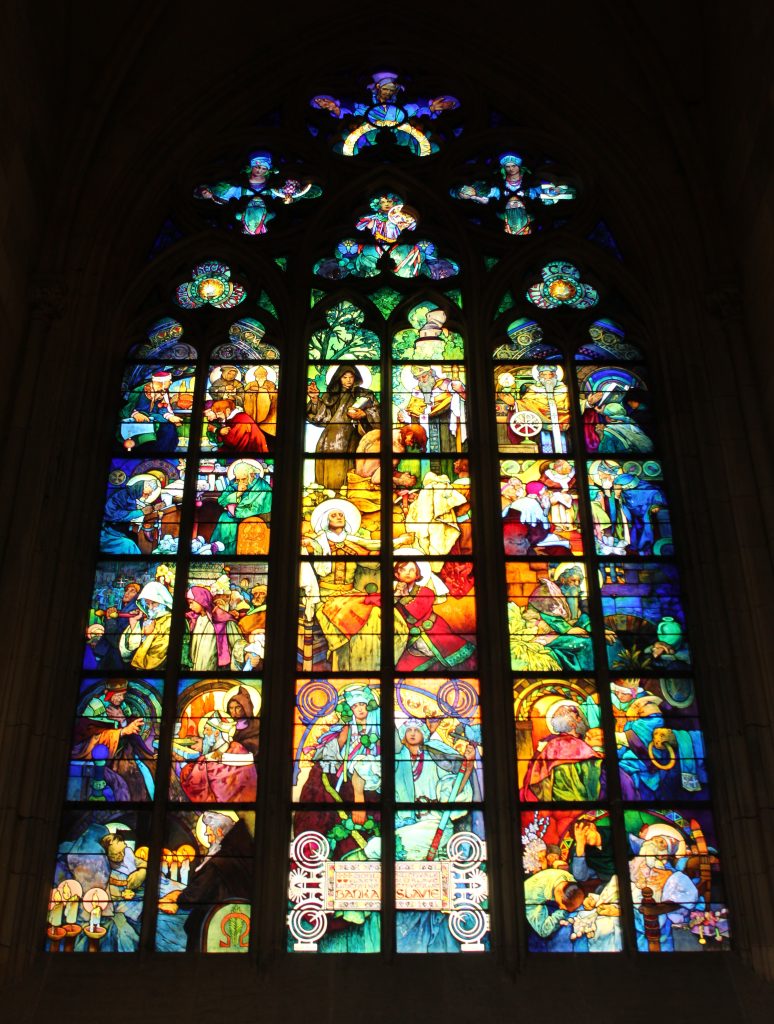
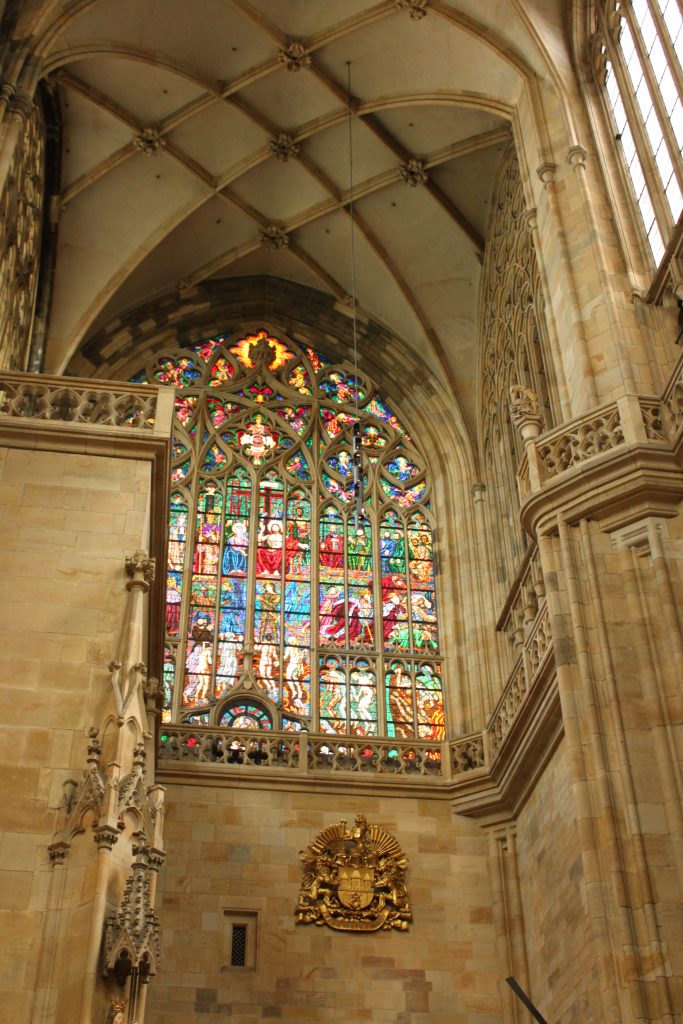
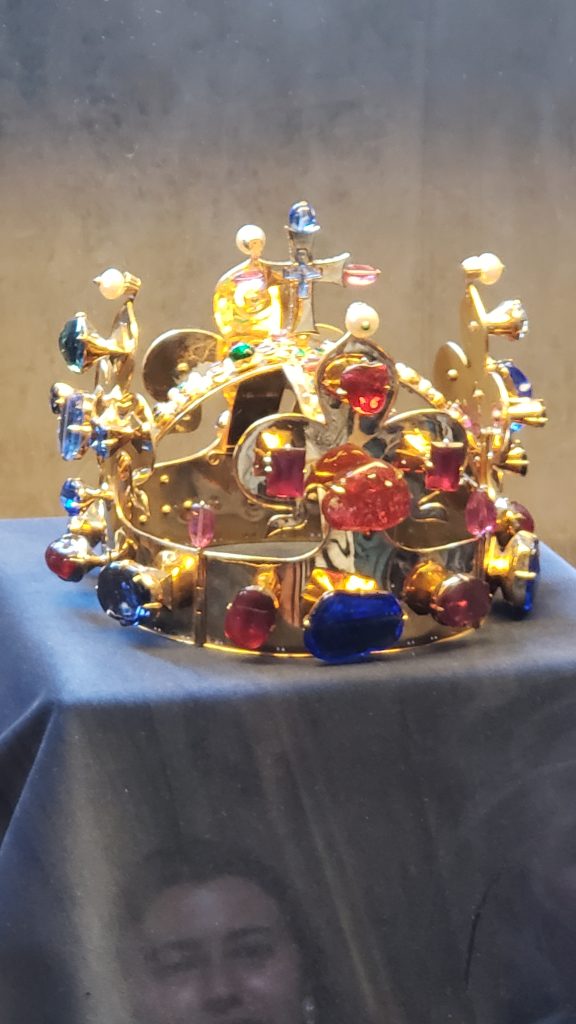
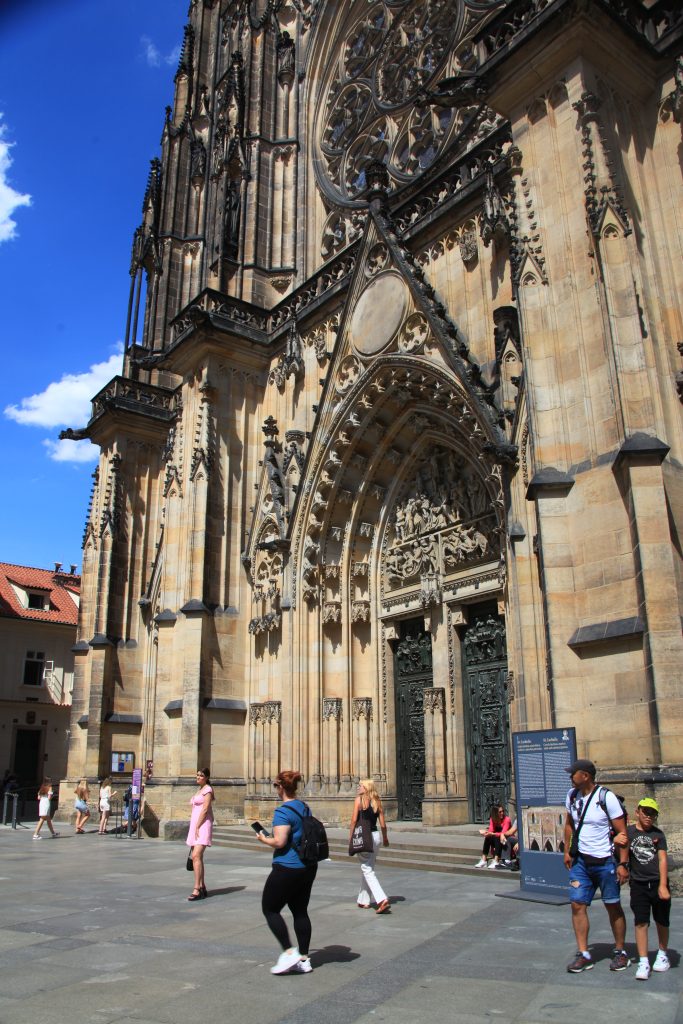
- St. Vitus Cathedral: Towering within the castle complex, this Gothic masterpiece took over 600 years to complete. It houses the tombs of Bohemian kings, the Chapel of St. Wenceslas with its jewel-encrusted walls, and breathtaking stained glass by Alfons Mucha. Climb the bell tower for panoramic city views.
- Old Royal Palace: Originally constructed in the 12th century, it features the stunning Vladislav Hall, an architectural marvel with its ribbed vaults and Gothic grandeur. The hall was used for knightly tournaments indoors, a testament to Bohemian flair.
- Basilica of St. George: The oldest surviving church building in the castle complex, Romanesque in structure with stark, solemn beauty and a powerful sense of age. Founded in 920, it holds the tomb of Ludmila of Bohemia.
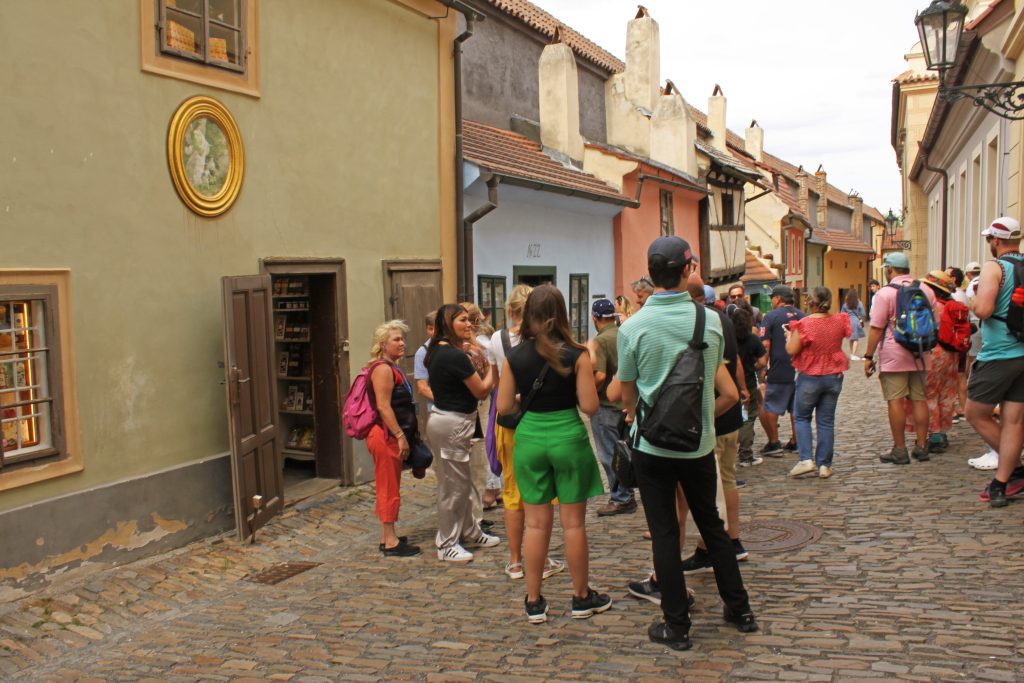
- Golden Lane (Zlatá ulička): This fairy-tale row of tiny houses once sheltered goldsmiths, castle guards, and, by legend, alchemists. House No. 22 is where Kafka’s sister lived, and where Kafka himself briefly worked.
- Lobkowicz Palace: The only privately owned building in the castle grounds, home to the remarkable Lobkowicz collections of art, weaponry, and manuscripts, including a Beethoven original score.
Bridging the Castle District and Old Town
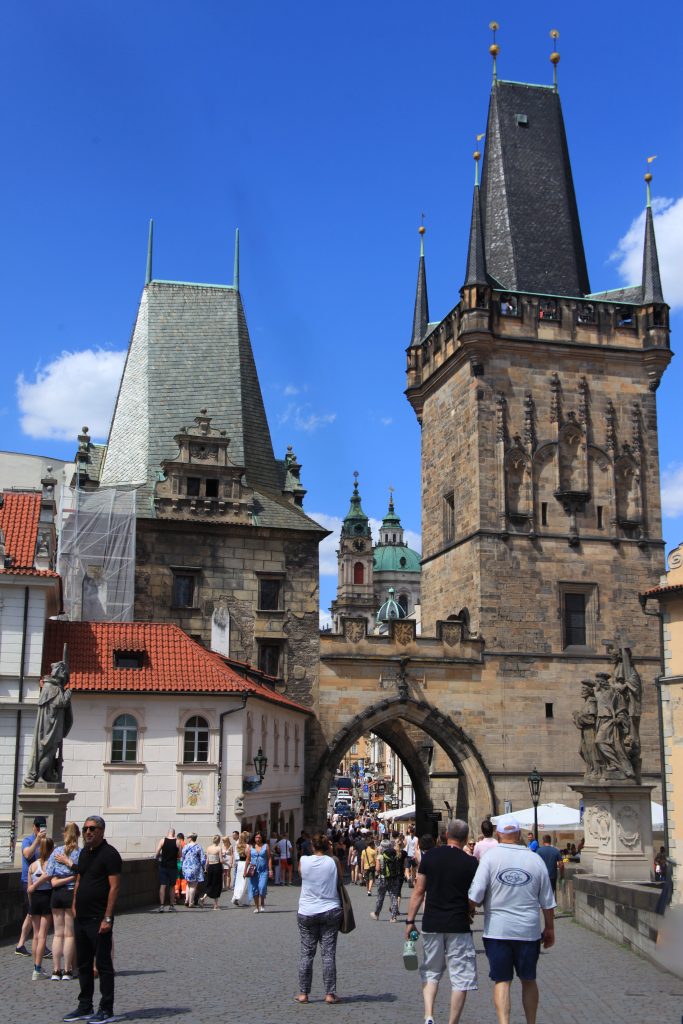
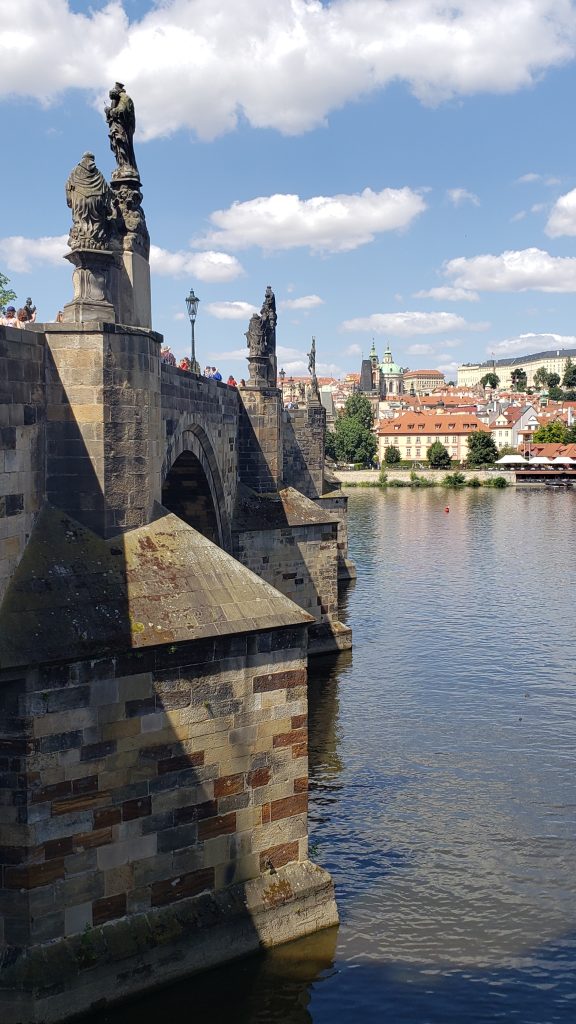
Spanning the Vltava is one of Europe’s most impressive bridges. The Charles Bridge, a 14th-century stone marvel commissioned by Charles IV, is lined with 30 Baroque statues. The bridge was built upon the foundation of sacred numbers; legend has it the cornerstone was laid at exactly 5:31 a.m. on July 9, 1357 for astrological harmony (1357 9 7 5:31). The most venerated of the bridge’s saints is St. John of Nepomuk was thrown into the Vltava River for refusing to divulge the queen’s confession to King Wenceslas IV. Touch the statue’s base relief to ensure your return to Prague.
Spanning the Vltava is one of Europe’s most impressive bridges. The Charles Bridge, a 14th-century stone marvel commissioned by Charles IV, is lined with 30 Baroque statues. The bridge was built upon the foundation of sacred numbers; legend has it the cornerstone was laid at exactly 5:31 a.m. on July 9, 1357 for astrological harmony (1357 9 7 5:31). The most venerated of the bridge’s saints is St. John of Nepomuk was thrown into the Vltava River for refusing to divulge the queen’s confession to King Wenceslas IV. Touch the statue’s base relief to ensure your return to Prague.
A Visit to The Old Town
Step into Prague’s Old Town and you’re stepping into centuries of living history woven through every street. By day, sunlight glints off Gothic finials and Baroque domes, casting long shadows across stone arcades and amber-lit doorways. The air carries hints of beeswax and roasted chestnuts, punctuated by distant bell tolls. Cobblestones uneven with age lead you through a labyrinth of alleys that shift with each turn, as if the city itself responds to your curiosity. And when dusk falls, gas lamps flicker to life, transforming the square into a sepia-toned dream where saints, rebels, and astronomers still seem to linger in silhouette. Here, among market stalls and arcane signs, you begin to suspect that Prague is less a place and more a spell you’ve accidentally stepped into.
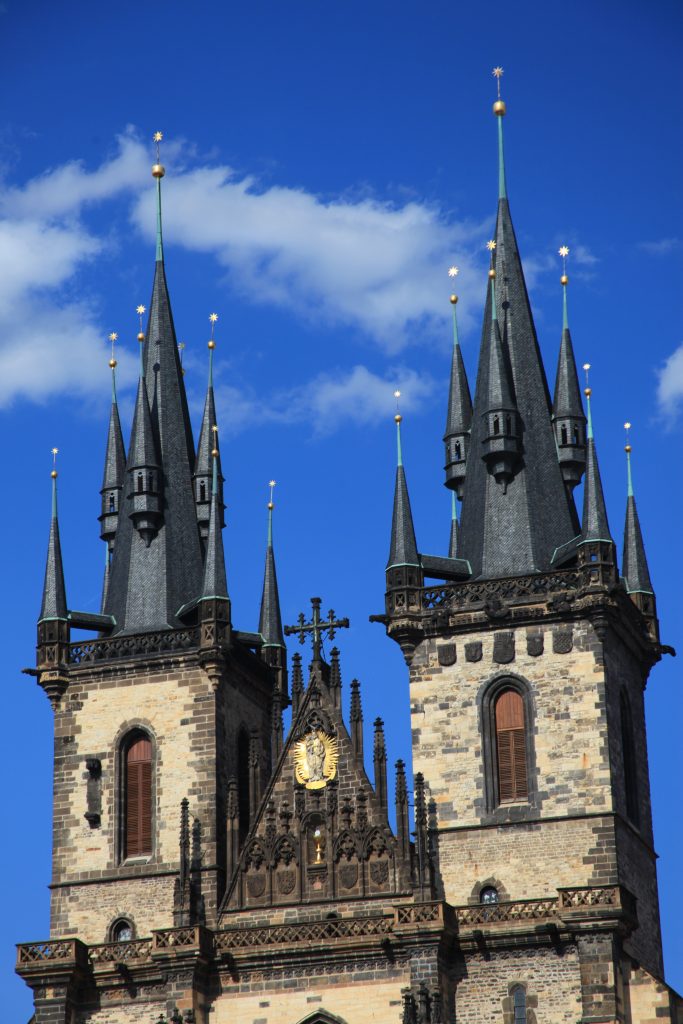
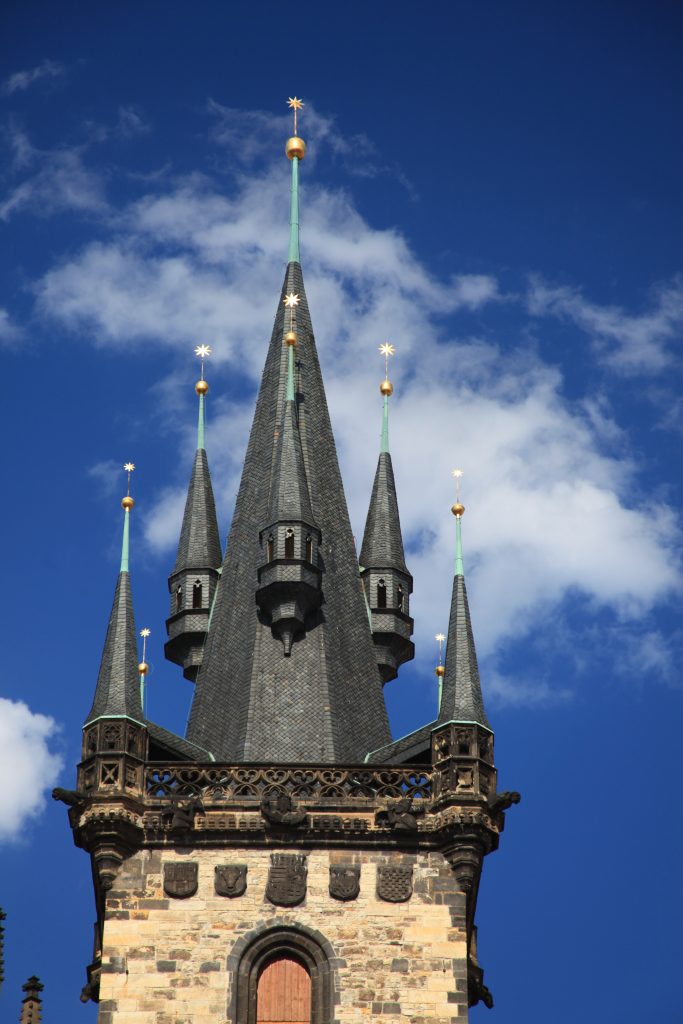
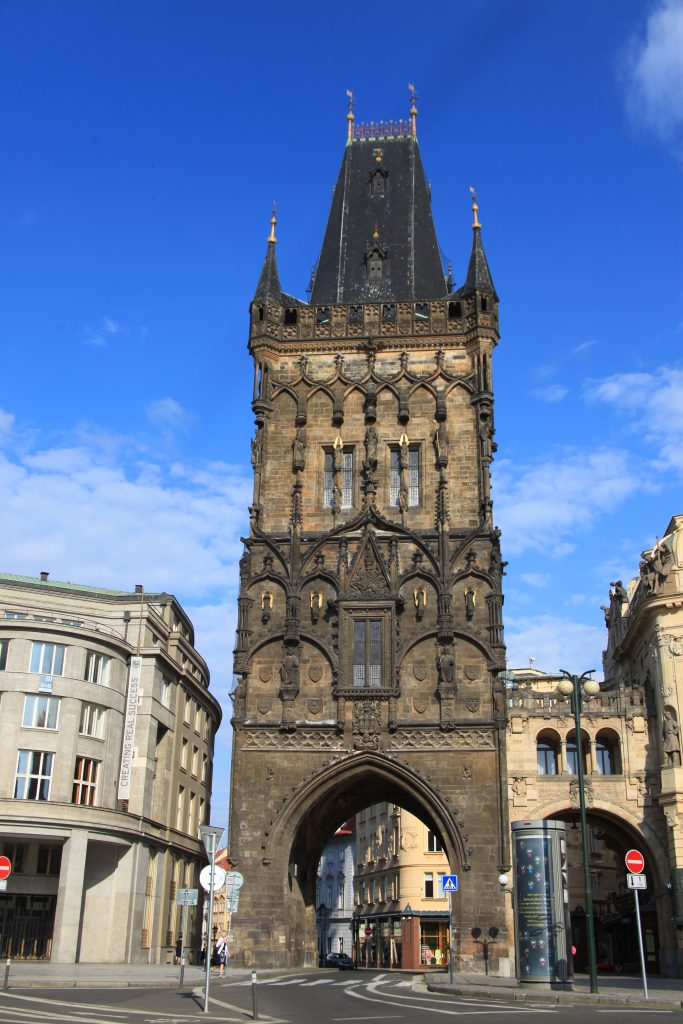
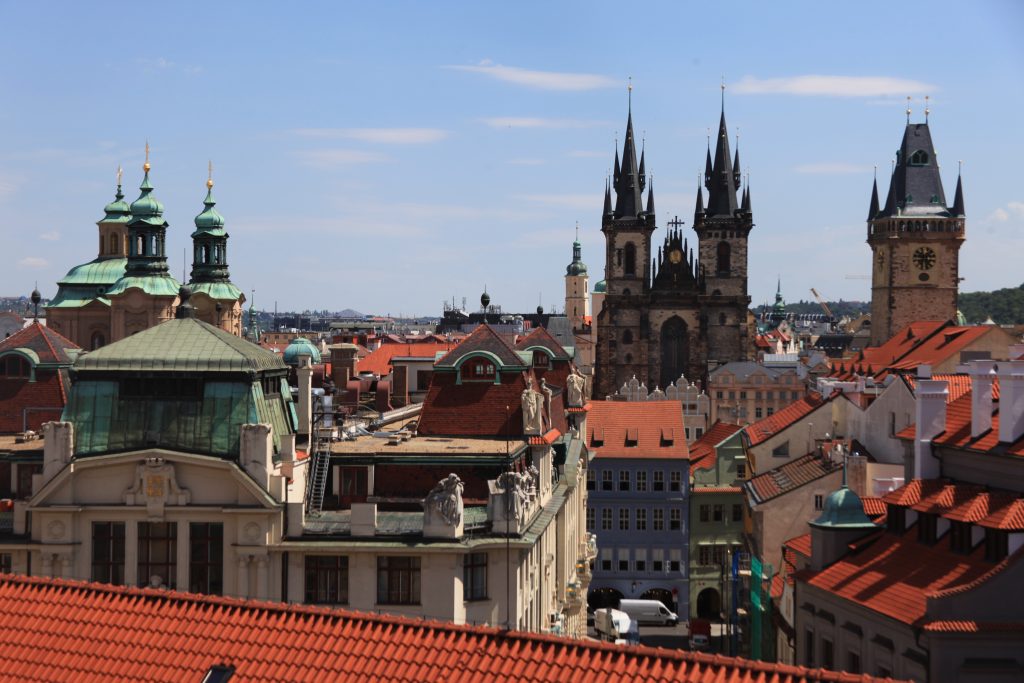
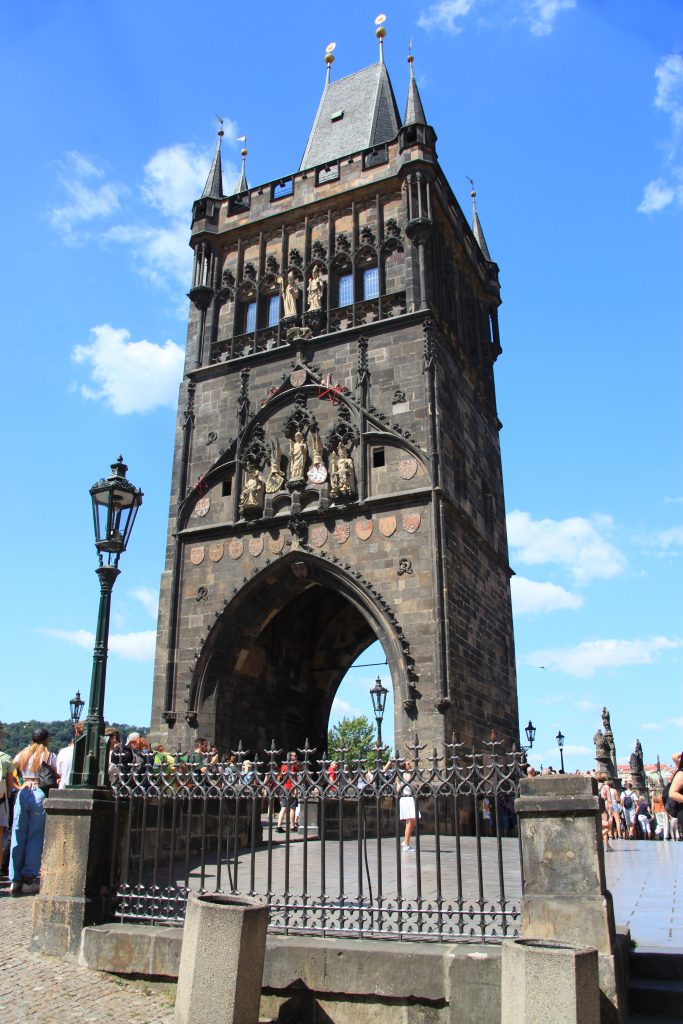
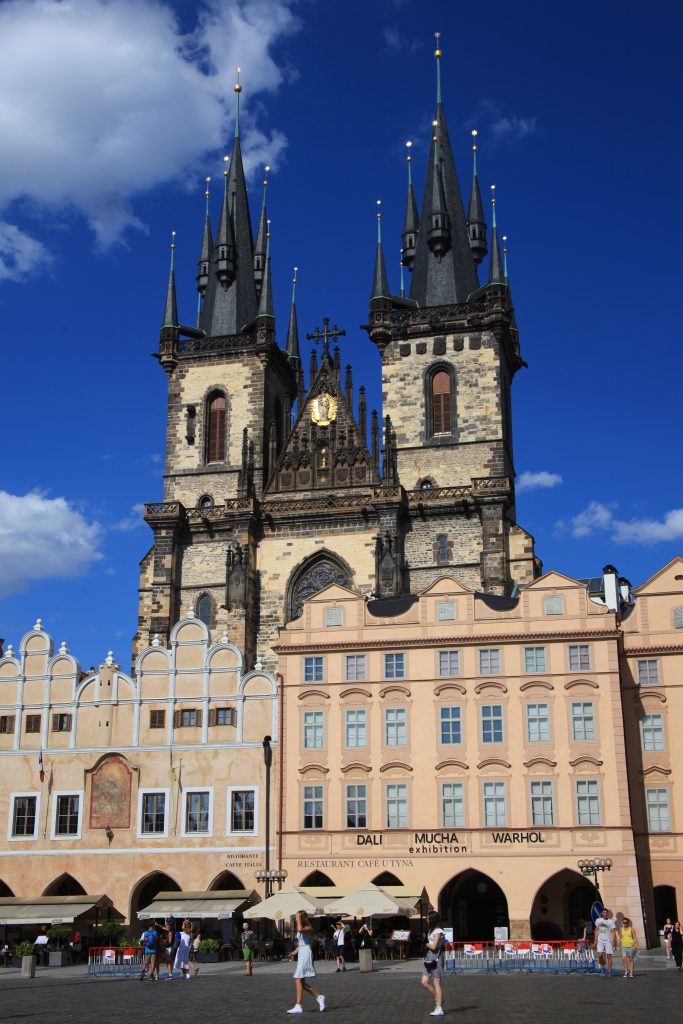
And don’t forget that Prague is known as “The City of a Hundred Spires,” though the moniker was first coined in the 19th century by Czech mathematician and philosopher Bernard Bolzano, and it remains a modest understatement. Today, Prague has more than 500 spires, each a stone finger pointing skyward in prayer, marking time, power, or devotion. From the Gothic spires of the Church of Our Lady before Týn to the Baroque domes of St. Stand on Petřín Hill or atop the Old Town Bridge Tower, and you’ll witness a sea of copper roofs and spires unfurling into the mist, an urban forest of faith, ambition, and centuries of architectural storytelling. In Prague, the skyline reads like a manuscript.
What to See in Old Town
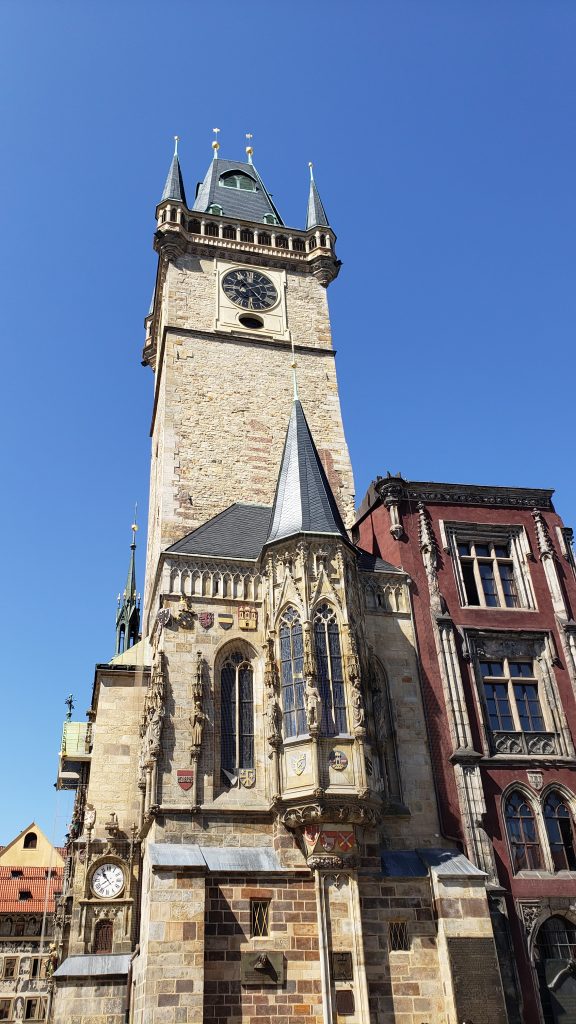
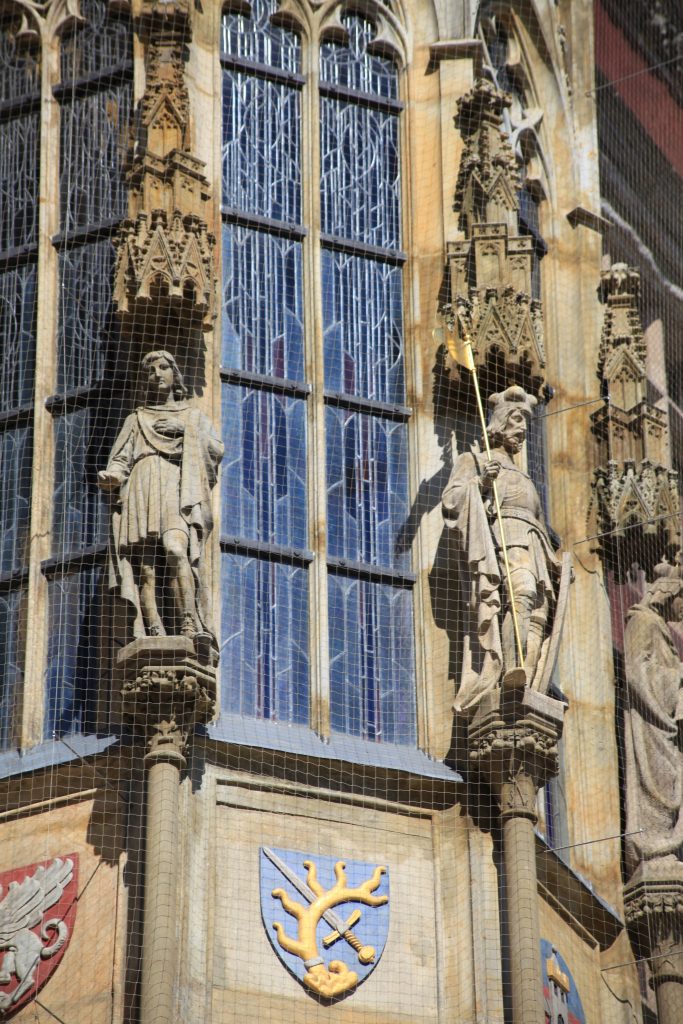
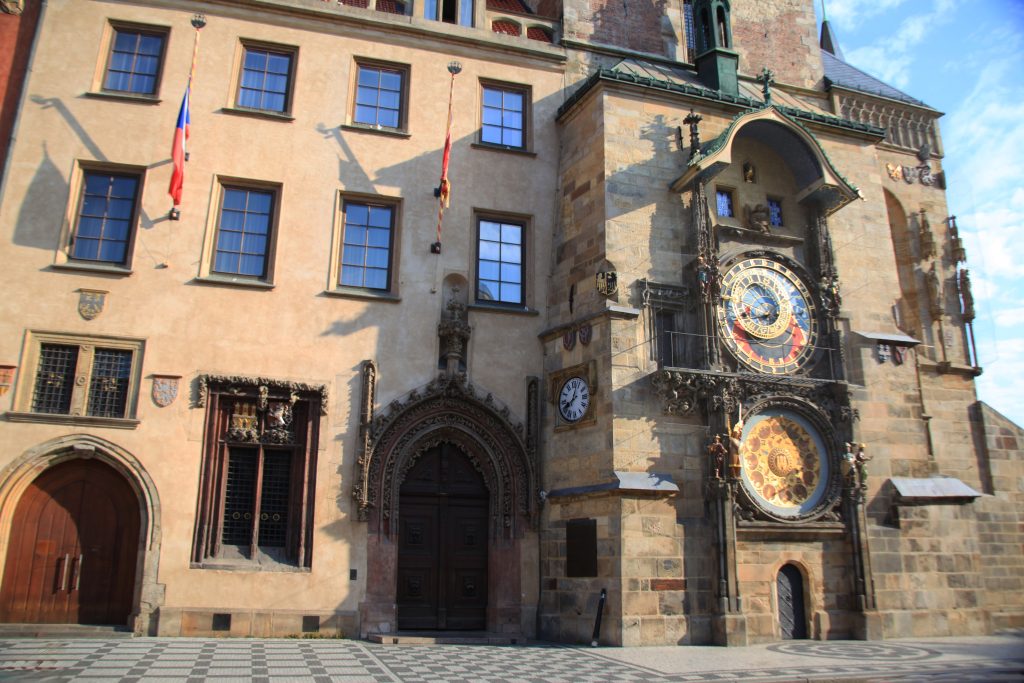
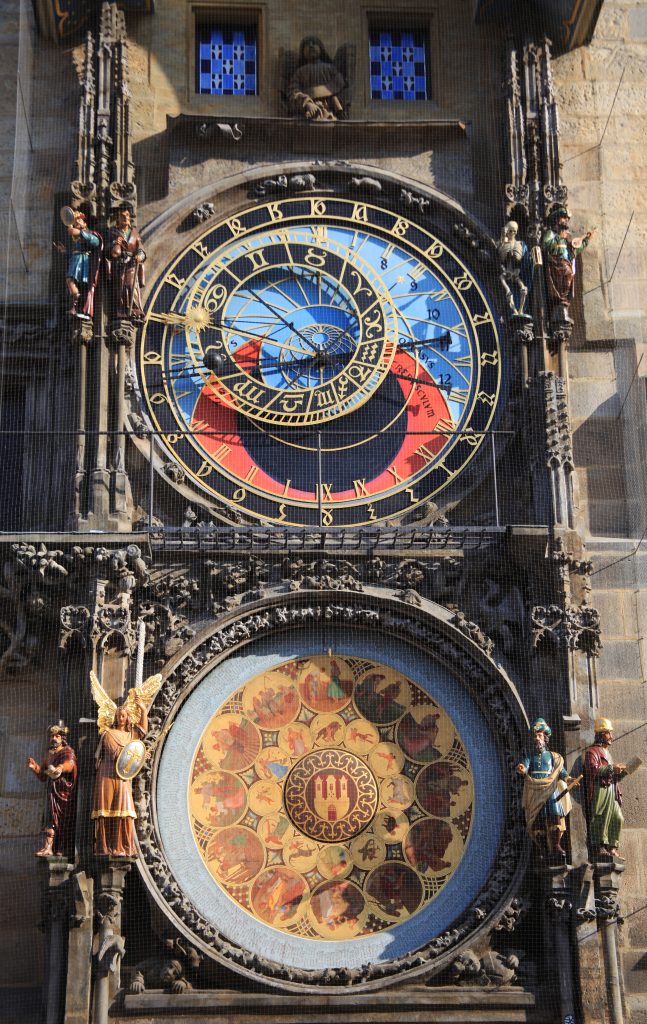
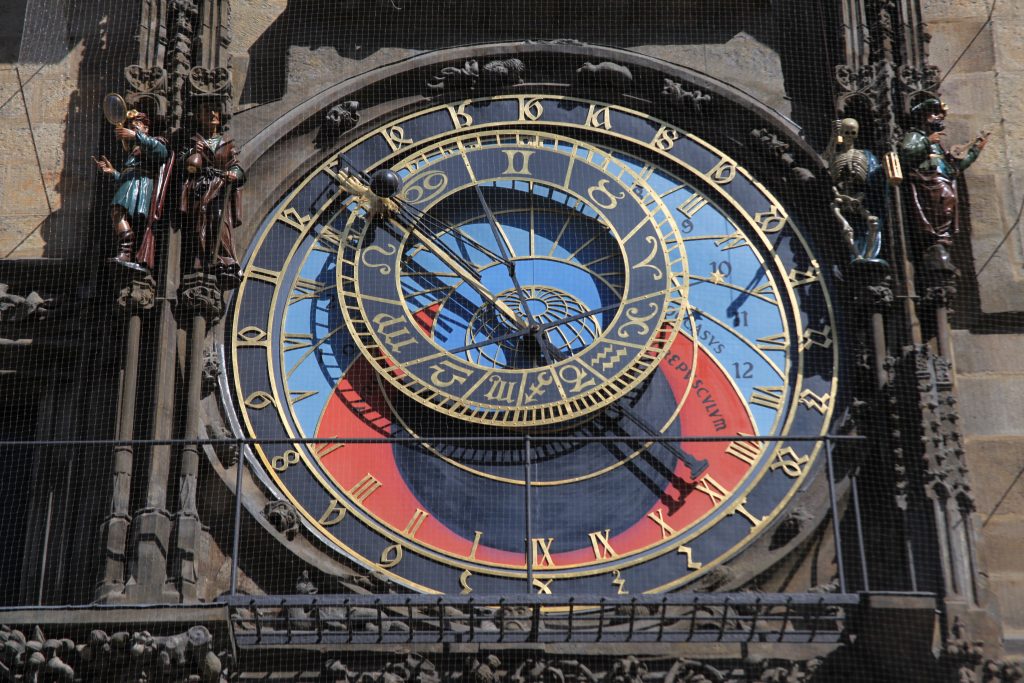
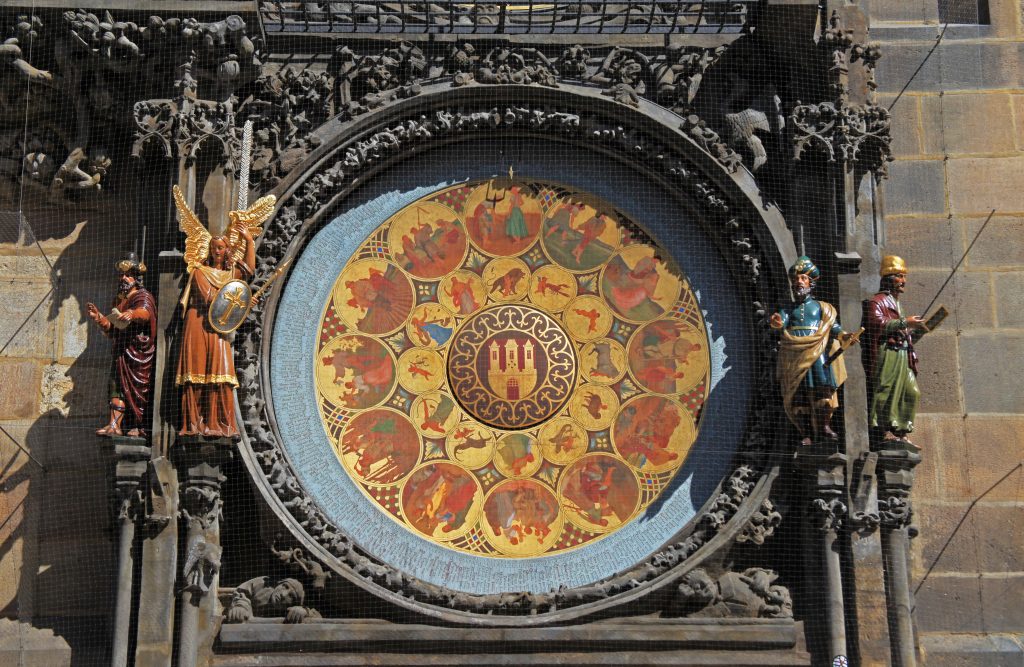
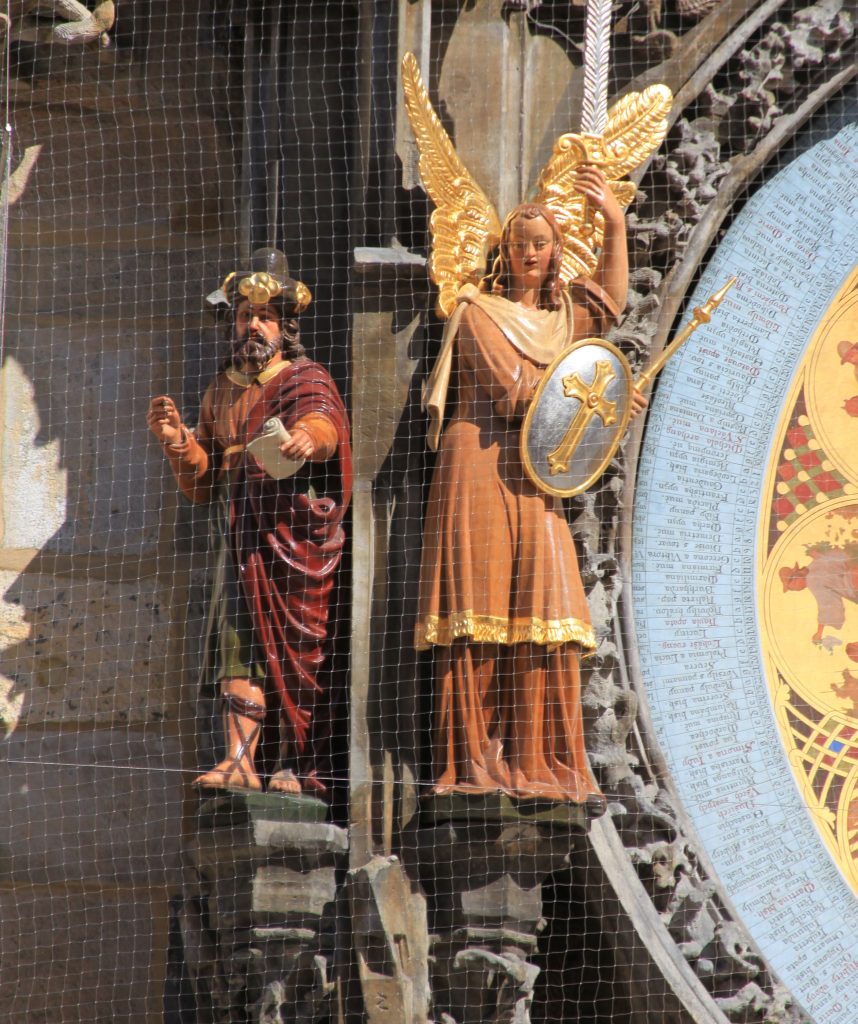
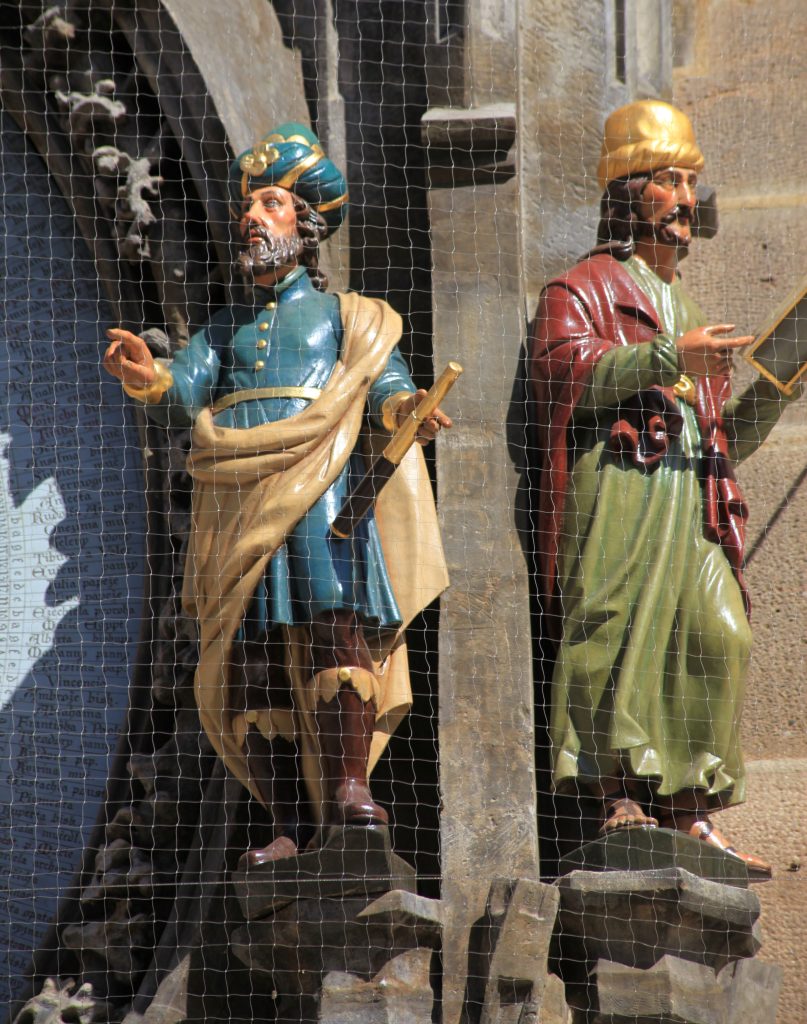
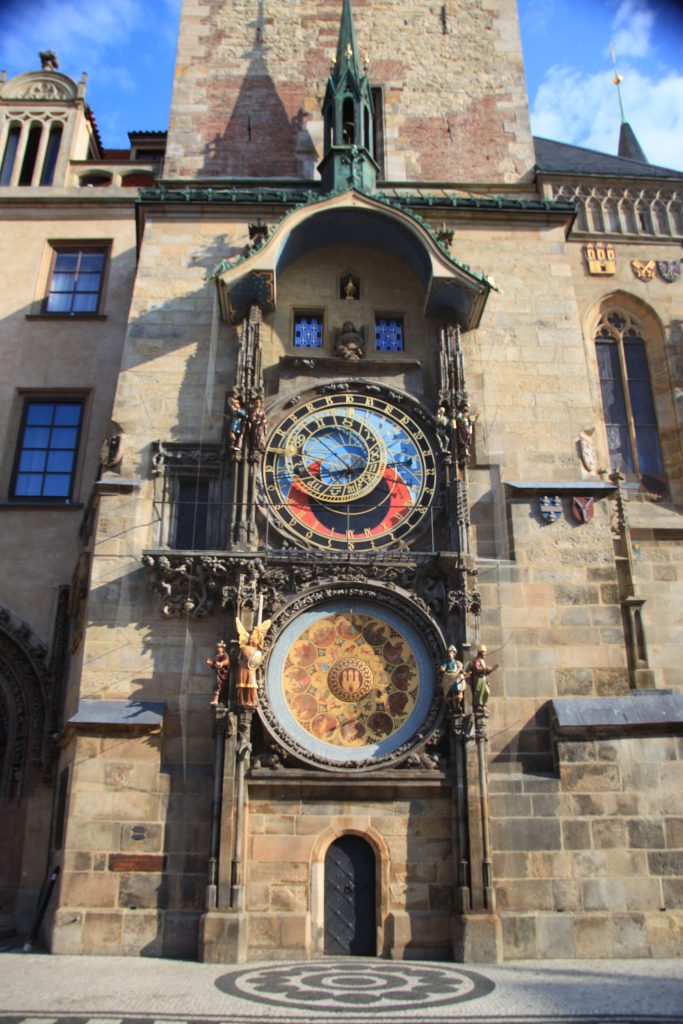
- Astronomical Clock (Orloj): Affixed to the Old Town Hall since 1410, it is the third-oldest astronomical clock in the world and the oldest still in operation. Each hour, animated figures, including Death, Vanity, and a parade of apostles, delight onlookers in Old Town Square. I had long yearned to see this historical marvel and it doesn’t disappoint. But don’t pass up a chance to tour the Old Town Hall with Prague’s historic council chambers.
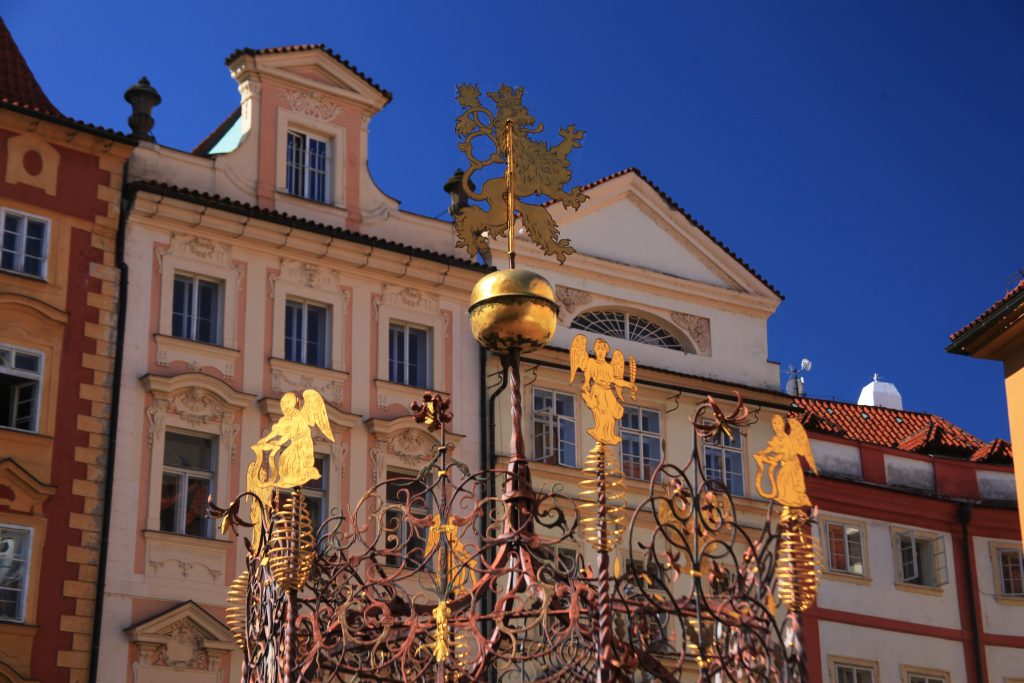
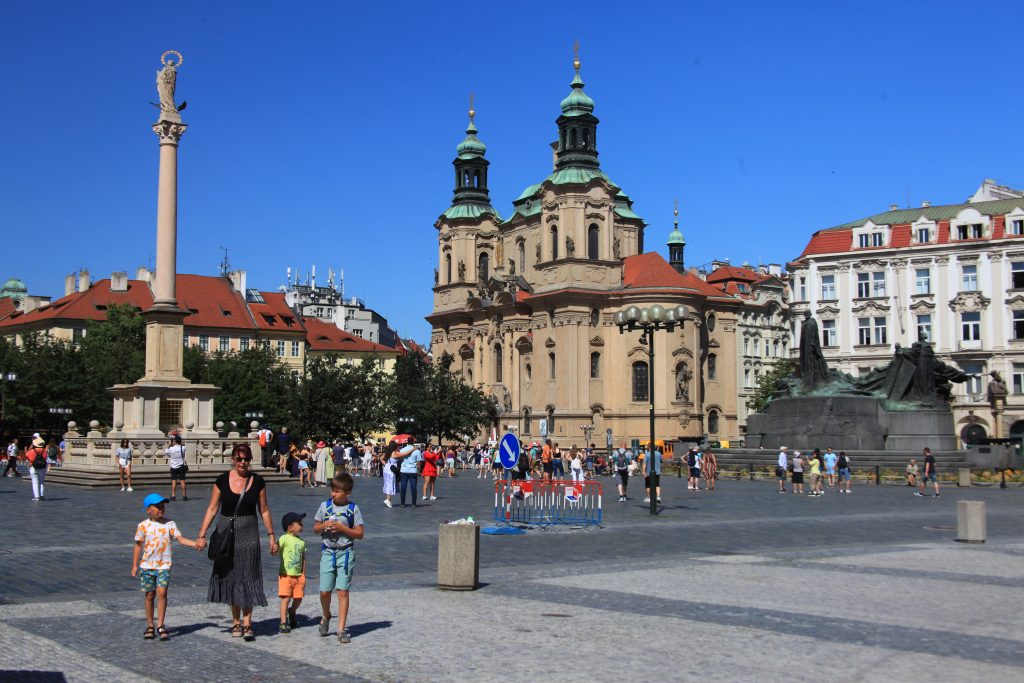
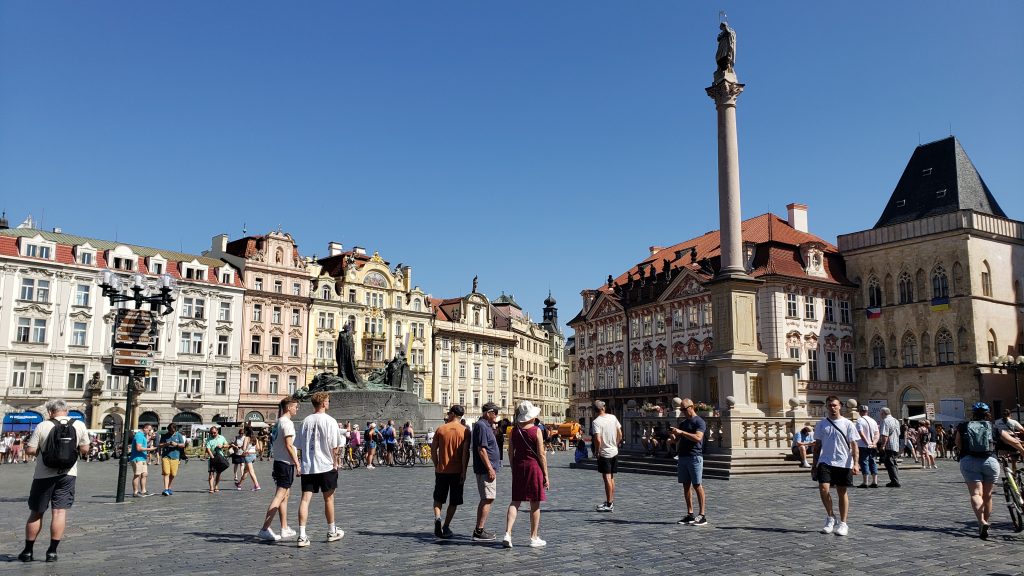
- Old Town Square (Staroměstské náměstí): The city’s central civic space since the 12th century, it is encircled by Gothic and Baroque buildings, including:
- Church of Our Lady before Týn: With its twin Gothic spires, this church dominates the square. Once a stronghold for the Hussites, it contains a richly decorated interior and the tomb of astronomer Tycho Brahe.
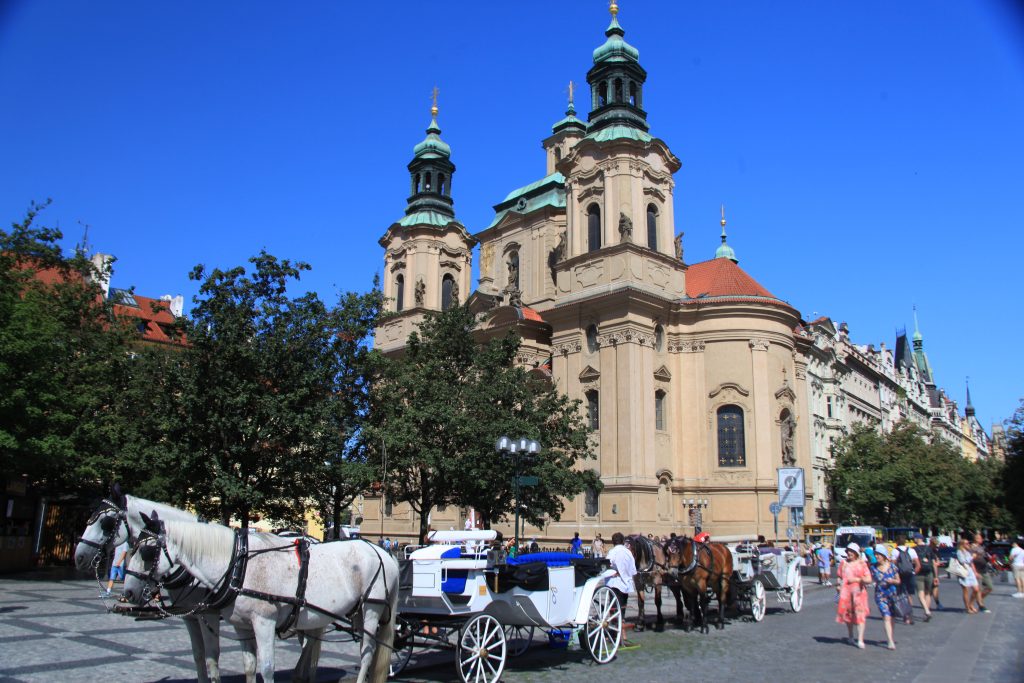
- St. Nicholas Church: This is a High Baroque masterpiece known for its grand organ and dramatic light.
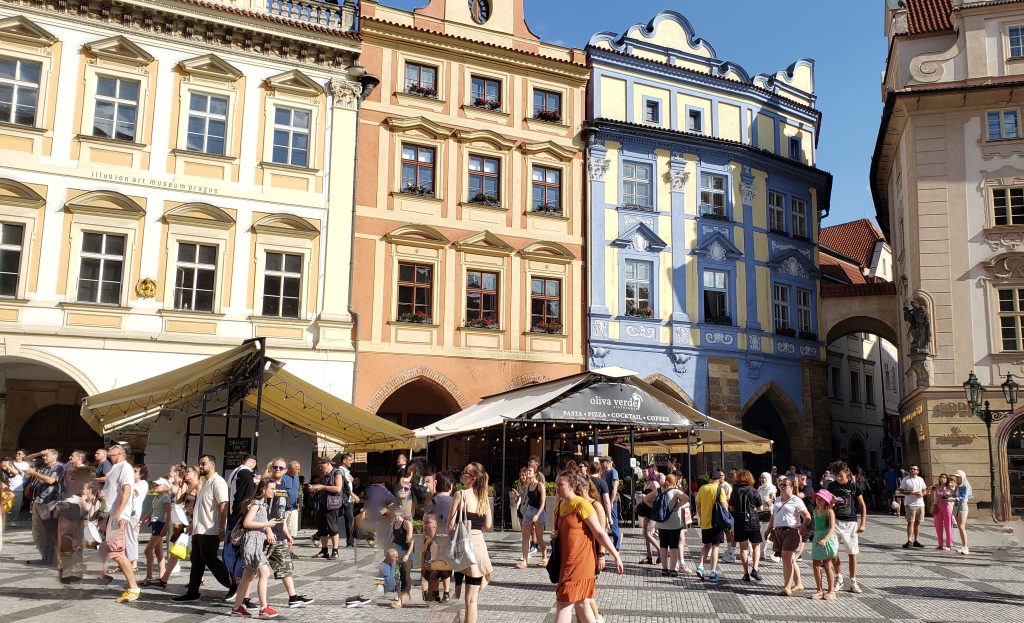
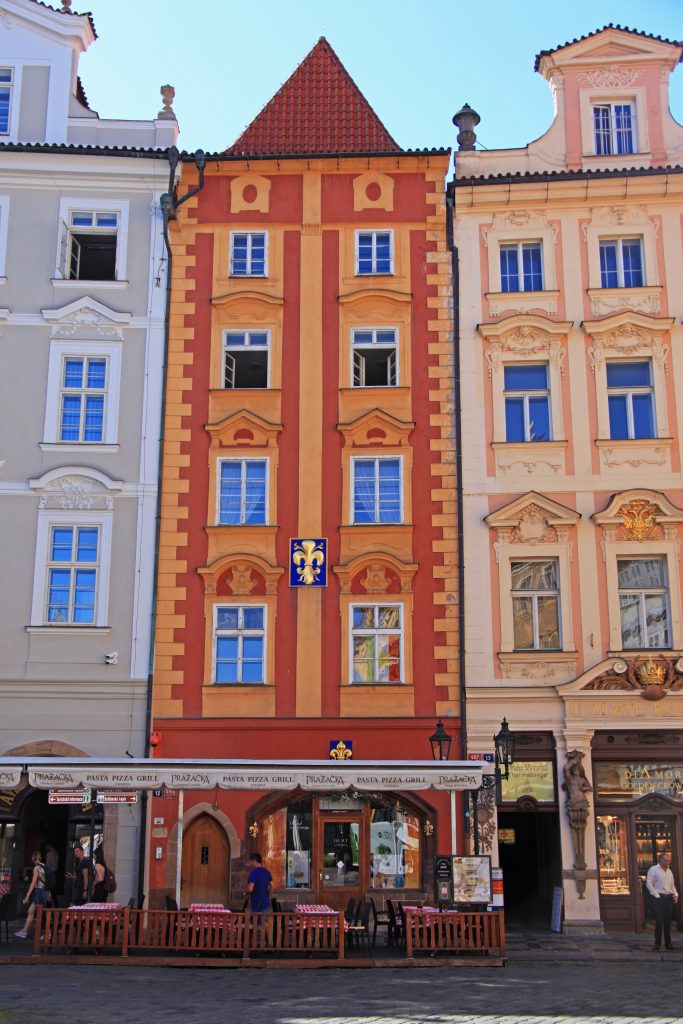
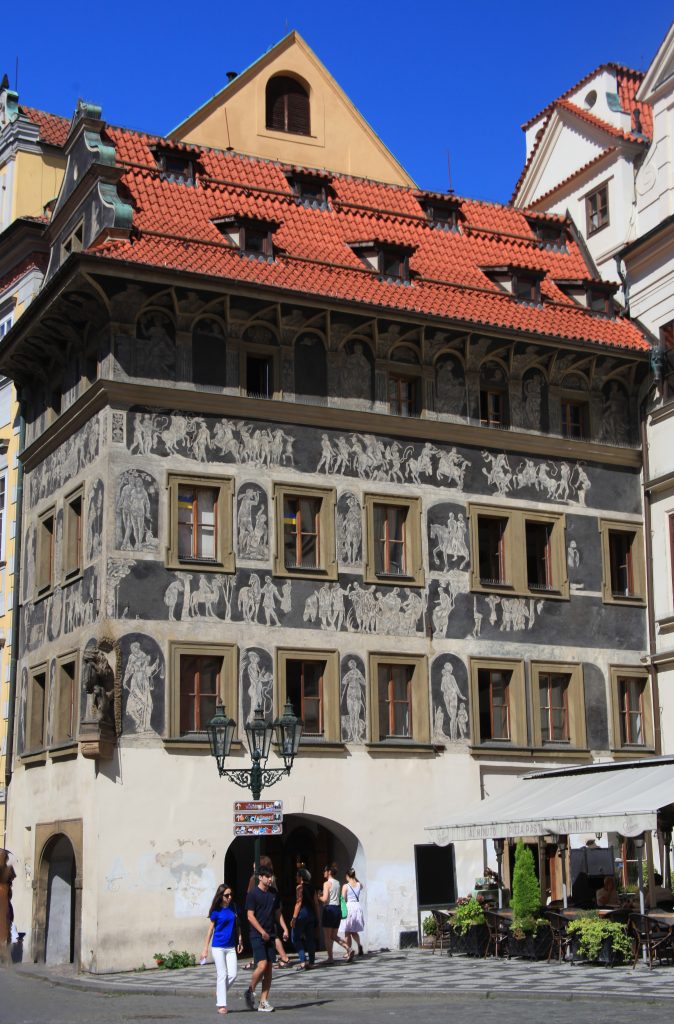
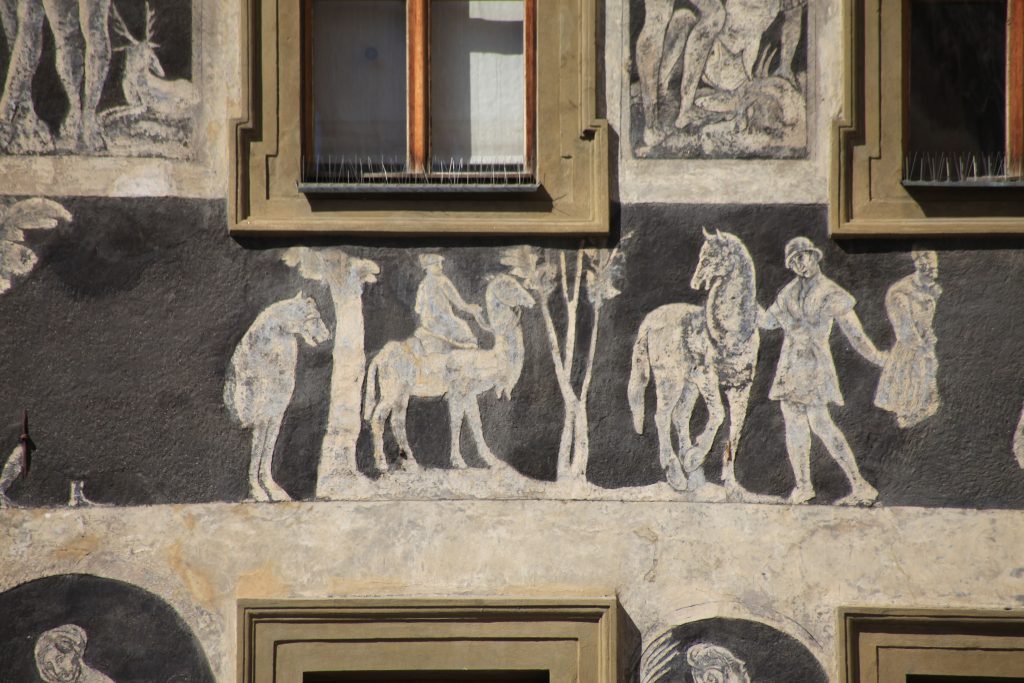
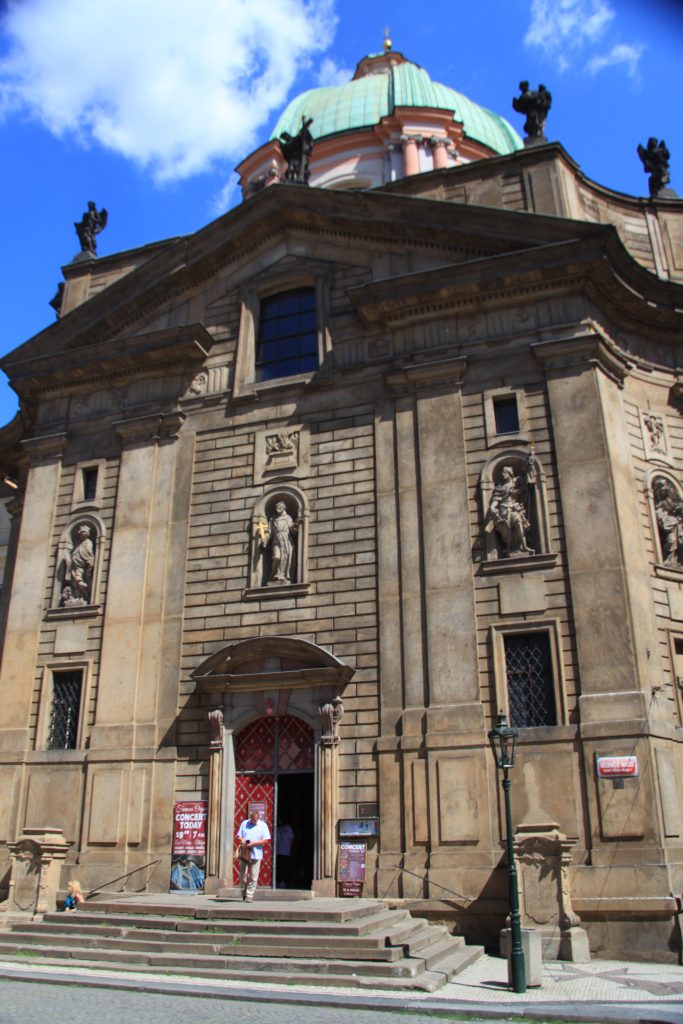
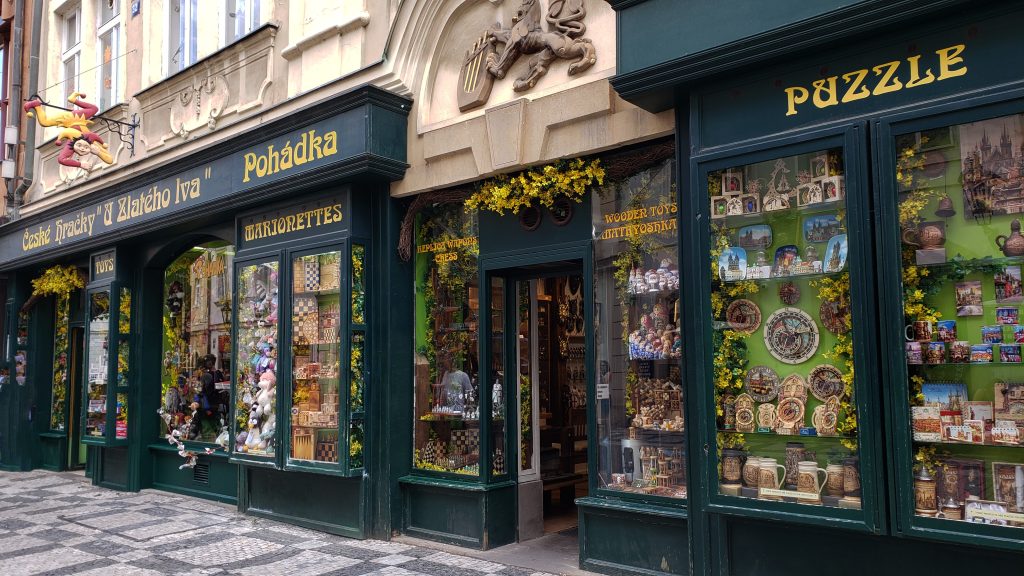
- The Square’s Charming Cafes and Shops, as well as Adjacent Cobblestoned Streets: Many of the restaurants, cafés, and boutique shops you now find tucked into the lanes of Prague’s Old Town were once elegant private residences. These townhouses belonged to wealthy burghers, guildmasters, and merchants during the city’s medieval and Renaissance golden ages. Built in a mixture of Gothic, Renaissance, and Baroque styles, their vaulted ceilings, thick stone cellars, and intricately painted facades have been lovingly preserved. In many cases, you can still see the original beams, frescoes, or family crests carved above arched doorways. Today, these once-private homes open their doors to the public as wine bars, literary cafés, and candlelit bistros, yet retain the intimate ambiance of their domestic pasts. Dining in one feels less like entering a restaurant, and more like being invited to supper in a nobleman’s parlor from centuries ago.
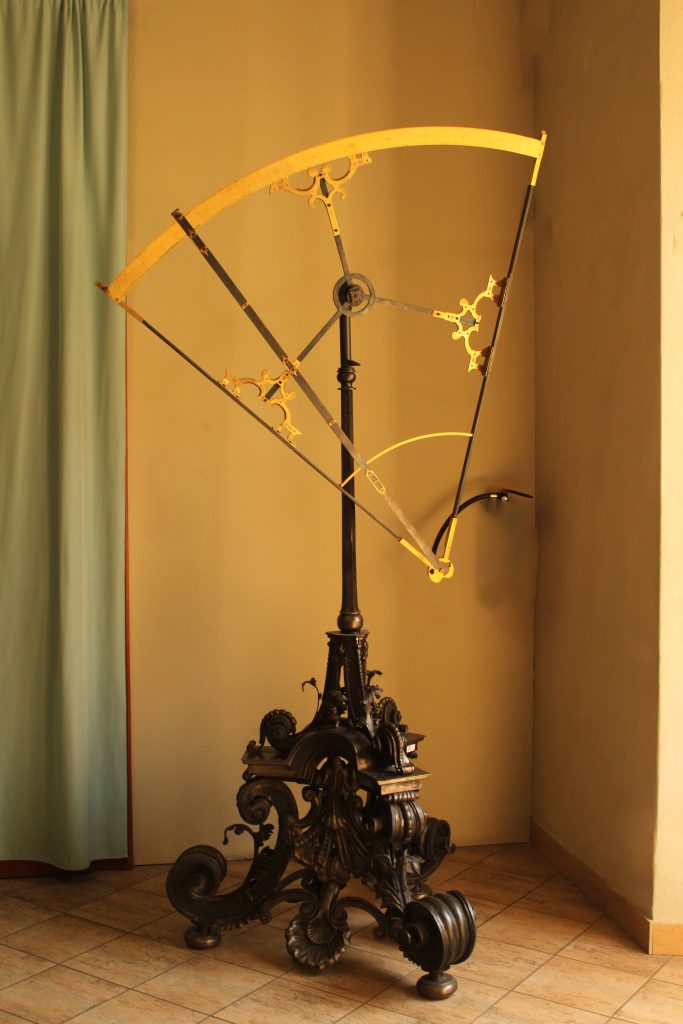
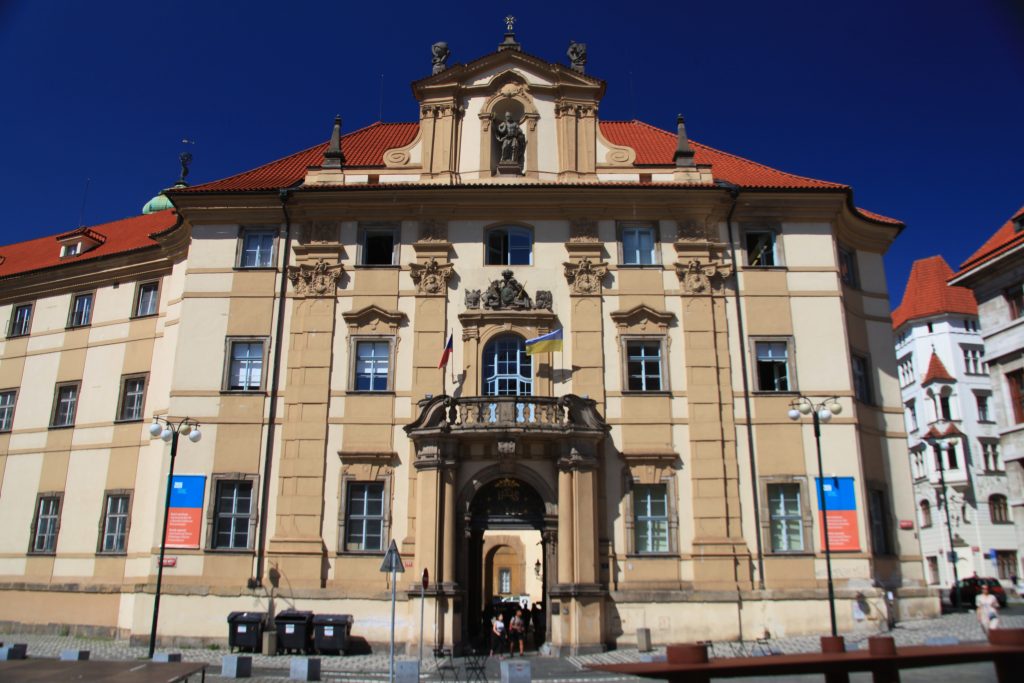
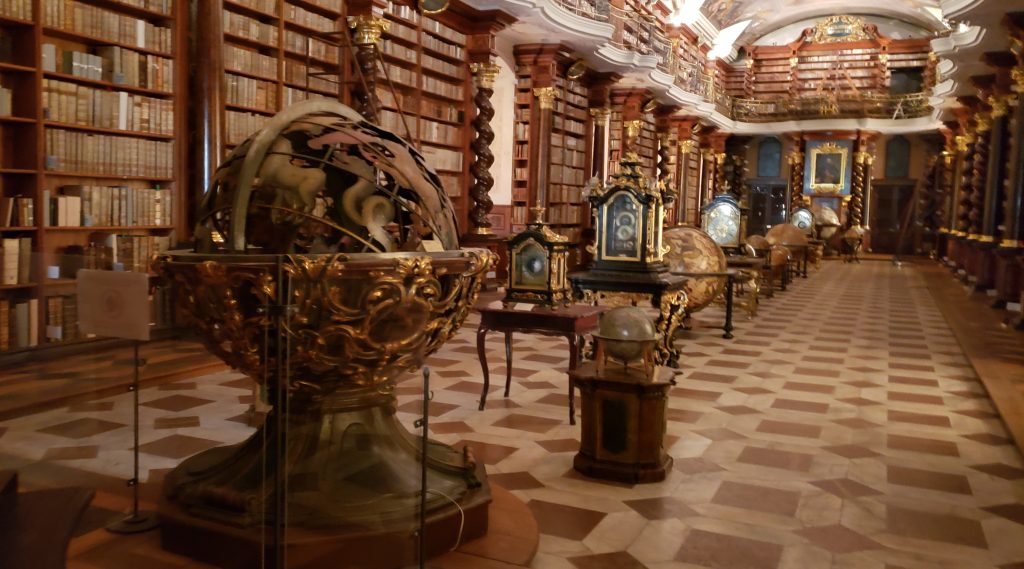
- Clementinum: Once a Jesuit college, it is now home to the National Library. The Baroque library hall, filled with globes, celestial instruments, and dark wood galleries, is among the most beautiful in the world. Don’t miss a trip to see this gorgeous repository and step back into the world of great thinkers. Continue on up to The Astronomical Tower, where Jesuits and brilliant astronomers observed the skies. From the rooftop or the tower window you have one of the best views of those 500 spires! Prague’s astronomers Tycho Brahe and Johannes Kepler charged our knowledge of the cosmos. At the Clementinum, you can actually see the book that Tycho Brahe wrote to convince Rudolph II to become his patron.
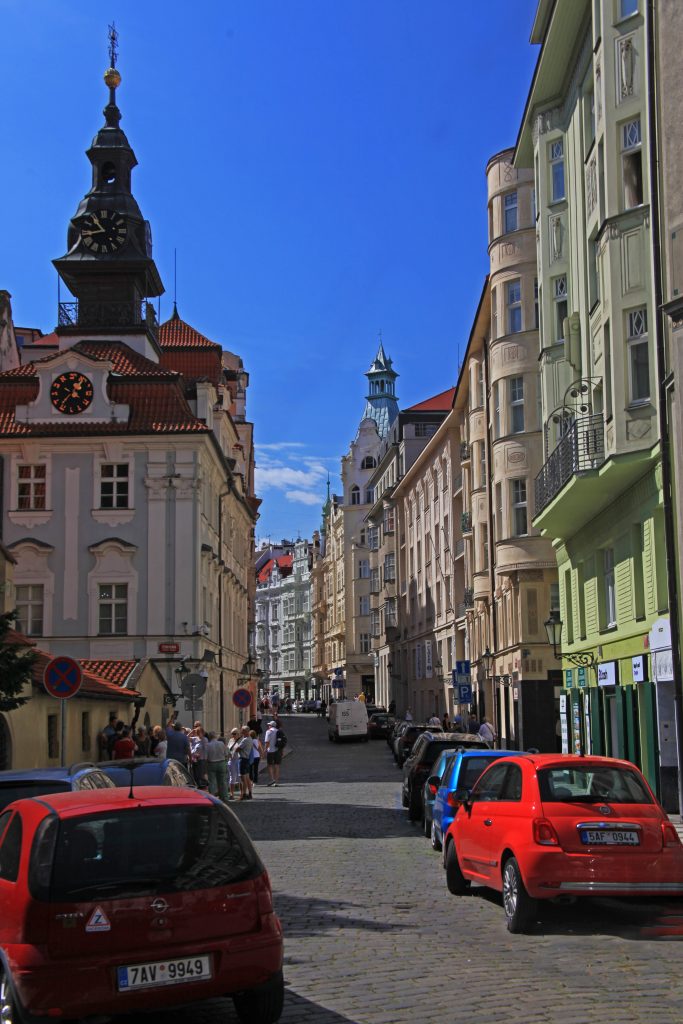
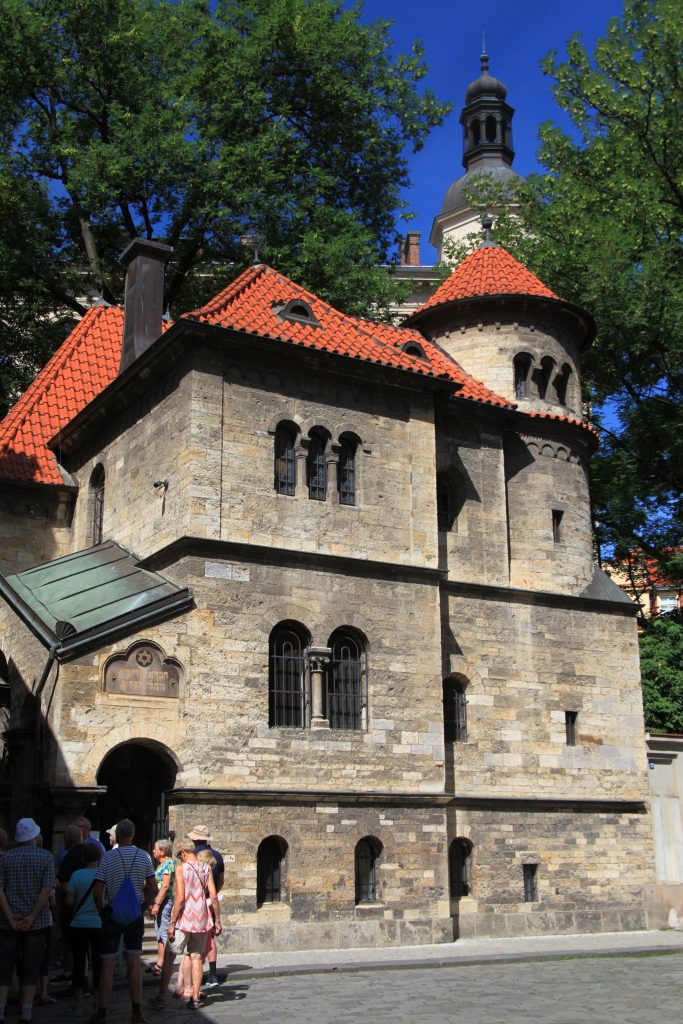
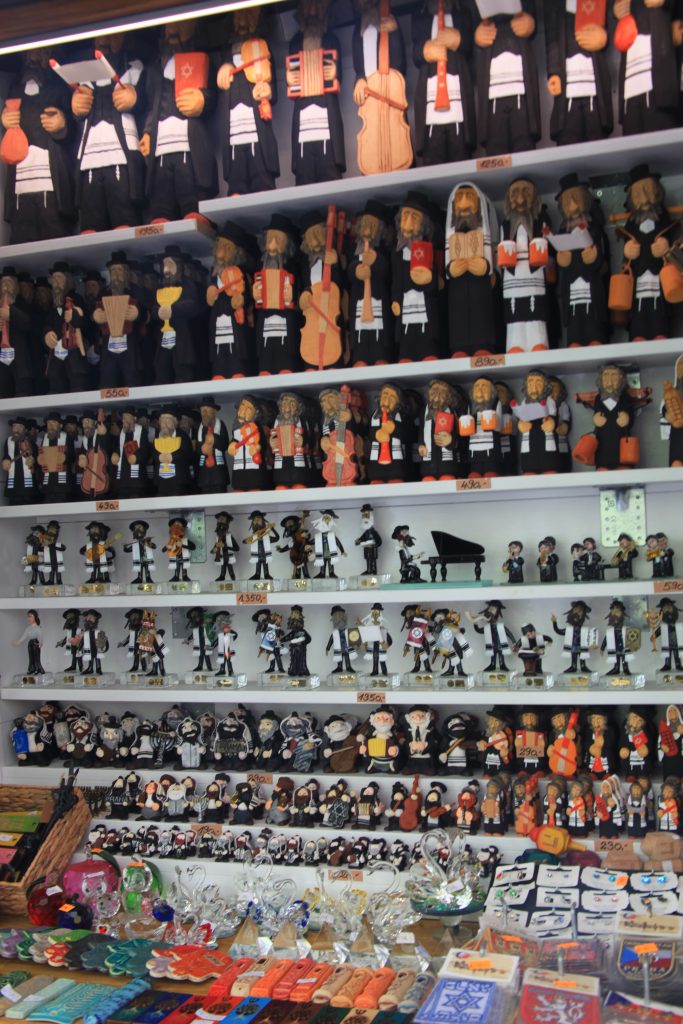
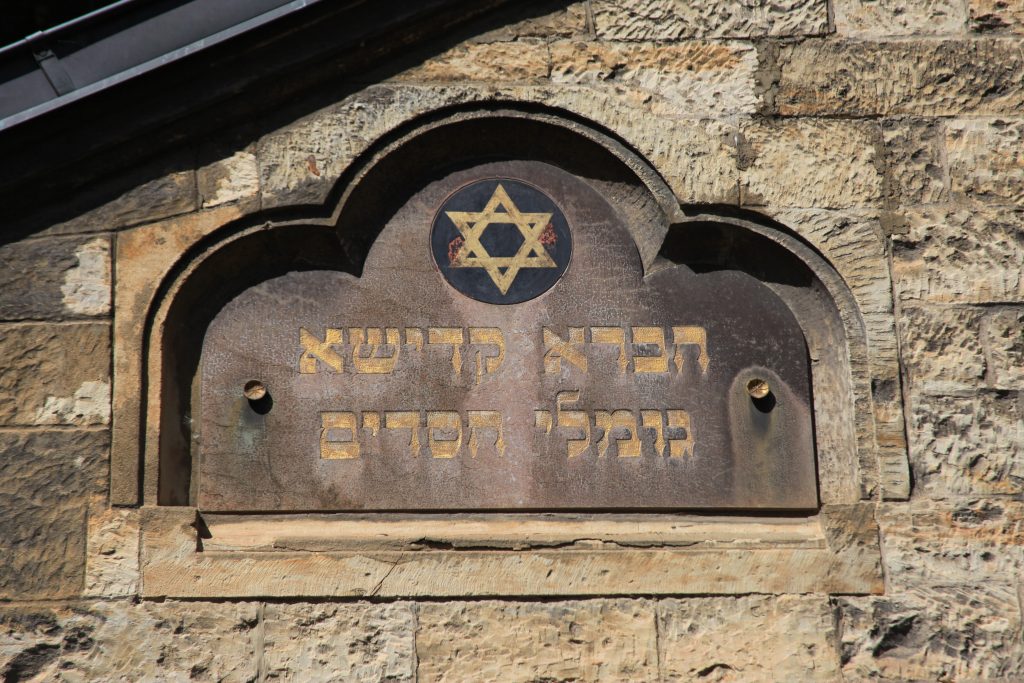
- The Jewish Quarter (Josefov): Experience a poignant walk through centuries of Jewish life, largely wiped out by the Holocaust. You can still visit:
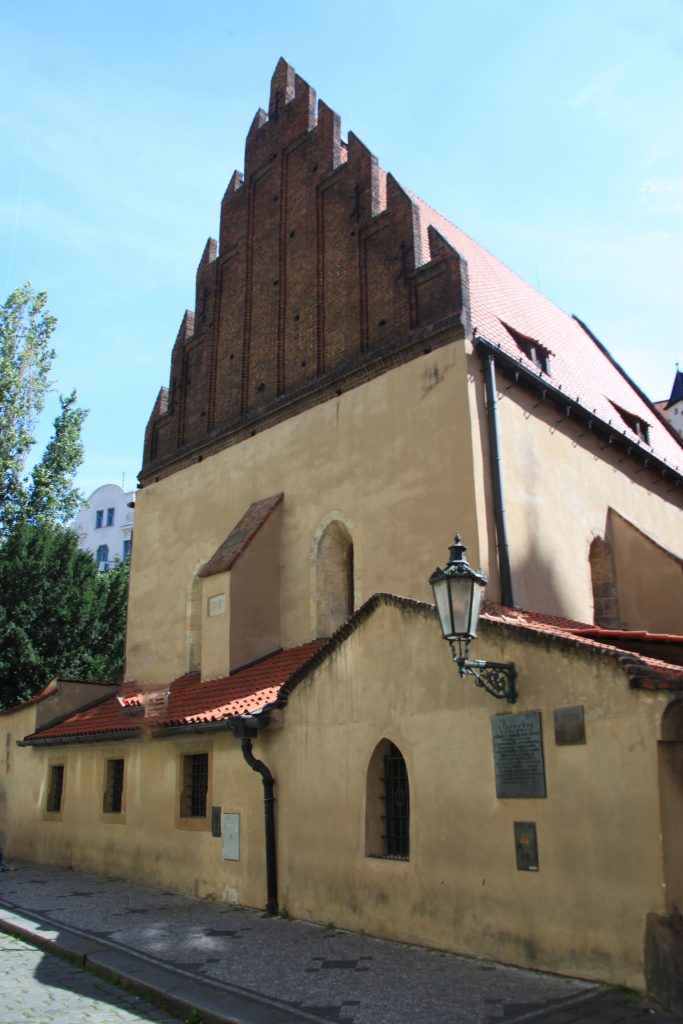
- The Old-New Synagogue (Altneuschul): Europe’s oldest active synagogue, built in 1270, associated with the Golem legend.
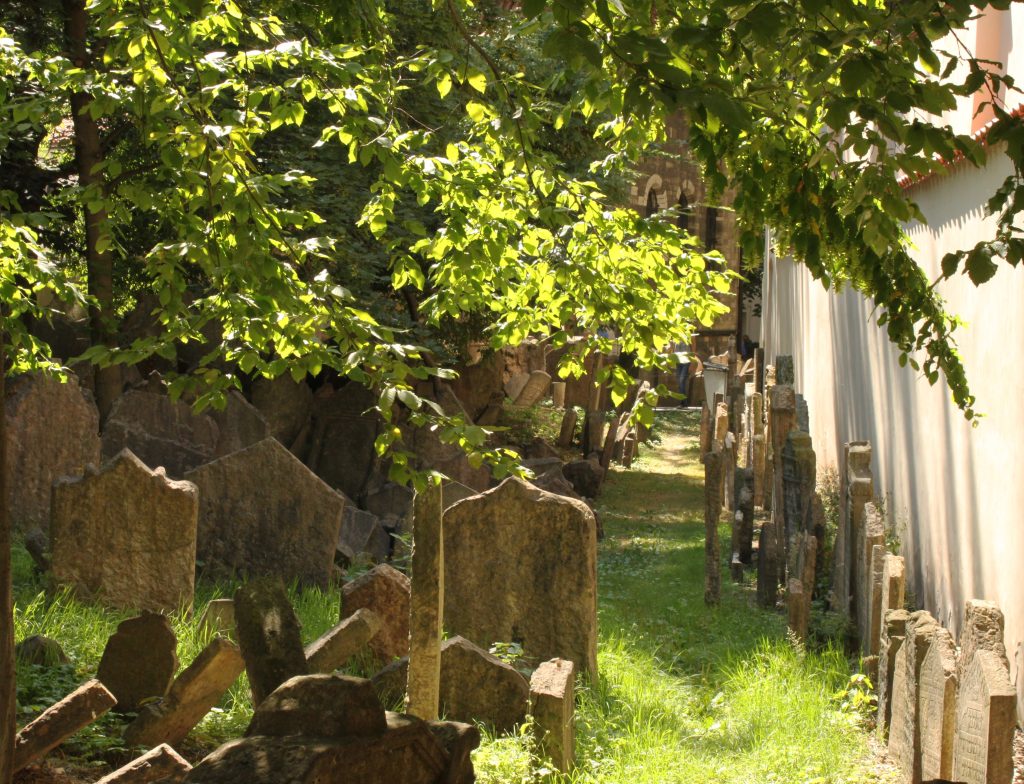
- The Old Jewish Cemetery: An uneven patchwork of gravestones laid one atop another through centuries, hauntingly beautiful.
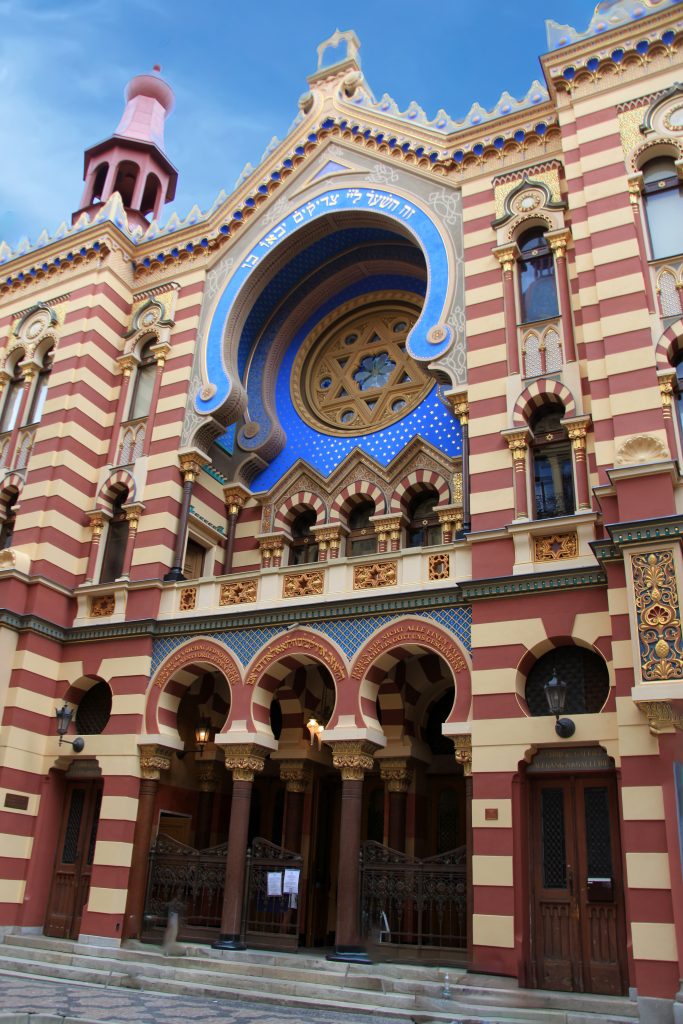
- The Spanish Synagogue: Lavishly decorated in Moorish Revival style, housing exhibits on Jewish culture.
- Vyšehrad Fortress: Older than Prague Castle, this hilltop citadel offers legends of Princess Libuše and a sweeping view of the Vltava. It houses the national cemetery and the Basilica of St. Peter and Paul with vibrant Art Nouveau interiors.
Metaphysical Prague Still Prevails
Today, Prague carries its metaphysical past like a perfume. The Museum of Alchemists and Magicians of Old Prague recreates Edward Kelley’s laboratory in Malá Strana. The Speculum Alchemiae, discovered after the 2002 floods, reveals a preserved alchemical workspace beneath a discreet house near Old Town Square. You can dine by candlelight at U Sedmi Švabů (At the Seven Swabians), a cellar tavern with medieval and mystical décor.
Yet it’s not just the relics that enchant. Prague invites introspection. Something in its rhythm, its reverberating silence beneath spires, calls to the seeker. It is a city where the veil between the worlds is ever so thin. So come. Cross the bridge. Light a candle in the cathedral. Lose yourself in a crooked alley. Prague is waiting, as it always has, to reveal a secret meant only for you.
Where to Stay in Prague, Czech Republic
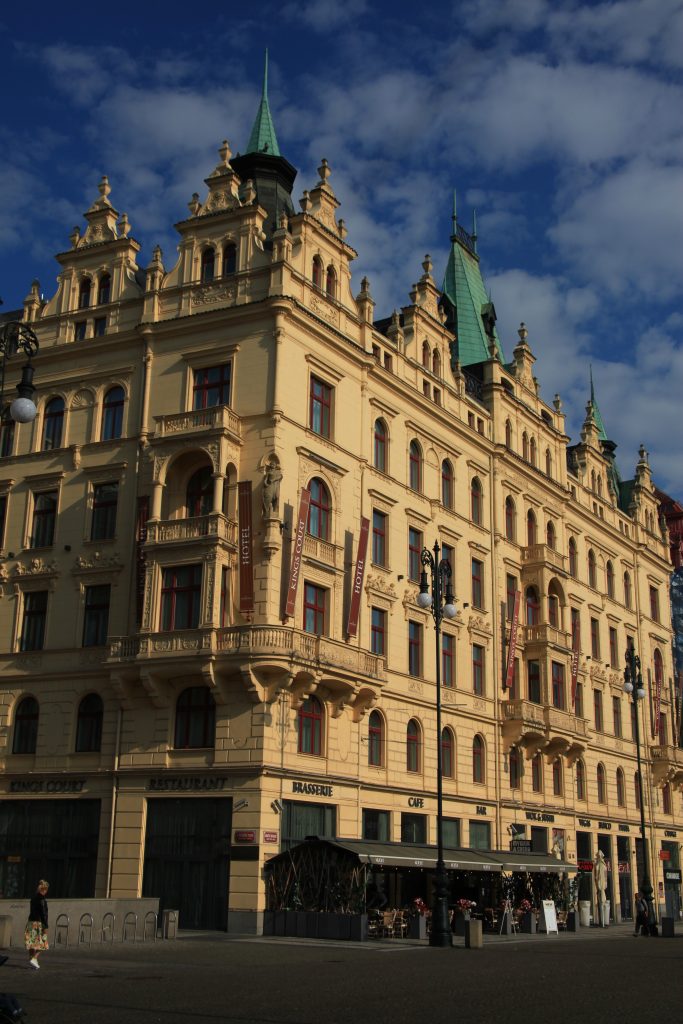
For central Prague lodging, the Old Town Square area places you at the heart of the city’s medieval character within walking distance of major sites like the Astronomical Clock and Charles Bridge. Hotels here range from luxury to budget options, though prices reflect the prime location. If you want to stay in this neighborhood, book early since rooms fill quickly during peak season.
The Mala Strana district, on the west bank of the Vltava River, offers a quieter alternative while staying walkable to Prague’s main attractions. This area has smaller hotels and family-run guesthouses tucked into winding streets below Prague Castle. You’ll find fewer crowds here than in Old Town, and the neighborhood rewards exploration with cafes, galleries, and river views.
For budget travelers seeking a neighborhood feel, Vinohrady and Žižkov, just east of the city center, offer hostels and affordable hotels alongside local restaurants and pubs. These residential areas lack Old Town’s tourist infrastructure but offer genuine glimpses of how Praguers actually live. A 10-to-15-minute tram ride connects you to the historic center without premium prices.
No matter which neighborhood you choose, confirm your hotel is within walking distance of public tram stops, since Prague’s transit system is reliable and affordable. The city’s compact size means even lodging a mile from Old Town Square keeps you conveniently close for sightseeing.
Recommended Reading:
- Alchemy by S. J. Parris, A gripping historical thriller featuring spies, sorcery, and philosophical intrigue set in the charged atmosphere of Elizabethan Europe.
- The Alchemist by Paulo Coelho, While not set in Prague, it captures the spiritual quest that echoes in the city.
- I Served the King of England by Bohumil Hrabal, A richly textured coming-of-age tale, this novel follows a young man named Dítě through the turbulence of Nazi occupation and the early Communist era in Prague.
- The Golem by Gustav Meyrink, A dark, atmospheric tale steeped in Prague’s Jewish mysticism.
- The Prague Cemetery by Umberto Eco — A masterfully twisted tale of political intrigue and occultism, mingling real 19th-century conspiracies with dark fiction.
Nonfiction:
- Prague: A Cultural and Literary History by Richard D. E. Burton, A deeply nuanced exploration of Prague’s layered identity.
- Rudolf II and His World by R. J. W. Evans, A non-fiction dive into the eccentric ruler who made Prague his laboratory of the cosmos.
- Magic Prague by Angelo Maria Ripellino —An intoxicating literary and historical meditation on Prague’s mystical heart, from Gothic shadows to surrealist echoes.
- The Thirty Years War by C. V. Wedgwood —Essential context for understanding the spiritual and political upheavals that shaped Prague’s destiny.
- Tycho Brahe and Johannes Kepler: The Unlikely Partnership That Forever Changed Our Understanding of the Heavens by Kitty Ferguson —A compelling dual biography that illuminates their Prague years under Rudolf II’s patronage.
Tours to Consider: