Few inventions have captured the human imagination quite like the hot air balloon. When those first great silk spheres lifted into the skies of 18th-century France, crowds gasped, believing they witnessed a miracle. The dream of flight—once confined to myths of Icarus—suddenly took form in drifting clouds and fiery breath. From aristocrats in powdered wigs craning their necks at Versailles to today’s dawn skies over Albuquerque, ballooning has always been equal parts science, spectacle, and poetry.
Balloonings Beginnings — France, 1783

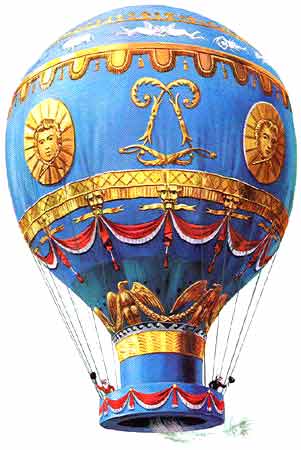
The story begins in Annonay, France, where brothers Joseph-Michel and Jacques-Étienne Montgolfier, paper manufacturers with inventive minds, experimented with the buoyant properties of heated air. On June 4, 1783, they demonstrated their creation: a linen-and-paper balloon rising above the town square. It soared nearly a mile into the sky before descending gently into the countryside.
The Montgolfiers soon took their invention to Paris. On September 19, 1783, before King Louis XVI and Marie Antoinette at Versailles, they launched a balloon carrying a sheep, a duck, and a rooster—the first aerial passengers. A few months later, on November 21, 1783, humanity itself took flight: Jean-François Pilâtre de Rozier and Marquis d’Arlandes became the first men to ascend in a hot air balloon, floating for 25 minutes above Paris.
This feat electrified Europe. Suddenly, the sky was no longer the domain of gods and birds, but of humans with courage and curiosity.
Balloons Across the 18th and 19th Centuries
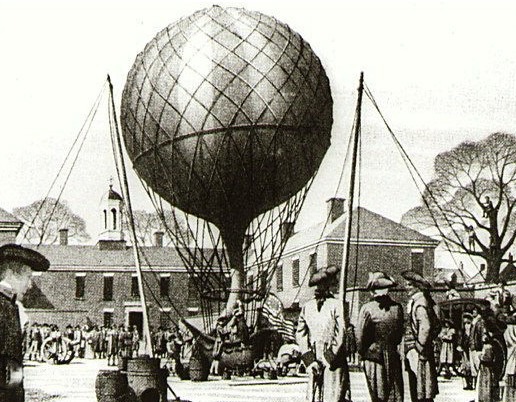
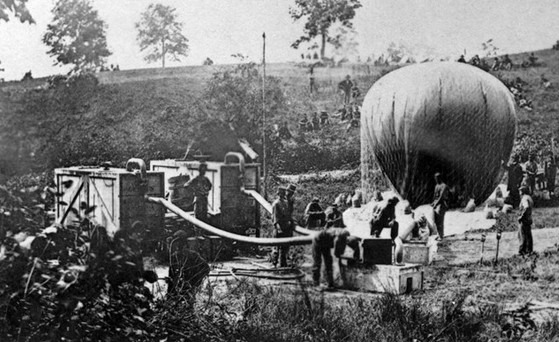
Ballooning quickly spread across Europe. In 1785, French aeronaut Jean-Pierre Blanchard and American physician John Jeffries crossed the English Channel in a hydrogen balloon. Balloons became fixtures at fairs, scientific experiments, and military reconnaissance. During the American Civil War, Union forces used tethered balloons to observe Confederate troop movements.
By the late 19th century, ballooning was both science and sport. Adventurers competed to set records for distance and altitude, while artists and writers embraced balloon imagery as a symbol of modernity and romance. Jules Verne, ever captivated by flight, featured balloons prominently in works like Five Weeks in a Balloon (1863).
Other Notable Balloon Events and Milestones
- Gordon Bennett Cup (est. 1906) – An international long-distance gas balloon race still held today, testing endurance and skill.
- First Around-the-World Flight (1999) – Bertrand Piccard (a descendant of ballooning pioneers) and Brian Jones completed the first nonstop circumnavigation in the Breitling Orbiter 3, proving balloons could master not just local skies but the entire globe.
- Château-d’Oex, Switzerland – The Alpine village hosts an annual hot air balloon festival, with balloons soaring against snowy peaks, recalling Europe’s pioneering role in the sport
Ballooning’s Growing Popularity
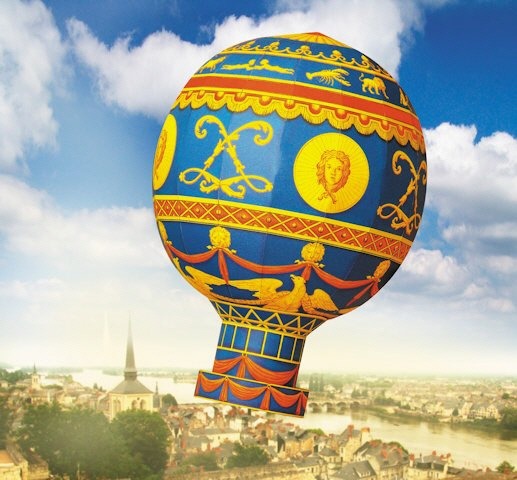
Imagine Paris in 1783: crowds filling the Tuileries Gardens, necks craned skyward, as a giant orb of silk and flame ascends above church spires. A hush, then shouts of wonder. Or consider a Union encampment in Virginia, 1862: a tethered balloon swaying above the trees, an observer peering down with a spyglass at the enemy below.
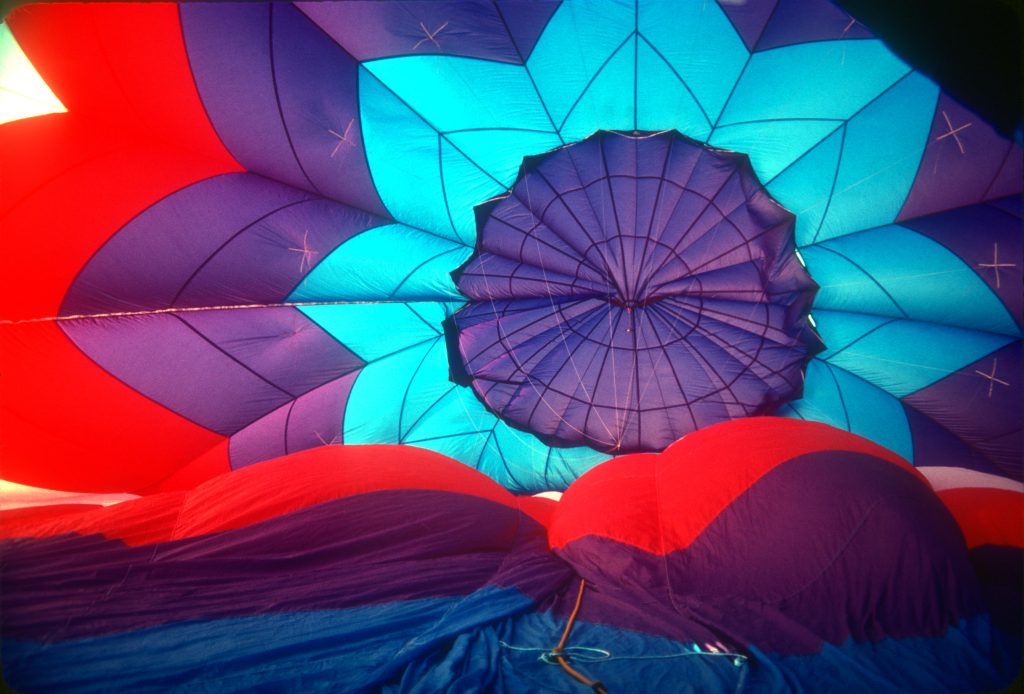
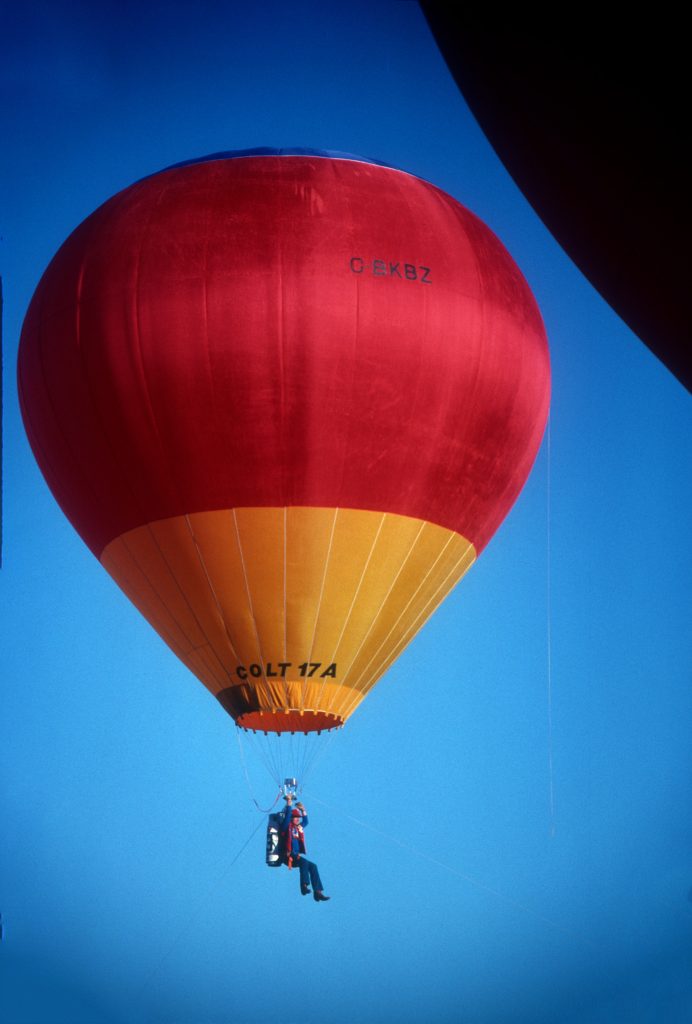
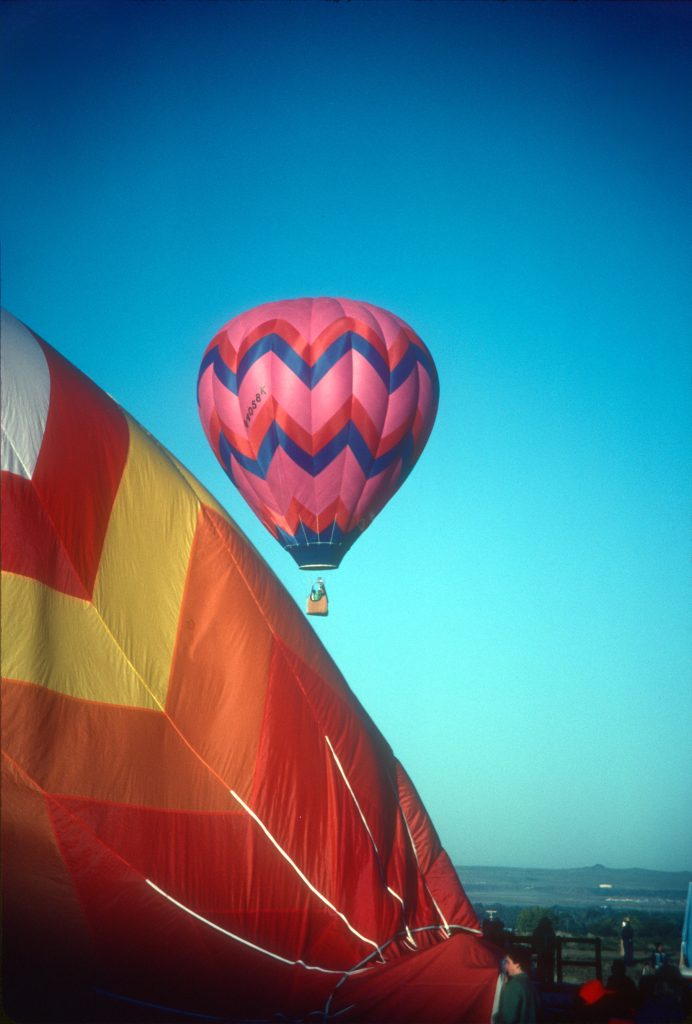
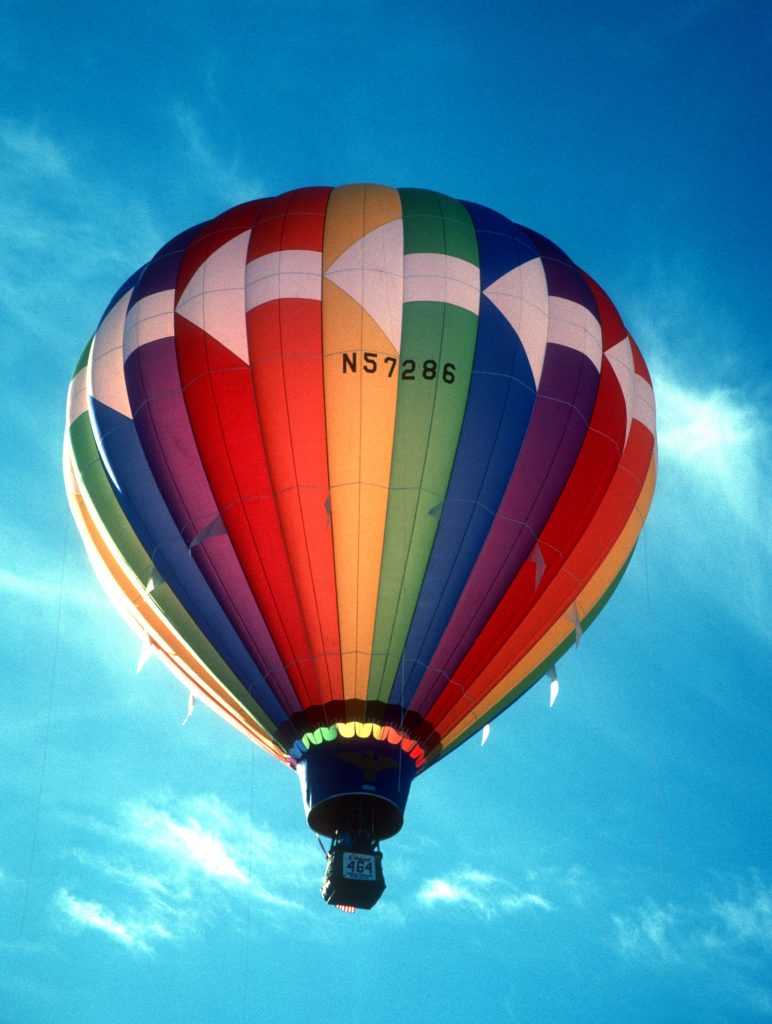
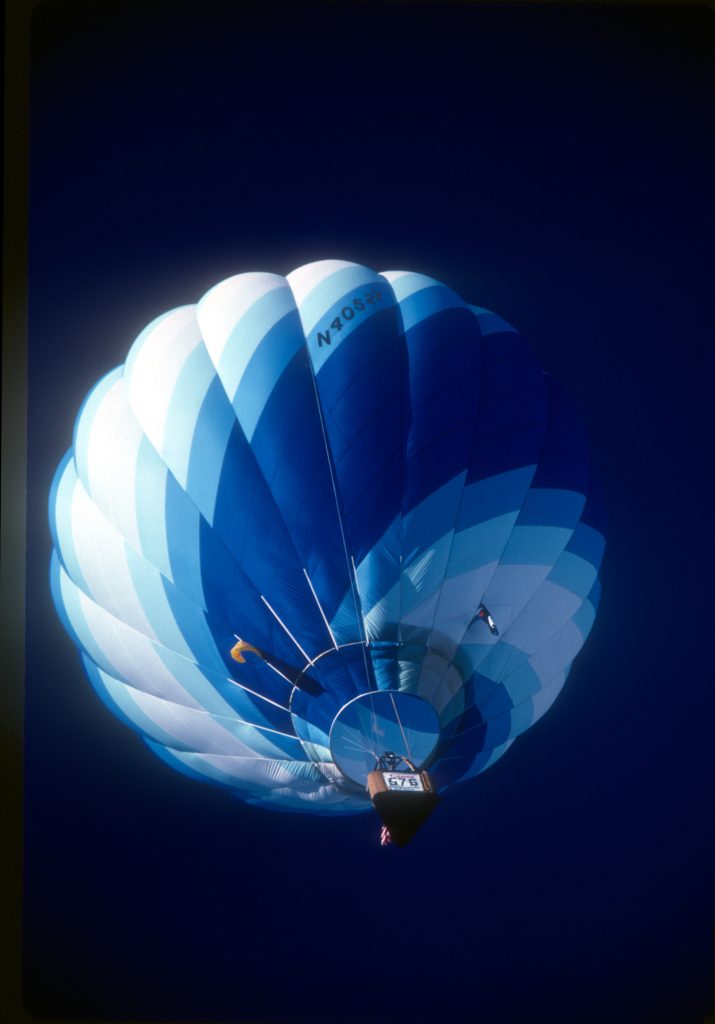
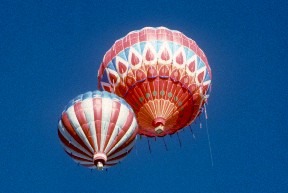
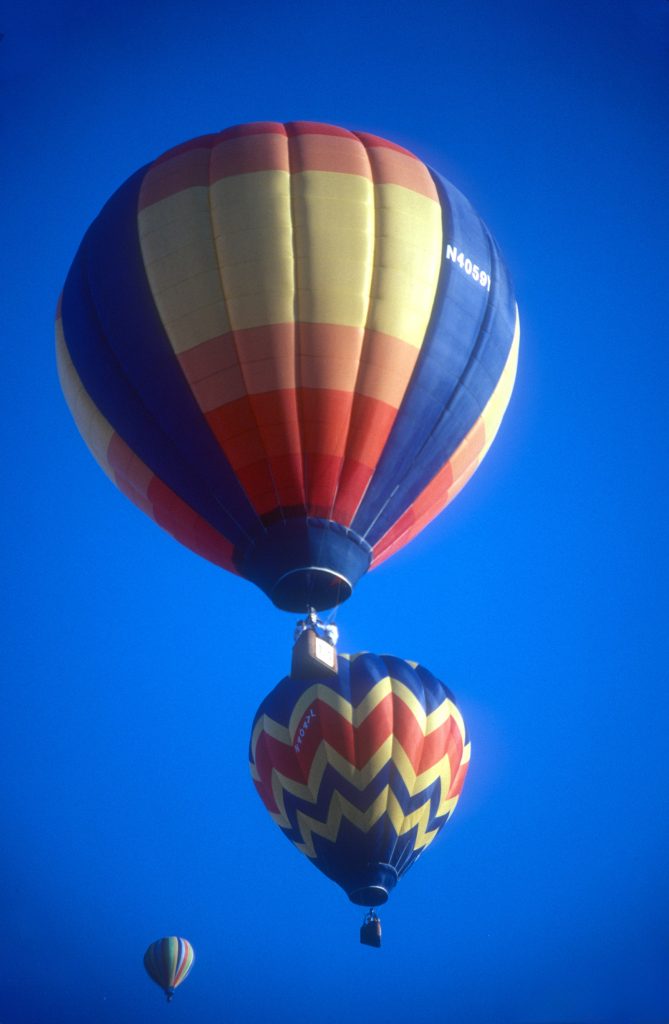
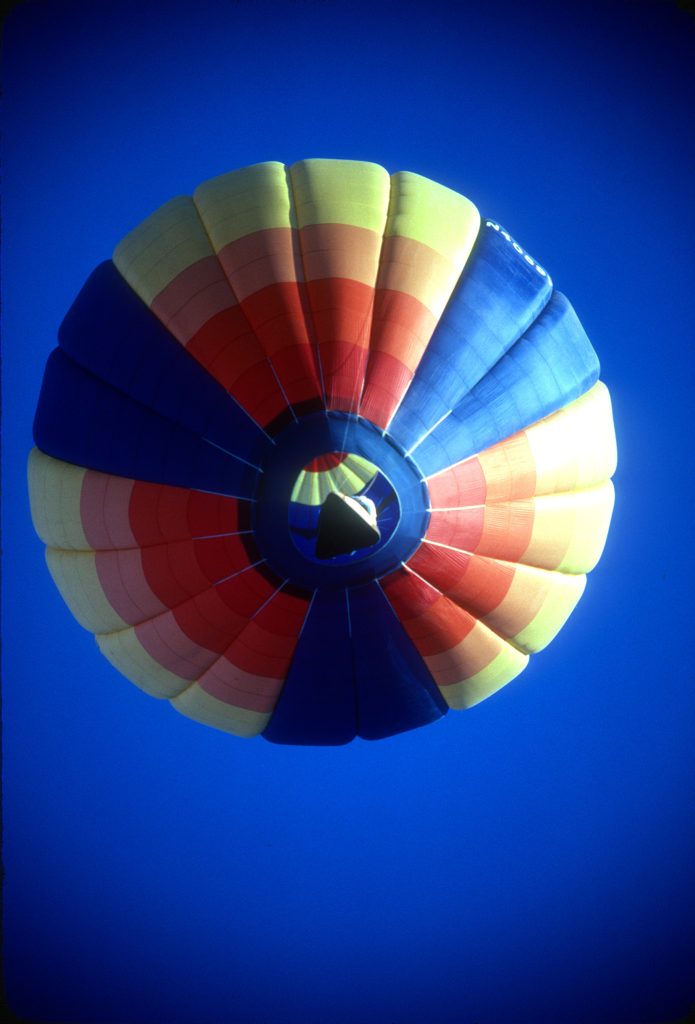
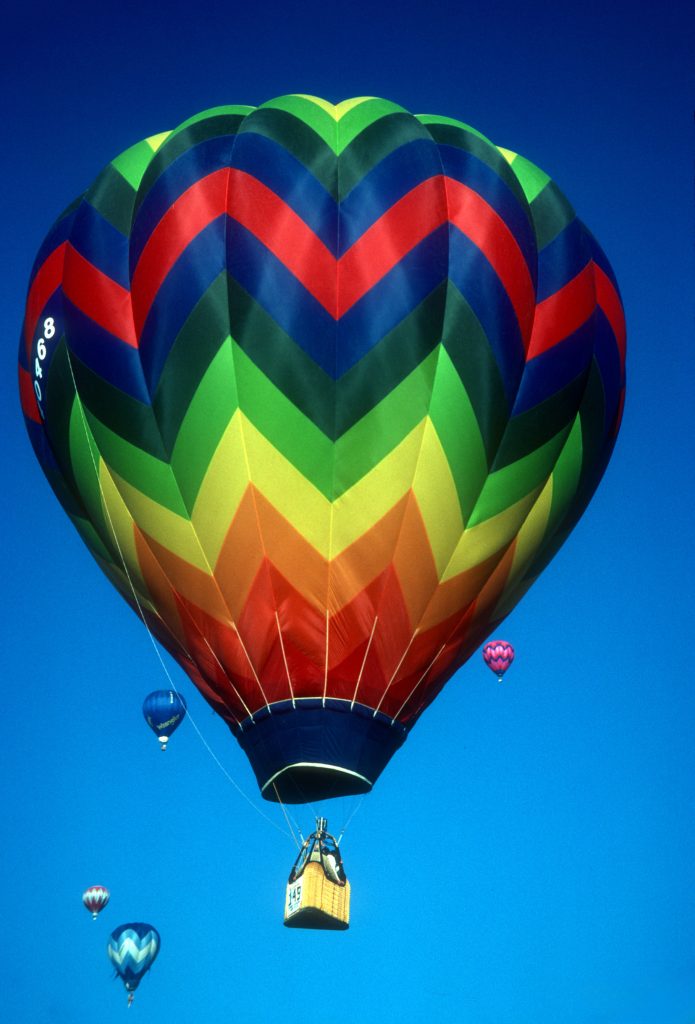
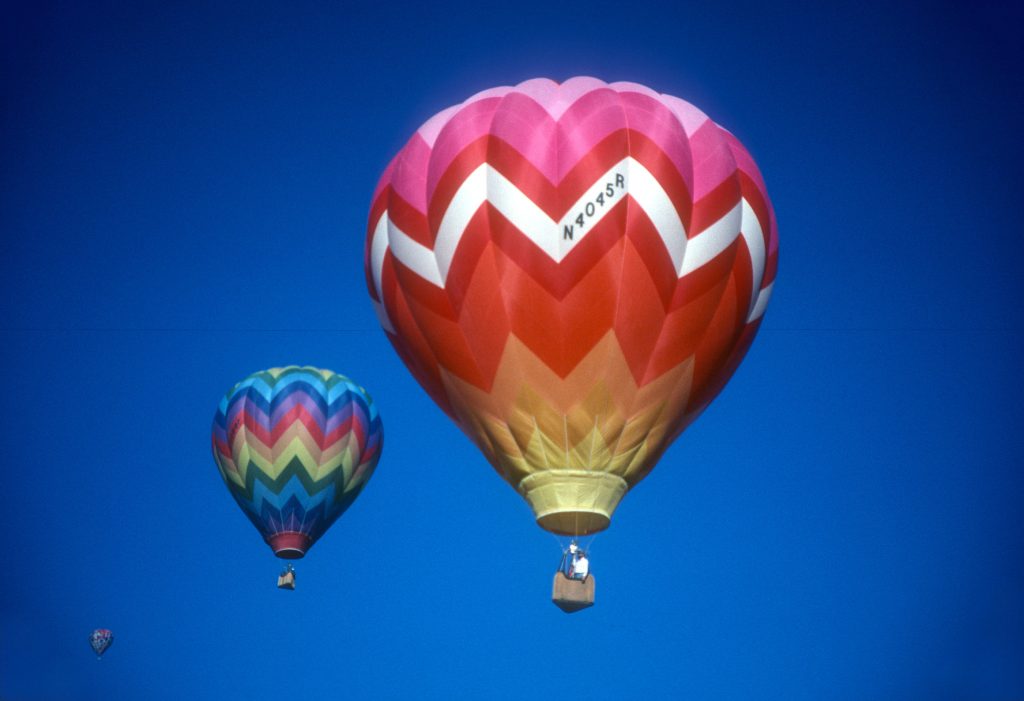
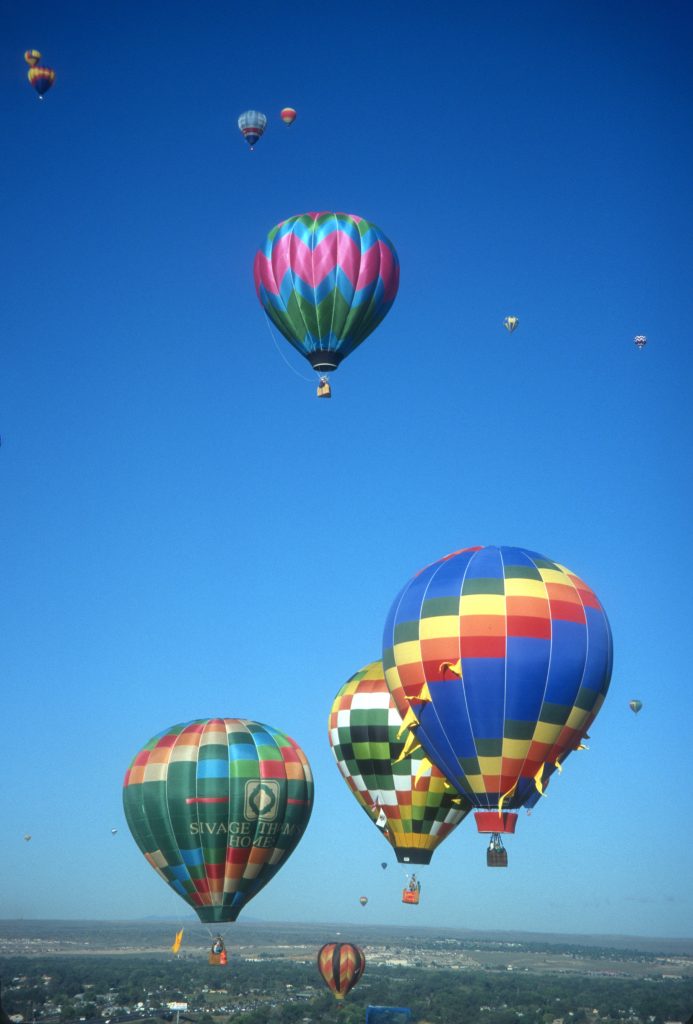
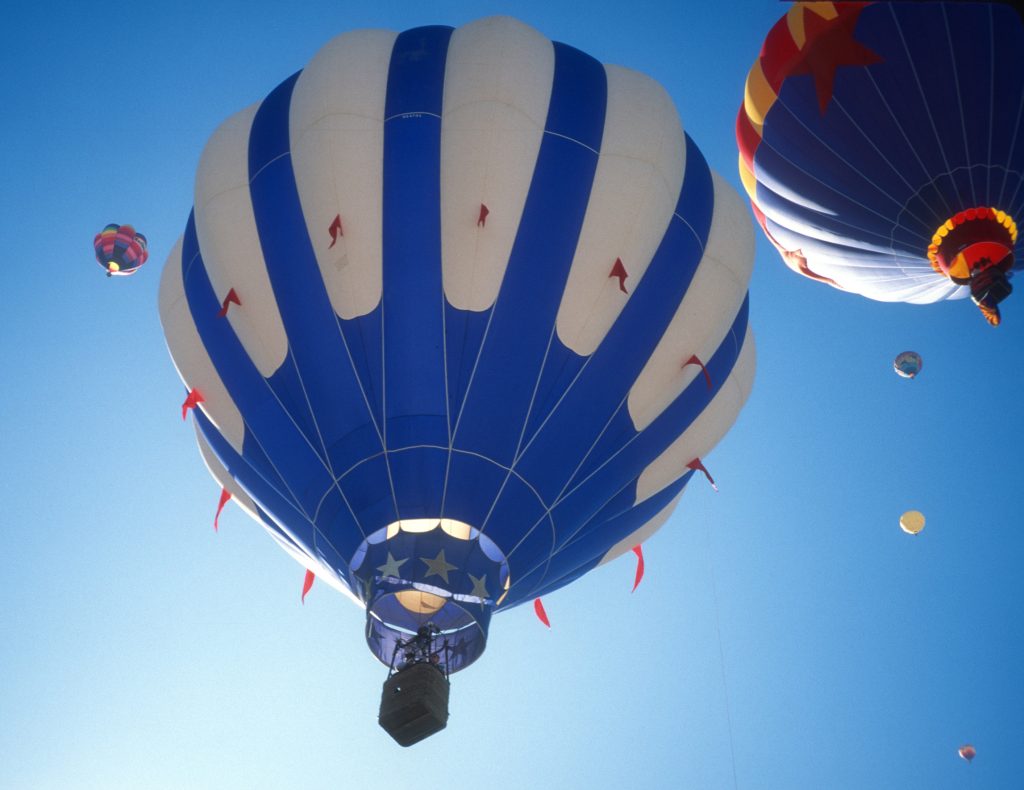
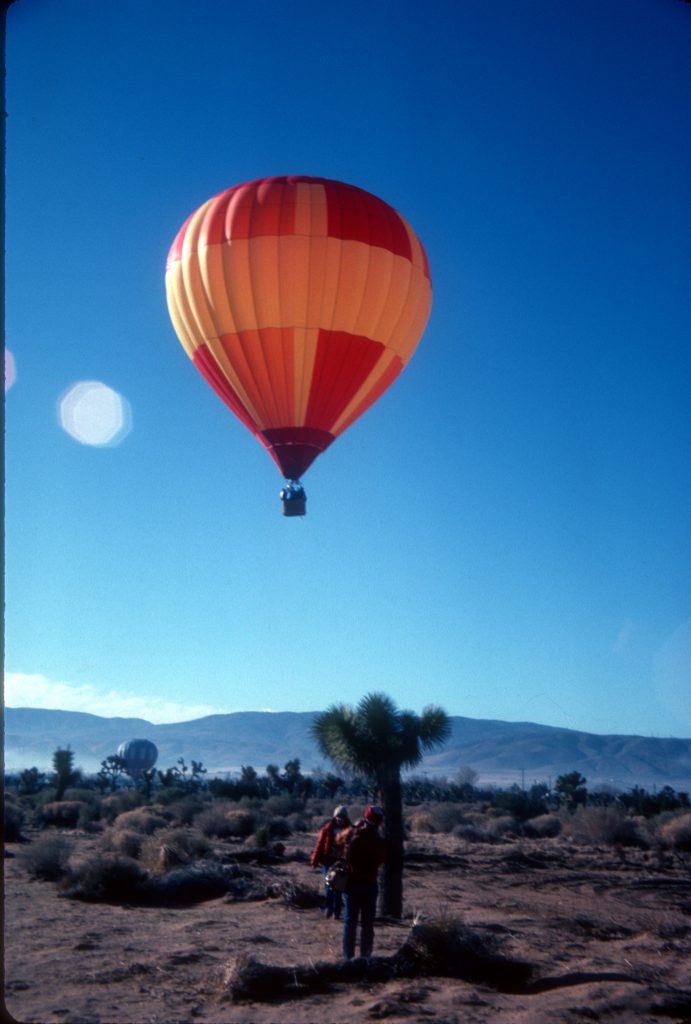
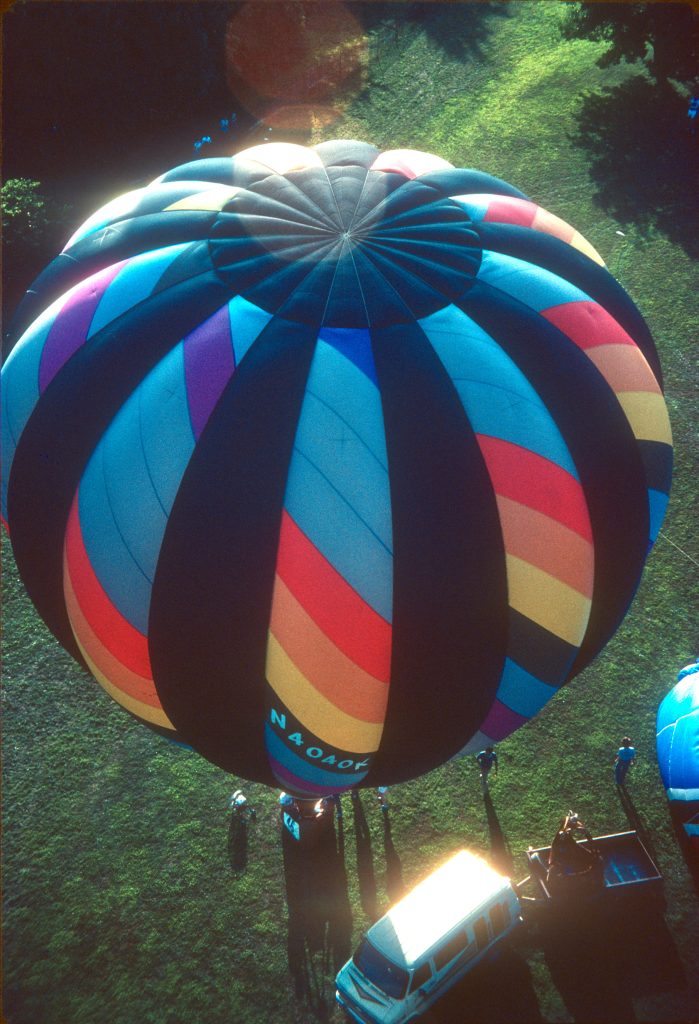
Today, ballooning carries a different rhythm. At dawn, the burners roar, filling nylon envelopes with golden light. The ground trembles with anticipation as balloons rise in clusters, drifting silently over rivers, fields, and mountains. The sensation is both thrilling and serene—no engine, only the wind and the flame, the earth falling away beneath your feet.
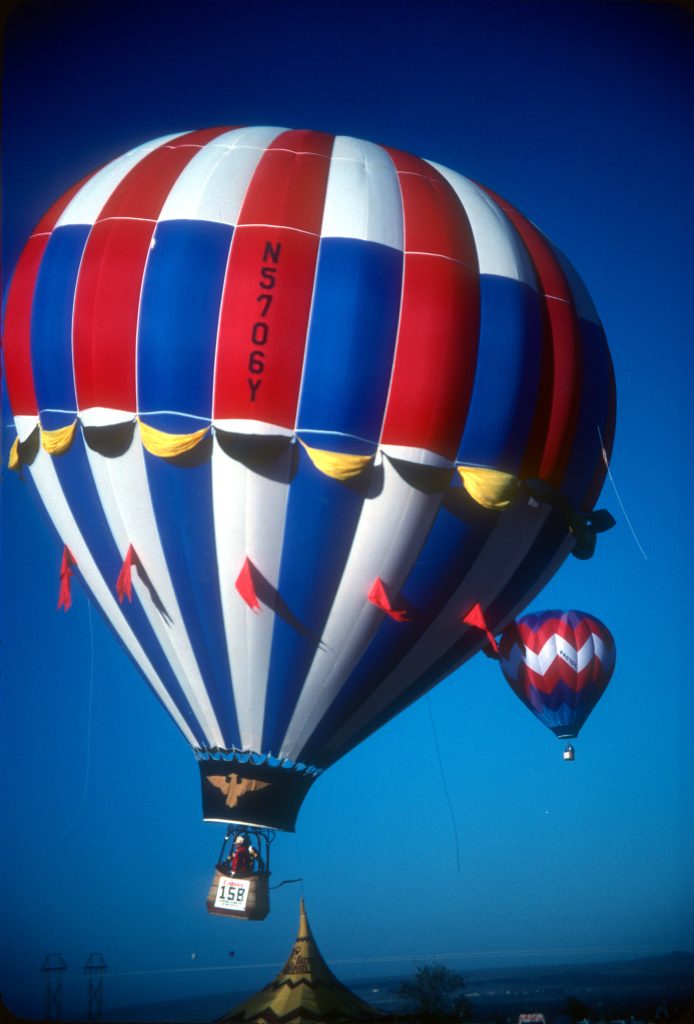
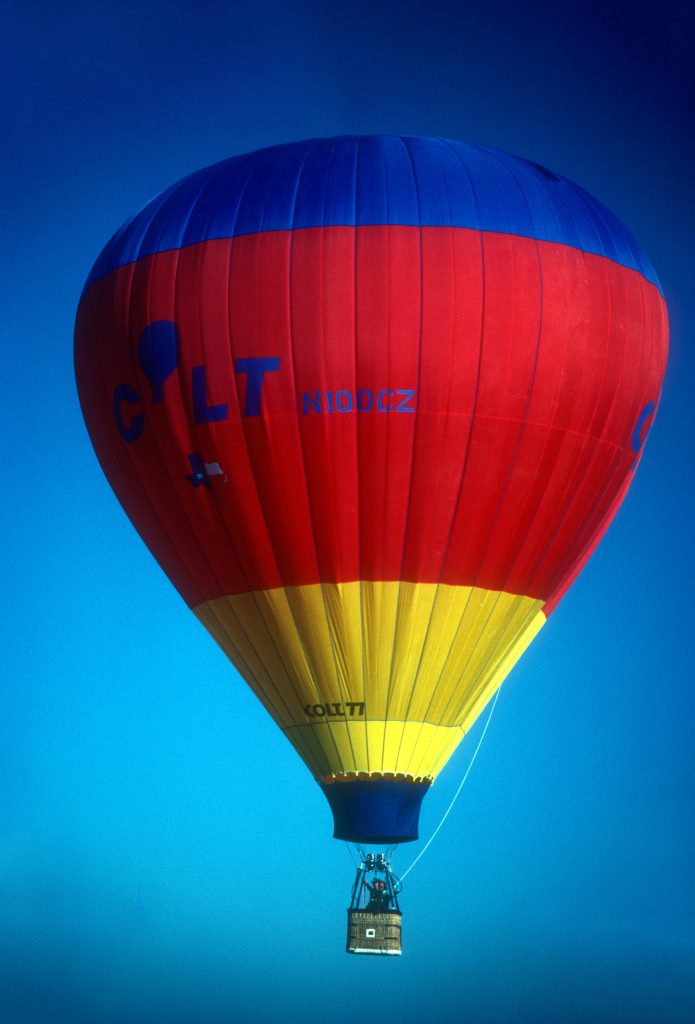
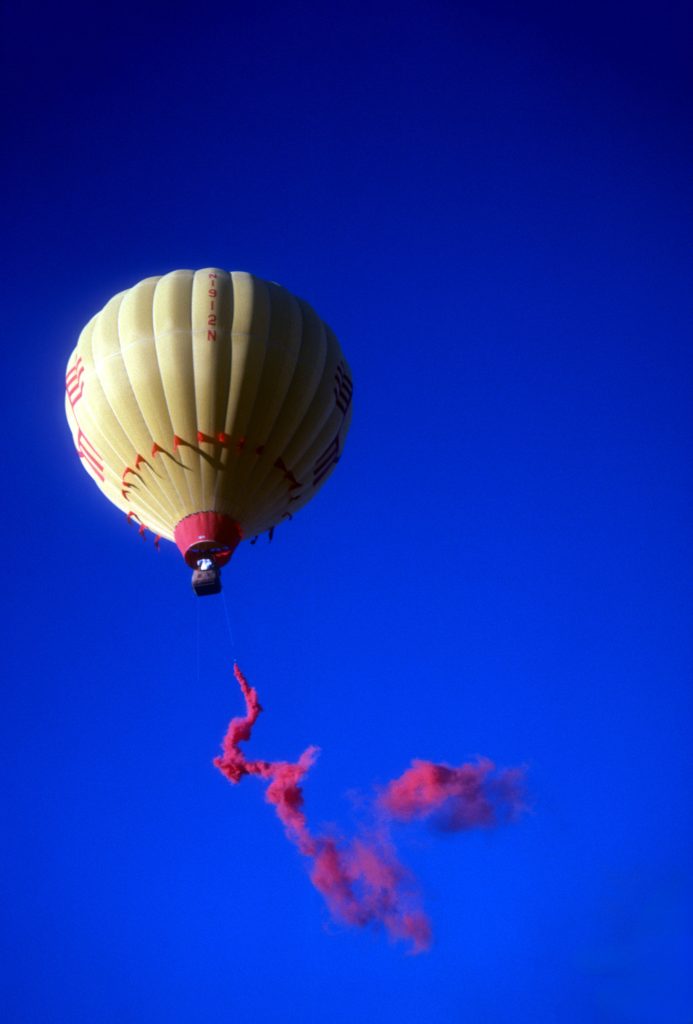
Licensed hot air balloon pilots today fly for fun, for racing and for profit. You can see balloons rising at sunrise and sunset across the world to pilot adventurous clients on joyful ascensions. Pilots can also complete for prizes and money at major events, including the Balloon Federation of America’s National Hot Air Ballon Championships. There is also a US Women’s National Championship. Balloon racing involves multi-task strategic contests, often involving dropping markers at designated targets, with scores determining the winners.
Balloon pilots are serious aeronauts, always mindful of danger, but they also know how to have fun. Why else would they take to the skies in beautiful confections of balloons –many of them whimsical–with friends, followers and fun-loving hangers-on as passengers, crew and fellow flyers. This is the sport that began when French pilots carried champaign to appease the farmers when they landed in their fields, and still today a good sunrise flight ends with a champagne toast!
The Albuquerque International Balloon Fiesta
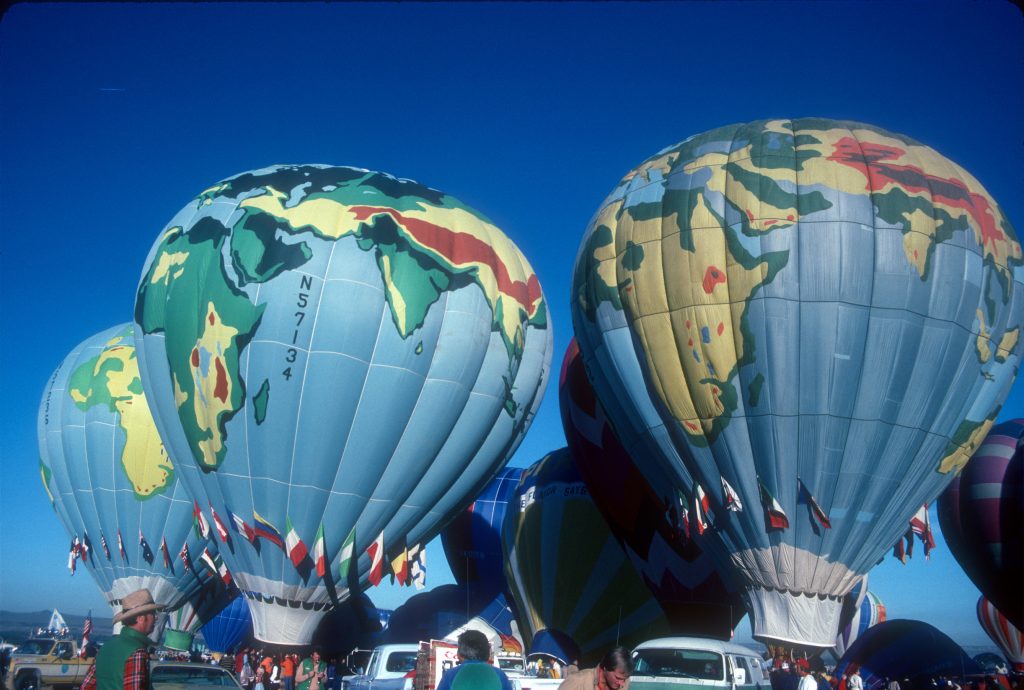
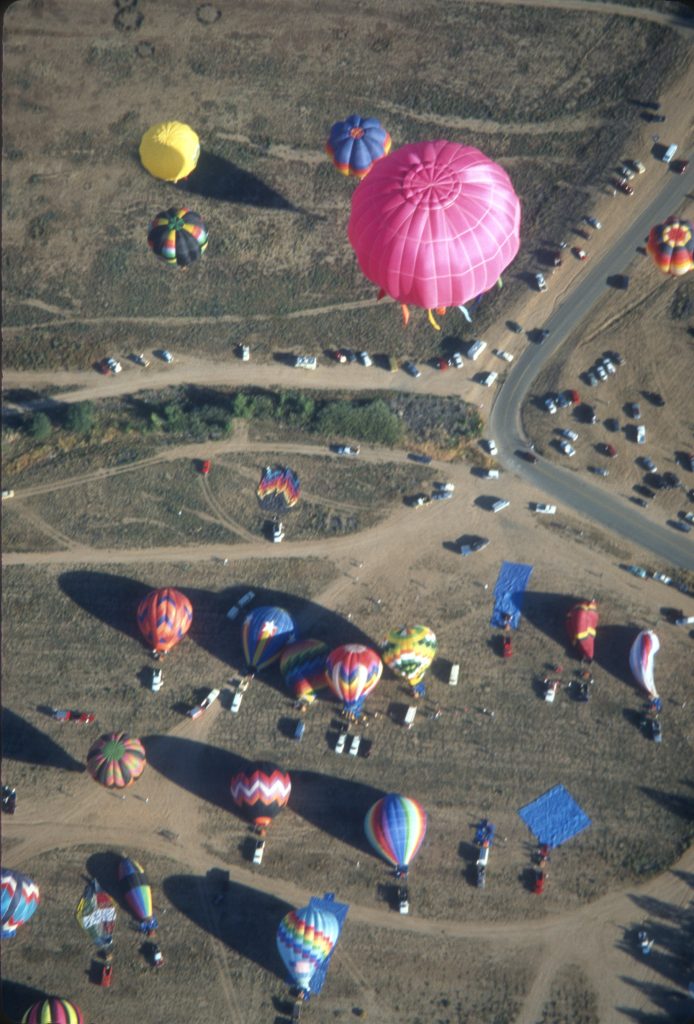
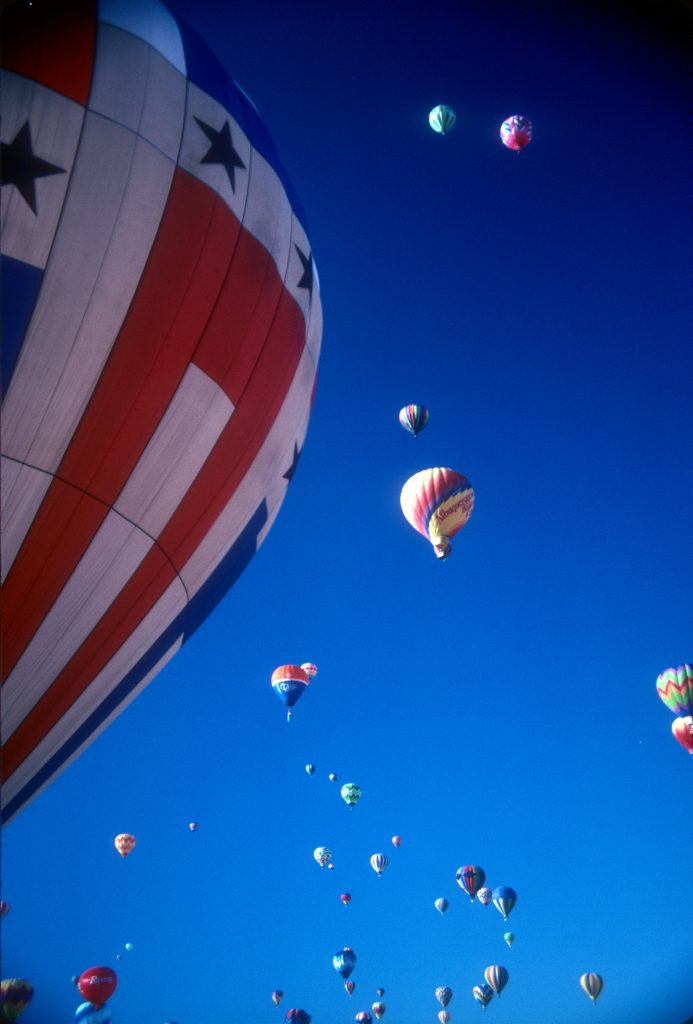
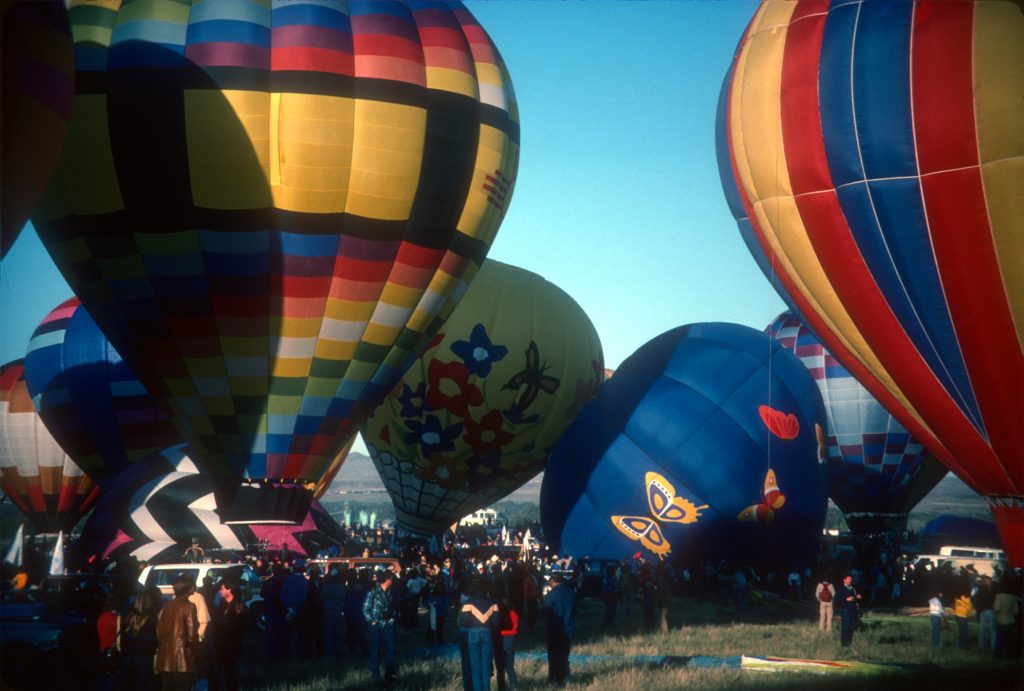
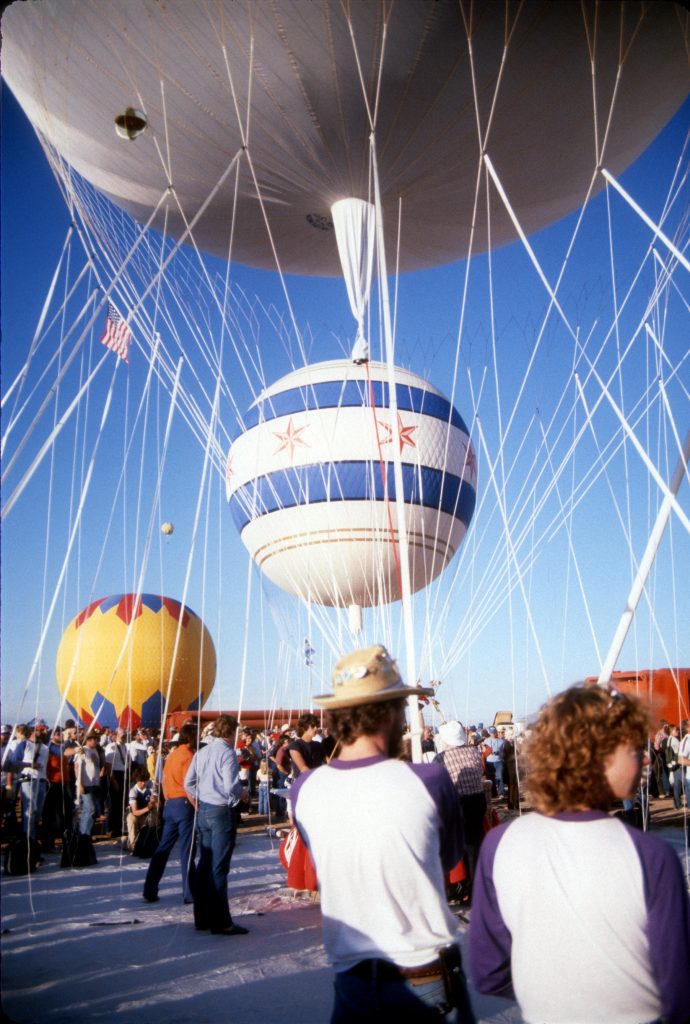
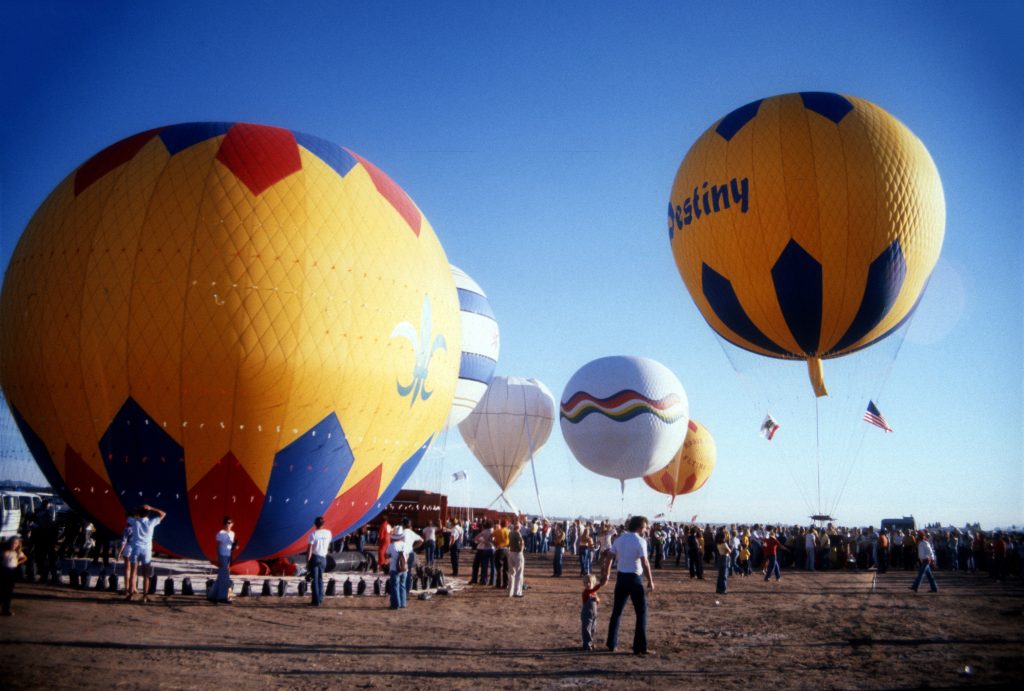
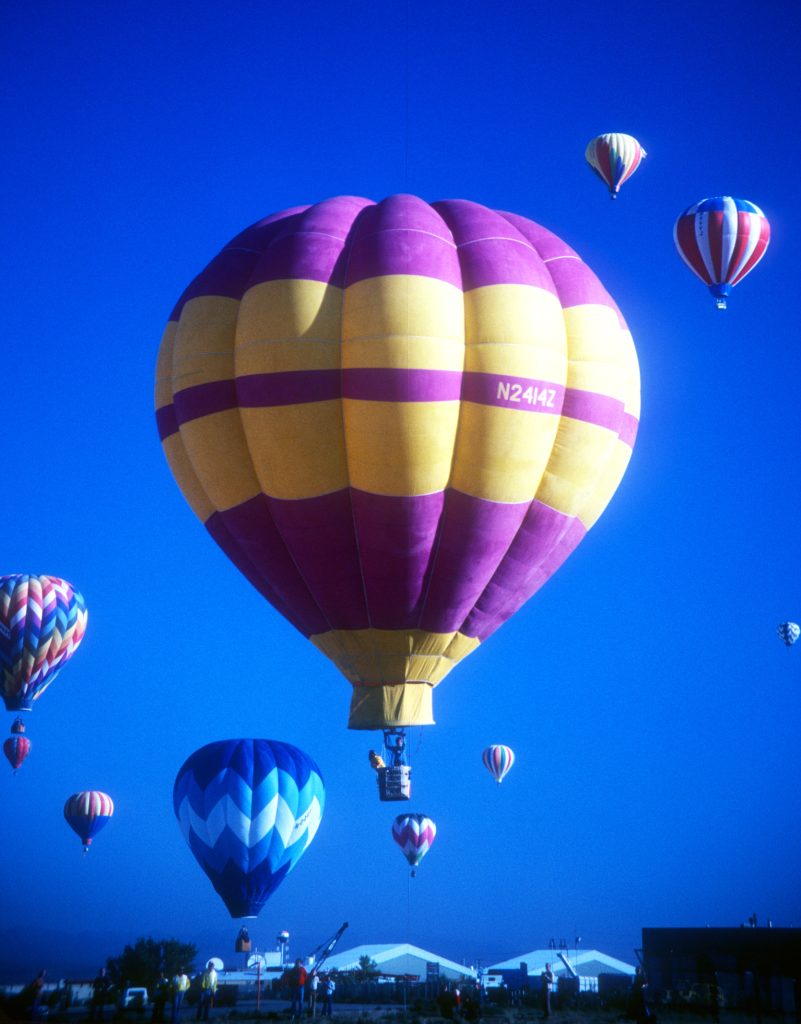
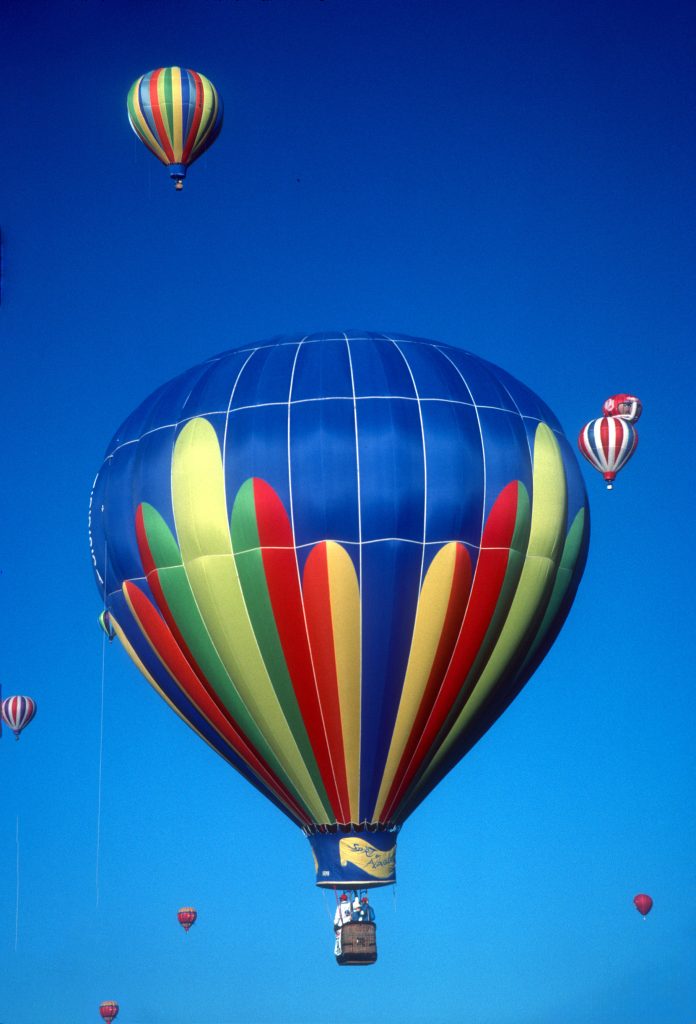
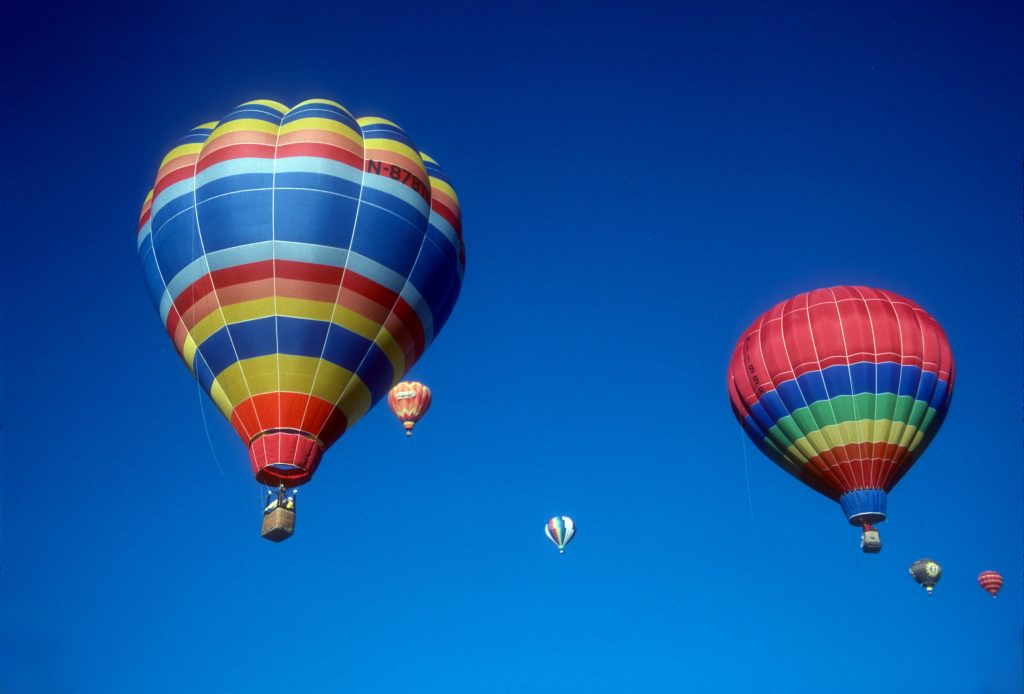
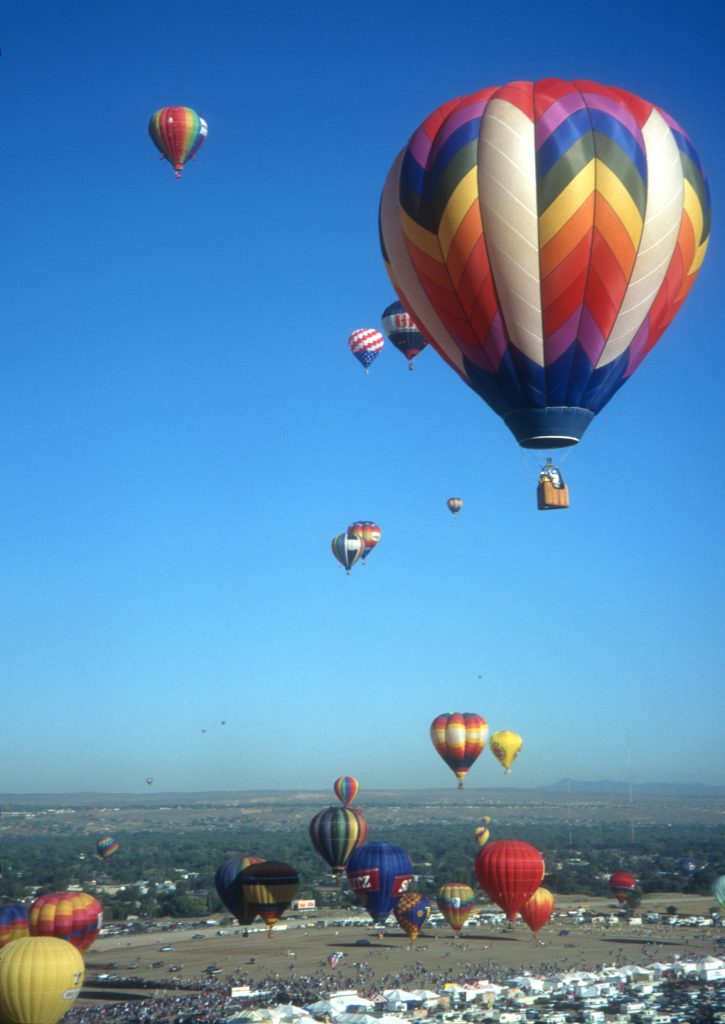
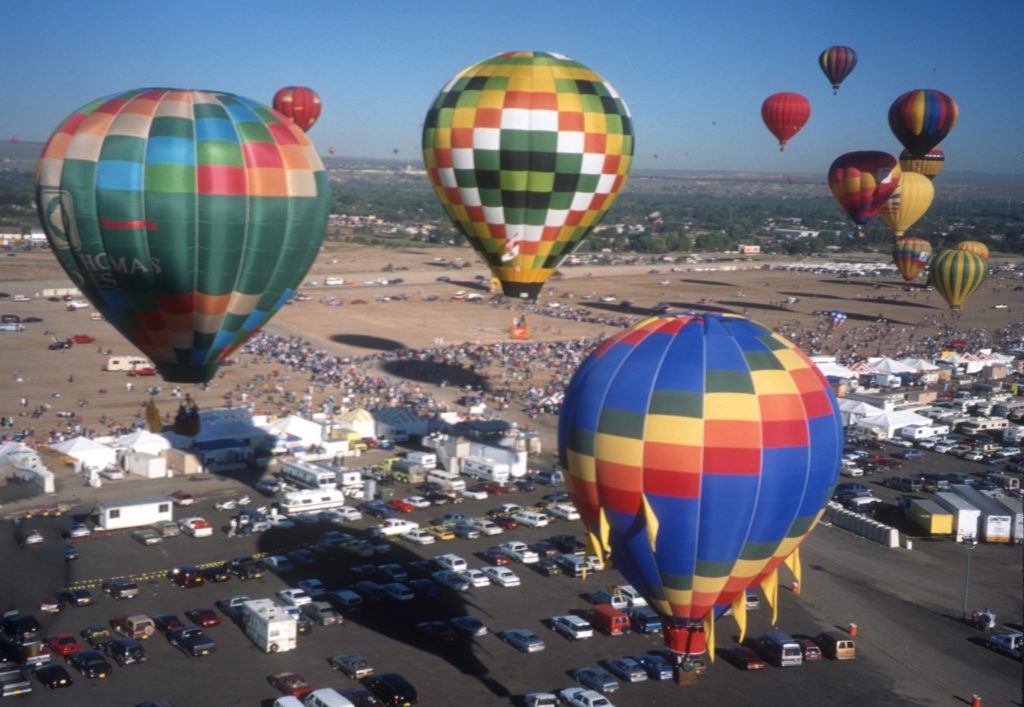
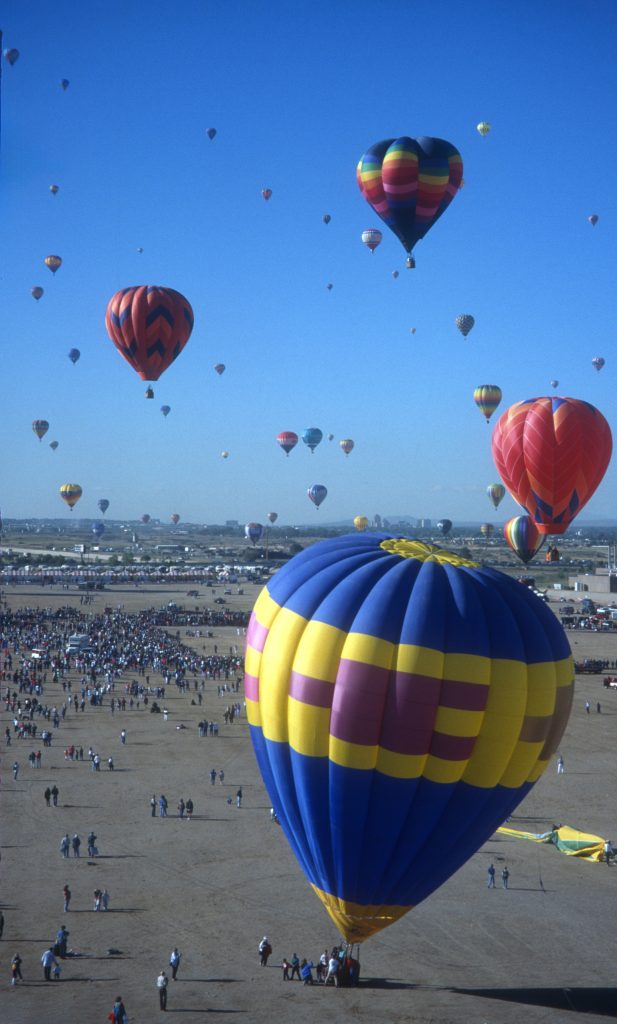
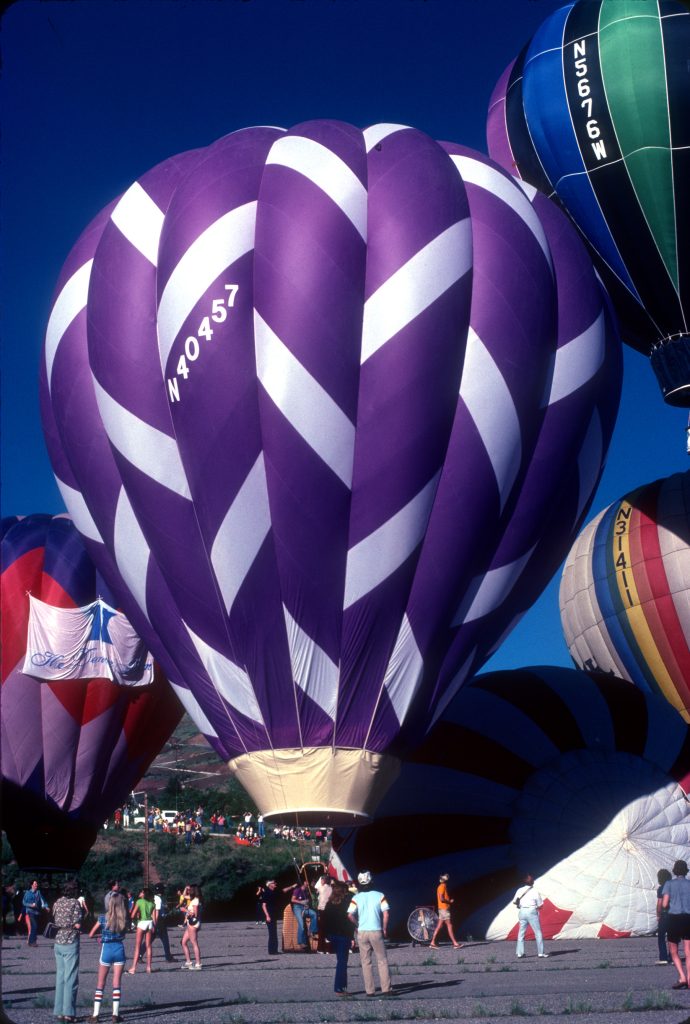
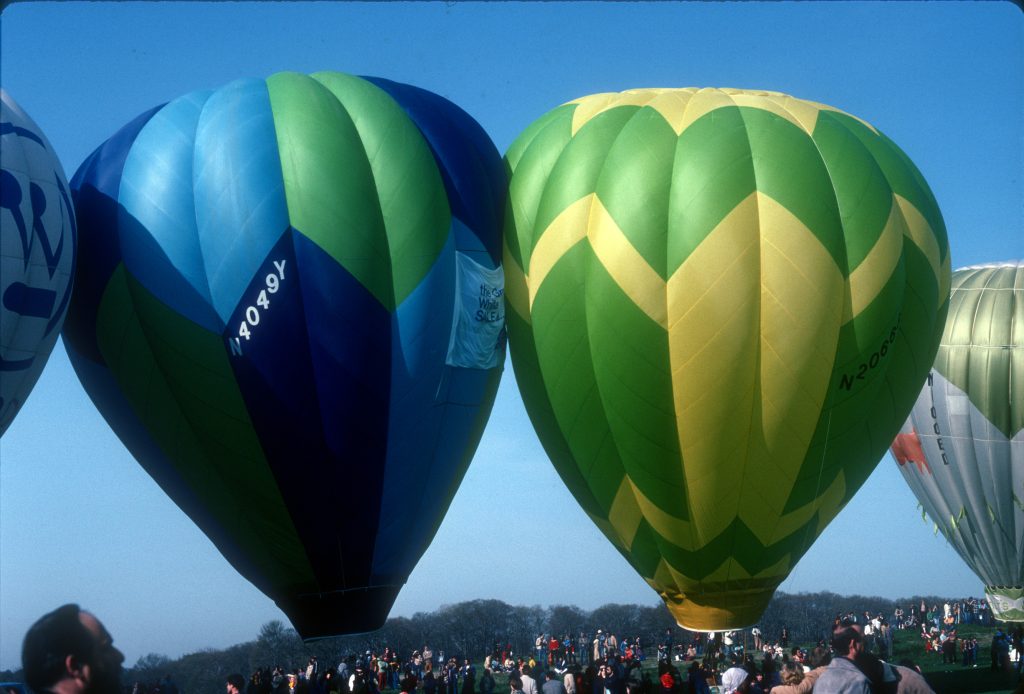
While France gave birth to ballooning, the modern heart of the sport beats in the American Southwest. Since 1972, the Albuquerque International Balloon Fiesta has filled New Mexico’s skies with a kaleidoscope of color. Held every October, it is the world’s largest ballooning event, with more than 500 balloons participating.
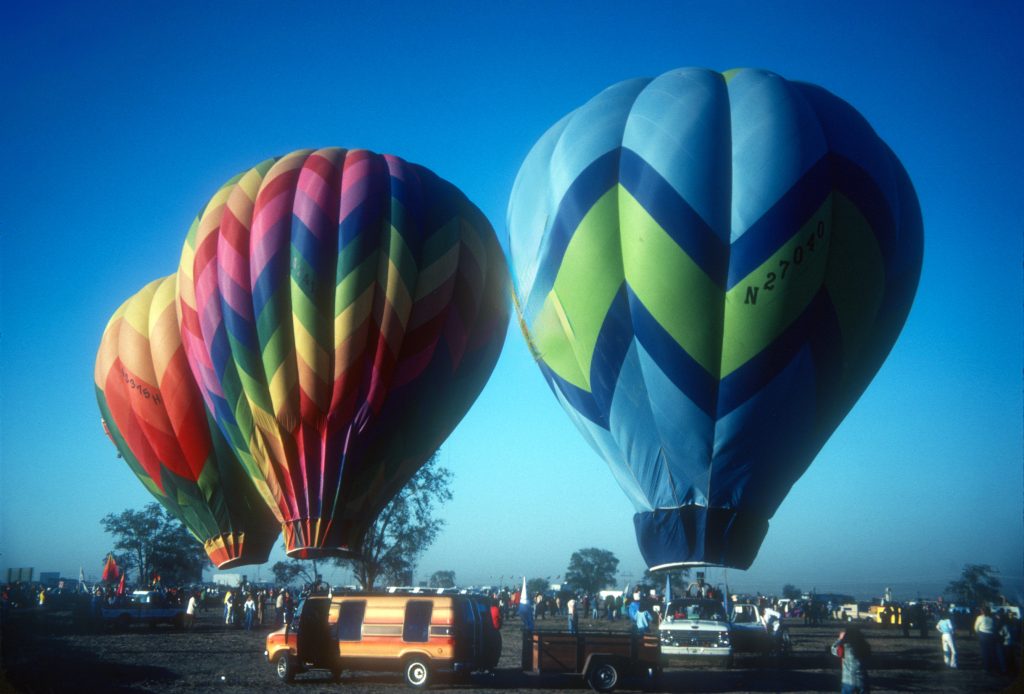
What makes Albuquerque ideal? Its “box” winds—a rare meteorological phenomenon in which winds at different altitudes blow in opposite directions—allow pilots to launch, drift, and return to nearly the same spot. At dawn, the Mass Ascension sees hundreds of balloons rise together in a breathtaking spectacle. At night, the Balloon Glow sets the envelopes alight like giant lanterns against the desert dark.
The Fiesta has turned ballooning into a global celebration, attracting pilots and enthusiasts from every continent. It is the Montgolfier dream writ large—a festival of skyborne wonder.
From Versailles gardens to New Mexico deserts, the story of ballooning is one of wonder that transcends centuries. What began with a sheep, a duck, and a rooster rising into a Parisian sky has become a global celebration of color and courage.
Balloons remind us that flight need not be about speed or conquest. To drift in a balloon is to surrender to the wind, to see the world anew—villages and rivers spread like maps, mountains softened by distance, silence broken only by a burst of flame. The Montgolfiers’ dream lives on, not in laboratories or battlefields, but in dawn skies where children point upward, hearts lifted by the simple miracle of flight.
Where to Stay in Albuquerque, United States
Albuquerque’s Old Town neighborhood offers the most historically immersive lodging options for visitors interested in the city’s past. The area features adobe-style hotels and bed and breakfasts within walking distance of the San Felipe de Neri Church, the city’s oldest structure, and galleries housed in centuries-old buildings. Staying here puts you steps away from the original plaza where the city was founded in 1706, though rooms tend toward the smaller and more rustic side compared to chain hotels elsewhere in the city.
For more modern comfort with good proximity to attractions, the Downtown and Midtown corridors along Central Avenue offer mid-range hotels and motels that reflect Albuquerque’s Route 66 heritage. Many of these properties occupy historic structures that have been updated with contemporary amenities, giving you convenient access to museums, restaurants, and shops without the premium pricing of resort areas. The location also makes it straightforward to reach Old Town and the Sandia Mountains by car.
If you prefer upscale accommodations with resort facilities, the north end of the city near the Sandia Peak Tramway has several larger hotels catering to visitors who want swimming pools, spas, and on-site dining. This area sits closer to the foothills and provides a quieter base for exploring outdoor attractions, though you will need a car to reach Old Town and other cultural sites. The trade-off is comfort and amenities for proximity to the historic core.
Budget-conscious travelers will find modest hotels and motels clustered along the I-25 corridor and further out on Central Avenue. These options are practical for short stays and offer straightforward access to major roads, though they lack the character of Old Town or the convenience of Downtown locations. Book ahead during the Albuquerque International Balloon Fiesta in October, when rooms across all price ranges fill quickly.
Recommended Reading
Fiction:
- Five Weeks in a Balloon by Jules Verne – A classic adventure novel imagining balloon exploration across Africa, infused with scientific curiosity and Victorian daring.
Non-Fiction:
- Falling Upwards: How We Took to the Air by S.L. Kotar & J.E. Gessler – A historical overview chronicling ballooning from its earliest experiments in 1782 to the early 20th century, focusing on pioneers and technological progress.
- Ballooning: A History, 1782–1900 by S.L. Kotar & J.E. Gessler – A comprehensive historical account of ballooning’s first century, detailing the pioneering inventors, technological milestones, and the social impact of balloon flight. This standalone volume traces developments from the Montgolfier brothers’ paper balloon experiments to the dawn of the twentieth century. It serves as an essential reference for aviation historians.
- Albuquerque International Balloon Fiesta: A Photographic Journey by Albuquerque International Balloon Fiesta Heritage – A richly illustrated photographic book that documents the evolution and spectacle of the Albuquerque International Balloon Fiesta. It’s part of Arcadia Publishing’s Images of Modern America series.
- The Explorer Gene: How Three Generations of One Family Went Higher, Deeper, and Further Than Any Before by Tom Cheshire – This biography explores the Piccard family—Auguste (stratospheric balloon flights), Jacques (deep-sea exploration), and Bertrand (balloon circumnavigator)—and their extraordinary legacies.
Tours to Consider
- Private Hot Air Balloon Flights with Elevated New Mexico
- Albuquerque Hot Air Balloon Ride at Sunrise