
There is something quietly thrilling about sleeping in a space once reserved for judges, nuns, spies, or generals—places where history happened and now, in their second lives, where you might sip an espresso or linger over a sunset view from a suite that once held state secrets or sacred vows.These five remarkable hotels exemplify the art of adaptive reuse—transforming storied buildings into luxurious spaces without erasing their soul. They are not mere renovations. They are acts of reverence.
Rosewood Amsterdam
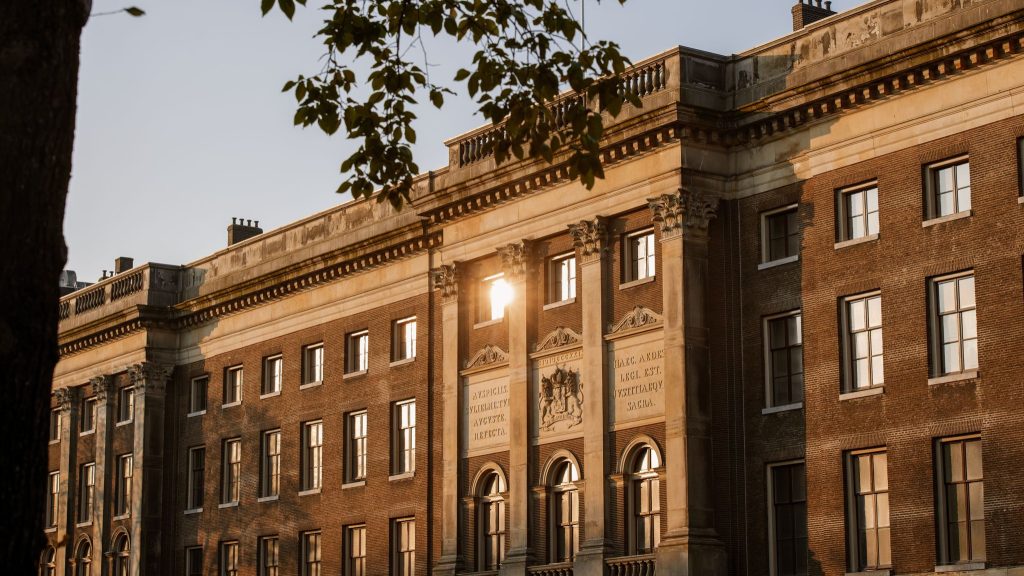
Once the imposing Palace of Justice, this neoclassical structure now exudes serenity rather than judgment. Set along the Prinsengracht in one of the city’s most graceful quarters, the 134-room Rosewood Amsterdam blends meticulous restoration with quiet contemporary luxury. Judges once climbed the grand staircases in black robes—today, guests cross the same threshold into sunlit salons and riverside calm. The balance between past gravity and present ease is beautifully rendered in every corridor.
Abbaye des Vaux-de-Cernay, France
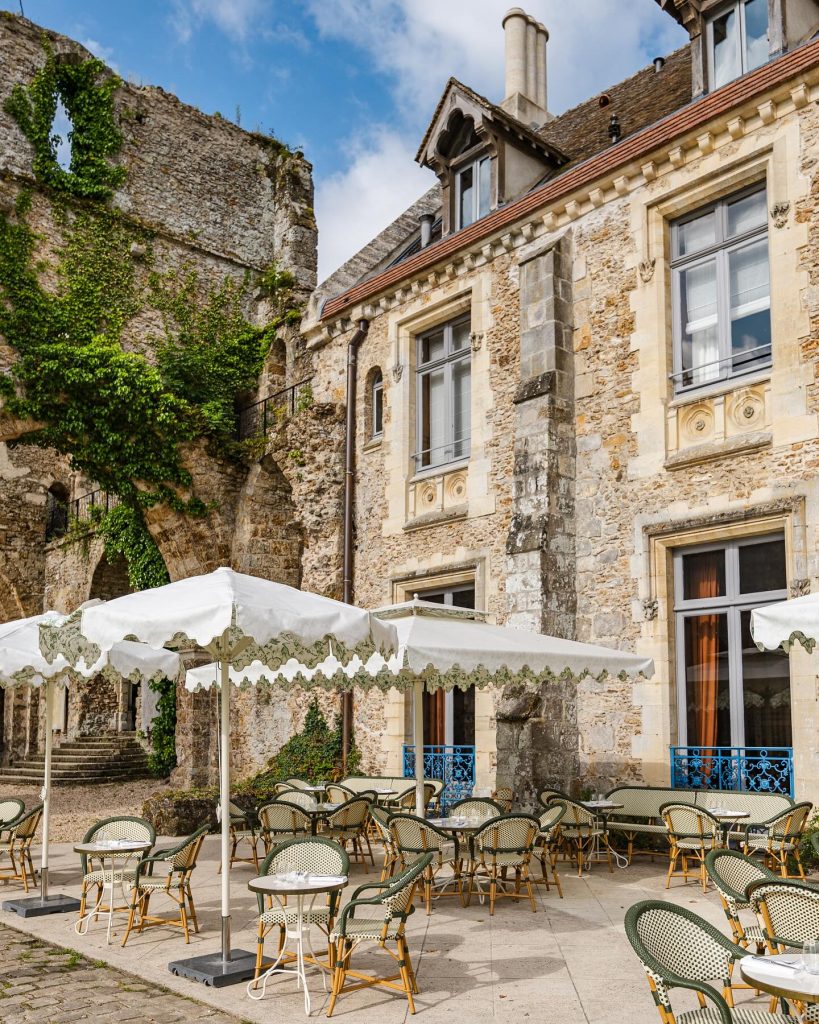
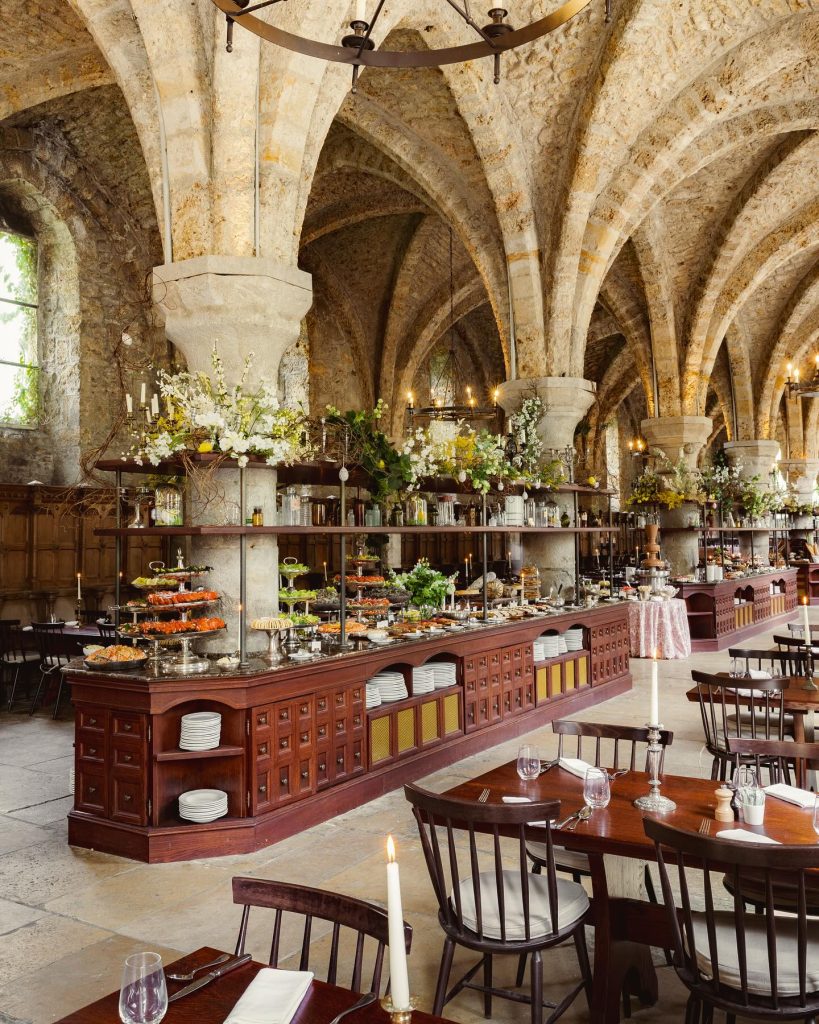
Tucked into 185 wooded acres just outside Paris, this former 12th-century Cistercian abbey, later transformed into a Rothschild estate, is now a retreat that feels touched by enchantment. The Rothschilds preserved the ruins of the medieval cloister as part of the landscaping—a romantic gesture that still shapes the mood of the property today. At Abbaye des Vaux-de-Cernay, time slows to the pace of a monastery. Guests wander beneath vaulted ceilings, linger in the candlelit salons, and take tea where once only silence reigned.
Riggs, Washington DC
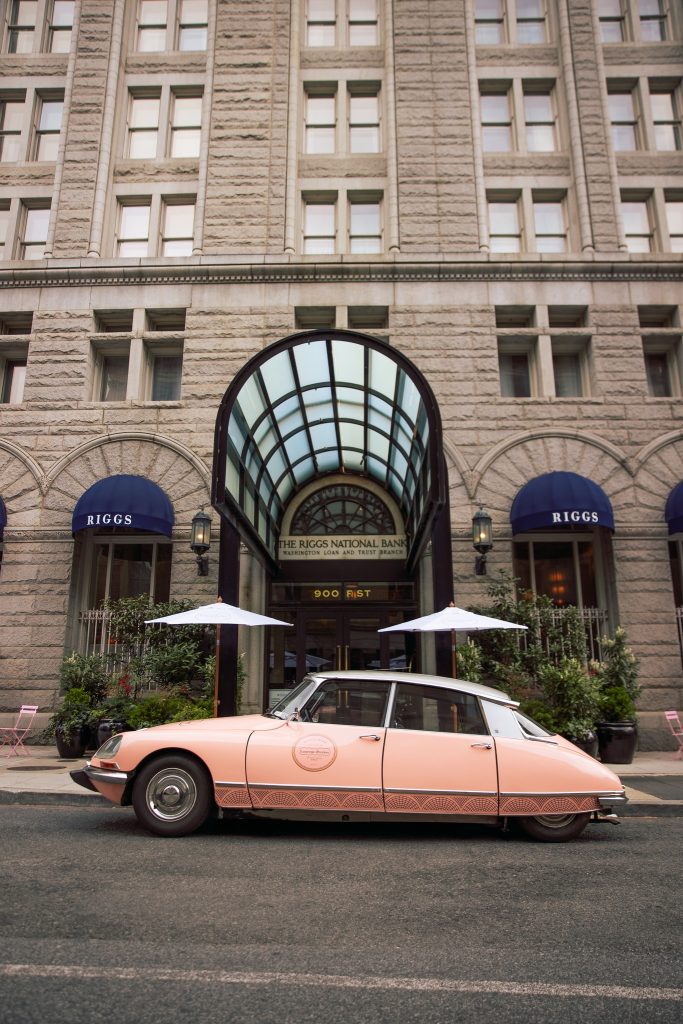
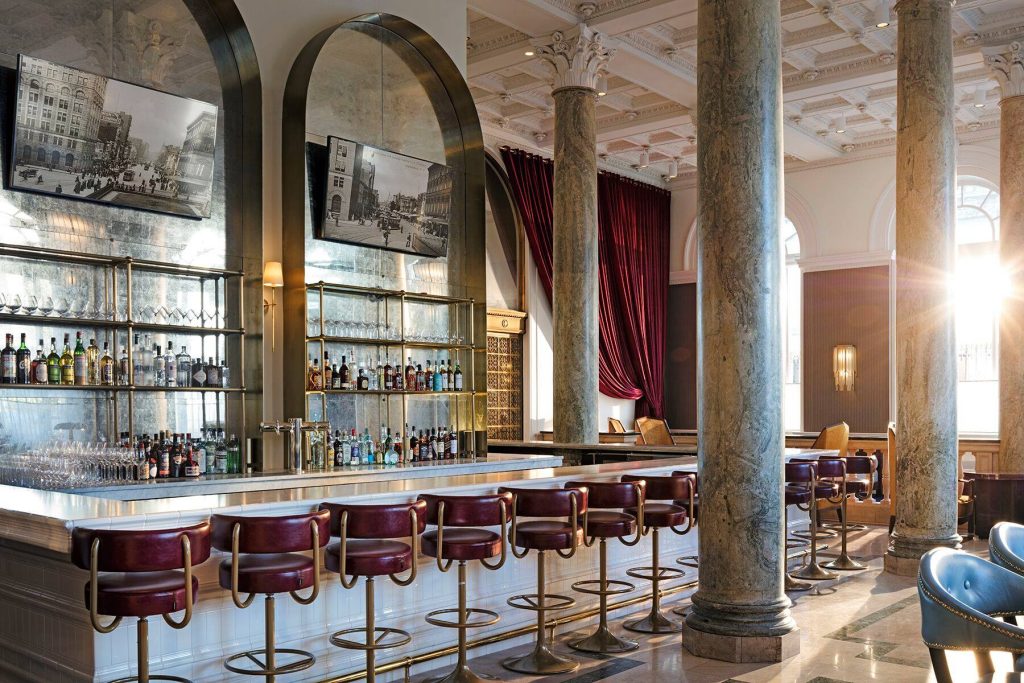
Originally the Riggs National Bank, a financial powerhouse dubbed “the Bank of Presidents,” this 19th-century building now welcomes travelers rather than titans. Each pied-à-terre-style guest room at Riggs offers its own personality, with bespoke touches that whisper of Gilded Age ambition. The bar, discreetly tucked inside the original bank vault, is a glamorous speakeasy in spirit, evoking a time when fortunes were made behind steel doors and handshakes.
Raffles London at the OWO
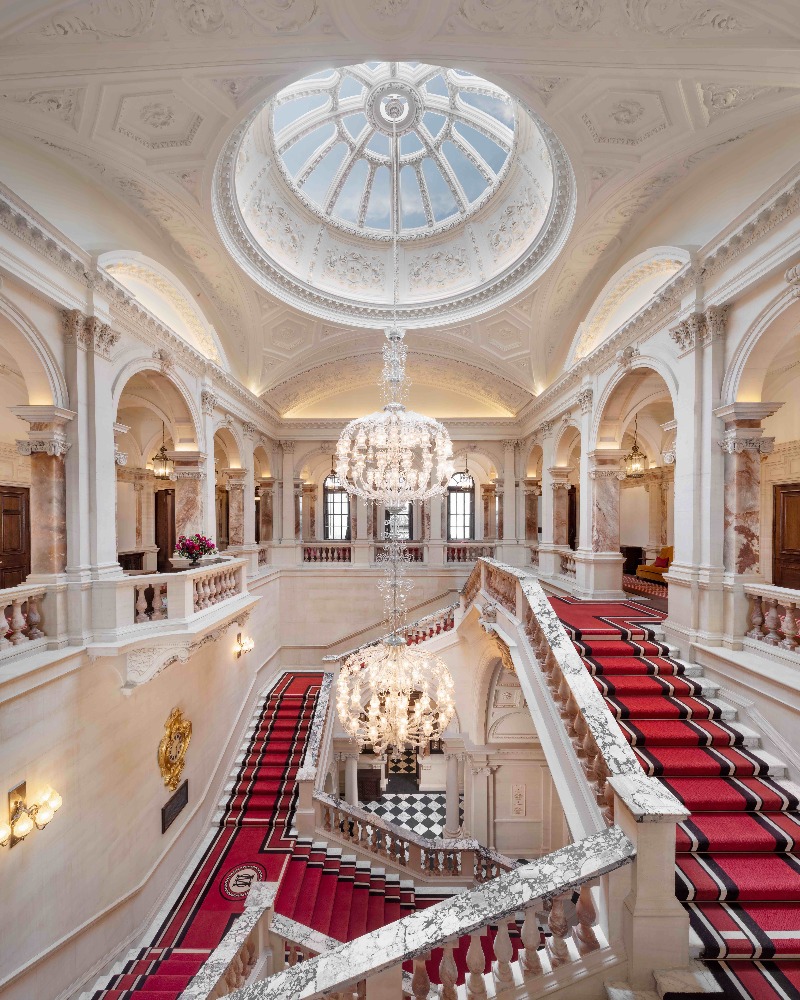
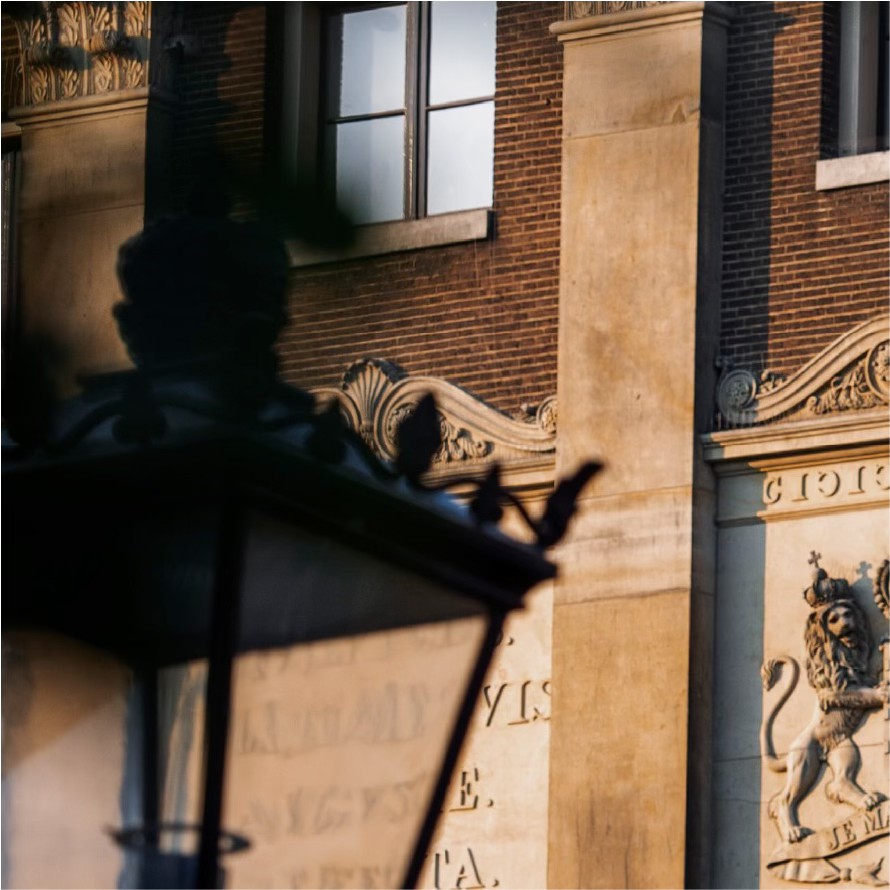
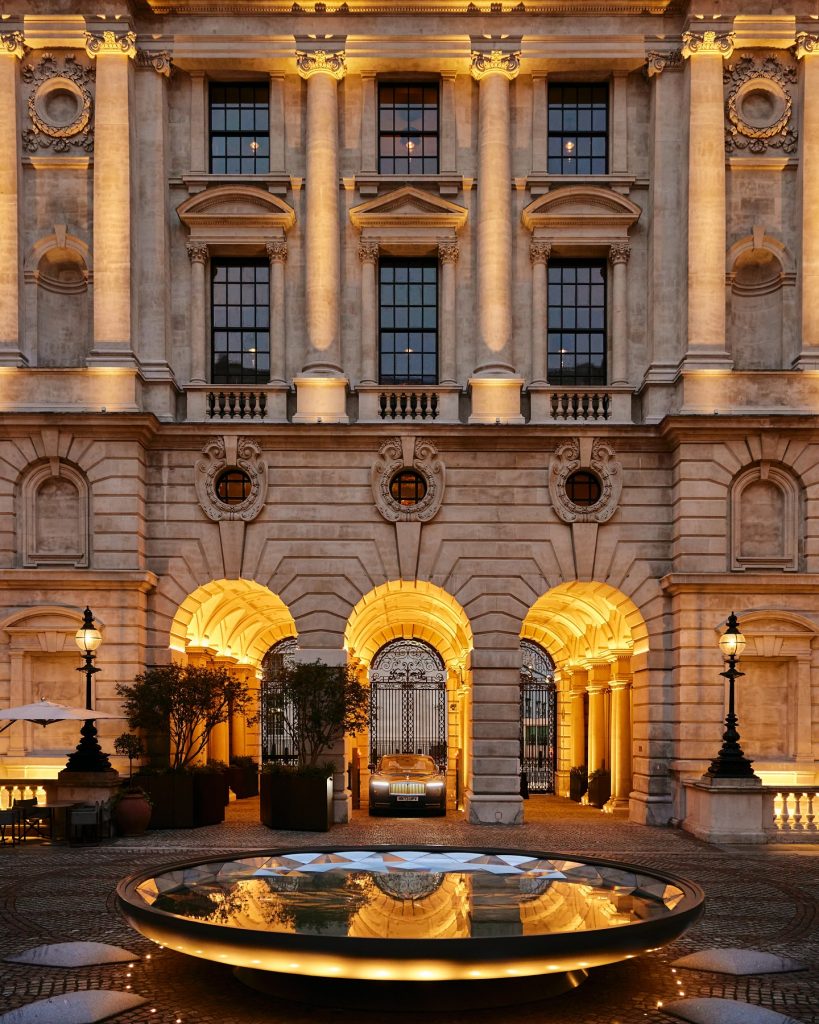
The very walls of the Old War Office once vibrated with secrets. From his office here, Winston Churchill orchestrated Britain’s wartime intelligence; T.E. Lawrence and Ian Fleming walked these same marble corridors. Now, as the Raffles London at the OWO, the building is no less stately, but far more welcoming. One of the five Heritage Suites is named after Christine Granville, Churchill’s favorite spy, whose wartime daring reads like a thriller. Another, the Turret Suite, offers panoramic views of Buckingham Palace. Grand staircases and paneled rooms remain, now paired with fine dining (nine restaurants!) and a butler at your service—who might just offer a story with your tea.
Hôtel du Couvent, Nice
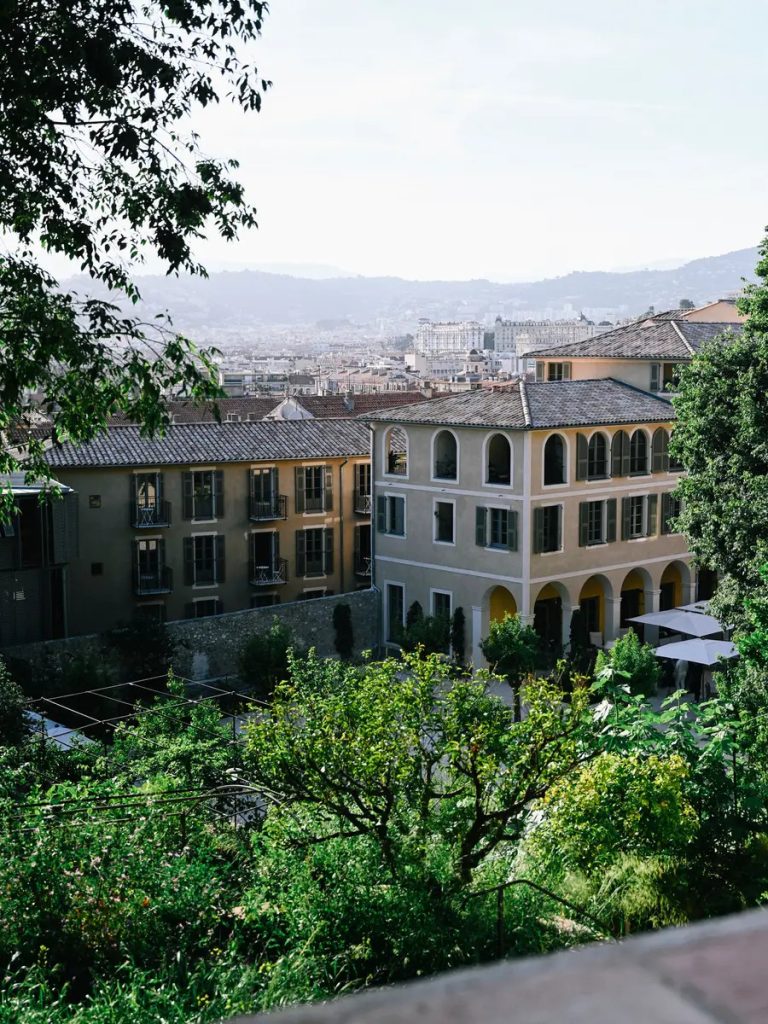
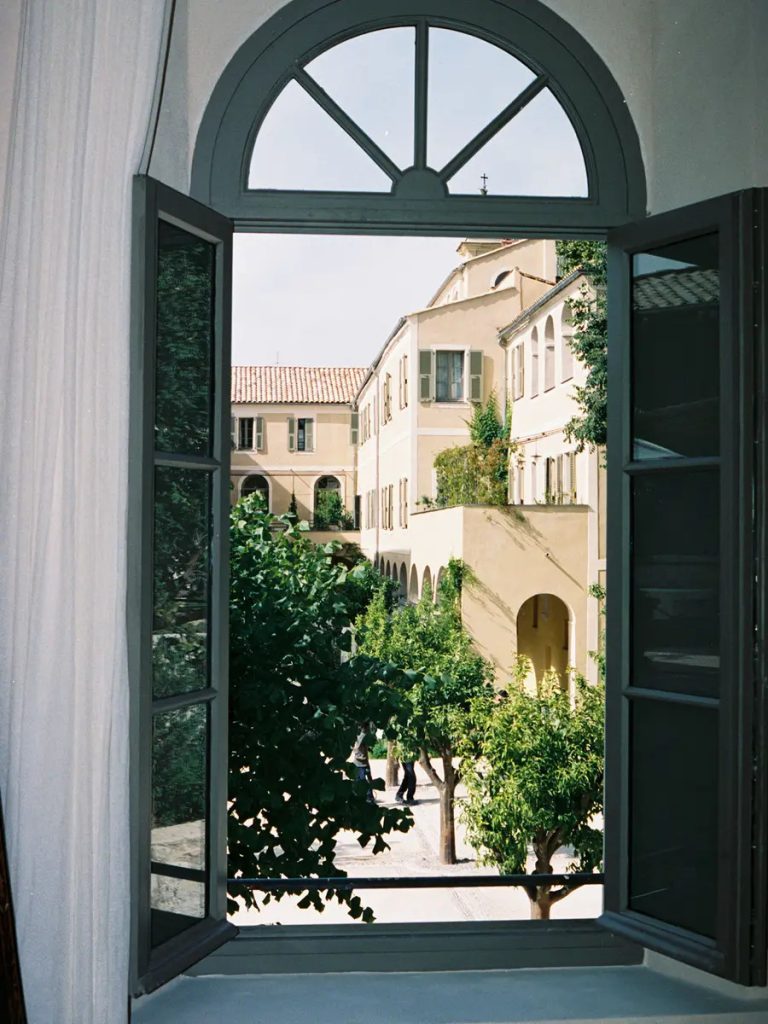
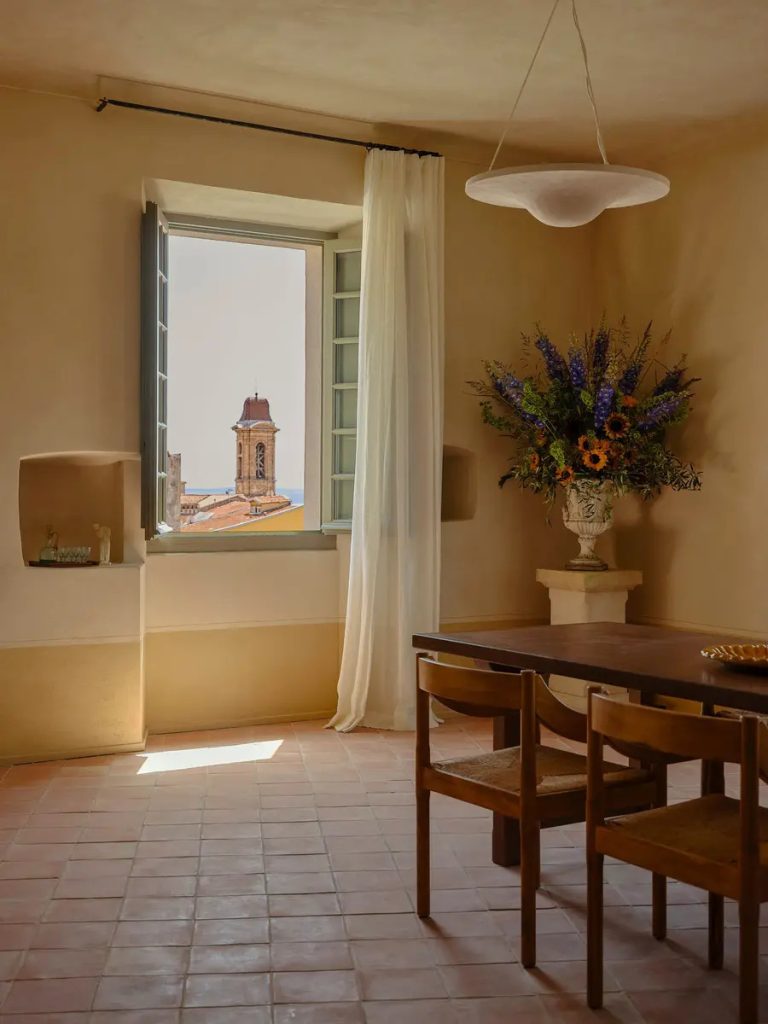
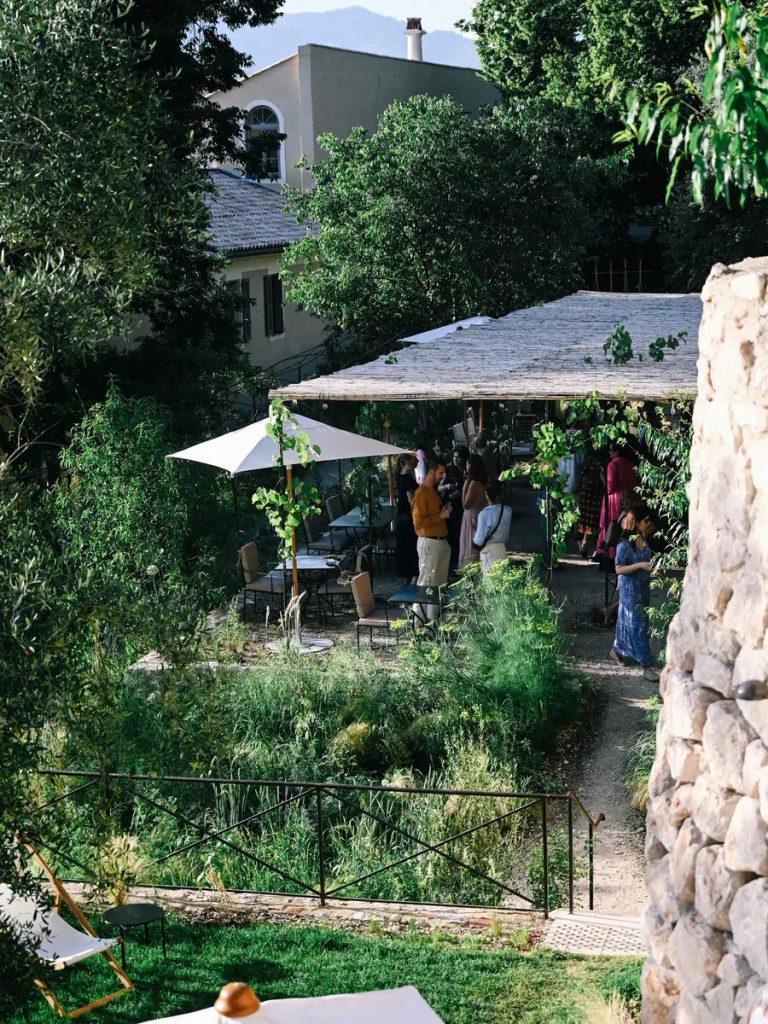
Set within the hushed stone of a 17th-century convent, this serene retreat in Nice’s Old Town invites guests to reconnect—with history, with nature, and with themselves. Behind monastic walls lie 88 rooms with soaring ceilings, antique detailing, and views of the property’s 2½ acres of terraced gardens, once lovingly tended by the nuns themselves. Roman-style baths, a resident herbalist, and a focus on holistic well-being echo the convent’s original mission of quiet healing. Here, you don’t just stay—you exhale.
Where to Stay: Rosewood Amsterdam
Amsterdam’s canal-side hotels offer the most atmospheric stay, with properties like the Waldorf Astoria Amsterdam and various converted palaces along the Grachtengordel providing both luxury and historical immersion. These grand buildings retain original architectural details while offering modern comfort, placing you within walking distance of the city’s major museums and the Anne Frank House. The Canal Ring neighborhoods are pricier but worth considering if budget allows, as you’ll wake to water views and centuries-old facades.
For a more accessible option, consider staying in the Jordaan district or near Centraal Station. Jordaan offers charming guesthouses and smaller hotels tucked into narrow streets lined with art galleries and local cafes, with a less touristy feel than the main canal belt. Centraal Station area hotels provide excellent public transport connections and put you steps away from major attractions, though the surrounding neighborhood has more modern development mixed in with historic passages.
If you want to maximize historical immersion without the canal-belt price tag, look for accommodations in the De Pijp or Plantage neighborhoods. De Pijp contains the Albert Cuyp Market and 19th-century residential buildings, while Plantage sits near the Jewish Historical Museum and Botanical Garden. Both areas have smaller hotels and bed-and-breakfasts that occupy older buildings and connect you to Amsterdam’s residential rhythms rather than just its tourist circuits.
Book early if visiting May through September, as room availability drops sharply. Amsterdam’s compact layout means most neighborhoods are 15 to 30 minutes from the city center by tram or bike, so staying slightly outside the primary canal ring can save substantially without sacrificing convenience or access to the city’s historic sites.
