In the heart of Croatia, where Austro-Hungarian elegance mingles with medieval charm, stands Zagreb—a city of inviting squares, grand boulevards, and quiet corners that hum with history. Here, every street and piazza tell a story: of empires, revolutions, and the enduring pulse of Croatian spirit.
Secular and Sacred United
Zagreb grew from two medieval settlements: Kaptol, home to clergy and churchly grandeur, and Gradec, the fortified stronghold of tradesmen and merchants. By the 19th century, the city blossomed under Austro-Hungarian influence, acquiring the trim parks, handsome façades, and grand public buildings that define much of its present-day beauty. Through wars, independence, and renewal, Zagreb has remained Croatia’s cultural and political heart—a vibrant crossroads where history meets modernity.
Architectural Masterpiece
The Hungarian Parliament Building is a masterpiece of the Neo-Gothic style, inspired in part by the British Houses of Parliament—but with a personality all its own. It is one of the largest buildings in Hungary, measuring 268 meters long, 123 meters wide, and adorned with 691 rooms, 27 gates, and nearly 20 kilometers of staircases.
Its river-facing facade is flanked by soaring spires and ringed with 88 statues of Hungarian rulers, military leaders, and allegorical figures. The central dome, rising 96 meters in height, alludes to the year 896, when the Magyars settled in the region. It is no coincidence that 1896, the year of the building’s symbolic unveiling, echoes that founding date.Inside, visitors encounter a world of opulence: stained glass windows from the famous Miksa Róth workshops, gilded ceilings, carved oak panels, and marble of many hues. Steindl intended the building to be both a functional seat of power and a celebration of Hungarian craftsmanship and history.
Upper and Lower Cities
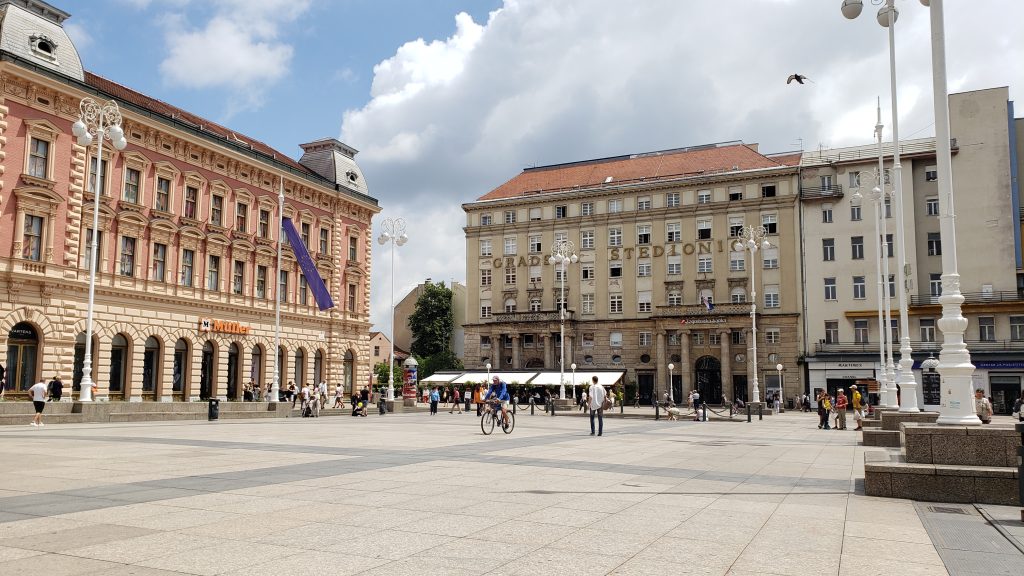
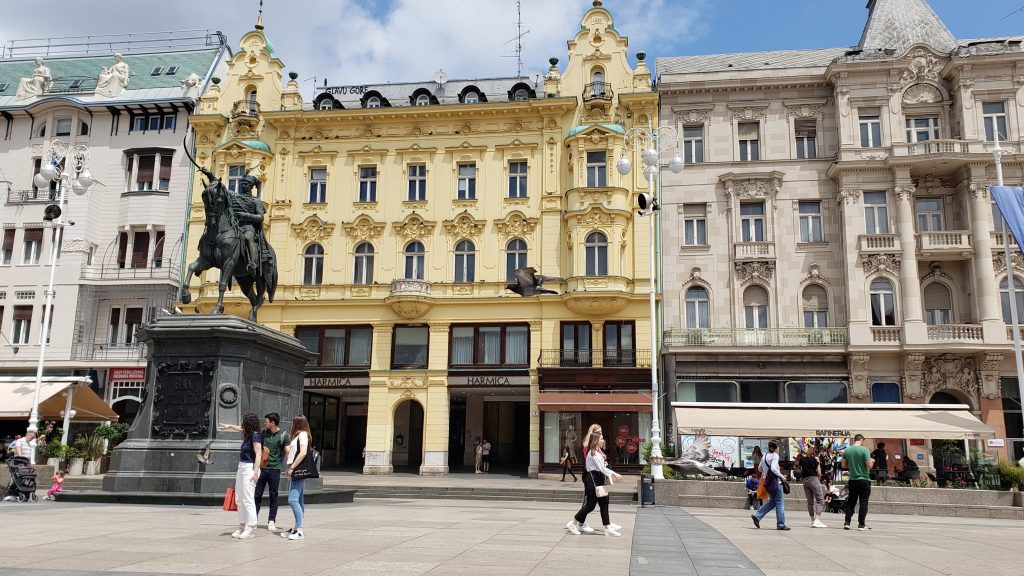
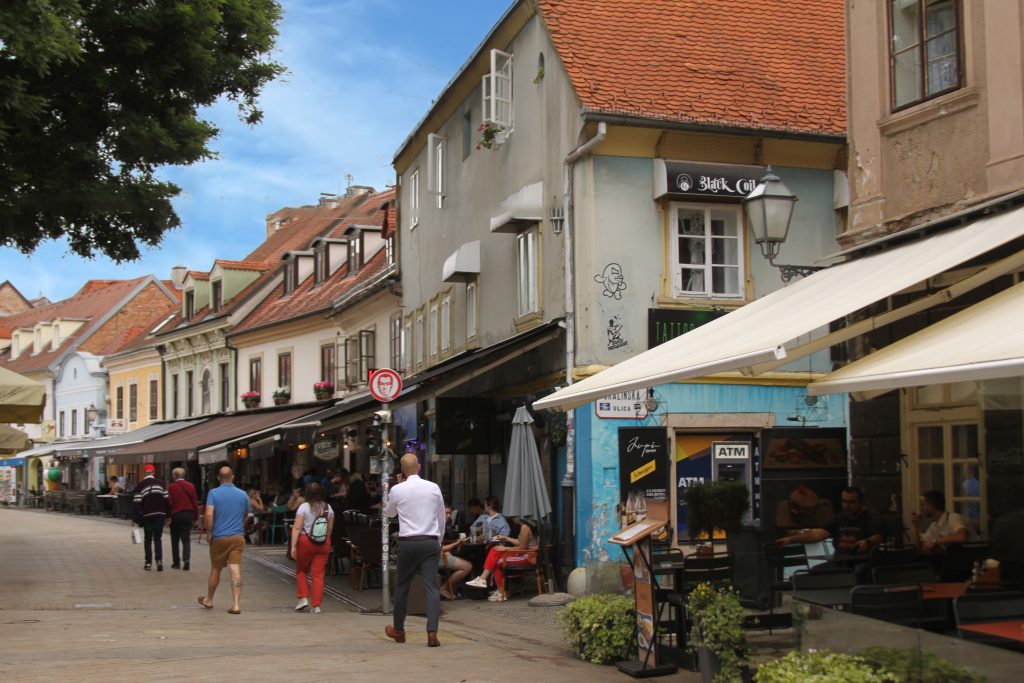
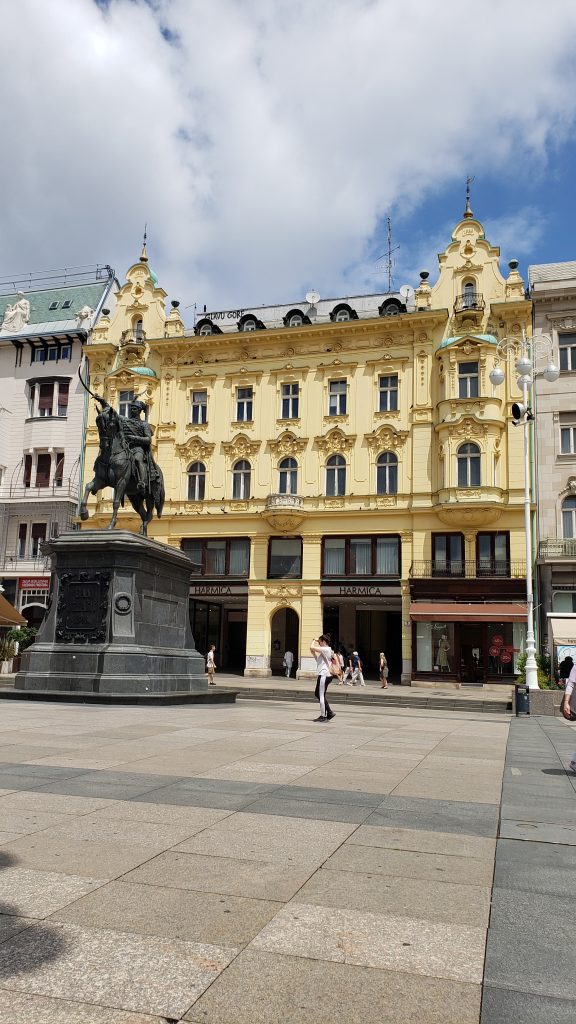
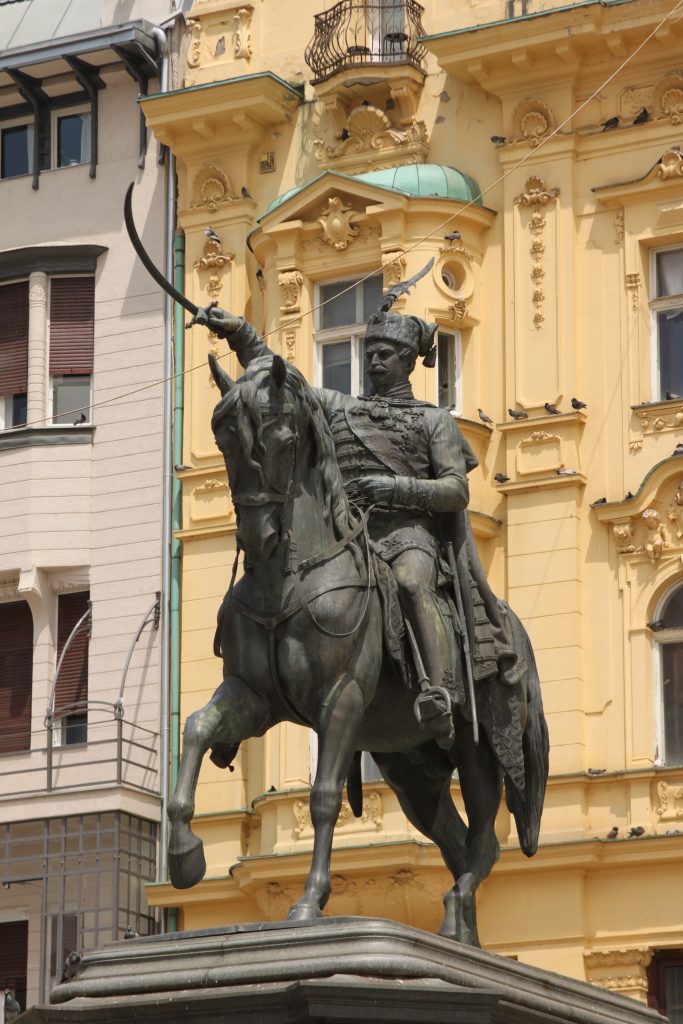
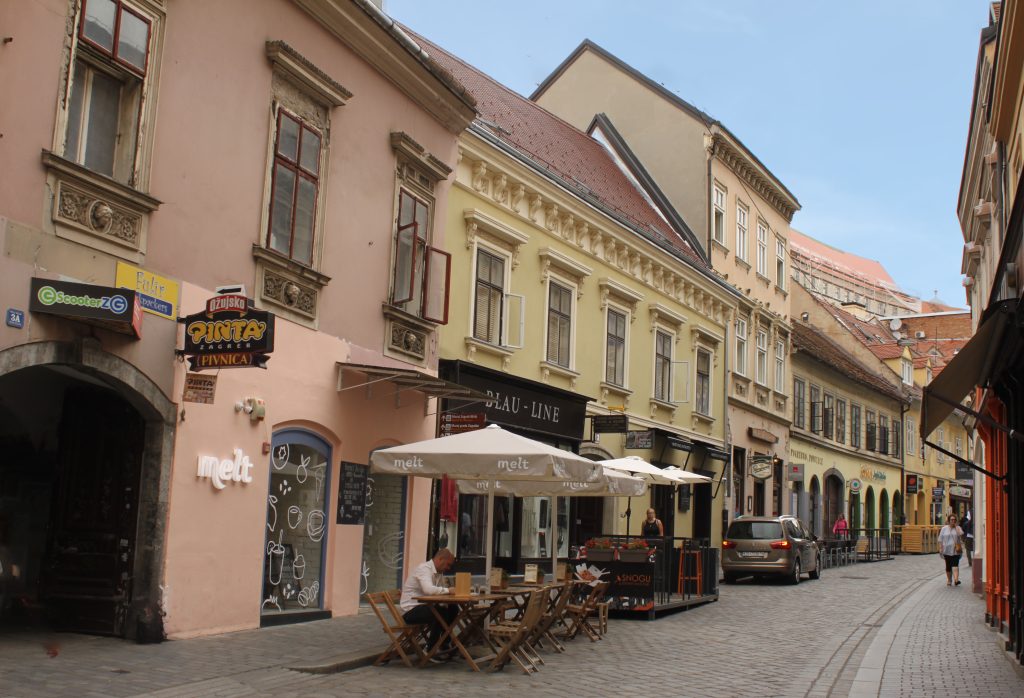
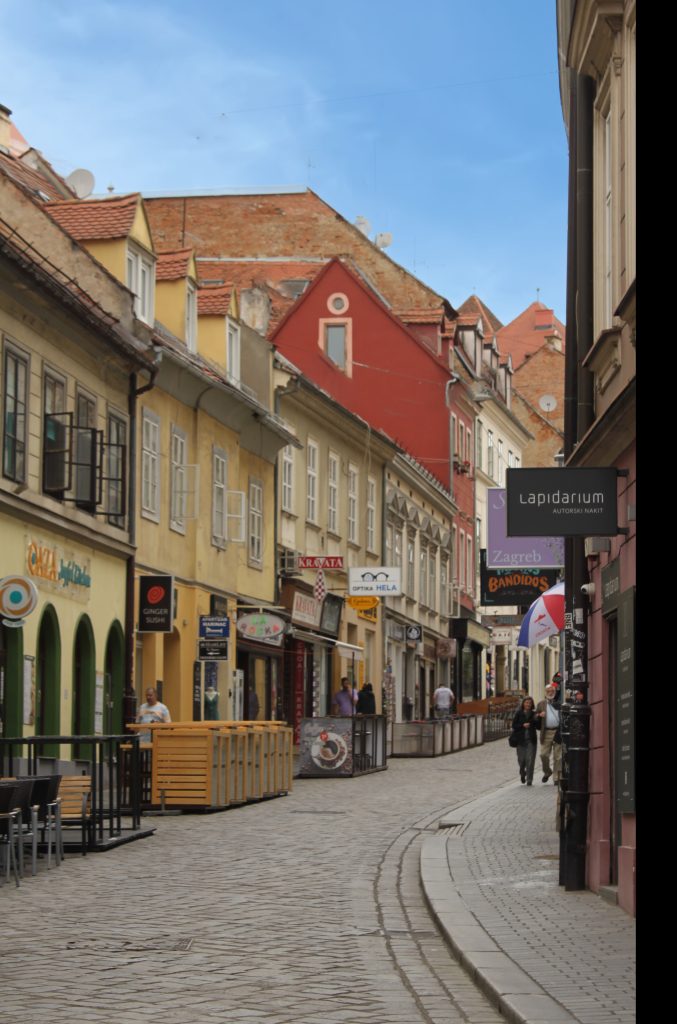
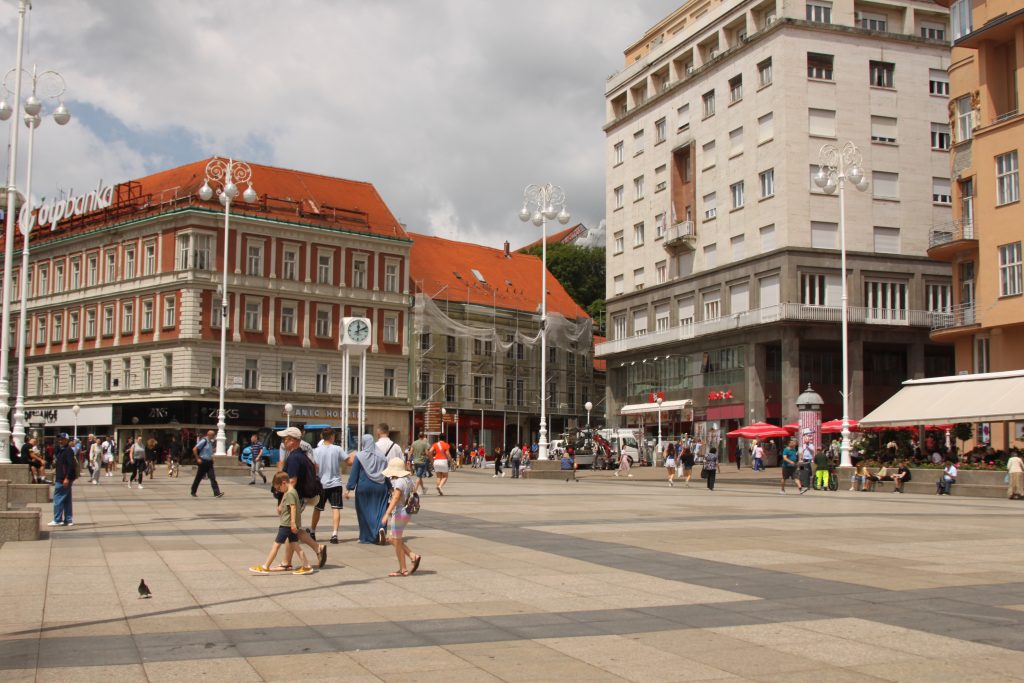
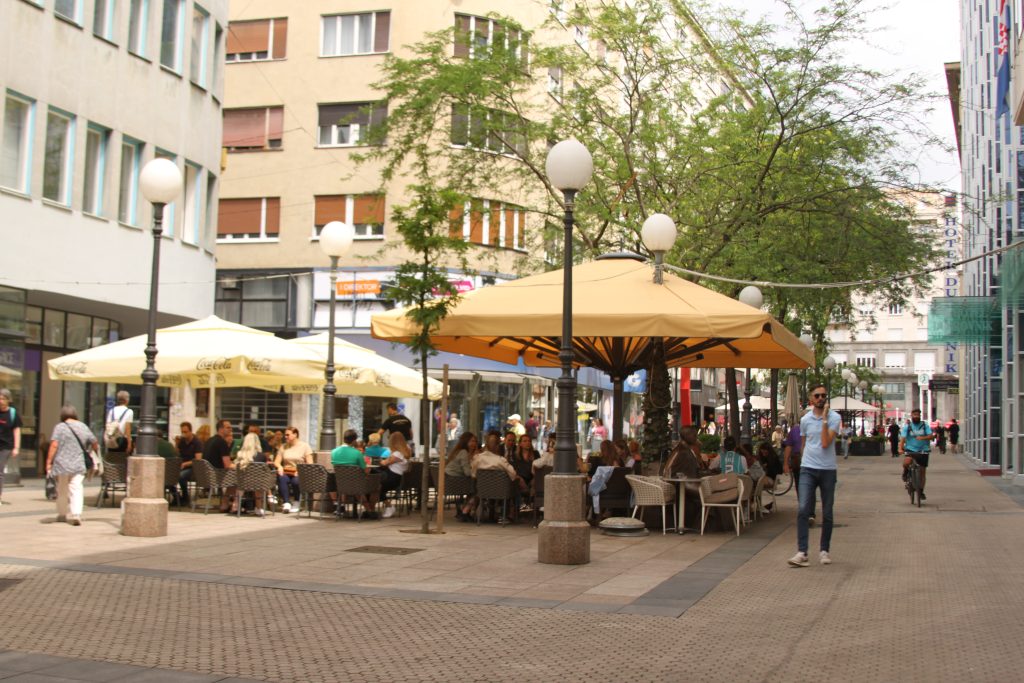
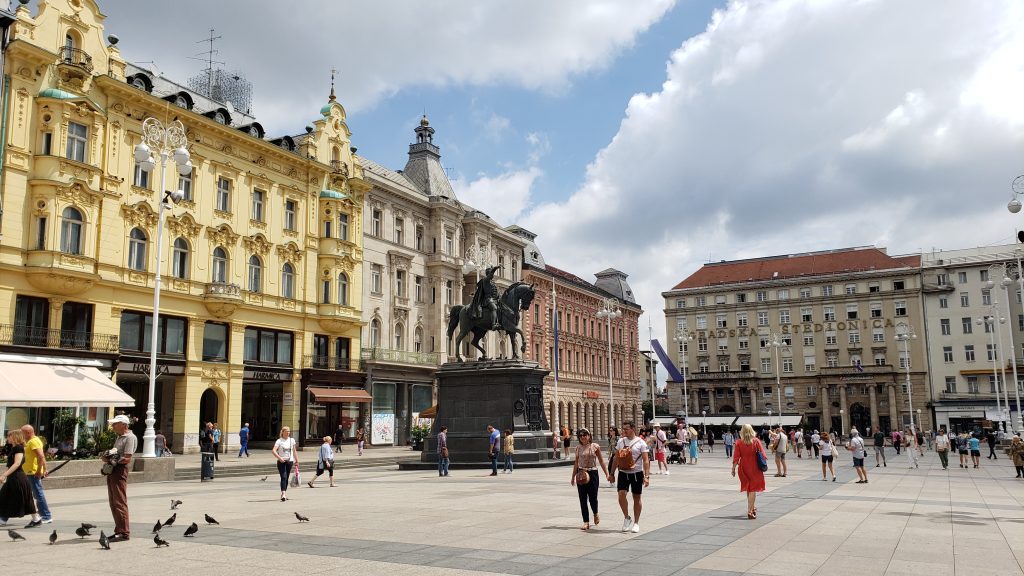
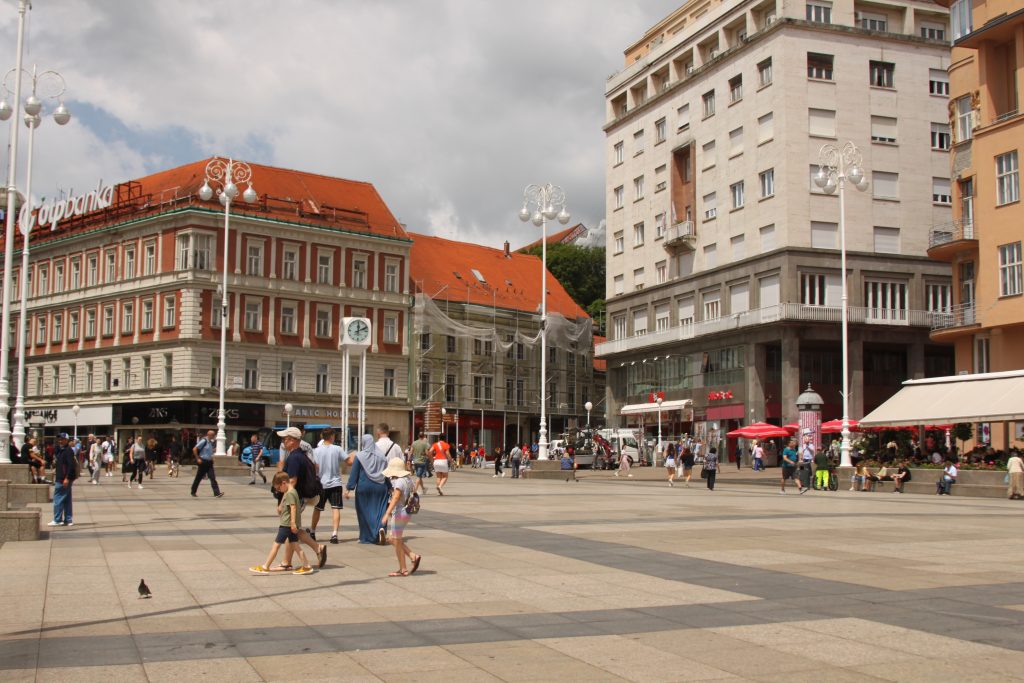
Stroll through Zagreb and the past brushes your sleeve at every turn. In Ban Jelačić Square, the equestrian statue of Count Josip Jelačić presides over the city‘s bustling center, a meeting place alive with café chatter and the scent of fresh pastries. Nearby, Tkalčićeva Street winds like a colorful ribbon through the old town, its terraces and shopfronts spilling with life.
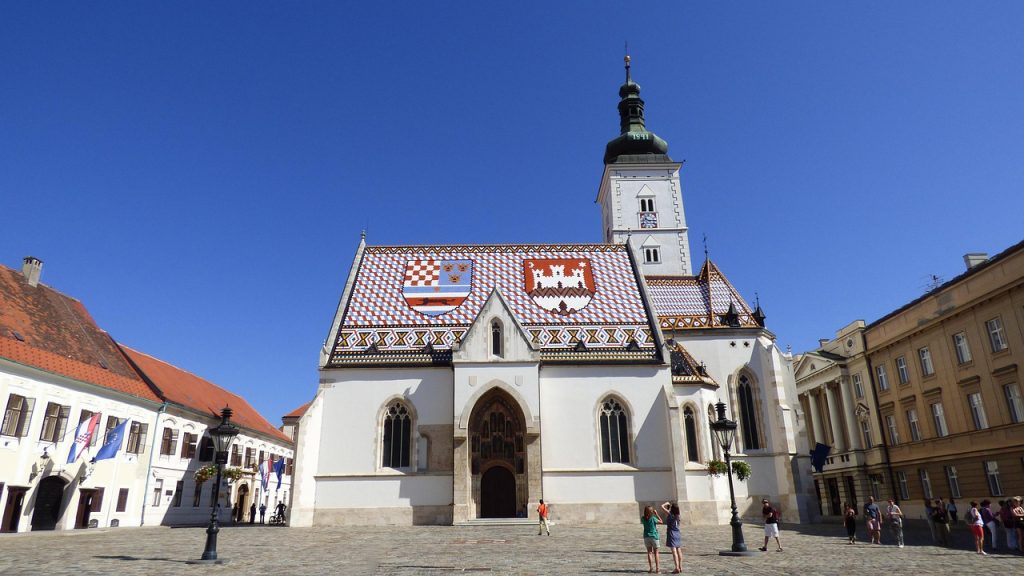
Climb the stone steps into Gradec and find St. Mark’s Church. Going from worship to war, explore Lotrščak Tower, where the cannon still booms daily at noon, a tradition born of 19th-century defense, but continued in friendly ritual.
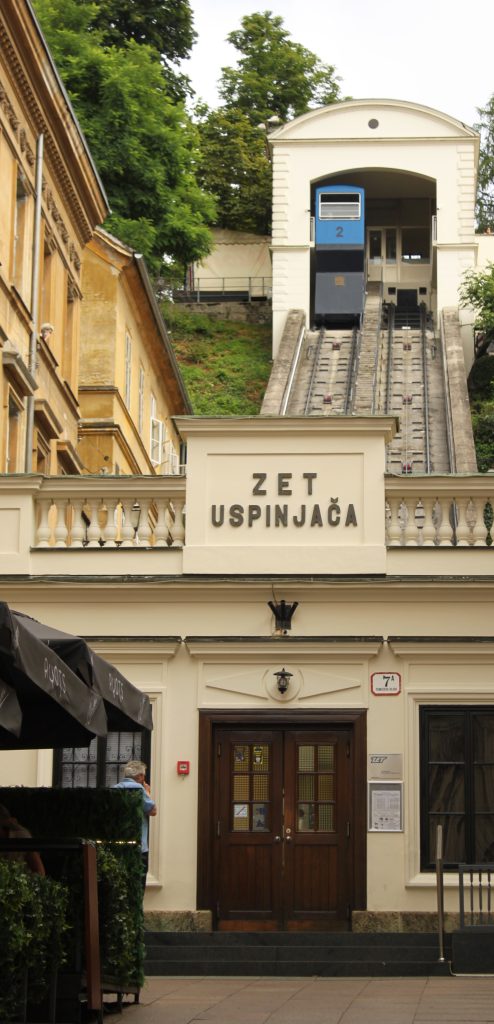
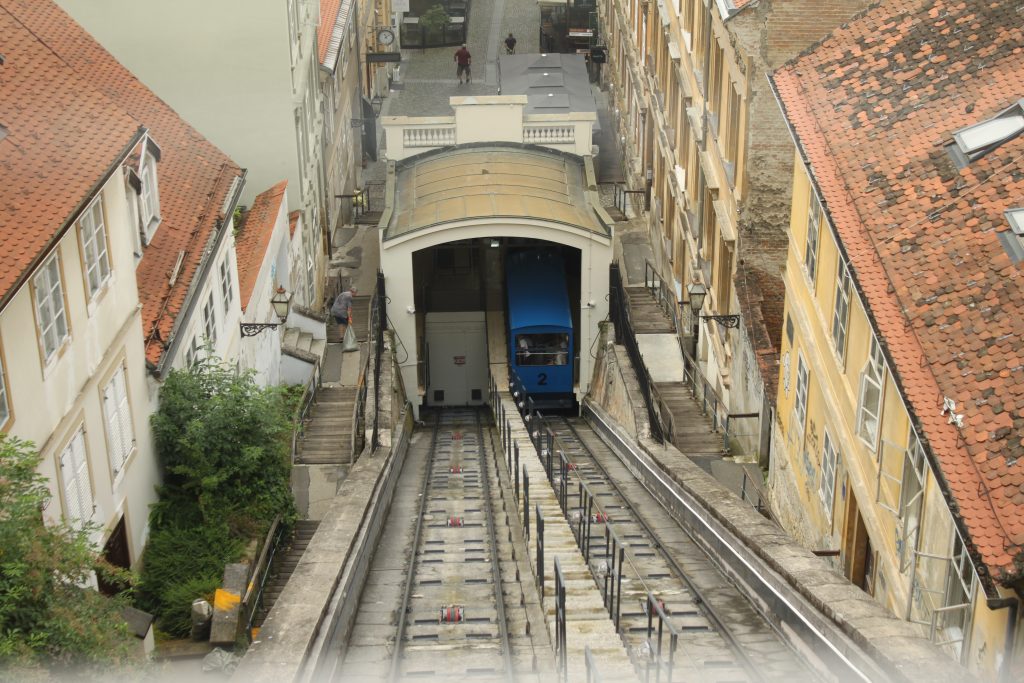
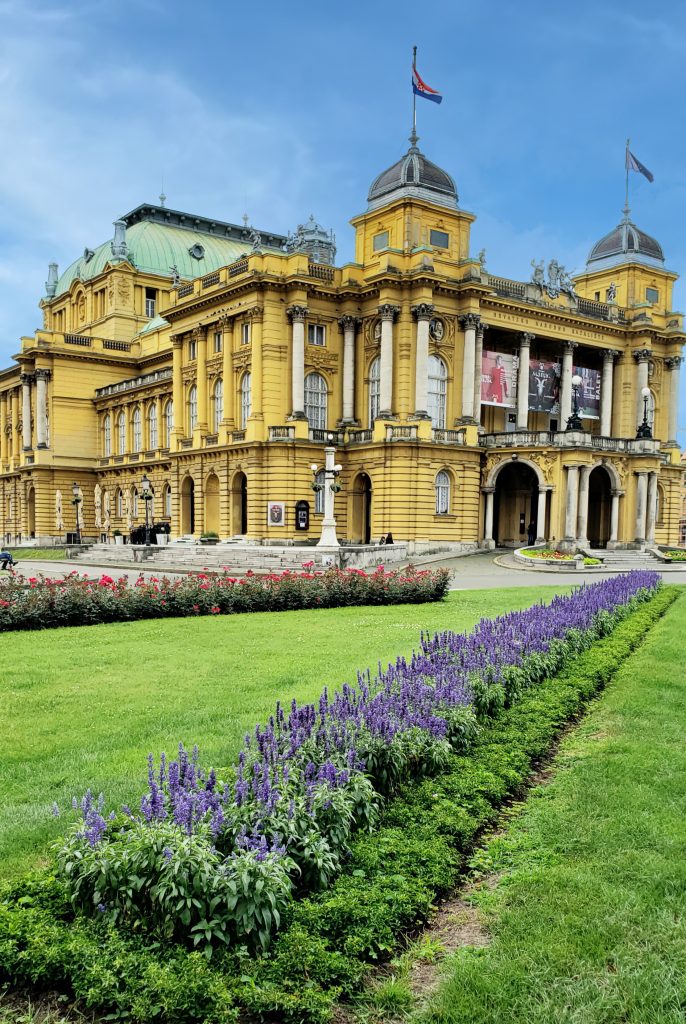
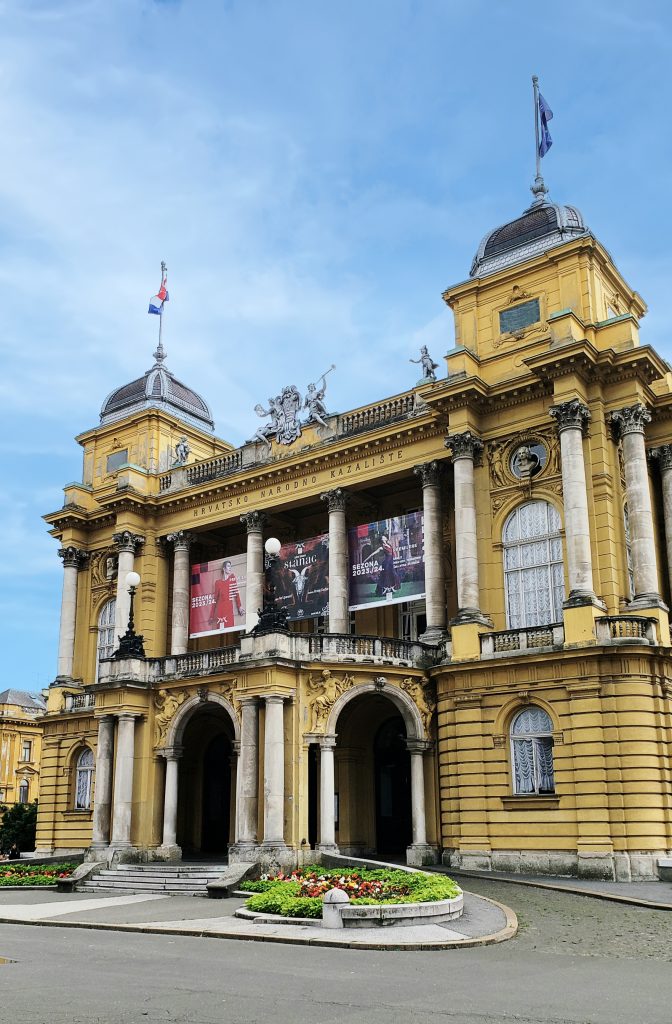
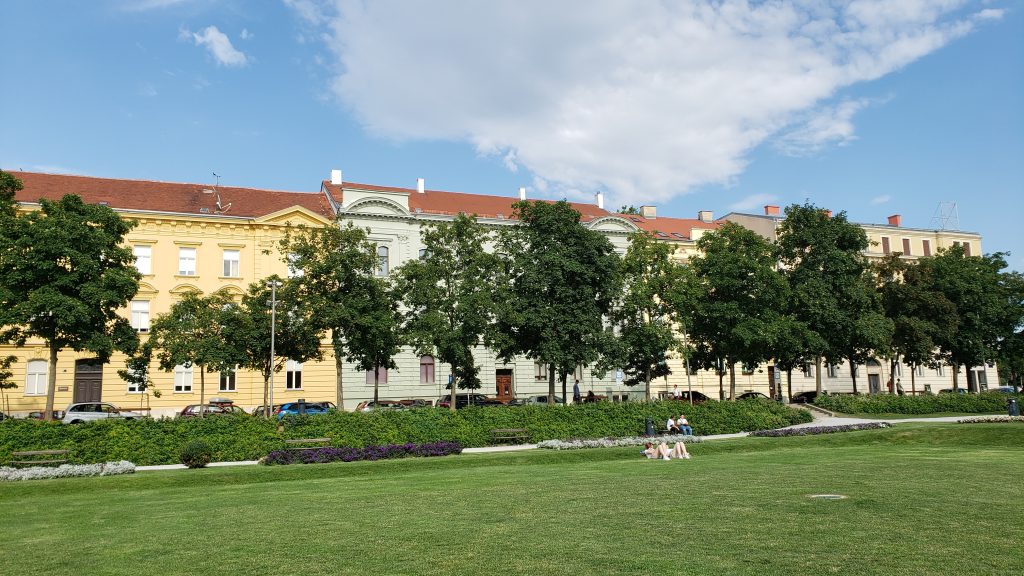
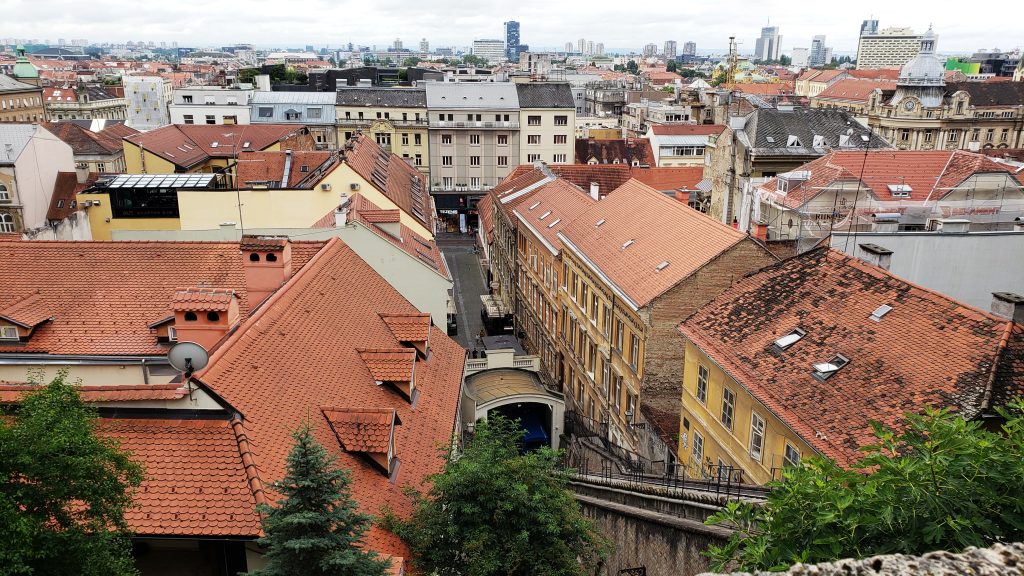
To get to the Lower Town (Donji Grad) in a jiffy, take the world’s shortest funicular….217 fee in 64 seconds. It beats the walk! The Lower Town opens into a parade of verdant squares—Zrinjevac, Strossmayer, and King Tomislav Square—linked by tree-lined Lenuci’s Horseshoe, a masterwork of 19th-century urban planning. There, the grand Croatian National Theatre glows like a golden jewel, its baroque contours gleaming in the afternoon sun.
Historic Squares, Districts, and Buildings of Note
Here’s a quick look at where to pause your attention…
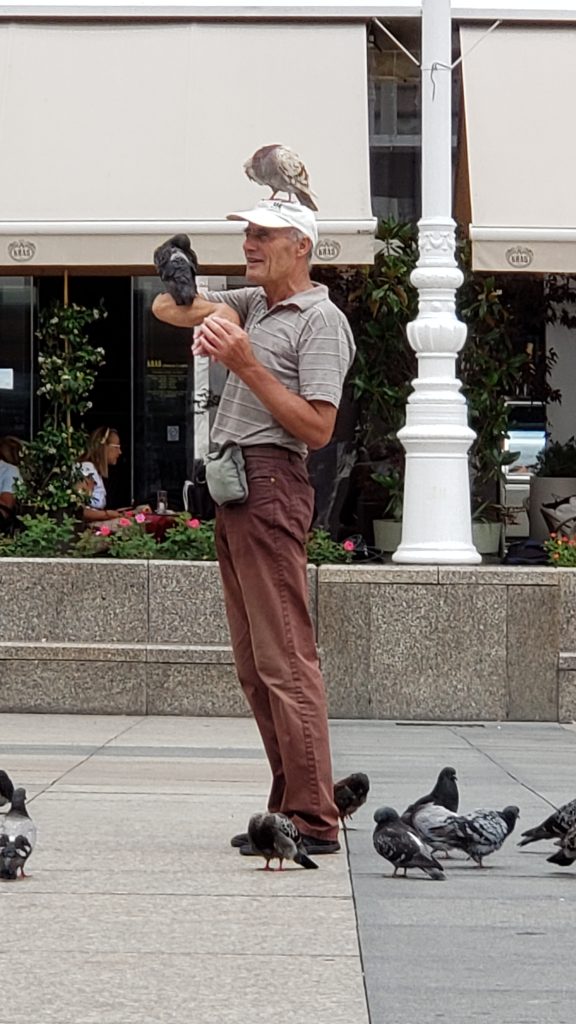
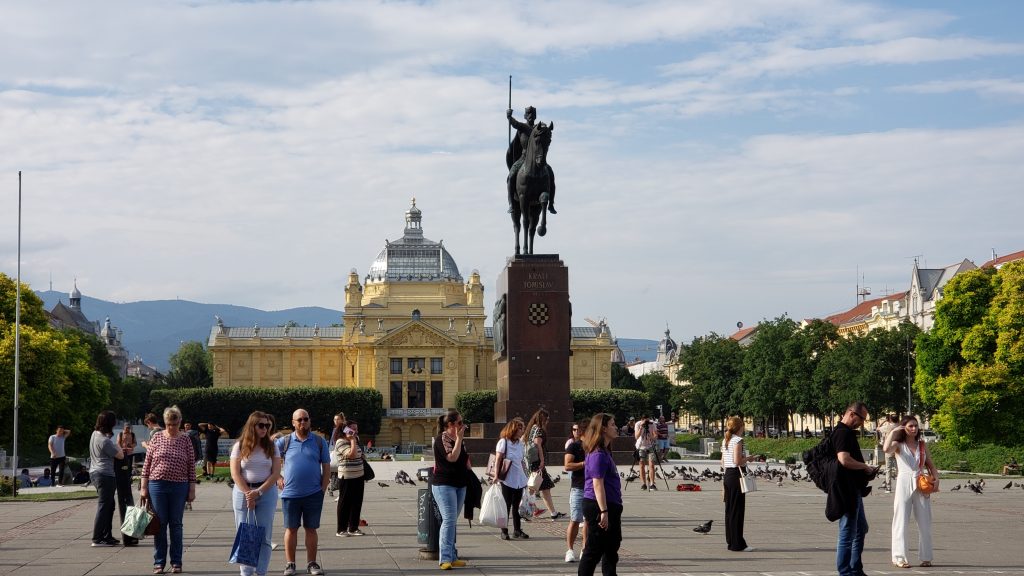
- Ban Jelačić Square: Stroll through Zagreb and the past brushes your sleeve at every turn. In Ban Jelačić Square, the equestrian statue of Count Josip Jelačić presides over the city’s bustling center, a meeting place alive with café chatter, lively trams, and the scent of fresh pastries. Surrounded by 19th-century facades and intersecting historic streets, the square is the heartbeat of daily life, where history and commerce blend seamlessly. Embraced by pigeons and people alike, this bustling square is the place to be seen and to see.
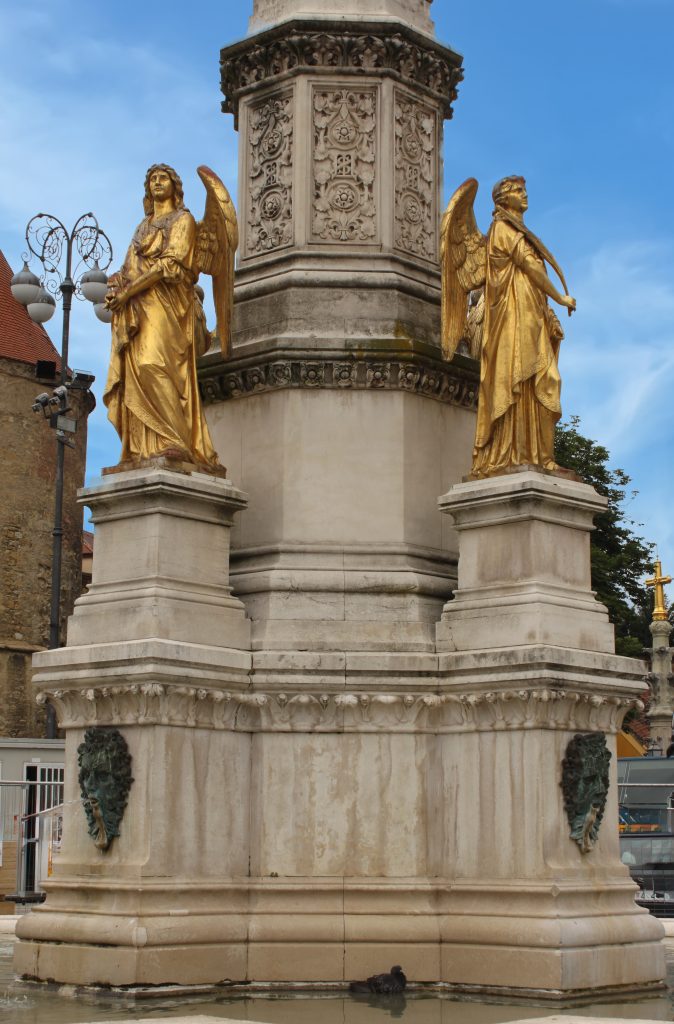
- Kaptol: This area is centered around the soaring twin spires of Zagreb Cathedral, a Gothic masterpiece that embodies centuries of Croatian faith and resilience, reshaped after earthquakes and wars. It holds treasures of Croatian religious art and history within its graceful, soaring walls.
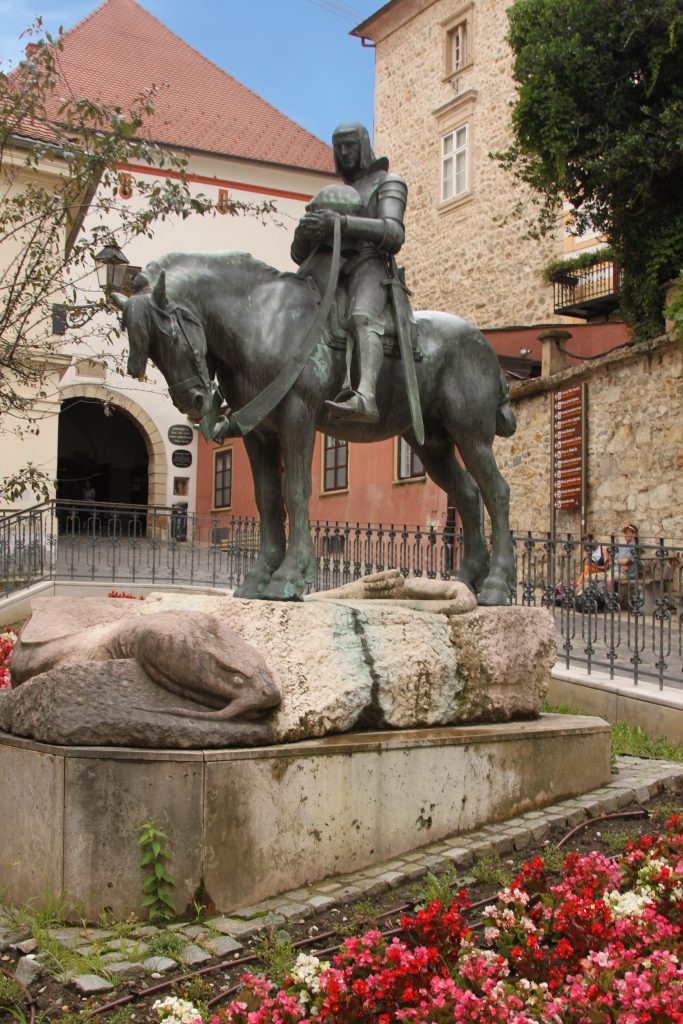
- Gradec (Gornji Grad): The medieval upper town is a labyrinth of stone lanes, lantern-lit streets, and historic houses where politics and craftsmanship once flourished side by side.
- St. Mark’s Church: A 13th-century landmark famed for its brilliant– mostly red, white, blue and black — tiled roof emblazoned with the coats of arms of Zagreb and Croatia, symbolizing the unity of city and nation—a beacon of civic pride for over 700 years.
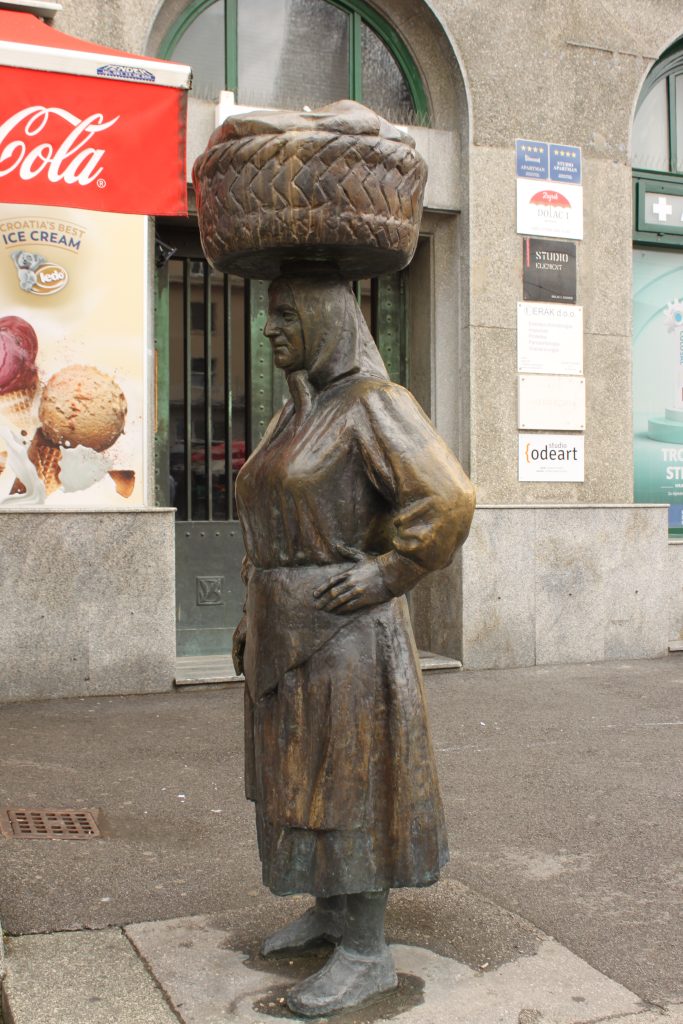
- Dolac Market: The “Belly of Zagreb,” a lively open-air market bursting with colorful produce, fresh cheeses, local crafts, and the spirited sounds of daily commerce. The lively chatter of vendors and customers fills the air, carrying on a tradition of daily market life that dates back centuries.
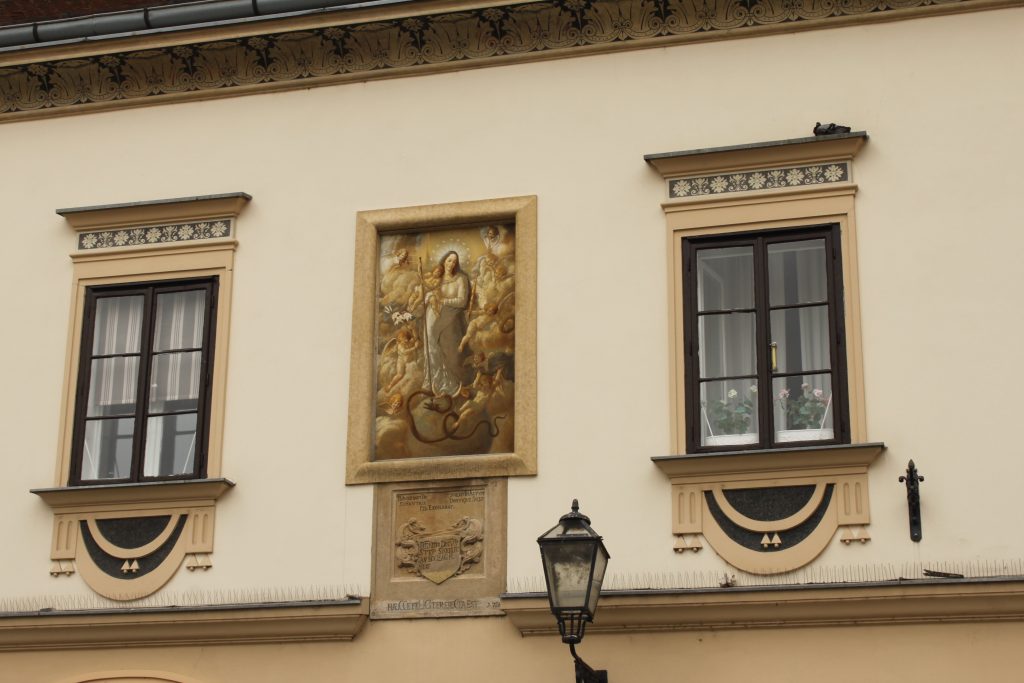
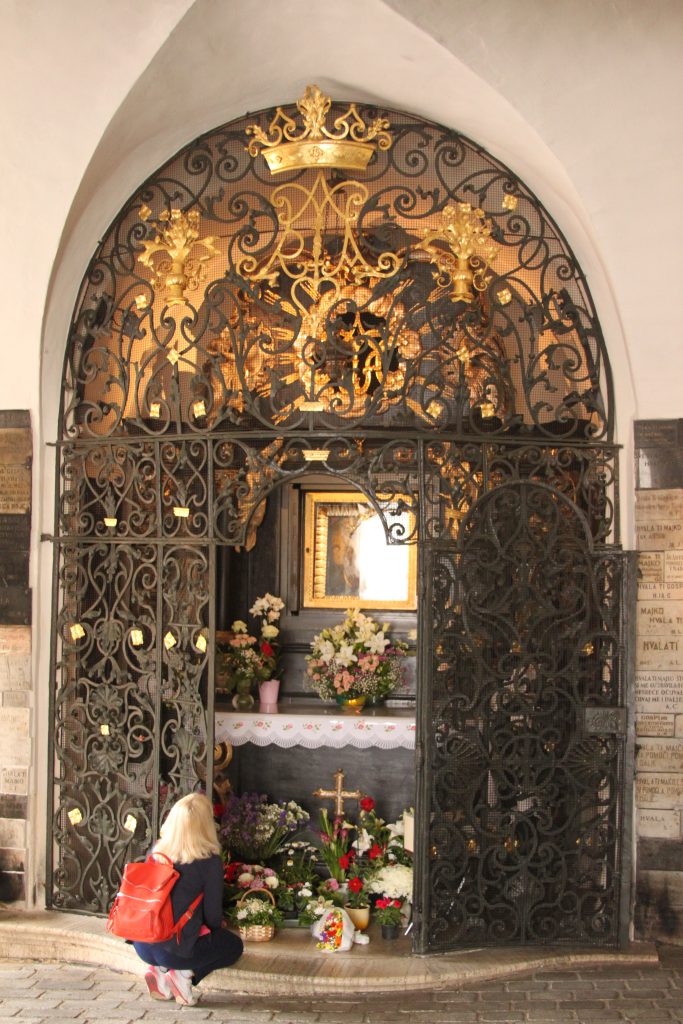
- Stone Gate (Kamenita Vrata): The city’s ancient entrance, now a shrine where candles flicker before a miracle-working Virgin Mary. The reverent still come daily seeking intervention.
Gifts from the Austro-Hungarian Empire
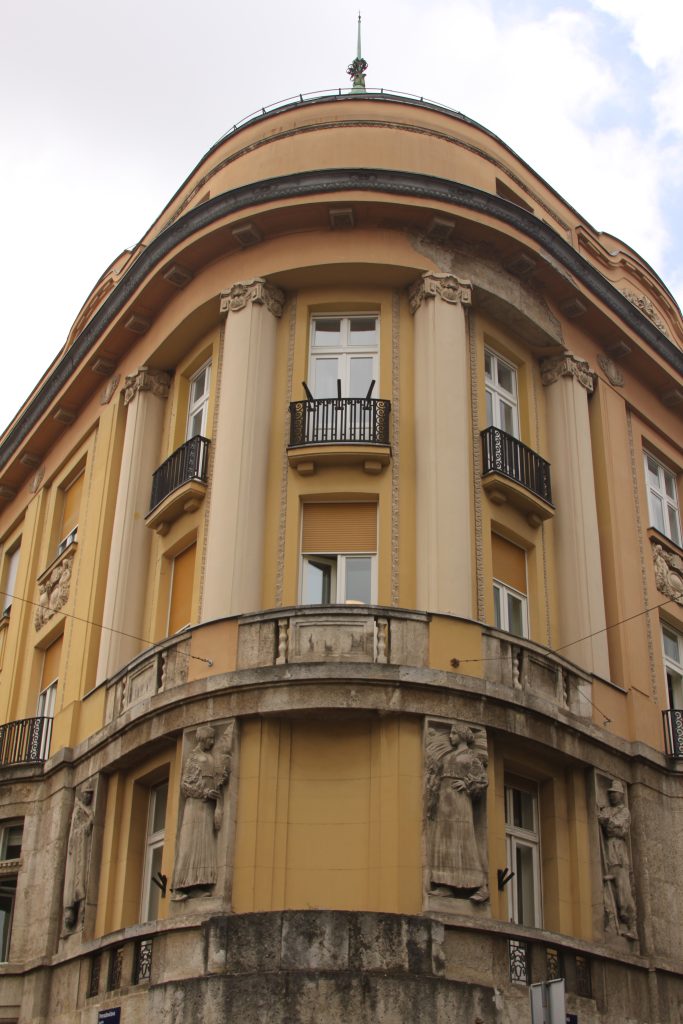
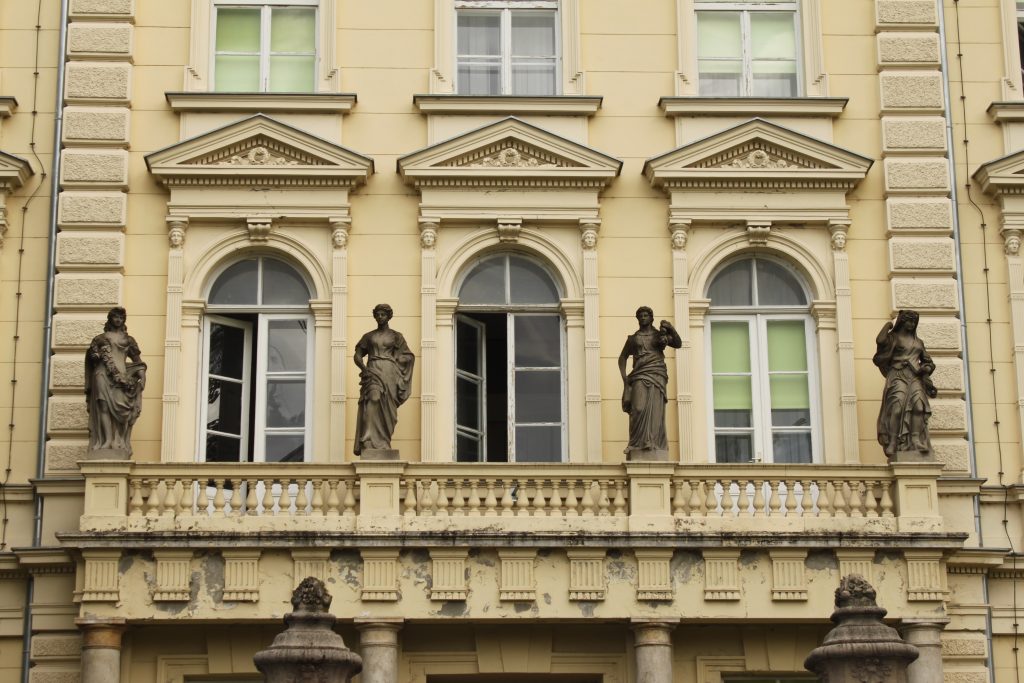
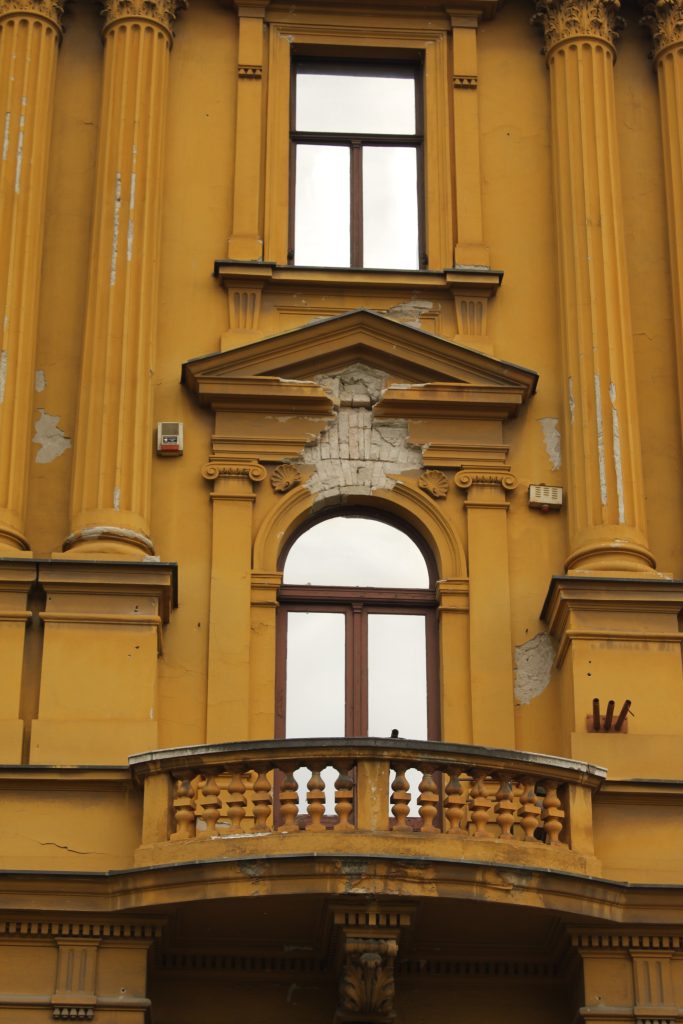
The Emperors and Empresses of the Austro-Hungarian Empire left a significant mark on Zagreb with their vision of a city that had a place in the governance of the Balkens. Their taste in elegant Baroque buildings is reflected in:
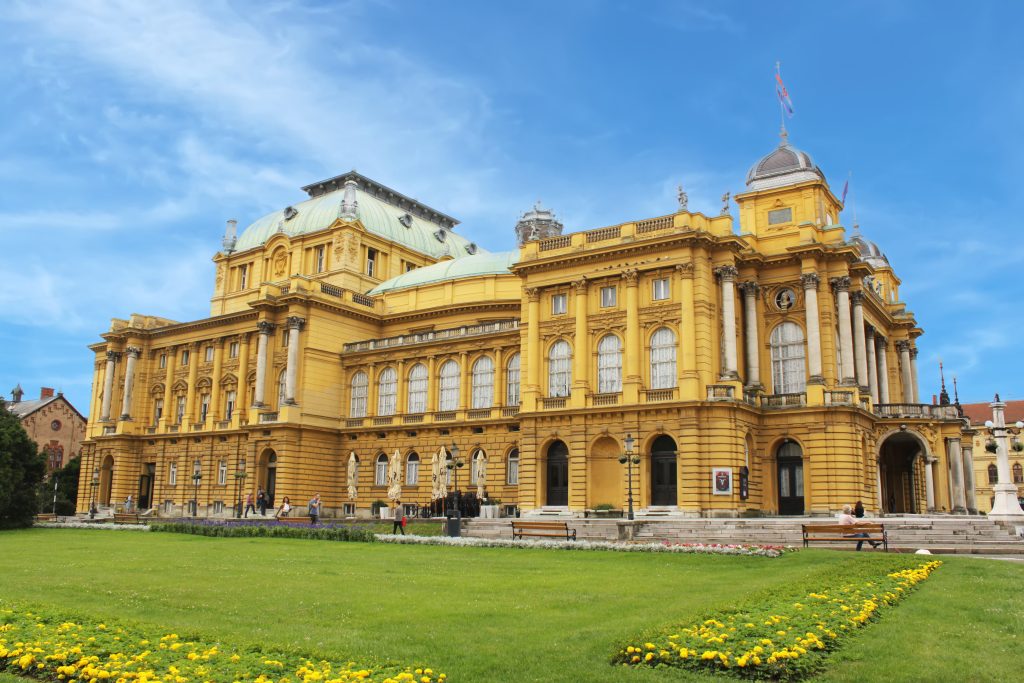
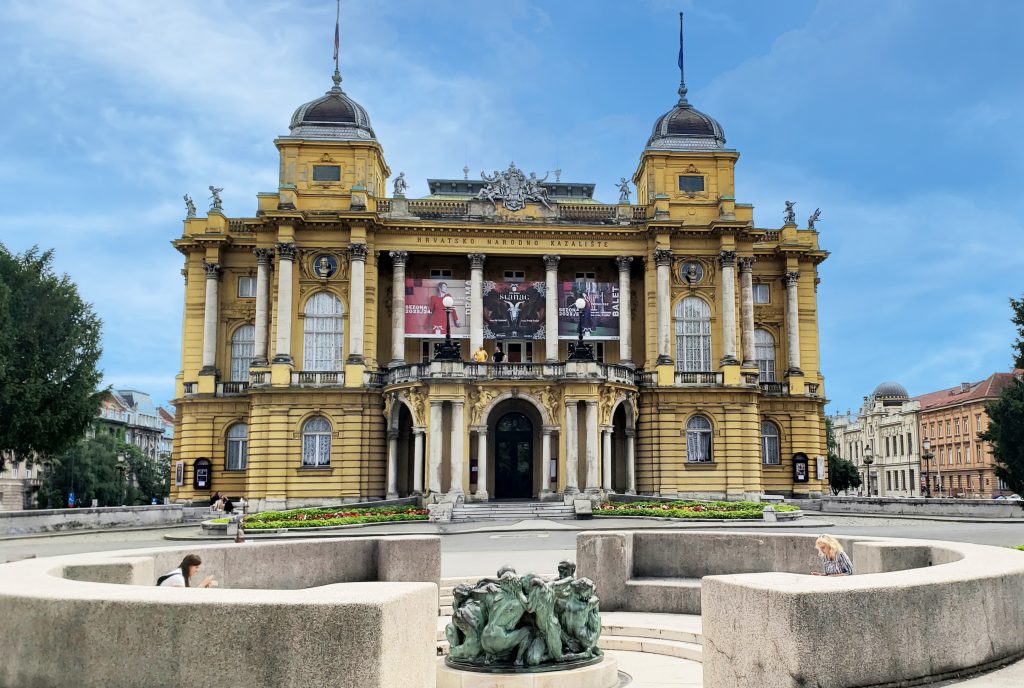
- The Croatian National Theatre: A palatial symbol of Zagreb’s cultural flowering, where music, ballet, and drama find a splendid home. Designed by the Viennese architectural duo Ferdinand Fellner and Hermann Helmer, the building exudes baroque revival grandeur with its creamy yellow façade, elegant columns, arched porticos, ornate pediments and flowered entrance. The richly decorated interior dazzles with gilded stucco work, sumptuous red velvet seats, and a majestic crystal chandelier that bathes the grand auditorium in a warm, golden glow. Above the stage, ceiling frescoes celebrate the muses of drama and art. Even the forecourt boasts beauty—the Well of Life fountain by Croatian sculptor Ivan Meštrović invites contemplation at the theatre’s entrance.
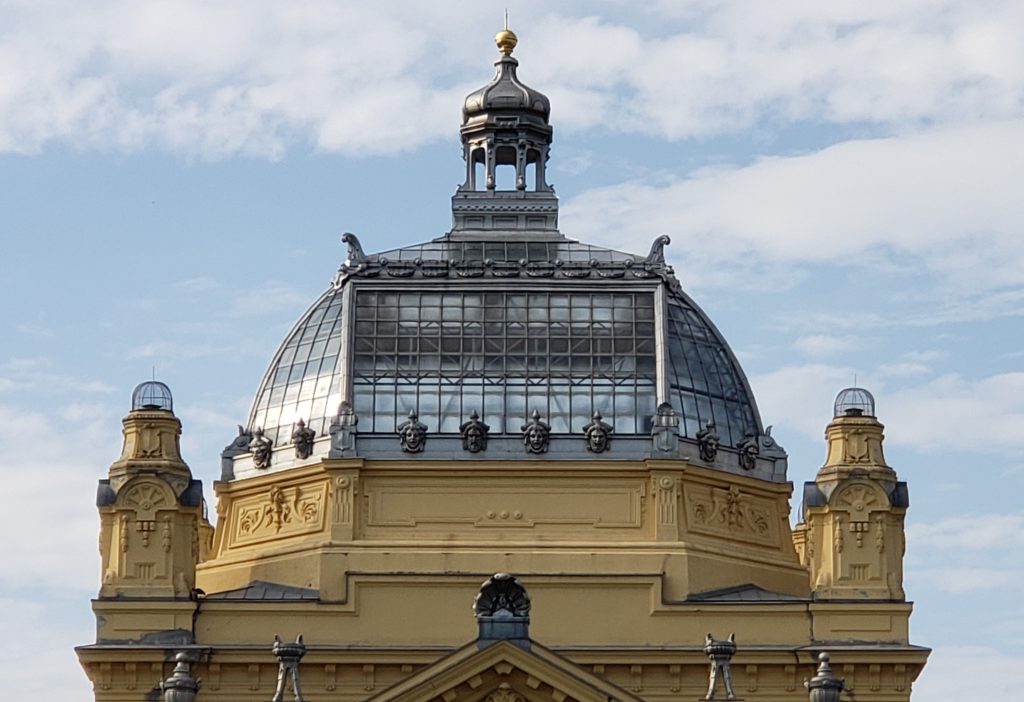
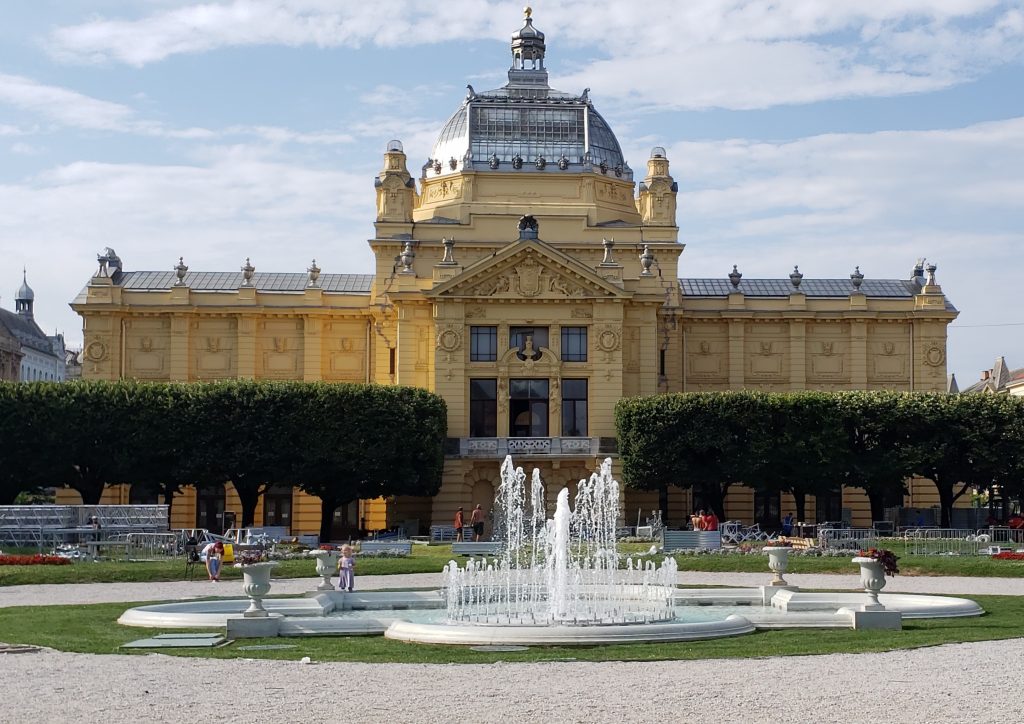
- The Art Pavilion: A graceful yellow edifice built in 1898, hosting distinguished exhibitions and standing as a centerpiece of King Tomislav Square.
- The Mimara Museum: Housed in a majestic 19th-century neo-Renaissance building, this museum presents a vast collection of European art and treasures.
- The Academy of Sciences and Arts: A monumental presence near Zrinjevac Park, this institution has anchored Croatia’s scholarly and cultural life since the Austro-Hungarian era.
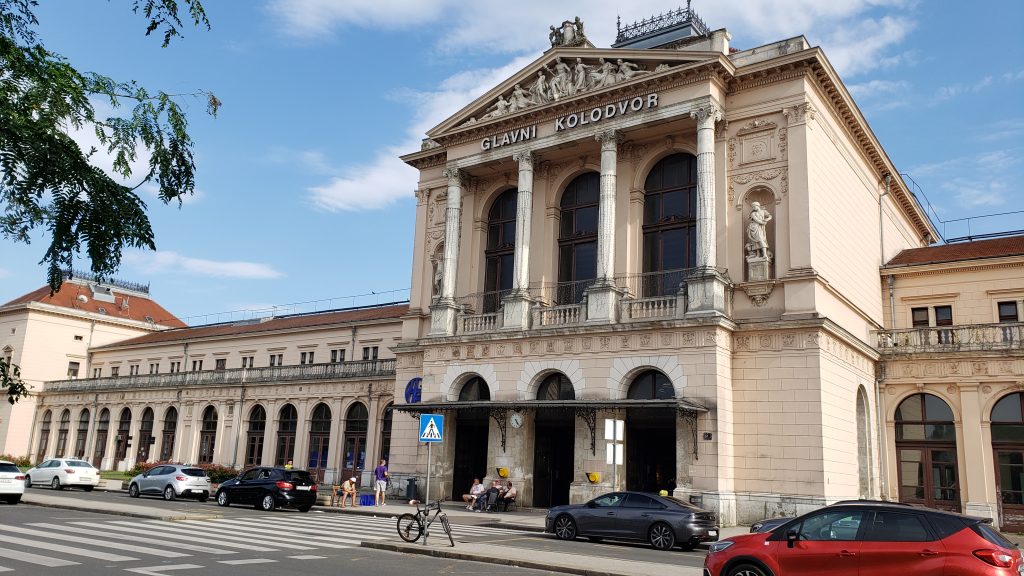
- Zagreb Glavni Kolodvor (Main Train Station): Built in 1892 in a grand neoclassical style, this elegant terminus remains one of the most impressive Austro-Hungarian era landmarks. Facing King Tomislav Square, the station’s stately façade welcomes travelers with a sense of dignity and grandeur, its arrival hall lined with historic architectural details.
Vibrant Cultural Hub
Today, Zagreb embraces its layered history with quiet confidence. Its café culture thrives; its street art flourishes; its festivals and galleries pulse with creativity. Trams rattle past Baroque façades, while new museums and boutiques nestle into the city’s timeless rhythm. Zagreb is not a city frozen in its past—it is a city that has woven its history into a vibrant, everyday life.
So linger a while beneath the chestnut trees of Zrinjevac. Let the melodies of street musicians carry you along the cobbled lanes. In Zagreb, history is not simply observed—it is lived, whispered through arcades and sunlit squares, inviting every traveler to join the ongoing story.
Where to Stay in Zagreb, Croatia
For visitors seeking proximity to Zagreb’s main attractions, the Kaptol and Gradec neighborhoods offer the most convenient access. Hotels in these historic upper-town areas put you within walking distance of the Cathedral, museums, and local restaurants. Accommodations here range from mid-range hotels to smaller guesthouses, and you’ll find yourself among locals rather than in a tourist bubble.
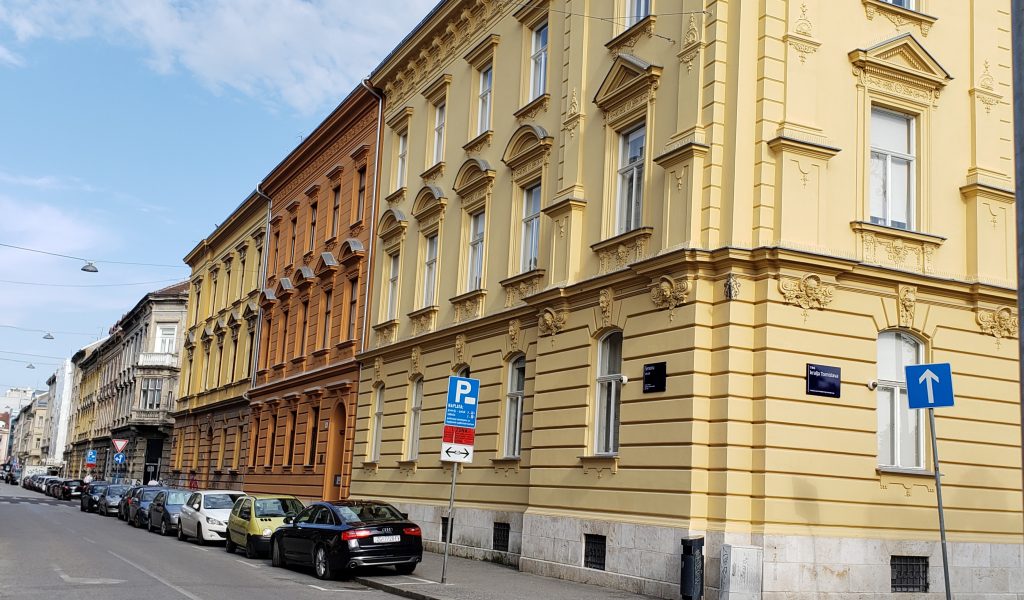
The Lower Town (Donji grad) provides a different character, with tree-lined streets and proximity to parks, theaters, and cafes. This neighborhood works well if you prefer a less touristy atmosphere while remaining close to cultural venues and dining. Hotels and guesthouses in this area tend to offer good value and often include courtyards or gardens that provide quiet retreats after walking the city.
For budget-conscious travelers, the residential neighborhoods beyond the immediate center offer quality accommodations at lower prices. Areas like Maksimir, home to the zoo and botanical garden, provide a residential feel with easy tram access to downtown. If you’re visiting during peak season and central lodging is full, these peripheral neighborhoods can be excellent alternatives with their own local character.
When choosing where to stay, consider what draws you to Zagreb. If it’s the Habsburg architecture and museums, stay central. If you want parks, galleries, and a slower pace, the Lower Town or nearby residential areas serve you better. Book accommodations with tram access, as the city’s public transit network is reliable and inexpensive, and most visitors find walking between neighborhoods straightforward once they understand the basic layout.
Recommended Reading
- The Peasant Rebellion by August Šenoa – Focuses on the social tensions through the lens of a peasant uprising—offering another facet of the same historical period.
- Zagreb: A Cultural and Literary History by Celia Hawkesworth – A rich portrait of the city’s cultural and historical evolution.
- The Balkans: Nationalism, War and the Great Powers by Misha Glenny – A sweeping history offering essential context for understanding Zagreb’s past and place within the region.
- Insight Guide to Croatia — A richly illustrated and expertly curated travel guide that captures Croatia’s stunning contrasts: from the baroque streets of Zagreb to the sunlit shores of Dalmatia. Blending insightful essays, vibrant photography, and detailed cultural context, it explores Croatia’s layered history, diverse regions, and modern renaissance. Whether navigating ancient walled towns, Adriatic islands, or the elegant Austro-Hungarian cityscapes, this guide offers both practical advice and a deeper, more thoughtful appreciation of Croatia’s enduring allure.
Tours to Consider