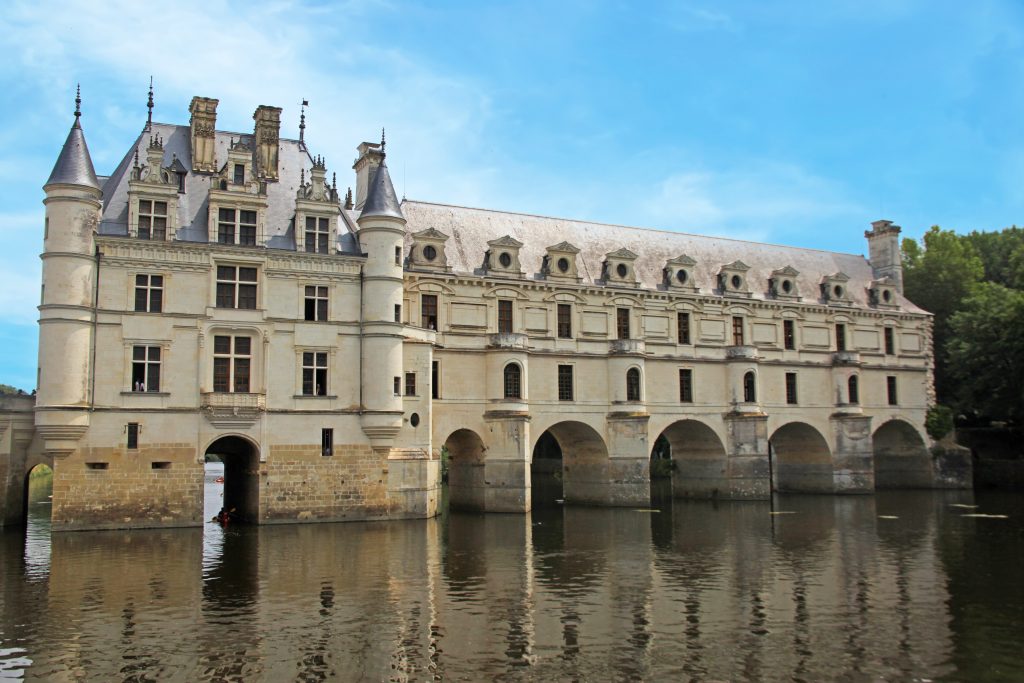
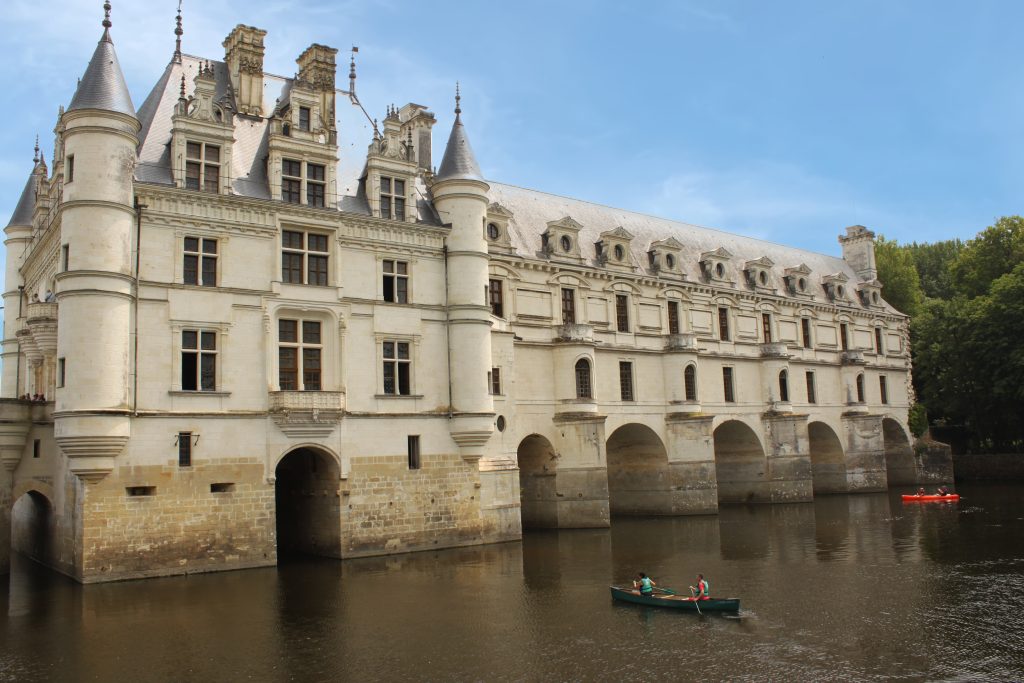
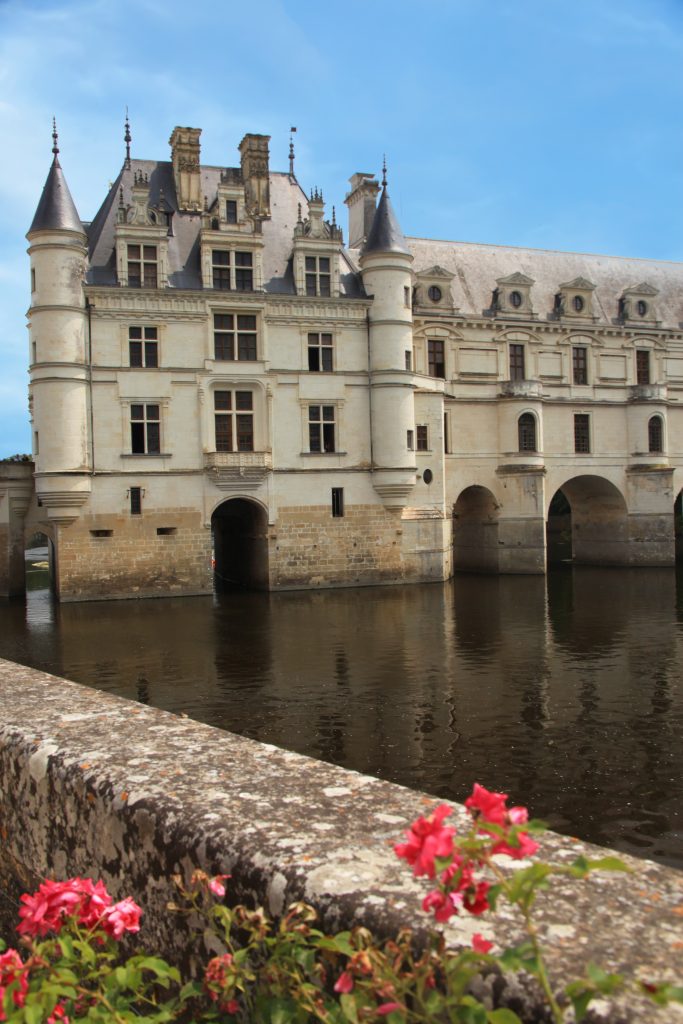
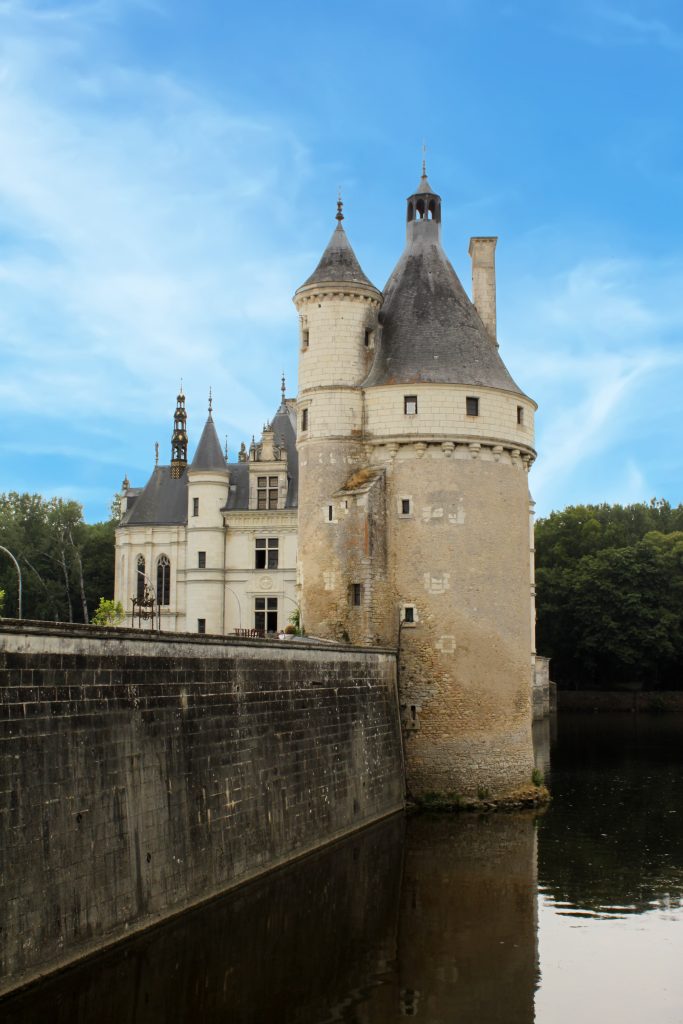
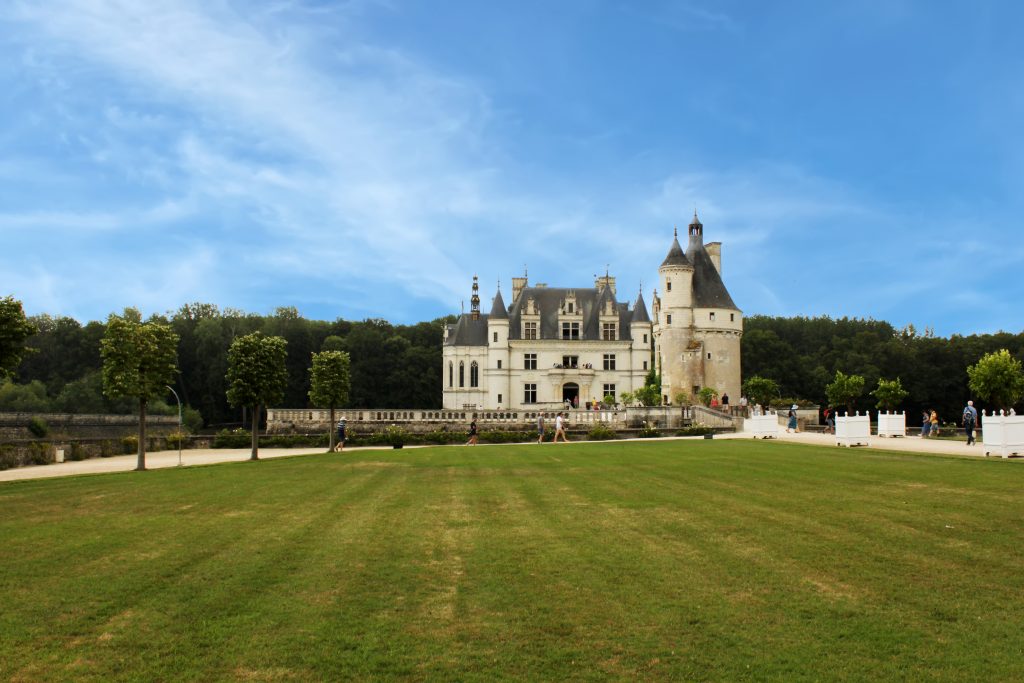
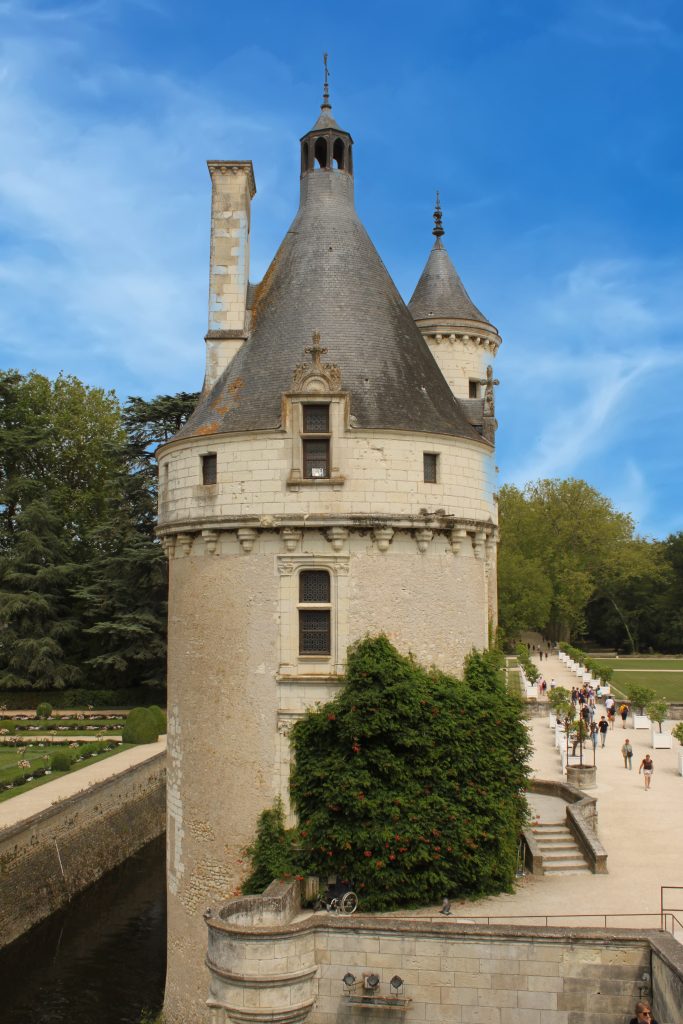
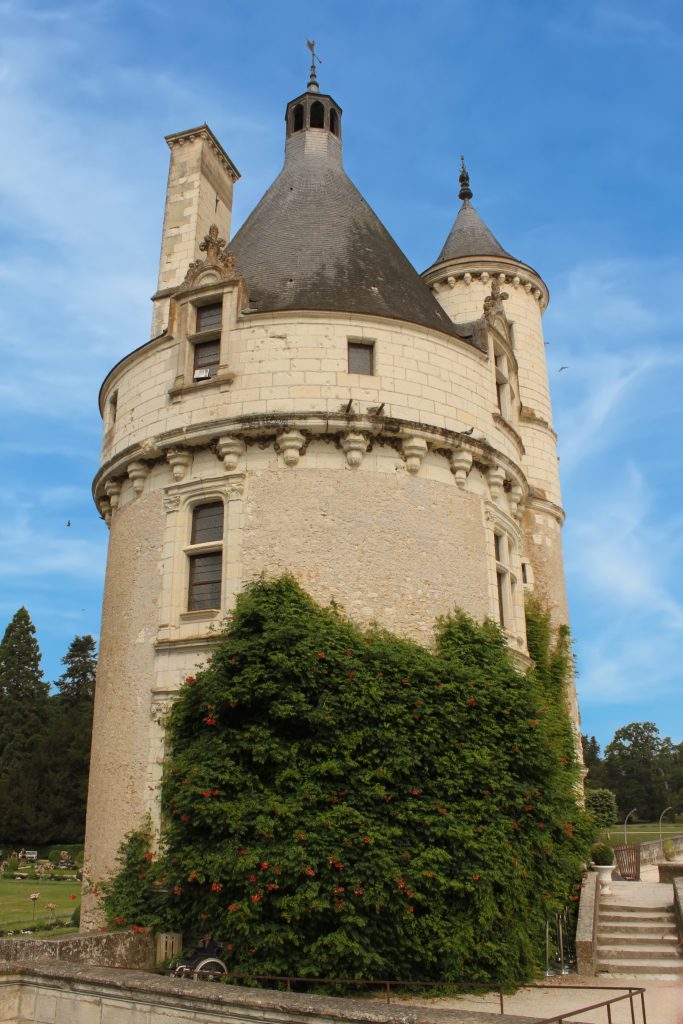
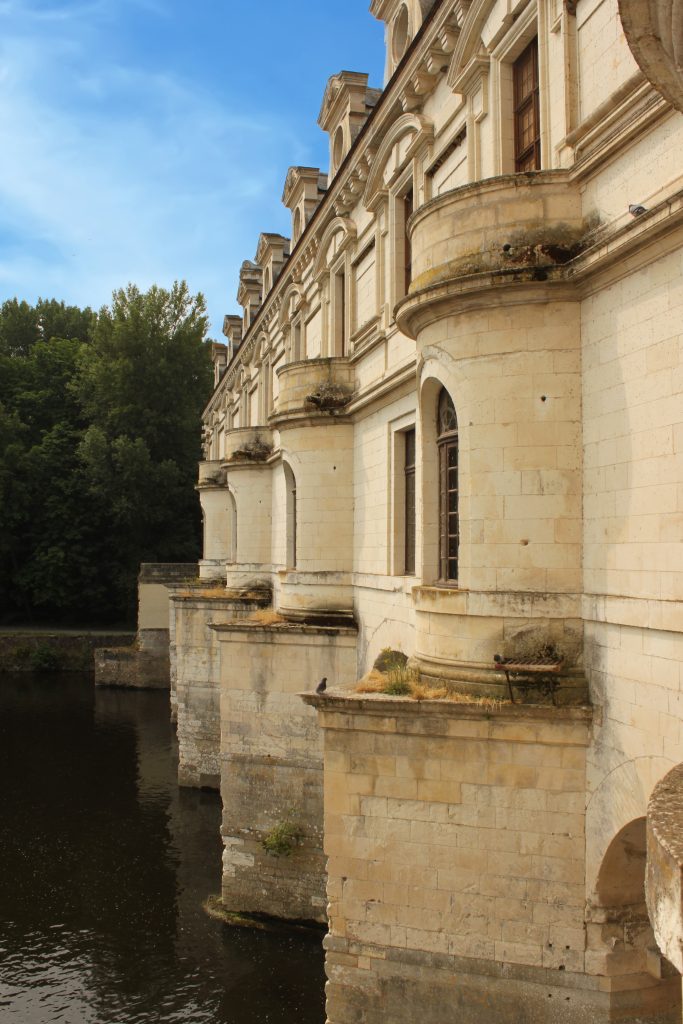
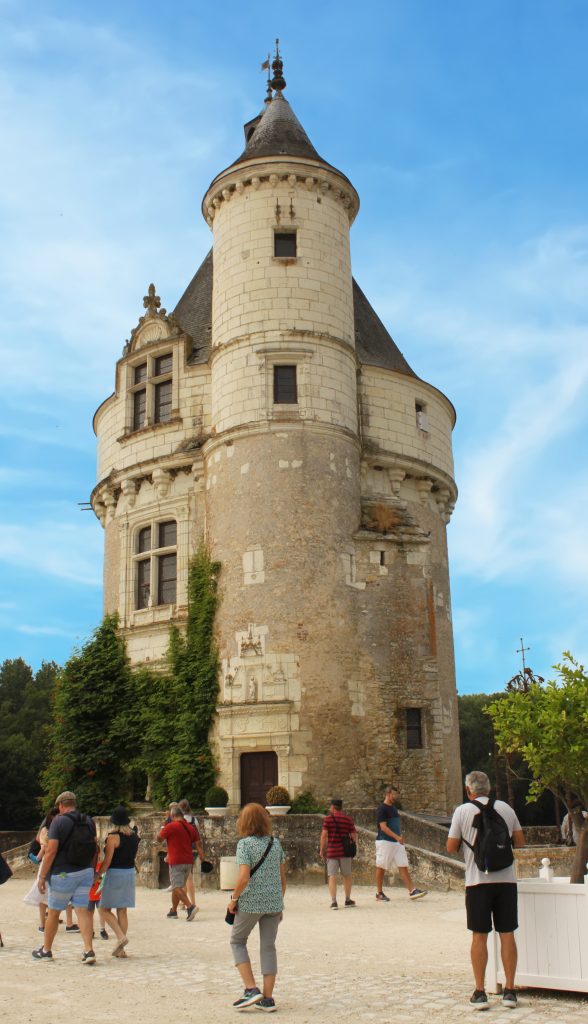
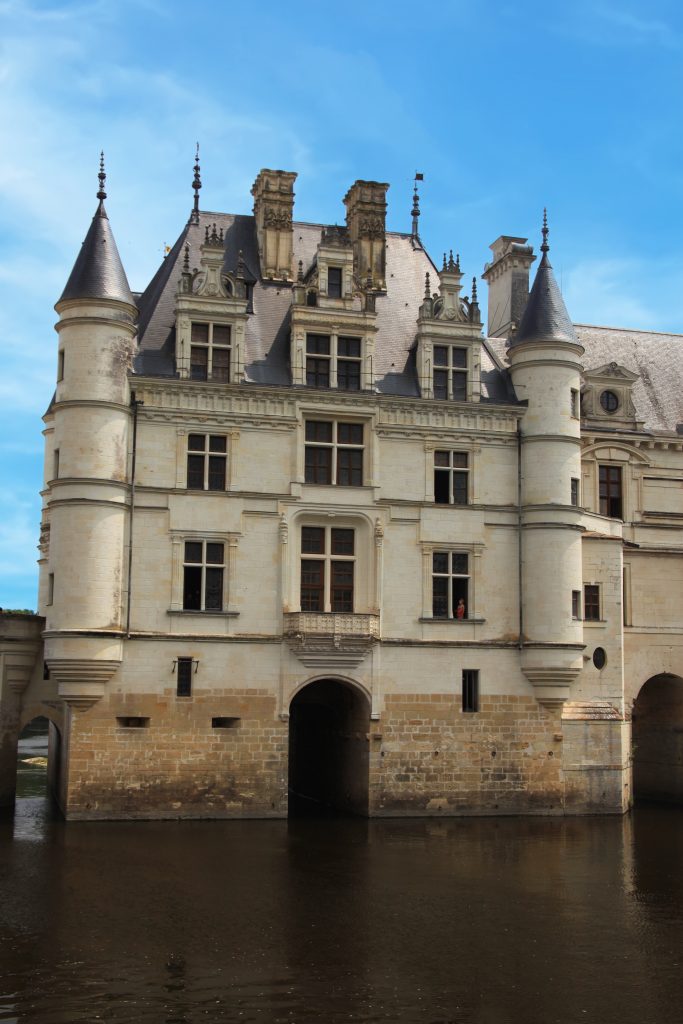
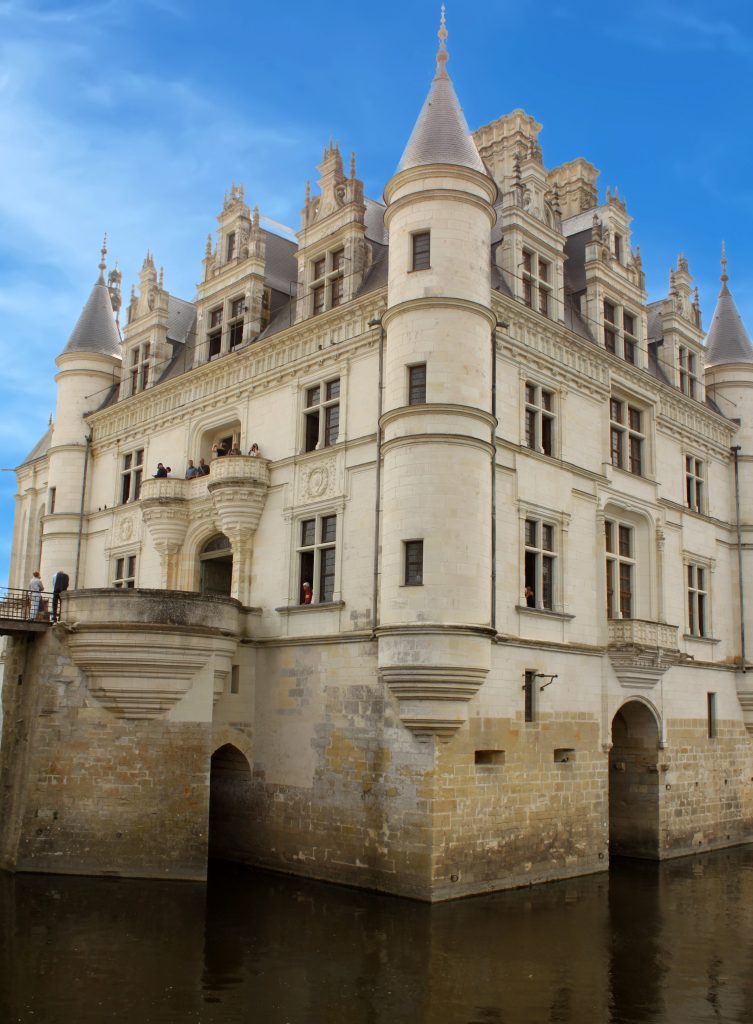
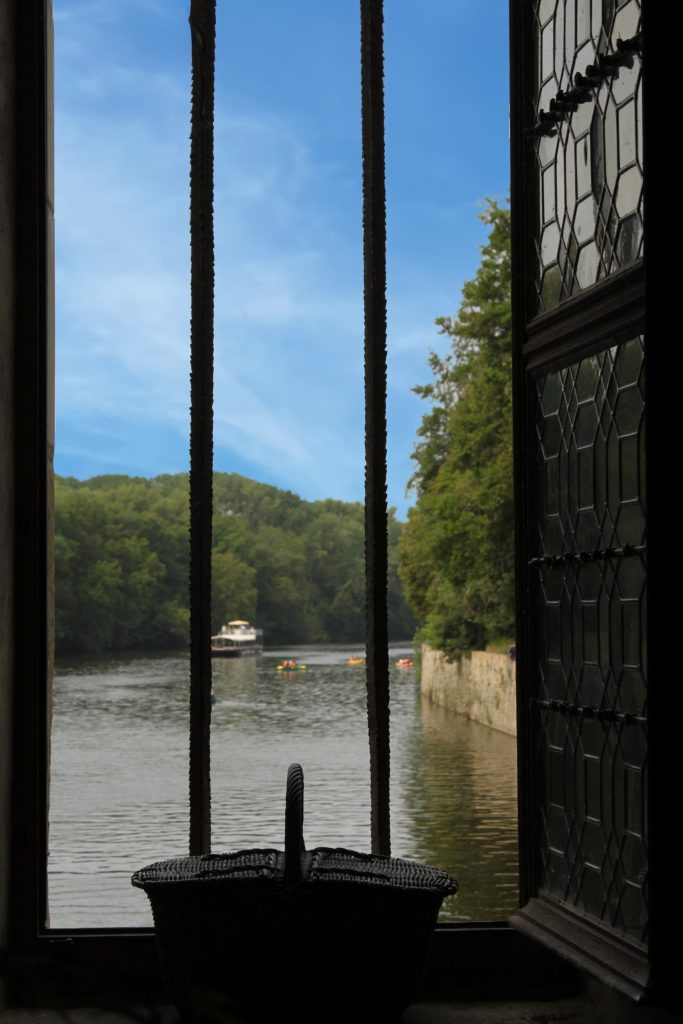
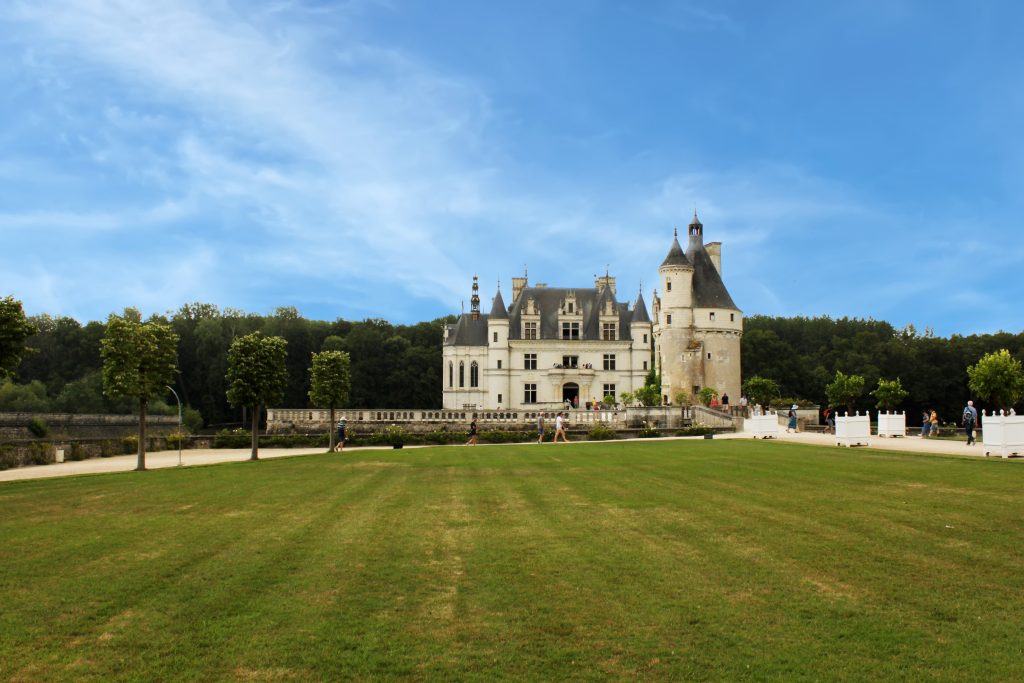
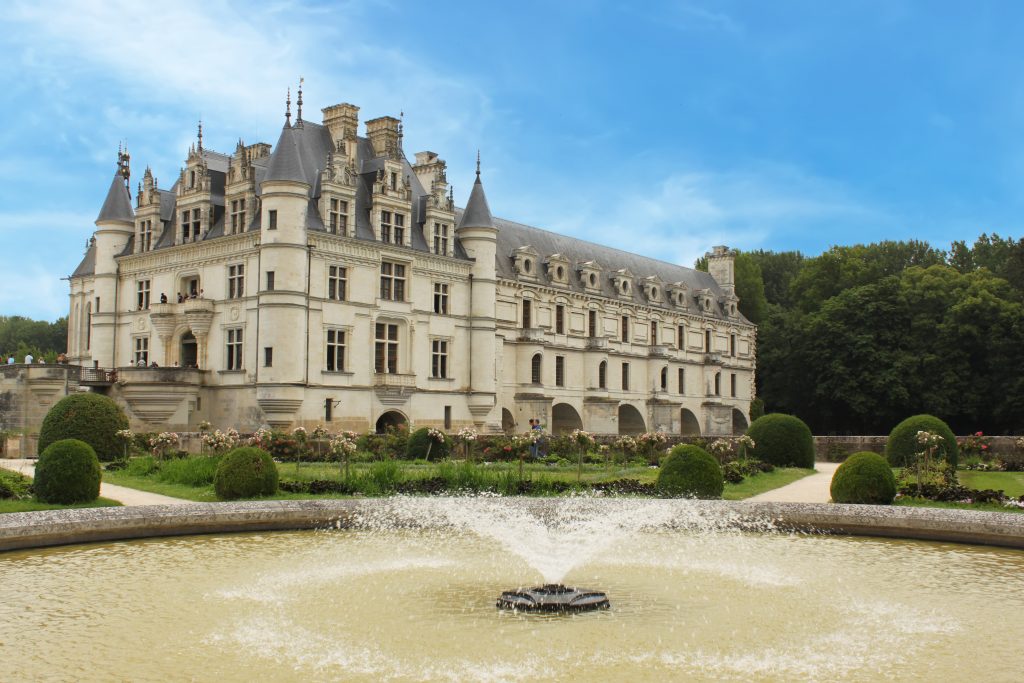
Spanning the tranquil waters of the River Cher with storybook grace, the Château de Chenonceau is a rare fusion of architectural splendor, royal intrigue, and enduring feminine influence. It is not merely a castle, it is a floating dream, a masterpiece of French Renaissance beauty that has witnessed centuries of love, ambition, and resilience.
A Storied Past: Three Centuries of Grandeur and Grace
The story of Château de Chenonceau begins in 1513 when Katherine Briçonnet oversaw its construction while her husband, Thomas Bohier, was away on military campaign. Her keen eye for elegance set the tone for generations of powerful women who shaped the château’s destiny, earning it the affectionate title “The Ladies’ Château.
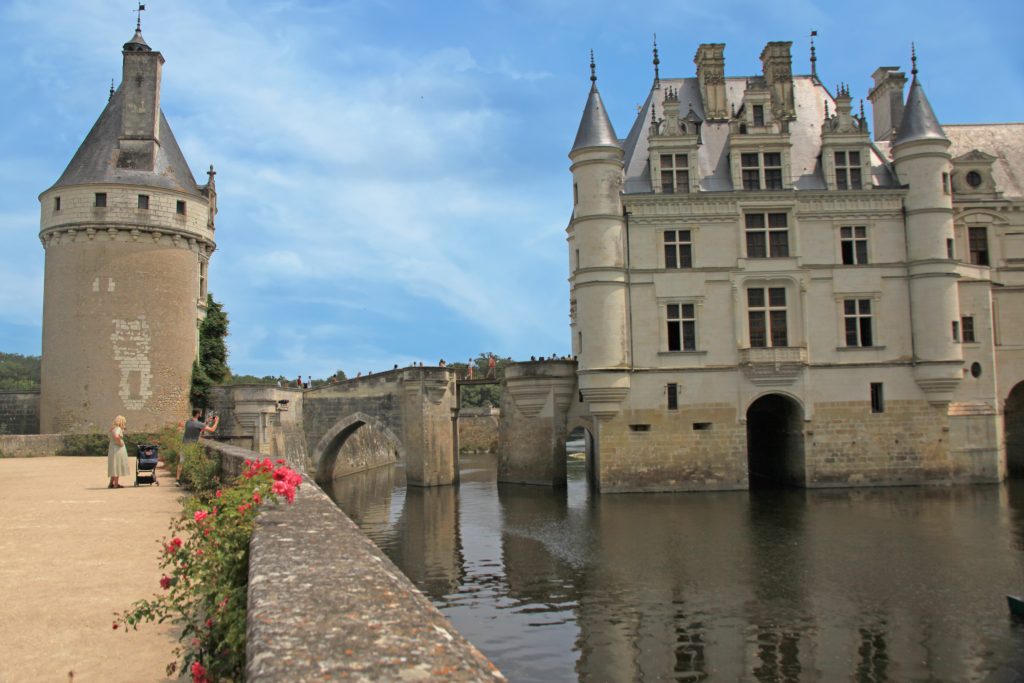
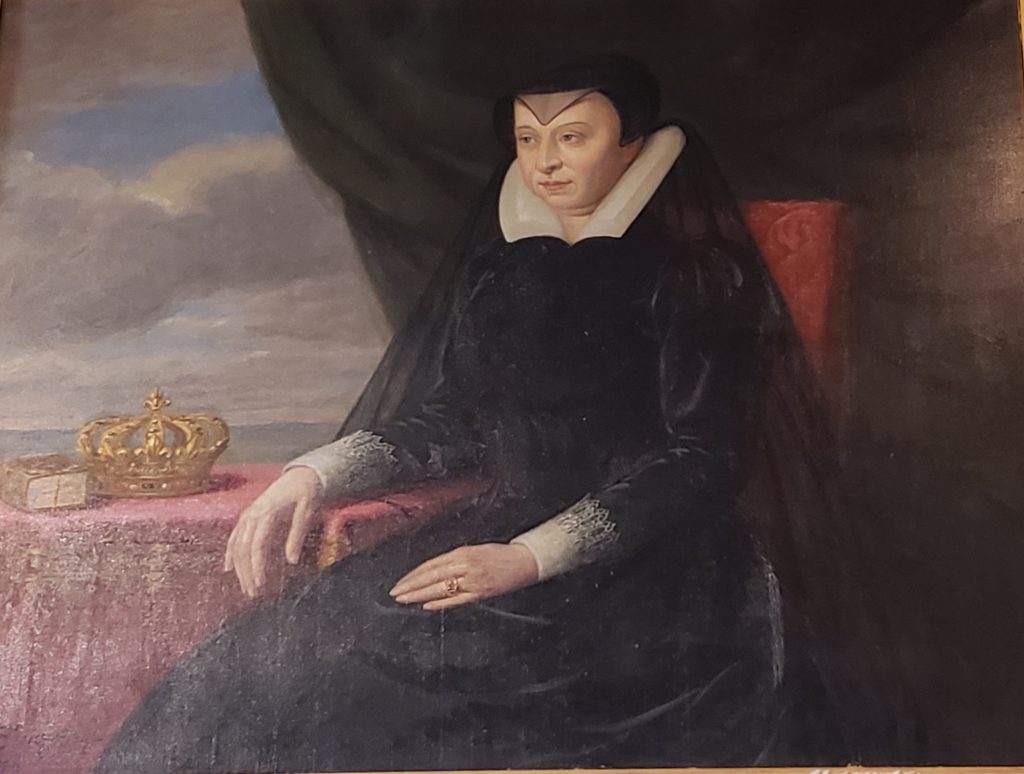
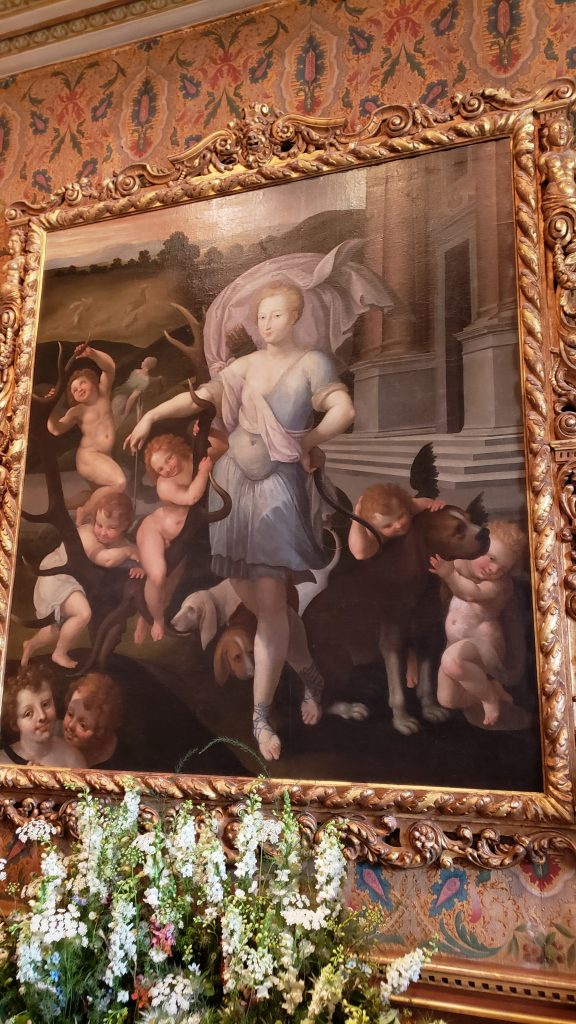
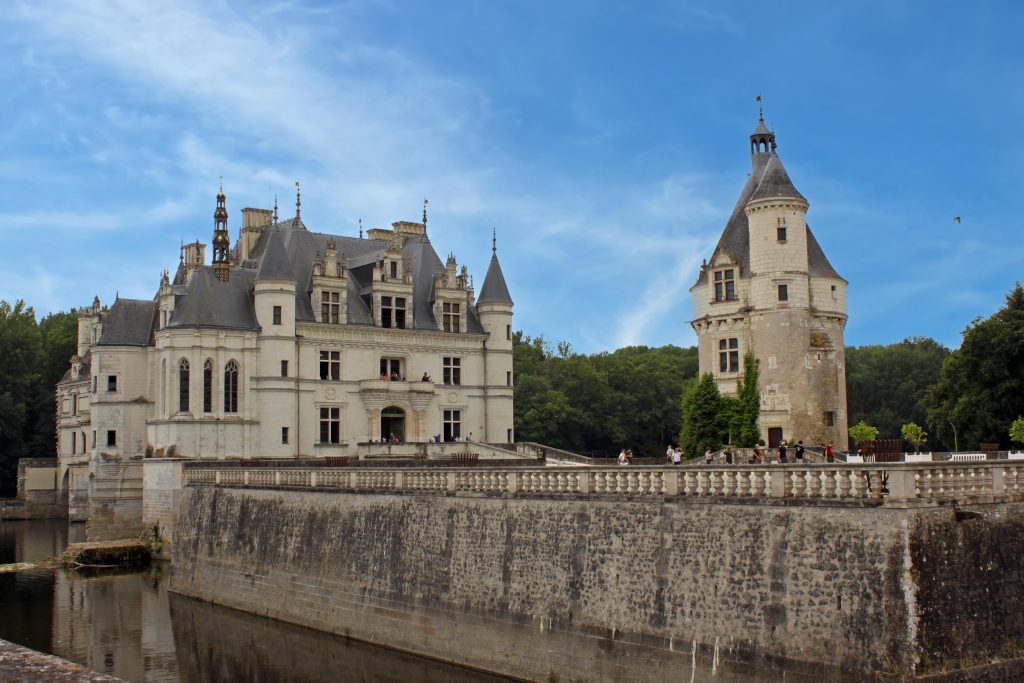
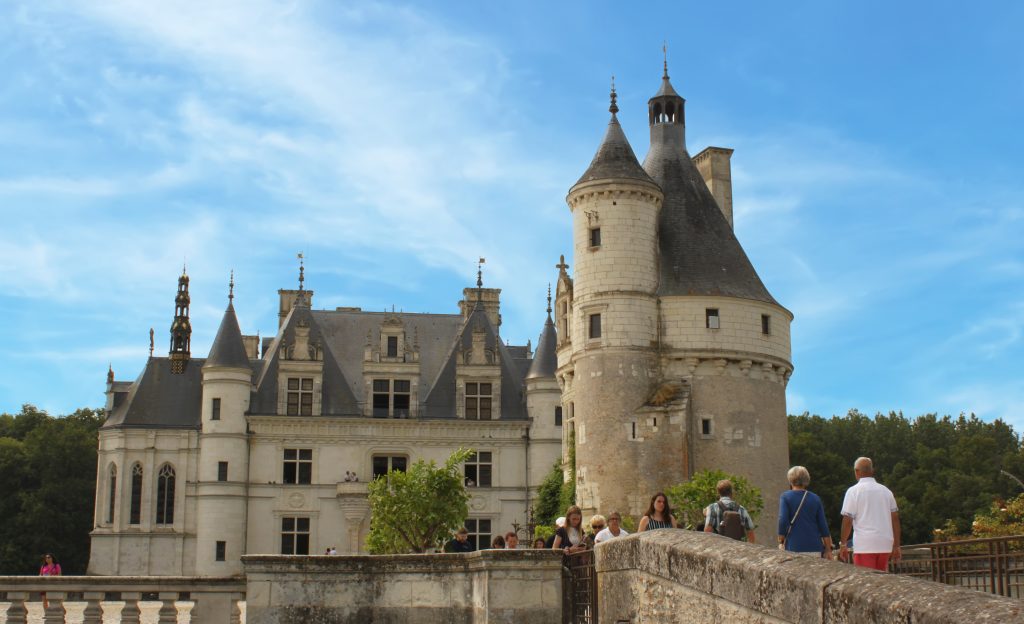
In 1535, King Francis I seized Chenonceau for unpaid debts, and later King Henry II gifted it to his mistress, Diane de Poitiers. Diane transformed Chenonceau by commissioning the graceful arched bridge that spans the Cher and creating sumptuous gardens that rivaled any royal court’s. After Henry’s death, Queen Catherine de’ Medici, driven by vengeance and vision, forced Diane to surrender the château and claimed it as her own seat of power. Catherine expanded the bridge into a magnificent two-story gallery where grand balls and royal festivities unfolded against panoramic river views.
During the French Revolution, Chenonceau was spared from destruction when its owner, Louise Dupin, persuaded authorities of its value as a vital bridge crossing. In later centuries, it served as a hospital during World War I and as an escape route across Nazi and Free France during World War II. Throughout its layered history, Chenonceau embodies resilience, grace, and living artistry.
Architectural Mastery
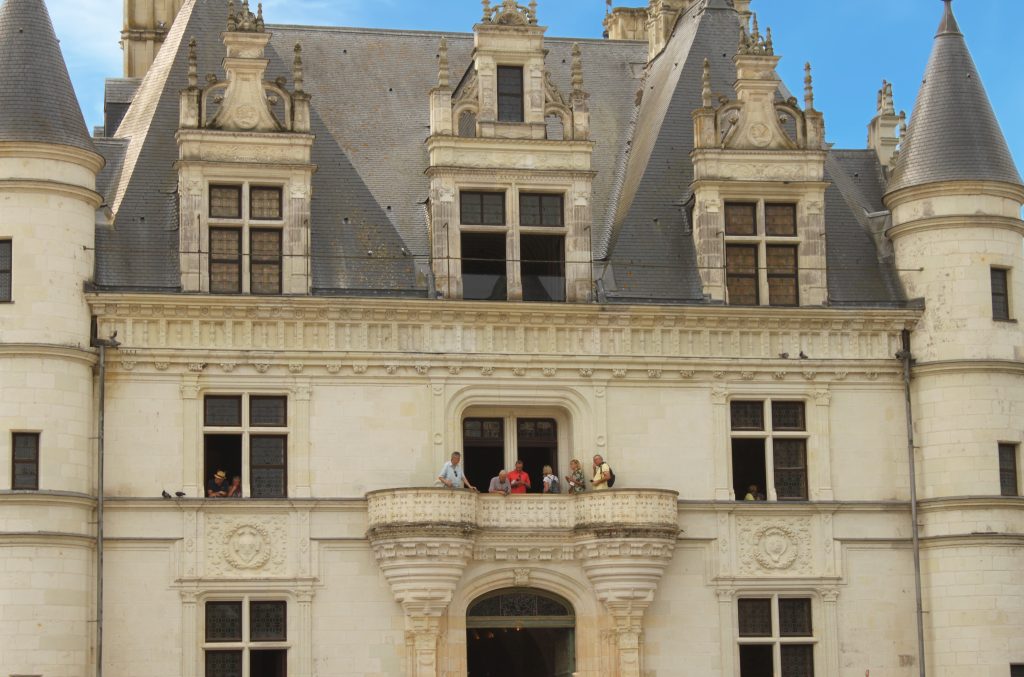
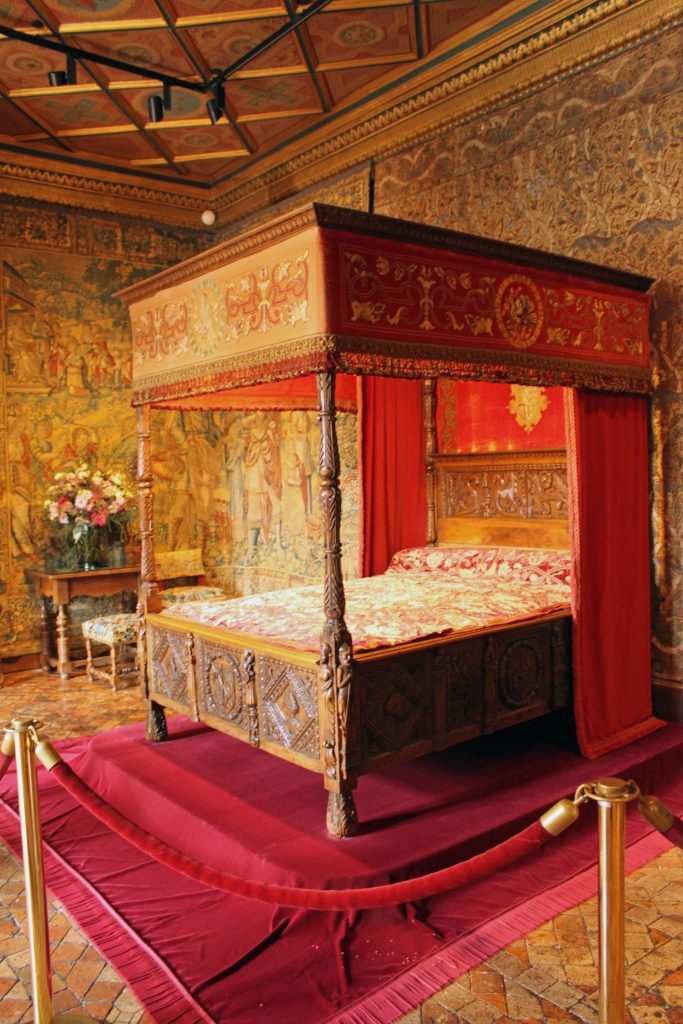
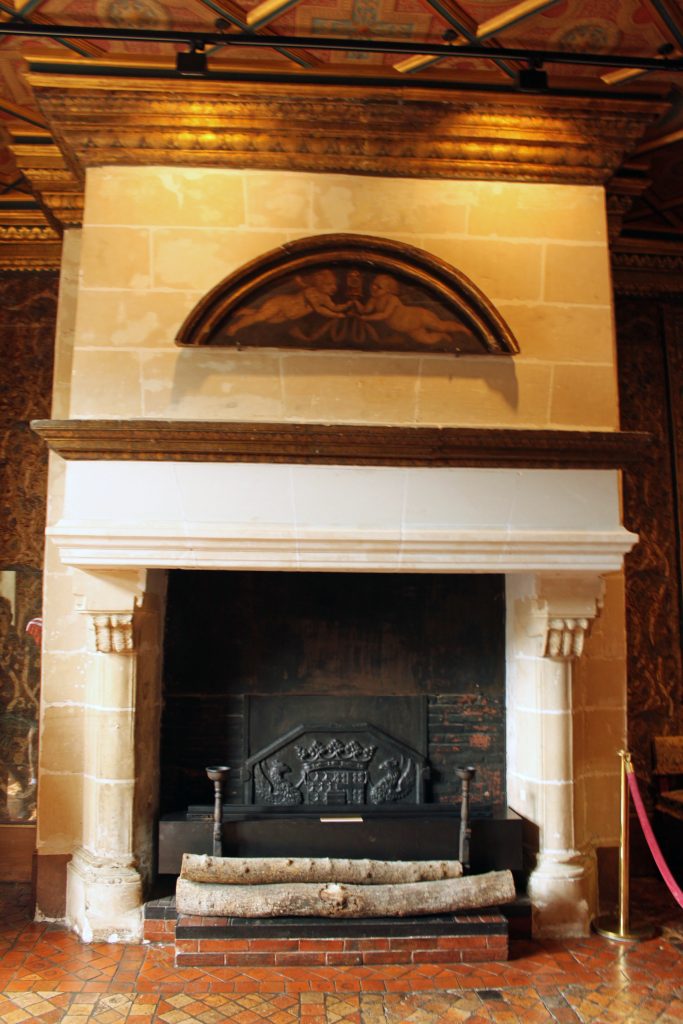
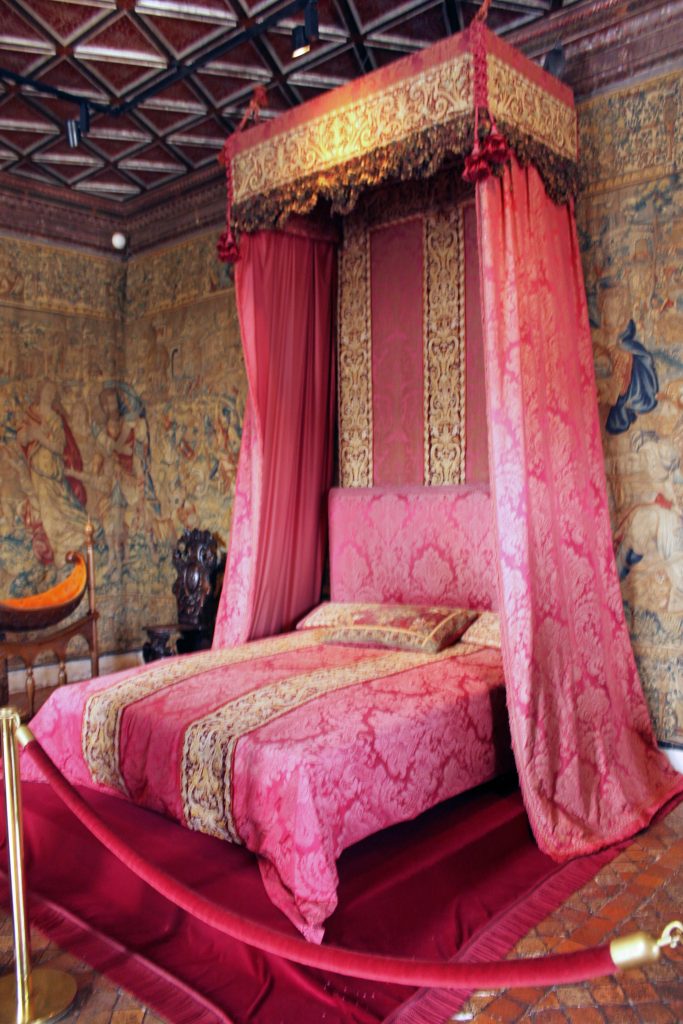
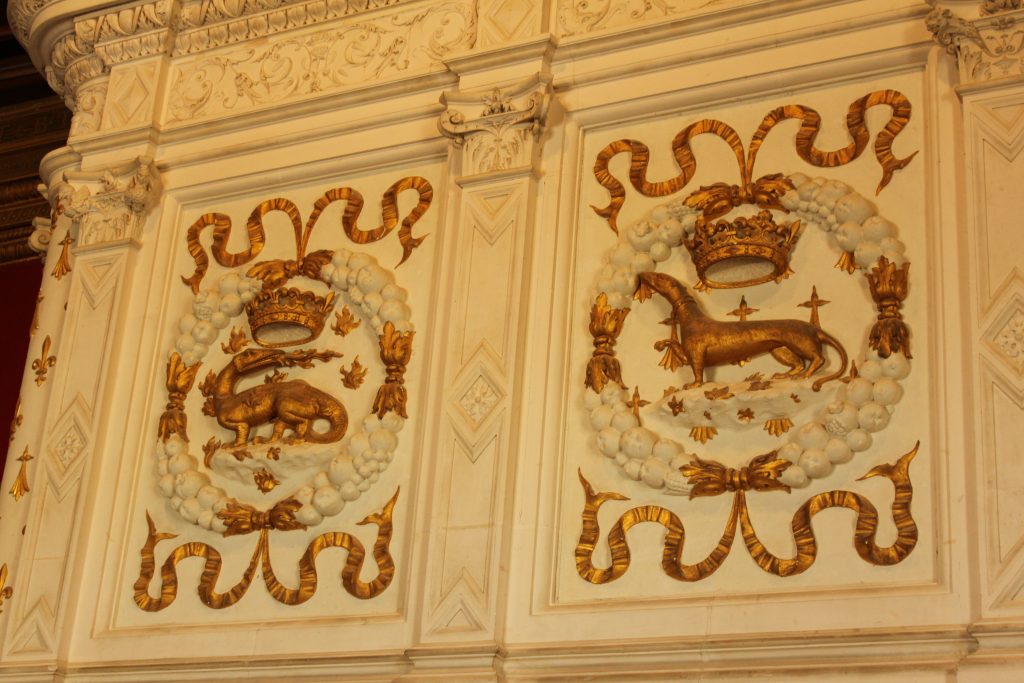
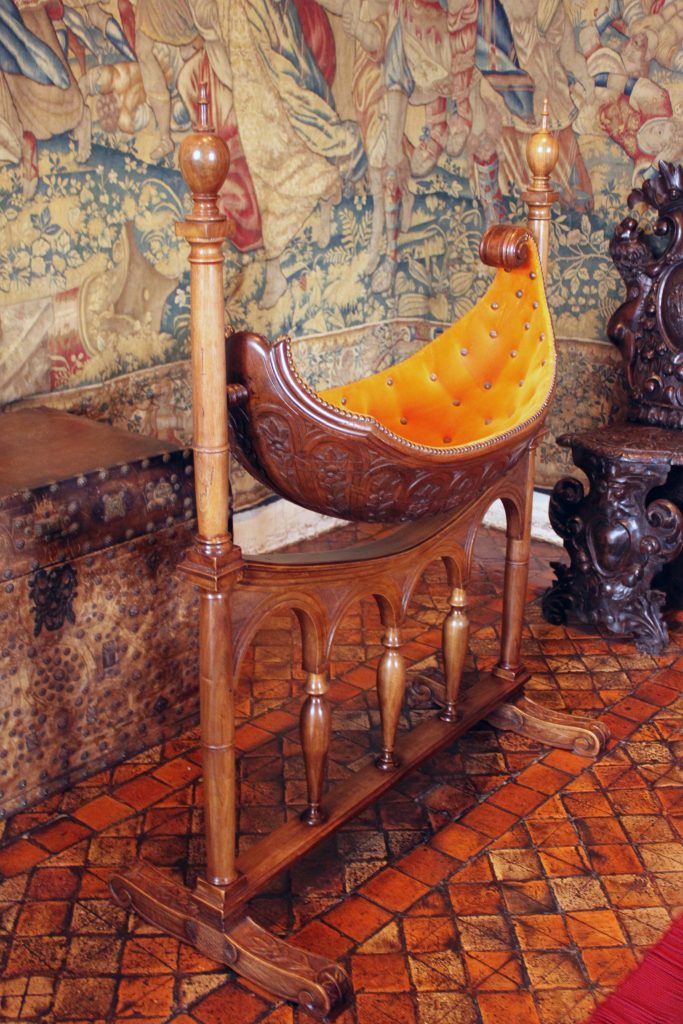
Château de Chenonceau seamlessly marries late Gothic and early Renaissance architecture. The château’s defining feature, the arched gallery stretching across the Cher, is a breathtaking blend of stone and water, reflection and reality. Inside, the rooms are equally entrancing: stone-carved fireplaces bearing royal emblems, richly paneled walls, vibrant tapestries, and meticulously restored 16th-century furnishings.
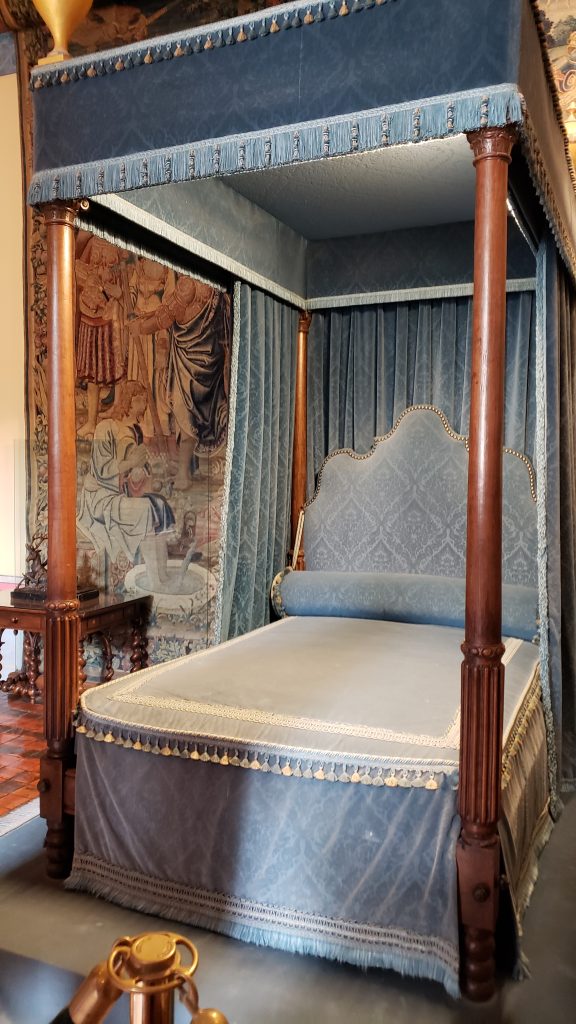
Among the highlights are Catherine de’ Medici’s lavish Green Study, the vaulted kitchens ingeniously built into the bridge’s piers, and the Five Queens’ Bedroom, honoring the daughters and daughters-in-law of Catherine who became queens across Europe.
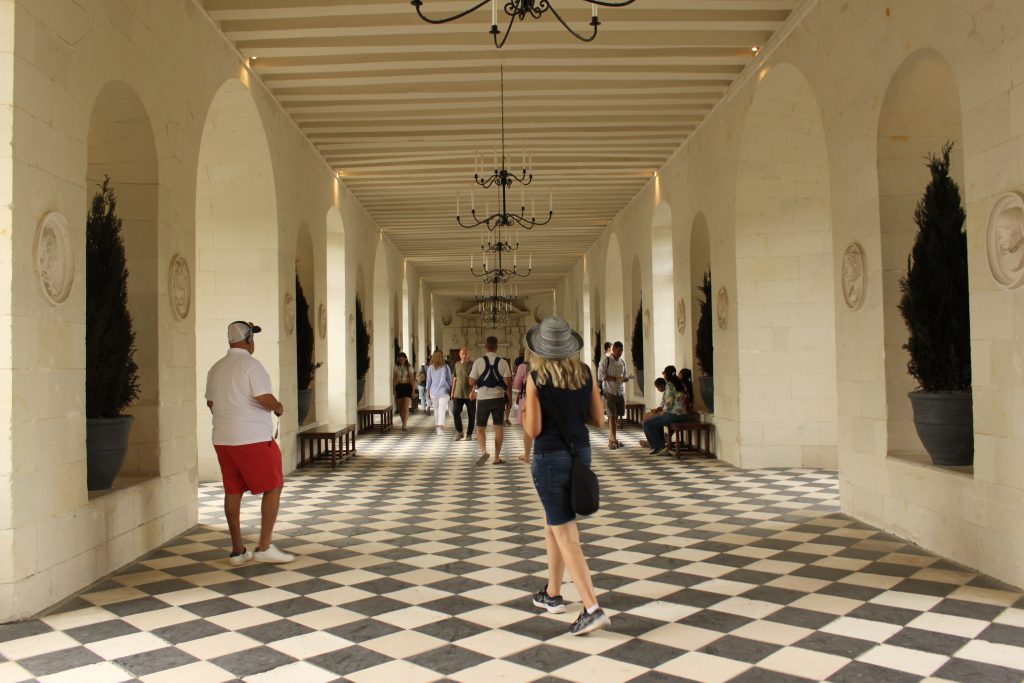
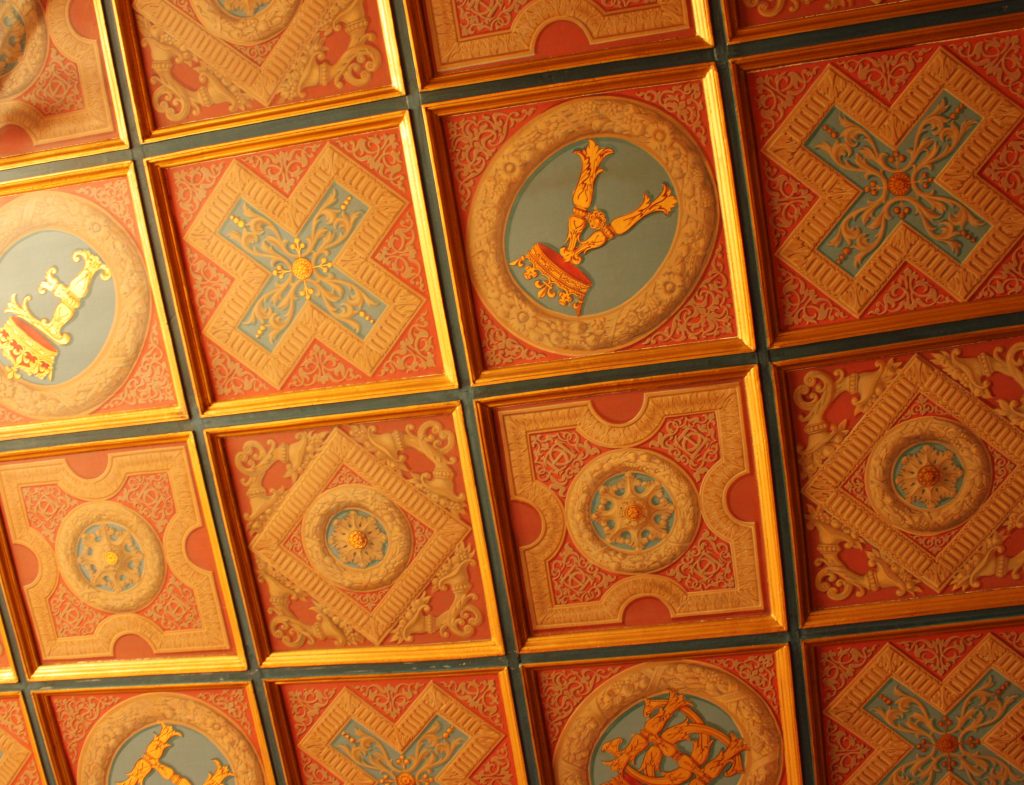
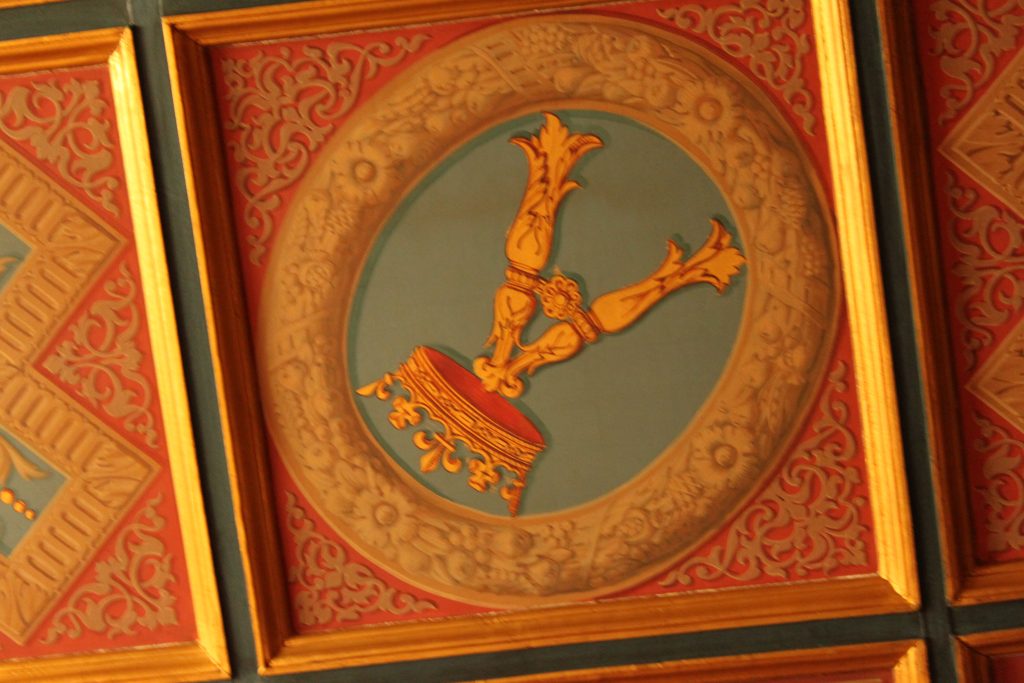
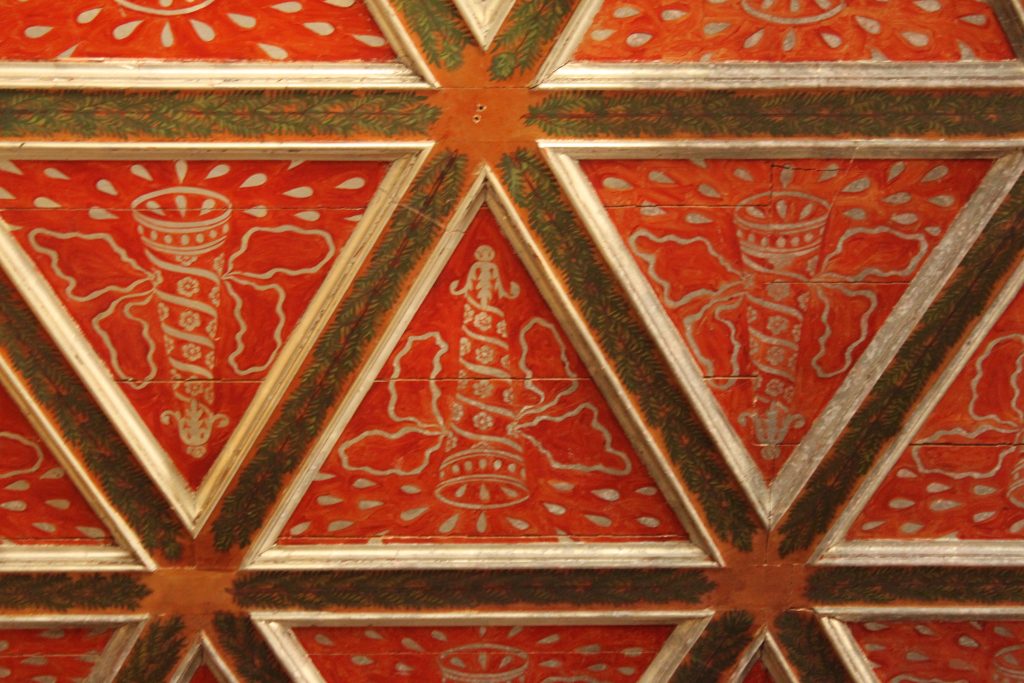
The Grand Gallery on the ground floor is an extraordinary 60-meter-long ballroom illuminated by 18 arching windows that bathe the black-and-white checkerboard floor in dazzling natural light. The ceilings throughout the château showcase intricately carved woodwork and coffered designs, preserving Renaissance craftsmanship. In the chapel, delicate stained-glass windows and a richly sculpted altar survive from the wars of religion.
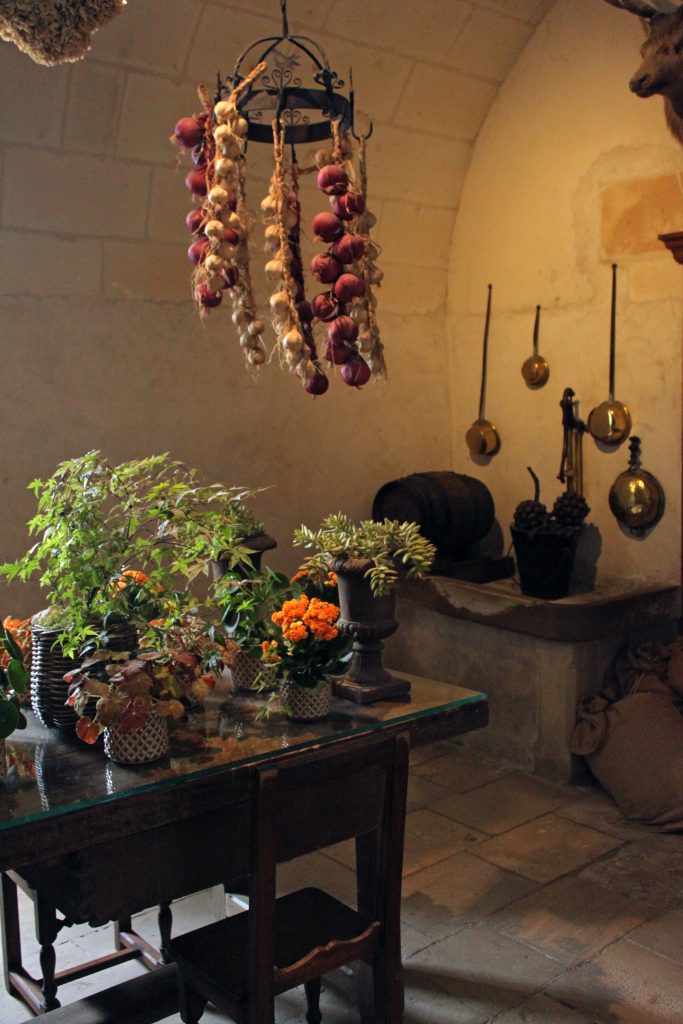
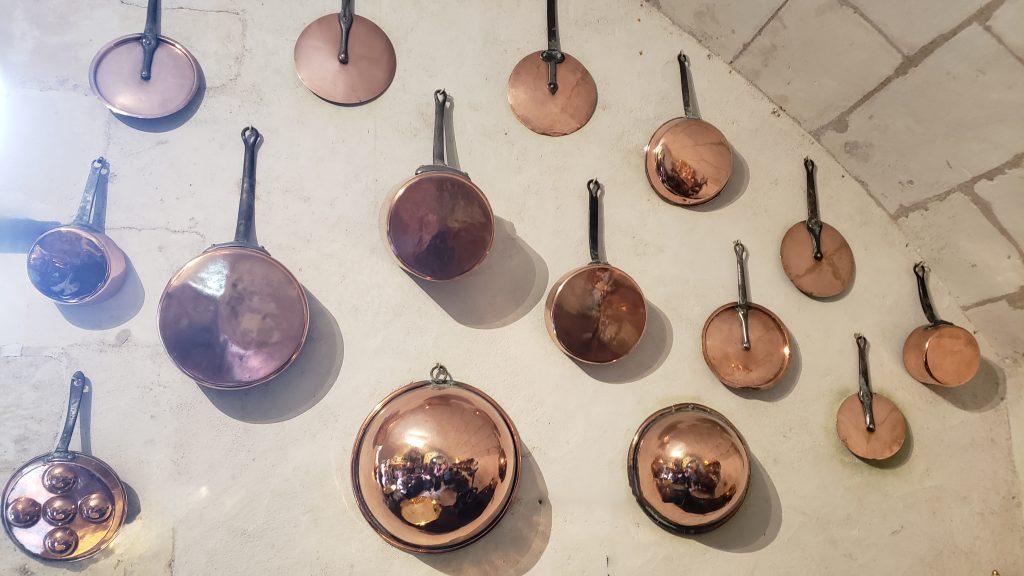
Particularly noteworthy are the kitchens, ingeniously tucked into the bridge’s piers. Divided into several rooms—a butcher’s room, a pantry, and a vast kitchen with enormous fireplaces—they reflect the daily life of the active household that once entertained kings, queens, and courtiers. Even today, flowers from the château’s own gardens perfume the halls, a living tribute to its tradition of beauty and refinement.
Gardens: A Living Canvas
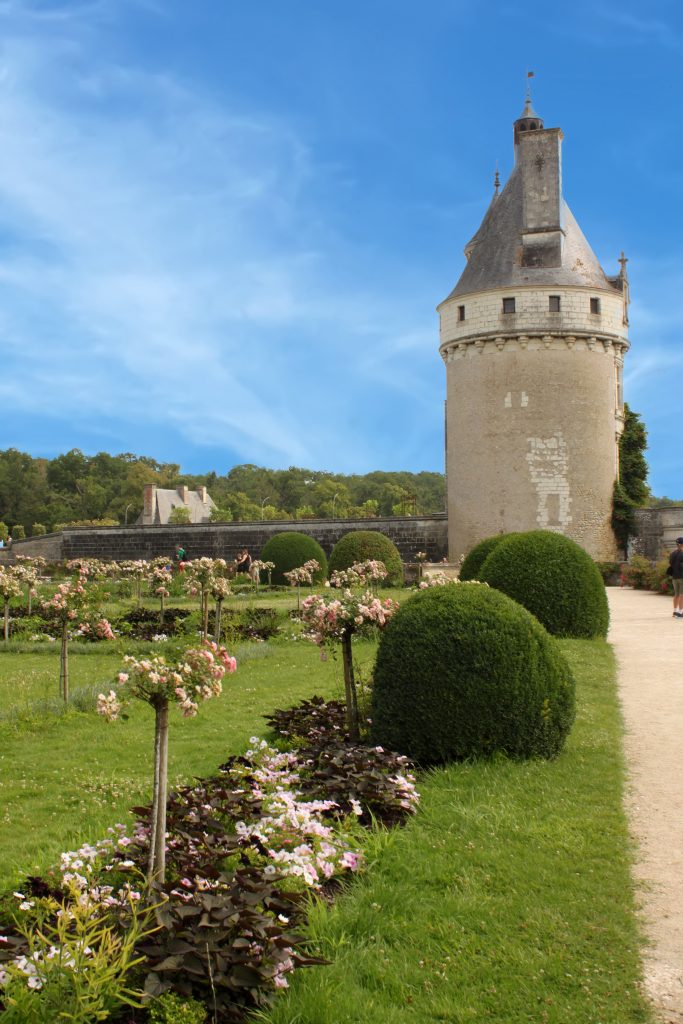
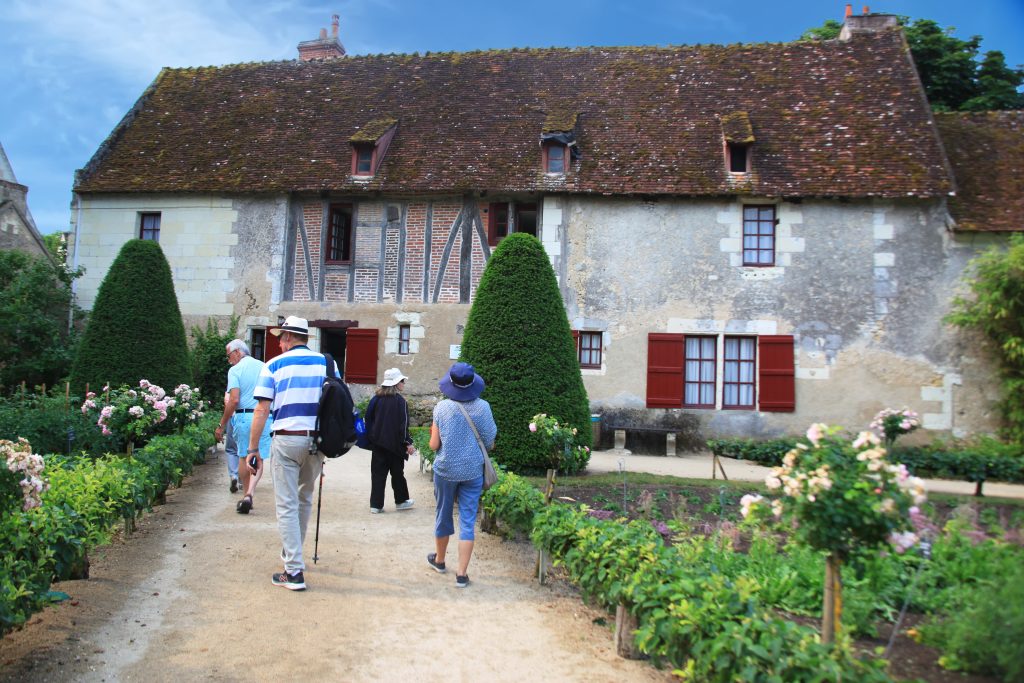
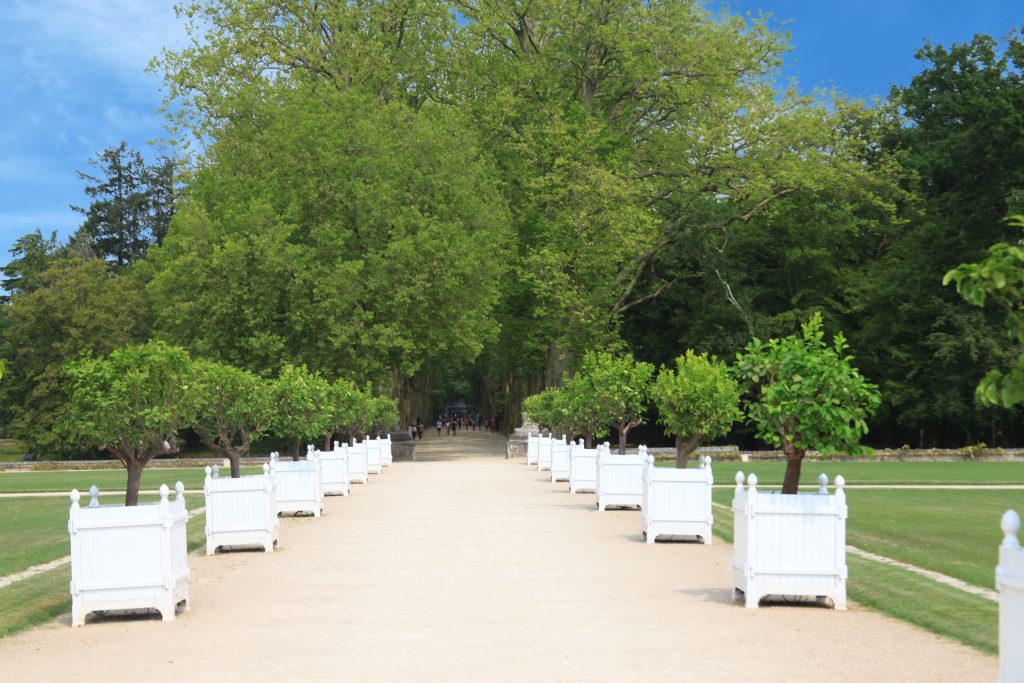
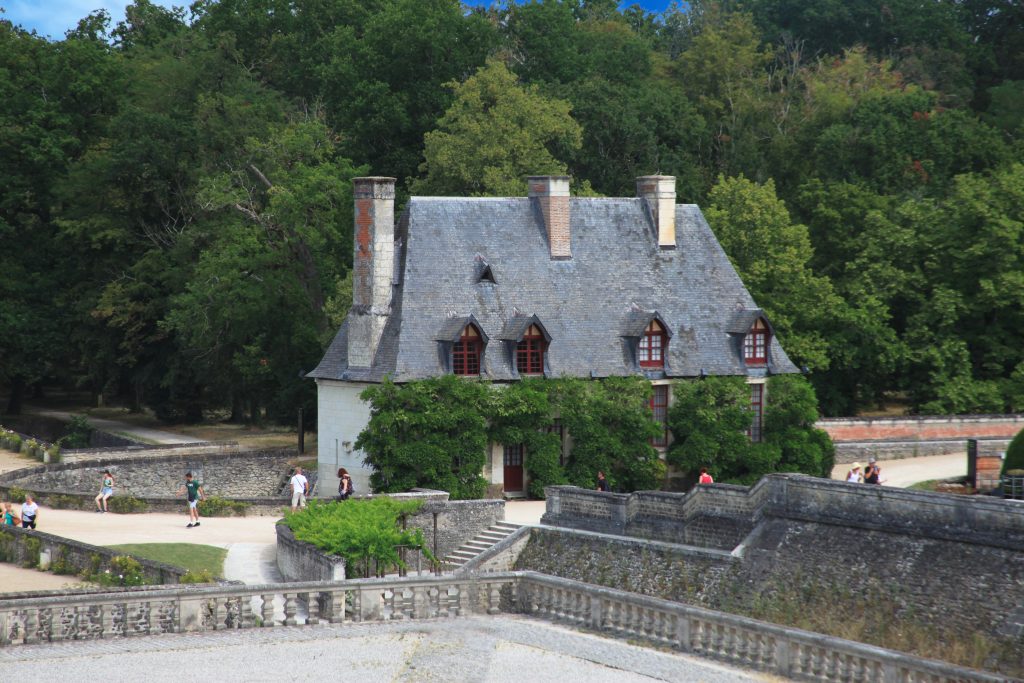
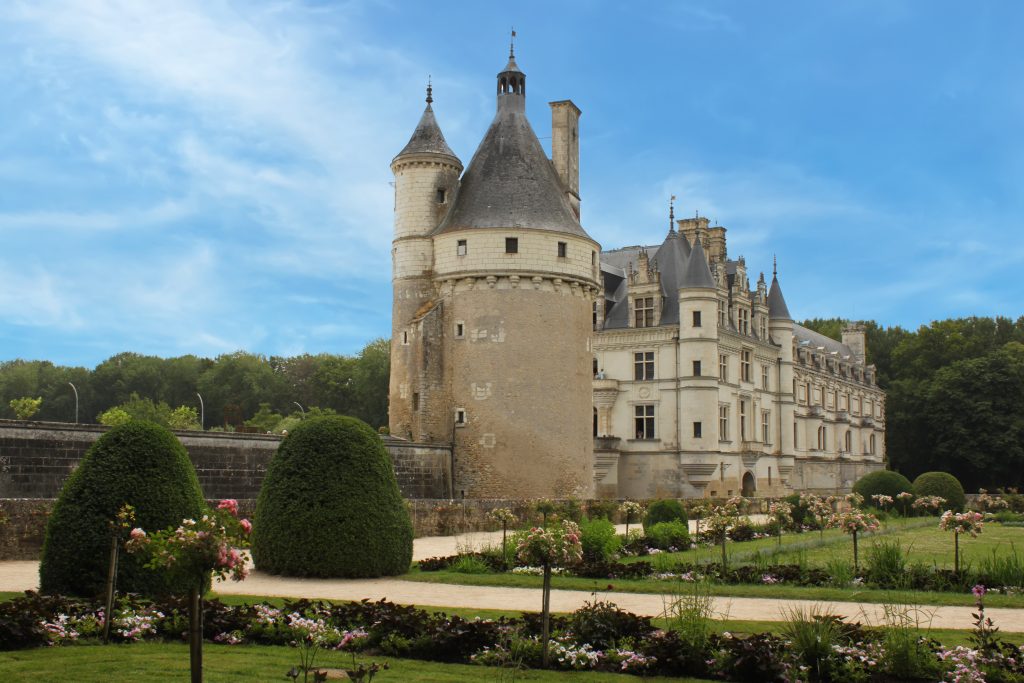
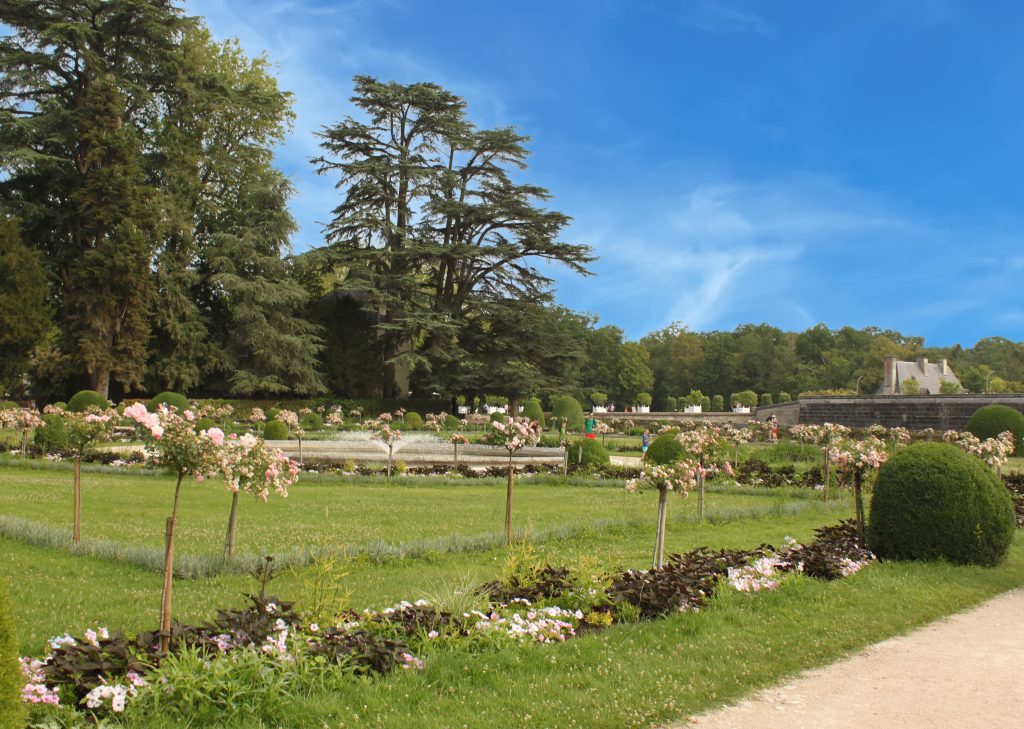
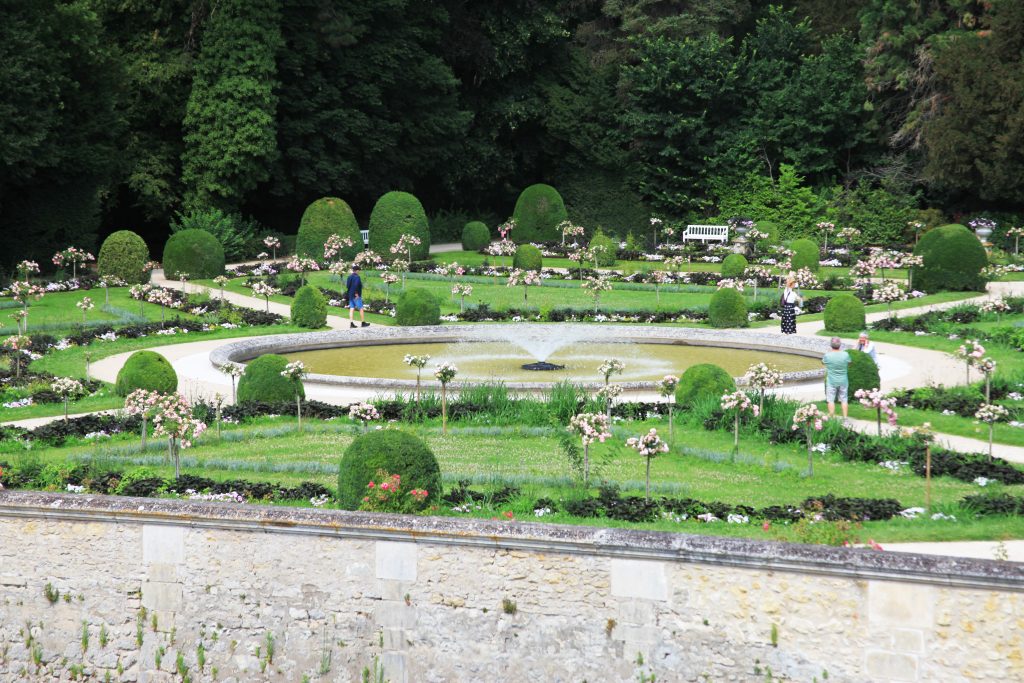
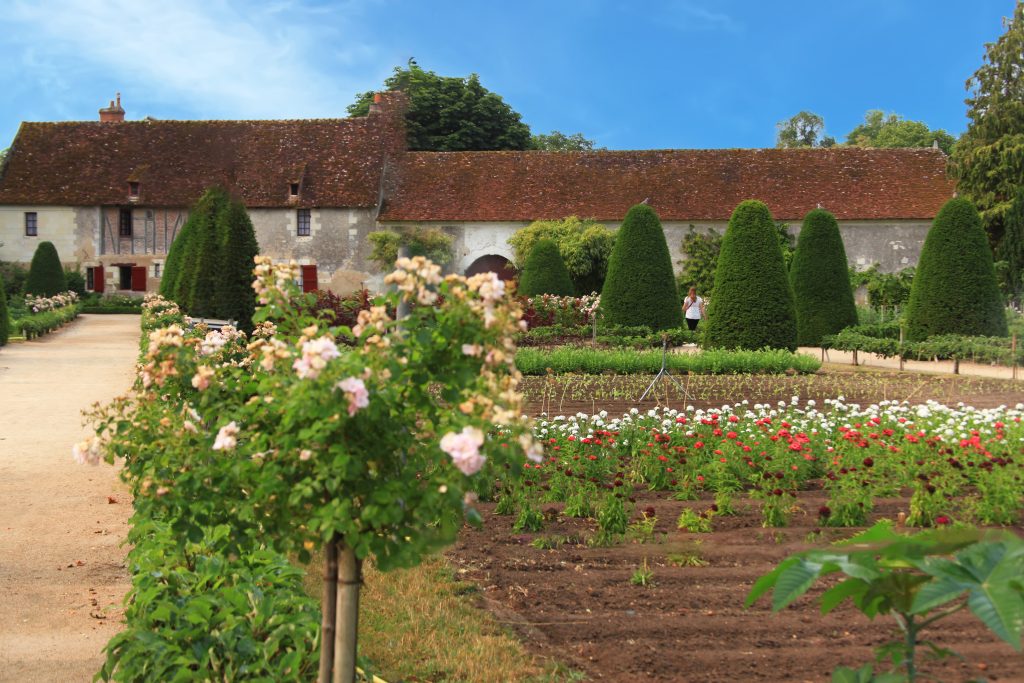
No visit to Château de Chenonceau is complete without strolling through its exquisite gardens. Diane de Poitiers’ original parterre garden sweeps gracefully along the river, bordered by delicate flowering beds and ornamental fountains. Catherine de’ Medici created her own Italian-style garden, an intimate geometric haven that flanked the château’s entrance.
The surrounding parkland extends into a romantic forest, with a maze, ancient trees, and manicured lawns. Throughout the seasons, the château’s horticultural team fills its interiors with vibrant floral displays that echo the splendor and vitality defining Chenonceau for over 500 years.
The Five Women Who Shaped Chenonceau
- Katherine Briçonnet (1494-1526) The visionary wife of Thomas Bohier, Katherine oversaw the château’s early construction while her husband was away campaigning for the king. Her refinement and grace remain etched into Chenonceau’s bones, especially the distinctive staircase she designed.
- Diane de Poitiers (1499-1566) The beloved mistress of King Henri II, Diane claimed Chenonceau as her own. She commissioned the arched bridge across the Cher and created the lavish gardens that remain some of the château’s most enchanting features.
- Catherine de’ Medici (1519-1589) Upon her husband’s death, Catherine took Chenonceau from Diane in a brilliant coup. As Queen Regent, she expanded the château dramatically, building the grand two-story gallery and using the estate as a glittering stage for royal power.
- Louise of Lorraine (1553-1601) After the assassination of her husband, King Henri III, Louise retreated to Chenonceau in mourning. Draped in white, the traditional color of royal widowhood, she turned the château into a place of meditation and sorrow, haunting its halls with quiet grief.Louise Dupin (1706-1799)
- In the Enlightenment era, Louise Dupin, a brilliant salonnière, owned the château. She preserved it from Revolutionary destruction by famously convincing the authorities that Chenonceau was indispensable for the public good, as the only bridge across the Cher River for miles.
Closing Reflection
The Château de Chenonceau is more than an architectural jewel; it stands as a testament to the passions, rivalries, and brilliance of the women who shaped it. Floating across its polished halls or gazing over the misty Cher from its windows, visitors still feel the echoes of history’s grandest dramas unfolding with timeless grace.
Where to Stay in Chenonceau, France
Chenonceau is a small village, so most visitors stay in nearby towns with better hotel selection and services. Amboise, roughly 15 kilometers away, is the most practical choice. This riverside town along the Loire offers hotels ranging from budget to upscale, plus good restaurants and shops within walking distance. The train station connects directly to Paris and other major cities, convenient for multi-day Loire Valley trips.
For a quieter alternative, consider Montrichard, about 20 kilometers south. This fortified town offers smaller hotels and charming chambres d’hôtes, family-run guesthouses with local character. The setting is less touristy than Amboise, parking is easier to find, and you’ll experience a genuine working town atmosphere, though with fewer dining options nearby.
If you prefer staying closer to Chenonceau itself, the village has a handful of small hotels and rural guesthouses within a few kilometers of the château. These are typically family-owned properties with modest amenities but genuine charm, letting you walk the grounds in early morning or evening after tour groups have left. Be prepared for limited dining options nearby; most château visitors pack a picnic or dine in Amboise before returning.
Book lodging well in advance during peak summer months, especially in Amboise, which fills quickly. Spring and fall offer pleasant weather with fewer crowds, making them ideal seasons for exploring the château and surrounding villages without the summer rush.
Recommended Reading
To enrich your visit, or simply to let Chenonceau weave its spell from afar, I recommend:
- The Serpent and the Pearl by Kate Quinn: A vivid novel about Catherine de’ Medici’s rival Lucrezia Borgia, sharing the spirit of Renaissance intrigue.
- Madame Serpent by Jean Plaidy – The first in Plaidy’s brilliant trilogy on Catherine de’ Medici, Madame Serpent paints a vivid, psychologically rich portrait of the young Florentine princess as she navigates the treacherous waters of the French court. Known for her deft blend of meticulous historical research and storytelling grace, Jean Plaidy reveals the vulnerabilities, ambitions, and intrigues that would shape one of history’s most formidable queens.
- Mistress of the Sun by Sandra Gulland: Though focused on Versailles, this novel exquisitely captures the era when women quietly wielded great power behind stone walls.
- Chenonceau: Château of the Ladies by Jean-Pierre Babelon: A richly detailed non-fiction tribute to the women who shaped this remarkable place.
- Renaissance Women: A Sourcebook edited by Kate Lowe – A remarkable collection of writings that brings forward the voices of real women from the Renaissance, queens, poets, scientists, and patrons, offering precious insight into the actual world in which Chenonceau’s women lived, plotted, and thrived.
- Catherine de Medici: Renaissance Queen of France by Leonie Frieda: A penetrating biography of one of Chenonceau’s most pivotal mistresses.
- The Châteaux of the Loire by Jean-Marie Pérouse de Montclos and Robert Polidori – Lavish in both imagery and scholarship, this magnificent volume offers a sumptuous visual journey through the Loire Valley’s most iconic and lesser-known châteaux. The photography by Robert Polidori captures the patina of centuries with breathtaking intimacy, while the essays by Montclos add rich layers of history and architectural insight.
- Loire Valley Châteaux: From Chenonceau to Chambord by Alexandre Arditti – A beautifully produced book that focuses specifically on the Loire’s grand and storied castles. Arditti’s photographs balance majestic wide shots with intimate interior details, offering a feel for both the grandeur and the lived-in elegance of places like Chenonceau, Amboise, and Blois.
- Châteaux of the Loire Valley by Guillaume Picon, Photographs by Eric Sander
This elegant edition, with its luxurious photographs and engaging, accessible narrative, captures the romance, splendor, and surprising intimacy of the Loire Valley châteaux. It’s particularly beloved for its inclusion of gardens, furnishings, and seasonal changes, bringing the estates to life across centuries. - The Grand Tour of the Loire Châteaux by Christopher Hibbert – A graceful and engaging journey through the Loire’s most storied castles, Hibbert masterfully blends architectural beauty with the captivating lives, loves, and rivalries that shaped these Renaissance masterpieces.
This article was featured in the Spring 2025 issue of The Historic Traveler Magazine.
Tours to Consider