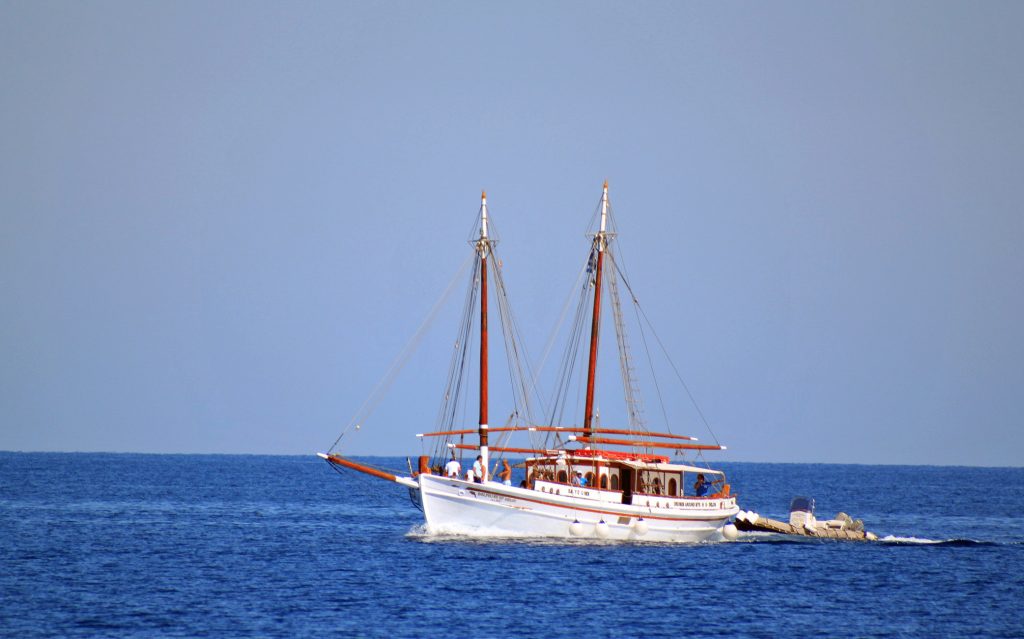
Planning your trip to Greece? This Mykonos travel guide offers an insider look at the island’s timeless beauty, rich mythology, and must-see sights.
Bathed in a silver, sea-born light, Mykonos dances eternally between myth and memory. The breezes that stir its whitewashed alleys carry not only the scent of salt and jasmine, but the distant laughter of pirates, sailors, and ancient gods. Here, beneath the endless blue dome of the sky, time pirouettes gracefully, inviting you to join the waltz.
Long before it became synonymous with jet-set glamour, the historic Mykonos was a speck of strategic importance in the heart of the Cyclades. According to myth, it was on these rocky shores that Hercules battled the giants, their bodies said to have formed the very bedrock of the island. Archaeological evidence, however, paints a less sensational, but equally fascinating story: the island was first settled during the early Bronze Age, around 3,000 BCE.
Its proximity to Delos—the sacred island believed to be the birthplace of Apollo and Artemis—ensured Mykonos’ role as a vital commercial hub. Pilgrims, traders, and artisans passed through its harbors, bringing prosperity, but also inviting the interest of pirates and marauding navies.
Under Venetian rule from the 13th to 16th centuries, Mykonos flourished, constructing the iconic structures that still dazzle visitors today. Later, during the Ottoman era, the island earned a reputation for fierce independence, its merchants and sailors known for both their bravery and cunning. By the early 20th century, Mykonos had embraced another incarnation—as a bohemian paradise for artists, writers, and eventually, international travelers yearning for a taste of its wild, mythic beauty.
Windmills Beckon
In this Mykonos travel guide, we begin with the island’s most iconic image—the windmills.
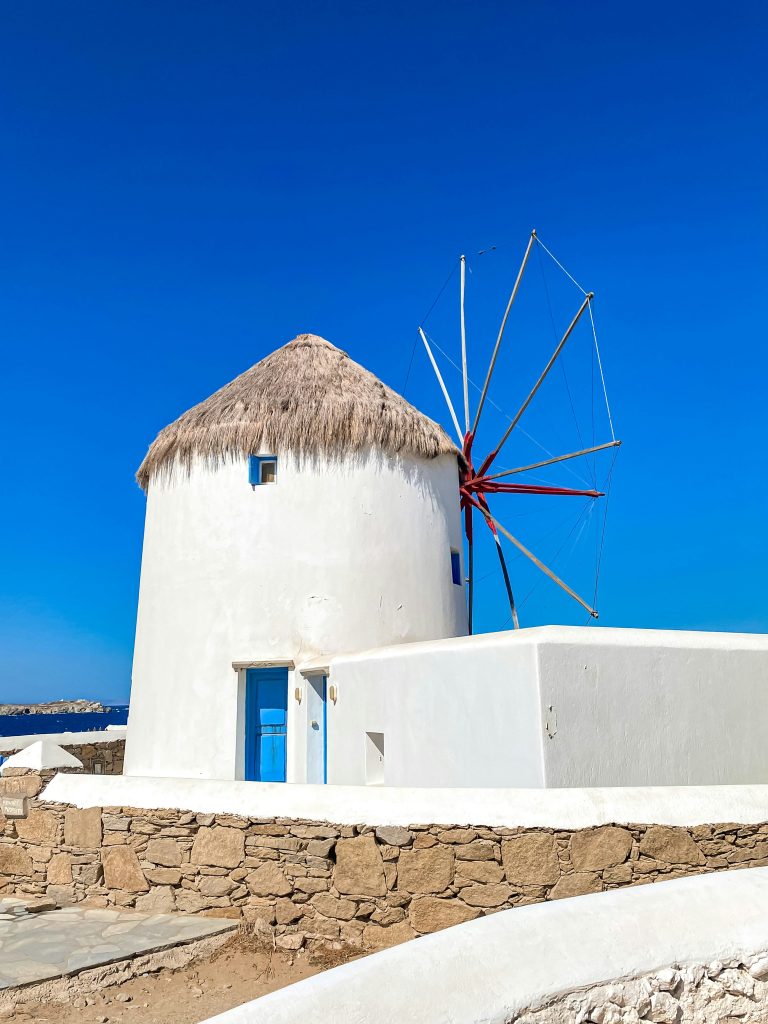
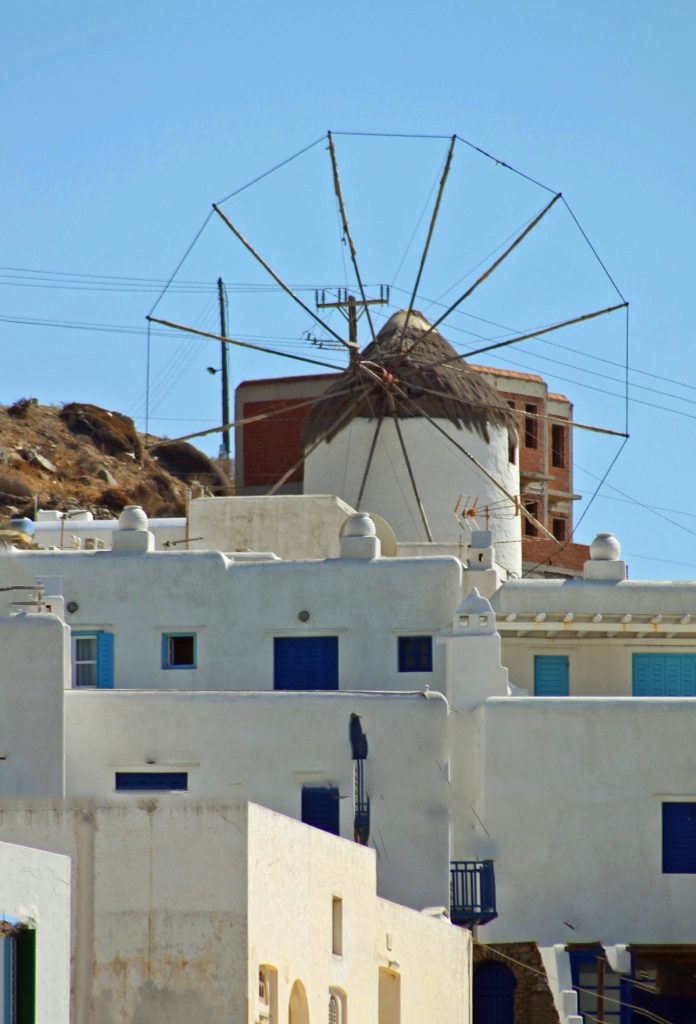
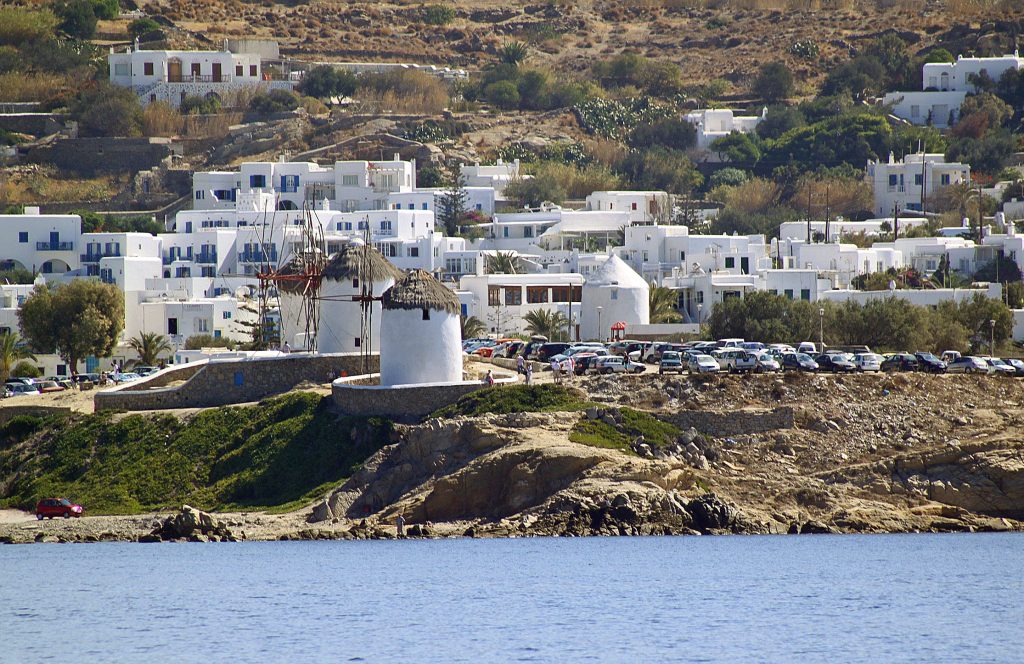
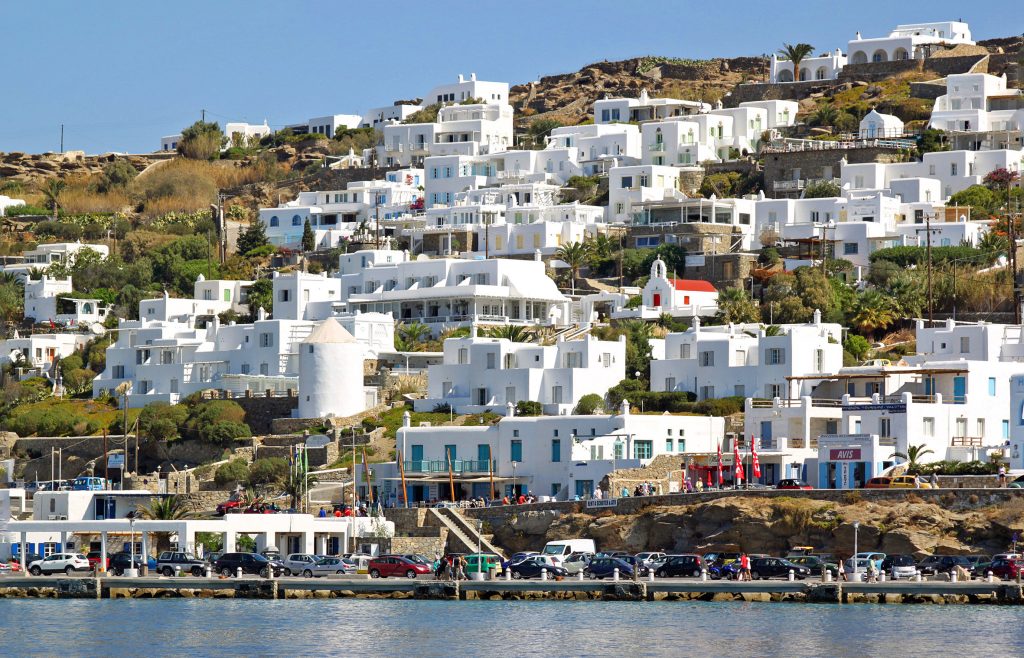
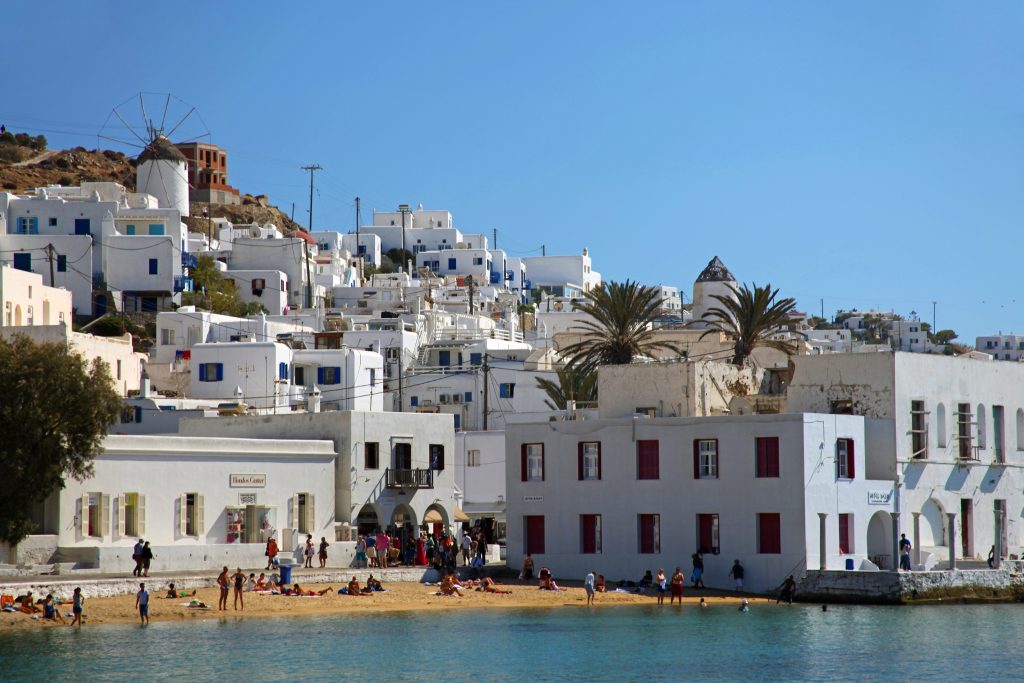
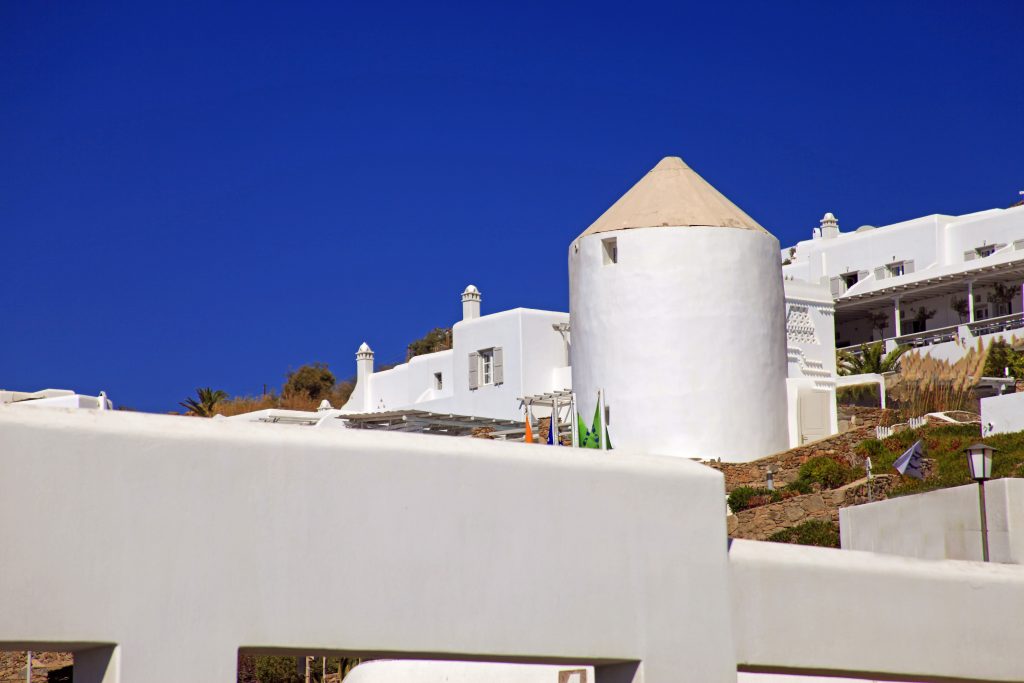
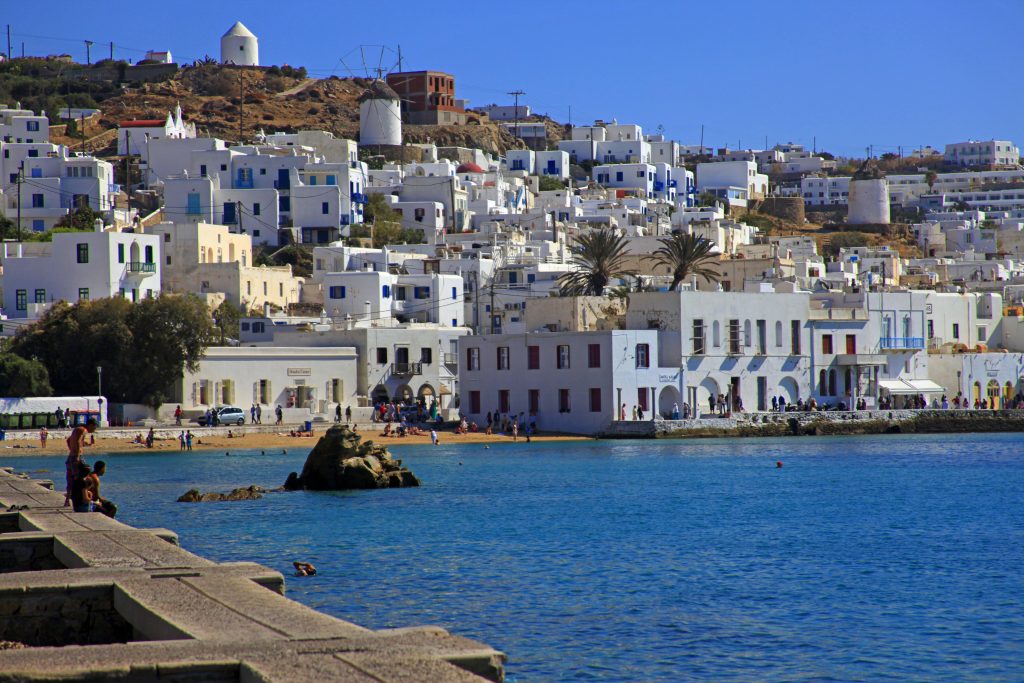
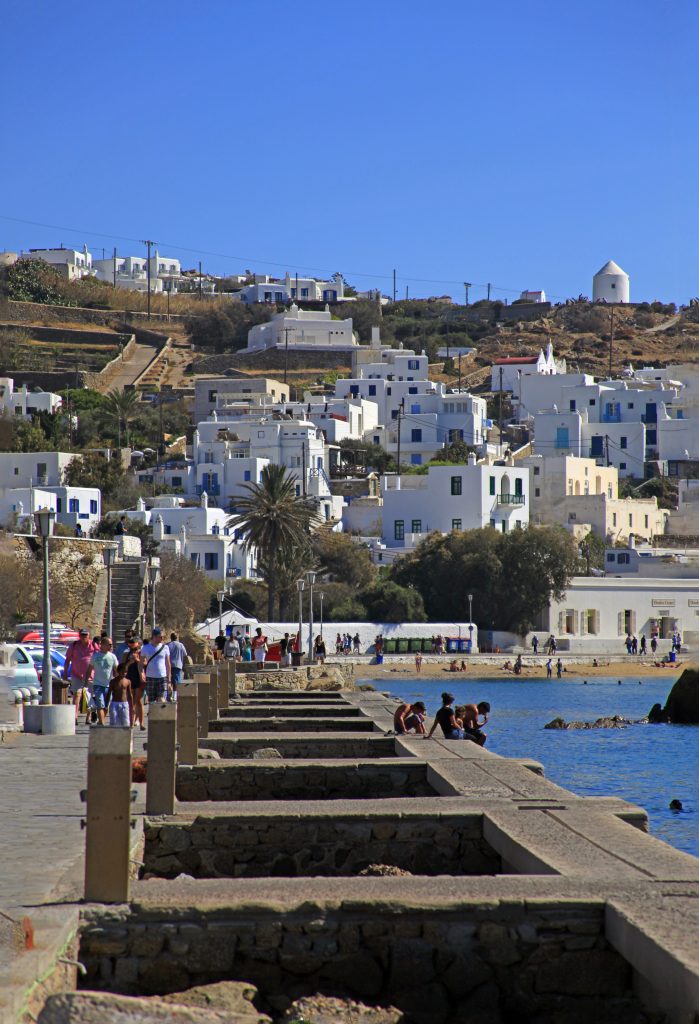
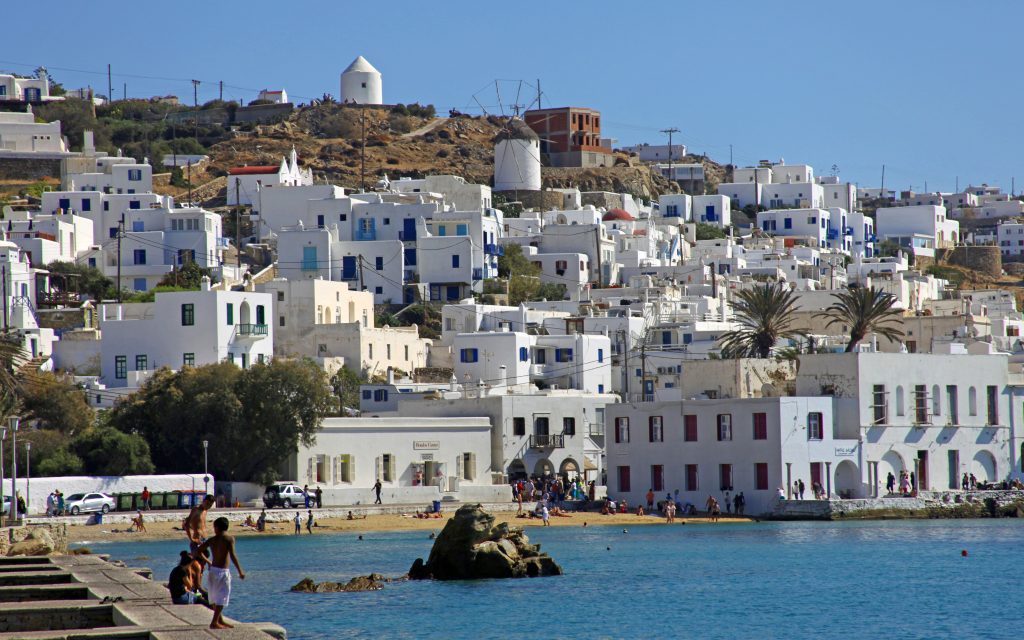
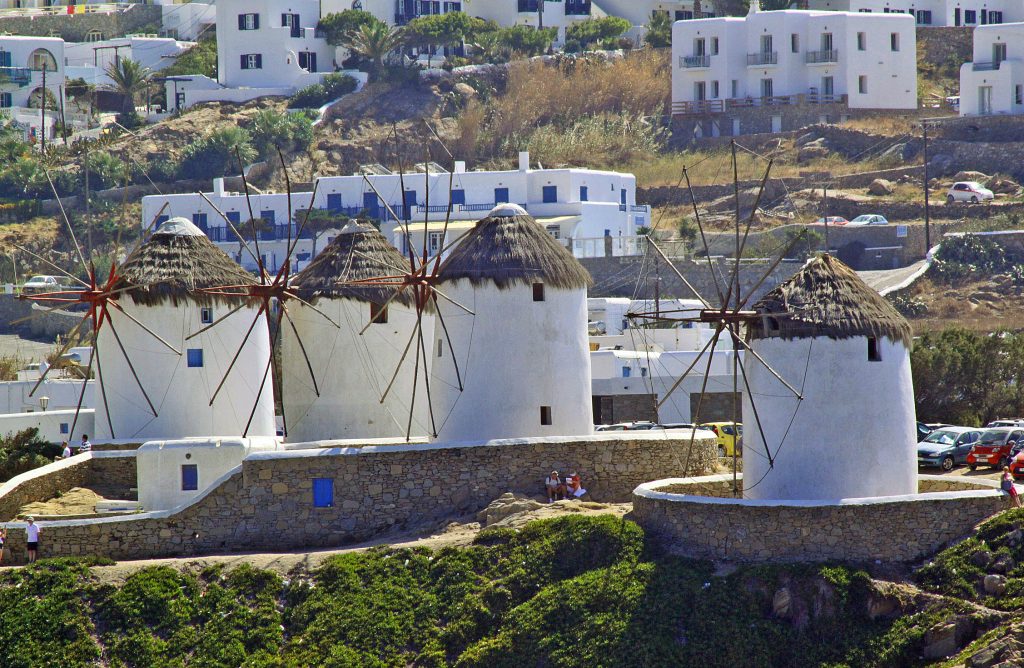
What strikes you first as you arrive by sea, standing sentinel against the sky, are the famed windmills of Mykonos—the “Kato Mili”—as they command attention. Built by the Venetians in the 16th century, these white cylindrical structures with conical straw roofs once ground the island’s grain, the lifeblood of its economy. Though no longer spinning their sails in earnest labor, the windmills remain a symbol of resilience and grace, forever bowing to the island’s faithful winds.
Climb the gentle hill above the harbor, and you’ll find the most famous cluster of these windmills. Each is unique, some with intact sails, others with only their stark bones against the sky, but all whispering stories of harvests, storms, and quiet tenacity. Standing here, with the sea sparkling like scattered coins below and the salt wind tugging at your clothes, it’s easy to believe that Mykonos is a place stitched into the very fabric of legend.
Brilliant White Reflection
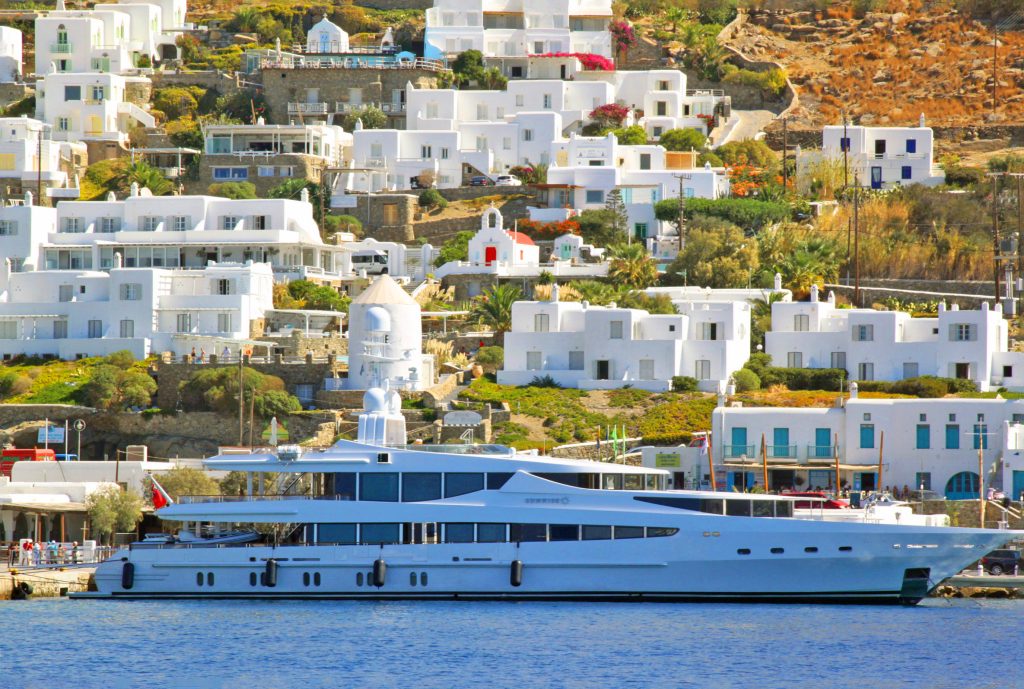
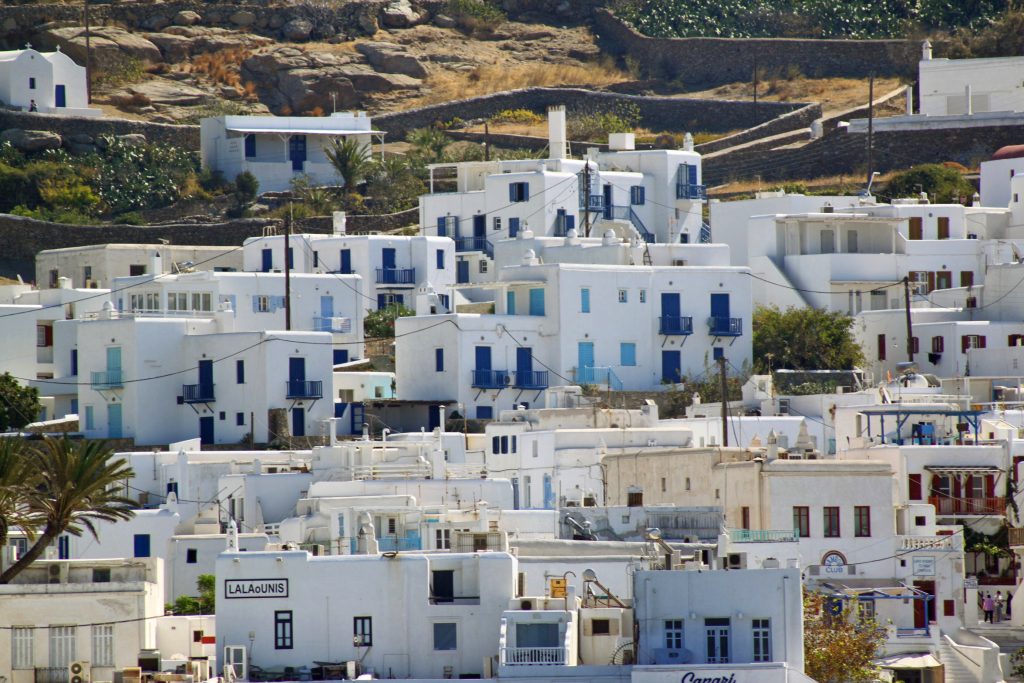
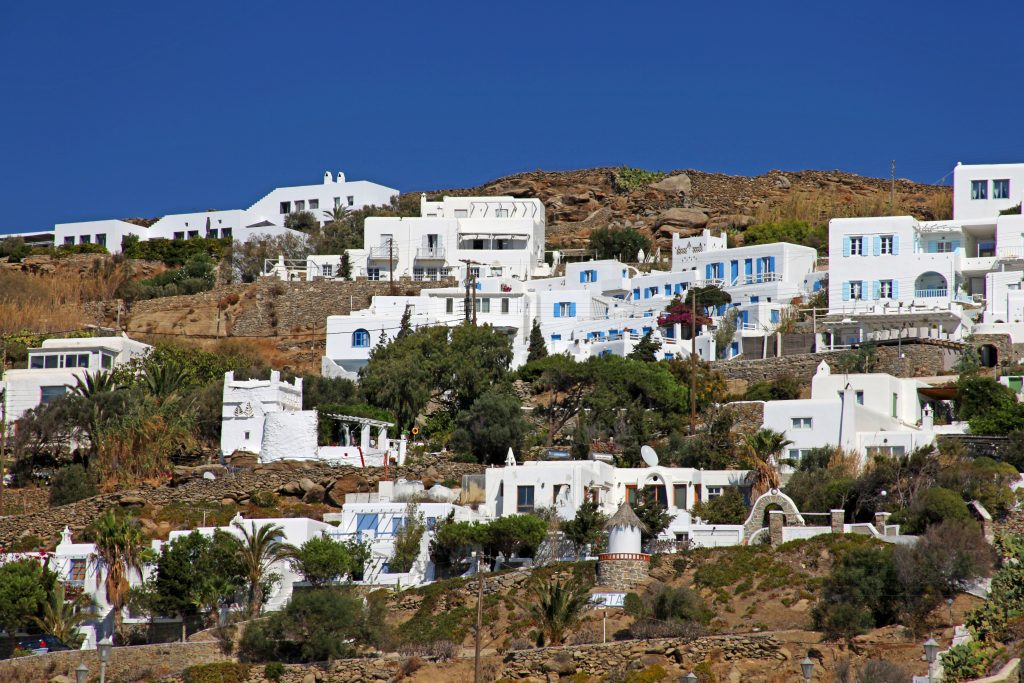
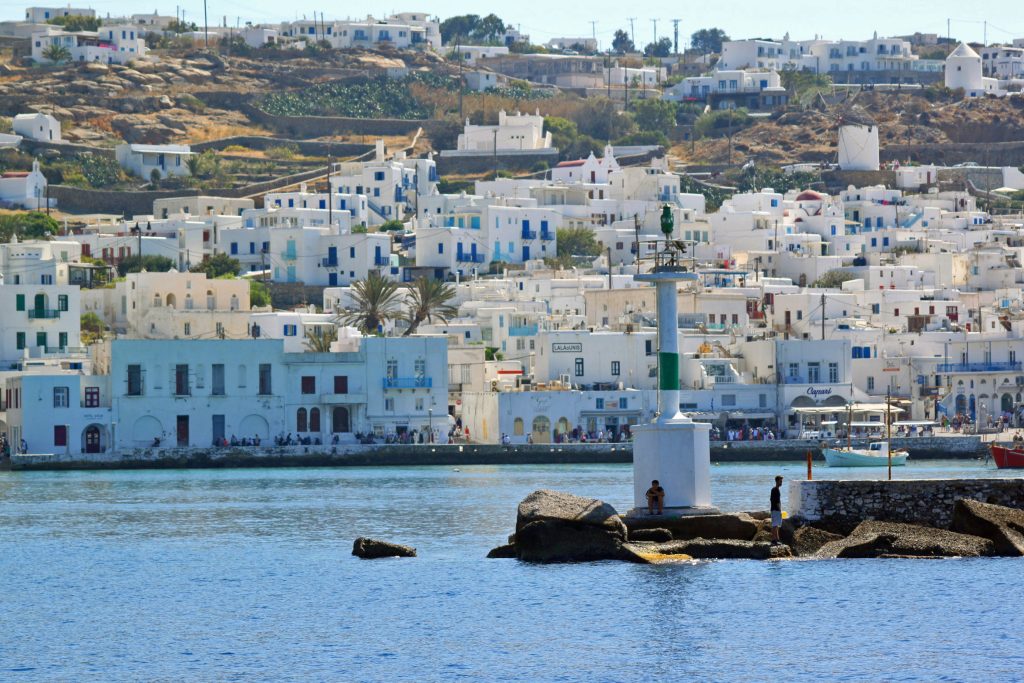
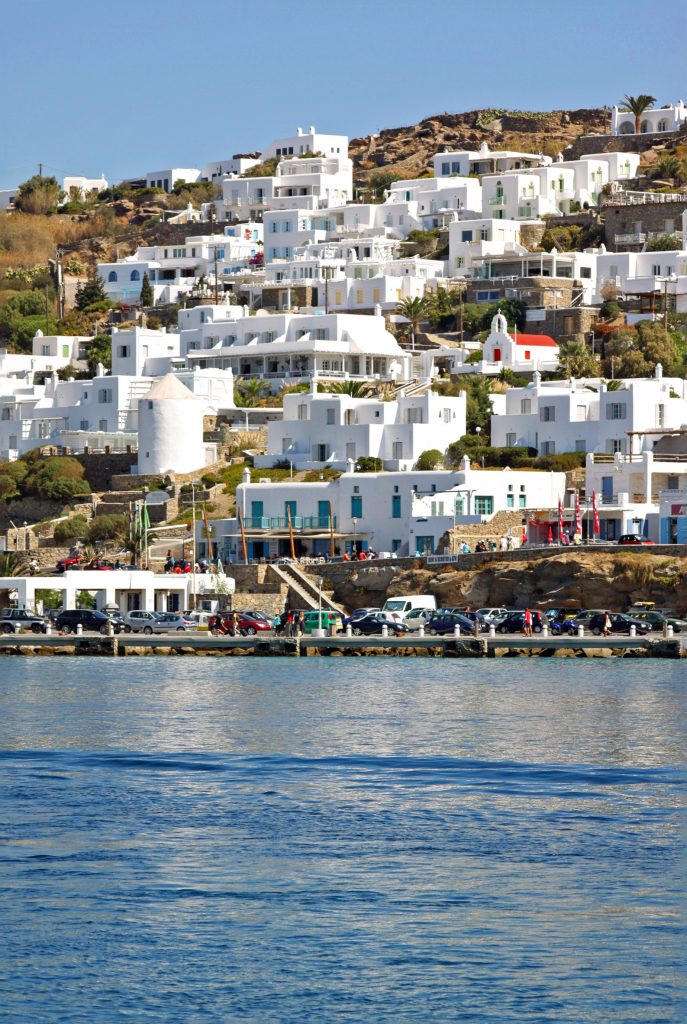
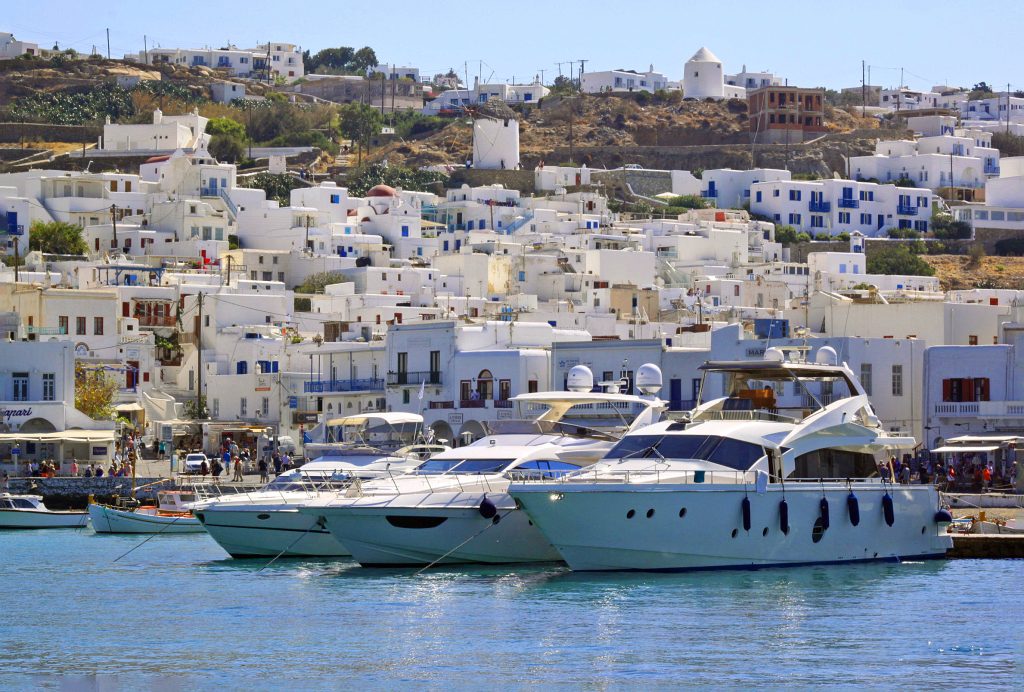
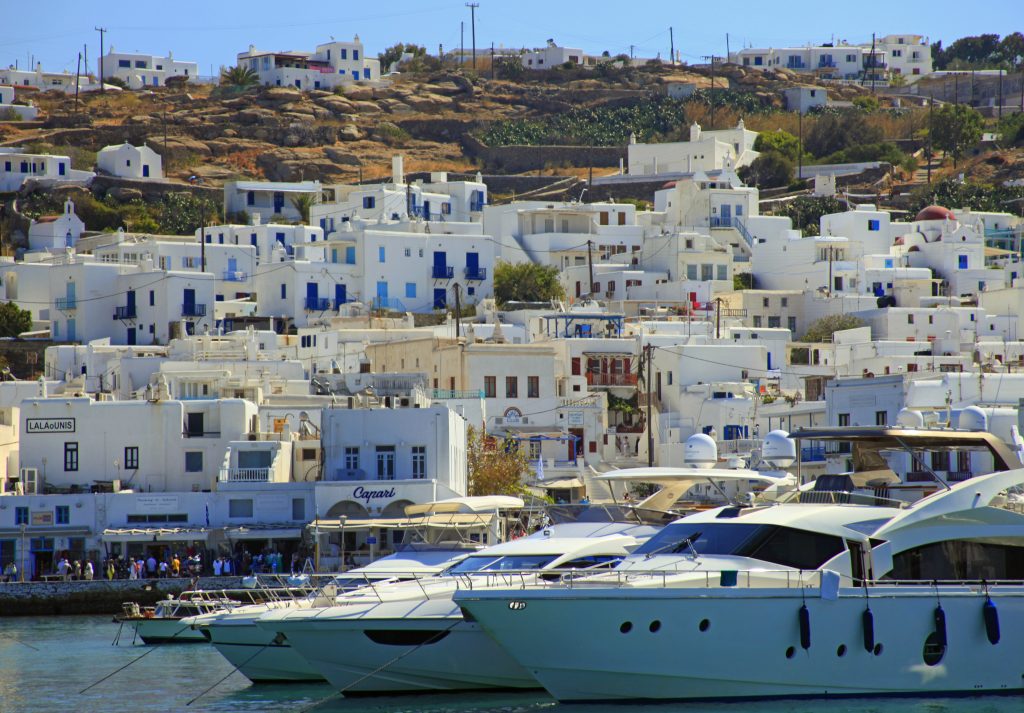
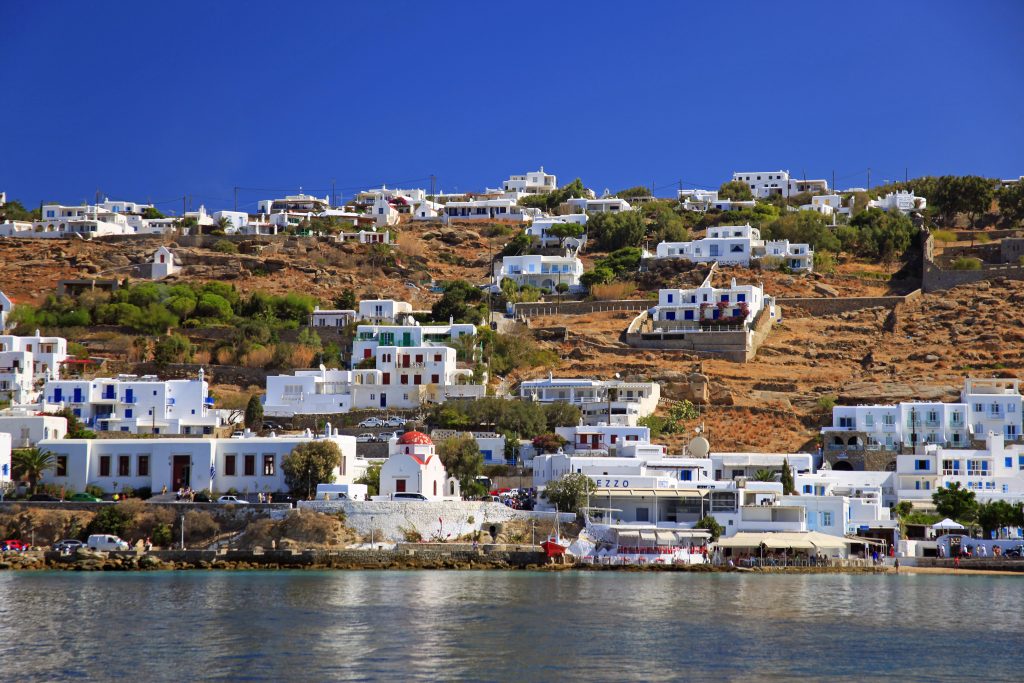
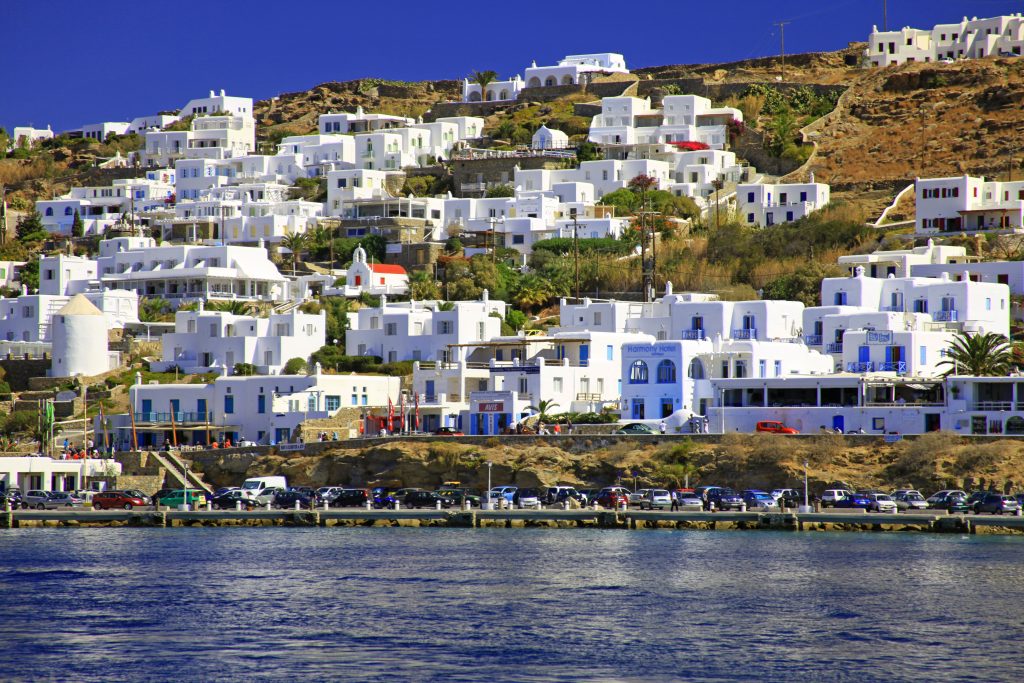
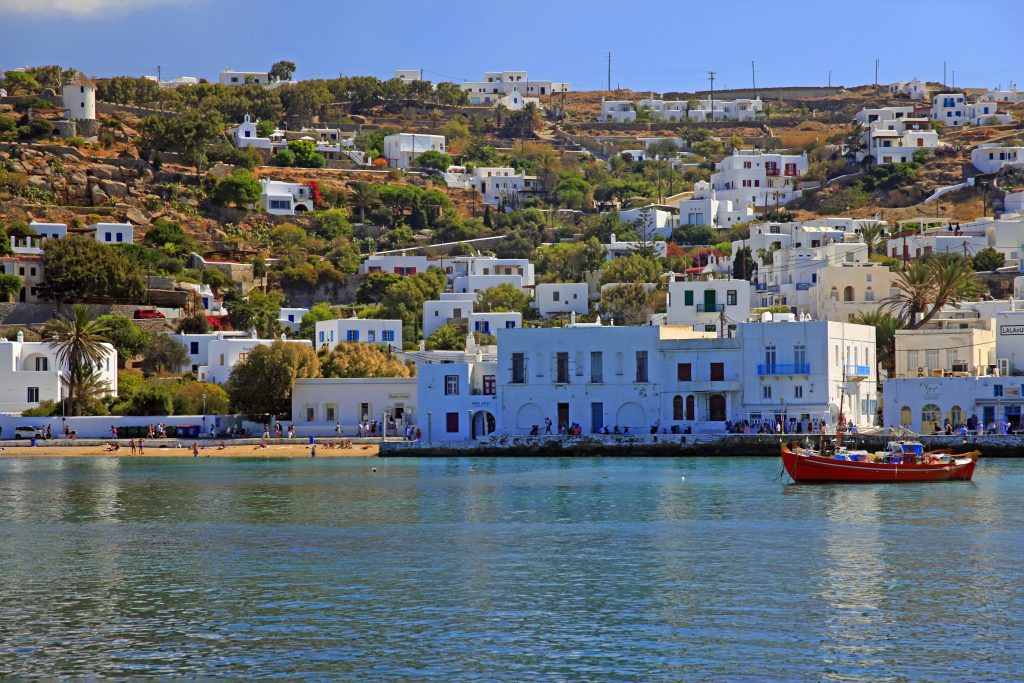
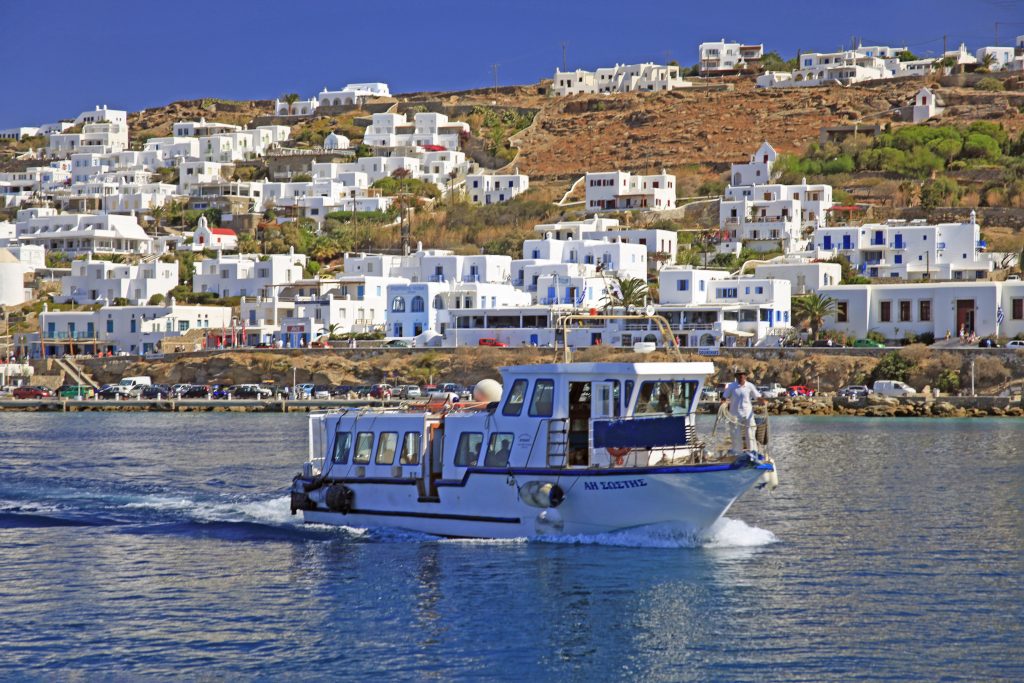
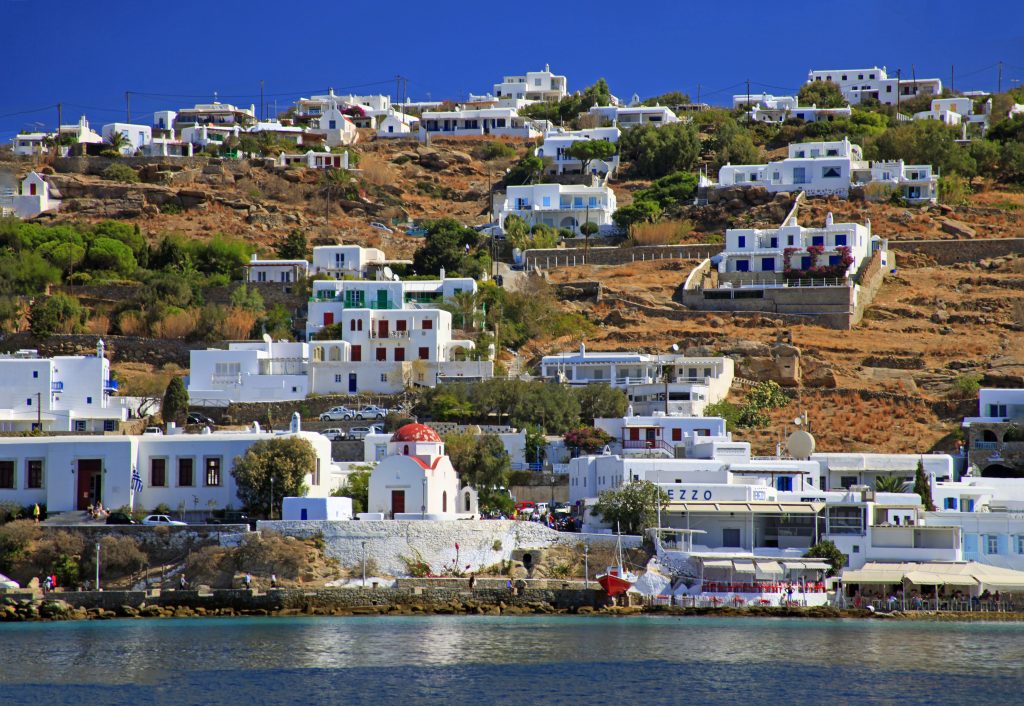
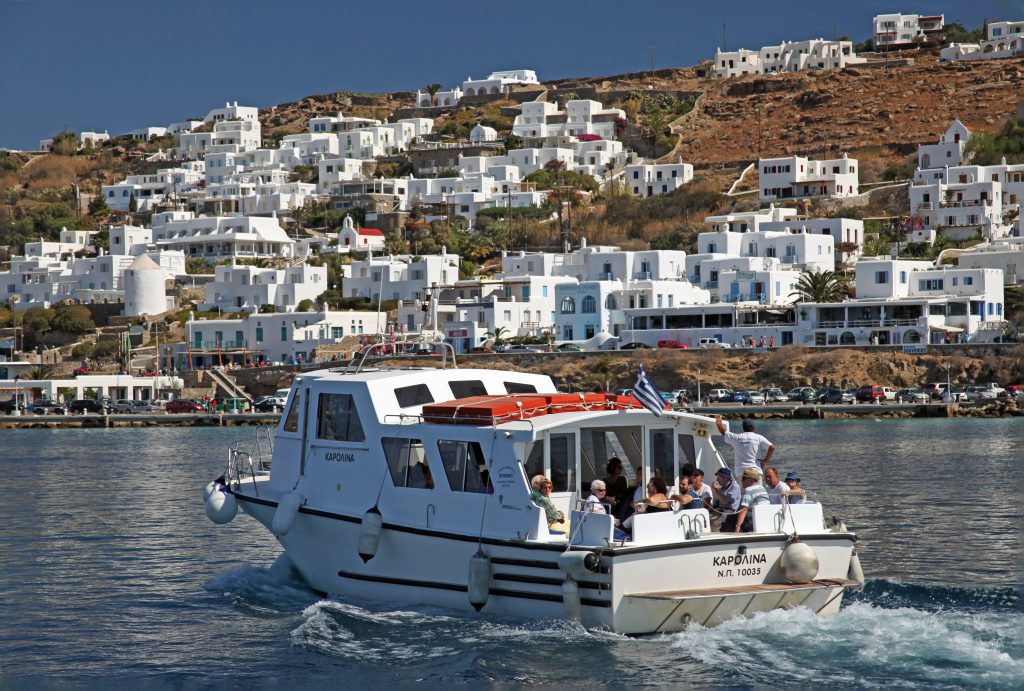
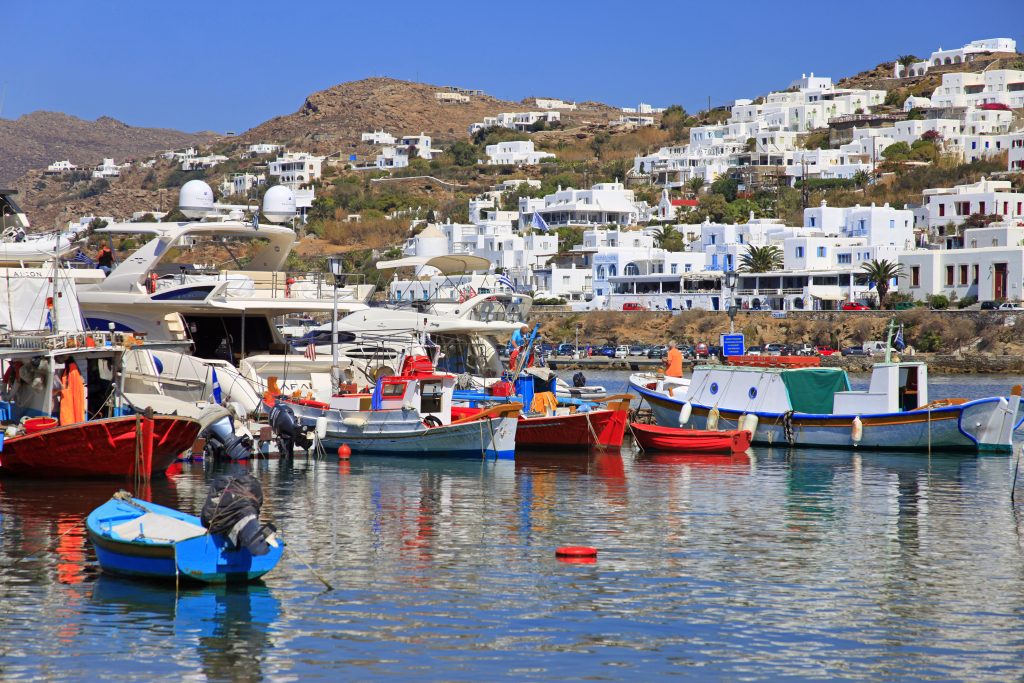
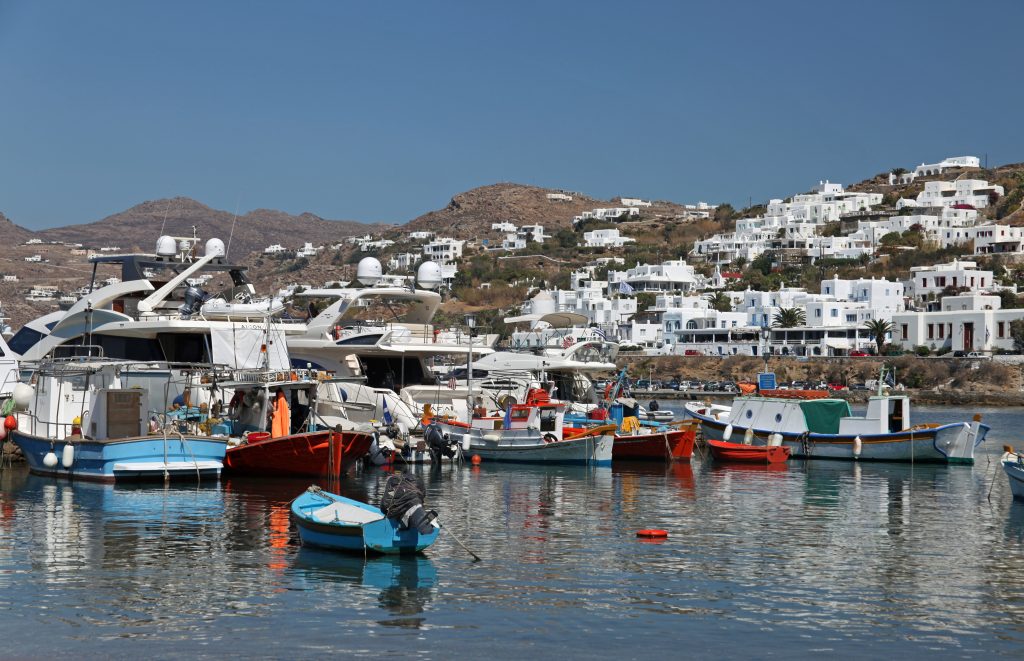
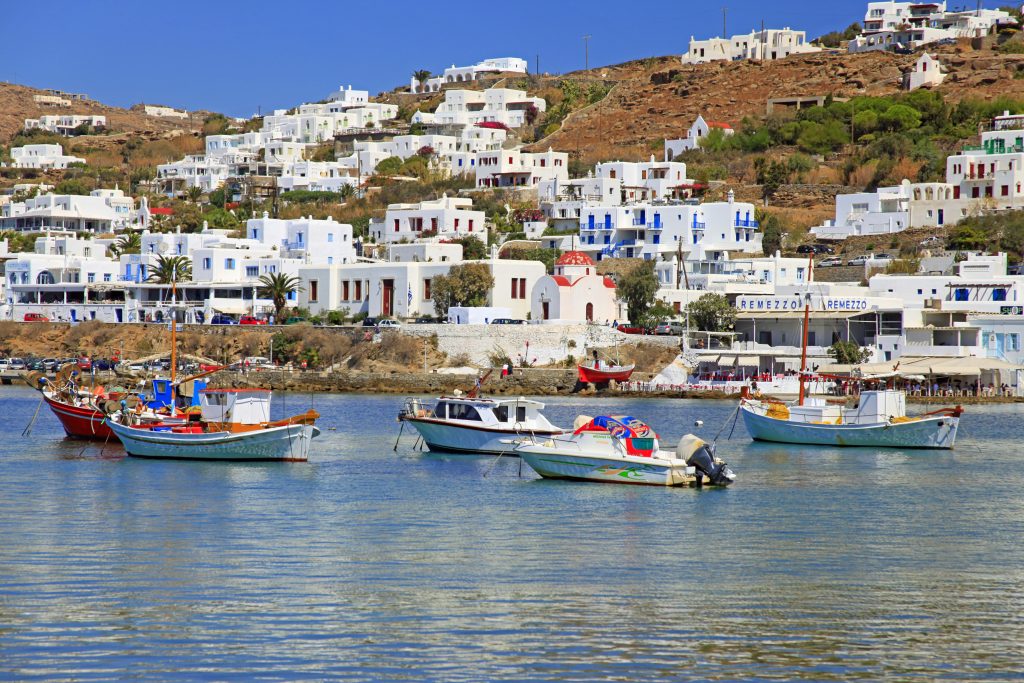
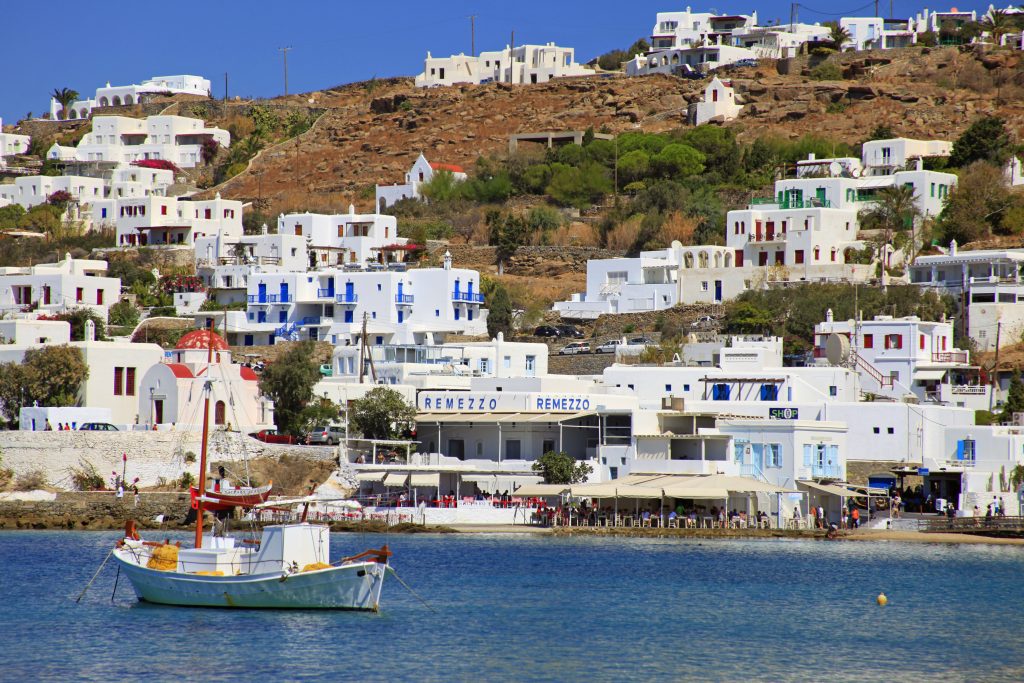
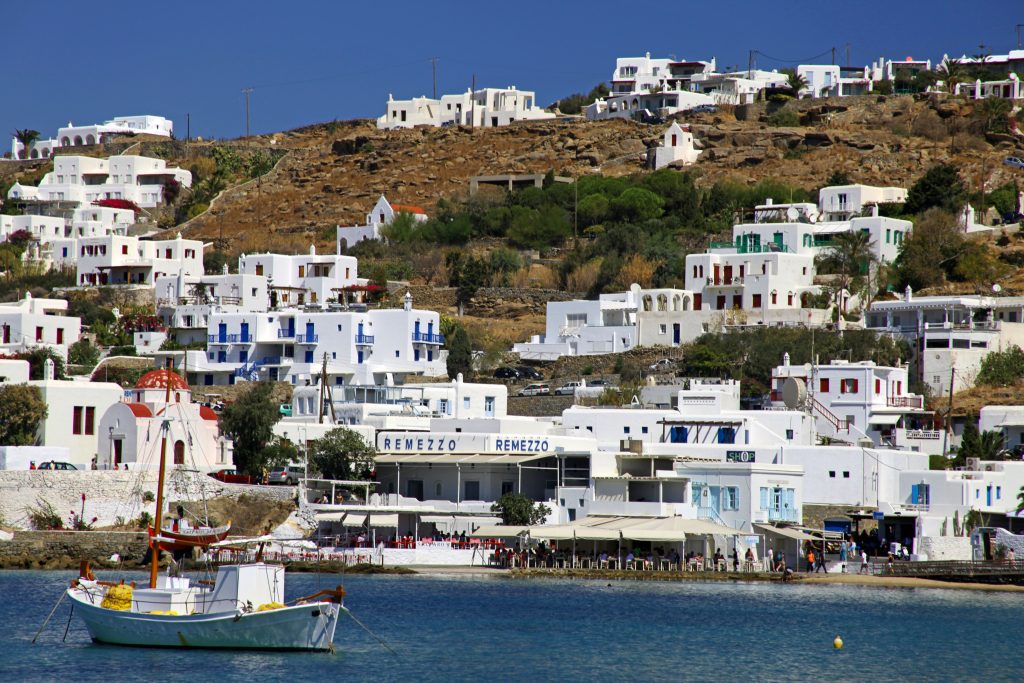
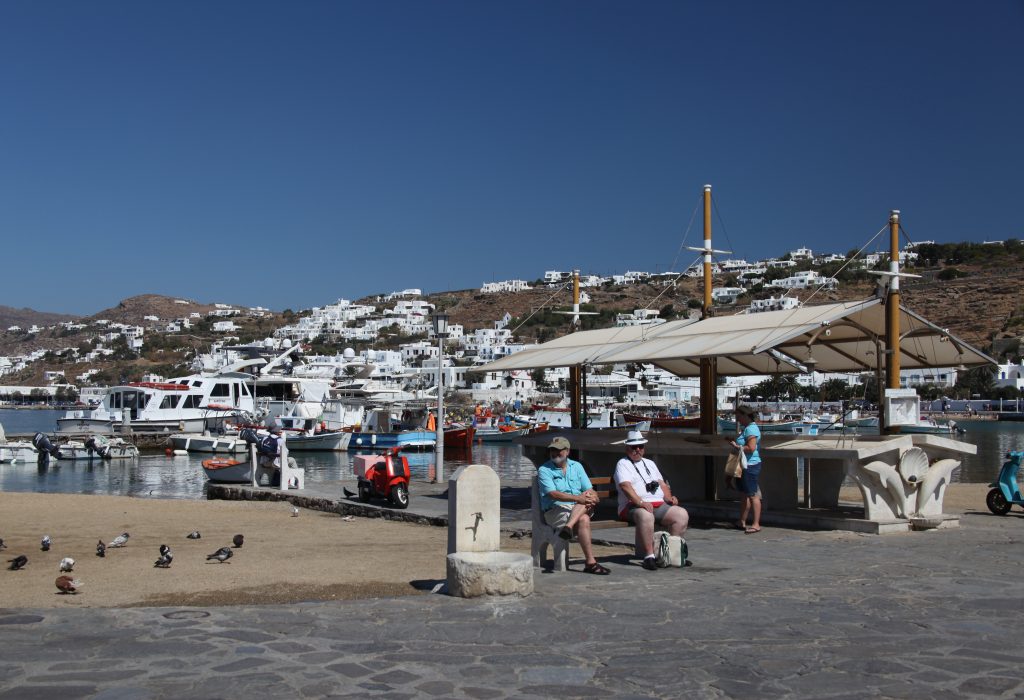
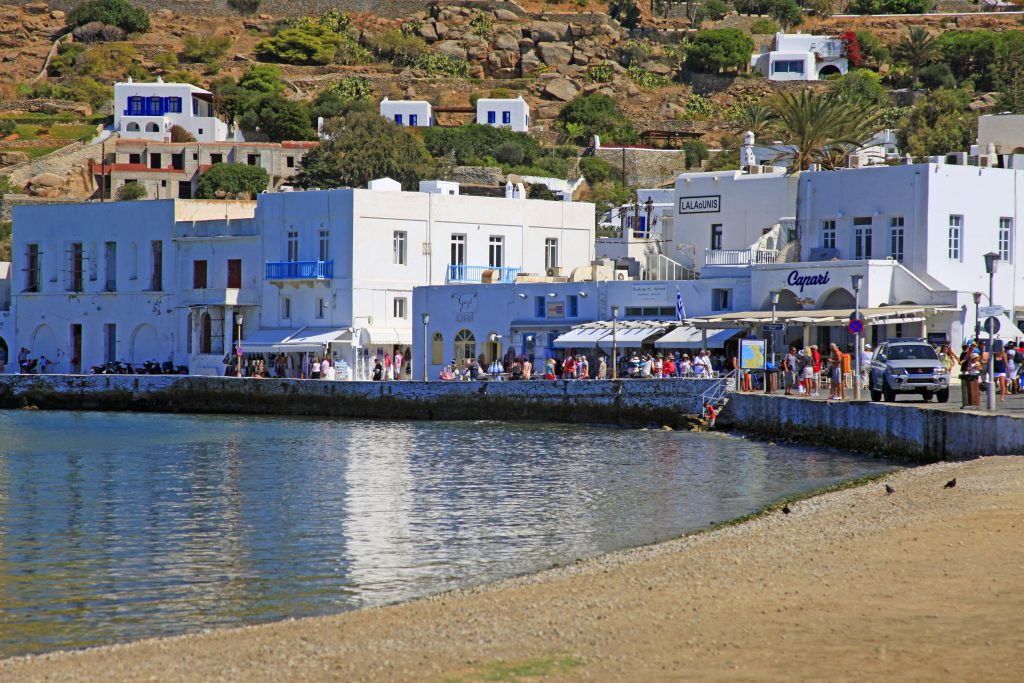
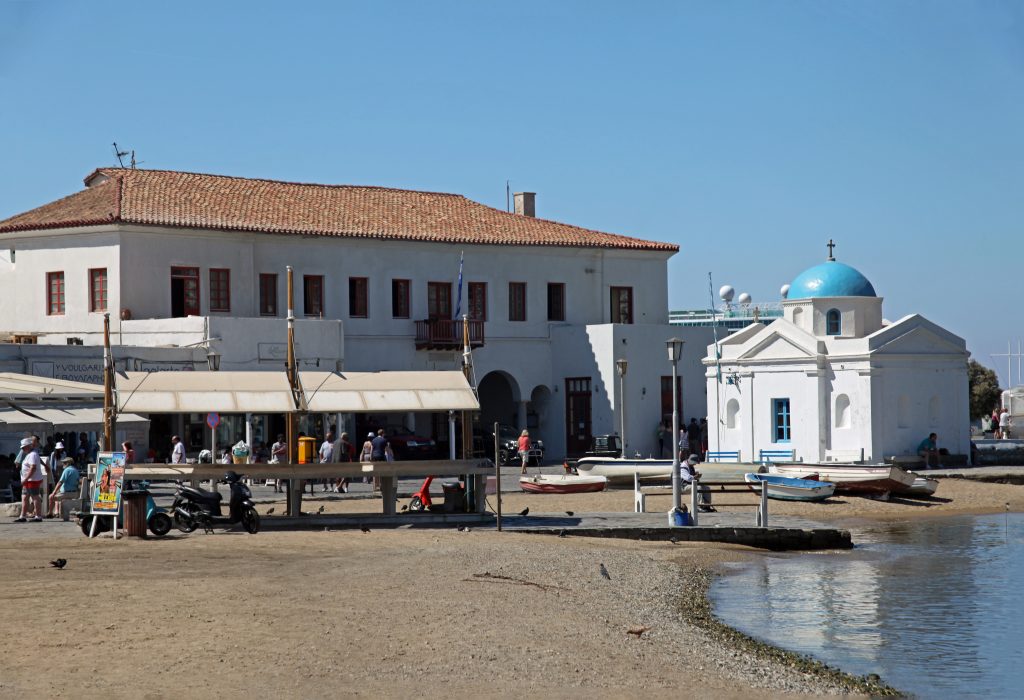
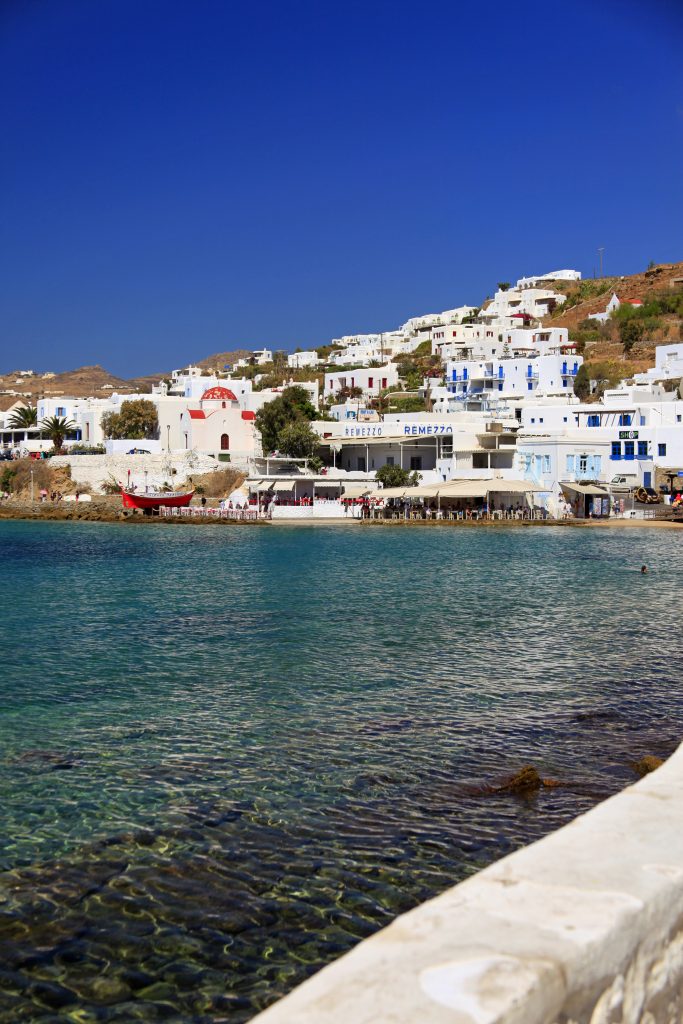
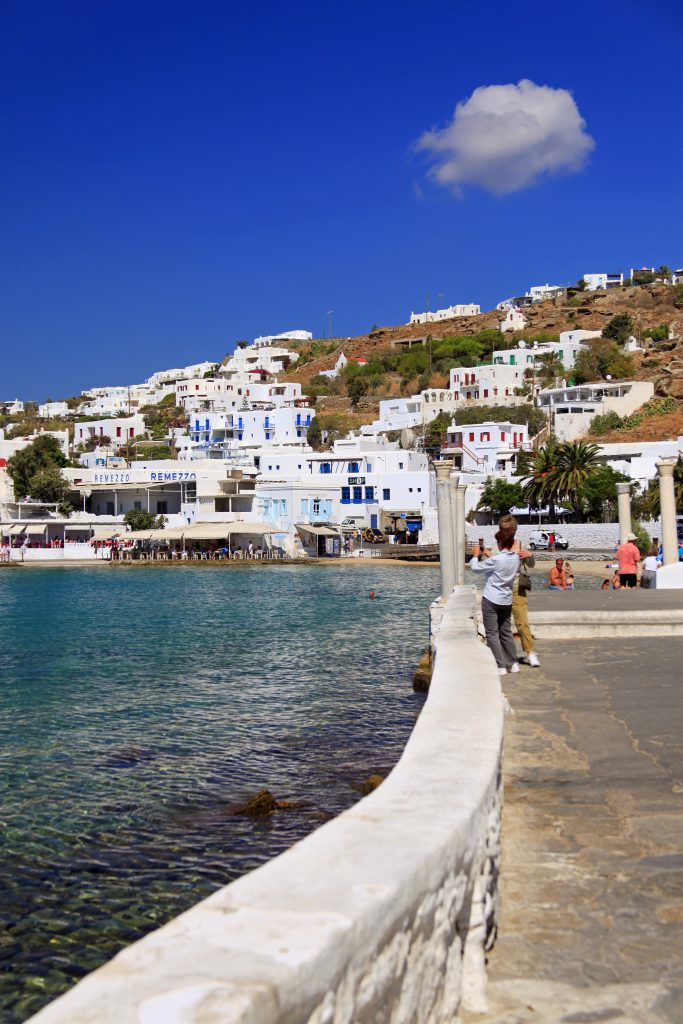
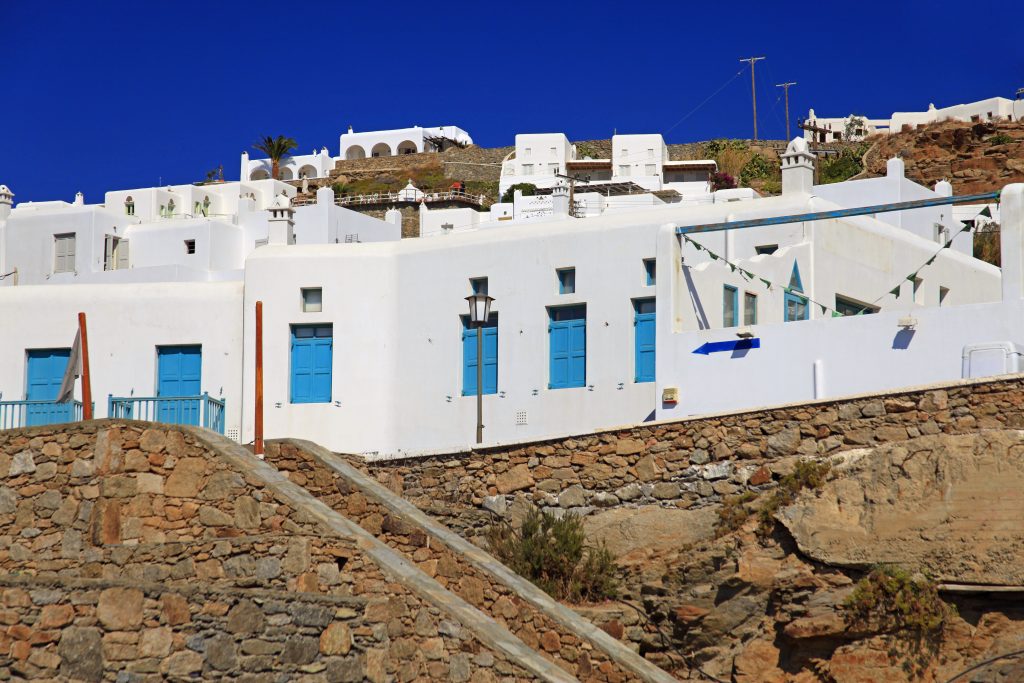
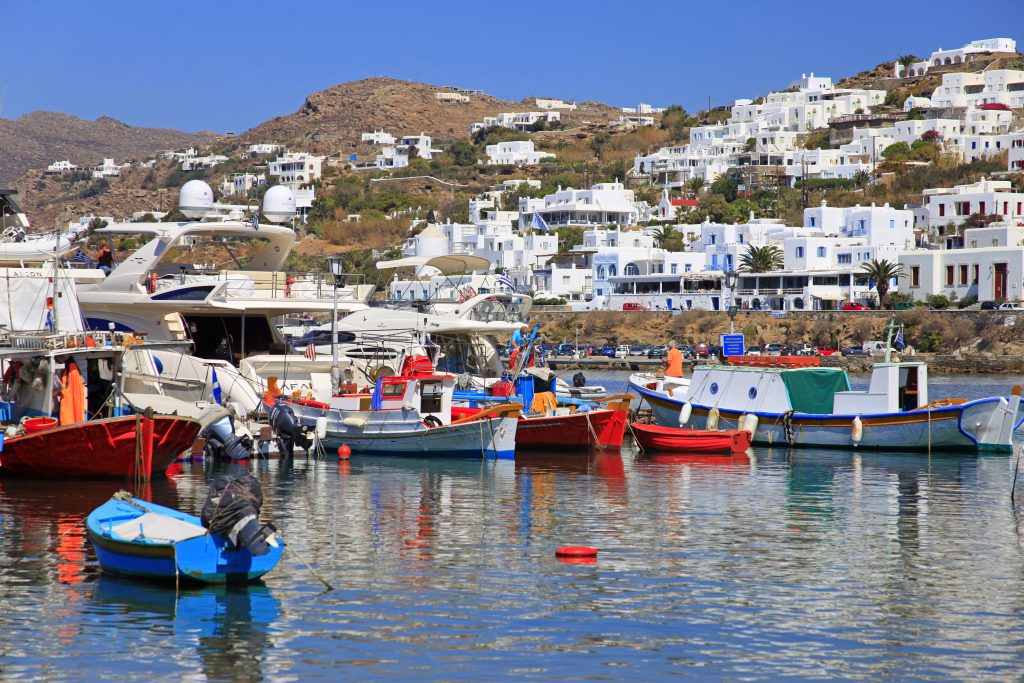
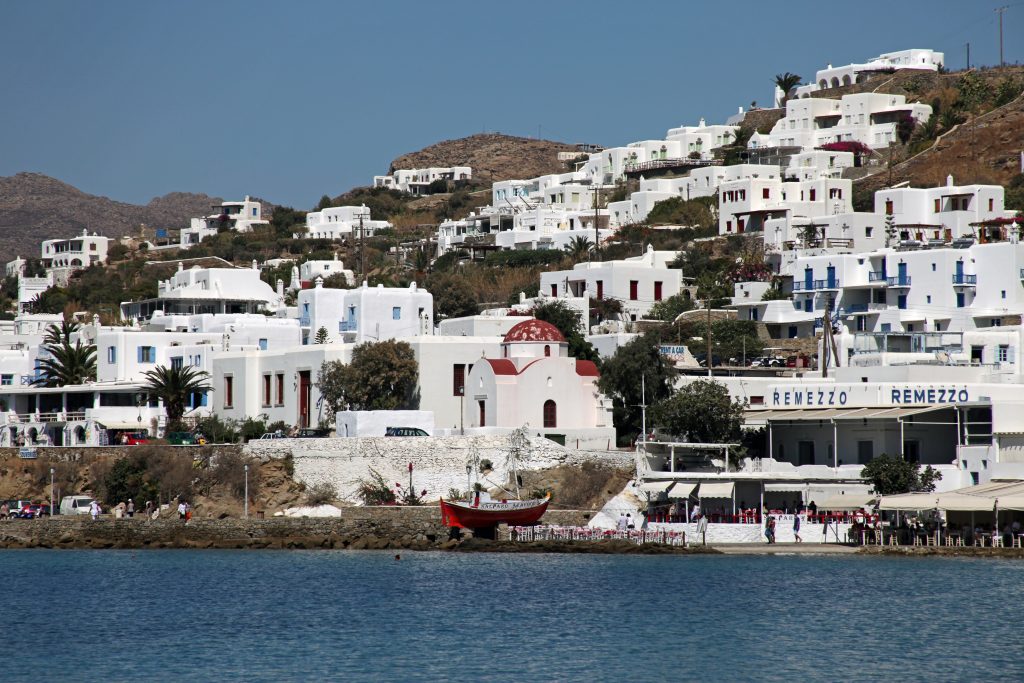
What captures your eyes next from the sea is the splash of whitewashed dwellings dotting the entire landscape. Small box-like abodes with windows of black eyes looking back. In Mykonos’ harbor, you encounter an array of small watercraft—more white—but with brilliant splashes of color here and there. Mykonos is entrancing from either land or sea.
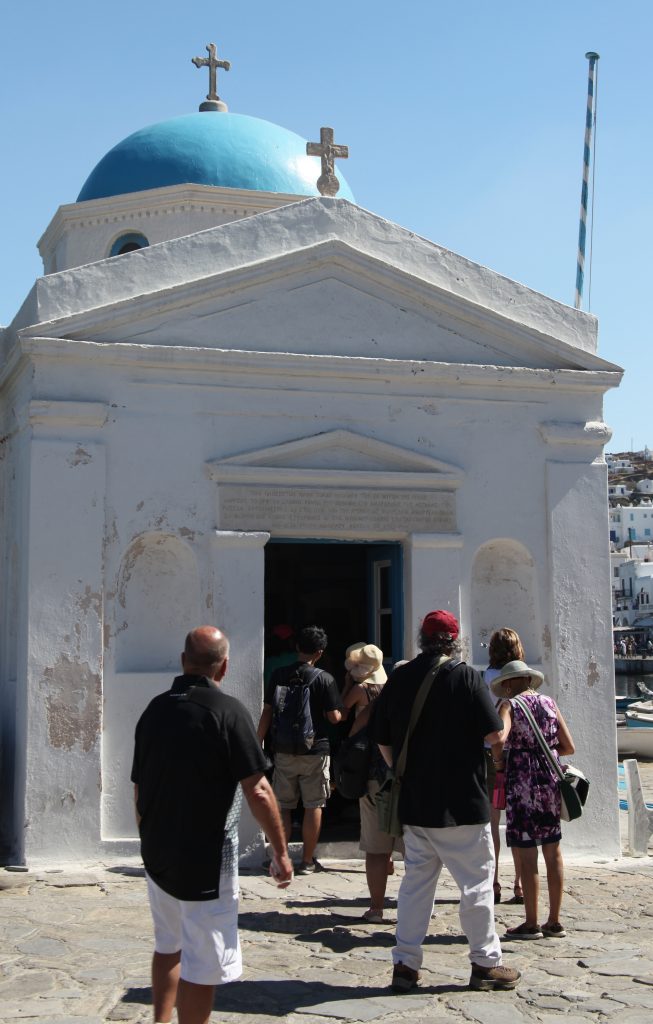
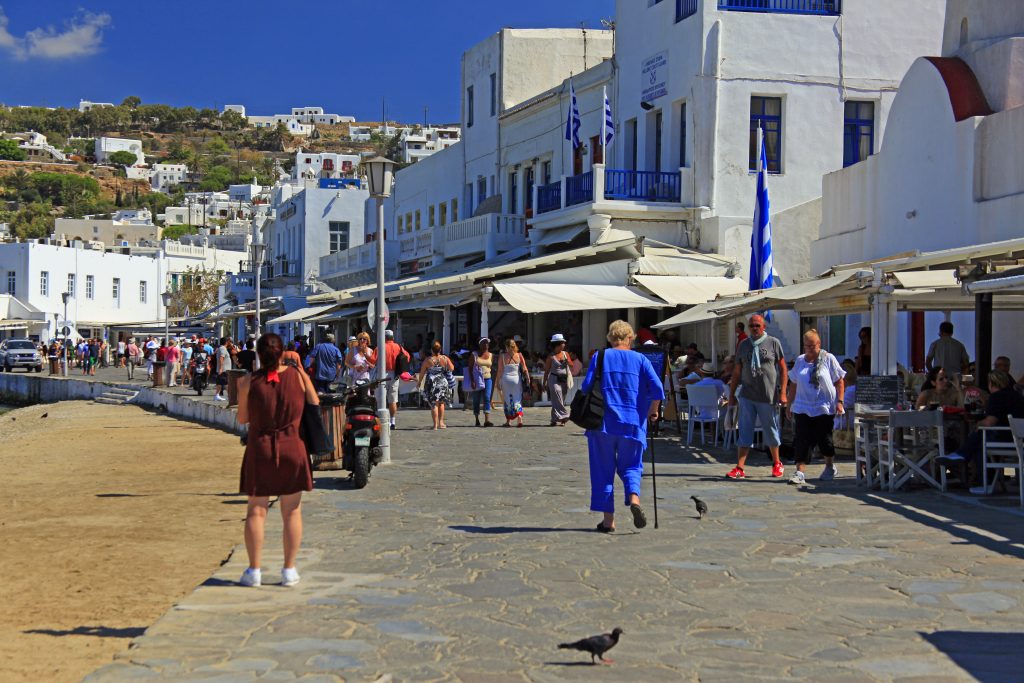
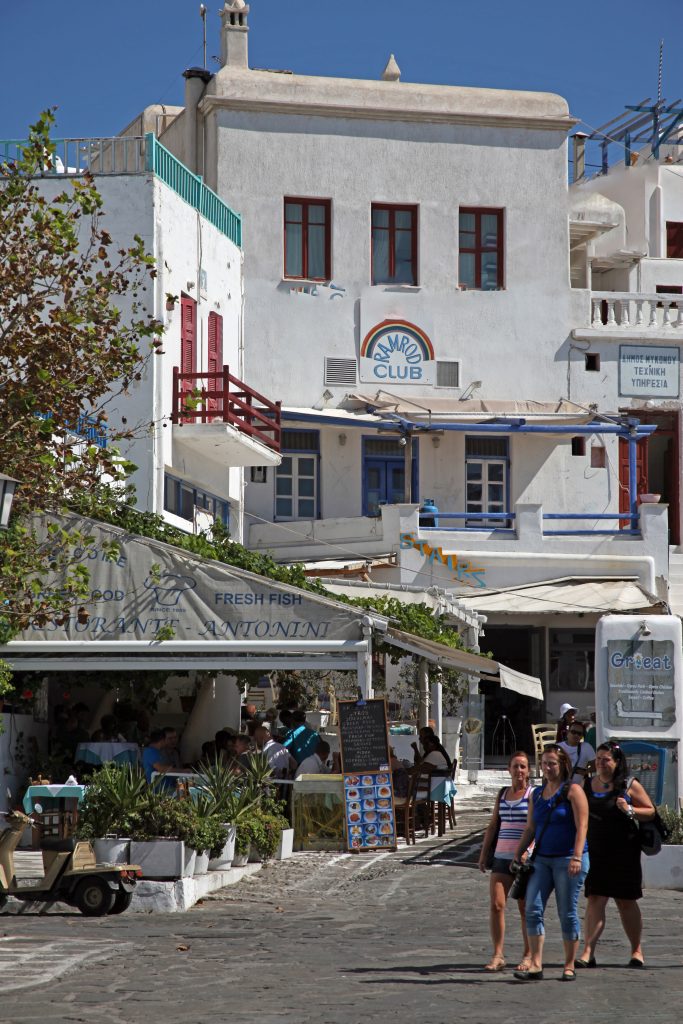
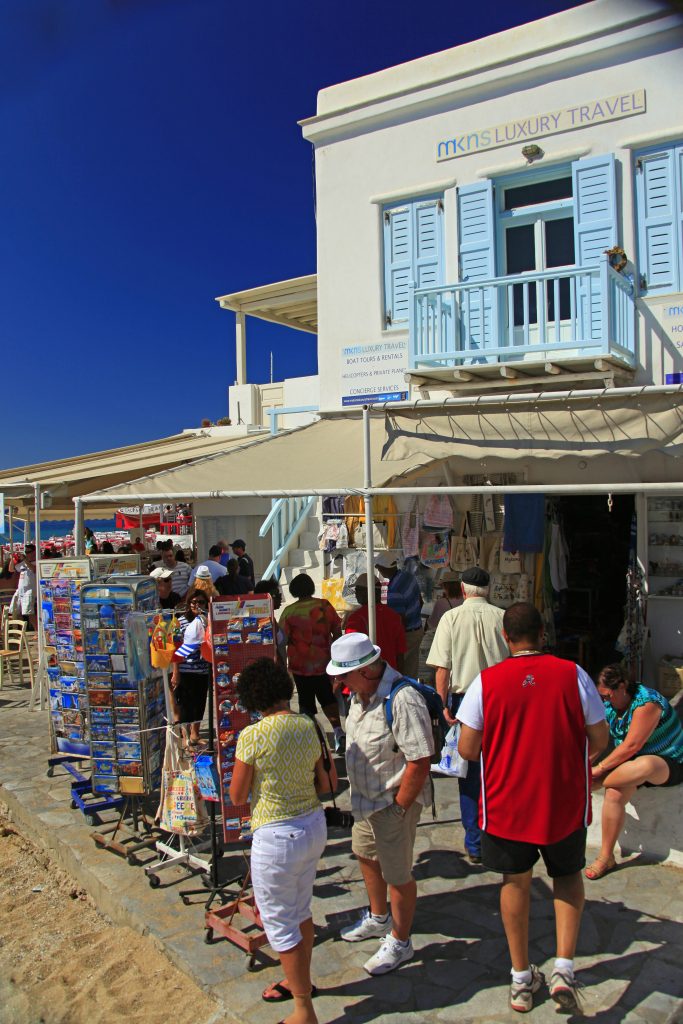
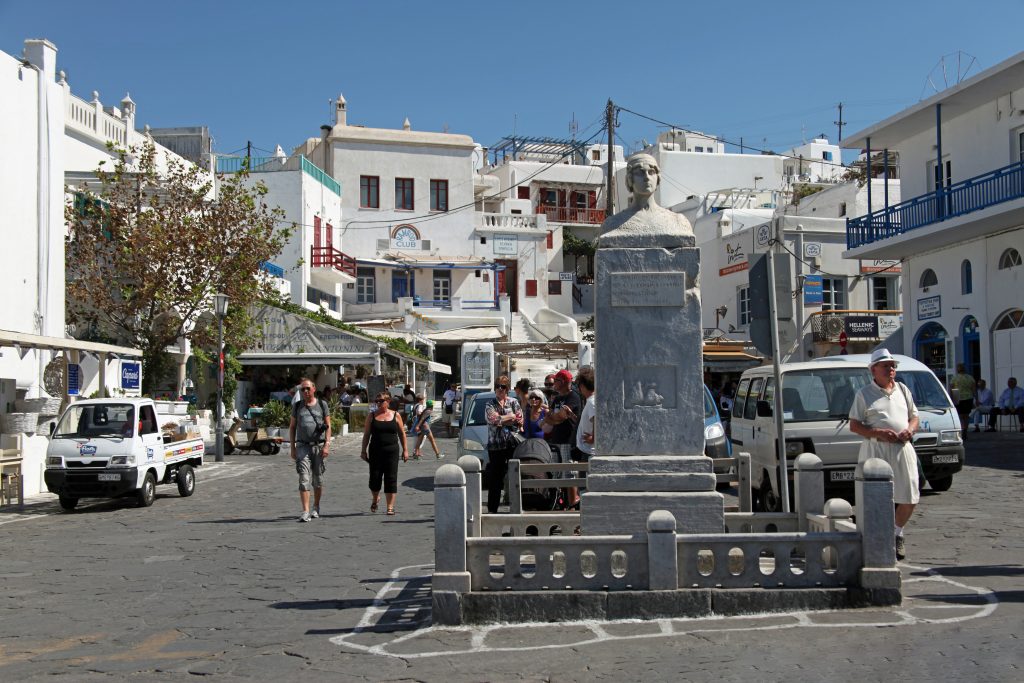
There is no greater pleasure than wandering Mykonos Town (Hora) in the early morning, before the sun blanches the cobbled streets. The town’s labyrinthine layout—designed to confuse pirates—continues to play its trickster games on modern-day travelers. You turn corners blindly, discovering hidden chapels with peeling frescoes, sleepy cats lounging atop blue-painted doorways, and balconies dripping with bougainvillea so crimson they appear ablaze.
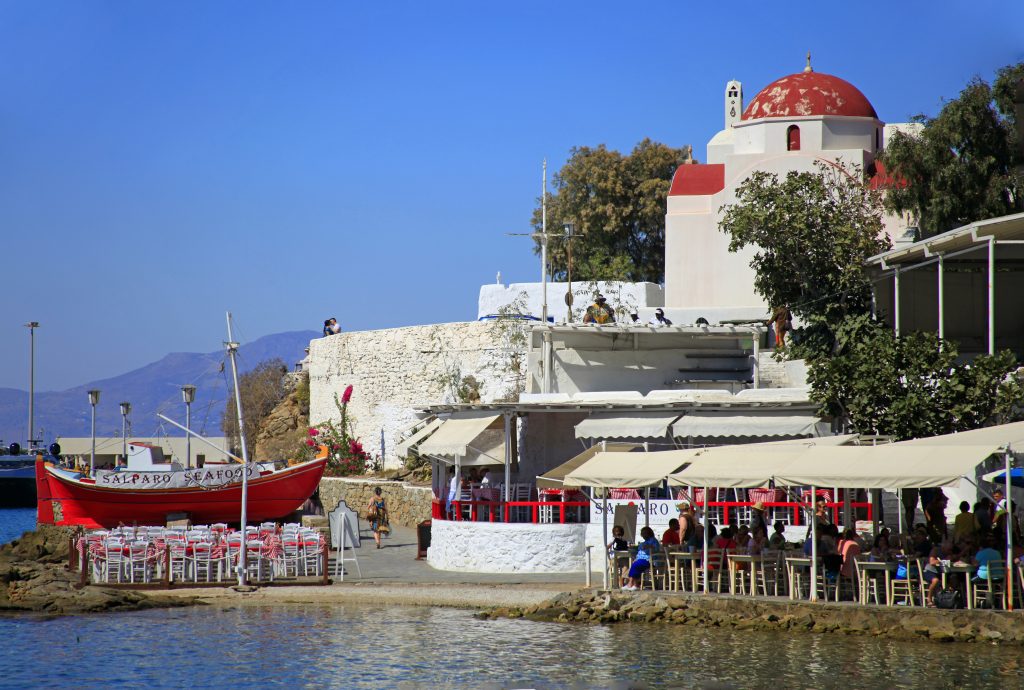
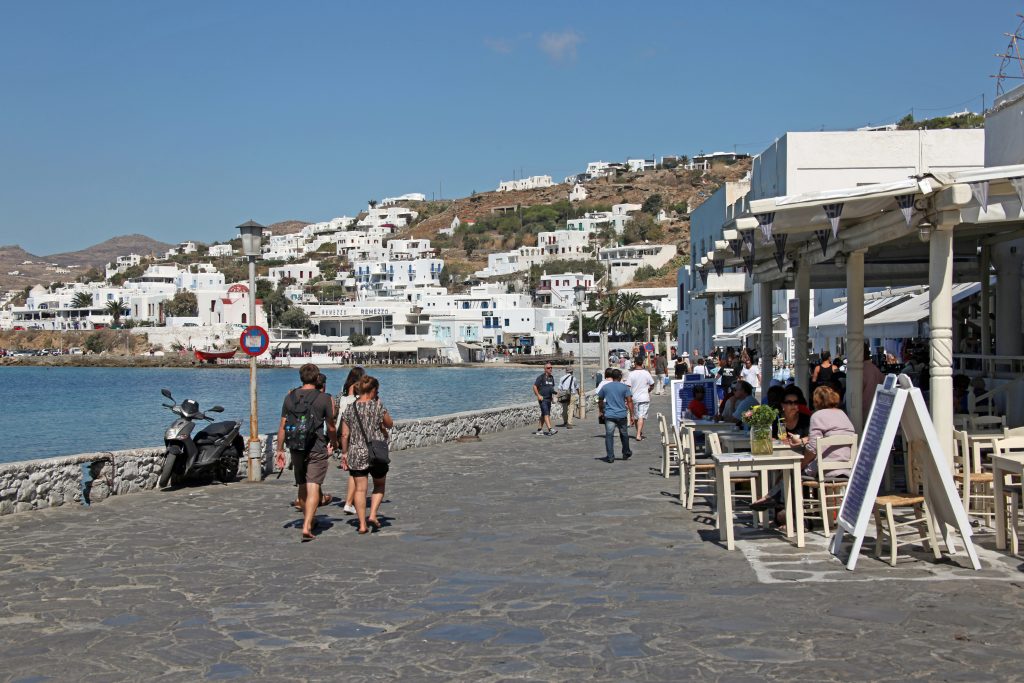
The waterfront promenade, Little Venice, is the place where the island’s Venetian soul unfurls most vividly. Here, houses teeter on the edge of the sea, their balconies splashed with teal, ochre, and cerulean. The rhythmic slap of the waves against the foundations is a lullaby, as the sun melts into the Aegean in a blaze of pinks and golds. Ah yes, evening light is just as magical as morning.
Where to Wander
No Mykonos travel guide is complete without exploring its vibrant town and cultural treasures.
Mykonos offers a banquet of historical and sensory delights. Here are some essential experiences:
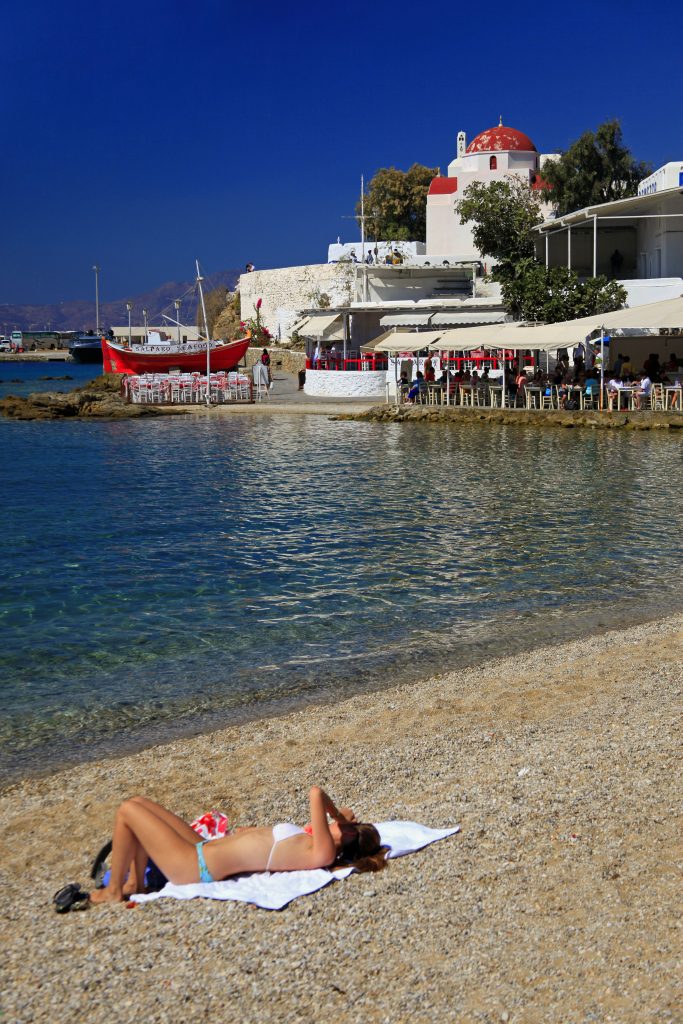
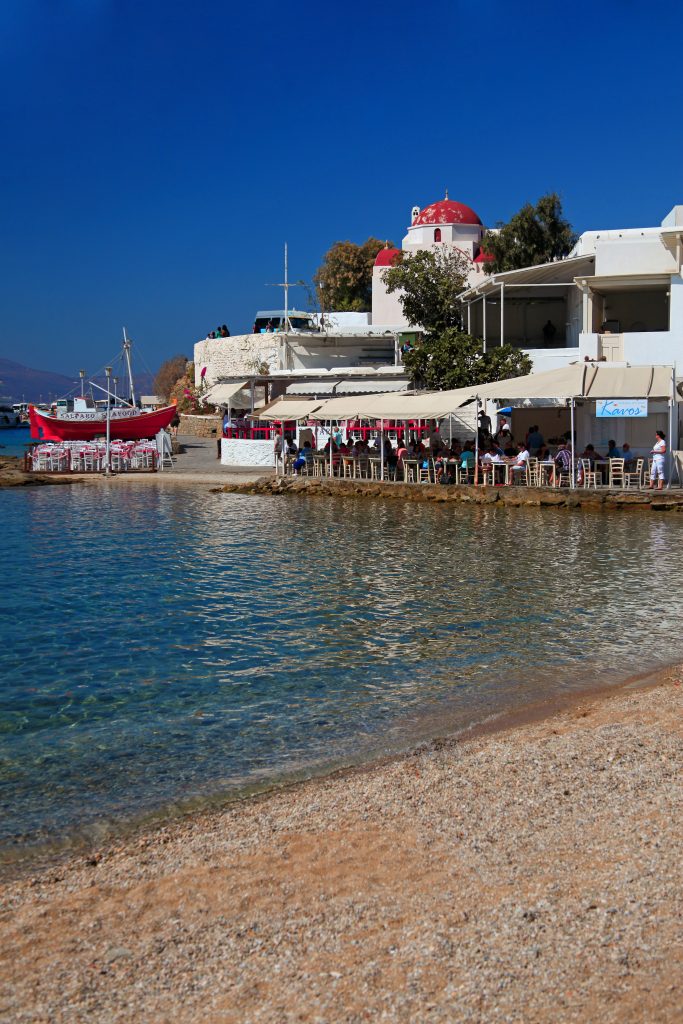
- Church of Panagia Paraportiani One of Greece’s most photographed churches, Panagia Paraportiani is actually a cluster of five chapels amalgamated into a single whitewashed sculpture of light and shadow. Its asymmetrical forms catch the shifting sun in ways that defy mere architecture and enter the realm of art.
- Archaeological Museum of Mykonos Tucked into an unassuming building near the harbor, this small but mighty museum houses relics from nearby Rhenia and Delos. Don’t miss the striking funerary statues and the haunting, beautiful “Pithos of Mykonos” — a large storage jar decorated with scenes from the Trojan War.
- Maritime Museum and Lena’s House Delight in maritime artifacts, vintage maps, and model ships at the Aegean Maritime Museum, then step next door into Lena’s House, a preserved 19th-century Cycladic home that offers a rare glimpse into Mykonian domestic life.
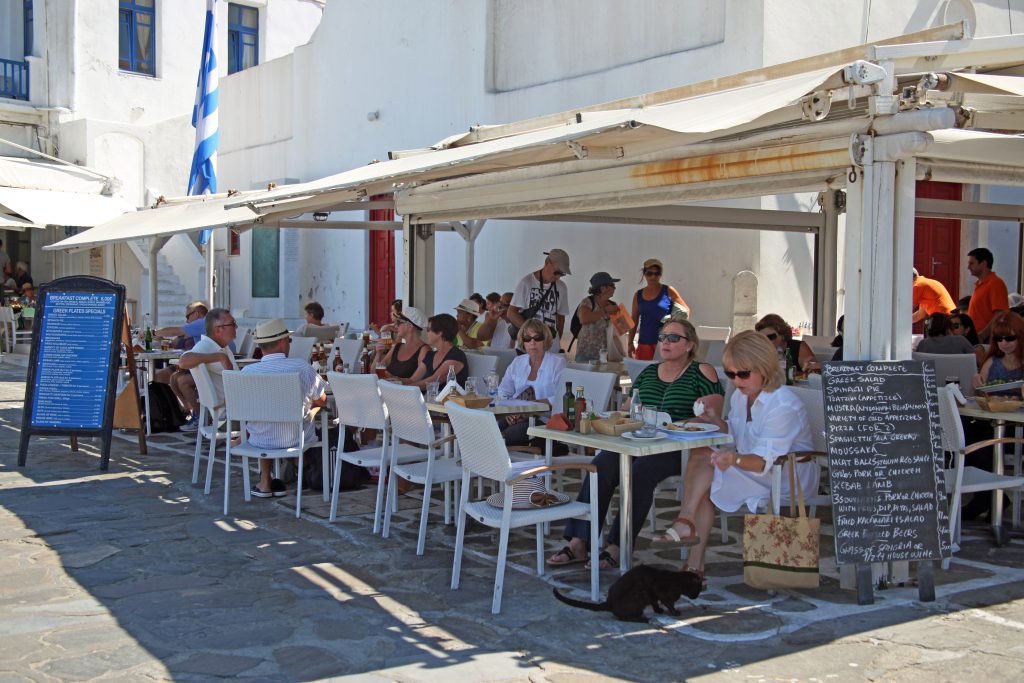
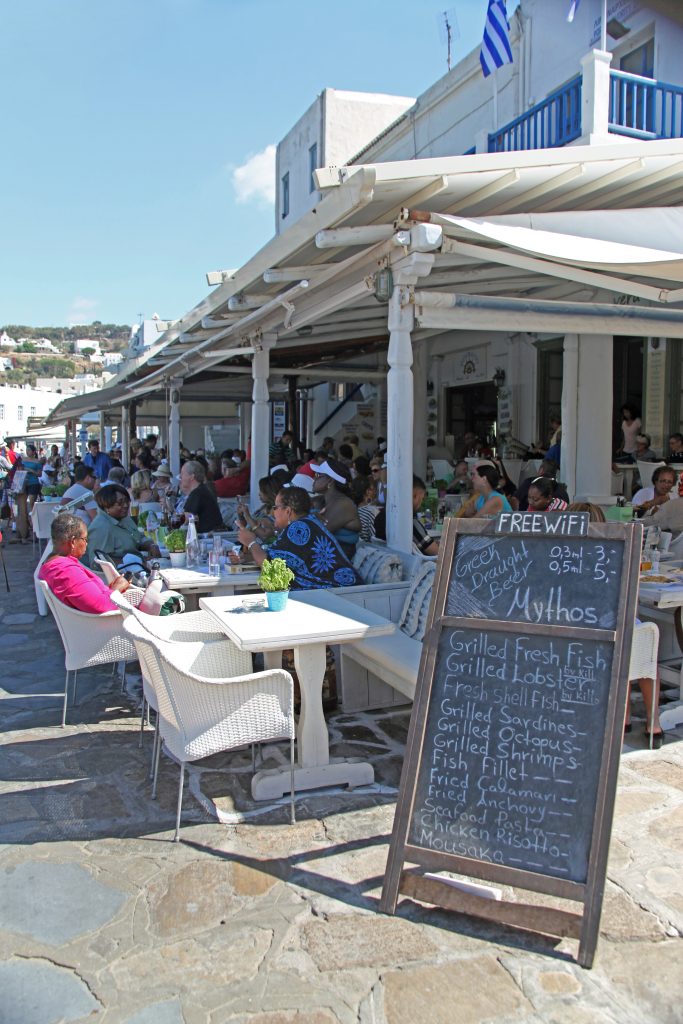
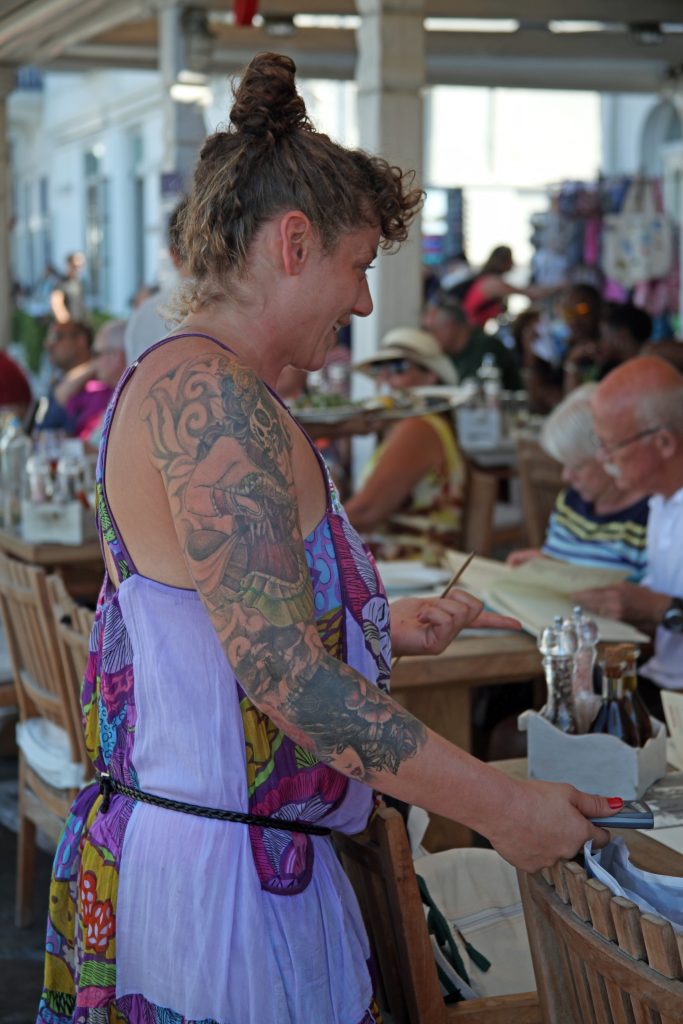
- Little Venice and the Waterfront Cafés At sunset, find a perch at one of the charming cafés that cling to the waterfront of Little Venice. Sip a crisp glass of Assyrtiko wine as the sun slips beneath the horizon and the sky explodes into an Impressionist’s palette.
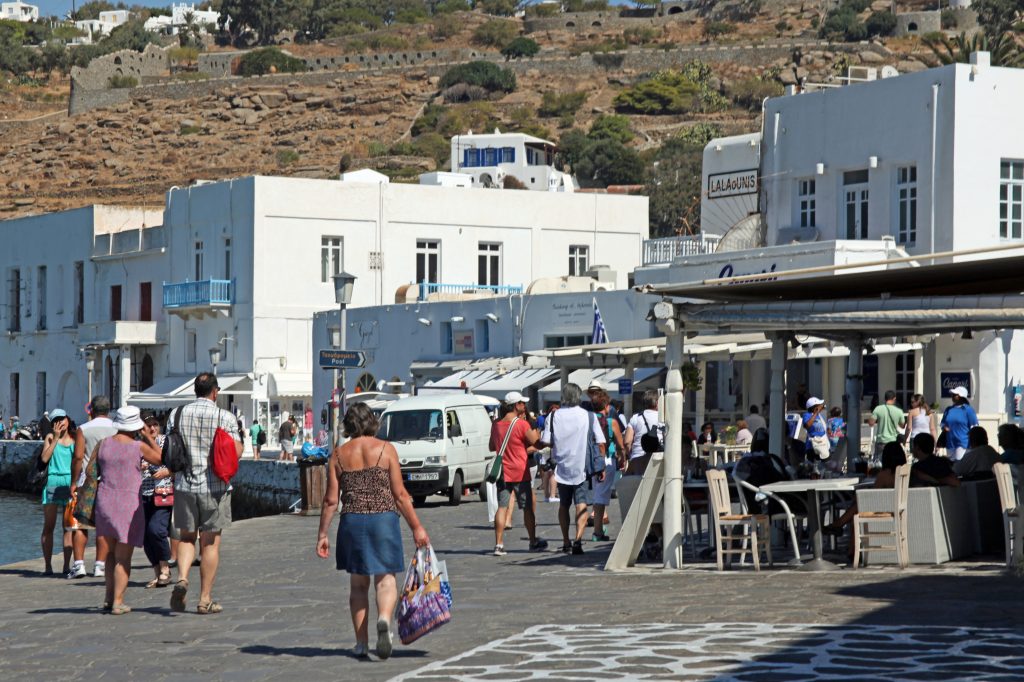
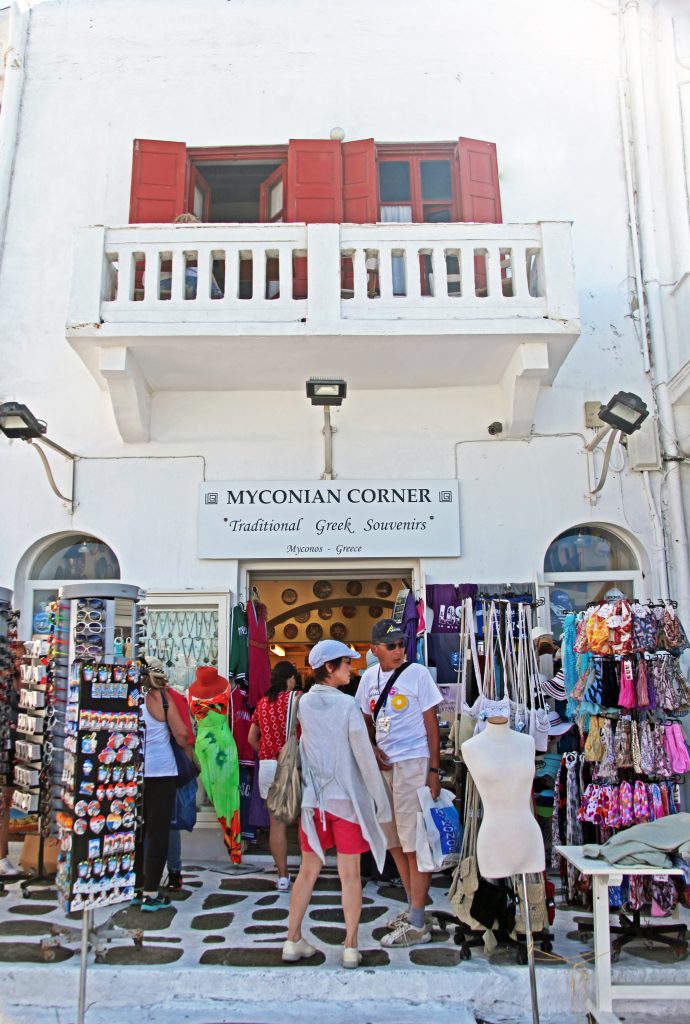
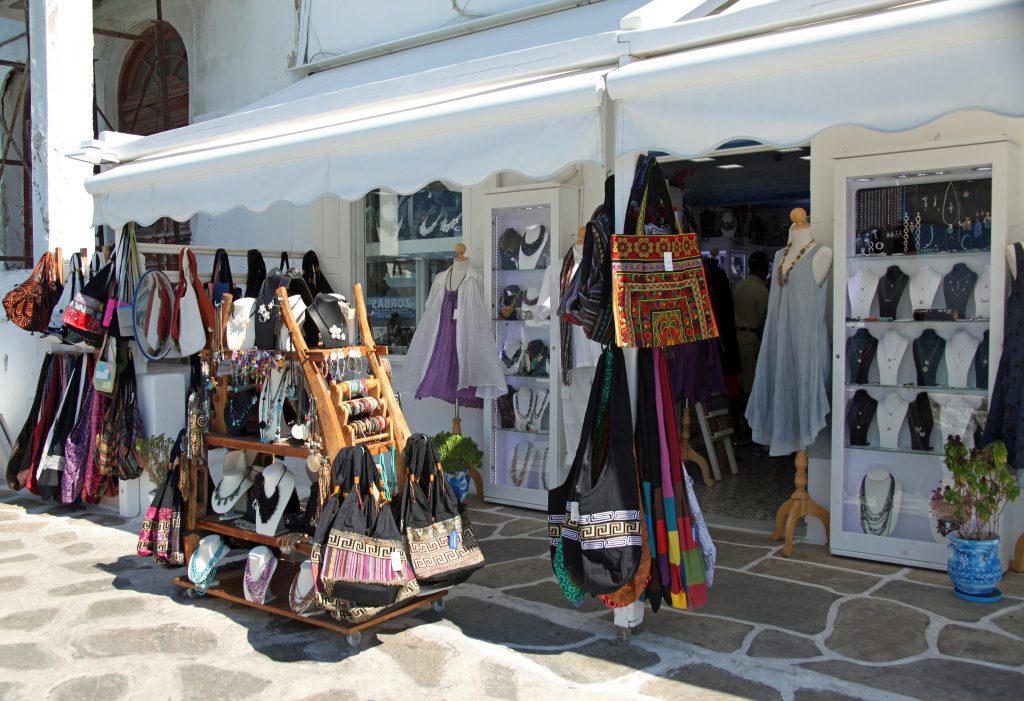
- Matoyianni Street Mykonos Town’s chicest thoroughfare beckons with artisan jewelry shops, designer boutiques, and quaint bookstores. Even if shopping isn’t on your agenda, the people-watching alone is exquisite.
- Armenistis Lighthouse For panoramic views of the surrounding islands and the Aegean in its full shimmering glory, make the short drive to this stoic lighthouse at the island’s northwestern tip. Built in 1891, the lighthouse stands as a lonely, noble guardian of Mykonos’ windswept frontier.
Windswept Craftsmanship
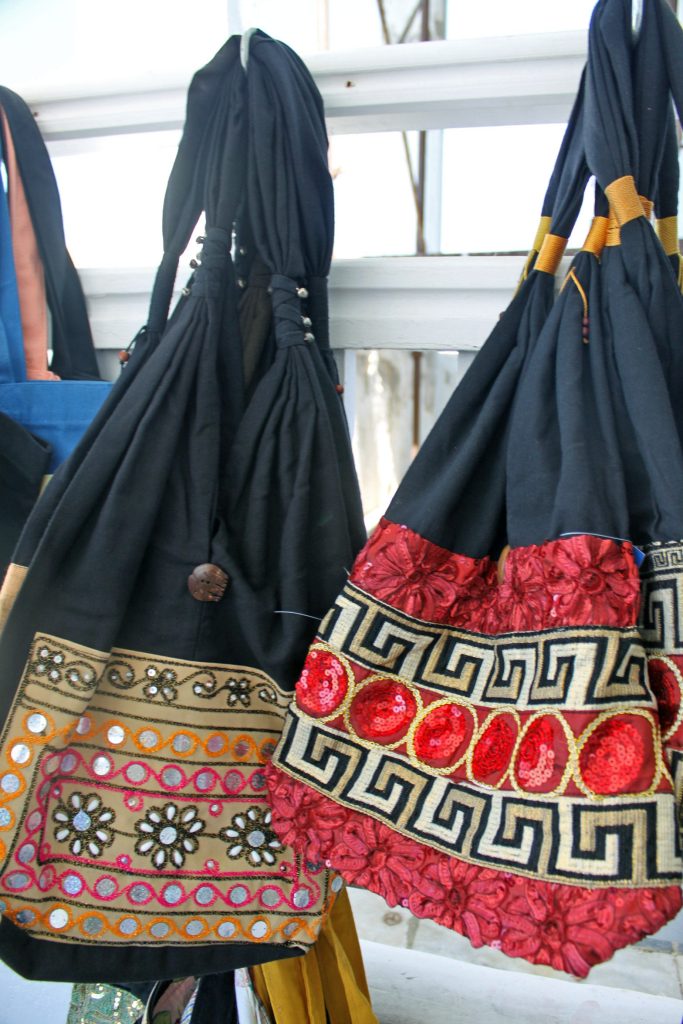
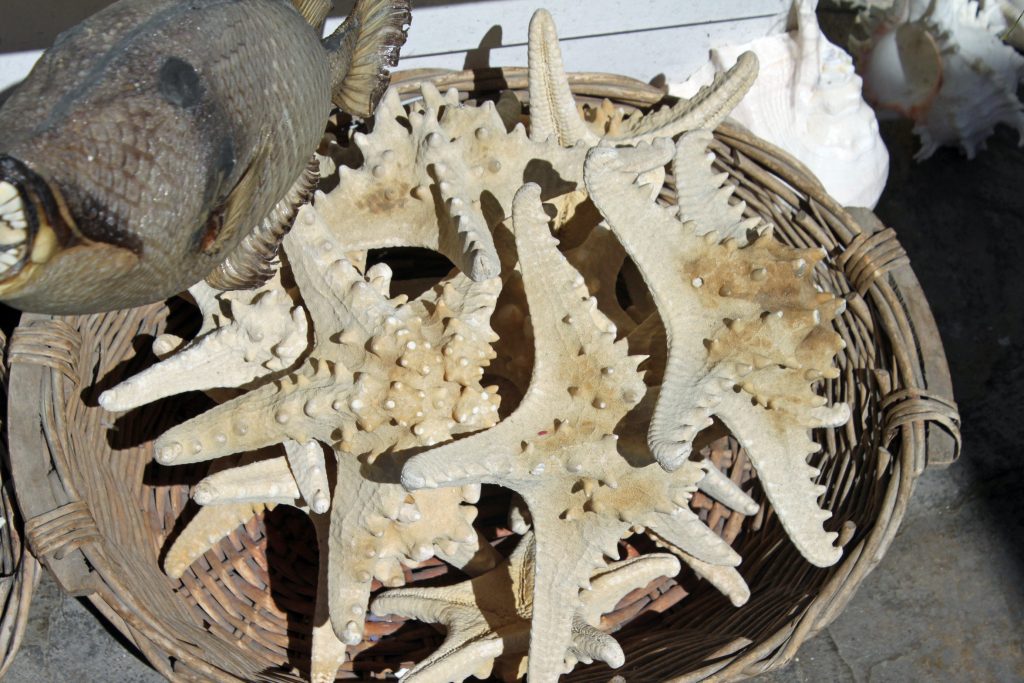
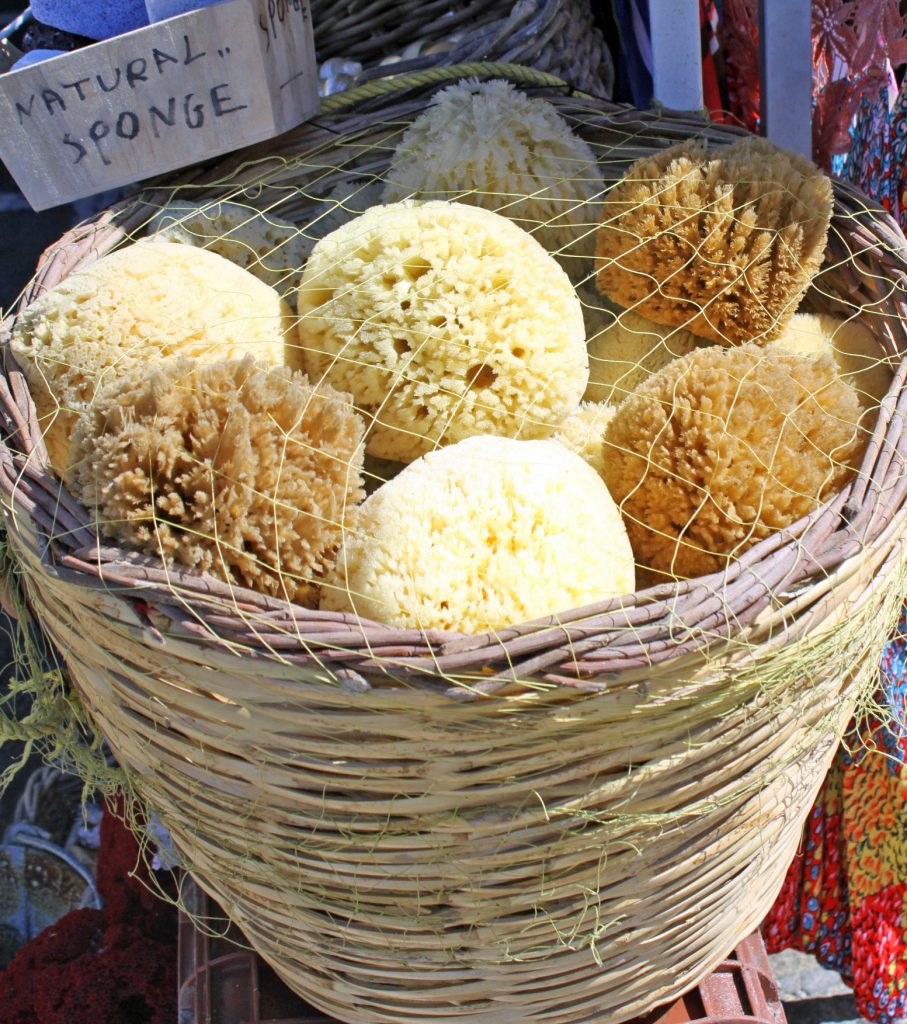
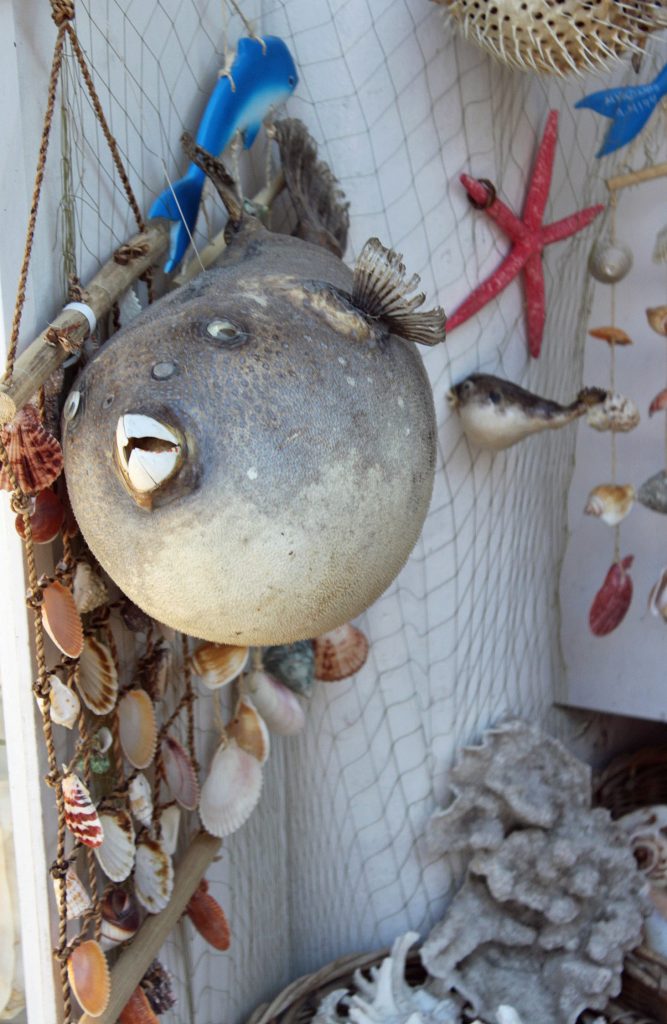
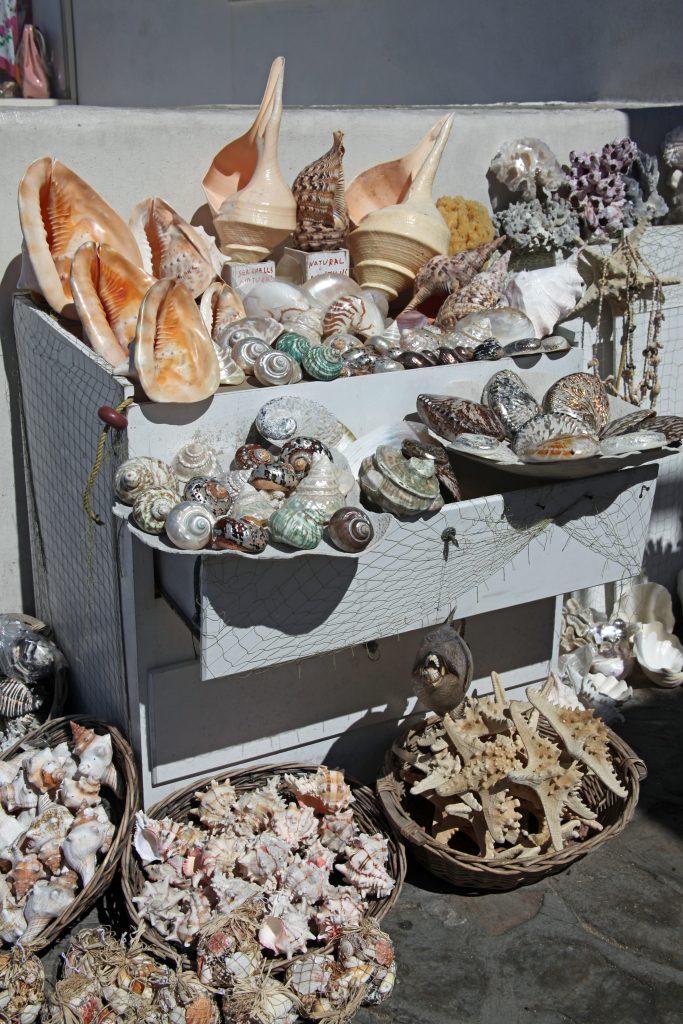
Now should you wish to shop in Mykonos, here are the native crafts that should not be overlooked: – Handcrafted Jewelry, including unique pieces featuring Greek key motifs, evil eye charms (mati), and designs inspired by ancient mythology; Mykonian Ceramics featuring brightly painted pottery often showcasing traditional Cycladic patterns or maritime themes; Embroidered Linens such as hand-stitched tablecloths, napkins, and pillow covers that make for elegant, authentic gifts; Traditional Cycladic lace is a dying art so purchasing a piece supports local artisans and preserves a beautiful craft; Local Art found in the island galleries featuring original paintings, sculpture, and photography capturing the spirit of the island; Traditional Handmade Leather Greek Sandals what are comfortable, stylish, and steeped in timeless Mediterranean style, and Light Cotton Clothing in white and jewel colors, or embroidered with classical Greek motifs.
As for artisanal foods, consider any of the Olive Oil Products which include rich extra-virgin oils to luxurious soaps– Mykonos offers the best of Greece’s liquid gold. And Herbal Teas and Spices, among them dried mountain oregano, thyme, and herbal blends that make fragrant, flavorful mementos.
For those who want to dig deeper, this Mykonos travel guide includes lesser-known gems off the tourist trail.
Away from the Harbor
If you can tear yourself away from the harbor, here are two locations that will add to your Greek Adventure.
- Delos Day Trip – Just a short ferry ride away, the sacred island of Delos is an open-air museum. Wander among marble lions, mosaic-floored villas, and abandoned amphitheaters. Here, history rises from the dust in vivid echoes of grandeur and devotion.
- Ano Mera and the Monastery of Panagia Tourliani – Escape the bustle of Hora by venturing inland to Ano Mera, a quiet village that feels worlds away. The Monastery of Panagia Tourliani, founded in the 16th century, offers a peaceful oasis adorned with intricate wood carvings and a graceful bell tower.
Give In to Her Siren Call
Today, Mykonos wears many faces. For some, it is the glamorous playground of yachts and chic beach clubs. For others, it is a labyrinth of discovery, where the spirit of old Greece breathes just beneath the surface—in a fisherman’s weathered hands mending nets in Ornos Bay, or a grandmother sweeping the stoop of her blue-shuttered house at dawn.
Despite the glitter of its cosmopolitan persona, Mykonos has never truly abandoned its roots. Ancient traditions like “panigyria” (village festivals) thrive in the quiet corners of the island, where visitors are welcome to dance under the stars to the strum of a lyra.
For history lovers, literary wanderers, and romantics at heart, Mykonos remains an eternal siren, her call sweetened by both her mythic past and her unshakable beauty.
Where to Stay in Mykonos, Greece
Mykonos town offers the widest range of accommodations, from luxury hotels like Cavo Tagoo and Mykonos Blu to mid-range options and budget guesthouses scattered through the winding streets. Staying in town puts you within walking distance of restaurants, bars, and the waterfront, though the narrow alleys and nightlife noise mean it’s better suited for visitors who enjoy a lively atmosphere. If you want something quieter but still central, the areas around Agios Stefanos beach or toward Rohari offer smaller hotels and apartments with less foot traffic.
For families or travelers seeking beaches and calm, the southern coast has several established resort areas. Psarou Beach and Paradise Beach have hotel clusters catering to different budgets, and nearby Platis Gialos offers affordable beachfront hotels and studios alongside tavernas. These spots let you swim and dine by the water without the intensity of town nightlife, though you’ll need transportation (bus, taxi, or rental vehicle) to reach restaurants and shops in Mykonos town.
The windmill area and neighborhoods like Fabrika, north of town, attract travelers who prefer a working village feel over resort polish. Small hotels and family-run guesthouses here rent at lower rates than town center, and you’re still close enough to walk to restaurants and the waterfront in fifteen to twenty minutes. This option works well if you want convenient access to Mykonos’s main attractions without premium pricing or noise.
Book accommodation several months ahead during peak summer (July and August), as rooms fill quickly and rates climb sharply. Spring and fall offer lower prices and fewer crowds, and hotels stay open year-round on this developed island, though some smaller guesthouses close in winter. Contact hotels directly or use established booking platforms to verify current availability and read recent guest reviews.
Recommended Reading
To walk the cobbled streets of Mykonos in spirit—or to prepare for your real-world adventure—immerse yourself in these captivating books:
- “The Island” by Victoria Hislop — Though set on nearby Spinalonga, Hislop’s luminous novel captures the enduring spirit of the Greek islands: their sorrows, their joys, and their steadfastness against the tides of history.
- “Dinner with Persephone” by Patricia Storace — An exquisite, poetic account of a year spent in Greece, blending myth, memory, and sharp-eyed observation. Storace’s passages on island life are especially transporting.
- “Eleni” by Nicholas Gage — A searing memoir about family, sacrifice, and the Greek Civil War, with stirring scenes that echo the tenacity and deep bonds of island communities.
- “The King Must Die” by Mary Renault — A masterful retelling of the myth of Theseus, offering insight into the ancient world that shaped so much of the Cyclades’ spiritual and cultural DNA.
- “Greek Islands” by Lawrence Durrell — This nonfiction love letter from the British novelist to the isles of Greece captures the soul of places like Mykonos in prose so luminous it seems to hum with sunlight.
- Insight Guides – Greece Travel Guide: The Best Of Athens, Santorini, Mykonos – A pocket-sized guide offering curated highlights and practical tips for three top Greek destinations—Athens, Santorini and Mykonos—ideal for travelers with limited time. This compact edition covers where to stay, what to see, dining recommendations, itineraries, nightlife, and transport options. Includes approximately 272 pages of focused, trip-enhancing content.
This Article was featured in the Spring 2025 issue of The Historic Traveler Magazine.
Tours to Consider
- Half Day Private Tour Island with a Local in Mykonos
- Mykonos Shore Excursion: Elia Beach & Town Exploration