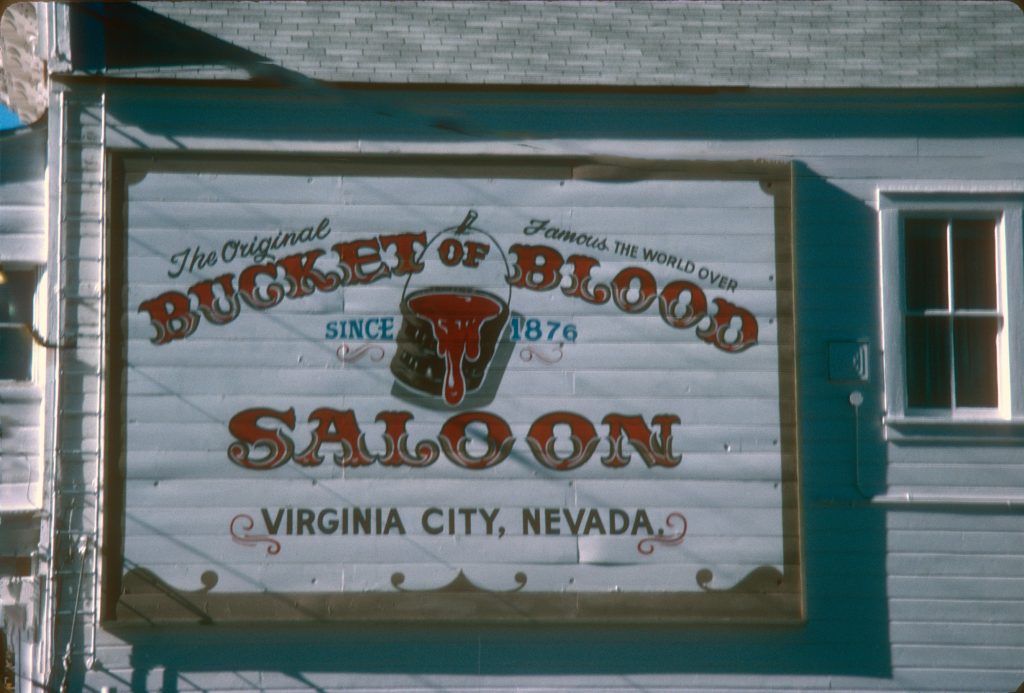
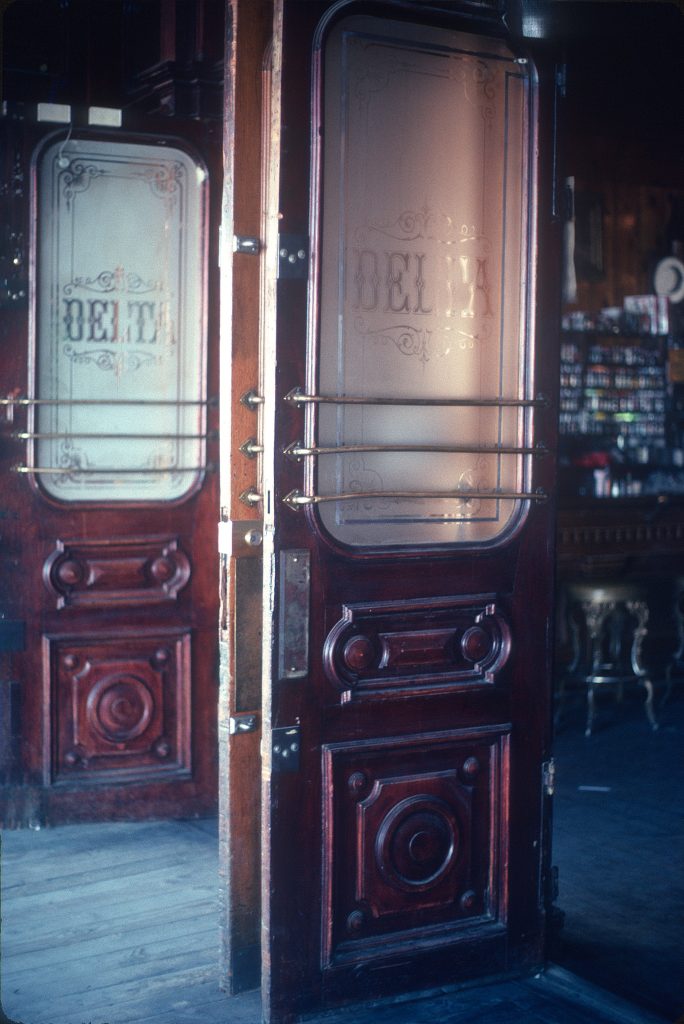
Let’s take you back to the 1870s when Virginia City, Nevada had 25,000 residents, all drawn by the riches pouring from mines 3,000 feet below town and in the nearby mountains. They were equally valuable in those early boom days, whether gold or silver. Coming out of the mines after your shift, you could slake your thirst at any of five saloons on C Street: the Bucket of Blood, the Delta with its Old Globe, the Bonanza with the Suicide Table, the Silver Queen, or Comstock House.
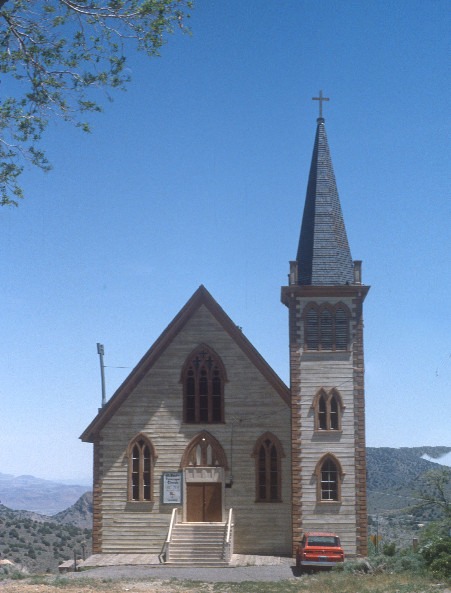
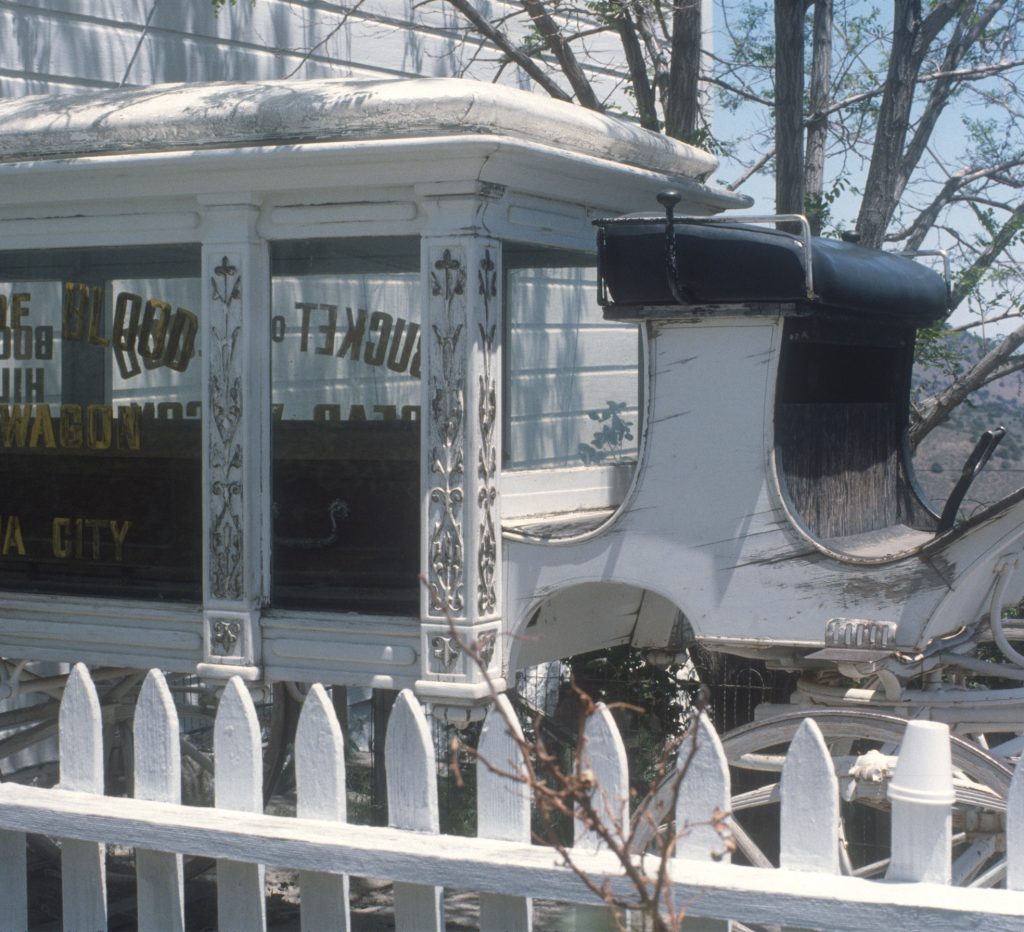
The Queen of U.S. mining towns, Virginia City boasted gas and sewer lines, a 100-room 6-story International Hotel with an elevator, three theatres, the Maguire Opera House, four churches, and three daily newspapers. Many of the homes and buildings were brick. And of course, where people live, they die too—so Boot Hill sits a mile away, and what stories those dwellers could tell!
Ever since Peter O’Riley and Patrick McLaughlin discovered The Comstock Lode, named for Henry T.P., Comstock, who maneuvered to get his name on it for posterity, engineered a mining boom that has lasted since 1859! Add in the Ophir Diggins, unearthed by James “Old Virginny” Finney, and you have the beginnings of “the richest city in the world.” Old Virginny gave his nickname to the burgeoning community, bestowed by his friends who honored him for his skill at finding rich veins of gold.
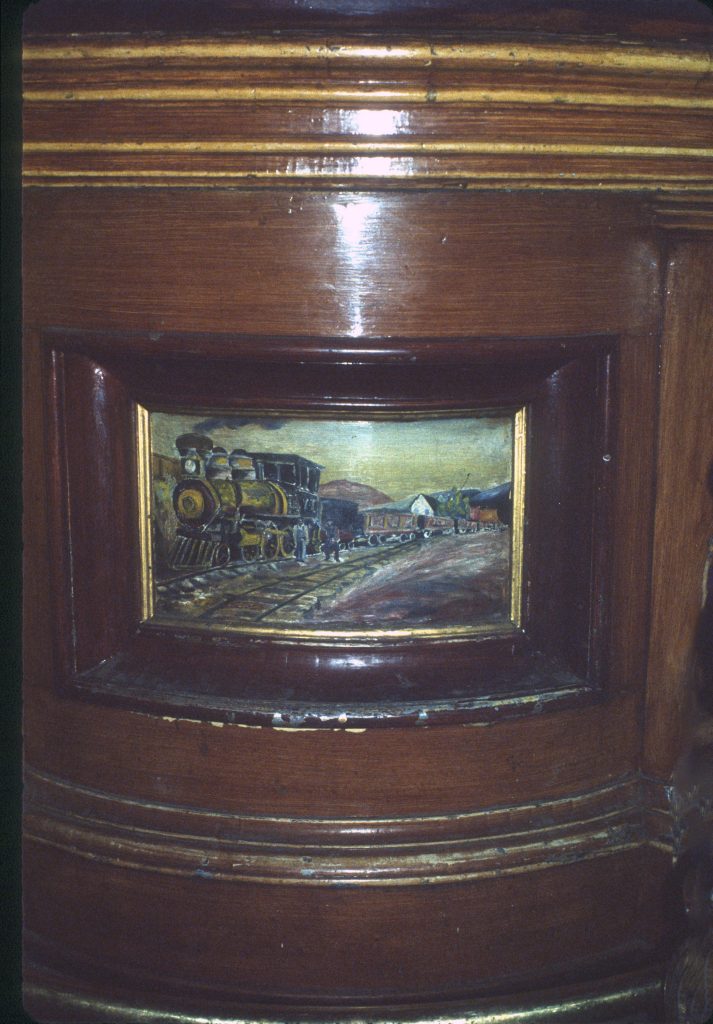
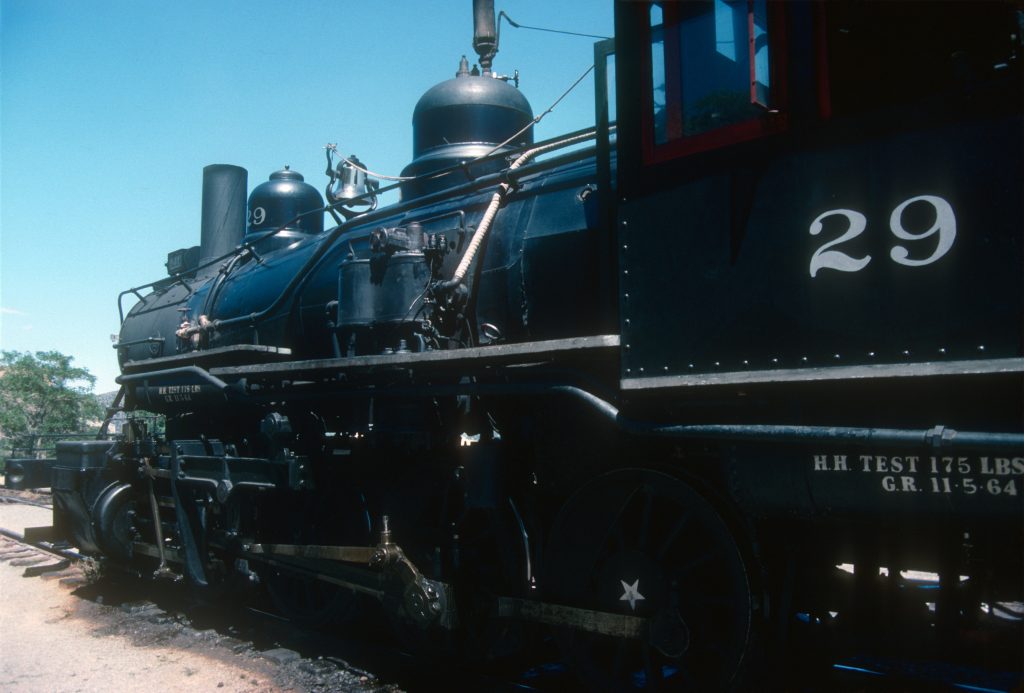
Yes, look around and see mines that exemplify mining engineering advances, including square set timbering, which enabled safer and deeper excavation. You’ve got stamp mills, assayers, lawyers for claim disputes, and stores selling what any up-and-coming buyer could get in Boston or New York! The Virginia and Truckee Railroad puffs into town, ready to haul away all that ore. There are more than 100 mines in the Comstock area.
And oh, those people! California Gold Rush prospecting veterans, Cornish and Irish miners, Chinese laborers from the transcontinental railroad, Jewish merchants, dance hall girls, prostitutes (dance hall girls downstairs, the others upstairs), clergy, gamblers, gunslingers, upwardly mobile middle-class folks, and well-dressed, cigar-smoking multi-millionaires. You won’t see many of them around here. They’ve taken their loot to San Francisco, where just a ragged few buildings existed before the Comstock strike. Nearly all of the Comstock output—$400 million in 1870s dollars, or $20 billion in 2025 dollars—allegedly went into land acquisition and “erection of fine buildings” in the City by the Bay.
And to keep you apprised of all the goings-on (and often make you laugh), just look for Mark Twain’s byline in The Territorial Enterprise!
Welcome to Virginia City! The good news is you can still experience a scaled-down version of the boom days of Virginia City today. The town continues to attract more than 2 million visitors annually while remaining home to 700 local residents.
More than $600 million in silver and gold was extracted from this region between 1859 and 1981. The money not only fueled San Francisco but also helped pay for the Civil War. You can still experience it all on the Chollar Mine Tour with its original square-set timbering, silver ore, rock drills, and displays of old equipment, along with The Comstock Gold Mill, the last fully operational stamp mill. Check out the Savage Mansion, the Savage Mining Company’s office and mine superintendent’s residence, where President Ulysses S. Grant spoke to the people of Virginia City.
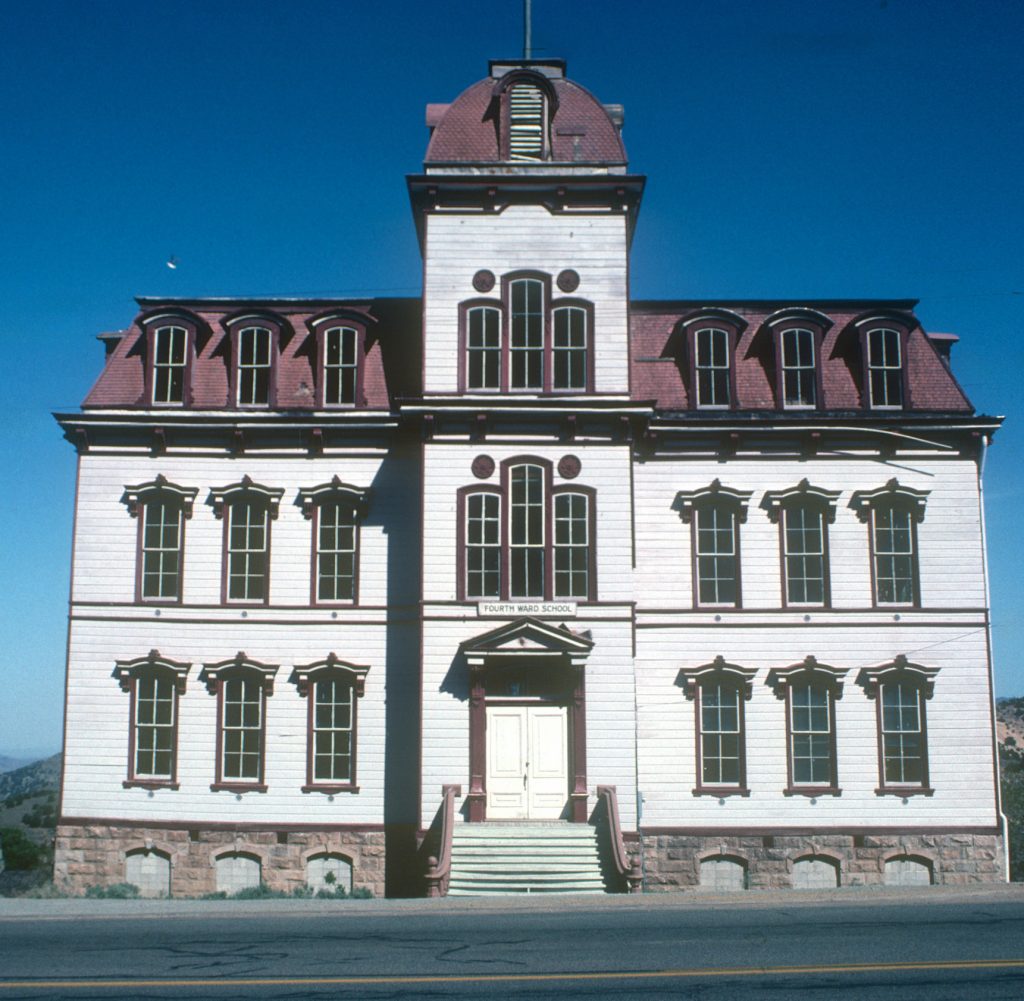
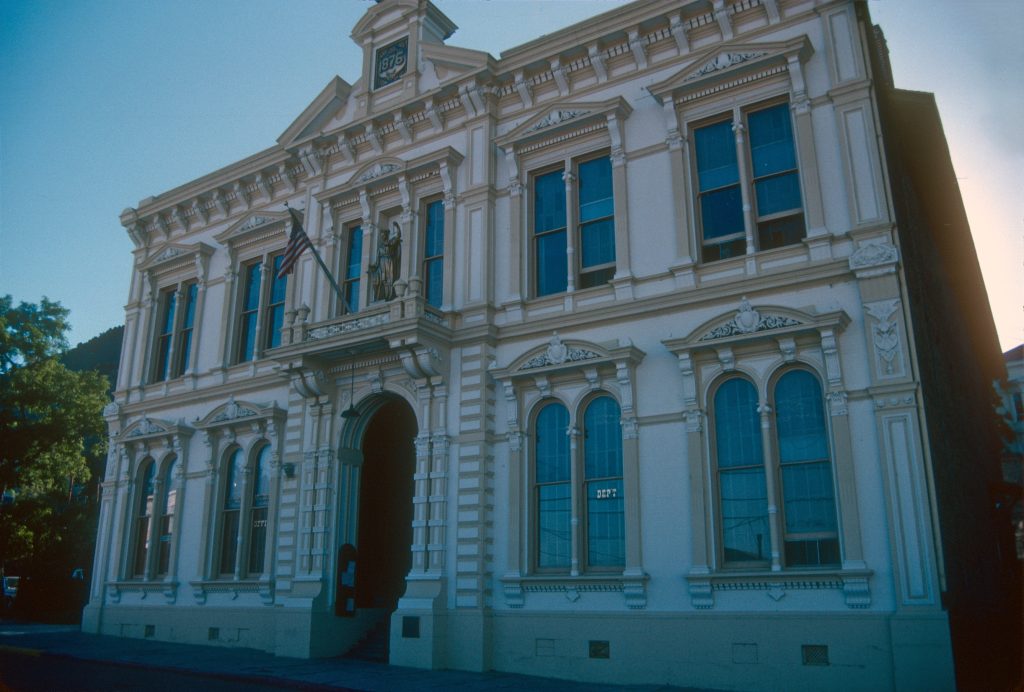
What you see today was rebuilt following the Great Virginia City Fire of 1875. More than 8,000 people lost their homes in the fire. Among the buildings erected after the fire stands the Storey County Courthouse, Nevada’s oldest continuously operating courthouse. It includes a two-tier jail, courtroom, and large iron-lined record vaults. Another brick structure worth visiting is the Mackay Mansion, which retains its original fixtures including chandeliers, carpet, desks, wallpaper, and medallions. One of the wooden buildings that survived the fire is the Fourth Ward School, built to accommodate more than 1,000 students, with sixteen classrooms still displaying their original patina, desks, maps, and books.
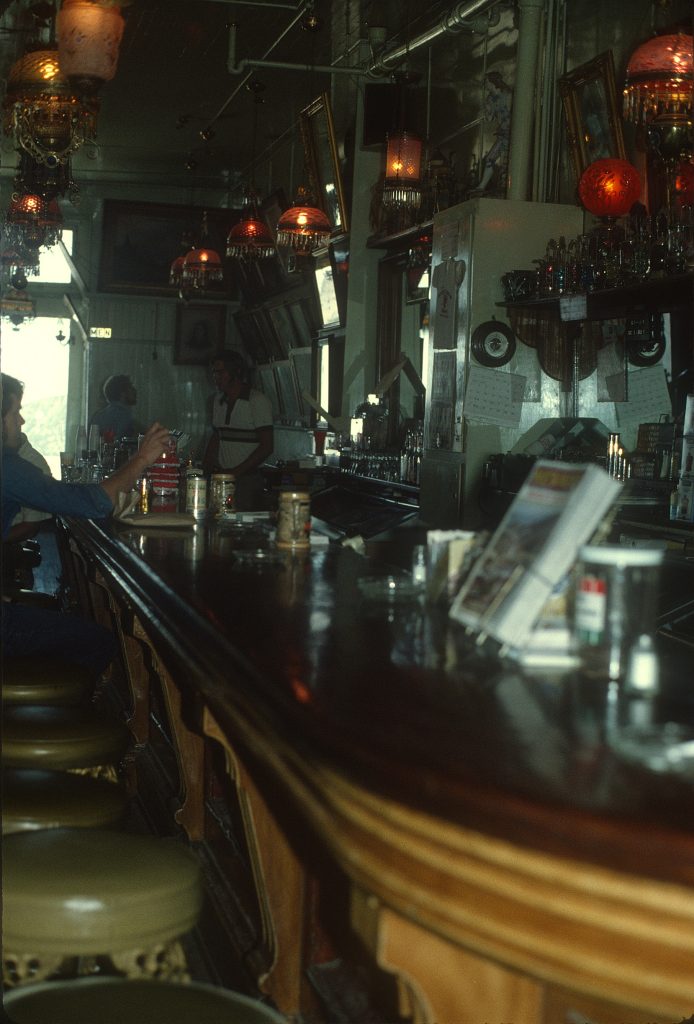
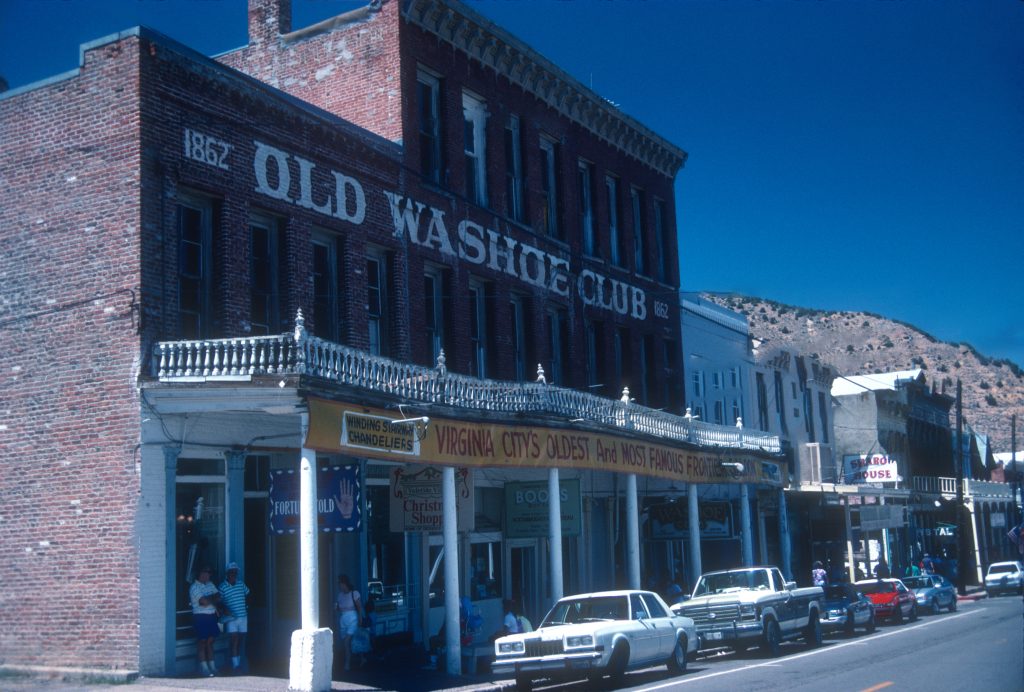
For lodgings, historic options include the B Street House Inn (former home of Henry Piper, founder of the city’s remaining opera house), The Comstock Lodge, The Silver Queen Hotel, Edith Palmer’s Inn, Gold Hill Hotel, the Howard Street Home, and The Cobb Mansion. And you can still drink your fill at the Bucket of Blood, Delta Saloon, Silver Dollar, Ponderosa and Red Dog (formerly the Comstock House, built by Henry Comstock), but don’t miss the oldest of them all: Washoe Club, which opened as The Millionaires Washoe Club in 1862 with its original chandeliers still intact—where members could order a beer, whisky or cigar for 25 cents. (P.S. It’s haunted.) One last stop might be the 1864 Union Brewery, but do tip your hat to its most famous regular, Mark Twain.
By the way, if you want to drink like the locals once did, ask for Cemetery Gin. In 1873, the Virginia City Water Company engineered a historic 22-mile pipeline and over 45 miles of flume to deliver water from Marlette Lake near Lake Tahoe to the Comstock District and Carson City. Before that, locals said the only safe way to drink Virginia City water was to mix it with two parts gin. Yes, all the saloons offer this imbibement.
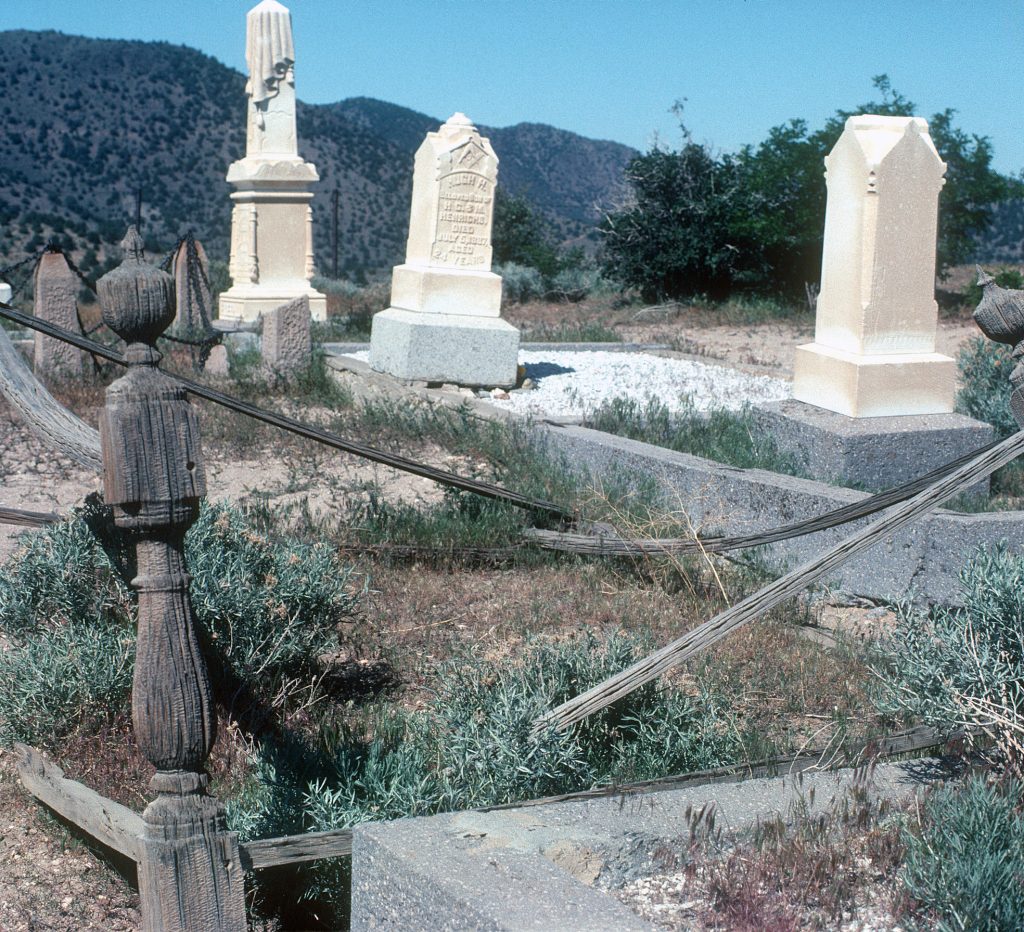
Want some extra entertainment? Yes, do stroll up to the Piper Opera House—it still hosts shows and musical reviews. To enhance your Virginia City experience, consider walking tours, saloon crawls, any of the town’s eight annual parades, The Mark Twain Festival, railroad tours, The Washoe Club Haunted Museum, Marshall Mint and Museum, and live music in the restaurants and saloons. The city offers the Comstock Adventure Pass from its Visitor’s Center, providing discounts on many museums, attractions, and Virginia and Truckee Railroad rides. Also visit Boot Hill, now renamed Silver Terrace Cemeteries, on your way out of town—nearly every plot is fenced or bordered, with monuments testifying to the wealth of individuals and families buried here. But you will also find epitaphs that speak to the plain folk and rogues who once frequented these hills.
Where to Stay in Virginia City, United States
Virginia City sits high in the Nevada mountains at about 6,200 feet, so plan for cooler nights even in summer. The town’s historic character means most lodging is modest and simple rather than resort-style. The Washoe Club and several bed and breakfasts occupy restored Victorian buildings along C Street, the main thoroughfare, keeping you within walking distance of the mines, museums, and saloons that draw visitors here. These places fill quickly on weekends, so book ahead during peak season.
If Victorian-era lodging appeals to you, several guesthouses operate from period homes furnished with original features. They tend to be quiet and personal, though bathrooms may be shared or compact. For conventional amenities, motels and small hotels cluster on Highway 341’s outskirts, offering air conditioning and private facilities at reasonable rates. These aren’t fancy, but they’re clean and dependable.
Because Virginia City has limited lodging, many visitors stay in nearby Reno (about 45 minutes away) and drive out for the day. Reno offers chain hotels, full restaurants, and modern conveniences absent from the mountain towns above. The drive to Virginia City winds through high desert country and adds travel time, but gives you flexibility if smaller inns are fully booked.
Bring layers, whatever you choose. The elevation keeps afternoons pleasant while mornings and evenings turn cold. Stock up on water and snacks before heading up the mountain, as services here close earlier than in larger towns. The remoteness that makes Virginia City feel authentic to the mining era it preserves is exactly the trade-off.
Recommended Reading
- You can’t miss with Mark Twain’s hilarious Roughing It – The book chronicles Twain’s adventures in the American West from 1861 to 1867. Accompanying his brother, Orion Clemens, who was appointed Secretary of the Nevada Territory, Twain embarked on a stagecoach journey westward. The narrative details his experiences with mining, journalism, and exploration, offering humorous and vivid portrayals of frontier life and the diverse characters he encountered.
For non-fiction, you have
- The Bonanza King: John Mackay and the Battle over the Greatest Riches in the American West by Gregory Crouch – Biography of Irish‑born mining magnate John Mackay, charting his rise in the Comstock Lode boom; standalone (not part of a series).
- Virginia City vs Bonanza: A Tale of Merging Histories by Monette Bebow-Reinhard – Comparative history analyzing real 19th‑century Virginia City vs. its portrayal in the TV series Bonanza; part of creative nonfiction in media/historical context.
- The Roar and the Silence: A History of Virginia City and the Comstock Lode by Ronald M. James – Comprehensive history of Virginia City and the Comstock Lode, covering social, technological, and urban development; Shepperson Series in Nevada History.
This article was featured in the Spring 2025 issue of The Historic Traveler Magazine.