There are cities that wear their history lightly, and then there is San Antonio, where every stone, every riverbend, every shaded plaza hums with centuries of layered memory. Here, Spanish missions, frontier skirmishes, and the vibrant pulse of modern Texas intertwine, creating a place where past and present walk hand in hand.
Born from Conflict
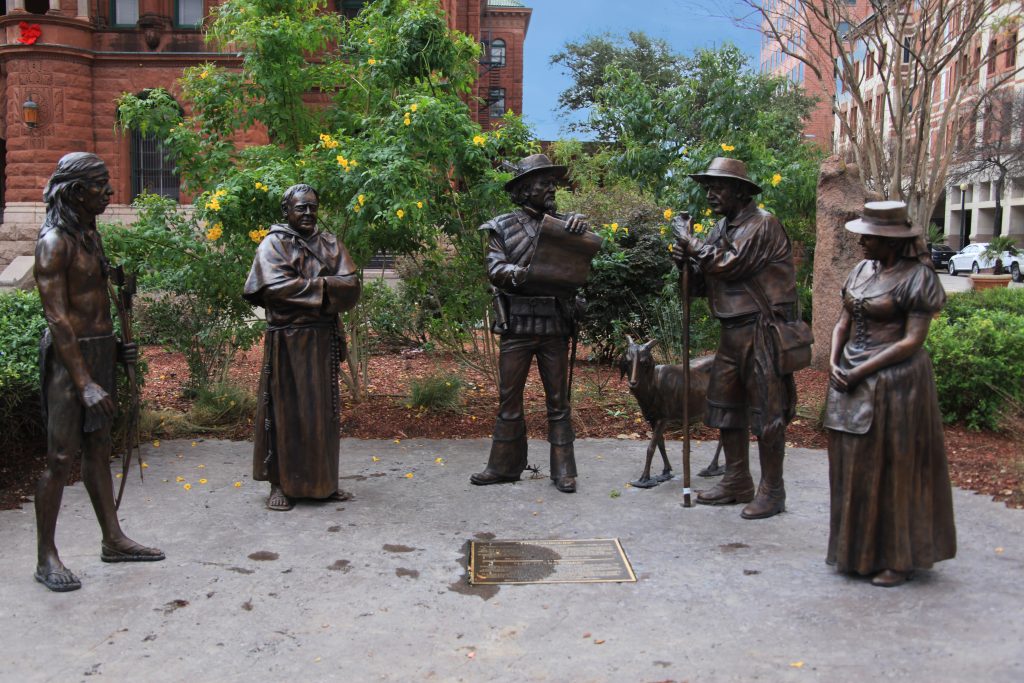
It in 1691, a Spanish expedition arrived on the spot on the day of the feast of St. Anthony of Padua, naming the place and river “San Antonio.” Fearing French encroachment from Louisiana, the Spanish decided to plant a settlement and mission complex in 1718. With the help of the local native Payaya people, the Mission de San Antonio de Valero and the Presidio San Antonio de Bexar were constructed, along with an irrigation canal from the river. Fifteen families from the Canary Islands were imported to populate the town. San Antonio grew to become the largest settlement in Spanish Texas.
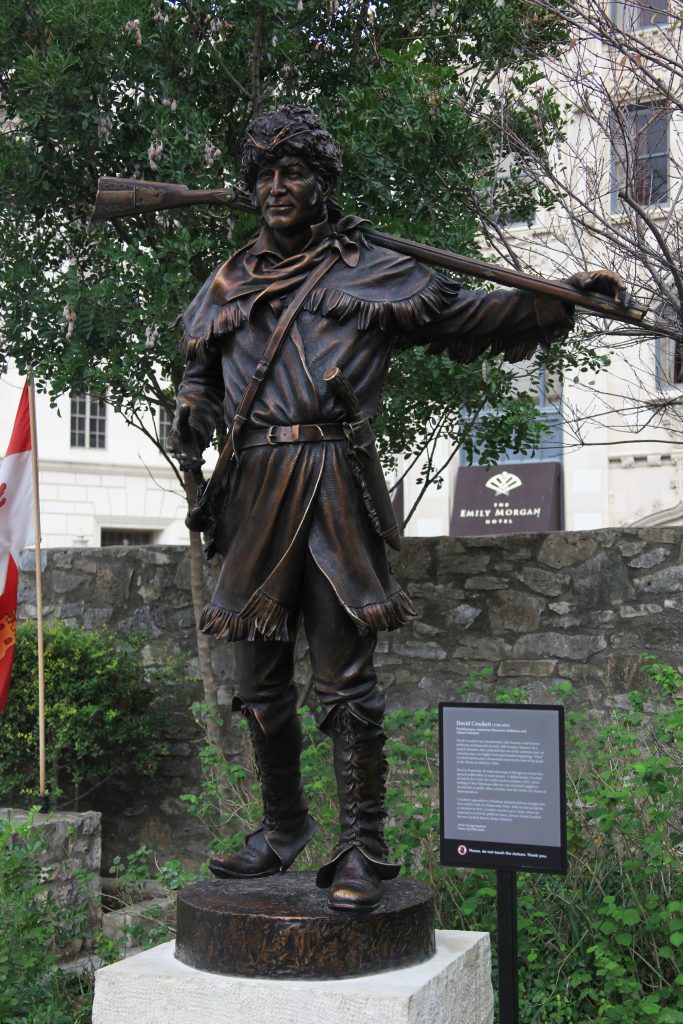
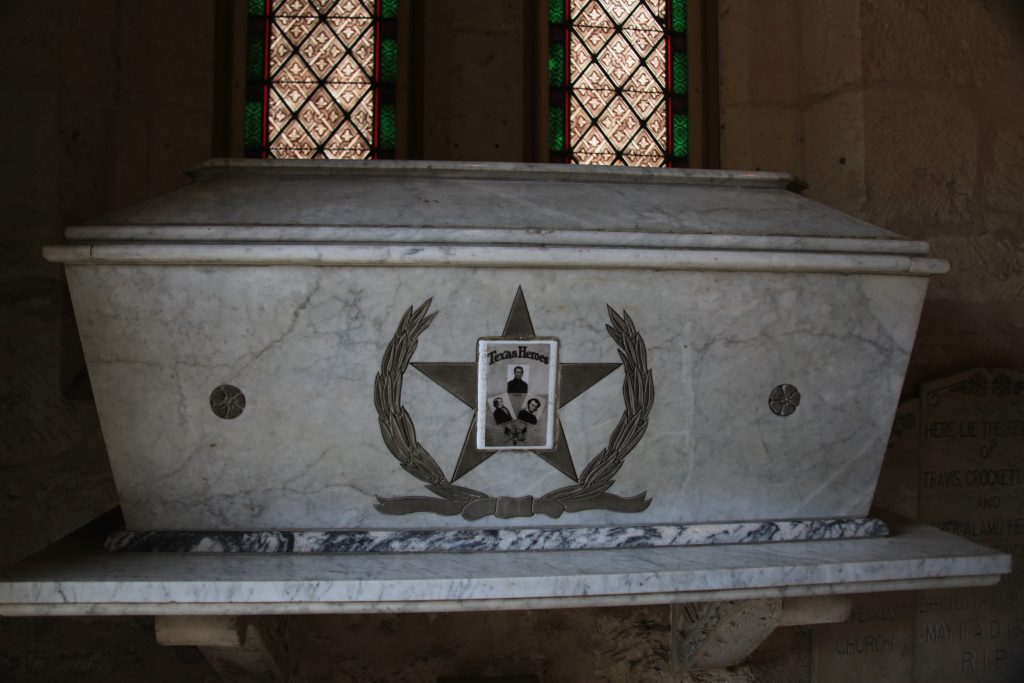
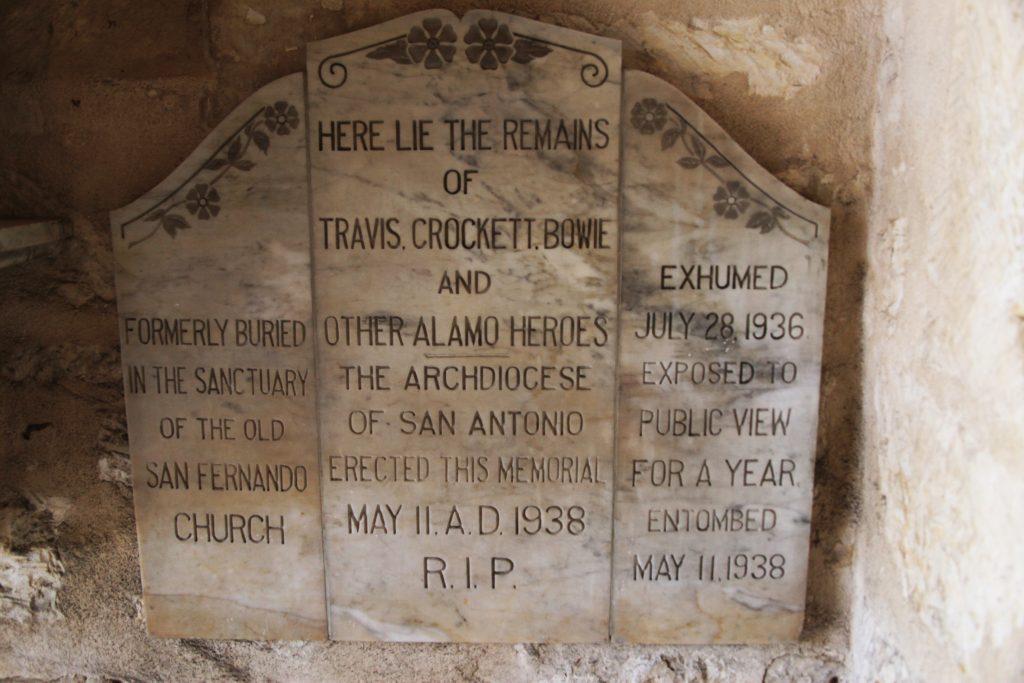
When Mexico began to allow Americans to migrate into the territory, conflict ensued. The independent-minded Americans had a notion to claim Texas as a Republic, leading to the famous 1836 Battle of the Alamo where William Barrett Travis, James Bowie, Davy Crockett and 186 others put up a valiant fight, but lost their lives.
Texas ultimately joined the union in 1845. Frederick Law Olmsted (designer of New Yorks’ Central Park) shortly thereafter described San Antonio as having a “jumble of races, costumes, languages, and buildings,” which gave it a quality that only New Orleans could rival in what he described as “odd and antiquated foreignness.”
San Antonio became a crossroads of empire, frontier, and revolution, while blending Indigenous, Spanish, Mexican, and Texan cultures. Today, San Antonio is a UNESCO World Heritage site and one of the oldest and most storied cities in the United States.
The Alamo: Symbol of Defiance and Memory
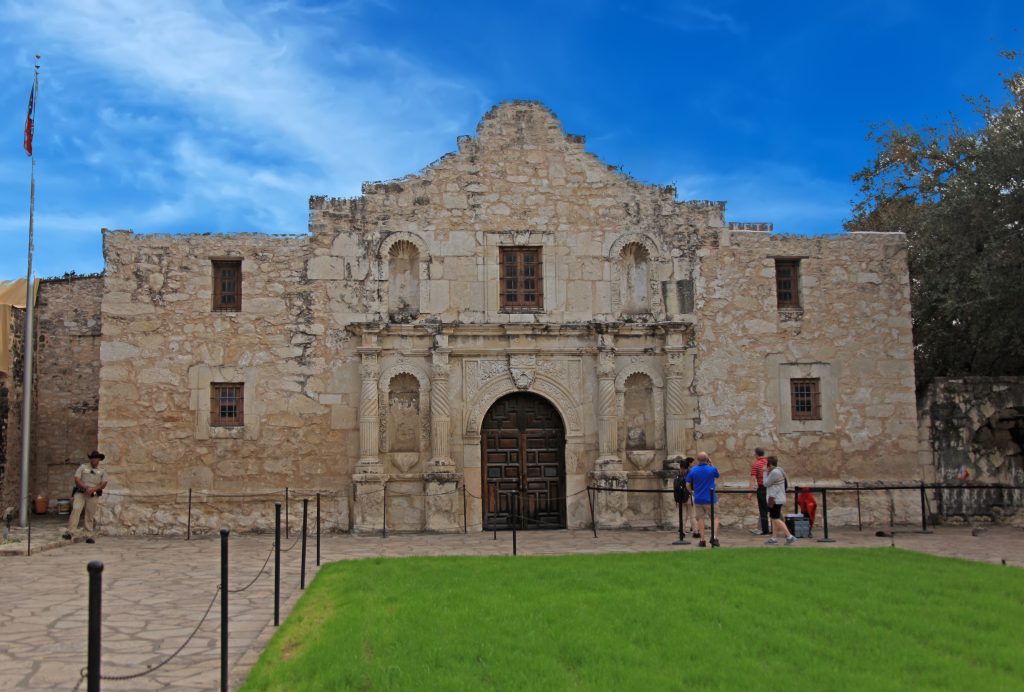
The Battle of the Alamo in 1836 became a defining moment not only for Texas but for the American imagination, a legend forged in blood, courage, and enduring symbolism. No place in San Antonio holds deeper resonance than the Alamo.
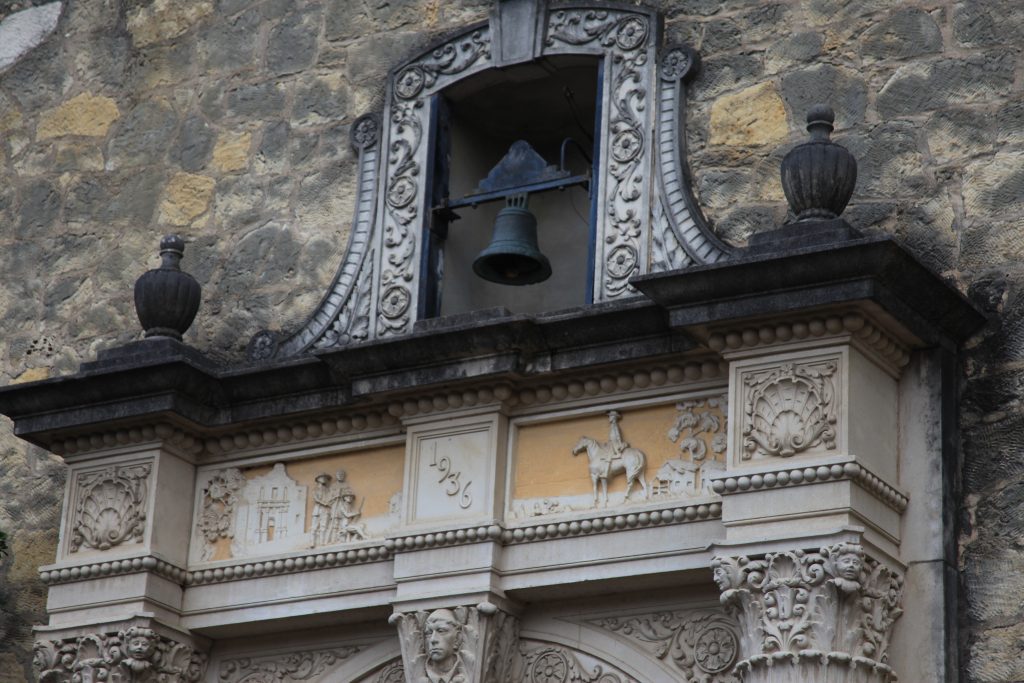
Originally built in the 18th century as Mission San Antonio de Padua, it became a military garrison during Mexico’s struggle for independence. The battle began on February 23, 1836, when Mexican General Santa Anna’s army laid siege to the Alamo. Despite being vastly outnumbered, with roughly 200 Texan defenders facing a Mexican force of several thousand, the defenders held out with fierce determination for 13 days. On March 6, after a relentless assault, Mexican troops overwhelmed the compound. Almost all of the Texan defenders were killed, but their stand galvanized the Texan cause for independence, and the cry of “Remember the Alamo!” became a rallying call that ultimately led to Texas’ victory at the Battle of San Jacinto.
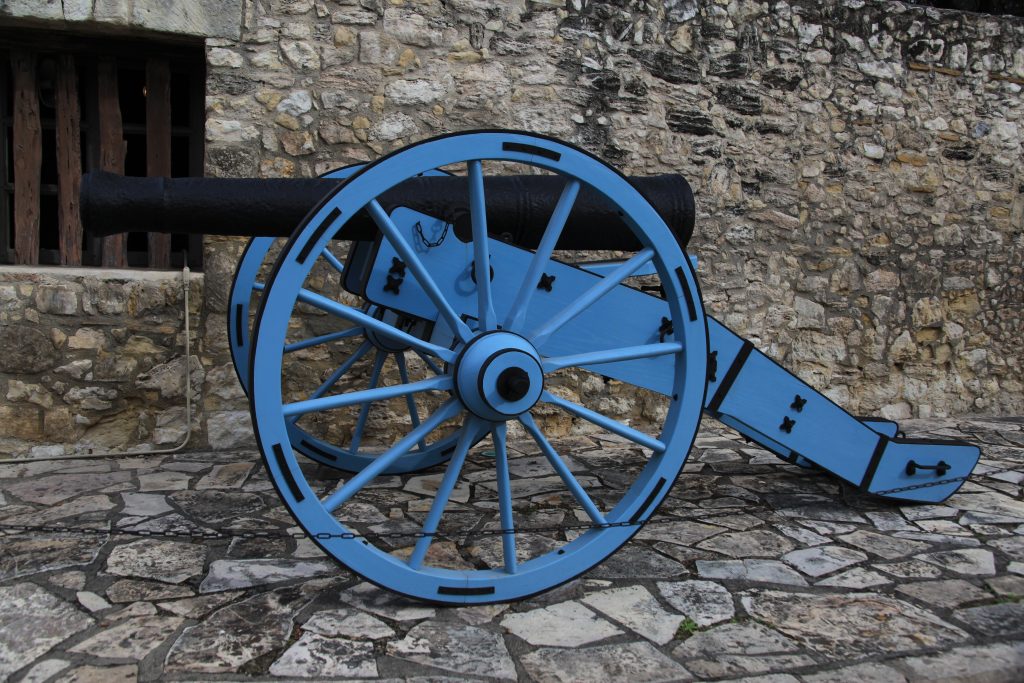
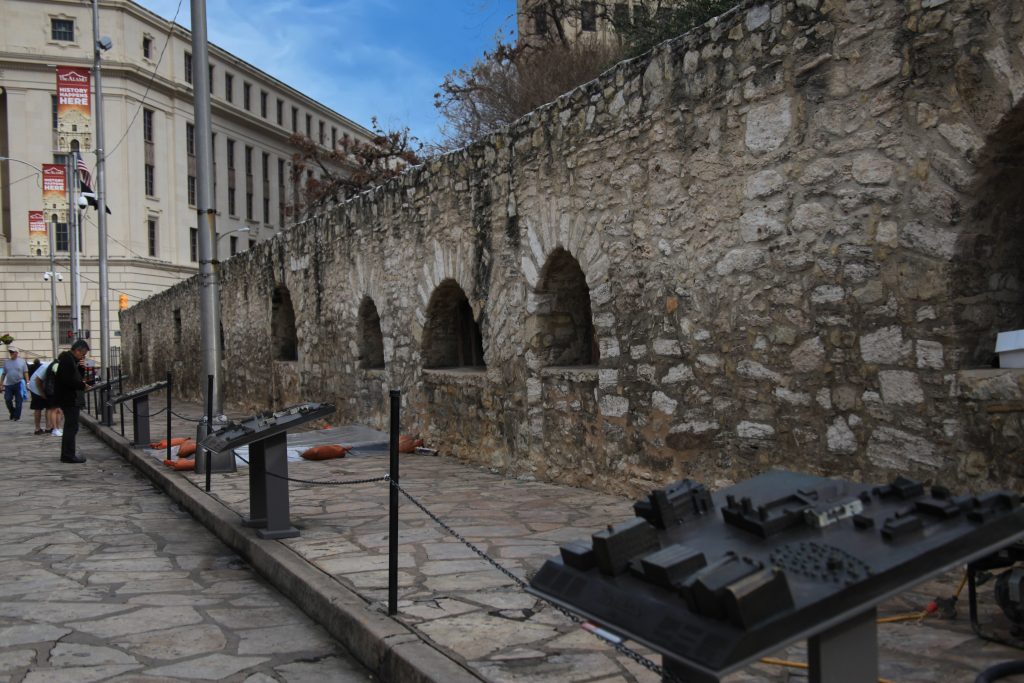
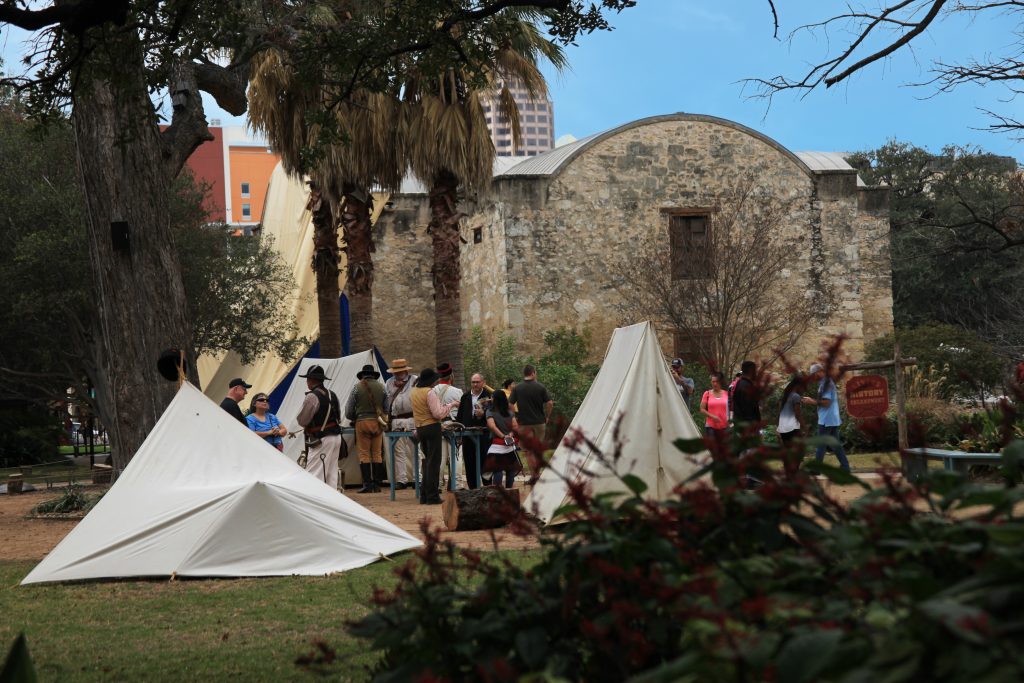
Today, the Alamo’s limestone facade rises humbly yet powerfully against the Texas sky. Inside the complex, visitors can explore the shrine, long barracks, and historic artifacts, feeling the quiet echo of voices that once called for liberty or destiny. Carefully curated exhibits and guided tours help untangle the rich, often mythologized narrative of the Alamo, a site of tragedy, valor, and evolving meaning. Today, The Alamo and its grounds are one of the San Antonio’s great attractions. Beautifully detailed so that you can reconstruct the days leading to and during the battle, you can clearly grasp what it might have been like to endure that tragic siege and attack.
Spanish/Mexican Vestiges
Yet San Antonio’s story is far larger than one battle. Meander through the Spanish Governor’s Palace, a one-story adobe fortress from the early 18th century remaining from the from the old Presidio Complex, where creaking wooden doors and flower-filled courtyards whisper of colonial days.
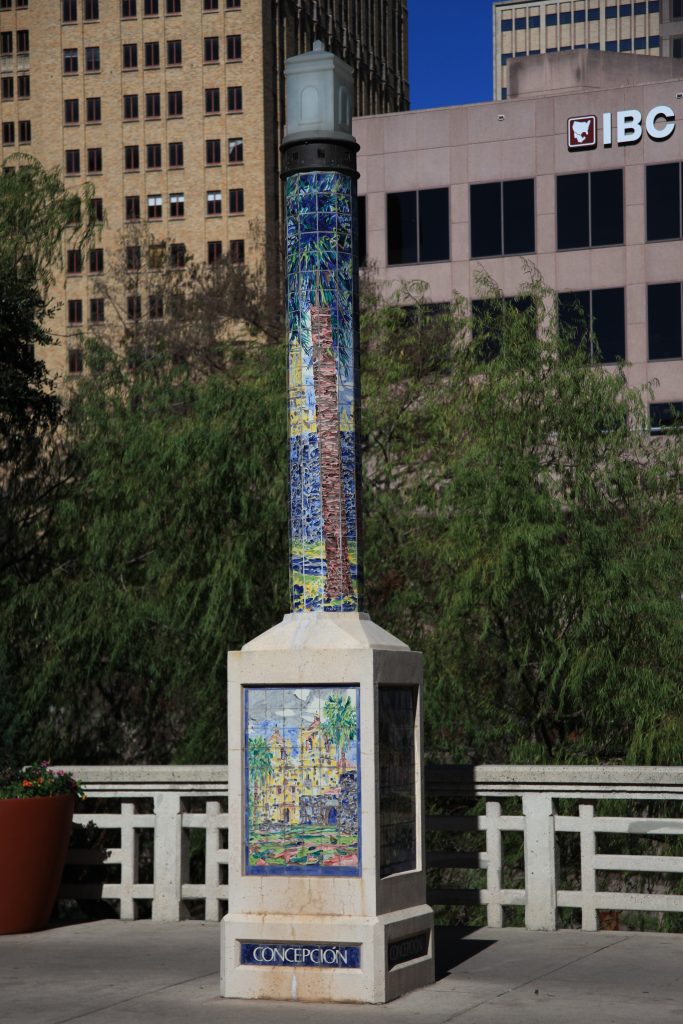
Visit the other missions, San José, Concepción, San Juan, and Espada, whose weathered stone churches and sun-dappled cloisters cradle centuries of faith and endurance. Known as the “Queen of the Missions”, San José is the largest of the Spanish missions in Texas and most fully restored. Explore native family residences, soldier’s quarters, the stone arches of what remains of the historic convento, the granary, grist mill and more
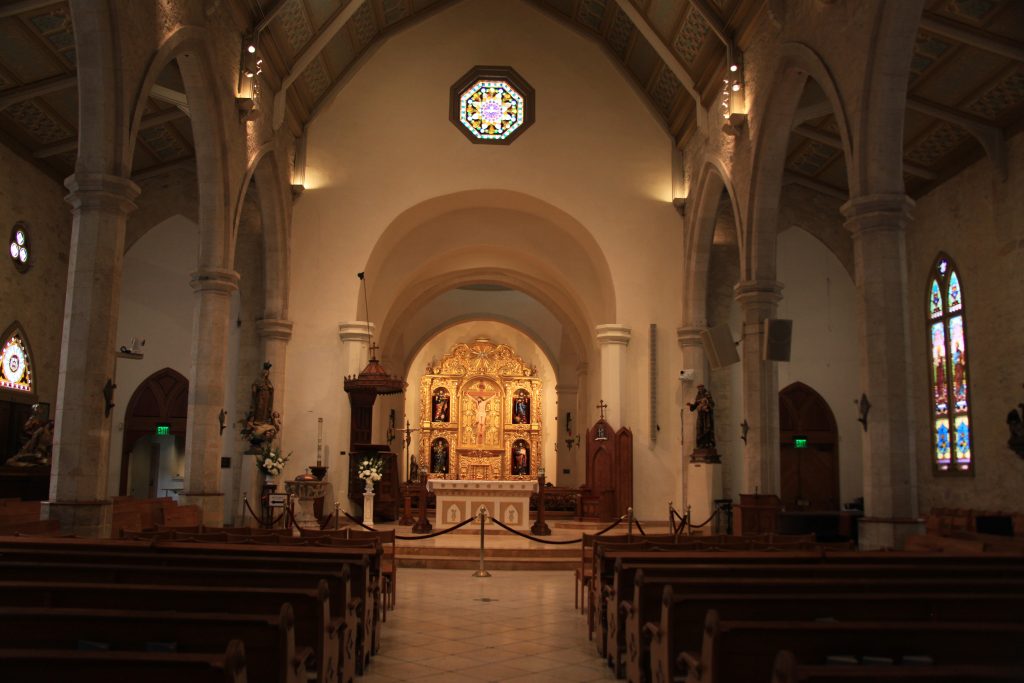
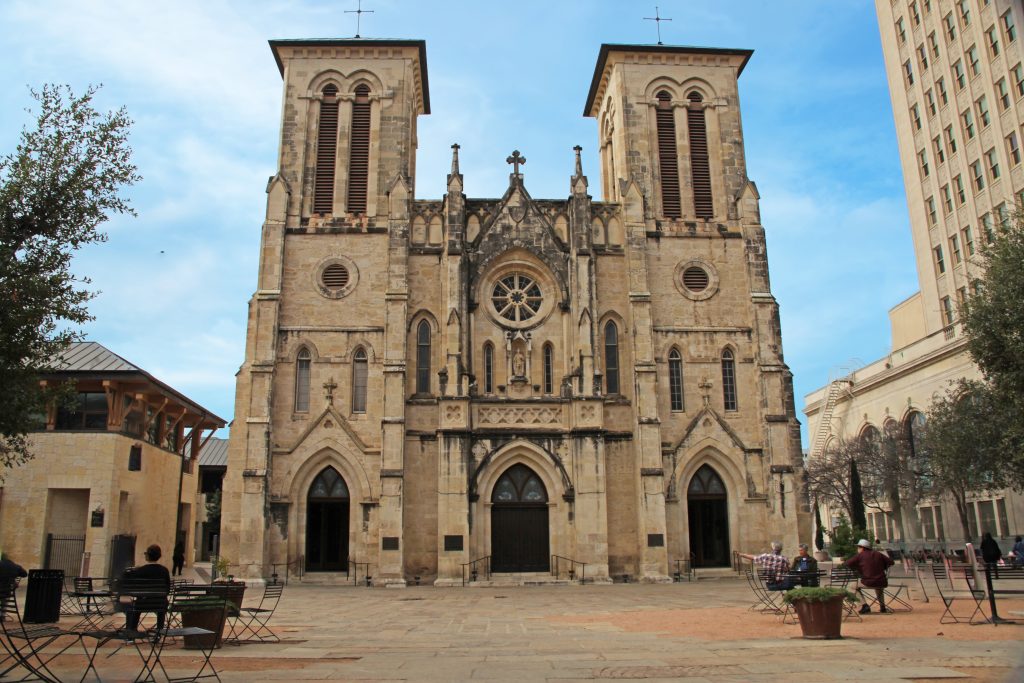
Also, don’t pass up a visit to San Fernado de Bexar Cathedral, built to serve the newly arrived Catholic Canary Islanders, completed in 1755. Lastly Historic Market Square bursts with Mexican culture, an exuberant maze of stalls, music, and scent: sizzling fajitas, fresh tortillas, and the smoky sweetness of roasted chilies.
Texas Touches
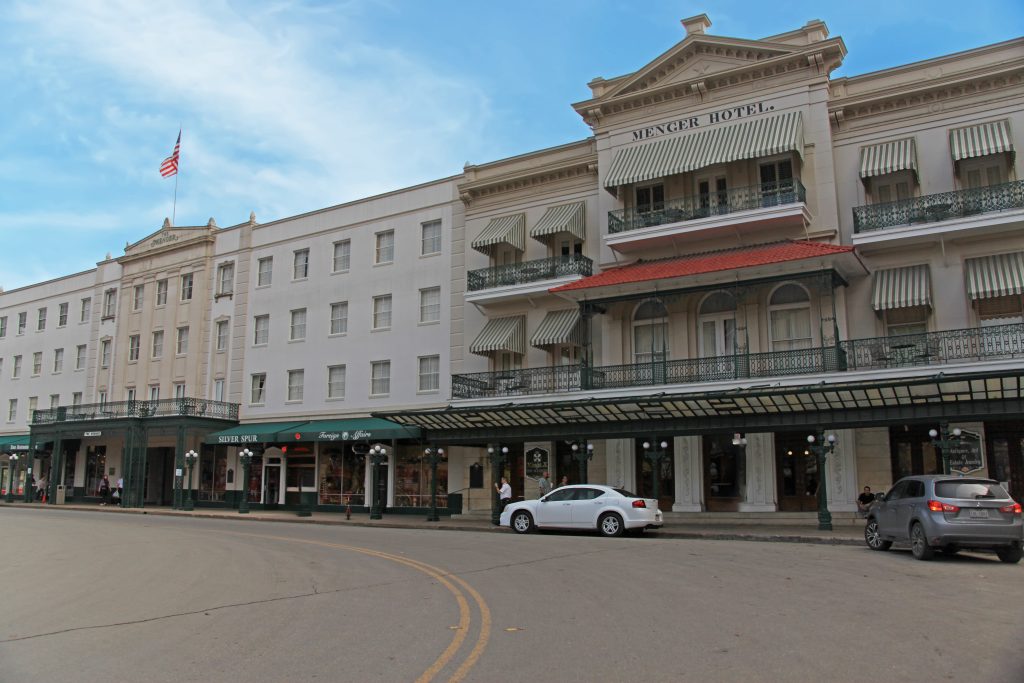
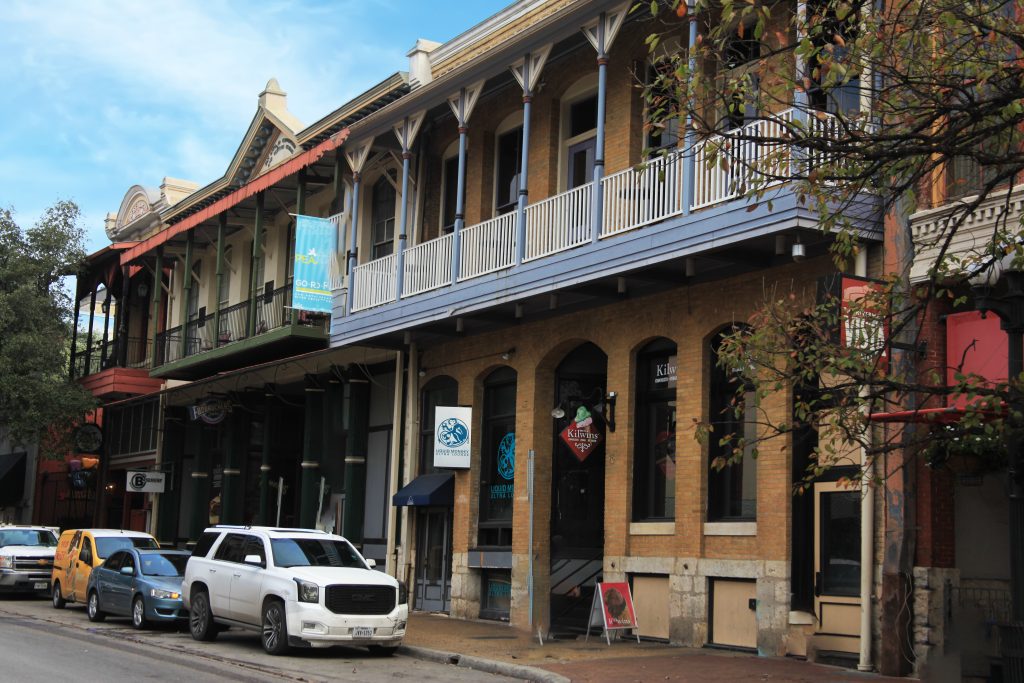
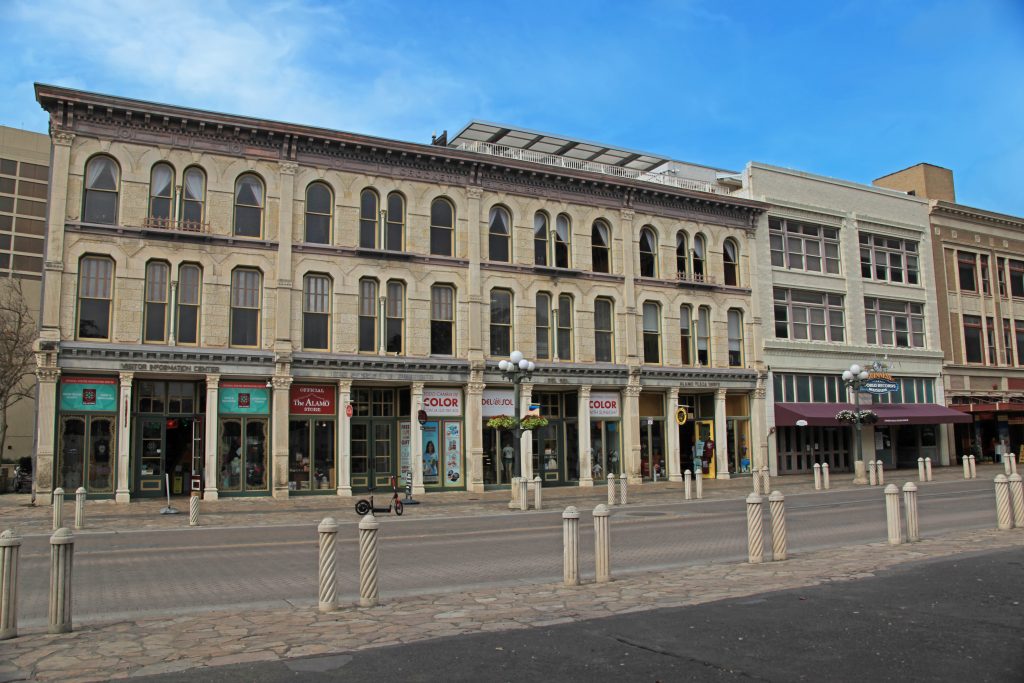
There are many other homes and storefronts that remain from the period of the Texas Republic or post-statehood. Some of these actually face the Alamo and the streets in the surrounding area.
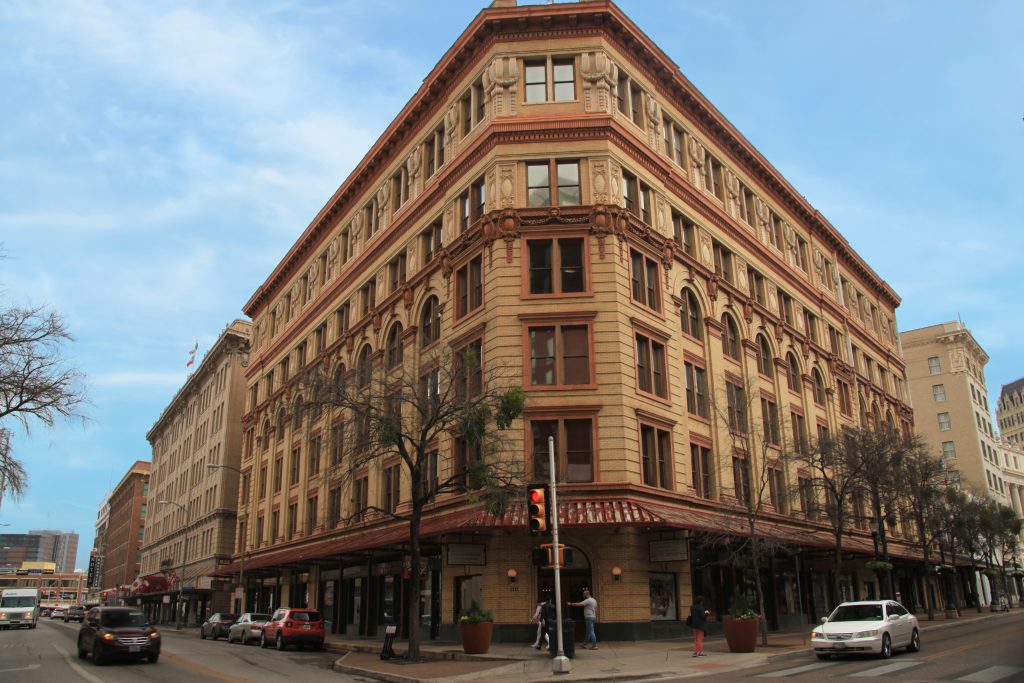
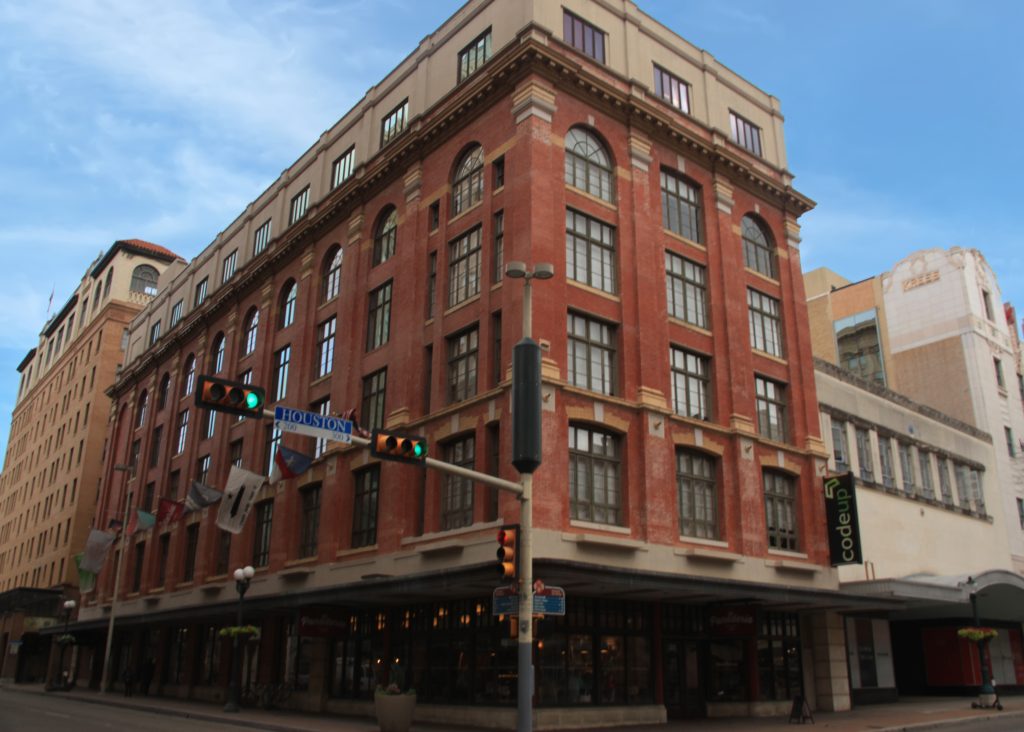
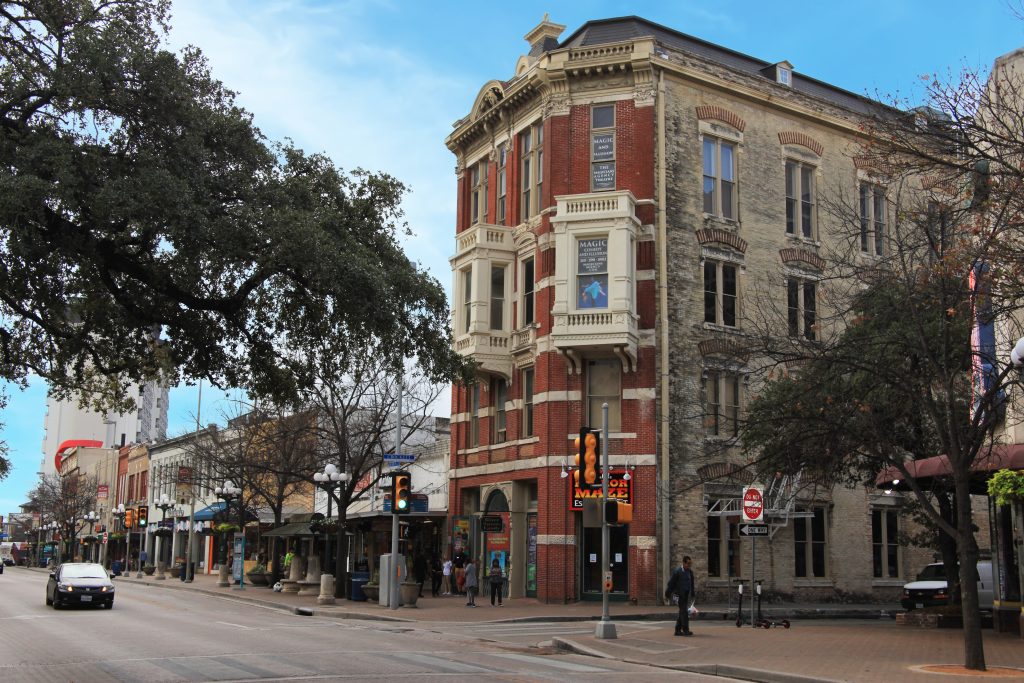
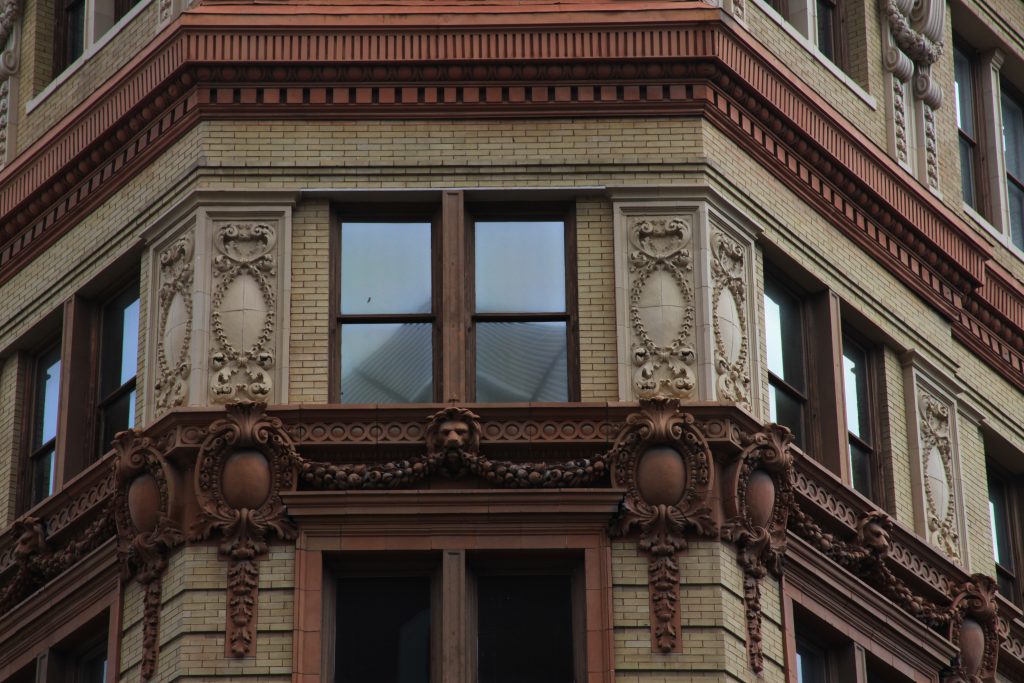
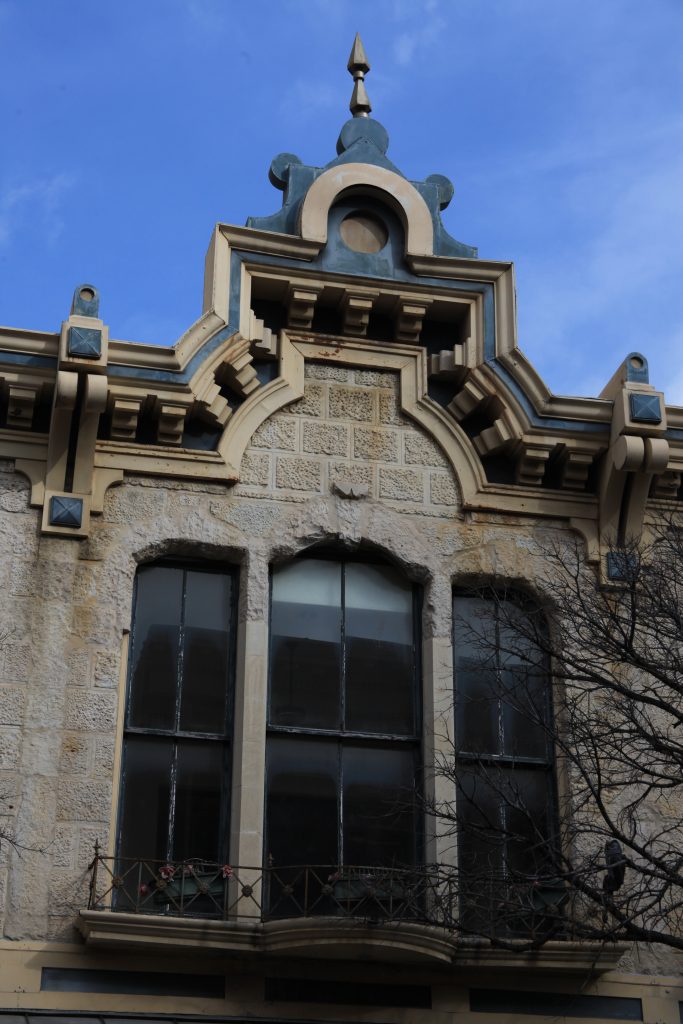
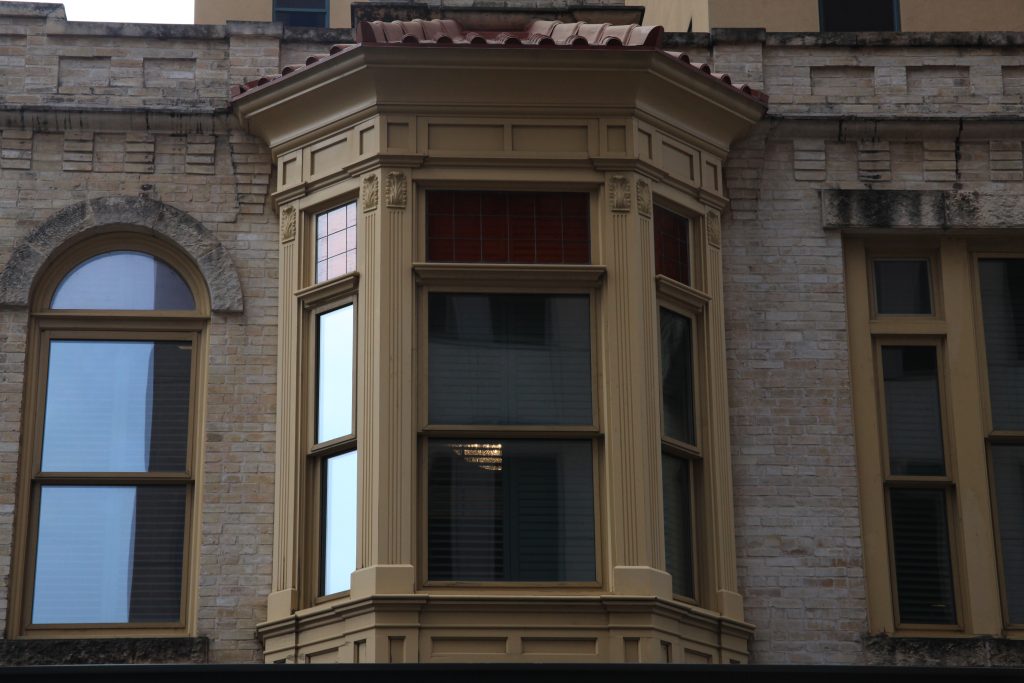
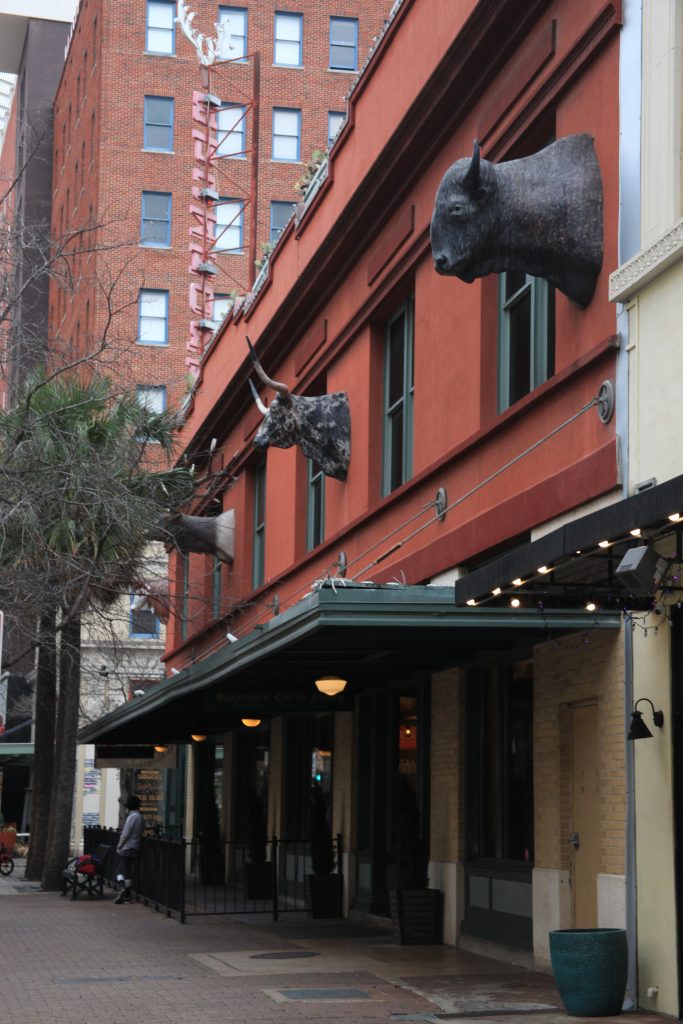
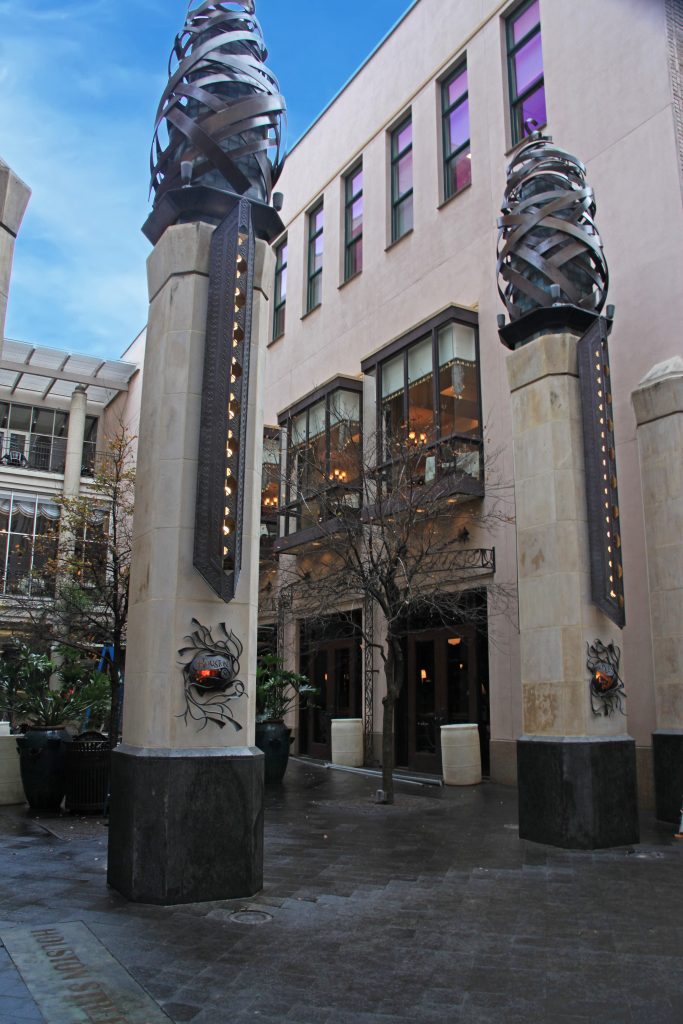
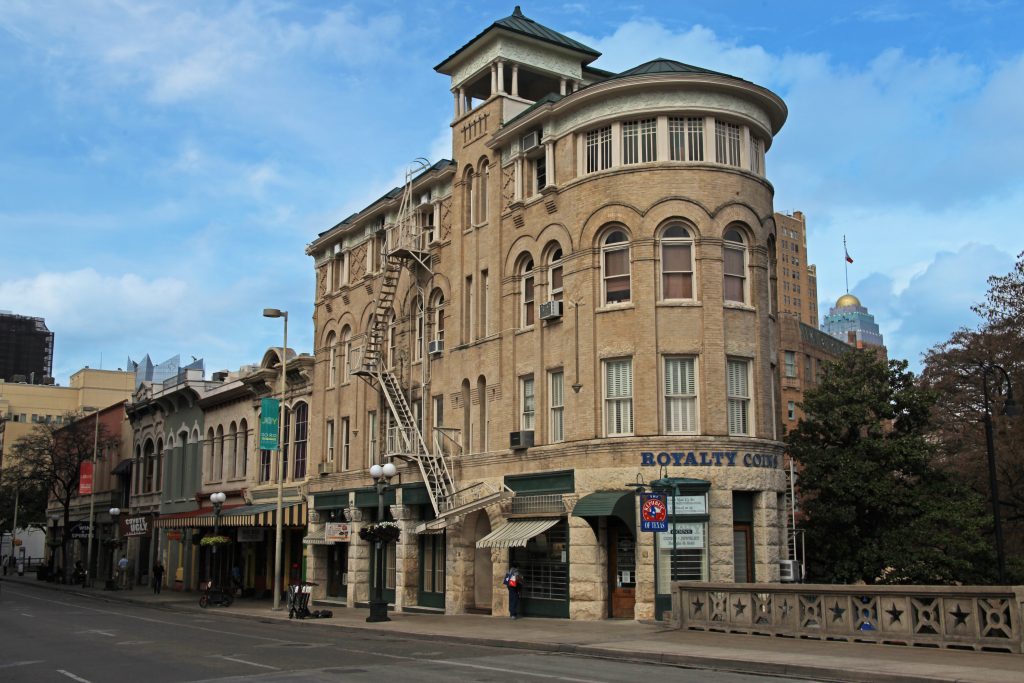
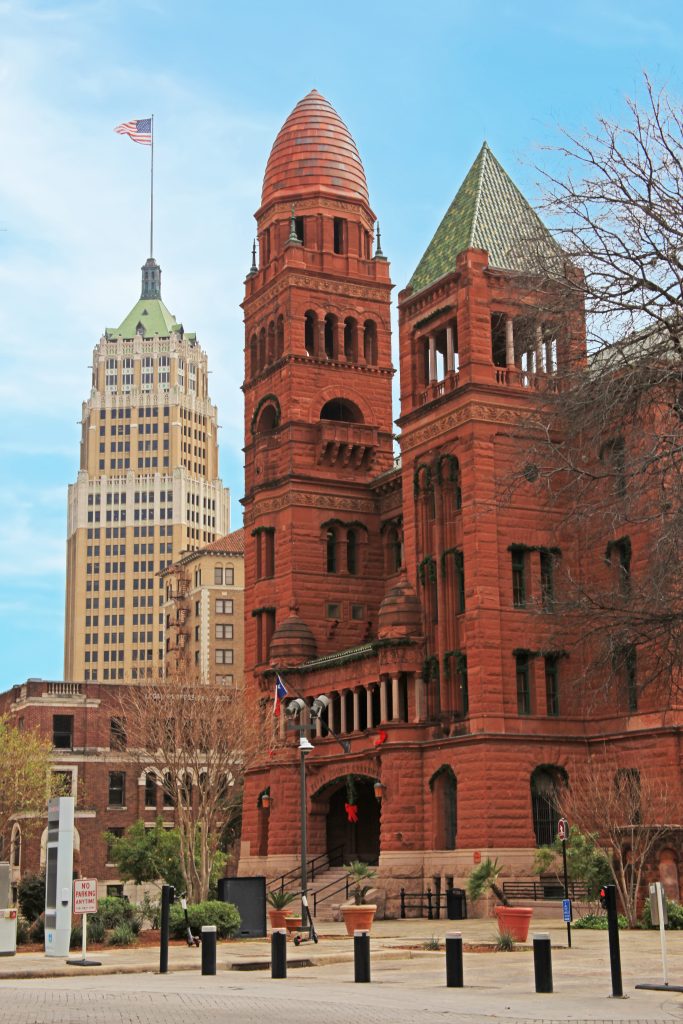
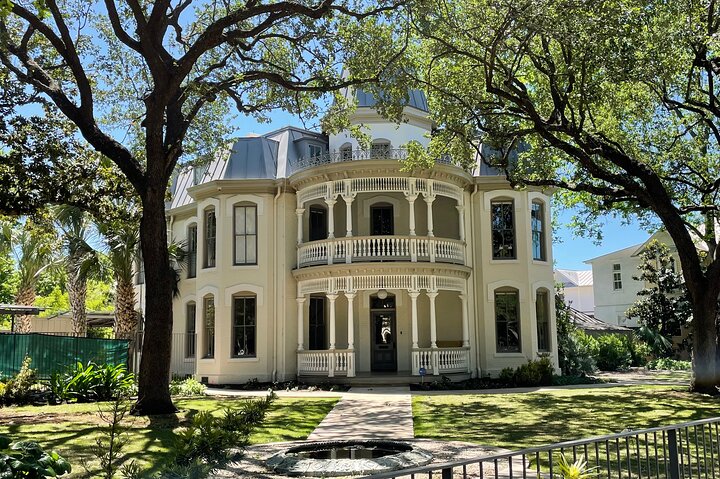
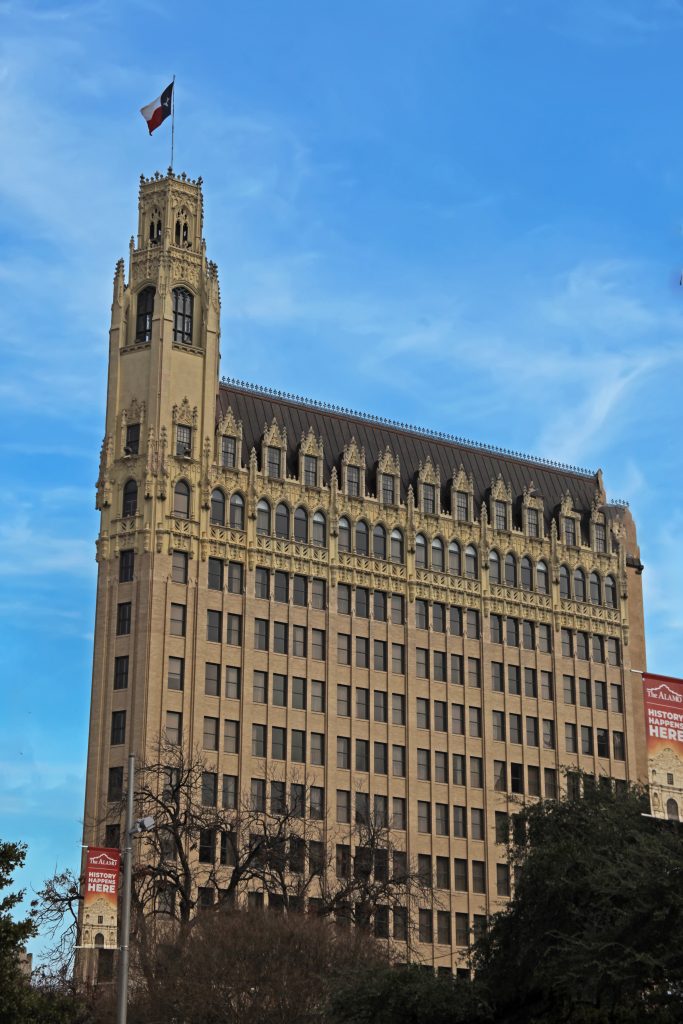
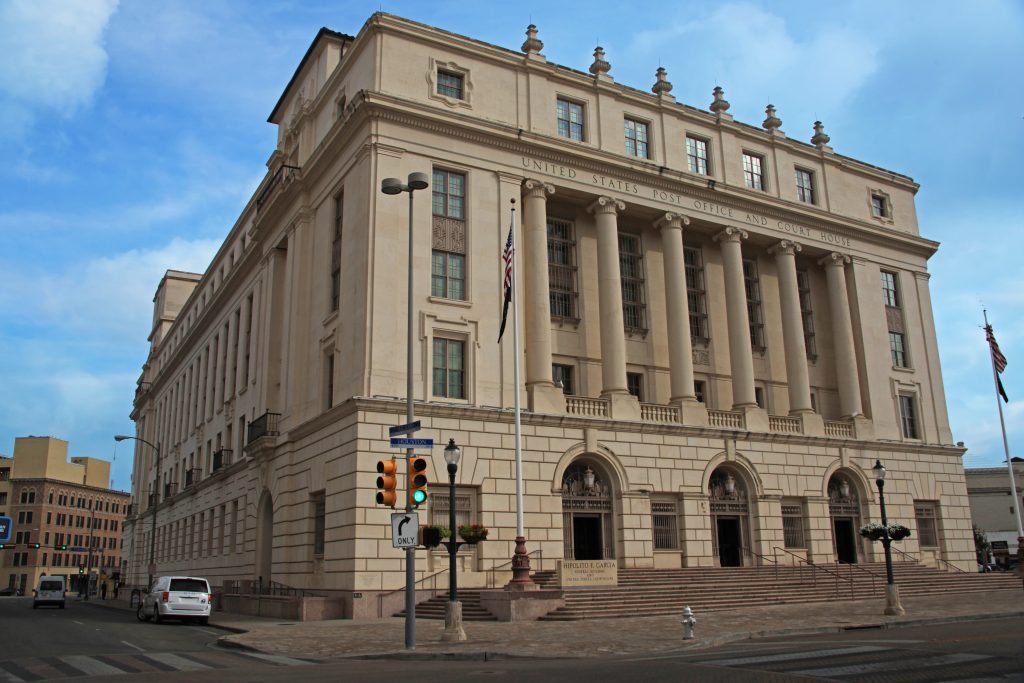
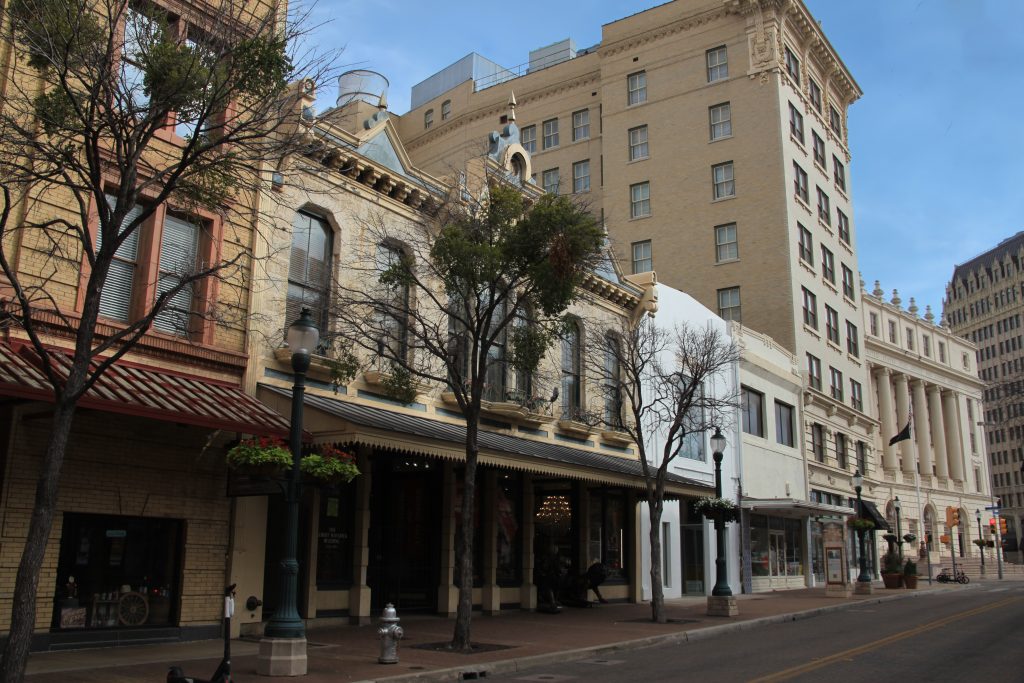
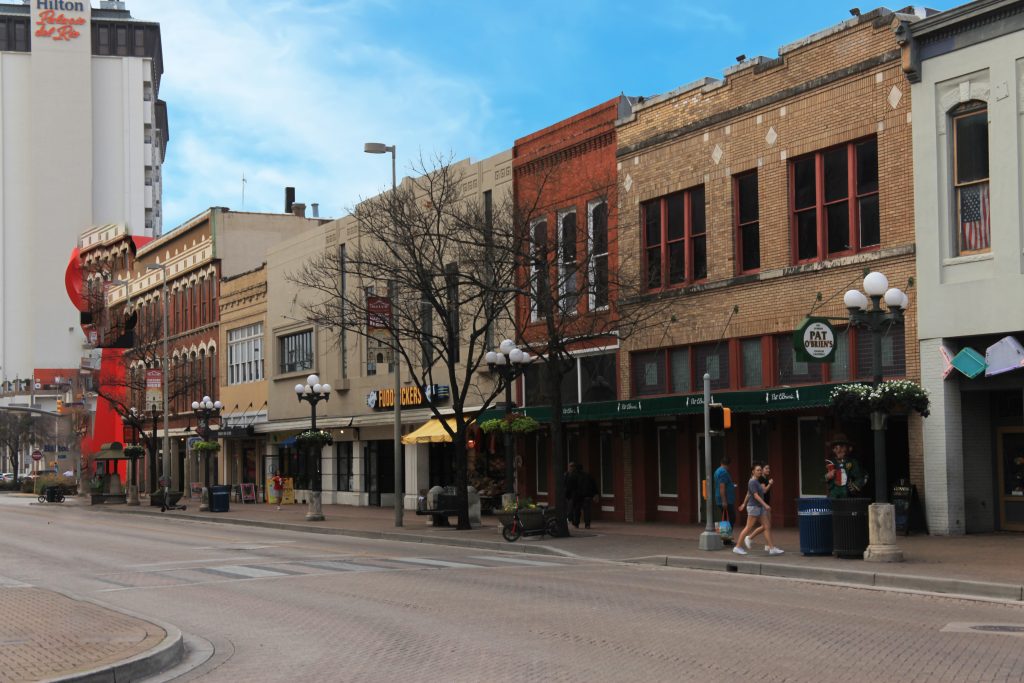
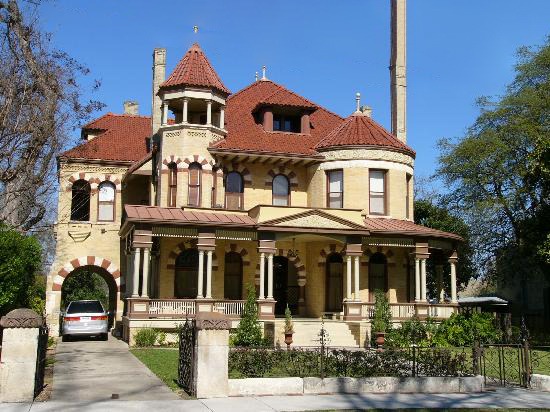
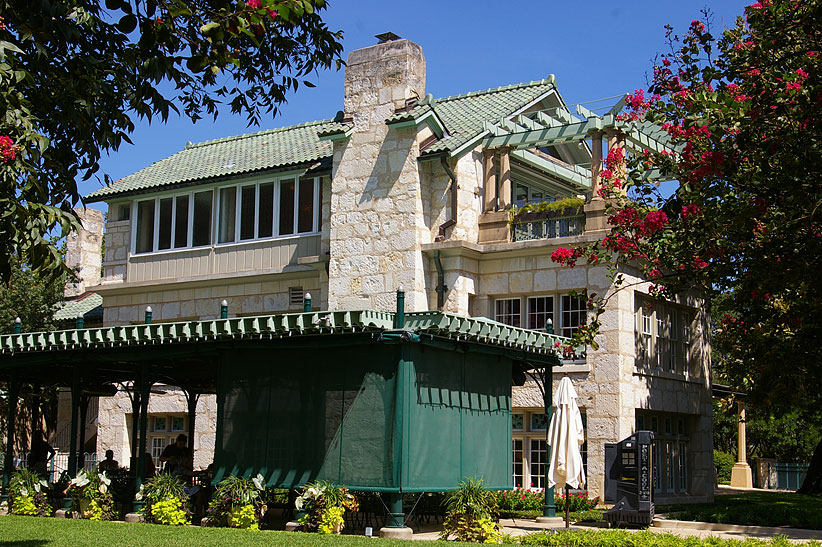
Two other specific residential neighborhoods should also be explored: the Hemisfair Park Historic District and the King William Historic District, with their graceful Victorian mansions. Make a point to see the (1859) Guenther House in the King William District, as well as the Guenther-owned Pioneer Flour Mills. Catch the La Villita Historic Arts Village, with its 18th-century neighborhood turned vibrant artisan community. Downtown San Antonio is also dotted with attractive late 19th century and turn-of-the-century business buildings.
The Riverwalk
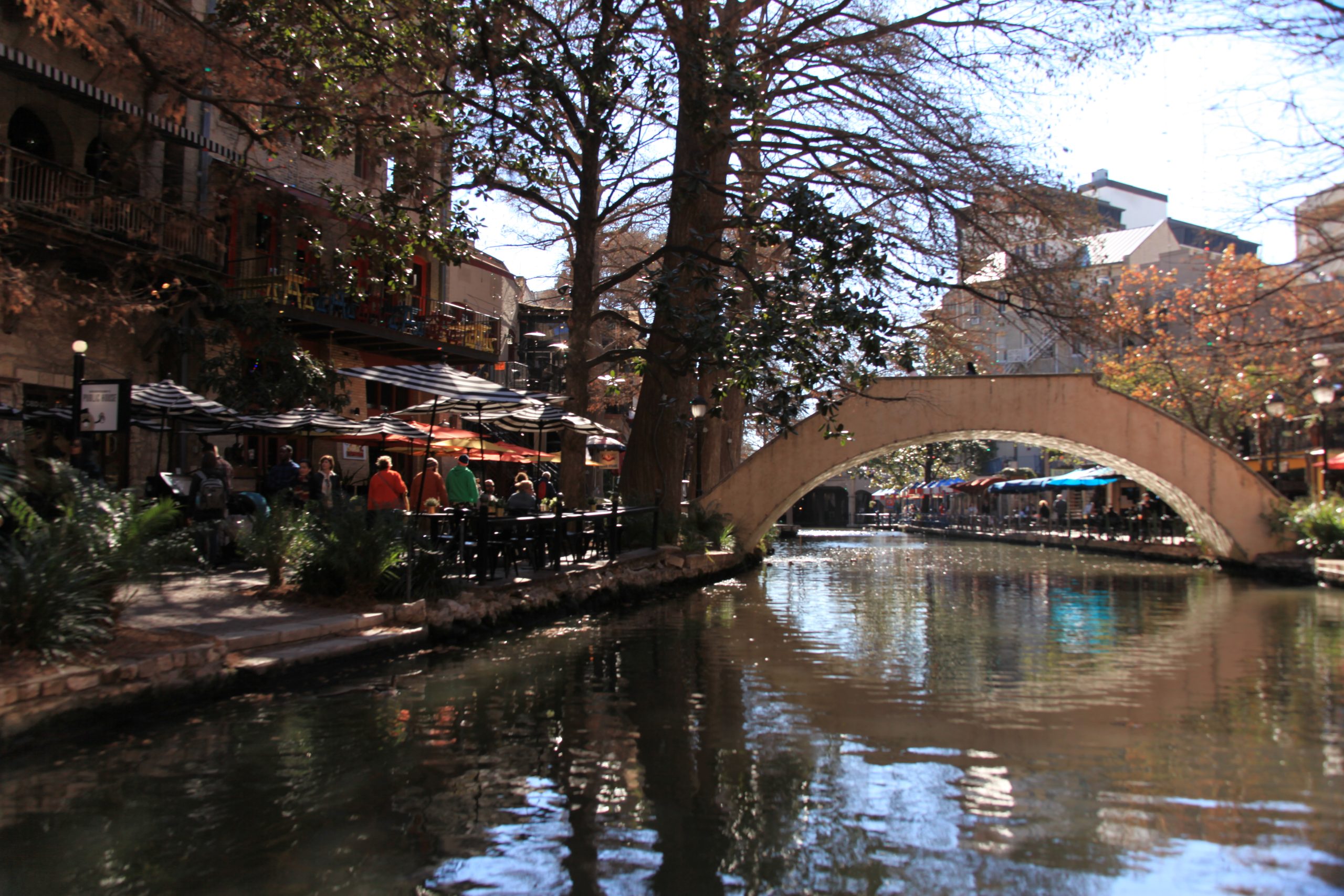
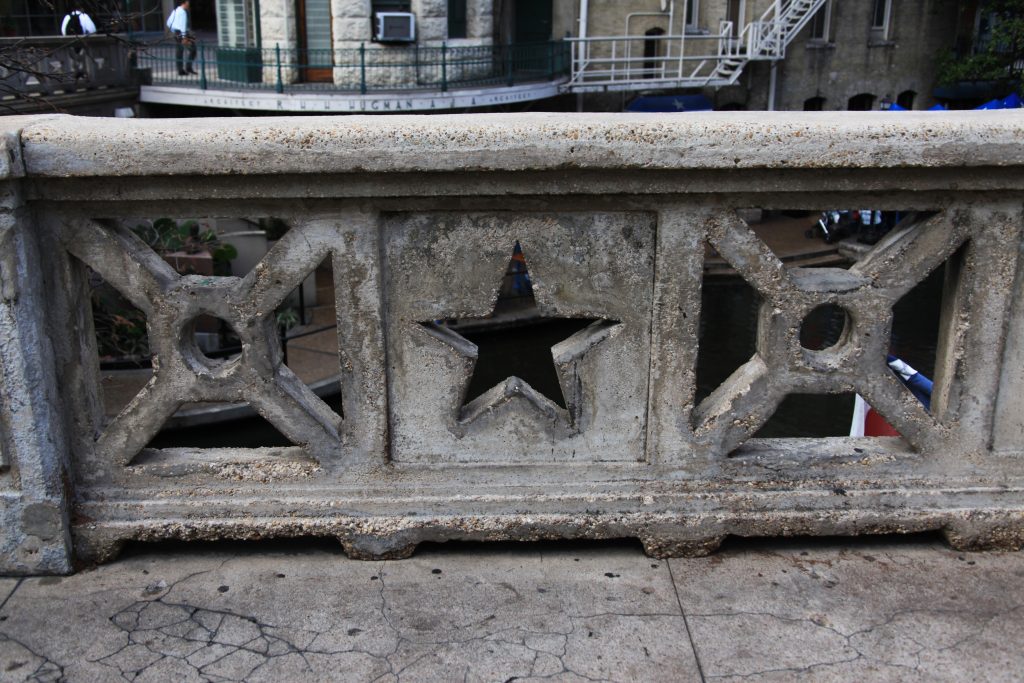
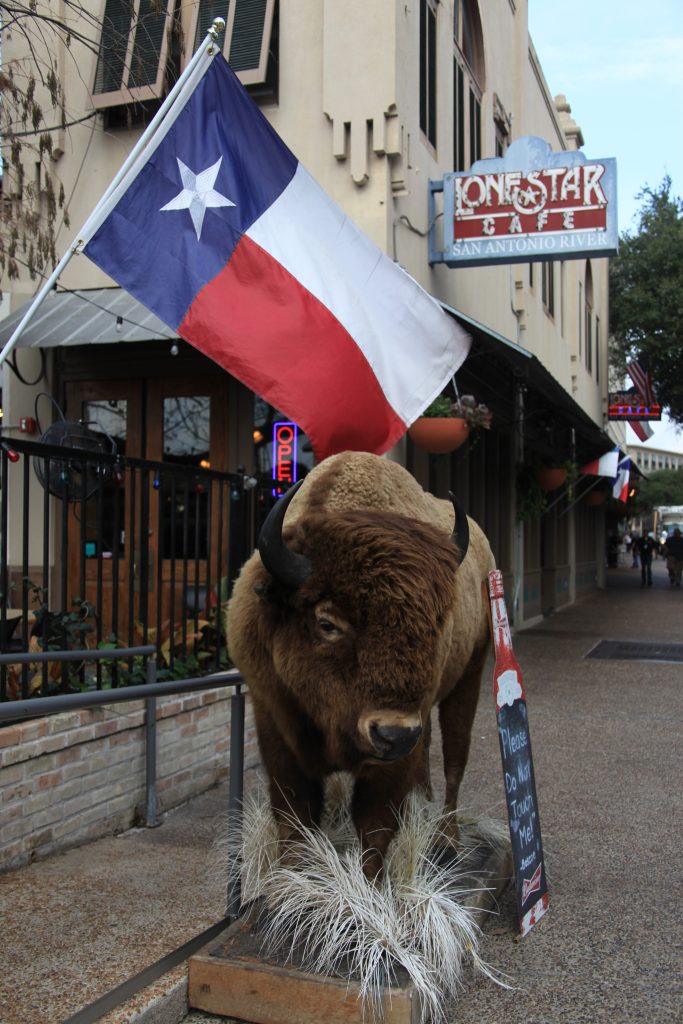
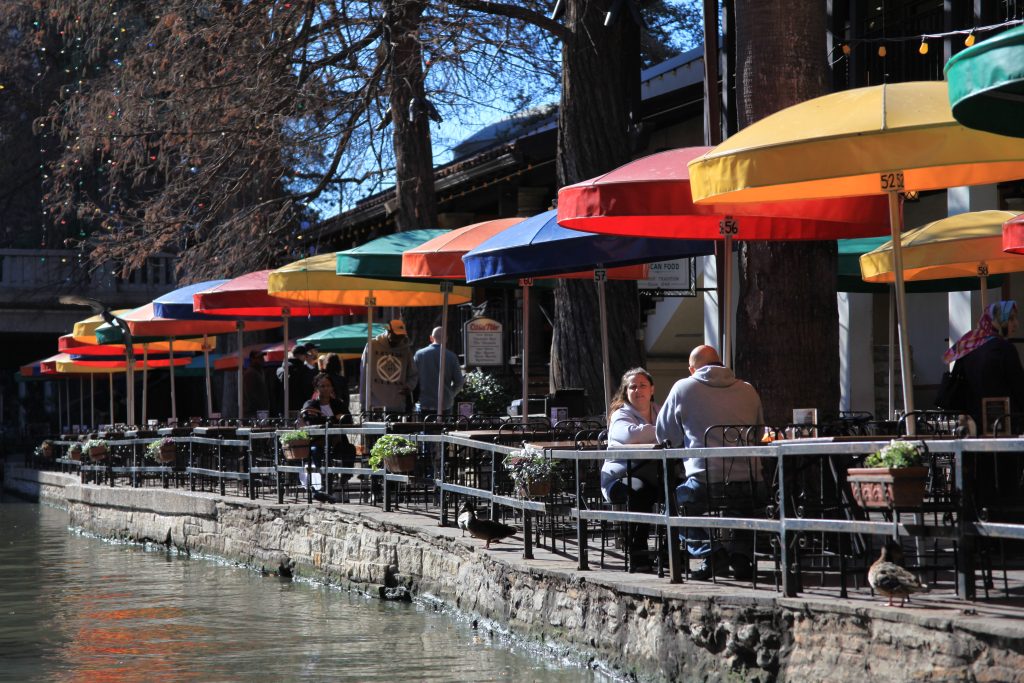
But for pure enjoyment, there is nothing lovelier than a stroll on the San Antonio Riverwalk or a boat ride on the San Antonio River that covers the same distance. Many of the buildings that line the picturesque river are historic cultural treasures. They now house restaurants, hotels, bars, galleries, shops and even residences. The San Antonio River Walk, originally planned to make San Antonio the “Venice of Texas,” is 15 miles long and flows through about five miles of downtown San Antonio, crossed by several scenic bridges.
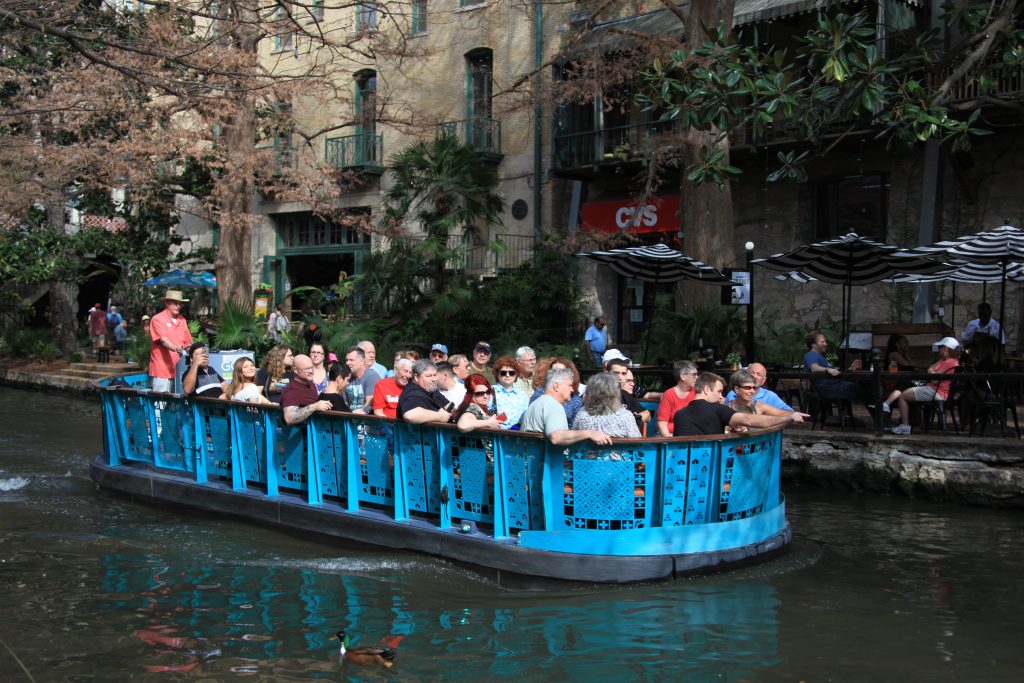
Wander the stone paths thread beneath cypress trees and along glistening waterways. Cafés and mariachi bands bring life to shaded terraces, and watch the colorful barges as they drift lazily by, echoing a rhythm as old as the city itself.
San Antonio’s Charisma
Today, San Antonio blends reverence and reinvention. It celebrates its Tejano roots with festivals, art, and cuisine. Museums, from the Briscoe Western Art Museum to the Witte Museum, showcase everything from cowboy lore to natural science. And each evening, the Riverwalk lights up, a glittering testament to a city that honors its past but dances eagerly into the future.
So linger a while in the shade of a mission archway. Listen to the laughter along the river. Remember the quiet courage that once stirred within fortress walls. In San Antonio, history is not a relic, it is a living, breathing melody, still playing strong beneath the Texas sky.
Where to Stay in San Antonio, United States
For visitors seeking lodging near San Antonio’s River Walk, downtown hotels offer the most convenient access to restaurants, shops, and the historic San Antonio Missions. Properties like the Fairmont, Hilton Palacio del Rio, and numerous smaller boutique hotels line the water’s edge, though rates run higher during peak seasons. If you prefer quieter surroundings with easier parking, neighborhoods just north and south of downtown provide good-value options within a short drive or streetcar ride to the main attractions.
The Southtown Arts District, south of downtown, appeals to travelers interested in galleries, local restaurants, and a more laid-back atmosphere than the River Walk corridor. Bed and breakfasts and smaller hotels populate this area, and you’ll find yourself among working artists and independent cafes rather than tourist crowds. Parking is generally easier and cheaper than downtown, and a ten-minute drive puts you at the missions or back at River Walk.
For mission-focused visits, staying near the Mission Trail itself reduces driving time between the four UNESCO sites. The southernmost neighborhoods near Mission Espada offer a more residential feel, with modest hotels and guesthouses that cater to history travelers. From here, each mission lies within a short drive, and the quieter setting lets you experience the landscape the missions were built to inhabit.
Budget-conscious travelers can find reliable chain motels along I-35 north and south of the downtown core, though these require a car or taxi to reach attractions. Weigh the savings against the cost and time of transportation before booking far from the center. Weekend rates often drop significantly if you’re flexible with timing, and booking directly with smaller independent hotels sometimes yields better deals than major booking sites.
Recommended Reading
- Texas by James A. Michener –Though broader in scope, Michener’s epic novel includes detailed narratives set in San Antonio during the 18th and 19th centuries.
- Caballero: A Historical Novel by Jovita González and Eve Raleigh –Set in South Texas during the U.S.-Mexico War of the 1840s, this novel delves into the lives of the Mendoza family, Spanish landowners whose world is disrupted by the American annexation of Texas.
- The Gates of the Alamo by Stephen Harrigan: A vivid and deeply human retelling of the siege of the Alamo.
- Remember the Alamo by Amelia E. Barr –A classic 19th-century historical novel that paints a romantic and dramatic portrait of the Texas Revolution, with San Antonio and the Alamo at its heart.
- The Blood of Heroes by James Donovan –While technically a work of non-fiction, its narrative style reads with the intensity and vivid character detail of a novel, offering a gripping retelling of the Alamo’s siege and battle.
- Fearless: A Novel of Sarah Bowman by Lucia St. Clair Robson — This novel brings to life the story of Sarah Bowman, a real-life laundress and cook who joined General Zachary Taylor’s army in Corpus Christi in 1845.
- Forget the Alamo: The Rise and Fall of an American Myth by Bryan Burrough, Chris Tomlinson, and Jason Stanford: A fascinating reexamination of the history and legend.
- San Antonio: Outpost of Empires by Lewis F. Fisher: A richly detailed chronicle of the city’s colorful past.
- Insight Guide: Texas: A visually engaging and expertly curated guide that blends rich history, cultural insights, and practical advice, offering travelers a deeper appreciation of San Antonio’s historic sites, vibrant neighborhoods, and enduring spirit.
Tours to Consider
- San Antonio Full-Day Historic City Tour
- Half-Day San Antonio and Alamo Walking Guided Tour
- San Antonio Missions UNESCO World Heritage Sites Tour
- Half-Day Morning City Tour of Historic San Antonio
- San Antonio Full-Day Historic City Tour
- Historic Downtown & Riverwalk Walking Tour
- San Antonio King William Historic District Walking Tour