
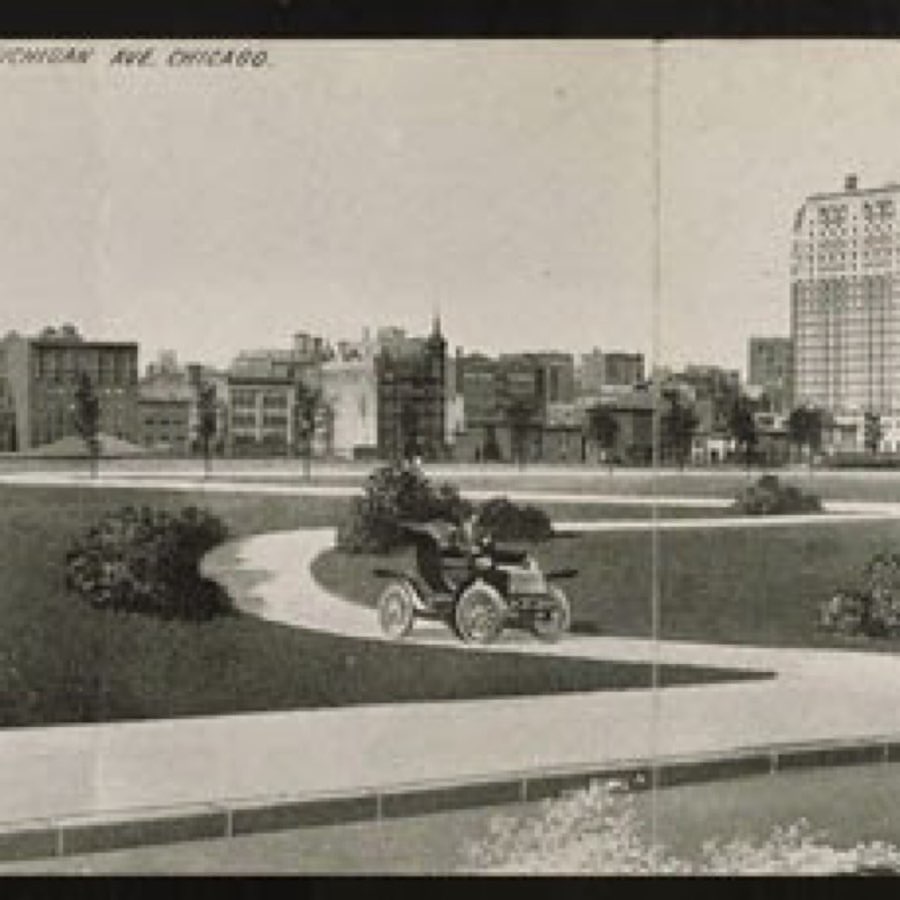
Hotels that welcome travelers, and then there are hotels that host history itself. Rising with quiet grandeur along South Michigan Avenue, the Blackstone Hotel is more than a place to rest your head: it is a stage upon which presidents, movie stars, gangsters, and titans of industry once played their parts. Here, amid glittering chandeliers and Beaux-Arts splendor, Chicago’s story unfolds with every echo through the marbled halls.
Architectural Marvel
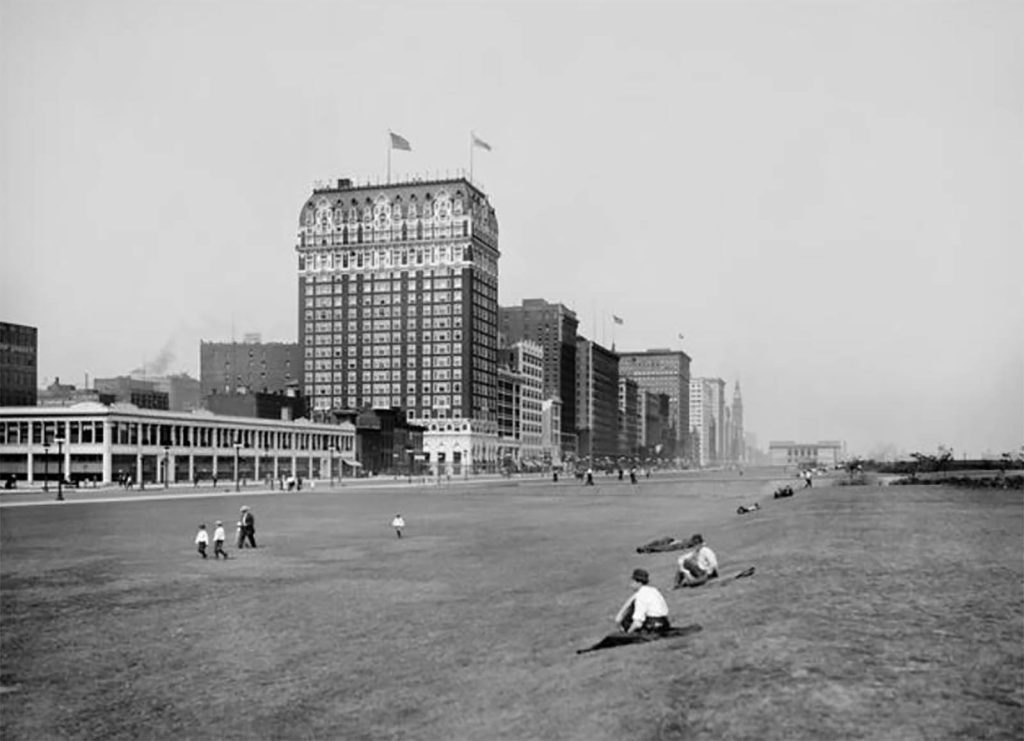
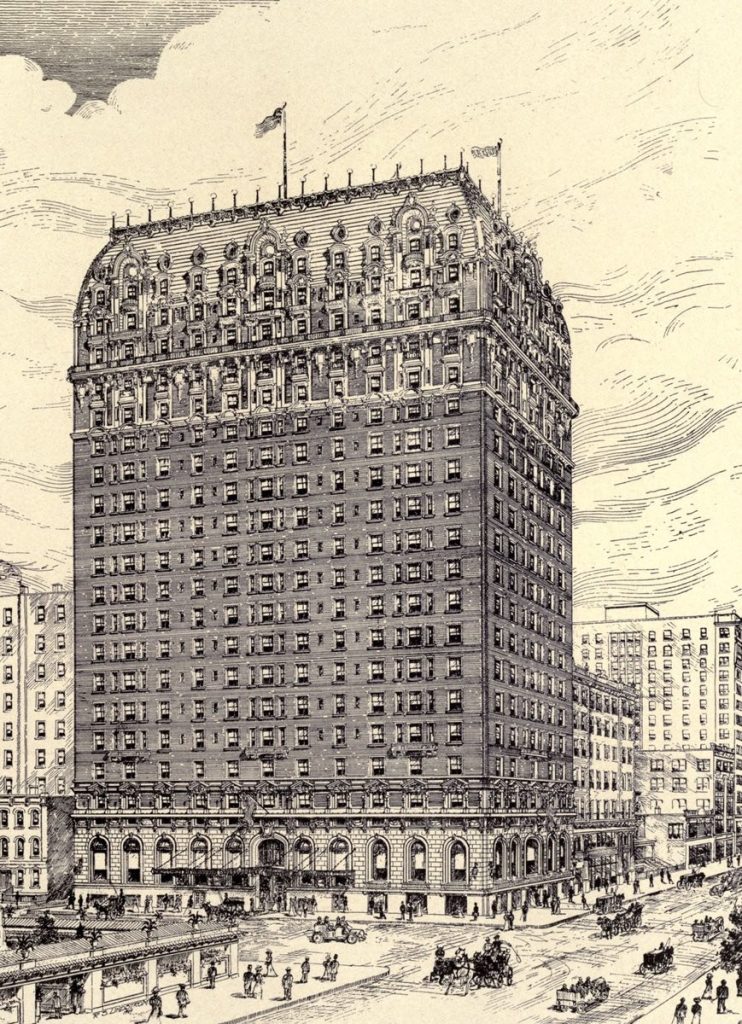
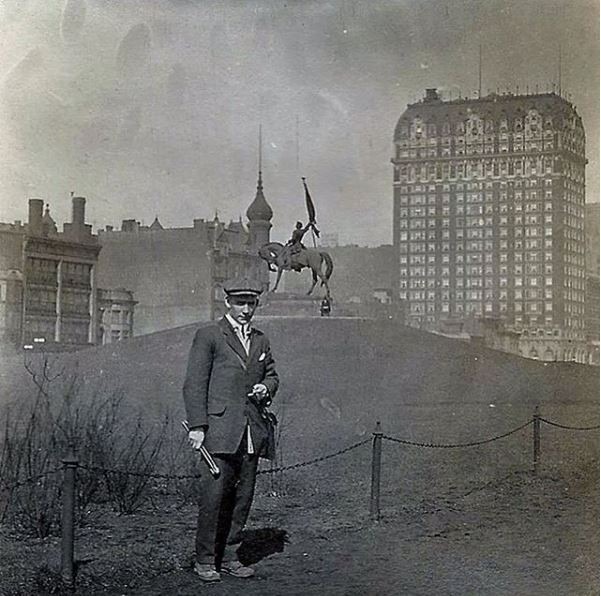
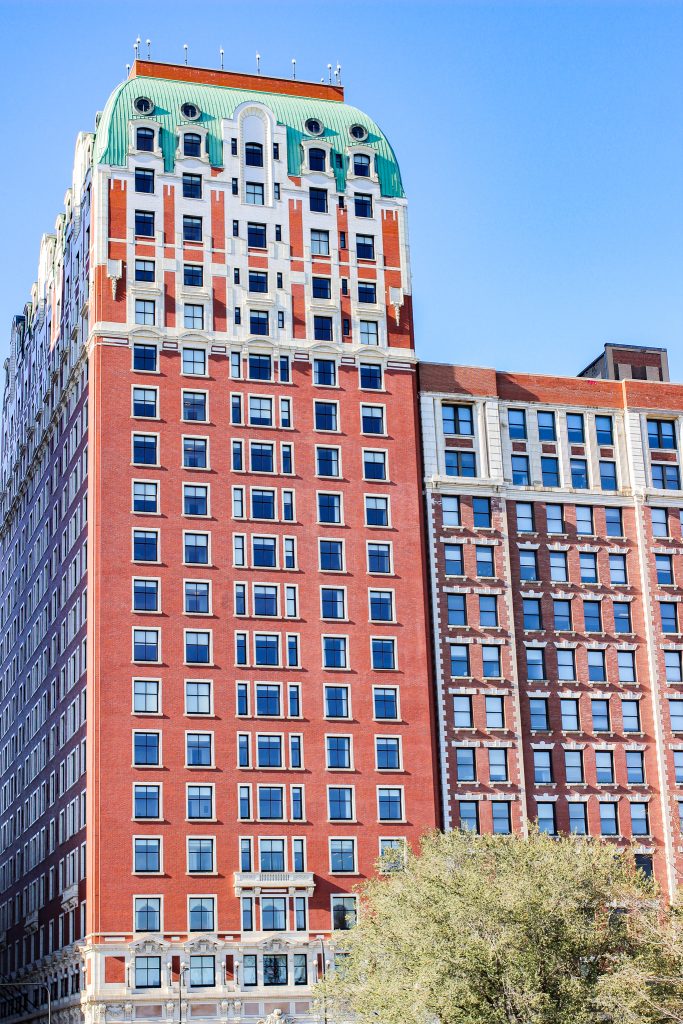
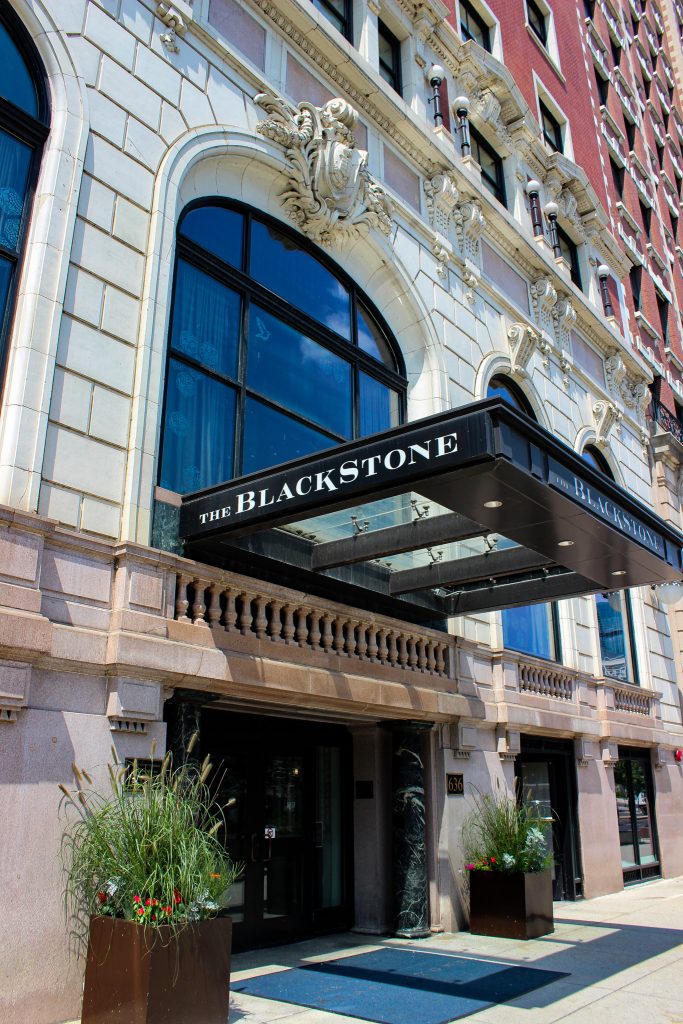
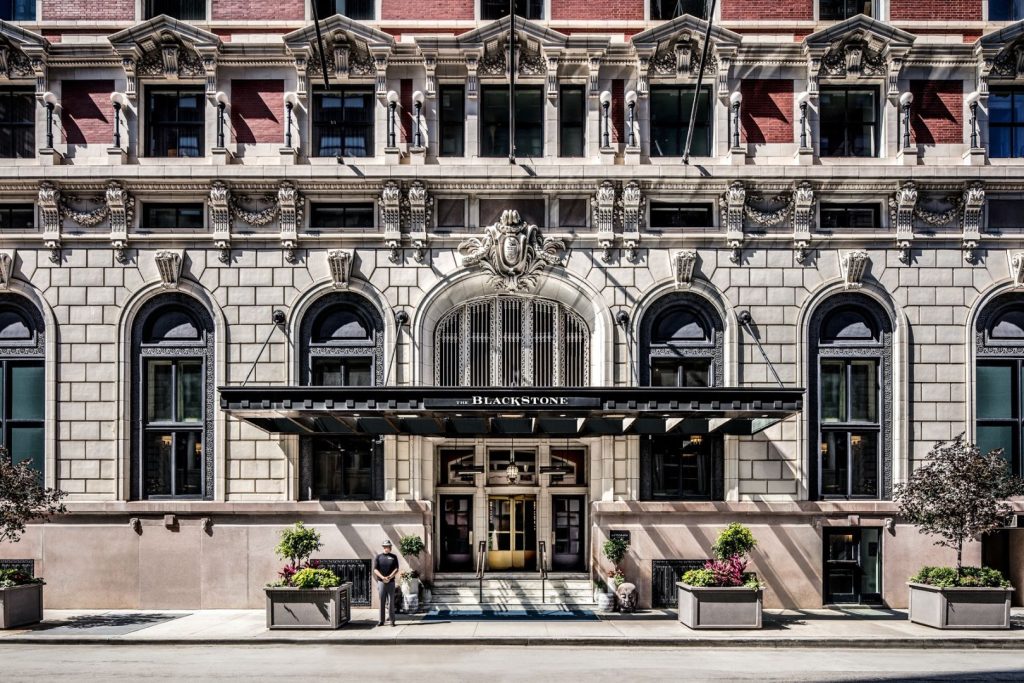
When the Blackstone opened in 1910, it was hailed as the “Hotel of Presidents,” a gleaming jewel in Chicago’s flourishing downtown. Designed by renowned architects Marshall and Fox, who also created the legendary Drake Hotel, the Blackstone embodies Beaux-Arts elegance through its limestone base, ornate brickwork, and richly detailed cornice.
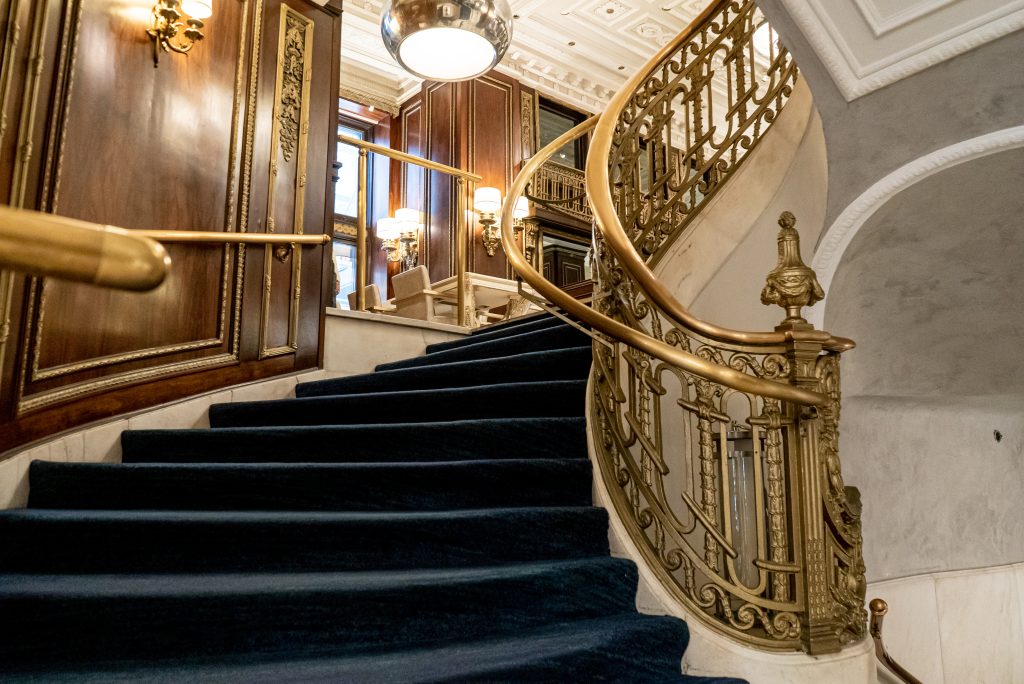
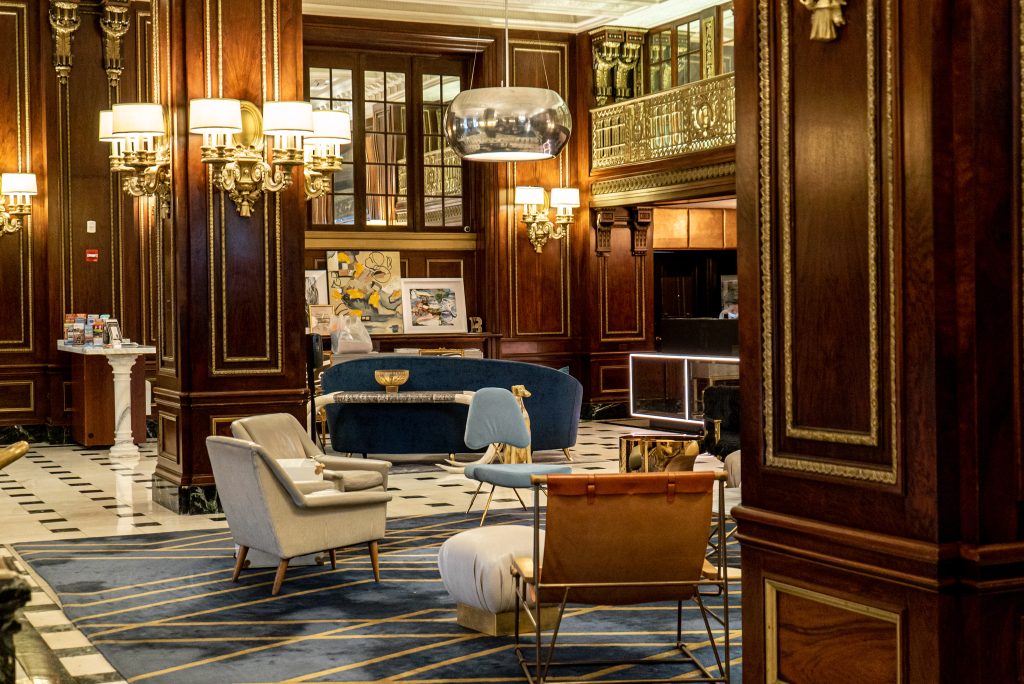
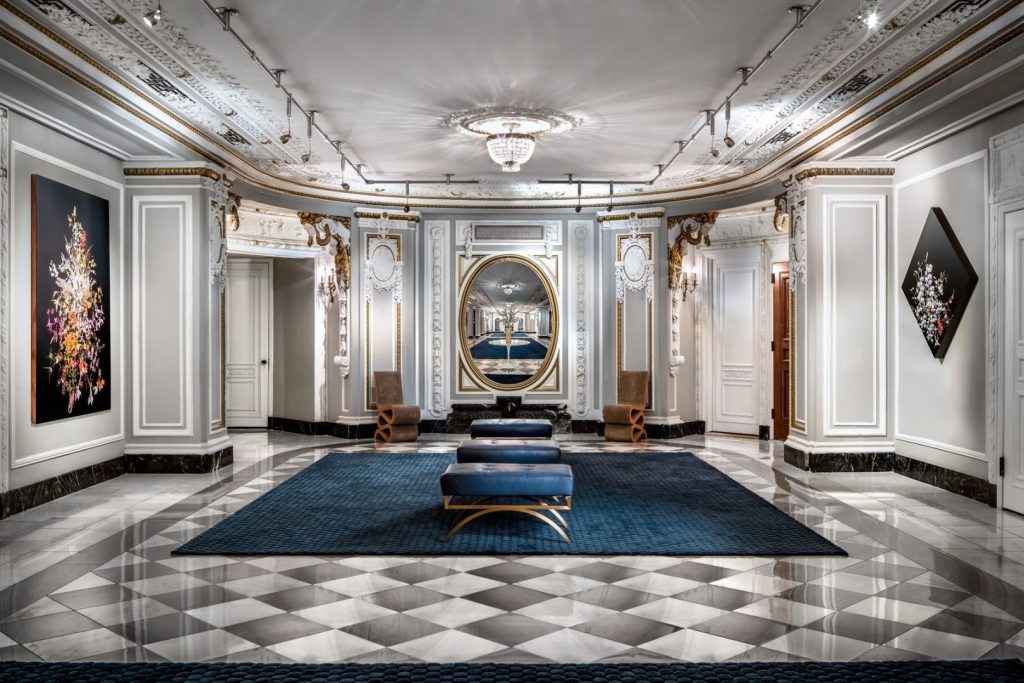
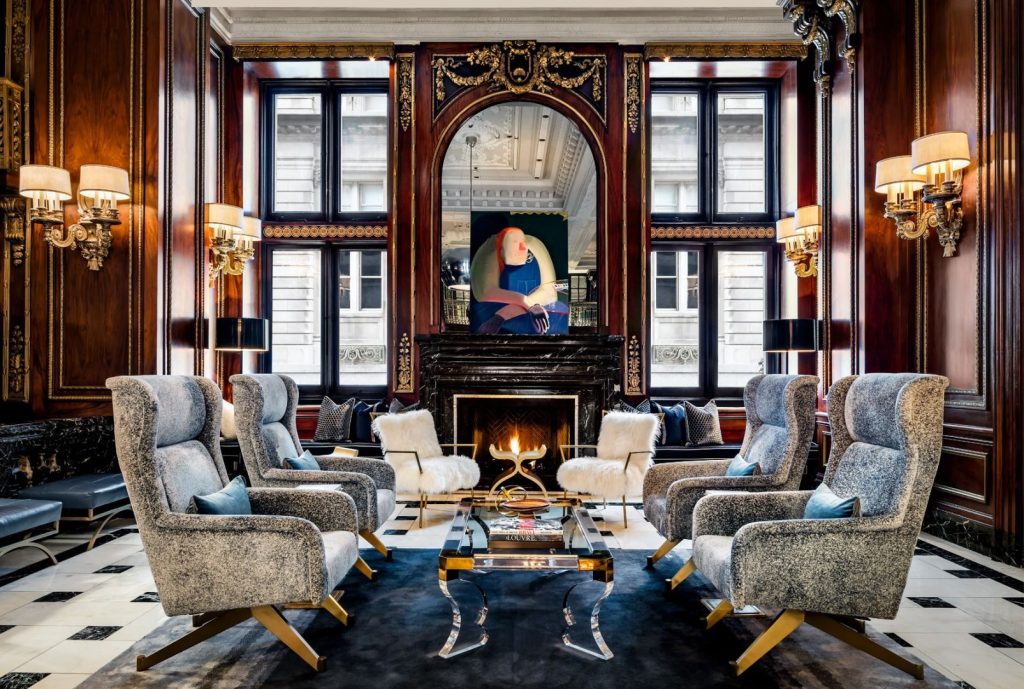
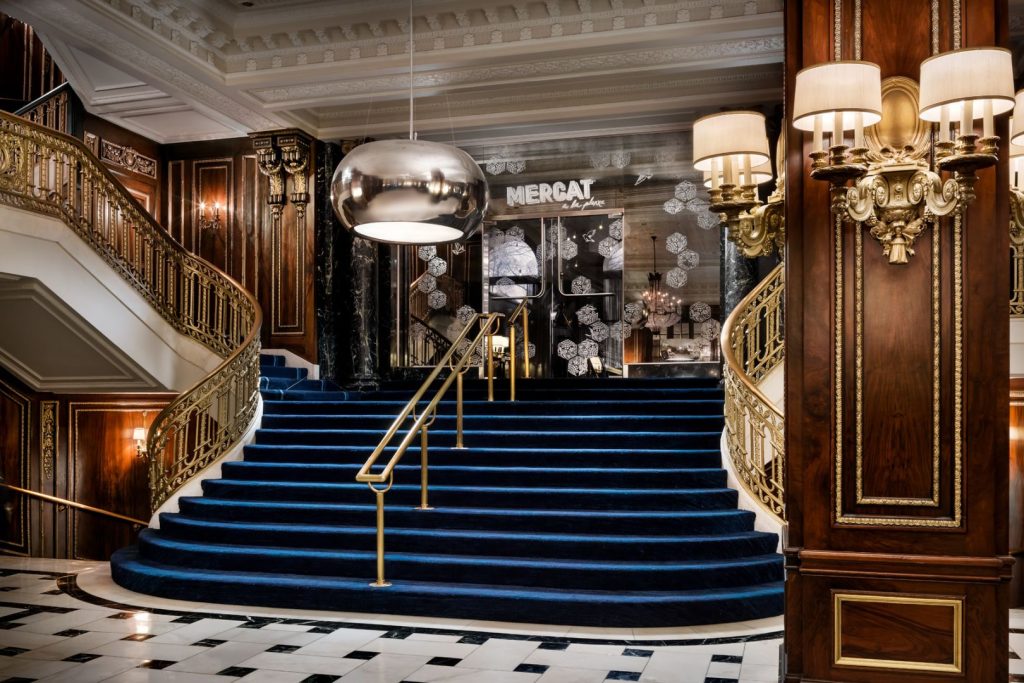
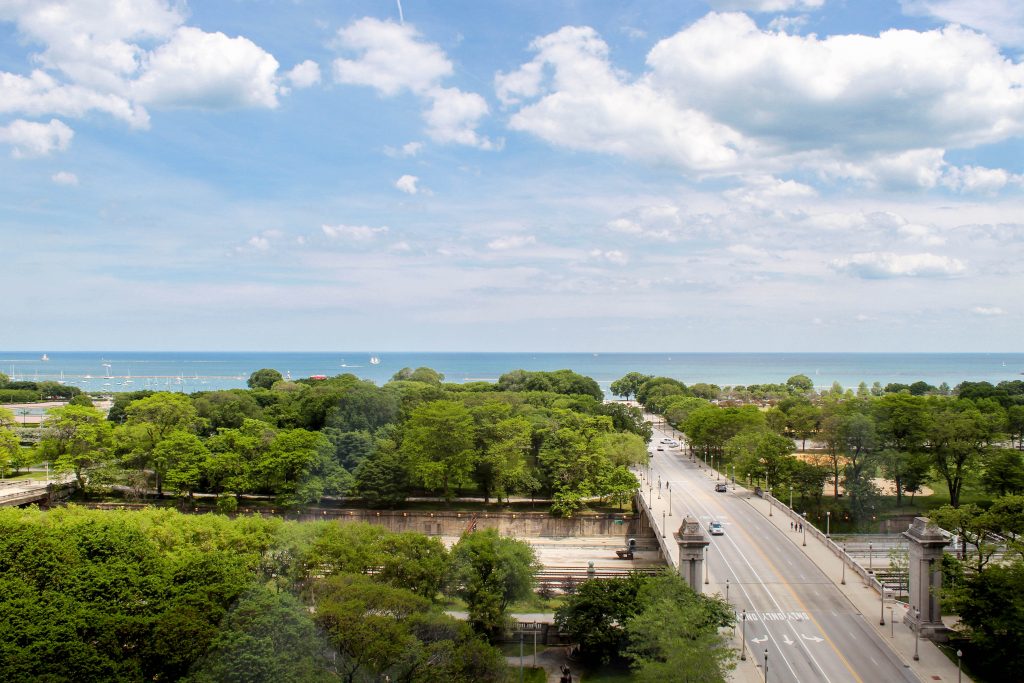
Inside, the hotel exemplifies early 20th-century opulence. Bronze staircases wind gracefully past marble columns. Decorative plaster ceilings soar above gilded ballrooms, their intricate flourishes still catching light as they did in the age of the Great Gatsby. The Crystal Ballroom, with its grand arched windows overlooking Grant Park and Lake Michigan, remains a setting worthy of a Fitzgerald novel.
The famous “Smoke-Filled Room” on the hotel’s 13th floor is where American political history was quite literally made. During the 1920 Republican National Convention, party leaders sequestered themselves in that smoky room and selected Warren G. Harding as their presidential nominee, cementing the phrase “smoke-filled room” in the American political lexicon forever.
A Parade of Illustrious Guests
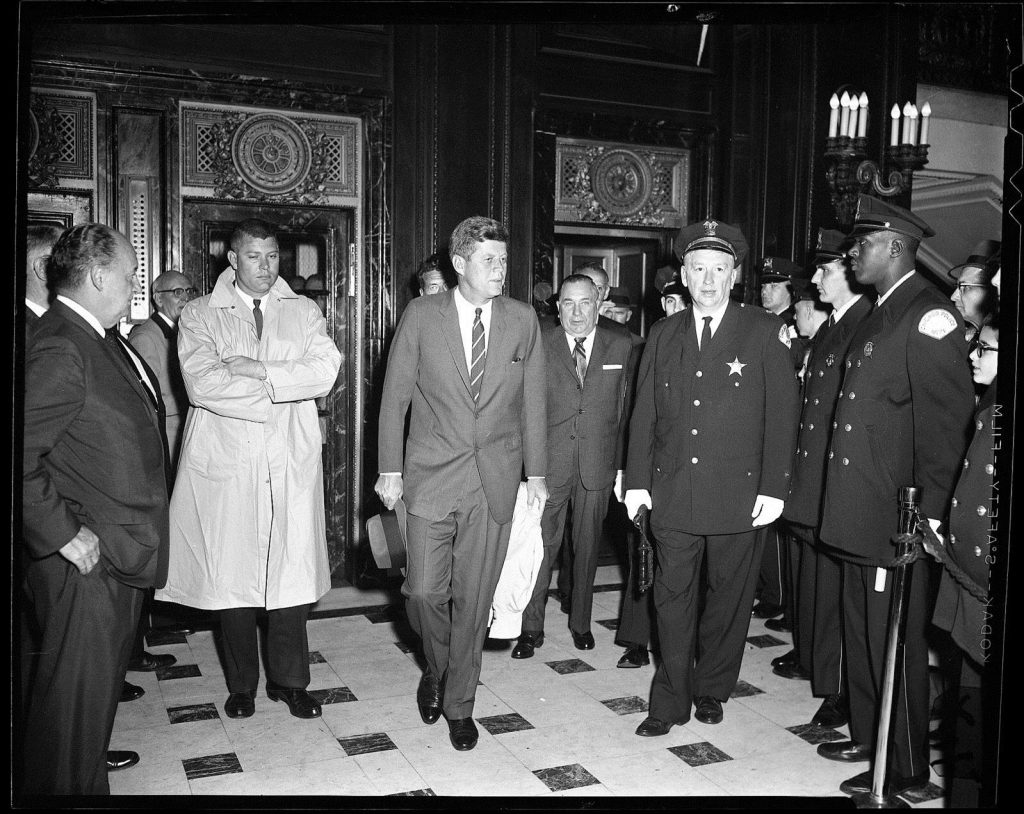
Over its long and storied life, the Blackstone has hosted no fewer than a dozen U.S. Presidents from Teddy Roosevelt to Jimmy Carter. John F. Kennedy stayed at the Blackstone while campaigning through the Midwest, adding another presidential chapter to the hotel’s distinguished guestbook. Each room seems to hum with the whispered conversations of power brokers, diplomats, and dignitaries.
The Astors, Rockefellers, and Vanderbilts were frequent visitors too. Hollywood royalty, too, found the Blackstone a fitting home away from home. Rudolph Valentino, the silent film star, was known to swirl across the ballroom floor. Katharine Hepburn, Greta Garbo, and Lena Horne each found refuge in the hotel’s lavish suites. Even Al Capone, Chicago‘s most infamous son, frequented the hotel, though he preferred to slip in and out quietly with his entourage during the city’s volatile Prohibition years. The Blackstone was also central to mobster Charles “Lucky” Luciano.
In the 1950s, the Blackstone became a favorite retreat for performers at the nearby Orchestra Hall and Auditorium Theatre. Frank Sinatra, Nat King Cole, and Louis Armstrong all left their marks in its grand corridors.
Here’s a timeline from this fascinating hotel:
Timothy Blackstone, president of Union Stock Yards and the Chicago & Alton Railroad, built a mansion at the intersection of South Michigan Avenue and Hubbard Court (now Balbo Street) in the late 1800s.
At Timothy Blackstone’s death in 1900, his wife sold the mansion to hoteliers John and Tracy Drake.
1908 – The mansion was demolished and construction began for a new hotel designed by famed Chicago architects Marshall & Fox.
• 1910 – On April 6, The Blackstone Hotel opened to enthusiastic fanfare. Enrico Caruso, the legendary opera singer, performed at the opening ceremony.
● 1920s – Al Capone, head of Chicago’s most ruthless crime syndicate, held meetings in the windowless barbershop at The Blackstone while getting his haircut.
An Associated Press reporter dubbed Suite 915 “the smoke-filled room” when Republican leaders and party power brokers met secretly there to nominate Warren G. Harding in the 1920s. Harding as the party’s candidate for president.
● 1931 – Charles “Lucky” Luciano hosted the first Crime Convention in the Crystal Ballroom of The Blackstone. The event was held to establish a board of directors for his “National Crime Syndicate”.
● 1944 – Harry Truman reluctantly pondered whether to accept the VP nomination to run with Roosevelt, negotiating privately by phone with his wife in the Suite of Presidents. He played the “Missouri Waltz” on the piano for his staff.
1952 – Eisenhower watched his presidential nomination unfold in the Suite of Presidents.
1959 – The Duke and Duchess of Windsor stayed at The Blackstone.
President Kennedy savored the hotel’s Boston Clam Chowder in the Suite of Presidents in 1962 before returning to DC for Cuban missile crisis negotiations.
The Color of Money, starring Paul Newman, was filmed in the Crystal Ballroom in 1987.
1995 – Maharishi Mahesh Yogi, the guru to the Beatles, purchased The Blackstone.
• 1999 – The Blackstone closes after the Maharishi Yogi’s failed attempt to convert it into a luxury condominium complex.
2006-2008 Sage Hospitality acquires the hotel and begins a two-year transformation. The Blackstone reopens as the Renaissance Blackstone Chicago hotel.
The Blackstone undergoes a revitalization in 2017 and is converted to The Blackstone, Autograph Collection, becoming
The Blackstone Today
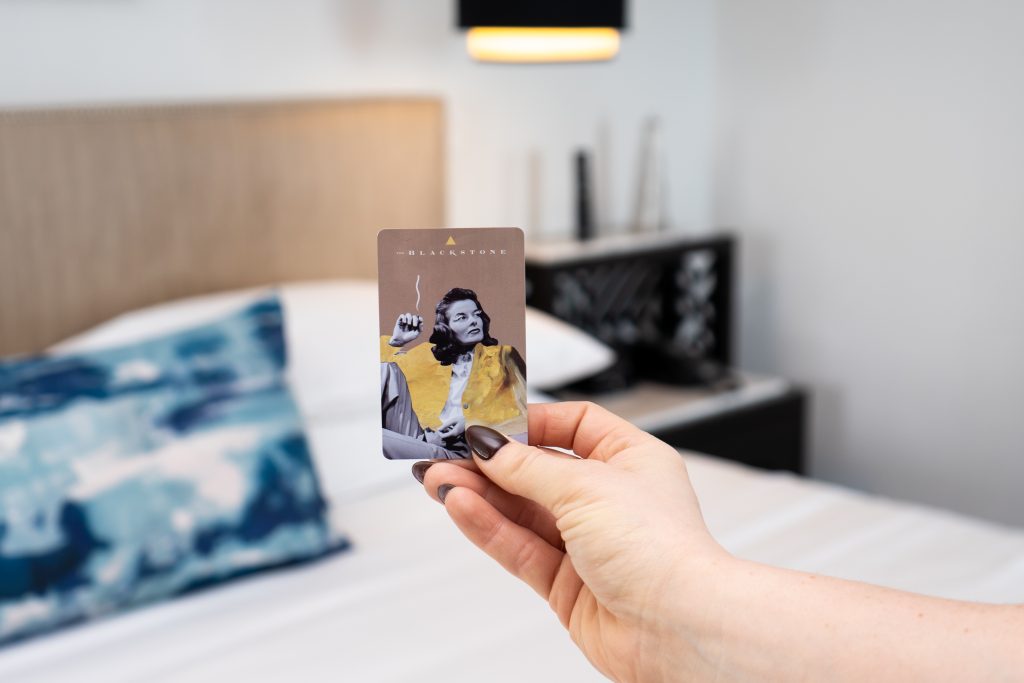
Meticulously restored to its original grandeur in the early 21st century, the Blackstone now gleams as a Marriott Autograph Collection property that honors its illustrious past while embracing modern sophistication.
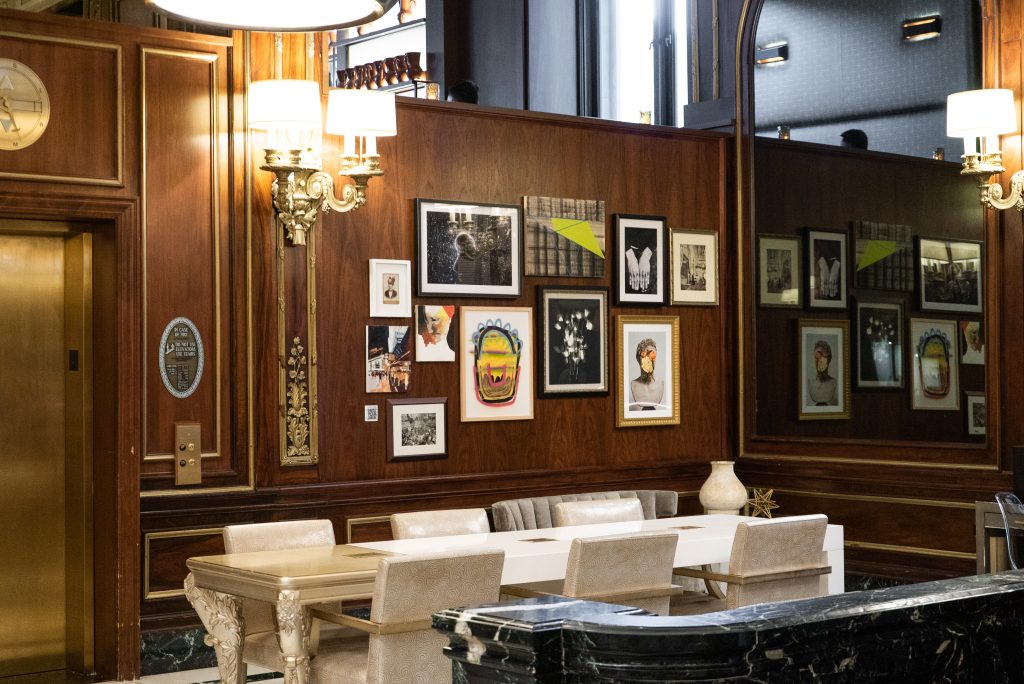
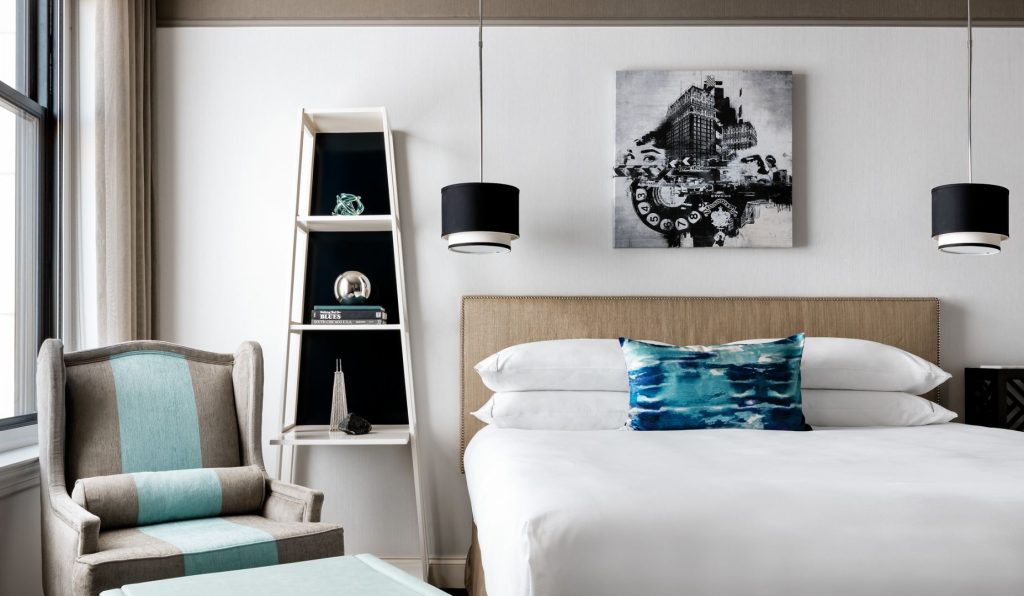
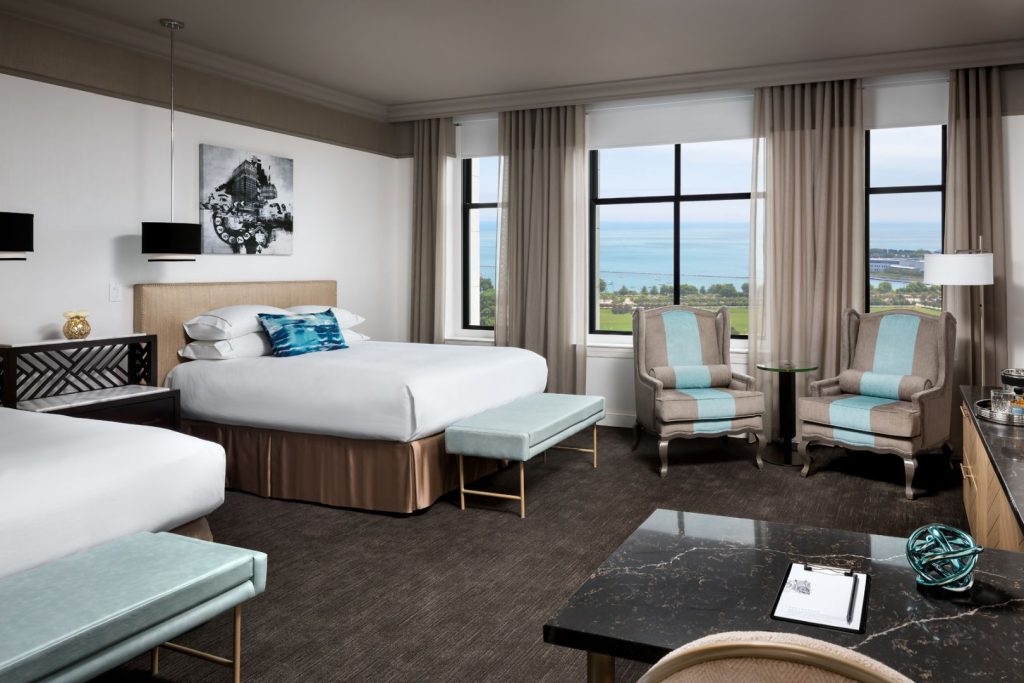
Original mosaics, marble floors, and wood-paneled public rooms remain lovingly preserved. Guest rooms blend historic charm with contemporary comfort, many offering sweeping views of Grant Park and the ever-changing waters of Lake Michigan.
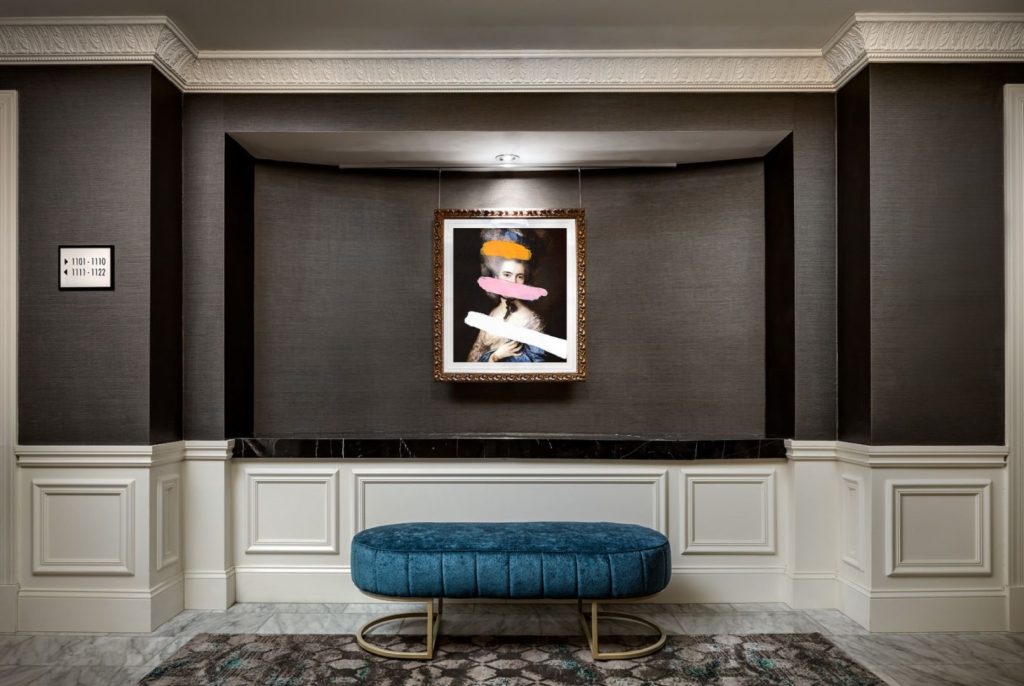
Visitors can dine at Mercat a la Planxa, the hotel’s acclaimed Catalan restaurant, or enjoy cocktails in the Art Hall, where modern artworks contrast brilliantly with the hotel’s Belle Époque architecture.
Closing Reflection
To stay at the Blackstone is to drift through layers of time: to dance with Valentino, to plot strategy with Harding’s advisors, to catch the echo of a trumpet raised in midnight celebration.
It is a reminder that history is not locked away in dusty archives but lives and breathes, welcoming those who seek to linger a while longer under its golden chandeliers.
When next you find yourself in Chicago, check into the living memory of a city that has never stopped dreaming.
This article was featured in the Summer 2025 issue of The Historic Traveler Magazine.

Where to Stay in Chicago, United States
The Blackstone Hotel remains an excellent choice for history-focused travelers, occupying a prime Michigan Avenue location within walking distance of the Art Institute, Grant Park, and the Chicago Cultural Center. Built in 1910, staying here means sleeping in the same building where countless historic figures stayed, from presidents to visiting dignitaries. The hotel preserves its period character while providing modern amenities, ideal for extended stays.
For those seeking alternatives in the same neighborhood, the historic core around Michigan Avenue and the Loop has several options. The Congress Plaza Hotel, also dating to the early 1900s, sits directly across from Grant Park and offers similarly central access to downtown attractions and museums. Both properties put you near the ‘L’ transit system, so you can easily reach other Chicago neighborhoods without a car.
If you prefer quieter lodging, the Gold Coast neighborhood to the north offers brownstone hotels and smaller inns with less foot traffic than downtown, while staying within 10 to 15 minutes of the central attractions. Hotels in this area favor boutique and independent properties over chains, offering a more residential feel while keeping major sites accessible. The neighborhood has its own architectural interest, with Victorian and early-20th-century buildings lining tree-lined streets.
Budget-conscious travelers should consider hotels north in Lincoln Park or west toward Pilsen, where rates are lower and transit connections stay strong. These neighborhoods offer their own historical layers and cultural attractions, and many visitors find that staying slightly outside downtown actually enhances their experience by keeping them closer to residential Chicago than to the tourist corridor. A 15 to 20 minute train ride returns you to downtown for daytime sightseeing.
