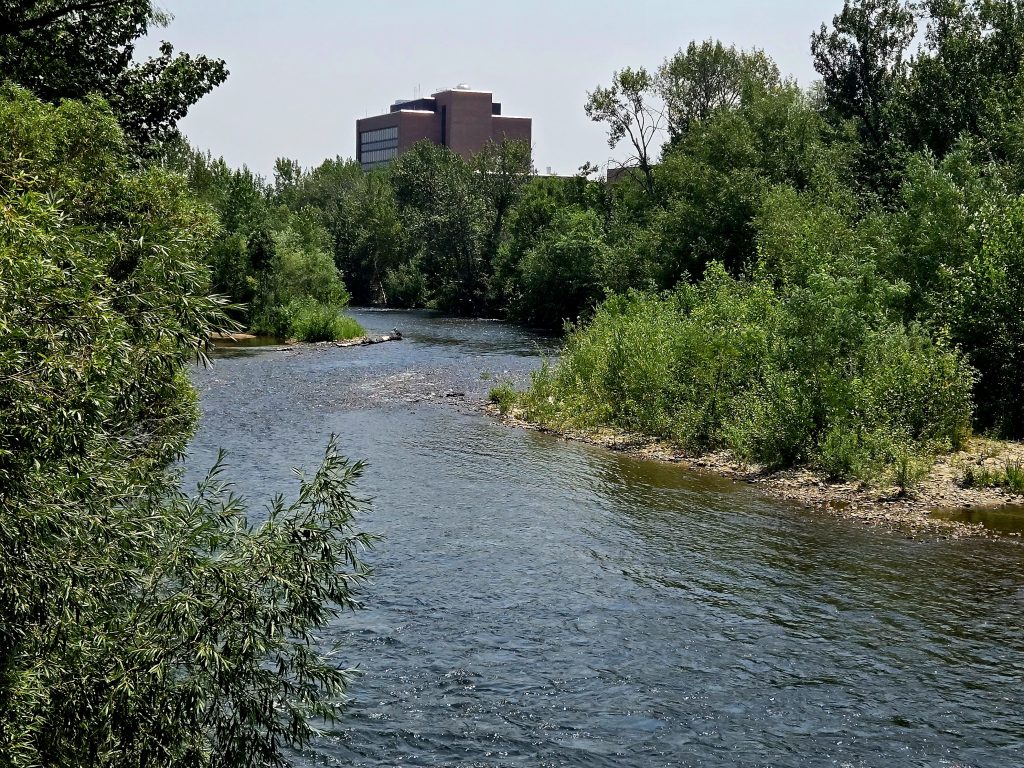
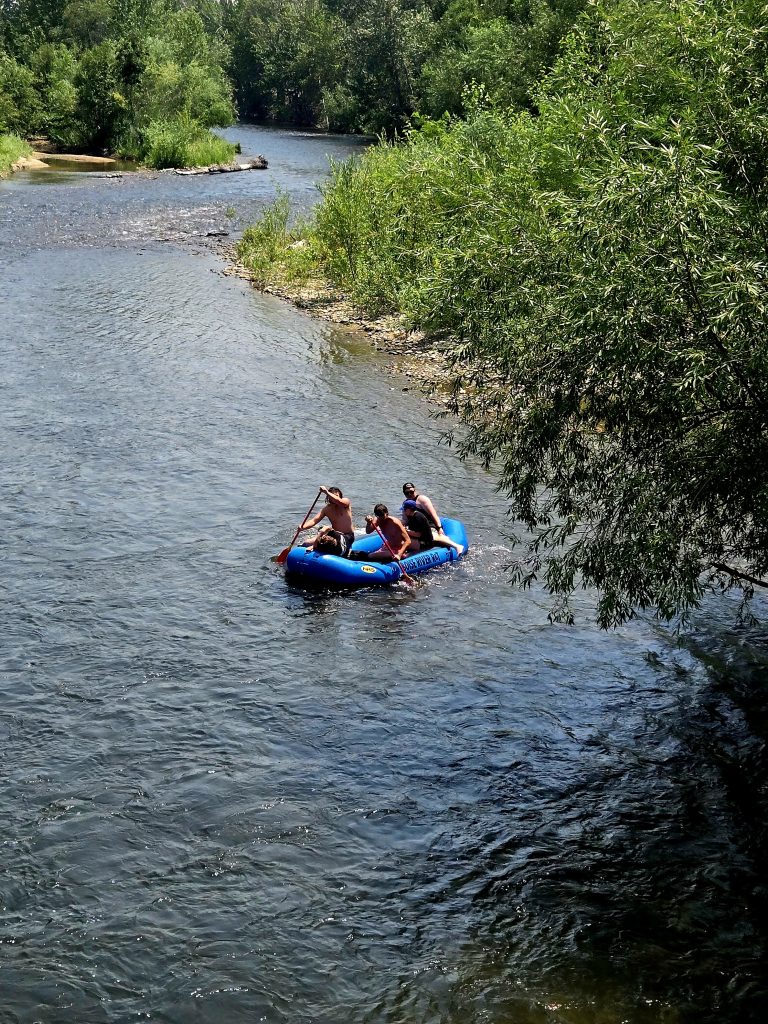
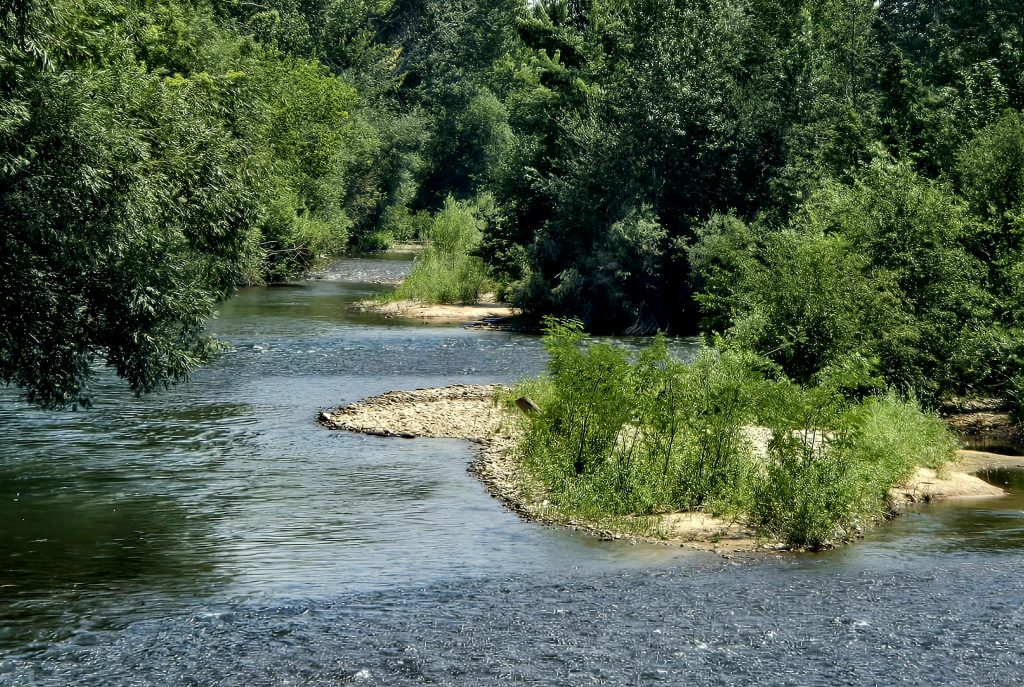
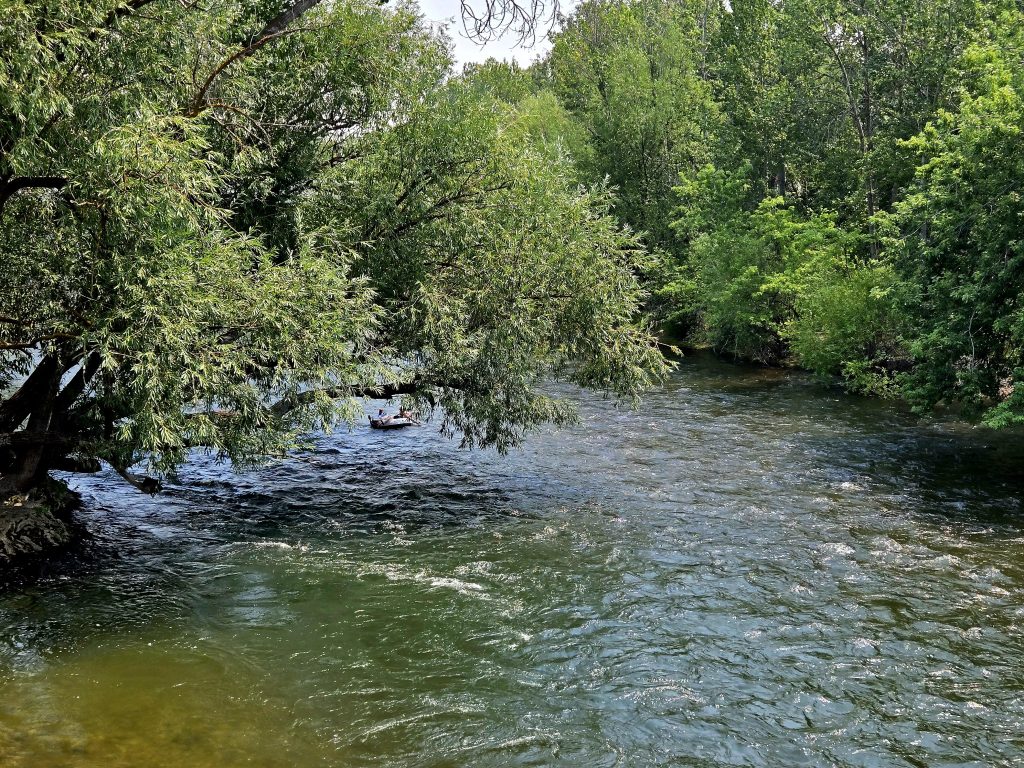
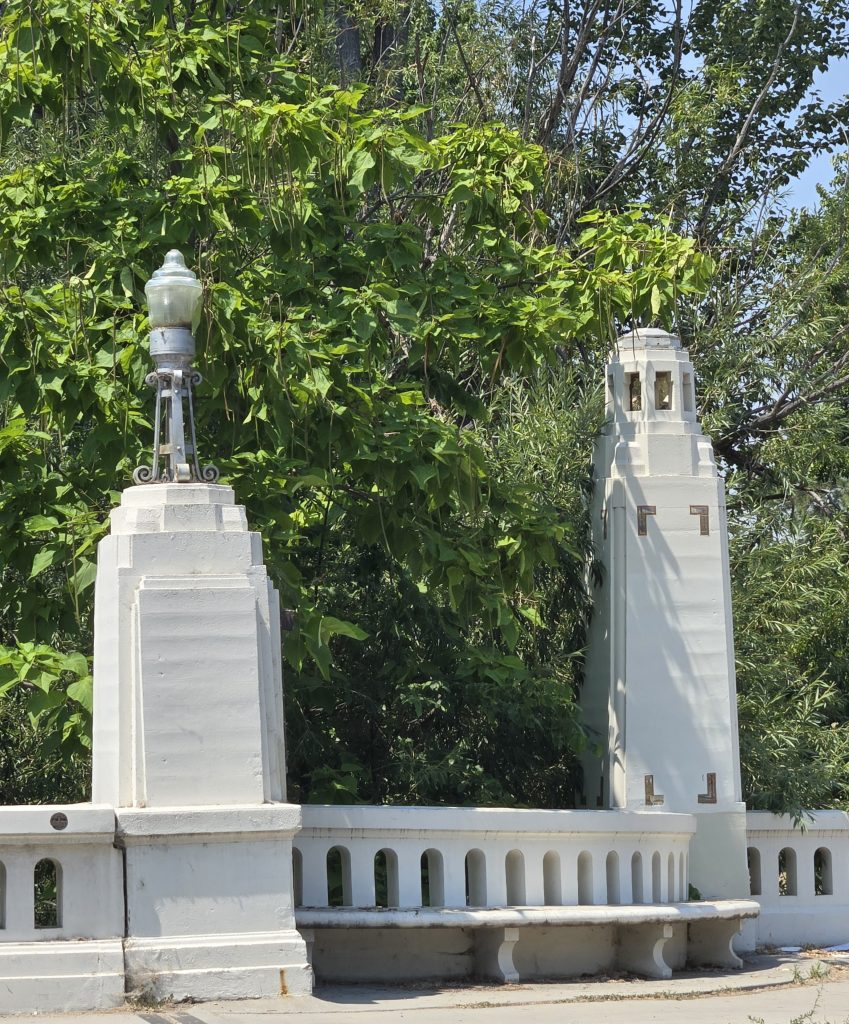
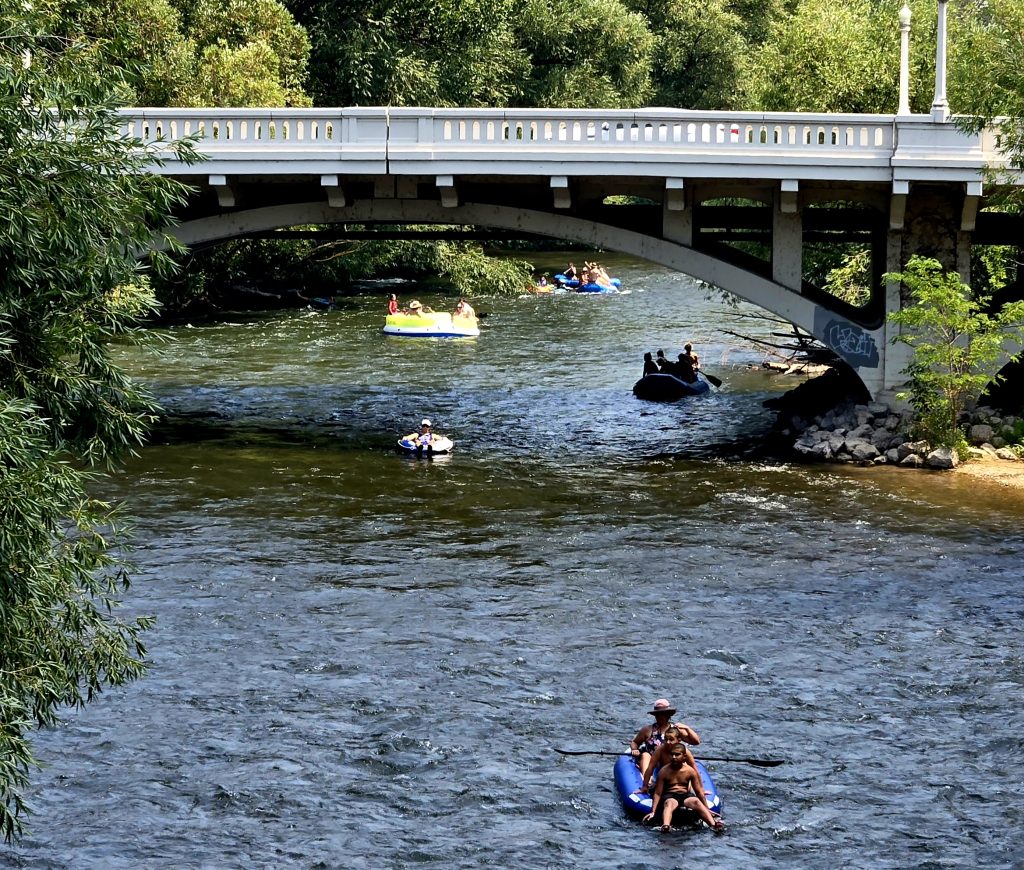
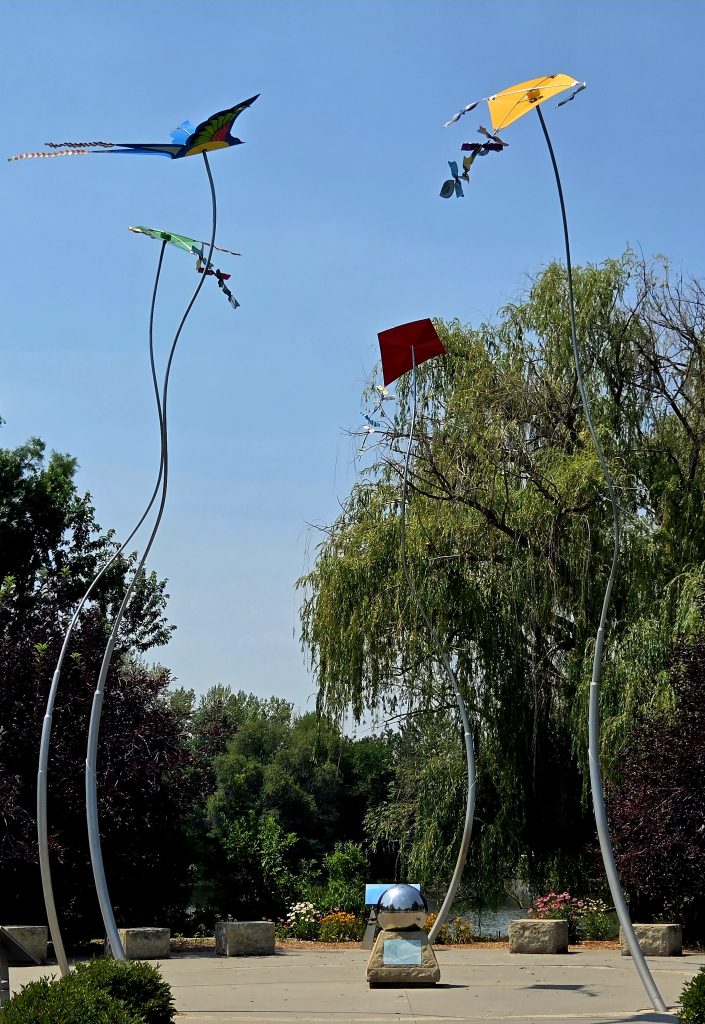
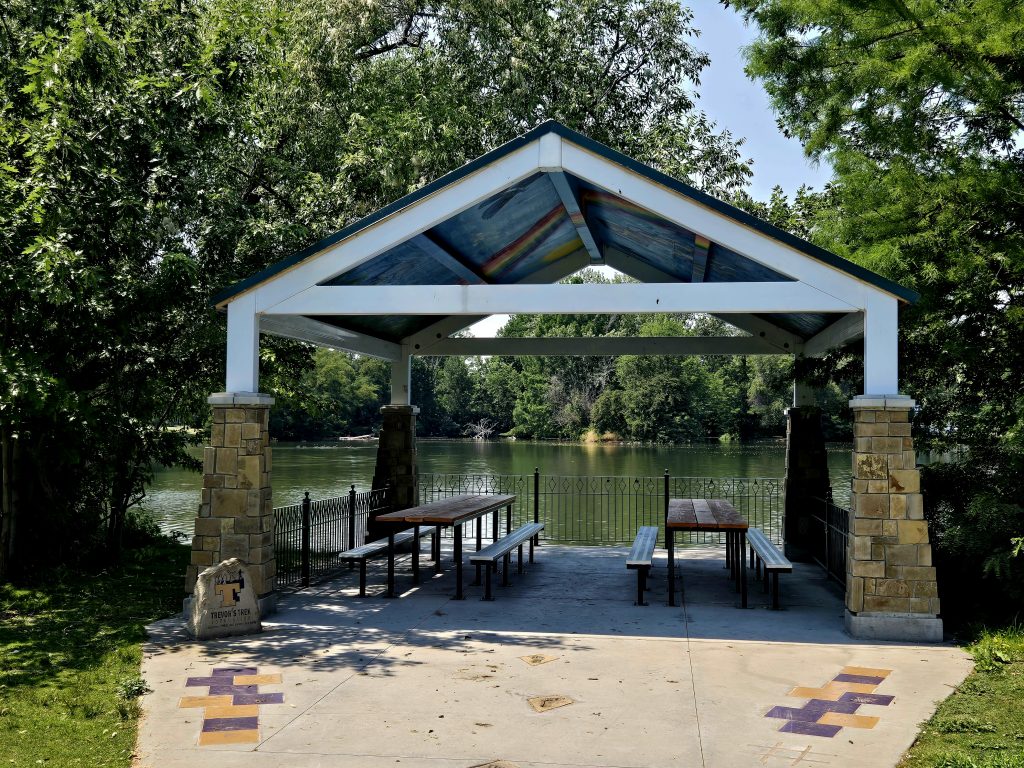
Along the gentle banks of the Boise River, beneath cottonwood and elm, a city quietly bloomed from desert dust. Here, the air carries a perfume of wild sage and river water, and the spirit of those who carved a life from the wilderness still lingers in the sunlight that dapples through century-old trees. Boise, “The City of Trees”, is a place where history hums softly, an invitation to wander, discover, and feel time stretching both backward and forward at once.
French Trappers’ Arrival
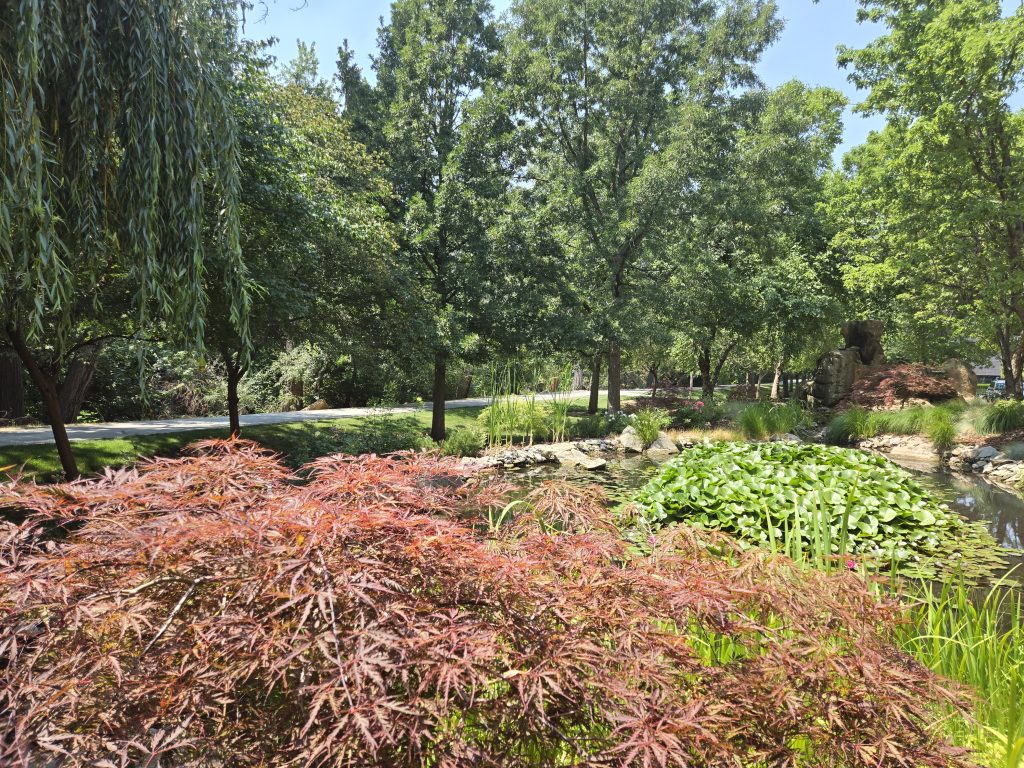
In the early 19th century, French-Canadian fur trappers navigating the vast Snake River Plain spotted a verdant oasis amid the rugged high desert, called “Les Bois,” meaning “the woods,” a word of relief and survival that gave Boise its name.
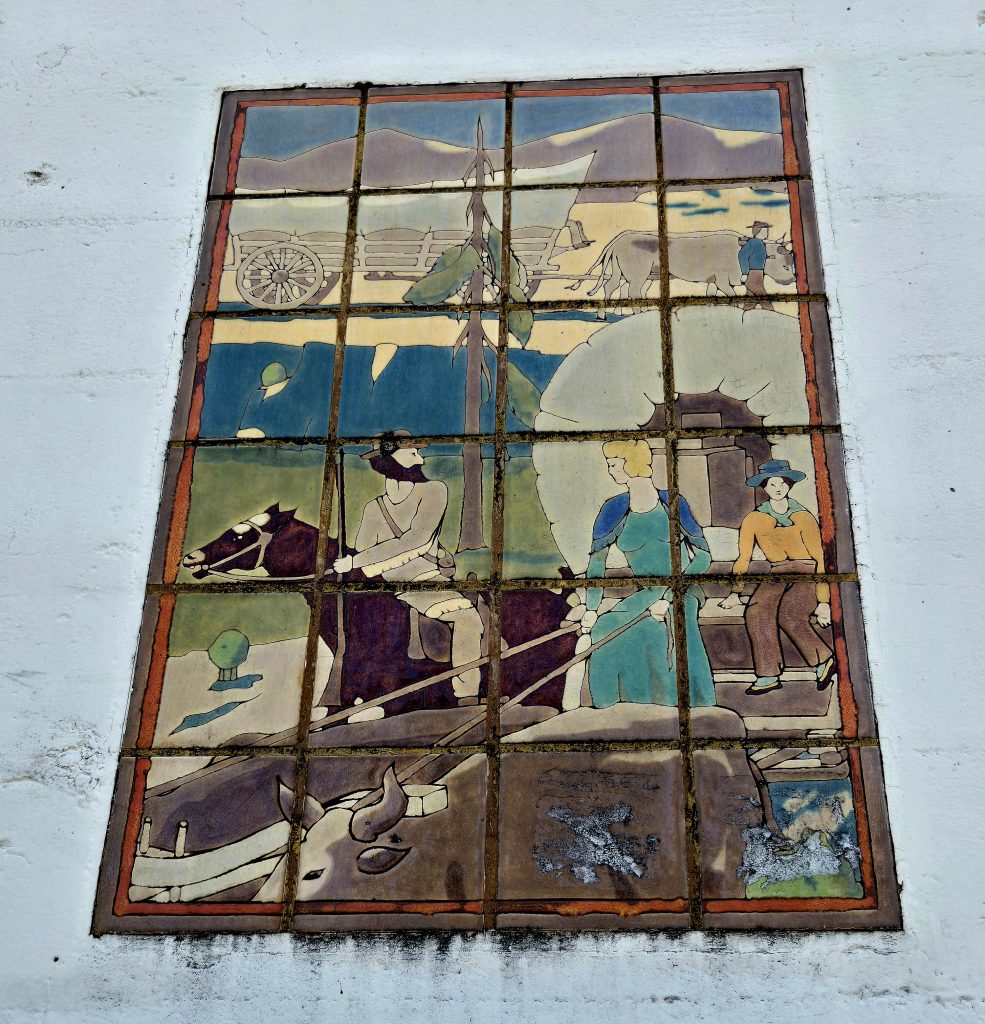
The city itself took root in 1863 when it was established first as a military outpost, Fort Boise, to protect Oregon Trail emigrants. Boise quickly blossomed into a waystation of hope for settlers braving the treacherous path westward. Irrigation transformed arid land into fertile fields, making Boise a hub for agriculture, ranching, and trade.
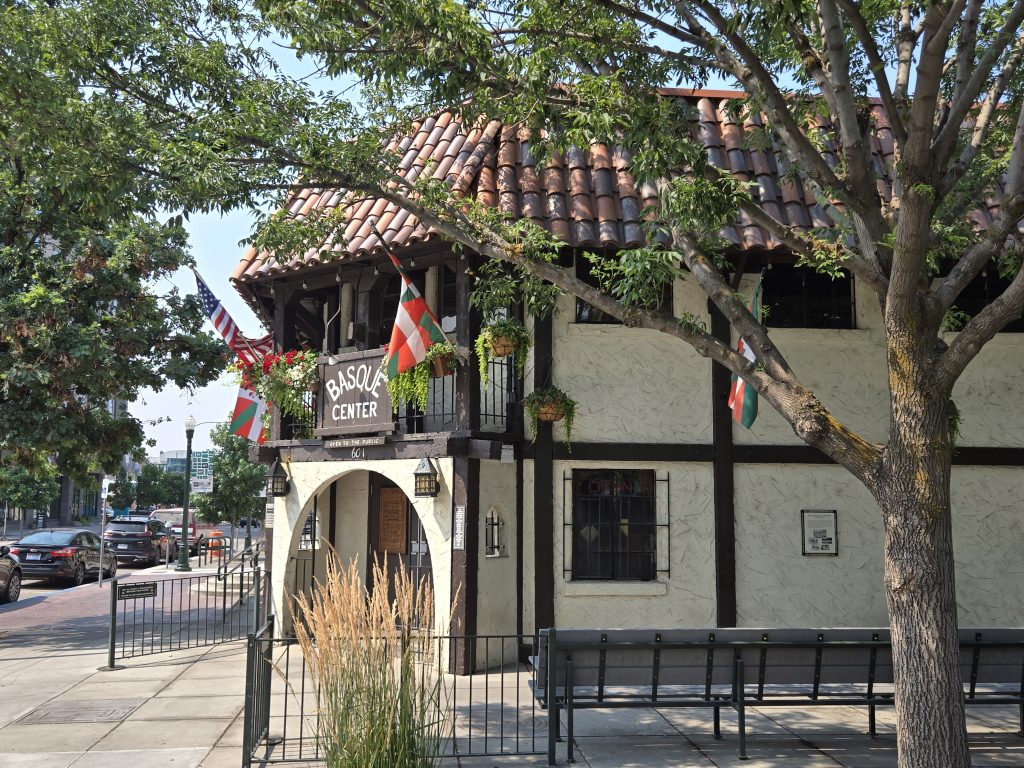
As the 19th century turned, the Basque community wove another unique thread into Boise’s fabric. Emigrants from the Pyrenees brought their language, cuisine, and shepherding skills, establishing a presence that today makes Boise home to one of the largest Basque populations outside of Europe.
Through two World Wars, the Great Depression, and a postwar boom, Boise grew steadily while balancing progress with reverence for its past. Its historic neighborhoods, shaded by massive trees planted by early citizens, remain living monuments to a city shaped by water, wilderness, and determination.
Browsing Boise
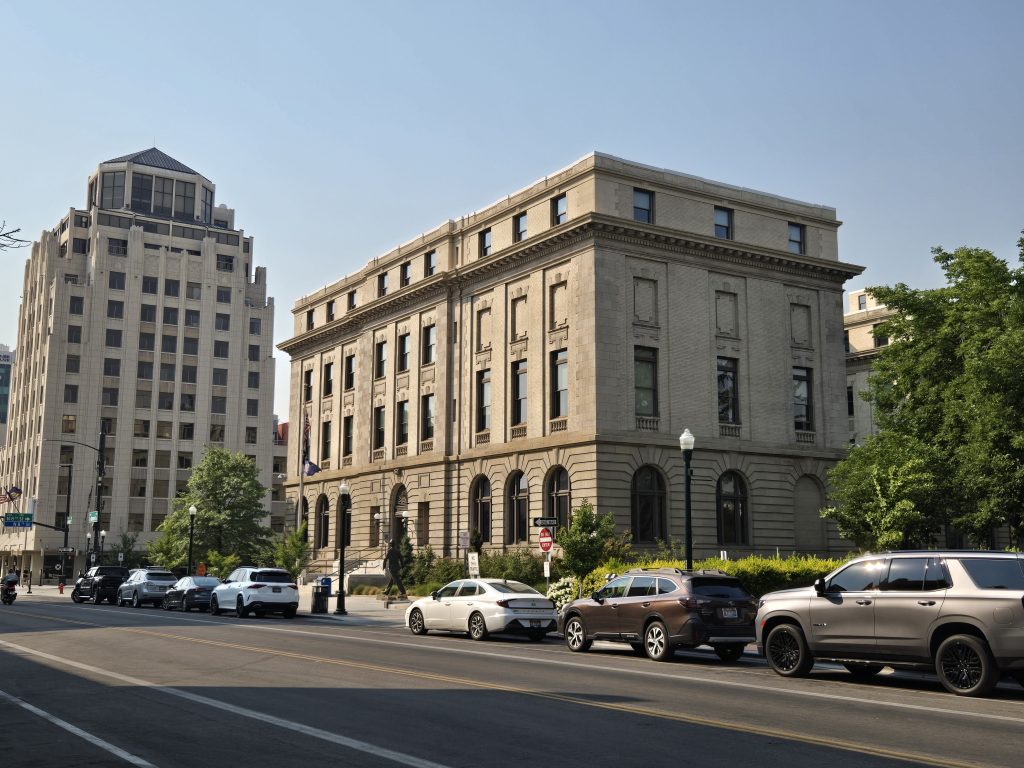
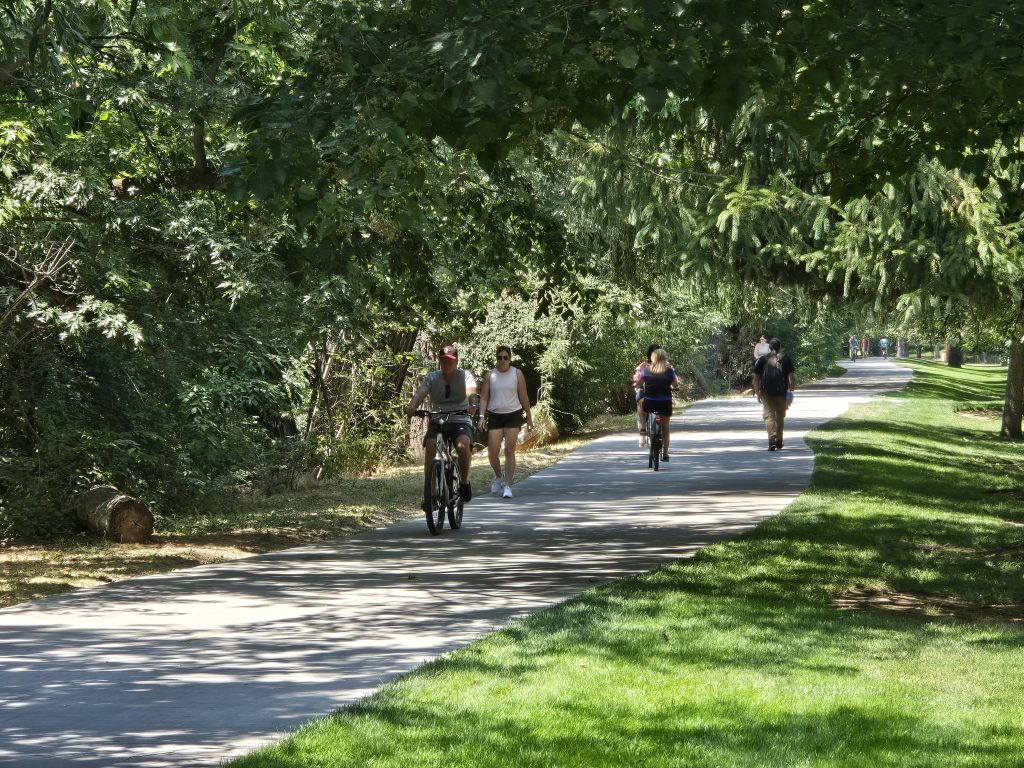
Begin your Boise adventure early in the morning, when mist still clings lightly to the Boise River Greenbelt. Joggers and cyclists whisper past as cottonwoods rustle like distant applause. The scent of dew on river stones mingles with the earthy fragrance of flowering Russian olives.
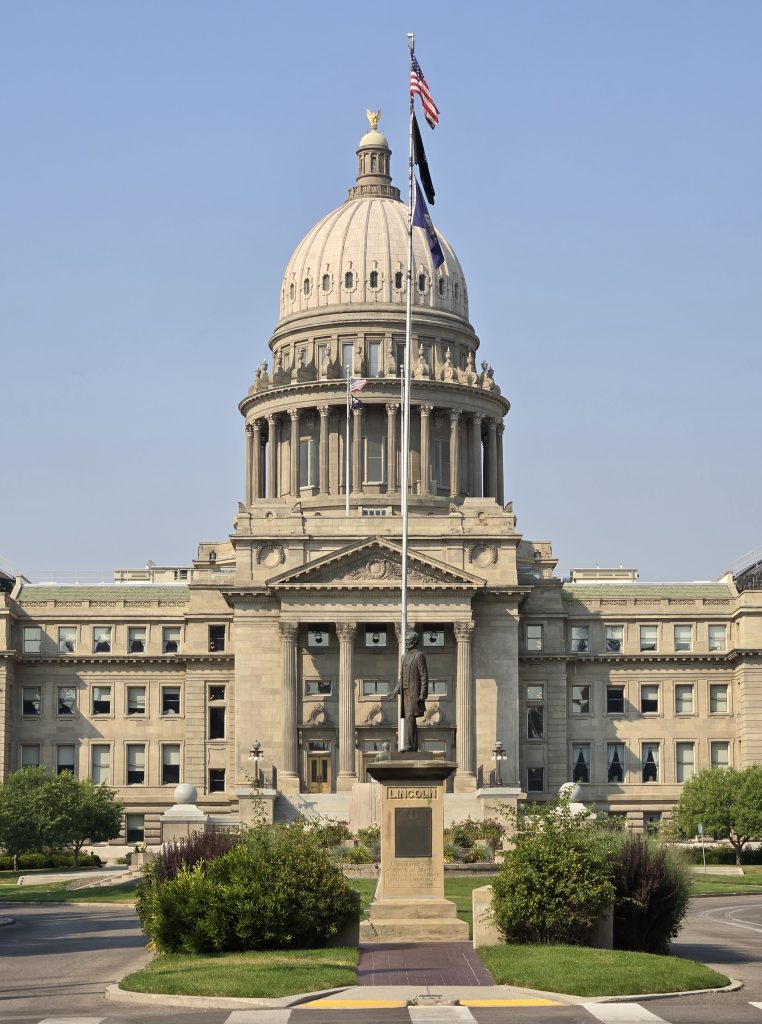
The Idaho State Capitol, built from native sandstone and marble, gleams in the sun, its copper dome crowning a rotunda that echoes the grandeur of the U.S. Capitol. Capitol yet maintains its own softer, Western grace.
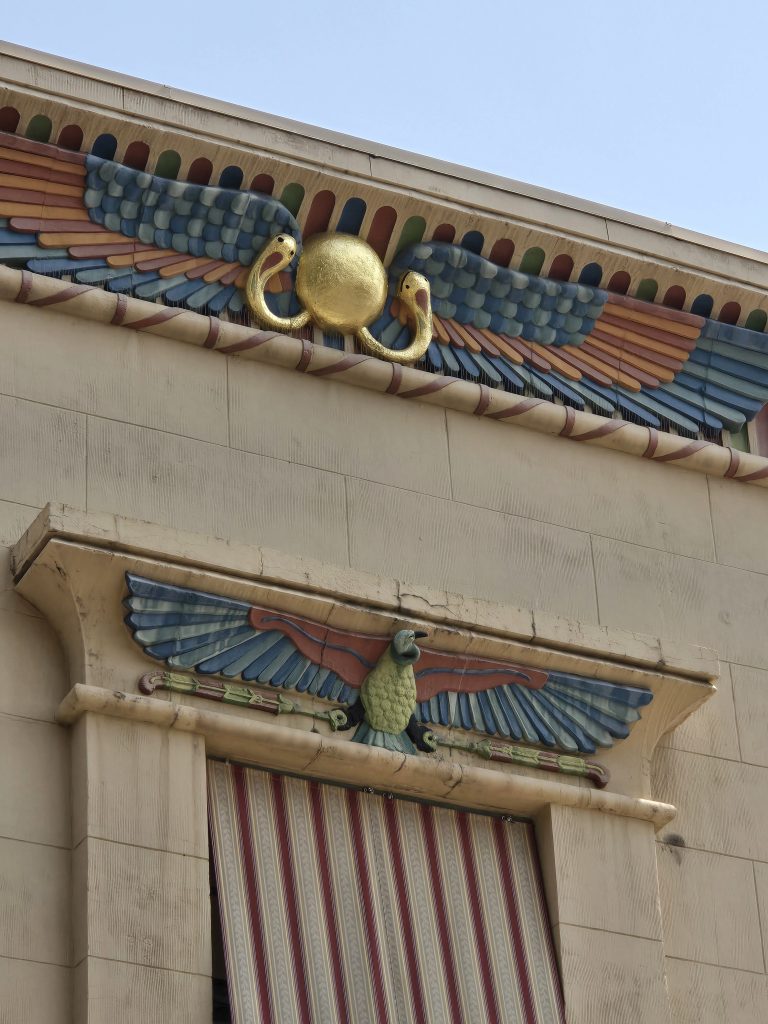
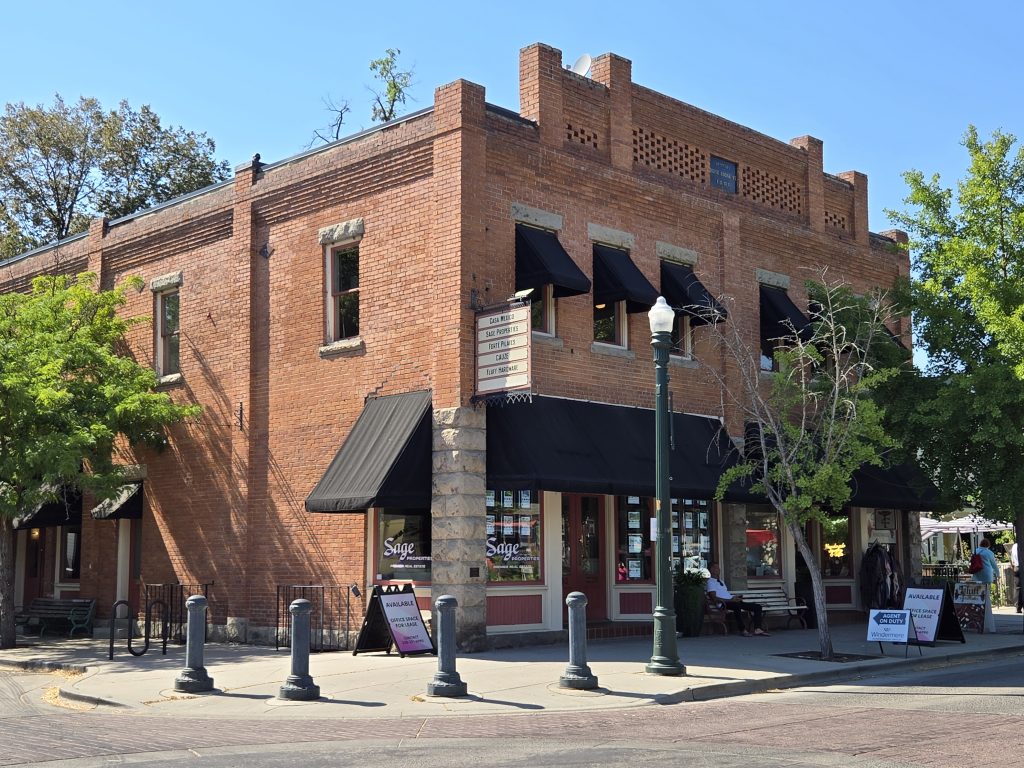
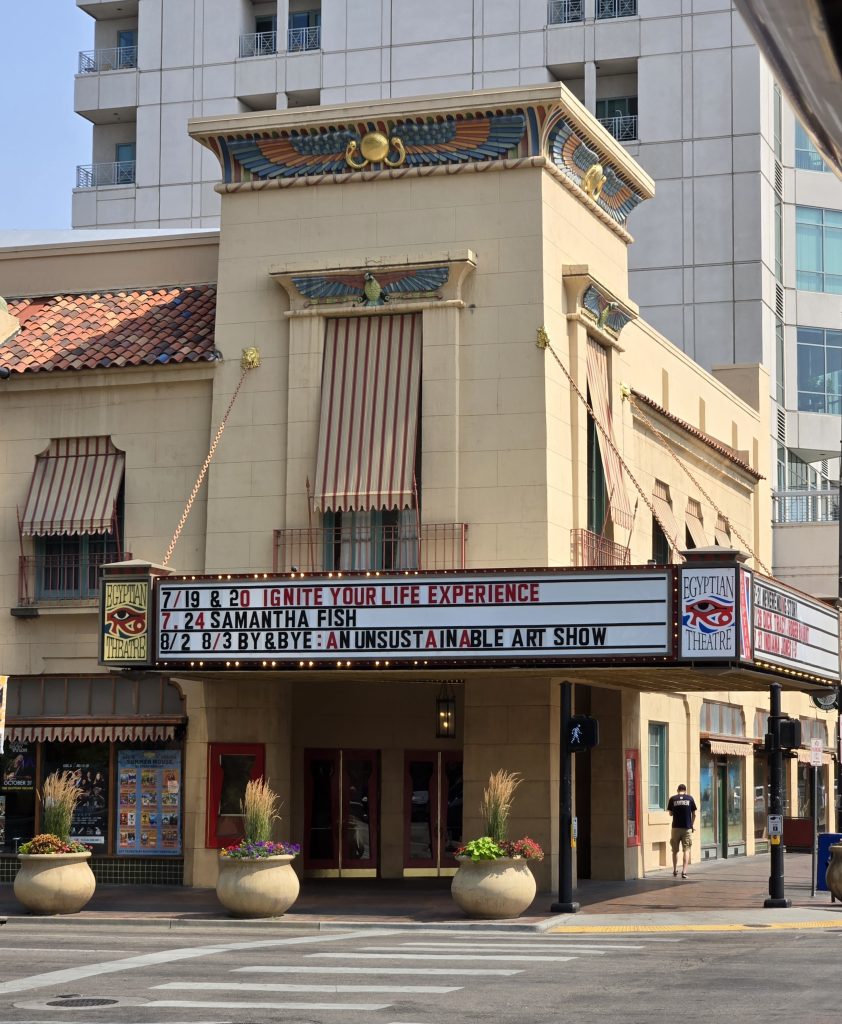
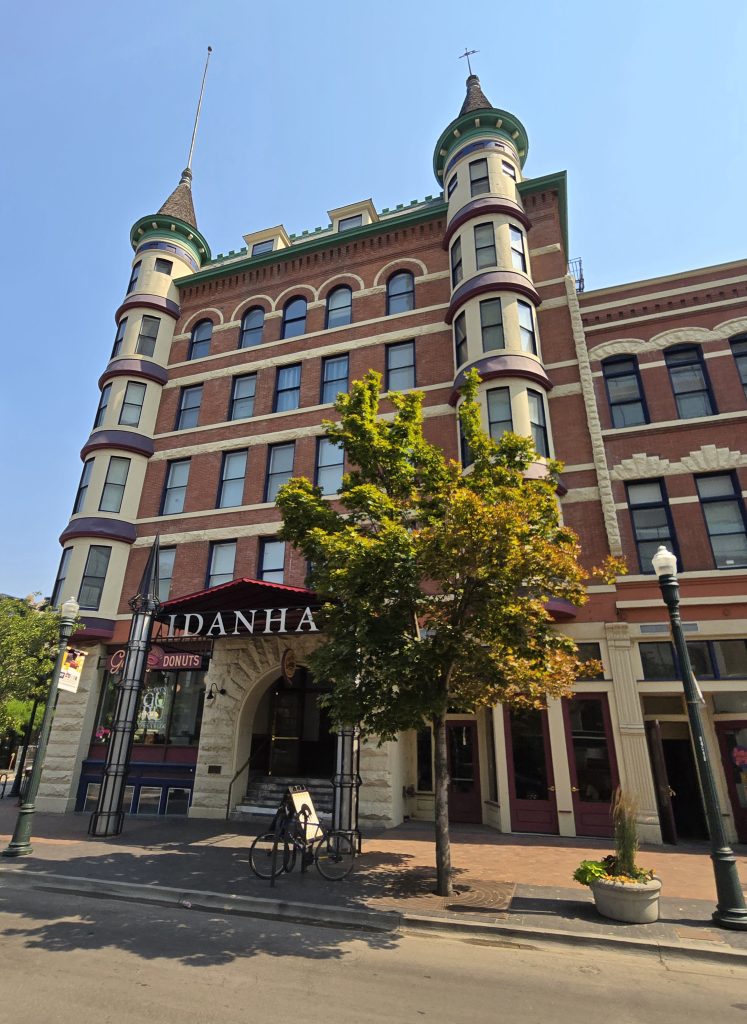
In Boise’s historic core, many buildings whisper stories of a frontier past. The Egyptian Theatre, opened in 1927, enchants visitors with its lavish Art Deco and Egyptian Revival decor, a glamorous reminder of the silent film era. The Idanha Hotel, a striking Queen Anne brick building completed in 1901, once hosted cattle barons and railroad tycoons. Wander further and you’ll find the grand First United Methodist Church, its Gothic Revival spires piercing the sky since 1872.
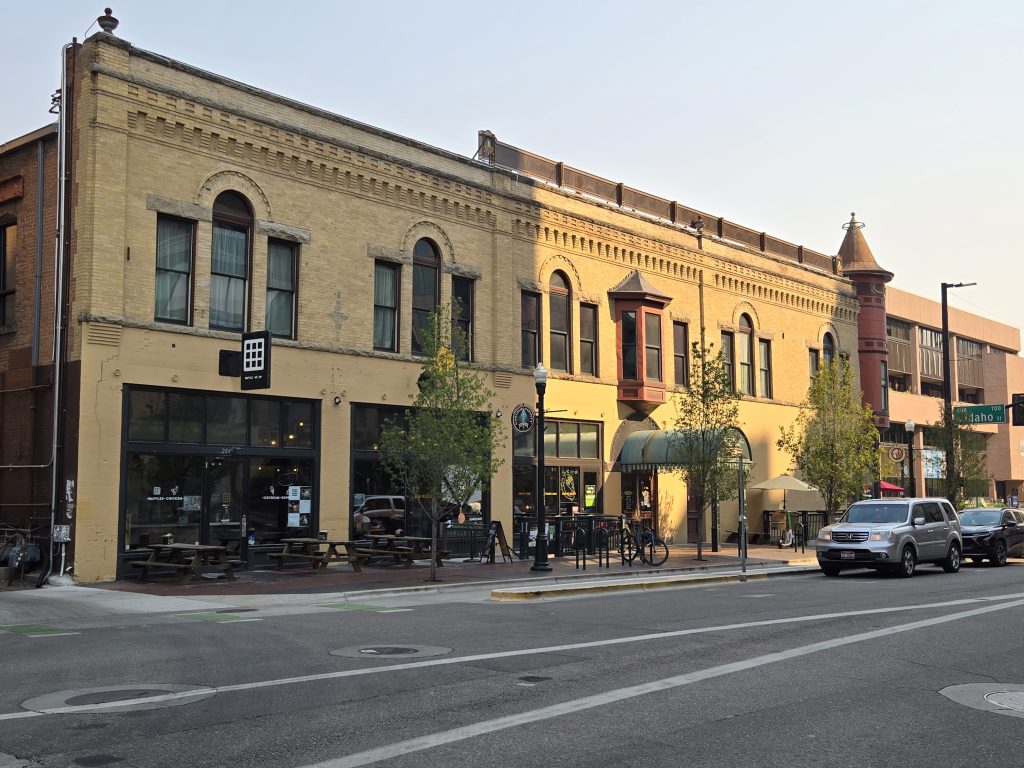
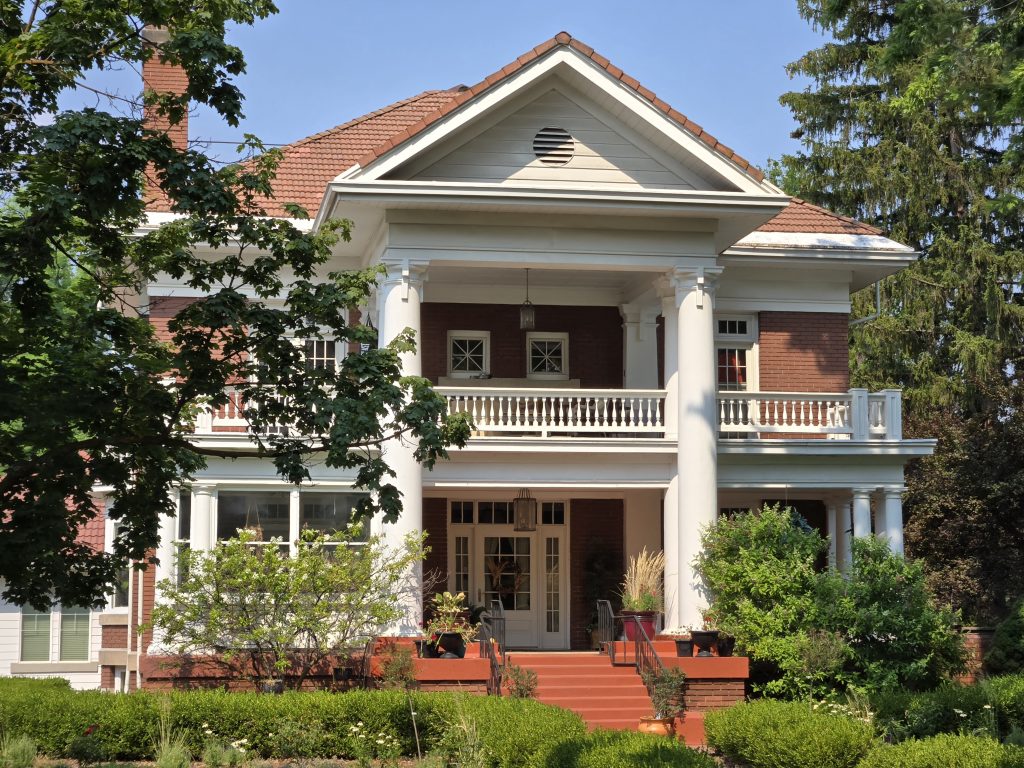
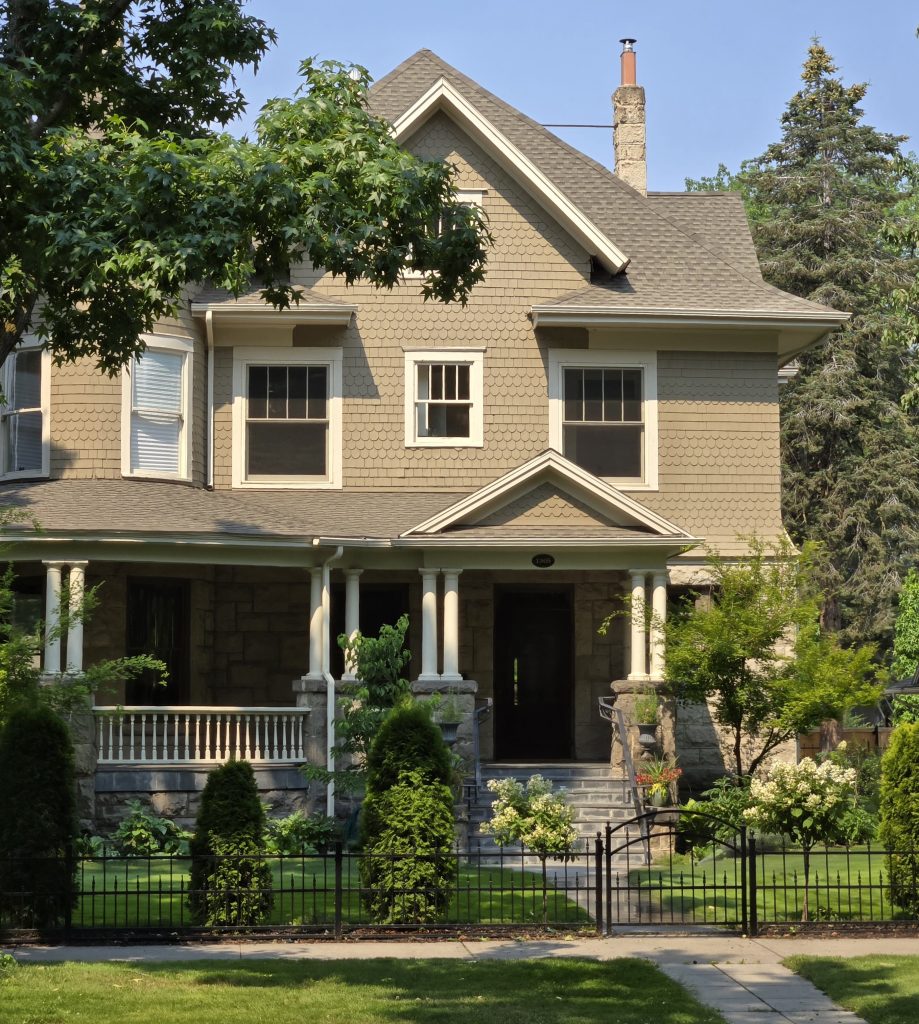
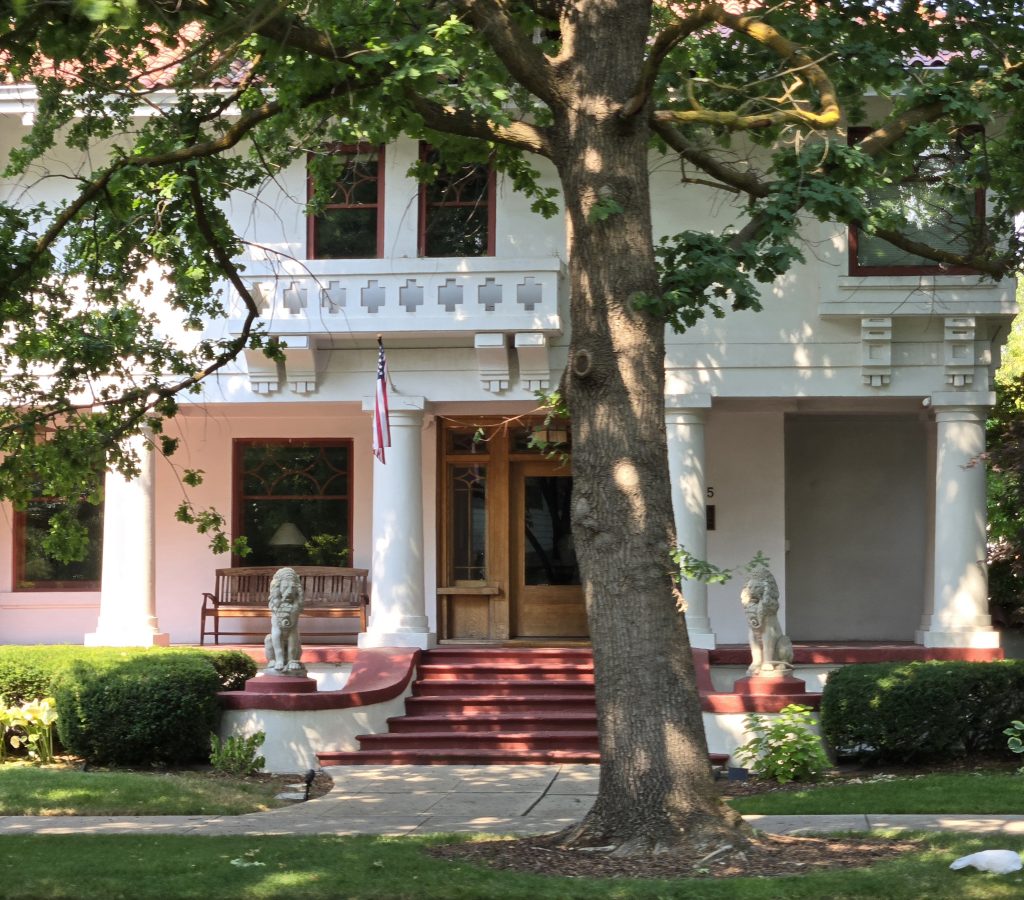
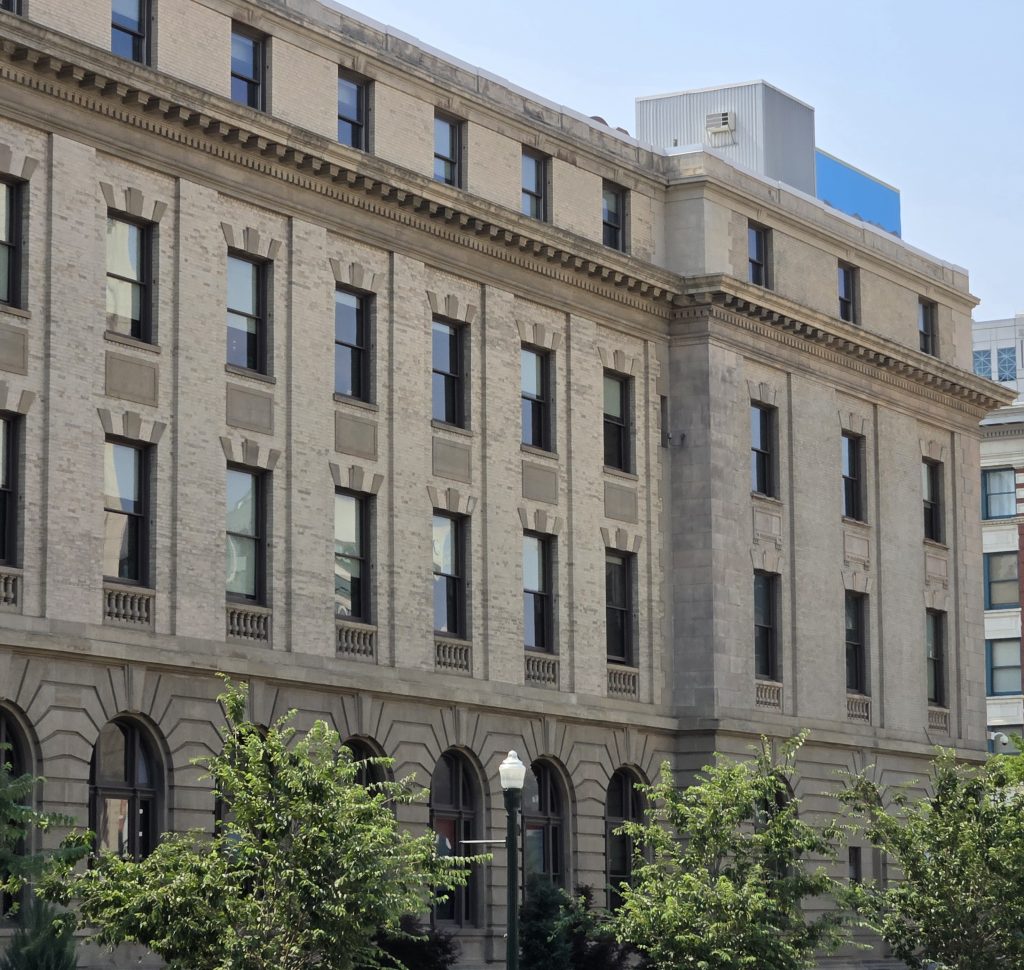
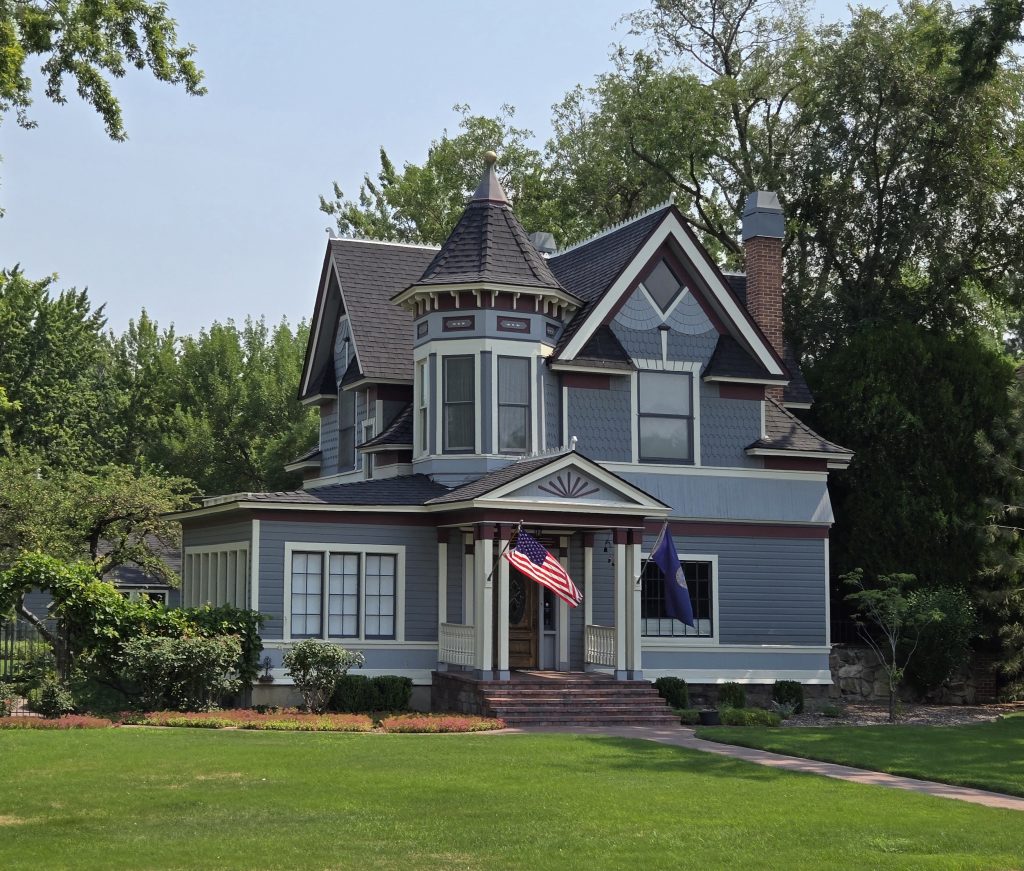
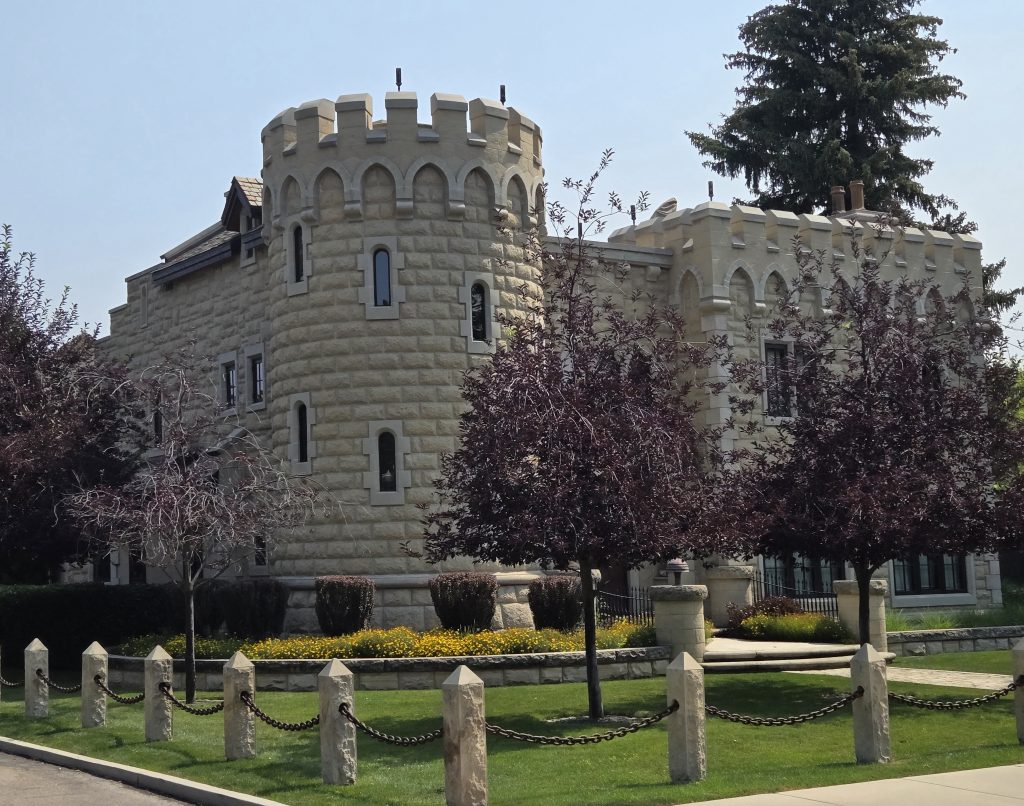
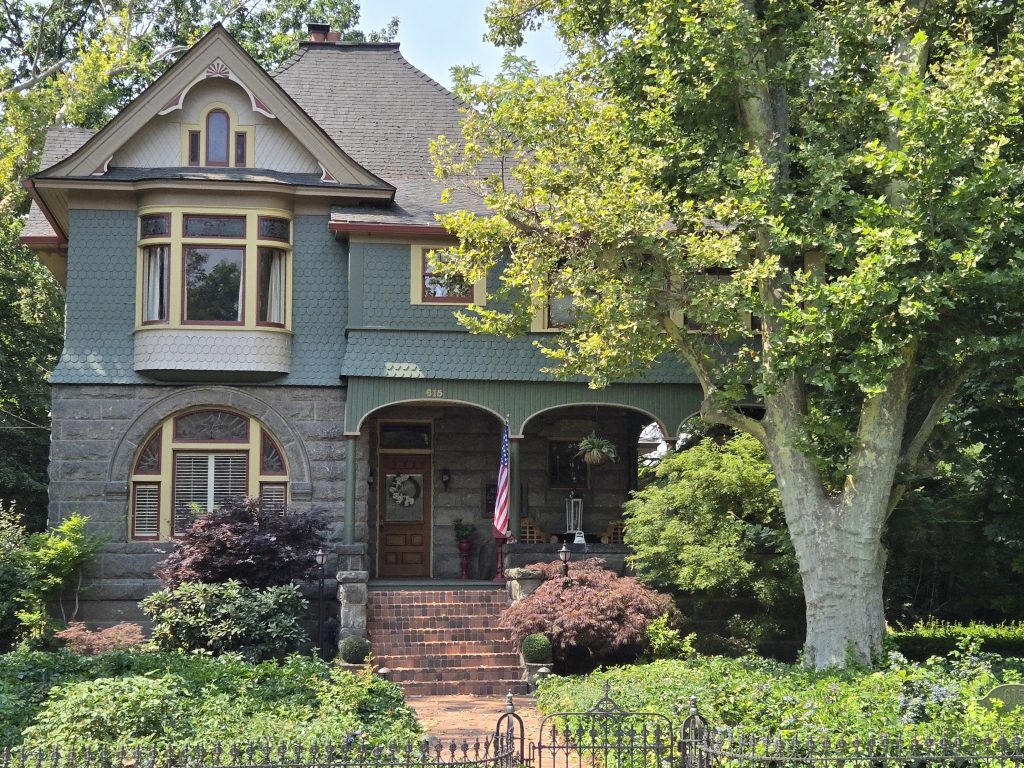
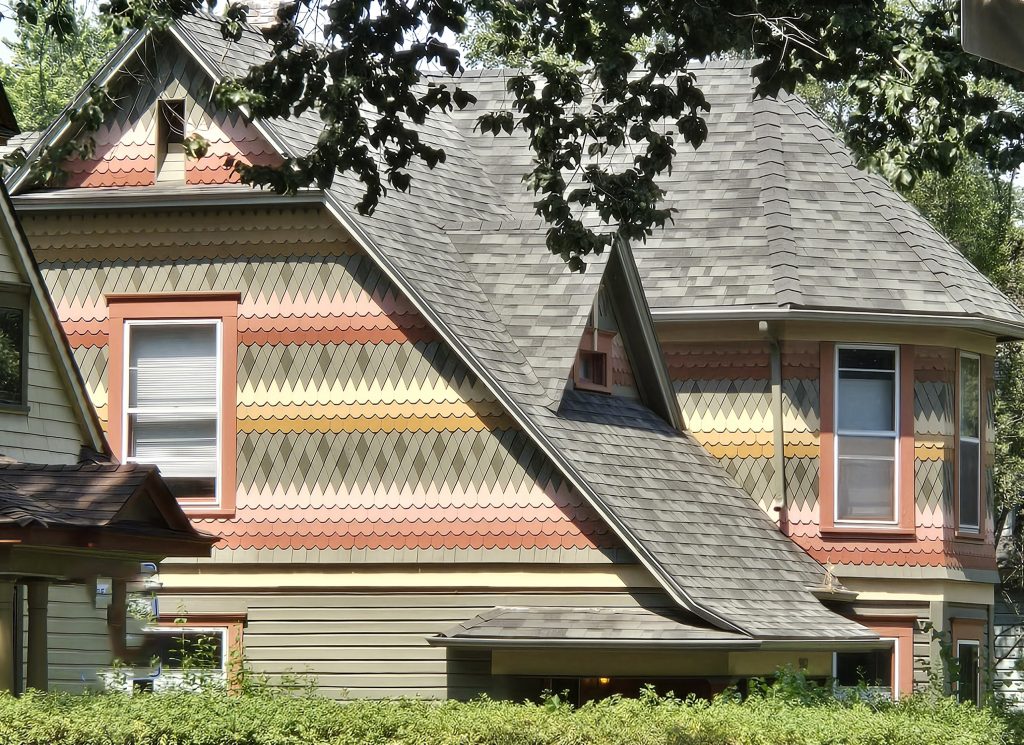
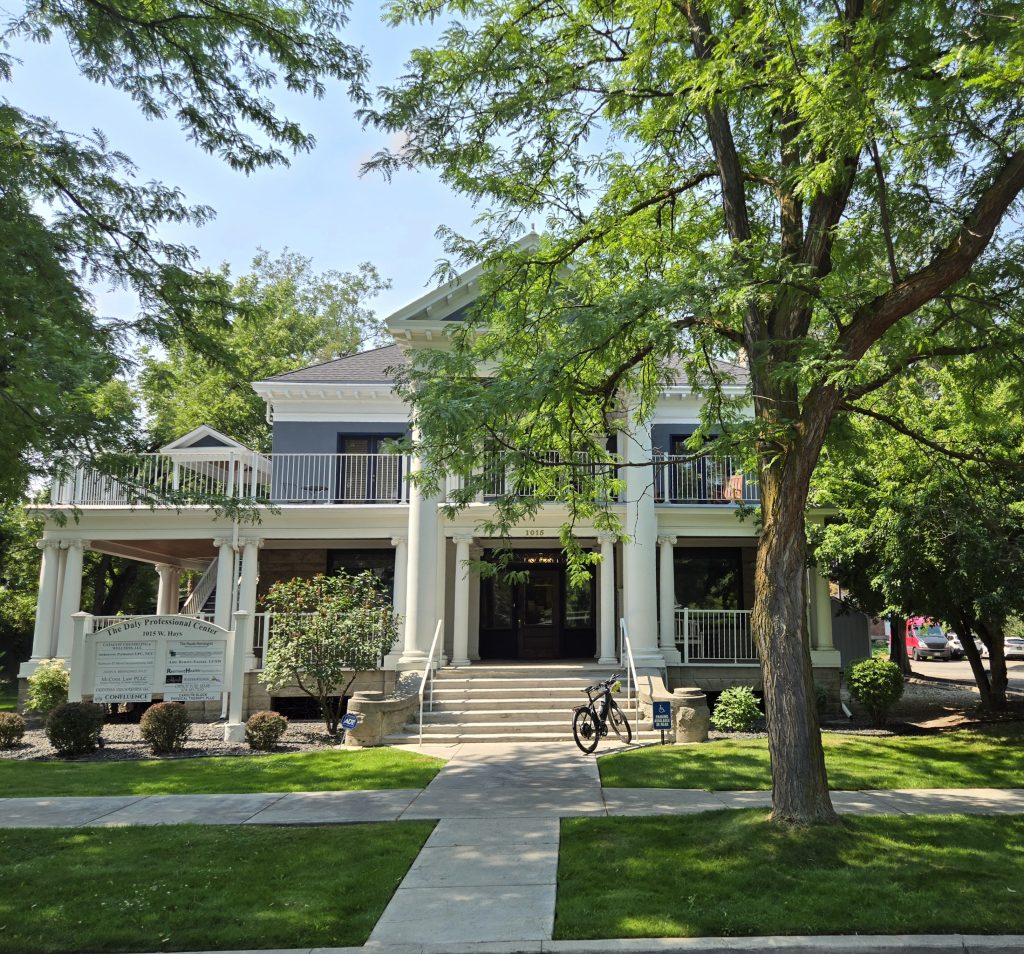
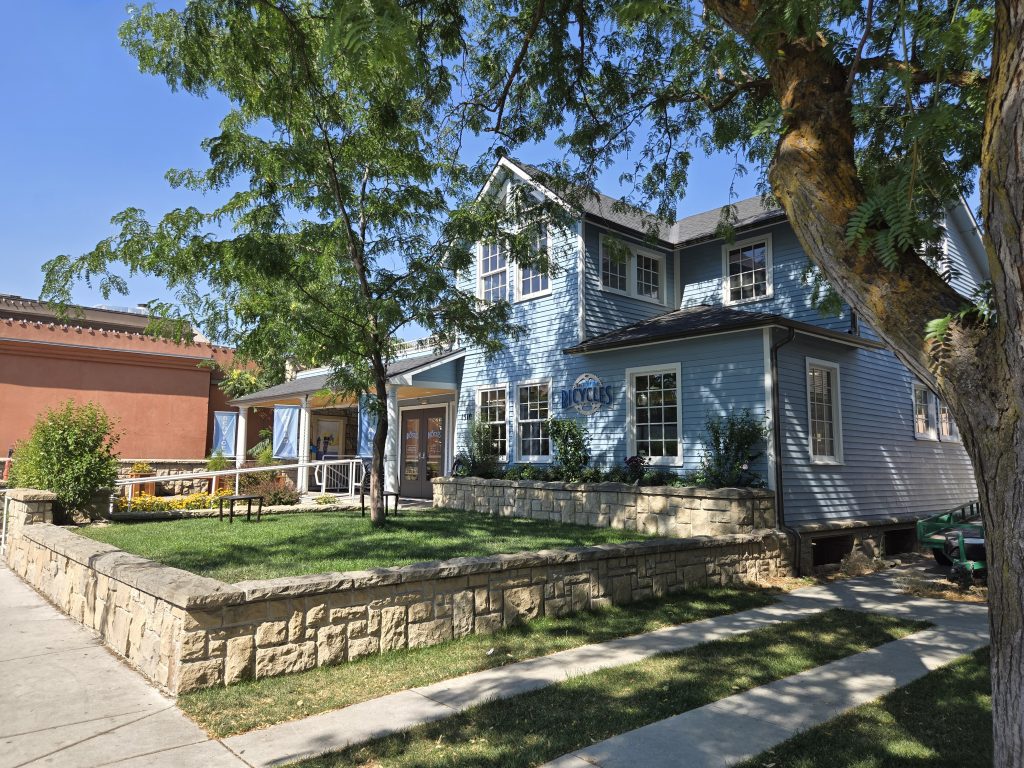
Stroll through Old Boise Historic District, where lovingly preserved structures such as the Pioneer Building (1902) and elegant Alaska Building showcase rich architectural details—ornate cornices, iron facades, and Romanesque arches—echoing Boise’s emergence as a regional powerhouse. Each doorway, each brick seems to murmur tales of horse-drawn carriages, bustling markets, and frontier dreams realized. Beyond the commercial heart of the city, the historic residential districts reveal a softer, deeply personal layer of Boise’s story. Wander the leafy avenues of the North End and you’ll encounter grand Queen Anne manors adorned with intricate woodwork, wraparound porches, and turrets that glimmer in the morning light. The Warm Springs Avenue Historic District, named for its natural geothermal springs, boasts elegant homes built at the turn of the 20th century, many still heated by the area’s underground hot water. Here, stone and brick estates with broad verandas and Palladian windows stand proudly beneath century-old oaks and maples, preserving the grandeur and optimism of Boise’s early elite.
Must-See Historic Homes
The Bishop Funsten House, an exquisite Queen Anne-style mansion built in 1899, showcases intricate woodwork and elegant towers. Nearby, the John Haines House, a grand Georgian Revival home built in 1904, offers a glimpse into the prosperity of Boise’s early political and business leaders. And along Warm Springs Avenue, the C.W. Moore House stands as a testament to Boise’s pioneering spirit, anchored by the geothermal warmth that defines the district.
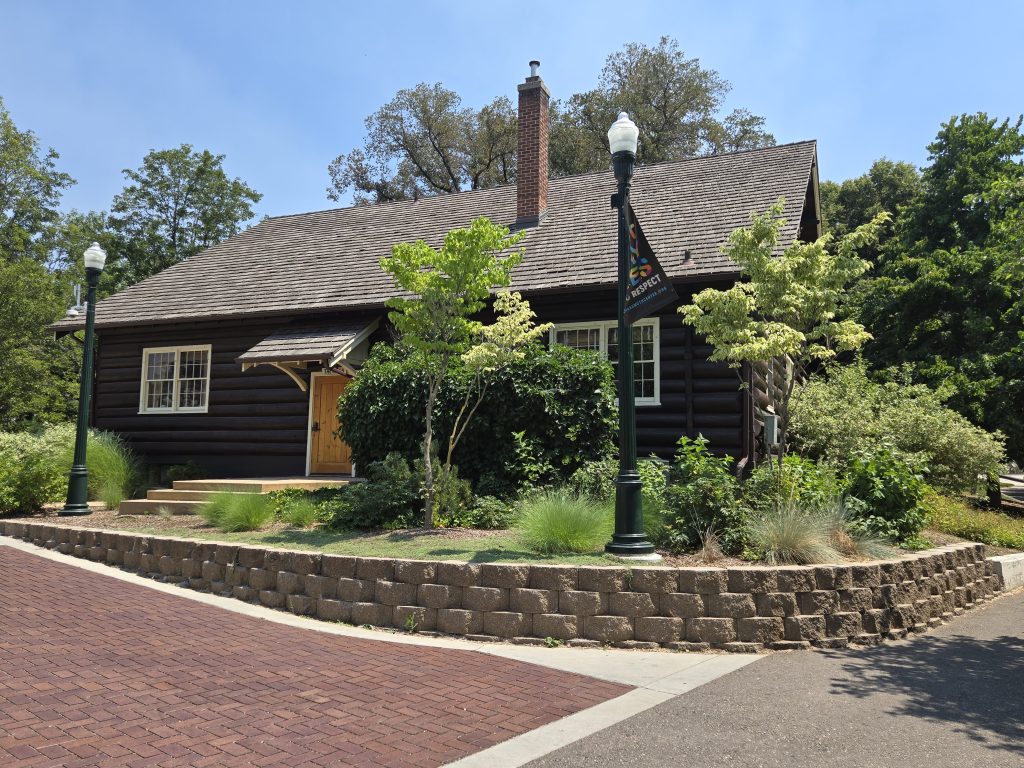
One of the most astonishing aspects of the city’s rapid prosperity is how you can see one of the earliest preserved pioneer log cabins and, just blocks away, view the elegant multi-story home that same family inhabited mere years later.
What to See and Experience
1. Idaho State Capitol Building Completed in 1920, Boise’s sandstone-and-marble State Capitol stands as an architectural gem. Tour the grand rotunda, historic legislative chambers, and elegant grounds shaded by towering trees.
2. Old Idaho Penitentiary, open from 1872 to 1973, offers a fascinating if sobering glimpse into frontier justice through its atmospheric sandstone cellblocks, gallows, and solitary confinement cells.
3. Basque Block: a rare and vibrant cultural enclave. Visit the Basque Museum & Cultural Center, tour a traditional boarding house, and savor pintxos and paella at authentic Basque restaurants. In the Basque Block, history isn’t preserved under glass but lives in bustling tapas bars, in accordion music drifting from open doorways, and in the clatter of a game of mus (a traditional Basque card game) played over a bottle of cider.
4. Boise Depot, perched atop a hill, is a postcard-perfect 1925 Spanish-style train station. Its bell tower offers sweeping views across the city and surrounding foothills.
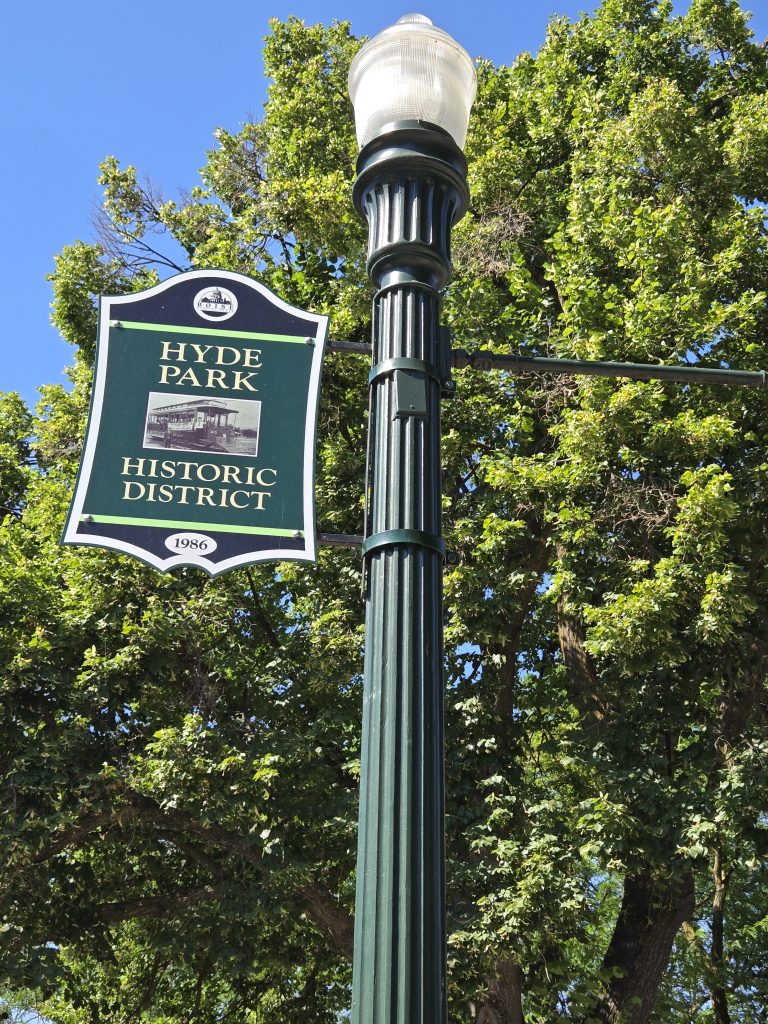
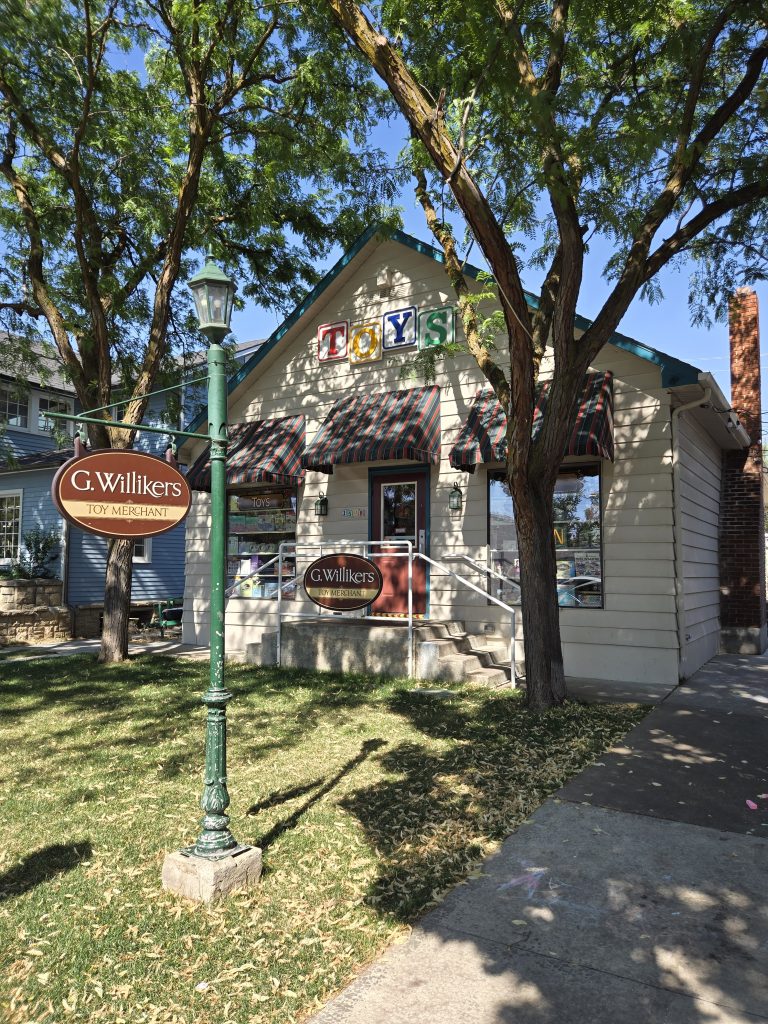
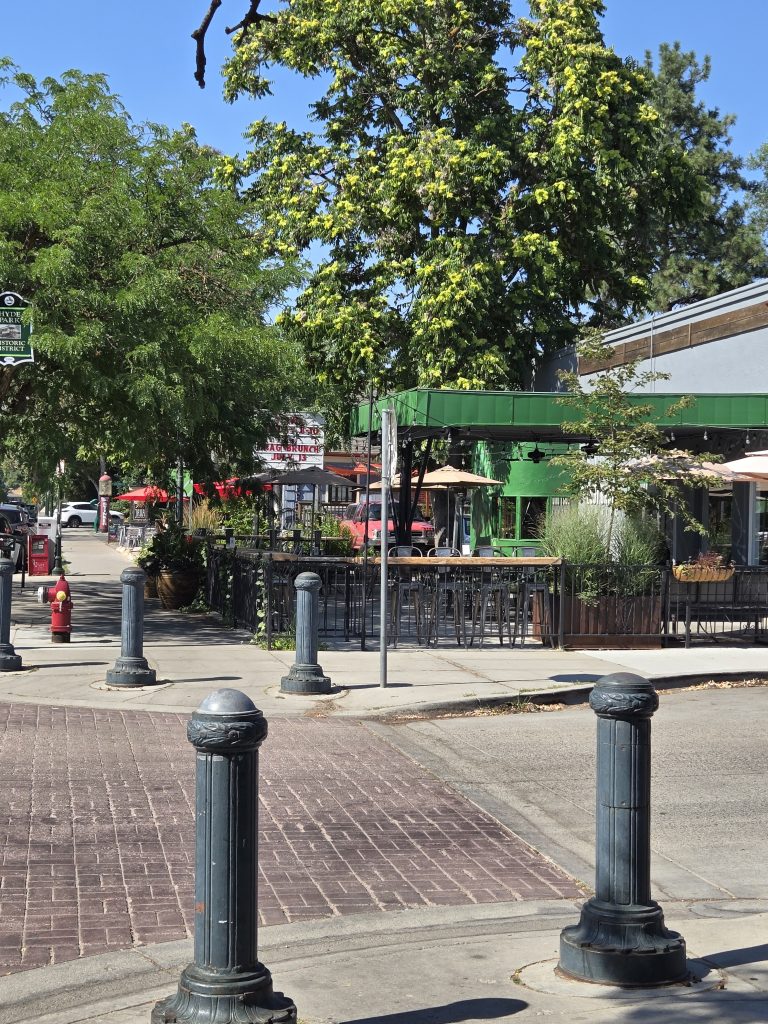
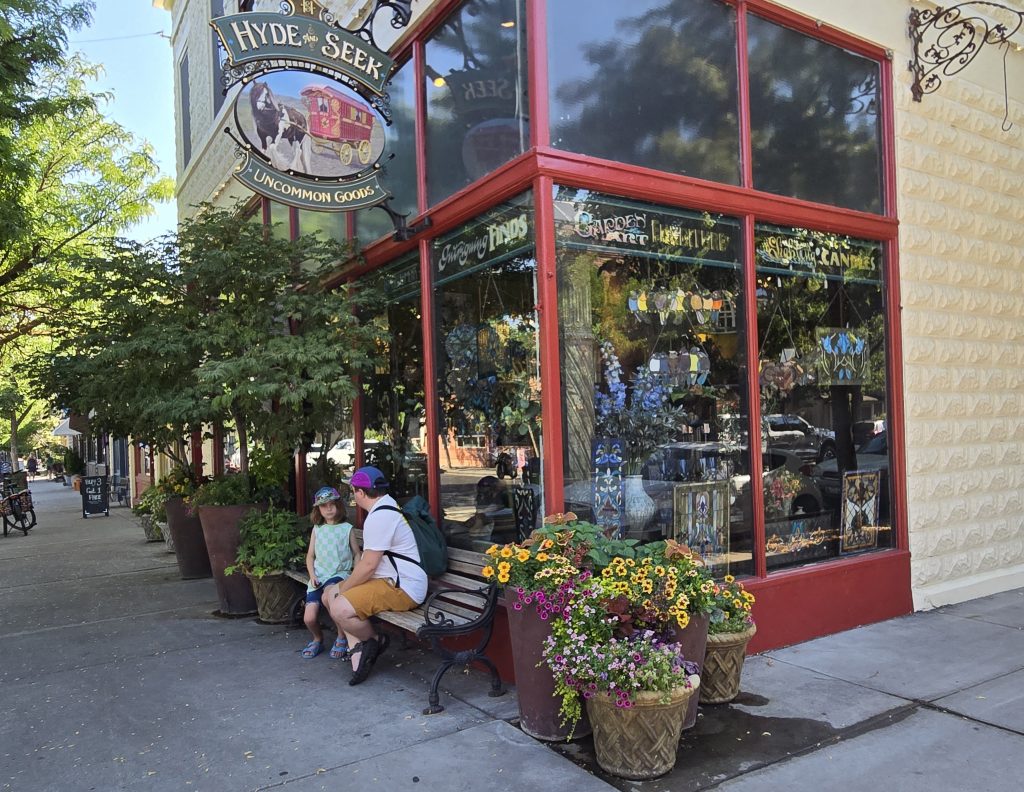
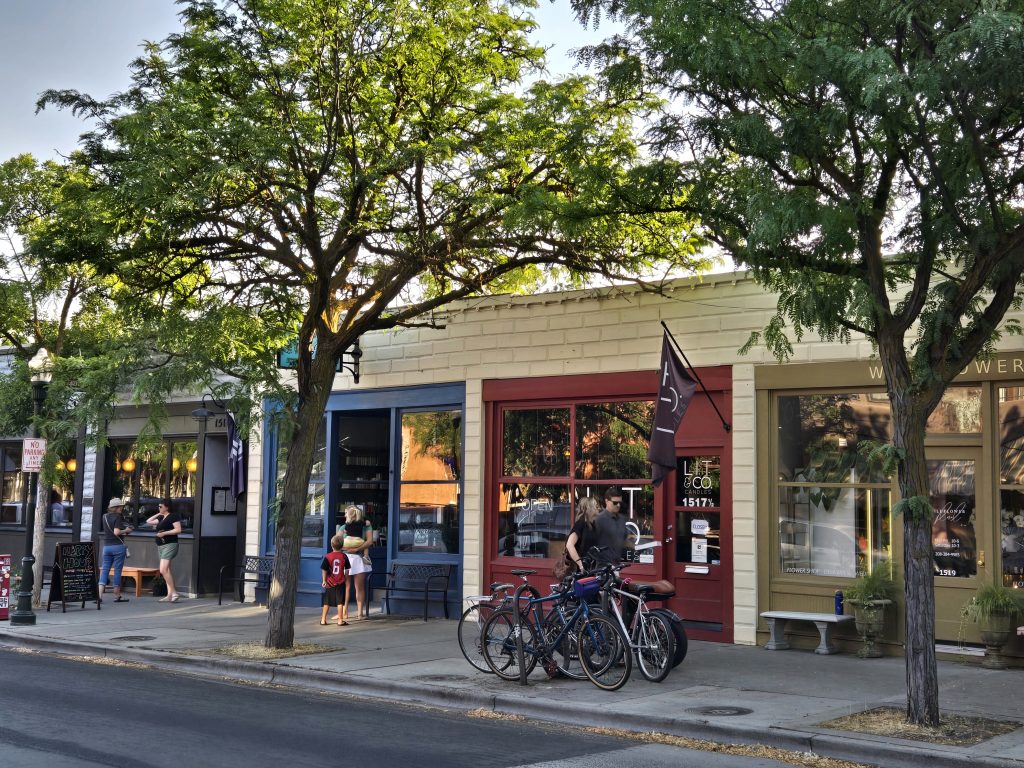
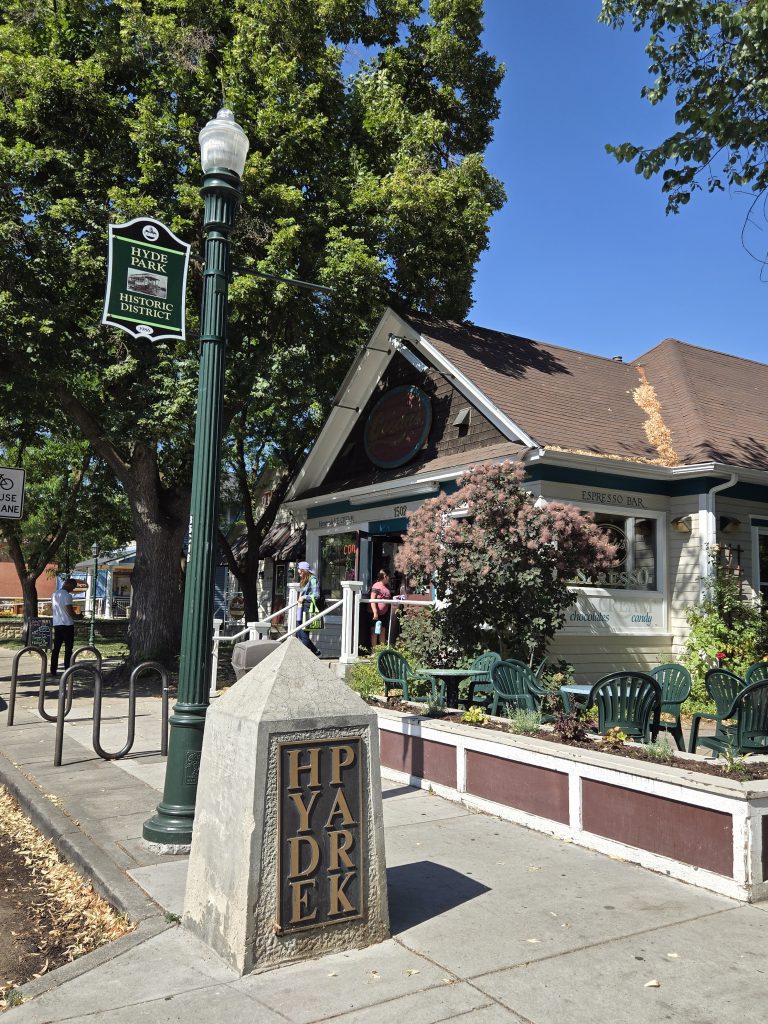
5. Hyde Park Historic District is a charming pocket of vintage shops, cafes, and ice cream parlors nestled among early 20th-century homes. A perfect spot to sip coffee and watch the world go by.
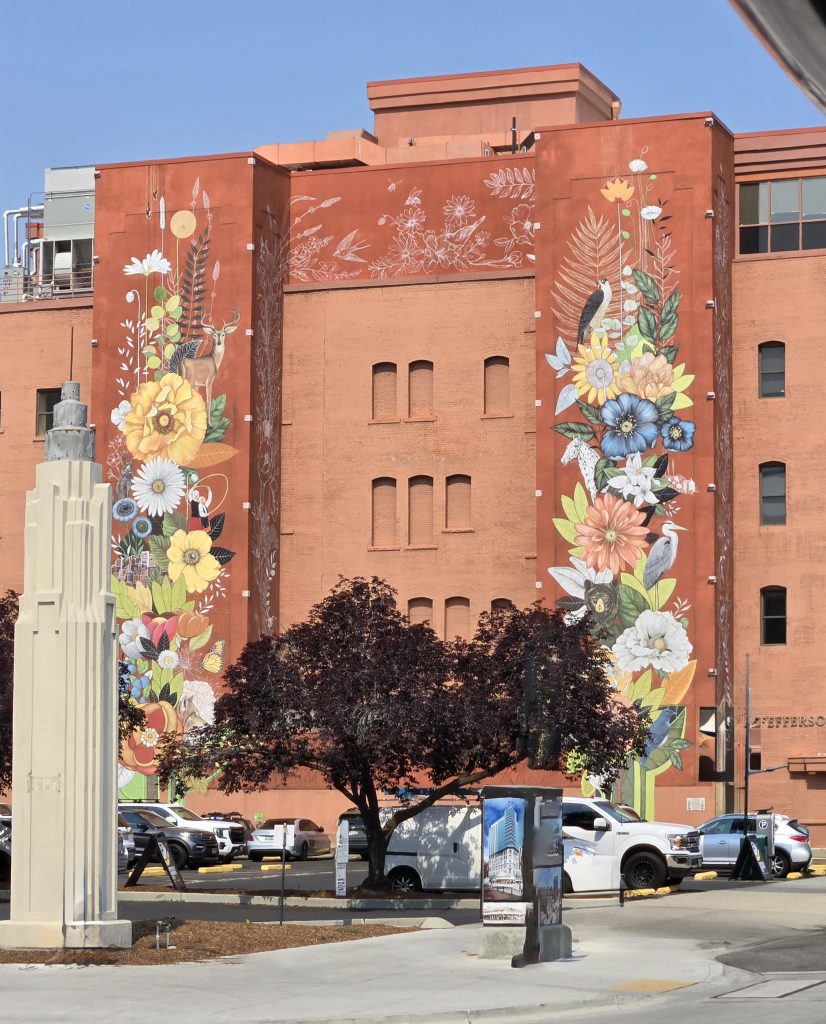
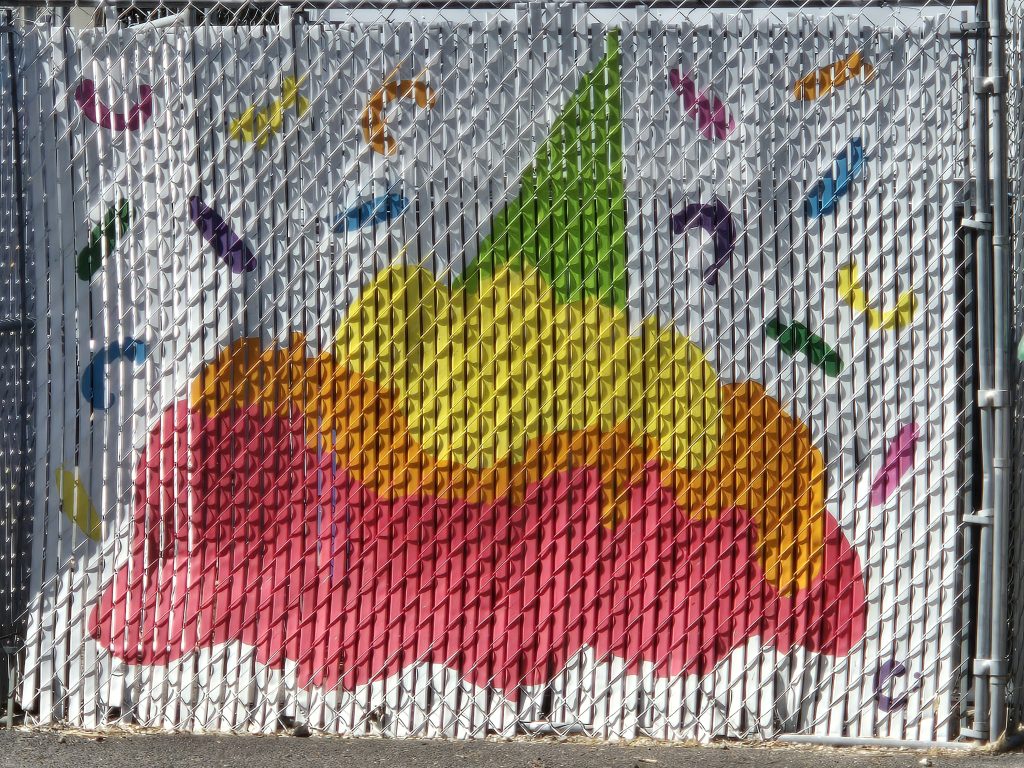
6. Freak Alley Gallery is a riotous open-air gallery of murals, graffiti art, and urban expression. It speaks to Boise’s vibrant creative pulse.
7. Julia Davis Park, the oldest park in the city, was donated by one of Boise’s founding families. Home to the Boise Art Museum, Idaho State Historical Museum, and tree-lined paths perfect for strolling.
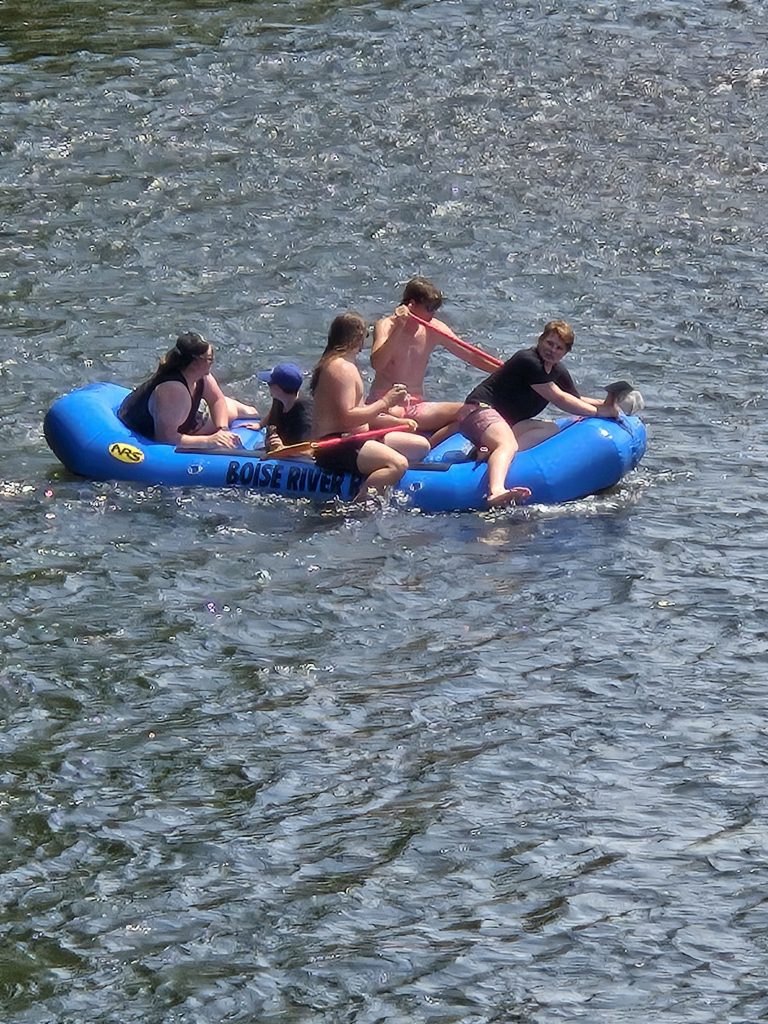
8. Boise River Greenbelt stretches over 25 miles, offering scenic walking and cycling paths along the river where you might glimpse deer, herons, and the occasional fox.
The Boise Historic Trolley Tour is a great way to experience much of this without the walk!
Best Souvenirs and Local Artistry
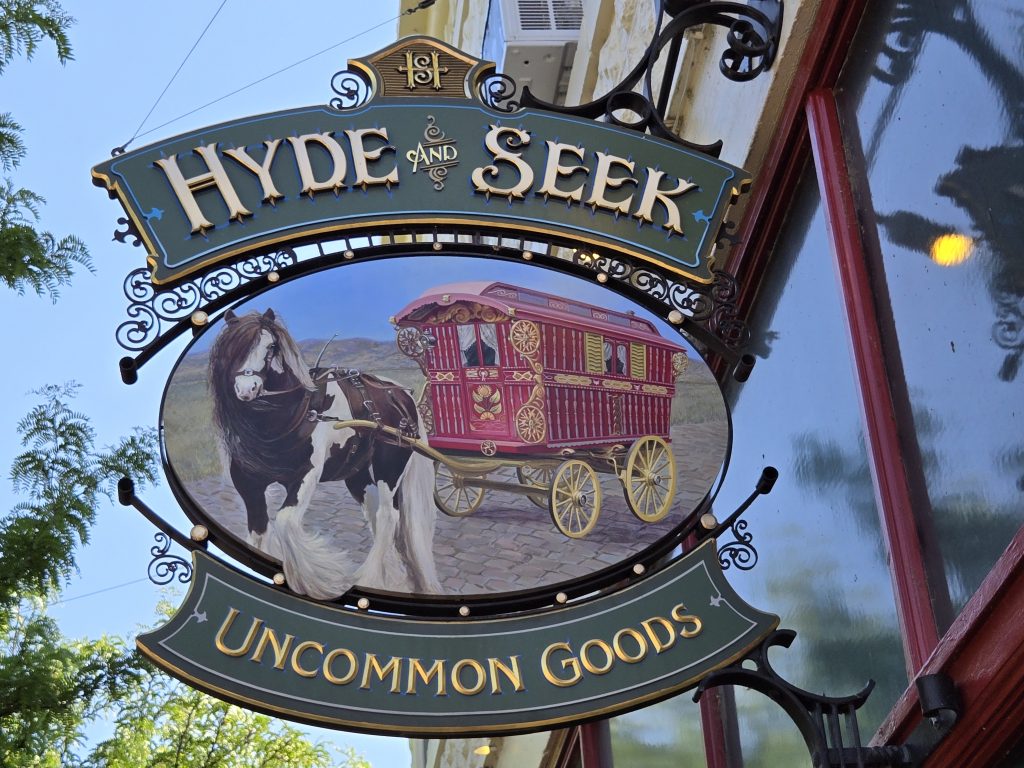
Boise offers abundant local craftsmanship and flavorful mementos to explore. Visitors seeking a keepsake should not miss the authentic Basque wares: handwoven textiles, traditional woodcarvings, and the iconic wool berets known as txapelas. Those with culinary leanings can savor Idaho’s playful homage to its agricultural heritage through locally crafted potato vodka or gourmet potato treats. For a touch of frontier flair, handmade cowboy boots and tooled leather belts from local outfitters make an enduring statement. Art lovers will delight in watercolor landscapes, regional photography, and artisan jewelry inspired by Idaho’s stunning vistas. Bookworms can find joy in works by native authors like Anthony Doerr’s All the Light We Cannot See or in historical tomes chronicling the state’s vivid past. And no suitcase should leave without a jar of huckleberry jam or syrup, those sweet tokens from the Northwest’s most beloved wild berry.
Nearby Excursions Worth the Wander
Beyond Boise’s leafy avenues, adventures beckon. Just 16 miles from downtown, Bogus Basin Mountain Recreation Area offers skiing and snowboarding in winter, with hiking, mountain biking, and stargazing under velvety summer skies. About 40 miles northeast, Idaho City preserves the rugged spirit of the gold rush era; walk wooden sidewalks, step into old saloons, and visit storied cemeteries. For a brush with raw, soaring nature, head south to the Snake River Birds of Prey National Conservation Area, where rugged cliffs host one of the world’s densest concentrations of nesting raptors, a spectacle of wings against canyon skies.
Boise’s Boisterous Blend
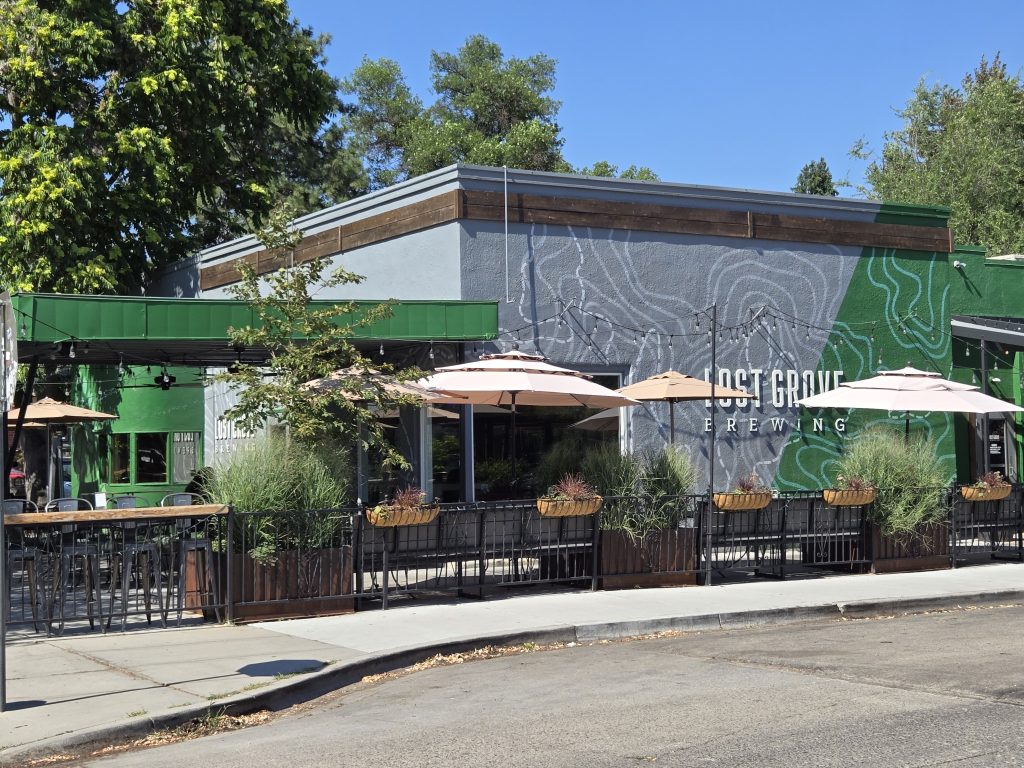
Today, Boise thrives as a dynamic blend of innovation and tradition. Tech start-ups hum alongside old ranching families; microbreweries flourish just blocks from stately Victorian homes. Yet at its heart, Boise remains anchored in community spirit, outdoor adventure, and deep reverence for its pioneers, both those who carved their dreams from the desert and those shaping its future today.
Music festivals, vibrant farmers’ markets, literary readings, and the enduring traditions of the Basque Block animate Boise‘s streets. The river still runs, the trees still grow, and the city’s history still lives.
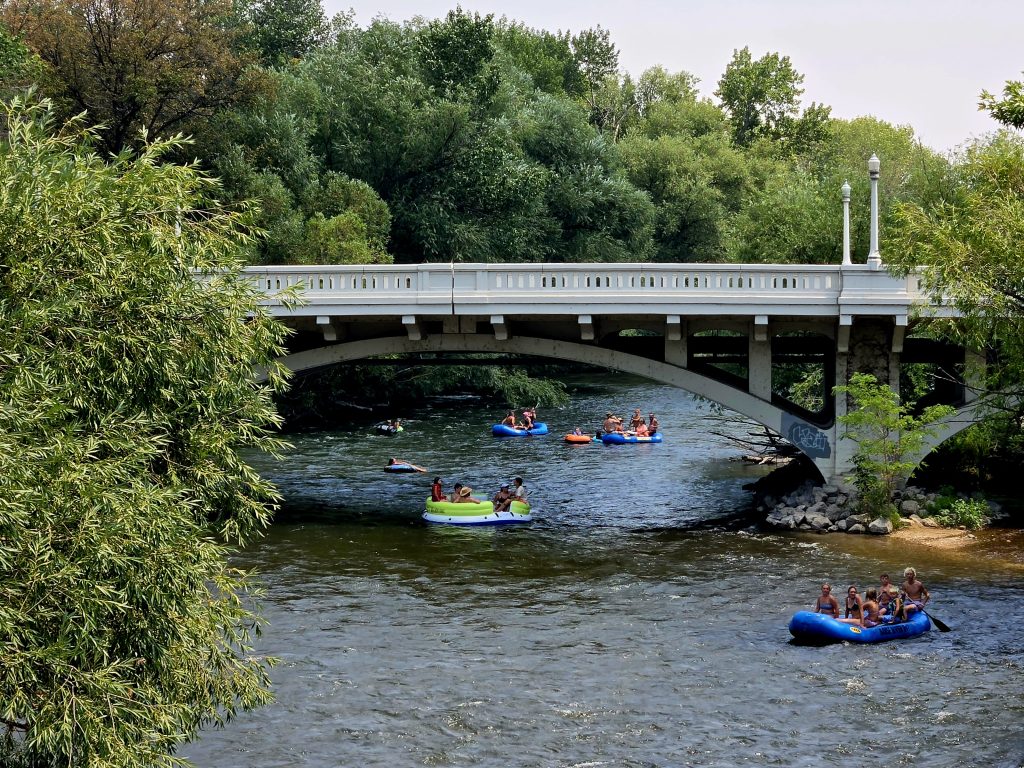
Boise is where river and desert, memory and possibility, converge beneath an open sky. It whispers rather than shouts, offering its history and heart to those willing to slow down, follow a shaded path, and listen to the sway of trees and the hum of the river.
Where to Stay in Boise, United States
For a comfortable Boise stay, downtown offers the most walkable access to the Basque Block, restaurants, and the Basque Museum. Hotels like the Modern Hotel and various bed and breakfasts occupy this central area, letting you explore on foot during evenings and mornings. Prices run moderate to higher, but you save on transportation and gain the feeling of being in the city’s heart.
If you prefer quieter surroundings with good value, the North End neighborhoods near the university district offer smaller hotels, motels, and Airbnbs for budget-conscious travelers. This area sits just minutes from downtown and the Boise Foothills, making it practical for outdoor exploration while keeping lodging costs lower. You’ll find local cafes and shops nearby, though you’ll need a car or rideshare to reach major attractions.
The Boise foothills and neighborhoods along the Boise River offer a more residential feel, especially when renting a small house or cottage. These locations provide direct access to hiking and biking trails and river walks, making them ideal if outdoor time is your main draw. The trade-off is you’re a short drive from downtown restaurants and cultural sites.
Budget travelers and those valuing efficiency will find consistently lower rates at motels along Main Street or near the airport corridor. These spots lack downtown charm and foothills access, but they offer reliable lodging if your stay centers on day trips or you’re using Boise as a base for exploring the broader region.
Recommended Reading
- The Plow-Woman (1911) by Eleanor Gates — Set against the backdrop of Idaho’s rugged frontier, this novel tells the story of a strong-willed pioneer woman battling against hardship and loneliness on the Idaho plains. Gates weaves a tale of survival, love, and the forging of identity in a harsh new land.
- Judith of the Plains (1903) by Marie Manning — Though more broadly Western, parts of this novel are steeped in the life and rhythm of the high plains and rugged frontier settlements, including those resembling early Idaho communities. Manning was lauded for her rich descriptions of frontier challenges faced by women.
- “Idaho: A History” by Leonard J. Arrington, A definitive and readable chronicle of the state’s fascinating story.
- Basin of Gold: Life in the Boise Basin by Arthur A. Hart, A concise, vivid account capturing daily life in the bustling mining camps that sprang up almost overnight following the discovery of gold on Grimes Creek in 1862
- “The Basque History of the World” by Mark Kurlansky, A rich and colorful portrait of the Basque people, adding context to Boise’s enduring Basque spirit.
- Inside Guides: USA The Rockies – A lavishly illustrated inspirational travel guide to USA The Rockies and a beautiful souvenir of your trip. Perfect for travellers looking for a deeper dive into the destination’s history and culture, it’s ideal to inspire and help you plan your travels.
Travels to Consider
- Self-Guided Boise Scavenger Hunt: Boise Hidden Treasures
- Boise Scavenger Hunt and Sights Self-Guided Tour