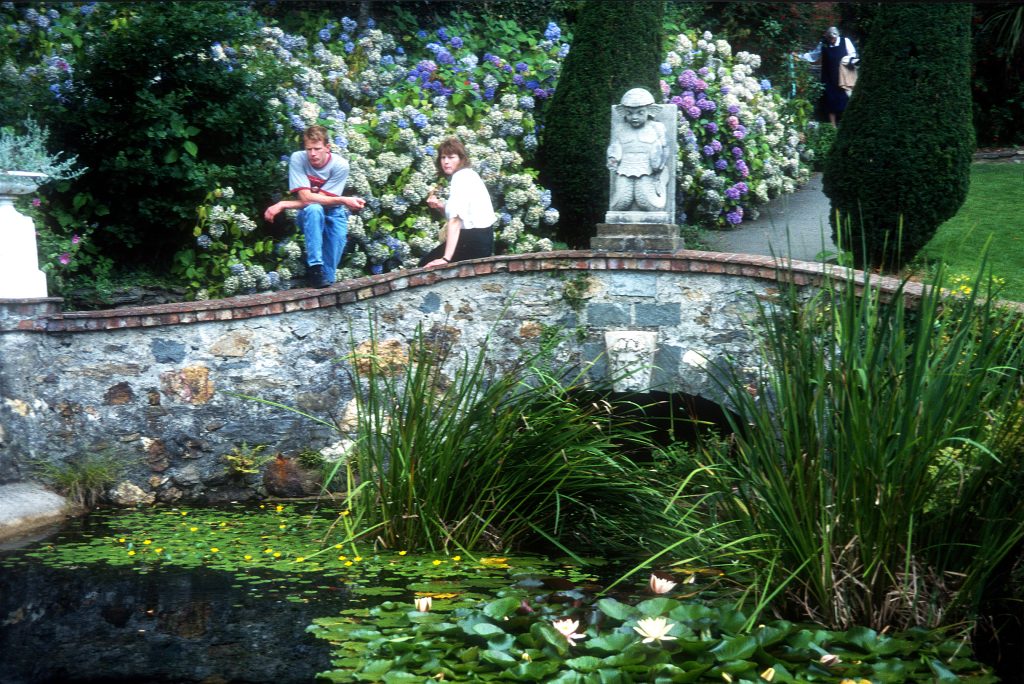
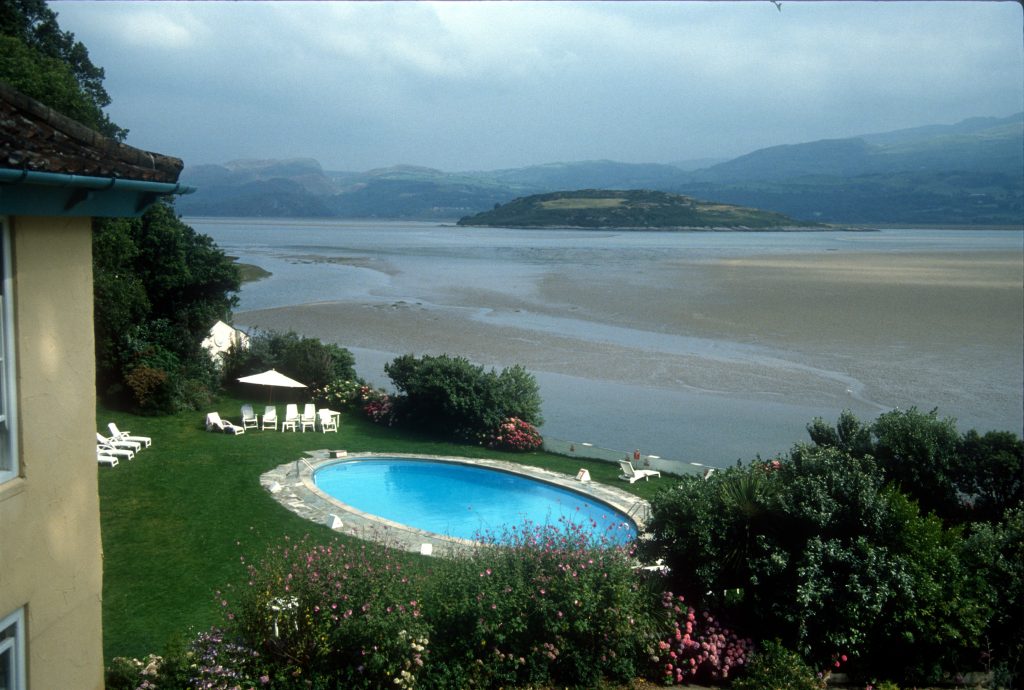
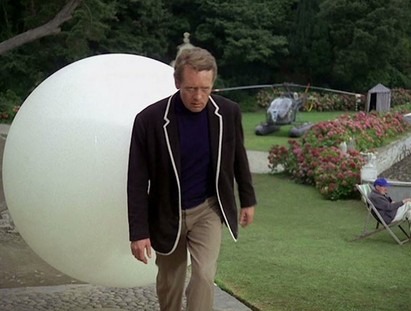
Tucked against the rugged coast of North Wales, where misty hills tumble into estuarine sands, lies a place born not of necessity but of pure whimsical vision. Portmeirion is no ordinary village. It is an exquisite fantasy—a Mediterranean daydream made real in the soft, mossy light of Wales. And if you are old enough to remember (or have caught it on Amazon Prime, Apple+, or The Roku Channel) Portmeirion was the surreal setting for the hit 1960s television series The Prisoner, starring Patrick McGoohan as “Number Six,” a former secret agent held captive in a mysterious coastal village where everyone is known only by a number. Followed by an eerie surveillance bubble (long before surveillance drones existed), Number Six was constantly interrogated inside the fantastical buildings, courtyard, and colorful walls of his mysterious prison-city, never able to escape. The show is a cult classic in British and American television history—and it cemented Portmeirion’s reputation as a place outside time and reason.
Architect and Vision
Portmeirion is the life’s work of architect Sir Clough Williams-Ellis, who proved that beauty, architecture, and landscape could coexist in perfect harmony. Beginning in 1925 and continuing for five decades, Williams-Ellis gathered salvaged fragments of stately homes, classical ornament, and continental charm to craft an idyllic village that seemed born of imagination itself.
Though often mistaken for a relic of history, Portmeirion is a deliberate homage—an affectionate, romantic pastiche of the medieval rather than an authentic survival, reflecting Williams-Ellis’s fervent belief in beauty’s preservation and architecture’s power to inspire joy.
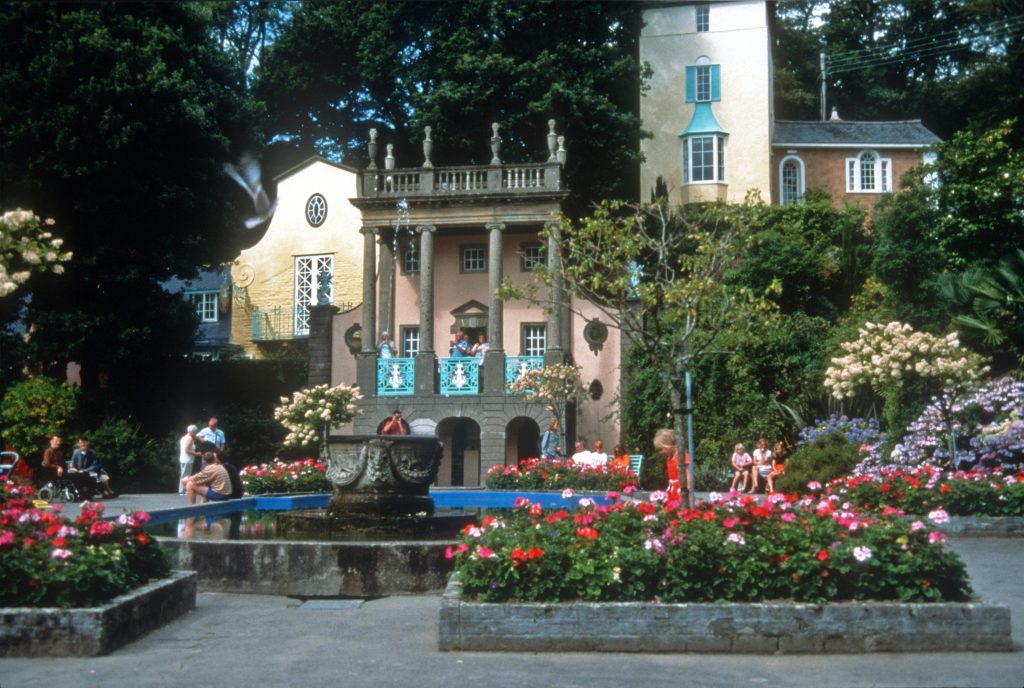
Candy-Colored Cottages and Brilliant Towers
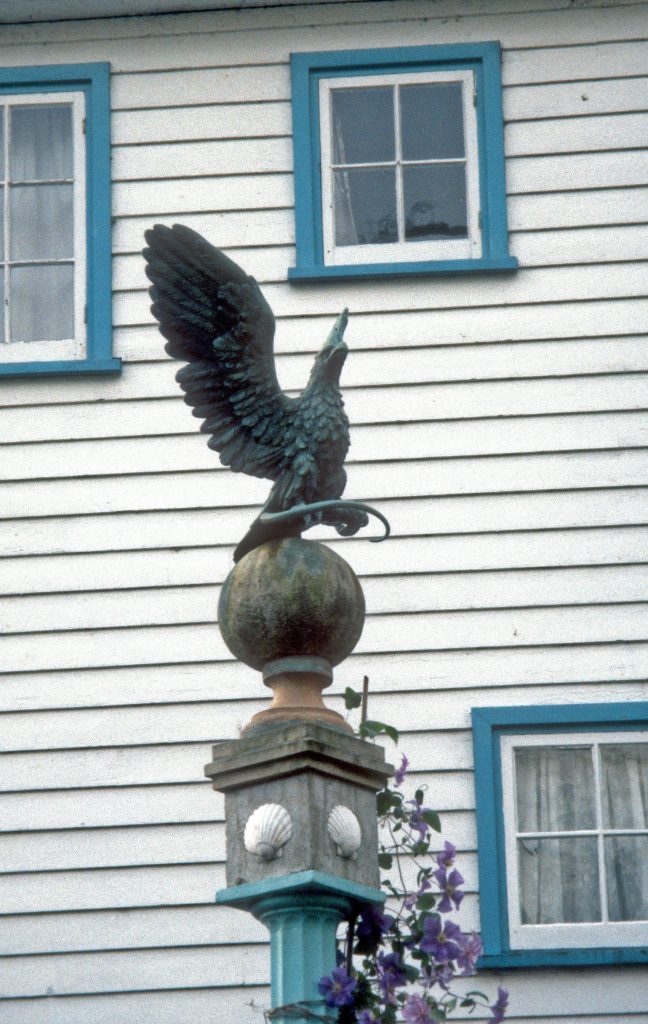
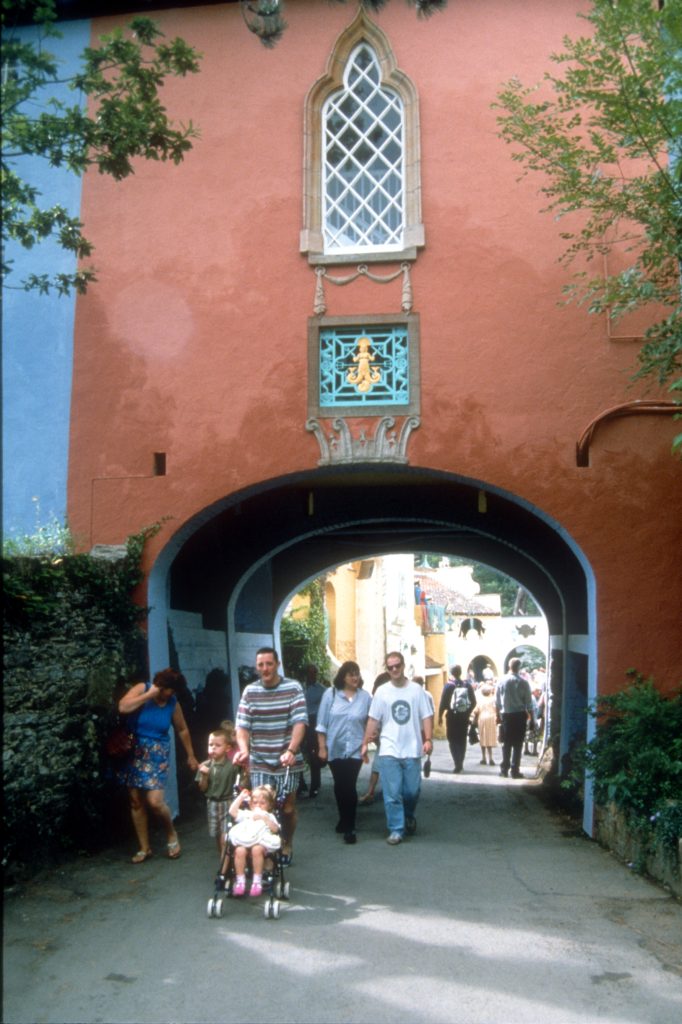
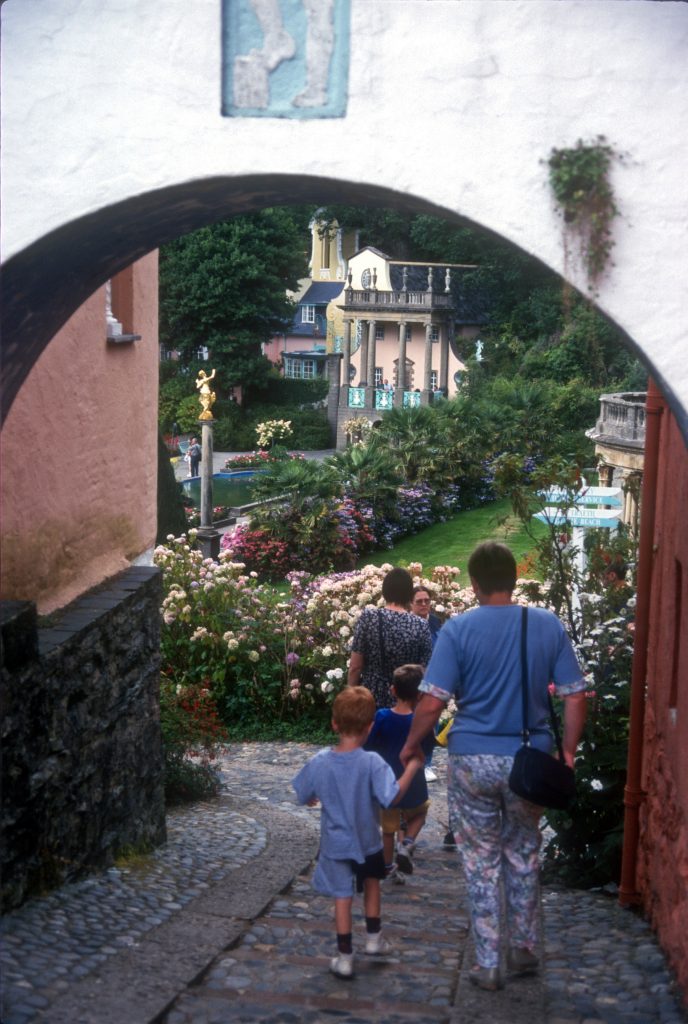
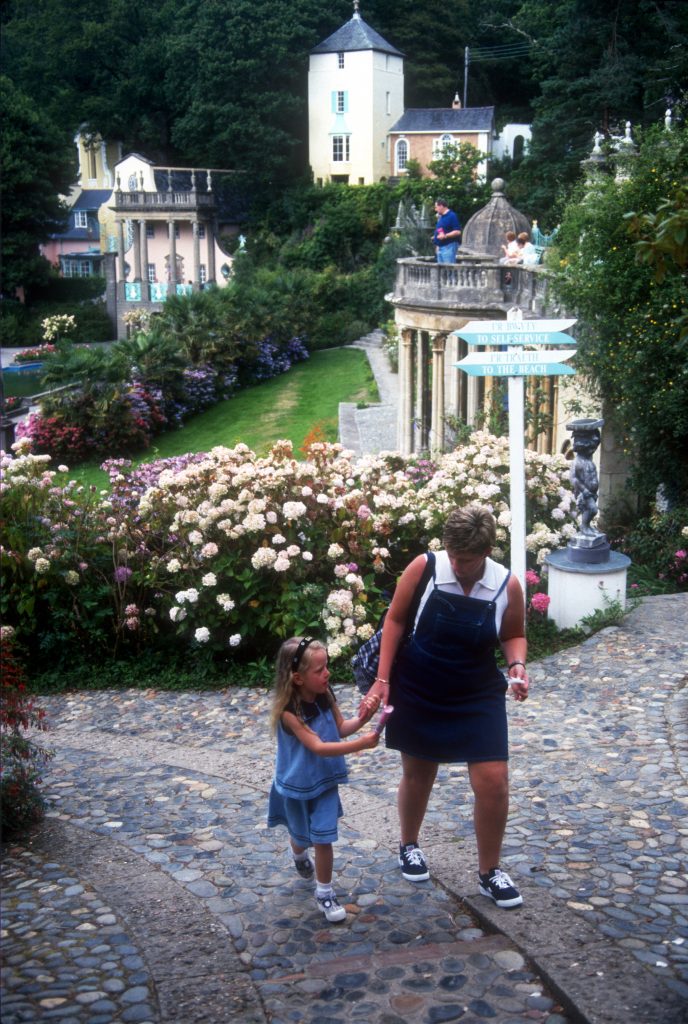
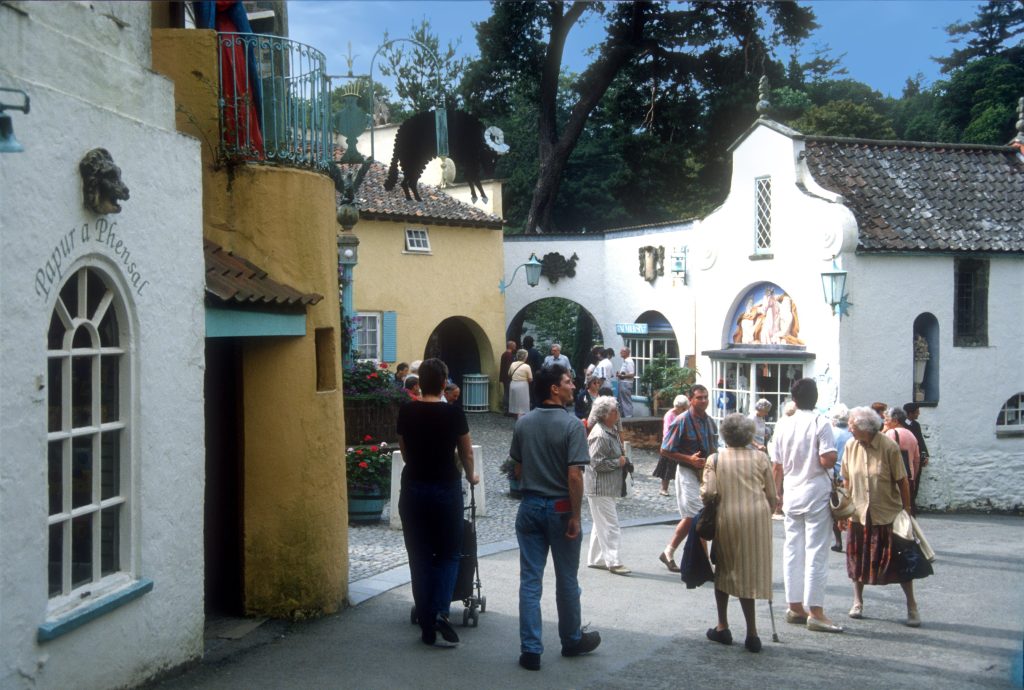
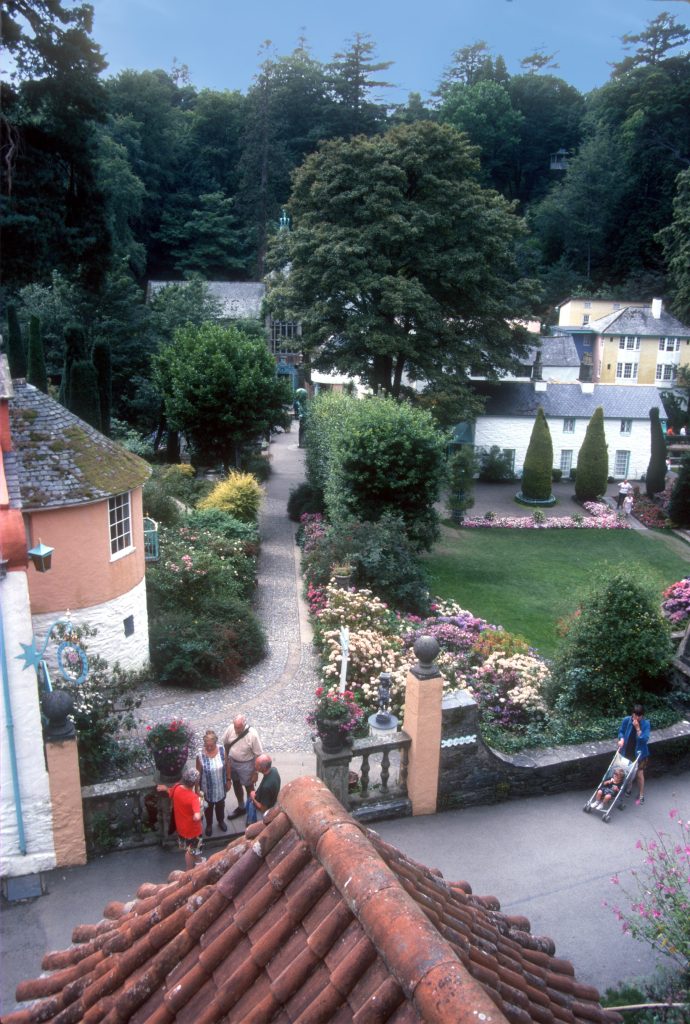
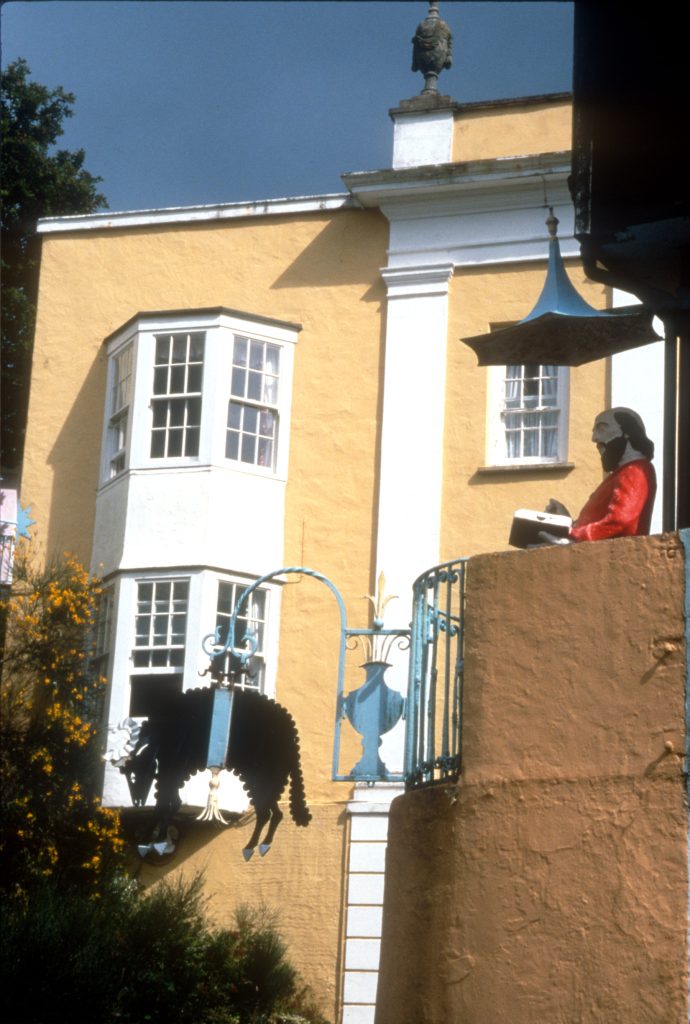
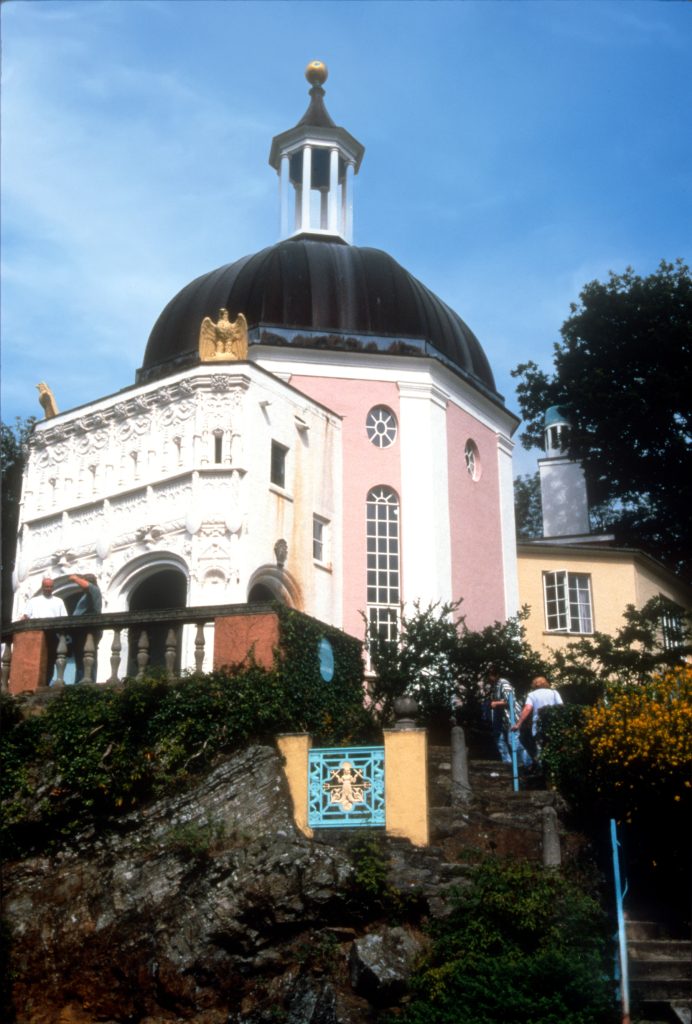
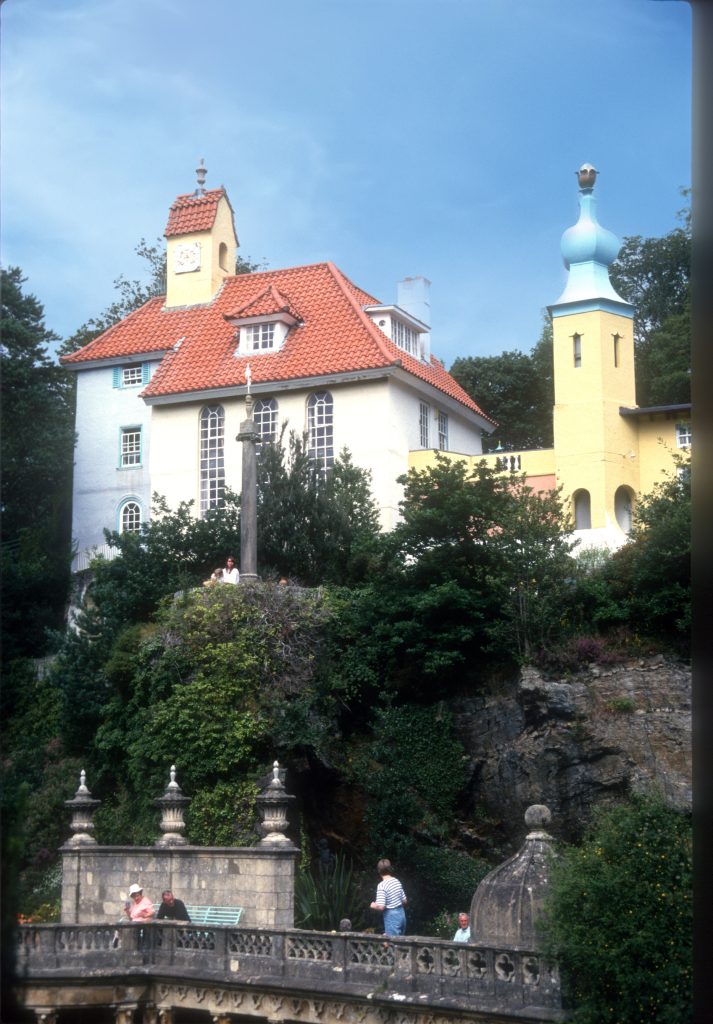
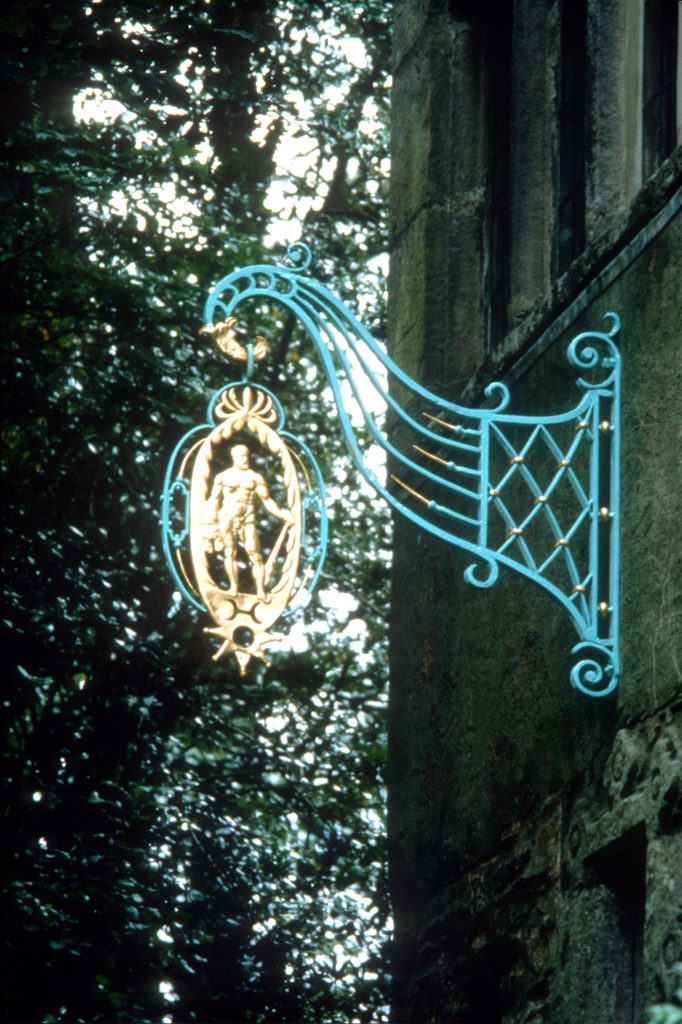
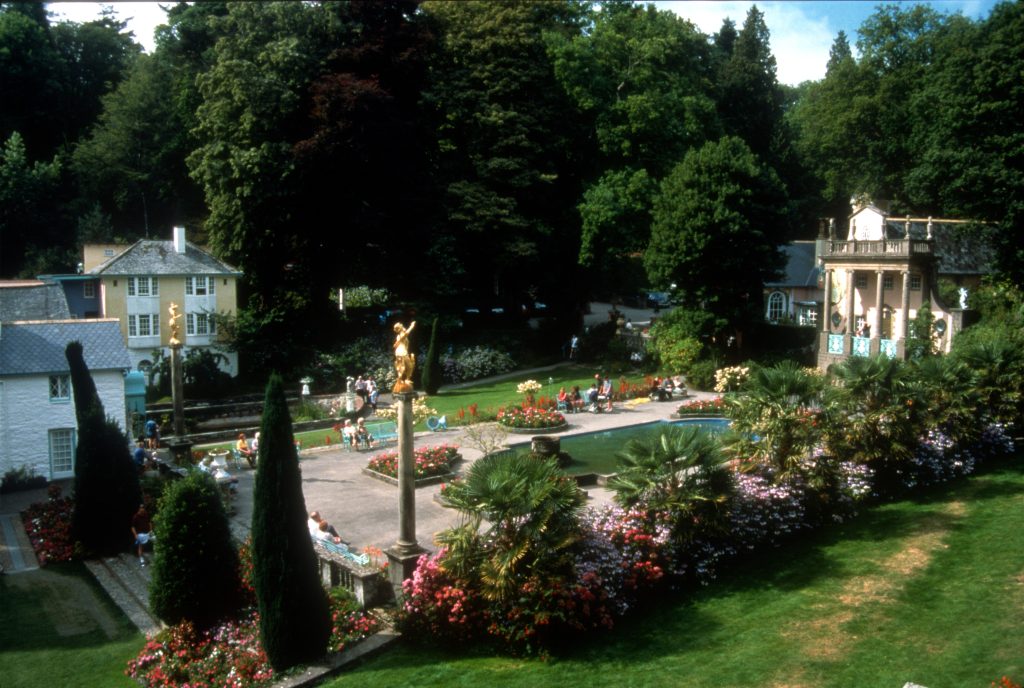
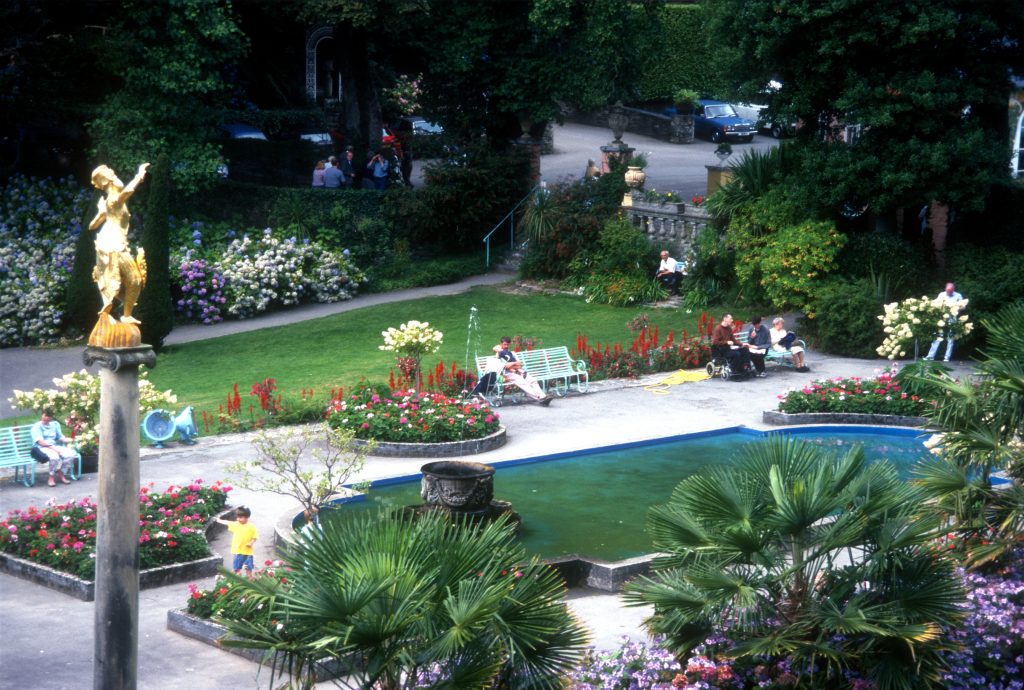
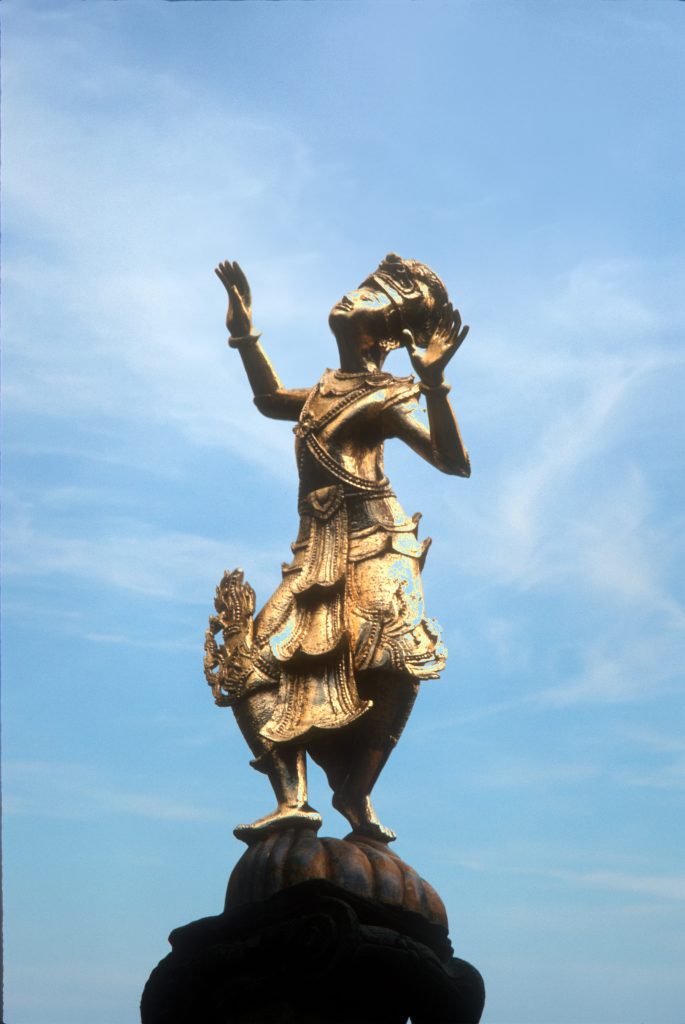
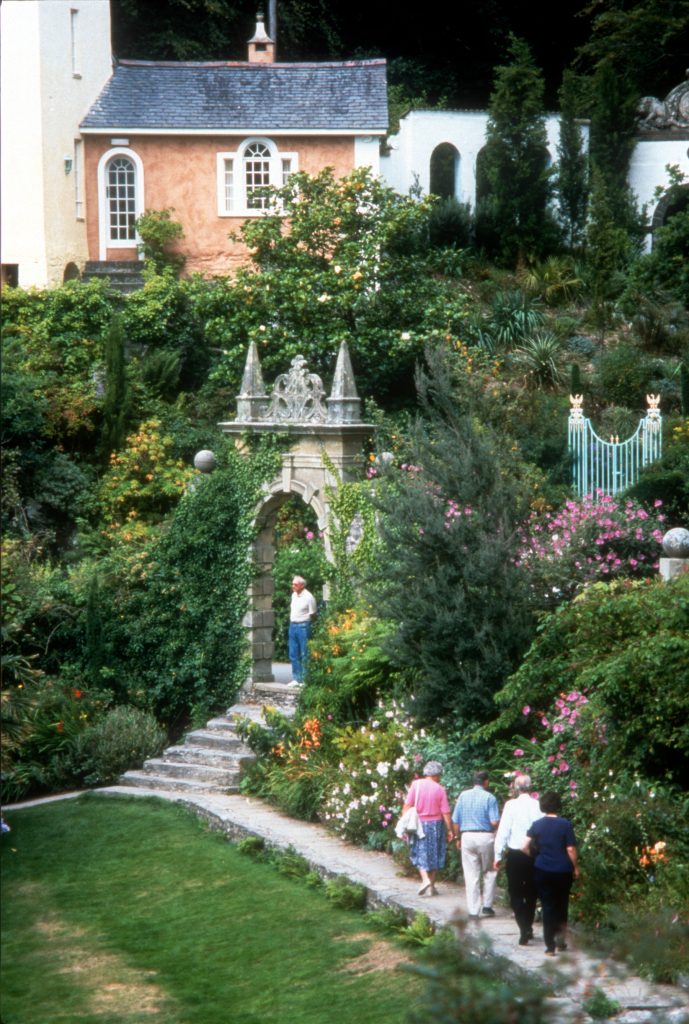
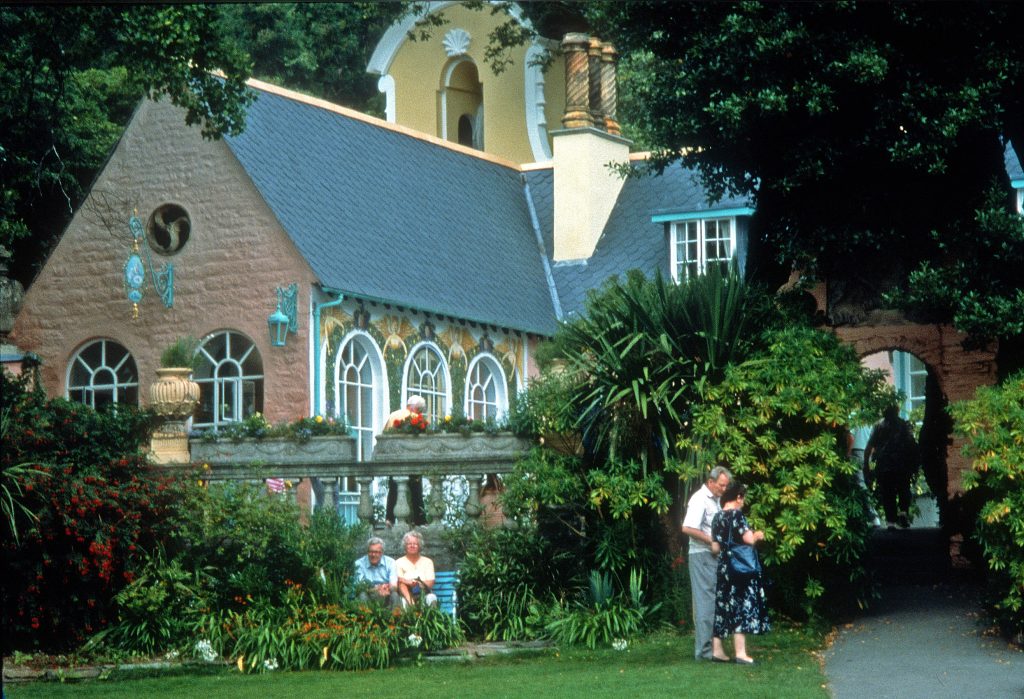
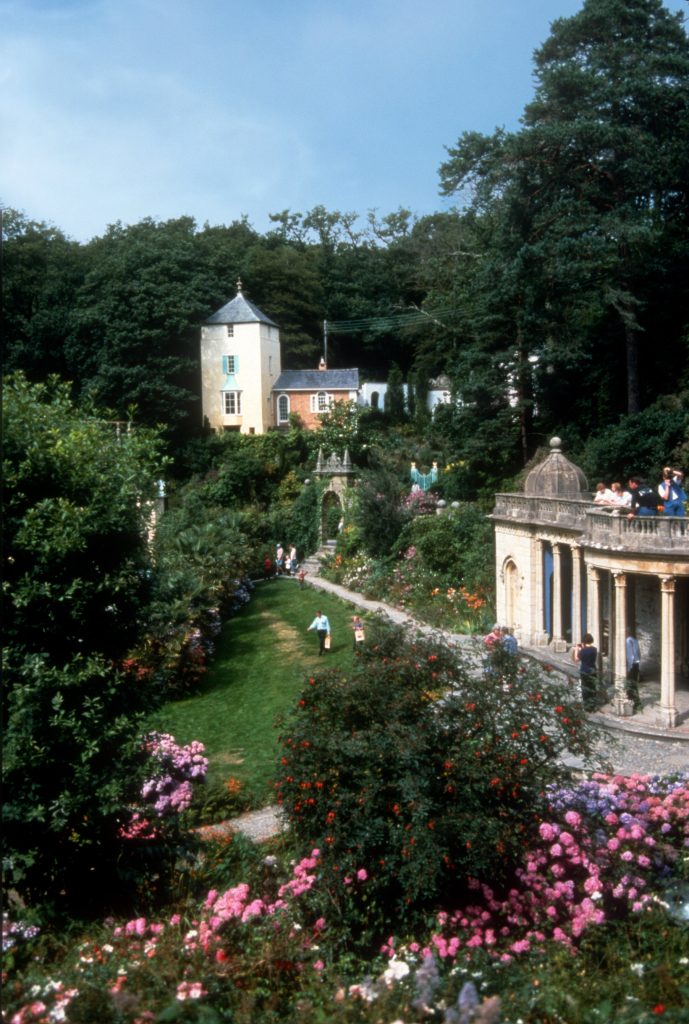
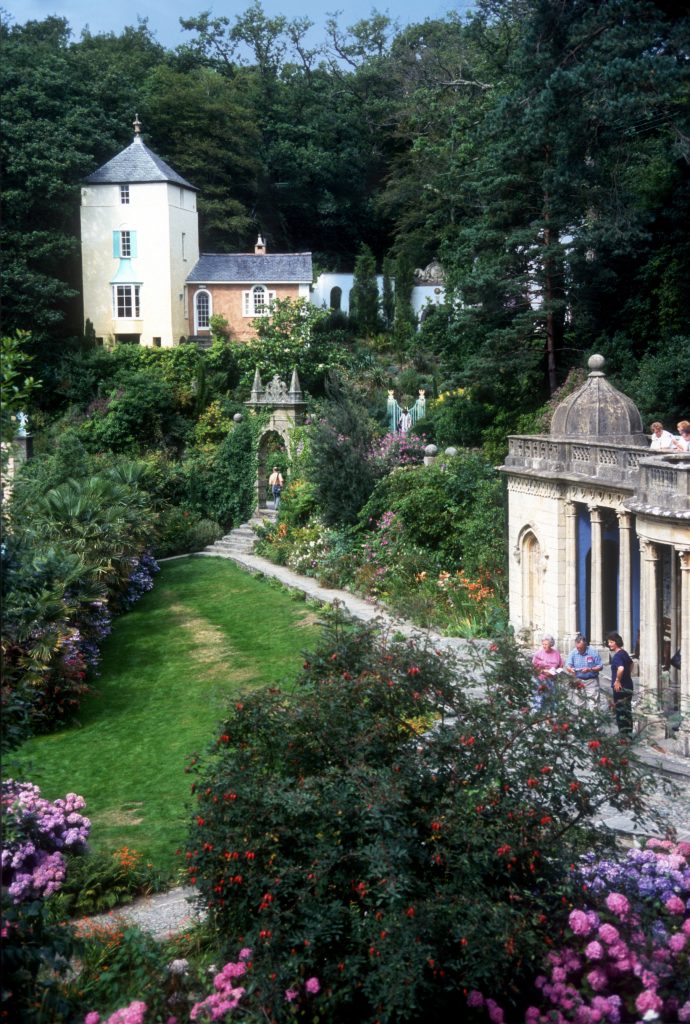
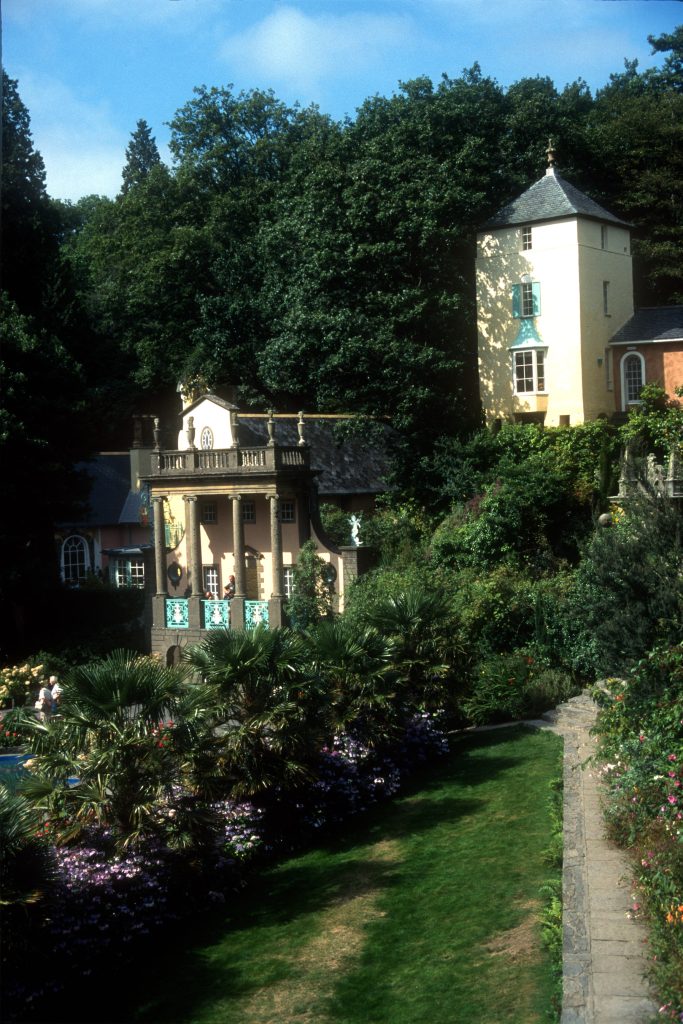
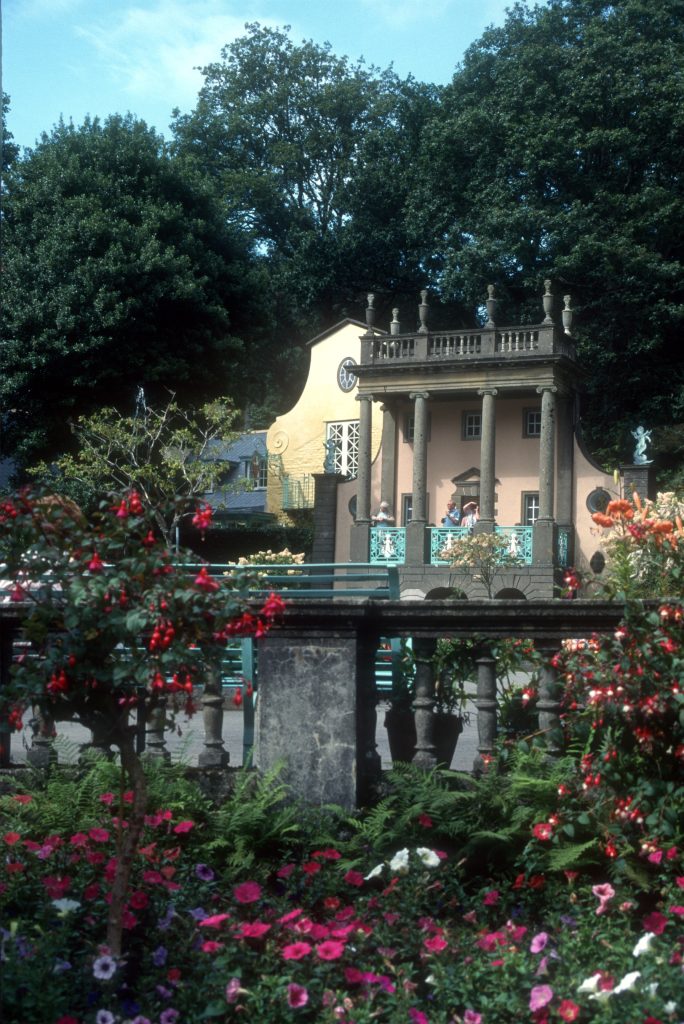
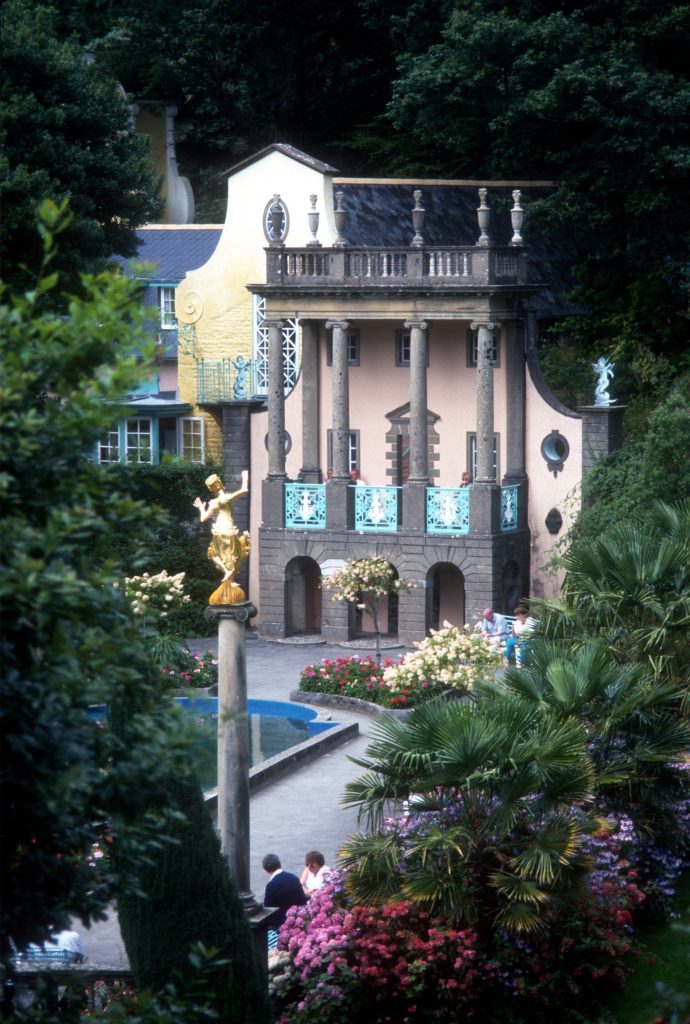
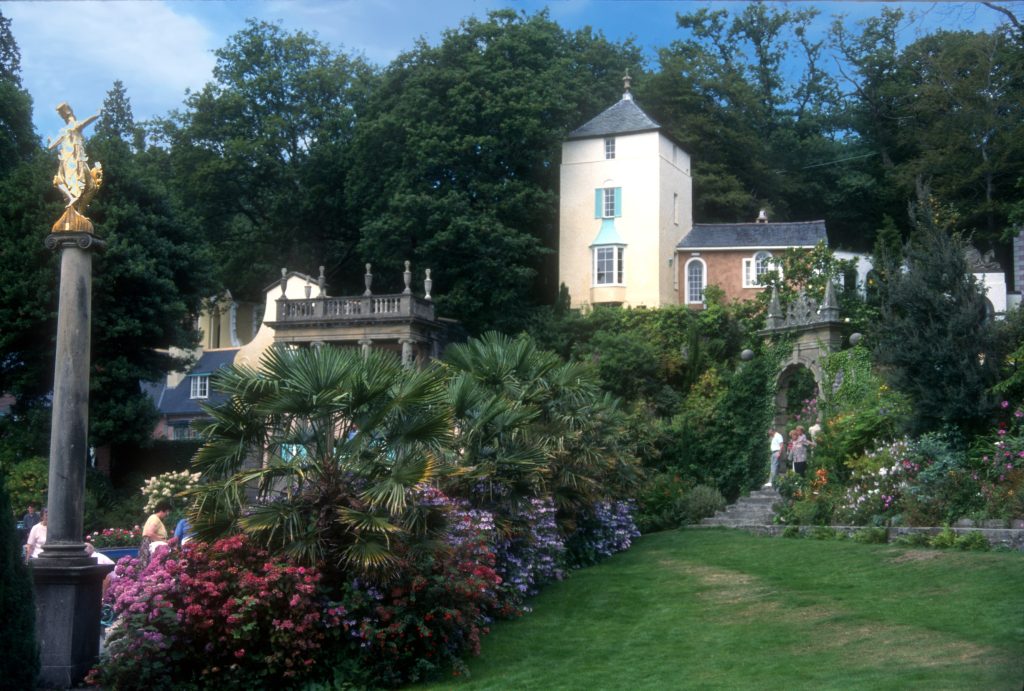
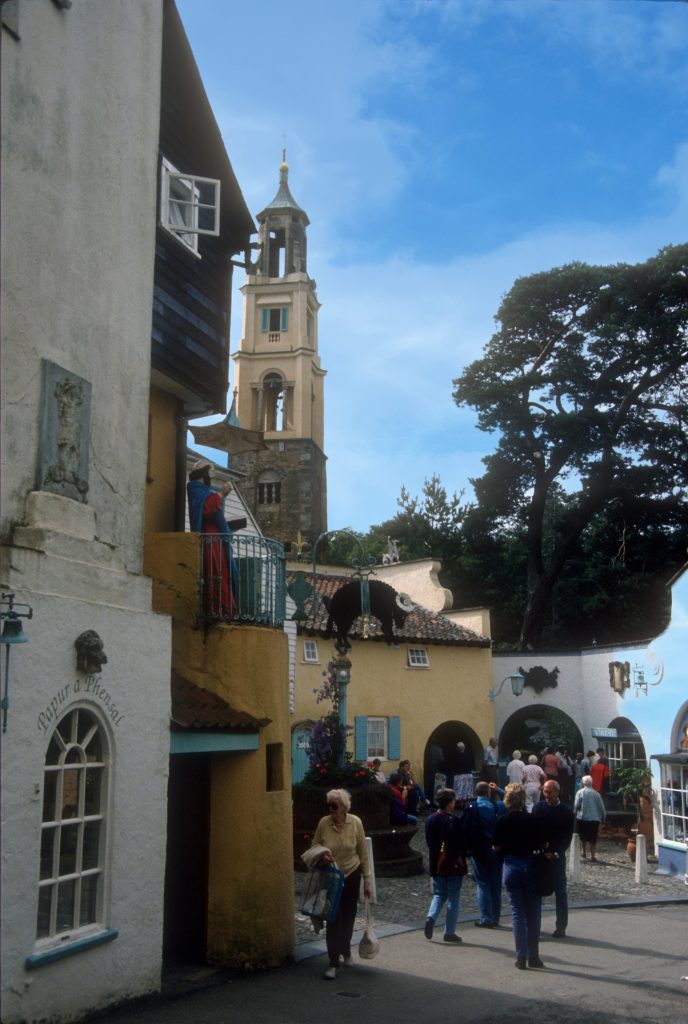
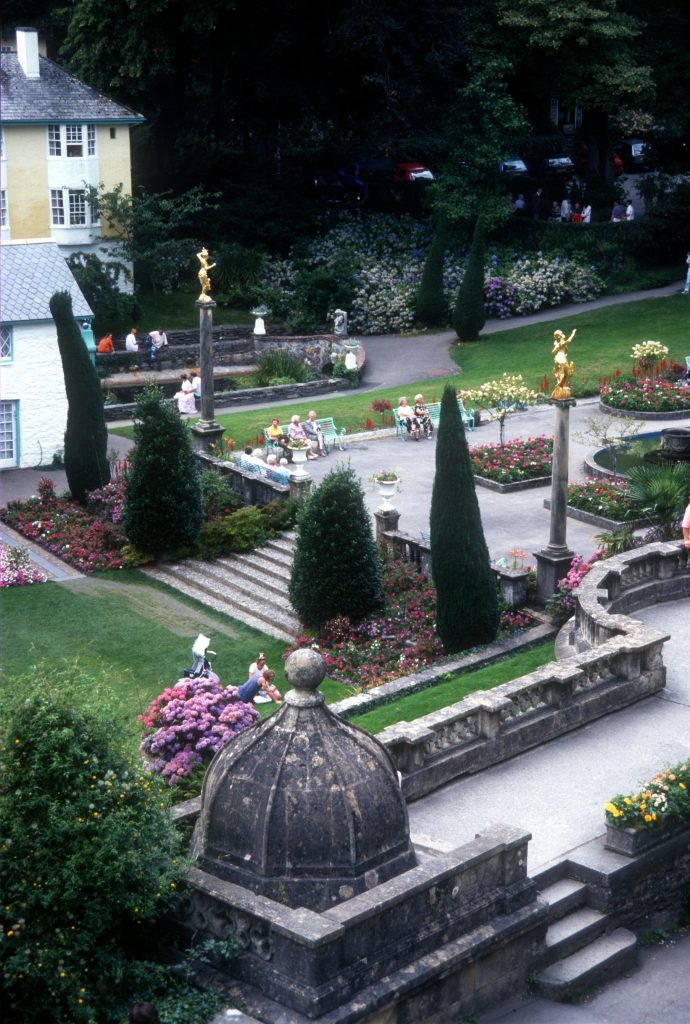
Wander through Portmeirion and feel as though you’ve stepped into a painted fresco. Candy-colored cottages cluster in playful symmetry, their windows framed with artful curves and whimsical details. Ionic columns and gilded domes punctuate the skyline, while hidden staircases lead to secret gardens and echoing arcades adorned with ornate balustrades.
The scent of salt air mingles with the rich perfume of camellias and azaleas in the subtropical gardens, nurtured by the Gulf Stream’s warmth. Pale blue pools mirror the facades as a bell tower’s chime punctuates the lazy warmth of the afternoon.
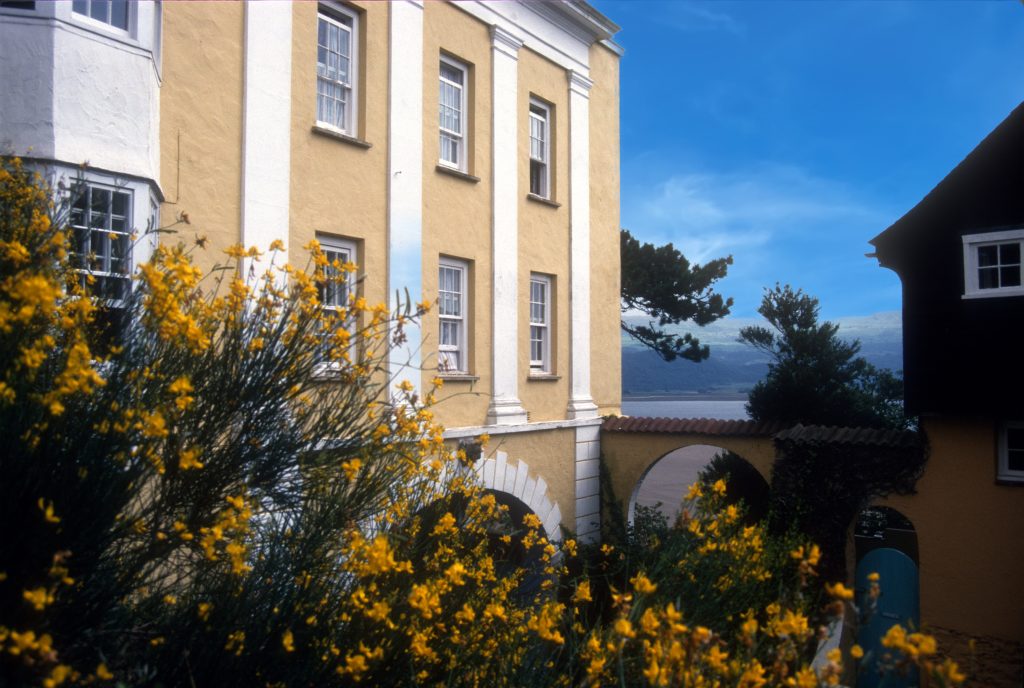
Every view at Portmeirion feels composed, as if landscape and village were painted as one—turquoise waters of the Dwyryd estuary shimmer beyond colonnades and piazzas like an Italian coastal town, yet more surreal beneath the soft Welsh mist.
Architectural Highlights
- The Bell Tower: Rising above the village green, its mellow tones call visitors to slow down and savor the timelessness of the place.
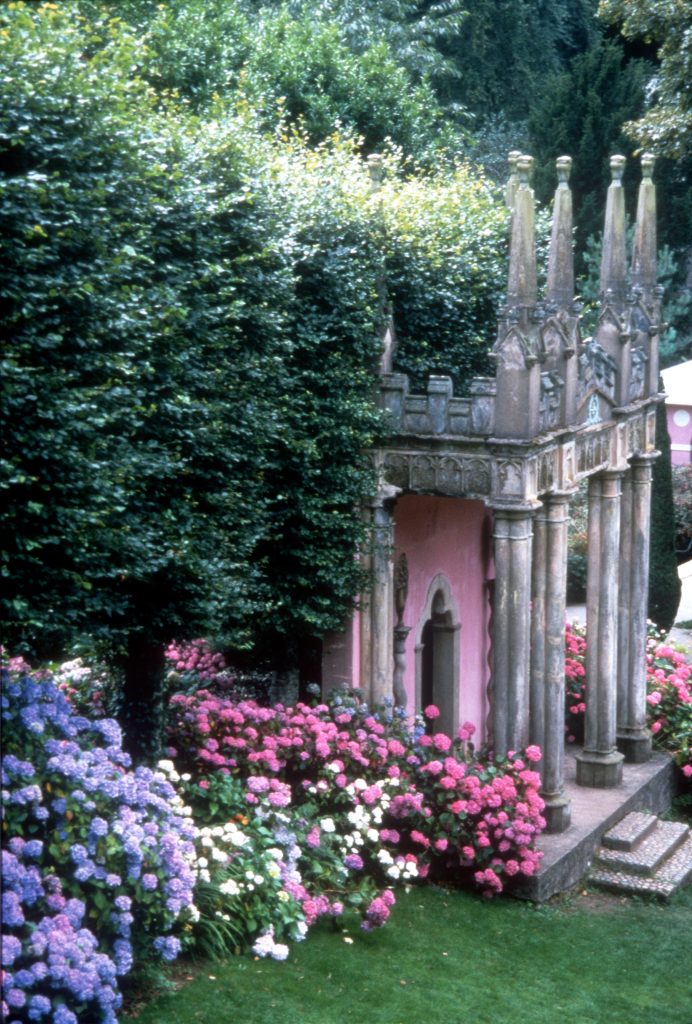
- The Gothic Pavilion: An elegant fragment repurposed into the village’s tapestry, merging medieval inspiration with Mediterranean flair.
- Battery Square: A playful plaza where sun-yellow walls and blue domes surround cafés, boutiques, and colorful terraces.
- The Bristol Colonnade: Salvaged from a demolished 18th-century bathhouse, these classical columns offer a striking sense of grandeur against the coastal sky.
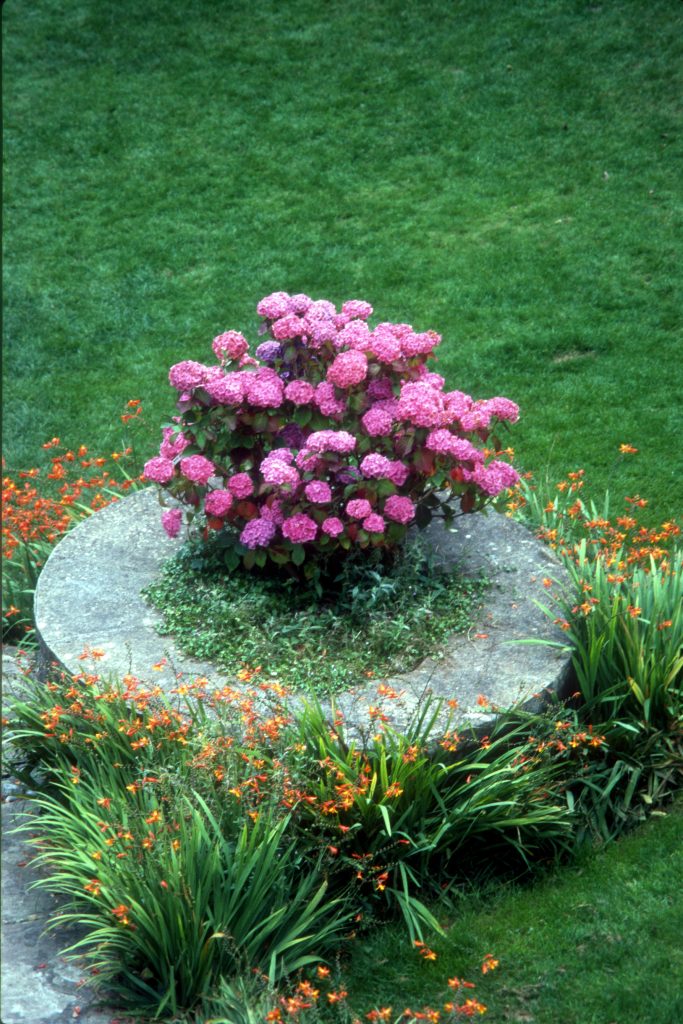
- The Gardens: Winding paths reveal Japanese maples, rhododendrons, and rare exotic species—an unexpected Eden cradled by the Welsh hills.
Your camera will find something worth capturing at every turn. The photos are fun, fantastic, and otherworldly!
Five Hidden Corners of Portmeirion to Discover
Now if you’re looking for special spots to enjoy a quiet respite, a little romance, or a playful moment, consider these locations:
- The Dog Cemetery: A small, poignant garden tucked behind the main piazza, dedicated to the beloved pets of past residents and guests.
- The Secret Grotto: A stone-lined nook beneath the gardens where the cool air and trickling water create a magical retreat.
- The Observatory Tower: Climb to this tucked-away spot for panoramic views over the estuary and the colorful village rooftops.
- The Gazebo Overlook: Hidden among lush foliage, this romantic perch offers a perfect view of the sea shimmering beyond the gardens.
The Dolphin Fountain: A whimsical, tucked-away fountain surrounded by greenery that captures the playful spirit of Portmeirion.
A Day in the Life of Portmeirion
Portmeirion was never intended as a traditional residential village—it had no permanent local population like a typical Welsh village would.
Several of the colorful cottages and buildings were designed as guest residences. Over the years:
- It operated as a luxury hotel complex, with suites, cottages, and rooms available for visitors.
- Notable artists, writers, and celebrities sometimes stayed for extended periods, treating Portmeirion almost like a private seasonal retreat.
- Clough Williams-Ellis himself maintained a residence there (in the nearby Castell Deudraeth) and oversaw the village as an artistic project and a hospitality venture.
Today, many structures remain available as part of the Portmeirion Hotel and self-catering accommodations, preserving the spirit of living within an artwork.
Today, Portmeirion continues to enchant travelers, artists, and those who dream. Festivals, concerts, and literary gatherings are regularly staged here, and the village remains a living embodiment of Williams-Ellis’s vision—a vibrant testament to beauty’s resilience. Visitors come not just to admire its architecture, but to immerse themselves in a world where whimsy triumphs and the mundane is banished beyond the colorful gates.
So linger on a sun-warmed terrace. Let pastel facades and the sighing estuary draw you into a waking dream. In Portmeirion, history is not so much remembered as joyfully reimagined, a jubilant dance of form, color, and spirit amid the enduring beauty of Wales.
Where to Stay in Portmeirion, United Kingdom
Portmeirion offers limited overnight options, but its few rooms within the grounds provide the most immersive experience. Staying in one of the on-site cottages or guest rooms lets you wander the village after day-trippers leave and experience the surreal architecture and gardens in near solitude. Book well in advance; these rooms fill quickly, especially during school holidays and summer weekends. The on-site accommodations range from basic to comfortable and, while not luxurious, deliver an unforgettable stay surrounded by Portmeirion’s unique design.
For travelers unable to secure a room in the village, the nearby town of Porthmadog, about two miles away, offers the best selection of hotels and guesthouses. This working harbor town offers modest three-star hotels and bed-and-breakfasts within a ten-minute drive of Portmeirion’s entrance. Porthmadog retains genuine local character with independent cafes and shops, where prices are more competitive than in tourist-focused villages. The trade-off is a short morning drive, but many visitors find the authentic Welsh town experience worth it.
Alternatively, Tremadoc, a small village just south of Portmeirion, has a handful of guesthouses and inns closer to the main attraction. These are typically family-run properties offering genuine hospitality and hearty Welsh breakfasts. Tremadoc is quieter and more residential than Porthmadog, making it ideal if you prefer a peaceful base without much driving. Either village gives you easy access to Portmeirion while keeping you rooted in the surrounding Snowdonia landscape rather than a larger tourist center.
If you’re willing to venture slightly further up the coast to Criccieth, about six miles north, you’ll find more amenities and a broader range of accommodations, from chain hotels to independent guesthouses. You’ll have access to Criccieth’s seaside attractions, working harbor, and local Welsh restaurants. This option suits travelers who want more dining and evening activities beyond Portmeirion, though it means a fifteen to twenty-minute drive back to the village each day.
Recommended Reading
- The Prisoner: A Novel by Thomas M. Disch – A clever, surreal retelling inspired by the TV series filmed in Portmeirion.
- Portmeirion: The Place and Its Meaning by Jan Morris – A lyrical exploration of the village’s cultural and artistic significance.
- Clough Williams-Ellis: Architect Extraordinary by Richard Haslam – An illuminating biography of Portmeirion’s brilliant and visionary creator.
- Insight Guide to Wales – A richly illustrated and thoughtfully written guide that captures the spirit, history, and landscapes of Wales. Blending expert essays, cultural insights, and stunning photography, it offers travelers a deep appreciation of Wales’ castles, coastlines, myths, and modern life—perfect for those seeking both inspiration and understanding.
Travels to Consider