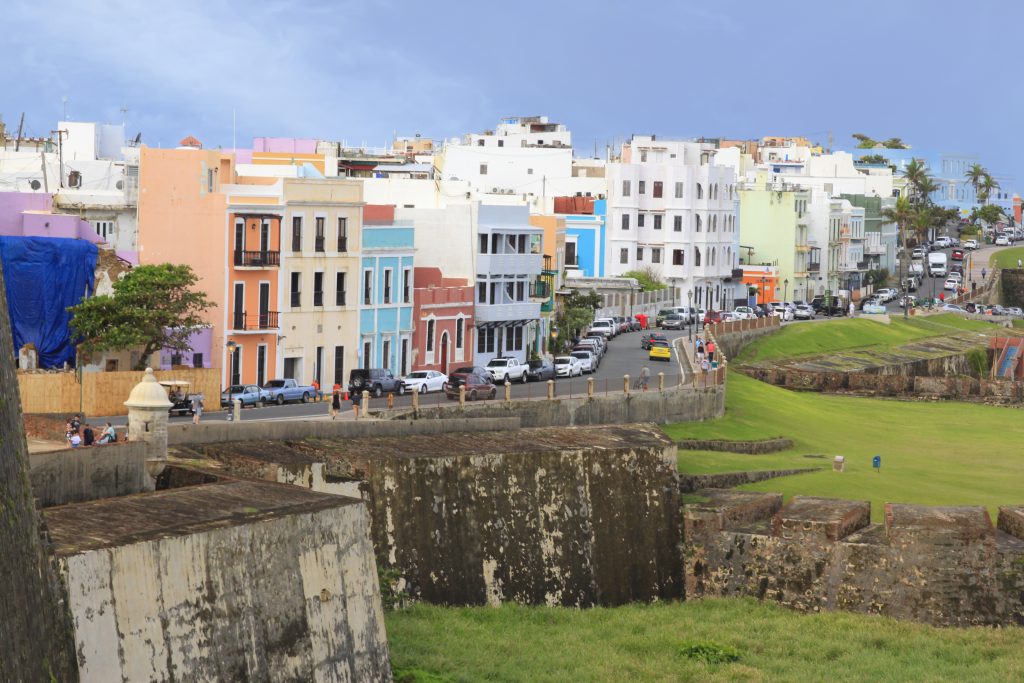
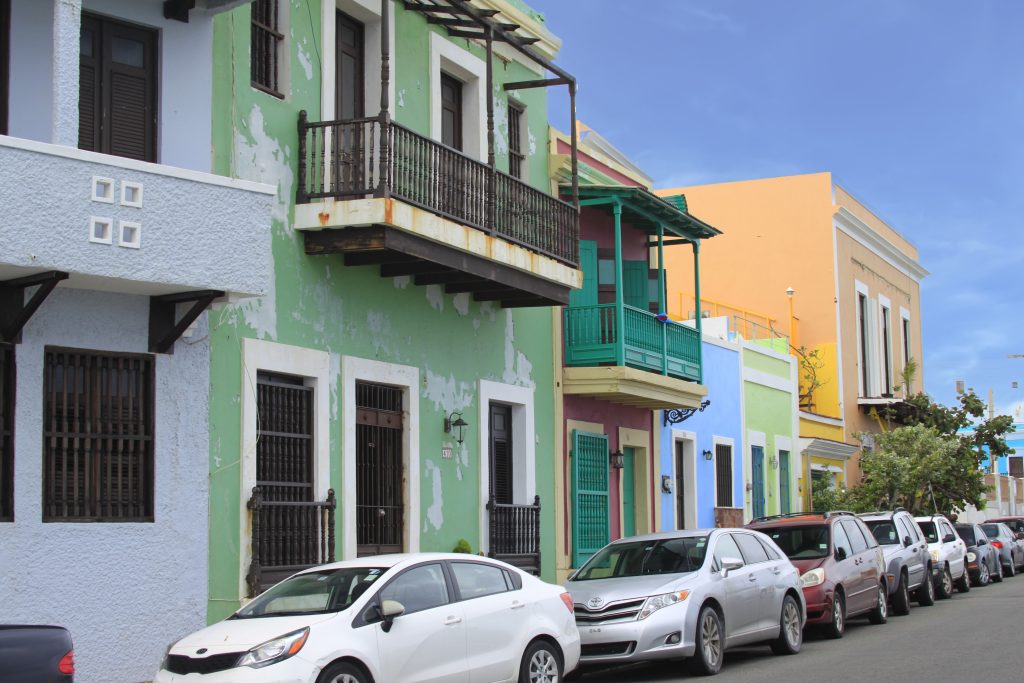
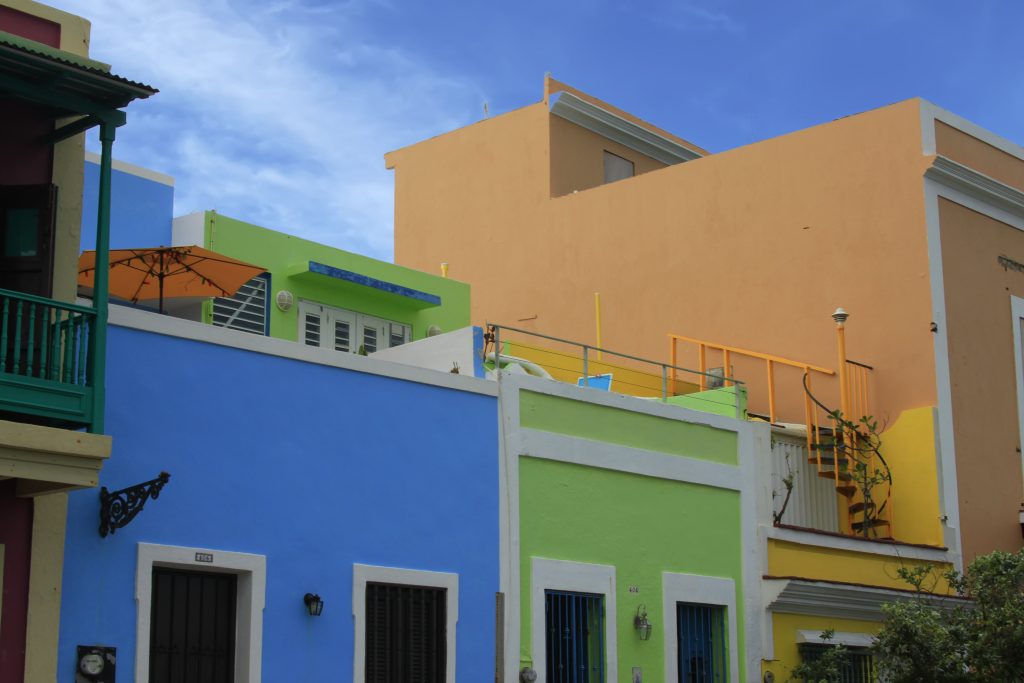
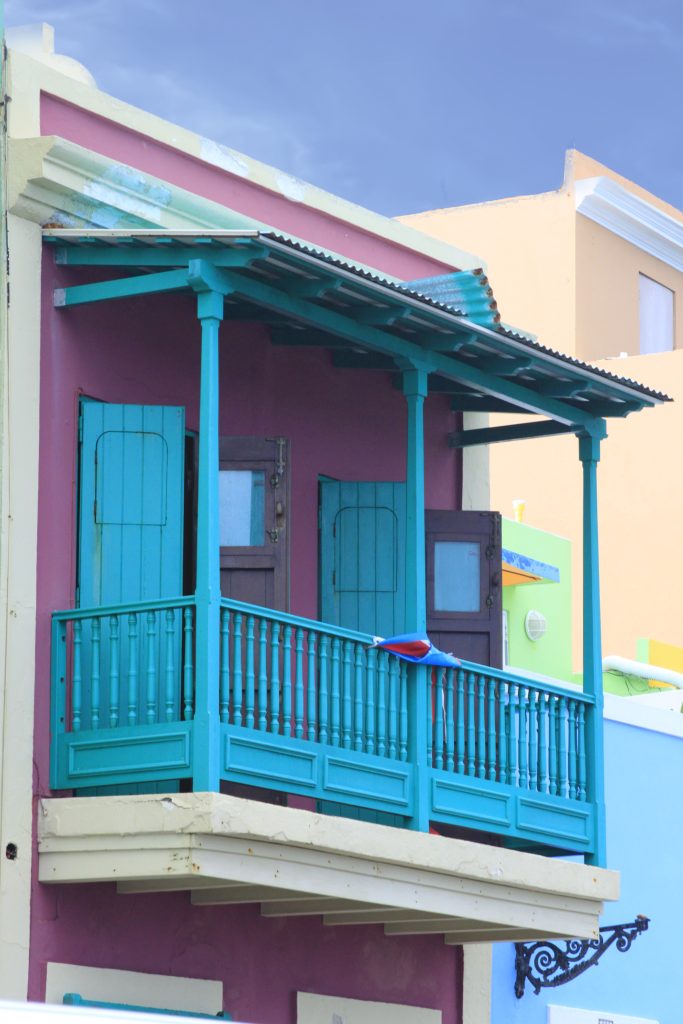
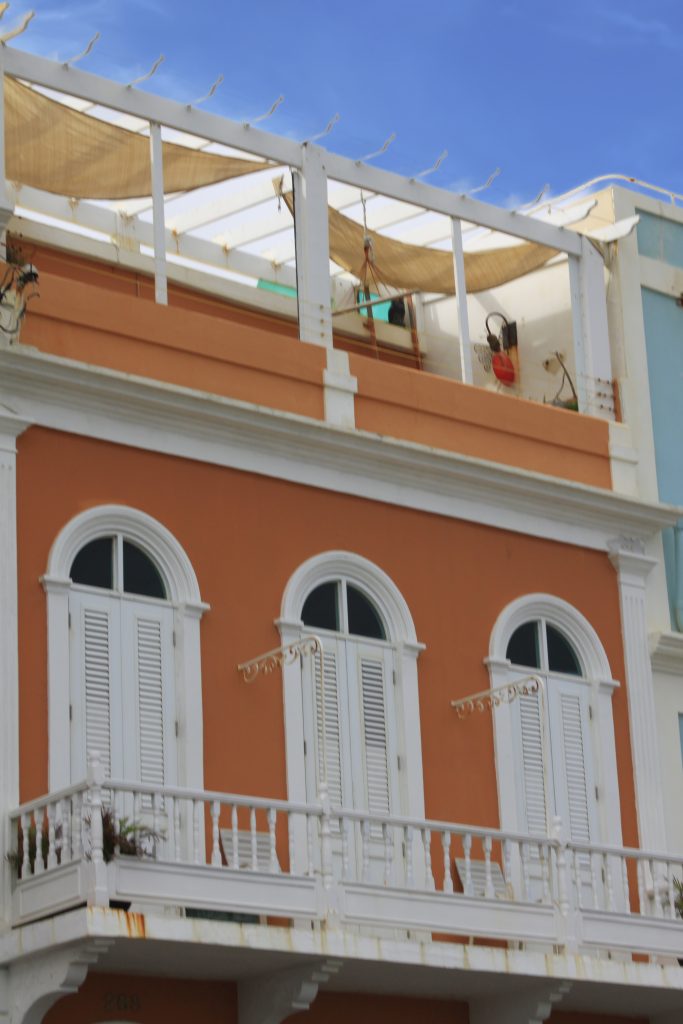
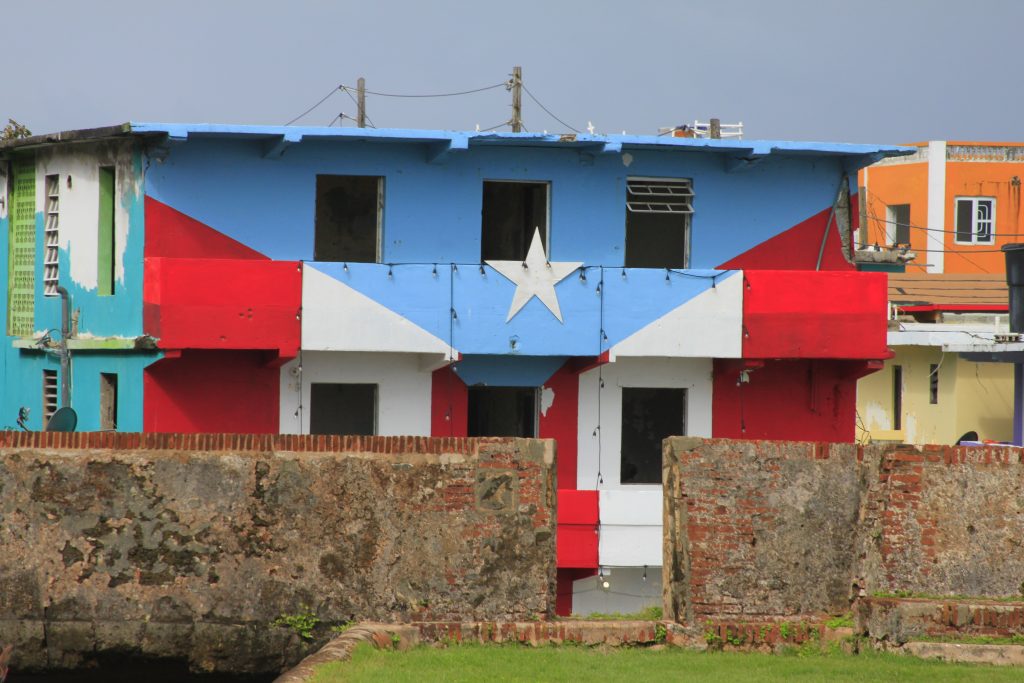
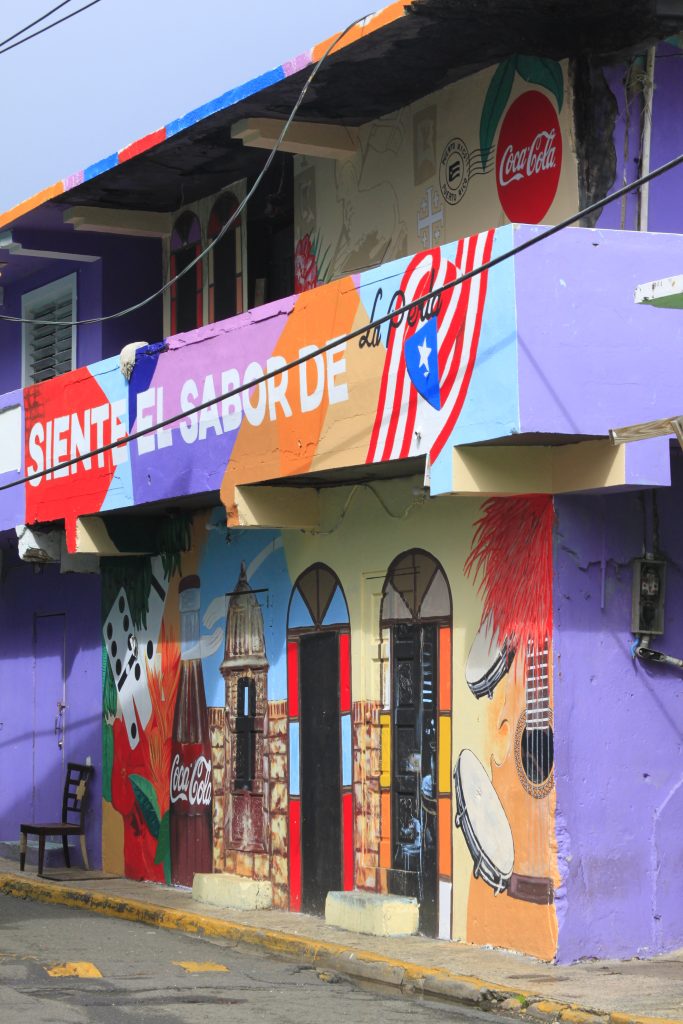
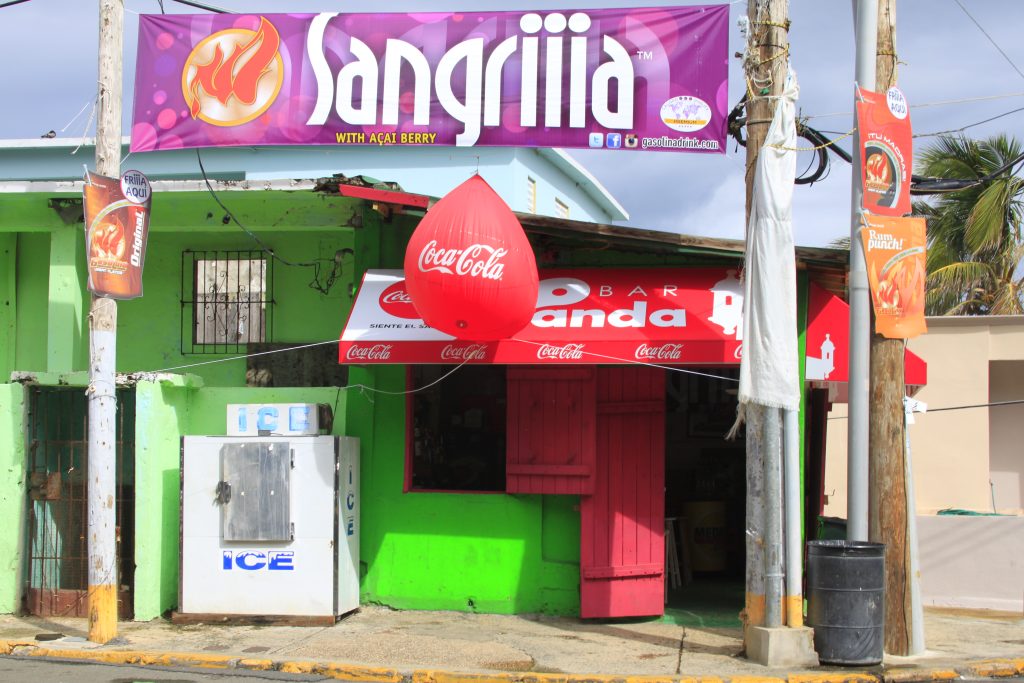
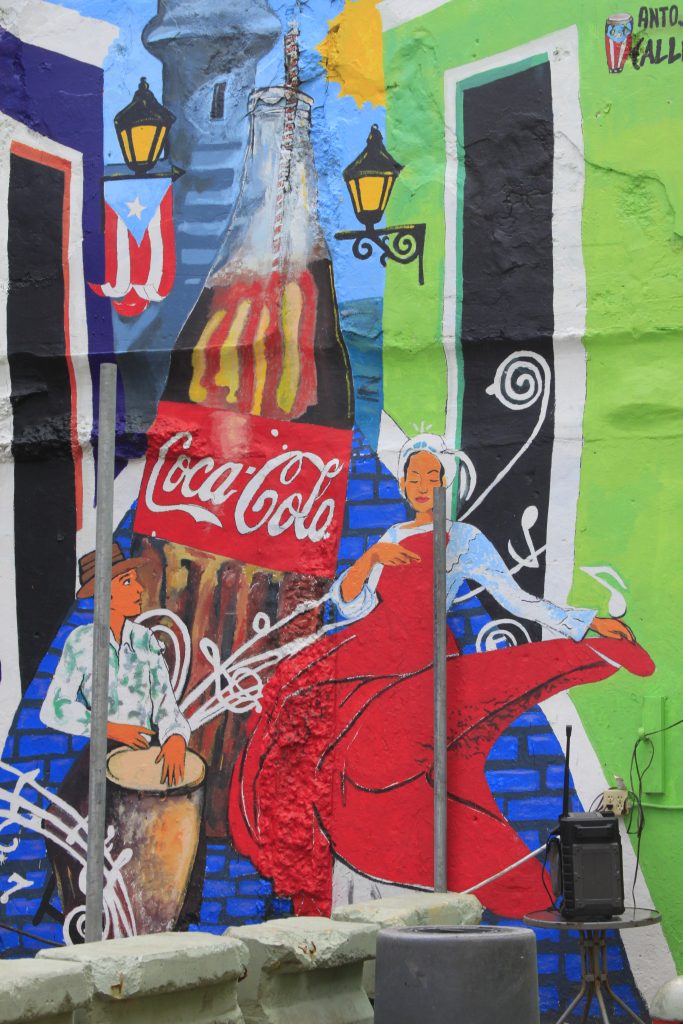
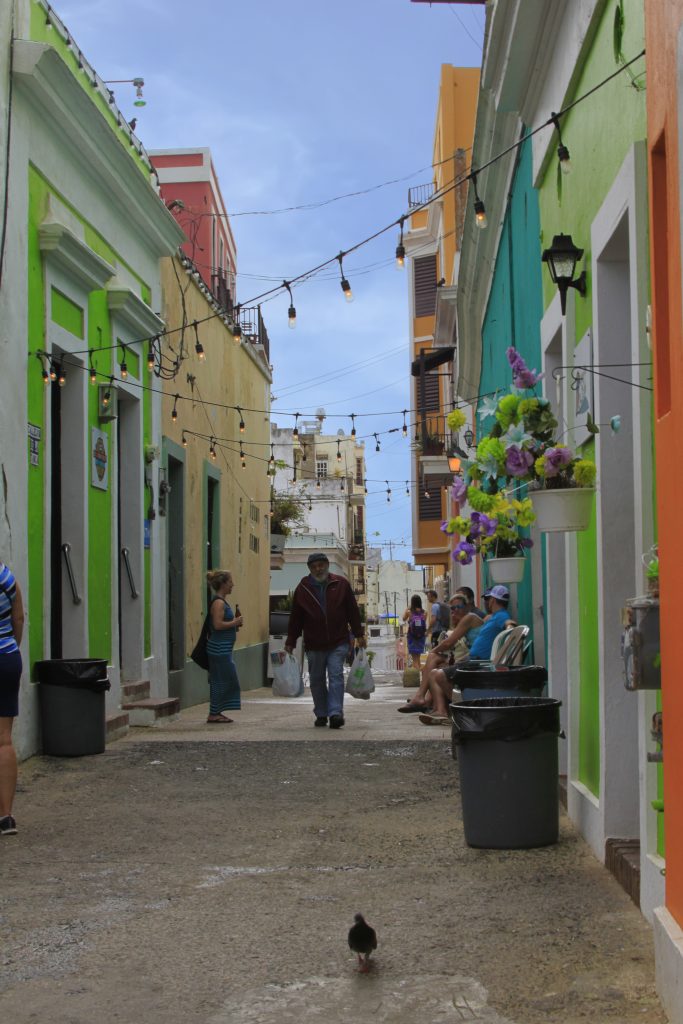
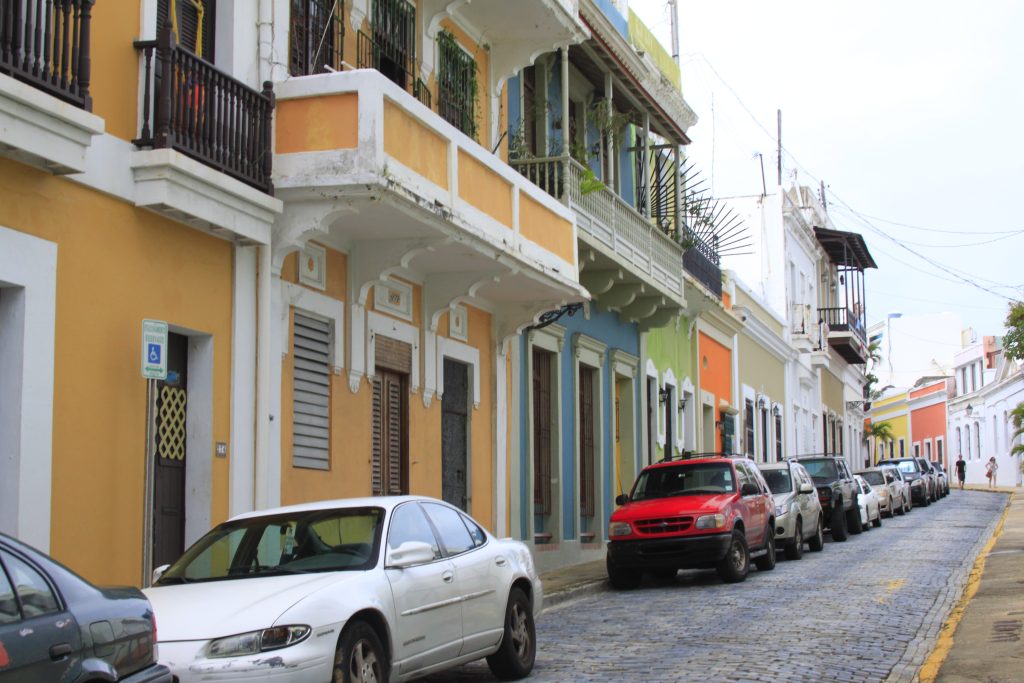
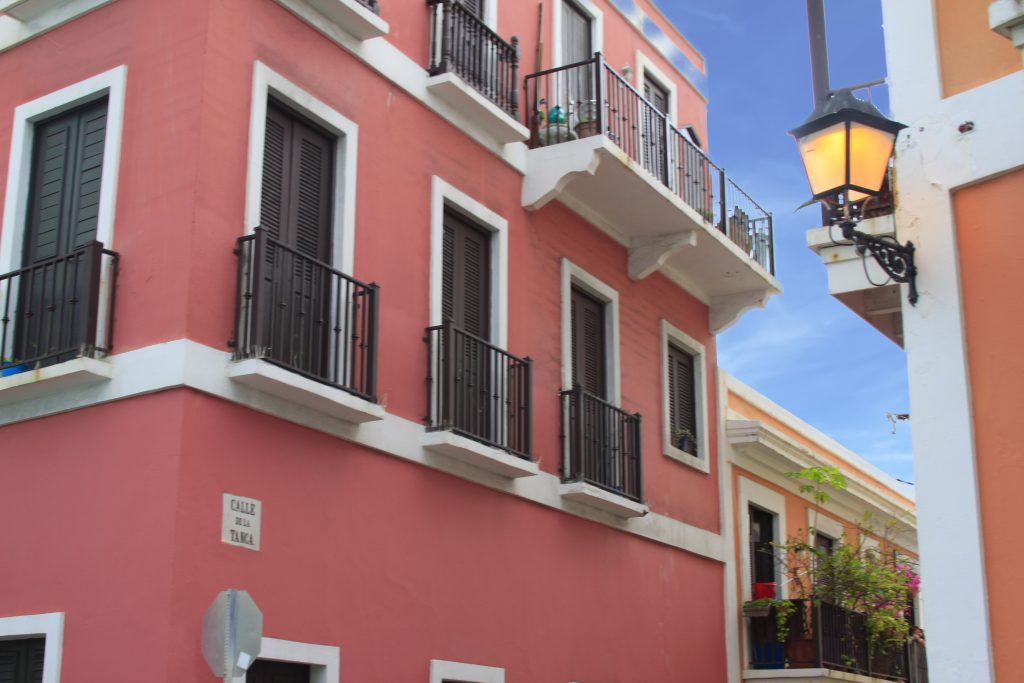
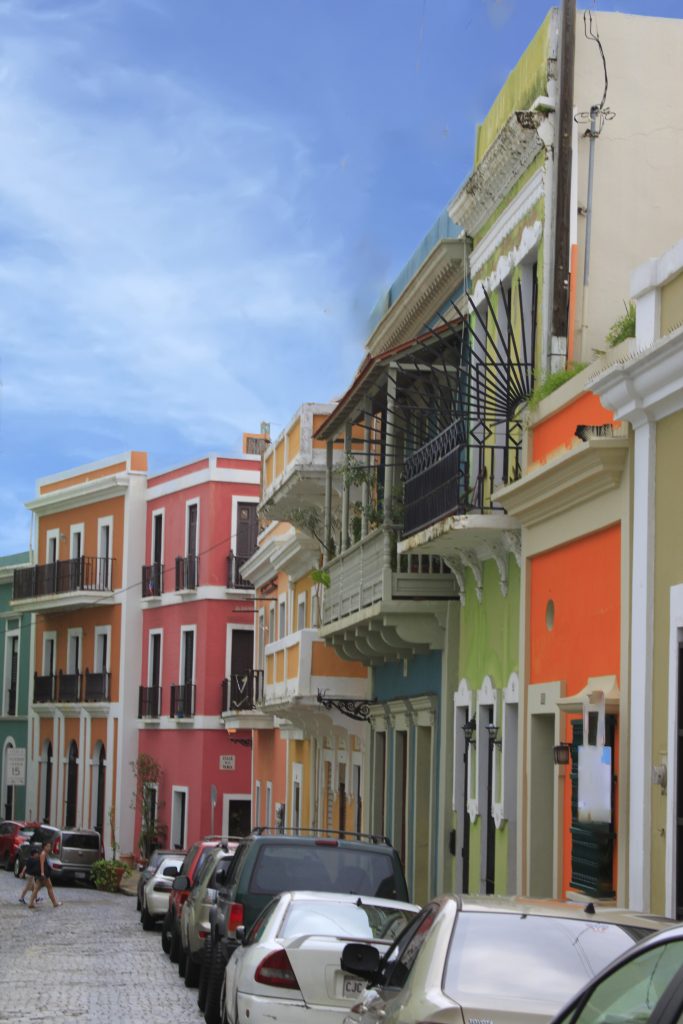
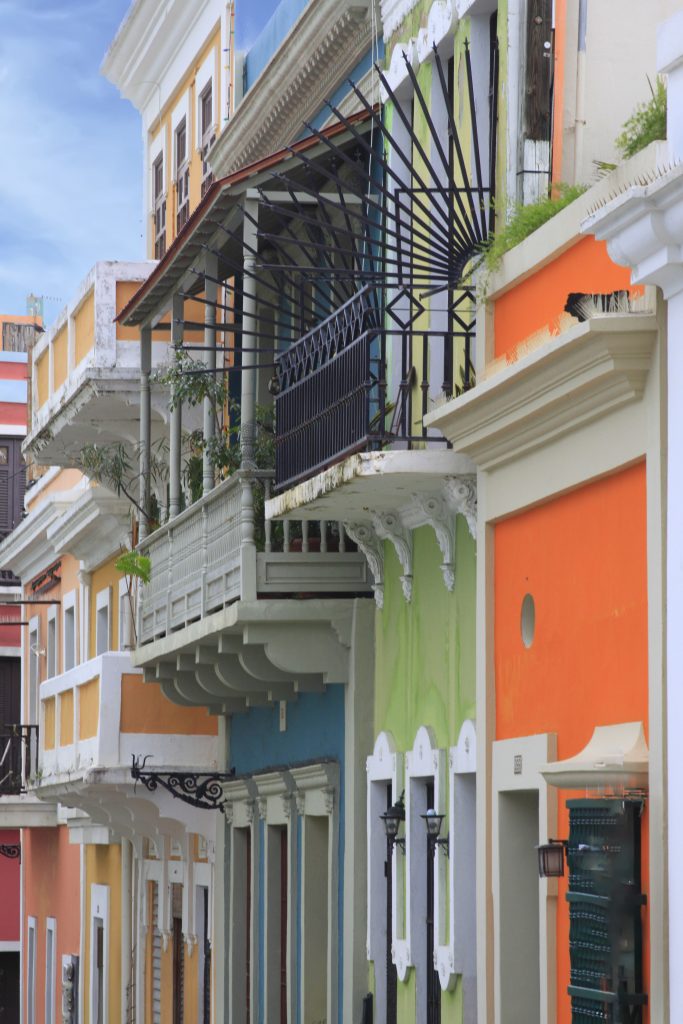
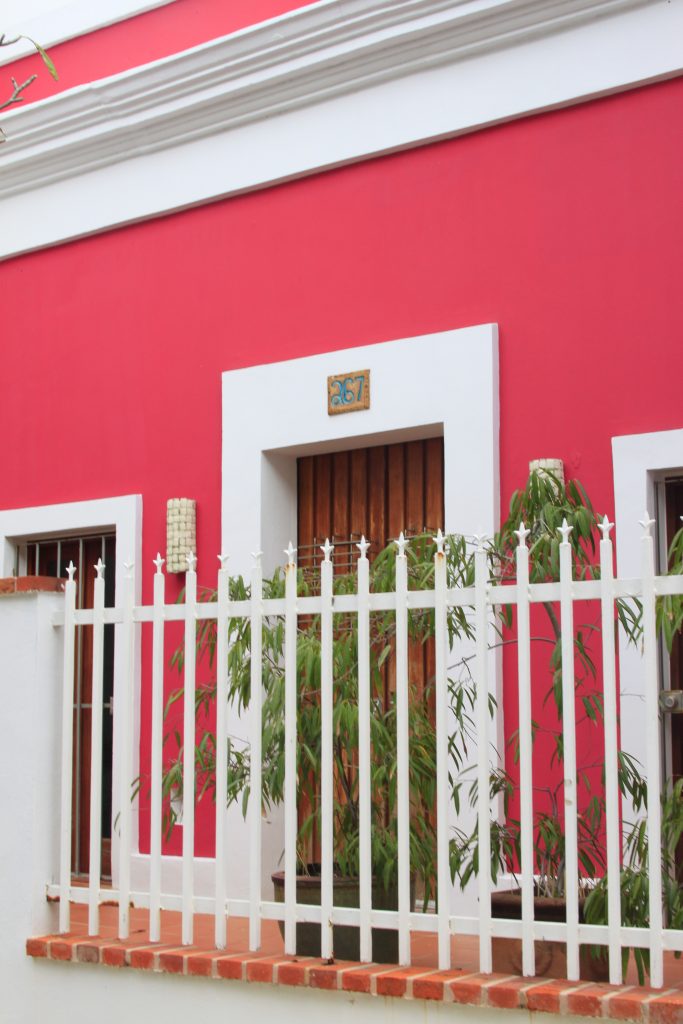
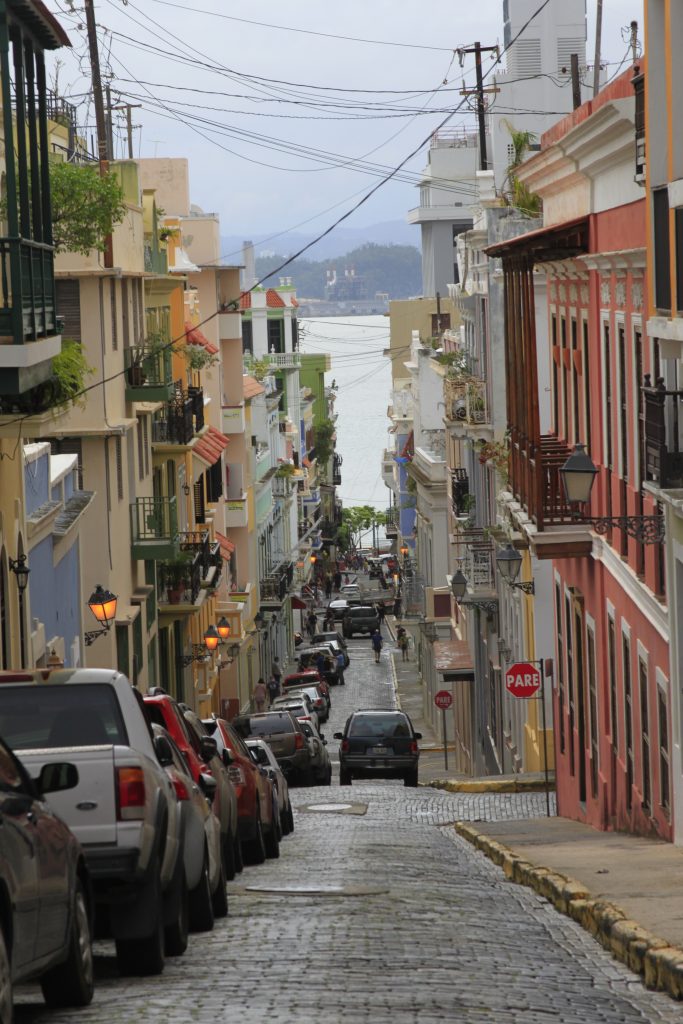
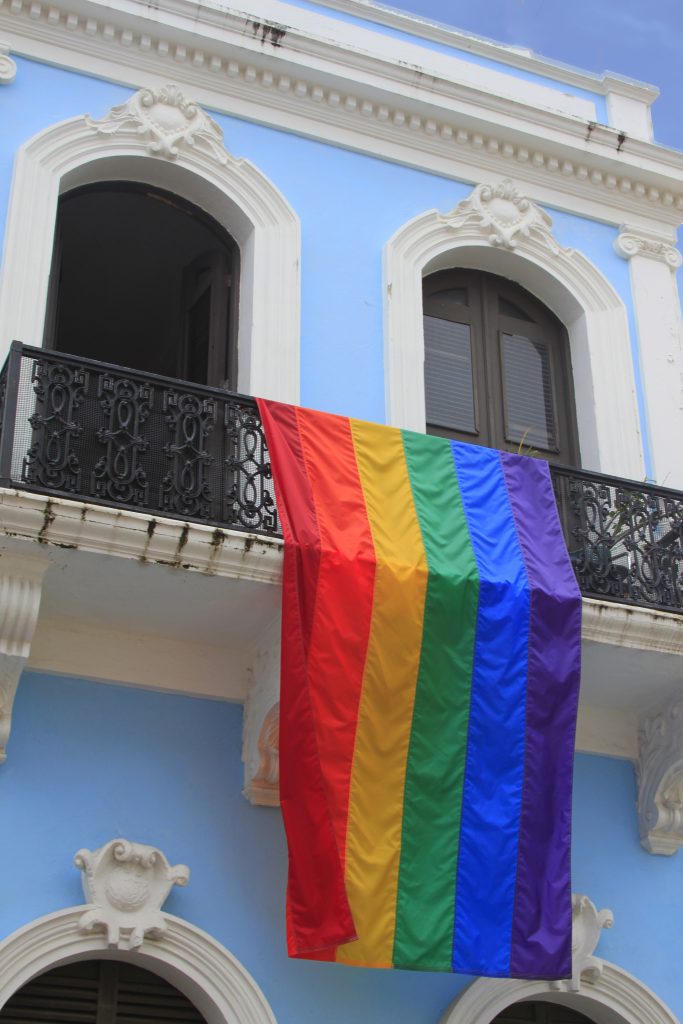
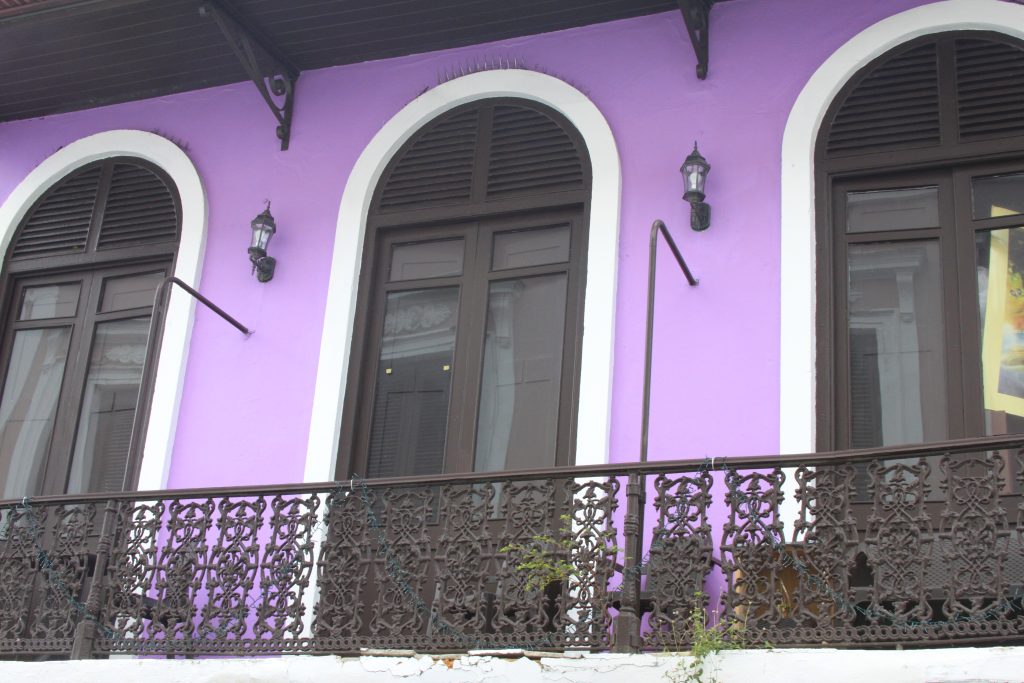
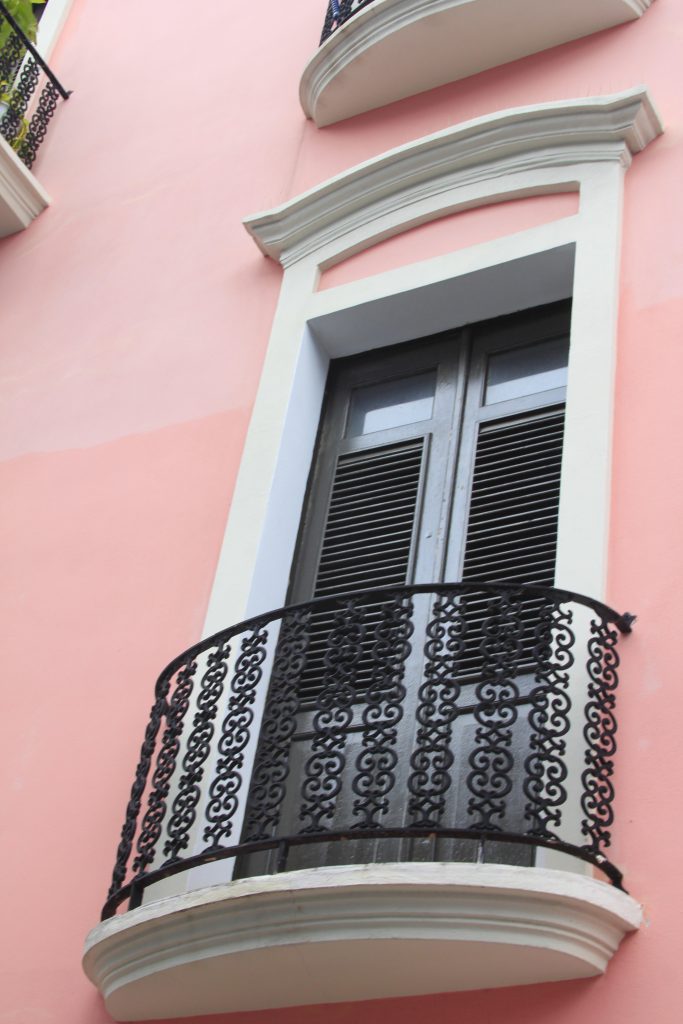
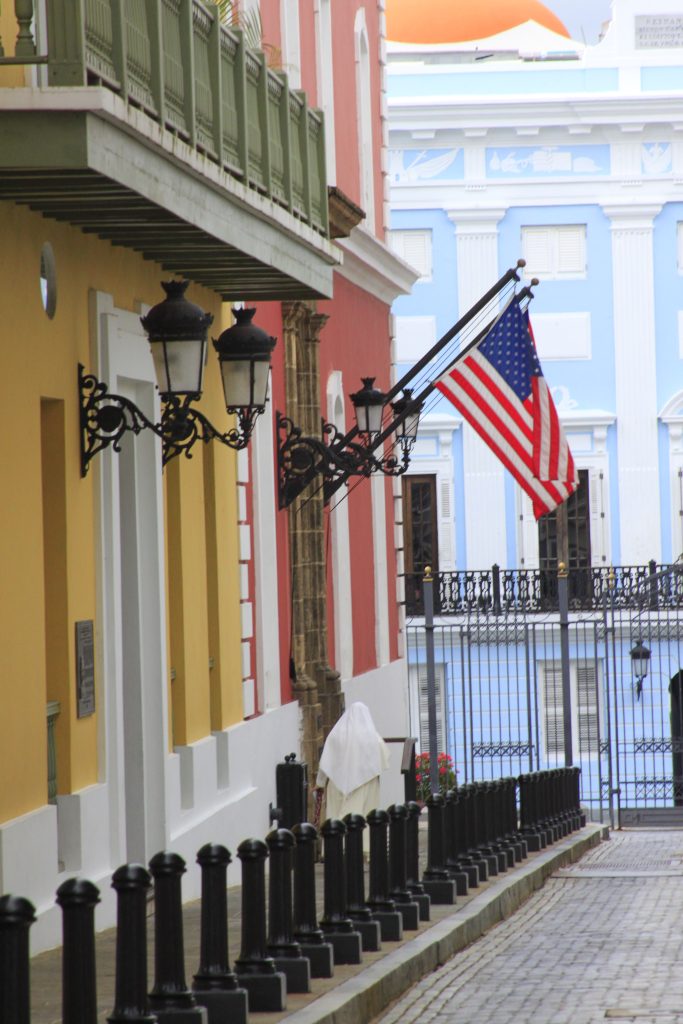
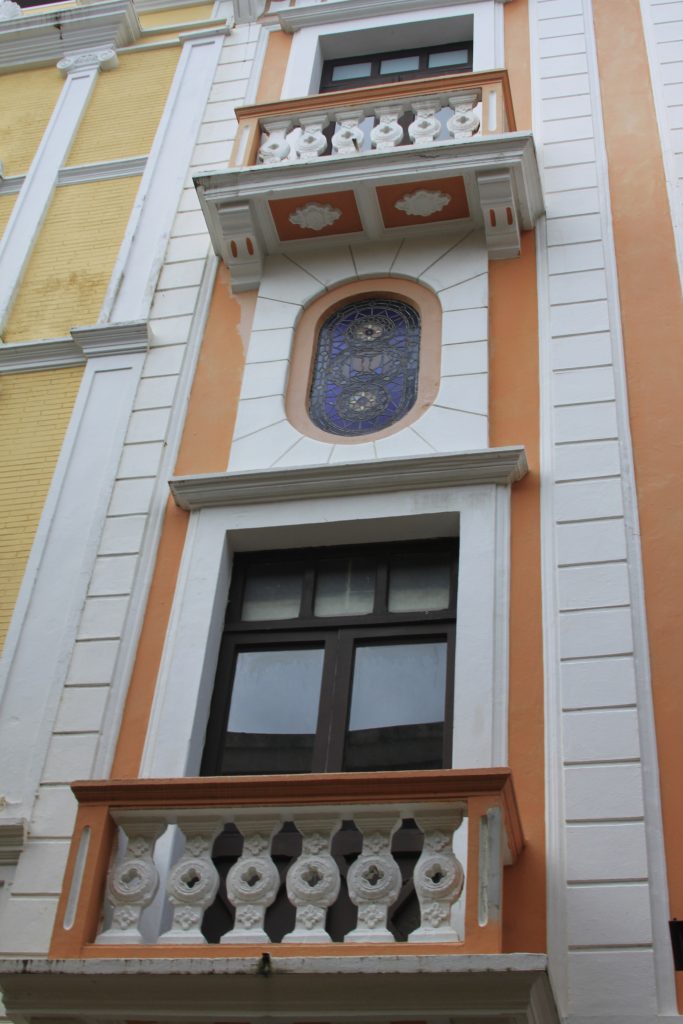
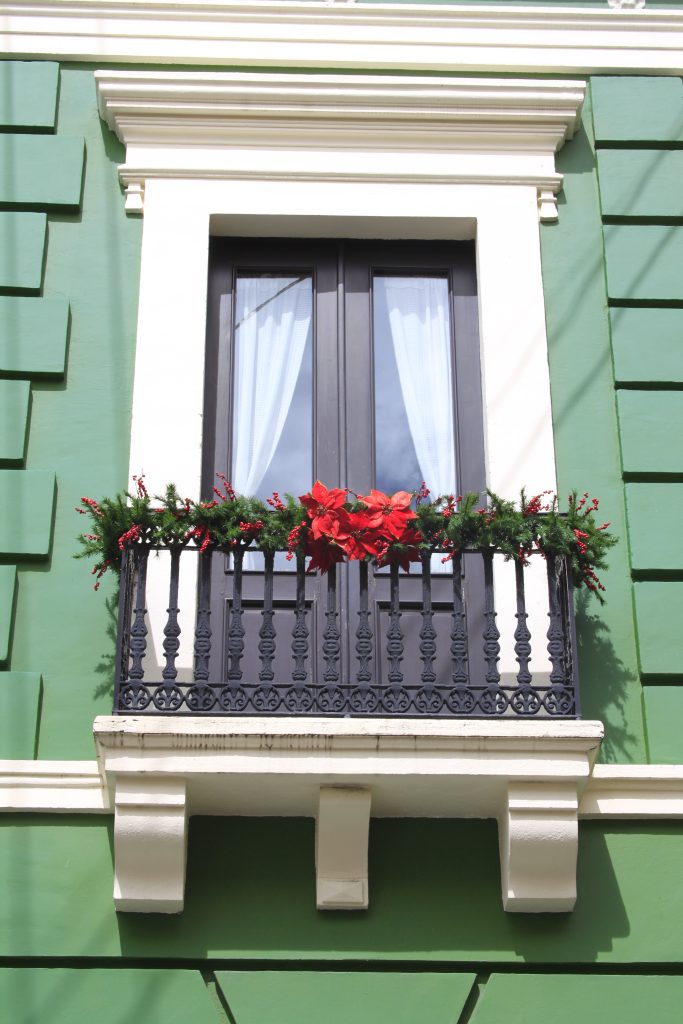
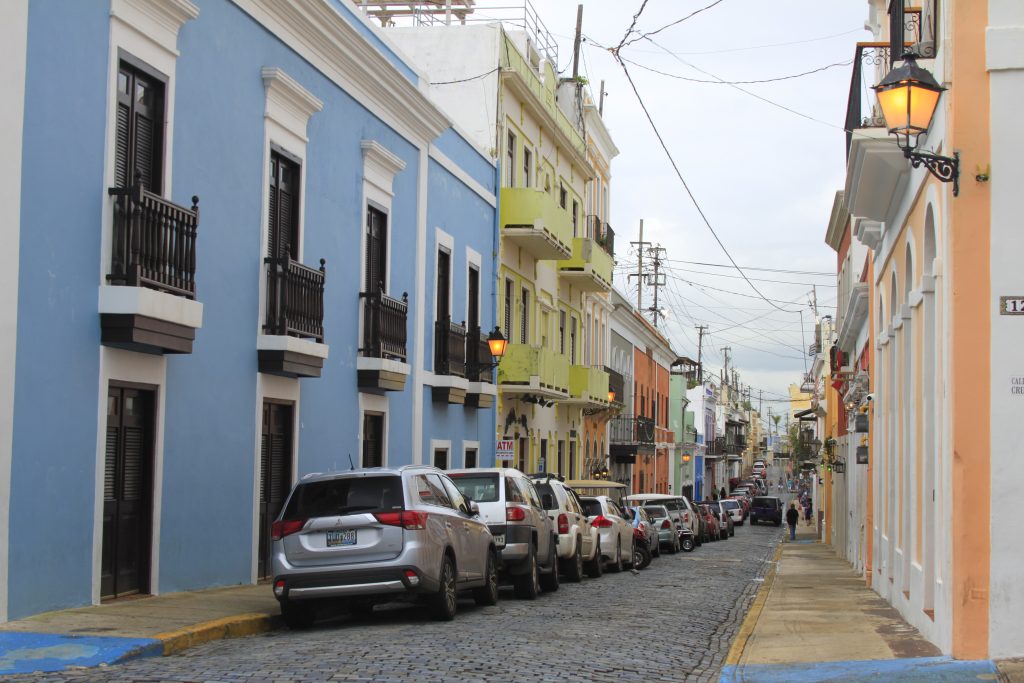
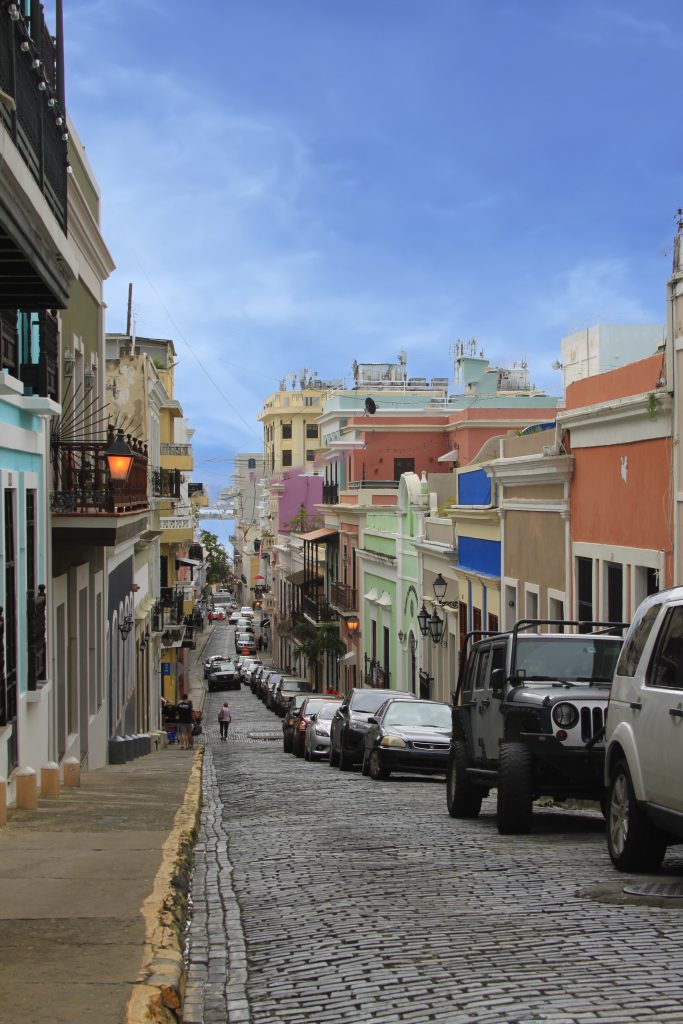
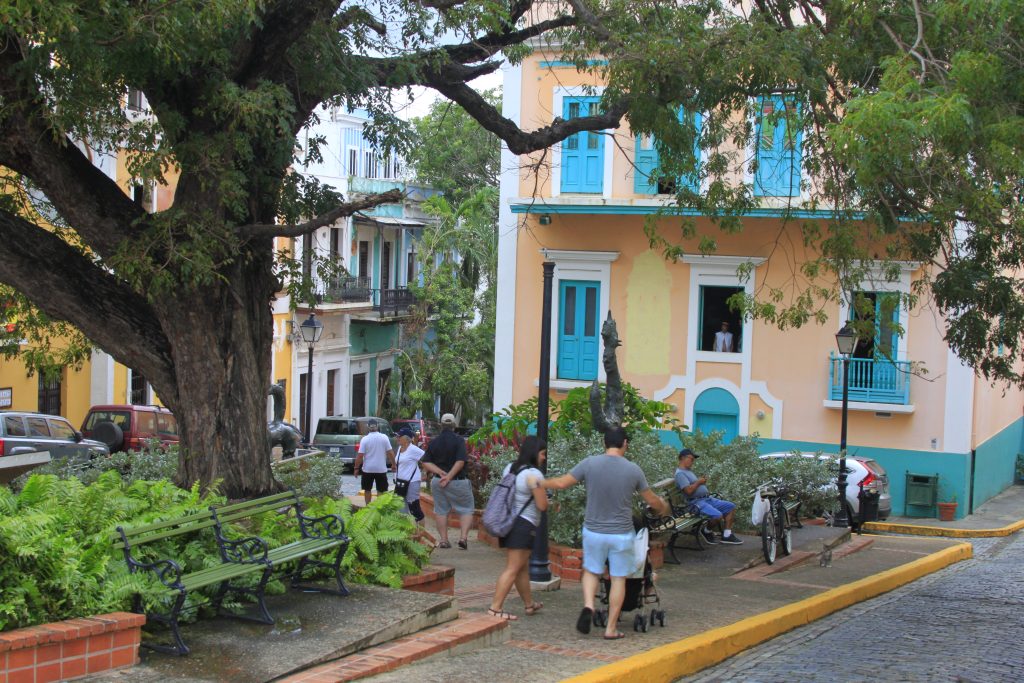
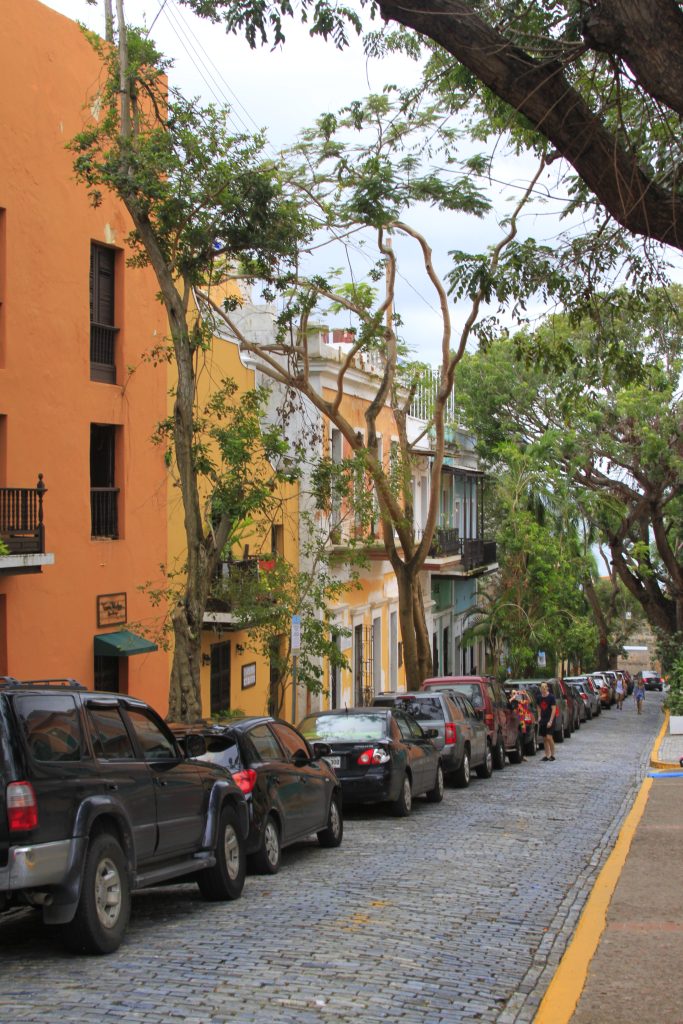
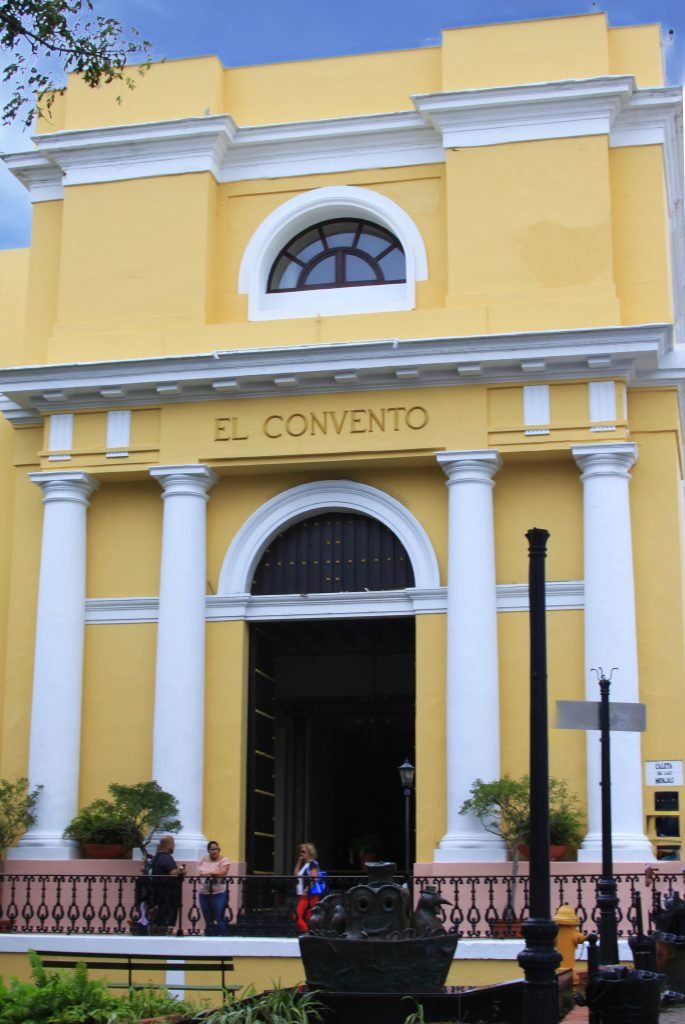
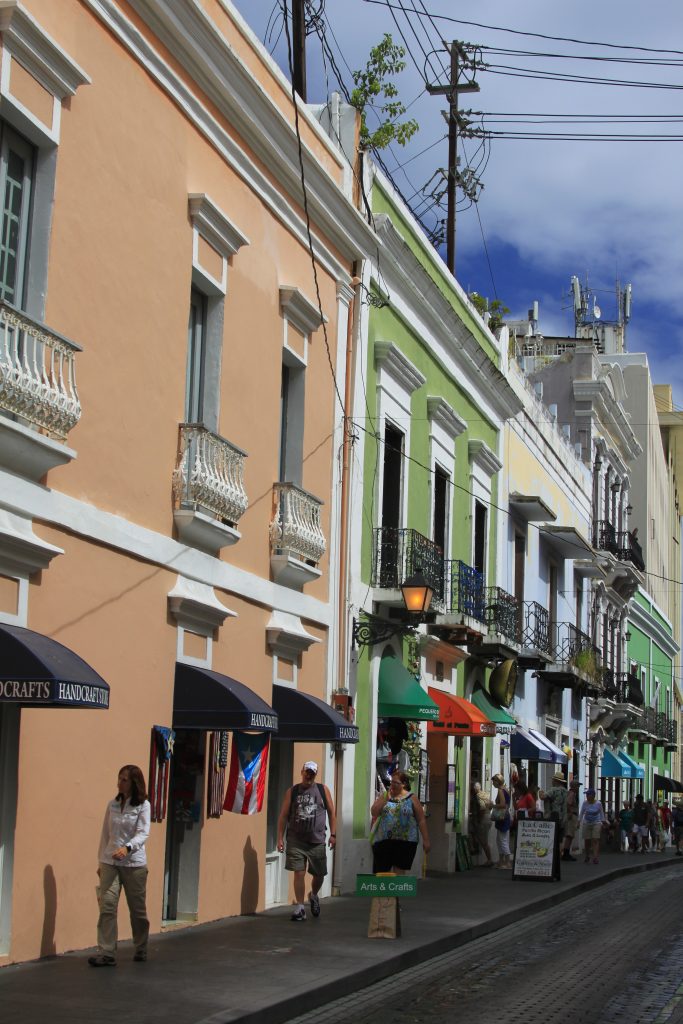
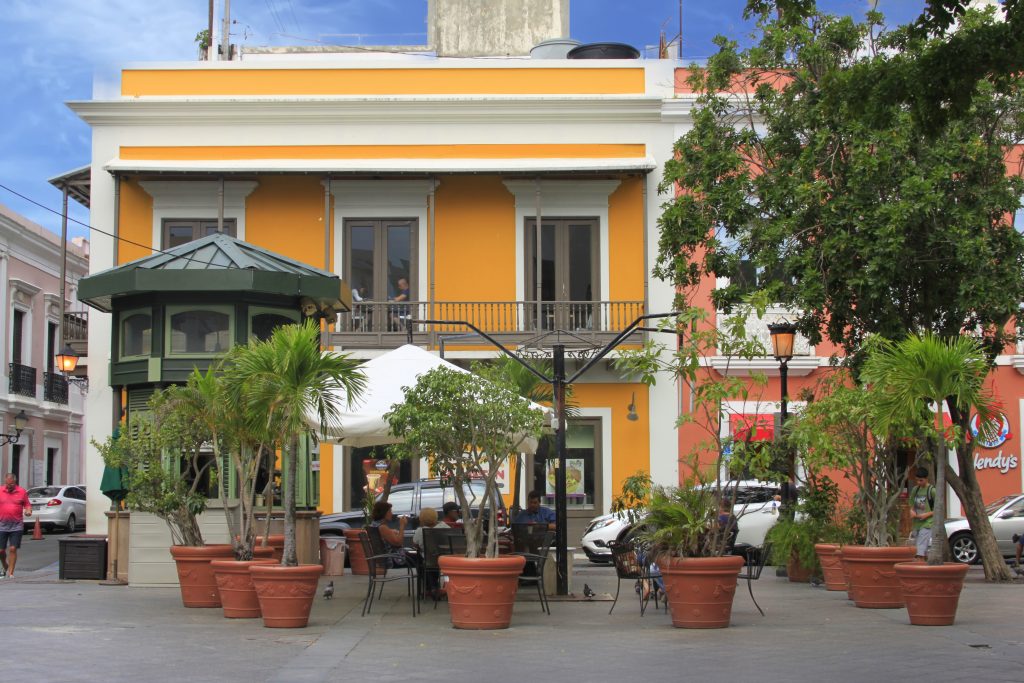
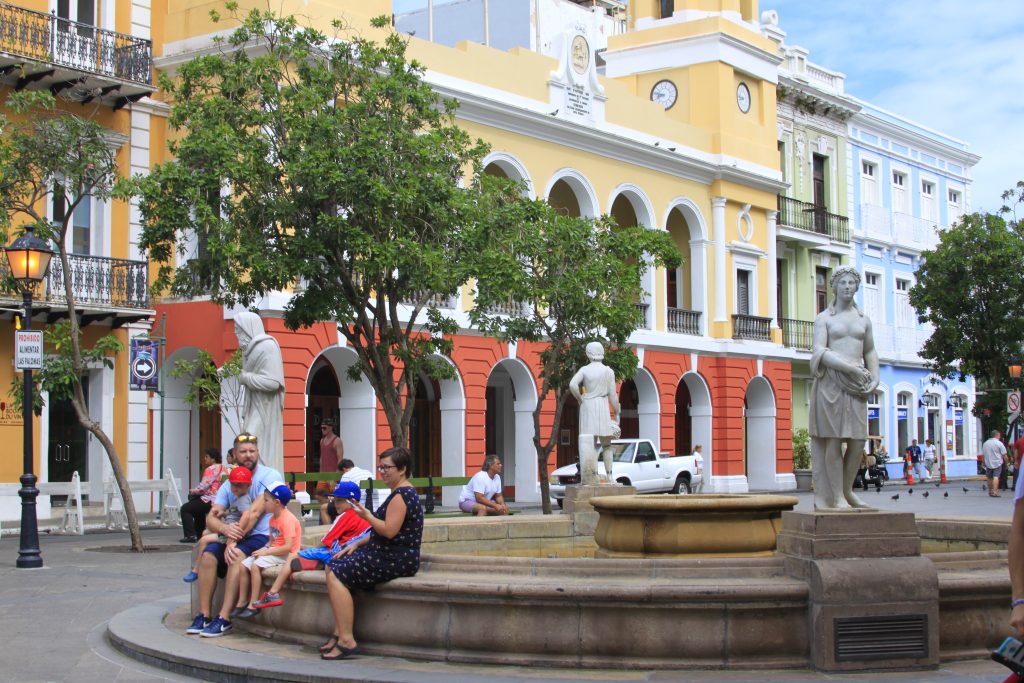
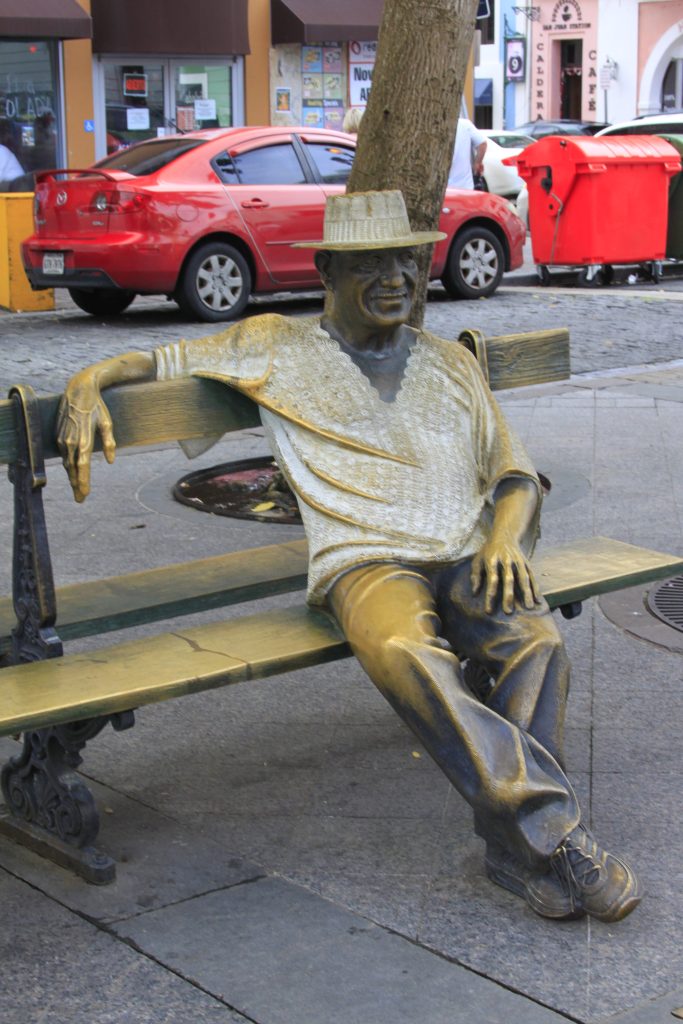
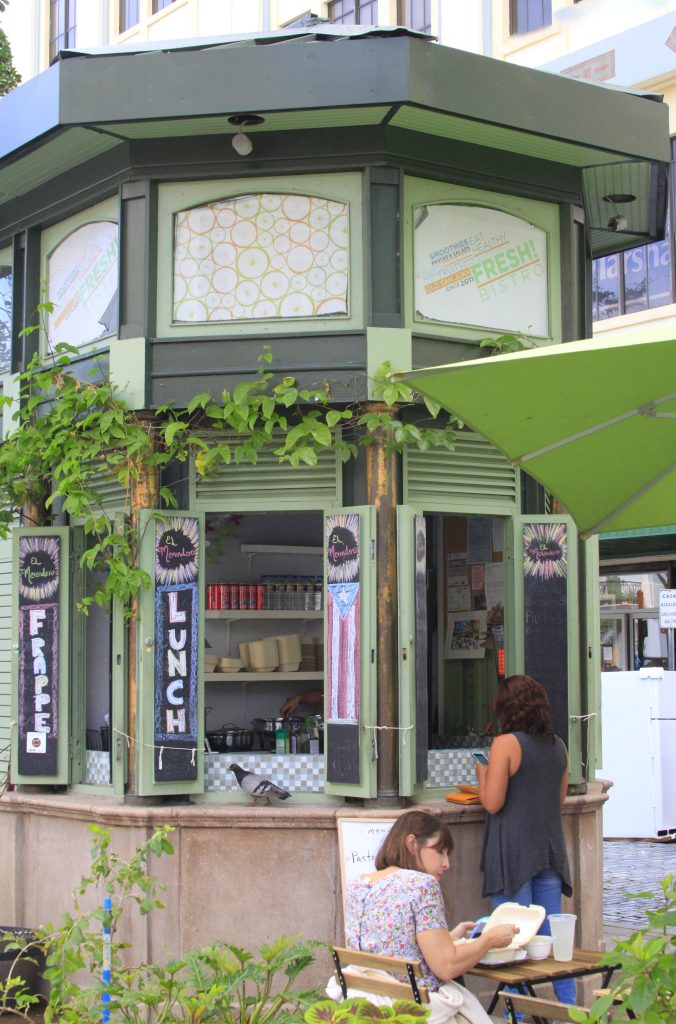
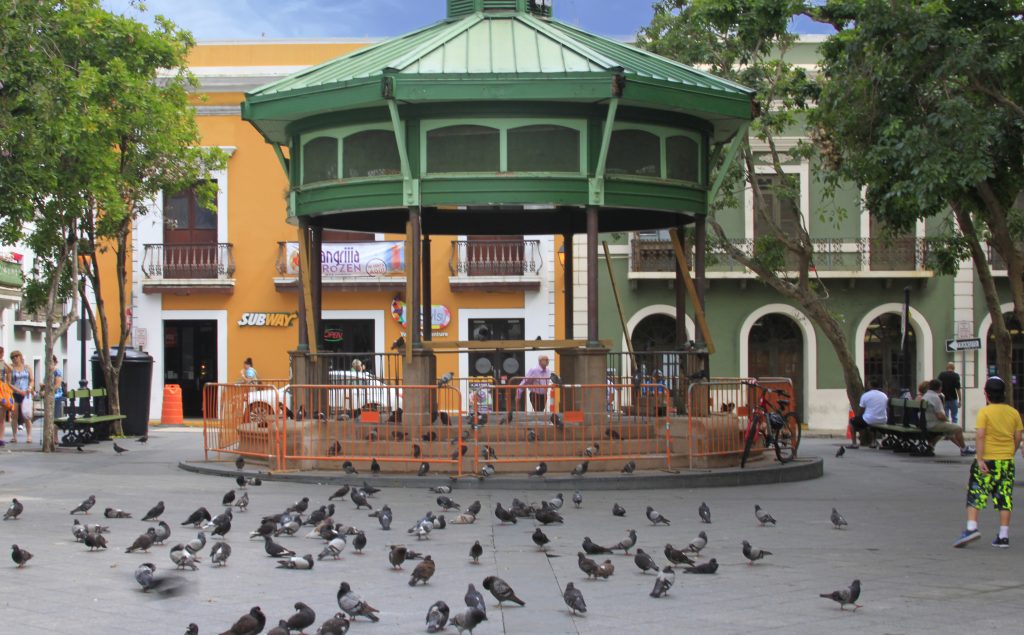
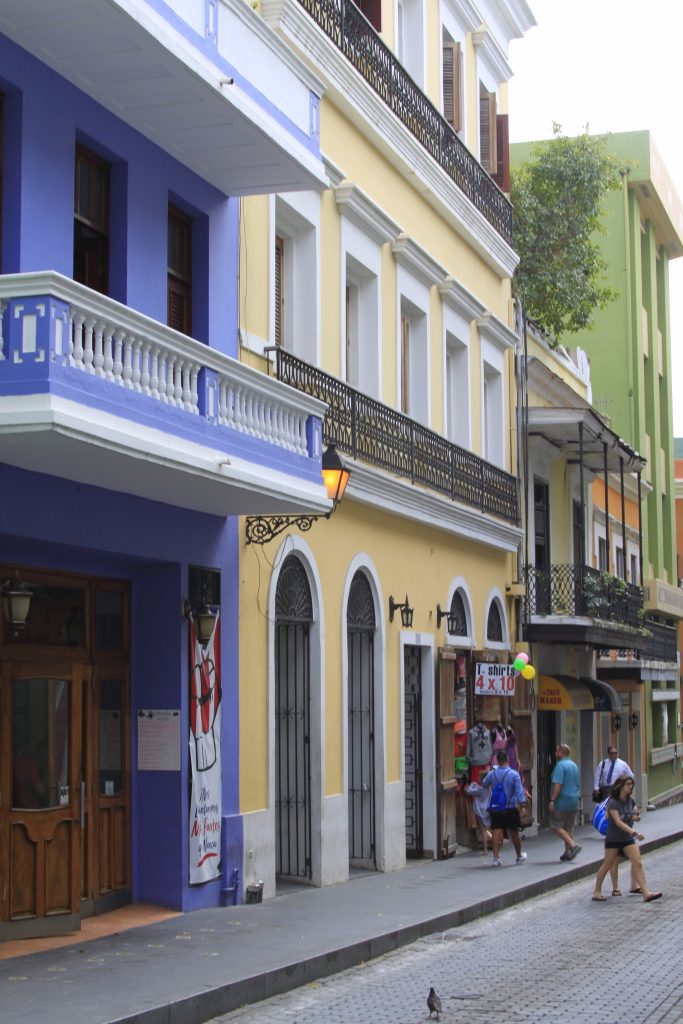
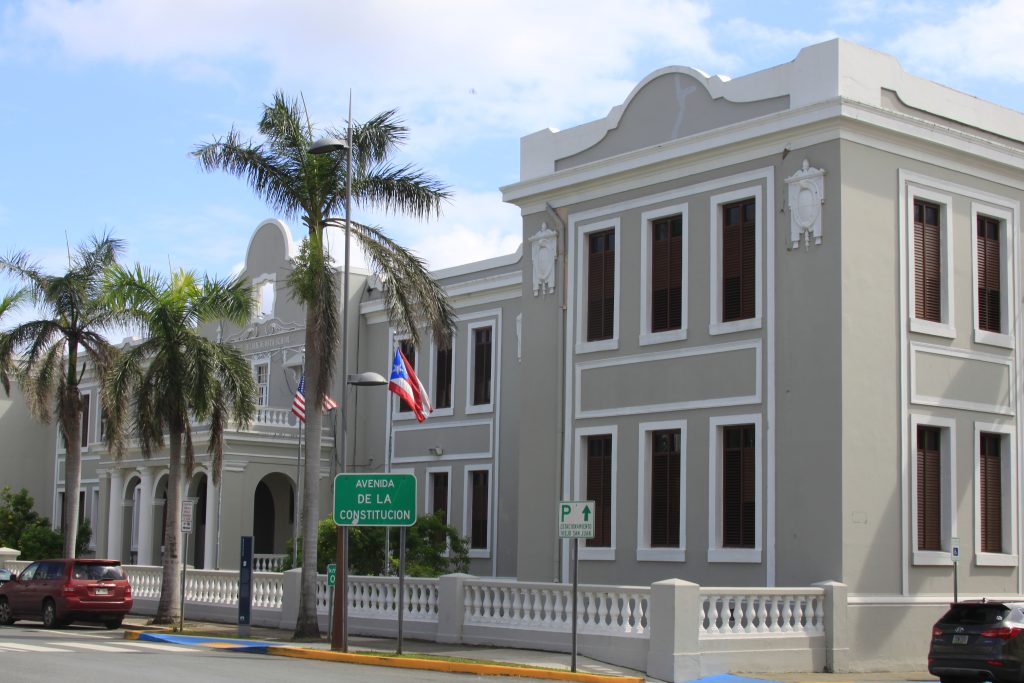
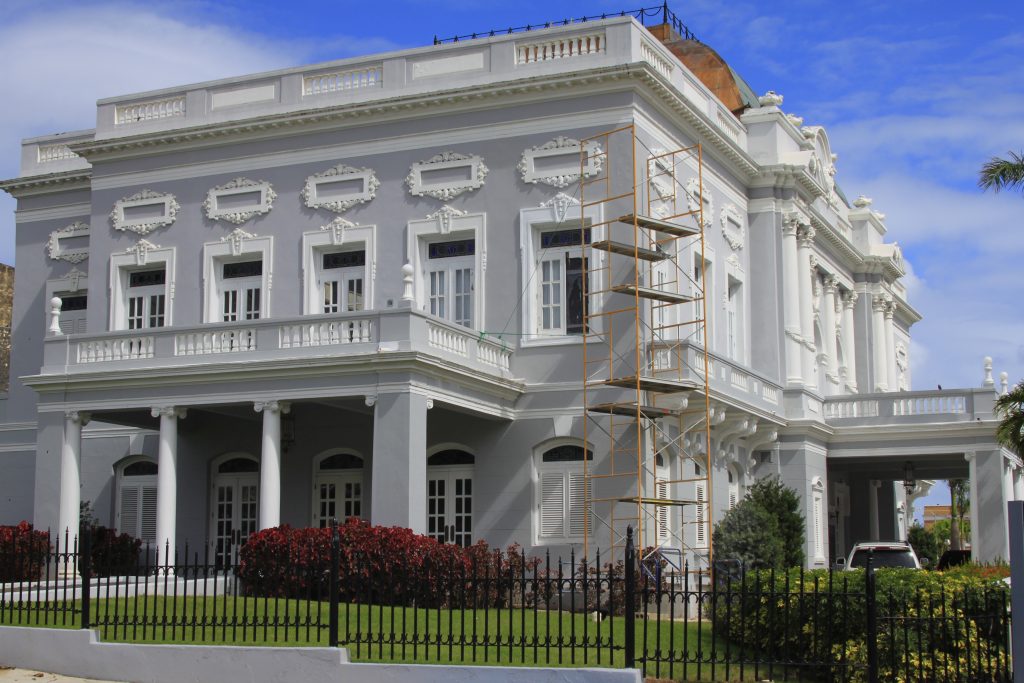
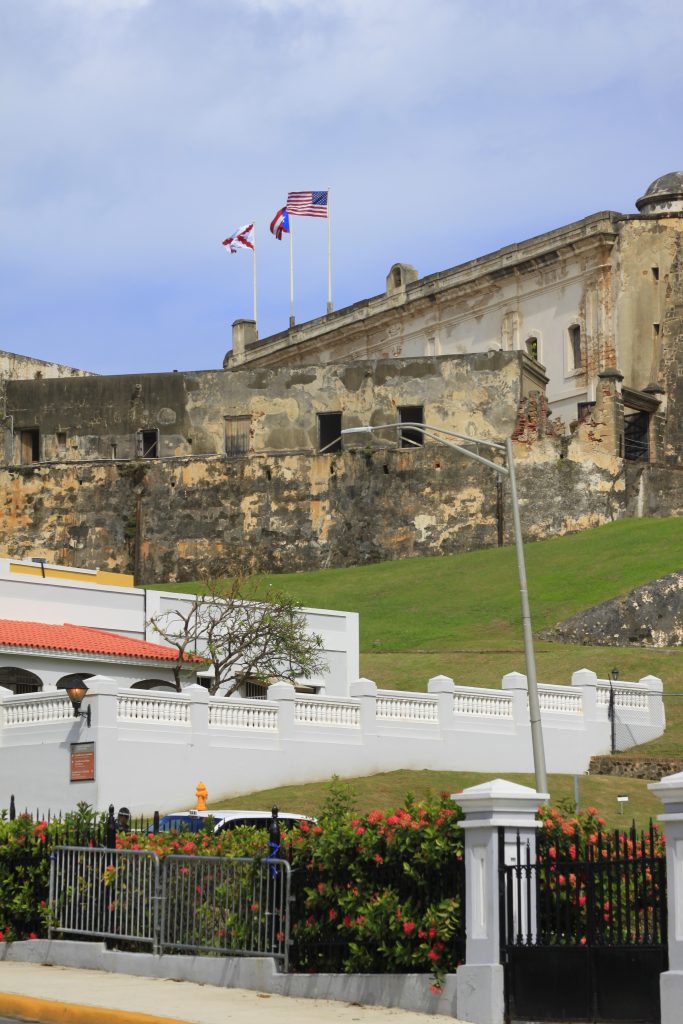
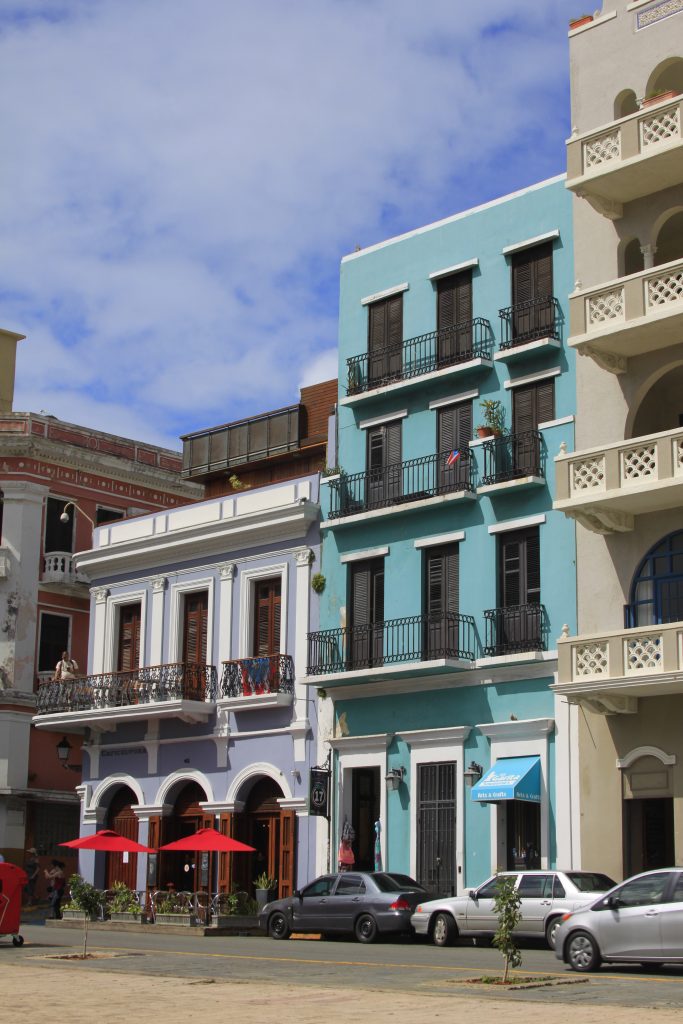
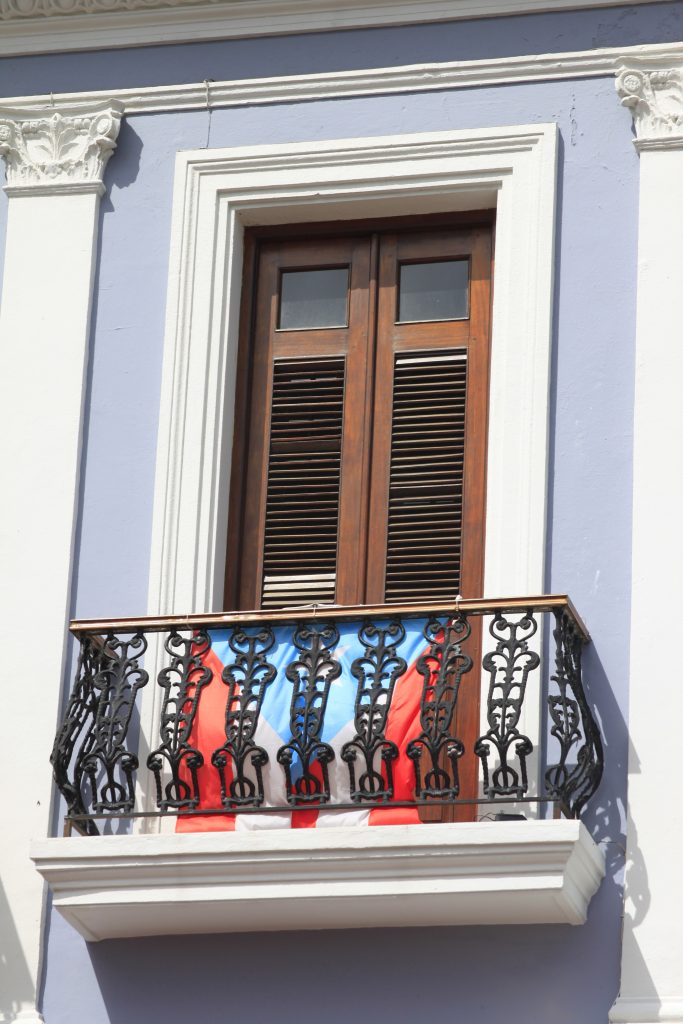
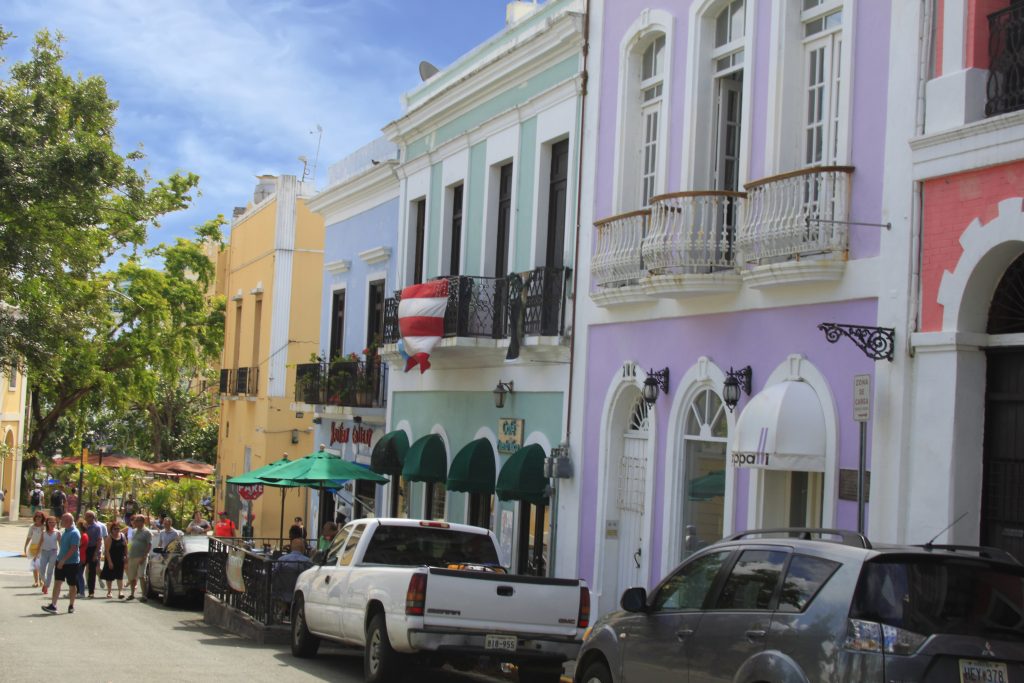
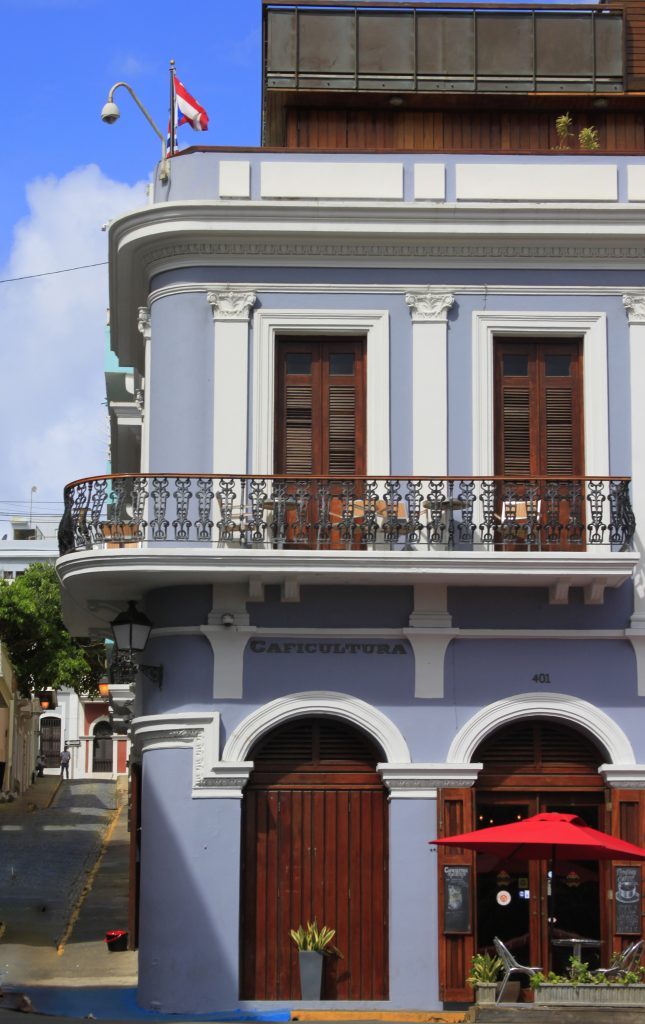
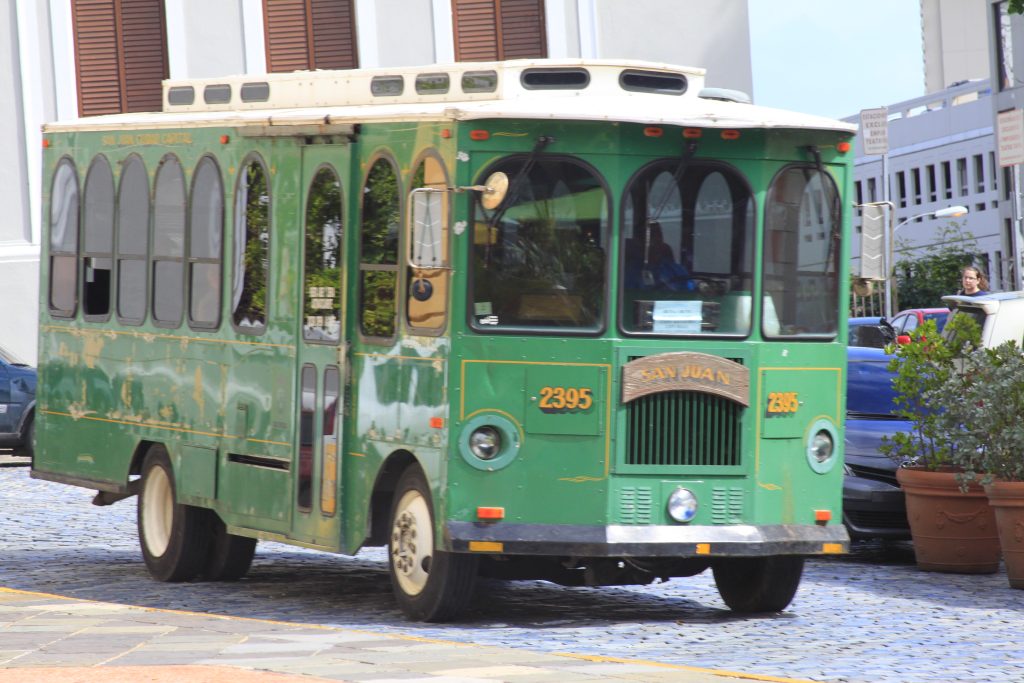
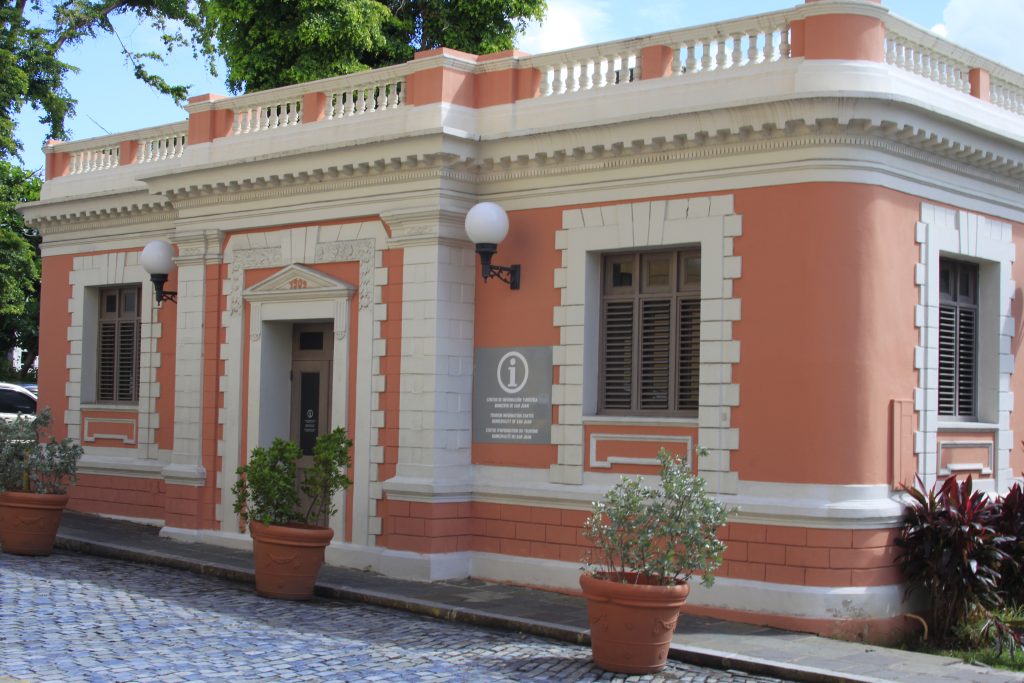
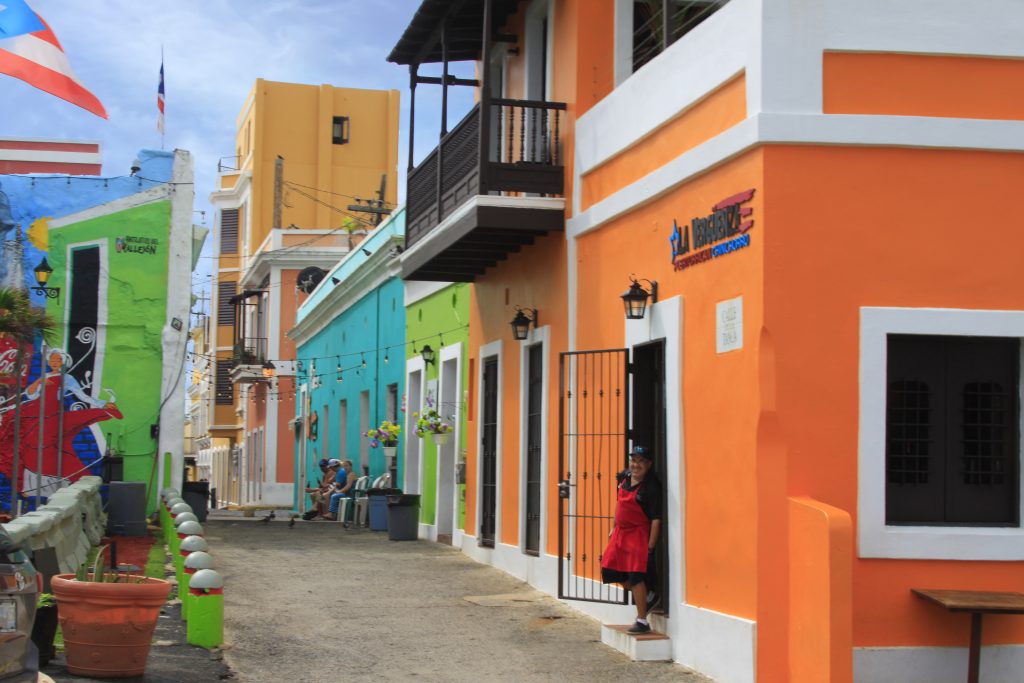
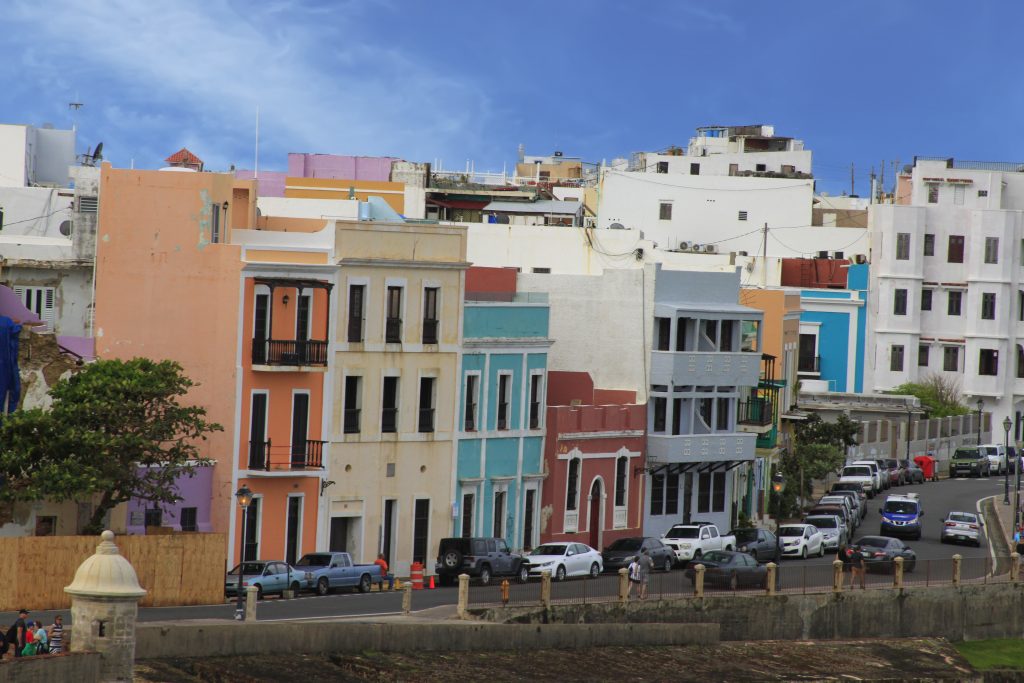
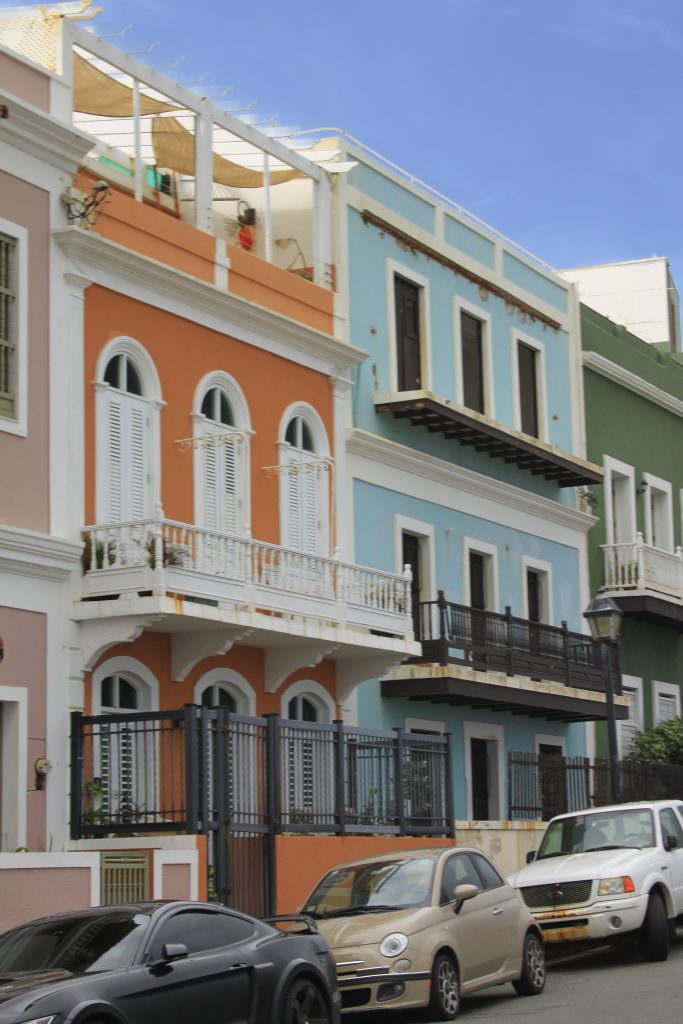
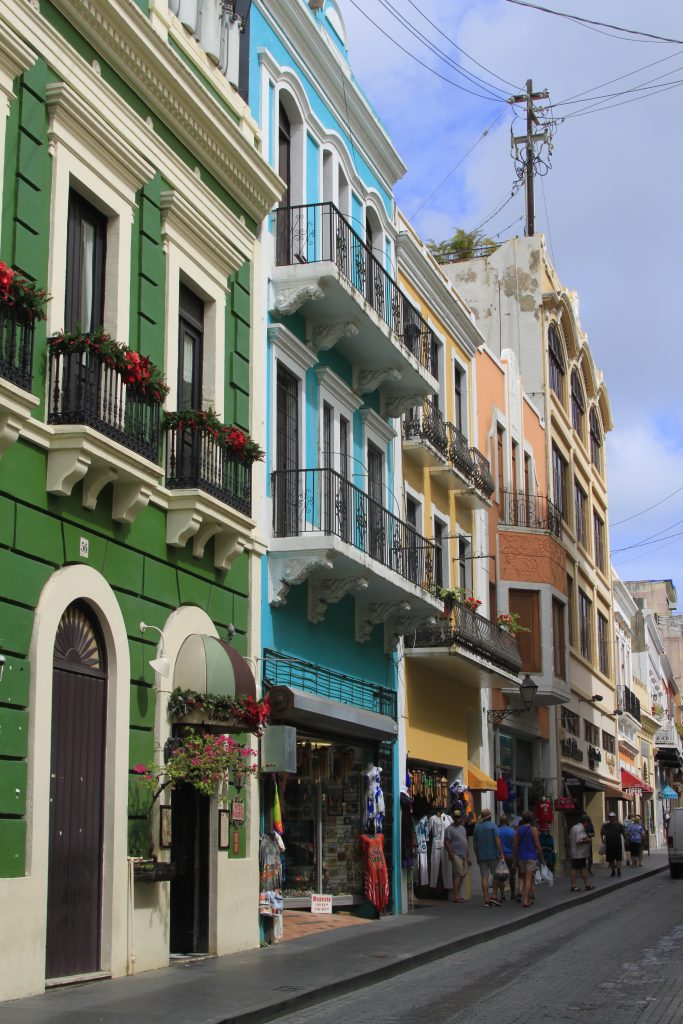
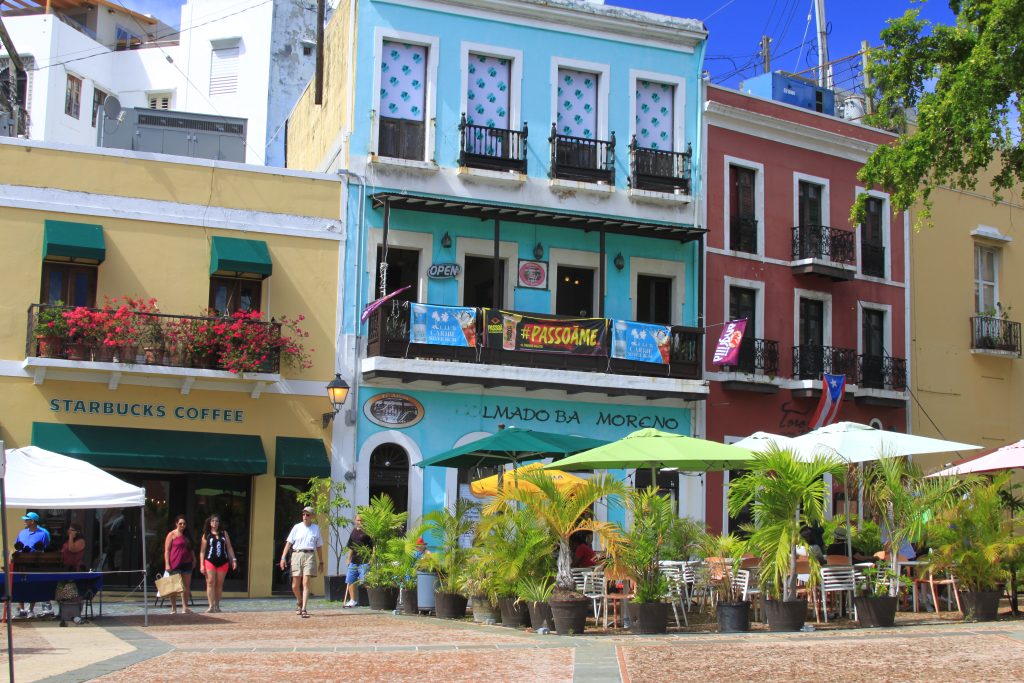
The first thing you notice is the color. Blush pinks and golden yellows, brilliant turquoise and seafoam greens, cheerful tangerines and colonial blues. San Juan, Puerto Rico, doesn’t whisper its story, it sings it, splashed across stucco walls under a Caribbean sun. A city layered with more than five centuries of history, its vibrantly painted buildings are not just aesthetic delights; they are living echoes of a past shaped by empire, artistry, rebellion, and resilience. From its lofty forts to lantern-lit alleyways, San Juan invites you to wander, linger, and imagine.
Spanish Origins, American Territory
San Juan, founded in 1521 by Spanish colonists as “Ciudad de Puerto Rico,” is the second-oldest European-established capital city in the Americas, after Santo Domingo. Its natural harbor became a coveted maritime jewel, establishing it as one of Spain’s most significant strongholds in the New World. The city was repeatedly attacked by foreign powers, the English under Sir Francis Drake, the Dutch under Boudewijn Hendricksz, and even later by the Americans during the Spanish-American War in 1898. Each wave of conflict and colonization left its architectural and cultural imprint.
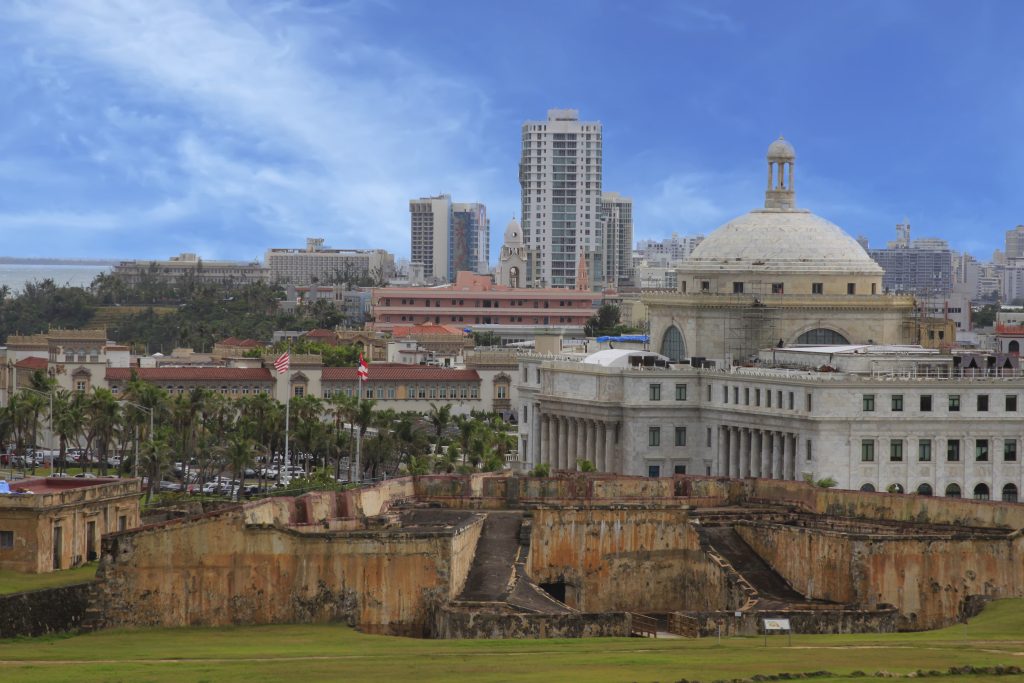
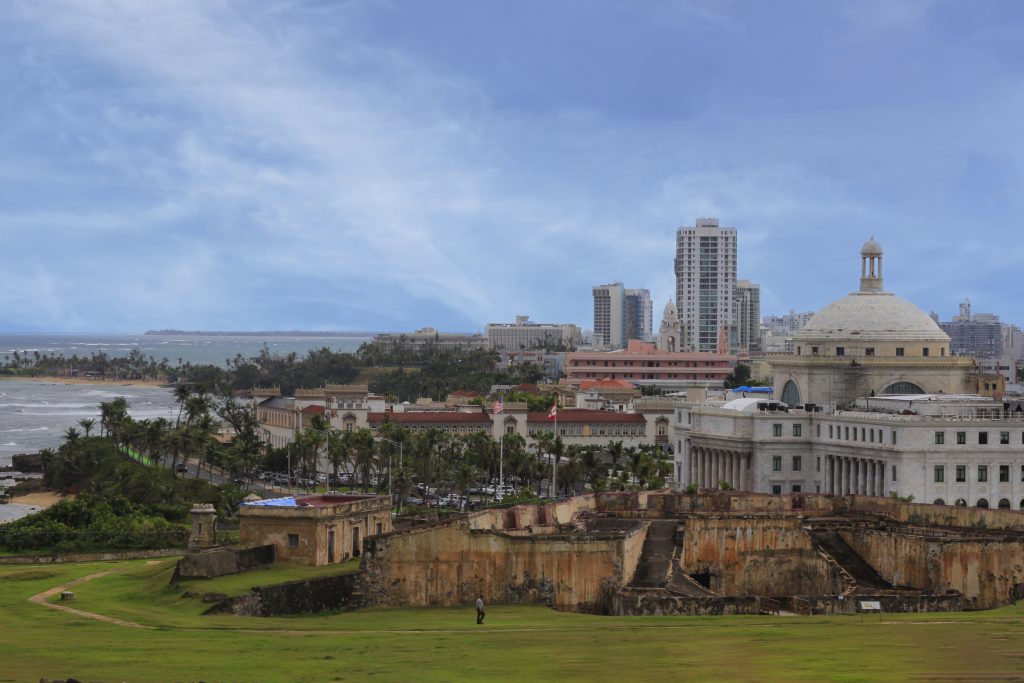
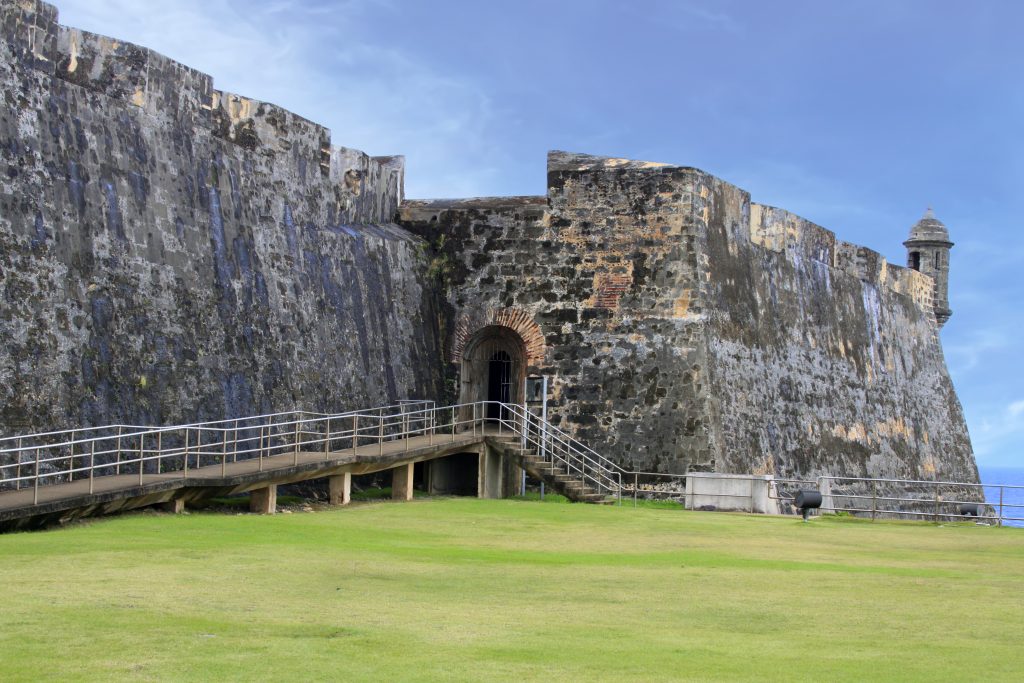
San Juan’s walled city and its twin sentinels, Castillo San Felipe del Morro and Castillo San Cristóbal, were built to repel invaders while projecting Spain’s colonial power and permanence. Over centuries, the city evolved into a mosaic of Spanish colonial architecture, military bastions, baroque churches, and neoclassical mansions, all saturated in color and layered with stories.
Local Detail and Sensory Description
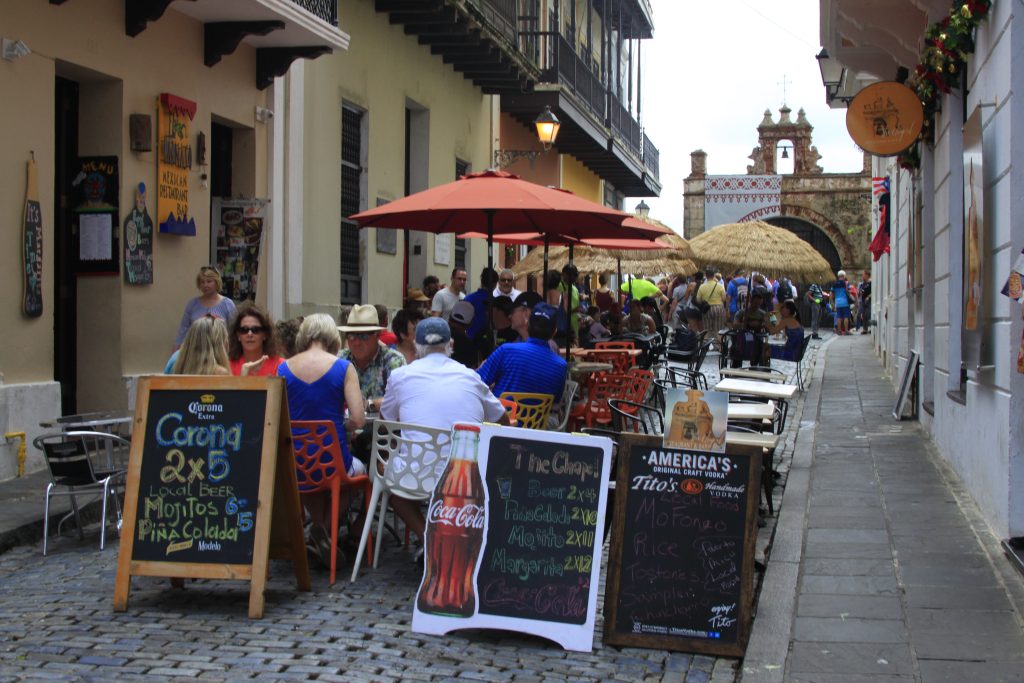
Walk the blue cobblestones of Calle Fortaleza, where centuries of footsteps have polished stones imported from Spain in the 16th century to a smooth sheen, letting you feel history beneath your feet. Overhead, the famous street umbrellas create a whimsical canopy that shifts in hue. On either side, homes and shops blazed with sun-soaked color. These aren’t accidental choices; they’re rooted in tradition and preservation. Historic districts in Old San Juan require vibrant palettes to maintain the city’s colonial charm while adhering to established guidelines.
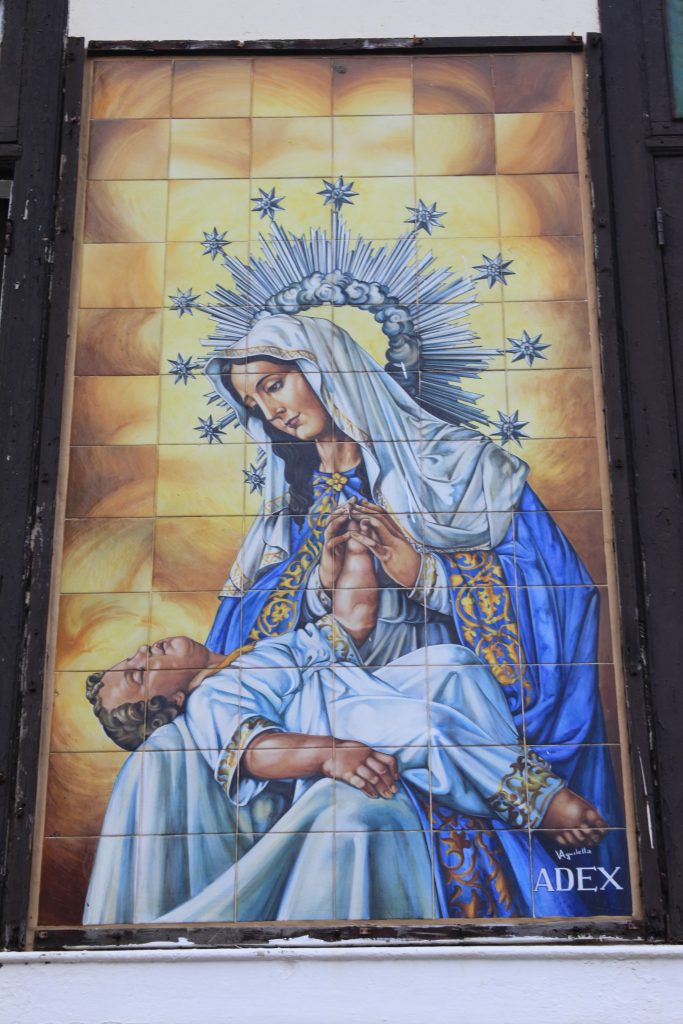
Beyond aesthetics, the colors reflect San Juan’s soul: joyful, expressive, and authentically Caribbean. The facades often feature ornate ironwork balconies, hanging plants, and hand-painted tiles. Doors and window shutters may be carved and brightened with contrasting tones, a deep violet door in a mustard-yellow wall, or pistachio trim on a rose façade. These stylistic flourishes are more than just decoration. They declare identity, individuality, and shared heritage.
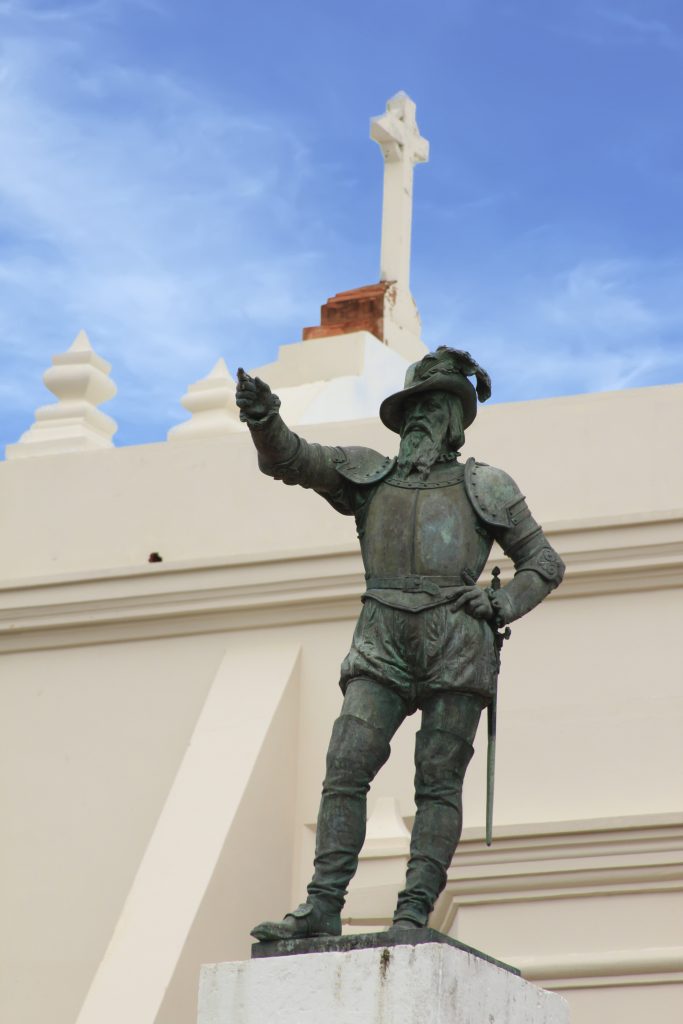
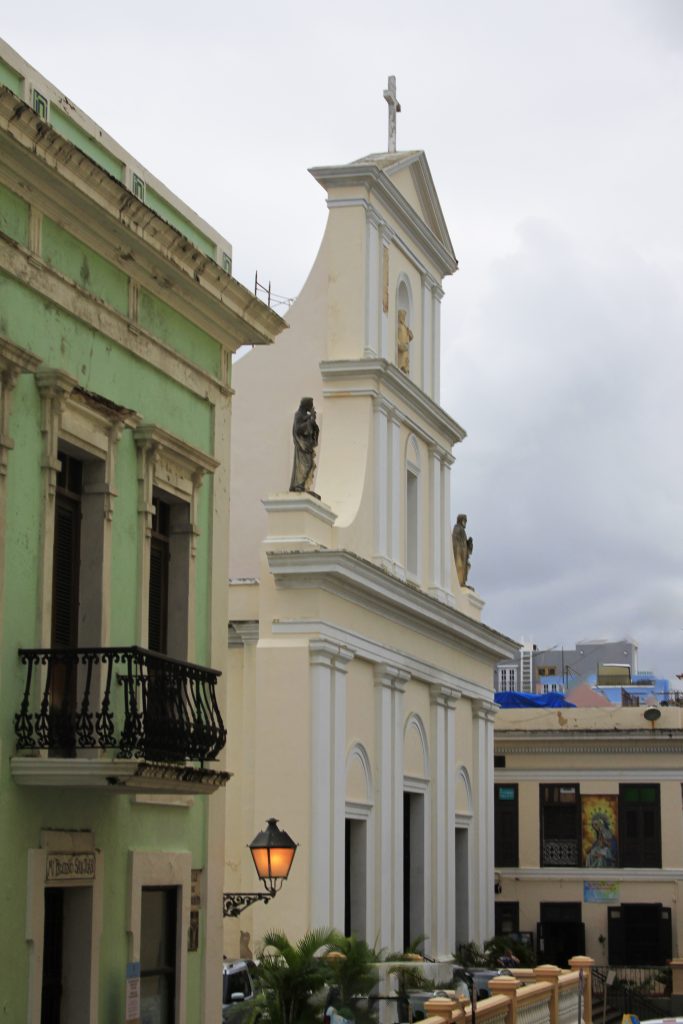
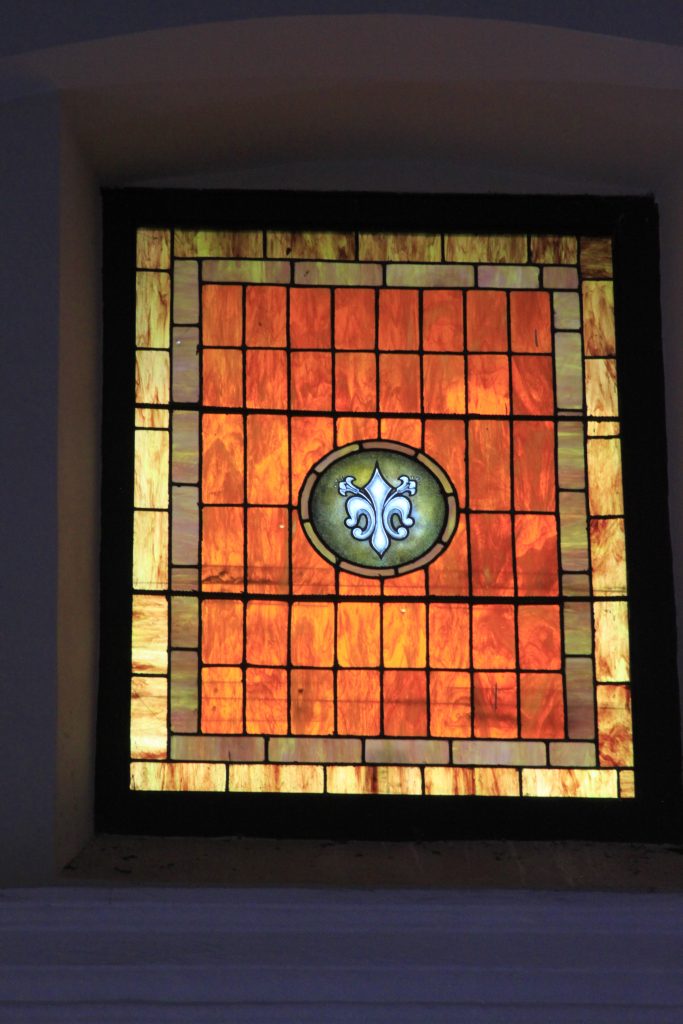
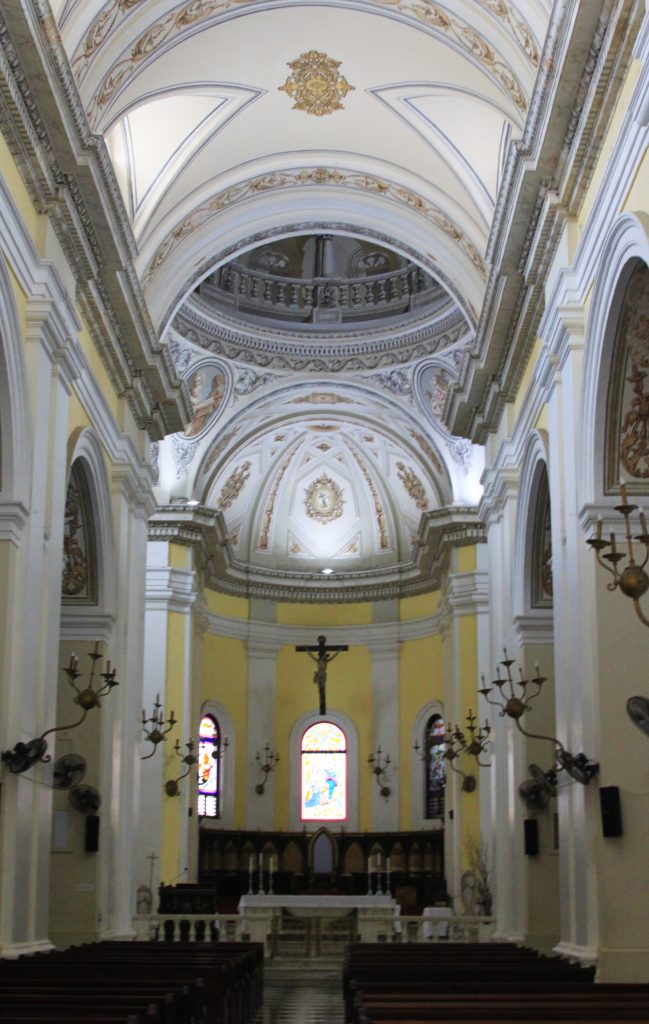
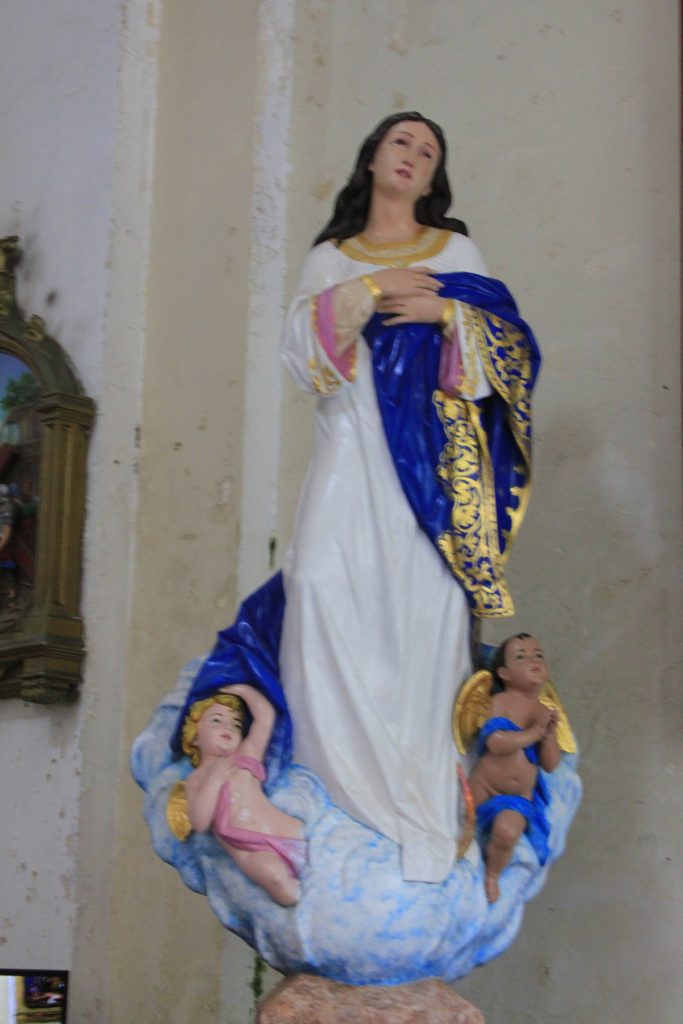
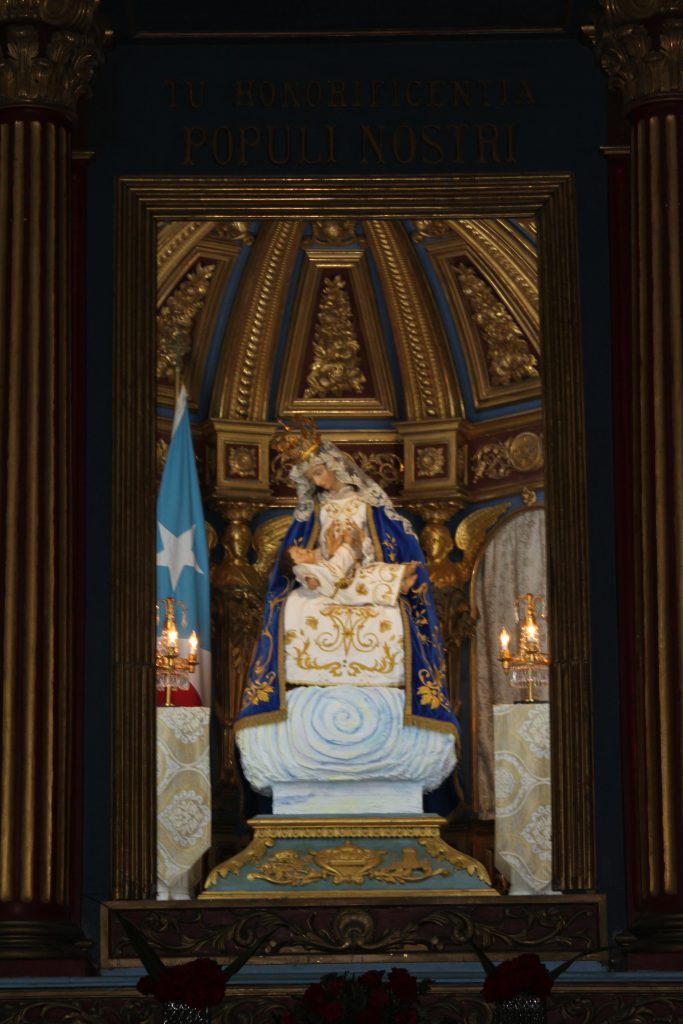
Old San Juan is a compact maze of enchantments. You might slip into the cool shadows of the Catedral de San Juan Bautista, one of the oldest churches in the Western Hemisphere. Here lies the tomb of Ponce de León, the Spanish explorer who sought the Fountain of Youth and found instead a grave of marble serenity. Or ascend the bastions of El Morro, where sentry boxes cling to cliff edges, offering panoramic views of Atlantic surf crashing against centuries-old ramparts.
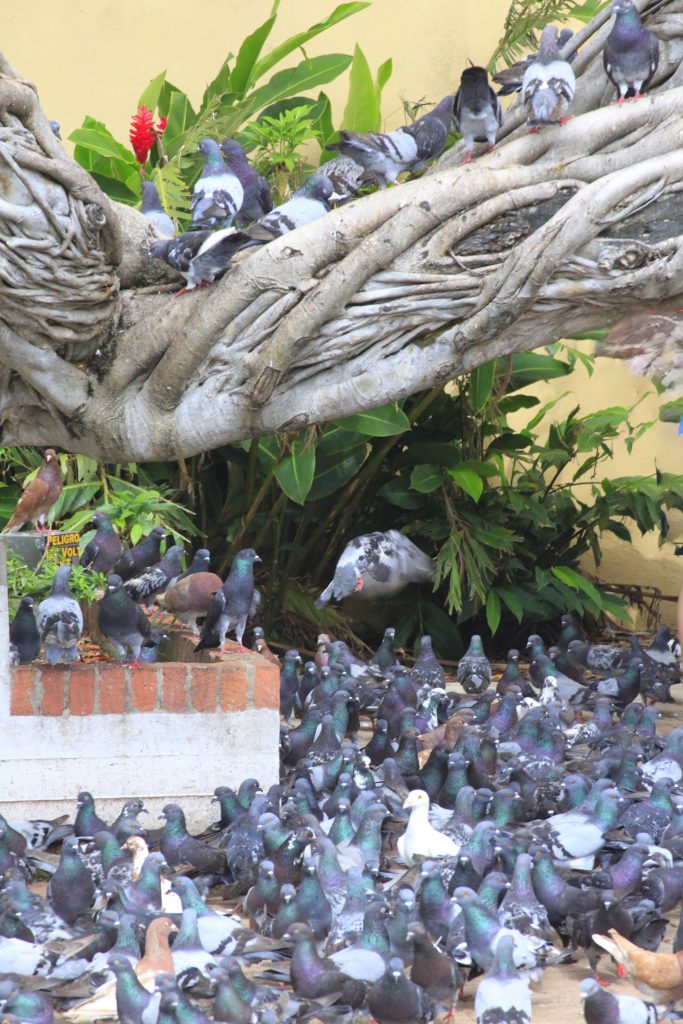
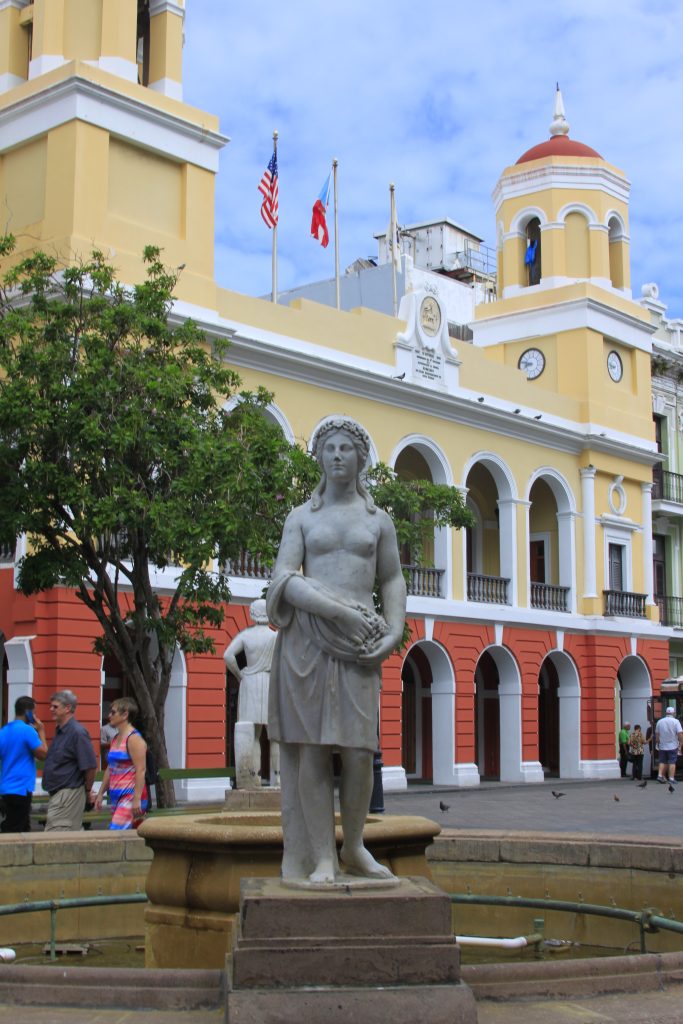
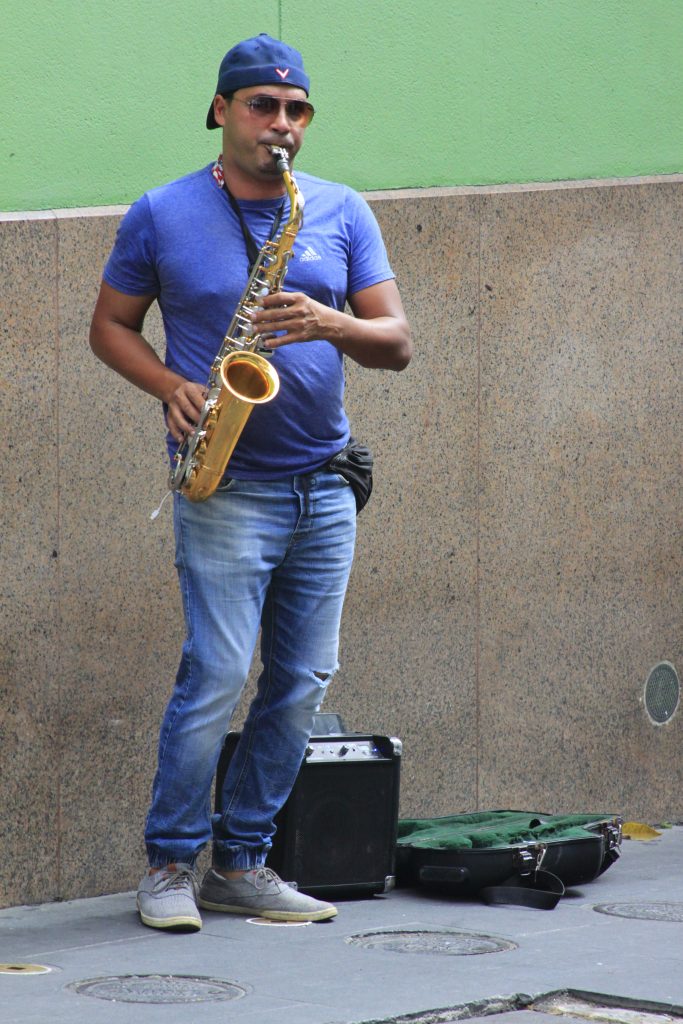
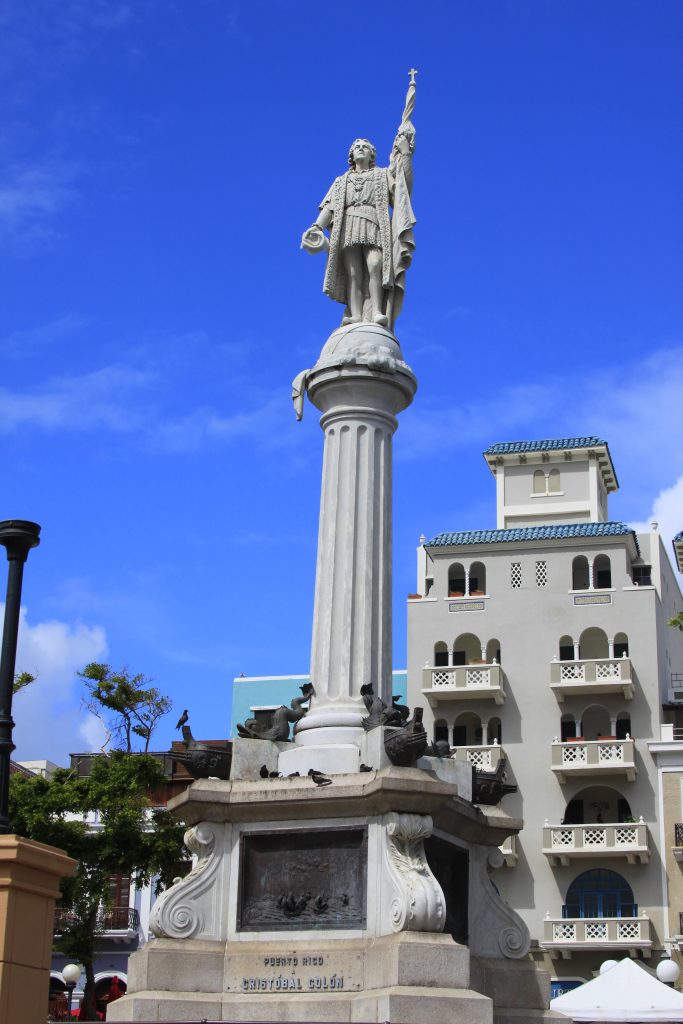
Don’t miss the less-visited Castillo San Cristóbal, a fortress with labyrinthine tunnels and vaulted ceilings designed to withstand cannon fire. Built over 150 years and completed in 1783, it remains the largest European fortification in the New World. The views from its ramparts look eastward, where enemy ships once loomed on the horizon. Plaza de Armas, the city’s social and ceremonial heart, buzzes with life as pigeons strut, musicians strum, and families relax beneath mahogany trees. Nearby, Casa Blanca, once home to Ponce de León’s family, opens its whitewashed doors to lush gardens and exhibitions on early colonial life.
Vibrant Blend of Today and Yesteryear
Today, San Juan blends the ancient with the vibrant present. Locals sip café con leche in centuries-old courtyards as young artists paint murals on timeworn walls. The city pulses with cultural festivals: the San Sebastián Street Festival transforms January into a bacchanal of music and dance, while the Casals Festival honors Puerto Rican cellist Pablo Casals each July with classical concerts in historic halls.
Restoration efforts by organizations like the Institute of Puerto Rican Culture keep San Juan‘s legacy alive and evolving, not frozen in time. Many of the old colonial homes now serve as boutique hotels, galleries, and stylish cafés, inviting travelers to sleep, dream, and dine where conquistadors, merchants, and missionaries once stayed.
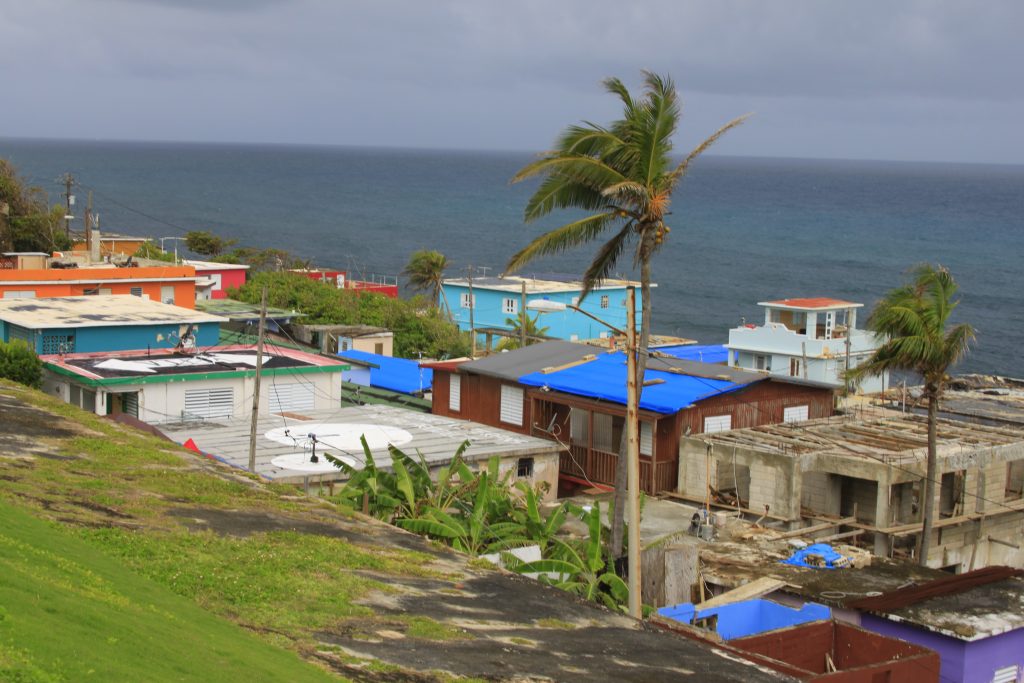
In every corner, the color remains constant, a metaphor for the endurance of spirit. After hurricanes and hardships, San Juan continues painting itself in defiant joy.
Exuberant Celebration of Life!
San Juan is not a city you simply visit. It is a city you experience in layers, in colors, in whispers of Spanish through an open window, in music echoing from pastel walls. To walk its streets is to commune with conquistadors and poets, to feel the warm trade winds and linger over the scent of coffee and rain. It is a city that remembers and reinvents, celebrating both its legacy and living beauty.
So when you go, and you should, bring your curiosity, your reverence, and comfortable shoes. The city awaits, dressed in its finest hues, ready to share a story you’ll never forget.
Where to Stay in San Juan, United States
Old San Juan offers the most atmospheric experience for history-focused travelers. The neighborhood’s colonial architecture, narrow cobblestone streets, and nearby forts let you step directly into the island’s past. Hotels and guesthouses range from budget-friendly conversions of old mansions to upscale restored properties, many offering harbor views where Spanish galleons once anchored.
If you prefer beachfront access with history, the Condado district offers mid-range and luxury hotels within walking distance of both the ocean and Old San Juan’s attractions. The beach culture here contrasts sharply with the colonial core, offering you options depending on whether you prefer exploring forts and museums or swimming and relaxing on sand.
For budget-conscious travelers, neighborhoods like Santurce just inland from Condado have seen a surge of smaller hotels and well-maintained guesthouses in recent years. These areas offer lower nightly rates while staying within a short taxi or bus ride of major historical sites. You’ll also find local restaurants and shops that reflect San Juan’s contemporary culture rather than cater solely to tourists.
When booking, consider how much time you’ll spend in Old San Juan versus the rest of the island. If history is your primary focus, staying within walking distance of the forts and cobblestone streets maximizes time exploring rather than commuting. Book early during winter months, when increased cruise ship traffic and families from colder climates drive demand higher and shrink room availability.
Recommended Reading
- When I Was Puerto Rican by Esmeralda Santiago, A coming-of-age memoir that tenderly bridges the experience of growing up on the island with life in the diaspora.
- The House on the Lagoon by Rosario Ferré, A literary family saga spanning generations in Puerto Rico, rich with historical and political nuance.
- Conquistadora by Esmeralda Santiago, A historical novel set in 19th-century Puerto Rico, chronicling the life of a Spanish woman determined to run a sugar plantation on her own terms.
- The Disenchanted Island: Puerto Rico and the United States in the Twentieth Century by Ronald Fernandez, An insightful non-fiction account of the political and social struggles that shaped Puerto Rico’s modern history.
- Puerto Rico Mio: Four Decades of Change by Jack Delano, A stunning visual history through the lens of one of the island’s most important photographers.
- Land of Love and Drowning by Tiphanie Yanique, Though set in the Virgin Islands, this lushly told novel resonates deeply with Caribbean themes of colonialism, identity, and family legacy.
- Puerto Rico: A Political and Cultural History by Arturo Morales Carrión, A scholarly yet accessible chronicle of the island’s evolution, offering context for the city’s colonial and post-colonial identity.
- Insight Guides: Puerto Rico is a lavishly illustrated, culturally rich travel guide offering deep dives into the island’s history, landscapes, and people. With region-by-region chapters covering Old San Juan, El Yunque, the Cordillera Central, and the outer islands, the guide features high-quality maps, practical travel tips, and free e‑book access, perfect for planning and inspiration alike
Tours to Consider
- Old San Juan Walking Tour
- Old San Juan and El Morro Castle Walking Tour
- Around the Island Tour From San Juan