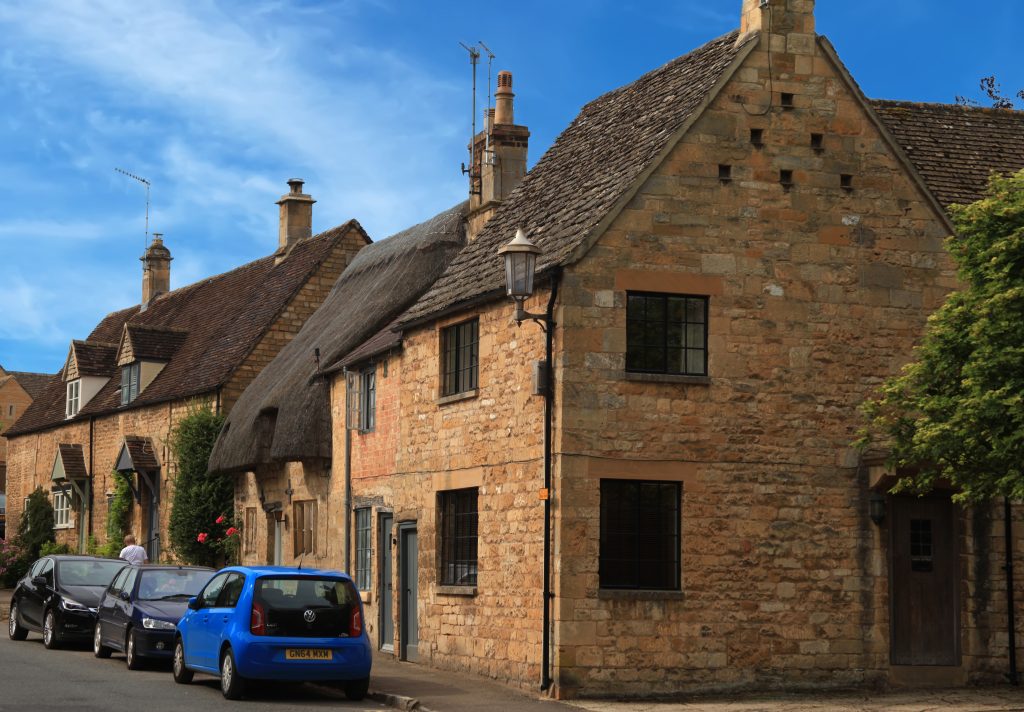
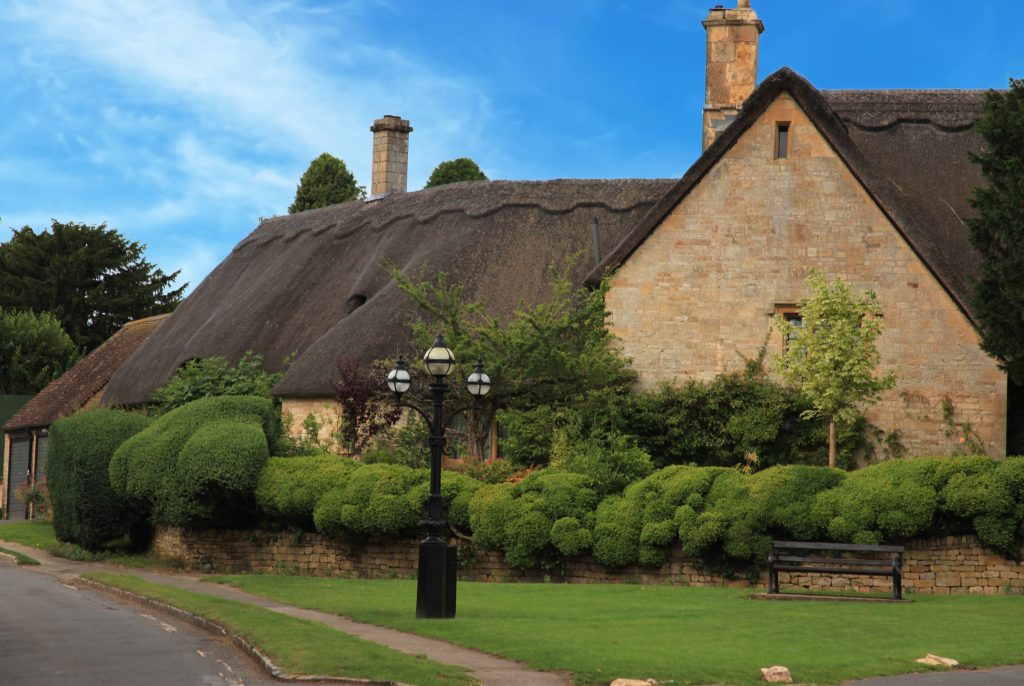
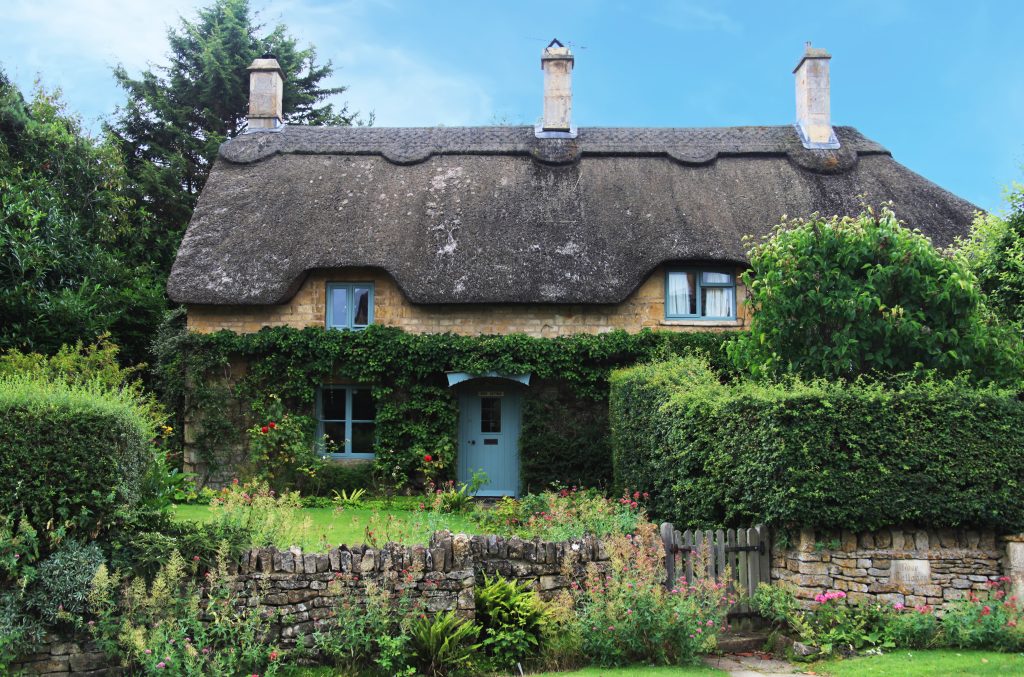
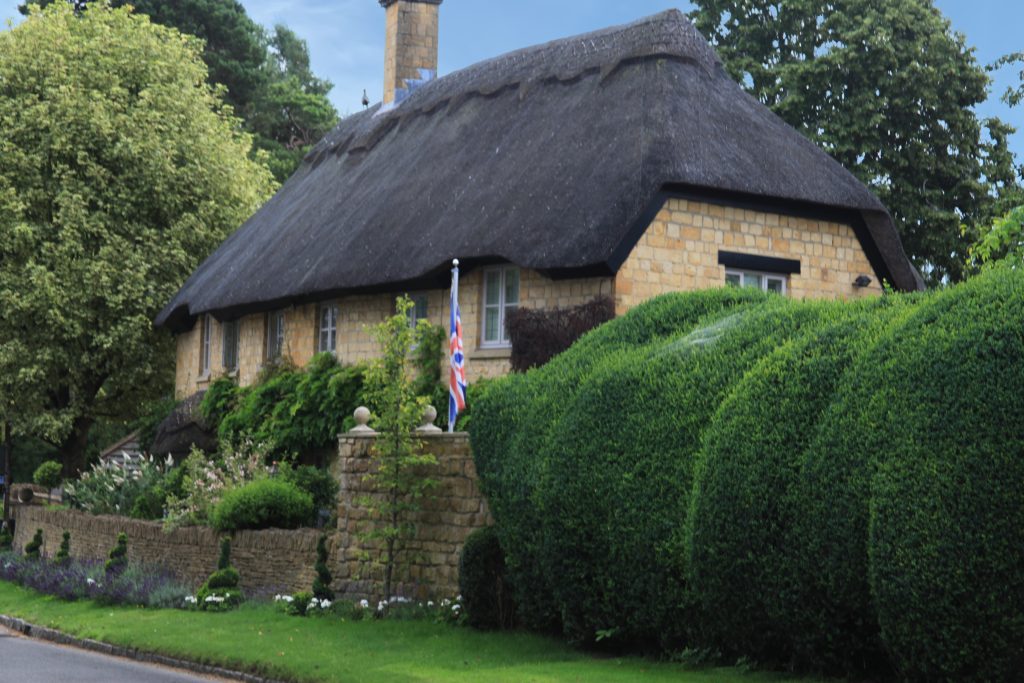
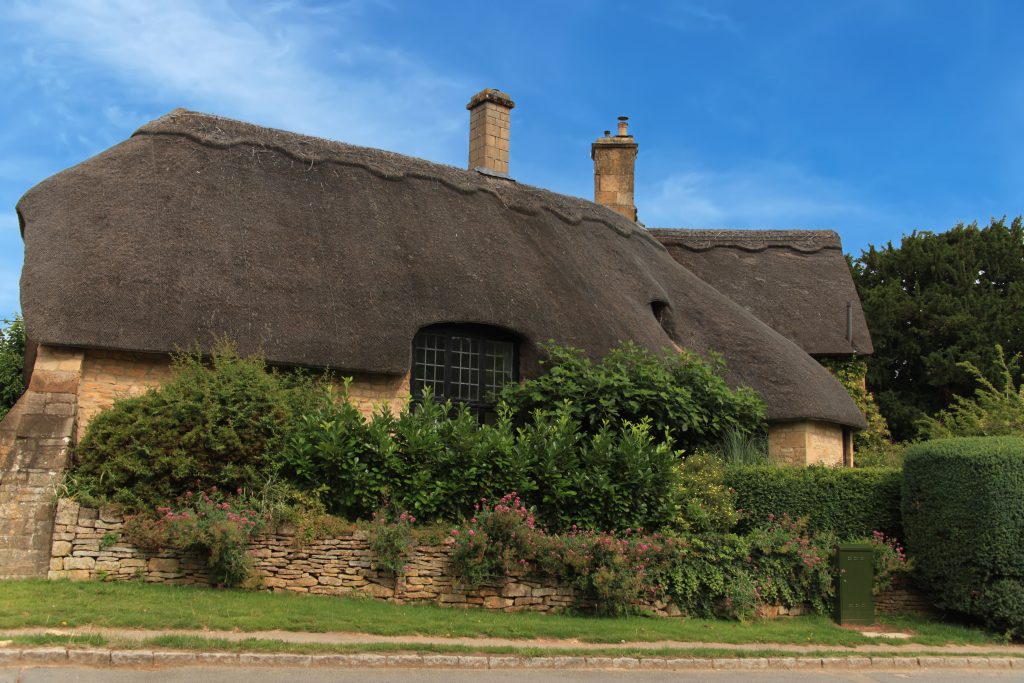
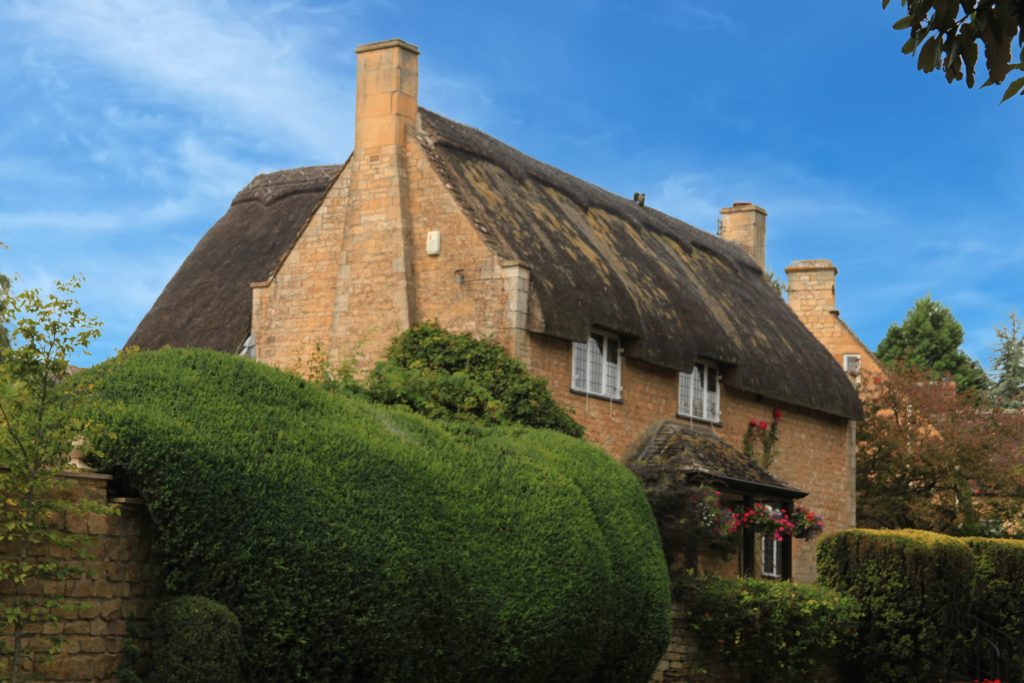
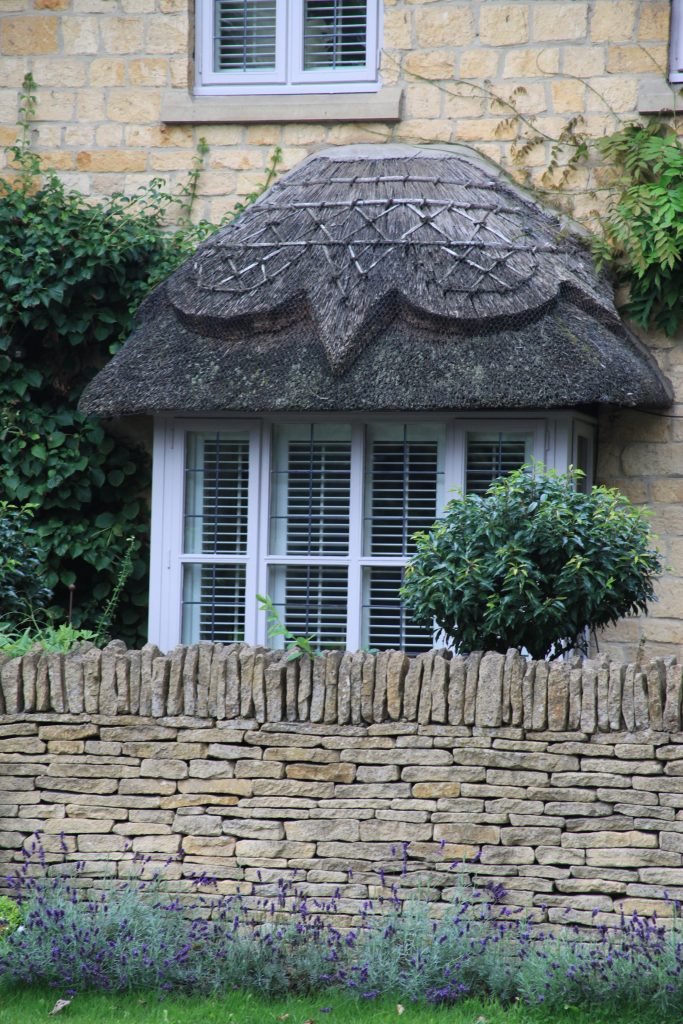
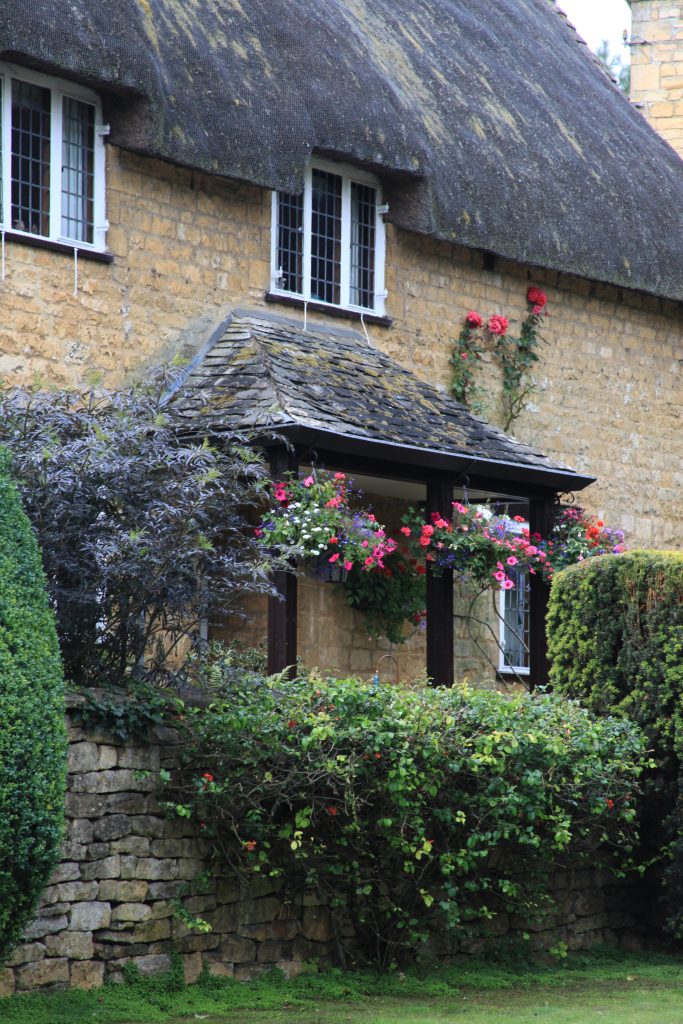
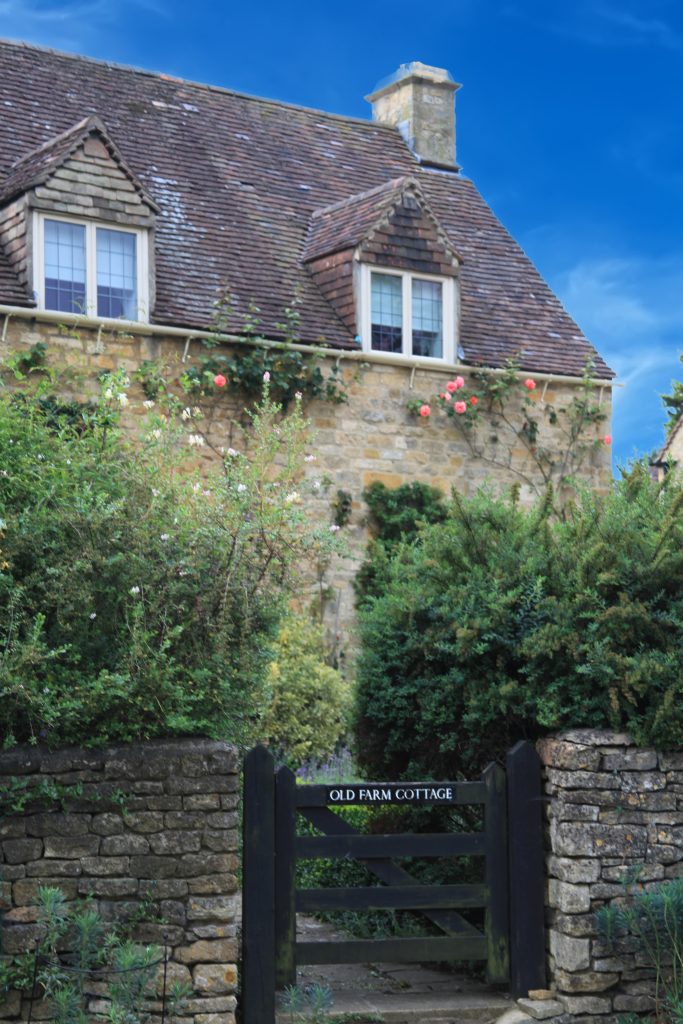
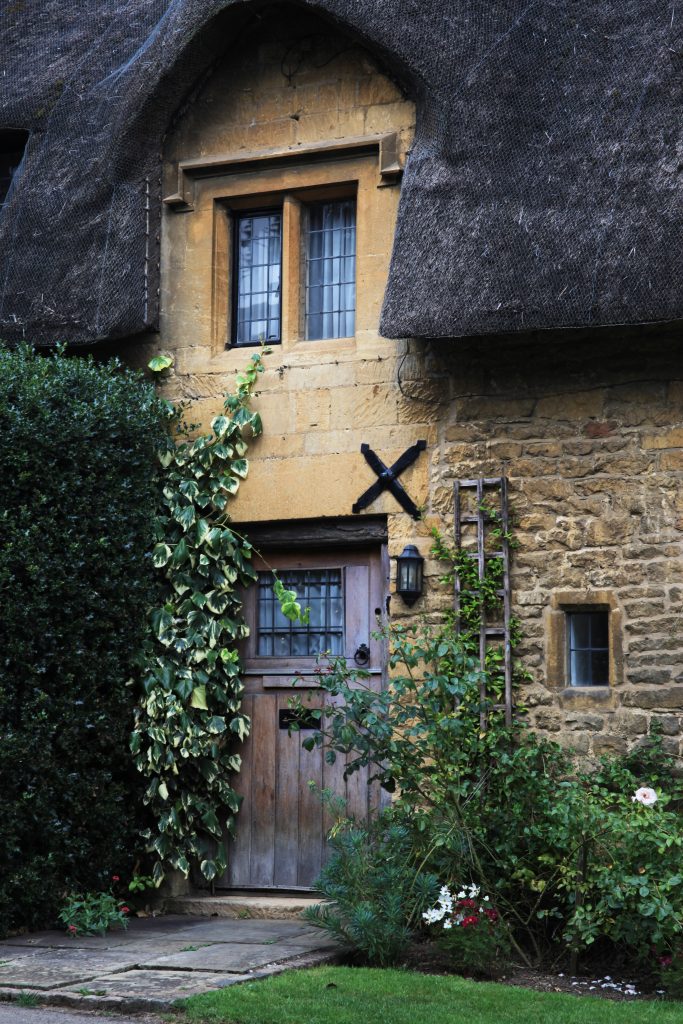
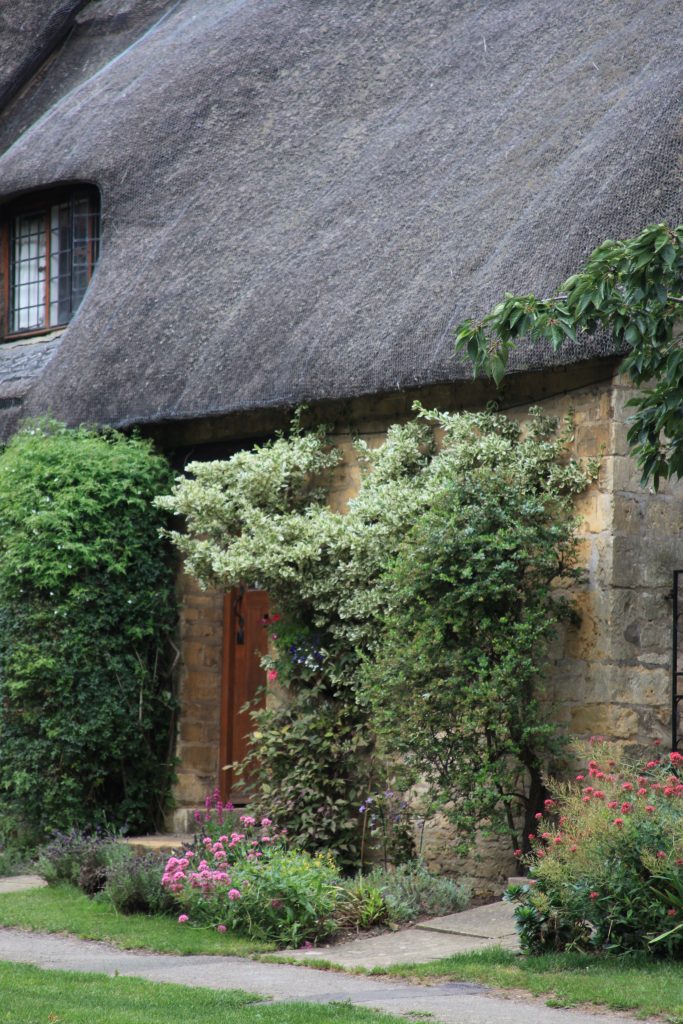
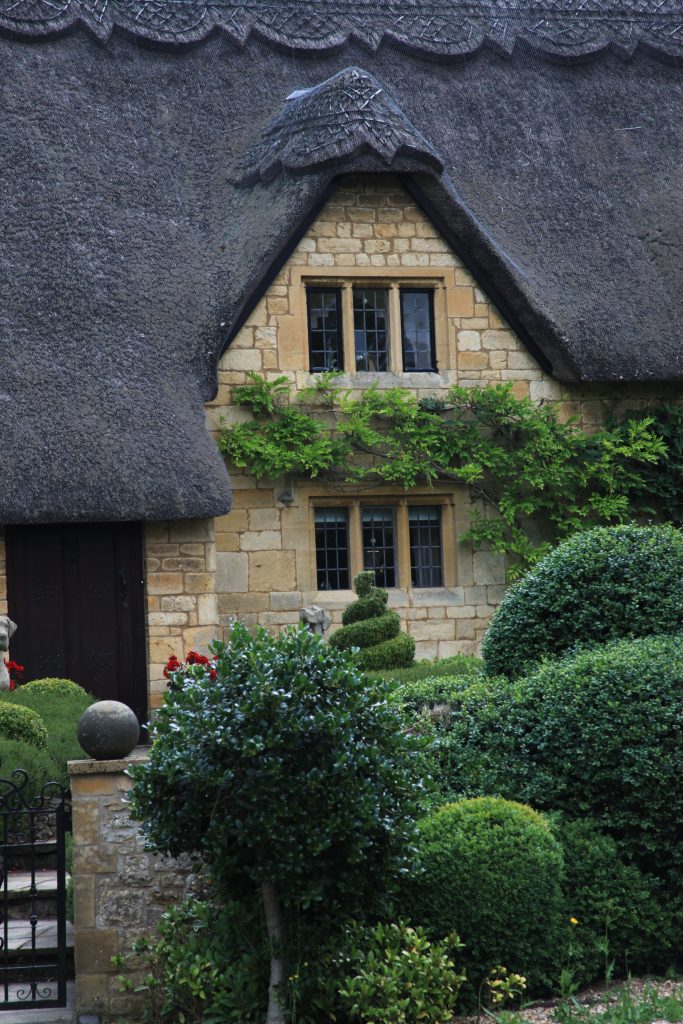
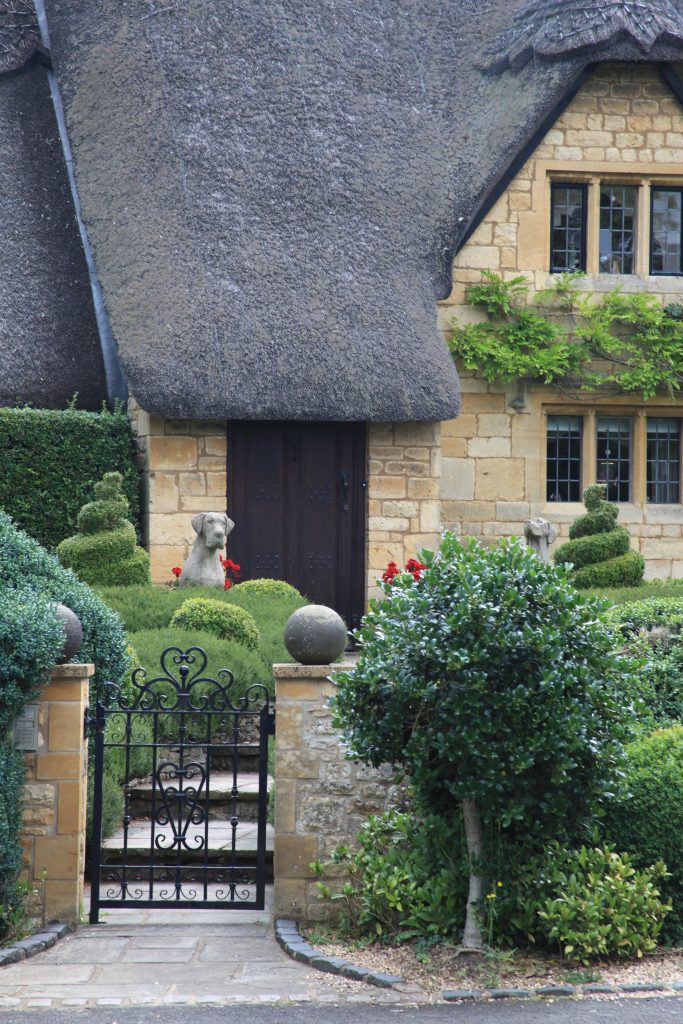
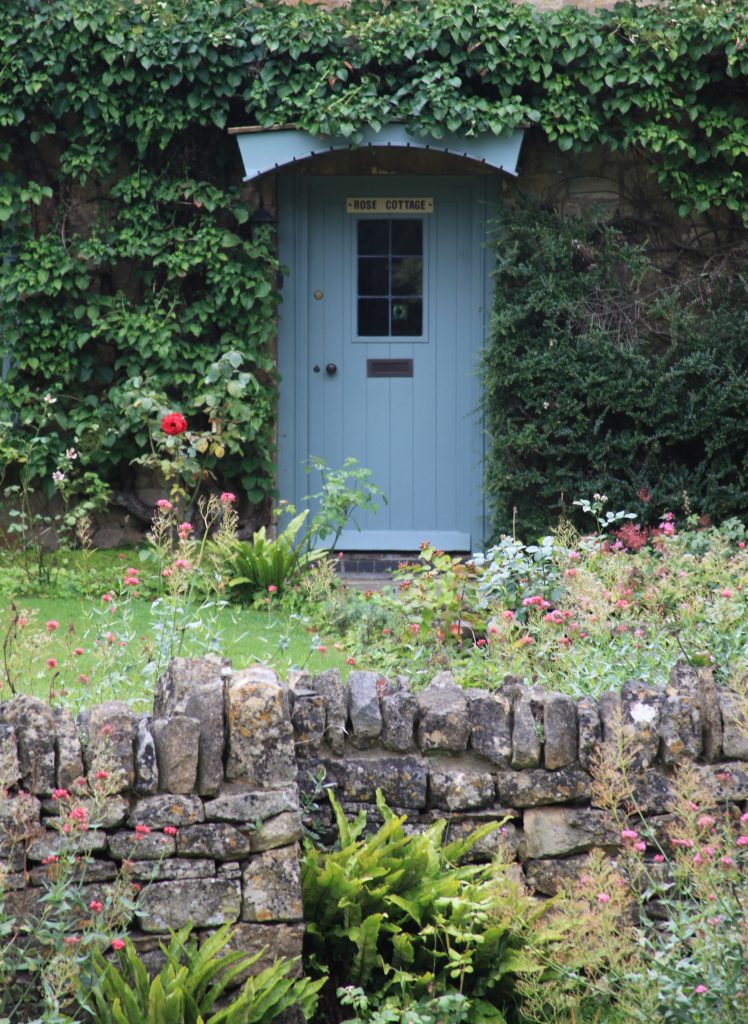
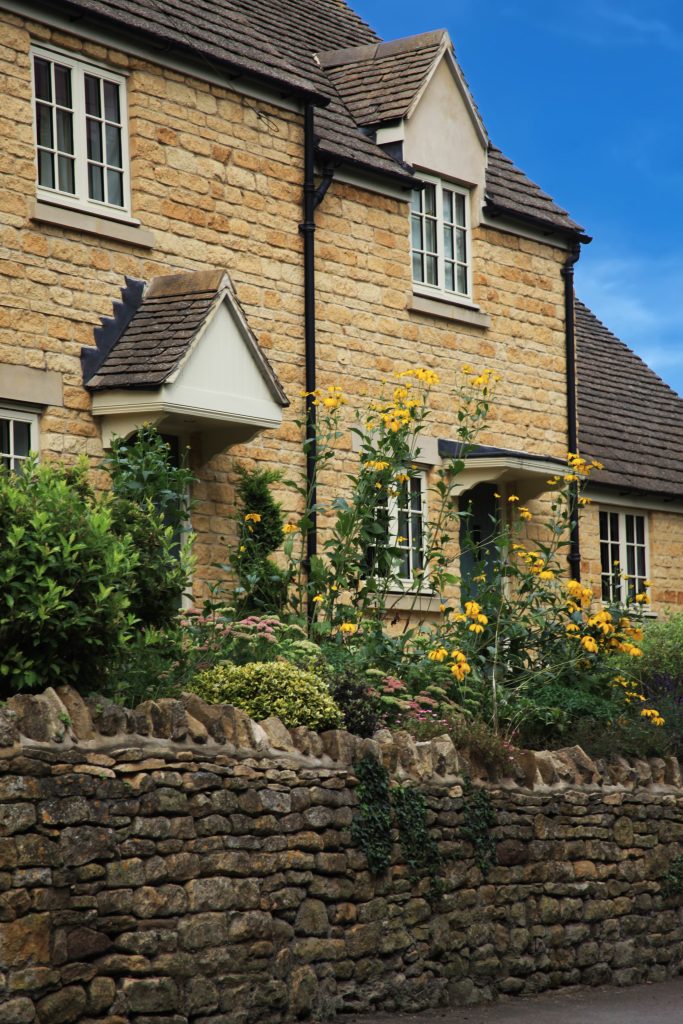
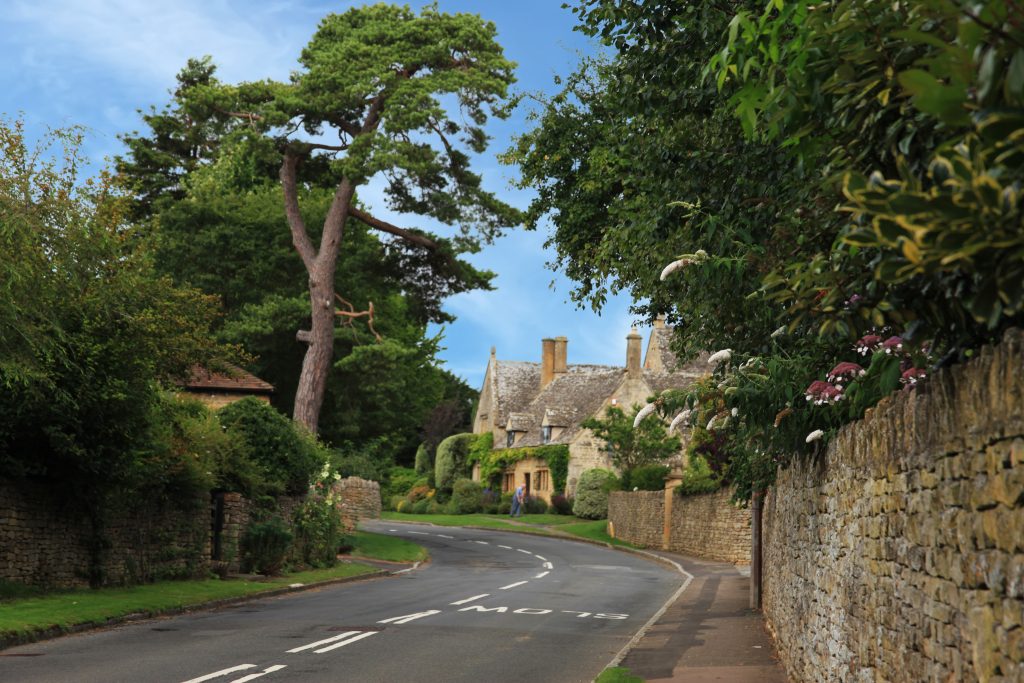
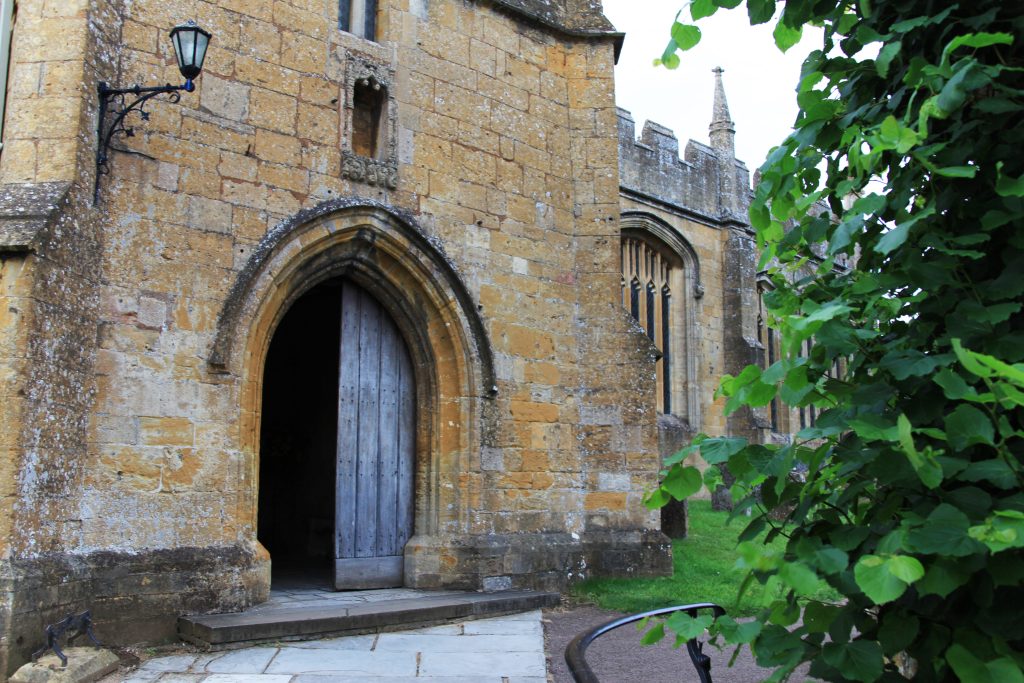
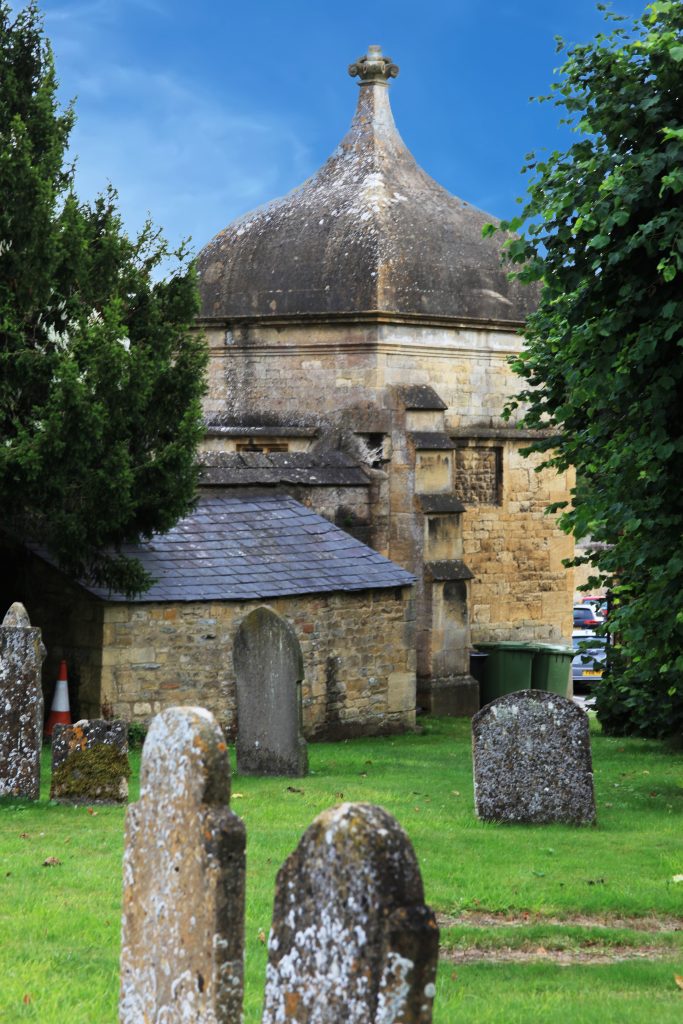
There are villages that charm, and then there is Chipping Campden, a place that doesn’t merely whisper of the past but envelops you in it. Nestled among the soft green swells of the northern Cotswolds, this English market town reads like a storybook come to life: golden limestone cottages with thatched roofs, narrow lanes dotted with blooming window boxes, and a timeless air suspended between Tudor elegance and pastoral tranquility. It’s not just beautiful, it’s enduringly English.
Central Market Town
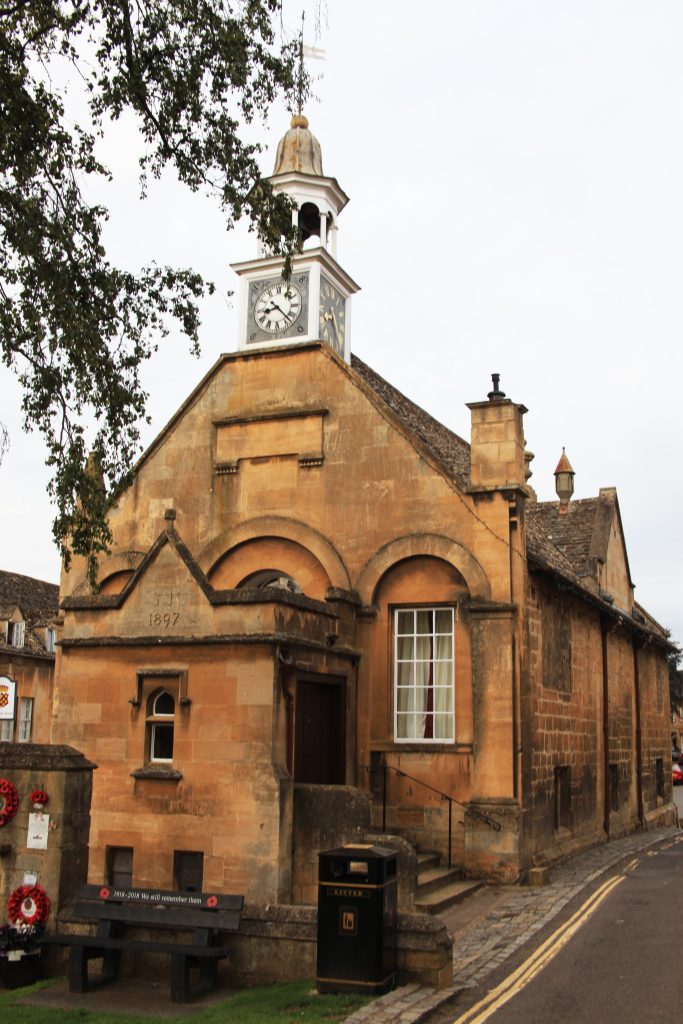
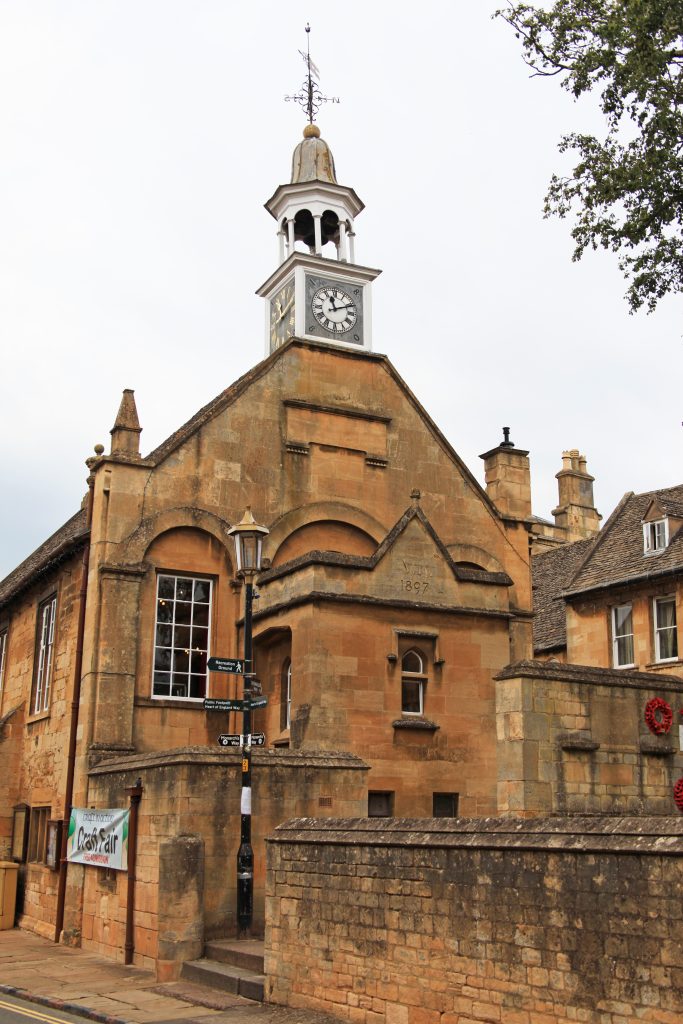
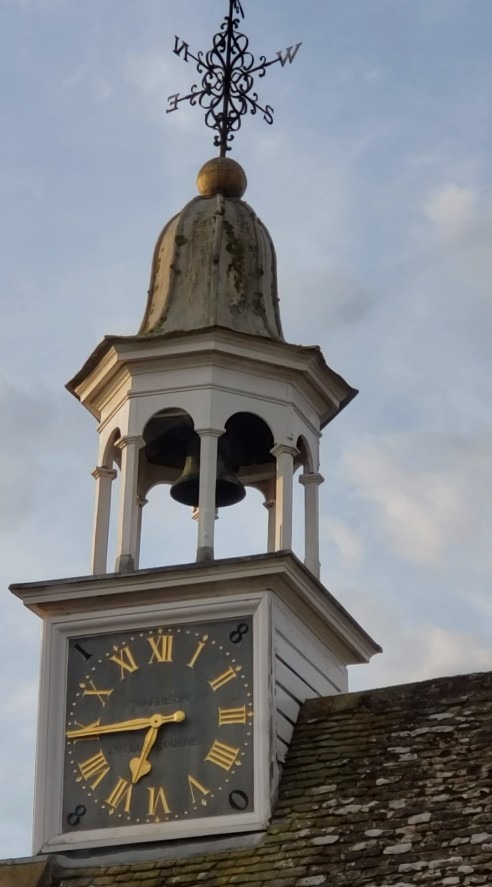
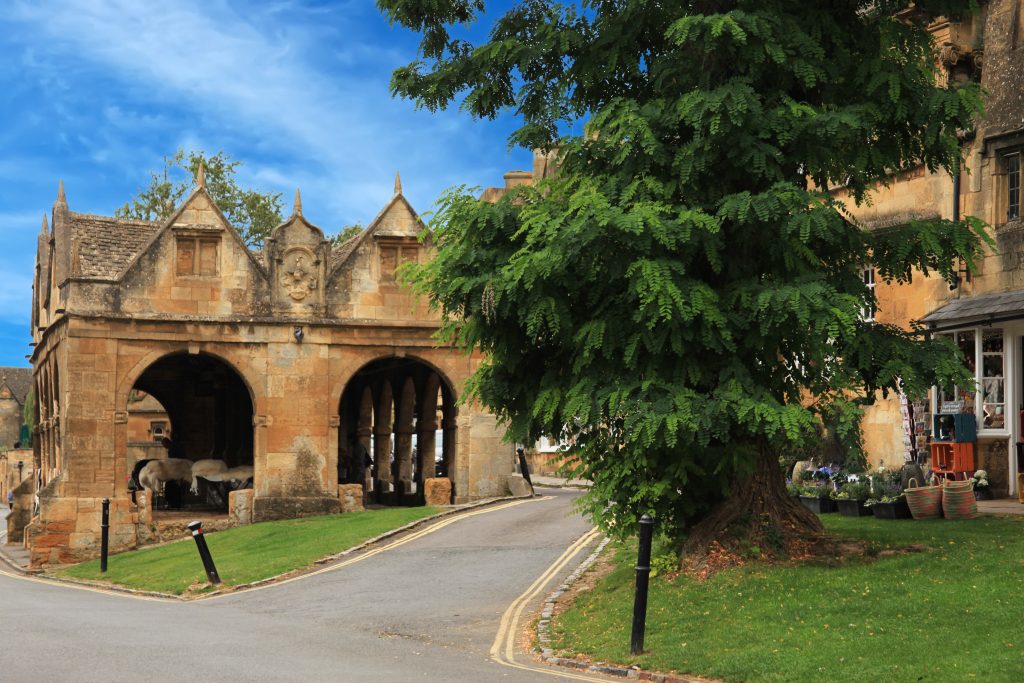
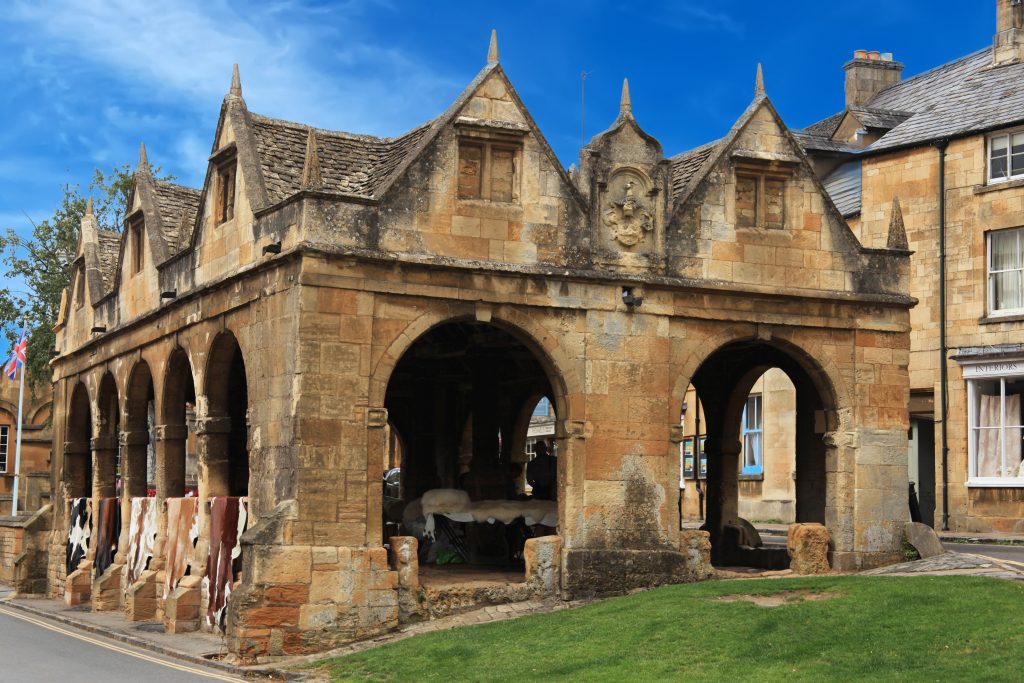
The “Chipping” in Chipping Campden comes from the Old English word ceping, meaning market, and the town was indeed a prosperous wool market as early as the 12th century. By the Middle Ages, it had become one of the richest towns in the Cotswolds, thanks to the flourishing wool trade. Wealthy wool merchants lavished their prosperity on the town, building its graceful terraced homes, its regal church, and most notably its arched stone Market Hall.
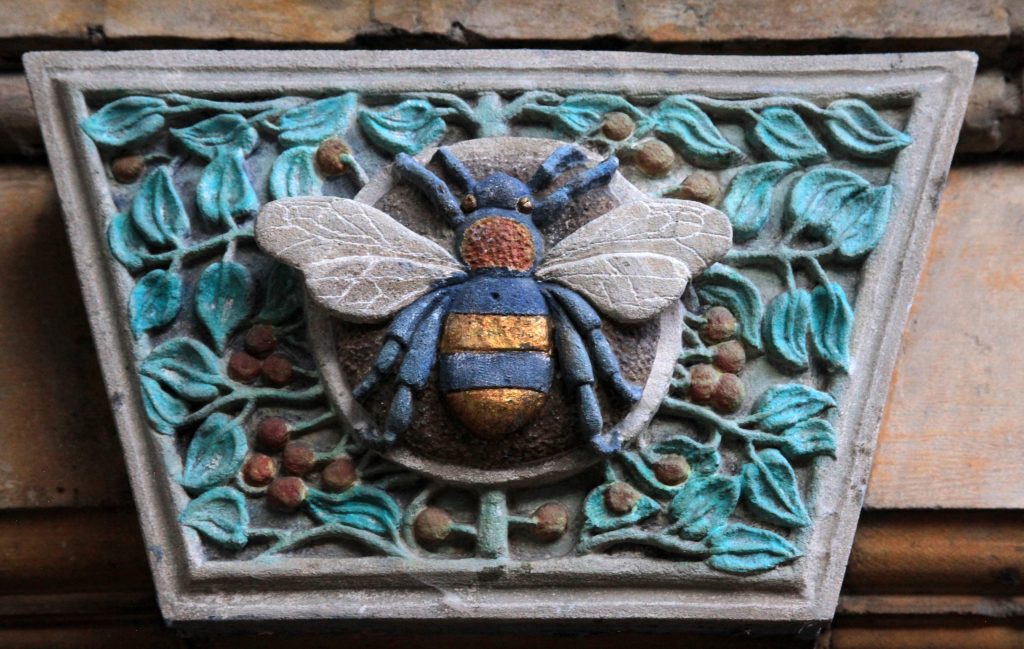
Chipping Campden became a hub for the Arts and Crafts Movement in the early 20th century. Designer Charles Robert Ashbee brought his Guild of Handicraft here in 1902 to revive traditional craftsmanship against the rise of industrial manufacturing. The town’s artistry endures in the silversmiths, woodworkers, and galleries that still populate its medieval lanes.
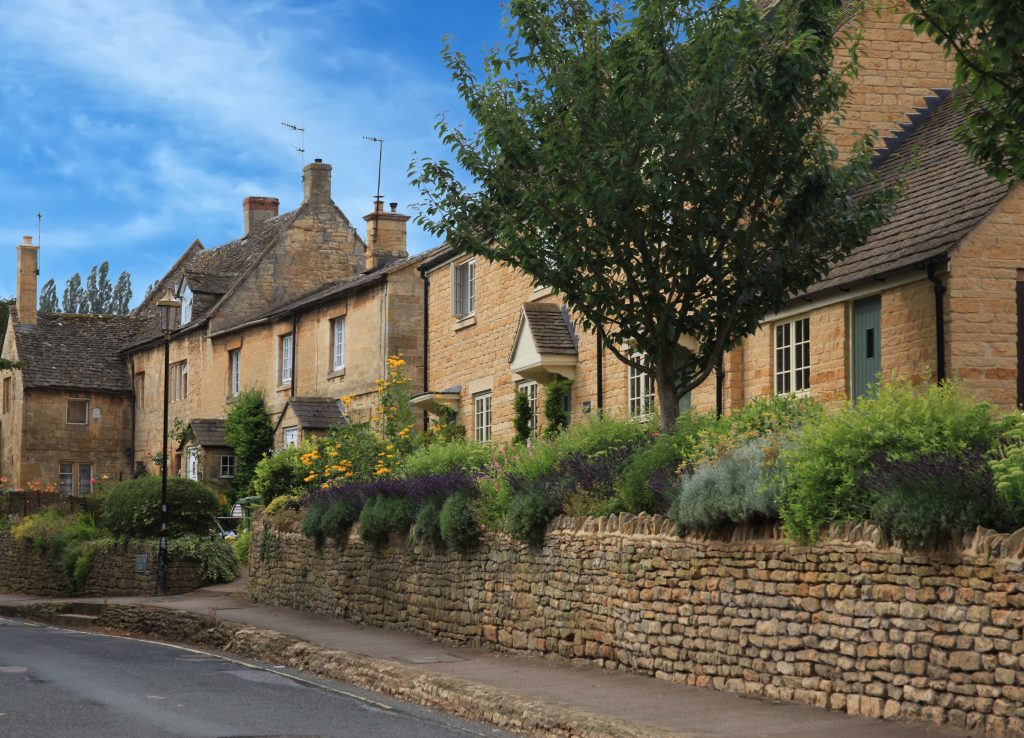
Golden Limestone Character
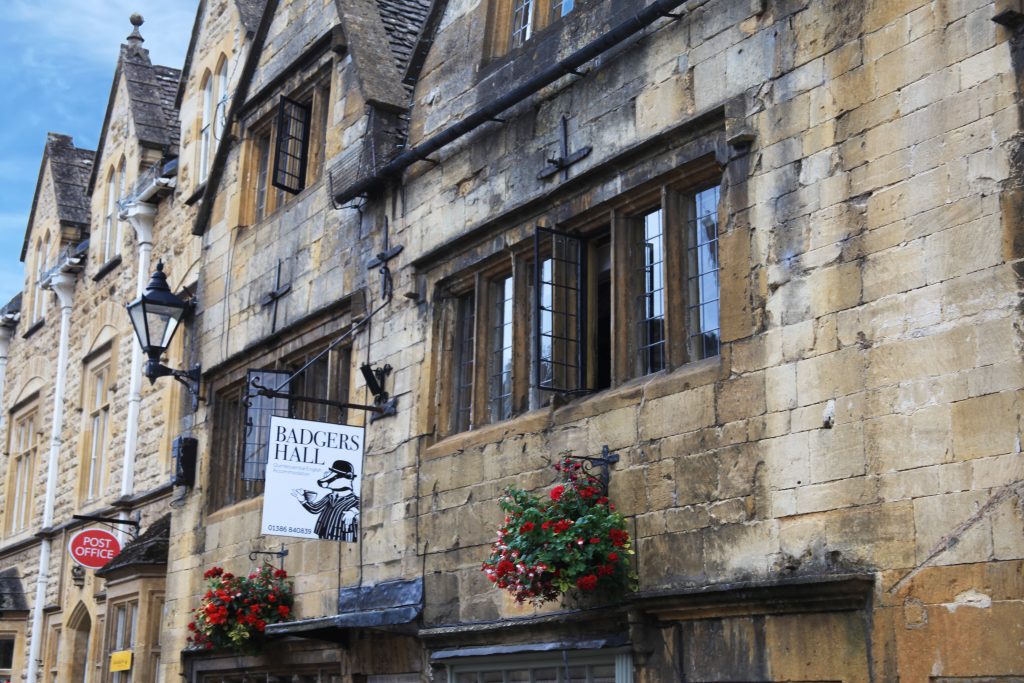
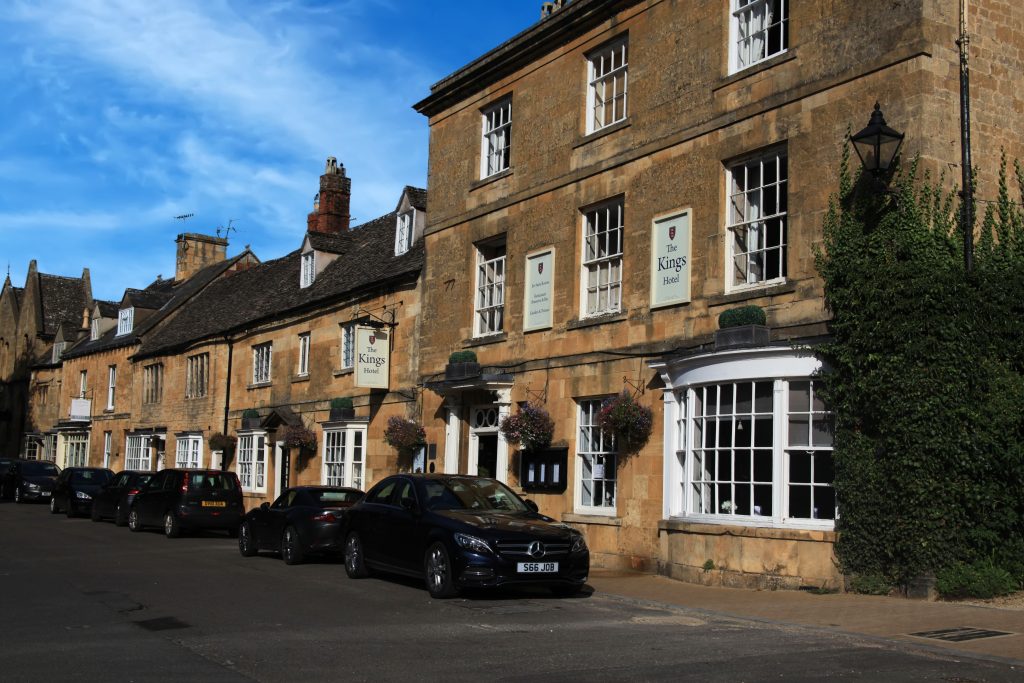
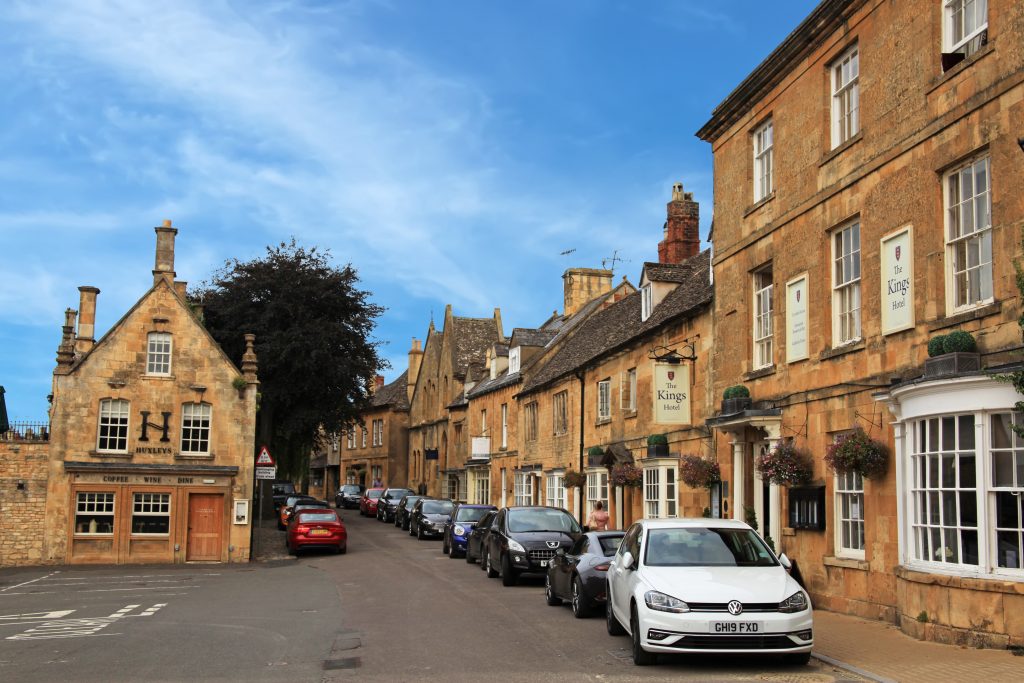
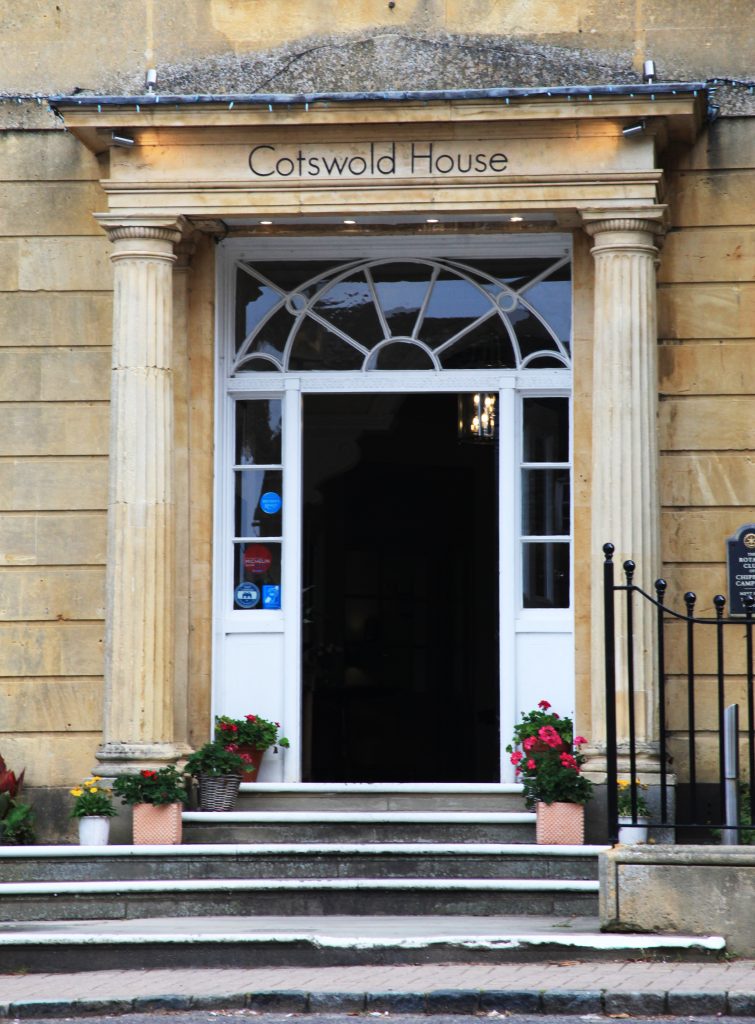
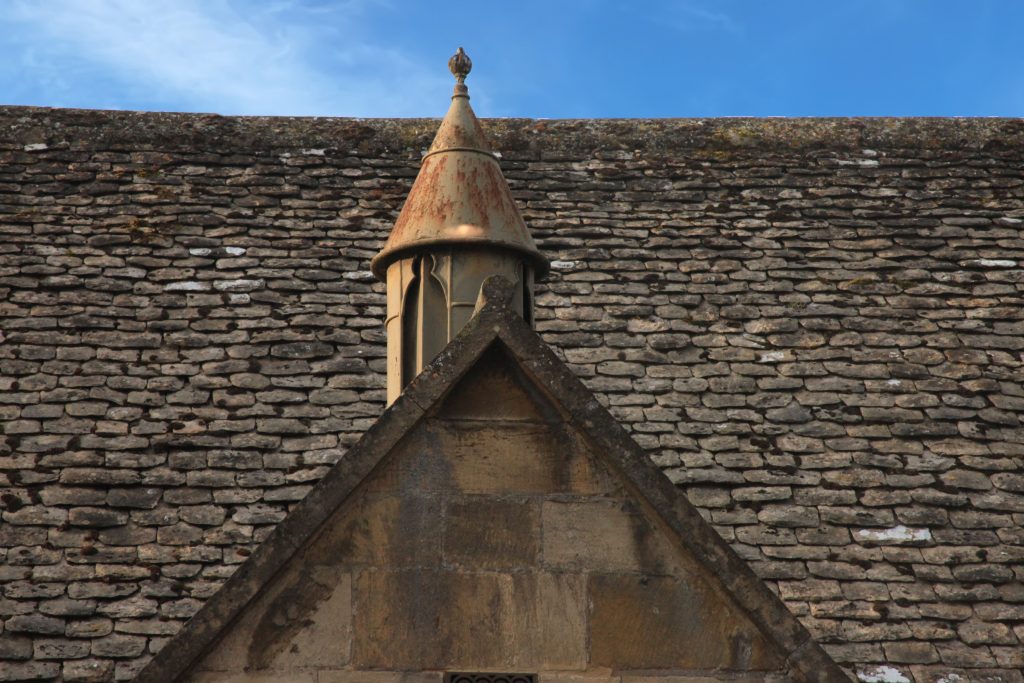
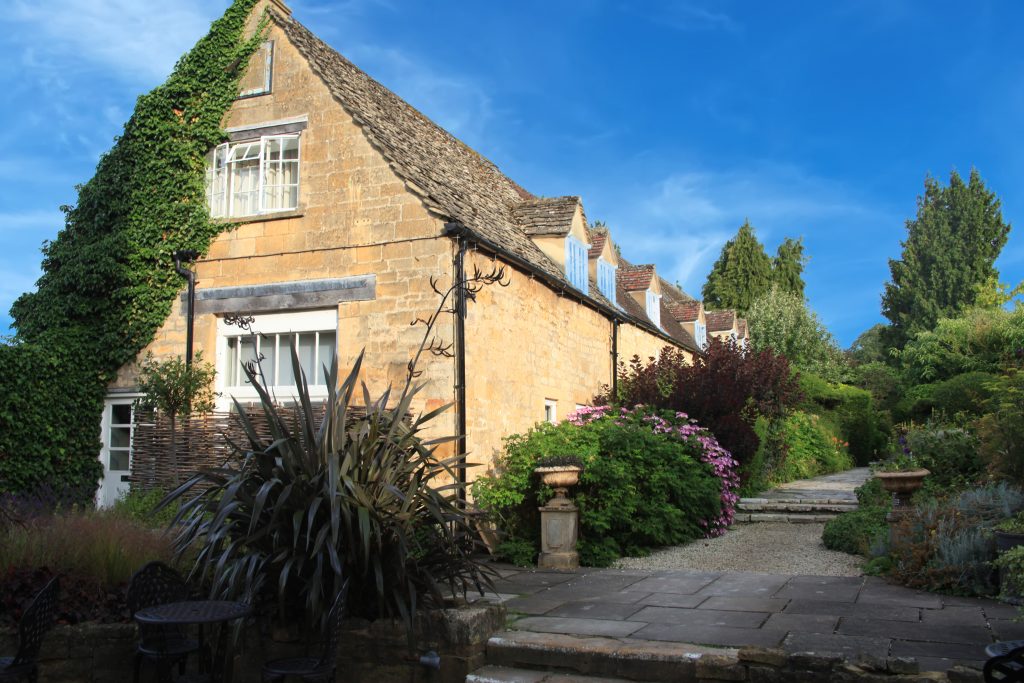
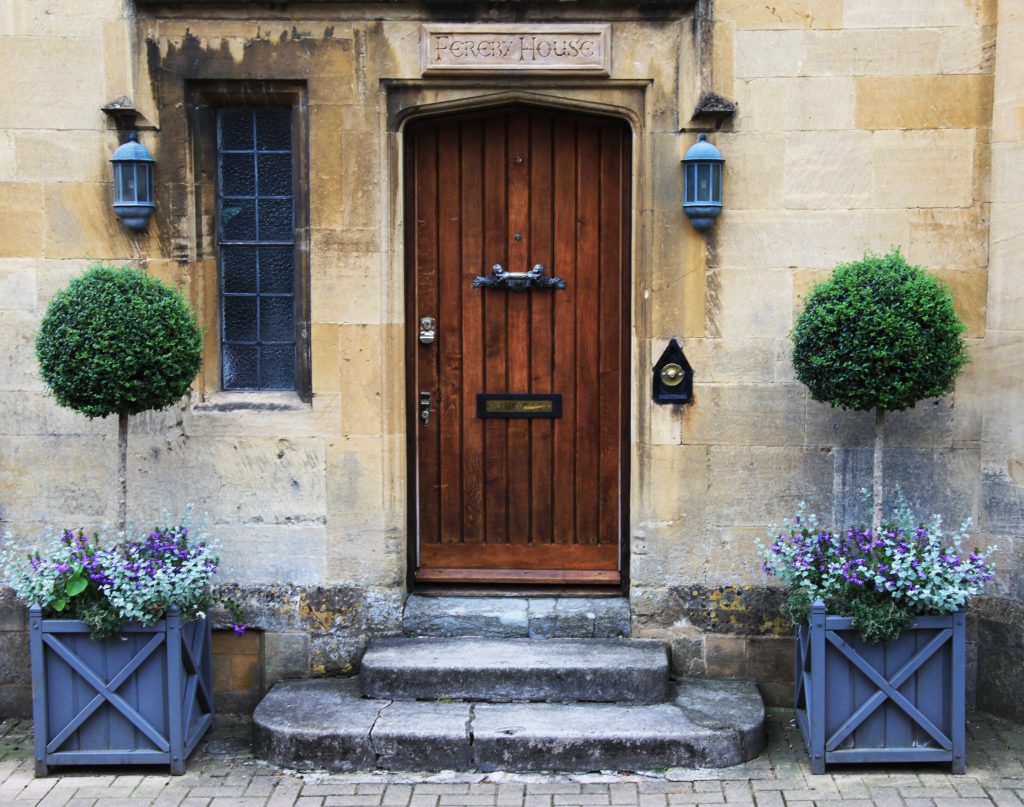
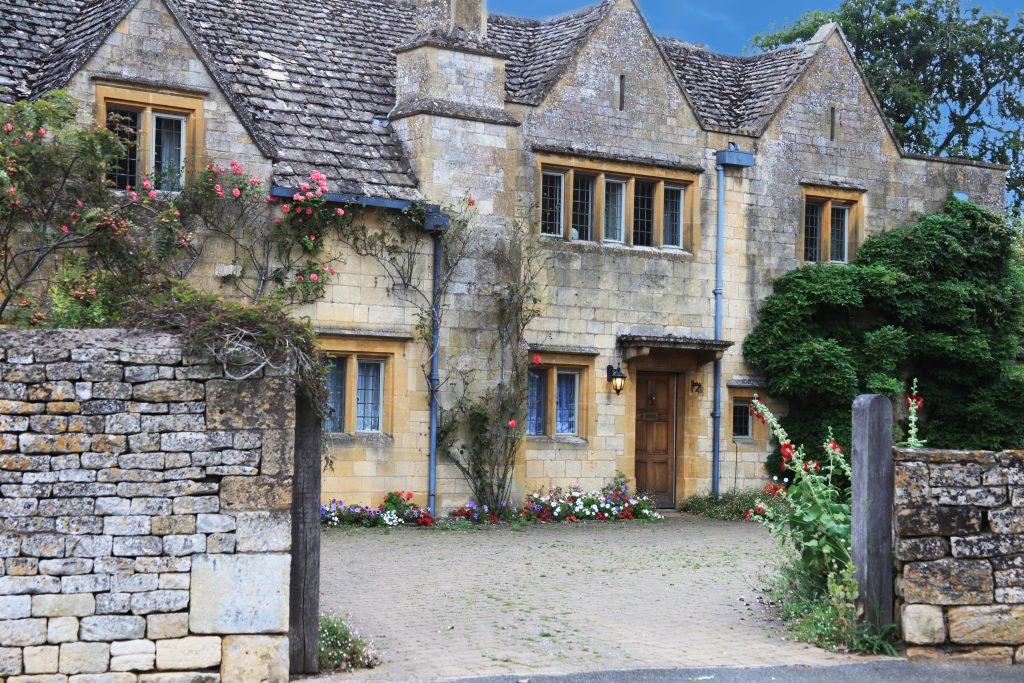
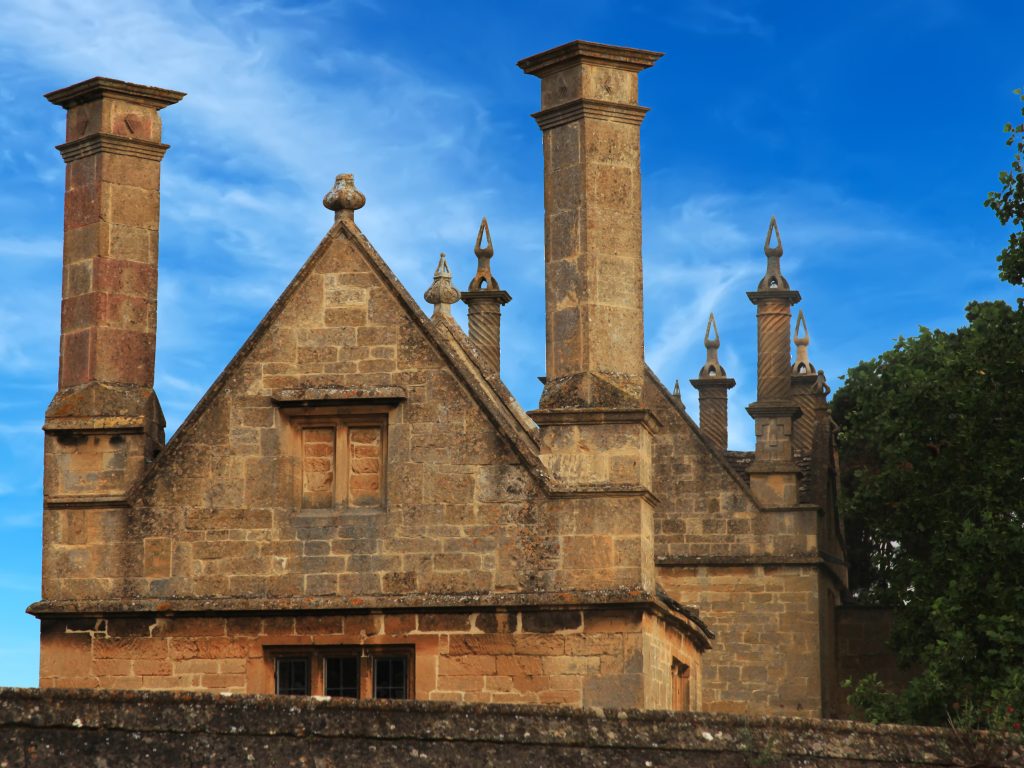
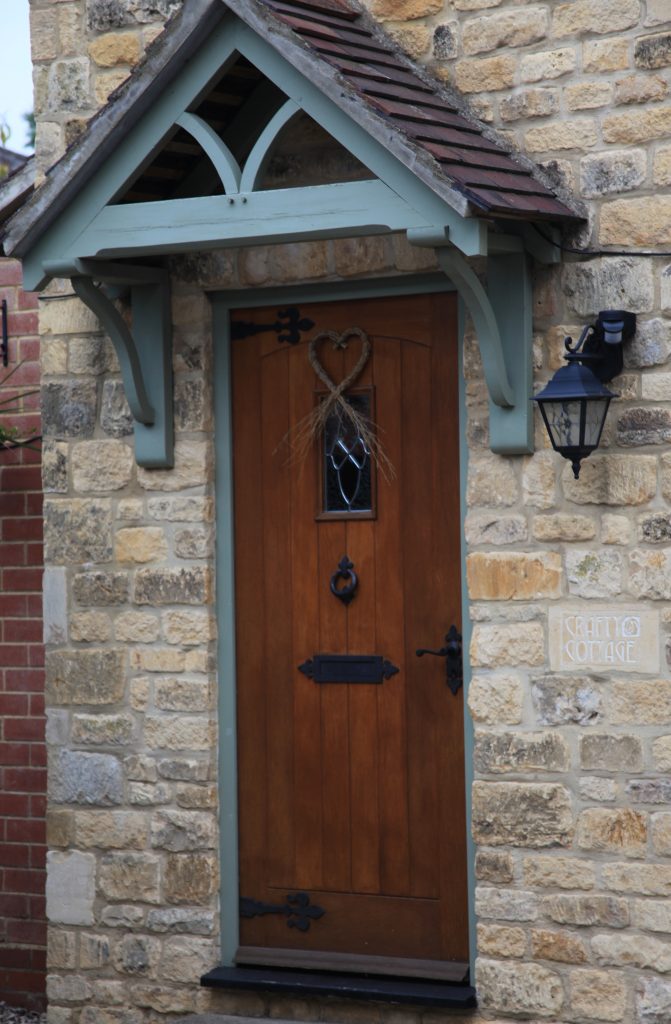
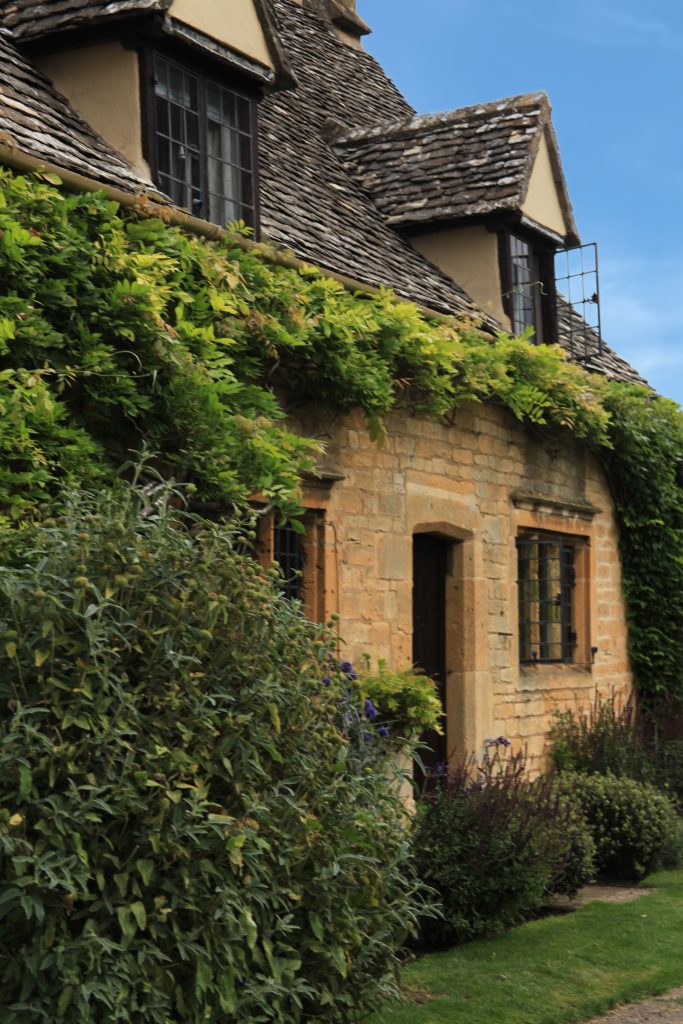
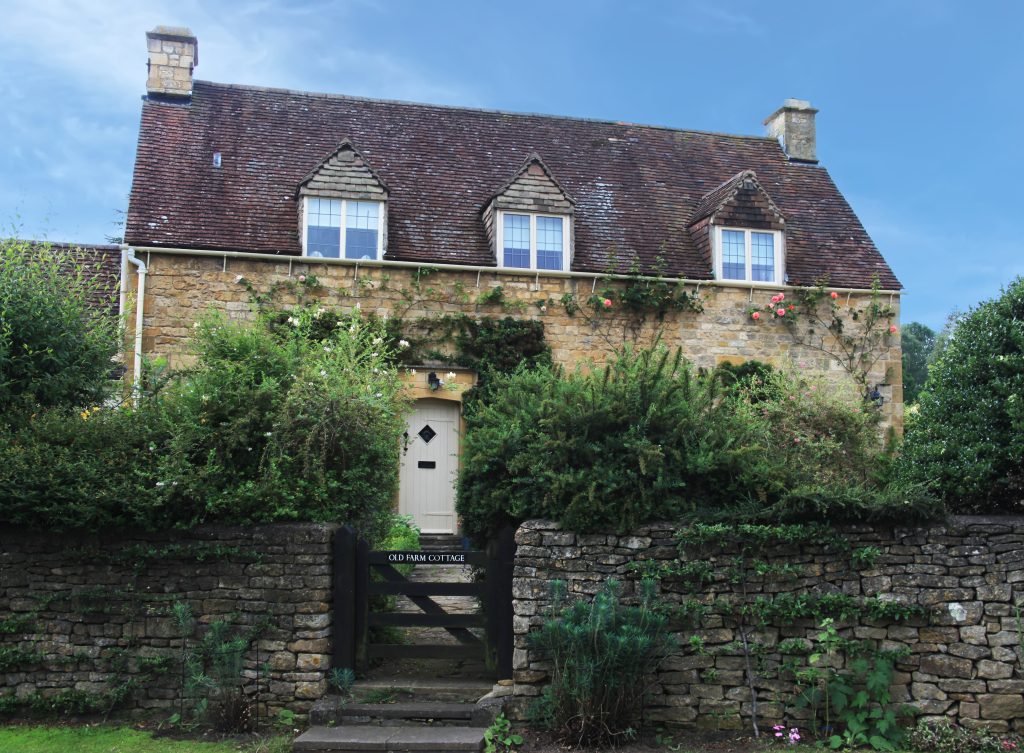
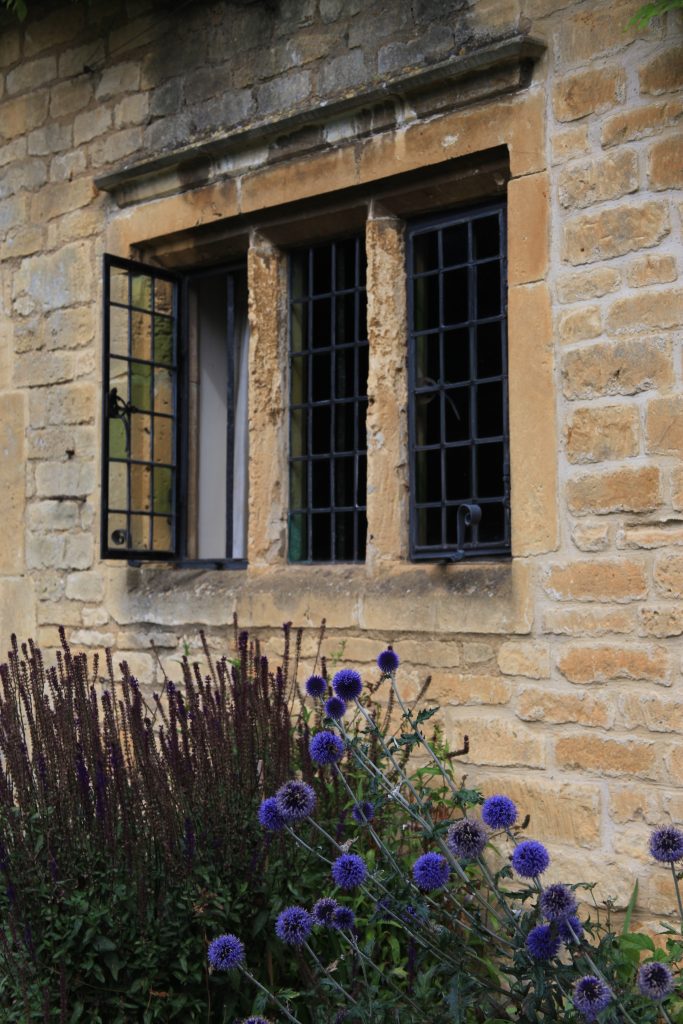
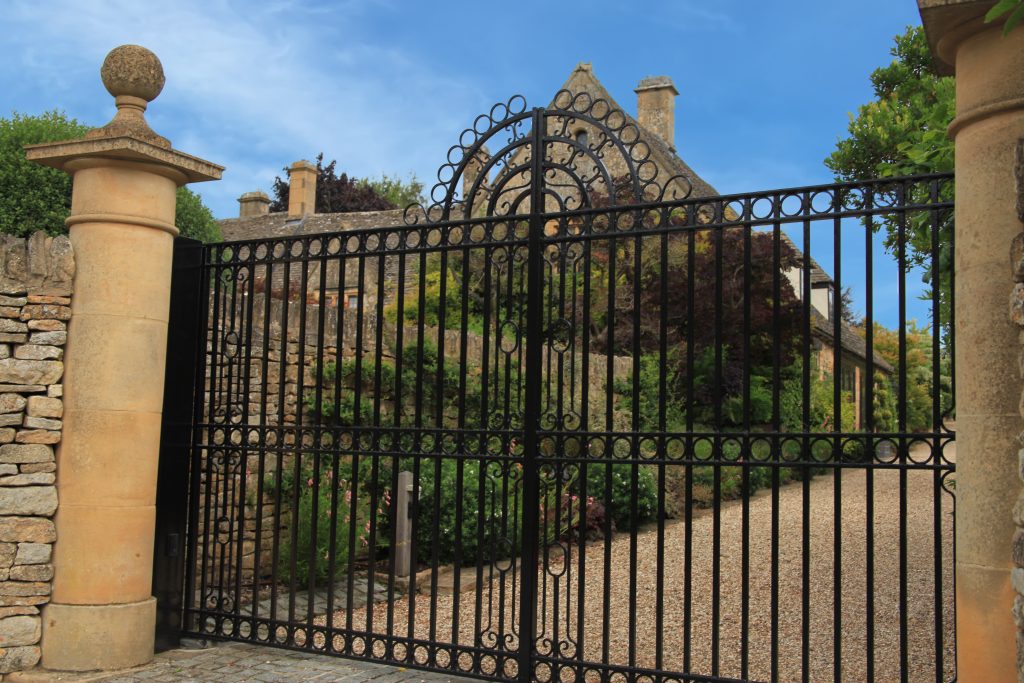
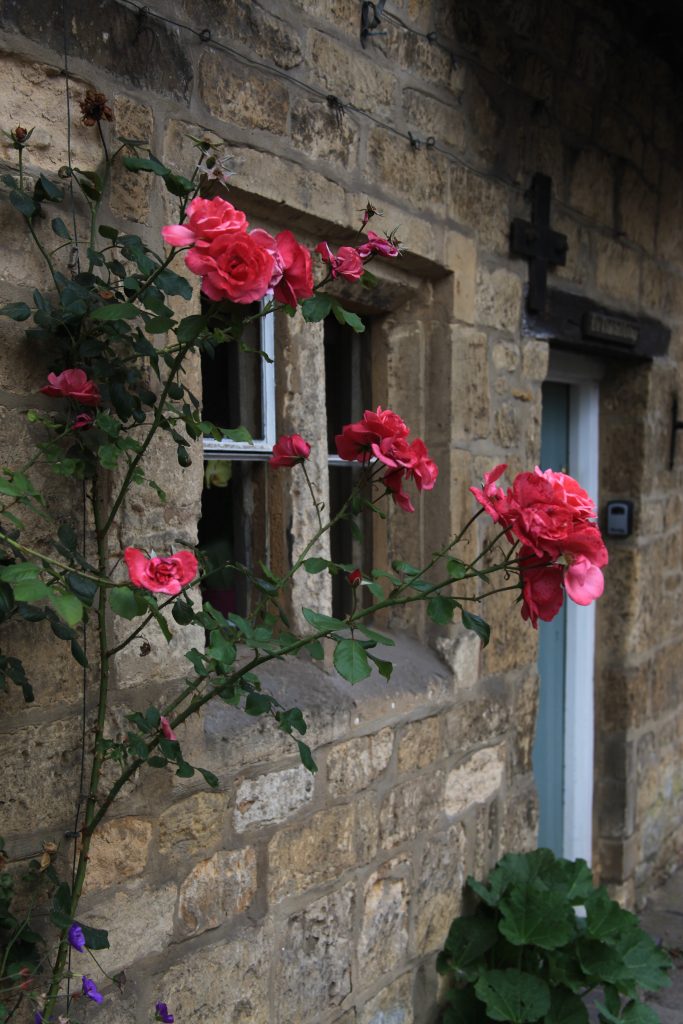
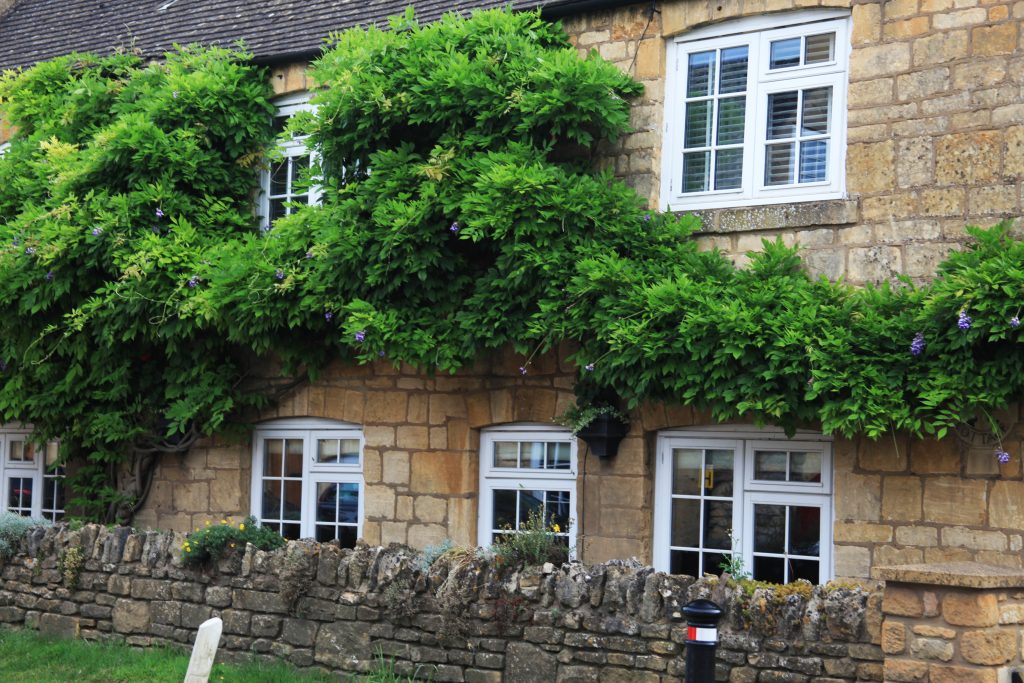
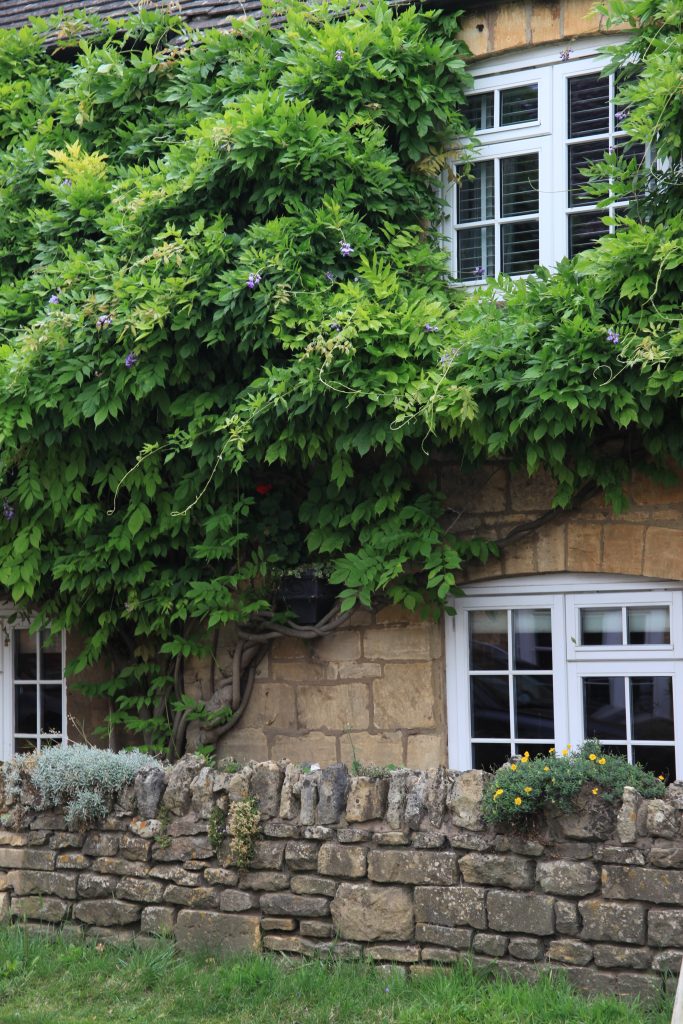
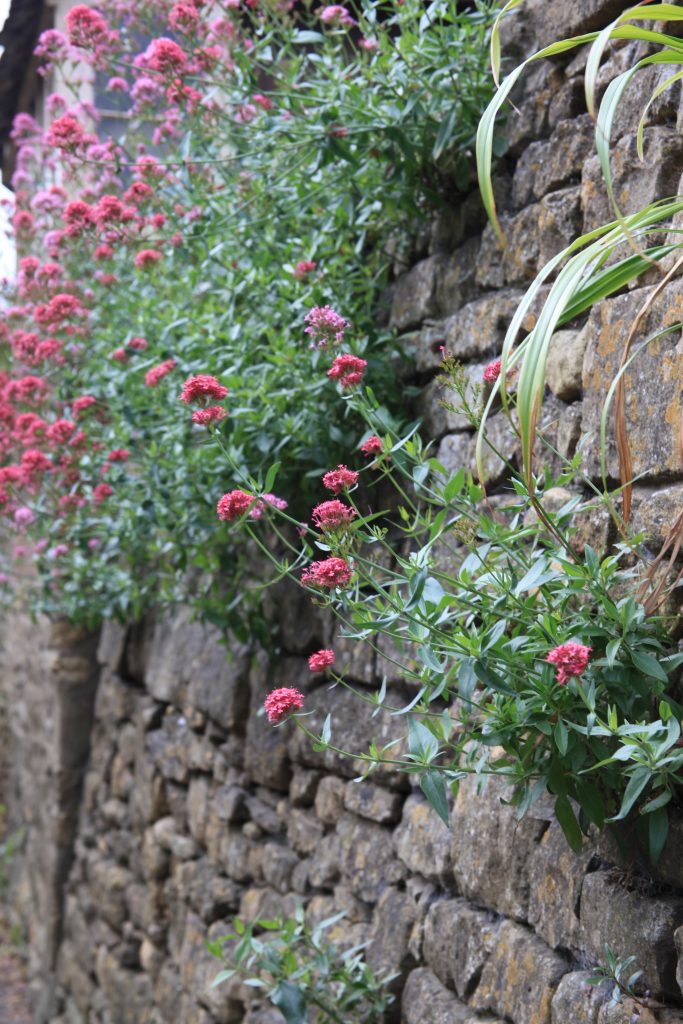
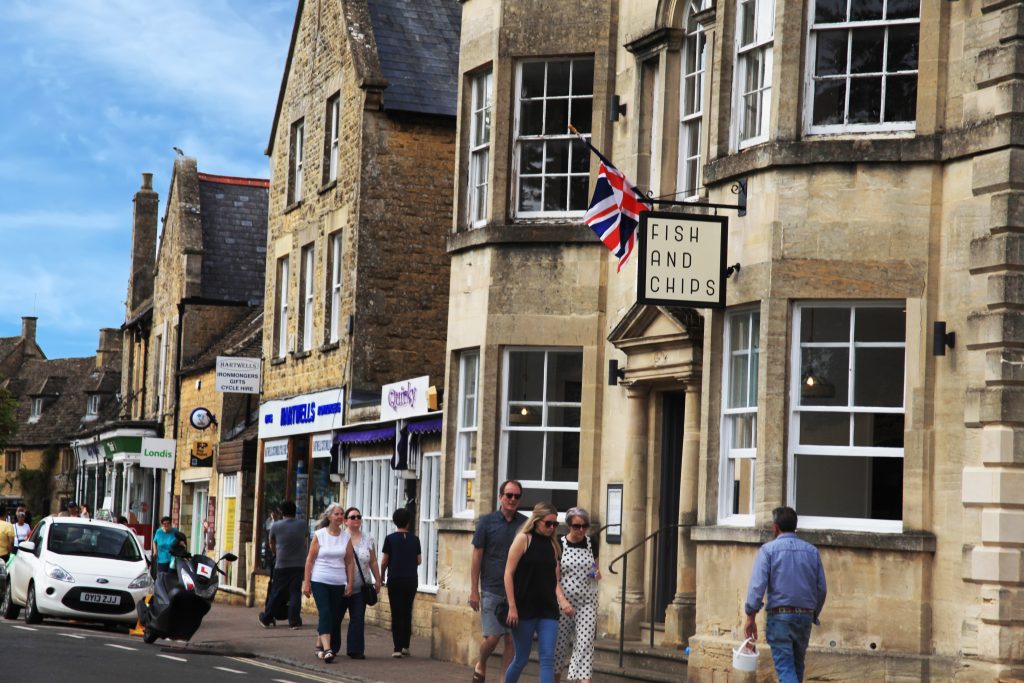
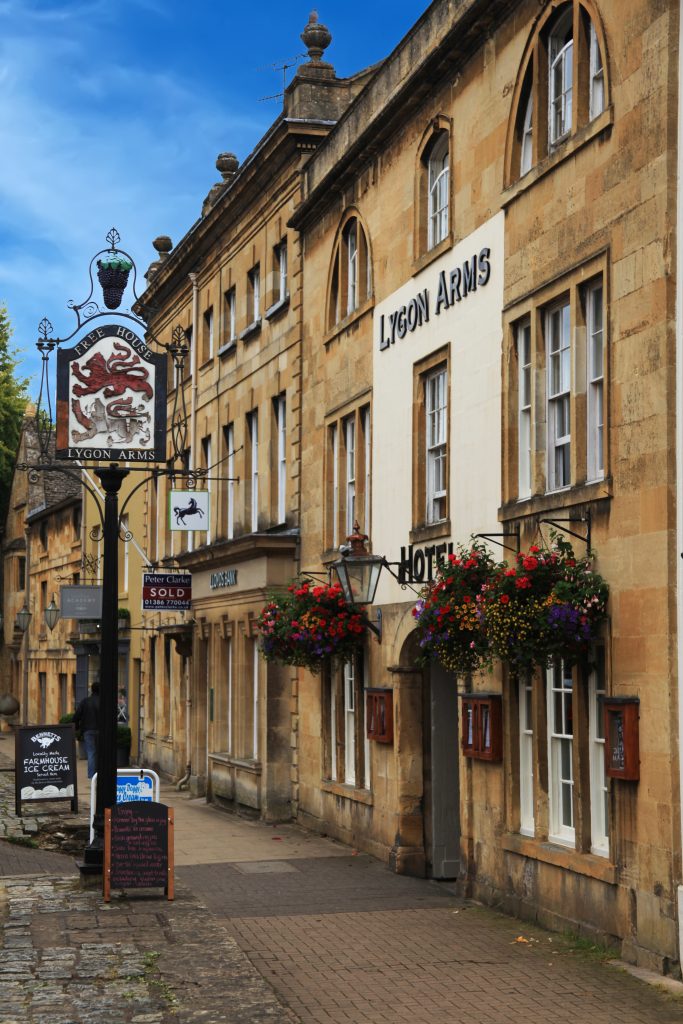
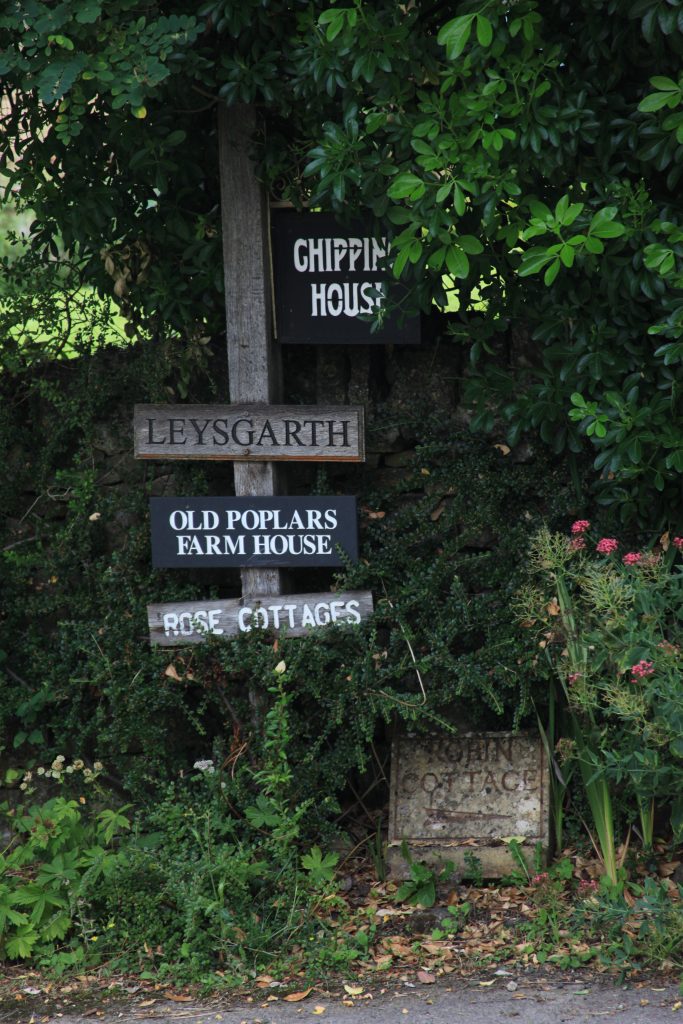
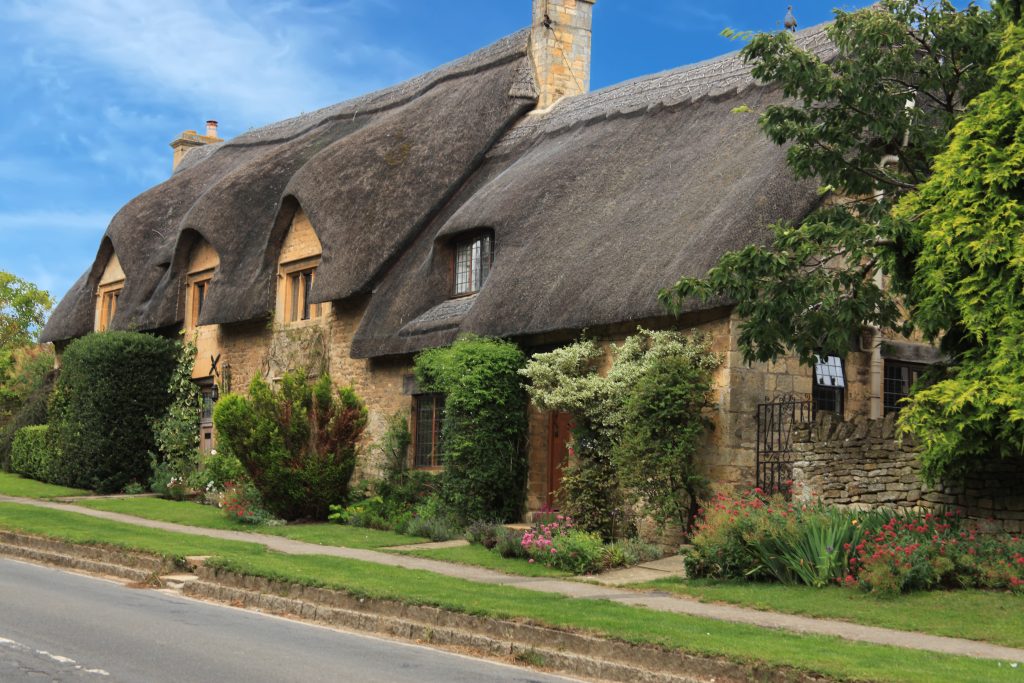
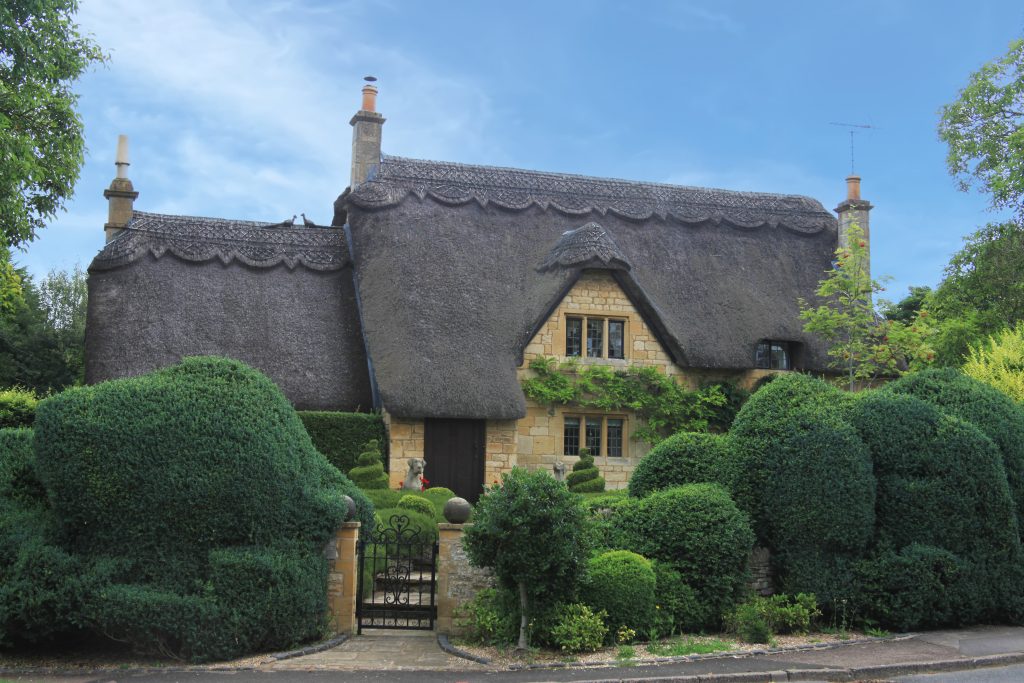
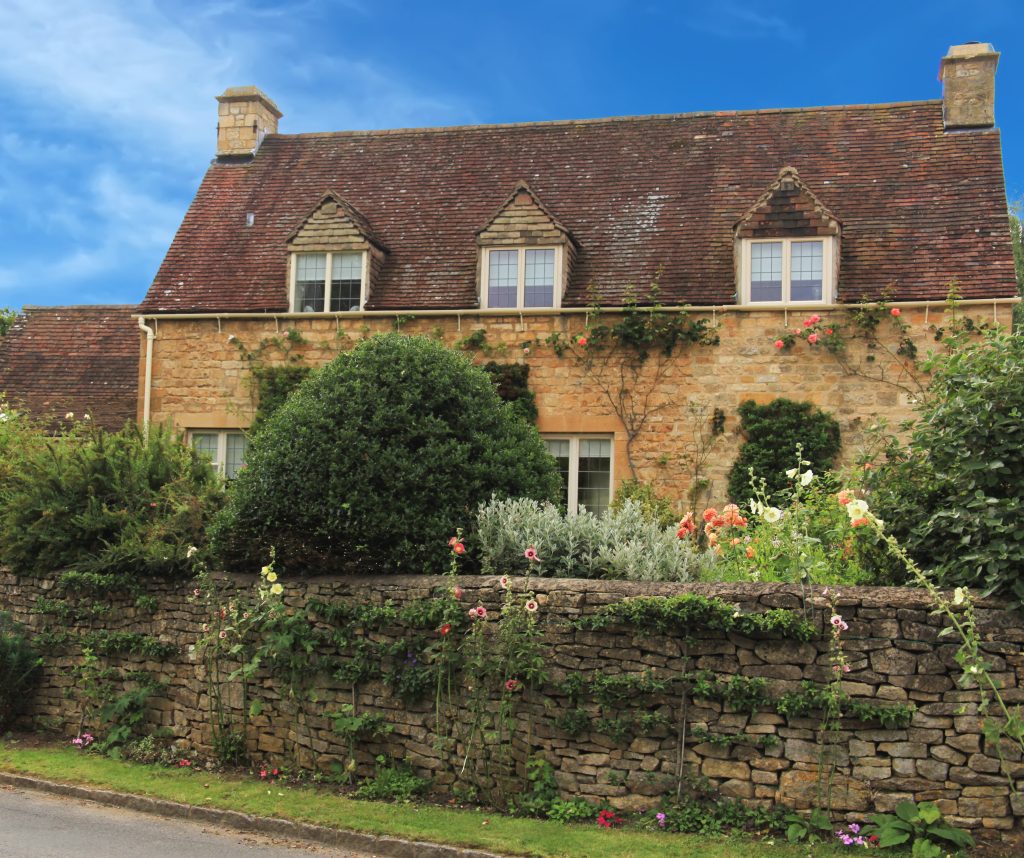
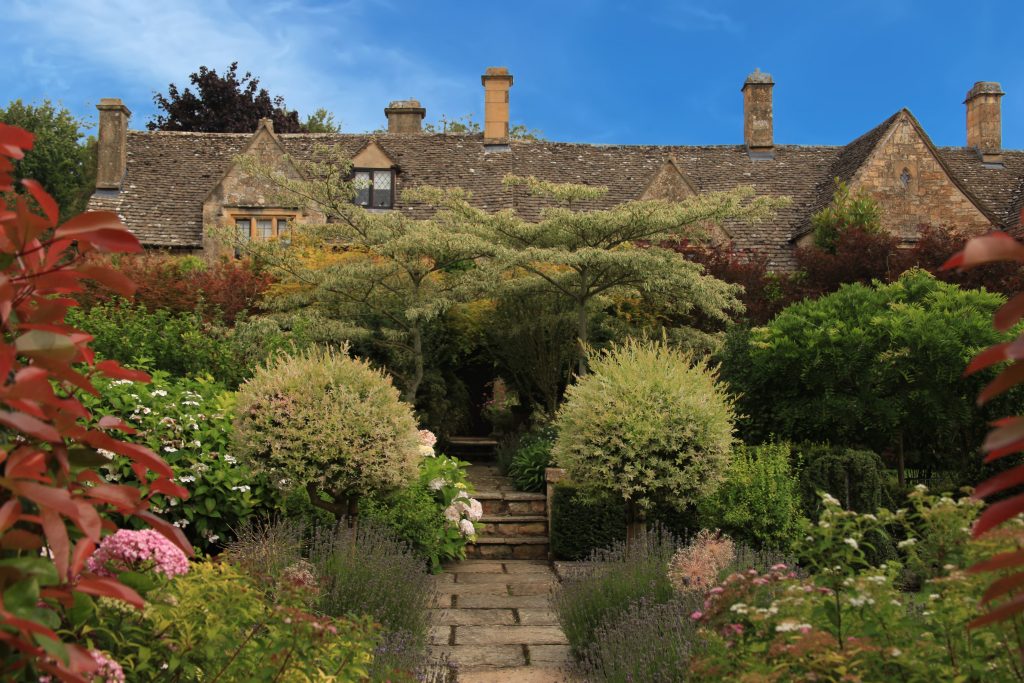
Wandering through Chipping Campden feels like walking through a golden dream. Some homes wear thatch like bonnets, soft and mossy, while others showcase neat slate tiles and mullioned windows recessed deep into thick stone walls. Flowering vines crawl up the facades, and iron gates open onto private gardens filled with hollyhocks and lavender.
The town’s centerpiece, the Market Hall built in 1627, remains one of the finest surviving covered markets of its kind. Its uneven flagstone floor and thick timbered roof were built to shelter merchants selling cheese, poultry, and wool. Stand beneath its soaring wooden beams and you’ll feel centuries echo through the bustle of voices, the clink of coin, the whiff of hay and fleece.
High Street Church
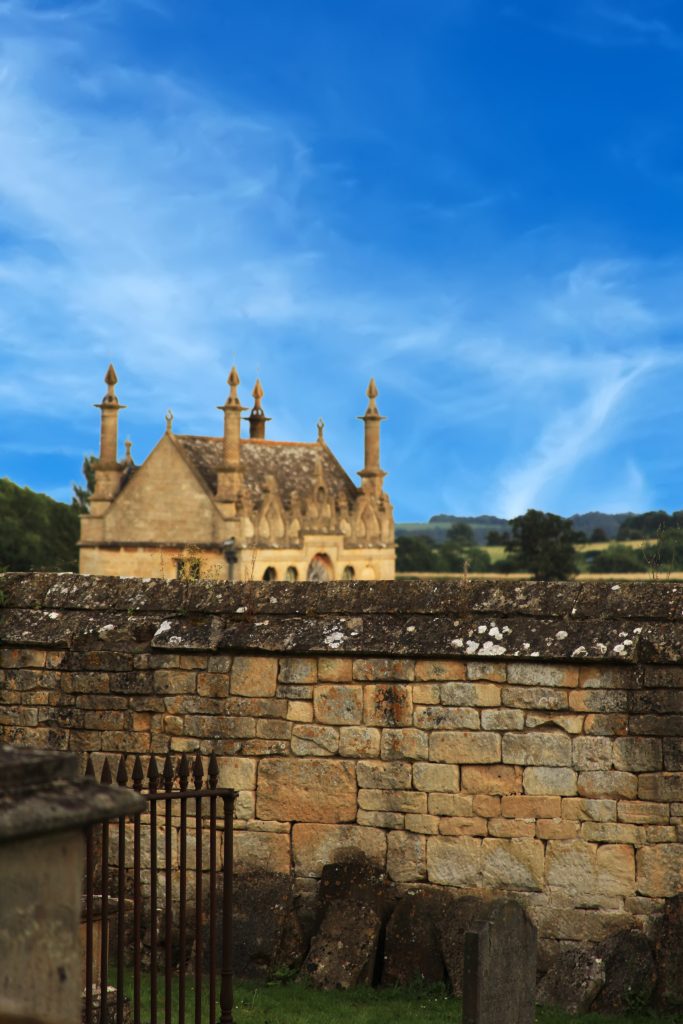
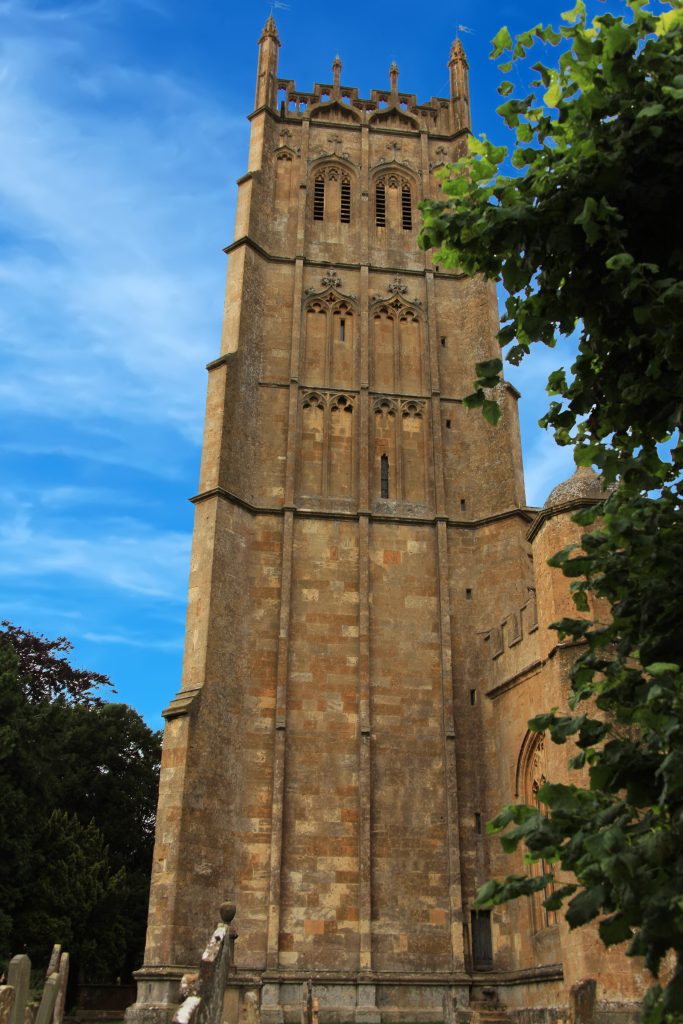
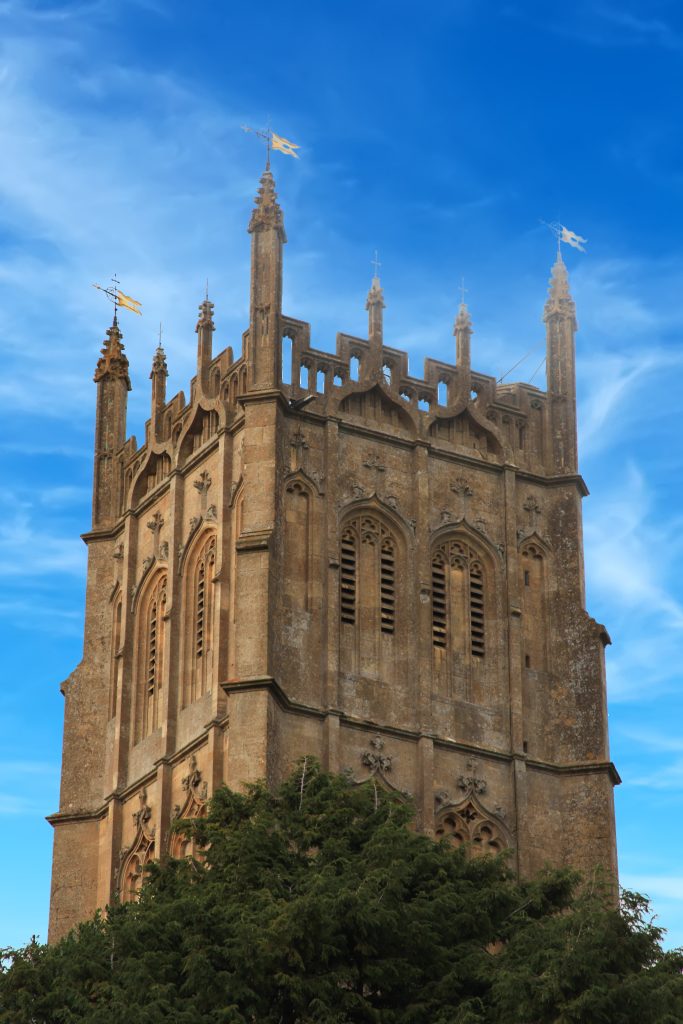
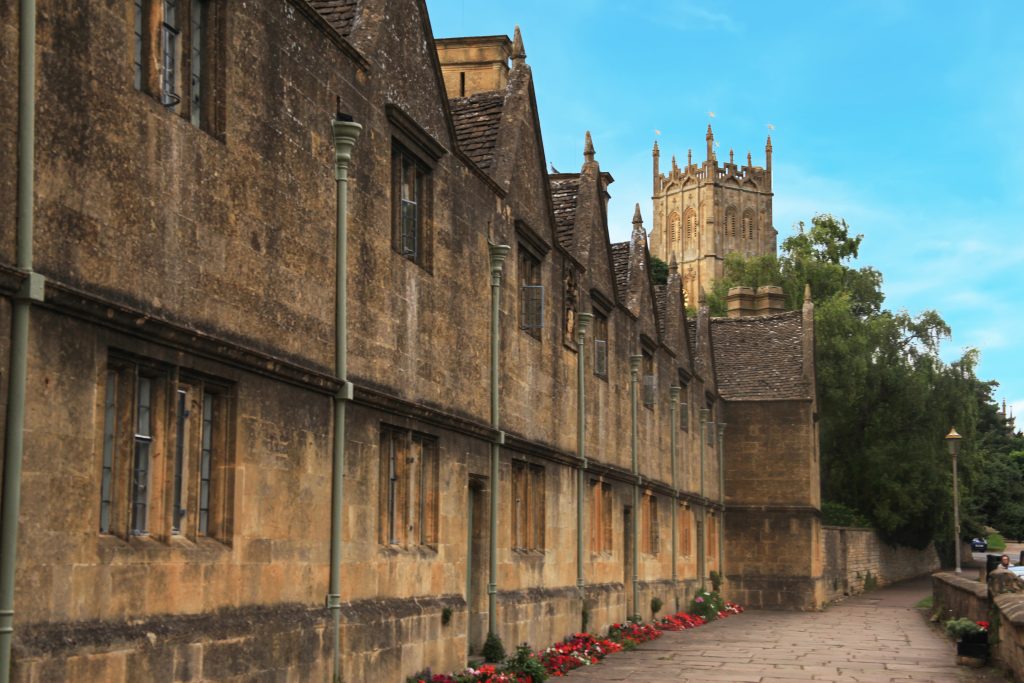
At the upper end of the High Street stands the magnificent St. James’ Church, a Perpendicular Gothic gem built on wool wealth in the 15th century. Its imposing tower rises above the trees, and inside you’ll find medieval brasses, an intricately carved pulpit, and a serene quiet broken only by birdsong from the graveyard.
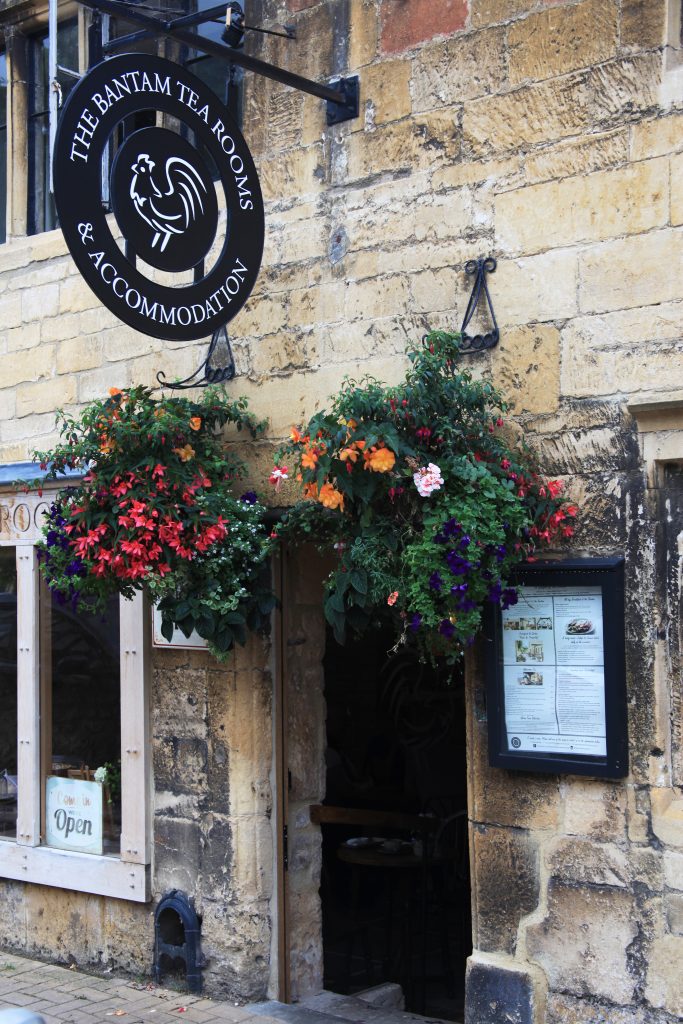
As you meander down High Street, note the gentle curves of shopfronts and homes, artisan signs swinging in the breeze, and the slow, deliberate pace of village life. Here, postmen still nod to each passerby, and shopkeepers pause transactions to share a bit of local lore.
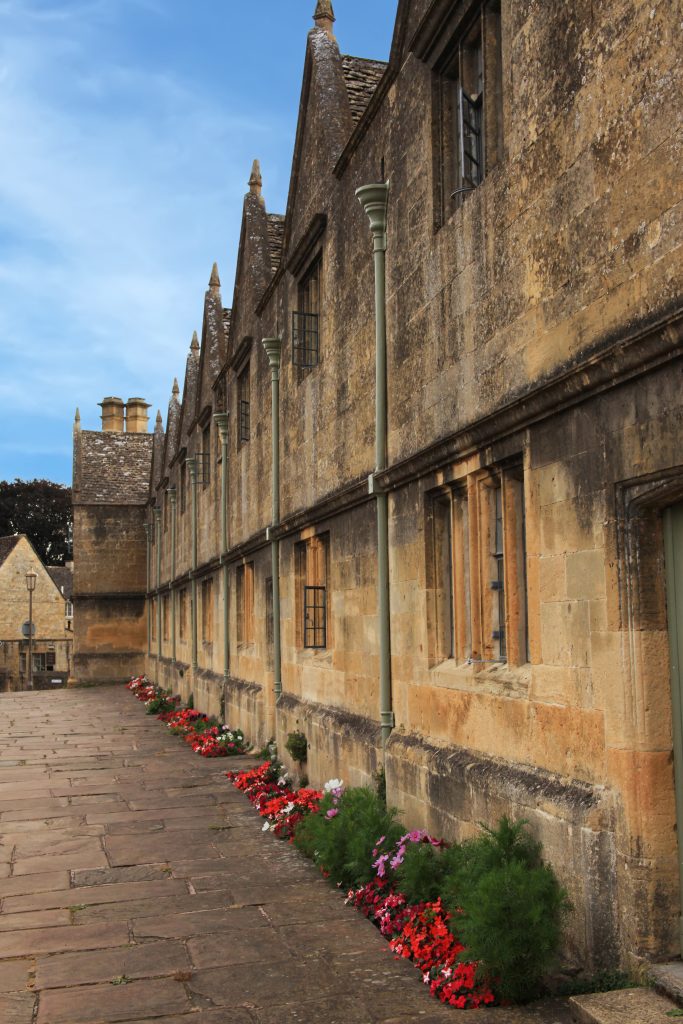
Other must-see landmarks include the Grevel House, a glorious 14th-century wool merchant’s home; the Court Barn Museum, celebrating the Arts and Crafts legacy; and the ancient almshouses founded in 1612 by Baptist Hicks, Viscount Campden, a row of quaint cottages still housing local residents today.
Historic Inns and Walkways
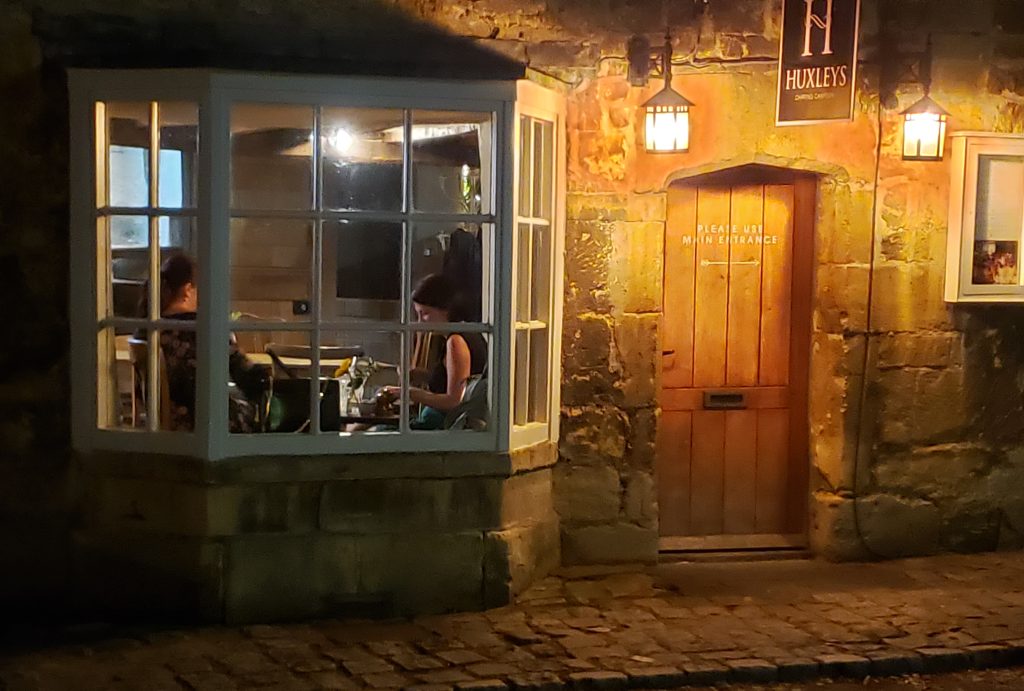
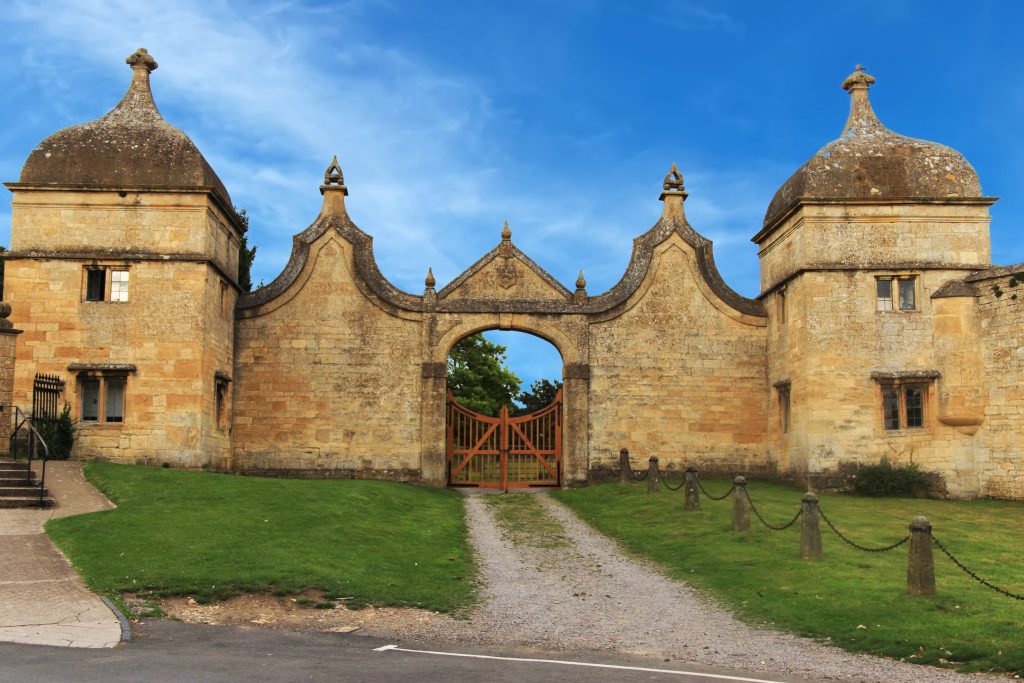
Though steeped in history, Chipping Campden remains vital and living. It is a living village, beloved by locals and treasured by travelers. Its historic inns, like the Noel Arms or the Lygon Arms, offer comfort wrapped in oak beams and timeworn stone. The Campden House ruins, once a grand Jacobean mansion destroyed during the English Civil War, now host open-air concerts and community events among mossy stone and climbing roses.
Today, the town thrives on a gentle balance of tourism and tradition. Visitors come for walking holidays along the Cotswold Way, for hand-thrown pottery and hand-forged silver, and for cream teas in gardens where bees hum and the air carries the scent of scones and sunshine.
In a world that moves ever faster, Chipping Campden holds steady. It teaches you to slow down, to listen, and to look closely at things built by hand, shaped by time, and cherished for generations.
Enduring Loveliness
Chipping Campden isn’t just a destination—it’s a mood. A reminder of craftsmanship, community, and the quiet grace of enduring beauty. It is England, not as imagined, but as recalled. So stroll its golden lanes, sip something lovely at a garden café, and pause beneath its church spire as the bells ring across the Cotswold hills. You may well find that time slows down just enough for you to fall in love.
Where to Stay in Chipping Campden, United Kingdom
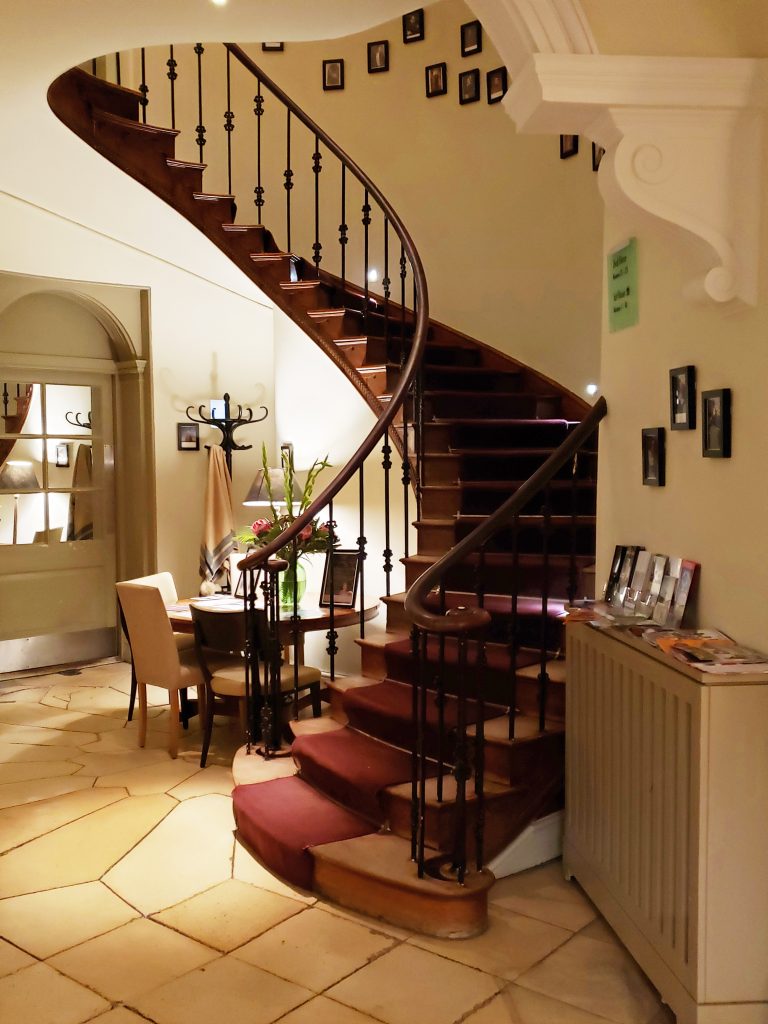
Chipping Campden’s accommodation options cluster along the High Street and within walking distance of the town center, keeping you close to the Market Hall, independent shops, and restaurants without needing a car. The Noel Arms Hotel is the town’s historic coaching inn, offering period charm and convenient access to everything; nearby, smaller guesthouses and bed-and-breakfasts occupy converted stone cottages and Georgian townhouses, many with views of the surrounding hills. These central properties fill quickly during summer and peak Cotswolds tourism season, so book several weeks ahead if visiting May through September.
If you prefer quieter surroundings, consider staying in nearby villages like Broad Campden or Ebrington, just a mile or two from Chipping Campden. Farmhouse conversions and country inns in these nearby settlements offer the same stone-built character with fewer tourists, and a short walk or drive returns you to Chipping Campden’s attractions. The trade-off is less foot traffic and fewer dining options nearby, though the peaceful setting appeals to travelers seeking to escape peak-season crowds.
Cotswolds holiday cottages and self-catering properties abound throughout the area if you want flexibility or are traveling with a group. Rental agencies list everything from one-bedroom conversions to larger manor-house units, many featuring period fireplaces, gardens, and kitchen facilities for preparing your own meals. This option suits families or those staying several nights who want to explore neighboring Cotswolds towns like Moreton-in-Marsh and Broadway from a single base. Book through established property managers to verify authenticity and understand what amenities (heating, WiFi, parking) are actually included.
For budget-conscious travelers, the Cotswolds Youth Hostel Association operates facilities throughout the region, and numerous small inns and pubs provide no-frills, affordable rooms. These places tend to have welcoming staff familiar with walking routes and local history, and you’ll likely meet other travelers planning the next day’s itinerary. Arrive early if you’re traveling without a booking, as rooms let quickly in the warmer months.
Recommended Reading
- A Month in the Country by J.L. Carr, A slender, poignant novel set in a rural English village after WWI, rich in reflection and pastoral beauty.
- The Cotswold Mystery by Rebecca Tope, A cozy whodunit nestled among the gentle villages and winding lanes of the region.
- Cotswold Memoir: Discovering a Beautiful Region of Britain on a Quest to Buy a 17th Century Cottage by Diz White, A delightful modern-day tale of discovering life in the Cotswolds.
- The Making of the English Landscape by W.G. Hoskins, A seminal history that unearths the story of England through its evolving rural landscape.
- Walks Around Chipping Campden (Walkabout) by John Abbott, A concise walking guide detailing three scenic routes through Chipping Campden and its environs, blending historical insights with practical maps and descriptions.
- Insight Guides: England , From the vibrant streets of London to the rolling hills of the Cotswolds, the dreaming spires of Oxford to the wild coasts of Cornwall, this comprehensive guide explores England’s rich history, diverse landscapes, and enduring traditions. Discover ancient cathedrals, grand estates, charming villages, and cutting-edge culture in one of the world’s most storied nations.
Tours to Consider
- Classic Cotswolds Private Tour
- Self Guided Walk from Tewkesbury Abbey to Victoria Gardens
- North Cotswold Tour