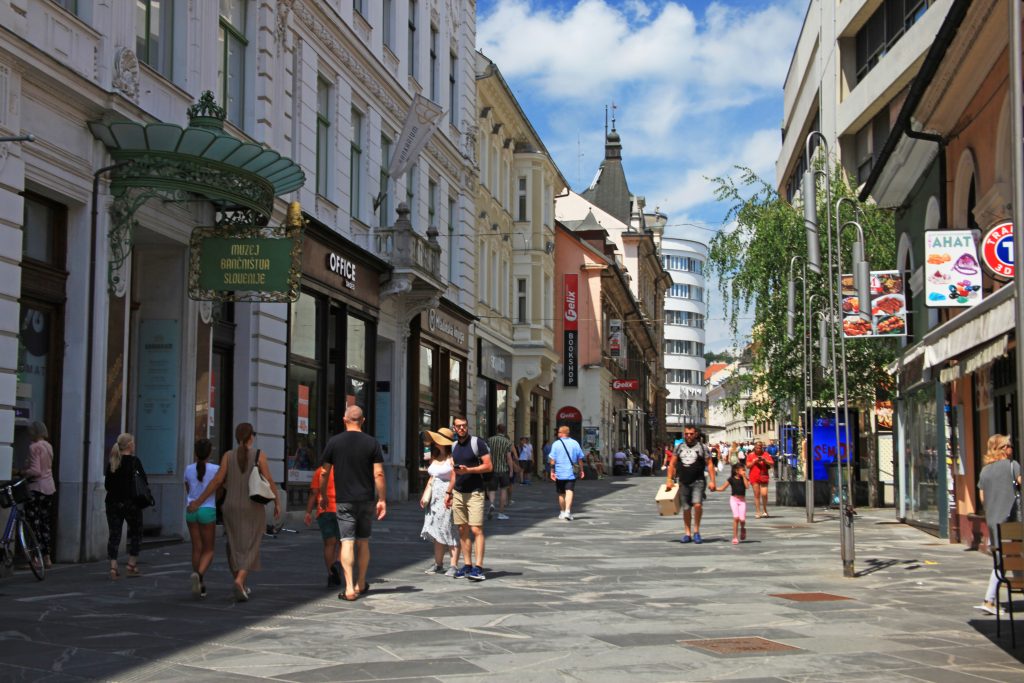
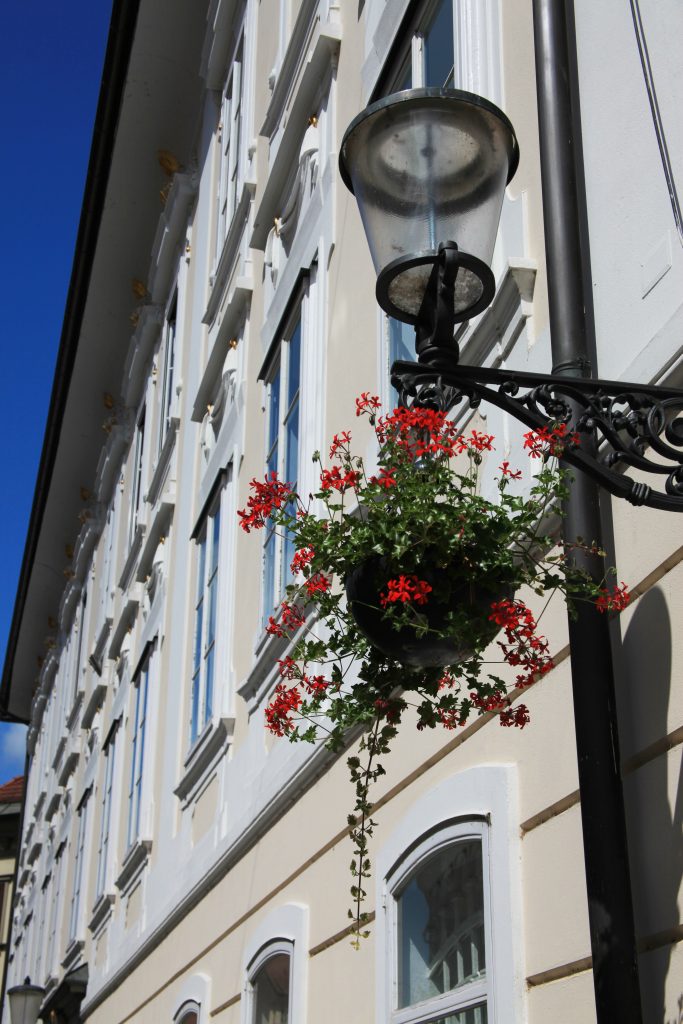
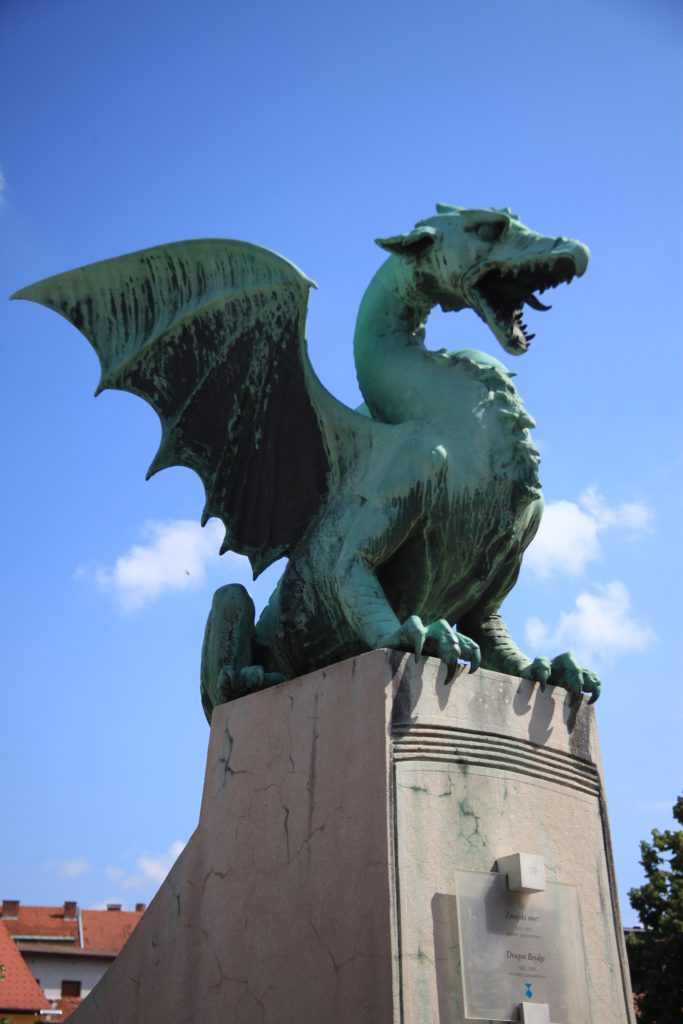
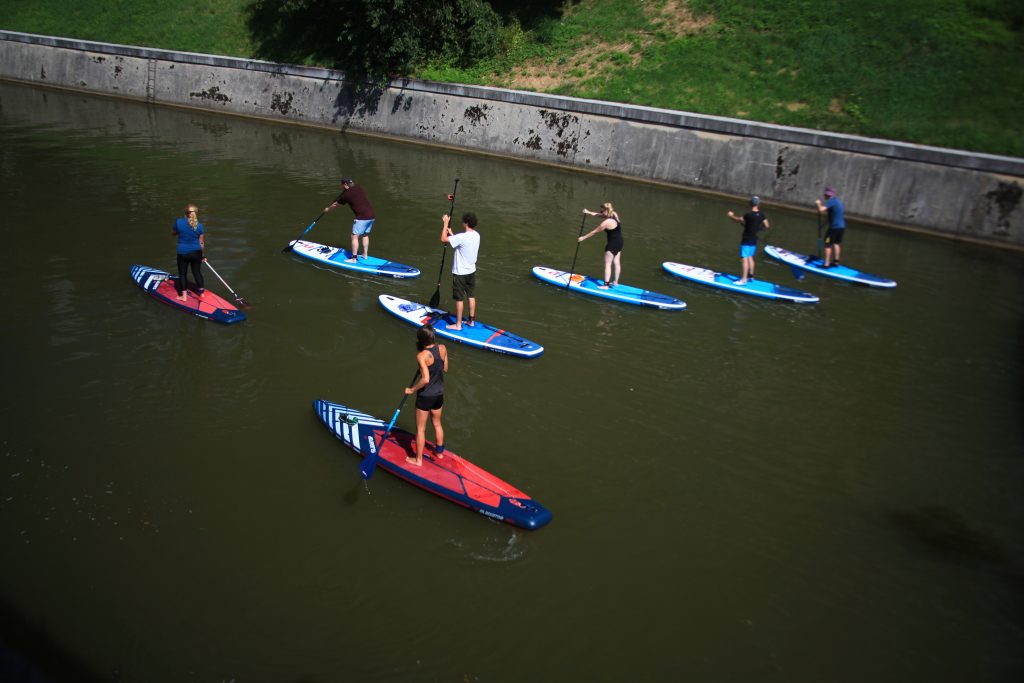
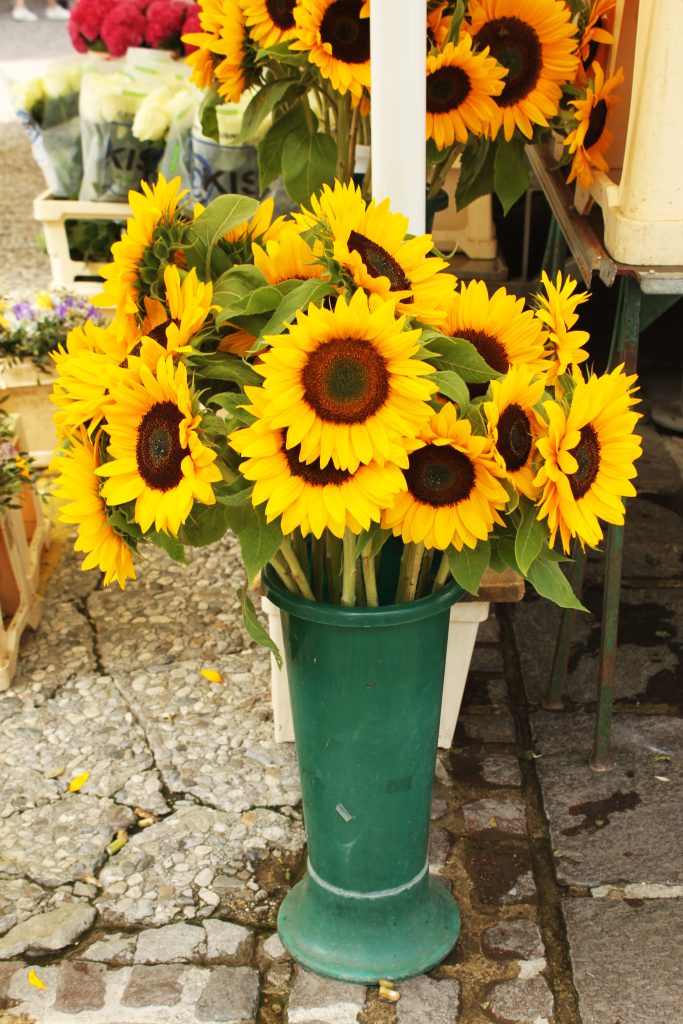
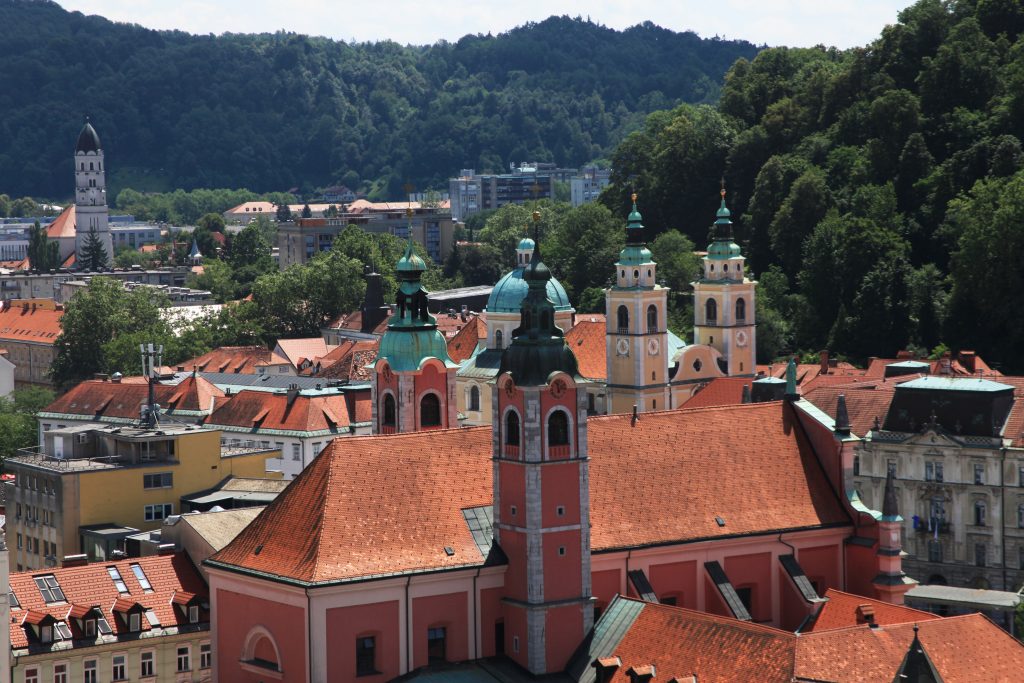
Cradled by the Julian Alps and stitched together with bridges both baroque and bold, Slovenia’s capital Ljubljana, feels like a folktale you wandered into by mistake, only to realize, with delight, that it was waiting for you all along. Though small in size, Ljubljana is enormous in character. Its charm isn’t manufactured—it is inherited, layered into the cobbles of its squares, woven into the ironwork of its bridges, and etched into facades that have watched emperors, invaders, and artists pass beneath their eaves. This is not just a place to see. It’s a place to read, like a beautifully aged book of Central European memory.
A City Between Empires
Though modern Slovenia gained independence only in 1991, Ljubljana’s roots go back nearly two millennia. It began as a Roman military encampment, Emona, founded around 14 AD. Over the centuries, it came under the rule of the Habsburg Monarchy and later became an important urban hub within the Austro-Hungarian Empire.
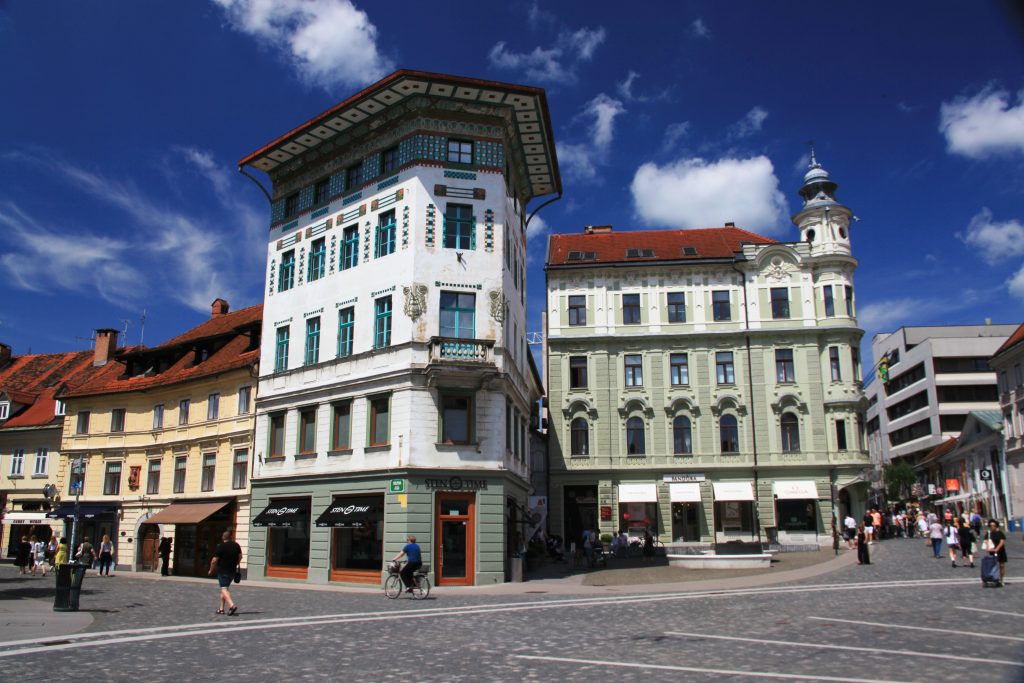
During the 17th and 18th centuries, Ljubljana evolved into a Baroque gem, spurred on by Italian architects and the patronage of the Roman Catholic Church. The catastrophic earthquake of 1895 led to a wave of reconstruction in Vienna Secession style, a Slovenian-flavored cousin of Art Nouveau. By the early 20th century, the city was dotted with ornate bridges, pastel palaces, and poetic civic spaces. Today, it’s both a capital and a canvas, a collage of Roman roots, imperial legacy, and Slavic soul.
Prešeren Square: A Poetic Confluence
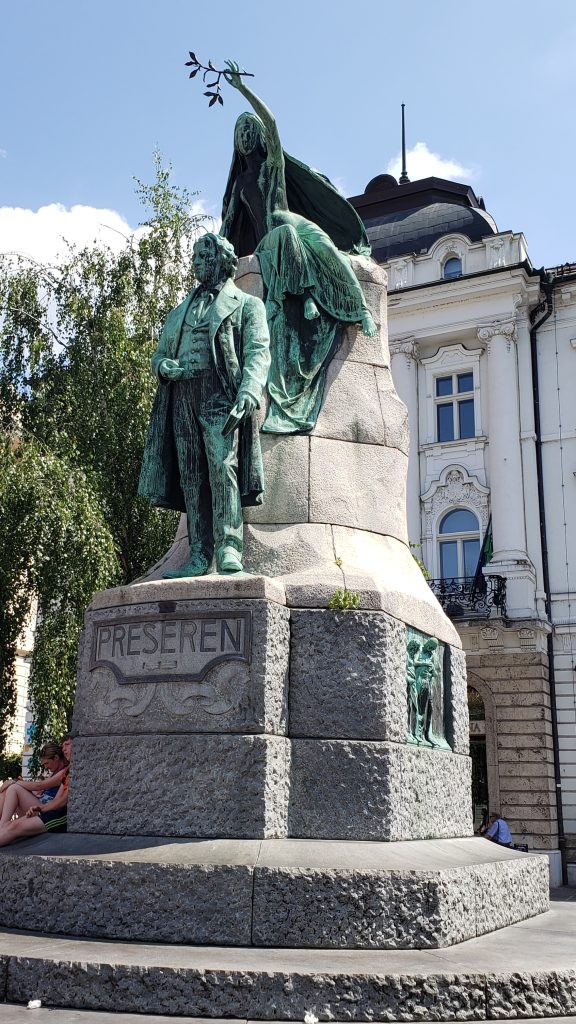
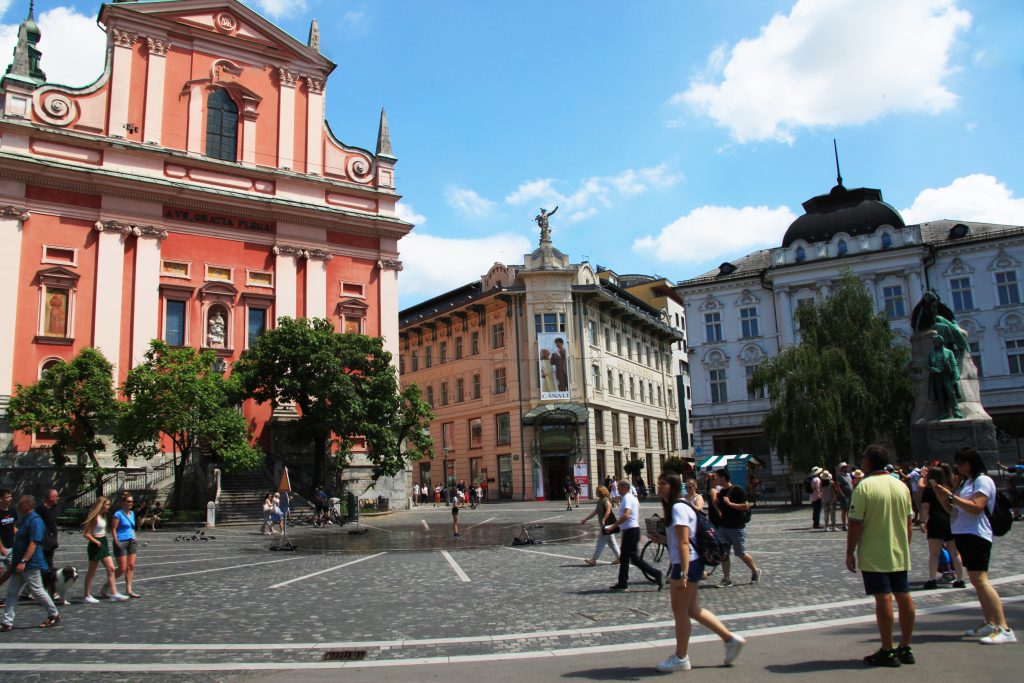
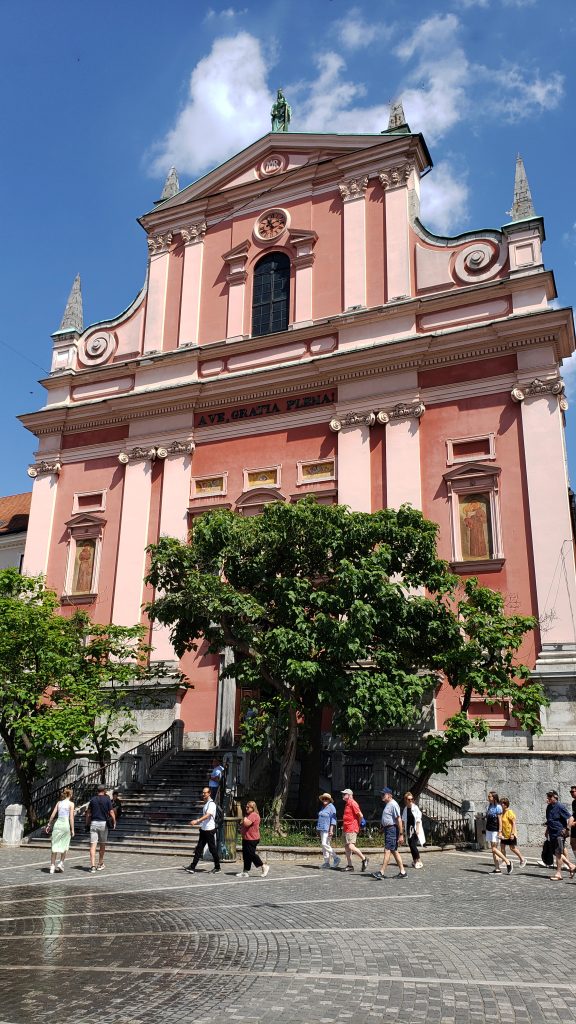
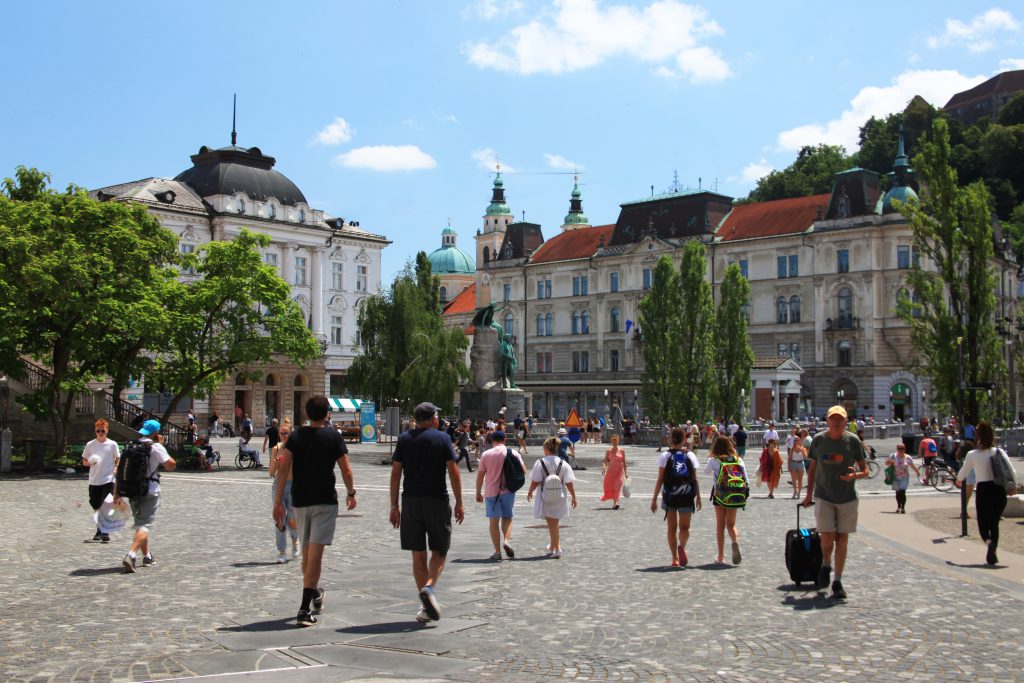
At the heart of the city lies Prešeren Square, named after Slovenia’s beloved Romantic poet, France Prešeren. This is the spiritual and architectural epicenter of Ljubljana, an elegant ellipse of history and homage. Dominated by the vibrant pink façade of the Franciscan Church of the Annunciation (built 1646–1660), the square balances sacred serenity with civic energy.
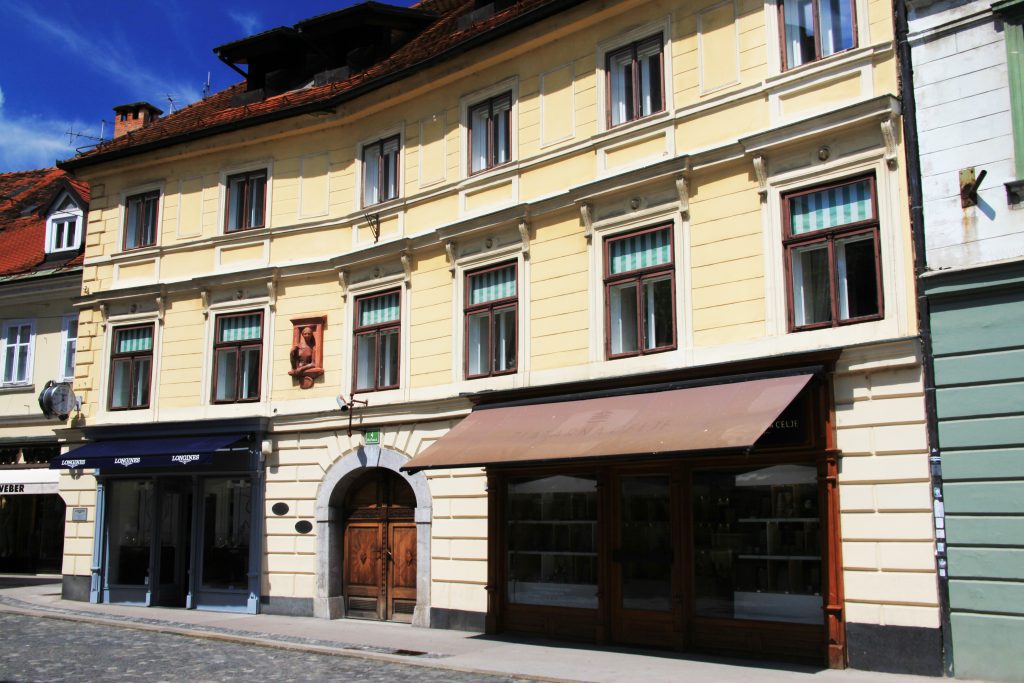
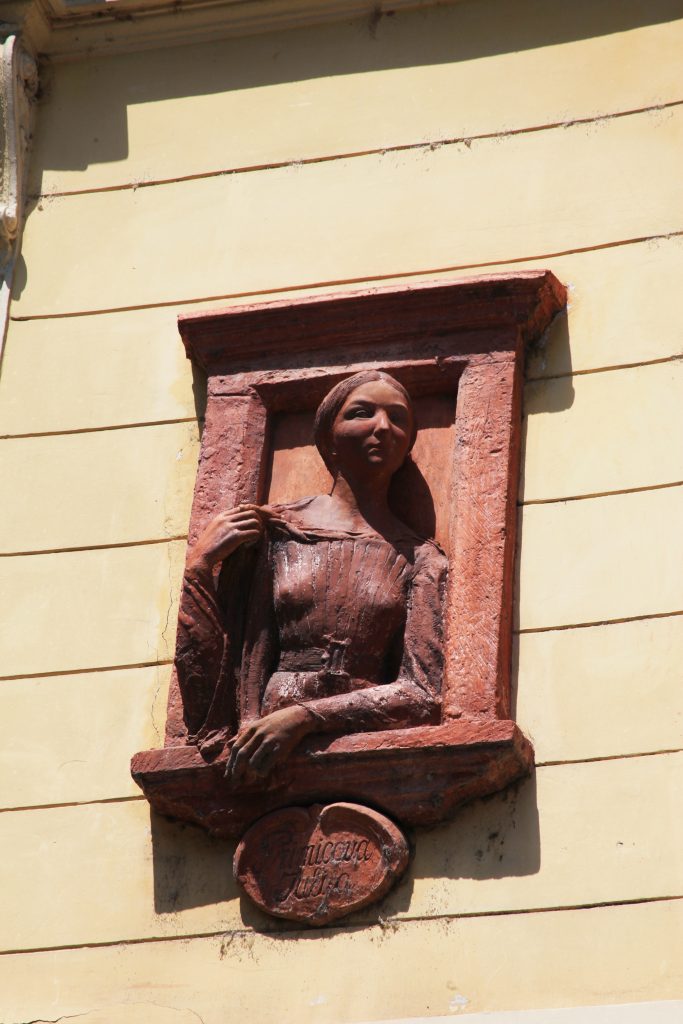
The church’s Baroque interior holds 18th-century altars, and a miraculous image of the Virgin Mary said to have protected the city during plagues and floods. Outside, Prešeren’s statue gazes across the square toward his muse Julija Primic, immortalized on a second-story window across the street, a tribute to unrequited love.
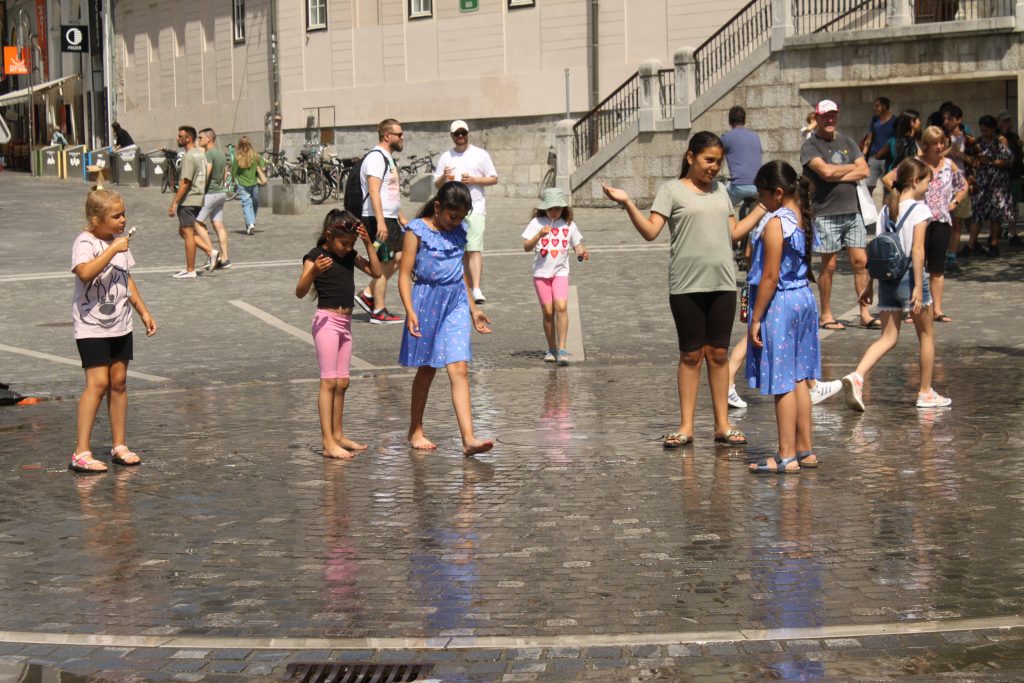
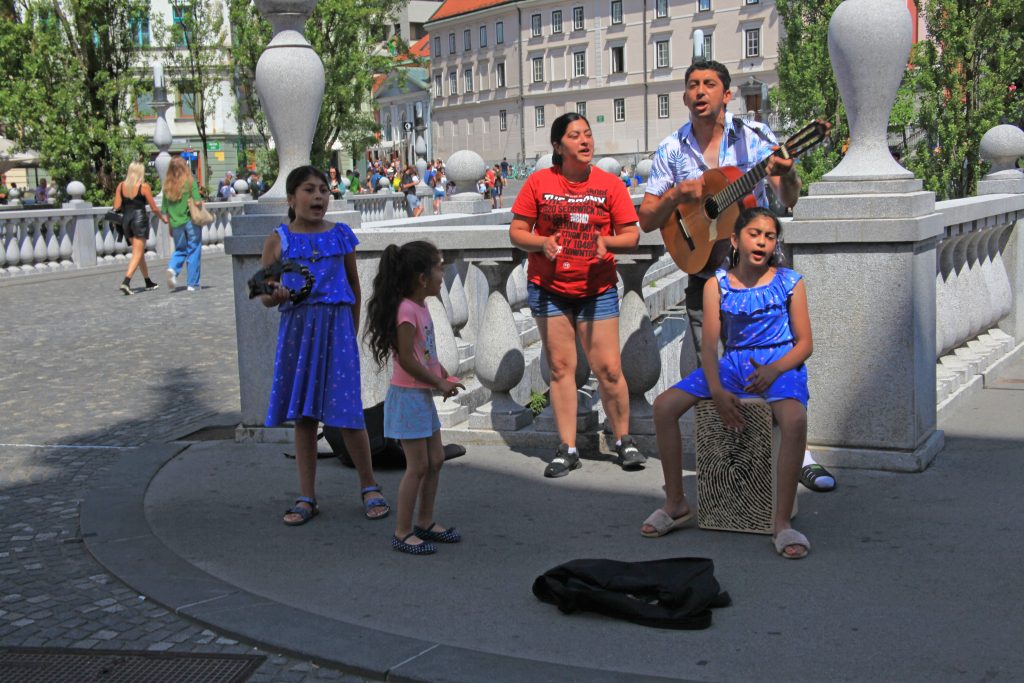
Ringed by historic buildings in varying pastel hues, the square also hosts the Central Pharmacy and Mayer Palace, both quintessential Secessionist constructs by architect Ciril Metod Koch. When lit at twilight, the square becomes a ballroom of light and shadow, with locals and travelers waltzing past gelaterias, bookstores, and street musicians. Don’t miss the water feature in the square with children and dogs prancing through the cooling spray during hot summer months.
Triple Bridge: Jože Plečnik’s Masterstroke
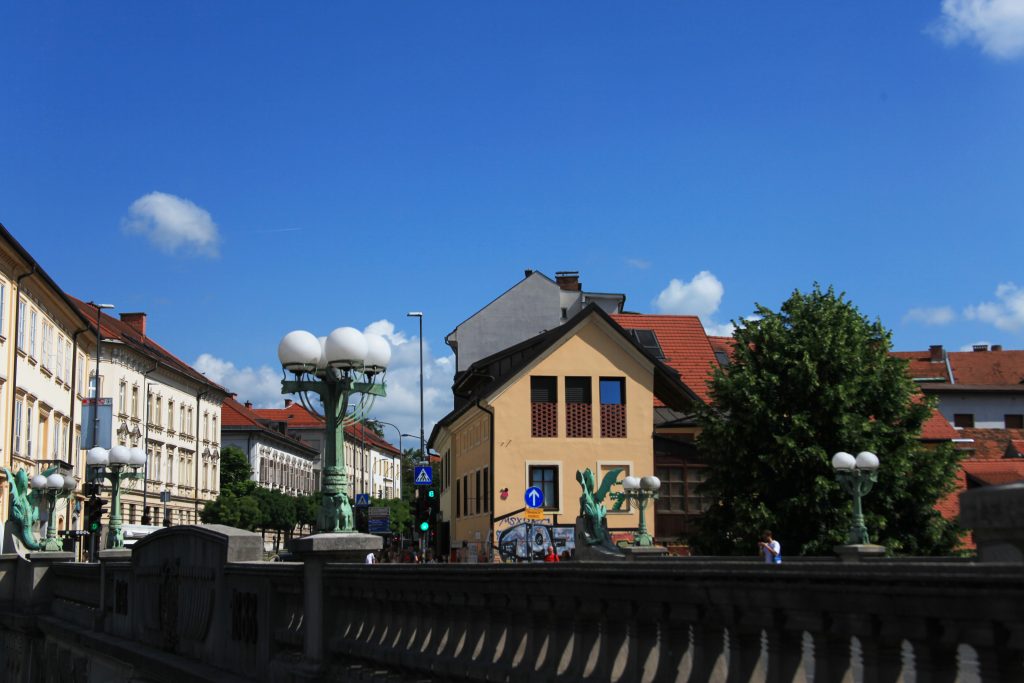
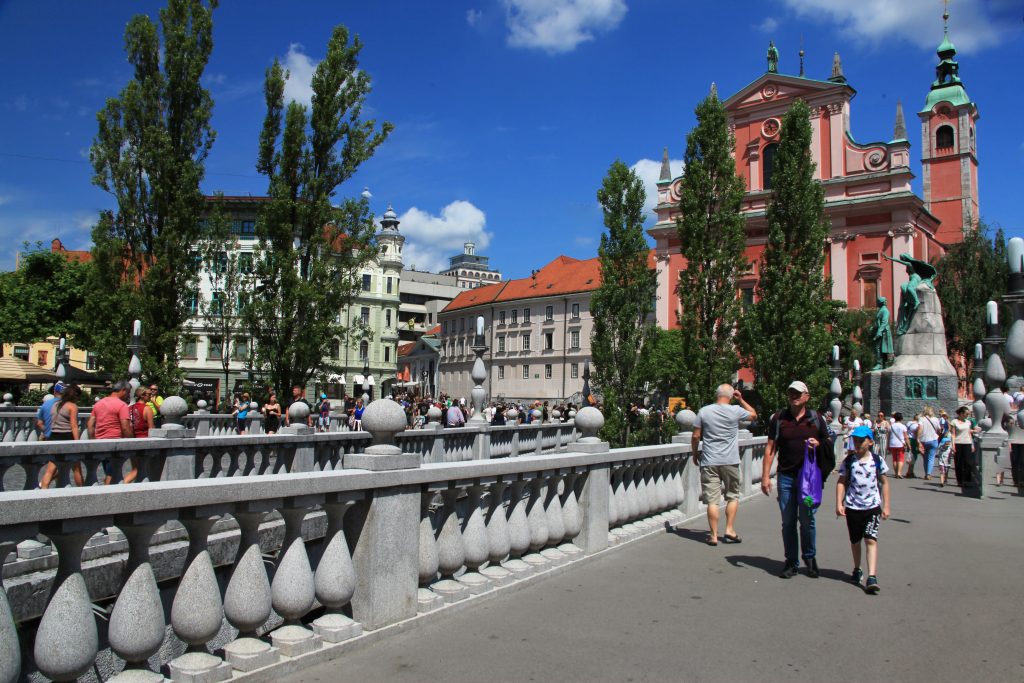
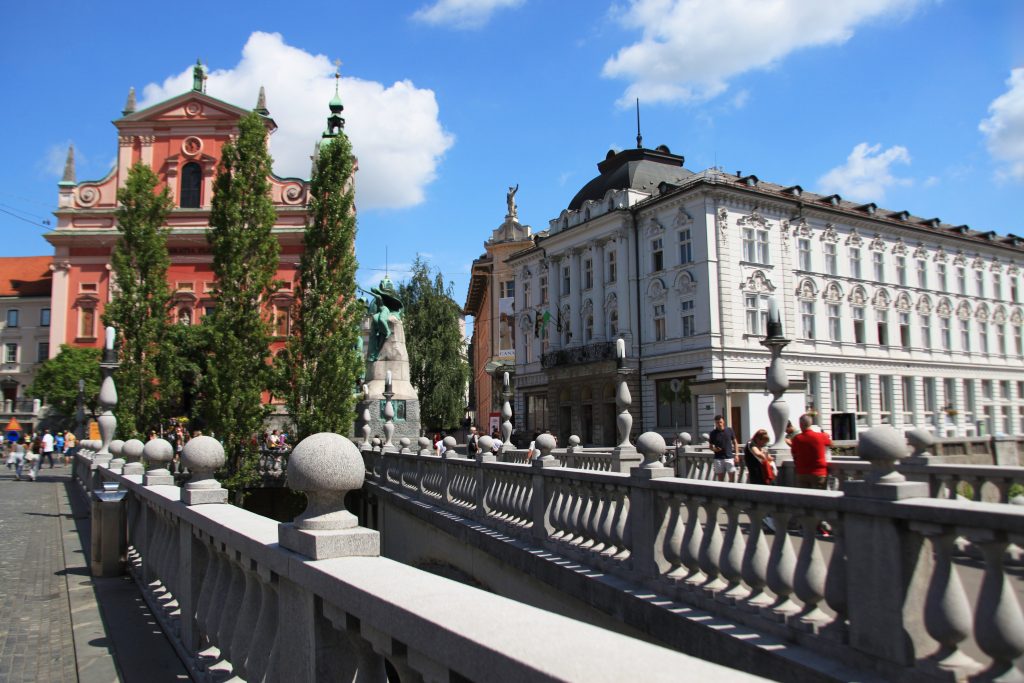
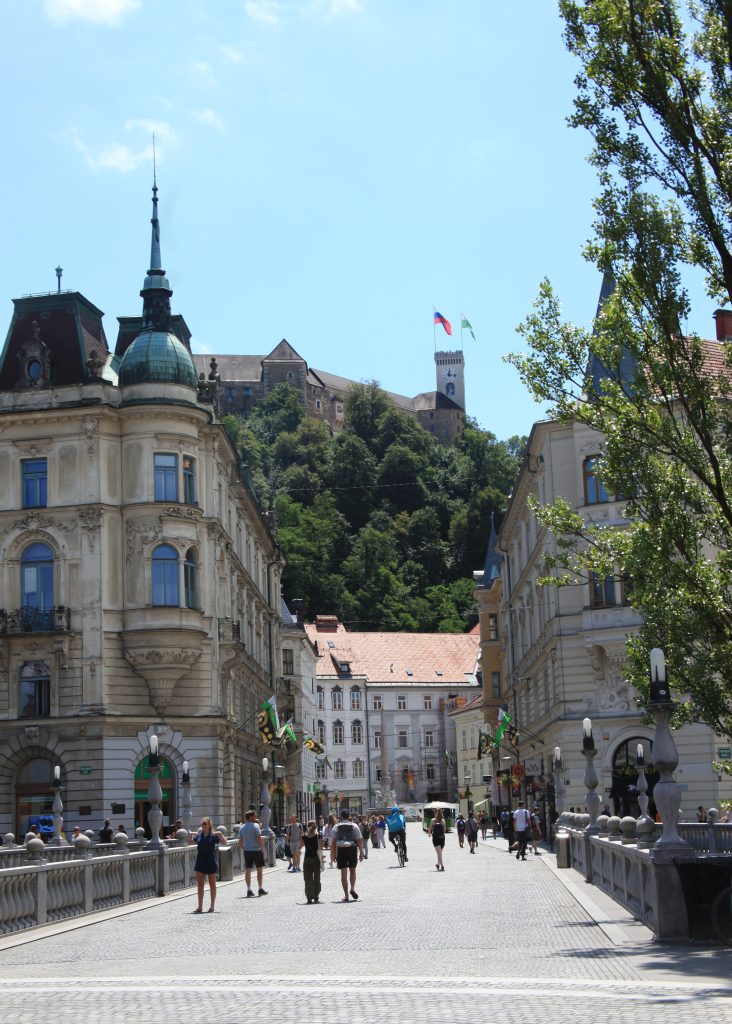
Just steps from Prešeren Square lies the Triple Bridge, an architectural marvel and pedestrian crossroads designed by Ljubljana’s most celebrated architect, Jože Plečnik, in the early 1930s. Three adjacent bridges, two angled pedestrian spans flanking a central vehicular lane, fuse form and function with poetic ingenuity.
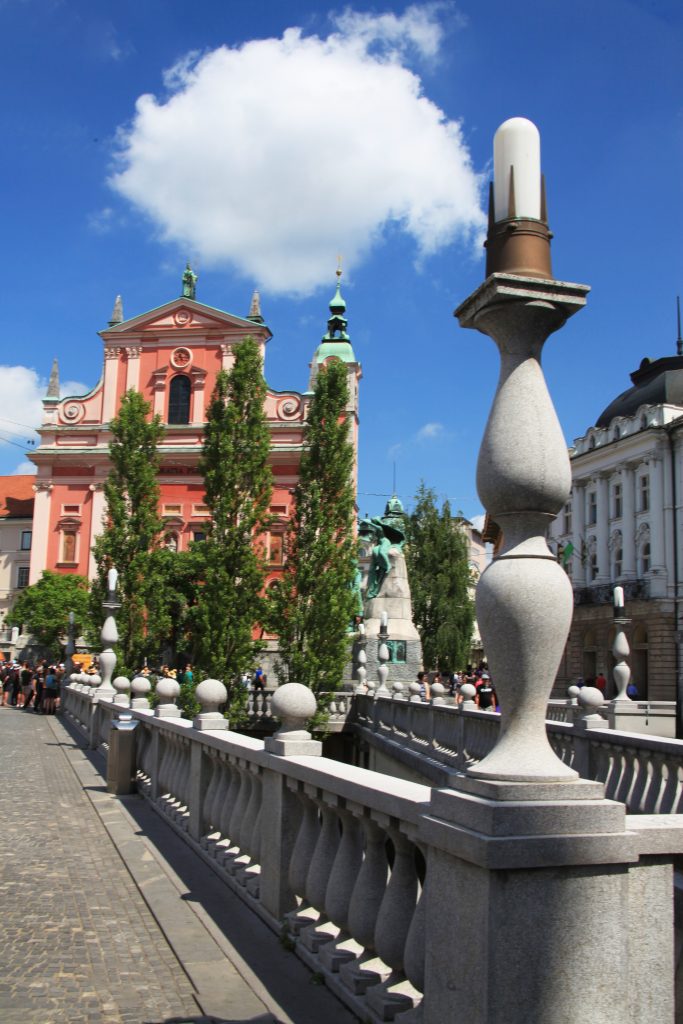
Built upon an older stone bridge dating to 1842, Plečnik’s intervention transformed the structure into a civic centerpiece. Ornate balustrades, lampposts, and low stone pyramids create a processional effect, drawing visitors toward the Old Town’s medieval alleys and beyond.
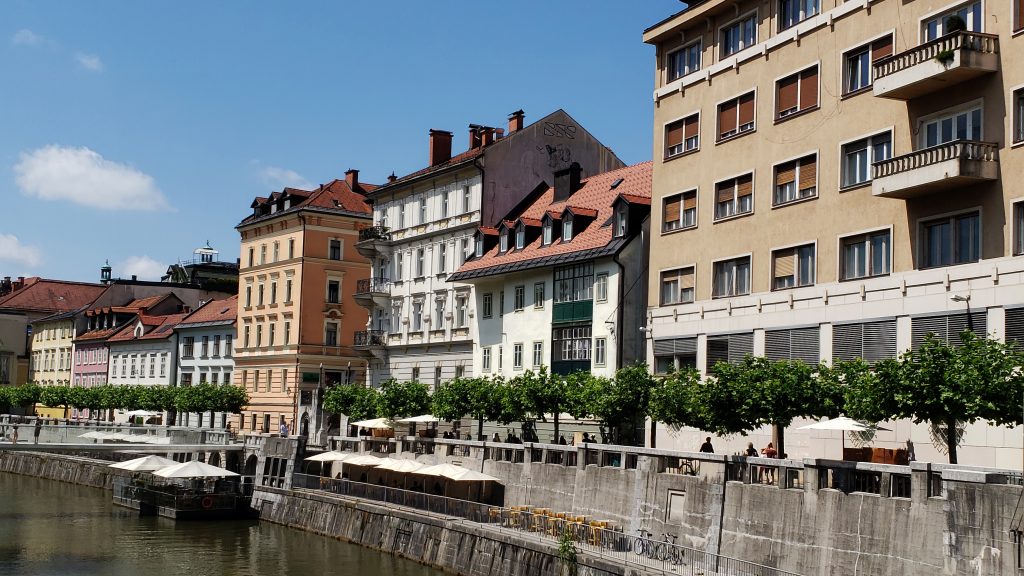
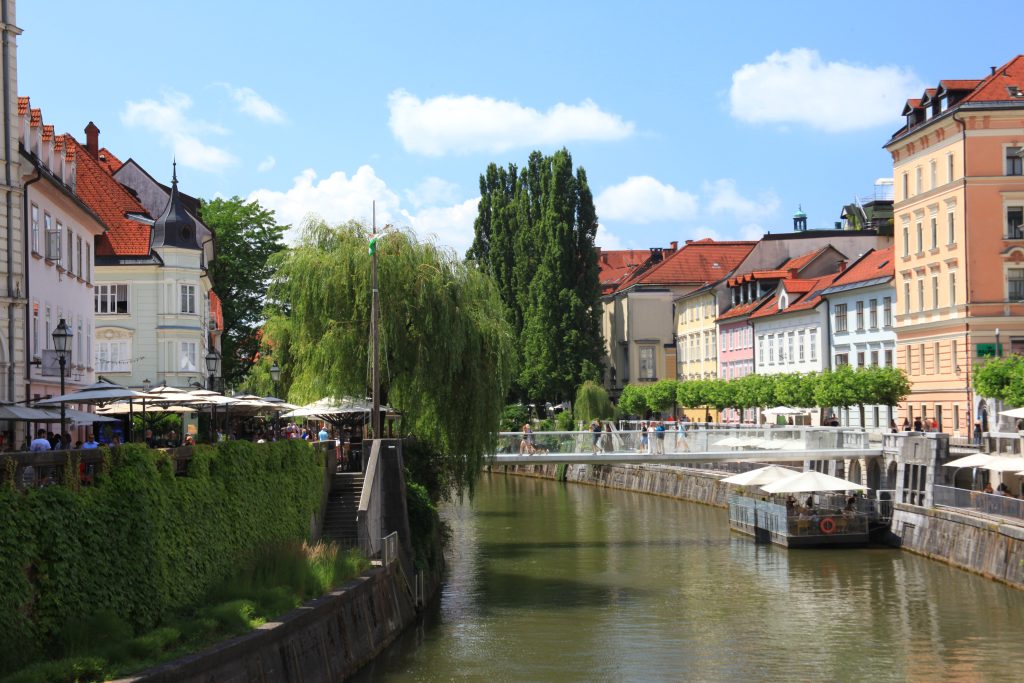
From this vantage, you see the Ljubljanica River as it was meant to be seen: a soft silver ribbon curling through centuries of architecture. Below, the water carries reflections of pink churches, sun-bleached shutters, and the sloped rooftops of Slovenia’s evolving identity.
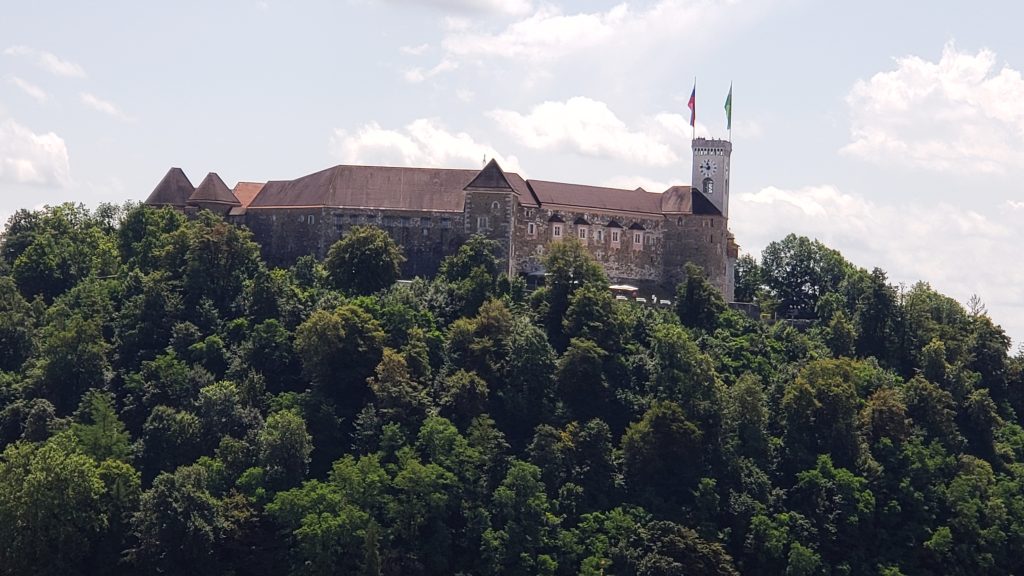
Ljubljana Castle: A Hilltop Witness
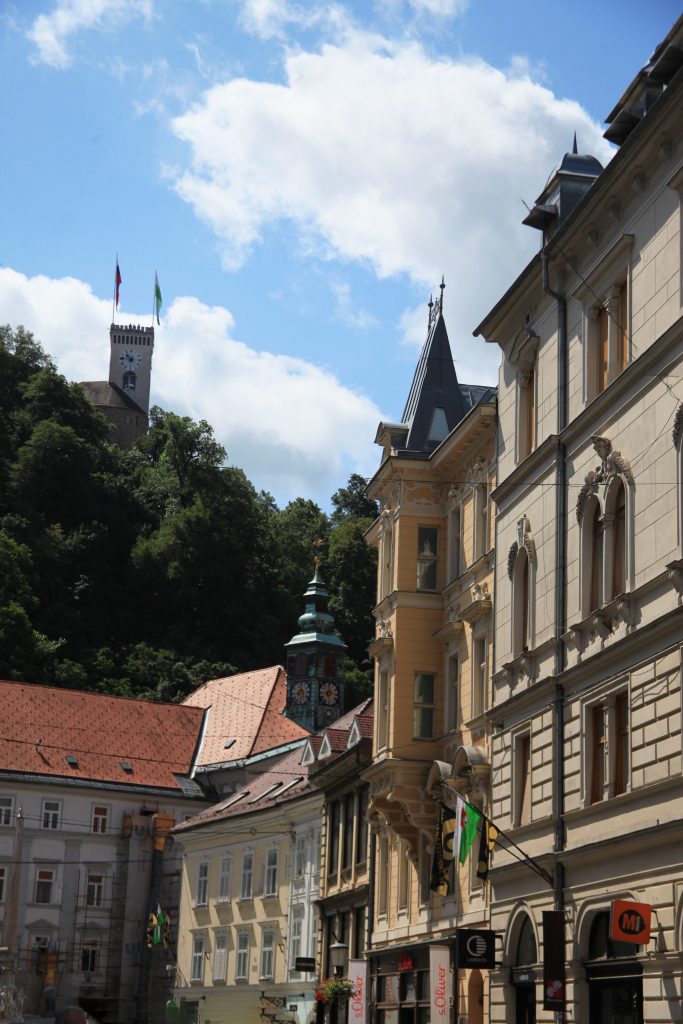
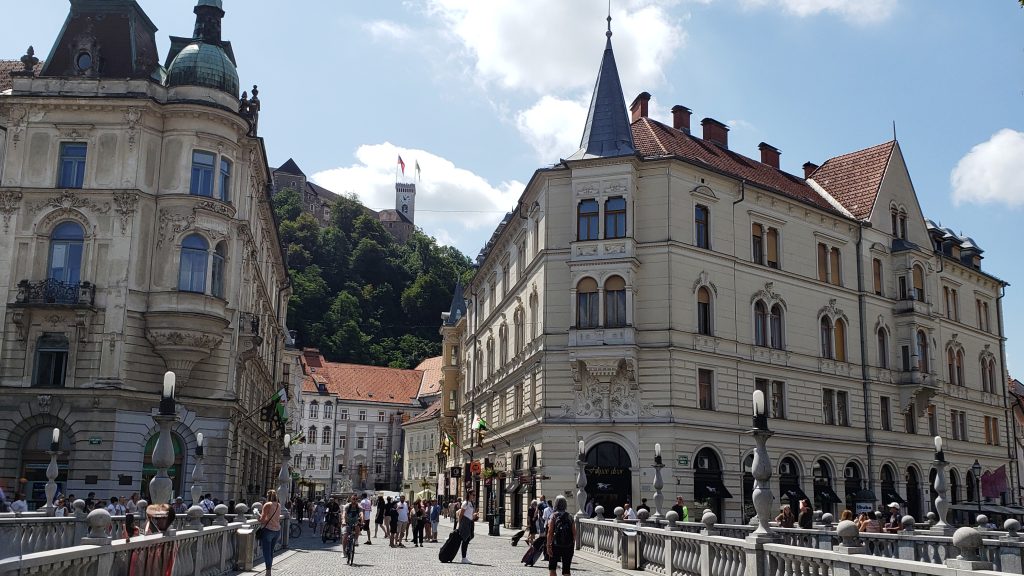
Overlooking the city from its forested perch is Ljubljana Castle, a structure that has borne witness to more than 900 years of history. First mentioned in written sources in 1144, the castle was originally a medieval fortress designed to defend the territory of the Carniolan margraves.
Rebuilt and expanded in the 15th century during Turkish invasions, the castle later served as a prison under Habsburg rule, and even a military hospital. Today, it’s an interactive museum, performance venue, and panoramic viewpoint all in one. Take the funicular or hike up the wooded path, the reward is a 360-degree sweep of rooftops, bridges, and alpine silhouettes.
Inside the castle, you’ll find the Chapel of St. George (1489), resplendent with colorful heraldry, and the Virtual Castle Museum, which traces Ljubljana’s transformation from Roman outpost to modern capital.
Civic Splendors: Town Hall and the Robba Fountain
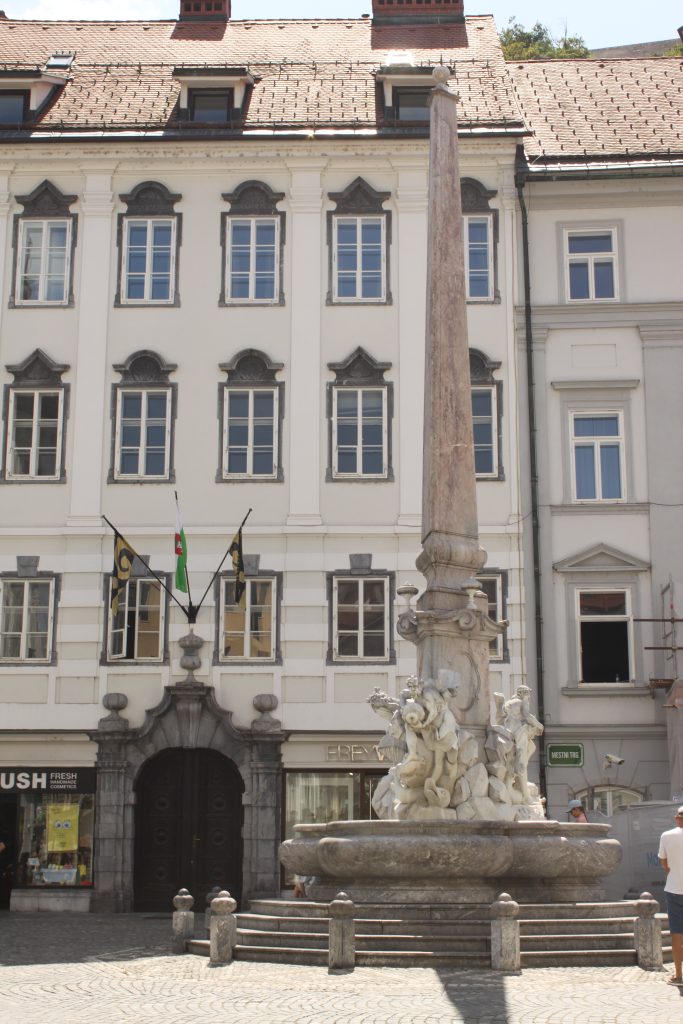
Ljubljana’s Town Hall, or Mestna hiša, is a late-Gothic building reshaped in Baroque style in the early 18th century. A delicate Venetian-inspired façade opens into a courtyard where city archives, sculpture, and public events blend past with present. Its grand clock tower and arcaded courtyard echo centuries of civic ambition.
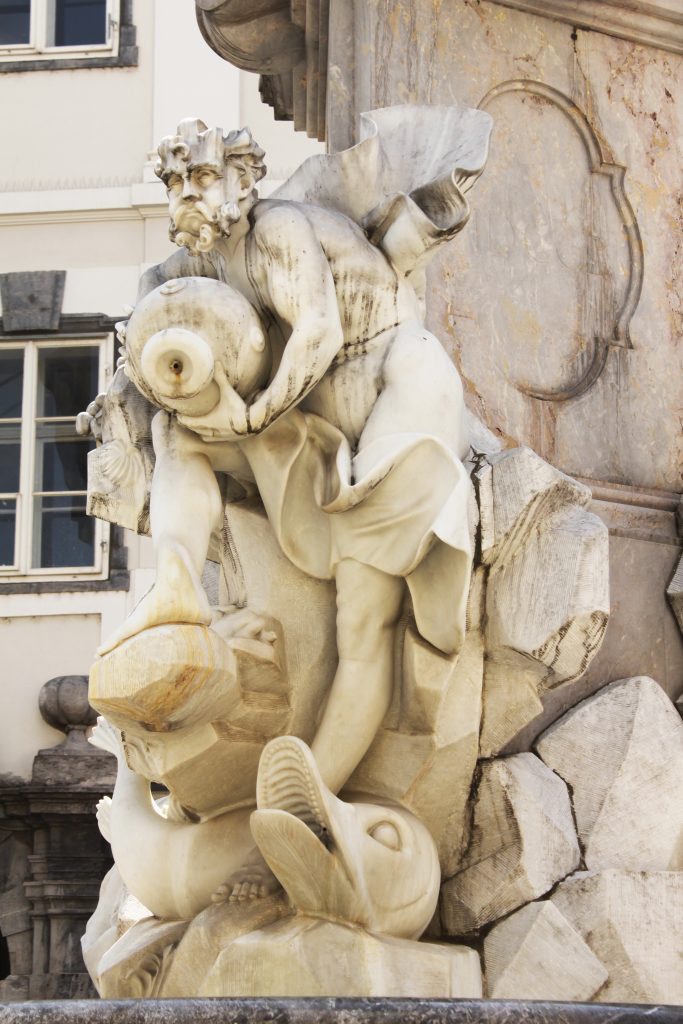
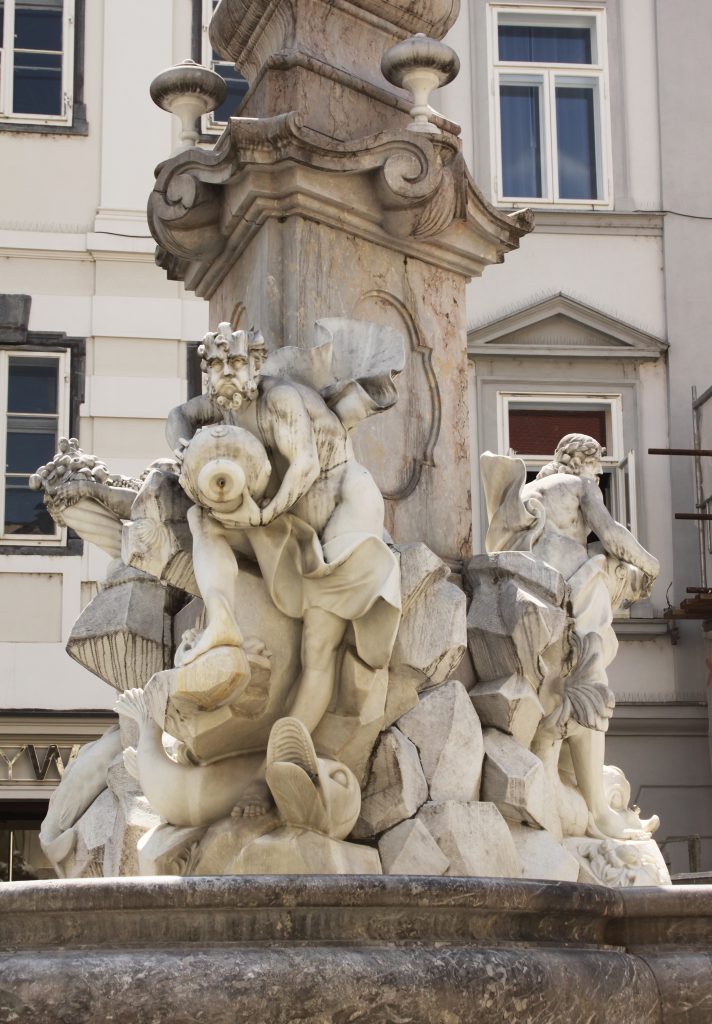
Just across from the Town Hall stands the Robba Fountain, Ljubljana’s most photographed sculpture. Created in 1751 by Francesco Robba, the fountain mimics Rome’s Fontana dei Quattro Fiumi. Three river gods represent the major Carniolan rivers: the Ljubljanica, Sava, and Krka. Carved in white marble and soft sandstone, it gleams beneath the afternoon sun like a relic from an imperial dream.
Other Streets and Historic Corners of Note
Stroll along Gornji trg (Upper Square), where stone-paved lanes curve past some of Ljubljana’s oldest houses, many with 16th- and 17th-century façades. This quieter quarter of the Old Town offers views of the castle and the scent of woodsmoke from traditional inns tucked beneath overhanging eaves.
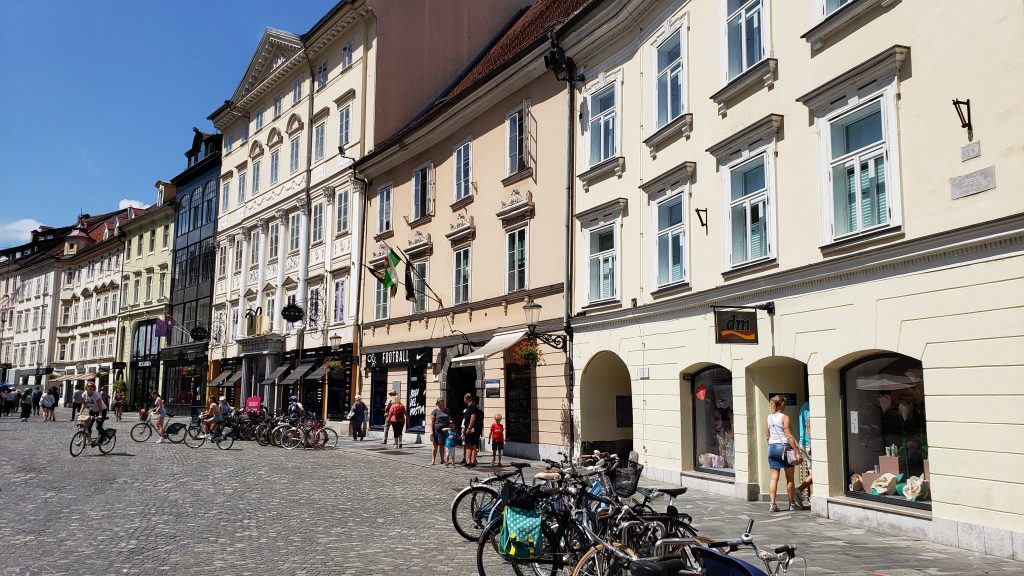
Nearby, walk down Stari trg (Old Square), a showcase of Baroque and Rococo townhouses adorned with wrought-iron balconies and delicate plasterwork. Here you’ll find the Hercules Fountain, built in 17th-century Italian style, tucked between terraced cafés and artisan shops.
Don’t miss Vegova ulica, named for the Enlightenment-era composer Jurij Vega. Along this elegant promenade, lined with Plečnik’s classical architectural flourishes, stands the National and University Library, an austere masterpiece completed in 1941, blending Renaissance symmetry with rugged brick modernism.
The Slovenian Philharmonic Hall (1701), one of the oldest institutions of its kind in Europe, still hosts performances in its Rococo hall, an enduring symbol of Ljubljana’s intellectual and artistic stature during the Habsburg era.
Key streets to explore include Trubarjeva Street, Čop Street, Križevniška ulica, and Locksmith Street. These streets offer a glimpse into Ljubljana‘s rich history and artistic heritage.
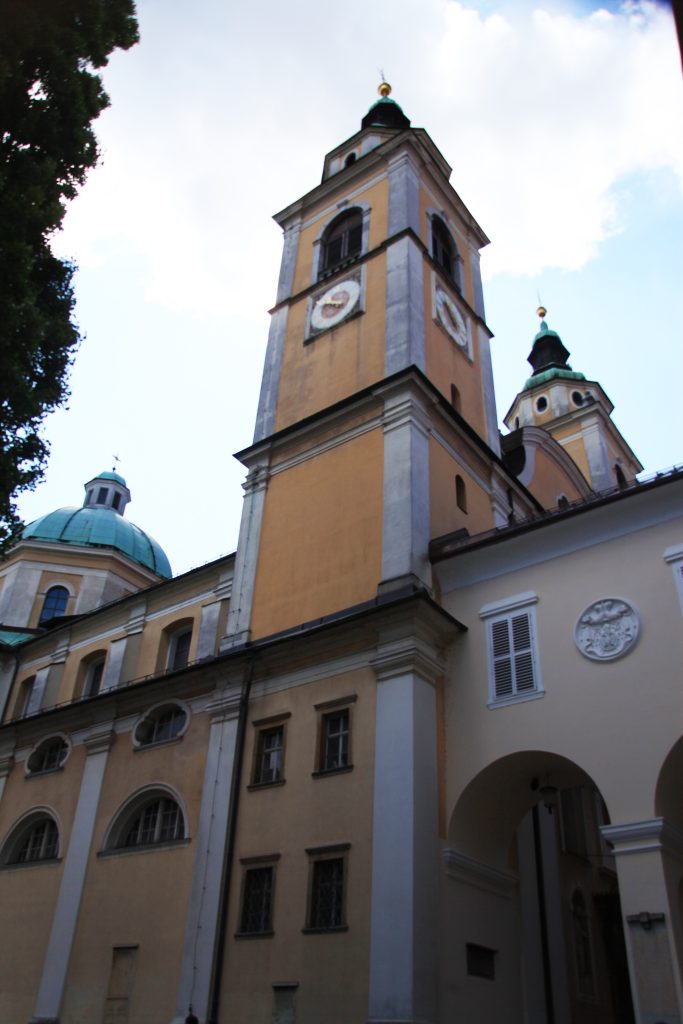
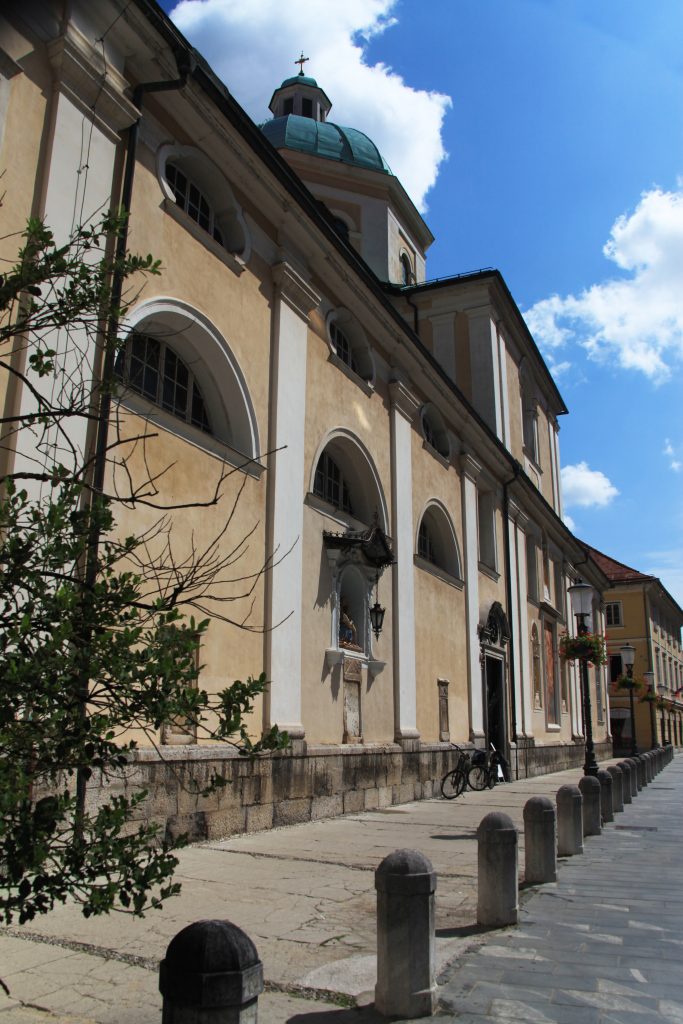
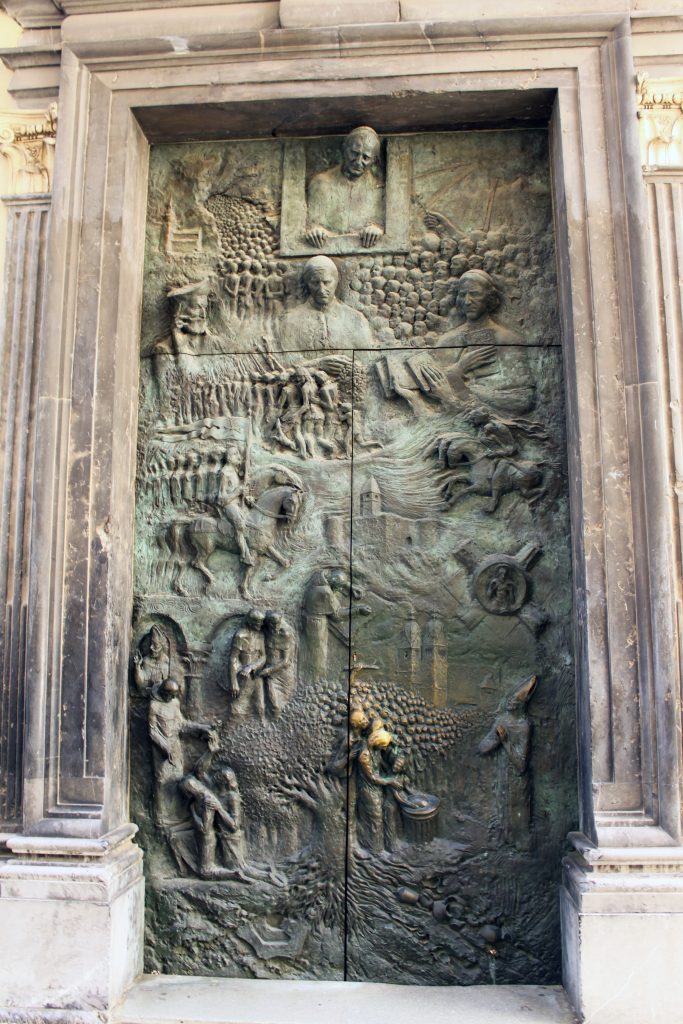
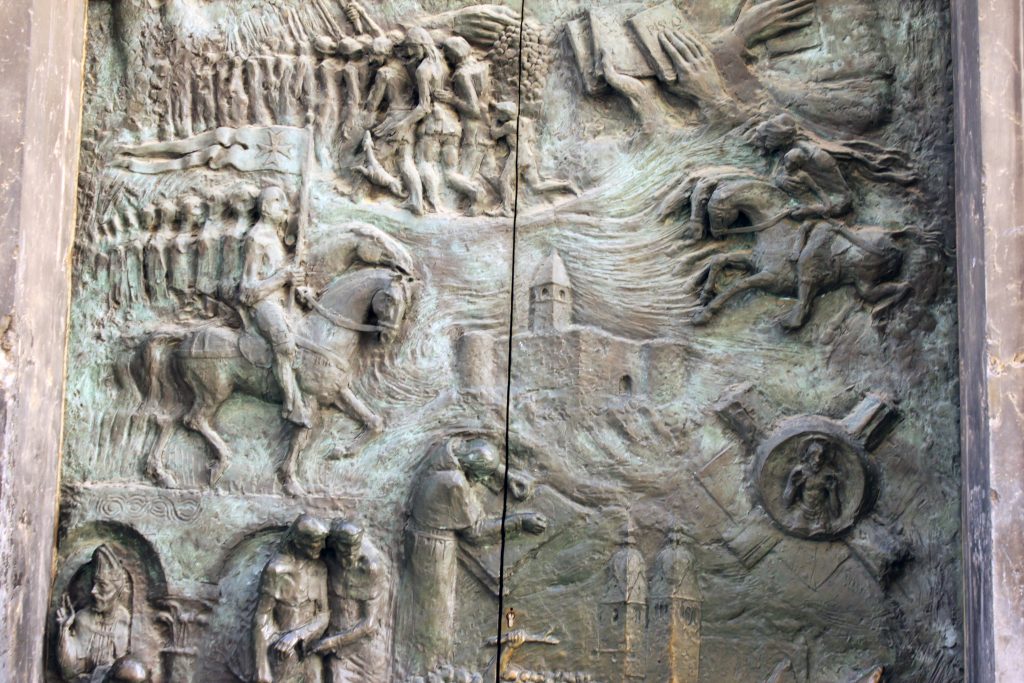
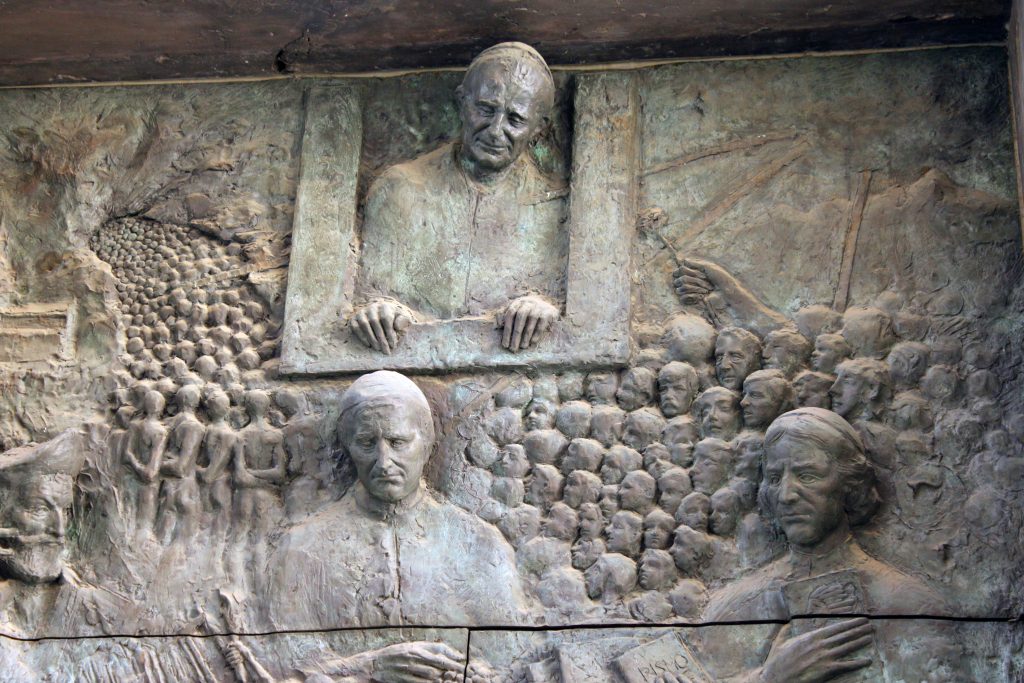
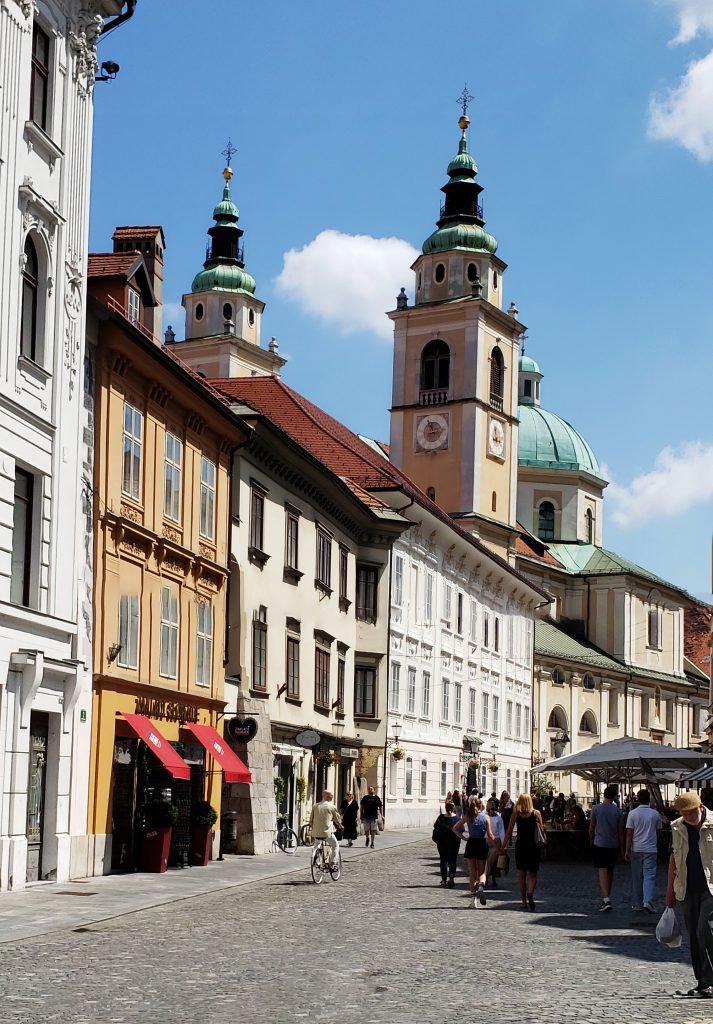
One more thing not to miss are the bronze sculpture doors on the Cathedral of St. Nicholas. The Cathedral opened in 1706 but the doors were added in 1996 to celebrate the 1250th anniversary of Christianity in Slovenia, unveiled during a Pope John Paul II visitation.
An Undiscovered Gem
Ljubljana may lack the scale of Vienna or the crown jewels of Prague, but it compensates with intimacy, elegance, and continuity. This is a capital only now gaining international favor, but it still feels like a village, where bridges aren’t just passageways, but poetry. Ljubljana is the quintessence of grace.
Where to Stay in Ljubljana, Slovenija
The Old Town offers the most atmospheric base for exploring Ljubljana’s history. Charming guesthouses and boutique hotels line the narrow streets near the Ljubljana Cathedral and Town Hall, placing you within walking distance of the city’s medieval core. Many of these properties occupy restored Renaissance buildings, so you’re literally sleeping in the architecture you came to see. Expect smaller rooms and older plumbing as tradeoffs for location and character.
For a quieter stay with good access to the castle and Prešeren Square, consider the neighborhoods just north of the Old Town or the area around the Ljubljana University building. Mid-range hotels here offer more modern amenities while keeping you close to the riverside paths and key landmarks. Public buses run frequently from these areas into the center if you prefer not to walk on a particular day. The trade is slightly less foot traffic and a five to ten minute walk to the most crowded attractions.
The Tivoli district, home to the sprawling Tivoli Park, provides a greener setting for travelers who want distance from the tourist core. Hotels and apartment rentals near the park entrance offer good value and direct access to Ljubljana’s largest green space, where locals actually spend their time. From here, the city center is a short bus ride or a twenty minute walk downhill. This location suits travelers interested in how Slovenians live rather than just how the city looks in photographs.
Budget-conscious visitors should look into the student accommodations and hostels near the Ljubljana Train Station, though the immediate neighborhood is less polished than other districts. The station sits on a direct bus line to the Old Town and major sites, making it practical despite being less picturesque. If you’re staying here, plan to spend your days elsewhere and return only to sleep.
Recommended Reading
- Crumbs by Dušan Jelinčič – A satirical novel depicting life in a grim Slovenian factory town during the late communist era, following Egon, a writer with grand ambitions and questionable morals.
- The Galley Slave by Drago Jančar – A historical novel following Johan Ot, an everyman figure, as he navigates the complexities of 17th-century Central Europe. The narrative delves into themes of identity, exile, and the human condition amidst political and religious turmoil.
- The Land Between: A History of Slovenia by Oto Luthar (Editor) – A haunting novel rooted in the traditions and superstitions of early 20th-century rural Slovenia, capturing life between folklore and empire.
- A Brief History of Slovenia by Janko Prunk – An accessible overview of Slovenian history, covering key events and figures from the early settlements to the country’s independence and integration into the EU.
- Central Europe: Enemies, Neighbors, Friends by Lonnie R. Johnson – A broader history that contextualizes Ljubljana within the political and cultural tensions of the Austro-Hungarian Empire.
- Insight Guides Pocket Slovenia – our essential companion to this enchanting Central European gem. Discover Slovenia’s storybook towns, alpine landscapes, and cultural treasures—from the romantic bridges of Ljubljana to the emerald lakes and majestic peaks of the Julian Alps.
Tours to Consider
- Historic Ljubljana Tour with Ljubljana Castle included
- Historic Ljubljana: Exclusive Private Tour with a Local Expert
- Ljubljana private walking tour with a local