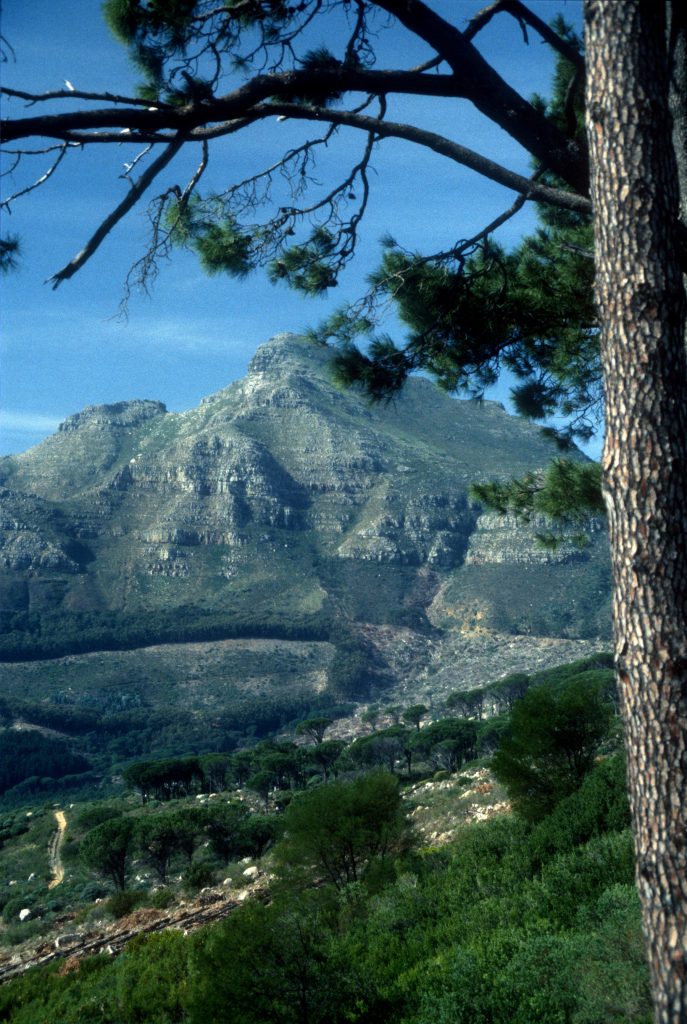
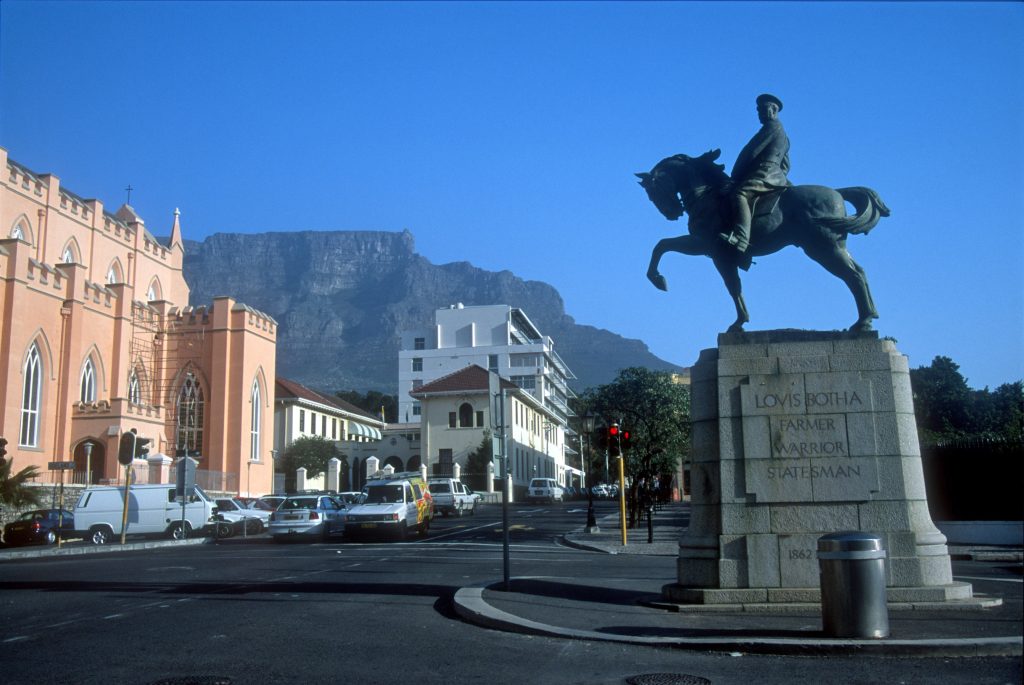
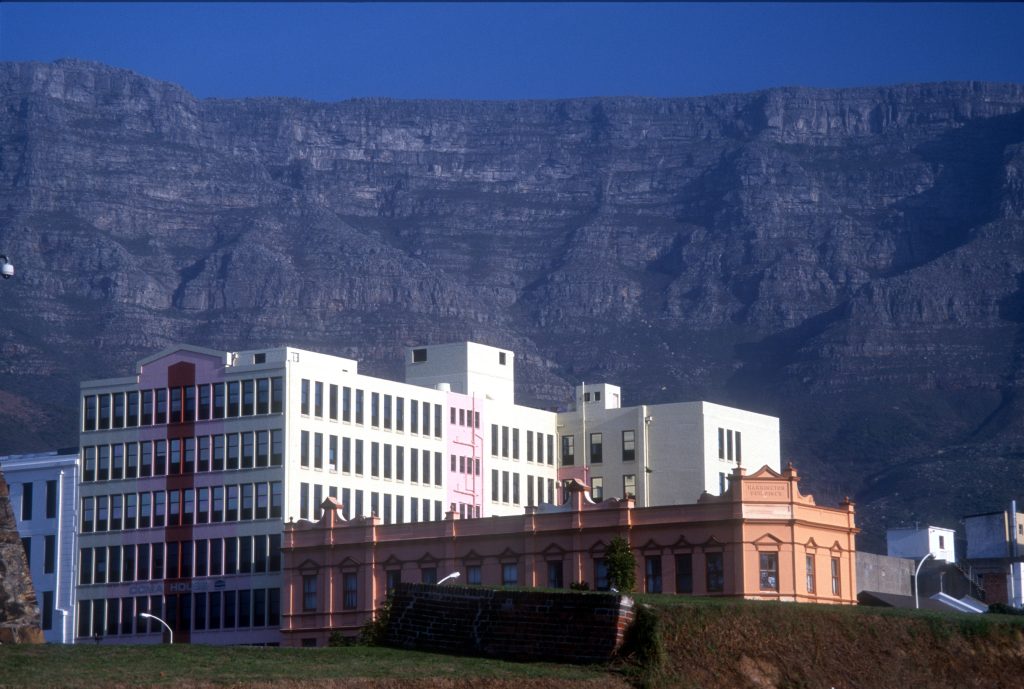
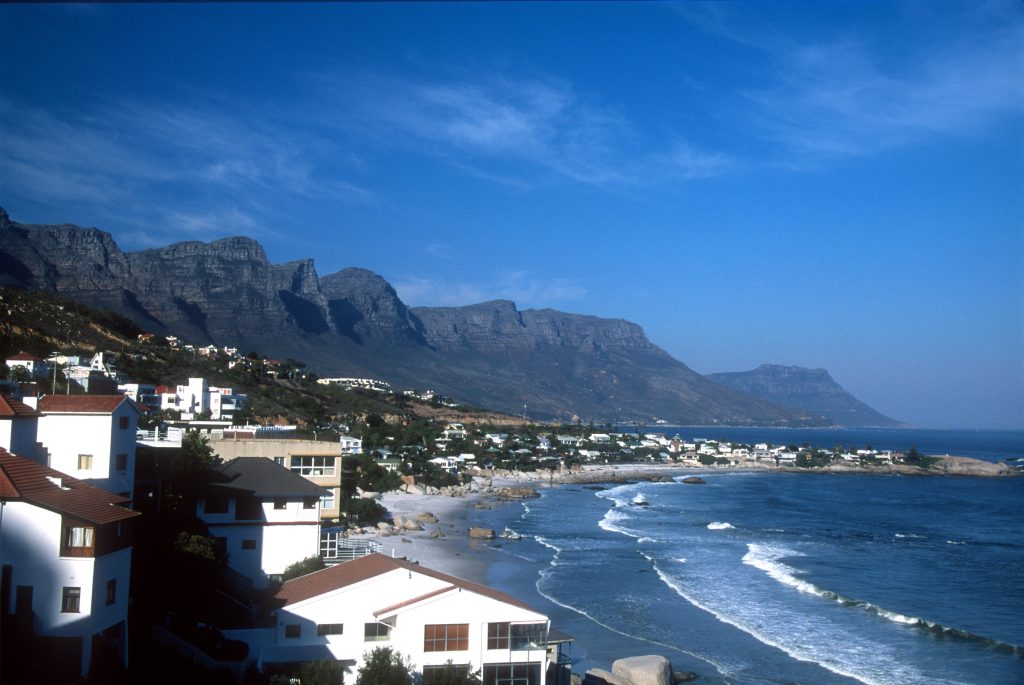
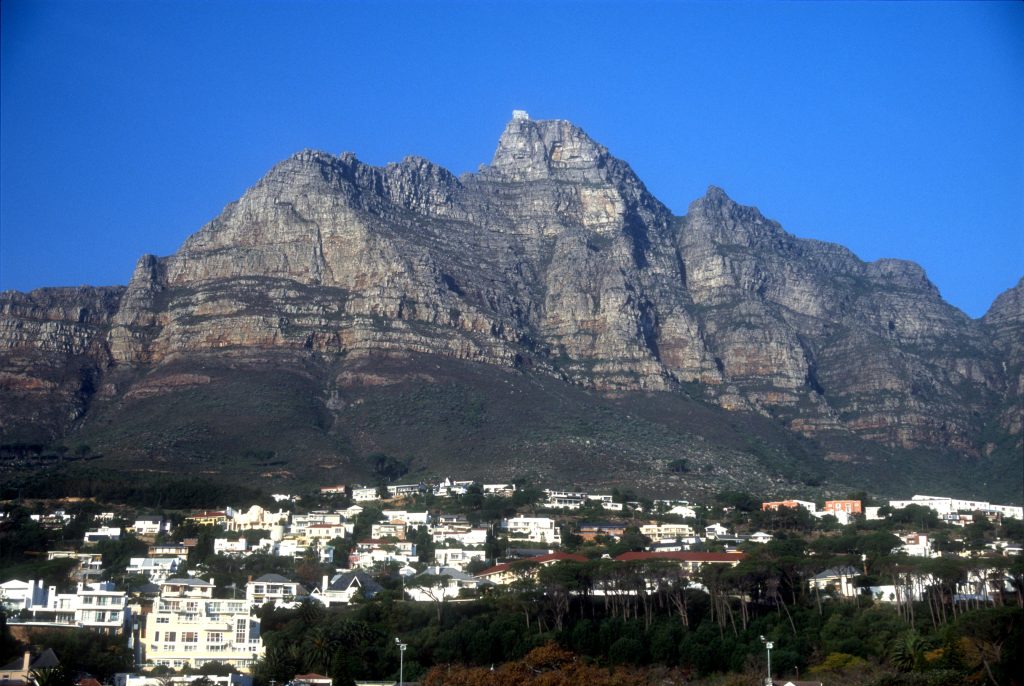
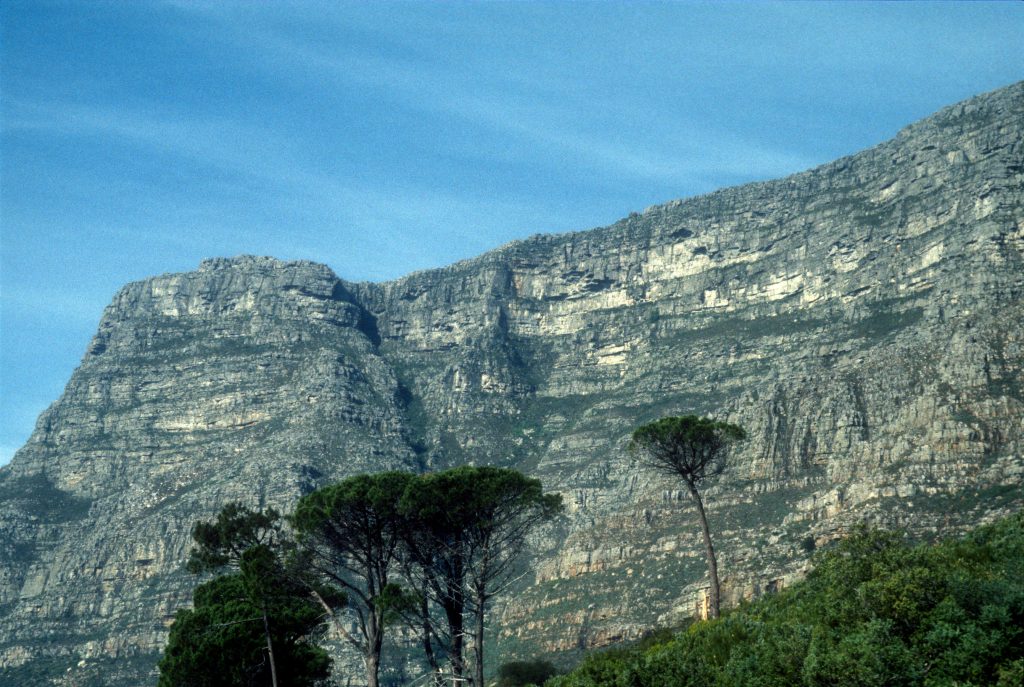
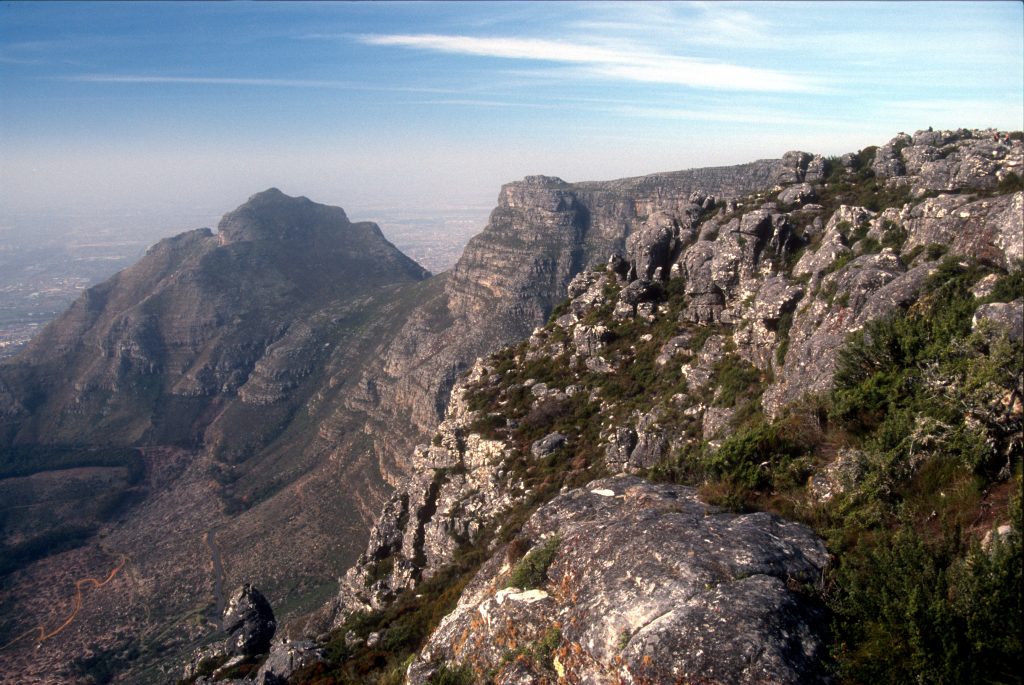
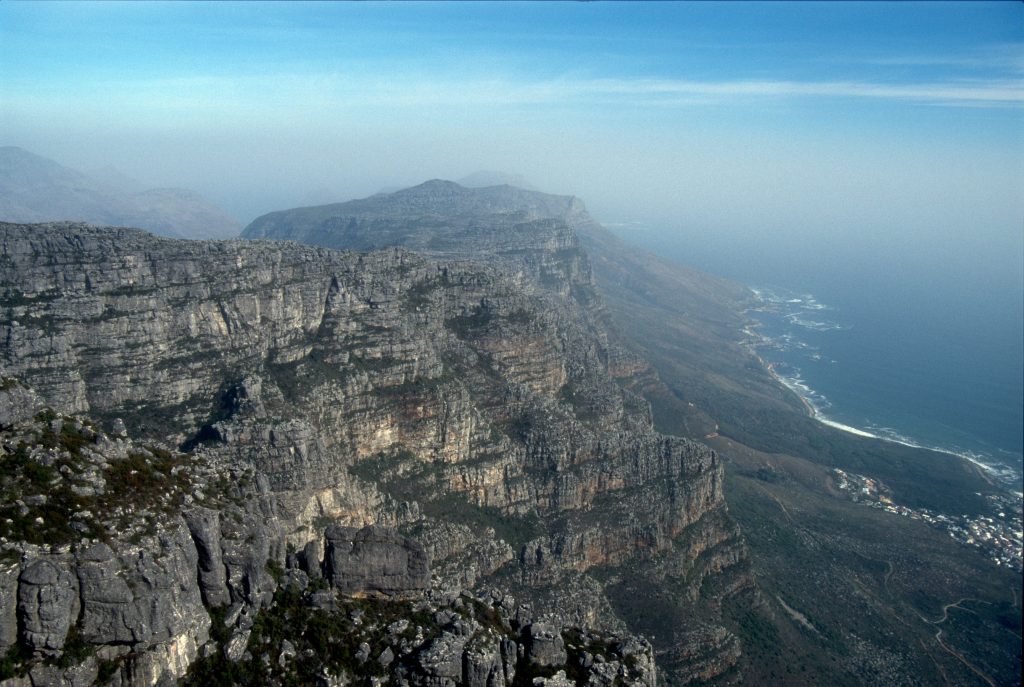
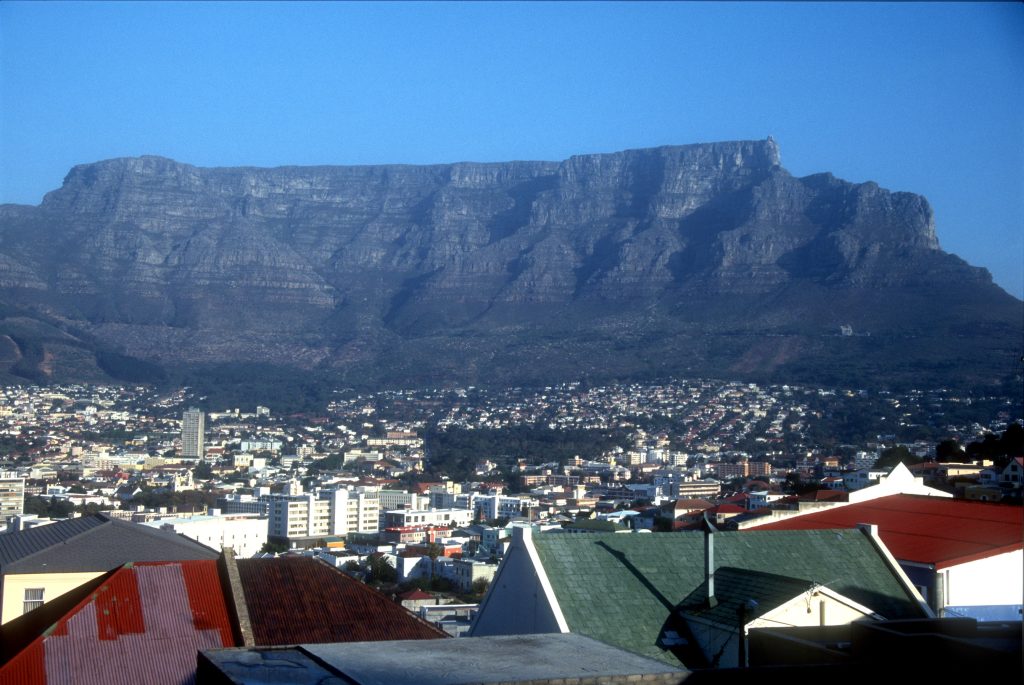
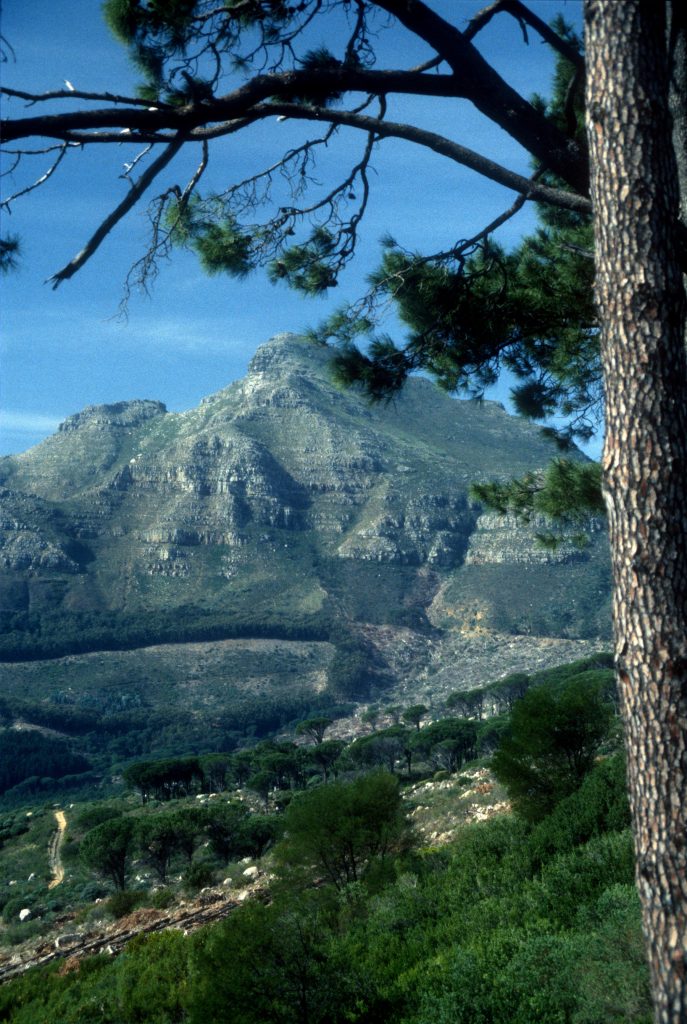
Before it became a city, Cape Town was a wind-swept plain. A cradle carved between sea and stone, its fortune rose not from conquest or gold, but from geography. Here, where Africa’s southern tip stabs into two oceans, ships once exhaled in relief, their sails slackening in the lee of Table Mountain. This was the final outpost before the unknown. A place of rest, repair, and reinvention. A place, while wild, isolated, and occupied by native tribes and awesome displays of wildlife, was coveted by the modern powers of its day, dominated by one massive rock, Tabletop Mountain.
The Conquest Begins
Cape Town’s colonial story does not begin with conquest, but with cabbage. In 1652, Jan van Riebeeck arrived under the Dutch East India Company banner to establish a refreshment station—a practical midpoint between Europe and the spice-rich East. What he and his men created was less a city than a lifeline: gardens to supply scurvy-wracked sailors, fortifications against the Khoikhoi, and a shoreline where battered ships could limp into port. It was never meant to last. But like so many waypoints in history, it endured.
From that modest foothold grew a colonial settlement of farms, markets, churches, and slavery. Enslaved people were brought from Angola, Madagascar, India, and Indonesia. Their labor built the canals, hauled stones, and cooked bread. They also brought languages, spices, and songs—threads that would eventually weave into the Cape’s singular cultural braid. The Company’s Gardens, now serene with roses and squirrels, once fed both passing fleets and the ambitions of a rising settler class eager to carve order from wilderness. In 1795, the British captured the Cape, briefly lost it to the Dutch, then reclaimed it in 1806—and stayed. Cape Town blossomed into a formal colonial capital under their rule. Streets were widened. Georgian façades rose beside Dutch gables. The stately neoclassical lines of the Old Town House and Slave Lodge still echo with empire. Even the old grain silo, now a modern art museum, stands on foundations that echo the rhythm of colonial hands and harvests.
Colonial Keepsakes
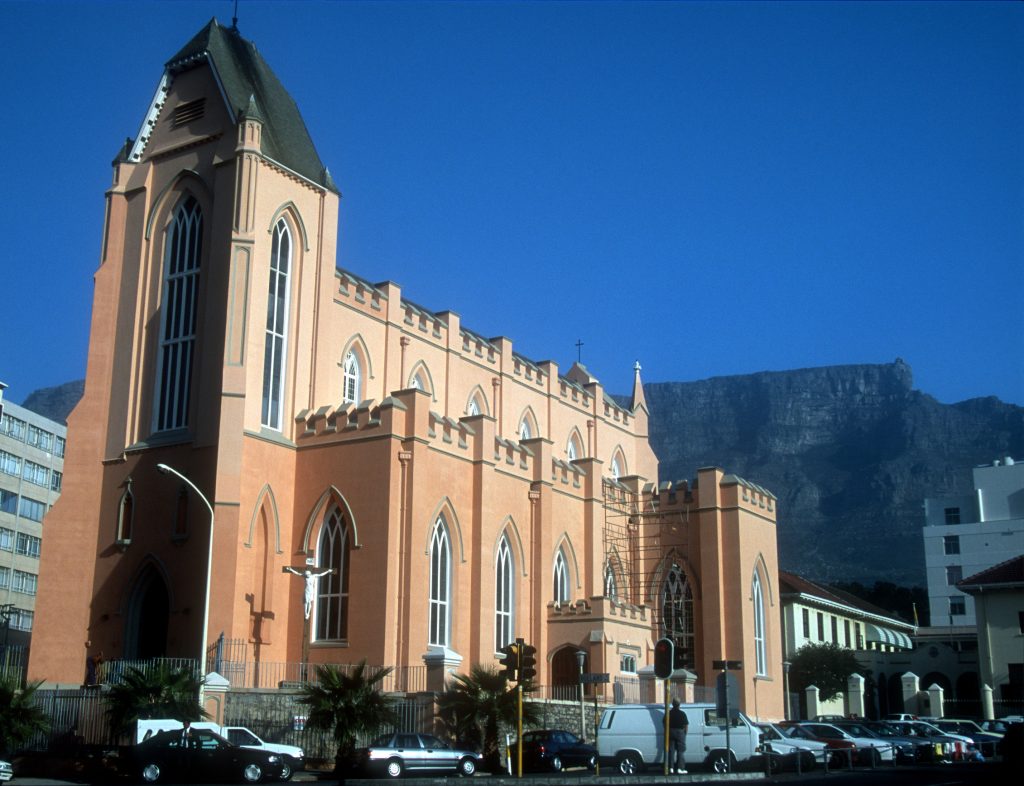
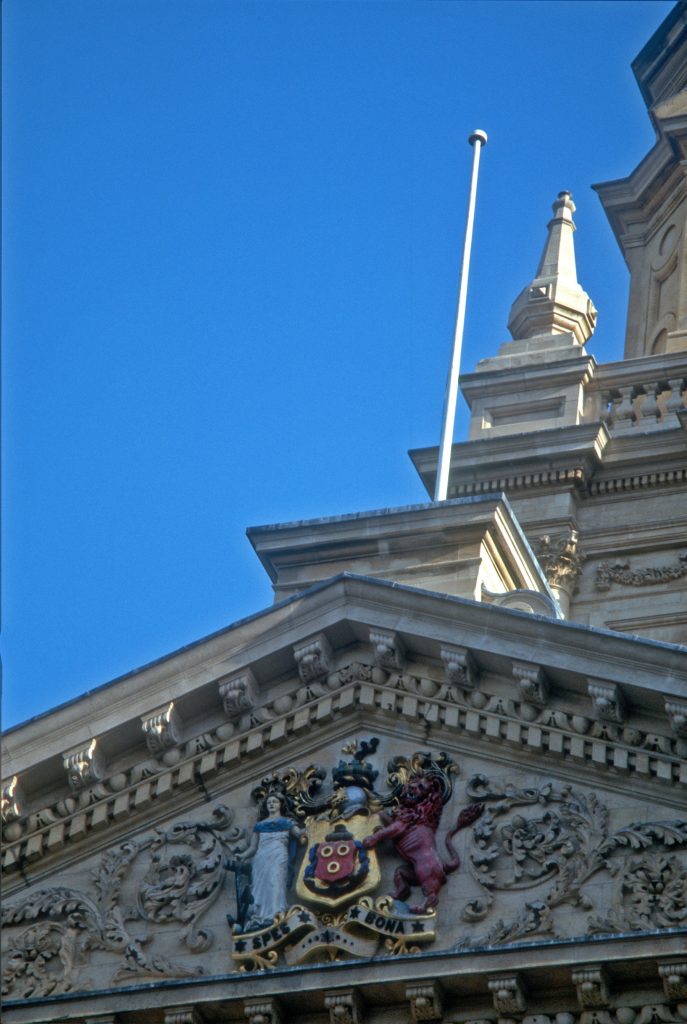
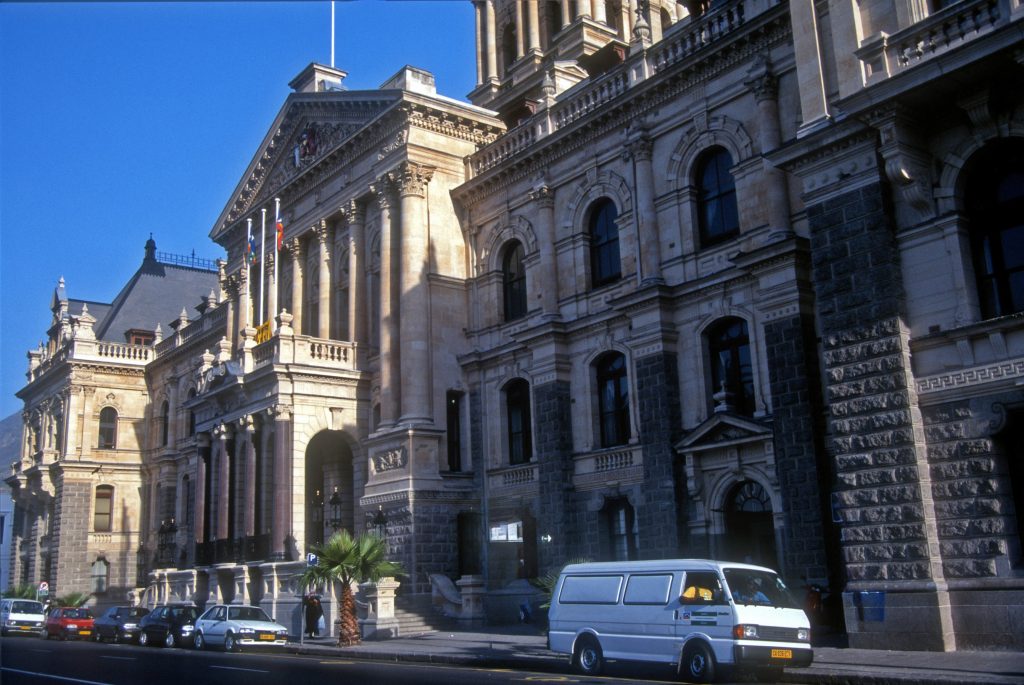
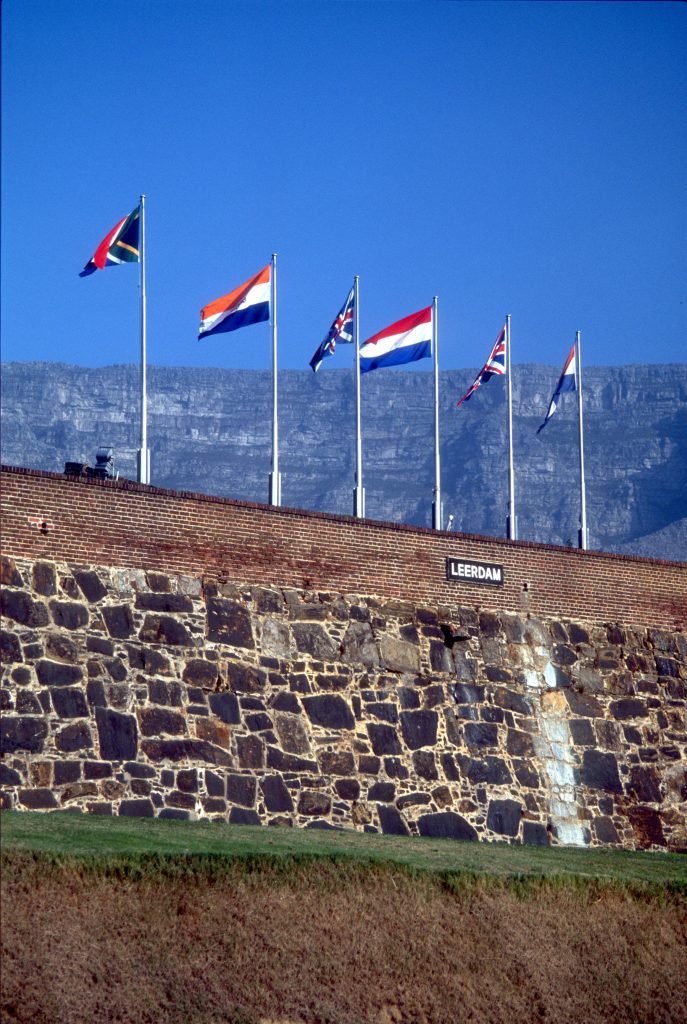
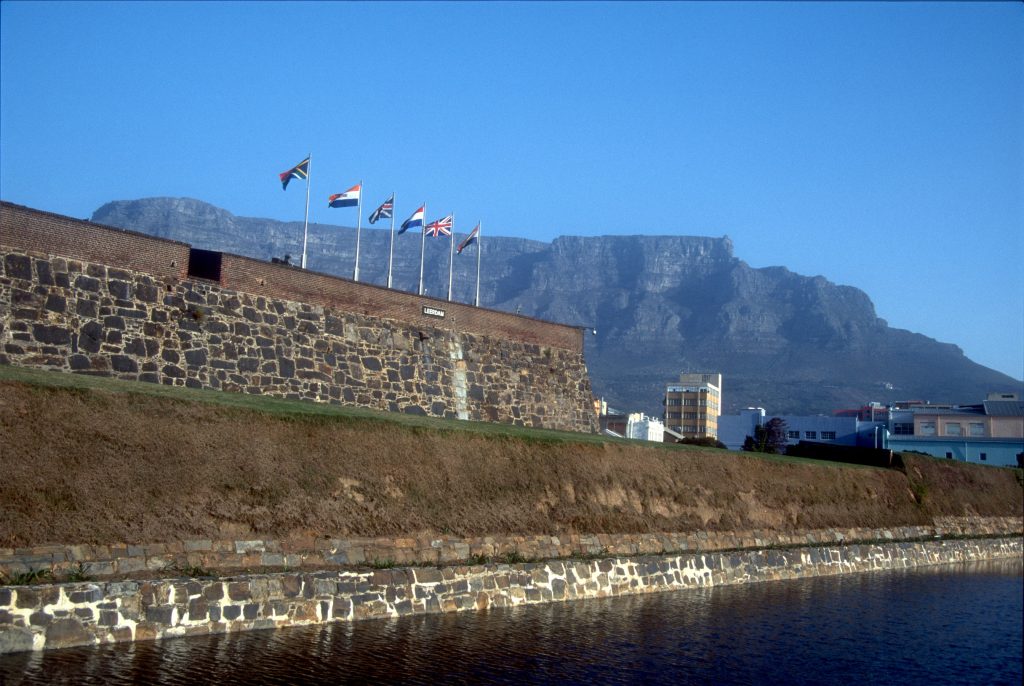
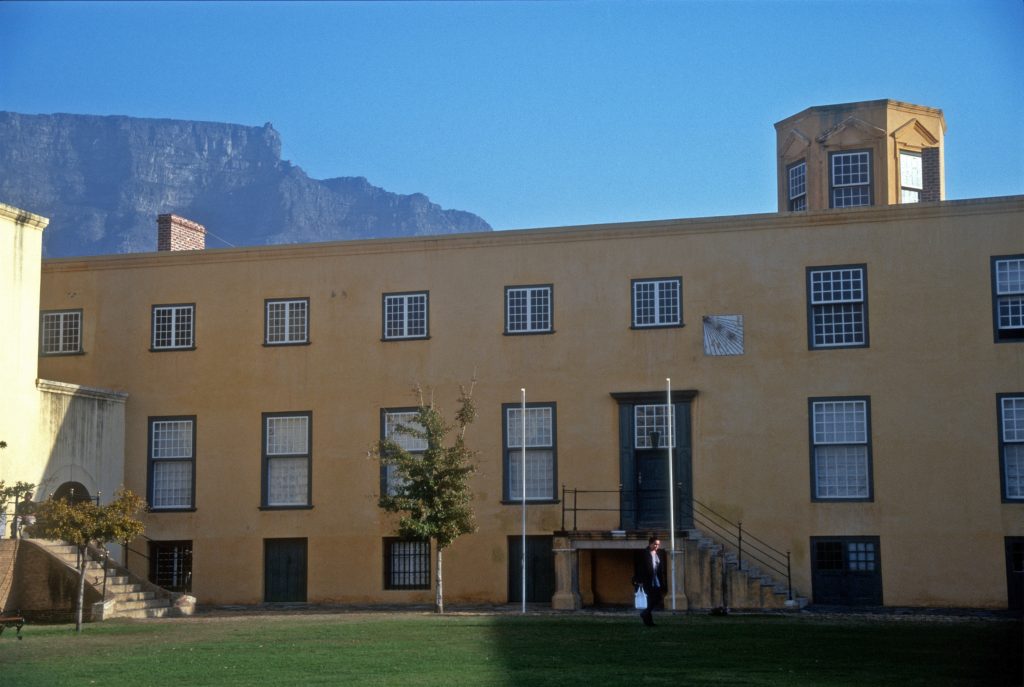
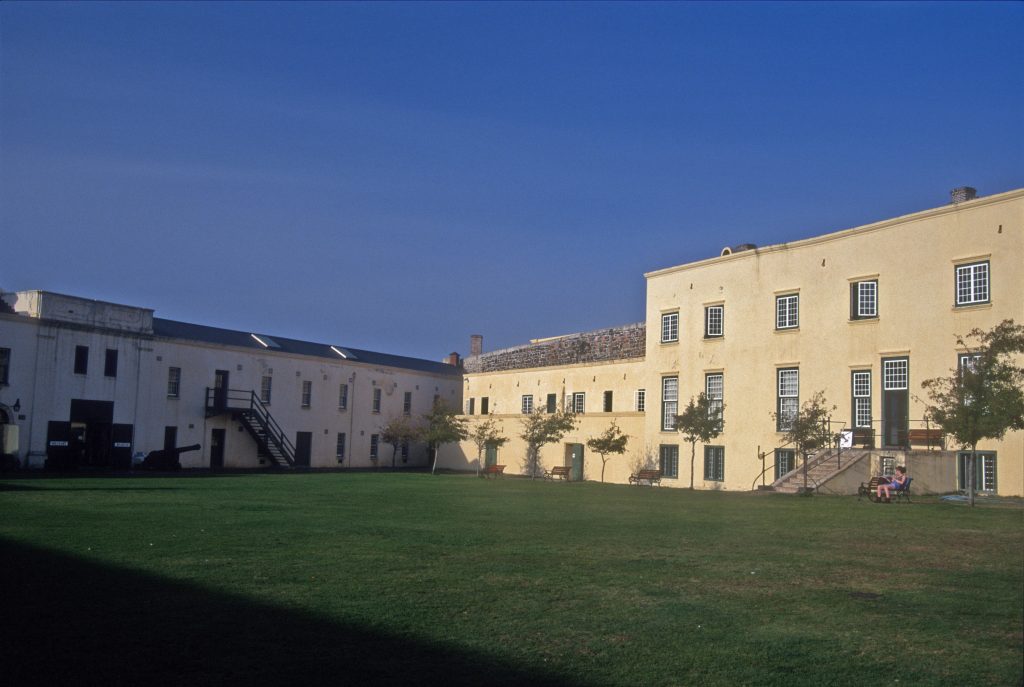
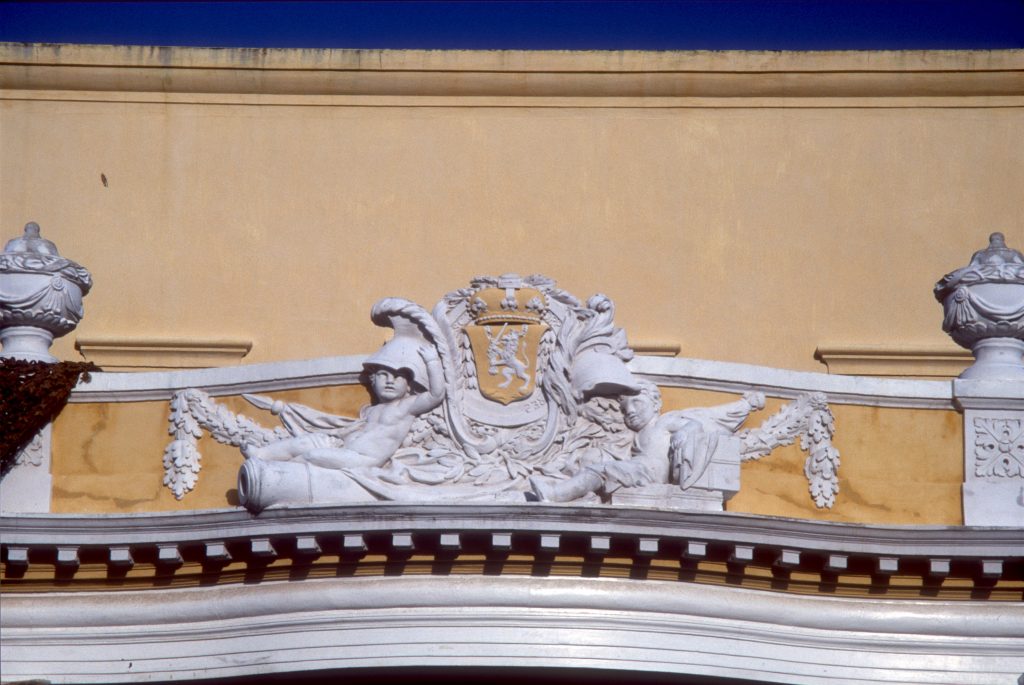
Cape Town’s colonial fabric unfolds most richly in the old City Centre around the Company Gardens. Here the pentagonal Castle of Good Hope (1666-79) still anchors the city with its Dutch East India Company bastions, moat, and the Kat Balcony overlooking Parade Ground. A short stroll north brings you to Groote Kerk, the 1841 Neo-Classical Dutch Reformed mother church whose Ionic portico shelters South Africa’s largest historic pipe organ, while the Rococo-tinged Old Town House (1755) presides over Greenmarket Square with curving gables once synonymous with civic power. Nearby, Sir Herbert Baker’s sandstone St George’s Cathedral (1901-34)—Desmond Tutu’s “People’s Cathedral”—rises in Victorian Gothic splendor opposite the red-brick Italianate Houses of Parliament (1884-85).
Climbing the cobbled slopes of Bo-Kaap, formerly the Malay quarter, you’ll discover South Africa’s first mosque, the Auwal Mosque (1794), and the daily-firing Noon Gun battery (1806 emplacements) on Signal Hill. Down on bustling Long Street, modest late-Victorian shop-houses display imported cast-iron “broekie-lace” balconies.
Skirting the Company’s Garden, Tuynhuys – a Rococo governor’s summer palace recast in 1796 – now serves as the president’s Cape Town office, while the Late-Baroque townhouse Rust en Vreugd (1778) displays yellow-wood staircases and hand-painted wallpaper as a decorative-arts museum. Eastward in Woodstock, red-brick industrial heritage survives in the Old Biscuit Mill (1880s-1900s), a former biscuit-factory complex now reborn as a design and food market.
Beyond the City Bowl, Simon’s Town on False Bay retains its British naval imprint: the brick Martello Tower (1796) still guards the shore, and the Cape Dutch Residency (1777)—the admiral’s former residence—preserves its teak beams and sash windows. For an easy day trip, Stellenbosch’s oak-lined Dorp Street showcases the Cape’s longest run of 18th-century thatched Cape Dutch houses, while Oude Werf Church (foundations 1771, nave 1802) blends ecclesiastical calm with a small museum and courtyard café. From Cape Town’s harbor you can also take a ferry to Robben Island, a unique symbol of “the triumph of the human spirit over adversity, suffering and injustice” with a rich 500-year-old multi-layered history beginning in the late 17th century. Nelson Mandela spent 18 years imprisoned here. A South African National Heritage Site and UNESCO World Heritage Site, it also features a museum. The island also features a still-active 1865 lighthouse.
Wharf Wandering
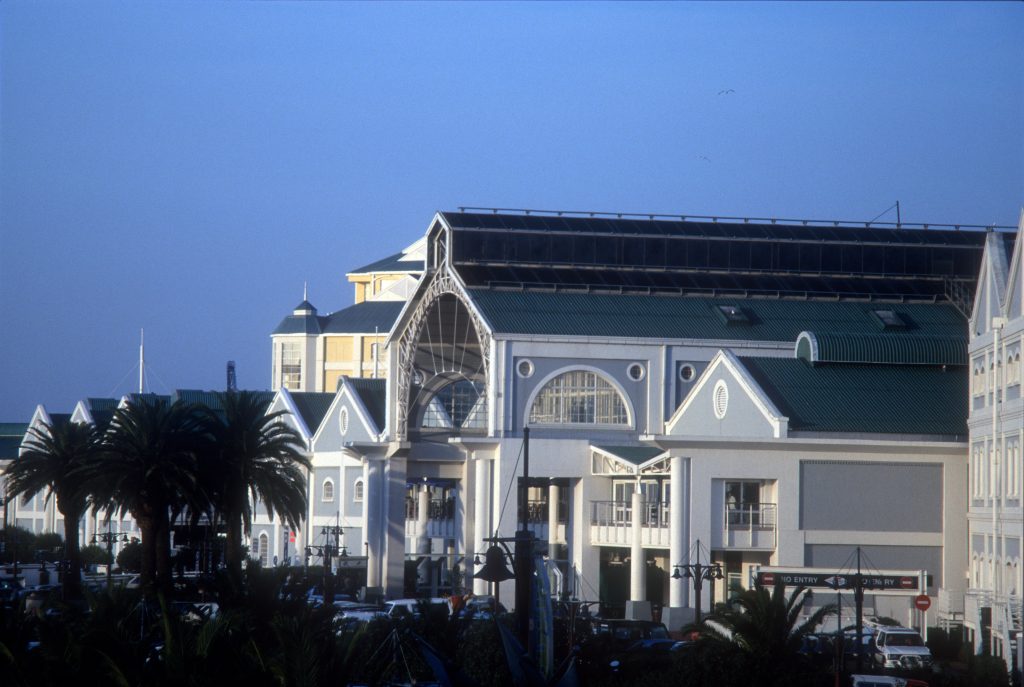
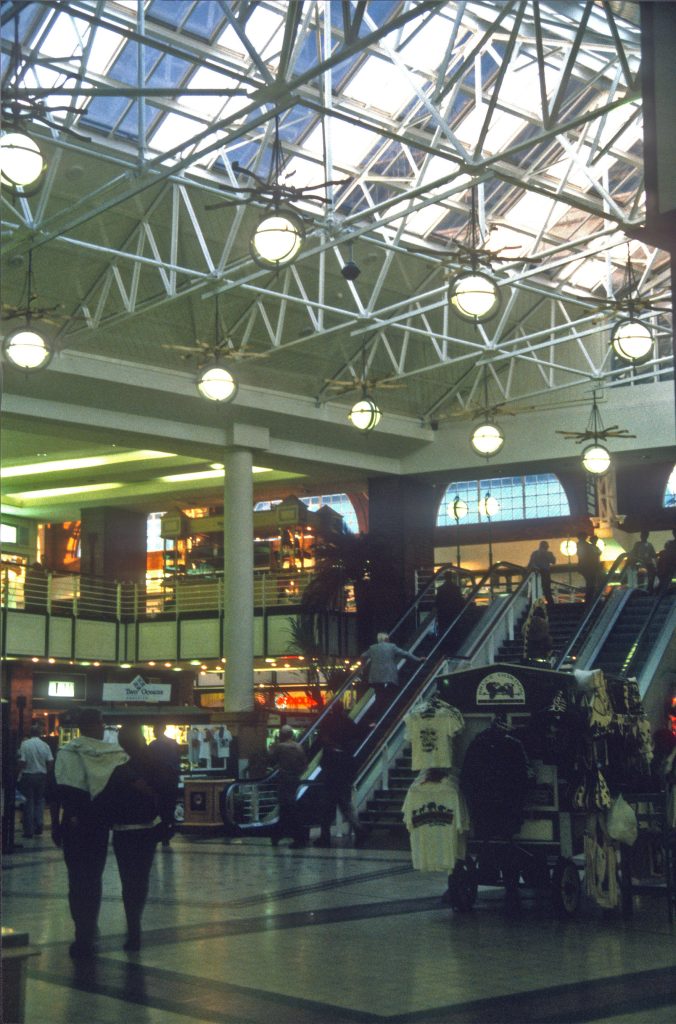
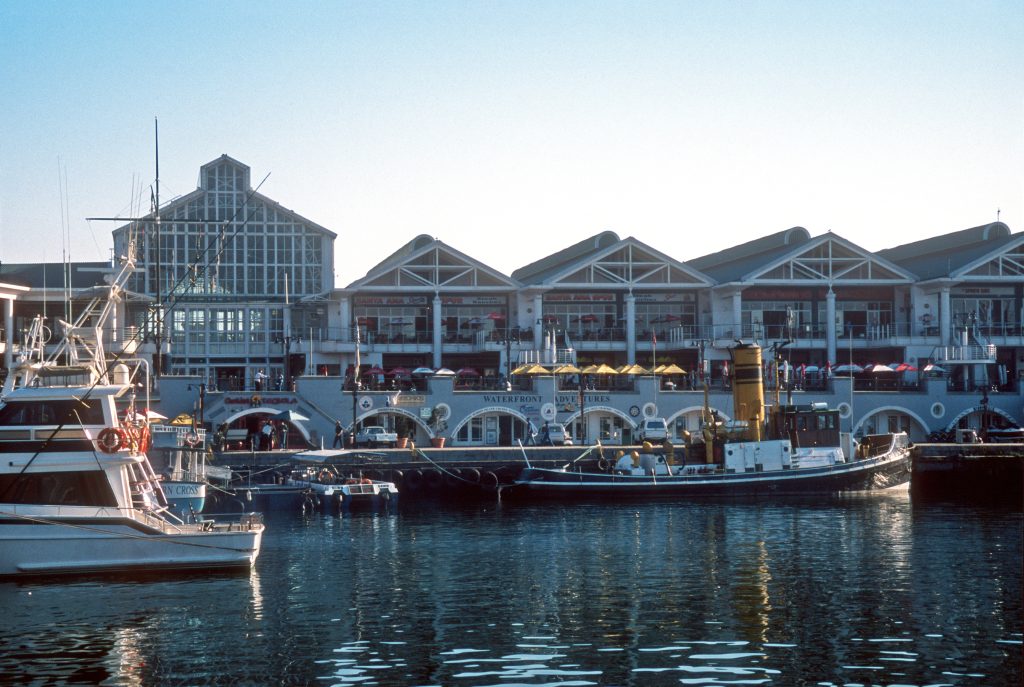
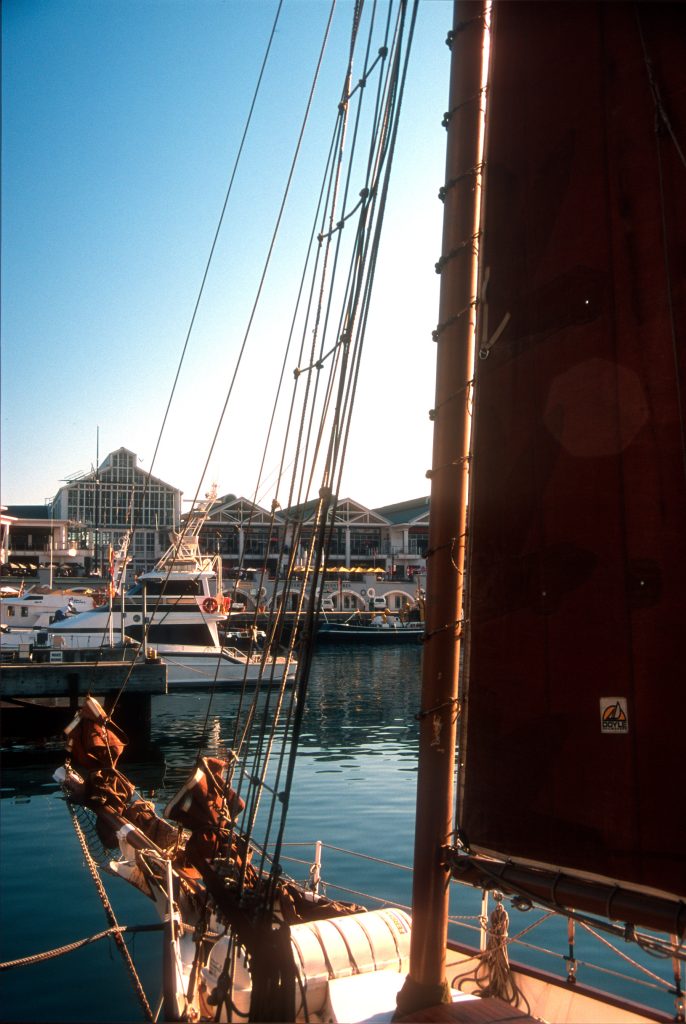
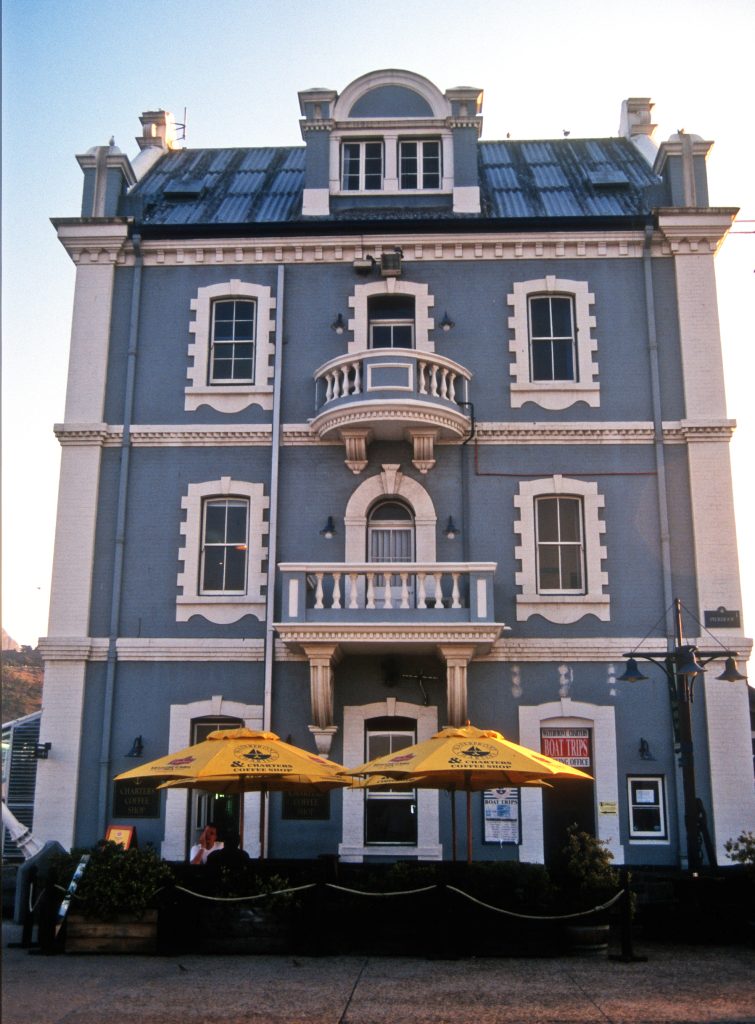
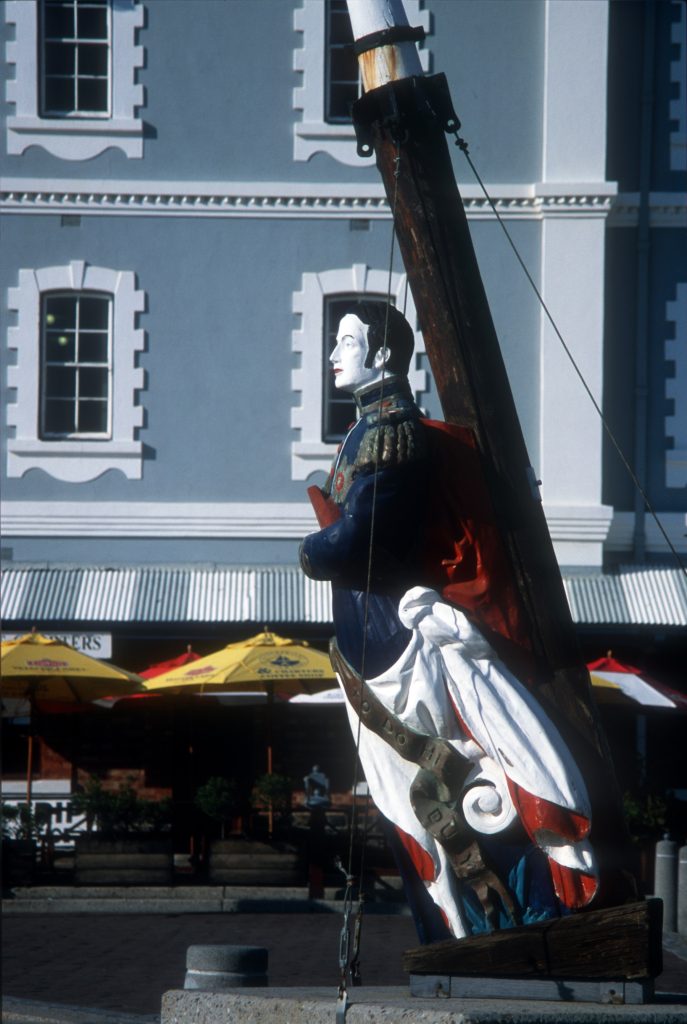
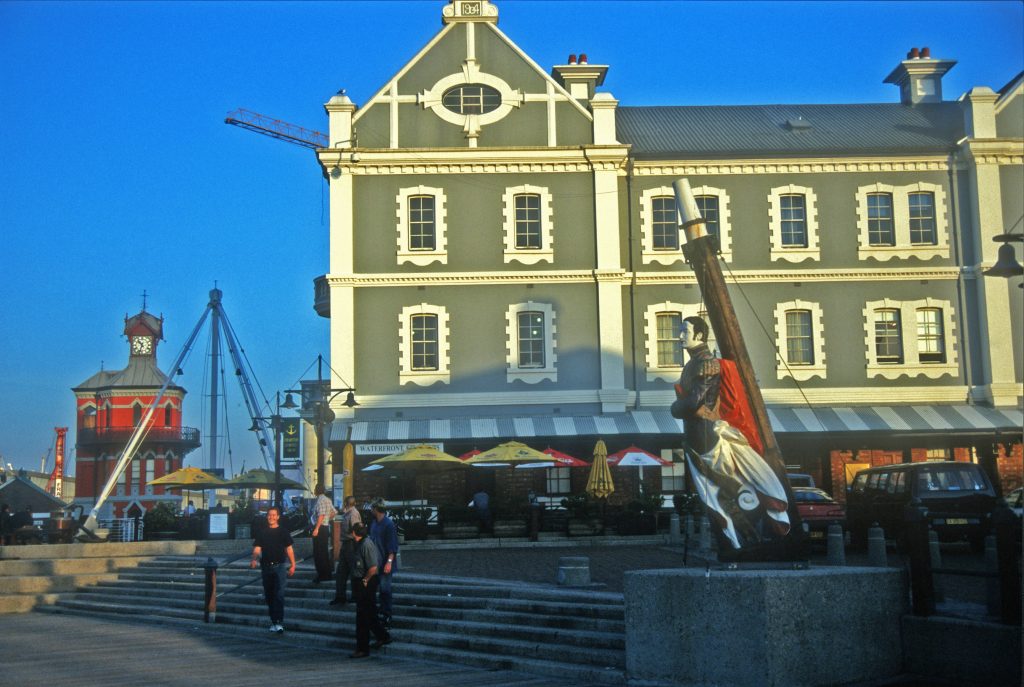
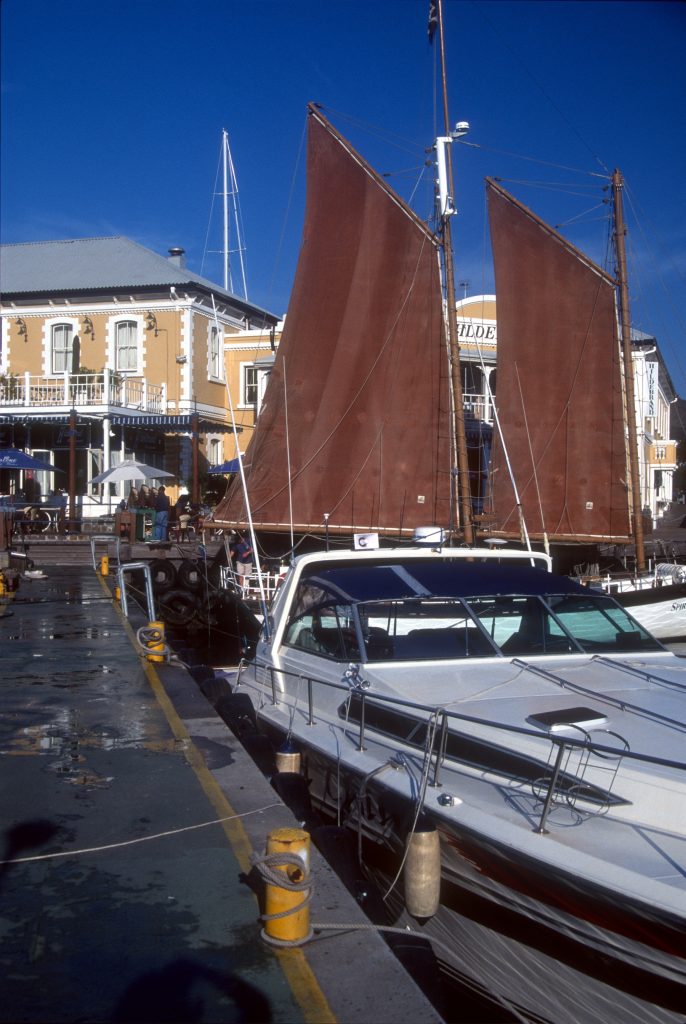
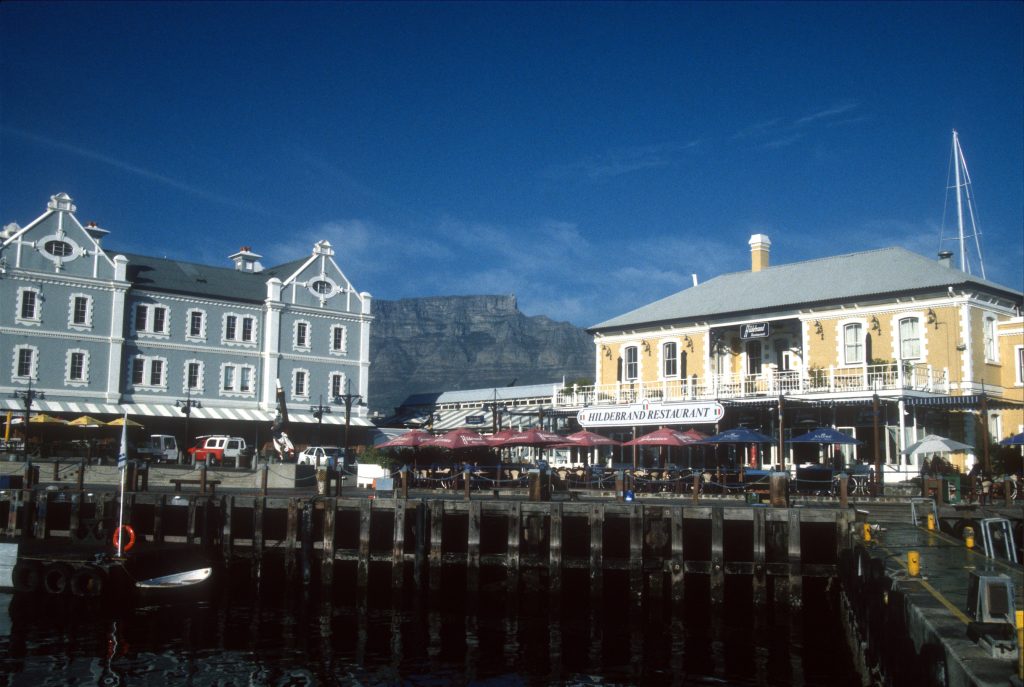
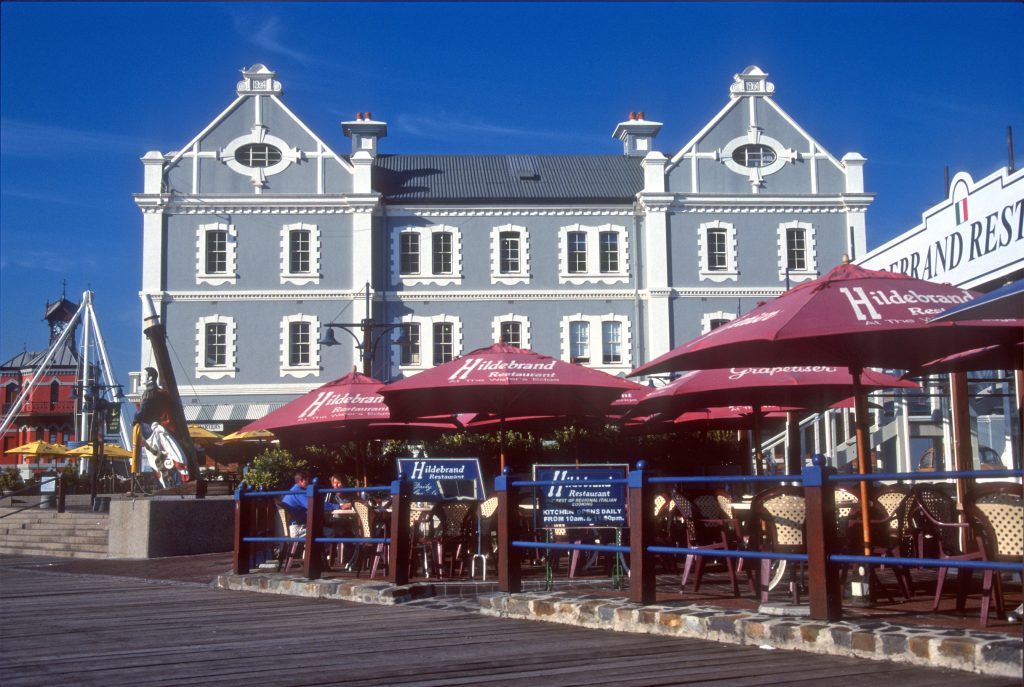
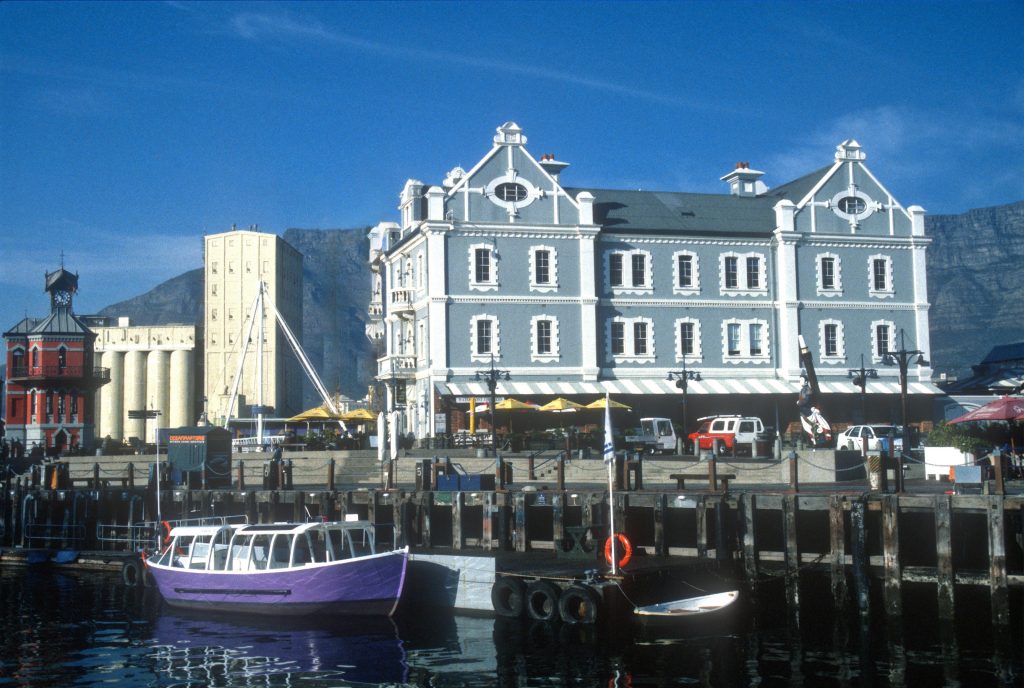
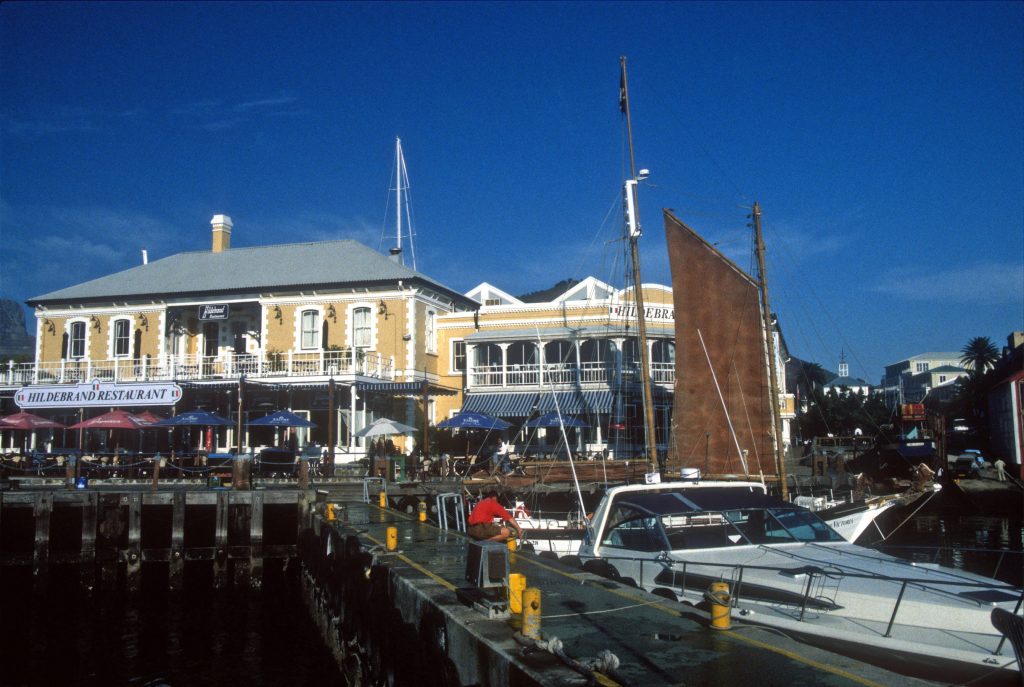
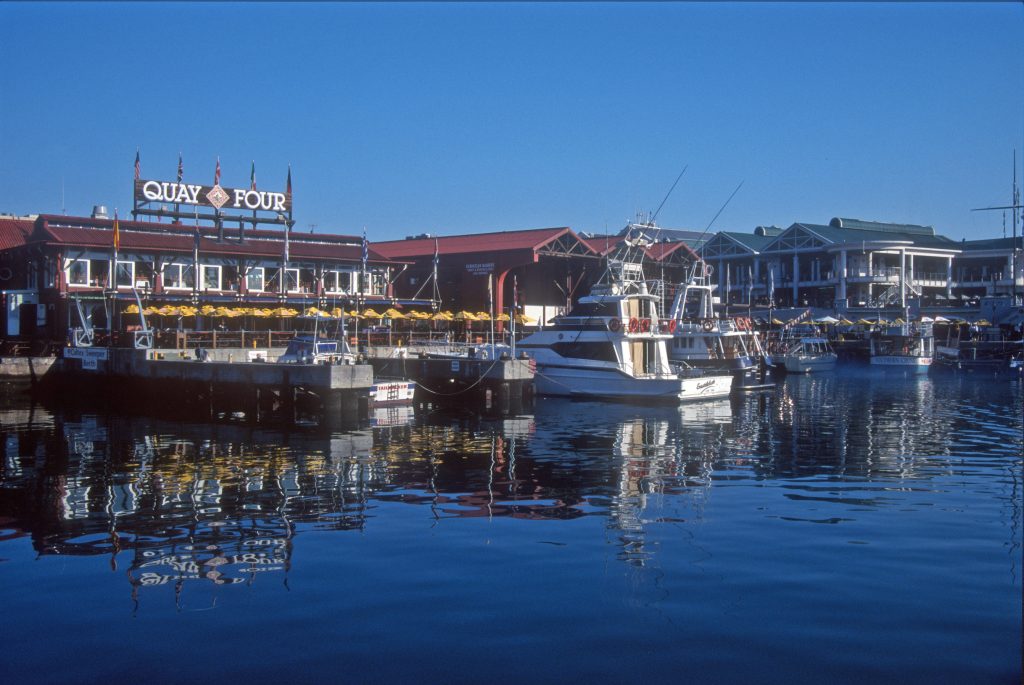
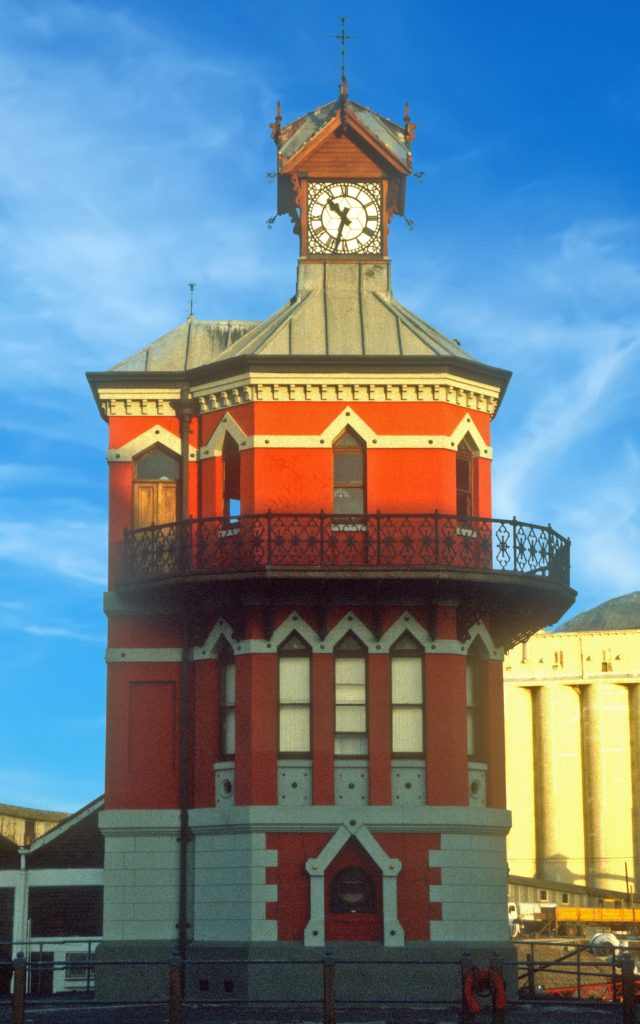
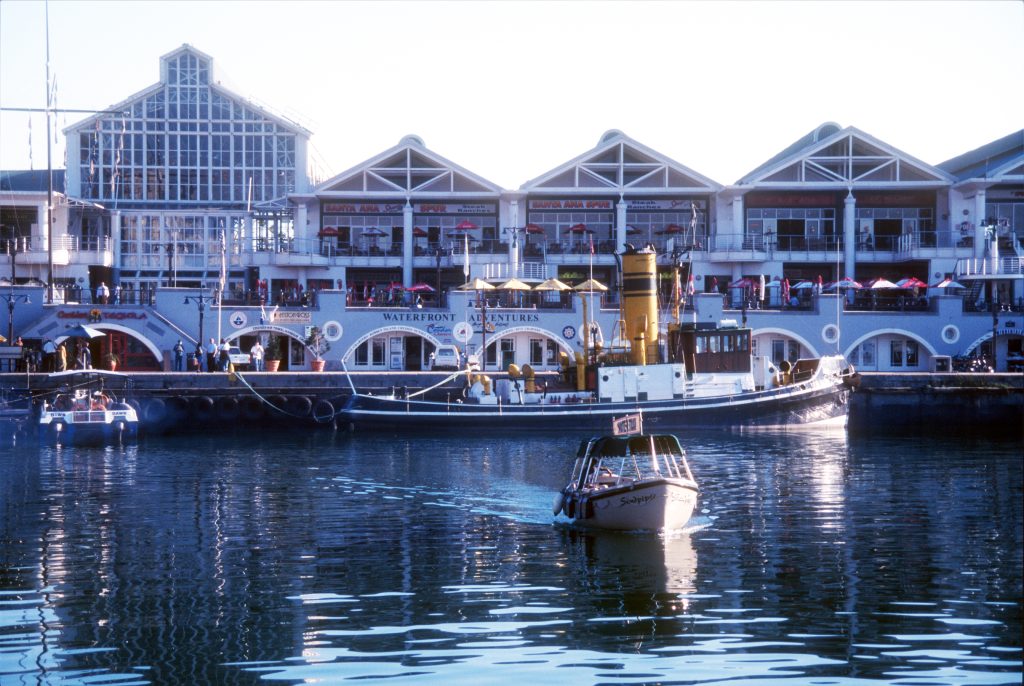
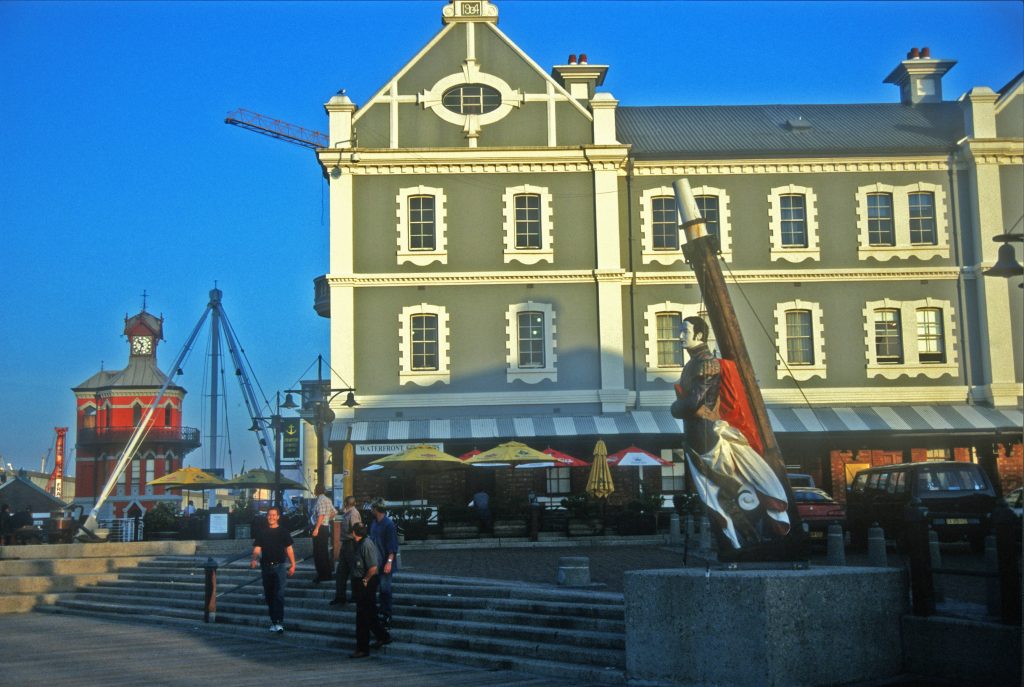
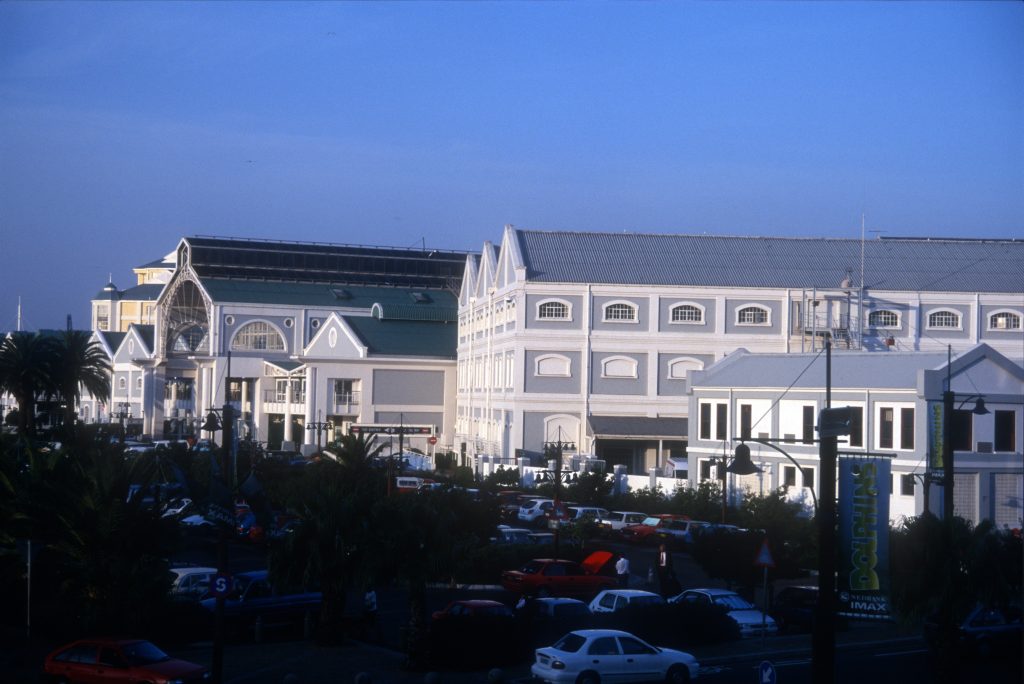
Stand on the cobbled promenade of the Victoria & Alfred Waterfront and let your eyes drift outward—past the taut white lines of sailboats, past the emerald swells of the bay, toward where the horizon cradles the promise of another continent. These wharves, once the city’s spine—groaning with cargo, thick with sailors’ laughter, and echoing with the footfall of empires—now pulse with cafés and bookstores. Look closely and you’ll find the bones of that history still standing:
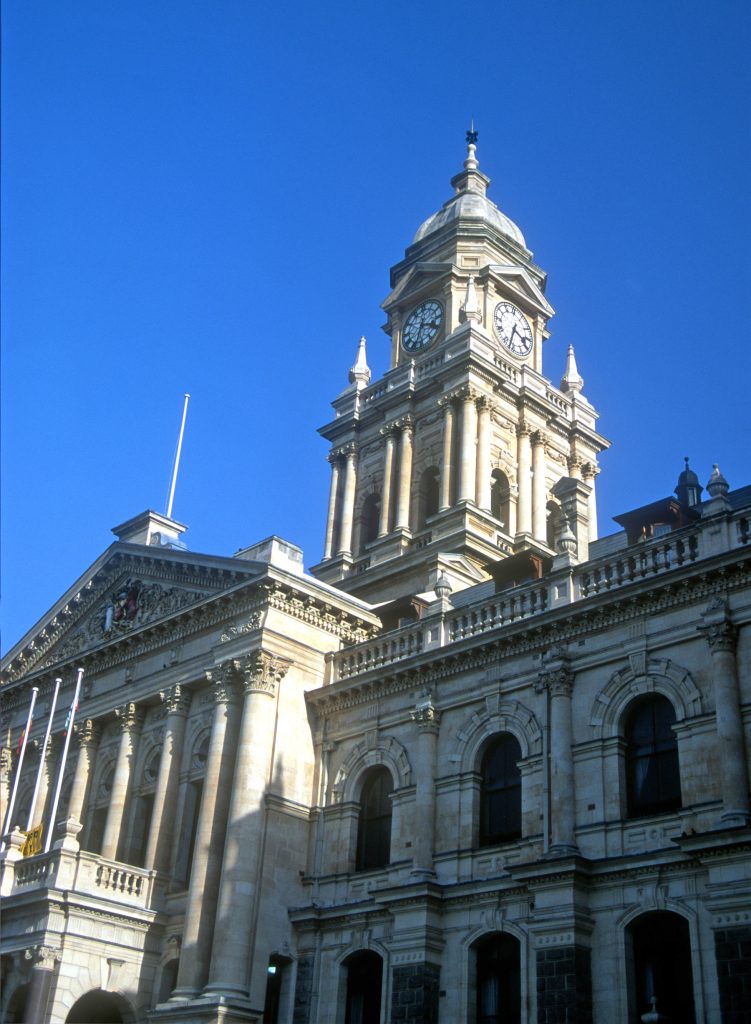
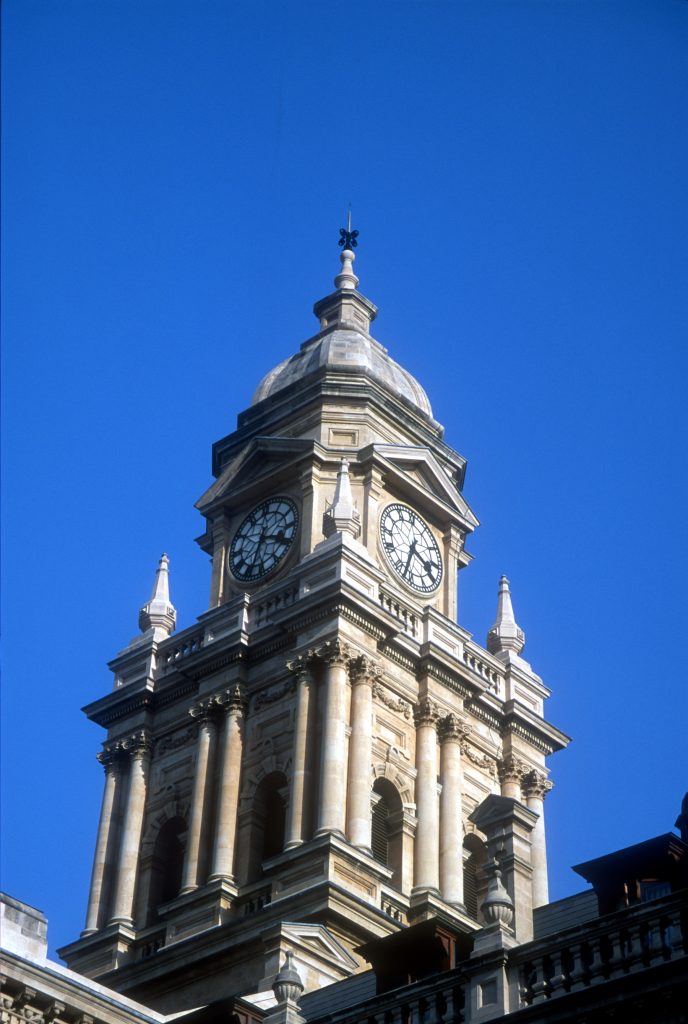
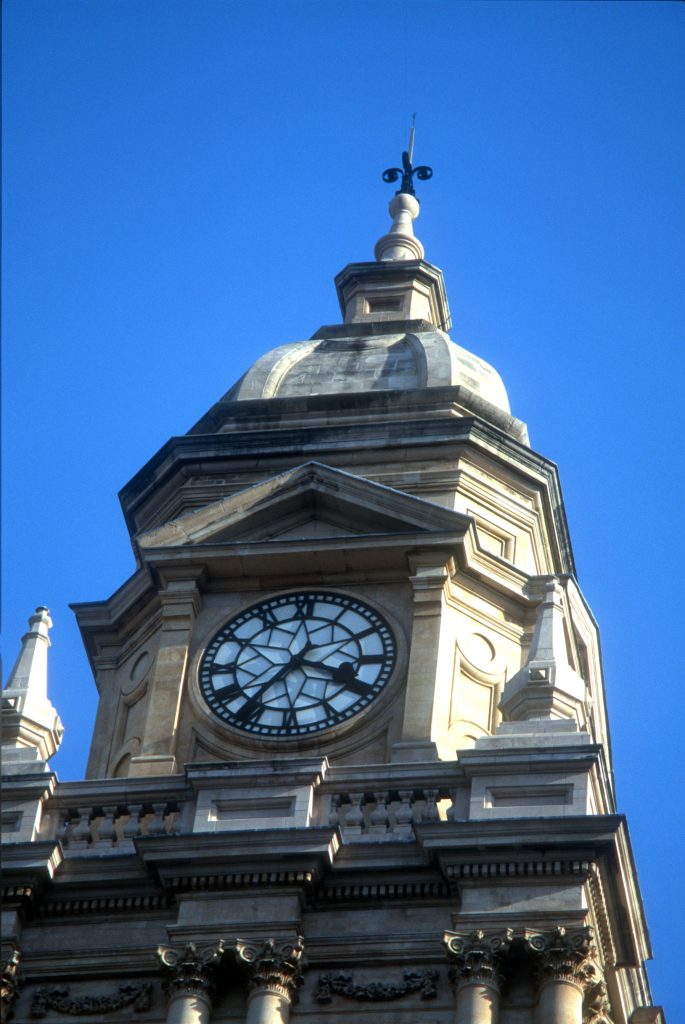
- Red Clock Tower (1882) – A Victorian-Gothic landmark that once housed the harbor’s signal room and tide-gauge office. Striking red-brick façades, cast-iron wrap-around balcony and still-working clock mechanism. Ground floor showcases the original 19th-century tide gauge behind glass.
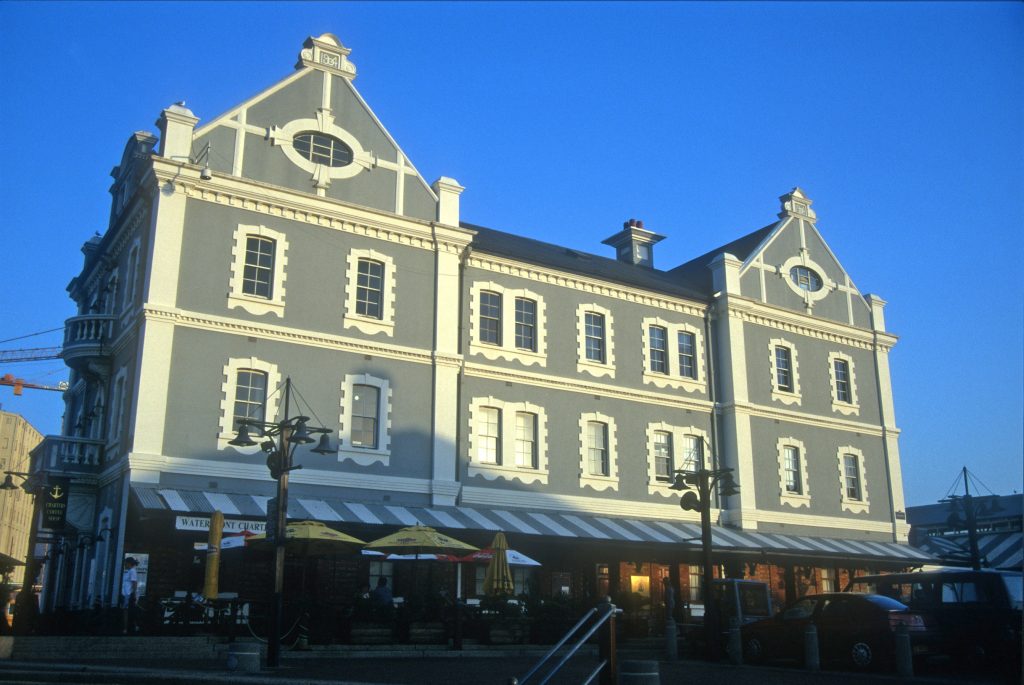
- Old Port Captain’s Building (1904) – An Edwardian Baroque office for the port captain, later used by harbor police. Look for its ornate plaster gables and verandah balustrades with ship-wheel motifs. Now serves as an information center and small exhibition space.
- Dock House (1870) – This Italianate villa was the Port Engineer’s official residence. Features delicate cast-iron verandah columns and latticework. Tucked behind the Time Out Market, it is operating today as a boutique hotel.
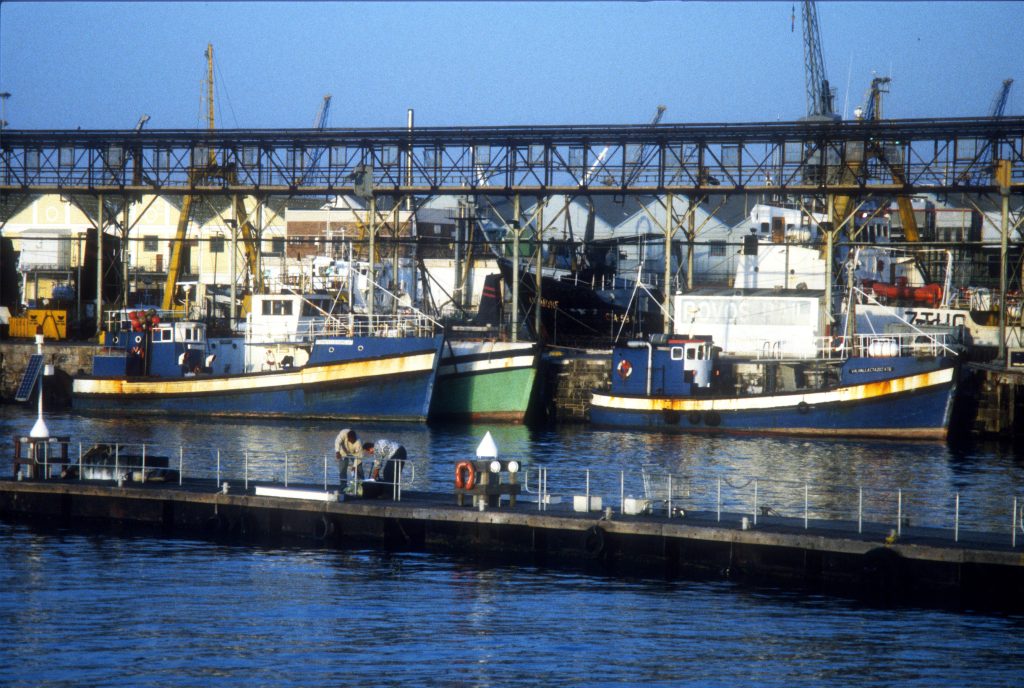
- Robinson Dry Dock & Pump House (1882-83) — One of the world’s oldest functioning masonry dry docks. Granite-lined basin, original caisson gate and converted steam-to-electric pumps. View the dock from the railings; you can often watch maintenance on fishing trawlers.
- Breakwater Prison (1901 block) — This Cape Dutch Revival complex built for convict laborers who dug the harbor. Gable anchors shaped like broad arrows—the imperial “convict” symbol. It’s presently part of UCT’s Graduate School of Business.
- Union-Castle Building (1919) — This administrative block was for the famed Union-Castle Mail Steamship Line. Red-and-cream patterned brickwork; subtle Art-Deco-leaning curved corner windows. Today, it houses cafés and creative studios.
- Pump House Square Gantries (1940s) — A pair of restored electric cargo cranes flanking the square. Serve as sculptural night-lighting and a reminder of wartime dock activity.
- Grain Silo Complex – Zeitz MOCAA (1921-24, re-opened 2017) — Former concrete grain elevator—the tallest on the continent for decades. Architect Thomas Heatherwick carved a “honeycomb” atrium through the silos; glass façade glows at sunset. Africa’s largest museum of contemporary art now occupies the repurposed tubes.
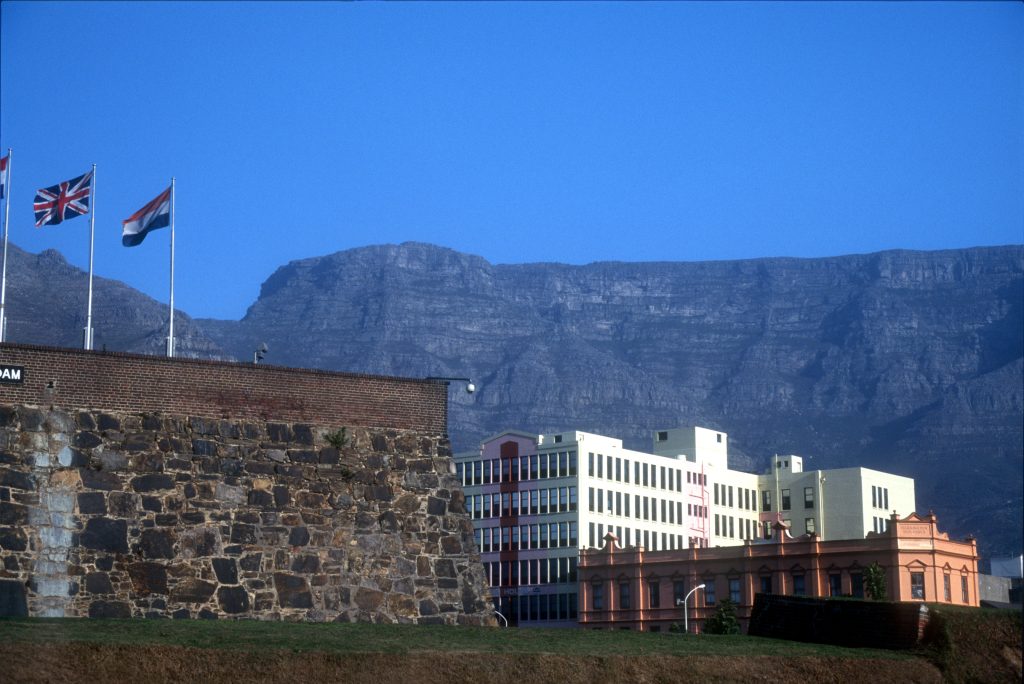
The salt-rusted chains, the sandstone blocks, the wind snapping at a Union Jack or Dutch tricolor—Cape Town‘s aspirations and haunting history linger still, waiting to be heard. There is a free 90-minute heritage walk departing from the Clock Tower Info Centre daily at 11 am and 2 pm.
Where to Stay in Cape Town, South Africa
For a first-time visitor to Cape Town, the V&A Waterfront offers convenient access to the city’s main attractions and a range of hotel options from luxury to mid-range. The neighborhood sits directly on the working harbor, so you can walk to museums, restaurants, and shops without needing a car. The waterfront is busier and pricier, but worth it if you want to maximize your time exploring.
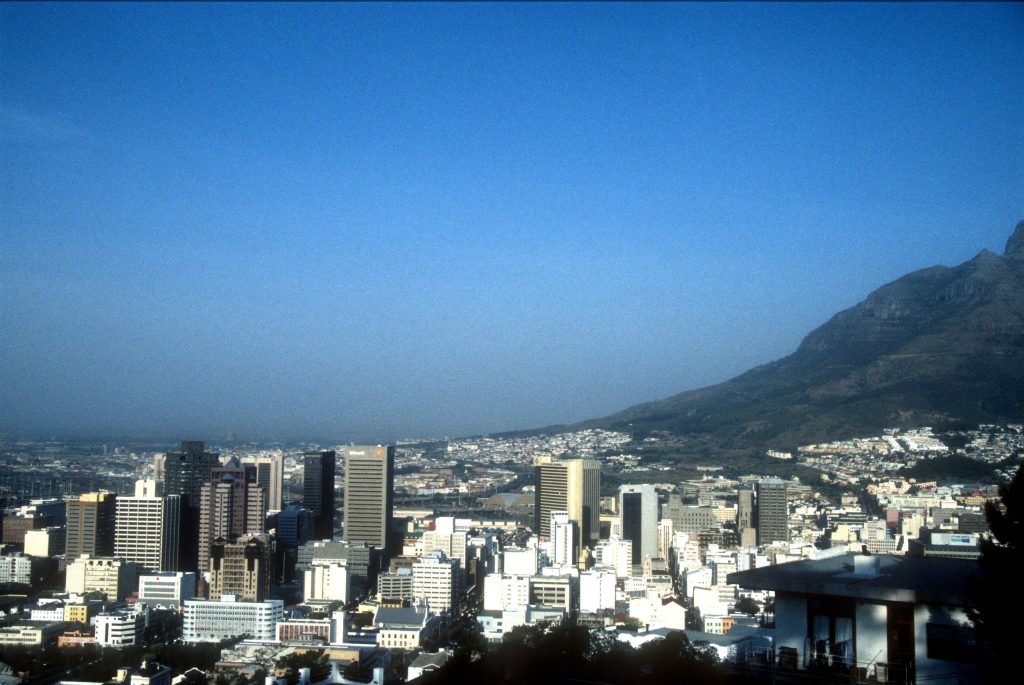
If you prefer a quieter base, the neighborhoods around the Company’s Garden and the city bowl, the historic center beneath Table Mountain, provide a more residential feel while keeping you close to museums, galleries, and restaurants. Guesthouses and smaller hotels dominate these areas, often occupying converted Victorian buildings that offer character and lower prices than the waterfront. You’ll find yourself walking past Cape Town’s oldest architecture and can easily reach the mountain cable car or the Slave Lodge Museum on foot.
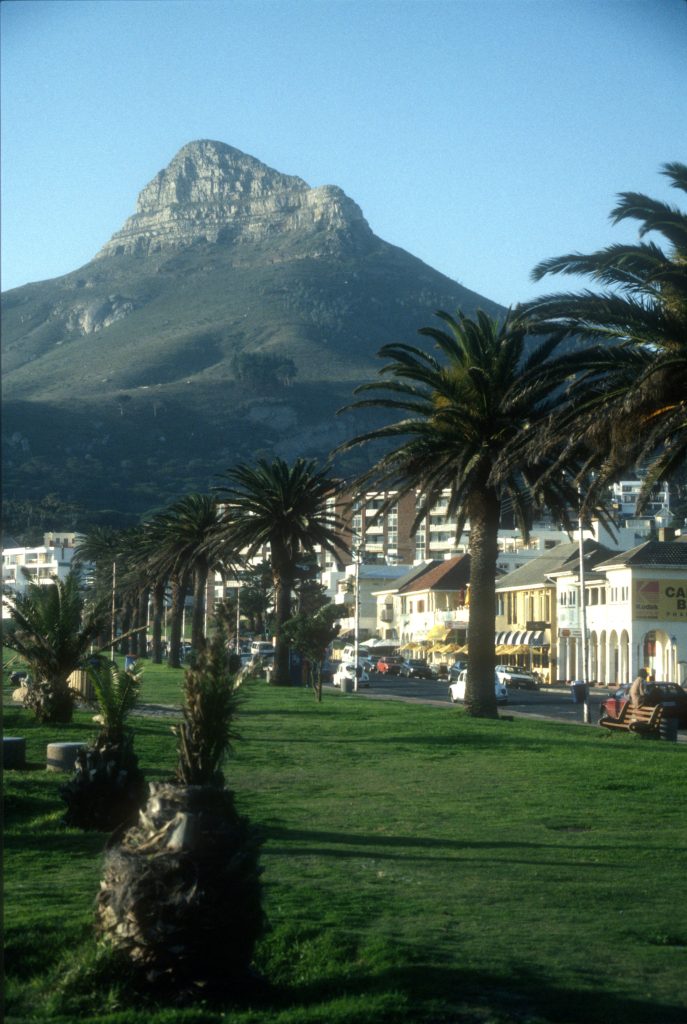
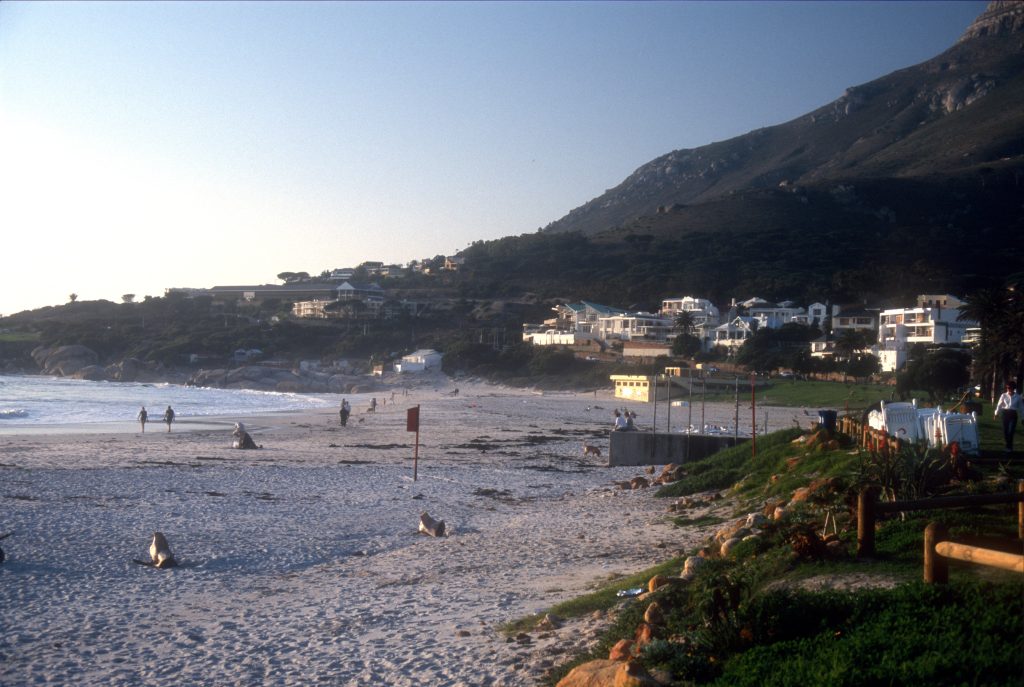
The Atlantic seaboard suburbs like Camps Bay and Clifton offer dramatic coastal views and a resort-like atmosphere, though they sit farther from the city center and historical sites. These areas work best for travelers comfortable using taxis or rental cars to reach museums and monuments. Hotels here tend to be upscale, with beaches that attract both tourists and locals year-round.
For budget-conscious travelers, Woodstock and Salt River neighborhoods have emerged as hubs for independent guesthouses, hostels, and smaller hotels. These neighborhoods sit between the city center and waterfront, offering lower prices and genuine local character, though stay aware of your surroundings after dark. You trade convenience for authenticity and value.
Recommended Reading
- The Courtney Family Saga by Wilbur Smith beginning with Birds of Prey – following Courtney family through three centuries
- The Cape Doctor by E,J Levy — A novel that tells the story of a woman doctor who lives as a man in 19th-century South Africa. The novel is inspired by the life of Dr. James Miranda Barry, a real-life physician who was born female but lived as a man throughout her career.
- The Slave Book by Rayda Jacobs – A powerful, character-driven novel about slavery and love in 19th-century Cape Town.
- Adamastor by André Brink – Myth, sea, and colonial ambition collide in this haunting allegorical novella.
- Cape Town: The Making of a City by Nigel Worden, Elizabeth van Heyningen & Vivian Bickford-Smith – A superb non-fiction companion to understanding Cape Town’s pre-20th-century urban evolution.
- The Sunburnt Queen by Hazel Crampton – The remarkable true story of a shipwrecked English girl adopted into an African royal family near the Cape.
- Insight Guides: South Africa – A richly illustrated travel guide offering cultural context, historical background, and practical insights into South Africa’s landscapes, cities, and heritage sites.
Tours to Consider
- Cape of Good Hope and Cape Point from Cape Town
- Best of Cape Town Full-Day Private Tour with Table Mountain