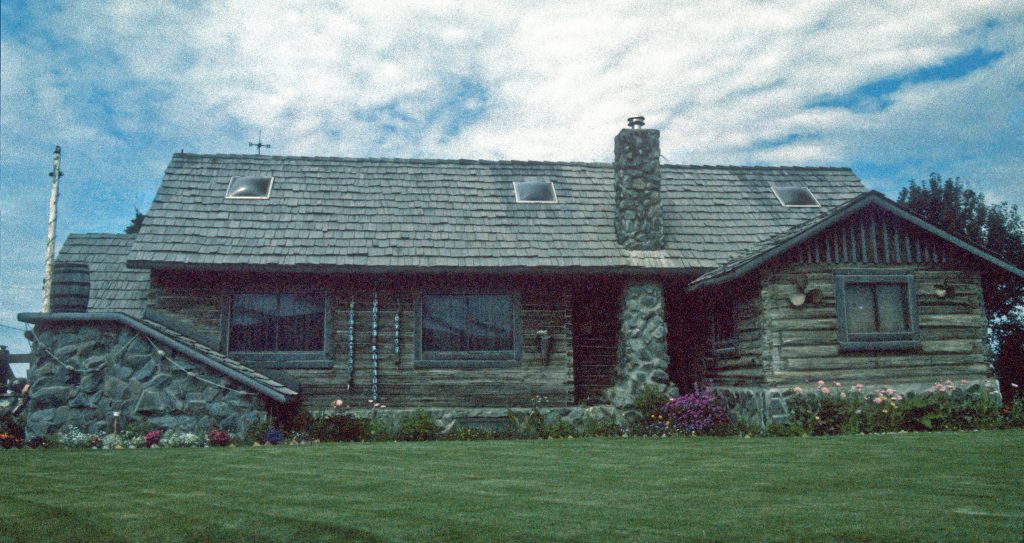
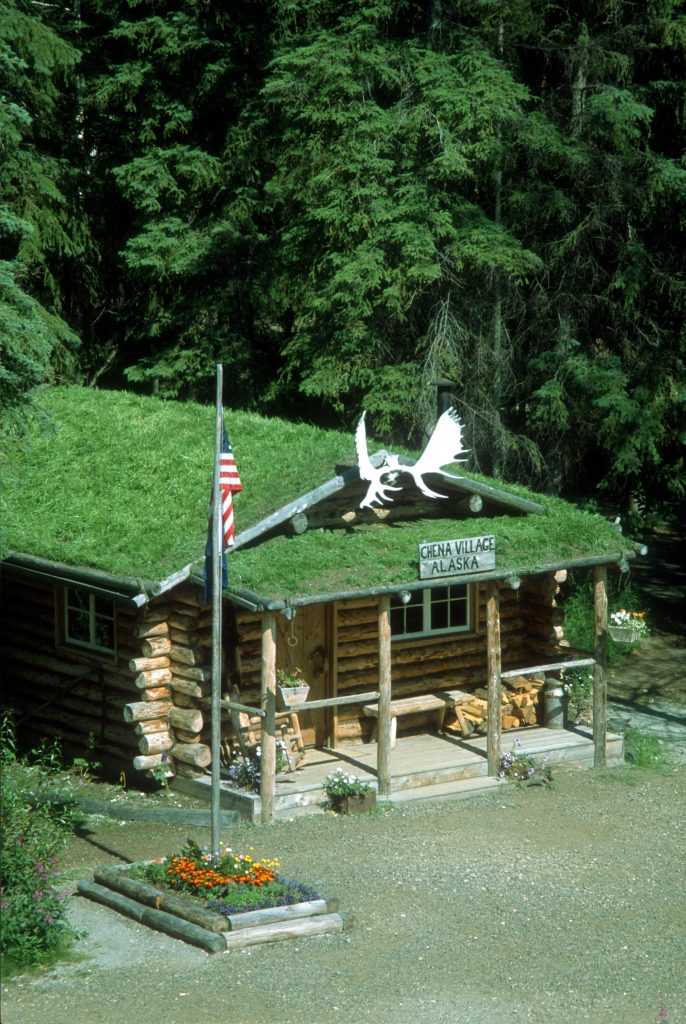
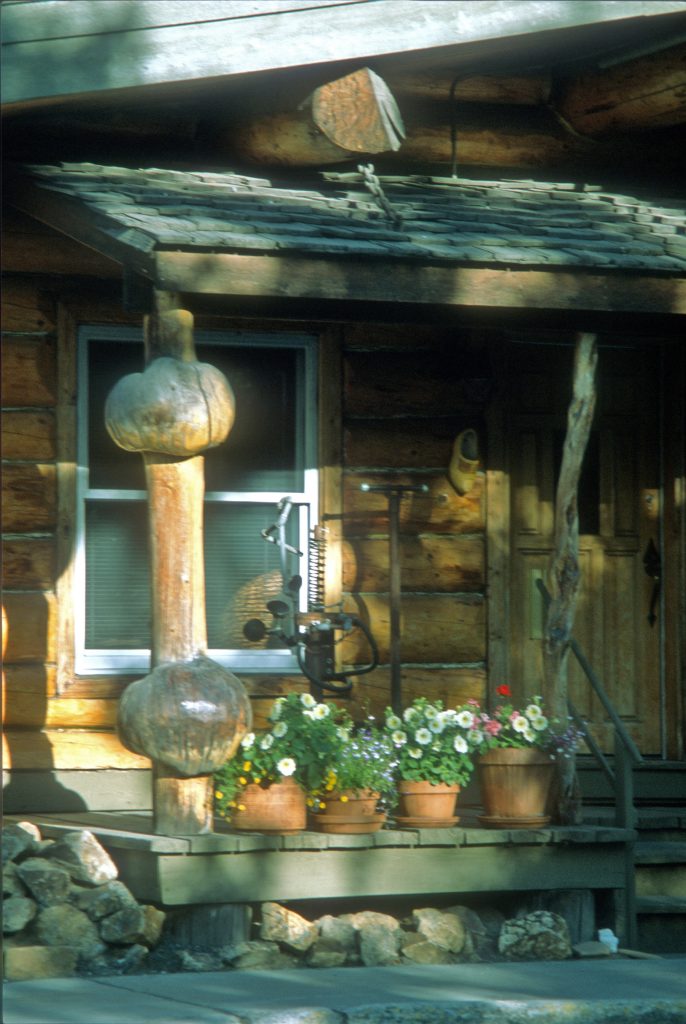
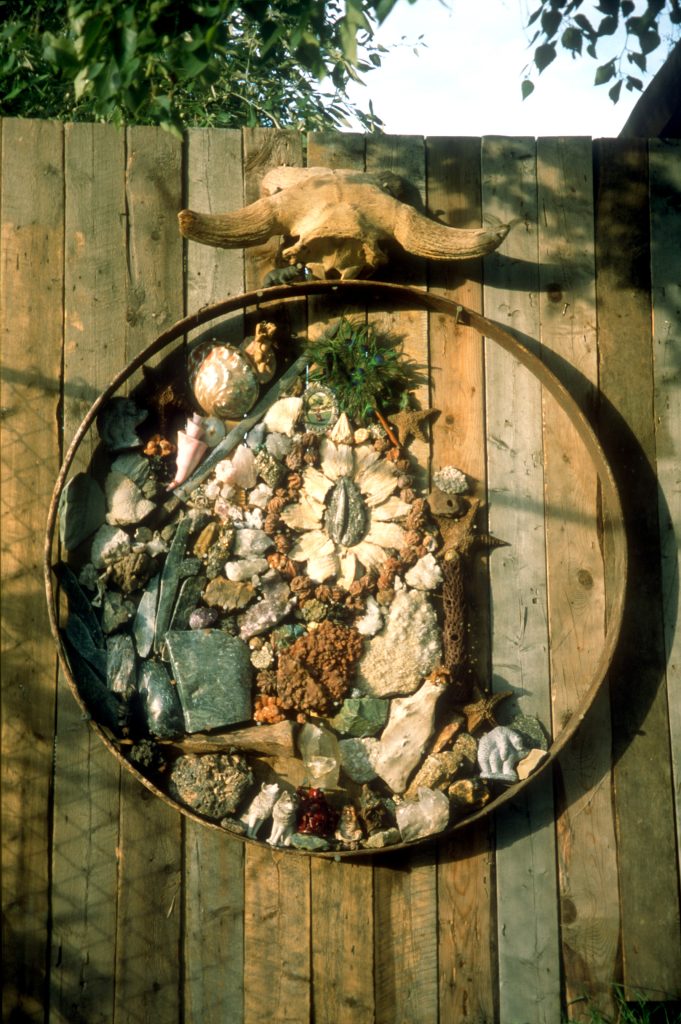
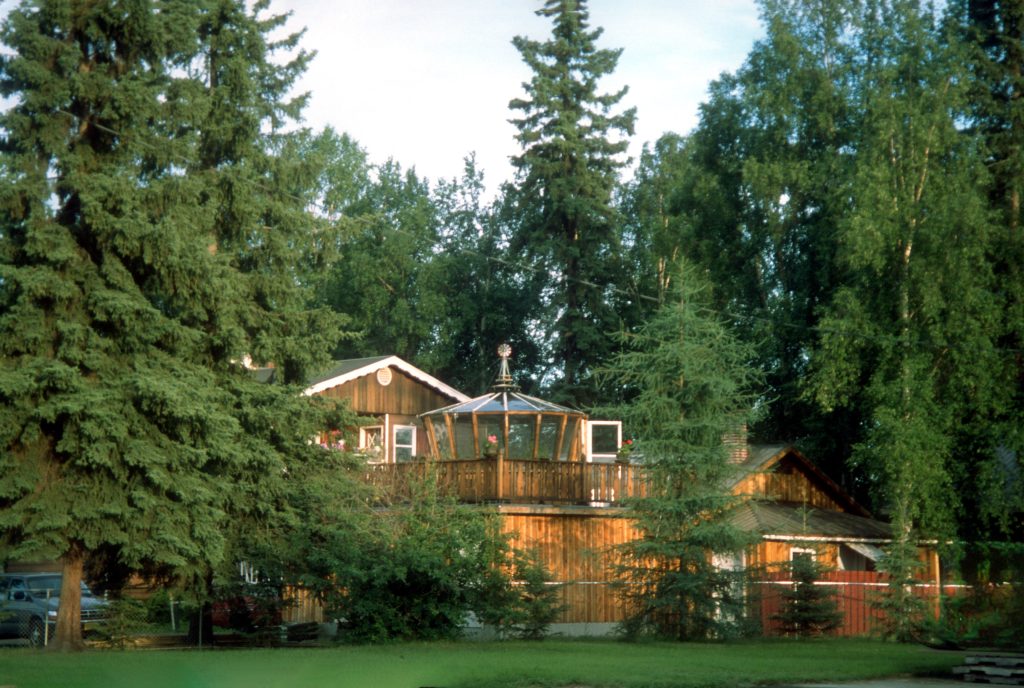
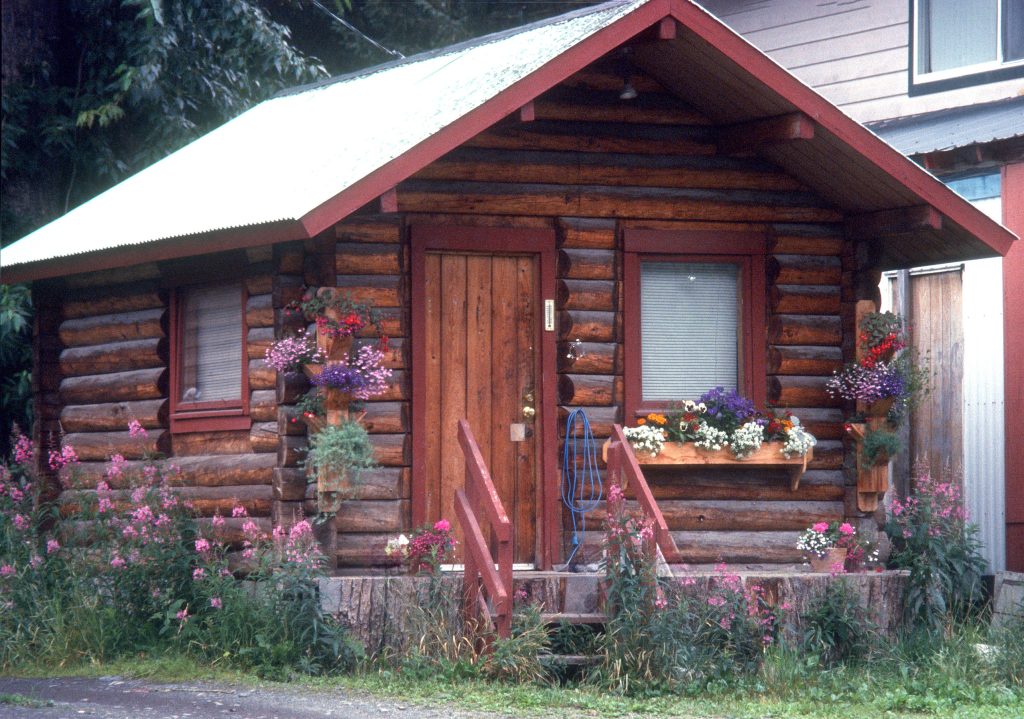
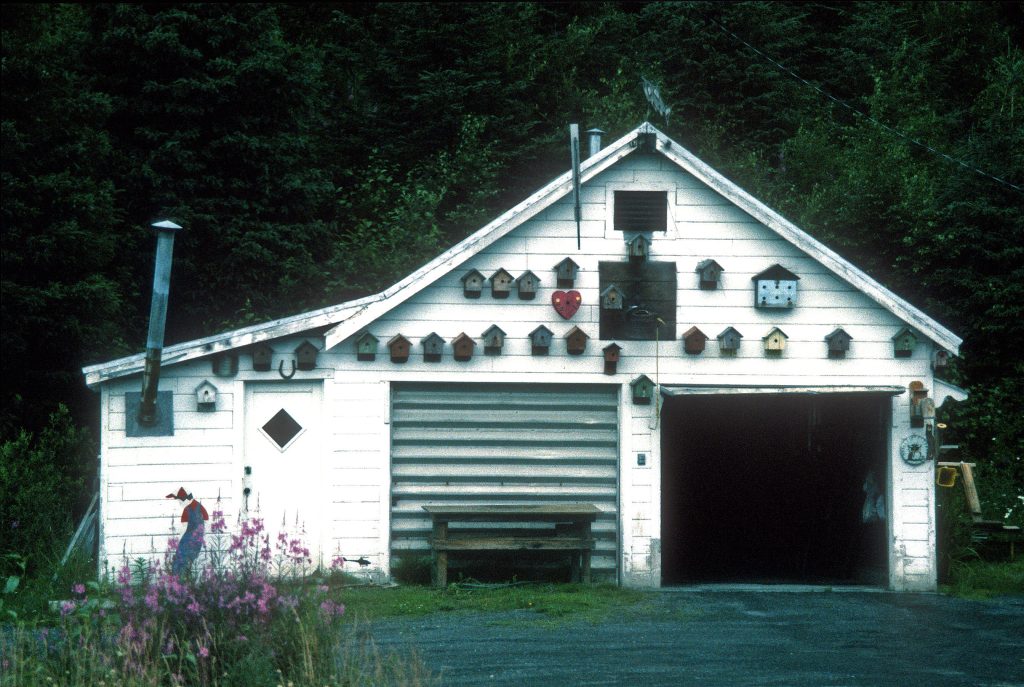
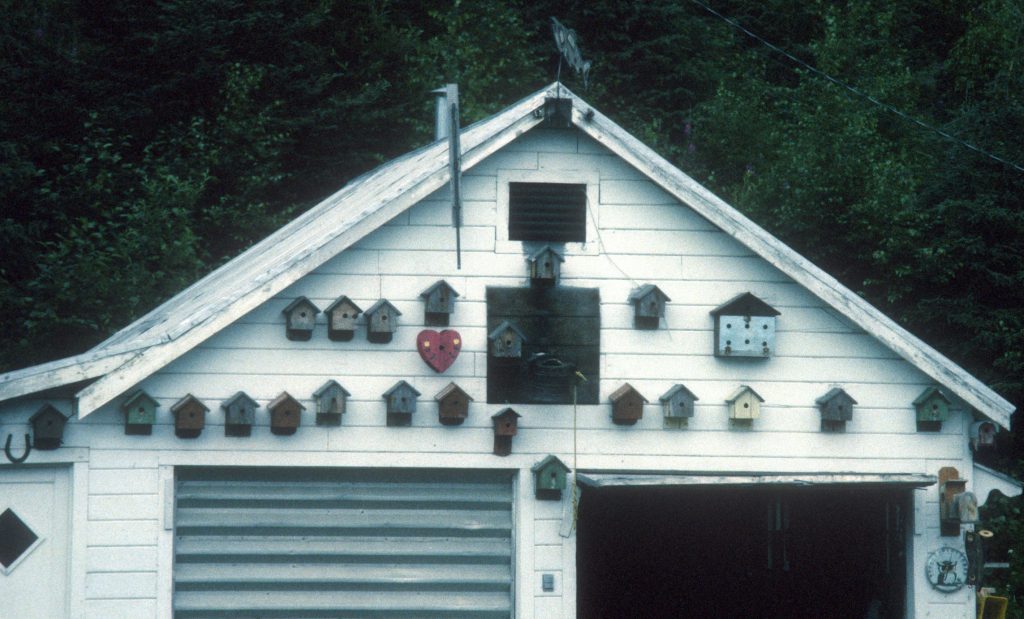
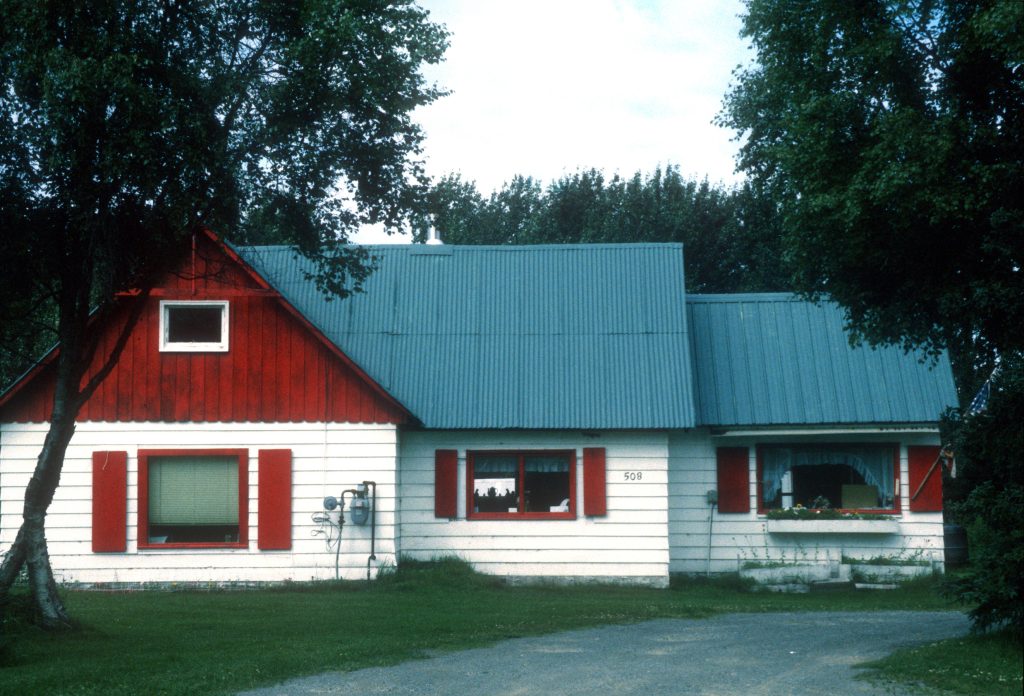
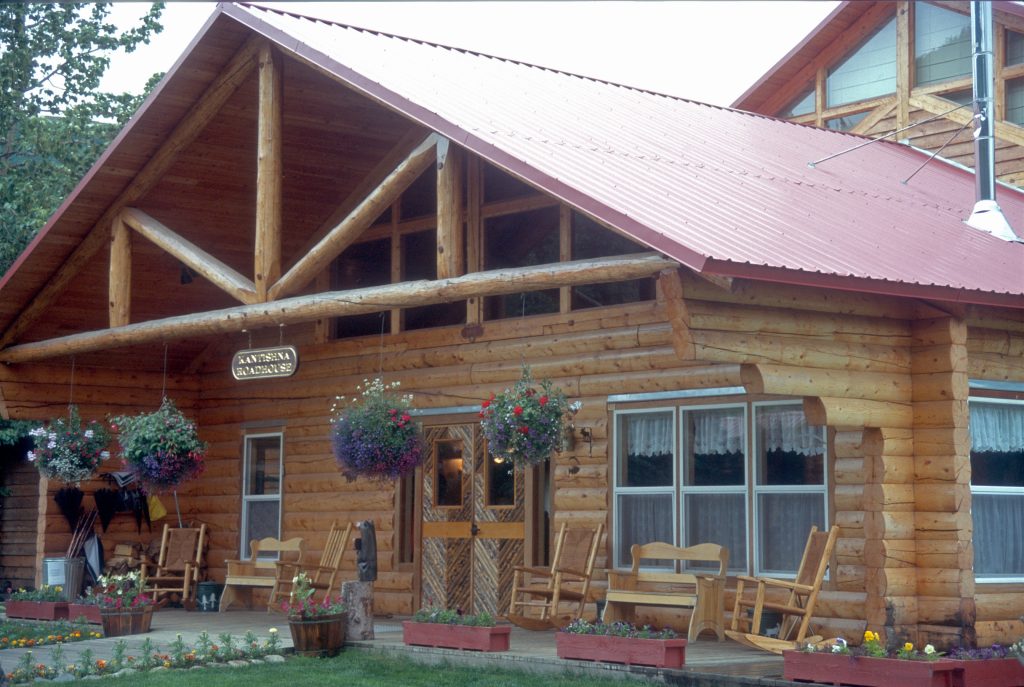
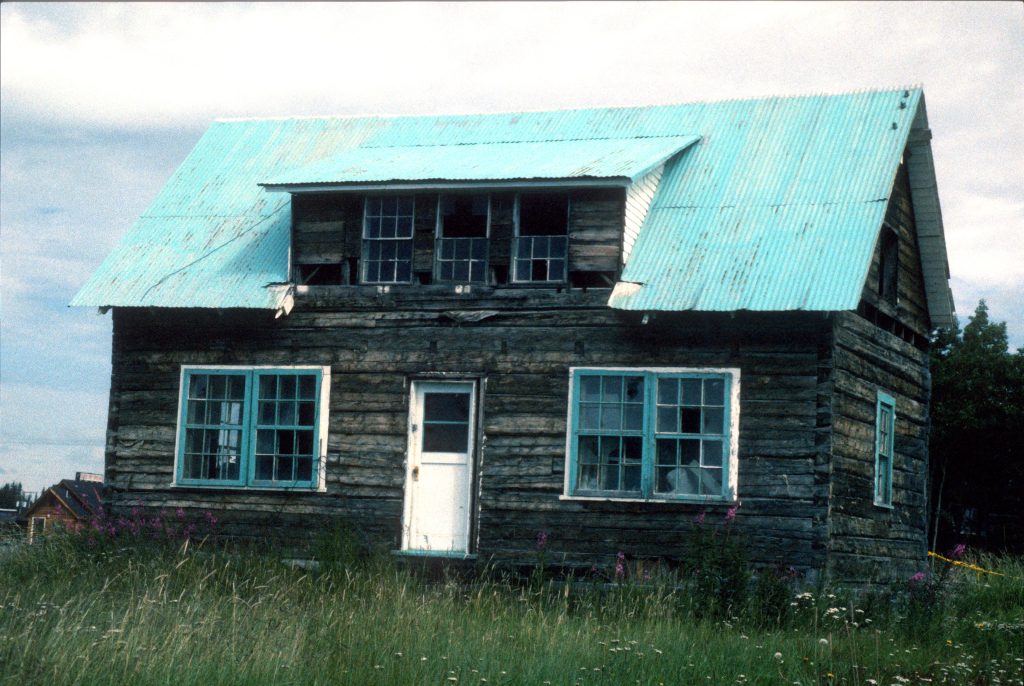
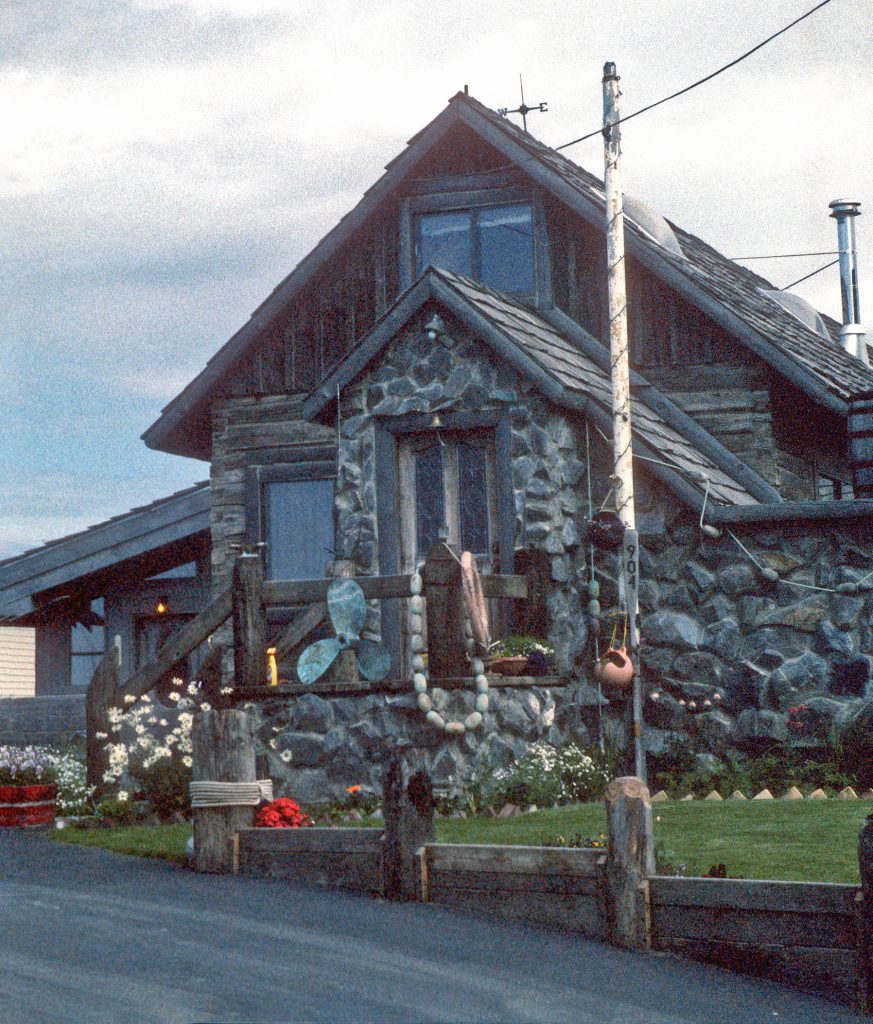
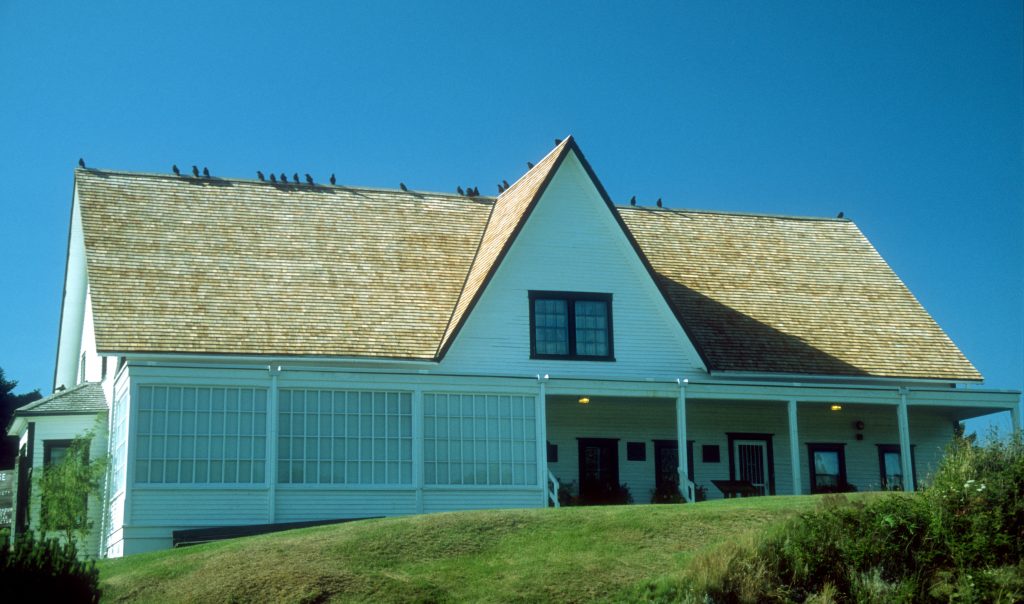
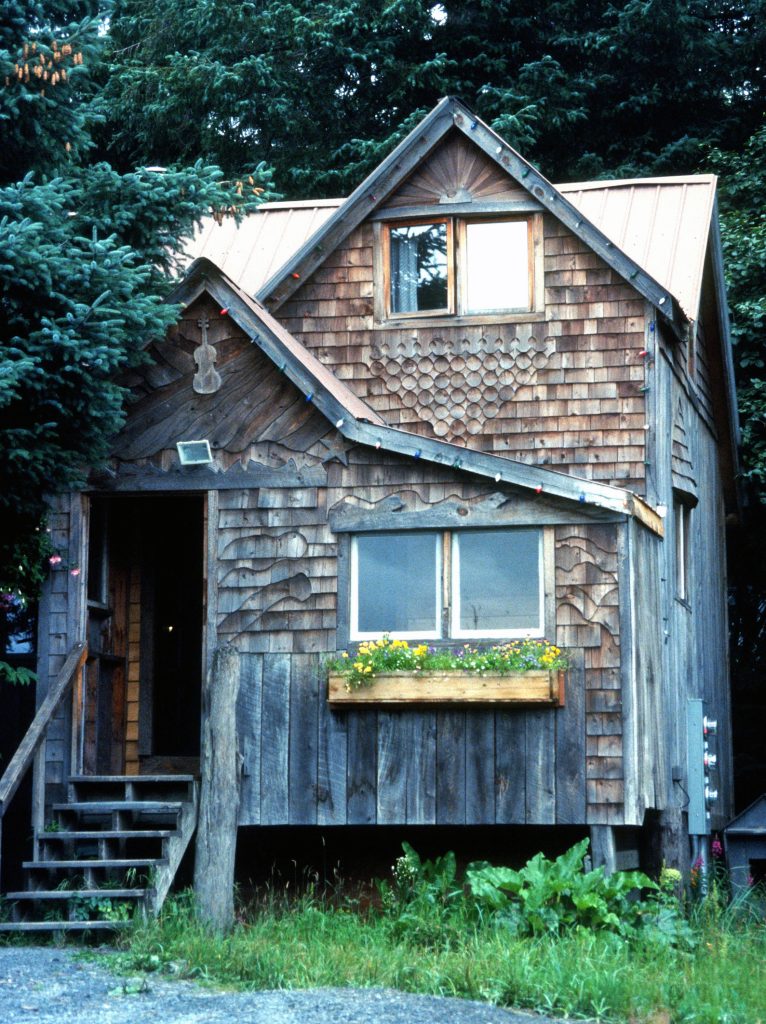
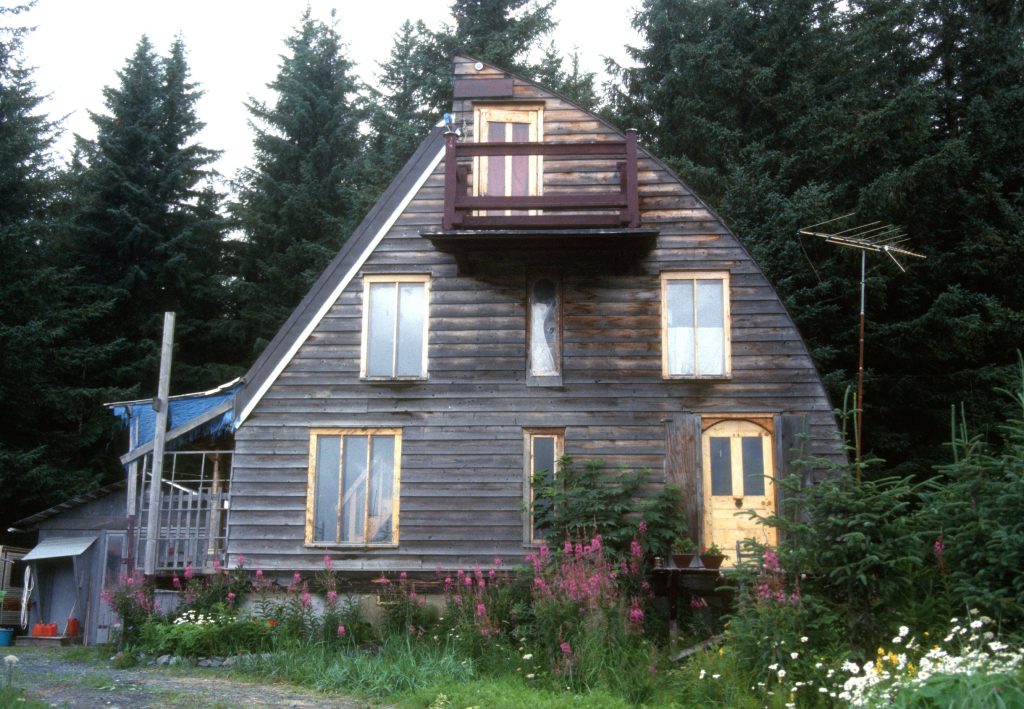
Constructing a home in Alaska isn’t just a project; it’s a survival story. For pioneers, trappers, prospectors, and Indigenous peoples adapting to new pressures, creating shelter in the vast, rugged wilderness of the Last Frontier posed immense challenges. That may be why Alaskans developed such a distinctive sense of humor, matched by their fortitude when it comes to home creation and decoration! Antlers adorn many houses alongside log cabins, trinkets, floral displays, colorful paintwork, and creative self-expression. Born of necessity and harsh realities, these homes are the legacy of pioneers who braved the Alaskan frontier to make it home.
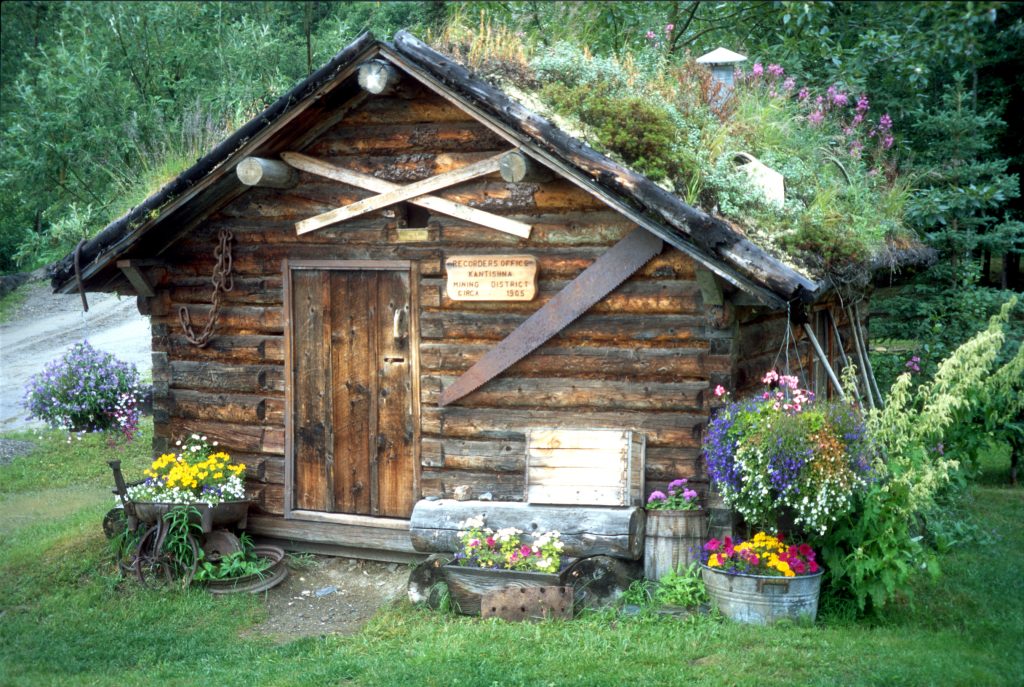
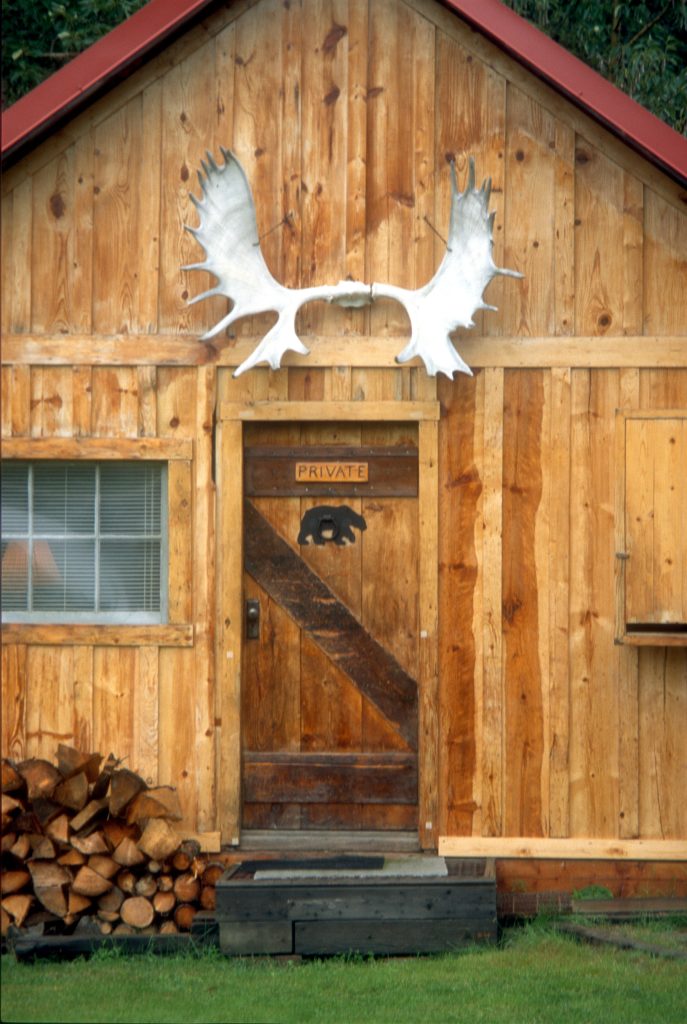
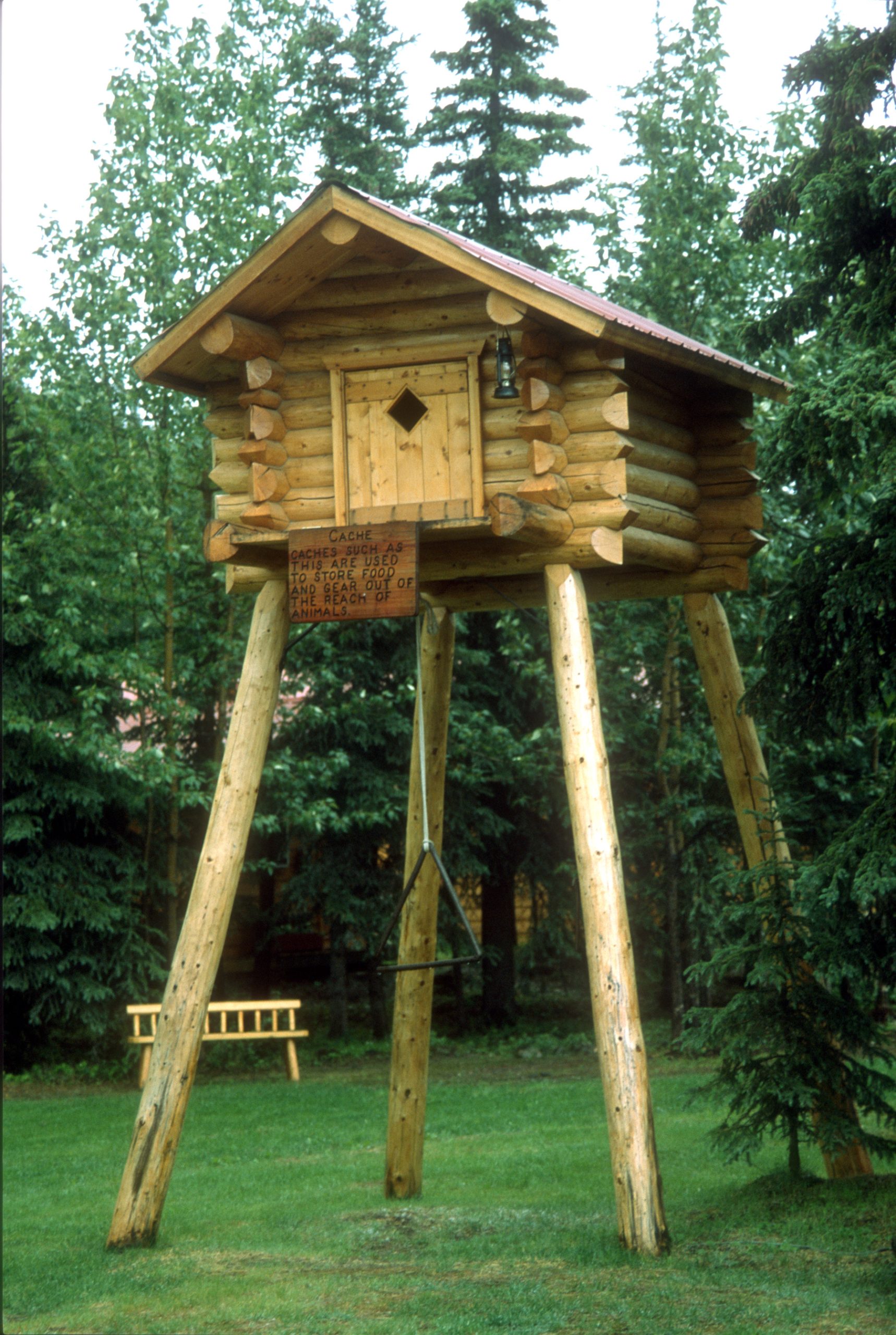
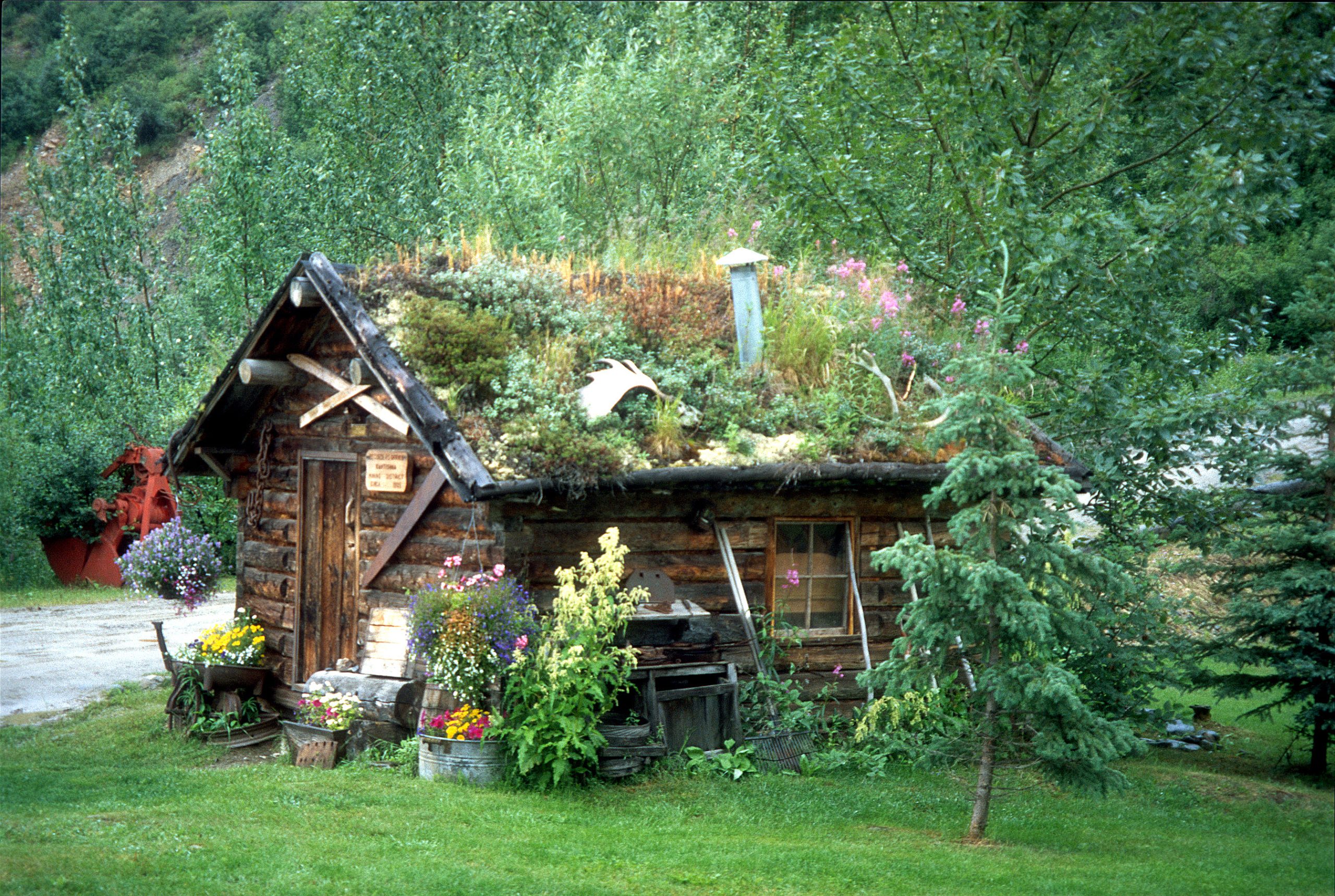
Here are some of the obstacles they faced when building homes and cabins in Alaska before the modern era.
1. Extreme Climate and Isolation
One of the most obvious and relentless challenges was the harsh climate. With long, bitterly cold winters, short summers, and permafrost in many areas, building anything durable required ingenuity. Frost heaving could shift or crack foundations, while deep snow and ice made transporting materials and working outdoors a test of endurance.
In many parts of Alaska, communities sat hundreds of miles from supply routes. The absence of roads and limited river access forced builders to rely on local materials, particularly timber, with only the hardiest transporting goods overland by dog sled or during the brief river-ice breakup season.
And you’d better build strong, because you don’t want a roof caving in from excessive snowfall!
2. Lack of Infrastructure and Materials
Before the Alaska Railroad’s 1923 completion, most settlements were reachable only by steamship, canoe, or pack animals. As a result, building materials like nails, glass, and tools were scarce and expensive, often requiring months to order and deliver by sea or over treacherous trails.
In lieu of processed materials, early settlers often relied on ax-hewn logs, sod, moss, and mud for insulation and structural support. Many cabins were single-room structures with dirt floors and sod roofs that prioritized warmth and efficiency over comfort or aesthetics.
3. Limited Tools and Technology
Without access to mills or power tools, most structures were built entirely by hand. Axes, crosscut saws, and adzes were the standard tools, and nails were often scarce—some builders used wooden pegs or notched joinery instead of metal fasteners. Precision and timing were essential, especially when felling trees, stripping bark, and shaping logs for tight-fitting joints that kept out the cold.
4. Navigating Indigenous Land Rights and Territories
While the Homestead Act extended to Alaska in 1898, it allowed settlers to claim land but also created tensions. Many homesteaders built cabins on or near Indigenous lands without understanding the traditional boundaries or respecting resource rights. Meanwhile, Alaska Natives had long-established techniques for building climate-adapted shelters—such as semi-subterranean homes in the tundra—but were increasingly pushed to the margins by colonization and legal land disputes.
5. Wildlife and Environmental Hazards
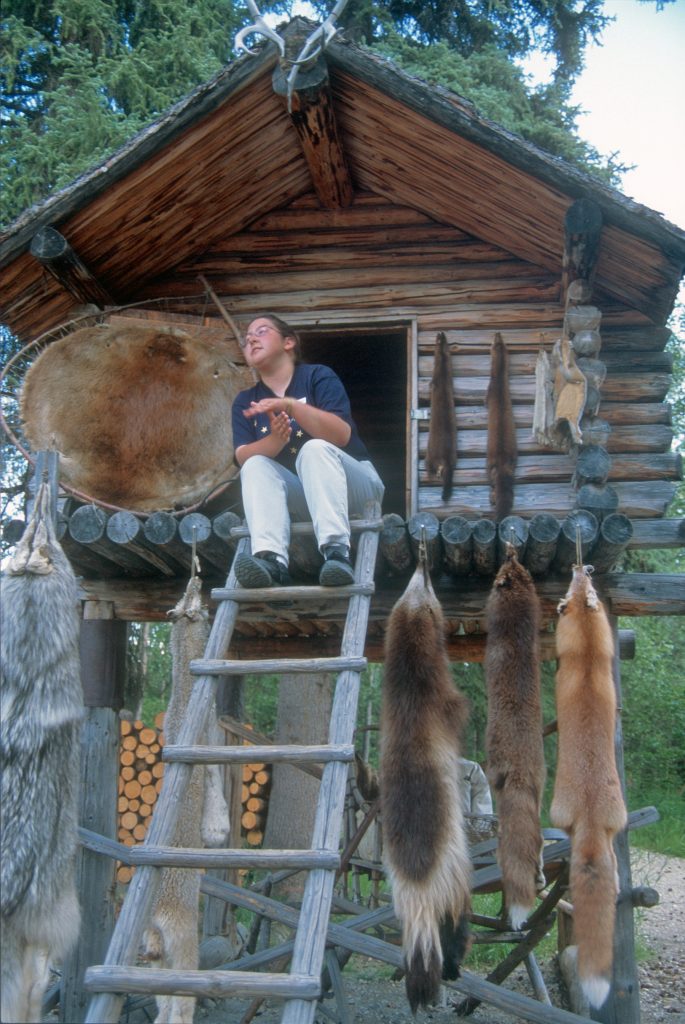
It wasn’t just the cold that was dangerous. Bears, wolves, and moose posed regular threats, particularly when cabins were built near food sources. Forest fires, flooding rivers, and avalanches could destroy entire structures. Many early cabins included bear-proof caches, elevated platforms for storing food, and reinforced doors against intruders—both animal and human. And some homes still do today! See the one in our photo gallery below.
6. Survival Over Aesthetics
The priority for most early Alaskan builders was function over form. Cabins needed to be insulated, easy to heat, and able to withstand the elements. Windows were small or absent to retain heat, and interiors held only hand-built furnishings. Chimneys were typically made from stone or clay-lined barrels, while floors were packed dirt or split logs. You can still see several of these structures in Pioneer Park in Fairbanks.
Building a home in Alaska before 1900 meant staking your claim not just on the land, but against every force of nature. It required resilience, skill, and a willingness to improvise. Today, many of those early structures—if they survive—stand as testaments to the tenacity of frontier life and the ingenuity required to call one of the harshest places on earth “home.
Where to Stay in Alaska, United States
Anchorage offers the widest range of lodging options in Alaska, from downtown hotels walking distance to museums and restaurants, to suburban properties with rental vehicle parking. The Hotel Captain Cook and other mid-range downtown hotels place you near the Anchorage Museum and Ship Creek, while budget chains line Northern Lights Boulevard. For travelers planning outdoor day trips, staying in Anchorage gives you easy access to both the Glenn and Seward Highways without committing to smaller towns.
Fairbanks hotels cluster in downtown and around the university, ranging from economy motels to business-class lodging. Most visitors base themselves here for day trips to Denali National Park, about two hours south, or to explore the nearby Chena Hot Springs. The town offers restaurants, shops, and services, making it a practical hub for northern Alaska exploration.
Small towns like Juneau, Ketchikan, and Sitka offer boutique hotels, family-run inns, and vacation rentals for travelers drawn to Southeast Alaska’s rainforests and Native cultures. These towns are accessible only by ferry or floatplane, so plan lodging several weeks ahead during peak summer months. Staying in town keeps you near totem poles, hiking trails, and local restaurants without needing a car.
For cabin stays, rental platforms list properties throughout Alaska, from basic structures to modern vacation homes with full amenities. Cabins near Talkeetna or along the Parks Highway offer quieter alternatives to town hotels while staying close to day-trip destinations and wildlife viewing areas. Reserve well in advance; availability drops sharply from June through August.
Recommended Reading
These titles transport you to the resourceful, rugged lives of those who carved homes and hope in Alaska’s untamed wilderness before the 20th century.
- Alaska by James Michener – In this sweeping epic of the northernmost American frontier, James A. Michener guides us through Alaska’s fierce terrain and history, from the long-forgotten past to the bustling present. As his characters struggle for survival, Michener weaves together the exciting high points of Alaska’s story: its brutal origins; the American acquisition; the gold rush to statehood.
- The Klondike Fever by Pierre Berton – A gripping historical narrative of the 1890s gold rush that brought tens of thousands through the Yukon and Alaskan trails, changing habitation patterns forever.
- Call of the Wild by Jack London – Buck, a domesticated dog who is stolen from his comfortable home in California and sold into the harsh life of an Alaskan sled dog during the Klondike Gold Rush. As he faces the brutal realities of his new environment, Buck gradually reverts to his wild instincts, ultimately embracing his ancestral heritage.
- Any of Tracey Peterson’s Alaskan women’s empowerment and romance series Song of Alaska beginning with Dawn’s Prelude
- Two in the Far North by Margaret E. Murie – Part memoir, part naturalist’s journal, this lyrical work covers Murie’s childhood in early 20th-century Fairbanks and her explorations of the Alaskan interior. Though it overlaps the 20th century, it vividly recounts late frontier life.
- Alaska: Saga of a Bold Land by Walter R. Borneman – While broad in scope, it’s invaluable for understanding the territorial growth and pioneering spirit that shaped Alaskan communities in the 18th and 19th centuries.
- Tisha: The Story of a Young Teacher in the Alaska Wilderness by Robert Specht – Based on the real-life memoirs of Anne Hobbs, who taught school in the remote town of Chicken, Alaska, during the early 1920s. A touching story of perseverance and cultural intersection, reflecting a time when frontier life still clung to pre-modern roots.
- Coming into the Country by John McPhee – For those who appreciate meditative, beautifully rendered reporting, this late-20th-century classic still contains deep dives into remote, often unchanged frontier-style settlements in Alaska.
- Alaska’s History: The People, Land, and Events of the North Country by Harry Ritter – Alaska’s rich and cultural history comes to life in this vivid, take-along account.
- Insight Guides: Alaska – A visually stunning travel guide filled with cultural insight, natural history, and expert tips, perfect for exploring Alaska’s vast wilderness, gold rush heritage, Indigenous traditions, and rugged frontier towns. Ideal for travelers seeking both adventure and understanding of the Last Frontier’s untamed spirit.
Tours to Consider
- Alaskan Heritage and Sightseeing Tour in Fairbanks
- Best of Sitka Land Tour l Top Attractions & Scenic Highlights