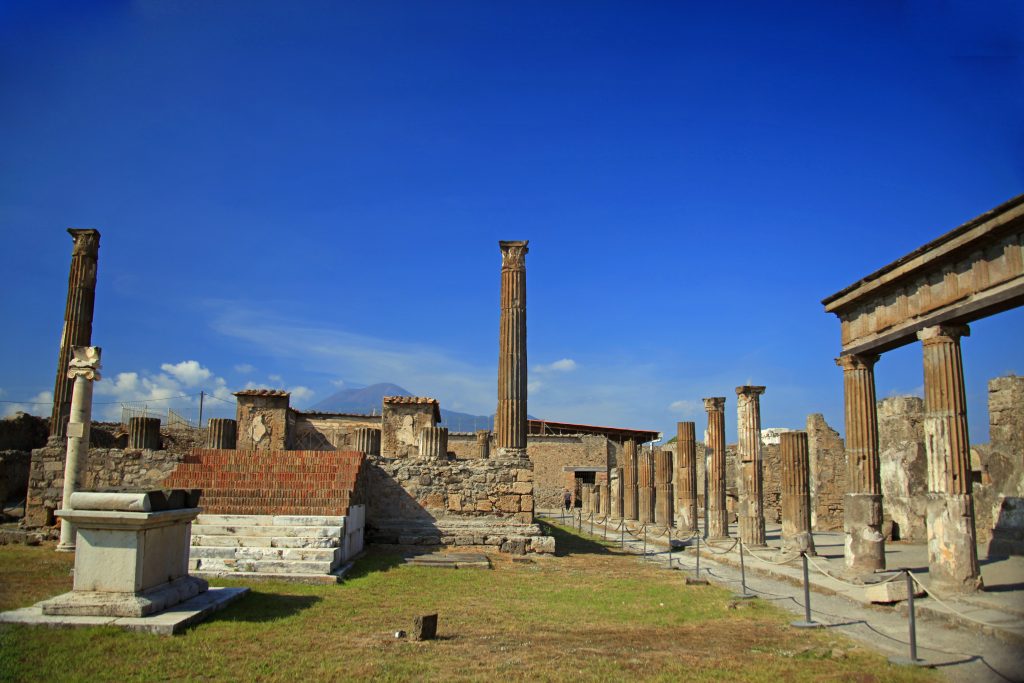
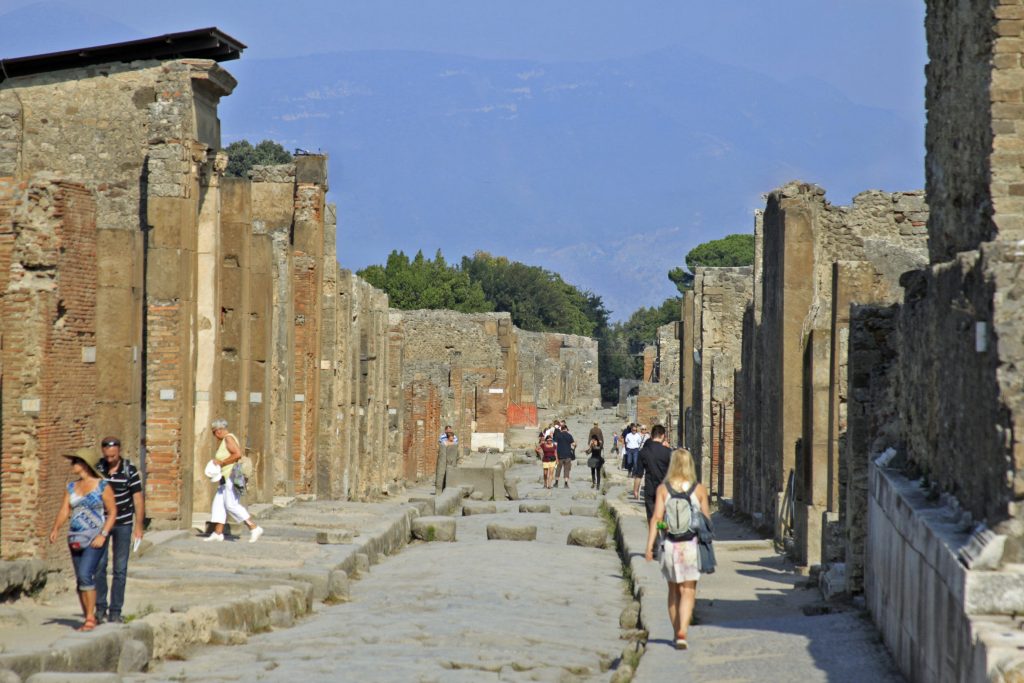
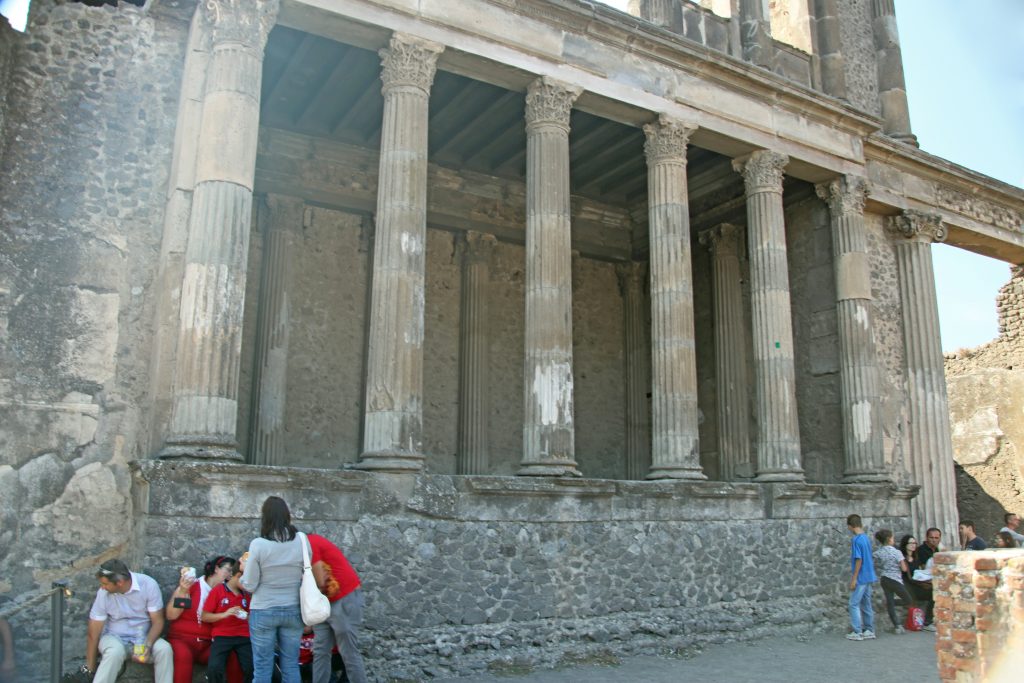
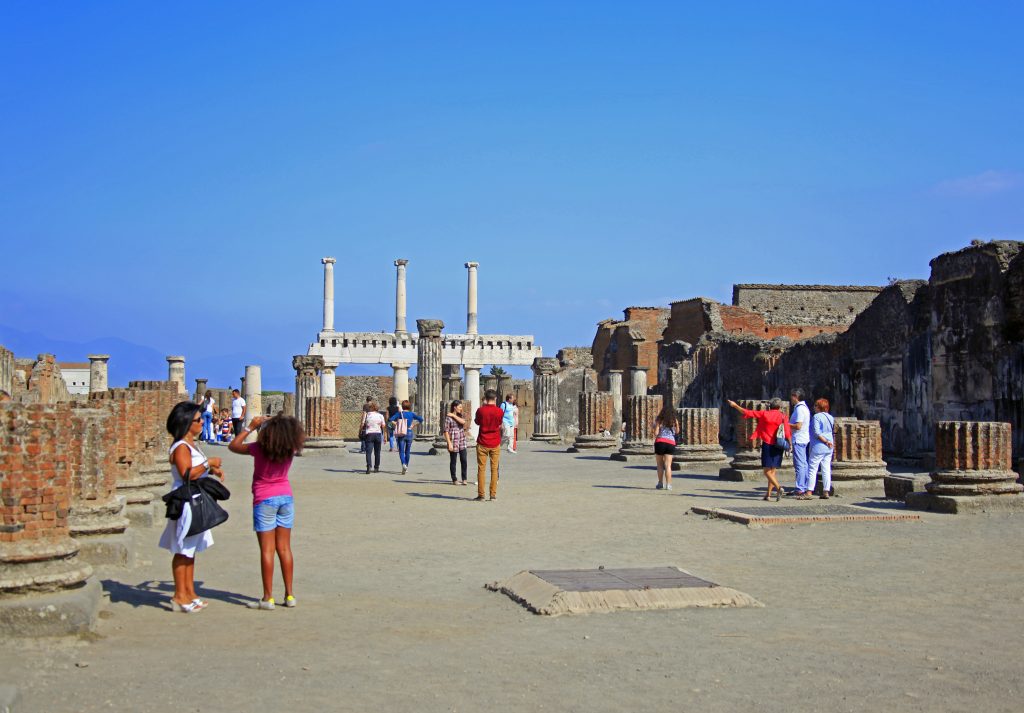
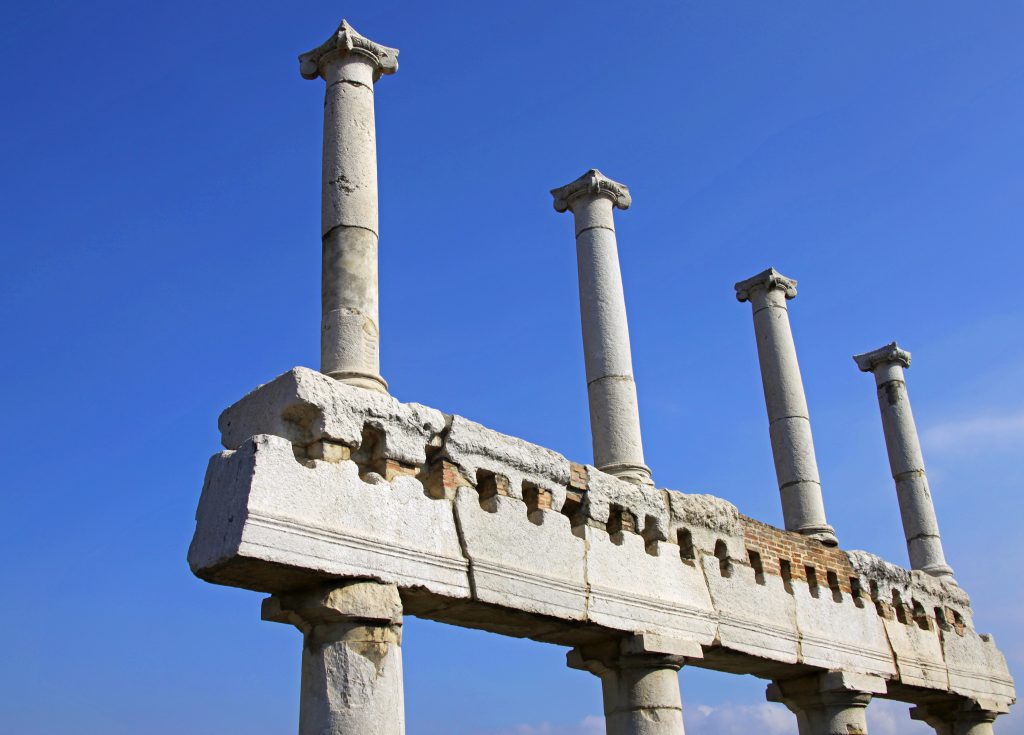
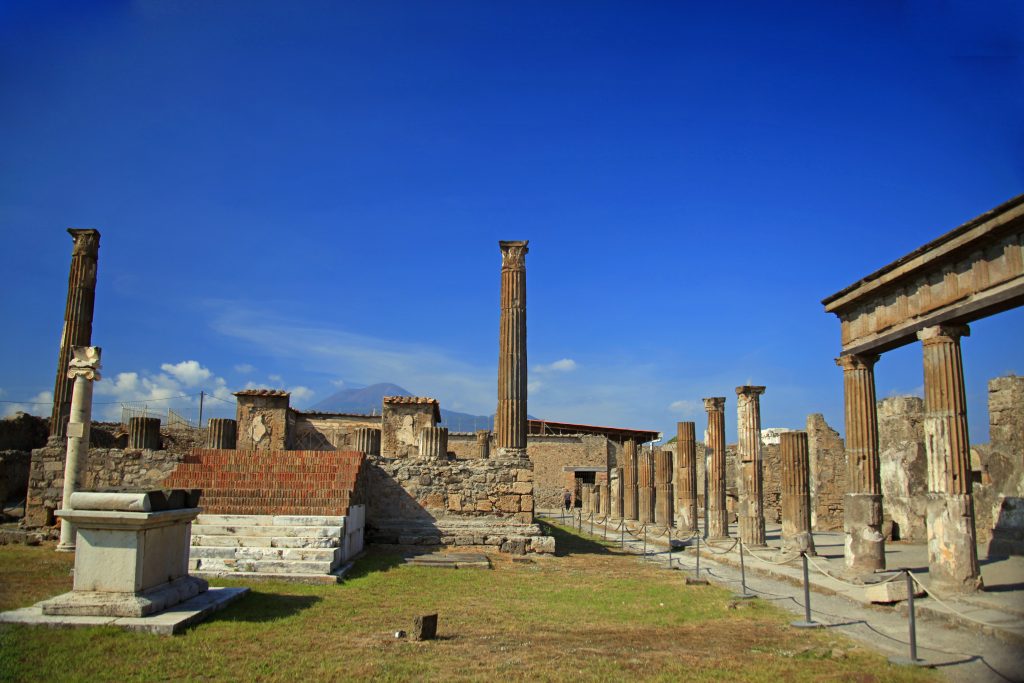
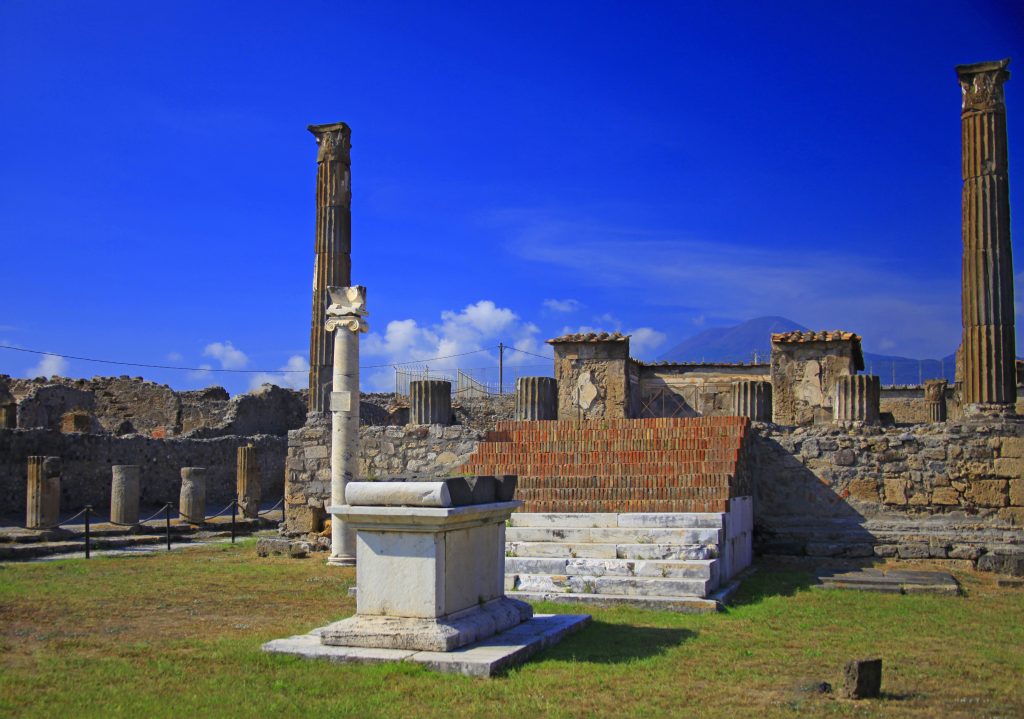
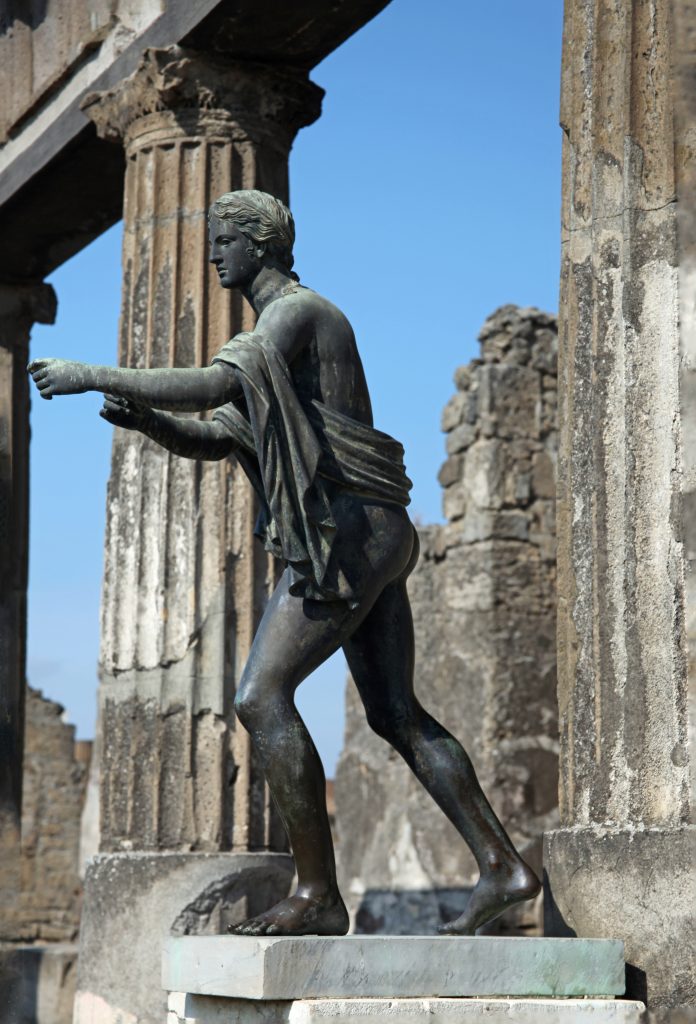
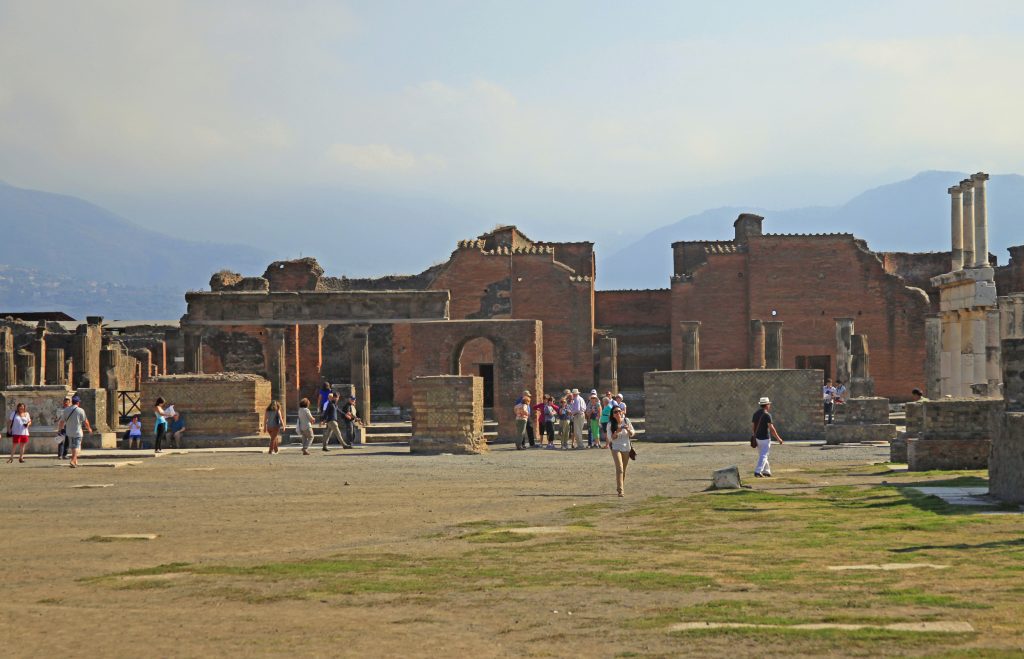
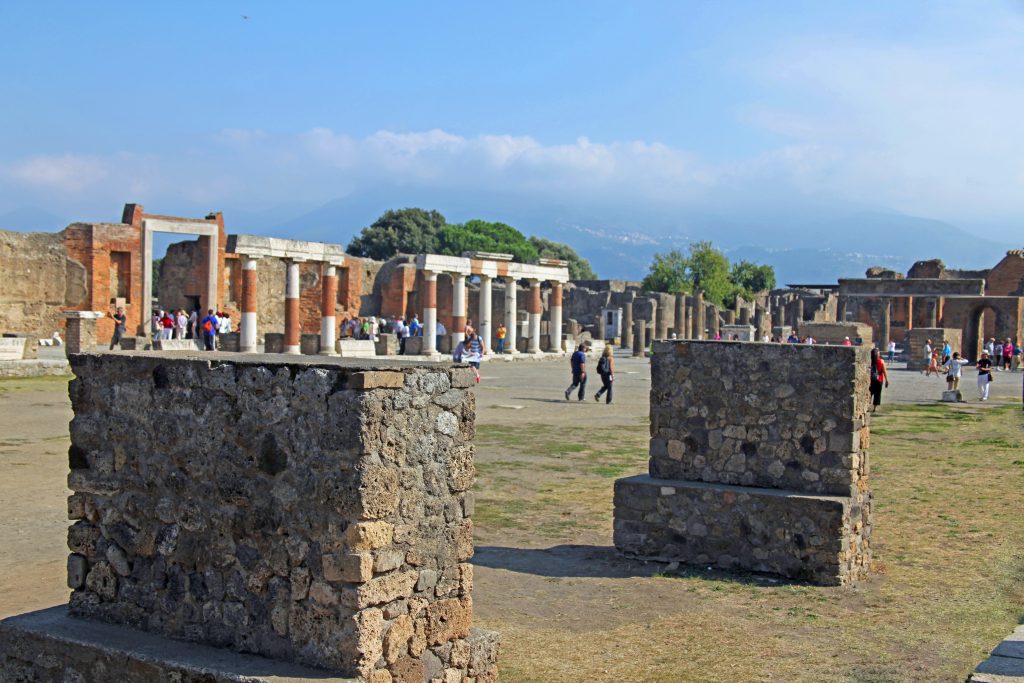
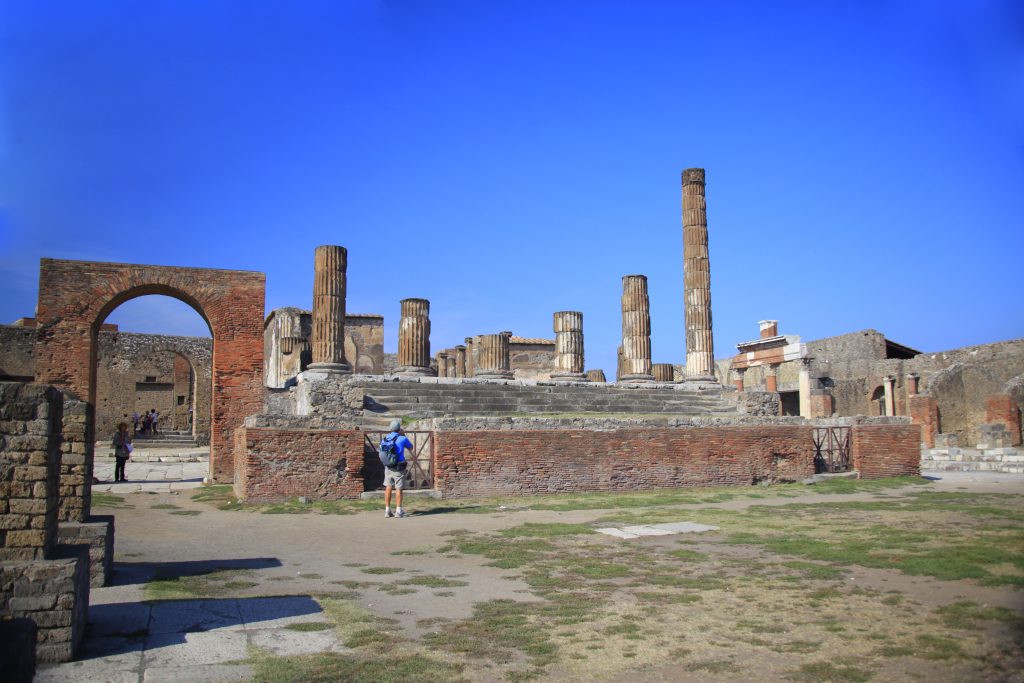
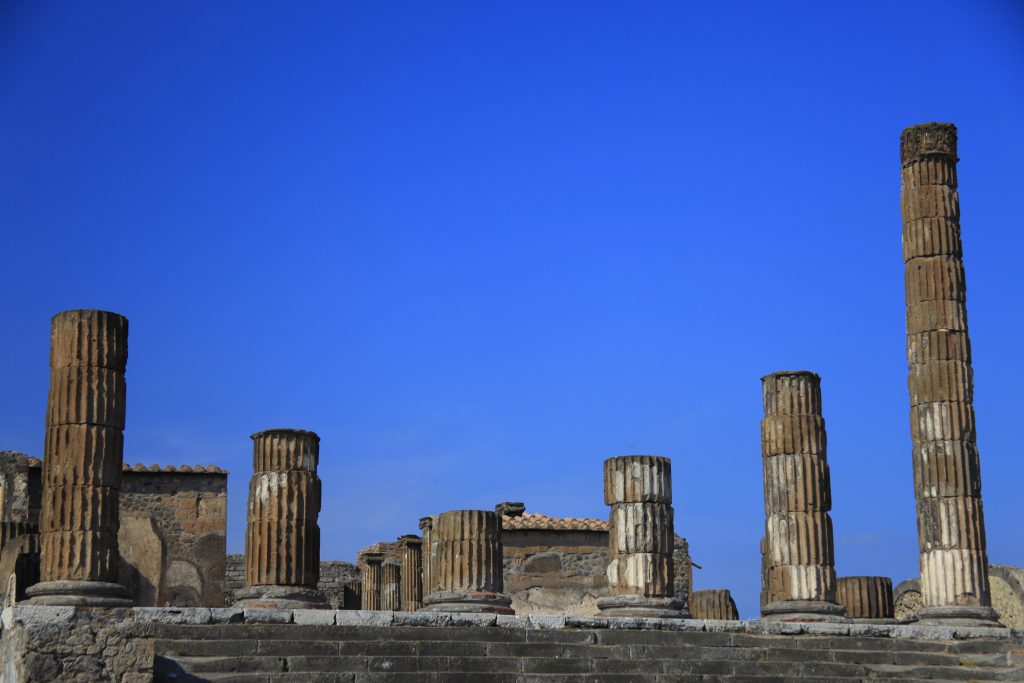
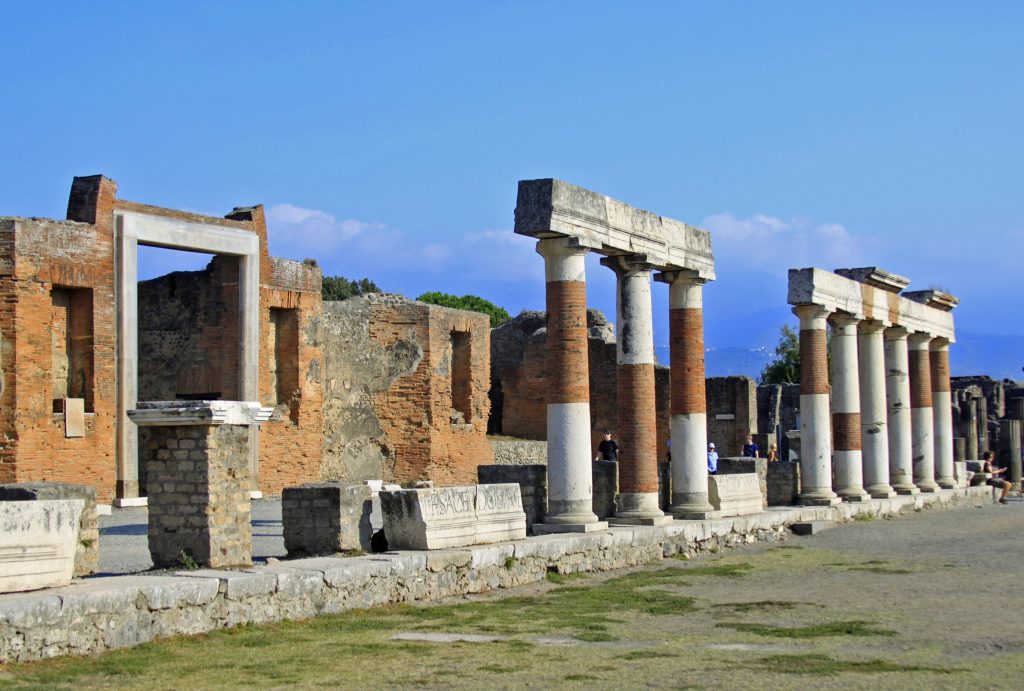
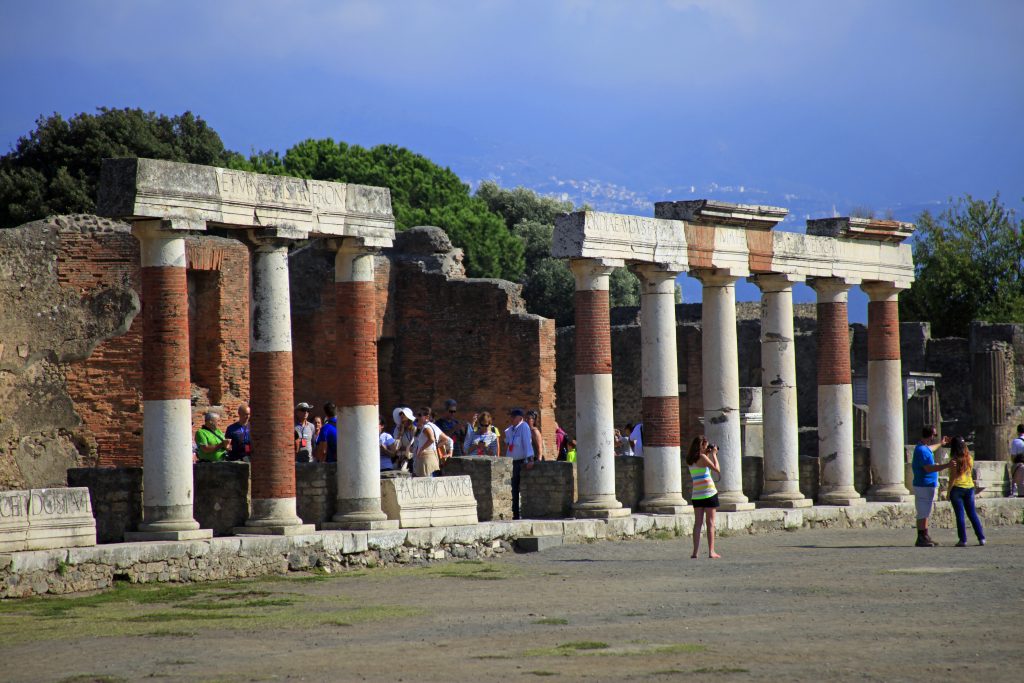
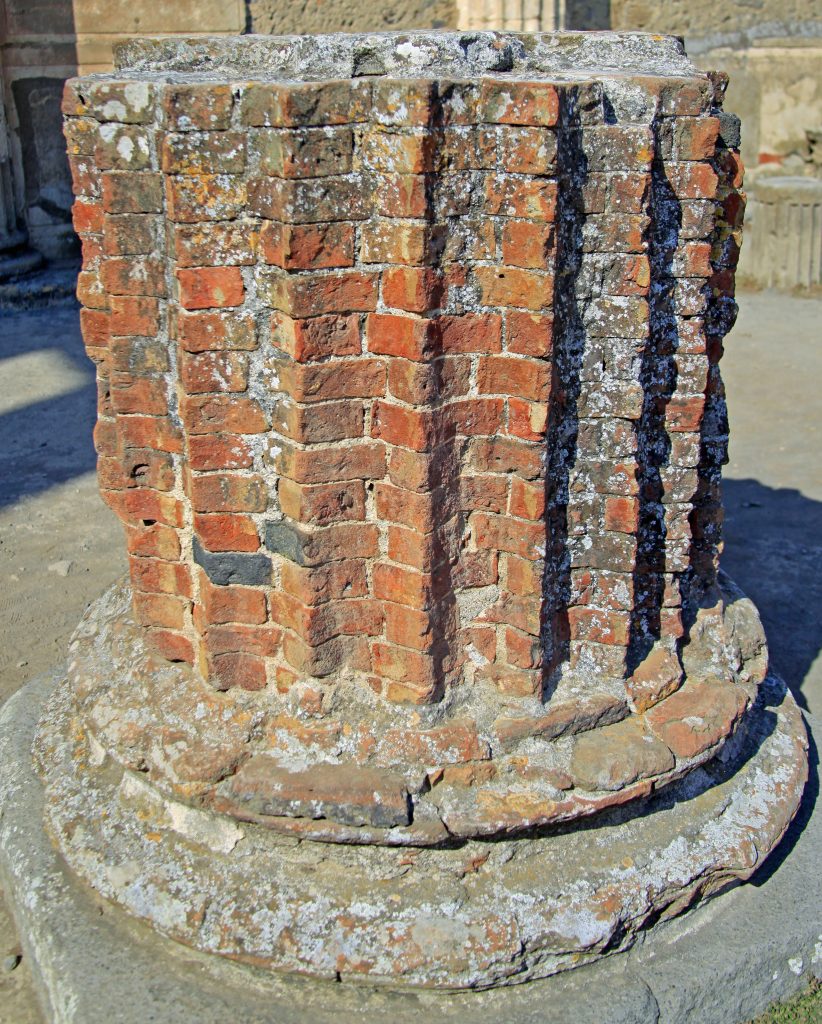
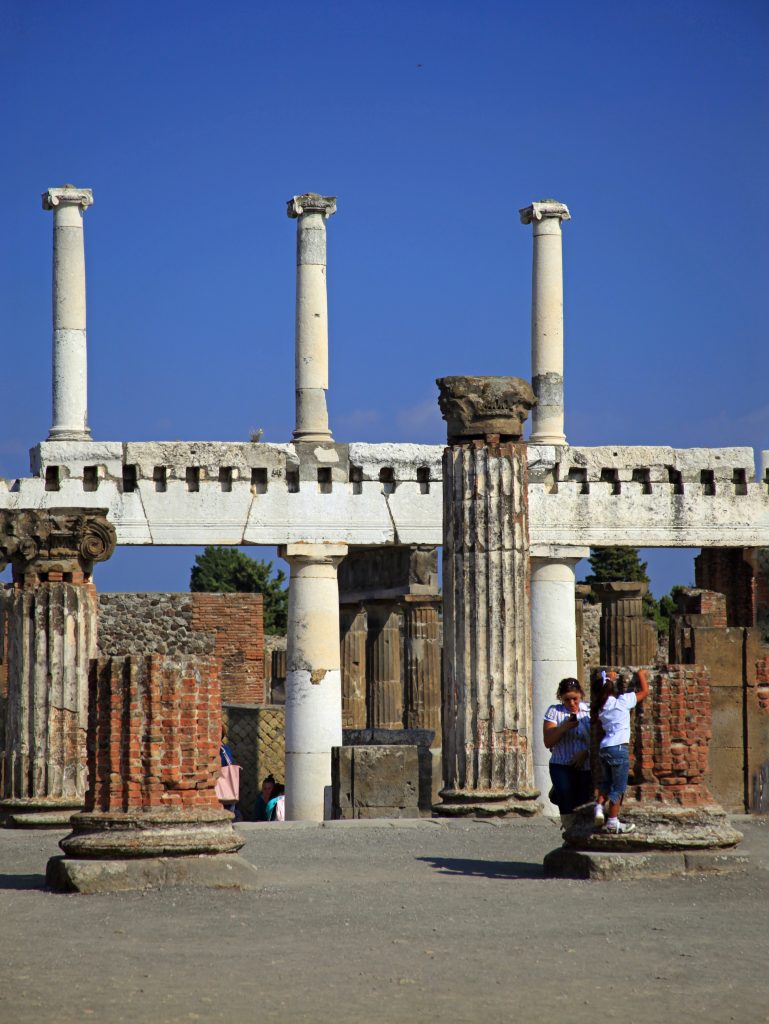
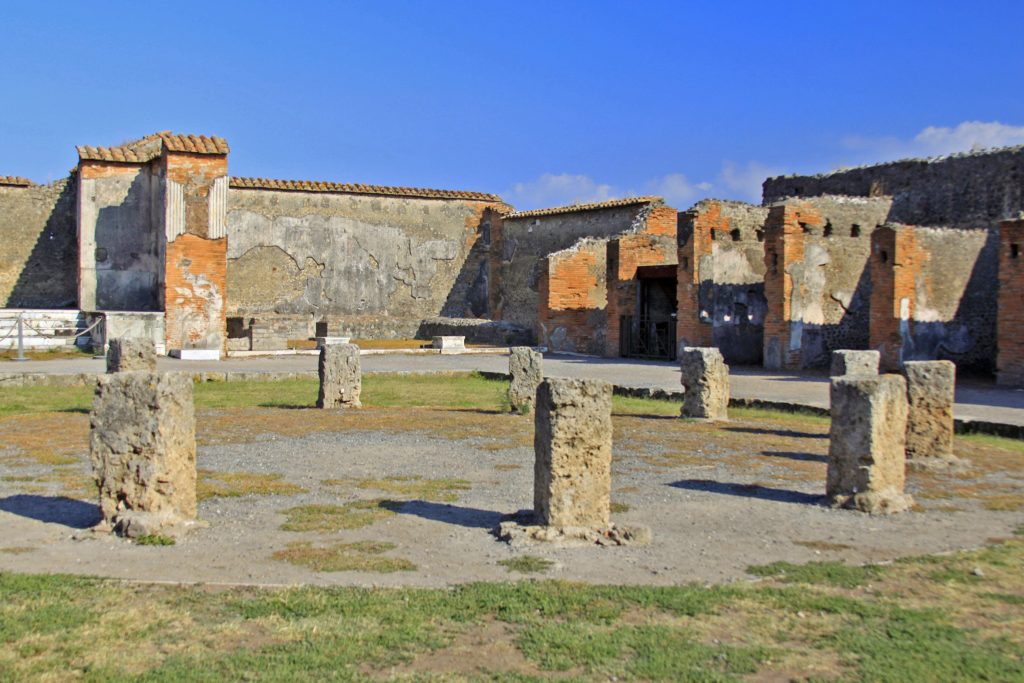
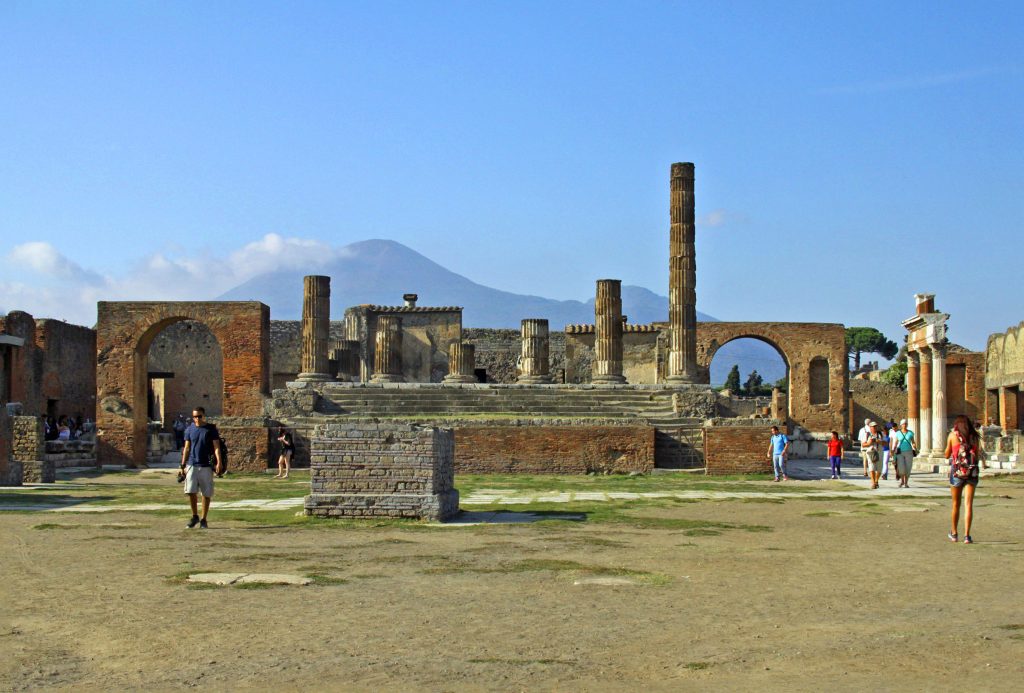
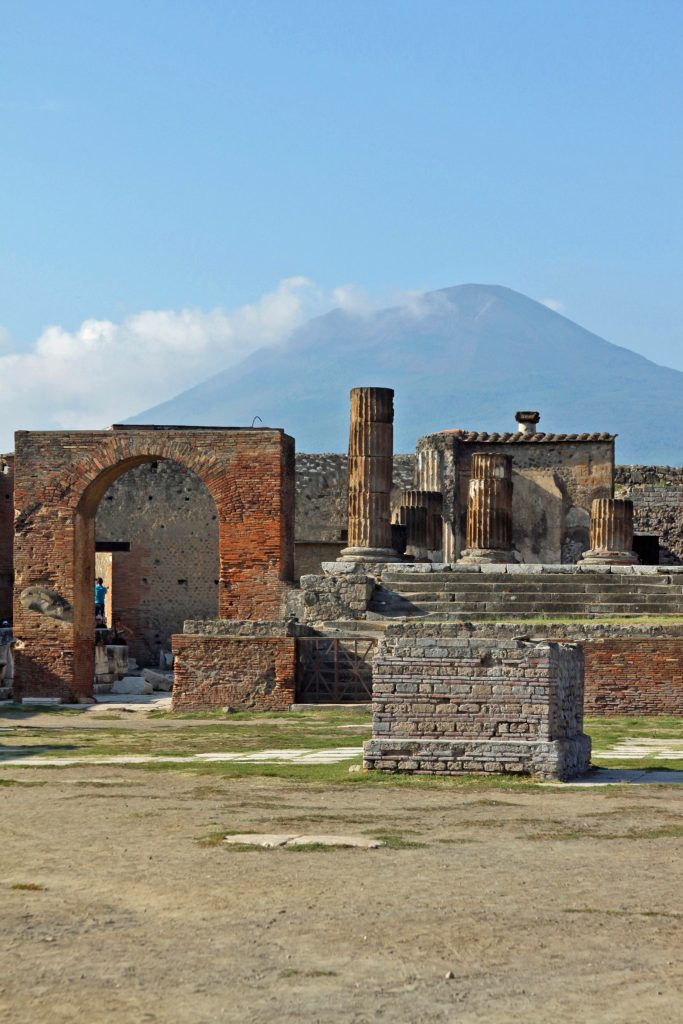
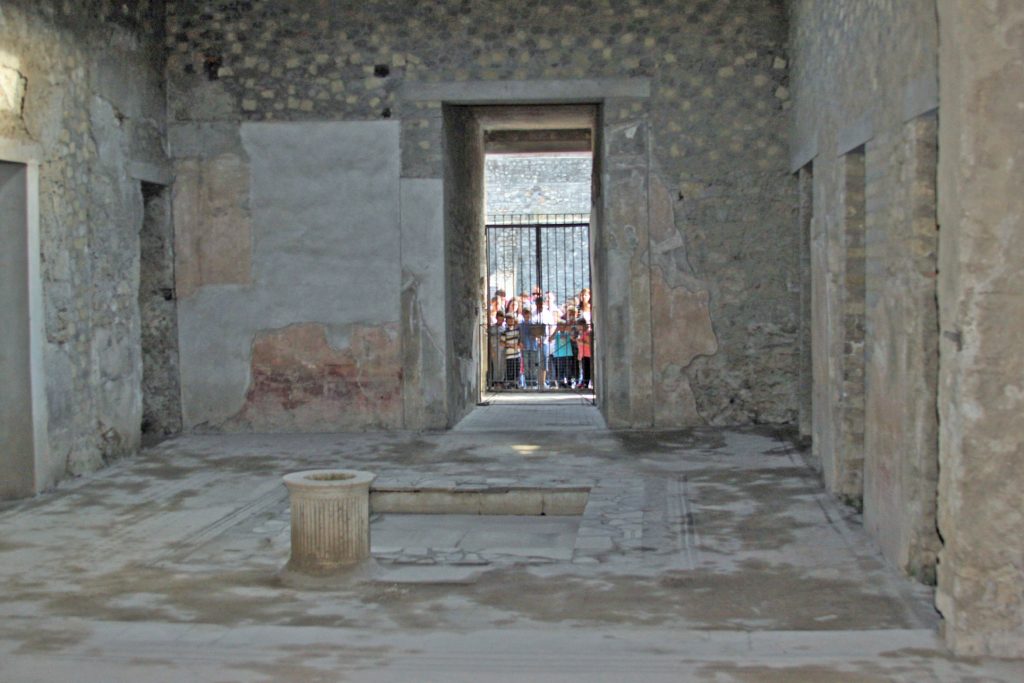
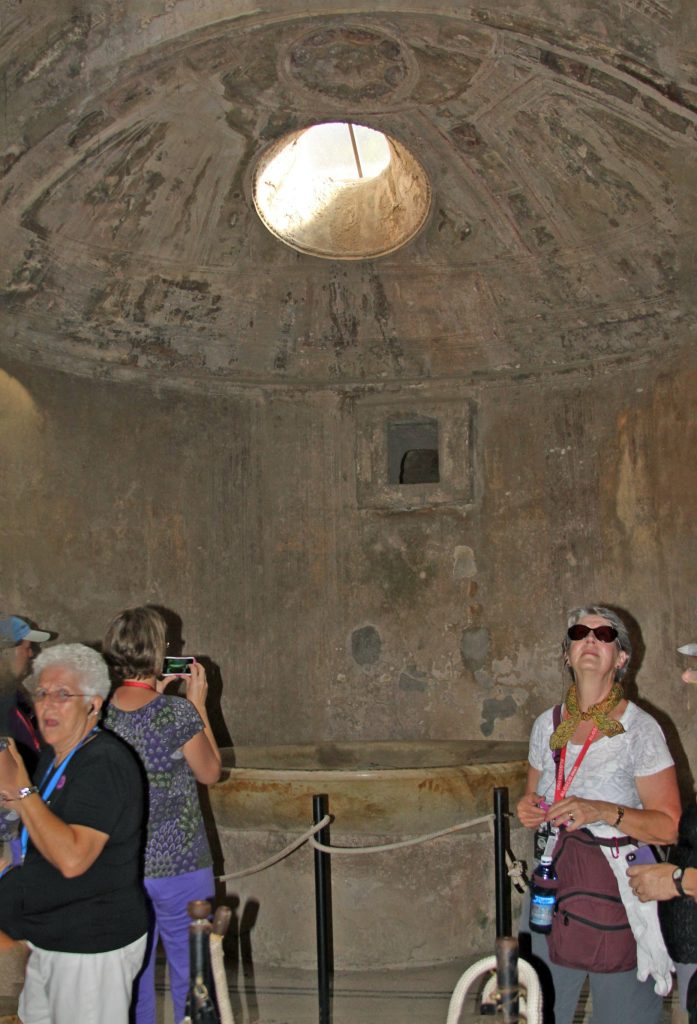
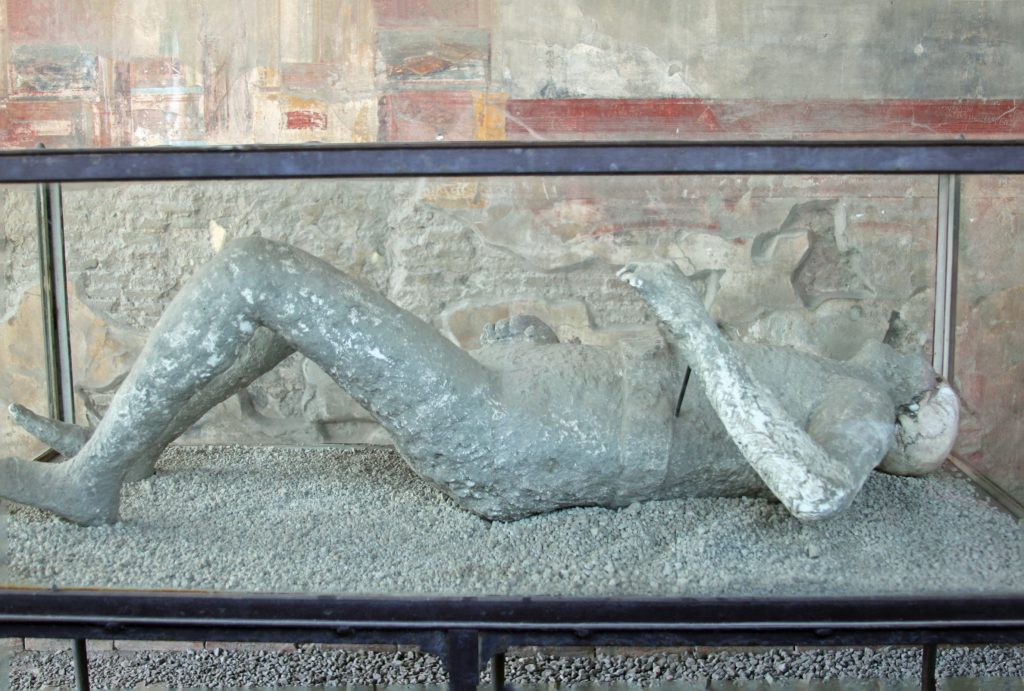
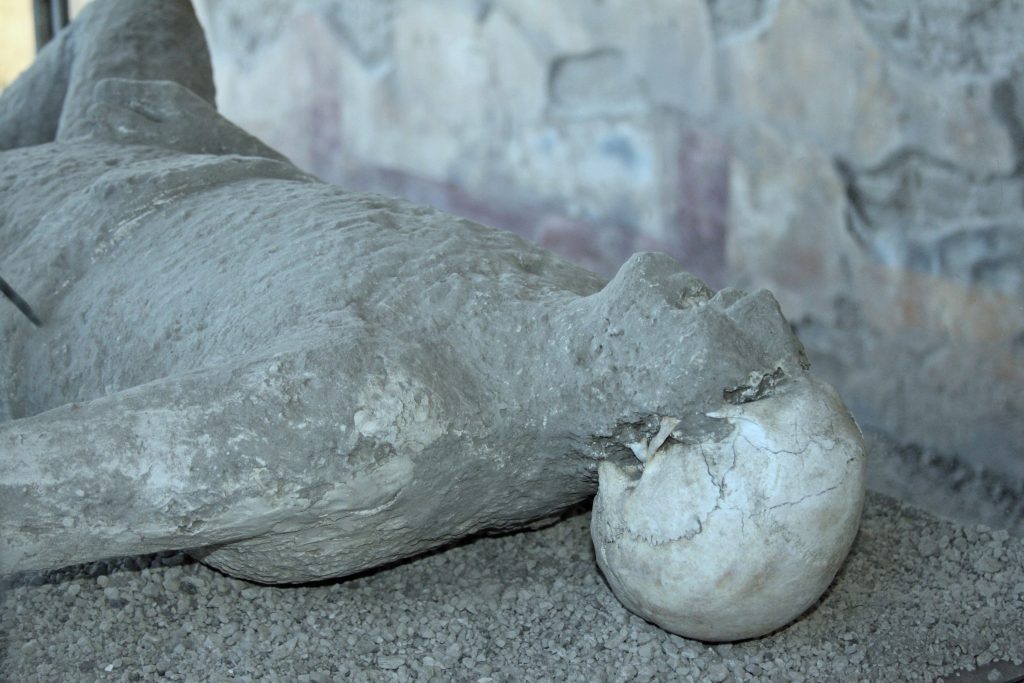
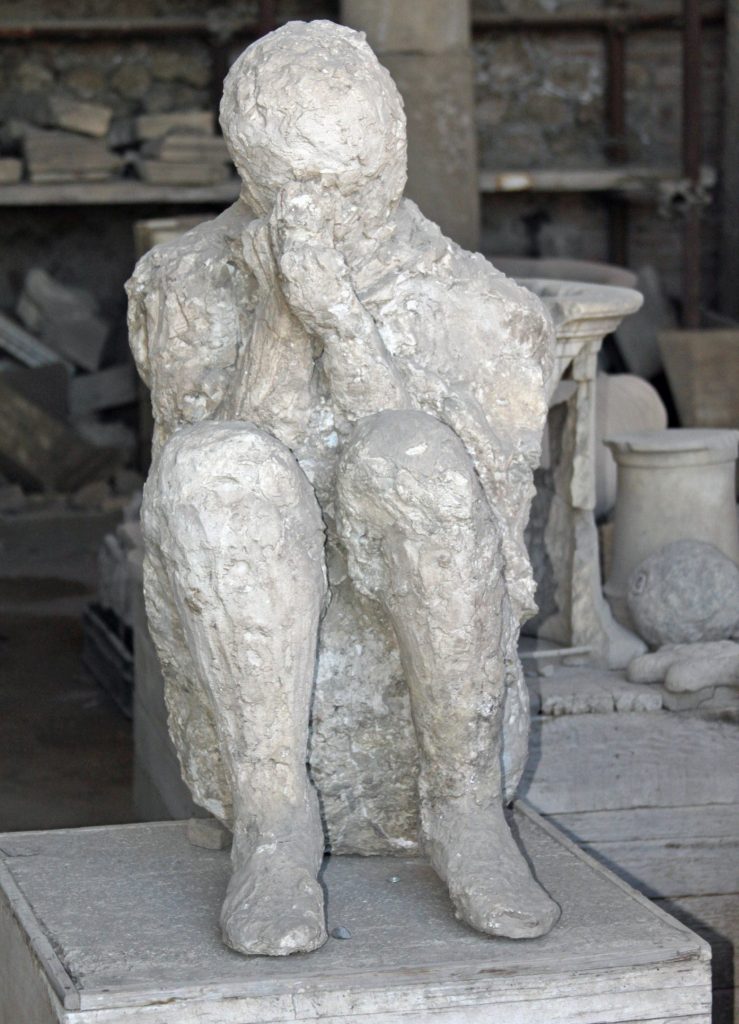
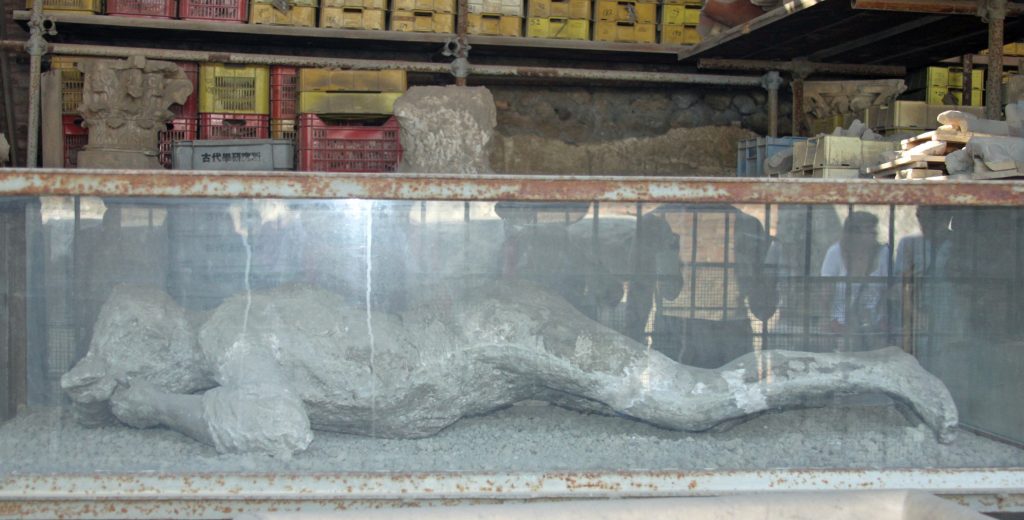
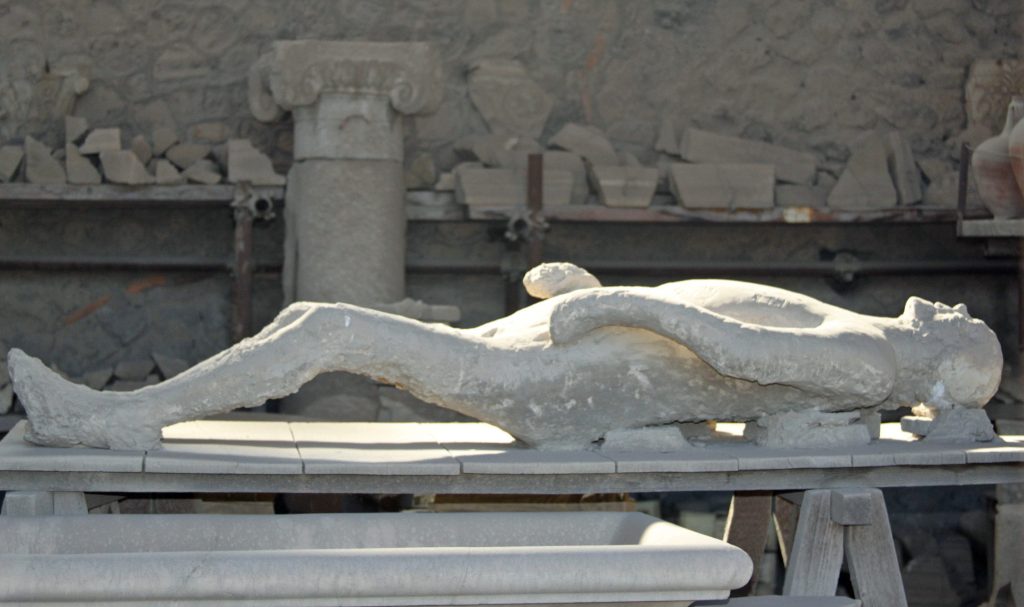
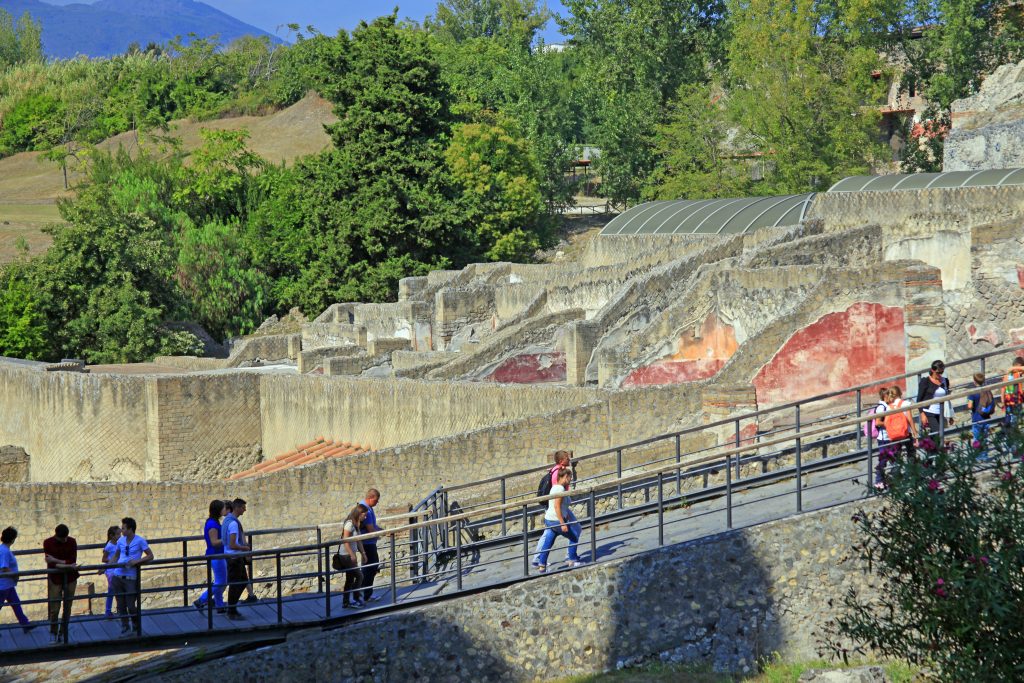
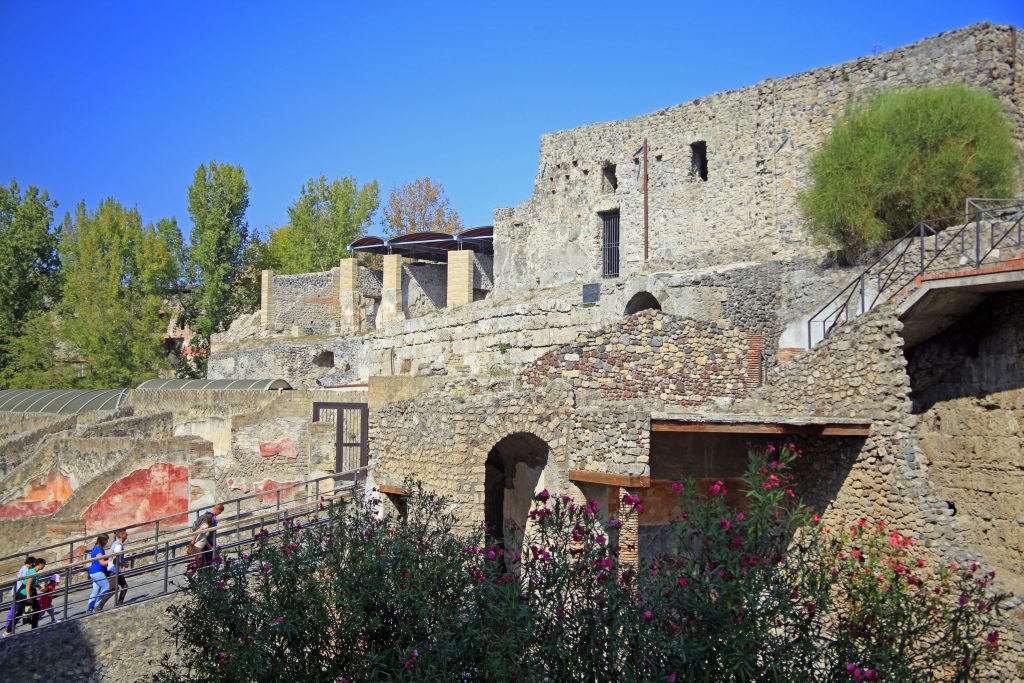
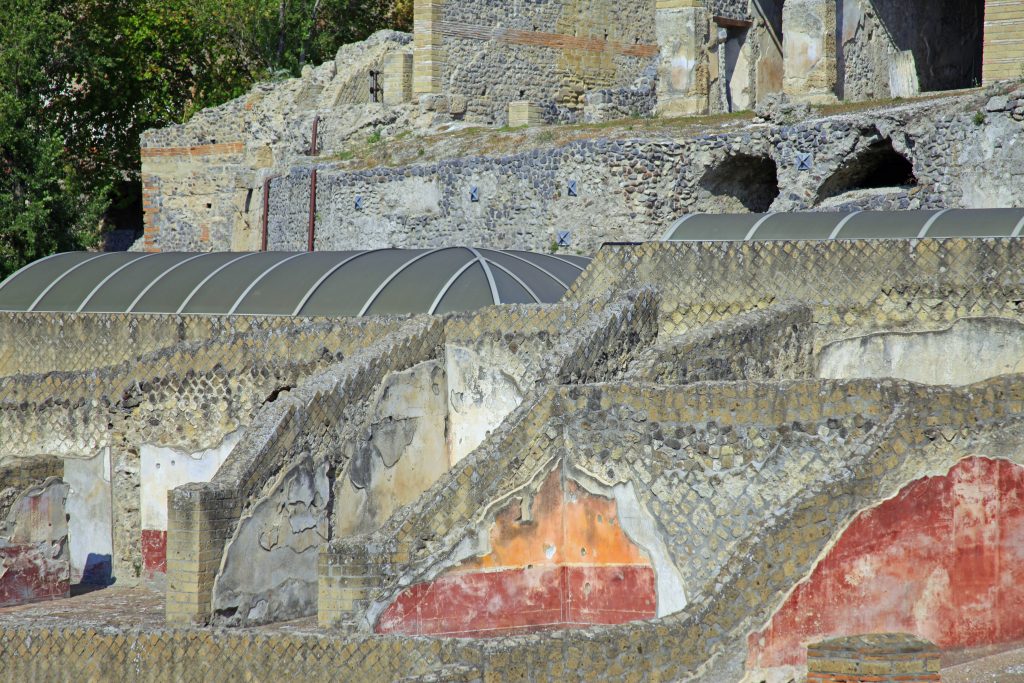
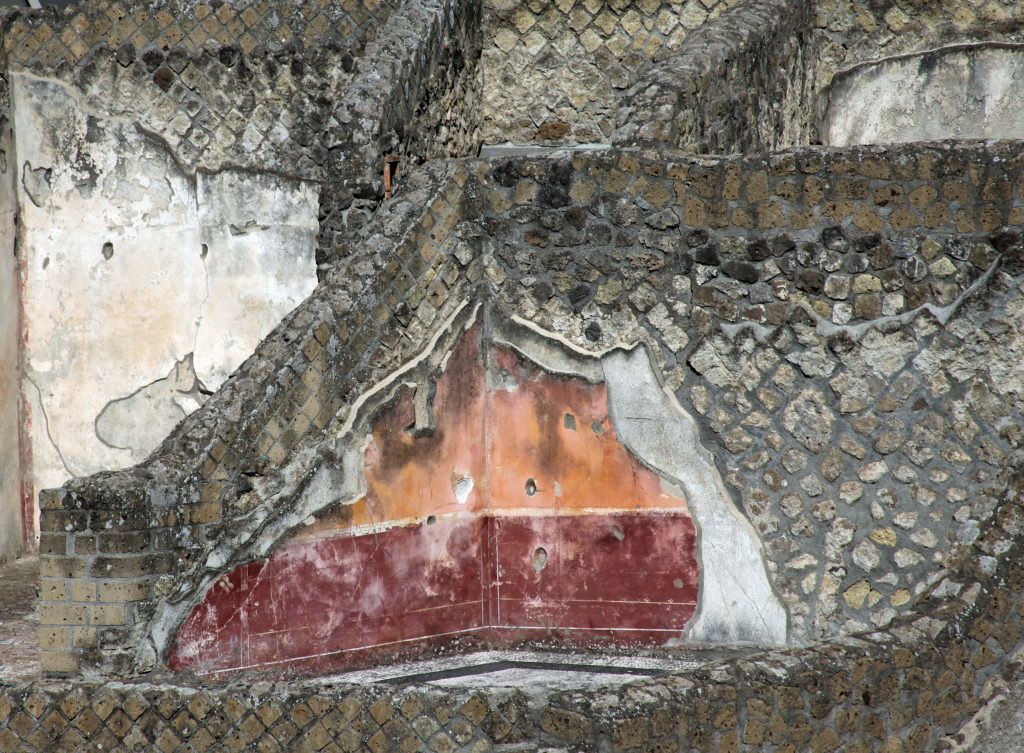
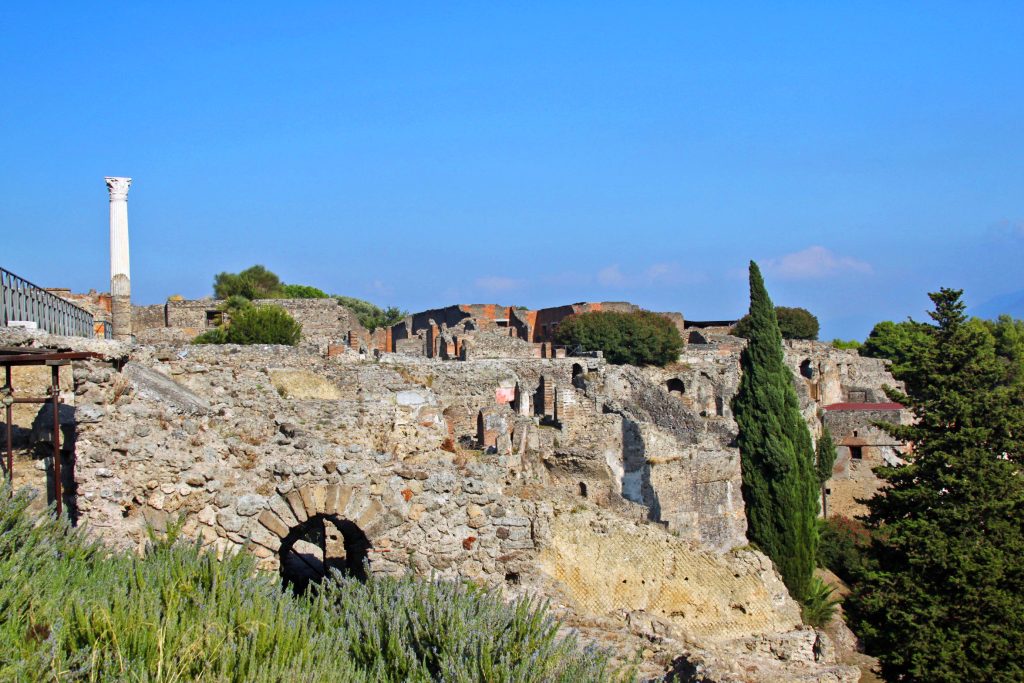
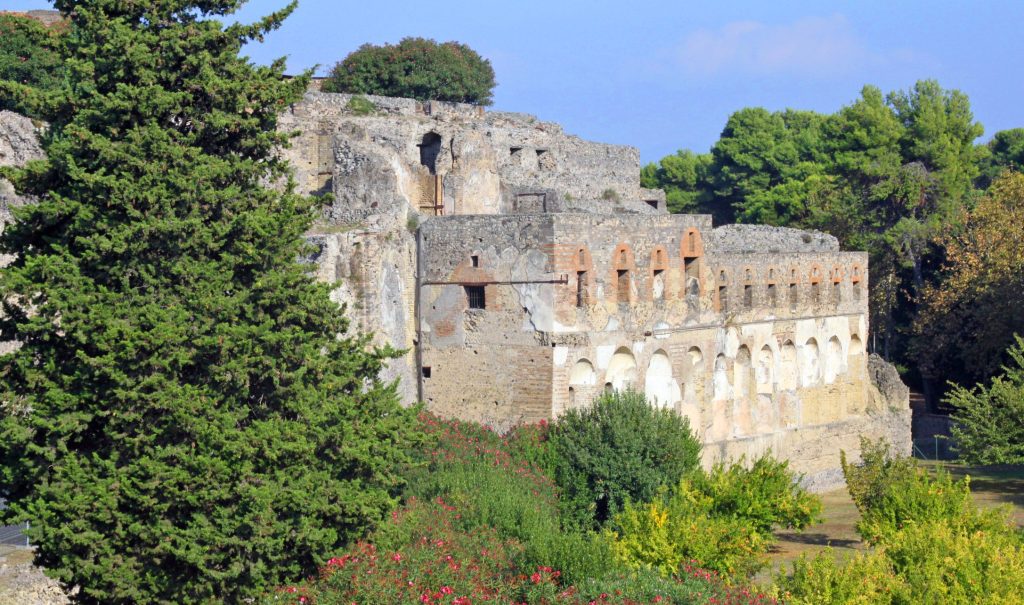
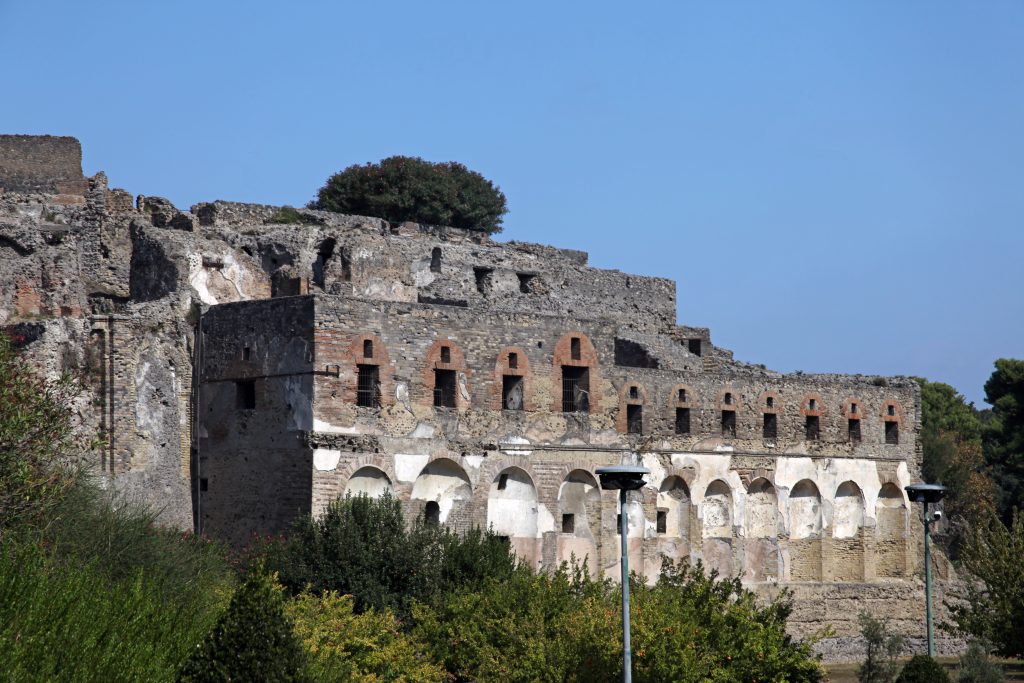
No doubt you have read books or seen movies depicting the destruction of the prosperous Roman city of Pompeii by the eruption of nearby Mount Vesuvius in 79 AD. But as much as history books tell, nothing compares to witnessing this city frozen in its moment of panic and tragedy, including the remains of those who perished, encased in hardening ash in their final moments.
And even among hundreds of tourists, so many paths remain where you can walk alone, with only the ghosts to follow as you imagine what life was like before or during the eruption. It is truly a fascinating and haunting experience.
Nevertheless, Pompeii offers the most extensive visual evidence of how a Roman city lived at scale, and reveals the vast skill in urban planning that the culture mastered. It was a wealthy town with as many as 20,000 residents at the time of its destruction. In Rome, you see fragments; in Pompeii, you see the whole.
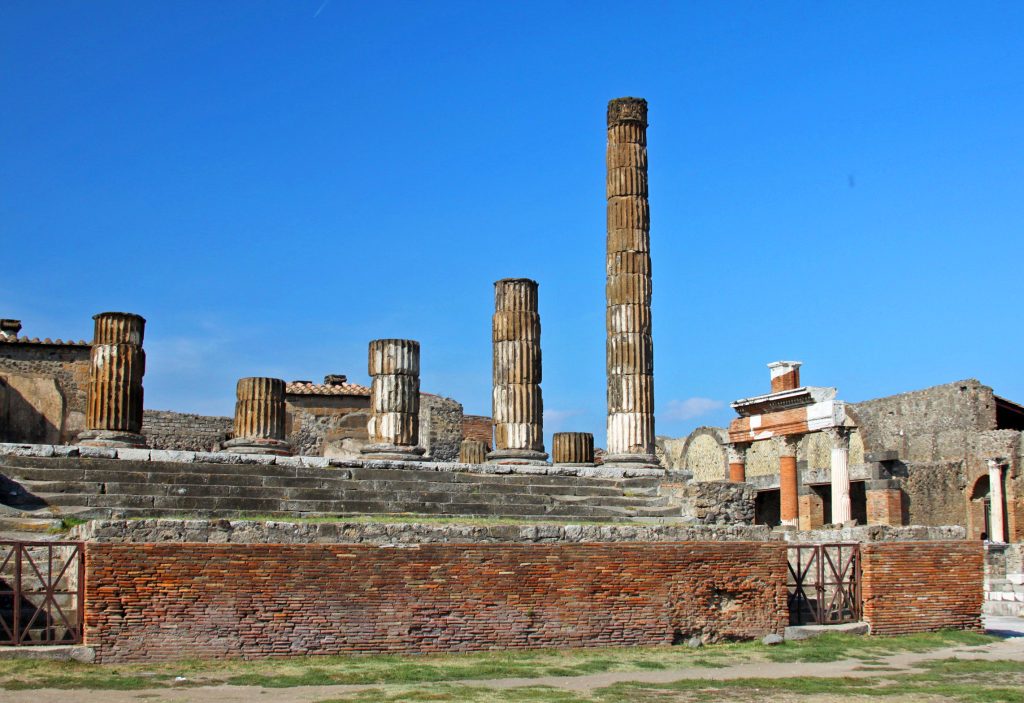
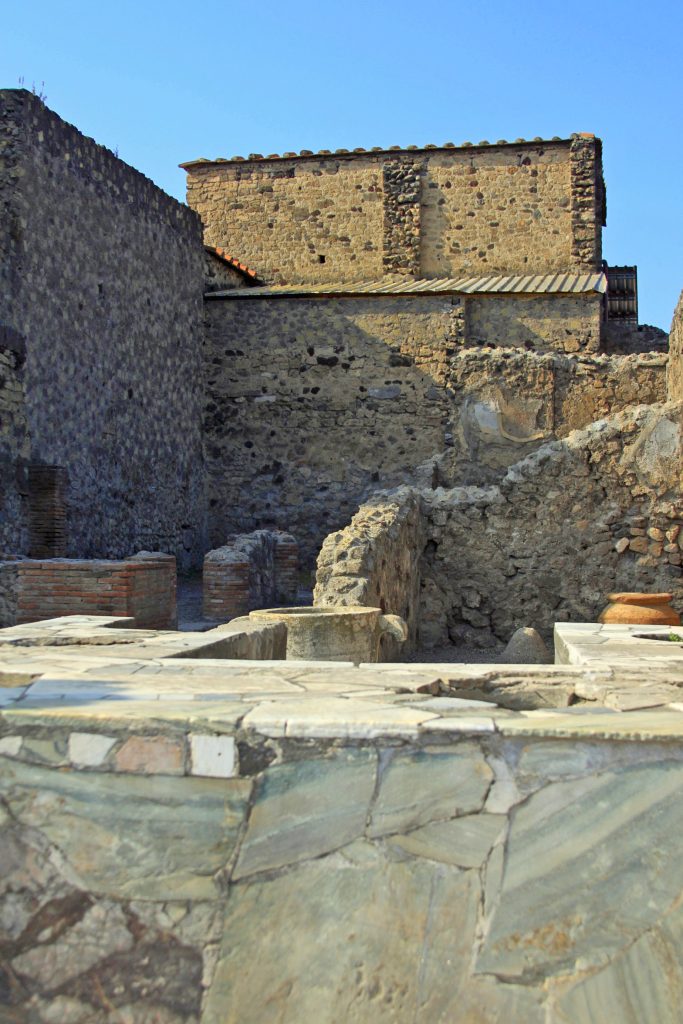
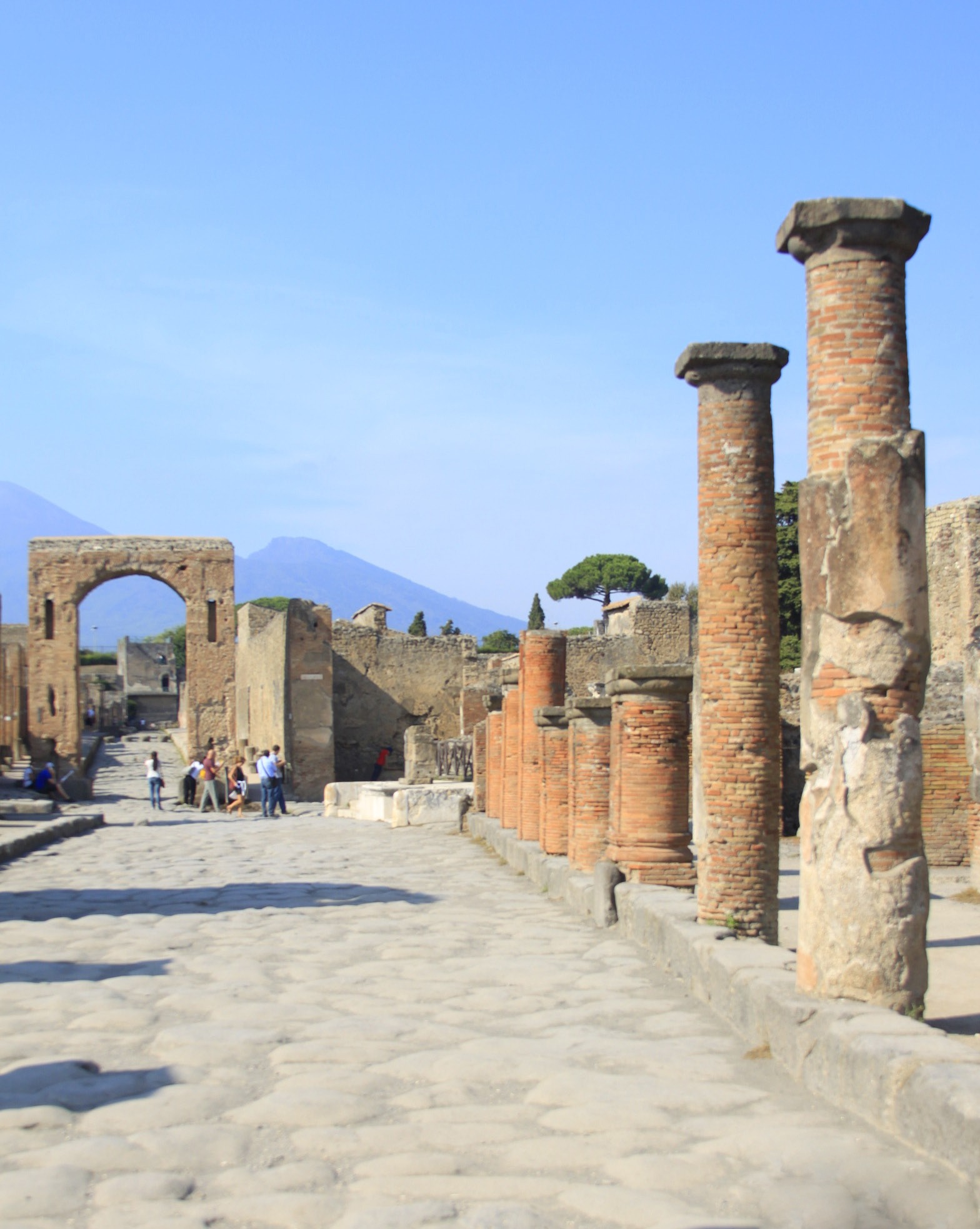
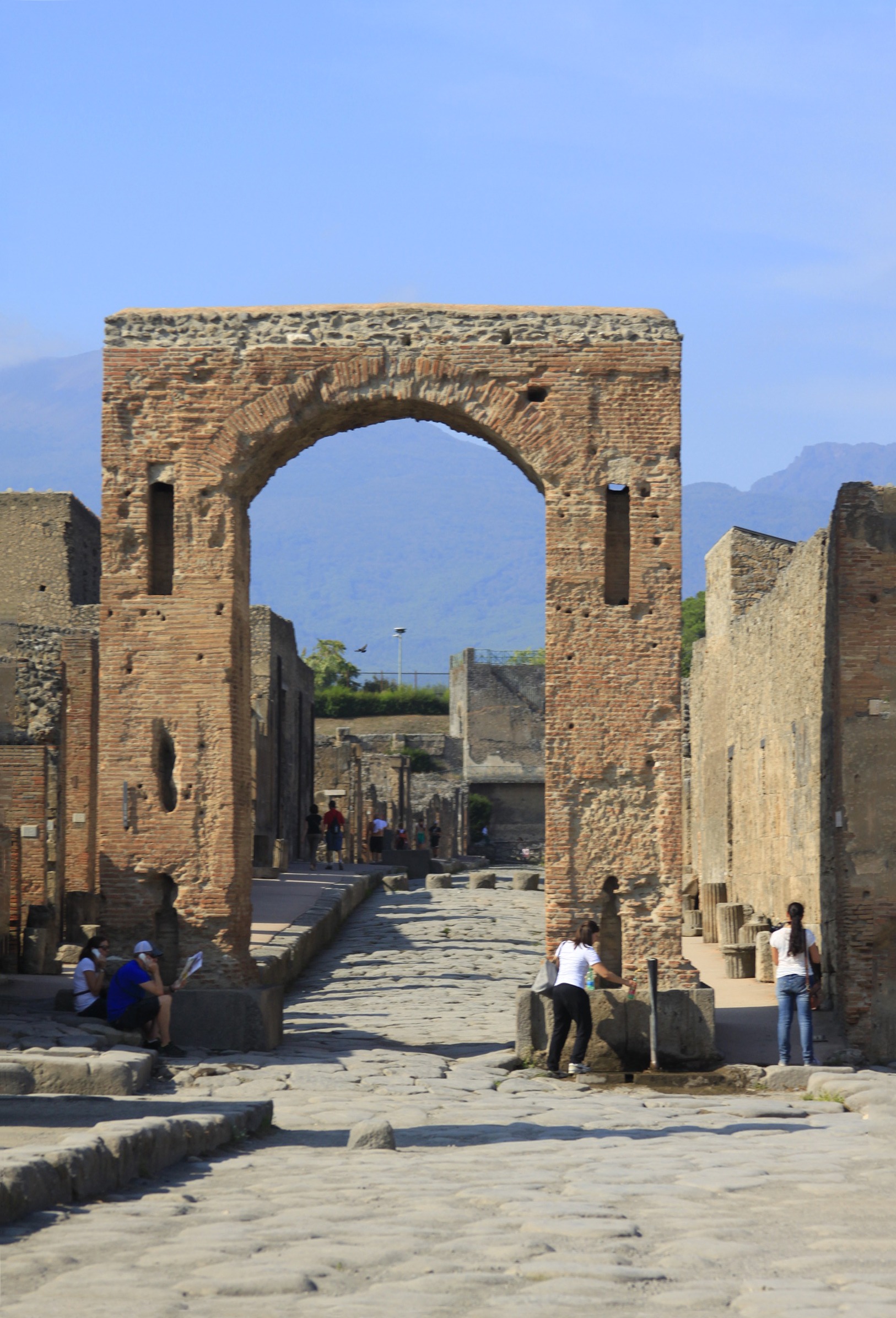
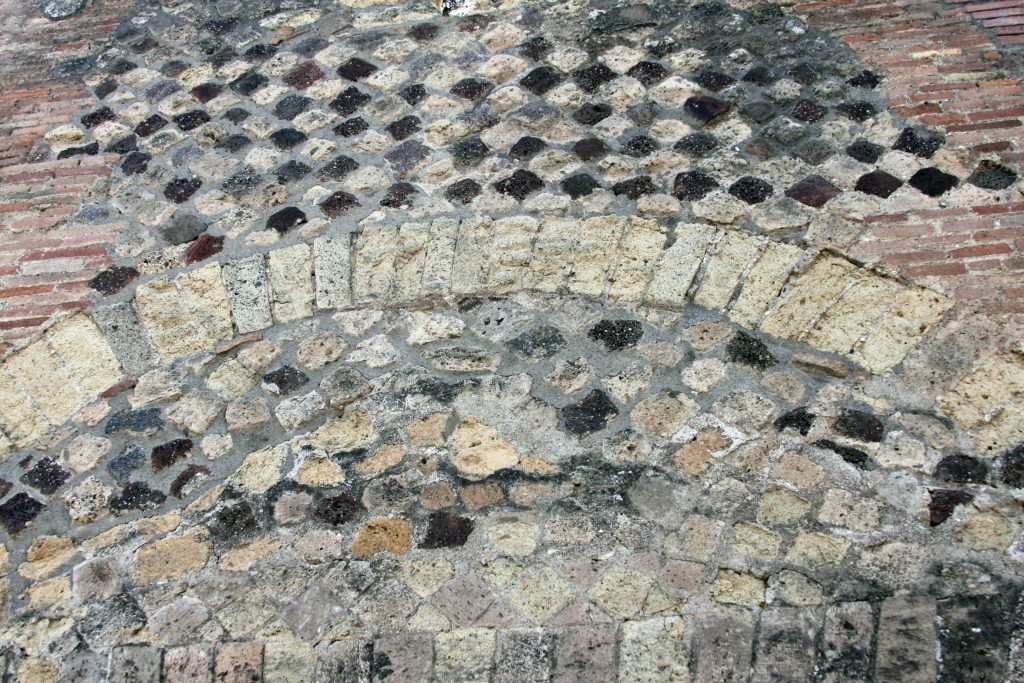
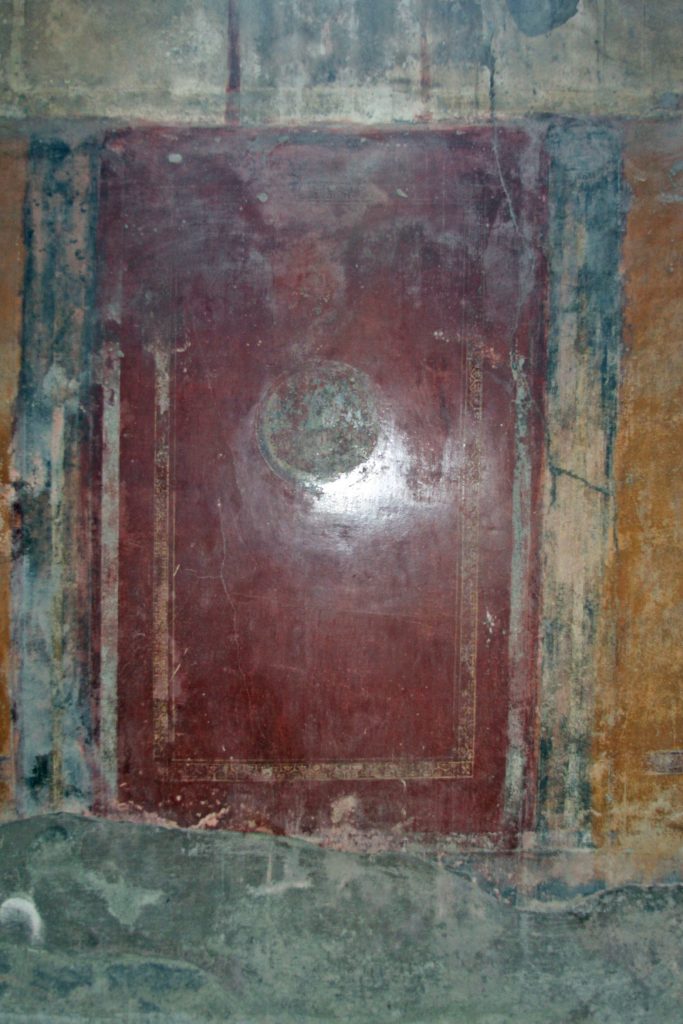
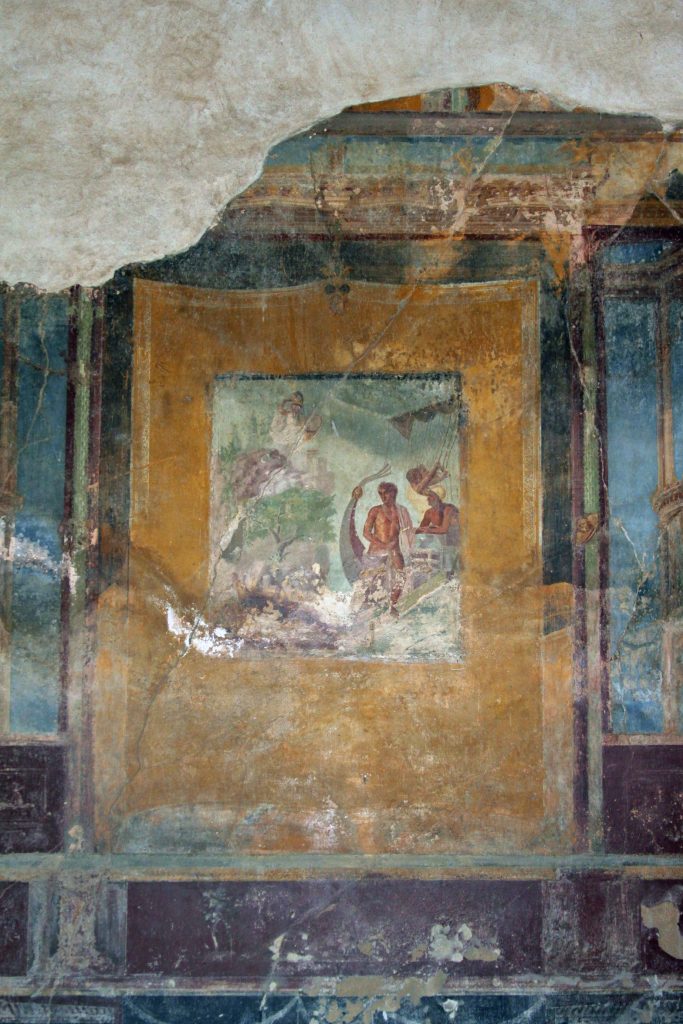
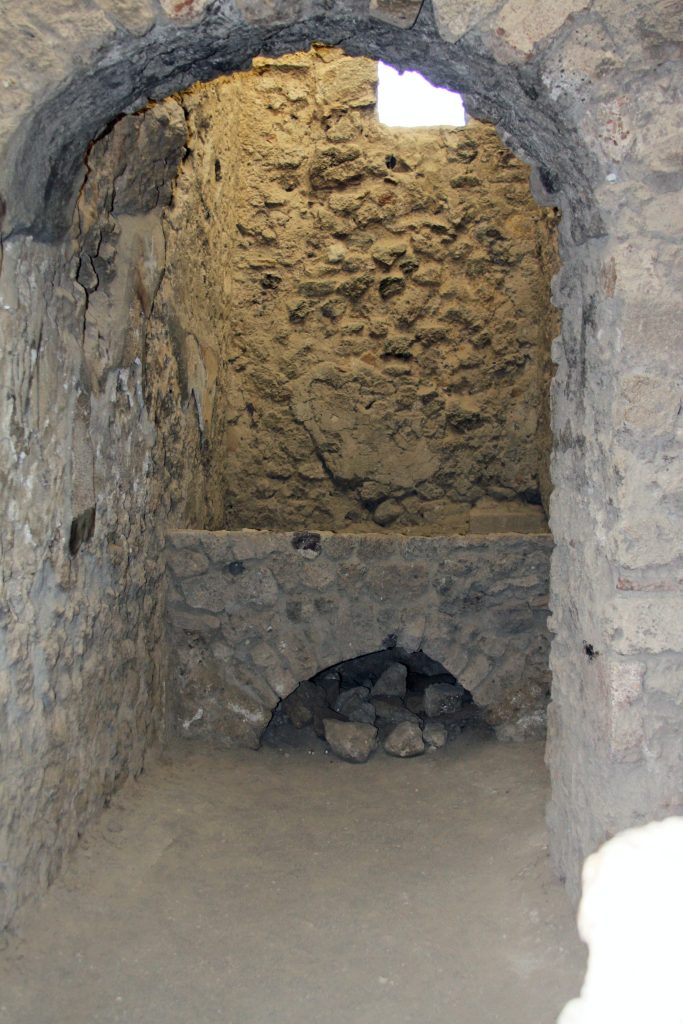
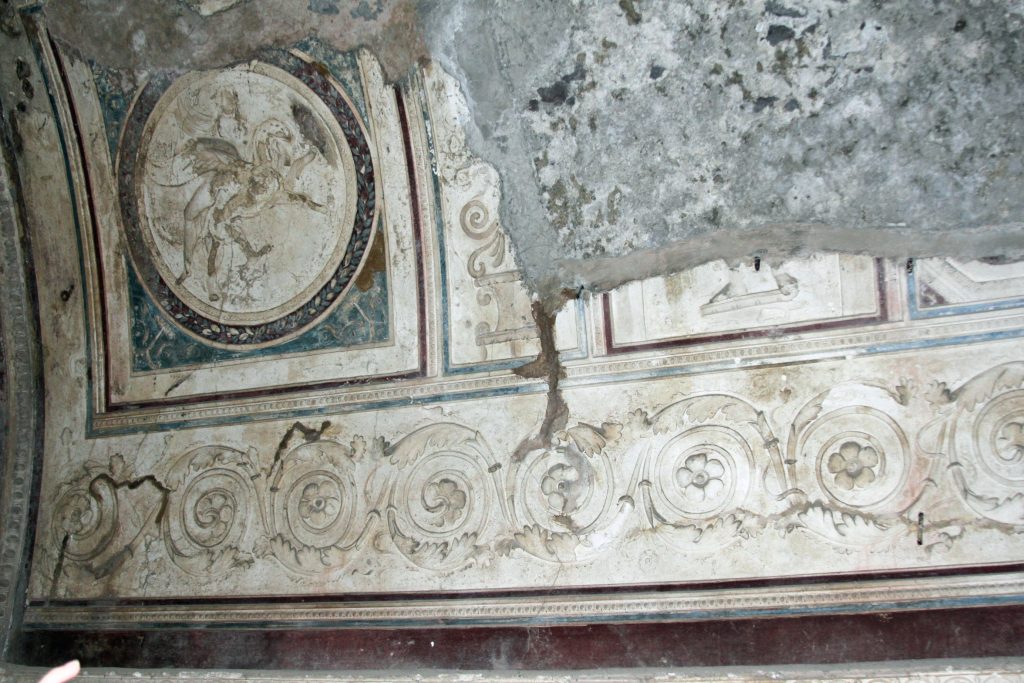
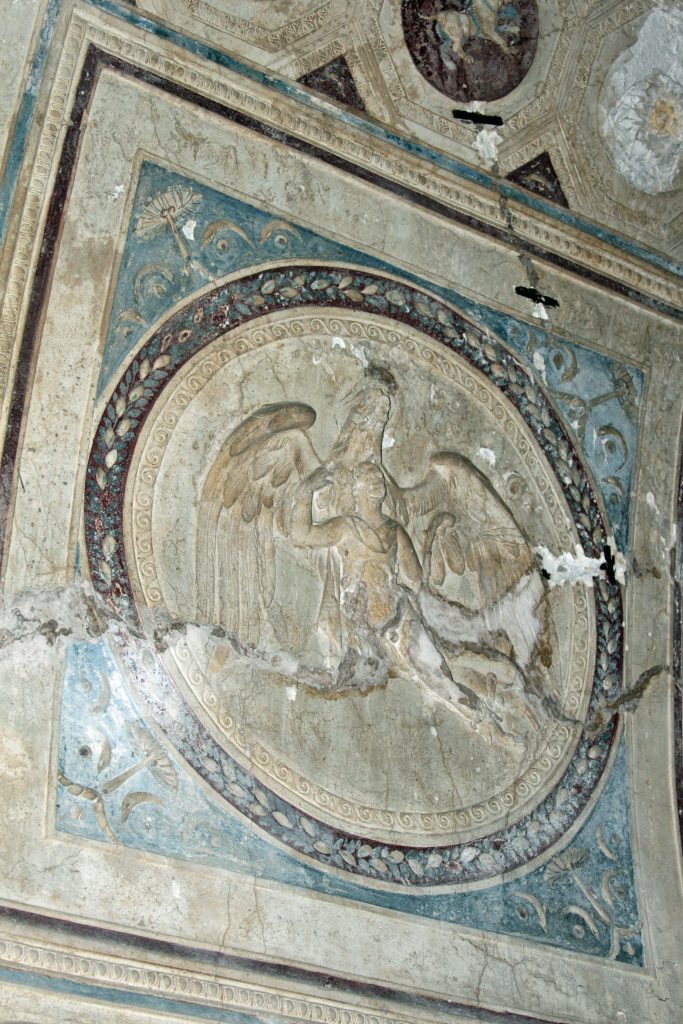
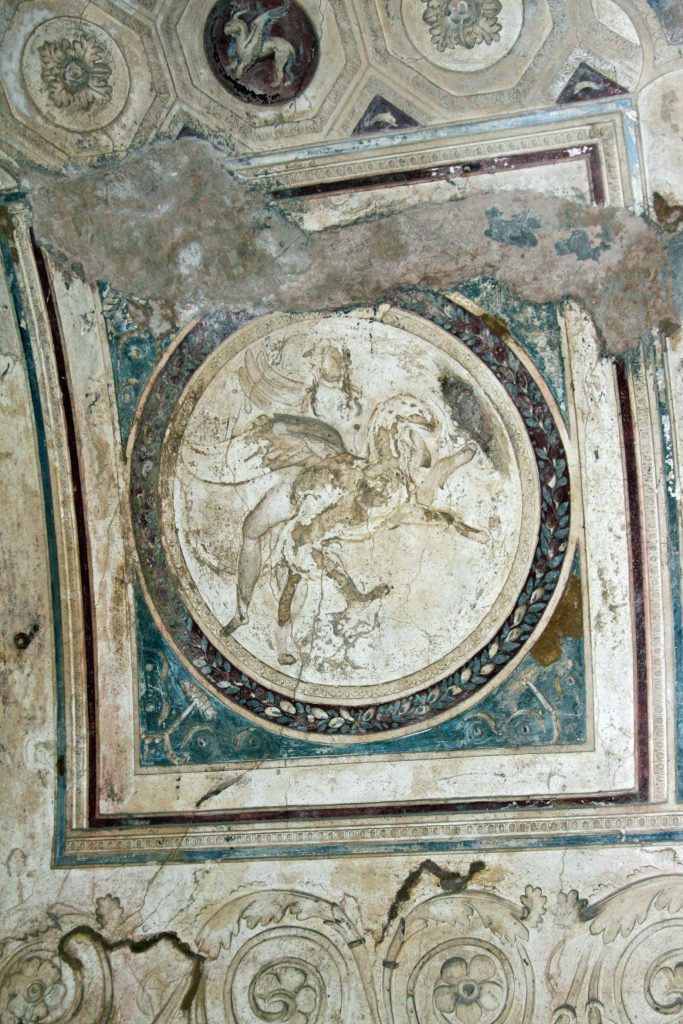
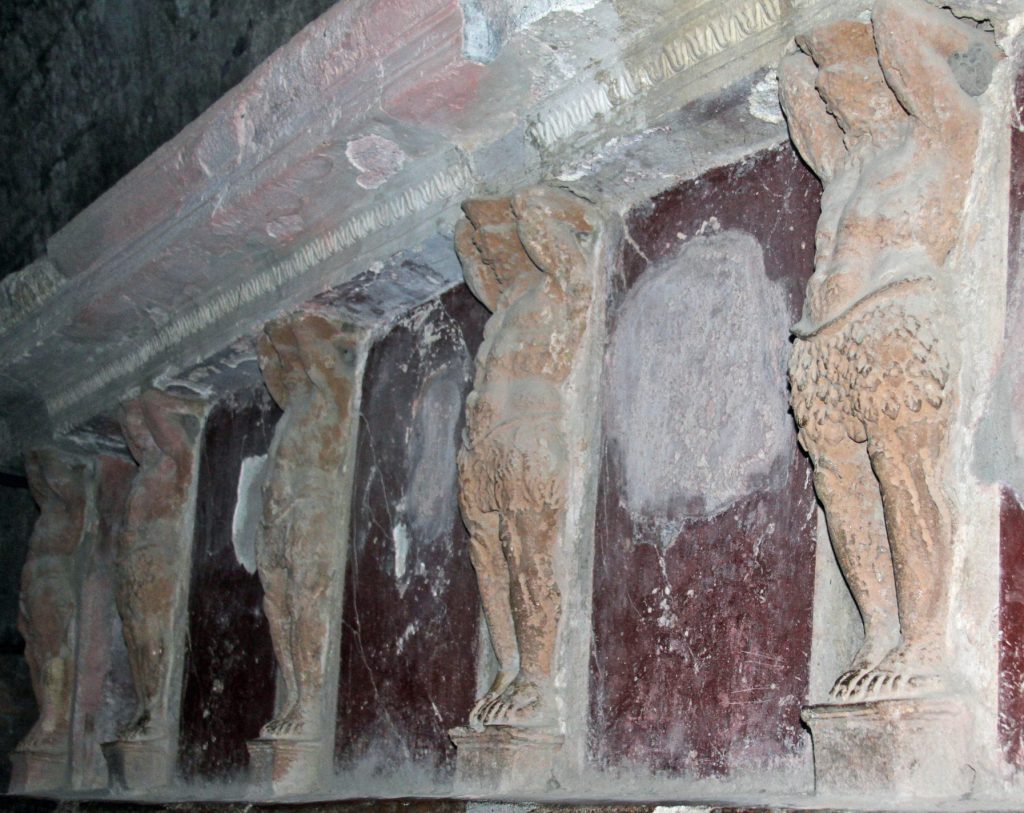
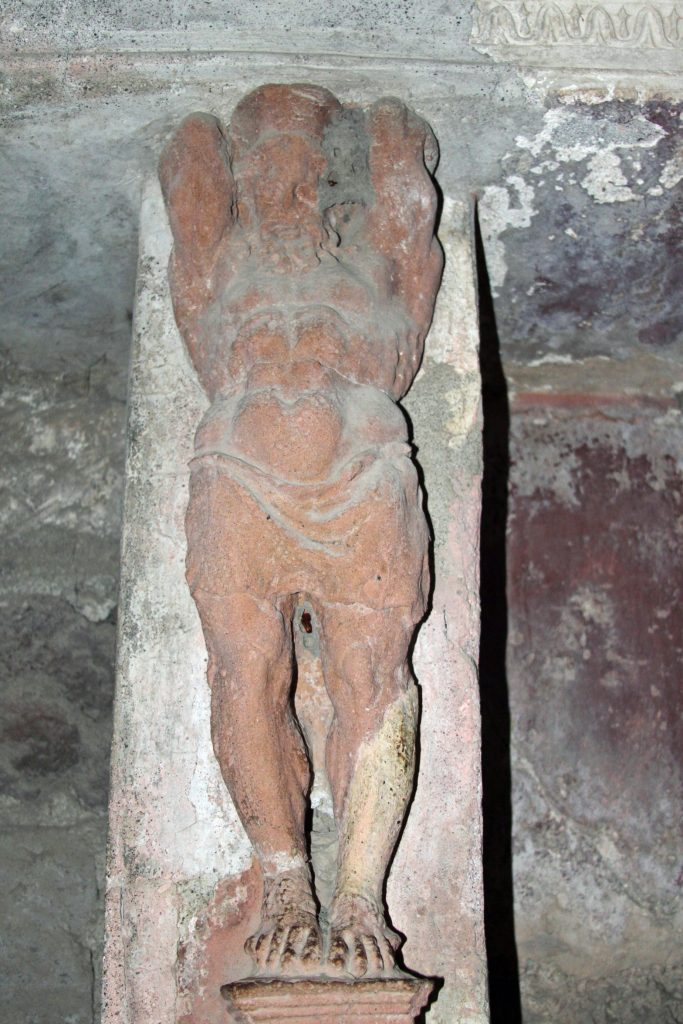
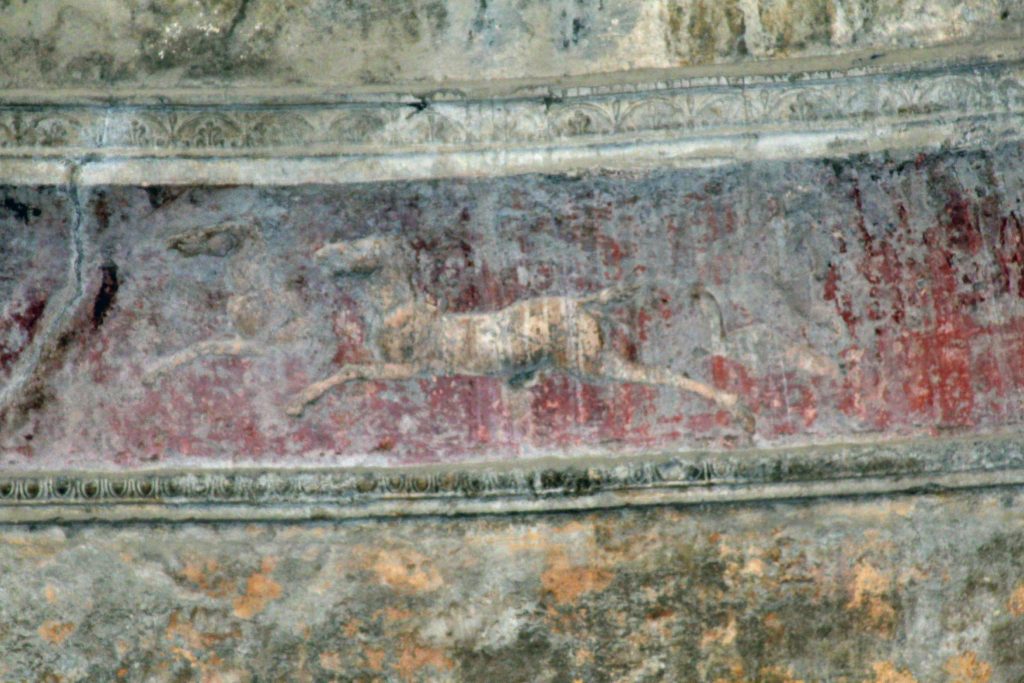
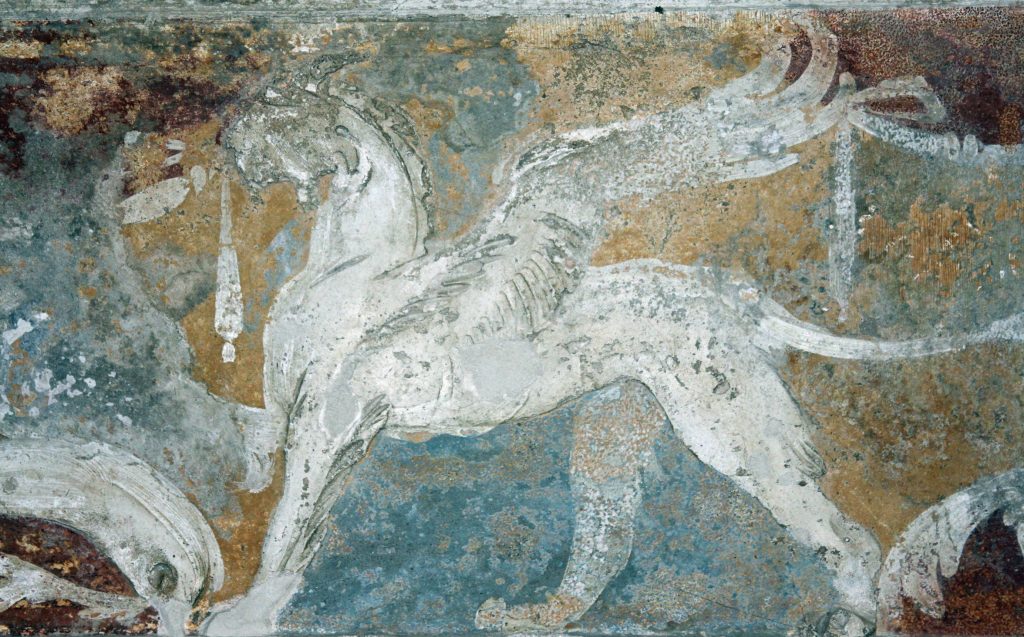
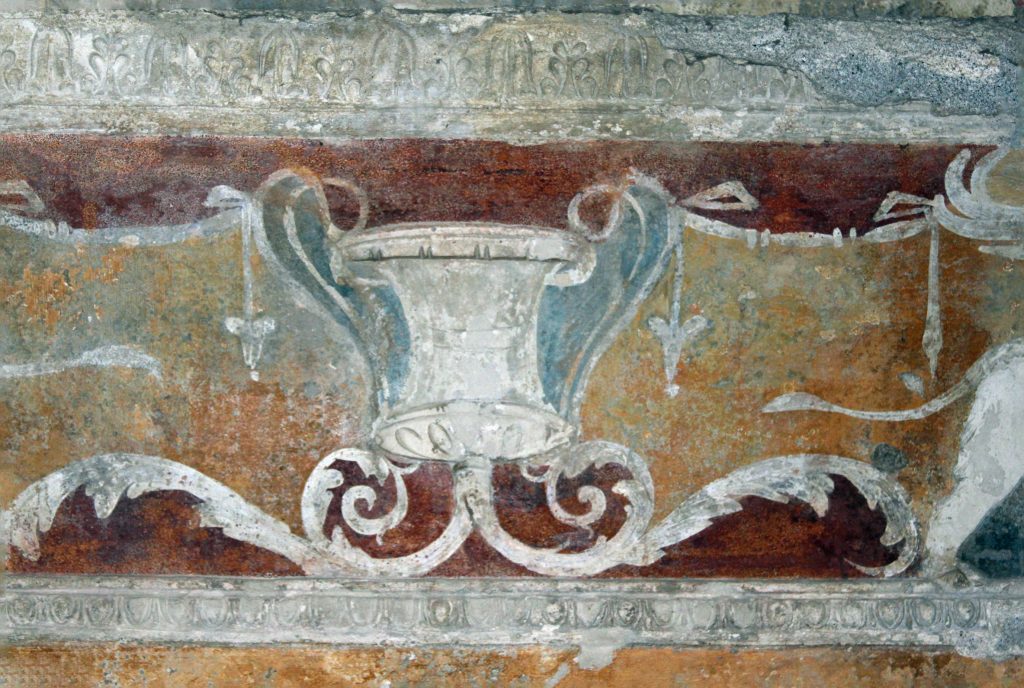
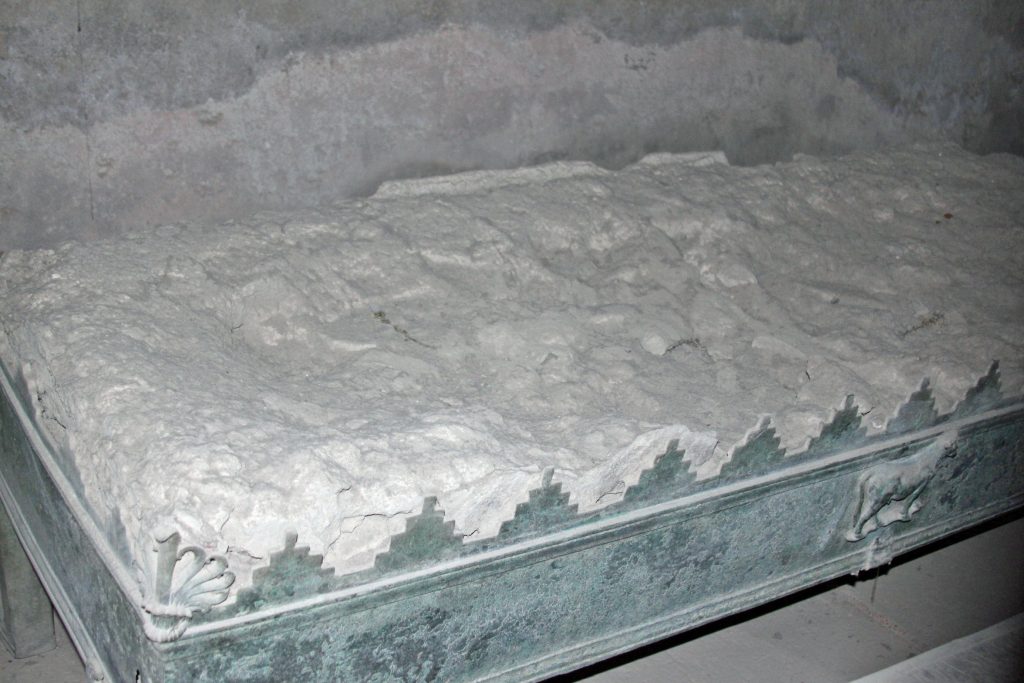
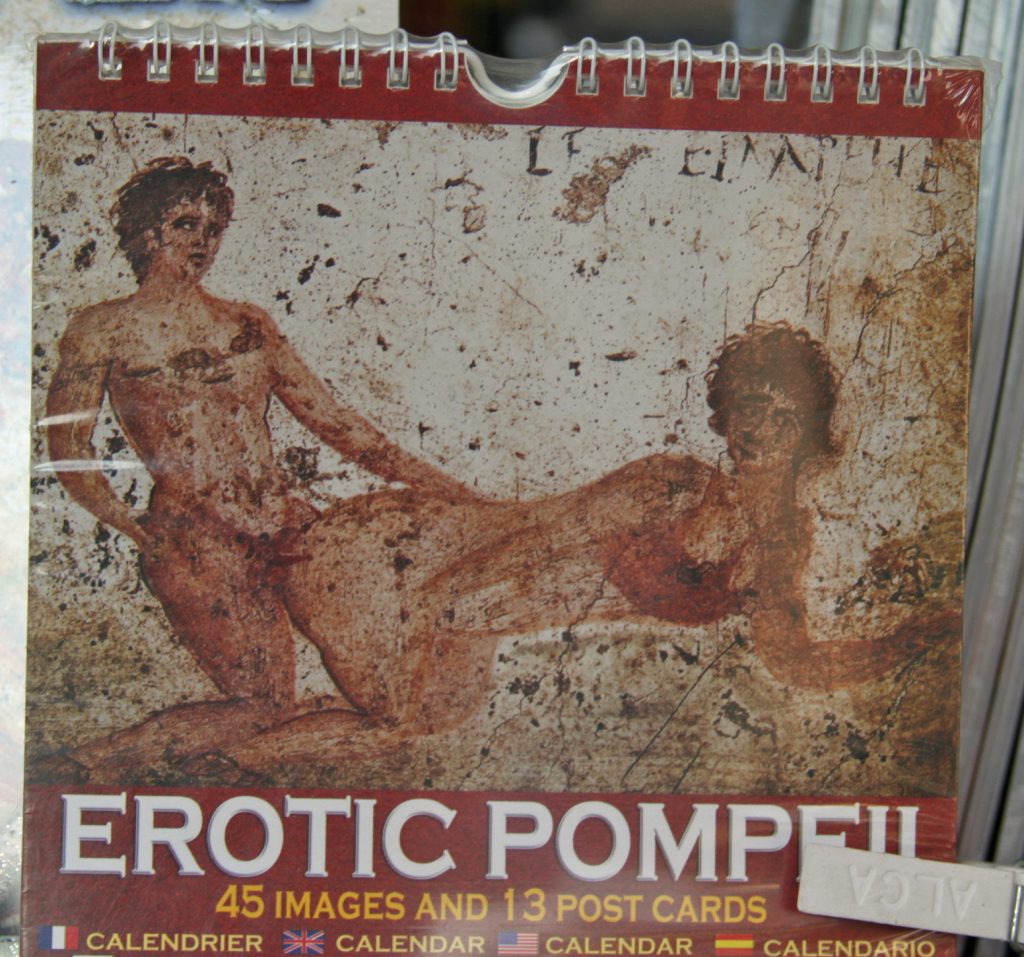
Here are the walls, decorations, mosaics, functional spaces like kitchens and storage, and the luxurious private homes spread across certain residential areas. And then observe the parts of the city inhabited by soldiers, shopkeepers, craftsmen, food vendors, restaurants, drinking establishments, and, of course, brothels with their graphic wall art!
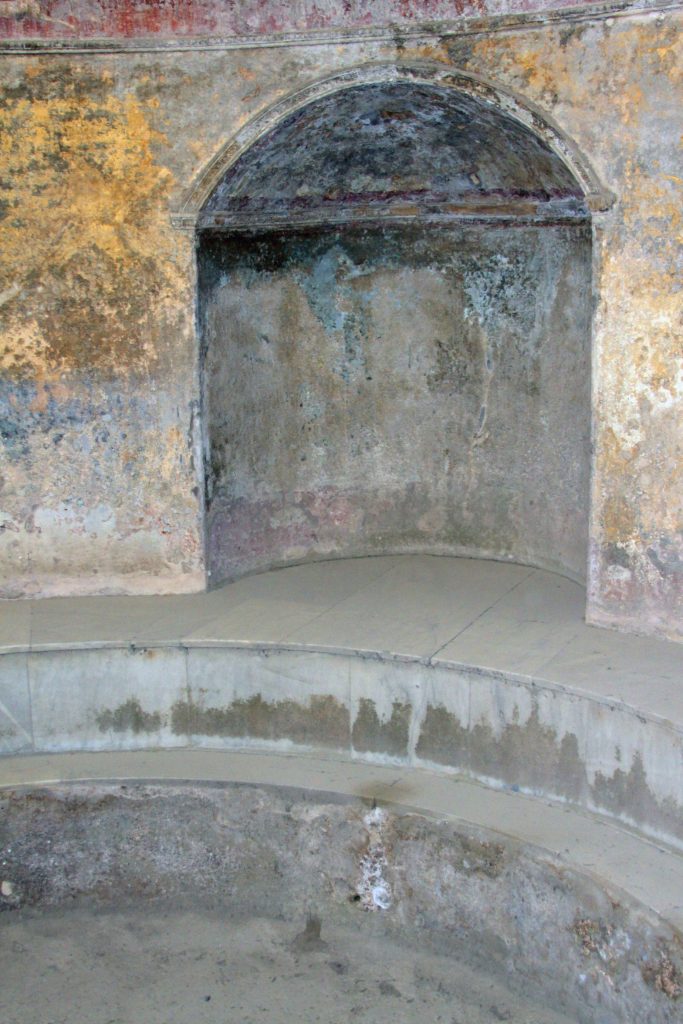
Elsewhere, there are the public buildings—baths, administration, ceremonial, temples, public forum, amphitheater, and a small roofed Odeon theatre. Of course, the city also had aqueducts feeding water into it. Even graffiti covering walls reveals something of these people’s lives—it offers examples of the largely lost Vulgar Latin spoken colloquially at the time, contrasting with the formal language of classical writers.
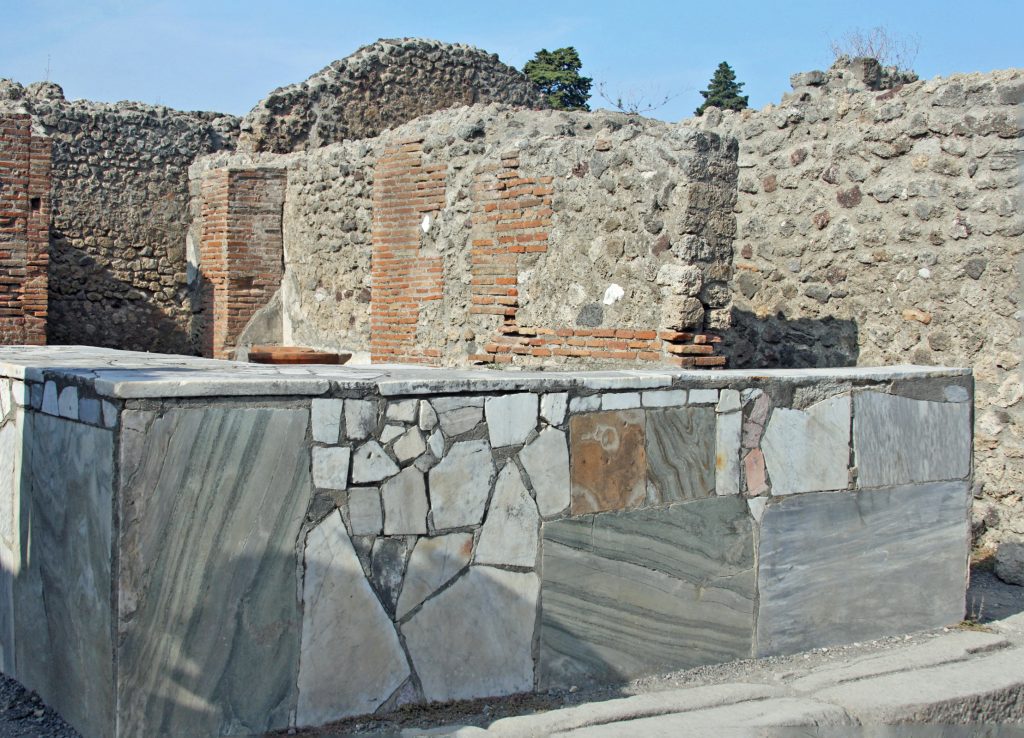
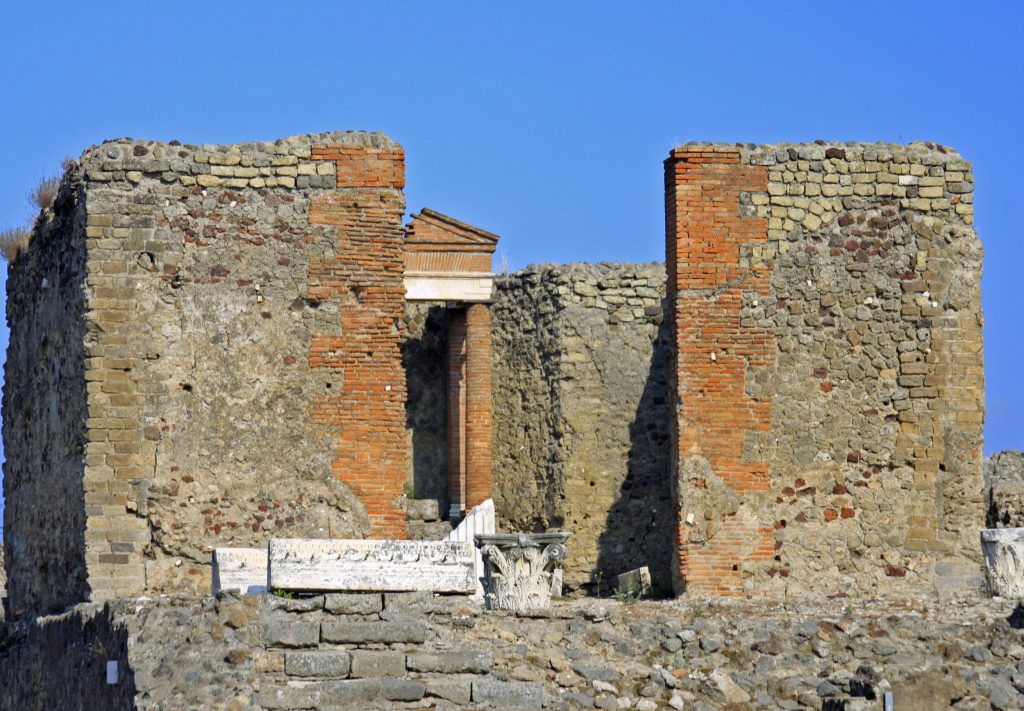
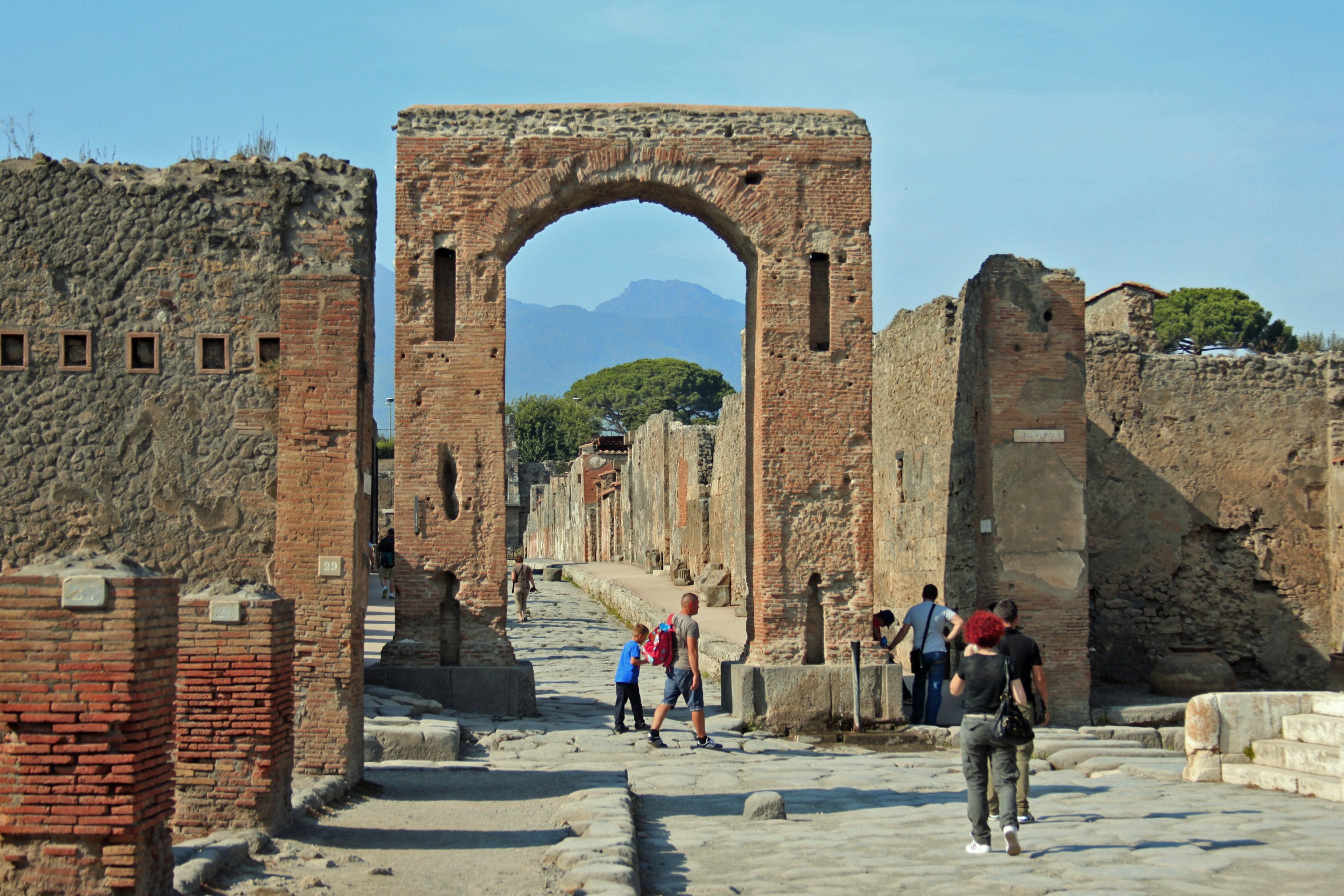
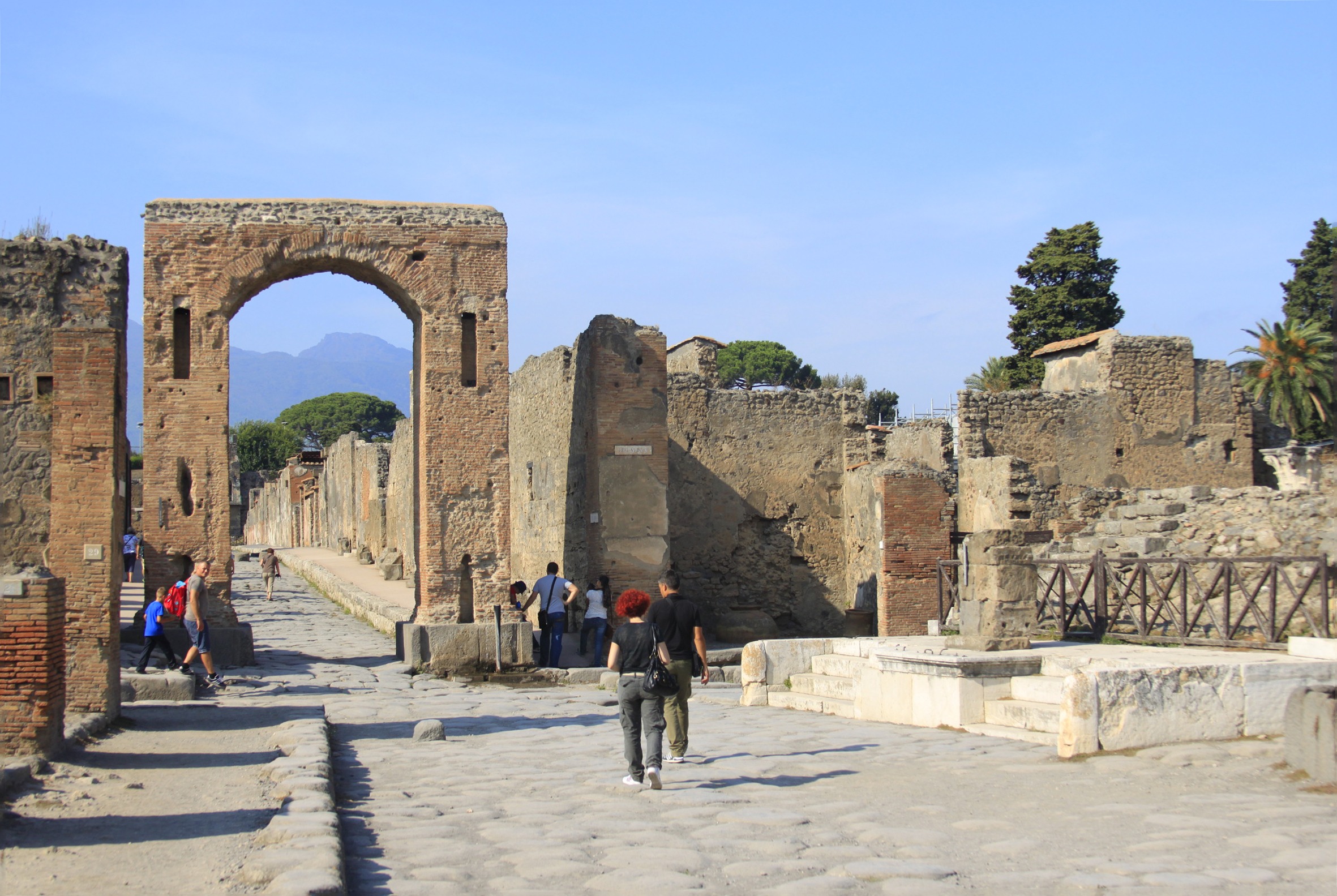
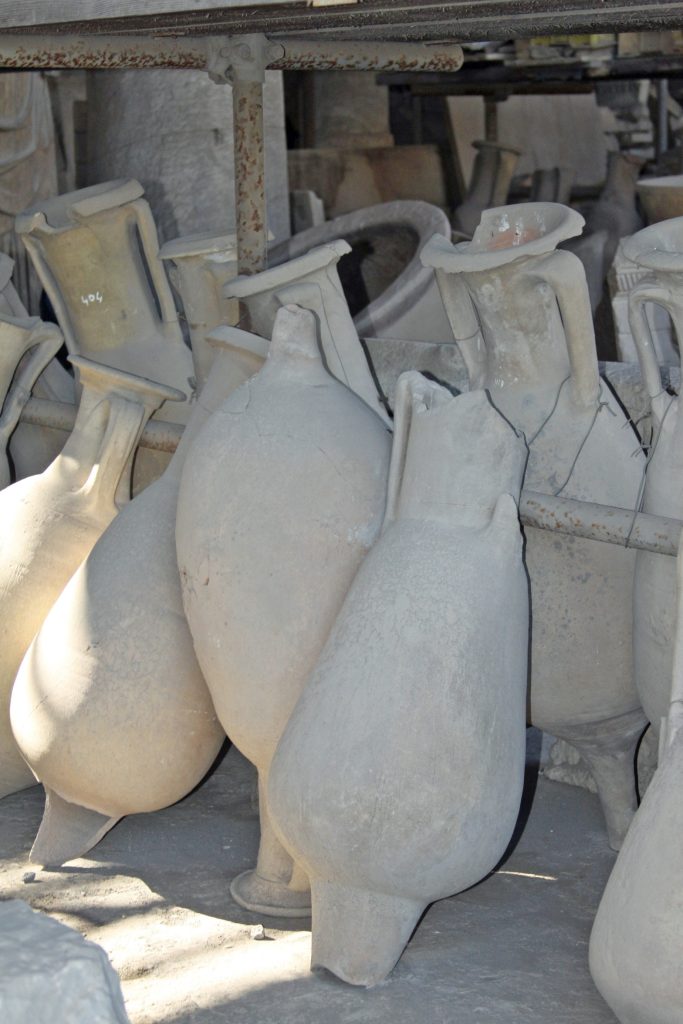
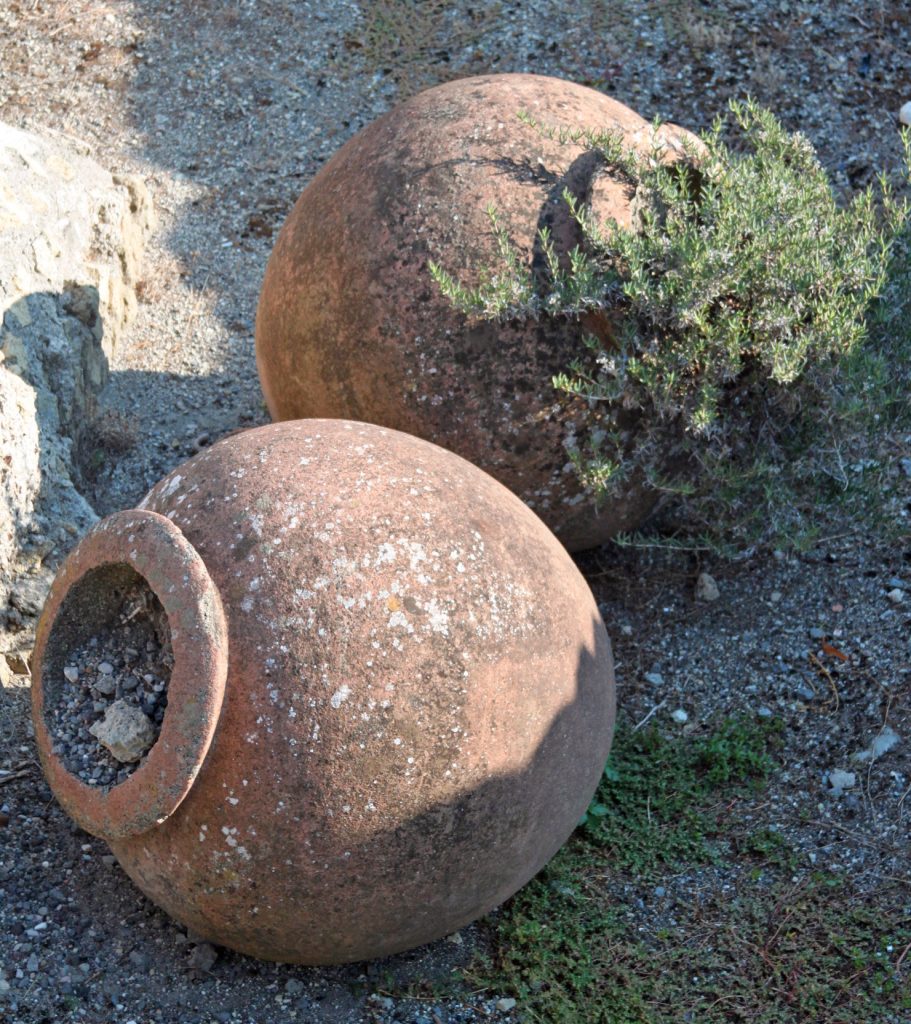
Fortunately, much of this was preserved and buried for centuries before its rediscovery in the 16th century and archeological excavation in the 18th century. Many farms and villas built nearby outside the city have also been excavated. But don’t think those efforts have ended—the work continues at this UNESCO World Heritage Site. In December 2018, archaeologists discovered the remains of four harnessed horses at a single location. Two years later, a thermopolium, an inn or snack-bar, was found with brightly colored frescoes depicting some of the food on offer. Archaeologists also found terracotta pots still containing remnants of meals—duck, goat, pig, fish, and snails—along with a decorated bronze drinking bowl known as a patera, wine flasks, amphorae, and ceramic jars used for cooking stews and soups. It paints a vivid picture of everyday life for these Roman citizens and travelers.
As the eruption began, pumice rained from the sky for 18 hours during the first phase, which lasted two days. This warning let much of the populace escape. Only 1,500 bodies have been discovered to date, suggesting some residents stayed to gather their belongings, as evidenced by skeletons found with jewelry, coins, and silverware. The next day, the full pyroclastic explosion and flow began, knocking down and incinerating structures and ending the lives of those still in Pompeii. We know much of what happened from Pliny the Younger’s first-hand account, written as he escaped and observed from Misenum on the Bay of Naples.
Where to Stay in Pompeii, Italy
Pompeii’s modern town sits just outside the archaeological site, with most visitors staying either in Pompeii itself or in nearby Torre Annunziata, about two kilometers away. Hotels and guesthouses in central Pompeii offer convenience, reasonable rates, and often family-run hospitality within walking distance of the site entrance. If you prefer more amenities and dining variety, Torre Annunziata has larger hotels and is connected by local bus and train service, though you’ll add fifteen to twenty minutes to your commute to the excavations each morning.
For a quieter base, consider towns along the Sorrento Peninsula, such as Sorrento or Vico Equense, both about thirty kilometers away. These areas offer better beaches, stronger tourism infrastructure, and more upscale accommodations, though you’ll need a car or be prepared for a thirty to forty minute commute to Pompeii by train or bus. The Circumvesuviana railway line connects these towns directly to Pompeii Scavi station, making day trips easy.
Budget travelers often book shared guesthouses or smaller hotels in Pompeii town, which typically charge thirty to fifty euros per night. Mid-range options across the region typically run fifty to one hundred twenty euros and include basic amenities like private bathrooms and breakfast. Book ahead during summer months as rooms fill quickly, but shoulder seasons like April, May, September, and October offer pleasant weather with fewer crowds and easier availability.
The choice between staying in Pompeii itself or nearby towns comes down to your priorities. Staying in Pompeii town maximizes your time at the site and minimizes travel hassle, but the town itself offers limited nightlife and fewer restaurant options. Staying in larger towns or on the peninsula offers more evening activities and beach access, but the extra travel time cuts into your exploration hours at the site.
Recommended Reading
Here’s some Pompeii reading for you.
- Pompeii by Robert Harris – A gripping historical thriller set in the final days before Mount Vesuvius erupts. Combining real history with fast-paced fiction, this novel brings the engineering marvels and political tensions of ancient Rome to life.
- A Day of Fire: A Novel of Pompeii by Kate Quinn – A collaborative novel from six authors, each telling the story of a different character living out their final day in Pompeii. Deeply human and emotionally resonant.
- Curses and Smoke by Vicky Alvear Schecter – A YA historical romance featuring a healer’s daughter and a gladiator who plan their escape from the doomed city. Perfect for younger readers interested in ancient Rome.
- The Secrets of Vesuvius by Caroline Lawrence – A middle-grade mystery adventure that follows young detectives solving secrets in ancient Italy just as Mount Vesuvius threatens. Educational and engaging.
- The Last Days of Pompeii by Edward Bulwer-Lytton – A classic 19th-century novel of love, betrayal, and faith set against the backdrop of Pompeii’s destruction. Dramatic and sweeping in scope.
- Pompeii: A Tale of Murder in Ancient Rome by Robert Colton – A historical whodunit set in Pompeii, blending intrigue with immersive period detail. A compelling mix of mystery and ancient setting.
- The Destruction of Pompeii, AD 79 by Lauren Tarshis – Part of the “I Survived” series, this children’s book introduces younger readers to the events of Pompeii through the eyes of a young boy caught in the disaster.
- A Life in the Age of Pompeii by Charline Ratcliff – A fictionalized account that vividly imagines the day-to-day life of a Roman citizen before the eruption. Rich with sensory detail and historical imagination.
- Pompeii: City on Fire by T. L. Higley – A Christian historical novel set during the catastrophic final days of Pompeii. Themes of faith, redemption, and cultural tension underpin the fast-paced narrative.
Prefer straightforward history? Read these:
- Pompeii: The Life of a Roman Town by Mary Beard – A masterclass in accessible scholarship, Beard explores everyday Roman life through the lens of Pompeii, with wit and rigor.
- The Complete Pompeii by Joanne Berry – An in-depth archaeological guide packed with photos, maps, and insights into the city’s layout, society, and sudden destruction.
- Pompeii: An Archaeological Guide by Paul Wilkinson – A concise and practical guidebook ideal for travelers or readers seeking a structured overview of the site’s major highlights.
- Inside Pompeii by Luigi Spina – A visually stunning photographic tour of Pompeii’s interiors, featuring many areas not accessible to the public. Beautiful and intimate.
- Pompeii: The History, Life and Art of the Buried City by Marisa Ranieri Panetta – A richly illustrated, authoritative work on Pompeii’s architecture, culture, and legacy.
- Insight Guides: Naples in 1 Day – A concise, visual travel guide that covers Naples and surrounding areas, including Pompeii. Ideal for short-stay explorers or first-time visitors.
Tours to Consider